Archive Page 28


Family Ties

2013 12-3 152

The Costantino Family

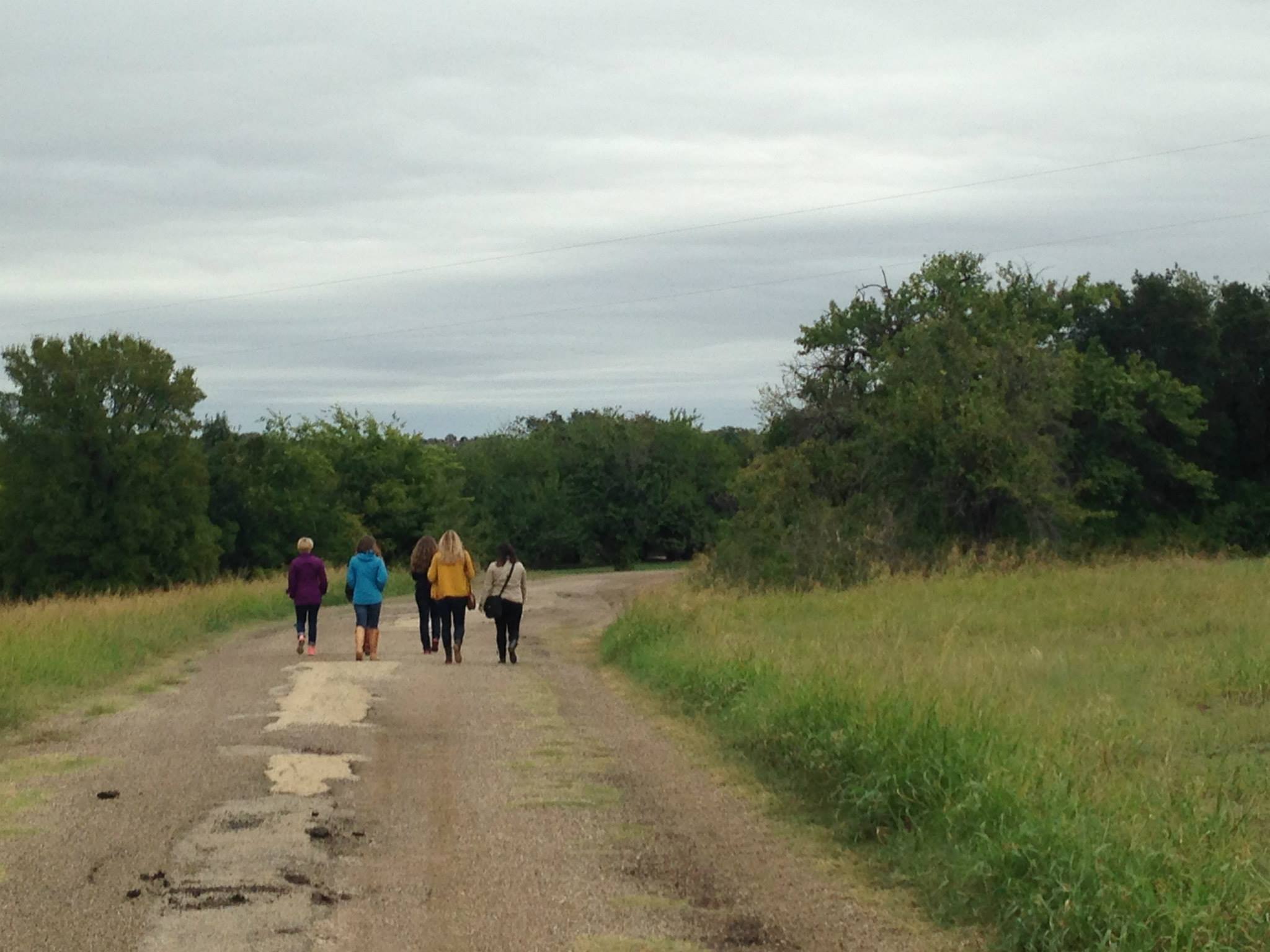
The Costantino family has been coming to the DMA for years, and we’ve had the pleasure of watching the children grow up with art as a regular part of their childhood. Mom Rose is a homeschooling extraordinaire with a background in play therapy who brings her children to the Museum at least twice a month. When the Family Programs team decided to experiment with the idea of kids creating activities for kids, we knew just who to turn to! The Costantino kids (above, ages 10, 6, 3 and 8), stepped into the role quite easily and helped us create a brand new Art to Go family tote that will soon be available for all visitors to check out and use in the galleries while at the DMA. Here’s a peek into life with these fantastic kids from their mom, Rose.

What was your first visit to the DMA with your children like?

The first time I took all four kids to the Museum, I was overwhelmed. I was worried that they would touch something they shouldn’t or act completely crazy. We stayed too long that first time. It felt like such a victory to even get there in one piece, that I wanted them to see everything.

What actually happened was the Museum guards were very nice and helpful. The kids loved all the different things to see. Then once we found Arturo’s Nest, we were hooked. The Nest is a super fun play room. It is a great way to end the day.
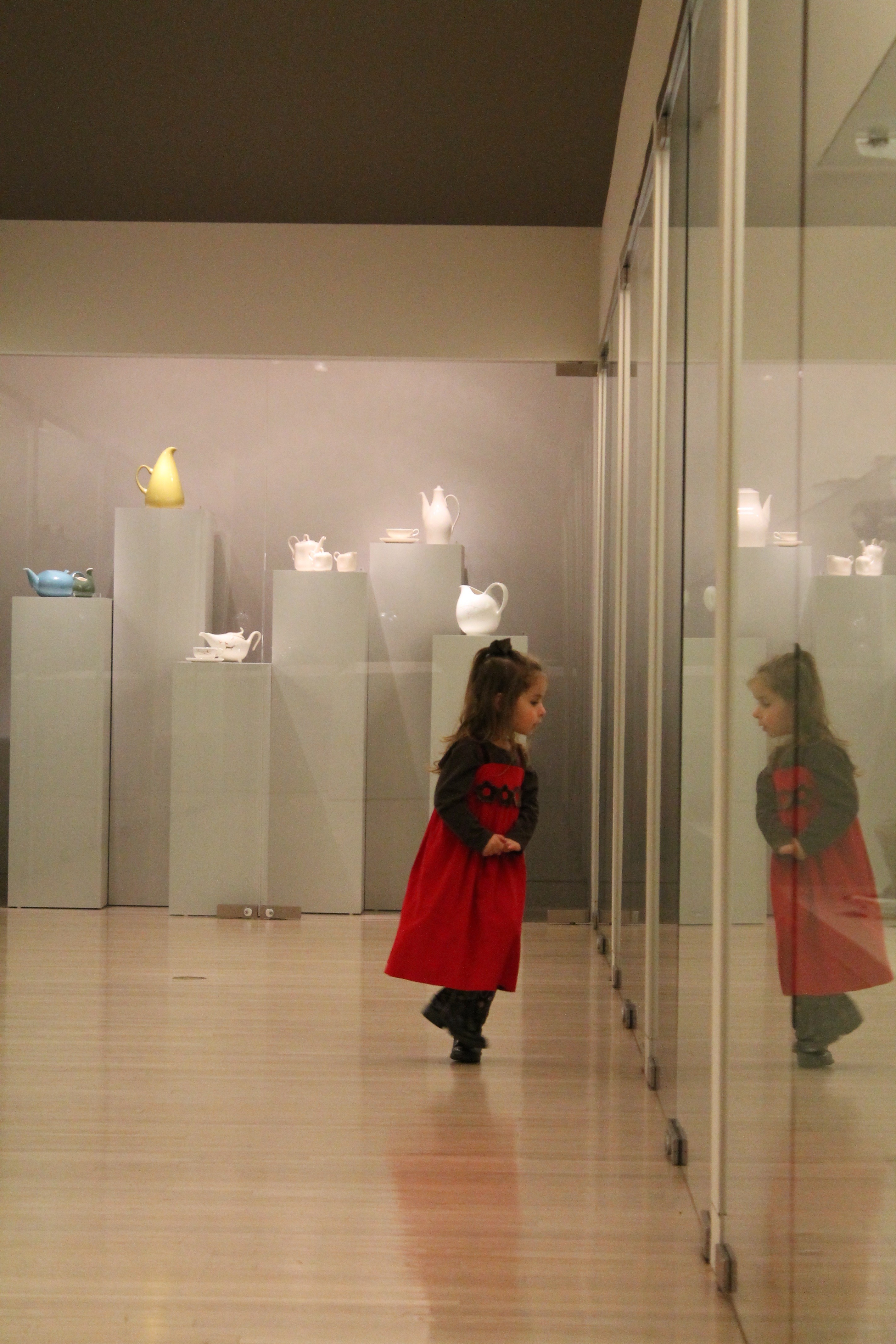
Littlest

Now that you’ve been coming regularly to the Museum for years, what has changed about the way you visit with your children?

We talk about what we are going to see before we get there. I try and weigh everyone’s opinion. We all enjoy seeing a new exhibit. We might take 10 minutes to walk through–the kids are eager to see what’s around the corner, so we walk through quickly. The next visit we might go back to the same exhibit to look at just one piece. Not trying to see it all in one visit is the best way we have changed our visits.
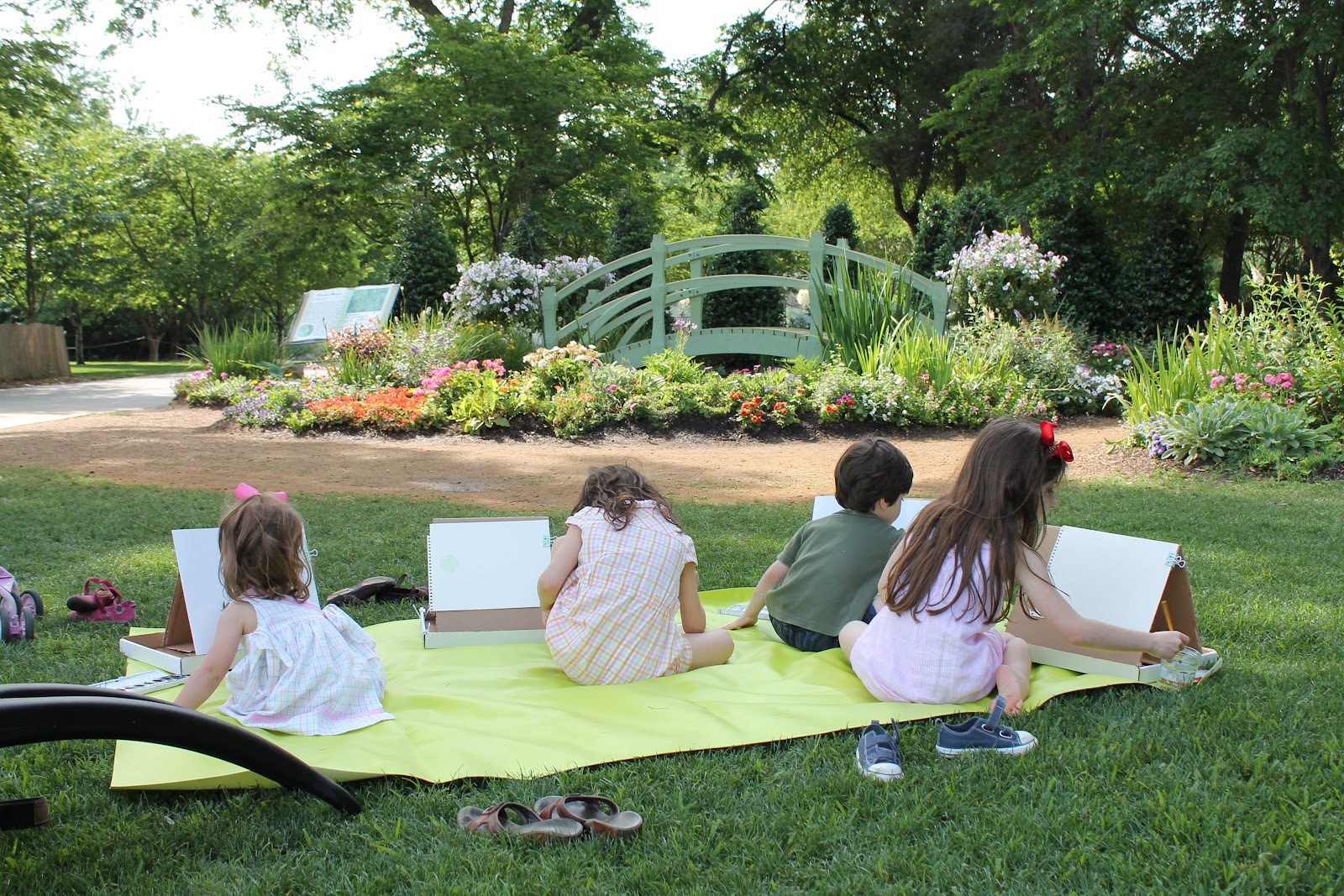
Painting like Monet at the Arboretum

Painting like Monet at the Arboretum

How have regular visits to the Museum influenced your children beyond the gallery walls?

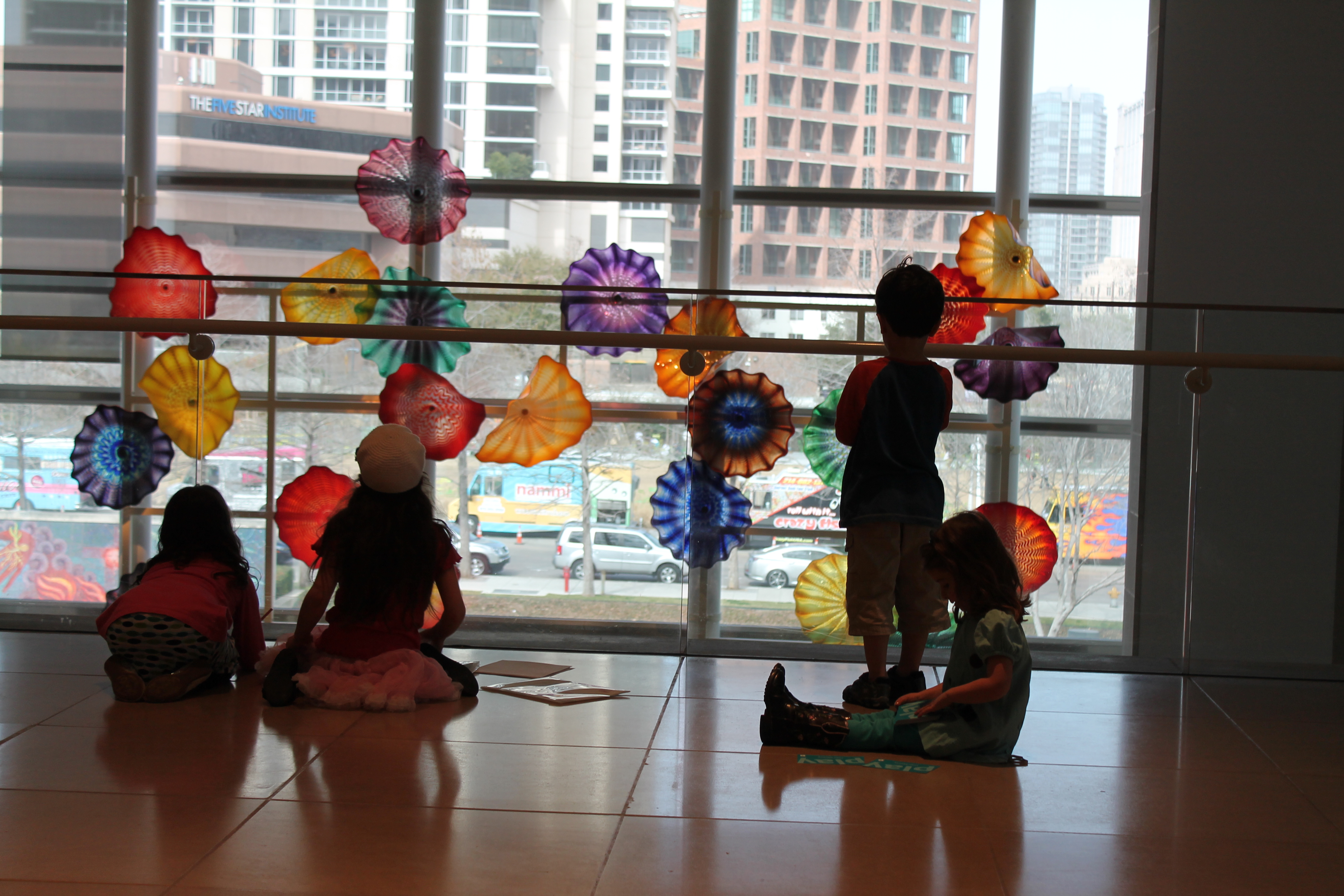
They have become so confident in any museum setting. They recognize artists and their work in a variety of places. And, they love creating their own works of art!
2014 2-24 011

I know your kids have seen many different exhibitions come and go here at the DMA. What have been some of their favorites?

Some of their favorites include: The Body Beautiful in Ancient Greece: Masterworks from the British Museum, Nur: Light in Art and Science from the Islamic World, Jim Hodges: Give More than You Take, and The Fashion World of Jean Paul Gaultier: From the Sidewalk to the Catwalk.
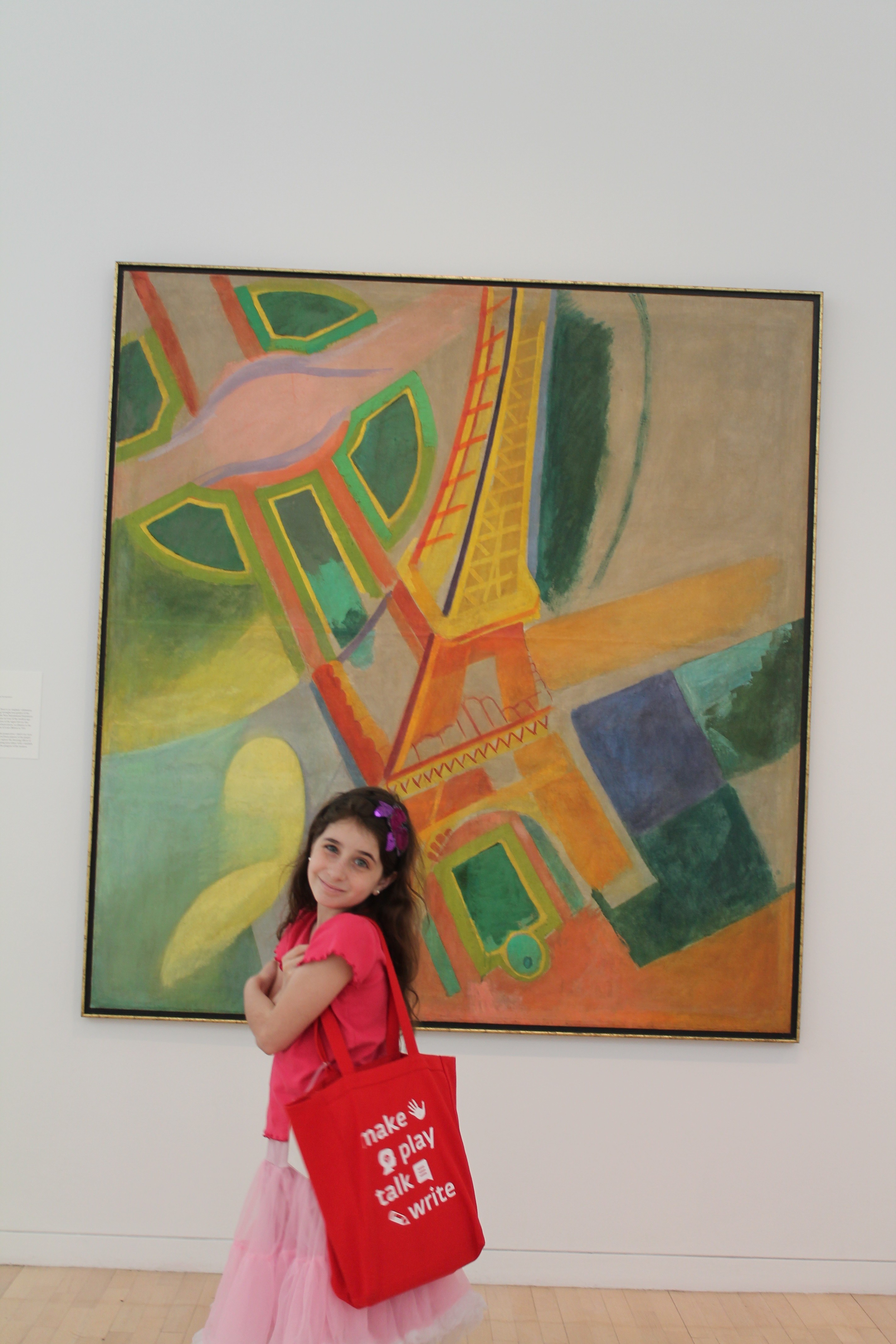
Oldest

We specifically chose to feature your family as our “Guest Family Curators” for a new Art to Go Tote because we knew your children have a lot of experience interacting with art in a variety of ways. They know that there’s so much more to do at a museum than just stand in front of a painting! What was it like for you and the children to come up with ideas for other families to use in the Museum?

We had a blast creating this bag! The kids had tons more ideas. Art for them is an extension of play.
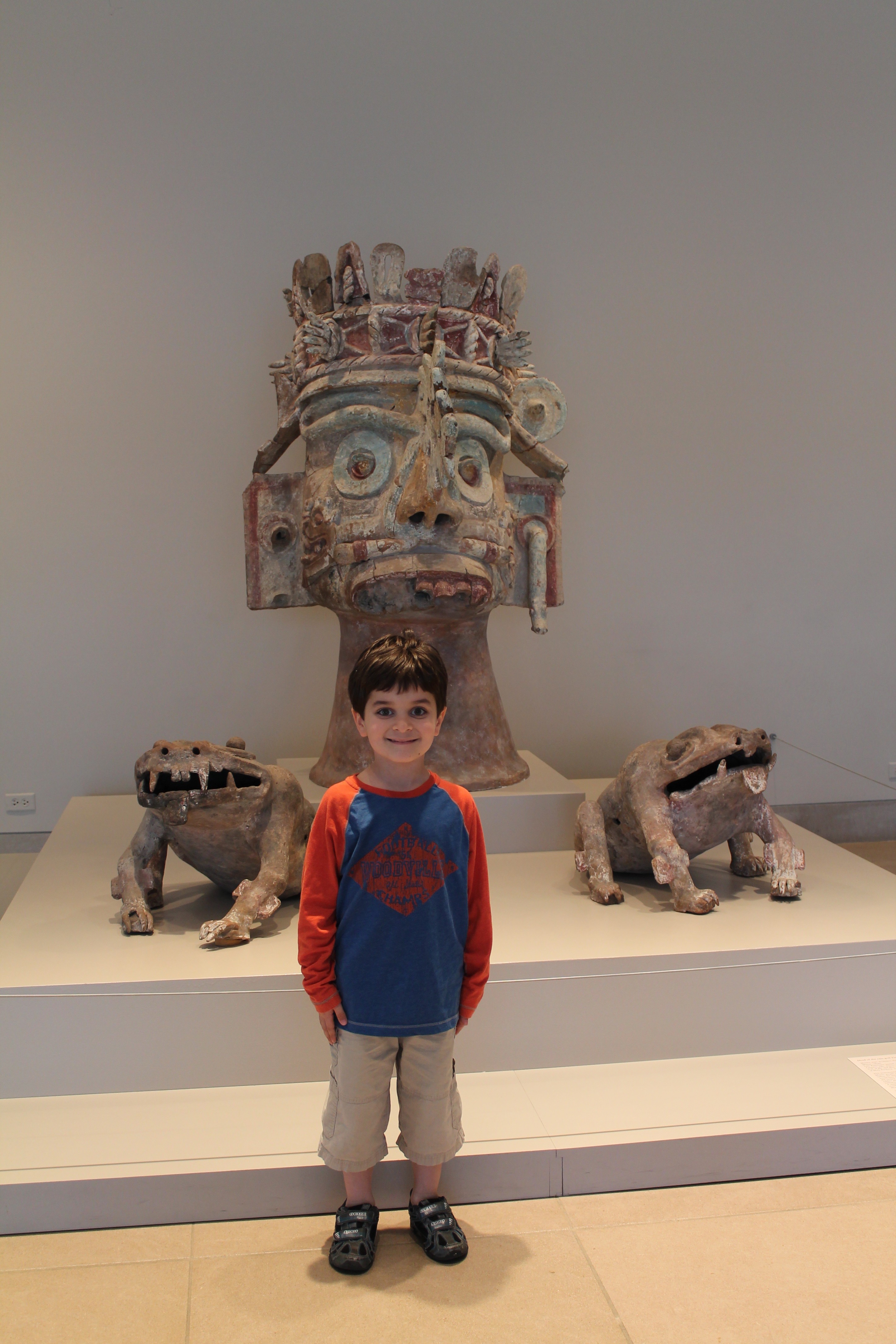
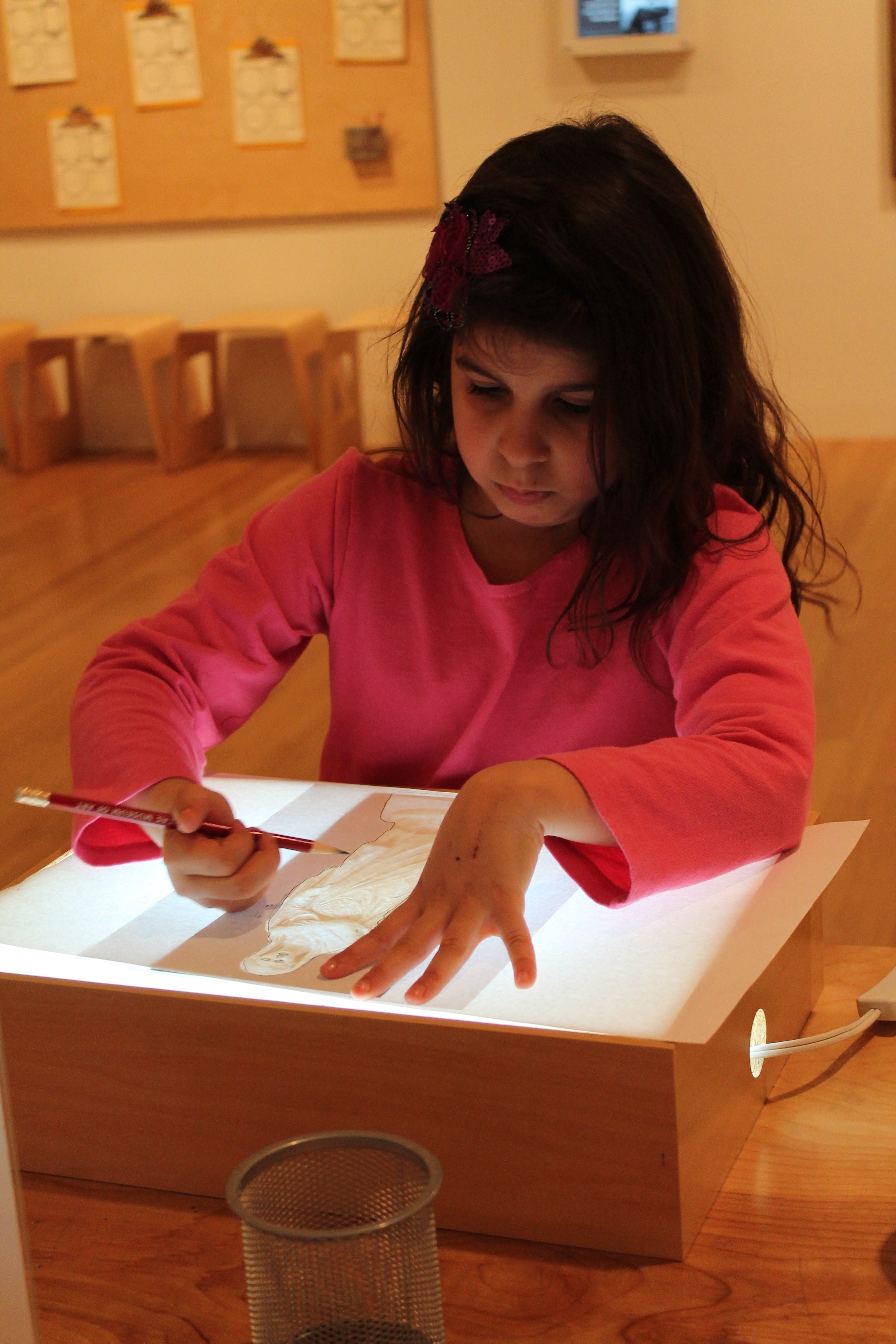
What piece of advice would you give to parents who feel like they don’t know enough about art to enjoy a visit to the Museum with their children?

Don’t be intimidated! When you take your child to the art museum, try to let your child lead. Think broadly. Look for colors, shapes or themes. Walk around and see what your child is drawn to. Take some of their ideas and try them out at home. Enjoy yourself and your family!

Thanks for sharing, Rose! The Costantino Family Favorites Art to Go tote will debut in early summer. Be sure to check it out and see what fun activities the kids came up with!

{All photos courtesy of Rose Costantino.}

Leah Hanson
Manager of Early Learning Programs
Friday Photos: Light It Up Blue at the DMA

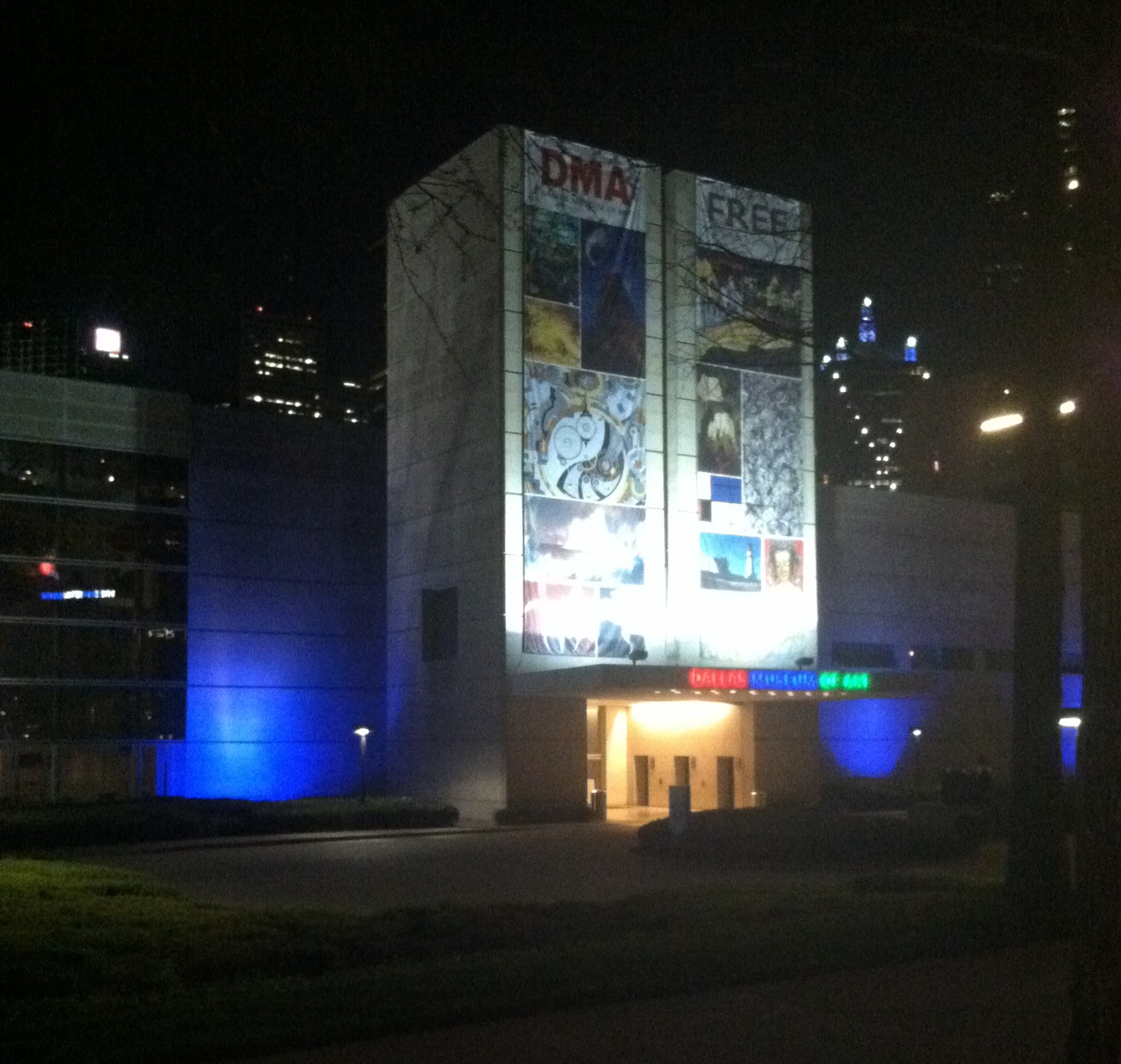
The DMA has offered programs for children with autism and their families for the past four years, but this April marks the first time that we’ve participated in Autism Awareness Month by turning our lights blue. The global initiative, led by Autism Speaks, is called Light It Up Blue and has the goal to raise awareness about autism by inviting thousands of buildings to shine blue lights throughout the month of April. Light It Up Blue kicked off on April 2, World Autism Awareness Day. Be sure to check out our lights through the end of the month!
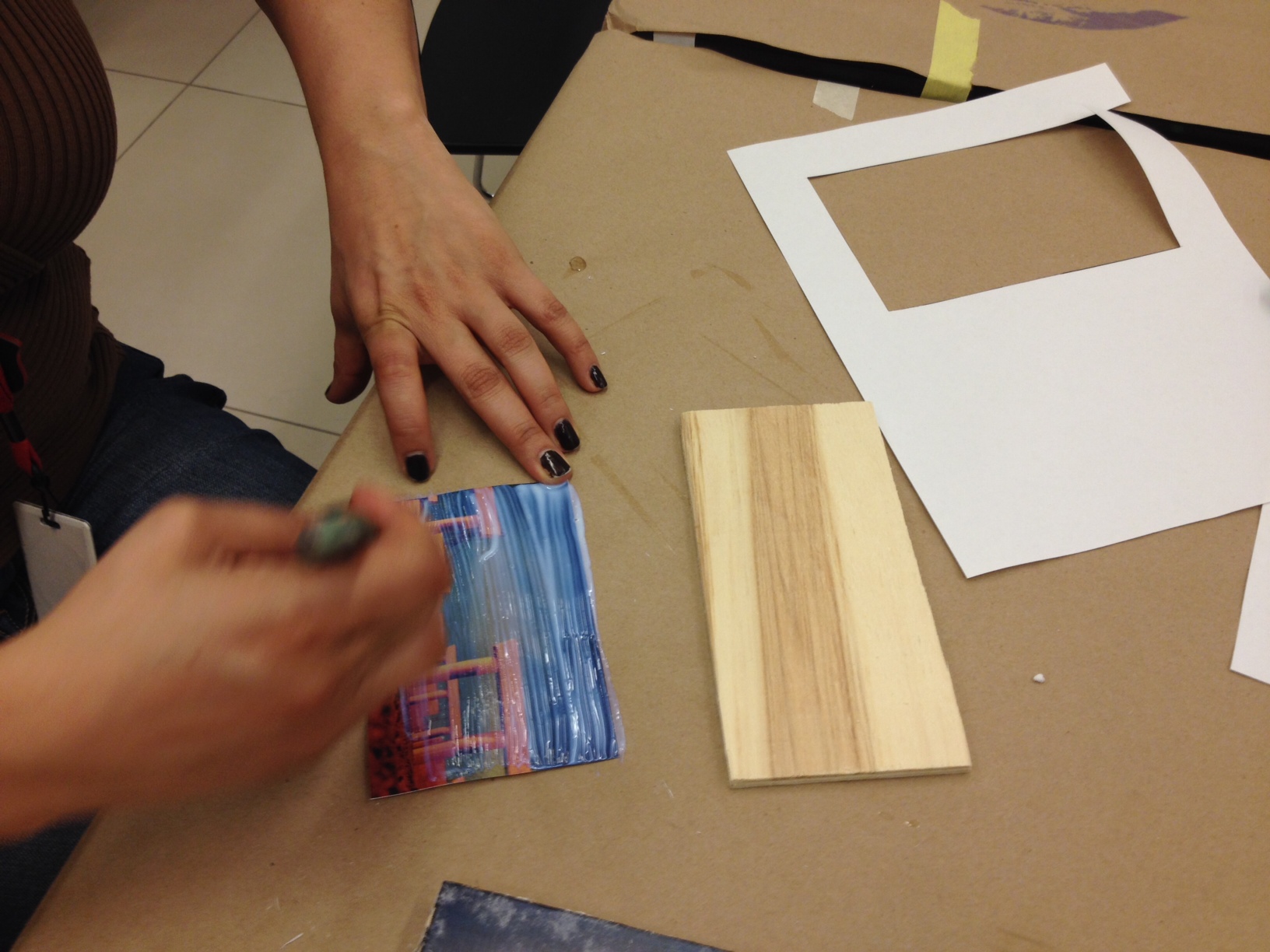
photo 2

Amanda Blake
Head of Family, Access, and School Experiences

Culinary Canvas: Hazelnut Coffee Cake

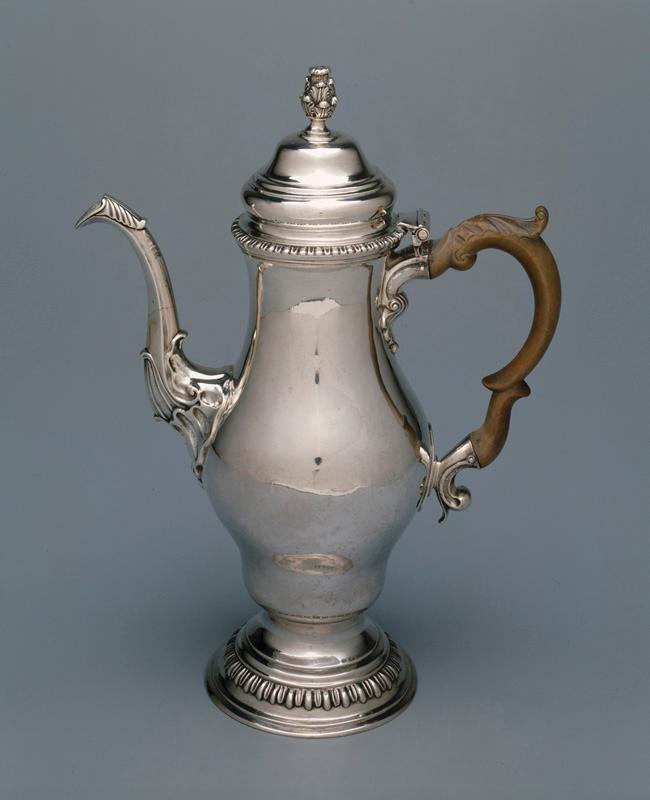
Cakes have been around since ancient times, but what we think of as coffee cake was introduced to America during the Colonial period by European immigrants. Coffee was a favorite beverage in the new colonies, and coffee cake became a delicious accompaniment. This coffeepot from our silver collection is a lovely example of how early Americans served this ever popular drink, and perhaps a simple coffee cake would have accompanied it on a Colonial table. And in fact, we just missed National Coffee Cake Day on Monday, April 7. Even though it’s a bit late, this recipe is still sure to take the cake!

Coffeepot, c. 1780-1785, Joseph Anthony Jr., maker, Dallas Museum of Art, gift of the Alvin and Lucy Owsley Foundation, The Eugene and Margaret McDermott Art Fund, Inc., and Mr. and Mrs. H. Ross Perot

Coffeepot, c. 1780-1785, Joseph Anthony Jr., maker, Dallas Museum of Art, gift of the Alvin and Lucy Owsley Foundation, The Eugene and Margaret McDermott Art Fund, Inc., and Mr. and Mrs. H. Ross Perot

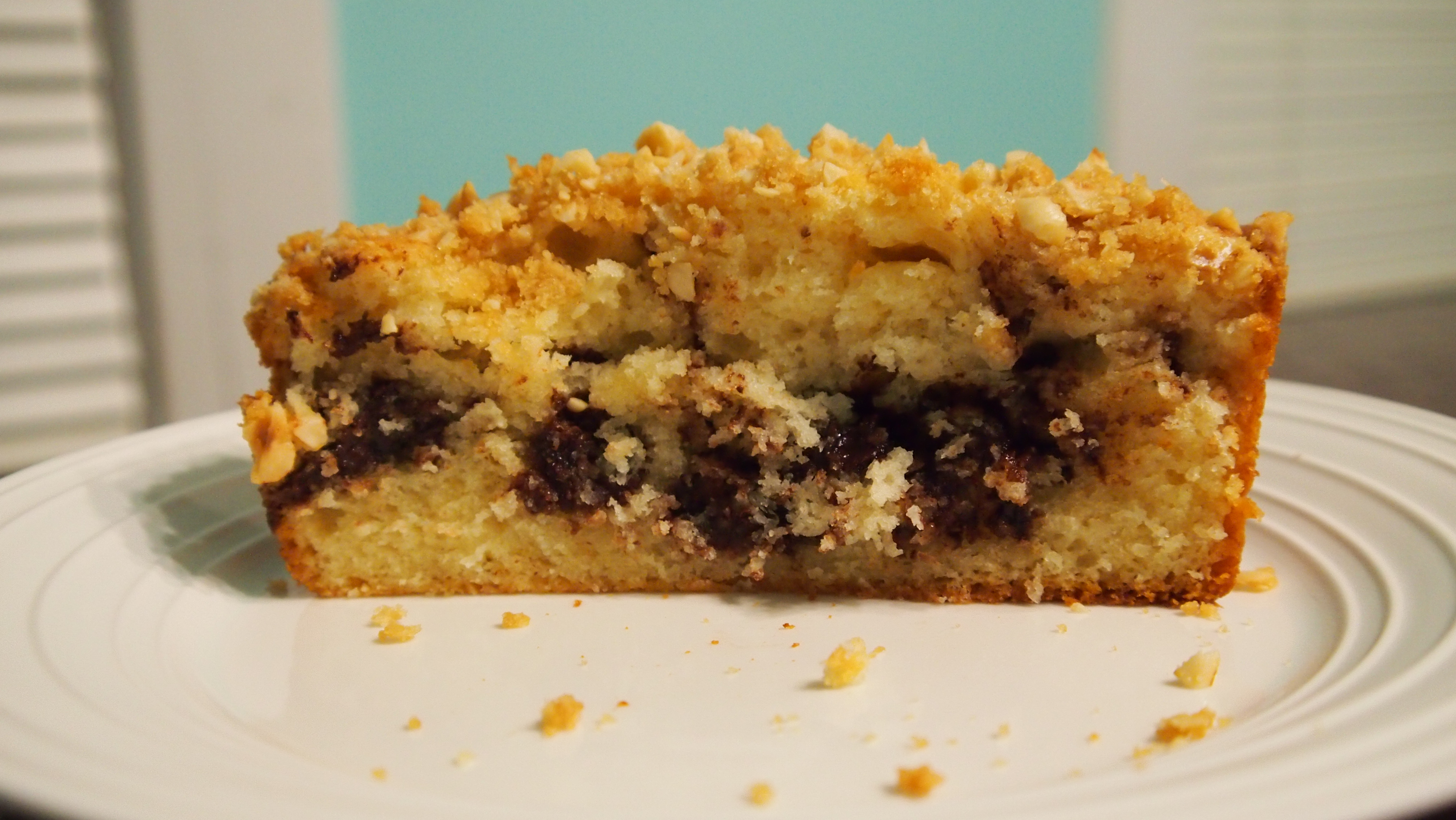
Hazelnut Coffee Cake

Yields 1 loaf
Level: Moderate

Topping:

¼ cup hazelnuts, finely chopped
2 tablespoons packed brown sugar
1 tablespoon flour
Pinch of salt
1 tablespoon cold unsalted butter

Filling:

¼ cup Nutella hazelnut spread
¼ cup hazelnuts, finely chopped or ground
¼ cup mini chocolate chips

Cake:

½ cup (1 stick) unsalted butter, room temperature
¾ cup sugar
1 teaspoon vanilla extract
2 eggs, room temperature
6 ounces vanilla Greek yogurt, room temperature
1 ½ cups flour
2 teaspoons baking powder
½ teaspoon salt

Preheat oven to 350° F. Butter loaf pan using butter wrapper.

Topping: Stir together hazelnuts, brown sugar, flour and salt in small bowl. Using a fork, cut in cold butter until mixture forms into small crumbs with a texture resembling coarse sand. Chill until ready to use.

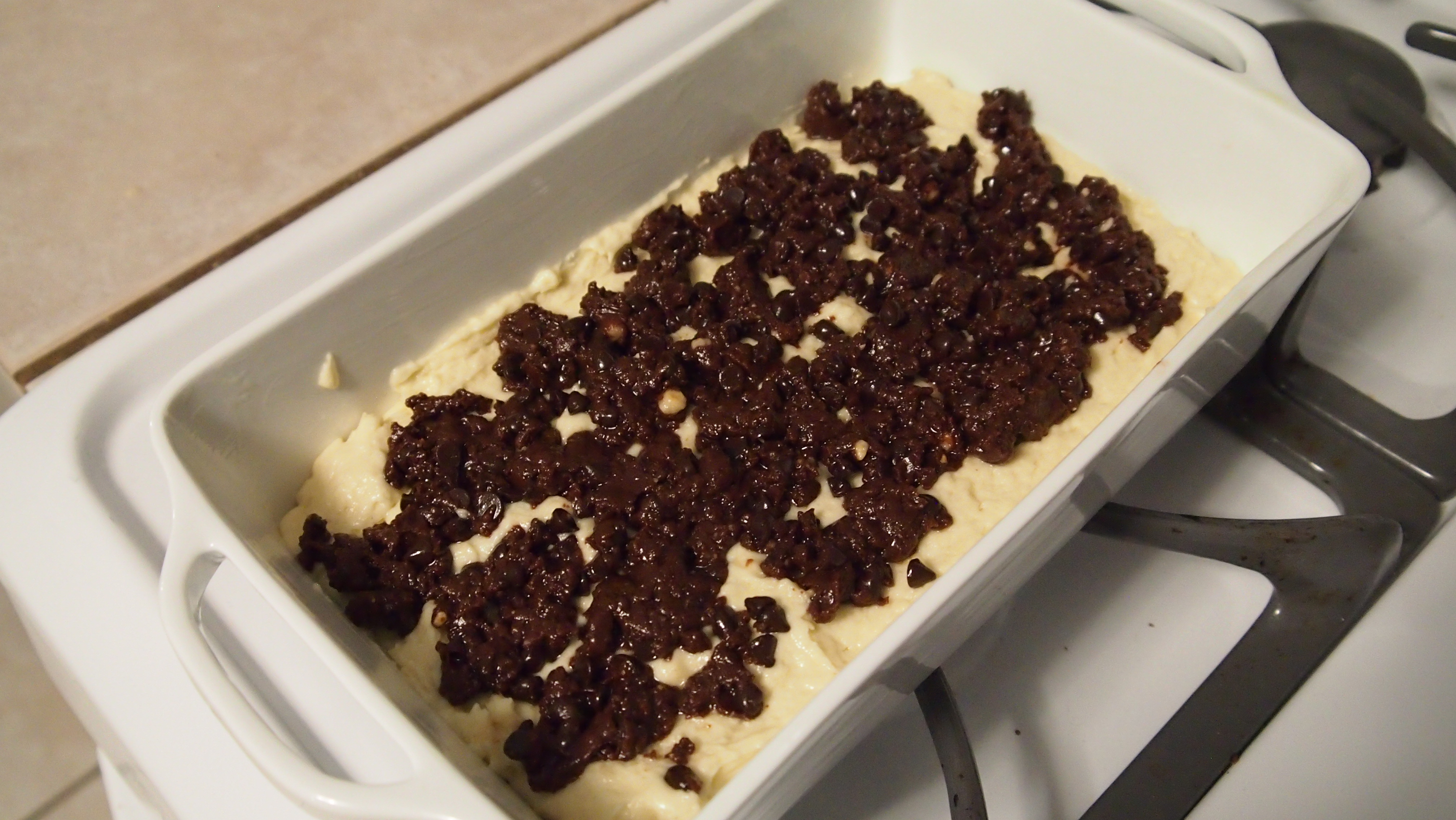
Filling: Combine Nutella, hazelnuts and chocolate chips. Set aside.

Cake: In the bowl of a stand mixer fitted with paddle attachment, cream butter and sugar, beating at medium speed until light. Add vanilla, then incorporate eggs one at a time, mixing well after each addition. Add yogurt and mix until fully combined.

In another bowl, stir together flour, baking powder and salt. Add flour mixture to mixer in two batches, stirring on medium until flour is mostly combined. Remove bowl from mixer and stir by hand with rubber spatula for two revolutions to incorporate remainder. Do not over mix.

Spread half of batter into prepared pan. Cover with filling, then top with remaining batter. Run knife through batter about 3-4 times, across both length and width of pan. Smooth batter and evenly spoon on topping across the top.

Bake 30 minutes at 350° F. Reduce oven to 325° F and continue baking for 15 minutes or until a tester inserted in the center comes out clean.


Filling

Filling

OLYMPUS DIGITAL CAMERA

Original recipe.

Sarah Coffey
Assistant to the Chair of Learning Initiatives

The 3 R’s: Reduce, Reuse, and Recycle!

As an environmentally conscious artist, I find myself often thinking about the amount of waste that can be created during the art making process. The quantity of paper that I use for sketching and writing ideas for future projects is staggering in itself. As an art educator it can sometimes be even more daunting. I consider the amount of supplies that I alone use and then multiply that by the number of visitors we see in C3. So in an effort to be a little more green for Earth Day, I chose recycled/recyclable materials for the current C3 Art Spot theme.

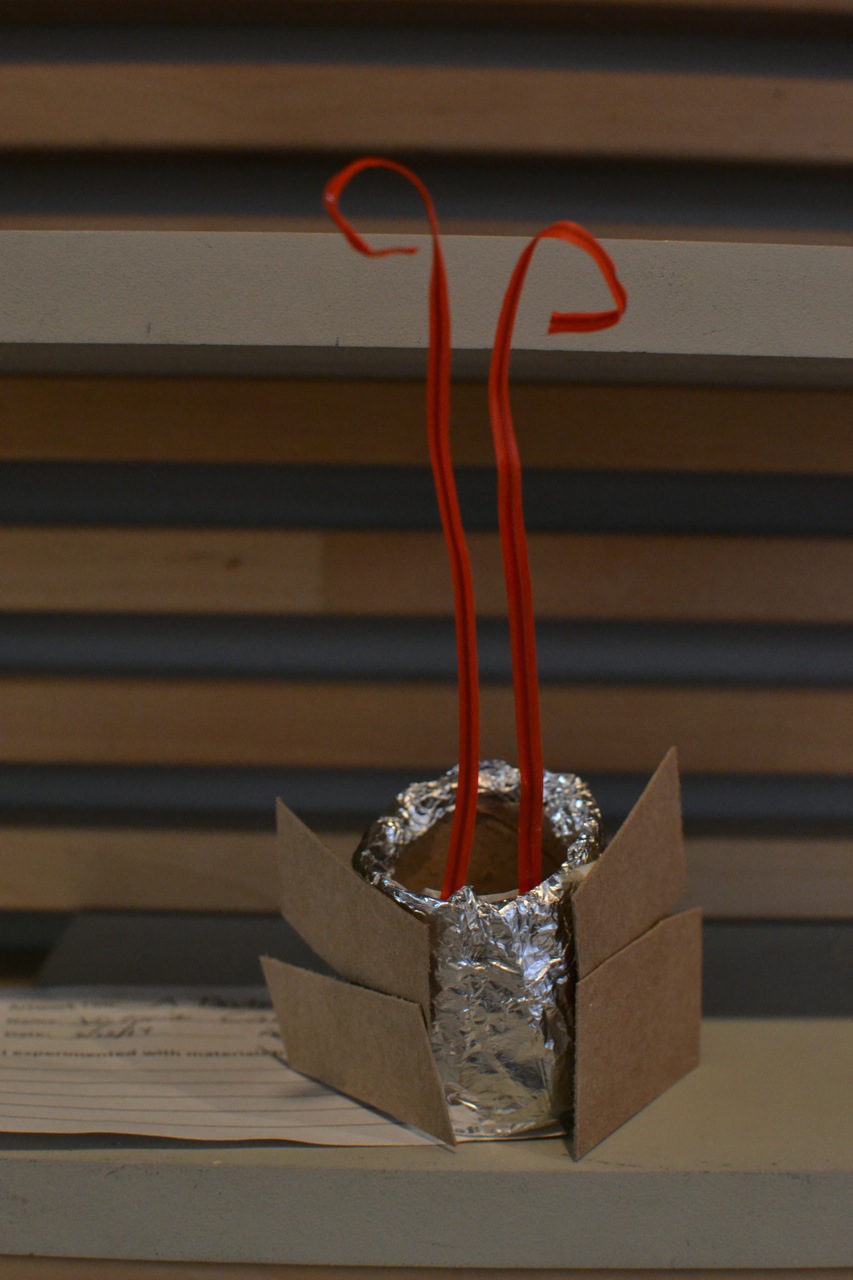
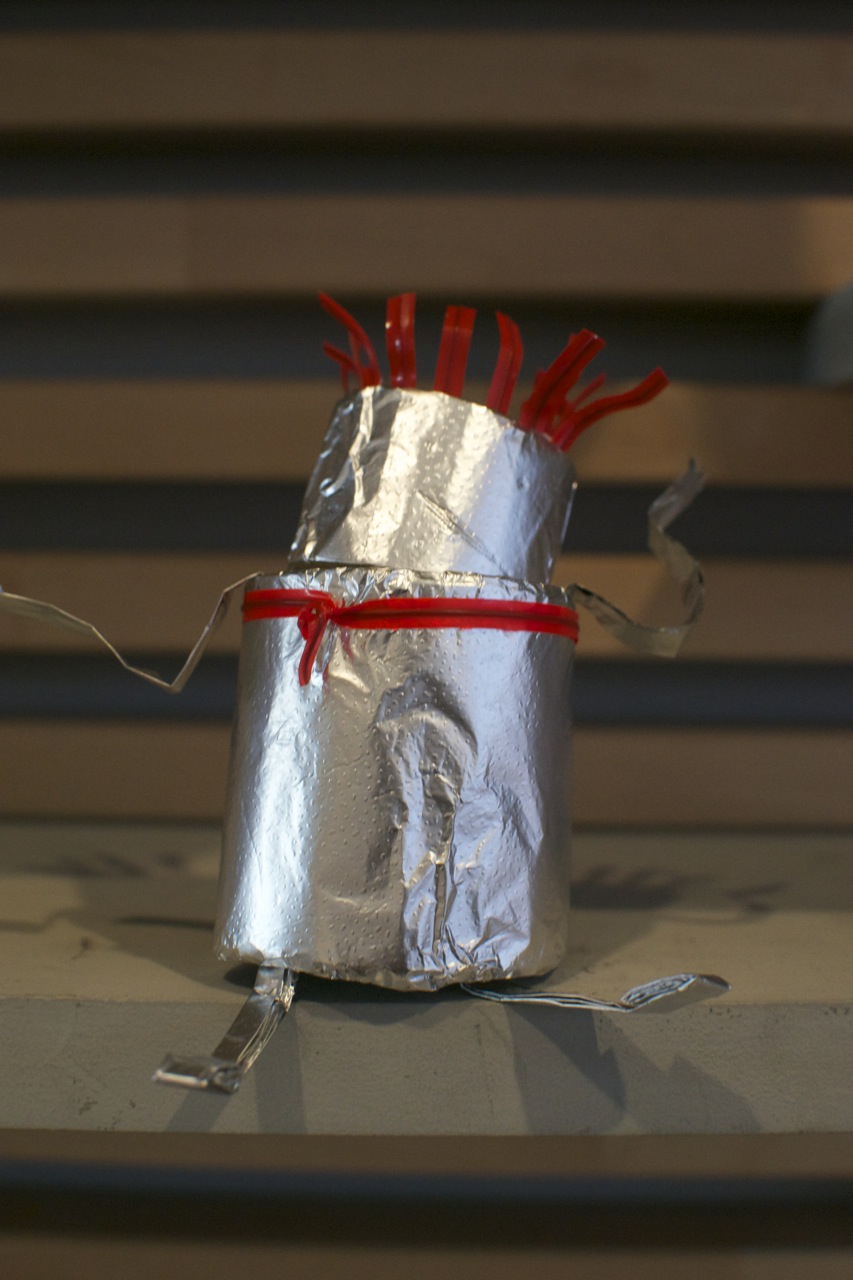
Though some of these materials were purchased, much of the cardboard we have been using at the Art Spot has been donated by DMA employees. Admittedly, when I put out new supplies, I was curious and anxious to see what our visitors would make. As usual, the creativity of our visitors has been astounding! The creations have included animals, robots, and vehicles, just to name a few.

When I chose these materials, I was hoping to perhaps help visitors see what kinds of beautiful, creative things they could make with items they may typically take for granted. An added bonus has been hearing from the DMA staff who have donated their recycling. It has been a joy for them to see their recyclables transformed into works of art! Check out more of our visitors’ creations on our Flickr page.

Perhaps this Earth Day you can take some time to reconsider your art materials and make a recycled masterpiece!

Jessica Fuentes
C3 Gallery Coordinator


Never Say Goodbye…

Today I bid a fond farewell to the DMA. Saying goodbye has never been easy for me, and each time I do, I find J.M. Barrie’s quote from Peter Pan echoing in my head: “Never say goodbye because goodbye means going away and going away means forgetting.” However, although my time as a McDermott Intern has flown by,  I feel lucky to be taking so many unforgettable memories into my next adventure.

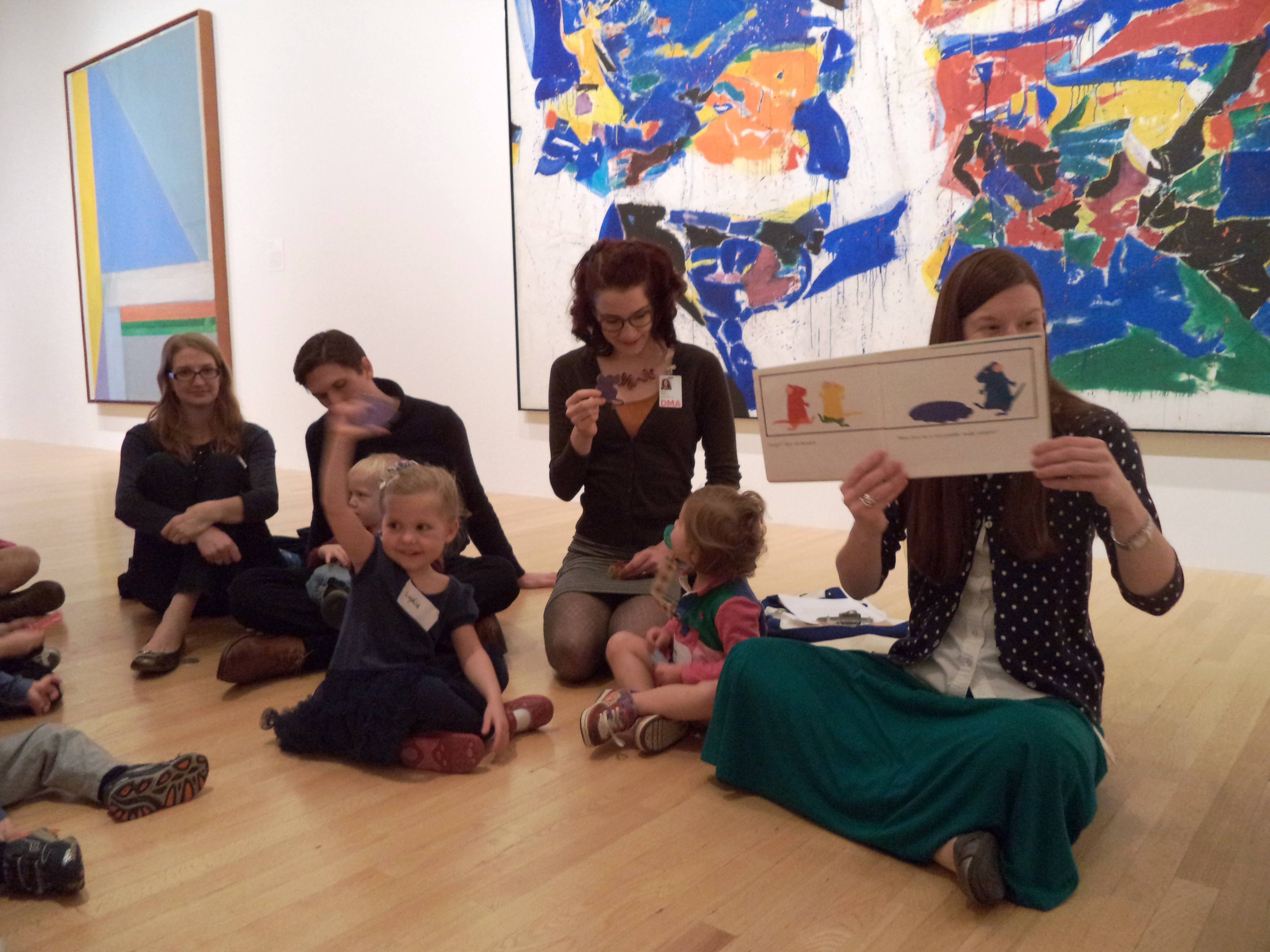
At the top of my list, I will fondly remember sharing my love of art with children and adults as part of the DMA’s many Family and Access programs.  I will also treasure the time I spent collaborating and teaching with the talented members of this team, which we affectionately refer to as FAST. Thank you, ladies, for your guidance and inspiration!

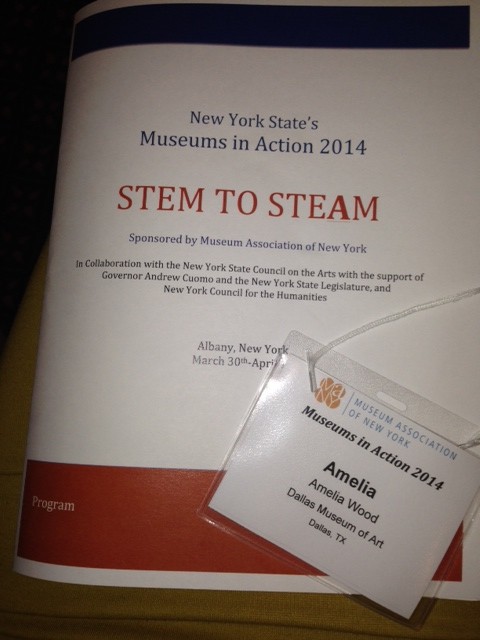
I will cherish my memories of trips to our neighboring DFW museums, cultural institutions, and Mrs. McDermott’s beautiful ranch, as well as the opportunity to participate in the NY Museums in Action STEM to STEAM conference this spring.

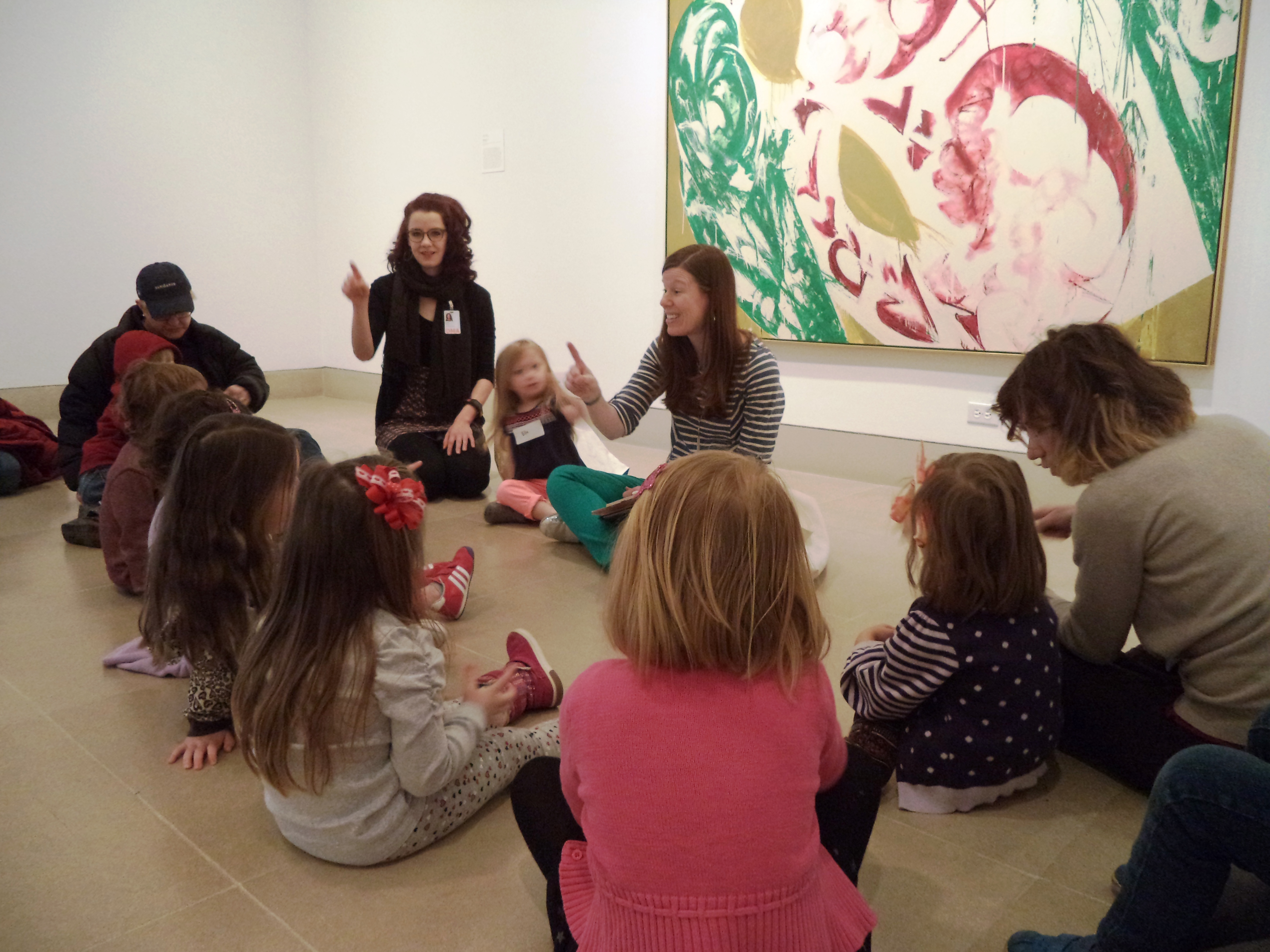
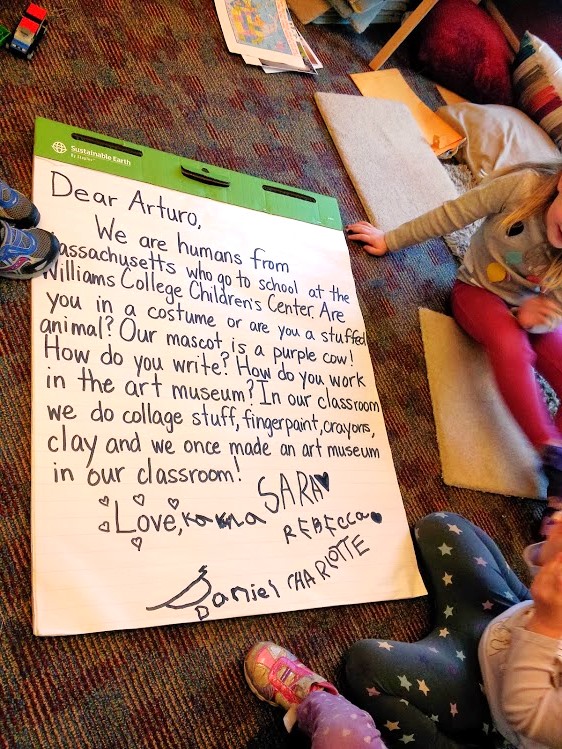
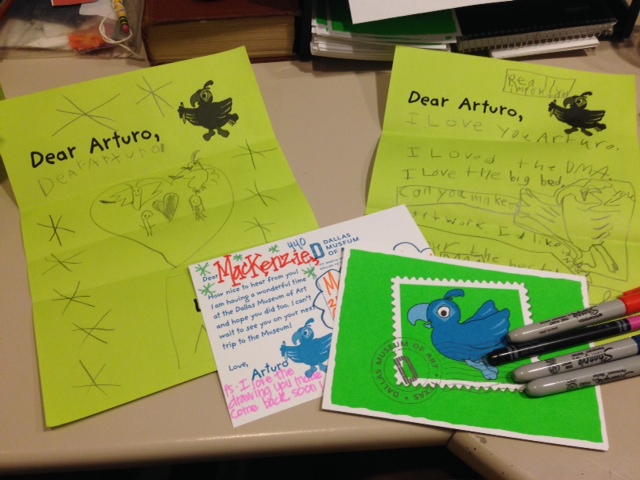
I will miss answering the letters children write to Arturo, including my past students in Western MA, who participated in my Arturo’s Magical Mail exchange.

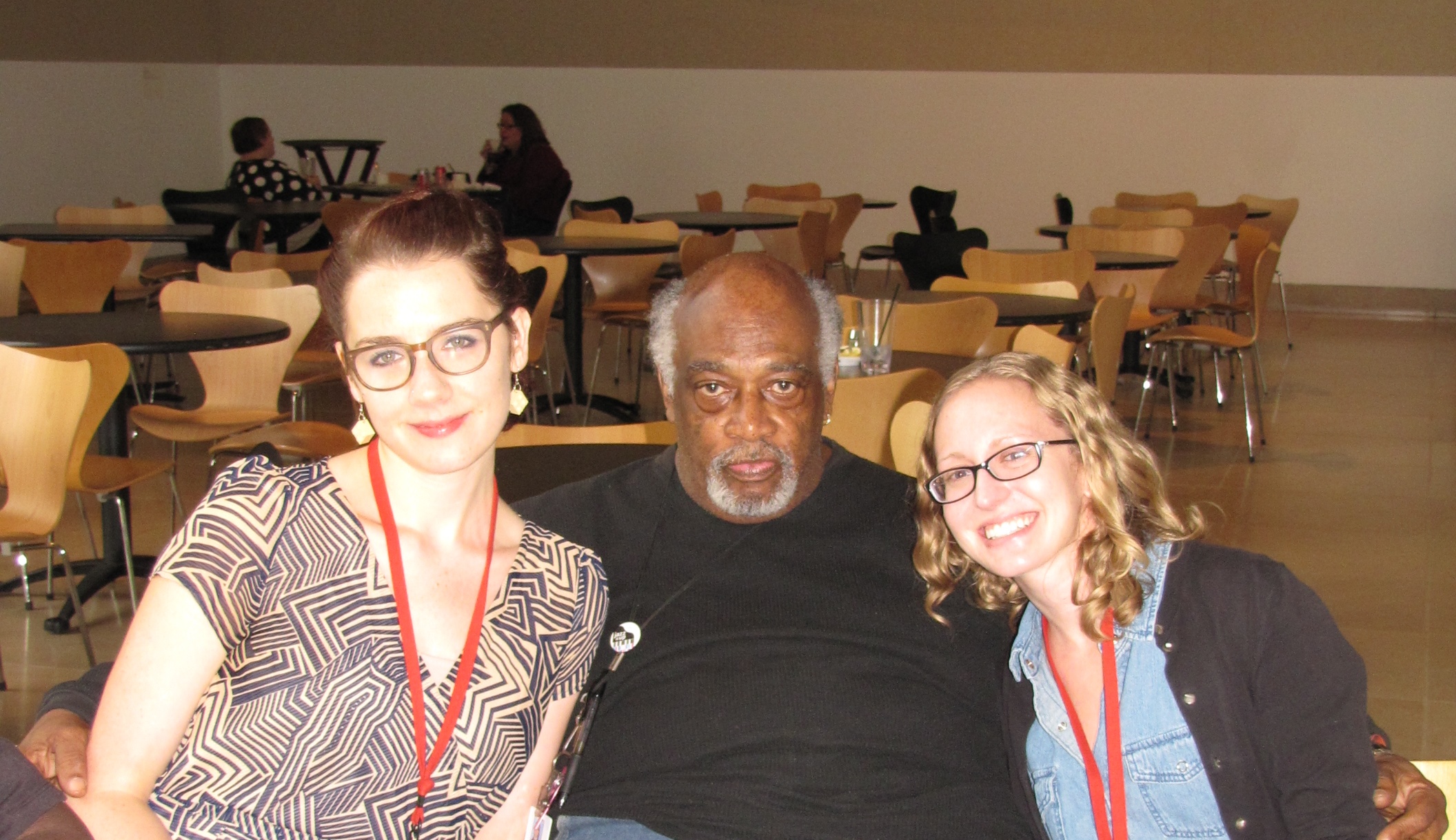
Last but not least, I will miss seeing my fellow interns each day. Together, we have grown as educators and professionals, and I am thankful to have shared this experience with you.

And so, I head off into my next chapter. Although I am going away, I won’t say goodbye, because something tells me I’ll be back. In the meantime, I look forward to hearing about the wonderful things the DMA continues to share with the world. Onwards and upwards!

Amelia Wood
McDermott Intern for Family Access and Teaching

Friday Photos: Thanks to our Volunteers!

It’s National Volunteer Appreciation Week!

We want to thank all of our volunteers for their time and commitment to the DMA! We truly could not serve the many thousands of children, families, and adult visitors without the help of our wonderful volunteers.

To find out how you can volunteer with the DMA, please visit our Volunteer page.

Rhiannon Martin
Volunteer Coordinator

DIY Photo Transfer

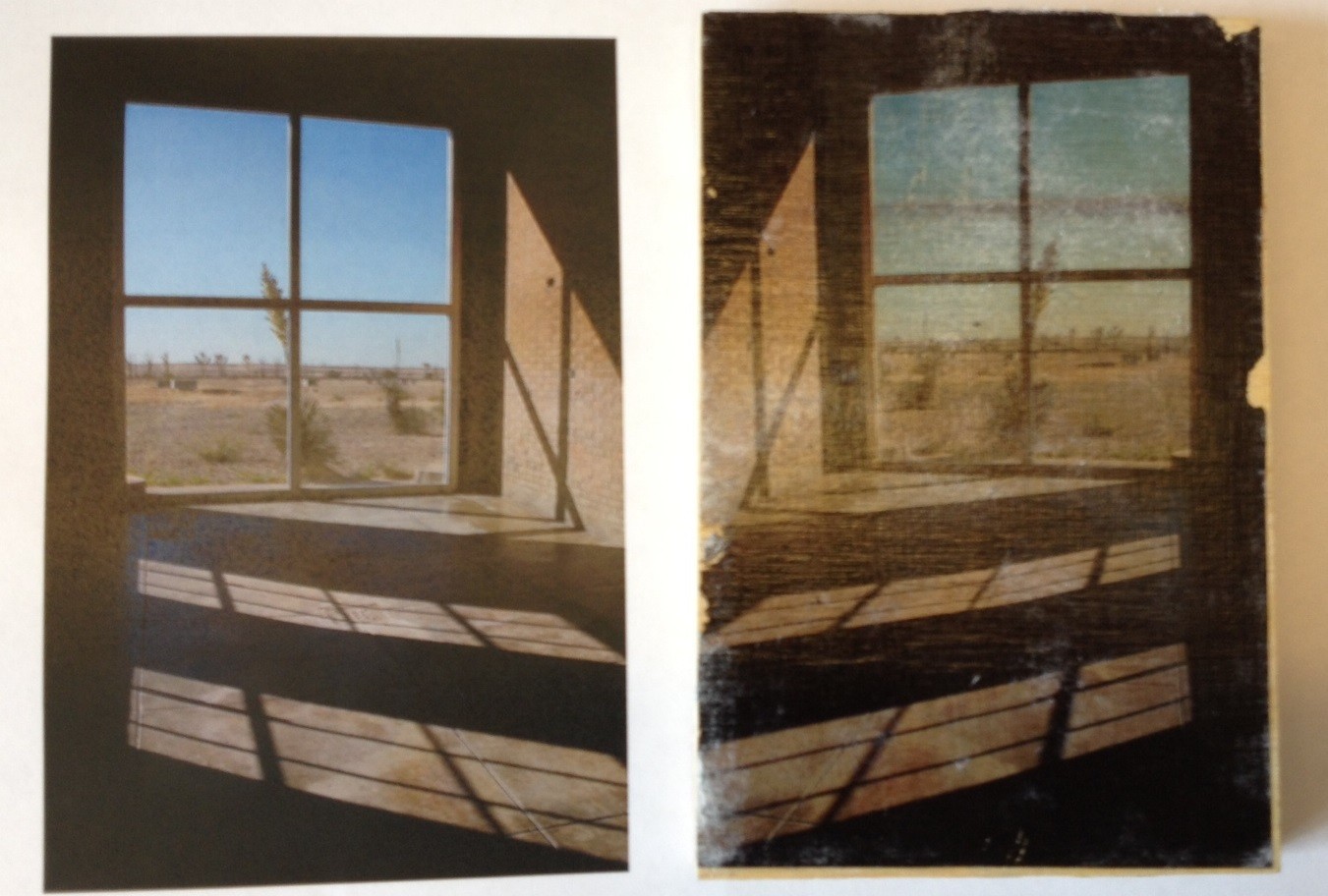
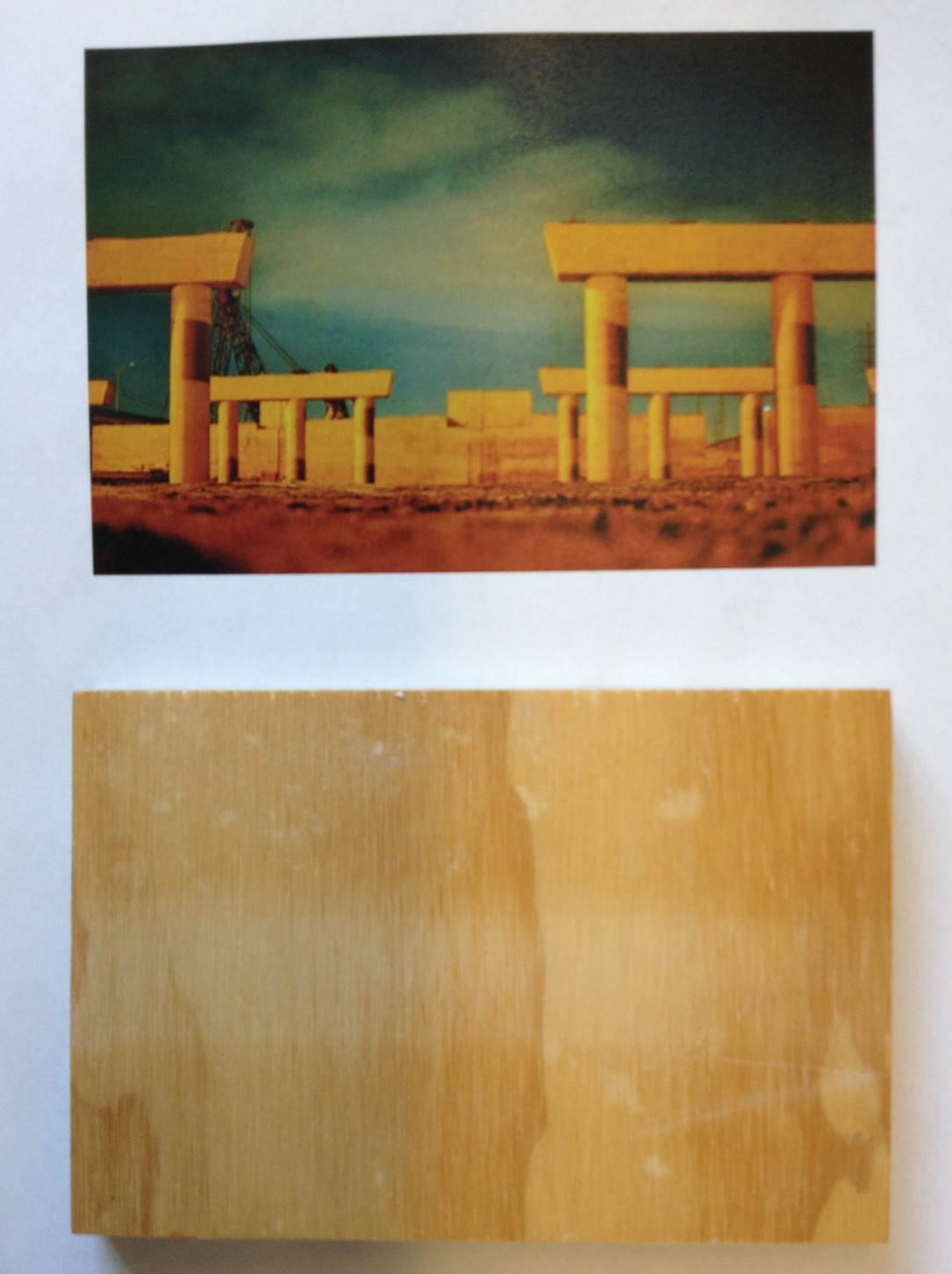
Spring is (finally) here, which means that many of us in the education department are gearing up for Summer Art Camps! The best part of teaching a summer camp is getting to experiment and explore with materials to devise fun and engaging art projects. Jessica Fuentes and I are teaching a summer photography camp for 6-8 year olds, called Developing an Eye for Art. In this camp we are going above and beyond the simple point and shoot aspect of photography, and urging our students to explore this artistic medium through many different avenues. A favorite exploratory activity of mine is photo transfer, because it is a fairly straightforward project that invites loads of experimentation.

5

What you need:

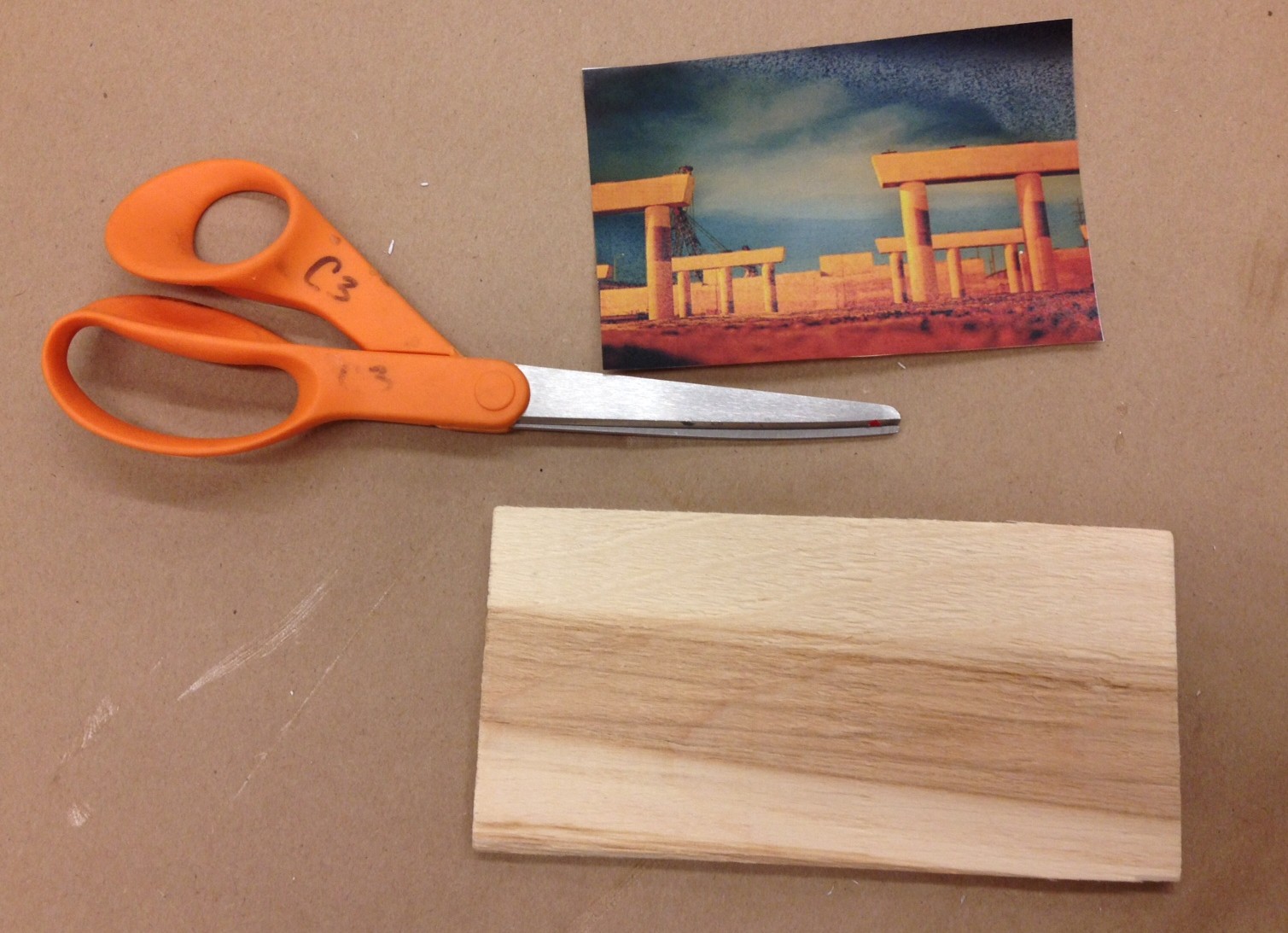
  • Photograph to transfer (higher contrast photos are best)
  • Light colored piece of wood (5×7″ is what I used)
  • Matte gel medium (found in the acrylic paints section of art & craft stores)
  • Scissors
  • Paint brush (can be foam or bristle)
  • Mod Podge (I used matte finish)
  • Access to a laser printer or copy machine

Step 1

Print your chosen photograph from a laser printer, or make a copy of the image on a photocopier. Do not use an ink jet printer, as it will smudge the image. Make sure the printed or copied image is the same size (or smaller) than your piece of wood.photo (5)

Step 2

Cut out the laser print-out of your image, making sure you do not leave a border around the image.

scissors

Step 3

Use a foam or bristle brush to place a thin layer of matte gel medium directly onto your image, which will make the image opaque white.

Brush gel medium directly onto image.

Step 4

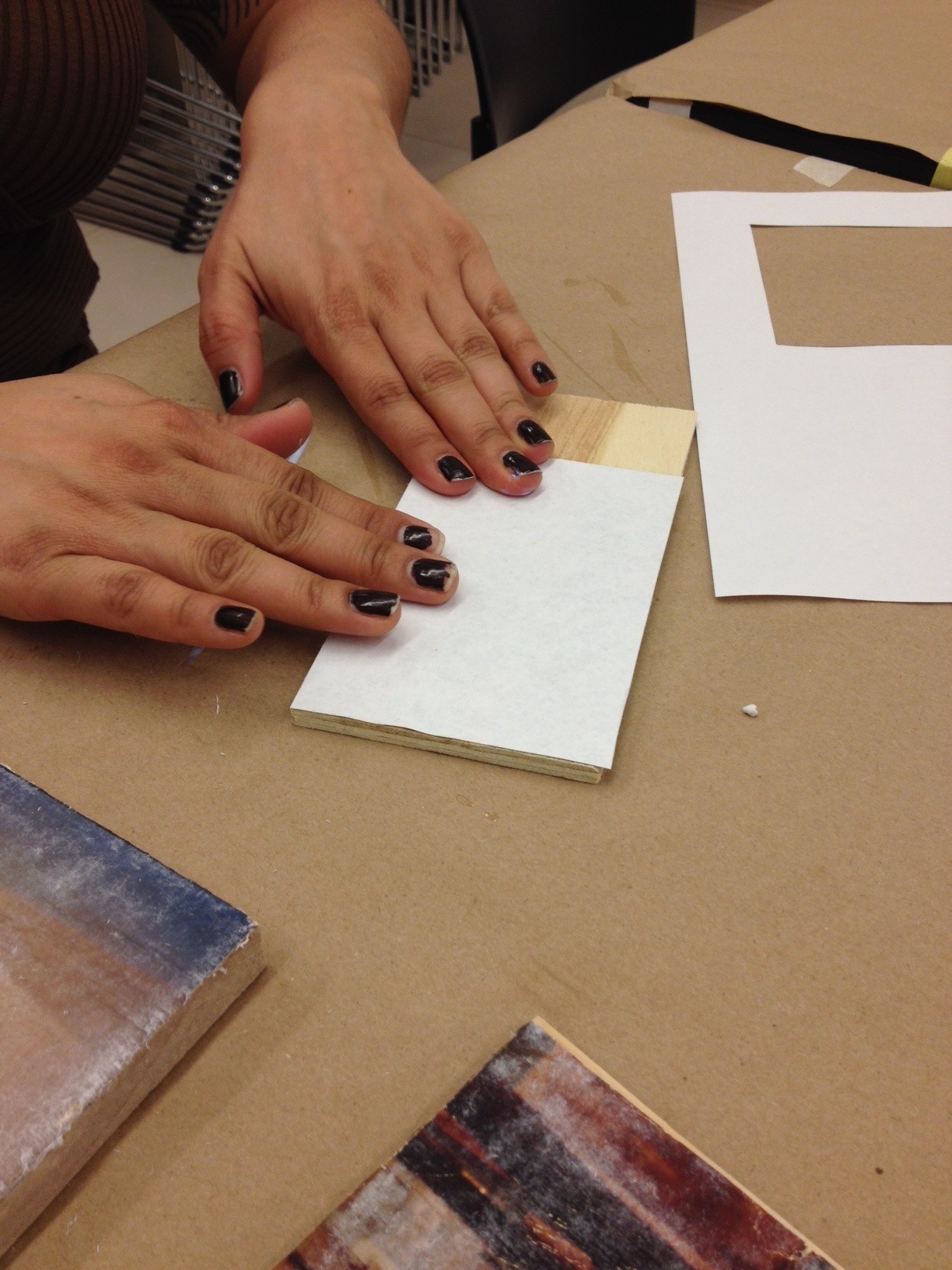
Before the gel medium dries, place your image face down on your piece of wood. Be careful with placement as you will not be able to move the photograph once it dries.

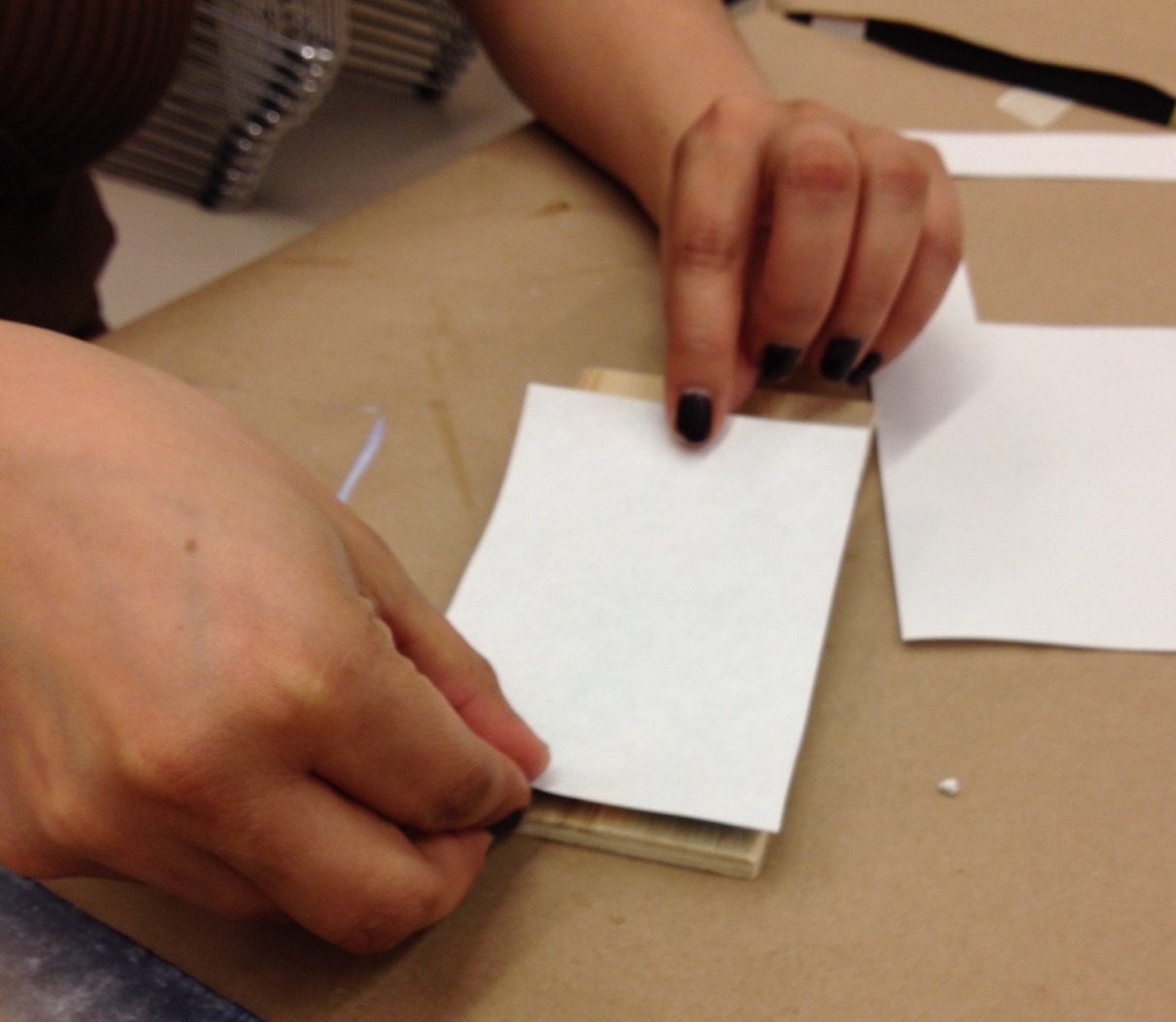
Once your image is in place, smooth out and flatten any air bubbles underneath your photo. You can use your fingers or anything with a stiff edge (like a ruler) to smooth out any bumpy places. Make sure not to push too hard and rip your image.sandwich

Step 5

Let your photo transfer sit and dry for at least 8 hours.

Step 6

After your photo transfer has dried, get a wet rag and lay it on top of the image, making sure to get the paper nice and soaked. Next, use your fingers or a rag to carefully rub off the fuzzy white paper fibers, revealing your lovely photo underneath.

It is best to let the transfer dry in-between paper rubbings, to make sure that all the bits of paper are removed. This make take time and multiple drying and re-wetting sessions. Be patient 🙂

smush

Step 7

Once your photo transfer is dry and to your liking, brush a layer (or two) of Mod Podge on top of the image to seal the work.

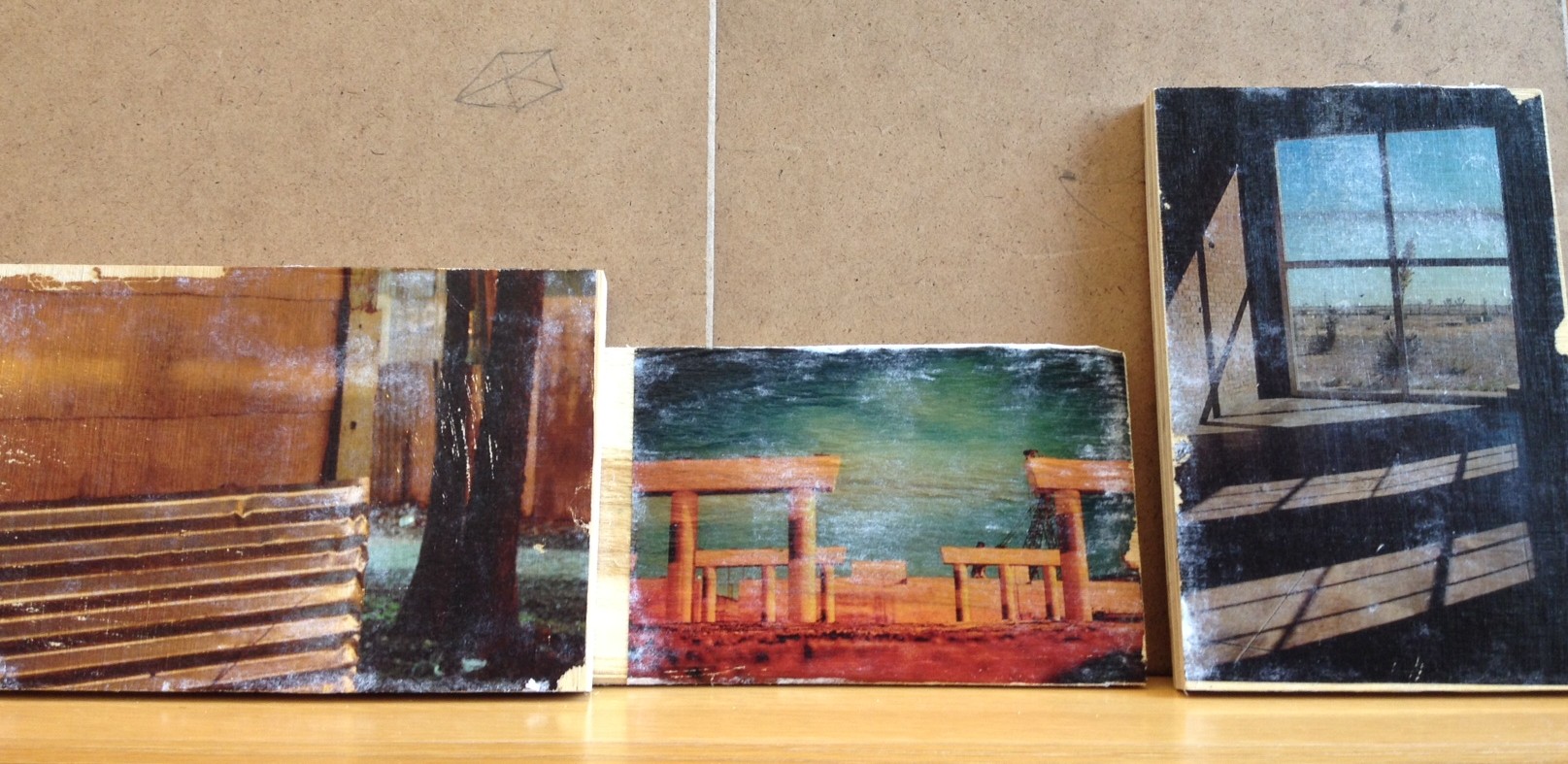
That’s it! Your photo transfer is done and ready to be shown off! This simple project can be modified to give a more or less distressed look to the finished work, experiment and see what you can do!

Finished transfers.

Finished transfers.

Danielle Schulz
Teaching Specialist

Artist Astrology: Aries

This month we are celebrating our assertive Aries artists (March 21 – April 20)! The first sign of the zodiac, Aries individuals are born leaders. They are characterized by fearlessness, persistence, and energy. Aries crave adventure, reveling in challenging situations where they can test their passion and determination. This high-energy and enthusiasm often lends itself best to individual, rather than group work. Aries exude a confidence and self-assurance that can be difficult for others to understand. Their confidence encourages them to explore their ideas and they are happy to pave their own path. Aries set their own rules and do not let anything stand in the way of reaching their goals!

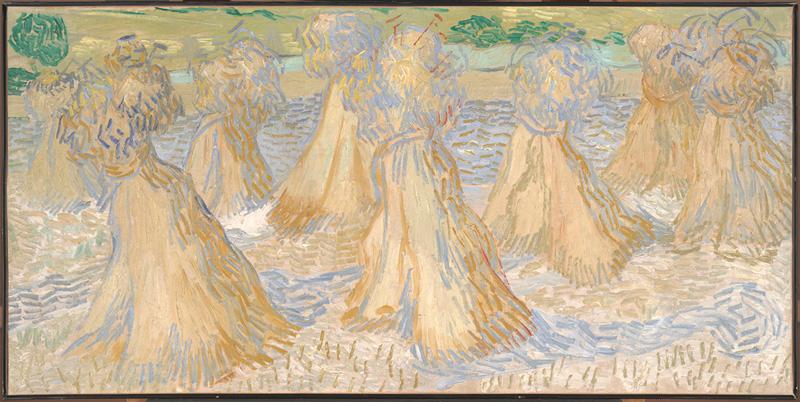
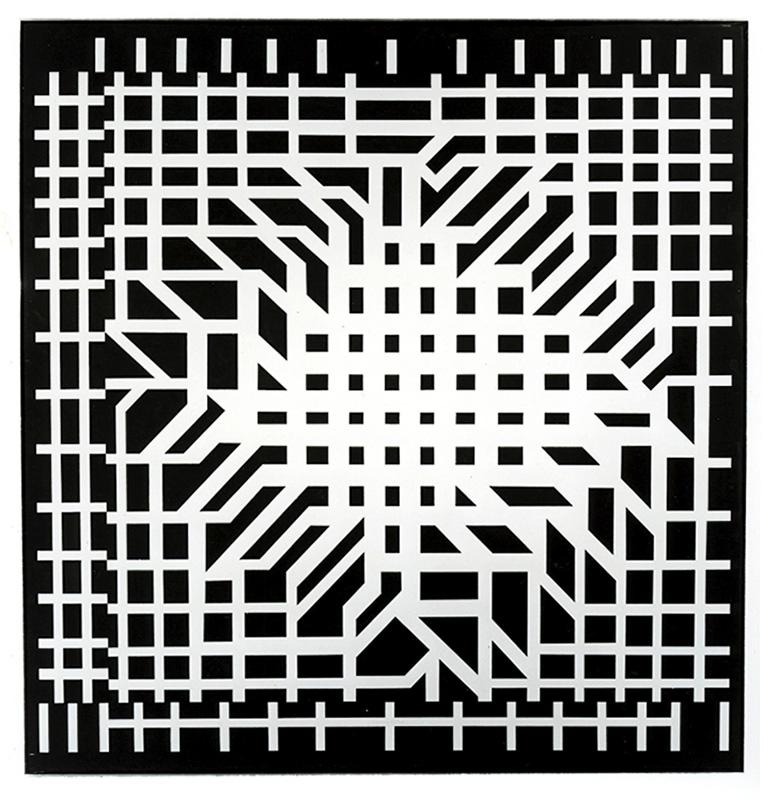
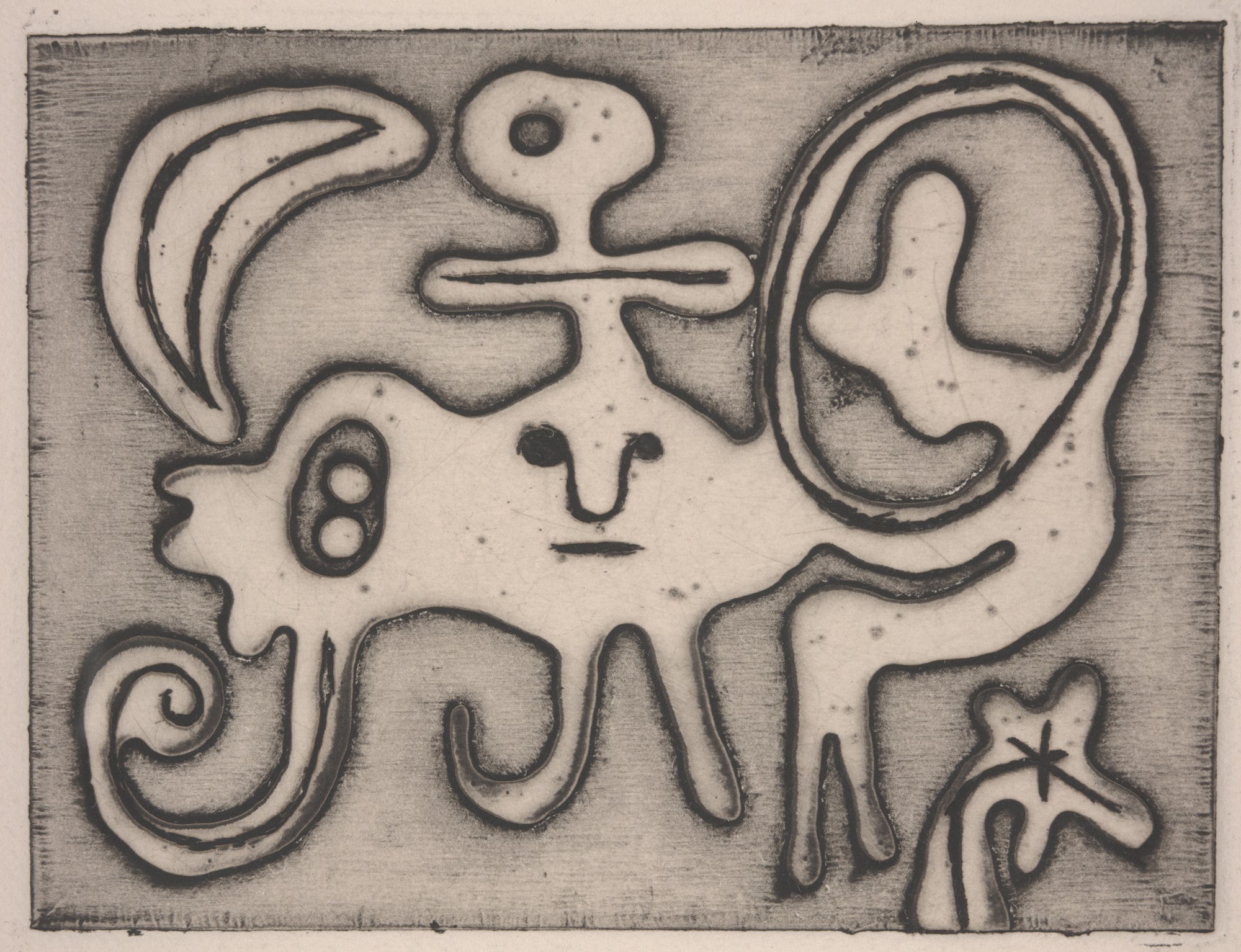
Three of our favorite Aries artists in the DMA Collection include Vincent van Gogh (March 30), Victor Vasarely (April 19), and Joán Miró (April 20).

1985_R_80

Vincent van Gogh – March 30

Now one of the most well-known artists in the world, Vincent van Gogh achieved very little recognition during his lifetime. In fact, in the ten years that he worked as a painter, he only sold one work (Irises). Van Gogh’s painting style was primarily influenced by two movements, the Pointillist techniques of Georges Seurat and the Japanese ukigo-e woodcut practice. He combined these distinct practices to create a style uniquely his own. His use of bold brush strokes and thickly applied paint is often referred to as Expressionistic. This suggestion also refers to van Gogh’s unique ability to empathize with his subject, as demonstrated in the joyous, almost comical way he depicted the wheat above. Unfortunately, van Gogh was known to set impossibly high standards for himself. He also battled mental illness and depression, a disease that ultimately took his life in 1890. Sheaves of Wheat (above) belongs to van Gogh’s last series of paintings, completed in Auvers-sur-Oise between June-July 1890. While he did not exude an Aries’ confidence and self-assurance, Van Gogh’s artistic originality and independence have made him one of the most significant artists of the 19th century.

1965_25

Victor Vasarely – April 19

Victor Vasarely is considered one of the primary leaders of the Op art movement of the 1960s. He expanded upon the geometric language of the Bauhaus movement and artists such as Wassily Kandinsky and Paul Klee (both in the DMA’s collection) in order to produce a “dynamized” effect. He believed that this new language transformed relatively stable structures into more vibrant, optical configurations. Vaserely’s designs are a treat for the eye and a challenge for the mind.

1973_3

Joán Miró – April 20

Joán Miró’s artistic style is characteristic of an Aries artist. Throughout his prolific career, Miró resisted joining any art movements, preferring to explore and develop a style that was uniquely his own. While frequently equated with the Dada and Surrealist movements of the 1920’s, he never officially joined either group. His style, however, shares some commonalities with these movements, namely his interest in automatic drawings and childlike sensibilities. Miró’s art remained largely consistent throughout his life as he continued to explore these themes and ideas. He is especially noted for his loose, free-flowing shapes, known as “biomorphic” forms. In the 1940s and 1950s, Miró continued to defy traditional artistic traditions by expanding his techniques to new mediums, including etching (as seen above).

And the list of Aries artists goes on! Including such masters as Jean-Honoré Fragonard (April 5), Raphael (April 6), and Leonardo da Vinci (April 15).

Come back next month to learn about our tenacious Taurus artists!

Artworks shown:

  • Vincent van Gogh, Sheaves of Wheat, July 1890, Dallas Museum of Art, The Wendy and Emery Reves Collection
  • Victor Vasarely, Meride, 1961-1963, Dallas Museum of Art, Dallas Art Association Purchase, Contemporary Arts Council Fund
  • Joán Miró, Woman and Bird in Front of the Moon (Femme et oiseau devant la lune), 1947, Dallas Museum of Art, gift of Frances Pratt

Hayley Prihoda
McDermott Intern for Gallery and Community Teaching

Friday Photos: If the Shoe Fits

This past week, some of our Education staff attended the 2014 National Art Education Association Convention. I’ve had the great fortune to attend this convention annually since 2004. I personally look forward to it every year for a number of reasons: hearing about the great work of museum colleagues around the country, spending time with DMA colleagues outside of our work environment, making friends and connections at other museums, and exploring the host city and all it has to offer.

This year’s conference was in beautiful San Diego. Even though it was a work trip, it still felt like a mini vacation. How could it not, with this view outside of my hotel room?

20140327_150315[1]

I attended many interesting sessions and took a lot of notes. I always make a point of reviewing my notes soon after I return from a conference, knowing that there are great ideas I can apply to my own professional practice.

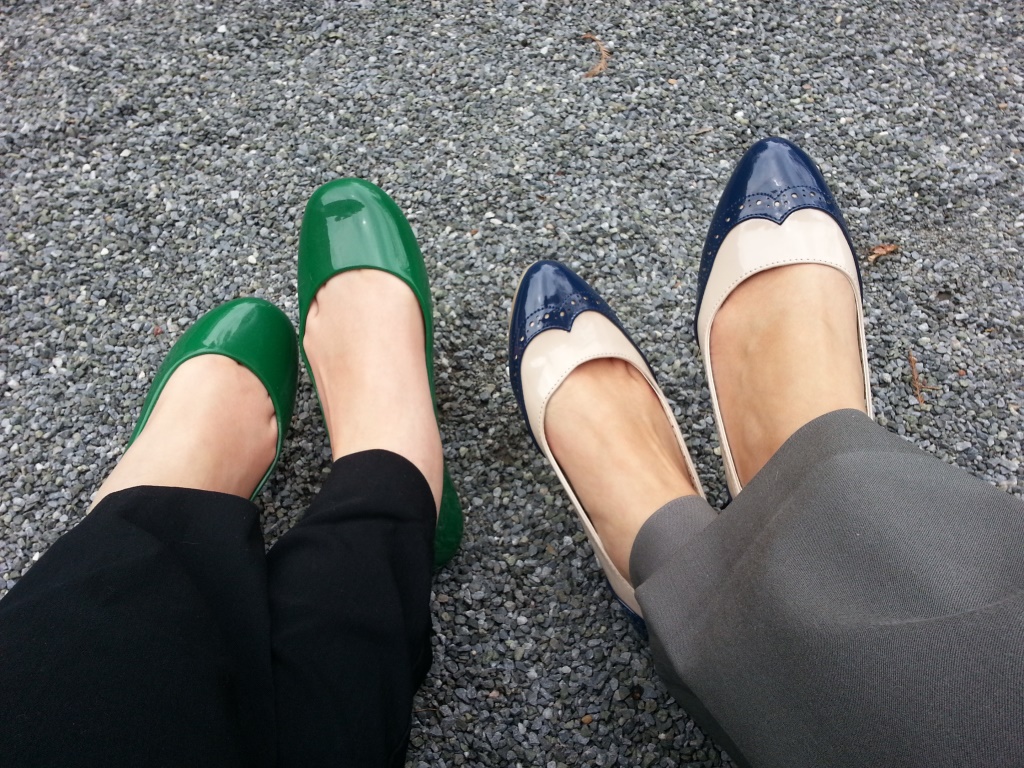
While speaking with my officemate Amanda Batson after we returned, we discovered that we both bought shoes during our trip.

Amanda and Me 1

This inspired me to hunt for fabulous footwear throughout the DMA. Look for these sweet kicks during your next visit!

Art Beauty Shoppe detail

Find these stylish ladies on the fourth floor

Commodore Trunnion detail

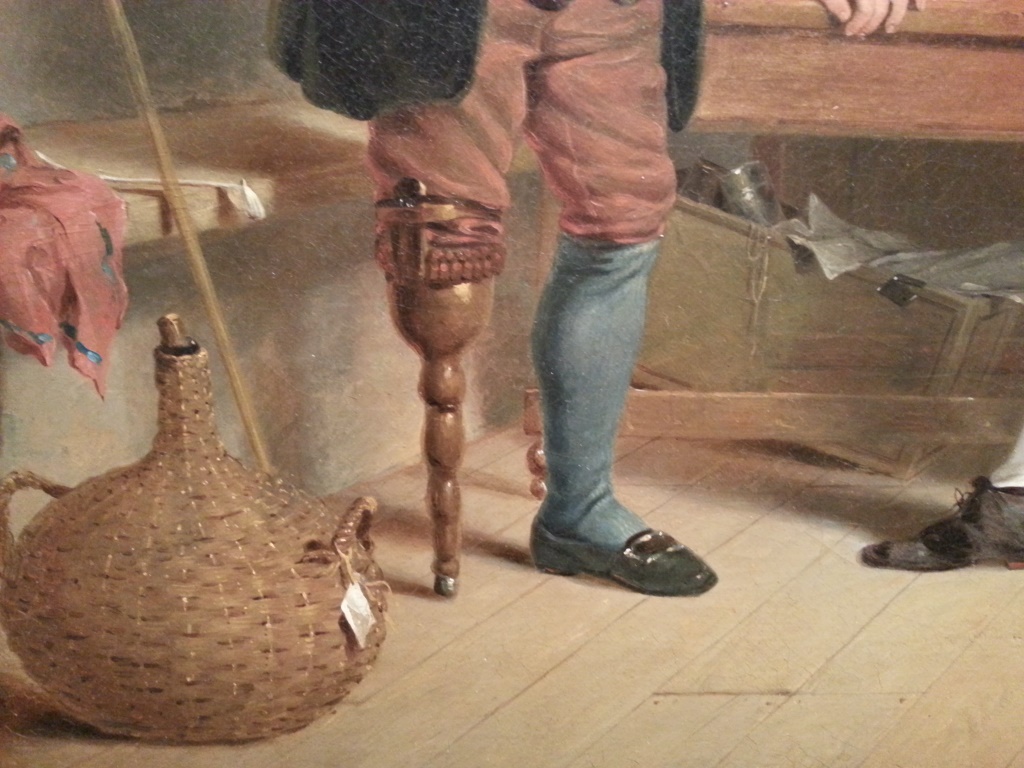
Not a shoe, but still pretty cool: Jack Hatchway is a one-legged veteran of the sea, shown here in a painting inspired by The Adventures of Peregrine Pickle by Tobias Smollett

Reves detail

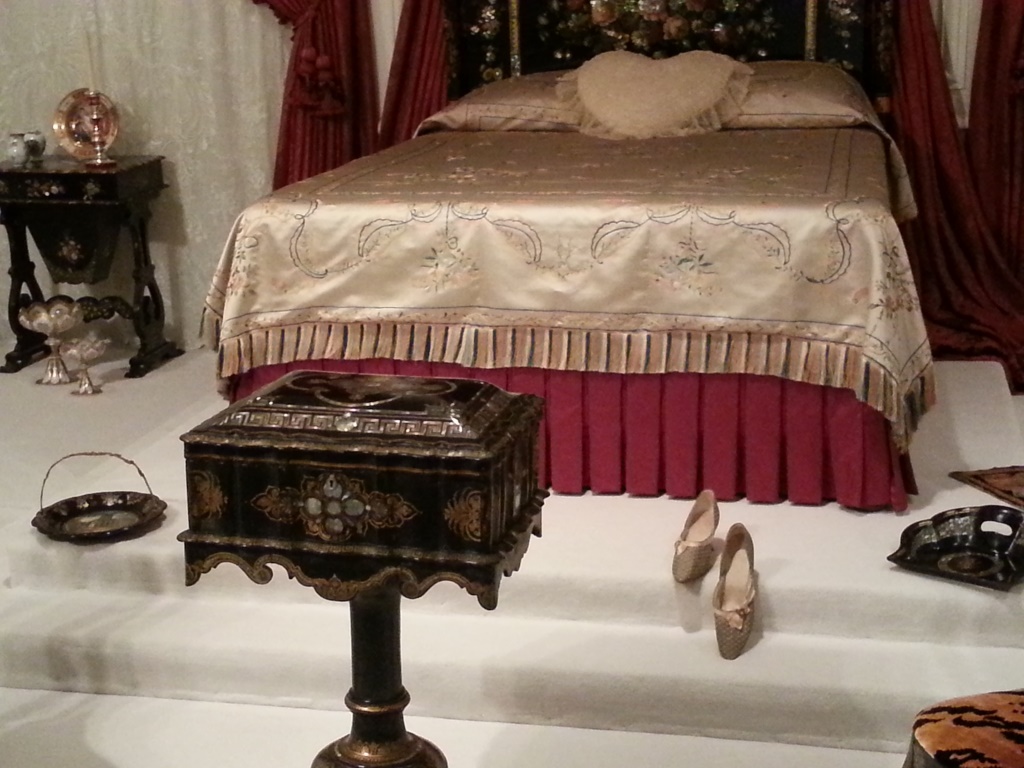
Look for these delicate shoes in the Belle Chambre of the Wendy and Emery Reves Collection

Japanese figure detail

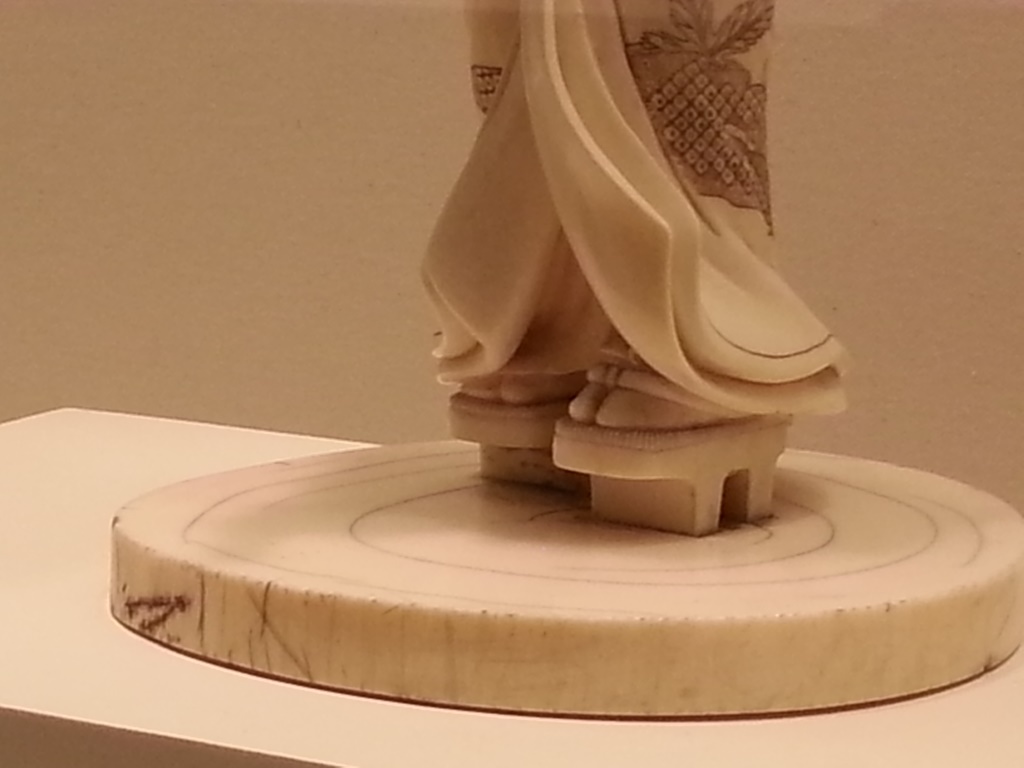
I love these Japanese sandals, called geta, though I can’t imagine walking in them

Indian dancer detail

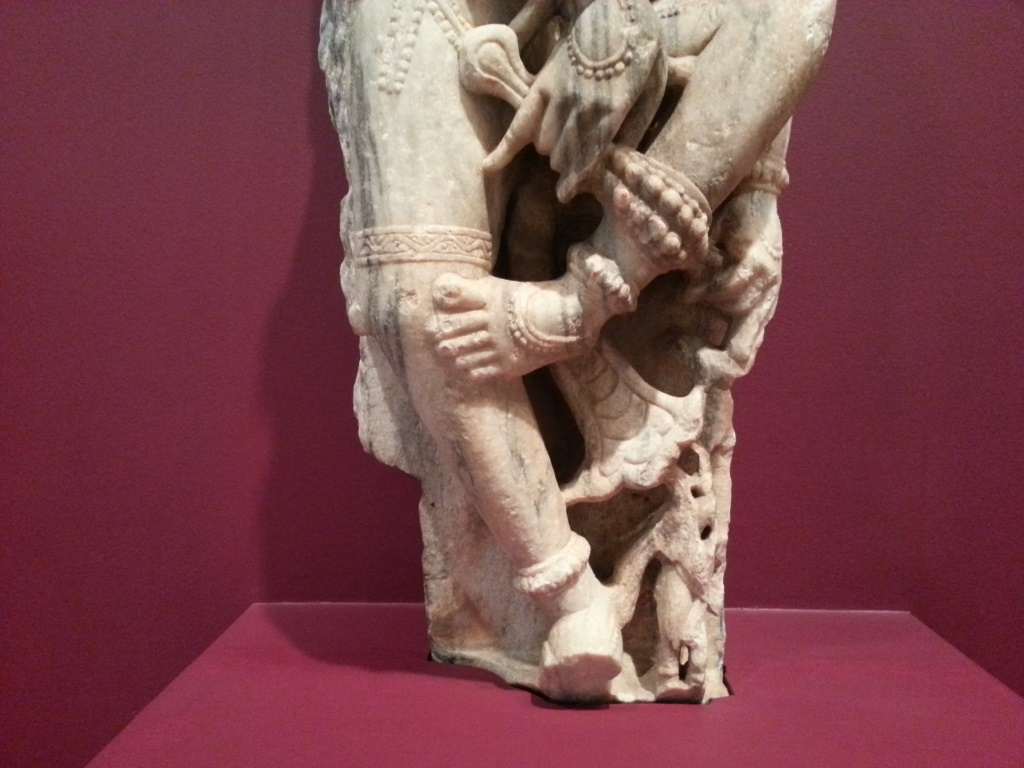
This Indian dancer performs barefooted, but with many anklets that make their own music as she dances

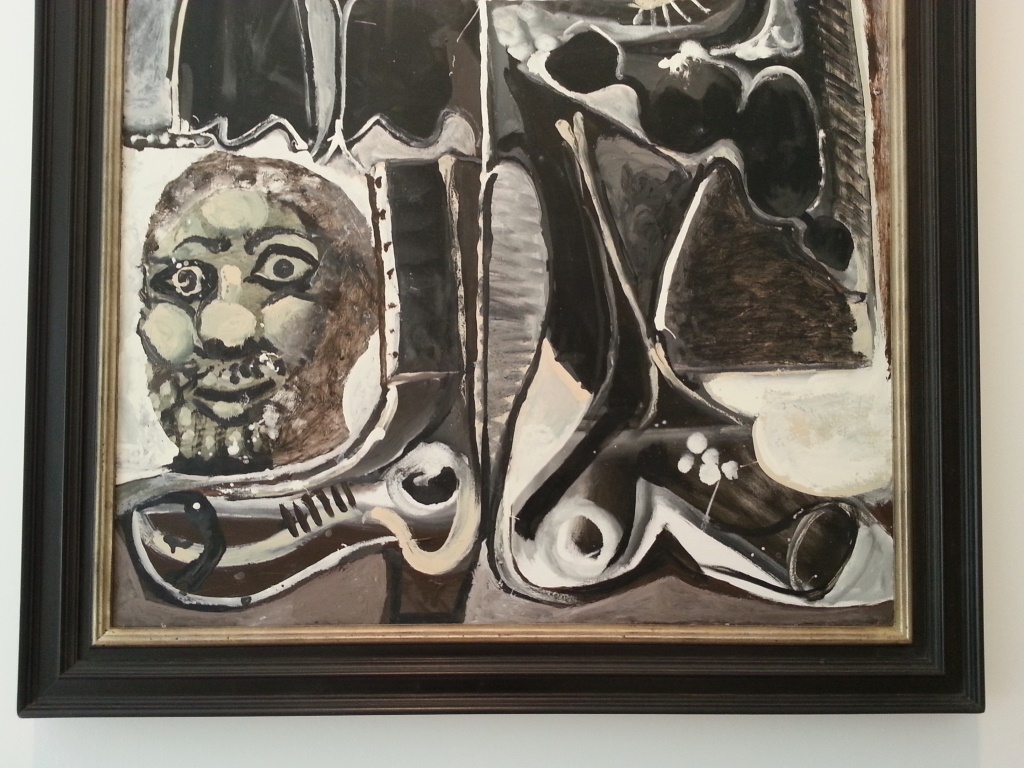
Picasso detail

The bust in the lower left of this painting is thought to be a kind of visual signature for this revolutionary Spanish artist

YM detail

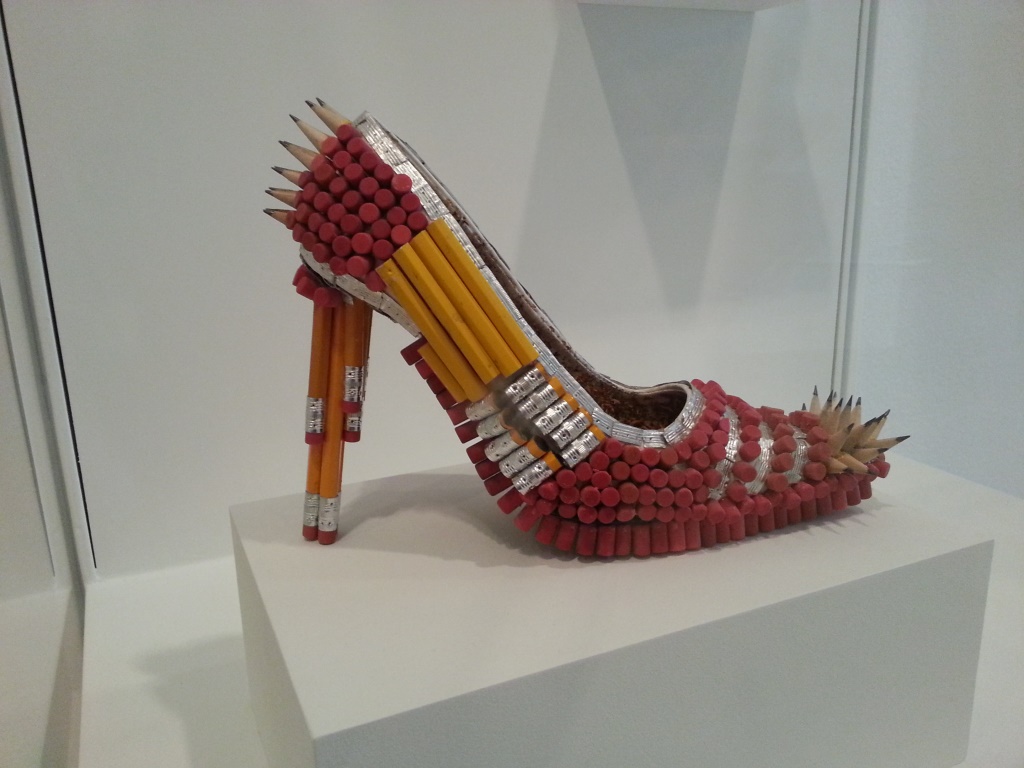
A young artist reimagines the high heel, made entirely of pencils and found objects

Happy shoe hunting!

Artworks shown:

  • Isaac Soyer, Art Beauty Shoppe, 1934, Dallas Museum of Art, gift of the Public Works of Art Project
  • Francis William Edmonds, Commodore Trunnion and Jack Hatchway, c. 1839, Dallas Museum of Art, gift of Maxus Energy and Nina B. Super by exchange, the Roberta Coke Camp Fund and the General Acquisitions Fund
  • Belle Chambre, Dallas Museum of Art, Wendy and Emery Reves Collection
  • Figurine, Japan, late 19th century, Dallas Museum of Art, Foundation for the Arts Collection, The John R. Young Collection, Mrs. John B. O’Hara Fund
  • Dancing Figure, India, Probably 12th–13th century, Dallas Museum of Art, gift of the Alvin and Lucy Owsley Foundation
  • Pablo Picasso, The Guitarist, 1965, Dallas Museum of Art, The Art Museum League Fund
  • April Armstrong, Lead Foot, 2013, Plano East Senior High School, featured in Young Masters 2014

Melissa Gonzales
Center for Creative Connections Gallery Manager

Educator Resources: Islamic Culture

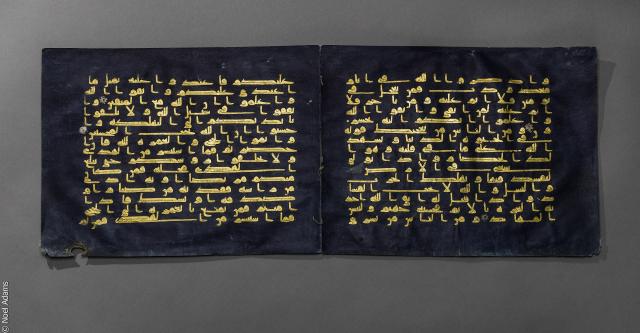
Quran Bifolio, Tunisia, Qayrawan, late 9th – early 10th century , vellum, ink, gold, silver, and blue dye, Furusiyya Art Foundation, Vaduz, Photo © Noel Adams
Quran Bifolio, Tunisia, Qayrawan, late 9th – early 10th century , vellum, ink, gold, silver, and blue dye, Furusiyya Art Foundation, Vaduz, Photo © Noel Adams
We are thrilled to present Nur: Light in Art and Science from the Islamic World at the DMA through June 29. The exhibition explores light in Islamic culture–in the physical and metaphysical sense–through both secular and sacred works, produced in places from Spain to Asia, dating from the 7th century to the 21st. The Islamic world is vast, and the diversity of cultures embraced by Islam is rich. To assist you in teaching about Islamic culture, we’ve pulled together some useful online resources:
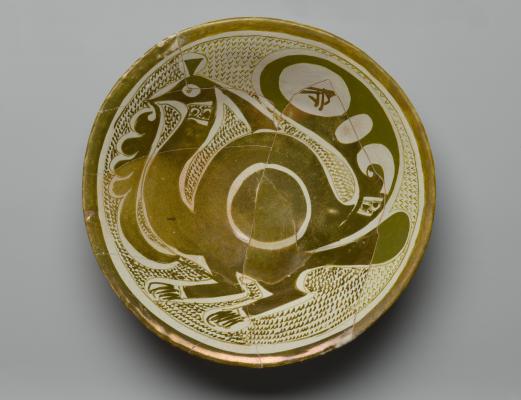
9th-10th century, Iraq, luster-painted, Brooklyn Museum, Gift of the Ernest Erickson Foundation, Inc., Brooklyn, USA

Bowl with bird, 9th-10th century, Iraq, luster-painted, Brooklyn Museum, Gift of the Ernest Erickson Foundation, Inc., Brooklyn, USA

Andrea Severin Goins
Interpretation Specialist


Archives

Categories