Archive Page 27


Friday Photos: DMA Fotogs

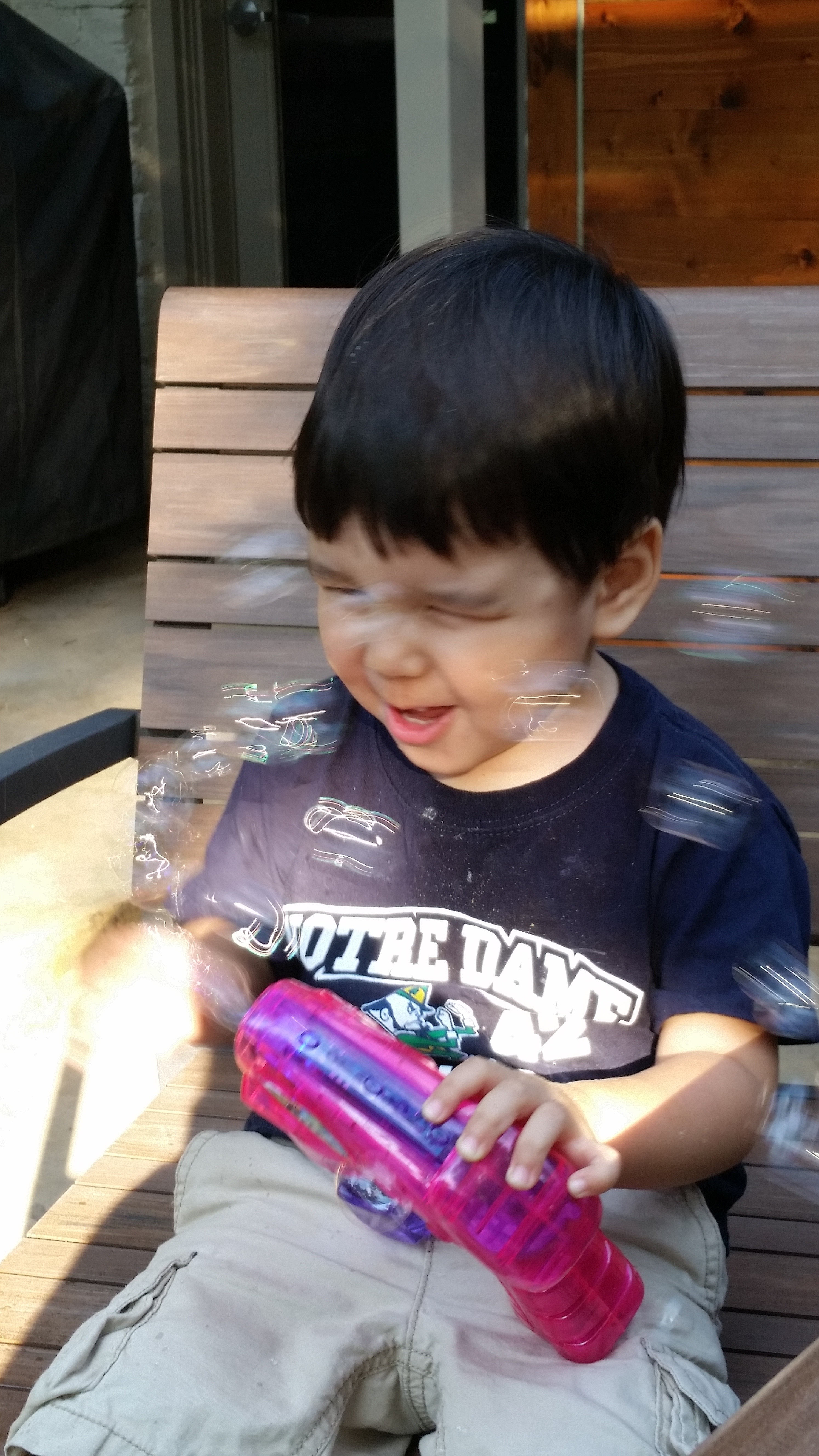
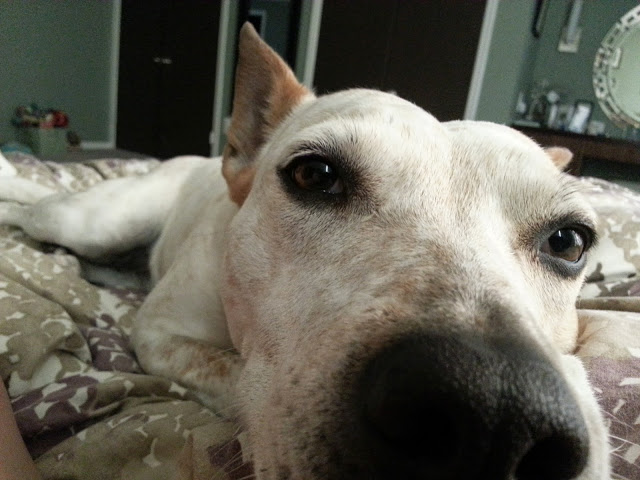
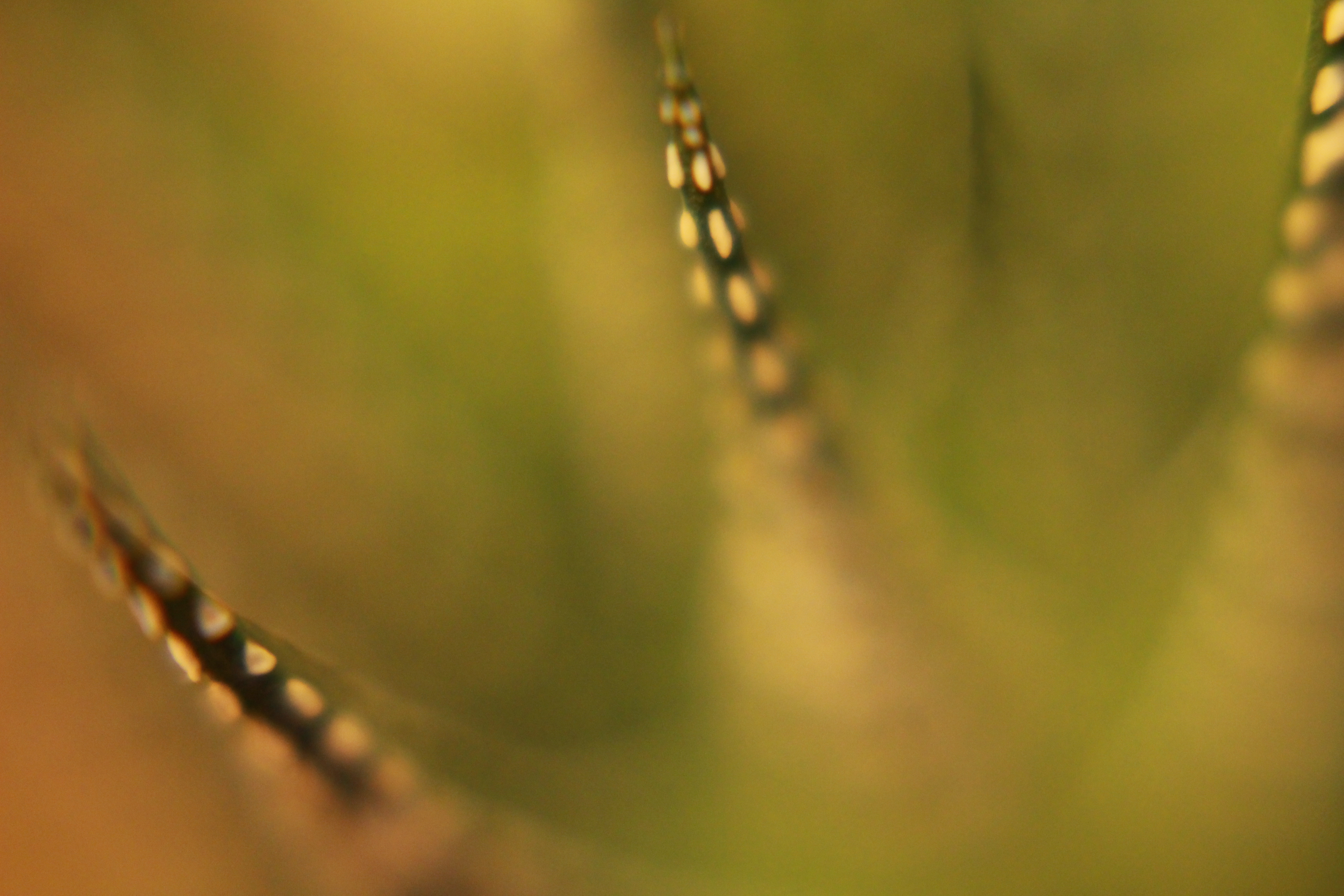
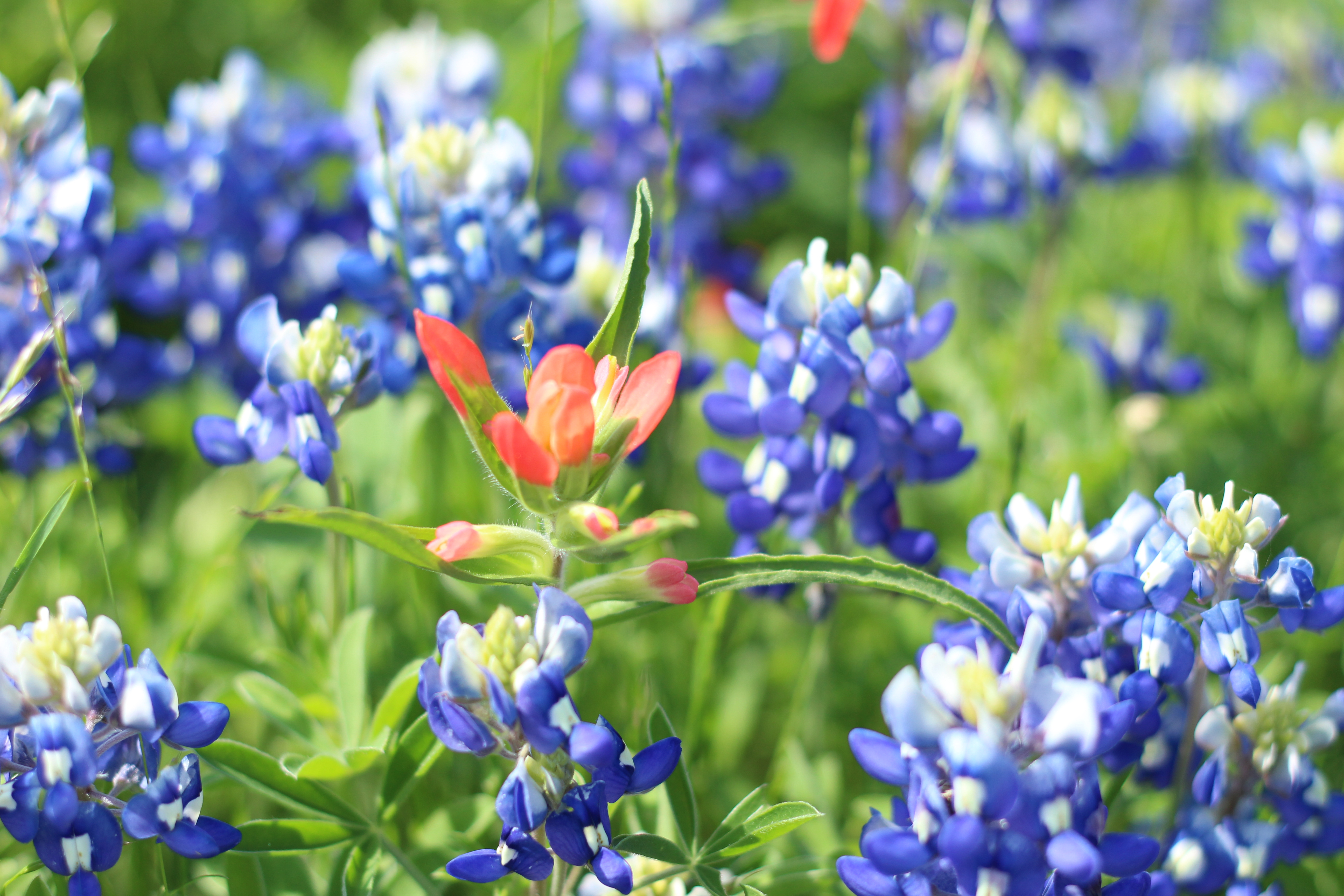
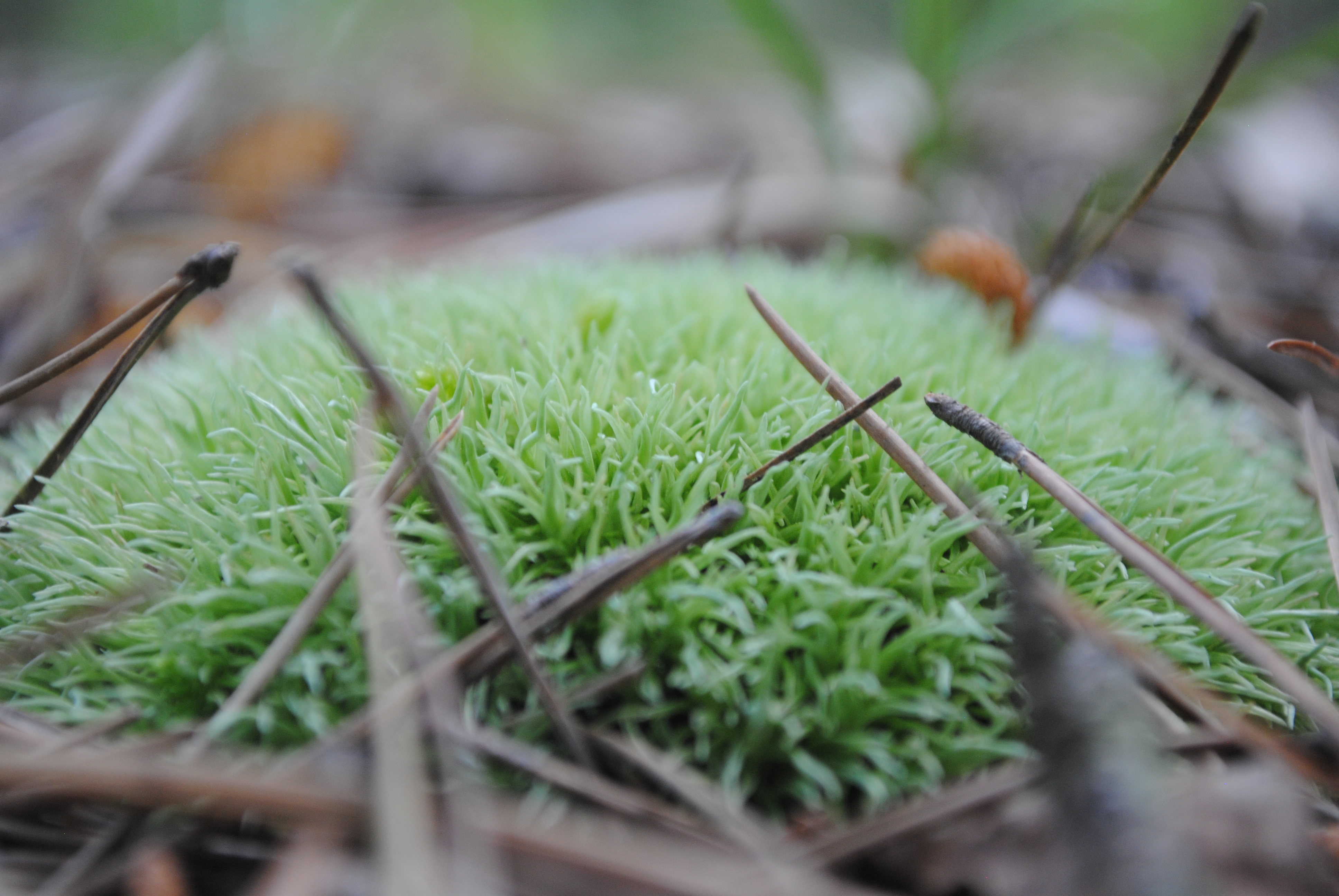
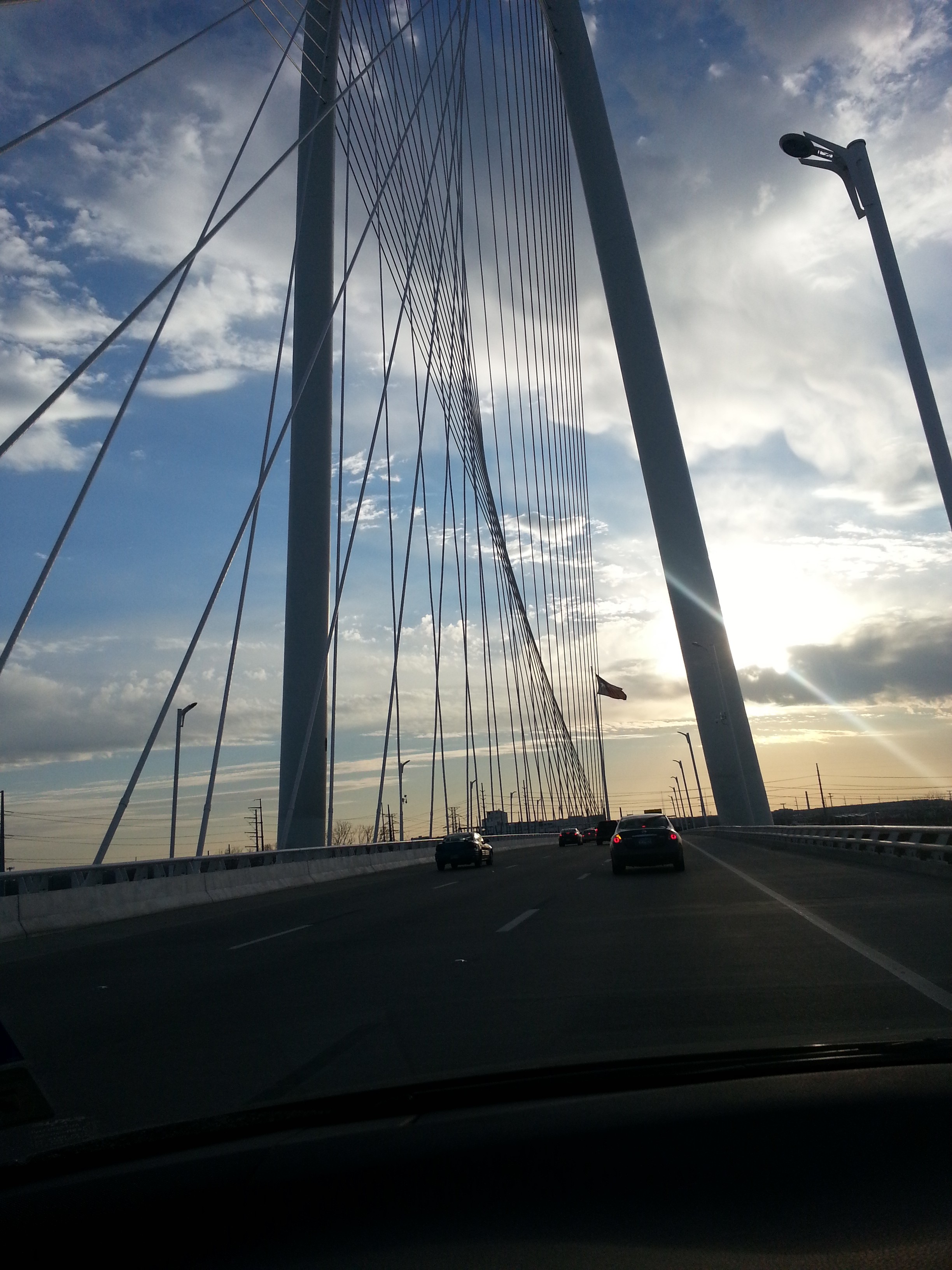
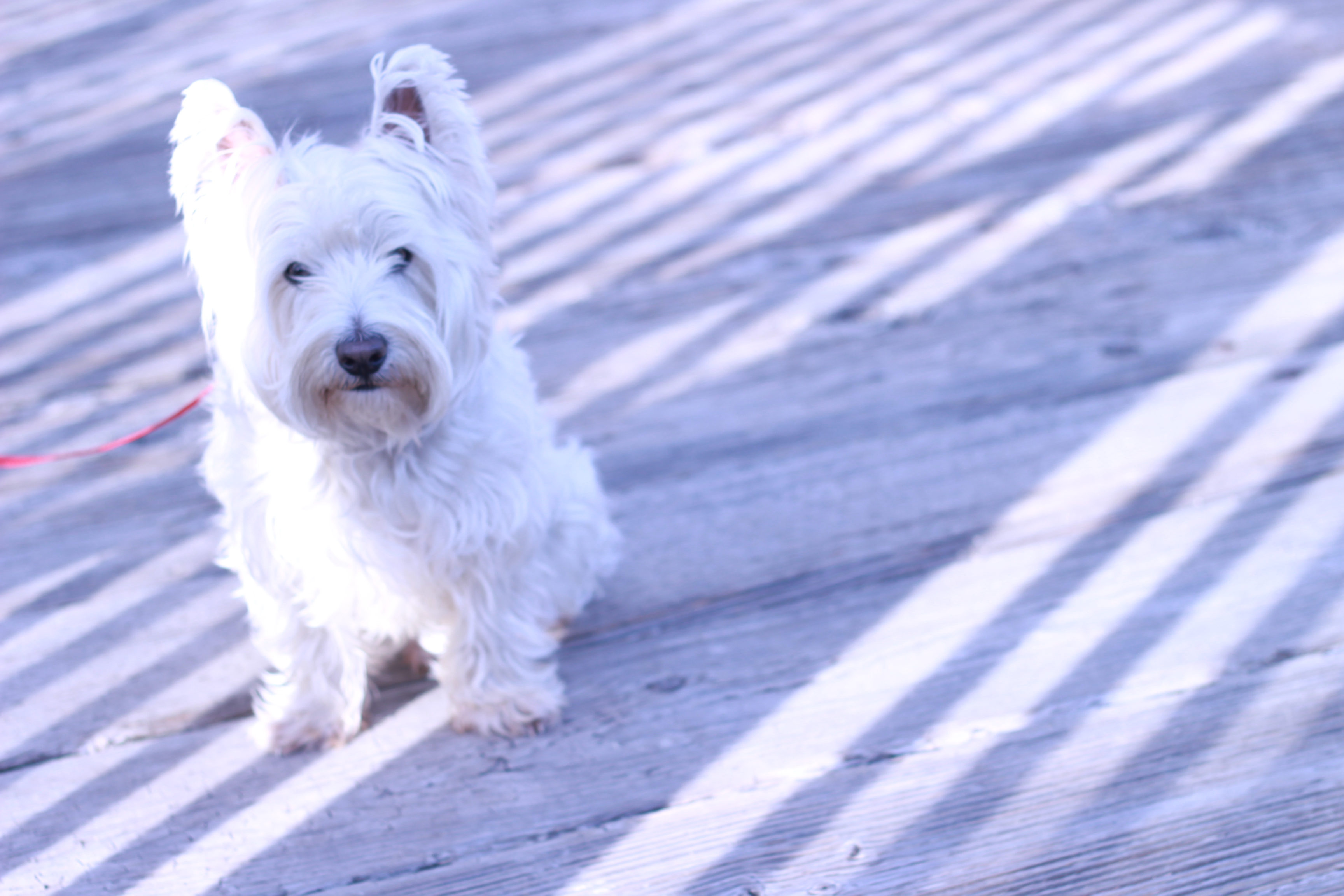
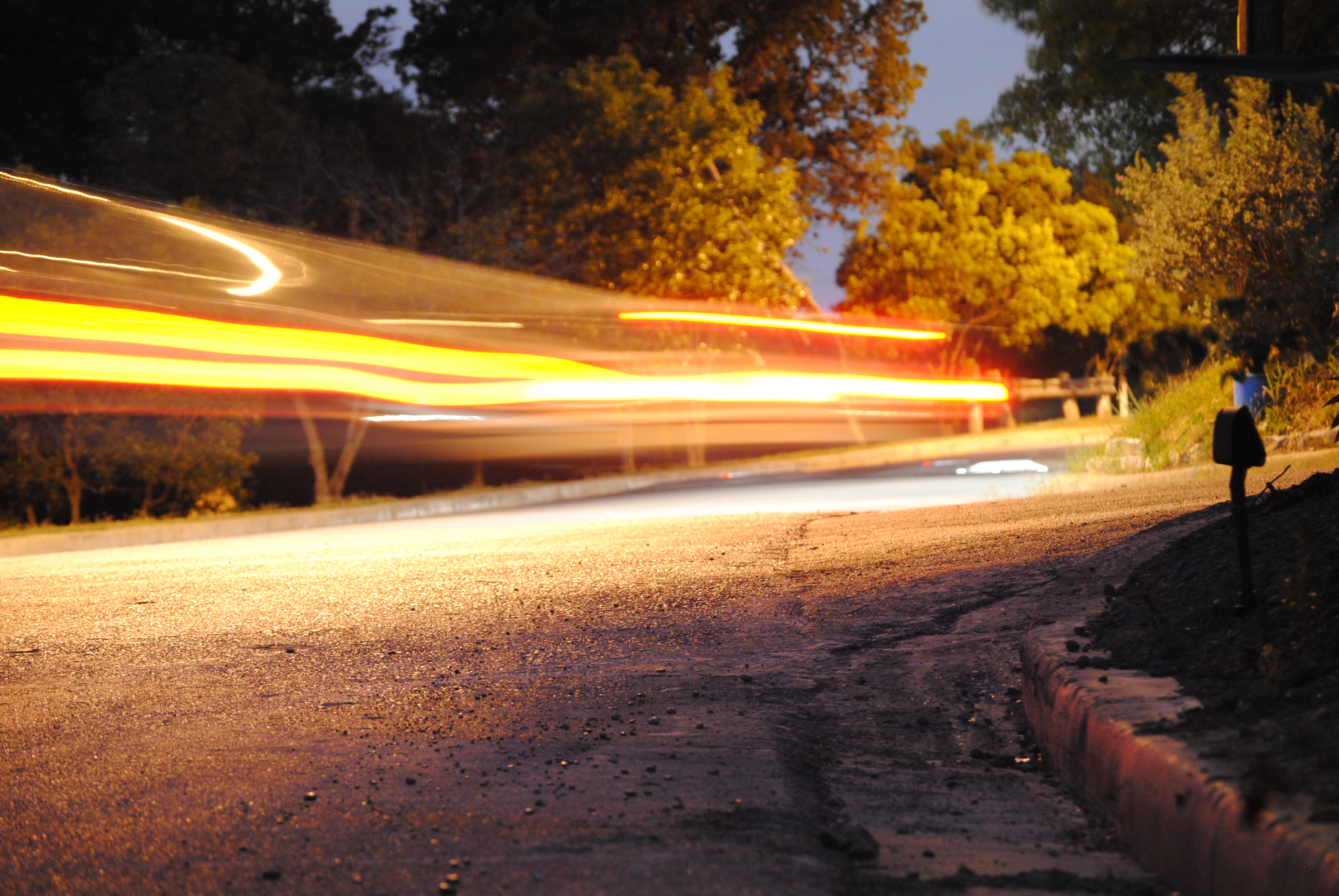
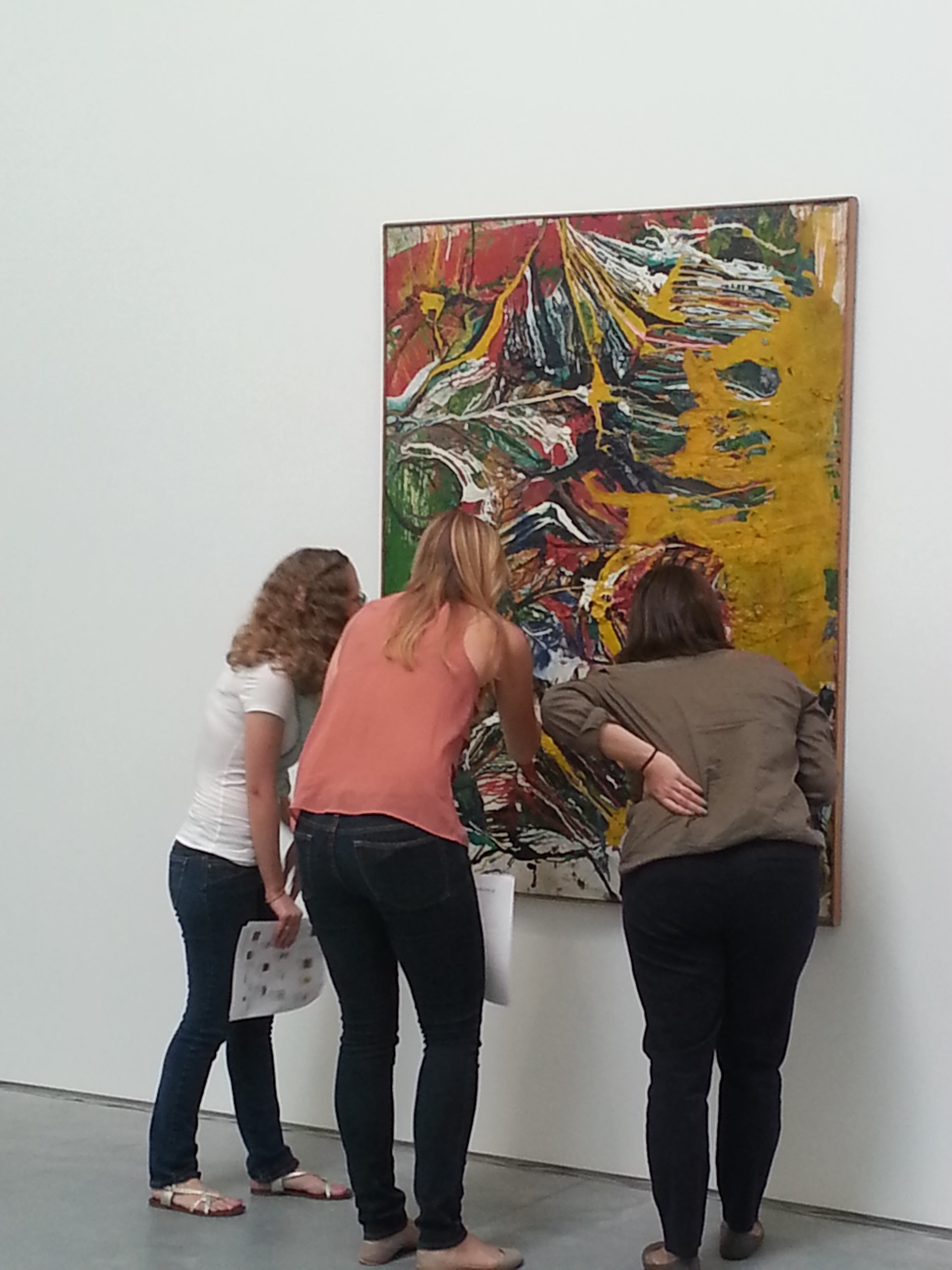
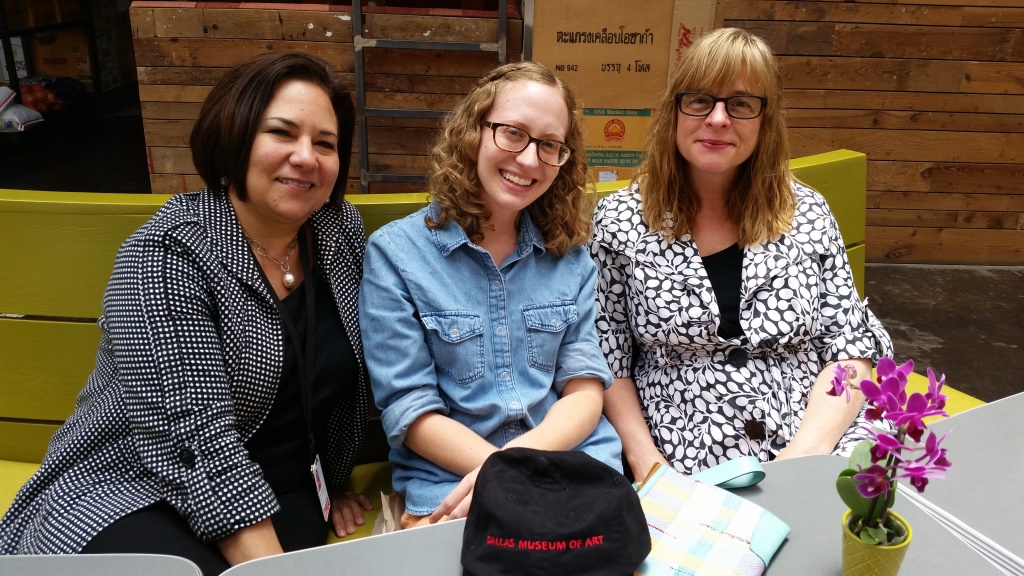
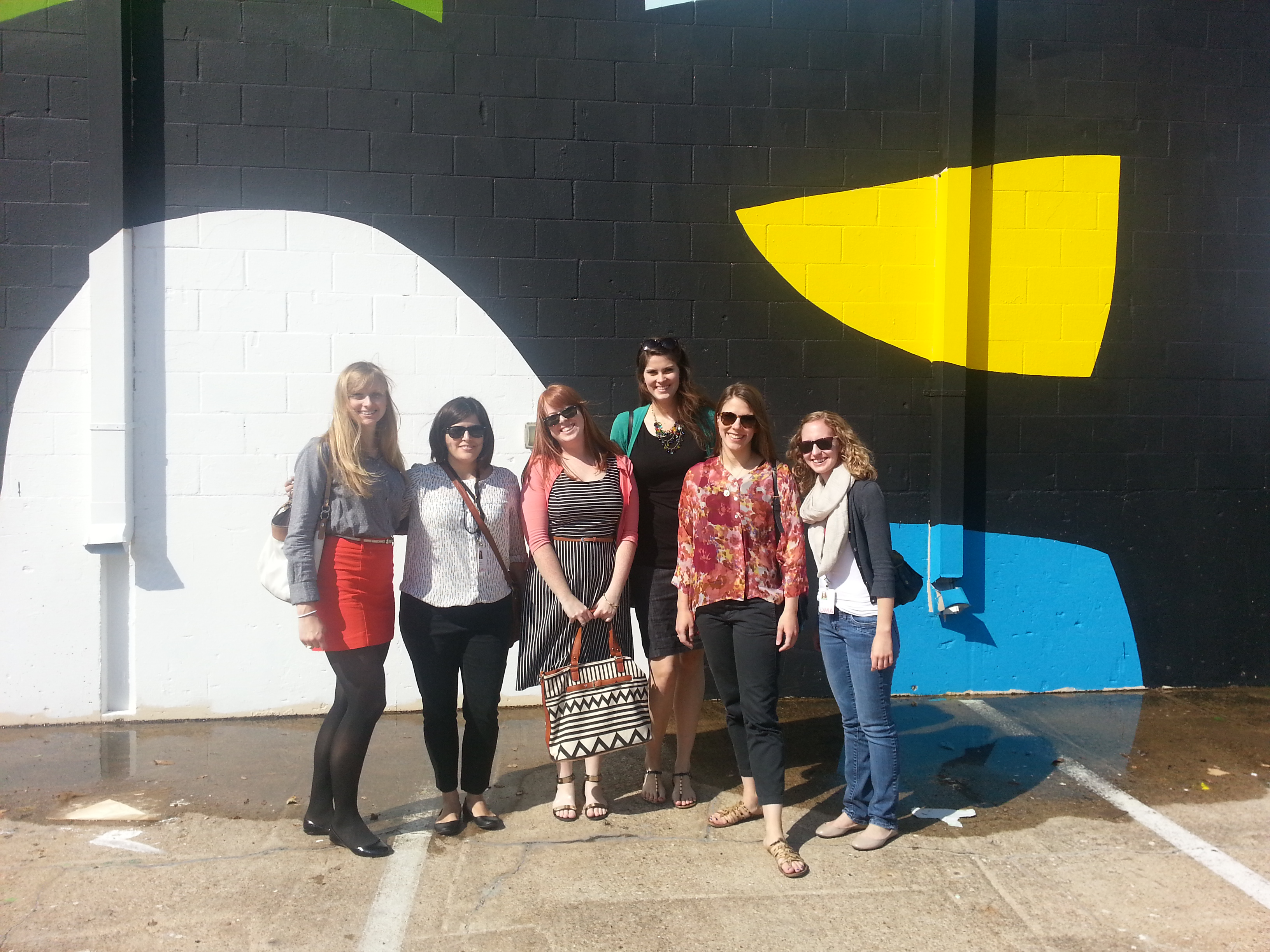
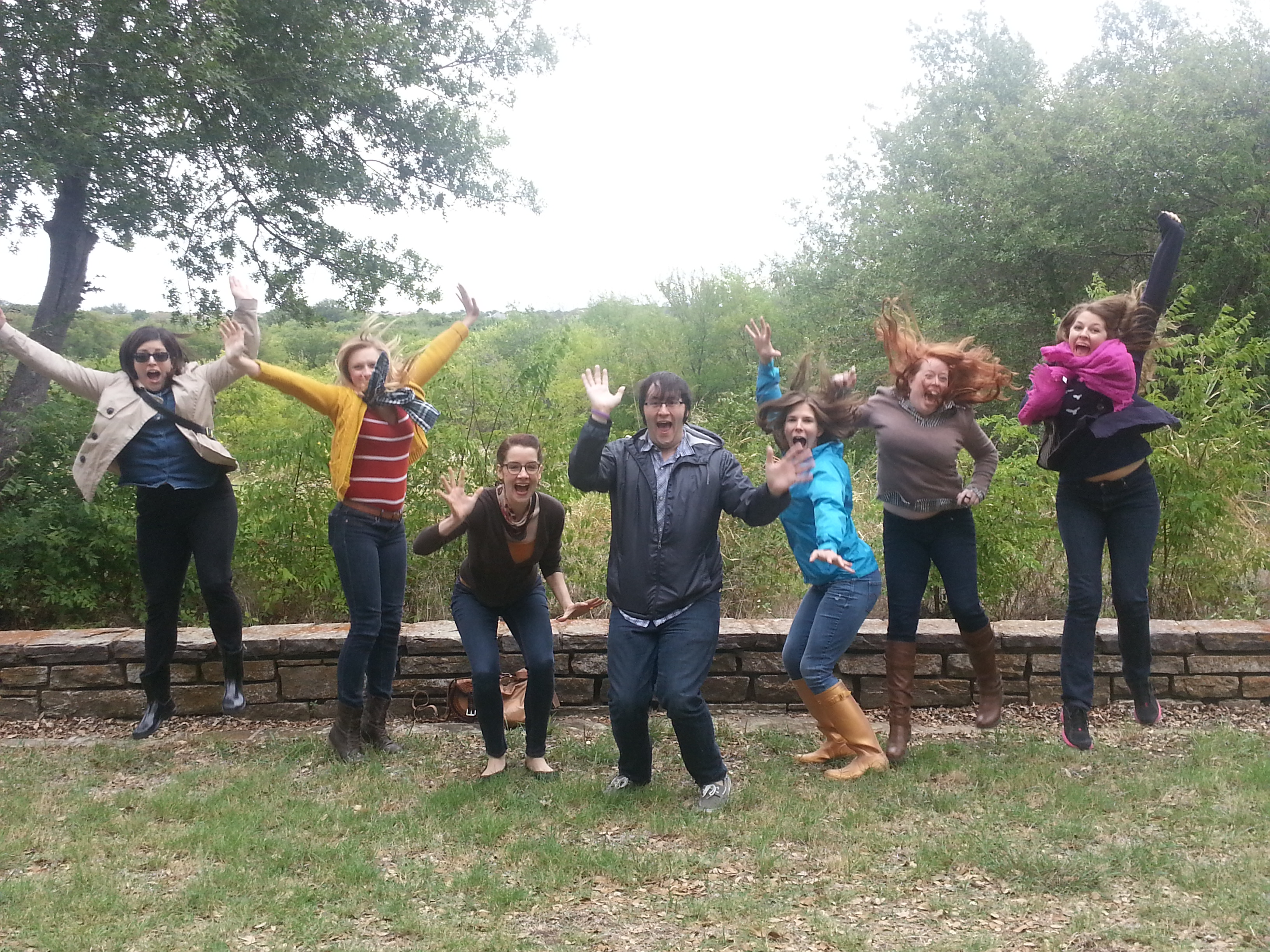
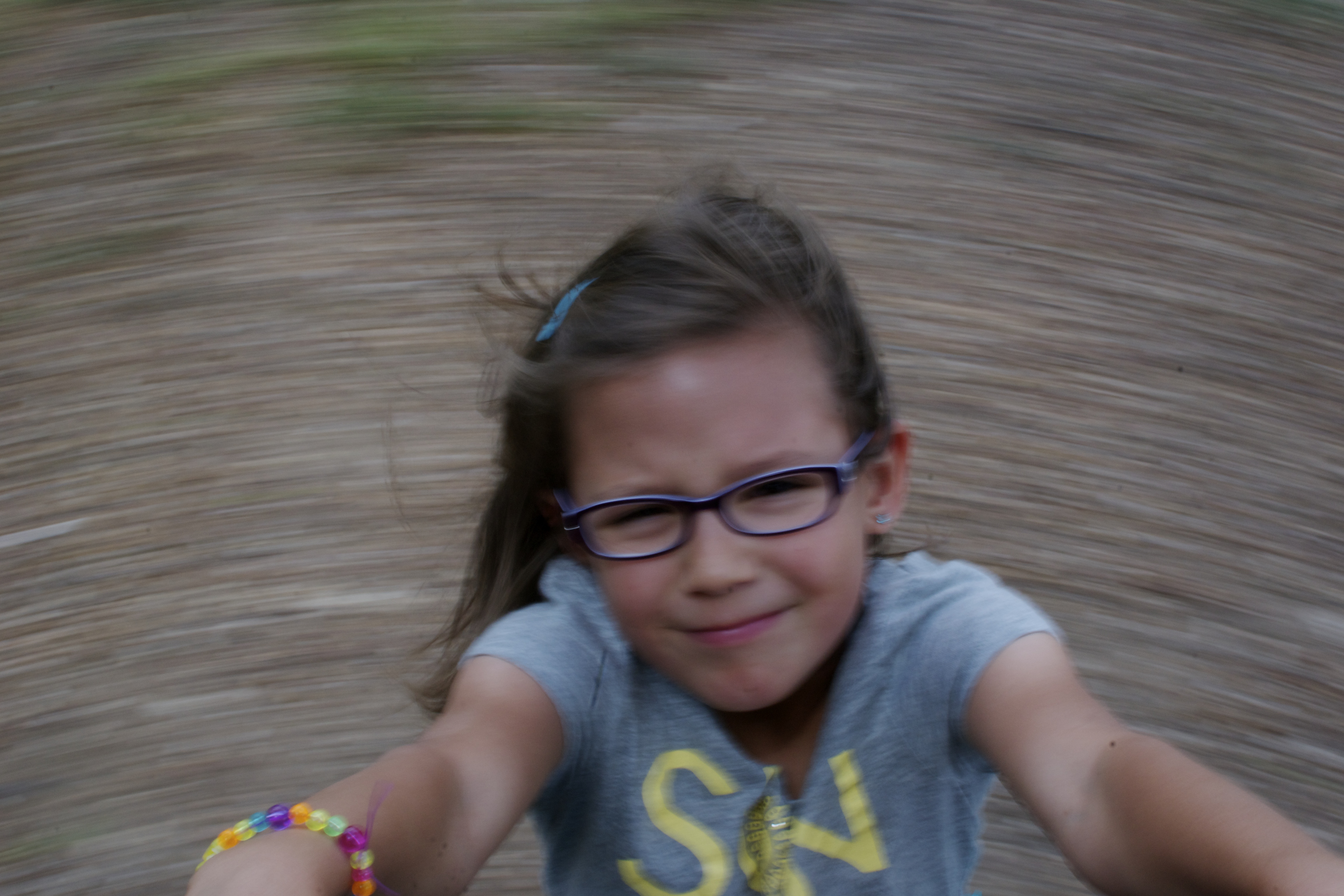
At the beginning of 2014, a small group of DMA Educators formed an informal photo club. Some of us have been photographers for over a decade and others are newer to the field, but we all share a passion for capturing moments with an artistic eye.

Being part of the group helps to keep us each motivated, whether perfecting techniques or experimenting with new subject matter. Check out some of our photographs exploring specific themes below.

Objects in Motion

Close-Ups

Capturing Light

Did you know that May is National Photography Month? Don’t worry, there’s still time to get out and participate. Grab your camera (or camera phone) and get clicking!

Jessica Fuentes
C3 Gallery Coordinator

Danielle Schulz
Teaching Specialist

Amanda Blake
Head of Family, Access, and School Experiences

Leah Hanson
Manager of Early Learning

Melissa Nelson Gonzales
C3 Gallery Manager

Culinary Canvas: Almond Cookies (Nan-e Badami)

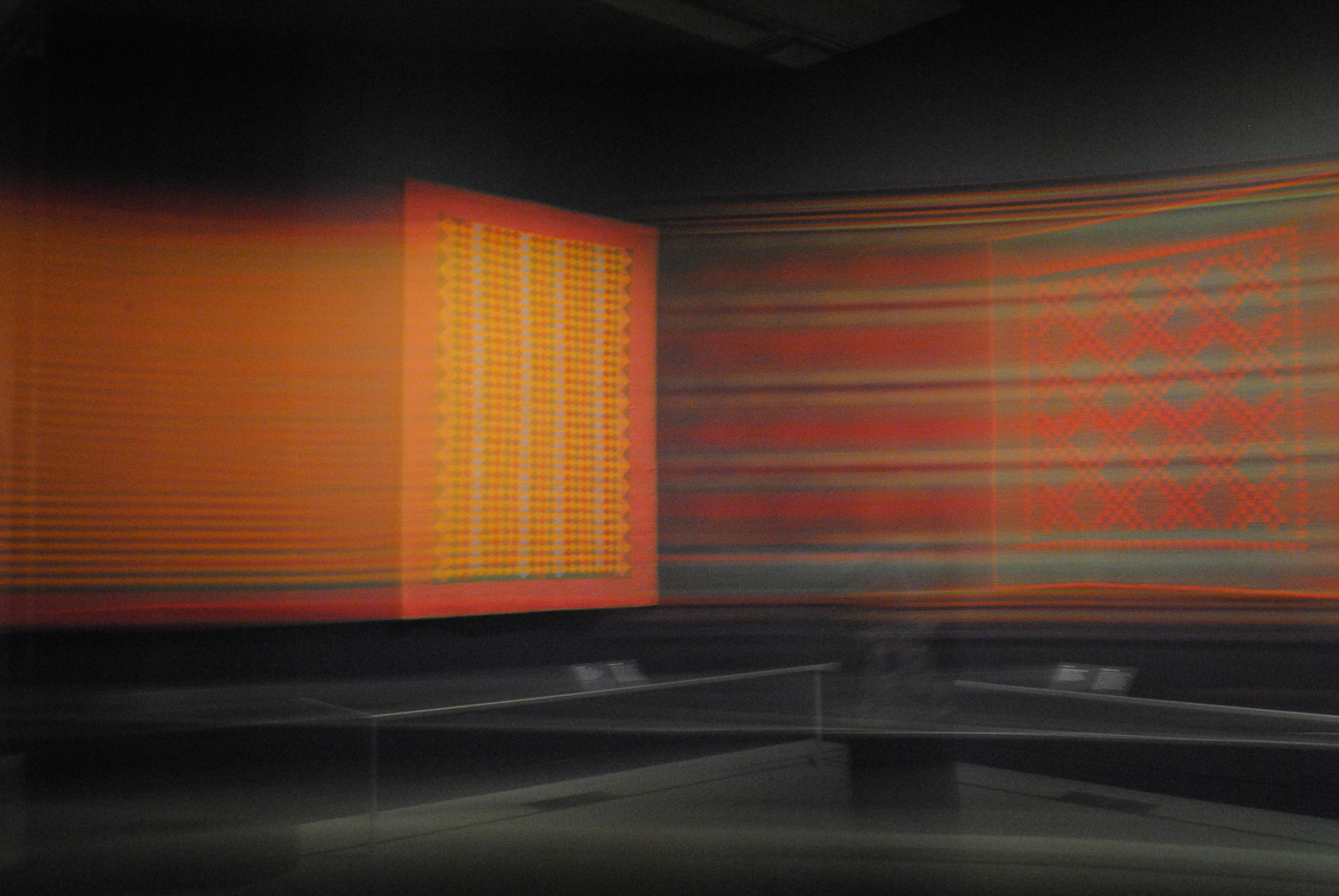
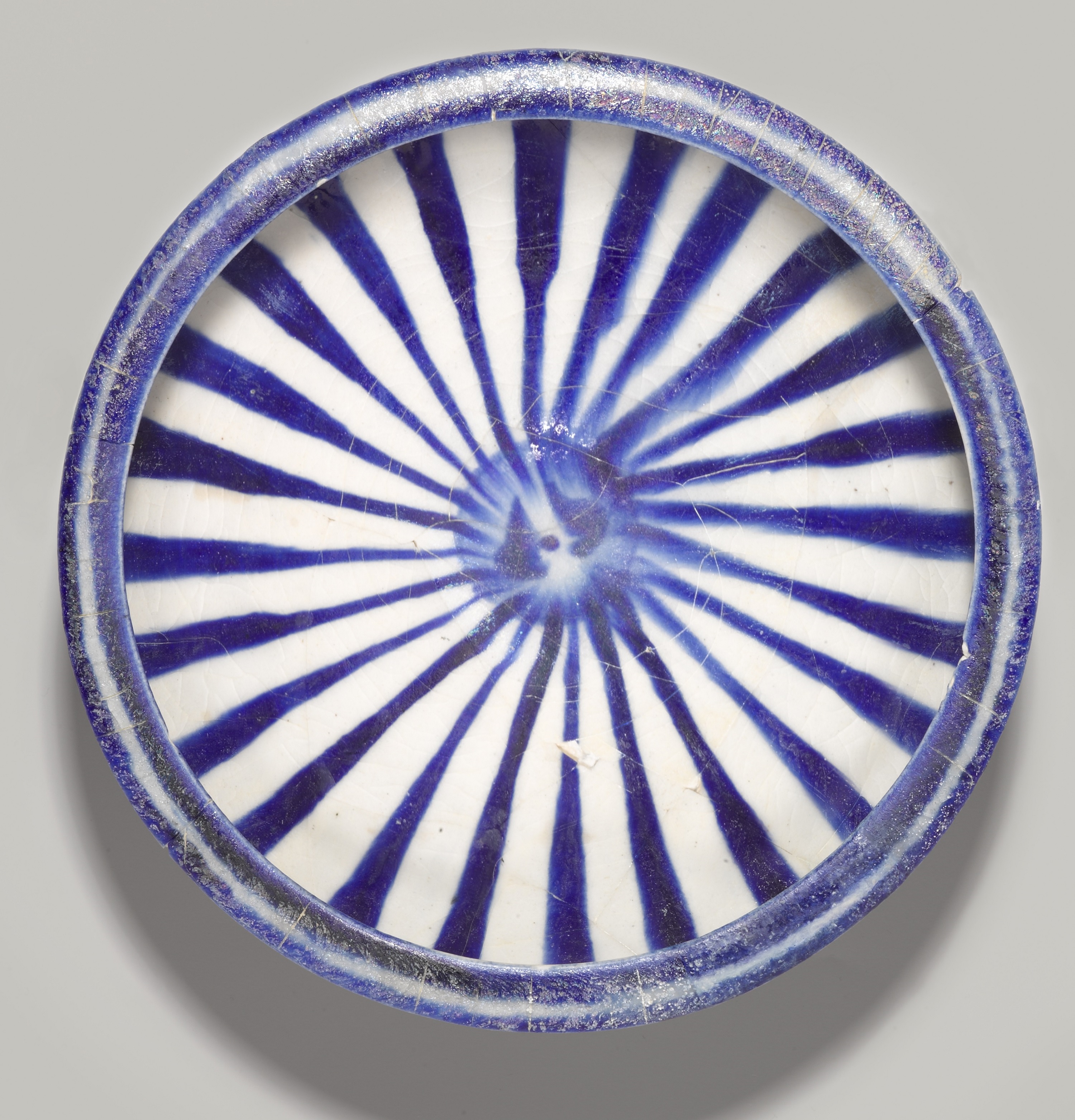
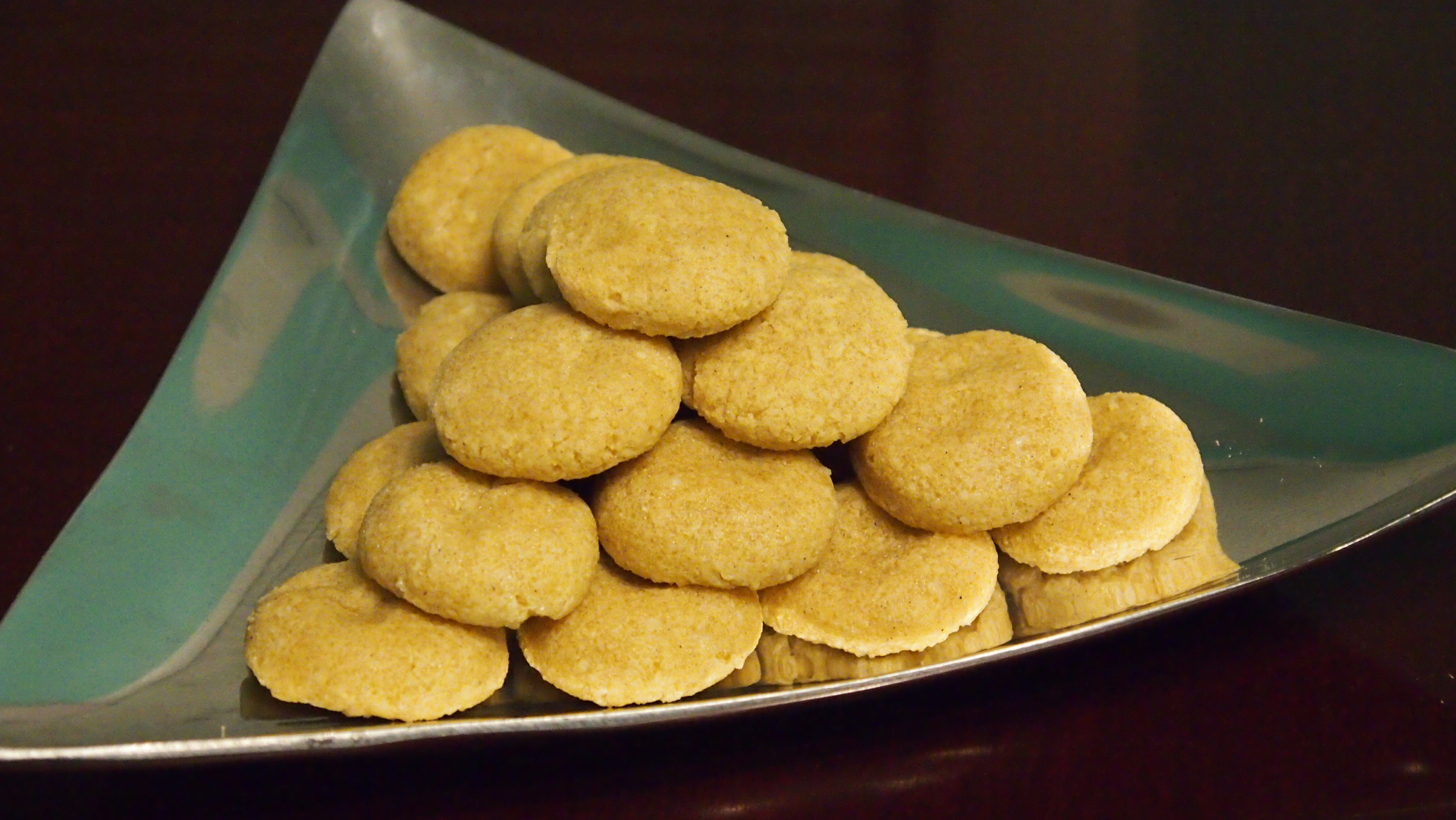
This month’s recipe is inspired by our current exhibition Nur: Light in Art and Science from the Islamic World, which explores Islamic art and science throughout the centuries and around the world. Several beautifully decorated pieces of pottery can be found in the exhibition, including this striking bowl from Kashan, located in modern Iran. The Persian Empire spanned this area during ancient times and its cultural thread has continued, influencing food in the region today. In fact, Persians were one of the first to produce sugar and create recipes for cookies–some dating back to the 12th century–and sweets remain an important part of Persian celebrations today. Try this simple Persian recipe to add an interesting new flavor to your cookie repertoire and then be sure to stop by the Museum before Nur closes next month!

Blue and White Bowl with Radial Design, 13th Century , Iran, Kashan, fritware, painted in cobalt blue under transparent glaze, Brooklyn Museum, Gift of Mr. and Mrs. Thomas S. Brush, Brooklyn, USA

Blue and White Bowl with Radial Design, 13th Century , Iran, Kashan, fritware, painted in cobalt blue under transparent glaze, Brooklyn Museum, Gift of Mr. and Mrs. Thomas S. Brush, Brooklyn, USA

Almond Cookies

Yields about 60 cookies
Level: Very Easy

5 egg yolks
1 ½ cups sugar
3 tablespoons rosewater (optional, can be purchased at Middle Eastern markets)
2 cups finely ground almonds or almond flour
2 teaspoons cardamom
½ teaspoon baking powder

Preheat oven to 250° F. Line rimmed baking sheet with parchment paper.

In the bowl of a stand mixer fitted with paddle attachment, beat yolks and sugar at medium speed until light. Add rosewater if desired.

In a separate bowl, stir together almond flour, cardamom, and baking powder. Slowly add almond mixture to mixer, stirring on low speed and scraping down sides of bowl until fully incorporated. Resulting dough should be slightly sticky.

To form cookies, scoop off about a teaspoon of dough then roll between hands to shape into a ball. Flatten ball between palms and place on baking sheet. Bake about 25 minutes, watching closely to ensure cookies do not brown.

When removed from oven, cookies will look very soft and should remain so at room temperature. Allow to cool on baking sheet then transfer to metal rack to cool completely.


OLYMPUS DIGITAL CAMERA

Recipe adapted from Food of Life: A Book of Ancient Persian and Modern Iranian Cooking and Ceremonies.

Sarah Coffey
Assistant to the Chair of Learning Initiatives

Friday Photos: Fond Farewells

As another school year comes to a close, not only do we say goodbye to all the school buses filled with children, but we also say farewell to the amazing McDermott Interns who have been working with us in the Education department for the past nine months.

Amy Elms, McDermott Intern for Visitor Engagement, and Hayley Prihoda, McDermott Intern for Gallery and Community Teaching, are leaving us today and we want to wish them the very best in their future careers. They both have brought friendly smiles, grace under pressure, a love of teaching, enthusiasm and energy, and new ideas to the DMA. It’s bittersweet to know that we won’t be seeing them in the office every day, but exciting to imagine all the good they are going to do in the museum world. Fondest farewells!

Leah Hanson
Manager of Early Learning Programs

Hitting the Highlight Reel: 2013-2014 School Year in Review

As our tours wind down and we make our final school trip in the Go van Gogh van, it’s time to look back at all we’ve done this school year (and be pretty proud of ourselves). If we could have looked into the future last September, we would have seen a year of change waiting for us. 2013-2014 has been action-packed, full of happy surprises and new initiatives and programs. Instead of looking at this school year by the numbers, we’re going to hit the highlight reel and showcase just a few of many great moments.
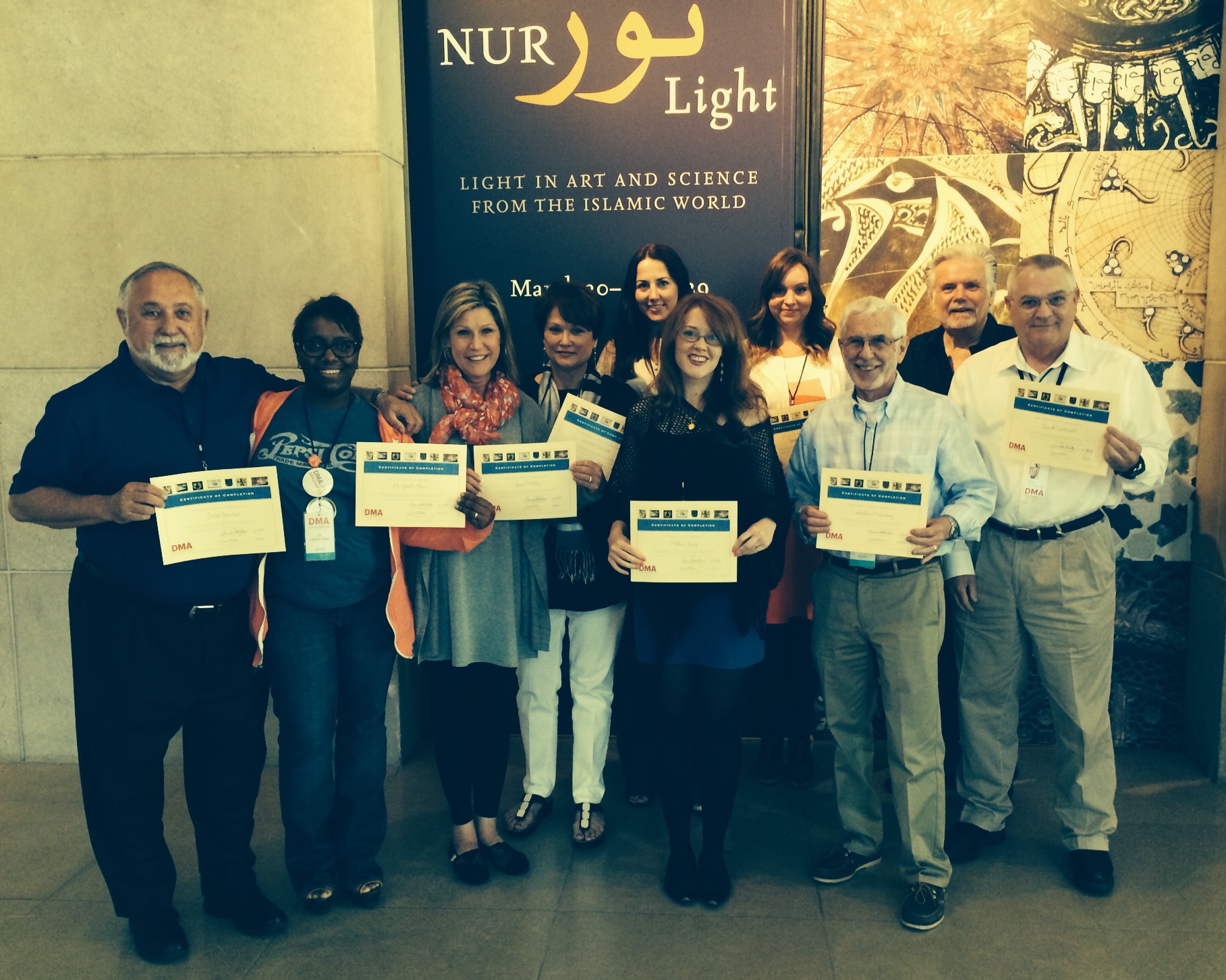
2013-14 New Docent Class

From left to right: Felix Landau, Flo Lockett-Miles, Debi Waltz, Annette Culwell, Charlie Kuzmic, Stephanie Avery, Sandi Edgar, Art Weinberg, Evan Simmons, and David Caldwell.

New Docent Class of 2013-2014

We are excited to introduce our New Docent Class of 2013-2014! In order to “graduate” from the program, our new docents attend over thirty weeks of training, give ten (or more) tours, and read almost all of Marilyn Stokstad’s Art History. These new docents have put in countless hours prepping for tours and learning different touring strategies and activity ideas. We are excited to welcome such an enthusiastic, creative, and dedicated group to our DMA Docent Program. Look for them on your DMA tours this fall!

Booker T. Washington Learning Lab Partnership

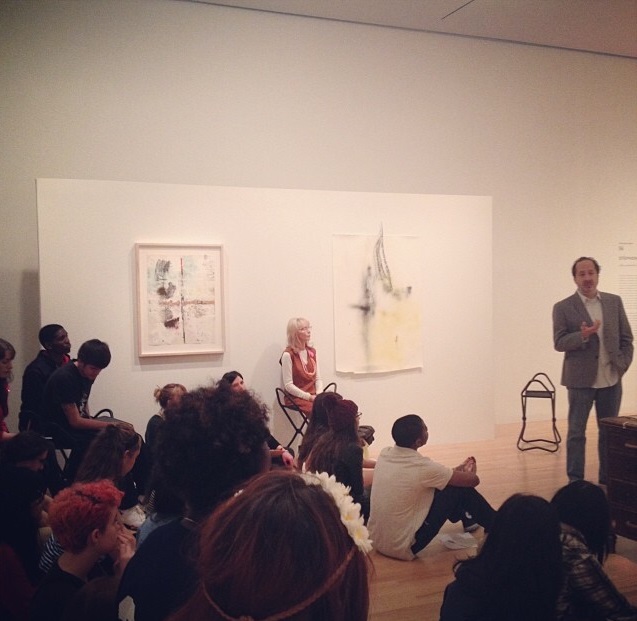
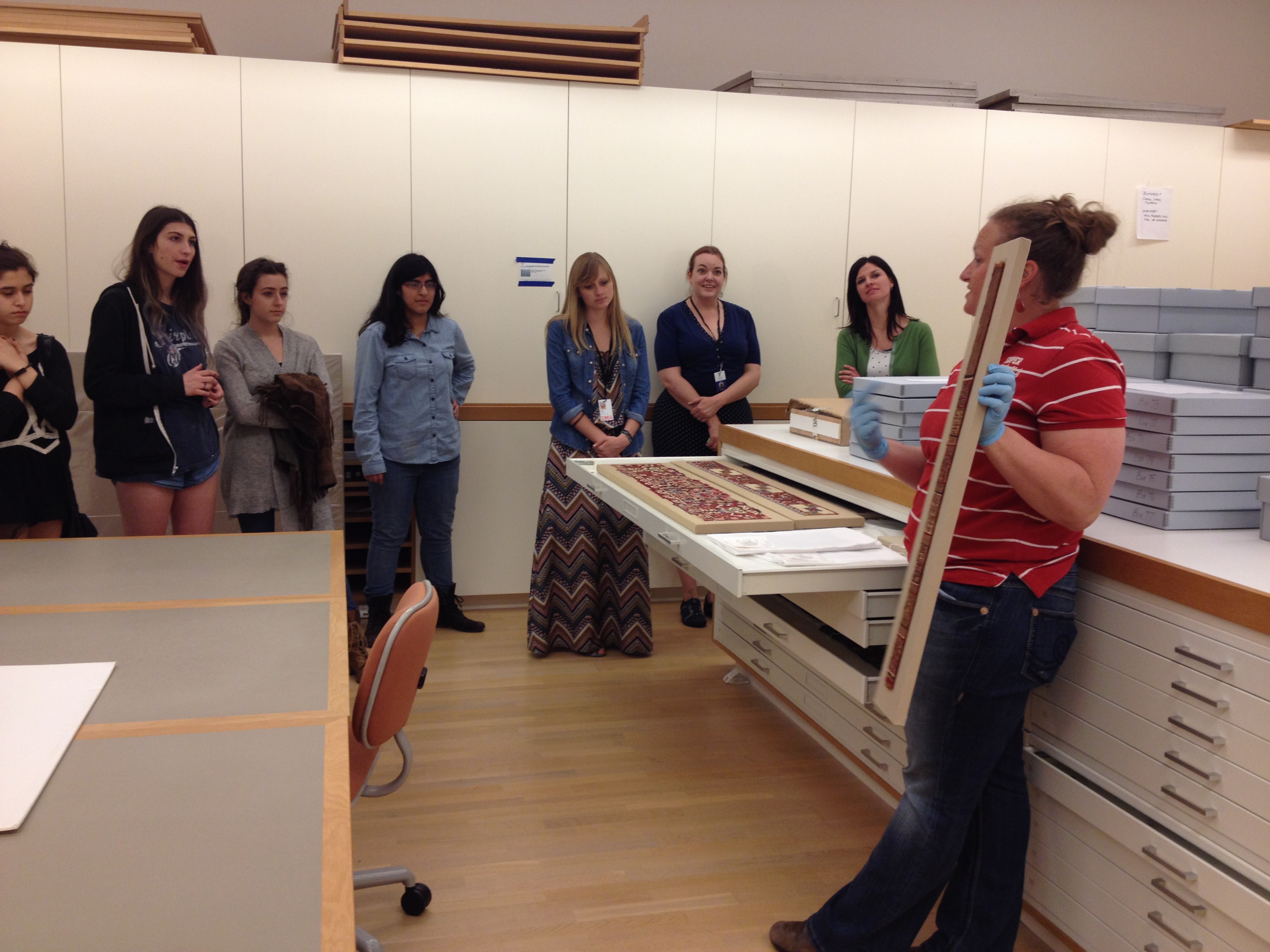
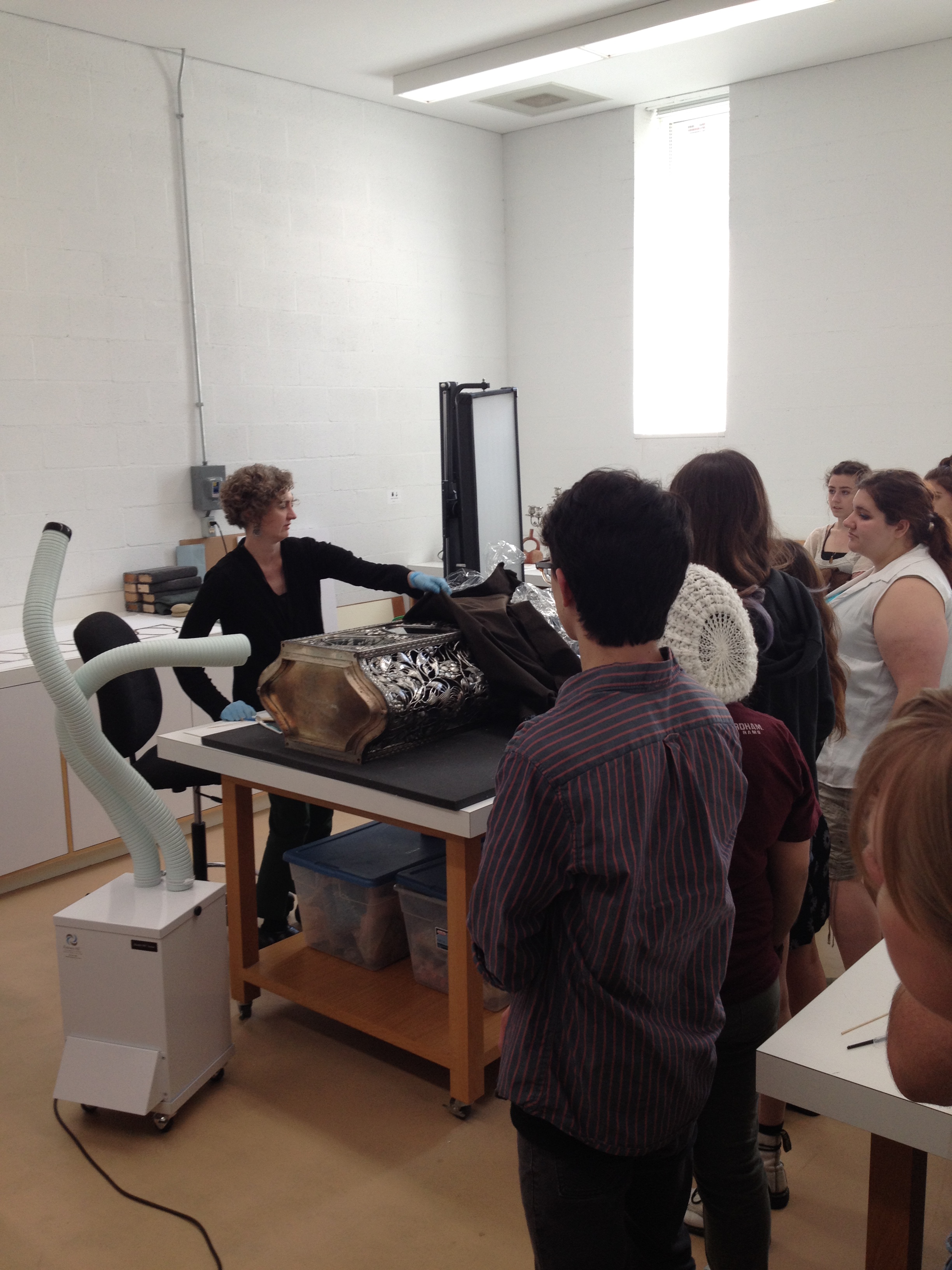
This was another fantastic year for the Learning Lab partnership with the Booker T. Washington High School for the Performing and Visual Arts. Students met artists Jim Hodges and Stephen Lapthisophon, learning first-hand about their respective special exhibitions and their process as artists. Students then put their own creative talent on display, re-imagining a DMA artwork using Instagram as their artistic medium. They went on behind-the-scenes tours of the Museum’s art storage areas and object conservation space, and got some career advice from a variety of Museum staff during a DMA career panel.  Most exciting of all, we will soon see the first class from the Learning Lab partnership graduate—congratulations class of 2014!

Go van Gogh Color My World Program for Special Education Classrooms

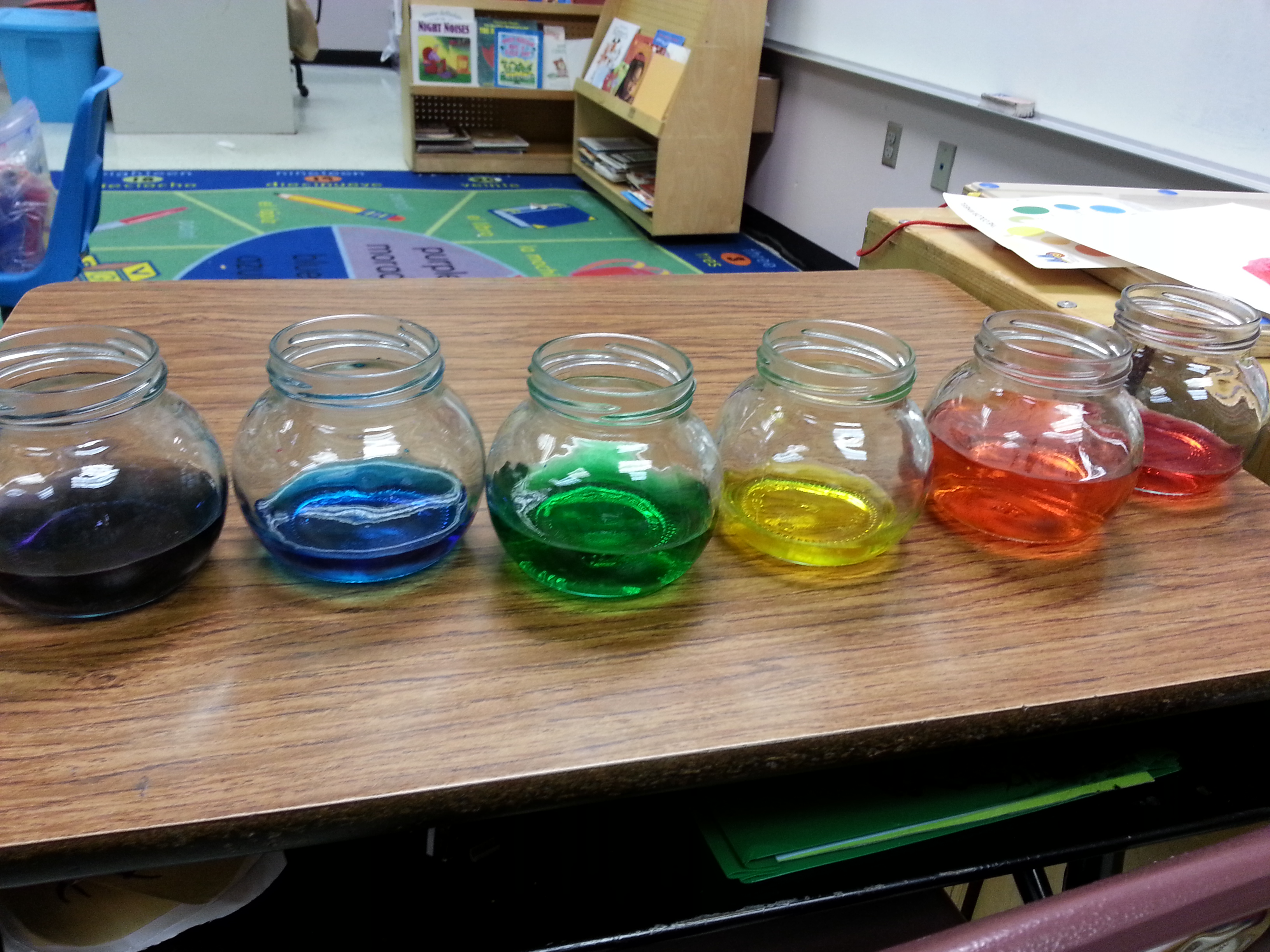
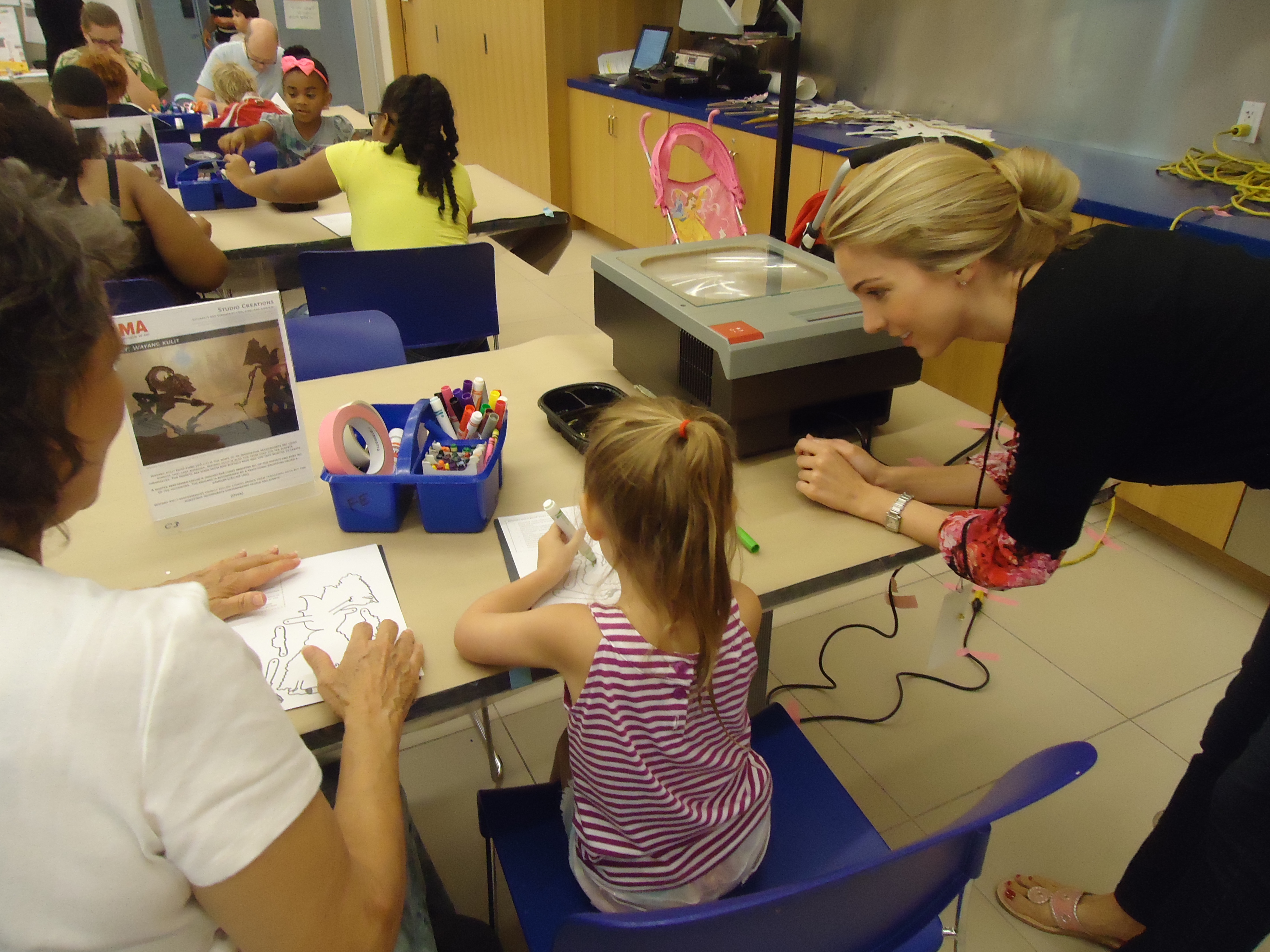
We were excited to unveil a new Go van Gogh experience this year. Designed to fill a growing need for Special Education outreach, the Color My World program incorporates multi-sensory activities in a color-filled classroom adventure inspired by paintings in the Museum’s collection. With the support of our enthusiastic Go van Gogh volunteers, we’ve been able to lead many Color My World programs this spring. And with the help of two very smart colleagues (thank you, Danielle and Hayley!), we’ve spent those sessions learning how the program works best, experimenting and modifying our way to what is now an inclusive experience for children with a range of abilities.

South Dallas Cultural Center Second Sundays

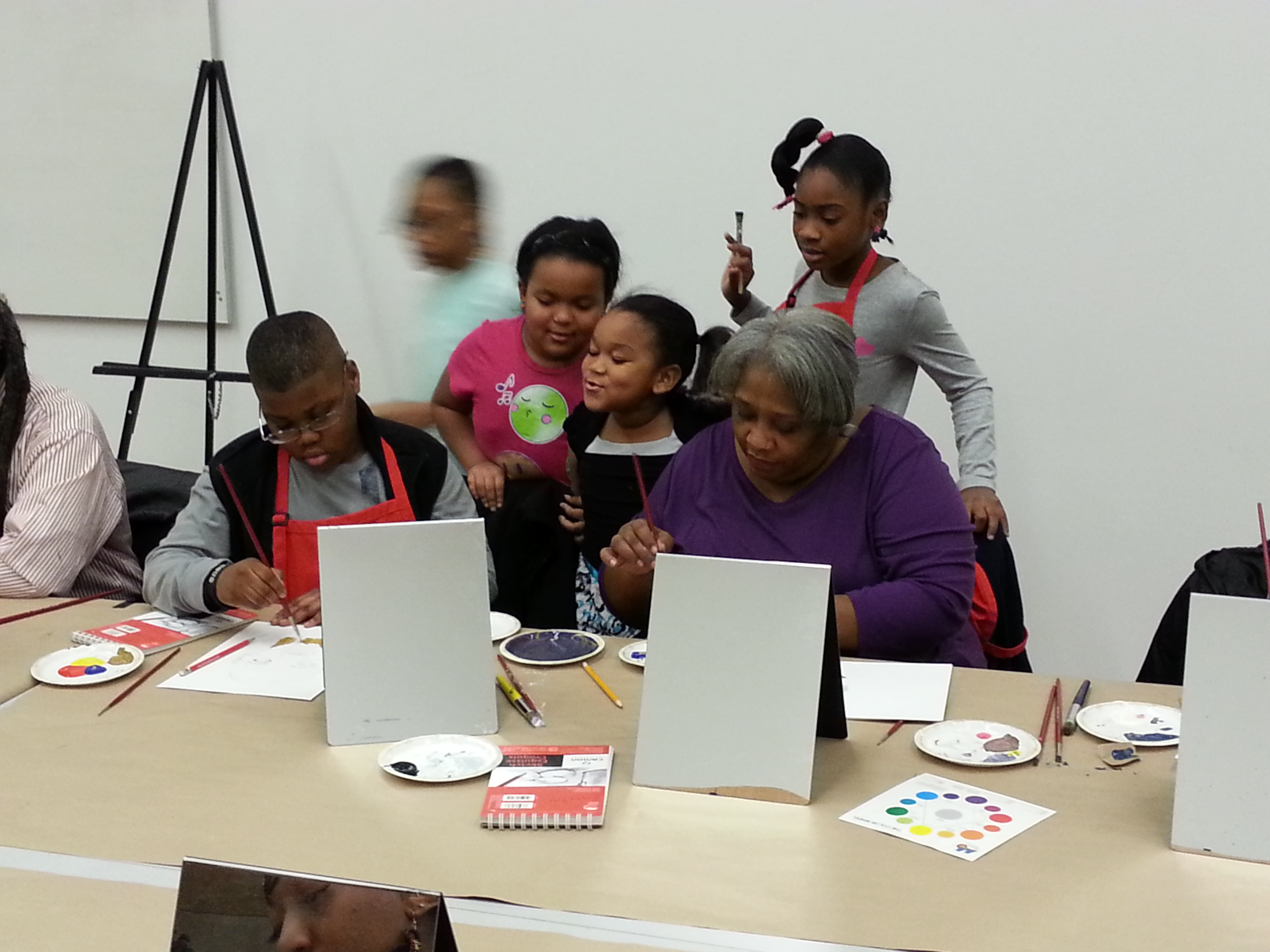
Sometimes the best learning experiences happen when the school day ends and we’re with our friends and family.  This year also brought the beginning of what we hope is a long-term partnership with families from the South Dallas Cultural Center. One Sunday a month, we have South Dallas “Second Sundays,” where a group of families spends two hours together at the Museum exploring and making art. Families have sketched and painted like Edward Hopper, designed chairs like Frank Gehry, and have spent many a Sunday using the Museum as both a resource and a source of artistic inspiration. While we haven’t wrapped up this program just yet (families, if you’re reading this, our June Sunday is not-to-miss!), this out-of-school, school year partnership is one that has defined 2013-14 for me, in a wonderful way.

To all the docents, Go van Gogh volunteers, hard-working Education colleagues (past and present), and our amazing McDermott Intern who have all helped make this school year so successful and fun-filled–thank you!  We hope you have a great summer, and we can’t wait to see you right back here in the fall!

Amy Copeland
Manager of Go van Gogh and Community Teaching Programs
Artist Astrology: Taurus

This month’s astrological sign, Taurus (April 20 – May 21st), is typically defined as the most stubborn and obstinate of the signs. This trait can be both an asset and an obstacle. Many Taurus individuals are able to harness their obstinacy in order to pursue their personal objectives and goals, even if they are working against the odds. On the other side, however, this persistence can manifest itself as pride and they may neglect the good-intentioned advice of others. Taurus individuals are most successful when they are provided the opportunity to set their own destiny; they do not enjoy being managed and may consider external assertion stifling. Although they are focused on their goals, people born under the Taurus sign are also patient and practical about their decisions. They make wonderful life partners and friends because once they find someone they care about, they are loyal and faithful until the end. In fact, patience, perseverance, and honor are three of their traits most admired by others.

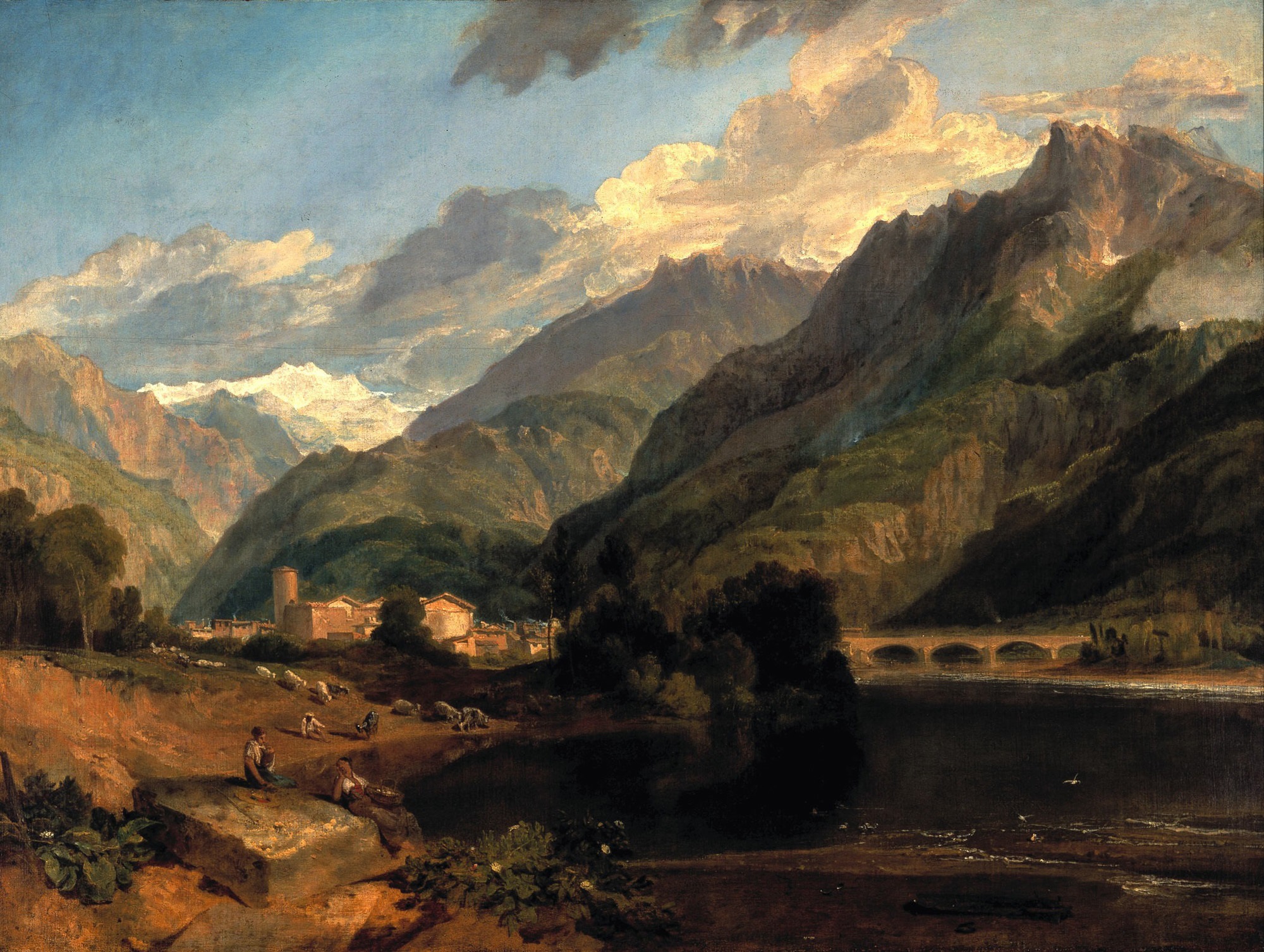
Today we are featuring one artist, J.M.W. Turner (April 23), whose personality and artworks perfectly epitomize the traits of a Taurus!

1985_97_FA

Joseph Mallord William TurnerApril 23

Trained at the Royal Academy of Arts in London, Turner followed the instruction of Sir Joshua Reynolds, first President of the Royal Academy, to “paint pendants to a number of masterpieces.” Turner, however, was not content with merely replicating the works of earlier masters; instead, he made it his personal mission to recreate and outdo past painters. In particular, Turner viewed landscape painter Claude Lorrain as his greatest competition. Throughout his career, he sought to surpass Lorrain by imbuing his works with superior light and atmospheric effects. In fact, in his will, Turner left two of his masterpieces to the National Gallery under the stipulation that they would hang next to a pair by Lorrain; thus presenting viewers the opportunity to witness his superior techniques. The four artworks still hang in Room 15 at the National Gallery today.

For more Taurus artists in the DMA collection, check out the works by Willem de Kooning (April 24), George Inness (May 1), Salvador Dali (May 11), Georges Braque (May 13), and Jasper Johns (May 19).

Tune in next month for a look at our gifted Gemini artists (May 22 – June 21)!

Artworks shown:

  • J.M.W. Turner, Bonneville, Savoy, 1903, Dallas Museum of Art, Foundation for the Arts Collection, gift of Nancy Hamon in memory of Jake L. Hamon with additional donations from Mrs. Eugene D. McDermott, Mrs. James H. Clark, Mrs. Edward Marcus and the Leland Fikes Foundation, Inc.

Hayley Prihoda
McDermott Intern for Gallery and Community Teaching

Summer Reading Fun at the DMA

If you have or know any school-aged children, you know that the countdown to the end of school has begun! Dreams of afternoons at the pool, summer vacations to see grandparents, and lots of watermelon and ice cream are dancing through children’s heads. For me, one of the best parts of summer was the summer reading club at the library. I loved to read anyway, but getting rewards for reading? What a brilliant idea! (I just wish there was a summer reading club for grown-ups.) If reading by the pool isn’t your thing, why not bring a book to the DMA? Families are always welcome to read together in the galleries—on a bench or even on the floor.

To give you a jump start on your summer reading list, I’ve rounded up some of my favorite books along with suggestions for the perfect reading spot in the museum.

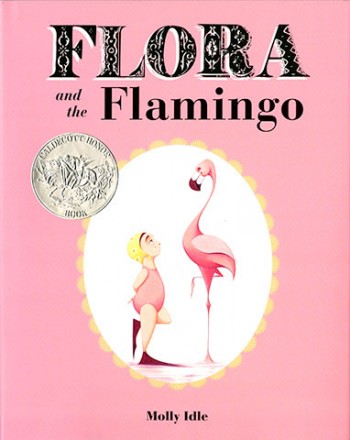
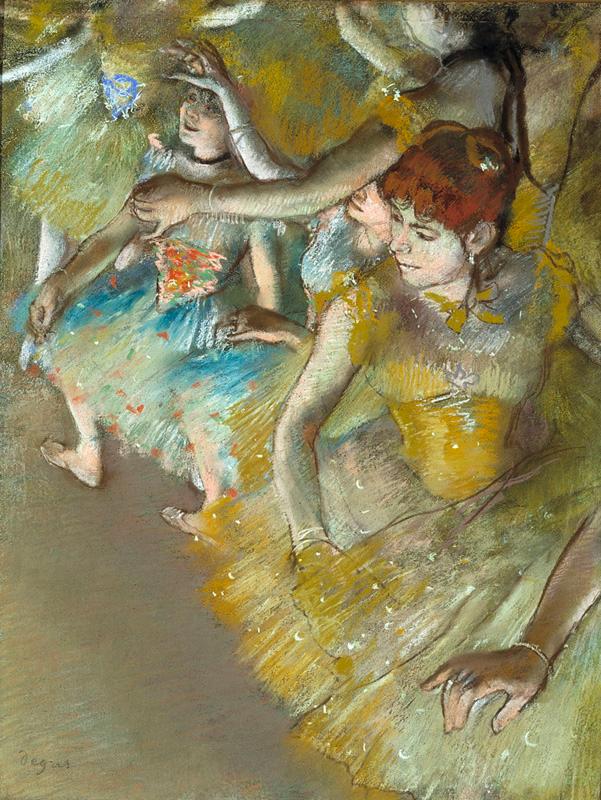
Clad in her swimsuit, cap and flippers, little Flora seems to be bursting with the need to move. Her muse? A pink flamingo who does not appreciate the little girl’s adoration! The two dance across the pages in this wordless book in a graceful ballet that reminds us that imitation really is the sincerest form of flattery and perhaps a way to begin unlikely friendships. Flora and the Flamingo by Molly Idle is the perfect book for your little dancer, and would be a great choice to tote along to the DMA when the Mind’s Eye: Masterworks on Paper from David to Cezanne exhibition opens at the end of June. Several of the museum’s pieces by Degas will be on display, including these lovely dancers.

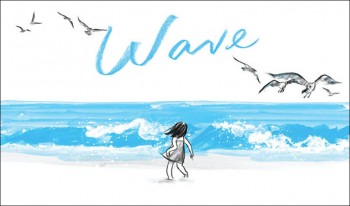
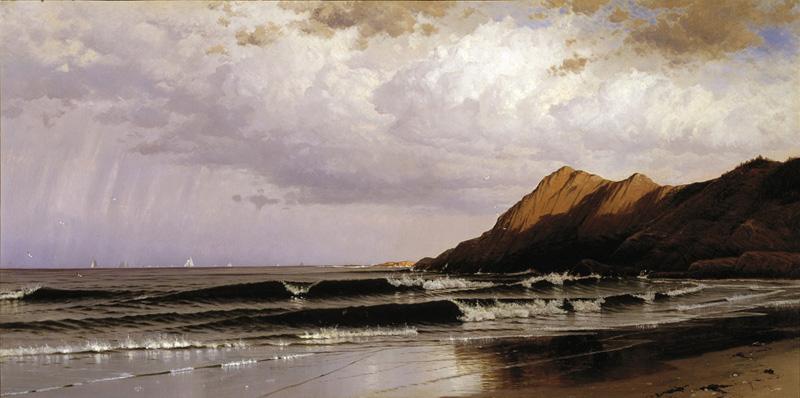
The push and pull of waves on the beach is irresistible at any age. In Wave by Suzy Lee, a little girl timidly approaches the edge of the water, then slowly gets wetter and wetter as she becomes more sure of herself. The wave takes on its own personality as it interacts with its little companion, and in a splash of watercolor resembling a Pollock painting, the two become the best of friends. Several views of the ocean are on display in the American galleries on Level 4. Perhaps the waves in Alfred Thompson Bricher’s Time and Tide can become your friends too!

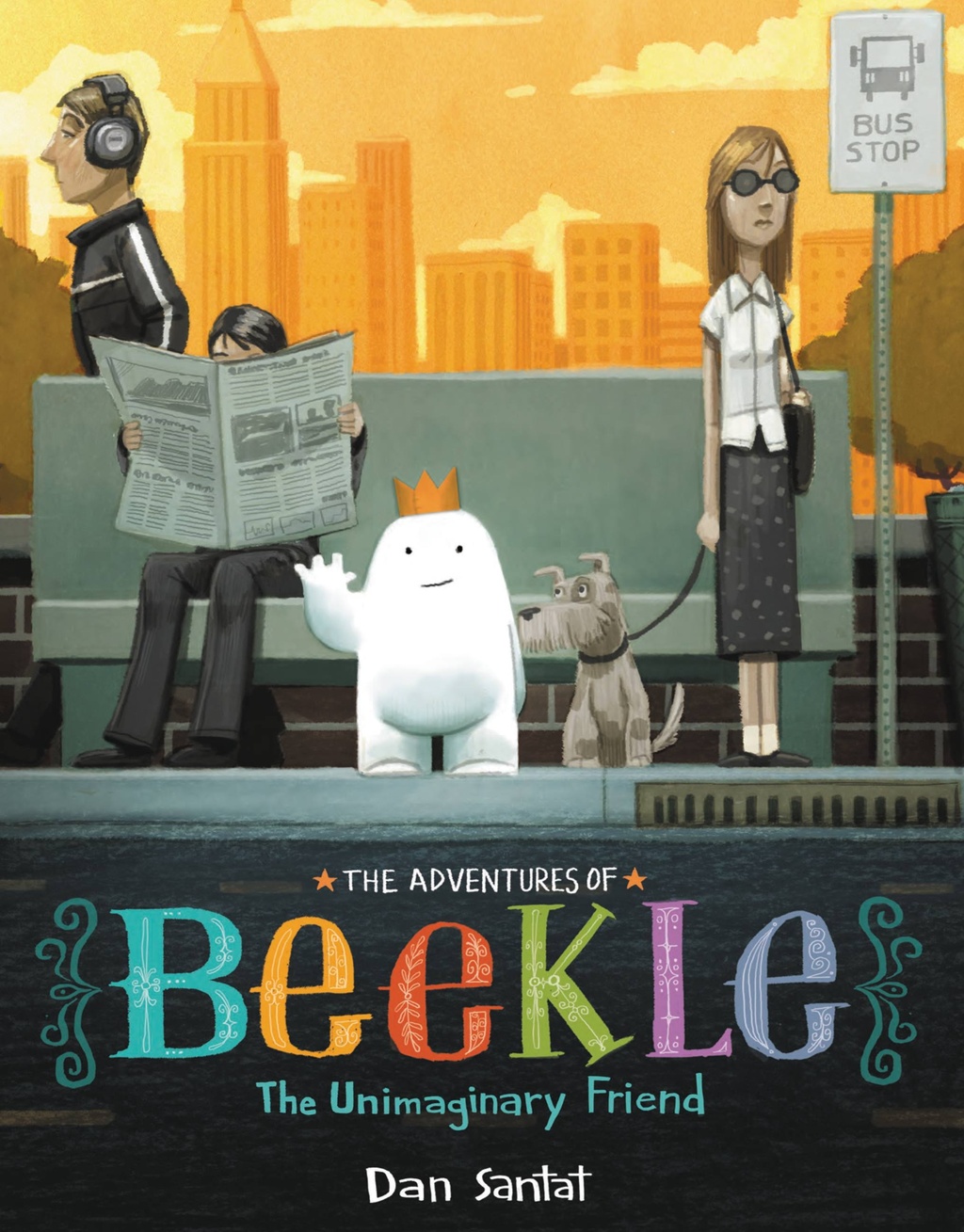
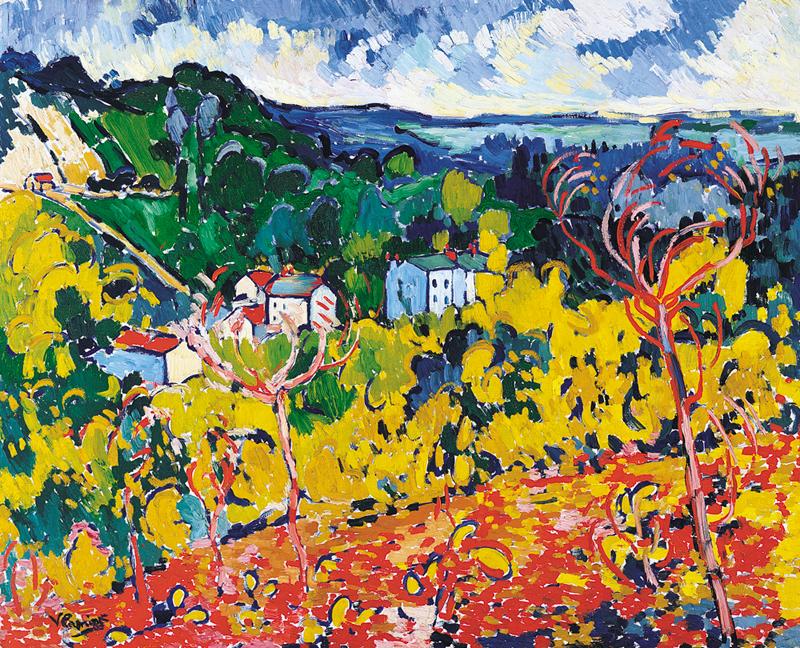
Have you ever wondered where imaginary friends live before they join your family? In Dan Santat’s charming book The Adventures of Beekle: The Unimaginary Friend, we discover the answer to this mystery. A little marshmallow-like creature patiently waits on an island far away for a child to imagine him into the world. But when no one chooses him, he bravely ventures forth on an adventure to find his person himself. Across the vast ocean, through crowded city streets, and finally perched high in a tree’s branches, our hero discovers a perfect friend waiting for him and learns that she has been thinking of him all along. Santat turns the idea of an imaginary friend on its head, and his color-saturated illustrations will make you wish you could have Beekle as your own unimaginary friend. Bring Beekle along for a visit to the Reves collection on Level 3 and search for Maurice de Vlaminck’s Bougival. The vibrant colors of this painting remind me of Beekle’s birthplace, and I can imagine him and his new friend tramping through these woods!

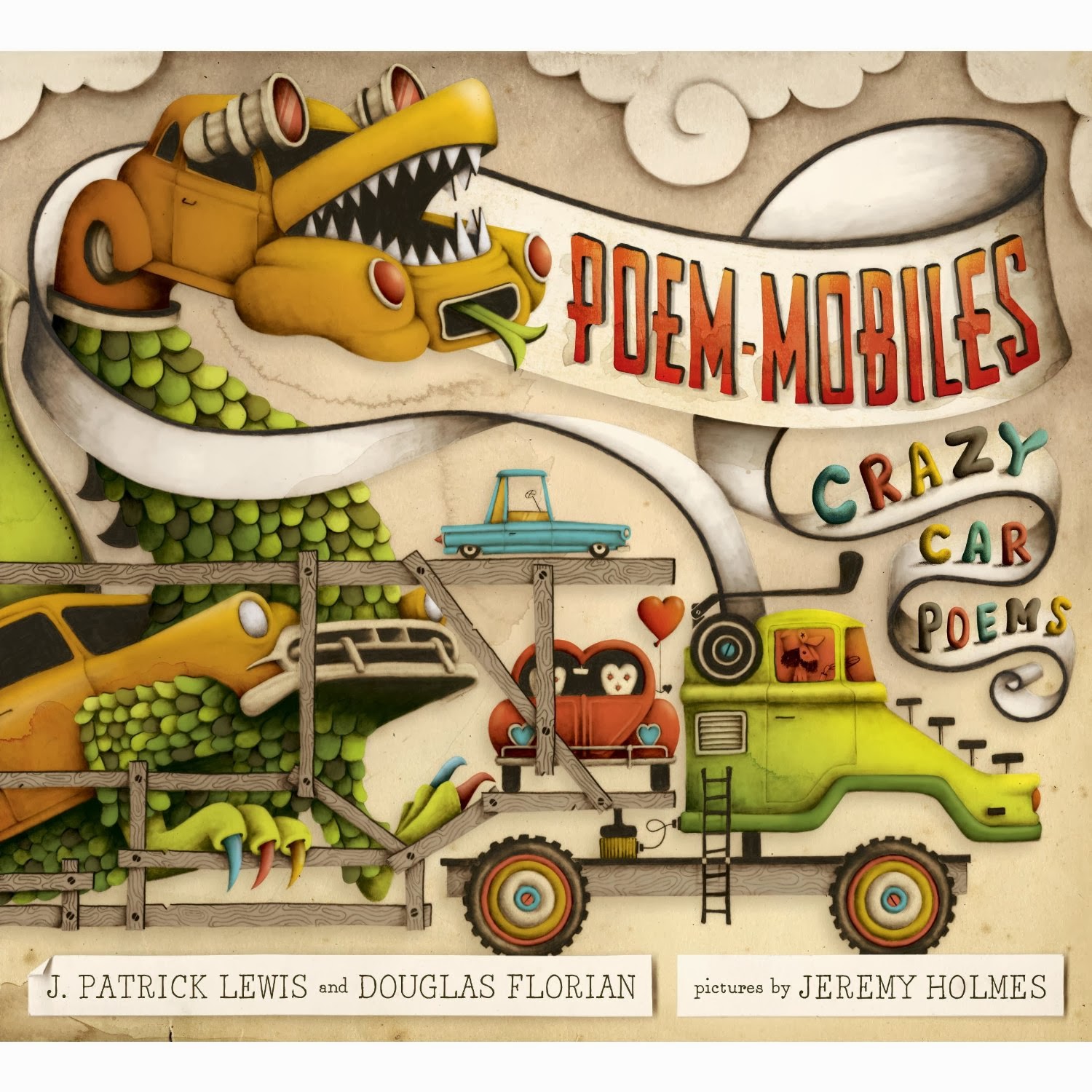
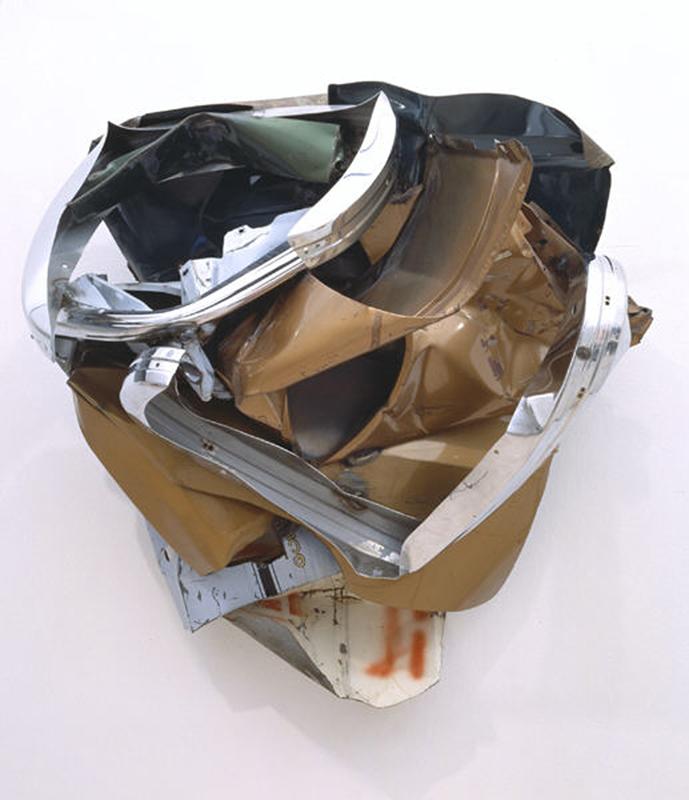
Beep, beep! Look out—fun is on the way! If your child loves everything that goes, Poem-mobiles: Crazy Car Poems by J. Patrick Lewis & Douglas Florian should be tops on your list. Douglas Florian has written some of my favorite poetry collections for children, and for this high speed volume, he’s teamed up with U.S. Children’s Poet Laureate J. Patrick Lewis. As soon as you open up to the first page, you know you are in for a wild ride. The table of contents looks like a bunch of blueprints, and the list of vehicles is sure to get some giggles. From “The Dragonwagon” to the “Eel-ectric Car,” these crazy car poems will ride their way right into your imagination. The rhythm and flow of the language is just right for kids, and Jeremy Holmes’ illustrations are so involved, you’ll get lost in the pictures. Tow this book straight to the Hoffman galleries later this month and find John Chamberlain’s Dancing Duke. Chamberlain uses car parts and materials found in junkyards to create his fantastical sculptures.

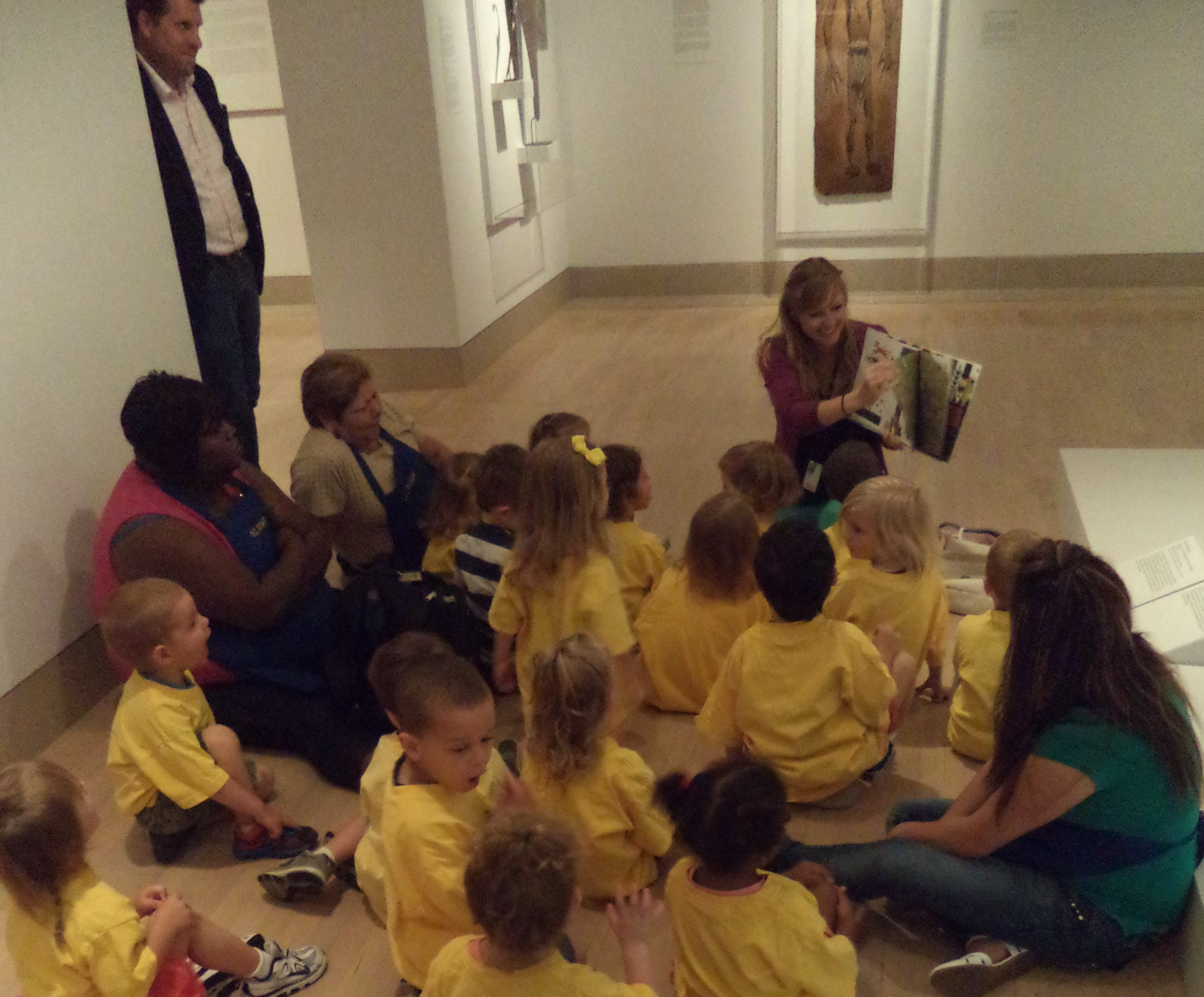
If you can’t get enough of stories in the galleries, join us for story time this summer! Each Tuesday in June and July at 1:00 p.m. Education staff will lead story time, DMA-style. We’ll read stories, look at art in the galleries, and do hands-on activities. Story time is free and open to all ages.

Artworks shown:

  • Edgar Degas, Ballet Dancers on the Stage, 1883, Dallas Museum of Art, gift of Mr. and Mrs. Franklin B. Bartholow
  • Alfred Thompson Bricher, Time and Tide, c. 1873, Dallas Museum of Art, Foundation for the Arts Collection, gift of Mr. and Mrs. Frederick Mayer
  • Maurice de Vlaminck, Bougival, c. 1905, Dallas Museum of Art, The Wendy and Emery Reves Collection
  • John Chamberlain, Dancing Duke, 1974, Dallas Museum of Art, gift of Dr. and Mrs. Harold J. Joseph in honor of Mr. and Mrs. Max Walen

Leah Hanson
Manager of Early Learning

Make This: Etching with Cola

Coke Etching

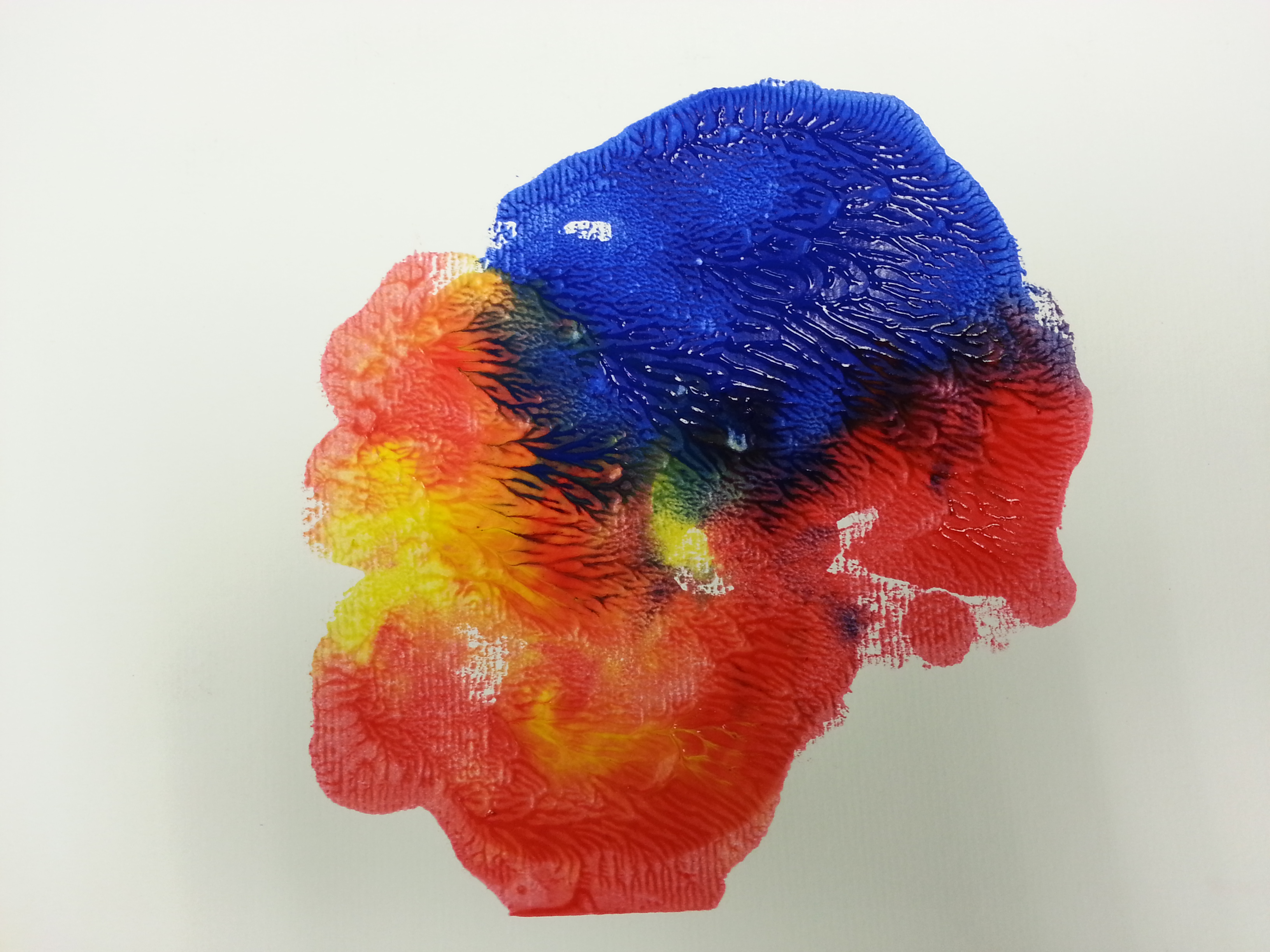
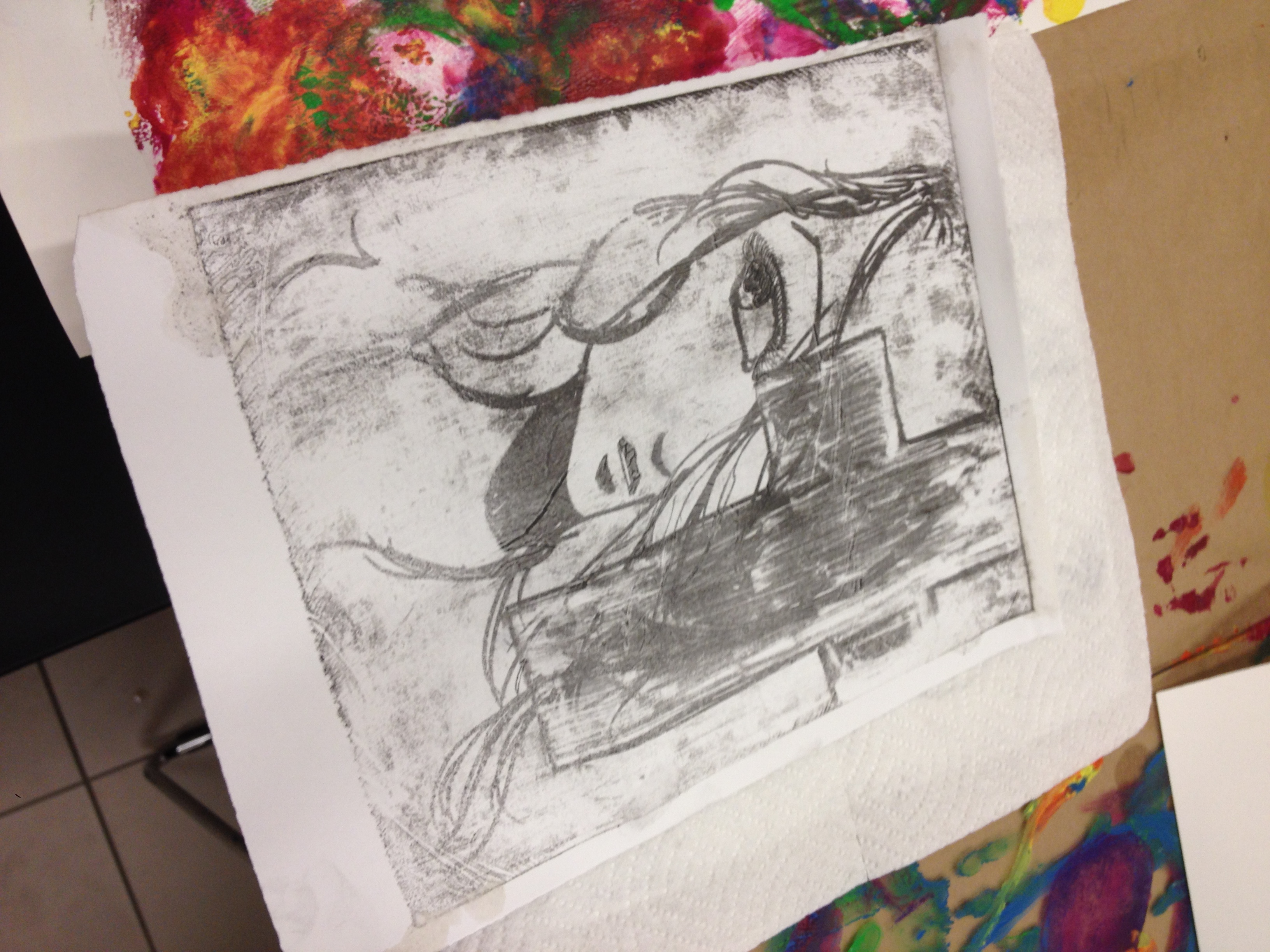
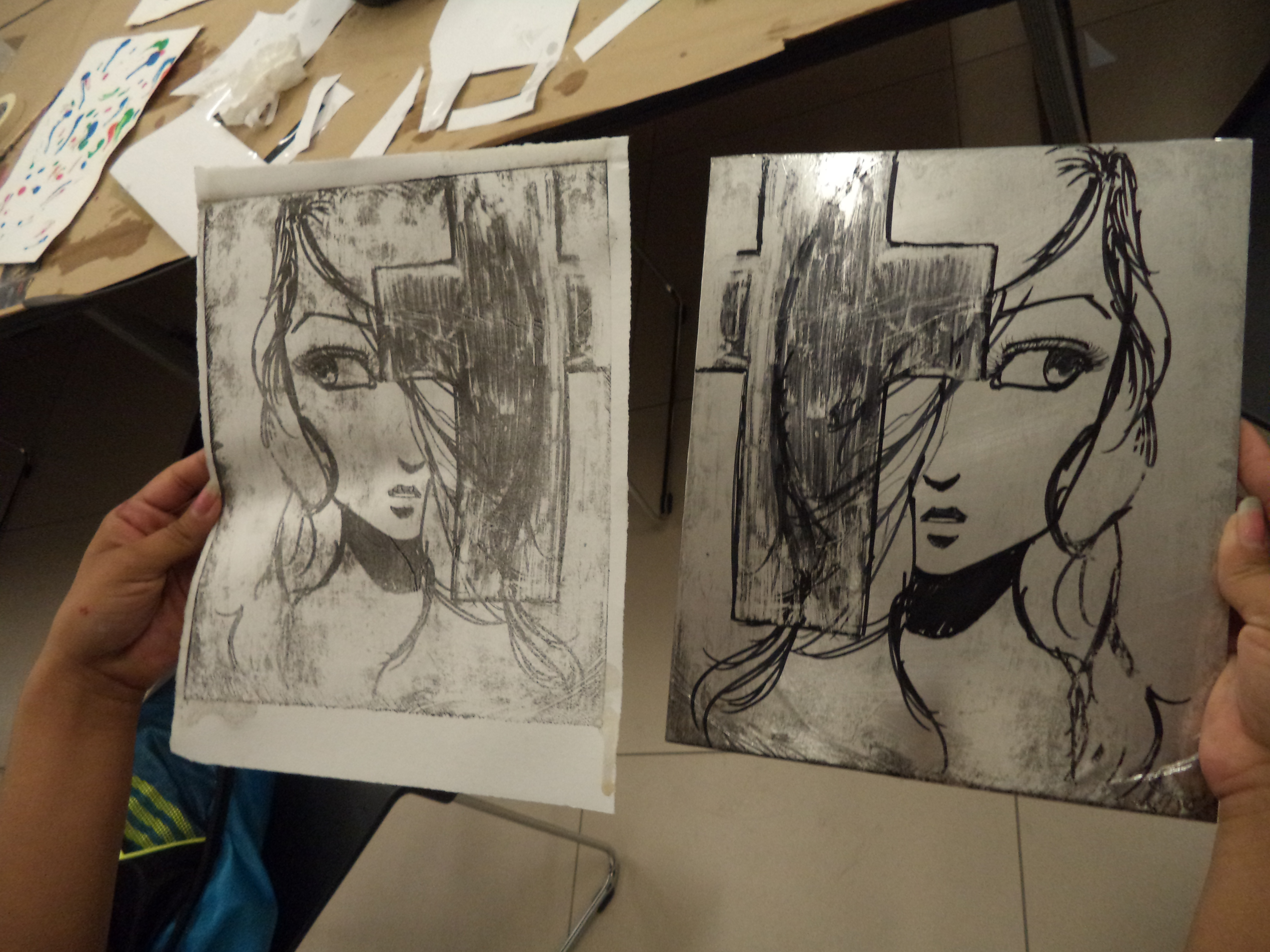
Example of a “coke” etching

Printmaking is one of my favorite mediums. There’s something satisfying and magical about transferring an image you created onto another surface. Plus, there are so many fun and experimental ways to do it that make learning new techniques a joy and not a chore. I especially love finding alternative methods to techniques that may otherwise be cost-prohibitive for the at-home printmaker–namely, intaglio and lithography.

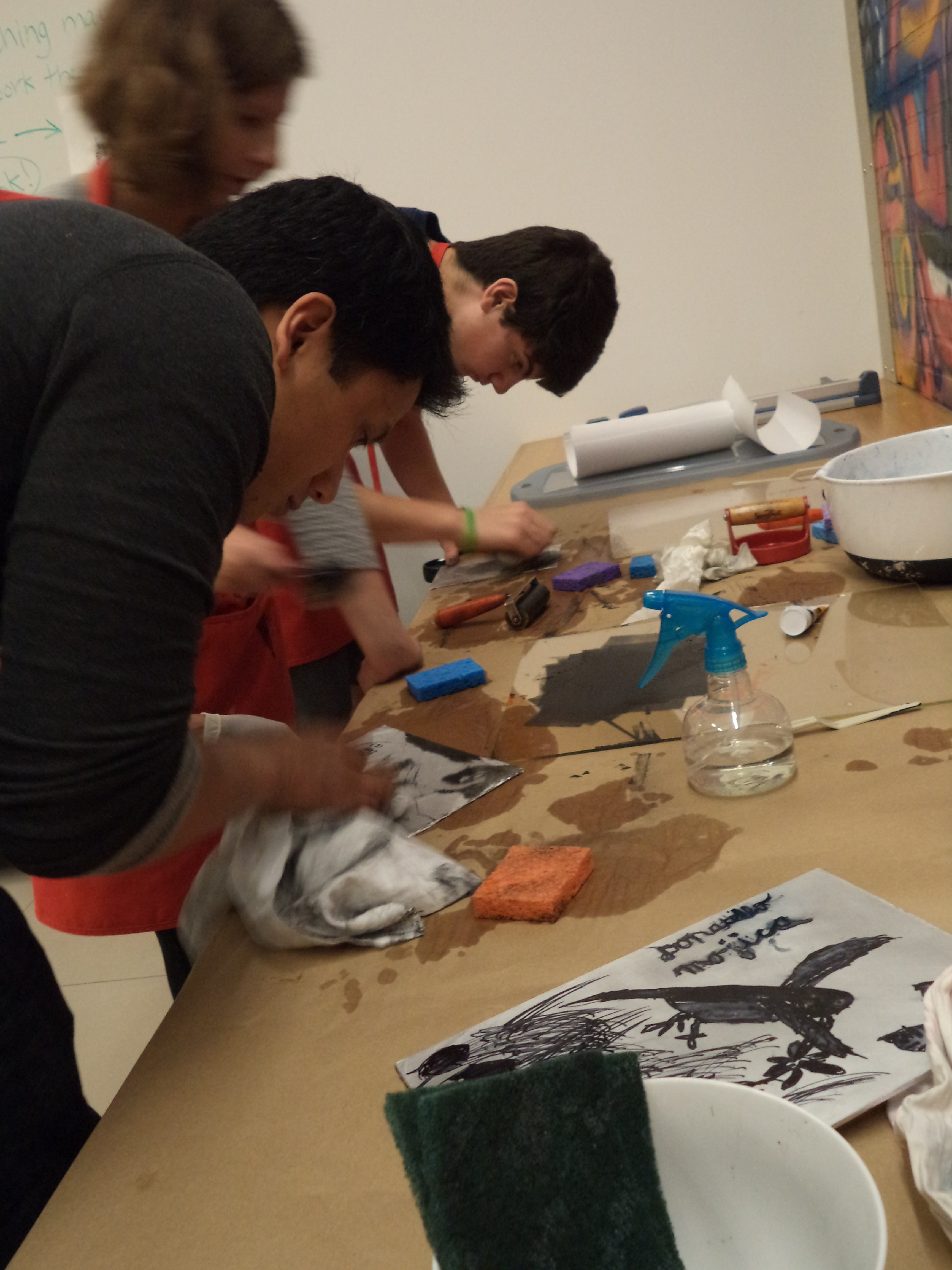
This idea of alternative processes was the basis of April’s Urban Armor workshop for teens. One of the techniques I taught was a version of lithography appropriately dubbed “kitchen lithography” because most of the supplies can be found in your pantry. Popularized by Emilie Aizier, there are lots of tutorials on how to do it on various internet sites. Finding a perfect guide is hard because the process is finicky and everyone does it in a slightly different way. It’s definitely something to experiment with on your own, but I’ll share what gave me the most consistent results.

If you’ve never tried lithography before, it basically consists of creating a master image on a plate (usually metal or stone); in this case, cola is used to etch the image into aluminum foil (it contains phosphoric acid–yum!). Printing from the plate works on the principle that water and oil repel each other: the plate is first coated with water, which doesn’t stick to the etched image because of the gum arabic in the cola. Oil-based ink is then rolled onto the plate, which sticks to the image but is repelled everywhere else by the water.

Several months back, the DMA hosted the wonderful exhibition Posters of Paris: Toulouse-Lautrec and His Contemporaries that not only featured fantastic lithograph posters from the late 1800s, but highlighted many of the tools and steps involved in lithography.

What you need:

  • Small sheet of plexiglas
  • Heavy duty aluminum foil
  • Tape
  • Sharpie permanent marker
  • Scrubber pad/steel wool
  • Vegetable oil
  • White vinegar
  • Cola (I used Coke)
  • Sponge and bowl of water
  • Lithography ink (NOT water-based)
  • Latex gloves
  • Printing brayer
  • Printing baren or large spoon
  • Heavy drawing paper
  • Spray bottle
  • LOTS of paper towels

Steps:

Prepare your plate

  • Cut a piece of foil slightly larger than your sheet of plexi. Carefully smooth it down so it’s nice and flat; try to avoid creating any folds or wrinkles.
  • Fold the edges of the foil around the plexiglas and tape them down to the back.
  • Use your sponge to wet the surface of the foil with a little water, then sand it lightly with your scrubber until it’s dull and no longer super shiny.
  • Wipe the surface down with white vinegar to clean off the plate.
???????????????????????????????

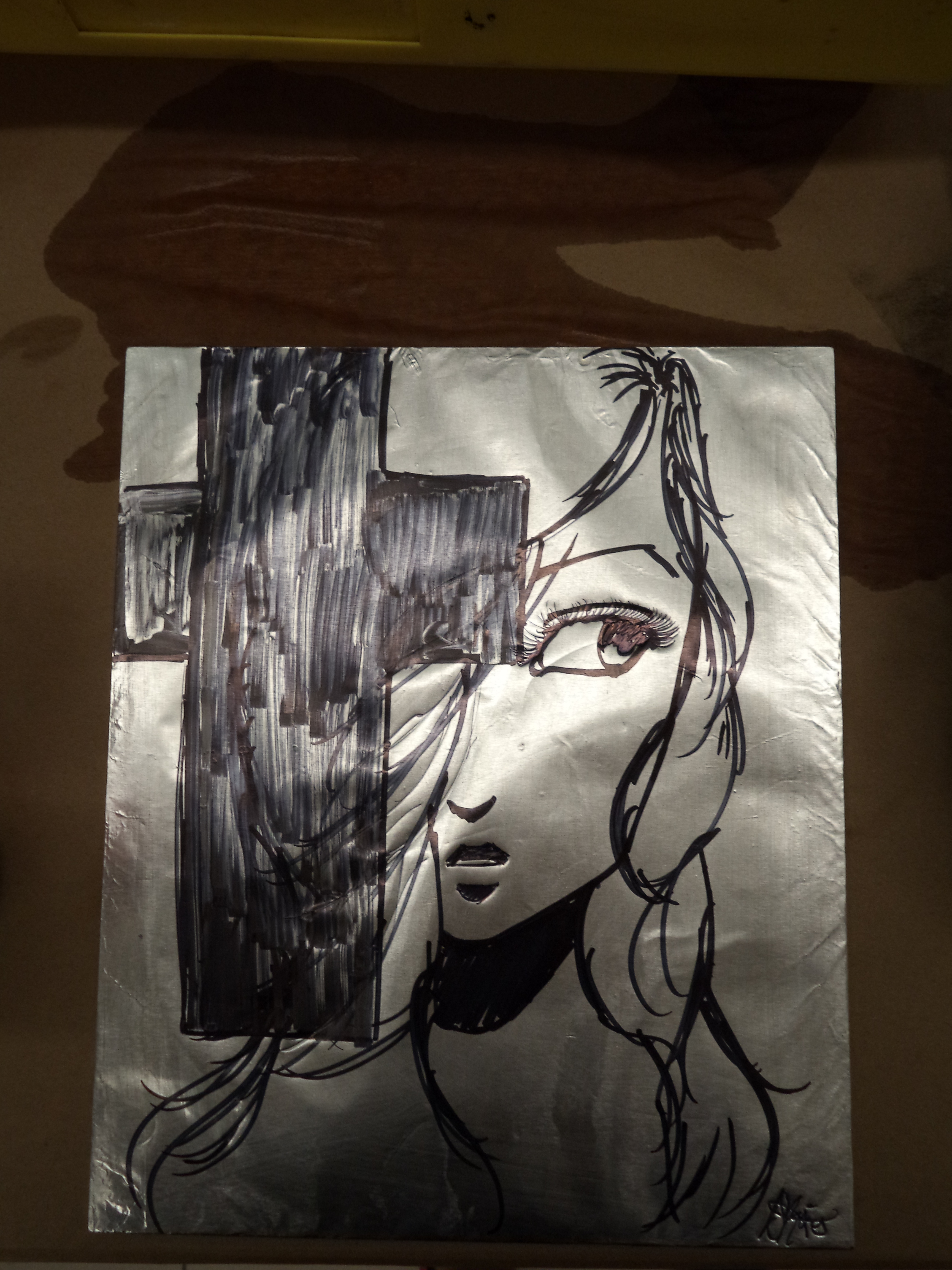
Sharpie image on plate

Draw and etch your image

  • When the surface of your plate is dry, draw an image on it with a Sharpie permanent marker. If you are adding text, remember to write backwards (your print will be a mirror image of your plate).
  • After you’re finished with your drawing, make a cola bath for your plate: fill a shallow pan (big enough to accommodate the plate) with about 1/4″ of soda. Then place your plate in the cola drawing-side down.
  • Let your plate soak in the cola bath for 10 minutes or longer.
  • Remove the plate and rinse it in the sink, gently trying to remove as much of the Sharpie drawing as you can.
  • Dry off your plate, then buff the surface using a small amount of vegetable oil and a paper towel. This should help remove the last bits of marker. Even though you may not be able to “see” your drawing any more, don’t panic!  The cola should have etched it into the foil, creating a “ghost” image.

Ink your plate and print

  • Load your brayer with ink: spread a small amount of ink on a paper plate, then roll it out with your brayer until the entire surface is coated evenly with ink. Set the brayer aside.
  • Set your plate face-up on the counter. Wipe down the entire surface with a wet sponge.
???????????????????????????????

Inking

  • Roll the brayer across your plate. You should notice the ink start to stick to your ghost drawing. It may take a few passes of alternating between wiping your plate with water and inking it to ink the entire plate.
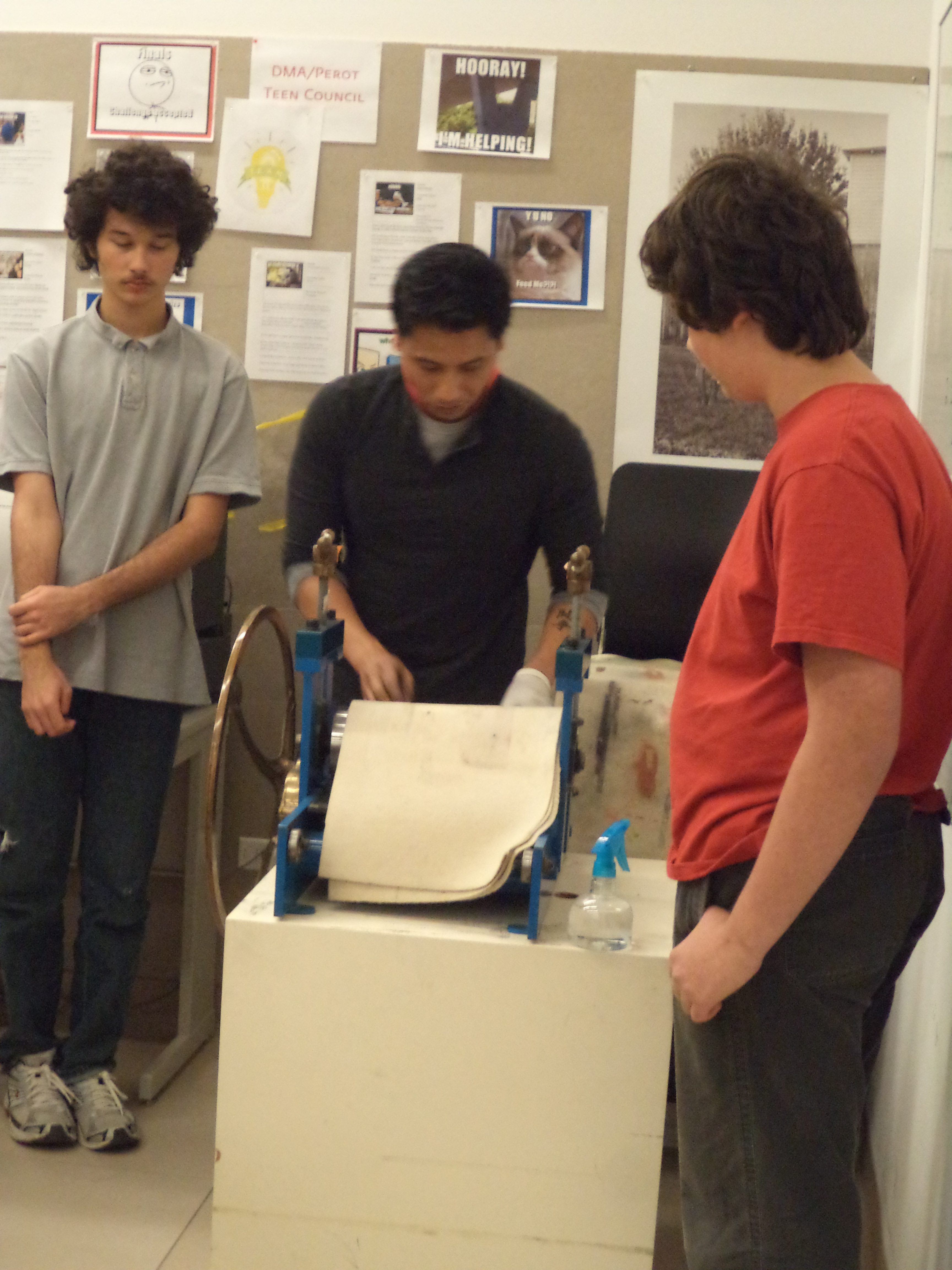
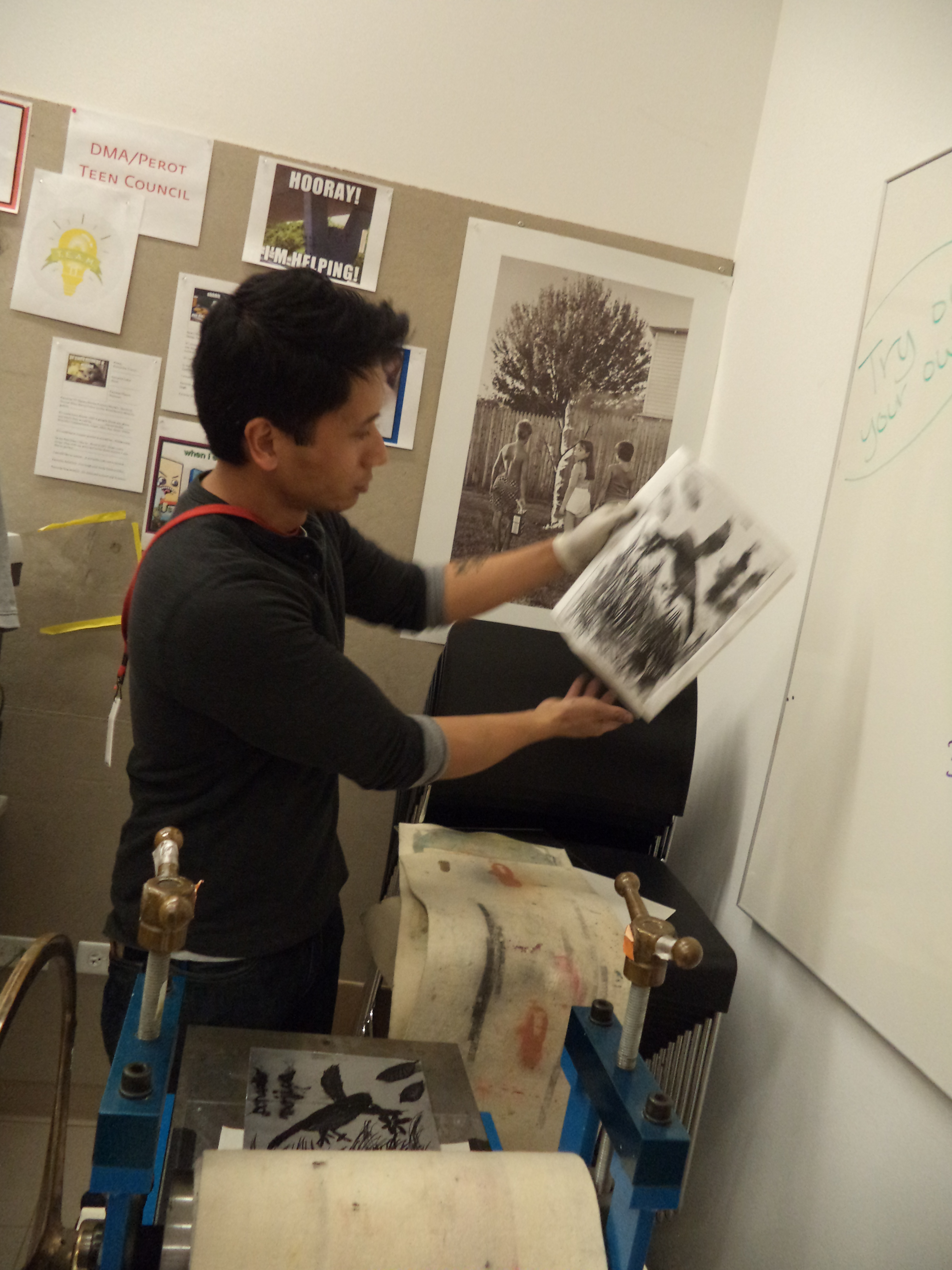
  • Spray your drawing paper evenly with water and place it on top of your plate. Rub the back of your paper with a baren or the back of a spoon. If you have access to a printing press, that would be ideal.
  • Carefully peel back the paper and leave it to dry.
???????????????????????????????

Printing

???????????????????????????????

Printing

Coke Etching 2

DSC01836

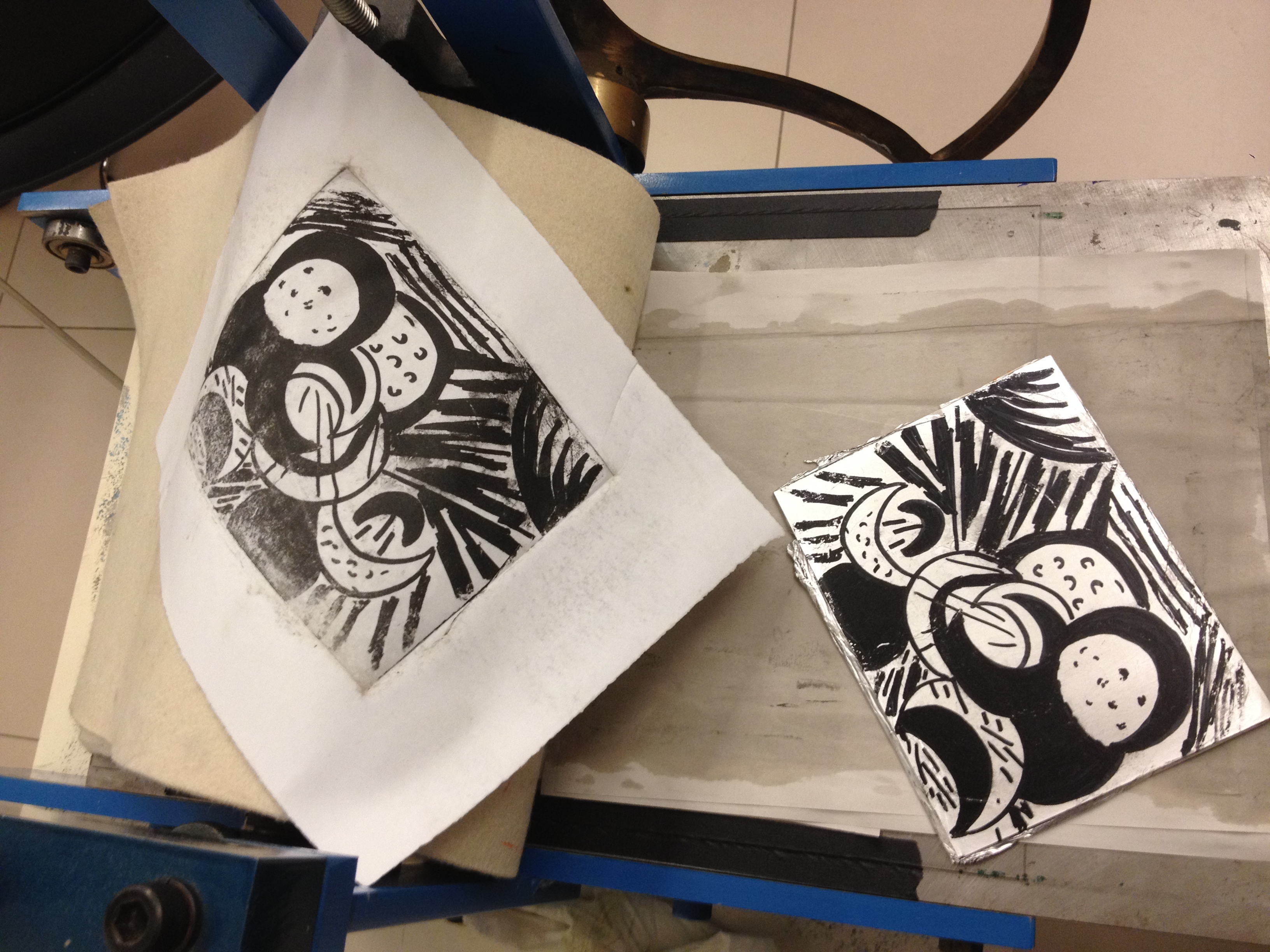
Finished print side-by-side with original plate

As I said earlier, there are many variations on this technique that you can experiment with. People have drawn their image into the foil with grease/litho crayons, touche, even Murphy’s Oil Soap! Each of these options would be fun to try out and should give you different results.

To me, the trickiest part is inking the plate–I ruined the first two that I tried to print during that stage. I found that I didn’t use enough water when I was wetting my plate and the ink ended up sticking to everything instead of just my drawing. The nice thing is that it’s really easy to make a new one–just crumple up the old one and try again!

JC Bigornia
C3 Program Coordinator

Which DMA Summer Volunteer Are You?

Summer is almost here, and that means it’s time to recruit some new volunteers to make possible our summer programs both at the Museum and out in the Dallas community. This summer, we’re looking for Go van Gogh Summer Outreach volunteers, who will spend summer months teaching art programs to young children at libraries and recreation centers across Dallas; and Center for Creative Connections volunteers, who will spend summer months (and beyond!) leading experiences and working with visitors of all ages in the Museum’s galleries and art studio.

With our volunteer application deadline only days away, we’ve created a quick cheat sheet that will help you decide which DMA Summer Volunteer you are!

You might be the perfect Go van Gogh Summer Outreach volunteer, if:

  • You’re a kid at heart and enjoy working with children
  • You love the variety of traveling to different places and have transportation to get you where you need to go
  • You’d describe yourself as a natural teacher and art enthusiast
  • You’re available some mornings or early afternoons during weekdays
  • You can attend mandatory training sessions at the Museum on Friday, May 30th and Friday, June 6th from 10:00am-12:30pm

You might be the perfect Center for Creative Connections volunteer, if:

  • You’ve never met a person you couldn’t talk to, and enjoy meeting and getting to know people of all ages
  • You love spending time around artworks in the Museum’s galleries
  • You’d describe yourself as a natural conversation starter and art enthusiast
  • You’re available for three or four hour daytime shifts on weekdays and weekends and/or three hour shifts select Thursday and Friday evenings
  • You can attend a mandatory training session at the Museum on Saturday, May 17th from 9:30am-12:30pm

If either of these descriptions sound just like you, we hope you’ll fill out a volunteer application and join us for a summer of art-filled fun! To learn more about your perfect DMA summer volunteer opportunity and our volunteer application process, visit the Volunteer section of our website. Applications are due this Friday, May 9th.

Amy Copeland
Manager of Go van Gogh and Community Teaching Programs
Melissa Gonzales
C3 Gallery Manager

Friday Photos: Food, Glorious Food!

As someone who spends a lot of time thinking about food, I’m a sucker for a still life with anything edible, especially if trompe l’oeil is involved. Walking through the galleries recently, I was excited to discover that two of my favorite DMA still-life paintings are currently on view: Still Life with Landscape and Munich Still Life. Still Life with Landscape has always been a favorite tour stop–kids love talking about food as much as I do, so it’s a fun, if hunger-inducing, way to kick off a Museum visit.

Recently, I’ve taken my passion for food beyond conversations in the galleries. I’ve begun an adventure in gardening at the Lake Highlands Community Garden, to try and grow just a little of the produce I eat. Now that the temperatures are warming up and transplants have had time to grow, the plots are full of spring vegetables—some of which will be ready for harvest this weekend! Below are pictures of the Lake Highlands Community Garden, its Butterfly and Donation Gardens, and a few vegetables that I hope will someday soon make a tasty, still-life worthy snack!


Amy Copeland
Manager of Go van Gogh and Community Teaching Programs

Go Mean Green!

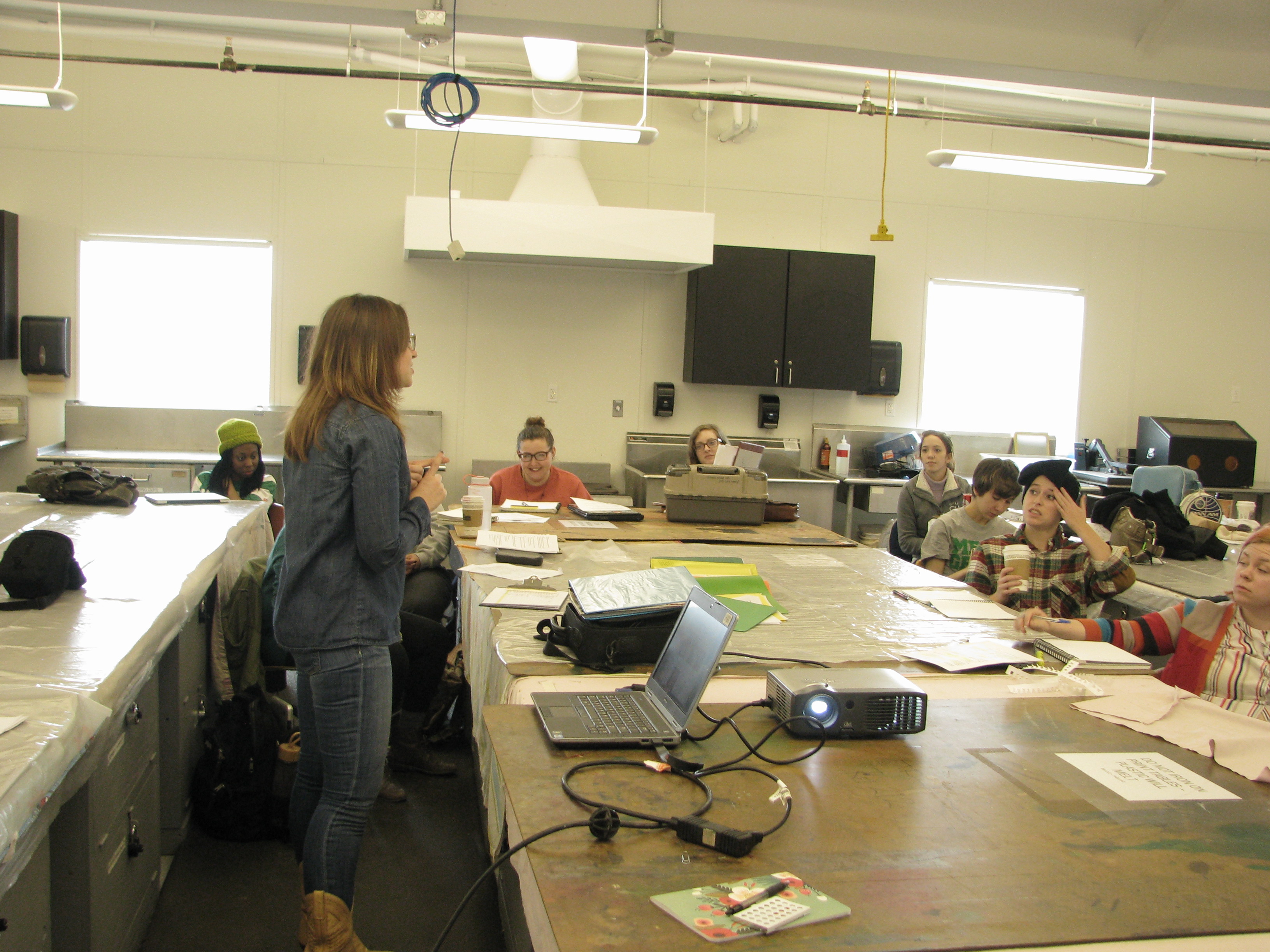
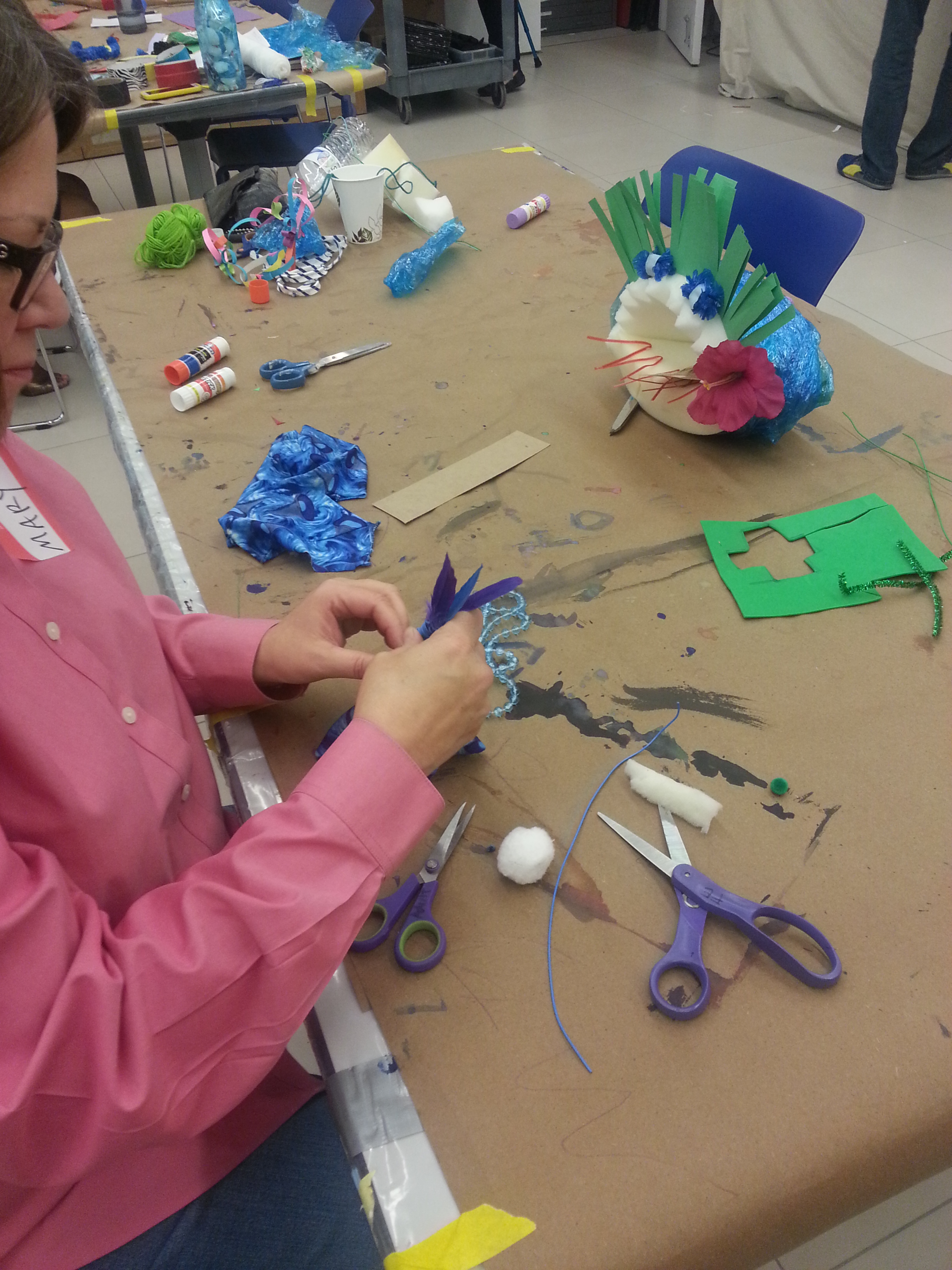
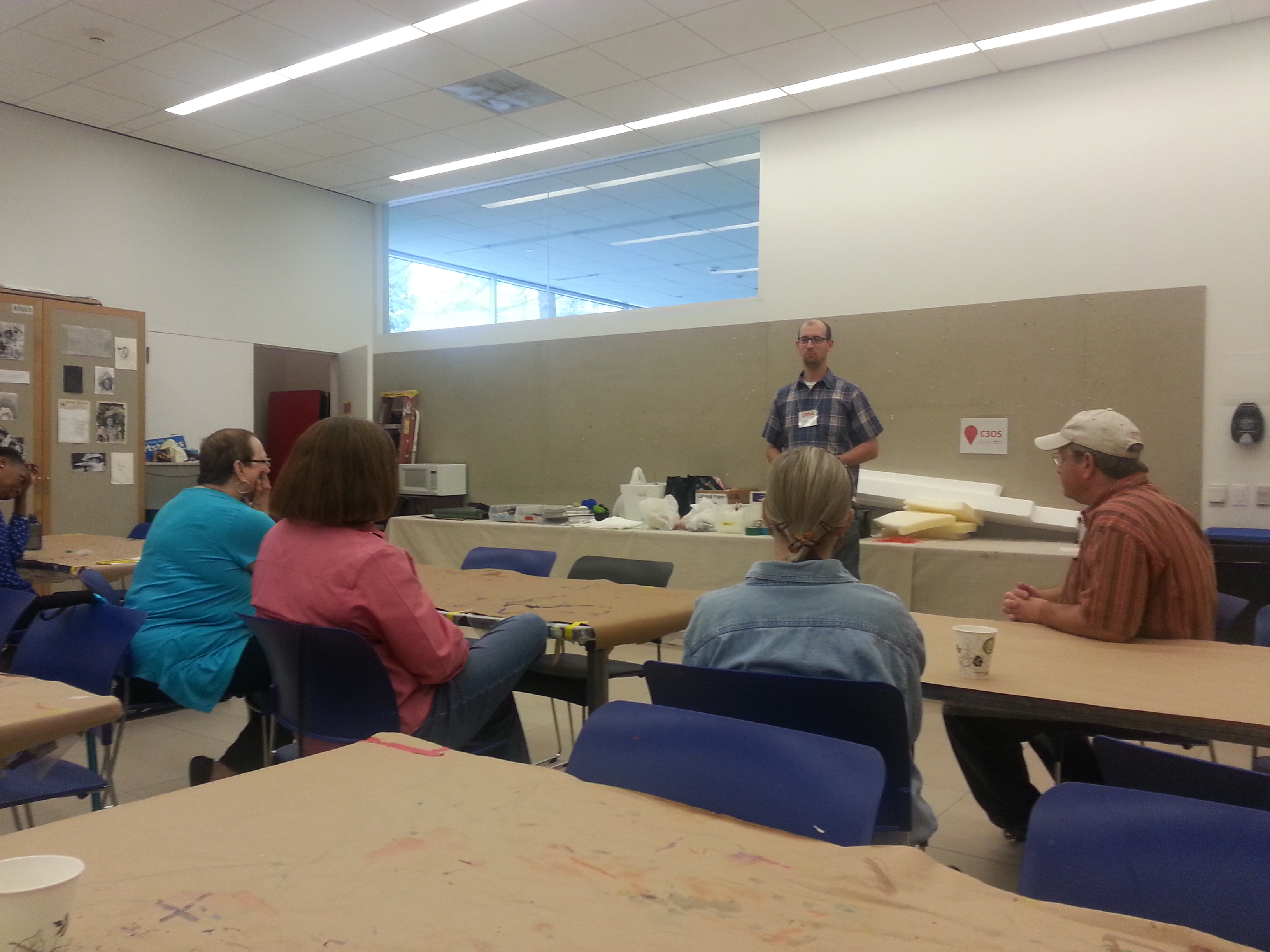
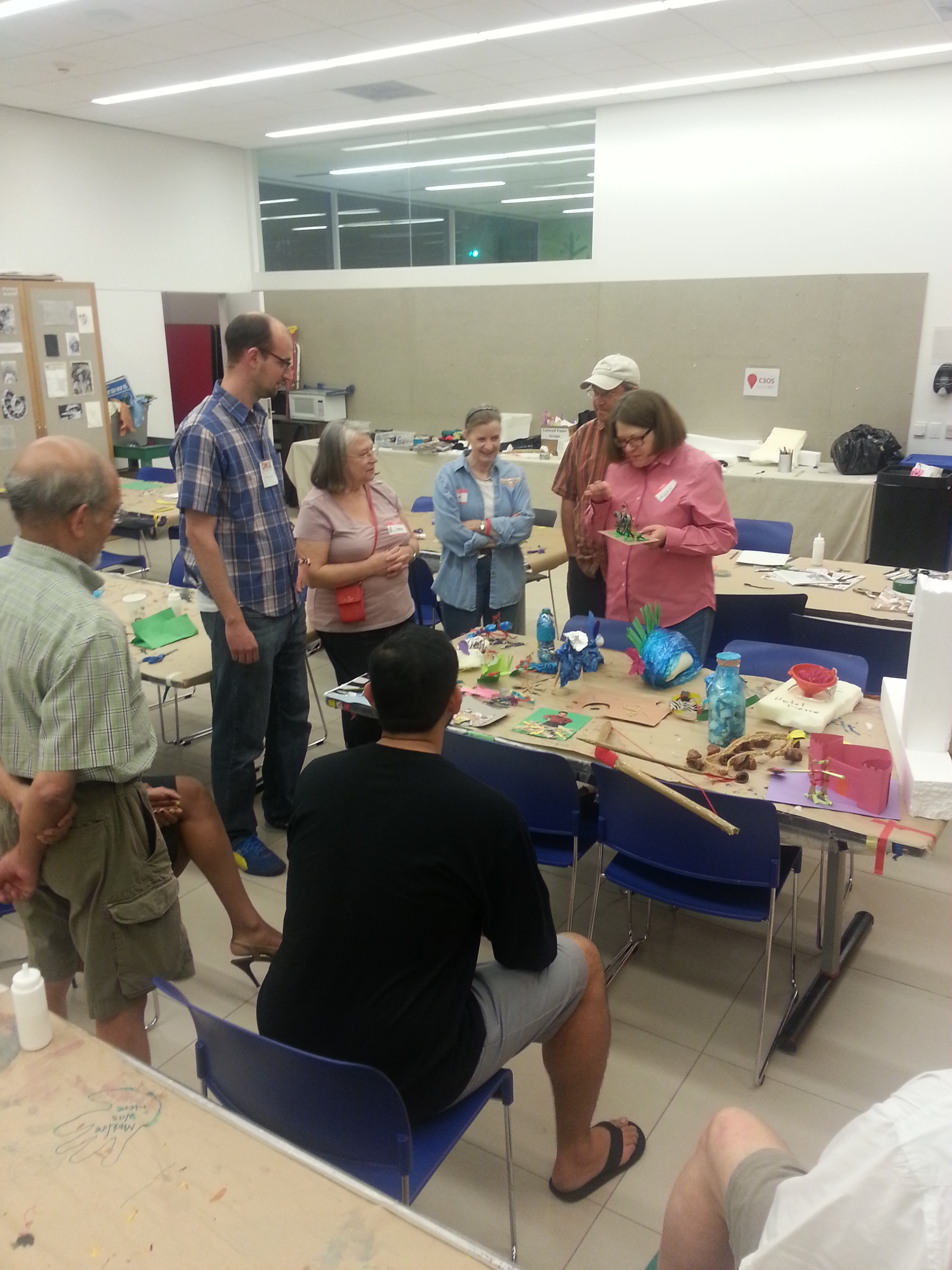
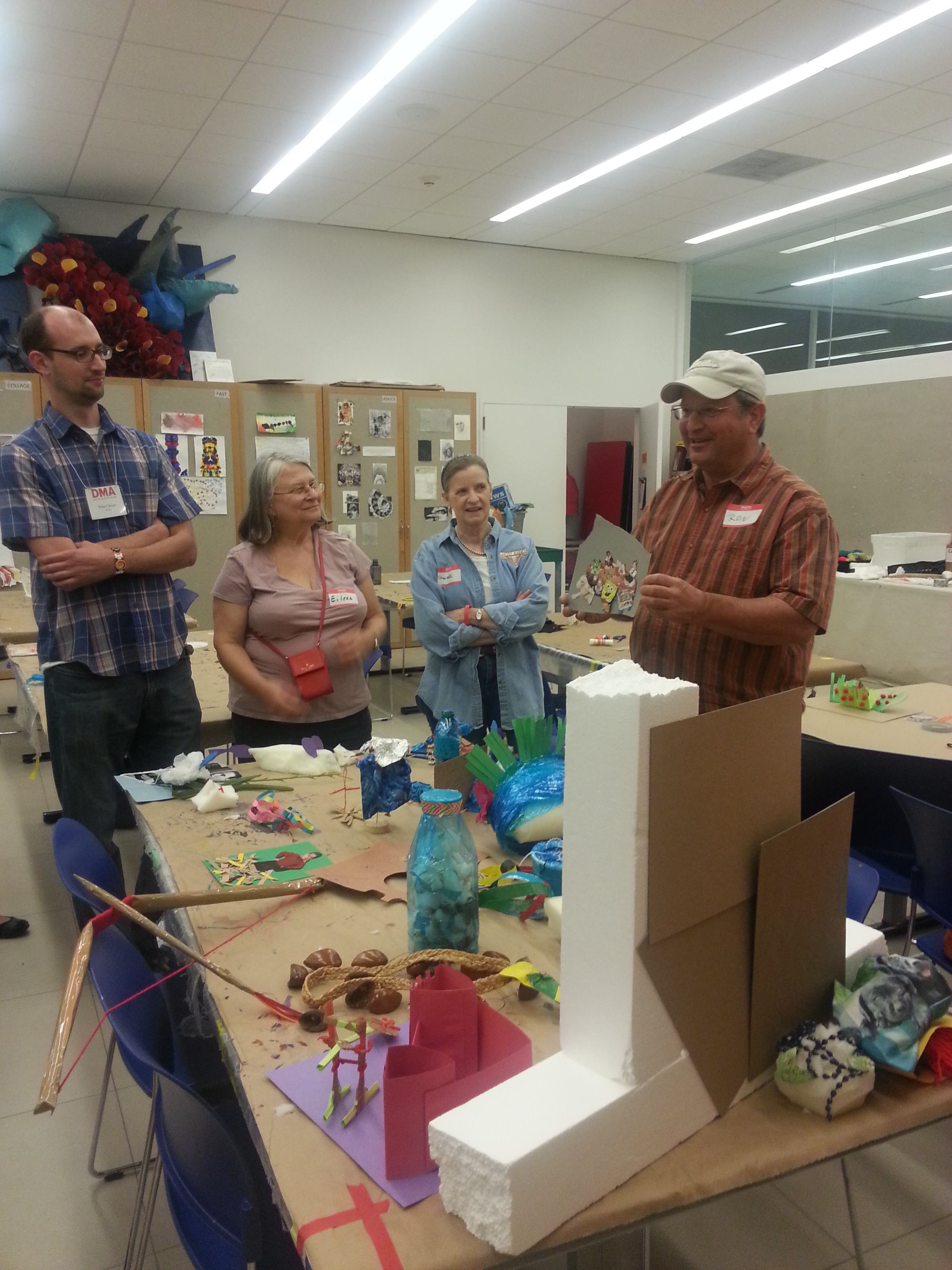
Since January, I have had the privilege of working alongside a dear friend and professor Lesli Robertson at the University of North Texas leading a project for her Topics in Fibers course for undergraduate studio majors. The idea for the project arose from a conversation between the two of us about the importance of artists being able to teach others about their creative process. At the Museum, my primary responsibility is to teach adults and to bring in local artists to educate through hands-on workshops in our studio. I am often interviewing artists and trying to find the perfect artist-teachers for my visitors. My background in K-12 art education has helped inform my current teaching practice and we thought it would be helpful to teach these young, up-and-coming artists the value of quality educational art experiences.Throughout the course of a few months, I was able to speak to the students, talk about my educational philosophy and give them some hands-on teaching practice.

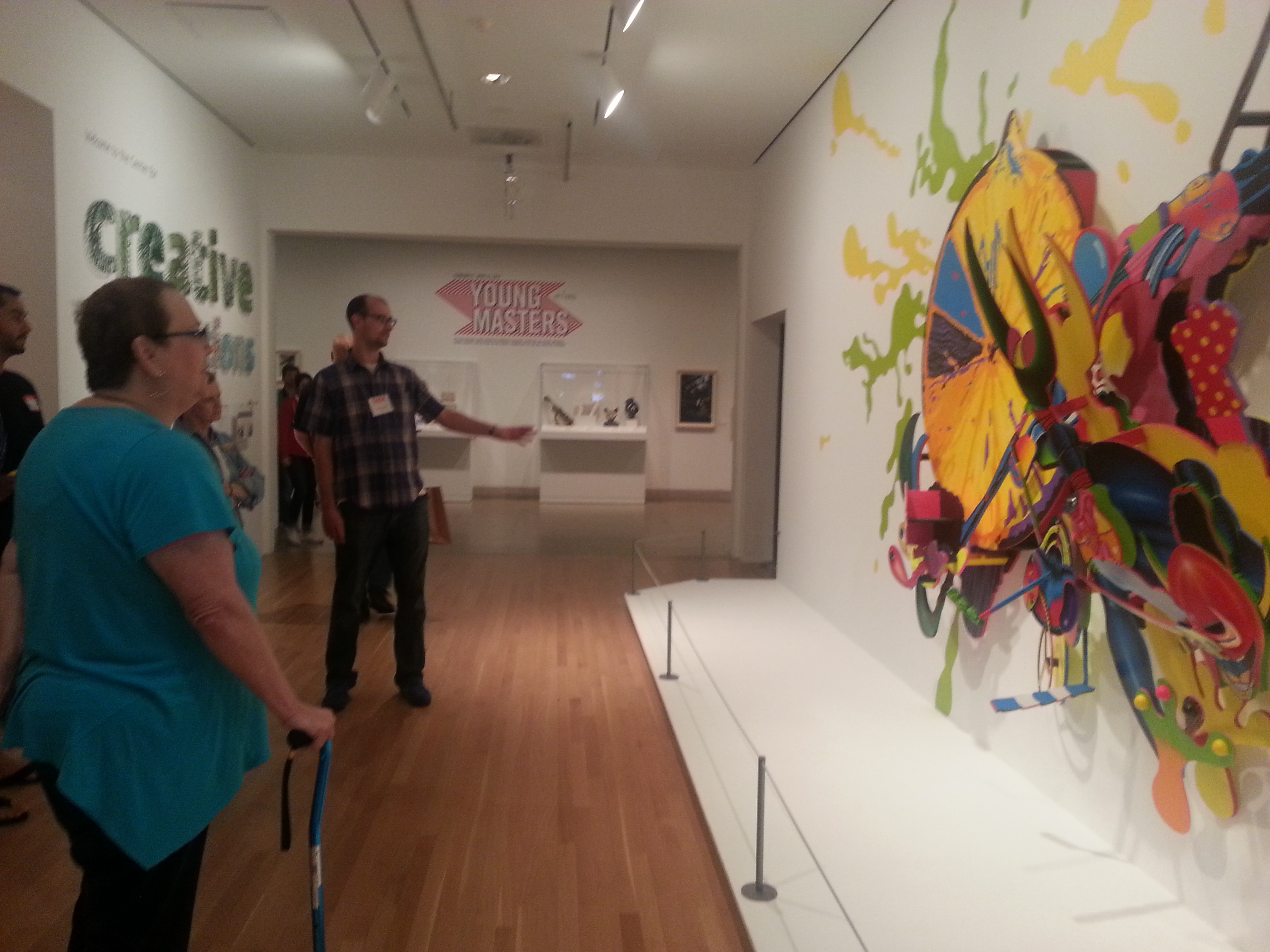
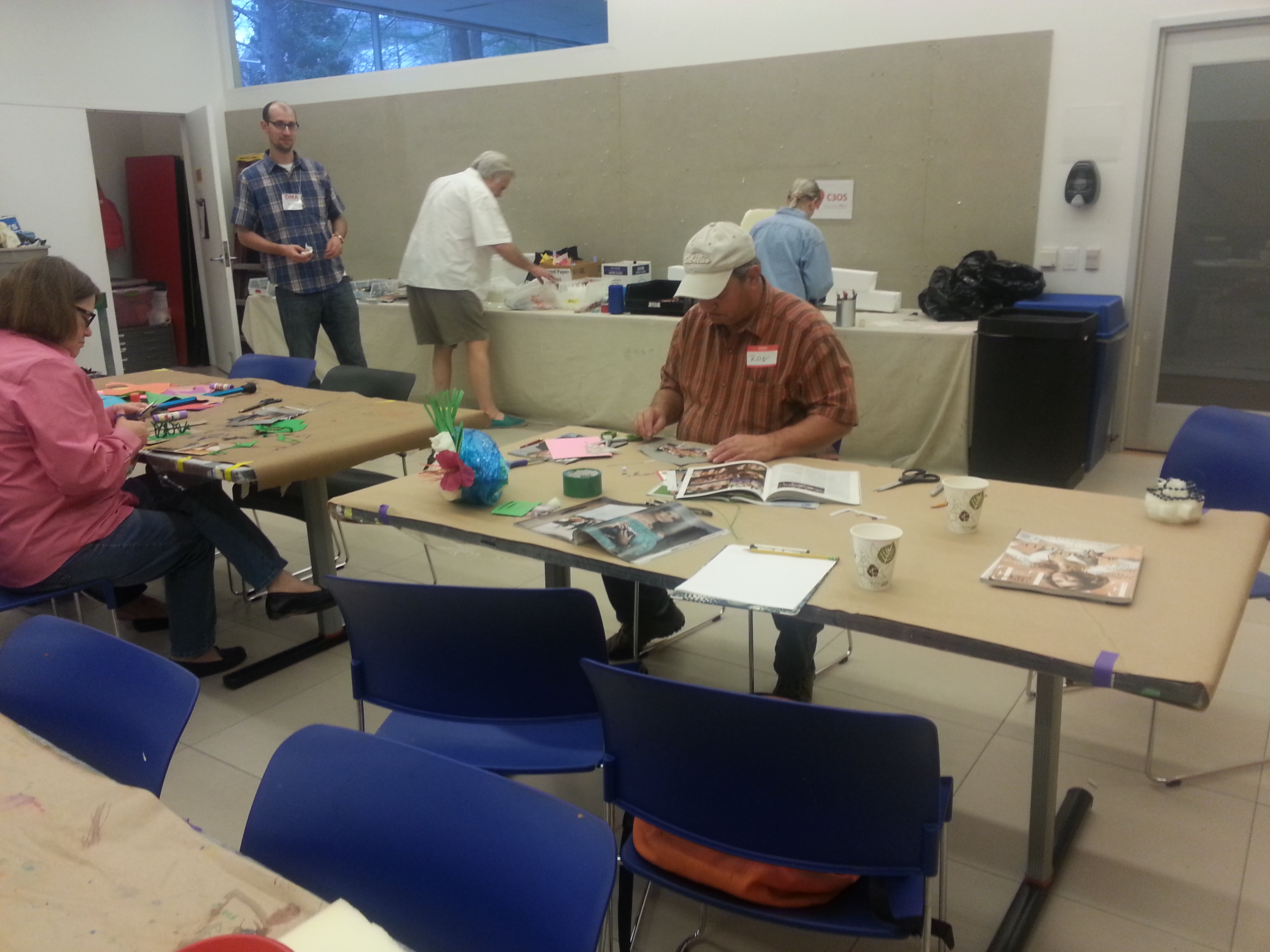
As part of the project, the students were assigned the task of designing a workshop for a class of twenty adults. They had to visit the DMA and find works of art from our collection that would be the basis for the hands-on art workshop and design a presentation to pitch. Of the 17 presentations given, we selected a winner based on the following criteria: the student with the most unique idea who modeled how they would scaffold the learning and proved to be someone who would provide my adults with a quality experience! Our selected artist was recently given the opportunity to lead his workshop in C3.

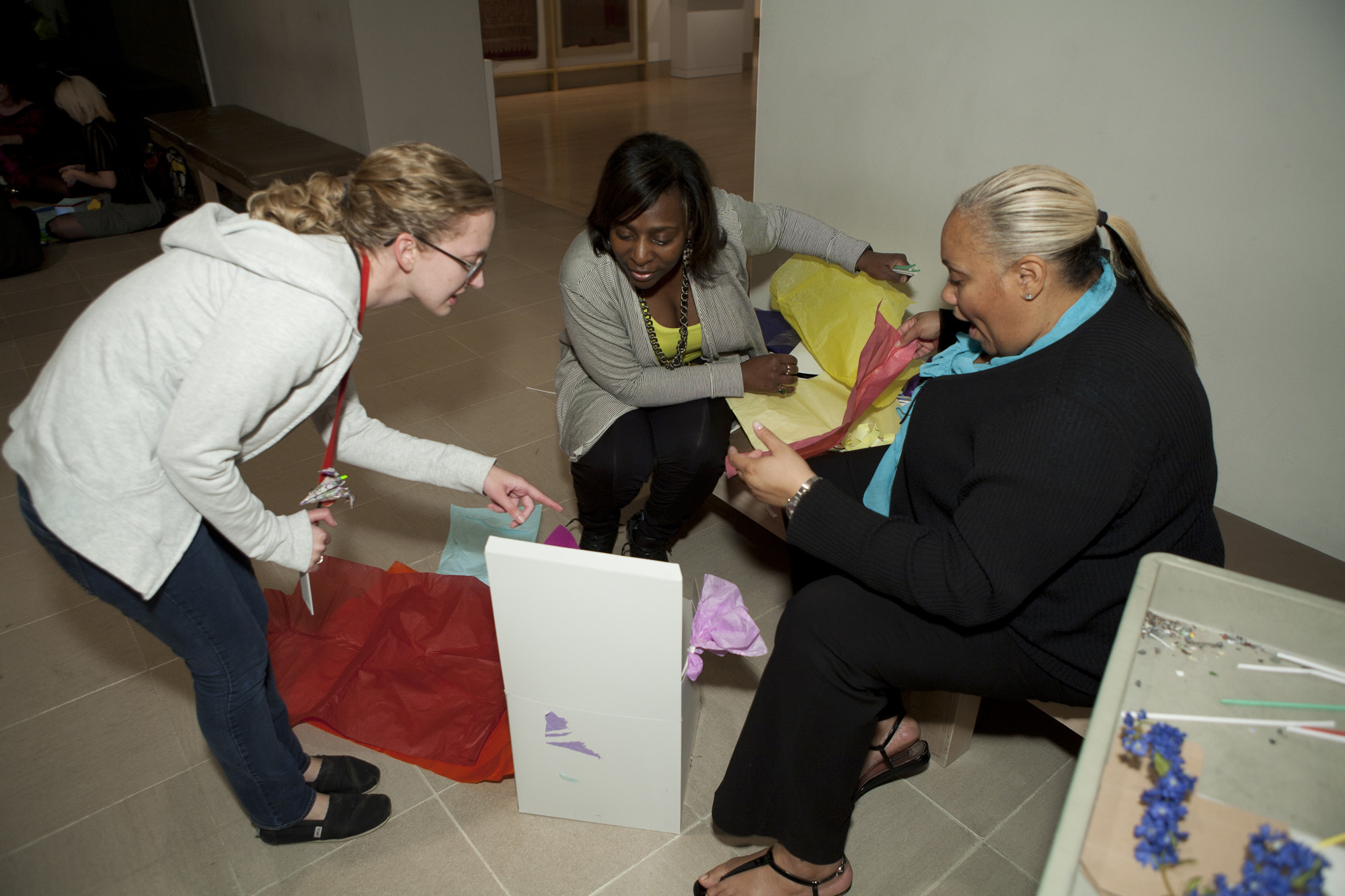
Check out images from his workshop called Memory Cocktail, inspired by the work of John Hernandez. We also selected three additional students to lead workshops in the coming months. We would love for you to join us on May 29th with student Sarah Poppelwell, June 15th with Kat Burkett and the Urban Armor teen program with Felicia Fischer on Sunday, July 13th.

It was amazing hosting a competition for students to translate their work as artists into innovative ways to share their approach with the community. For more information about adult programs in C3 Click Here!

Amanda Batson
C3 Program Coordinator


Archives

Categories