Archive Page 29


DMA of Thrones

The long-awaited season 4 premiere of the hit HBO drama Game of Thrones is upon us! This Sunday, April 6, we’ll return to George R. R. Martin’s epic world where the Lannisters, Starks, Targarians and Baratheons continue to battle for control of Westeros amidst all the betrayals and plot twists that keep everyone guessing.

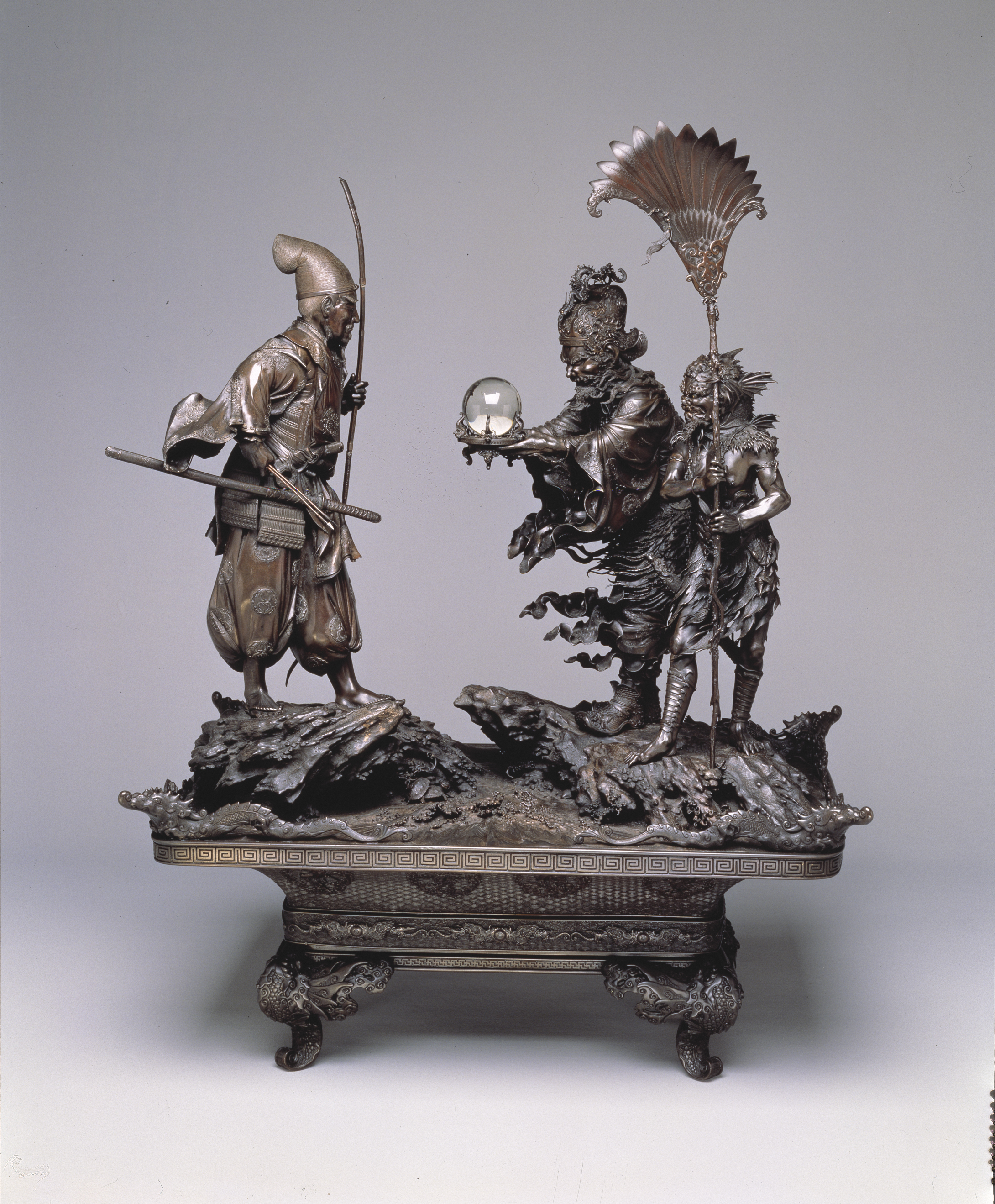
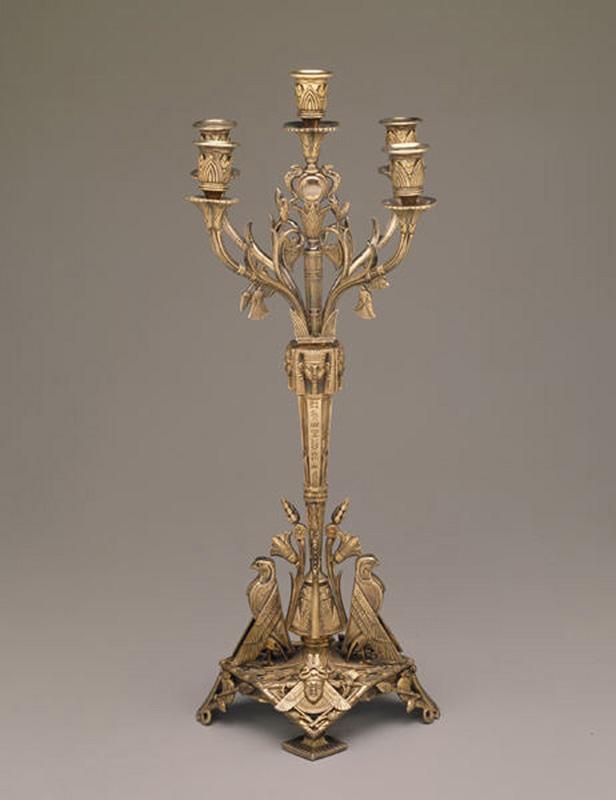
And the DMA has some exciting news: If you’ll be tuning in, be sure to keep an eye out for the candelabrum, pictured below. This piece was loaned to the series as a prop for the Royal Wedding at King’s Landing!

Candelabrum (one of a pair), Frederick Elkington & Co. designed 1872, Dallas Museum of Art, gift of Paul Zane Pilzer, Jeffery S. Juster, Mrs. John O'Boyle and Mrs. Barron U. Kidd in honor of Alan M. May

Candelabrum (one of a pair), Frederick Elkington & Co., designed 1872, Dallas Museum of Art, gift of Paul Zane Pilzer, Jeffery S. Juster, Mrs. John O’Boyle and Mrs. Barron U. Kidd in honor of Alan M. May

APRIL FOOLS!

Friday Photos: Turn Your Classroom into an Exhibition!

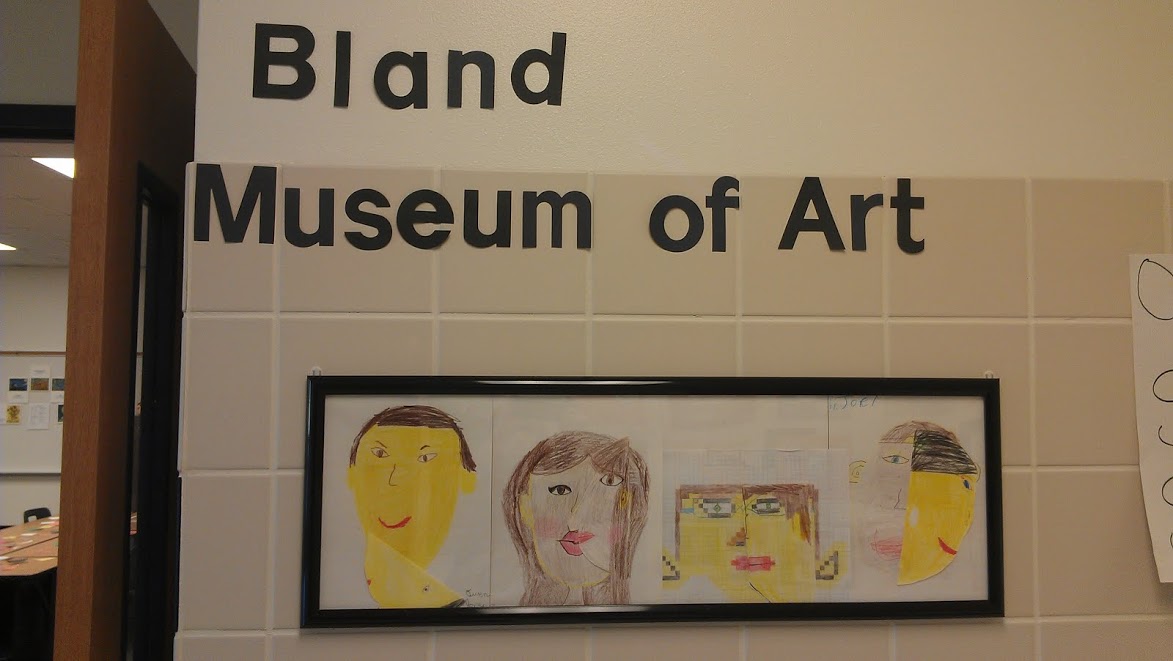
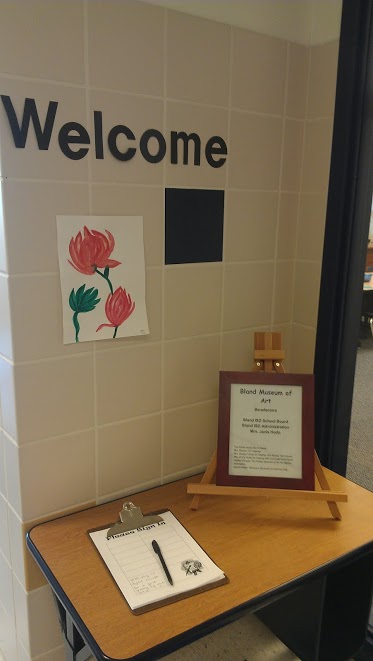
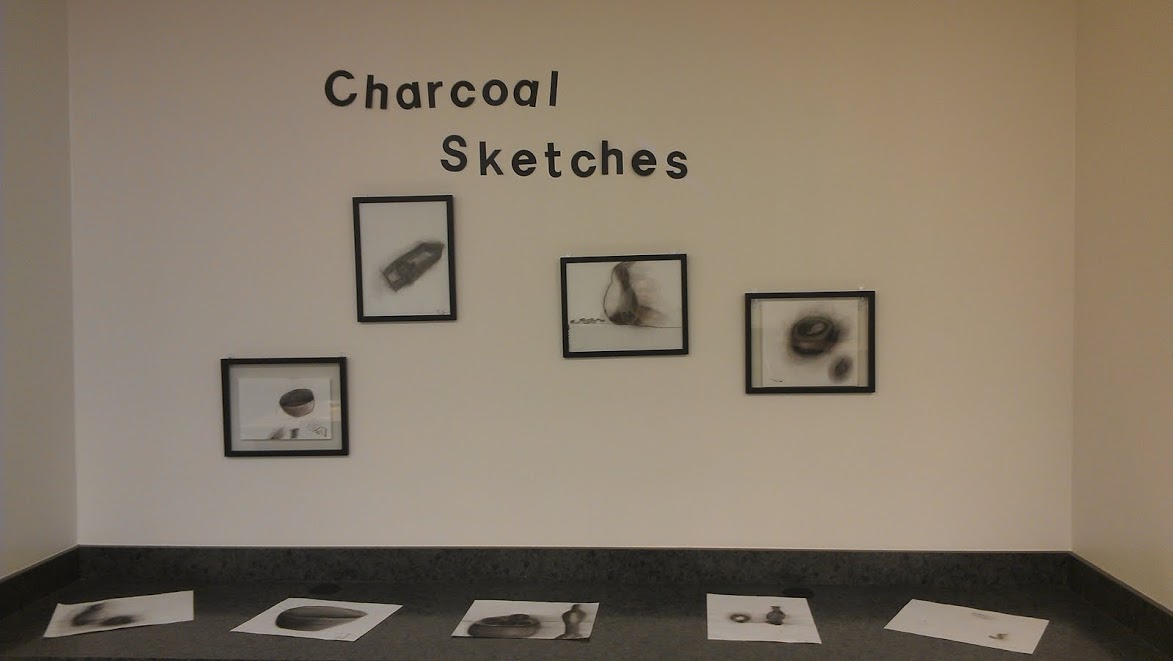
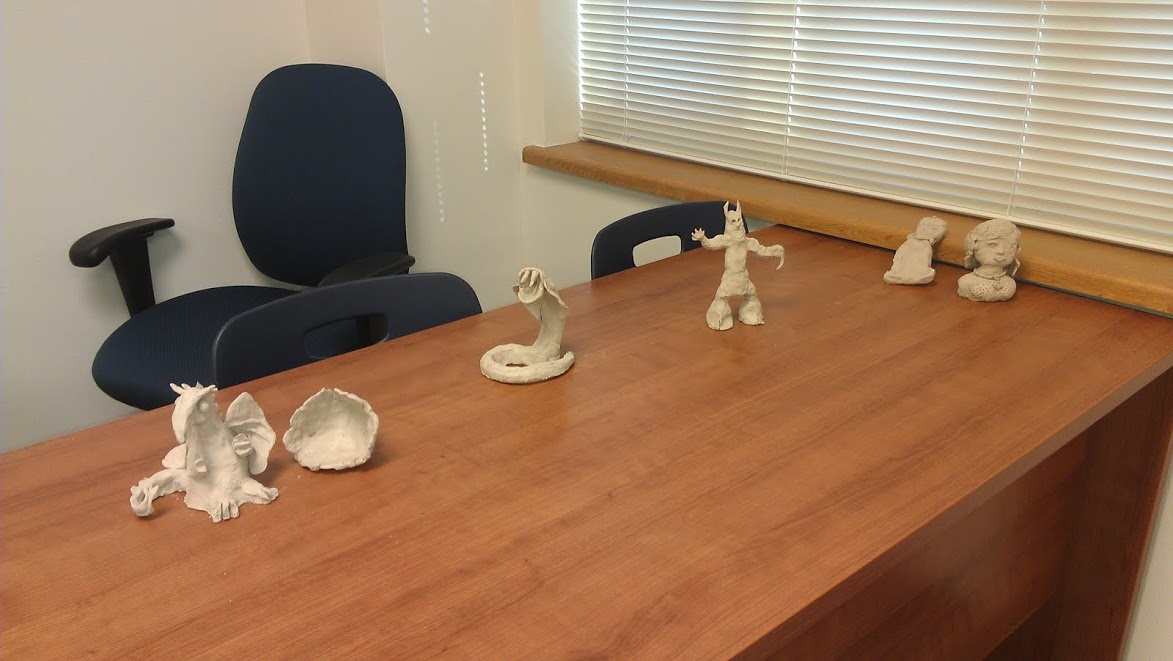
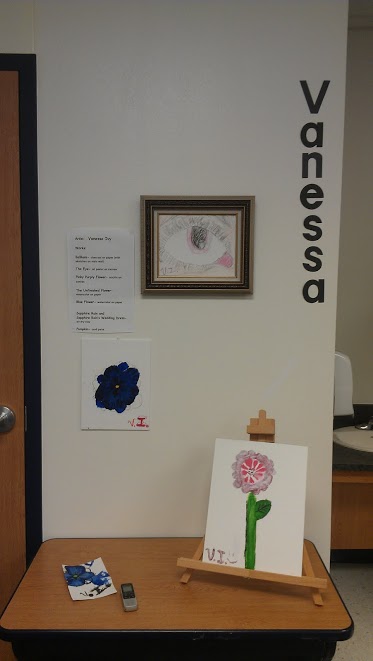
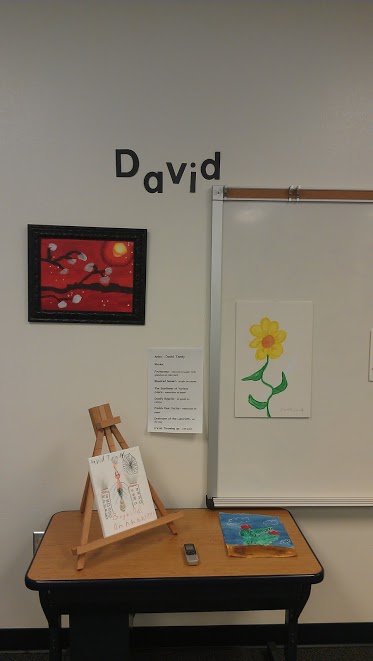
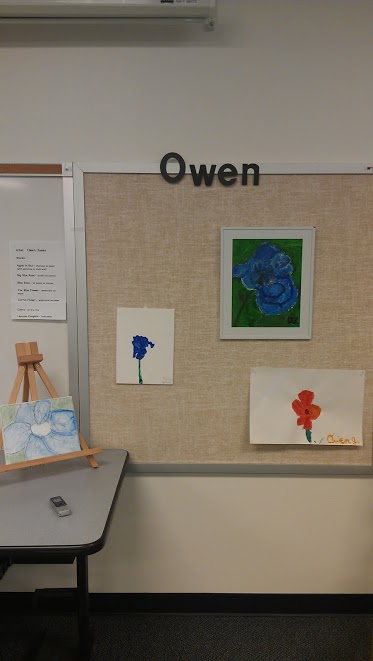
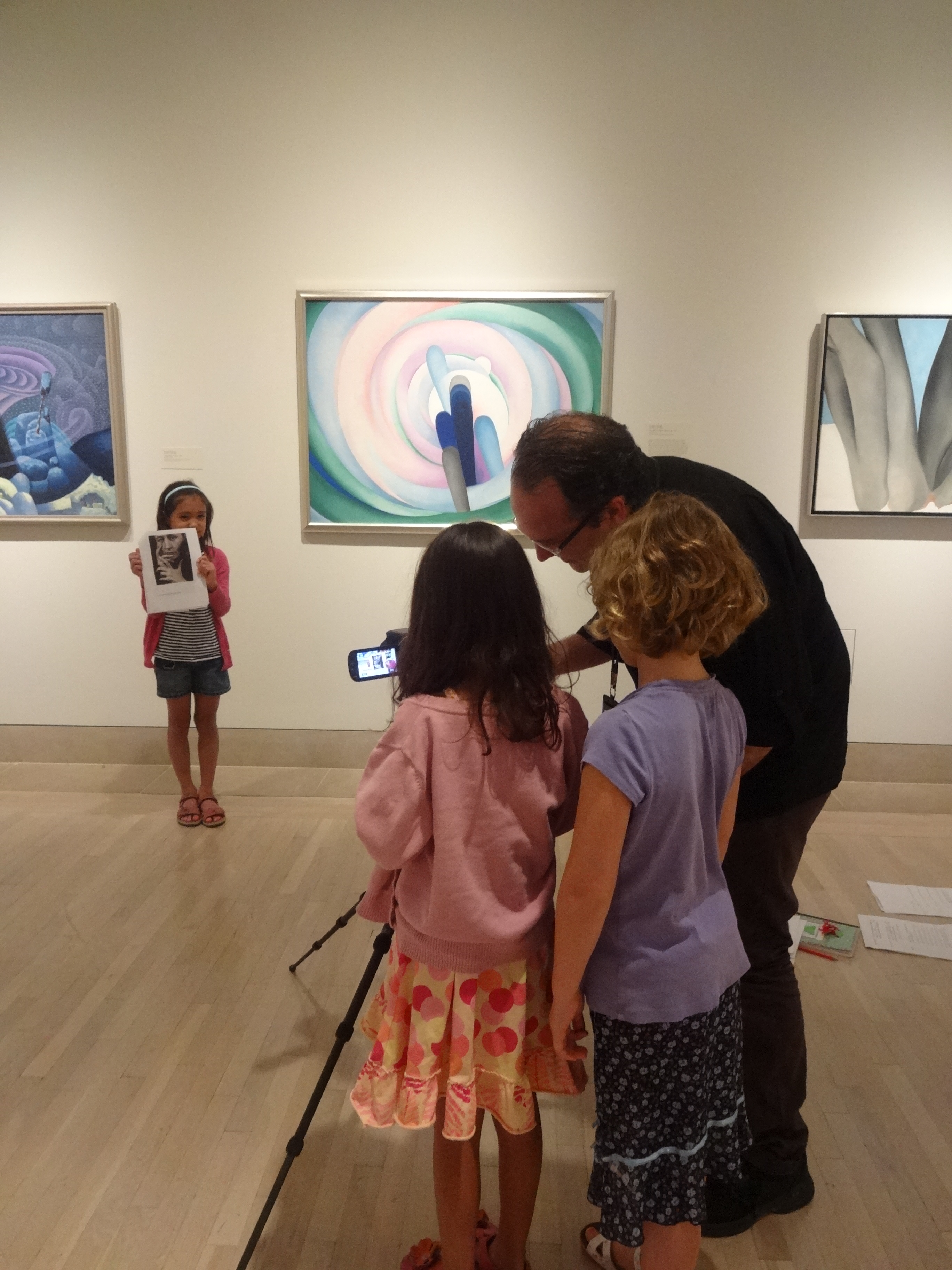
Last month I had the opportunity to spend an afternoon touring the DMA with four Gifted/Talented students from Bland Elementary. In preparation for an exhibition they were planning at their school, they wanted to learn how museums design gallery spaces, considering decisions such a display, framing, labels, chronology, etc. Ms. Carissa Brophy, the Gifted/Talented teacher at Bland Elementary, recently answered a few questions about this project. We hope the success of her exhibition can inspire a similar project at your school!

How did you develop the idea for a student art exhibition? Is this something you have done in the past?

Ms. Brophy: Students discussed what areas of study we could look at for the year and decided that art was an area our small school could improve upon since we do not have an art teacher at our elementary… The group decided that we could take all of our individual works and create a mini-museum for our school to view. This was a new concept for us.

During the tour, what did your students learn about exhibition design?

Ms. Brophy: My students learned that the space around art can impact the experience of the viewers–small art may need an intimate or small space while large art can fill a large room and be a focal point. Frames can impact the experience of the patron… [and] must match the style so they do not overpower the art. The students [also] learned that you should label artworks to identify medium, type of display mat, artist’s name, year created… and labels should not interfere with the viewing [experience].

What do you think the students gained from visiting the museum? What information did they take away from the experience?

Ms. Brophy: They learned to look at art from different perspectives… They [also] gained knowledge of ways to display collections of art [and] appreciation for other’s art.

How was this new information translated into the exhibition design for your classroom?

Ms. Brophy: We viewed the space in our room with the desire to create flow for our patrons to enjoy all the student-created art, not just stand in one spot.

Are there any elements of the exhibition that you found more successful than others?

Ms. Brophy: Students loved the entire experience [and] parents said they loved the [classroom] museum. We had several comments on the digital tour the artists recorded for their display.

Do you have any suggestions for teachers who want to adapt this idea for their classroom?

Ms. Brophy: Have fun and let the students make it their own!

A huge thank you to Ms. Carissa Brophy and all of her students at Bland Elementary! And congratulations on your wonderful exhibition!

Hayley Prihoda
McDermott Intern for Gallery and Community Teaching


Organizing for Creativity

20140323_153926

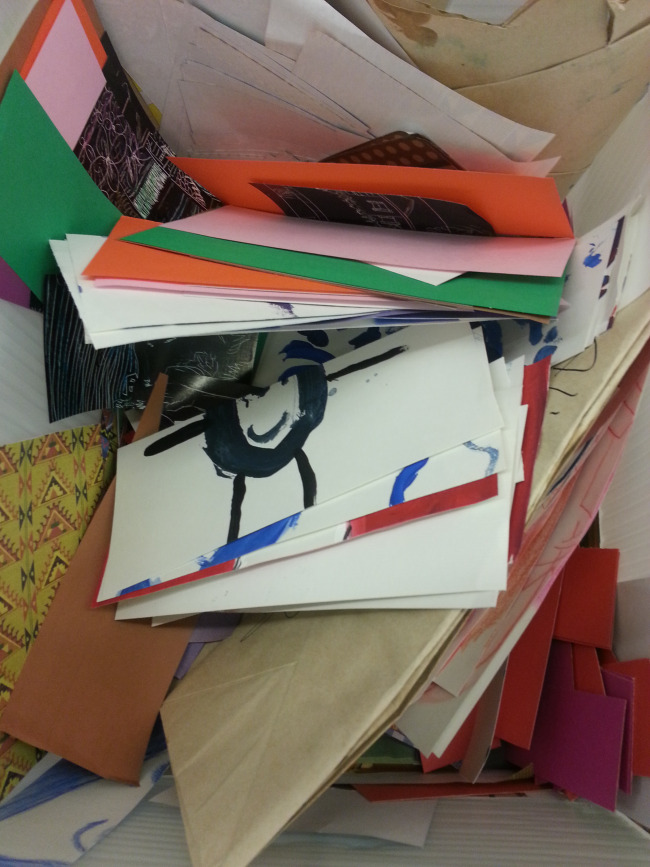
Clean up time is essential to the creative process! All artists must have a place that they can lay out their materials, brainstorm freely, and have room to breathe! No matter if you have ten visitors or ten thousand visitors to your space, it must be cleaned after every project.

It’s important to create plenty of space in your studio for “in progress” works; have drying racks to get things out of the way when cleaning or preparing for another project; and do all you can for others to have a quality experience in your space. Build in time for set-up and clean up when working on a project or leading a workshop–this will save you in the end.

Research suggests that all people, including creative types, need to ditch the clutter. What does clutter do? Dunh, Dunh, Dunh… According to Pyschology Today:

  1. Clutter bombards our minds with excessive stimuli (visual, olfactory, tactile), causing our senses to work overtime on stimuli that aren’t necessary or important.
  2. Clutter distracts us by drawing our attention away from what our focus should be on.
  3. Clutter makes it more difficult to relax, both physically and mentally.
  4. Clutter constantly signals to our brains that our work is never done.
  5. Clutter makes us anxious because we’re never sure what it’s going to take to get through to the bottom of the pile.
  6. Clutter creates feelings of guilt (“I should be more organized”) and embarrassment, especially when others unexpectedly drop by our homes or work spaces.
  7. Clutter inhibits creativity and productivity by invading the open spaces that allow most people to think, brain storm, and problem solve.
  8. Clutter frustrates us by preventing us from locating what we need quickly (e.g. files and paperwork lost in the “pile” or keys swallowed up by the clutter).
Image

Everything has a place!

Experts suggest that you create designated spots in your art room or studio for frequently used items and supplies. Keep them in a cabinet that is convenient and spacious so that you can quickly and easily find what you’re looking for when you need it. This extra effort at organization will help you avoid frustration and any unnecessary trips to the art store.

Make sure that when you take something out of its space for a creative moment, you’re diligent to put it back immediately after you’re finished with it. What you don’t put away–you’ll lose for another day! Sounds simple, but it actually takes practice and commitment. No good thing comes without practice!

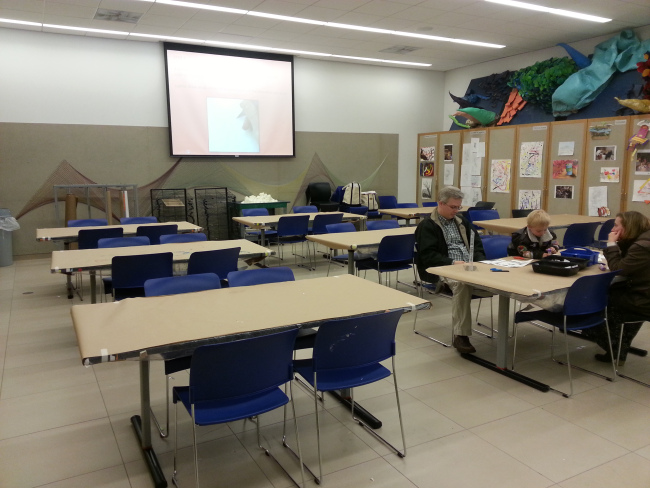
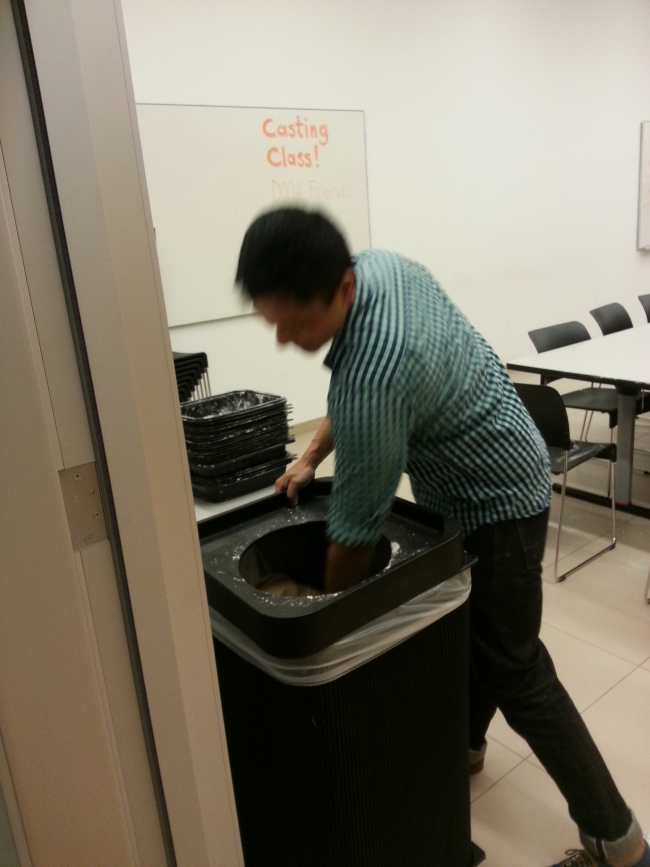
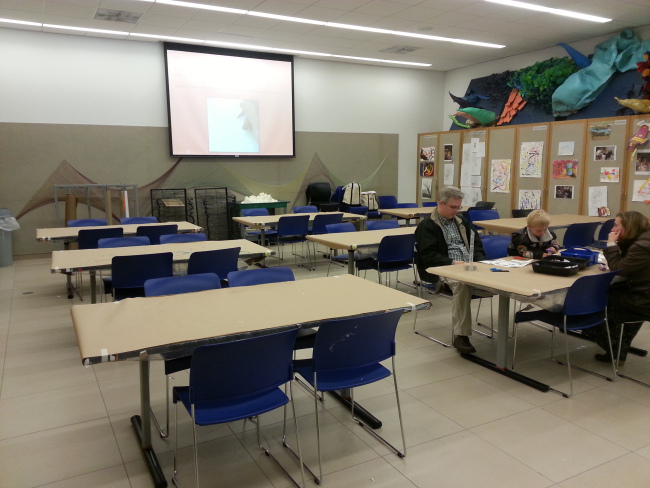
Look at these awesome before and after shots!

Image

Before

Image

During

Image

Clean Up

Image

After (Leave it like you found it) 🙂

Stay clutter free this spring!

Amanda Batson
C3 Program Coordinator

Friday Photos: Spring Break Block Party

Last Friday, spring breakers of all ages had a ball at the DMA during the Dallas Arts District Spring Break Block Party. The evening was inspired by our week-long Art Madness programming, featuring basketball themed tours, performances, and interactive art-making experiences. Check out some of the highlights of the evening here:

Amelia Wood
McDermott Intern for Family and Access Teaching

Calling all Happy Campers!

Are you dreaming of lazy days at the swimming pool, sunburned noses, family vacation, and popsicles? We are! Summer is officially 95 days away, but we won’t be spending it at the neighborhood pool. For those of us who coordinate Family Programs at the DMA, summer means one thing—Summer Art Camp! And this year’s line-up of camps has something for every creative kid. Whether you are a junior shutterbug, fashionista, sculptor, painter, designer, musician, actor, or inventor, there’s a summer camp for you.

I have been teaching summer camps at the DMA for five years now, and I’m 95 percent serious when l tell my friends that I would gladly be a full-time summer camp teacher. I love spending an entire week with a group of kids, exploring the Museum’s galleries, getting messy in the studio, and having fun. Summer camp gives both teachers and campers permission to be a little goofy, experiment with materials in crazy ways, and give our creativity a good work-out. Camp is all about F-U-N (but we usually manage to learn something along the way too).

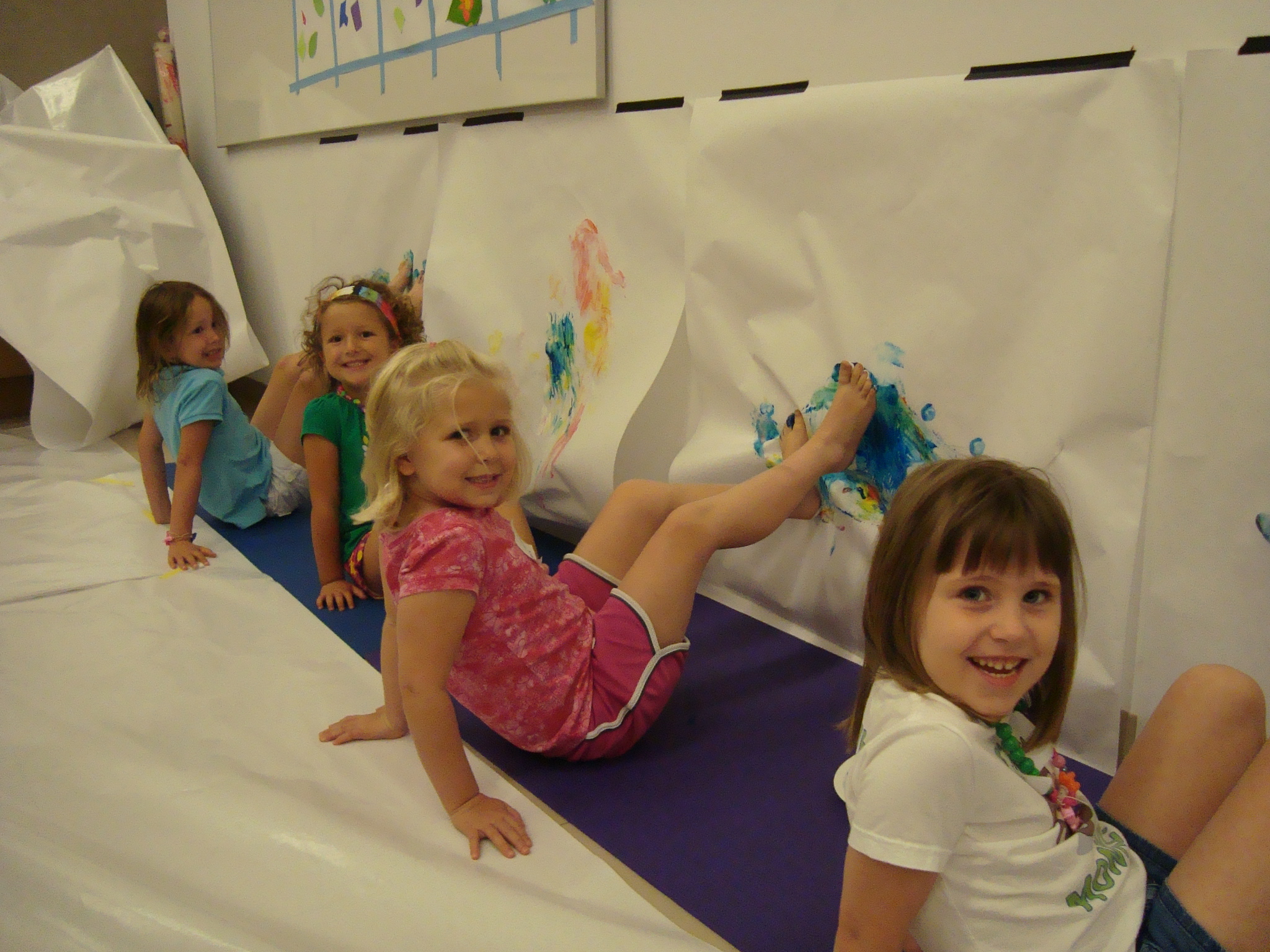
Some of my favorite summer camp memories so far include:

Here’s a sneak peek of just a few of the things you can do at Summer Art Camp this year:

This year’s camps will be held each week June 9-27 and July 7-August 15. Morning camps are 9:00 a.m.-noon and afternoon camps are 1:00-4:00 p.m. Tickets are on sale now!

For aspiring art and museum educators, Summer Art Camps also offer the opportunity for a summer internship at the DMA. Summer camp interns get hands-on experience as they assist summer camp teachers by facilitating gallery activities, art-making projects, games, and sensory explorations. With each camp, interns step into the role of art cheerleaders, skit-planning co-conspirators, the ultimate problem solvers, and mentors to the children. What better way to spend a summer? Applications are now being accepted. Find out how to apply here.

Spend some time with us this summer at the DMA, and you’re sure to be a happy camper!

Leah Hanson
Manager of Early Learning Programs

Friday Photos: Picture Yourself at the DMA

Spring Break week has been a blast, but the fun isn’t over yet!  The DMA will be open until 9:00pm tonight, Friday March 14, for the Dallas Arts District Spring Break Block Party. Come by to experience our fun activities and while you’re here snap a selfie with a work of art!

Jessica Fuentes
C3 Gallery Coordinator

Artist Astrology: Aquarius and Pisces

This month we are highlighting two astrological signs, Aquarius (January 21 – February 19) and Pisces (February 20 – March 20)! Both signs have produced brilliant artists but, as we will discover, the working methods and aspirations of these two zodiacs are quite different.

Aquarius

People born under the Aquarian zodiac are identified by their forward-thinking and progressive nature. They are self-directed leaders and prefer to define themselves by their originality and uniqueness. Aquarians are constantly adapting and consider change and evolution a crucial element in self-development. Because of this, Aquarians enjoy surprises–both good and bad–and thrive in exciting, stimulating environments. Banality is never an option for an Aquarius. They are extremely mentally active individuals and their mind is rarely at rest. Aquarians maintain this energy and curiosity throughout life, often described as remaining ‘young at heart’.

The DMA collection features multiple Aquarian artists, including Edouard Manet (January 23), Jackson Pollock (January 28), Claes Oldenburg (January 28), Thomas Cole (February 1), Fernand Leger (February 4), and Lewis Comfort Tiffany (February 18).
1985_R_33

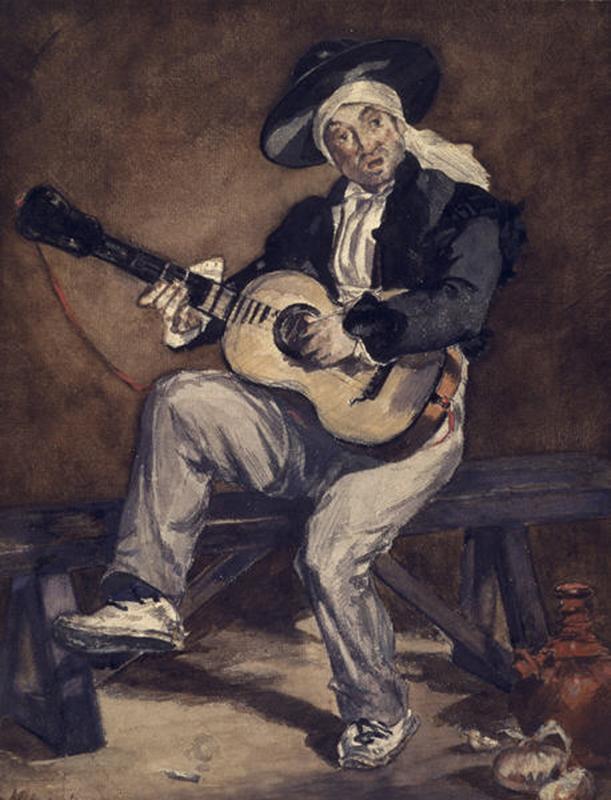
Edouard Manet – January 23

During his lifetime, Manet was frequently criticized and satirized for his work. Some of his most significant artwork, including Olympia and Dejeuner sur l’herbe, were rejected from the Salon and hung at the ‘Salon des Refuses’ instead. Even still, Manet continued to submit works to the Salon throughout his life. Despite academic misfortune, Manet’s work inspired a new generation of artists. Edgar Degas and other members of the Impressionist movement would adopt his use of the alla prima technique and treatment of form using a single stroke or flat area of color. His tendency to avoid intermediate values in favor of sharp contrasts of light and dark, as observed in The Spanish Singer (above), also had an influential affect on art historical tradition.
1967_8_post_conserv

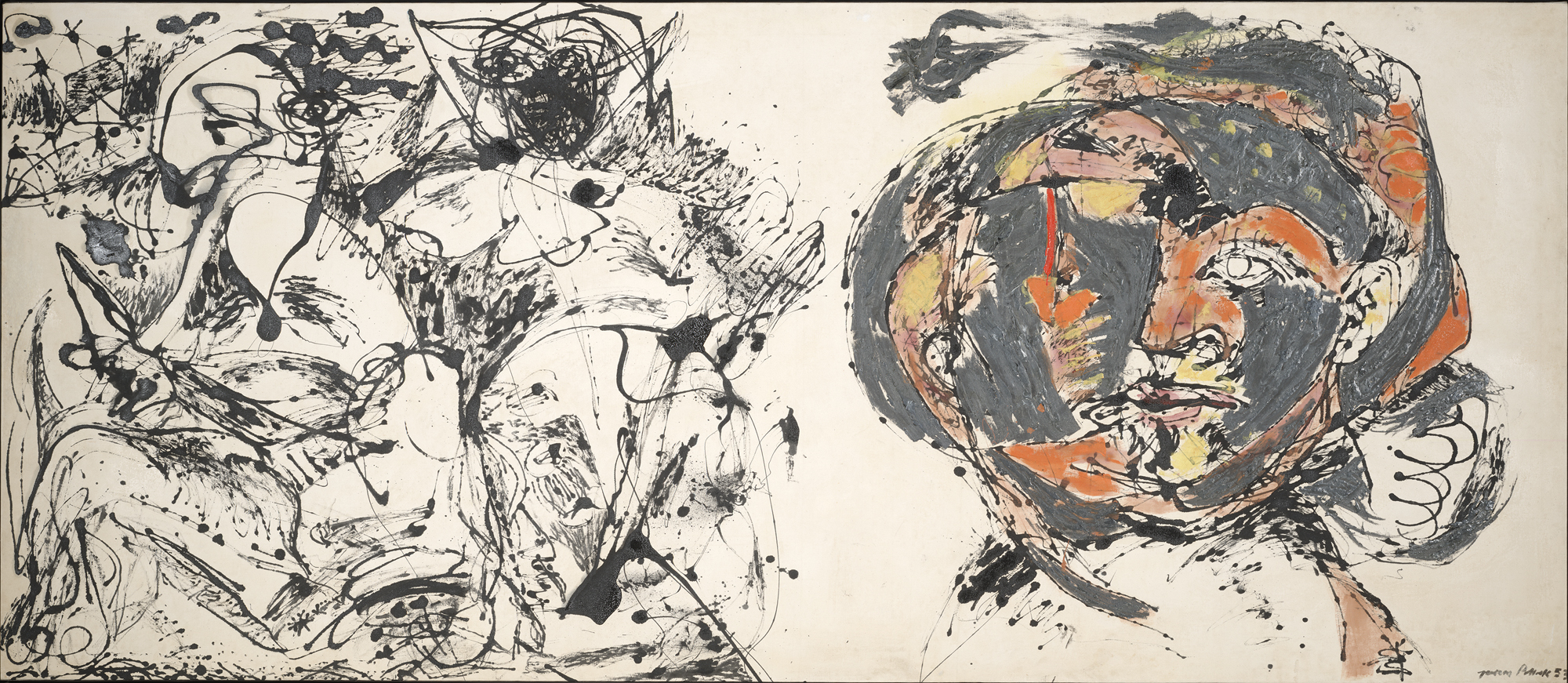
Jackson Pollock – January 28

The painting above has been interpreted as a self-portrait partially obscured by a mask. A similar image appears in many of Pollock’s artworks, largely reflective of his self-retrospective style and the influence of Jungian analysis. Pollock believed that “Painting is a state of being…Painting is self-discovery. Every good artist paints what he is.” This interest in psychotherapy and Jungian analysis reveals the Aquarian tendency to continually seek change and evolution.
1984_52_A_B

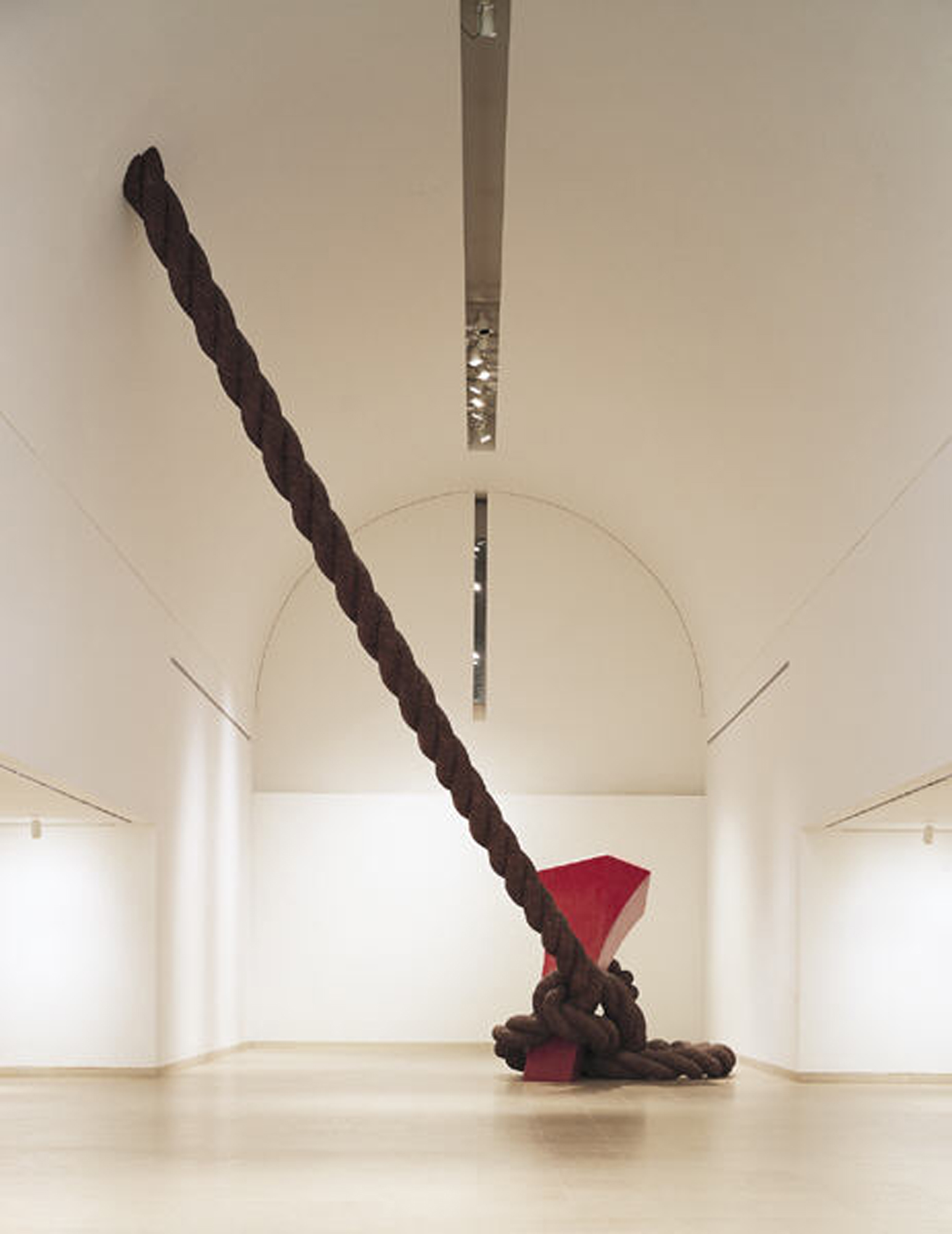
Claes Oldenburg – January 28

Oldenburg’s Stake Hitch, an emblematic artwork in the DMA collection, was commissioned in 1981 to commemorate the opening of the DMA’s new downtown location. At 18 feet tall, the metal stake plunged through the ground of the gallery, appearing below in the museum’s receiving dock (only accessible to museum staff). Above ground, the stake was attached to the gallery’s 40-foot-ceilings with a massive rope. Stake Hitch, removed from display in 2001, is signature of Oldenburg’s artworks, as his work often features everyday objects enlarged to a monumental scale. Oldenburg’s fascination with material culture catapulted him to the forefront of the Pop Art Movement in the 1960s.

Pisces

Unlike Aquarians, Pisces individuals are not concerned with self-progression and evolution. In fact, the most definitive trait of a Pisces is their unconditionally loving and compassionate nature. Pisces often place the concerns and interests of others above their own, making them indecisive or sacrificial at times. Although they are very observant, their idealistic and emotional instincts can direct their perspective. Pisces are known as the most mature and intuitive sign. They are deeply connected to the world around them and typically choose professions where they can serve others.
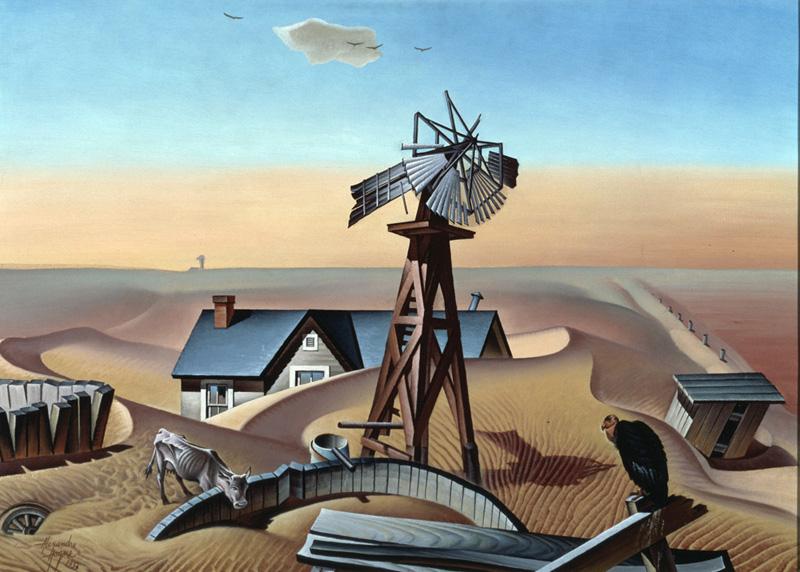
1945_6

Alexandre Hogue – February 22

The works of Alexandre Hogue display the intuitive sensibilities of a Pisces. His Erosion series, currently on view at the DMA, provides a commentary on the state of North Texas during the Dust Bowl. Hogue felt very connected to the natural environment, having spent his childhood gardening with his mother. She taught him to take care of his natural surroundings and referred to the earth as “Mother Nature.” Given this background, Hogue was disgusted by the selfishness and ignorance of the migratory farmers in early 20th century, rightfully blaming them for producing the Dust Bowl. His Erosion series particularly highlights the devastating effects of land and water erosion, produced by fencing, over-plowing, over-grazing, monocropping, and expanding roadways. Alexandre Hogue: The Erosion Series will be on view through June 15, 2014.

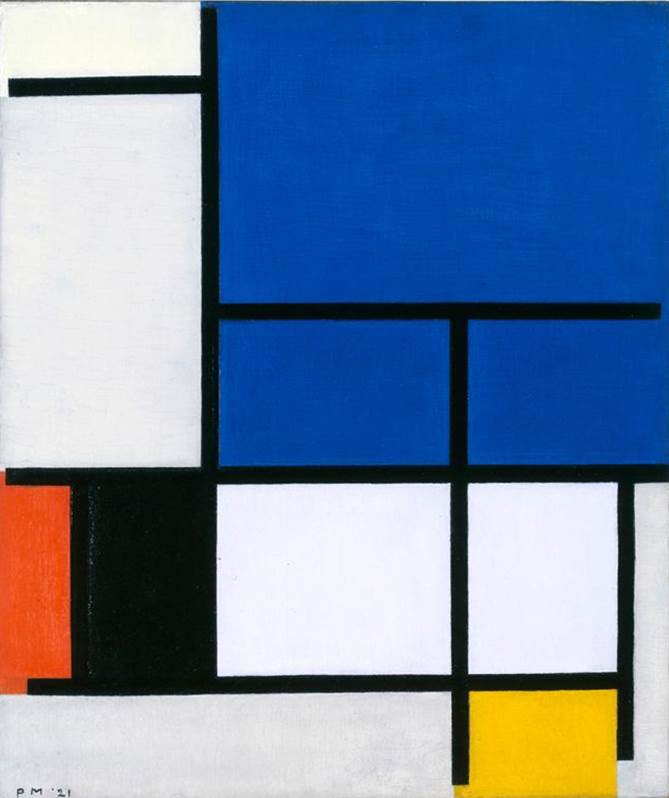
Additional Pisces artists of note include Frank Gehry (February 28th) and Piet Mondrian (March 7th).

Thank you for reading the latest addition of Artist Astrology and don’t forget to check out next month’s section on our ambitious Aries artists!

Artworks shown:

  • Edouard Manet, The Spanish Singer, 1861, Dallas Museum of Art, The Wendy and Emery Reves Collection
  • Jackson Pollock, Portrait and a Dream, 1953, Dallas Museum of Art, gift of Mr. and Mrs. Algur H. Meadows and the Meadows Foundation, Incorporated
  • Claes Thure Oldenburg, Stake Hitch, 1984, Dallas Museum of Art, commissioned to honor John Dabney Murchison, Sr. for his arts and civic leadership, and presented by his Family
  • Alexandre Hogue, Drouth Stricken Area, 1934, Dallas Museum of Art, Dallas Art Association Purchase

Hayley Prihoda
McDermott Intern for Gallery and Community Teaching
Oh, The Places You’ll Go for Spring Break!

Many schools here in the Dallas area are keeping their doors closed this week as families venture off to enjoy Spring Break. As a kid, Spring Break for me meant going on an assortment of fun vacations, whether to a nearby locale like Huntsville State Park for camping or to the ultimate destination: Disney World!

As you wander the galleries of the DMA, you’ll notice the wonderful assortment of artworks that we have from all over the globe, of places both near and far. Since Spring Break is on the brain, I asked the DMA Education Team what work of art represents their ultimate Spring Break vacation destination. Check out what we came up with and feel free to share your own!

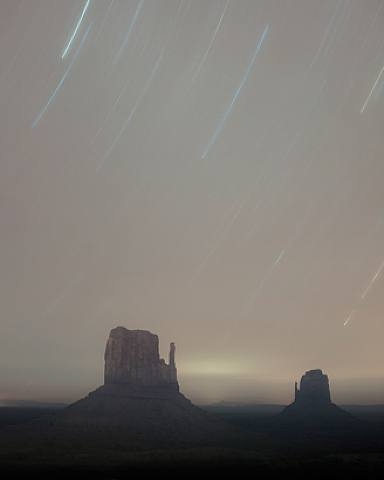
Jessica Fuentes picked Trevor Paglen’s DMSP F16 over Monument Valley, Navajo Nation (Military Meterological Satellite; 203-048A). Jessica hopes to spend a good amount of time camping and taking photographs during her spring break. “The light that crosses the sky reminds me of star-trail photography, something I haven’t quite mastered, but am working on.”

blogpost3

Trevor Paglen, DMSP F16 over Monument Valley, Navajo Nation (Military Meteorological Satellite; 203-048A), 2009, Dallas Museum of Art, Anonymous gift

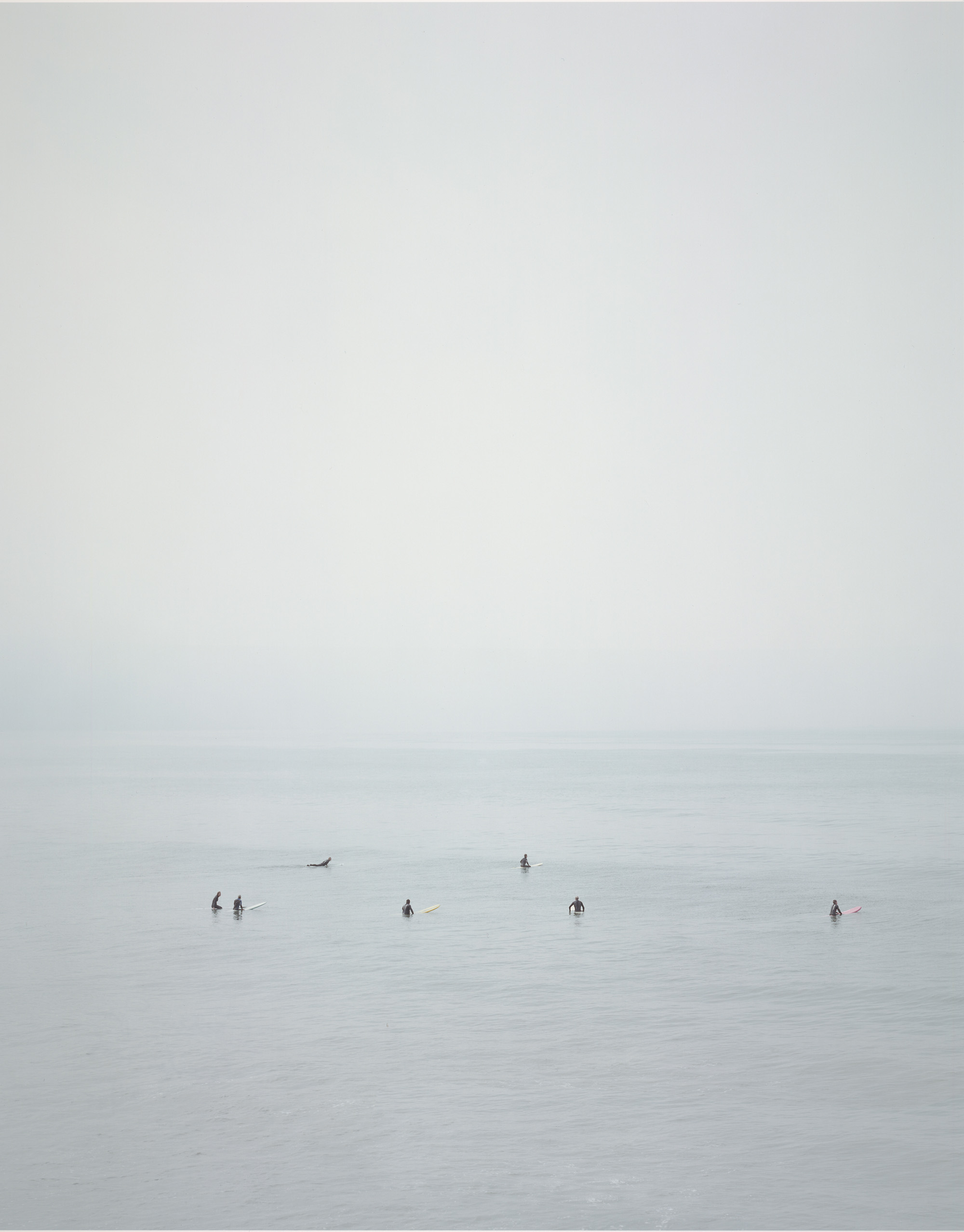
Melissa Gonzales picked Catherine Opie’s Untitled (Surfers) because when it comes to Spring Break, or really any vacation, she loves to go to the beach. “I love relaxing on the sand, listening to the waves, reading a great book, sipping a cold fruity drink, and taking a nap in the hot sun. I also like watching the surfers bob up and down in the water, and the smooth grace of those who catch a wave to shore.”

blogpost4

Catherine Opie, Untitled (Surfers), 2003, Dallas Museum of Art, Anonymous gift

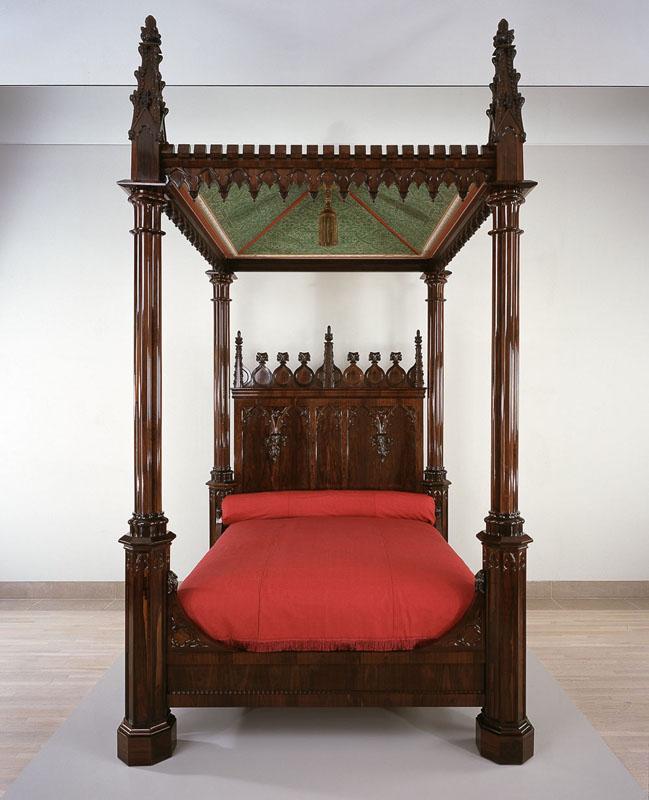
Amanda Batson’s ideal vacation destination was inspired by Crawford Riddell’s Bed, because she desires a long nap for her Spring Break.

blogpost2

Crawford Riddell, Bed, c. 1844, Dallas Museum of Art, gift of three anonymous donors, Friends of the Decorative Arts Fund, General Acquisitions Fund, Discretionary Decorative Arts Fund, and the Boshell Family Foundation

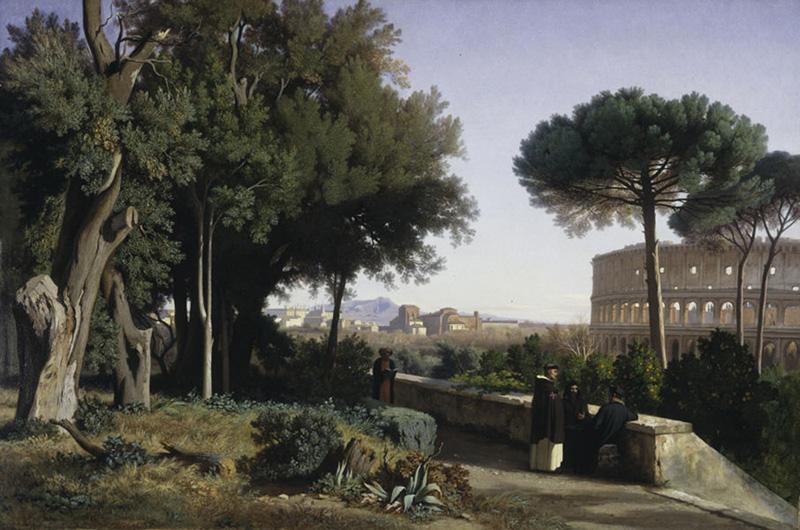
Michael Hartman, McDermott Intern for European Art, picked Jean-Achille Benouville’s Colosseum Viewed from the Palatine because he’s always wanted to visit Rome.

Jean–Achille Benouville, Colosseum Viewed from the Palatine, 1844, Dallas Museum of Art, gift of Mr. and Mrs. George A. Shutt, Dr. and Mrs. George N. Aldredge, Jr., the Societe Generale

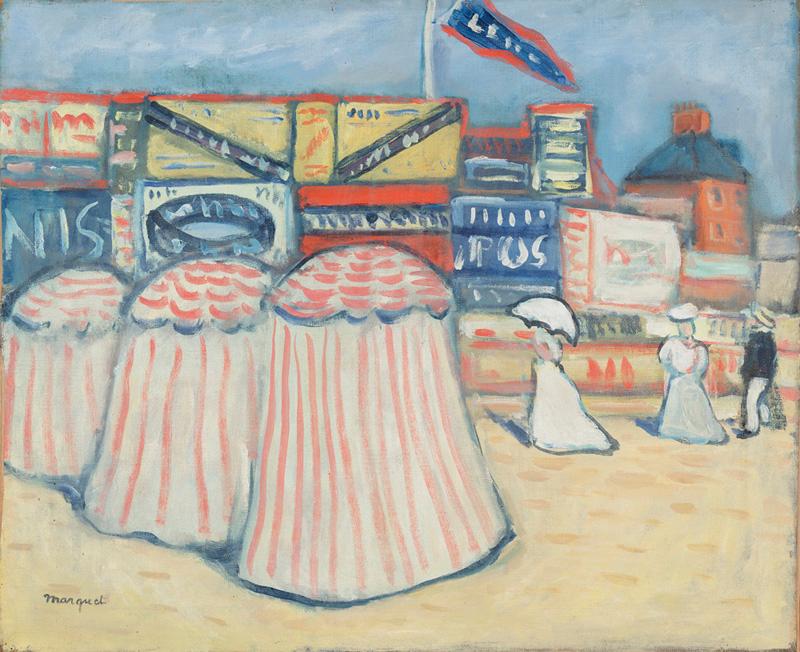
Hayley Prihoda chose Albert Marquet’s The Beach at Trouville. “This painting by Albert Marquet encapsulates everything I look for in a Spring Break vacation. I love the bright colors, clear blue sky, and red and white striped tents, a signature of the early 20th century. Plus, Trouville is only a couple hours outside of Paris, so I could take a day trip to the Louvre and the Musee d’Orsay!”

Albert Marquet, The Beach at Trouville, c. 1906, Dallas Museum of Art, gift of the Meadows Foundation, Incorporated

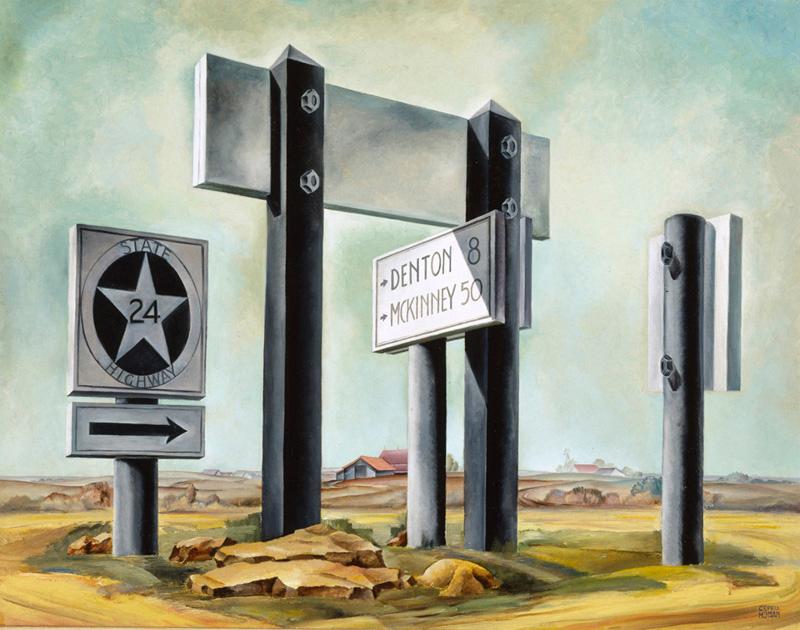
Inspired by the bold highway signs in Coreen Mary Spellman’s Road Signs, my ideal vacation destination for Spring Break would be a road trip along Route 66. It’s always been on my bucket list to travel along Route 66 from New Mexico to the California coast and visit unique roadside stops along the way.

blogpost1

J Coreen Mary Spellman, Road Signs, c. 1936, Dallas Museum of Art, gift of Helen, Mick and Thomas Spellman.

Make sure to visit the DMA as part of your own Spring Break vacation. We have a ton of activities going on this week at the Museum, whether you’re visiting our Pop-Up Art Spot, voting for your favorite work of art in our Art Madness Tournament, or having a ball during our Family Block Party this Friday, March 14. Check out our full schedule of events here!

Amy Elms
McDermott Education Intern for Visitor Engagement

Friday Photos: Instagram + Booker T.

The DMA is now in the third year of its Learning Lab partnership with Booker T. Washington High School for the Performing and Visual Arts, a collaboration in which DMA Education staff work with Visual Arts teachers to lead experiences and projects at the DMA and at the school. The students recently completed a project that used Instagram as a means to explore artistic inspiration.  

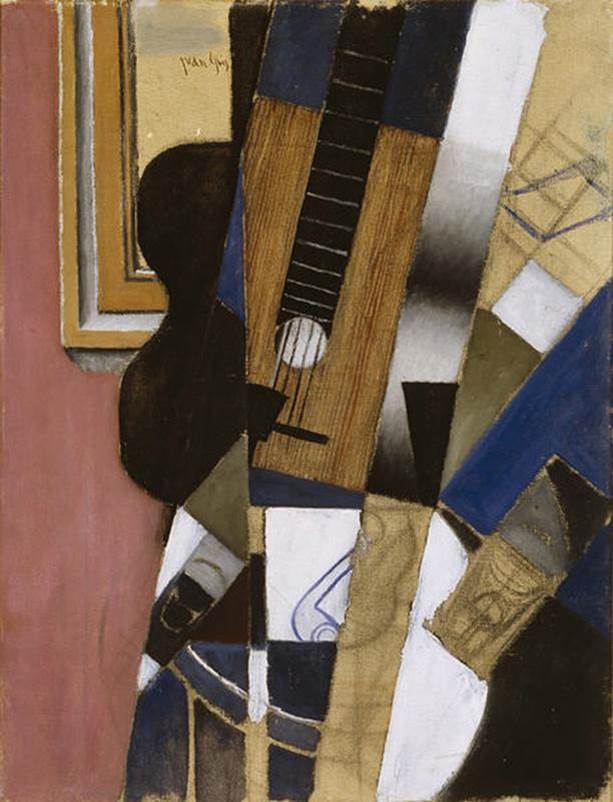
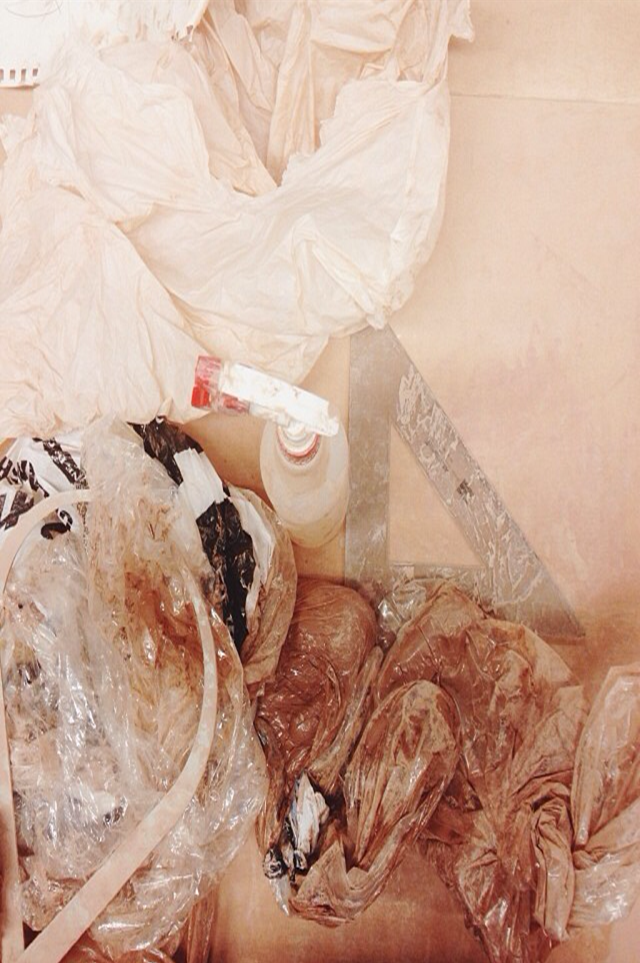
We asked the students to choose an artist in our Modern European or Contemporary art collection and re-imagine that artist’s specific point of view in a contemporary setting. The Booker T. students did a wonderful job documenting these artistic re-imaginings by collecting images of objects, scenes, people and materials that they felt would give their particular artist inspiration.

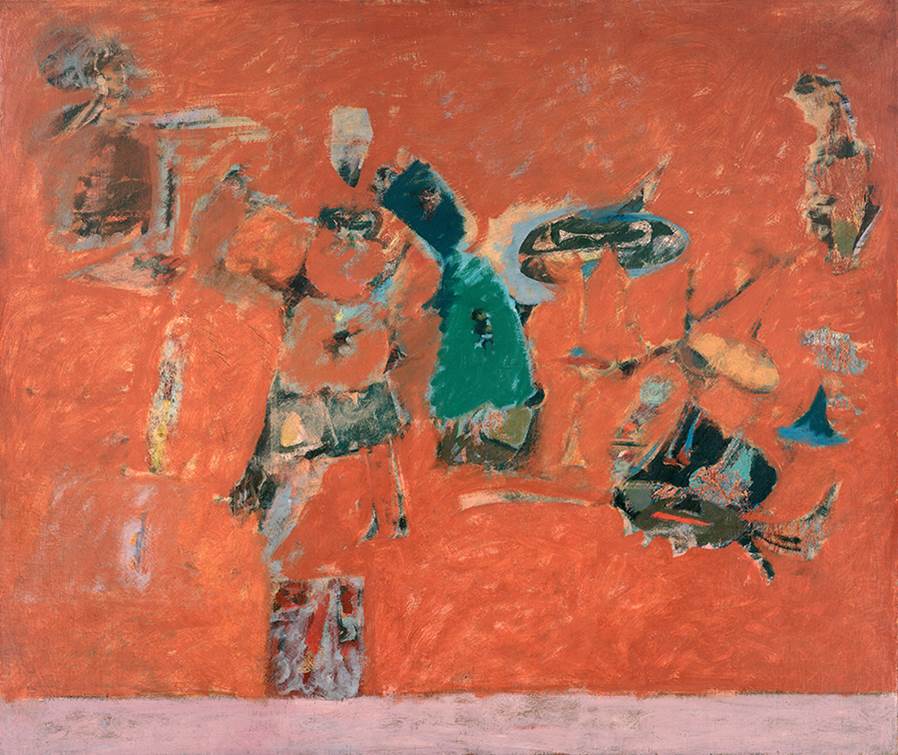
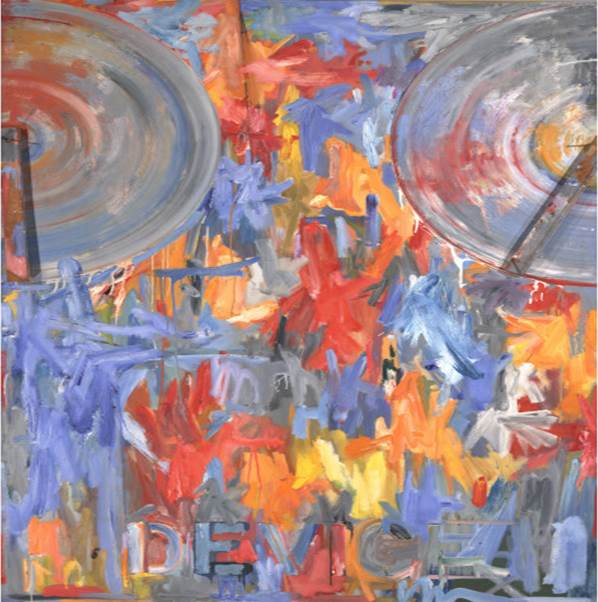
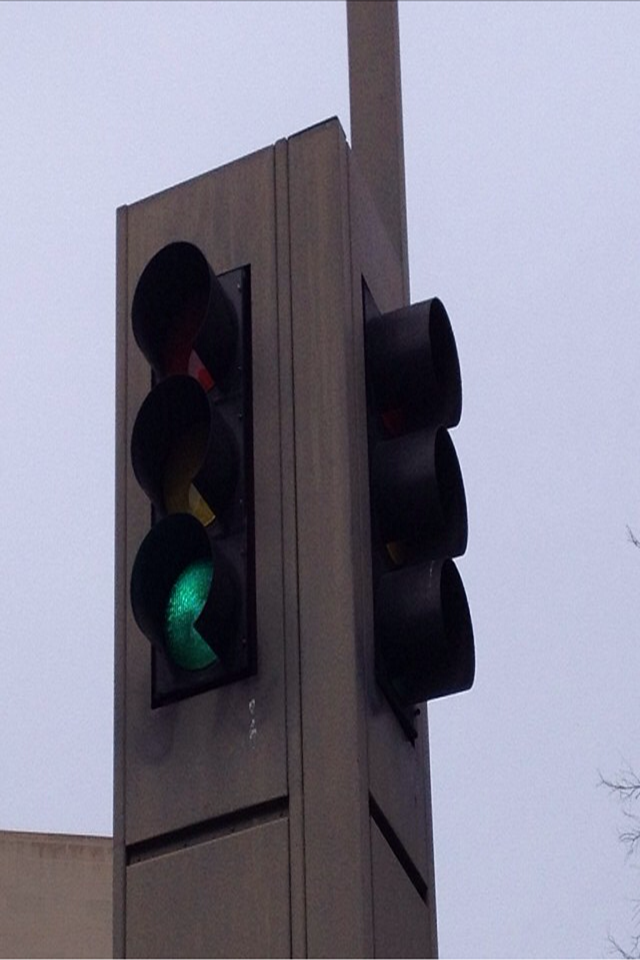
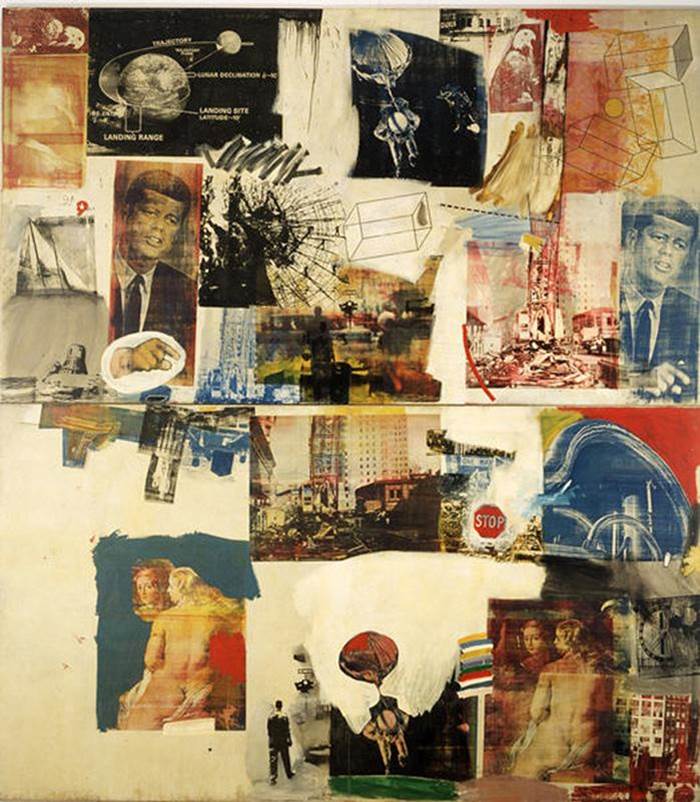
Do you see something around you that could have been inspiration for Mark Rothko or Jasper Johns? Join the conversation on Instagram! Simply tag your images using #POVartists name. Make sure to post them in our comments section if you feel so inspired!

Danielle Schulz
Teaching Specialist
Friday Photos: Connect the DMA Dots

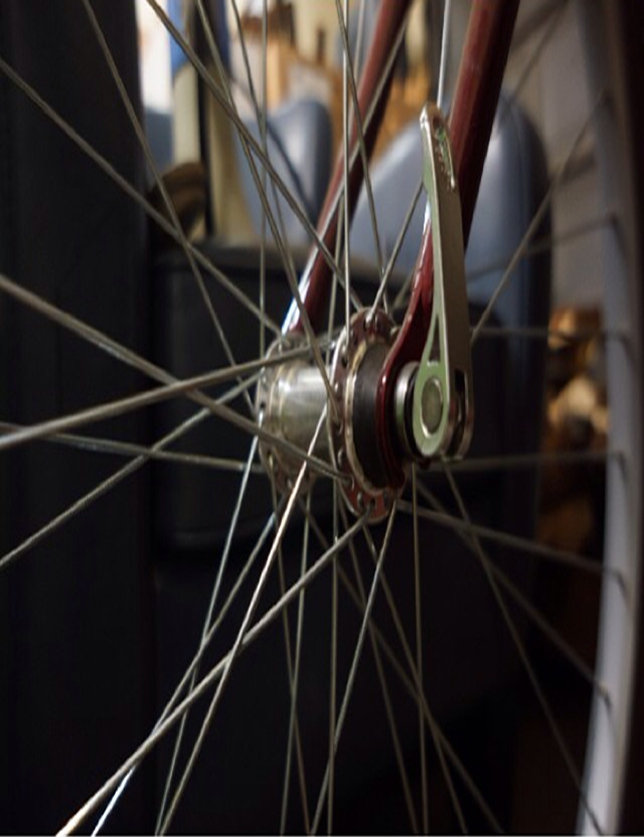
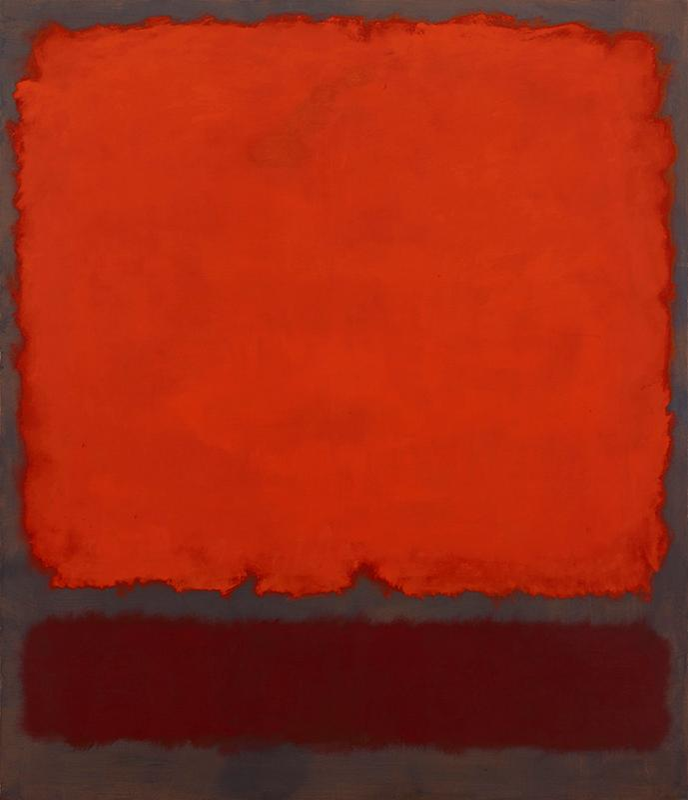
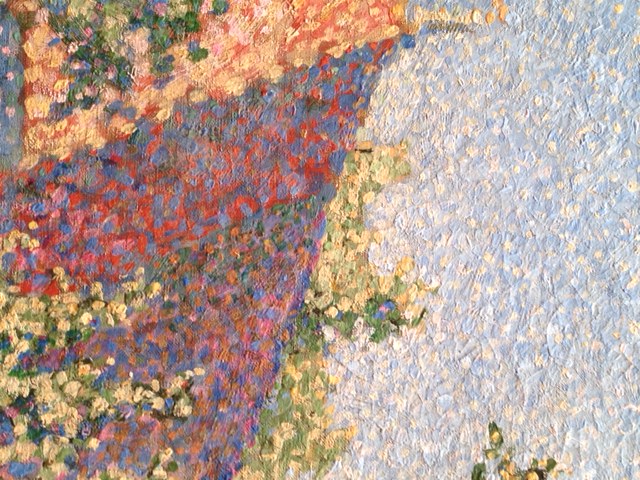
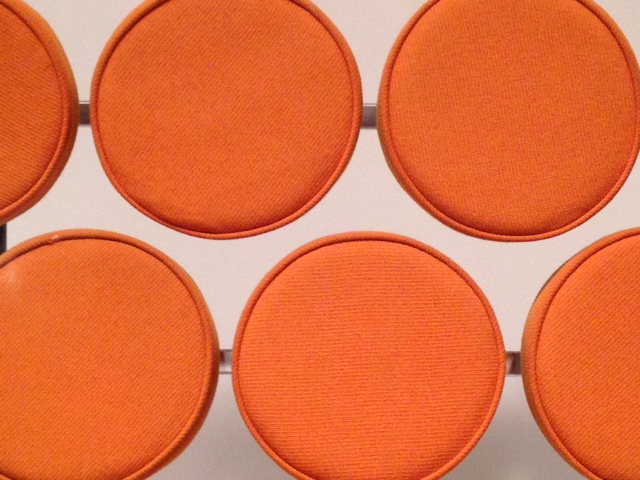
As a lover of dots (also known as spots, polka dots, specks, periods, or decimal points), I am looking forward to next week’s First Tuesday program, Dot to Dot. First Tuesday, which features programming designed for children five and under, will celebrate the beloved dot on Tuesday, March 4, with dot themed games, performances, stories, art-making, and tours.

Dot to Dot‘s programming was inspired by one of my favorite children’s books, The Dot by Peter Reynolds. In this story, a girl named Vashti struggles with drawing. Her teacher challenges her to make a single mark on her paper, unleashing Vashti’s creativity and inspiring a series of dotted artworks. At the end of the story, Vashti shares her newfound excitement for art making with a struggling peer, and the flow of creative inspiration comes full circle.

As an artist and arts educator, this book has a special place in my heart. I have experienced Vashti’s struggle and have also witnessed it in children I have worked with. The Dot’s encouragement to make that first mark of self expression, no matter how small or seemingly insignificant, has positively influenced both my own art-making and my interactions with children.

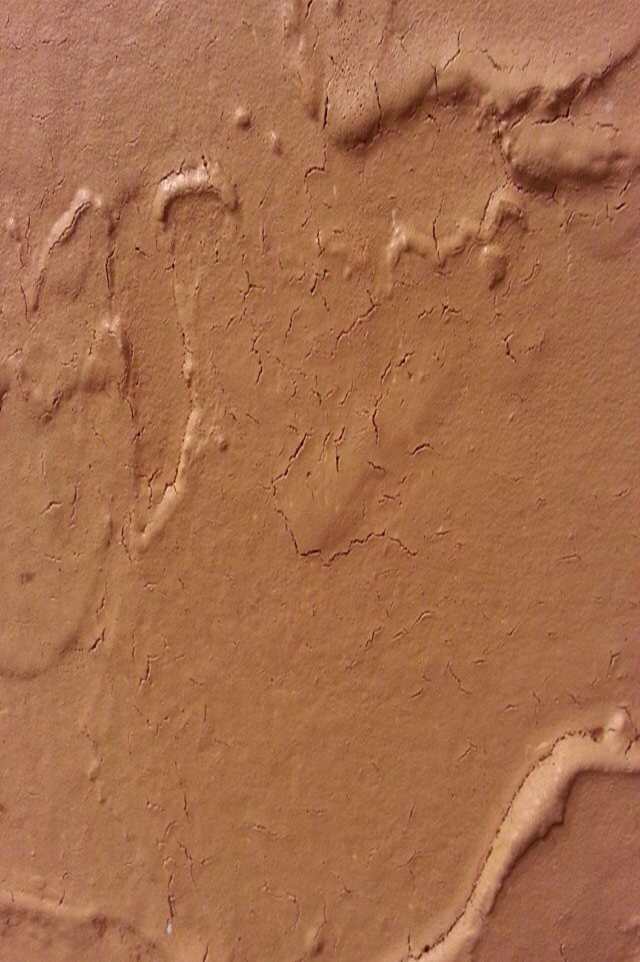
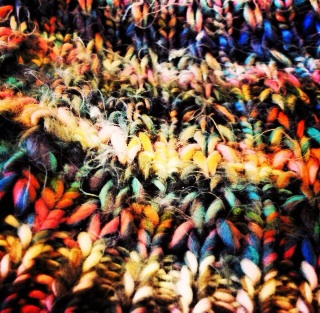
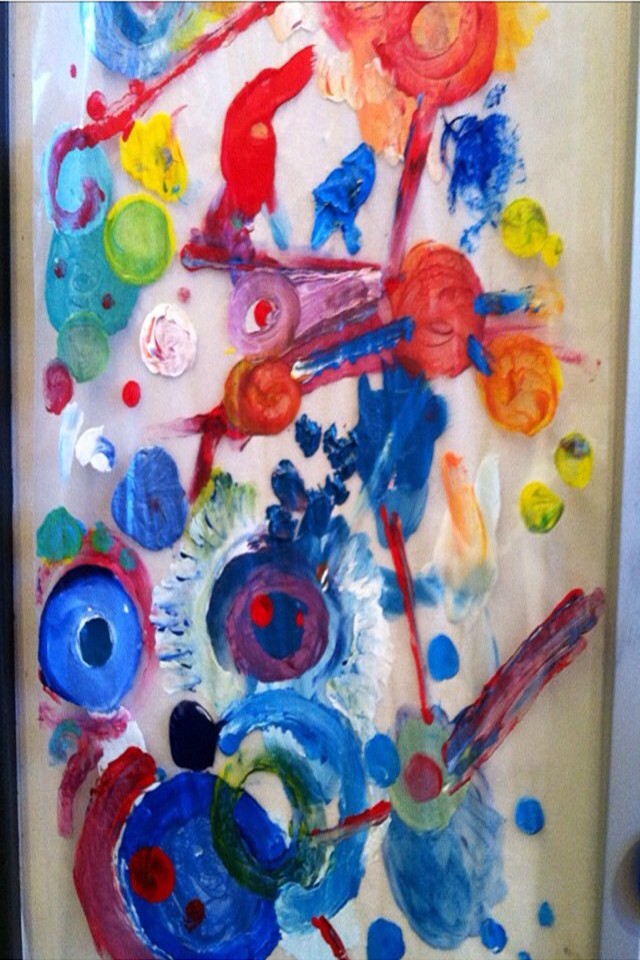
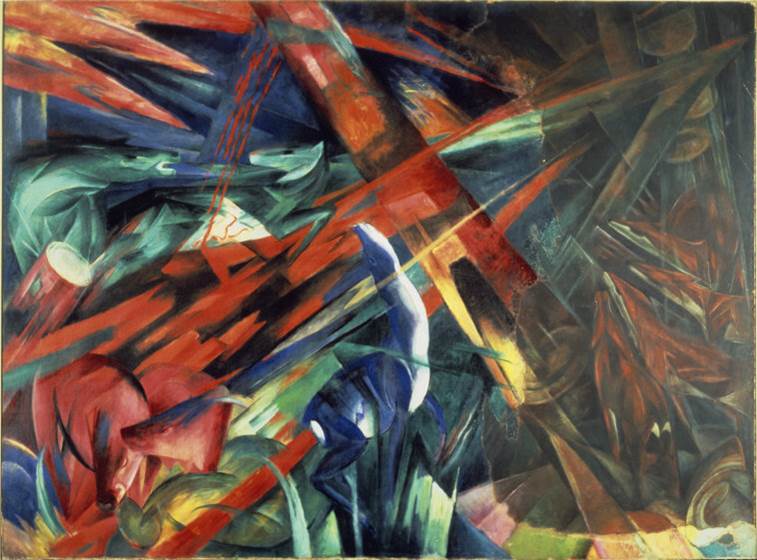
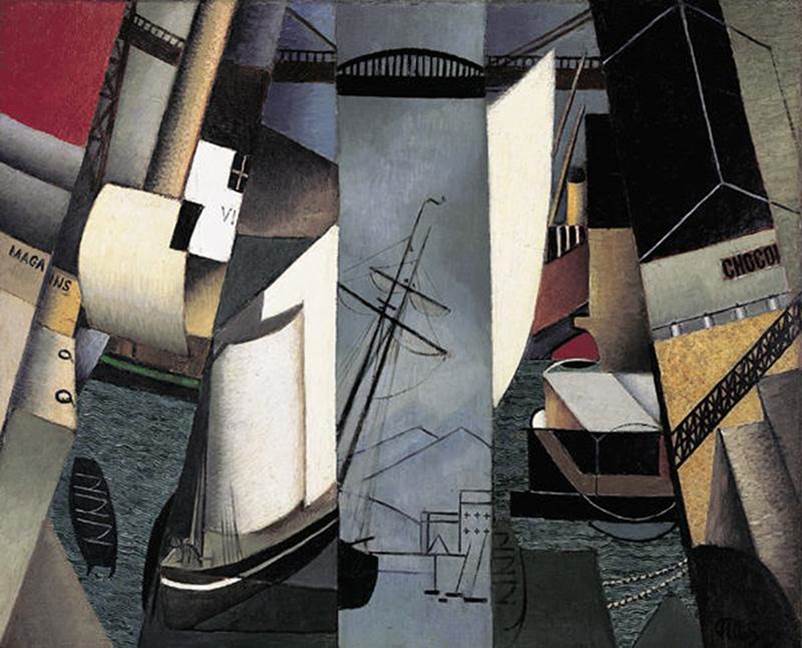
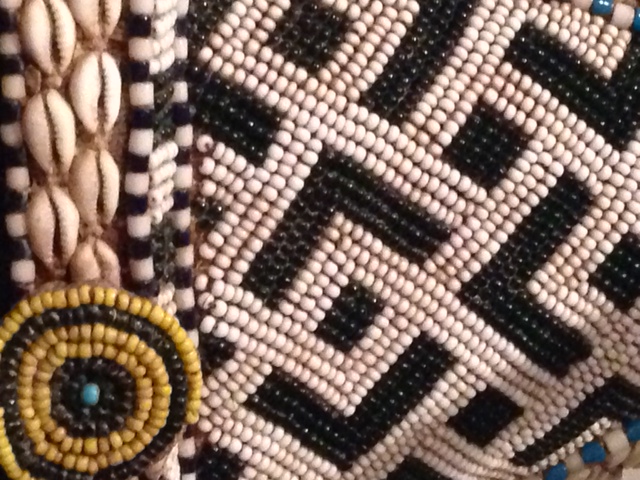
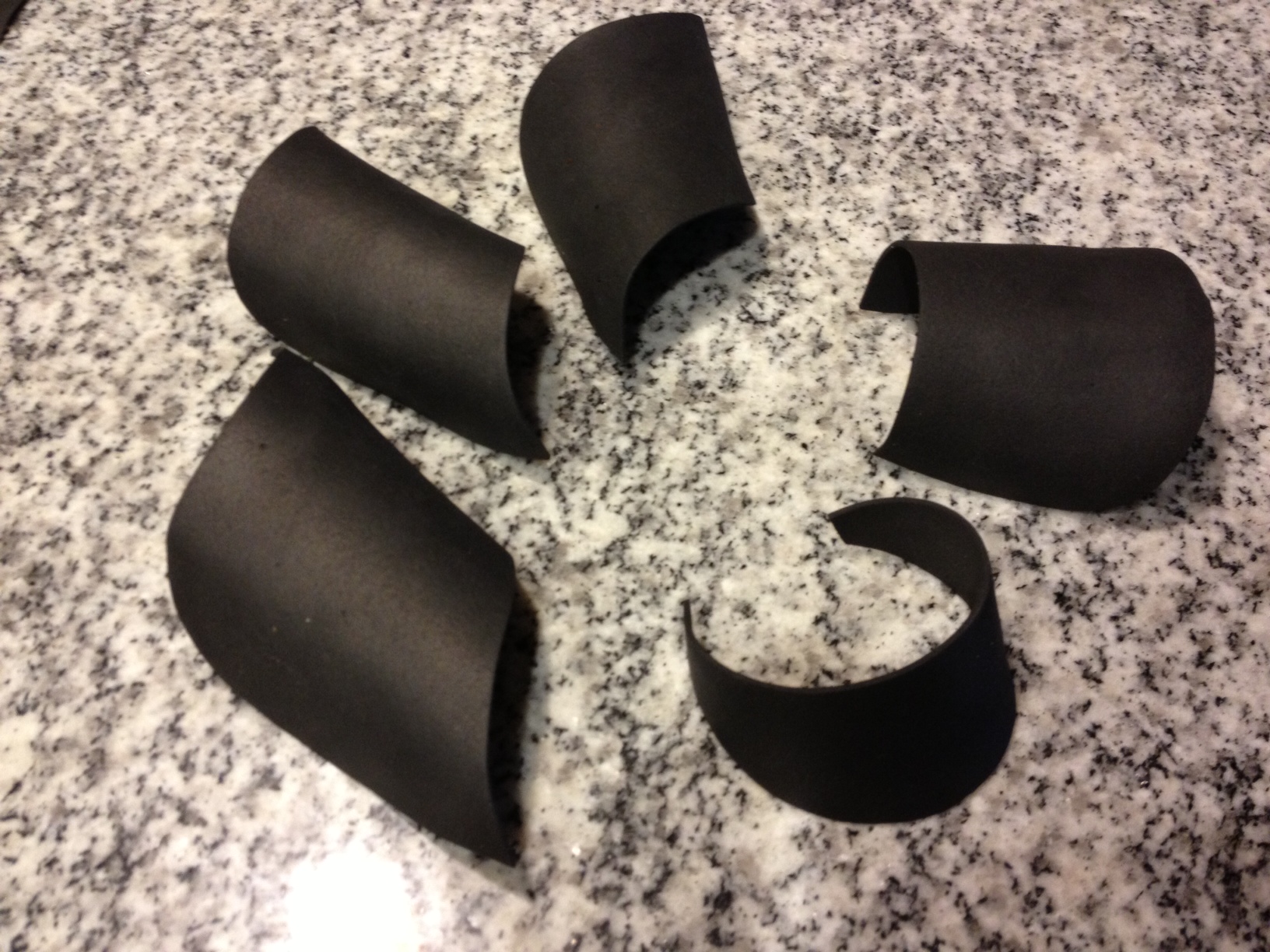
In anticipation of next week, I’ve included some close-ups of four ‘dot-tastic’ artworks found in the DMA collection. Can you connect the dots to uncover the artworks?

Amelia Wood
McDermott Intern for Family and Access Teaching

Archives

Categories