Archive for the 'Art & Teaching' Category


Summer Reading Fun at the DMA

If you have or know any school-aged children, you know that the countdown to the end of school has begun! Dreams of afternoons at the pool, summer vacations to see grandparents, and lots of watermelon and ice cream are dancing through children’s heads. For me, one of the best parts of summer was the summer reading club at the library. I loved to read anyway, but getting rewards for reading? What a brilliant idea! (I just wish there was a summer reading club for grown-ups.) If reading by the pool isn’t your thing, why not bring a book to the DMA? Families are always welcome to read together in the galleries—on a bench or even on the floor.

To give you a jump start on your summer reading list, I’ve rounded up some of my favorite books along with suggestions for the perfect reading spot in the museum.
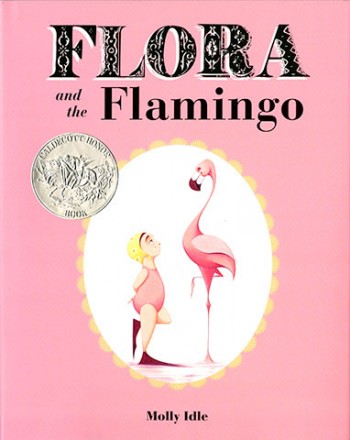
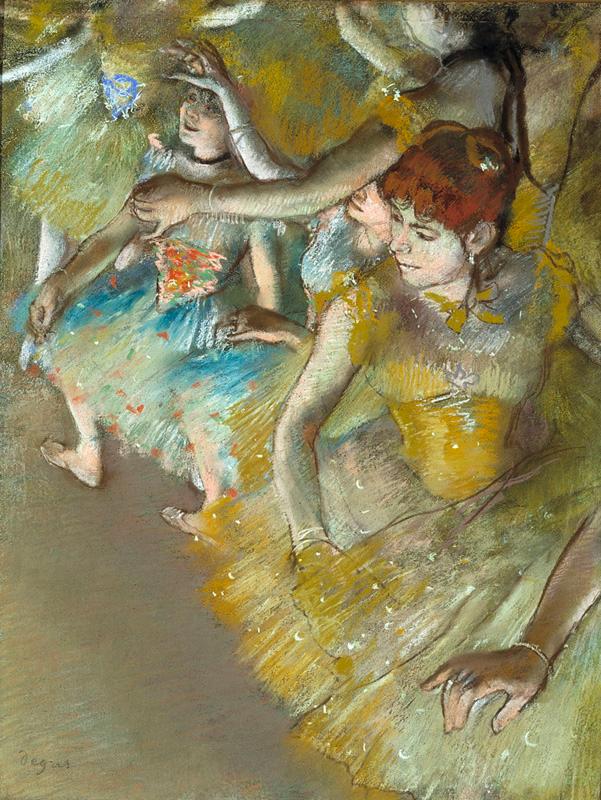
Clad in her swimsuit, cap and flippers, little Flora seems to be bursting with the need to move. Her muse? A pink flamingo who does not appreciate the little girl’s adoration! The two dance across the pages in this wordless book in a graceful ballet that reminds us that imitation really is the sincerest form of flattery and perhaps a way to begin unlikely friendships. Flora and the Flamingo by Molly Idle is the perfect book for your little dancer, and would be a great choice to tote along to the DMA when the Mind’s Eye: Masterworks on Paper from David to Cezanne exhibition opens at the end of June. Several of the museum’s pieces by Degas will be on display, including these lovely dancers.
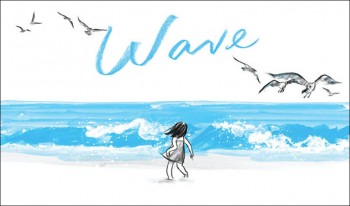
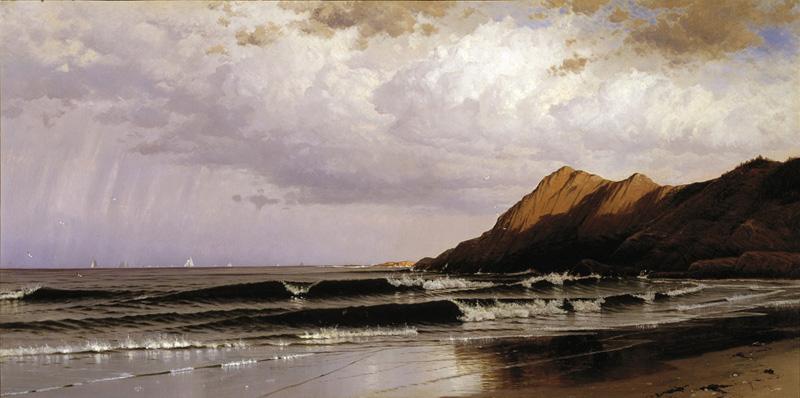
The push and pull of waves on the beach is irresistible at any age. In Wave by Suzy Lee, a little girl timidly approaches the edge of the water, then slowly gets wetter and wetter as she becomes more sure of herself. The wave takes on its own personality as it interacts with its little companion, and in a splash of watercolor resembling a Pollock painting, the two become the best of friends. Several views of the ocean are on display in the American galleries on Level 4. Perhaps the waves in Alfred Thompson Bricher’s Time and Tide can become your friends too!
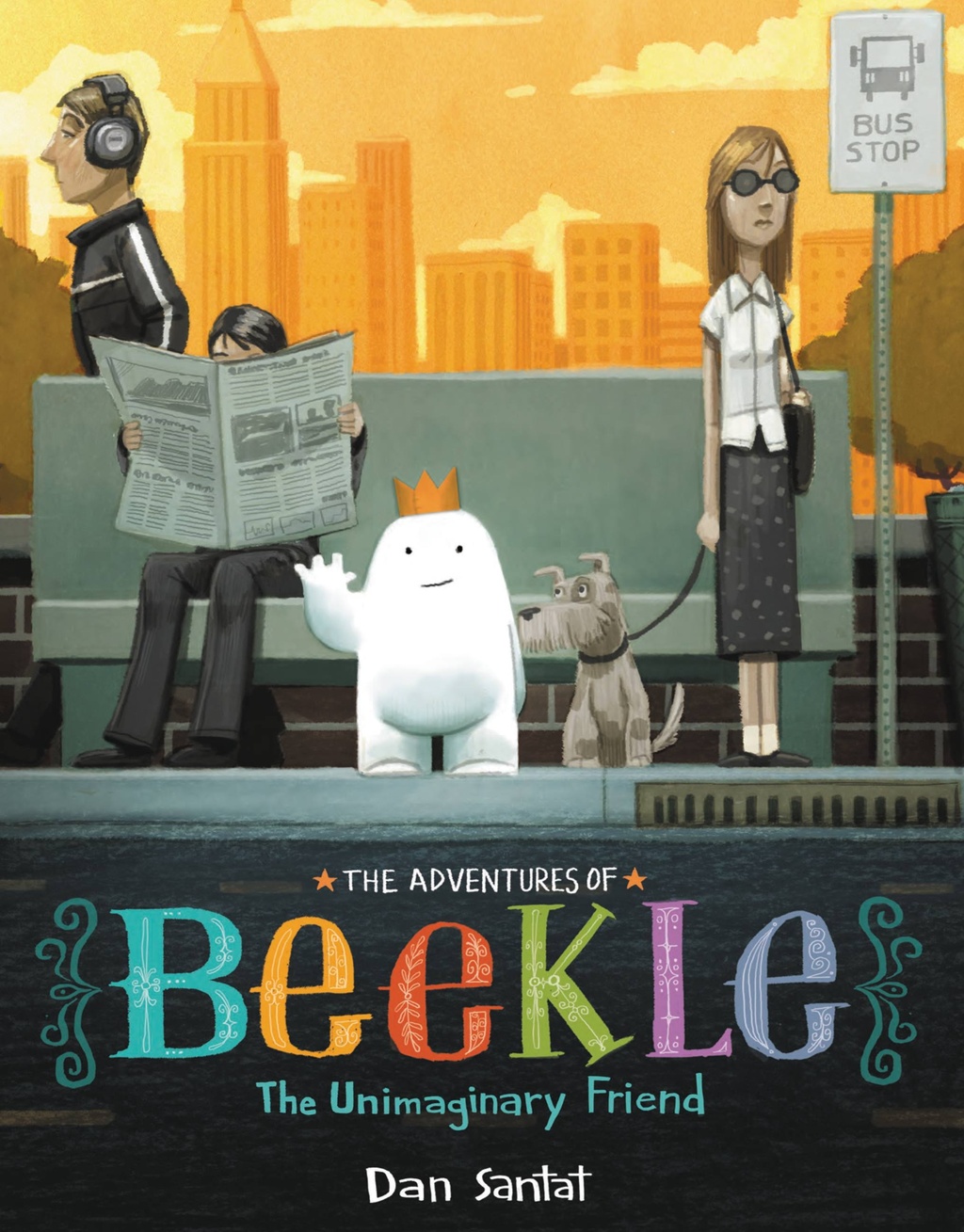
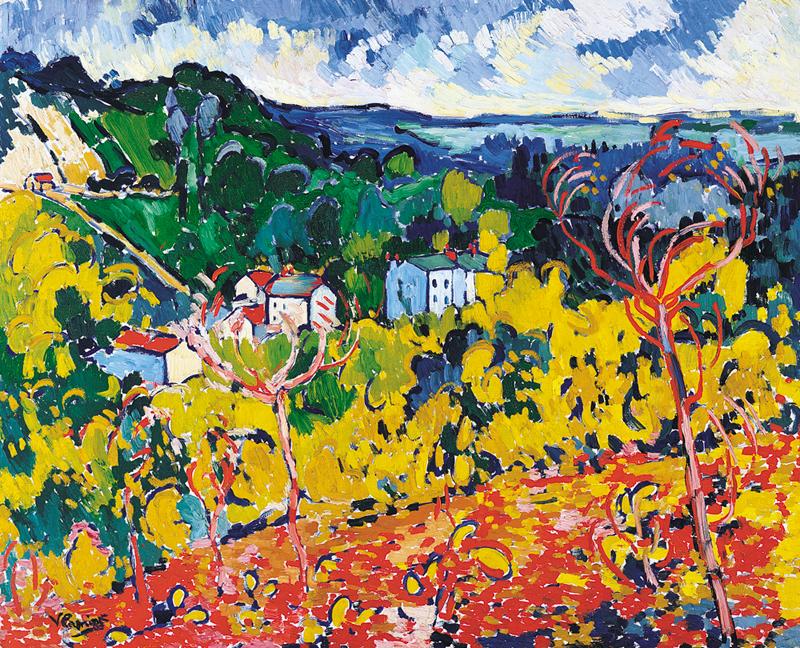
Have you ever wondered where imaginary friends live before they join your family? In Dan Santat’s charming book The Adventures of Beekle: The Unimaginary Friend, we discover the answer to this mystery. A little marshmallow-like creature patiently waits on an island far away for a child to imagine him into the world. But when no one chooses him, he bravely ventures forth on an adventure to find his person himself. Across the vast ocean, through crowded city streets, and finally perched high in a tree’s branches, our hero discovers a perfect friend waiting for him and learns that she has been thinking of him all along. Santat turns the idea of an imaginary friend on its head, and his color-saturated illustrations will make you wish you could have Beekle as your own unimaginary friend. Bring Beekle along for a visit to the Reves collection on Level 3 and search for Maurice de Vlaminck’s Bougival. The vibrant colors of this painting remind me of Beekle’s birthplace, and I can imagine him and his new friend tramping through these woods!
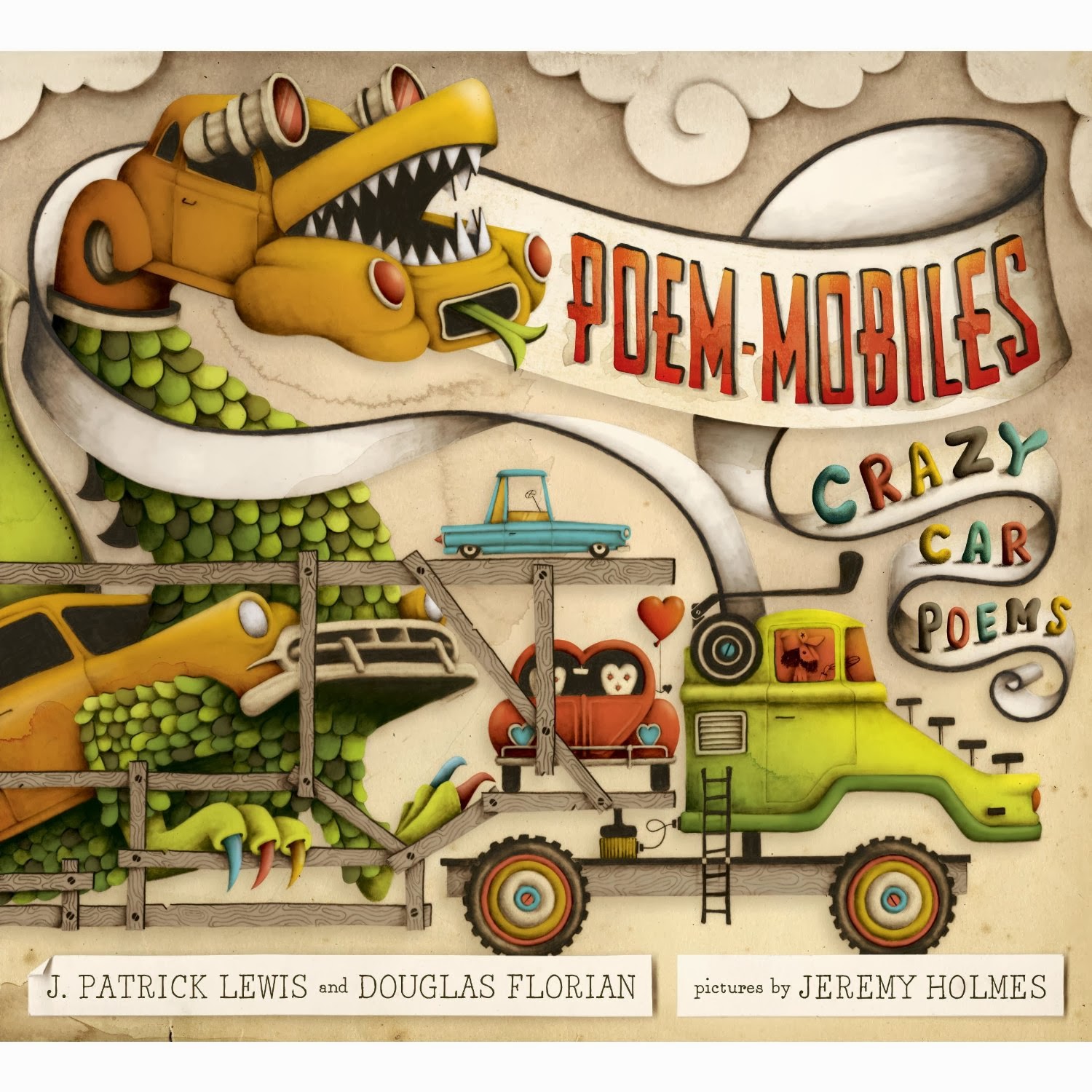
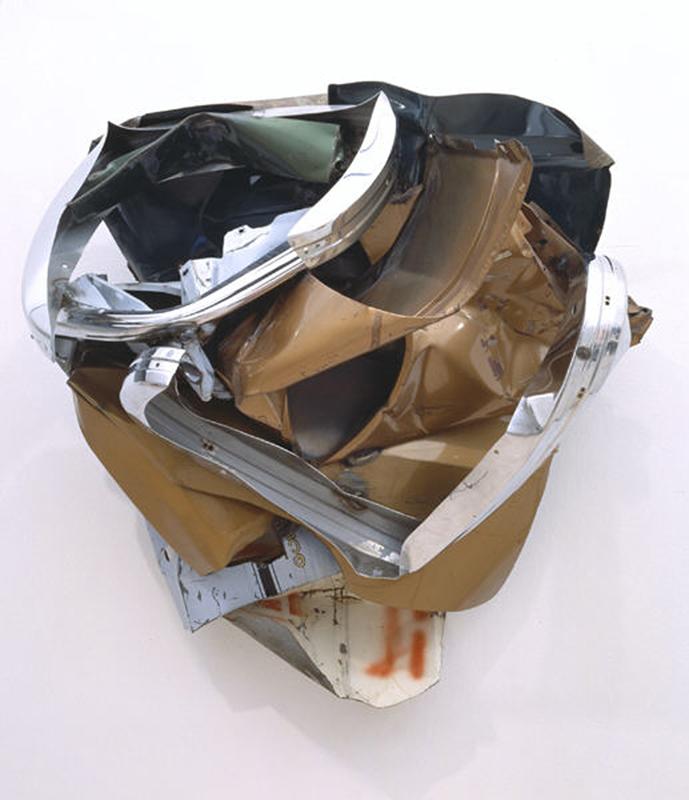
Beep, beep! Look out—fun is on the way! If your child loves everything that goes, Poem-mobiles: Crazy Car Poems by J. Patrick Lewis & Douglas Florian should be tops on your list. Douglas Florian has written some of my favorite poetry collections for children, and for this high speed volume, he’s teamed up with U.S. Children’s Poet Laureate J. Patrick Lewis. As soon as you open up to the first page, you know you are in for a wild ride. The table of contents looks like a bunch of blueprints, and the list of vehicles is sure to get some giggles. From “The Dragonwagon” to the “Eel-ectric Car,” these crazy car poems will ride their way right into your imagination. The rhythm and flow of the language is just right for kids, and Jeremy Holmes’ illustrations are so involved, you’ll get lost in the pictures. Tow this book straight to the Hoffman galleries later this month and find John Chamberlain’s Dancing Duke. Chamberlain uses car parts and materials found in junkyards to create his fantastical sculptures.

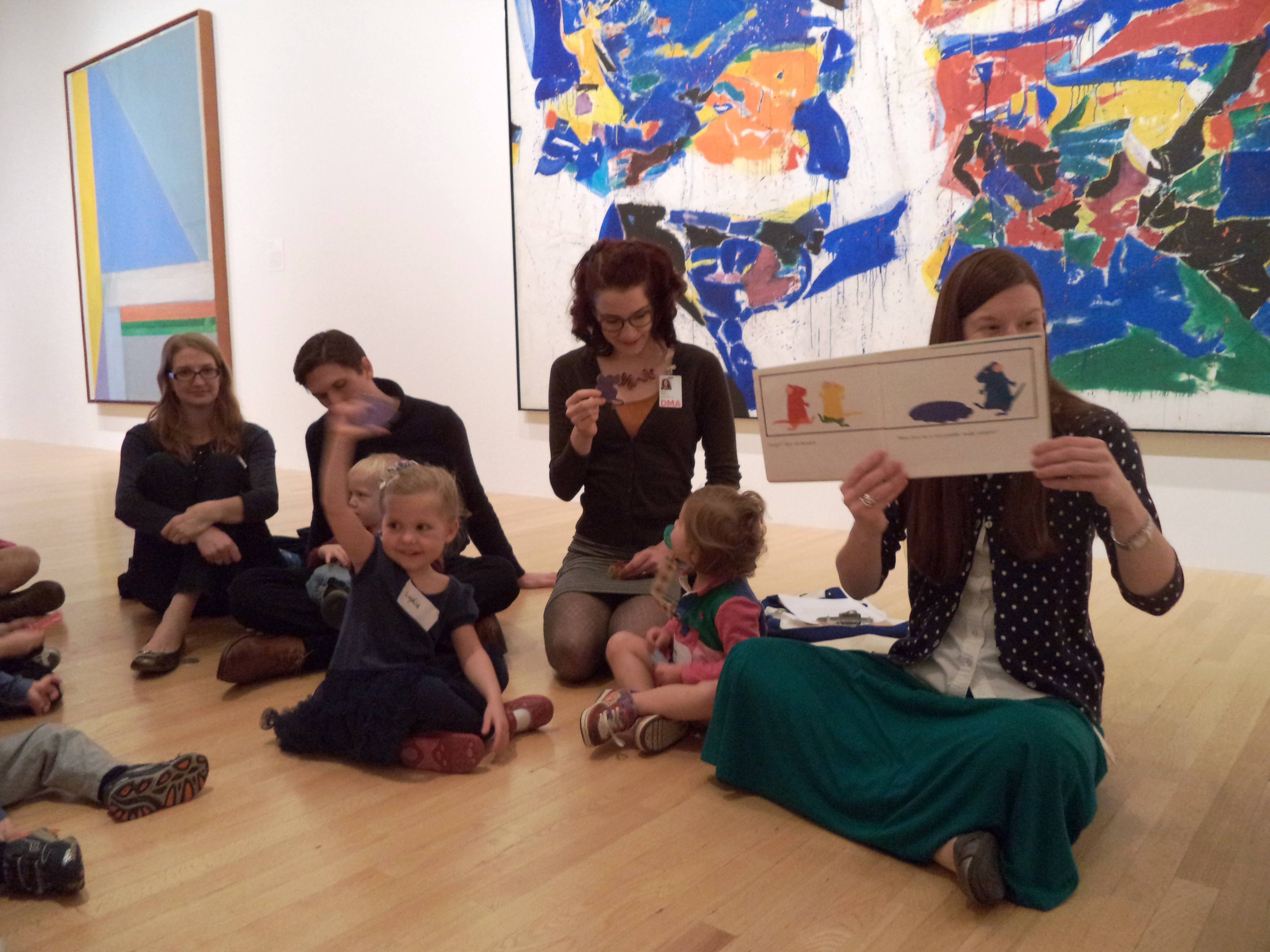
If you can’t get enough of stories in the galleries, join us for story time this summer! Each Tuesday in June and July at 1:00 p.m. Education staff will lead story time, DMA-style. We’ll read stories, look at art in the galleries, and do hands-on activities. Story time is free and open to all ages.

Artworks shown:

  • Edgar Degas, Ballet Dancers on the Stage, 1883, Dallas Museum of Art, gift of Mr. and Mrs. Franklin B. Bartholow
  • Alfred Thompson Bricher, Time and Tide, c. 1873, Dallas Museum of Art, Foundation for the Arts Collection, gift of Mr. and Mrs. Frederick Mayer
  • Maurice de Vlaminck, Bougival, c. 1905, Dallas Museum of Art, The Wendy and Emery Reves Collection
  • John Chamberlain, Dancing Duke, 1974, Dallas Museum of Art, gift of Dr. and Mrs. Harold J. Joseph in honor of Mr. and Mrs. Max Walen

Leah Hanson
Manager of Early Learning

Which DMA Summer Volunteer Are You?

Summer is almost here, and that means it’s time to recruit some new volunteers to make possible our summer programs both at the Museum and out in the Dallas community. This summer, we’re looking for Go van Gogh Summer Outreach volunteers, who will spend summer months teaching art programs to young children at libraries and recreation centers across Dallas; and Center for Creative Connections volunteers, who will spend summer months (and beyond!) leading experiences and working with visitors of all ages in the Museum’s galleries and art studio.

With our volunteer application deadline only days away, we’ve created a quick cheat sheet that will help you decide which DMA Summer Volunteer you are!

You might be the perfect Go van Gogh Summer Outreach volunteer, if:

  • You’re a kid at heart and enjoy working with children
  • You love the variety of traveling to different places and have transportation to get you where you need to go
  • You’d describe yourself as a natural teacher and art enthusiast
  • You’re available some mornings or early afternoons during weekdays
  • You can attend mandatory training sessions at the Museum on Friday, May 30th and Friday, June 6th from 10:00am-12:30pm

You might be the perfect Center for Creative Connections volunteer, if:

  • You’ve never met a person you couldn’t talk to, and enjoy meeting and getting to know people of all ages
  • You love spending time around artworks in the Museum’s galleries
  • You’d describe yourself as a natural conversation starter and art enthusiast
  • You’re available for three or four hour daytime shifts on weekdays and weekends and/or three hour shifts select Thursday and Friday evenings
  • You can attend a mandatory training session at the Museum on Saturday, May 17th from 9:30am-12:30pm

If either of these descriptions sound just like you, we hope you’ll fill out a volunteer application and join us for a summer of art-filled fun! To learn more about your perfect DMA summer volunteer opportunity and our volunteer application process, visit the Volunteer section of our website. Applications are due this Friday, May 9th.

Amy Copeland
Manager of Go van Gogh and Community Teaching Programs

Melissa Gonzales
C3 Gallery Manager

Friday Photos: Food, Glorious Food!

As someone who spends a lot of time thinking about food, I’m a sucker for a still life with anything edible, especially if trompe l’oeil is involved. Walking through the galleries recently, I was excited to discover that two of my favorite DMA still-life paintings are currently on view: Still Life with Landscape and Munich Still Life. Still Life with Landscape has always been a favorite tour stop–kids love talking about food as much as I do, so it’s a fun, if hunger-inducing, way to kick off a Museum visit.

Recently, I’ve taken my passion for food beyond conversations in the galleries. I’ve begun an adventure in gardening at the Lake Highlands Community Garden, to try and grow just a little of the produce I eat. Now that the temperatures are warming up and transplants have had time to grow, the plots are full of spring vegetables—some of which will be ready for harvest this weekend! Below are pictures of the Lake Highlands Community Garden, its Butterfly and Donation Gardens, and a few vegetables that I hope will someday soon make a tasty, still-life worthy snack!


Amy Copeland
Manager of Go van Gogh and Community Teaching Programs

Go Mean Green!

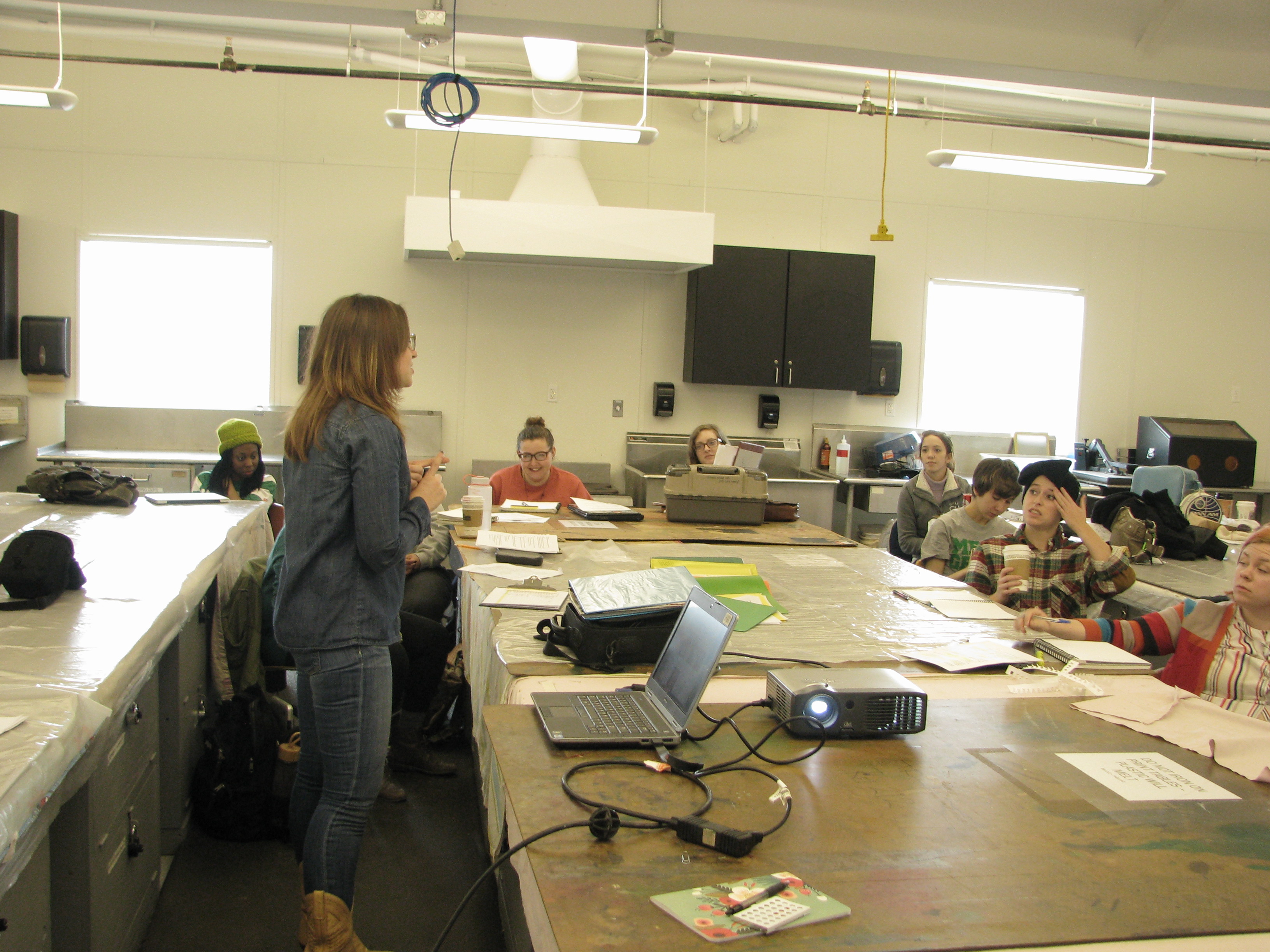
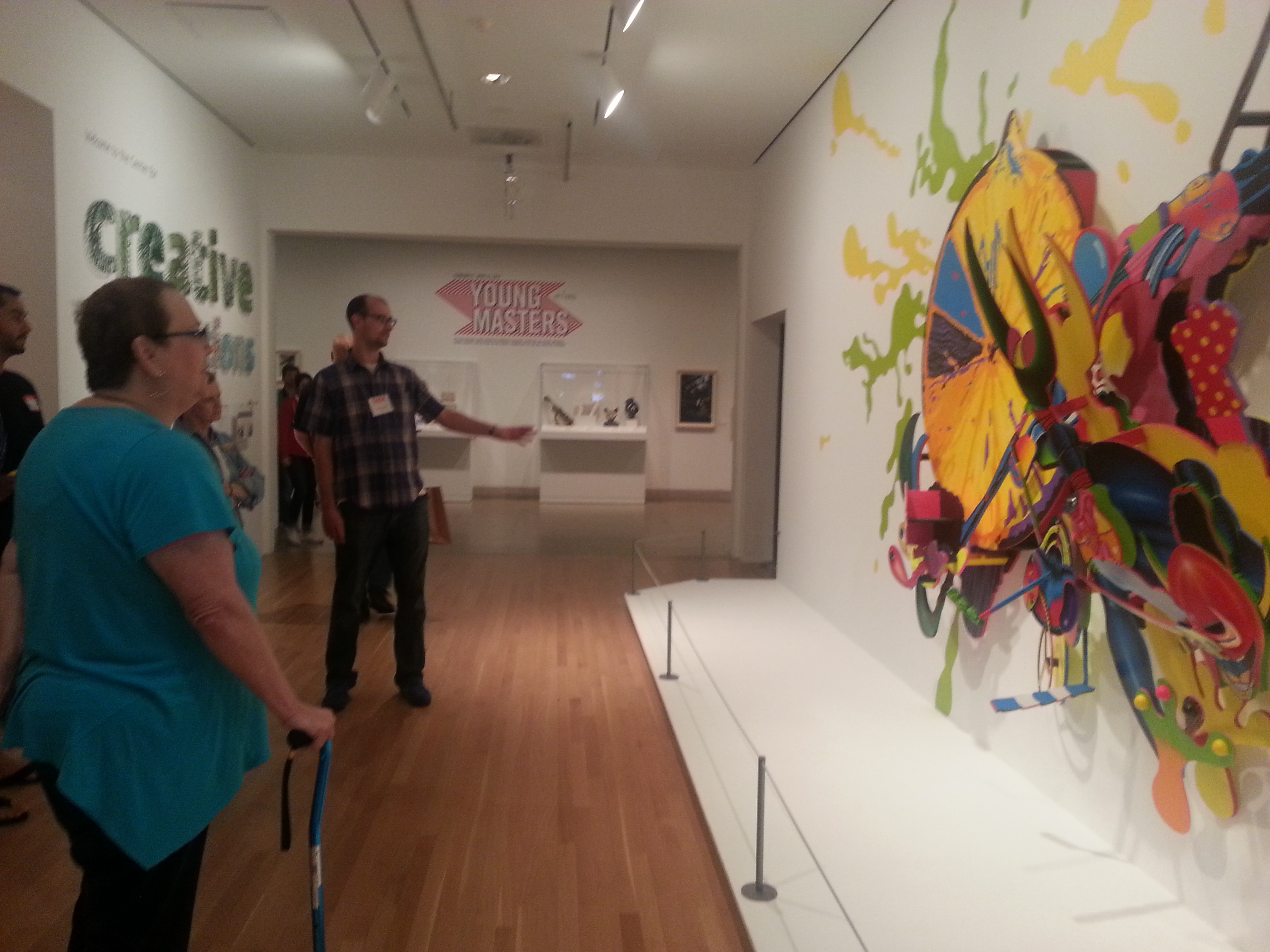
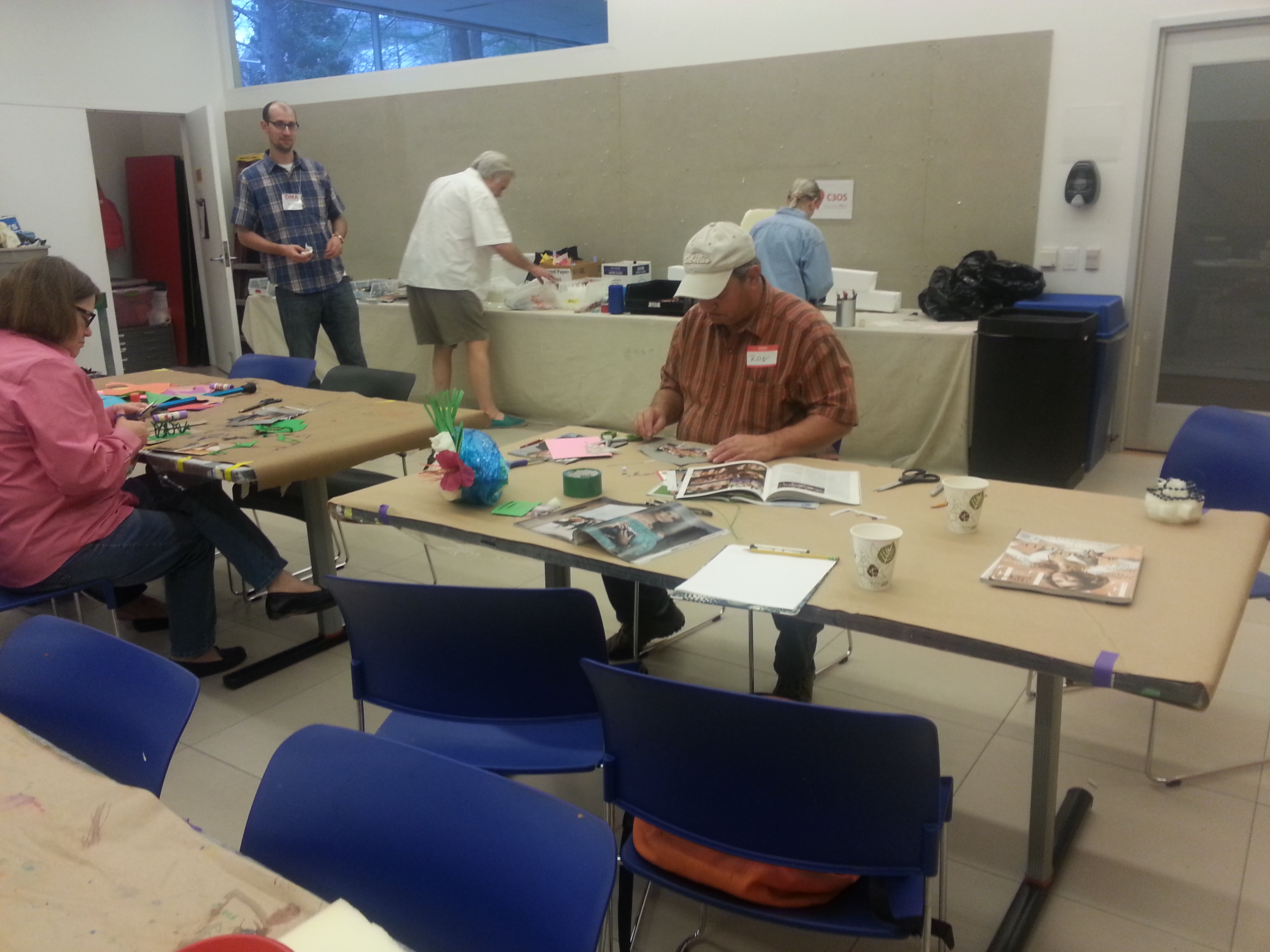
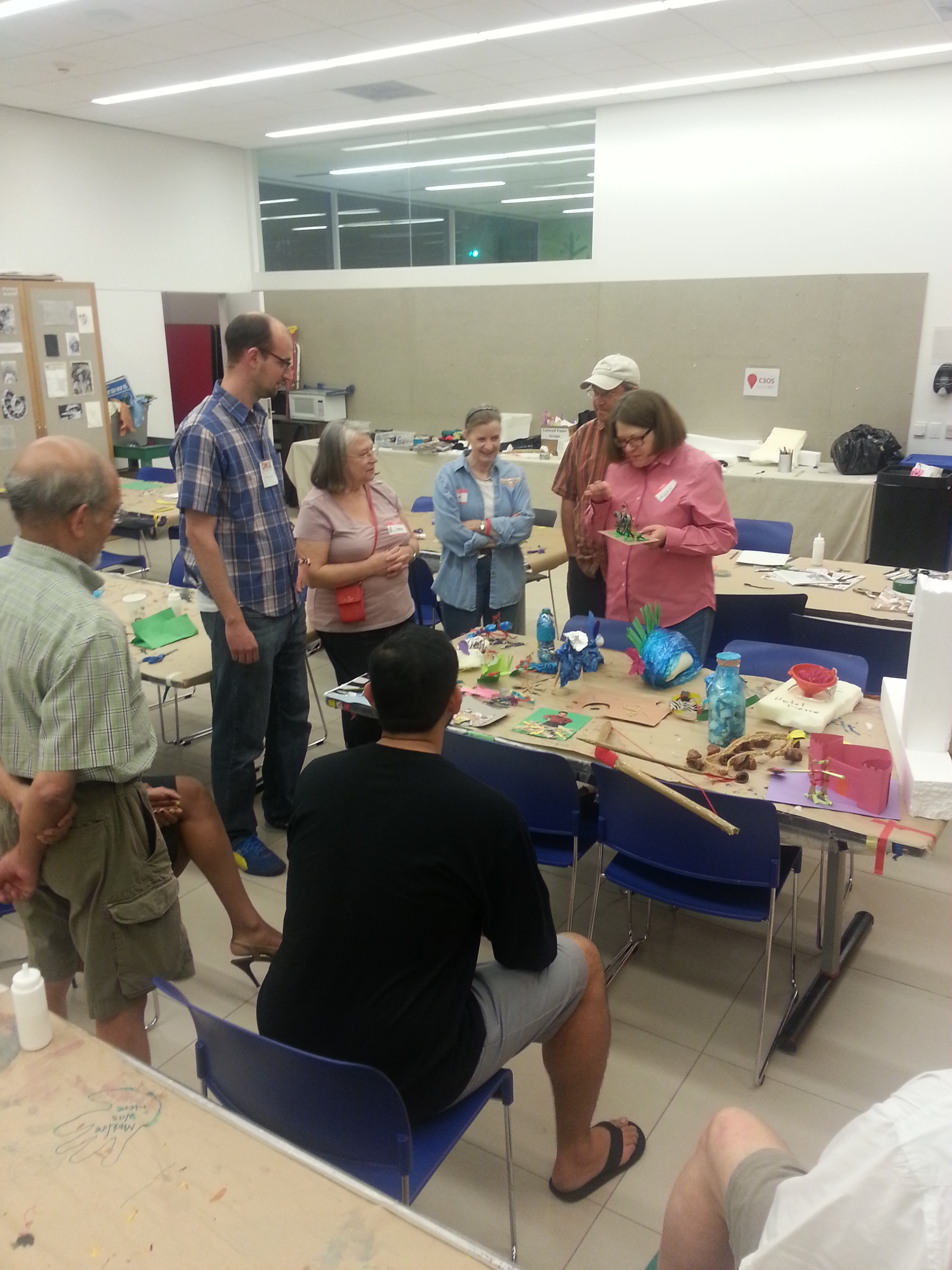
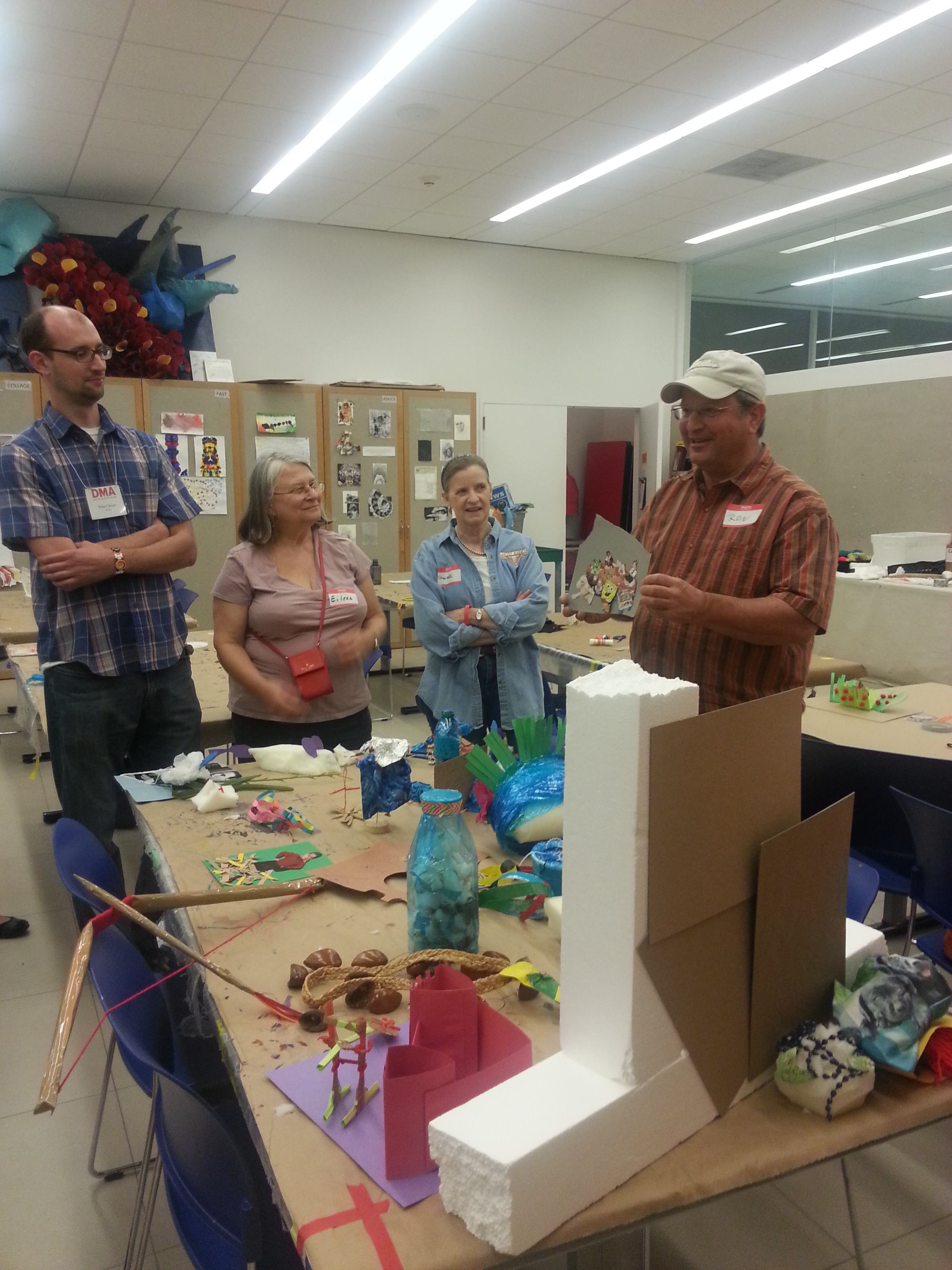
Since January, I have had the privilege of working alongside a dear friend and professor Lesli Robertson at the University of North Texas leading a project for her Topics in Fibers course for undergraduate studio majors. The idea for the project arose from a conversation between the two of us about the importance of artists being able to teach others about their creative process. At the Museum, my primary responsibility is to teach adults and to bring in local artists to educate through hands-on workshops in our studio. I am often interviewing artists and trying to find the perfect artist-teachers for my visitors. My background in K-12 art education has helped inform my current teaching practice and we thought it would be helpful to teach these young, up-and-coming artists the value of quality educational art experiences.Throughout the course of a few months, I was able to speak to the students, talk about my educational philosophy and give them some hands-on teaching practice.

As part of the project, the students were assigned the task of designing a workshop for a class of twenty adults. They had to visit the DMA and find works of art from our collection that would be the basis for the hands-on art workshop and design a presentation to pitch. Of the 17 presentations given, we selected a winner based on the following criteria: the student with the most unique idea who modeled how they would scaffold the learning and proved to be someone who would provide my adults with a quality experience! Our selected artist was recently given the opportunity to lead his workshop in C3.

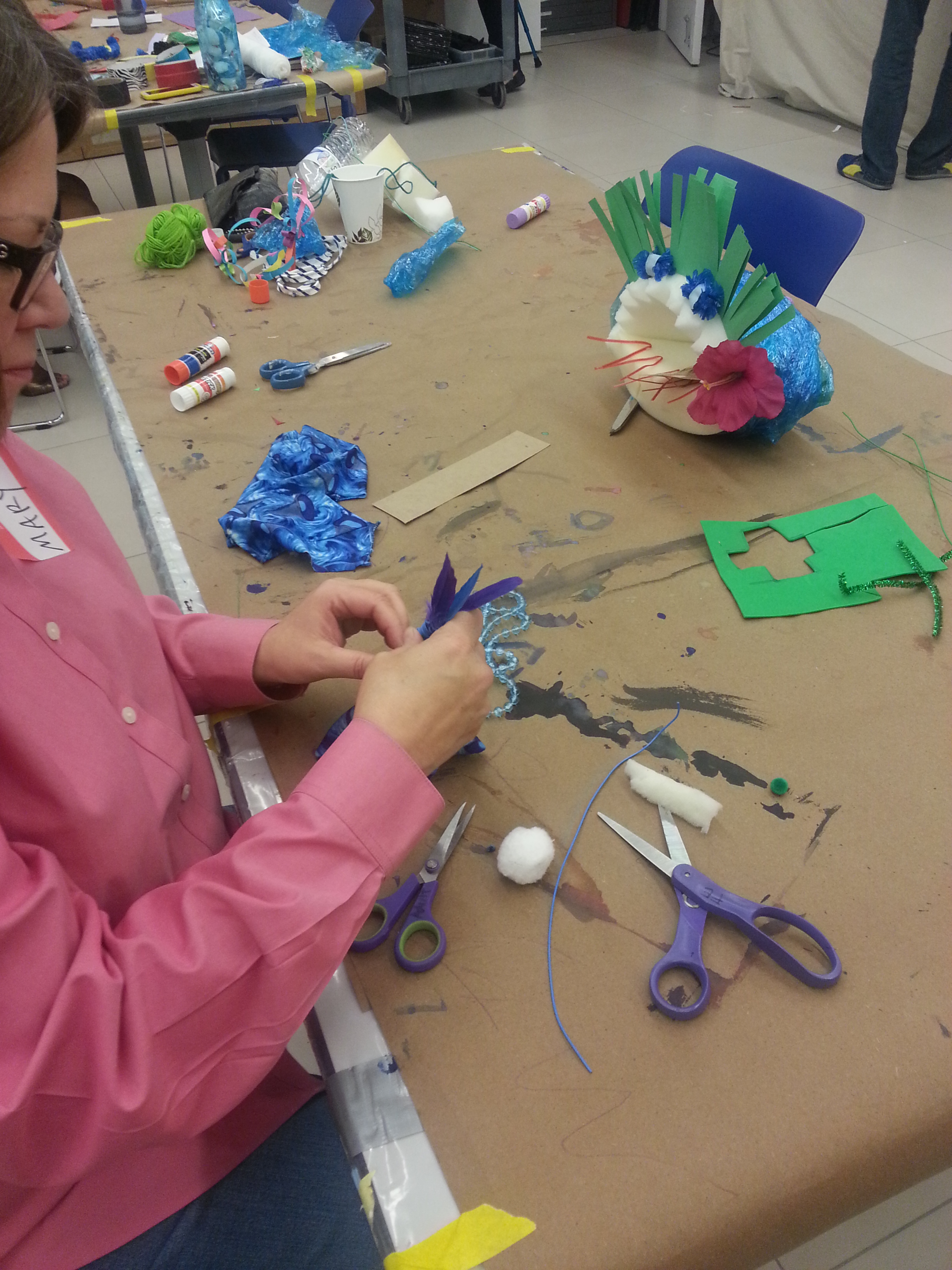
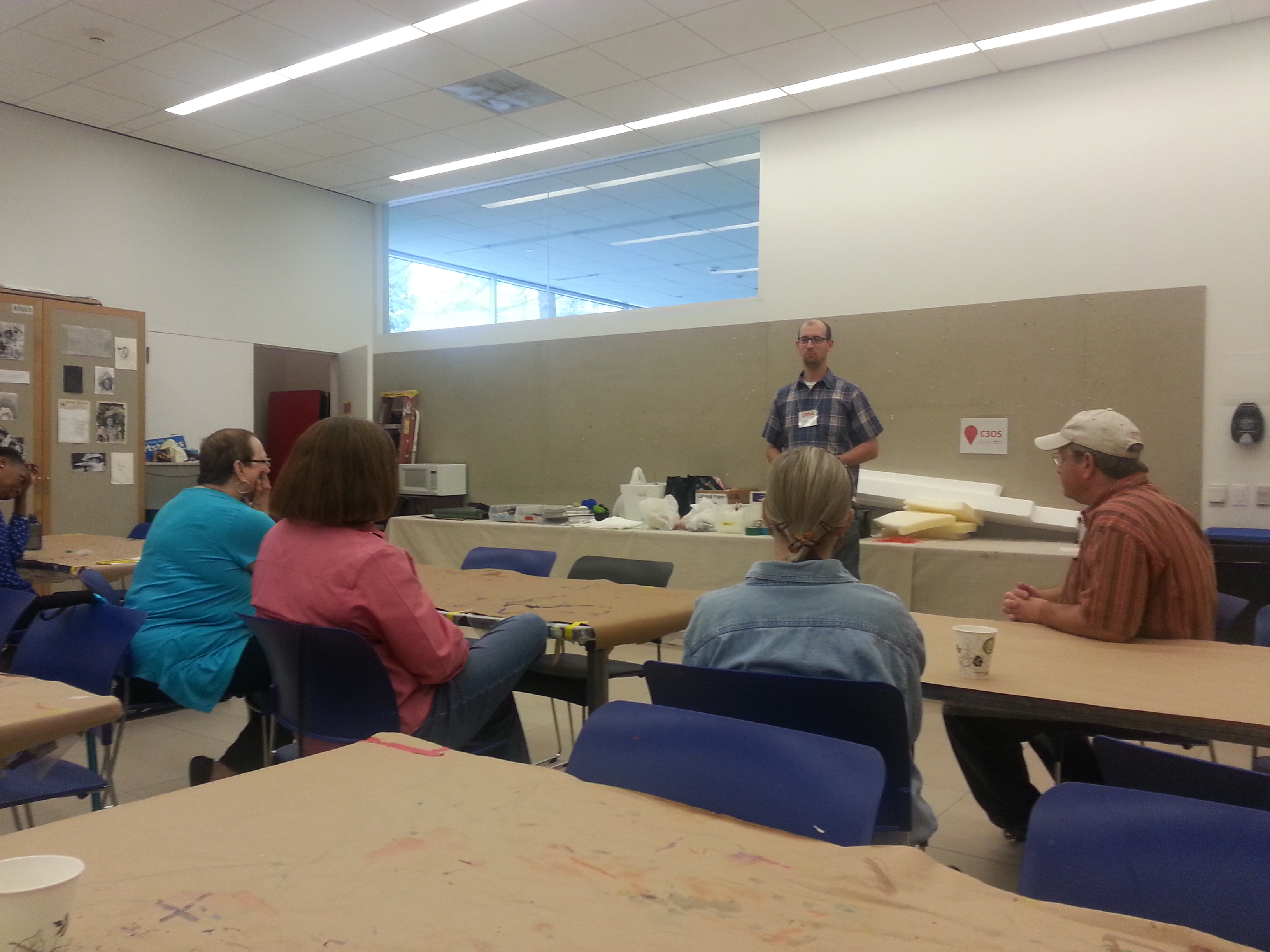
Check out images from his workshop called Memory Cocktail, inspired by the work of John Hernandez. We also selected three additional students to lead workshops in the coming months. We would love for you to join us on May 29th with student Sarah Poppelwell, June 15th with Kat Burkett and the Urban Armor teen program with Felicia Fischer on Sunday, July 13th.

It was amazing hosting a competition for students to translate their work as artists into innovative ways to share their approach with the community. For more information about adult programs in C3 Click Here!

Amanda Batson
C3 Program Coordinator

Family Ties

2013 12-3 152

The Costantino Family

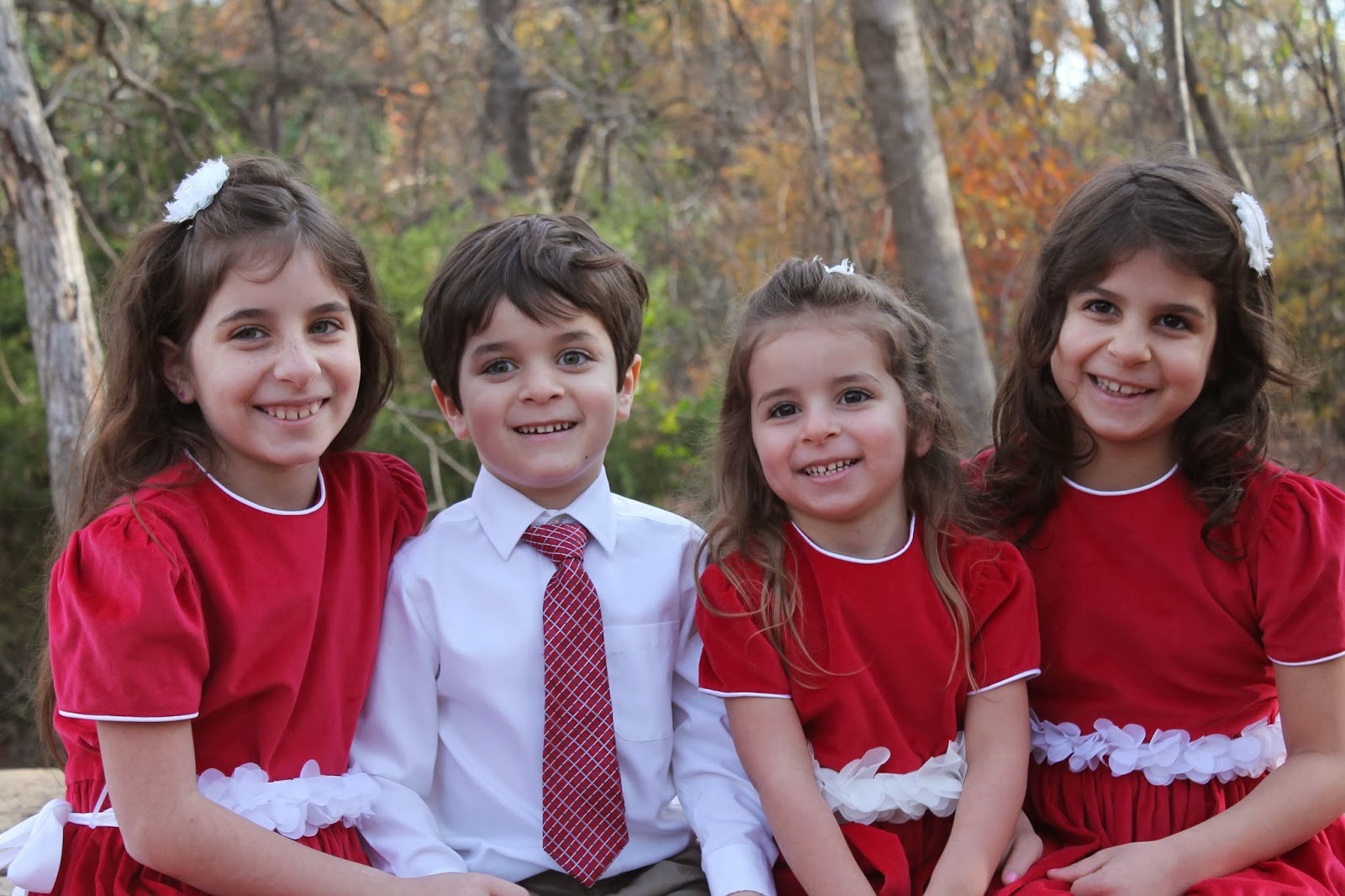
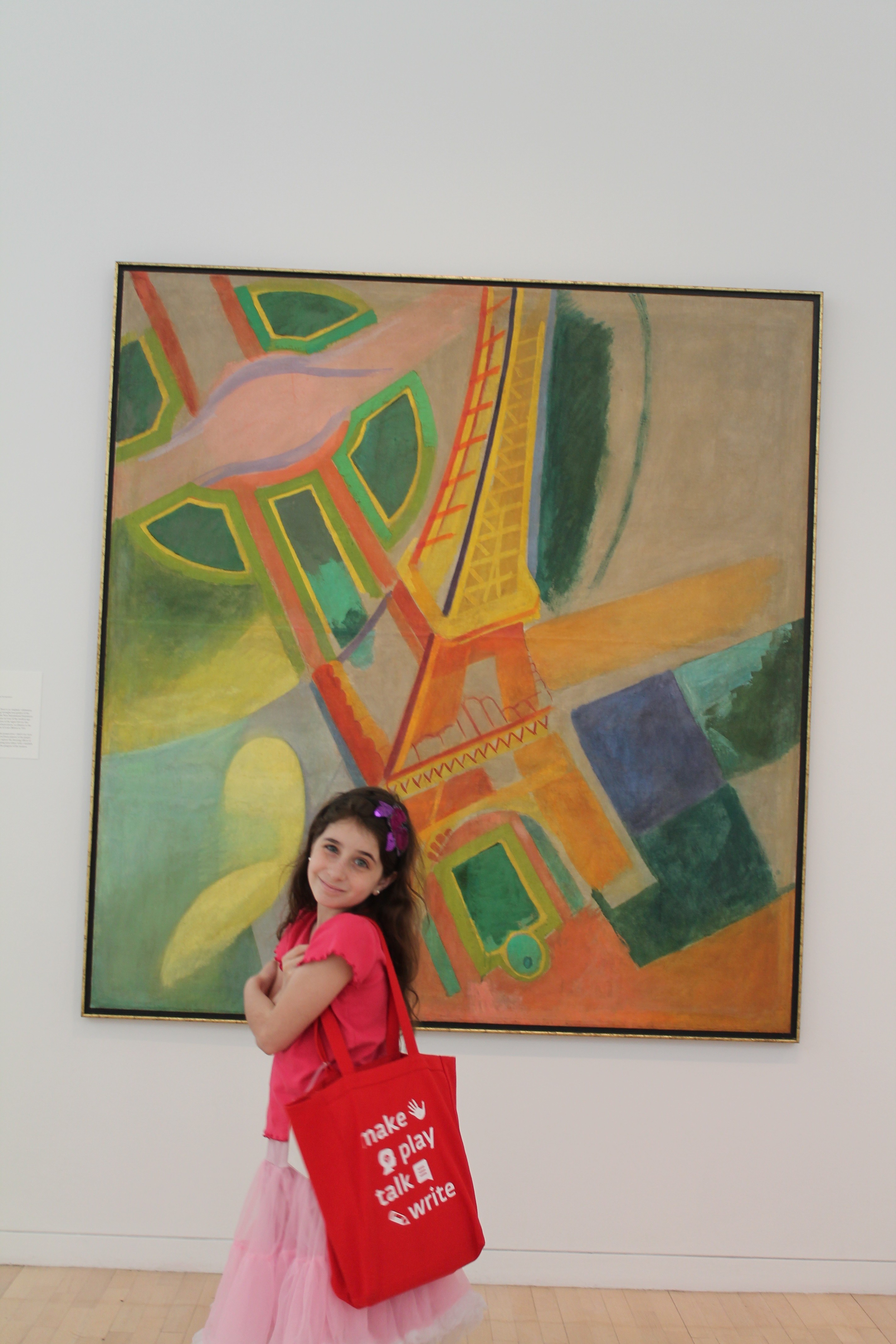
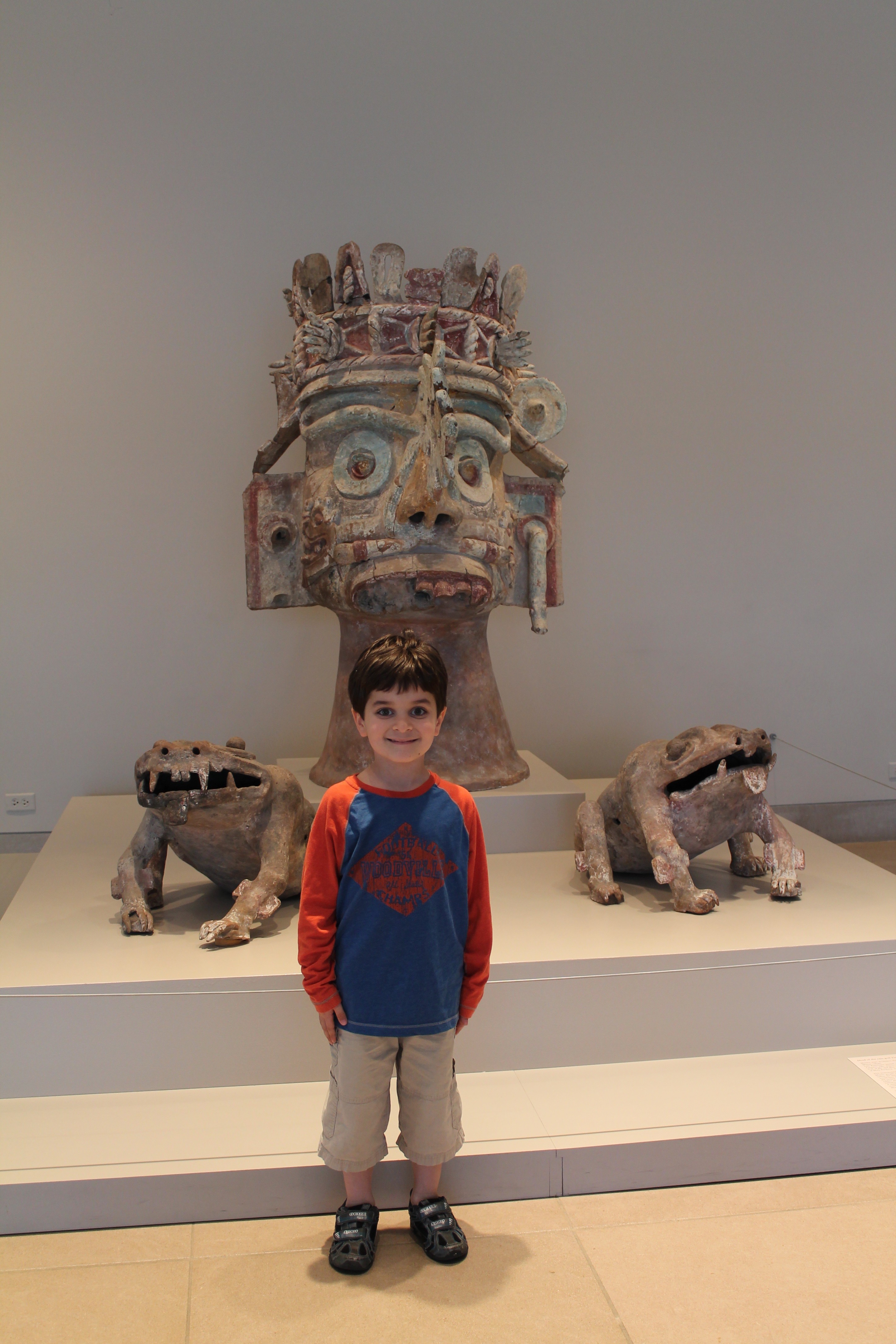
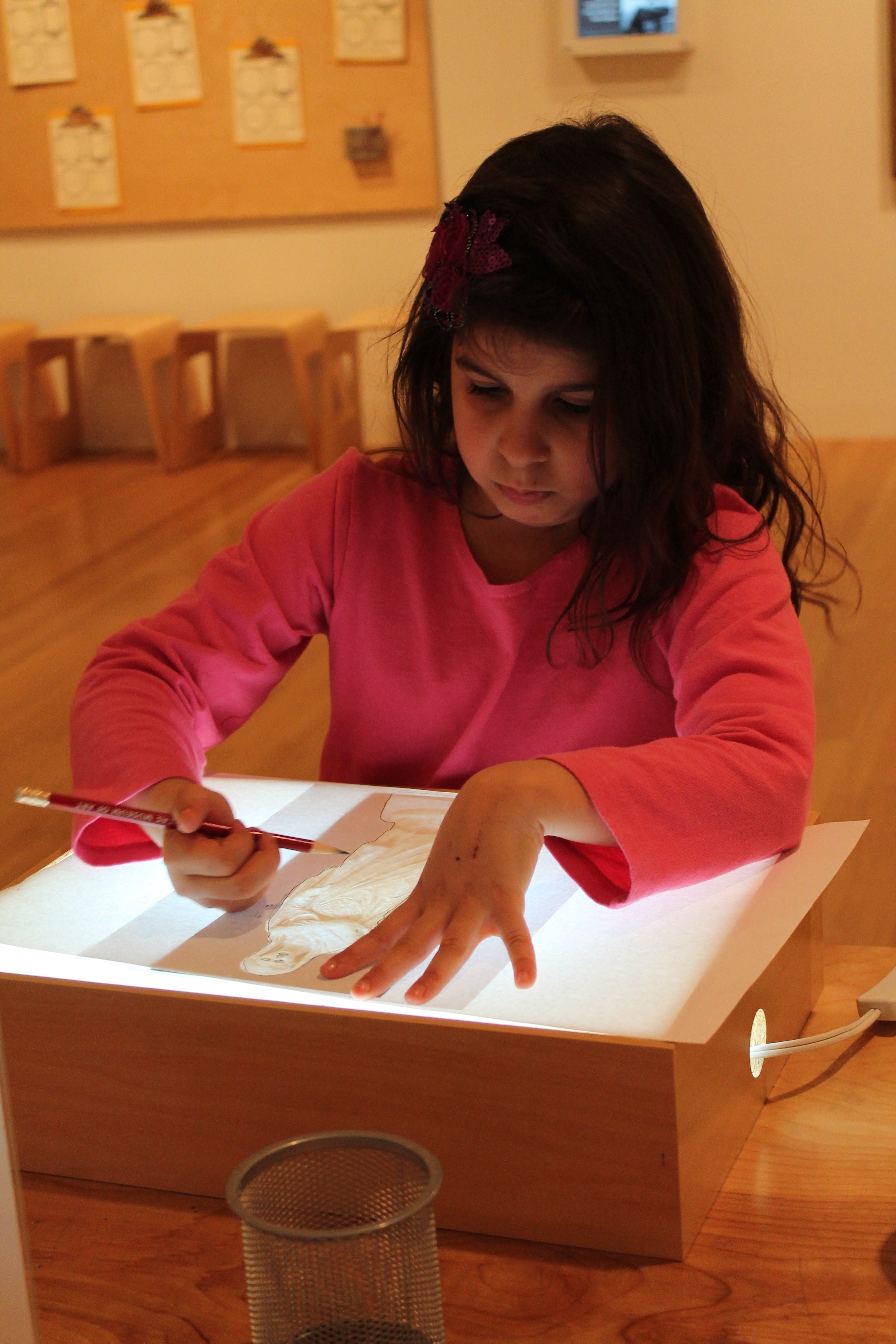
The Costantino family has been coming to the DMA for years, and we’ve had the pleasure of watching the children grow up with art as a regular part of their childhood. Mom Rose is a homeschooling extraordinaire with a background in play therapy who brings her children to the Museum at least twice a month. When the Family Programs team decided to experiment with the idea of kids creating activities for kids, we knew just who to turn to! The Costantino kids (above, ages 10, 6, 3 and 8), stepped into the role quite easily and helped us create a brand new Art to Go family tote that will soon be available for all visitors to check out and use in the galleries while at the DMA. Here’s a peek into life with these fantastic kids from their mom, Rose.

What was your first visit to the DMA with your children like?

The first time I took all four kids to the Museum, I was overwhelmed. I was worried that they would touch something they shouldn’t or act completely crazy. We stayed too long that first time. It felt like such a victory to even get there in one piece, that I wanted them to see everything.

What actually happened was the Museum guards were very nice and helpful. The kids loved all the different things to see. Then once we found Arturo’s Nest, we were hooked. The Nest is a super fun play room. It is a great way to end the day.

Littlest

Now that you’ve been coming regularly to the Museum for years, what has changed about the way you visit with your children?

We talk about what we are going to see before we get there. I try and weigh everyone’s opinion. We all enjoy seeing a new exhibit. We might take 10 minutes to walk through–the kids are eager to see what’s around the corner, so we walk through quickly. The next visit we might go back to the same exhibit to look at just one piece. Not trying to see it all in one visit is the best way we have changed our visits.

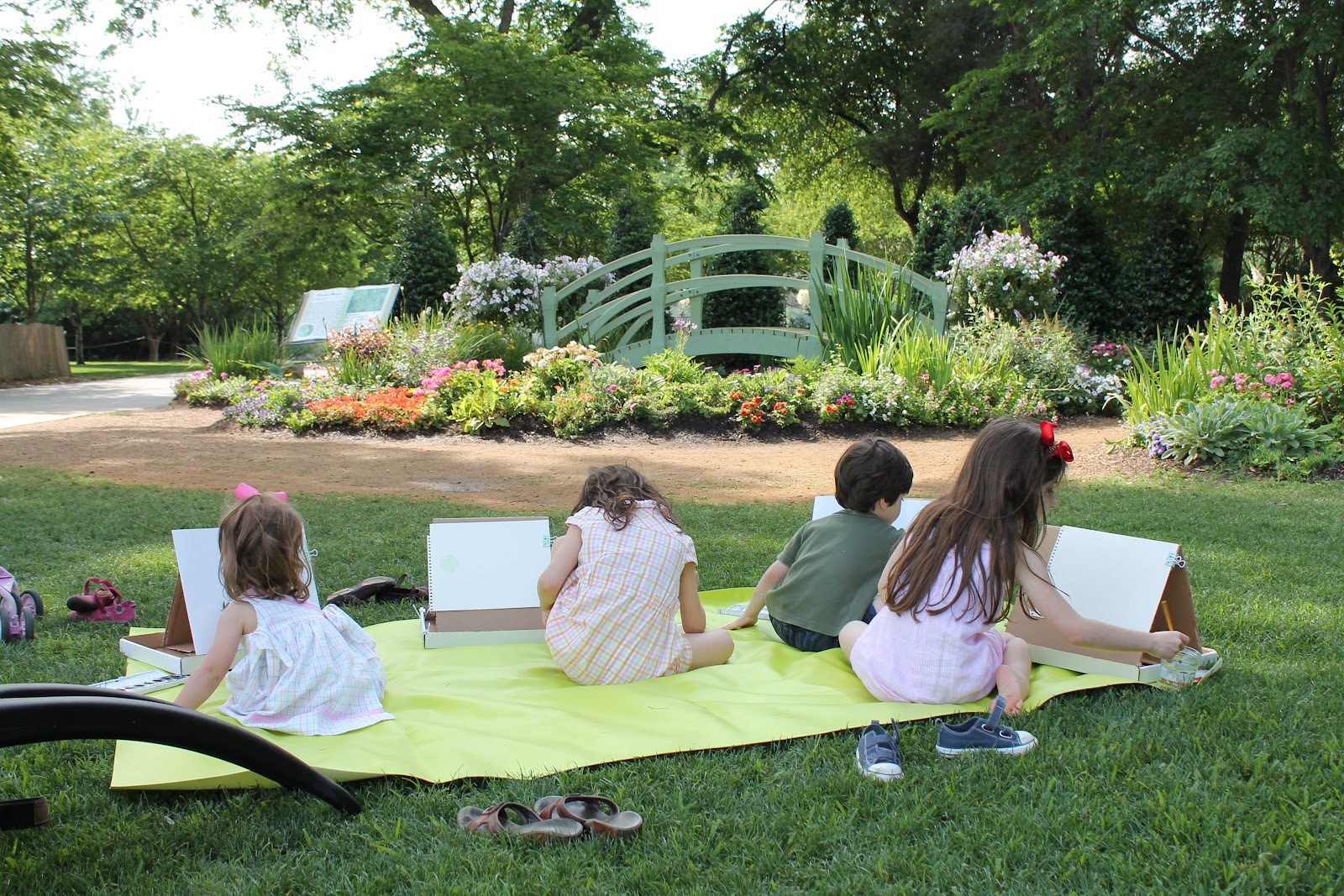
Painting like Monet at the Arboretum

Painting like Monet at the Arboretum

How have regular visits to the Museum influenced your children beyond the gallery walls?

They have become so confident in any museum setting. They recognize artists and their work in a variety of places. And, they love creating their own works of art!

2014 2-24 011

I know your kids have seen many different exhibitions come and go here at the DMA. What have been some of their favorites?

Some of their favorites include: The Body Beautiful in Ancient Greece: Masterworks from the British Museum, Nur: Light in Art and Science from the Islamic World, Jim Hodges: Give More than You Take, and The Fashion World of Jean Paul Gaultier: From the Sidewalk to the Catwalk.

Oldest

We specifically chose to feature your family as our “Guest Family Curators” for a new Art to Go Tote because we knew your children have a lot of experience interacting with art in a variety of ways. They know that there’s so much more to do at a museum than just stand in front of a painting! What was it like for you and the children to come up with ideas for other families to use in the Museum?

We had a blast creating this bag! The kids had tons more ideas. Art for them is an extension of play.

What piece of advice would you give to parents who feel like they don’t know enough about art to enjoy a visit to the Museum with their children?

Don’t be intimidated! When you take your child to the art museum, try to let your child lead. Think broadly. Look for colors, shapes or themes. Walk around and see what your child is drawn to. Take some of their ideas and try them out at home. Enjoy yourself and your family!

Thanks for sharing, Rose! The Costantino Family Favorites Art to Go tote will debut in early summer. Be sure to check it out and see what fun activities the kids came up with!

{All photos courtesy of Rose Costantino.}

Leah Hanson
Manager of Early Learning Programs
The 3 R’s: Reduce, Reuse, and Recycle!

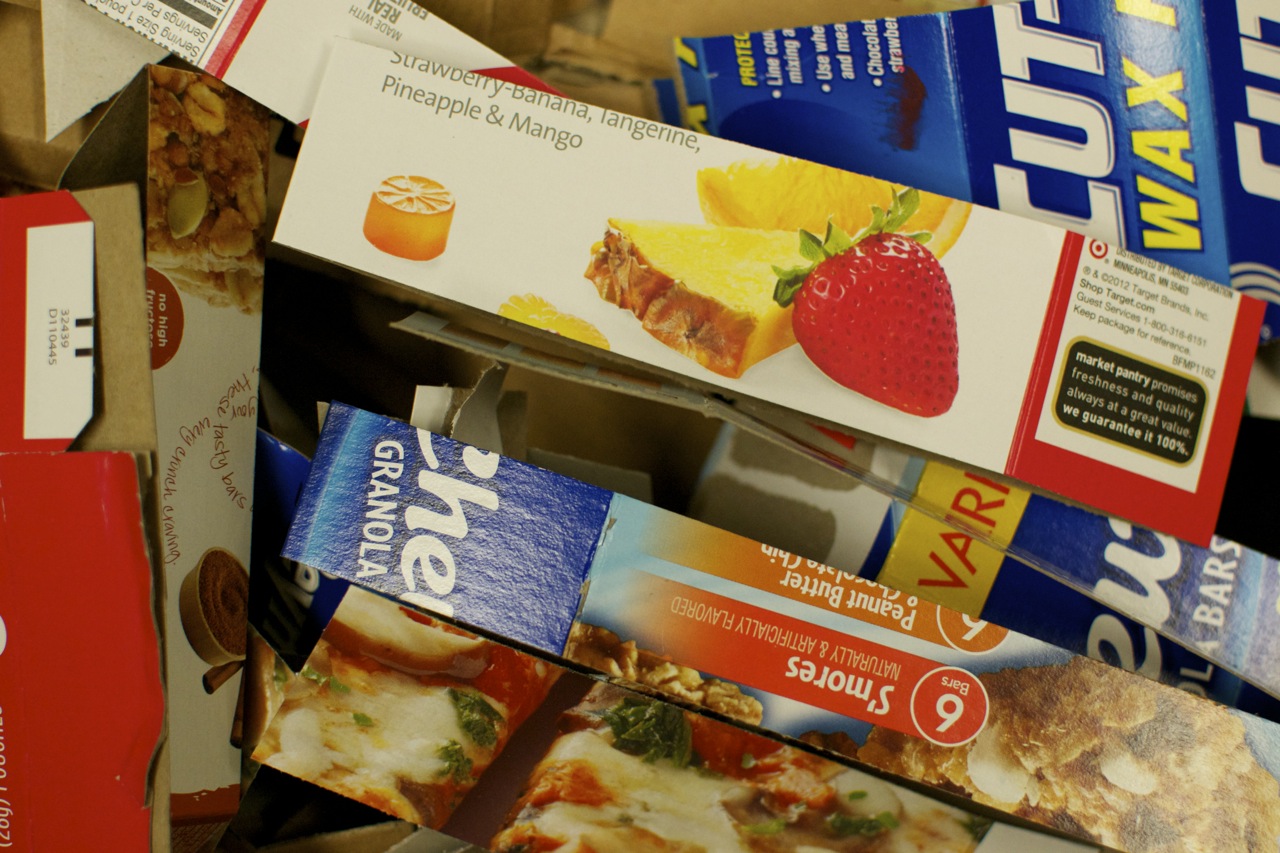
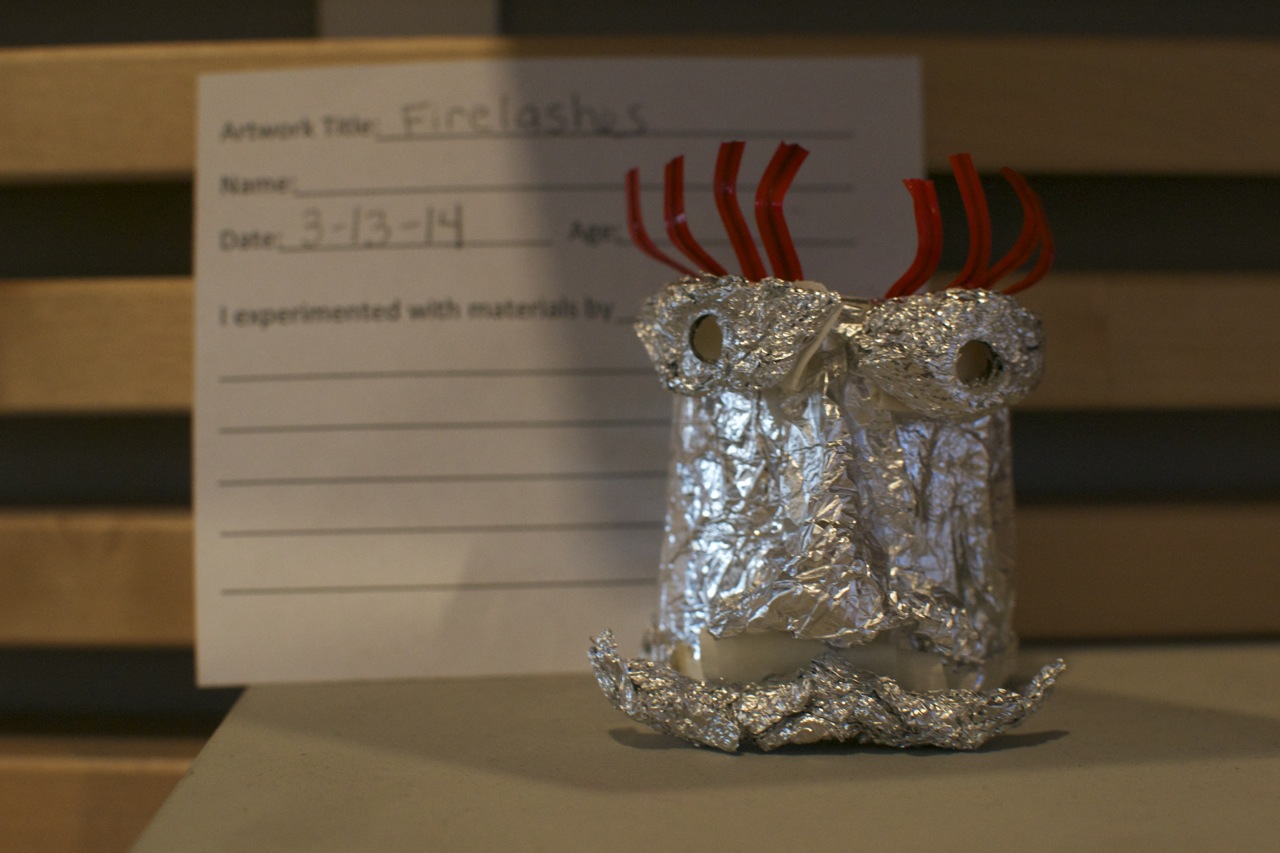
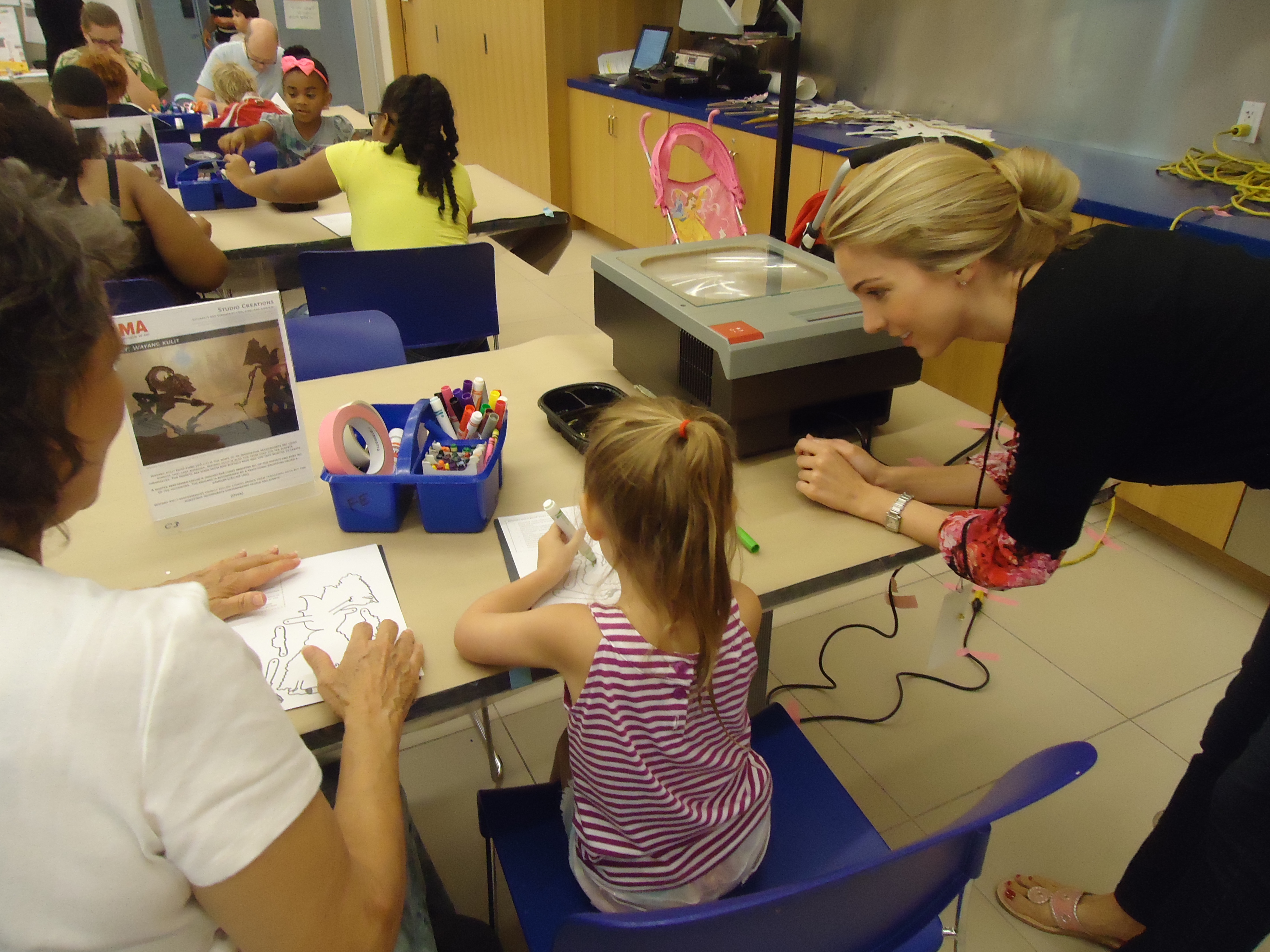
As an environmentally conscious artist, I find myself often thinking about the amount of waste that can be created during the art making process. The quantity of paper that I use for sketching and writing ideas for future projects is staggering in itself. As an art educator it can sometimes be even more daunting. I consider the amount of supplies that I alone use and then multiply that by the number of visitors we see in C3. So in an effort to be a little more green for Earth Day, I chose recycled/recyclable materials for the current C3 Art Spot theme.

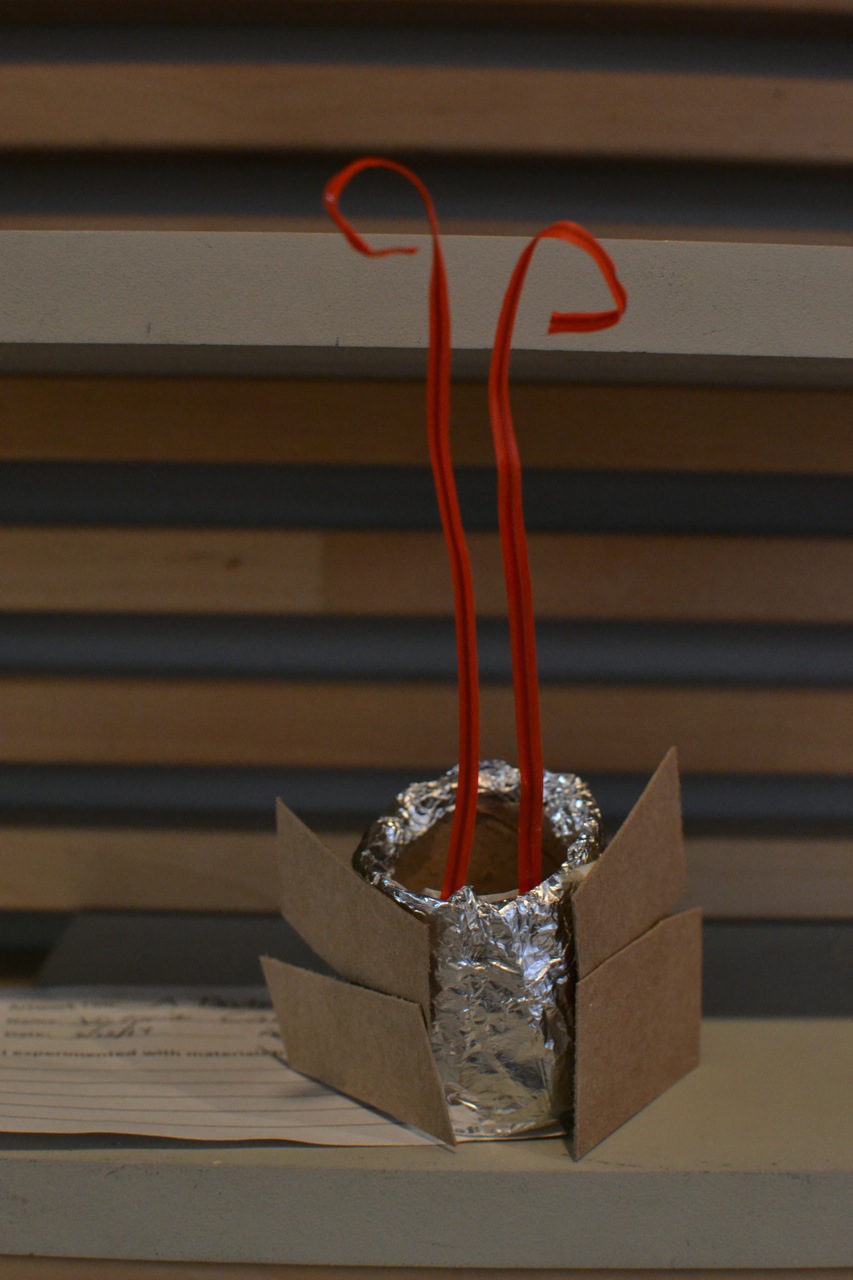
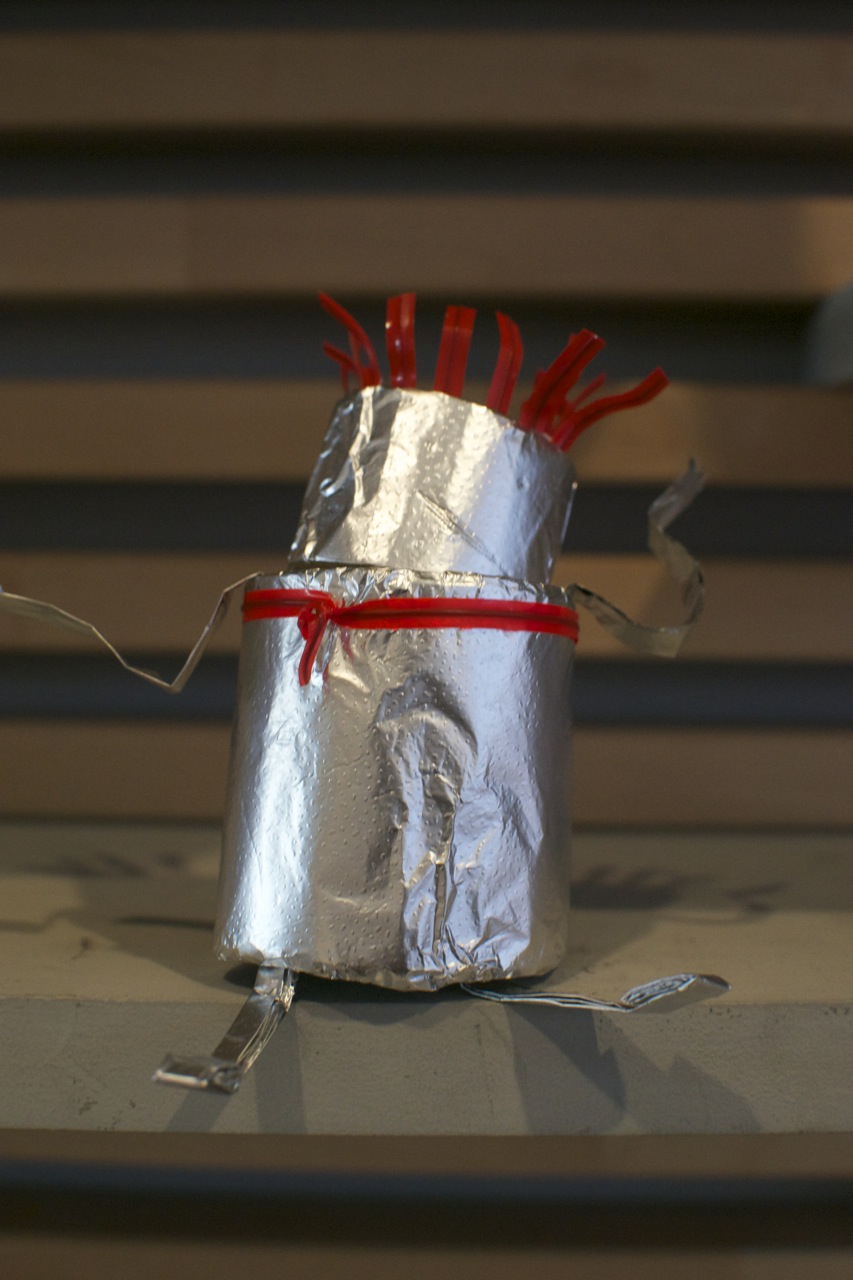
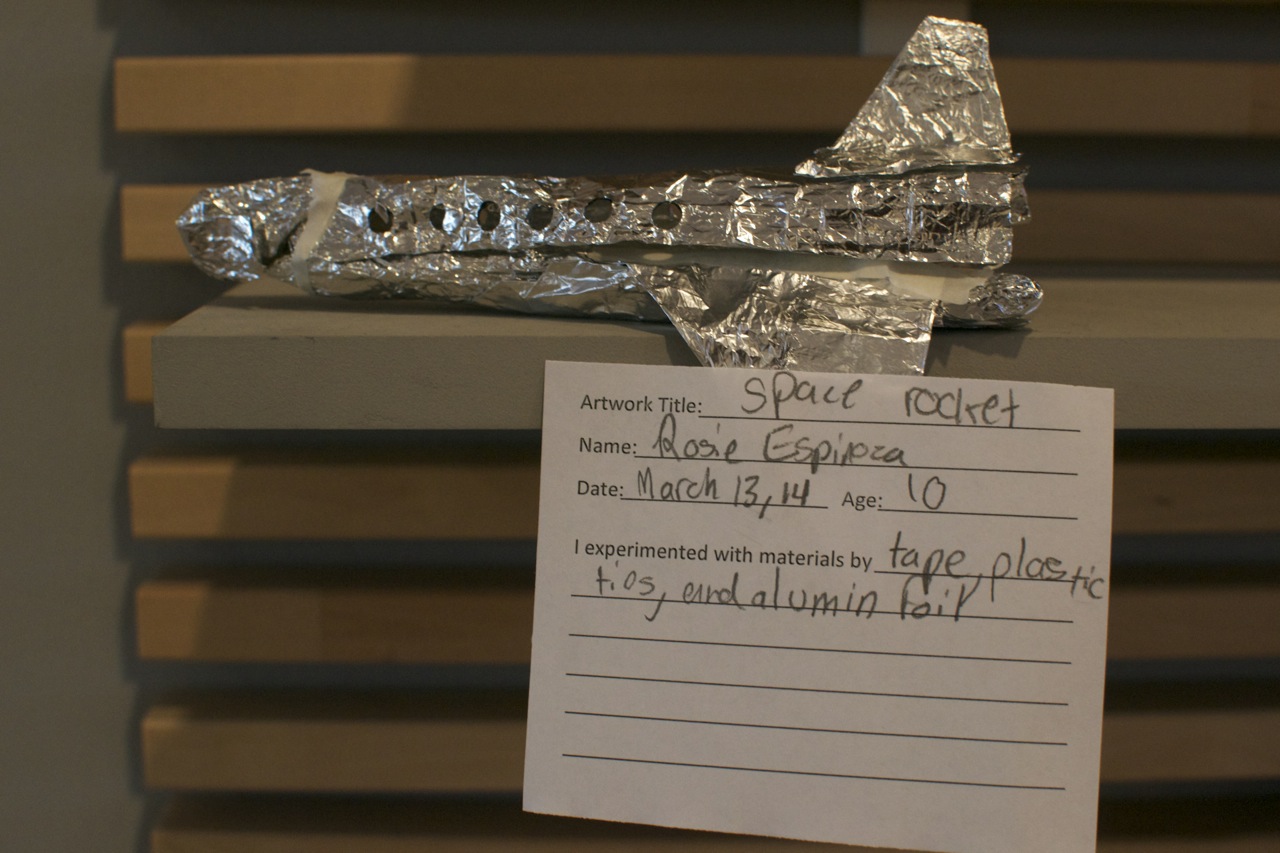
Though some of these materials were purchased, much of the cardboard we have been using at the Art Spot has been donated by DMA employees. Admittedly, when I put out new supplies, I was curious and anxious to see what our visitors would make. As usual, the creativity of our visitors has been astounding! The creations have included animals, robots, and vehicles, just to name a few.

When I chose these materials, I was hoping to perhaps help visitors see what kinds of beautiful, creative things they could make with items they may typically take for granted. An added bonus has been hearing from the DMA staff who have donated their recycling. It has been a joy for them to see their recyclables transformed into works of art! Check out more of our visitors’ creations on our Flickr page.

Perhaps this Earth Day you can take some time to reconsider your art materials and make a recycled masterpiece!

Jessica Fuentes
C3 Gallery Coordinator


Never Say Goodbye…

Today I bid a fond farewell to the DMA. Saying goodbye has never been easy for me, and each time I do, I find J.M. Barrie’s quote from Peter Pan echoing in my head: “Never say goodbye because goodbye means going away and going away means forgetting.” However, although my time as a McDermott Intern has flown by,  I feel lucky to be taking so many unforgettable memories into my next adventure.

At the top of my list, I will fondly remember sharing my love of art with children and adults as part of the DMA’s many Family and Access programs.  I will also treasure the time I spent collaborating and teaching with the talented members of this team, which we affectionately refer to as FAST. Thank you, ladies, for your guidance and inspiration!

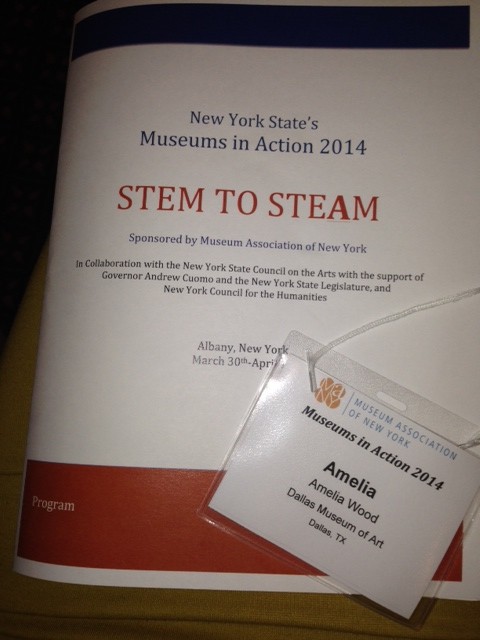
I will cherish my memories of trips to our neighboring DFW museums, cultural institutions, and Mrs. McDermott’s beautiful ranch, as well as the opportunity to participate in the NY Museums in Action STEM to STEAM conference this spring.

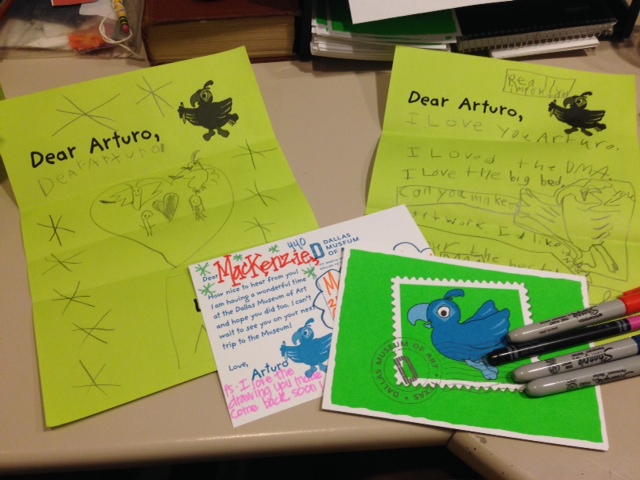
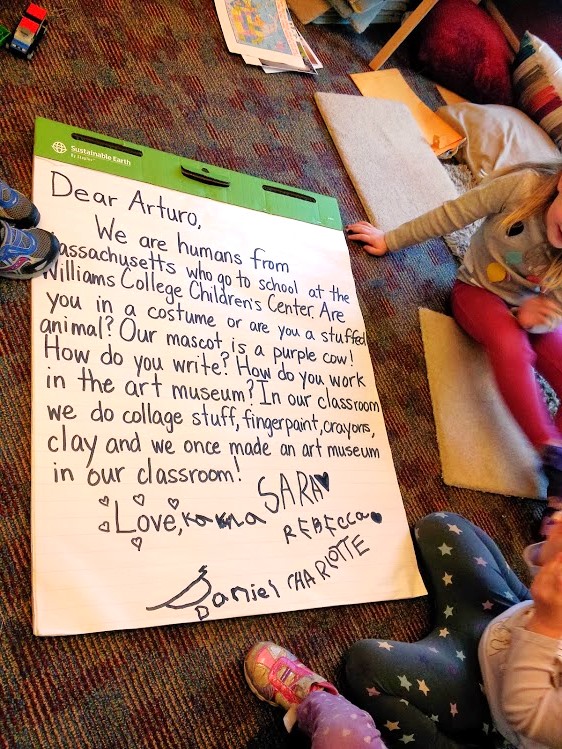
I will miss answering the letters children write to Arturo, including my past students in Western MA, who participated in my Arturo’s Magical Mail exchange.

Last but not least, I will miss seeing my fellow interns each day. Together, we have grown as educators and professionals, and I am thankful to have shared this experience with you.

And so, I head off into my next chapter. Although I am going away, I won’t say goodbye, because something tells me I’ll be back. In the meantime, I look forward to hearing about the wonderful things the DMA continues to share with the world. Onwards and upwards!

Amelia Wood
McDermott Intern for Family Access and Teaching

Educator Resources: Islamic Culture

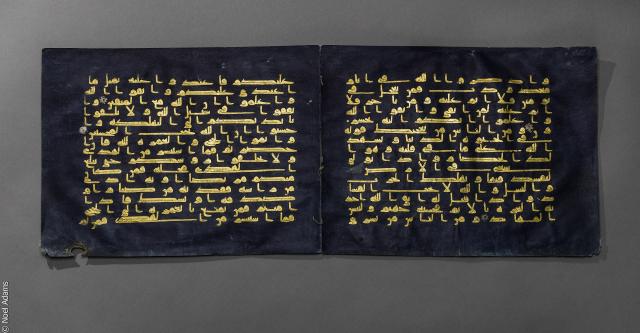
Quran Bifolio, Tunisia, Qayrawan, late 9th – early 10th century , vellum, ink, gold, silver, and blue dye, Furusiyya Art Foundation, Vaduz, Photo © Noel Adams

Quran Bifolio, Tunisia, Qayrawan, late 9th – early 10th century , vellum, ink, gold, silver, and blue dye, Furusiyya Art Foundation, Vaduz, Photo © Noel Adams

We are thrilled to present Nur: Light in Art and Science from the Islamic World at the DMA through June 29. The exhibition explores light in Islamic culture–in the physical and metaphysical sense–through both secular and sacred works, produced in places from Spain to Asia, dating from the 7th century to the 21st. The Islamic world is vast, and the diversity of cultures embraced by Islam is rich. To assist you in teaching about Islamic culture, we’ve pulled together some useful online resources:

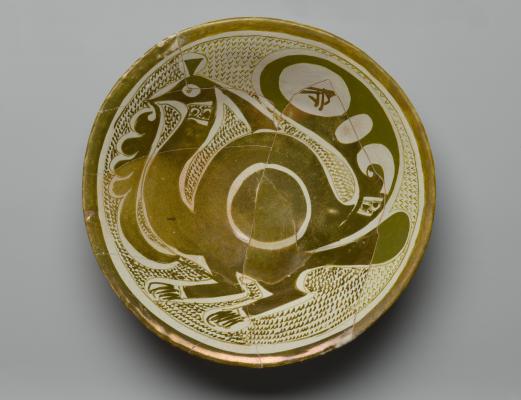
9th-10th century, Iraq, luster-painted, Brooklyn Museum, Gift of the Ernest Erickson Foundation, Inc., Brooklyn, USA

Bowl with bird, 9th-10th century, Iraq, luster-painted, Brooklyn Museum, Gift of the Ernest Erickson Foundation, Inc., Brooklyn, USA

Andrea Severin Goins
Interpretation Specialist

Friday Photos: Turn Your Classroom into an Exhibition!

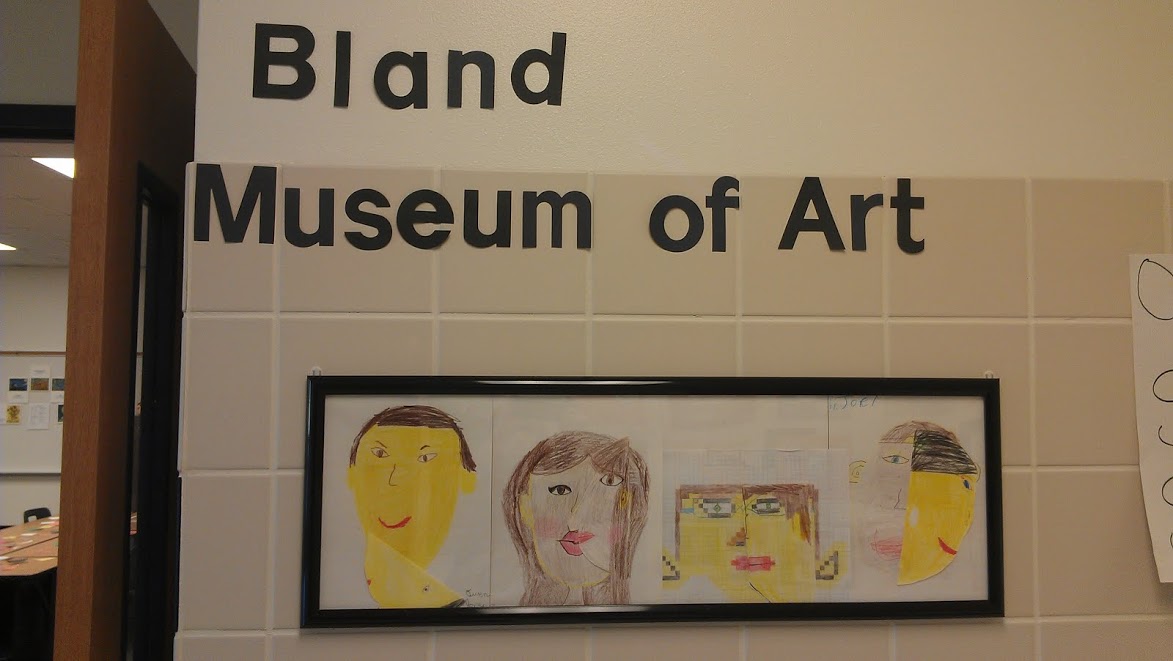
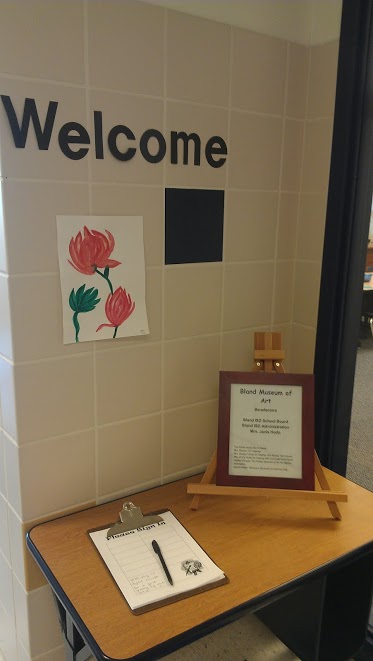
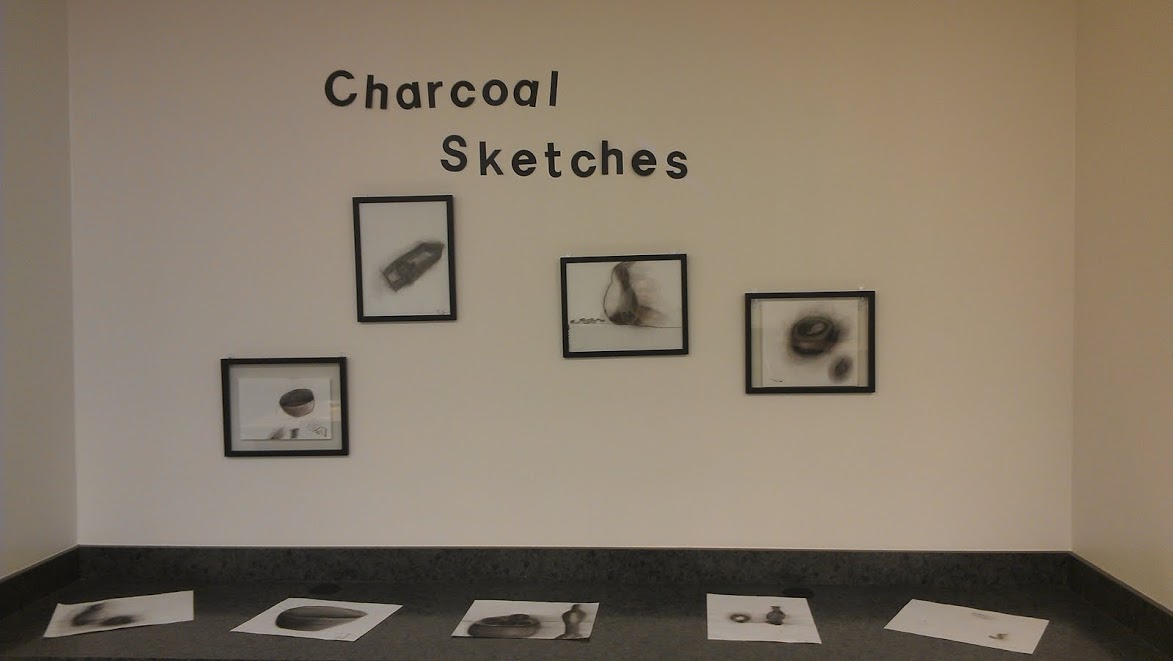
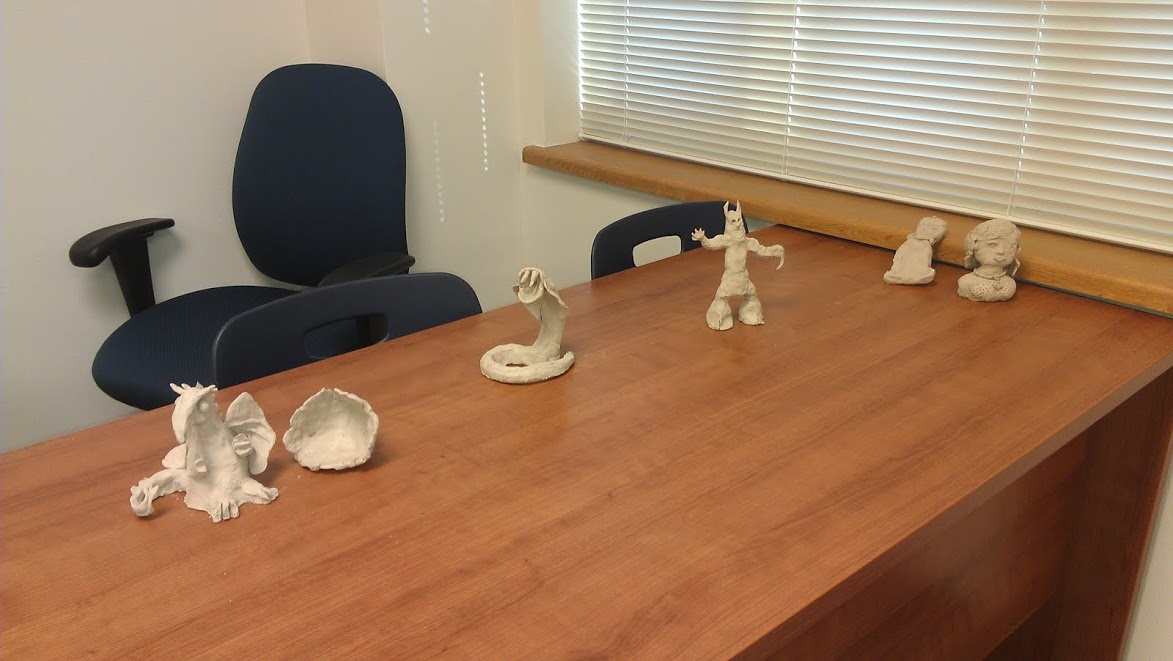
Last month I had the opportunity to spend an afternoon touring the DMA with four Gifted/Talented students from Bland Elementary. In preparation for an exhibition they were planning at their school, they wanted to learn how museums design gallery spaces, considering decisions such a display, framing, labels, chronology, etc. Ms. Carissa Brophy, the Gifted/Talented teacher at Bland Elementary, recently answered a few questions about this project. We hope the success of her exhibition can inspire a similar project at your school!

How did you develop the idea for a student art exhibition? Is this something you have done in the past?

Ms. Brophy: Students discussed what areas of study we could look at for the year and decided that art was an area our small school could improve upon since we do not have an art teacher at our elementary… The group decided that we could take all of our individual works and create a mini-museum for our school to view. This was a new concept for us.

During the tour, what did your students learn about exhibition design?

Ms. Brophy: My students learned that the space around art can impact the experience of the viewers–small art may need an intimate or small space while large art can fill a large room and be a focal point. Frames can impact the experience of the patron… [and] must match the style so they do not overpower the art. The students [also] learned that you should label artworks to identify medium, type of display mat, artist’s name, year created… and labels should not interfere with the viewing [experience].

What do you think the students gained from visiting the museum? What information did they take away from the experience?

Ms. Brophy: They learned to look at art from different perspectives… They [also] gained knowledge of ways to display collections of art [and] appreciation for other’s art.

How was this new information translated into the exhibition design for your classroom?

Ms. Brophy: We viewed the space in our room with the desire to create flow for our patrons to enjoy all the student-created art, not just stand in one spot.

Are there any elements of the exhibition that you found more successful than others?

Ms. Brophy: Students loved the entire experience [and] parents said they loved the [classroom] museum. We had several comments on the digital tour the artists recorded for their display.

Do you have any suggestions for teachers who want to adapt this idea for their classroom?

Ms. Brophy: Have fun and let the students make it their own!

A huge thank you to Ms. Carissa Brophy and all of her students at Bland Elementary! And congratulations on your wonderful exhibition!

Hayley Prihoda
McDermott Intern for Gallery and Community Teaching


Friday Photos: Instagram + Booker T.

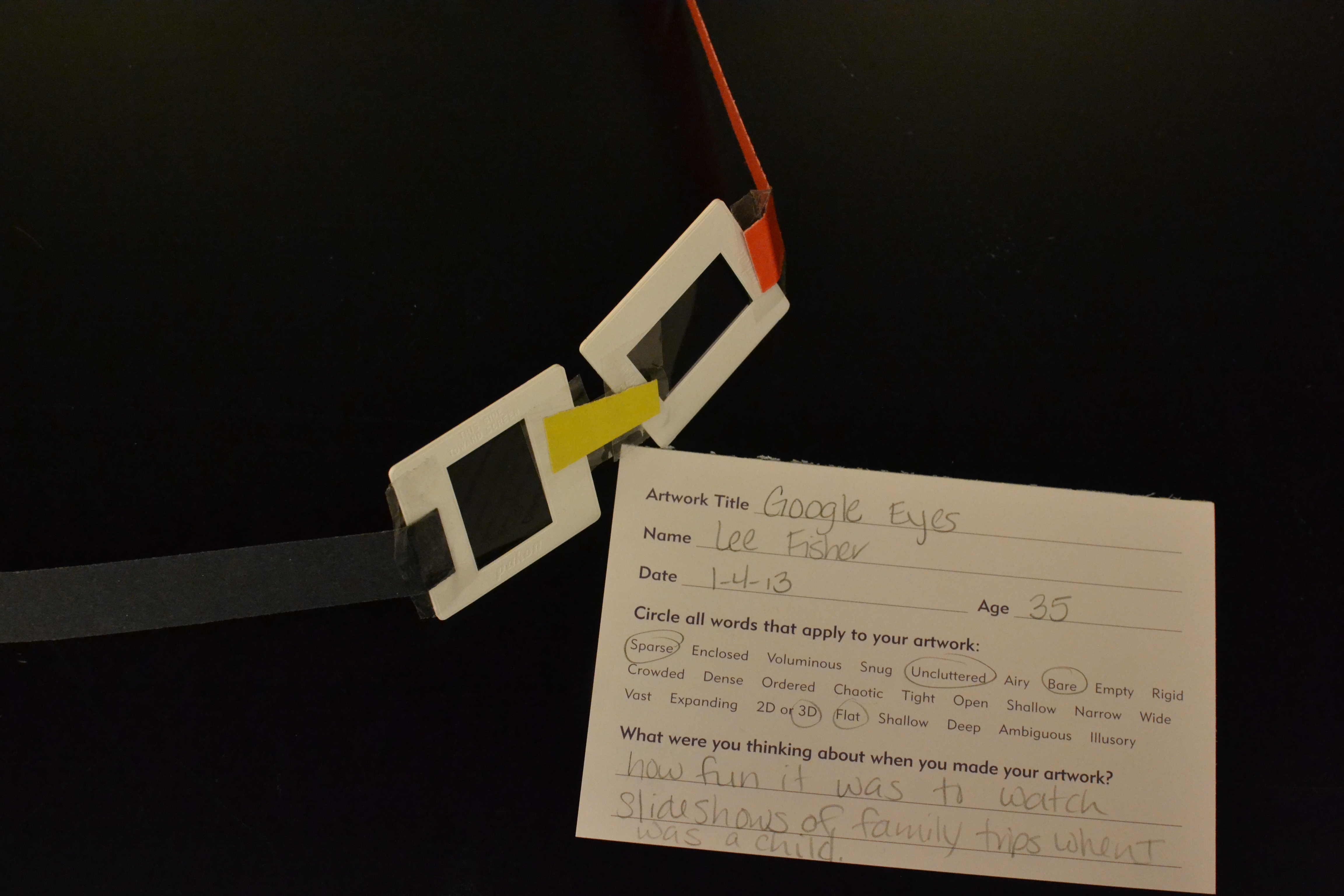
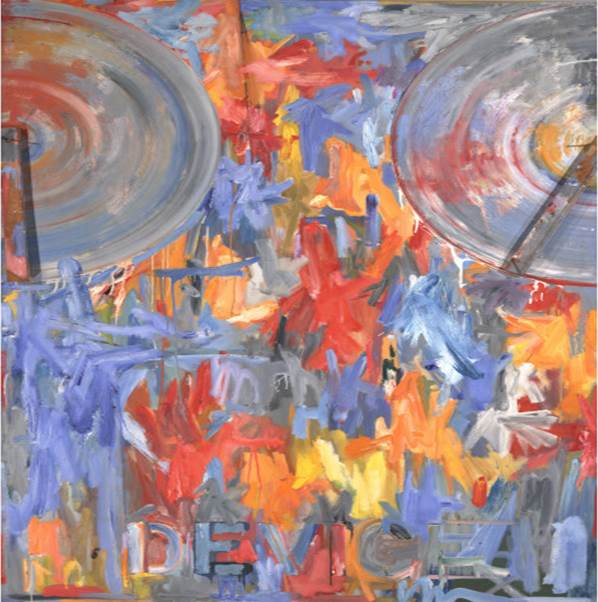
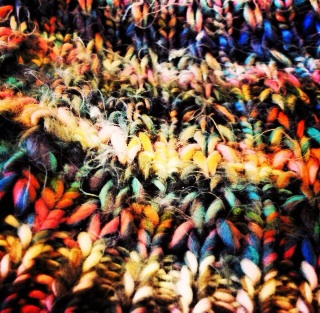
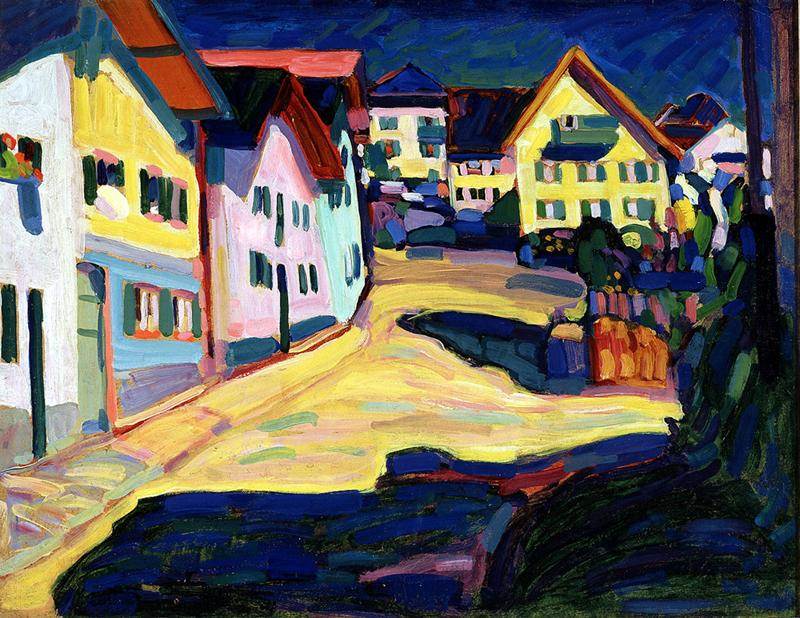
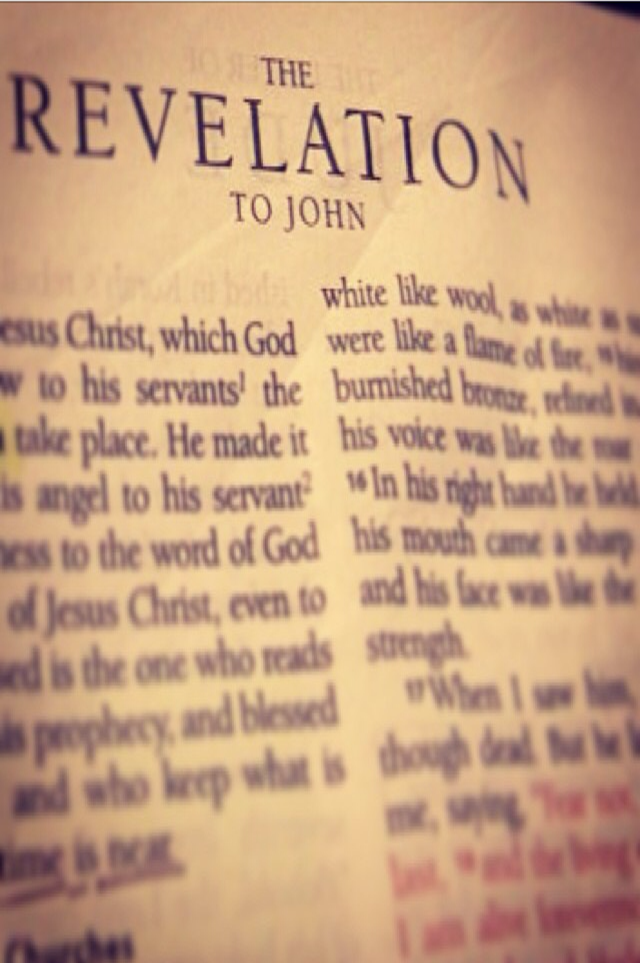
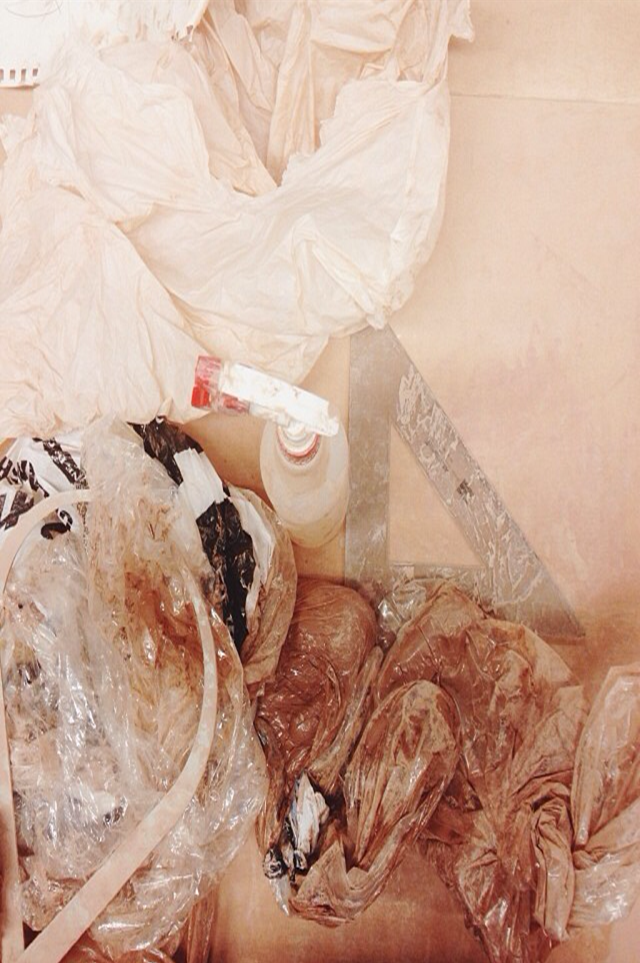
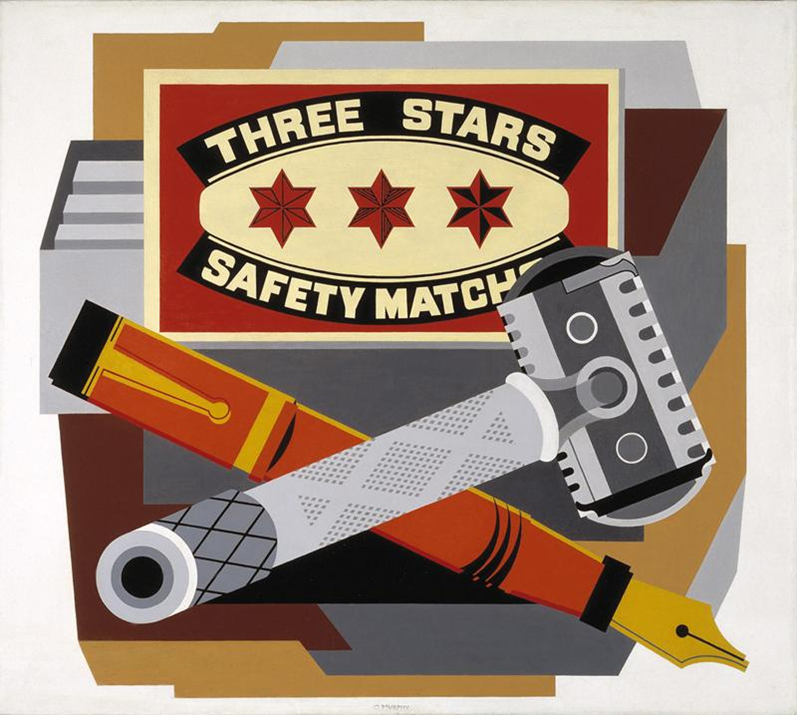
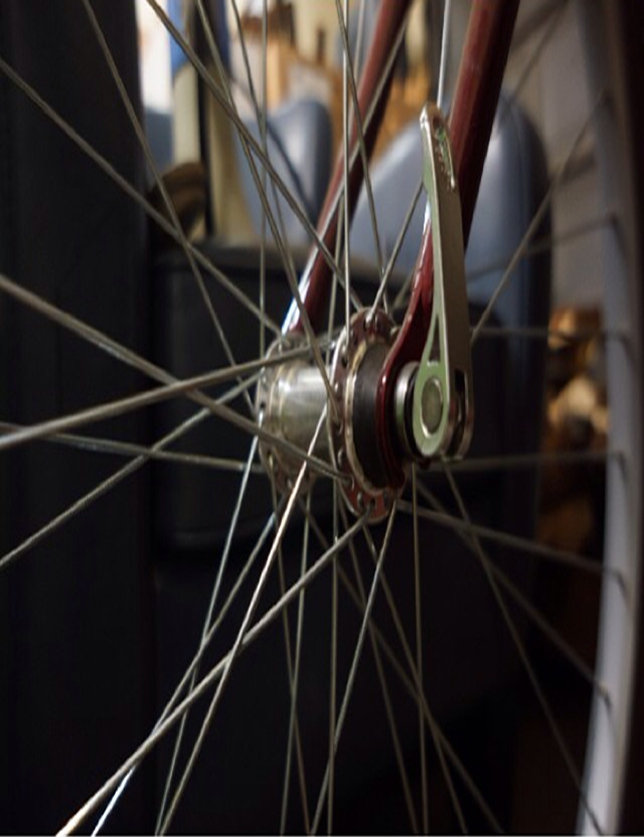
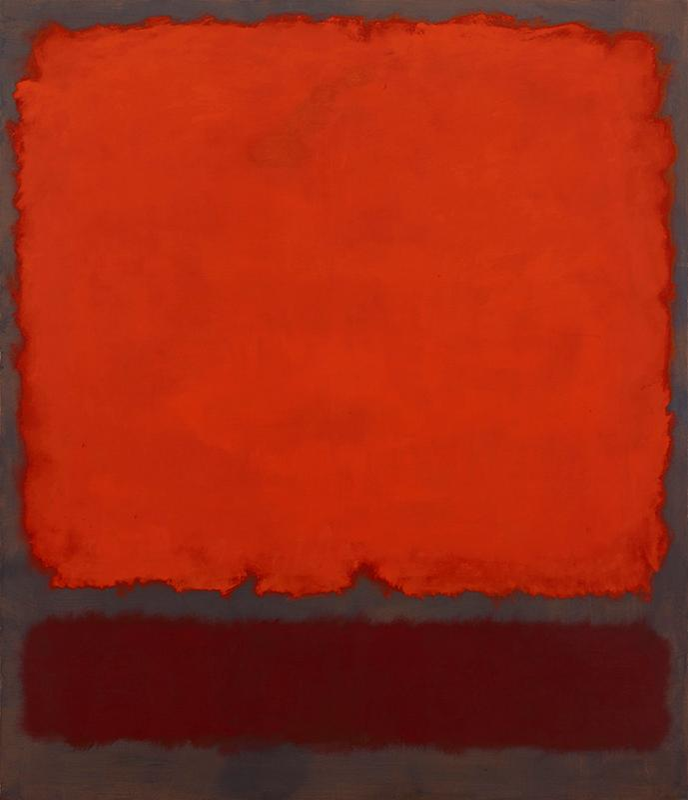
The DMA is now in the third year of its Learning Lab partnership with Booker T. Washington High School for the Performing and Visual Arts, a collaboration in which DMA Education staff work with Visual Arts teachers to lead experiences and projects at the DMA and at the school. The students recently completed a project that used Instagram as a means to explore artistic inspiration.  
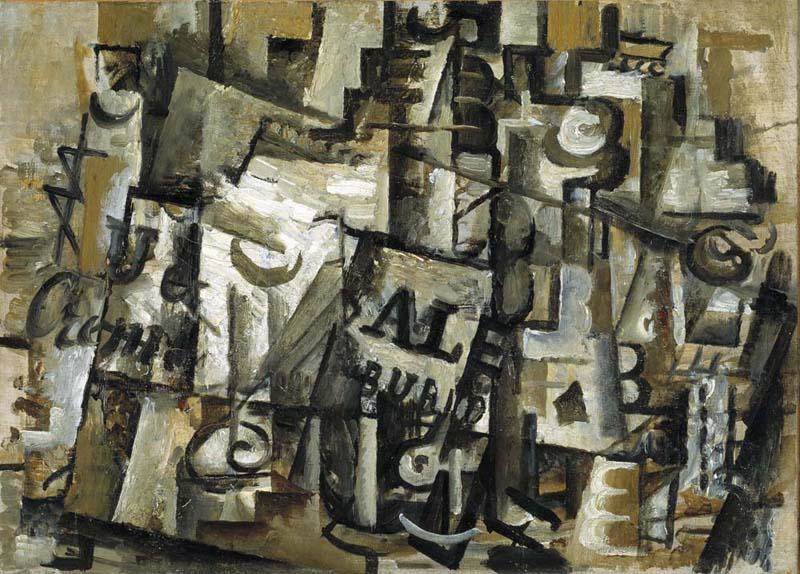
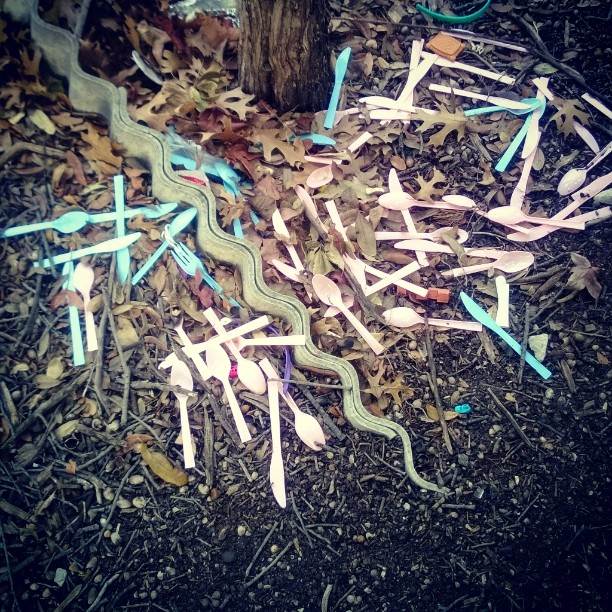
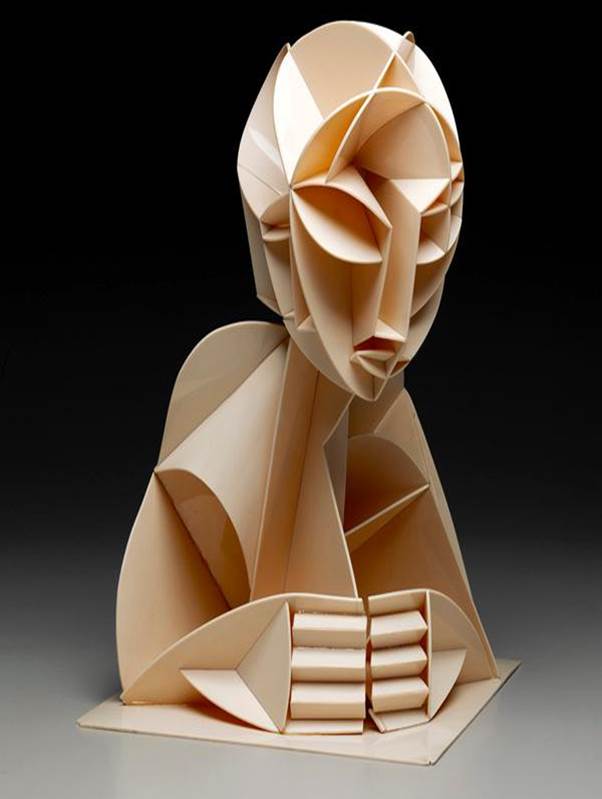
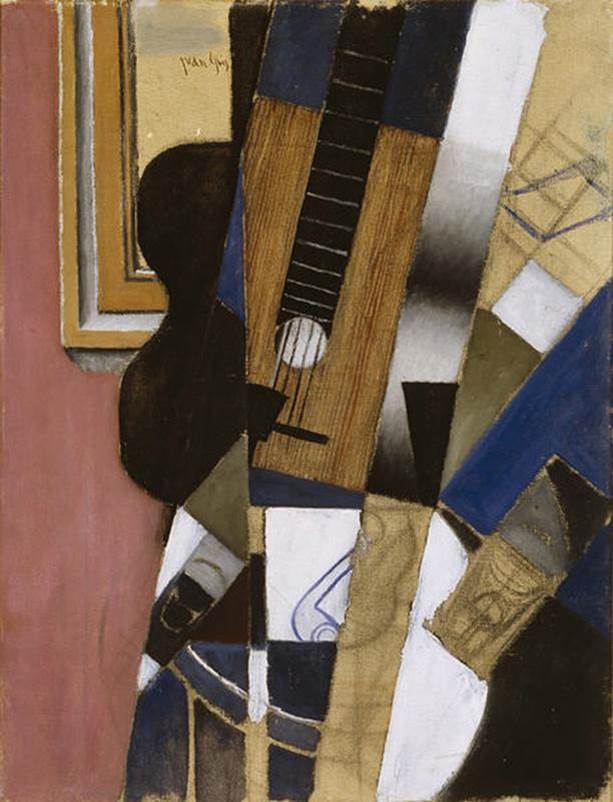
We asked the students to choose an artist in our Modern European or Contemporary art collection and re-imagine that artist’s specific point of view in a contemporary setting. The Booker T. students did a wonderful job documenting these artistic re-imaginings by collecting images of objects, scenes, people and materials that they felt would give their particular artist inspiration.
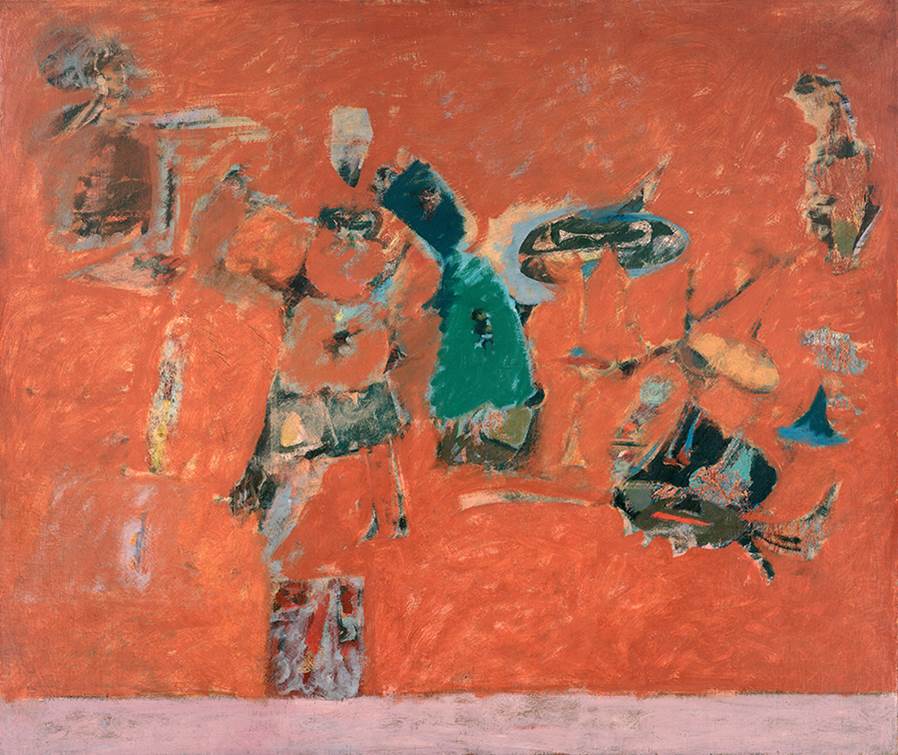
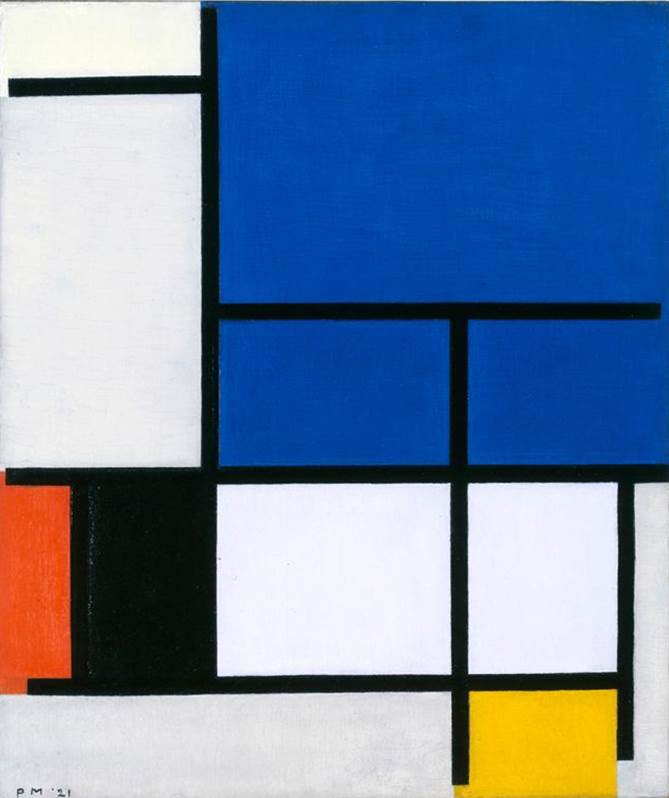
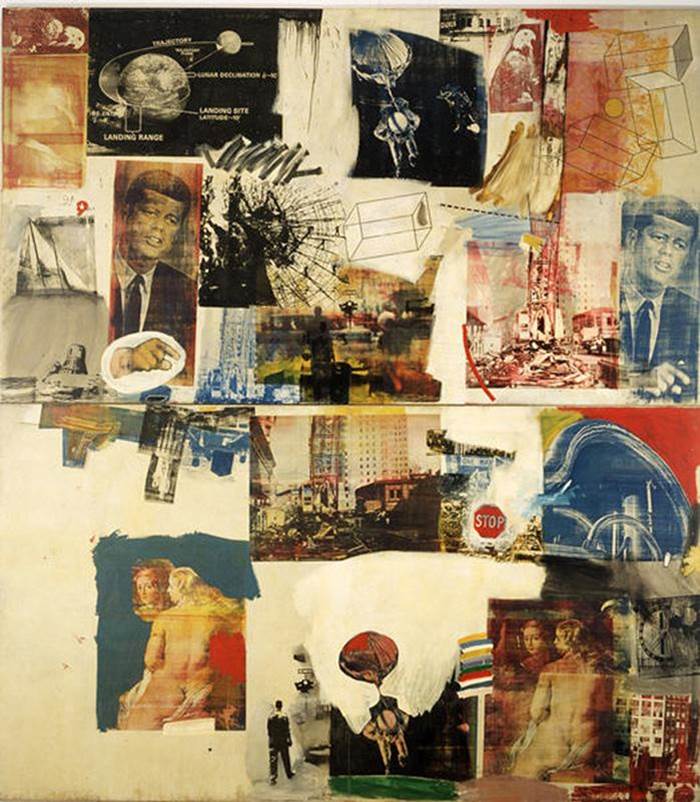
Do you see something around you that could have been inspiration for Mark Rothko or Jasper Johns? Join the conversation on Instagram! Simply tag your images using #POVartists name. Make sure to post them in our comments section if you feel so inspired!

Danielle Schulz
Teaching Specialist


Archives

Categories