Archive Page 7


Patrick Faulhaber: Homage to a Beloved Dallas Artist

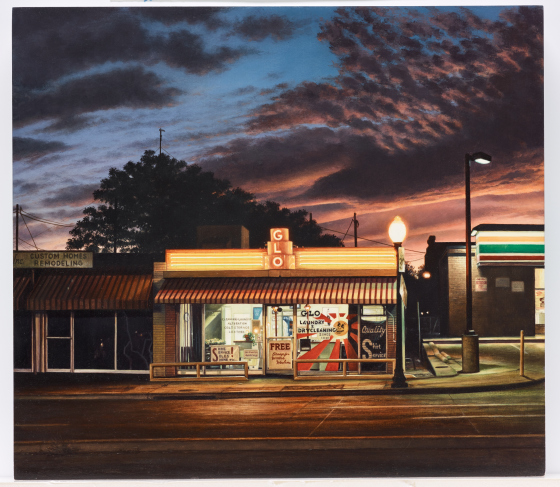
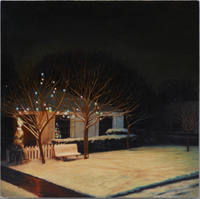
A few months ago, when I first saw images of Patrick Faulhaber’s paintings, it was hard to believe they weren’t actually photographs. His paintings capture a unique view of Dallas street life, imbuing what might be seen as common and everyday with a sense of magic.

Sadly, in May this year, Patrick Faulhaber passed away at the age of 70. Faulhaber first debuted his small canvas paintings at the DMA’s Concentrations 31 exhibition in 1998, and we’ve recently put them on view again in our Center for Creative Connections. In an interview with former Museum curator Charles Wylie, Faulhaber shared a wonderful thought about the close link in his work between painting and photography:

Photography is fast and gathers and immense amount of information in a fraction of a second; painting is studying all that information and adding all your emotions and understanding.

30891718162_f6e7086e06_z

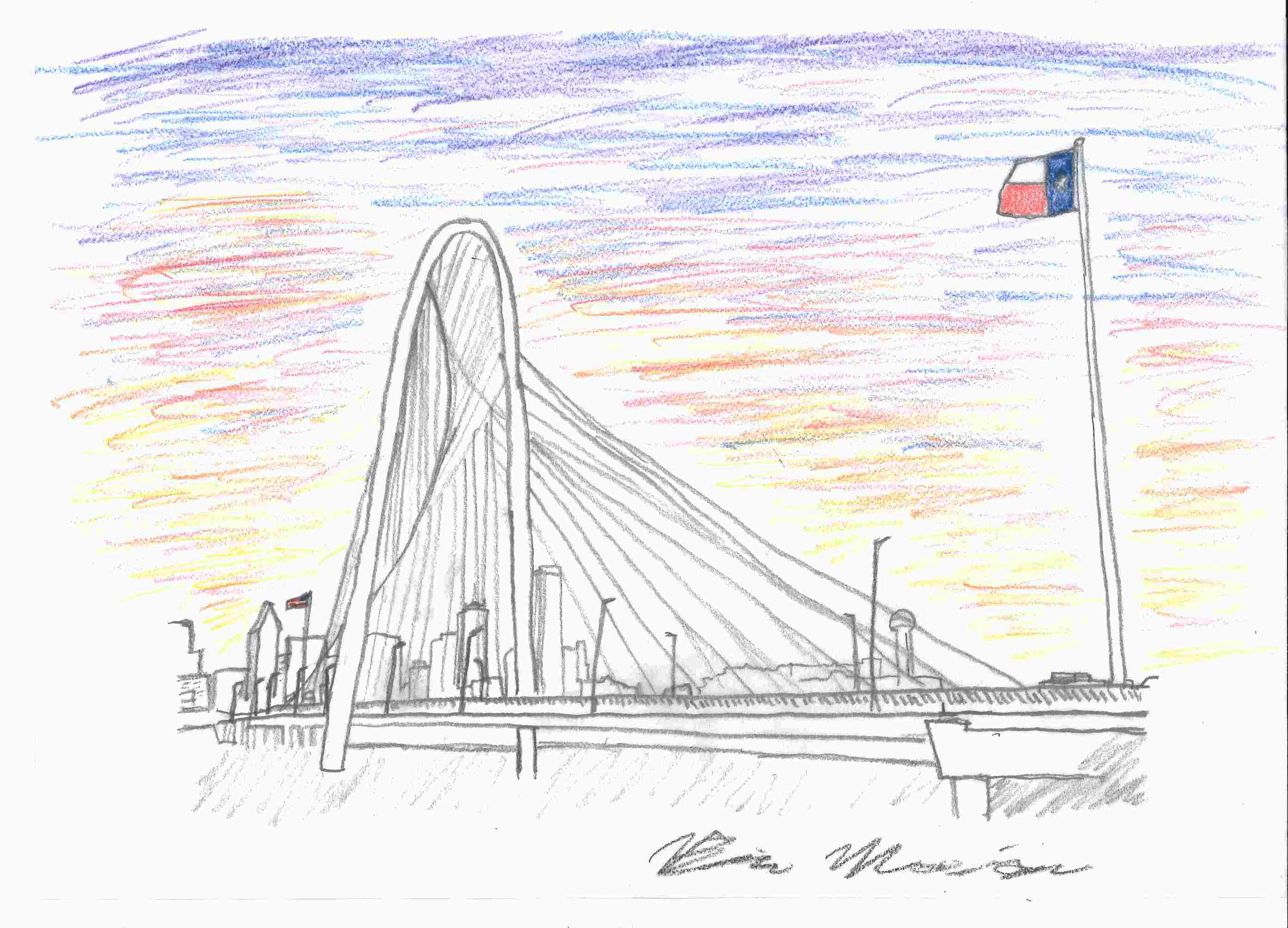
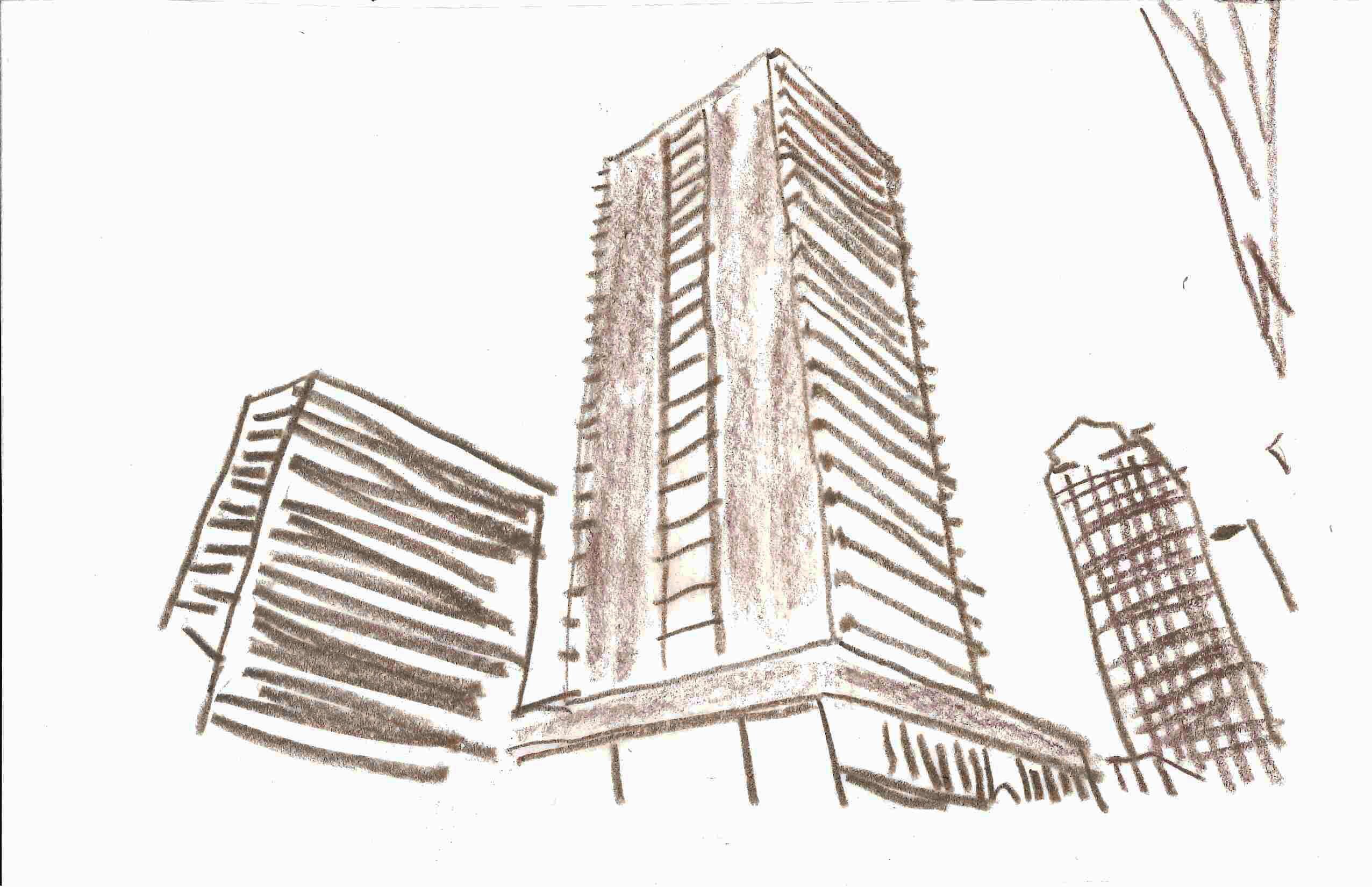
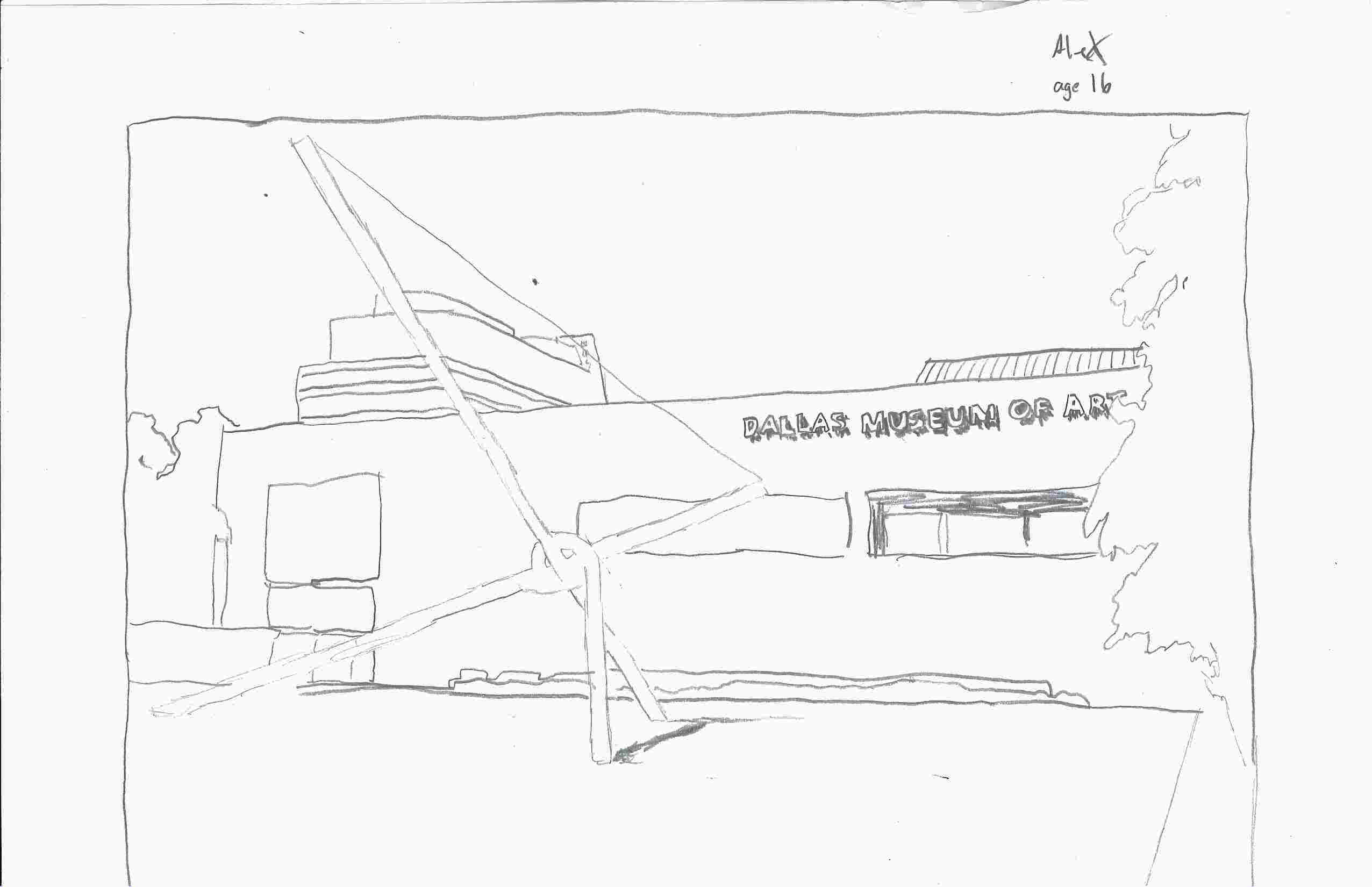
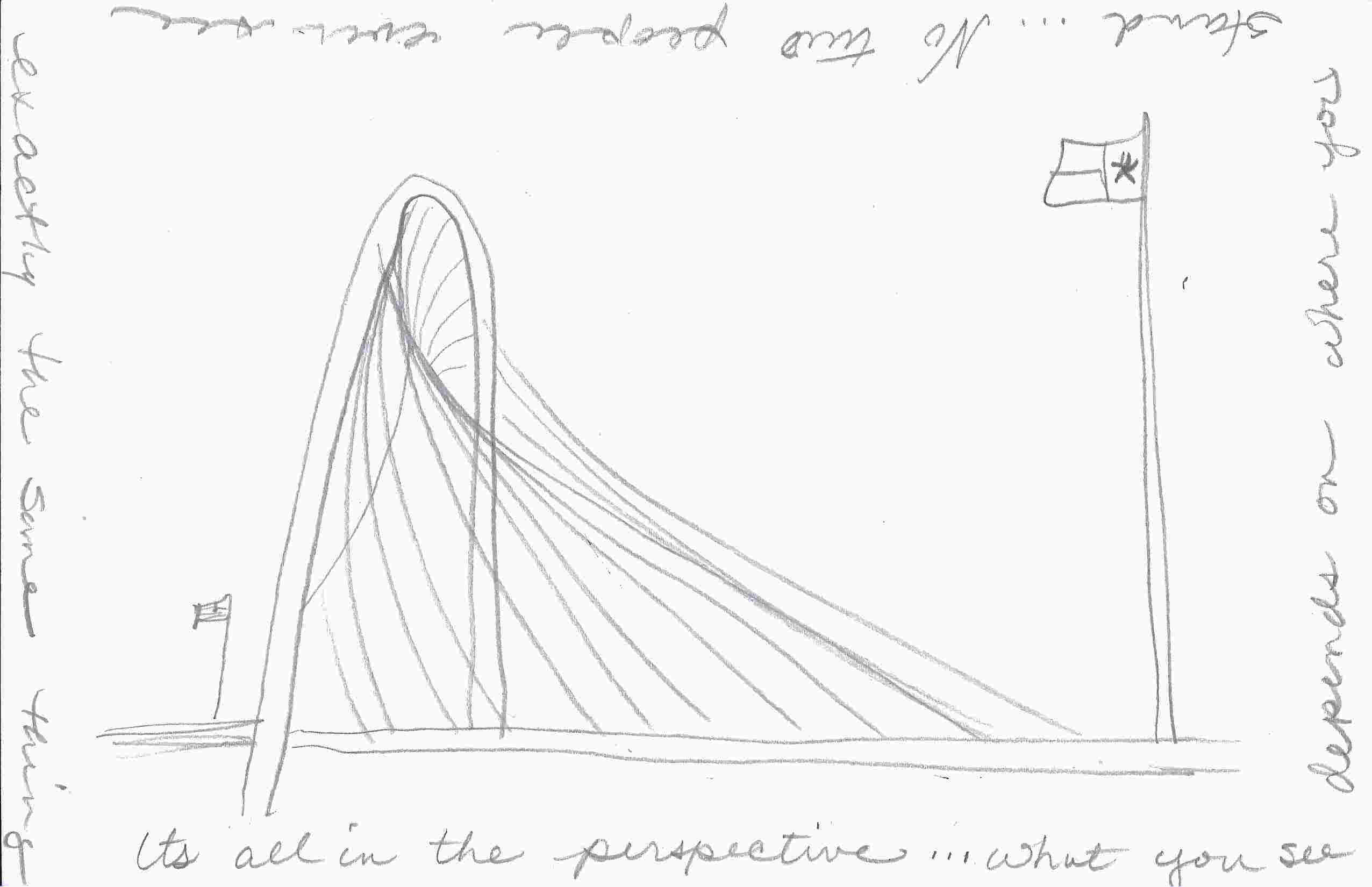
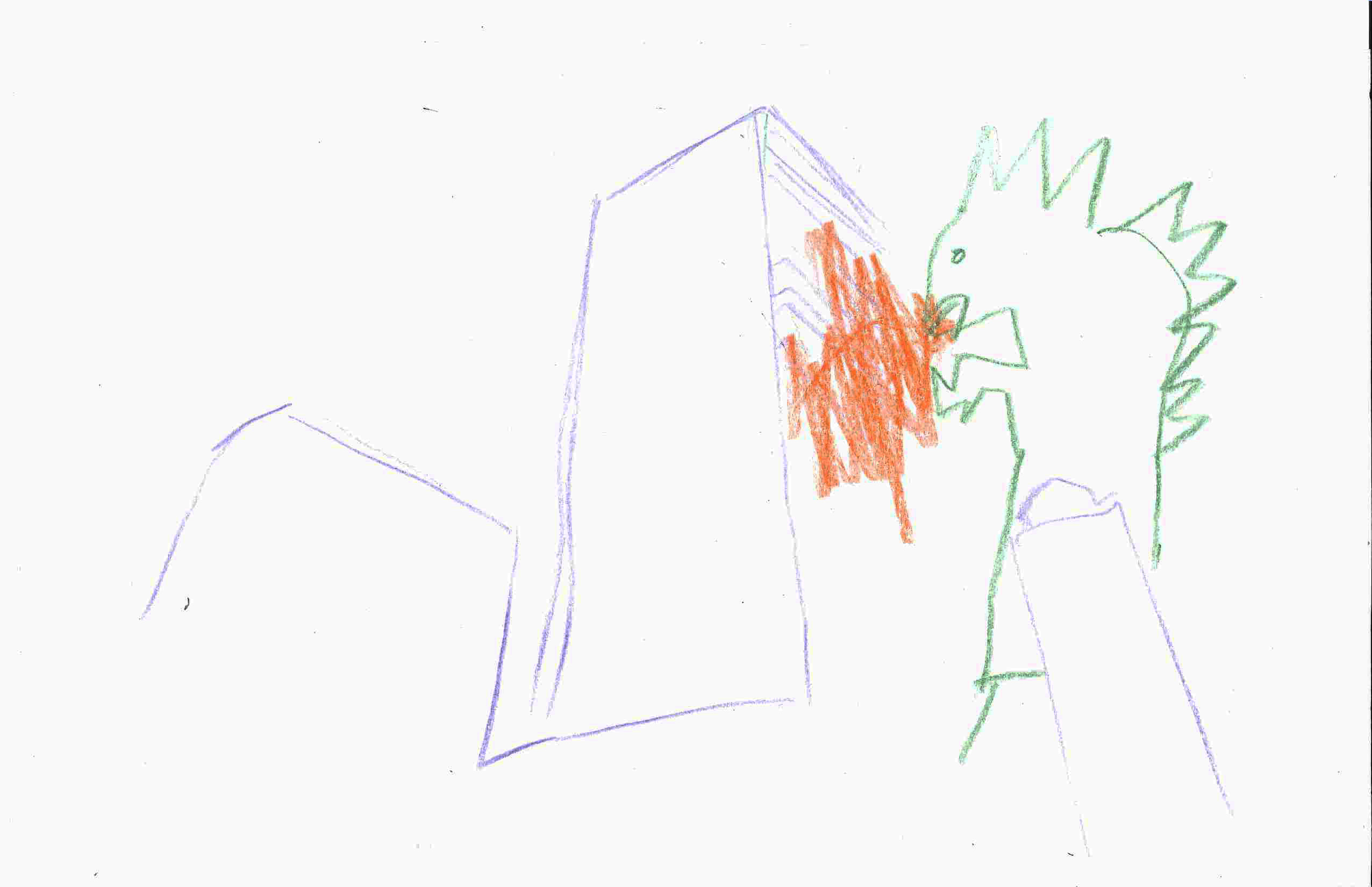
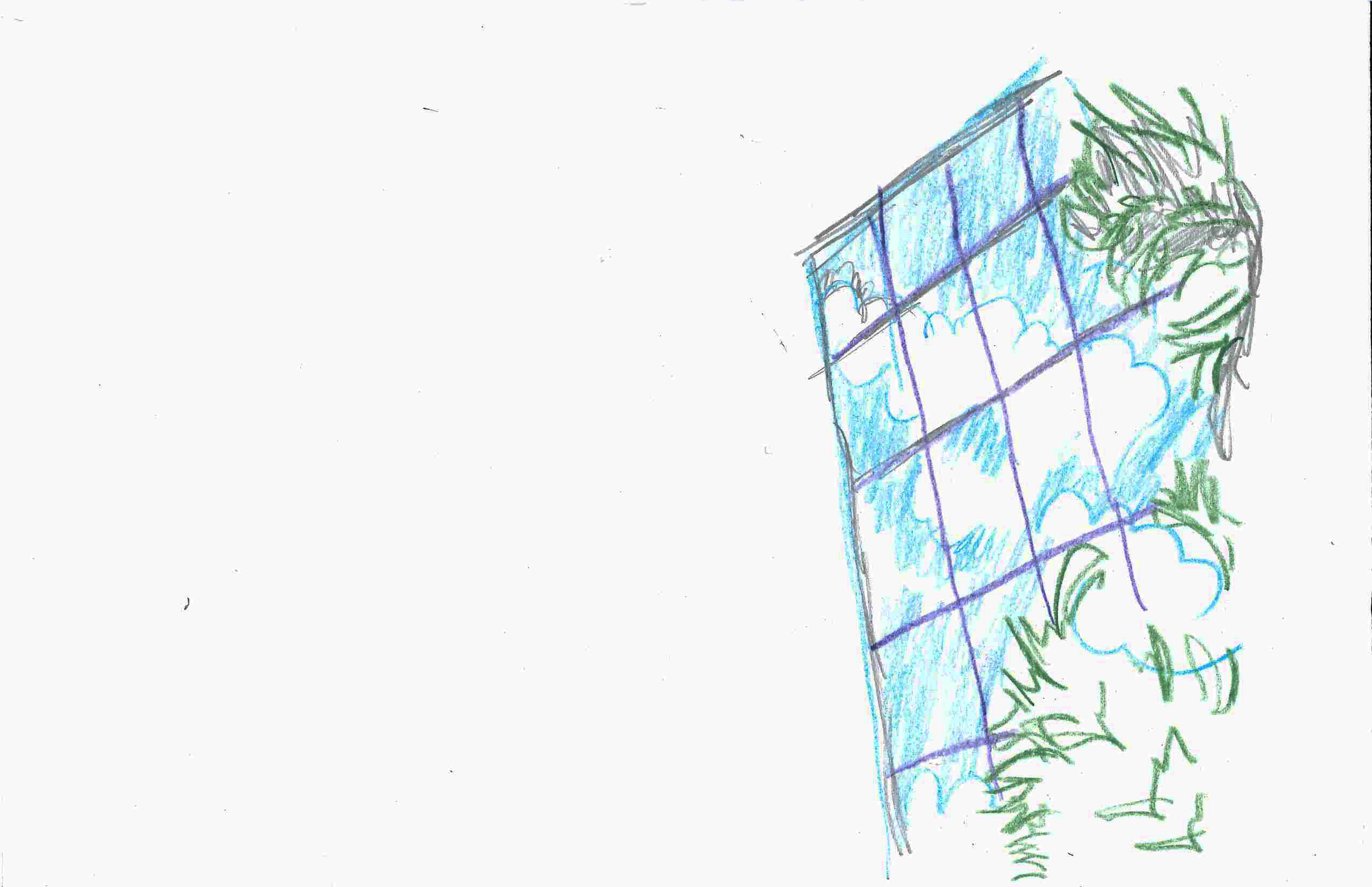
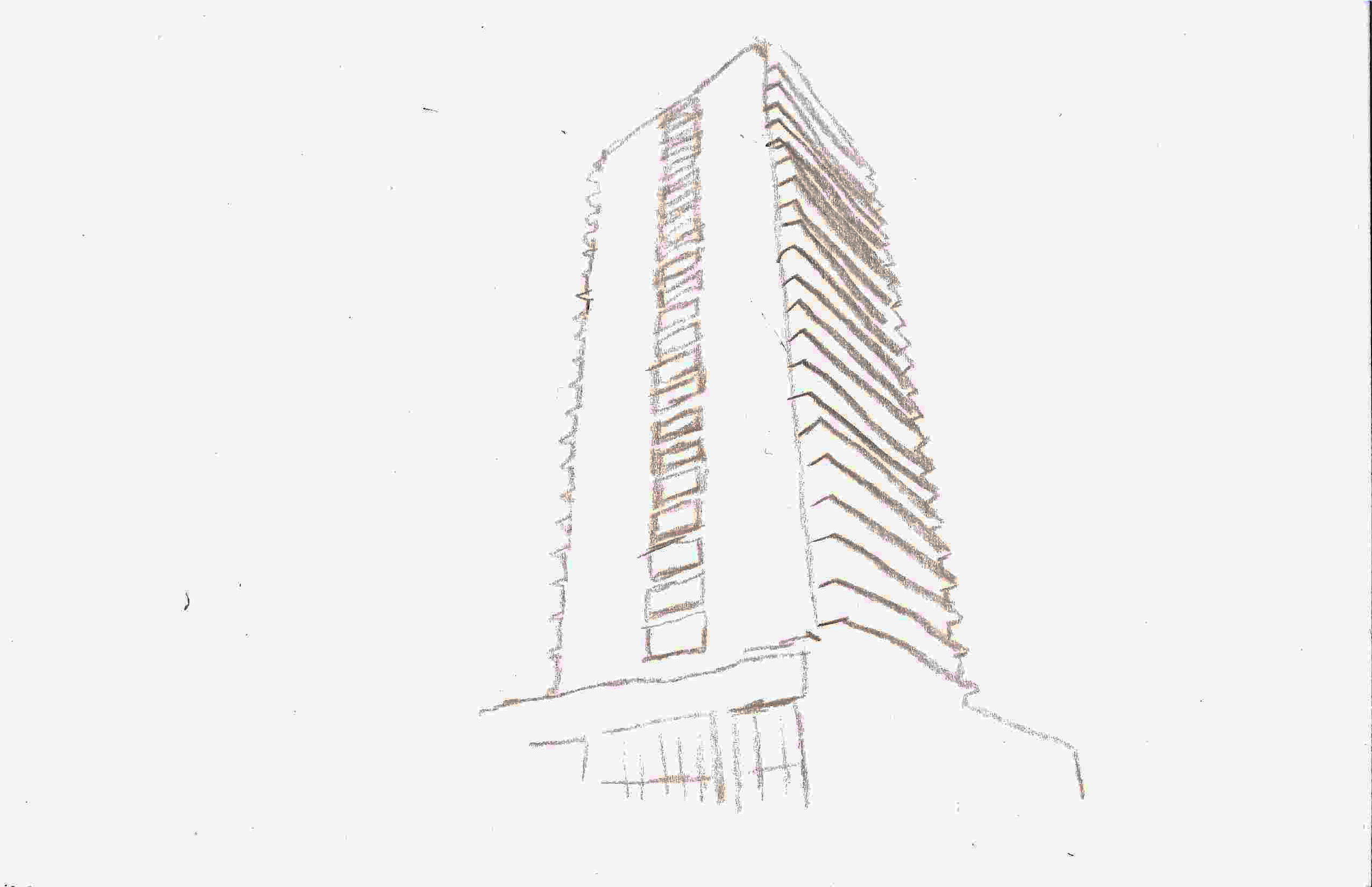
This quote resonated with us so much, we knew we had to create a gallery activity in the Center for Creative Connections that reflects his concepts and commemorates his life’s work. The photo-realistic paintings didn’t just happen overnight; he worked tirelessly to perfect all the information gathered from over twenty photos shot of each scene. We found a way to simplify this for our visitors: bring in light boxes, paper, colored pencils, and snapshots of scenes that are uniquely Dallas, and leave the creativity to you.

In just a few weeks, I’ve collected a wide variety of drawings that visitors have left behind. Here are a few of my favorite themes discovered among them. Of course, we have to start with the detailed drawings…

We also loved our visitors’ personal add-ins to the photographs…

And we can’t leave out the abstracted drawings…

How detailed can you be when recreating a photograph? Stop by the Center for Creative Connections and put your own skills to the test!

Kerry Butcher
Center for Creative Connections Coordinator

Friday Photos: Egypt’s Youngest Queens!

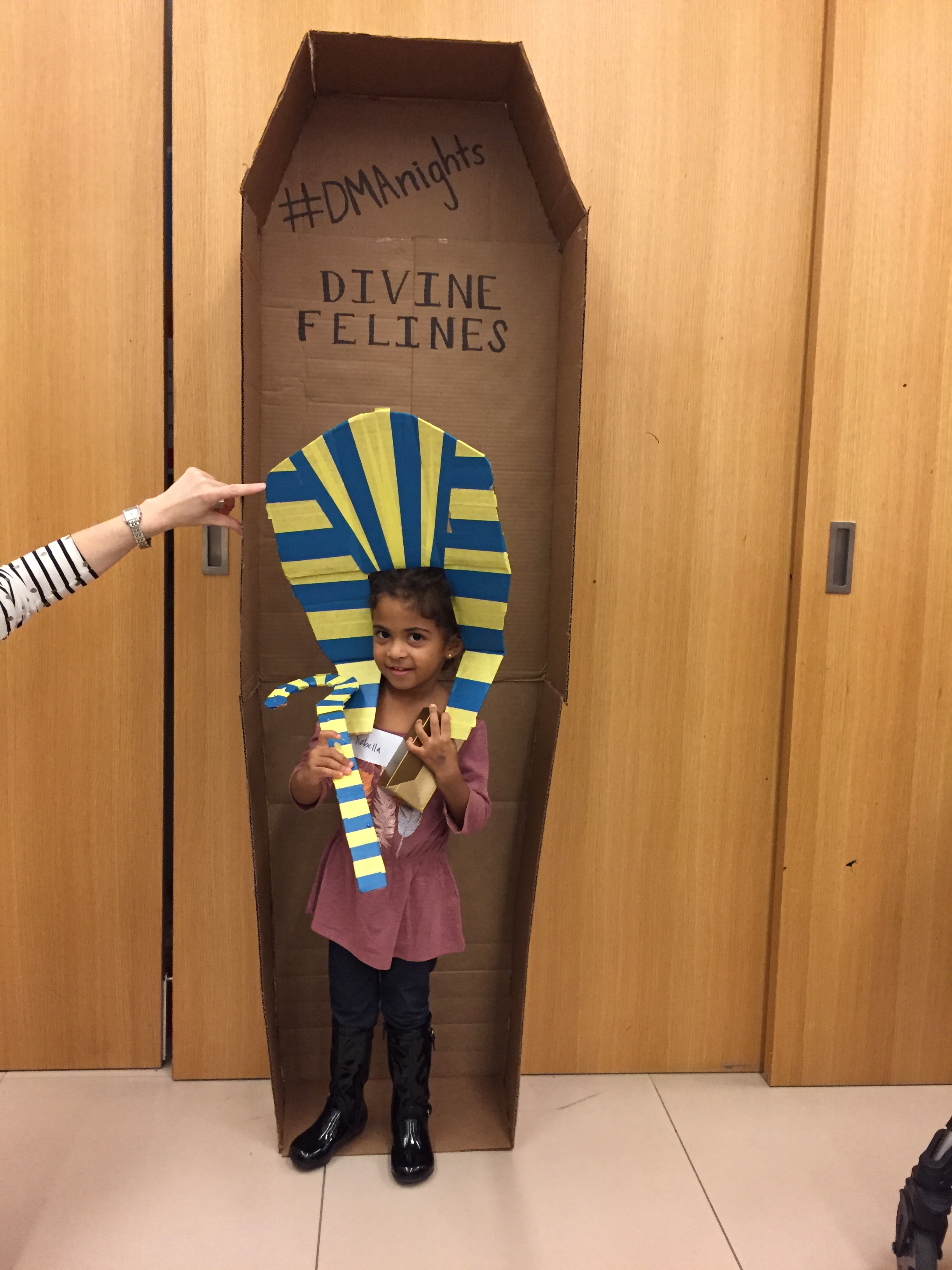
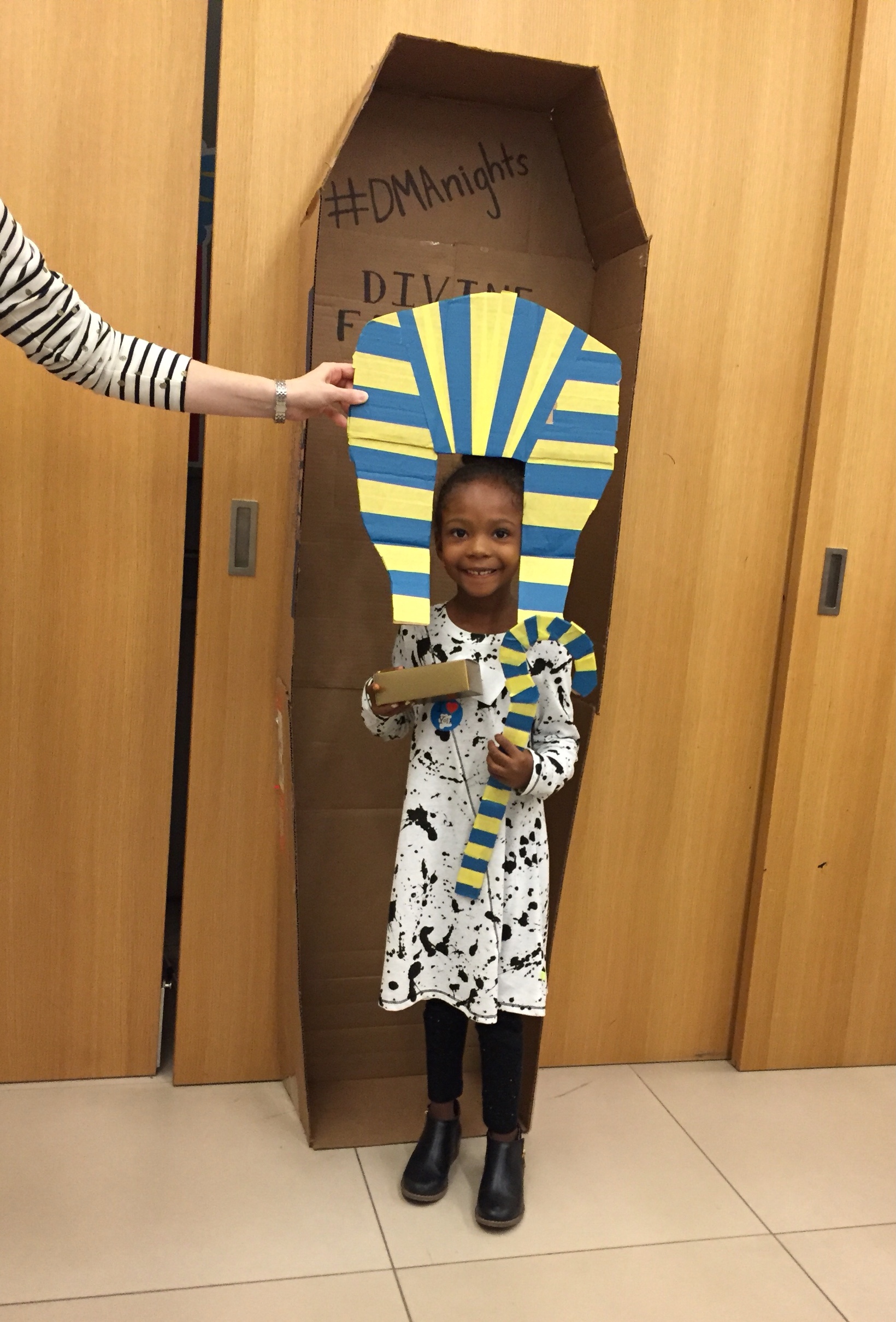
During our recent Divine Felines themed Arturo’s Art and Me Family Workshop, some of the participants pretended to be the ancient queens we learned about. Here they are in all their regalia!

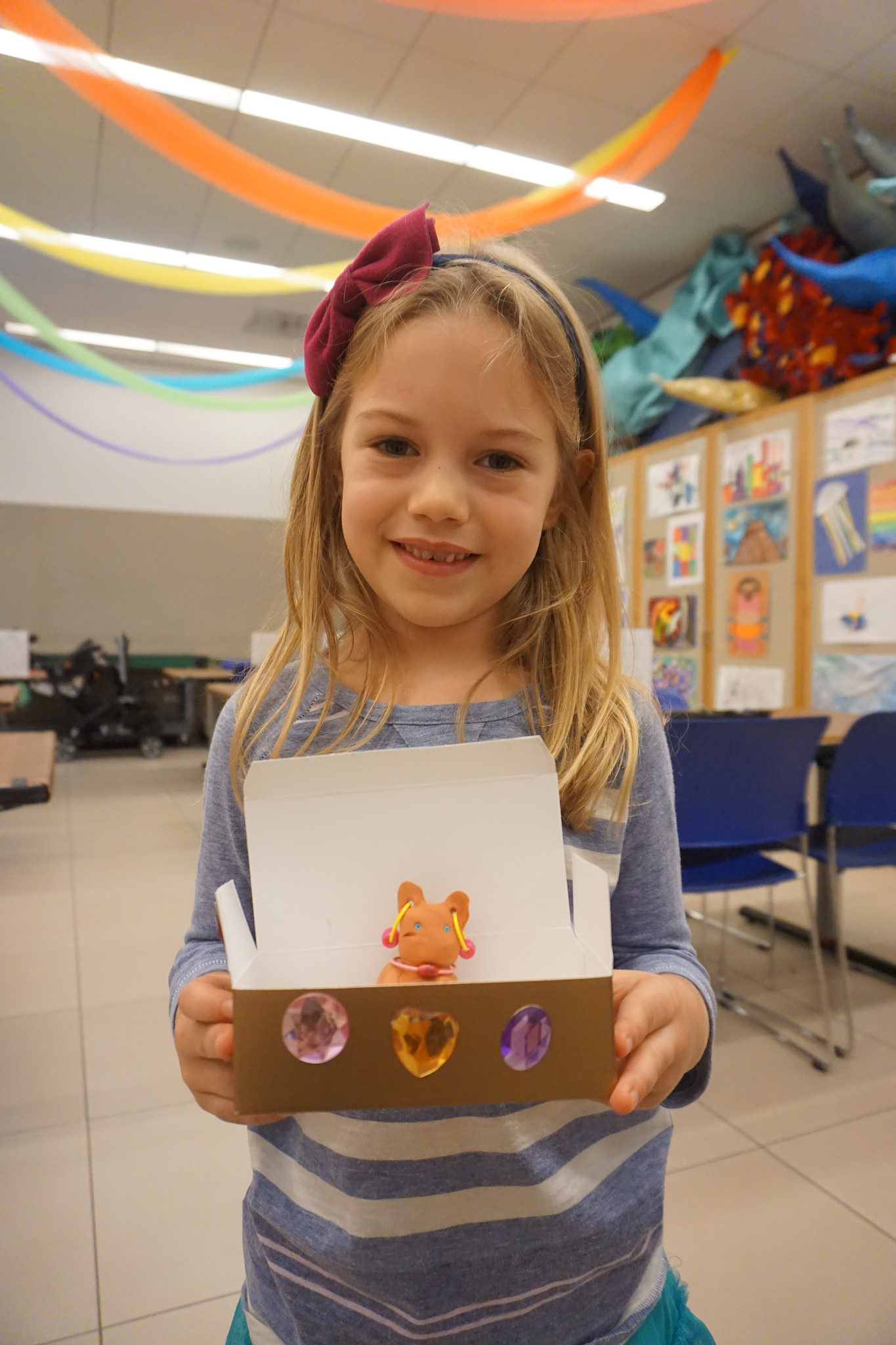
The royal kiddos learned about how the Ancient Egyptians loved their cats so much that they gave them fancy jewelry to wear and turned them into mummies once they passed away. They then made their own bejeweled cat sculptures out of Model Magic and a personalized sarcophagus for them. Here are some of the finished kitties!

30870572602_23b7799d2f_k.jpg

Our next Arturo’s Art and Me Workshops take place on December 7, 8, and 10th. Click here for more info!

Grace Diepenbrock
McDermott Intern for Family and Access Teaching

Volunteer Spotlight: DMA Docents & Mesquite Week

Here at the DMA, you might notice both staff and our amazing DMA docents breathing a sigh of relief. Last week we successfully wrapped up Mesquite Week, one of our most challenging and significant partnerships of the year.

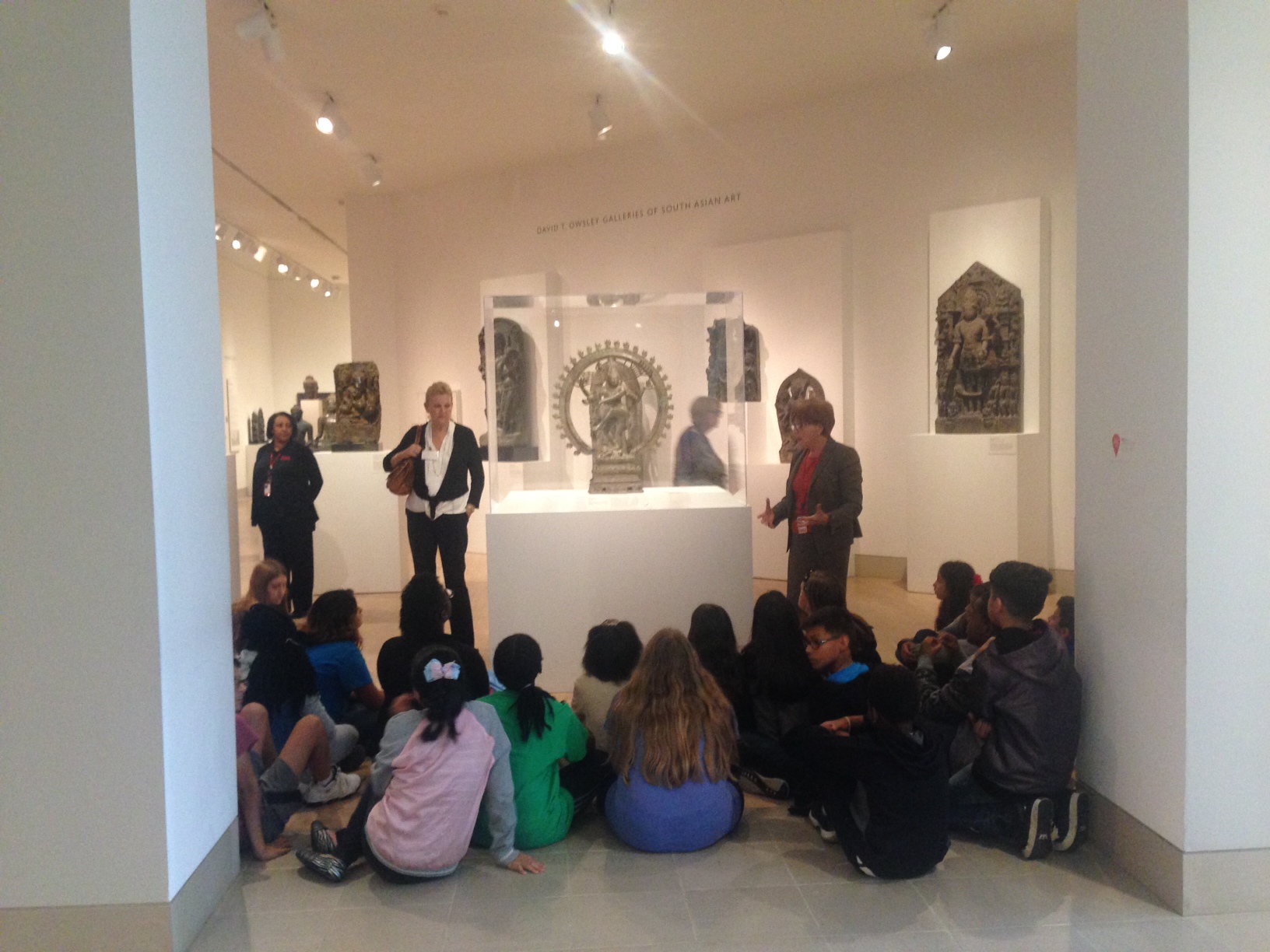
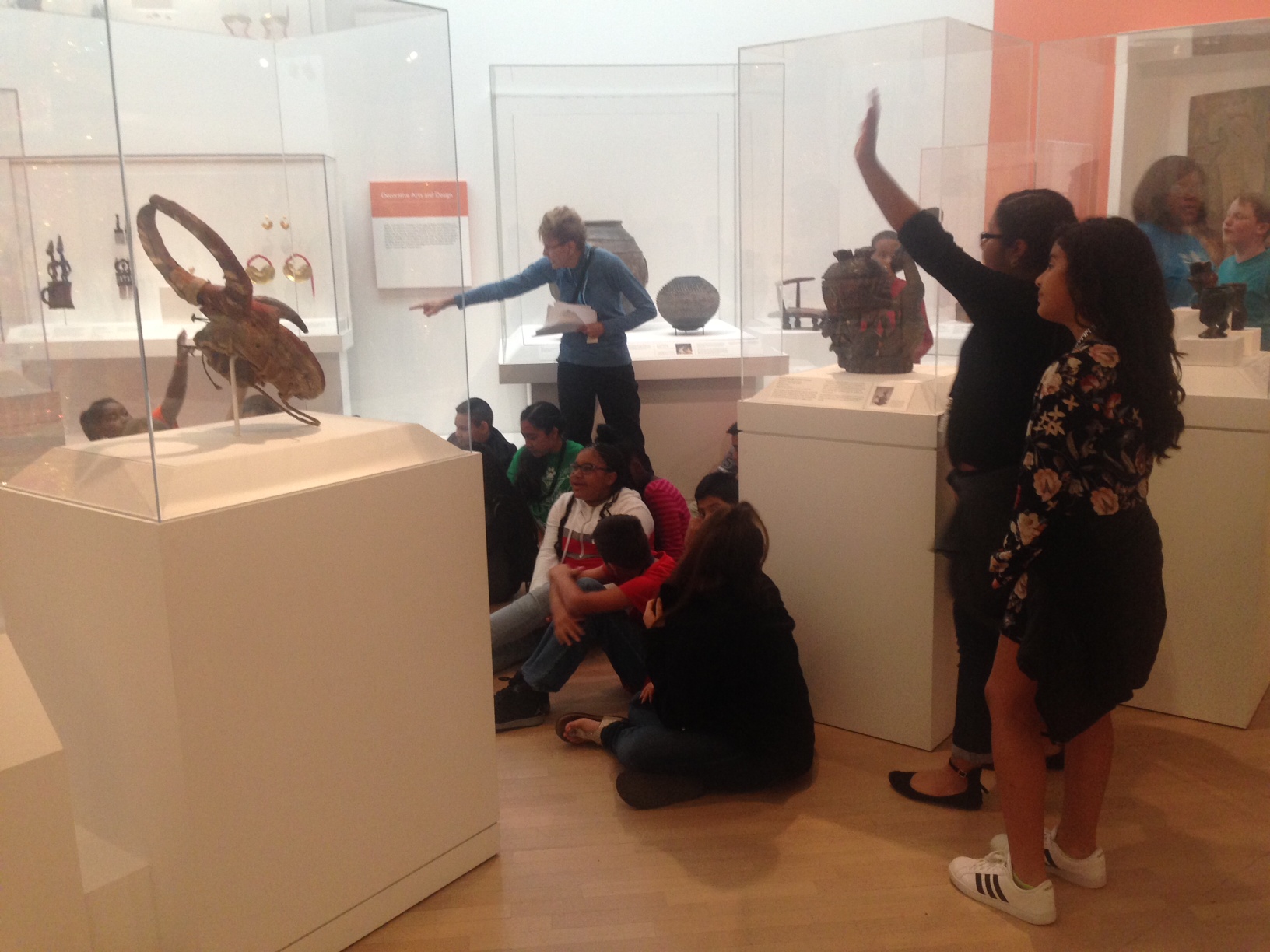
Mesquite Week was started in 1985 by Dr. William Hooper, the arts coordinator for the Mesquite Independent School District. Inspired by MISD’s tradition of offering students an opportunity to visit the symphony and the opera, Dr. Hooper hoped to establish an annual visit to the DMA. However, the DMA had just moved to the new downtown building—folks were wary about too many kids, too much of a time commitment, and not enough docents. Susan Cueller, the Head Docent at the time, took up the challenge of writing the teaching materials, coordinating a schedule, and overseeing the tours. Interestingly, Mesquite Week was the first time we provided pre-visit materials for teachers to build into their lesson plans. The partnership was very successful the first year, and MISD and the DMA have been coordinating to plan trips ever since.

This year we served all of MISD’s 6th grade students and the 8th grade visual arts students. That’s a staggering 2,740 students in six days–wow!

We sat down with Susan Cuellar and Joanie Smith, who currently shares Head Docent responsibilities with Jane Sibley, to chat about Mesquite Week and their experience as DMA docents.

[youtube https://www.youtube.com/watch?v=Csp5cp6tQzo&w=560&h=315]


[youtube https://www.youtube.com/watch?v=22fdqYK3y1Q&w=560&h=315]


Thanks to the DMA docents, we’re able to pull off ambitious programs like Mesquite Week and offer thousands of students guided tours of the Museum each year. With Thanksgiving right around the corner, we’re reminded of how grateful we are for our volunteers who share their time and passion for art so generously, and I’m sure 2,740 MISD students would agree.

Lindsay O’Connor
Manager of Docent and Teacher Programs

Angela Medrano
McDermott Intern for Gallery and Community Teaching

Subliminal Art Messages

I feel like our works of art have been trying to tell me something lately…

Four letters, one very important word on this election day! If you haven’t already, get out and:

This message was approved by the DMA’s collection!

Taking deep breaths into a paper bag,

Amy Copeland
Manager of Go van Gogh and Community Teaching Programs

Friday Photos: Feline Good at the DMA

It’s been almost a month since Divine Felines: Cats of Ancient Egypt opened here at the DMA and it’s been purrfectly amazing how much our visitors have enjoyed the exhibition. In addition to over eighty ancient objects, the exhibition also features an educational space which offers interactive learning opportunities.

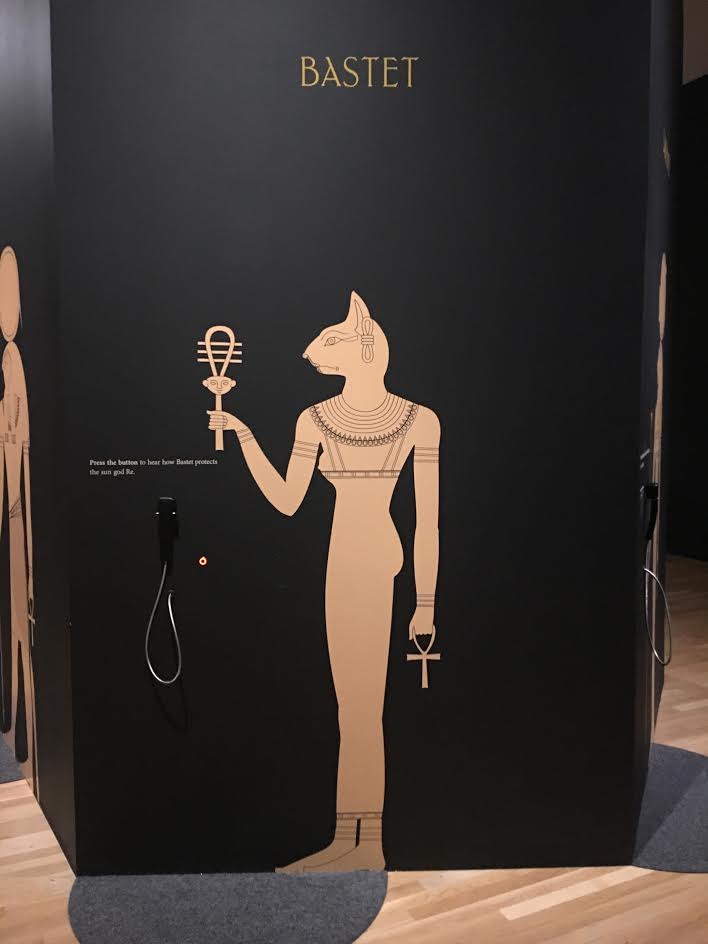
At the sound wall, you can listen to stories of deities in Ancient Egyptian mythology, courtesy of our favorite storyteller Ann Marie Newman.

bastet

The goddess Bastet, whose head is cat-shaped.

image-of-divine-felines

Images (left to right): Cat’s Head, Egypt, Roman Period, 30 B.C.E.–3rd century C.E., bronze and gold, Brooklyn Museum, Charles Edwin Wilbour Fund, 36.114; Sphinx of King Sheshenq, Egypt, Third Intermediate Period, Dynasty 22–Dynasty 23, c. 945–718 B.C.E., bronze, Brooklyn Museum, Charles Edwin Wilbour Fund, 33.586; Standing Lion-Headed Goddess, Egypt, Late Period or later, 664–30 B.C.E., faience, Brooklyn Museum, Charles Edwin Wilbour Fund, 37.943E

You can also smell the perfumes, oils and incense that played an important role in Ancient Egyptian daily life and the afterlife. Experience the scents a Pharaoh might have encountered in an ancient temple, or those the embalmer might have smelled while preparing a mummy for the afterlife.

unnamed-2

Reading Area and Scent Bar

You can also find a selection of objects in this area that are part of the Museum’s own collection, so be sure to hunt down the felines we have present all across the Museum!

A selection of these works can be found in our Cats Across the Collection self-guided tour and our Feline Friendly Family Guide. And don’t forget to check out all the upcoming exhibition programs here. We’re not kitten around when we say a visit to the Museum is the purrfect fall activity for all our cat-lovers out there!

Marta Torres
McDermott Graduate Intern for Visitor Engagement

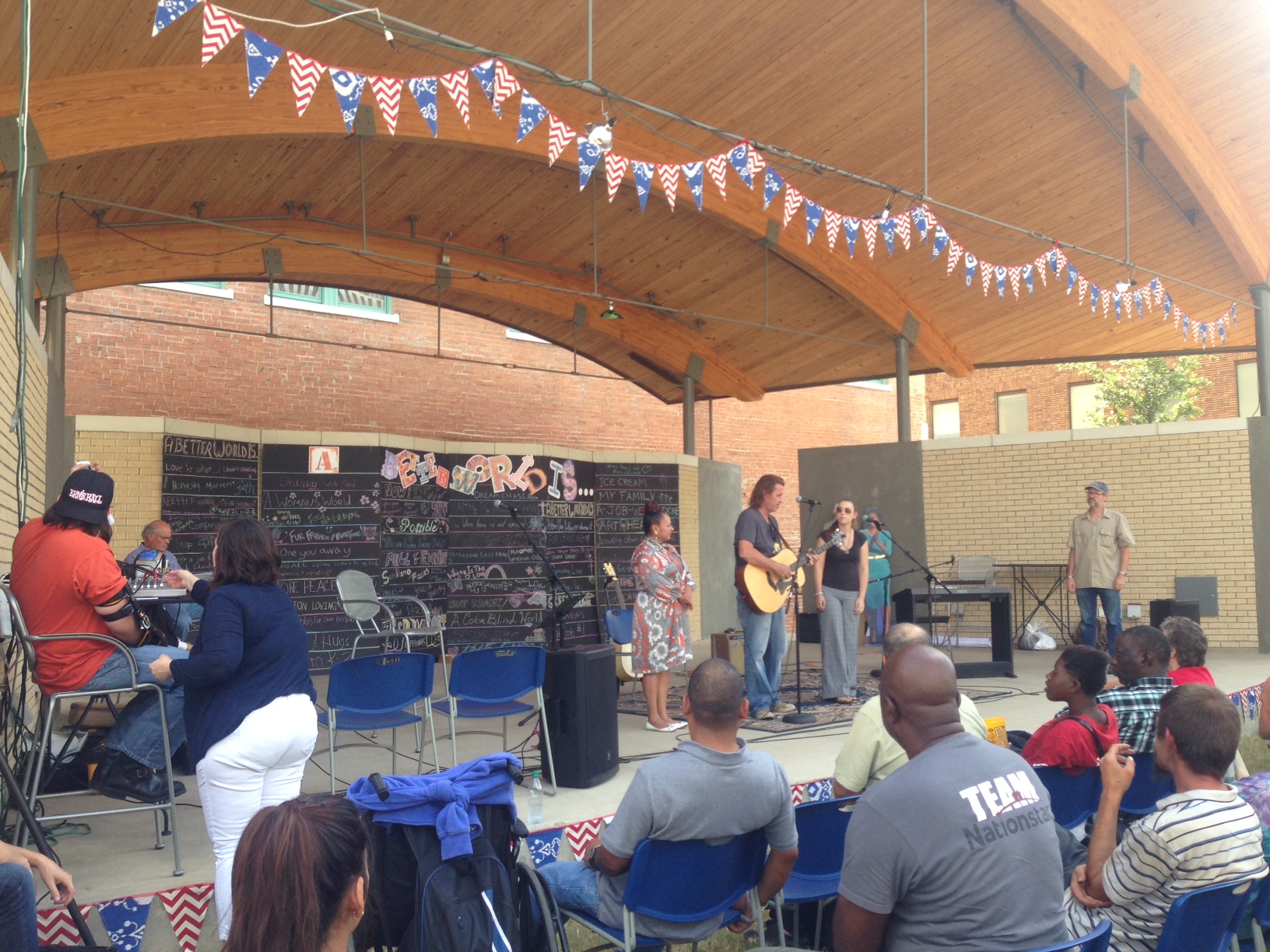
Friday Photos: A Better World Is…

stewpot-talent-show-12

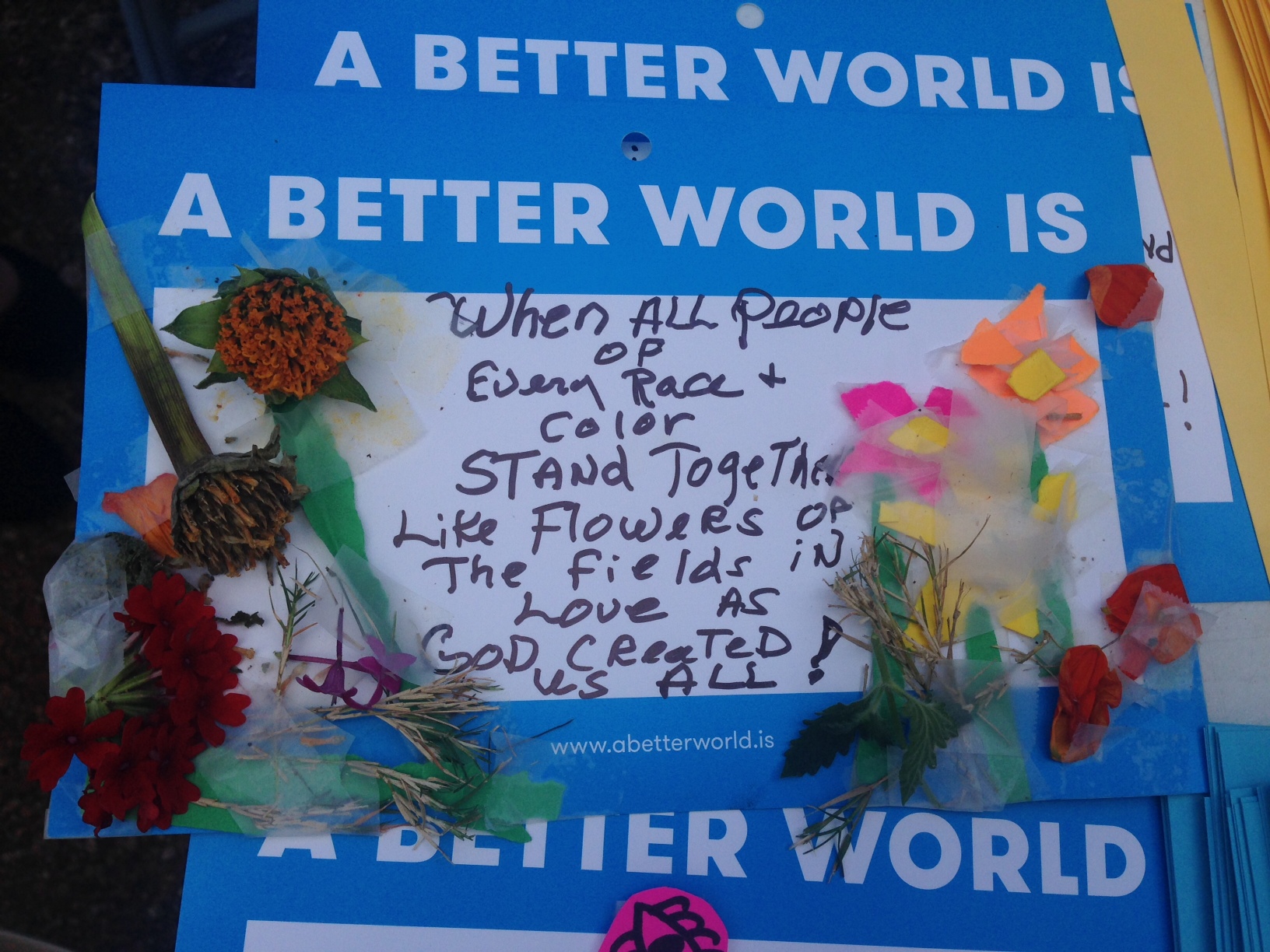
Claire Nilson’s vision for a better world.

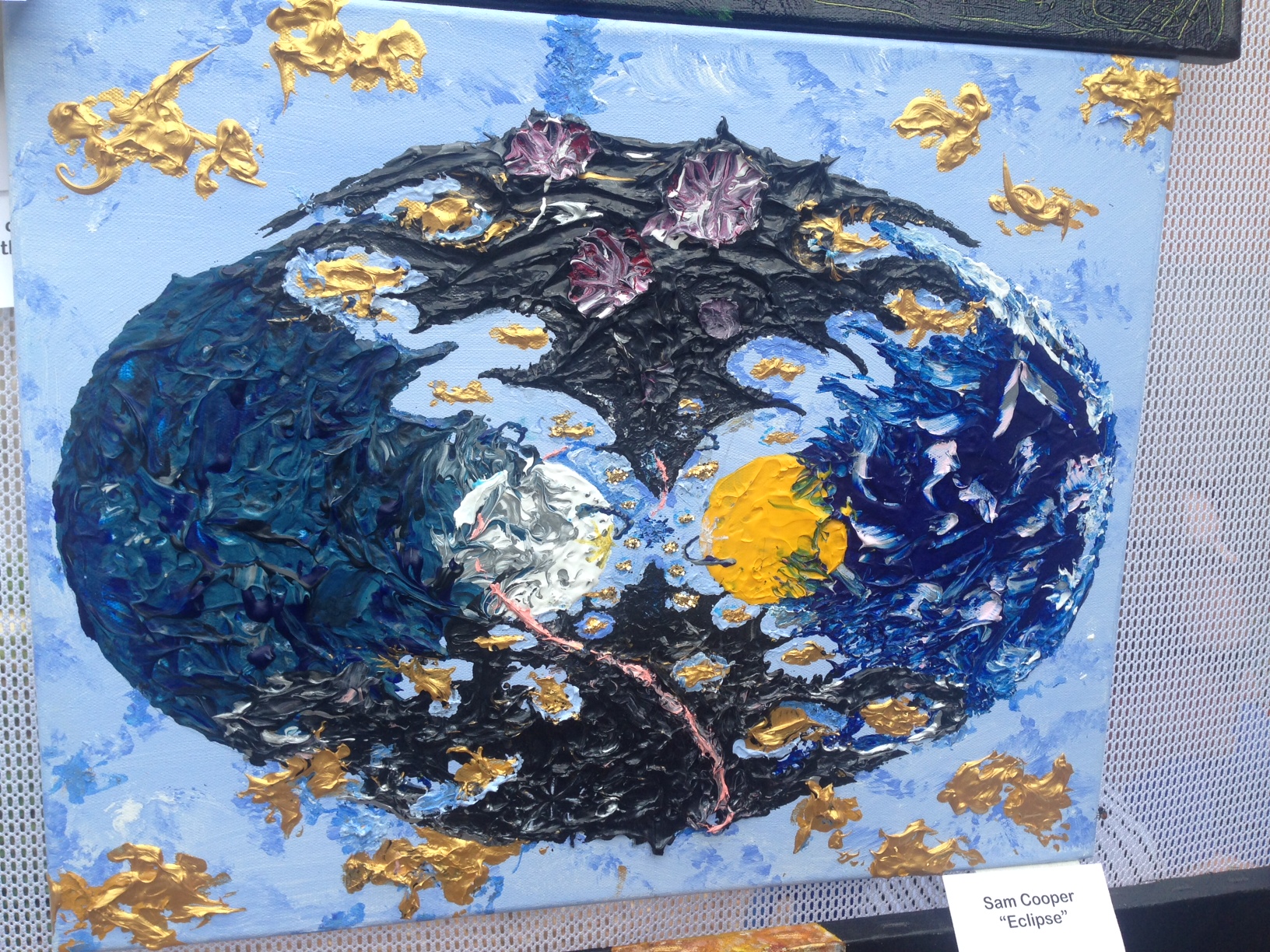
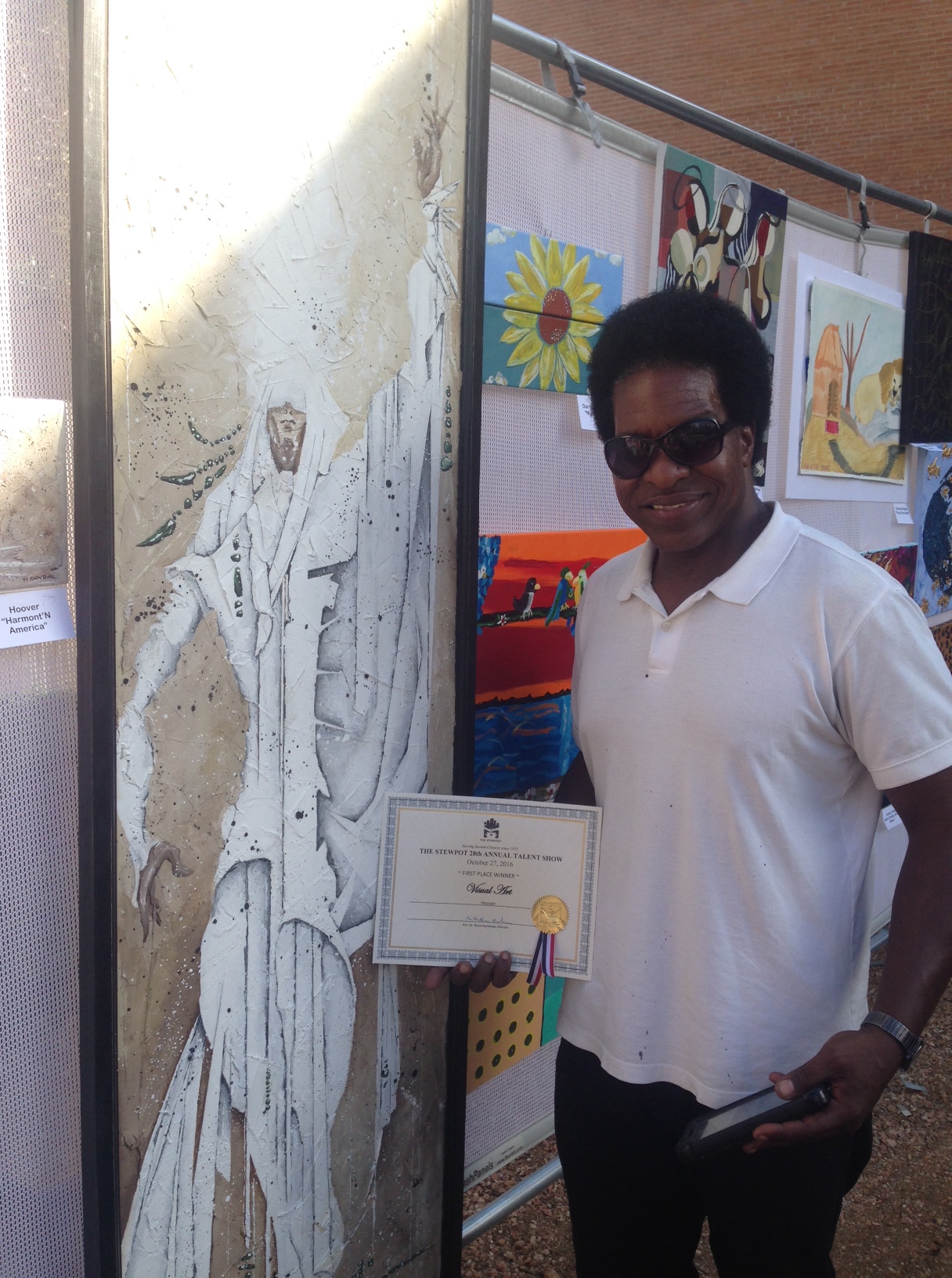
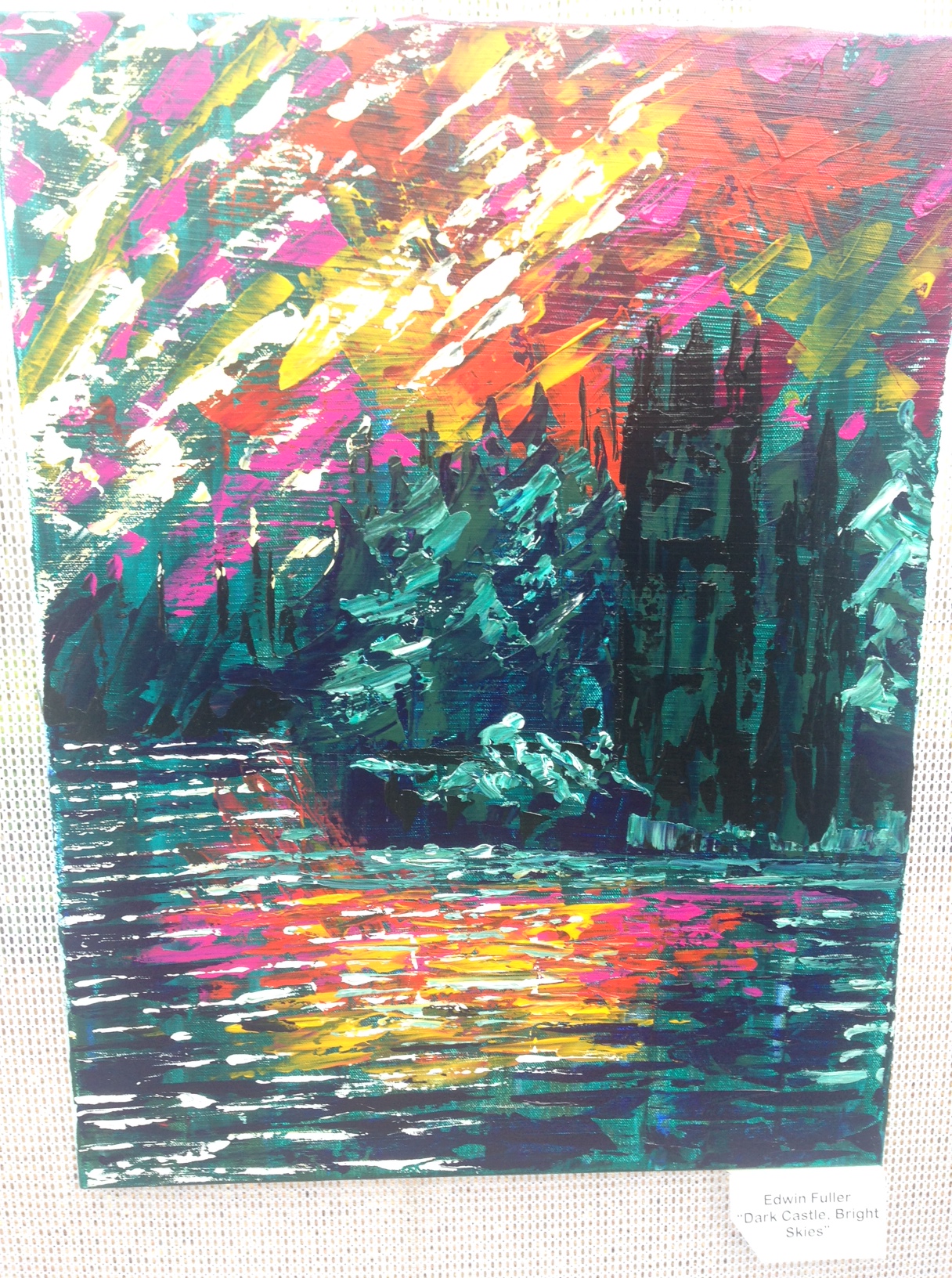
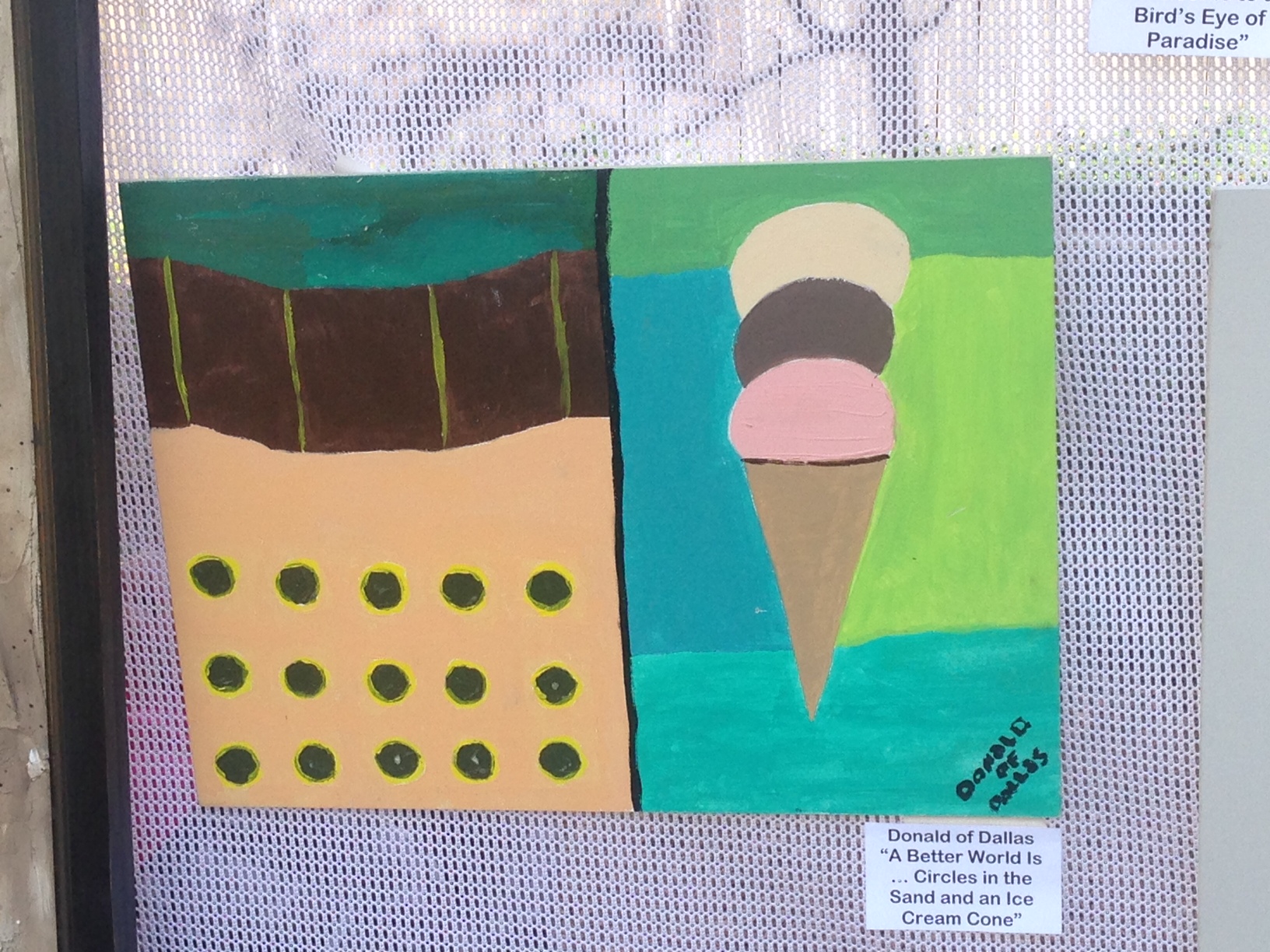
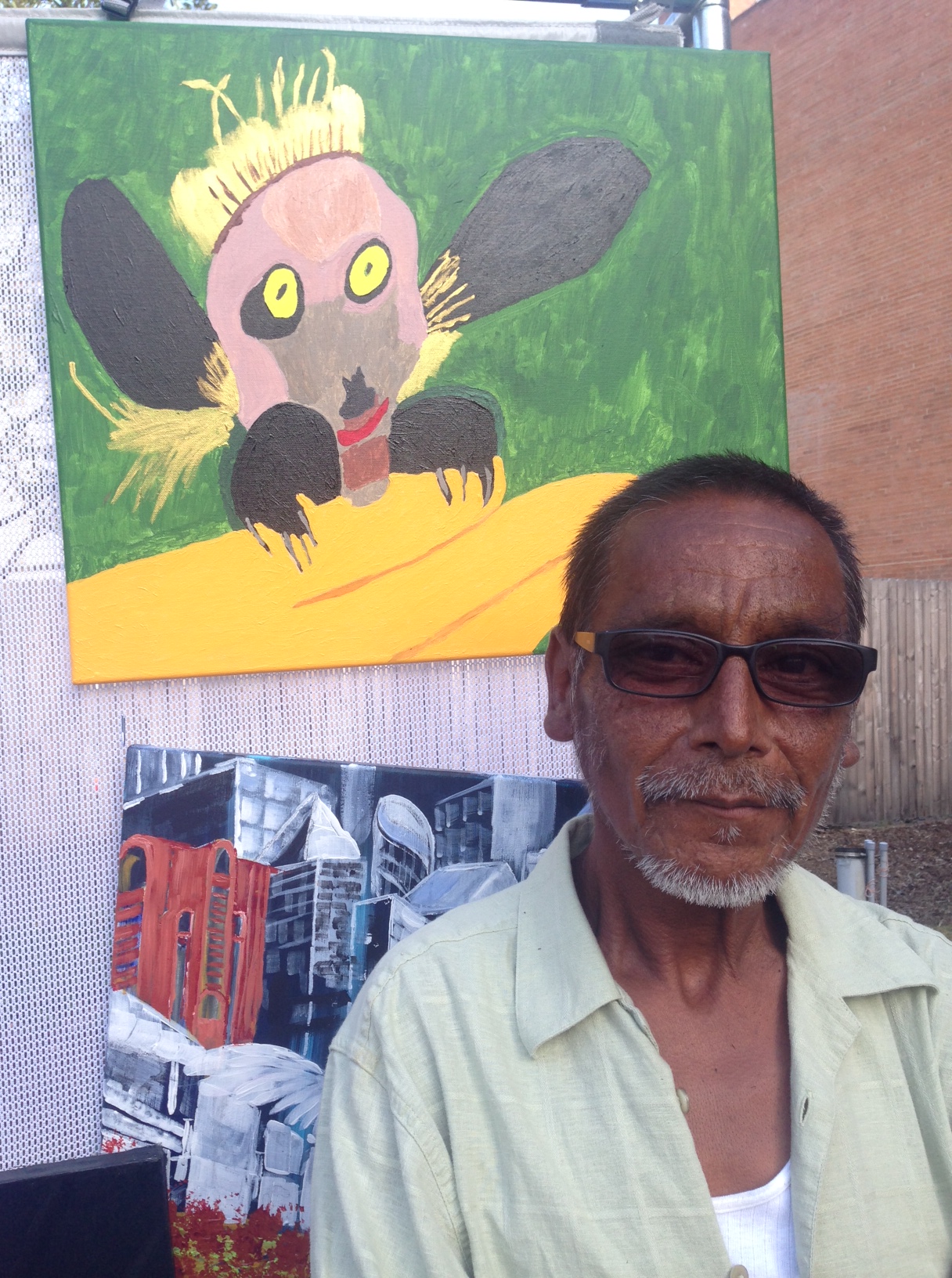
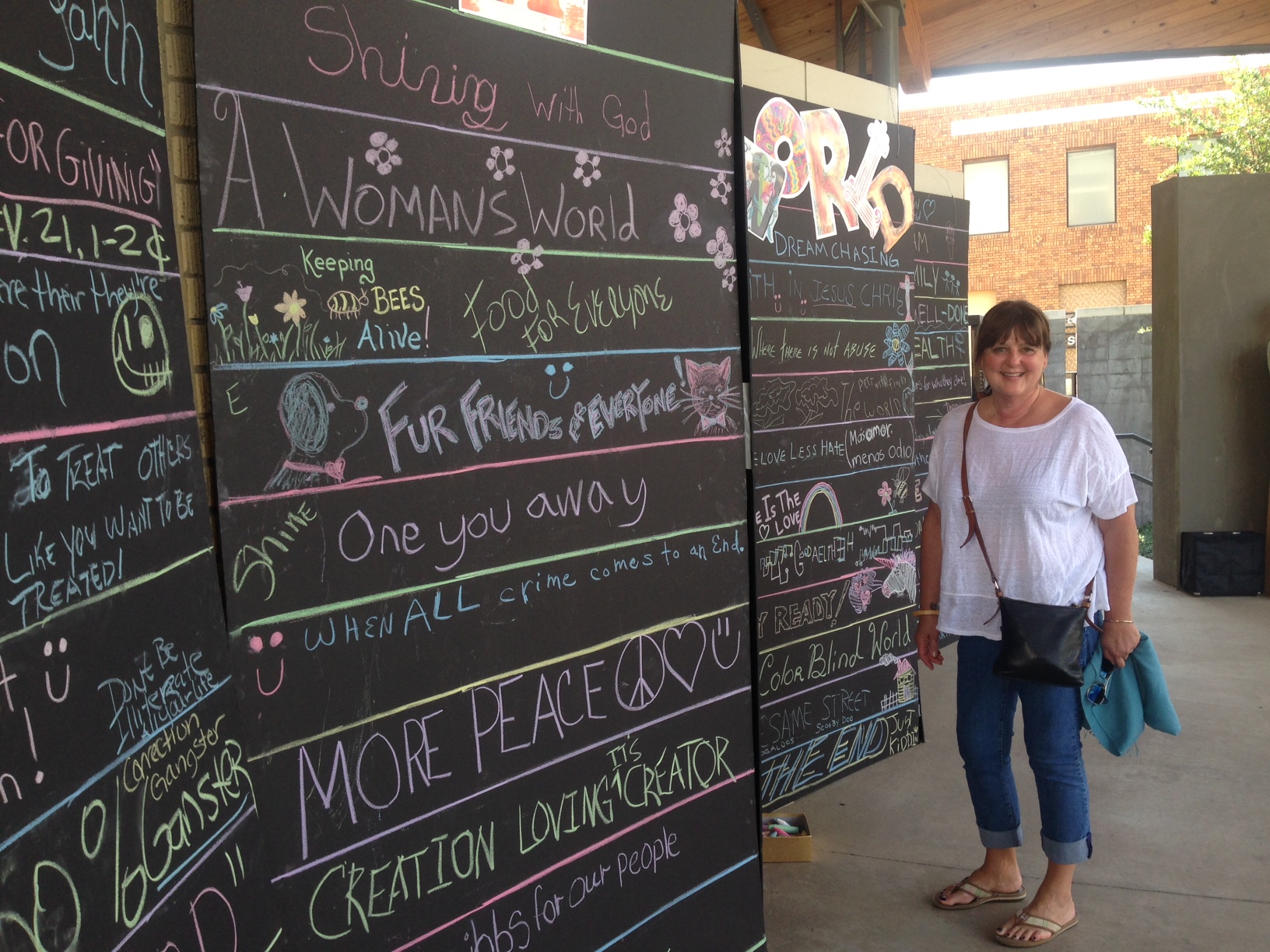
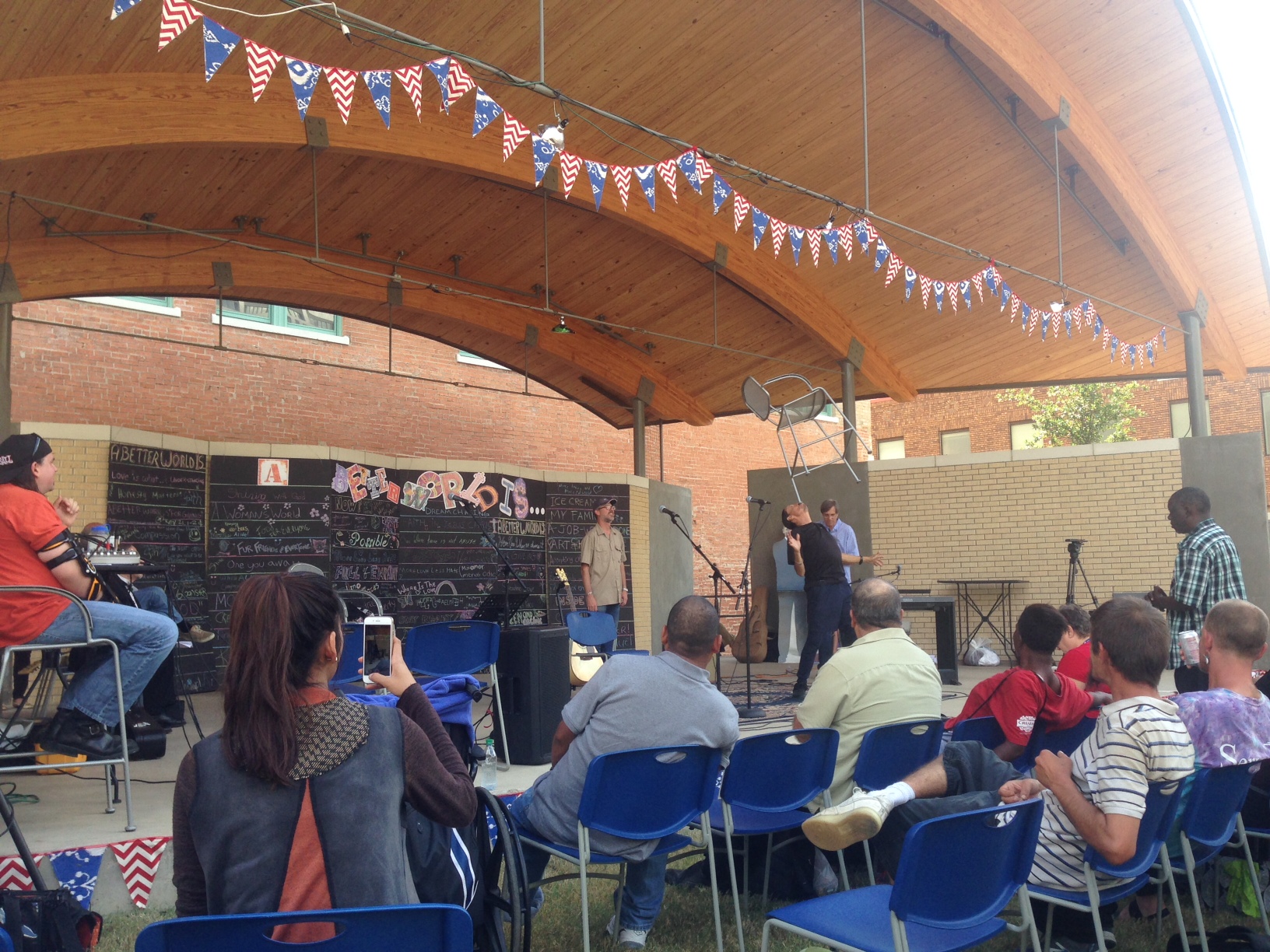
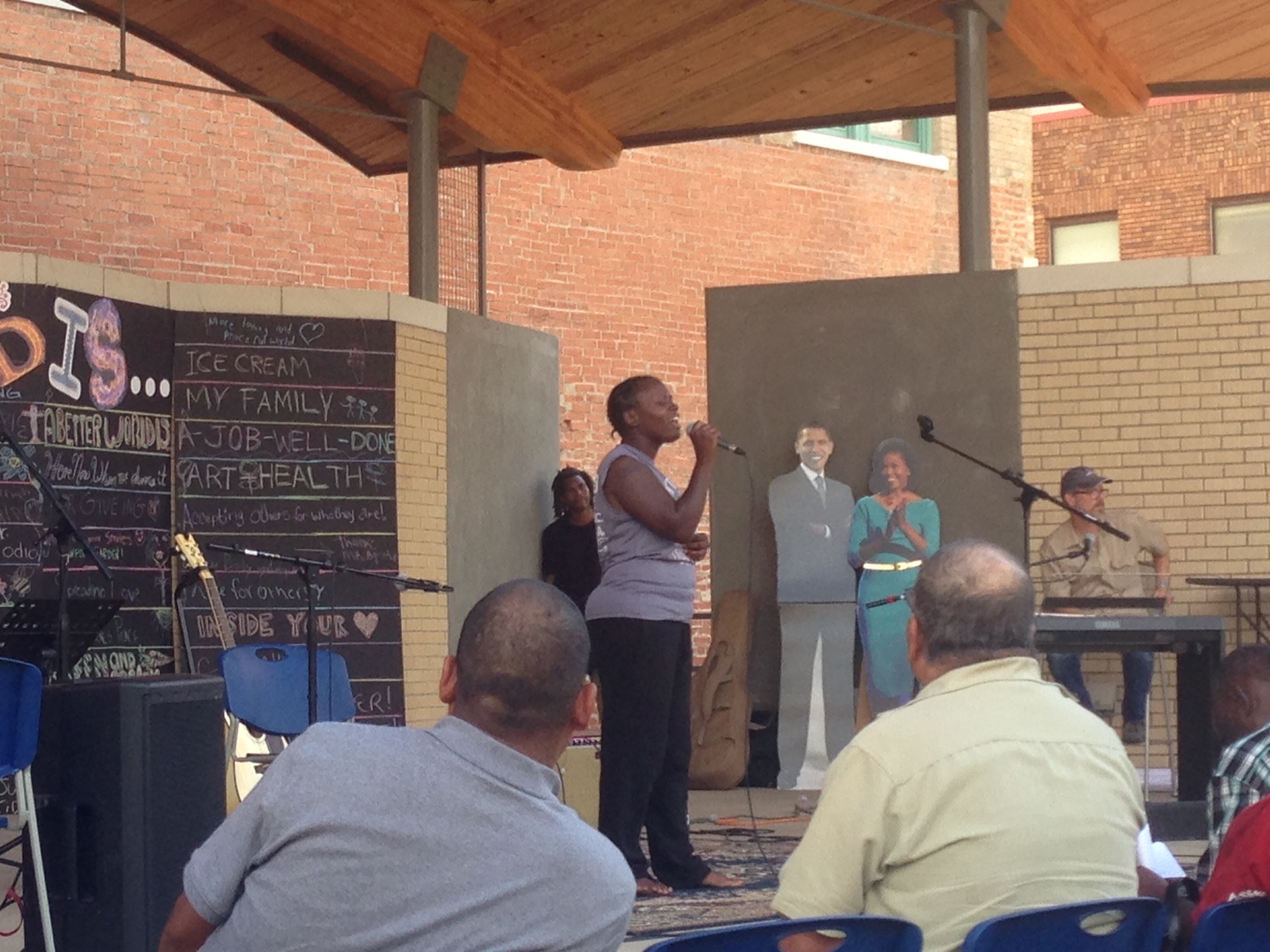
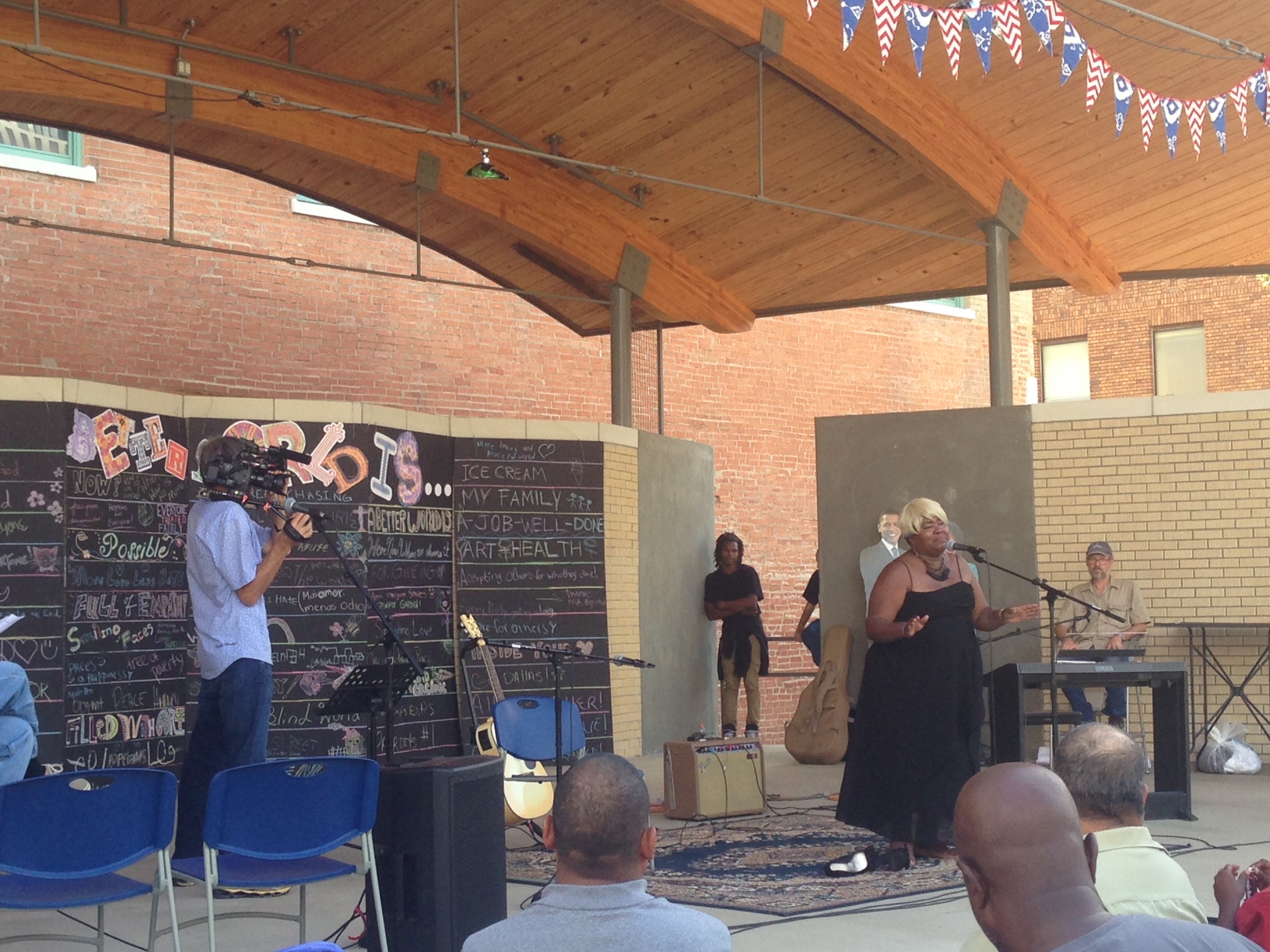
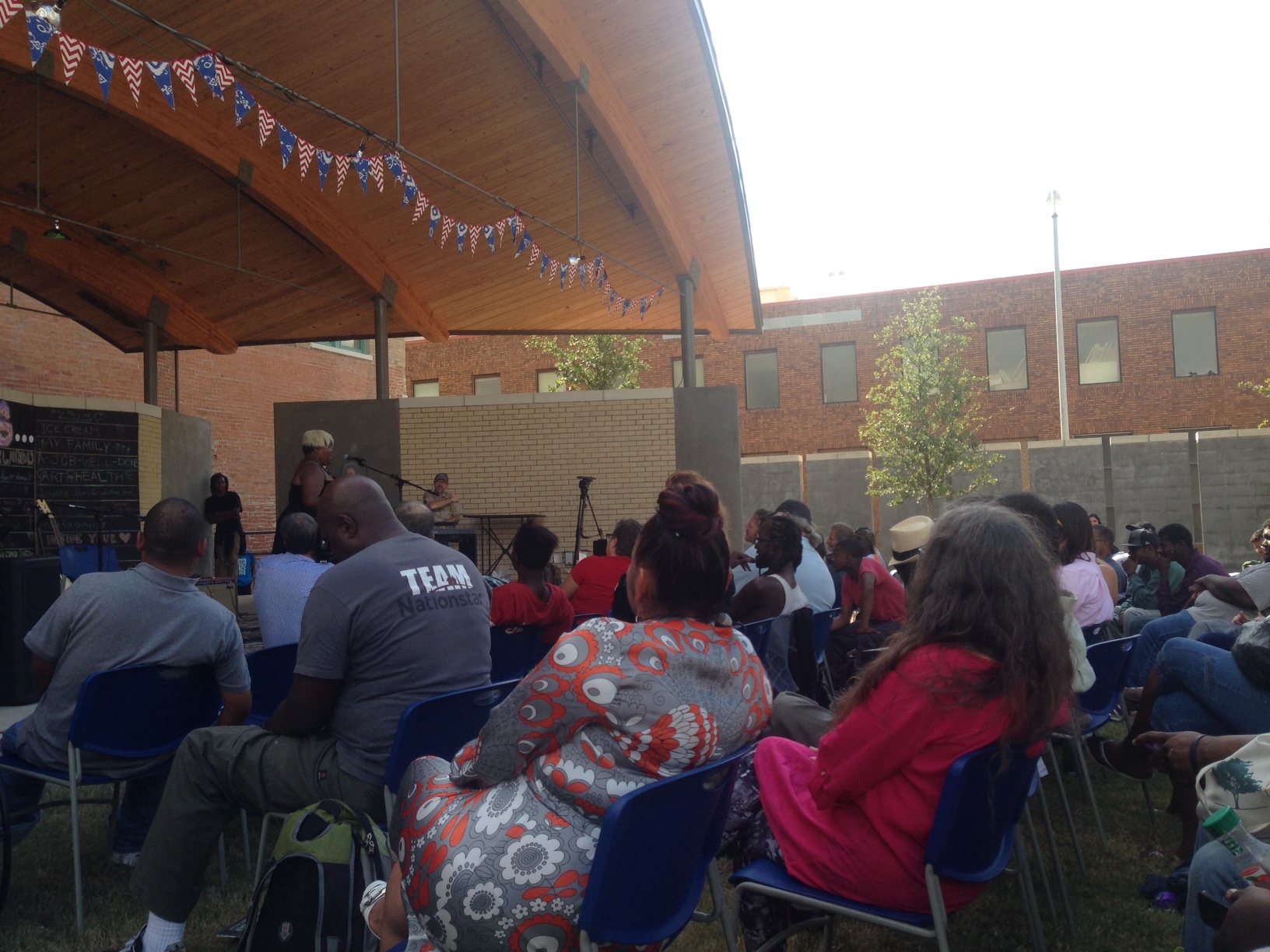
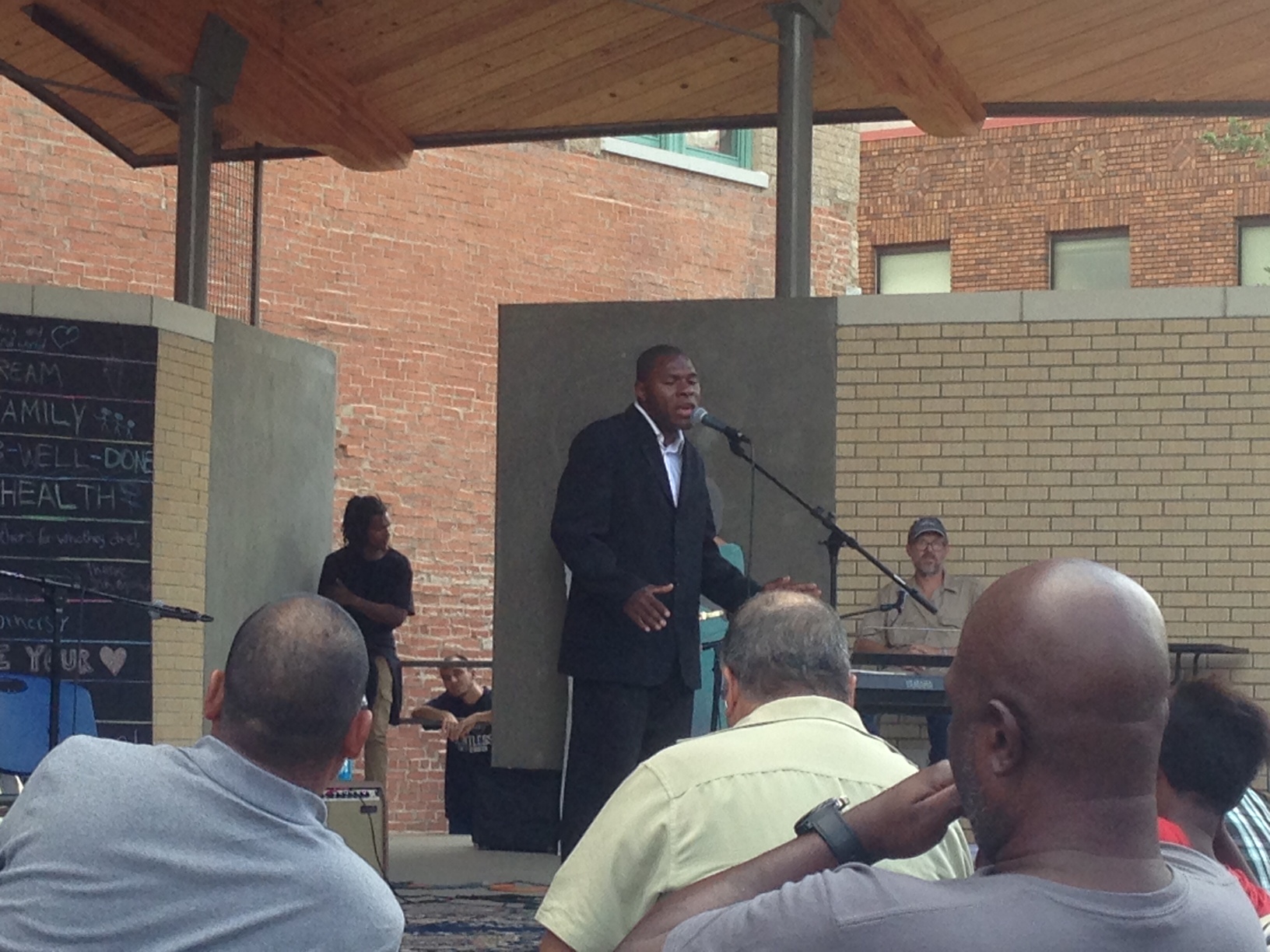
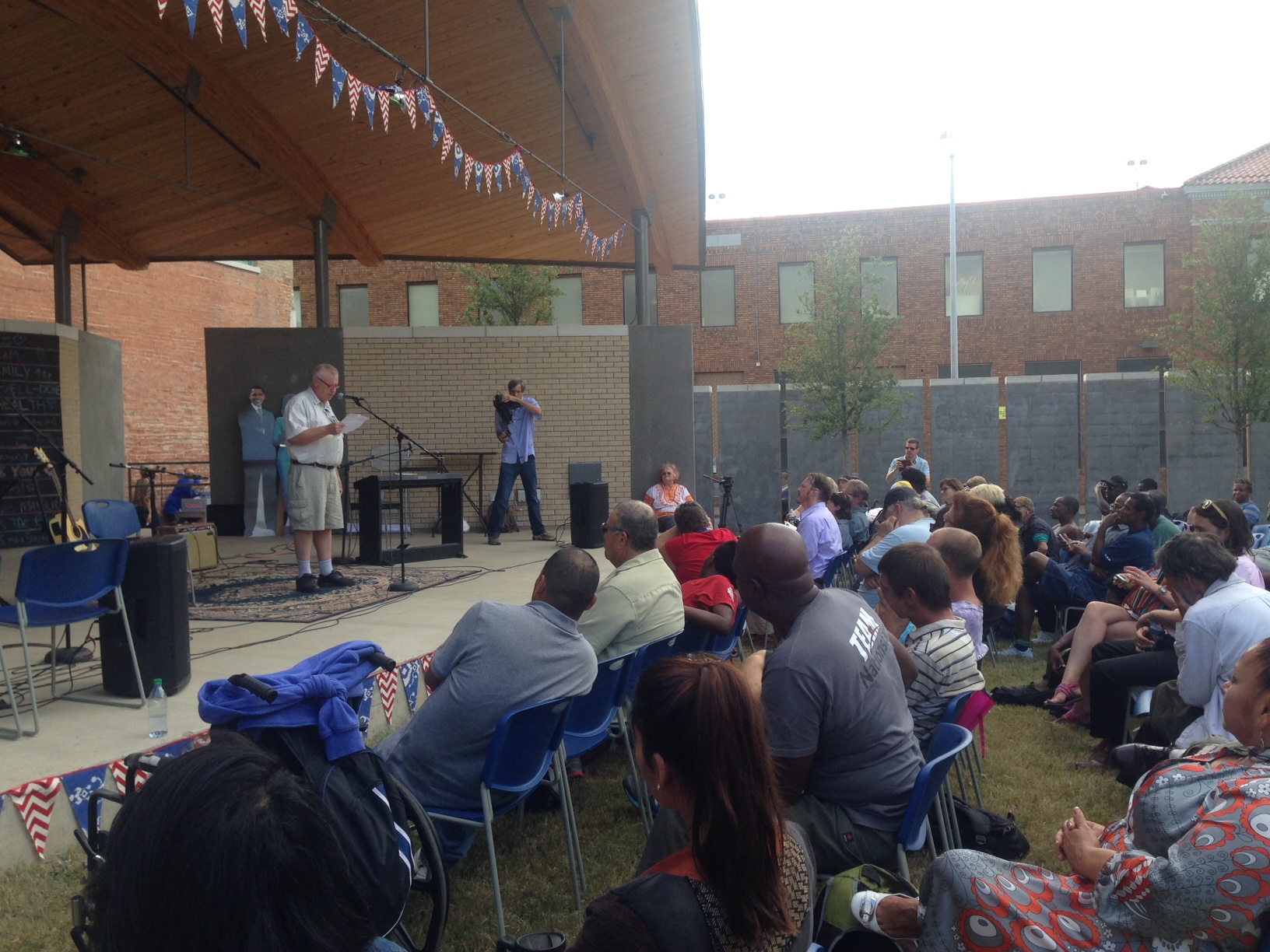
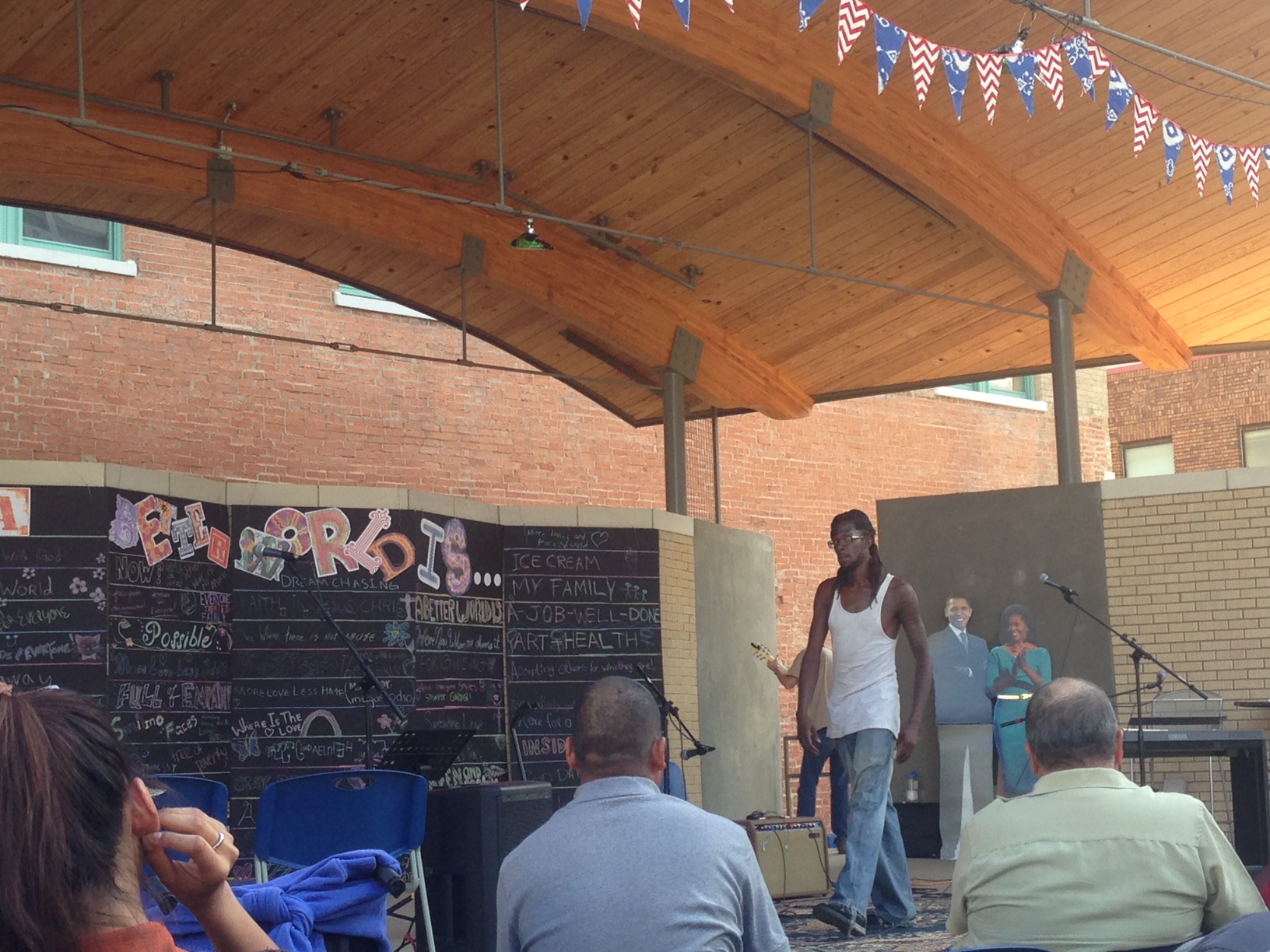
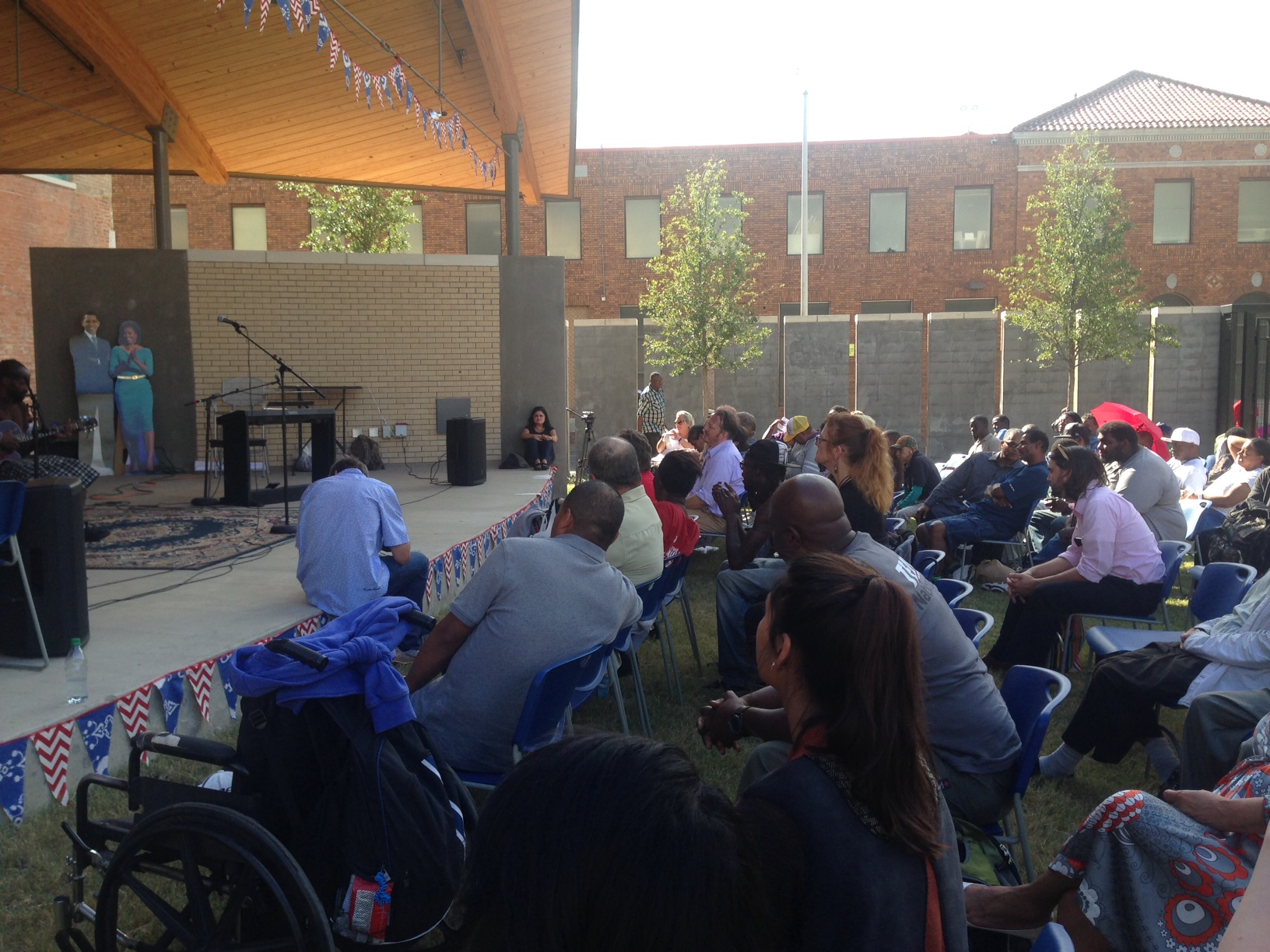
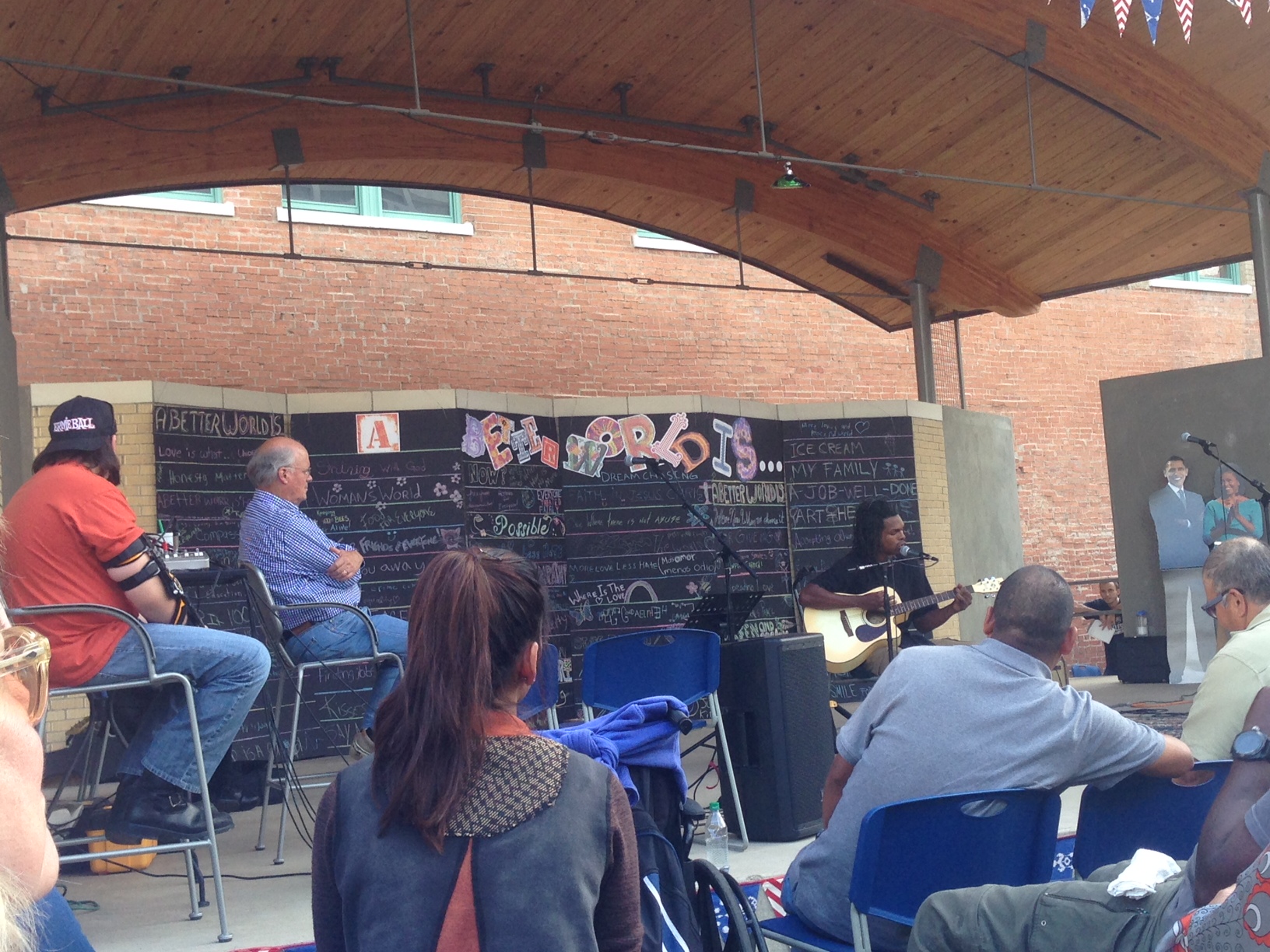
What does a better world look like to you? Yesterday I joined my friends from The Stewpot Art Program for an afternoon of music, art, and fun at The Stewpot’s annual talent show in beautiful Encore Park Dallas. And to top it all, my mom is visiting from Charleston and had the opportunity to meet some of the amazing artists who participate in our Stewpot partnership here at the DMA.

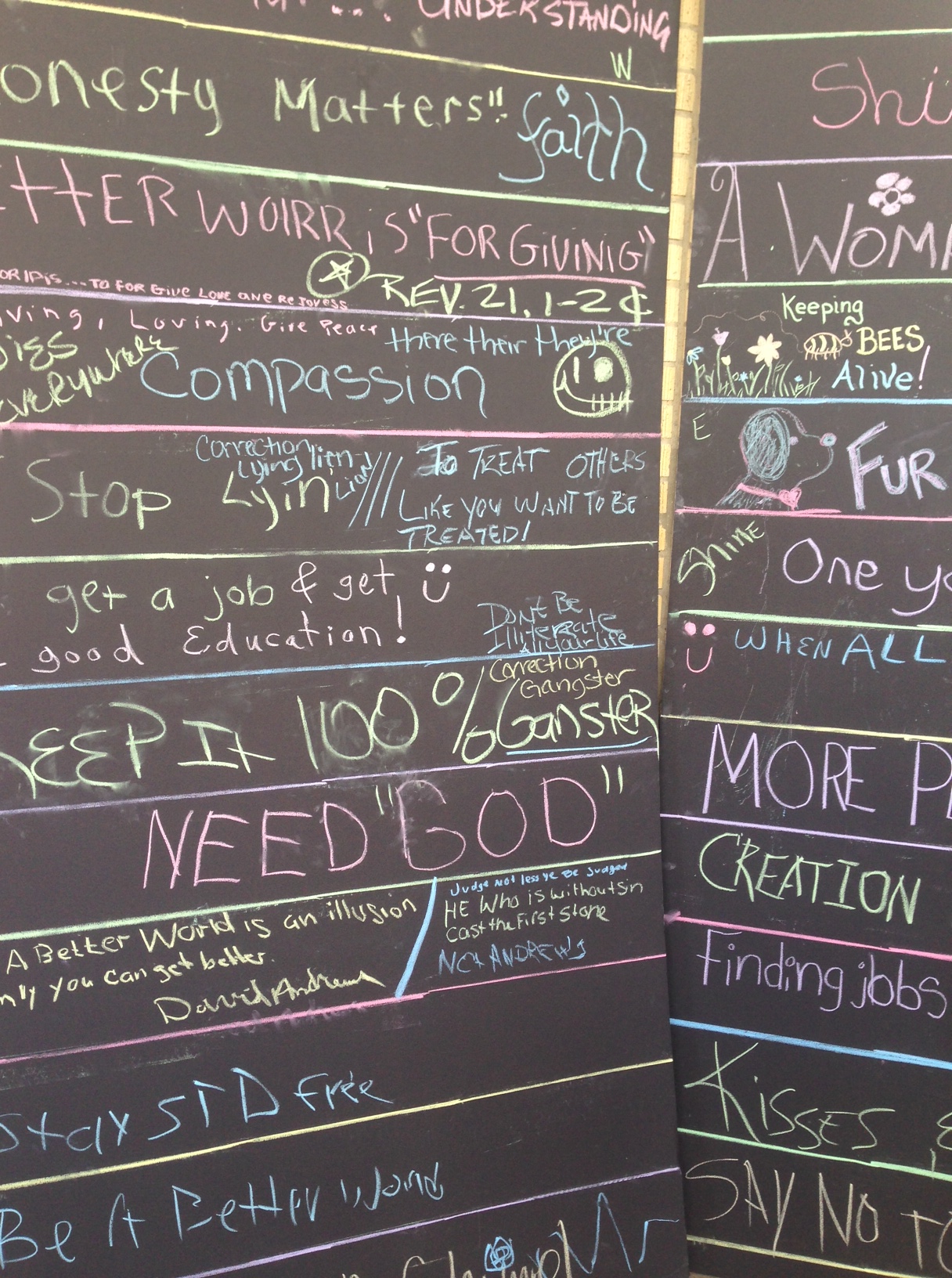
The theme of this year’s talent show was “A Better World Is…” Members of the Stewpot community used their outstanding talents to explore their vision for a better world – categories encompassed fine art, spoken word, essays and poetry, voice, and instrumentals. We certainly did not envy the judges! The afternoon included original compositions, powerful meditations on the role each of us plays in creating a better world, and a rocking version of Chuck Berry’s “Johnny B. Goode.”

Suffice to say, we have some amazingly talented members of our North Texas community at The Stewpot! Please be sure to mark your calendar for The Stewpot Art Program’s upcoming show at the Dallas Public Library and check out other opportunities to support this wonderful community outreach program. As one participant observed, “A better world starts when we realize we’re here to learn to be better and make the world a better place.”

Lindsay O’Connor
Manager of Docent and Teacher Programs

Treasures of the Dead: Burial Art of Ancient China

Today’s post comes from Mo Gyeong Seong, a DMA Teen Advisory Council member with a serious passion for history. He currently attends Carroll Senior High School in Southlake, Texas, where he has taken several classes in world history, humanities, and global languages. Enjoy his bite-sized tour of Chinese burial sculpture from the DMA’s permanent collection!

China’s Tang Dynasty was marked as a time of prosperity and discovery that fostered a distinctive cultural sphere lasting down to the modern day. Religion and spirituality played an important part in Tang life, and great thought was put into what would happen after an individual’s last breath. With Halloween fast approaching, I wanted to share a bite-sized tour of some of the burial art made by the Tang Dynasty.

1987_360_1_2_mcd_w

Pair of Lokapalas (Heavenly Guardians), early 8th century C.E., Dallas Museum of Art, The Eugene and Margaret McDermott Art Fund, Inc., in honor of Ellen and Harry S. Parker III

The Lokapala are guardians of the world in Buddhism, introduced to Tang China by the preceding Sui Dynasty. According to legend, the Lokapala were originally protector gods in Ancient India, called the Four Great Heavenly Kings. After witnessing the enlightenment of the Buddha, they chose to lead an army of ghosts to defend the worshippers of the Buddha from demons. The Four Kings would slowly integrate into Chinese burial traditions, guarding the four cardinal directions. Their fierce faces reflect their foreign origins. However, their armor is of a mystical Chinese style and a feng huang–an East Asian mythological King of Birds and symbol of harmony and royalty–is sculpted into their helmets.

1960.167

Polo horse tomb figure, 618-906, Dallas Museum of Art, gift of Mr. and Mrs. Arthur Rothwell.

Some of the finest pieces from Chinese tombs are the handsome and muscular ceramic horses created by talented craftsmen for burials of the elite. This one has faded over time, but centuries ago it would have dazzled in reds and oranges. Horses, thought to be related to dragons and crucial to the countless military campaigns waged by China, symbolized strength, wealth, and power. Horses also represented a spiritual ascension, as the souls of the dead could ride them into the afterlife.

T43866

Tomb Plaque Marker on a Tortoise Base, 1000-1200, Dallas Museum of Art, the Cecil and Ida Green Acquisition Fund

After the fall of the Tang Dynasty, a new burial tradition was adopted by the nobility: the use of large stone stele, or bei in Chinese. These stele were often etched with information from the deceased’s life, including occupation, age and date of death, birthplace, and their life accomplishments, as an enduring honor to the deceased. The stele is capped by carvings of mythological animals and erected on the back of a stone tortoise, an animal who could carry heavy loads according to Chinese mythology.

Make sure you visit these works of art currently on view on Level 3 of the permanent collection galleries! What other burial traditions can you uncover at the Museum?

Mo Gyeong Seong
Teen Advisory Council Member

Friday Photos: #inktober

Some of you might have noticed the #inktober hashtag popping up on your Insta feed recently. Inktober is an incredible project for artists and illustrators that occurs every year for the month of October. The creators set prompts for each day of the month, then artists create an original drawing using ink as the primary medium. It’s a great way to discover new ways of working and new artists to follow, and super fun to see how people from across the world respond to the theme of the day.

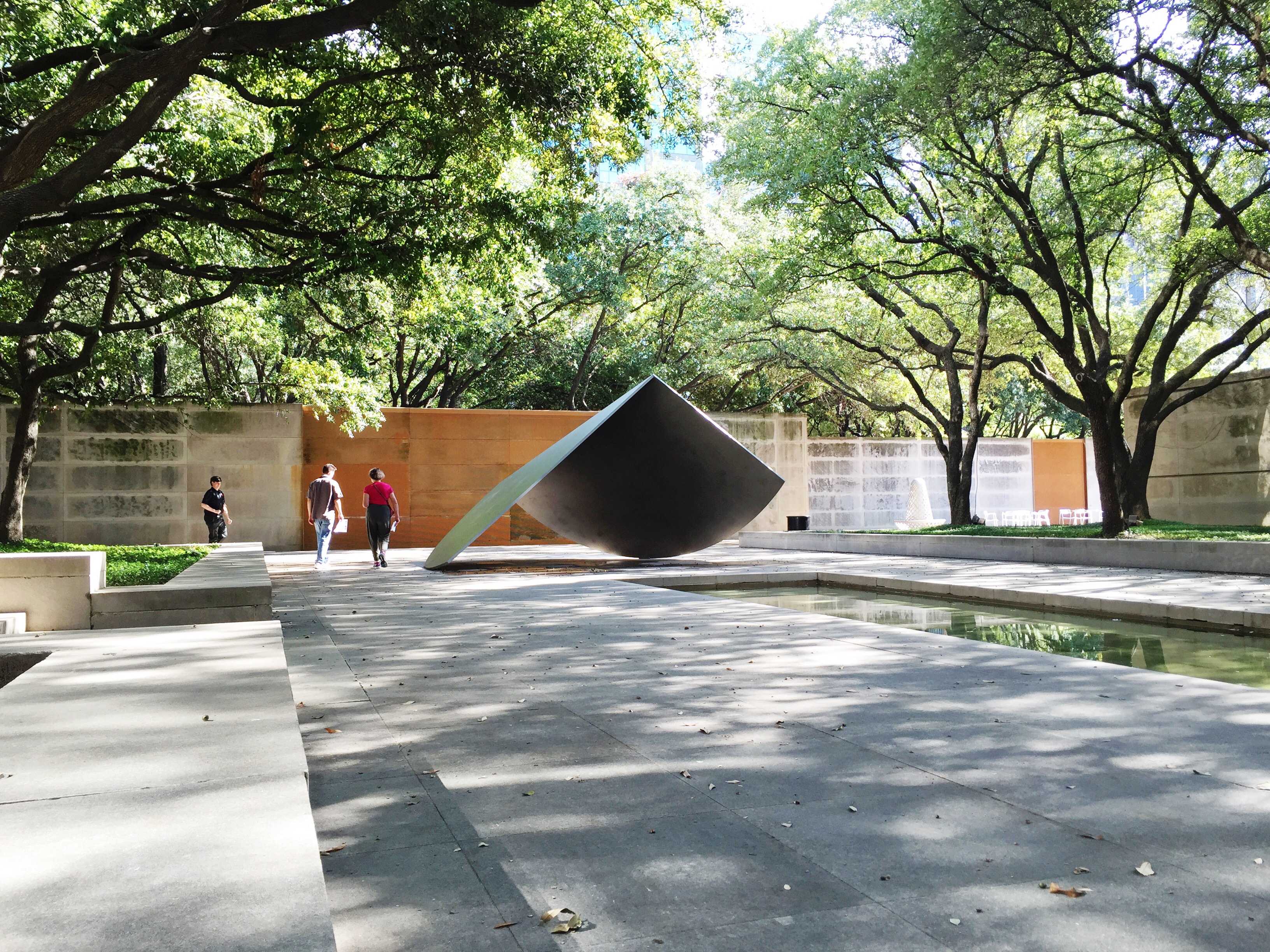
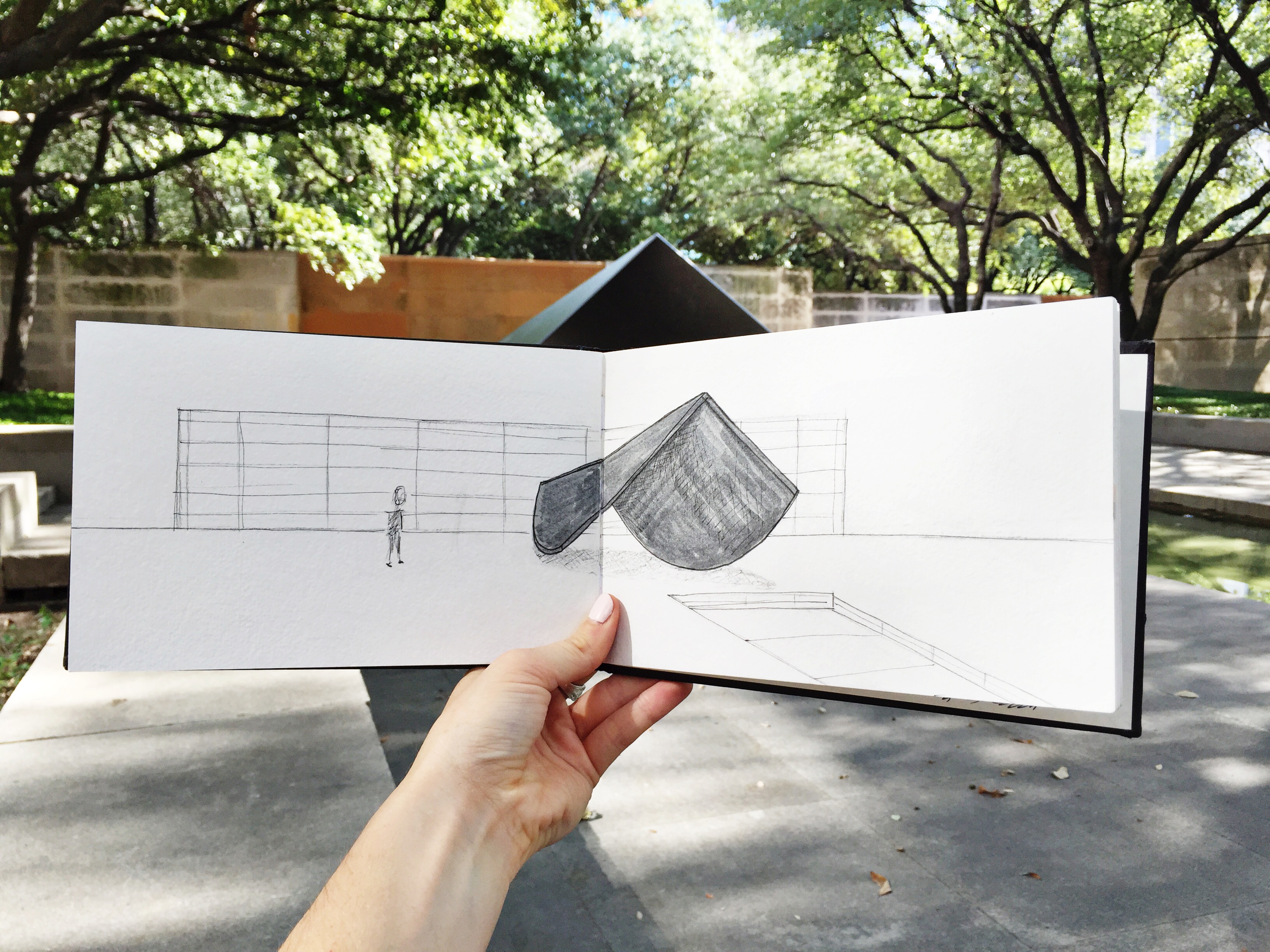
In honor of #inktober2016, this is my response to today’s prompt, big. I decided to do a sketch of one of the biggest pieces of art I could think of at the Museum: Ellsworth Kelly’s sculpture, Untitled.

This sculpture is outside in our sculpture garden, surrounded by trees and beautiful water features. It’s a gorgeous place to sit and sketch, read, or just relax in the fresh fall weather!

Image result for inktober 2016 themes

Reinforce your own positive drawing habits by participating with the remaining prompts this month. And if you’re a teen–or know a teen–interested in learning more about outdoor observational drawing, register for our Teen Workshop on the subject this Saturday!

Grace Diepenbrock
McDermott Intern for Family and Access Teaching

A Fairly Good Time

img_9937

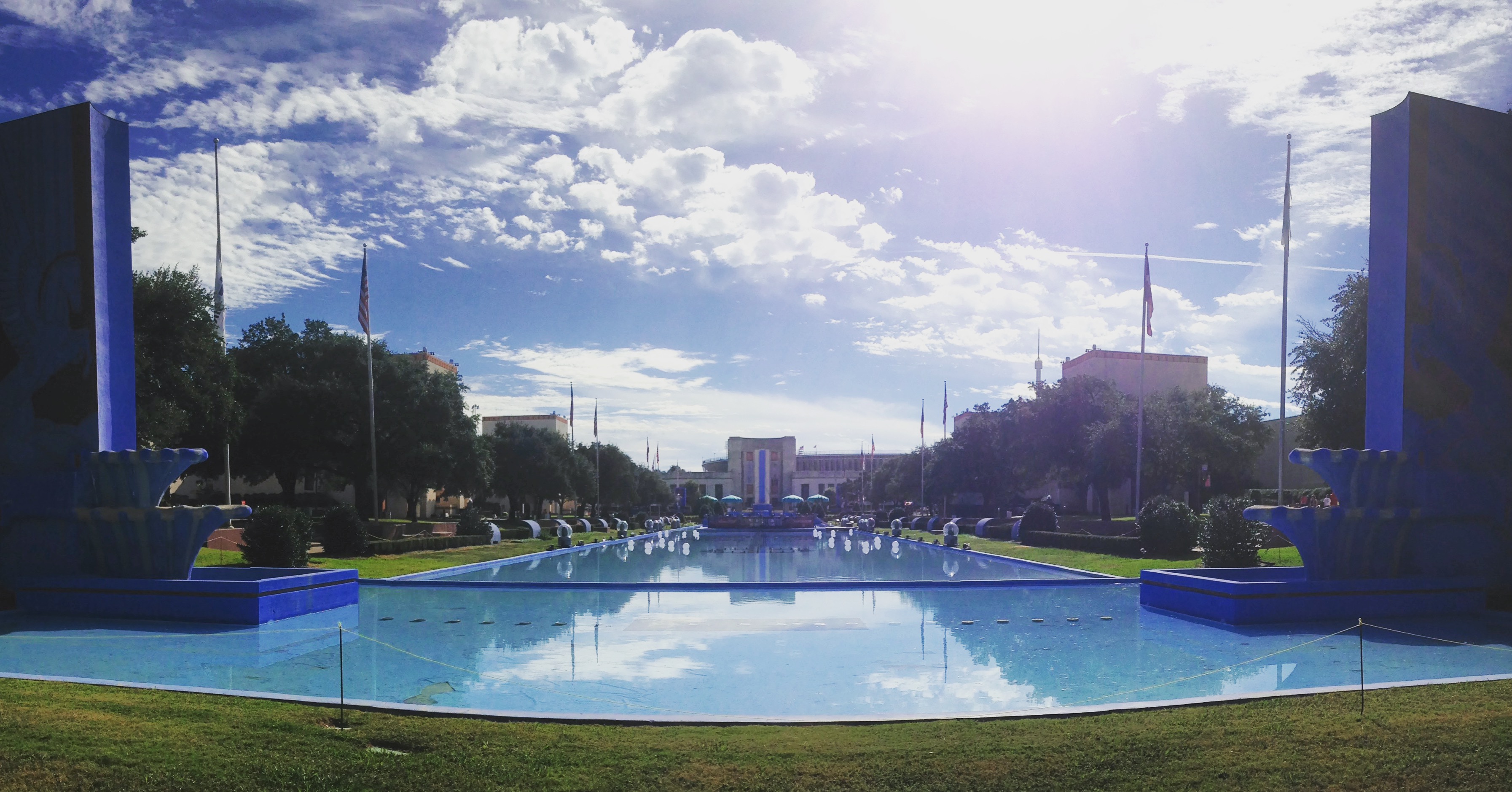
A view of the Esplanade at Fair Park from Jessica Thompson, Manager of Teen Programs.

Last Tuesday was our sixth annual Education Fair Day, a chance to escape the chill of the Museum for some deep-fried fun in the sun at the State Fair of Texas. For some, like Jessica Thompson, going to the Fair is a time-honored tradition. Jessica’s paid a visit to Big Tex nearly every year of her life. For others, like our McDermott Interns, it was a super-sized introduction to a slice of Texas history and culture.

Emily Wiskera and I tackled the trip together. While we chowed down on Fletcher’s corny dogs (a must!), admired the blue ribbons in the creative arts building, and searched for our favorite haunted house ride, I started wondering about what connections could be made between the fair and the DMA. A set of photographs recently installed in the Center for Creative Connections certainly provides some fair feels, but what about elsewhere in the Museum?

State and World’s Fairs

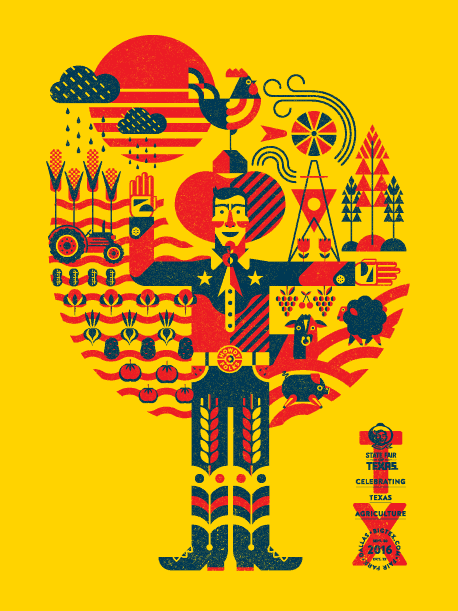
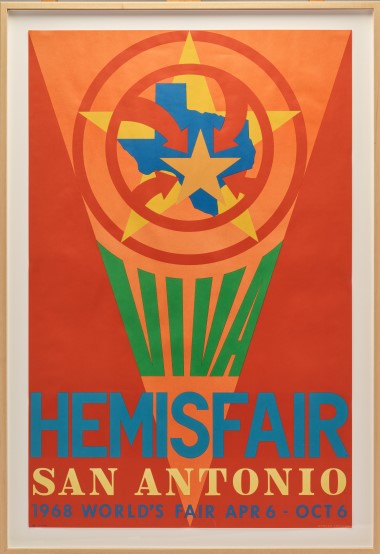
The above pair of posters was an easy connection to make. On the left, we have the 2016 State Fair of Texas poster; on the right, the DMA’s poster from the 1968 World’s Fair in San Antonio. Each was designed around a unique concept. Hemisfair, San Antonio illustrates the overarching idea of people coming from all over the globe for the World’s Fair. The artist, Robert Indiana, used circles with arrows drawn in towards a star in the south of Texas to convey this message. The star, besides featuring prominently on the state flag of Texas, acts a giant X-marks-the-spot, where the Hemisfair and San Antonio are the treasure.

Immediately recognizable in the State Fair of Texas poster is our celebrity cowboy, Big Tex, surrounded by fields, livestock, and farming equipment. The design is graphic, straight forward, and conveniently explained by a page from the State Fair of Texas website:

Originally established as a livestock exposition back in 1886, it is without question that the Fair has deep roots in agriculture. In honor of its history, the Fair constantly strives to promote agricultural education and aims to further support this initiative through its 2016 event, themed “Celebrating Texas Agriculture.”

Though on different scales, state fairs and world’s fairs both bring people together for a variety of cultural experiences. Here’s how the State Fair of Texas compares to world’s fairs:

  • The State Fair of Texas, at 24 days per season, is the longest running state fair in the United States. A World’s Fair can last up to six months–the 1968 Hemisfair in San Antonio did!
  • An estimated 1.5 million – 3 million people attend the State Fair of Texas each year. For reference, the population of Dallas is 1.3 million people, and Texas’ population is 27.47 million people. The 1968 Hemisfair brought in 6.4 million people from all over the world, and the recent 2015 Expo (or World’s Fair) in Milan had 20 million visitors.
  • This year marks the 130th anniversary of the State Fair of Texas in Dallas. In contrast, world’s fairs are held in a new city and country every year.

Creative Arts

baltimore

Baltimore, Maryland, “Album” quilt, c. 1861, Martha E. Keech, Dallas Museum of Art, anonymous centennial gift

The Baltimore album quilt above, despite being 155 years old, isn’t too different from a quilt you might find on a visit to the creative arts building. This kind of quilt, with its trademark white background and squares (or blocks) with floral designs in red and green, first became popular in… you guessed it: Baltimore! The style remains popular today. This particular album quilt was made by hand by one woman, Martha E. Keech. Sometimes groups of women would join forces to make one of these quilts and each would sew one block and sign their name, hence: an album quilt.

The more than 25 categories for quilts at the State Fair this year include sections for ones made by individuals, pairs, and groups, both by hand and by machine. Overall, there are over 1,100 categories in the creative arts competitions! Many people are familiar with submissions like pies, quilts, and collectibles, but did you know the Fair also has LEGO assembly categories for kids and adults, as well as a “Glue a Shoe” contest? This year’s Glue a Shoe contest features such entries as “Grumpy Flat,” after everyone’s favorite internet cat, and “Hamilton: An American Shoesical.”

Fantastic Foods

No Fair day is complete without sampling some of the sensational snacks! Here are some numbers from Eater Dallas on a fair-goer favorite, Fletcher’s corny dogs:

  • On average, 630,000 corny dogs are sold each 24-day State Fair of Texas run.
  • Fletcher’s is in its 74th year of selling corny dogs at the Fair.
  • To satisfy corndog purists, 1,500 gallons of mustard are needed each year.
  • To satisfy heathens like myself (see selfie above), only 800 gallons of ketchup are required.

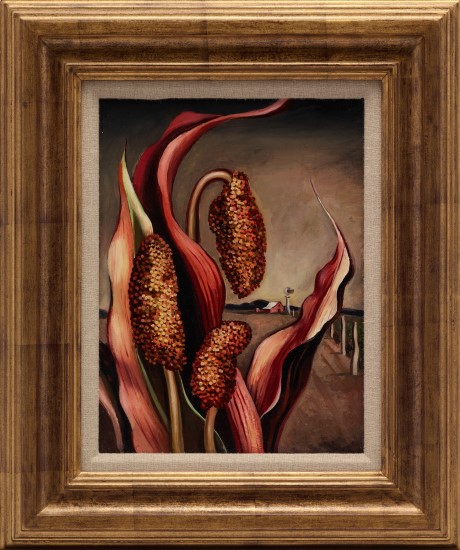
Yes, corn (sometimes called maize) is a key ingredient in the batter used for corny dogs, but it’s more than a family resemblance that ties together this State Fair staple and Otis Dozier’s Maize and Windmill. Dozier, a native Texan, was a member of a circle of artists called the Dallas Nine. He regularly submitted works of art to the State Fair of Texas’s creative arts competitions – and he often won. According to a DMA docent, Maize and Windmill is one such blue ribbon winner!

A bonus connection: Dozier’s upbringing on a Mesquite farm instilled in him a lifelong love of agriculture which can be found in his many paintings of farms, fields, flora, and fauna. This ties in pretty neatly with this year’s Celebrating Texas Agriculture theme, don’t you think?

The Fair closes this Sunday, October 23, but these three works of art will still be here to greet you on your next visit, up on Level 4. What other fairly relevant connections can you find? You know that something has to relate to the butter sculpture!

Jennifer Sheppard
Teaching Specialist

Friday Photos: Playing Dress Up

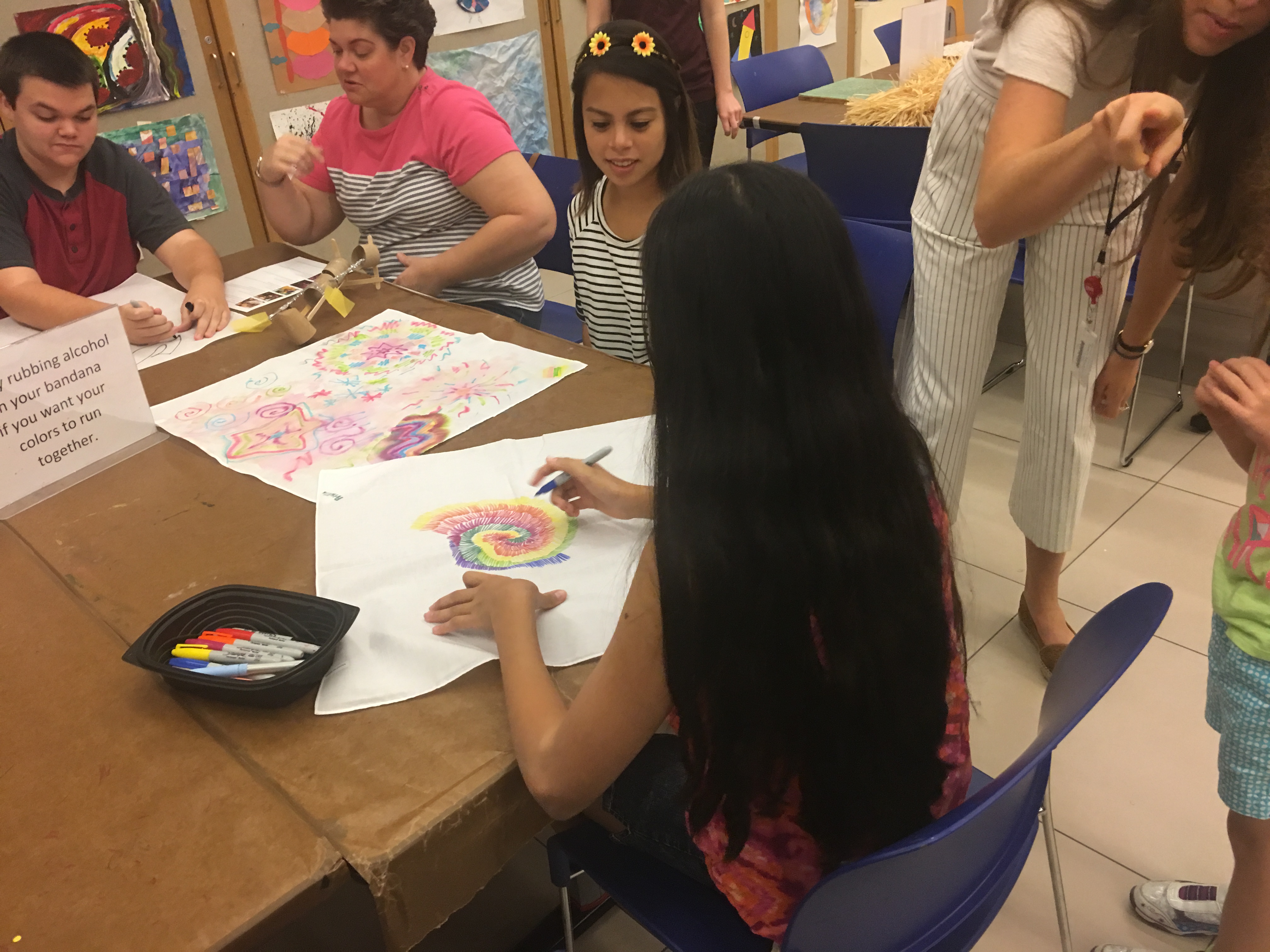
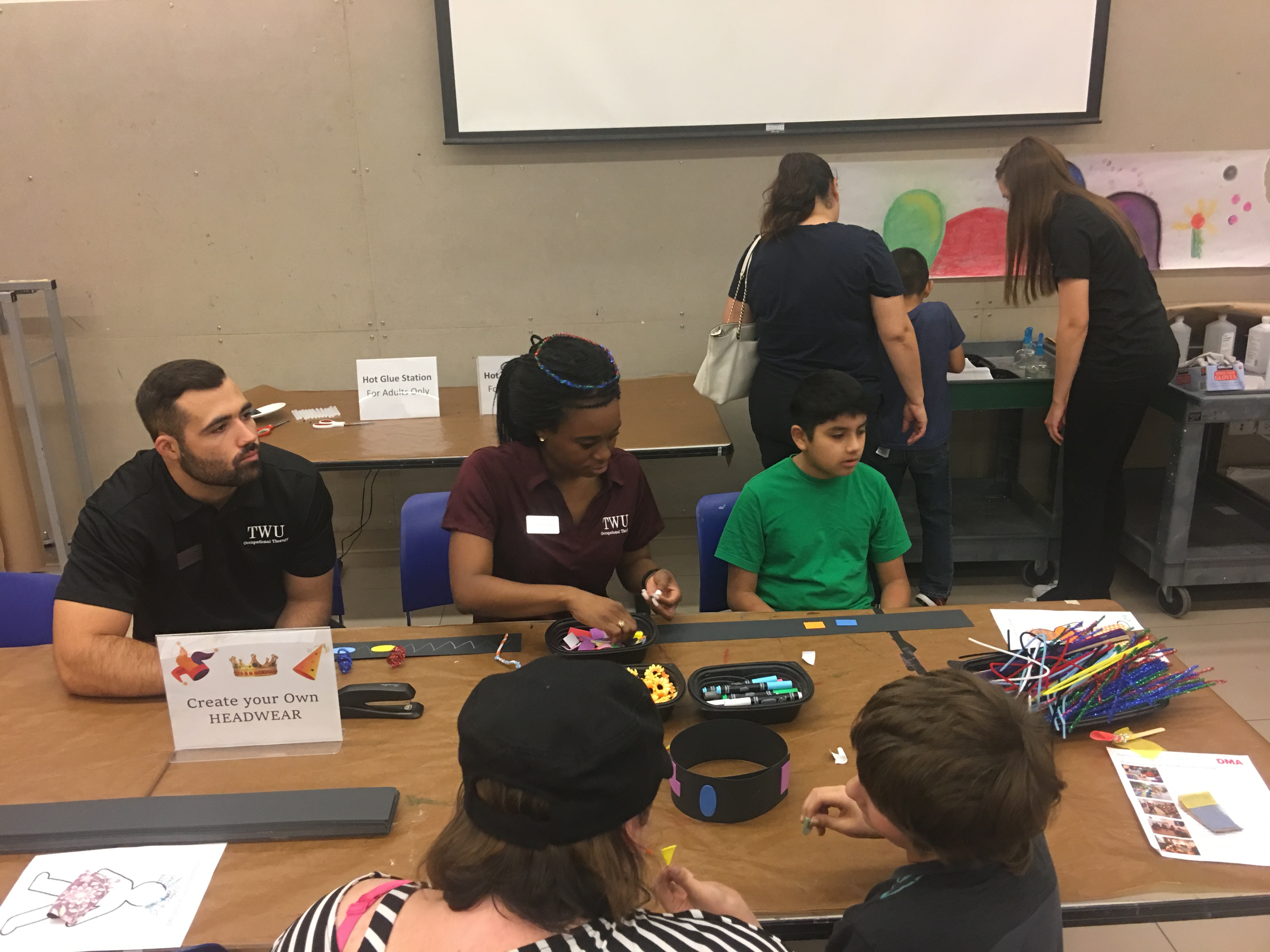
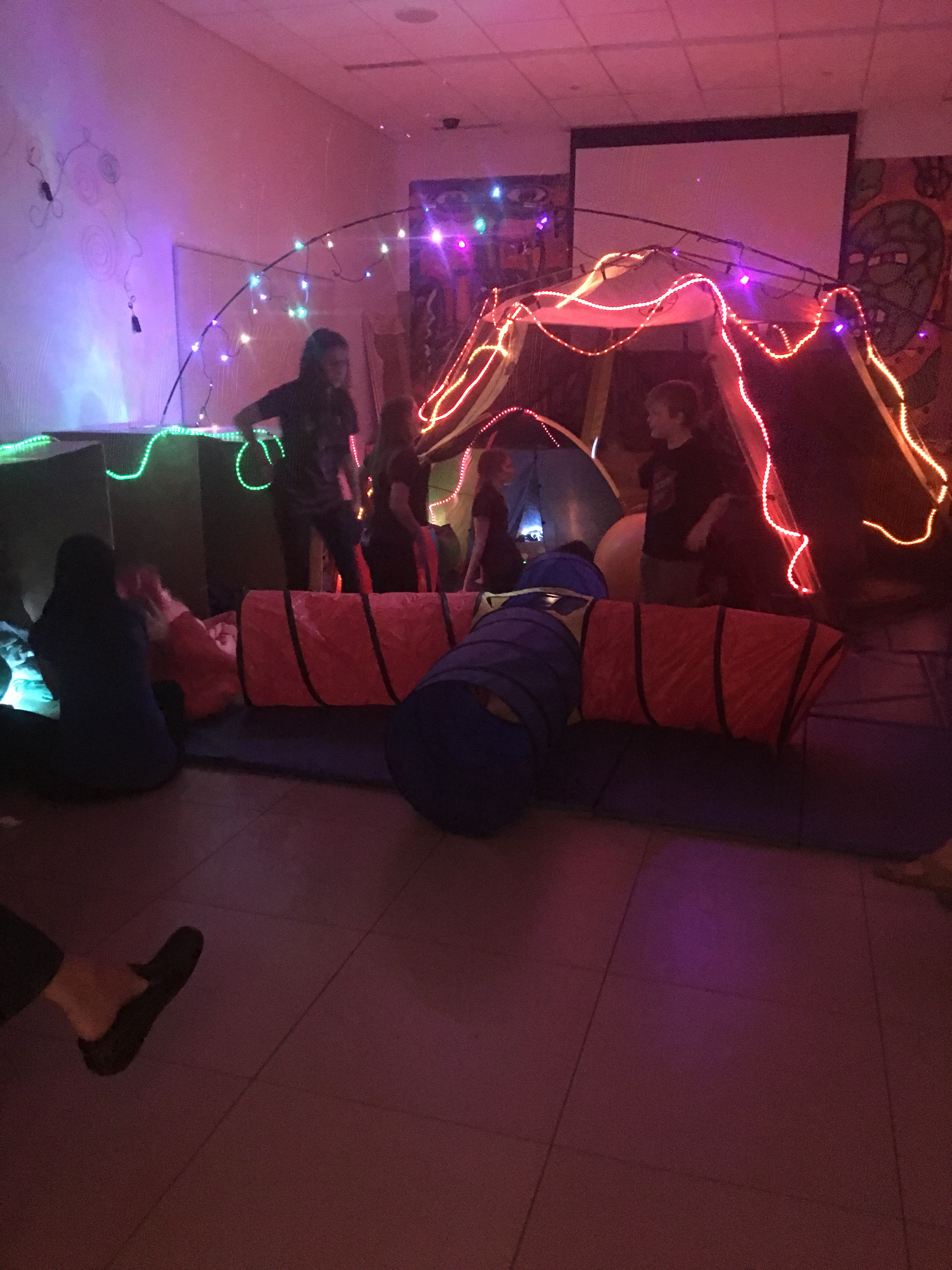
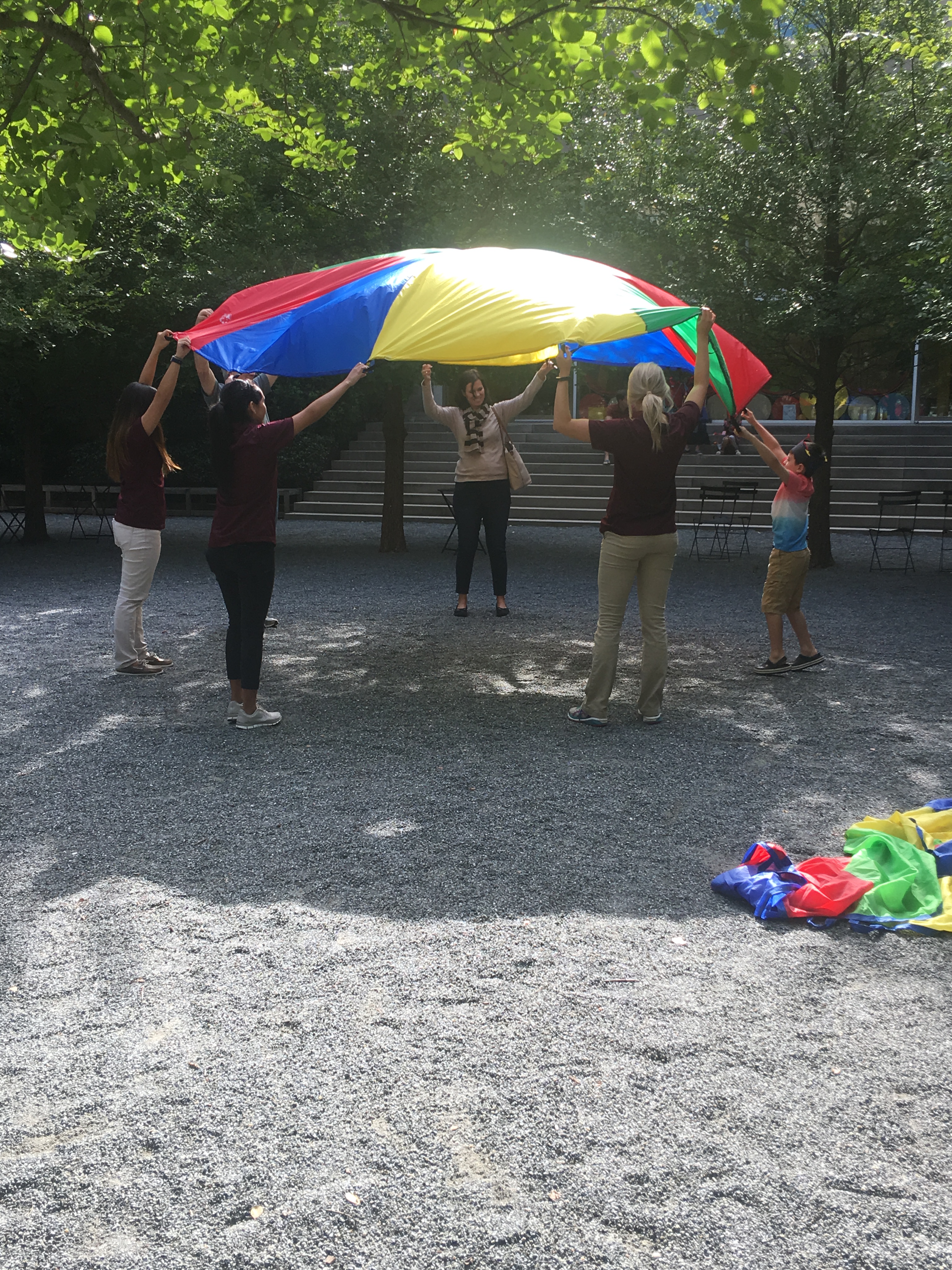
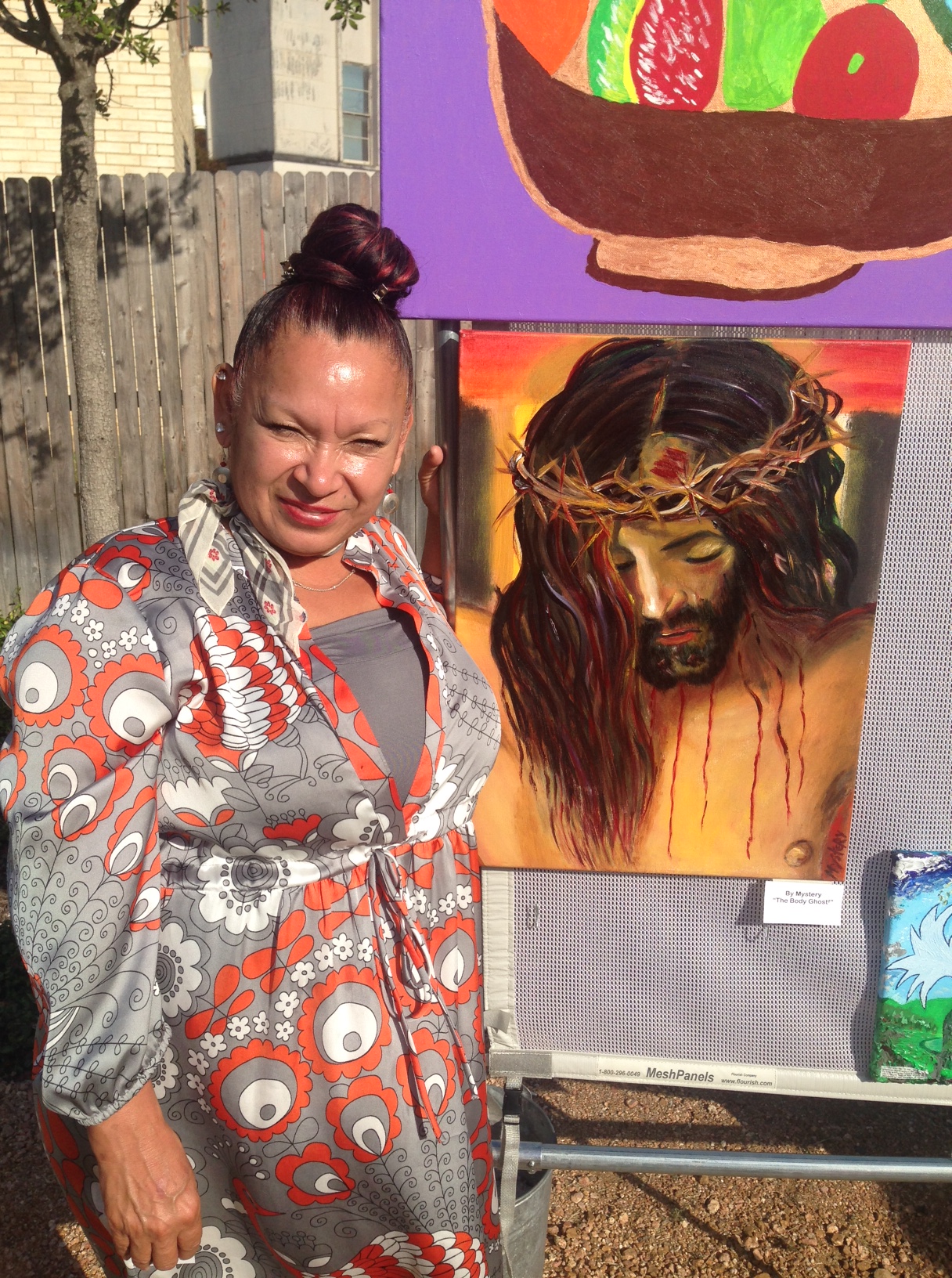
On October 1, the Center for Creative Connections opened early for our last Autism Awareness Family Celebration of the year. We had a Funky Fashion Station in the Studio where we made wearable art; an activity exploring the outdoors in Fleischner Courtyard; and a relaxing sensory room in the Tech Lab. We also had fun connecting with works of art using props and costumes in the galleries, and enjoyed an interactive musical performance in C3 Theater. Arturo joined in, warmly greeting all the families that came to celebrate. It was amazing to see the joy not only on the children’s faces but on the parents’ as well.
Be sure to check out the 2017 Autism Awareness Family Celebration dates, and then sign up for our newsletter so you don’t miss out!

Marta Torres
McDermott Graduate Intern for Visitor Engagement


Archives

Categories