Archive Page 58

A Tip of the Hat

In honor of National Hat Day this Friday, I wanted to tip my hat to a few fascinating finds in our collection.

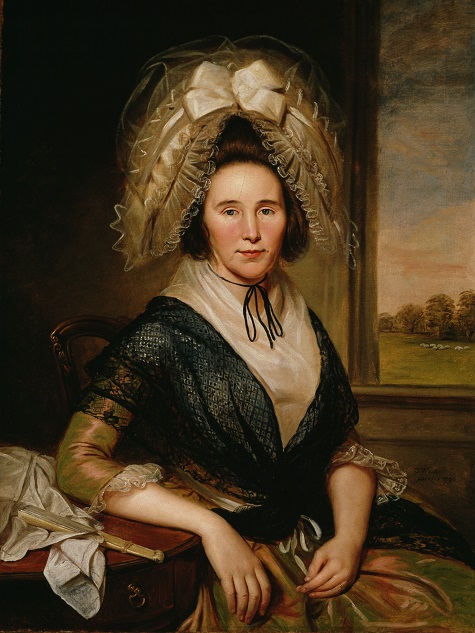
Charles Willson Peale, Rachel Leeds Kerr, 1790, oil on canvas, Dallas Museum of Art, gift of the Pauline Allen Gill Foundation 1989.23

Charles Willson Peale, Rachel Leeds Kerr, 1790, oil on canvas, Dallas Museum of Art, gift of the Pauline Allen Gill Foundation, 1989.23

During the late 18th century, hats were the most important element of your outfit. Formal (read: ridiculously over-dressed) hairstyles had reached such heights that they required proper containment during daytime hours—Mrs. Kerr’s cap does just the trick.

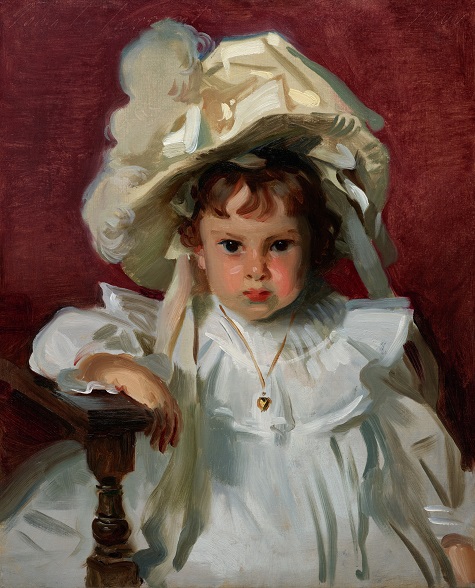
John Singer Sargent, Dorothy, 1900, oil on canvas, Dallas Museum of Art, gift of the Leland Fikes Foundation, Inc. 1982.35

John Singer Sargent, Dorothy, 1900, oil on canvas, Dallas Museum of Art, gift of the Leland Fikes Foundation, Inc., 1982.35

At the turn of the 20th century, children were outfitted like mini-adults. Miss Dorothy’s oversized hat is decked out with such extensive feathers and ribbons that it’s almost too much for her little head to hold!

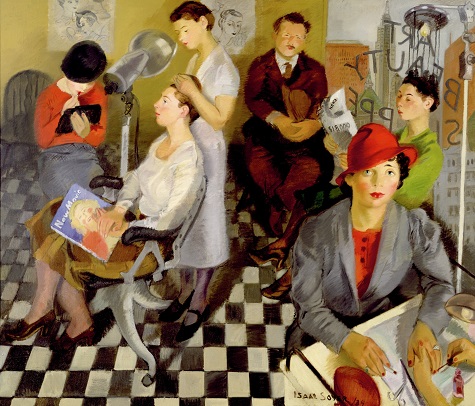
Isaac Soyer, Art Beauty Shoppe, 1934, oil on canvas, Dallas Museum of Art, gift of the Public Works of Art Project 1935.7

Isaac Soyer, Art Beauty Shoppe, 1934, oil on canvas, Dallas Museum of Art, gift of the Public Works of Art Project, 1935.7

A jaunt to the beauty shop wouldn’t have been complete without a favorite piece of millinery. But can you spot all the toppers in this keen scene? Don’t be fooled—the headpiece in back is actually a permanent wave machine!

Visit the DMA’s collection galleries, included in free general admission, and pick out your perfect chapeau.

Sarah Coffey is the Education Coordinator at the DMA.

Marvelous Melissa

It's hard to resist the urge to push the balloons away.

Today we are bidding farewell to our dear friend Melissa Gonzales, who’s been at the DMA for almost 15 years. Her passion for education, her sincerity, and her confident nature are qualities that have helped make our Education Department stronger, and we’ll miss her wisdom, sparkle, positivity, extreme organization, drive, and creativity!

We know she has a lot of memories here, so we wanted to let her share just a few:

  • I’m most proud of….the relationships I’ve developed through my work with students, artists, colleagues, and community partners. These relationships grew out of projects that took a lot of time and work and were some of my most fulfilling professional experiences. Many of these professional relationships have grown into lasting personal friendships.
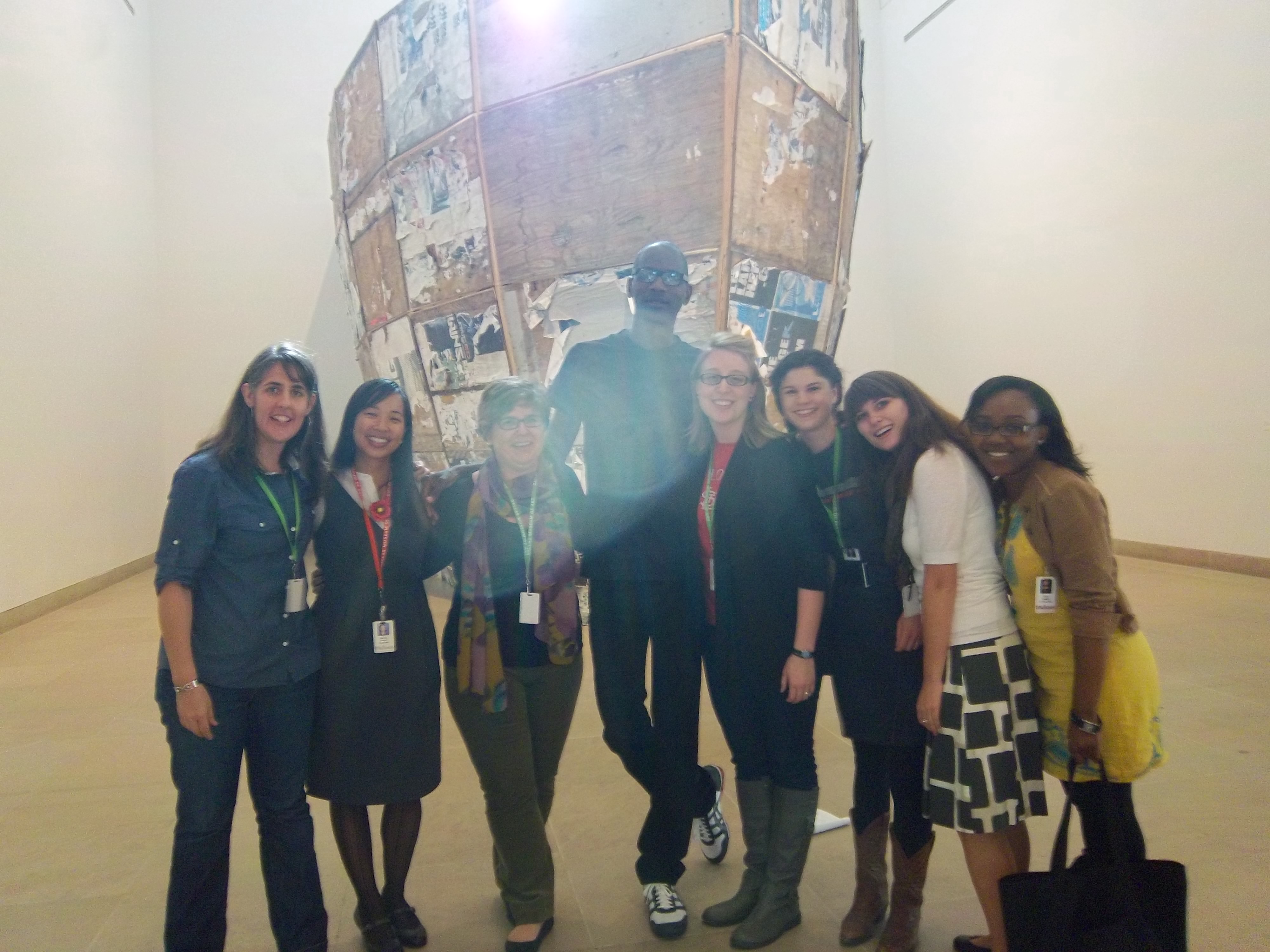
  • I’ll never forget…meeting Mark Bradford!  I’m a huge admirer of his work and I *might* have a teeny crush on him. While in town for the installation of his 2011 eponymous exhibition, Bradford participated in State of the Arts, a conversation with South Dallas Cultural Center Manager (and community partner and friend) Vicki Meek, moderated by Jeff Whittington. To my complete surprise, near the end of the conversation, Vicki paid me a generous compliment about a project I led with students at the South Dallas Cultural Center inspired by Bradford’s work. The next day, I was able to shake Bradford’s hand while shyly introducing myself as the person that Vicki had mentioned the night before. Bradford smiled kindly and said, “I know who you are.”

Mark Bradford with DMA Educators

  • Favorite gallery/art-making activity: We developed a Go van Gogh classroom outreach program called Creative Connections: Lights, Camera, Action! in conjunction with All the World’s a Stage: Celebrating Performance in the Visual Arts, an exhibition that commemorated the opening of the AT&T Performing Arts Center. In the spirit of making interdisciplinary connections, students divided into groups to write stories, compose original music and dance movements, create imaginative characters, and act out original skits inspired by works of art. I warned teachers beforehand that the classroom would become noisy once the students got to work brainstorming, inventing, and rehearsing. I absolutely loved the creative energy that you could hear and feel during that program, which culminated in clever and earnest student performances.
  • What’s something about your time at the DMA no one knows…I visited the Phil Collins: the world won’t listen exhibition almost every day that it was open. The three-part video installation showed everyday people from Colombia, Turkey, and Indonesia singing songs by The Smiths.  I am an enormous Smiths fan and I loved watching other fans pour out their hearts as they sang.  I watched the entire cycle of videos (about 45 minutes) on the last day and had to make myself leave.
  • I’ll most miss…my colleagues at the DMA: talented, smart, and fun people who work hard and are passionate about what they do.

Melissa, we’re all going to miss you, too!

Amy Copeland
Manager of Go van Gogh and Community Teaching Programs

Arturo’s Bird-Day Bash

DSC03653

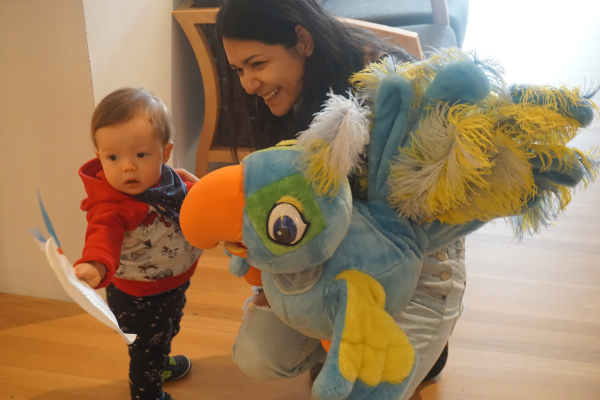
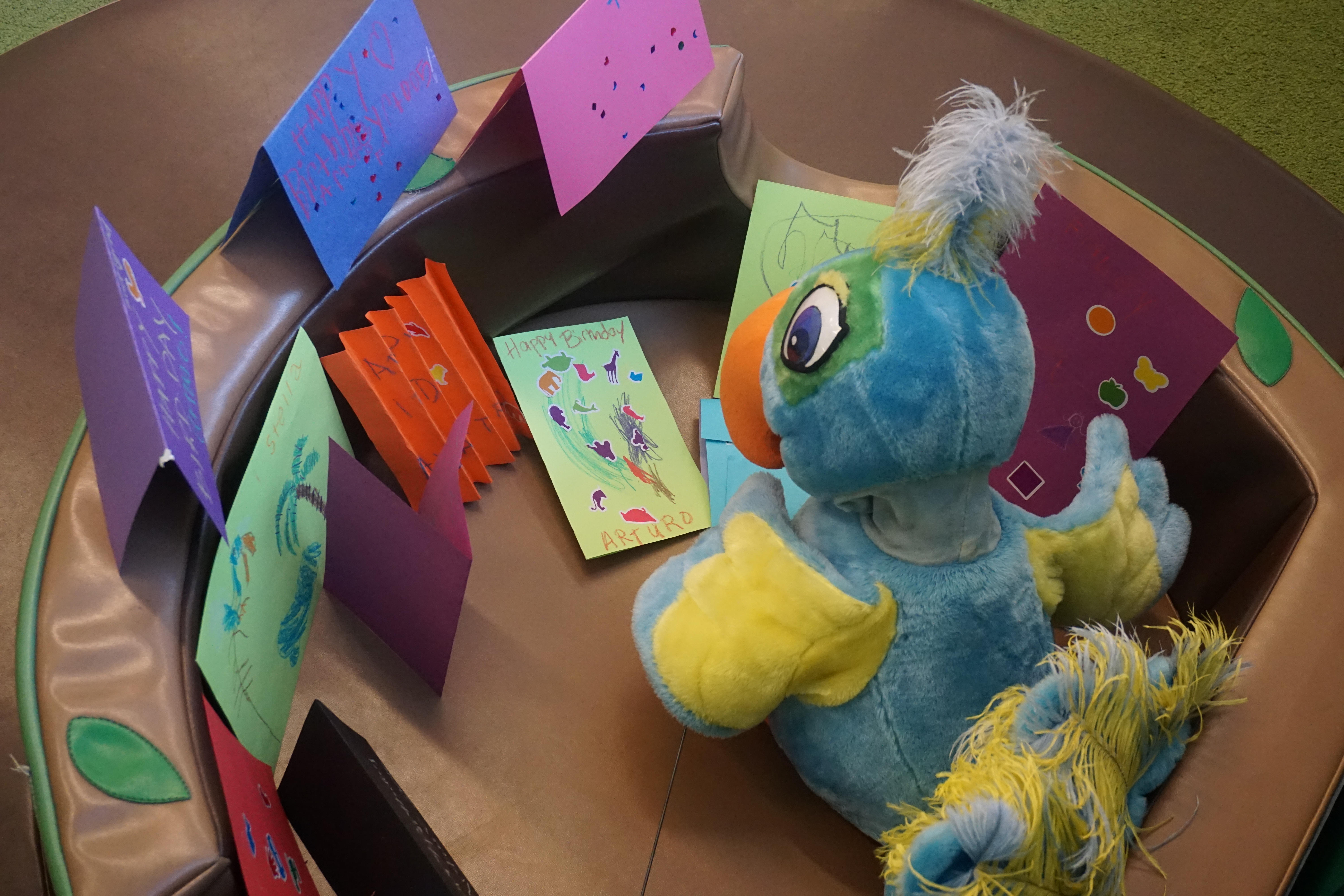
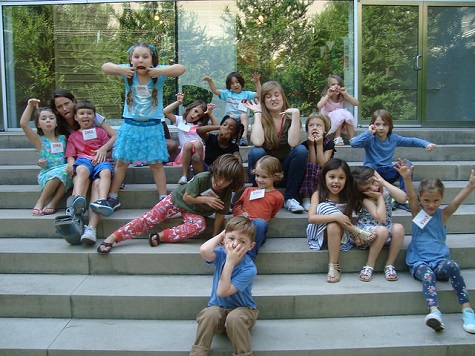
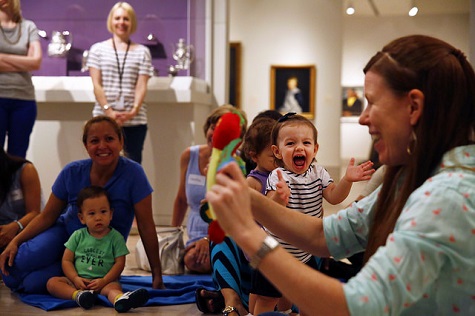
At this week’s First Tuesday, we threw the biggest bird-day bash around for our loveable family mascot Arturo, and hundreds of toddlers and preschoolers came to help us celebrate!

Our party guests enjoyed a bird-themed puppet show, made paper bird sculptures in the studio, and searched the Museum’s galleries for more bird friends hiding in the art.

DSC03645

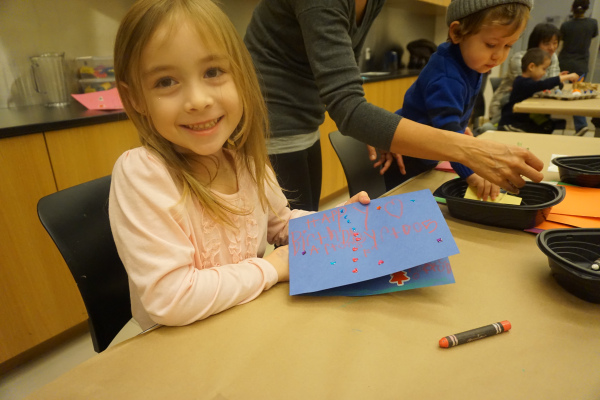
And the best surprise of all–the children made birthday cards for Arturo!

DSC03703

And he couldn’t be happier! Happy birthday Arturo!

Leah Hanson
Manager of Early Learning Programs

When the Clock Strikes Twelve

All over the world, the new year is a time to celebrate renewal, prosperity, and hope for the future. In many cultures, the count down to midnight is a time for traditions. In Australia, it’s tradition to bang pots and pans loudly at midnight; in Taiwan, eating fish (for prosperity) for Chinese New Year is a must; in Venezuela, wearing yellow underwear on New Years is lucky; first-footing in Scotland has been a tradition for centuries; and in the United States–particularly in the South–we eat black-eyed peas for good luck.

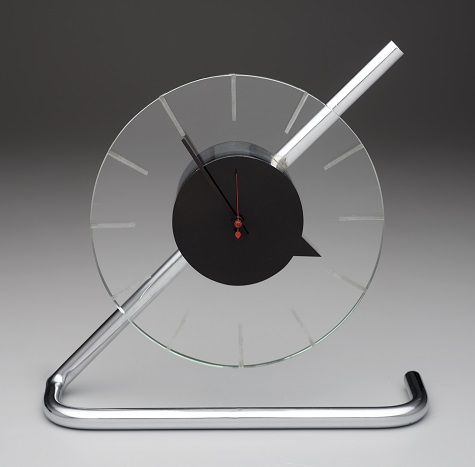
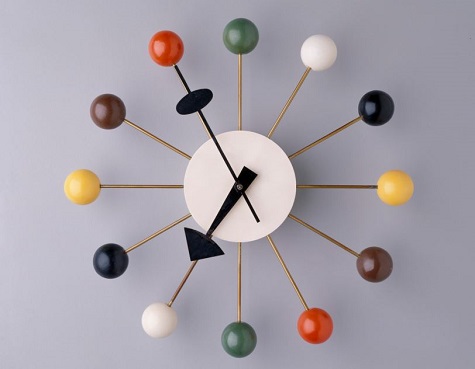
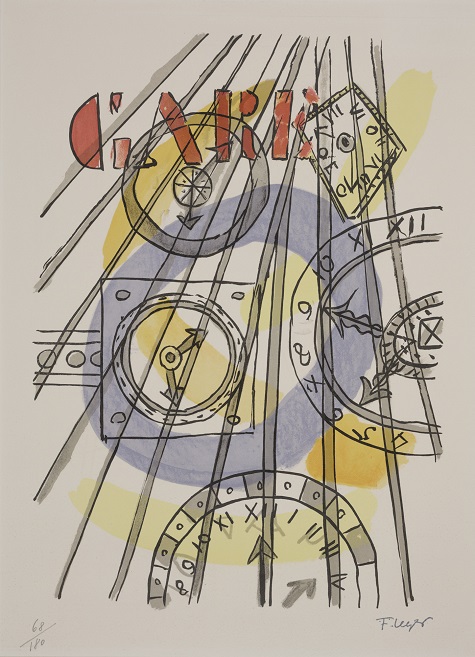
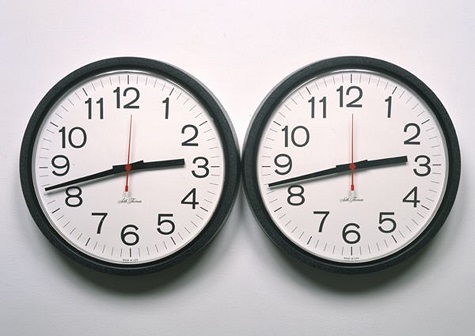
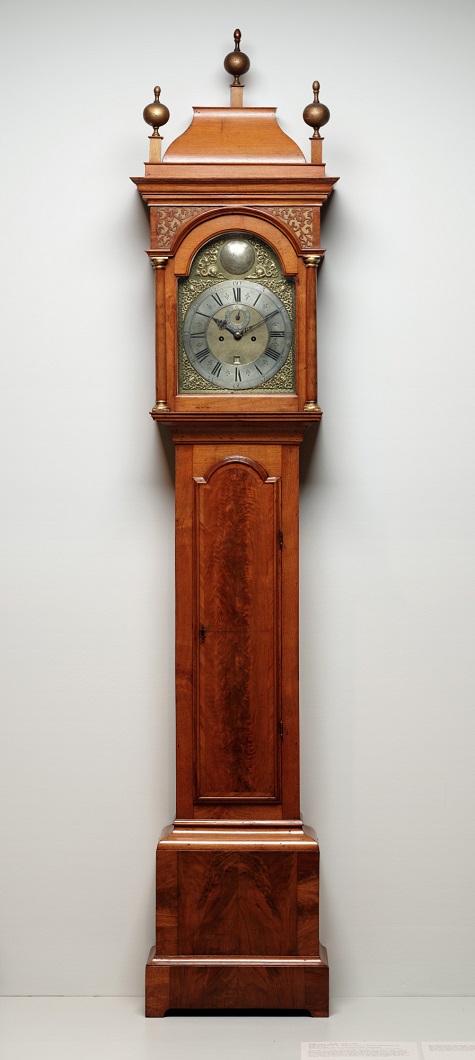
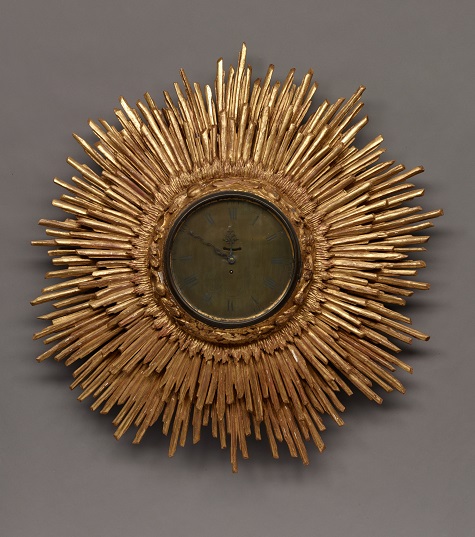
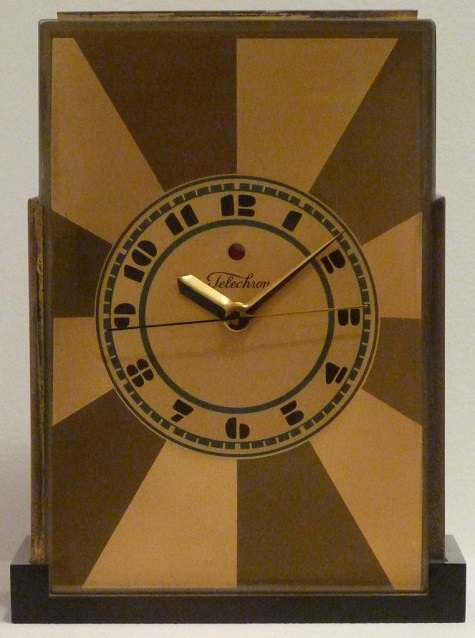
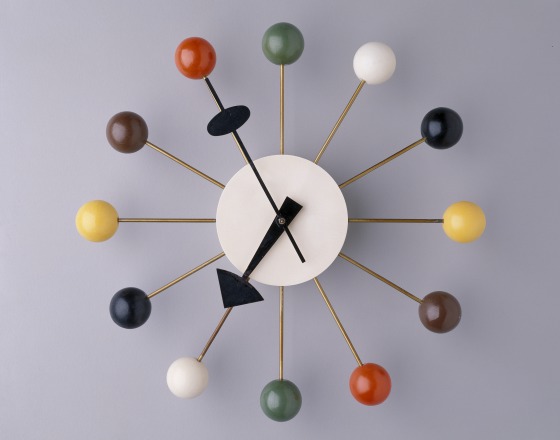

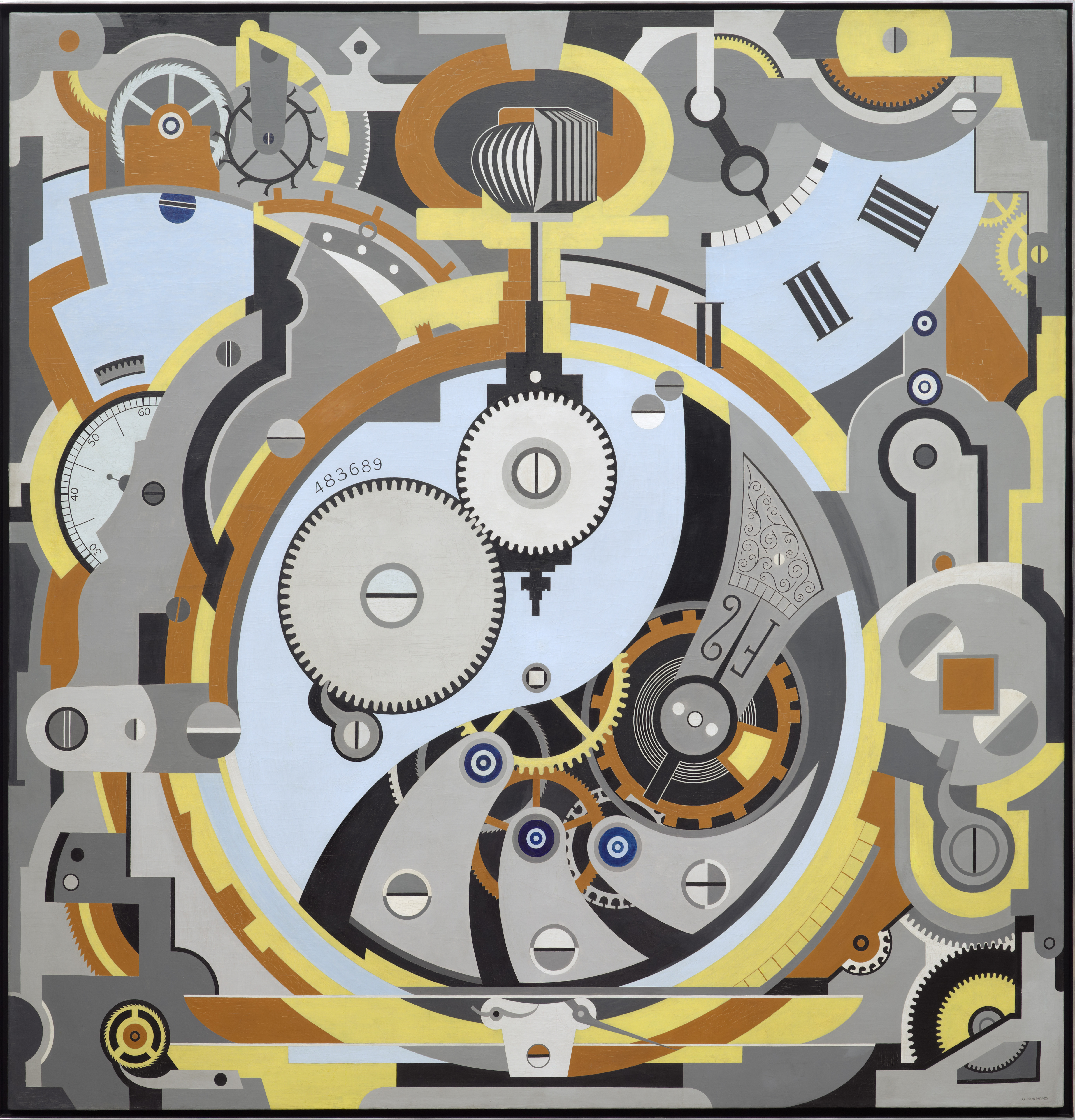
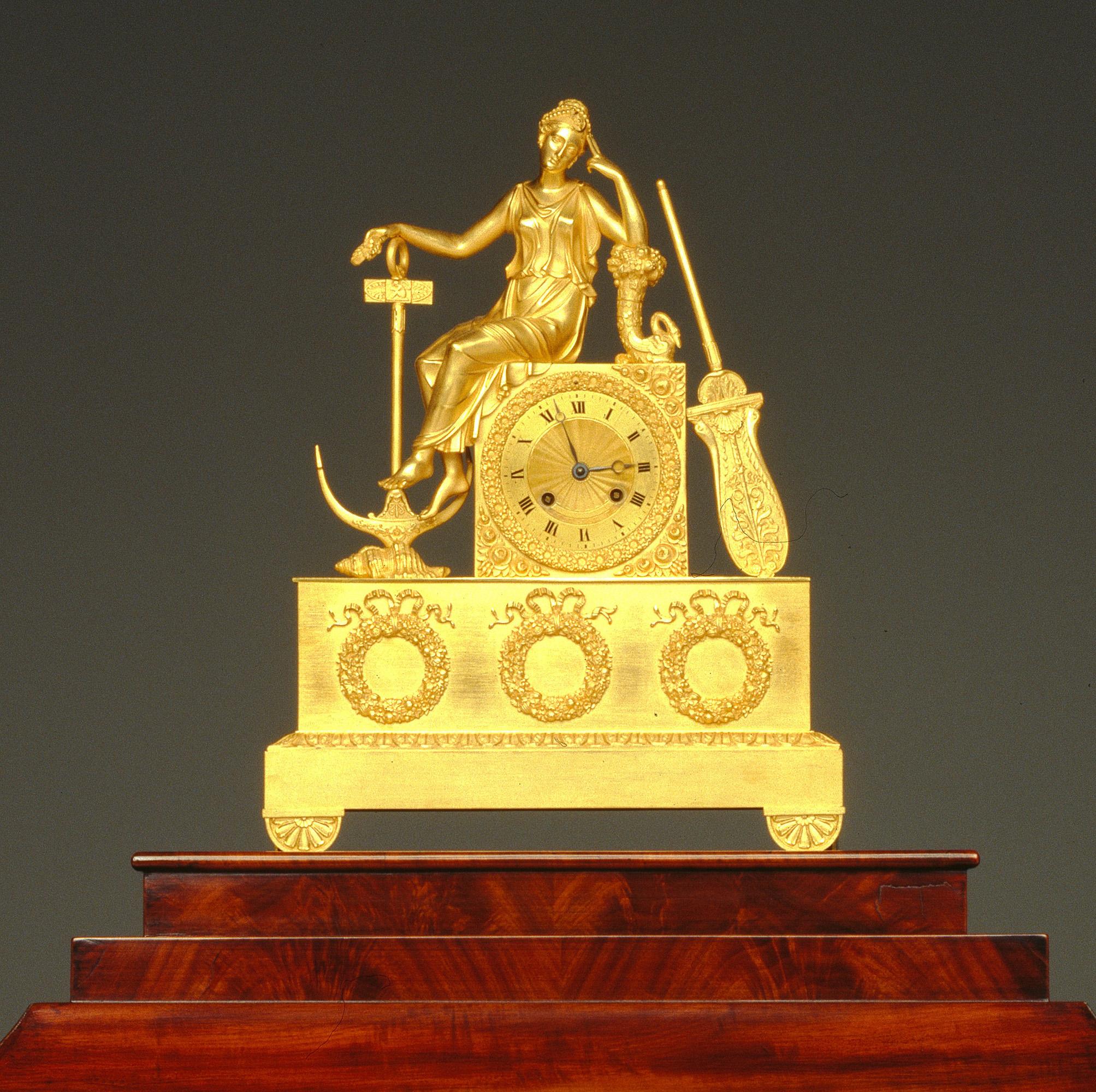
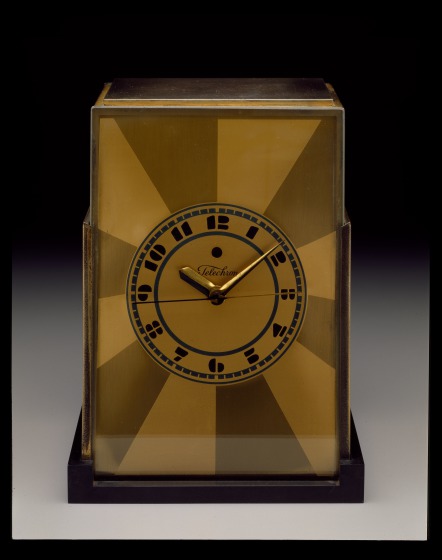
Here are a few of the clocks at the Dallas Museum of Art that are ticking in anticipation to celebrate the New Year tonight at midnight.

Best wishes for a happy 2016!

Whitney Sirois
McDermott Graduate Intern for Gallery and Community Teaching

Uncrating 2015

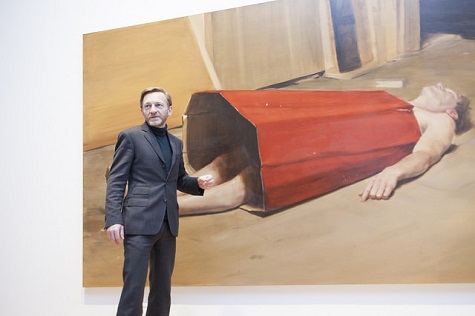
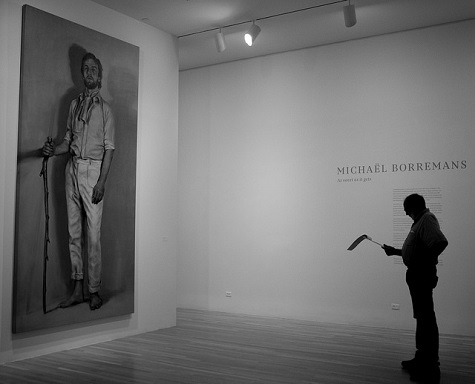
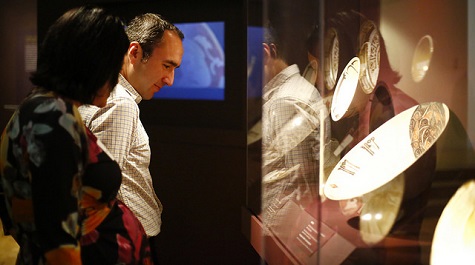
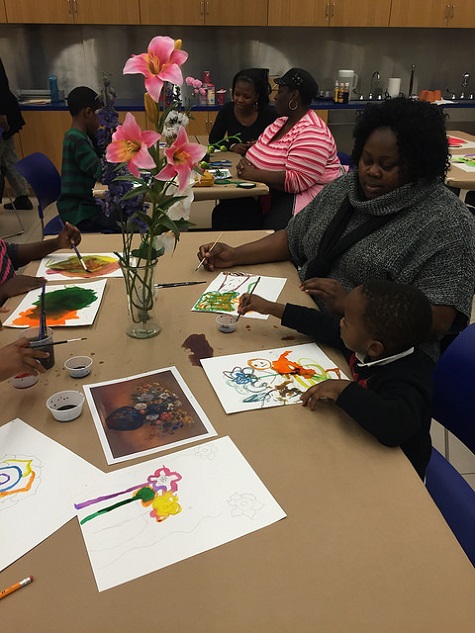
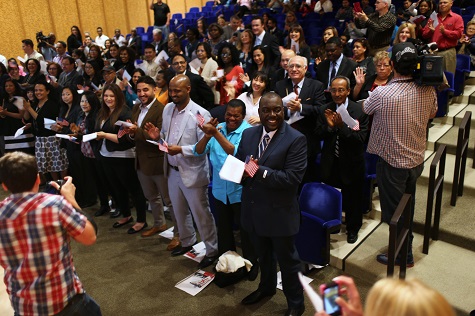
At the DMA, 2015 was a great year full of art, fun, and visitors enjoying an array of exhibitions, programs, and events. Highlights include the fifth anniversary of two of our access programs (Autism Awareness Family Celebrations and Meaningful Moments), the presentation of four DMA-organized exhibitions (Between Action and the Unknown: The Art of Kazuo Shiraga and Sadamasa Motonaga, Michaël Borremans: As sweet as it gets, Spirit and Matter: Masterpieces from the Keir Collection of Islamic Art, and Jackson Pollock: Blind Spots), eleven Late Nights, an active year of paintings and object conservation, dozens of classes and art camps for kids, the hosting of our third naturalization ceremony, the topping out of the Museum’s new Eagle Family Plaza and north entrance, and more than 700,000 visitors in 2015. We can’t wait to see what 2016 brings!


The Best Way to Spread Artsy Cheer

Merry Christmas to all and to all a good night!

The Best Way to Spread Artsy Cheer

. . . is singing loud for all to hear!

With the holiday season in full swing, I’ve taken some liberties with a handful of my favorite yuletide melodies. If you know any Claymation experts who’d be willing to work their magic on a DMA-inspired stop-motion musical, please give me a call. Until then, here are a few remixed holiday songs to celebrate some of the works from our collection.

The Minotaur at C3
(to the tune of “Rudolph the Red-Nosed Reindeer”)

You know Jasper Johns, Donald Judd, and Robert Smithson’s
Works in the contemporary collection,
But do you recall
Marcel Dzama’s white minotaur?

The Minotaur at C3
Has a rough and stubby nose.
His face is made of plaster
And it’s covered up with gauze.

Some say he’s funny-looking
‘Cause he only has one arm,
But all the limbs he’s missing
Minotaur makes up with charm.

Half a person and half bull,
Sitting in his chair—
Minotaur, you’re quite a sight!
Drawing you is a delight.

Now you’re our favorite figure
Found in Greek mythology.
How did you leave your labyrinth?
It’ll stay a mystery.
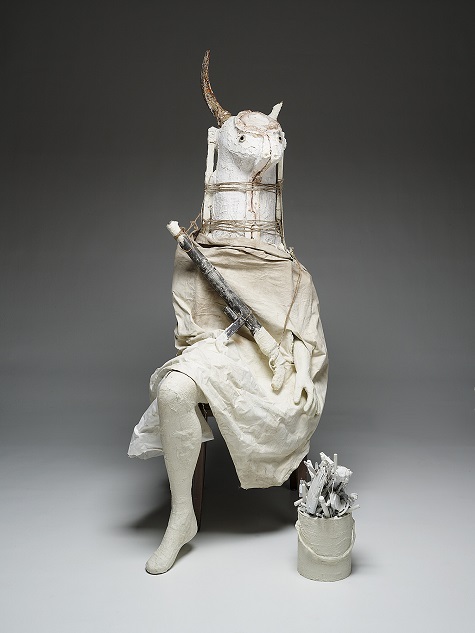
Marcel Dzama, The Minotaur, 2008, Dallas Museum of Art, DMA/amfAR Benefit Auction Fund © Marcel Dzama, 2008.43.2.A-E

Marcel Dzama, The Minotaur, 2008, Dallas Museum of Art, DMA/amfAR Benefit Auction Fund, 2008.43.2.a-e, © Marcel Dzama

DMA Clocks
(to the tune of “Jingle Bell Rock”)

Tiny clocks, modern clocks, freestanding clocks,
19th- and 17th-century clocks,
Up on the 3rd floor at the Reves Salon
Is William Moore’s clock shaped like a sun.

Ball Wall Clock, Tall Case Clock, Gilbert Rohde’s Clock,
Paul Frankl’s stylish “Telechron” clock,
Check out a print with clock faces to spare
By Fernand Legér.

There’s Untitled (Perfect Lovers)
Tick-tocking side by side.
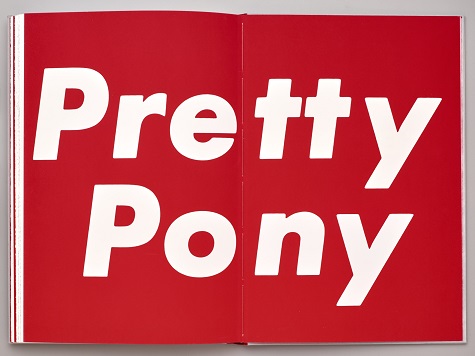
Stephen King and Barbara Kruger
Placed a clock on their book’s front side.

If you ever hope to hear the clocks chime,
You may be out of luck—
So many hands, but so few that tell time
On the DMA’s clocks.


I Saw A Tiger Licking Its Paws
(to the tune of “I Saw Mommy Kissing Santa Claus”)

I saw a tiger licking its paws
After the Museum closed last night.
It didn’t see me peek
Down the Japanese gallery.
It jumped off of its scroll
Into the hall in front of me.

Then, I saw the tiger stretch out its paws,
And let out a roar with all its might.
Oh, I’ve warned everyone I see
But no one else will believe
That the tiger comes alive at night.
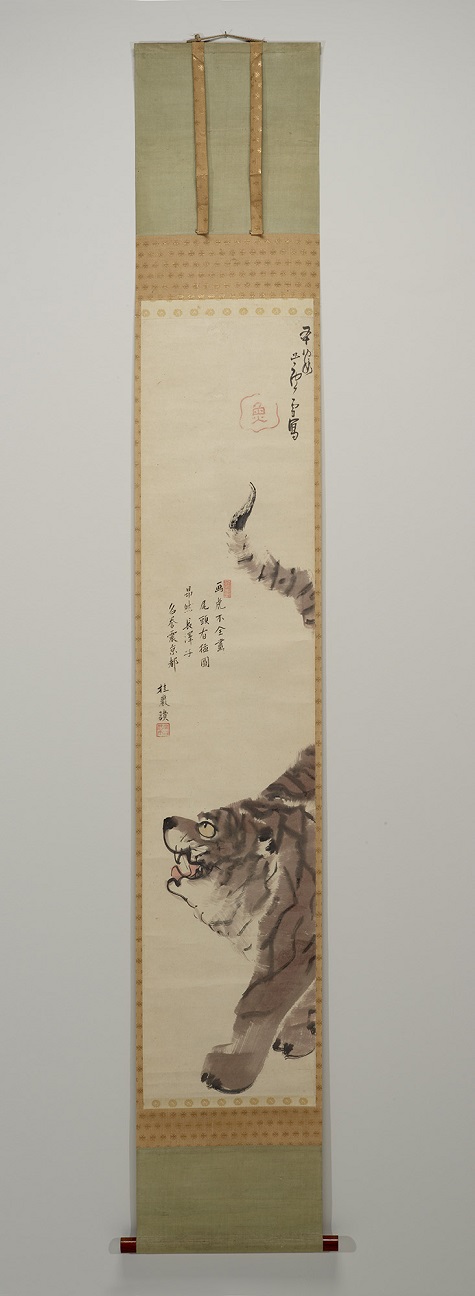
Nagasawa Rosetsu, Tiger, after 1792, Dallas Museum of Art, General Acquisitions Fund, Image courtesy Dallas Museum of Art, 1972.13

Nagasawa Rosetsu, Tiger, after 1792, Dallas Museum of Art, General Acquisitions Fund, 1972.13

Happy holidays!

Paulina Lopez is the McDermott Graduate Intern for Visitor Engagement at the DMA.
Sketching a Collection

To celebrate the opening of the DMA’s newly renovated Arts of Africa Galleries, we put together something fun.

This video, featuring thirty sketches, highlights the creativity and talent of our visitors and showcases their unique perspectives and imagination.

These drawings were originally hung on a temporary wall on Level 3 in the Museum until late August. We’re lucky to have such talented visitors, and we are pleased to be able to show off some of their work on Uncrated.

[youtube https://www.youtube.com/watch?v=AINMw0tjrto&w=560&h=315]


Gregory Castillo is the Multimedia Producer at the DMA.

Friday Photos: New in C3

This week we had to say goodbye to some old friends, these works of art that were deinstalled from the Center for Creative Connections:

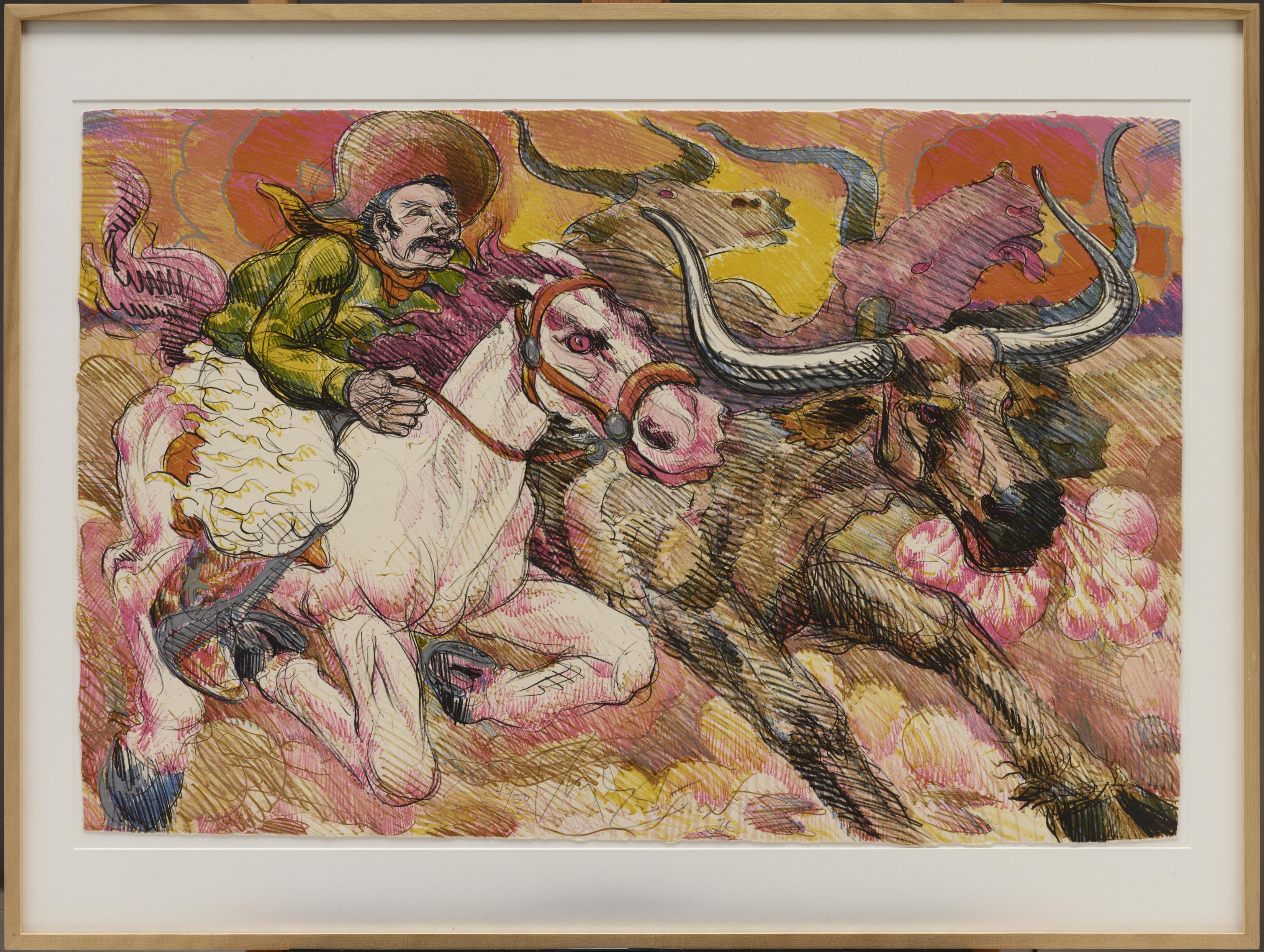
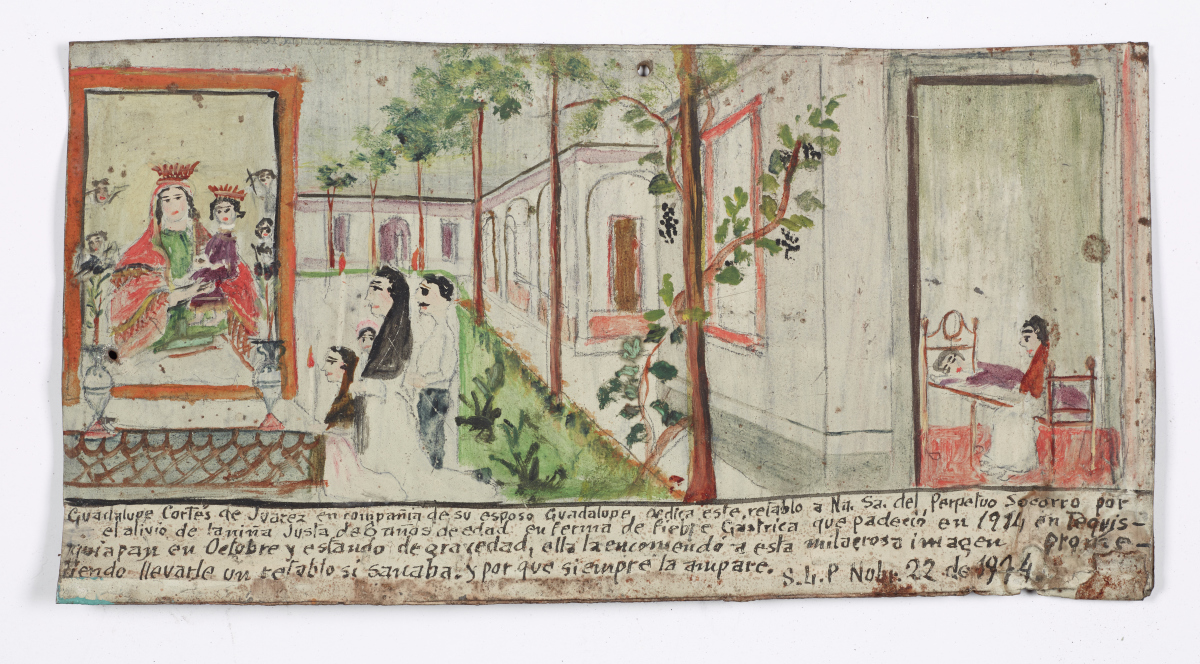
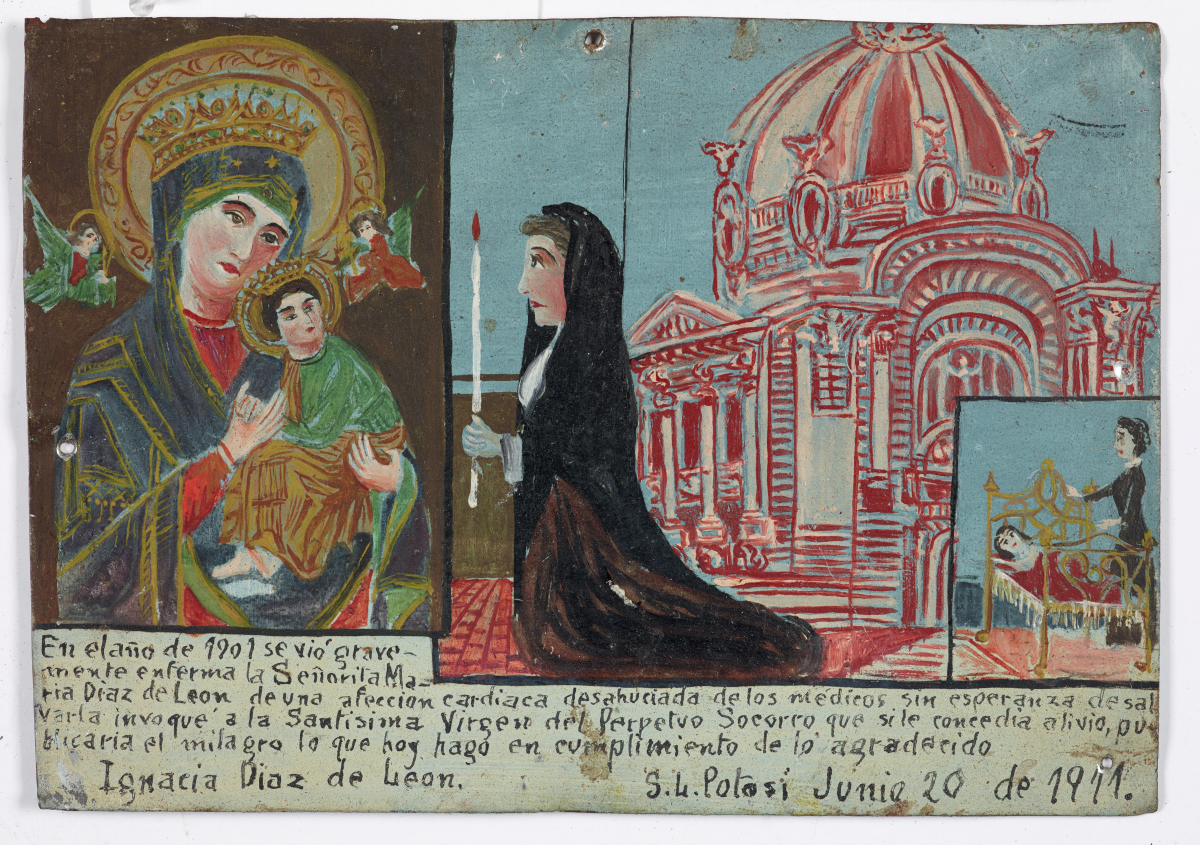
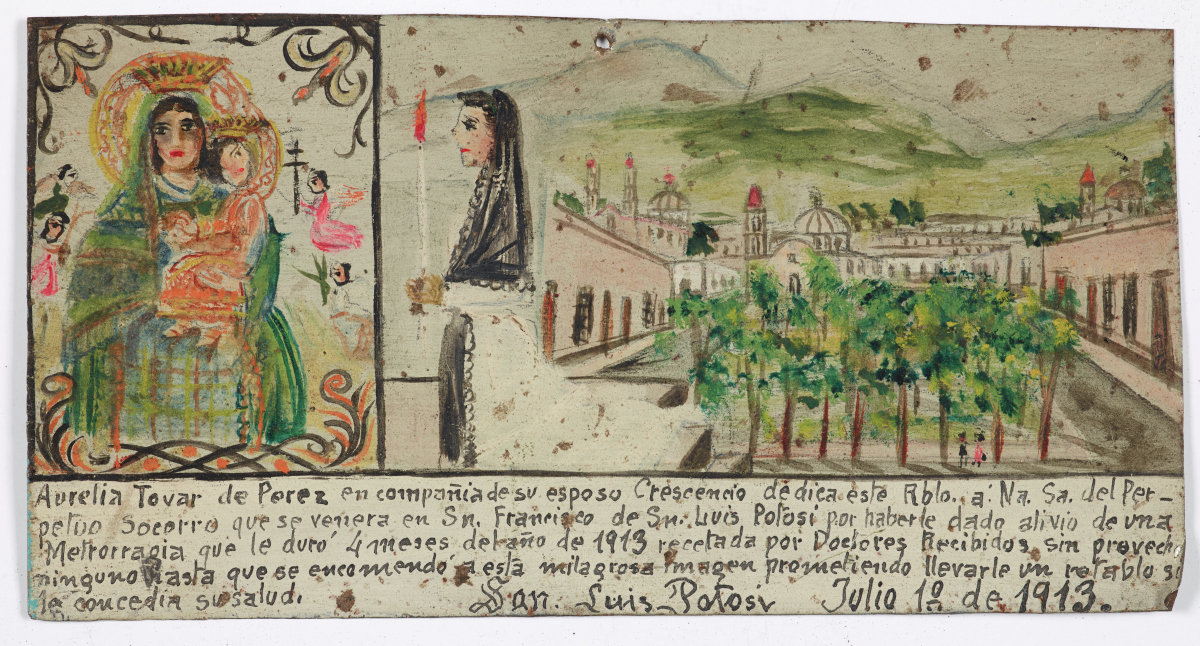
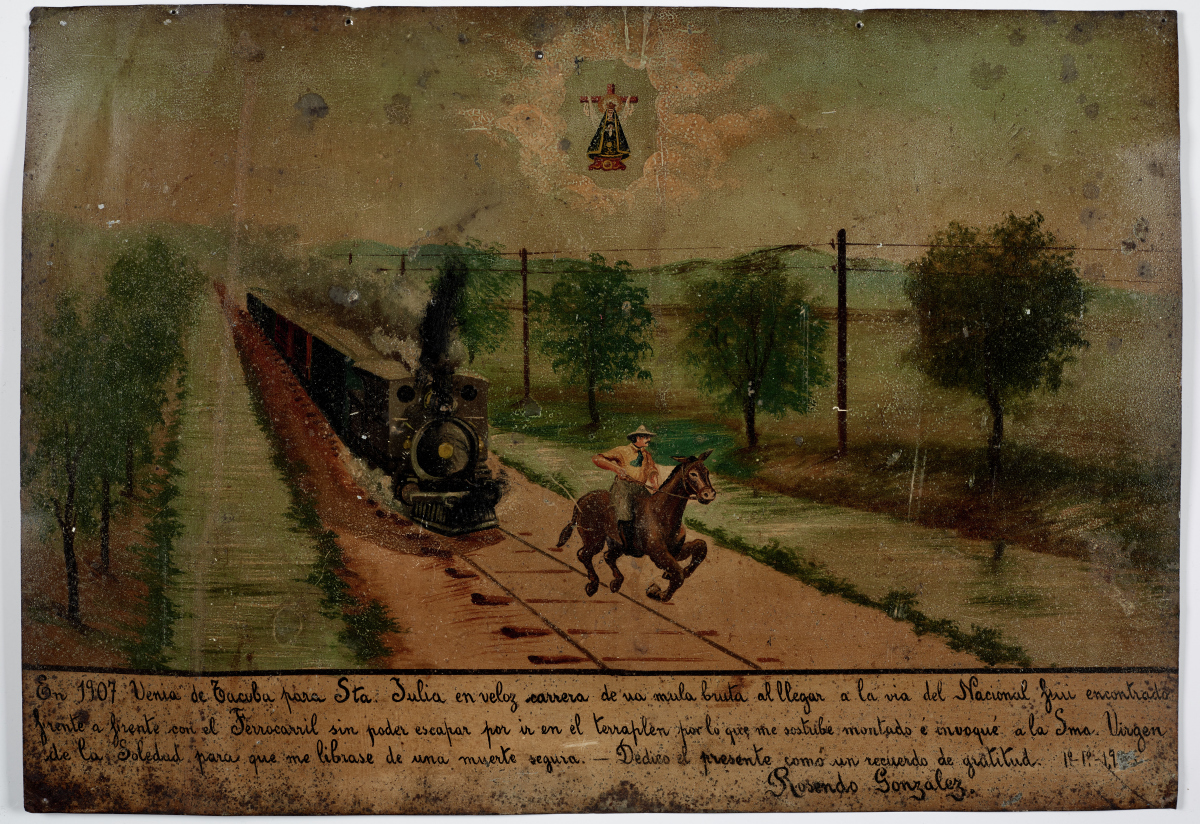
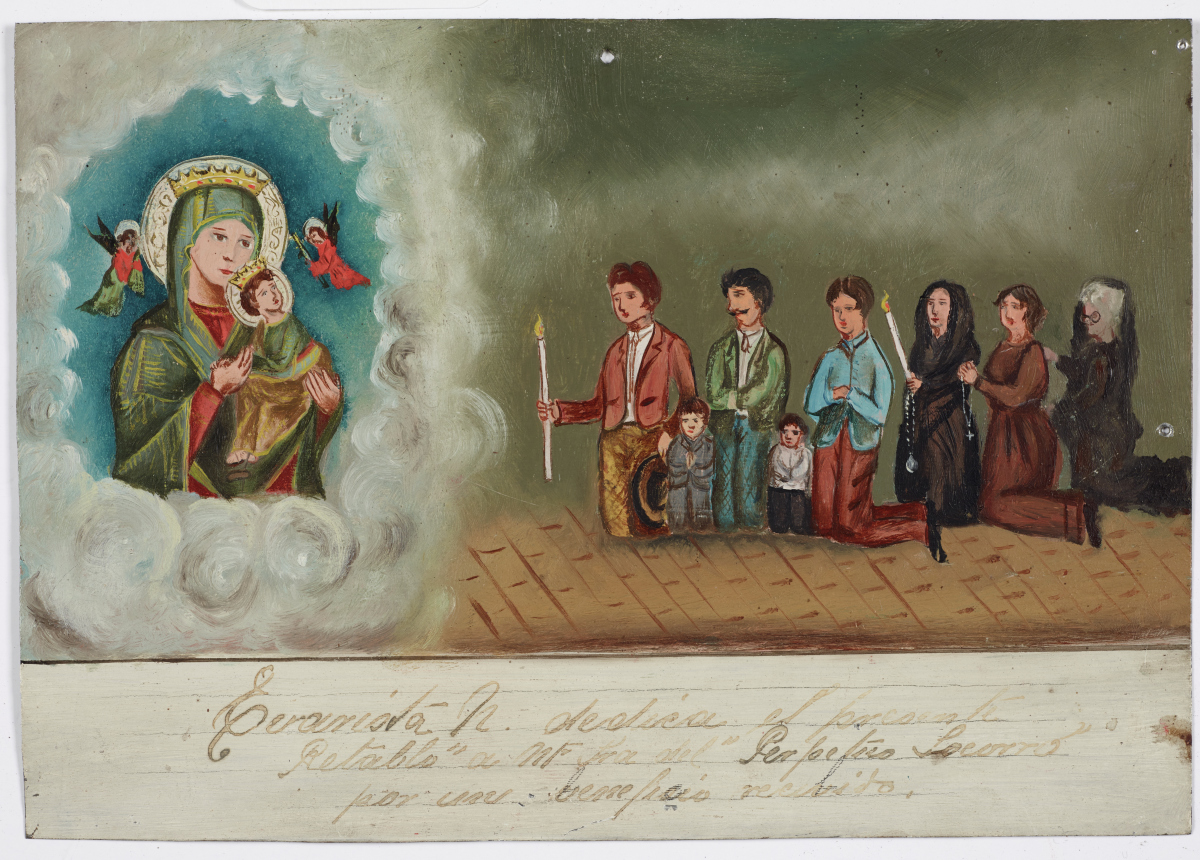
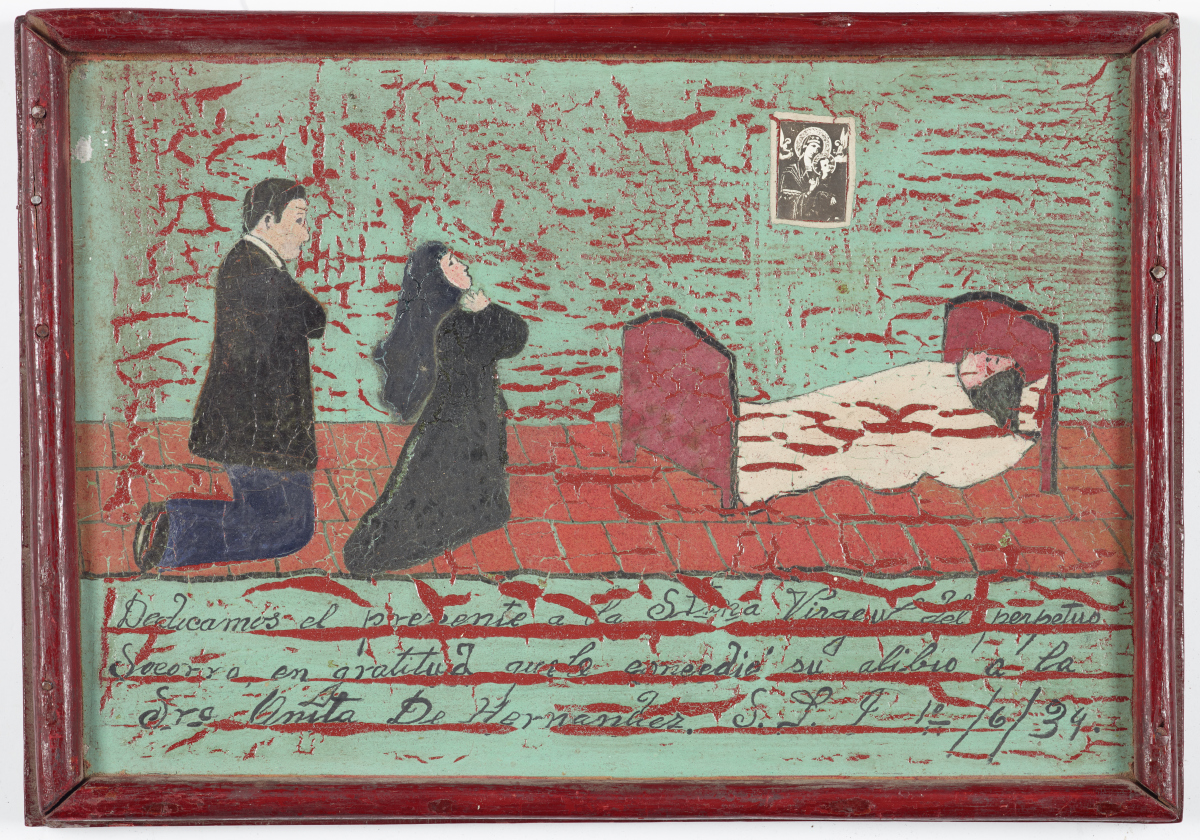
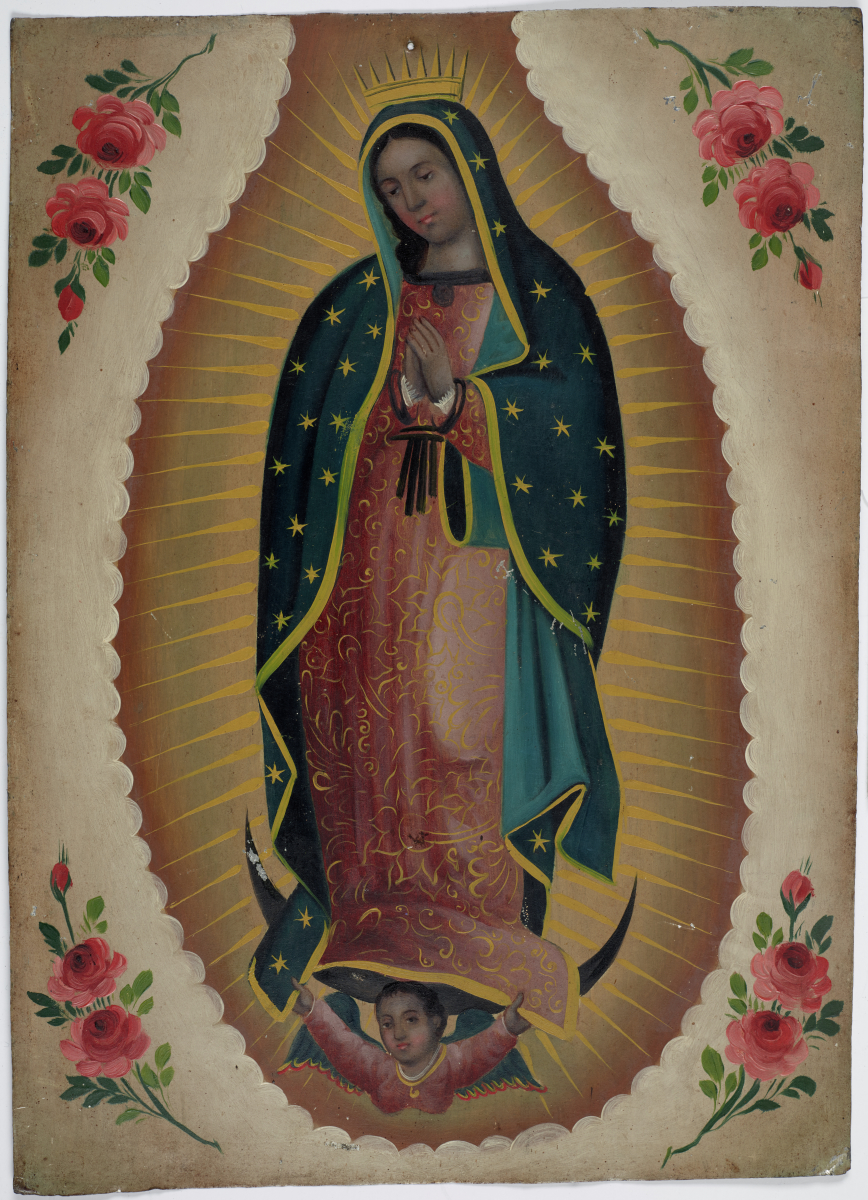
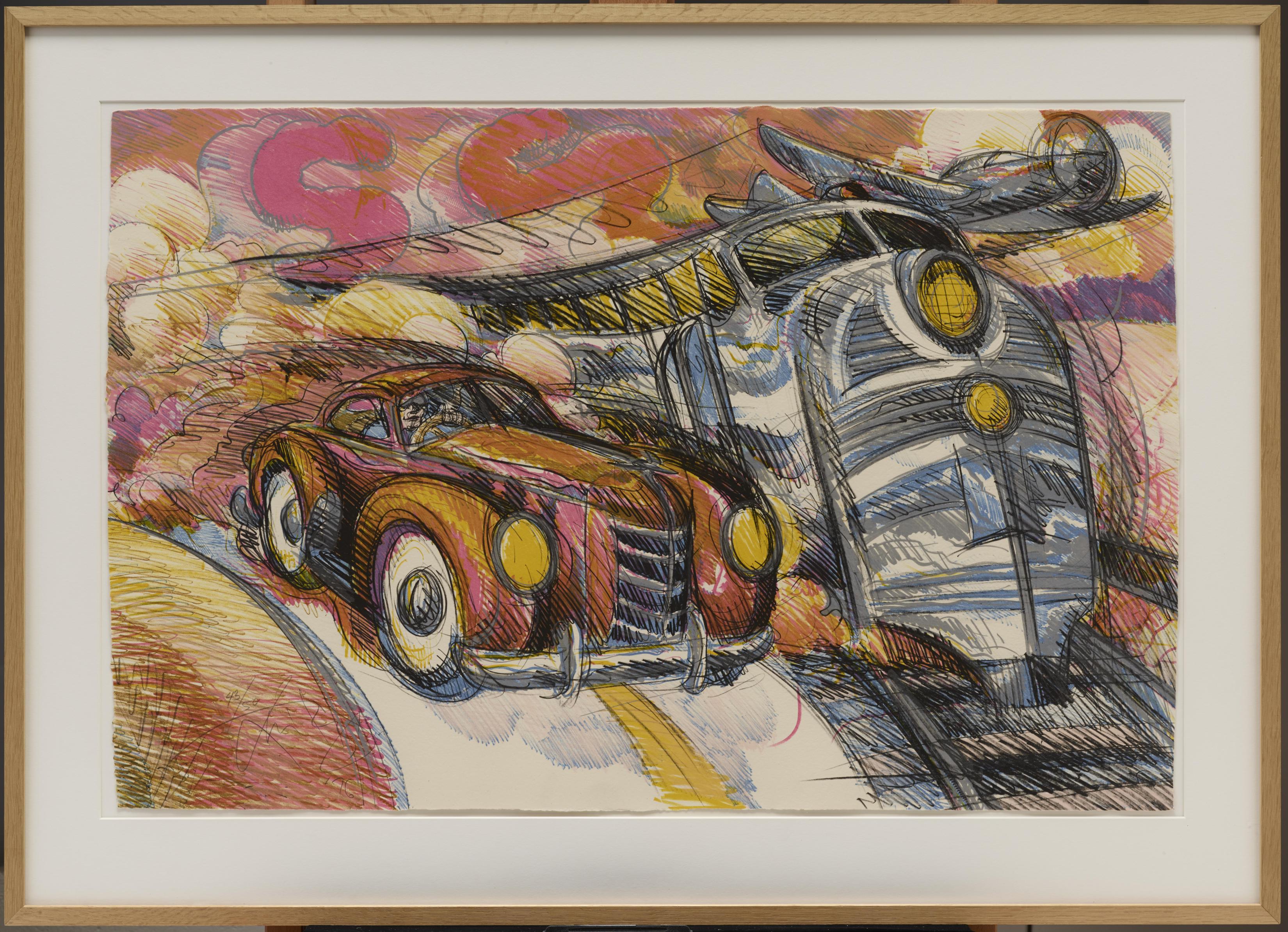
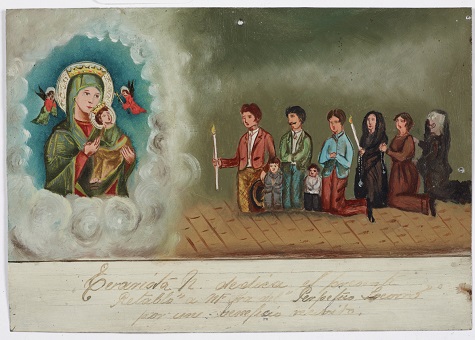
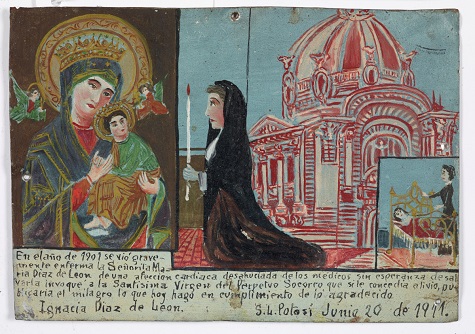
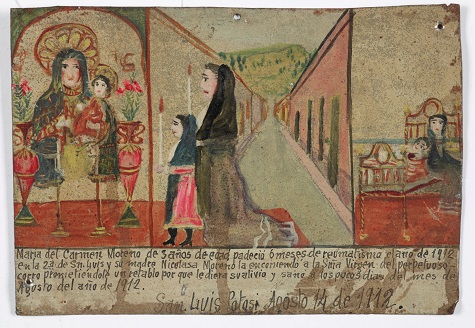
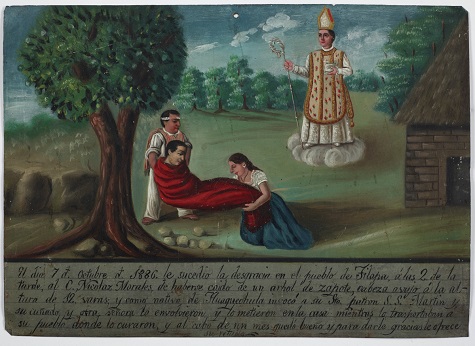
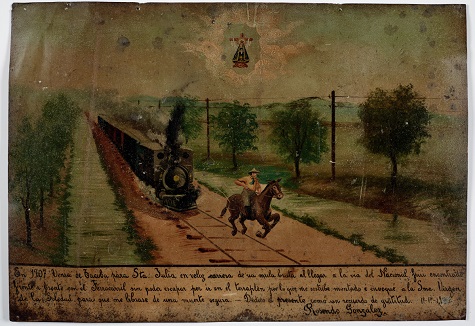
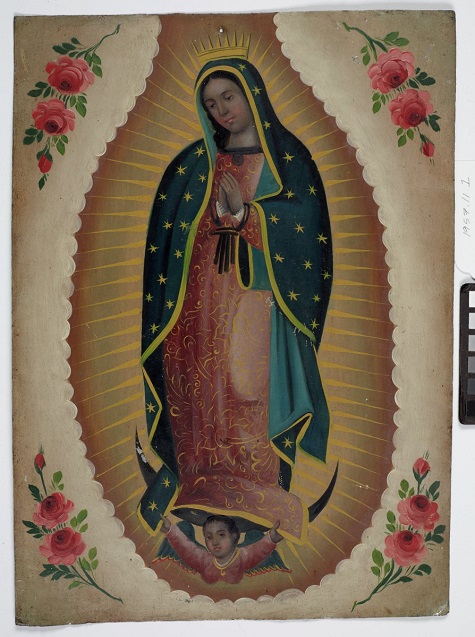
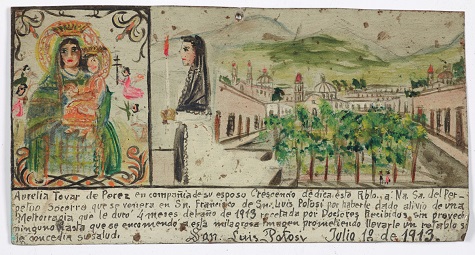
Saying goodbye is always hard–these works have served as inspiration for countless drawings, activities, and conversations. However, we are happy to welcome a collection of nine retablos and exvotos (devotional paintings that serve as offerings of gratitude), as well as another lithograph by Luis Jimenez from the Progress Suite series.

1978_38_1_o4

Luis Alfonso Jimenez Jr., Progress Suite, 1979, Dallas Museum of Art, General Acquisitions Fund, © Luis Jimenez / Artists Rights Society (ARS), New York

Stop by the Center for Creative Connections this winter to see these newly installed works of art and participate in some fun new activities related to each.

Jessica Fuentes
C3 Gallery Manager

A Staff Selection in C3

As part of our mission in the Center for Creative Connections (C3), we highlight voices from our community. We achieve this in several ways: by offering visitors the opportunity to publicly respond to works of art, by commissioning local artists to create interactive installations, and by collaborating with local artists to offer special programming. In addition, each year we work with DMA staff, those who wouldn’t ordinarily have the opportunity to select which works of art go on view, to pick a work of art to be installed in C3 and write about it. We call it “C3 Staff Point of View.”

This year, Maria Teresa Garcia Pedroche, Head of Community Engagement, has chosen an assortment of nine retablos, which were installed December 14 and can be seen on your next visit to C3.


Describe your job in fifty words or less.
I create experiences and programs both at the Museum and off-site that promote conversation and engagement by inviting community partners to share their unique perspectives on the Museum’s collection. My job also  includes organizing the annual “Young Masters” exhibition, which features works created by Advanced Placement students participating in the O’Donnell Foundation’s AP Fine Arts Incentive Program.

23812578305_52a7d30333_z

All of these works are titled Retablo. For our readers who may not know, what is a retablo?
Although these works are titled “retablos,” Spanish for “devotional paintings,” many of them are also considered “exvotos,” paintings that serve as offerings of gratitude. “Exvotos” are created on tin or sheet metal by local artists or artisans using inexpensive materials. Many “exvotos” include a painting of a saint with the name and image of a patron.

What factors led to your decision to choose these works of art to go on view in C3?
Often I work with communities outside the walls of the Museum. We have a proud history of serving North Texas, connecting art and people. Over the years, the communities we serve that collect “exvotos” and “retablos” have asked if these types of works are part of the DMA’s collection. I chose these works of art because some of our communities are specifically interested in them, and showcasing global works helps visitors appreciate and understand the importance of art created by everyone. Personally, I have created “retablos” inspired by strong women in my family.

Also, I love the art and stories with answered prayers. Growing up in Brownsville, Texas, my family traveled to the Basilica of Guadalupe, DF, San Juan de los Lagos, Jalisco, Shrine of St. Francis of Assisi, Real de Catorce, SLP, and other churches. We participated in pilgrimages where visitors would pray for their loved ones and leave their votive offerings at the altar and outside the place of worship. It was wonderful to see and hear visitors share blessings and miracles.

What do you hope visitors will gain from seeing these works of art?
The demographics show that Dallas is multicultural; we can bridge the cultural differences and find common language through the arts.  The arts are the soul of our community, helping reflect and promote the city’s history and cultural diversity: past, present, and evolving. I hope visitors will be open when viewing these works and consider how these “exvotos”—these hopes, dreams, and prayers—are similar to their own.

When you stop by the Center for Creative Connections to see these newly installed retablos and exvotos, take a moment to create your own exvoto illustrating a personal experience or prayer.

Jessica Fuentes is the Center for Creative Connections Gallery Manager at the DMA.

Archives

Categories