Posts Tagged 'DMA'


But Clouds Got in My Way

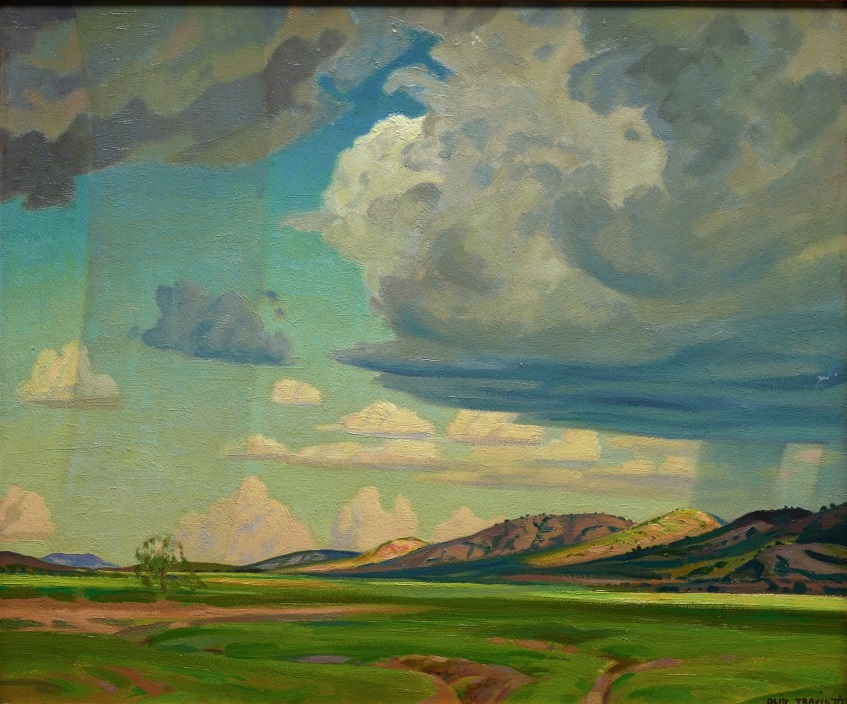
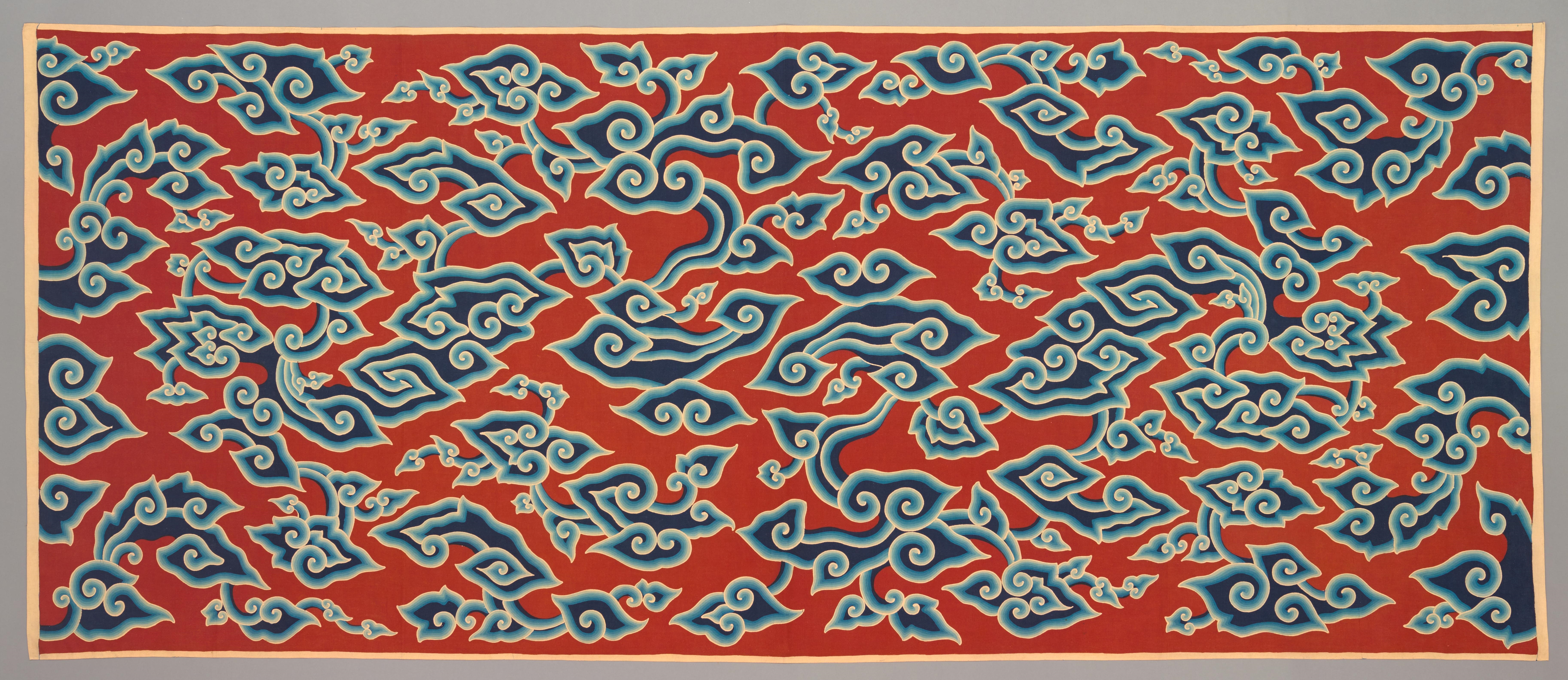
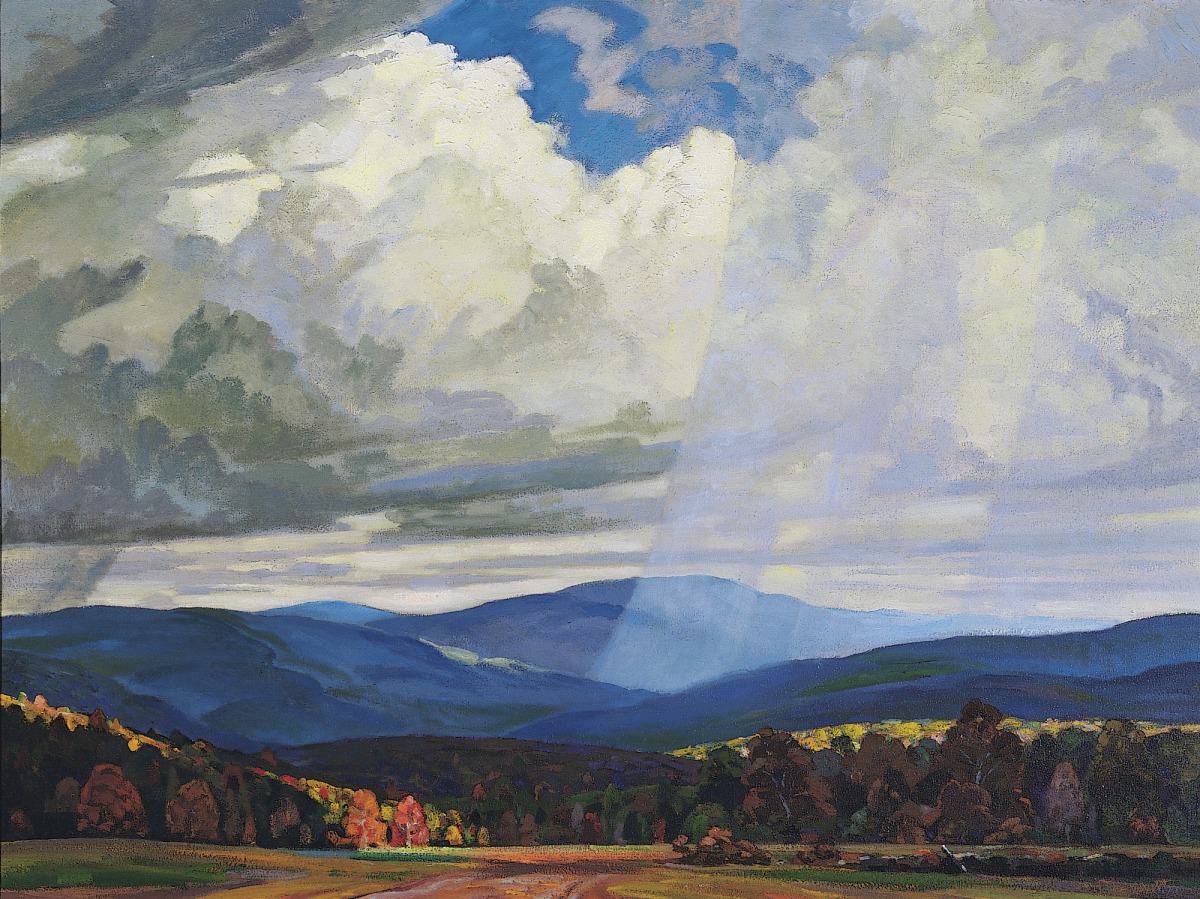
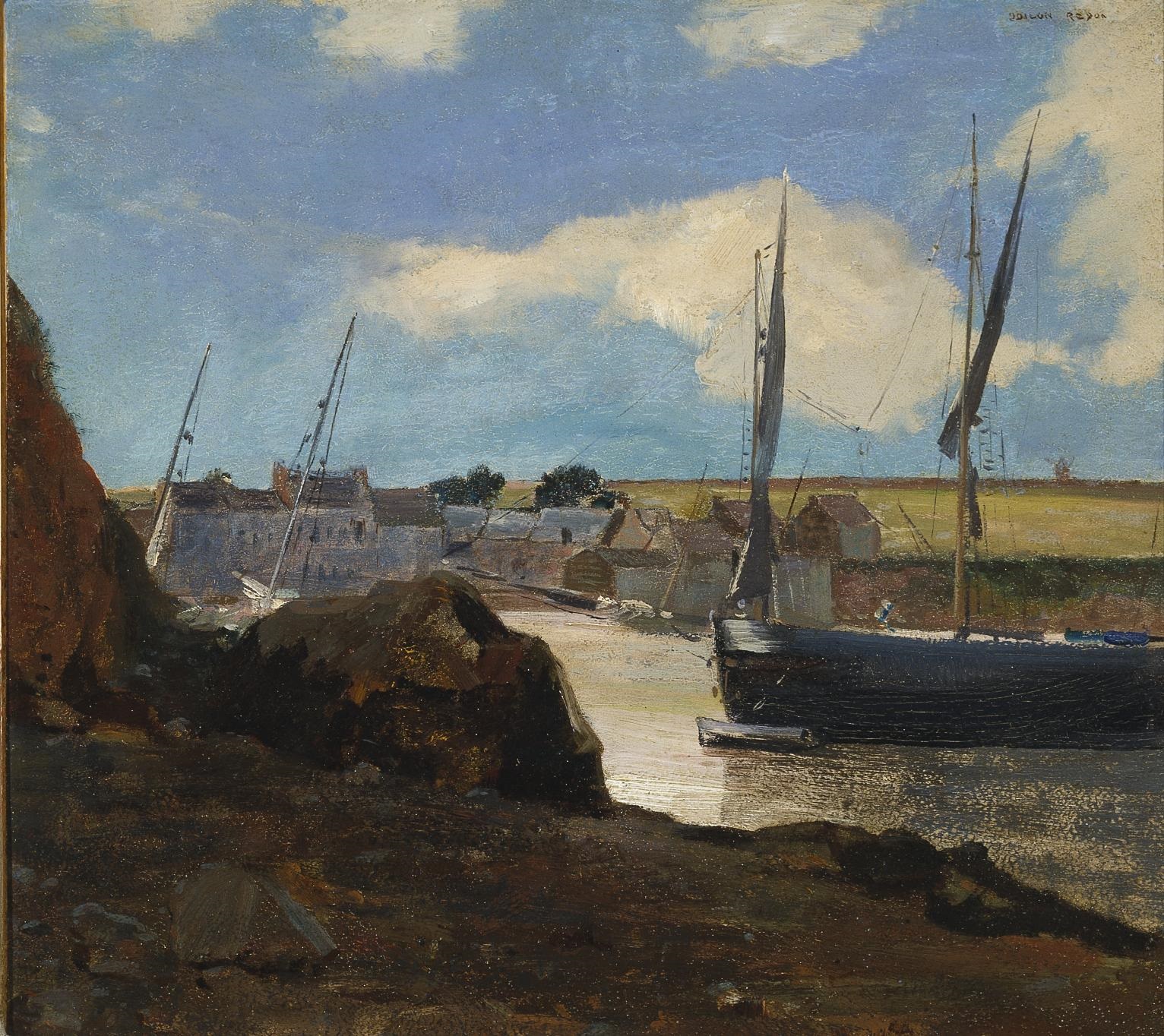
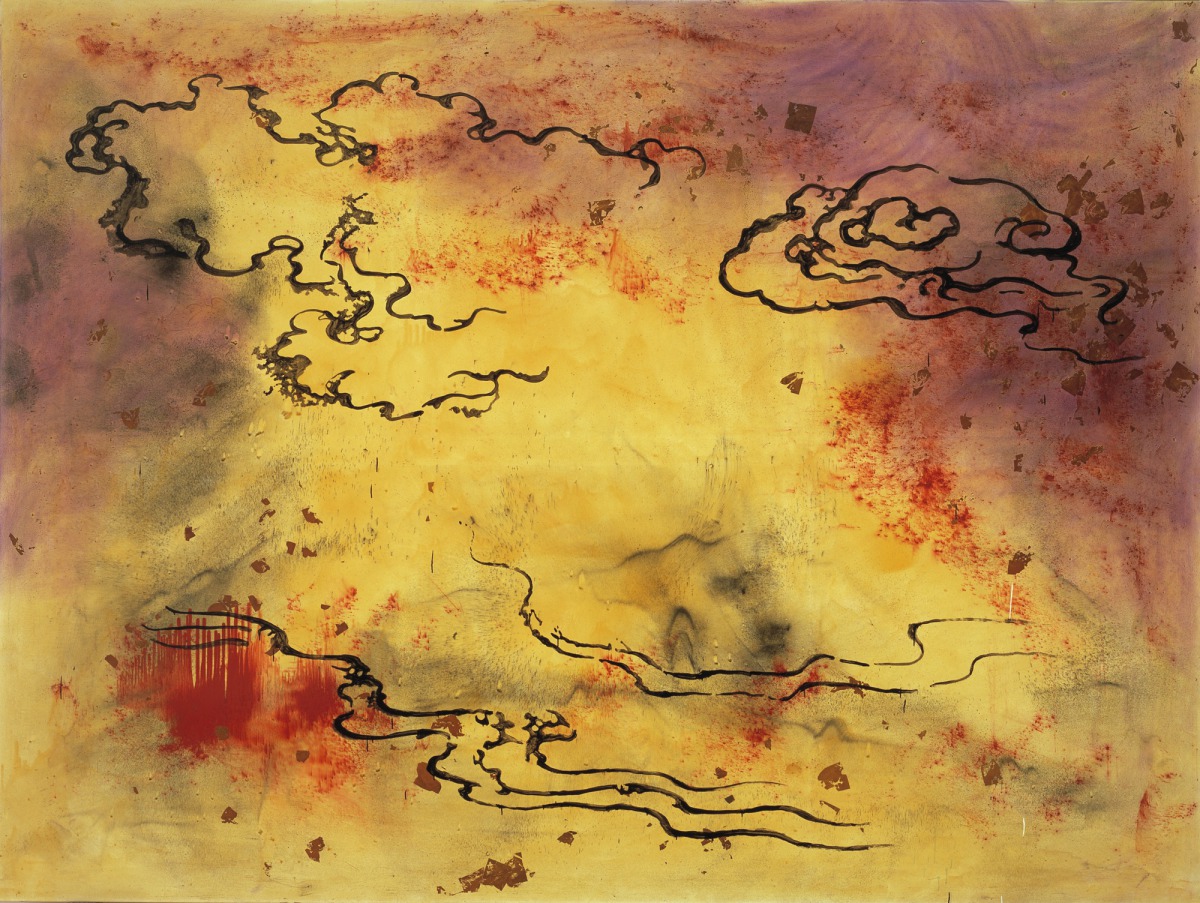
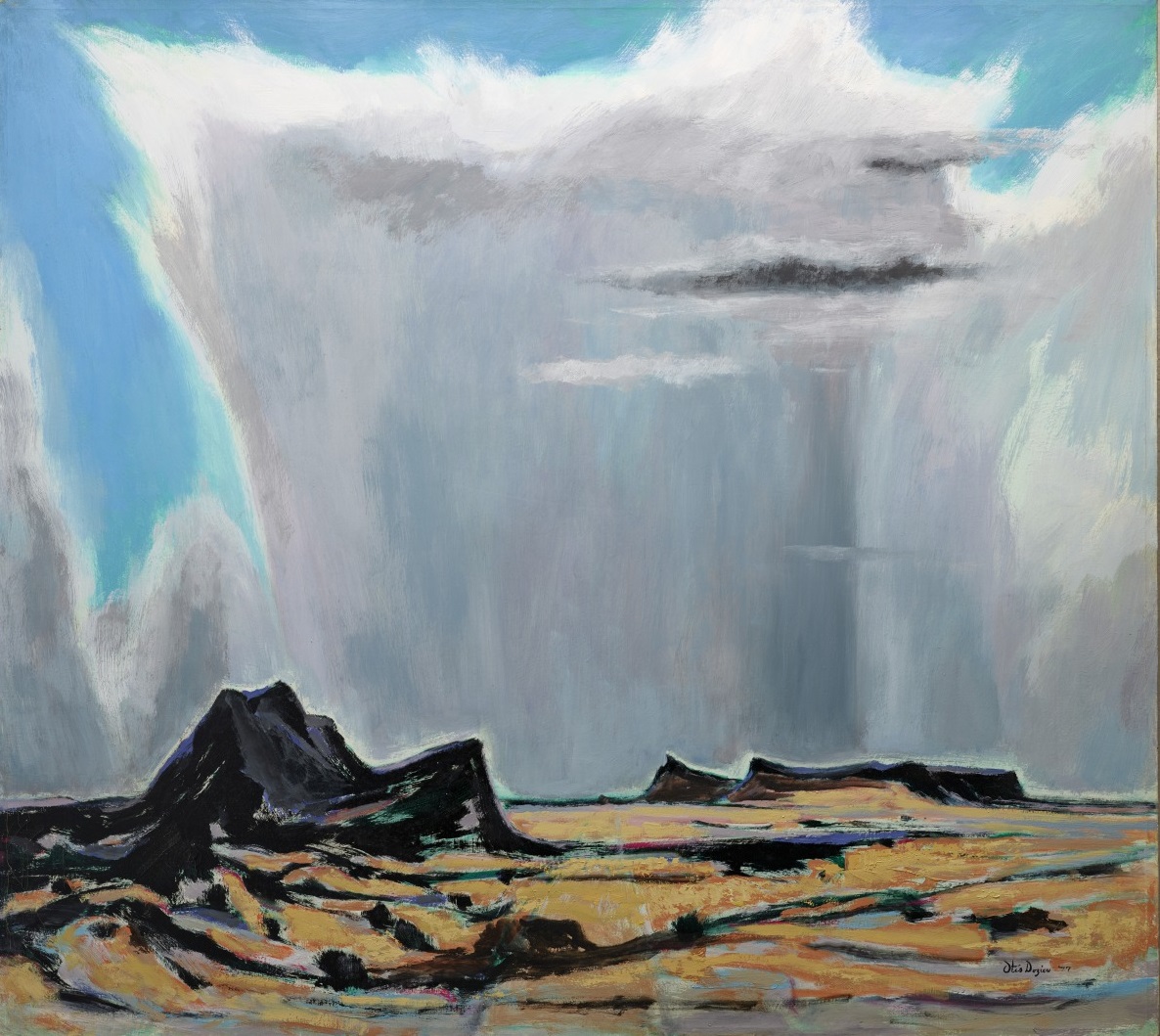
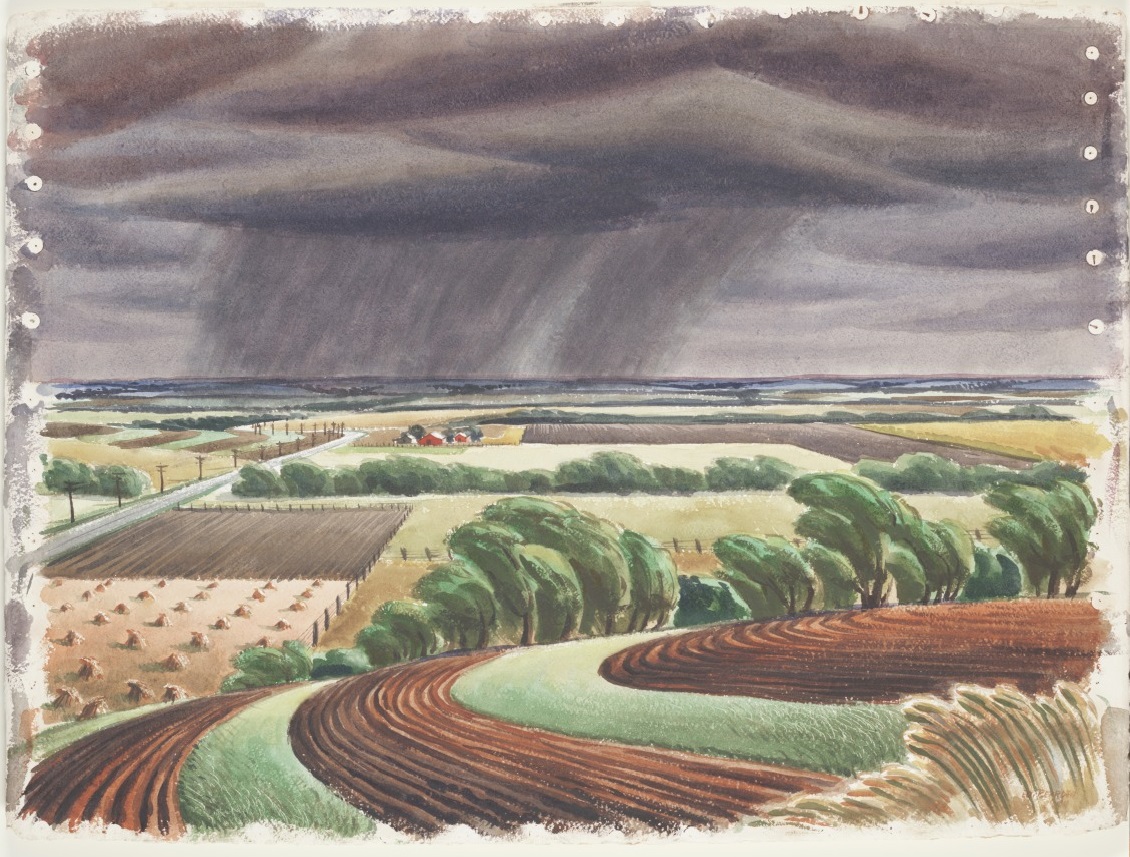
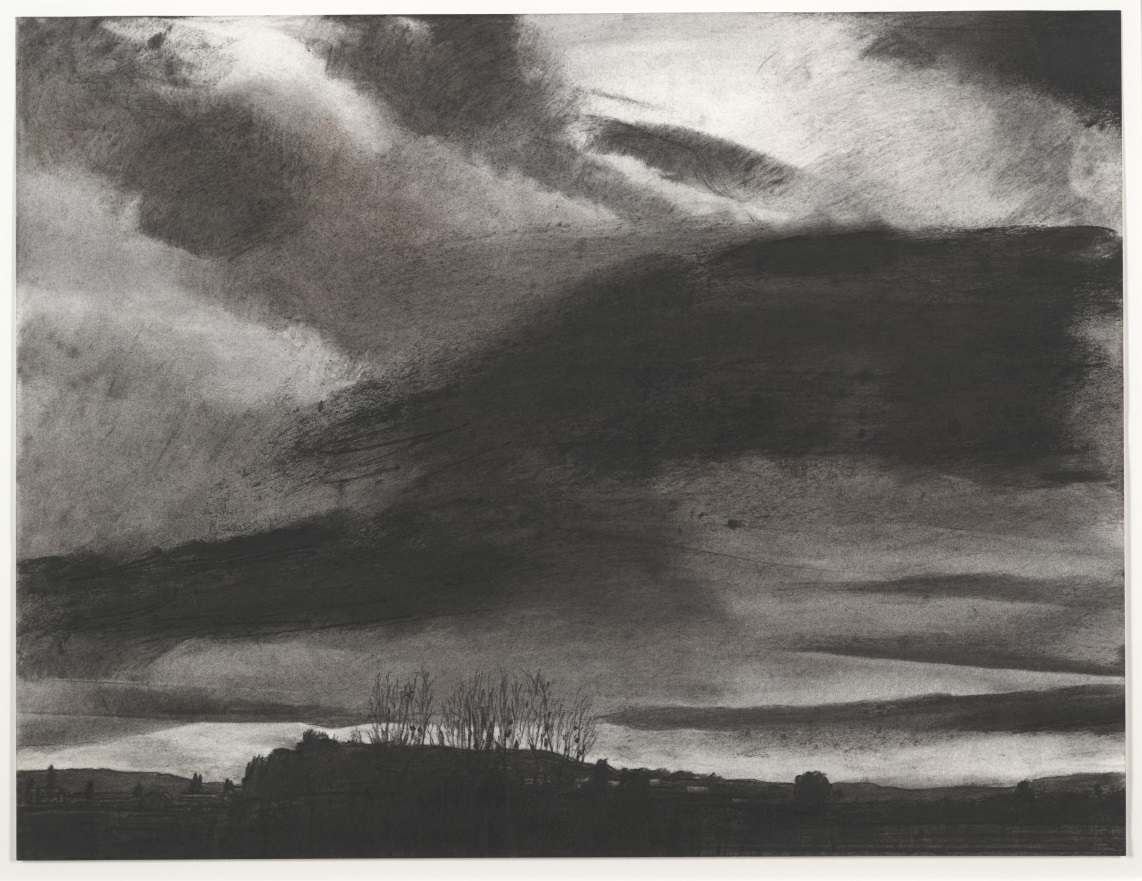
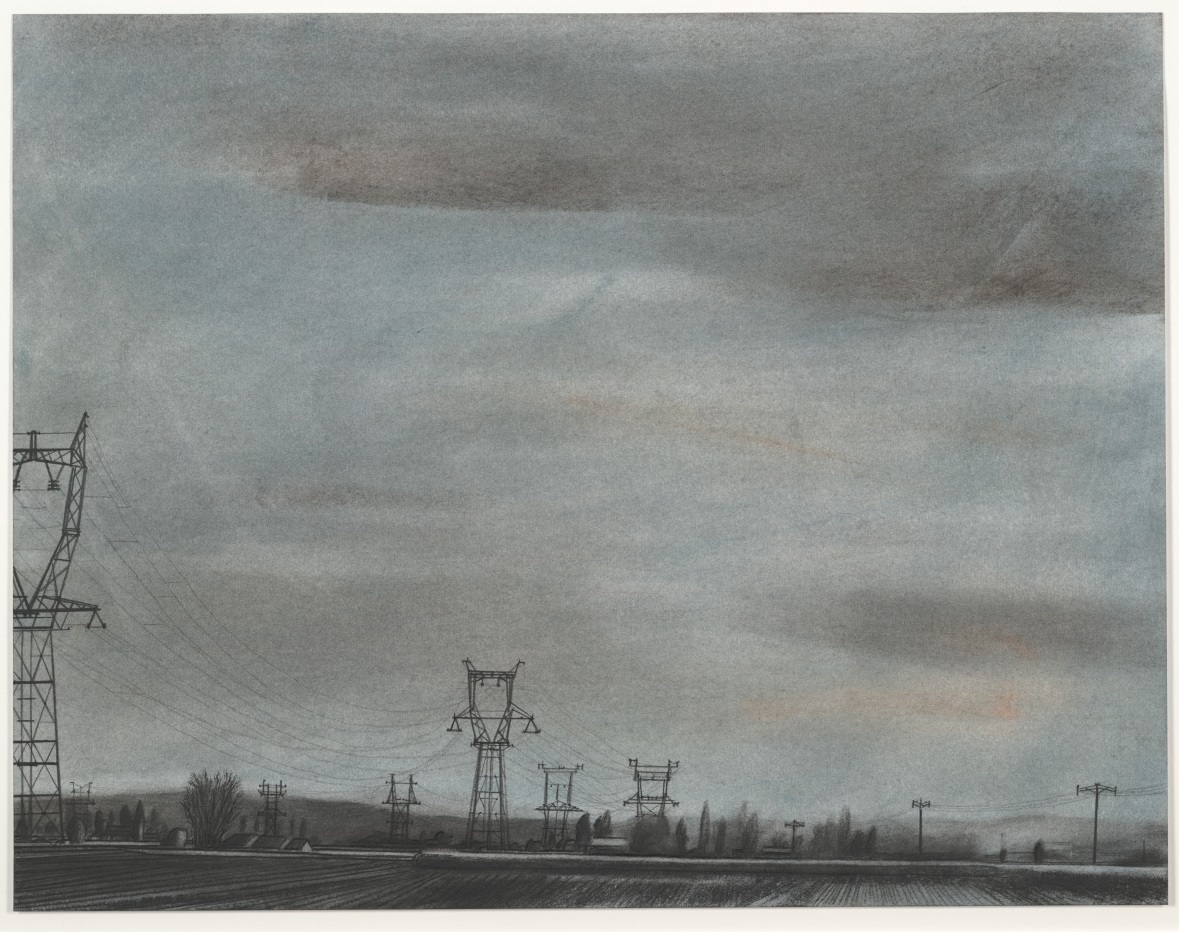
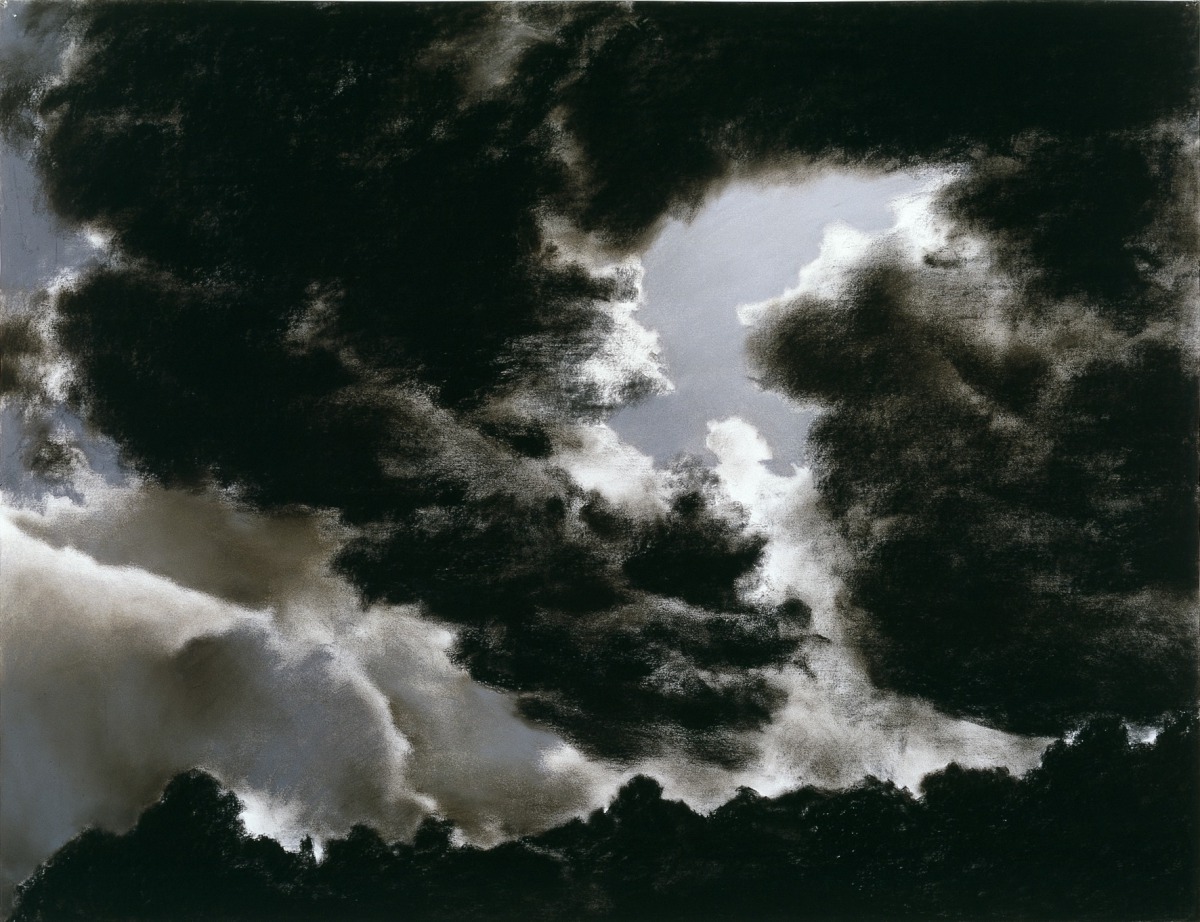
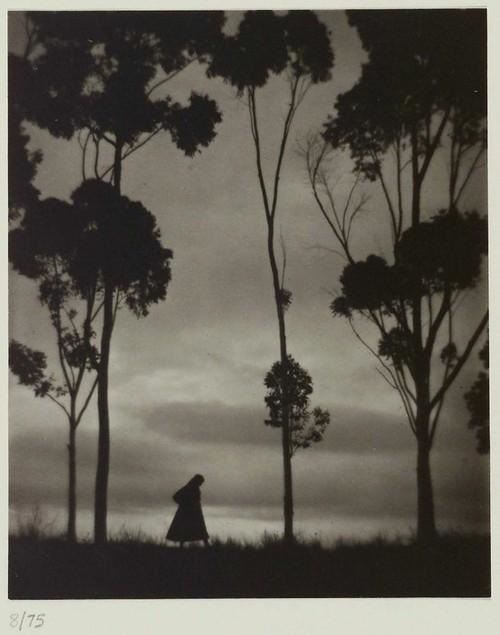
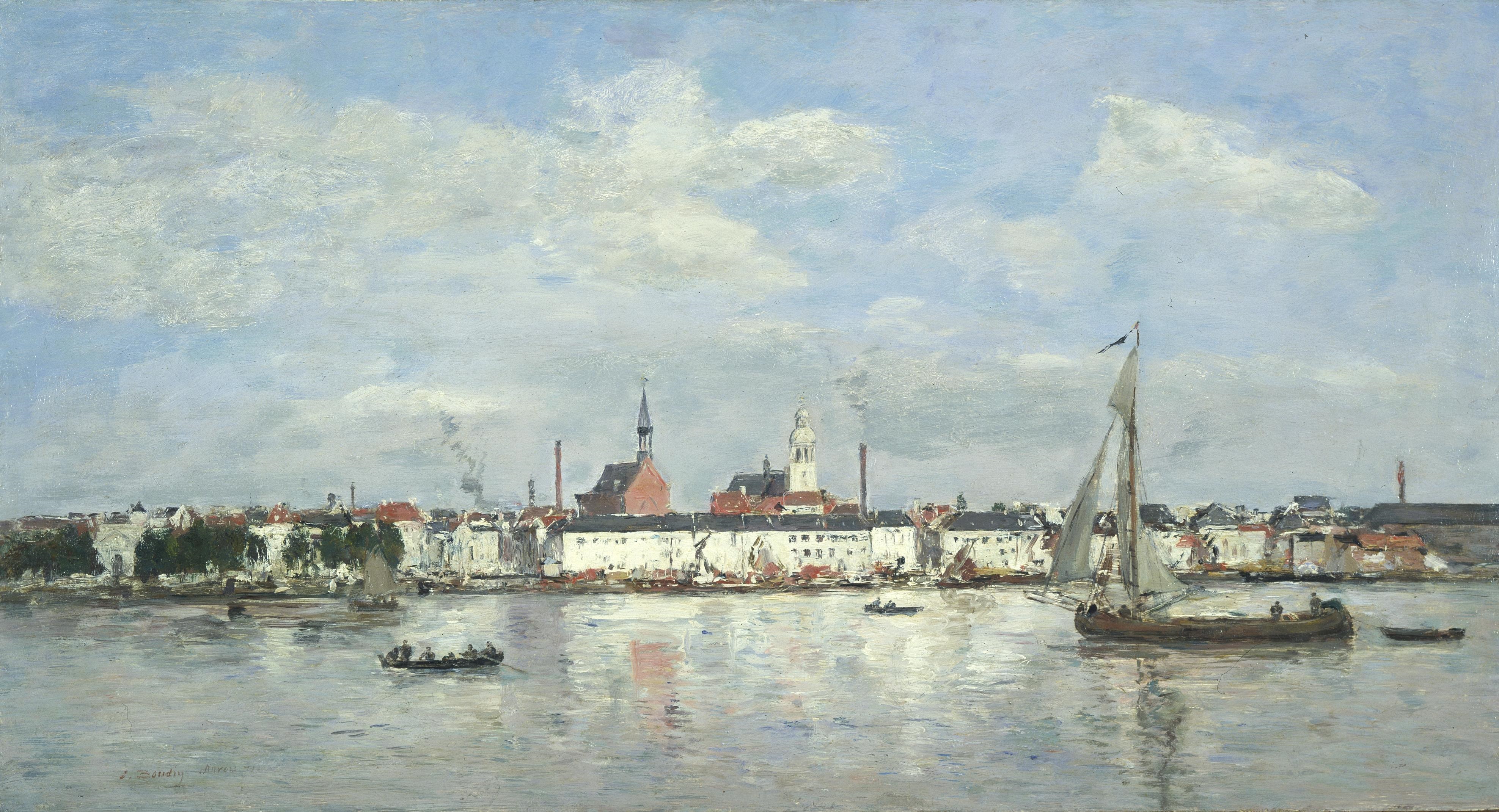
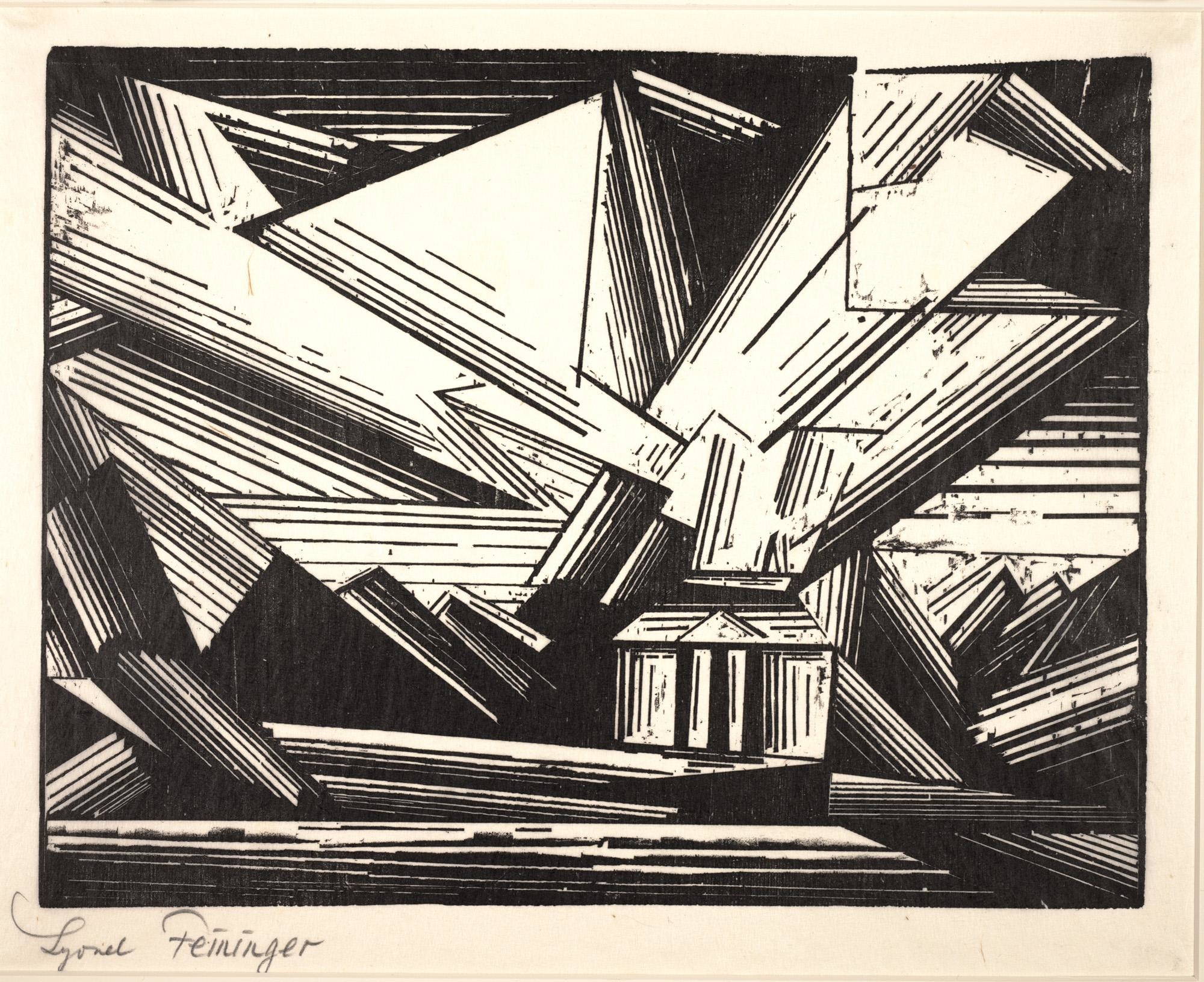
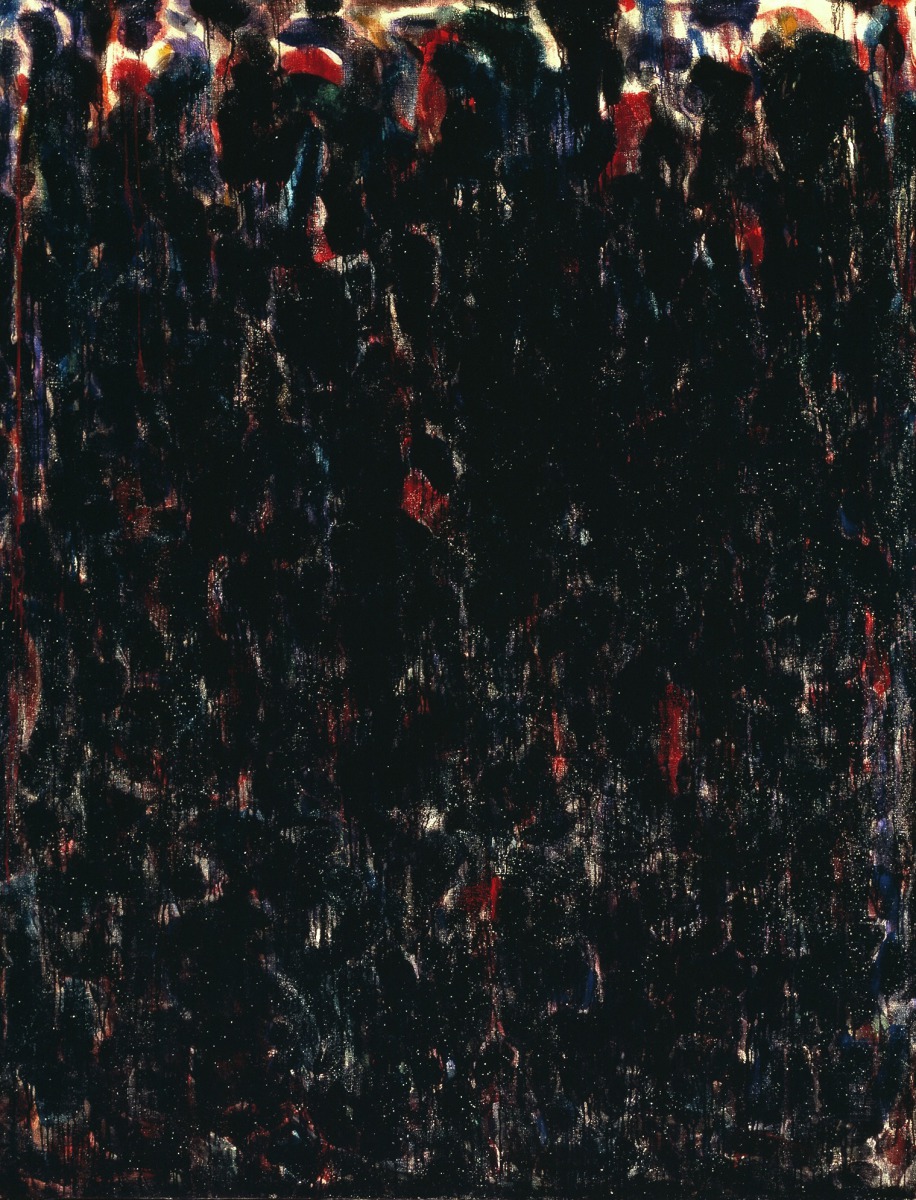

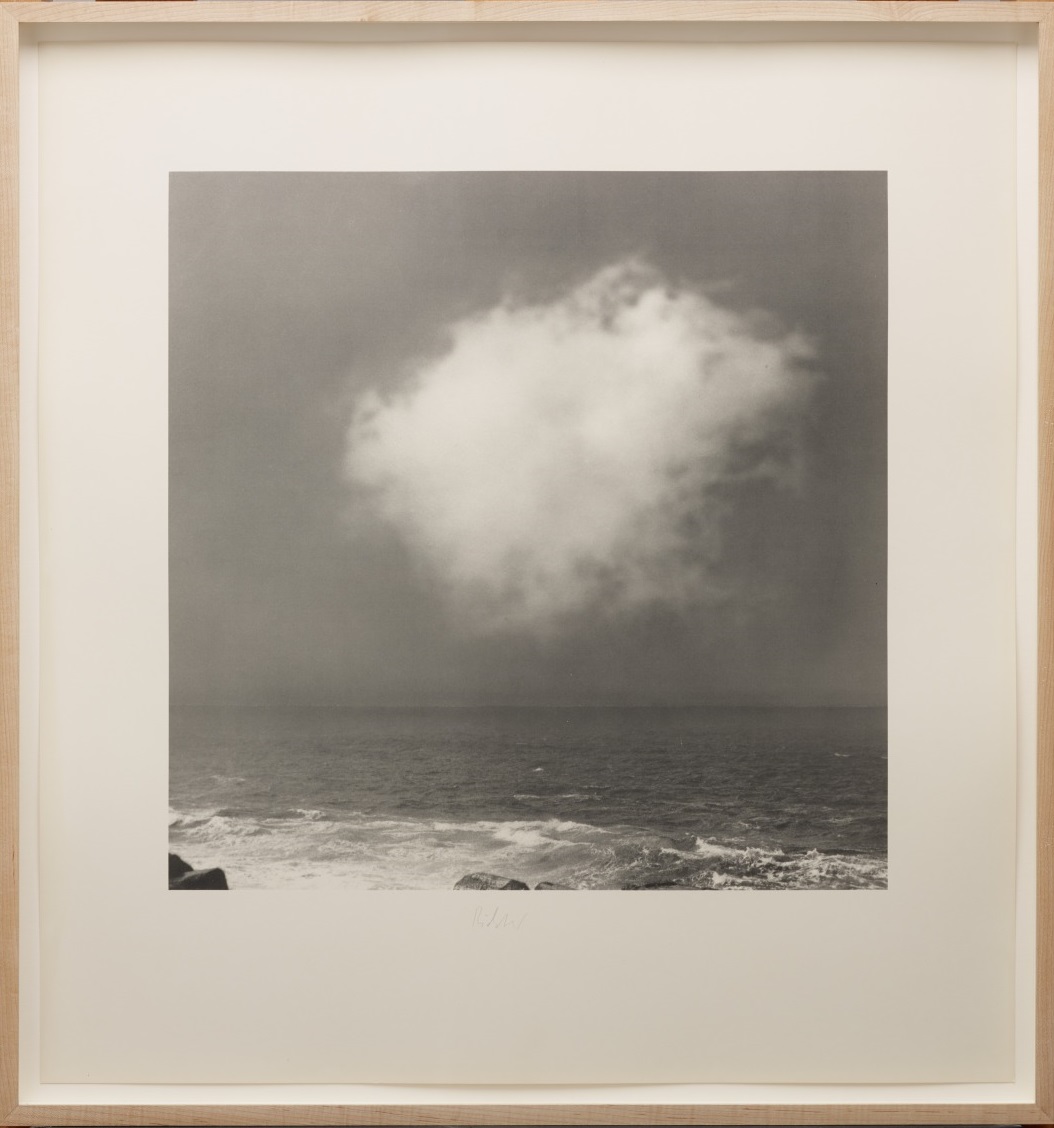
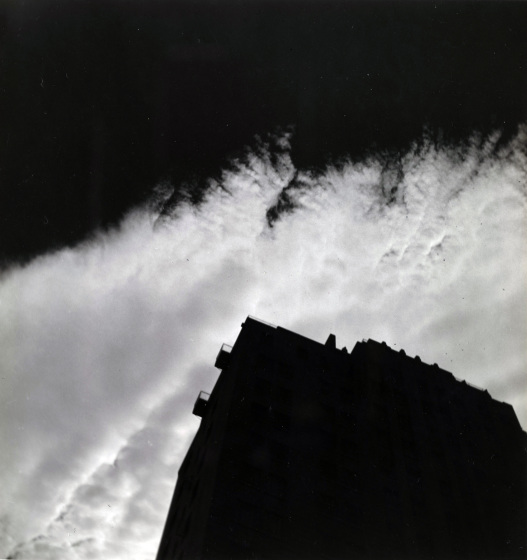
While browsing our online collection for a project, I entered the word “cloud” into the search field. I was surprised by how many works of art in our collection had cloud connections, either as part of the work’s title or featured in the work itself. As I was looking through the images, I kept hearing Joni Mitchell’s Both Sides Now playing in my head. Go ahead and give it a listen as you look at just a few of the clouds in our collection.


Stacey Lizotte is Head of Adult Programming and Multimedia Services at the DMA.
Common Thread

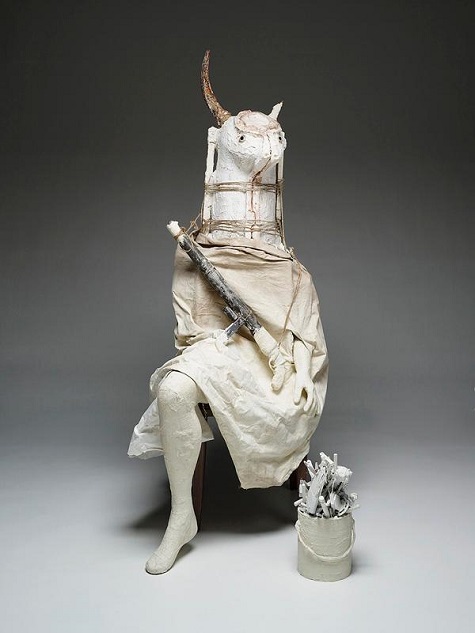
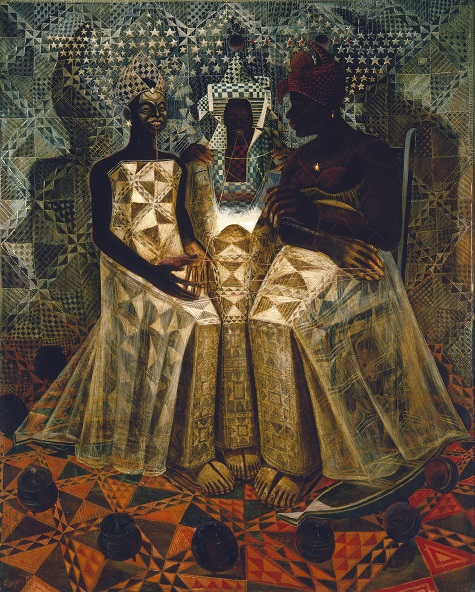
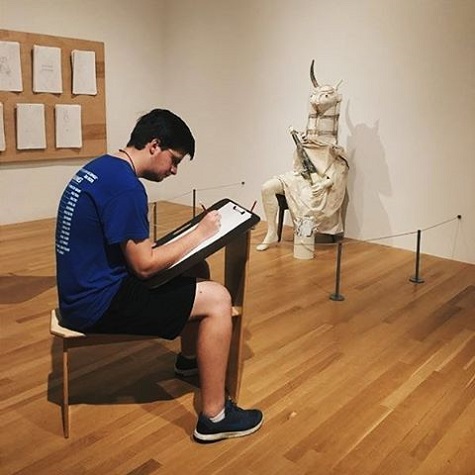
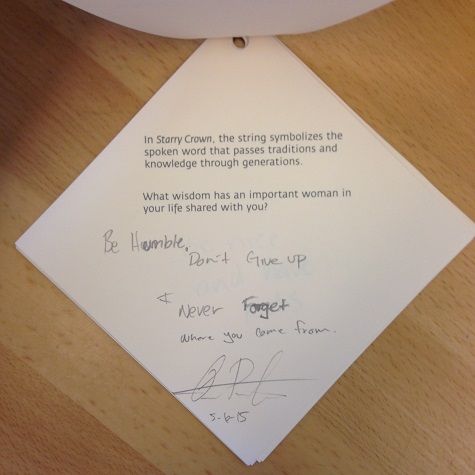
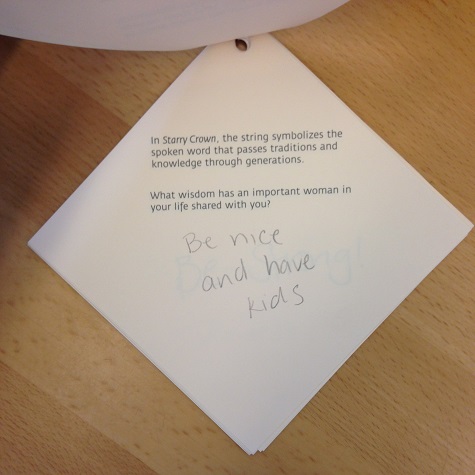
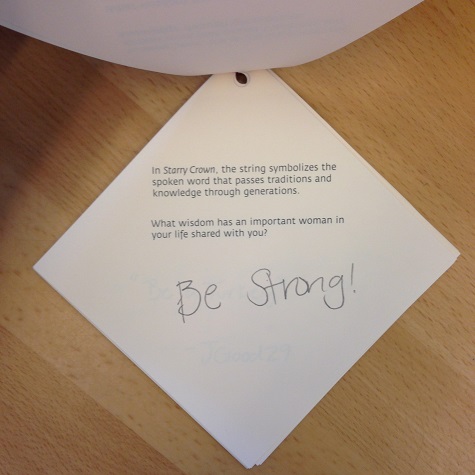
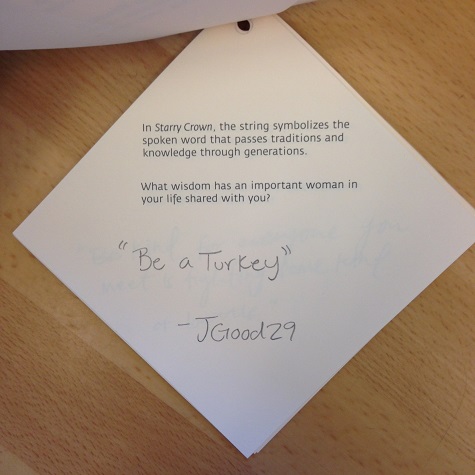
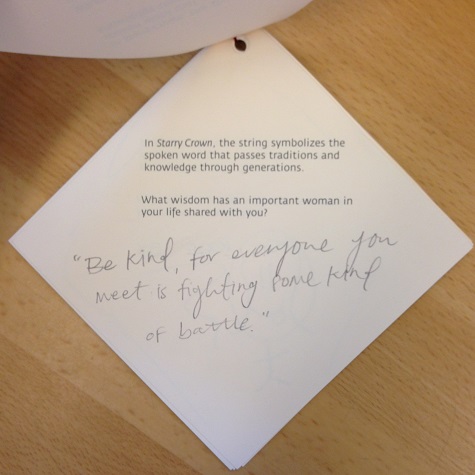
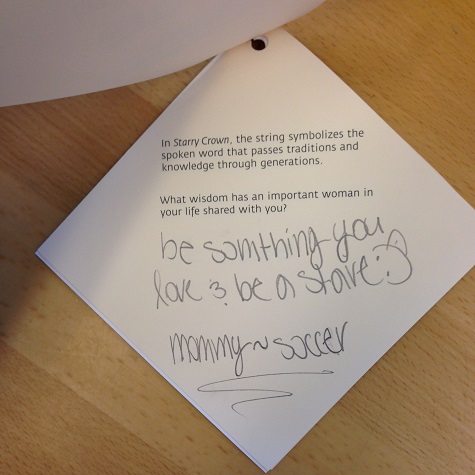
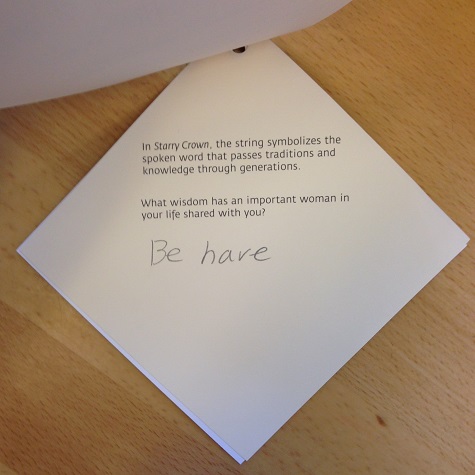
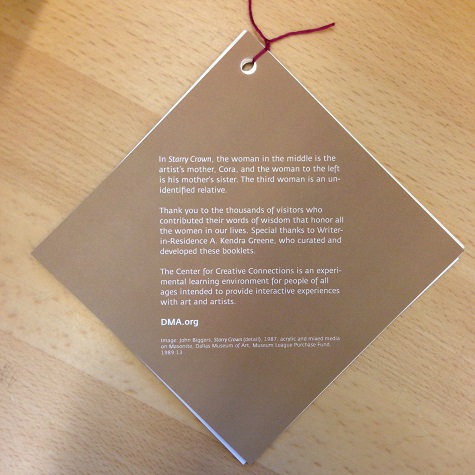
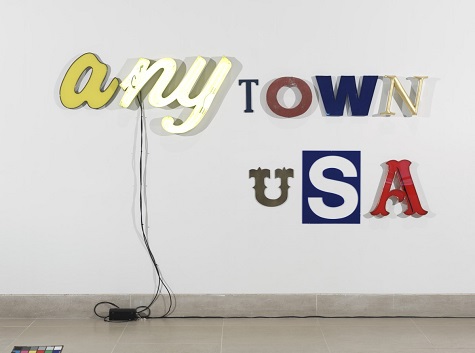
This month the Center for Creative Connections (C3) says goodbye to a few of our favorite works of art currently on view. Anytown USA by Jack Pierson, The Minotaur by Marcel Dzama, and Starry Crown by John Biggers are all set to come down the last week of April. It has been a joy to witness the frequent Instagrams taken of Anytown USA, to see the countless drawings made by visitors of all ages of The Minotaur, and to read the numerous visitor responses to Starry Crown.

samaran89 I saw this at an art gallery today in #Dallas. I feel like it should be the image of my travels around America!

samaran89 I saw this at an art gallery today in #Dallas. I feel like it should be the image of my travels around America!

marc.os.c

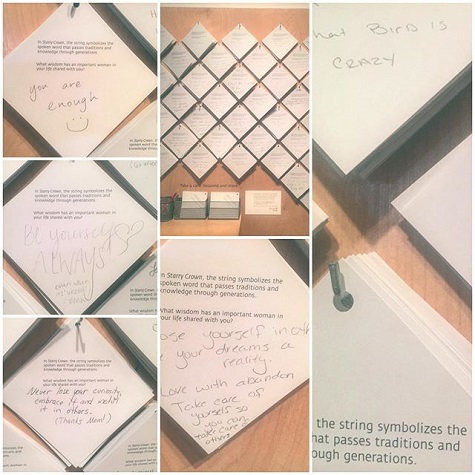
lisavanahn Loved this interactive piece of art at DMA, it asked you to write a piece of advice a wise woman had given you and pass it down. and right there front and center "you are enough" #bestadviceevergiven

lisavanahn Loved this interactive piece of art at DMA, it asked you to write a piece of advice a wise woman had given you and pass it down. and right there front and center “you are enough” #bestadviceevergiven

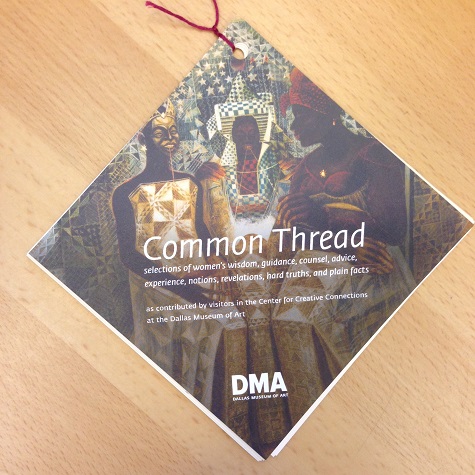
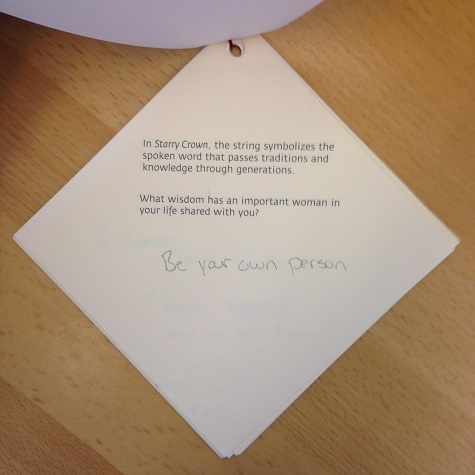
In honor of the thousands of visitors who have responded to our prompt related to Starry Crown, with the help of C3 Visiting Artist Kendra Greene, we have compiled booklets of visitor responses to give back to the community.  Stop by the Center for Creative Connections this month to pick up a keepsake, “Common Thread: Selections of women’s wisdom, guidance, counsel, advice, experience, notions, revelations, hard truths, and plain facts.”


Stop by C3 at the beginning of May to see these new additions to the space. How will they inspire you?

Jessica Fuentes is the Manager of Gallery Interpretation and the Center for Creative Connections at the DMA.
The Golden Age: Dominic Smith

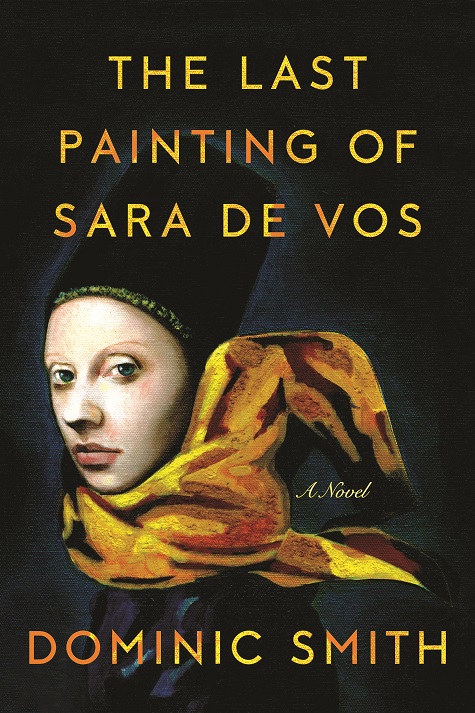
The DMA hosted author Dominic Smith as part of our Arts & Letters Live 25th anniversary season, and this event is also the launch party for his new novel, The Last Painting of Sara de Vos. We are excited to be the first place where book and art enthusiasts can grab a copy of the novel and spend time with the Texas-based author. The book has already received high acclaim, including from author Ben Fountain, who praised it as “quite simply, one of the best novels I have ever read, and as close to perfect as any book I’m likely to encounter in my reading life.” Uncrated was able to chat with Smith prior to his appearance and learn a bit more about his love of art and the focal point of his novel, Sara de Vos.

Photo: Stacy Sodolak

Photo: Stacy Sodolak

DMA: Have you always been drawn to art and in particular Dutch work?
DS: I’ve always loved museums and old paintings. I first experienced the Dutch Golden Age up close about 15 years ago, when I spent a year living in Amsterdam. During my time there, I was struck by the sheer variety and output of the Dutch baroque period. Bawdy genre scenes, delicate floral still lifes, serene landscapes, austere portraits—the subjects run the gamut. And by some estimates, there were about 50,000 Dutch painters plying their trade across the 17th century; if you walked into an Amsterdam butcher shop or bakery in 1630 you might have found floor-to-ceiling paintings. A painting could cost the same as a fish at the market, or it could cost the same as a house. This period endlessly fascinates me, especially the artistic fate of the 25 or so women who were admitted to a Guild of St. Luke, the main professional body for painters. We have surviving works for only a handful of those two dozen baroque women painters.

Johannes Vermeer, Young Woman Seated at a Virginal, c. 1670–1672, oil on canvas, The Leiden Collection, Inv# JVe-100 28.2015.1 © The Leiden Collection, New York

Johannes Vermeer, Young Woman Seated at a Virginal, c. 1670–72, oil on canvas, © The Leiden Collection, New York

DMA: Tell us a bit about your character, Sara de Vos. What do you feel Sara’s response would be to a few of the eight works from her contemporaries on view in the DMA’s exhibition Vermeer Suite: Music in 17th-Century Dutch Painting?
DS: I think Sara de Vos would be very pleased with these paintings. Like the real Judith Leyster, who sometimes painted genre scenes of merrymaking in taverns, Sara de Vos belongs to a moment of Dutch painting that celebrated music as part of everyday life. In the novel, Sara de Vos mostly paints landscapes and still lifes, but she would have greatly admired Vermeer’s Young Woman Seated at a Virginal. The light from the unseen window and the dramatic shadows on the virginal and in the woman’s clothing really capture this as a moment of suspended time. Her hands look as if they’re continuing to play the piece of music, even as she’s looking directly at us. I can’t help wondering what that music sounds like.

Last Painting_Layout 1-2.indd

DMA:  Why is it unique that de Vos would have painted landscapes, and how did this shape your story?
DS: There are no known landscapes by Dutch women painters of the Golden Age. So part of the conceit of The Last Painting of Sara de Vos involved working out the circumstances under which a woman might have created a landscape. The traditional explanation for the lack of landscapes by women is that it was a genre that required many hours spent out of doors and this was not the domain of women during the 17th century. I accept this explanation somewhat. But it’s worth remembering that there were women who defied convention during this time period. Maria Sibylla Merian left behind her estranged husband at the end of the 17th century and moved with her daughter to Surinam (a Dutch colony at the time) in South America for two years. She spent her days in the jungle sketching botanical specimens. If a Dutch Golden Age woman can do that, then surely she could spend a day sketching outside by herself, in preparation for a landscape that might be finished in her studio. Maybe a brother, husband, or older son could have accompanied her. My hunch is that the masters who presided over the Guilds of St. Luke decided that landscapes would be the exclusive realm of men. The novel tries to subvert this notion and bring a landscape by a baroque woman to life.

Kimberly Daniell is the Senior Manager of Communications, Public Affairs, and Social Media Strategy at the DMA.
Artful DIY April Fool’s Day

In honor of April Fool’s Day, here is a high-brow idea for pranking the art-lover in your life.

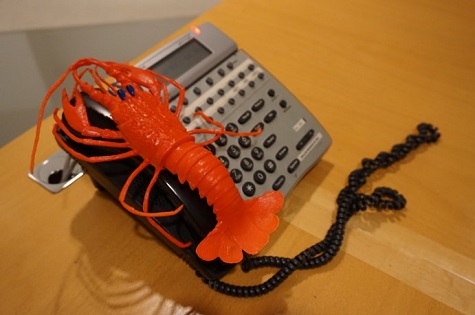
Salvador Dalí, Lobster Telephone (Téléphone – Homard), 1936, steel, plaster, rubber, resin, and paper, Tate Acquisition Purchased 1981 Reference T03257, © Salvador Dali, Gala-Salvador Dali Foundation/DACS, London 2016

Tape a toy crustacean to a co-worker’s office phone to imitate Salvador Dali’s Lobster Telephone. It’s guaranteed to be a surreally good joke!

lobster

Happy pranking!

Emily Wiskera is the McDermott Graduate Intern for Family and Access Teaching at the DMA.
Oh, Vincent!

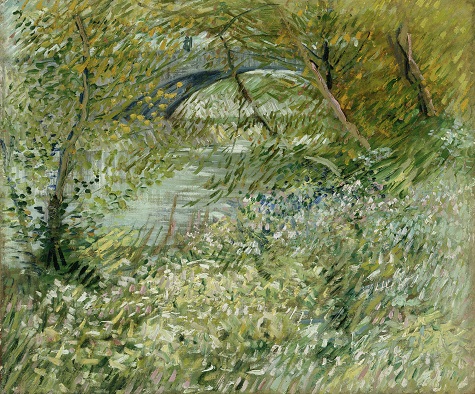
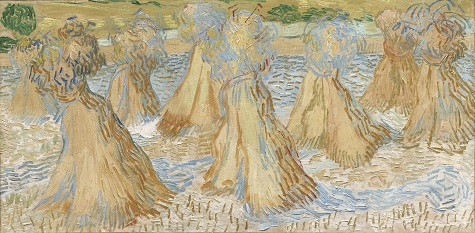
Today we celebrate Vincent van Gogh, who was born March 30, 1853. The occasion of the 163rd anniversary of his birth provides an opportunity to highlight the two paintings in the DMA’s collection by this renowned artist.

Vincent van Gogh, River Bank in Springtime, 1887, oil on canvas, Dallas Museum of Art, gift of Mr. and Mrs. Eugene McDermott in memory of Arthur Berger, 1961.99

Vincent van Gogh, River Bank in Springtime, 1887, oil on canvas, Dallas Museum of Art, gift of Mr. and Mrs. Eugene McDermott in memory of Arthur Berger, 1961.99

Painted in 1887, River Bank in Springtime evidences van Gogh’s belief that “a work of art is a slice of nature.” The painting bears all the characteristics of works he made early in his career when he was working in Paris under the influences of the Impressionist, Neo-Impressionist, and Pointillist artists’ avant-garde methods. He experimented with Pointillism briefly, but found it too rigorous for his sensibilities and soon turned to exploring other innovative ideas.

Vincent van Gogh, Sheaves of Wheat, July 1890, oil on canvas,, Dallas Museum of Art, The Wendy and Emery Reves Collection, 1985.R.80

Vincent van Gogh, Sheaves of Wheat, July 1890, oil on canvas, Dallas Museum of Art, The Wendy and Emery Reves Collection, 1985.R.80

Van Gogh painted Sheaves of Wheat shortly before his death, at a time when he was particularly plagued with physical and psychological problems. Each of the eight bundles of wheat bends and twists in its own unique manner, almost as if each stack is an individual portrait, yet they unite on the canvas with firm solidarity. This late masterpiece has an intensity and quality that remains unrivaled.

Over the course of his life, van Gogh wrote hundreds of letters to his brother Theo. In one of them, he wrote, “A good picture is equivalent to a good deed.” The Dallas Museum of Art is truly a fortunate beneficiary of Vincent van Gogh’s good deed and artistic genius.

Martha MacLeod is the Senior Curatorial Administrator to the Curatorial Department and Curatorial Assistant for European and American Art.

Flopsy and Mopsy Move into the Museum

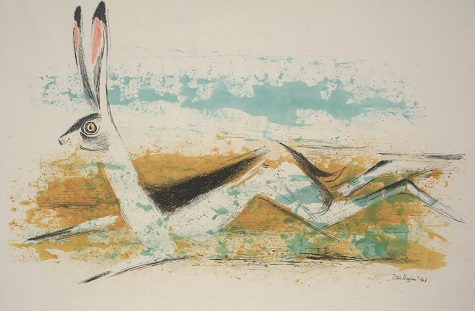
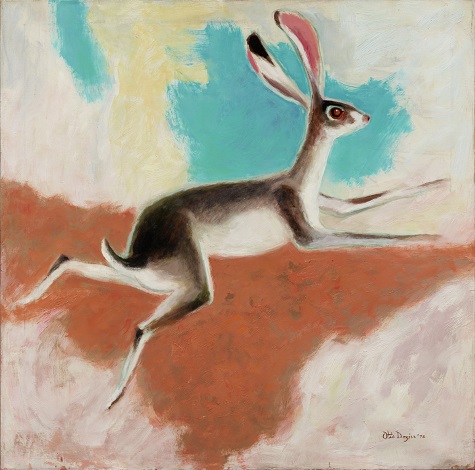
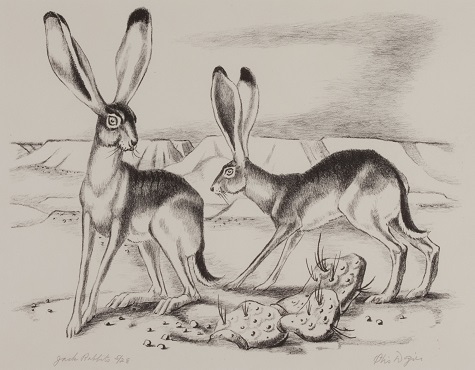
Did the weekend leave you feeling EGG-static?Did you have a HOP-ening time? Perhaps a little cottontail or two bounced by and left you some yummy treats hidden in eggs. One thing is certain, the DMA’s galleries are overflowing with bunny foo foos and rascally rabbits this spring! You’d best look quick—they are bound to be springing from one painting to the next, scooping up field mice and bopping them on the head.

Julie Henley is the Communications and Marketing Coordinator at the DMA.
New Objects to View from the Keir Collection

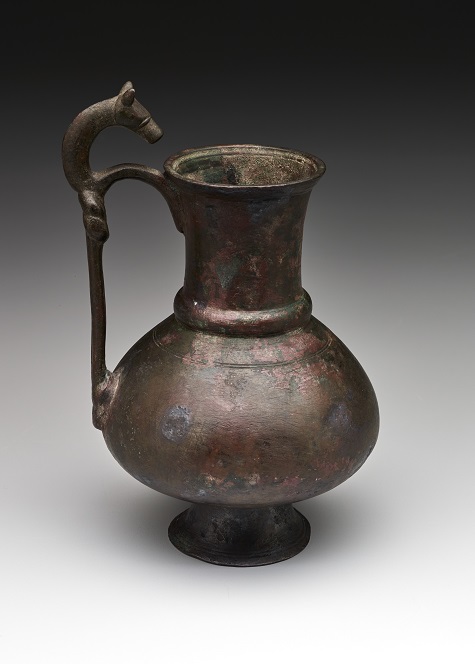
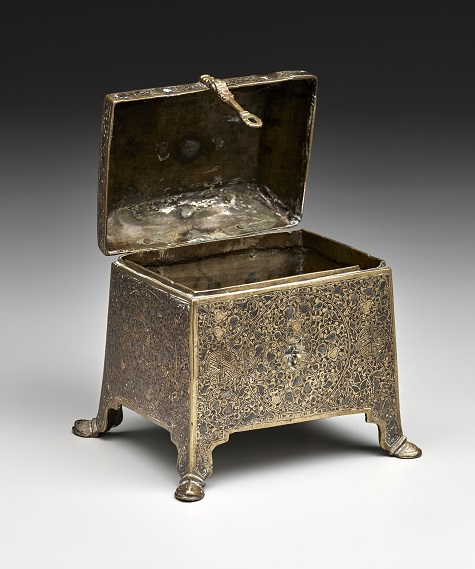
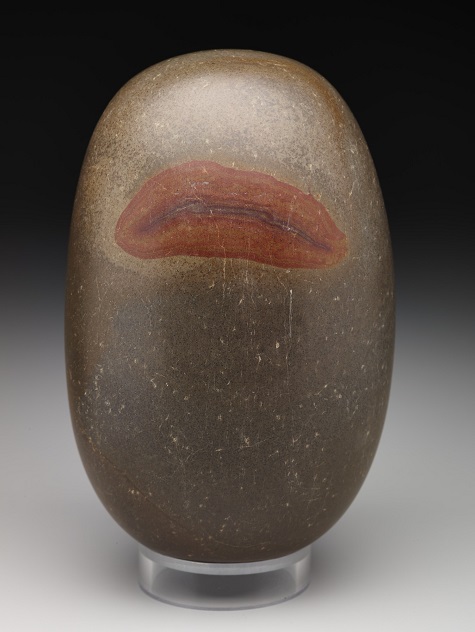
This month,  a rotation of a few pieces from the Keir Collection of Islamic Art took place in the Spirit and Matter exhibition. Among the new pieces on display is a drinking vessel in the shape of a seated lioness. This is a rare piece that has survived intact from the 12th-13th century. It is decorated with strokes of vivid luster that shimmer like gold against a deep blue glaze. New metalwork pieces show a modernity of form such as a 9th-10th century jug with a feline head protruding from its handle and peeking inside the jug, or a 14th century casket that must have held precious items, itself displaying a richness of silver inlaid decoration. The choice of the new objects retains the musicality and harmony that was originally sought in Spirit and Matter, while at the same time augmenting its informative and educational texture.

The objects that have been replaced are among the loan that was granted to the Metropolitan Museum of Art in New York, for their upcoming exhibition, Court and Cosmos: The Great Age of the Seljuqs, opening end of April 2016.

Sabiha Al Khemir is the Senior Advisor for Islamic Art at the DMA

Sculpted by Women

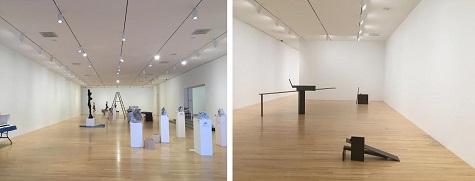
Over the past two weeks, the DMA’s Hoffman Galleries have been populated with sculptures that appear—for lack of a better word—unfinished. Amorphous mounds of pastel-washed, unfired clay occupy the sunlit central gallery. Wall-mounted vitrines house bits of Polystyrene and bark, which mingle with squiggles of neon and fragments of clay. In the back room, configurations of Cor-ten steel sheets lie in delicate balance, punctuated unexpectedly by soft, fluffy pompoms. To the naked eye, these works could be mistaken for preliminary models or sculptural prototypes rather than polished final products—and that is exactly what Rebecca Warren, the British artist responsible for these enigmatic sculptures, wants.

Rebecca Warren: The Main Feeling installation images, March 2016

Rebecca Warren: The Main Feeling installation, March 2016

On March 13, Rebecca Warren: The Main Feeling opened to the public at the DMA. The artist’s first comprehensive museum show in the US, the exhibition surveys over ten years of her sculpture practice, which intentionally confounds categorization and challenges existing histories of art. In other words, Warren takes all that we expect of sculpture, and flips it on its head.

Rebecca Warren: The Main Feeling continues the DMA’s commitment to supporting the work of innovative female sculptors, many of whom continue to be under-recognized within the history of art. Below are a few highlights of sculptures made by female artists from our contemporary art collection, all of which are currently on view.

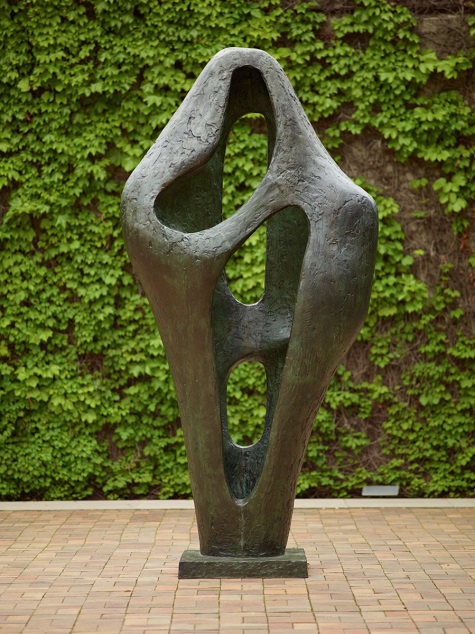
Barbara Hepworth, Figure for Landscape, 1960, Bronze, Dallas Museum of Art, gift of the Meadows Foundation, Inc., 1983.154 © Alan Bowness, Estate of Barbara Hepworth

Barbara Hepworth, Figure for Landscape, 1960, bronze, Dallas Museum of Art, gift of the Meadows Foundation, Inc., 1983.154, © Alan Bowness, Estate of Barbara Hepworth

In our Sculpture Garden, British artist Barbara Hepworth’s Figure for Landscape stands stoically along the west wall. An early pioneer of abstract sculpture, Hepworth modeled this biomorphic form and then cast it in bronze, leaving gaping openings in the work that distinguish positive and negative space within the body of the structure. While sculpture making had traditionally been conceived as the production of an object in space, Hepworth illuminated the possibility of sculpture making as a process of carving out space within an object.

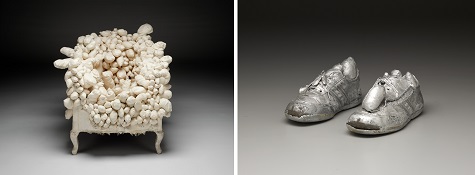
(left to right) Yayoi Kusama, Accumulation, 1962-1964, Sewn stuffed fabric with paint on wooden chair frame, The Rachofsky Collection and the Dallas Museum of Art through the DMA/amfAR Benefit Auction Fund, 2008.41 © Yayoi Kusama E-mail: contact@yayoi-kusama.jp; Yayoi Kusama, Untitled, 1976, Shoes, paint, and foam, Dallas Museum of Art, bequest of Dorace M. Fichtenbaum, 2015.48.22.A-B

(left to right) Yayoi Kusama, Accumulation, 1962-64, sewn stuffed fabric with paint on wooden chair frame, The Rachofsky Collection and the Dallas Museum of Art through the DMA/amfAR Benefit Auction Fund, 2008.41, © Yayoi Kusama; Yayoi Kusama, Untitled, 1976, shoes, paint, and foam, Dallas Museum of Art, bequest of Dorace M. Fichtenbaum, 2015.48.22.a-b

Two works by Japanese artist Yayoi Kusama are on view in the new installation Passages in Modern Art: 1946-1996. Kusama is known for her uncanny ability to imbue everyday objects such as chairs, shoes, and vegetables with the psychological intensity of dreams and fantasy. To make Accumulation, Kusama coated a wooden chair frame with phallus-like fabric forms and subsequently painted every component of the work in a neutral beige color. Untitled comes from the same series, and similarly features shoes that have been covered in phallic foam cutouts.

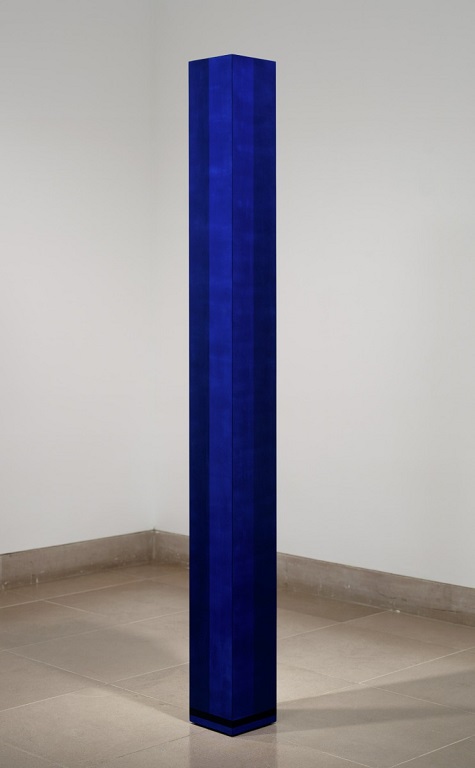
Anne Truitt, Come Unto These Yellow Sands II, 1979, Acrylic on wood, Dallas Museum of Art, gift of Shonny and Hal Joseph (St. Louis, Missouri) in honor of Cindy and Armond Schwartz, 2002.55 © Estate of Anne Truitt

Anne Truitt, Come Unto These Yellow Sands II, 1979, acrylic on wood, Dallas Museum of Art, gift of Shonny and Hal Joseph (St. Louis, Missouri) in honor of Cindy and Armond Schwartz, 2002.55, © Estate of Anne Truitt

A major figure in American art since the 1960s, Anne Truitt is best known for her streamlined vocabulary of basic forms and colors, which typically coalesced into tall, thin wooden sculptures meticulously coated in several smooth layers of paint, such as Come Unto These Yellow Sands II, currently on display in the Barrel Vault. A nearly eight-foot pillar of deep, vivid blue, Truitt’s sculpture projects a three-dimensional block of color into the space of the viewer, merging the optical experience of her work with sensuous immediacy.

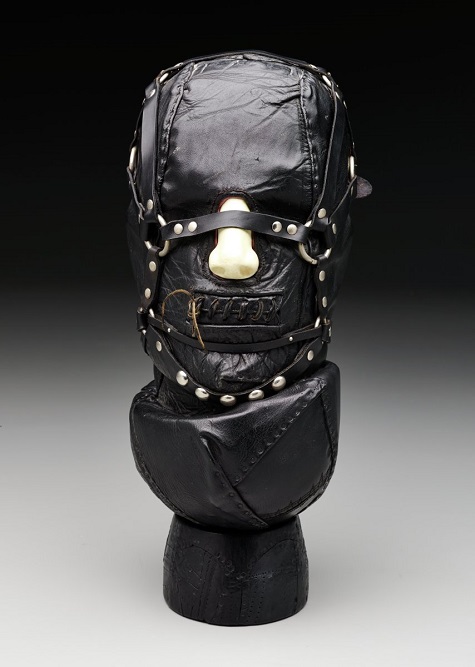
Nancy Grossman, Untitled (Head), 1968, Leather, wood, metal, Dallas Museum of Art, Dallas Art Association Purchase, 1969.8.A-B

Nancy Grossman, Untitled (Head), 1968, leather, wood, and metal, Dallas Museum of Art, Dallas Art Association Purchase, 1969.8.a-b

Installed adjacent to Truitt’s column of pure blue is Nancy Grossman’s Untitled (Head), a sculpted head carved from wood and overlaid with leather. Rendered blind and mute, this unsettling figure alludes to the role of the silent witness amid cruelty and disorder within contemporary society. In fact, Grossman began making these head sculptures in the 1960s partially in response to the violence and social upheaval caused by the Vietnam War.

Sculpture takes center stage this season at the DMA, so the next time you find yourself at the Museum, be sure to take a closer look at these works in Rebecca Warren: The Main Feeling and Passages in Modern Art: 1946-1996.

Nolan Jimbo is the McDermott Intern for Contemporary Art at the DMA.
Look to the End of the Rainbow

According to legend, every Leprechaun has a pot of gold, secreted deep in the Irish countryside. In order to keep their treasure safe, the Irish fairies gave the Leprechauns magic to use in case of capture. The fairy magic allowed them to grant three wishes or to vanish into thin air!

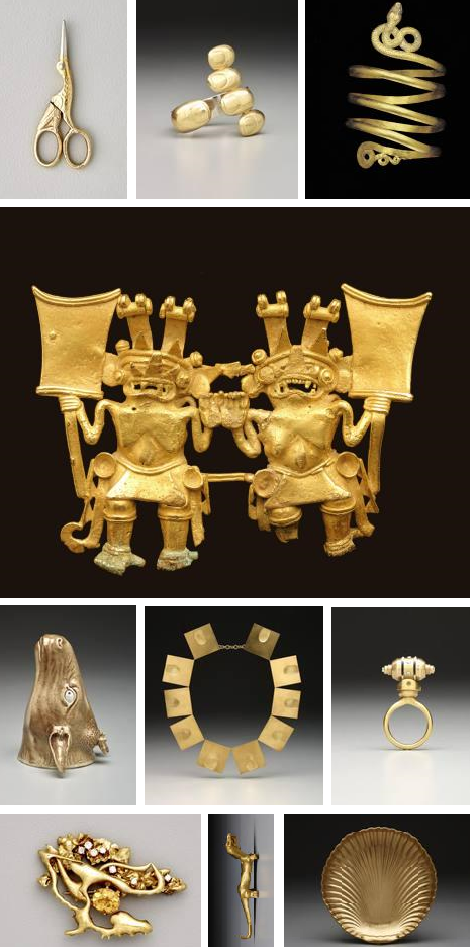
Based on these tales, it seems that Dallas has a Leprechaun of its own. The DMA is filled with an abundance of gold representing numerous lands over many years, something very magical indeed. All of the gold is carefully protected by fairies . . . ahemm . . . I mean gallery attendants. You can look, but don’t touch! That would make our mischievous Leprechauns . . . I mean curators . . . very upset.

If you happen to spot a rainbow this afternoon, don’t be surprised if it leads you right here, to Dallas’s biggest pot of gold!

Pot of Gold Take 2

Images: Gerd Rothmann, neckalace, n.d., Dallas Museum of Art, gift of Edward W. and Deedie Potter Rose, formerly Inge Asenbaum collection, gallery Am Graben in Vienna, © Gerd Rothmann, 2014.33.284; Bruno Martinazzi, bracelet, 1969, gold and silver, Dallas Museum of Art, gift of Edward W. and Deedie Potter Rose, formerly Inge Asenbaum collection, gallery Am Graben in Vienna, © Bruno Martinazzi, 2014.33.353; Graduated shell dish, Fitz & Floyd, Chunichi Toki Company, 1983, porcelain and gilding, Dallas Museum of Art, gift of Robert C. Floyd, 1998.129.1; Velma Davis Dozier, pin, 1969, cast gold with diamonds, Dallas Museum of Art, gift of Otis and Velma Dozier, © Denni Davis Washburn, William Robert Miegel Jr, and Elizabeth Marie Miegel, 1979.25; Jaguar effigy, A.D. 800-1200, gold, Dallas Museum of Art, The Nora and John Wise Collection, gift of Mr. and Mrs. Jake L. Hamon, the Eugene McDermott Family, Mr. and Mrs. Algur H. Meadows and the Meadows Foundation, Incorporated, and Mr. and Mrs. John D. Murchison, 1976.W.261; Pendant with two figures, A.D. 700-1520, gold-copper alloy (tumbaga), Dallas Museum of Art, The Nora and John Wise Collection, gift of Mr. and Mrs. Jake L. Hamon, the Eugene McDermott Family, Mr. and Mrs. Algur H. Meadows and the Meadows Foundation, Incorporated, and Mr. and Mrs. John D. Murchison, 1976.W.245; Cow’s head stirrup cup. n.d., glazed earthenware and paint, Dallas Museum of Art, the Patsy Lacy Griffith Collection, bequest of Patsy Lacy Griffith, 2001.134; Single snake armlet, 1st century A.D., gold, Dallas Museum of Art, Museum League Purchase Funds, The Eugene and Margaret McDermott Art Fund, Inc., and Cecil H. and Ida M. Green in honor of Virginia Lucas Nick, 1991.75.92.1; Scissors, 20th century, brass, Dallas Museum of Art, gift of Elizabeth Weaver, 1993.68.97; Ring, Claus Bury, 1971, gold and acrylic, Dallas Museum of Art, gift of Edward W. and Deedie Potter Rose, formerly Inge Asenbaum collection, gallery Am Graben in Vienna © Claus Bury, 2014.33.45

Julie Henley is the Communications and Marketing Coordinator at the DMA.

An Attempt at Dinner with Jackson Pollock

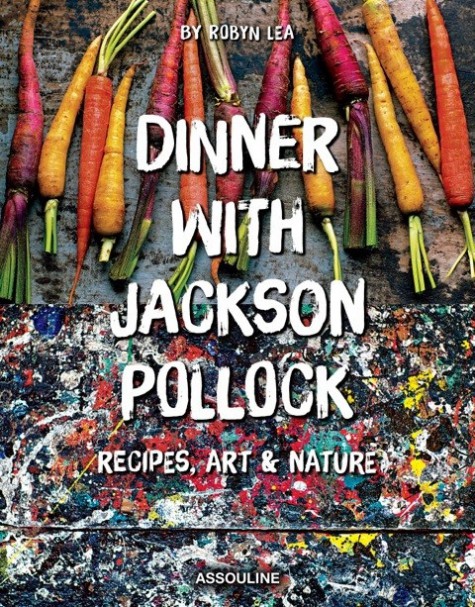
This Friday, author and photographer Robyn Lea will be here to discuss her cookbook Dinner with Jackson Pollock during our March Late Night. And, in what has become a tradition for the Adult Programming team, we decided to try our hand at making a few of the recipes. You can find our other cooking attempts here and here.
Dinner with Jackson Pollock

Stacey Lizotte, Head of Adult Programming and Multimedia Services:

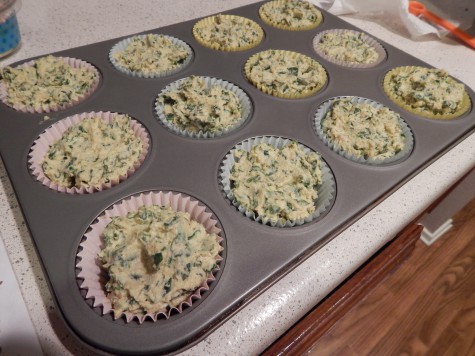
I decided to make Pollock’s Spinach Muffins with Tomato Chutney because it sounded delicious and I had never made a chutney before.

Stacey Ingredients

The recipe was pretty straightforward and easy to make. Because the chutney takes an hour to simmer on the stove, I started that first by putting all the ingredients in a pot on medium-low heat. While that was simmering, I prepared the spinach muffin dough.

The “muffin” dough was very wet and very dense, and after baking it, I would classify the final product as a stuffing more than a muffin.

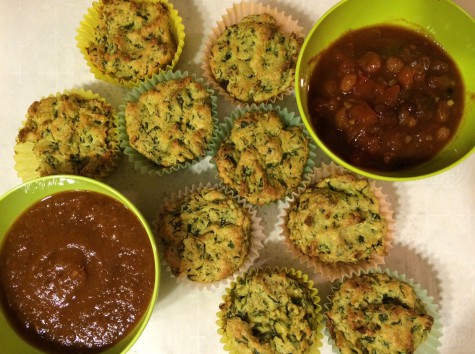
Once the chutney was finished simmering, I sampled it, and while I loved the flavor I did not like the texture (as I am not a fan of raisins, which was a main ingredient). So I took half of it and used an immersion blender to smooth it out. I loved the smoother chutney and used it in other dishes I made for dinner that week.

Stacey Two Chutneys

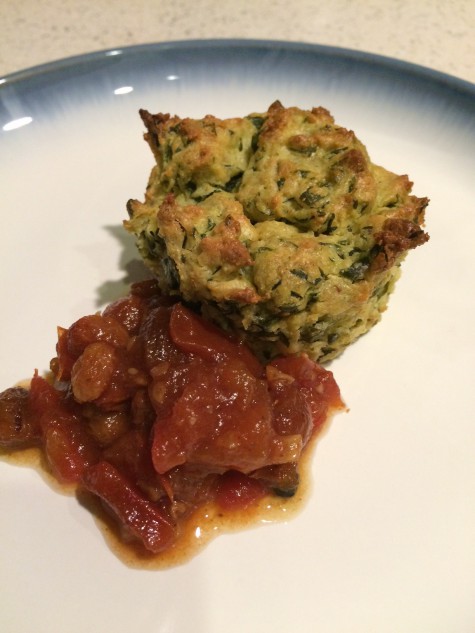
On its own, I felt the spinach muffin was very salty; the recipe called for one teaspoon of salt, and if I made this again I would go down to half a teaspoon of salt. Though pairing the spinach muffin with the sweet and savory chutney did help balance the saltiness in the muffin.

Stacey Final

Things I learned: Your home will smell amazing after simmering chutney for an hour on your stove. Even a good chutney can’t make me like raisins.


Jessie Frazier, Manager of Adult Programming:

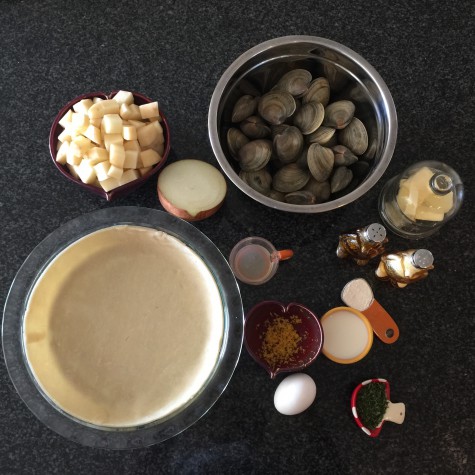
In Lea’s recipe for Long Island Clam Pie, she references an interview that Pollock gave for a 1950 New Yorker story in which he recalled his and Krasner’s first year in Springs, living off of the sale of one painting and some clams that he dug out of the bay with his toes. True or not, it’s a pretty romantic story. Plus, I wanted to try my hand at cooking clams.

Jessie Ingredients

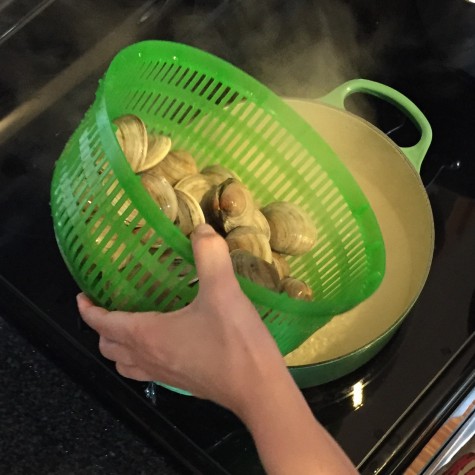
After scrubbing the recommended thirty-six clams and letting them rest in a brine to release their sand and grit, I steamed them for a few minutes in a Dutch oven with two cups of water. Word to the wise: do not let clams boil over. Terrible things happen.

Jessie Action Shot

I sautéed the chopped clam meat with a little onion and more than a little butter. Then I added peeled and chopped potatoes, flour, milk, lemon juice and zest, herbs, and some of the leftover clam juice for an extra punch. I poured the mixture into a *cough* store-bought pie dough, added a top crust, finished with an egg wash, and baked for forty minutes.

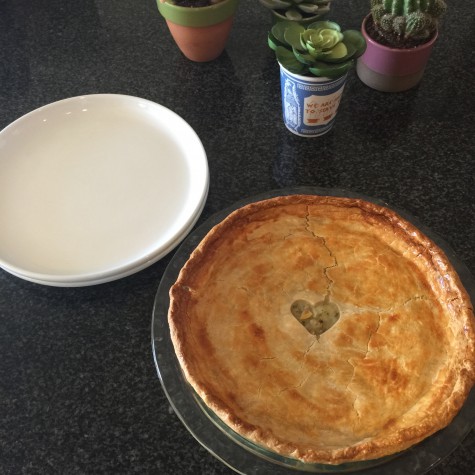
The creamy roux and potatoes made for a hearty pie, but the lemon and the parsley gave it a really light, refreshing flavor.

Jessie Final Pie

Things I learned: Next time I will increase the clams, decrease the lemon zest, and step up my pie decorating game.


Madeleine Fitzgerald, Audience Relations Coordinator for Programming:

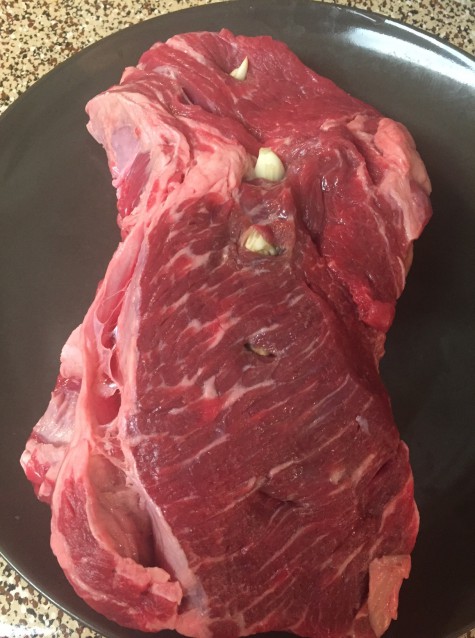
I love to cook! But working for both DMA Arts & Letters Live and Adult Programming at the DMA means that I’m regularly not home in the evenings. So I chose a recipe that would be a full day’s affair for a Sunday dinner with my brother and his girlfriend! I have never roasted beef or made Yorkshire Pudding or gravy before, so I was pretty concerned and excited to see how things would turn out. Any recipe that starts with a giant steak stuffed with six cloves of garlic is already a winner in my book!

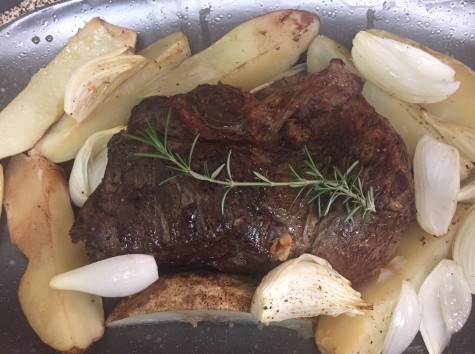
Madeleine Raw Steak

The recipe also called for twelve small onions, but that seemed like an insane amount of onions. Maybe Lee Krasner meant twelve pearl onions?! But I come from a family of onion lovers and that didn’t seem like enough. I decided to quarter four small regular onions instead.

Once the meat was browned on the outside, I transferred it to my pan filled with potatoes and onions. This was no easy task and required a pair of tongs, a wooden spoon, and help from the multi-armed goddess Shiva Nataraja. I tossed in some fresh rosemary from my balcony garden as well.

Madeleine Cooking Steak

After cooking for thirty-five minutes for medium-rare, the steak looked perfect: crispy on the outside, very pink on the inside. And my apartment smelled like rosemary and garlic. But I could already tell the potatoes and onions could use another ten minutes.

Madeleine Table

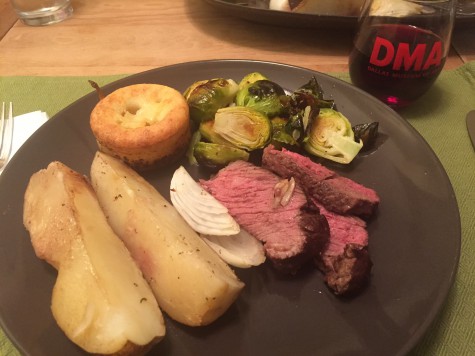
This section of the cookbook also had a recipe for Yorkshire pudding, which was fantastic! I used bacon grease instead of goose lard (because who has that in their kitchen?!), and they were smoky and delicious! I also made the gravy recipe (not pictured), but having never made gravy before, it wasn’t pretty. Tasted good, but quite lumpy. The recipe also suggested this meal be served with roasted Brussels sprouts, which are one of my favorite vegetables. I followed my mother’s recipe, which is essentially 1 part Brussels sprouts, 1 part garlic, 1 part olive oil, roasted at 425 for 20 minutes. DELICIOUS!

Madeleine Plate

Things I learned: Gravy is hard. Transferring a giant steak from a frying pan to a baking dish is also hard. Making your apartment smell amazing for the rest of the evening and feeding your family with a delicious and historical meal? Worth it.

Did we whet your appetite? Then please join us on Friday, March 18, at 9:00 p.m. to hear Robyn Lea discuss her cookbook Dinner with Jackson Pollock.


Archives

Categories