Archive Page 86

Friday Photos: Welcome Baby Rhys!

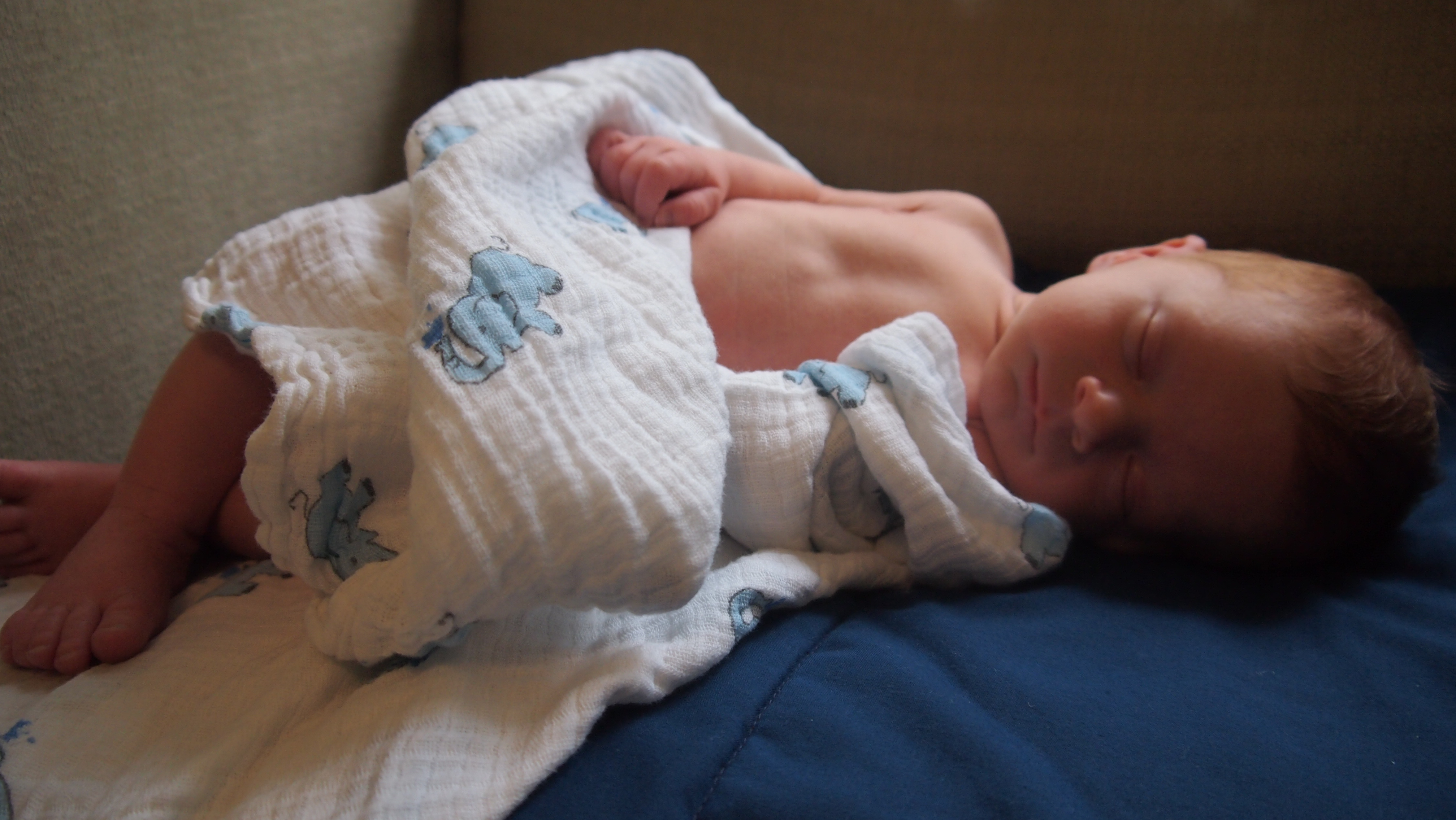
I am delighted to introduce you to baby Rhys Amann Coffey, born to Sarah and her husband Todd.  Rhys made his debut on June 9 at 12:57 p.m., weighing in at five pounds and twelve ounces.  Mom, dad, and baby are happy and healthy.  We will miss Sarah while she is on maternity leave, but can’t blame her for wanting to spend as much time as possible with this handsome little guy.

OLYMPUS DIGITAL CAMERA

OLYMPUS DIGITAL CAMERA

OLYMPUS DIGITAL CAMERAMelissa Gonzales
C3 Gallery Manager


DMA Snapshot: American Portraits

2014-06-14 15.14.42

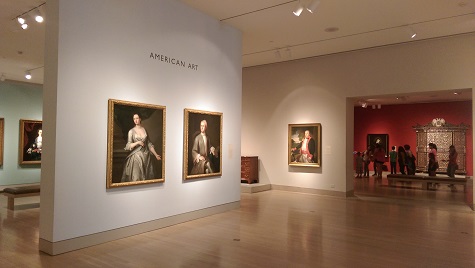
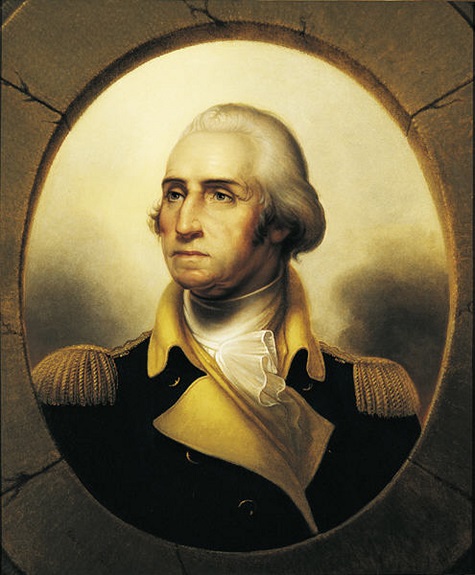
Sometimes visitors will ask me what they should see if they don’t have much time to spend in the galleries. Generally, I like to tailor my suggestions to the visitors’ preference for a particular style of art, but sometimes I just really like to show off a few of my favorites. One of the sections that I like to visit is the wonderful (and impressive) portrait collection on Level 4 in the American Art Galleries. During a quick visit  you can see celebrities such as George Washington, whose portrait was painted in 1795 by Rembrandt Peale when the artist was only seventeen years old. It wasn’t until 1823 that Peale decided to improve on the original painting.

Rembrandt Peale, George Washington, c. 1850, oil on canvas, Dallas Museum of Art, The Karl and Esther Hoblitzelle Collection, gift of the Hoblitzelle Foundation

Rembrandt Peale, George Washington, c. 1850, oil on canvas, Dallas Museum of Art, The Karl and Esther Hoblitzelle Collection, gift of the Hoblitzelle Foundation

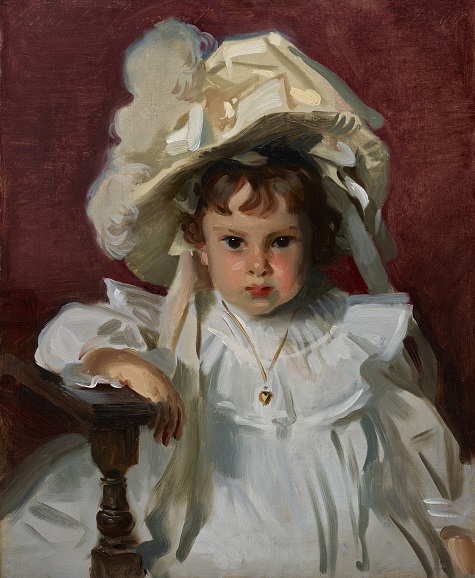
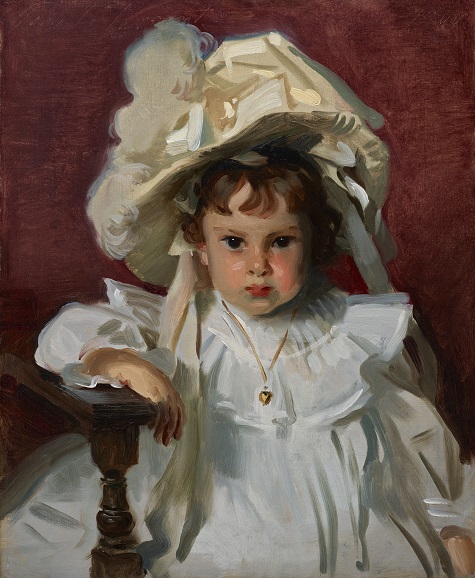
The sitter in John Singer Sargent’s Dorothy was the granddaughter of one of Sargent’s first American patrons, George Millar Williamson. Dorothy was selected to be a part of the Art Everywhere US campaign to celebrate American history and culture nationwide. Be on the lookout for her on outdoor displays this August.

John Singer Sargent, Dorothy, 1900, oil on canvas, Dallas Museum of Art, gift of the Leland Fikes Foundation, Inc.

John Singer Sargent, Dorothy, 1900, oil on canvas, Dallas Museum of Art, gift of the Leland Fikes Foundation, Inc.

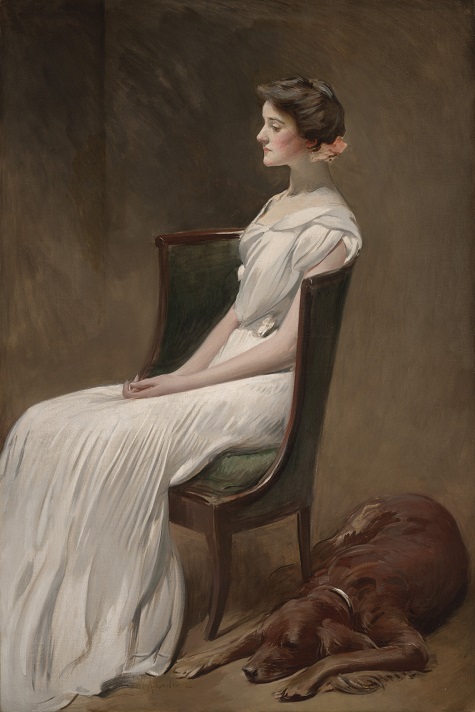
You don’t want to miss the beautiful portrait of Theodore Roosevelt’s first cousin, Miss Dorothy Quincy Roosevelt (later Mrs. Langdon Geer).This portrait is stunning and perfectly exemplifies the practices of John White Alexander that put him on the map, not just as a portrait artists but also as a muralist and illustrator.

John White Alexander, Miss Dorothy Quincy Roosevelt (later Mrs. Langdon Geer), 1901-1902, oil on canvas, Dallas Museum of Art, gift of the Pauline Allen Gill Foundation in memory of Pauline Gill Sullivan

John White Alexander, Miss Dorothy Quincy Roosevelt (later Mrs. Langdon Geer), 1901-1902, oil on canvas, Dallas Museum of Art, gift of the Pauline Allen Gill Foundation in memory of Pauline Gill Sullivan

The American Art Gallery features the finest portraits and decorative arts from the 18th and 19th centuries that America had to offer and is a definite must-see. If you’re yearning for more information, visit the DMA.mobi tour to learn interesting facts about more works in the collection, like John Singleton Copley’s portraits Woodbury Langdon and Sarah Sherburne Langdon. Then don’t forget to check in to the DMA Friends program to get your points!

Maegan Hoffman is Assistant Manager of the DMA Partners Program at the DMA.

Surreal Play: Group Exploration with Surrealist Games

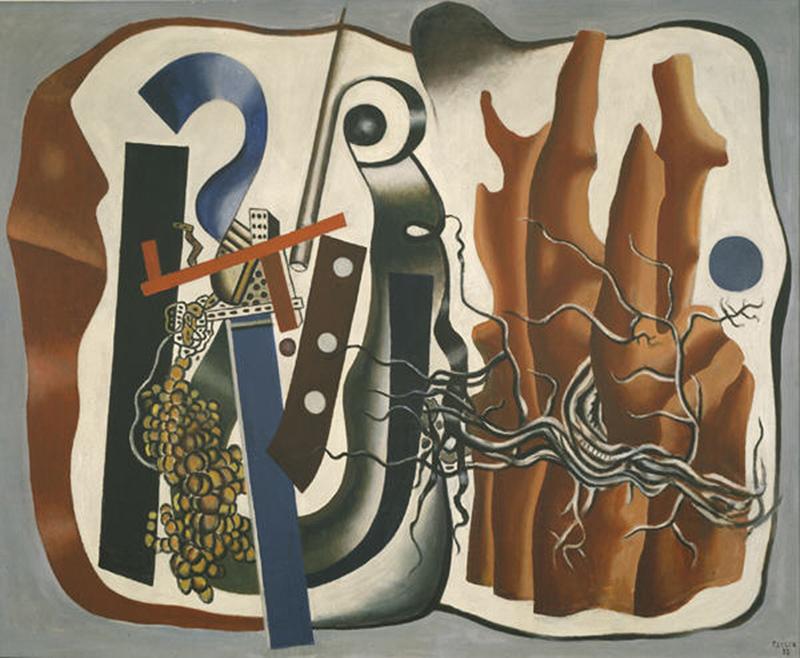
1982_28_FASurrealism is typically regarded as an art movement dedicated to personal exploration by tapping into a person’s subconscious. This was certainly an important component, but Surrealism was also focused on group activity, ranging from the creation of Surrealist journals, to collectively written statements, to unfettered discovery through group play and games.

Many of the games the Surrealists played together were derived from the types of parlor games they learned as children or still enjoyed as leisure.  Such activities, while fun, were also meant to spur creativity and subvert the psychological conditioning of society. Sometimes these games resulted in finished works of Surrealist art and writing.  As the movement’s self-proclaimed leader, André Breton, described their game playing in 1954: “Although as a defensive measure we sometimes described such activity as ‘experimental’ we were looking to it primarily for entertainment, and those rewarding discoveries it yielded in relation to knowledge only came later. […] It is clear that to shut oneself off from game-playing […] is to undermine the best of one’s own humanity.”  (Brotchie and Gooding, 1991, 137-138)

Perhaps one of the greatest benefits for educators using Surrealist games in the classroom is how the activities offer a set of tools to get learners conceptualizing critically and playing with images, words, and ideas where the purpose is surprise, delight, and creativity. For the Surrealists, the fact that games had rules or instructions that mandated how they were played, but the end-goal was itself unstructured, illogical, and messy, was representative of their own world-view.

Let’s briefly explore two games the Surrealists used in group settings that might be fun to apply to classrooms and museum teaching. My descriptions of these games has been adapted from Alastair Brotchie and Mel Gooding’s delightful Book of Surrealist Games (Shambhala Redstone Editions, 1995).


The Exquisite Corpse
Perhaps the best known Surrealist drawing game, the Exquisite Corpse was actually born out of a writing activity. Surrealism’s roots are in writing and poetry; its earliest practitioners and founders were all writers.  Games like the Exquisite Corpse (the name is taken from the poetic results of the first game played) were later modified into a visual variant.
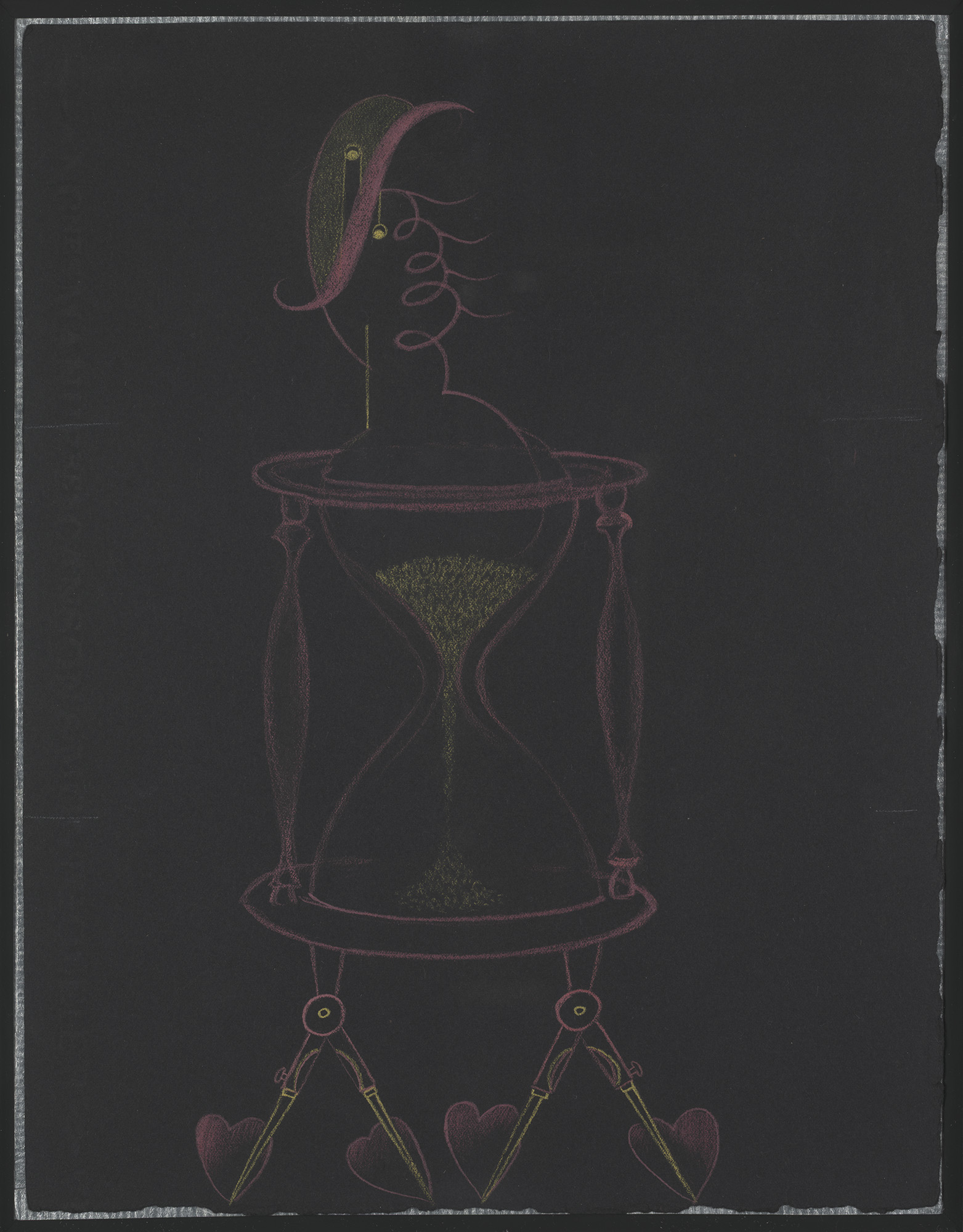
Exquisite Corpse by Breton-Knutson-Hugo


Group size: Typically three-to-four players, or any size up to how easily one sheet of paper can be folded.

Instructions: A piece of paper is folded so that the number of creased sections matches the number of players, usually horizontally or in quarters for four players.

The first player takes the folded paper with the top fold exposed and draws anything that comes to mind. (Note: In it’s purest incarnation, as a reference to the name of the game, the players are to base their portions of the drawing on the portions of a human body, but this is by no means a hard-and-fast rule!)

She then extends some of her drawn lines across the fold into the next blank section, and refolds the paper so only the second section is exposed, and the next player cannot see what she drew in the first section.

The re-folded sheet is passed to the second player, who bases his drawing on the few exposed lines provided. After completing his section, he also extends a few of the bottom-most lines across the fold, refolds to hide his portion and expose the next, and passes to the next player.

This process continues until all players have a turn to draw a section, when it is unveiled and unplanned, group-designed drawing is revealed. An added variation involves the last player handing the folded drawing to the first player again, who must conceive of a title before the full drawing is shown.

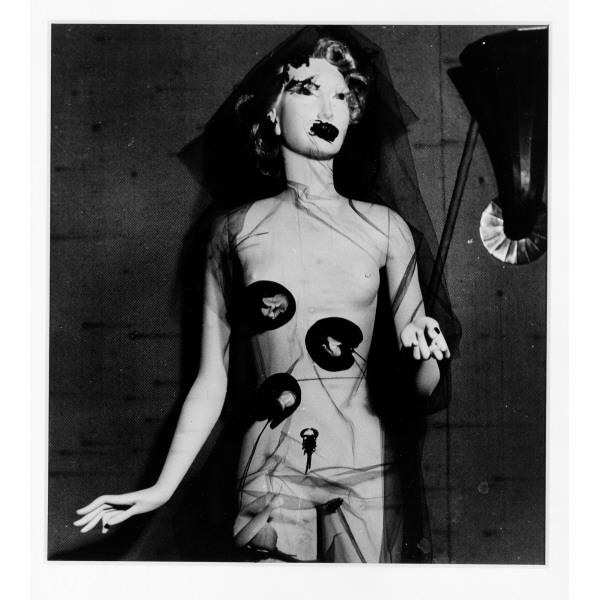
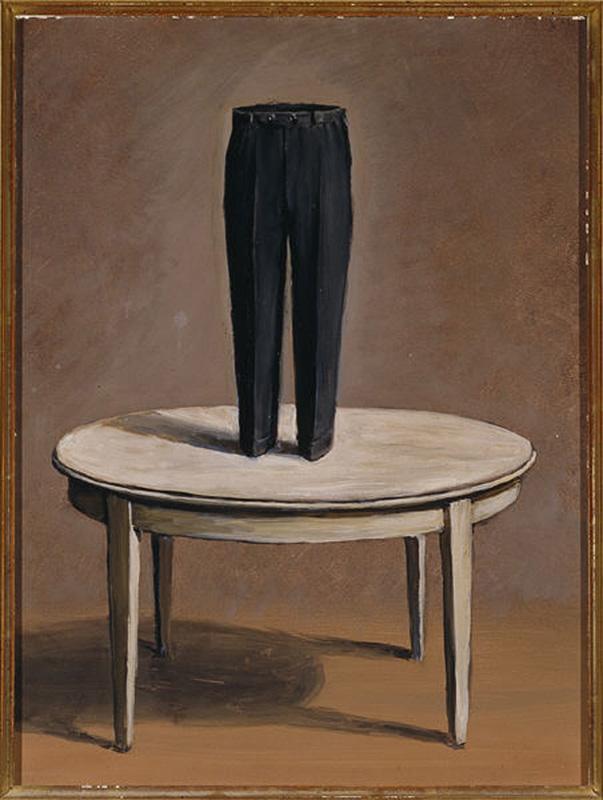
Outcome: An example of an Exquisite Corpse can be seen above, created by André Breton, Greta Knutson, and Valentine Hugo, where the “head” is a florid, calligraphic design, the “torso” is an hourglass, and the “legs” are heart-footed compasses. The surprising and seemingly unnatural conjunctions of objects in these drawings are similar to the visual juxtapositions presented in many Surrealists’ work.  Examples include the René Magritte’s Persian Letters, and Surrealist objects, such the one below by Sonia Mossé, both in the DMA’s collection.
Magritte - Persian Letters - 1958

Gaston Paris - Photograph of Sonia Mosse mannequin from International Surrealist Exhibition - 1938


The Game of Variants

This is essentially the traditional “whisper” game of Telephone. The group sits in a circle, and the first person conceives of a phrase, then whispers it to her neighbor. The second person whispers the same sentence to his neighbor, and so on, through the entire group. By the end, the beginning and ending phrases are compared.

An example:
Starting Phrase: “You must dye blue the pink bags fathomed by orange parapets.”
Ending Phrase: “At all costs forget the fifth paragraph of ‘Paradise Lost’.”

While not practiced by the Surrealists, I have used a fun visual variant of this game in teaching.

Group Size: Best suited for groups between ten and thirty players.

Instructions: Take a piece of paper and fold it horizontally then vertically in an accordion-style (front-over-back) into quadrants that add up to the number of players. (So, with twenty-five players, fold a typical sheet of paper four times horizontally, then four times vertically.)

Present the folded up paper so only one folded quadrant is visible, then have the first player draw a small simple, linear image.

She then presents the drawing to the next player, who looks at it, folds the paper over to the next blank quadrant, then redraws the image from memory. He then passes his version of the drawing on, and the process is repeated until the last player finishes her drawing.

Once finished, unfold the entire sheet, and marvel at the evolution of the image as it transforms from one recognizable thing into something else altogether!

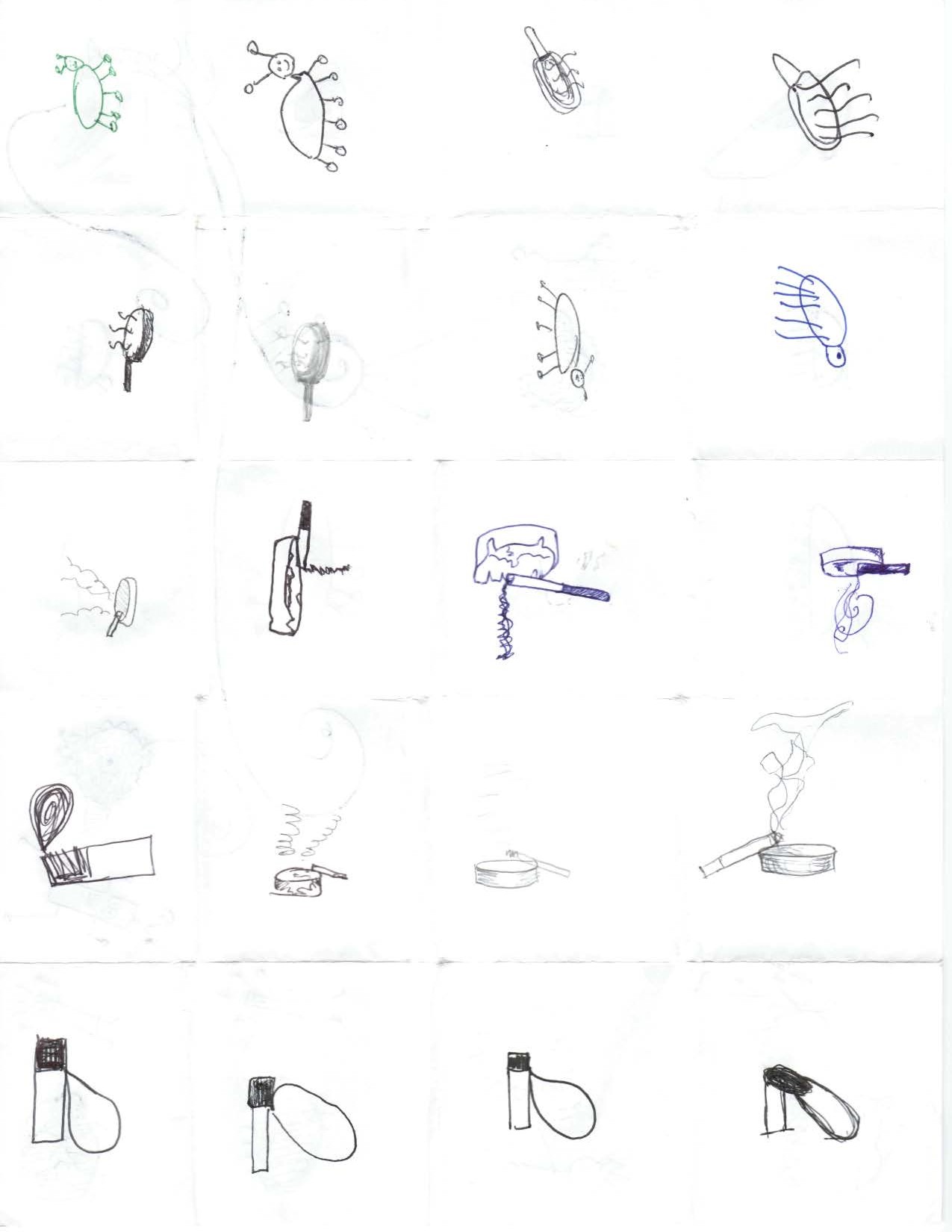
Outcome: Just as the results of the Telephone game are remarkable for the dissimilarity between starting and ending phrases, the results of this visual variant are similarly startling, but the sheet also becomes a visual record of the transformation of starting image into something else entirely.  In the example below completed during a class I taught in 2009, the starting image of a shoe transforms multiple times, into a cigarette and ashtray, a frying pan, a robot, and a bug.
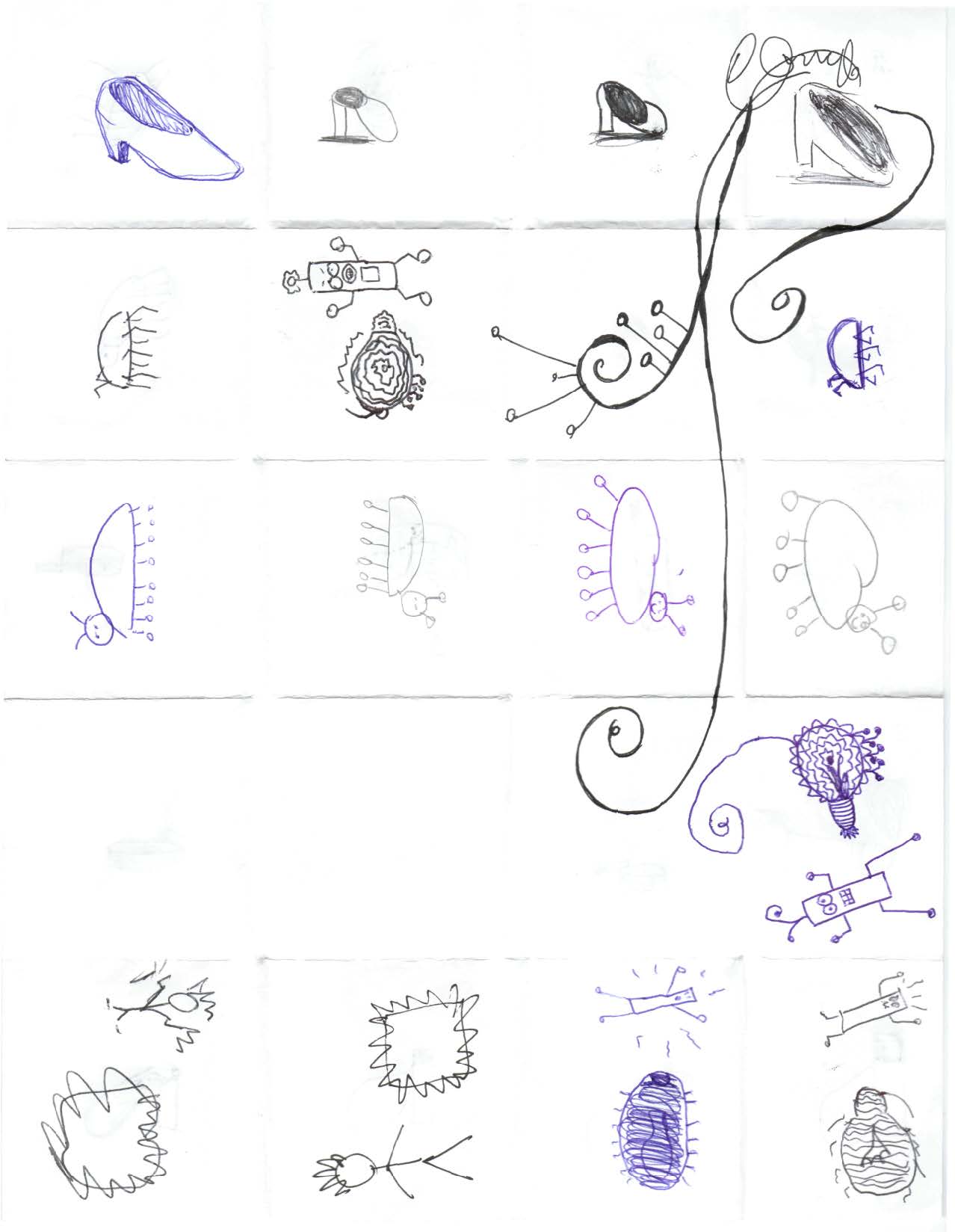
Successive Drawing In-Class_Page_1_2009

Game of Variants Drawing (recto), 2009
Successive Drawing In-Class_Page_2_2009

Game of Variants (verso), 2009


Have you tried using Surrealist games like these in your teaching or for fun?  Please leave your experiences and ideas in the comments below!


Artworks shown:

  • Ferdinand Léger, Composition with Tree Trunks, oil on canvas, 1933, Dallas Museum of Art, Foundation for the Arts Collection, gift of the James H. and Lillian Clark Foundation.
  • André Breton, Greta Knutson, Valentine Hugo, Untitled (Exquisite Corpse), Colored pencil on black paper, c. 1929, Private Collection.
  • René Magritte, Persian Letters, oil on canvas, 1958, Dallas Museum of Art, gift of J.B. Adoue, III.
  • Gaston Paris, Untitled (Mannequin by Sonia Mossé), Gelatin silver print, 1938, Dallas Museum of Art, gift of the Junior Associates and an anonymous donor.

Sources:

Brotchie, Alastair and Mel Gooding.  A Book of Surrealist Games.  Boston & London: Shambhala Redstone Editions, 1995.


Josh Rose
Manager of Docent and Teacher Programs

What Our Staff Is Viewing

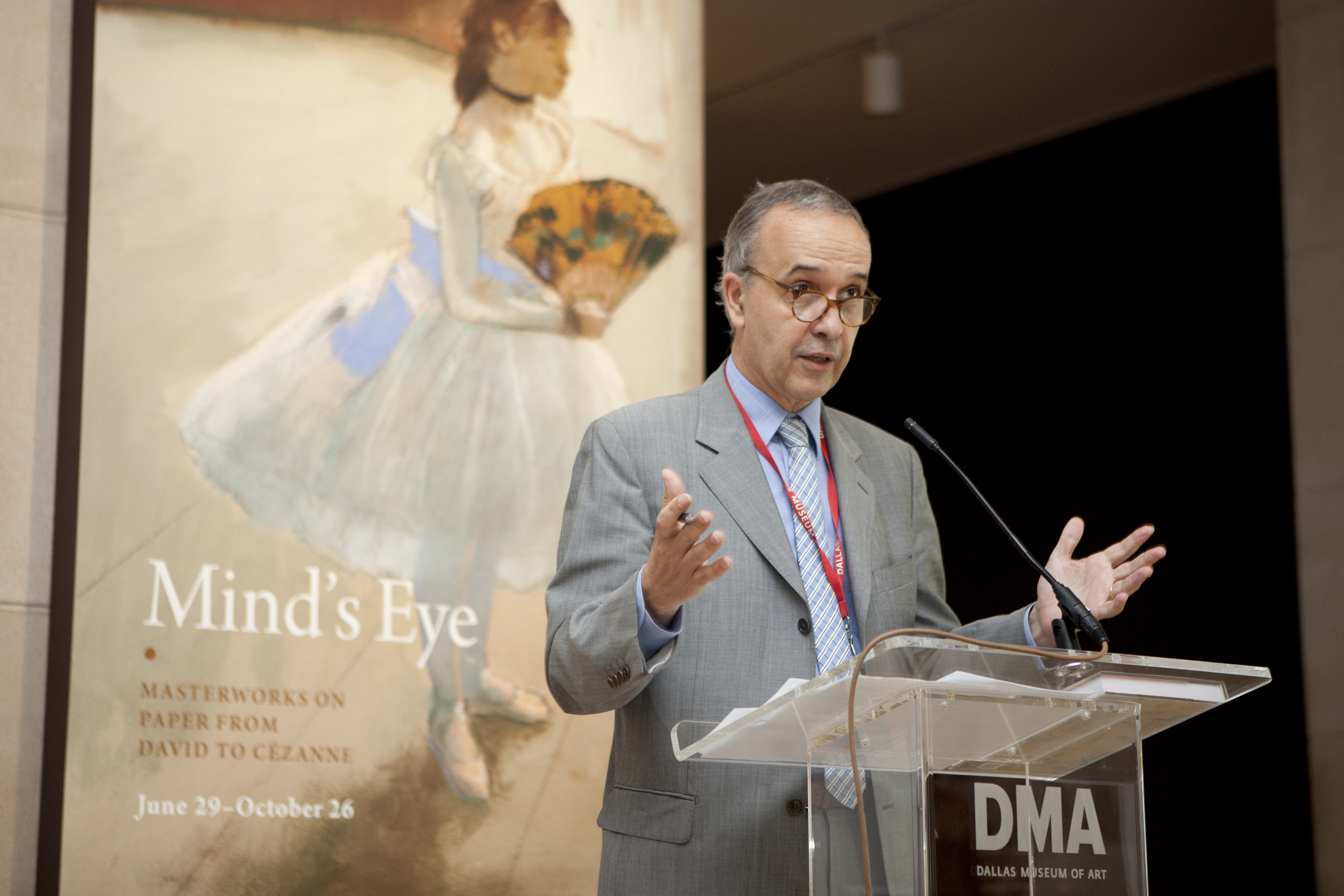
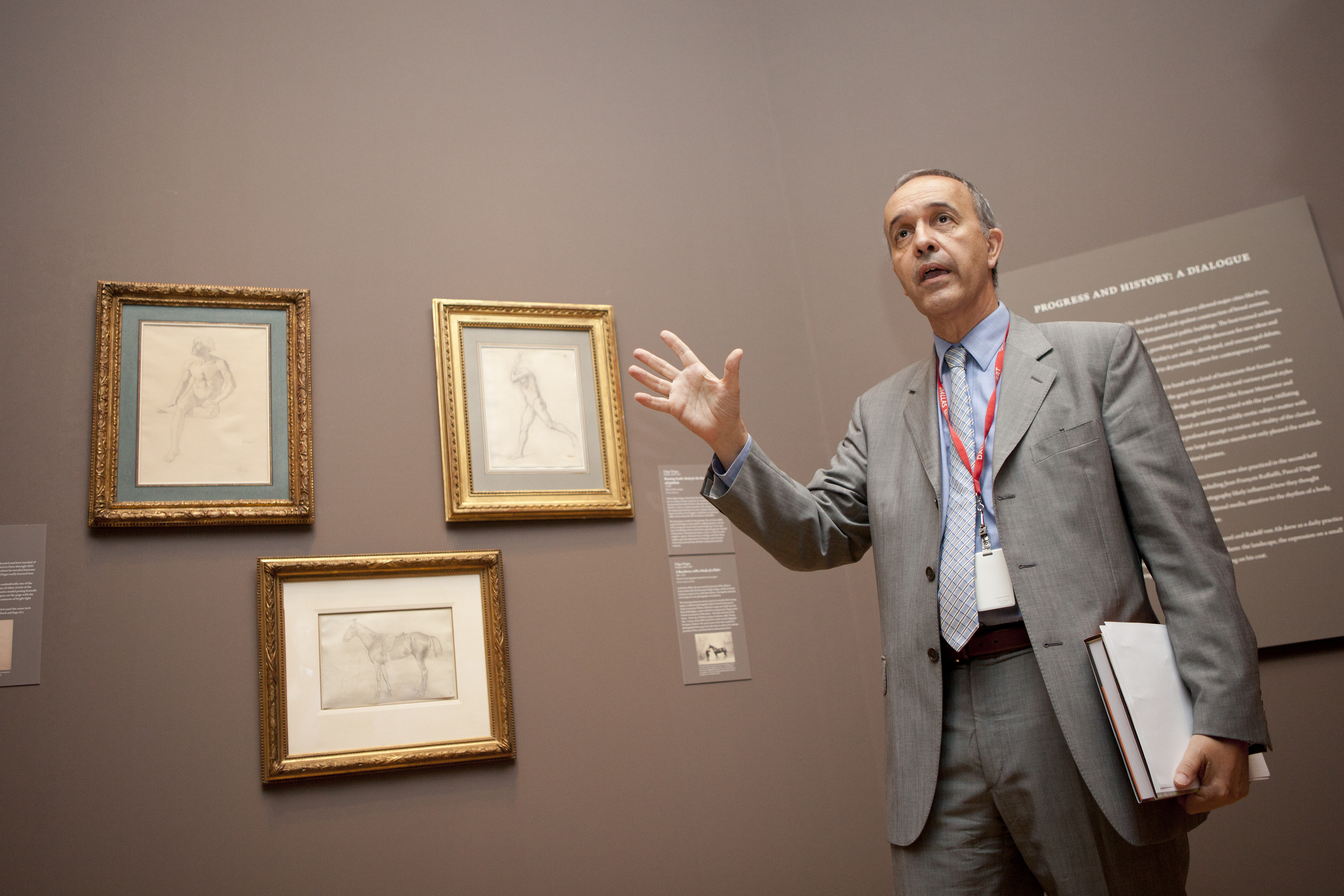
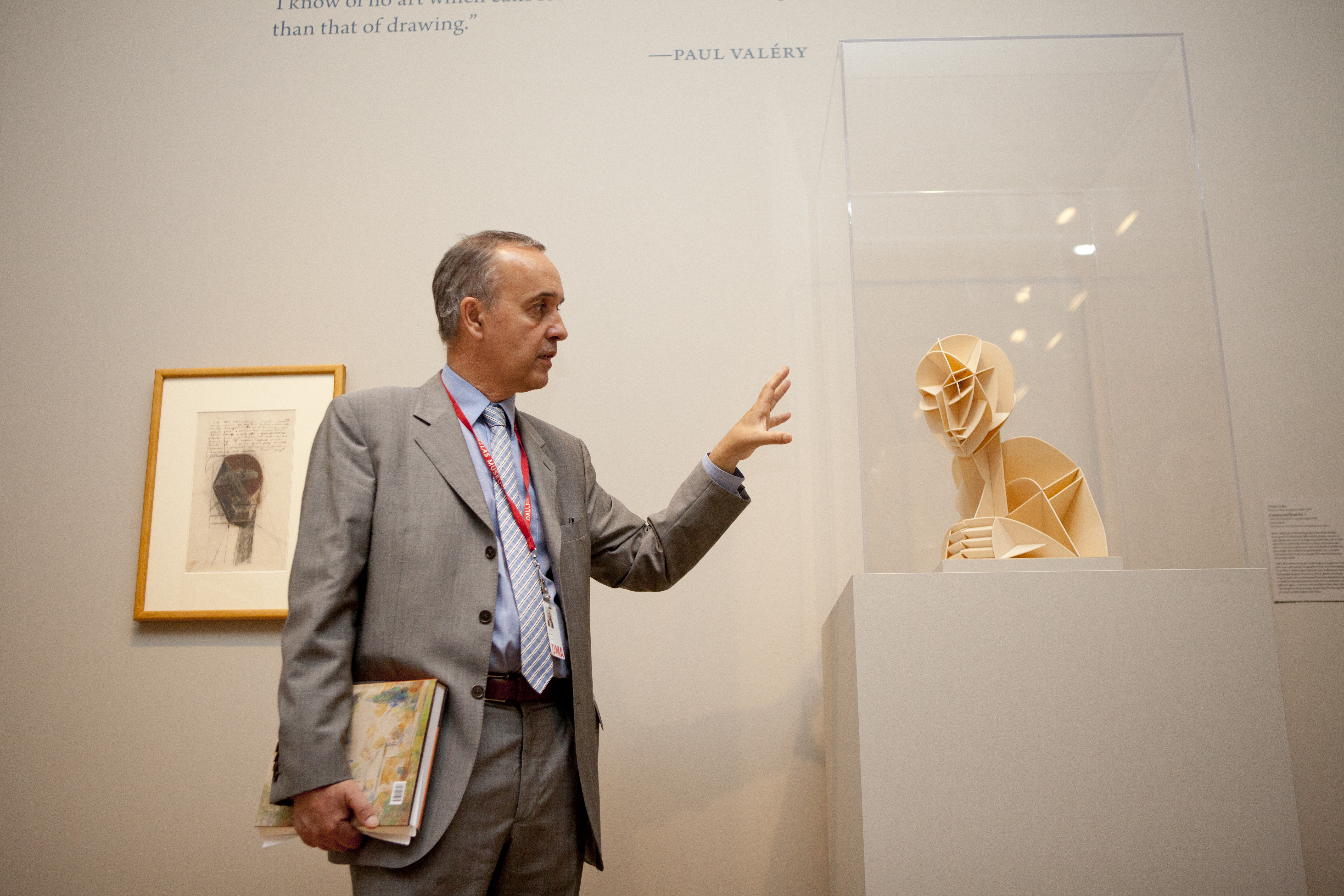
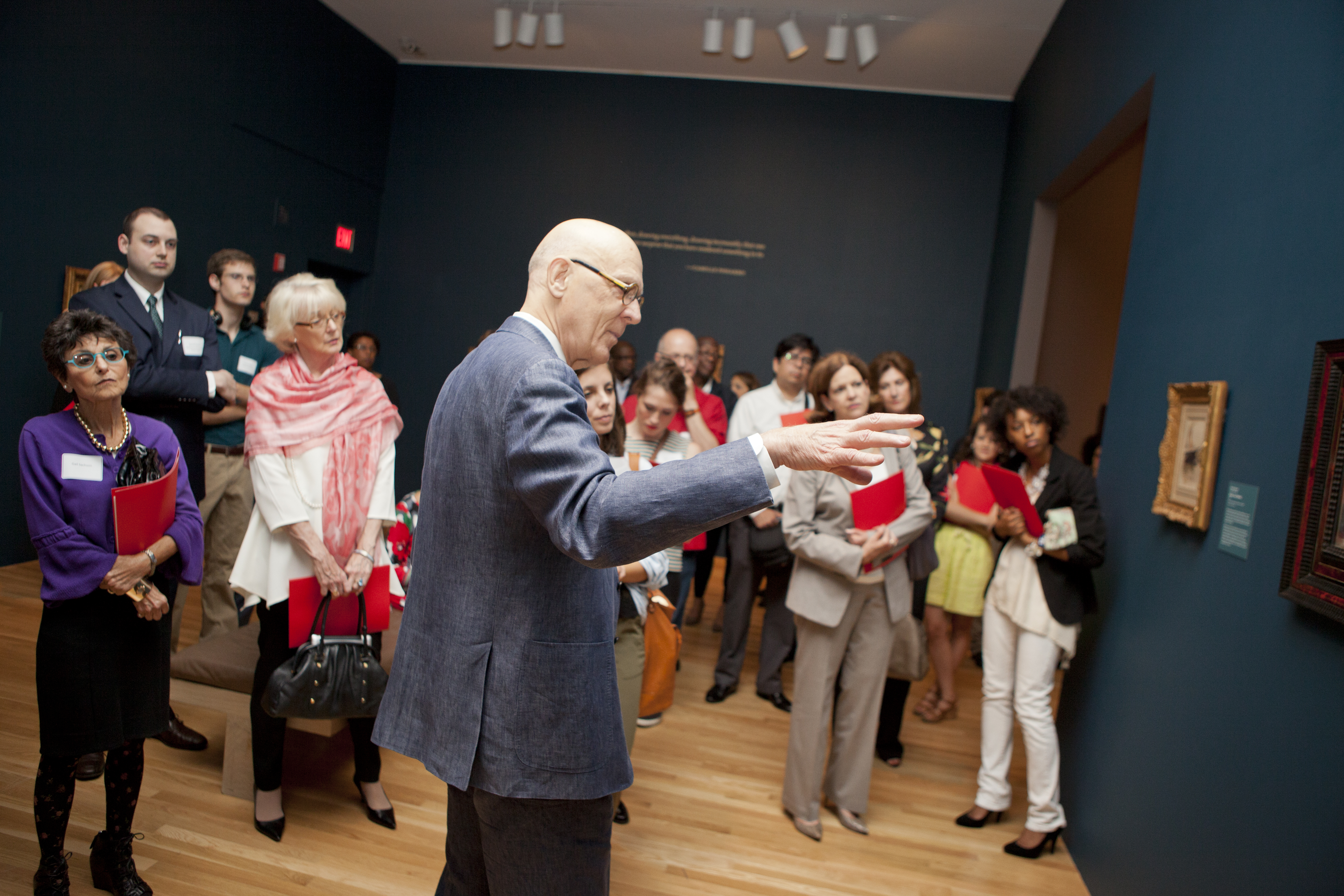
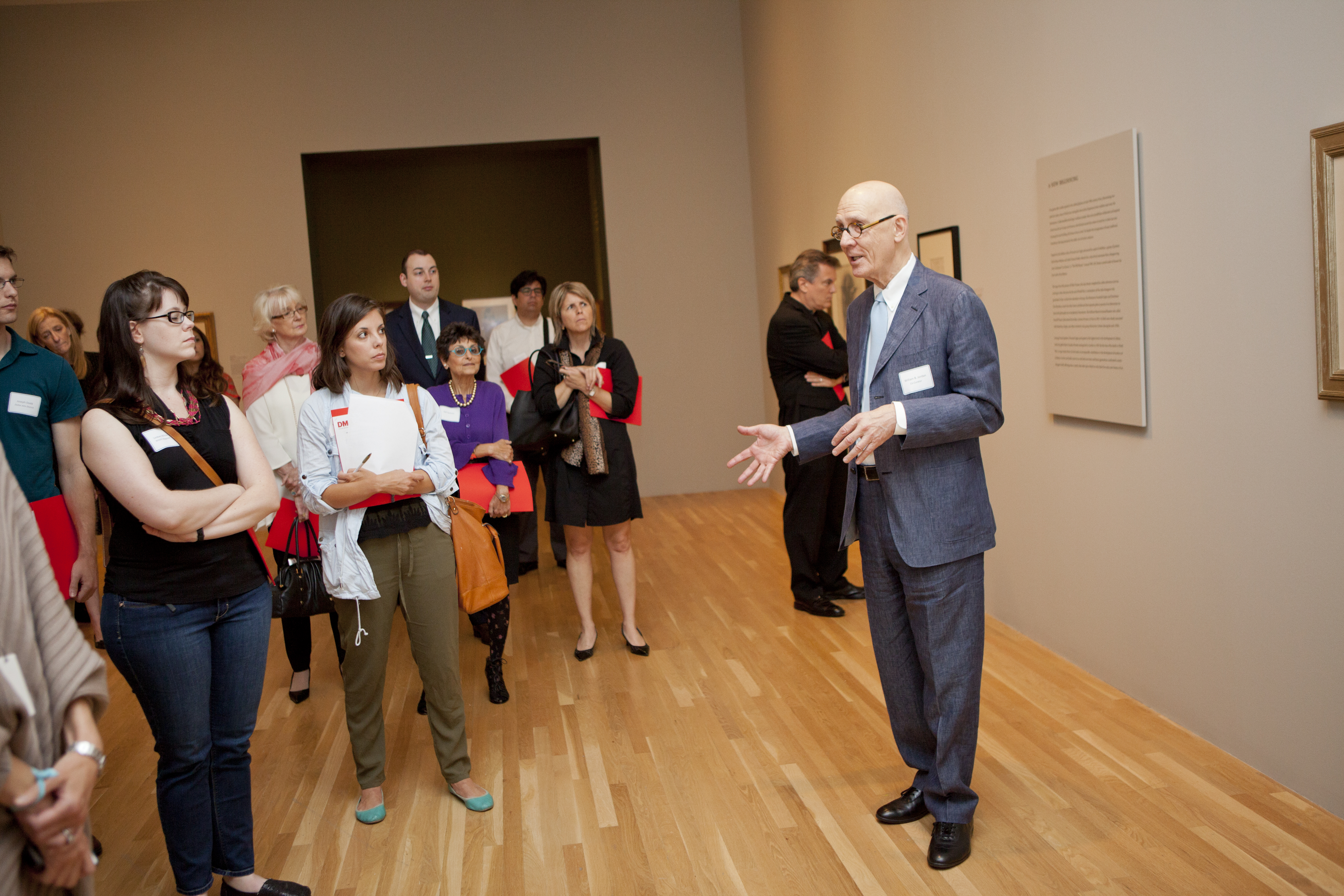
Last week, DMA staff got a chance to preview our newest special exhibition, Mind’s Eye: Masterworks on Paper from David to Cézanne, with co-curators Olivier Meslay and Bill Jordan. Because of their delicate nature, many of these works on paper by Delacroix, Degas, Cézanne, van Gogh, Manet, Schiele, Mondrian, Picasso, and more than sixty others are rarely on view. We’re open all week—including July 4—so stop by for what may be a once-in-a-lifetime opportunity to see them.

EP-41_06_21_2014_AG_033

EP-41_06_21_2014_AG_034

EP-41_06_21_2014_AG_037

EP-41_06_21_2014_AG_035 EP-41_06_21_2014_AG_036

Photography by Adam Gingrich, DMA Digital Media Specialist.


Keeping It Cool

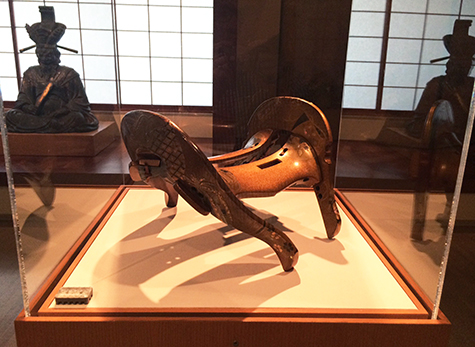
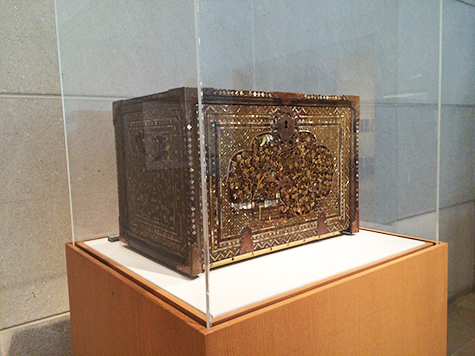
The weather is heating up outside but it’s a cool, comfy, and constant 70 degrees (or thereabouts) at the DMA, where our temperature and humidity is monitored 24/7. More than 220 sensors are hidden throughout the Museum, and they help us record and regulate our internal environment.

With our encyclopedic collection and a vast array of media, 70 degrees with 50% humidity is the museum gold standard to best protect and preserve the precious objects entrusted to our care. If conditions are too dry, our wooden sculptures could crack; too humid, and other objects could start to mildew. What we try to avoid most are dramatic fluctuations in temperature and humidity, which could cause materials to expand and contract.

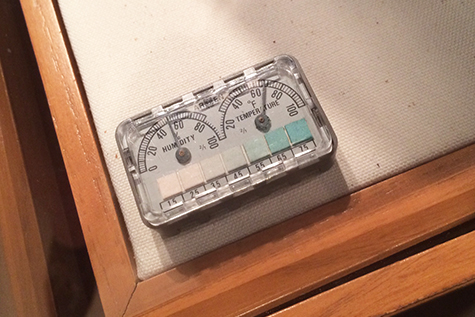
Artworks that are particularly vulnerable to climatic conditions are sometimes monitored in their cases. Wandering through our galleries, you may spot these tiny devices (just 1 x 2 inches) lurking in the corners. These hygrothermographs are temperature and humidity sensors that give us real-time environmental readings.

photo 2


Lacquer in particular, such as these works from our Asian collection, is susceptible to fluctuations, which can cause the material to lift and crack. For objects needing lower humidity, we sometimes hide the desiccant silica gel inside the casework (under decks and mounts) to create special microclimates.

photo 3


photo 1


So as temperatures and humidity soar in the Dallas summer, come cool off in the Museum, where general admission (and air conditioning) is always free.

Reagan Duplisea is the Associate Registrar of Exhibitions at the DMA. 

Friday Photos: Capturing Culture

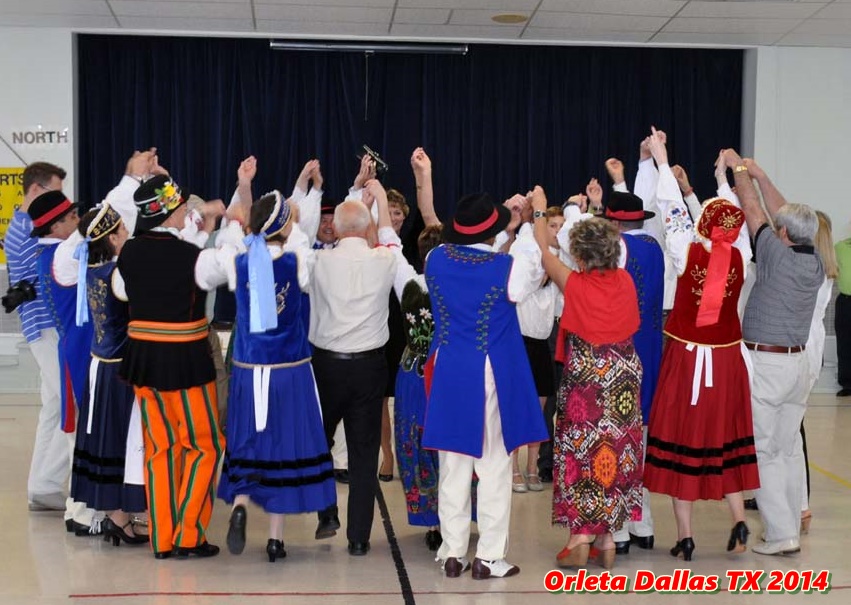
Art is often a reflection of a society’s culture; it can range from an artist’s response to a specific experience, to a cultural relic born out of a particular time and place.  The Dallas Museum of Art’s collection represents cultures from every continent over the last 5,000 years.  Help us explore the diversity within North Texas by sharing your photographs that capture culture.

Upload your photographs here: http://www.flickr.com/groups/dmaculture 

Click here for guidelines and more information.

Submitted photos will be on view in the DMA’s Center for Creative Connections starting in July.

Jessica Fuentes

C3 Gallery Coordinator

Artist Astrology: Gemini

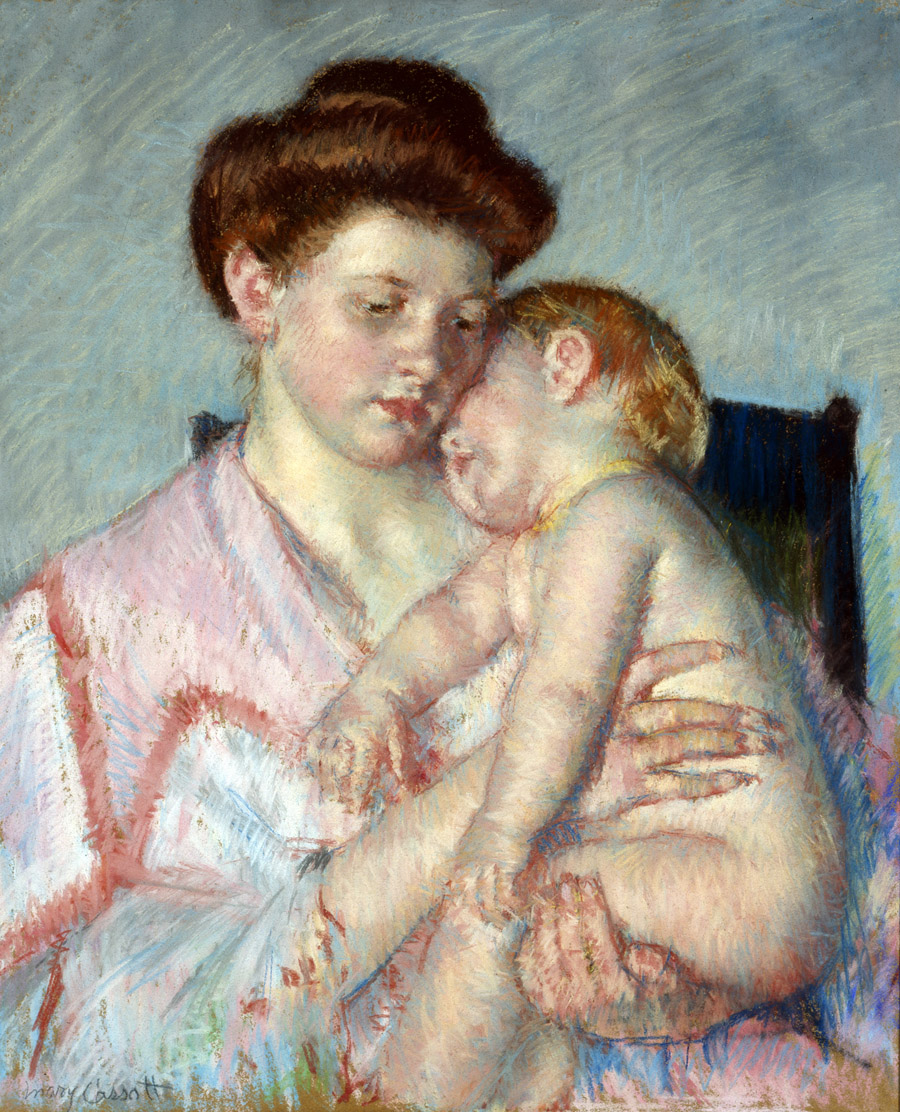
This edition of Artist Astrology features one of the DMA’s most beloved Gemini artists, Mary Cassatt (May 25th). Gemini’s are born between May 22nd and June 21st. They are typically categorized as multi-talented, scattered, talkative, and social. Communication is one of the strongest traits of a Gemini, and they may use this skill to clearly express their ideas and opinions. On the other hand, Gemini’s are very versatile and their companions may not be able to keep up with their often-scattered interests. Because of this adaptability, Gemini’s have an easy time making friends. The danger in this behavior may be overexertion and difficulty with time management. Gemini’s constant variety helps them maintain a fun-loving and youthful attitude throughout their lives.

Sleepy Baby, Mary Cassatt, c. 1910, Dallas Museum of Art Munger Fund, 1952.38.M

Sleepy Baby, Mary Cassatt, c. 1910, Dallas Museum of Art Munger Fund, 1952.38.M


Mary Cassatt – May 25th

Mary Cassatt did not let anything stop her from pursing her dream, despite many obstacles. Raised in a wealthy family, she was educated according to the typical duties expected of a woman of the time, primarily those aimed at becoming a proper wife. Cassatt, however, realized that this was not her passion and enrolled in art school at age sixteen. Unfulfilled by the curriculum, she left for Europe in 1866 in order to study from the Old Masters firsthand. Her family did not support this decision, and she was forced to pay for her materials and training independently.

As is characteristic of the social Gemini, her career was highly impacted by her relationships, especially that of Edgar Degas. Degas advised Cassatt to pursue her own artistic direction and, after doing so, eleven of Cassatt’s paintings were included in the Impressionist Exhibition of 1879. The exhibition was hugely successful and helped to launch Cassatt’s career. Her work, often focused around women and children in domestic settings, was praised for its objectivity and honesty. Cassatt would continue to play an influential role in the Impressionist movement throughout the late 1800s.

For more Gemini artists in the DMA’s collection, see the works of Paul Gauguin (June 7), Gustave Courbet (June 10th), and Henry Ossawa Tanner (June 21st).

Hayley Prihoda
McDermott Intern for Gallery and Community Teaching

DMA Art Will Be Everywhere

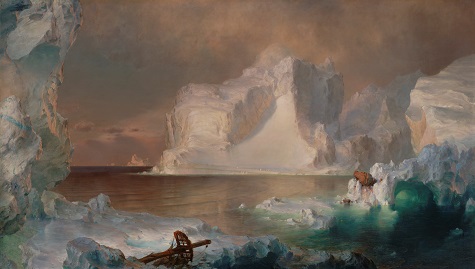
The votes are in, the results have been tallied, and the Art Everywhere US works have been chosen! The voting was so close that fifty-eight works of art made the cut (including ten works from the DMA) and will be reproduced on billboards, bus shelters, subway platforms, and more this August. Be on the lookout for The Icebergs or Dorothy on your commute and stop by the DMA to visit the works in person.

Kimberly Daniell is the Manager of Communications and Public Affairs at the DMA

Into the Wild with the DMA

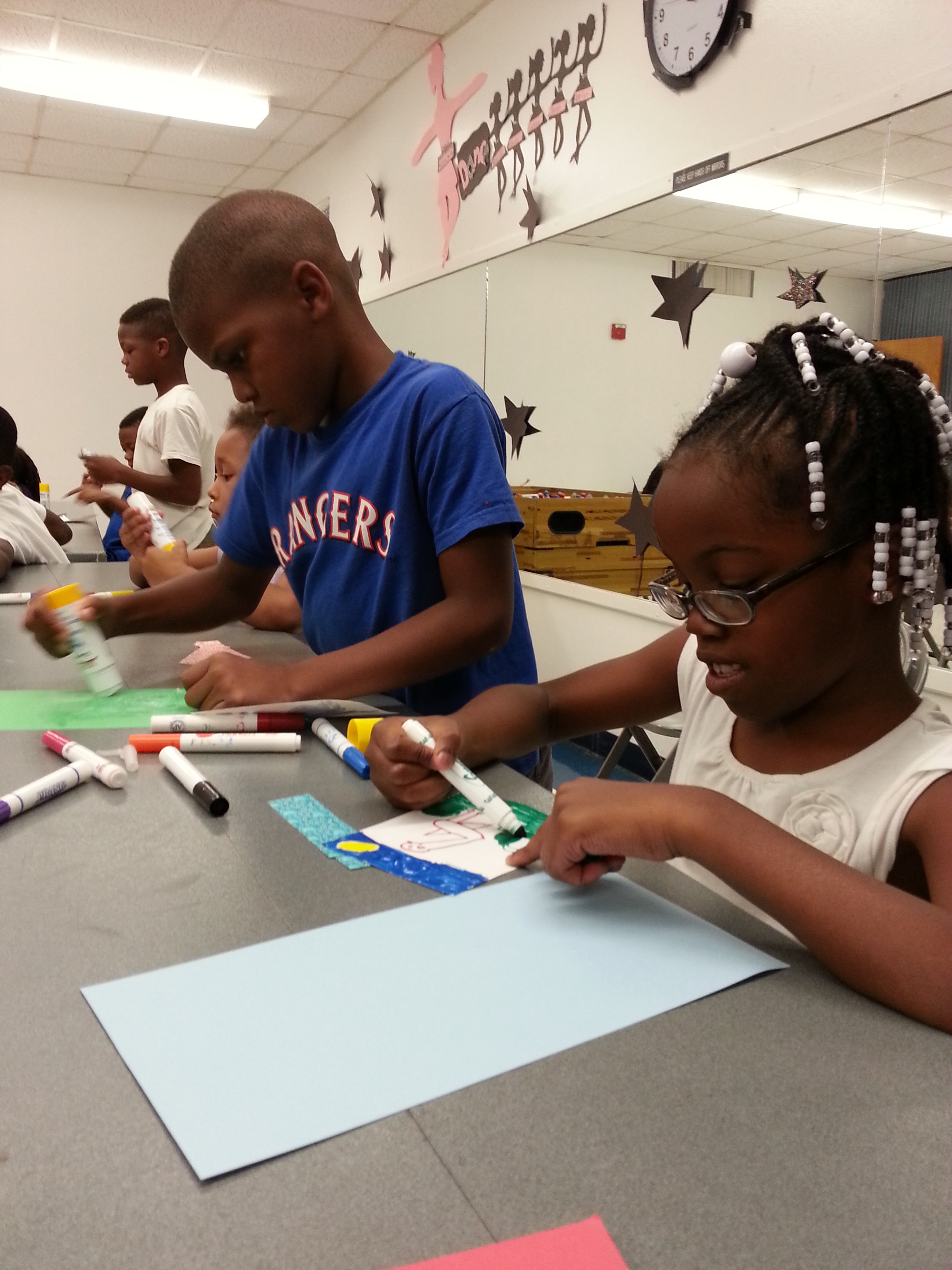
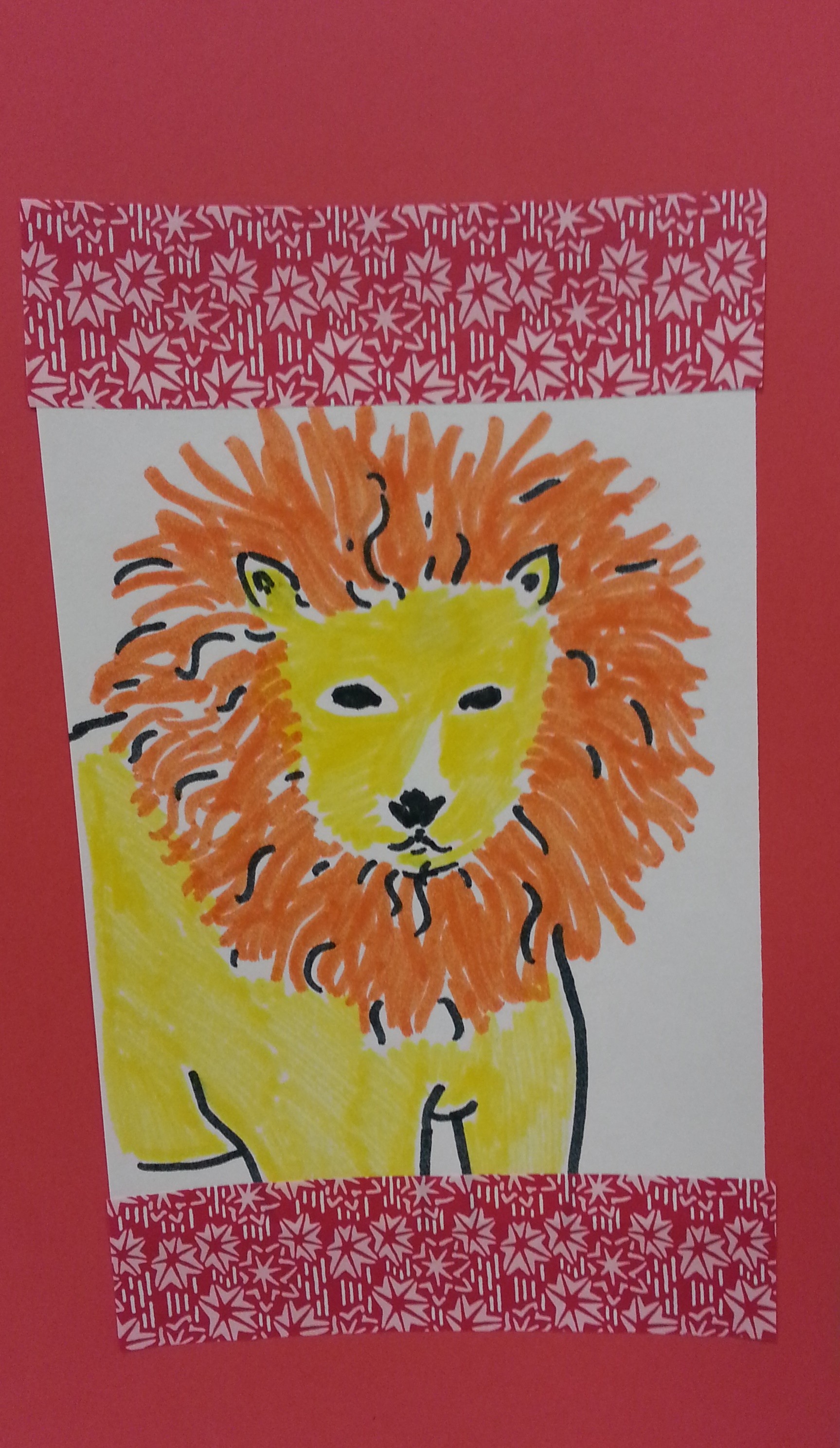
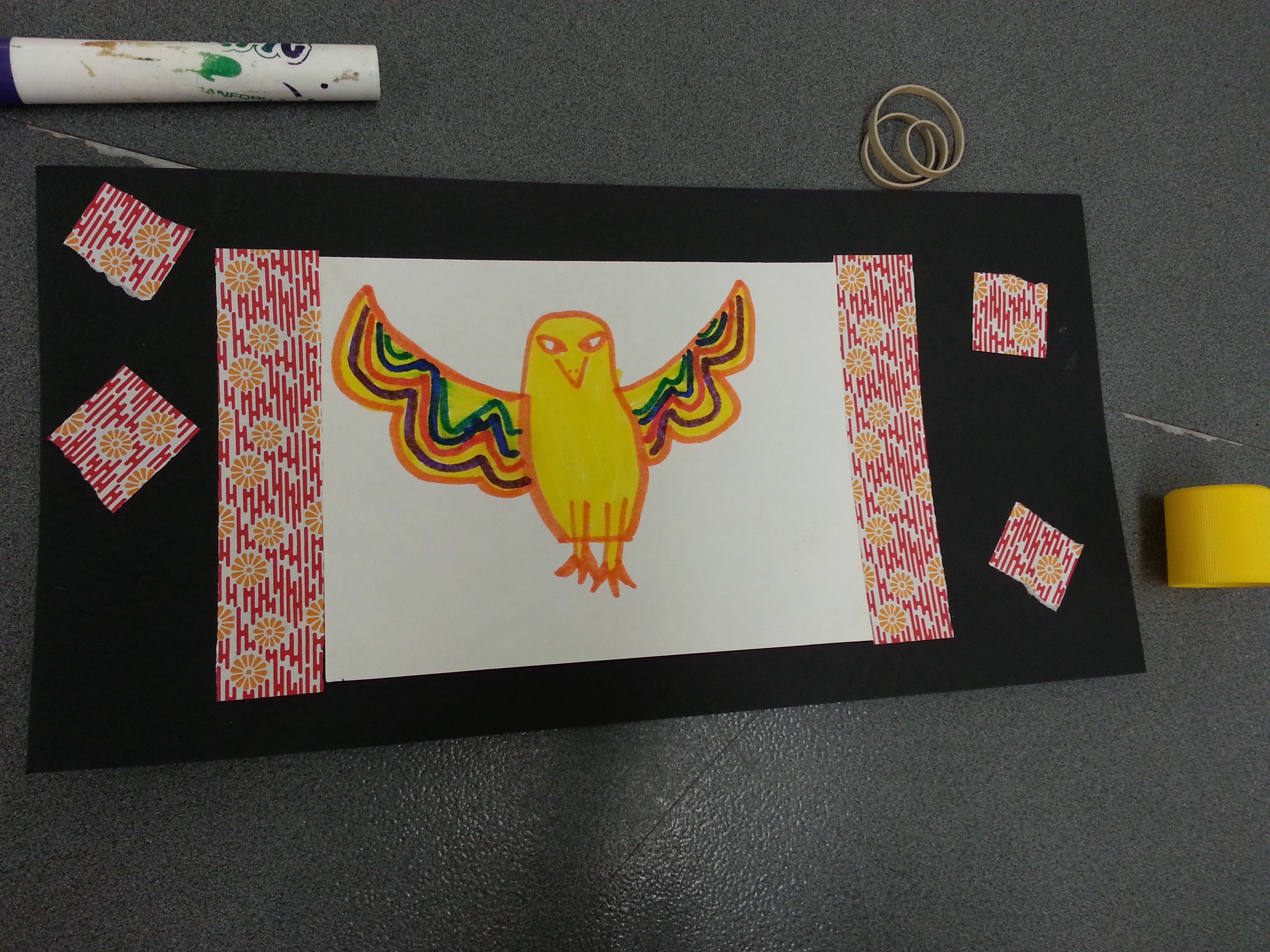
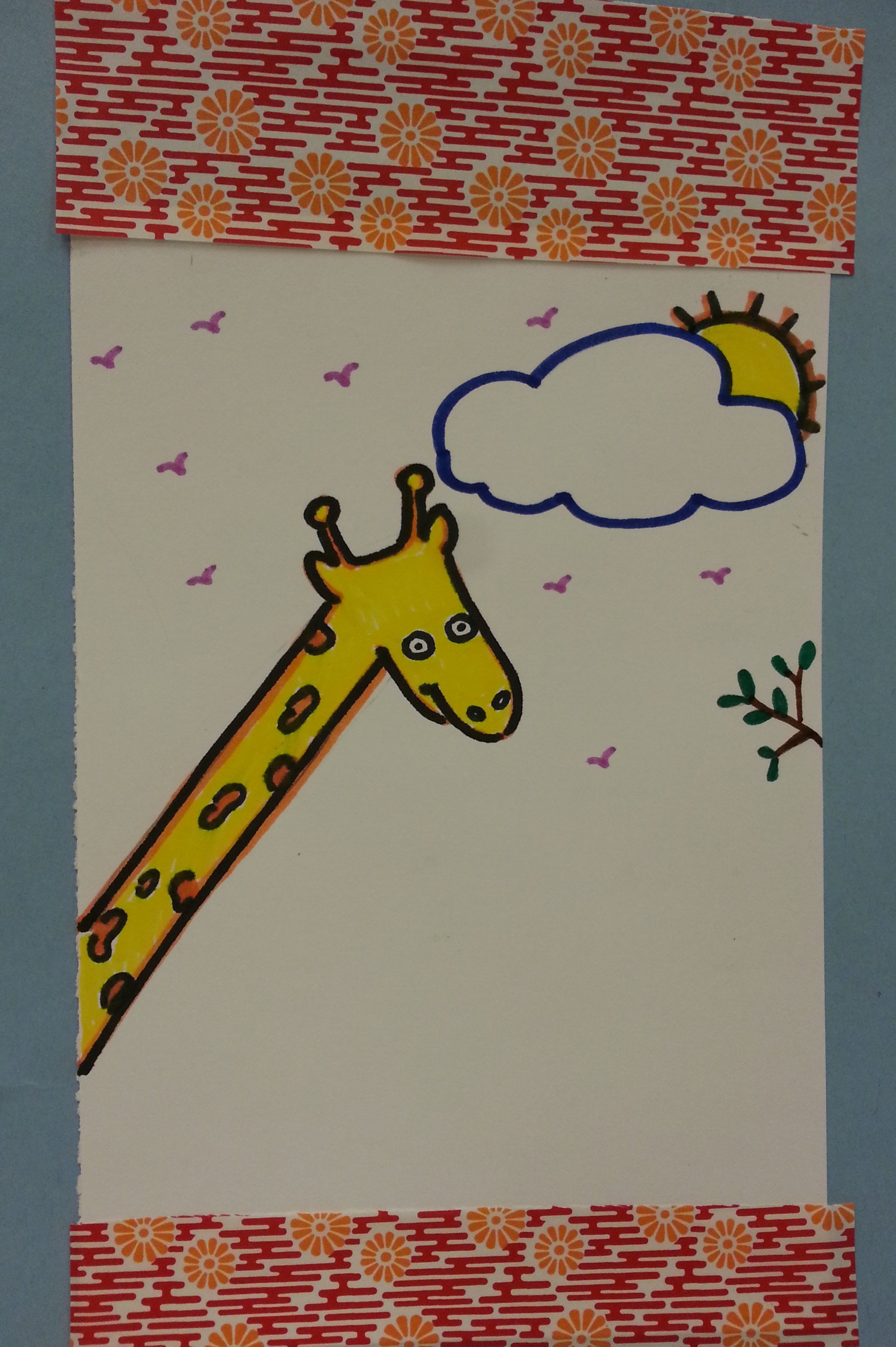
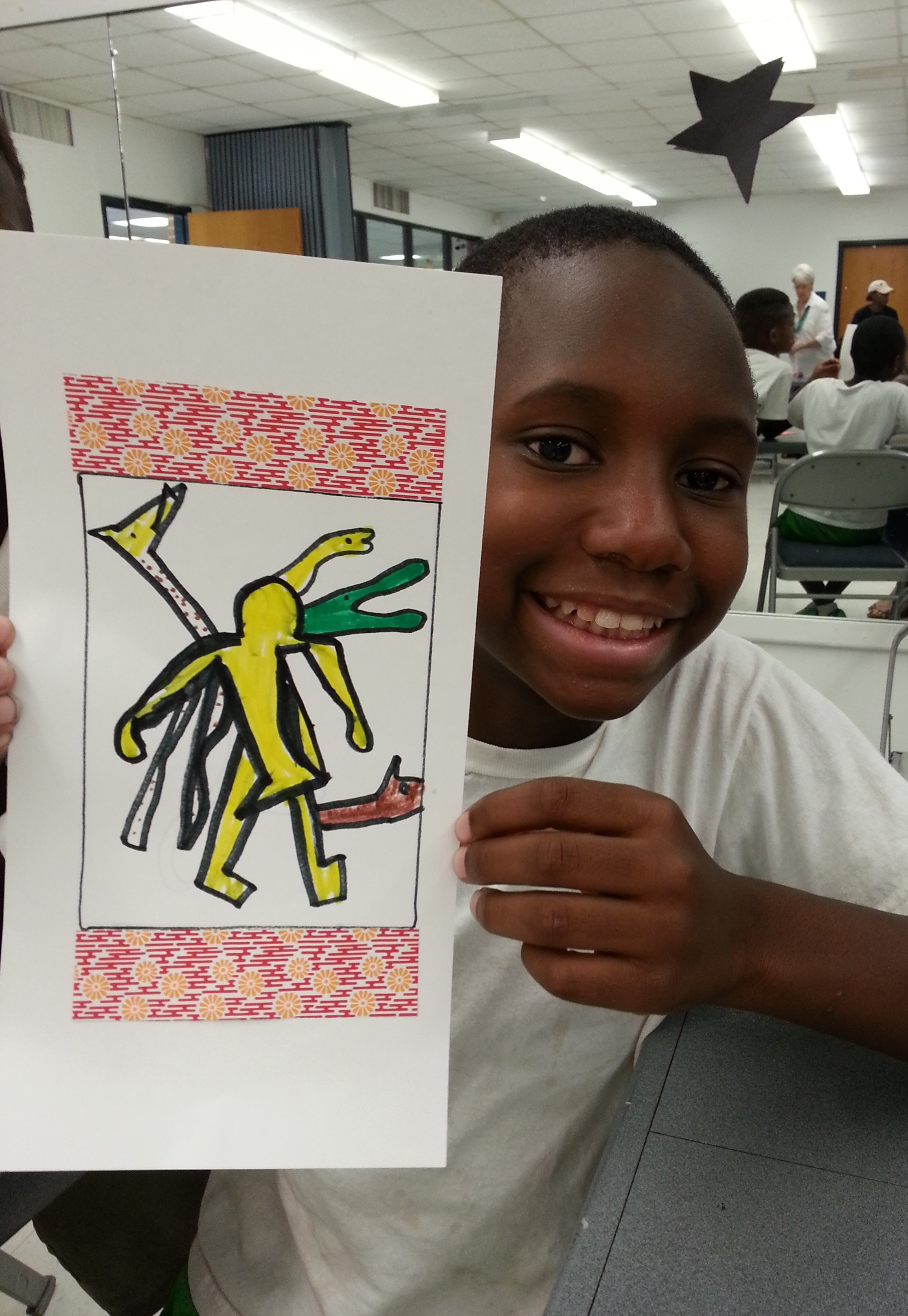
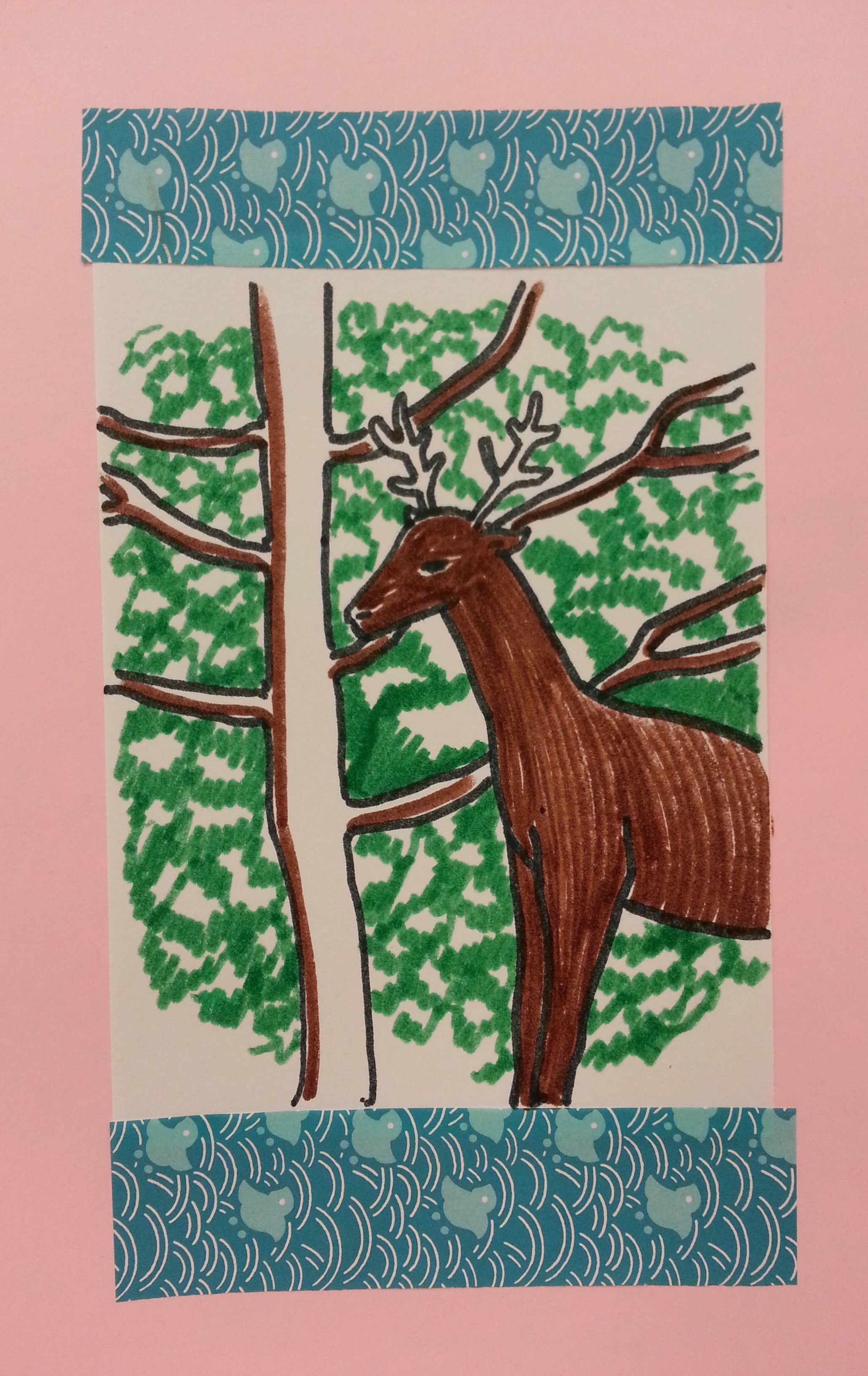
With school out, Go van Gogh volunteers are spending their days in the community, visiting recreation centers, Boys & Girls Clubs, and libraries with art-making programs.  Summer programs are casual, always fun, and sometimes a little wild…in the best possible way!

We’re embracing summertime wildness in all its glory this year, with a new Go van Gogh outreach program called Into the Wild with the DMA.  The program was inspired by the children’s book Mr. Tiger Goes Wild, in which a very proper Mr. Tiger, bored with being so proper all the time, decides that he needs to have a little fun; so, he goes wild.  Really wild!  ROAAAR!!!  It’s a story that all of us—kids, especially—can relate to when the summer heat hits.

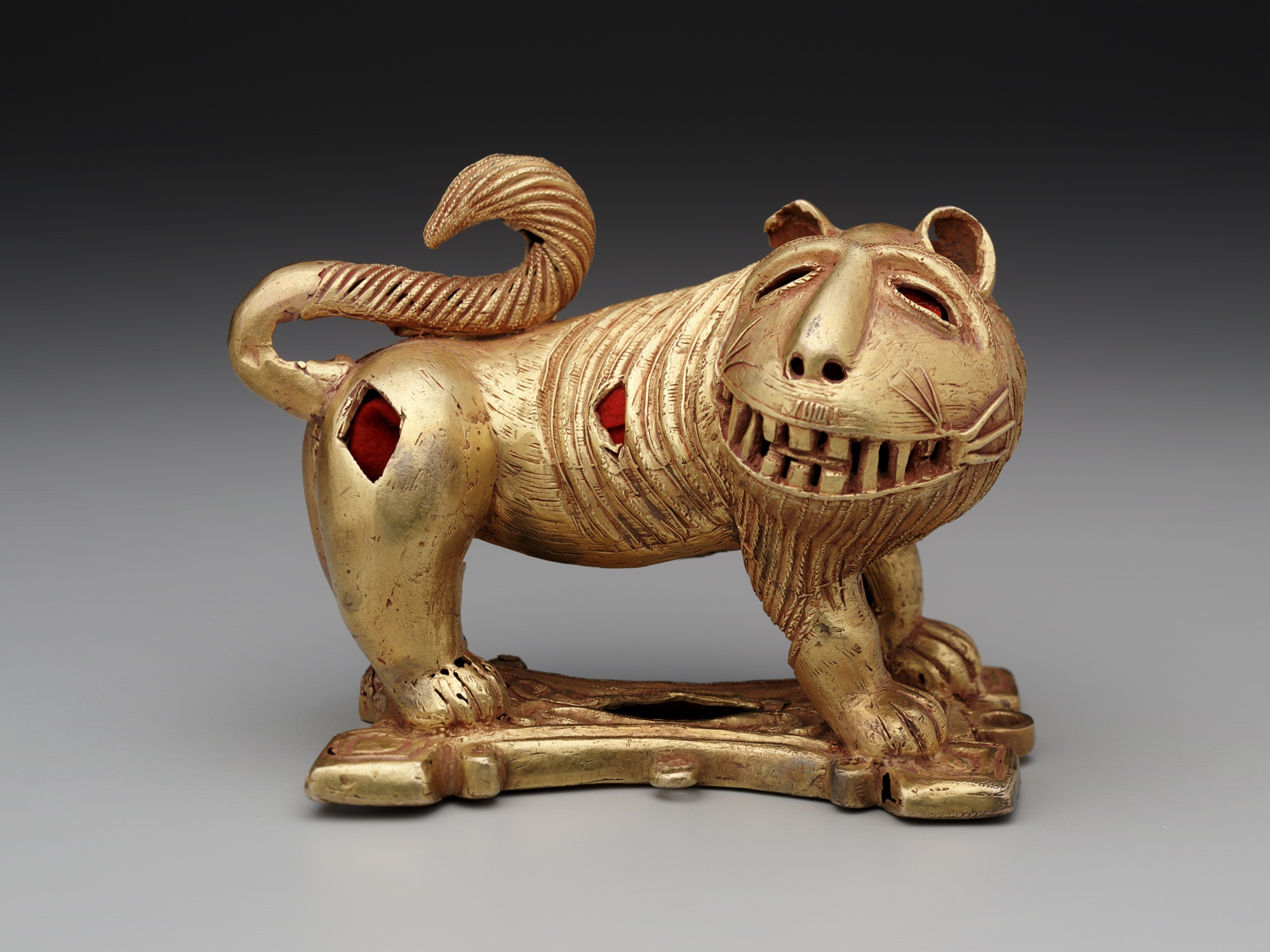
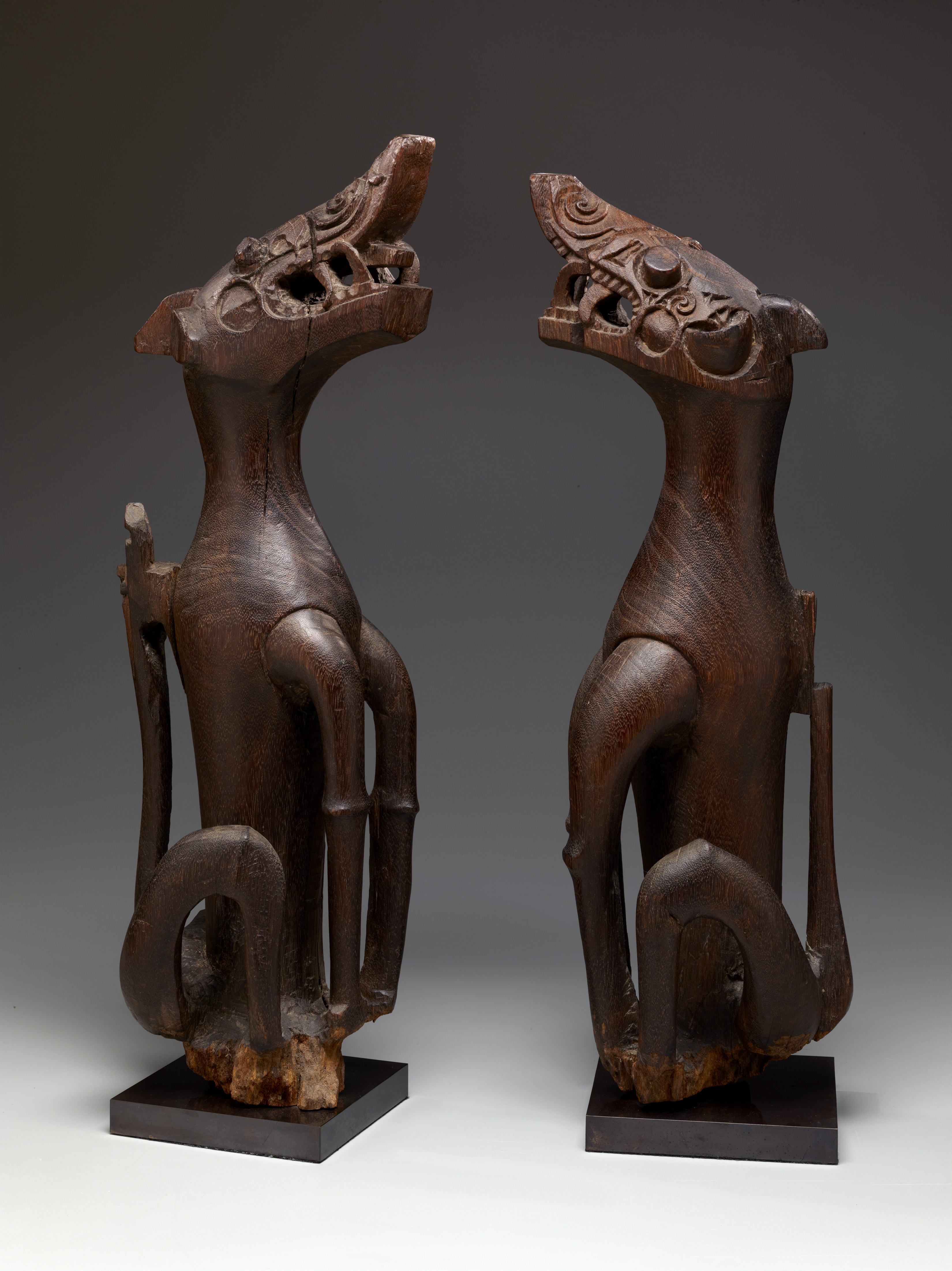
Into the Wild, which will be offered at Dallas Public libraries through the remainder of June and July, begins with story time and an animal game.  We then put on our safari hats and venture into the wild depths of the DMA’s collection, exploring big cats and fierce mythical animals in artworks from the African savanna to the Indonesian jungle.

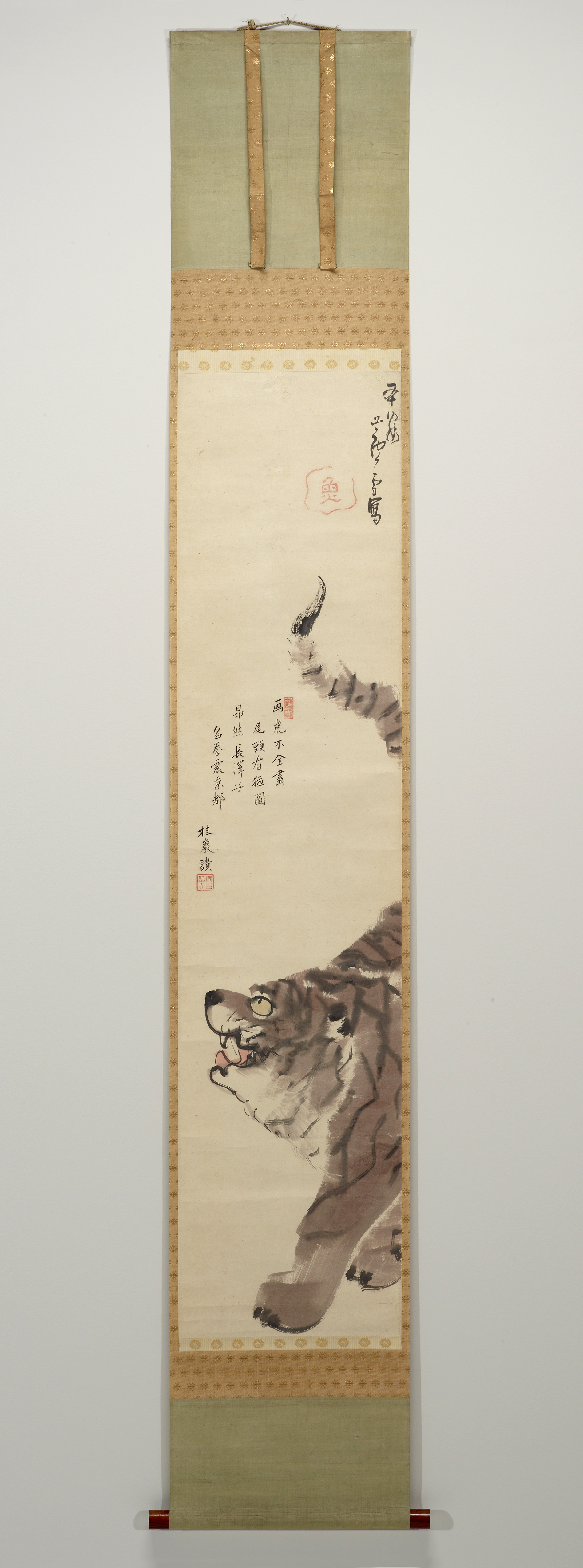
Our art safari ends with time to reflect and create an artwork inspired by one of our discoveries, the DMA’s Japanese Tiger.

If you’d like to join us on an art safari this summer, upcoming program dates and locations are listed below.  Into the Wild is designed for children ages five to nine, but art and animal-lovers of all ages are welcome!   Be sure to call the library ahead of time to confirm space availability, as programs are limited to thirty participants.

JULY

Tuesday, July 1, 10:30 a.m.
Hampton-Illinois, 2951 South Hampton Road, 75224
214-670-7646

Tuesday, July 8, 2:00 p.m.
Dallas West, 2332 Singleton Boulevard, 75212
214-670-6445

Tuesday, July 15, 2:00 p.m.
Audelia, 10045 Audelia Road, 75238
214-670-1350

Thursday, July 17, 2:30 p.m.
Skillman Southwestern, 5707 Skillman Street, 75206
214-670-6078

Tuesday, July 22, 2:00 p.m.
Polk-Wisdom, 7151 Library Lane, 75218
214-670-1947

Friday, July 25, 2:00 p.m.
Lochwood, 11221 Lochwood Boulevard, 75218
214-670-8403

Tuesday, July 29, 2:00 p.m.
Skyline, 6006 Everglade Road, 75227
214-670-0938

Thursday, July 31, 2:00 p.m.
White Rock Hills, 9150 Ferguson Road, 75228
214-670-8843

And if you can’t join us at a library, stop by the Museum and use our In the Swim Family Gallery Guide to chart your own summertime animal adventure!

Amy Copeland
Manager of Go van Gogh and Community Teaching Programs

Highlights of Light

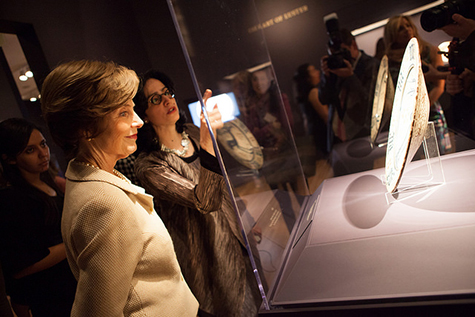
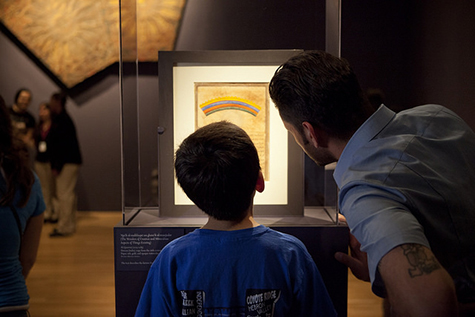
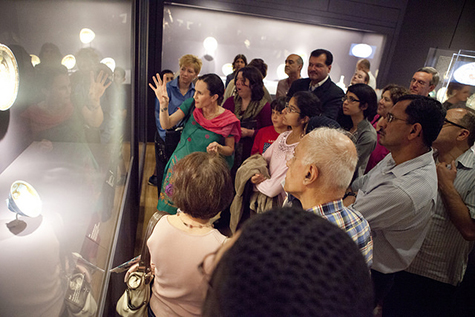
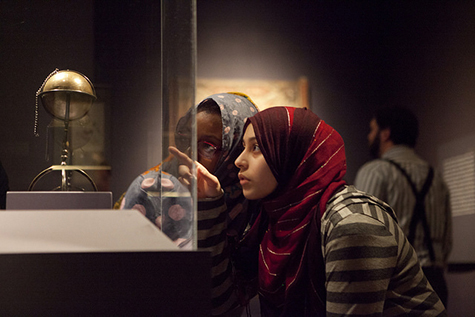
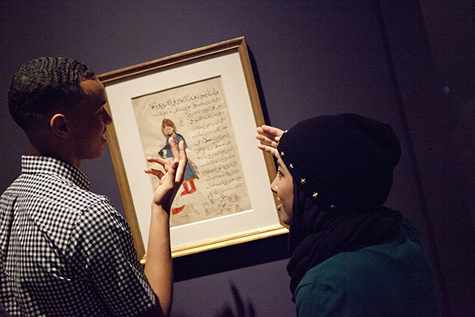
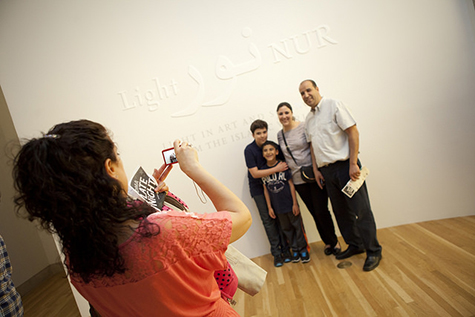
It’s the final week to visit the DMA-co-organized exhibition Nur: Light in Art and Science from the Islamic World, on view through Sunday, June 29. The acclaimed exhibition, which features more than 150 objects from ten centuries, highlights rare and beautiful examples of the rich heritage of the Islamic world and the influences and contributions it has made to cultures throughout history.
 

13780942833_f3bb09572b_z


13985379316_933f9b8482_z


14008961734_aa100b09d2_z


14005327201_5e396c3d31_z


14005163662_300f121d99_z


14005071511_5f0f8cd4db_z


Archives

Categories