Archive Page 40


Art and Access at the DMA

April is Autism Awareness Month and autism-focused events, fundraisers, walks, and lectures abound all over the country. While most people have likely heard of autism, Autism Awareness Month highlights the growing need for awareness and promotes ways to support and accept people on the autism spectrum. Chances are that you know of someone with autism, since an autism spectrum disorder occurs in about 1 in 88 individuals.

Autism is different for everyone. Symptoms may include mild challenges for those who are high functioning, while others may have more severe symptoms affecting their daily life. Because it’s difficult to predict the behavior of children with autism, parents can feel intimidated bringing their child to an art museum and tend to be more comfortable participating in specifically designed activities alongside other similar families.

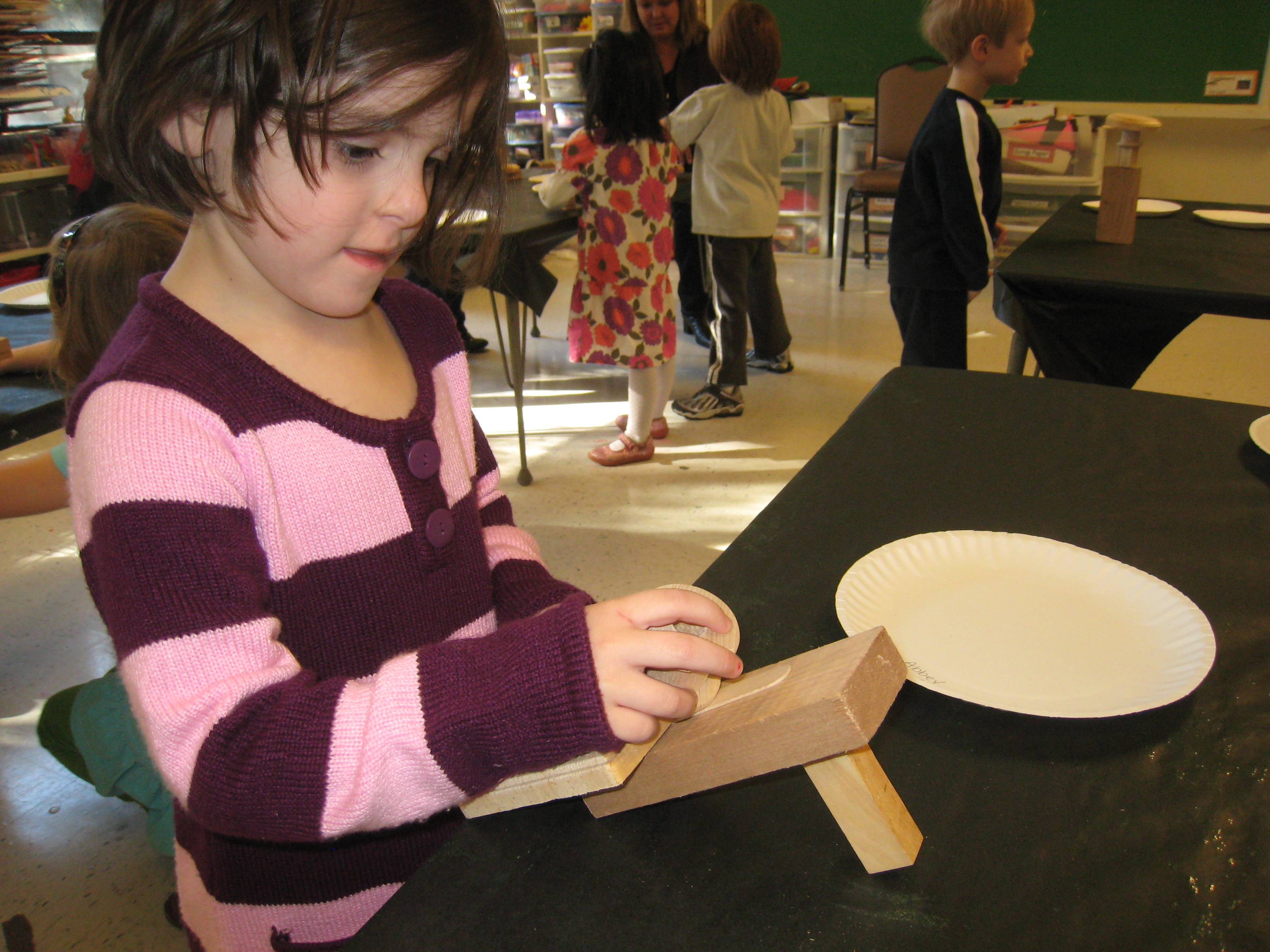
The DMA’s Autism Awareness Family Celebrations, which take place throughout the year, provide a safe, comfortable way for children with autism and their families to experience the Museum together. In the Center for Creative Connections, families can participate in gallery experiences, enjoy an interactive musical performance, explore hands-on activities in the courtyard, relax in a quiet sensory room run by occupational therapy students from Texas Women’s University, and create works of art in the C3 Studio – all before the Museum opens to the public.

We work closely with an autism specialist and Autism Speaks to plan programming for Autism Awareness Family Celebrations, taking into account the specific needs of the audience and the innovative tools available in C3. This invaluable partnership results in the creation of customized social stories about visiting the DMA, which are sent to parents in advance of each event so they can talk through the visit with their child at home.
Many parents note that after attending an Autism Awareness Family Celebration, they feel more comfortable with their child in a museum setting. One such mother, Jennifer Linde, had trouble finding opportunities for her family to be creative together and interact alongside other families. Her goal as a mom is to teach her son with autism, Alex, how to be as independent as possible. Jennifer never considered taking her two children to a museum because of Alex’s behavioral issues. After discovering the Autism Awareness Family Celebrations at the Dallas Museum of Art, Jennifer  now feels differently. The events give her family a wonderful opportunity to allow her son to develop his social skills and explore new interests while not worrying about the reactions of other people, something she says is often an issue for their family. The Linde family attends most Autism Awareness Family Celebrations and Alex has participated in our summer art camp for kids with autism for the past two years.

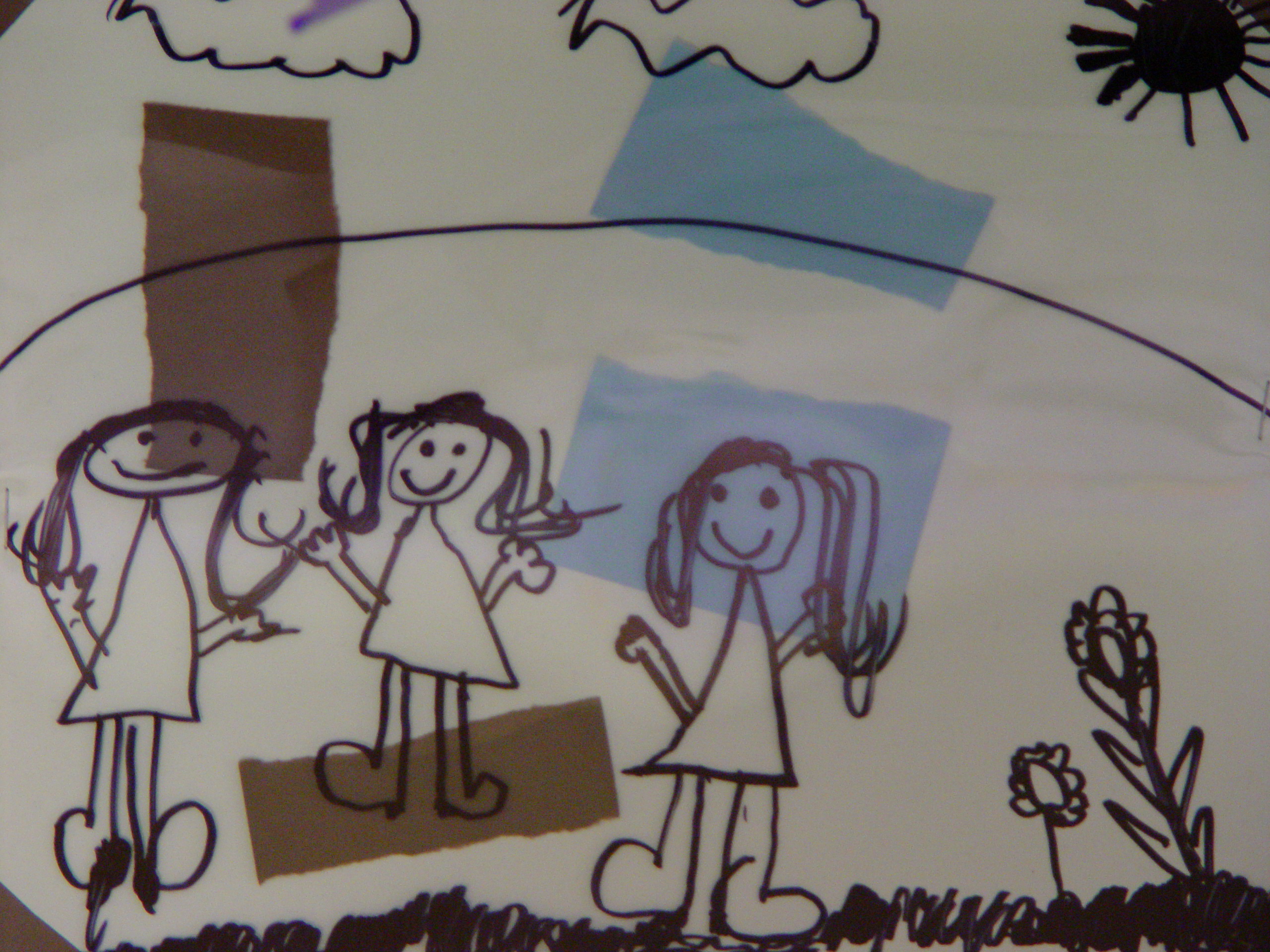
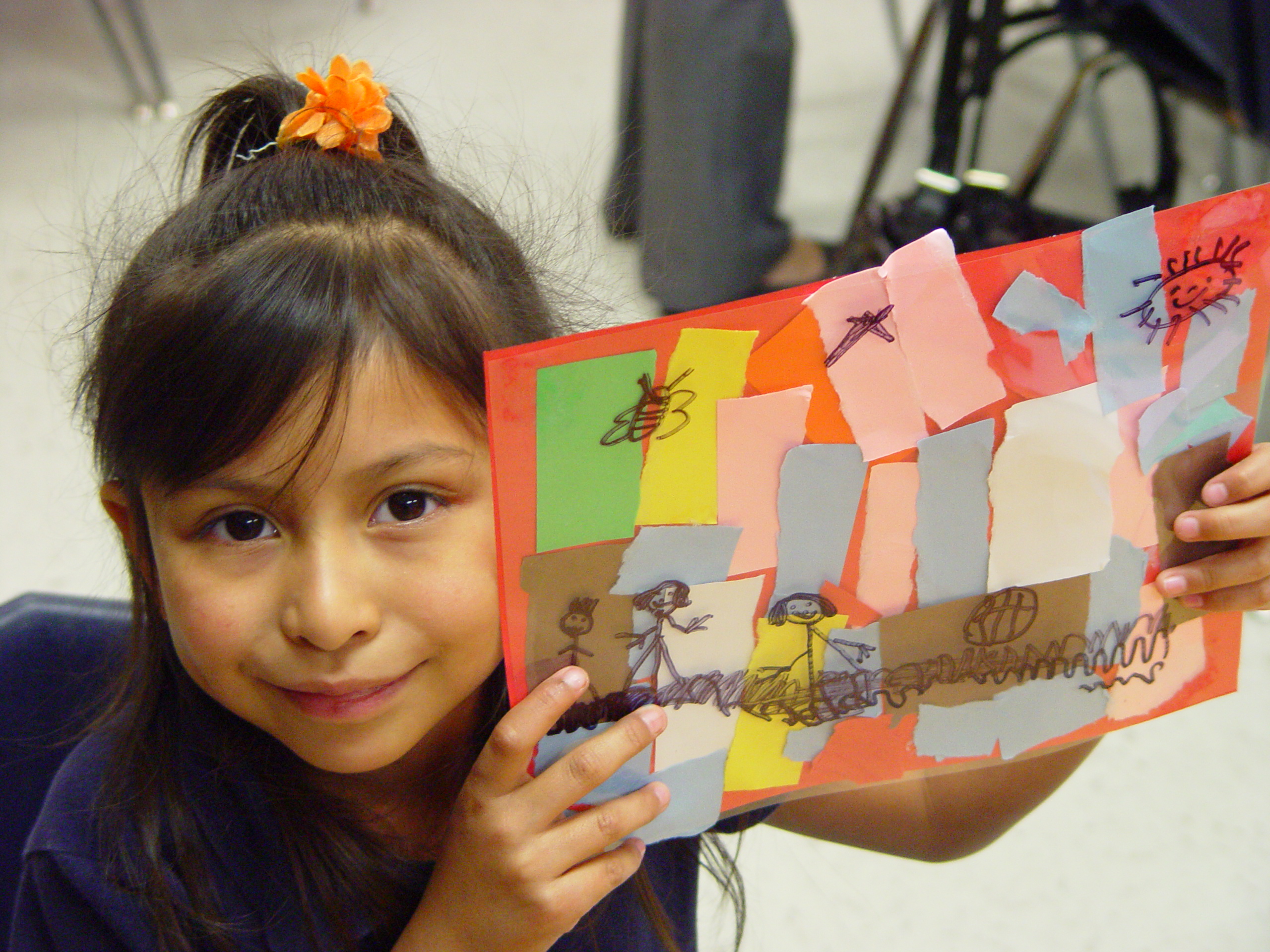
Alex loves to draw and usually draws machines and robots–never figures–in black and white. At the Autism Awareness Family Celebration in April 2011, Alex participated in sketching in the galleries and then went to our courtyard to experience music by the Dallas Symphony Orchestra, where he saw kids using streamers to move to the music. After the performance, Alex returned to sketching and created another drawing. His mother was overjoyed when she saw what he had drawn: figures all over the paper with streamers–in color! It was a magical morning for the Linde family. Check out photos of Alex below – including his colorful streamer drawing!

We are excited be in our fourth year of offering Autism Awareness Family Celebrations and our third year of offering a summer art camp for kids on the spectrum. Our next event happens this Saturday, April 6, and is themed around music and nature with a special performance by a violin duo from the Dallas Symphony Orchestra. We look forward to seeing families connecting with one another and with works of art while having fun together at the DMA!

Amanda Blake
Head of Family, Access, and School Experiences
Summer Outreach Volunteers Needed

Each summer, the Go van Gogh program visits libraries across the city of Dallas—bringing free, hour-long arts programs to children ages 5-12 and their families.  Our Go van Gogh volunteers lead these programs, helping children to explore, talk about, and make works of art at the libraries.

This year we are excited to be recruiting a new corps of volunteers, Go van Gogh summer outreach volunteers, to help us bring these summer art experiences to the community.  If you love working with children, have a passion for art, and want to give back to the community–we need YOU!

Interested volunteers must attend three training sessions on Friday mornings in late May and early June. Volunteers must be 18 years of age and are asked to commit to presenting two outreach programs a month during June, July, and August.

To request a volunteer application, email Rhiannon Martin or call 214-922-1331. Applications are due Friday, May 10. If you have questions about the Go van Gogh program, email Amy Copeland or call 214-922-1231.

Amy Copeland
Manager of Go van Gogh and Community Teaching Programs

Friday Photos: Peep Show

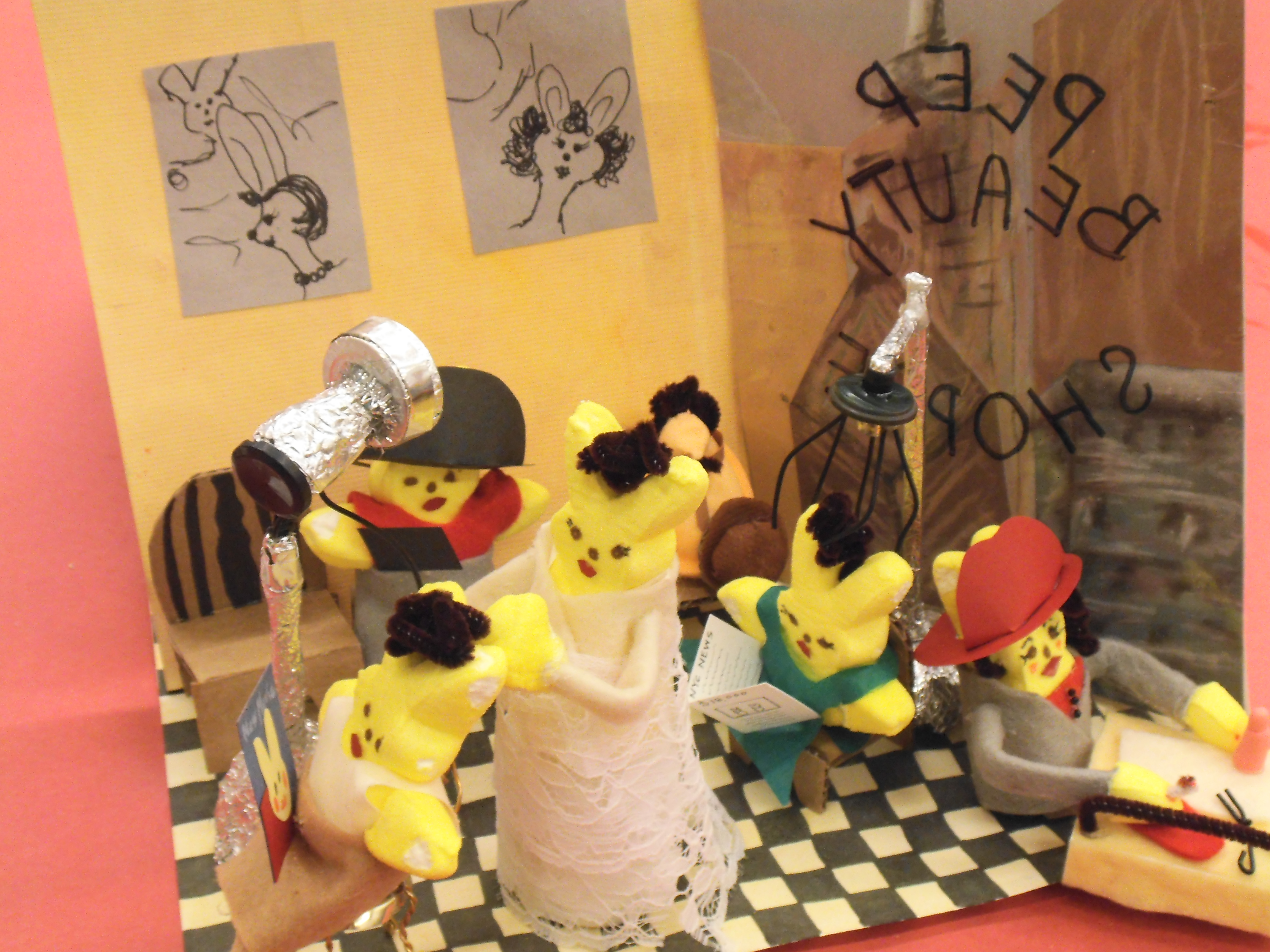
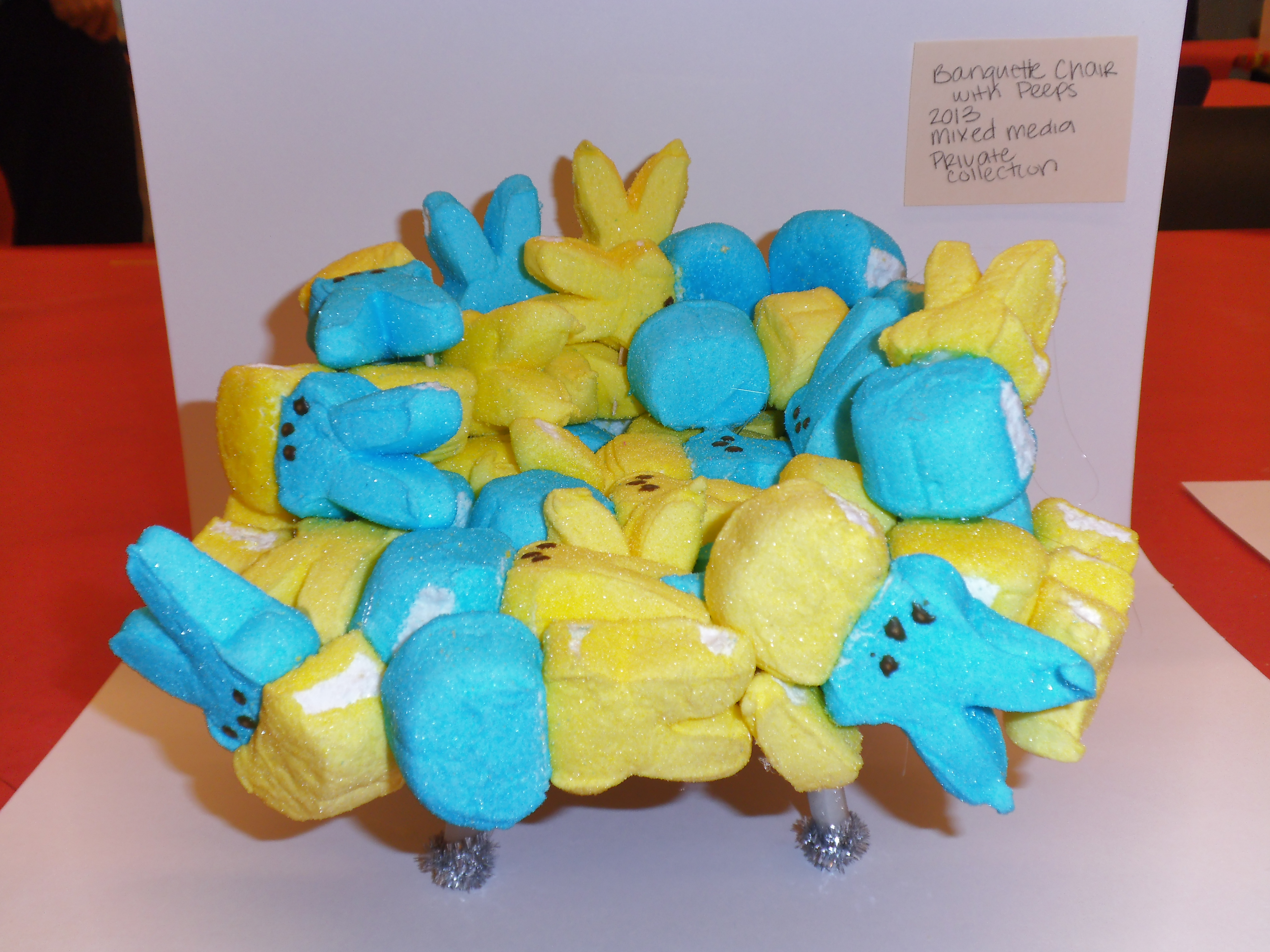
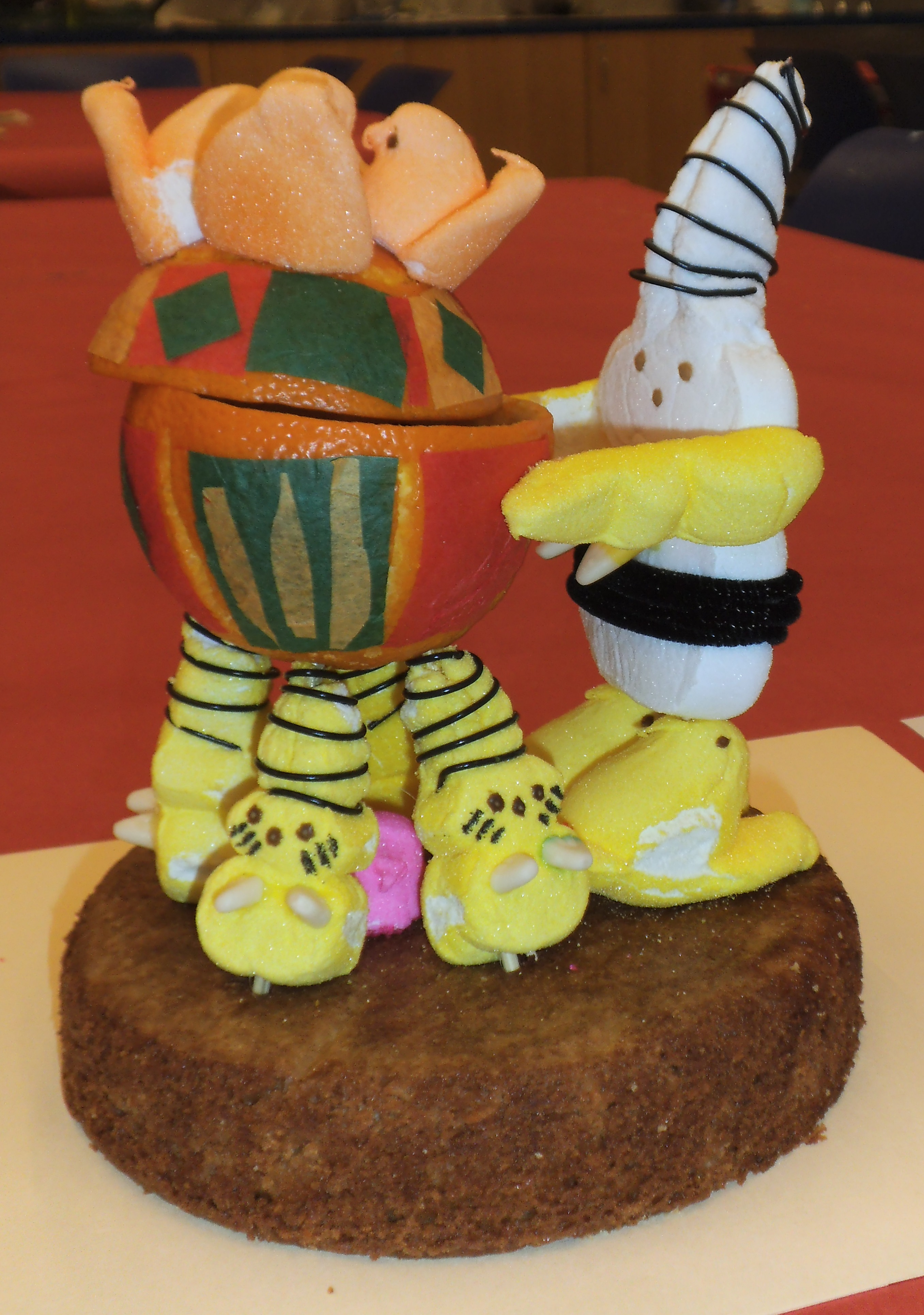
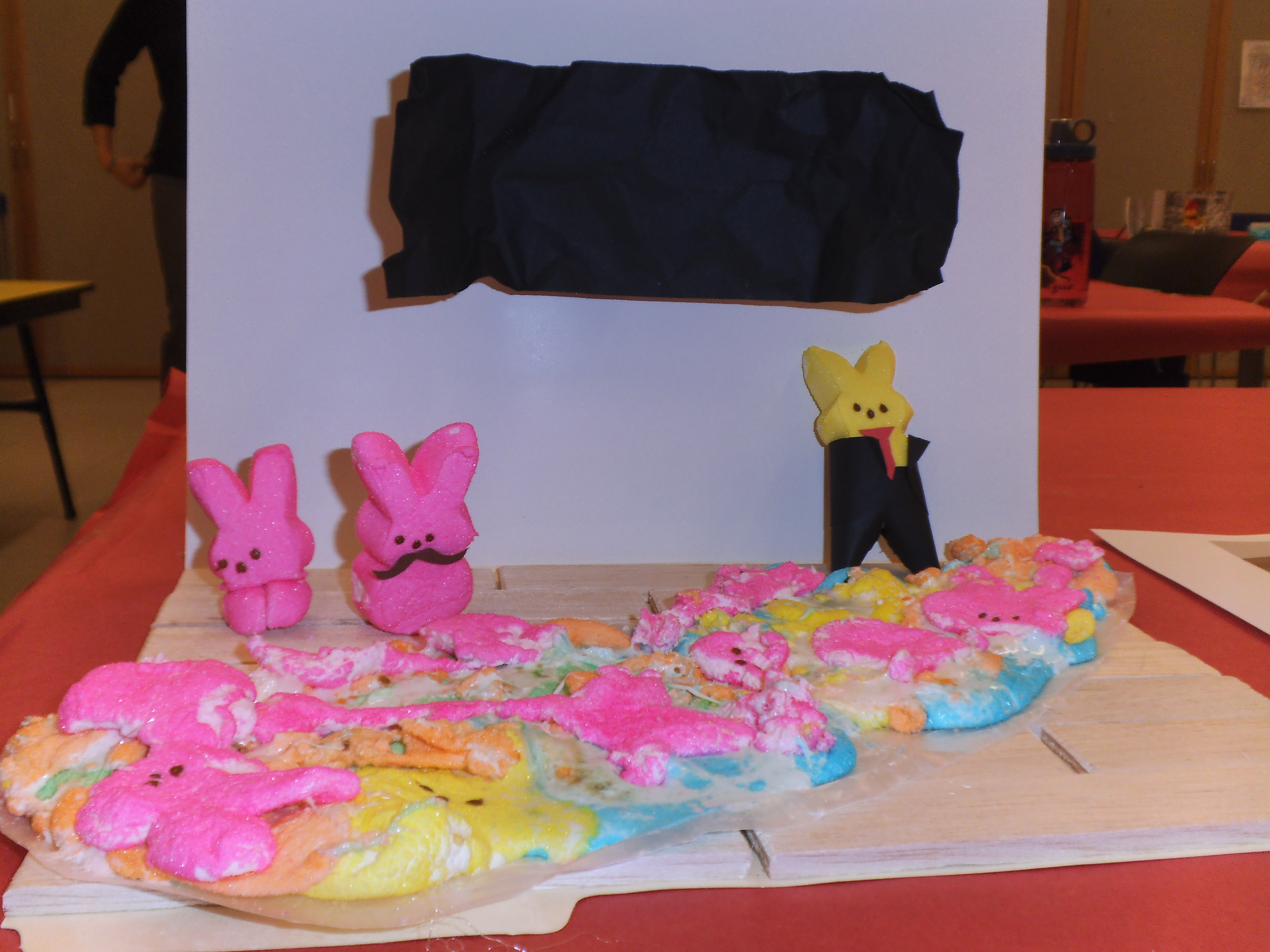
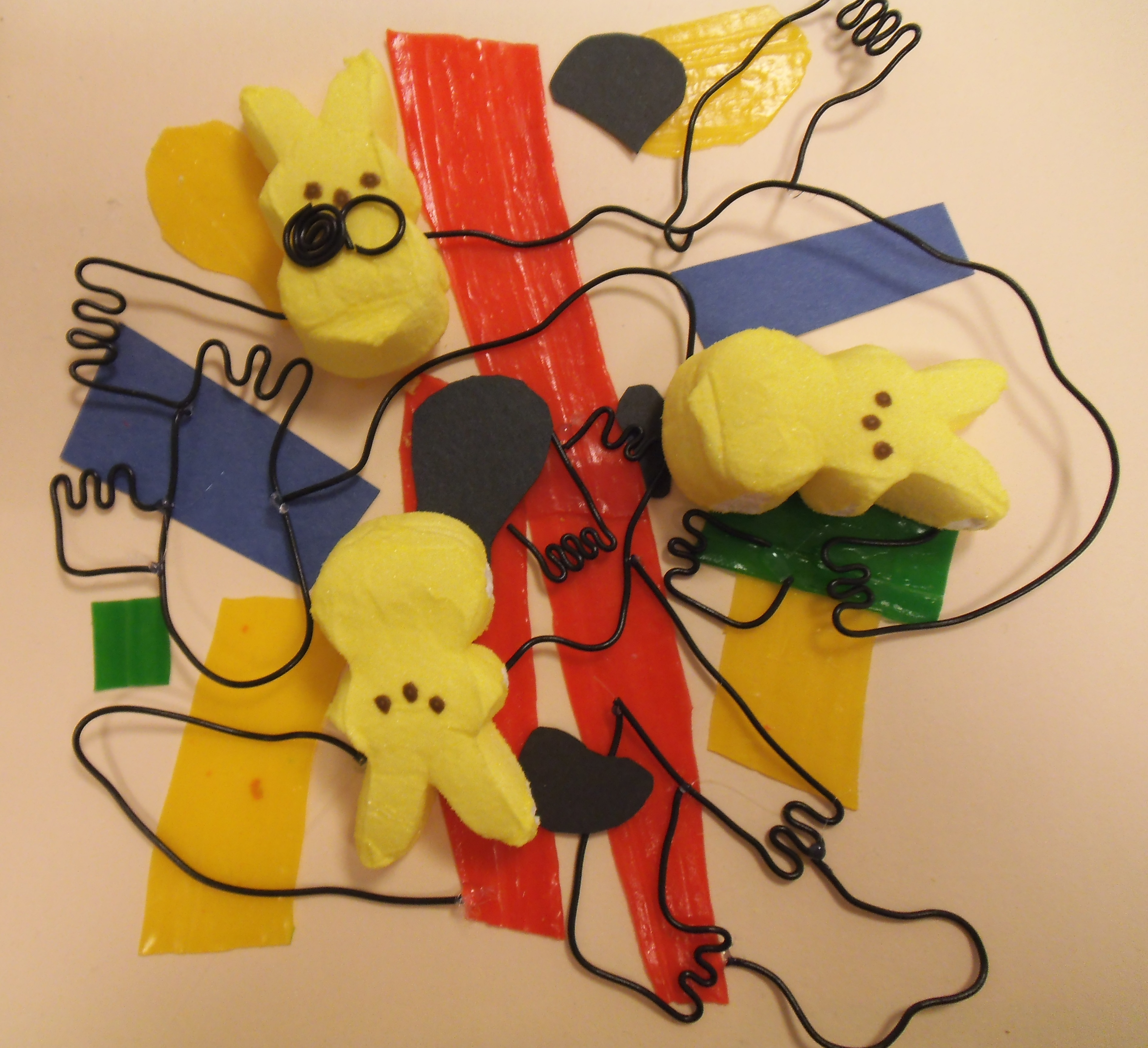
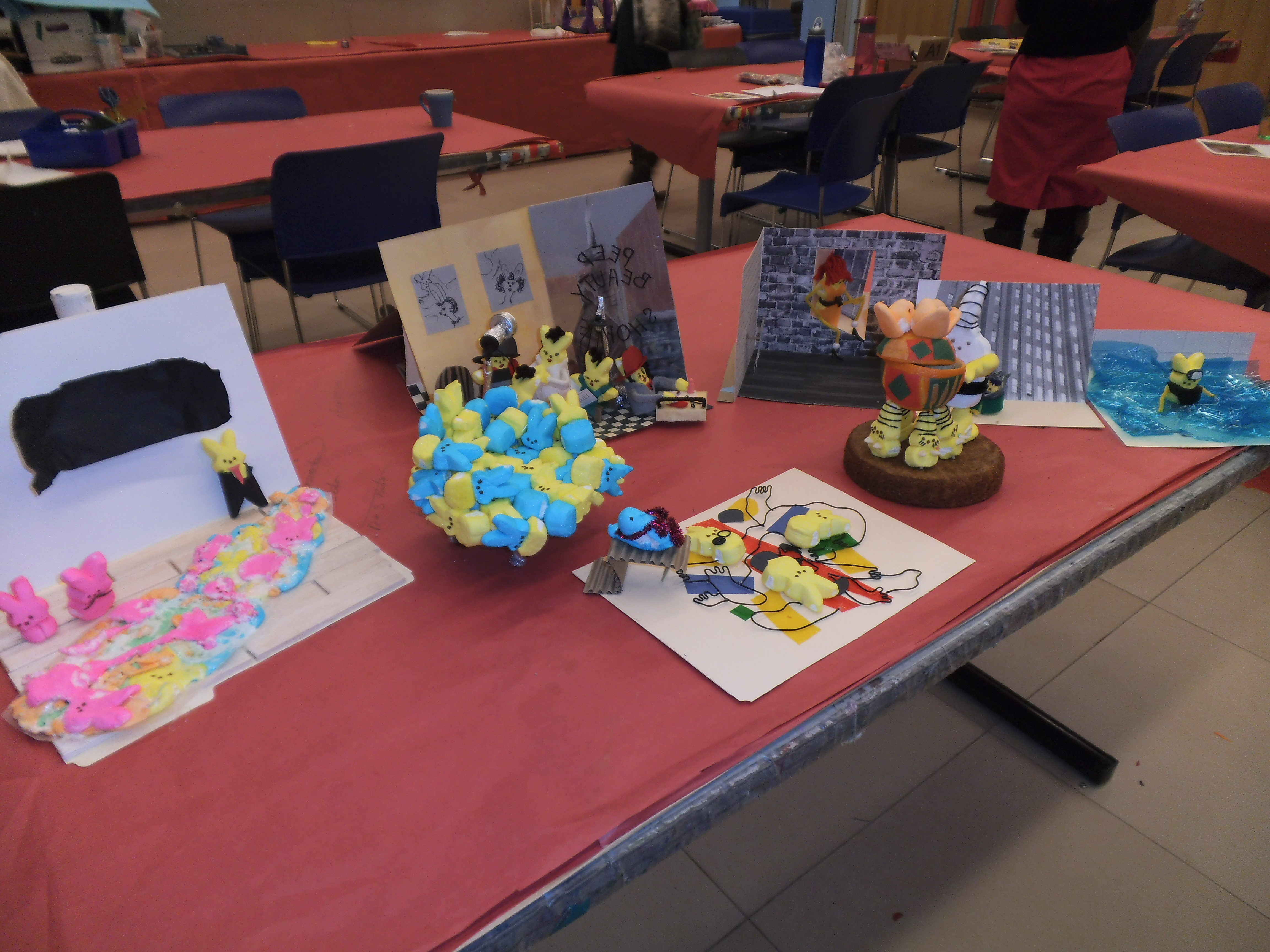
For years, I have admired those brave souls who submit entries to the Washington Post Peeps contest.  They always make me laugh, and it amazes me how creative you can get with chicks and bunnies made out of marshmallows.  We thought it might be fun to have our own Peeps mini-contest.  Working in teams, we re-created six works from the DMA’s collections and exhibitions using only Peeps and basic art supplies.  Enjoy our masterPeeps!

Amanda Blake and Leah Hanson, Peep Beauty Shoppe

Inspired by Isaac Soyer's Art Beauty Shoppe

Inspired by Isaac Soyer’s Art Beauty Shoppe

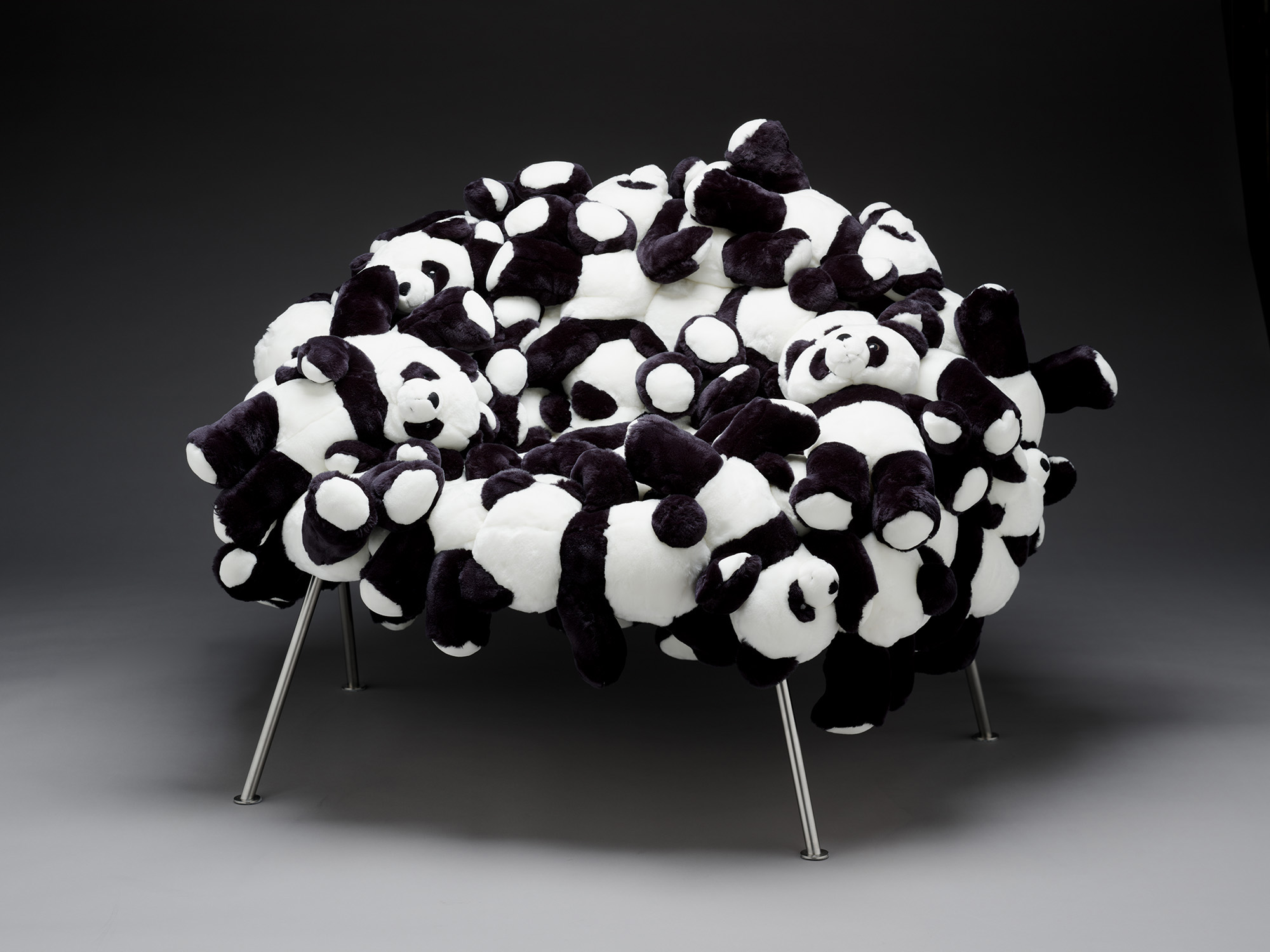
Pilar Wong, Hannah Fullgraf, and Andrea Lesovsky, Banquete chair with Peeps

Inspired by the Campana Brothers' Banquete chair with pandas

Inspired by the Campana Brothers’ Banquete chair with pandas

Danielle Schulz and Alex Vargo, Untitled Peep Stills

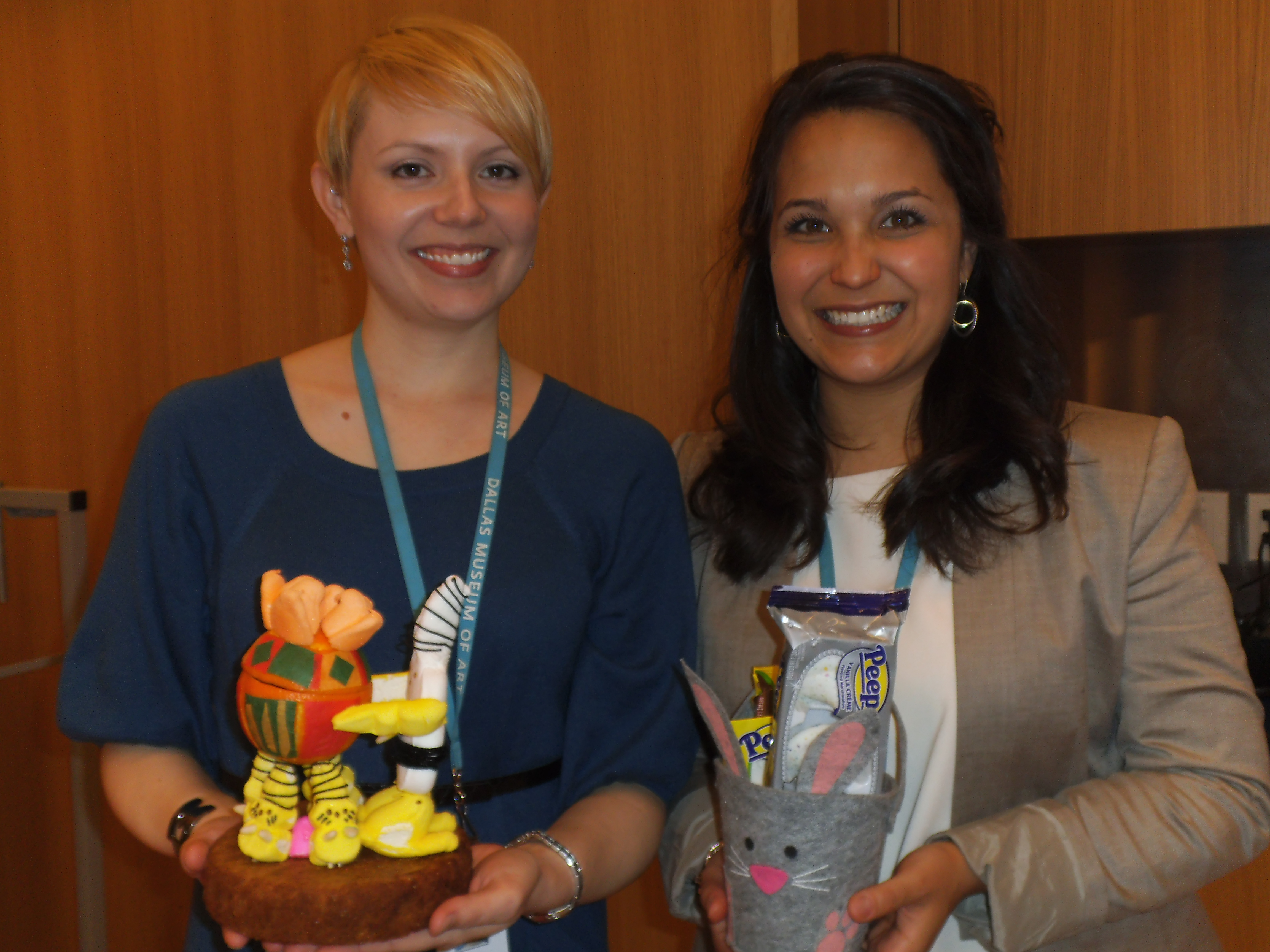
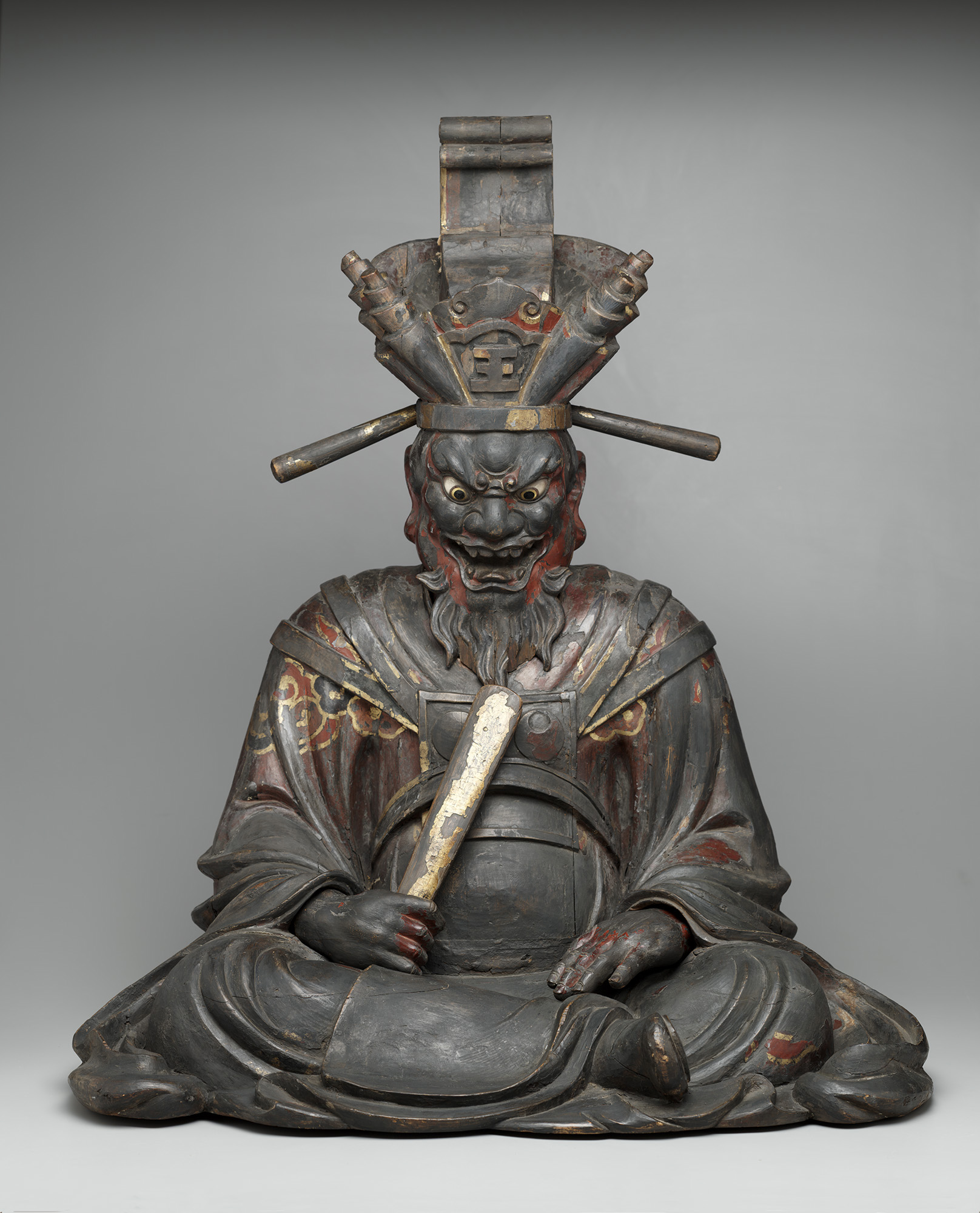
Andrea Severin and Sarah Coffey, Kneeling female figure with Peeps

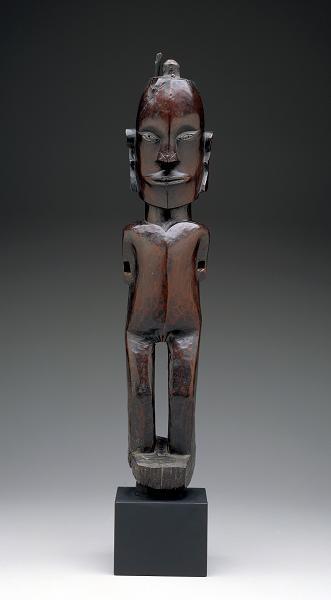
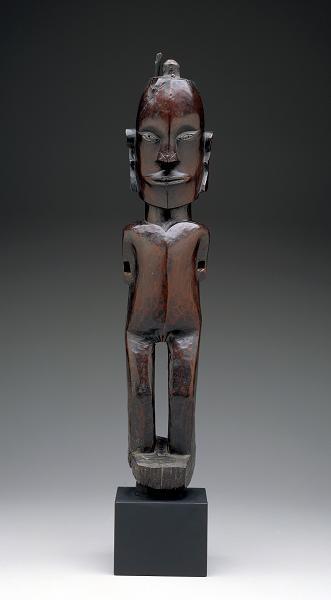
Inspired by Olowe of Ise's Kneeling female figure with bowl (olumeye)

Inspired by Olowe of Ise’s Kneeling female figure with bowl (olumeye)

JC Bigornia and Amy Copeland, Odalisque (Hey, Hey Peeps)

Inspired by Lynda Benglis's Odalisque (Hey, Hey Frankenthaler)

Inspired by Lynda Benglis’s Odalisque (Hey, Hey Frankenthaler)

Melissa Gonzales and Shannon Karol, The Peepers

Inspired by Fernand Leger's The Divers

Inspired by Fernand Leger’s The Divers

Our creations were judged by a panel of illustrious judges: Director of Education Nicole Stutzman Forbes, Evaluator Stefanie Mabadi, and Conservator Mark Leonard.

All of our Peeps creations

All of our Peeps creations

Congratulations to Andrea and Sarah, who won first prize based on their excellent use of only edible materials and their creative use of Peeps!

DSCF2035

I think this may be the start of a new yearly tradition on the Canvas blog!

Shannon Karol
Manager of Docent and Teacher Programs

Artful Eggs

The Easter holiday is almost upon us, and I for one am so excited to decorate Easter eggs! I am proof of the fact that this festive activity is for children and adults alike. Moreover, if approached in the right manner, decorating Easter eggs can be downright artistic. Beautiful eggs don’t require expensive materials or a BFA–in fact, all it takes to create some slamming shell designs is inspiration, imagination, and a few items found around the house!

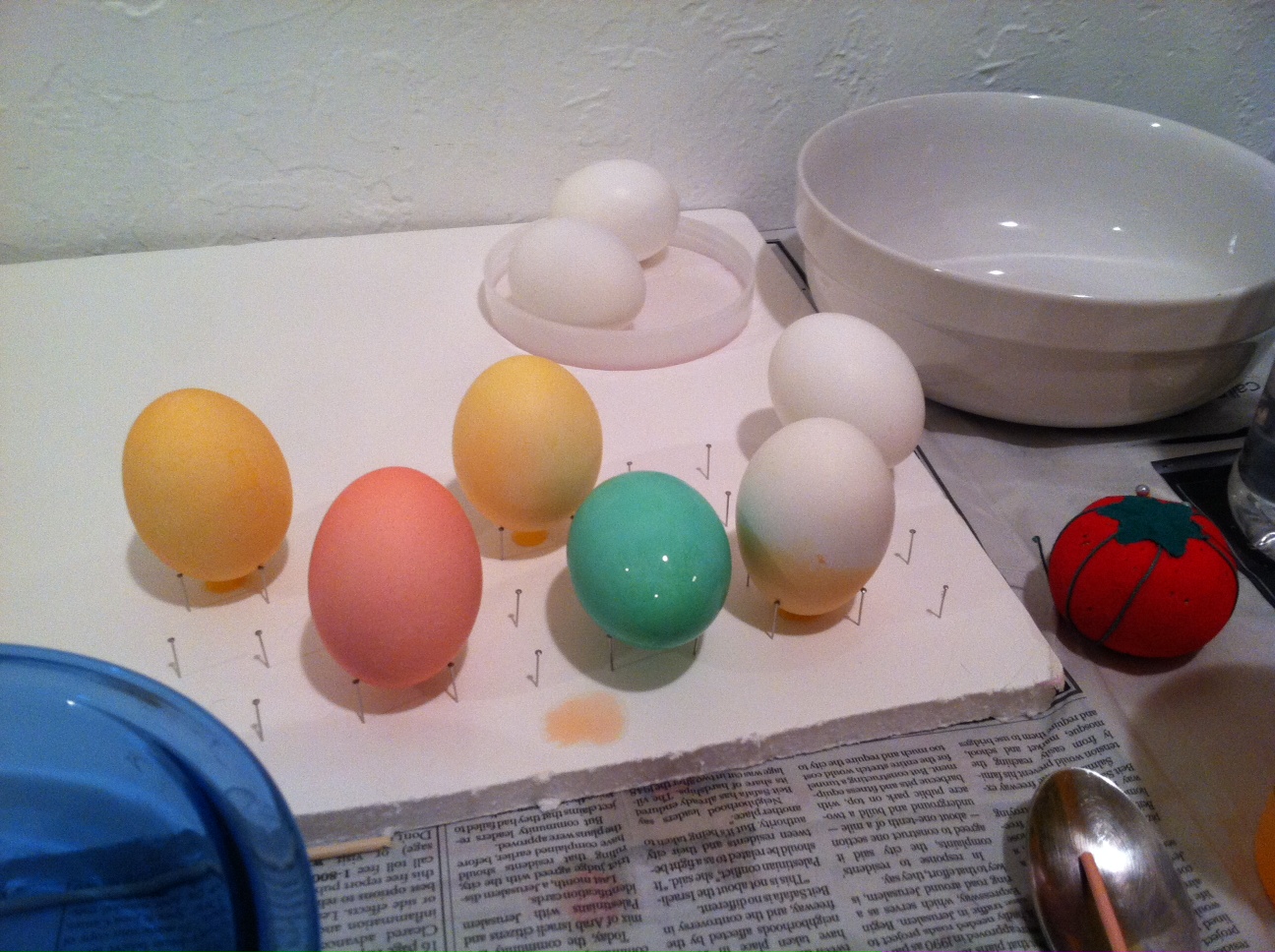
Step 1: Boiling the eggs. Boiled eggs stand up better to the treatment required to decorate eggs (dyeing, drawing, wrapping). Place eggs in a medium sized pot and add enough water to reach about an inch above the eggs. Bring water to a roaring boil, remove from heat, then cover eggs for 15 minutes. Drain water, and allow eggs to cool. (This step can be accelerated a bit by placing eggs in a bowl of water in the refrigerator).

Drying rack made with flathead pins and foamcore.

Drying rack made with flathead pins and foamcore.

Step 2: Preparing the materials. As I said, artful eggs require simple materials: newspaper, food coloring, spoons, tongs, glass cups or mugs, white vinegar, a small paintbrush, tempera paint, hot water, Styrofoam board, and flathead pins. Placing flathead pins in a grid pattern on foam board creates a great drying rack for dyed eggs.

To mix colors, place 2 tablespoons of vinegar and 2/3 cup hot water in your cup along with 3 drops of food coloring. Add more drops to darken the dye. This is a great (albeit stinky) way to review color mixing with kids–experiment and see what fun colors you can come up with!

Step 3: Finding inspiration. Inspiration can come from a variety of sources, but for this year’s batch I’d recommend using the DMA’s permanent collection as a muse. The Museum’s encyclopedic collection provides a wealth of ideas, and, who knows, you might gain some artistic insight during the art-making process! When choosing works of art I looked for bright colors, simple shapes and bold lines, as these would lend themselves well to my oblong canvases. Here are the four works I decided upon:

Step 4: Decorate! Before diving into your artistry, wipe each egg down with some vinegar (this will prepare the shell for the dyeing process).  It was interesting to use works of art that employed different decorative techniques.

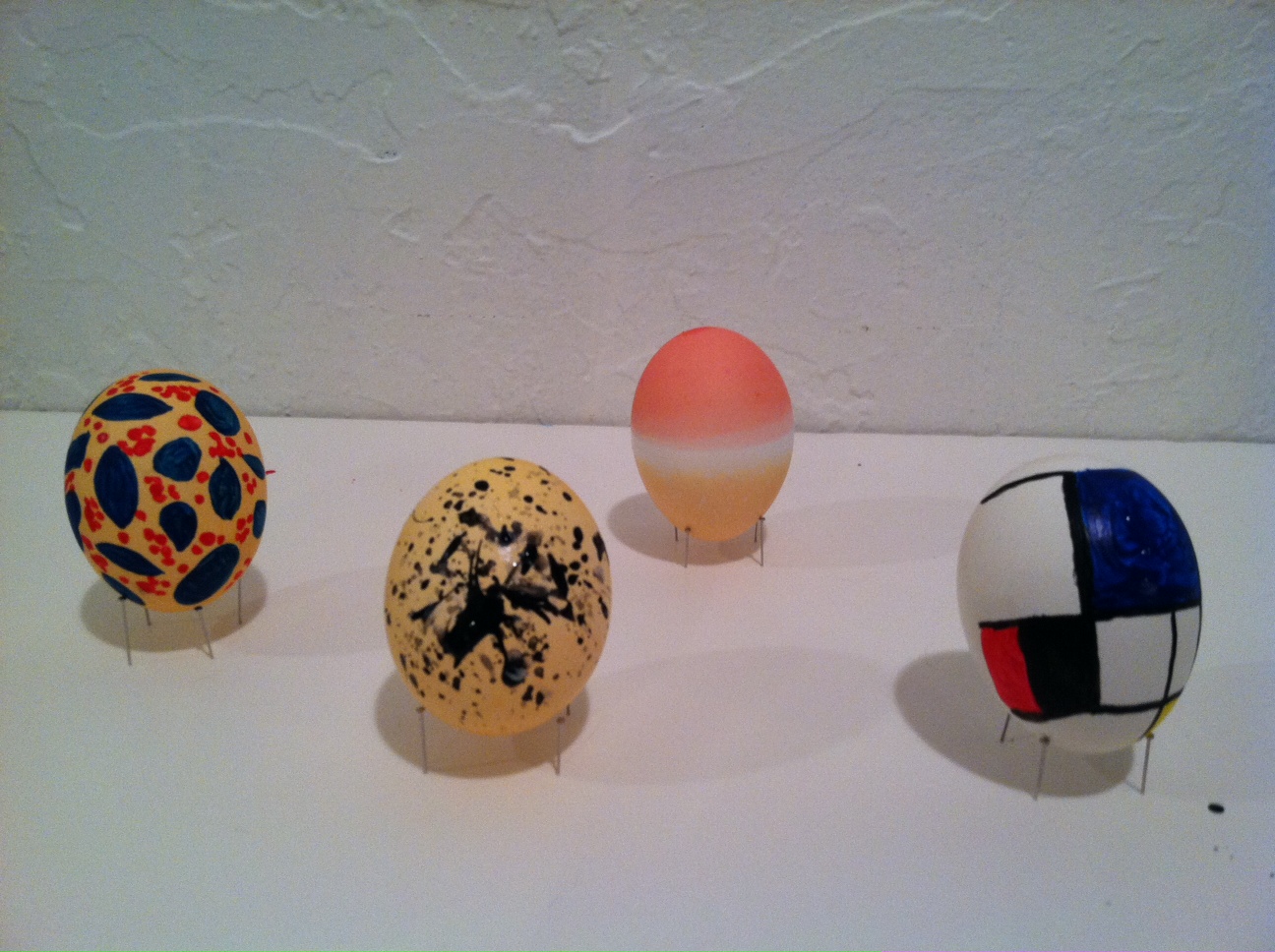
  • The Matisse egg was first dipped into an orange dye for two minutes (increasing the amount of time in the dye will lead to a darker color).  After the egg dried, a small brush with tempera paint was used to add blue and green leaves and red berries.

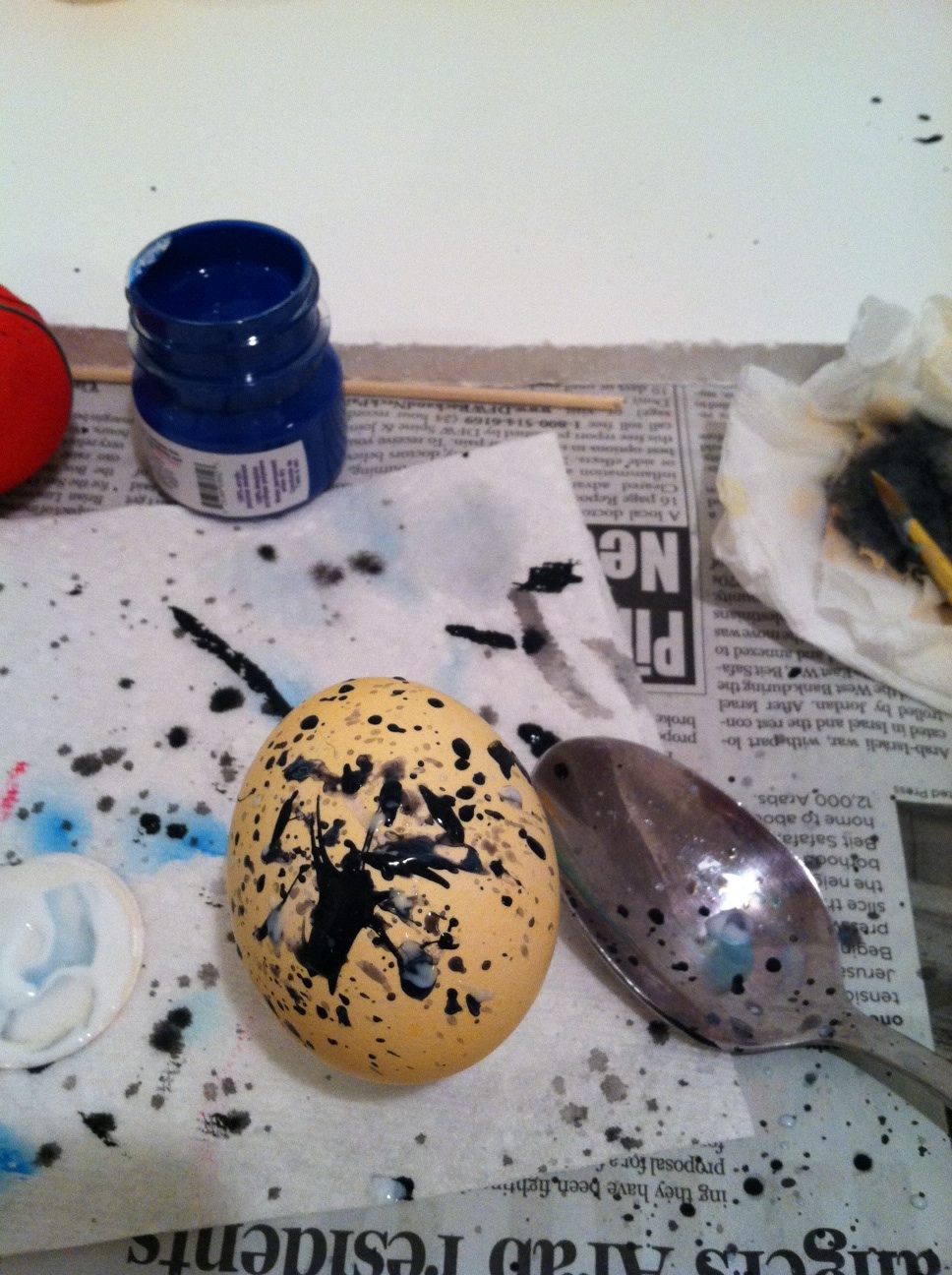
splat

  • To create the neutral background of the Pollock, the egg was dipped into orange and then blue dye (about 10 seconds each). I was then able to perform my own version of action painting!  With my paintbrush I flicked, splattered and flung watered-down black, white and grey tempera paint onto the egg. (Action painting can get messy, so newspaper comes in handy!)
  • Rothko’s contemplative color duo was completed by dipping the bottom of the egg in the orange dye (for about 30 seconds) and the top in red (30 more seconds). The egg should be left to dry between each dip. The middle portion of the egg was not taped, since I think the frayed edge caused by the dye enhanced the Rothko-style.
  • Completing the Mondrian egg took a little tempera paint and patience! Who knew that painting a grid pattern onto a rounded surface isn’t the easiest thing to do. With the straightest lines I could muster, I painted Mondrian’s primary color scheme onto the clean, un-dyed surface of the egg. It took a few layers of paint (left to dry in-between) to achieve more opaque colors.

Step 5: Display and Enjoy! 

Artful eggs. L-R: Henri Matisse, Ivy Flower; Jackson Pollock, Cathedral; Mark Rothko, Untitled; Piet Mondrian, Composition with Large Blue Plane, Red, Black, Yellow, and Gray

Artful eggs. L-R: Henri Matisse, Jackson Pollock, Mark Rothko, Piet Mondrian

These artful eggs are too good to keep to yourself!  Share your masterpieces with us through Facebook, Twitter, Flickr or even post them here on DMA Canvas–we’d love to see your DMA inspired works of egg-art! Now that you’ve completed your artwork the real question emerges: which will taste better, a Matisse or Pollock deviled egg?

Artworks Shown:

  • Henri Matisse, Ivy in Flower, 1953, Dallas Museum of Art, Foundation for the Arts Collection, gift of the Albert and Mary Lasker Foundation
  • Jackson Pollock, Cathedral, 1947, Dallas Museum of Art, gift of Mr. and Mrs. Bernard J. Reis
  • Mark Rothko, Untitled, 1952,  Dallas Museum of Art, gift of the Meadows Foundation, Incorporated
  • Piet Mondrian, Composition with Large Blue Plane, Red, Black, Yellow, and Gray, 1921, Dallas Museum of Art, Foundation for the Arts Collection, gift of Mrs. James H. Clark

Danielle Schulz
Teaching Specialist

Special thanks to Alex Vargo for her eggcellent work.

Friday Photos: Oh, the places we’ve been!

Go van Gogh van

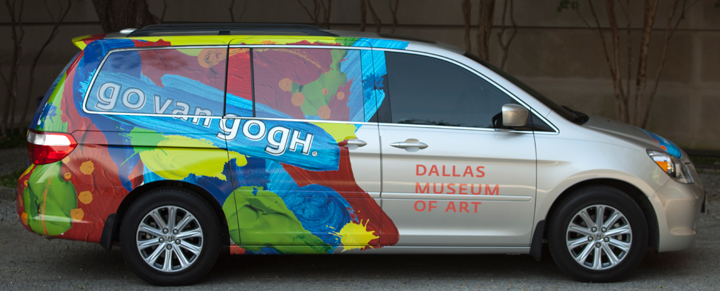
Go van Gogh van

With the recent introduction of our DMA Dashboard, we’ve been keeping a careful eye on the mileage of our Go van Gogh van, which has made for some fun stats tracking.

So far, our outreach this school year has taken us 1,300 miles—enough for a trip from the Museum to Washington D.C.!  Below are a few other fun facts about our outreach destinations and the van trips we’ve taken this year.

  • Destination closest to home:  Ben Milam Elementary, a mere 2.6 miles away—soo close we could almost bike there.
  • Farthest afield: Brentfield Elementary, a 63.4 mile round-trip!
  • All the usual places:  L.K. Hall Elementary, Ronald McNair Elementary, and Thomas Tolbert Elementary are in our van’s GPS frequently—we’ve visited each at least five times.
  • Home(s) away from home:  William Anderson Elementary and Zion Lutheran School are our homes away from home.   We’ve made ten trips to each for a whopping one-fifth of our total mileage!

Our next van excursion will be tomorrow, Saturday March 23.  The Go van Gogh team will be at Firewheel Town Center in Garland, to provide art-making activities at Kidsfest, from 11:00am-3:00pm. We hope you’ll make the trip and join us there!

Amy Copeland
Manager of Go van Gogh and Community Teaching Programs

A Click of the Heel

Late Night Creativity Challenges are something I look forward to each month. The energy, originality, and competition unleashed in the galleries of the Museum is so inspiring. The visitors who participate in these activities are able to look at the artwork in our collection in a whole new way.

Here are some of the thoughts of our challengers and participants:

“The creativity challenge helped me step out of my ‘corporate head’ and connect with the artwork in such a way that I was able to make a connection with the pieces and see them with new eyes.   The artwork my team was assigned to work with was not something I would normally have gravitated to in a visit to the museum, yet by the end of the challenge, I was quite fond of the work!”

“I really enjoy the challenges, they make me appreciate the art and it’s fun to go by paintings I’ve written songs about or made Facebook pages for because of the challenge. It makes me really look into the piece and walk away with a better understanding and more of a connection rather than reading a brief synopsis and walking away. Not only have I been able to go in depth with a few pieces but have been able to remember other pieces fellow participants have made things about. Interacting with art was something I thought I could never do. Appreciating art was something I also considered out of my reach. Creativity Challenges have proven me wrong in both of those regards and created a whole new experience for visiting the DMA”

sabuda

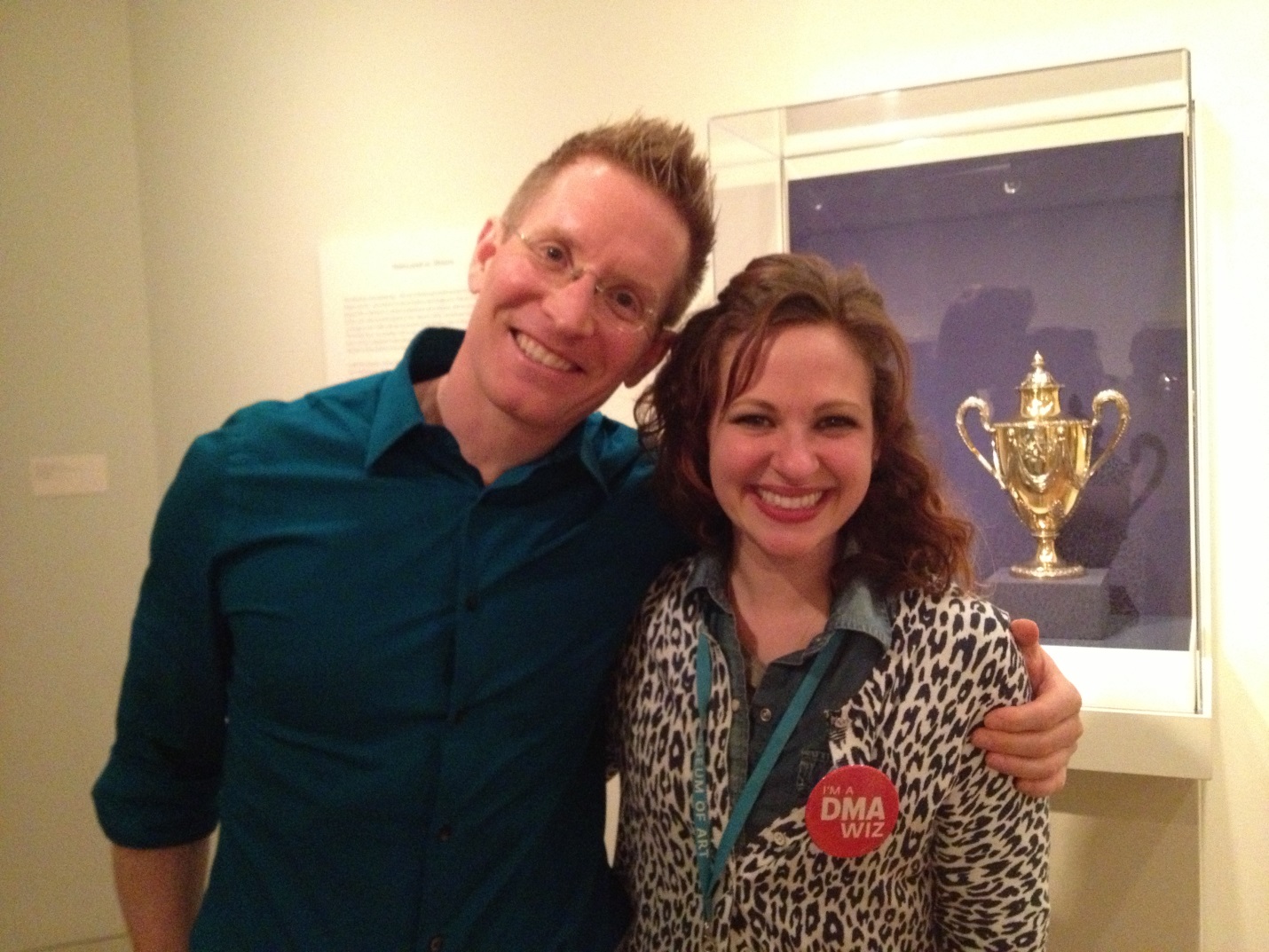
Me with our special guest Robert Sabuda

The latest challenge was inspired by the paper mechanics of the great author, illustrator, and pop-up creator Robert Sabuda. Having been inspired by Sabuda and a longtime fan of his work, I was thrilled to create a program inspired by him. And did I mention that he was also our guest judge for the creations?

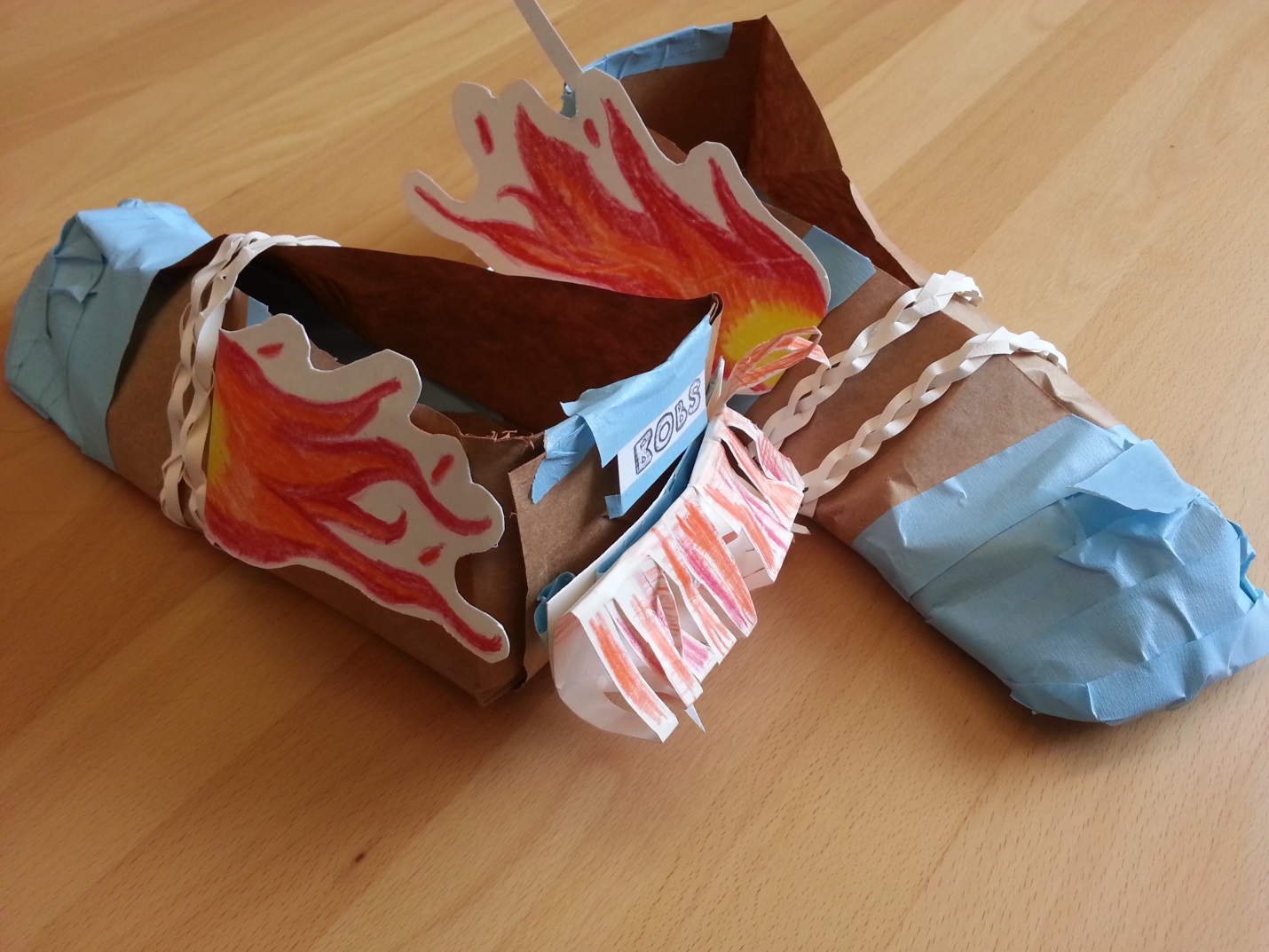
The theme for our March Late Night and the fuel for my Sabuda Creativity Challenge was the wonderful Wizard of Oz. The teams were challenged to create their own shoes inspired by Dorothy’s ruby slippers, which of course gave Dorothy the power to go home. Each team had to create their own magically-powered shoes with the limited materials of paper and tape. After they created their shoes, the teams modeled their creations and explained what magical powers their shoes possessed, all while walking down a handmade yellow brick road leading them into the gates of The Emerald City–well, the gates to the DMA’s The Wendy and Emery Reves Collection to be more exact.

“The most rewarding experiences (and the projects that are most successful) have occurred when people work together. The winner of the latest creativity challenge is a good example. The family that won made red shoes with fringed red construction paper, and each person in the family had a specific job. Their project was successful, I think, because they developed prototypes together and found usefulness for everyone. From my perspective, the most creative teams are typically the larger teams. While the art hanging on the walls is certainly inspiring, the collaborations and conversations between team members seem to be the best idea-catalyst.” – C3 Volunteer

Here are a few examples from the challenge:

shoe

shoe2

These shoes were unique for many reasons, but what struck our guest judge and I the most was the power the shoes had to take the person who was wearing them into any situation. They could be courageous when wearing the shoes and defeat any obstacle that came across their path. They also named the shoes after our guest judge, which is always a nice touch!

Come join in the fun next Late Night on April 19!

Amanda Batson
C3 Program Coordinator

Cindy Sherman SmARTphone Tour

Cindy Sherman, a retrospective exhibition of the artist’s work from the mid-seventies to the present, opened this past weekend.  About 160 larger-than-life photographs fill up the Barrel Vault and its adjacent galleries. The majority of the photographs show the artist as model, posing in a variety of costumes and guises.

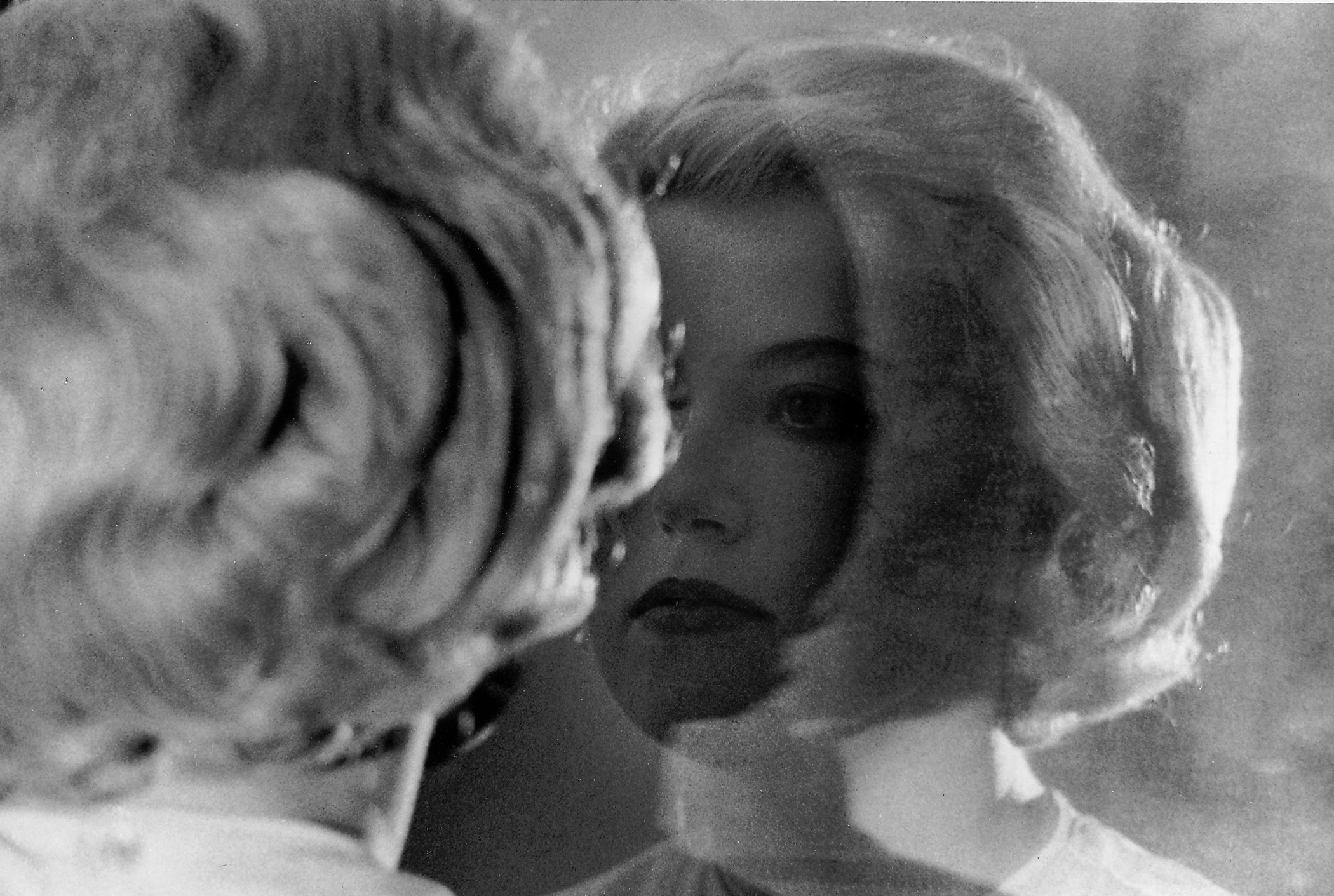
Sherman often creates her photographs in a series. In this exhibition, for example, you can see Sherman’s Untitled Film Stills, which were created to appear like snapshots of movie scenes, or her History Portraits that stylistically reference Renaissance, Baroque, Rococo, and Neo-classical portraiture.

Cindy_Sherman_Untitled_Film_Still_56

Cindy Sherman, Untitled Film Still #56

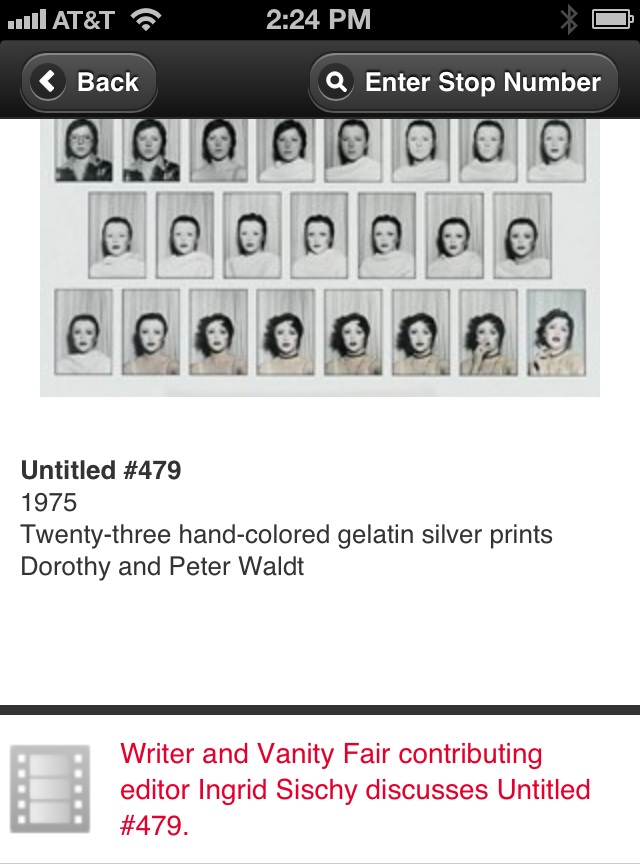
Before, during, or after a visit to the exhibition, check out the Cindy Sherman smARTphone tour. This tour includes audio commentary from MoMA curators and from Cindy Sherman herself about her work. It also includes ten video interviews, with artists and other art-world figures who are asked to discuss their favorite Cindy Sherman photograph. These offer a unique, personal perspective to work in the exhibition. Which Cindy Sherman photograph is your favorite?

sherman sp

The DMA offers free Wi-Fi in the galleries, so be sure to connect before accessing the smartphone tour for optimum access!

Andrea V. Severin
Interpretation Specialist

Artwork shown:

  • Cindy Sherman, Untitled Film Still #56, 1980, The Museum of Modern Art, New York, Acquired through the generosity of Jo Carole and Ronald S. Lauder in memory of Mrs. John D. Rockefeller 3rd © 2012 Cindy Sherman

Friday Photos: Spring Break

Many families have enjoyed spending their Spring Break staycation at the Museum! We’ve had several activities this week including puzzles, interactive tours, and a family film, Dropping in on Picasso.

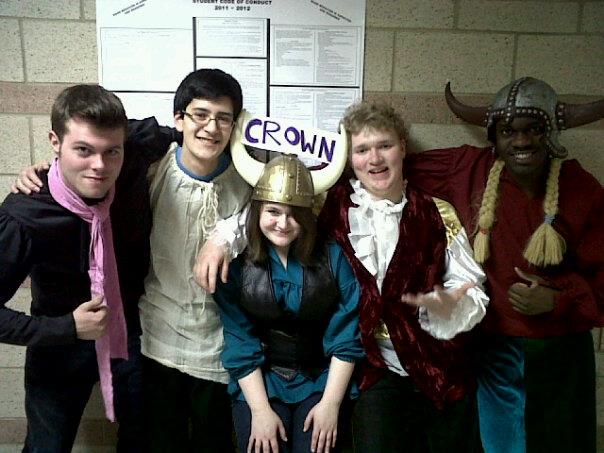
Families participated with our interactive Story Time, led by Museum Education staff who read books in front of related artworks and engaged children in a gallery activity. Kids (and a few adults) donned capes and crowns and pretended to fly across the sky in our photo shoot inspired by the exhibition, Chagall: Beyond Color. Adults and kids competed against each other in a battle of wits and creativity during our ART You SmARTer Than Your Grown-Up? game. Indeed, kids were smarter than their grown-ups!

Our week of fun culminates tonight during Late Night. Our theme this month is the Wizard of Oz, so the evening will be full of family friendly activities you won’t want to miss. And DMA Friends who drop by donning their favorite pair of ruby slippers will find a surprise waiting for them over the rainbow!

Holly York
McDermott Intern for Family Experiences
Community Connection: Shay Youngblood

We are excited to introduce Shay Youngblood as the first Writer-in-Residence at the DMA.  It’s easy to sit down and talk to Shay for a few minutes, and somehow it turns into a few hours.  She is a great listener, but she is also a great storyteller.

In Houston, February 2013

In Houston, February 2013

Name five things that you love.
Art, books, peace, love, food.

Tell me about your work with the DMA.
I am currently a Writer-in-Residence at the DMA. What I would like to do in that role is create an art project based on visitors’ art experiences. It’s an experiment for me. My belief is that encounters with art or engaging with art can change the way we see the sky, a flower, a face, a body, ourselves. Art that stirs up our senses makes us think and wonder and makes us feel more alive. I contacted Susan (Director of the Center for Creative Connections at the DMA) because I want to visit the Museum regularly, as if I’m visiting another country to learn a new language.

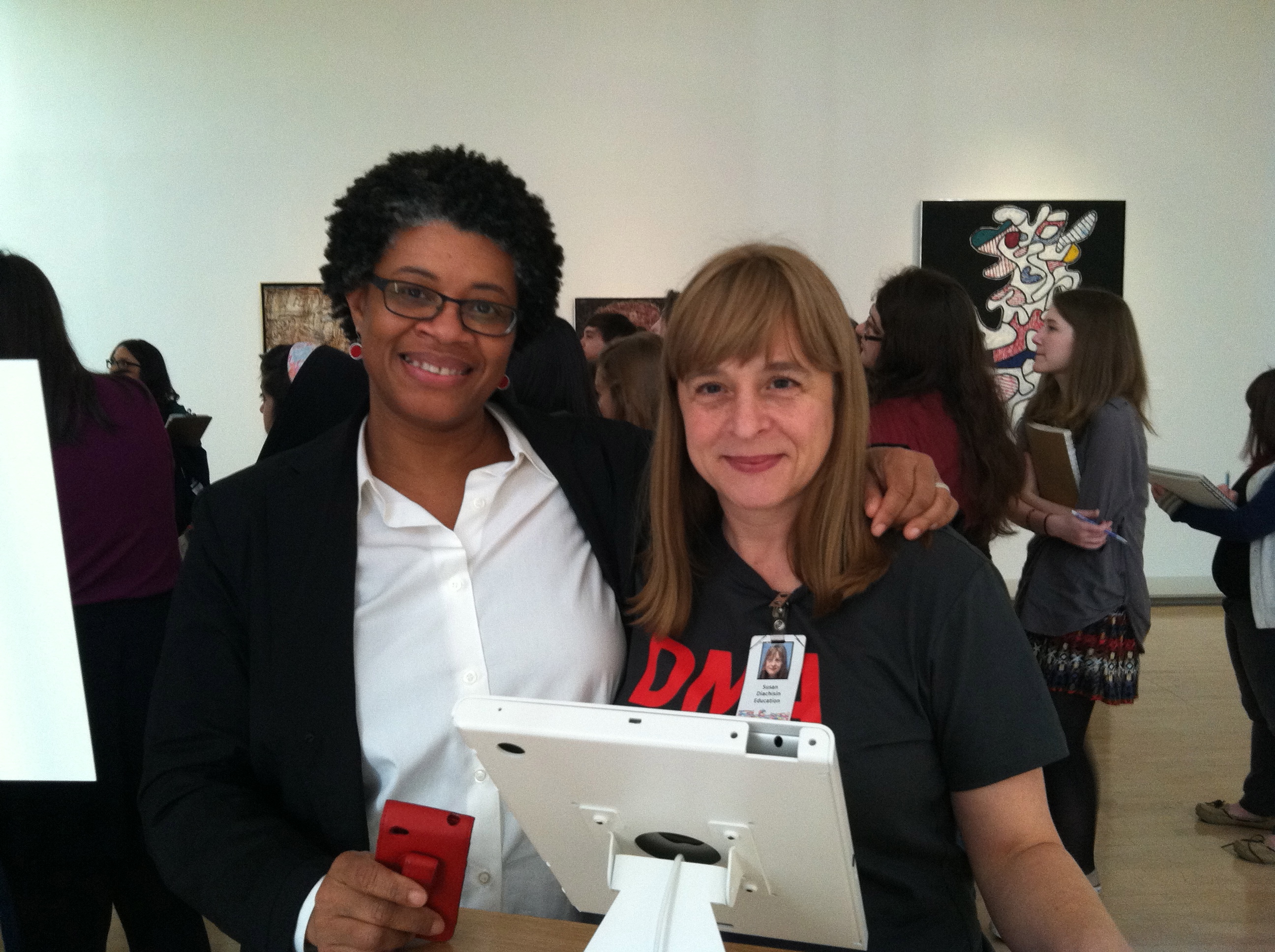
Shay Youngblood and Susan Diachisin, on Shay's first day as Writer-in-Residence

Shay Youngblood and Susan Diachisin, on Shay’s first day as Writer-in-Residence

You are both a writer and a painter. How would you describe your creative process?
In different genres, I start differently. My process comes out of being a storyteller. Whether I’m working on a play, or a novel, or a short story, or a painting, it’s really about telling a good story. With writing, it starts with a character. I get to know the character as well as I can, from their shoe size to their favorite color. I’m interested in a lot of different things – art, food, social justice, politics, race, class – all kinds of things. The work comes out of my interests. But all of my work involves telling a good story.

You recently travelled to Japan through the U.S./Japan Creative Artists Program, which seeks to “promote cultural understanding between the United States and Japan.” How would you say cultural understanding occurred during your time abroad?
My work in Japan was about my wanting to understand the culture through its people. I conducted interviews with artists and architects, but I also met strangers on the street. The most interesting thing to come out of that whole time was that I met two women separately in Tokyo, a city of millions of people. One Japanese woman went to SMU in Dallas. The other, I met while I was trying to get food and was having a hard time – I looked lost. On the last day of my time in Japan, these two realized they knew each other from college thirty-seven years ago; they hadn’t seen each other since then.

I felt not only did I learn about Japanese culture, I think I was also able to share a lot of American culture with the people I met there. A lot of people had not been to the U.S. or ever interacted with an African American person.

In a Tokyo art gallery during U.S./Japan Friendship Commission Creative Artist Fellowship

In a Tokyo art gallery during her U.S./Japan Friendship Commission Creative Artists Fellowship

Through books I have read and films I have seen about Japan, I get the impression that this is a place that appeals to all of the senses. Tell me something that comes to mind for each of the following:

  •  Sight – When I think about Japan, I think about beauty – there is beauty everywhere. One of the most memorable sights was sitting on a beach in Takamatsu and looking out at the water. There is beauty everywhere, and quiet beauty in nature. On the street there were little flowers. There was a general aesthetic of beauty in the simplest things.
  • Sound – Temple bells in the afternoon. That sound was wonderful to me. I felt like I was inside the temple in my hotel room. It was like a moment of meditation every day.
    In the evening, when the children get out of school, you hear a little song playing through speakers around the city. The music essentially says “time to go home now” and plays at the same time every day. This song permeates the whole city.
  • Touch – The traditional way of greeting someone or showing respect in Japan is to bow. My American self would sometimes forget that, and when I was moved by a kindness sometimes I would hug people. I have to say I missed touch. So when a Japanese person would give me a hug because they knew that was in my culture, that was a really special moment for me.
  • Taste – Japanese food is so amazing! It attends to all of the senses.  It is beautiful to look at, some tastes are unusual, and the food in general is some of the best I’ve had in my life. And, the best Mexican restaurant in Tokyo was down the street from my hotel.
  • Smell – There are so many gardens that I visited all over the city, beautiful traditional Japanese gardens. Just the smell of the flowers and the trees and the earth in these gardens was really quite stimulating for me.

Shay will be interviewing visitors about their experiences with art tomorrow during Late Night. Look for her friendly face in the galleries!
Melissa Gonzales
C3 Gallery Manager

I Could Have Danced All Night!

Artists take cues from the surrounding world when creating their own works of art.  Inspiration can come from any number of subjects including fashion, popular culture, and poetry.  The DMA is currently playing host to an exhibition titled, Chagall: Beyond Color, which features the artist’s paintings alongside his works in sculpture, ceramics, and collage. The DMA is the only US venue for this exhibition, so you definitely don’t want to miss it!
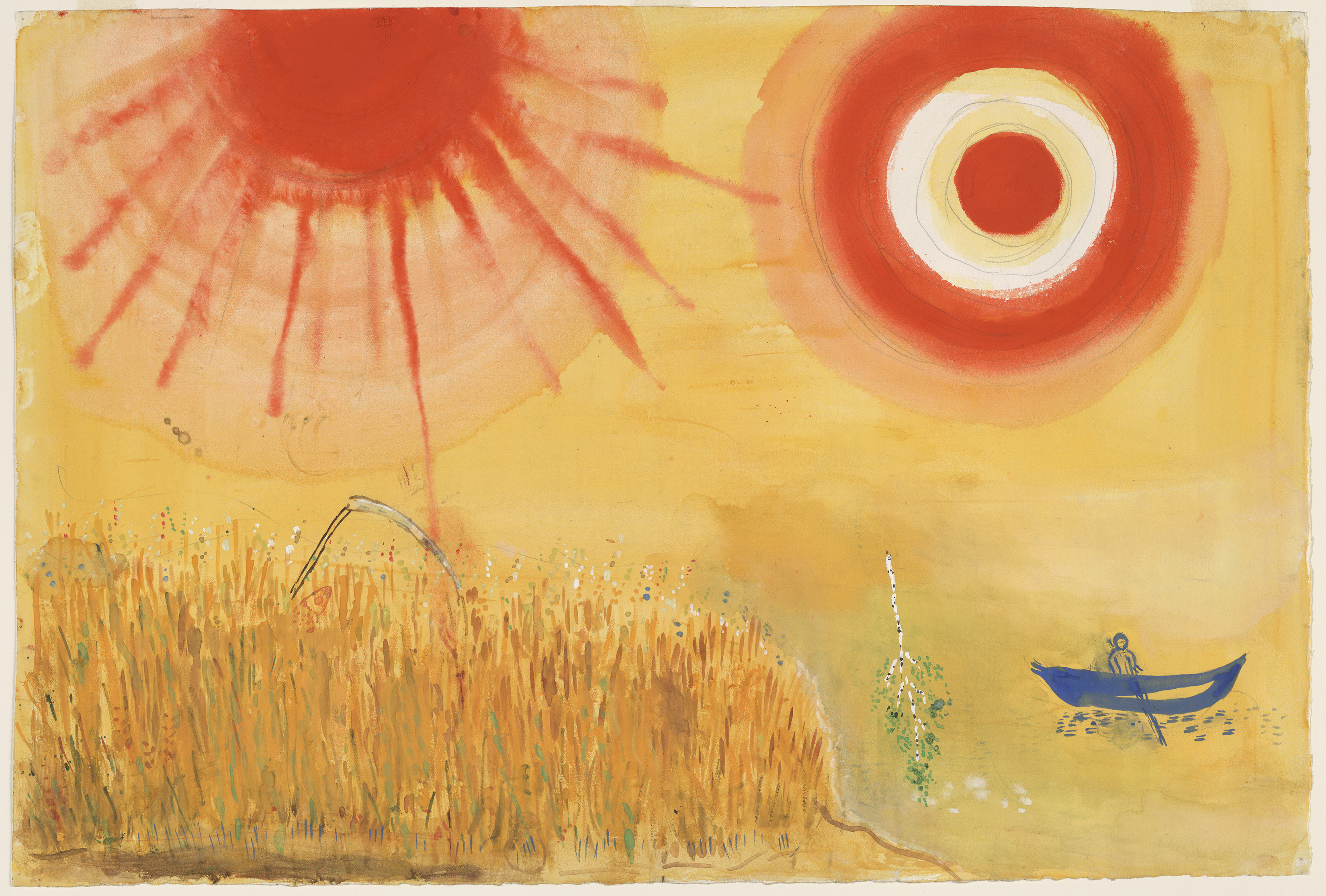
Marc Chagall never aligned himself with any single movement, but combined elements from various styles including Cubism, Fauvism, Symbolism, and Surrealism.  He also drew inspiration from his Jewish background, Russian upbringing, and many international travels.  While Chagall is most famous for his paintings, he also experimented with other media and venues.  For example, he designed and produced costumes and scenery for the production of the ballet Aleko, choreographed by Léonide Massine and set to the music of Pyotr Ilyich Tchaikovsky’s Piano Trio in A Minor.

Marc Chagall, A Wheatfield on a Summer's Afternoon, Study for backdrop for Scene III of the ballet Aleko, 1942, Acquired through the Lillie P. Bliss Bequest

Marc Chagall, A Wheatfield on a Summer’s Afternoon, Study for backdrop for Scene III of the ballet Aleko, 1942, Museum of Modern Art, New York, Acquired through the Lillie P. Bliss Bequest

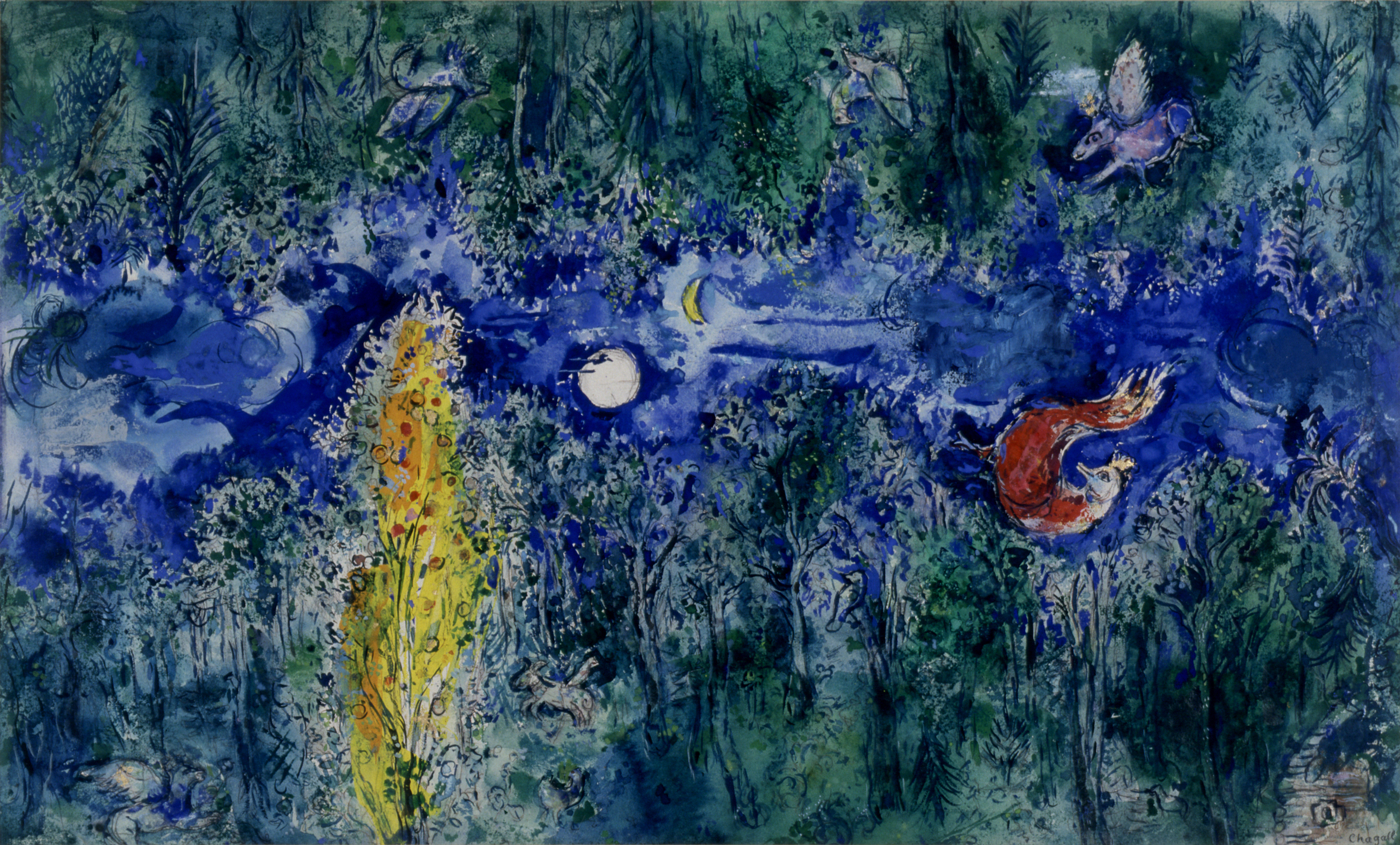
Three years after the immense success of Aleko, Chagall worked on the stage curtain, sets, and costumes for Igor Stravinsky’s The Firebird.  The ballet, based on a Russian folktale, was restaged by the American Ballet Theater with choreography by Adolphe Bolm.

Marc Chagall, Model for the curtain in the first act of "The Firebird" by Stravinsky: The Enchanted Forest (Maquette pour le rideau de scène du 1er acte de "L'Oiseau de feau" de Stravisky: La forêt enchantée), 1945, Private collection, Paris

Marc Chagall, Model for the curtain in the first act of “The Firebird” by Stravinsky: The Enchanted Forest (Maquette pour le rideau de scène du 1er acte de “L’Oiseau de feau” de Stravisky: La forêt enchantée), 1945, Private collection

Marc Chagall is not the only artist to have been inspired by the passionate art form of dance.  As a strong cultural element, dance can be found represented in a variety styles throughout history and across geography.  Below are some examples of works in the DMA collection that also draw inspiration from various forms of dance.

Pilar Wong
McDermott Intern for Community Teaching


Archives

Categories