Archive Page 41


Spring and Summer Programs for Teachers

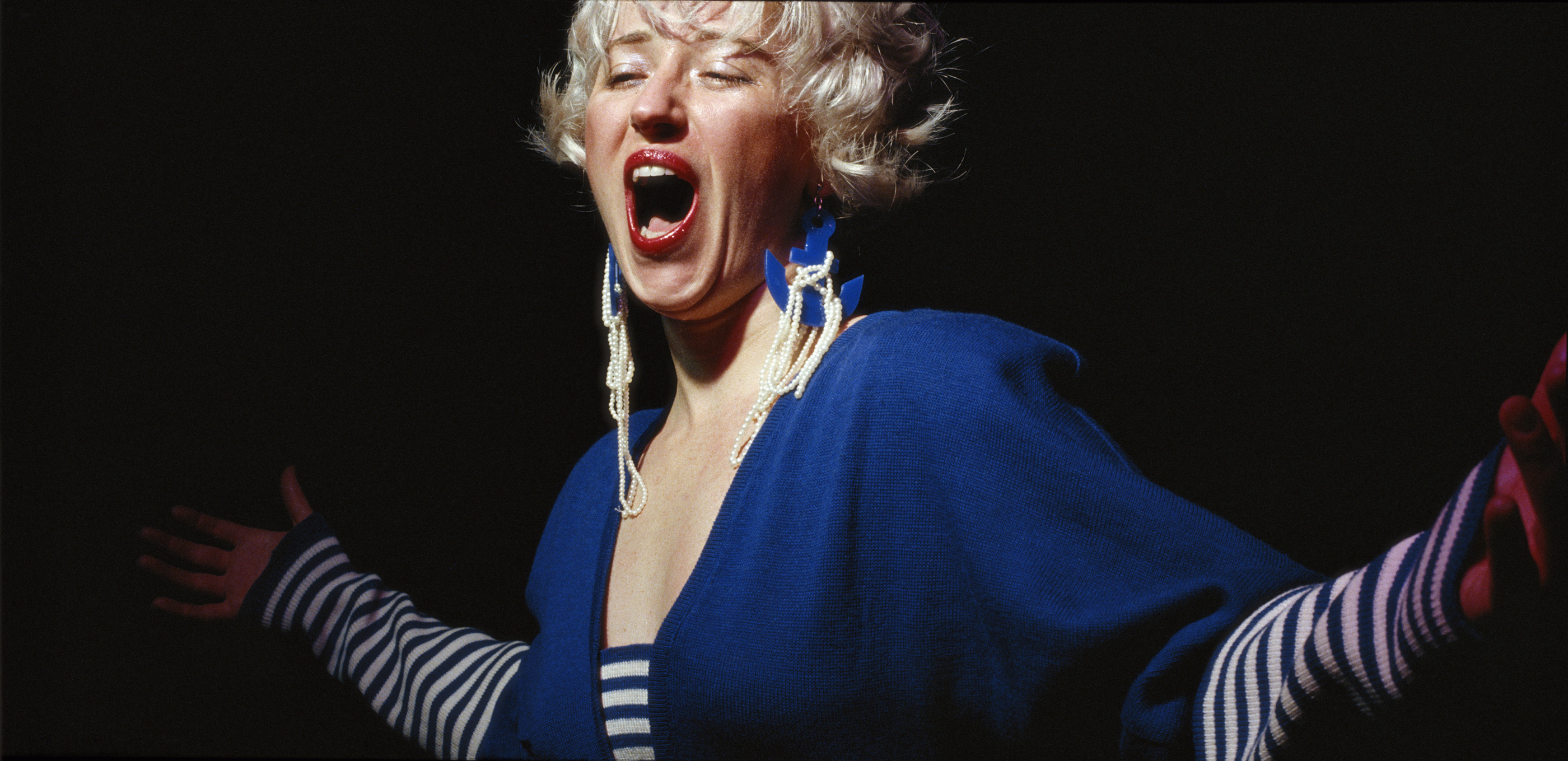
We’re looking forward to welcoming Cindy Sherman (and all of her many personas) to the DMA in just a few short weeks.  The exhibition Cindy Sherman opens on March 17th and serves as a retrospective of her work from the 1970s to the present.  Teachers will have an opportunity to spend some one-on-one time with the photographs during our Teacher Workshop on Saturday, March 23rd.  We’ll focus on themes of performance, transformation, and process as we explore the exhibition.  There are still several spaces available in the workshop, and tickets can be purchased online.

Cindy Sherman. Untitled #119. 1983. Chromogenic color print, 48 1/2 x 7' 10" (115.6 x 238.8 cm). Courtesy the artist and Metro Pictures, New York © 2012 Cindy Sherman

Cindy Sherman. Untitled #119. 1983. Chromogenic color print, 48 1/2 x 7′ 10″ (115.6 x 238.8 cm). Courtesy the artist and Metro Pictures, New York © 2012 Cindy Sherman

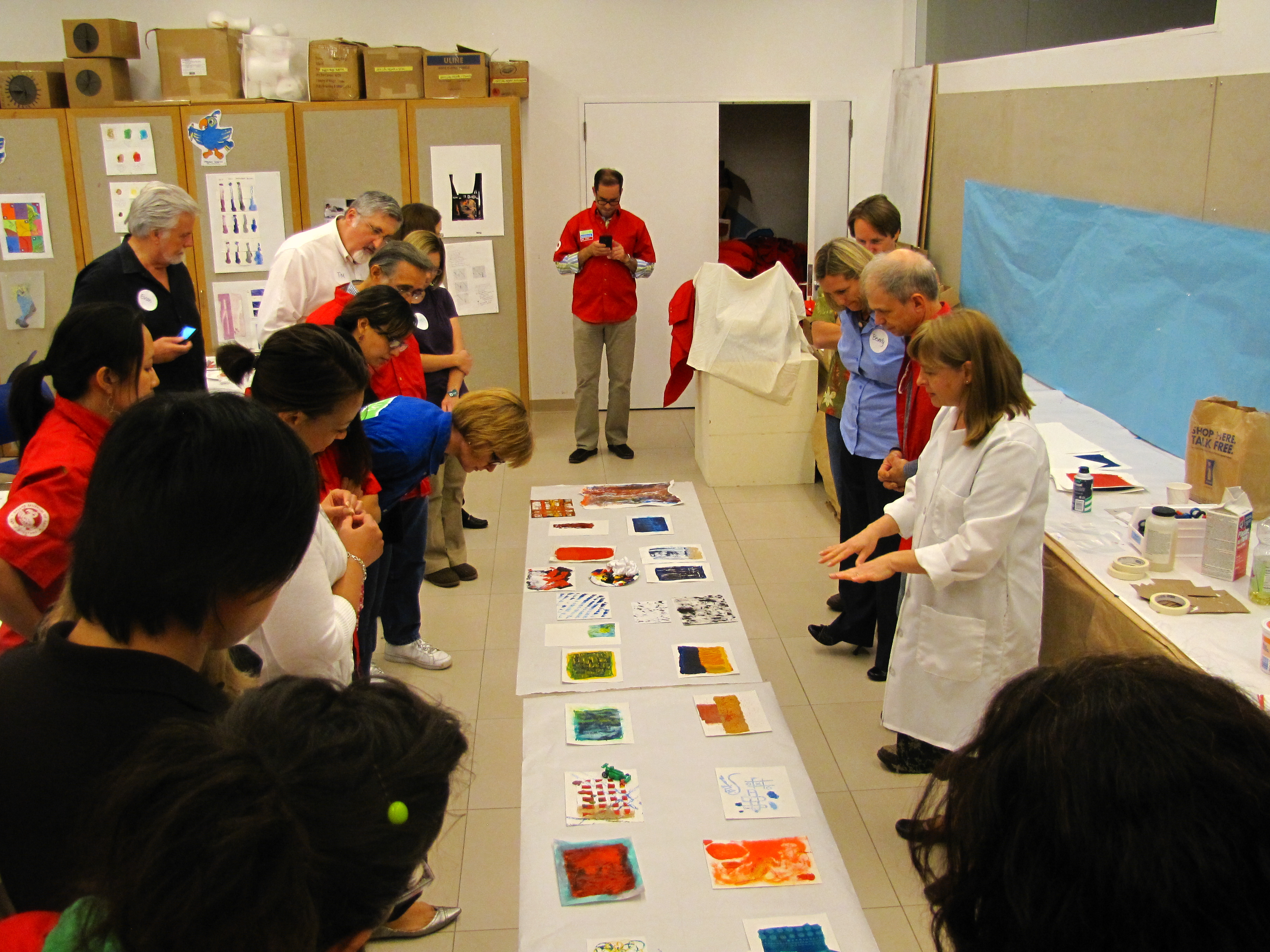
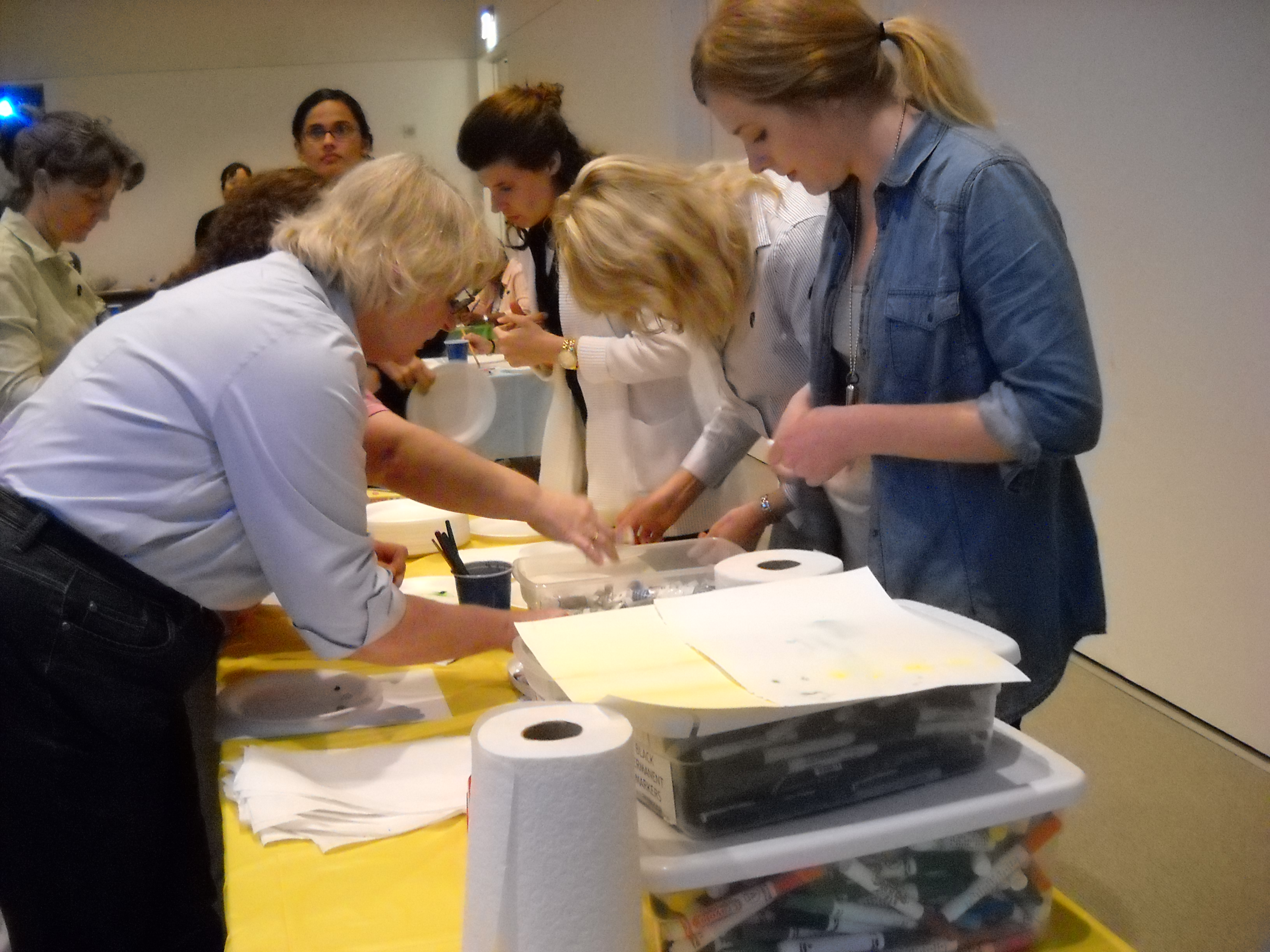
March also marks the early registration deadline for our annual Museum Forum for Teachers: Modern and Contemporary Art.  Over the course of this week-long program, teachers spend one full day at each of five different metroplex cultural institutions: the Rachofsky Collection, the Nasher Sculpture Center, the DMA, the Modern Art Museum of Fort Worth, and the Kimbell Art Museum.  The week focuses on modern and contemporary art in our respective collections and special exhibitions.  Museum Forum is always the highlight of my year, and I’m looking forward to another great session!  This year’s Museum Forum will be held from July 22-26 and is open to secondary teachers from all disciplines.  If you would like to join in on the fun, we are currently accepting applications.  March 29th is our early application deadline–any teachers who apply before that date will receive a 10% discount on their tuition.

2012 Museum Forum for Teachers

2012 Museum Forum for Teachers

I hope to see you at the DMA this spring!

Shannon Karol
Manager of Docent and Teacher Programs

Spring Break Staycation at the DMA

Just four more days until it is officially spring break here in the Dallas/Fort Worth area! My most memorable spring breaks as a child were a visit to Disney World (every child’s dream, right?) and another trip to Sea World in San Antonio.

But for the most part, we tended to enjoy spring break at home. If you are indulging in a staycation this year, let us help you travel the world from the comfort of your hometown. So pack your bags, grab your camera, and hitch a ride on the DMA Express! We have someplace fun for you to visit each day of spring break, Tuesday, March 12 – Friday, March 15. For the complete spring break schedule, click here. Here’s the itinerary:

First stop: Japan
AAM_GoingOnAPicnic_06_2010_edu_060

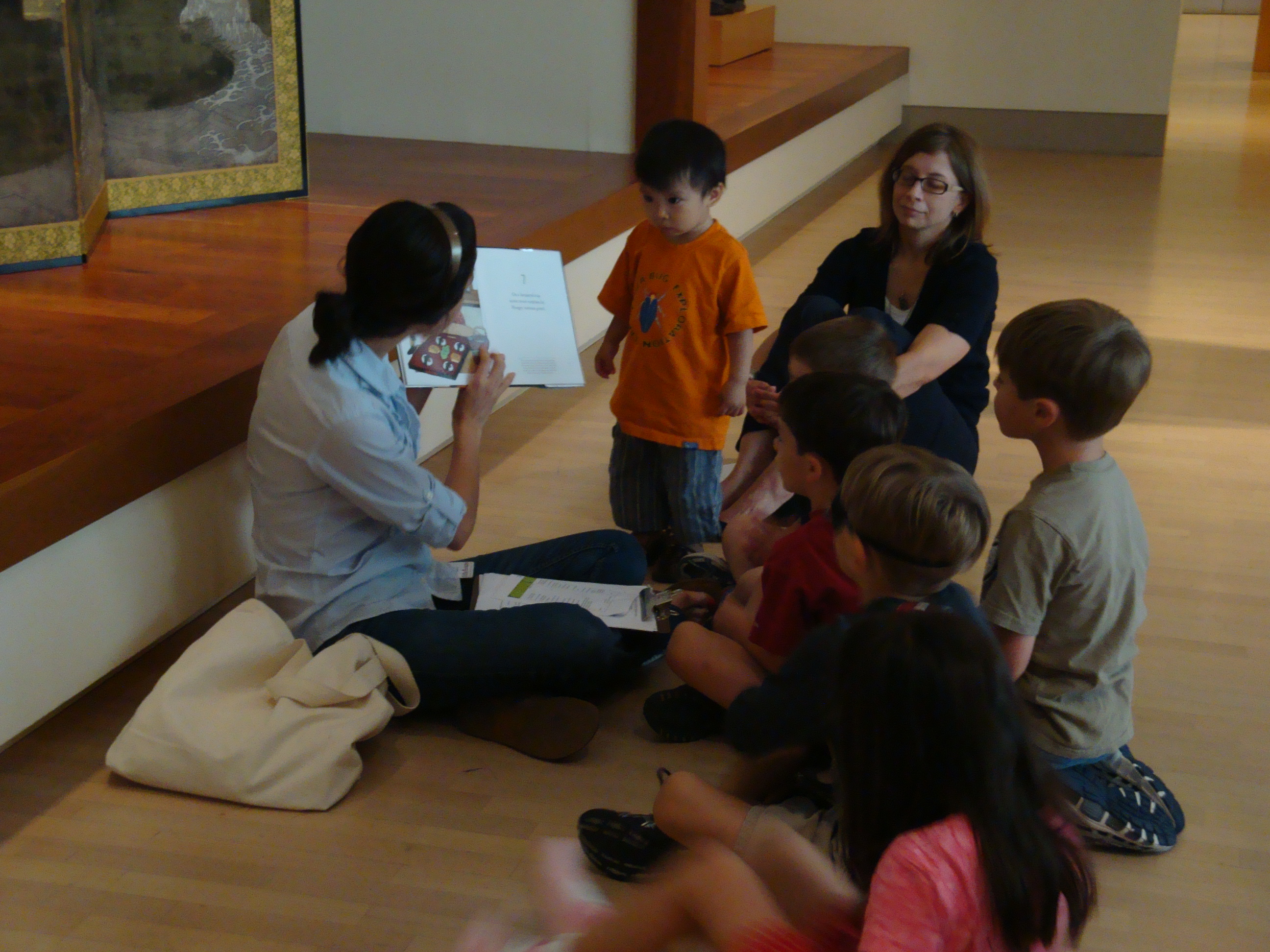
Enjoy a pretend picnic among the cherry blossoms as you listen to stories and rhymes about Japan during story time. Surrounded by the beautiful Japanese screens, it won’t be hard to imagine an afternoon in the Land of the Rising Sun. But if Africa, Italy, or New York City are more your style, we can schedule a “layover” or two along the way. Each day we’ll venture out into a different gallery, read award-winning children’s books, and take a closer look at the art.

Story Time takes place from Noon–12:30 p.m.; meet at the entrance to the Center for Creative Connections on Level 1.

Next stop: Russia
chagall photo shoot

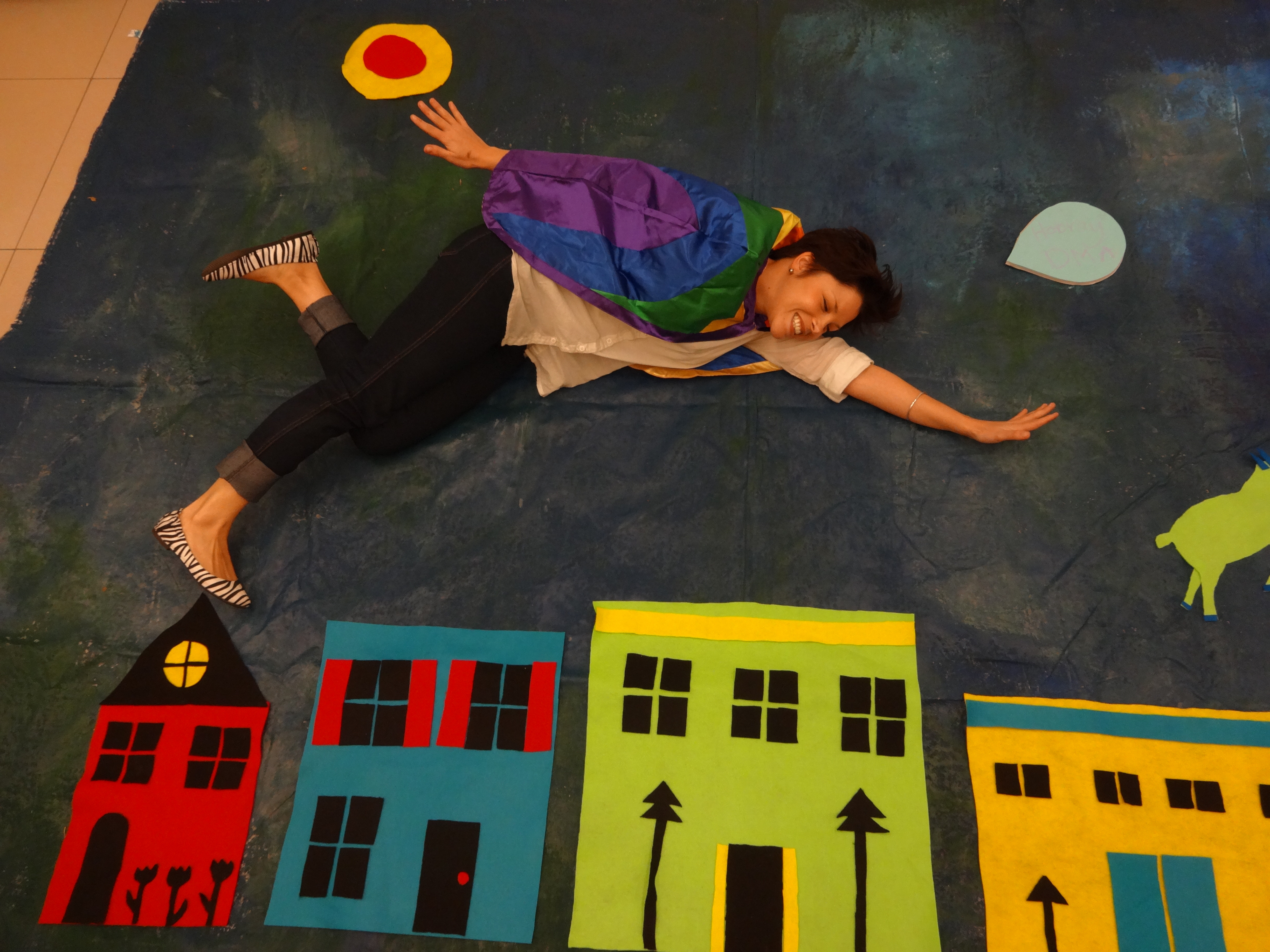
Fly through the Russian sky in our drop-in family photo shoot. Taking inspiration from the Chagall: Beyond Color exhibition, we’ve created a dream-like backdrop for a scene in which you are the star! First take a stroll through the exhibition and get acquainted with the work of Marc Chagall. Then use props and simple costumes and insert yourself into your own version of a Chagall painting. Don’t forget your camera—this will be a photo shoot you don’t want to miss!

The Photo Shoot takes place from 1:00-3:00 p.m. in the Tech Lab in the Center for Creative Connections on Level 1. The Chagall: Beyond Color exhibition requires a special exhibition ticket.

Next stop: Mexico
First_Tuesday_05_04_2010_055

Now let’s head down south to Mexico. Or perhaps you would like to go north for a stroll along the Seine in Paris? During our interactive gallery tour just for families, we’ll explore the jungles of South America, ancient shrines in India, the bustling streets of New York City and more. Education staff will be your tour guides, offering all the amenities—hands-on art explorations, sketching, stories, and a personalized look at the Museum’s collections.

The Interactive Gallery Tour takes place from 2:00-2:30 p.m. Meet at the entrance to the Center for Creative Connections on Level 1.

Next stop: Europe
P1000072

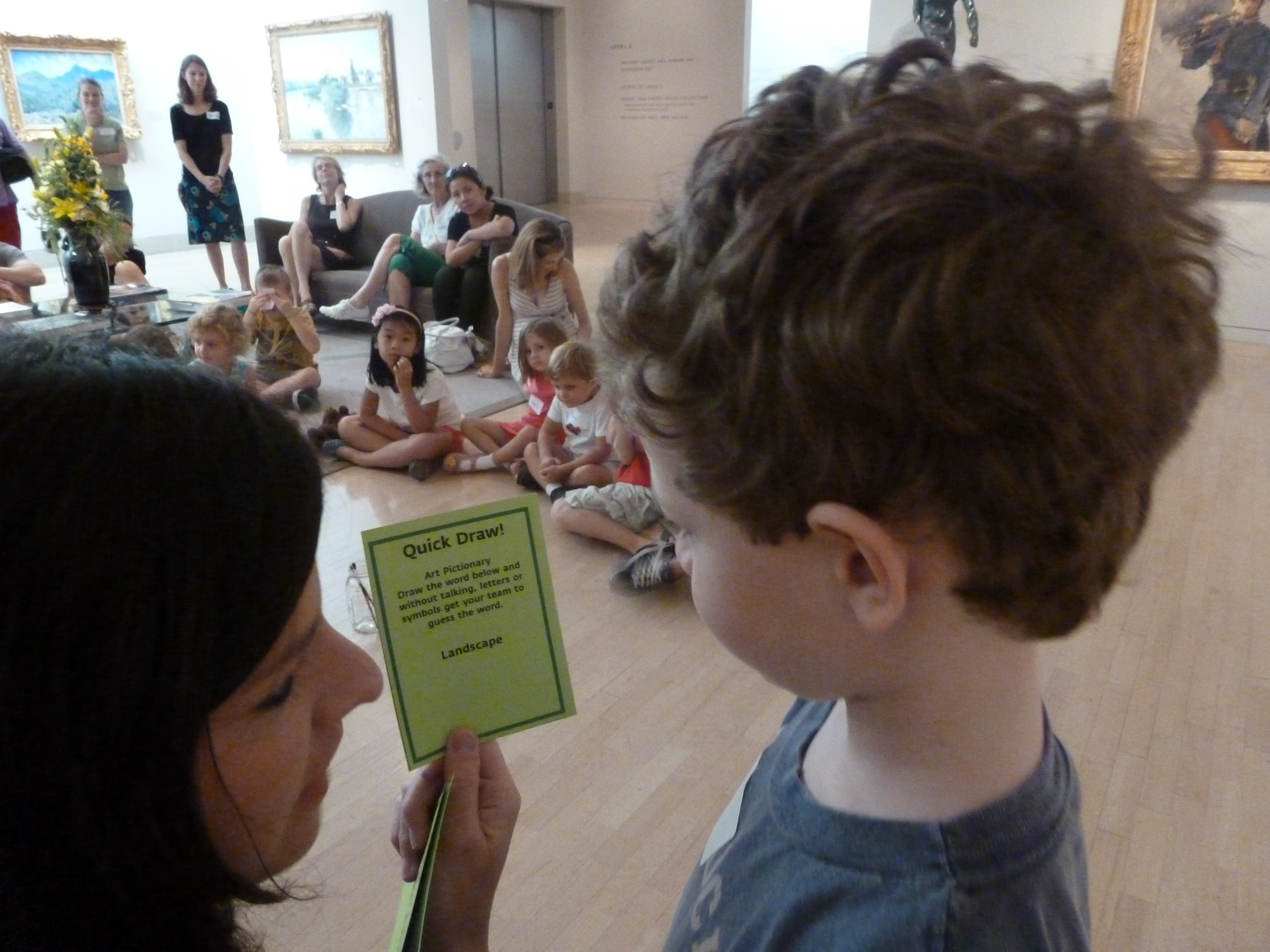
Fans of The Amazing Race will be right at home on this leg of our adventure. Watch out for detours and roadblocks in the form of a rousing game of ART You SmARTer Than Your Grown-Up? This game is like a mix of Charades, Pictionary, Trivial Pursuit, and Cranium, but with an artsy twist. In the galleries we’ll split into two teams for a head-to-head competition between adults and kids. One team member might have to draw a picture with their eyes closed for their team to guess, while the other team must act out a work of art. Who will win the battle of wits and creativity? Come and find out!

ART You SmARTer Than Your Grown-Up? takes place from 3:00-4:00 p.m. Meet at the entrance to the Center for Creative Connections on Level 1.

Final stop: France
512ApLQV4HL__SL500_SS500_

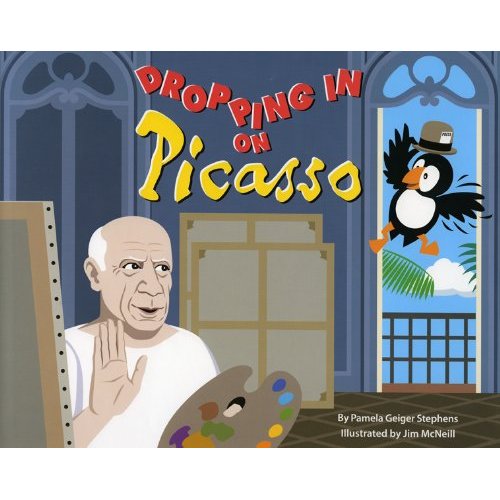
Wind down your travels and take in a family film in C3 Theater. We’ll be playing Dropping in on Picasso—an entertaining animated video featuring the loveable Puffer the bird interviewing Pablo Picasso about his artwork. After the show, take your newfound knowledge with you and search the galleries to discover Picasso in the Museum’s collection.

The Family Film takes place from 4:00-4:30 pm in C3 Theater.

Spring break is the perfect time to make it a day at the DMA. We hope to see you soon!

Leah Hanson
Manager of Early Learning
Friday Photos: Zen Gardening

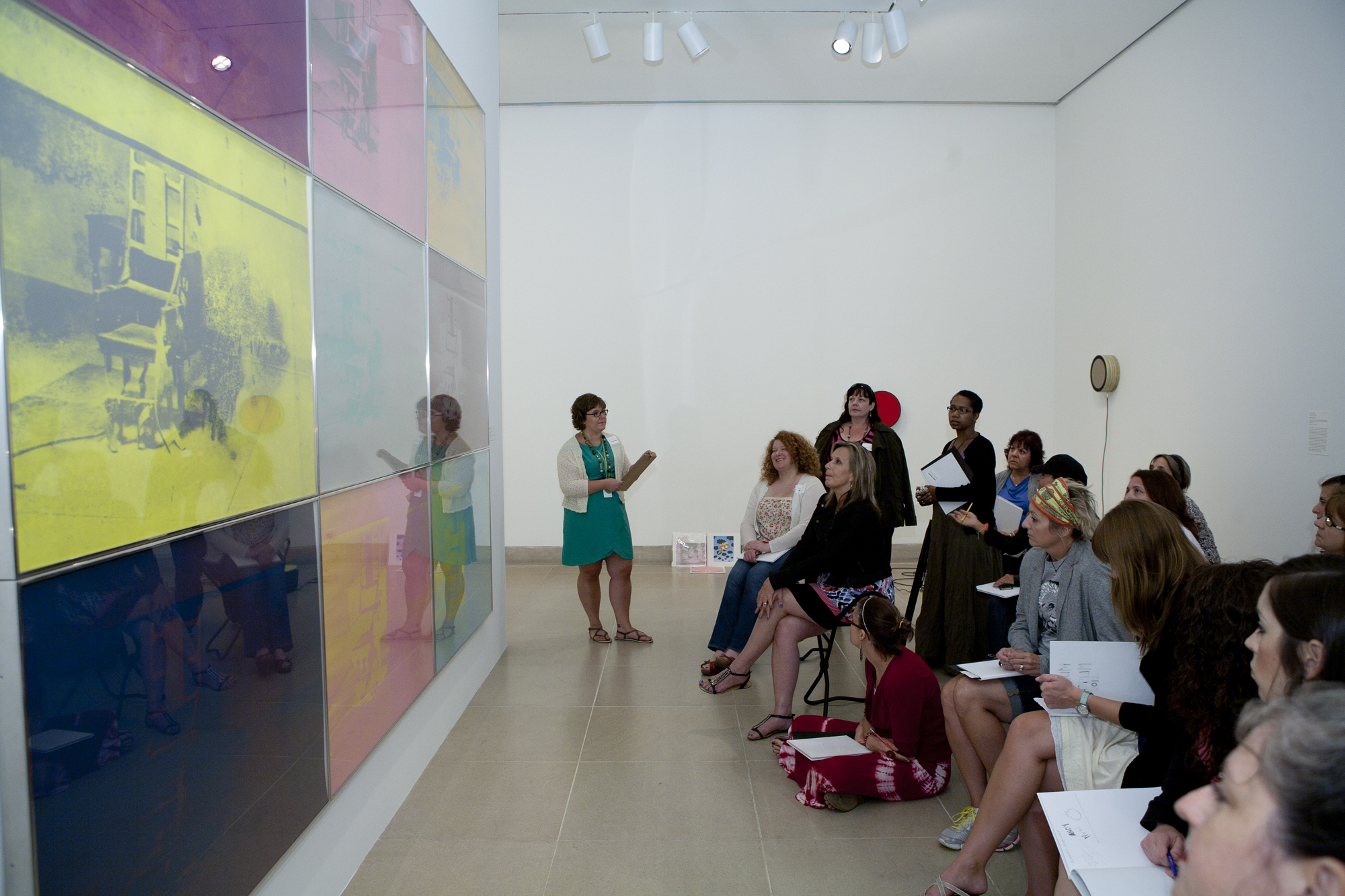
We have a great time each month with participants of Meaningful Moments, the DMA’s program for visitors with early stage dementia and their care partners. During last week’s program, Susan Morgan, Senior Manager of Therapeutic Horticulture at the Dallas Arboretum and Botanical Garden, joined us to teach about the art of Zen gardens.

Our program began in the Asian art galleries discussing lotus flowers in various works of art. We ended in the European galleries talking about the influence of Eastern art on artists like Claude Monet. Back in the studio, everyone had the opportunity to create their own custom Zen garden while Susan told us about the symbolism of the nature elements and the ways to care for Japanese rock gardens. It was a relaxing experience for all!

Amanda Blake
Head of Family, Access, and School Experiences

Seeing Red

This month we have thoroughly enjoyed collaborating with our neighbors at the Dallas Theater Center on their play Red,  showing until March 24. Red, a two-actor play about the painter Mark Rothko, focuses on an enormous commission Rothko received from the Four Seasons Restaurant in the Seagram Building in New York. During the play, Rothko’s fictional assistant Ken increasingly probes and questions Rothko about his intentions for his Seagram paintings as well as his theories on art.

To experience the play, audience members must walk directly into a re-creation of Rothko’s studio—the play’s set—and sit around its perimeter. Rothko intended viewers of his work to be completely immersed in his paintings. Reflecting that intention, viewers of Red must be completely immersed in the play, literally sitting in the set among the actors.

Our collaboration with DTC began with a DMA-hosted workshop for staff from both organizations. (Read about the impetus for the collaboration and the staff workshop on our blog Uncrated.) As part of the collaboration, we invited area high-school students to a matinee of Red followed by an in-depth and interactive conversation about Mark Rothko and related artists in the DMA galleries.

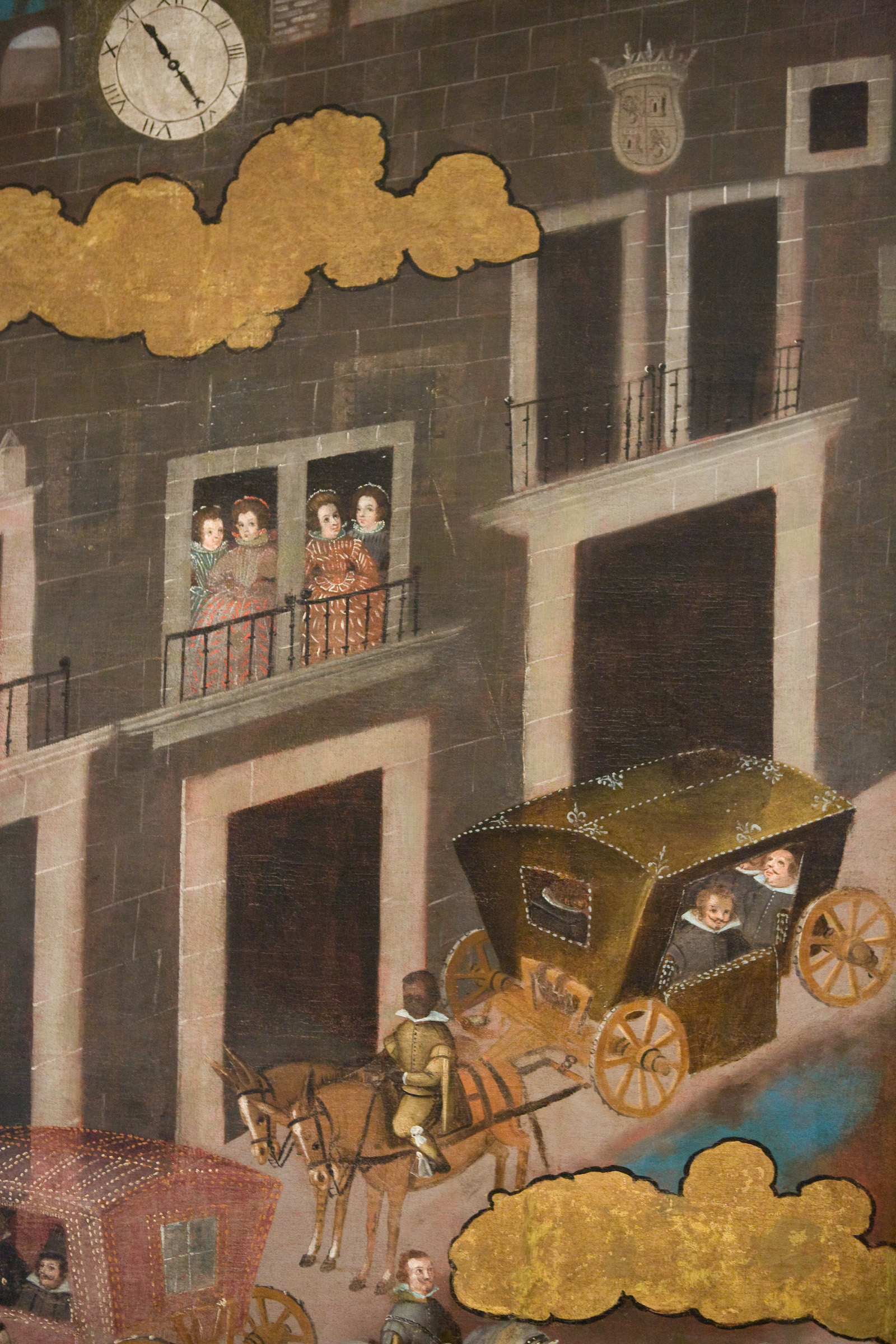
shannon RED

Of course we spent time visually exploring Rothko’s Orange, Red and Red. We encouraged the students to immerse themselves in the painting. We reminded them of Rothko’s line from the play:

“You’ve got to get close.  Let it pulsate […] Let it wrap its arms around you; let it embrace you, filling even your peripheral vision so nothing else exists or has ever existed or will ever exist.  Let the picture do its work—But work with it.  Meet it halfway…Engage with it!”

We asked students to describe the experience of entering into the painting as if it were a place. What do you see? What does it smell like? How is the weather? How would you describe this place to someone who has never been there?

We also explored the work of artists that Rothko discusses in the play, such as Pablo Picasso and Robert Rauschenberg. Rothko’s character says “We destroyed Cubism… We stomped it to death.  Nobody can paint a Cubist picture today.” Students investigated Picasso’s Bottle of Port and Glass and discussed the ideas behind Cubism in comparison to Rothko’s process and ideas about art. Similar discussions were facilitated around Rauschenberg’s Skyway, and we talked about the cycle of artists creating art in response or in opposition to artists that came before them. In Red, Rothko worries that the “young artists” like Andy Warhol and Robert Rauschenberg are out to kill him, much in the same way he claims to have destroyed the Cubists.

Lastly, we looked at Karla Black’s installation Exactly That in comparison to Orange, Red and Red.  The students responded in a number of ways: Both incorporate large rectangular forms; The process to create both was precise and thought out. One student noticed that both included a perimeter of some sort. However, he thought that Rothko’s soft brown outlines drew viewers into the painting, while Black’s hanging strips of tape functioned like a barrier.

What kinds of comparisons can you make with these works?

Be sure to check out new online teaching materials about Rothko on CONNECT! And thanks to our colleagues at DTC for this great collaboration!

Artworks shown:

  • Mark Rothko, Orange, Red and Red, 1962, Dallas Museum of Art, gift of Mr. and Mrs. Algur H. Meadows and the Meadows Foundation, Incorporated
  • Pablo Picasso, Bottle of Port and Glass, 1919, Dallas Museum of Art, Museum League Purchase Fund, The Cecil and Ida Green Foundation, Deedie and Rusty Rose, The Pollock Foundation, Mary Noel Lamont and Bill Lamont, Mr. and Mrs. Thomas O. Hicks, Howard E. Rachofsky, an anonymous donor, Mrs. Charlene Marsh in honor of Tom F. Marsh, Gayle and Paul Stoffel, Mr. and Mrs. George A. Shutt, Dr. Joanne Stroud Bilby, Mr. and Mrs. Barron U. Kidd, Natalie (Schatzie) and George T. Lee, Jr., Mr. and Mrs. Jeremy L. Halbreich, Dr. and Mrs. Bryan Williams, and Mr. and Mrs. William E. Rose
  • Robert Rauschenberg, Skyway, 1964Dallas Museum of Art, The Roberta Coke Camp Fund, The 500, Inc., Mr. and Mrs. Mark Shepherd, Jr. and General Acquisitions Fund
  • Karla Black, Exactly That, 2012, Courtesy Stuart Shave/Modern Art, London and Galerie Gisele Captain, Cologne

Andrea V. Severin
Interpretation Specialist

Make This: Poured Paint Sculptures

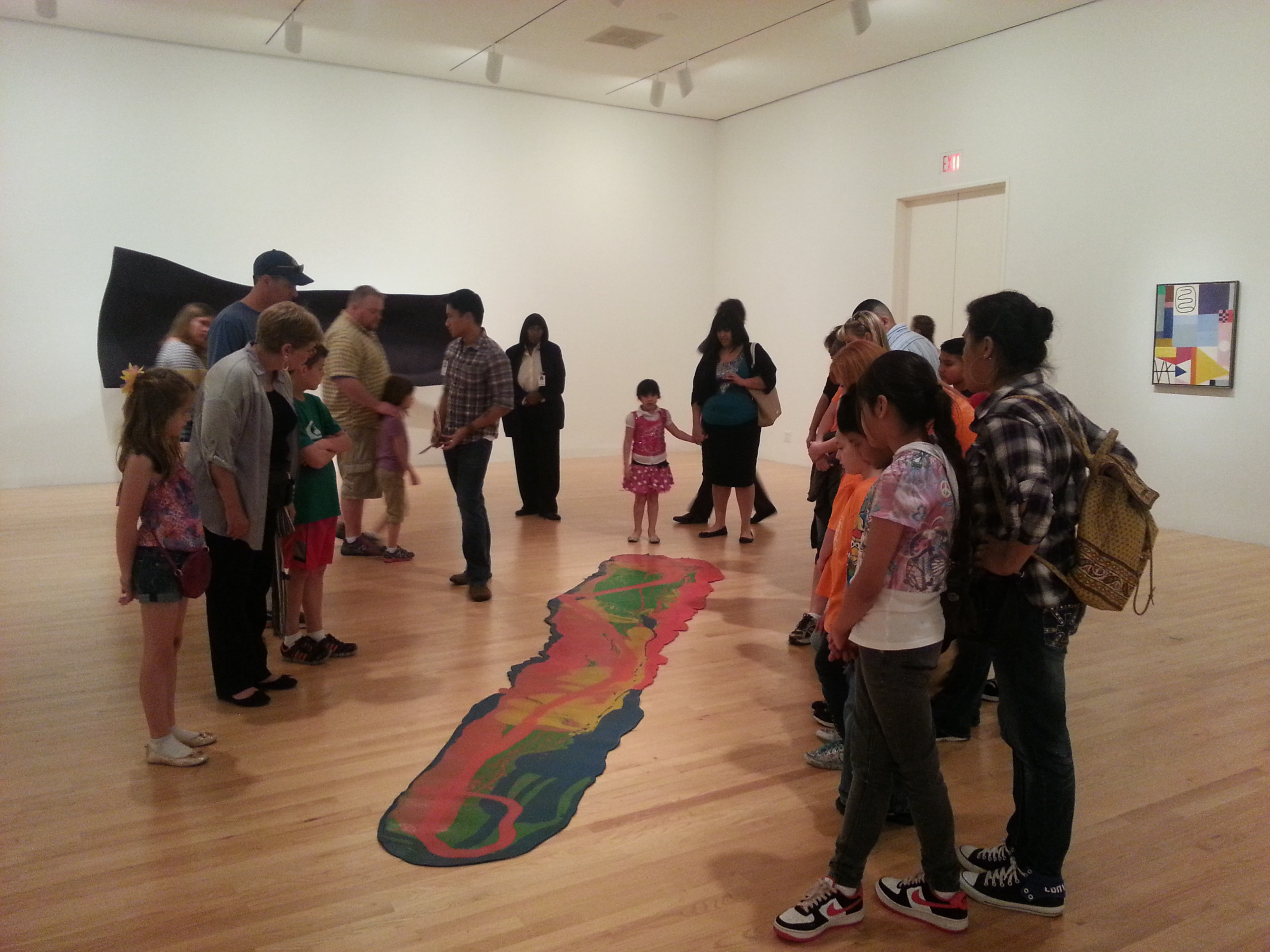
20130217_151126

Studio Creations participants share their thoughts about Lynda Benglis’ work.

During Studio Creations this month, we looked at Lynda Benglis’ Odalisque (Hey, Hey Frankenthaler), part of the special exhibition Difference?. There are many aspects of this work of art that make it fun to talk about with people, but what I find the most interesting is the way it challenges how we define painting and sculpture. To me, it really lives between the two! This idea provided the catalyst for our Studio Creations art making activity. During each workshop, visitors created poured paintings based on chance, which, when dry, could be peeled from the painting surface and made into something sculptural. Here’s a quick tutorial for creating the project at home with your family:

Supplies

  • Gloss medium or Liquitex pouring medium (available at most art supply stores)
  • Acrylic paint (I prefer gloss acrylics, but any type will work well)
  • Painting surface: A sheet of cardboard covered with heavy plastic (or something similar)
  • Squeeze bottles or cups for dispensing paint
  • Toothpicks for adding designs (optional)

IMG_0449[1]

Plastic-covered painting surface, gloss medium, and acrylic paint in squeeze bottles

Steps

IMG_0450[1]

Squeeze a small amount of gloss medium onto the painting surface. Using your squeeze bottles or cups, drop a little bit of paint into the medium. There’s no right or wrong way to do this so feel free to experiment! Try planning it out or putting the paint in randomly.

IMG_0451[1]

Now try tilting your painting surface in different directions. The paint will start to run depending on the direction and angle that you tilt it. This is where the part about chance comes in–you only have a certain amount of control over the paint as it moves. Chance played a big role in the way that Lynda Benglis created Odalisque–she didn’t have any control over the paint after pouring it.

IMG_0453[1]

Whenever you feel like it, add more paint. But be sure to drop it into the medium–otherwise, it could break off from the rest of the painting when dry. Continue adding paint and tilting the surface until your painting almost reaches the edge.

IMG_0455[1]

When you are finished, let your painting dry for at least one day. If you added a lot of paint, it may need an extra day or two to fully dry. Afterwards, carefully peel the painting away from the painting surface–it should be plastic-like in consistency.

Now try making it into something sculptural! Your painting can easily be cut and molded. Some ideas that came up during Studio Creations were: a mask, a bowl, a mouse pad, a jacket, and a sun catcher, among others. If you’d like to share your creation with us, feel free to send an image to jbigornia@dma.org and I’ll post it on our Flickr page.

IMG_0458[1]

Finished painting

IMG_0459[1]

Almost sculptural, don’t you think?

IMG_0460[1]

Detail of paint surface

Tips

  • Your painting does not have to look a certain way. Have fun and experiment!
  • For best results, I suggest using pouring medium instead of gloss medium. It’s a little bit more expensive, and it’s only made by Liquitex, but it was designed for projects just like this one and can prevent “crazing” in the paint. For super-duper results, mix a little bit of gloss or pouring medium into your paint before you start your project. One part medium to ten parts paint should be perfect. You can also try string medium!
  • You can get different designs by letting the paint run in one direction for a while and then turning it in another direction. This is really good for making swirls, circles, etc. You can use a toothpick to create fine lines as well.
  • The medium dries clear.
  • Lots of other cool poured paint projects can be found online!
  • Further questions? Feel free to shoot me an email!

JC Bigornia
C3 Program Coordinator

C3 The Place To Be!

The Center for Creative Connections is a hands-on, interactive, experimental learning environment for people of all ages at the Dallas Museum of Art. I am honored to be part of some amazing programs for adult visitors that offer a variety of learning experiences for beginners and experts!

Thursday Night Programs

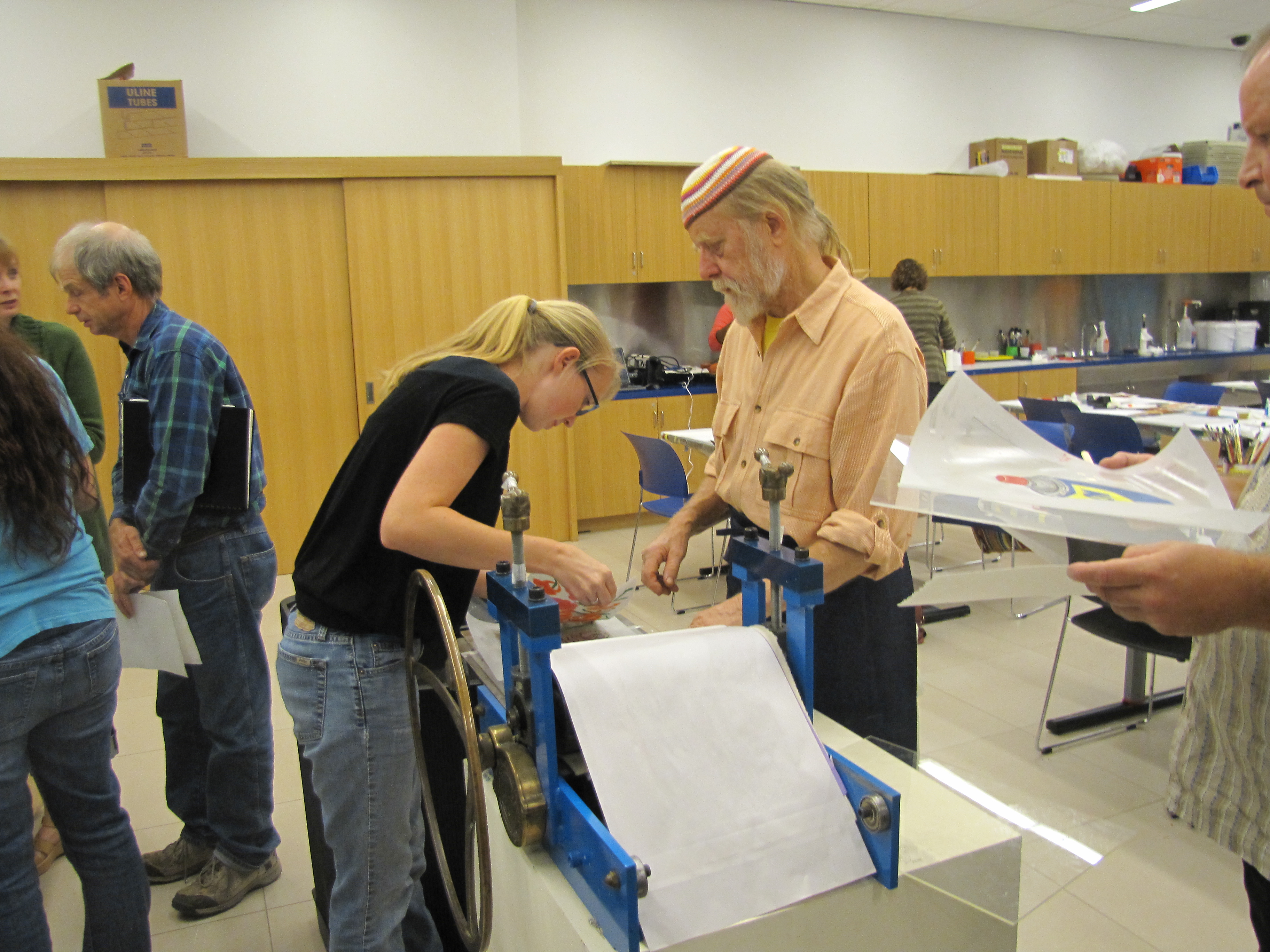
Twice a month during DMA’s Thursday Night Live, C3 offers two-hour adult workshops from 6:30-8:30 p.m. in our classrooms. During one of these Thursday evenings we bring in creativity expert Magdalena Grohman, Ph.D. from The University of Texas at Dallas, and a local art educator to lead Think Creatively. The Think Creatively program provides adults the opportunity to put creative thinking to practice and discover the power to transform the imagination. Each workshop has a different theme and focus on one of the following: associations, inquisitiveness, or transformation. To sign up for upcoming C3 Adult workshops click here.

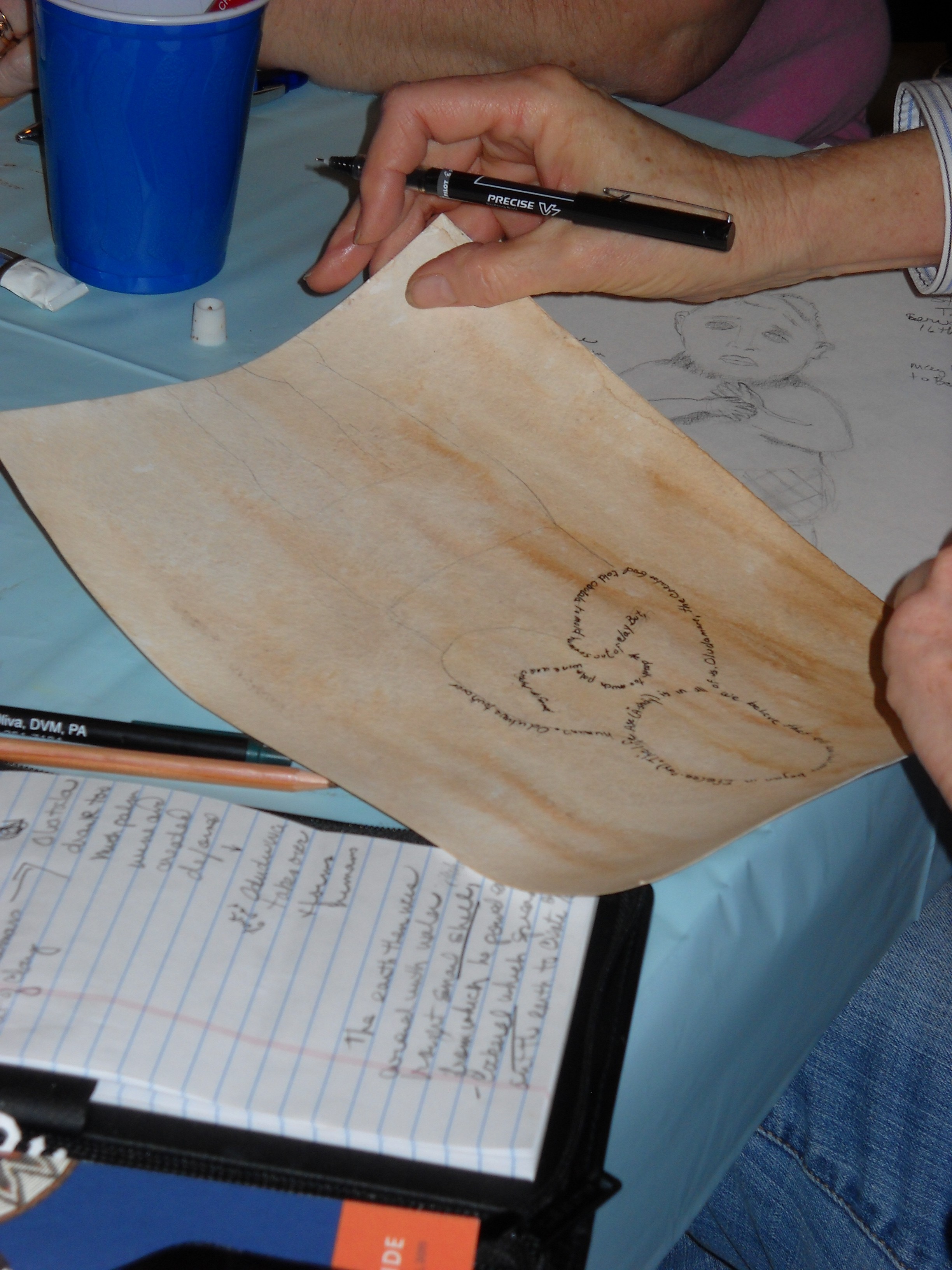
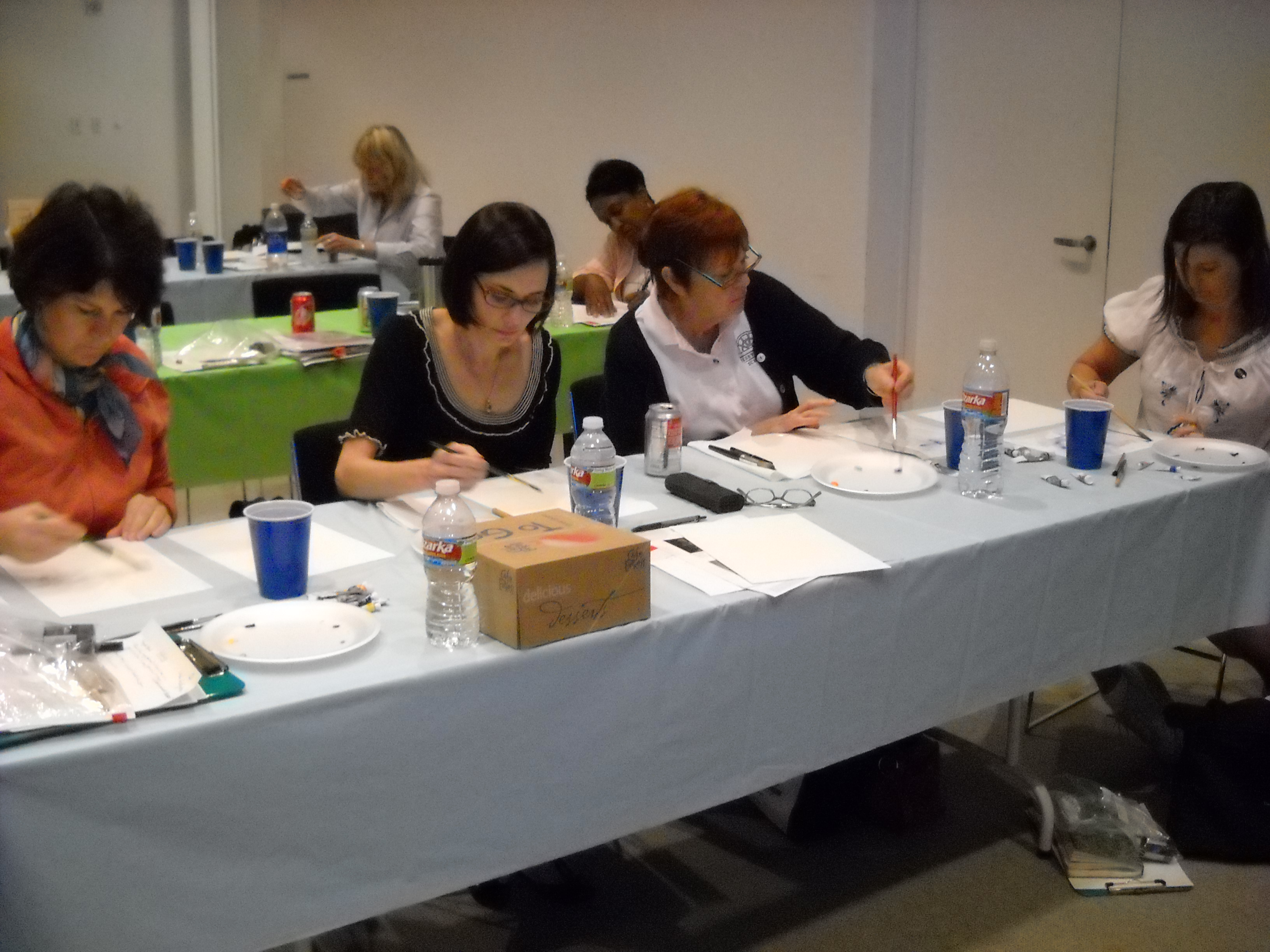
Participants discussing their work.

Participants discussing their work.

The other Thursday program offered is our C3 Artistic Encounters workshop where we invite local artists from the community in to lead art making workshops related to the DMA’s collection. In addition to that, this year we also featured an evening called C3 Digital Show and Tell where our visitors submitted their personal artwork and work they created during the C3 classes to show to everyone on the big screen!

C3AE with guest artist Juergen Strunk

C3AE with guest artist Juergen Strunk


Late Night Programs

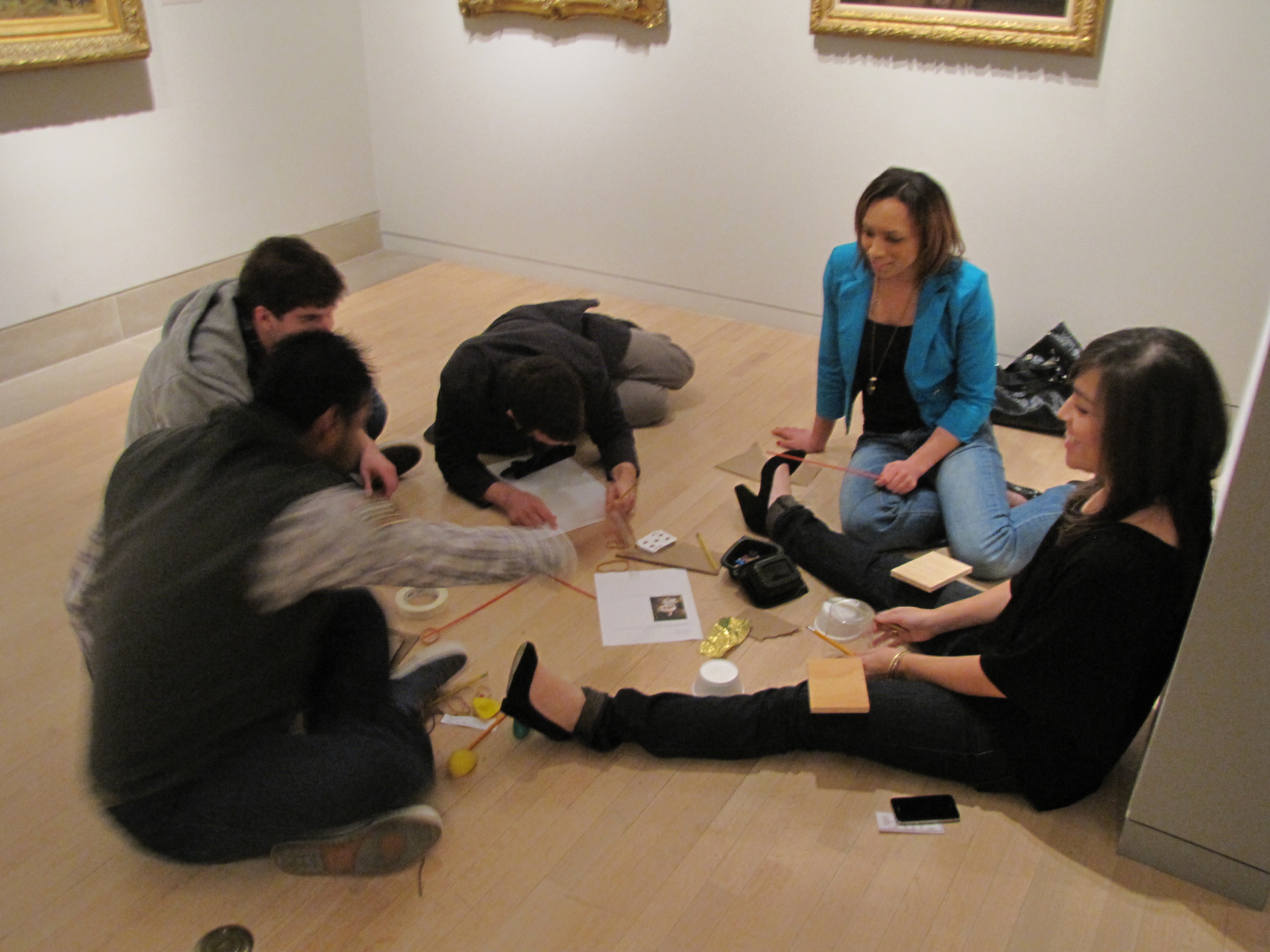
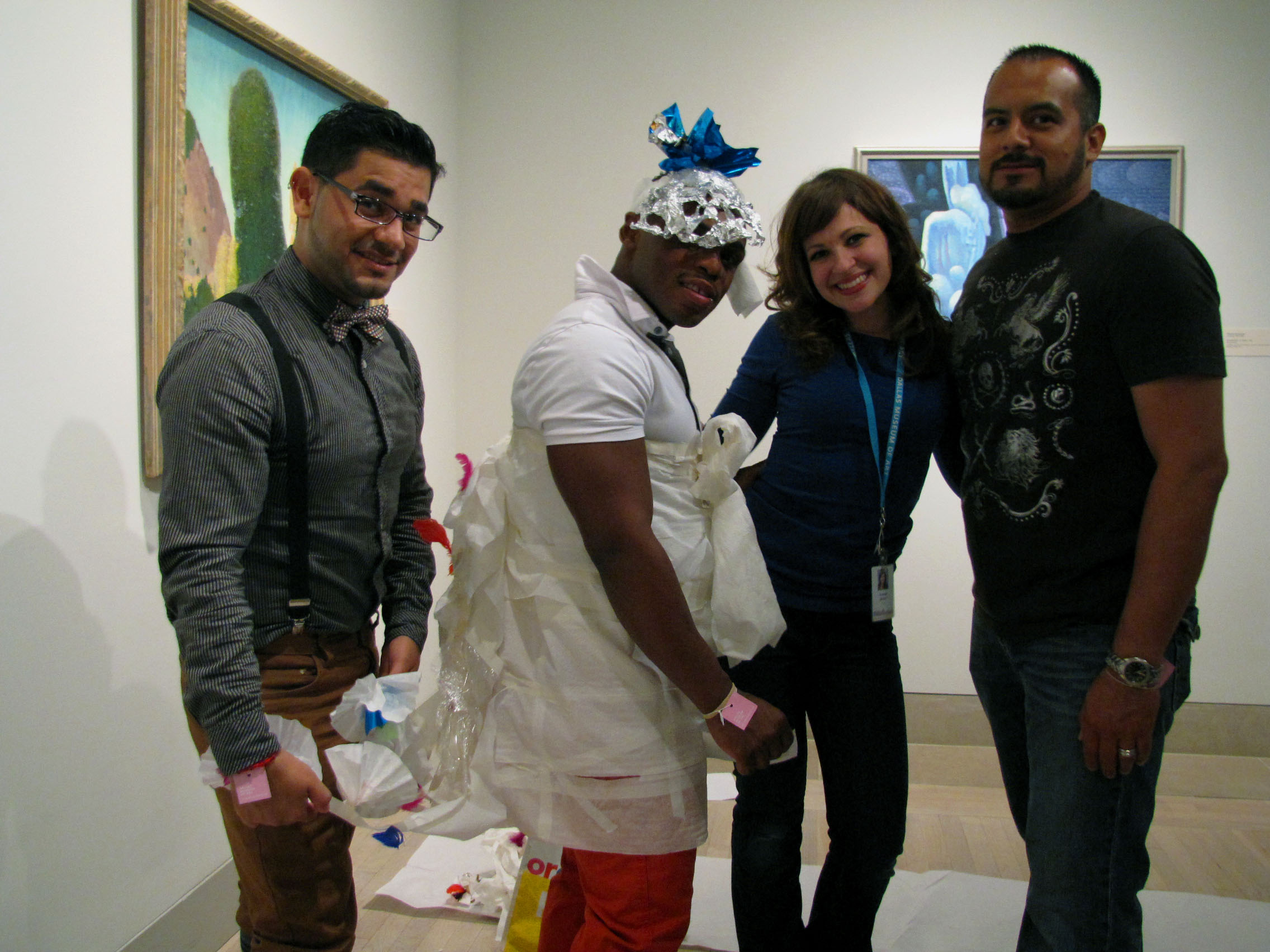
Late Night at the DMA is an incredible evening for the entire family. There is always something happening in our various theaters, stages, classrooms and galleries. One of our Late Night programs is the Creativity Challenge. Ten teams compete against time and others with limited materials in order to make unique creations inspired by works of art from our collection. These challenges are always fun, risk-free, hands-on and meant to encourage divergent thinking.

Creating love songs to works of art and musical instruments. This team is creating a one woman band!

Creating love songs to works of art and musical instruments. This team is creating a one woman band!

Miss DMA Creativity Challenge

Miss DMA Creativity Challenge

Our next Creativity Challenge will be during Late Night on March 15th. Bring your team and sign up with me at 9:30 p.m. in C3!

Be sure to come by and check out the exciting programming happening in C3!

Amanda Batson
C3 Program Coordinator

Friday Photos: Artwork Comic Strip

Last Friday, new Go van Gogh volunteers spent time in the galleries with artworks from our 3rd grade Stories in Art program.  Stories in Art encourages students to spend time looking closely at different elements of an artwork, trying to discover a “story” behind it.

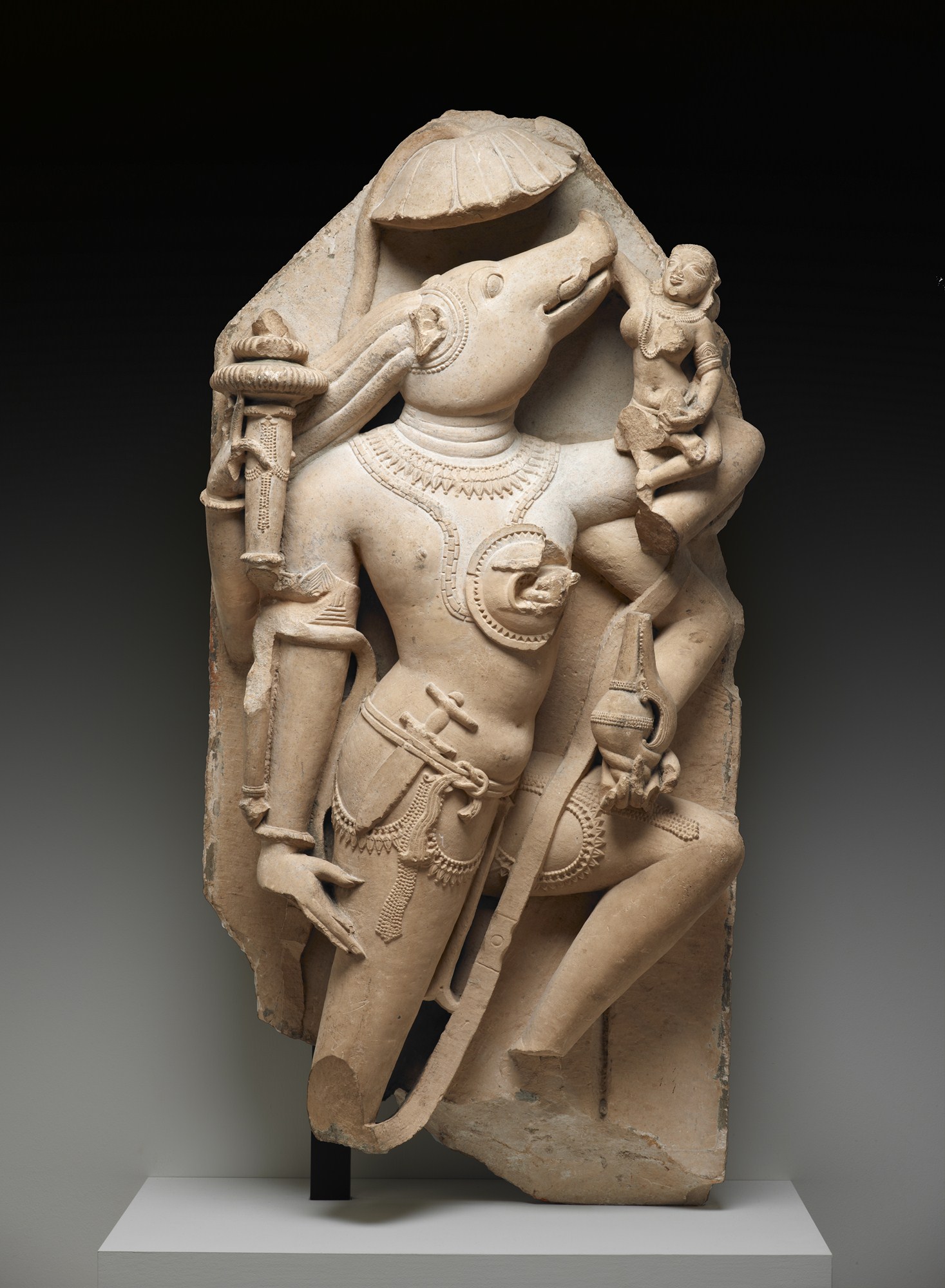
As part of the program, volunteers become storytellers, telling a story that inspired our artwork Vishnu as Varaha.  Our Vishnu sculpture illustrates just one moment in the story A Boar Saves the World, so we spent some time imagining what the rest of Vishnu’s adventure might look like and created a comic strip from our ideas.

To create our comic, each volunteer took 1-2 sentences from the story and sketched their interpretation.  Below is the resulting artwork comic strip and an image of our Vishnu as Varaha sculpture inserted in the proper place in the narrative.

Enjoy!

Amy Copeland
Manager of Go van Gogh and Community Teaching Programs

Artwork shown:

  • Vishnu as Varaha, 10th century, Dallas Museum of Art, gift of David T. Owsley via the Alvin and Lucy Owsley Foundation and the Alconda-Owsley Foundation, E.E. Fogelson and Greer Garson Fogelson Fund, General Acquisitions Fund, Wendover Fund, and gift of Alta Brenner in memory of her daughter Andrea Bernice Brenner-McMullen

Show Me the Love!

It’s Valentine’s Day, and love is in the air here at the Museum! The works of art might not have their own shoebox mailboxes like the one I made in third grade, but I like to imagine the homemade Valentines they might pass between each other. We have our “going steady” couples, our “head over heels” couples, and even a few secret admirers. If you haven’t made your own Valentines yet, don’t fret—there’s still time. Take a note from the art couples below, use the DIY tutorials featured, and you’ll be showing the love to your one and only in no time.

These two are joined at the hip! Painted by John Singleton Copley in 1747, Woodbury and Sarah Langdon were real-life sweethearts who commissioned the artist to paint their portraits shortly after their marriage. Woodbury was a wealthy New Hampshire merchant with dreams of politics, and Sarah was his young bride. The couple eventually had ten children, and Woodbury went on to hold political office and serve on the New Hampshire Superior Court. Since these two are never far apart, I can imagine Woodbury sending this Valentine to his sweetheart:

matchbox-love-note tutorial valentine's day party ideas party printables valentine's day crafts

Download a template and find instructions for this project at the Bird’s Party blog.

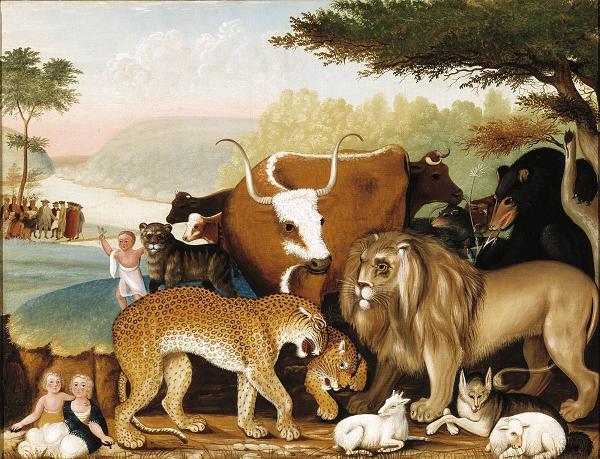
Edward Hicks, The Peaceable Kingdom, c. 1846-1847, Dallas Museum of Art, The Art Museum League Fund

Edward Hicks, The Peaceable Kingdom, c. 1846-1847, Dallas Museum of Art, The Art Museum League Fund

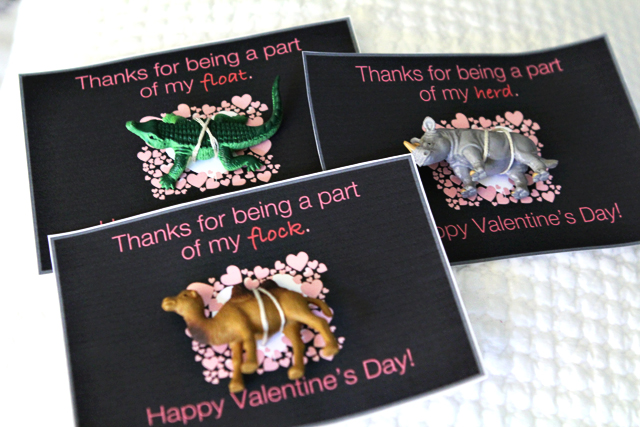
These animals have been peacefully sharing their close quarters for years! Painter Edward Hicks returned to this subject again and again, imagining a world where the lambs and lions, leopards and kids could all exist together in peace. Heavily influenced by his Quaker roots, Hicks painted this subject more than one hundred times. After spending all that time together, I imagine these animals consider one another family. Perhaps the bear could send this Valentine to the lamb?

toobvalentine5

Free printables and an animal group cheat sheet can be found at the Modern Parents, Messy Kids blog. Who knew that a group of giraffes is called a tower?

This trio is often seen hanging out in the galleries together like best buddies. There’s the boisterous, rowdy friend and the beautiful, calm sidekicks. Vernet’s A Mountain Landscape with an Approaching Storm (top left) highlights the wild beauty and sheer power of nature, while Anne Vallayer-Coster’s floral still life paintings (bottom left and right) capture the calm, quiet loveliness of a well-placed petal. Can’t you imagine the still life paintings slipping this Valentine into Approaching Storm’s pocket (perhaps with some giggles)? With its gusting winds and swelling clouds, how could Storm resist the bubbles?

You-BLOW-Me-Away-Valentine-Just-add-bubbles-Cute-idea-and-free-prints-on-lilluna_com-valentines1

Find bubbles at the dollar store and use this free printable from the Lil Luna blog to make your own.

Vishnu as Varaha, 10th century, Dallas Museum of Art, gift of David T. Owsley via the Alvin and Lucy Owsley Foundation and the Alconda-Owsley Foundation, E.E. Fogelson and Greer Garson Fogelson Fund, General Acquisitions Fund, Wendover Fund, and gift of Alta Brenner in memory of her daughter Andrea Bernice Brenner-McMullen

Vishnu as Varaha, 10th century, Dallas Museum of Art, gift of David T. Owsley via the Alvin and Lucy Owsley Foundation and the Alconda-Owsley Foundation, E.E. Fogelson and Greer Garson Fogelson Fund, General Acquisitions Fund, Wendover Fund, and gift of Alta Brenner in memory of her daughter Andrea Bernice Brenner-McMullen

This pair is one of those “you’re my hero” kind of relationships. The 10th century statue from India depicts the Hindu god Varaha in his boar-headed avatar Vishnu. When the earth goddess Prithvi is imprisoned under the sea by an evil demon, Vishnu saves the day, rescuing her from the depths. Look closely and you can see Prithvi perched on Vishnu’s shoulder. No doubt, she would send him this Valentine:

Superhero Valentine 9

Use the free printable at the Zakka Life blog for the superhero in your life.

I hope you are feeling inspired by our artsy couples. Come pay them a visit and decide for yourself if the Valentine fits. As for your own Valentine’s bliss, if all else fails, bring your true love to the DMA and let them know this:

il_fullxfull_205946444

(Print available for purchase at Love Sugar’s etsy shop)

Leah Hanson
Manager of Early Learning Programs
Gung Hay Fat Choy!

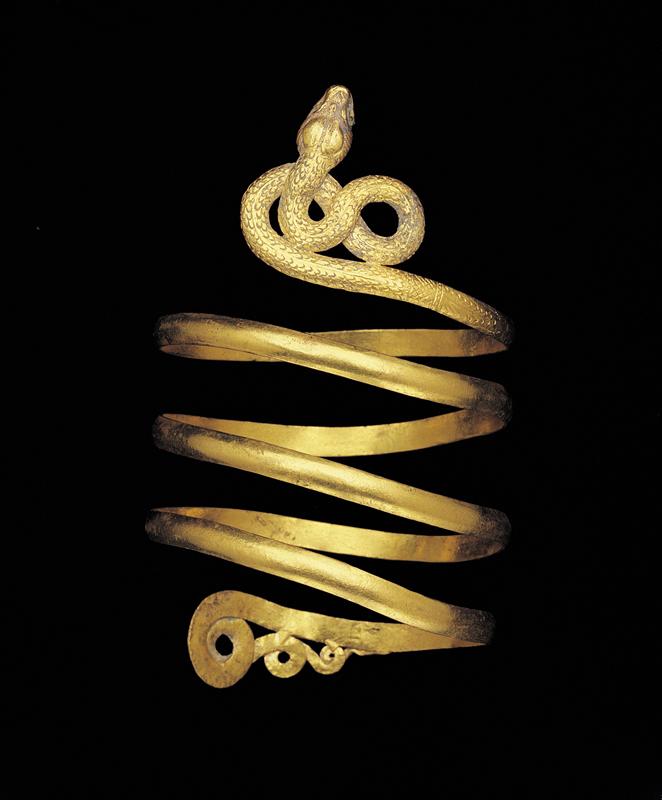
Happy Chinese New Year! Gung hay fat choy means “Wishing you a prosperous year” in Cantonese. Sunday, February 10, marked the beginning of a new year according to the lunar calendar. Chinese New Year is also known as Lunar New Year and is celebrated in many other Asian countries. It falls in the month of January or February on the first day of the first moon. In China, each year is represented by one of the twelve animals of the Zodiac. 2013 is the year of the Snake. If you were born in 2001, 1989, 1977, 1965, 1953, or 1941, then you were born in the year of the Snake (but those of you with January and February birthdays should double check!).

Celebrations range from one day to fifteen days, and traditions vary from region to region and family to family. My family celebrated by giving each other red envelopes filled with small gifts of money. These were given out by the adults to the children as a symbol of luck and good fortune. Houses are often decorated with red and gold lanterns and banners, and festivities typically include a special family meal. Noodles represent long life, while fruits, such as tangerines and kumquats, symbolize wealth. My family bought peaches, a traditional Chinese symbol of longevity.

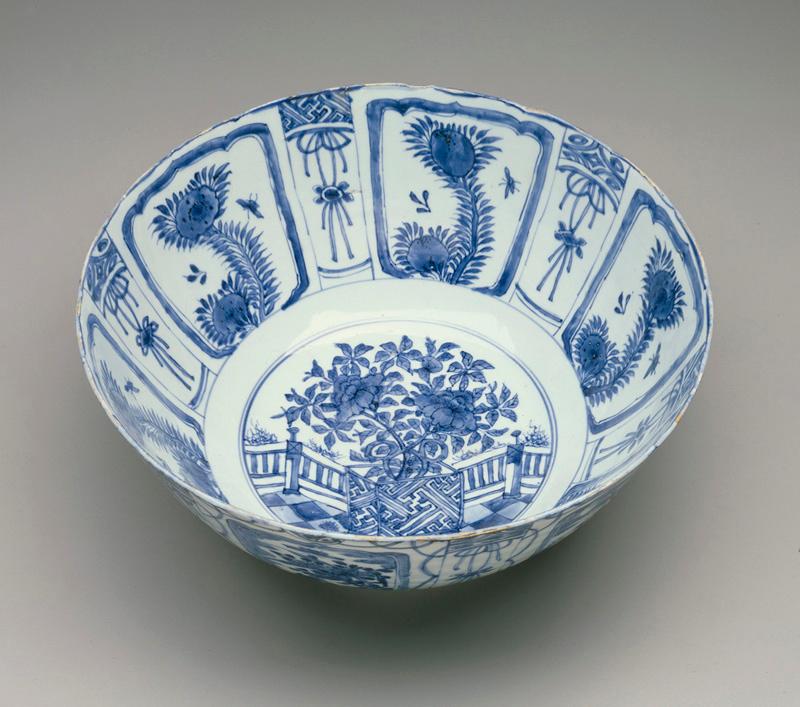
On the inner wall are six panels containing stylized peach branches. The peach is believed to ward off evil and represents springtime, marriage, and immortality.

On the inner wall are six panels containing stylized peach branches. The peach is believed to ward off evil and represents springtime, marriage, and immortality.

Celebrate the Lunar New Year with friends and family at some of these DFW area events, including a free Year of the Snake Celebration with our neighbor, The Crow Collection of Asian Art, on Late Night. Wishing you a happy and healthy new year from all of us at the DMA!

Fu is the Chinese word for good luck. Typically, it is hung upside down. The Chinese word for “upside-down” sounds like the Chinese word for “arrive.” So when the sign is hung upside-down, it wishes for good fortune to arrive soon.

Fu is the Chinese word for good luck. Typically, it is hung upside down. The Chinese word for “upside-down” sounds like the Chinese word for “arrive.” So when the sign is hung upside-down, it wishes for good fortune to arrive soon.

Works shown:

  • Roman, Single Snake Armlet, 2nd century BC, Dallas Museum of Art, Museum League Purchase Funds, The Eugene and Margaret McDermott Art Fund, Inc., and Cecil H. and Ida M. Green in honor of Virginia Lucas Nick.
  • China, Jingdezhen, Bowl, c. 1640-1650, Dallas Museum of Art, The Wendy and Emery Reves Collection.

Alex Vargo
McDermott Intern for Gallery Teaching

Friday Photos: Art Making, Anytime for Anyone

On January 21st the Dallas Museum of Art introduced Free General Admission and our Free Membership Program. That same day we also rolled out our new art cart, which allows for artistic activities in our permanent collection galleries. Each week the cart will be in a different location, stocked with a variety of activities to choose from. For the rest of this week you can find us in the 2nd Floor European Gallery. Come by, say hi, and make some art!

Jessica Fuentes
C3 Gallery Coordinator


Archives

Categories