Archive Page 31


Friday Photos: Contemporary Kids

Throughout the month of January, our Early Learning program participants have enjoyed spending time with contemporary art here at the DMA.

January’s Toddler Art class focused on the colors found in Sam Francis’ breathtaking Emblem. The toddlers had a blast pretending to mix and splatter paint onto the giant canvas!

We also celebrated a successful launch of the DMA’s newest class, Art Babies, designed for children 0-24 months and their caregivers.

Amelia Wood
McDermott Intern for Family and Access Teaching

Artworks shown:

  • Mark Rothko, Orange, Red, and Red, 1962, Dallas Museum of Art, gift of Mr. and Mrs. Algur H. Meadows and the Meadows Foundation, Incorporated
  • Sam Francis, Emblem, 1959, Dallas Museum of Art, gift of the Meadows Foundation, Incorporated
  • Sam Francis, Untitled (Black Clouds), 1952, Dallas Museum of Art, gift of Mr. and Mrs. Algur H. Meadows and the Meadows Foundation, Incorporated, by exchange
  • Adolph Gottlieb, Orb, 1964, Dallas Museum of Art, Dallas Art Association Purchase
  • Ashville Gorky, Untitled, 1943- 1948, Dallas Museum of Art, Dallas Art Association Purchase, Contemporary Arts Council Fund
  • Clyfford Still, Untitled, 1964,  Dallas Museum of Art, gift of the Meadows Foundation, Incorporated
  • Richard Diebenkorn, Ocean Park No. 29, 1970, Dallas Museum of Art, gift of the Meadows Foundation, Incorporated

Counting Down to the Caldecott

For children’s book lovers, January is the month when we wait in anticipation to hear who will win the Caldecott Award. We’ve spent the year oohing and ahhing over gorgeous illustrations, delighting in quirky characters and being filled with wonder as yet another story reaches The End. Several of this year’s contenders are books that I think would feel right at home here at the DMA, both because of the quality of their illustrations and the power of their stories.

In Mr. Tiger Goes Wild by Peter Brown, Mr. Tiger is quite the respectable, gentlemanly tiger. His top hat and bow tie are endearingly dapper, and his manners are every mother’s dream. But that is all about to change when Mr. Tiger has a wild idea. Brown’s watercolor and gouache illustrations perfectly capture Mr. Tiger’s journey from the orderly, precise city to his walk on the wild side in the jungle. When I read the book, I immediately thought of Henri Rousseau’s vivid jungle scenes and the sneaky tiger on a Japanese scroll here at the DMA. Can you imagine this tiger in a suit and tie?

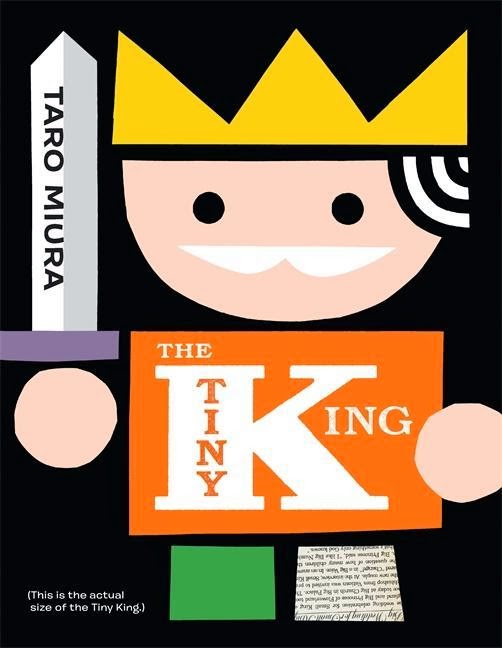
The Tiny King has a huge army, a massive castle, and all the things a person could wish for. But he is very, very lonely. When he meets a big princess, and asks her to be his Queen, his life gets noisier, more crowded, and definitely more happy—bigger in every way! Taro Miura creates bold, colorful illustrations that remind you how simple shapes and a lot of imagination add up to memorable visual images. Pair this book with a close look at some of the Abstract Expressionist paintings on view at the DMA, and you can have your own shape-filled adventure. To see more of Miura’s amazing illustrations, visit Carter Higgins’ blog Design of the Picture Book (one of my favorites).

What can you do with a piece of chalk? Create an entire world! Reminiscent of Harold and the Purple Crayon, Journey’s heroine uses red chalk to draw a door to another world. She creates a hot air balloon, a magic carpet, and a bicycle to help her get around, and the illustrations beg you to look closer and closer as she explores this new place. When she loses her chalk, it seems like all is lost, until she gets some help from a surprising place. Aaron Becker’s watercolors make you feel like you’ve jumped into a painting, and reminded me of Claude-Joseph Vernet’s A Mountain Landscape with Approaching Storm. With an interrupted picnic in the foreground and a shiny castle in the background, you wish you could just walk around this mountain landscape and experience the frantic activity as the storm draws closer. Journey would work well as a classroom warm-up to practice close-looking, storytelling, and searching for contextual clues before a visit to see the Vernet at the museum. (To see a video demonstrating how the illustrations for Journey were created, visit the author’s website).

Duncan’s crayons have gone on strike and instead of an afternoon spent coloring, he faces a pile of complaint letters. Yellow and orange are arguing over what color the sun really is, blue is worn out from coloring water, white is feeling neglected, and the beige crayon worries that he is only ever a stand-in for the brown crayon. Duncan’s colorful solution for soothing everyone’s frazzled nerves shows some stellar out-of-the-(crayon)-box thinking. The Day the Crayons Quit by Drew Daywalt is just as entertaining for kids as it is for adults, and makes you wonder what your crayons would say if they could talk. Oliver Jeffers’ whimsical illustrations bring the crayons to life and offer the perfect way to start a conversation about the surprising ways artists use color in their work. You can meet artist Oliver Jeffers here at the DMA on February 9th as part of the Arts & Letters Live BooksmART series. Learn more about the program and reserve your free tickets here.

Do you have a favorite picture book that you hope will walk away with the Caldecott next week?

Leah Hanson
Manager of Early Learning Programs

Artist Astrology: Capricorn

This week’s post is written by guest-author Alexa Hayes, the McDermott Curatorial Intern for American and Decorative Arts. Alexa is a specialist on John Singer Sargent, having written her honors thesis on Sargent’s portraits of women during the 19th century. I’m very grateful for her contributions to this edition of Artist Astrology!

The chilly months of winter match the seemingly-chilly exterior of those born under the sign of Capricorn (December 22 – January 19). Capricorns are outwardly reserved, dedicated hard workers driven by private ambitions. Rarely reckless, they pursue their goals with resourcefulness and practicality, often enjoying success because of their intense commitment to their work. Capricorns are fiercely loyal, making friends for life with those who can see past their elitist demeanor to the deeply sensitive and loving character hidden inside.

The DMA’s collection offers stellar works of art by many of history’s most beloved Capricorns:  Joseph Cornell (December 24), Henri Matisse (December 31), John Singer Sargent (January 12), Berthe Morisot (January 14), and Paul Cézanne (January 19).
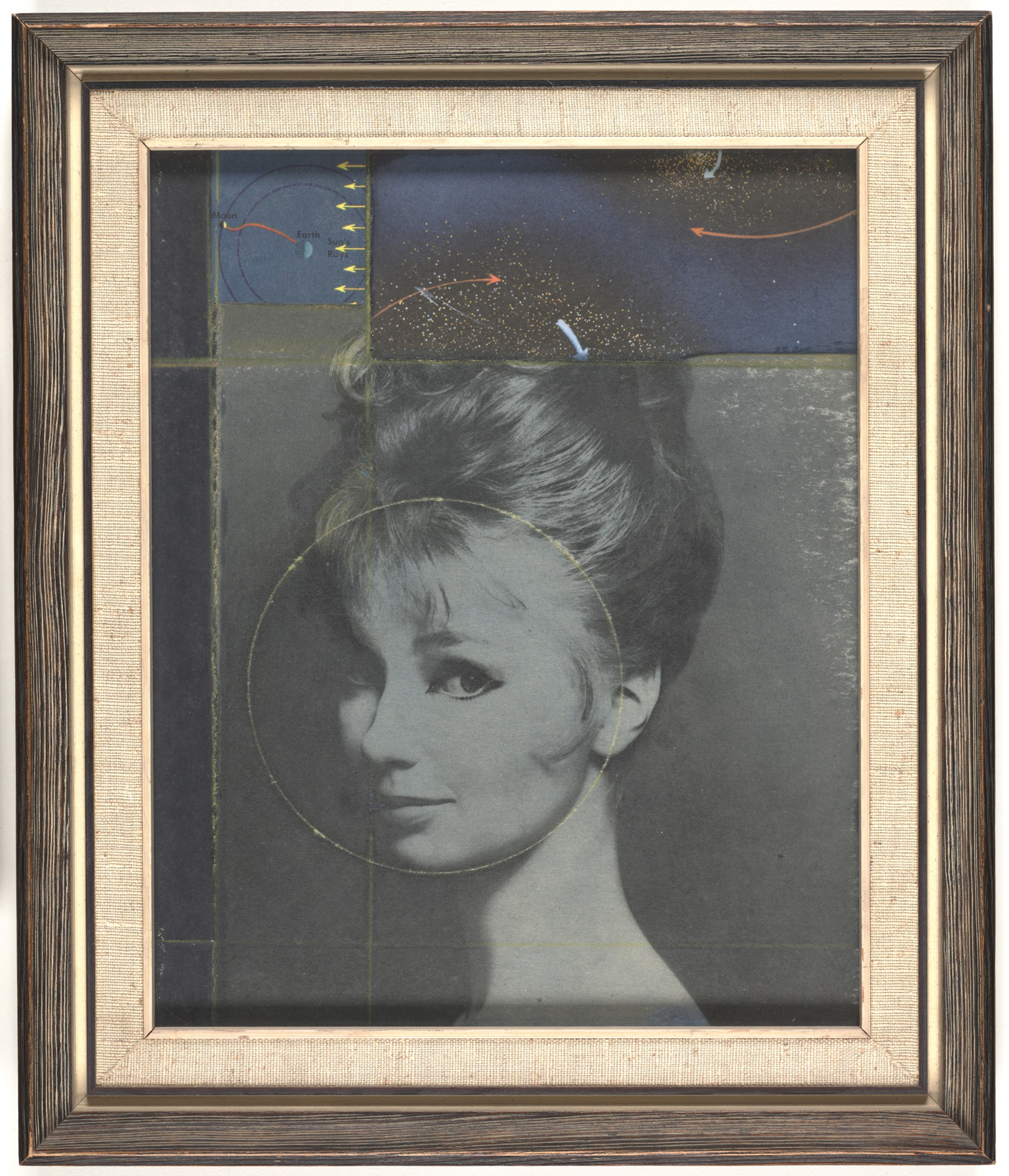
1983_562

Joseph Cornell – December 24

An eclectic recluse, Joseph Cornell rarely left the state of New York and held a long-standing suspicion of people, particularly men. Despite this isolation, his pioneering of assemblage and collage as fine art earned him acclaim throughout the art world. He maintained a commitment to studio practice, constantly collecting objects, scraps, and images to create his works of art, preferring to work with items that already have a life and history rather than to produce something brand new. Although many art historians focus on the Surrealist influence in Cornell’s work, his style tugs at viewers in an emotional way, playing with their own nostalgia, thus distancing him significantly from the Surrealists’ crisp world of dreams and fantasy.
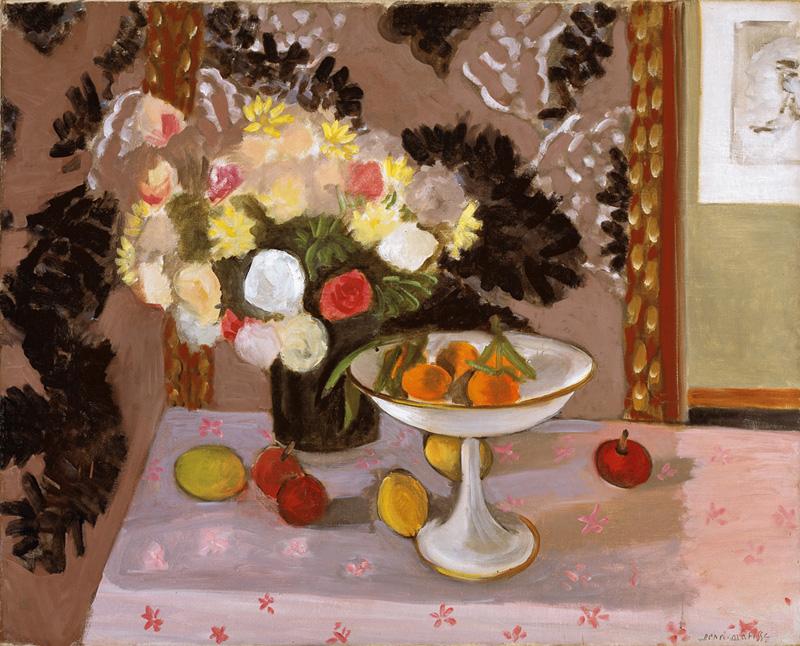
2002_19_MCD

Henri Matisse – December 31

Originally trained as a lawyer, Henri Matisse did not develop an interest in art until age twenty one. During a period of illness, Matisse’s mother brought him art supplies to keep him entertained, unintentionally igniting a passion for art. Matisse worked in all media, from sculpture to drawing to printmaking, but became most famous for his daring employment of color, denial of realistic spatial relationships, and energetic brush strokes in painting. He is praised for his monumental contributions to modern art and remains one of the most beloved painters of the twentieth century.
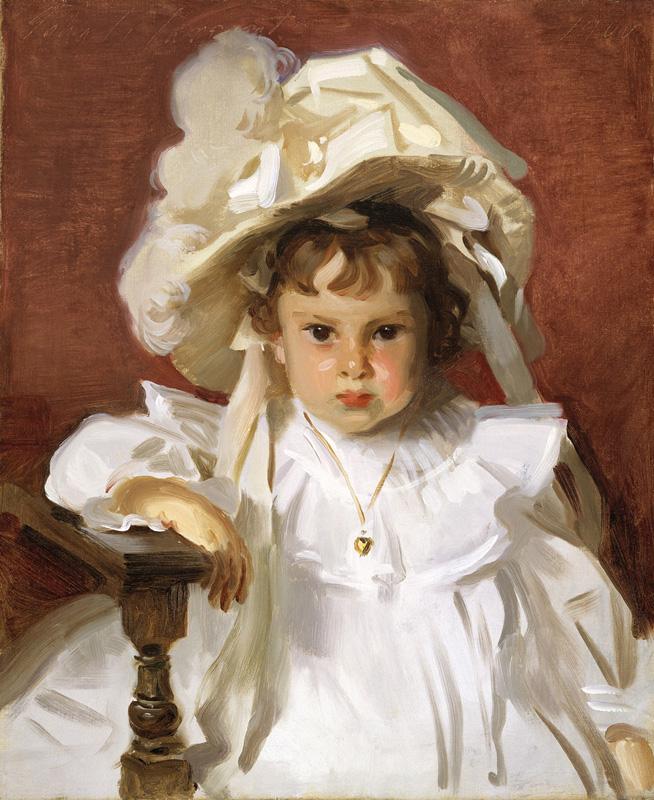
1982_35

John Singer Sargent – January 12

Although John Singer Sargent lacked the reserved demeanor of most Capricorns, he did possess a distinct elegance and personable charm that gained him many friends in the elite literary and art circles of America and Europe. True to his Capricorn birth, however, he was extremely dedicated to a rigorous studio practice, maintaining a sketchbook at all times and spending hours developing the effortless painterly appeal of his portraits. Sargent had a keen eye not only for aesthetic design but for grasping the character of his sitter within minutes of their introduction. In Dorothy, broad streaks of paint shape the face of an angry child, seemingly furious at being forced to sit inside for a portrait in her fluffy white gown and impractical hat.
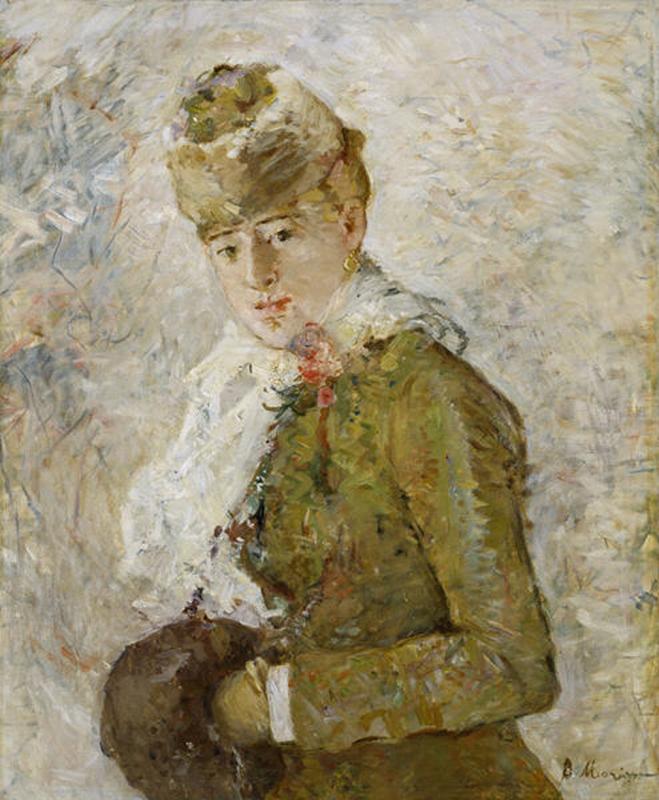
1981_129

Berthe Morisot – January 14

One of the most important female artists of the nineteenth century, Berthe Morisot established herself at the forefront of the Impressionist movement, developing her own artistic style and deviating from the subject matter of her male peers. Her work focused primarily on the feminine or domestic sphere, depicting the intimate relationships of women and children. Morisot primarily used friends and members of her household as models, but chose to present them in a modern painterly style, thus elevating a mundane subject to the level of high art competitive with the works of other Impressionists. Throughout most of her life, Morisot maintained a close friendship with her brother-in-law, Edouard Manet, who encouraged her to be less self-critical while supporting her career as an artist.
1985_R_10

Paul Cézanne – January 19

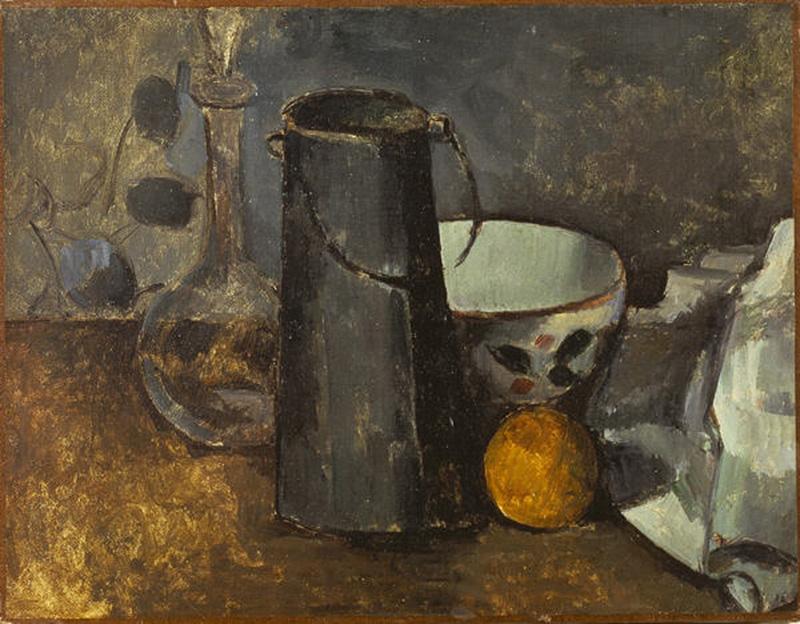
A prolific artist throughout his life, Paul Cézanne demonstrated time and again his commitment to his craft, even risking his father’s wrath when he rejected a career in law to pursue art. Cézanne radically changed the art world by flattening the picture plane rather than using a mathematical linear perspective with a single vanishing point.  Further, he simplified objects to basic geometric forms, enhancing their physical presence and sculptural qualities. Cezanne painted objects from a “lived” perspective, attempting to imitate the way that we see subjects in life from multiple angles or with varied impressions. His work greatly influenced the Cubist movement, inspiring artists like Pablo Picasso and Georges Braque to experiment with vision and perception.

Artworks shown:

  • Joseph Cornell, Portrait of Fiona, 1965-1970, Dallas Museum of Art, Gift of the Joseph and Robert Cornell Memorial Foundation
  • Henri Matisse, Still-life: Bouquet and Compotier, 1924, Dallas Museum of Art, the Eugene and Margaret McDermott Art Fund, gift of the Hoblitzelle Foundation, Incorporated, in honor of Dr. Bryan Williams
  • John Singer Sargent, Dorothy, 1990, Dallas Museum of Art, Gift of the Leland Fikes Foundation, Incorporated
  • Berthe Morisot, Winter (Woman with a Muff), 1880, Dallas Museum of Art, Gift of the Meadows Foundation, Incorporated
  • Paul Cézanne, Still-life with Carafe, Milk Can, Bowl, and Orange, 1879-1880, Dallas Museum of Art, The Wendy and Emery Reeves Collection

Hayley Prihoda
McDermott Intern for Gallery and Community Teaching
Friday Photos: #DMAGiveMore

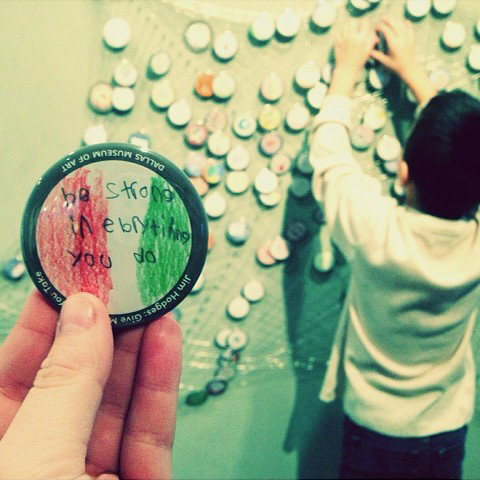
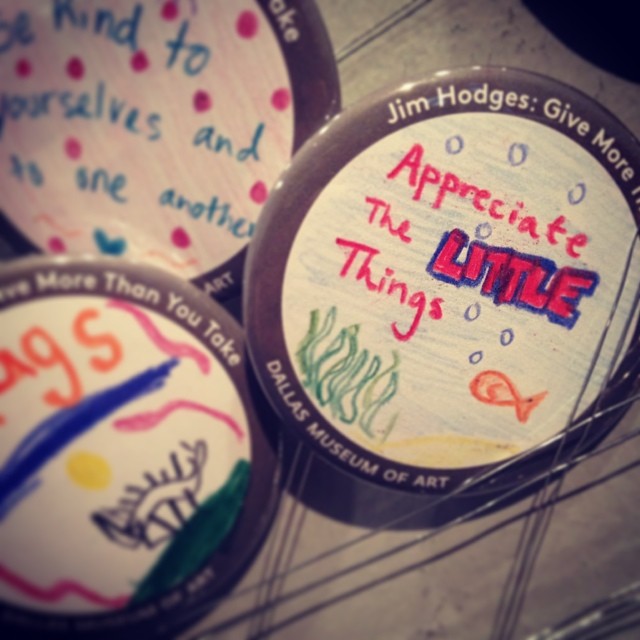
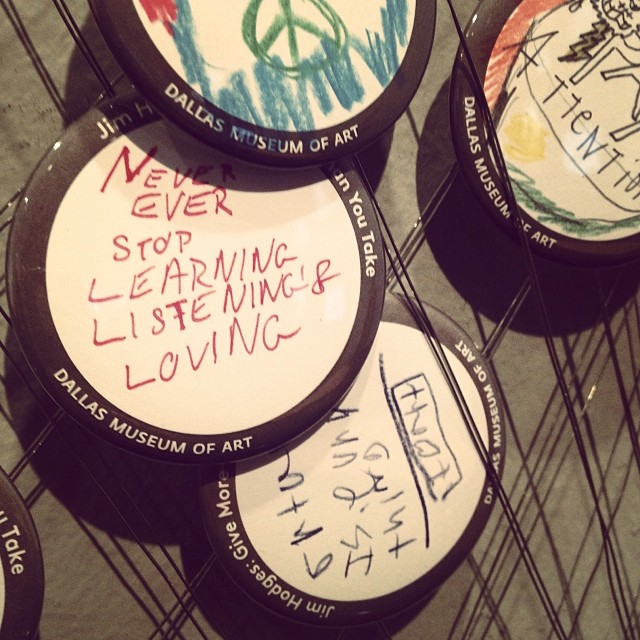
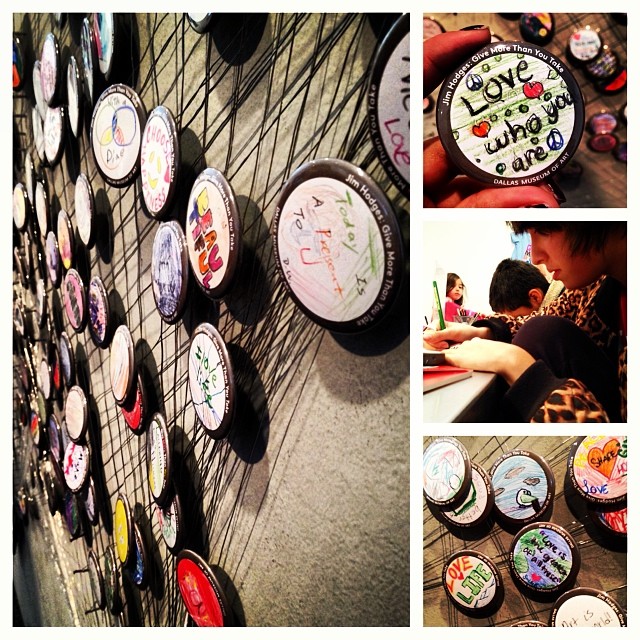
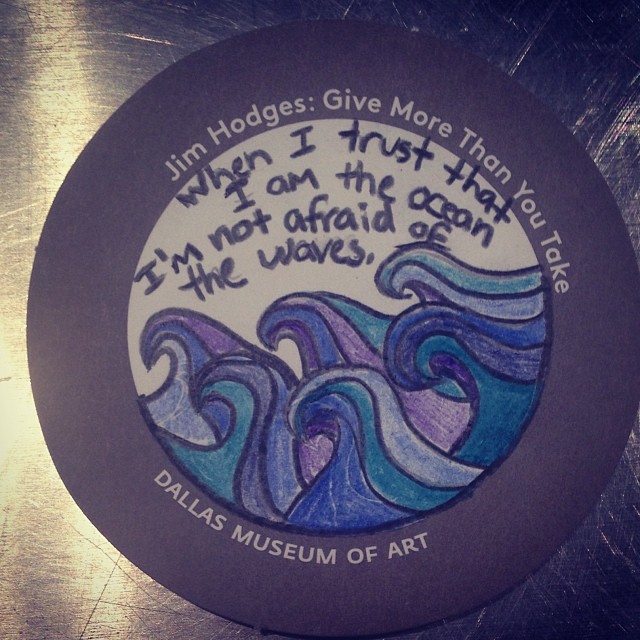
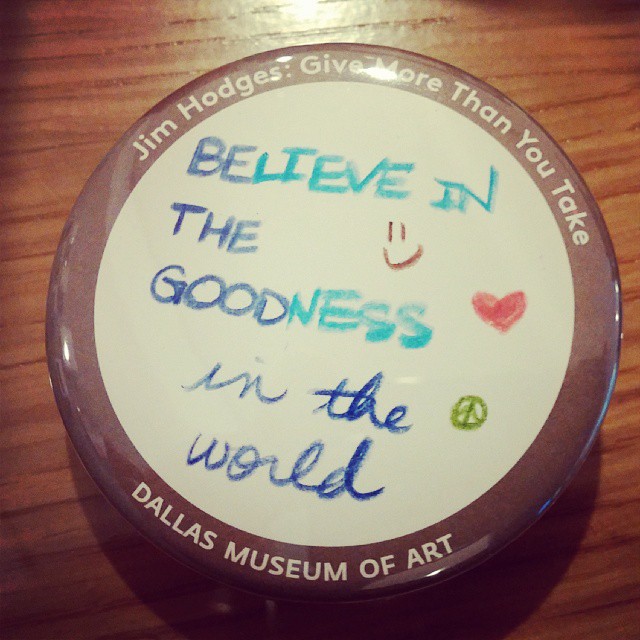
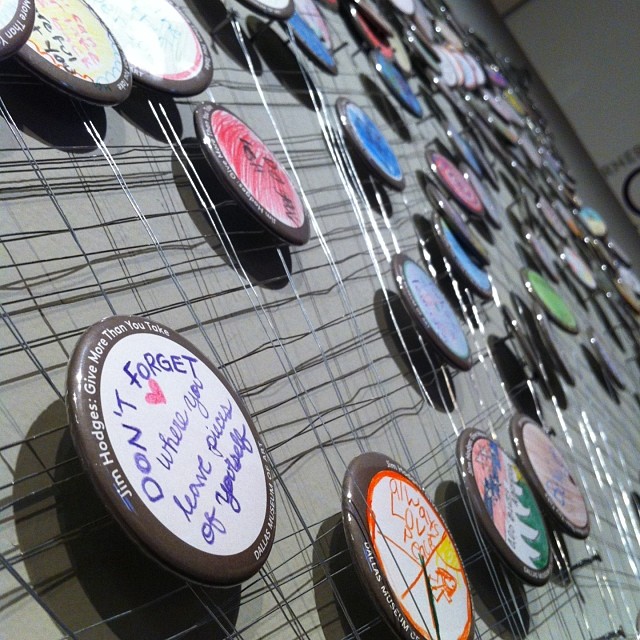
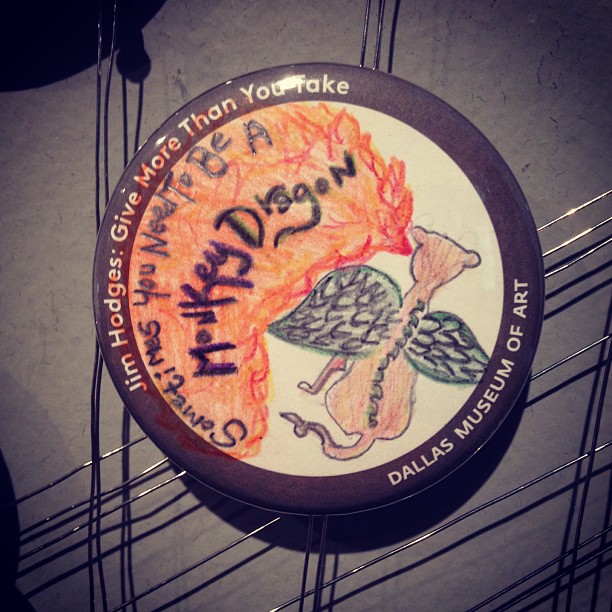
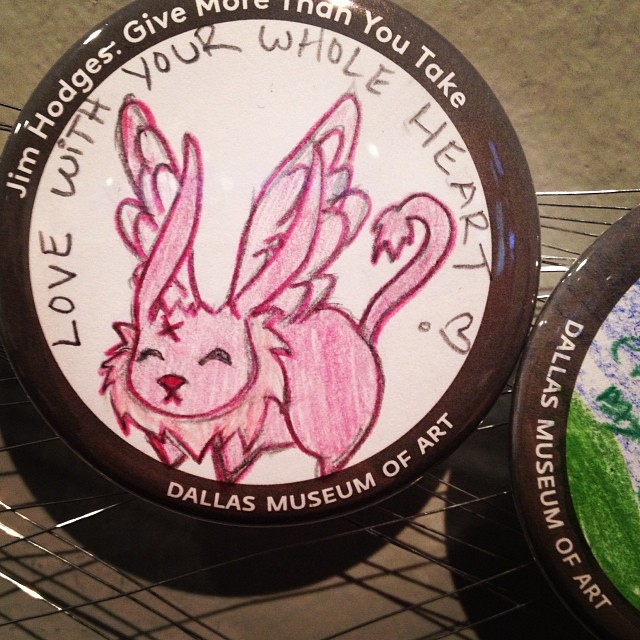
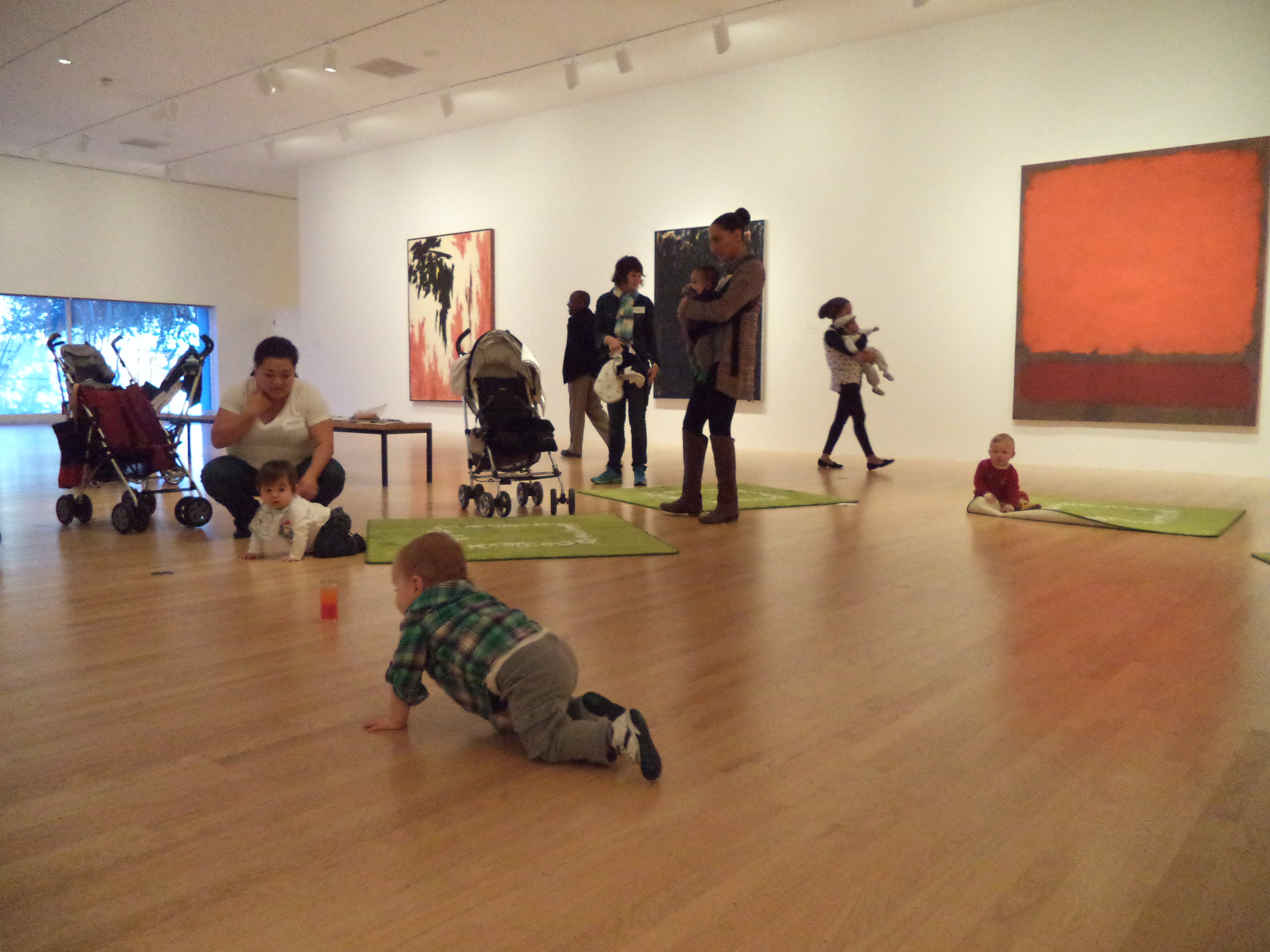
At the beginning of October, C3 launched a Community Exchange project related to our exhibition, Jim Hodges: Give More Than You Take. Inspired by Hodges, we’ve asked visitors to make a button with a positive message to share with the community. In the past few months we’ve had over 9,000 buttons made; that’s over 9,000 positive messages that have been shared and that are circulating throughout Dallas/Fort Worth and beyond!

As the exhibition comes to a close this weekend, don’t let the opportunity to see Jim’s beautiful work and contribute to our Community Exchange project pass you by. Come to the DMA to get inspired and share some positivity!

These lovely photographs have been shared by visitors via social media using the hashtag #DMAGiveMore.  When you make your button, be sure to snap a photo and share it as well!

Jessica Fuentes
C3 Gallery Coordinator

Friday Photos: Downton Abbey at the DMA

If you’re an anglophile like me, you are probably eagerly anticipating the premier of the fourth season of Downton Abbey this weekend! Yes, we’ll miss the characters we lost last season, but it will be nice to return to the opulence, extravagance, and intrigue that is British nobility of the early twentieth century.

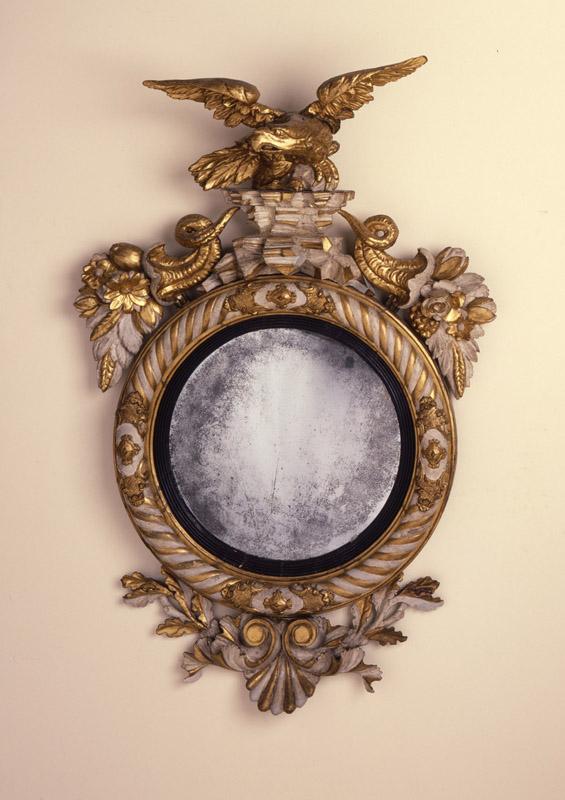
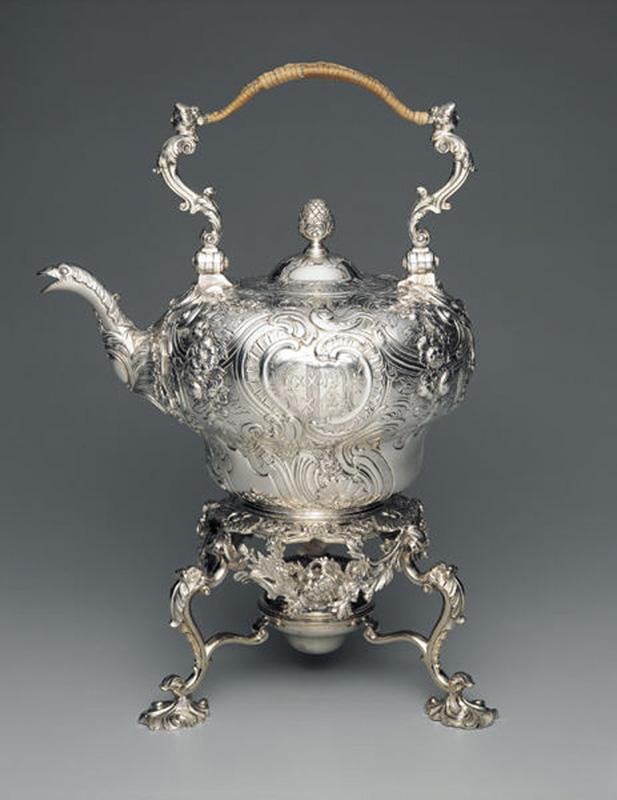
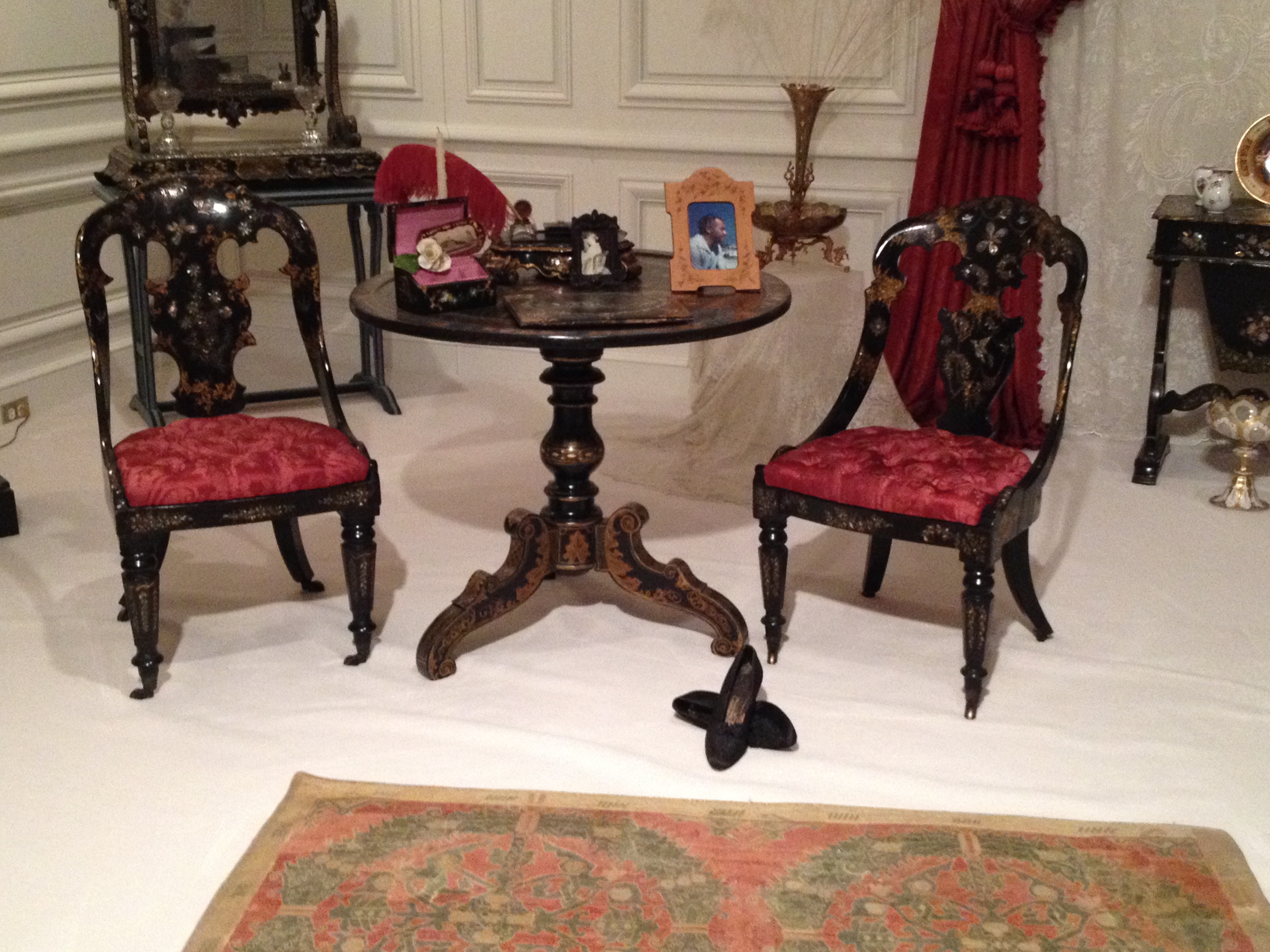
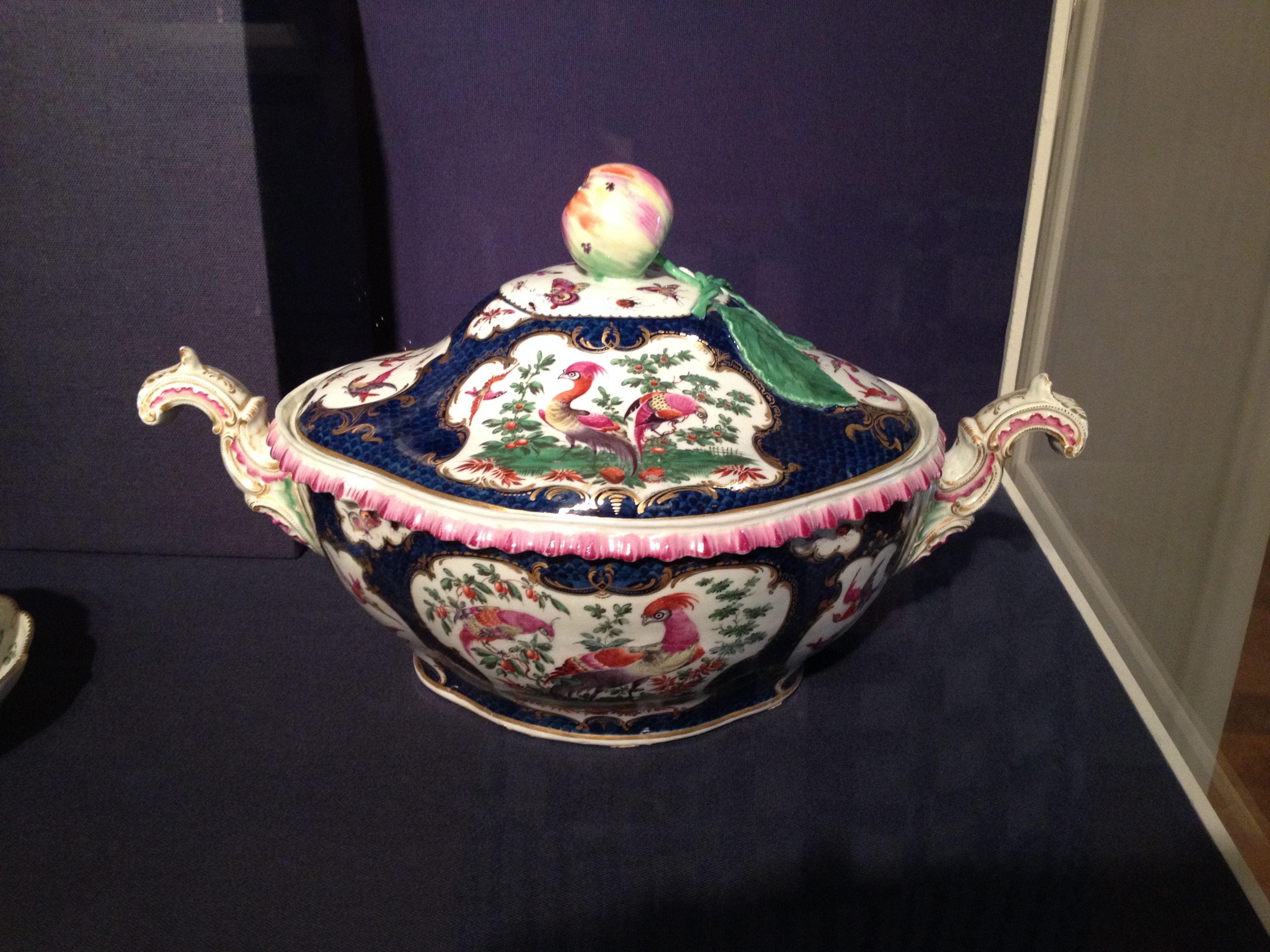
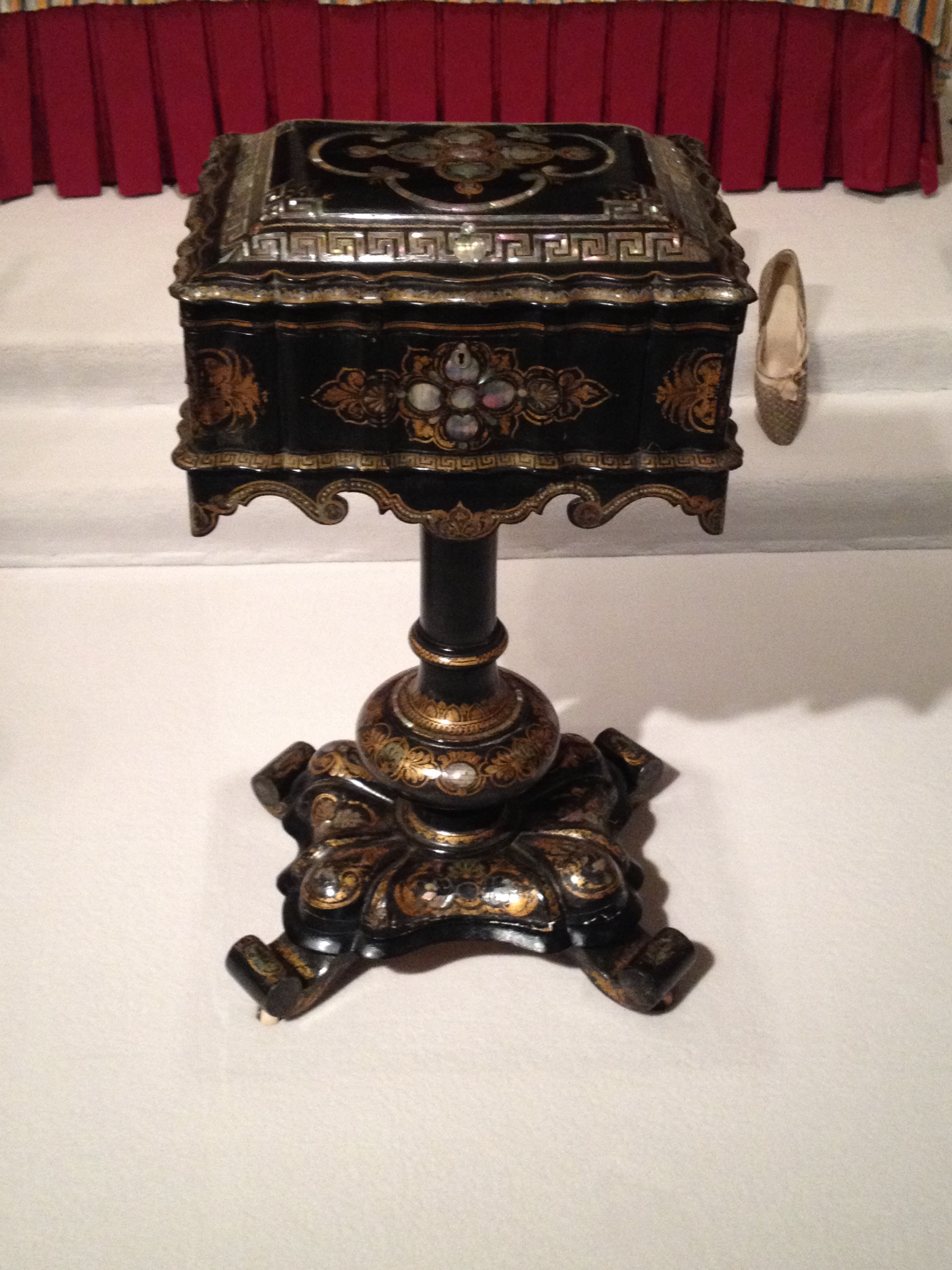
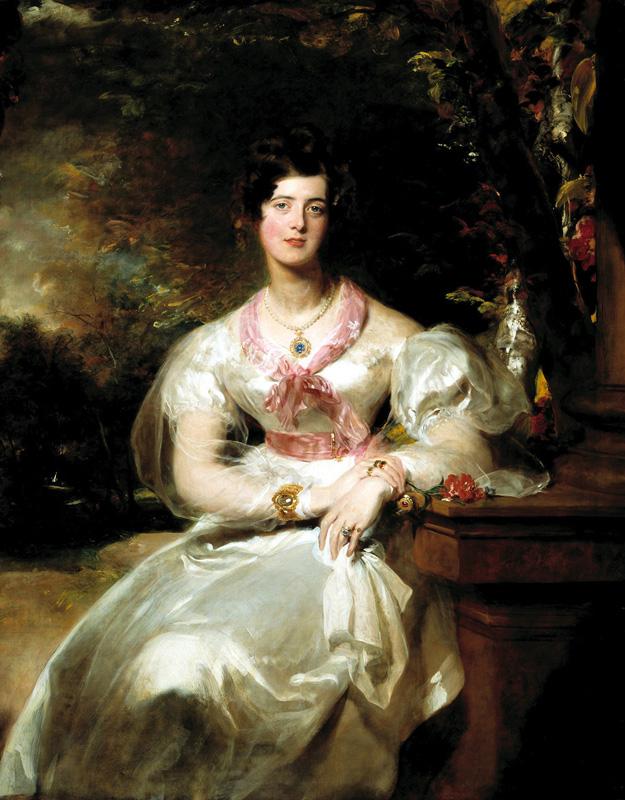
In my enthusiasm for the premier on Sunday, I decided to explore the DMA’s decorative arts collection for pieces that may have decorated manors similar to the Crowley’s home. Check out some of the stunning works below for a taste of Downton style at the DMA!

And don’t forget to tune in to PBS at 8pm on Sunday to find out what happens next at the dramatic Downton Abbey!

Artworks shown:

  • Girandole mirror, 1810-1830,Dallas Museum of Art, The Faith P. and Charles L. Bybee Collection, anonymous gift, United States or England, Probably New York
  • Toilet service, c. 1675-1695, Jacob Bodendick, English, born Germany, active 1661-1688,  Robert Cooper, English, active 1664 – 1717, Andrew Raven, English, active 1697 – 1728, Dallas Museum of Art, the Karl and Esther Hoblitzelle Collection, gift of the Hoblitzelle Foundation by exchange,
  • Water kettle on stand, 1747, Thomas Gilpin, British, active c. 1730 – 1758, Dallas Museum of Art, anonymous gift, England, London
  • Portrait of the Honorable Mrs. Seymour Bathurst, 1828, Sir Thomas Lawrence, British, 1769 – 1830, Dallas Museum of Art, Foundation for the Arts Collection, Mrs. John B. O’Hara Fund
  • Huntingdon wine cistern, 1761-1762, Abraham Portal, English, 1726 – 1809, Dallas Museum of Art, gift of Mrs. Patricia D. Beck, England, London
  • Tureen, c. 1720, Worchester Royal Porcelain Company, Worchester, England, Gift of Margaret Sutherland Coleman
  • Rug, c. 1840, England, Reeves Collection
  • Side chair, c. 1830-1860, England, Reeves Collection
  • Pair of Chairs, c. 1830-1860, England, Reeves Collection
  • Work table, c. 1830-1860, England, Reeves Collection

Hayley Prihoda
McDermott Intern for Gallery and Community Teaching
Organizing Your New Year

Organizing a museum art studio that is used by an entire education department can be truly difficult. It’s important to create a system for everyone to follow in order to avoid a chaotic mess of clutter and confusion! I’ve recently been dubbed the “Studio Fairy” and have been making it my New Year’s goal to implement a workable organization system that everyone in our Department can use.

Turn over a New Leaf in the New Year:

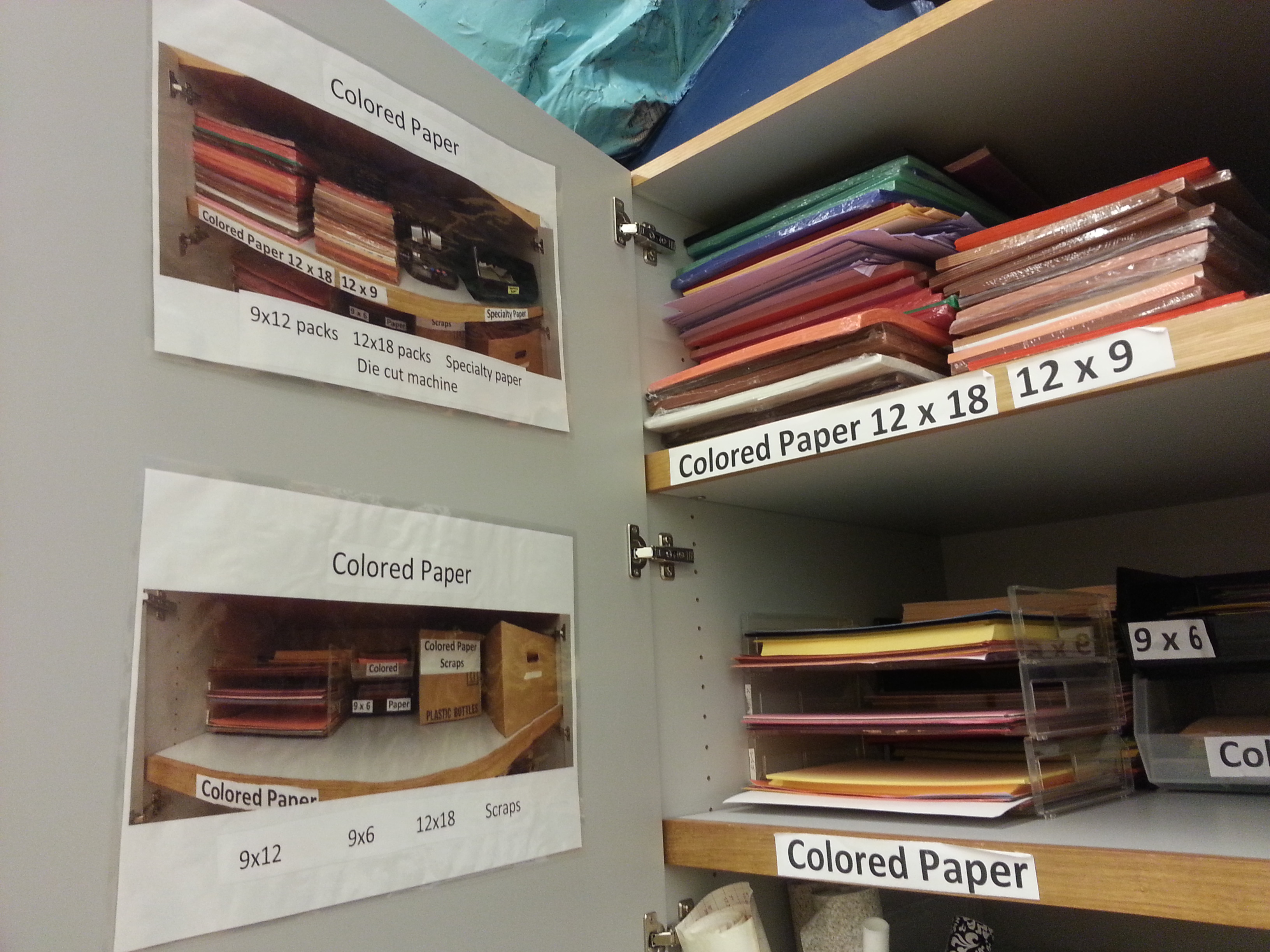
There is no possible way that everyone will understand your method without some gentle reminders. Make labels for everything! Every box, container, or project. Typed is more legible.

Label your cabinets!

Label your cabinets!

Pictures of where items belong inside cabinets are a great way for everyone to keep the studio organized.

Everyone knows where everything goes!

Everyone knows where everything goes!

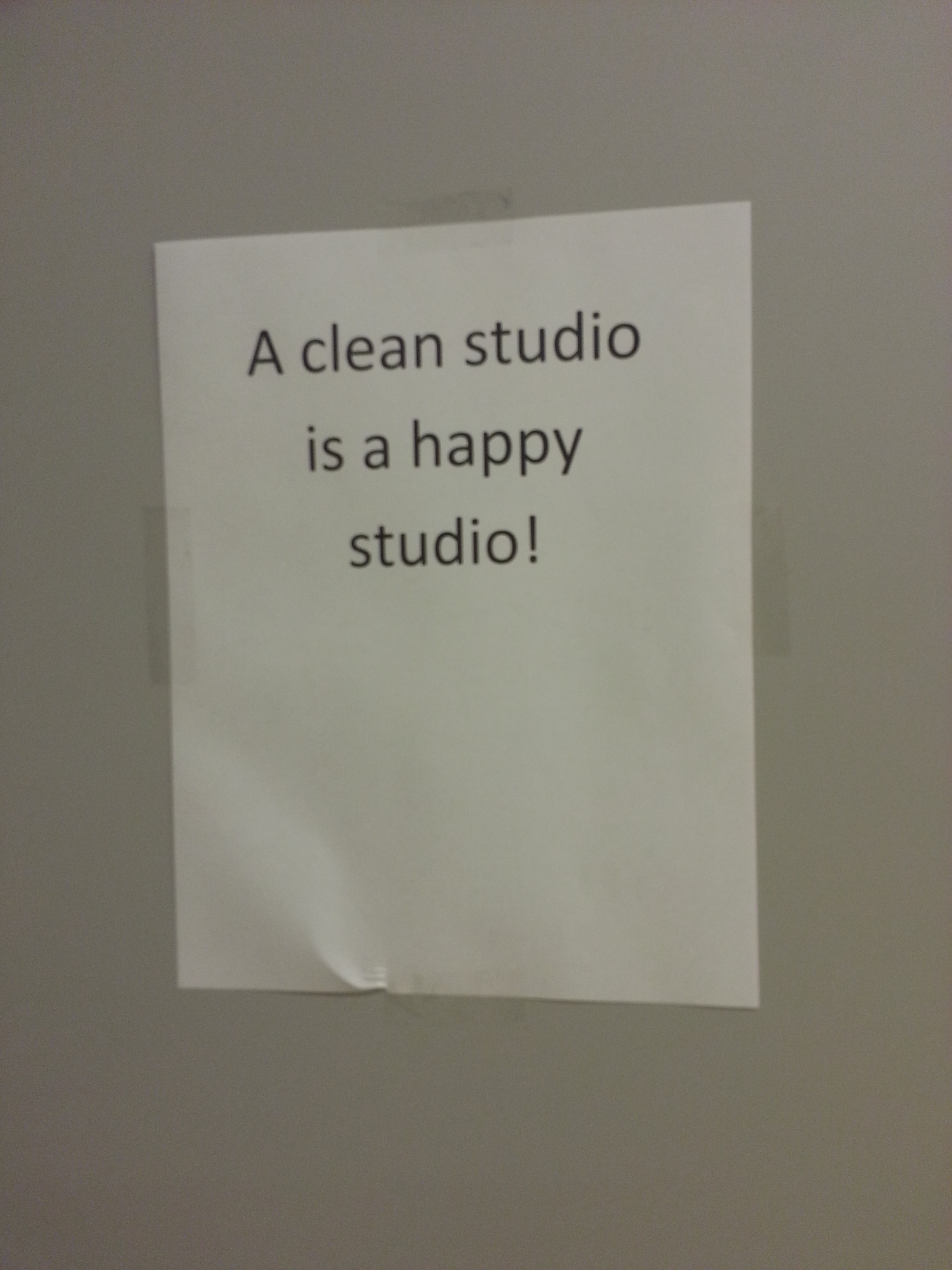
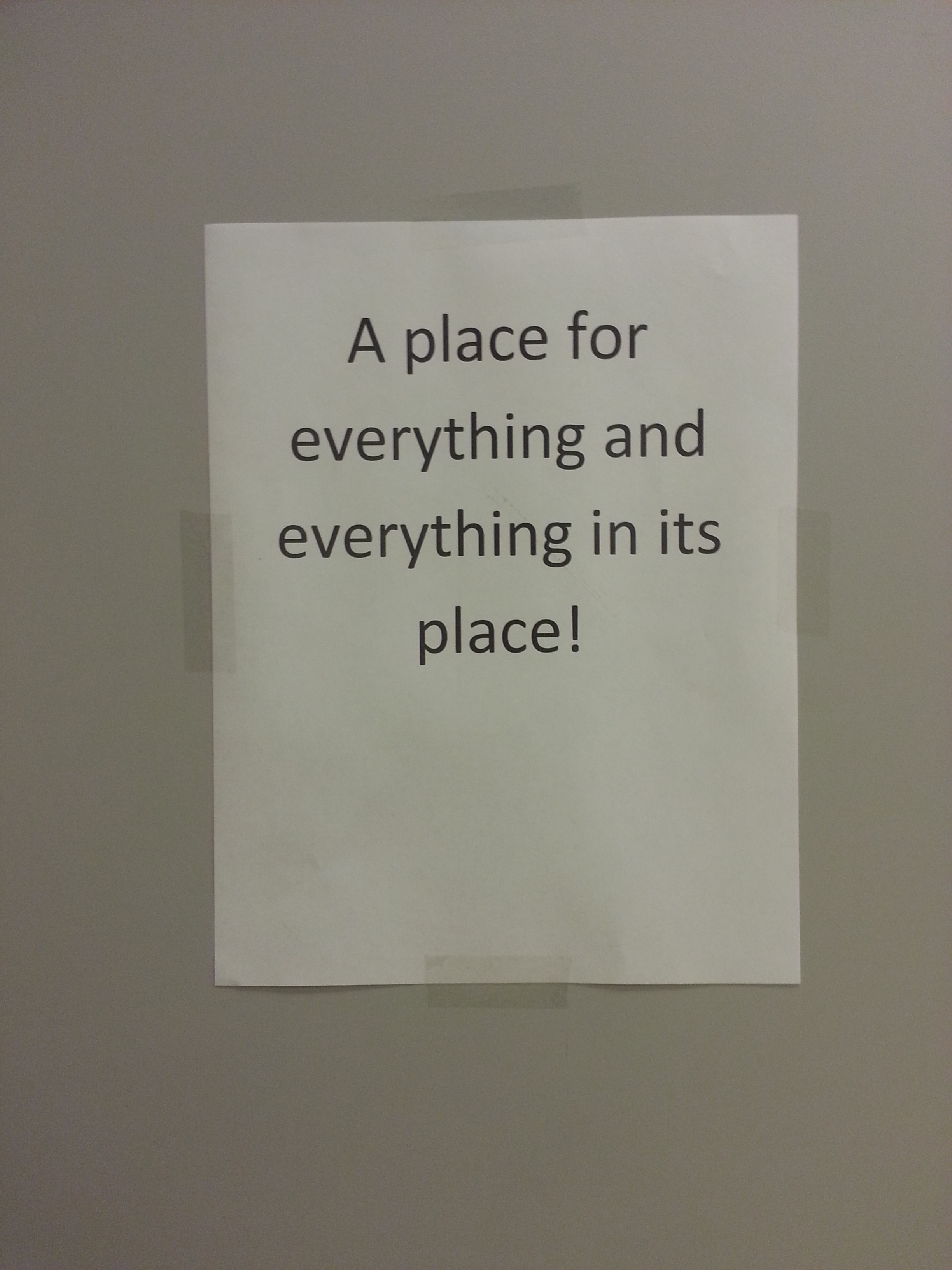
Kind reminders never hurt. Tack up a few clever sayings around the studio to help.

Doesn't hurt to have reminders?

Doesn’t hurt to have reminders

Commit to sticking with it! Like exercise, to get the desired organized results you have to stick with it! And as we all know it is easier to do when everyone is on the same page. Be committed to staying clean and organized this new year! Build time in your schedule each day to place materials back in their nice, cozy home.

Sharing Solutions:

Countless individuals use the C3 Art Studio throughout the week, hosting over thirty programs a month in our space. It was imperative to find a solution for when we need to prepare materials for a workshop. In the past, materials would wander off, be put away randomly or even be thrown out because no one knew what belonged to a particular program and what didn’t. JC Bigornia and I decided we would put an end to the confusion, so we spray-painted our rolling carts with chalkboard paint. Now, staff can write the program and date on the cart and stash their materials safely. If the program has passed, our staff puts all the materials back in their proper place and erases what is written on the cart.

That Darn Emotional Attachment:

Most people attach deep meaning to projects that they’ve spent hours creating and developing. A lot of us are also hoarders to some degree and don’t want to let go of something we may “need” along the way. We can easily be consumed with stuff and become trapped under the weight of sentimentality. I’m not saying be less sensitive—but now with the rise in technology we can easily archive our prized activities, samples, and creations with the click of a camera, or wave of a portable scanner wand (this is on my wish list)! Keep digital folders (backed up), create a Flikr account and say goodbye!

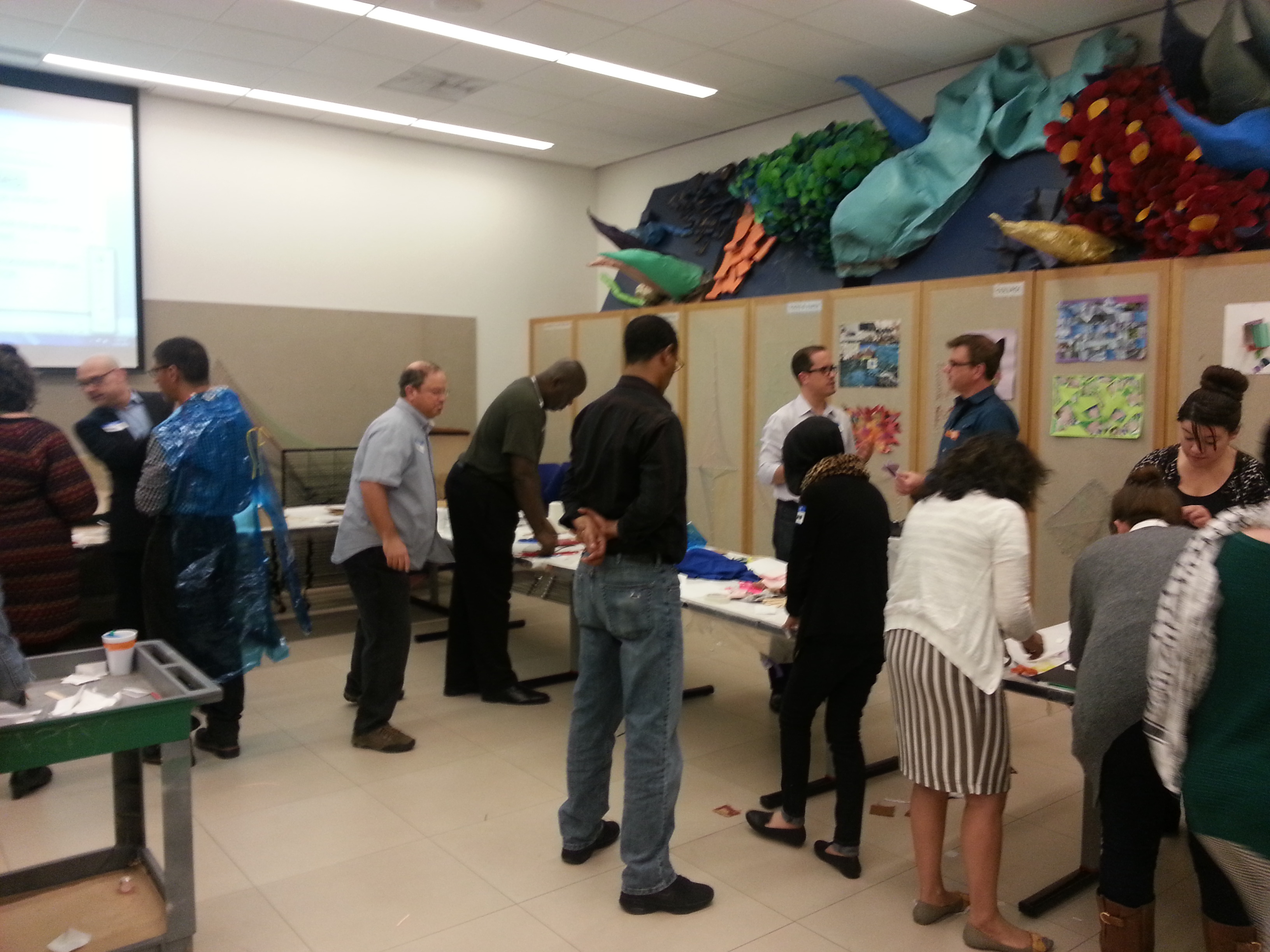
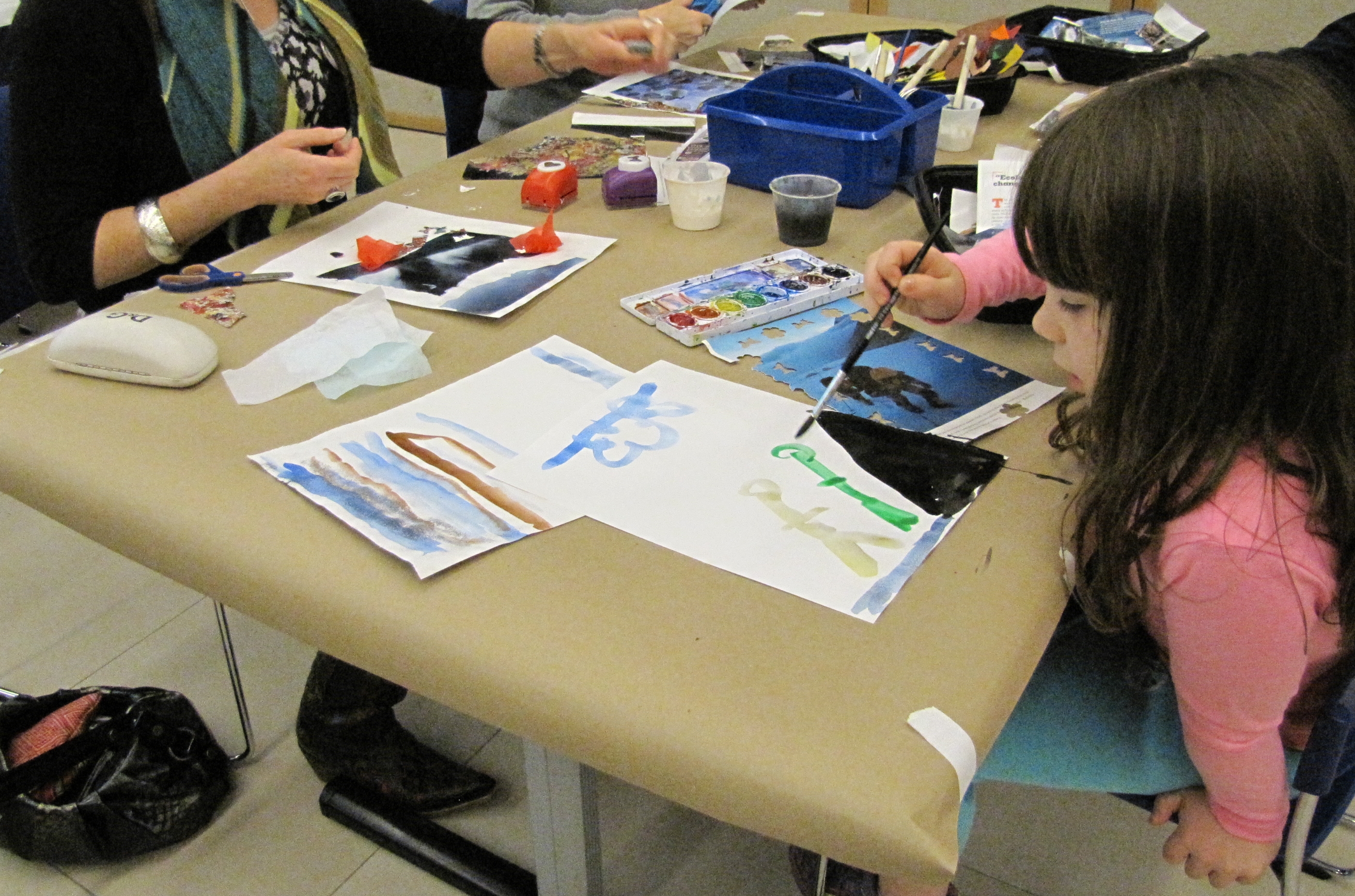
Look at our active studio

Look at our active studio

Evaluate Need:

There are times when you just have to purge. When tackling a cleaning project or when you are faced with lack of space, you must evaluate what you have. Is it really important to hold on to that never-ending supply of half used scraps of ______ (insert item here)?  When the C3 staff did a major clean-out of our basement and art studio we had to make sure we only kept things that served a purpose. Frankly, we had to remove what did not because we were running out of space for the things we did in fact need. We had to ask ourselves the following questions, which are good rules to live by:

  • Have I saved this past its life expectancy—or does it smell?
  • Does it work? Will it ever?
  • Will we really use this?
  • Can it be recycled or upcycled?
  • Can it be documented and disposed of?
  • Will it benefit someone in need? Can this be donated to a local school, community group or a thrift store to be used and loved again?

Stop making excuses for keeping things that you will no longer use!

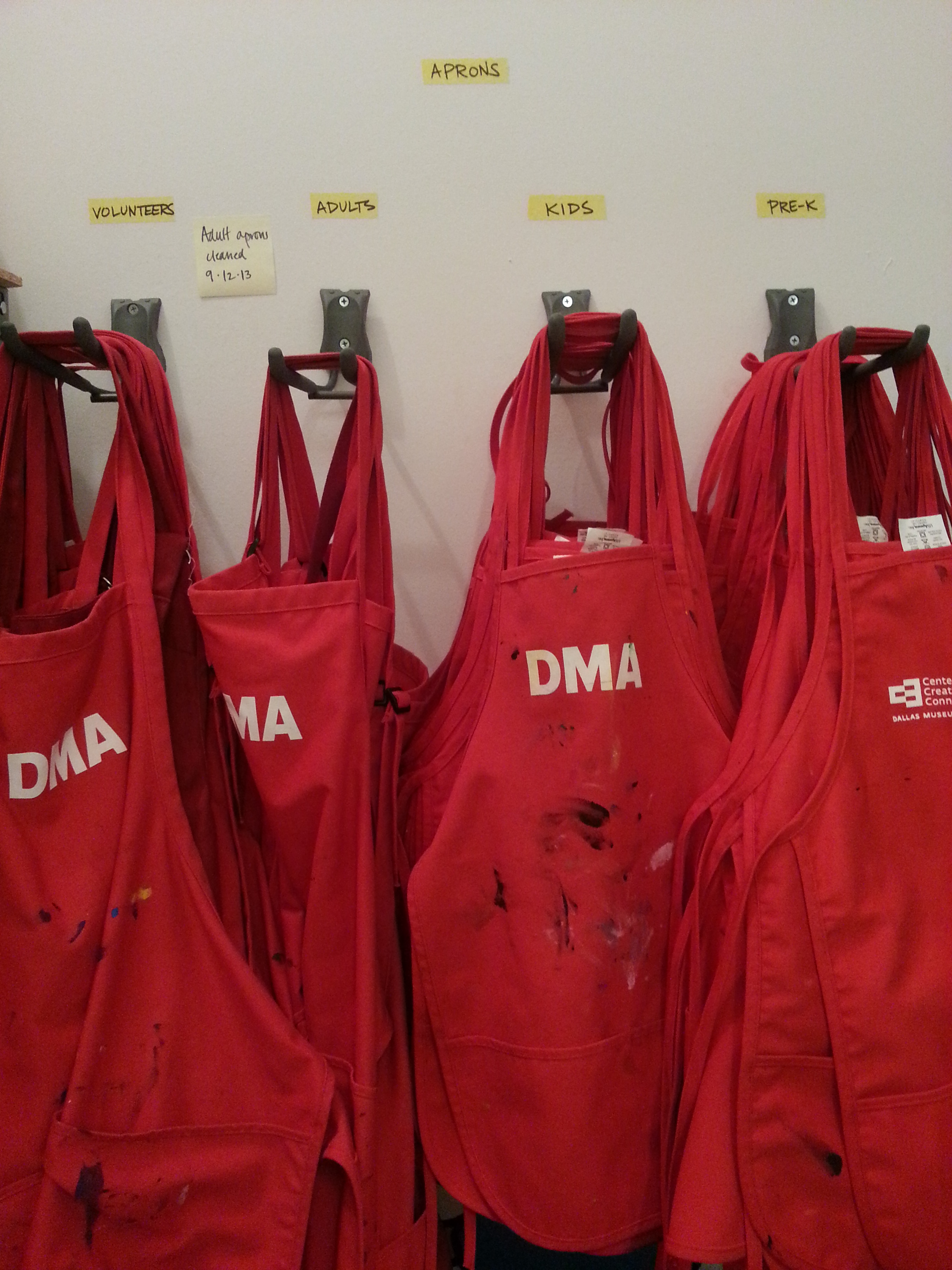
Hang up your aprons so that they are easy to grab when inspiration strikes!

Hang up your aprons so that they are easy to grab when inspiration strikes!

Your Work-Space:

It is very important for those using your space to have a clean work-space and a comfortable, welcoming environment in which to work. The art studio is a place that is supposed to provide people with a feeling of security, as if it was their own studio. Art is very much a product of it’s environment and if the environment is able to inspire, people are more likely to conceive creative thoughts and create rich works of art. We have to maintain a great environment for everyone who enters the space!

Say goodbye to your ways of old! Wishing you luck staying organized in 2014! Remember, it’s about progress, not about perfection!

Politeness goes a long way.

Products That Never Fail and Guiding Resources:

  • Clear storage boxes that are the size of a shoe box from The Container Store (or Dollar Store) are perfect for seeing beads and baubles!
  • We store program supplies under a canvas-lined table in High-Density Polythylene Mail bins. But I do warn you: don’t take these from the post office!  These bins are great to store program supplies, easy to stack, and very durable!
  • I also really enjoy Packaways Storage Bins, which are plastic bins that collapse, have a wipe-off label and come in fantastic bright colors!
  • Laminating machines and label makers help when creating signs for supplies! It always helps to type up the names of the items so there is no confusion—and it’s pleasing to the eye!
  • Buy a few extension cord holders. It will save you hours of untangling time!
  • We also use craft caddies to keep supplies organized for a variety of programming. These handy, stackable storage options keep things like glue, crayons, scissors and sequins nice and neat!
  • Watch this great video from the founder of  the Art of Education website.
  • Peruse these top twenty-five organizing blogs in your down time.
  • Reach this article: Broome, J. L. (2013). A case study in classroom managment and school involvement: Designing an artroom for effective learning. ArtEducation66(3), 39-46.
Craft Caddies at work!

Craft Caddies at work!

We would love to hear your ideas! Send me pictures of your work-space and give us your fantastic tips. Happy New Year and stay tuned for more organization in 2014!

Amanda Batson
C3 Program Coordinator

Friday Photos: A Very Pinteresting Holiday

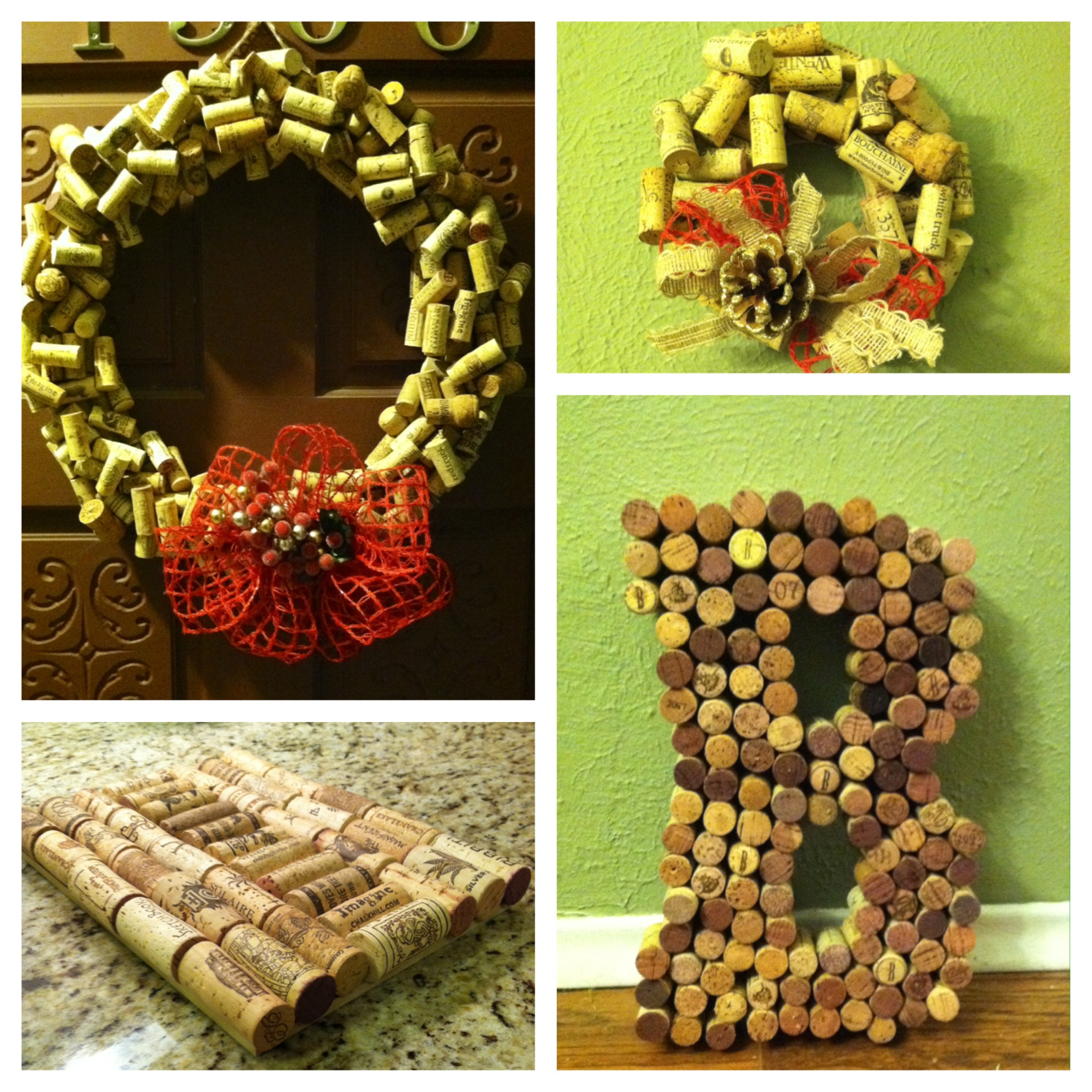
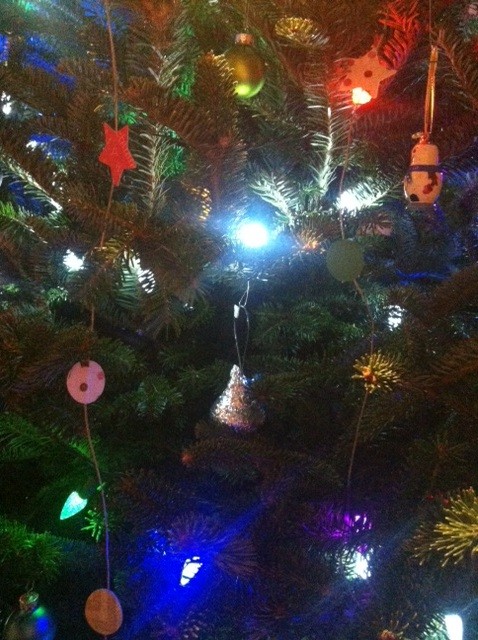
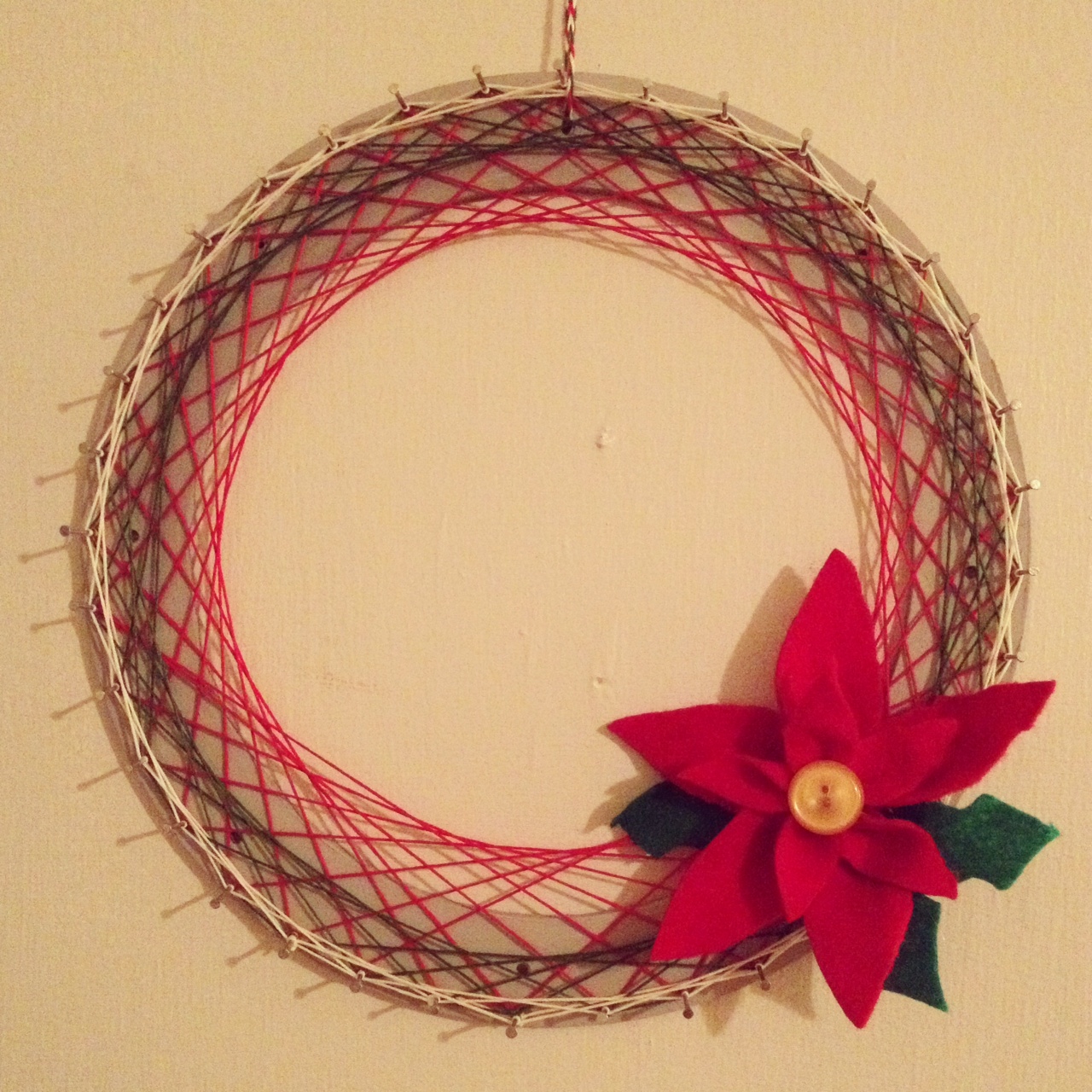
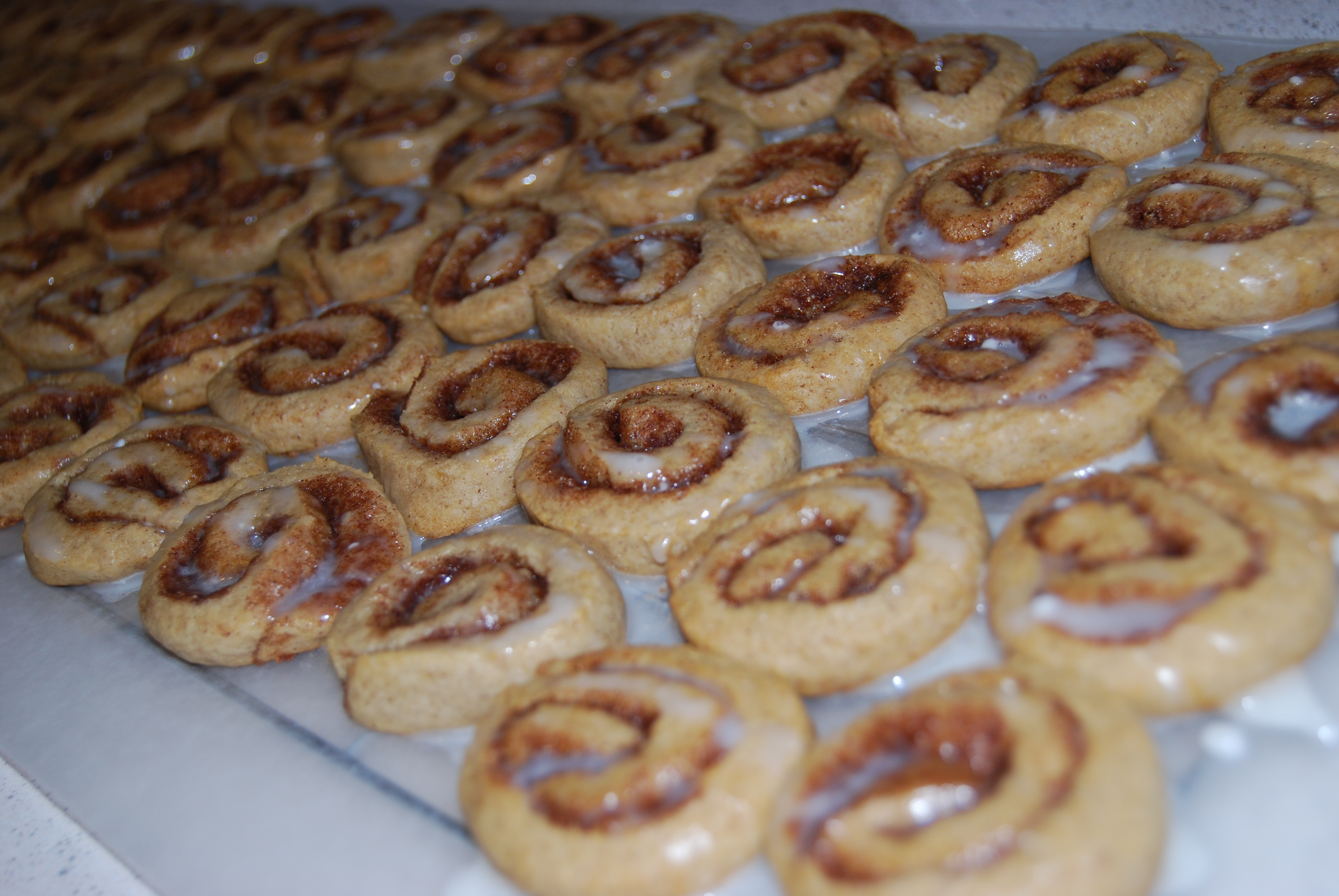
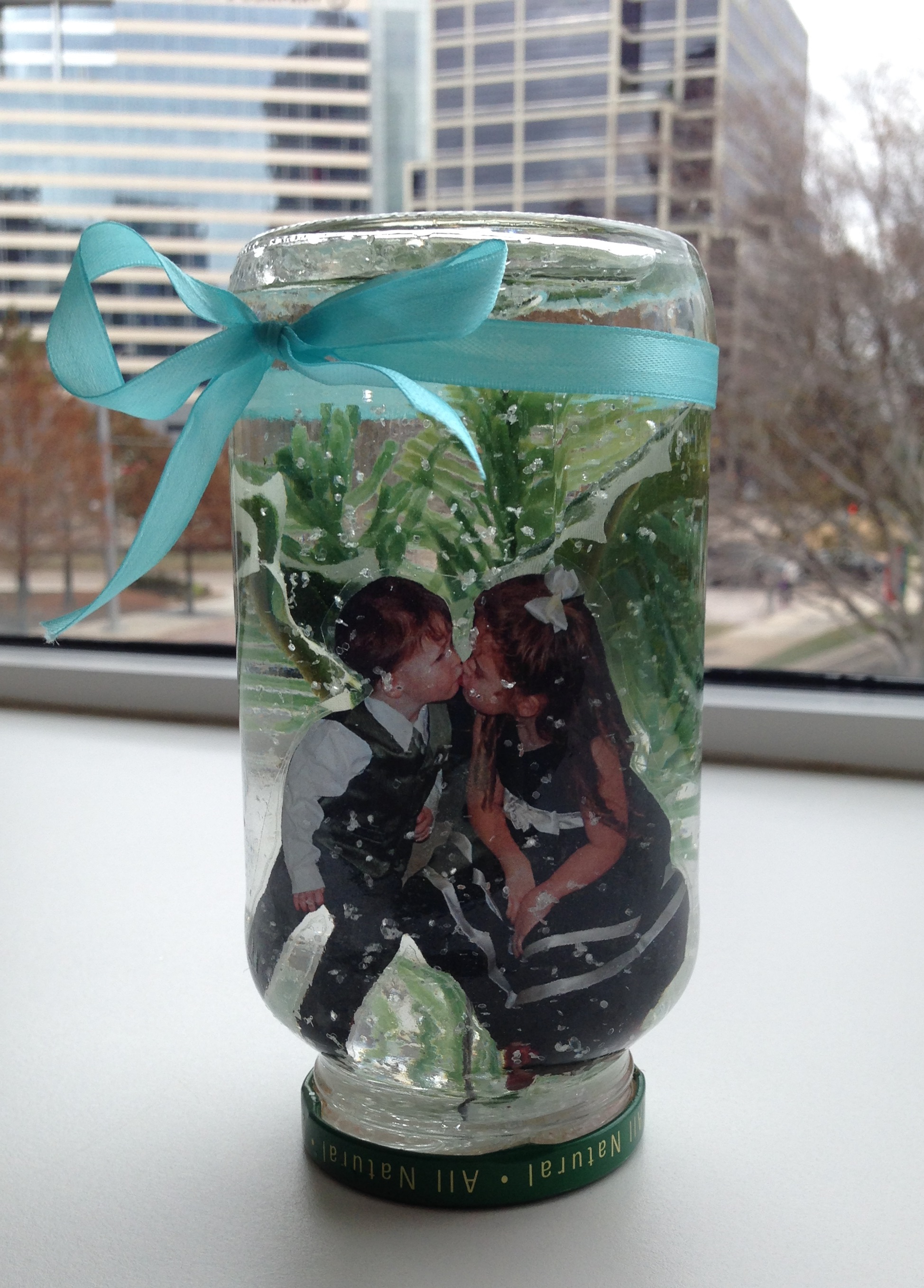
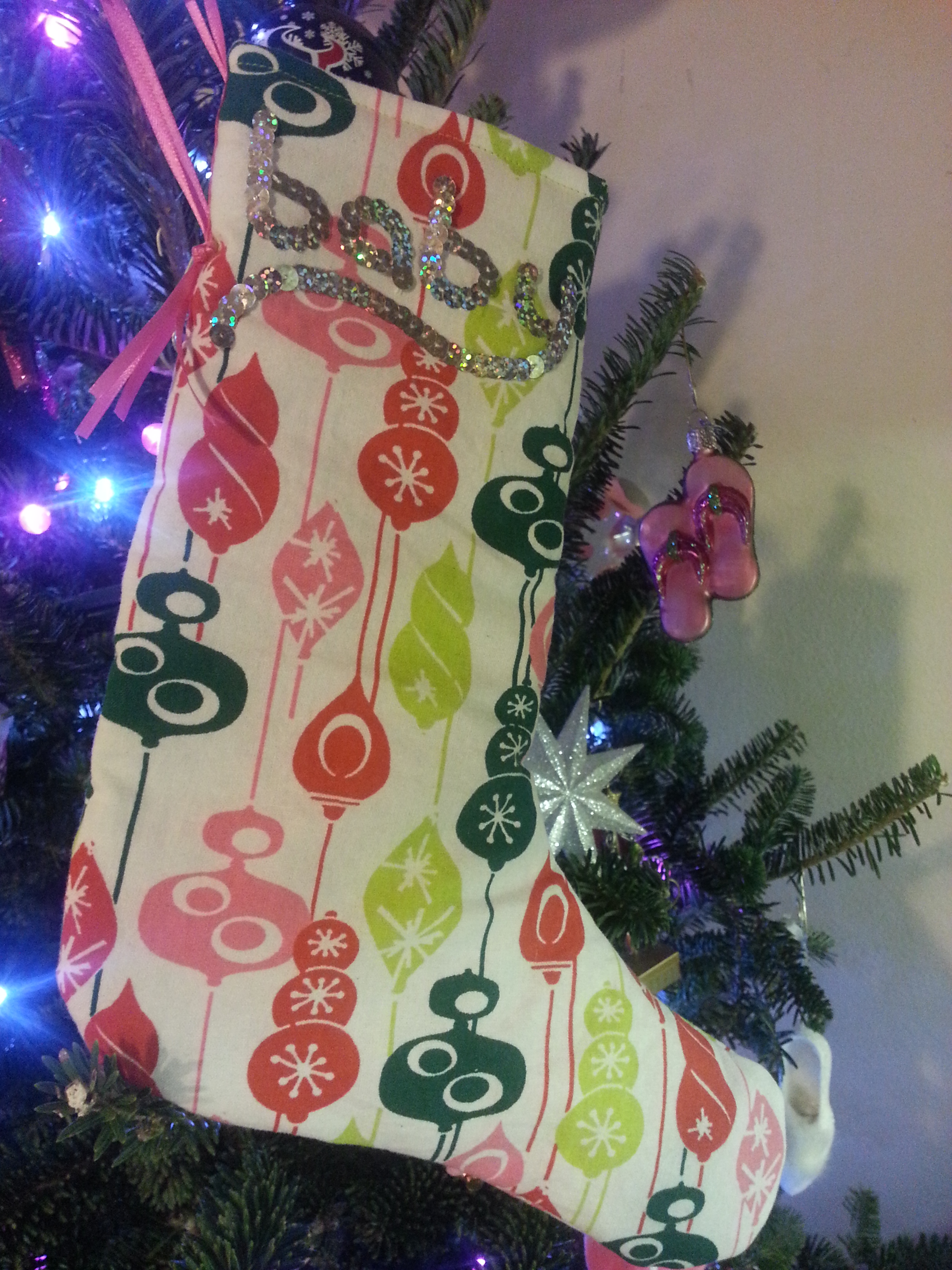
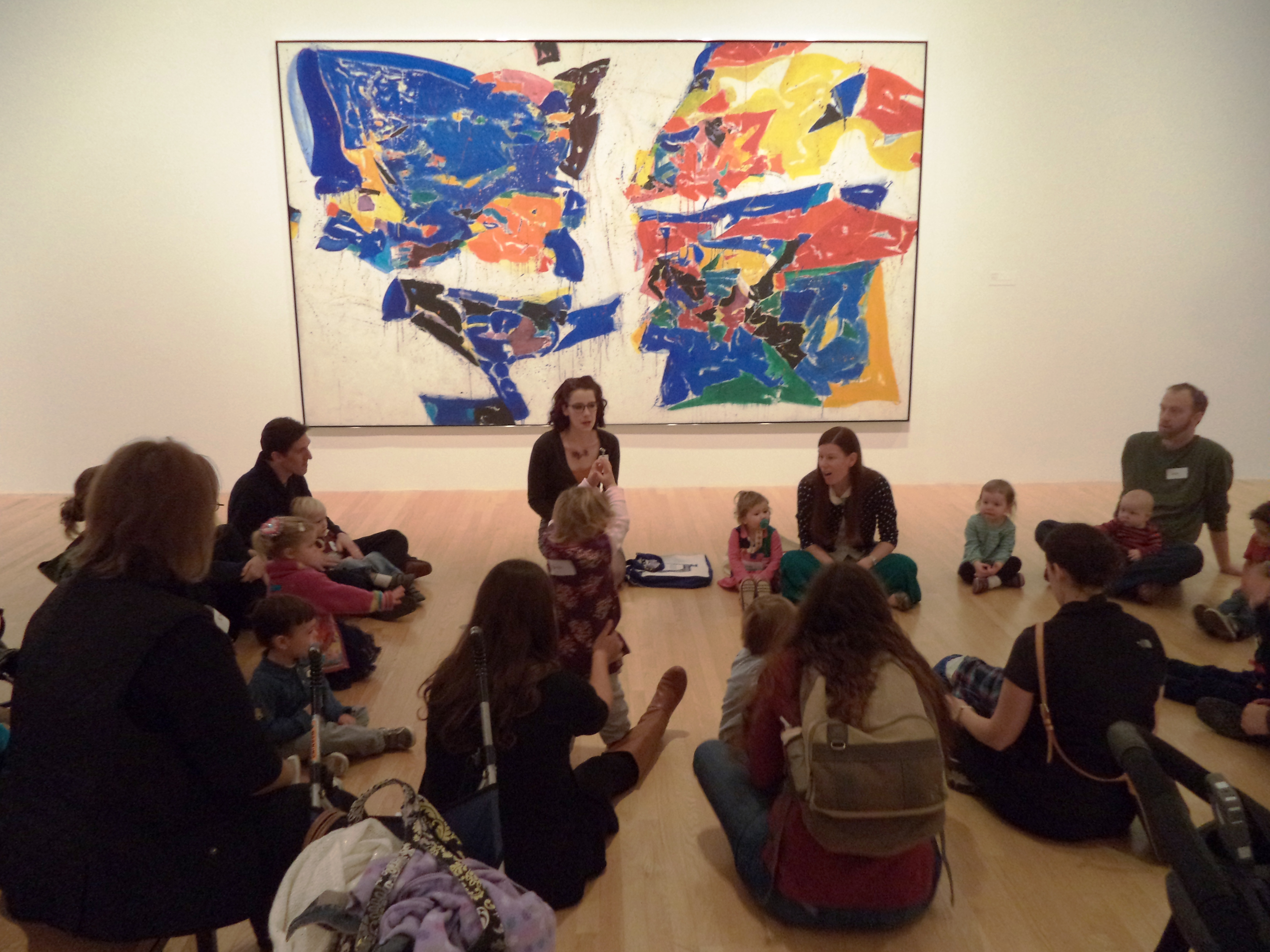
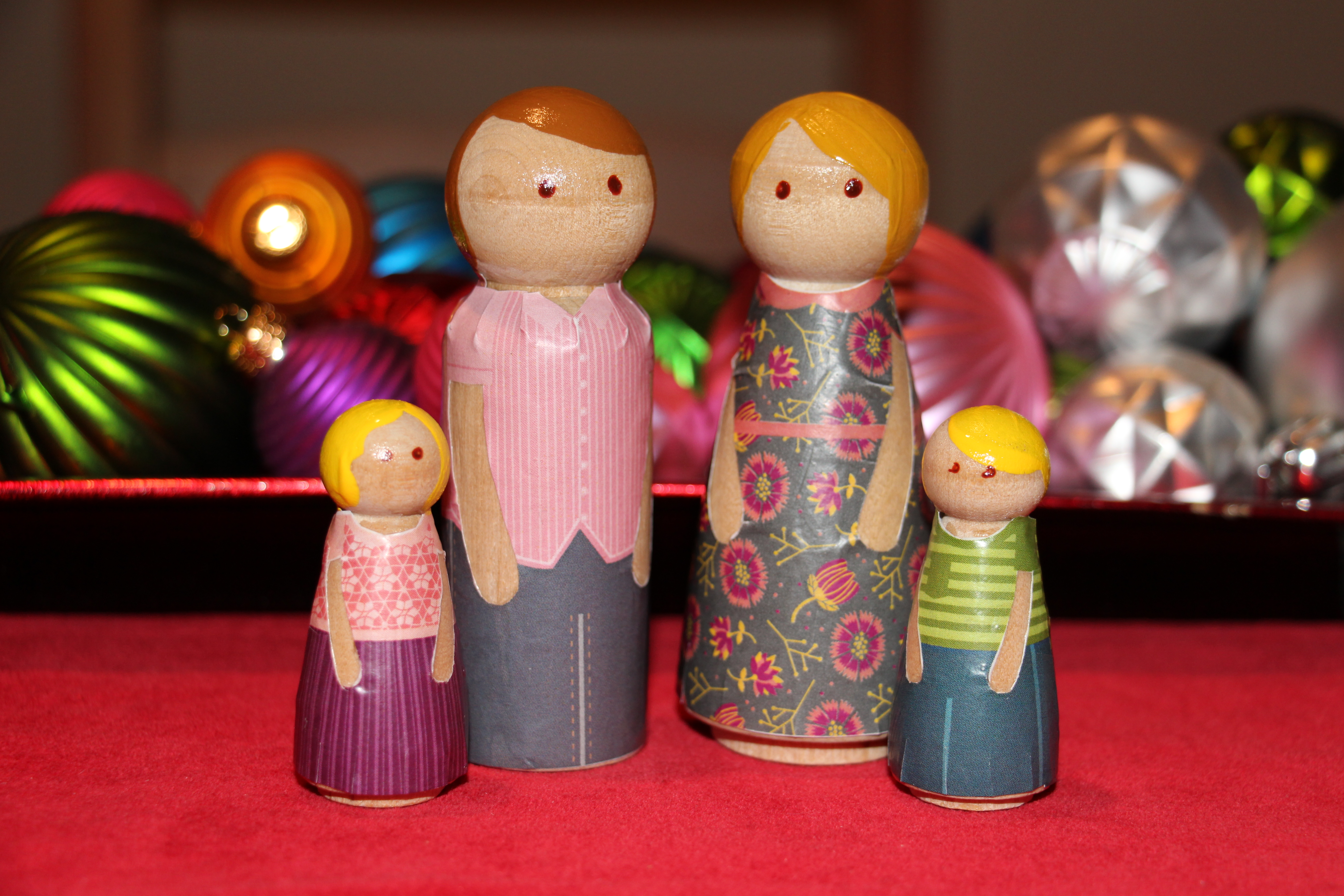
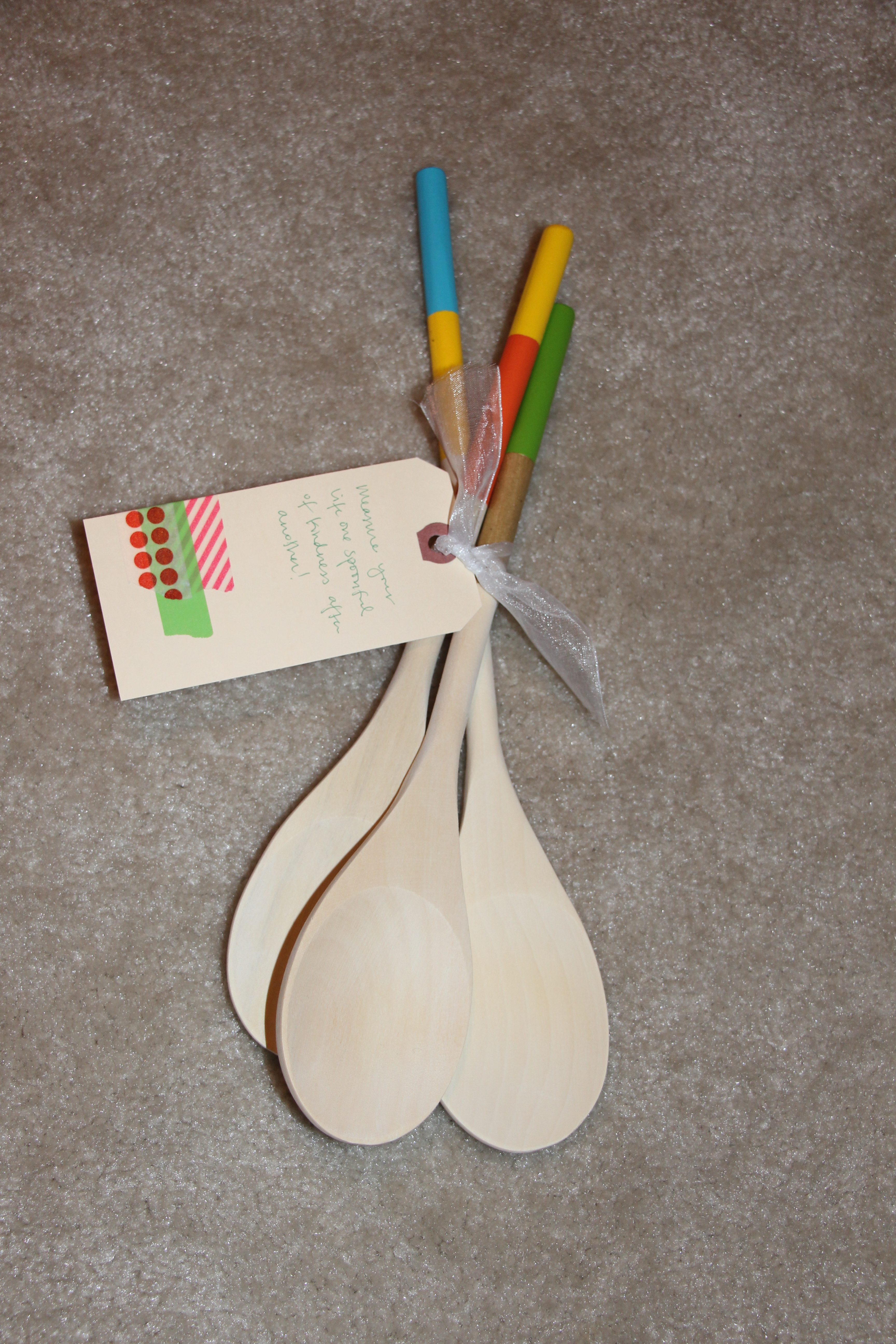
DMA Education staff have been as busy as Santa’s elves this holiday season, crafting, baking, painting, and getting ready for this most wonderful time of the year. We get a lot of inspiration from the art that surrounds us each day, but we also find inspiration on a little site called Pinterest.

Check out what we’ve been doing when we’re not at the DMA. If you see a project or recipe you like, use the links below to find instructions, ingredients, materials, and recipes.

We wish you and yours a very Pinteresting Holiday!

Leah Hanson
Manager of Early Learning Programs

Holiday Lights, Camera, Action!

Every December, I get in a merry holiday spirit and devote the month to putting up decorations in my apartment and listening to festive music both at home and in my car. But my favorite part is watching an endless amount of holiday movies. And with holiday classics on the brain, I can’t go long without being reminded of one of my many favorite films while going about my day- even while working here at the Museum!
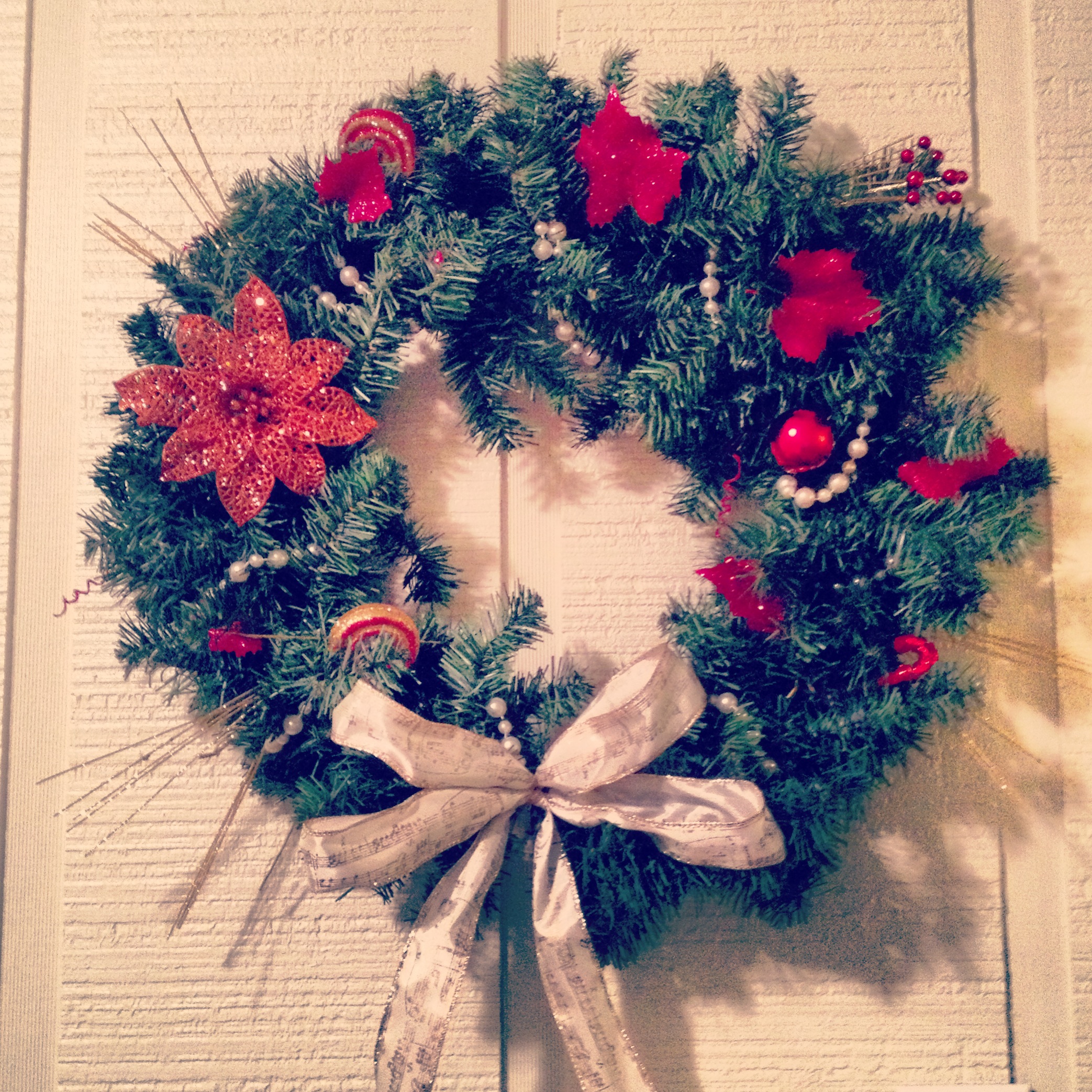
Take a look at the following works of art found here at the DMA and read the clues below each image. Put your holiday movie knowledge to the test and see if you can figure out which movie each work of art is most reminiscent of. Click the link paired with each image to see if your guess is correct!

vacation

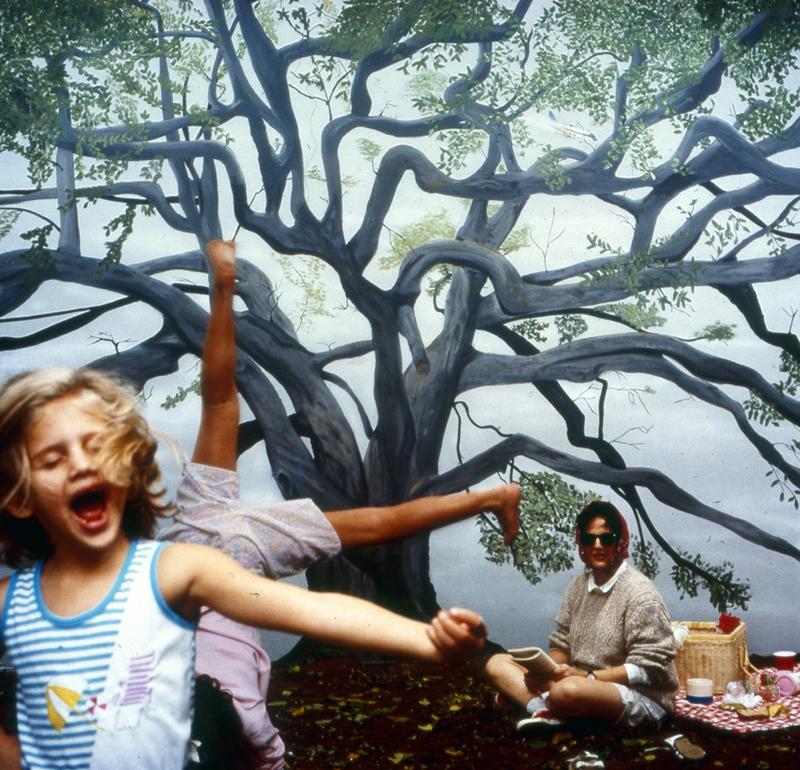
Nic Nicosia, Vacation, 1986, Dallas Museum of Art, gift of Meisel Photochrome Corporation

It’s time for a holiday vacation spent with kids and the spouse. Just be careful stringing thousands of lights on the house!

house

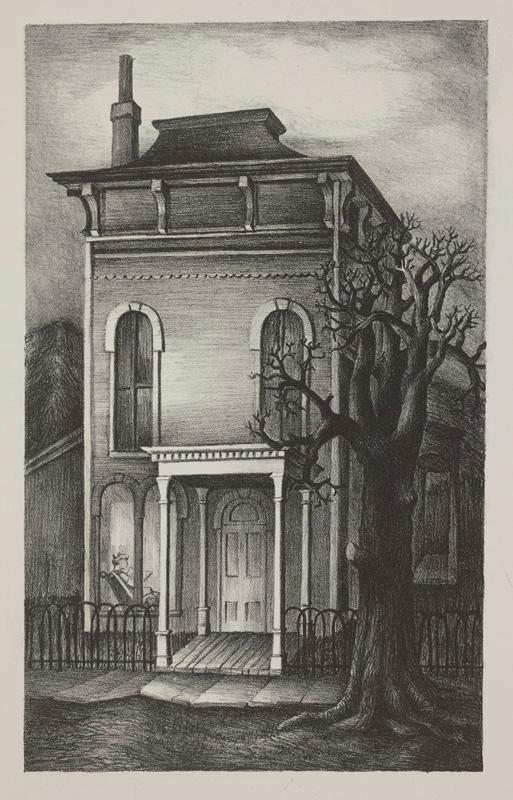
Lucille Jeffries, Woman Reading Beside Square Top House, n.d., Dallas Museum of Art, gift of Mrs. C.P. Wright.

Having the house to yourself for the holidays may seem ideal, but beware of bumbling burglars who are on a mission to steal.

lovebirds

Ruth L. Guinzburg, Love Birds, n.d., Dallas Museum of Art, gift of Mrs. Robert A. Beyers

Do you feel it in your fingers? Do you feel it in your toes? For these holiday love birds, their love just grows and grows!

lamp

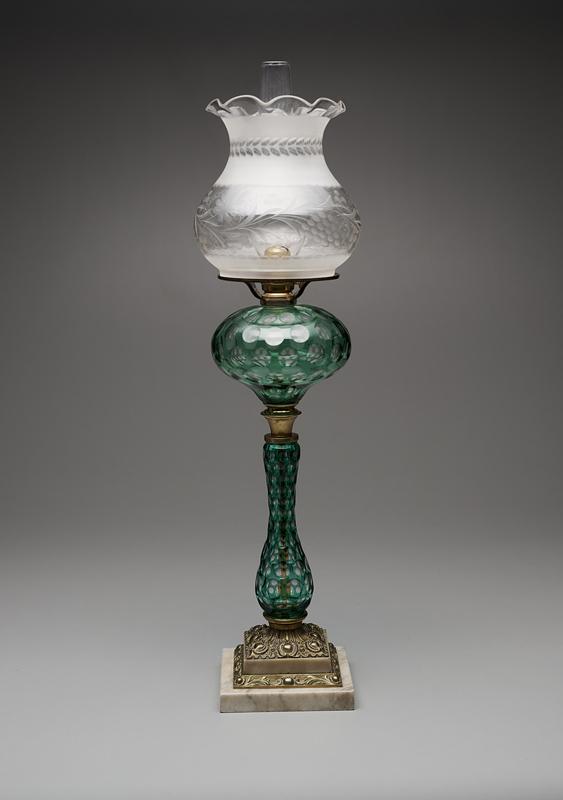
Boston and Sandwich Glass Company, Lamp, c. 1860-1875, Dallas Museum of Art, gift of the Dallas Glass Club

It’s an event-filled holiday for a boy wanting a B.B. gun, complete with a leg lamp, a bunny suit, and decoder pen fun!

afternoon train

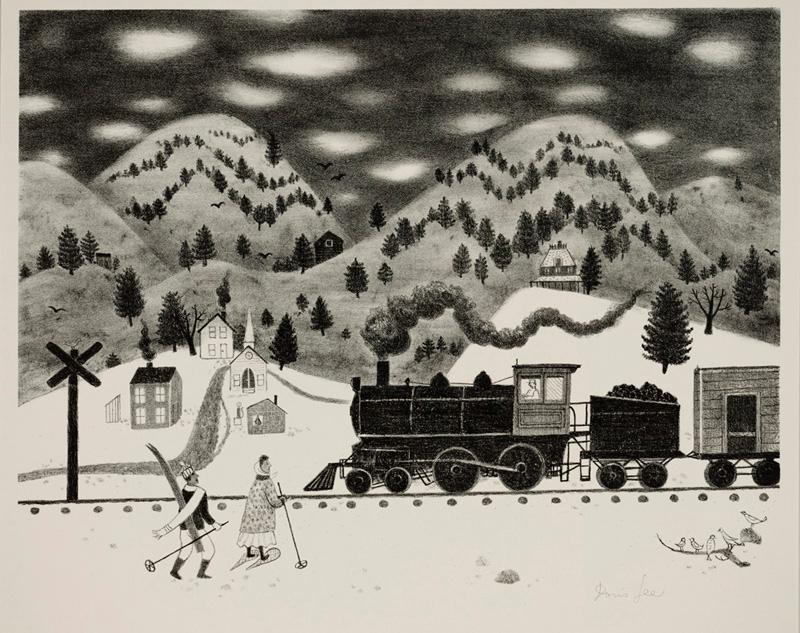
Doris Lee, Afternoon Train, 1944, Dallas Museum of Art, Foundation for the Arts, The Alfred and Juanita Bromberg Collection

All aboard a magical train to the north, where hot chocolate, Santa, and adventures come forth!

So how did you do? Are you a Roger Ebert in training or does your movie knowledge need a little brushing up? Tell us in the comments and be sure to let us know which holiday movie you find yourself re-watching every year!

Amy Elms
McDermott Education Intern for Visitor Engagement

Getting Smart about Play

Tyler Rutledge began volunteering at the DMA during Late Nights  over a year ago, and joined the C3 Volunteer Program last January. Through our conversations with Tyler, we learned that he had a strong interest in talking to and sharing his passion for art with visitors. We offered Tyler a volunteer internship so that he could learn more about the Museum and, in turn, we could learn from his unique and thoughtful perspective. As his internship draws to a close, we’ve invited Tyler to share a few insights about his time working with us.
Get Smart was one of my favorite TV shows for play-pretending. I loved the unsuspectingly gadget-ized scenery—the excessively concealed entrance to CONTROL or Max’s dangerously unassuming apartment—mostly because it gave me the perfect setting to play and explore my world as it could otherwise exist.

Playing with a visitor and his abstract scribble drawing at the Pop-up Art Spot on level four

Playing with a visitor and his abstract scribble drawing at the Pop-up Art Spot on level four

Similarly, my education internship with the Center for Creative Connections has encouraged me to imagine alternatives through play. For example, I designed a Creativity Challenge for the Late Night in October. During Creativity Challenges, visitors exercise their imagination in projects based on works of art at the Museum, working within parameters such as limited, pre-selected materials and a thirty-minute time limit. This Creativity Challenge prompted visitors to create a memorial to a cause or event inspired by the DMA’s Indian Shrine. Despite the proposed scale of the project, which was about the size of a roadside memorial, the winning team imagined a monument-marketplace capable of providing food to all seven continents.

Exploring the different perspectives of DMA visitors has been delightful as well. I originally began volunteering at the Museum to learn more about the stories related to our guests’ ephemeral creations. During one Late Night, a physician attending a digestive medicine conference in Dallas talked with me about a sculpture formerly on view in C3, Untitled (35) by Lee Bontecou. She explained that, to her, the wall-mounted sculpture represented a portion of the digestive tract, whereas the metal framework served as blood vessels and the small copper wires adhering cloth to the structure were nerve endings. To me, this conversation revealed the intuitive way that people play within their own space. Playing together also gave us a small shared-intimacy: she gave me a trinket she made at the Art Spot inspired by our conversation about Untitled (35). She explained that her trinket symbolizes her desire to be open and available to new imaginings.

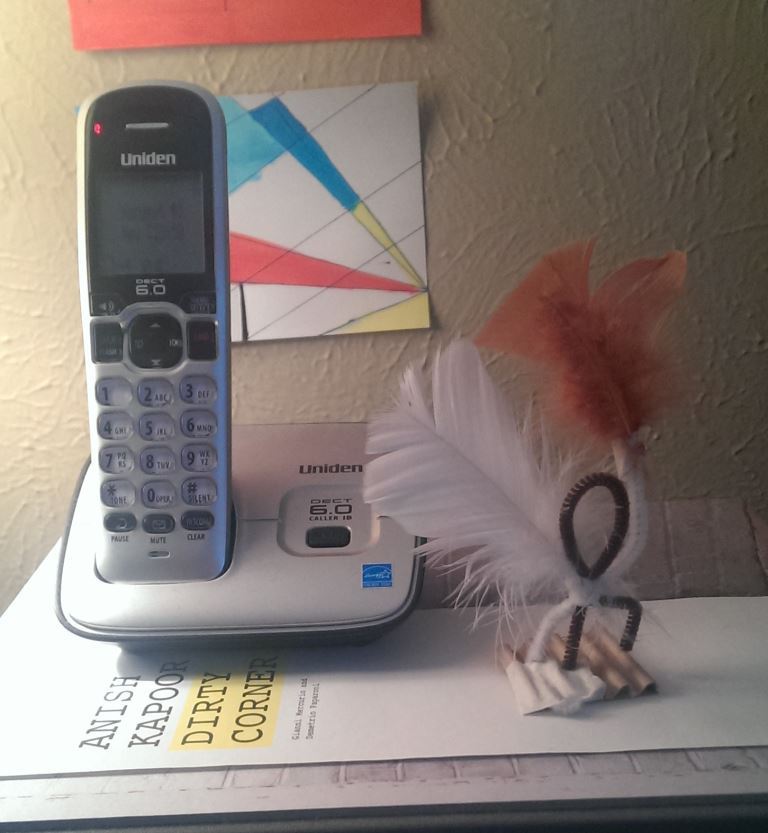
A trinket left by a visitor that I keep by my phone to remind me to be receptive (yes, I still use a home phone)

A trinket left by a visitor that I keep by my phone to remind me to be receptive (yes, I still use a home phone)

A creation left at the Art Spot

A creation left at the Art Spot

A shared intimacy of art and play is one experience I hope visitors have together at the Pop-Up Art Spot in the DMA contemporary galleries. The abstract expressionist paintings on view are fiercely independent yet possess bold relationships, inspiring me to develop activities based on sensory experiences. An activity that has proven particularly difficult to predict visitor response is called Olfactory Produced, a title meant to reference Jasper Johns’ Device in addition to personal preferences of scent. Olfactory Produced asks visitors to consider associations between different scents and paintings, and it encourages them to wonder how the sense of smell enhances the experience of looking at and thinking about works of art. This activity is intended to elicit an entirely subjective, personal experience with the works of art.

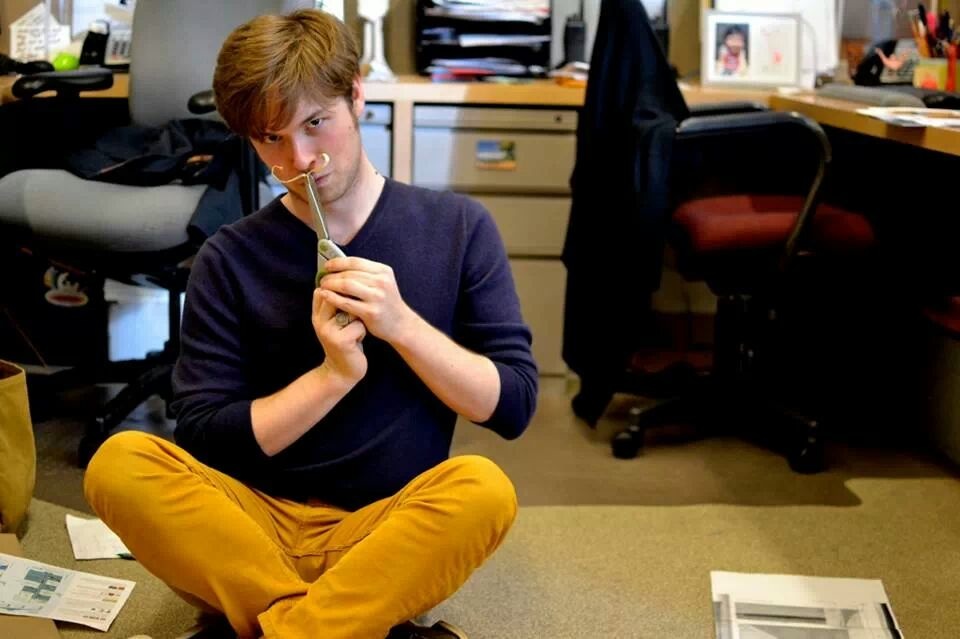
Jessica Fuentes took this picture of me while we worked on an activity for the Pop-up Art Spot in the contemporary galleries

Jessica Fuentes took this picture of me while we worked on an activity for the Pop-up Art Spot in the contemporary galleries

Eventually my reenactments of Get Smart ended (if I remember correctly) when my mom realized my bathroom’s secret-telephone towel hooks were loose because I unscrewed them to talk, and my time of play at the DMA must also end. In January I will depart for Los Angeles and, with it, exciting new scenery for adventurous play. Share your scenery and playtime with me on Instagram.  Tag @TylerGreyDragon and #DMAPlay!

**My playtime as a volunteer and weekend intern in the Center for Creative Connections has been accompanied by some of the best playmates on the swing set: Leah Hanson, Amanda Blake, Danielle Schulz, Amy Elms and JC Bigornia, who have inspired me to play with materials and sensory experiences; Amanda Batson, who encourages me to be my very best self through all of her magnificent achievements and friendship; Jessica Fuentes, who has guided me through creative problems and has been a faithful Klyde-Warren-Park-Food-Truck play pal; Melissa Gonzales, who refines my sandcastles and teaches me about how to build their bridges; and, Susan Diachisin, who has opened me to a new world of play through her expansive imagination.

Tyler Rutledge
C3 Intern

Holiday Wishlist

Due to Icemegeddon 2013 I am delaying the blog that I originally wanted to compose and instead providing you a glimpse into our lives! I asked my fellow DMA staff members what is on their holiday wishlist. See if this matches your list too!

JC Bigornia, Program Coordinator for the Center for Creative Connections, would love Joni Wilson-Bigornia to gift him a new Lilypad POV Wristband

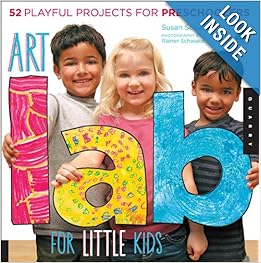
Leah Hanson, Manager of Early Learning Programs, is looking for new ideas for making art with kids, and this book by Susan Schwake looks like it could give her all kinds of projects for future classes and summer camp!

Melissa Gonzalez, C3 Gallery Manager, believes that she has “already eaten WAY too much this holiday season, so this cookbook is on my wishlist.  I’m eager to learn how to cook healthy seasonal comfort foods.  Who knew this was possible?”The Seasonal Comfort Food Cookbook

Stacey Lizotte, Head of Adult Programming and Multimedia Services, would love to test out some fragrances before committing to one of them so this Sephora gift set makes a nice present for Stacey.

 Sephora Favorites - Fragrance Sampler For Her

As for me, I love to read and my eyes are not as strong as they used to be so I would like a new pair of glasses from Warby ParkerHolcomb Marbled Sandstone Eyeglasses

Wishing you a wonderful season!

Amanda Batson
C3 Program Coordinator


Archives

Categories