Archive Page 32


DMA Education Staff Braves ‘Icemageddon’

This past weekend brought freezing temperatures and several inches of ice to North Texas. As the outside world turned into a scene similar to Church’s The Icebergs, the DMA shut down, leaving us with an unexpected four day weekend. When we returned to work on Tuesday, I had fun polling members of the DMA Education team on how they spent their ‘Icemageddon.’
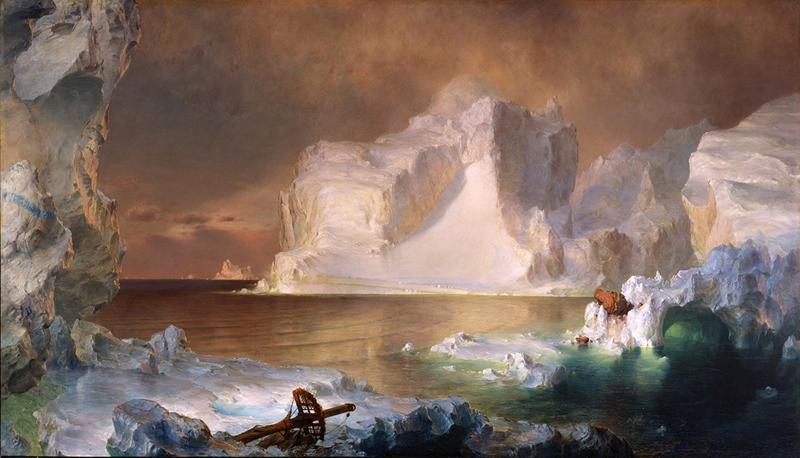
Frederic Edwin Church, The Icebergs, 1861, Dallas Museum of Art, gift of Norma and Lamar Hunt

Frederic Edwin Church, The Icebergs, 1861, Dallas Museum of Art, gift of Norma and Lamar Hunt

Home Time:

After getting over a bad case of the canceled Dallas Marathon blues, I hunkered down for a lazy weekend with my roommates complete with pajamas, a roaring fire, several baking experiments, cat snuggling, and season 1 of Doctor Who.

Leah Icemageddon

Leah Hanson also enjoyed nesting at home and spent her time off “warming up next to the fireplace, eating cookies and watching the movie Elf with friends.”

The crafty Danielle Shulz also spent her Icemageddon watching movies (making it through all five Harry Potter flicks!), and sewing some fabulous curtains. She was quite content to come back to work and find that her loving work pal, Stacy Lizotte, had made her delicious cookies during her time off.

Quality Kid Time:

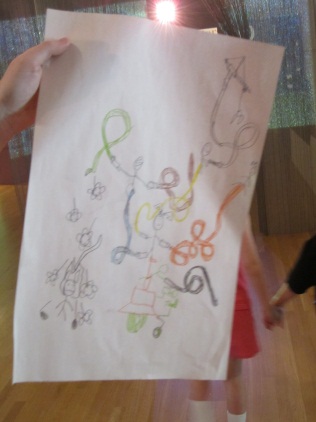
The long weekend gave parents a chance to spend some quality time with their little ones. Melissa Gonzales spent her Icemageddon watching movies, making soup, and playing with her son, Eli.  She also completed a few craft projects during Eli’s naptime. Kudos to you, Melissa!

eli snow 2013

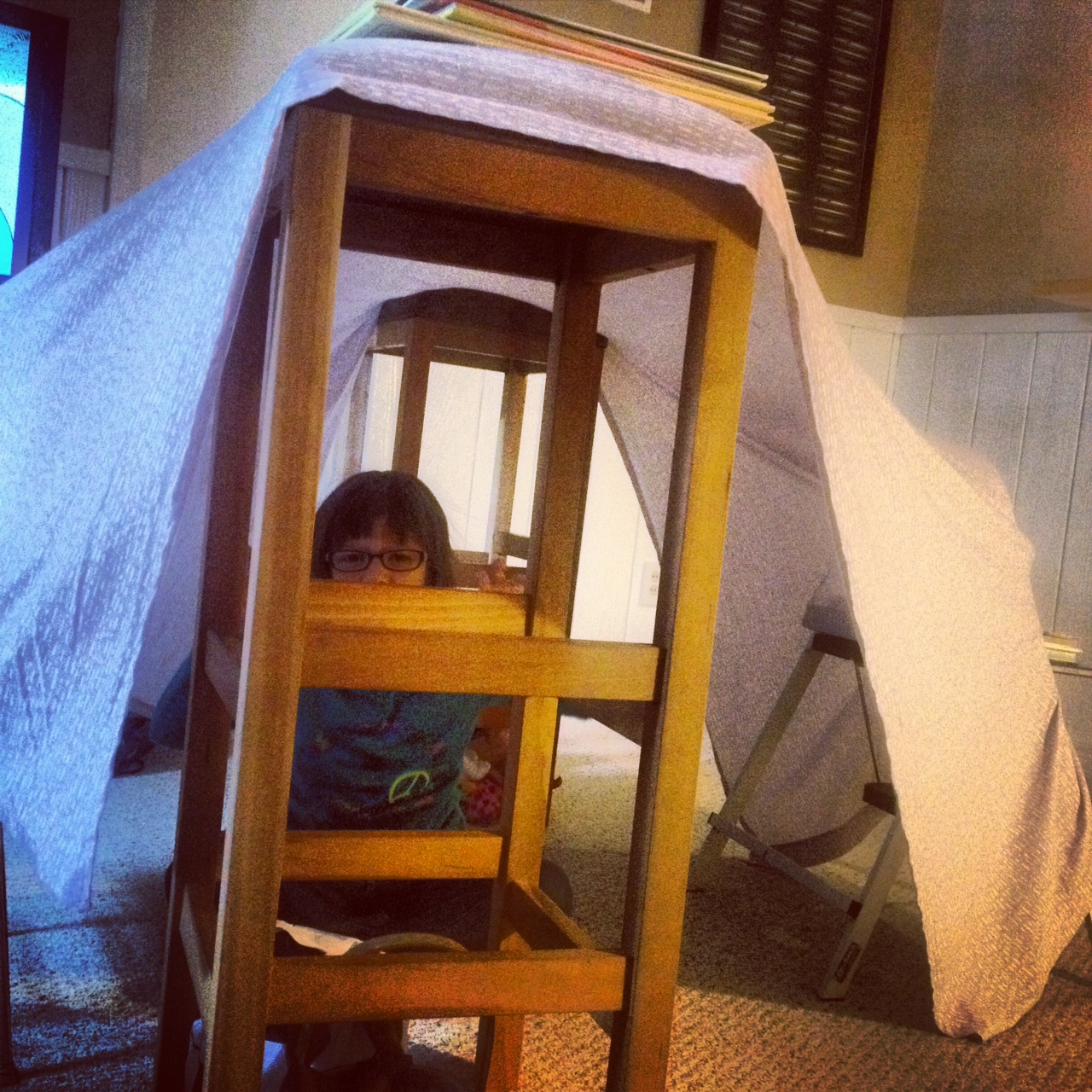
Jessica Fuentes also kept busy with her daughter, Julia. “Being stuck inside with a 7 year old ball of energy for 4 days was fun and problematic.  We had to get outside, so my daughter opted to go sledding… she thought I should try it out, but I preferred to watch her. Julia also built a shelter to camp out in while we watched old Disney movies and I Love Lucy.”

Amanda Batson was able to get out of the Big D to spend an epic weekend in Austin caring for three little girls. “We had an incredible time staying safe and warm away from all the ice! We watched the new Disney movie Frozen, drank pink hot cocoa, played board games and had tasty s ’mores. On my way back to Dallas I stopped by the University of Texas at Austin campus where I completed my MA in Museum Studies to soak in some memories and then decided to get a new tattoo! But this trip would not have been complete without a visit to the nationally acclaimed Round Rock Donuts! At least I had delicious glazed bites to keep me calm through the scary, icy drive home.”


Outdoor Adventures:

Amy Elms, an Austin native, enjoyed exploring and taking photos of the the snow outside of her apartment. “I’ve mostly lived in cities that very rarely get snow or ice, so it’s always exciting when the area I live in is transformed into a winter wonderland! As soon as I woke up on Friday, I went and explored the park near my apartment complex. It was fun to crunch around in the ice and see all the icicles hanging from the trees. It was a little tricky to walk around without slipping and falling though!”

Amy Elms Icemageddon

Amy’s neighbor, Hayley Prihoda, also took photos of Dallas’ unexpected winter wonderland. She also spent time at Half Price Books where she kept warm and entertained.

A bit further up north, Madeleine Fitzgerald and a fellow Dentonian ventured out for chips and salsa to survive to Icemageddon. They soon discovered that they weren’t the only ones who had that idea…

Madeleine Fitzgerald Icemageddon

Although it was a bit foggy coming back to work after Icemageddon finally defrosted, it was fun to hear about how the DMA Education staff braved the storm. How did you spend your time off?

Amelia Wood
McDermott Intern for Family and Access Teaching
Artist Astrology: Sagittarius

This month, we turn our attention to the adventurous, free-spirited Sagittarius! Sagittarius individuals, born November 23 – December 21, are known for their “larger than life” personalities. They view life as a challenge and embrace opportunities for personal growth and development. The ultimate goal for a Sagittarius is to discover the meaning of life, which results in a desire to make the most of every situation. At times, their ambition is equated with recklessness or inconsistency but, in reality, their pursuits are often thoughtful and purposeful. Sagittariuses have a contagious enthusiasm and passion for life and believe nothing is out of reach!

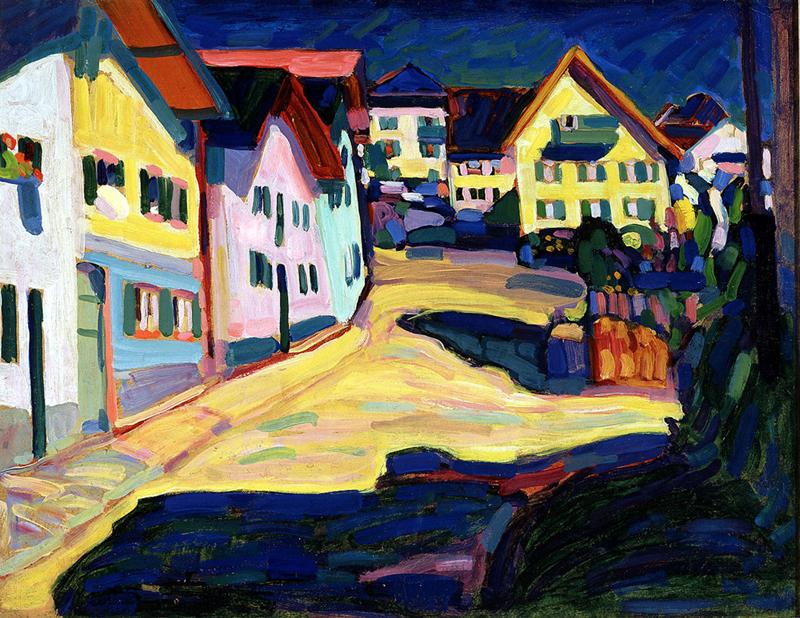
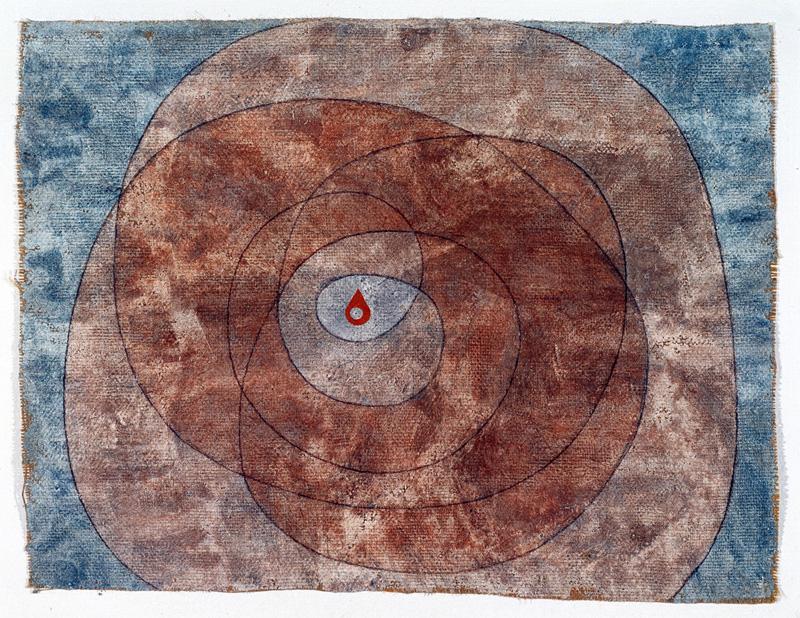
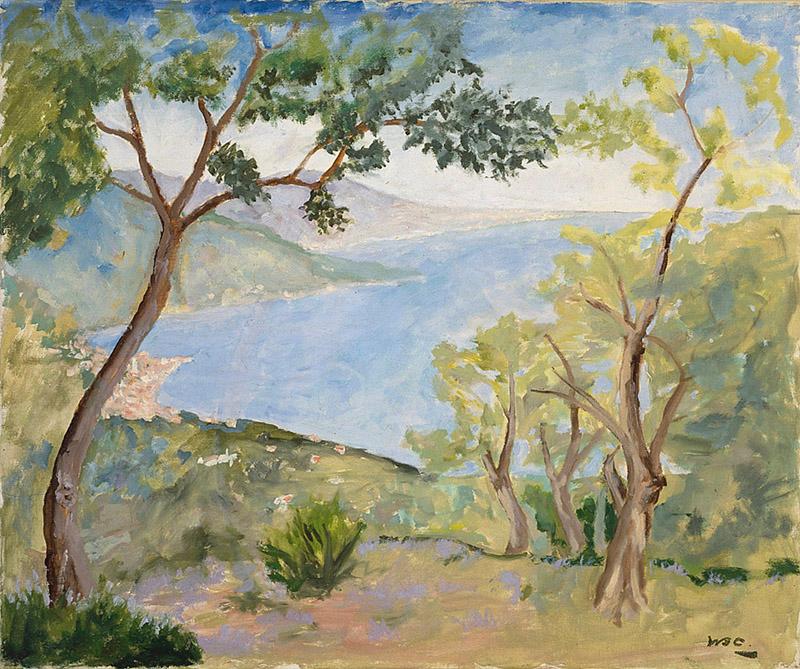
The DMA’s collection features a handful of splendid Sagittarius artists, including Winston Churchill (November 30), Georges Seurat (December 2), Gilbert Stuart (December 3), Stuart Davis (December 7), Helen Frankenthaler (December 12), Wassily Kandinsky (December 16), and Paul Klee (December 18).

1985_R_16

Winston Churchill – November 30

Sir Winston Churchill is not often known for his artistry but for his profound impact and contributions as the Prime Minister of the United Kingdom from 1940-1945 and 1951-1955. His strength and pride guided the British public through the Battle of Britain in 1940 and his speech “We Shall Never Surrender” remains an emblem of British courage today. Yet, through his art, the softer, introspective side of this prominent figure is revealed. As referenced by his daughter Mary Soames in the book Sir Winston Churchill’s Life Through his Paintings, Churchill’s paintings demonstrate a profound sensitivity and keen interest in the therapeutic qualities of art. In fact, in his essay Painting as a Pastime, Churchill raises questions about the relationship between memory and the act of painting. Thus, in his art as in his political policies, Churchill reveals a Sagittarius’ interest in explaining and justifying the world around him.

1963_31

Wassily Kandinsky – December 16

Wassily Kandinsky traveled extensively between 1903 and 1908, visiting the Netherlands, Italy, Tunisia, France, and Germany. The painting above was created en plein air during his stay in Murnau, Germany, where he eventually settled from 1908 – 1914. His life in Murnau and nearby Munich marked a critical period in his artistic development, beginning his transition from realistic depictions to more abstract and representational forms. The artwork above is indicative of this slow shift as the street begins to dissolve into a field of thick brush-strokes and areas of blocked colors. Ultimately, Kandinsky sought to invest his paintings with spiritual imagery without using representational subjects. In this way, he was operating according to the Sagittarius desire to create a meaningful and purposeful life.

1997'89

Paul Klee – December 18

Paul Klee aspired to develop an artistic language that “synthesized the ‘inner’ and ‘outer’ worlds into a pictorial whole,” viewing artistic production as a spiritual experience of equal importance to the final product. As such, he was extremely interested in the art produced by tribal cultures, children, and the insane. His art reflects this curiosity and is intended to appear naïve and untutored. Because of his dedication to exploring art production as a spiritual and natural process, Klee is often recognized as a theoretician. He famously stated, “Art does not reproduce the visible but makes visible.”

Thank you for catching up on a few of our favorite DMA Sagittarius artists! Don’t forget to read next month’s blog for information about our caring Capricorns.

Artworks shown:

  • Winston Churchill, View of Menton, 1957, Dallas Museum of Art, The Wendy and Emery Reves Collection
  • Wassily Kandinsky, Murnau, Burggrabenstrasse 1, 1908, 1908, Dallas Museum of Art, Dallas Art Association Purchase
  • Paul Klee, Around the Core (Um den Kern), 1935, Dallas Museum of Art, anonymous gift in appreciation for Dr. Dorothy Kosinski, The Barbara Thomas Lemmon Curator of European Art

Hayley Prihoda
McDermott Intern for Gallery and Community Teaching
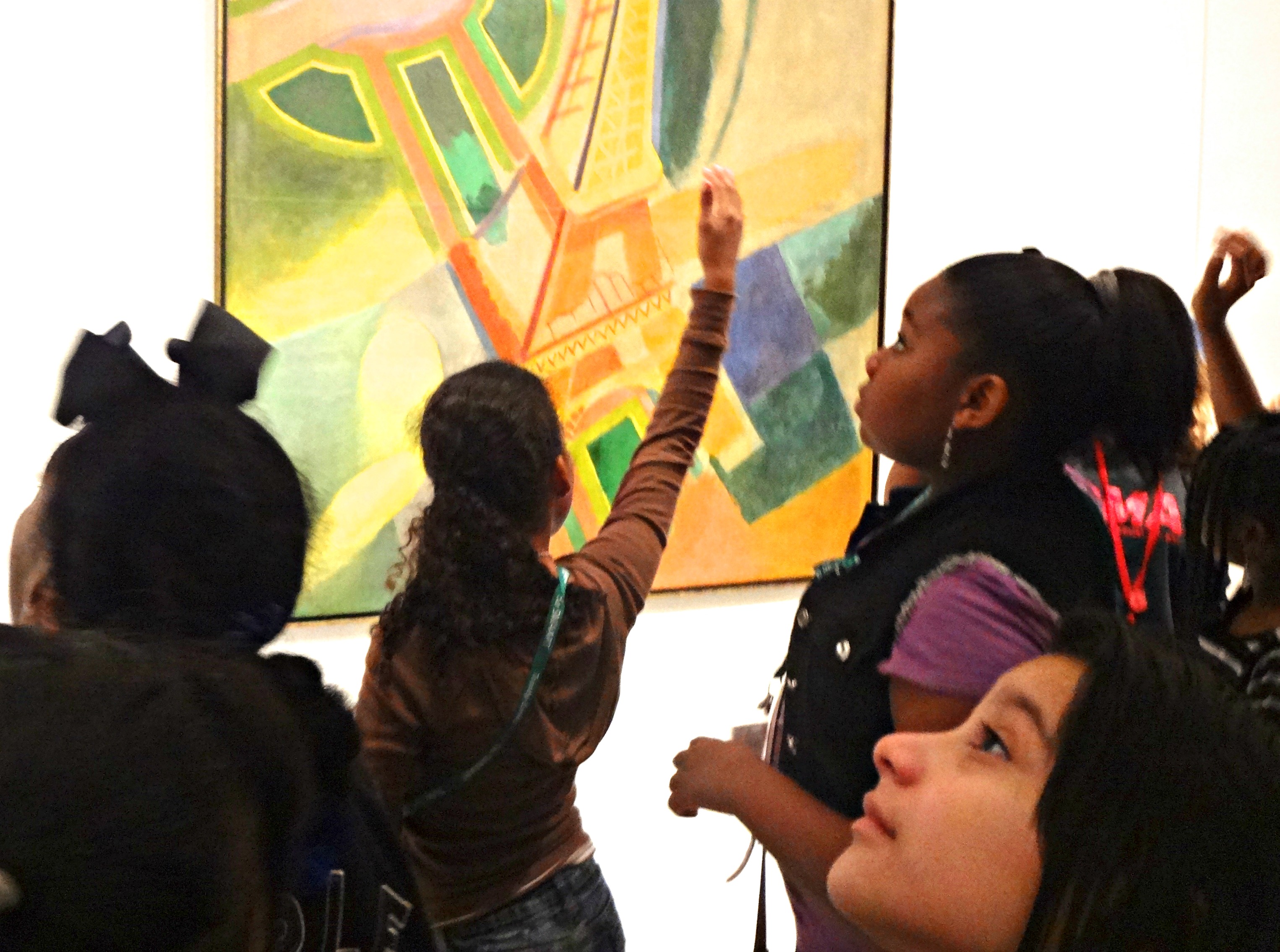
Friday Photos: C3 Riddle

For the past three weeks, C3 has been undergoing some creative construction.  Today our gallery reopens with a few new works of art.  See if you can piece together one of the new works on view by the details below:

Still need a hint? The origin of this riddle may give you a clue:

“I have billions of eyes yet I live in darkness. I have millions of ears yet only four lobes. I have no muscles, yet I move two hemispheres. What am I?”

Plan your next visit to C3 soon to see this artwork and the other new works that are currently on view!

Jessica Fuentes
C3 Gallery Coordinator

So Long, Farewell…

For the past six-and-a-half years, the Dallas Museum of Art has been my home. I have often referred to my office as my “apartment,” and my co-workers have come to feel like my family. But sometimes, you need to move away from home and on to something new, and now is that time for me. I have accepted a position as the Assistant Director of Interpretive Programming at the Cincinnati Art Museum, and December 9th will be my last day at the DMA.

It’s very bittersweet to be leaving a place (and people) that I love. But my new job will present opportunities to plan programs for visitors of all ages–from toddlers to adults–and I’m looking forward to broadening my knowledge of Museum Education through this new position. And I’ll be a lot closer to my family in Michigan, which will be wonderful.

As I reflect back on my time in Dallas, it’s tough to narrow down my favorite DMA memories. I’m not sure what I’ll miss most!

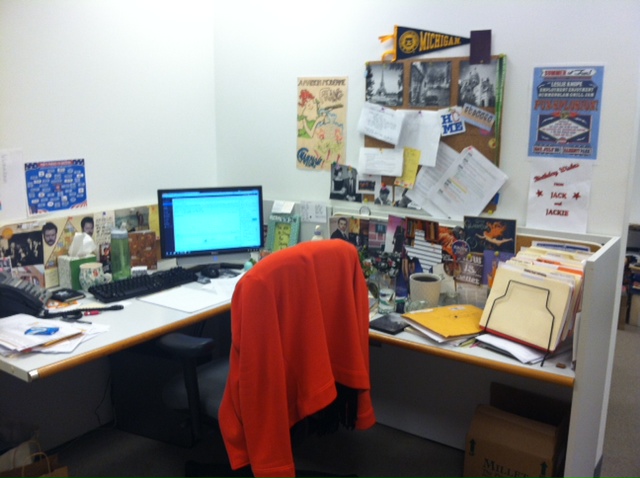
Maybe my desk–but a lot of these things will be moving to Ohio with me.

photo (7)

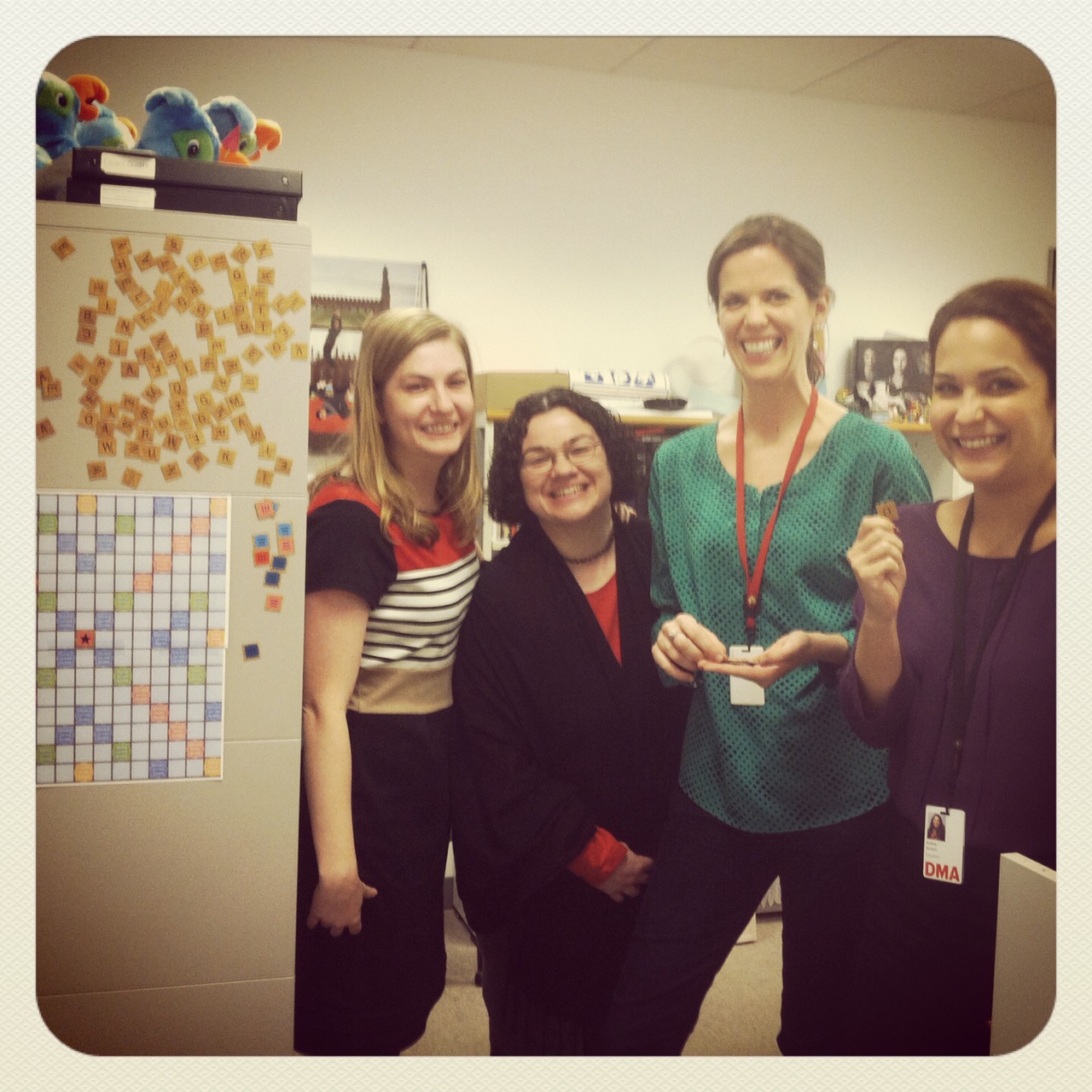
Or maybe the Scrabble game that has been occurring on my file cabinet for the past year.

photo (6)

I’ll certainly miss our docents, whose passion and dedication to the DMA continues to amaze and inspire me.

spring 2013 469

And I will most definitely miss the clever and talented students of Booker T. Washington High School for the Performing and Visual Arts. My time with them has been one of the highlights.

935264_10101414450571659_1771636690_n

I’ll miss the DMA’s amazing collection, including The Icebergs.  We all jumped for joy when it returned to the galleries earlier this year.

photo 1 (2)

And most of all, I will miss the DMA Education department. They have taught me everything I know about being a Museum Educator, and they’re not just my colleagues. They are my dearest friends. I’ll especially miss our retreats and off-site meetings–we know how to have fun while getting work done!

photo (8)

Thank you to everyone who has made my time at the DMA so memorable–from students to teachers and from the docents to my colleagues. I will miss everyone very much, but hope to see y’all again soon!

Shannon Karol
Manager of Docent and Teacher Programs

Draw like Edward Hopper!

Hopper Drawing: A Painter’s Process, currently on view at the DMA, is the first exhibition to explore the drawings of American artist Edward Hopper. Hopper is most well-known for his paintings. In fact, Hopper’s paintings inspired some Alfred Hitchcock films! It’s not as widely known that Hopper was great with a pencil or pen and paper, and he often sketched to work out themes that interested him. Many of these themes later became the subjects of his celebrated paintings.

Hopper did not draw strictly from reality. The artist explained that he worked both “from the fact” and by “improvising,” or working from his imagination. Though he worked from visual observation, he would tweak elements of his composition. Perhaps he would remove a lamppost, add a figure, or slightly change the angle of perspective.

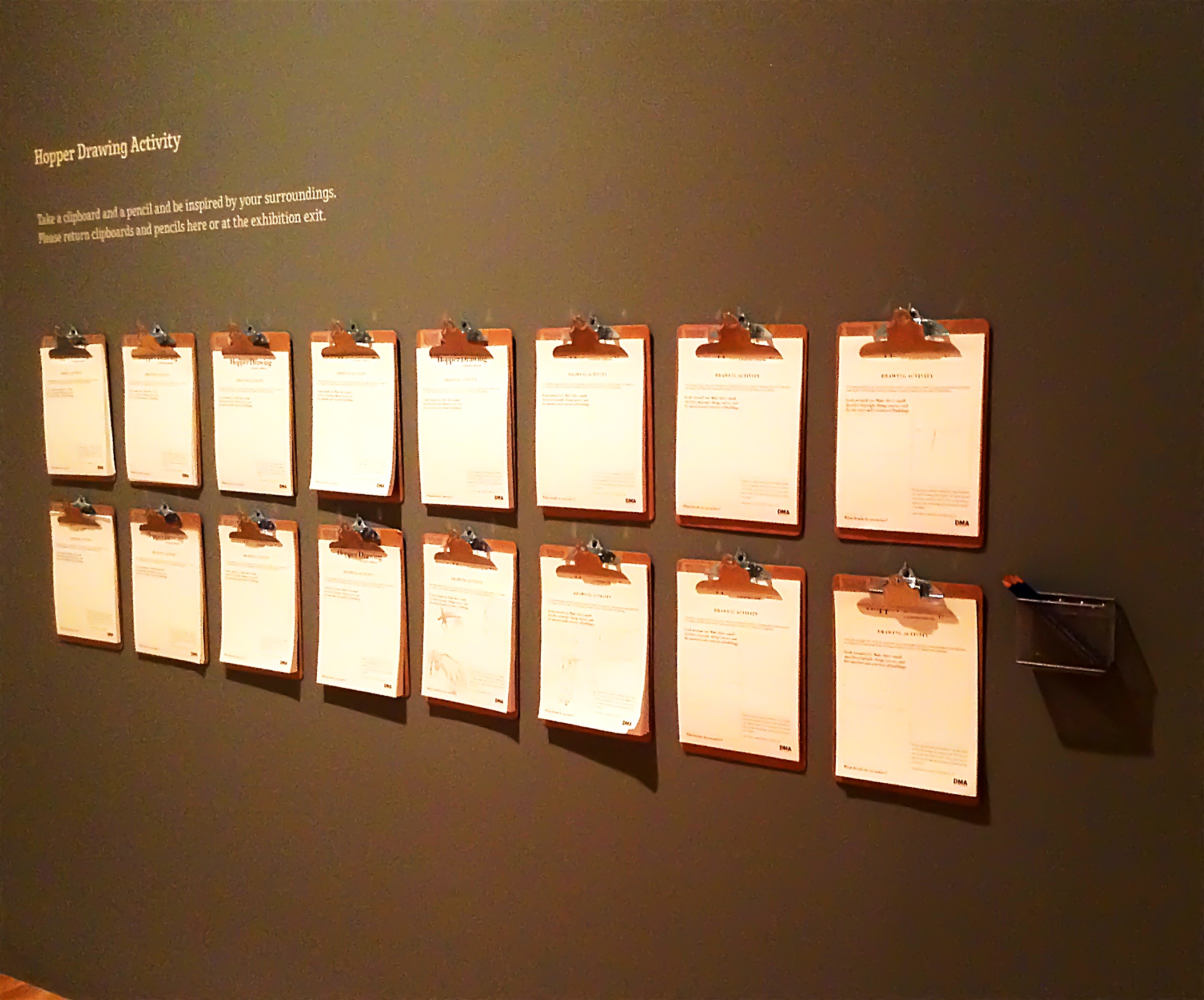
In this exhibition, you can learn about Hopper’s process not only by observing his drawings, but also by trying it out yourself. After entering Hopper Drawing, pick up a pencil and a clipboard from the wall in the first gallery. Be inspired by Hopper’s sketches around you and draw your own surroundings. This could be people, things, or the interiors or exteriors of buildings. Then, combine your observational sketches into one composition that incorporates elements from reality and your imagination, in the same way Hopper worked out compositions for his paintings through sketching.

We look forward to seeing what you create!

clipboards

Andrea Severin Goins
Interpretation Specialist


Give Thanks

At this time of year, many people begin to take stock of moments and experiences they are thankful for. The act of sharing this gratitude with others, and reviewing those things that may have been taken for granted, can actually increase an individual’s well-being. According to Cicero, “Gratitude is not only the greatest of the virtues but the parent of all others.” In an effort to spread this sense of well-being to our Canvas blog readers, I asked my colleagues in the Education Division to share a work of art from the DMA’s permanent collection or special  exhibitions that they are thankful for—whether it is a work they enjoy visiting in a  moment of free time; or perhaps one they regularly use in a program; or even a work of art they would like to learn more about. Enjoy their responses below and of course, feel free to share your own! 🙂

  • HalberdierAmanda Batson – C3 Program Coordinator. I am thankful for The Halberdier by Ferdinand Hodler, located in our European collection. This massive work of art confronts you as you exit the blue elevators in an inescapable way. At first glance, the soldier seems fierce and almost living up to his reputation as the ultimate protector of Switzerland. I am incredibly thankful for this work of art by Hodler because no matter how fierce or stoic it may seem—it has a bit of whimsy. If you look closely you will notice that the mustache of the Swiss soldier goes up towards his cheek on one side and down towards his chin on the other. I am not sure what the intention of the artist was but I cannot help but laugh about this every time I see it! Some days you just really need a laugh! 
  • Amelia Diary of FlowersAmelia Wood – McDermott Intern for Family and Access Teaching. When Jim Hodges: Give More Than YouTake opened in October, I immediately felt a connection with the artwork.I was especially struck by Diary of Flowers (When We Met). My interest in diaries was sparked when I saw Day After Day: The Diaristic Impulse at the University Art Museum in Albany, NY, last spring.Artists involved in this show were focused on recording their daily lives, including personal rituals, narratives, and experiences. I’ve never been great at keeping a diary, and I was moved by the way in which the process of keeping a diary forces you to slow down and appreciate day-to-day life. Hodges Diary of Flowers has evoked a similar response in me, and I’ve enjoyed revisiting the artwork when I need a reminder to slow down and, well, smell the flowers.
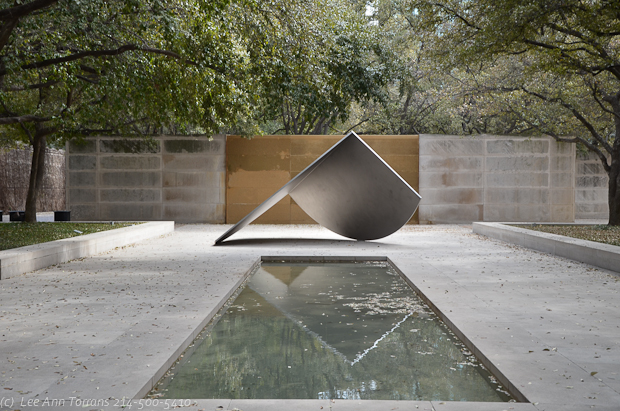
  • sculpture gardenRhiannon Martin – Volunteer Coordinator. am thankful for the sculpture garden as a whole, because it is a nice place to escape from the busy work day for a bit and enjoy the weather when it’s nice out. The sculptures throughout the lawn are a beautiful backdrop and help to create a wonderful space to sit and relax. 
  • Amy teaching in front of Family Portrait 1963

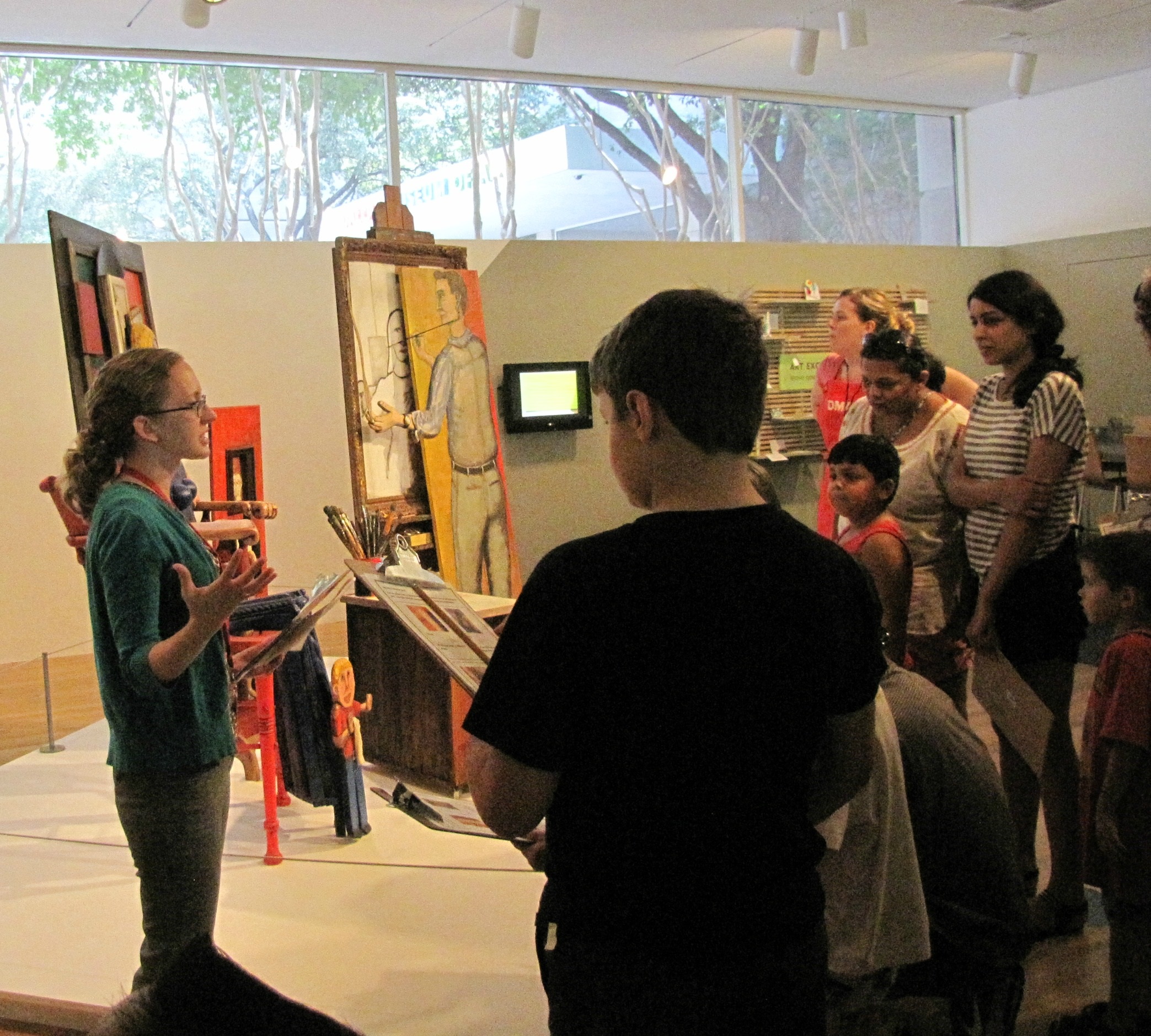
    Amy Elms – McDermott Intern for Visitor Engagement. I’m thankful for Family Portrait 1963 because it helped me to become oriented with the DMA’s weekend Studio Creations when my internship first began. Martin Delabano’s sculpture is filled with so much hidden meaning and is also made from a variety of found objects. While helping with Studio Creations in September, I really enjoyed learning about ways that visitors of all ages can become engaged with a work of art.

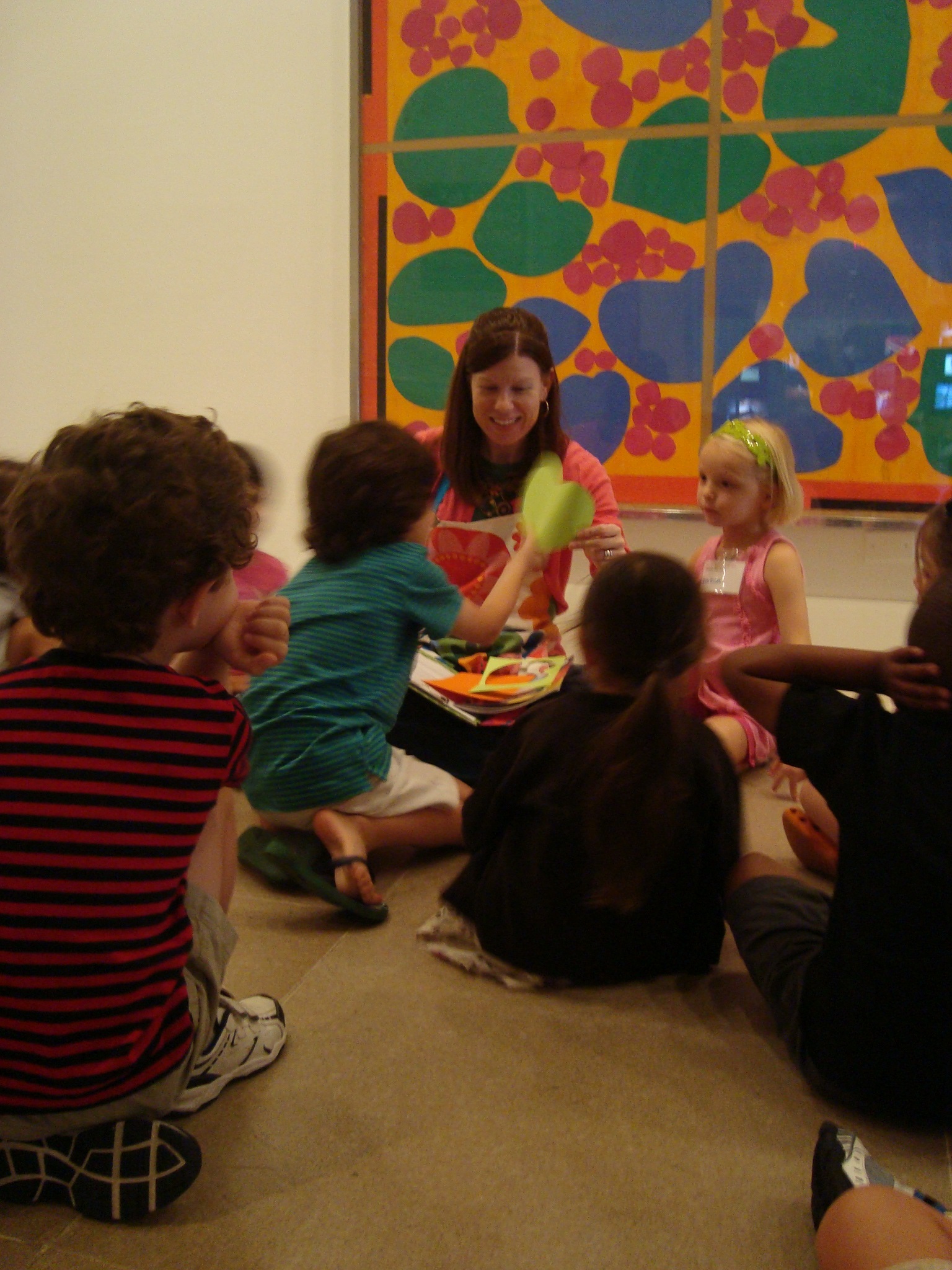
  • leahMatisseLeah Hanson – Manager of Early Learning I’m grateful for Henri Matisse’s Ivy in Flower primarily because it just makes me happy. I like the bold, clean shapes, the colors, and the order of it. Matisse was a favorite of mine in the art history classes I took, and I wrote a paper about his cut paper collages in particular. I liked that he found a way to create even at a time when it could have been easy to give up or lose hope. When I finally got to see this in person, I was so amazed at how large it is…you can never tell that in a reproduction or a print. I loved when it was hanging in the Concourse just outside C3 because I saw it every day.
  • JC Bigornia – C3 Program Coordinator. I’m impacted to this day by the 2007 special exhibition Phil Collins: The World Won’t Listen. It’s one of my top five all-time favorite DMA exhibitions, and I can still ???????????????????????????????feel the energy and sheer joy of being in that space. It’s hard to describe the appeal of watching people sing karaoke, and I certainly hadn’t listened to much of The Smiths before that show. I think what resonated for me was the absolute love and passion that each person brought to their performance; you could totally empathize with that person’s sense of happiness, loss, etc. I used to spend part of every day in that exhibition because no matter how down I felt, I always came out of there feeling charged up…there’s really no other word to describe it except infectious. I was always thankful to have that kind of place to escape to and I think the lessons I took away from each of the participant’s performances—bravery, honesty, compassion—will always stay with me.
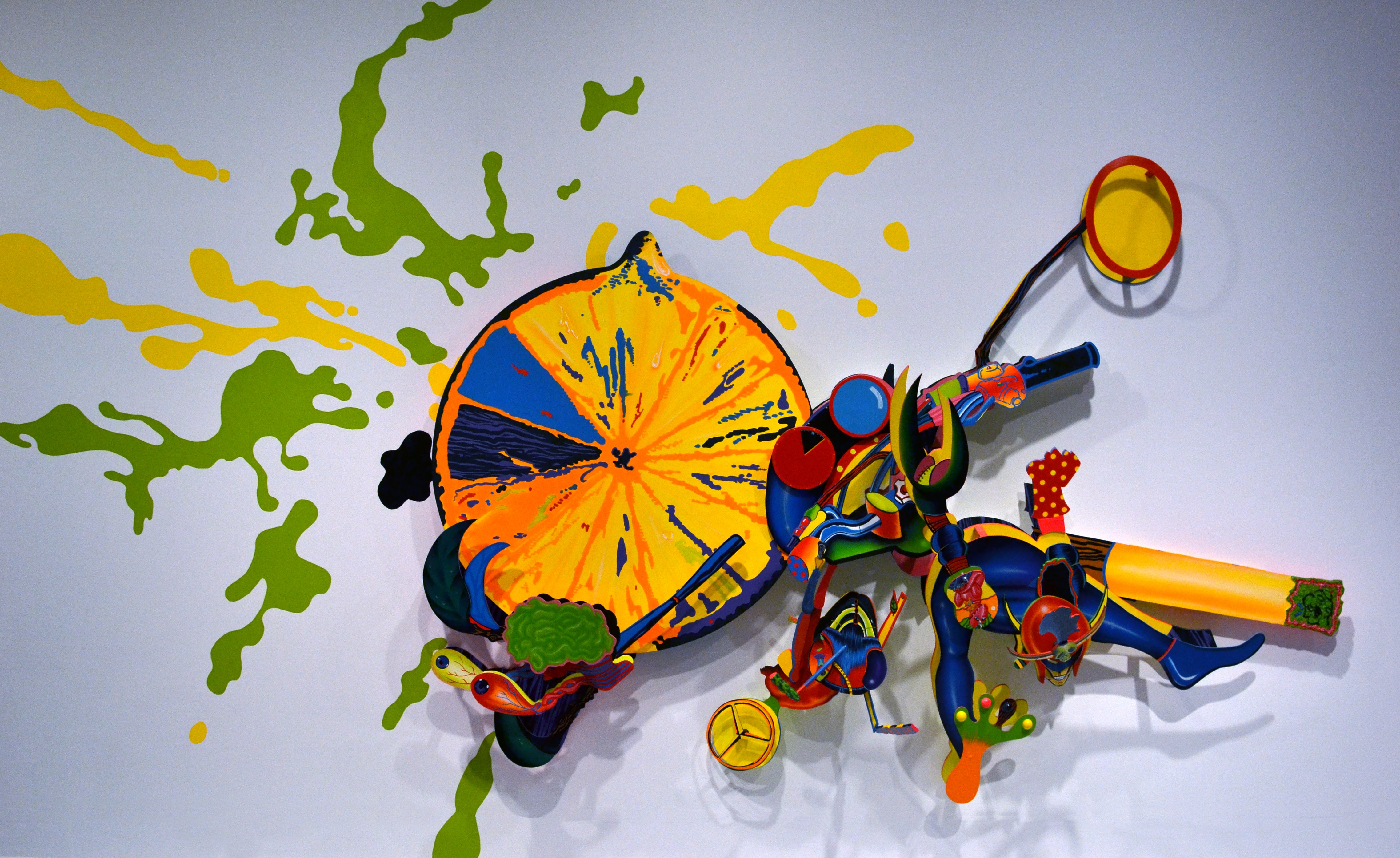
  • hi-cJessica Fuentes – C3 Gallery Coordinator. I’m thankful for HI-C Avenger by John Hernandez.  I love that this piece is so bright and energetic. It catches the attention of visitors of all ages, and as it is currently installed at the entrance of the Center for Creative Connections, an interactive educational space for all ages, it is a perfect fit! I also love telling visitors that this is a piece by a Texas based artist who used to live in Oak Cliff and graduated from UNT. Having work by local artists can be so inspiring to young artists.
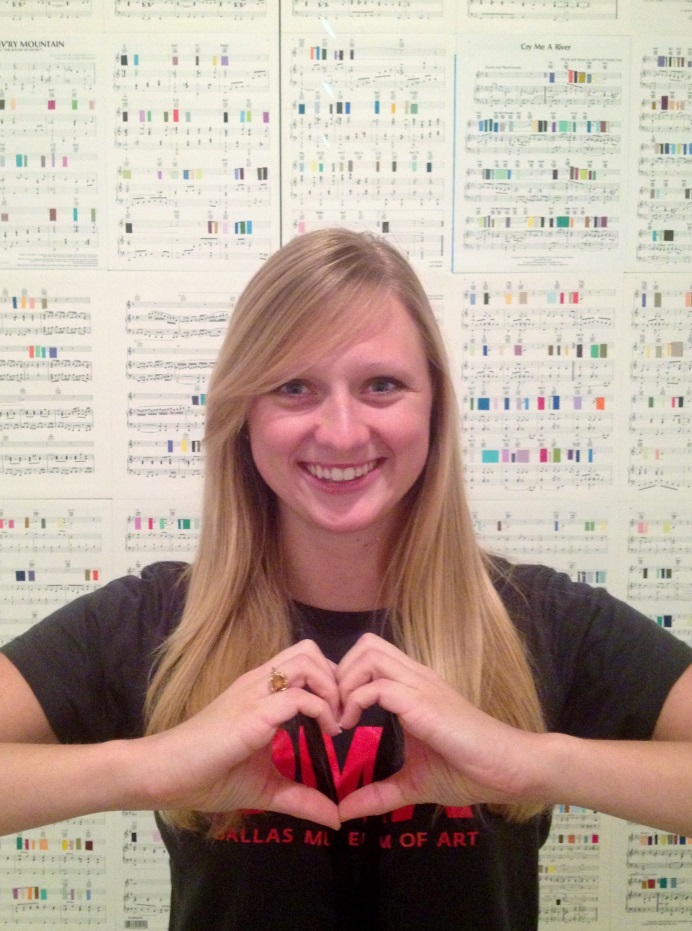
  • hayley2Hayley Prihoda – McDermott Intern for Gallery and Community Teaching. Picturing that Day stood out to me on my first tour of the Jim Hodges: Give More Than You Take exhibition and, after innumerable visits, has remained one of my favorite works in the show. Having performed in choir in high school, the imagery of the sheet music immediately reminded me of my adolescence. Upon closer examination, I was excited to discover that the piece also features two of my favorite songs – “Landslide” and “Climb Every Mountain”. My mom is a beautiful singer and my sister and I grew up listening to Fleetwood Mac and watching the Sound of Music. Now that I am 1000 miles away from my family, I am very grateful to have this connection to home on view at the DMA.
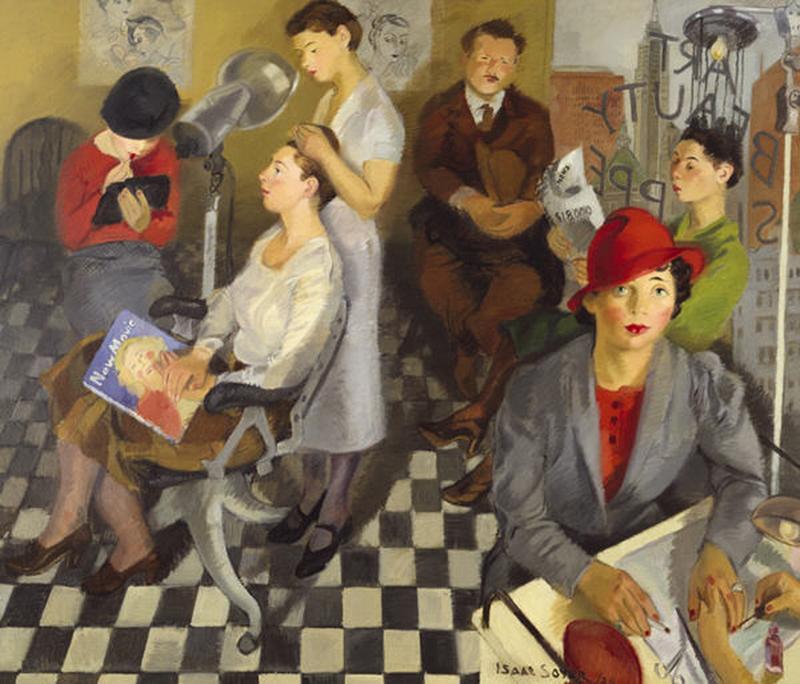
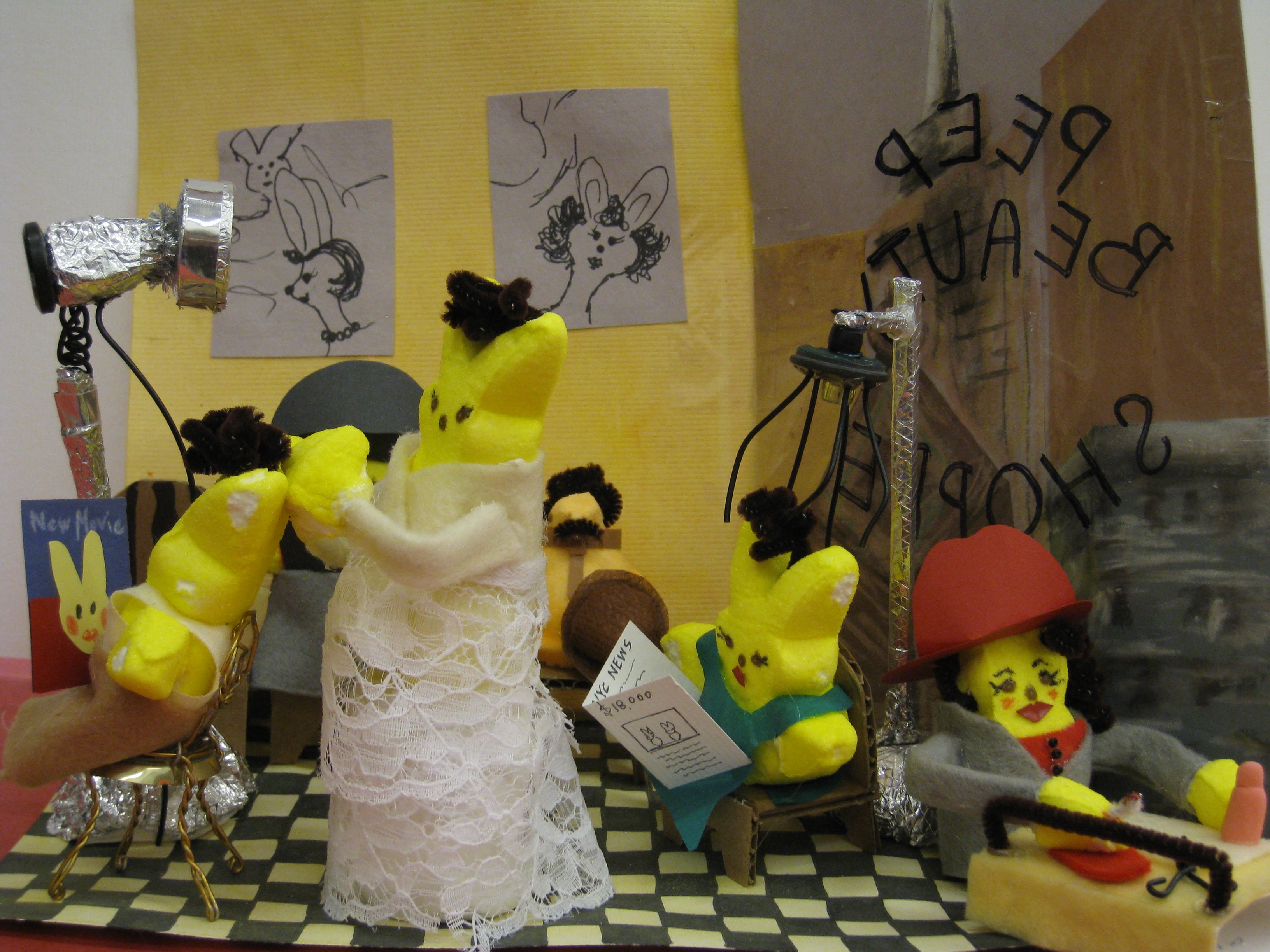
  • Amanda Blake – Head of Family, Access, and School Experiences. I am thankful for Isaac Soyer’s Art Beauty Shoppe in the American galleries. In graduate school I focused on American art from the 1920s and 1930s and wrote my thesis on two artists from the Fourteenth Street School. Every time I see this painting it is like visiting a familiar friend and traveling back in time to 14th street in New York City! I love teaching with this artwork because of its narrative aspects and sensory possibilities. I think this painting is a great one to use to teach about the social and cultural changes taking place in the early twentieth century and I enjoy using it with all ages.

Works of art shown:

  • Ferdinand Hodler, The Halberdier, 1895, Dallas Museum of Art, Foundation for the Arts Collection, Mrs. John B. O’Hara Fund and gift of Nona and Richard Barrett
  • Jim Hodges, Diary of Flowers (When We Met), 1994, Barbara and Michael Gamson
  • Ellsworth Kelly, Untitled, 1982-1983, Dallas Museum of Art, commission made possible through funds donated by Michael J. Collins and matching grants from The 500, Inc., and the 1982 Tiffany & Company benefit opening
  • Martin Delabano, Family Portrait 1963, 2001, Dallas Museum of Art, gift of Mr. and Mrs. Bryant M. Hanley, Jr., Lorine and David H. Gibson, and Sonny Burt and Bob Butler
  • Henri Matisse, Ivy in Flower, 1953, Dallas Museum of Art, Foundation for the Arts Collection, gift of the Albert and Mary Lasker Foundation
  • Phil Collins, dunia tak akan mendengar, 2007
  • John Hernandez, HI-C Avenger, 1992, acrylic on wood, Dallas Museum of Art, Texas Artists Fund
  • Jim Hodges, Picturing That Day, 2002, The Art Institute of Chicago
  • Isaac Soyer, Art Beauty Shoppe, 1934, Dallas Museum of Art, gift of the Public Works of Art Project

I’d like to say how thankful I am to all of you who shared some of your favorite works of art!

Danielle Schulz
Teaching Specialist
Friday Photos: Engaging the Community

Since beginning my McDermott Internship, I’ve had the wonderful opportunity to explore ways that visitors can develop engaging, memorable experiences here at the DMA. One unique aspect of my internship has been the opportunity not only to work with those already in the Museum, but also to share information about DMA educational resources with the Dallas community.

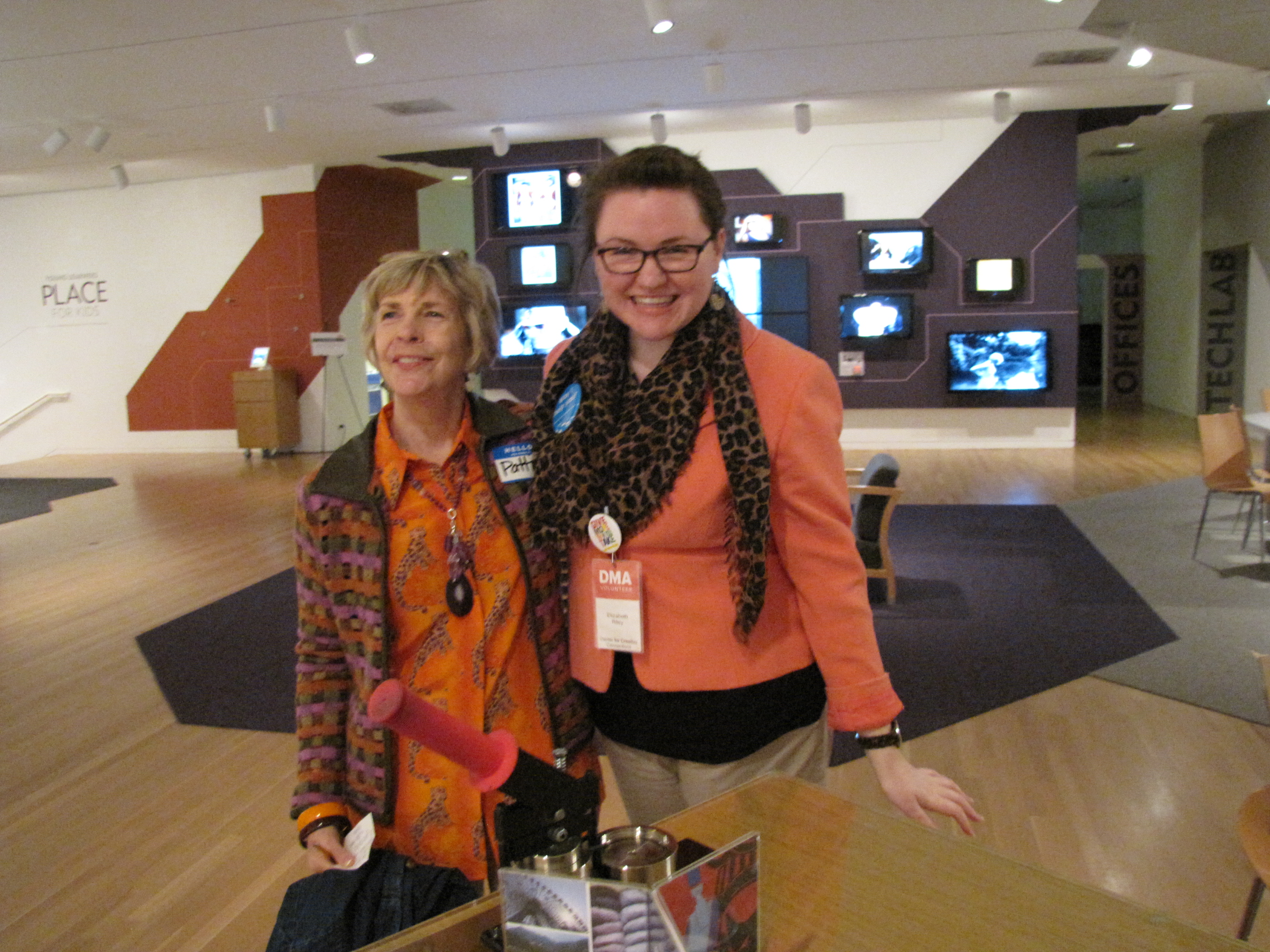
Maria Teresa Garcia-Pedroche, Head of Community Engagement, devotes her time to forming deep connections with community organizations and I’ve been privileged to join her as she worked with two of these groups: AVANCE and Trinity Links.

AVANCE is a nonprofit organization that provides family support and educational services to at-risk families. In October, Maria and I visited some of the organization’s adult learning classes to share information about C3, First Tuesdays, Studio Creations, DMA Friends, and Late Nights. Many in the class were unaware of these free programs and were excited to take their families to the Museum.

Maria Teresa discusses DMA Friends with AVANCE members.

Maria Teresa discusses DMA Friends with AVANCE members.

AVANCE members learn about free DMA programs.

AVANCE members learn about DMA programs.

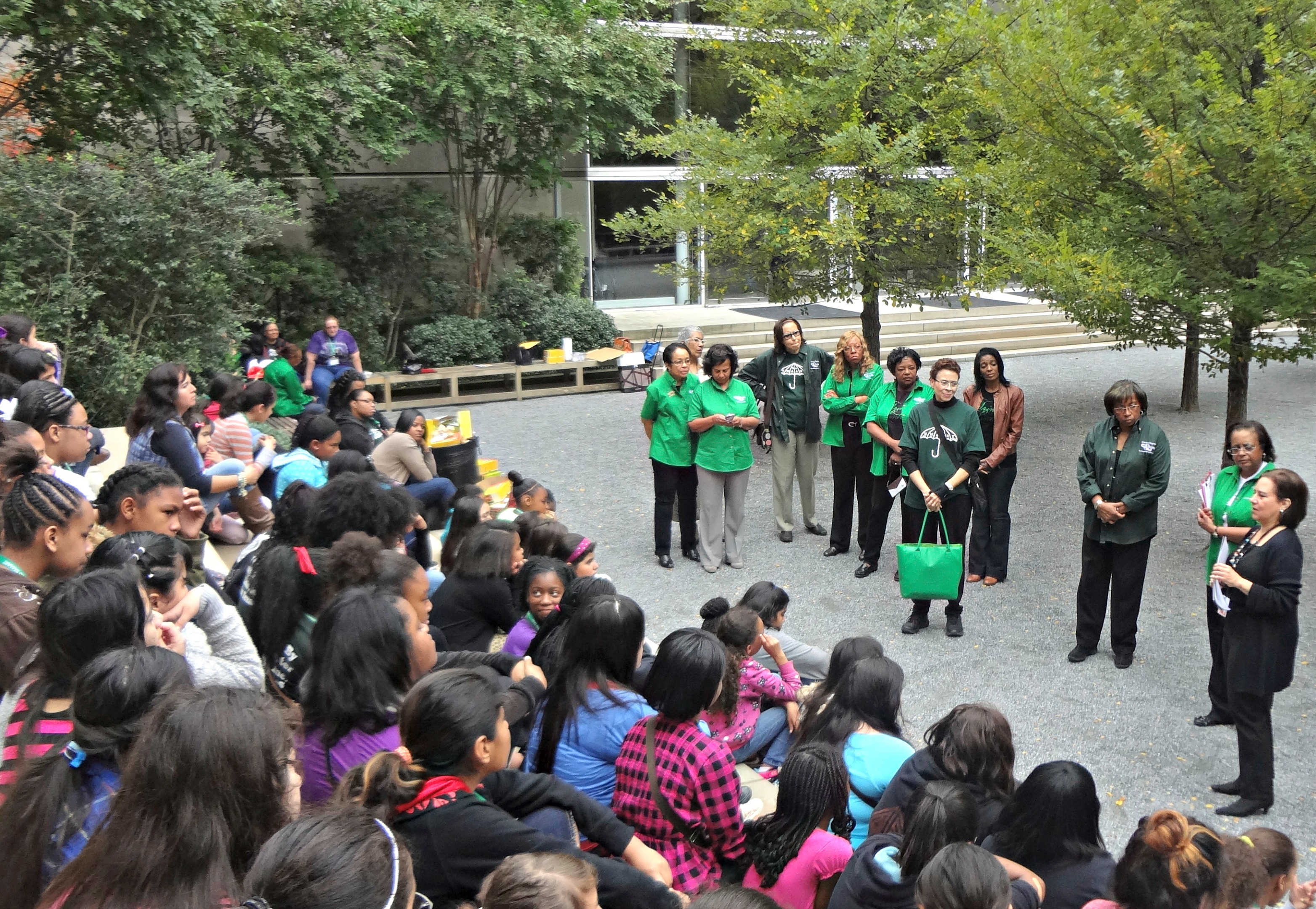
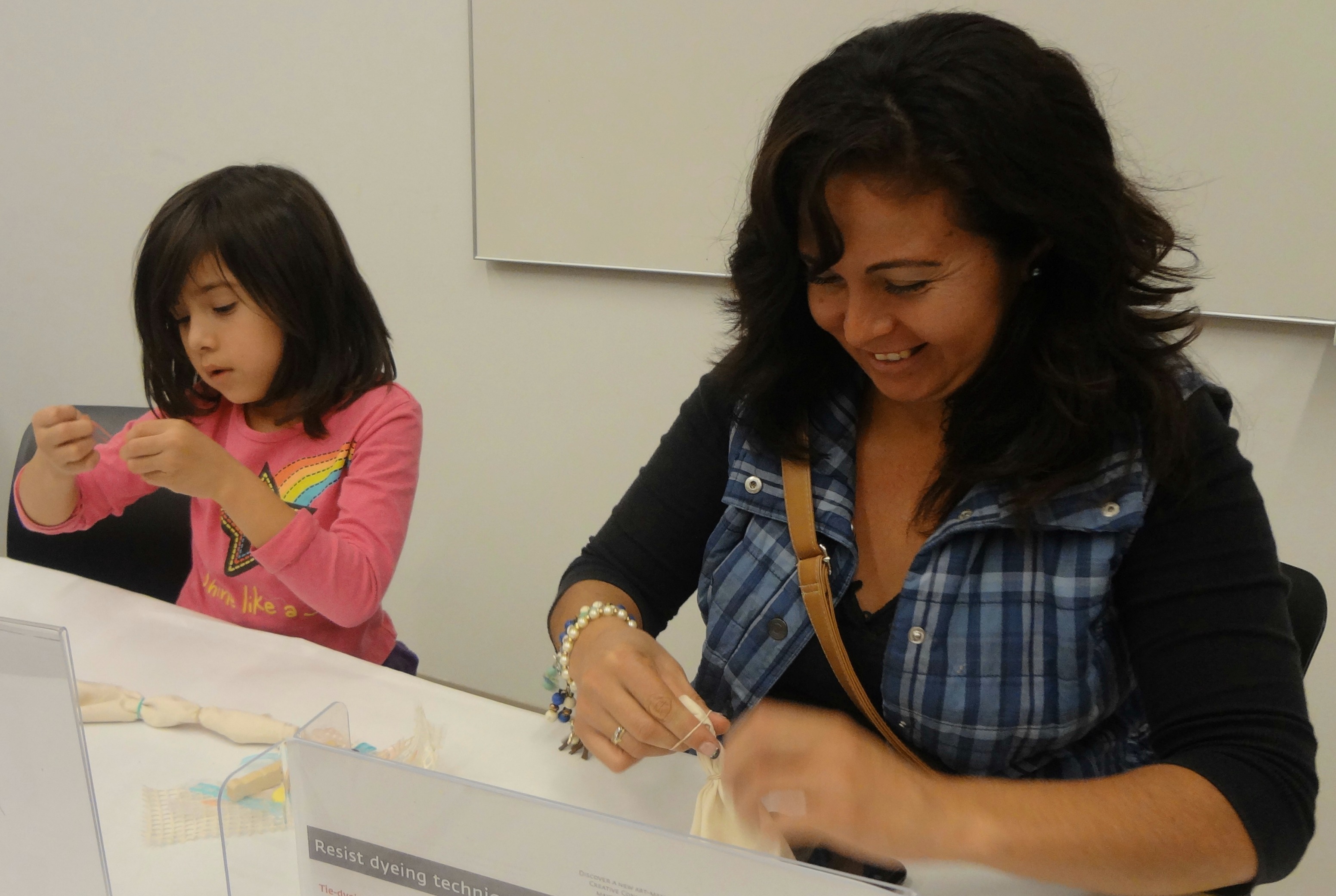
Trinity Links is a female service organization whose members currently work with the SoSMAART Girls, a group of girls dedicated to learning more about science, math, the arts, aviation, reading and technology. Trinity Links recently brought the SoSMAART Girls to the DMA for personalized tours and studio workshops. Many of the girls were first time visitors to the DMA and enjoyed learning more about Jim Hodges and about traditional methods of dying fabric.

Trinity Links members arrive at the DMA with the SoSMAART Girls.

Trinity Links members arrive at the DMA with the SoSMAART Girls.

SoSMAART Girls tour C3.

SoSMAART Girls tour C3.

SoSMAART Girls and their families dye their own fabric after visiting Saturated.

SoSMAART Girls and their families dye their own fabric after visiting Saturated.

I’m excited to connect with more Dallas organizations in the coming months as I continue working with Maria Teresa. How do you connect with organizations in your community?

Amy Elms
McDermott Intern for Visitor Engagement

Docents in Motion

The DMA has over 100 docents who lead tours for visitors of all ages. Our docents are here every Monday for training from 10:00 a.m.-12:00 p.m. Their training sessions are led by the DMA’s curators as well as outside speakers, and topics include both our permanent collection and special exhibitions. Some of our docents have been part of the docent family for 43 years, while others have been with us for only three months.

I have the pleasure of spending every Monday afternoon with our fifteen funny, smart, and dedicated new docents. Since September, the new docents have been learning how to teach with works of art. Each week, we immerse ourselves in the DMA collection with experiences ranging from how to look at a painting to imagining a text message exchange between two portraits.

This week, the new docents had their first introduction to our American galleries. I divided the docents into 3 groups and each group was assigned to a landscape painting. Their task was to recreate the painting using only their bodies. My ambitious group went one better–they created sound and movements, too!  I couldn’t resist sharing the videos I filmed of their performances.

Annette, Charlie, Debi, Evan, and Lauren did an interpretive dance for Georgia O’Keeffe’s Gray Blue & Black-Pink Circle.

[vimeo http://vimeo.com/79801650]
 
Barbara, David, Devika, and Felix animated Marsden Hartley’s Mountains, no. 19.

[vimeo http://vimeo.com/79805731]
 
Ali, Art, Flo, and Stephanie re-interpreted Frederic Church’s The Icebergs.

[vimeo http://vimeo.com/79805935]
 
The next time you’re in the DMA galleries, try to create your own tableau vivant for one of our masterpieces.

Shannon Karol
Manager of Docent and Teacher Programs

Come to the DMA and Play!

The C3 adults are at it again and this time they didn’t spare one ounce of fun! C3 offers a variety of programming for adults on Thursdays, when our visitors have the opportunity to have hands-on experiences with art and artists, be social, and experiment with materials. Think Creatively, one of our popular programs, allows visitors to dig deeper into certain aspects of creative thinking.

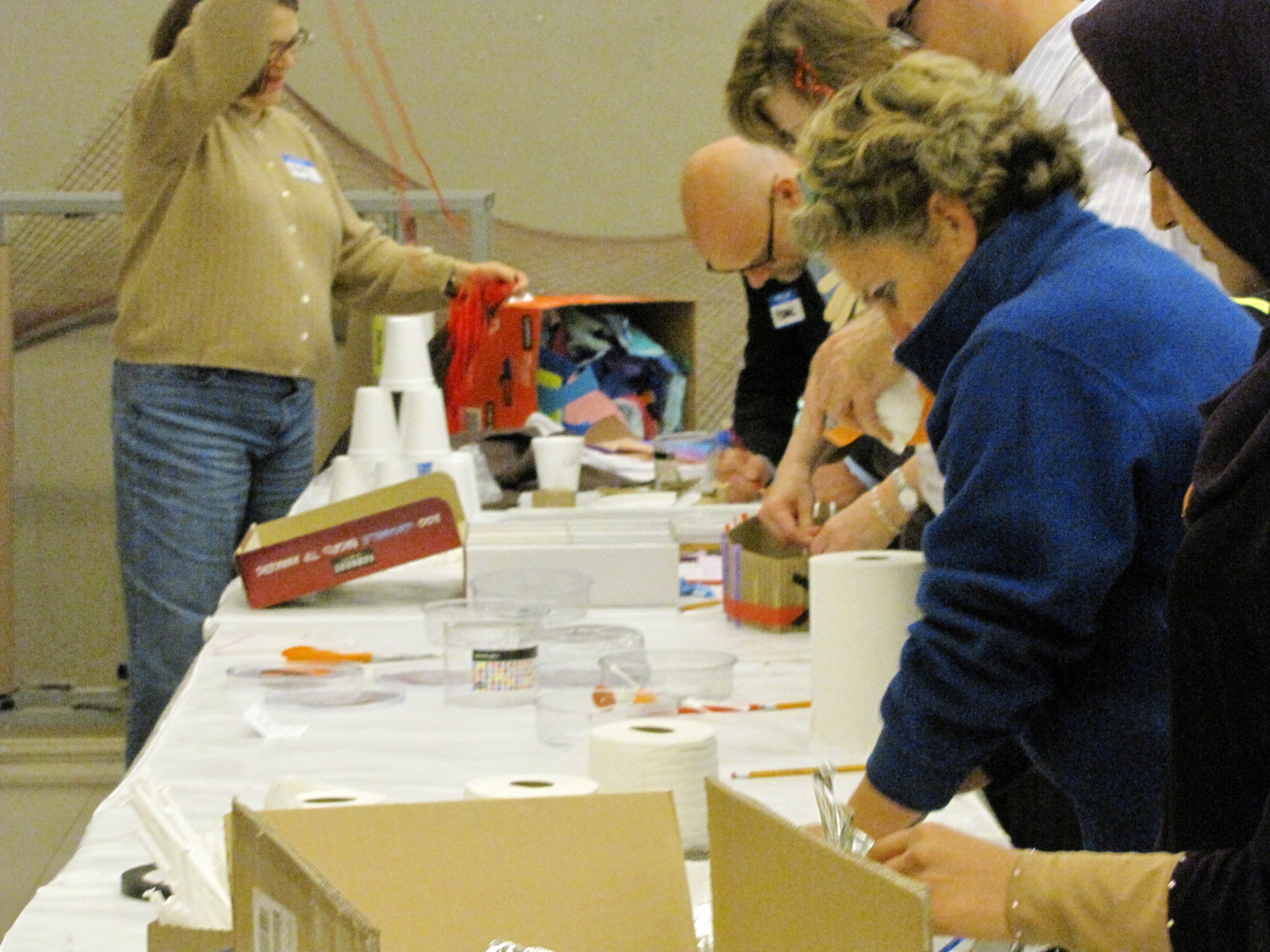
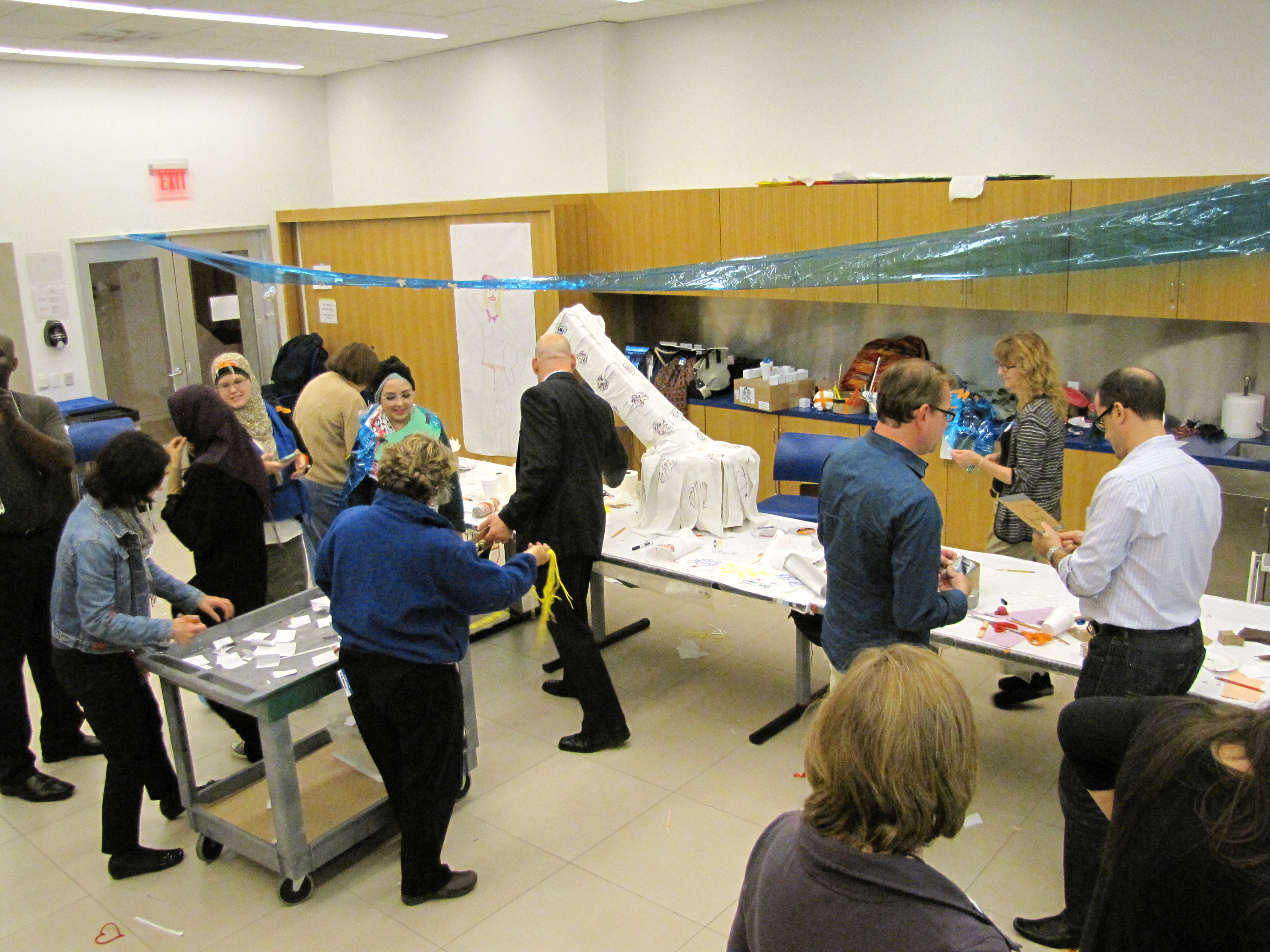
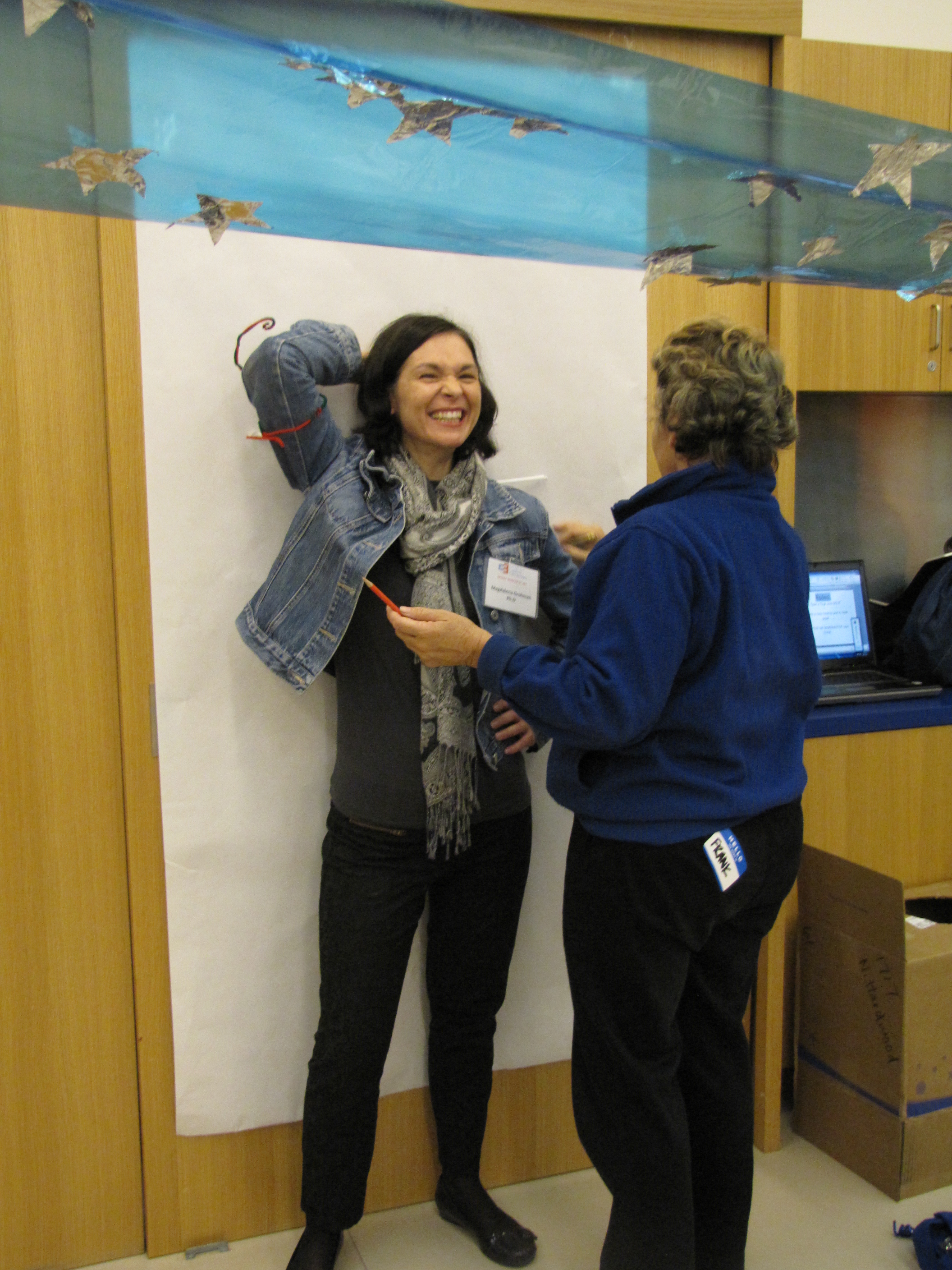
Think Creatively on November 7 was designed around the theme of play and how it helps adults enhance their thinking and learning. Dr. Magdalena Grohman and I decided to ask our participants to step out of their comfort zone and participate in a TASK party. TASK parties, originally designed by artist Oliver Herring, are improvised events with loose structure and minimal rules.
 
[vimeo http://vimeo.com/79215067]
 
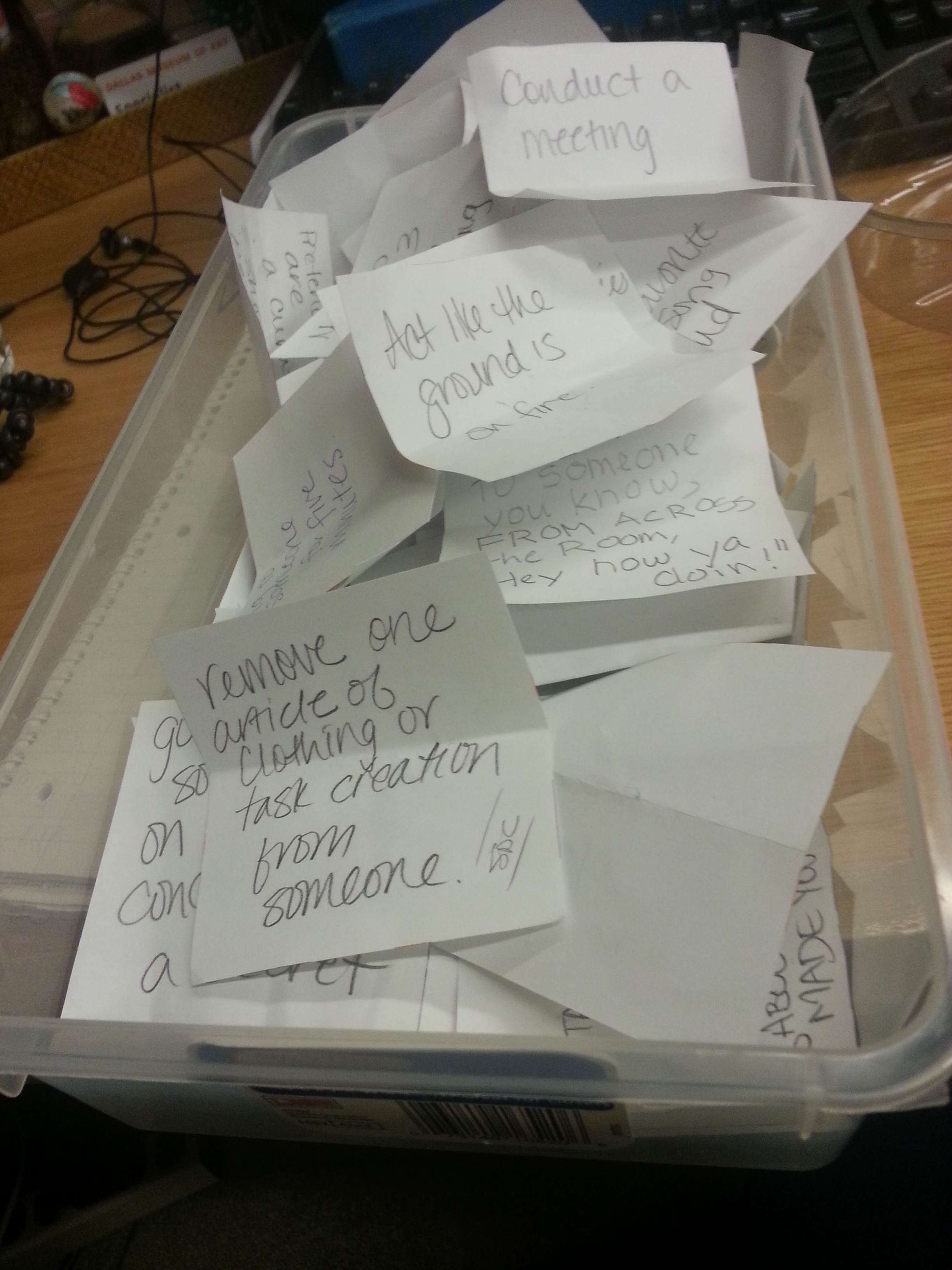
We set up the C3 Studio in a way that would promote playful experimentation, fun, and artful self expression. Varieties of materials were placed on worktables around the studio: paper, boxes, tape, sticks, and even toilet paper! The rules were simple: take a TASK from the TASK pool in the center of the room and do what it says. Then when a TASK is completed, write a new TASK and put it into the pool and get another one. Simple as that!

There were a set amount of tasks already created with an intent to promote play and participation from the same perspective as Mildred Parten. Parten studied social play in children and suggested that there are six types of play:

  • Unoccupied play: the child is relatively stationary and appears to be performing random movements with no apparent purpose. A relatively infrequent style of play.
  • Solitary play: the child is completely engrossed in playing and does not seem to notice other children. Most often seen in children between 2 and 3 years-old.
  • Onlooker play: the child takes an interest in other children’s play but does not join in. May ask questions or just talk to other children, but the main activity is simply to watch.
  • Parallel play: the child mimics other children’s play but doesn’t actively engage with them. For example, they may use the same toy.
  • Associative play: children are now more interested in each other rather than the toys they are using. This is the first category that involves strong social interaction between children while they play.
  • Cooperative play: some organization enters children’s play, for example the playing has some goal and children often adopt roles and act as a group.

We knew that anything could happen—and it sure did!

Task Pool

Task Pool

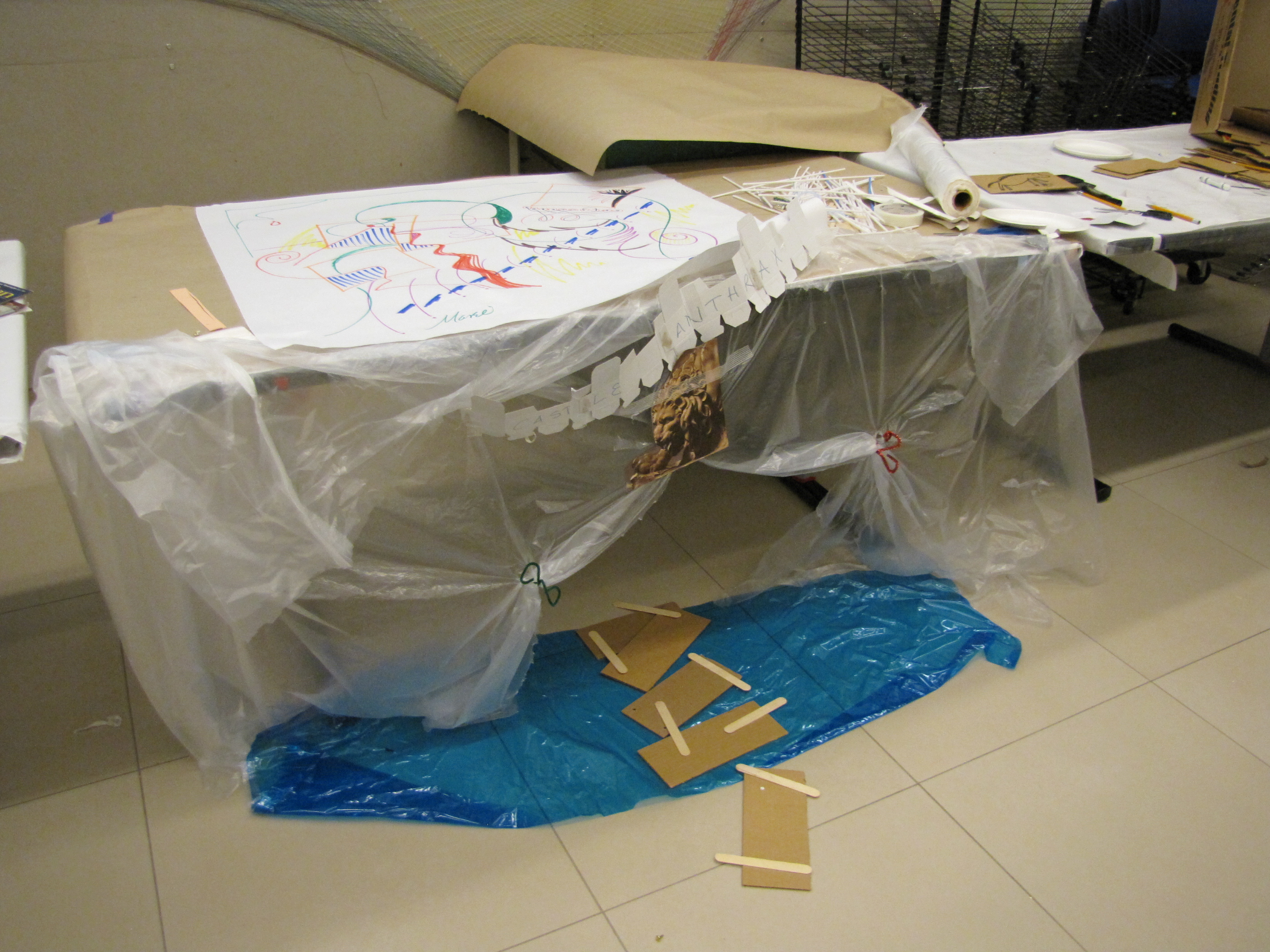
Task: Build a fort for a cat

Task: Build a fort for a cat

Task: Tell someone in the museum a secret

Task: Tell someone in the museum a secret

Working away!

Working away!

Visitors at play

Visitors at play

Task: Draw a portrait

Task: Draw a portrait

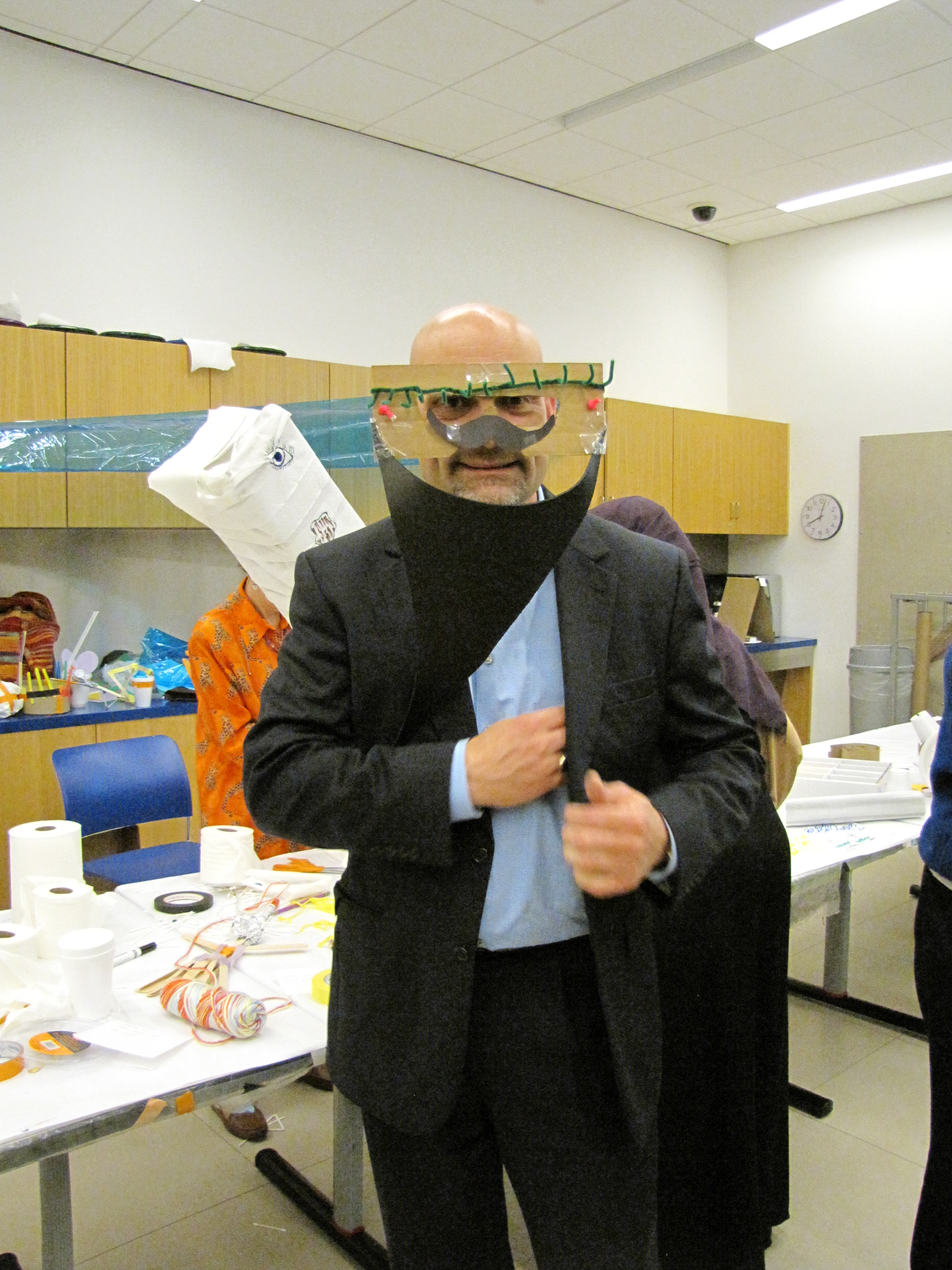
Task: Create a Mask

Task: Create a Mask

Don’t miss our next Think Creatively workshop on December 5, 2013. If you are reading this post and are interested in attending for 50% off–click here and enter the special code: CANVAS.

Amanda Batson
C3 Program Coordinator

Friday Photos: Art of the Smoothie

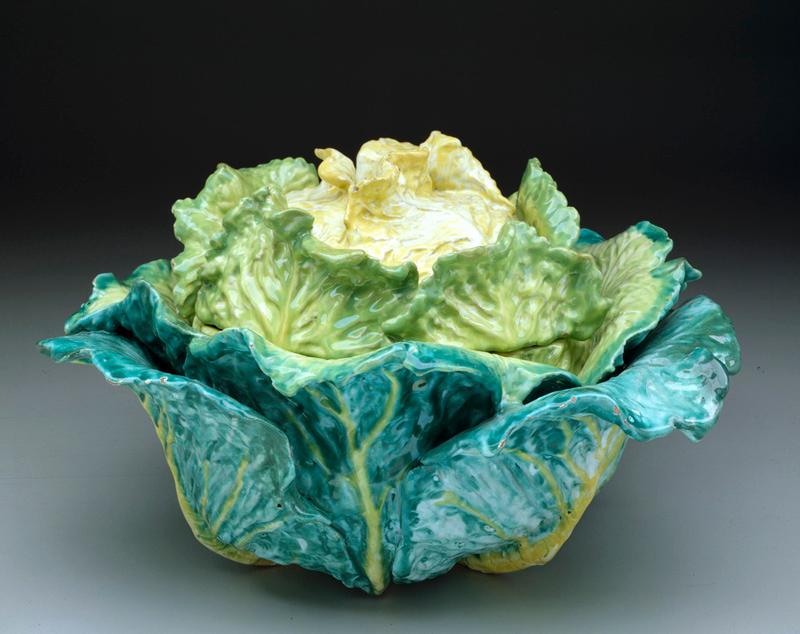
Working at the DMA, we are constantly surrounded by amazing artists and beautiful works of art. Passing through the galleries on a regular basis, it is no wonder that some of us have become very taken by the art objects we see, slowly integrating them into our daily lives.

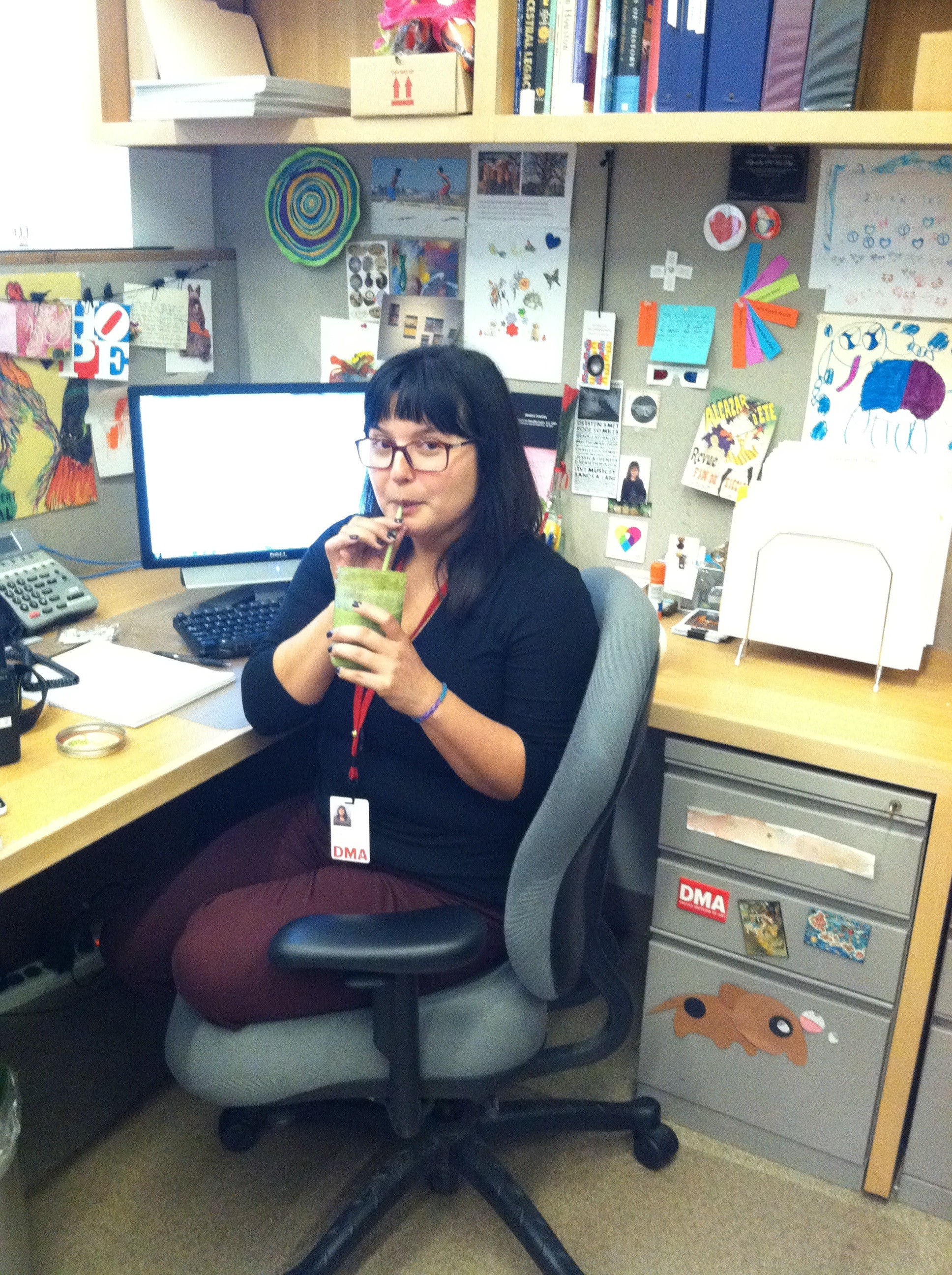
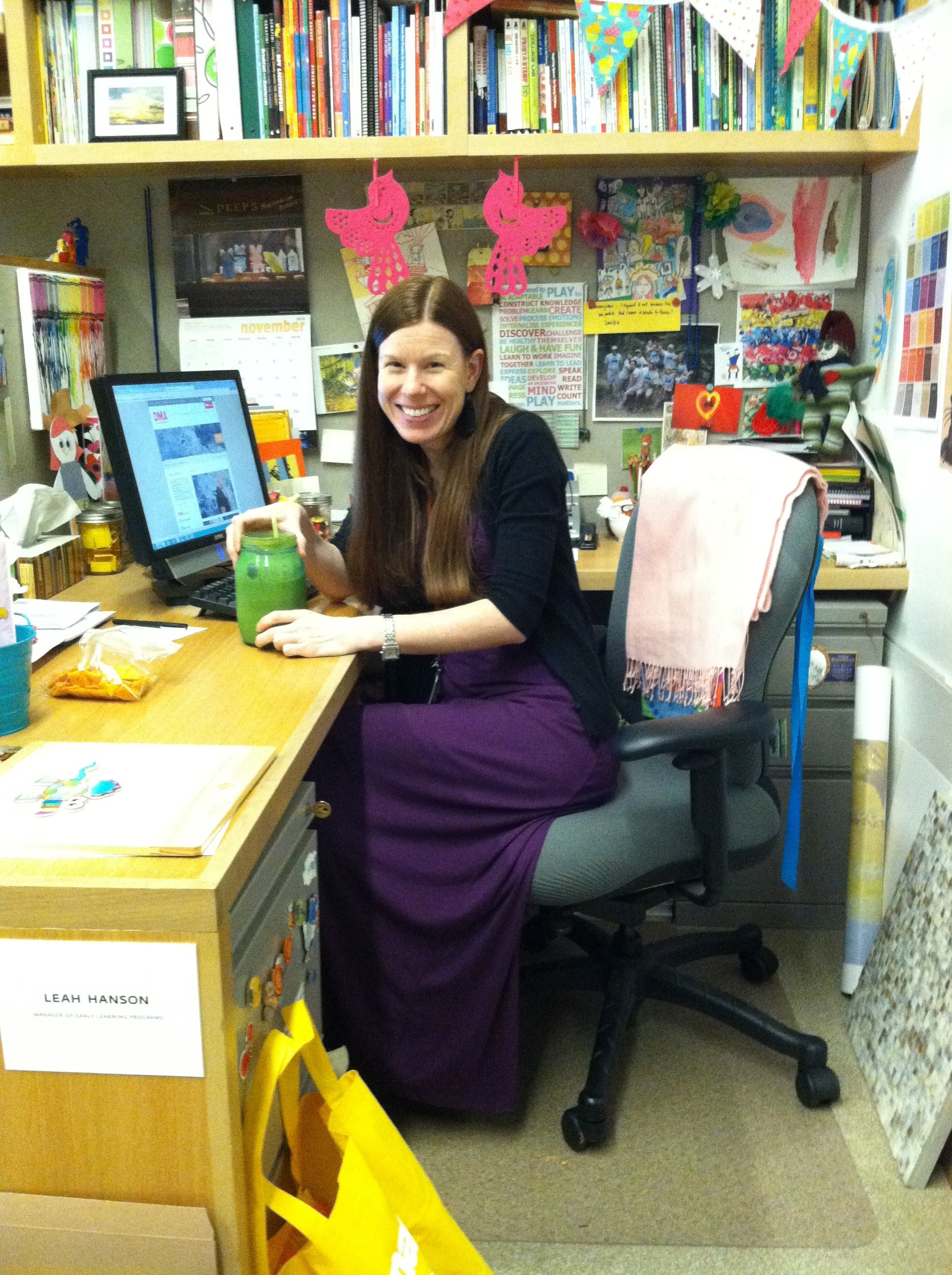
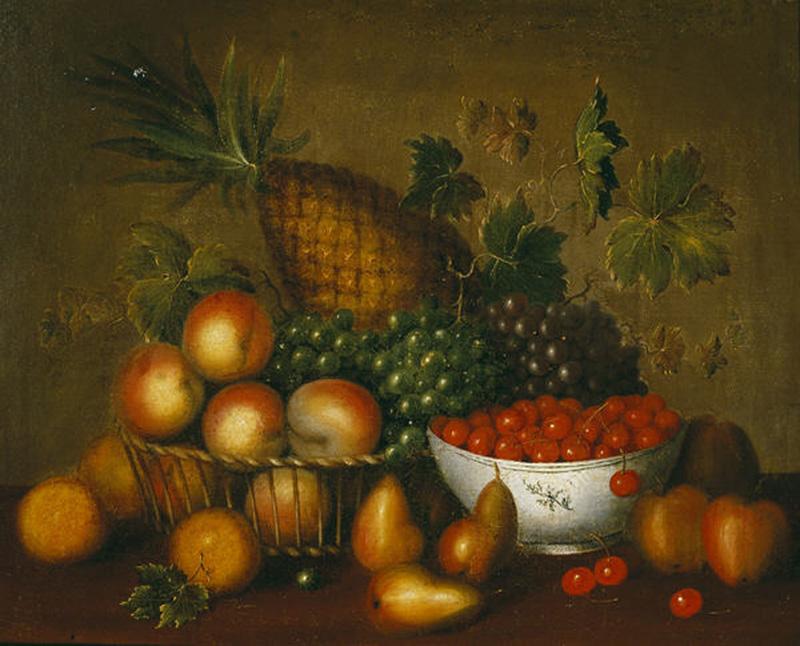
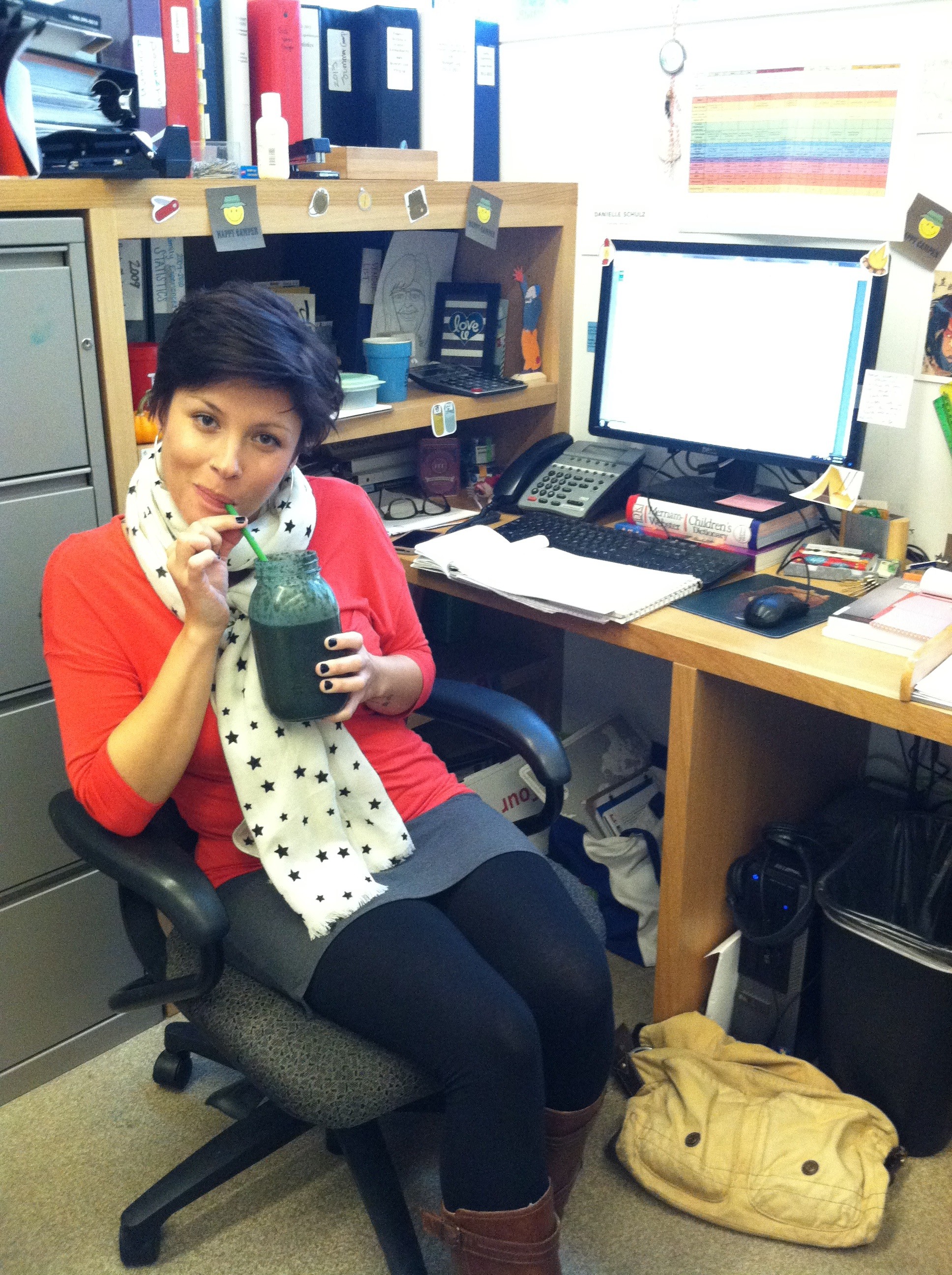
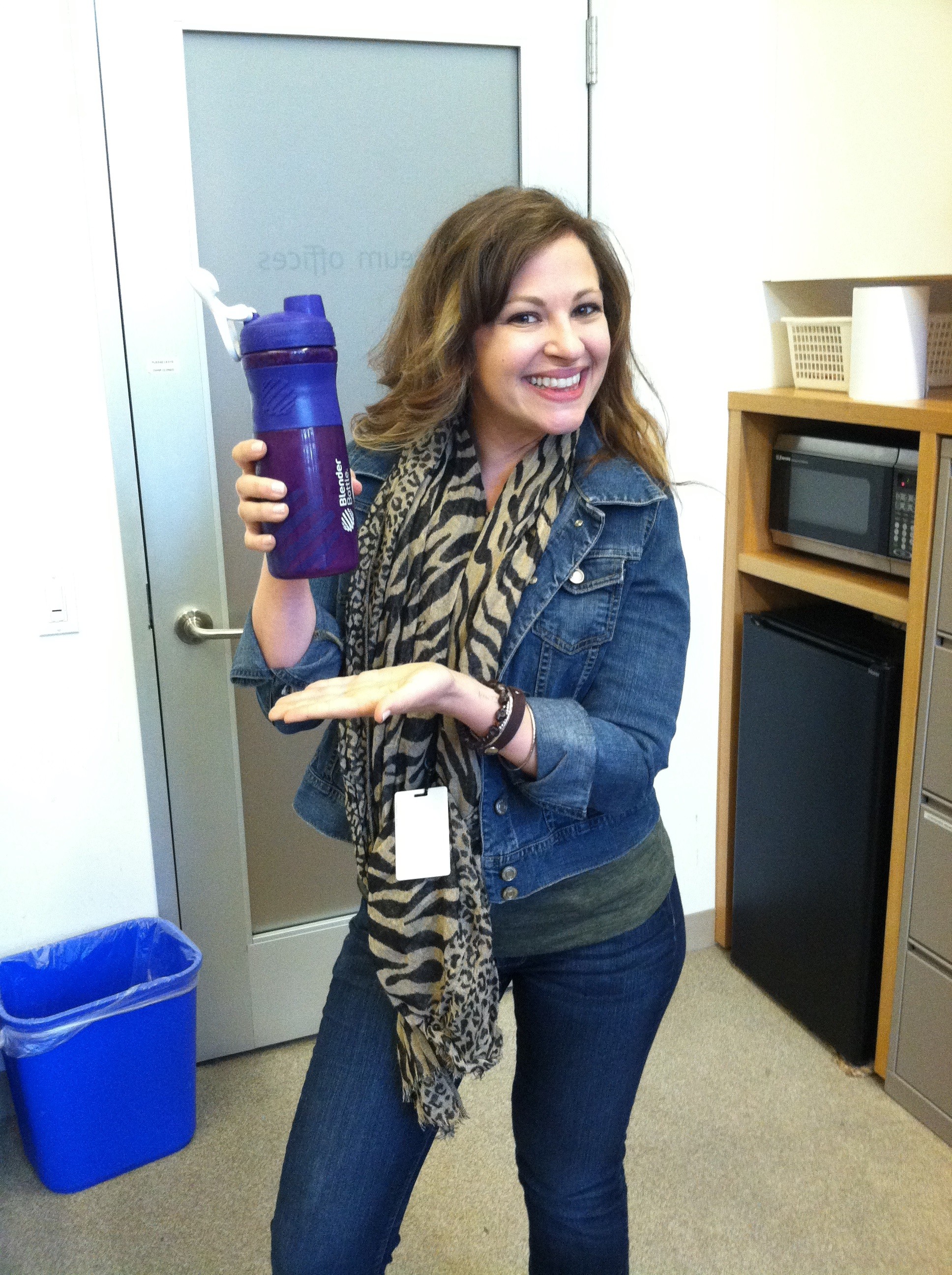
These days, many DMA educators have jumped on the green smoothie bandwagon! Walking by so many tasty-looking paintings filled with fruits and veggies (especially around lunchtime) has been a quirky inspiration to many of us in our quest for health and the perfect green smoothie. There is a kale-idoscope of smoothie-worthy produce to see in the DMA galleries!

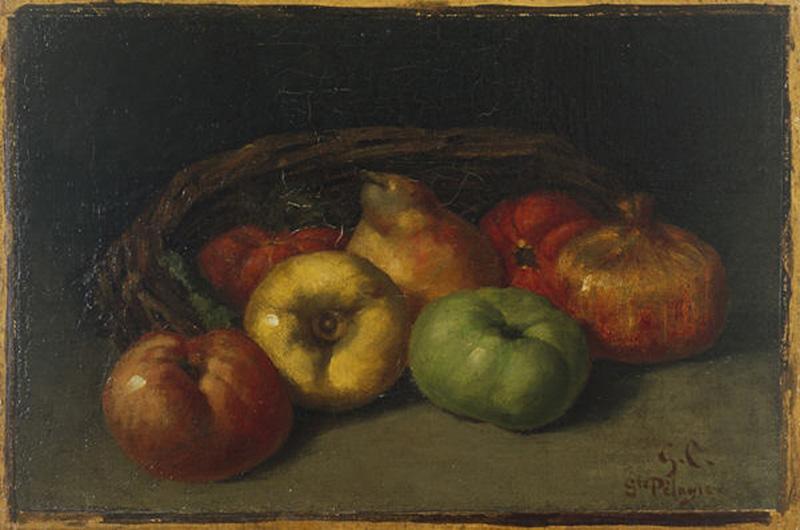
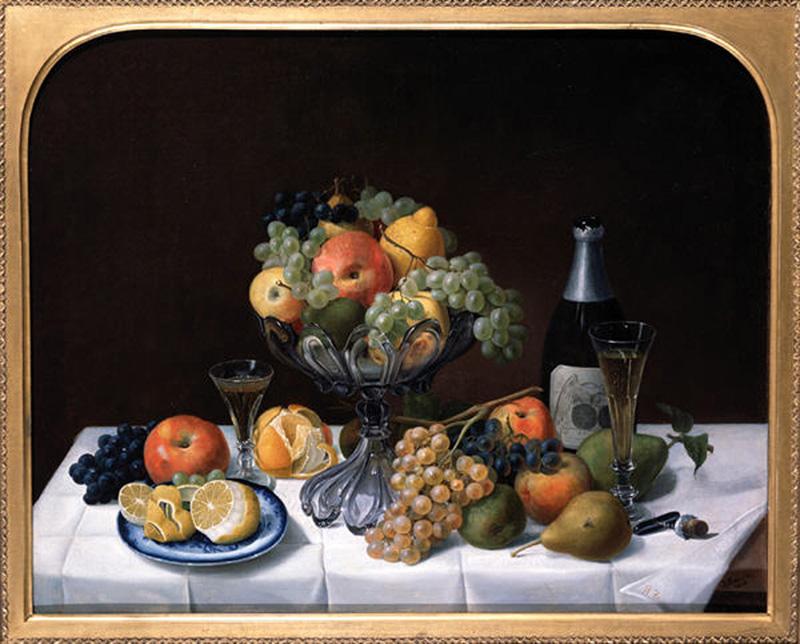
Our collection has many still life paintings that were originally very popular with collectors in Europe and the United States because they nicely complemented the grand interiors of luxurious homes newly built on the east coast. These paintings showcase the same delicious fruits and veggies that many of us use in our breakfast or lunchtime smoothies. Check out some of the inspirations for our blended green concoctions and then visit the collection to see how many fresh garden goods you can find to add to your green smoothie grocery list!

Make your own sweet pear smoothie inspired by Allport’s Still Life with Fruit:

Ingredients (serves 2)

2 cups spinach, fresh
2 cups almond milk, unsweetened
4 pears
1 banana
1 teaspoon cinnamon

Blend spinach and almond milk until smooth. Next add the remaining fruits and blend again. Top with cinnamon.

Check out Simple Green Smoothies for more artful smoothies!

Danielle Schulz
Teaching Specialist

Archives

Categories