Archive Page 52

Creative Connections: West Meets East

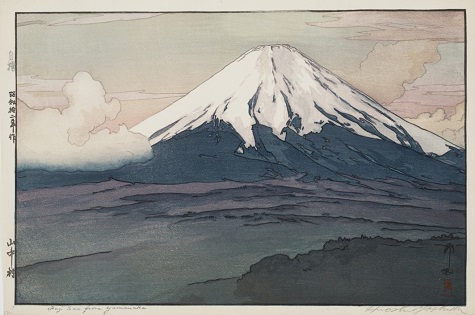
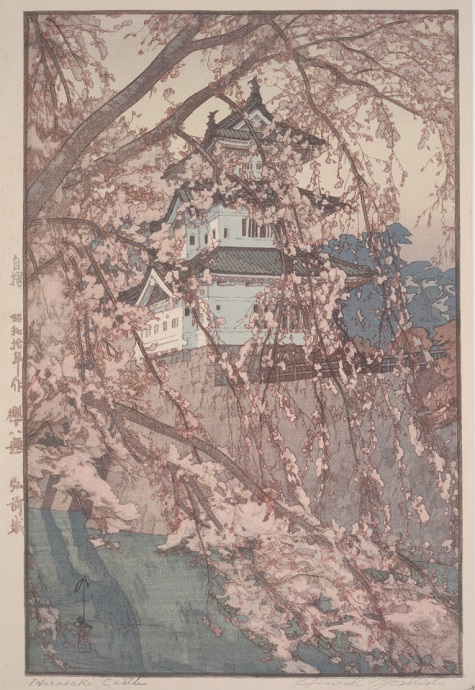
This week the DMA’s Center for Creative Connections installed three prints by Hiroshi Yoshida, a significant figure in the history of Japanese woodblock printmaking. Yoshida was part of an early 20th-century movement that found renewed interest in traditional Japanese art forms and culture. This mindset was exemplified by his practice of the traditional ukiyo-e collaborative system (which relied on a division of labor for each step of the printmaking process), his subject matter, and his dedication to using locally sourced and crafted tools and materials. Hiroshi Yoshida was a prolific artist, but his legacy lives on beyond the art he created. He was also part of a family of printmakers. Beginning with his adoptive parents, the lineage is as follows:

yoshida family tree

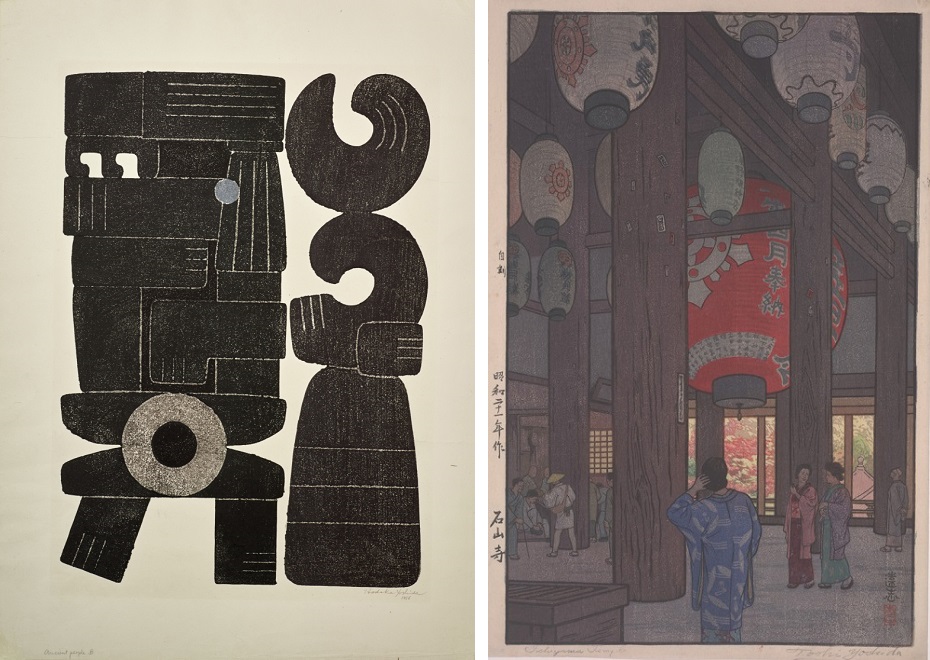
Following Hiroshi’s death in 1950, his sons Toshi and Hodaka both began to experiment artistically. Toshi created prints of African wildlife, while Hodaka moved toward abstraction. Both artists are represented in the Museum’s collection, though their work is currently not on view.

Hodaka Yoshida, Ancient People B, 1956, woodcut, Dallas Museum of Art, Dallas Art Association Purchase 1957.17; Toshi Yoshida, Ishiyama Temple, n.d., polychrome woodblock print, Dallas Museum of Art, the Abram C. Joseph and Ruth F. Ring Collection, gift of Miss Ruth F. Ring 1985.87

Hodaka Yoshida, Ancient People B, 1956, woodcut, Dallas Museum of Art, Dallas Art Association Purchase, 1957.17; Toshi Yoshida, Ishiyama Temple, n.d., polychrome woodblock print, Dallas Museum of Art, the Abram C. Joseph and Ruth F. Ring Collection, gift of Miss Ruth F. Ring, 1985.87

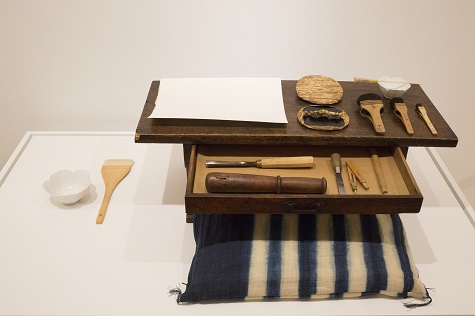
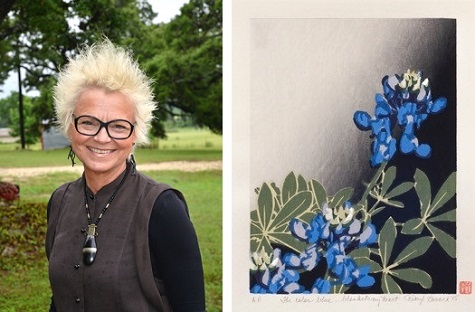
In the early 1970s, Daryl Howard, a Texan living and teaching art at an overseas school in Tokyo, accepted an apprenticeship with Hodaka Yoshida. During her time studying with Hodaka, Howard learned traditional Japanese woodblock printmaking techniques and acquired a personal collection of prints and printmaking tools. Howard, who has since returned to Austin, has teamed up with the DMA to assist with educational initiatives related to the Hiroshi Yoshida prints. Howard has loaned a collection of traditional Japanese woodblock printmaking tools— including carving tools, brushes, paper, a baren, and a small printmakers table—to accompany the three prints.

Printmaking Tools

Daryl Howard (left) and a woodprint piece she created.

Daryl Howard (left) and a woodblock print she created

Meet Daryl Howard this May and learn more about the Yoshida family, Japanese woodblock printmaking, and her own art and process.

  • Friday, May 20
    • Late Night Art Bytes: Woodblock Printmaking
      8:00 p.m. & 10:00 p.m., Tech Lab, C3
      Join artist Daryl Howard for this hands-on art-making experience and create an image in the technique of Japanese woodblock printmaking. Ink a block and pull your own print. Space is limited; sign up 30 minutes prior to workshop to reserve a spot.
      Included in Late Night ticket
    • Late Night Art Bytes: New Technology, Ancient Artform
      9:00–9:45 p.m., C3 Theater
      After 30 years of woodcarving, printmaker Daryl Howard has shifted to a new method to achieve the same end result. Hear her speak about how modern technology has affected the ancient art form of Japanese woodblock printmaking.
      Included in Late Night ticket
  • Saturday, May 21
  • Wednesday, May 25
    • Gallery Talk: West Meets East . . . A One-Year Journey with the Yoshida Family
      12:15 p.m., Meet at Visitors Service Desk
      Hiroshi Yoshida was the most accomplished Shin-Hanga woodblock printmaker of his time. Printmaker Daryl Howard will share a brief history of Japanese woodblock printmaking and the amazing Yoshida family.
      Included in free general admission

Jessica Fuentes is the Manager of Gallery Interpretation and the Center for Creative Connections at the DMA.

Family Ties: Making Connections in Pueblo Pottery

In 2014, the DMA acquired a large collection of contemporary southwest Native American ceramics, the gift of Dr. and Mrs. Robert I. Kramer. The collection consists of works by over 65 contemporary artists, many of whom have been honored at prestigious art shows such as the Santa Fe Indian Market.

Many of these vessels were created by two artists—a potter and a painter—who worked together on the final design, form, and decoration. Pottery making is an engaging social activity for family members or close friends, and in many of the Pueblos, the legacy of fine pottery can be traced to an individual or a family. Maria Martinez of San Ildefonso and her family were instrumental in furthering the millennia-old tradition of pottery making during a time of cultural and artistic transition due to the newly established railroad in Santa Fe, which brought the tourist trade, manufactured goods, and a market economy to the Pueblos.

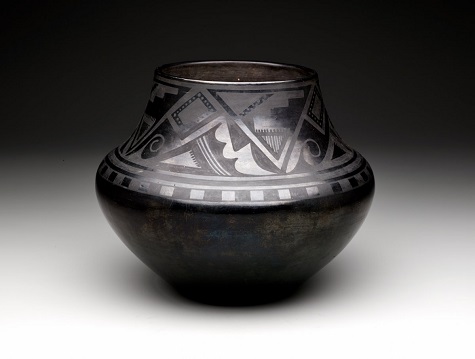
Maria Martinez and Julian Martinez, Black-on-black jar with geometric designs, c. 1920, Dallas Museum of Art, The Otis and Velma Davis Dozier Fund, 2014.26.3

Maria Martinez and Julian Martinez, Black-on-black jar with geometric designs, c. 1920, ceramic, Dallas Museum of Art, The Otis and Velma Davis Dozier Fund, 2014.26.3

Made in collaboration with her husband, this black-on-black jar with Julian’s expertly painted abstract and geometric designs was a typical form for Maria Martinez, illustrating her artistic departure from traditional forms. While reminiscent of larger ollas, this piece has a more elongated and gently sloping neck and a stouter base, producing a sharper shoulder. Its smaller size also made it more appealing to early 20th-century tourists and collectors, as it could be acquired at a lower price and was easier to transport. The nearly metallic sheen alludes to their son Popovi Da’s later innovation, a gunmetal finish he developed in the 1960s by increasing the firing time of the black-on-black method perfected by Maria and Julian.

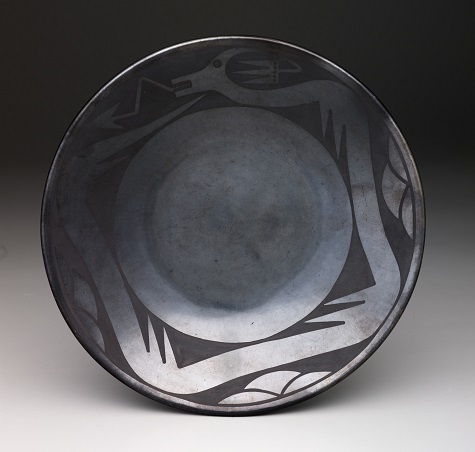
Maria Martinez and Santana Martinez, Plate with avanyu design, 1943-1956, Dallas Museum of Art, Foundation for the Arts Collection, gift of Mr. and Mrs. Duncan E. Boeckman, 1987.343.FA

Maria Martinez and Santana Martinez, Plate with avanyu design, 1943-1956, ceramic, Dallas Museum of Art, Foundation for the Arts Collection, gift of Mr. and Mrs. Duncan E. Boeckman, 1987.343.FA

If you’ve visited the Native American Gallery on Level 4, you might have seen other exceptional works by the Martinez family. This plate made by Maria and her daughter-in-law Santana highlights the avanyu design created in the early 20th century by Julian Martinez. It was based on depictions occurring on rock art near springs and on ancient vessels. The avanyu is a water deity who, if angered, can cause floods, droughts, landslides, or earthquakes. Representing a thunderstorm and surrounded by clouds, this horned serpent has an undulating body and a tongue reminiscent of a lightning bolt.

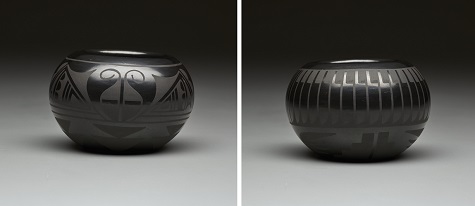
Marvin and Frances Martinez, Black-on-black bowl with feather motif, late 20th century, Dallas Museum of Art, gift of Dr. and Mrs. Robert I. Kramer, 2014.43.63, not currently on view

Marvin and Frances Martinez, Black-on-black bowl with feather motif, late 20th century, ceramic, Dallas Museum of Art, gift of Dr. and Mrs. Robert I. Kramer, 2014.43.63 (not currently on view)

This small pot from the Kramer collection further demonstrates familial collaborations and traditional forms. It was made by the husband and wife team of Marvin and Frances Martinez. Marvin is the grandson of Adam and Santana Martinez and the great-grandson of Maria and Julian. The bowl exhibits the signature black-on-black style for which Maria and her family are so well known and bears a stylized butterfly design and the familiar feather pattern drawn from ancient Mimbres vessels in the early 20th century.

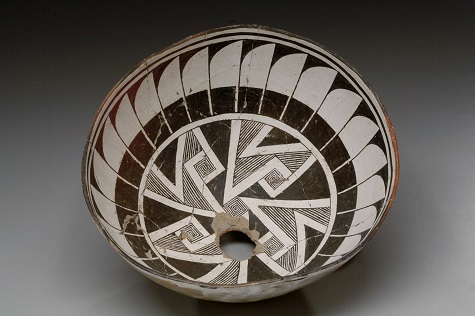
The DMA has a comparable Mimbres vessel with a radiating feather pattern currently on view:

Mogollon (Mimbres) Culture, Bowl with geometric composition and design of radiating feathers, c. 1000-1150, Dallas Museum of Art, gift of Elizabeth and Duncan Boeckman, 2011.45

Mogollon (Mimbres) culture, Bowl with geometric composition and design of radiating feathers, c. 1000-1150, ceramic and slip paints, Dallas Museum of Art, gift of Elizabeth and Duncan Boeckman, 2011.45

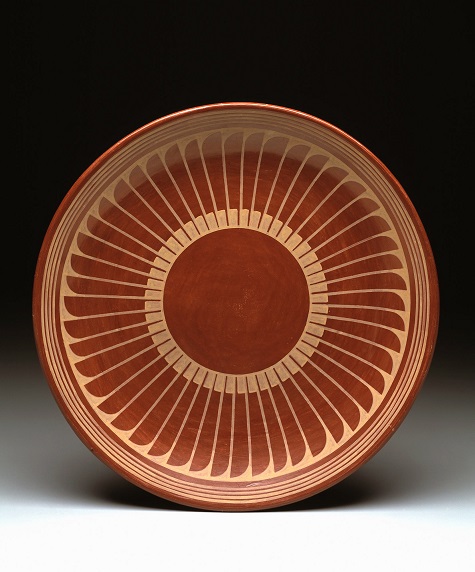
Across the gallery from the Mimbres bowl is another example of the radiating feather motif, a plate made by Maria and her son Popovi Da in the 1960s:

Maria Martinez and Popovi Da, Plate with radiating feather design, 1960s, Dallas Museum of Art, Foundation for the Arts Collection, anonymous gift, 1987.342.FA

Maria Martinez and Popovi Da, Plate with radiating feather design, 1960s, ceramic, Dallas Museum of Art, Foundation for the Arts Collection, anonymous gift, 1987.342.FA

Maria began collaborating with her son in 1956. Popovi Da was an artist in his own right, adding many creative innovations to the Martinez family tradition such as a dual-toned black-and-sienna finish and the use of turquoise.

The DMA is fortunate to have the opportunity to make these fun and fascinating connections between families of artists.

 Amanda Kramp is the McDermott Graduate Intern for Ancient American Art at the DMA.

Art Enthusiasts & Summer Adventurers–We Want You!

Summer is a great time for starting new adventures—be it diving into a new hobby, taking a day trip to a new place, or just spending an afternoon doing something new to you. This summer, the Go van Gogh outreach team would love to invite you to make one of your summertime adventures be volunteering to help us bring art experiences to children across the Dallas community!

What we do:

The Go van Gogh summer outreach program brings hour-long FREE art experiences to children in local libraries, recreation centers, Boys and Girls Clubs, and YMCAs.  Our summer Go van Gogh volunteers, who lead these programs, spend thirty minutes guiding students in interactive conversations about several artworks from the DMA’s collection that promote discovery and wonder. The second thirty minutes is all hands-on making—volunteers lead students in an open-ended art activity related to a theme from the program.

What can you expect from your summertime adventure?

  • Meeting other wonderful, like-minded passionate volunteers;
  • Learning about artworks in the DMA’s collection;
  • Flexing your art-making muscles (don’t worry, we’re not all artists ourselves!);
  • And–most rewardingly–spending fun-filled hours sharing your passion for the arts with children across the city.

So, why make this your summer adventure?

Museums are treasure chests that can teach us about the world we live in, and help us understand peoples across cultures and time. (Way to go, museums!) But museums are also places that can be difficult for everyone to get to, and therefore, difficult to discover and know (and love).

This is where Go van Gogh (and you!) come in! Our program, both during the school year and in the summertime, brings the fun experience of the Dallas Museum of Art to locations all across the city, and to students who may not (yet!) know what treasures there are to be found here. So spend your summer with us, and help introduce students to the adventures they can have at the DMA.

For more information about becoming a summer volunteer, and to submit an application, visit our web site.

Amy Copeland
Manager of Go van Gogh and Community Teaching Programs

Brothers and Sisters

Today is Brothers and Sisters Day, a day to cherish your siblings per the holiday’s description. I don’t have any siblings to cherish, but I did find some in the archives.

Jerry-Dick-Bywaters_001

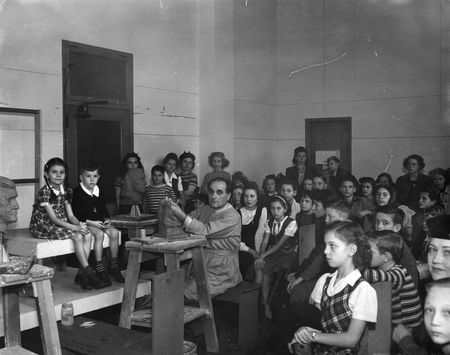
In this photo, sculptor William Zorach is demonstrating sculpting to a group of young students at the Museum School in 1945. His models—seated on the table on the left side of the image—are sister and brother Jerry and Dick Bywaters, the children of then Museum director Jerry Bywaters.

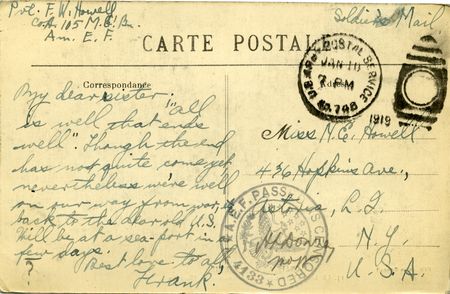
Another set of siblings in the archives are Nora (Howell) Wise and Frank Howell. In 1976, the Museum acquired a collection of pre-Columbian art from Nora and her husband, John Wise; papers from John and Nora came to the Museum after Nora’s death. The papers include this postcard from Nora’s brother Frank, a solider in WWI, telling her that he was coming home.

My dear sister, “All is well that ends well.” Though the end has not quite come yet, nevertheless we’re well on our way from war, etc, back to the dear old U.S. Will be at a sea-port in a few days. Best love to all, Frank

My dear sister,
“All is well that ends well.” Though the end has not quite come yet, nevertheless we’re well on our way from war, etc, back to the dear old U.S. Will be at a sea-port in a few days.
Best love to all, Frank


Hillary Bober is the Archivist at the Dallas Museum of Art.

Friday Photos: April Showers Bring…

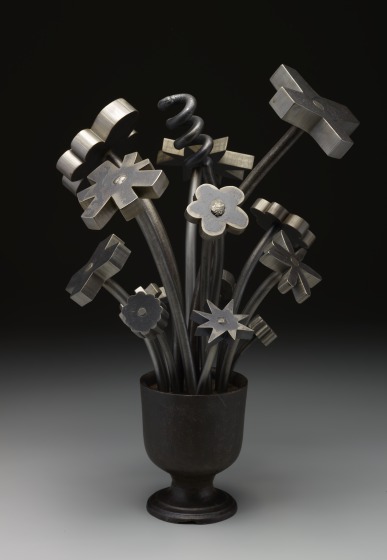
May flowers, of course! So we’re hoping that this stormy day is a good sign for the plants on our grounds in the upcoming month! In the meantime, we’ve been enjoying our flowers blooming in the galleries. Come to the DMA today to see these works of art that are sprouting with petals and leaves, without having to reset your perm!

Whitney Sirois
McDermott Graduate Intern for Gallery and Community Teaching

Playful Learning with SPARK!

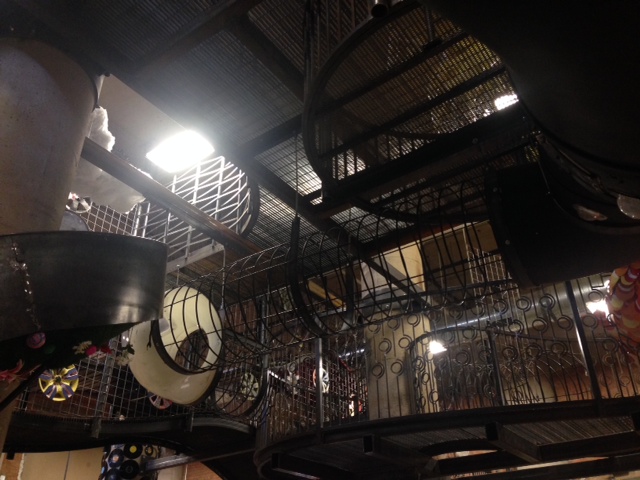
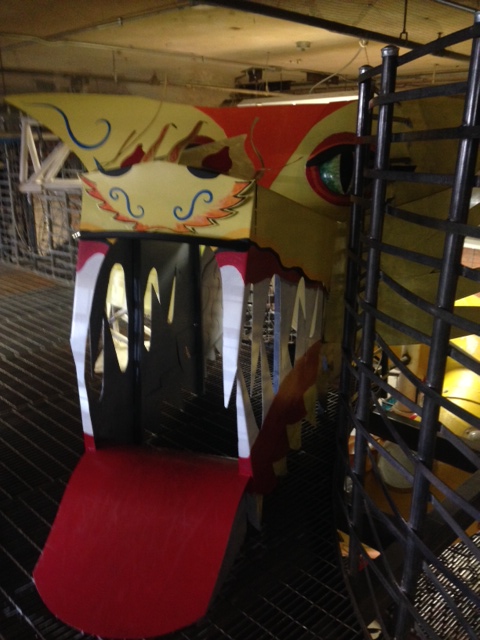
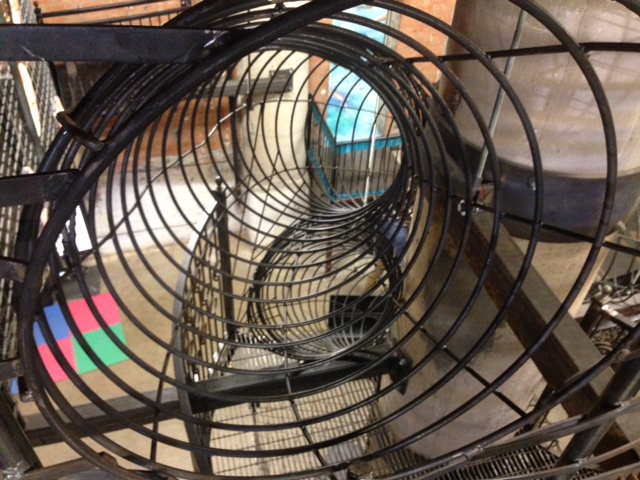
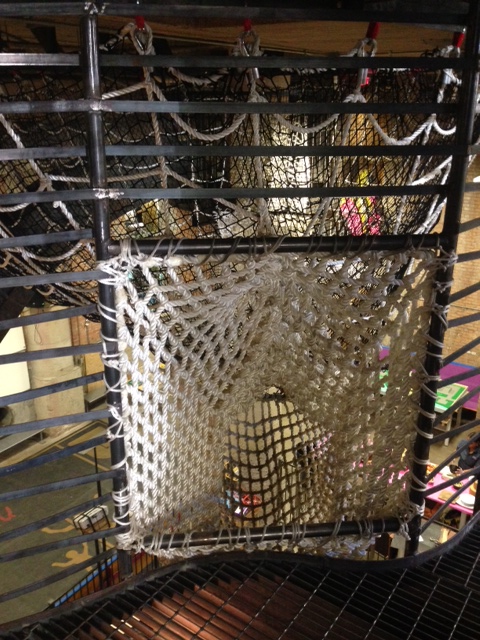
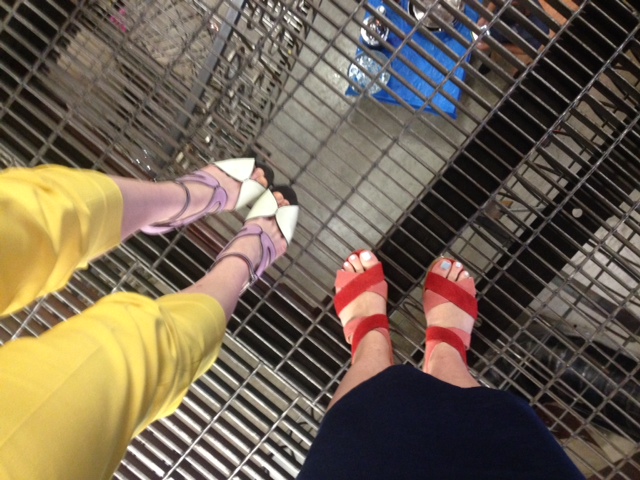
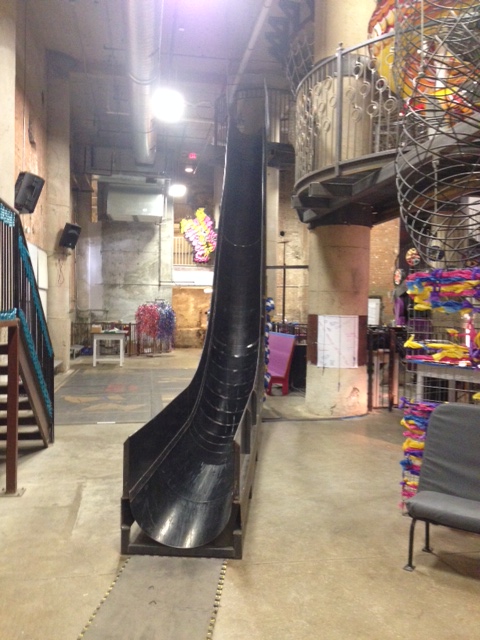
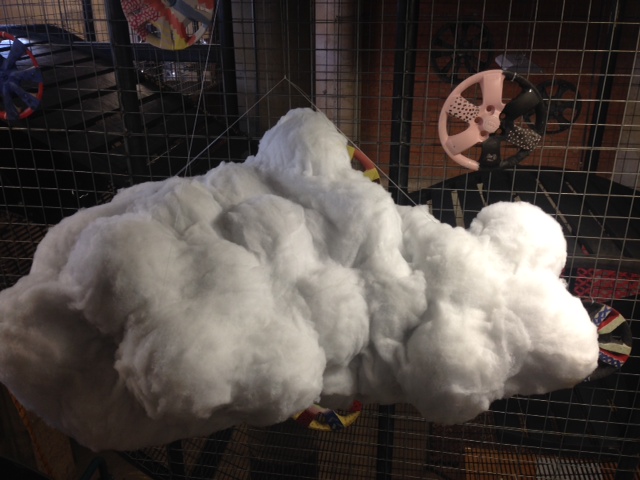
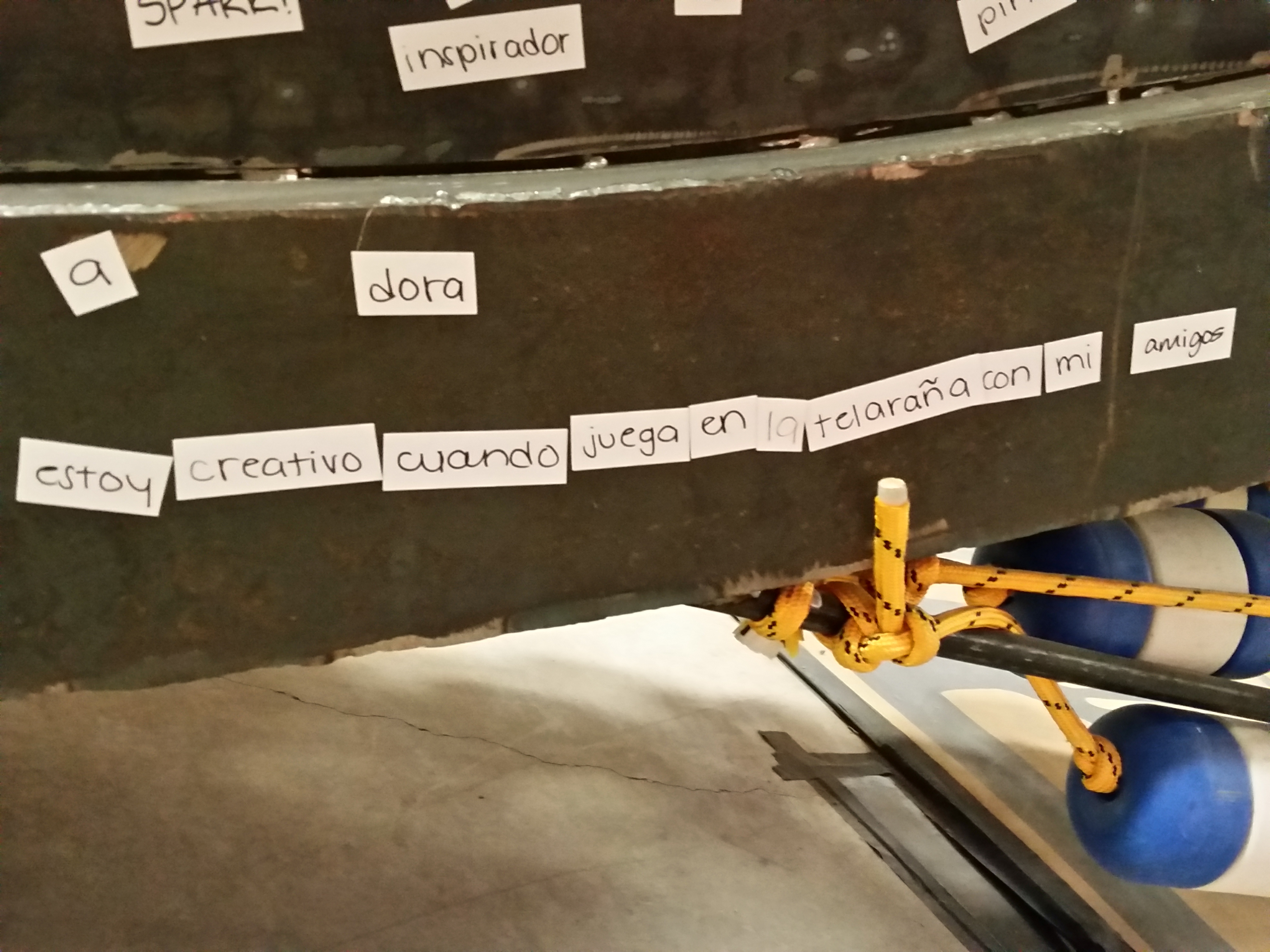
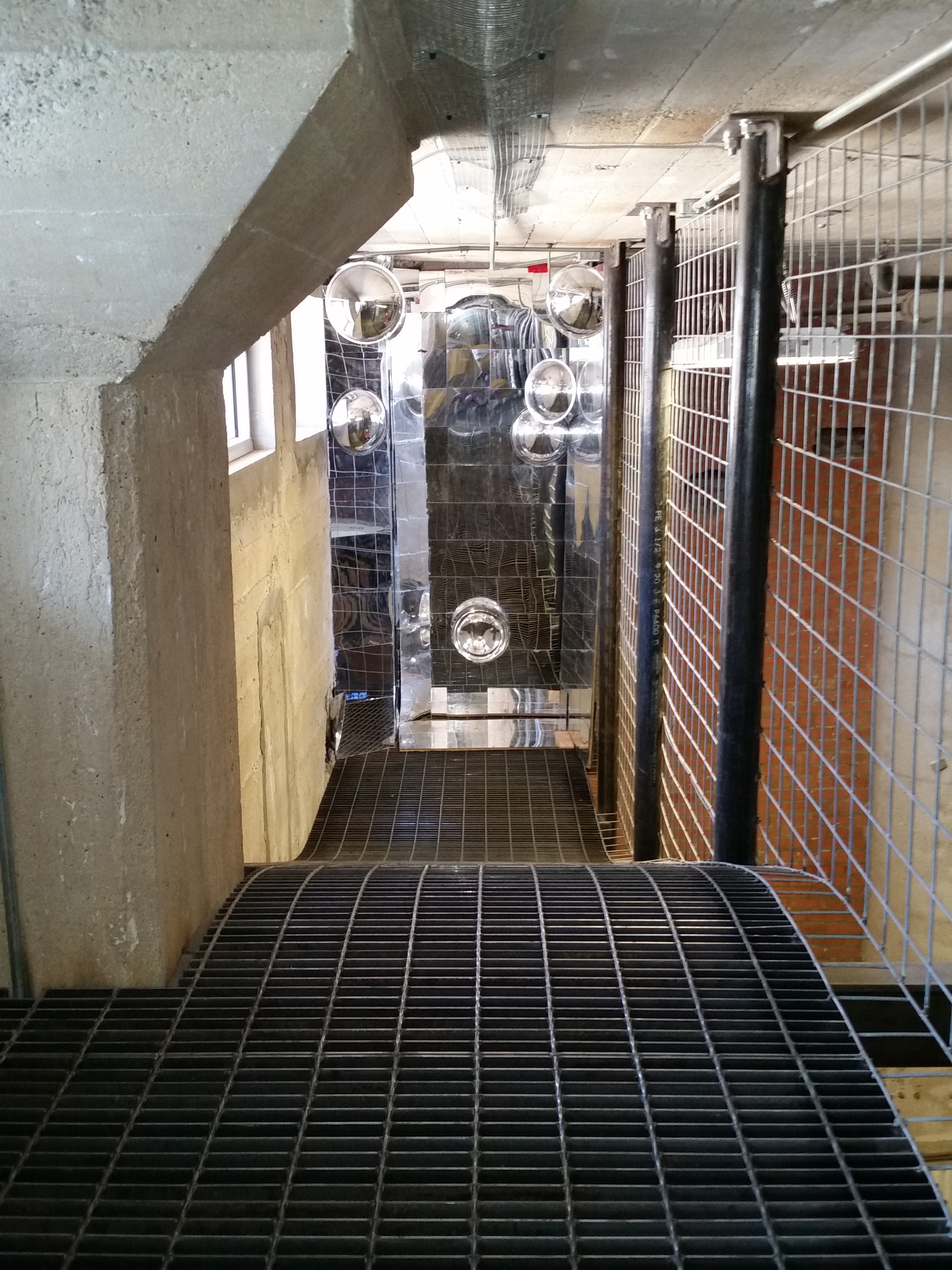
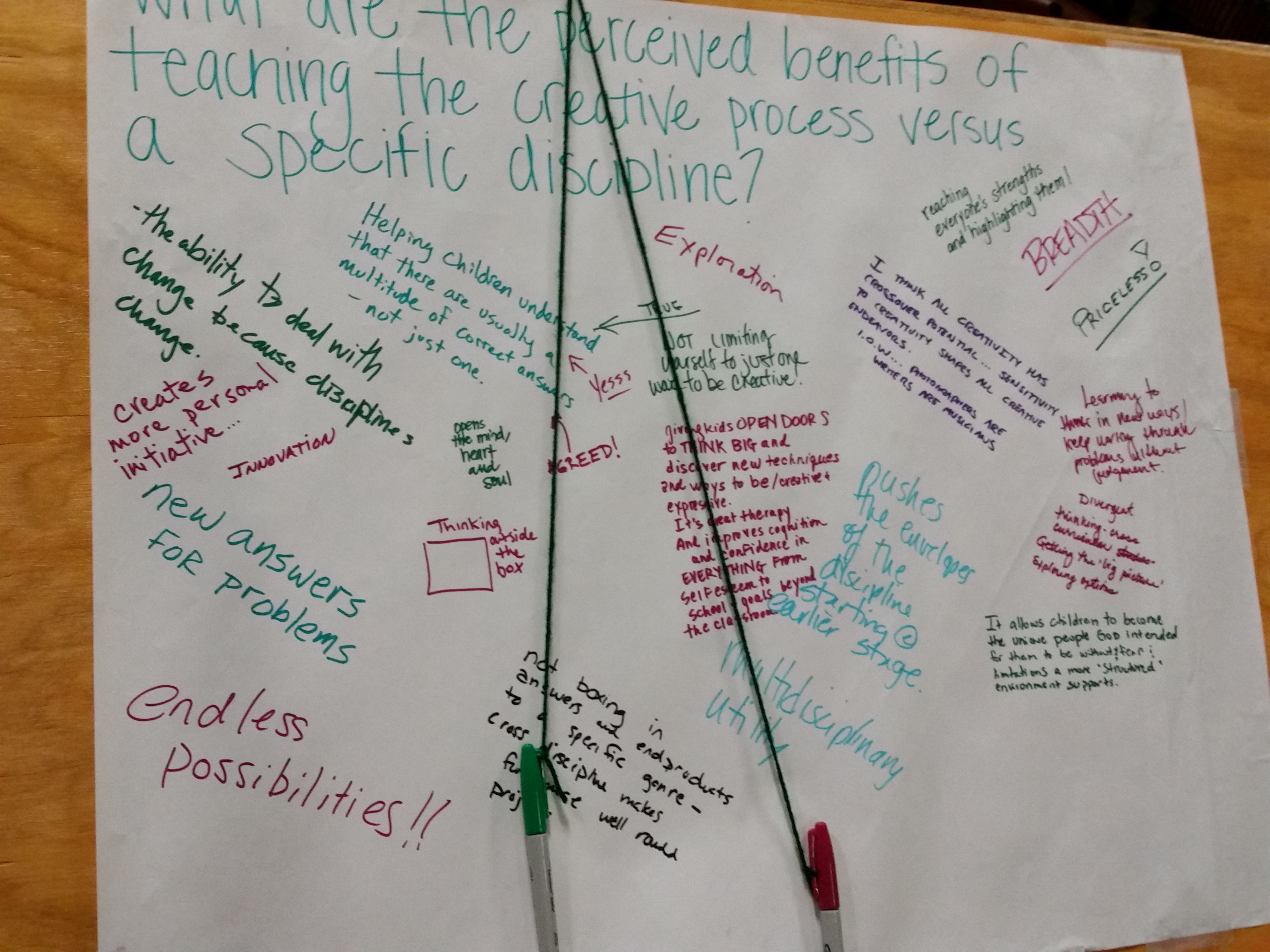
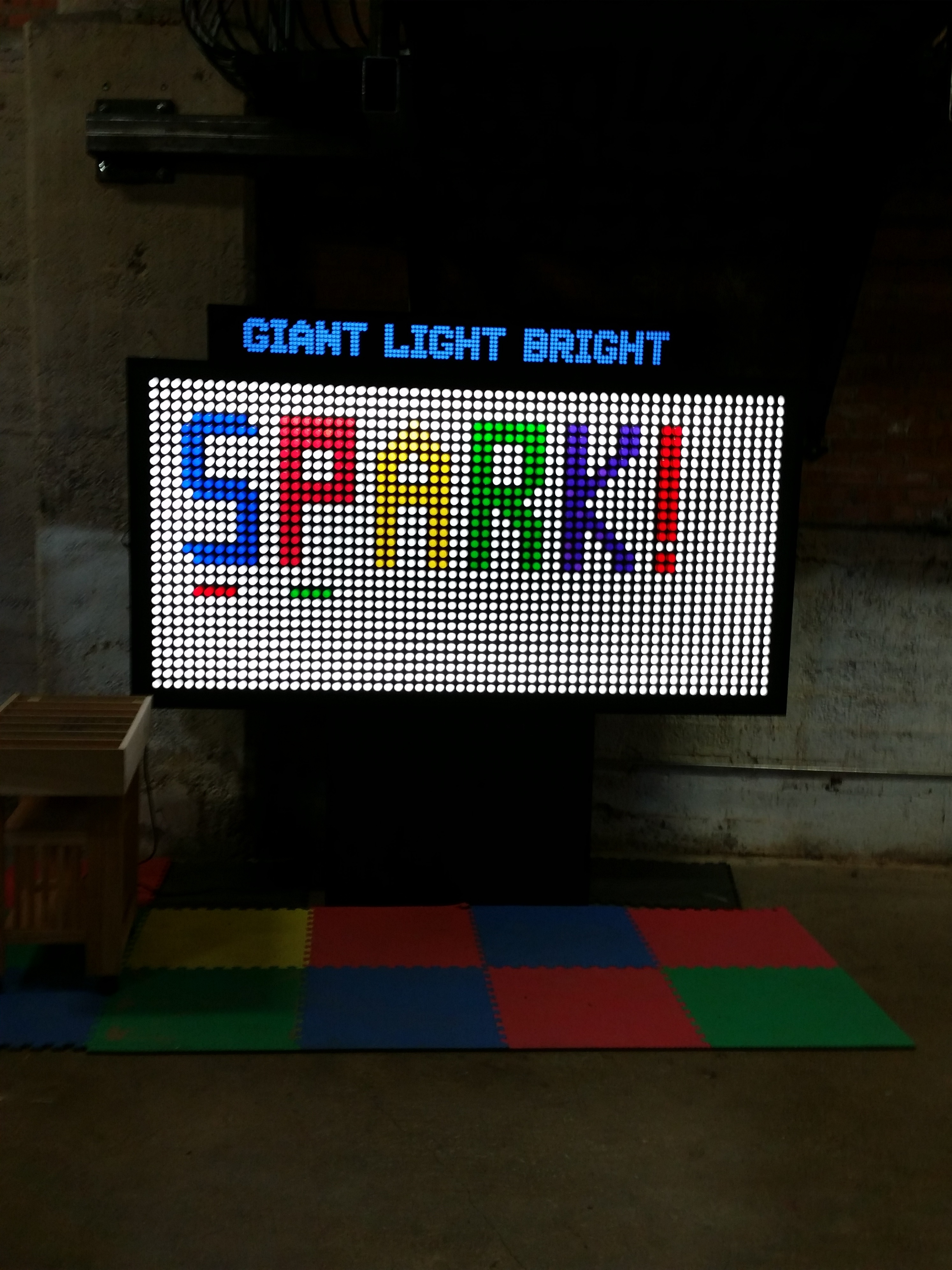
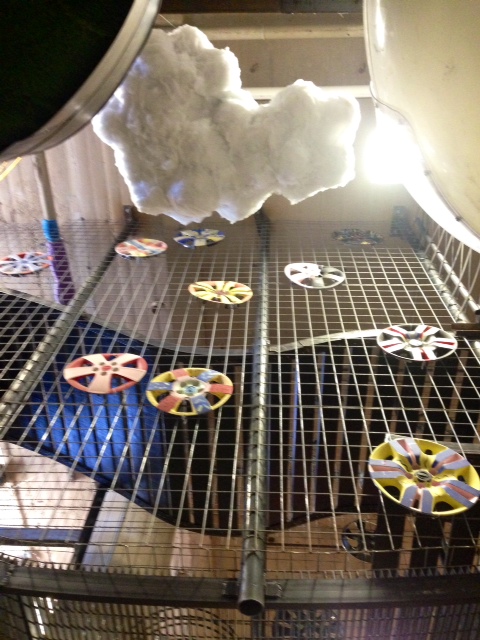
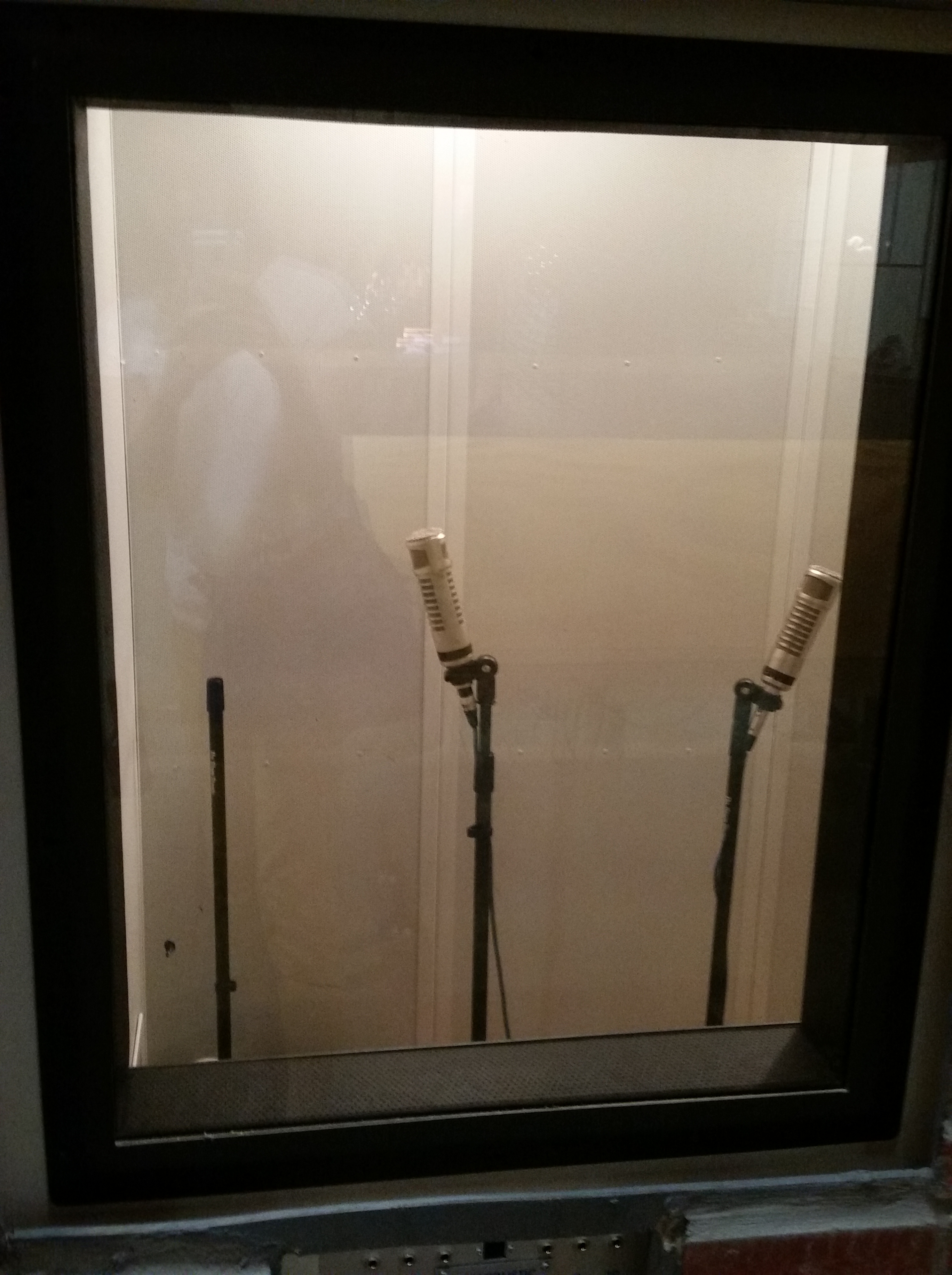
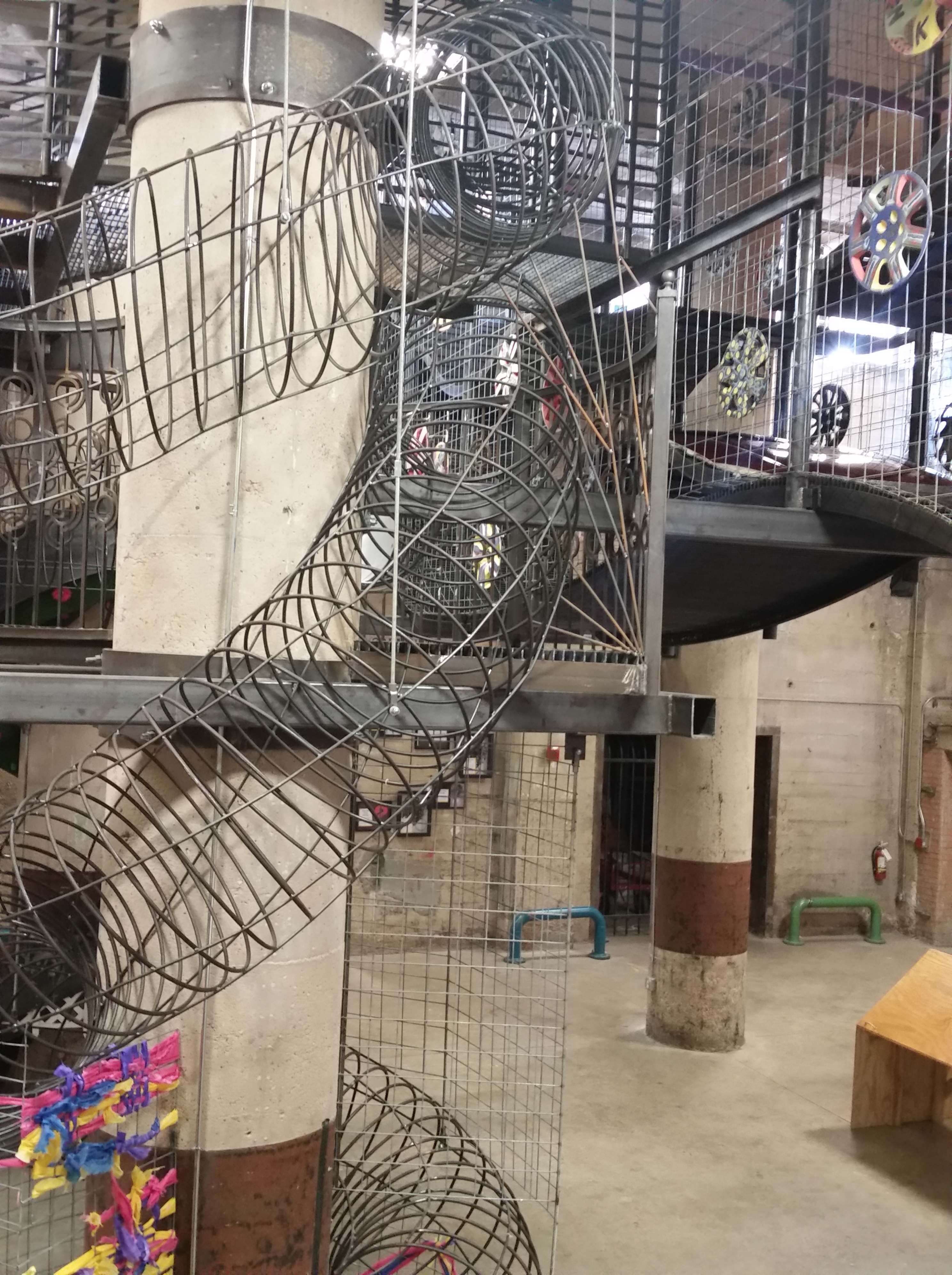
Why teach the creative process? Last week, my amazing colleague Amy Copeland and I drove the Go van Gogh van (say that three times fast!) to the historic South Side on Lamar building to take part in the 2016 Creativity Confab hosted by SPARK!. We arrived excited to hear some of the city’s most creative minds participate in a panel discussion on the importance of creativity in a child’s education, and were greeted with an inviting maze of slides, “slinky” tubes, catwalks, and creative play stations, including a giant Lite-Brite and a recording studio. Needless to say, not even our inappropriate choice of shoes could keep us from joining in on the fun and exploring!

Inspired by the City Museum in St. Louis, SPARK! was founded in 2010 to teach the creative process and empower children through playful learning. Student visitors are invited to first fully immerse themselves in the space and loosen up by playing. Fred Peña of Booziotis and Company Architects, the space’s designer, says that his favorite part of the project is watching a cautious student finally work up the nerve to tackle the floor to ceiling slide, and then repeat the adventure again and again. After playing, the students move on to an art activity geared to teach the creative process and encourage collaborative problem solving.

photo 3 (1)

While the facility has only been open since June 2015, preliminary research reflects that students are more likely to describe themselves as creative and more likely to believe they’re capable of coming up with a valuable new idea after a visit to SPARK!. Significantly, about 57 percent of the children served by SPARK! come from low-income communities, reflecting the organization’s commitment to offering creative learning programs to underserved groups.

The panel’s consensus? Access to creative learning programs help children develop self-reliance, confidence, and resilience. They’re more like to perform better academically and in their future careers. As with sports, the arts teach children teamwork and help them develop confidence in their own abilities. Moreover, children learn not to fear failure and discover that problems often have more than one solution.

As a museum educator, my visit to SPARK! served as an inspiring reminder of how playful learning can help students make meaningful connections to the arts and tap into their own creativity. I look forward to my next visit, sans the wedge sandals.

tengo

Lindsay O’Connor
Manager of Docent and Teacher Programs

Black Tie Optional, Style Mandatory

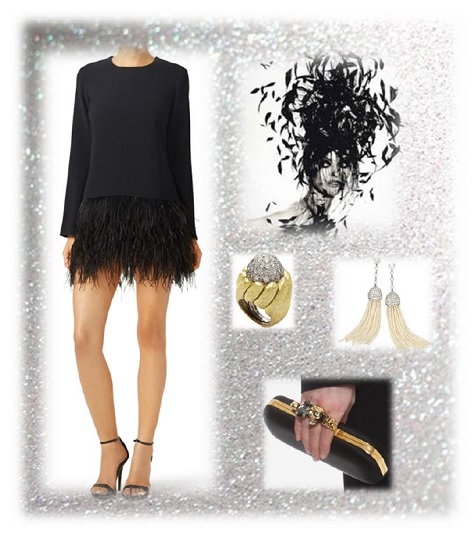
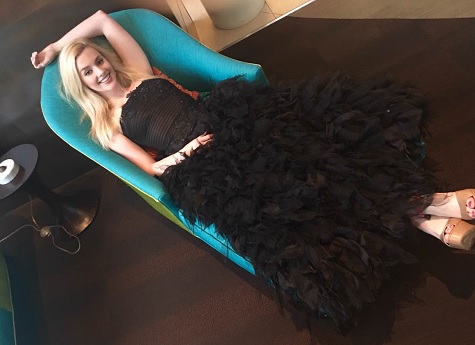
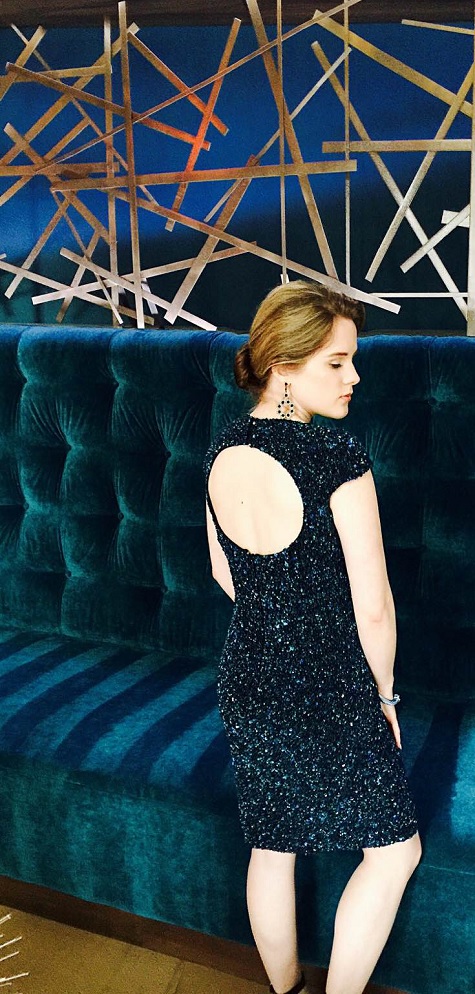
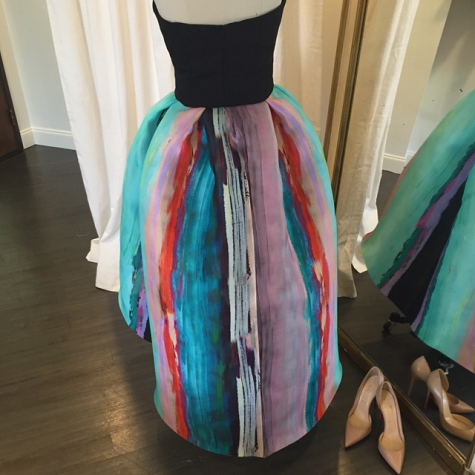
Folly at the Art Ball, our new annual fundraiser hosted by the DMA Junior Associates to benefit the Dallas Museum of Art, will launch this weekend as the After Party of the Museum’s annual gala. And we’re giving a special offer to our Uncrated readers to join in on the fun (see below). The attire “black tie optional” might sound intimidating, but it’s really about what makes you feel your best!

Inspired by fashion bloggers and chic instagrammers, we asked a few DMA Juniors to give us a sneak peek at their ensembles for the best night of the year:

Abigail Baber Rust, DMA Member since 2008
Jennifer Anthony, DMA Member since 2015
Jennifer Anthony, DMA Members since 2015
Julia Anthony, DMA Member since 2015
Vodi Cook, DMA Member since 2015 wearing Custom Couture designed by fellow DMA supporter MacKenzie Brittingham
Vodi Cook, DMA Member since 2015 wearing Custom Couture designed by fellow DMA supporter, MacKenzie Brittingham.

When trying to decide what to wear, remember to ask yourself, “Would I look great driving away in a Jaguar in this outfit?” The evening includes a chance to win a brand-new 2017 Jaguar F-Pace Prestige. No matter what, make sure you are ready to dance to the tunes of DJ Lucy Wrubel and the Georgia Bridgwater Orchestra!

Since you are loyal Uncrated readers, we’d love to treat you to 25% off entry tickets to Folly at the Art Ball. Use the discount code UNCRATEDSTYLE when you purchase yours before Saturday, April 23, at noon! Tickets will be sold at the door for an increased price of $250.

Rebekah Boyer is the Assistant Manager of DMA Member Groups at the DMA.

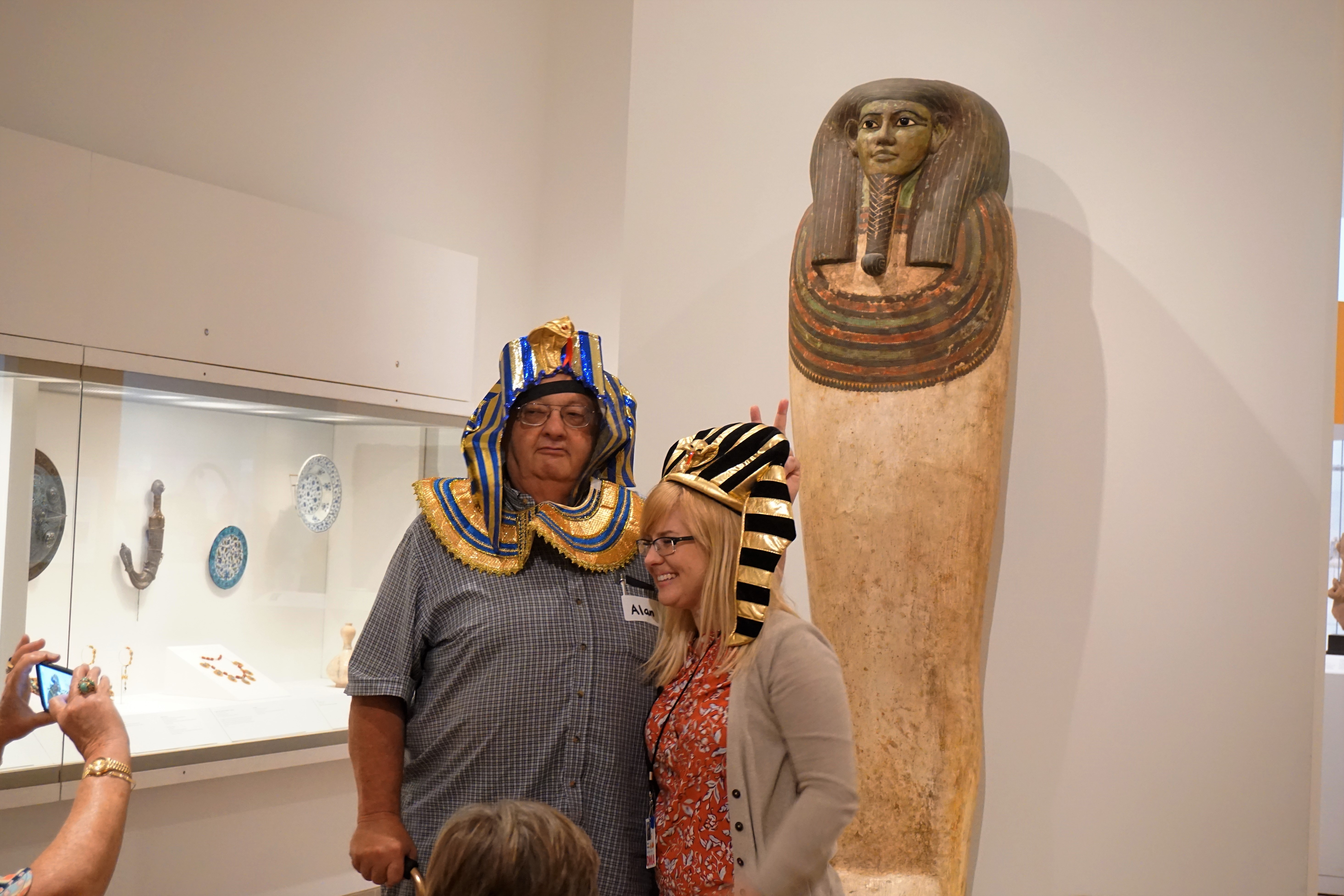
Friday Photos: Dress Like an Egyptian

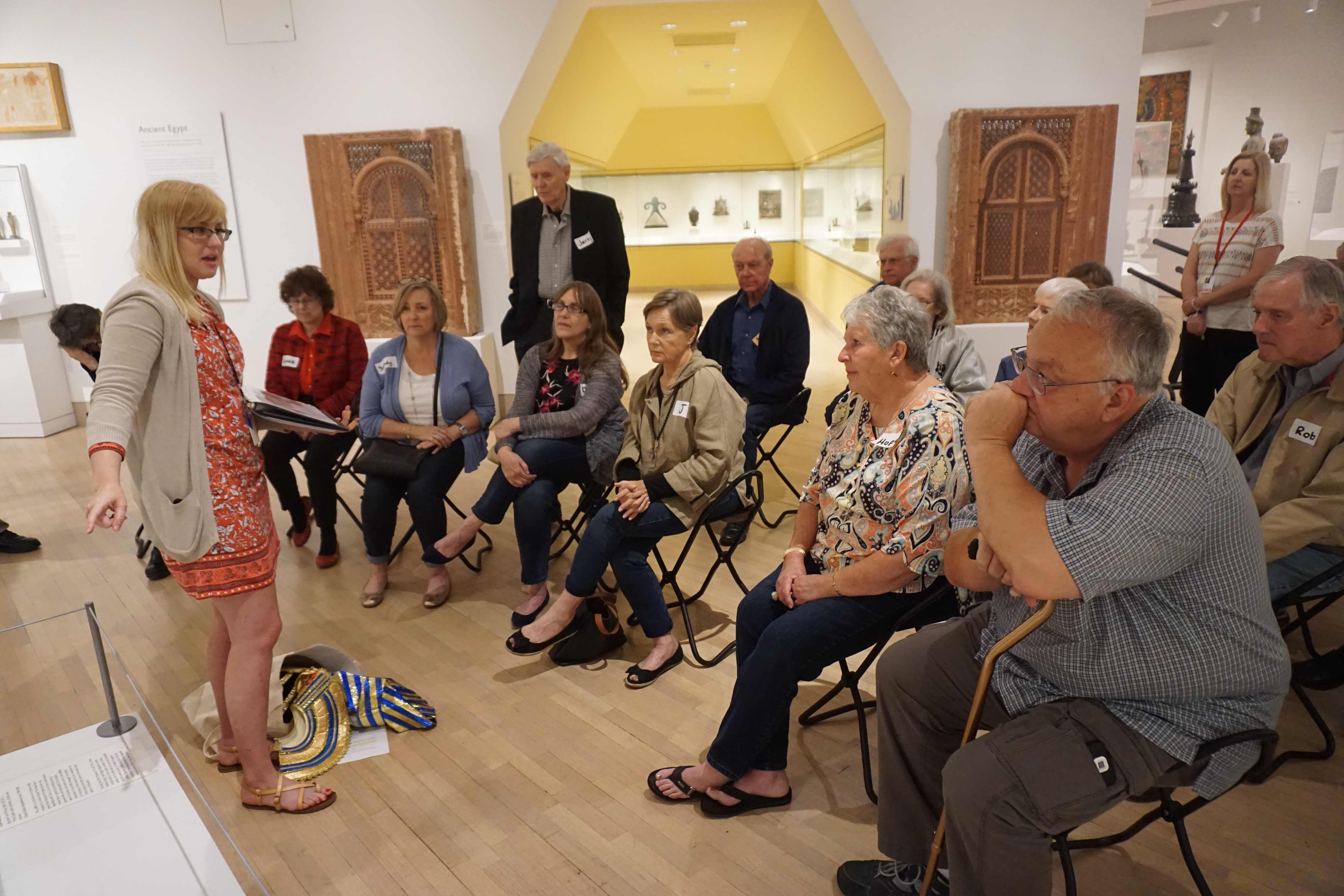
Ask any member of our Education Department: we love our props, and we LOVE dress-up! Luckily for us, our visitors do, too! No matter the age or the stage, we all have a blast getting into the spirit (and outfits) of our art.

Just this week, our Meaningful Moments group, led by our wonderful McDermott Intern Emily, got funky with the pharaohs in some hip headwear. Take a look!

Did you catch Pharaoh Alan putting bunny ears on Pharaoh Emily?

Jennifer Sheppard
Teaching Specialist

Mother of Dragons

In anticipation of the airing of the sixth season of Game of Thrones, we asked the DMA’s “Mother of Dragons,” curator Anne Bromberg, to share the history of dragons and the many ways they are represented in the Museum’s collection. 

People all over the world have imagined dragons—horned, winged, and fire-spitting serpents—as powerful spirit figures, capable of both helping humans and killing them. Since actual snakes shed their old skins and appear to be newborn periodically, dragons were thought to be deathless. They were also usually considered to be both male and female in one body and thus were spirits of fertility.

Dragon eyes were thought to be translucent jewels, as they reflected the light of the moon and stars. Often these eyes were called pearls. As part of the natural forces in the world, dragons were associated with both earth and water; hence they represented the four basic elements: earth, air, fire, and water.

Stories about dragons appear in some of the earliest religious texts, both in Near Eastern kingdoms and early Greece and in the Hindu Upanishads. The Greeks called dragons Ouranos, the Heavens, who is both child and husband of Gaea, the Earth Mother. A form of dragon is notable in pre-Columbian religions as the feathered serpent, and in China and Japan as an imperial symbol. In India the dragon figure became the seven-headed cobra Naga king, while gods like Vishnu are associated with sacred serpents. Famous stories related to dragons include the Greek hero Perseus saving Andromeda from a sea monster and, in Christianity, St. George killing an evil dragon.

An interesting note on dragons is that early mankind, who imagined winged serpents, considerably anticipated modern science, which describes how birds descended from dinosaurs. The word dinosaur means “terrible reptile.”
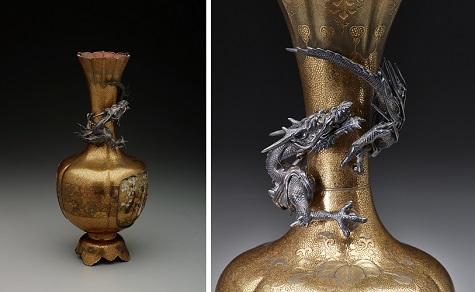
Vase, n.d., Japan, gold lacquer, silver, gold foil, Dallas Museum of Art, Foundation for the Arts Collection, The John R. Young Collection, gift of M. Frances and John R. Young 1993.86.41.FA

Vase, Japan, n.d., gold lacquer, silver, and gold foil, Dallas Museum of Art, Foundation for the Arts Collection, The John R. Young Collection, gift of M. Frances and John R. Young, 1993.86.41.FA

Several vases in the DMA’s Young Collection of Meiji period decorative arts represent dragons as part of the design. Although most of the Young Collection works were made for the export market to Europe or America, the nature of these dragons is derived from Chinese art. On the neck of this handsome vase, the main scene of which shows a typically Japanese landscape scene, a sinuous dragon curves around, as if waiting to ambush its victims. The silver dragon is the classical curving winged figure, with gaping jaws and large claws.
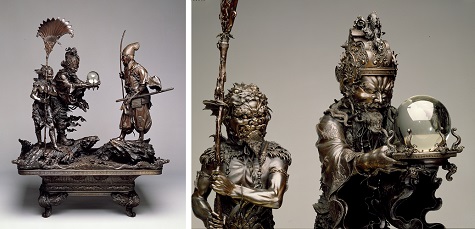
Takenouchi no Sukune Meets the Dragon King of the Sea, Designer: Sanseisha Company, Meiji Period (1868-1912), 1879–1881, bronze and glass, Dallas Museum of Art, Foundation for the Arts Collection, The John R. Young Collection, gift of M. Frances and John R. Young 1993.86.11.FA

Takenouchi no Sukune Meets the Dragon King of the Sea, Sanseisha Company, designer, Meiji period, 1879–1881, bronze and glass, Dallas Museum of Art, Foundation for the Arts Collection, The John R. Young Collection, gift of M. Frances and John R. Young, 1993.86.11.FA

Takenouchi no Sukune Meets the Dragon King of the Sea is the most striking work in the Young Collection of Meiji period Japanese arts. These works were made for export to Europe and America and were deliberately made in styles that would appeal to the market for Japanese work. Here the Japanese warrior hero Takenouchi no Sukune is being rewarded by the Dragon King of the Sea, whom he has helped. An emissary of the king, accompanied by an attendant who appears as part human-part sea monster, offers the Jewel of the Tides to the warrior. It resembles a pearl, recalling that dragon eyes were imagined as jewels or pearls.

The base of the work is like a sea shore, with a rocky strand covered with crabs, snails, and terrapins. The under support is raised on sea dragon feet. The artist has brilliantly imagined a folk tale as a grand dramatic scene.
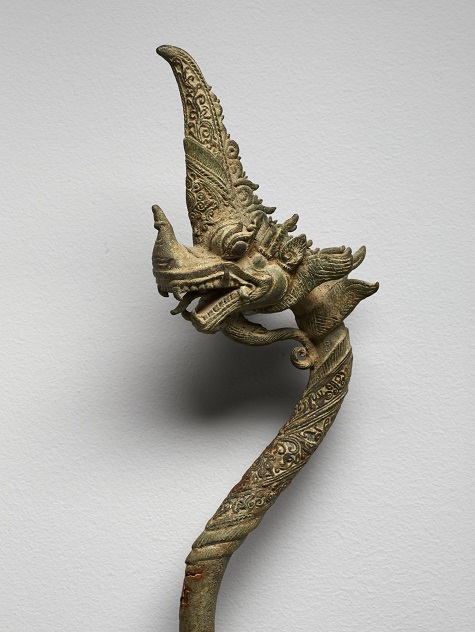
Dragon finial, 15th–17th century, Thailand, bronze, Intended bequest of David T. Owsley PG.2007.57

Dragon finial, Thailand, 15th–17th century, bronze, Intended bequest of David T. Owsley, PG.2007.57

In Southeast Asia, where kings in Cambodia and Thailand often identified themselves with Hindu or Buddhist deities, dragons were considered beneficent beings, powerful, but protective of the king and his people. Upper-class palanquins (carrying chairs) were ornamented with various auspicious images, including dragons. This example is a fine piece of craftsmanship that suggests the nature of dragons as beautiful, sinuous figures, with the fierce jaws of a killer but also the grace of a winged serpent. The Hindu Naga serpent-king is adapted to the finely detailed bronze work of the Thai kingdoms.
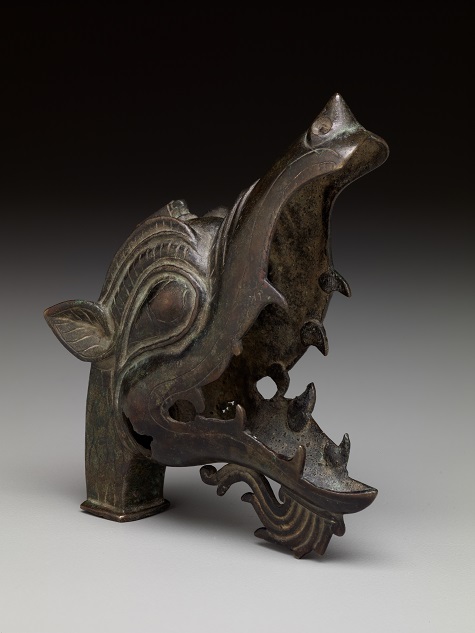
Finial: Dragon head, Iran, Seljuk period, 11th–14th century, bronze, Dallas Museum of Art, Dallas Art Association Purchase 1963.24

Finial: dragon head, Iran, Seljuk period, 11th–14th century, bronze, Dallas Museum of Art, Dallas Art Association Purchase, 1963.24

This ferocious looking dragon head from Iran is another example of using popular spirit imagery to ornament furniture and other useful objects. The dragon’s jaw gapes wide, showing sharp teeth and suggesting the fire that dragons were believed to spit. Religious imagery in ancient civilizations was as much about nature as mankind, since people were very dependent on the natural world for food, clothing, and building materials. The early Persians, as well as the Greeks and many peoples, projected their fears and hopes onto spirits that, like dragons, embody the power and violence of nature, as well as showing protective qualities.
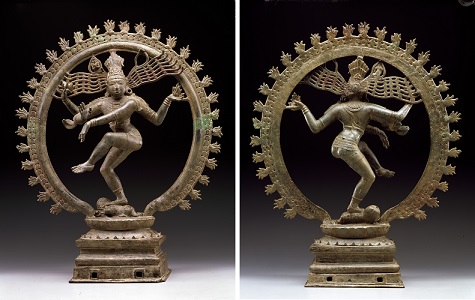
Shiva Nataraja, India, Chola dynasty, 11th century, bronze, Dallas Museum of Art, gift of Mrs. Eugene McDermott, the Hamon Charitable Foundation, and an anonymous donor in honor of David T. Owsley, with additional funding from The Cecil and Ida Green Foundation and the Cecil and Ida Green Acquisition Fund 2000.377

Shiva Nataraja, India, Chola dynasty, 11th century, bronze, Dallas Museum of Art, gift of Mrs. Eugene McDermott, the Hamon Charitable Foundation, and an anonymous donor in honor of David T. Owsley, with additional funding from The Cecil and Ida Green Foundation and the Cecil and Ida Green Acquisition Fund, 2000.377

The great god Shiva was associated with serpent dragons, as you see in this great sculpture, where the god wears snake bracelets; however, Shiva is far more closely related to dragons than his ornaments indicate. In his cosmic form as Nataraja, the divine dancer, Shiva is encircled with flames. As the lord of life, death, and rebirth, he symbolizes creation, destruction, and ongoing life, as dragons were thought to do. In many ways, Lord Shiva was himself a dragon. The circle of flames surrounding him and the fire he holds in his hand represent death and the burial ground, but also pulse with continuing life. Like dragons, Shiva is a god of fertility. His hair is the eternal waters of Mother Ganges. The drum he carries holds the music of life. Again like dragons, he can bring both disaster and new birth.
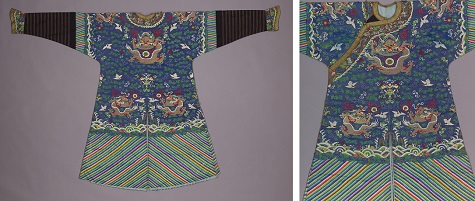
Blue Five-Clawed Dragon Robe, late 19th century, China, , silk, metal-wrapped yarn, Dallas Museum of Art, anonymous gift in honor of Joe B. Blakey 1981.6

Blue five-clawed dragon robe, China, late 19th century, China, silk and metal-wrapped yarn, Dallas Museum of Art, anonymous gift in honor of Joe B. Blakey, 1981.6

As symbols of prosperity and power, dragons in China became particularly associated with the Chinese emperor and his relatives and associates. This fine silk and metallic robe is one of several garments at the DMA that exemplify such Chinese taste. The dragons here are particularly charming and attractive, as they curl around, rather like superior pets. Another Chinese belief was that dragons could shrink themselves to the size of silk worms or blow themselves to the size of a thunderstorm. As in other cultures, Chinese dragons represented the four elements of earth, air, fire, and water.
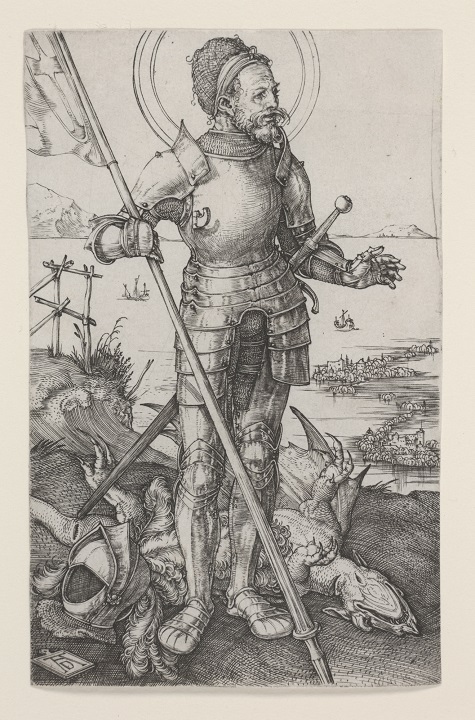
Albrecht Dürer, St. George on Foot, c. 1502 - c. 1503, engraving, Dallas Museum of Art, bequest of Calvin J. Holmes

Albrecht Dürer, St. George on Foot, c. 1502-c. 1503, engraving, Dallas Museum of Art, bequest of Calvin J. Holmes, 1971.83

German artist Albrecht Dürer’s image of St. George shows the hero as he has just slain an evil dragon. European Christians believed in the monstrous character of dragons, unlike the favorable idea you find in Greece, India, or China; however, in another way St. George is the successor of a Greek hero like Perseus, who also killed vicious dragons. In Christianity, a dragon was seen as an aspect of satan. In Dürer’s powerful scene, St. George seems to have effortlessly crushed the fallen dragon.
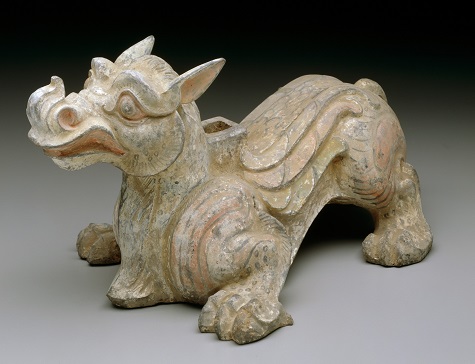
Figure of a Chimera (mythical beast), Han, China, 25–220 C.E., earthenware and paint, Dallas Museum of Art, anonymous gift 1995.66

Figure of a chimera (mythical beast), China, 25–220 C.E., earthenware and paint, Dallas Museum of Art, anonymous gift, 1995.66

An imaginary animal closely related to dragons is the chimera, a vision that first appeared in central Asia, but was to become popular from Europe to China, thanks to trade along the Silk Road. The chimera combines lion, goat, and snake features. Like dragons, it spits unquenchable fire, and can destroy people or bring them good fortune. In China it became, like dragons, an image of prosperity and power.
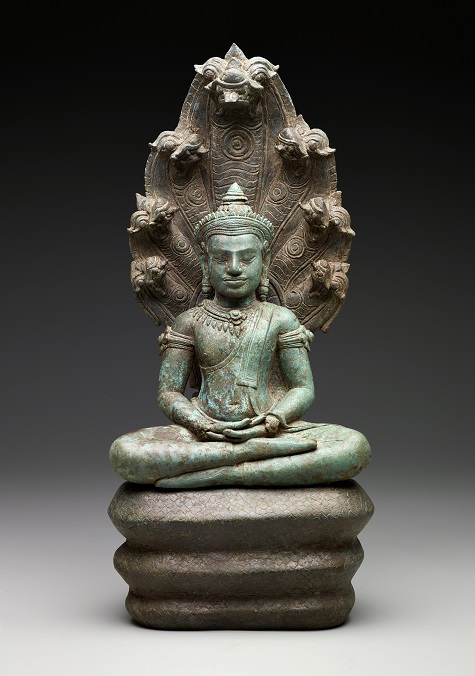
Buddha Muchalinda, Cambodia, Khmer empire, late 12th–early 13th century, copper alloy, Dallas Museum of Art, the Cecil and Ida Green Acquisition Fund 2005.3.A-C

Buddha Muchalinda, Cambodia, Khmer empire, late 12th–early 13th century, copper alloy, Dallas Museum of Art, the Cecil and Ida Green Acquisition Fund, 2005.3.a-c

In this fine Cambodian image, the Buddha is shown meditating before he achieved enlightenment. According to a story of this time in the Buddha’s life, a demon of ignorance tried to prevent him from reaching the Dharma by raising the waters of the lake where he sat until they drowned him. But the Buddha-to-be was protected by the holy Naga serpent king, who lifted the Buddha up and saved his life. This image of the Buddha protected by the Naga serpent (as a seven-headed cobra) was to become one of the most popular Buddhist icons.
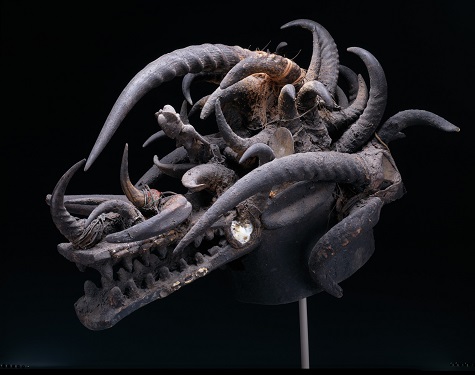
Helmet mask (komo), mid–20th century, wood, glass, animal horns, fiber, and mirrors, Dallas Museum of Art, gift of David T. Owsley 1997.24

Helmet mask (komo), Mali and Cote d’Ivoire, mid-20th century, wood, glass, animal horns, fiber, and mirrors, Dallas Museum of Art, gift of David T. Owsley, 1997.24

Masks like this were used among the Senufo and the neighboring Bamana people by high-ranking members of the men’s powerful Komo association, which was responsible for maintaining social, spiritual, and economic harmony. The added female figure may refer to Senufo women as diviners. The fearsome image, with its sharp teeth and jutting animal horns and tusks, projects terror. Glass eyes and reflective mirrors add a sense of supernatural force.

Dr. Anne R. Bromberg is The Cecil and Ida Green Curator of Ancient and Asian Art at the DMA.
But Clouds Got in My Way

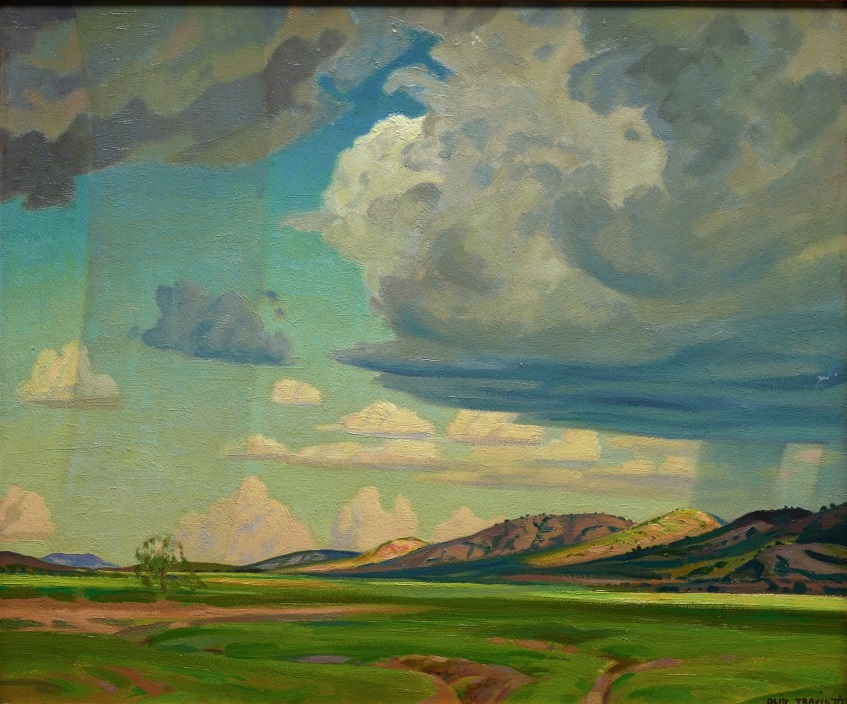
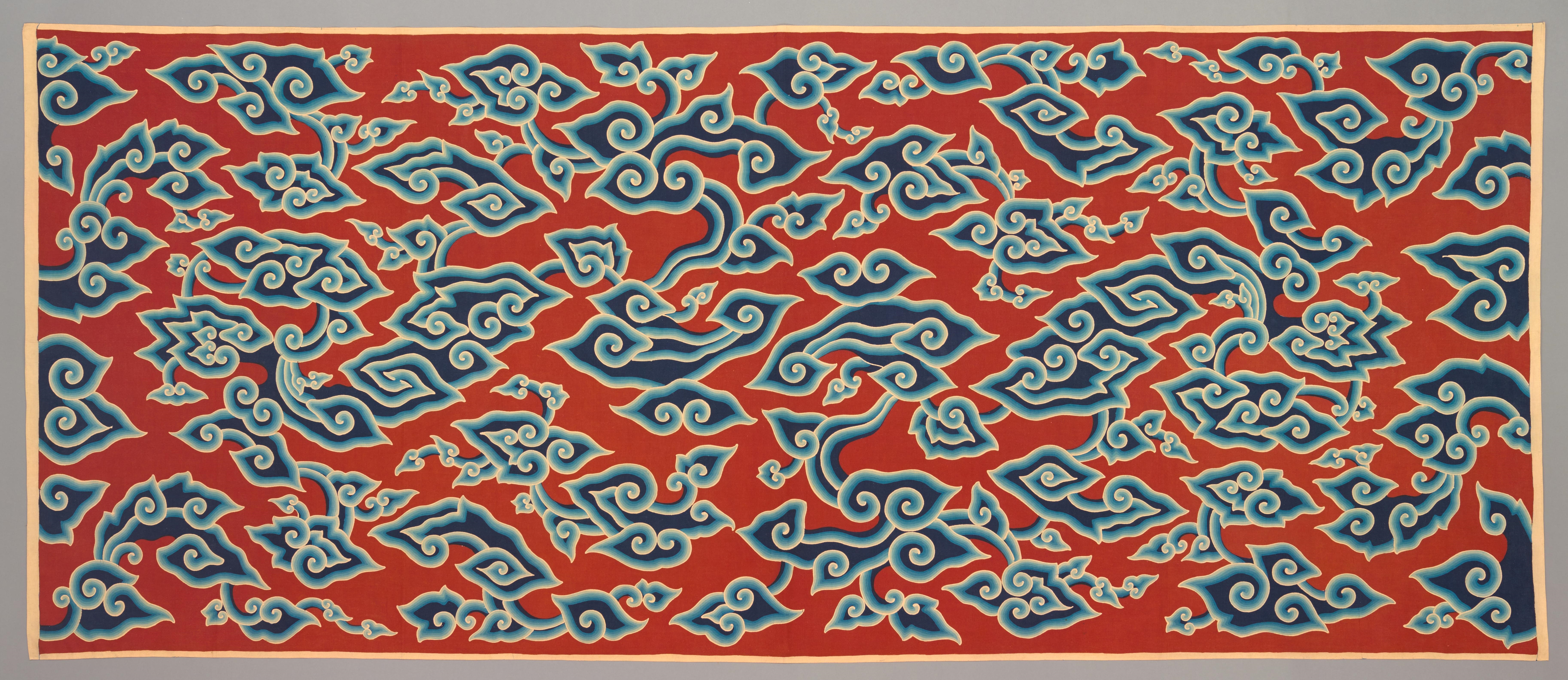
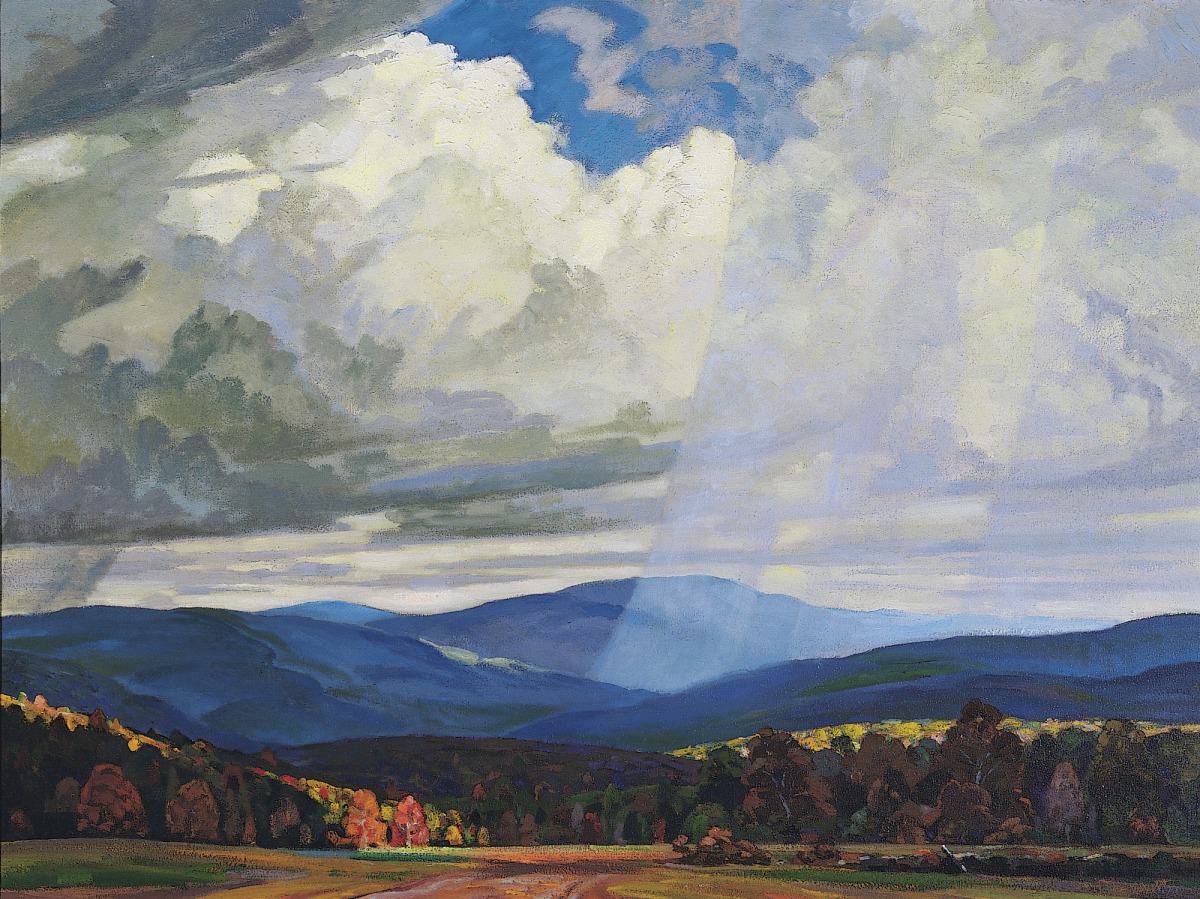
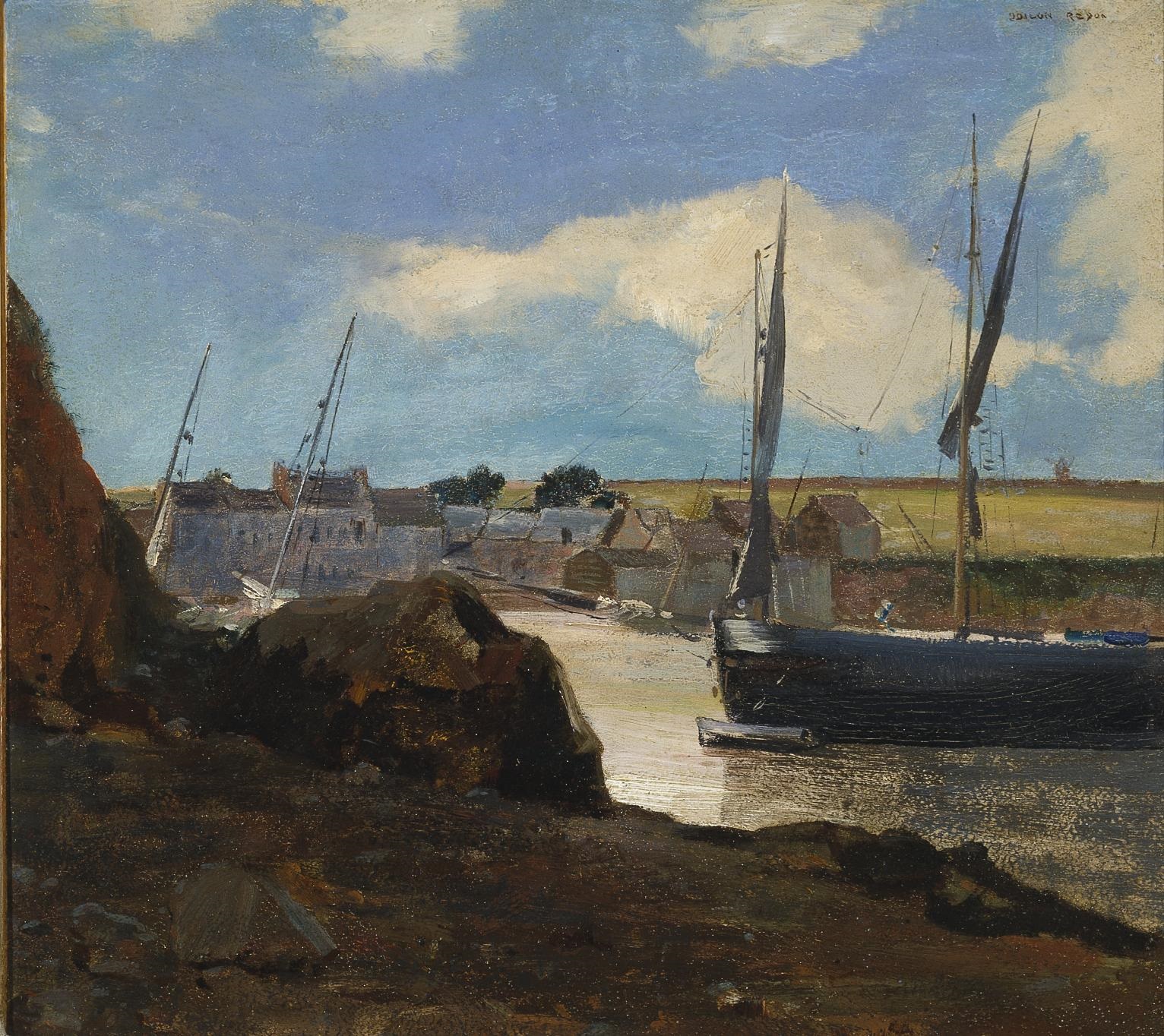
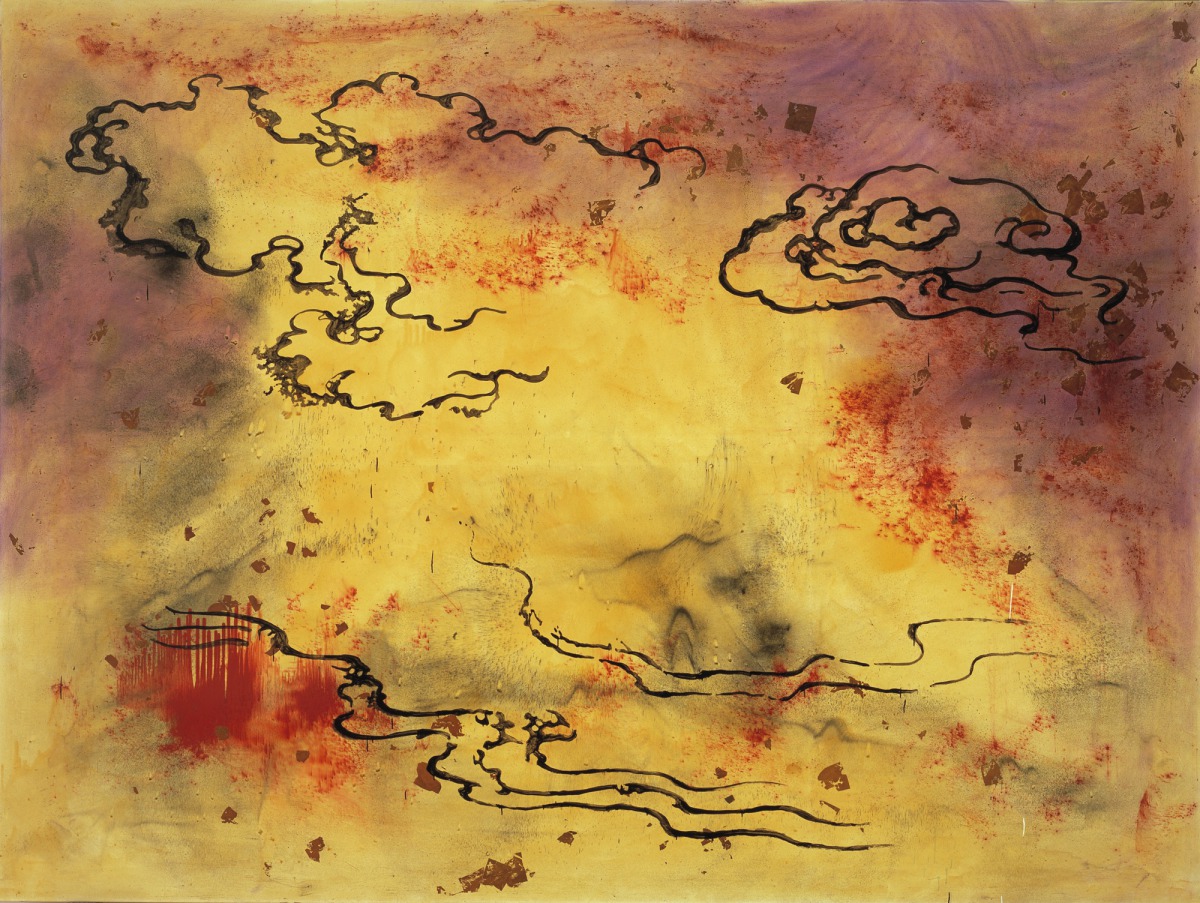
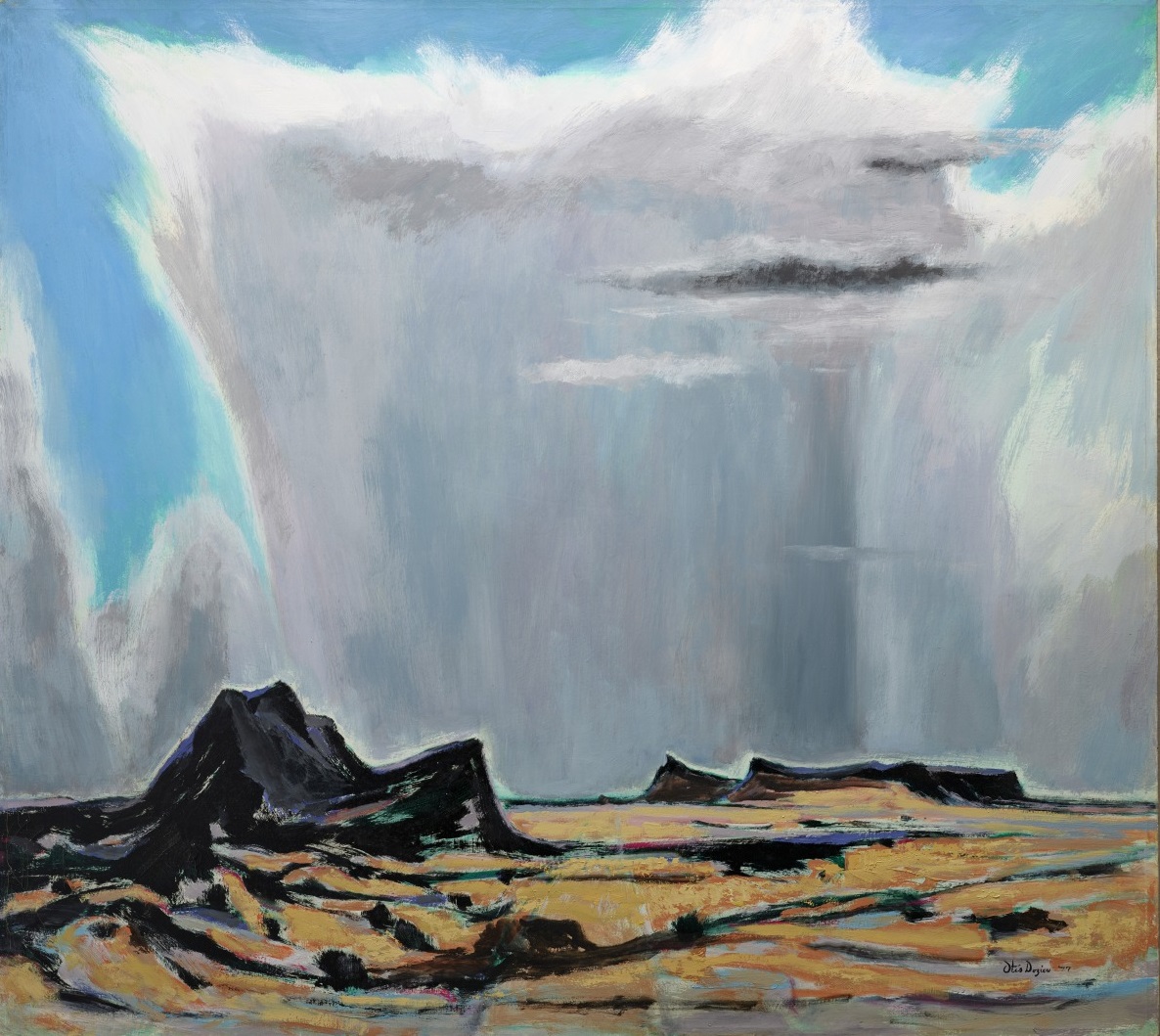
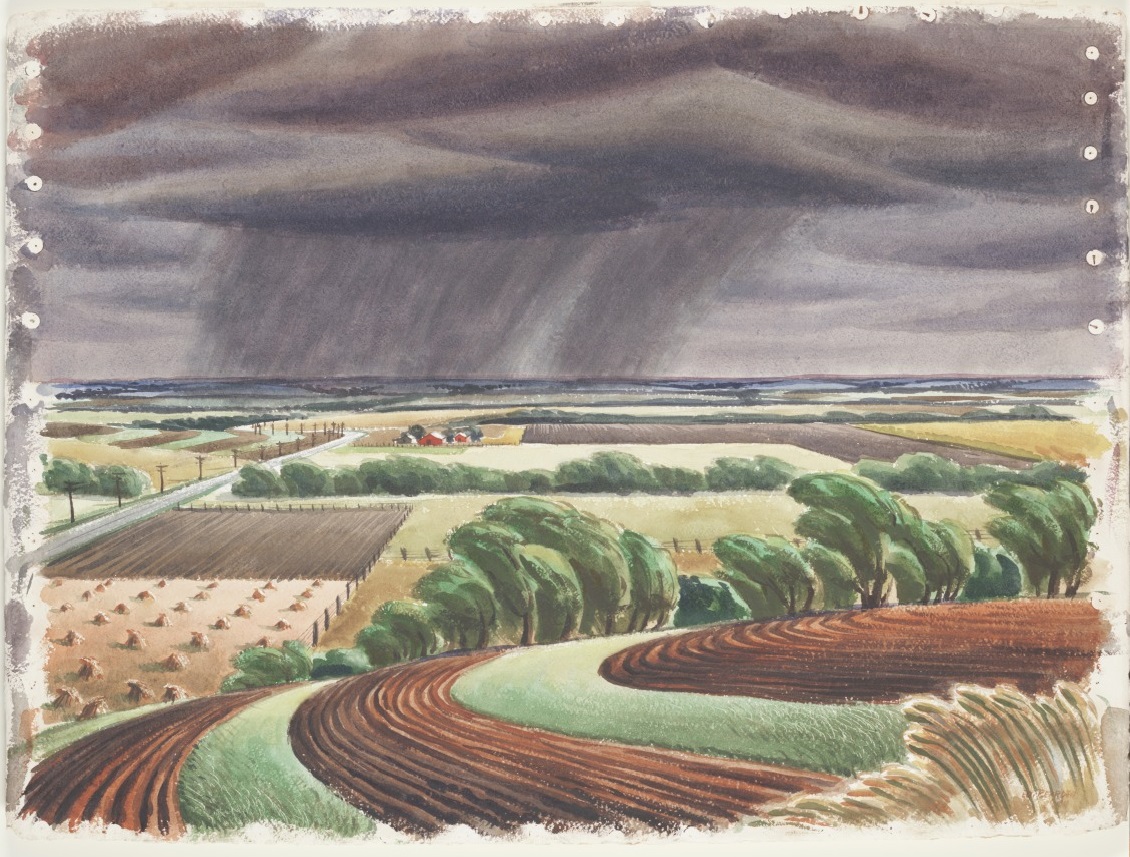
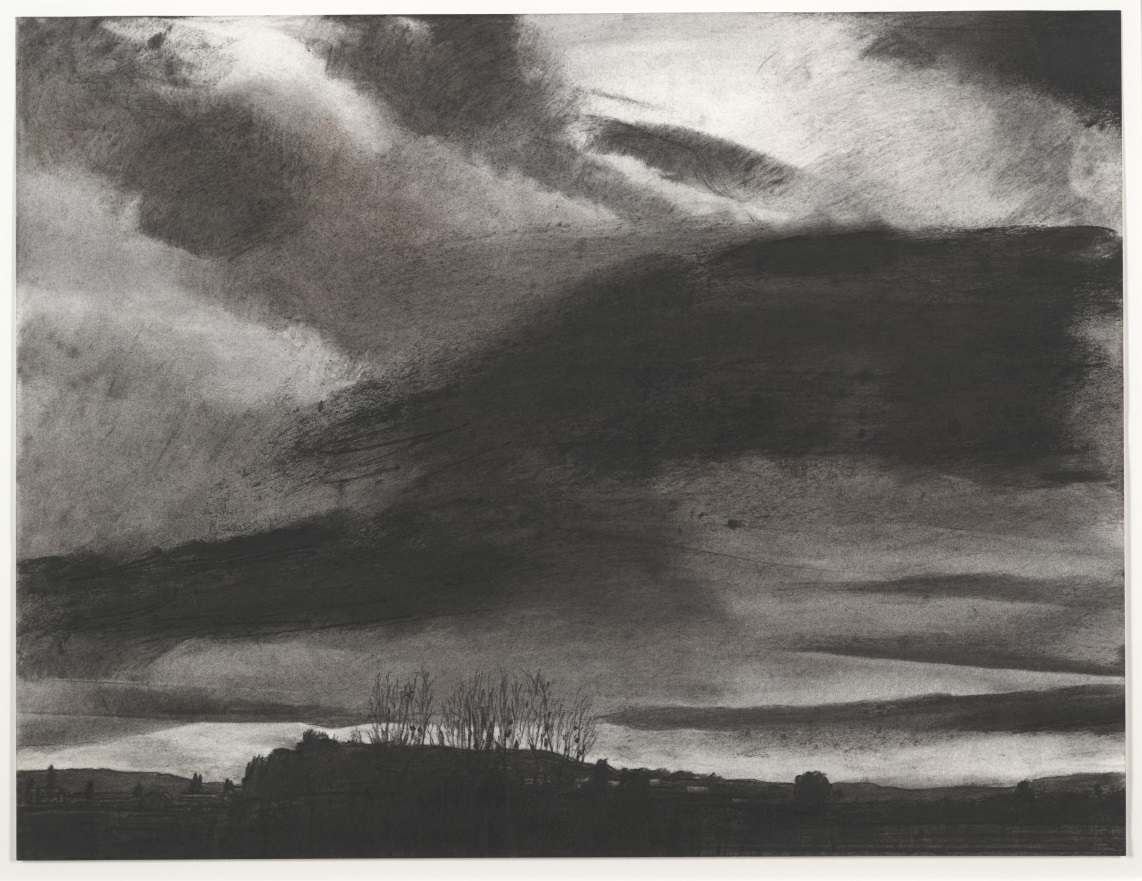
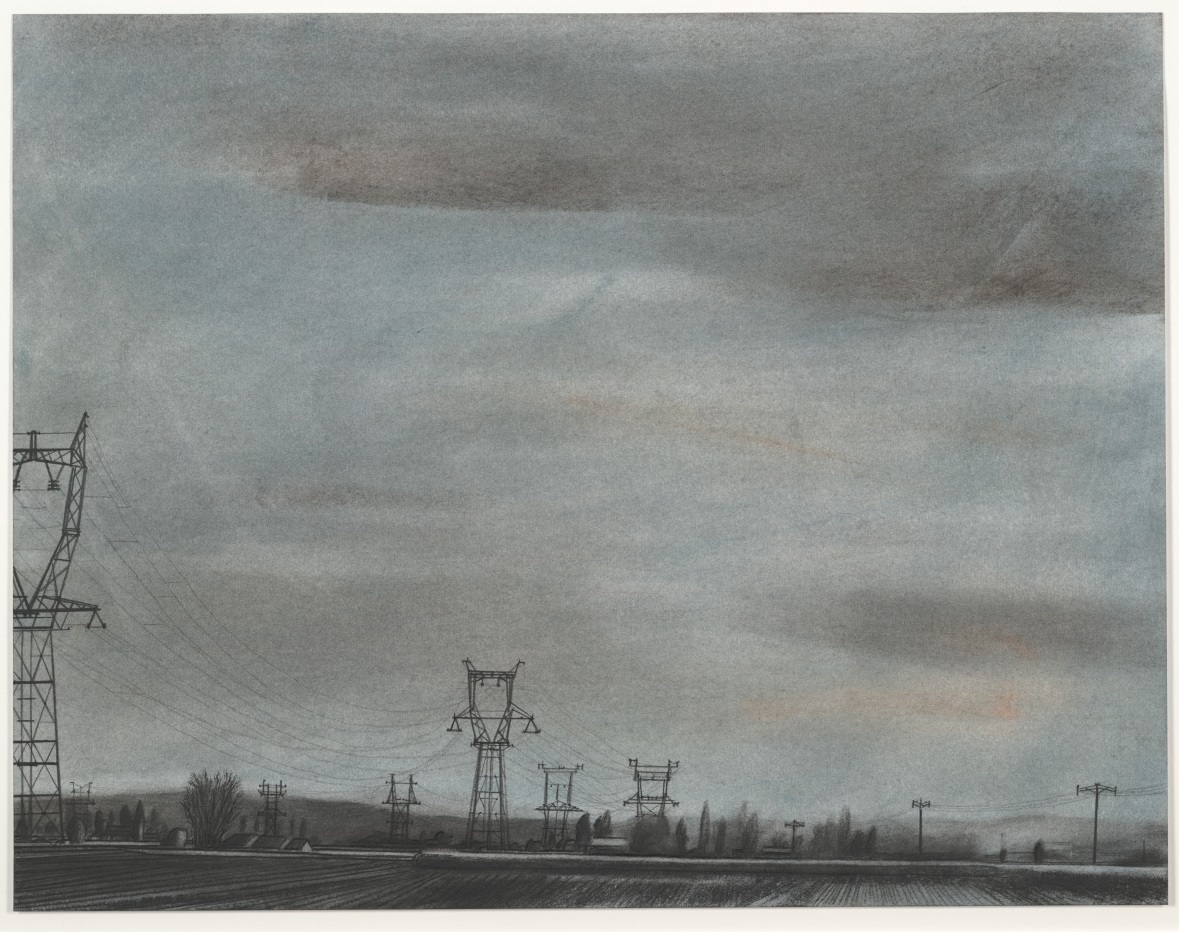
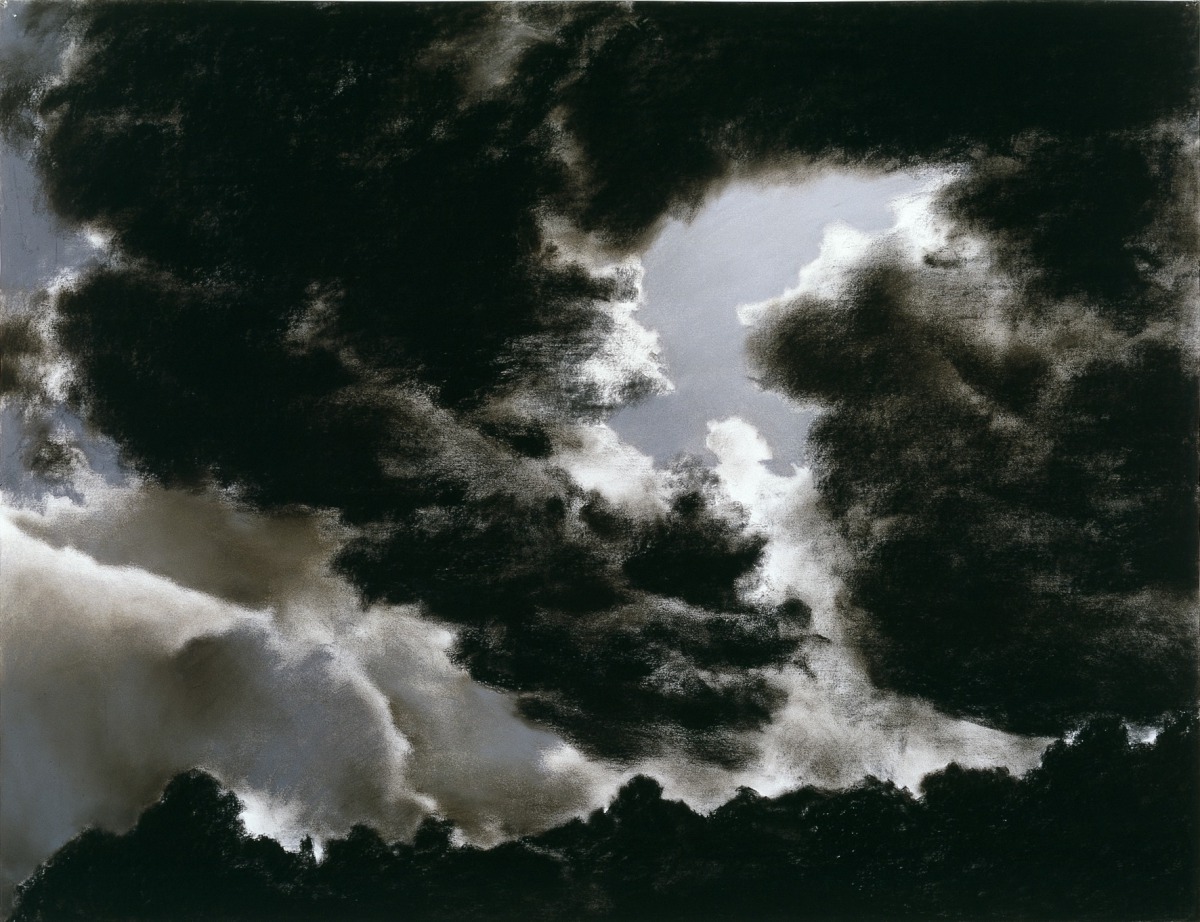
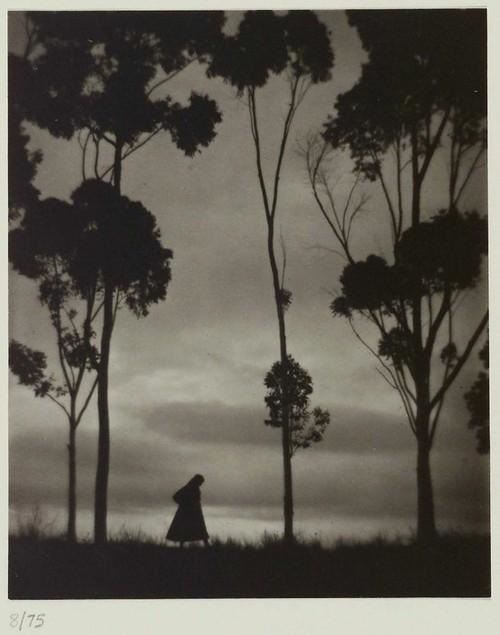

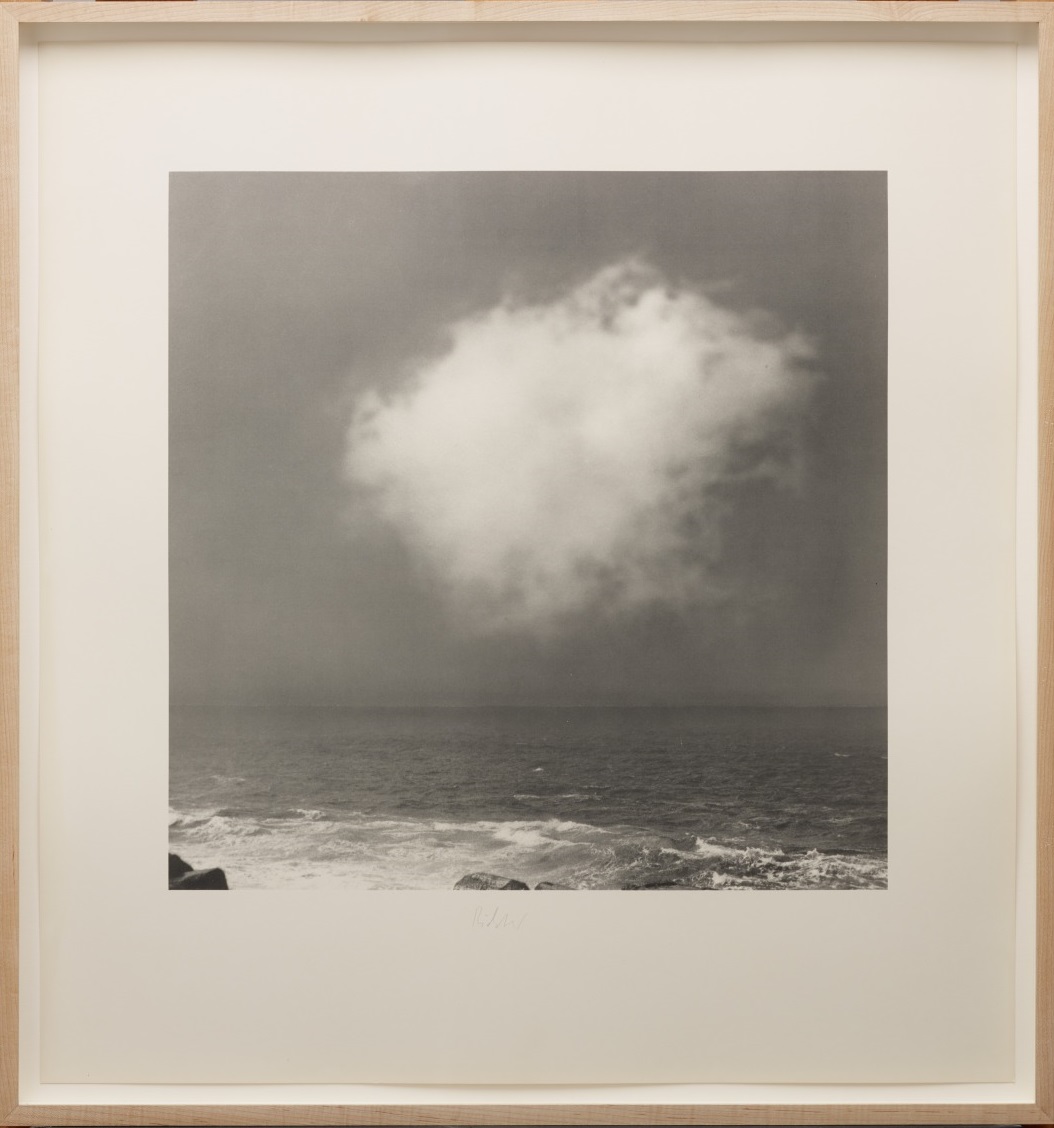
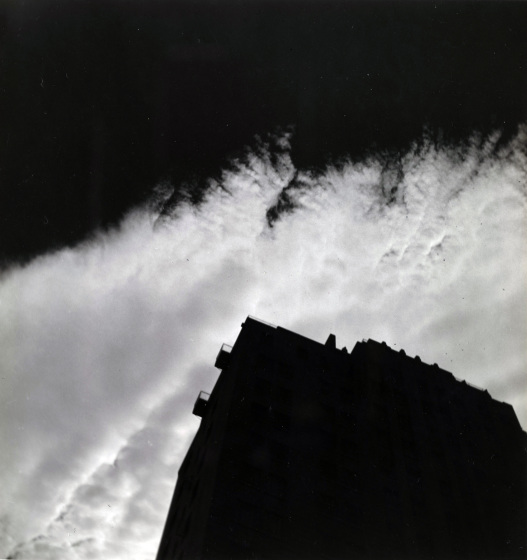
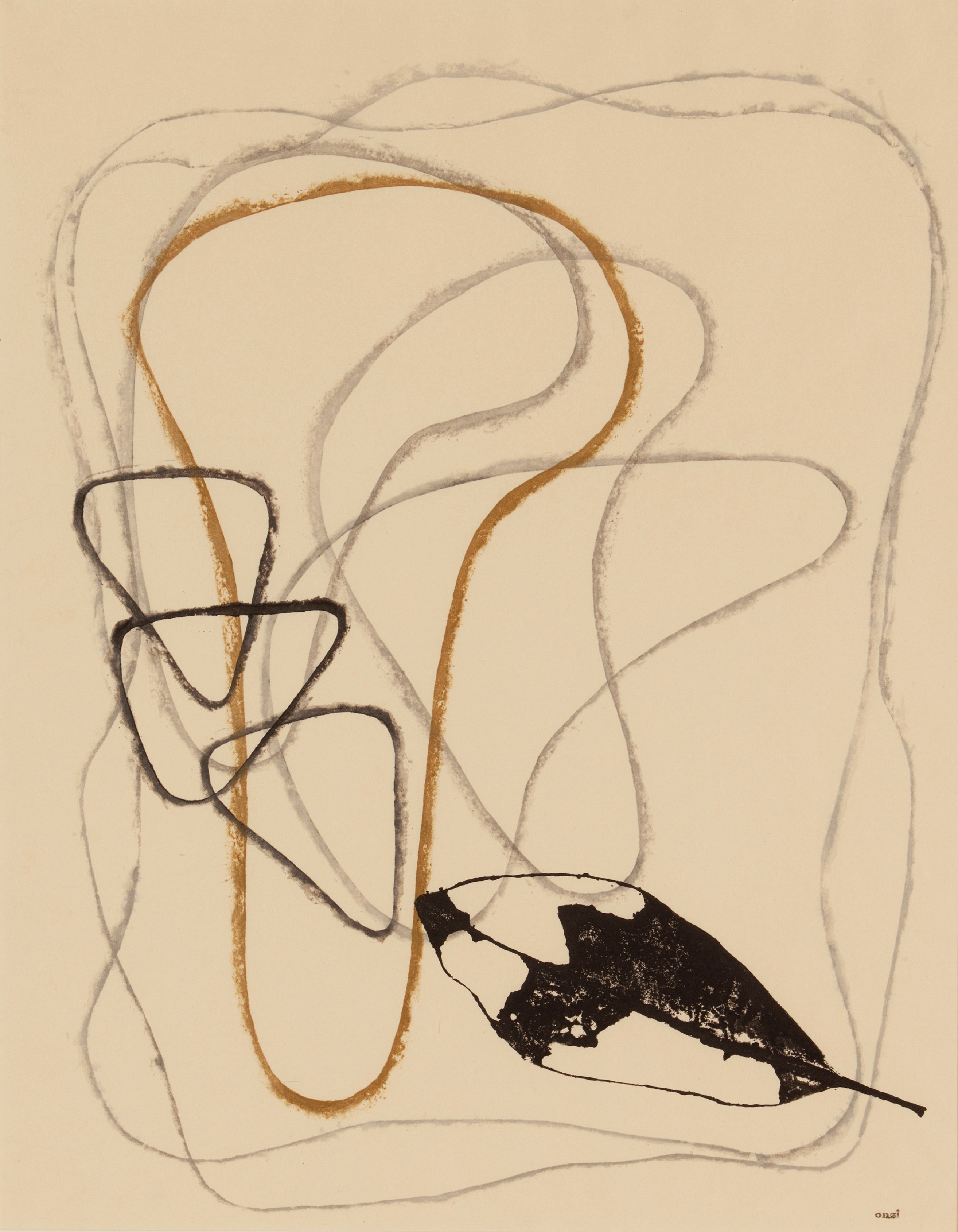
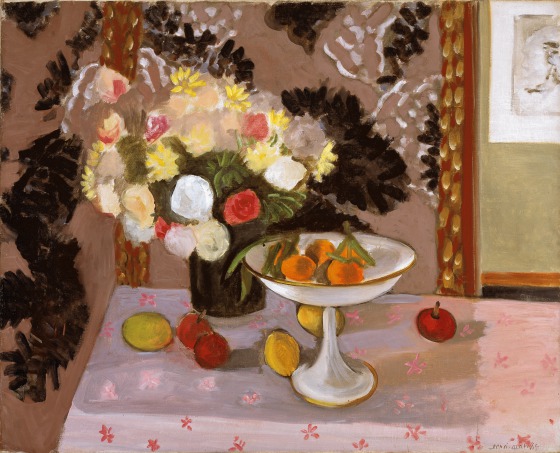
While browsing our online collection for a project, I entered the word “cloud” into the search field. I was surprised by how many works of art in our collection had cloud connections, either as part of the work’s title or featured in the work itself. As I was looking through the images, I kept hearing Joni Mitchell’s Both Sides Now playing in my head. Go ahead and give it a listen as you look at just a few of the clouds in our collection.


Stacey Lizotte is Head of Adult Programming and Multimedia Services at the DMA.

Archives

Categories