Archive Page 61


Extra! Extra! Special Go van Gogh program for fifth grade classrooms

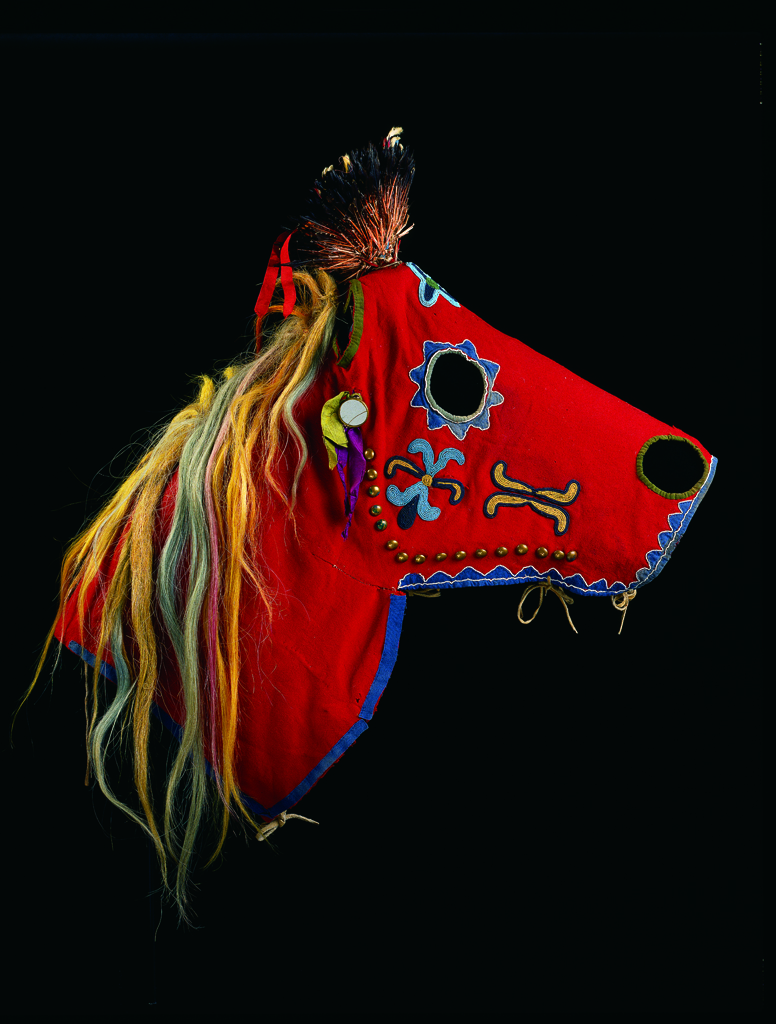
This year, Go van Gogh is offering a special program exclusively to fifth grade classrooms during the month of September.  Art of the American Indians is inspired by our special exhibition Art of the American Indians: The Thaw Collection, on view until September 4.  We are excited to offer a program with such strong ties to the fifth grade Social Studies emphasis on  American history.

Horse Mask, c. 1875-1900, Nez Perce or Cayuse, Idaho, Oregon, or Eastern Washington, Thaw Collection, Fennimore Art Museum, photograph by John Bigelow Taylor

Since the exhibition closes soon, we’re extending this offer from September 19-29 only.  Request your program now using our online request form!

Melissa Nelson
Manager of Teaching in the Community

My Summer in Paris

Last month, I celebrated a birthday milestone.  In honor of turning 30, I spent the week of my birthday in Paris.  I had never been to Paris, but have dreamed about visiting the City of Lights since I was little.  Paris really became my “must-visit” destination once I decided to major in Art History.  I just had to see in person all of the works of art I studied over the past twelve years.

Paris was breathtaking, and every monument–museums, cathedrals, towers, arcs–made me feel like I was walking into my old art history textbooks.  The two works of art that most impressed me were The Raft of the Medusa (at the Louvre) and Olympia (at the Musée d’Orsay).  I could have spent hours with both of them!  But my favorite place, by far, was Claude Monet’s home at Giverny.  Being there, it was easy to see why he was so inspired by nature, and especially by water lilies.  I didn’t have a canvas or paints with me, but I did use my camera to capture some of my favorite artistic locales.

[slideshow]

Shannon Karol
Manager of Docent Programs and Gallery Teaching

Friday Photos: Provocative Comparisons Part Three

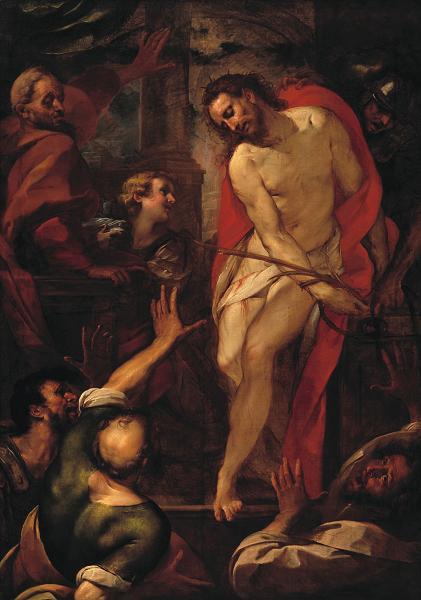
Ecce Homo, c. 1615-1620, Giulio Cesare Procaccini (Italian, 1574-1625), Oil on canvas, Dallas Museum of Art, Gift of Mr. and Mrs. Algur H. Meadows and the Meadows Foundation, Incorporated

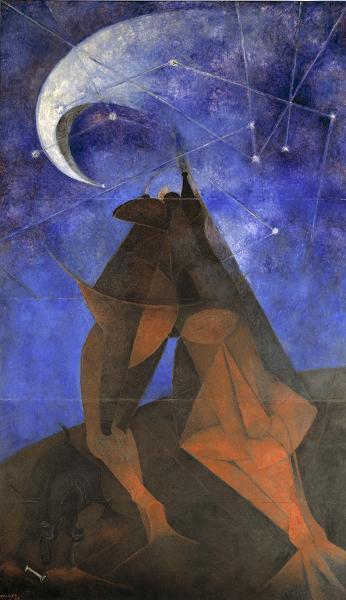
El Hombre, 1953, Rufino Tamayo (Mexican, 1899-1991), Vinyl with pigment on panel, Dallas Museum of Art, Dallas Art Association commission, Neiman-Marcus Company Exposition Funds

This is the final post in our photo series focused on Provocative Comparisons.  My experiences looking at these two paintings with out-of-town visitors led to powerful conversations about scale, the male figure, religion and beliefs, color, composition, and aspirations.  We wondered about the impact of these works on those who experienced them originally, shortly after their initial creation, and compared our thoughts on this to our own reactions as 21st century viewers.  I invite you to take a long look at Rufino Tamayo’s El Hombre and Procaccini’s Ecce Homo.  What do you see?  What do you think about?  What relationships between the two, if any, resonate with you?

Nicole Stutzman
Director of Teaching Programs and Partnerships

Teen Docent Program: Loads of Fun

Every summer something special happens at the DMA.  High school students from around the DFW area lend us their free time to participate in our annual Teen Docent program.  Celebrating ten years of summer fun, the Teen Docent Program offers an invaluable experience for teenagers, ages 14-18, to learn about art, sharpen their speaking skills, and interact with younger students in the galleries.

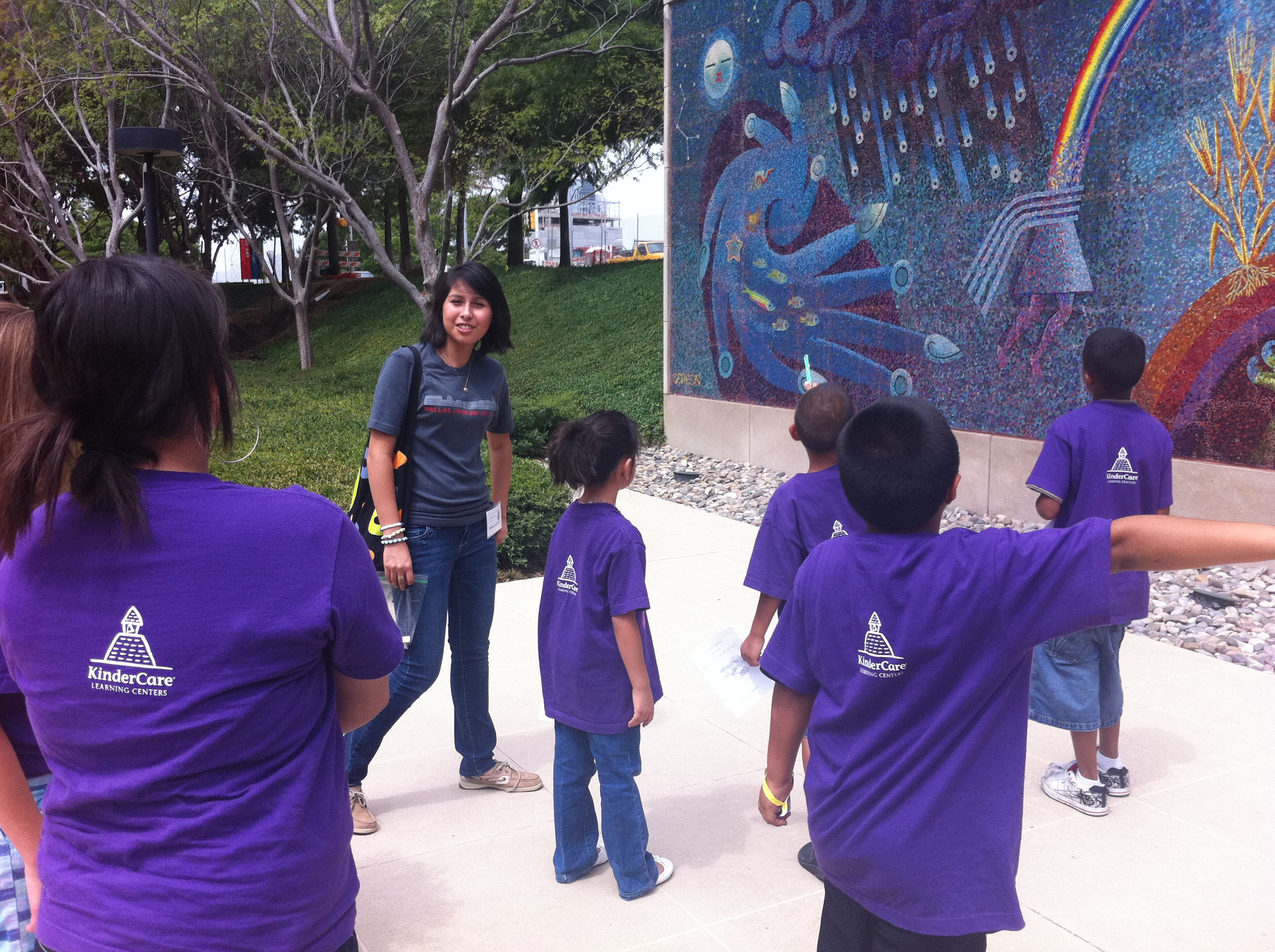
Teen docent Jennifer Mayen discussing Miguel Covarrubias's "Genesis: The Gift of Life"

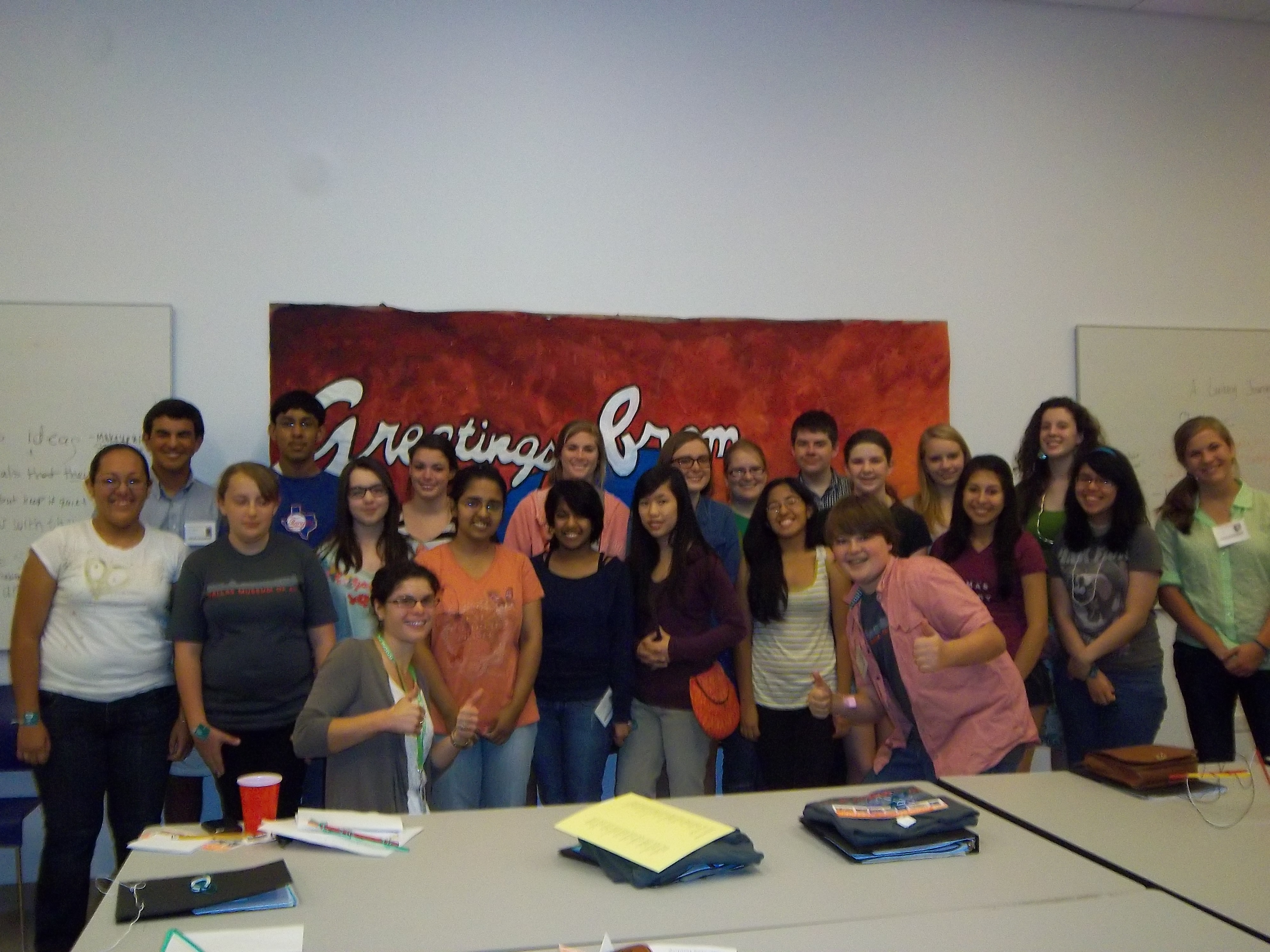
This summer we have eleven returning students and thirteen fresh faces, and it’s easy to spot all of them in their official “uniform,” which includes a gray Dallas Museum of Art t-shirt and a Teen Docent badge. 

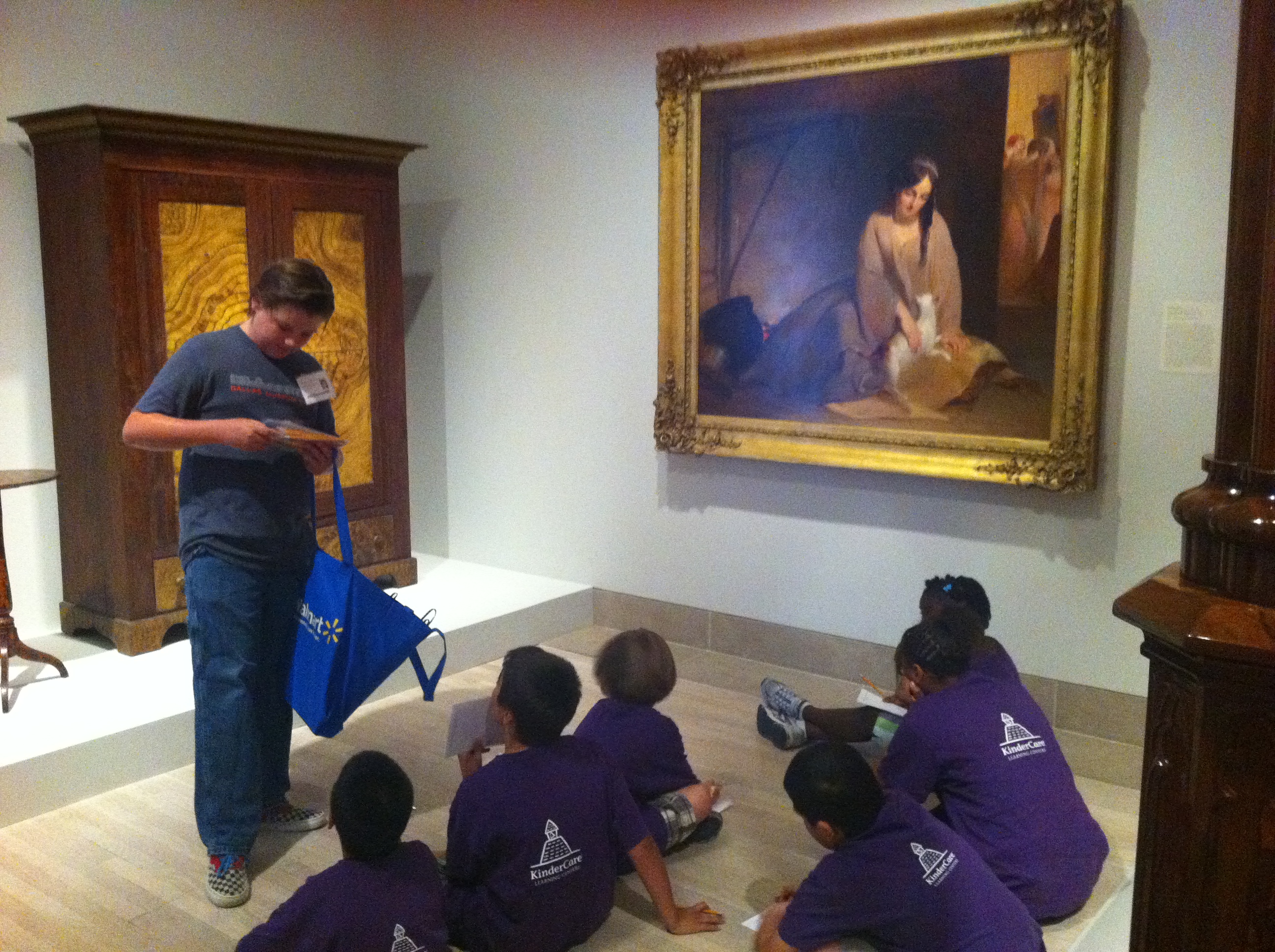
Most often you’ll find them around the Museum carrying a docent bag full of fun supplies and guiding a group of students on an Animal Safari or A Looking Journey tour.  Other times, you may see them helping out on weekends with Family Experiences programming like Studio Creations and Collections Connections, or pitching in with program hits like First Tuesday or Late Nights.

Teen docent Tennessee Bonner handing out supplies

I asked one our new teen docents, Tennessee Bonner, why he wanted to join the program. “The reason I joined the docent program was the fact that I would be able to help the museum and I would have fun doing it.”

What a great answer!  Teen docents are not only summer tour lifesavers, but they help create a fun, learning environment for younger audiences.  It is the teenagers’ willingness to learn about the Museum and share their enthusiasm with younger students that makes this program work.   

2011 Teen Docents

For the past ten years, the Teen Docent Program has become an integral part of our summer programming.  I commend all the volunteers that have donated hours of their cherished summer time, and I hope to see many of them next summer.

Loryn Leonard
Coordinator of Museum Visits

Taking Time in Silence and Time

The DMA special exhibition Silence and Time has been a great springboard for conversation on tours with students and in programs with teachers this summer.  Since we have just a month left to enjoy the installation, I thought it would be fun to share some new experiences and conversations it inspired, and some familiar activities we revisited.  Look for a blog post in mid-August about a half-day teacher workshop in Silence and Time that incorporated some of the experiences below.

Start with silence
Prime yourself for time in the galleries by sitting in silence for a few minutes.

Silence and Time was inspired by a specific few minutes of silence: American artist John Cage’s 1952 composition 4’33.”  As the introductory wall text states, “Cage’s controversial work comprises three movements…arranged for any instrument or combination of instruments. All of the movements are performed without a single note being played. The content of this composition is meant to be perceived as the sound of the environment that the listener hears while it is performed, rather than as four minutes and thirty-three seconds of silence.”

What did you notice during your 4’33” of silence?

[slideshow]

Just one minute
Take just one minute to look at an artwork.  When your time is up, turn so your back faces the artwork, and write down as many details about it as you can.  If you’re with a friend, have him or her quiz you about the artwork with your back turned.  How much were you able to notice and remember in just one minute?

Look longer
Spend fifteen minutes with just one artwork in the exhibition.  Get close, move far away, and use ideas below to help you look closely.

  • Create a log of what you see.
  • Make a sketch of the work of art.
  • Write down questions you have about the work of art.
  • Write down what you like about the work of art.
  • Write down what confuses you about the work of art.
  • Write down how the work of art makes you feel.

Tracking time
Consider all the ways time can be measured both mechanically (clocks, calendars) and naturally (changing of seasons, hair growth, erosion).  Find as many examples of ways we mark time as you can in works of art in the exhibition.

Find the time
Are there artworks that suggest suspension of time?  Time moving slowly or rapidly?  That time is cyclical or linear?  Challenge a friend to identify different representations of time manifested in artworks in the exhibition.  If you enjoy thinking about possible shapes time could take, pick up Alan Lightman’s Einstein’s Dreams, a collection of short stories that describe parallel universes where time behaves differently–sometimes in circles, sometimes backwards, etc.

Make your own artwork
Use make-shift art materials from your purse or pockets to create an artwork that will change with time.  As you’re looking for materials in your purse or pockets, consider which objects show more or less wear and tear and which objects age more or less quickly.  Then, explore the galleries looking specifically at materials the artists used.

Silence and Time is on view until August 28.

Amy Copeland
Coordinator of Go van Gogh Outreach

C3 Artistic Encounters: Giant Constructions

There are things I expect to see coming into work on a Monday, like empty galleries, art being moved, staff shuttling to and from Starbucks for morning coffee.  One thing I definitely did not expect to see this past Monday was a 12-foot sculpture of a rocket ship made of chicken wire, burlap, tape, and felt lurking in the corner of our C3 Tech Lab space.  Talk about surprising!

The Rocket Ship is a communal artwork created by visitors during our 9×9 C3 Artistic Encounters program last Saturday. What I love about the Rocket Ship, which looks like something from a Michel Gondry movie or a cousin of a Claes Oldenberg soft sculpture, is that it is a realization of visitor interpretations of a work of art.

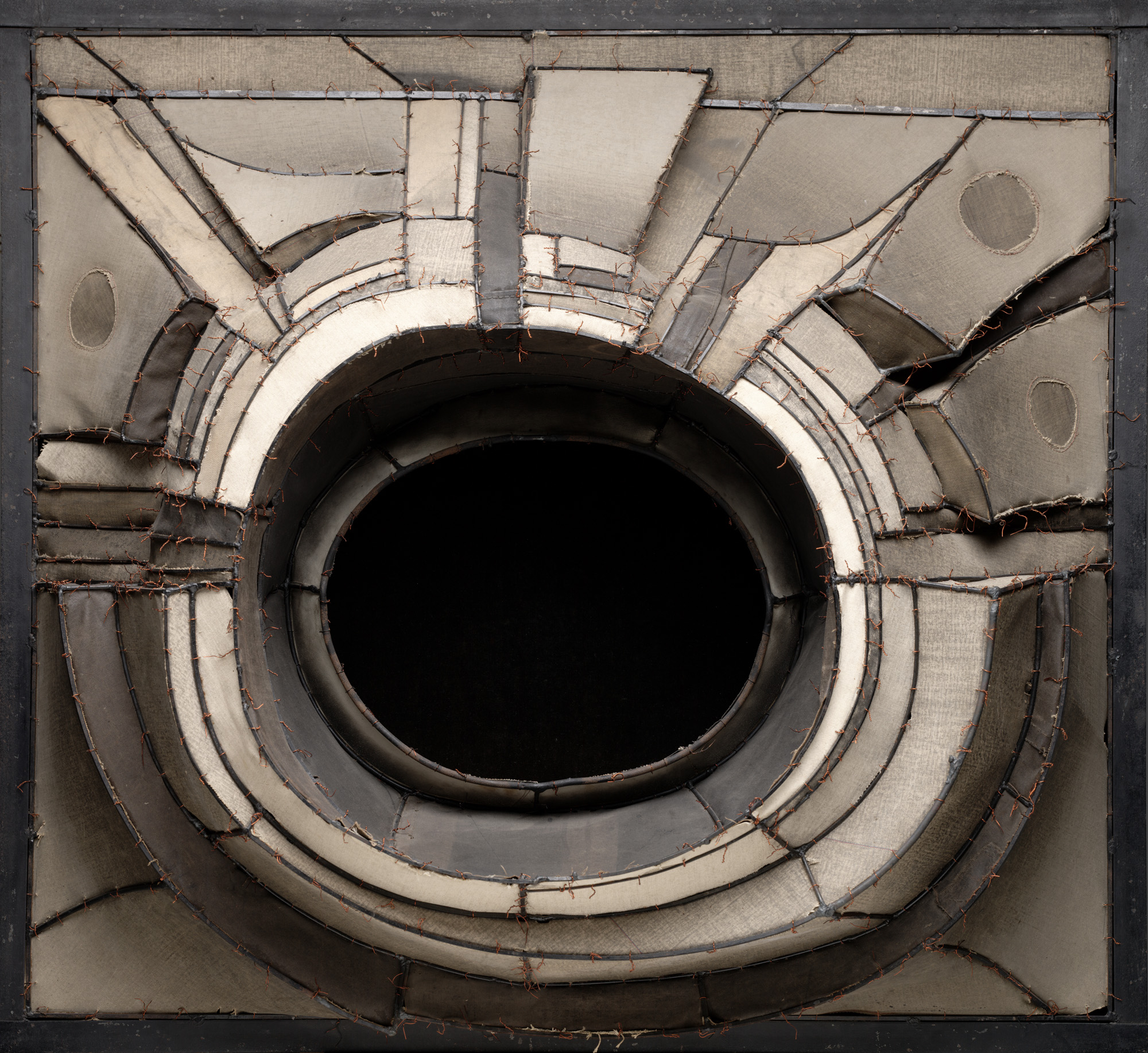
In the Center for Creative Connections, we have a metaphor response wall where visitors can leave their thoughts about Lee Bonteou’s Untitled (35).  One of the prompts visitors respond to is: “If this work of art was part of something larger, what would it be?”  Multiple responses to this prompt have been “Rocket Ship.”  So, as part of our new 9×9 Programing initiative, C3 staff teamed up with artist Rene Muhl to make this response real on a very large scale.  Kari Laehr, Center for Creative Specialist, worked with Susan Diachisin, Director of the Center for Creative Connections, and is excited to share her rocket ship-making experience with us.  Here’s Kari:

Last weekend in the Center for Creative Connections, we launched our new 9×9 Programing, specifically our third consecutive program called Giant Constructions. The program was based on Bontecou’s Untitled (35), currently found in our gallery and, I must admit, one of my favorites in the space!


Lee Bontecou, Untitled (35), 1961, welded metal and canvas, Dallas Museum of Art, gift of the Meadows Foundation, Incorporated, 1963.92.FA.

This work of art encourages participants to contemplate space through a mysterious dark opening that simultaneously toys with depth perception and confrontational elements. Participants were encouraged to create a large-scale sculpture that would act as an extension of the Bontecou piece.  We had a wonderful time with Rene discussing Bontecou’s work and trying to answer questions about the artist’s intent, types of materials used, and other interactive prompts.   As Amy mentioned above, the main prompt was “If the piece were a part of something larger, what would it be?”  Many responses to our interactive prompt came back with the same answer – ROCKET SHIP!  With the help of artist Rene Muhl, imagination became reality as our rocket ship took shape.

[slideshow]

The program lasted four hours and was a casual come-and-go process. As you can see, everyone had a great time adding to our Rocket Ship.  There are many ways to interact with art, and we look forward to continuing to promote new and exciting programs through the rest of 9×9 in July!

Kari Laehr
Center for Creative Connections, Specialist

Amy Copeland
Coordinator for Go van Gogh Outreach

Music Connections to the DMA Collection

The DMA’s collection offers a number of opportunities for cross-disciplinary study. Shannon has written blogs that focus on the literary connections to Abstract Expressionist works of art and other areas of the DMA’s collection. In this post, I thought I could share a few of my favorite music-related objects.

Below is a collage by Romare Bearden called Soul Three. In addition to being an accomplished artist, Romare Bearden also occasionally composed jazz music and associated with musicians such as Branford Marsalis, Duke Ellington, and Fats Waller. This musical influence appears frequently in his collages in the form of musical themes and subjects. Soul Three, for instance, shows three musicians playing guitar and tambourine.

Romare Bearden used music in many ways when he created art. Sometimes he drew while listening to music. He described this experience by saying, “[o]ne of the things I did was to listen to a lot of music. I’d take a sheet of paper and just make lines while I listened to records—a kind of shorthand to pick up the rhythm and the intervals.” Bearden also advised that, in making art, you “become a blues singer—only you sing on the canvas. You improvise—you find the rhythm and catch it good, and structure as you go along—then the song is you.”
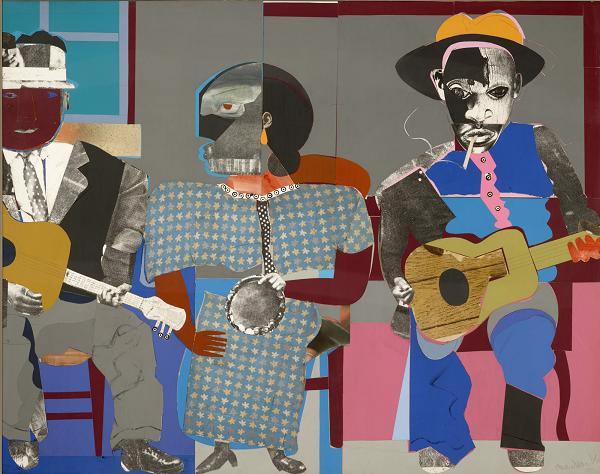
Romare Bearden, Soul Three, 1968, Dallas Museum of Art, General Acquisitions Fund and Roberta Coke Camp Fund

Shiva, the Hindu god of creation and destruction, is shown in the bronze sculpture below in his most transcendent state as Nataraja, or Lord of the Dance. Here, Shiva is the embodiment of cosmic energy who dances the rhythm of the universe and beats his drum in time. Music and dance, in the Hindu tradition, are considered pathways to divinity, and worshippers perform to honor the god.
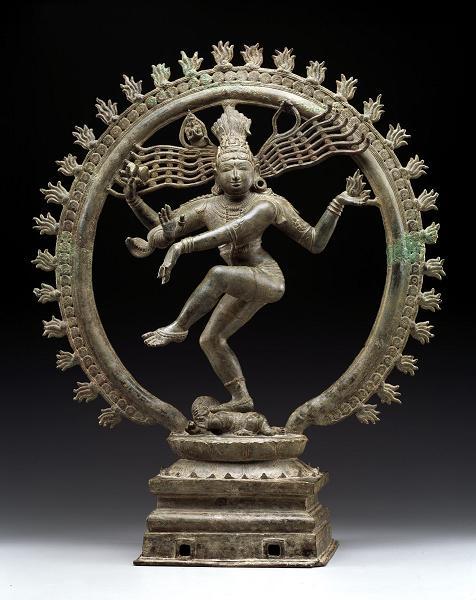
Shiva Nataraja, 11th century, Dallas Museum of Art, gift of Mrs. Eugene McDermott, the Hamon Charitable Foundation, and an anonymous donor in honor of David T. Owsley, with additional funding from The Cecil and Ida Green Foundation and the Cecil and Ida Green Acquisition Fund


Next, this black serpentine bust of Huddie “Leadbelly” Ledbetter shows the musician as he appeared a few years before his death. Leadbelly was a troubled folk singer and two-time murderer who was reputedly pardoned for his crimes when the governor of Texas heard his music. In this bust, he is portrayed sensitively by the sculptor Michael G. Owen, Jr.
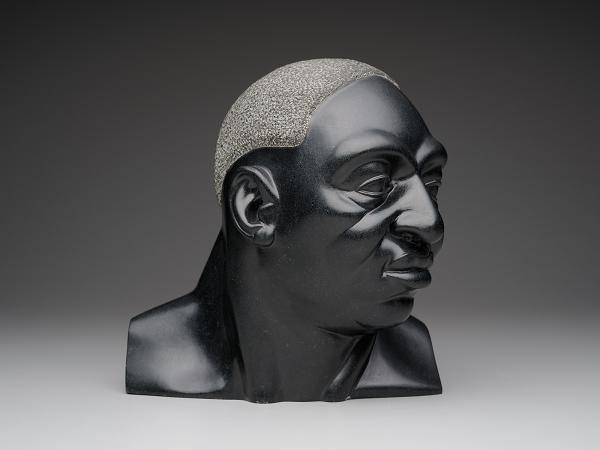
Michael G. Owen Jr., Leadbelly, 1943, Dallas Museum of Art, Mr. and Mrs. Tom Gooch Fund Purchase Prize, Twelfth Annual Texas Painting and Sculpture, 1950-1951


Finally, for the Senufo peoples of Côte d’Ivoire, the drum is an instrument of music and communication. Drums are used by Senufo women to accompany songs sung in a secret language to deal with gender conflicts and other frustrations, and serve as a sort of “public address system” for the Senufo community announcing important events or rituals. They are also pounded to create a rhythm which encourages competition among young men hoeing the fields.
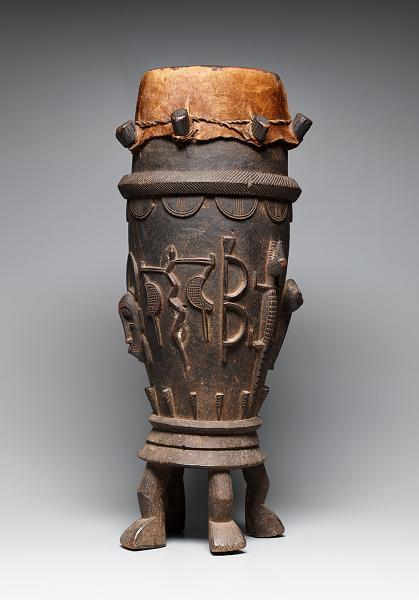
Drum, 20th century, Dallas Museum of Art, Foundation for the Arts Collection, gift of Mr. and Mrs. Stanley Marcus


These are only a few of the many works at the DMA which celebrate music. List your favorites in the comments below.


Tom Jungerberg

IMLS Grant Coordinator
Behind the Scenes: YMCA and Boys & Girls Clubs Program

Coming into my second month at the museum, I am beginning to learn more about the different facets of our education department.  Last week, I participated in our YMCA and Boys & Girls Clubs Program, a week-long program that employs interactive gallery experiences through tours, as well as hands-on art activities based on objects explored in the Museum.  By documenting my first experience with the YMCA and Boys & Girls Clubs Program, I aim to shed some light on our summer programs at the DMA.
 

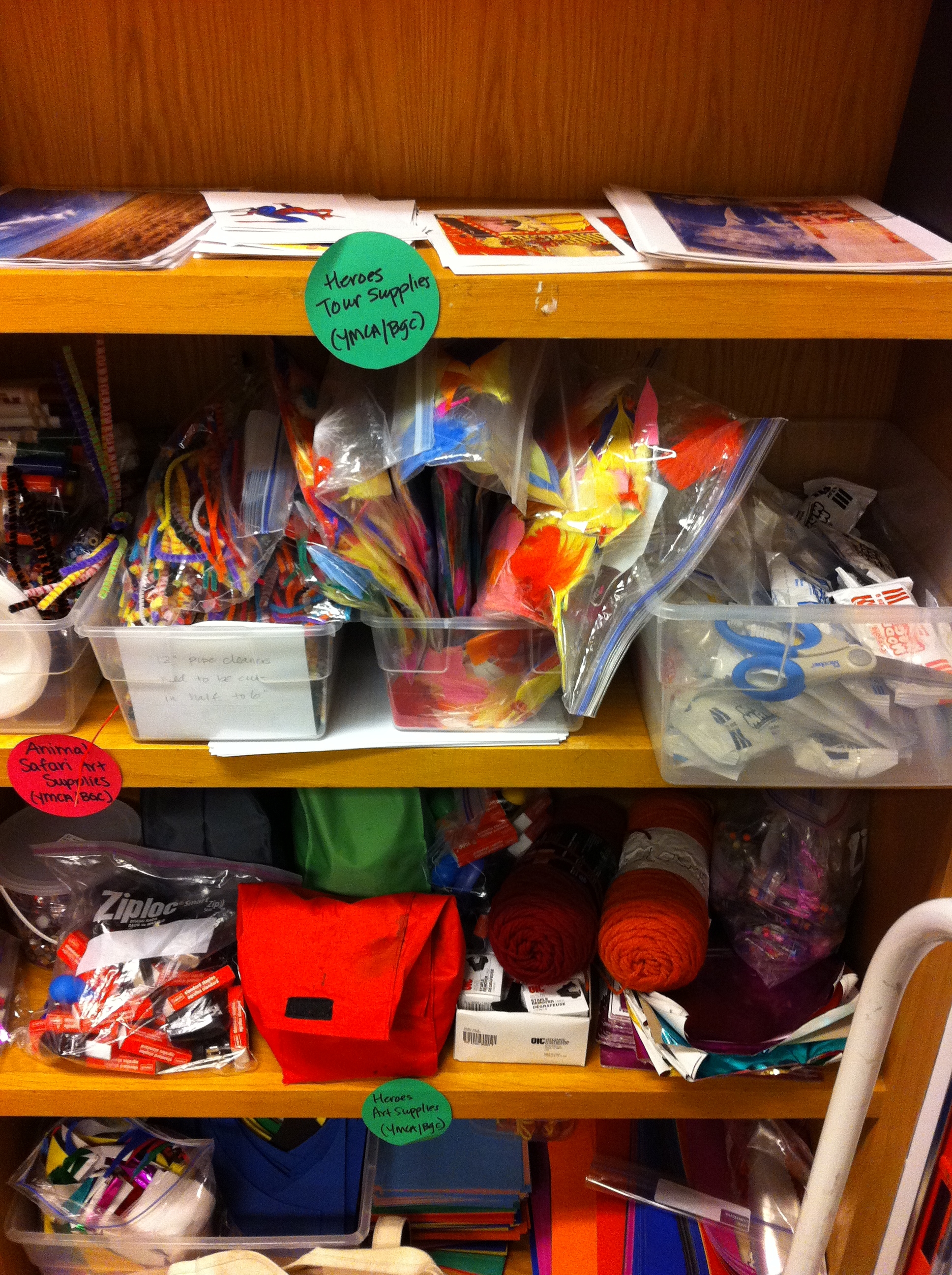
Tour supplies

Our week begins on Monday at the Grand Prairie Boys & Girls Club.  My colleague Melissa Nelson and I head out in the beloved Go van Gogh® van, armed with a bag full of art supplies.  Because it’s our first interaction with the students, we start off with introductions about us and the Museum.  As a group, we talked about the different collections the DMA has to offer and what their first visit will be like.   Finally, we ended the session with an art activity, in which the students drew their own museum filled with items they collect at home.
 

On Tuesday, the students traveled to the Museum for their first visit, and the tour theme is Animal Safari.  The Animal Safari tour is a fun and engaging tour that encourages students to look closer at the different types of animals found in artworks throughout the Museum.  Some activities I included are an animal scavenger hunt in the American silver gallery, an acrostic poem about a seal or sea otter spirit mask, and a drawing based on the sculptures of mythical animals (aso) from Indonesia.  You can find more interactive activities on our Teaching Resources page.

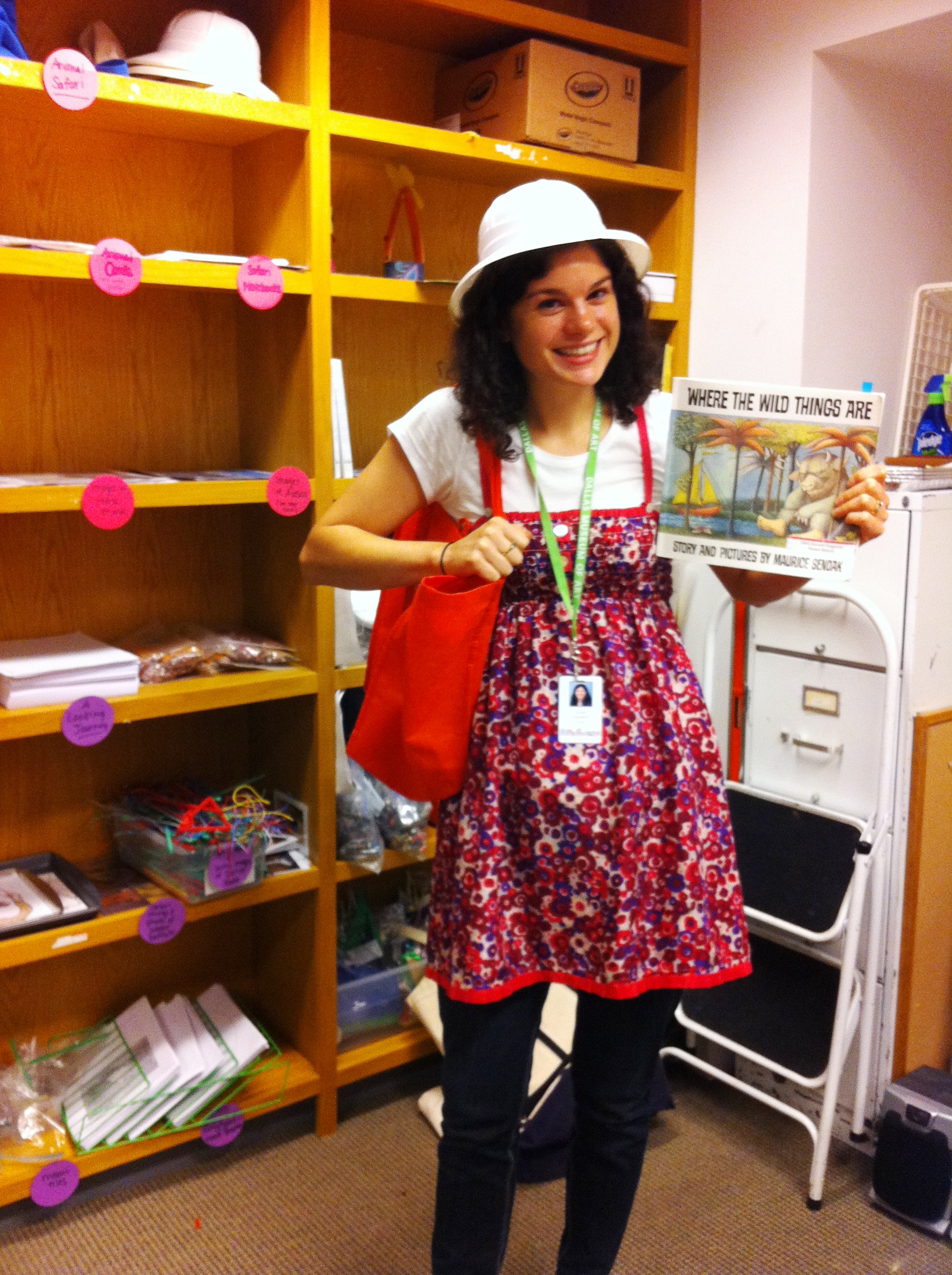
Preparing for an Animal Safari tour

On Wednesday, we went back to the Boys & Girls Club and reviewed some of the animals we saw on the tour.  Two objects that we asked for them to recall are the sword ornament in the form of a lion and the mythical animal (aso).  Inspired by these two objects, the students created their own animals with Model Magic clay.  It was a great way to connect the students with the artworks and spark their interest in returning to the Museum on Thursday.

On Thursday, the students returned to the DMA for a second time, ready to participate in the Heroes tour.  During the tour, students explored characteristics of heroes and what it means to be a hero in artworks from diverse cultures.  During the tour, we read Courage by Bernard Waber, drew a hero portrait, and wrote a story about heroes together as a group.

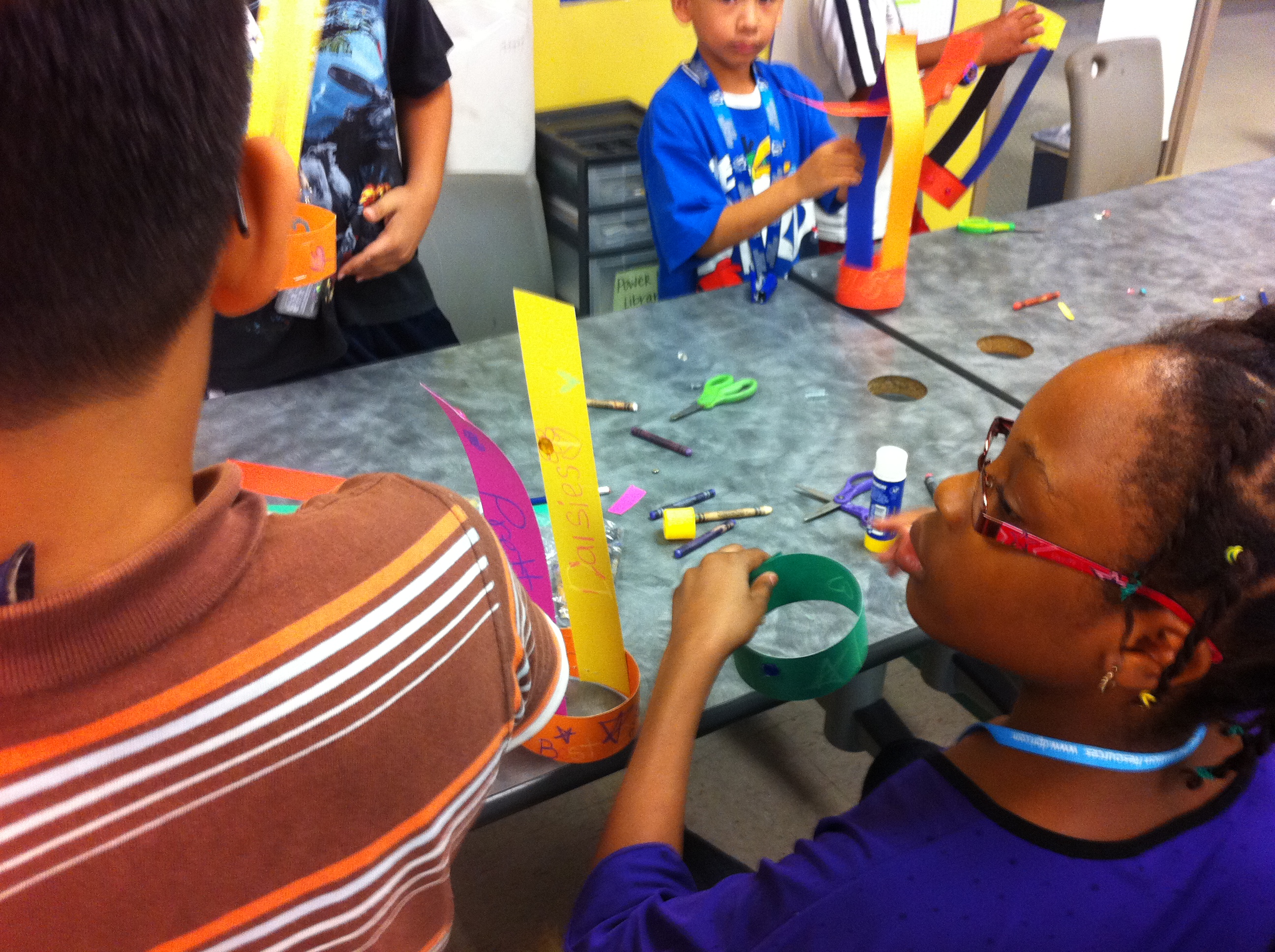
Students working hard on their trophies

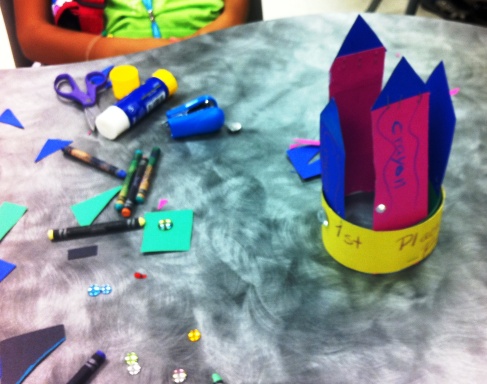
Our final meeting took place on Friday at the Boys & Girls Club.  We reviewed the different roles of a hero and talked about which artworks we liked the most.  One object that was visited was the Nautilus Centerpiece, which is a yachting trophy.  In this activity, students created their own trophy that either represented themselves as heroes, or to give to someone they consider their hero, like a family member or a friend.

Artist Trophy

My first week with the YMCA and Boys & Girls Clubs Program has been a blast!  I can’t think of a better way for students to spend their summer than having fun with art and taking the time to look, question, and create.

Loryn Leonard
Coordinator of Museum Visits

Teacher Workshop on American Indian Art

Dear teachers, we would like to invite you to participate in the last DMA teacher workshop of the summer.  This workshop will take place on Tuesday, August 9th from 9:00am-12:30pm at the Dallas Museum of Art and will explore American Indian art and belief systems presented in the Art of the American Indians: The Thaw Collection exhibition.  The workshop offers 3.5 CPE hours.  The full workshop cost is $25 or $20 for DMA members, and you can register online.

Selected works of art from the exhibition.

We look forward to seeing you at this workshop and our upcoming 2011-2012 programs throughout the school year!

Ashley Bruckbauer
Teaching Programs and Partnerships

Friday Photos: The Lovely Lady Godiva

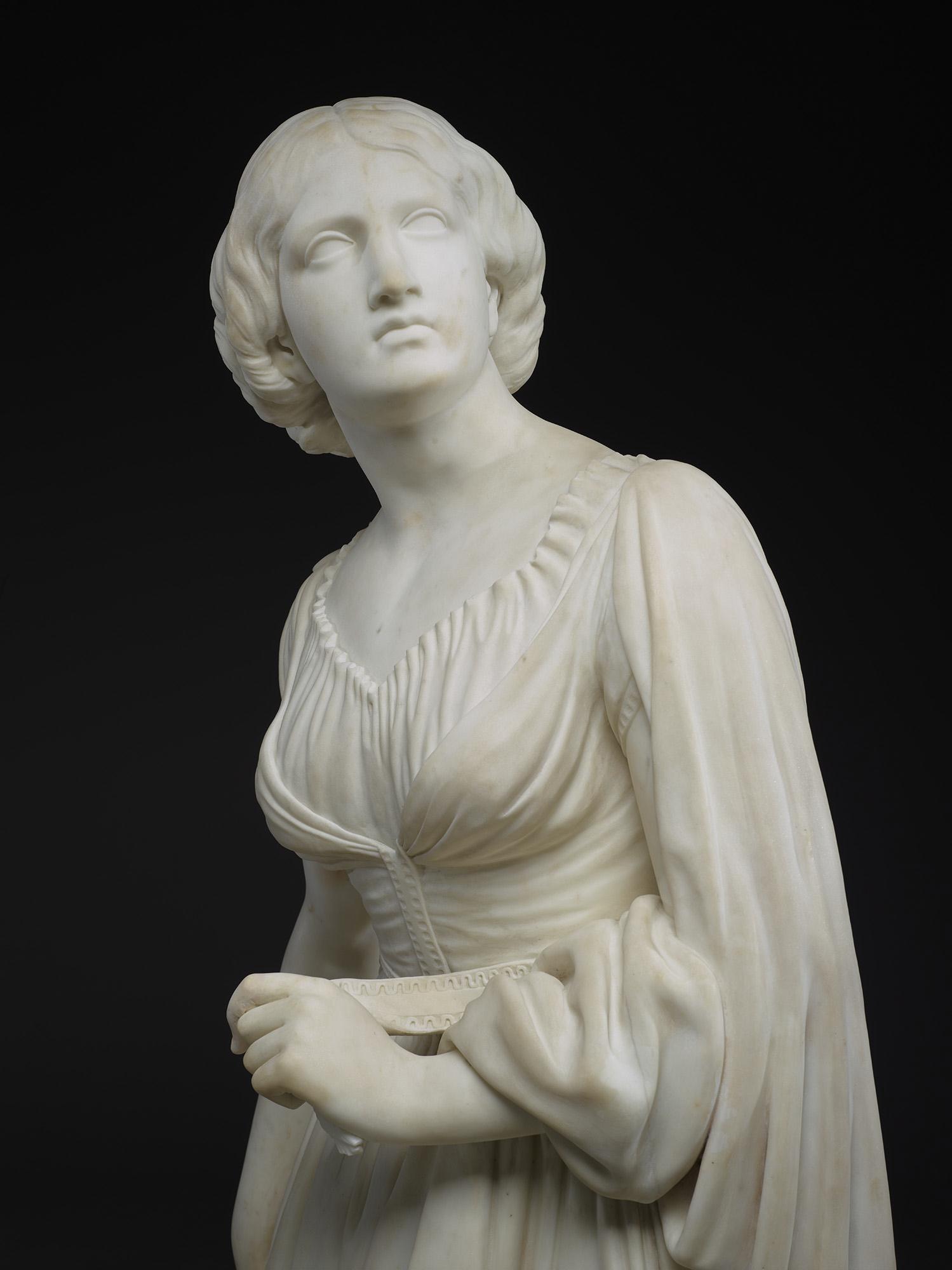
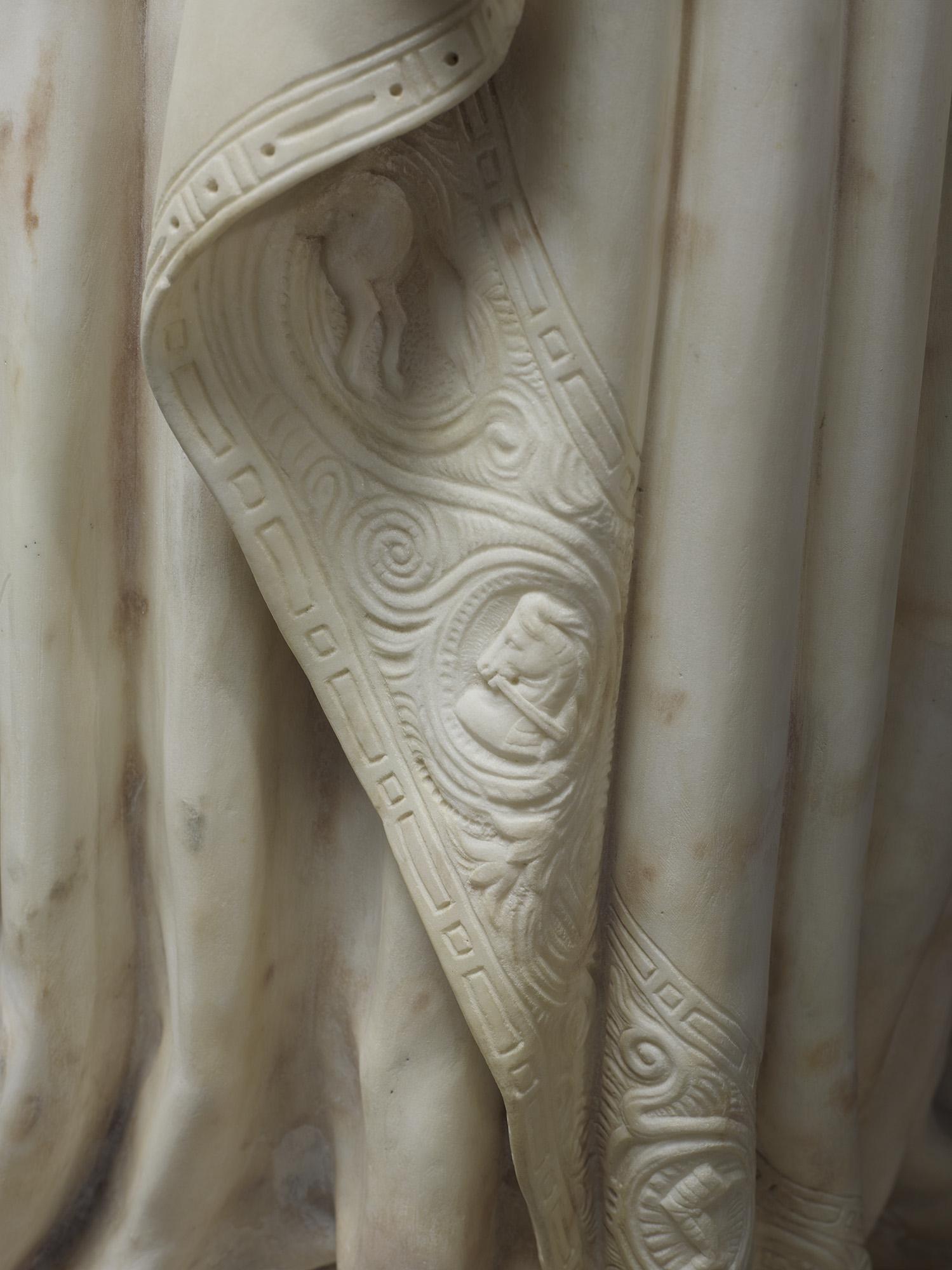
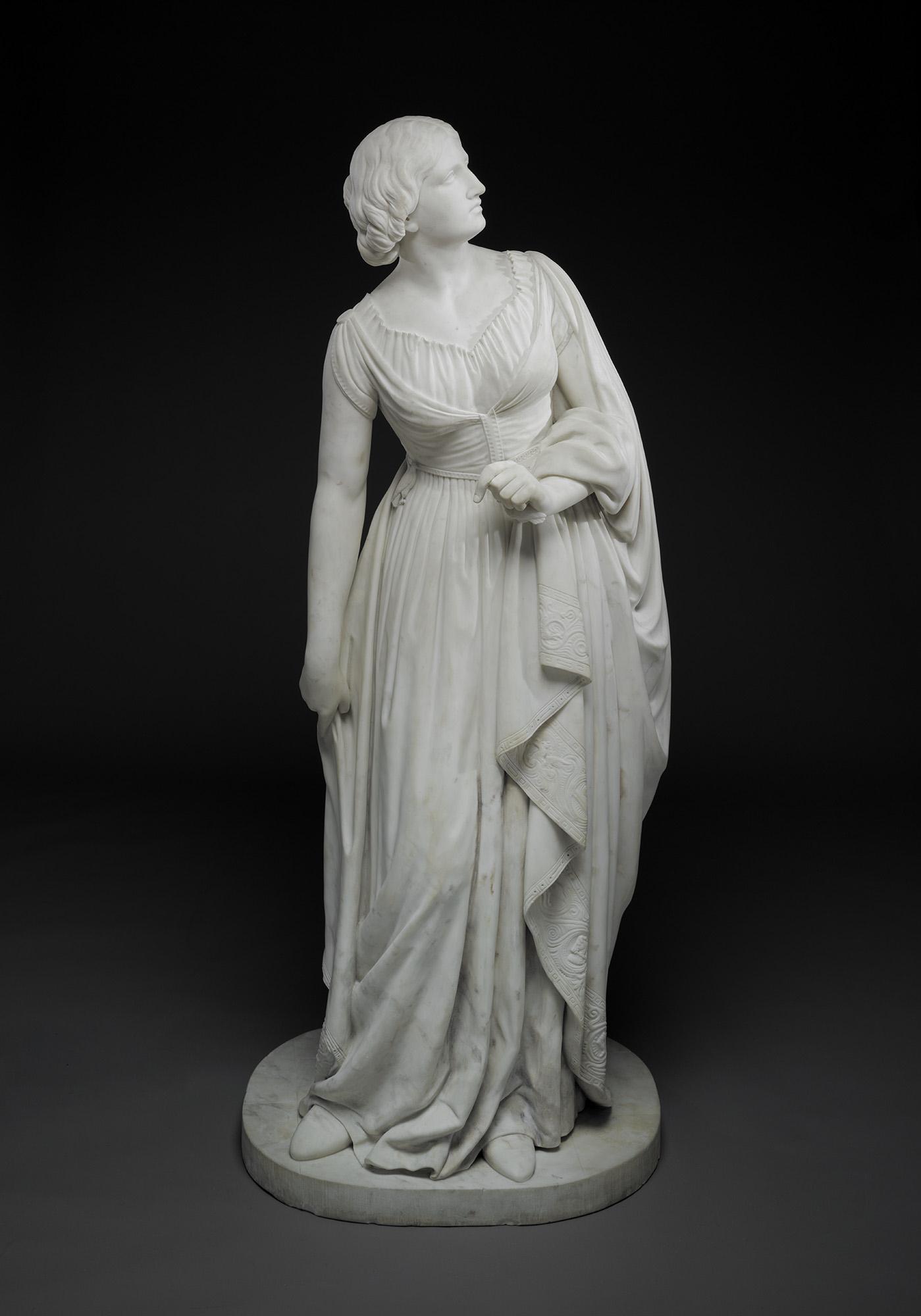
Every time I begin to say her name, I want to sing it, stretching it out with emphasis on the vowel sounds like the British Invasion duo Peter and Gordon.  L-A-A-A-D-E-E-E  G-O-D-I-I-I-V-A-A-A. The legend of Lady Godiva has inspired a broad spectrum of artists, such as the poet Alfred, Lord Tennyson, Disco group Boney M, as well as entrepreneur Joseph Draps, founder of Godiva Chocolatier.  I, too, am inspired and have been happy to spend some time looking at a sculpture of Lady Godiva that was recently added to the DMA’s collection.  This life-size, marble beauty was carved by nineteenth-century American sculptress Anne Whitney.  In the sculpture, Lady Godiva appears to remove her belt, foreshadowing the famous naked ride she took on horseback through Coventry to protest her husband’s tax policies.  Come take a look at this sculpture now on view in the American galleries!

Detail of Lady Godiva

Detail of Lady Godiva, robe trim with horses

Lady Godiva, Anne Whitney, c. 1861-1864, Marble, Dallas Museum of Art, gift of Dr. Alessandra Comini in memory of Dr. Eleanor Tufts, who discovered the Massachusetts-backyard whereabouts of this long-forgotten statue and brought it to Dallas, 2011.8.

Nicole Stutzman
Director of Teaching Programs and Partnerships


Archives

Categories