Archive Page 20


A Color Spectrum of Fun!

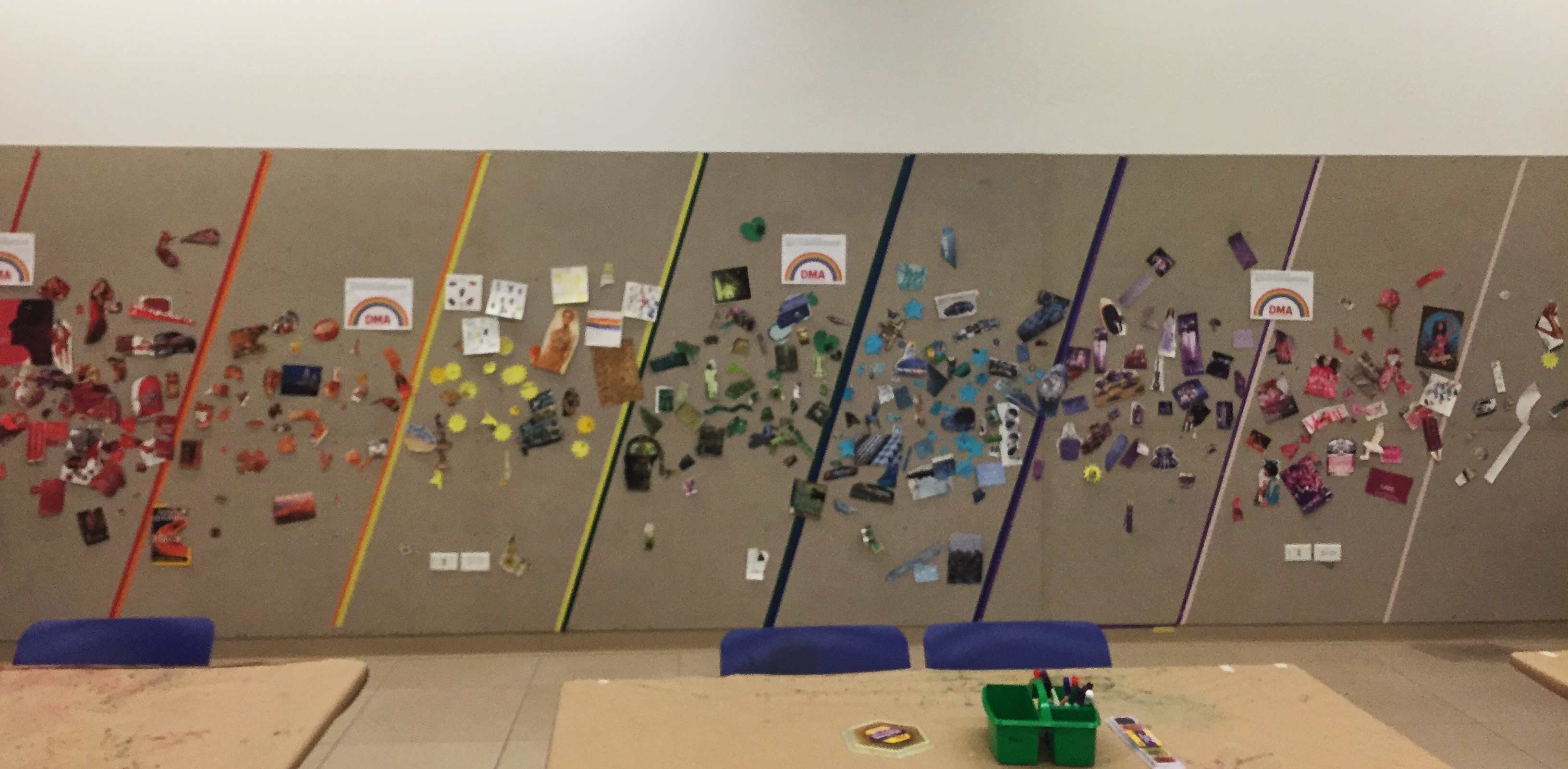
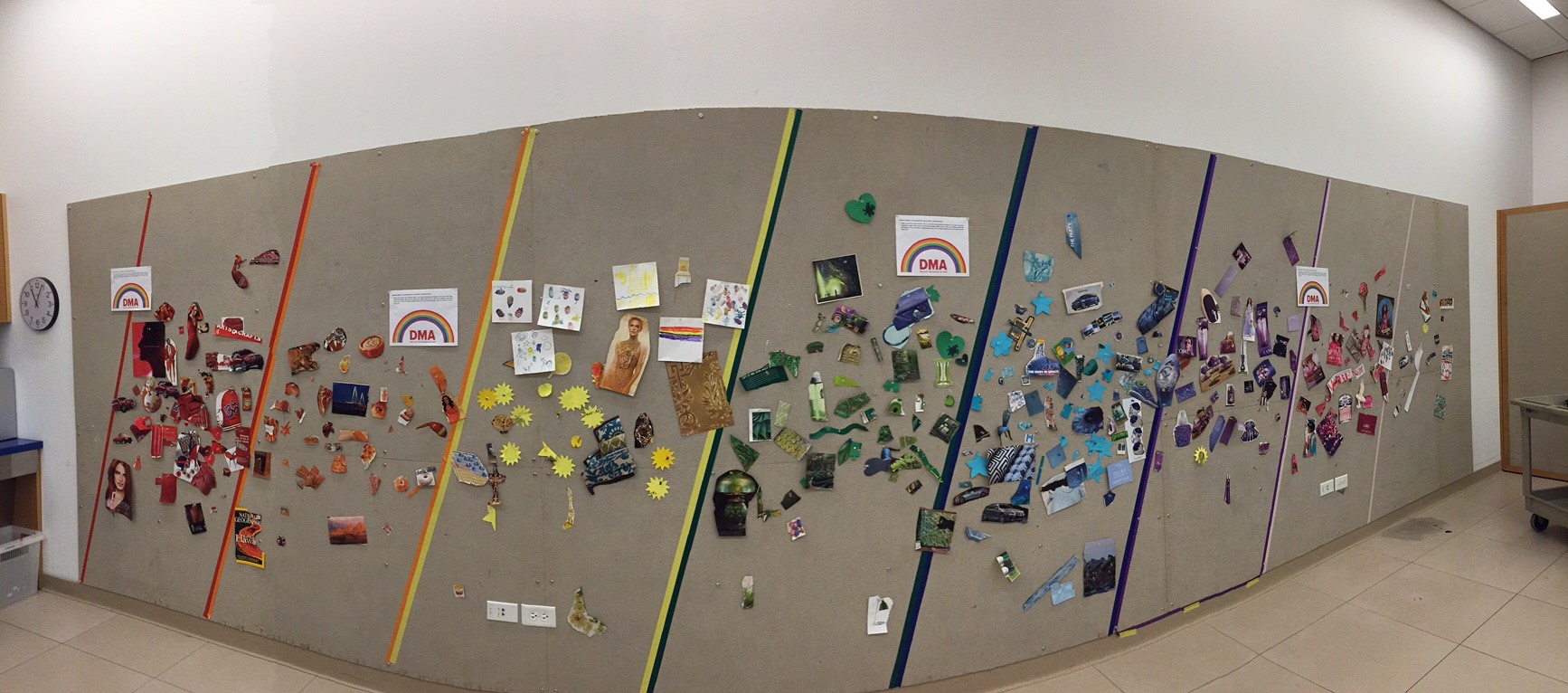
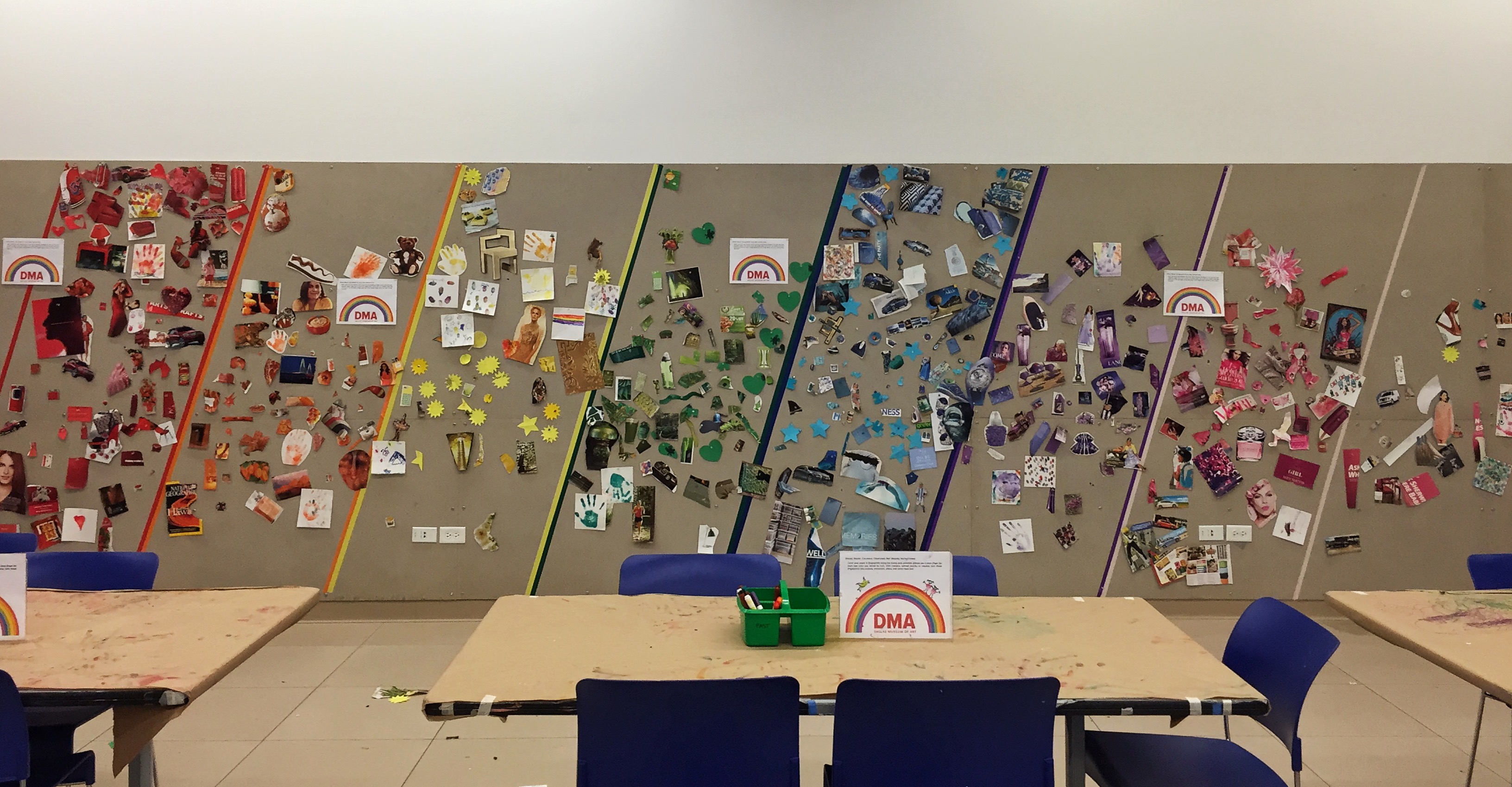
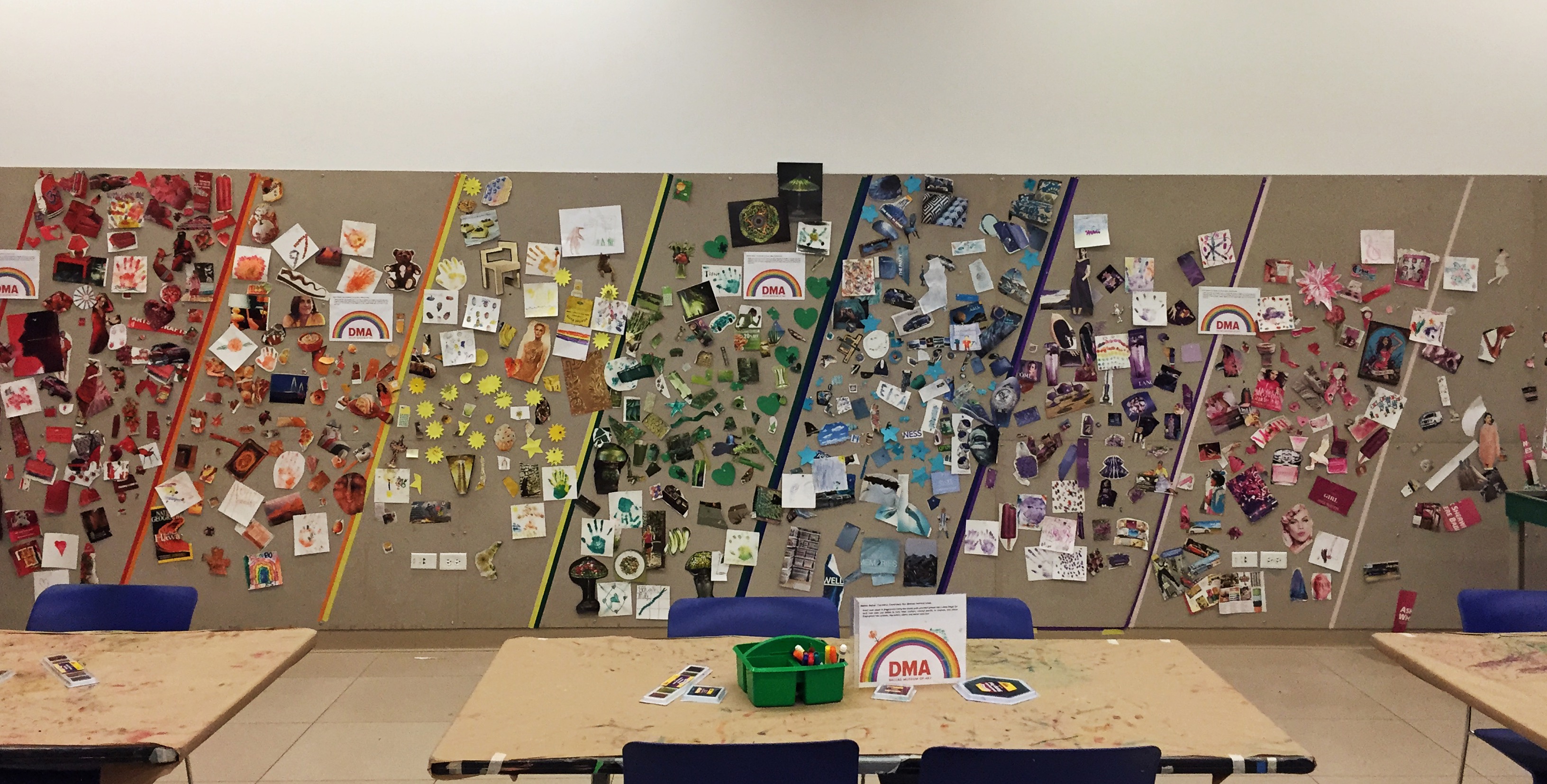
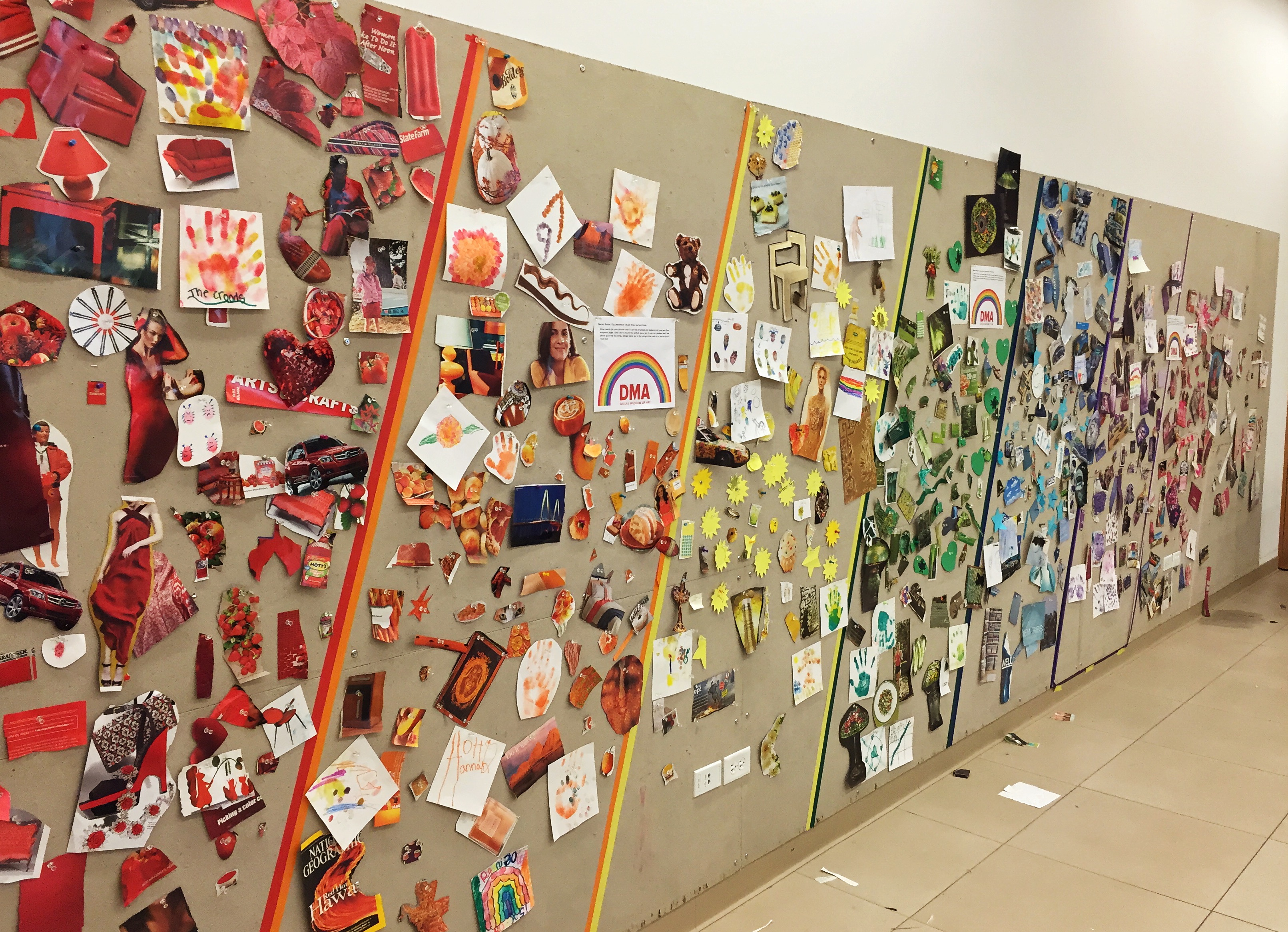
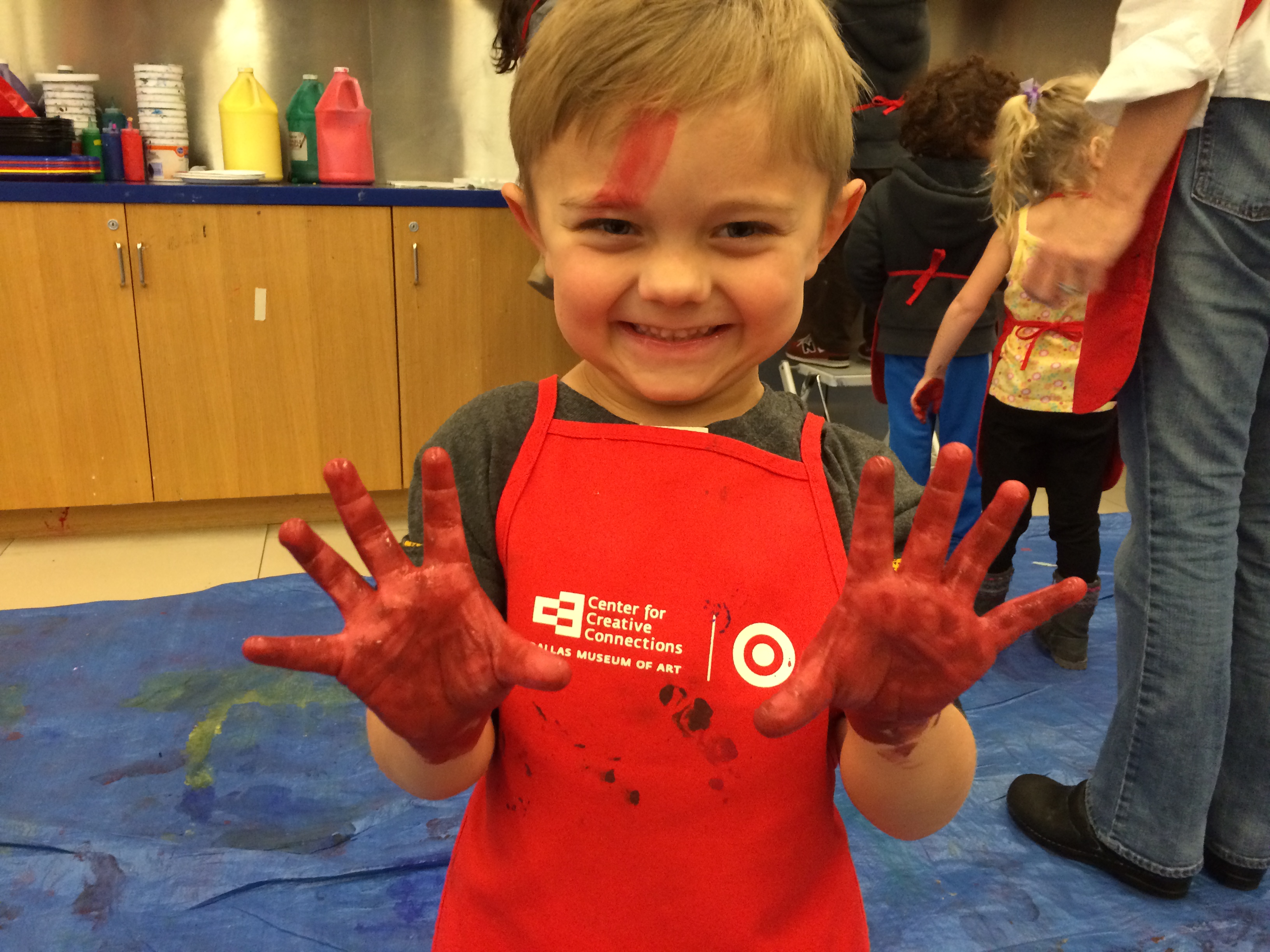
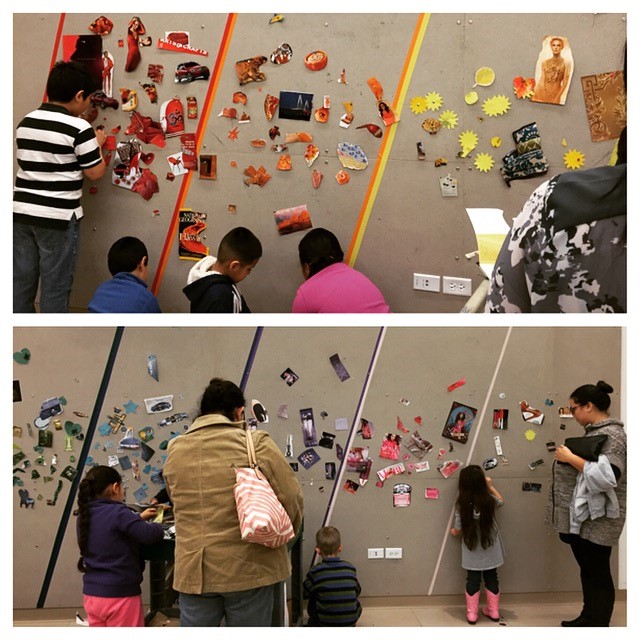
The DMA galleries have been filled with family fun this spring break!  Approaching the end of our color-themed week is like finding the end of a rainbow – full of colorful smiles! Families have searched for color in artworks on family tours, chased rainbows through stories in the galleries, played with light and color mixing, and had hue-filled family competitions in the galleries. In our studio, groups have enjoyed using ink pads to create colorful fingerprint creatures.

For staff, one of the most enjoyable parts of spring break has been watching our rainbow wall evolve as visitors add their own colorful additions. Check out the bright and cheery progress from the week:

color

Amanda Blake
Head of Family, Access, and School Experiences

A Colorful Spring Break

As the weather improves outside, we’re enjoying a colorful Spring Break here at the Museum! Be sure to stop by this week and join in the fun!

Check out our full schedule of programs here: https://www.dma.org/SpringBreak

Friday Photos: Ready, Set, Get Messy!

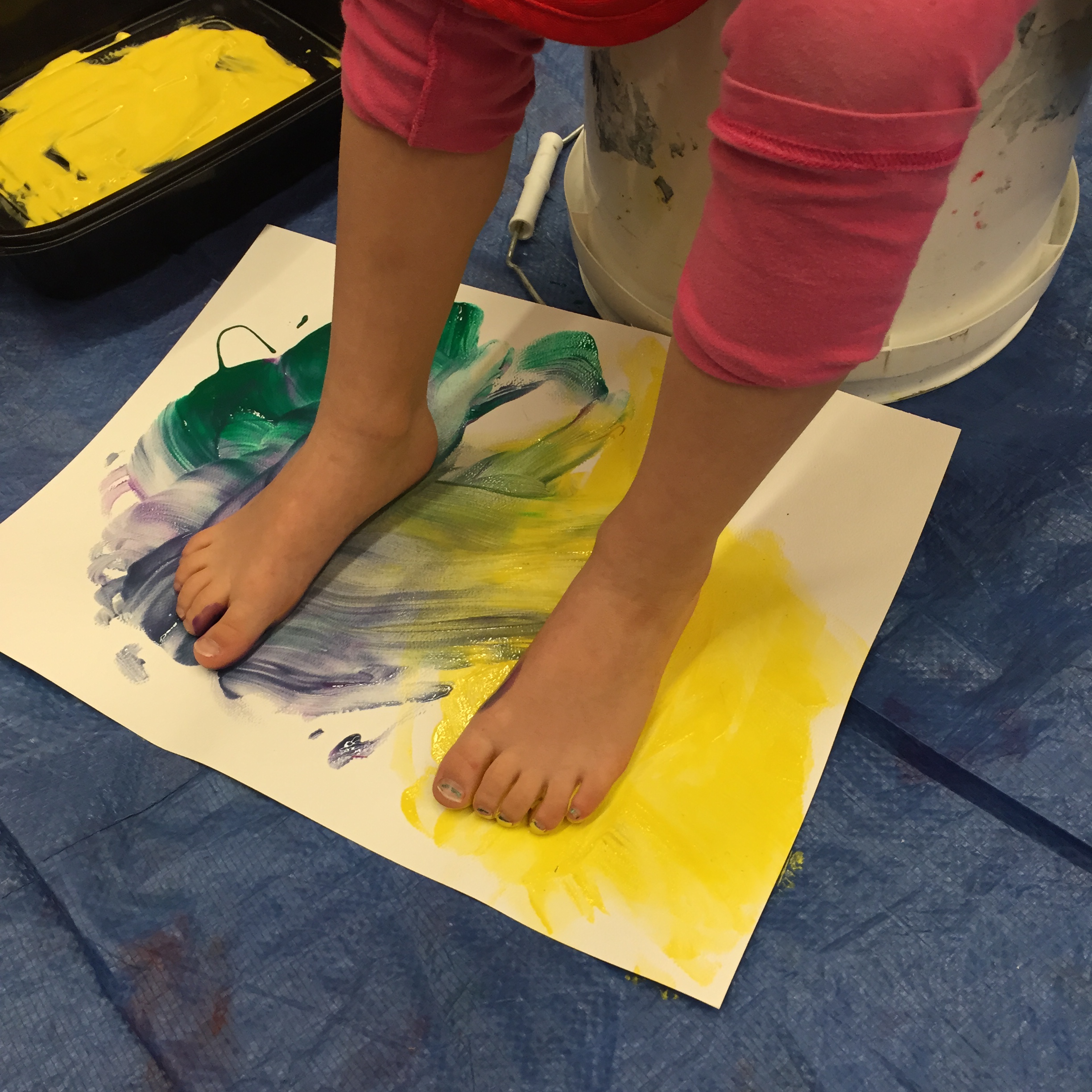
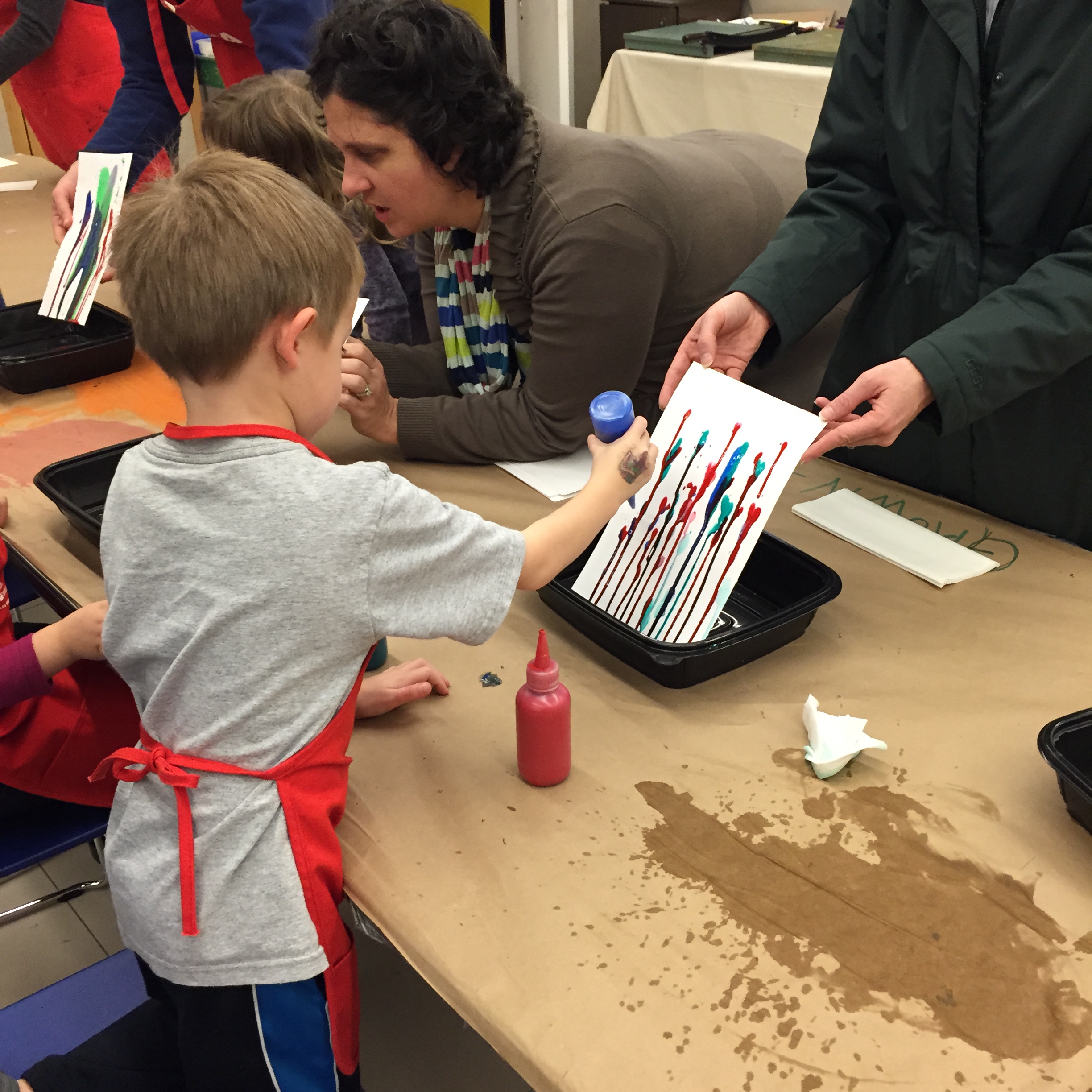
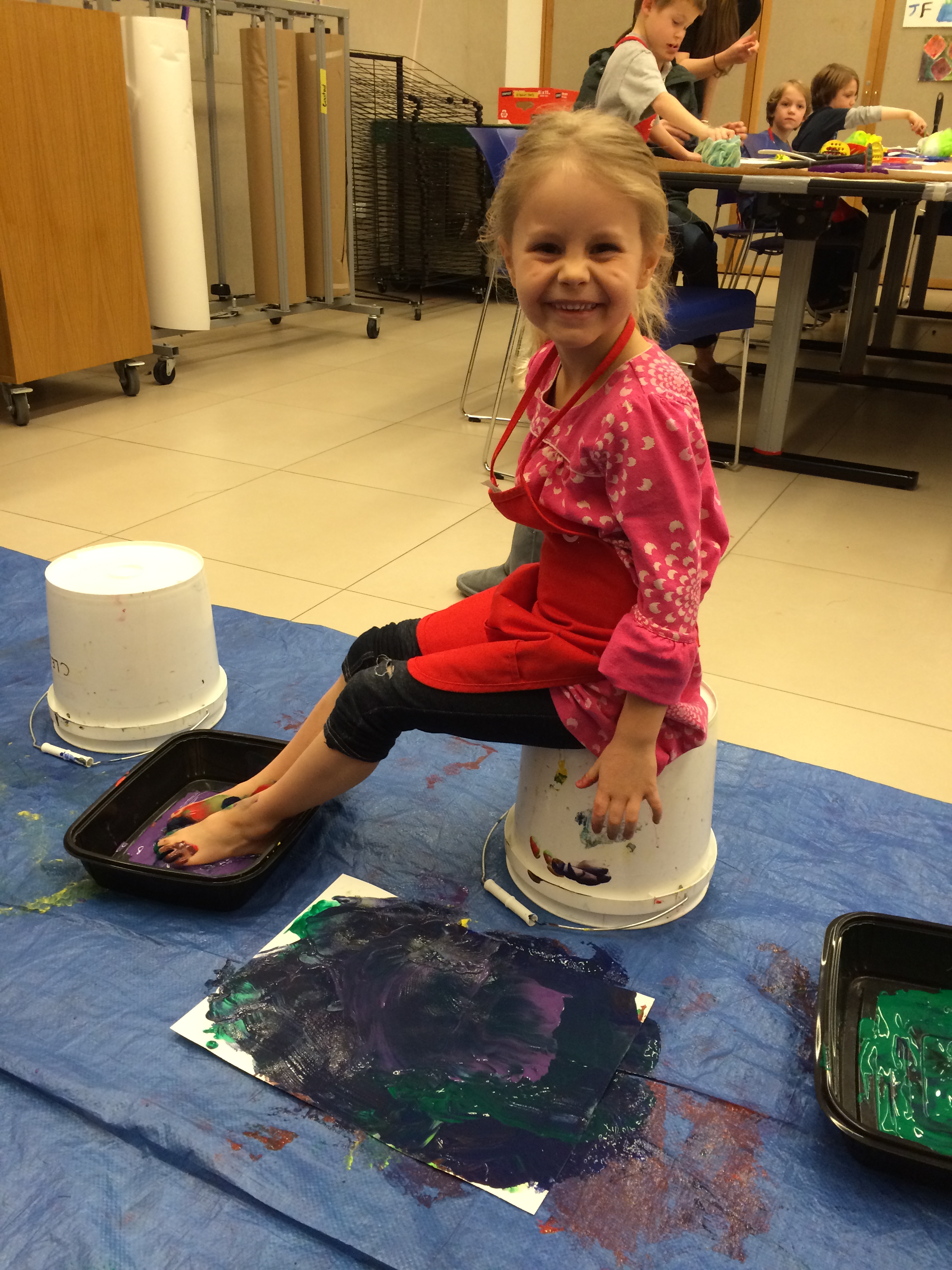
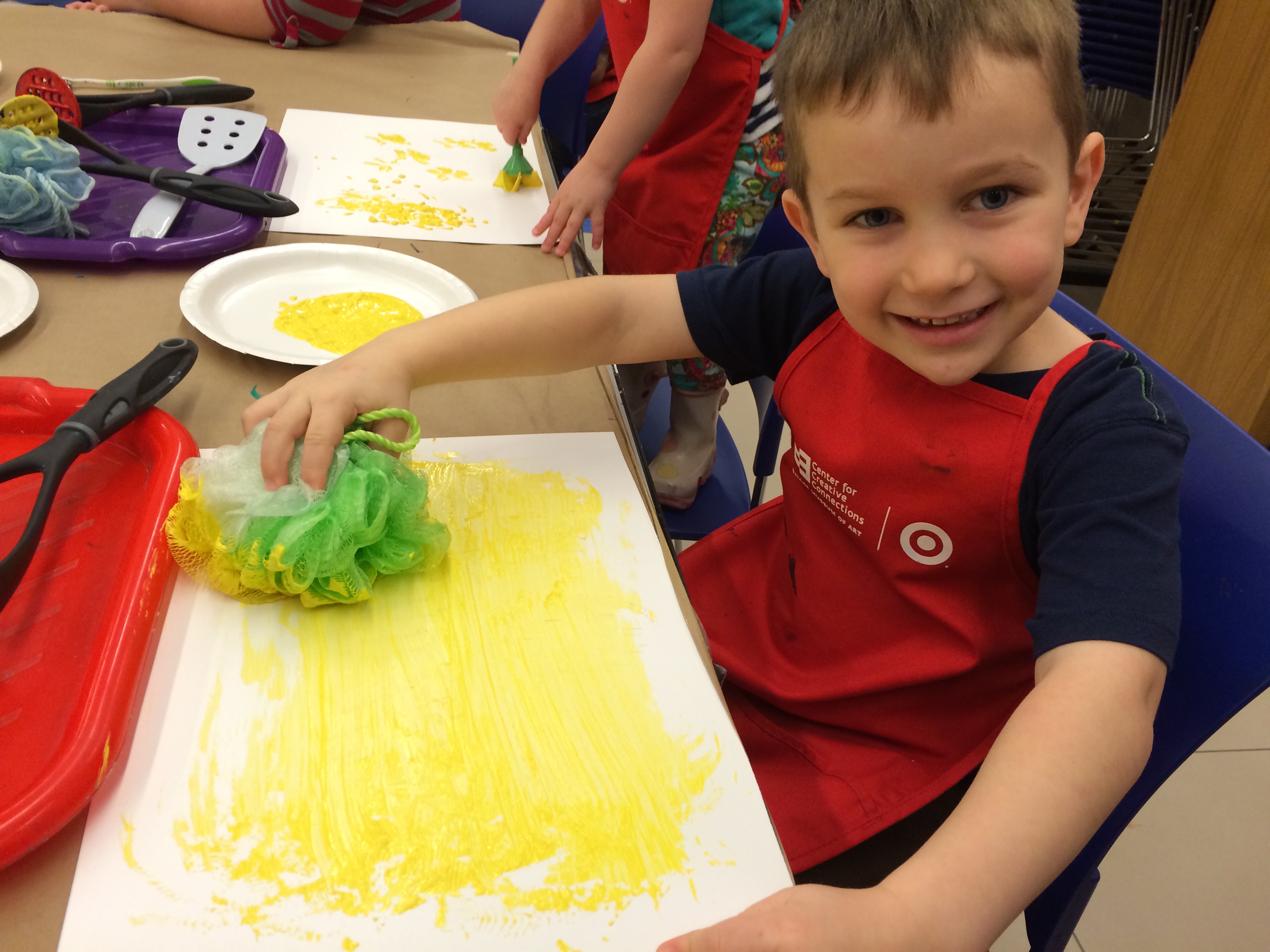
This month in the Arturo’s Art & Me class, we are introducing preschoolers to the art of Kazuo Shiraga and Sadamasa Motonaga. The kids were thrilled to learn about artists who sought to break the “rules” of making art and couldn’t wait to try it themselves.

We were inspired by the Gutai group’s maxim of making art that has “never been done before” by painting with our feet, throwing paint-soaked pom poms onto canvas, and pouring paint down our papers. Messy? Yes! Fun? Absolutely!

Leah Hanson
Manager of Early Learning Programs

Art of the Written Word

If I had to name some things that I could not live without, books and art would be first on that list (along with tea, my family, and my cat, of course). These passions led to this blog post, which combines the two! During my time at the DMA, I constantly find similarities or connections between some of the works in the collection and books that I have read, so I wanted to take this opportunity to share a few of my favorites!

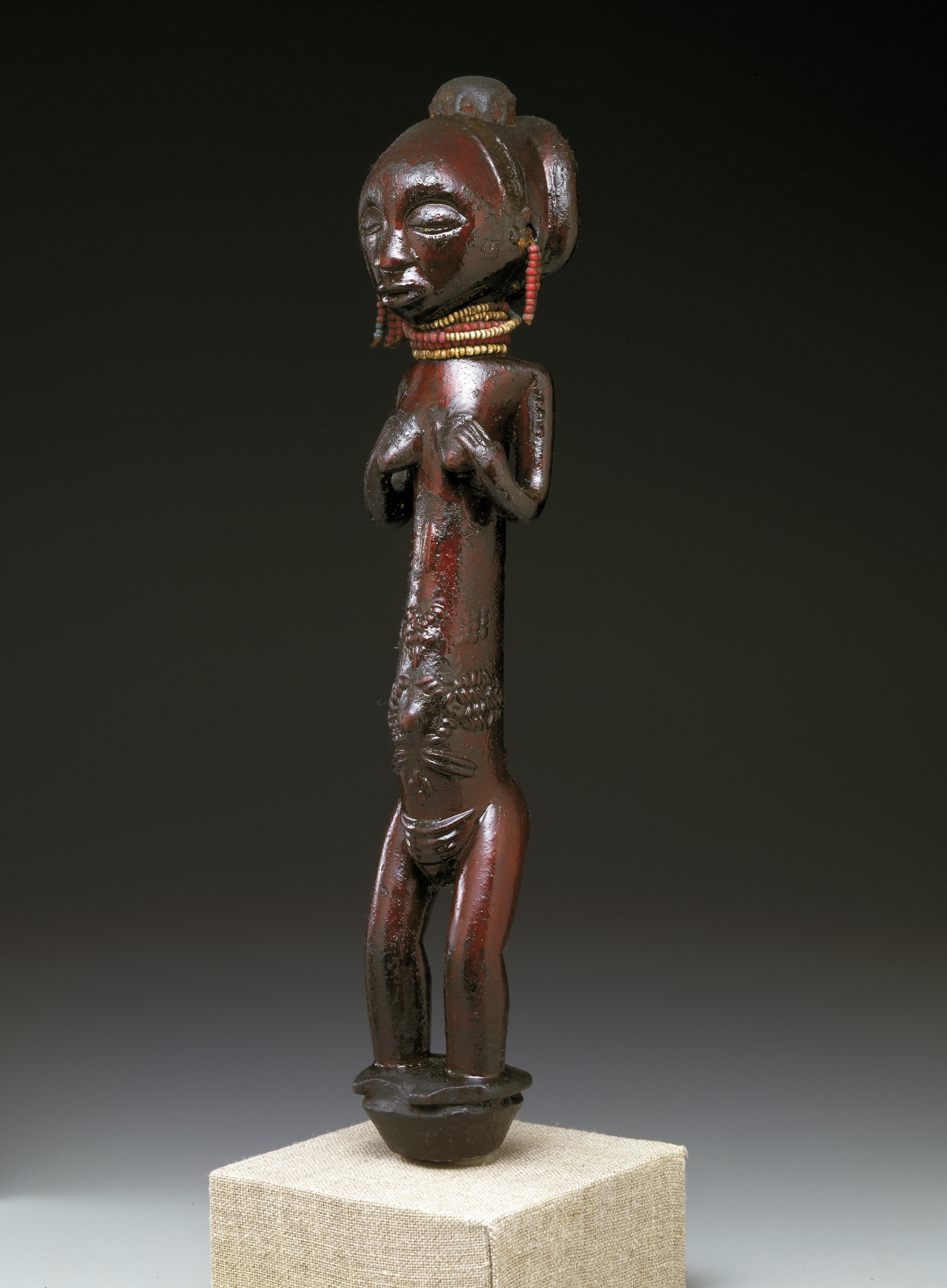
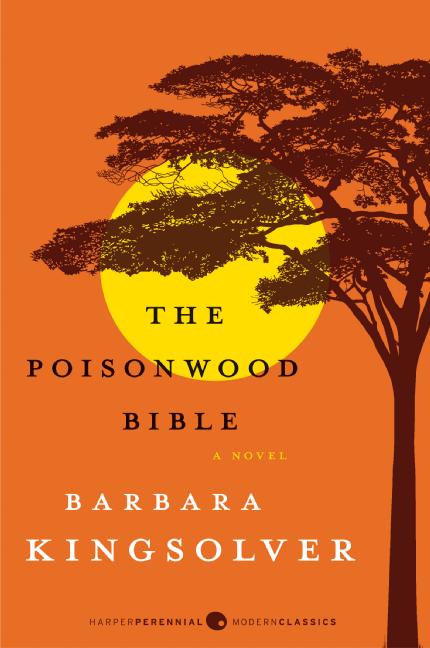
Standing Female Figure & The Poisonwood Bible

Those who enjoy our expansive collection of African art should consider reading The Poisonwood Bible by Barbara Kingsolver. The novel tells the story of the Prices, a missionary family who move to the Belgian Congo in 1954. The family is made up of Nathan, a Baptist missionary, his wife Orleanna, and their five daughters. Narrated in turns by each of the five women, The Poisonwood Bible tells of their initial reaction to the Congolese villagers to their acclimation over the following years. The Standing Female Figure is from the same region where the fictional Price family settled: the Democratic Republic of the Congo (known to the Price family in 1954 as the Belgian Congo). This piece depicts a coming-of-age ritual called butanda: this is represented by the arranged hair, the scarification, and beaded accessories. While this type of ritual does not occur in Kingsolver’s novel, the coming-of-age that we see in the statue is paralleled with the family’s acclimation to their life in Africa.


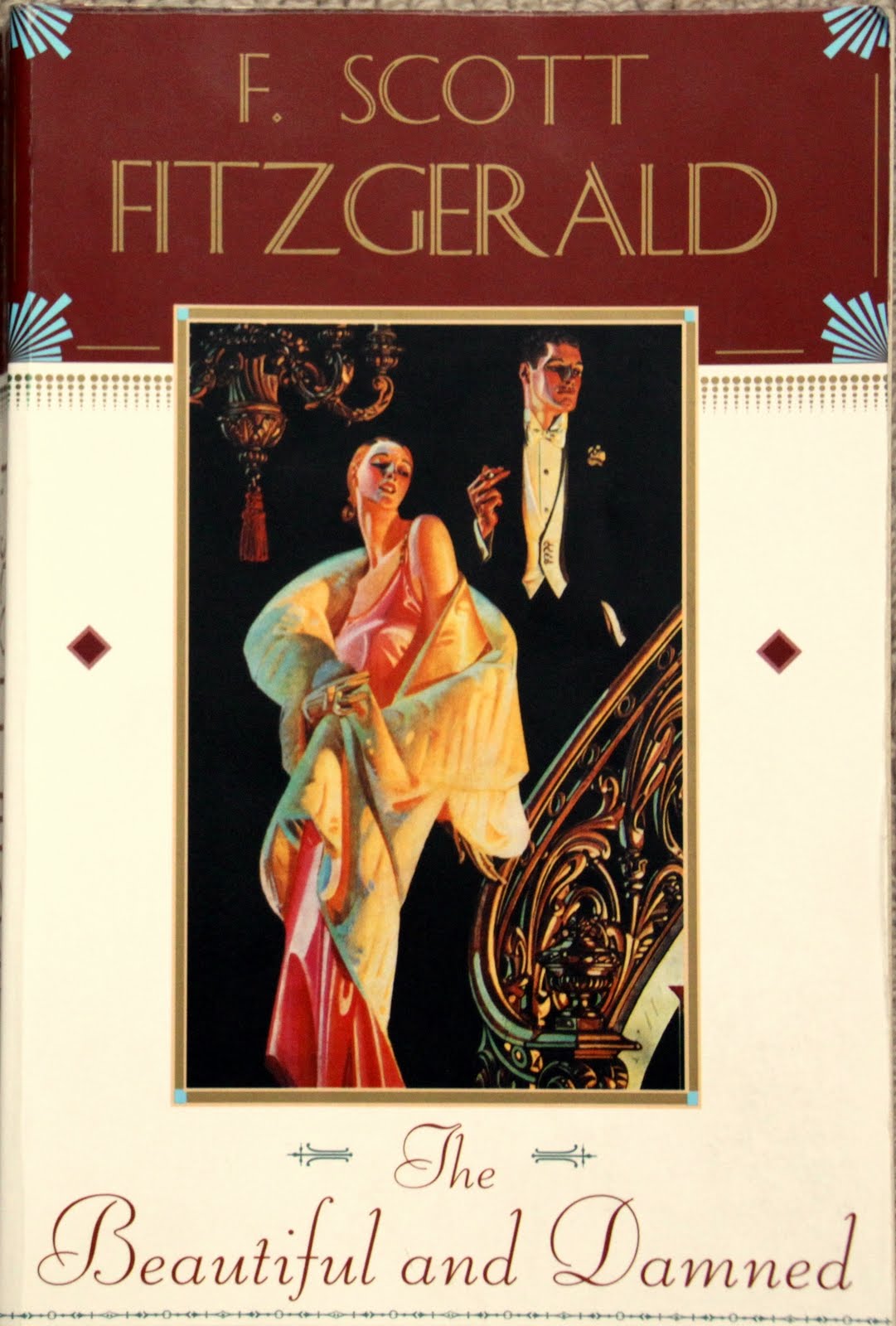
Lobster Pick & The Beautiful and the Damned

Those who enjoy the fancifulness and luxury of our American silver collection should turn to F. Scott Fitzgerald for their next novel. While many know Fitzgerald as the author of The Great Gatsby, his other novels should not be overlooked. I recommend The Beautiful and the Damned, which tells the story of Anthony Patch, a wealthy socialite living in New York in the 1910’s. The novel reflects a time of money and decadence, a period referenced with this lobster pick, part of our stunning silver collection.

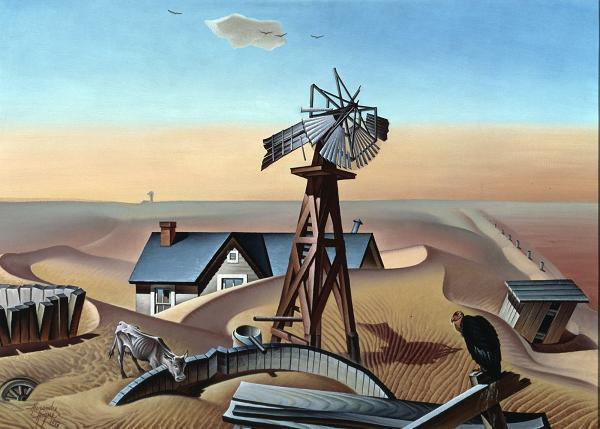
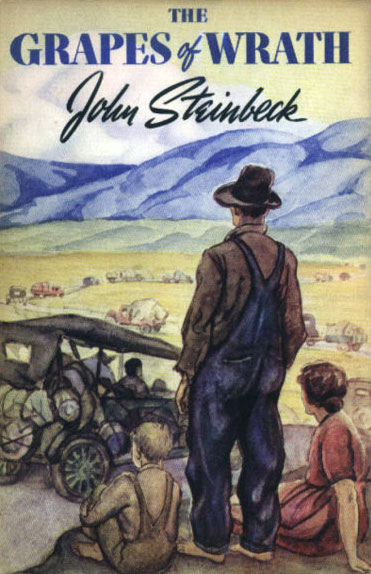
Drouth Stricken Area & The Grapes of Wrath

What do author John Steinbeck and artist Alexander Hogue have in common? Both used their chosen profession to highlight the devastation caused by the Dust Bowl. Many people have heard of The Grapes of Wrath, a story of sharecroppers forced to move from their Oklahoma home due to the economic challenges that plagued the American Midwest in the 1930’s. Hogue tackles the same subject in his painting, Drouth Stricken Area, which almost reads as the aftermath of Steinbeck’s novel. Instead of depicting one family’s journey, Hogue’s painting shows a homestead that has been overtaken by dust and deserted by its owners.

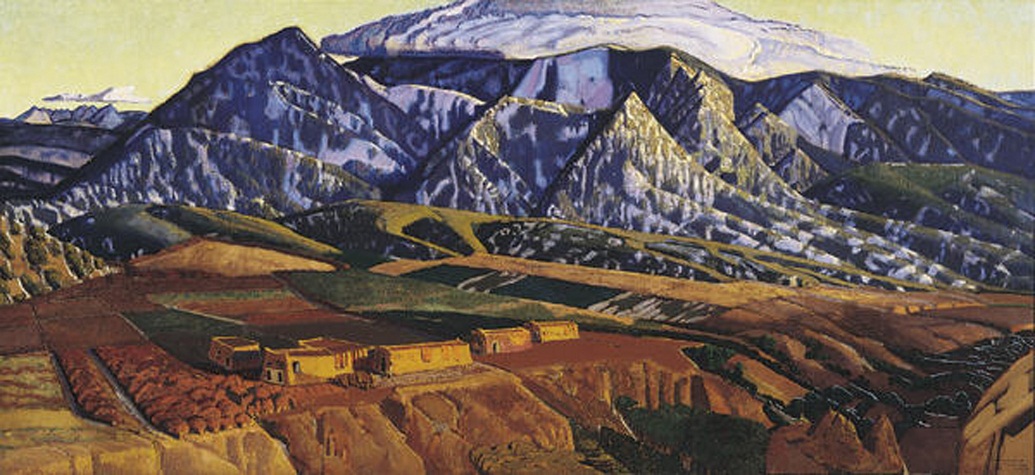
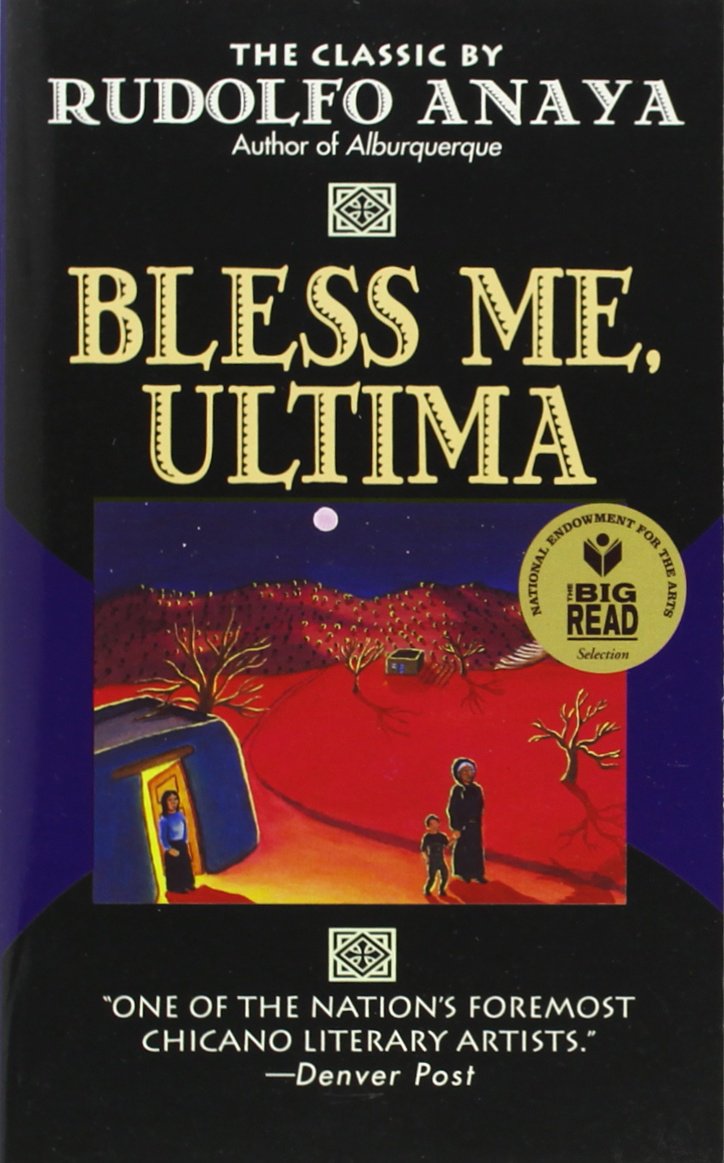
Mountains Near Taos & Bless Me, Ultima

In Mountains Near Taos, artist Ernest Blumenschein offers the viewer a panoramic view of Taos, New Mexico. The jagged mountains tower over the small village in the foreground, which is the only sign that people inhabit this powerful landscape. It is this area in which Rudolfo Anaya’s novel Bless Me, Ultima, takes place. Set in New Mexico in the 1940’s, the novel is narrated by Antontio Marez y Luna. Tony shares with the reader his childhood memories and interactions with an important member of the community, Ultima. This is another coming-of age novel, which describes one child’s experience growing up in rural New Mexico (which can also be seen in Blumenschein’s painting). Bless me, Ultima has won many awards and is heralded as being the most widely read novel in the Chicano literary genre.

Those are just a few of my favorites – I encourage you to share any connections you have made between books and art! And of course, come visit us to take a closer look at some of these great artworks!

(PS: For anyone interested in the intersection of art and books, be sure to check out tomorrow’s Arts & Letters Live event featuring Peter Mendelsund, who designs book covers!)

Liz Bola
McDermott Graduate Intern for Gallery and Community Teaching

Friday Photos: A Flurry of Art

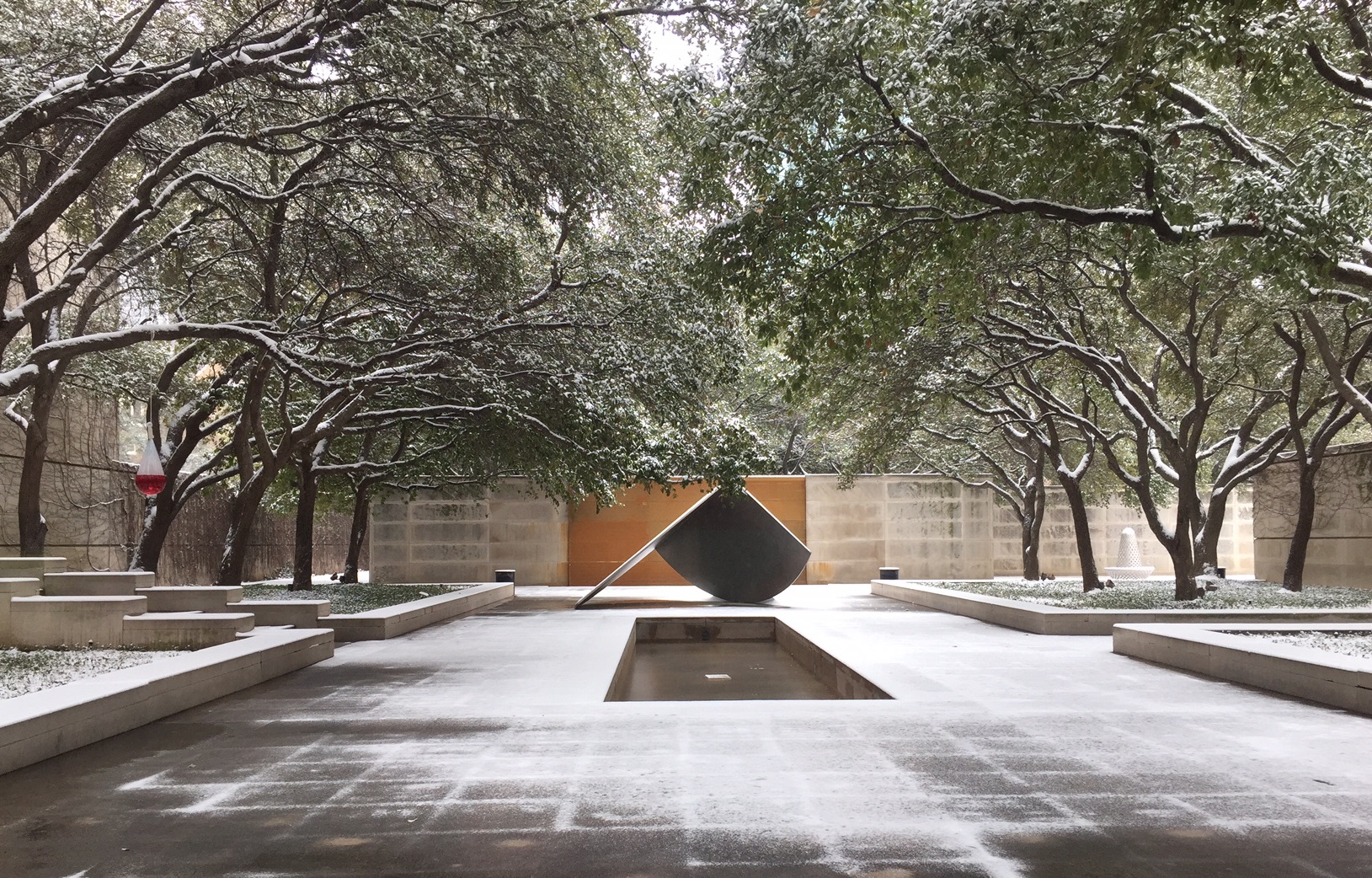
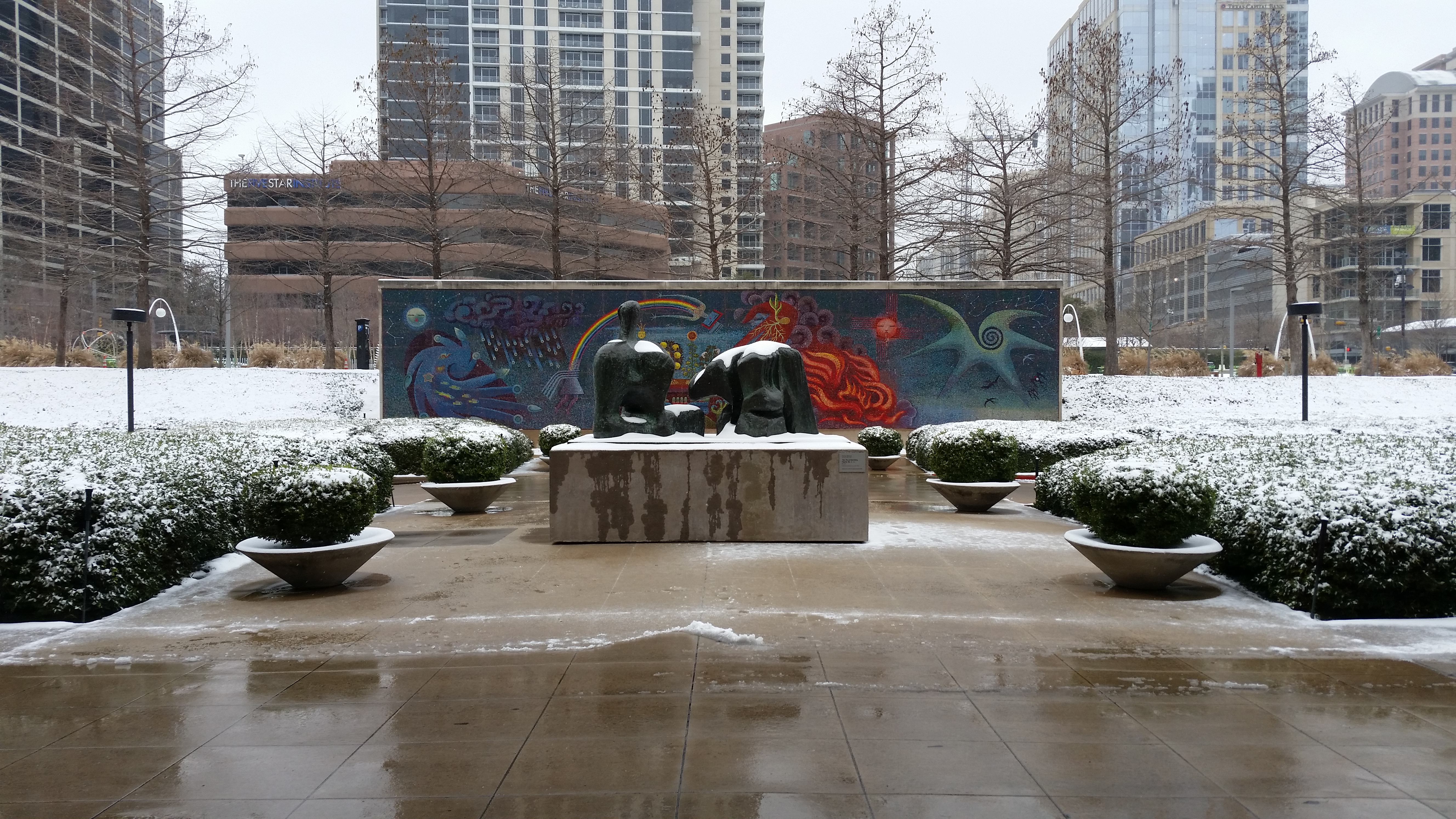
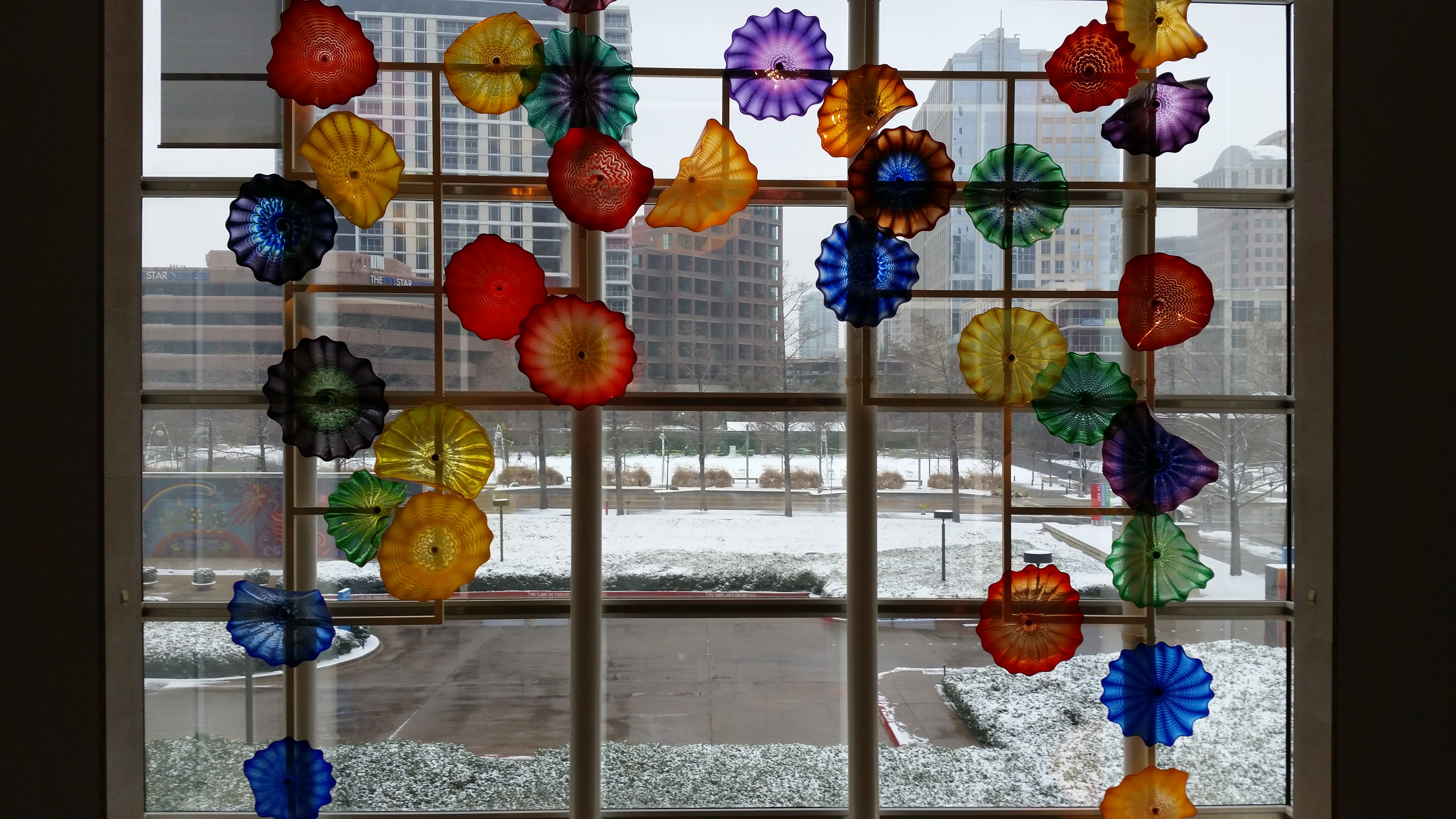
Winter has blanketed us here in Dallas today, providing quite a picturesque setting for our art.

Kelly snow

20150227_162319

20150227_162424

Enjoy our Texas snow and stay warm out there!

Sarah Coffey
Education Coordinator

Volunteer With Us!

C3 Volunteer Lindsey Lawrence

A quick quiz for you, our dear readers:

Do you love to…

a) talk to people of all ages and sizes
b) spend time in a creative and art-filled environment
c) give back to the community
d) all of the above

If your answer is d) all of the above, then you are the perfect candidate for the C3 Volunteer Program! C3 Volunteers work with visitors of all ages, from 0-99, in the Center for Creative Connections (C3). Every day is different: one day, you might chat with a retired couple about a European painting on view; another day, you might help a five year old and his mother create something out of fun materials at the Art Spot; and yet another day, you might give a high school student a hint on a scavenger hunt she is completing as a class assignment.

No prior expertise in education, art, or art-making is necessary–just a desire to welcome and help visitors as they explore the Center for Creative Connections and the DMA. Volunteers also help us keep our fun activities and interactive spaces clean and organized, as well as prepare materials for studio and gallery programs.

If you are interested, please email us to request a volunteer application. Applications are due March 22, 2015. Mandatory volunteer orientation takes place Saturday, April 4 from 9:30 a.m. – 12:30 p.m. Volunteers must be 16 years of age or older, and able to commit to a year of volunteering.

C3 Volunteer Lauren Drawhorn

We hope to hear from you soon!

Melissa Gonzales
C3 Gallery Manager

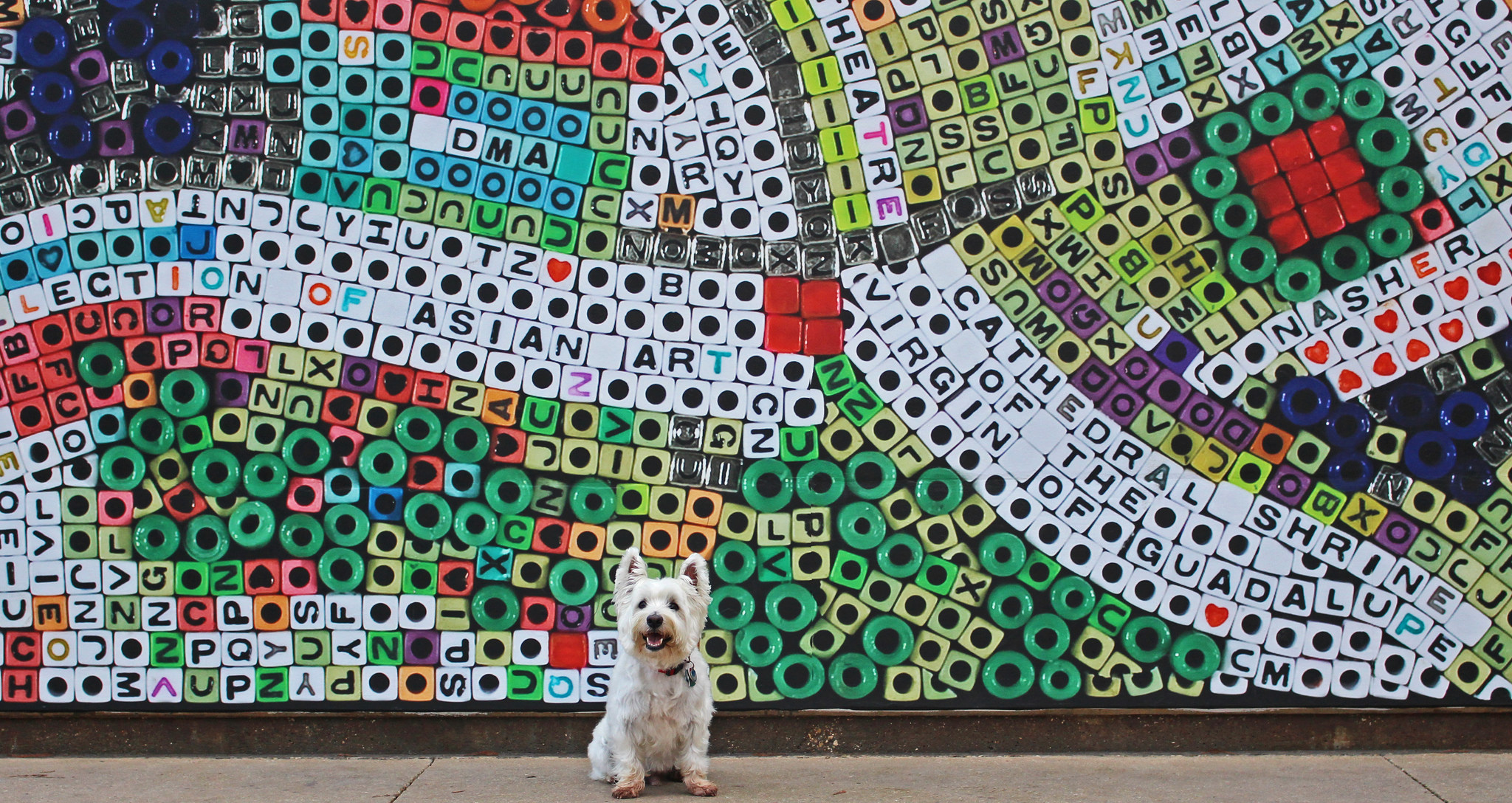
Friday Photos: Textual Awareness

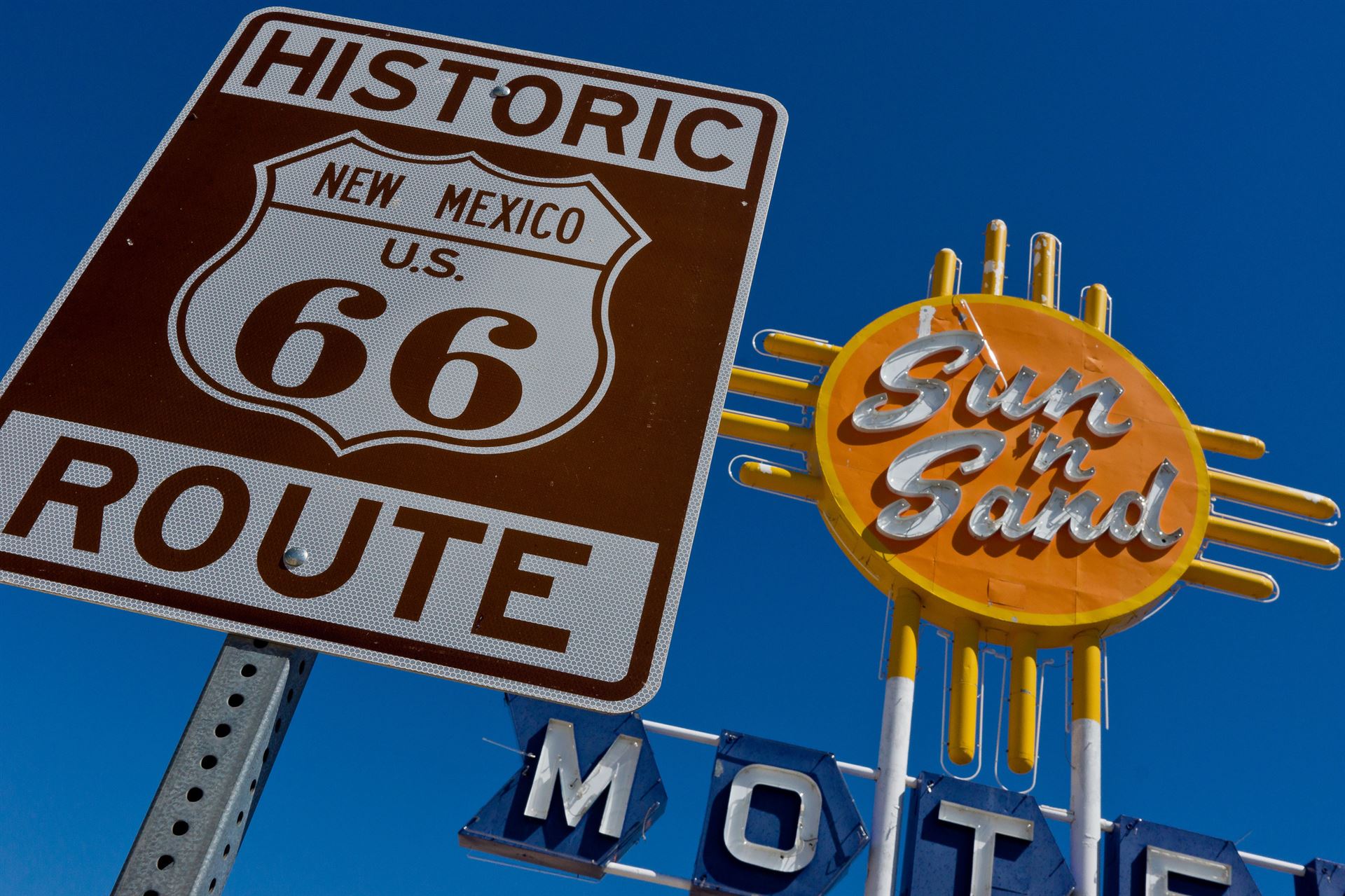
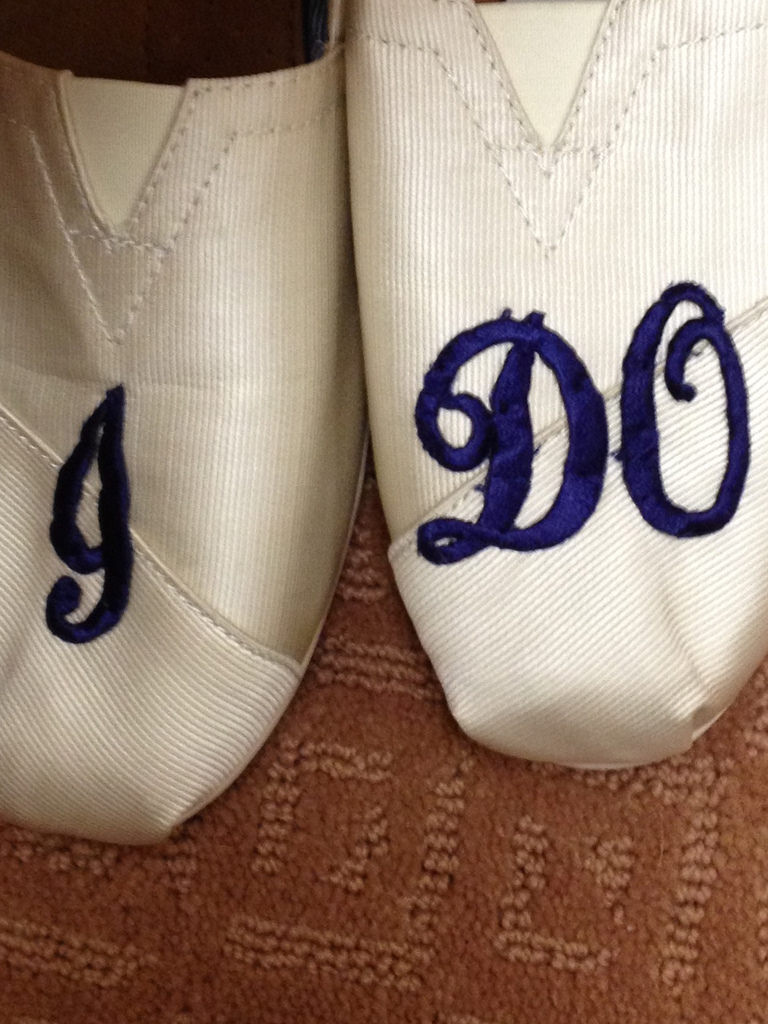
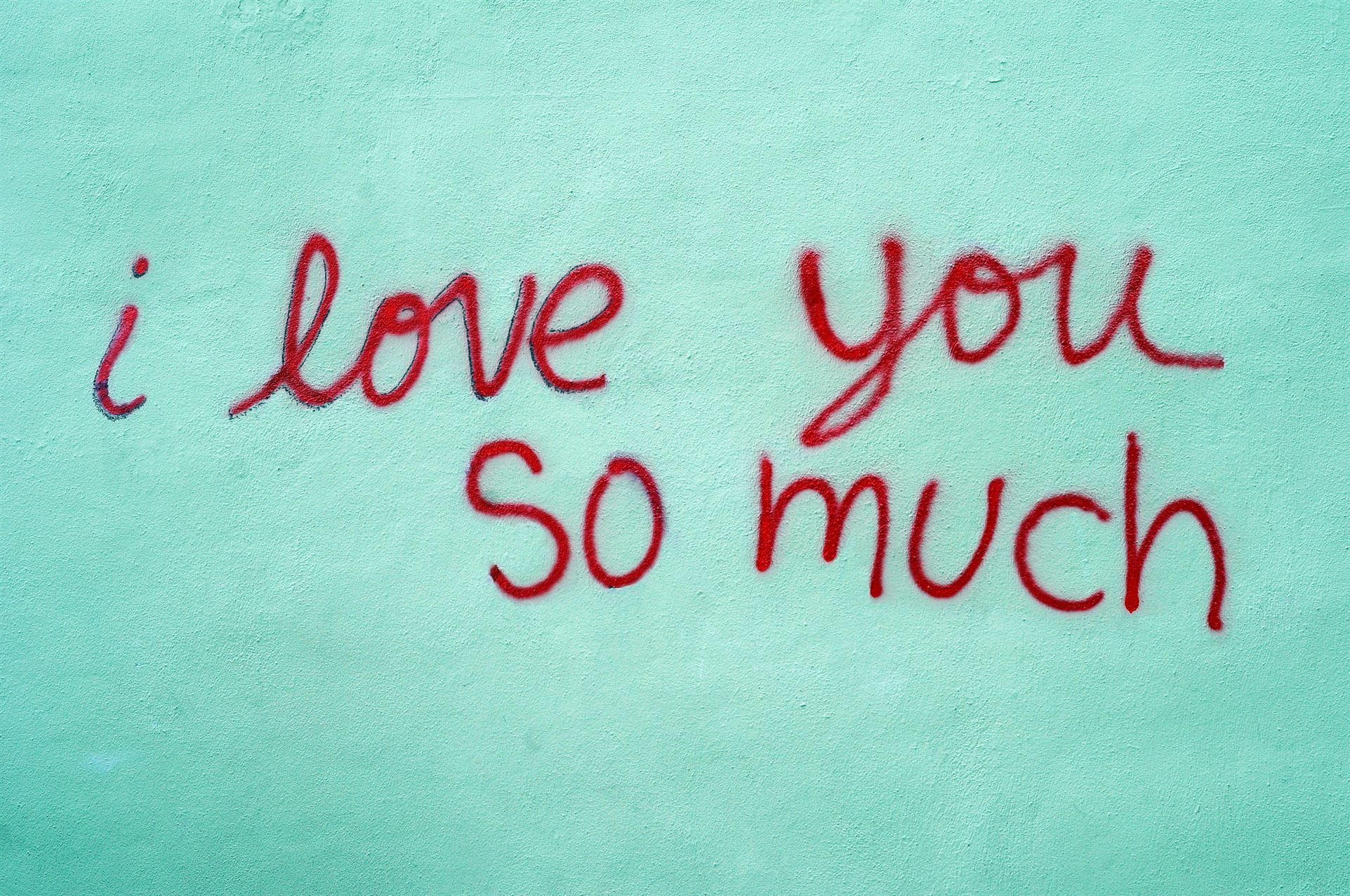
From ancient Asian scrolls to Islamic lamps and Egyptian hieroglyphs–text has appeared in art for centuries. Fast forward to our contemporary world, where text, serving as a mode of communication, is also part of our visual culture. Artists cleverly use text in a variety of ways, sometimes bold and direct, other times subtle.

In the Center for Creative Connections (C3), February through May is all about TEXT. Here are two ways you can participate at the Museum or at home:

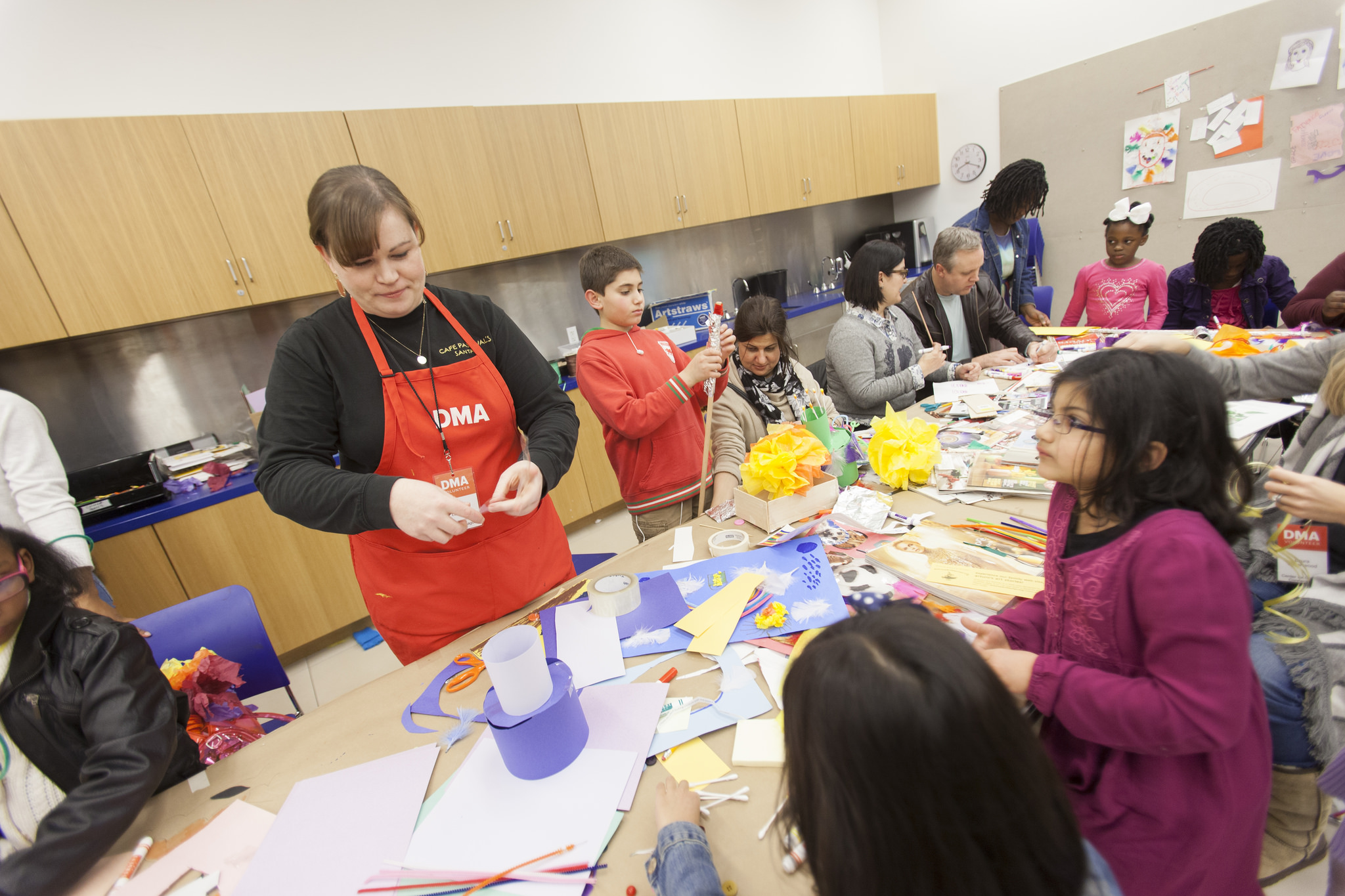
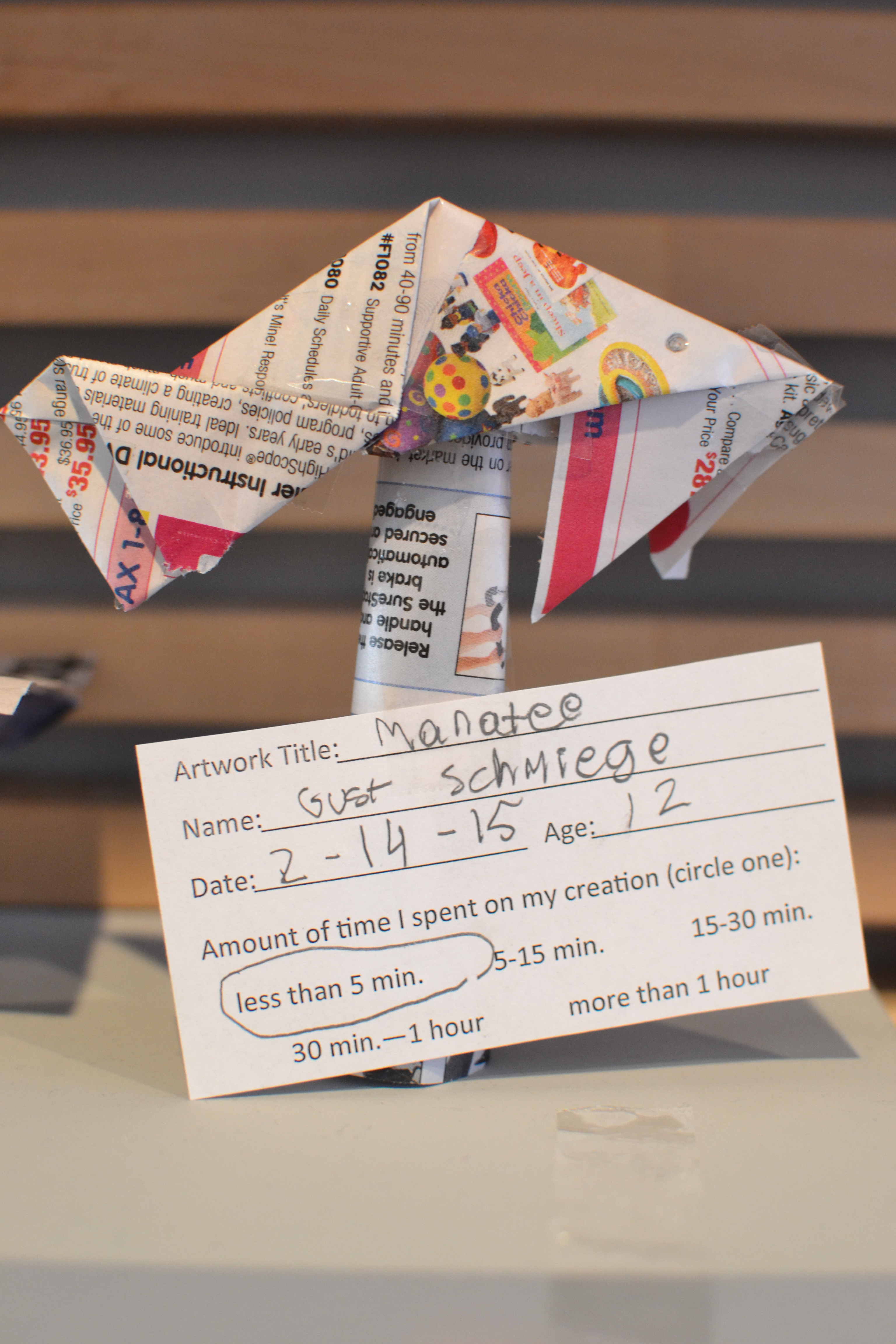
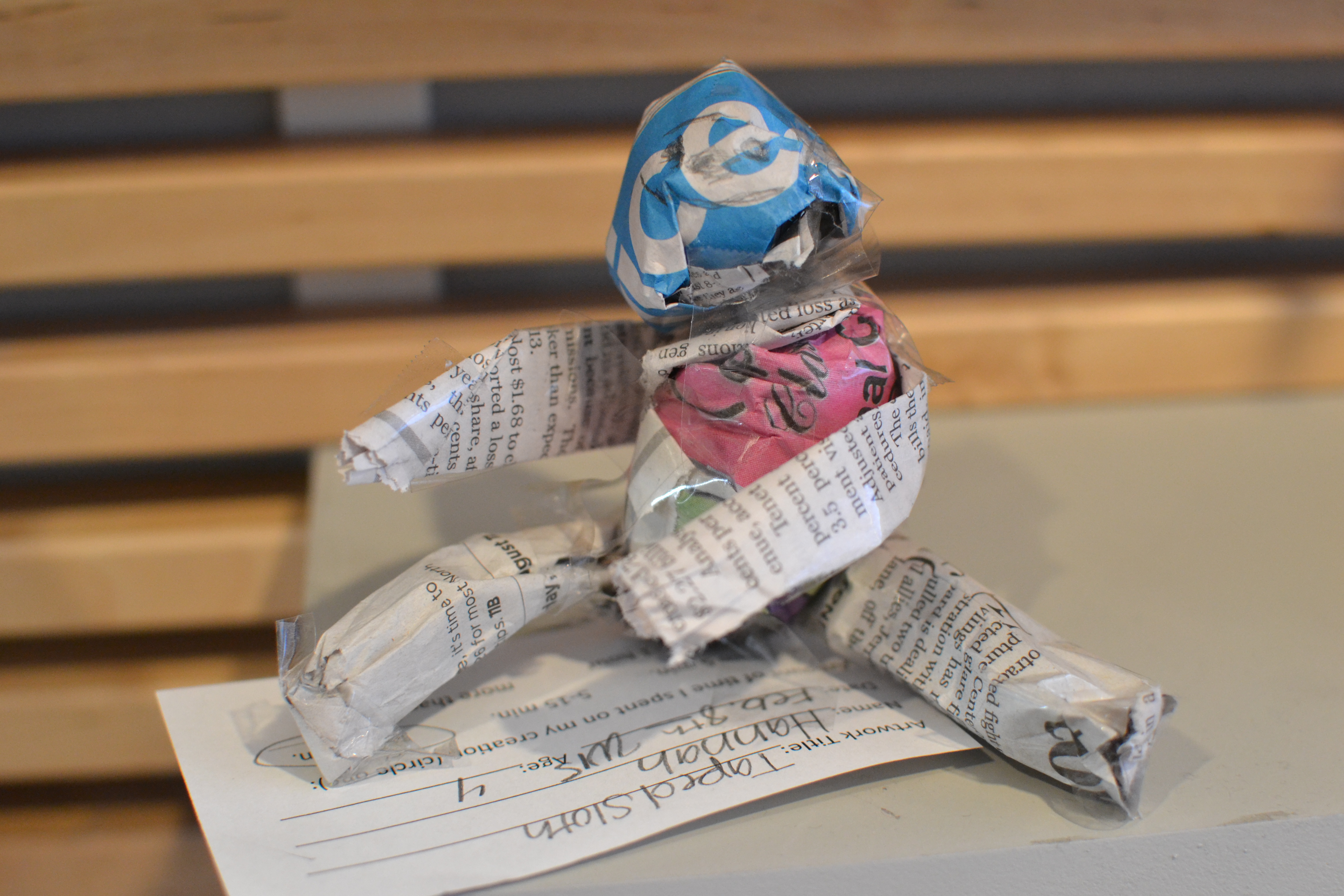
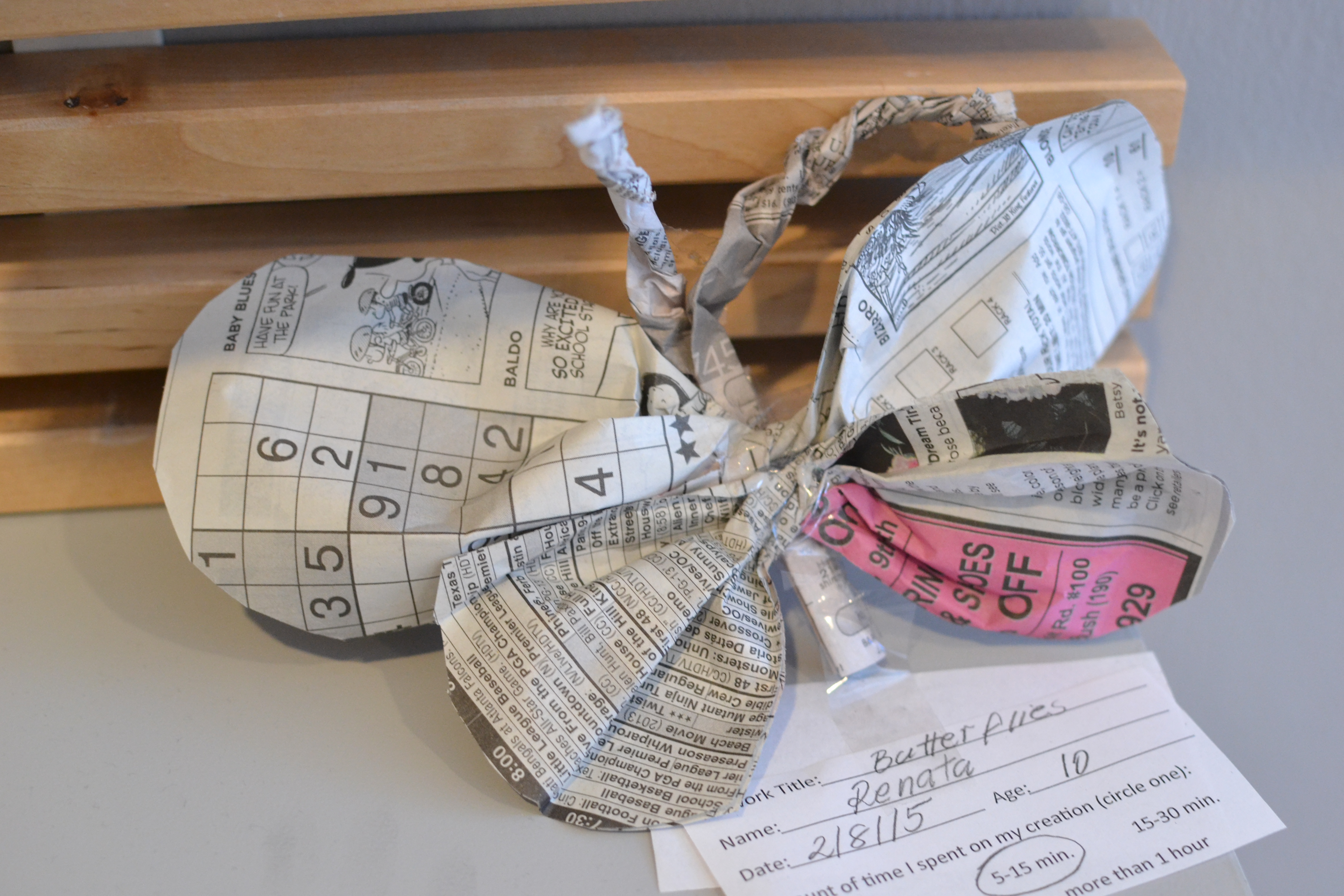
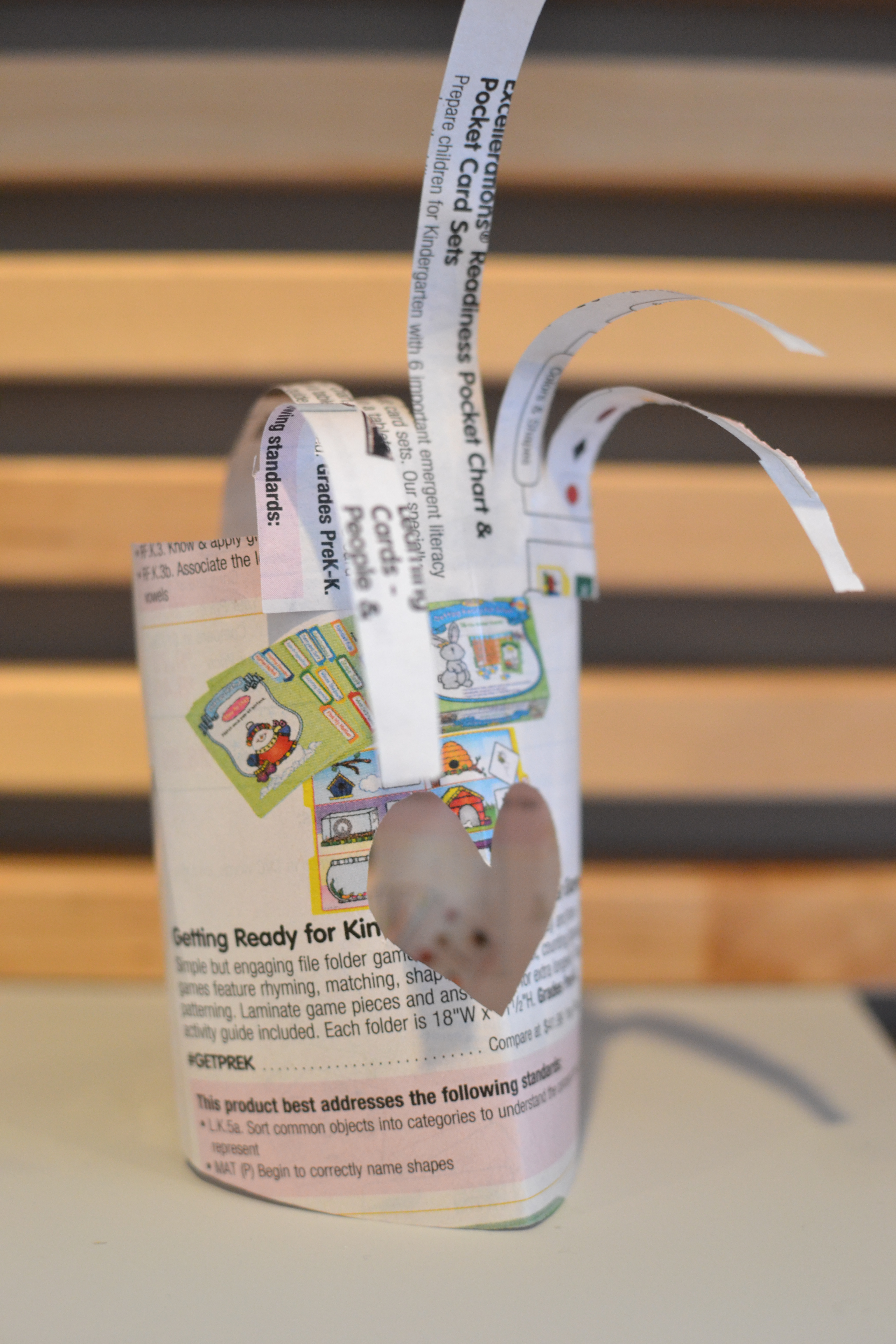
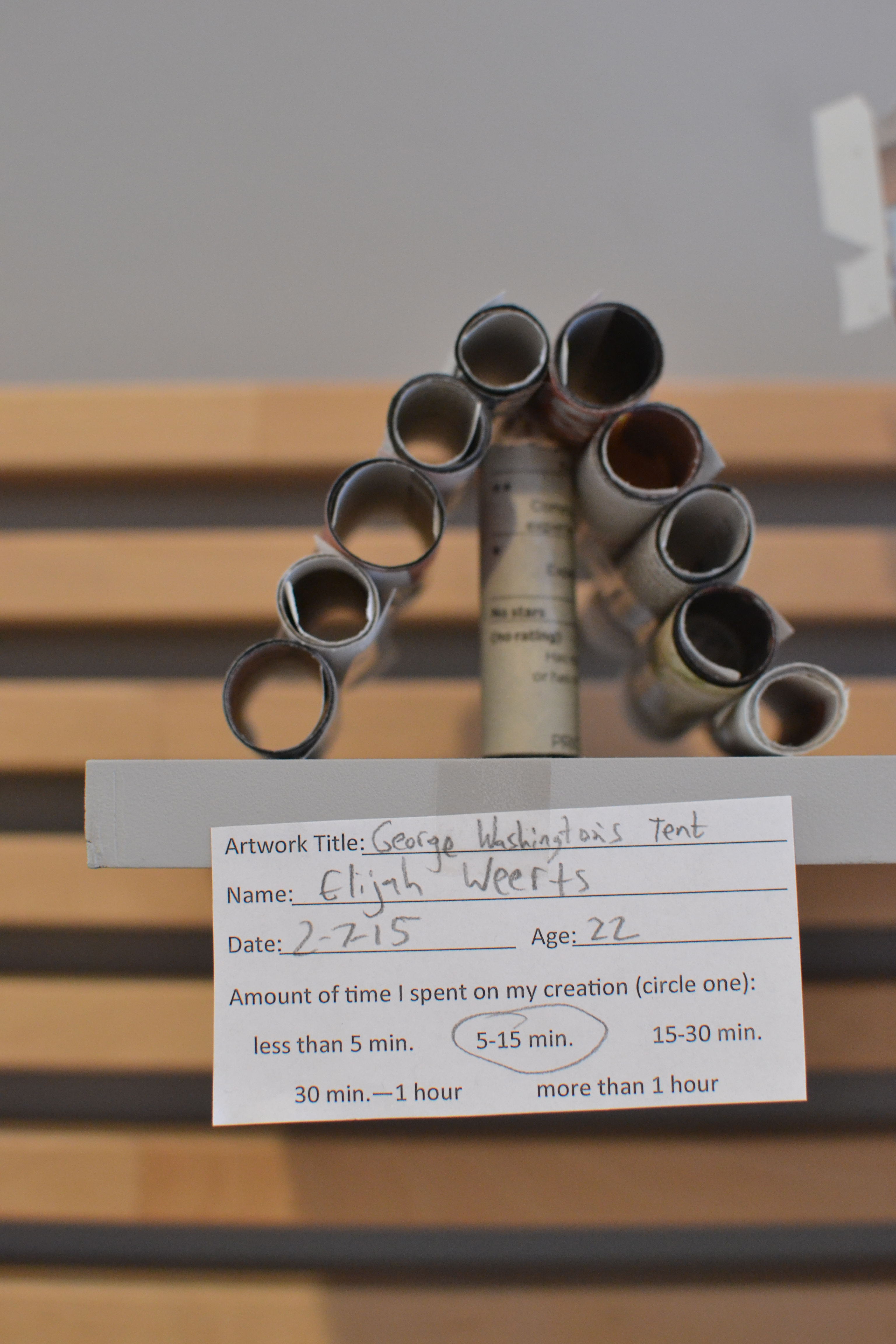
1. Visit the C3 Art Spot to explore text through hands-on art making. Fold, cut, and manipulate magazines and newspapers to create your own text-based sculptures.

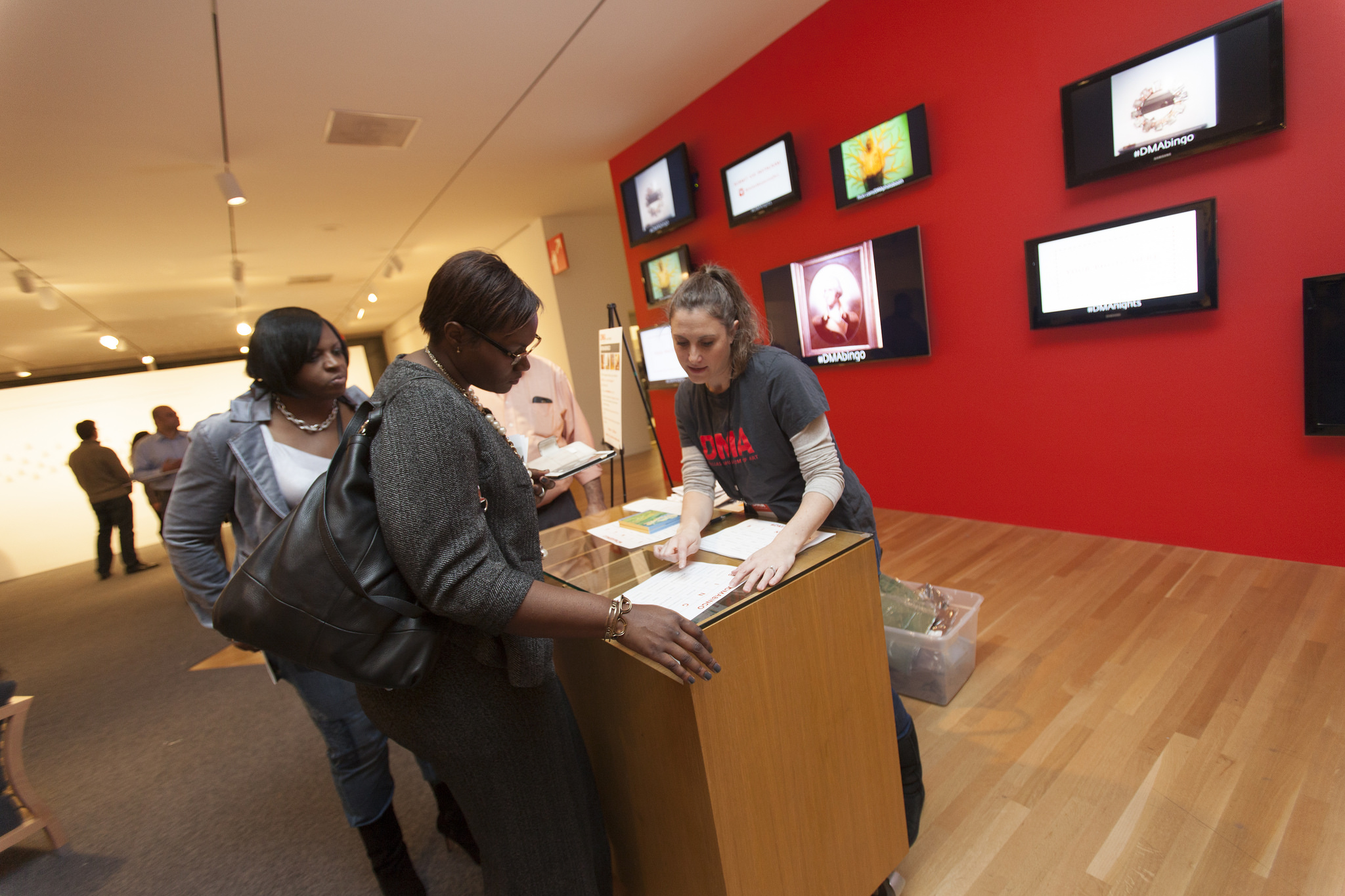
2. Have your photos featured on the monitor wall in C3 by submitting your text-themed photographs to our Flickr Group, DMA Textual Awareness.

Jessica Fuentes
C3 Gallery Coordinator

Experiments on Public Space

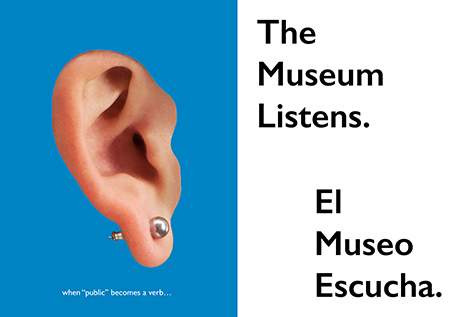
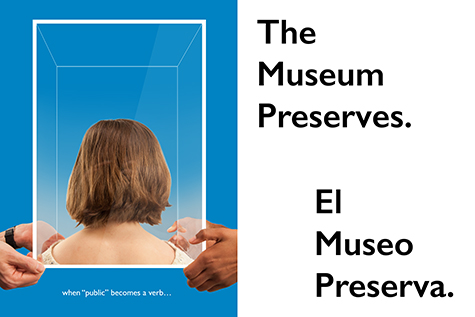
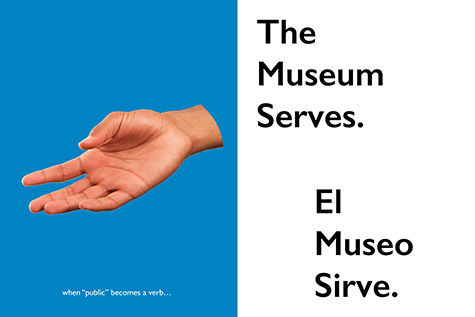
The word public is defined as an adjective: it is used to attribute a quality to someone or something, usually modifying and describing a noun. But what happens when public becomes a verb–an action, a state, the main part of a sentence? Public suddenly stops being passive and becomes active–an occurrence, a happening, an event…

But what makes a museum public? What are its responsibilities? How do we build democratic space/vision? Is it possible or necessary? And if it’s true that we’re losing publicness, how do we reclaim it back?

These are some of the questions I hope to explore with my new work, Experiments on Public Space (EPS). EPS came about thanks to the opportunity to carry out an independent project as part of my McDermott Internship at the Dallas Museum of Art. My background in both research and artistic practice is focused in an interest to understand, explore and expand the ways audiences interact/participate with contemporary art. This project is an extension of that line of inquiry specifically looking at institutional contexts.

Experiments on Public Space / Dallas Museum of Art, February - May 2015

Experiments on Public Space / Dallas Museum of Art, February – May 2015

I’m fascinated by the language used in museums when referring to issues around publicness, because what do we actually mean when we refer ourselves as a “public museum”? What does it entail? How does a public museum feel or look? What do our visitors understand by “public”? Are they not the public themselves? And why probe publicness? Why now? Why here?

Coming from England, I was very curious about the differences between public cultural institutions here in America and those back in Europe. I think the dialogue is particularly of relevance to the DMA because of its historical founding as a public museum and it’s recently reestablished free general admission, something that is rare in this country. I’m also intrigued by the context of the Museum in a city as diverse as Dallas. Considering the city’s large latino population, I want to explore the standings of the institution in serving a wide range of communities.

The project itself is built on a series of practice-based evaluation methods that take place in the Museum. The public will provide the data with their participation in performances, interventions, seminars and workshops, aiming to collaboratively measure the publicness of the environment in which the institution acts. With this approach I hope to implement active research into the life of the Museum, collecting both inside and outside voices as a way of opening up dialogue. In this sense, the project uses unconventional evaluation methodologies to promote opportunities for reflection, thought, participation and active discussion. The goal is that through these programs, we might collectively exemplify and animate publicness and what it means in the context of museums in the 21st century.

Alternative Signage

Members of the DMA/Perot Teen Council during a production session for “Alternative Signage”, one of the EPS programs happening during March Late Night.

Confused? Challenged? Excited? – This is a very brief introduction to a project that has almost taken a life of its own. Publicness is a complex issue that touches upon many different fields and it is easy for it to be overlooked or even forgotten. With EPS I hope to bring it back to the fore in an attempt to reclaim its importance. I believe there is a big difference between possessing a quality and being one, and it is crucial that we understand the difference. To claim ‘publicness’ requires more than a certain kind of perception or view; it demands responsibility and action.

Program scheduling will be published on the DMA website, under Center for Creative Connections –  Community Projects. I hope you’ll join me in this experiment!

Eliel Jones
McDermott Intern for Visitor Engagement

We’re Go van Gogh-ing to Whole Foods

And so should you!

We’re excited to announce that the DMA’s Go van Gogh outreach program is going to be the recipient of one of Whole Foods 1% Community Giving Days!  In an effort to reach out and partner with the surrounding community, Whole Foods Market provides Community Giving Days, during which they donate a percentage of sales to a local non-profit organization.

Tomorrow Wednesday, February 18th, 1% of the sales at Whole Foods Market Park Lane will go to the Go van Gogh program!

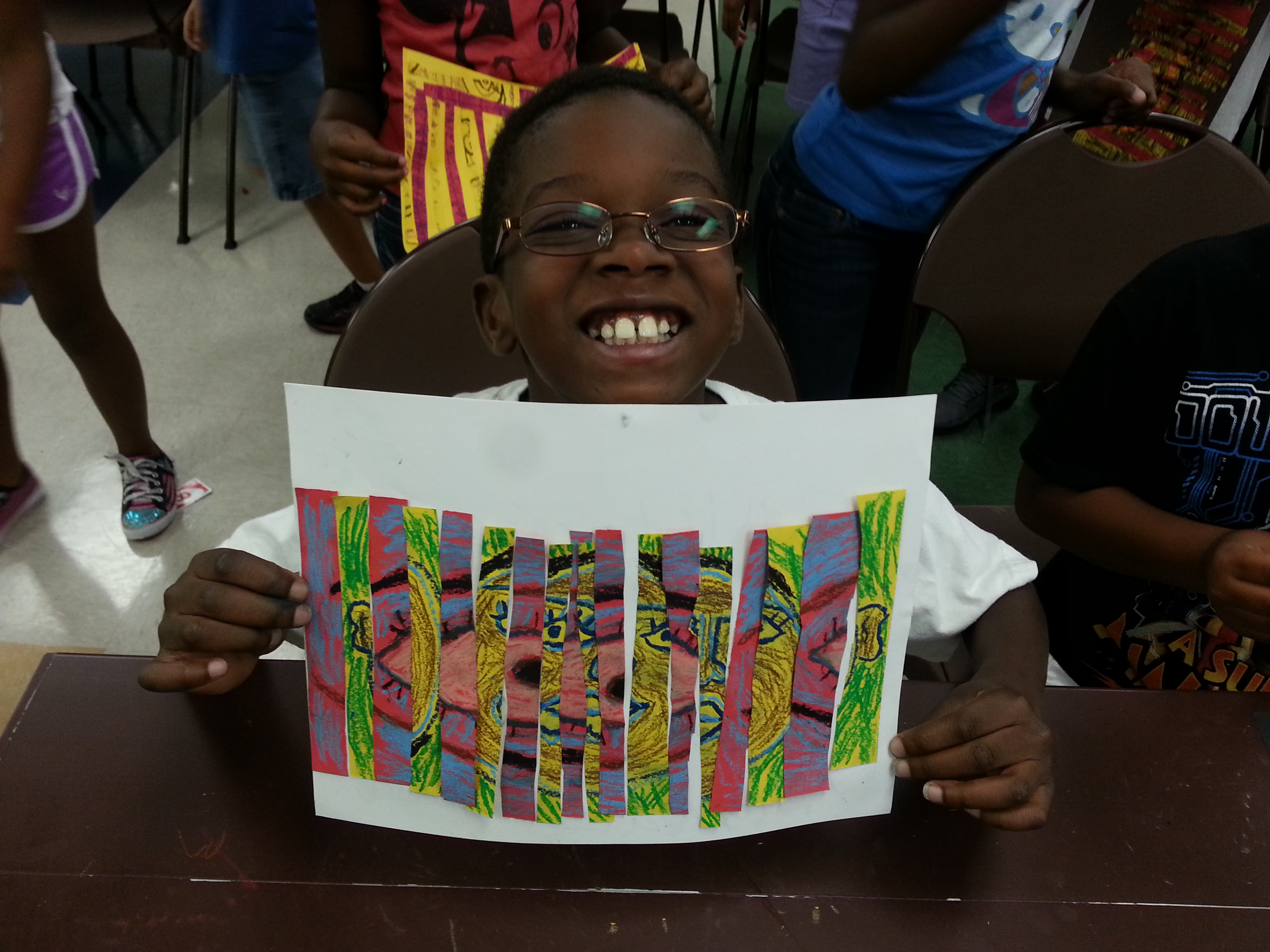
Go van Gogh is the DMA’s free elementary outreach program.  We bring the excitement of Museum experience into North Texas classrooms, providing an introduction to the DMA for many of the students we visit, as well as opportunities for students to create artworks inspired by our collection.

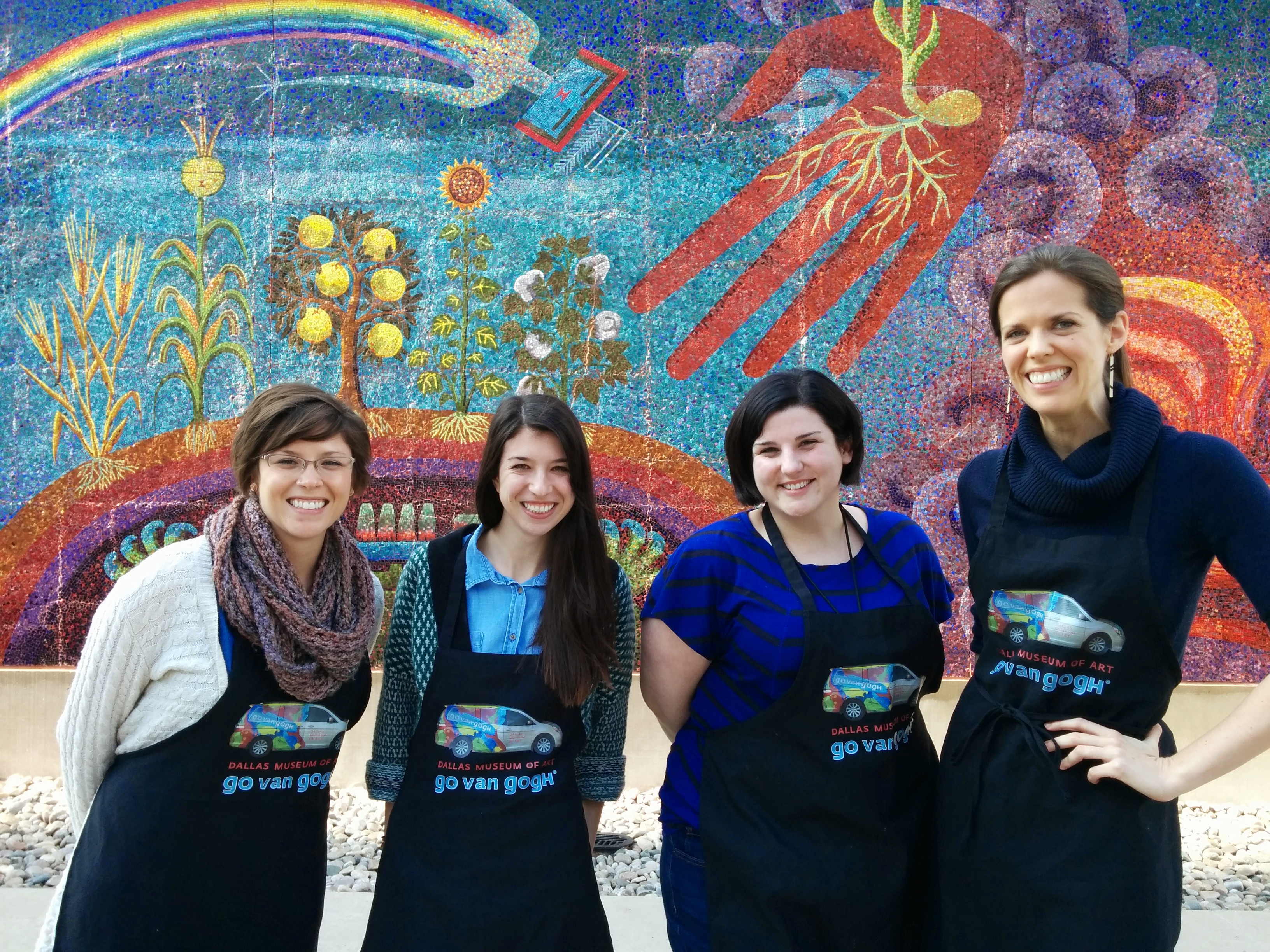
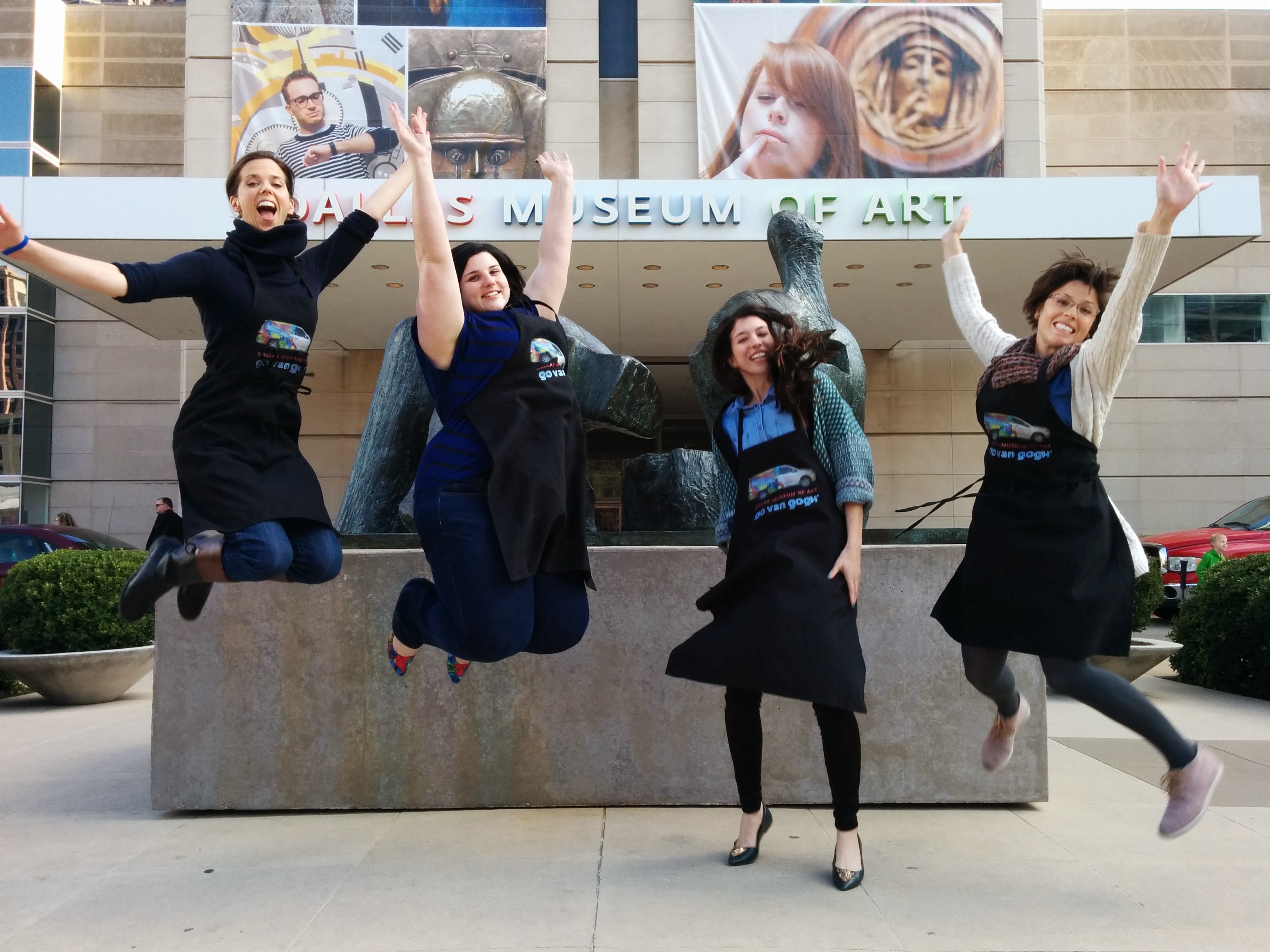
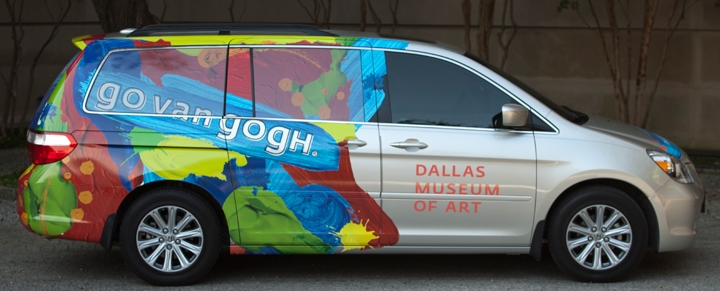
Our McDermott Intern Liz Bola, Teaching Specialist Danielle Schulz, myself, and our new Volunteer Coordinator Jennie Russell will spend the day from 10:00AM-7:00PM tomorrow at the Park Lane Whole Foods Market store, talking to customers about what we do and why we do it, making art projects, and showing off our van.

So, if tomorrow, you need an excuse to:

  • grab a morning coffee on your way to work;
  • pick up a lunchtime snack;
  • pop by after 5:00 for a quick dinner-to-go;
  • or cross some items off your grocery list;

I hope you’ll come out to Whole Foods Park Lane.  While you’re there, stop by and say hello to the Go van Gogh ladies (pictured above) and wonderful volunteers, so we can thank you for helping our program grow.

Spread the word to your Whole Food-ie friends, and we hope to see you tomorrow!

Amy Copeland
Manager of Go van Gogh and Community Teaching Programs

The D3C Detectives

We are thrilled to welcome four new members to the DMA’s Education Division–Jeelan Bilal-Gore, Elaine Higgins, Samantha Robinson, and Emily Schiller–who are our new digital collections content coordinators, or D3Cs. This newly-created team is responsible for the research, aggregation, and digitization of rich, contextual information that will be presented on our online collection.

Essentially, the D3Cs are like detectives that unearth and build upon research the Museum has conducted on our collection. Then, they package that information for public consumption. For example, virtual visitors to the DMA will eventually be able to not only search for an artwork and find beautiful images, but also learn interesting details like who made the work, why or how they made it, and when. Our D3Cs will focus on artwork that is on view and recently on view, so that visitors will be able to access this content via smartphone or tablet while they meander through our galleries.

The work the D3Cs are doing is part of a five-year project funded by a generous $9 million gift to the DMA to support free general admission and free online access to our permanent collection. We are excited to be able to enrich our online collection and to provide this resource to onsite and digital visitors alike.

Meet the D3Cs

Jeelan is working with our Asian, African, Pacific and Contemporary collections. She holds a Masters degree in Art Museum and Gallery Practice from Newcastle University and a second MA in Art History from the School of Oriental & African Studies at the University of London. Her BA focuses on Asian languages and civilizations from Amherst.

When asked what DMA work of art she was most excited to research…

Just one?! The ones I am excited about are not currently on view but have been in the last five years (though of course there are some that haven’t been on view longer that I’m dying to look into like Shirin Neshat’s Soliloquy and Willie Doherty’s Ghost Story). It’s a toss-up between Yinke Shonibare’s Un Ballo in Maschera and Koki Tanaka’s Everything is Everything.


Elaine is focusing on our pre-Columbian, American Indian, and Latin American collections. She returns to the DMA as a Ph.D. candidate focused on Spanish Colonial art at the University of New Mexico. She also holds an MA in Art History with an emphasis in Pre-Columbian art from UT Austin and a BA in Art History from TCU.

When asked what DMA work of art she was most excited to research…

The Seated hunchback holding mirror and Reclining hunchback holding rectangular object, displayed together. Since I conducted my thesis research on the dwarf motif in Mesoamerican iconography, I am most looking forward to finding out more about these extraordinary works in our collection!


Samantha will be concentrating her focus on our extensive Decorative Arts and Design collection. Most recently, Samantha served as a McDermott Intern (2014-2105) and holds an MA in Art History with a concentration in 19th and 20th century American silver from SMU. Her BA is from Macalester College in St. Paul in International Studies.

When asked what DMA work of art she was most excited to research…

I am most excited to research our Valeri Timofeev martini glass. Acquired in 2014, the brightly colored and profusely patterned martini glass is the first design by Timofeev, a Latvian born designer trained in the former USSR and active in the United States, in the DMA’s permanent collection. I am eager to learn more about the Russian designers, such as Rasul Alihanov, and studios, such as Fabergé, Ovchinnikov, and Khlebnikov, that influenced the material and formal elements of Timofeev’s designs.  


Emily is focused on our American and European collections, in addition to working with our aAncient Mediterranean and Contemporary collections. A former McDermott Intern (2012-2013), Emily is a Ph.D. candidate at Penn State University, concentrating on the History of Photography and African American art, and she also holds an MA in Art History from American University. Her BA is in Art History and Women’s Studies from Hollins University.

When asked what DMA work of art she was most excited to research…

Something that excites me about researching an object is if it was acquired during the early decades of the collection. Any work that has an accession number from the 1900s through 1940s is fun because then it has two historic narratives. One is the history of the art and its creation, and the other is the history of how that piece has been exhibited or discussed since coming into the DMA’s collection.

 One work that has intrigued me since the start of my Internship is Zoltan Sepeshy’s The Whole Town. He is an artist I know very little about, but his name repeatedly popped up when I was doing my dissertation research. I have a feeling he was an individual who socialized and interacted with some of the major art figures during the New Deal and WWII-era, but got neglected by later generations of scholars.  


Be sure to keep an eye on our online collection to discover the interesting facts they’re sure to find!

Andrea Severin Goins
Interpretation Manager

Archives

Categories