Archive Page 12


Friday Photos: Sincerely Yours

Last month Go Van Gogh visited one of our favorite schools, Anderson Elementary, with our Arts of Mexico program. I assisted one of our awesome volunteers, Jan B., in the classroom. In this program we learn about art in the DMA’s collection that was made in Mexico, which ranges in age, medium, and culture of origin. We then do an art activity that is inspired by one of these works.

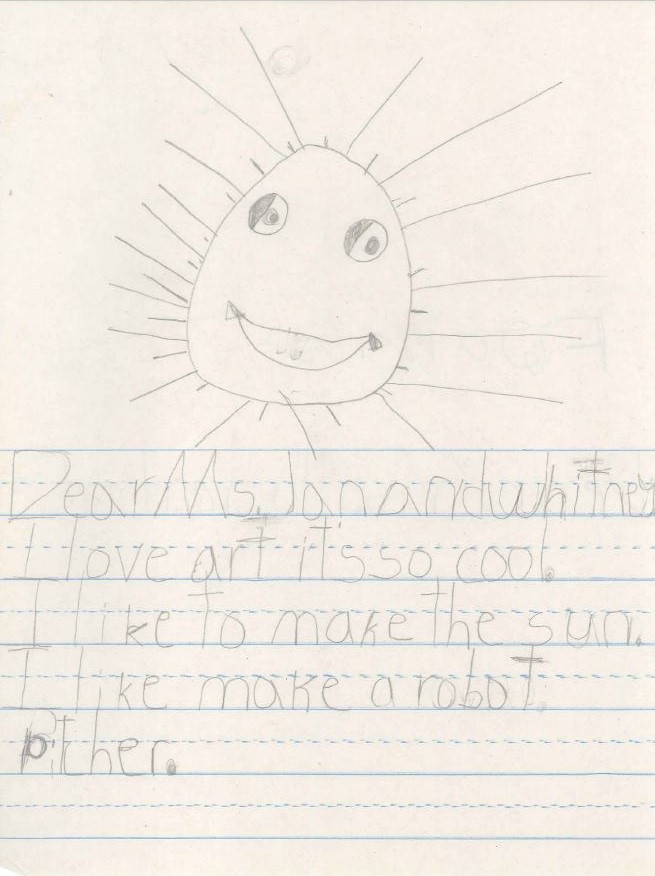
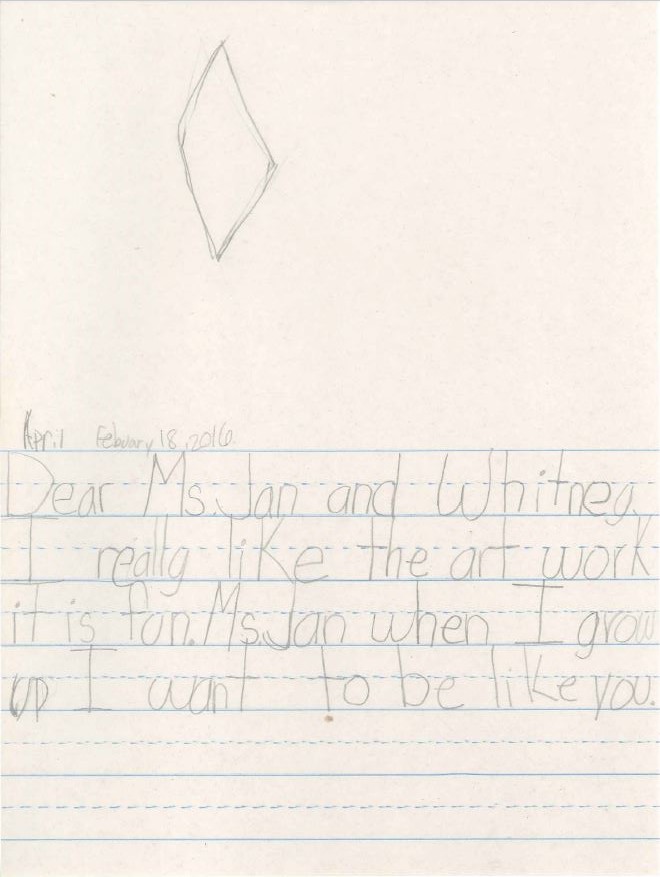
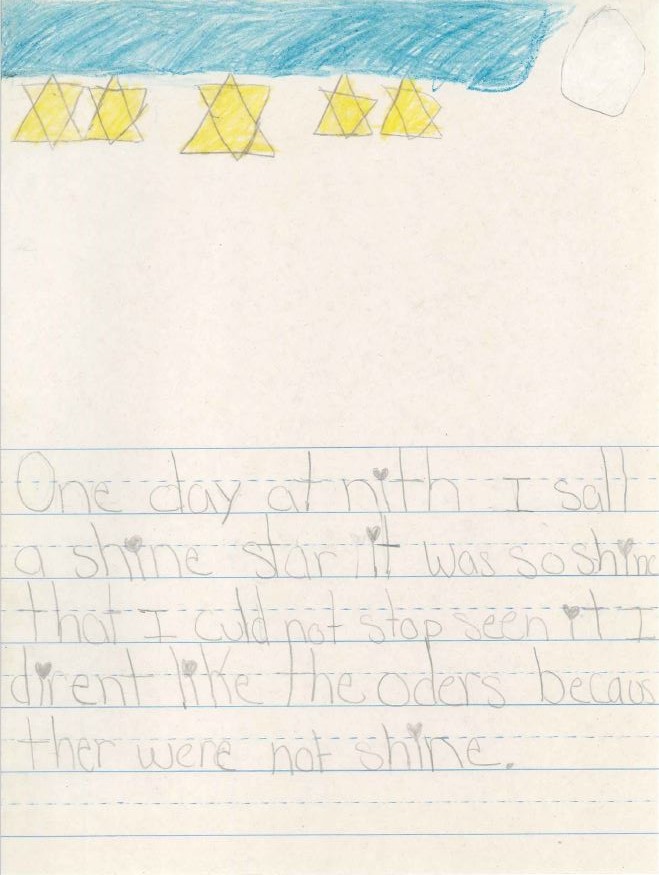
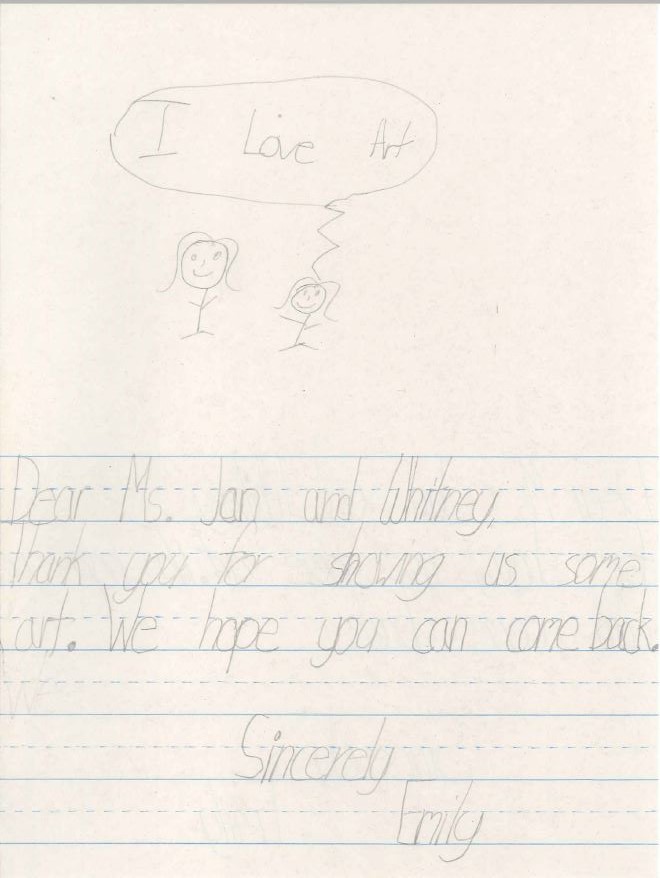
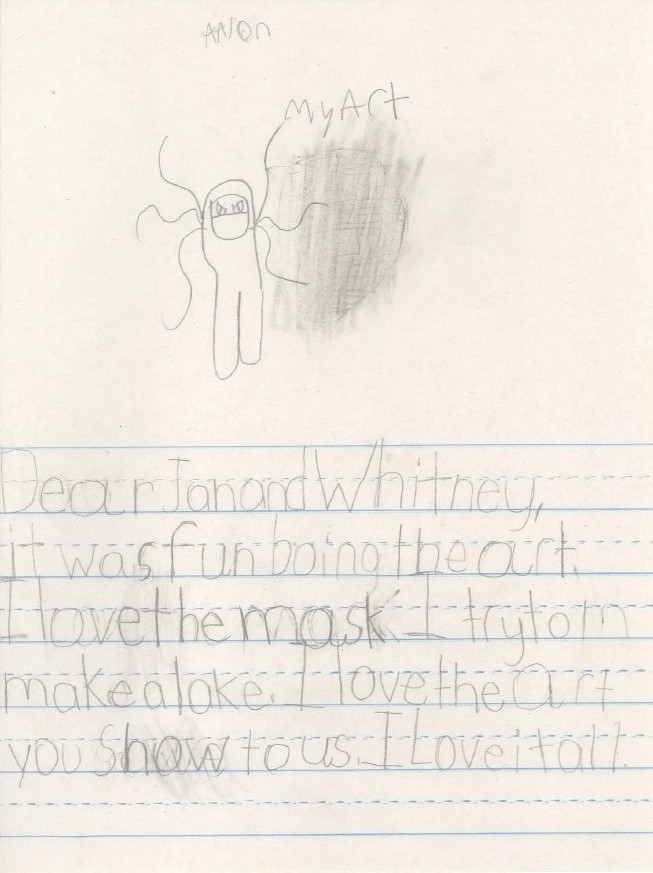
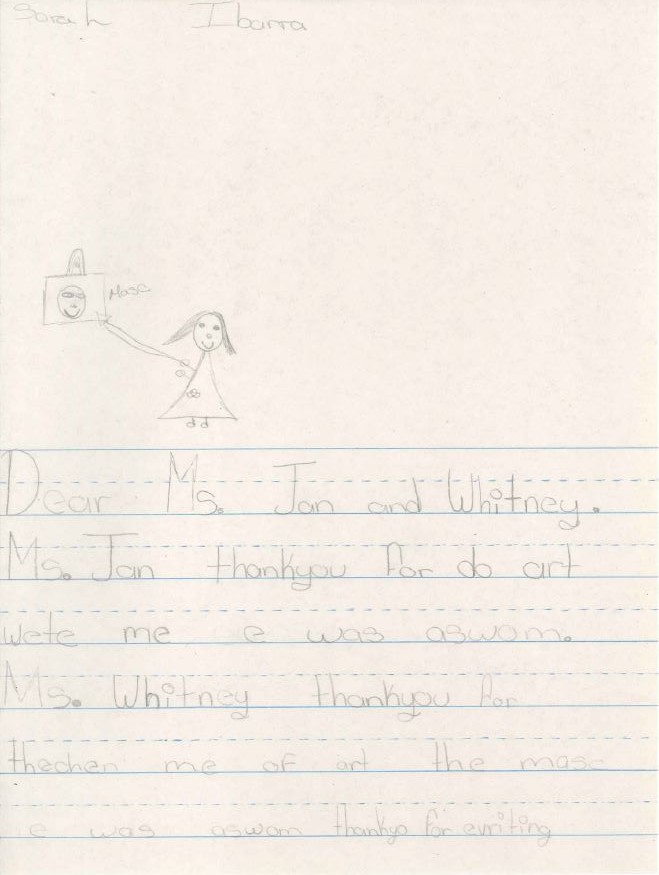
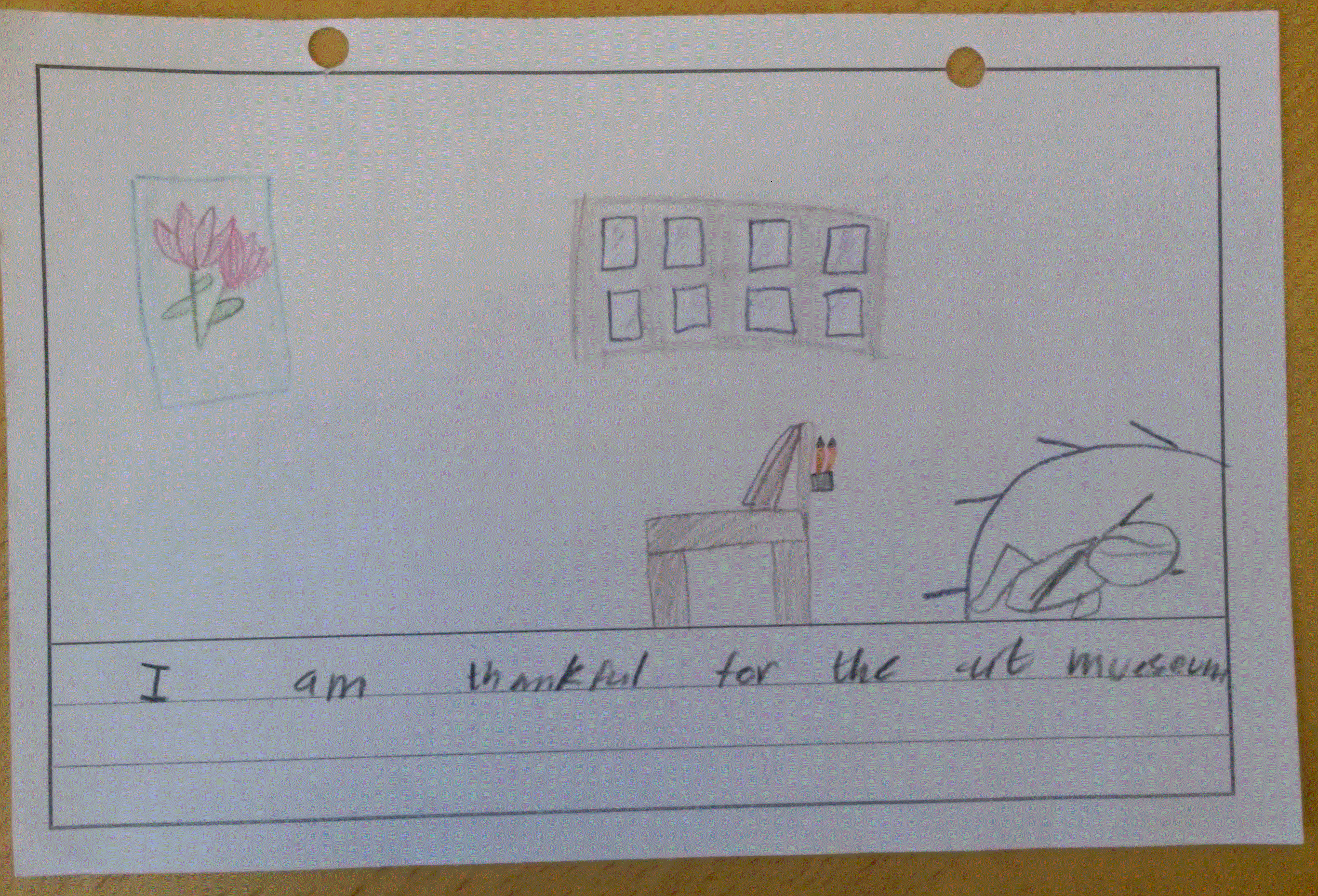
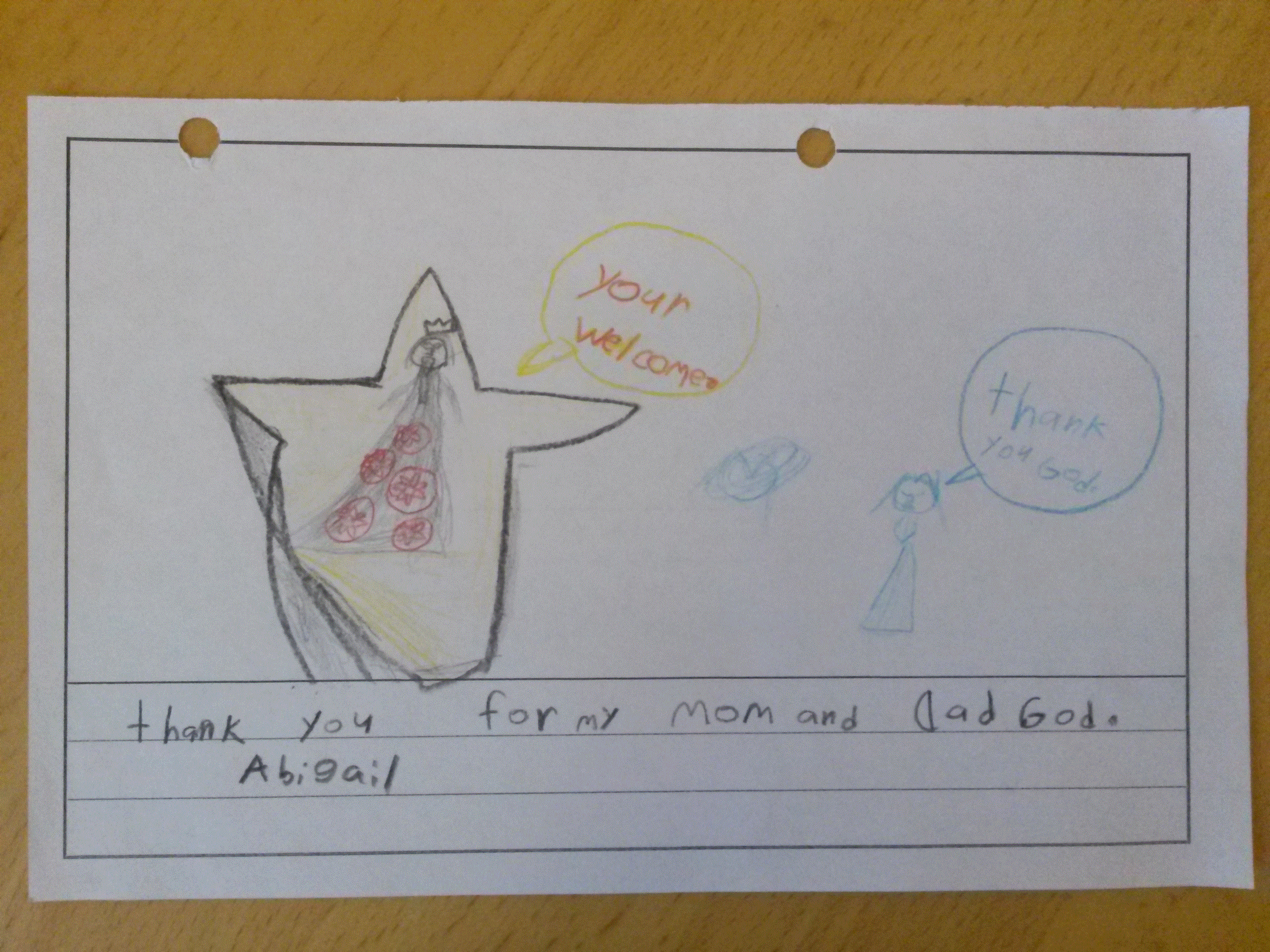
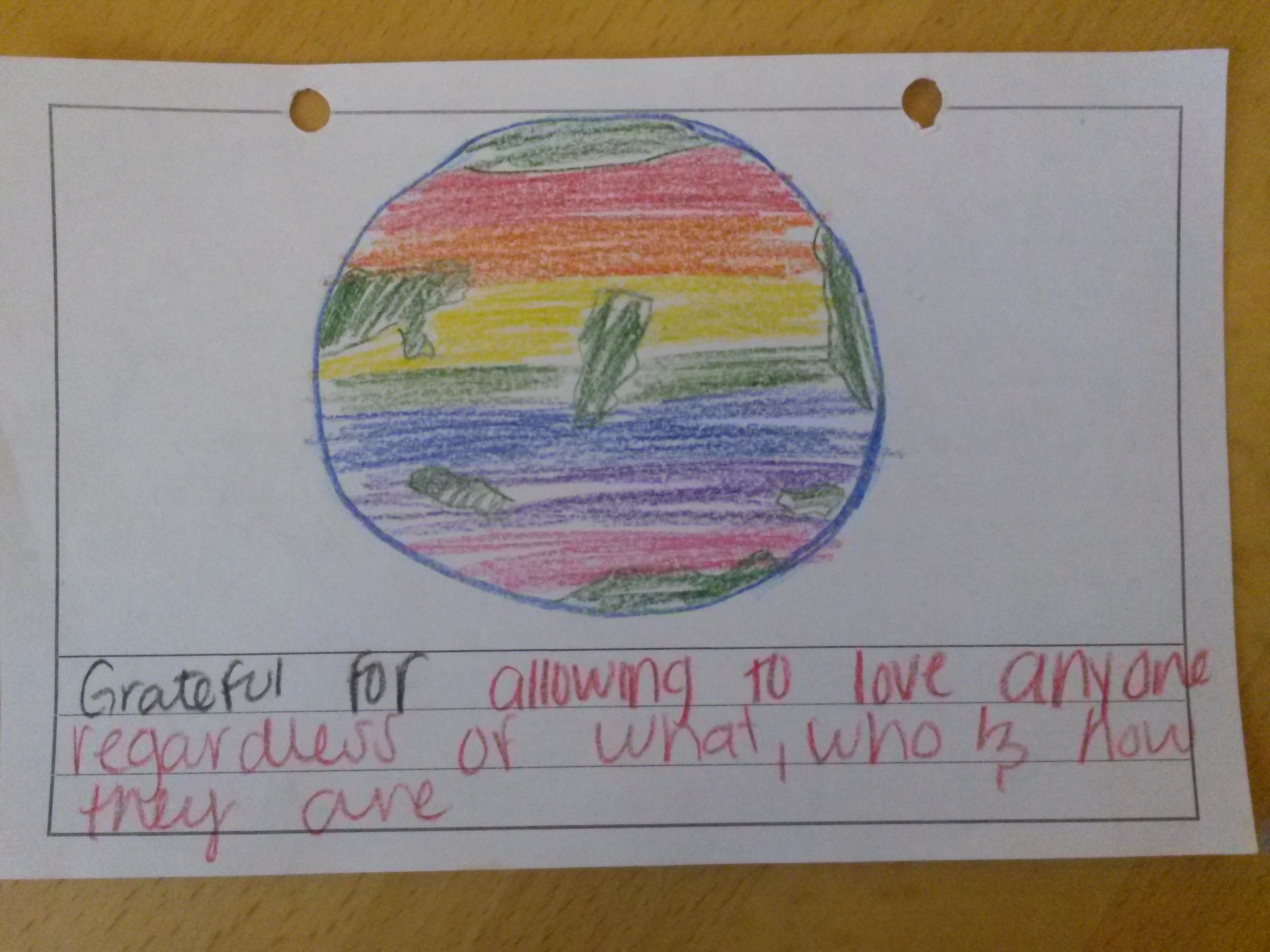
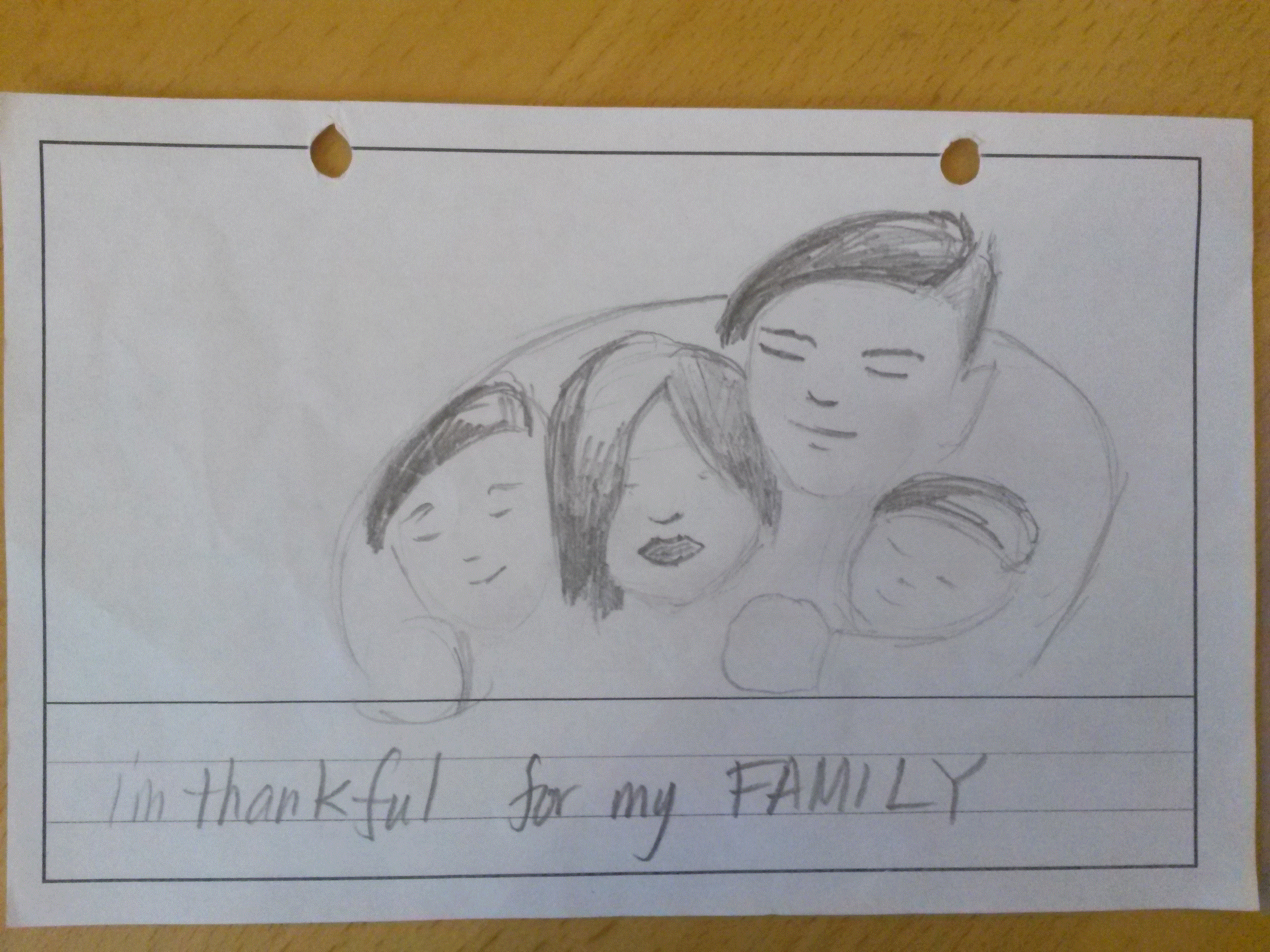
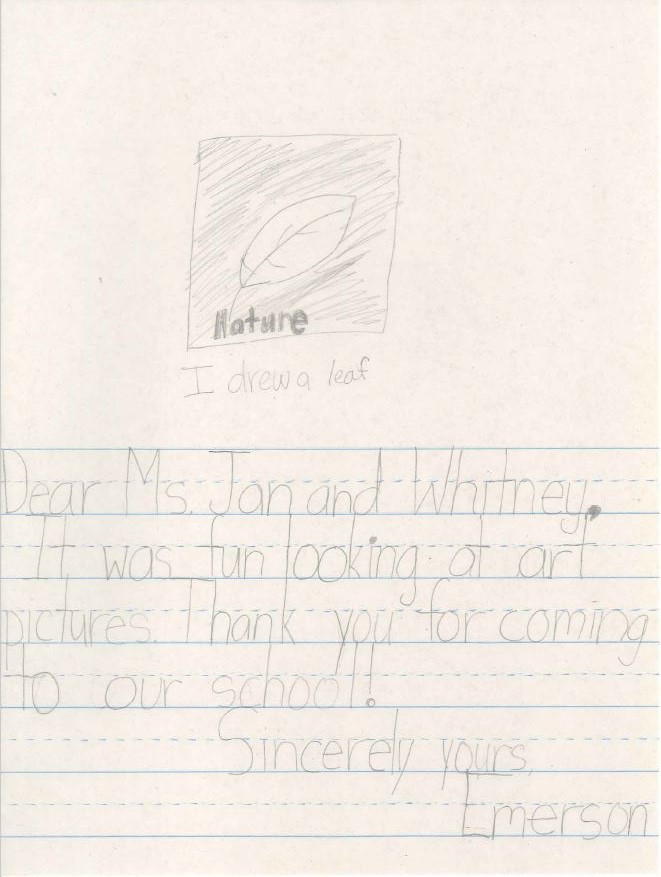
The week following our visit to Anderson we received a package of thank you letters from students in Mrs. Alderman’s class! Here’s a look at some of their thoughtful letters and drawings.

Thank you Mrs. Alderman’s Class for all of your “thank yous”!

Sincerely yours,

Whitney Sirois
McDermott Graduate Intern for Gallery and Community Teaching

DIY Coil Basket Weaving

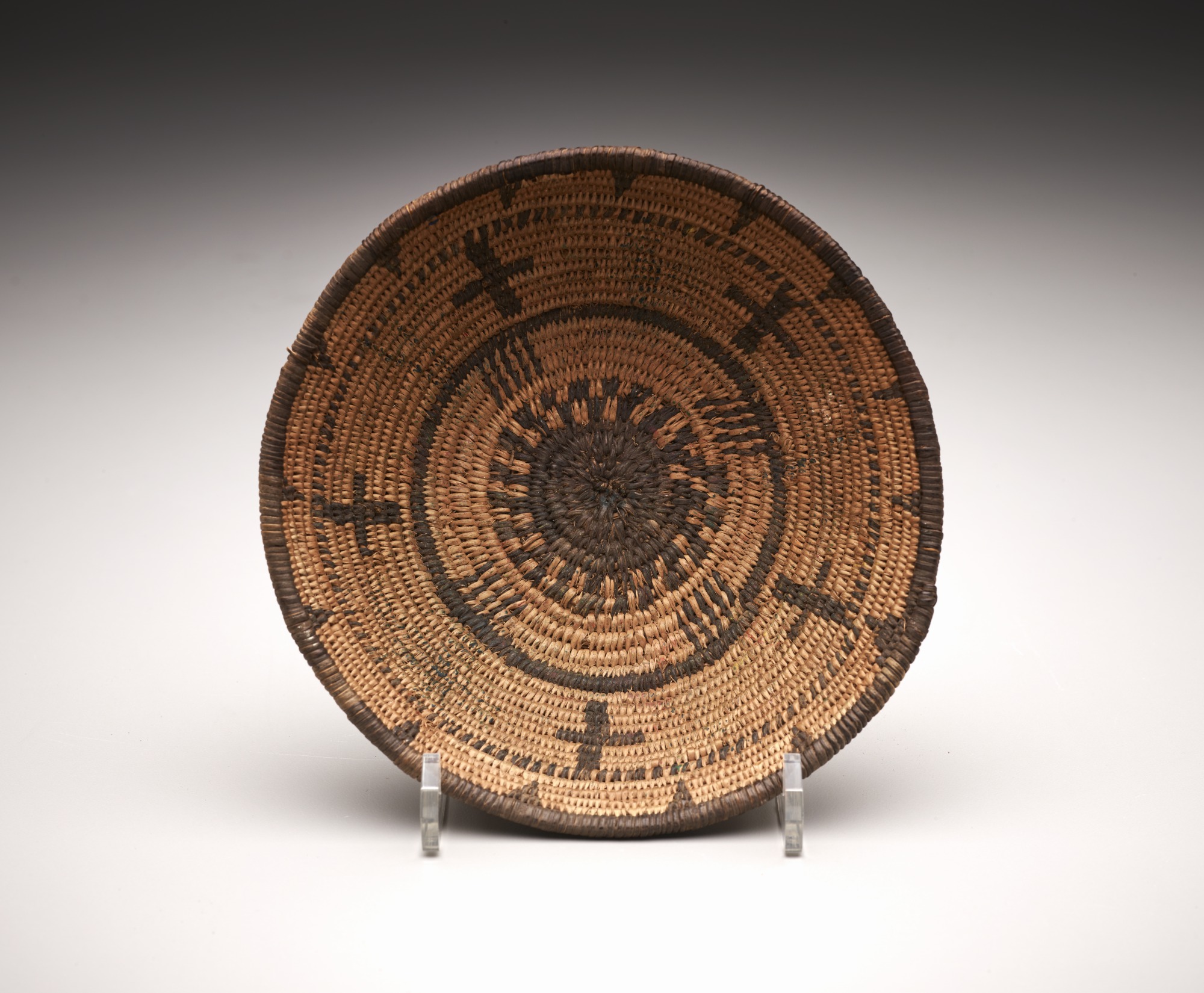
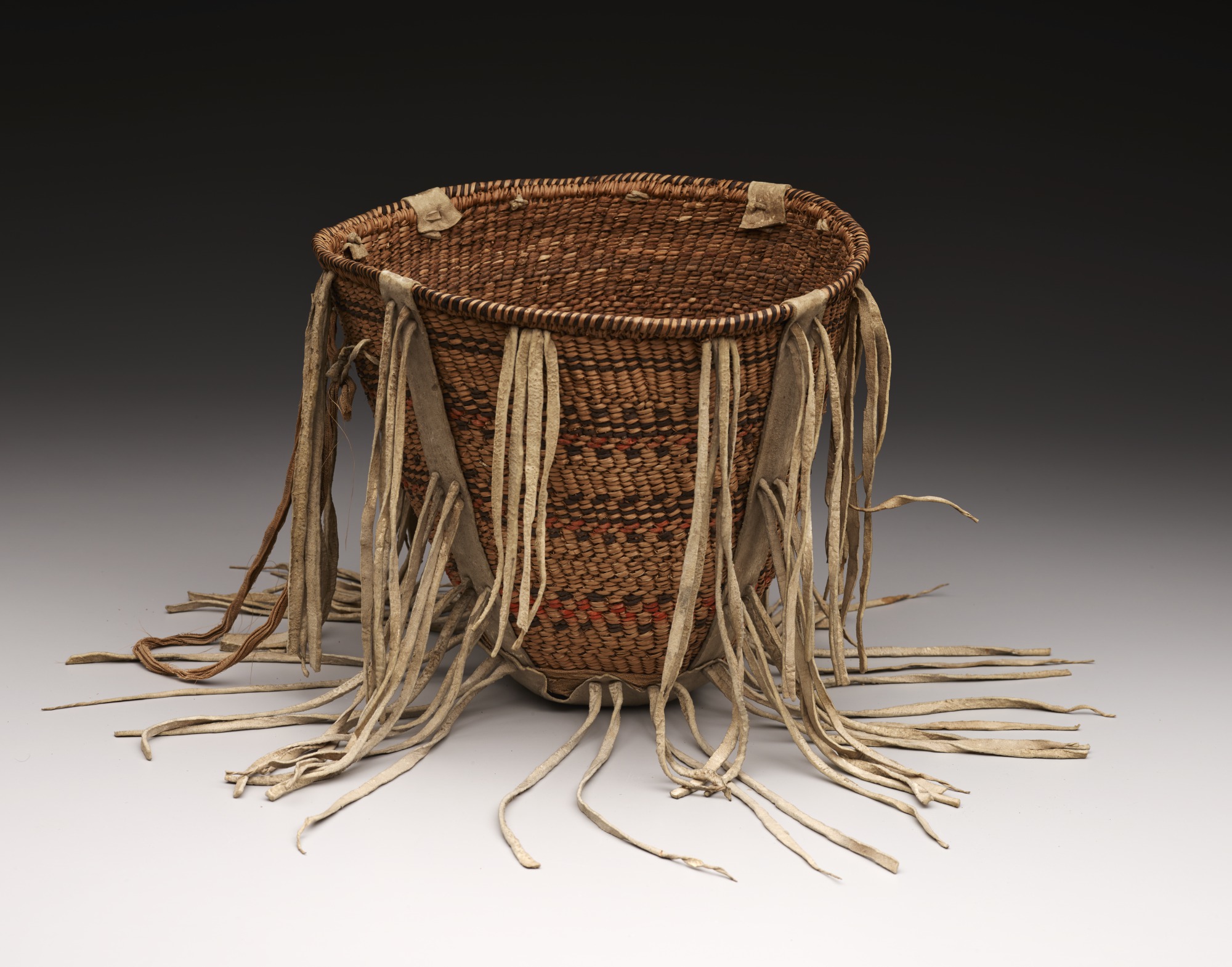
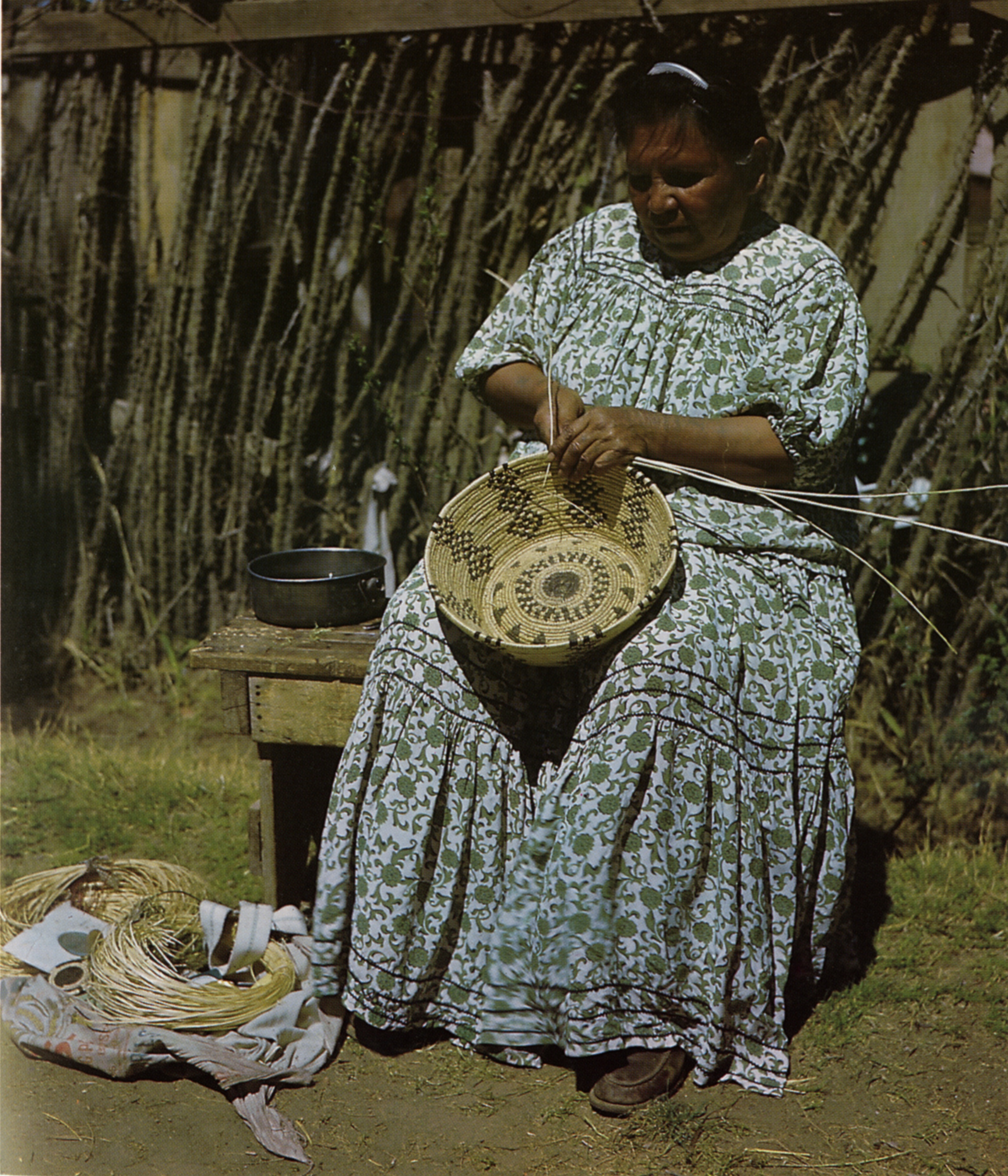
Each month, we offer a variety of activities at the large tables in the Center for Creative Connections gallery. Each activity is related to a nearby work of art. One of my favorite new activities is coil basket weaving, inspired by the storage basket, bowl, and burden basket created by weavers from the San Carlos Apache tribe.

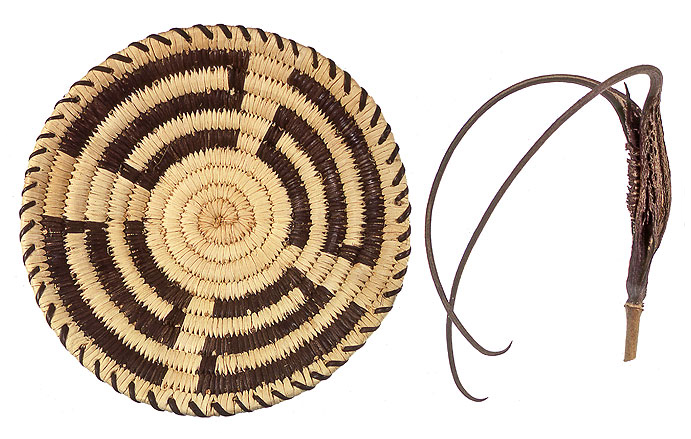
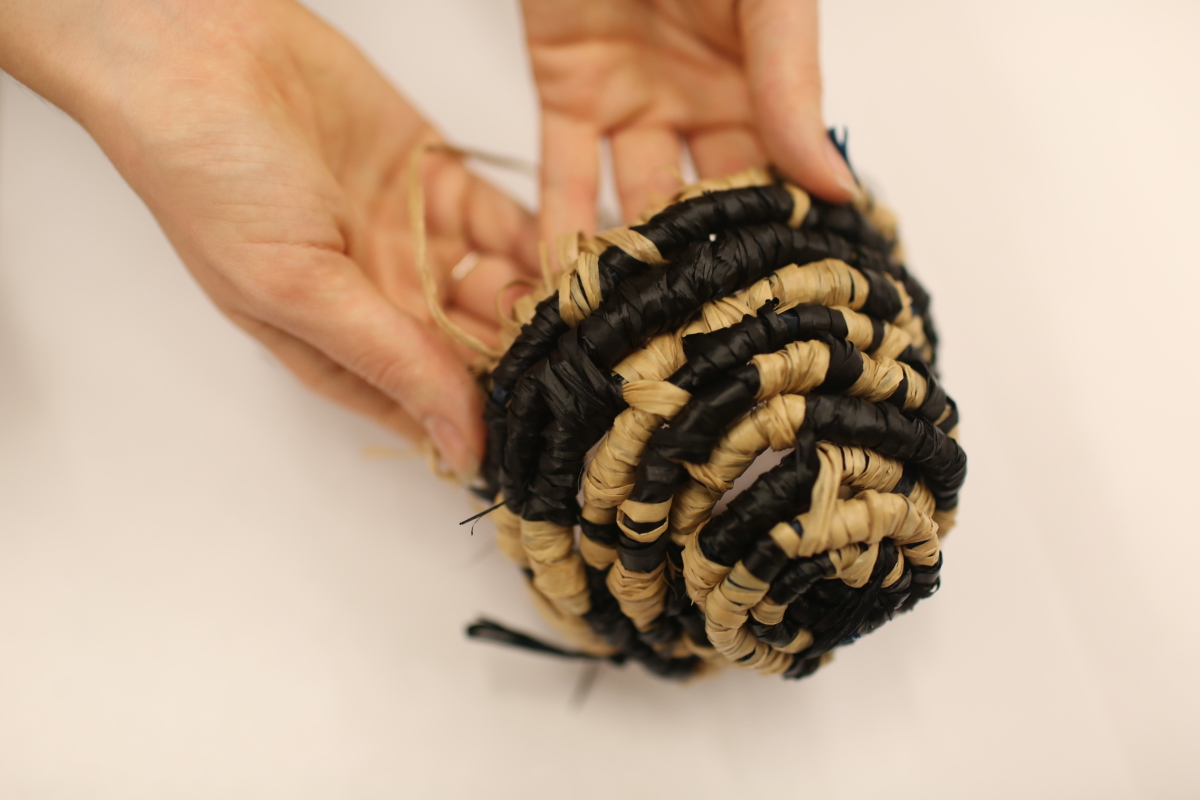
The actual materials used to create these baskets–devil’s claw, willow, cottonwood, and buckskin–are natural resources found in the Arizona region where the tribe resides. To make the materials more pliable, they are often soaked in water prior to weaving. The patterns are created by alternating dark and light.

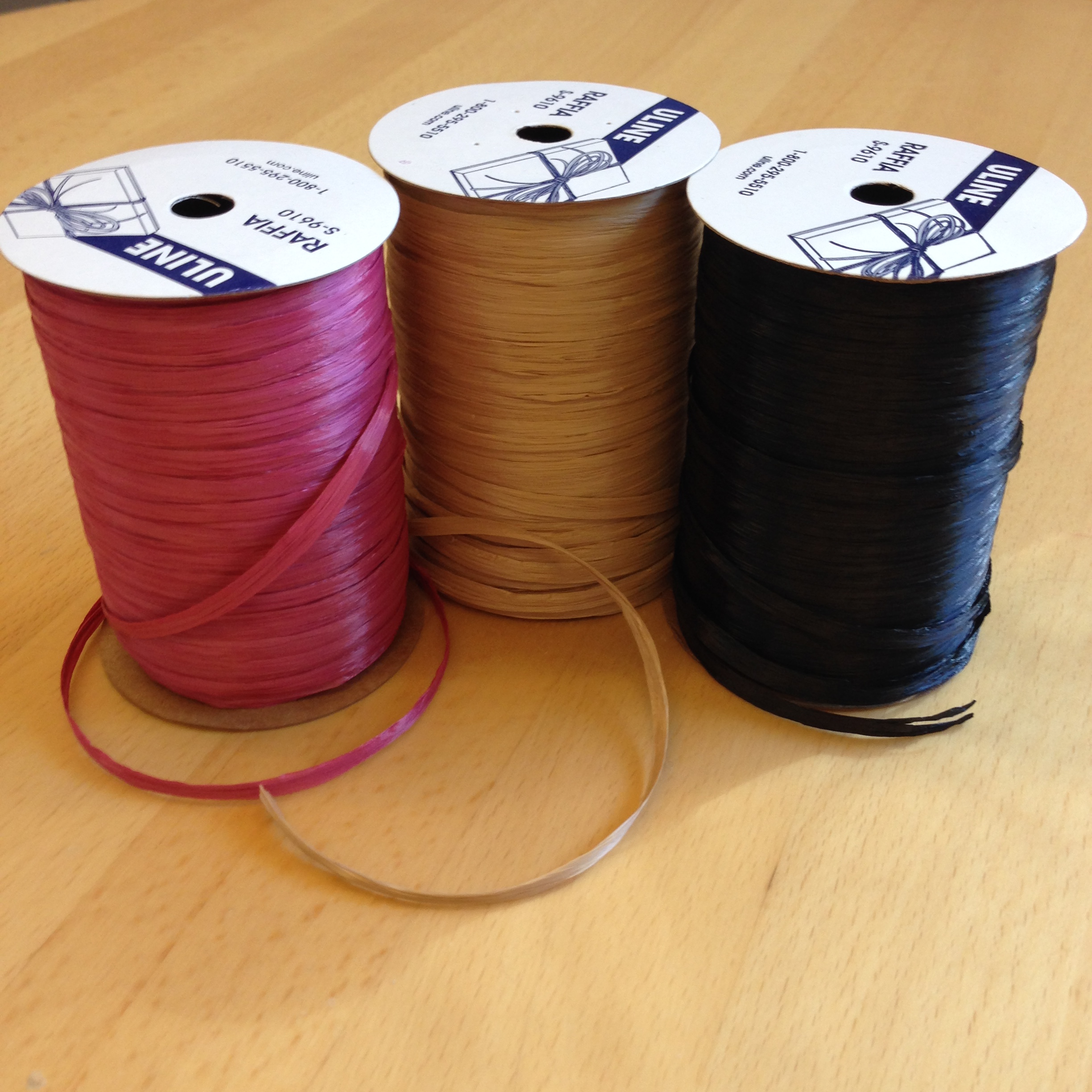
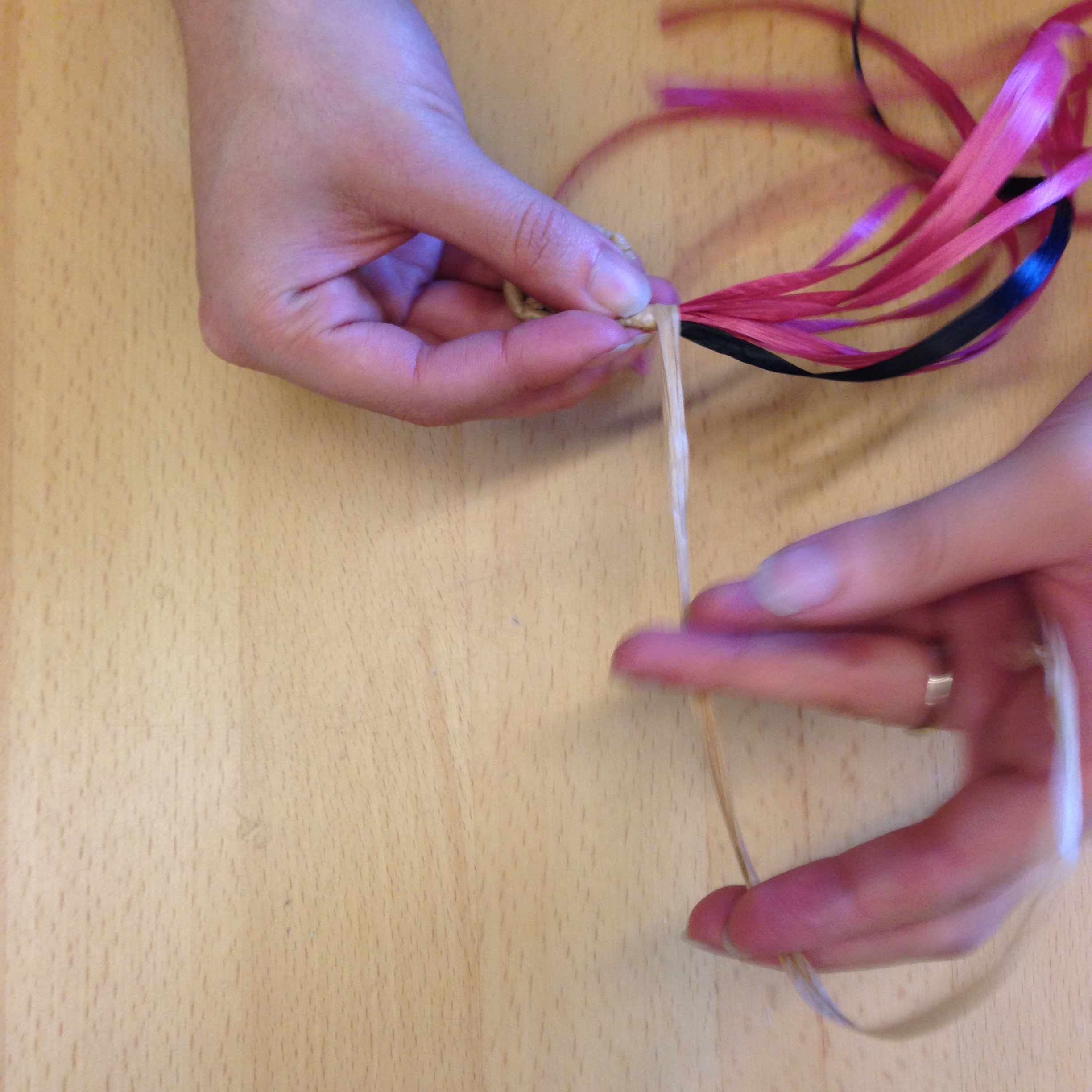
IMG_2431In the gallery, we use three colors of raffia ribbon to create our coil baskets. Red is easily distinguishable, so these strands create the basket core which will be covered during the weaving process. Then tan and black raffia are used to wrap the core and create patterns.

Once you have your materials in hand, here are the steps to guide you through the process:


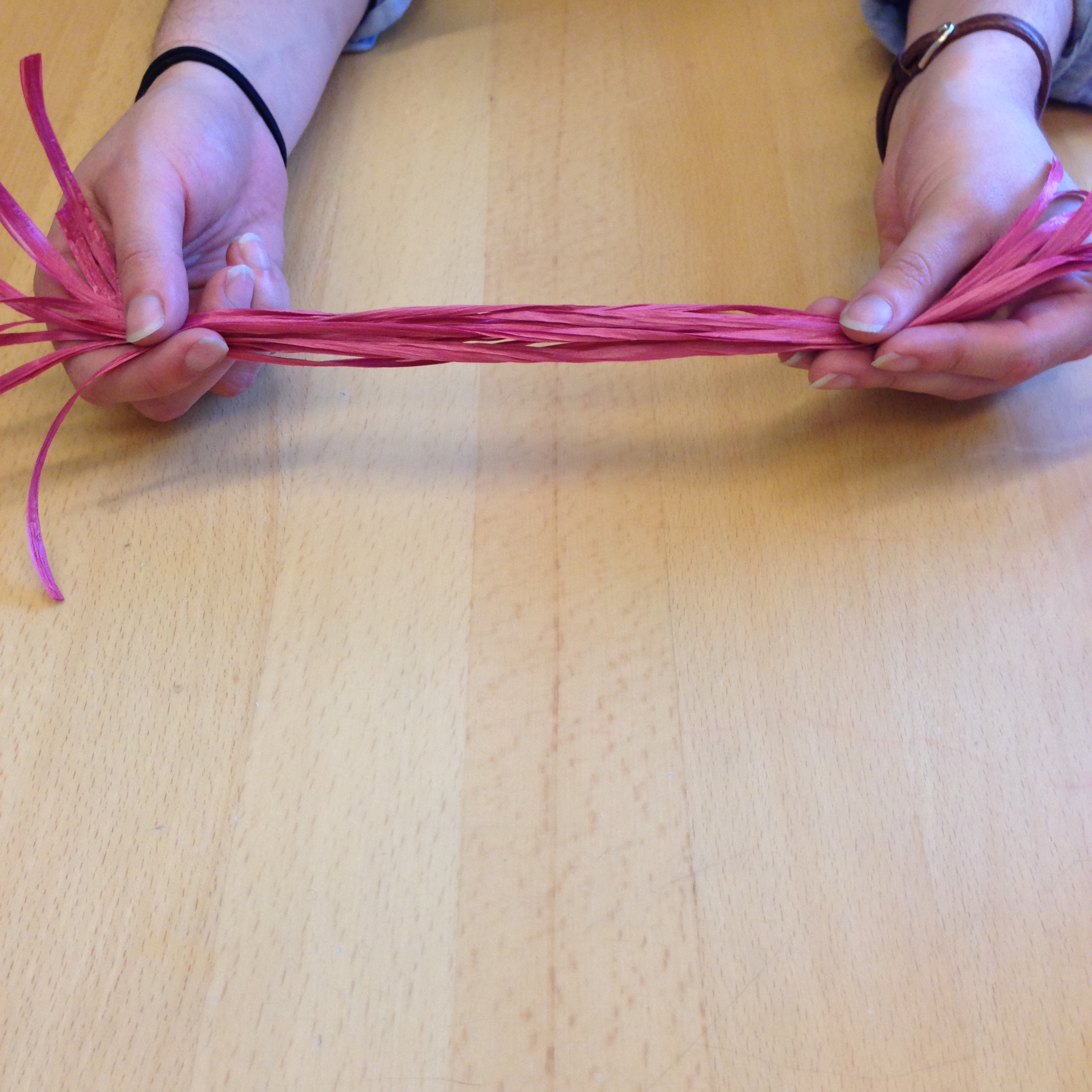
 For your basket core, cut the red raffia into ten 24 inch long strands.

For your basket core, cut the red raffia into ten 24 inch long strands.

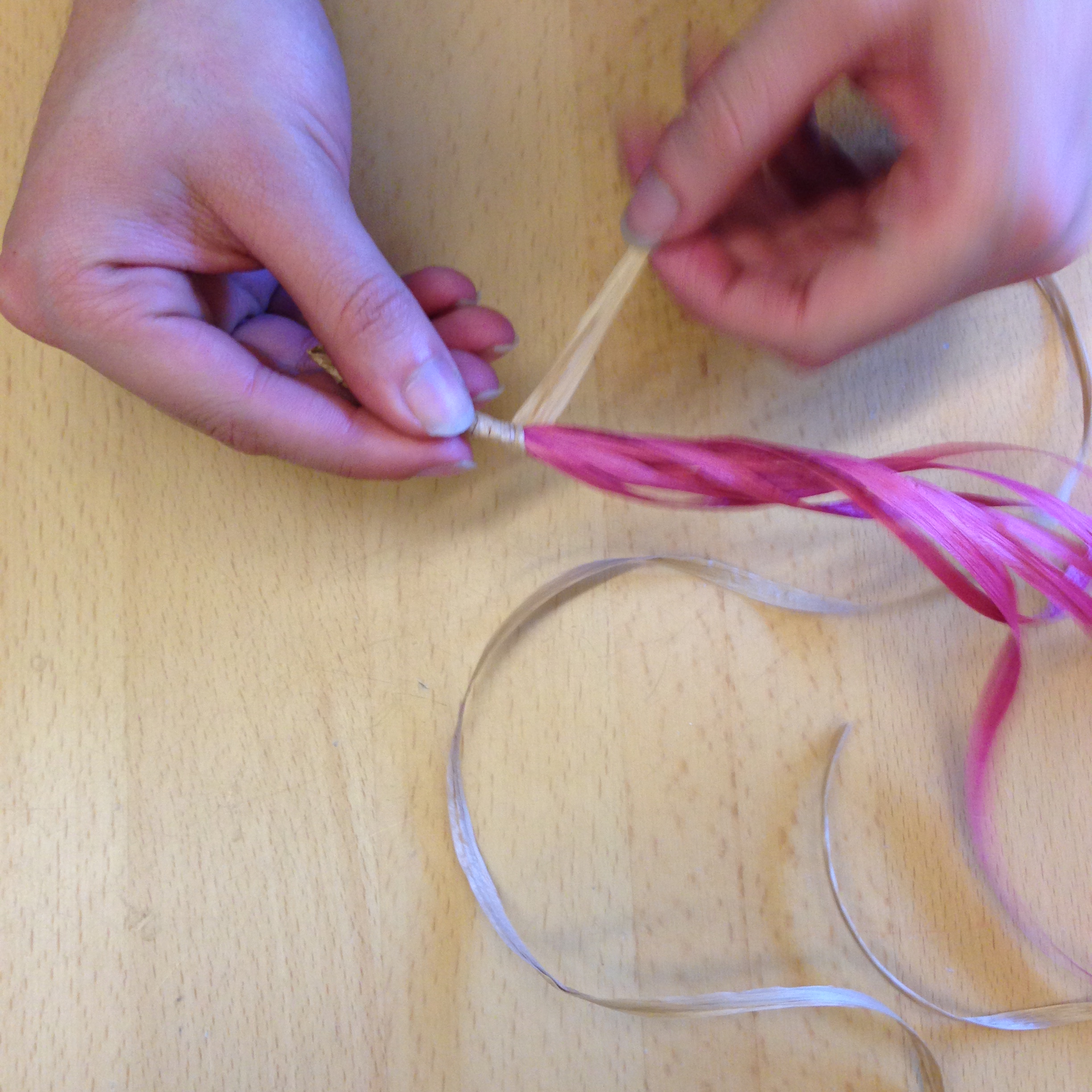
 Choose a tan or black strand of raffia and wrap it tightly around the red basket core strands.

Choose a tan or black strand of raffia and wrap it tightly around the red basket core strands.

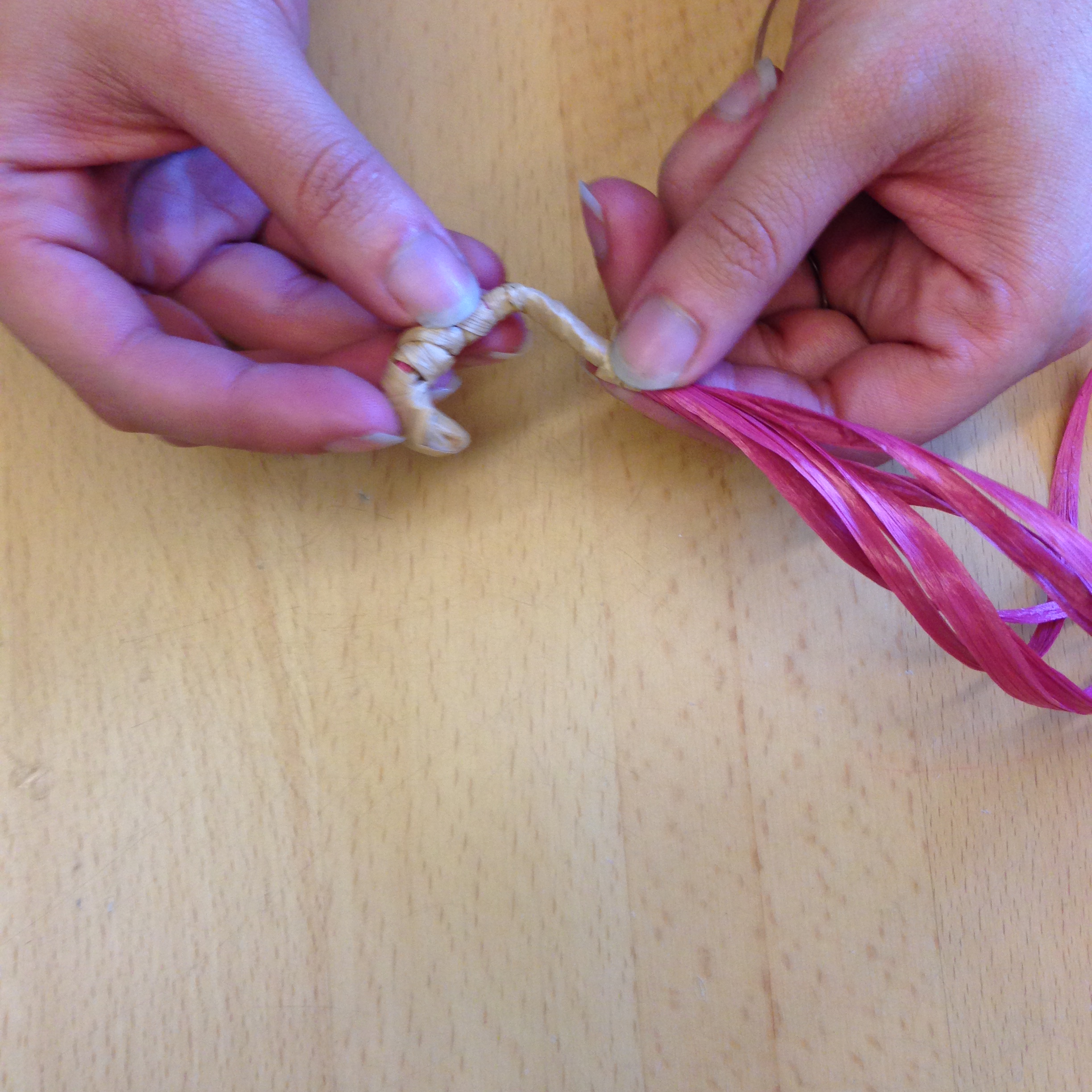
Cover about two inches of the red basket core, then begin spiral the wrapped end inward

Cover about two inches of the red basket core, then begin to spiral the wrapped end inward.

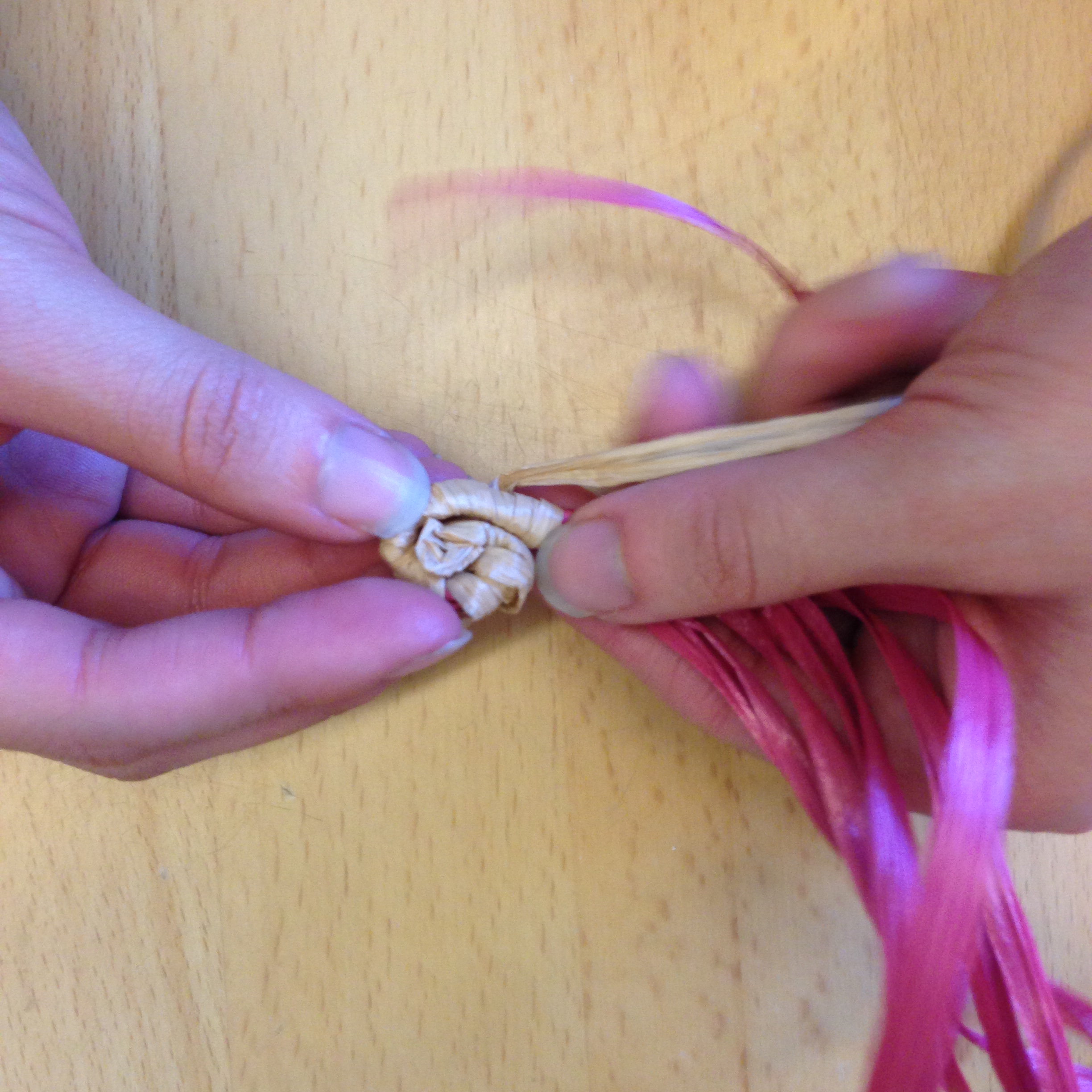
Continue spiraling so that the wrapped strands resemble a snail shell.

Continue spiraling so that the wrapped strands resemble a snail shell.

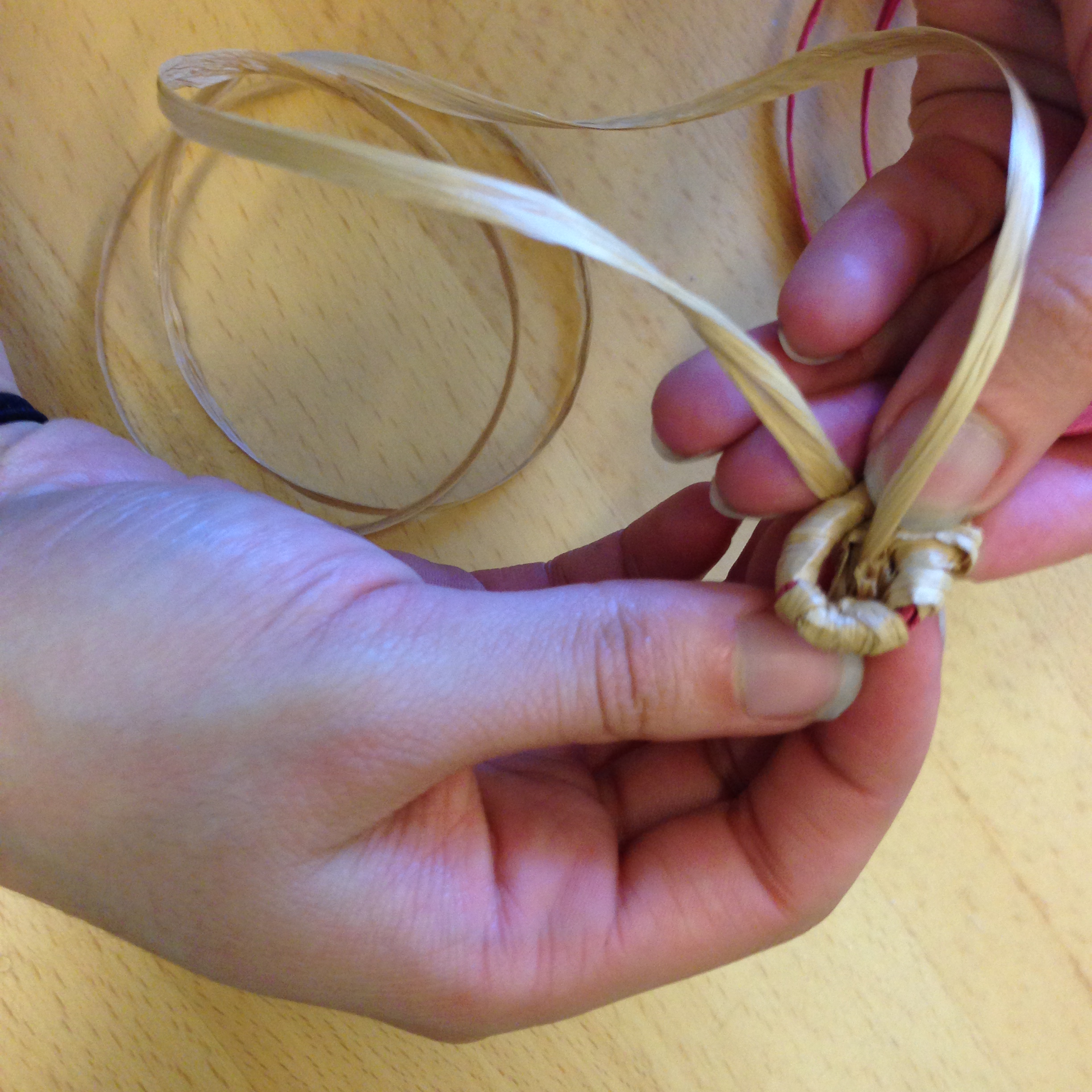
Take the end of your tan or black raffia strand and loop it through the spiral to secure the basket center.

Take the end of your tan or black raffia strand and loop it through the spiral to secure the basket center.

Continue to wrap the red basket core.

Continue to wrap the red basket core.

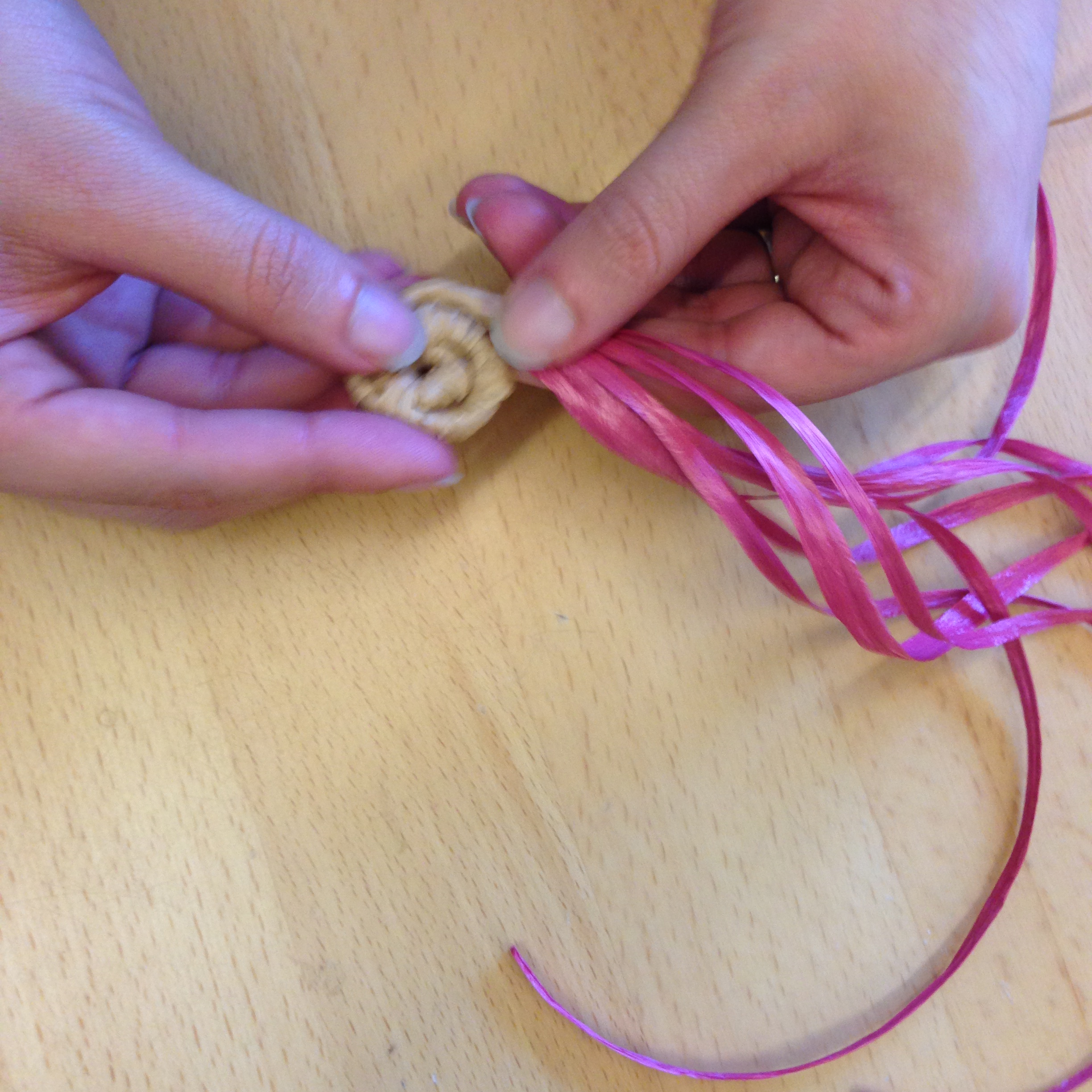
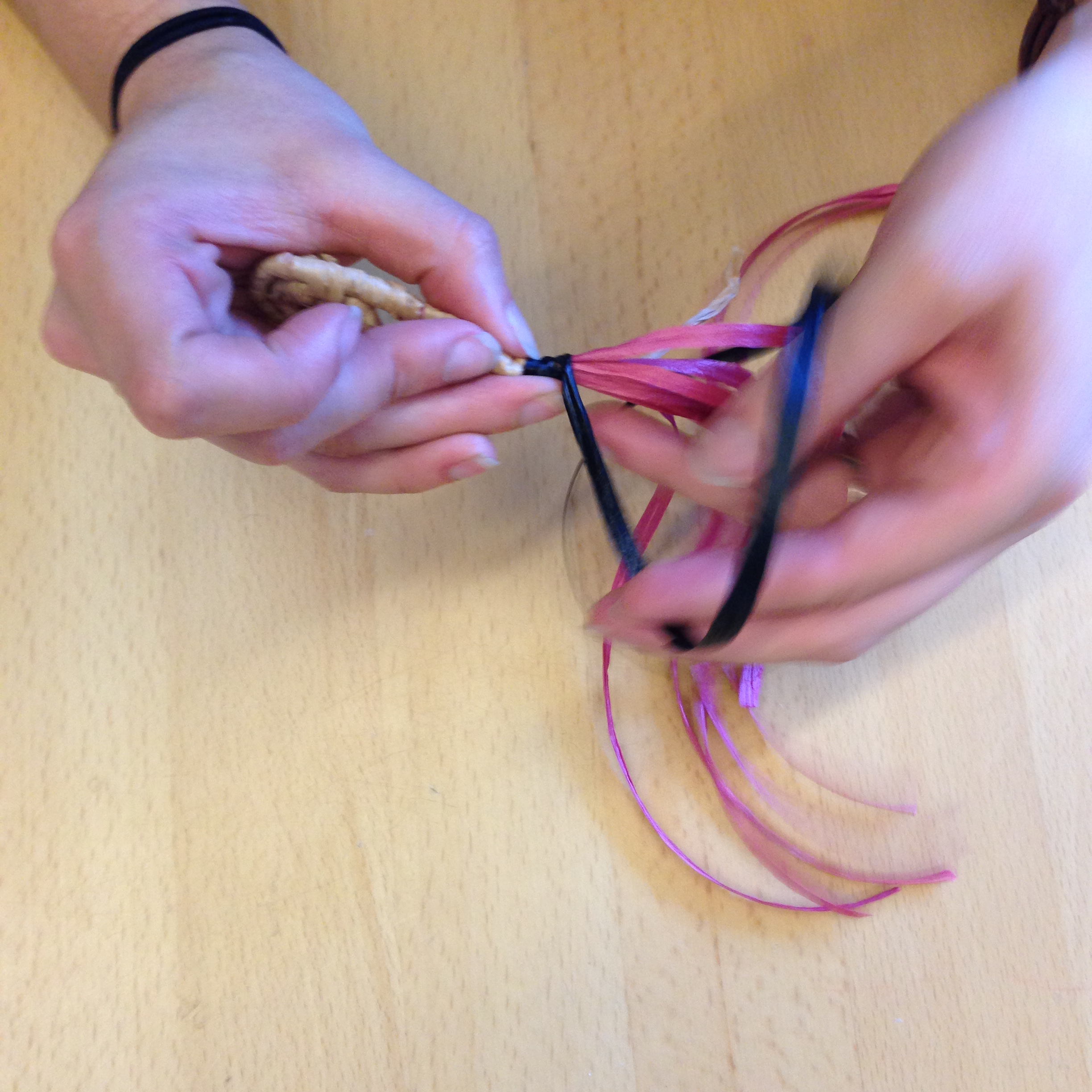
Each time you cover a few inches of the red basket core, thread your tan or black raffia through the most recent coil to keep the coils connected.

Each time you cover a few inches of the red basket core, thread your tan or black raffia through the most recent coil to keep the coils connected.

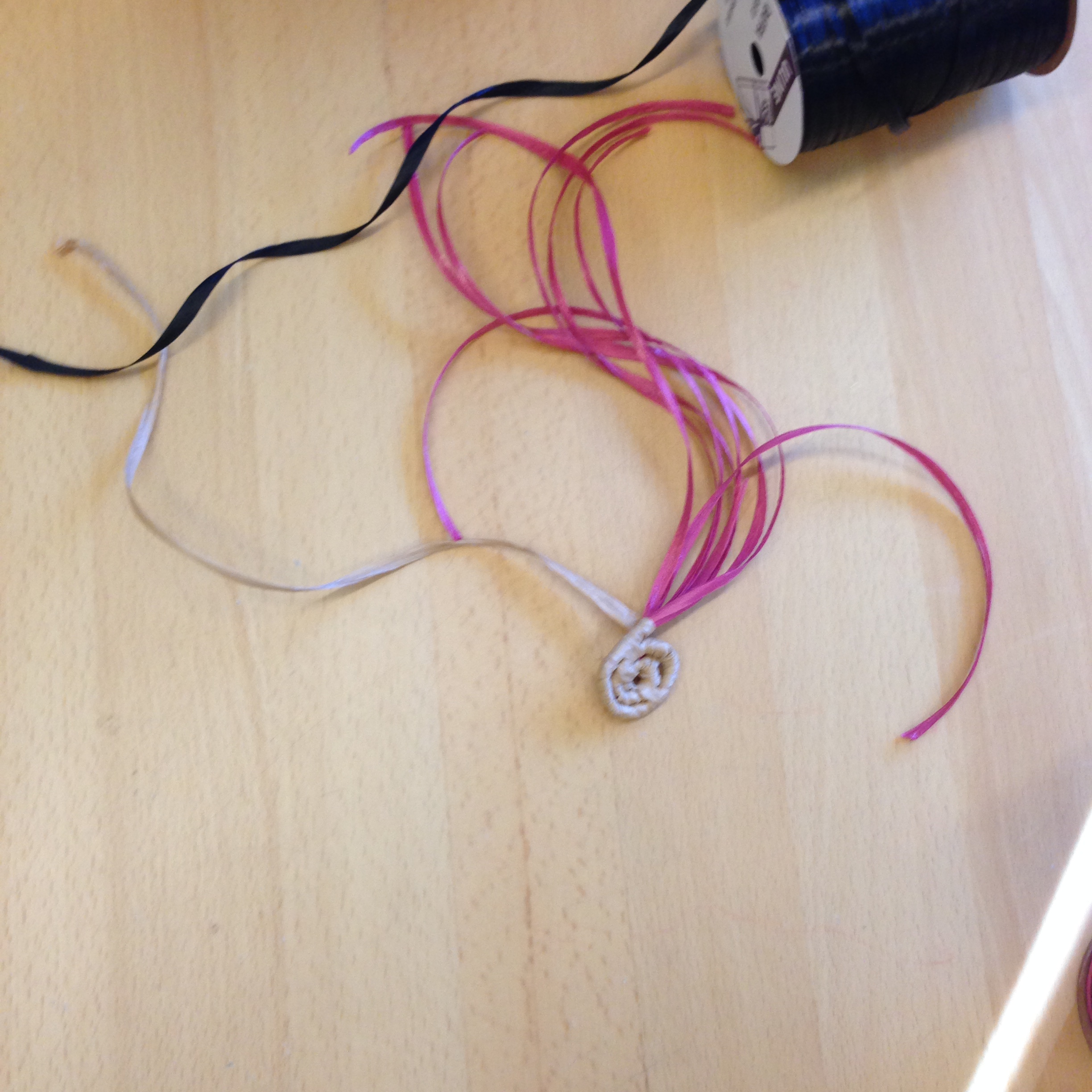
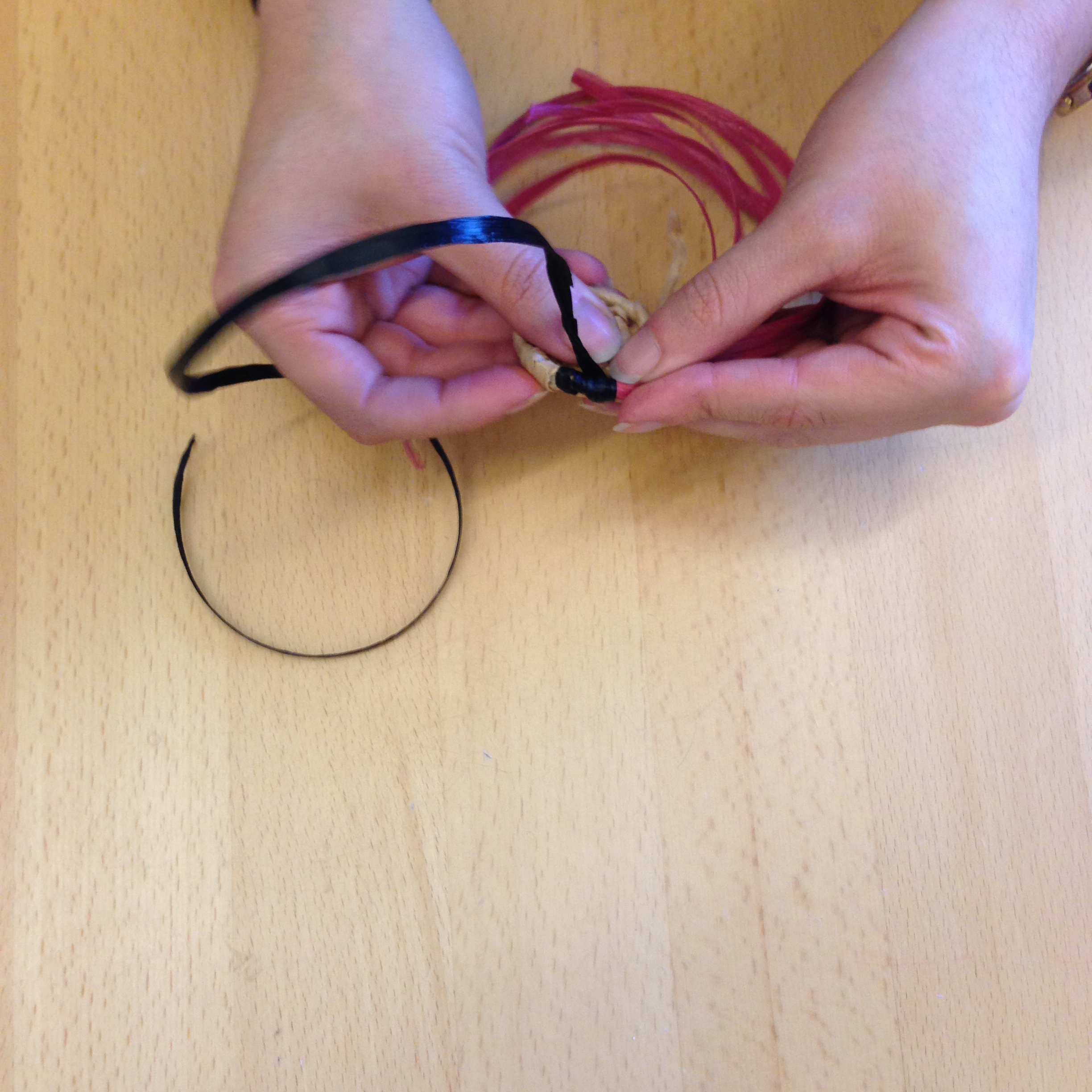
If you want to switch colors, cut a strand of the alternate color.

If you want to switch colors, cut a strand of the alternate color.

Line your new strand up as if it was part of the red basket core.

Line your new strand up as if it was part of the red basket core.

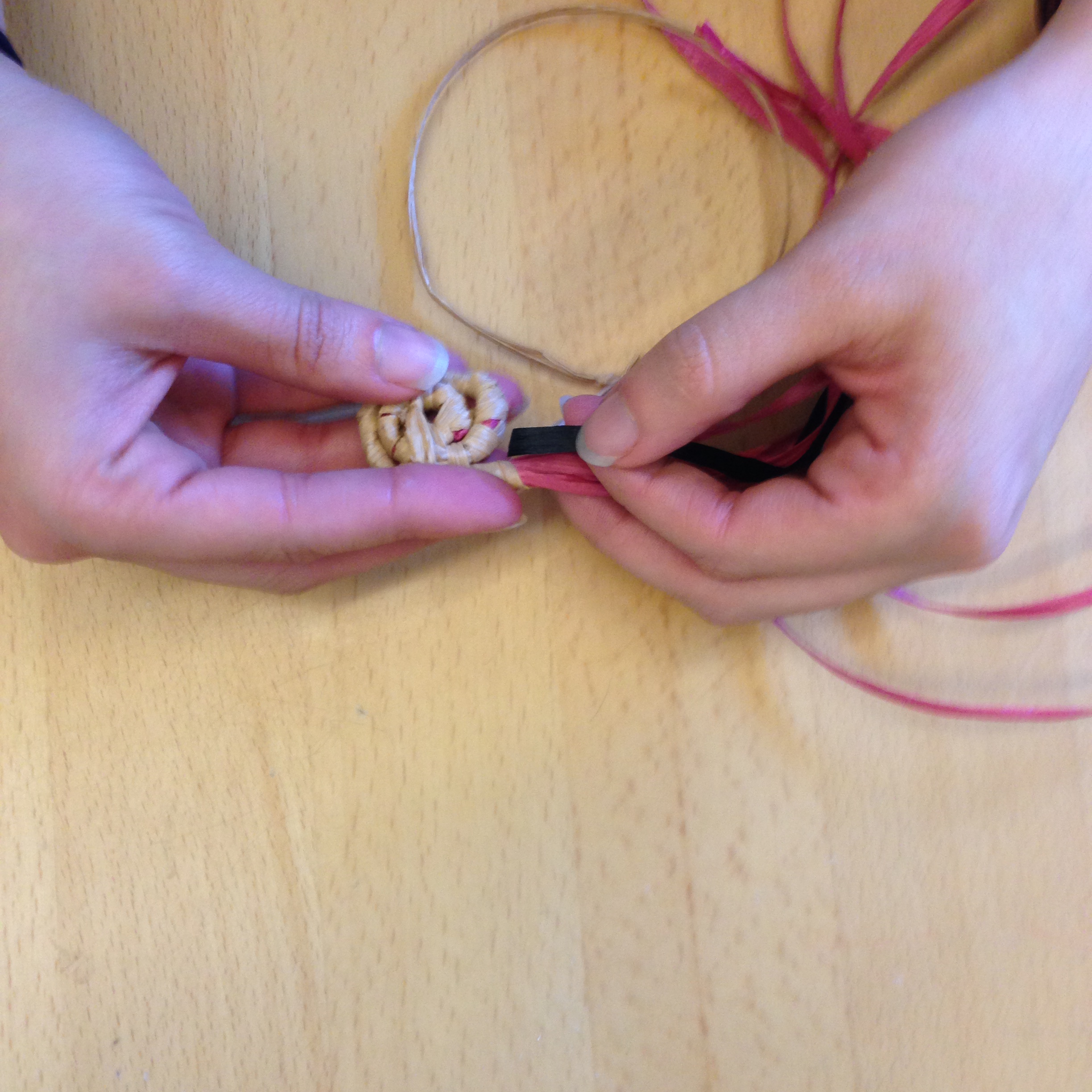
Secure the new strand by wrapping it a few times with the old color strand.

Secure the new strand by wrapping it a few times with the old color strand.

Let the old color strand become part of the red basket core, and use the new color strand to wrap around the basket core.

Let the old color strand become part of the red basket core, and use the new color strand to wrap around the basket core.

Continue wrapping the basket core, securing the newly wrapped coil to the previous coils every few inches.

Continue wrapping the basket core, securing the newly wrapped coil to the previous coils every few inches.

Once you get the coil weaving technique down, think about experimenting with other materials. The Apache weavers used devil’s claw, willow, cottonwood, and buckskin because they were plentiful resources. What kinds of resources do you have at your disposal to weave?

Jessica Fuentes
C3 Gallery Manager


Adventures in Plating ala Pollock

Stained, poured, spattered, seeped, imprinted, feathered, and the oh-so-famous: dripped. Artworks in the DMA’s Jackson Pollock: Blind Spots radiate action verbs that describe both how Pollock made his art and how the art continued to transform once the paint/ink hit the canvas/paper. Spending the last few months surrounded by these works and their many verbs, I decided to take some of Pollock’s verbs into my kitchen to see where inspiration took me. And in a very big stroke of luck, I heard about and tracked down a local Dallas chef who had done the same thing!

First task on my adventure: source black “paint.” While I’m big on “eating my colors,” brainstorming black foods turned out to be tricky (how many can you name without Google?!). Trips to a few grocery stores provided some diverse and exotic options:

Second task: put black “paint” to “canvas.” Black paint absorbed into Pollock’s unprimed canvas leaving halos and burred edges around the solid poured lines in works like Number 26, 1951, shown in detail below. Fresh mozzarella turned out to be a perfect responsive canvas, and a thick, syrup-y reduction of balsamic vinegar and a little black strap molasses became the black(-ish) paint that stained and soaked into the cheese in big thick dollops. This also turned out to be a pretty tasty painting.

And much like Pollock, I got really into it, and had a bit of collateral damage as I worked…

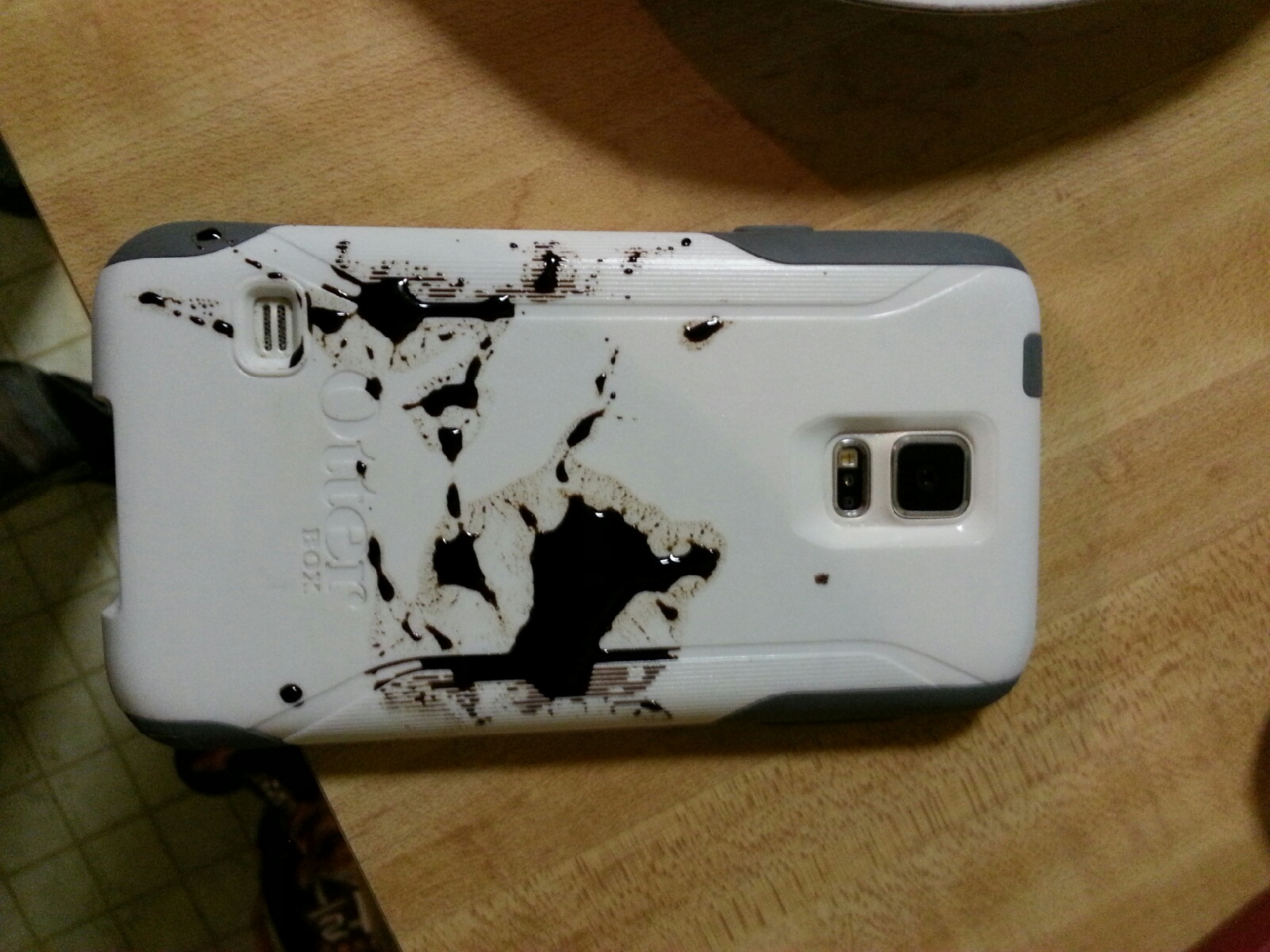
balsamic reduction + phone!

Next, taking inspiration from Pollock’s works on paper, I rounded up some thin paper-like phyllo dough, which I left layered in sheets, and painted with a sweet coffee and black fig sauce. The sauce stained and puckered the phyllo, much like Pollock’s ink stained Japanese paper. I didn’t actually eat this one as it’s shown, but the sauce tasted good on ice cream!

And now, saving the best for last….While I had lots of fun playing around in the kitchen, going for more of a visual approximation than a dish you would whip up for dinner, I was excited to see how someone who cooks for a living would use Pollock’s art as inspiration. My chef friend Charlotte connected me with local chef Jordan Criss, of Deep Ellum’s Twenty-Seven, who had come to the Museum to see the exhibition and walked away with some great ideas (thank you, Charlotte!).

Below is Chef Criss’s West Bank Pho, a creation made from crispy fried garlic, cilantro, tasso ham, Sriracha, and Hoisin sauce, and beneath the tastiness, his inspiration for plating the dish:

West Bank pho

West Bank pho

The show inspired my dish by shattering my idea of contrived plating. All Of Pollock’s work is a kind of calming chaos that isn’t taught and rarely seen in culinary arts.  His work pushed the limits and I feel it’s hard not to want to do the same after walking through his exhibition.

Has an artwork or exhibition ever inspired you to head into the kitchen to play with (or plate) your food? Share in our comments, and then, check out our Education staff’s collection-inspired cookies, including a masterfully Pollock-ed cookie!

Amy Copeland
Manager of Go van Gogh and Community Teaching Programs

Friday Photos: Look Who’s Back!

DSC04888

If you’re a regular reader of our blog, you probably recognize this face! Jennifer Sheppard was the McDermott Intern for Family and Access Programs for 2014-2015 (applications for this fall’s McDermott Internship close next week! #shamelessplug), and quickly won our hearts over with her quick wit, excellent teaching, and thoughtful work. It’s always sad for us to say goodbye to our interns as they go on to new adventures, but this month we managed to get one back!

Jennifer has joined the Education team as our new Teaching Specialist and has jumped right back into the thick of things. She’s been out driving the Go van Gogh van, teaching lessons to preschoolers in the gallery, facilitating conversations with visitors attending our access programs, and adding a cheerful smile to our office.

What is she most excited about in her new position? “How do you say EVERYTHING?” (that’s a direct quote, folks!)

Welcome back, Jennifer!

Leah Hanson
Manager of Early Learning Programs

Friday Photos: Visitor Exvotos

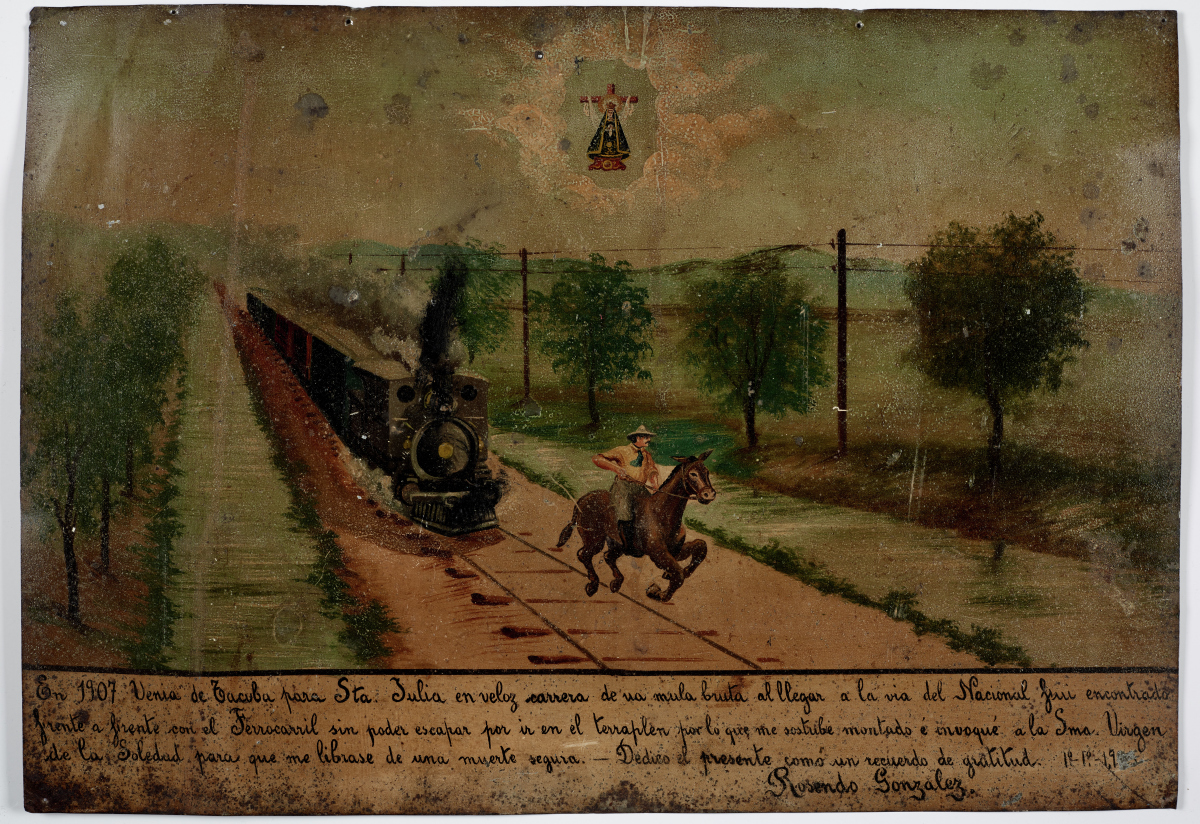
Made with inexpensive materials like tin or sheet metal, exvotos are devotional paintings offered in gratitude by everyday people. Individuals who experienced everyday miracles–being cured of an illness or saved from an accident–expressed their gratitude by creating an exvoto composed of both a visual and written description of their experience.

Retablo Dedicated by Rosendo Gonzalez, January 1, 1907, Dallas Museum of Art, gift of Mr. and Mrs. Stanley Marcus Foundation

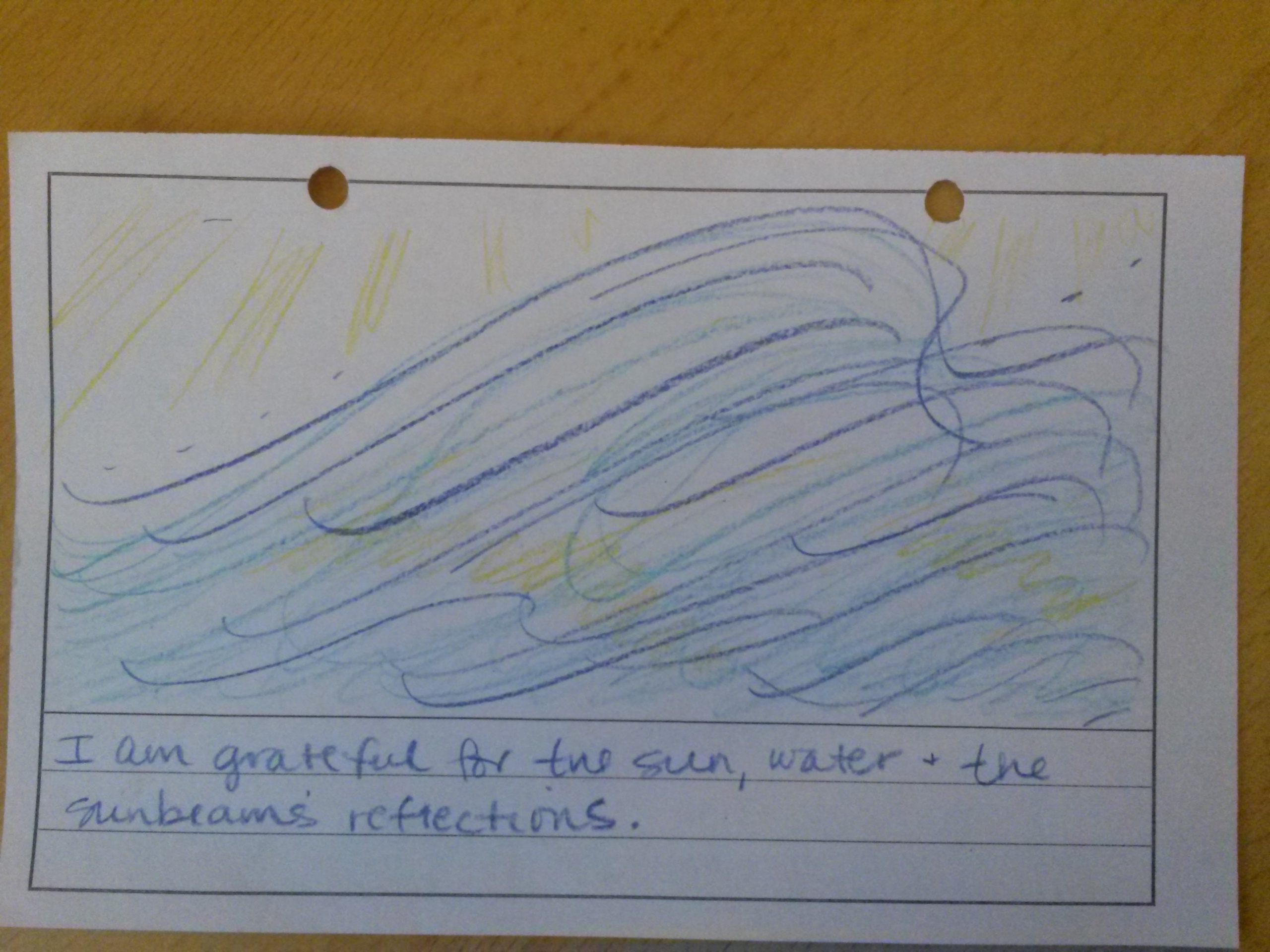
After the Center for Creative Connections installed eight exvotos from Mexico as part of Maria Teresa Pedroche’s Staff Point of View, we invited visitors to reflect on their personal experiences and prayers by creating their own exvoto in the Interactive Gallery. Visitors can take their creation home with them or add it to C3’s collection of visitor exvotos by placing it in a binder for others to read.

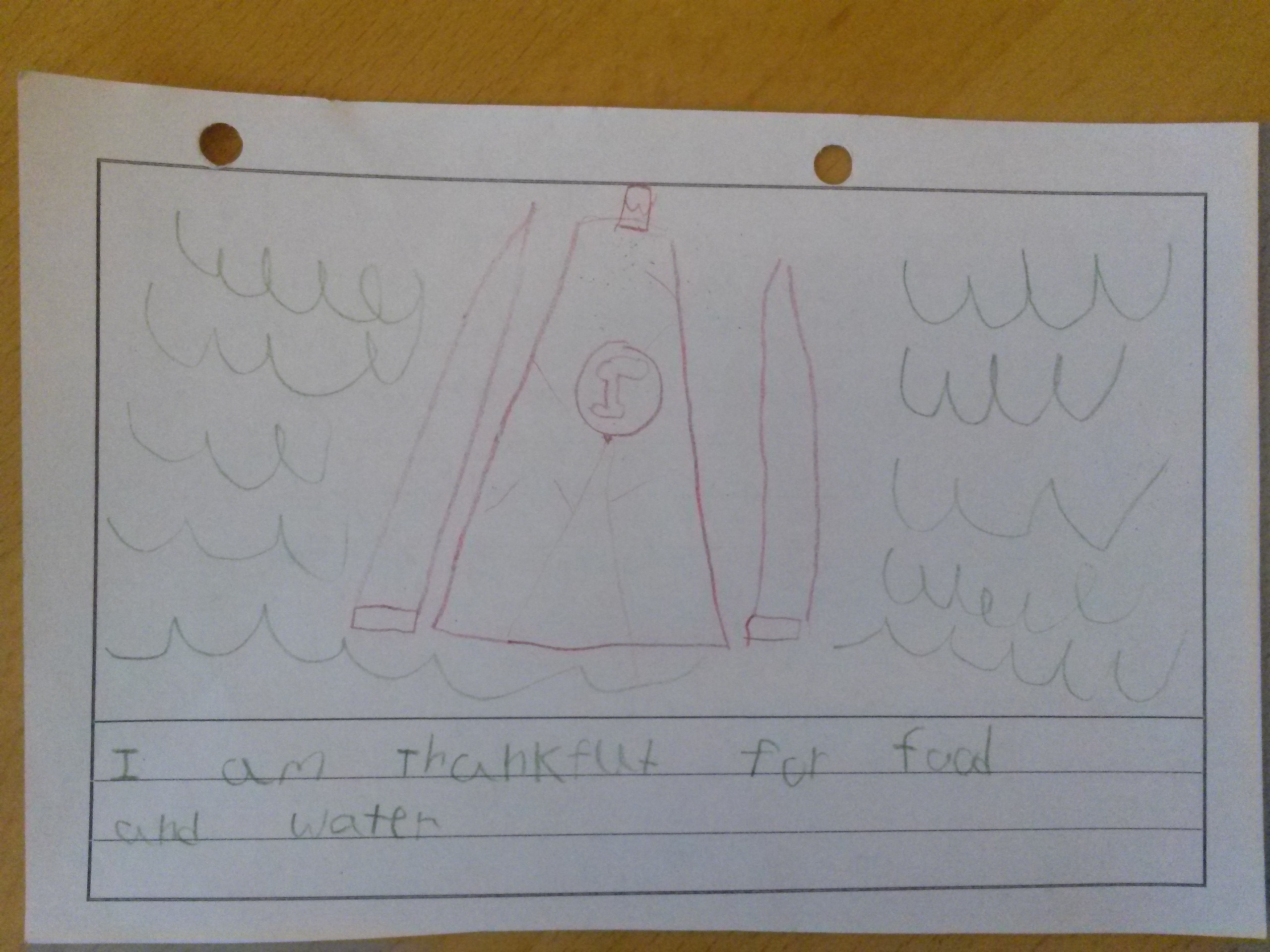
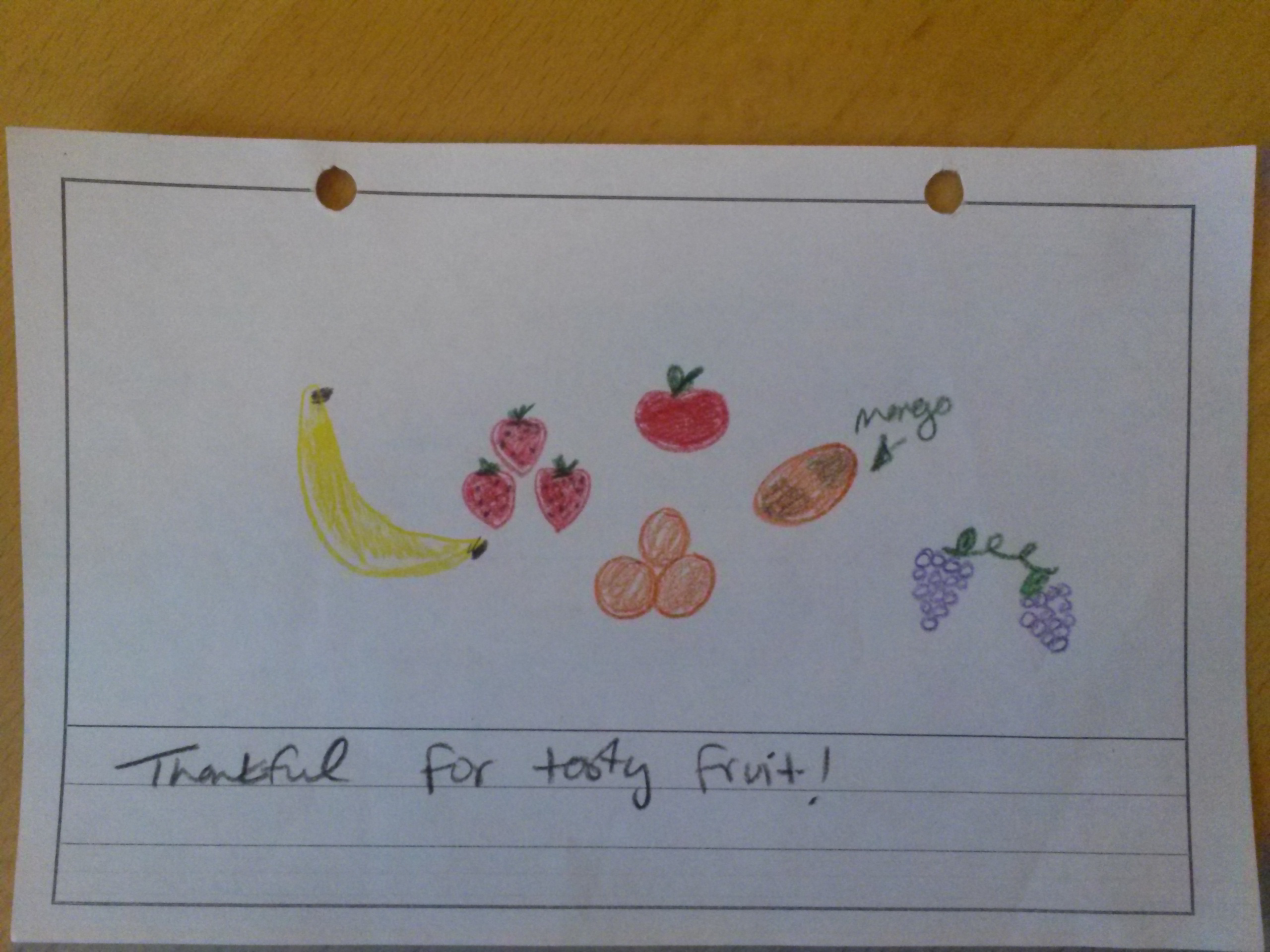
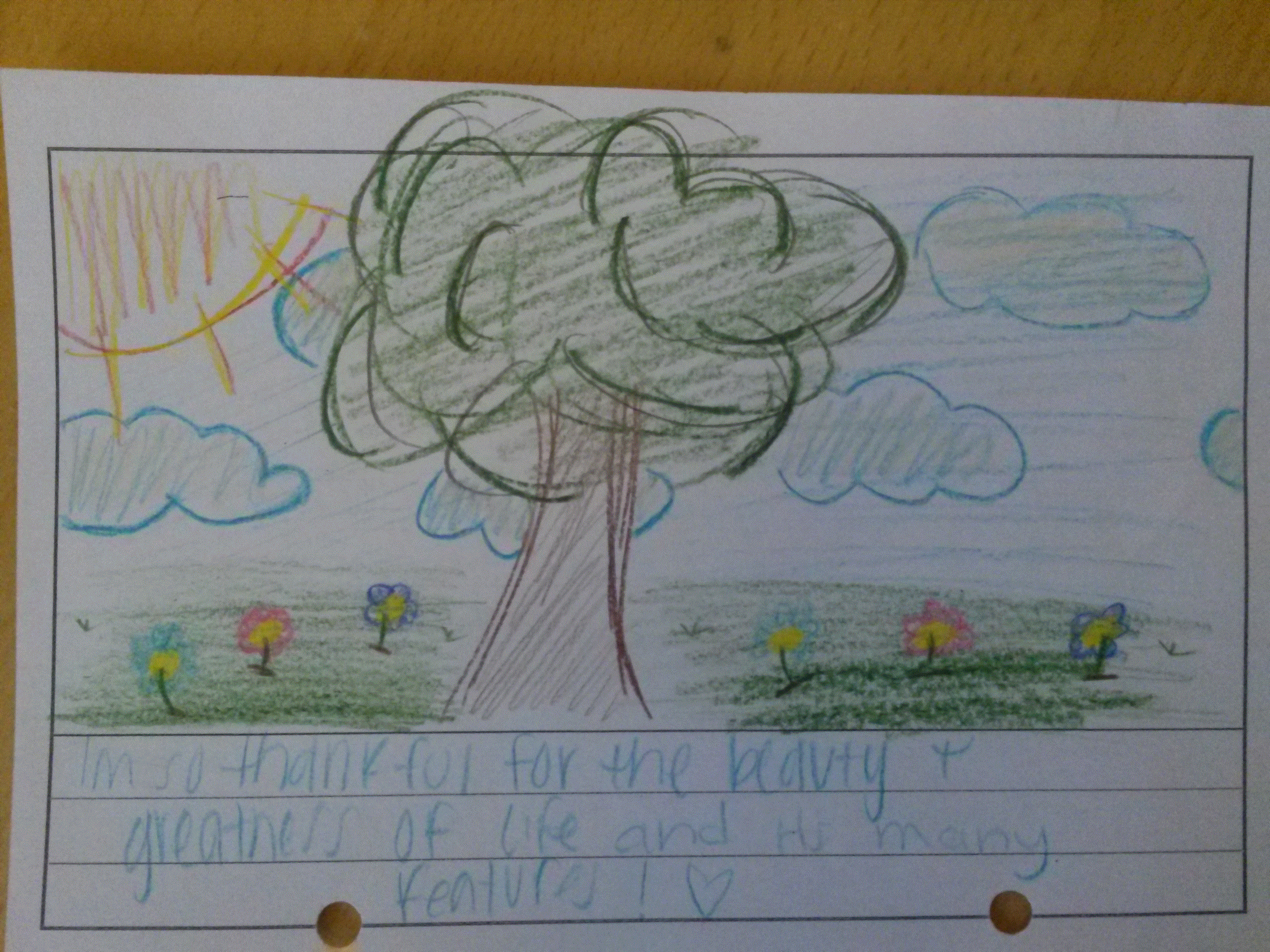
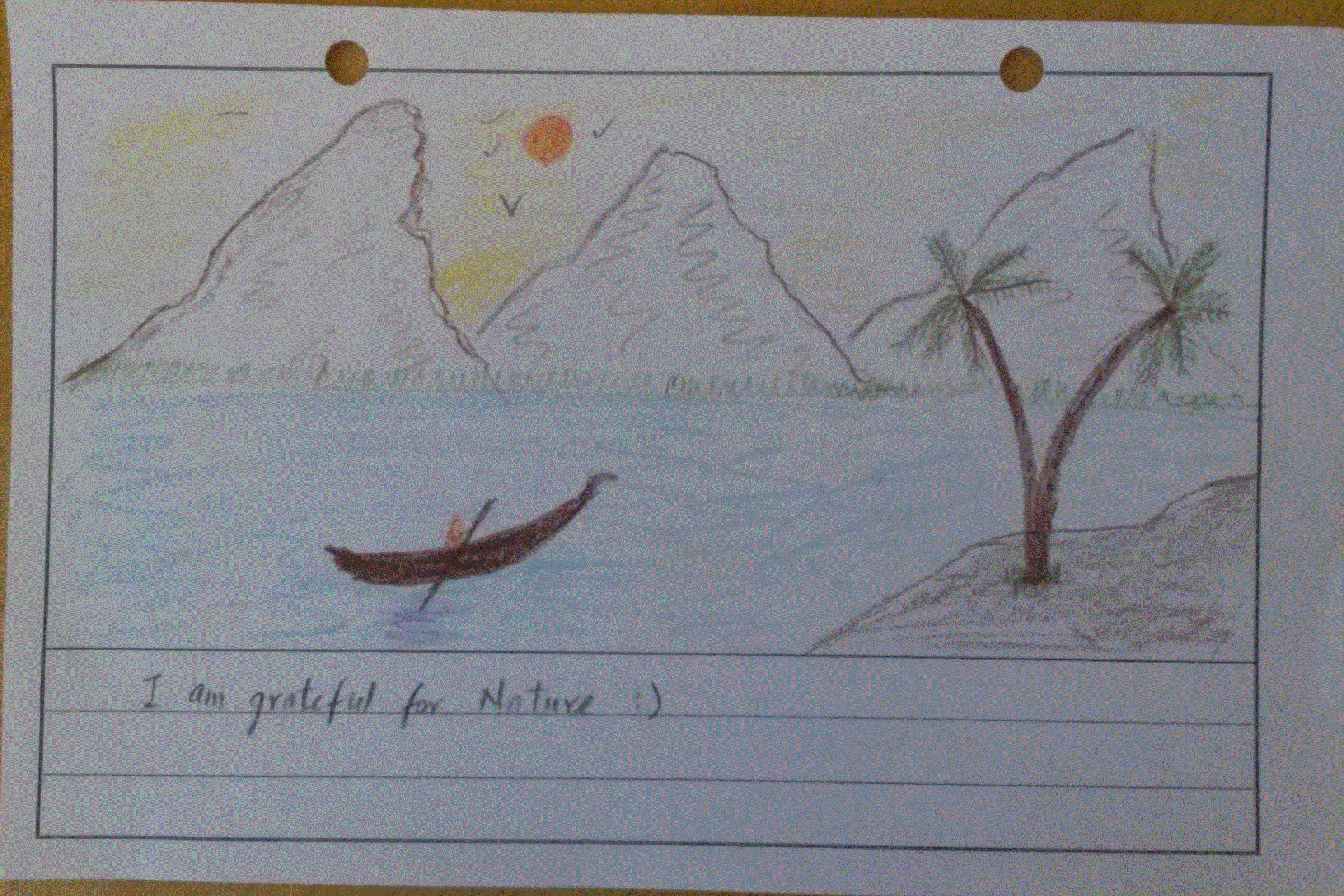
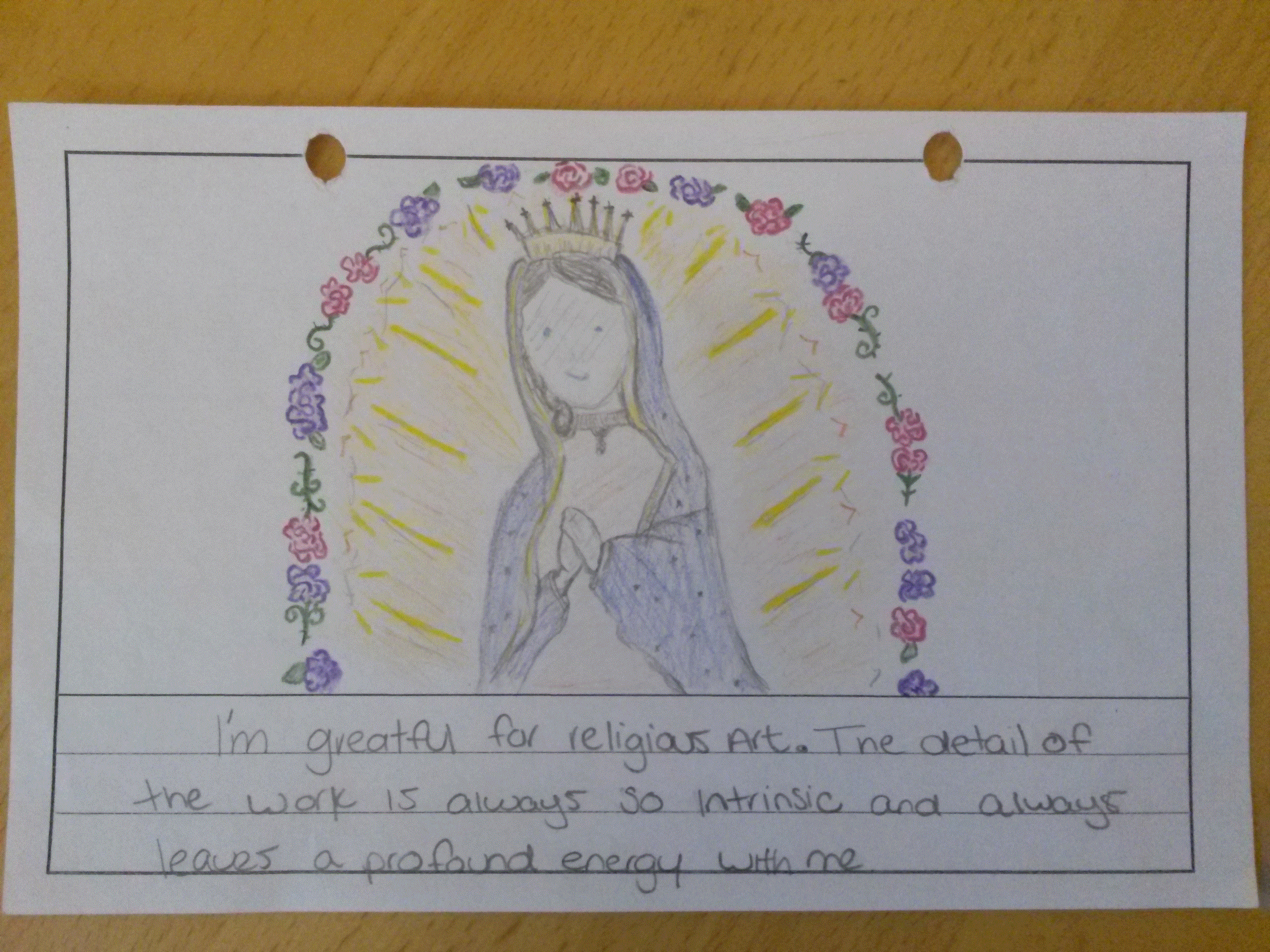
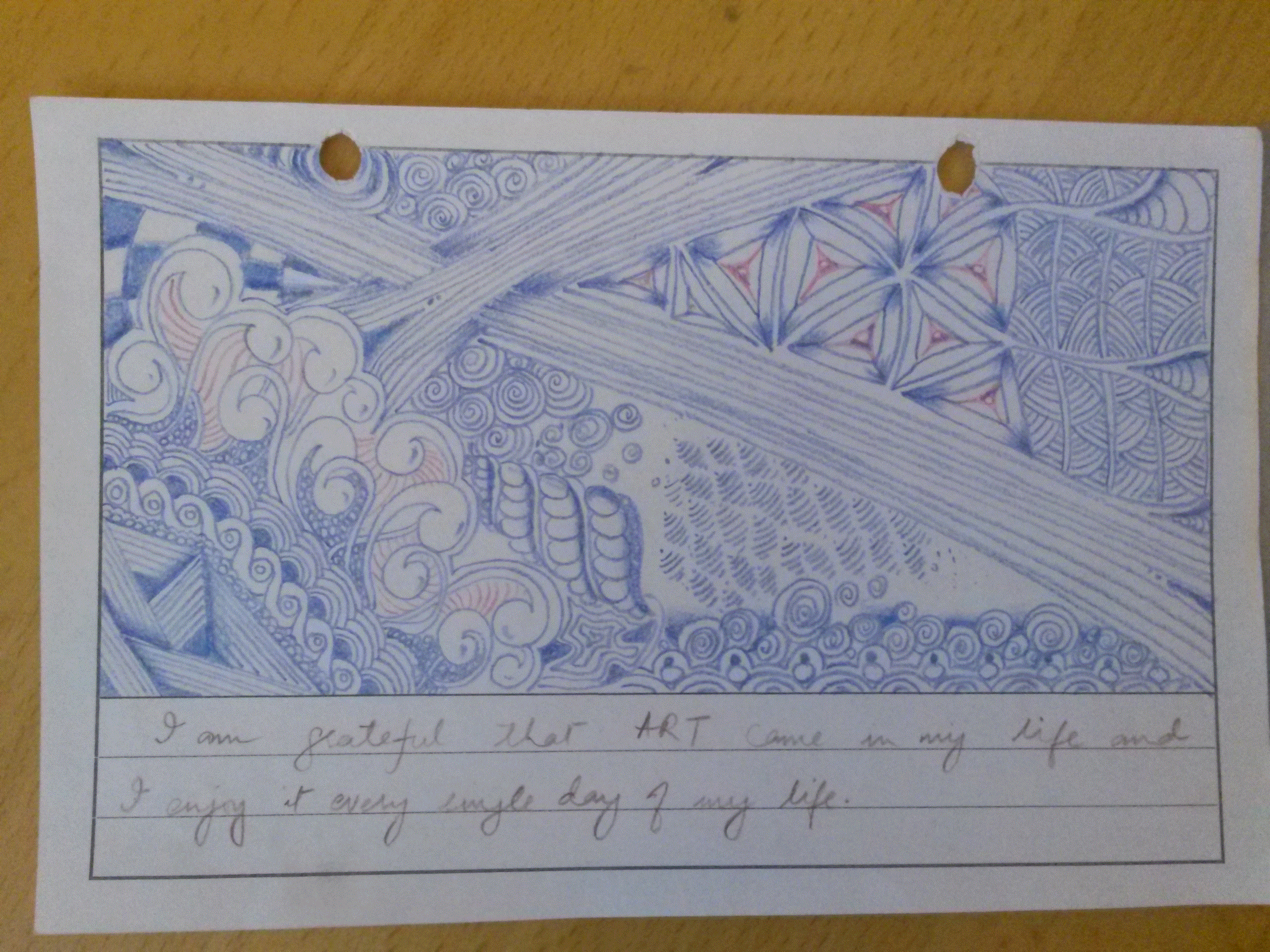
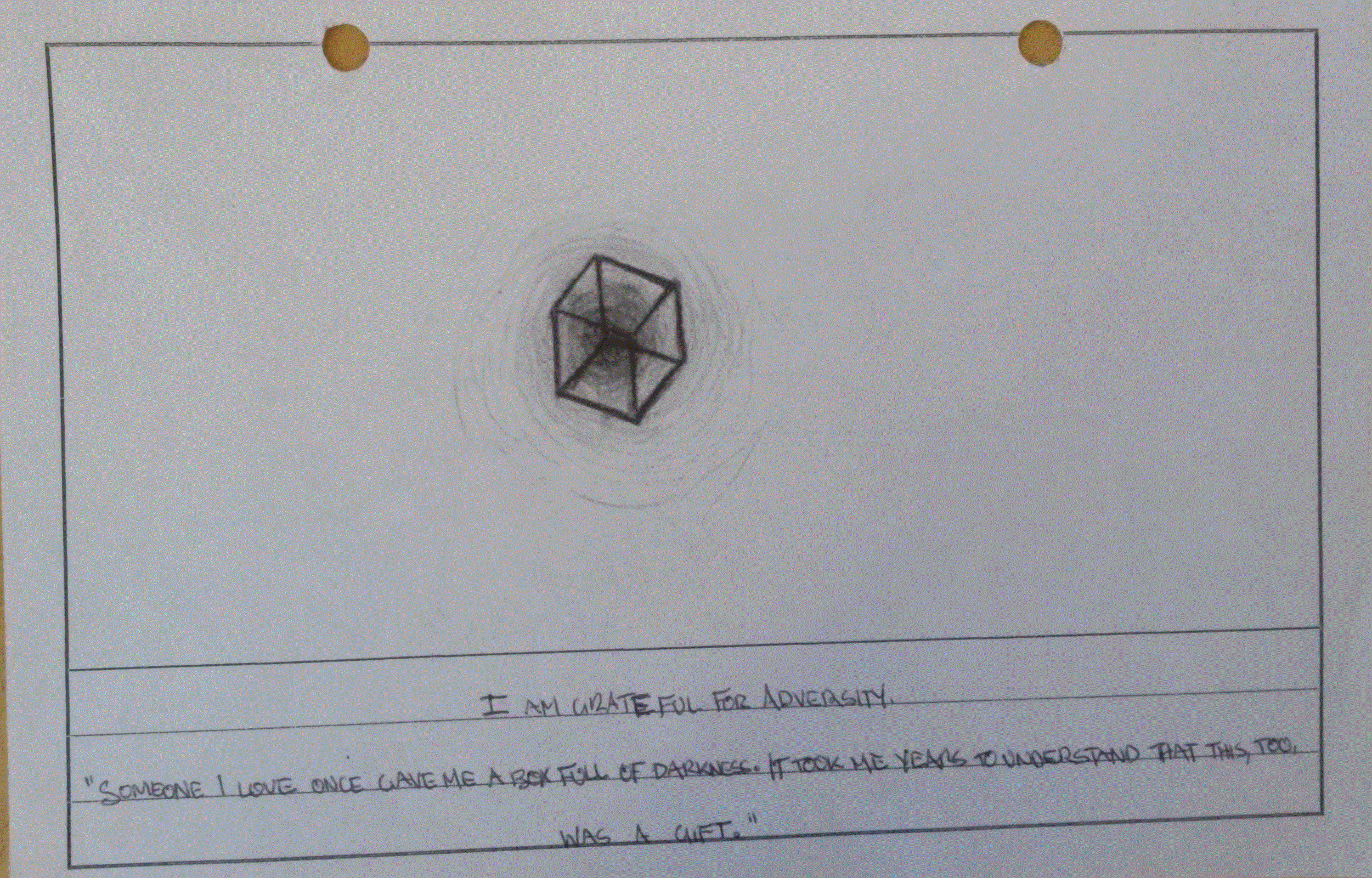
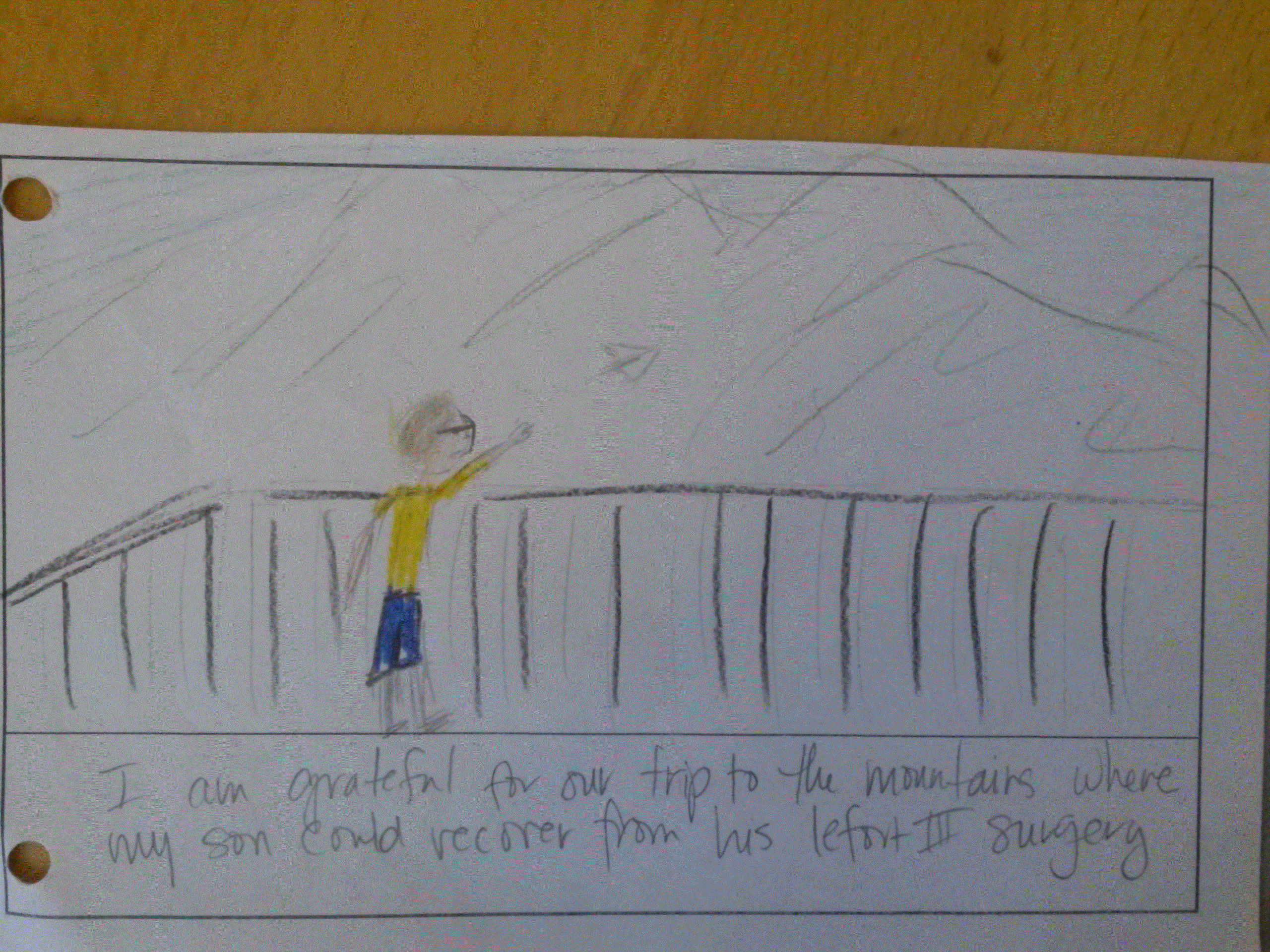
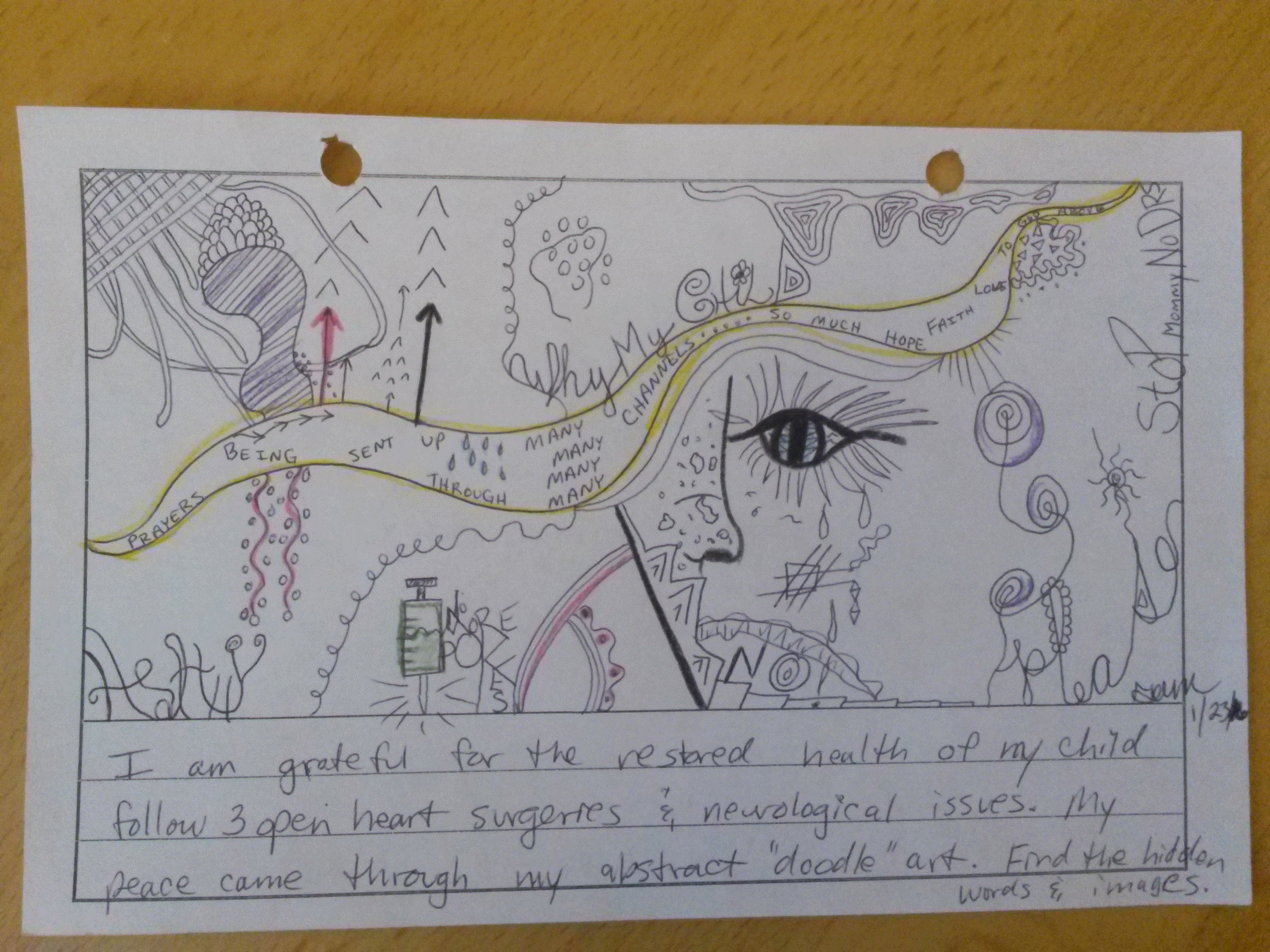
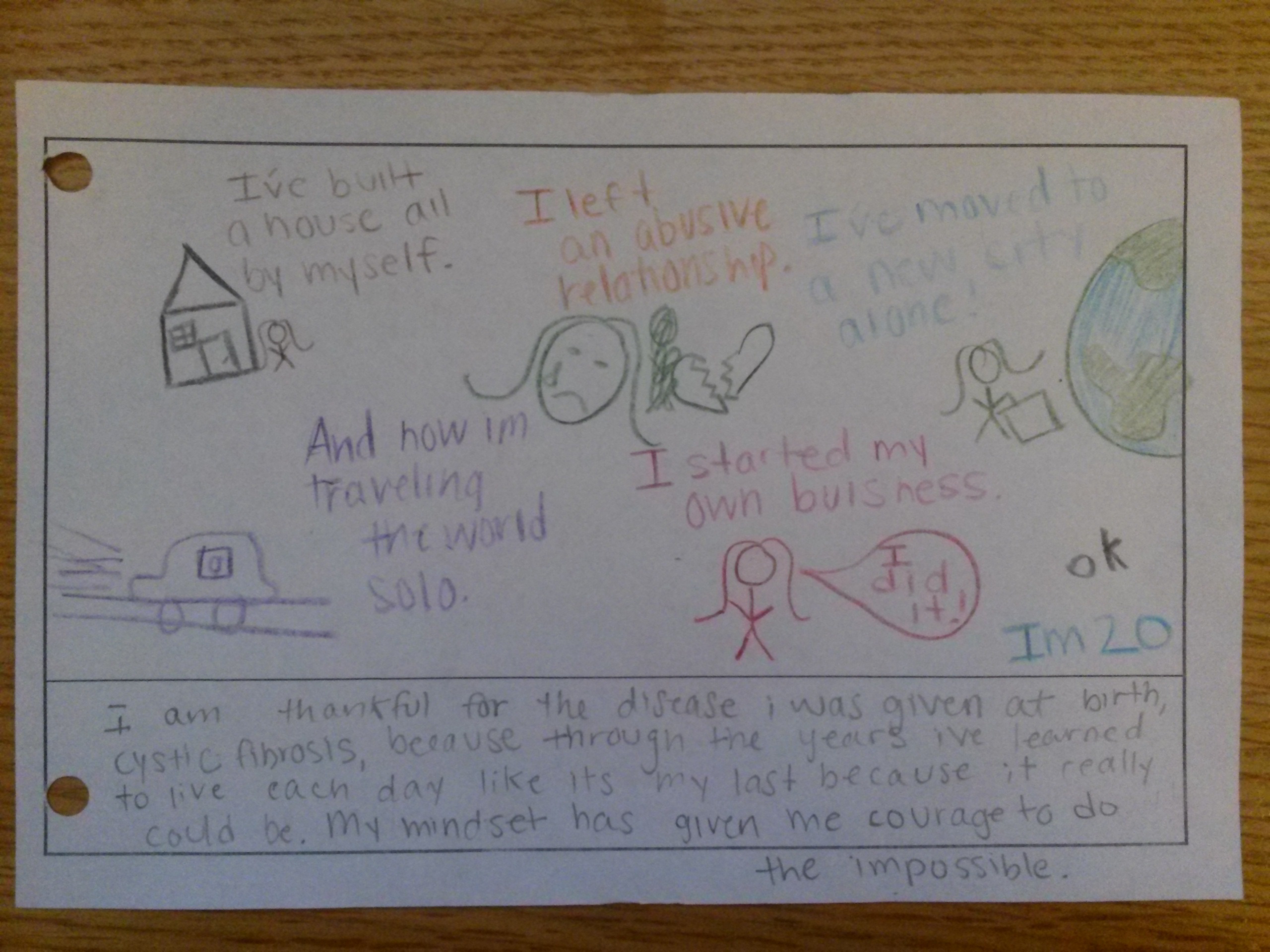
Since we first launched this activity in December 2015, hundreds of visitors have made exvotos expressing gratitude for their family members, their smartphones, their pets, their city, their schools–the list could go on and on! Take a look at a few of the recurring themes that we’ve found in some of our visitors’ exvotos:

Food

Nature

Art

Personal Relationships

Obstacles

What are you grateful for? Create your own exvoto the next time you drop by the Center for Creative Connections, and share your creation on Twitter or Instagram using #DMAexvoto.

Paulina Lopez
McDermott Graduate Intern for Visitor Engagement

Leaping for Leap Day

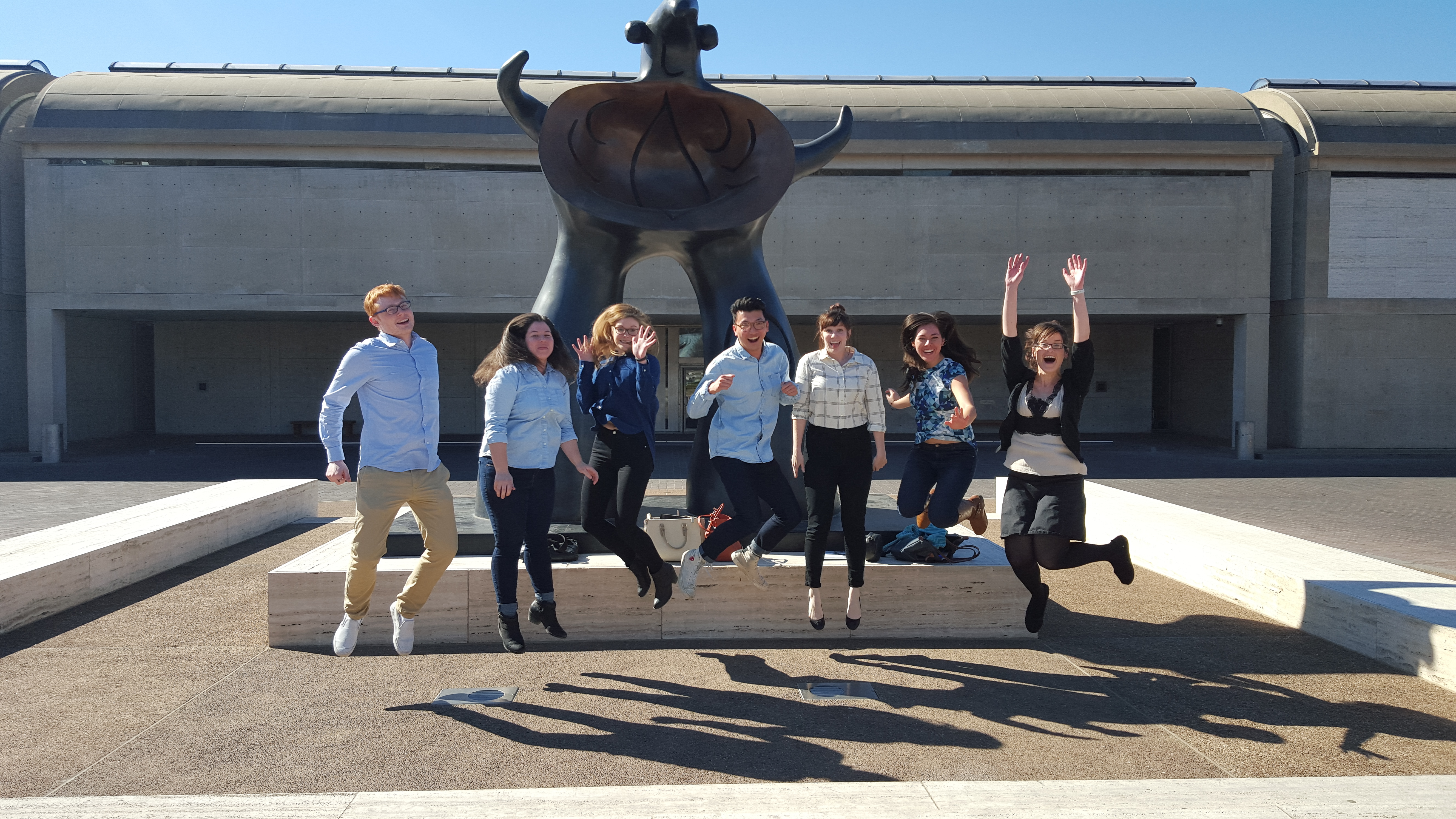
Leapin’ lizards! Some of the McDermott Interns celebrated Leap Day by putting a little spring in our step, following the footsteps of past interns and staff inspired by Jumping in Art Museums. You don’t need to wait another four years to join the fun–the next time you stop by the Museum, take your own jumping photos (from a safe distance of course!) and share them on Twitter or Instagram!

CAM02059

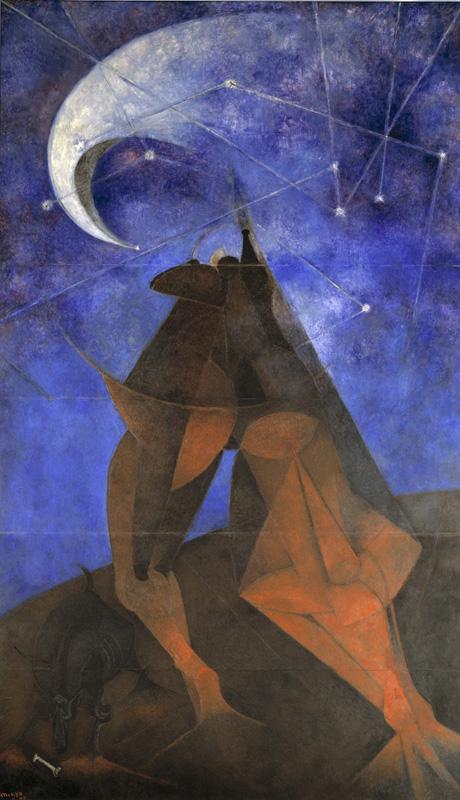
Reaching for the stars in front of Rufino Tamayo’s El hombre (Man).

CAM02062

It was just a hop, skip and a jump to Robert Rauschenberg’s Skyway.

CAM02064

Our love for Barbara Hepworth’s Sea Form (Atlantic) grew by leaps and bounds.

CAM02066

One small step for man, one giant leap for Mark Di Suvero’s Ave.

20160212_141524

Jumping for joy in front of the Kimbell Art Museum.

We came to get down, we came to get down, so come to the Museum and jump around!

Arworks shown:

  • Rufino Tamayo, El Hombre (Man), 1953, Dallas Museum of Art, Dallas Art Association commission, Neiman-Marcus Company Exposition Funds
  • Rober Rauschenberg, Skyway, 1964, Dallas Museum of Art, The Roberta Coke Camp Fund, The 500, Inc., Mr. and Mrs. Mark Shepherd, Jr. and General Acquisitions Fund, © Rauschenberg Estate/Licensed by VAGA, New York
  • Barbara Hepworth, Sea Form (Atlantic), 1964, Dallas Museum of Art, gift of Mr. and Mrs. James H. Clark, © Alan Bowness, Estate of Barbara Hepworth
  • Mark Di Suvero, Ave, 1973, Dallas Museum of Art, Irvin L. and Meryl P. Levy Endowment Fund, © Mark DiSuvero

Paulina Lopez
McDermott Graduate Intern for Visitor Engagement

Whitney Sirois
McDermott Graduate Intern for Gallery and Community Teaching

Emily Wiskera
McDermott Graduate Intern for Family and Access Teaching

Teacher Resources: Full STEAM Ahead!

We’ve all heard about the  importance of STEM–science, technology, engineering, and math–to our education system in a technology-focused world, but what about the creative thinking that goes hand-in-hand with these subjects? With this in mind, the Rhode Island School of Design began a push to include art, transforming STEM to STEAM. As an educator, you can find many great STEAM resources here at the Dallas Museum of Art!

For several years, DMA Education Staff and our group of STEAM Docents have been working together to develop and test STEAM tours and activities for multiple three-hour long visits by eighth grade students from Irma Rangel Young Women’s Leadership School. Themes for their visits include Art and Innovation, Design, Engineering, Conservation, and Nature and Art.

"Easy Edges" chair

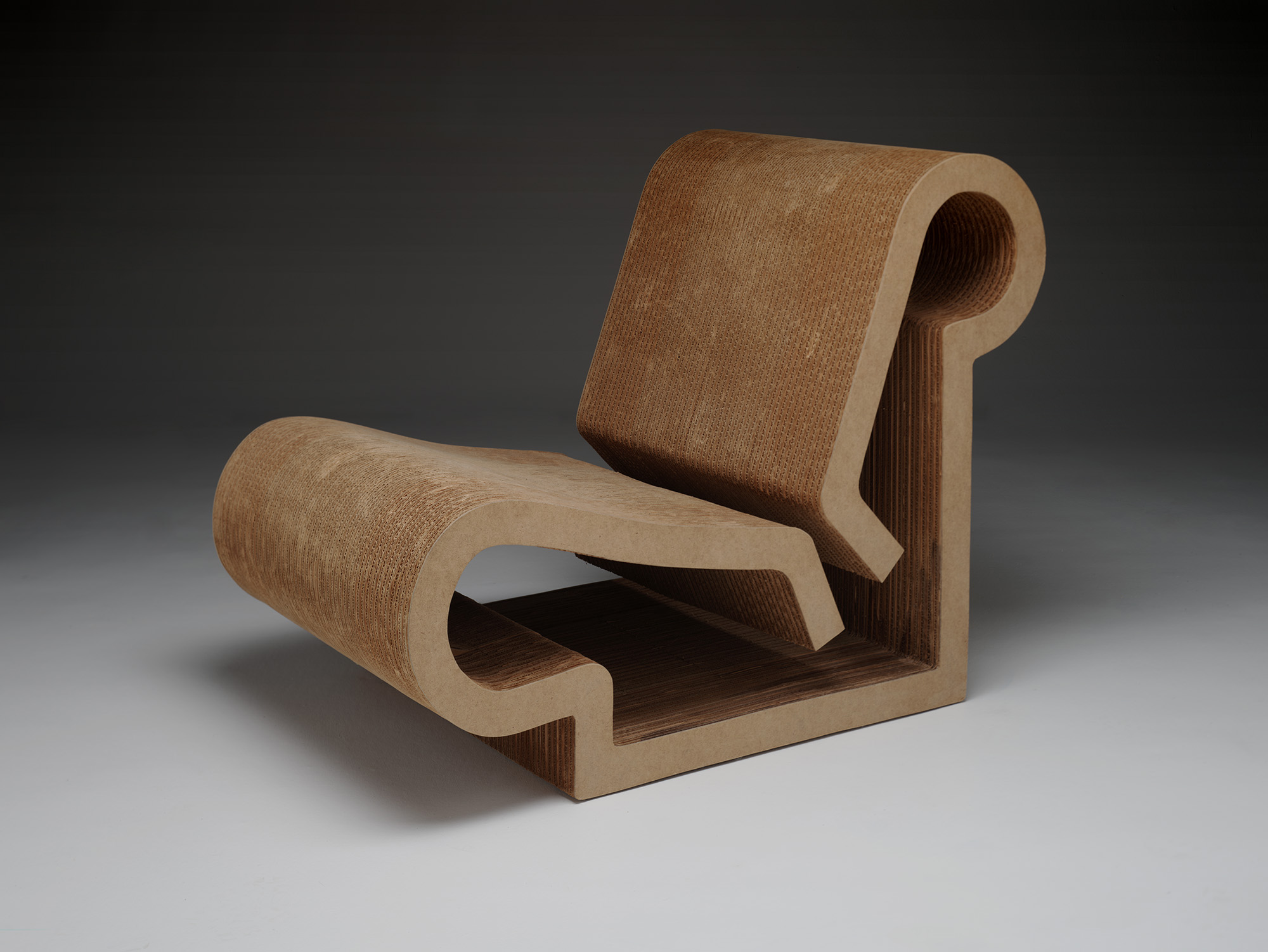
Frank O. Gehry, “Easy Edges” chair, 1971, Dallas Museum of Art, 20th-Century Design Fund

The objective of their time at the Museum is to emphasize the connections between art, science, technology, engineering and math, especially in how artists and scientists invoke similar practices and ideas. One of their visits explores the innovative design of Frank Gehry’s “Easy Edges” chair. Students learned how Gehry layered corrugated cardboard to a two inch thickness to create an object that is aesthetically pleasing while still maintaining the ability to support considerable weight.

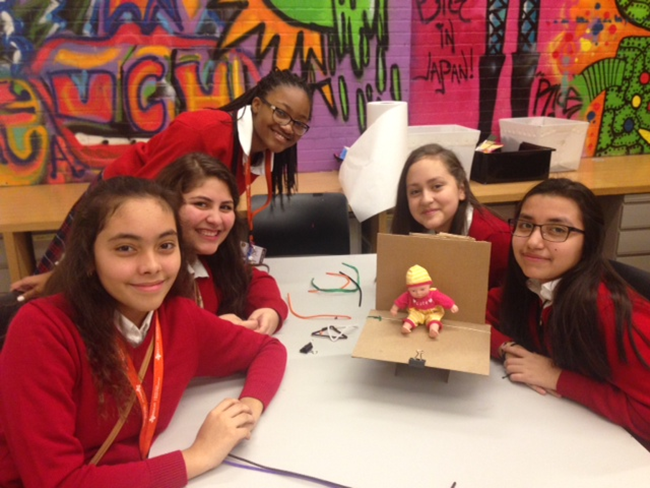
Rangel students creating a cardboard chair that can hold the weight of a doll inspired by Frank Gehry's Easy Edges chair. The catch? No glue or tape!

Rangel students creating a cardboard chair that can hold the weight of a doll, inspired by Frank Gehry’s “Easy Edges” chair. The catch? No glue or tape!

Two of our amazing STEAM docents, Susan Behrendt and Susan Fisk, asked their Rangel students the following question to see what they had learned about STEAM:

How does ART relate to STEM (Science, Technology, Engineering, Mathematics)? How do they relate to you?

Art relates to STEM because as you think and make the art you have to think about all of the things in STEM. Carefully analyzing the piece and including those things make it more eye catching. They relate to me because the art makes a study. – Genesis, May 2014

Art relates to STEM because we use it everywhere and it’s used to describe some of the events in history. Because of art we know far past back in history. We have to know all of these subjects for a good education. – Gallea, May 2014

Art is in everything. An example is geometry. Geometry incorporates art, science, and math. Another example is architecture. Architecture uses art, math, and engineering. It relates to me because I want to be an architect. – Isabella, May 2014

This spring, we lead our first STEAM in-service training for 170 art teachers from Fort Worth ISD, and released a comprehensive STEAM guide to our docent team. You can schedule a docent-guided tour or a teacher in-service yourself, and come explore the many connections between art and STEM here at the Museum!

Lindsay O’Connor
Manager of Docent and Teacher Programs

TAC-kling the Future

IMG_2634

The Teen Advisory Council (or TAC for short!) was created to extend engagement and involve the teen perspective in creating new artistic experiences for visitors. We currently have fourteen members: Shirui, Won, Mo, Emma, Nathen, Carson, Maddi, Christina, Bethany, Taylor, Claire, Nikki, Riya, and me, Jierui. Our mentor, Jessica Thompson, is the Manager of Teen and Gallery Programs at the DMA.

Founded in 2014, the TAC has been involved in a variety of endeavors at first with JC Bigornia at the helm. On our first project, we partnered with the Perot Museum of Nature and Science and artist Brittany Ransom to create a window panel mural celebrating the fusion of the arts and sciences. The mural featured a tableau of microscopic views of everyday objects.

img_1599

Our next stop was a partnership with Big Thought through their City of Learning program with the goal of preventing summer education loss. In a series of Turn Up events, our booth created a My Dallas Is… board (inspired by the Before I Die Wall) to better understand our fellow residents’ perspectives on our city. Later, Eliel Jones, a former McDermott intern, engaged us in his Experiments on Public Space project. The resulting Alternative Signage performance art piece used cardboard signs to break the barriers between the public and the Museum.

17954128786_475653f076_z

The June 2015 Late Night marked our biggest involvement with the Museum as we planned tours, haiku slams, scavenger hunts, speaker talks, and other superhero themed activities. Lastly, our most recent January Late Night Creations workshop with Jessica returned to our interest in the intersection of the arts and sciences. We used LED lights in conjunction with batteries to illuminate beloved works of art from the DMA’s permanent collection.

IMG_2644.JPG

So what’s in store for the TAC? Your next chance to hear from us–after reading our lovely introduction to the blogosphere–is at our February Late Night Creations workshop entitled Rest On Your Laurels on February 19th. Join us as we celebrate your individual virtues and vices in the spirit of Classical tradition! We are also in the process of planning a teen workshop and other programs in the community. Although we may be relatively young, we are excited to add our mark to the vibrant canvas of the DMA!

Until next time!

Jierui Fang
Teen Advisory Council member

How Do We Love the DMA? Let Me Count the Ways

Here at the DMA, we owe a lot to our wonderful volunteers. They give of their time and talent to help lead student visits, access programs, and adult group visits. Oftentimes, they’re the public face of the Museum, welcoming our visitors and helping them make meaningful connections with the works of art. The DMA simply would not be as special as it is without them!

In honor of Valentine’s Day, I asked our amazing team of docents which works of art from the DMA’s collection they especially love to share with our visitors.

Watch

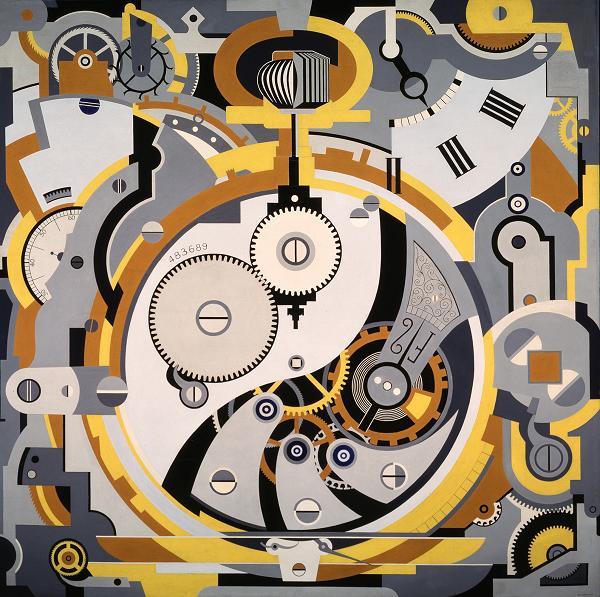
Gerald Murphy, Watch, 1925, Oil on Canvas, Dallas Museum of Art, Foundation for the Arts Collection, gift of the artist

One of my favorite paintings is Watch by Gerald Murphy. That was a magic time in Paris when painters, writers, and musicians worked together and inspired each other. The Murphys were a fascinating couple and his hard edge, hyper realistic paintings of everyday objects influenced later artists. He painted briefly, and out of about a dozen works, we own two, given to us by Murphy himself. There are letters from him about the gift in our archives. -Diane Roberts


El hombre

Rufino Tamayo, El Hombre (Man), 1953, Vinyl with Pigment on Panel, Dallas Museum of Art, Dallas Art Association commission, Neiman-Marcus Company Exposition Funds [credit line published in 1997 DMA Guide to the Collections: Dallas Museum of Art, commissioned by the Dallas Art Association through Neiman-Marcus Exposition Funds

I have a long standing love affair with Rufino Tamayo’s El Hombre. I use it 4-5 times a month, maybe more often than that. I wrote a paper in graduate school on its acquisition by and significance to the DMA. I use it interactively on my tours to teach three ways of looking at art: eyes, mind, and heart. – Kelly Breazeale


daruma

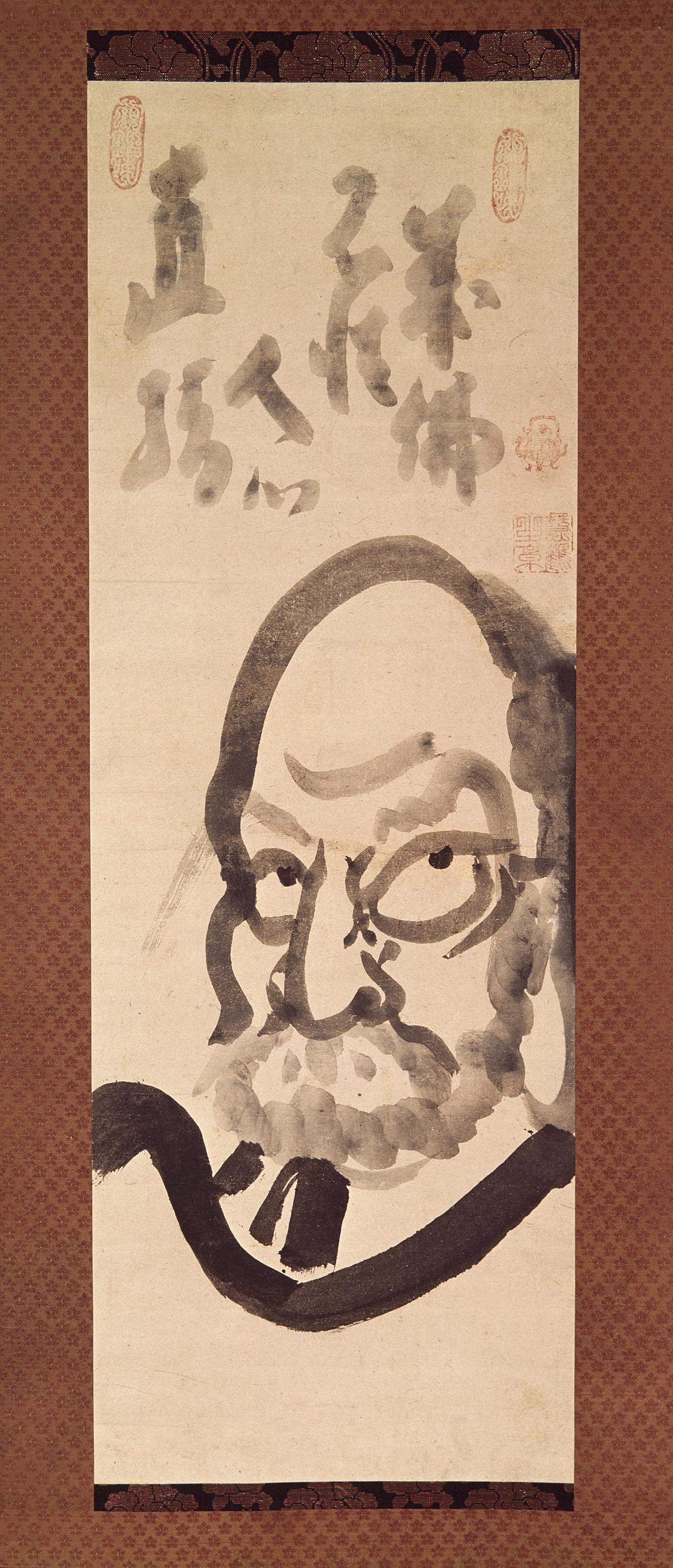
Daruma, Hakuin Ekaku, n.d., Ink on Paper, Dallas Museum of Art, General Acquisitions Fund


My new favorite work of art is the Daruma scroll by the Zen priest Hakuin Ekaku, because I love the simplicity and the meaning behind this form of art. The idea that it expresses the “true or formless self” appeals to me and some of my personal beliefs. Before I came to the Museum, I didn’t like or respect the work of Jackson Pollock, but after our session about him and his work, I gained a small glimpse of what he and his work are about. Then after hearing the lecture from Devon last week about the Zen Buddhist art, it began to make sense to me. I think that the Daruma scroll with its cartoon like appearance would appeal to children. I also think it would be fun for them to try their hand at drawing a picture in the style of the scroll. – Penny Hardy

Be sure to check out some of our docent’s favorite works, and many more, at the Dallas Museum of Art. Happy Valentine’s Day!

Lindsay O’Connor
Manager of Docent and Teacher Programs

Pollock for the People!

Art Babies Pollock.jpg

For the last few months here at the DMA, we’ve been proclaiming “Pollock for all!” From toddlers to teens, and grade schoolers to grannies, the exuberant and lyrical works of “Action Jackson” have inspired thoughtful discussions, messy art, and even a dance performance! As a museum educator, one of the things I love most about Pollock’s work is his approach to putting paint on a canvas by splattering, flinging, dripping, and dropping (a process we often refer to as action art). When you have a bunch of squirmy three year-olds, Pollock makes all kind of sense! But Jackson Pollock: Blind Spots goes beyond Pollock’s all-over paintings and explores a body of work known as the black pourings, in which Pollock’s trademark action is tightly controlled, sweeping and swooping over the canvas to create figures that almost seem to be hiding amidst black lines, puddles, and splatters.

The exhibition has inspired all kinds of Pollock-ing in the studio, proving that no matter how old or young you are, Pollock is for all ages! Read on for some Pollock-inspired ideas you can try at home.

Art Babies Pollock 2

Babies

Our Art Babies class wiggled and giggled our way through the Pollock exhibition, then enjoyed sensory play inspired by the artist’s work. Pollock’s all-over paintings often remind me of a tangle of lines, with one line twisting and turning over another, so I created a sensory bin of “Pollock lines” for the little ones to explore. One little guy couldn’t get enough of throwing fistfuls of “noodles” into the air as high as he could. Recreate this at home with a large bin of either plastic cording or cooked spaghetti noodles (follow this helpful DIY recipe). But remember, since babies tend to put everything in their mouths, this activity does require grown-up supervision!

Arturo's Preschool Pollock

Toddlers and Preschoolers

If you are feeling brave, suit up your children in their messiest clothes, cover the floor with a drop cloth (or paint outside), and let them go to town, dribbling and splattering paint onto paper. If that idea has convinced you that Pollock is not for you, here are some less messy alternatives.

Marble painting is a fun way to get a feel for the energy and action Pollock might have used, while containing the mess. Place a piece of paper and a marble in a large box or box top, squeeze puddles of paint onto the paper, then have your child tip and shake the box back and forth to roll the marble through the paint. In no time at all, you’ll have a Pollock-ing, rollicking masterpiece.

Or if you want to avoid paint all together, substitute markers, yarn, and contact paper for the messy stuff. Have your child throw, dribble or drop pieces of yarn onto a piece of paper to create some Pollock-like lines. Cover the entire piece of paper with clear contact paper to seal the yarn in place. Then use colored markers (permanent works best on the contact paper) to create puddles of color. Pollock’s Convergence served as our inspiration for this project, and the children loved the layered effect.

Homeschool Pollock

Elementary & Middle School

The Pollock exhibition at the DMA features an entire gallery of paintings Pollock created on paper rather than canvas. We tried a similar approach using Japanese paper, droppers, and liquid watercolor. Layer two or three sheets of paper together, then gently move the dropper around the paper, squeezing watercolor as you go. Watch as different colors swirl and puddle together, then separate the individual pieces of paper to discover what images have soaked through.

Teens

At a recent Late Night event, we used scribble bots to create a modern take on Pollock’s work. All you need is a plastic cup, a toy motor, a battery, and a brush to make your own painting robot! The motor sends the robot skittering across the paper, and the paintbrush “captures” the movement in visual form. Download step-by-step instructions here: Scribble Bot Instructions.

Dance for PD Pollock

Any Age

This final project is as mess-free as you can get! And it provides the most amazing results. Since November, we’ve been privileged to be a part of the Dance for Parkinson’s Disease program. We’ve hosted a wonderful group of individuals who have regularly visited the Museum galleries, and, under the direction of Misty Owens, choreographed a dance performance inspired by Jackson Pollock. As part of the choreography process, the group created light graffiti using laser pointers, flash lights, and a DSLR camera. It’s like painting in the air! This tutorial gives some great tips on creating your own light graffiti. To see Pollock in dance form, join us for the Dance for PD performance in the Center for Creative Connections on Friday, February 19 at 2:00 p.m.

So are you convinced? Ready to join our “Pollock for the People” crusade? We’d love to see what Pollock inspires you to do. Share your Pollock creations on social media with #DallasSpotsPollock and tag us @DallasMuseumArt.

Leah Hanson
Manager of Early Learning Programs


Archives
Categories