Archive Page 10


Friday Photos: Road Trip

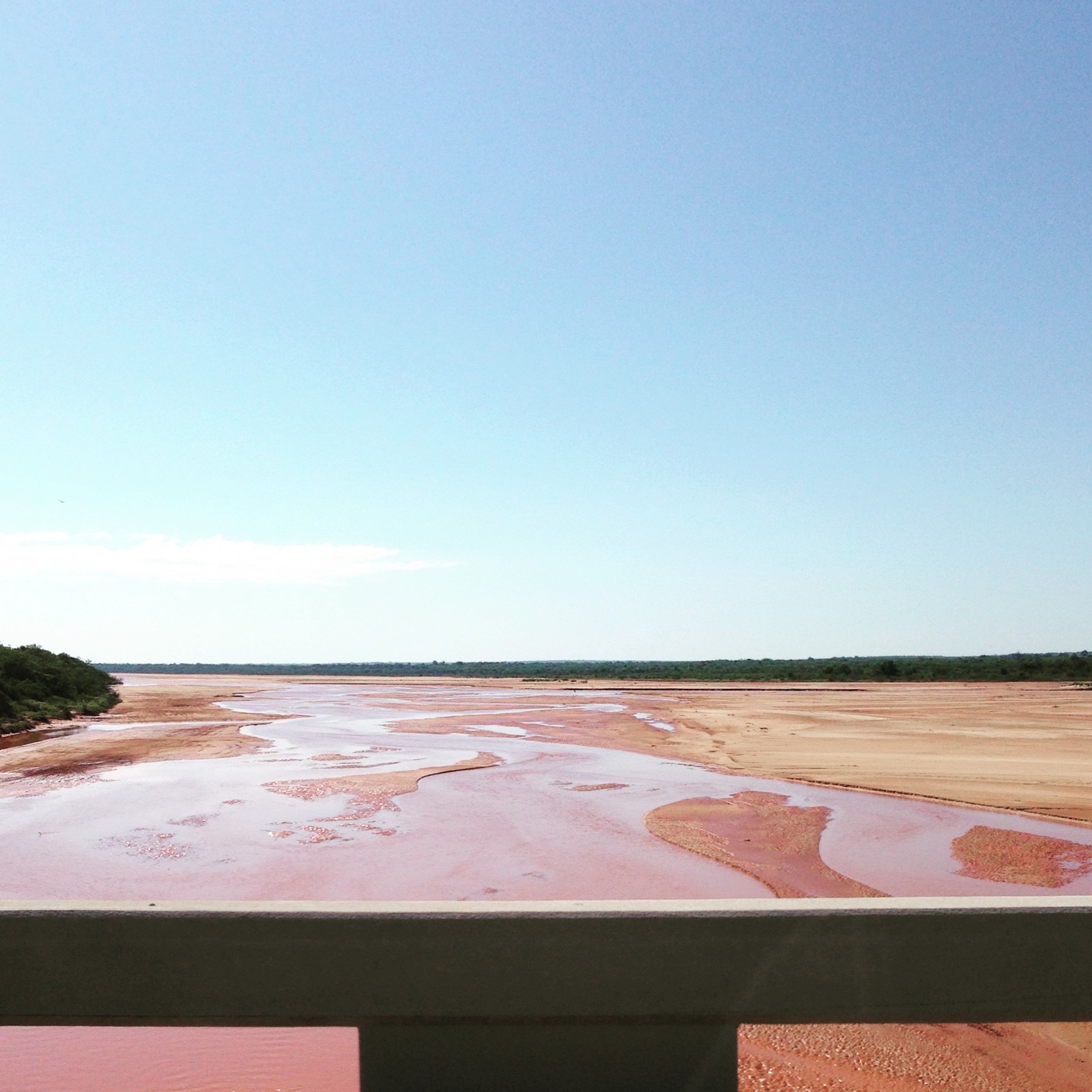
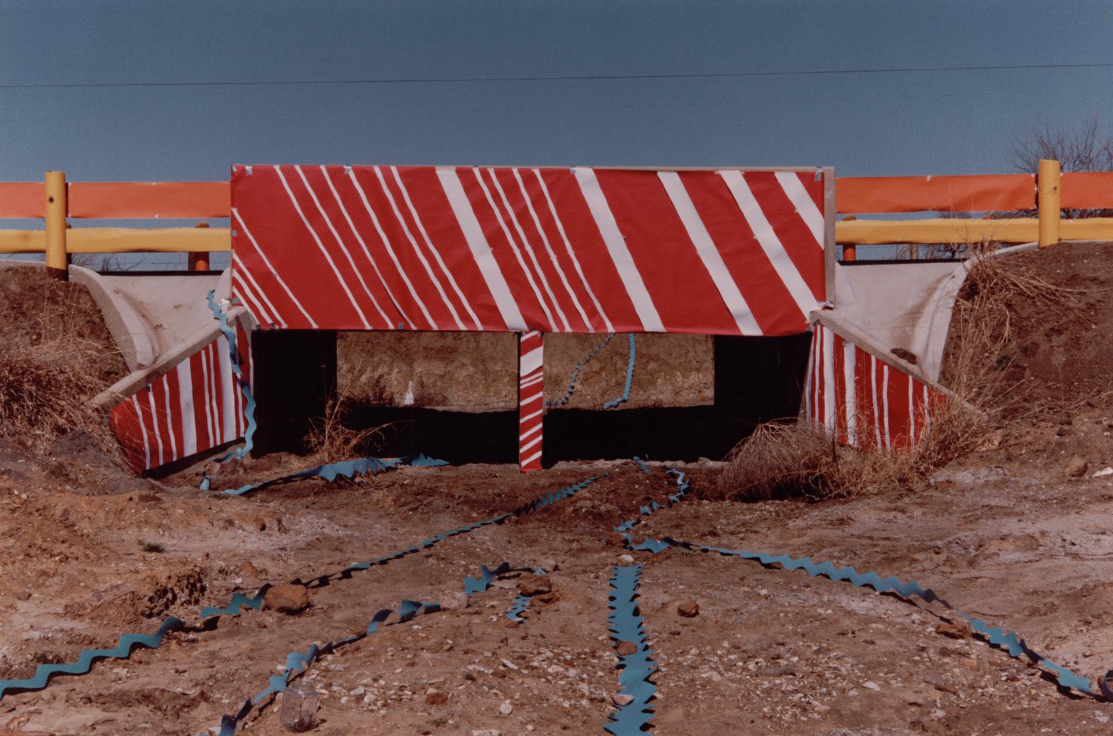
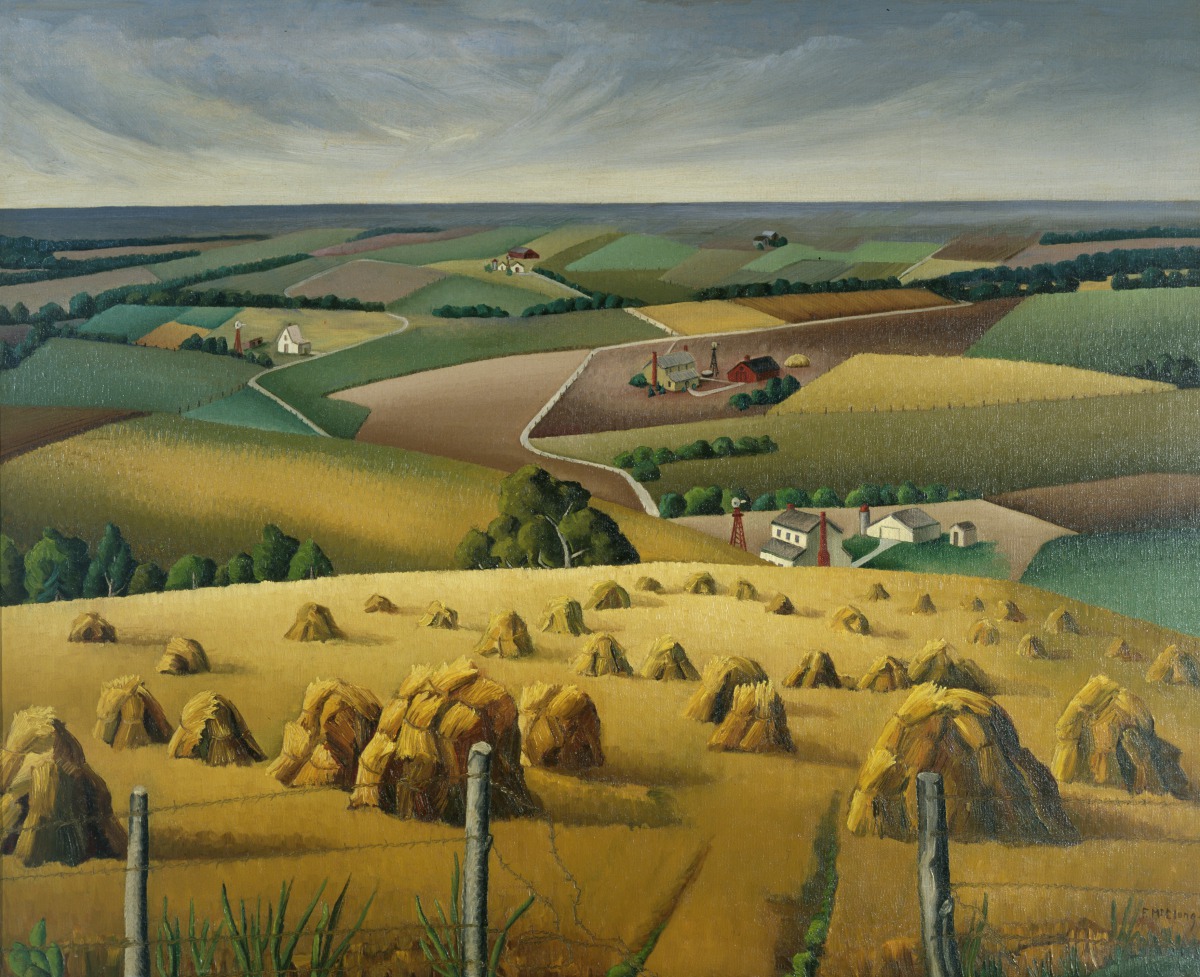
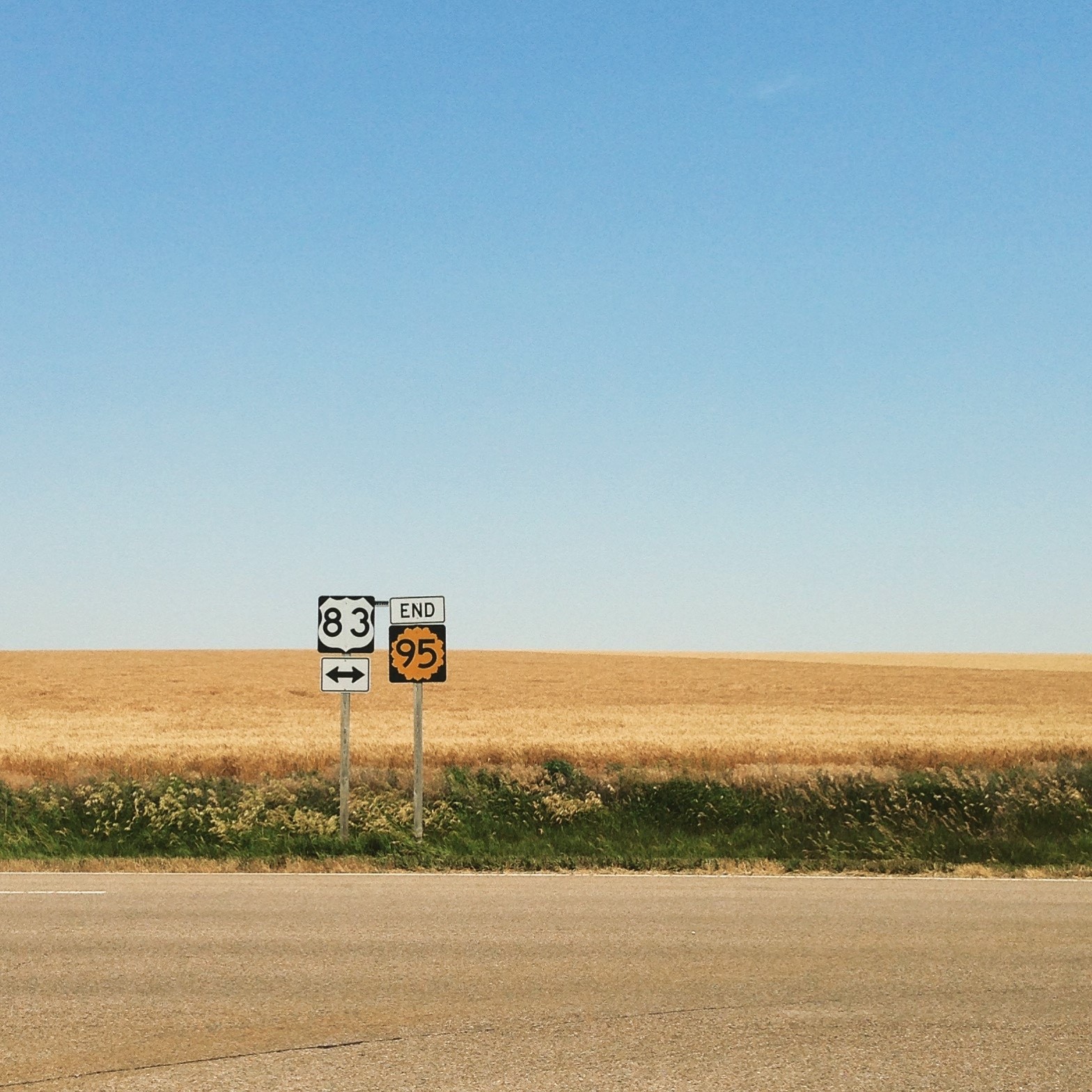
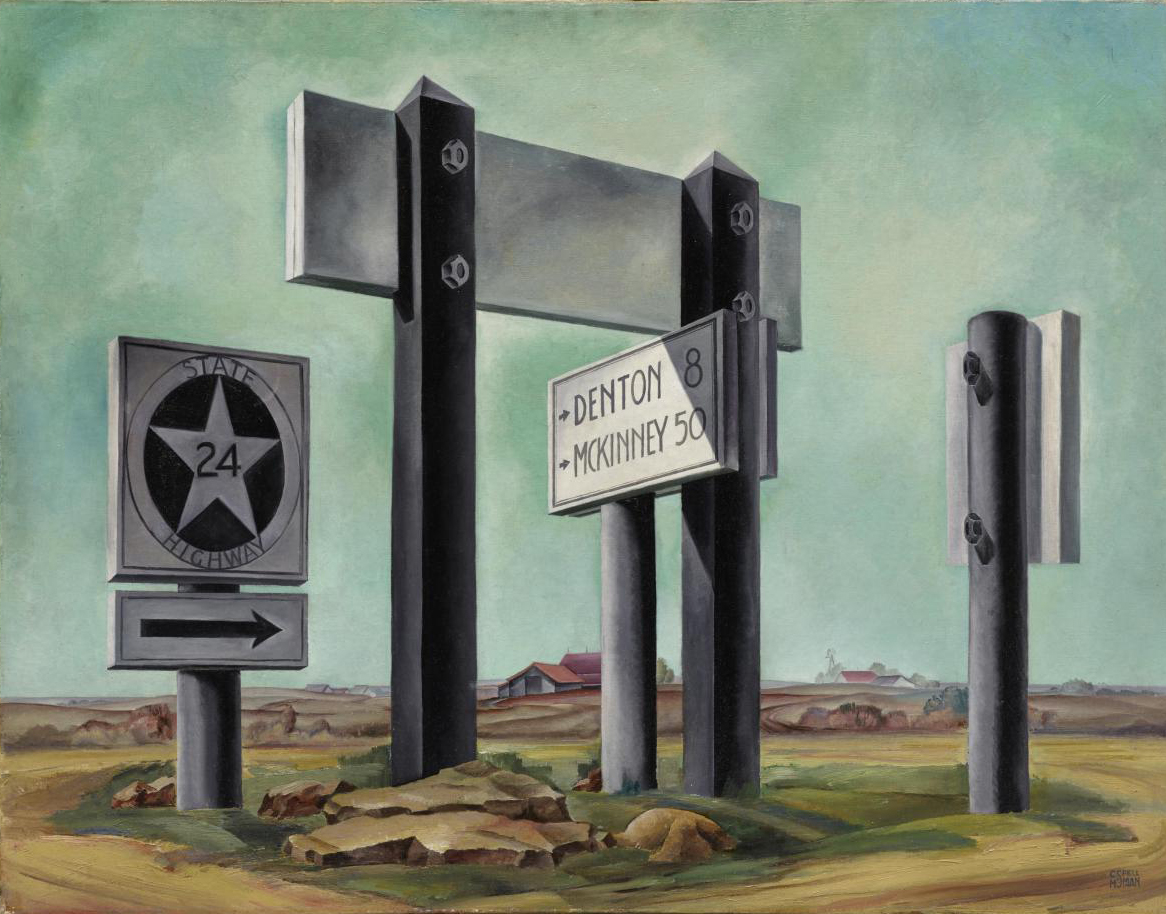
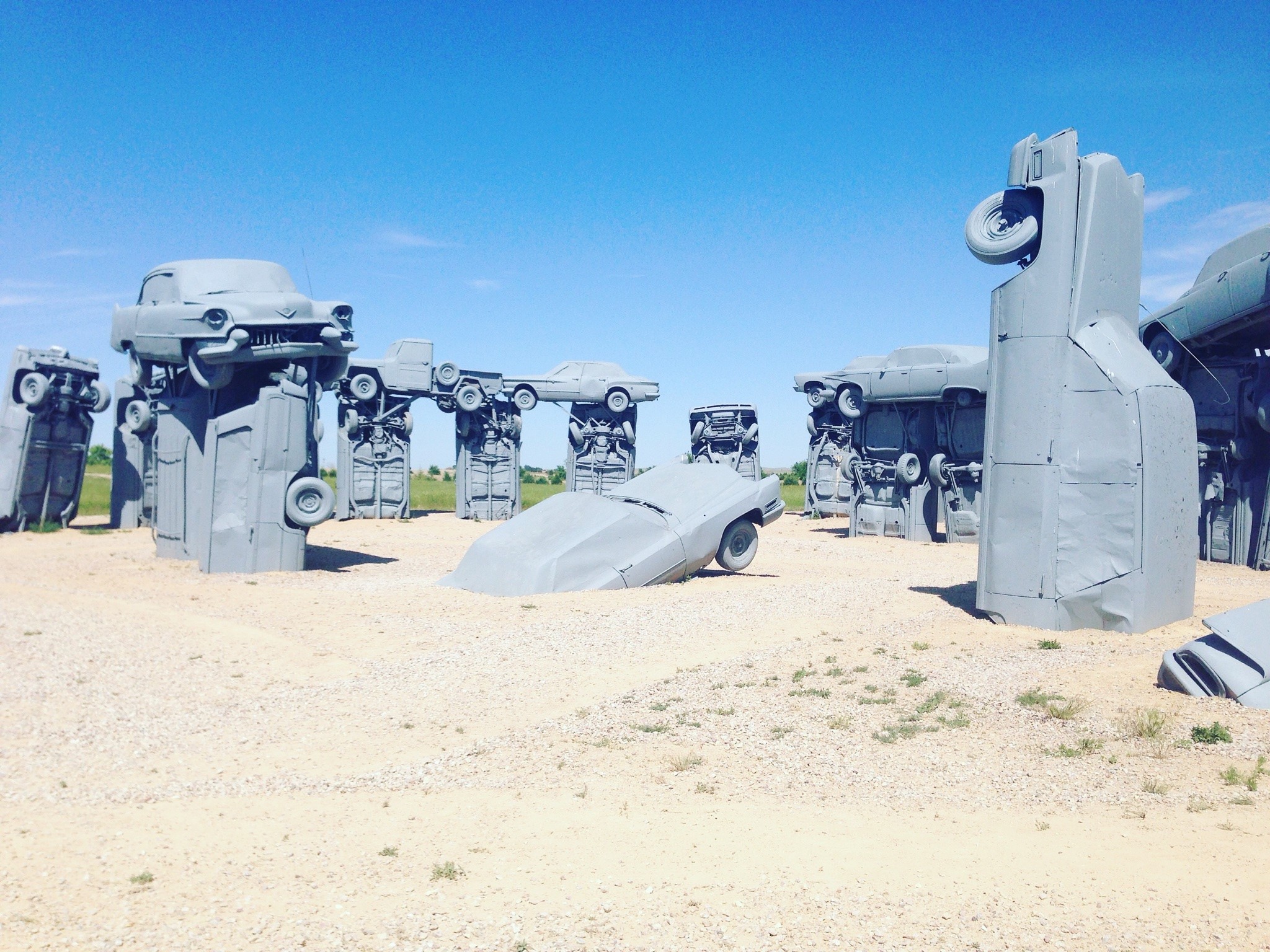
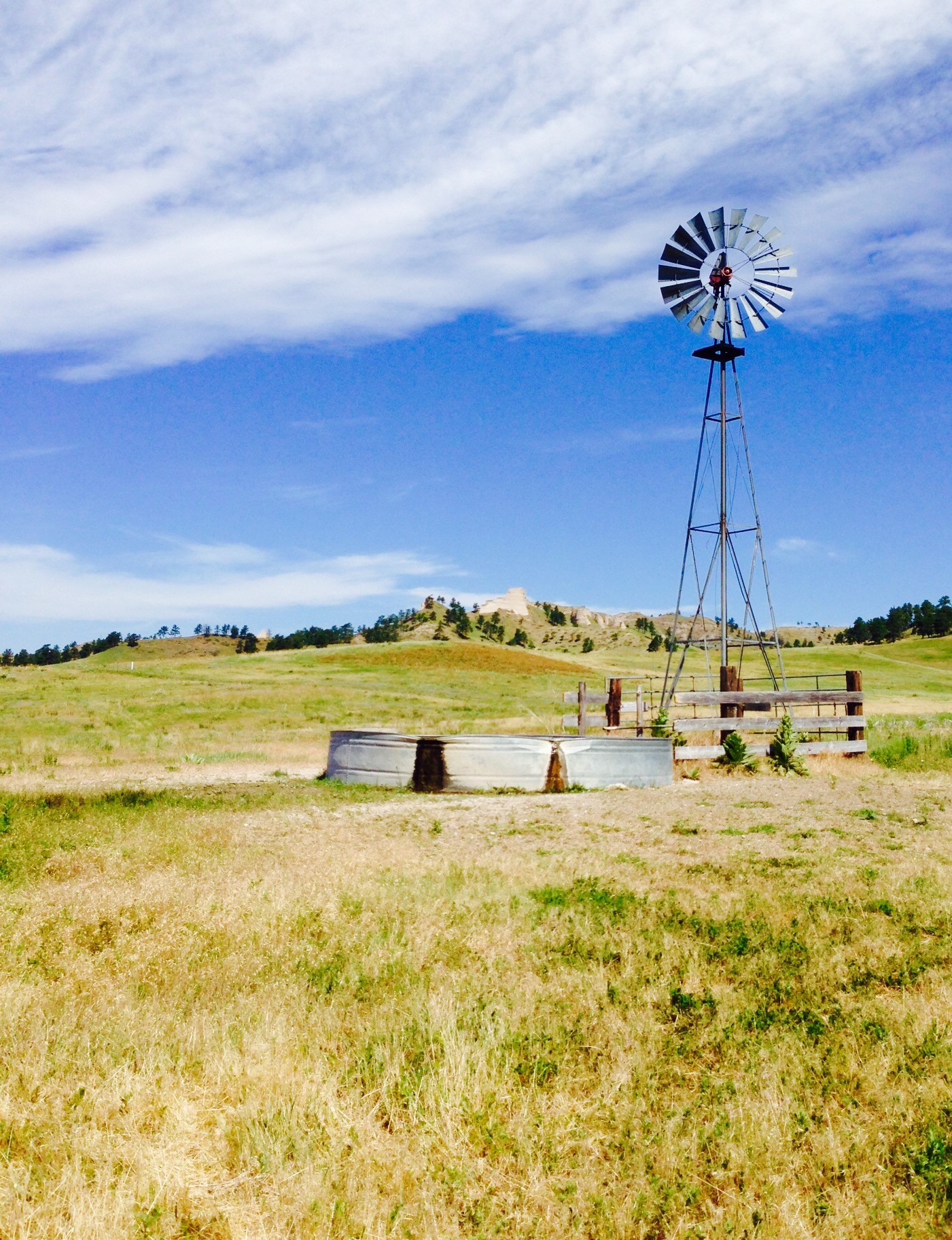
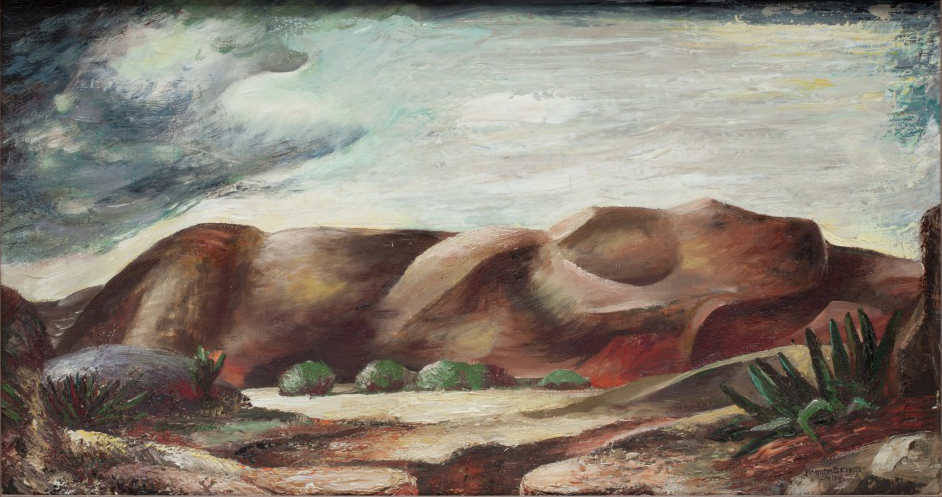
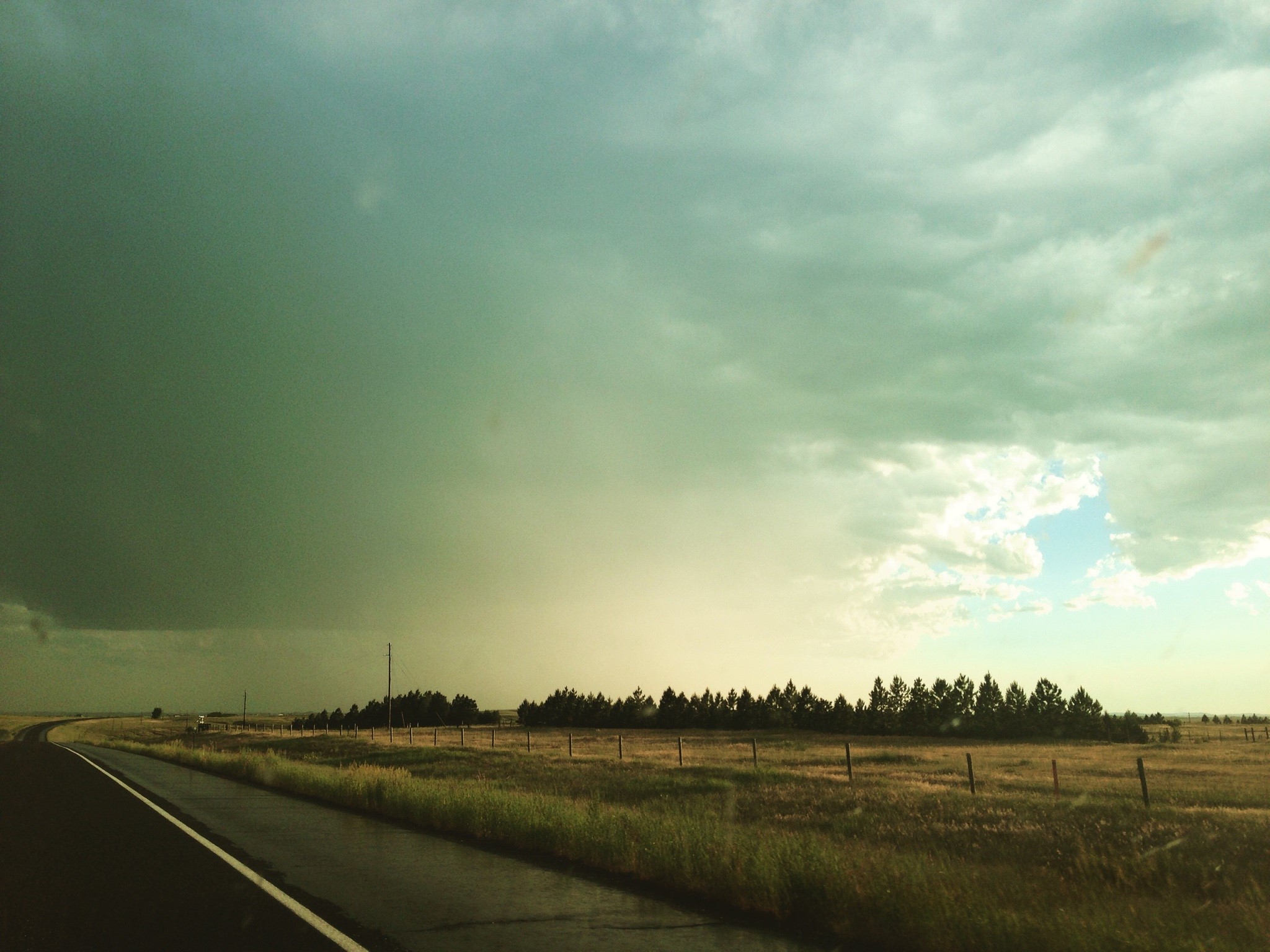
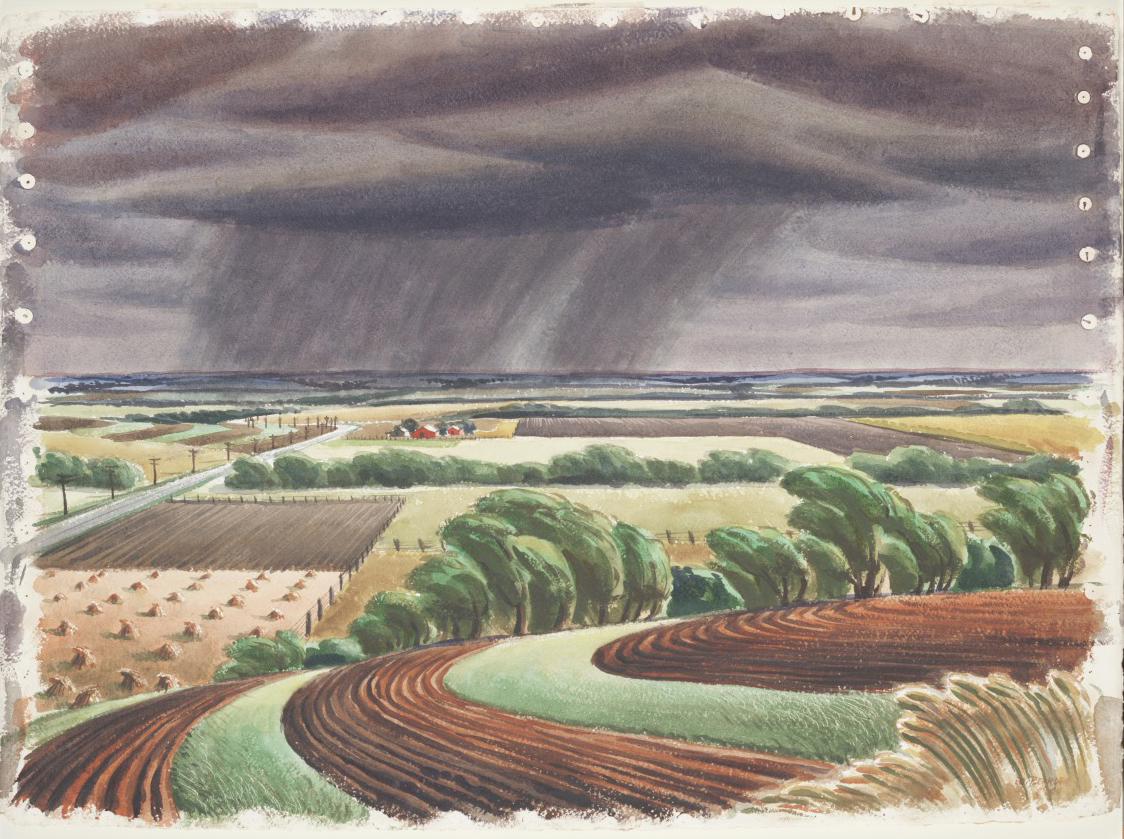
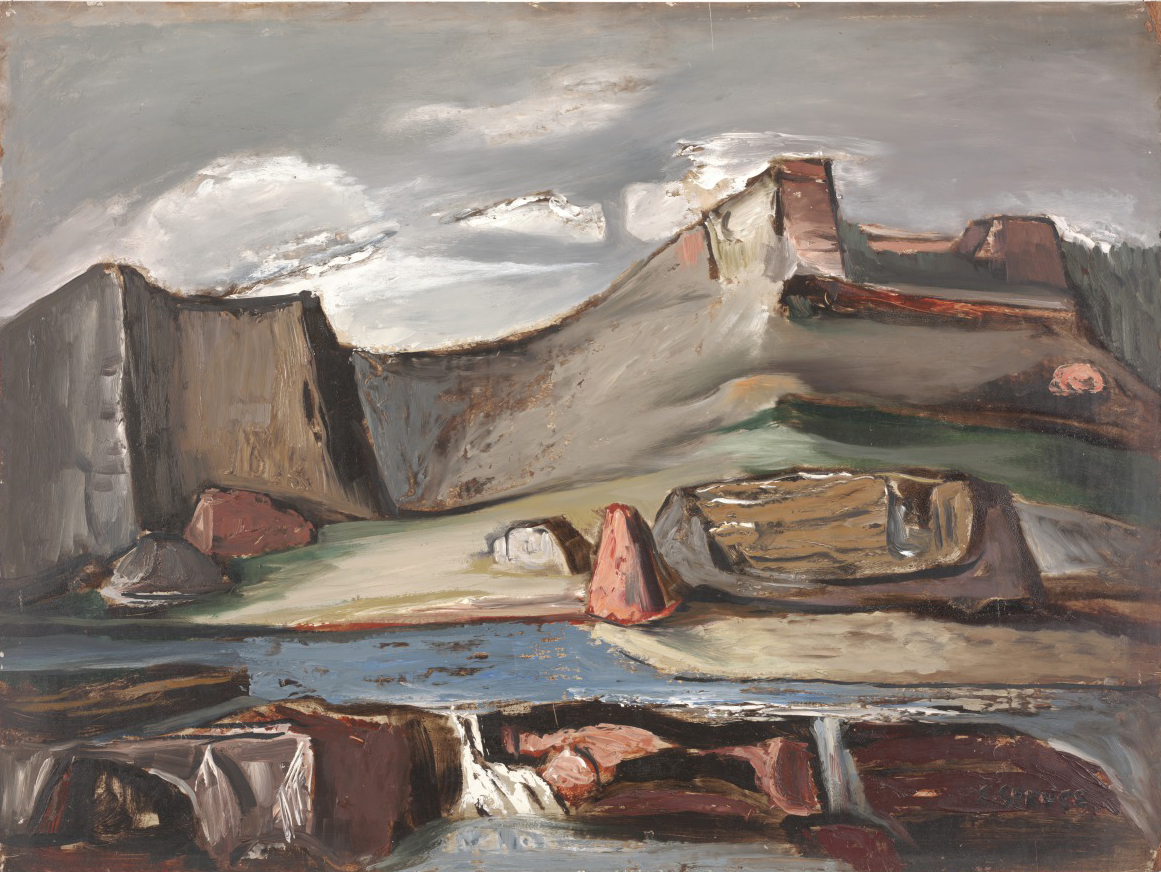
I recently embarked on a two week road trip to see parts of America I’ve never seen before. As my family and I drove across the country–through the Texas and Oklahoma panhandles, Kansas, Nebraska, South Dakota, Wyoming, Colorado, Arizona, and New Mexico–the landscape and sites constantly reminded me of works of art from the Museum’s collection.

We saw expansive flat lands transform into rolling hills, then the rough and brittle Badlands. We saw Mount Rushmore and the Crazy Horse Monument in the Black Hills. We saw purple mountains and red rocks in Colorado and camped among tree filled peaks. We were even visited by a moose in the Rio Grande National Forest.

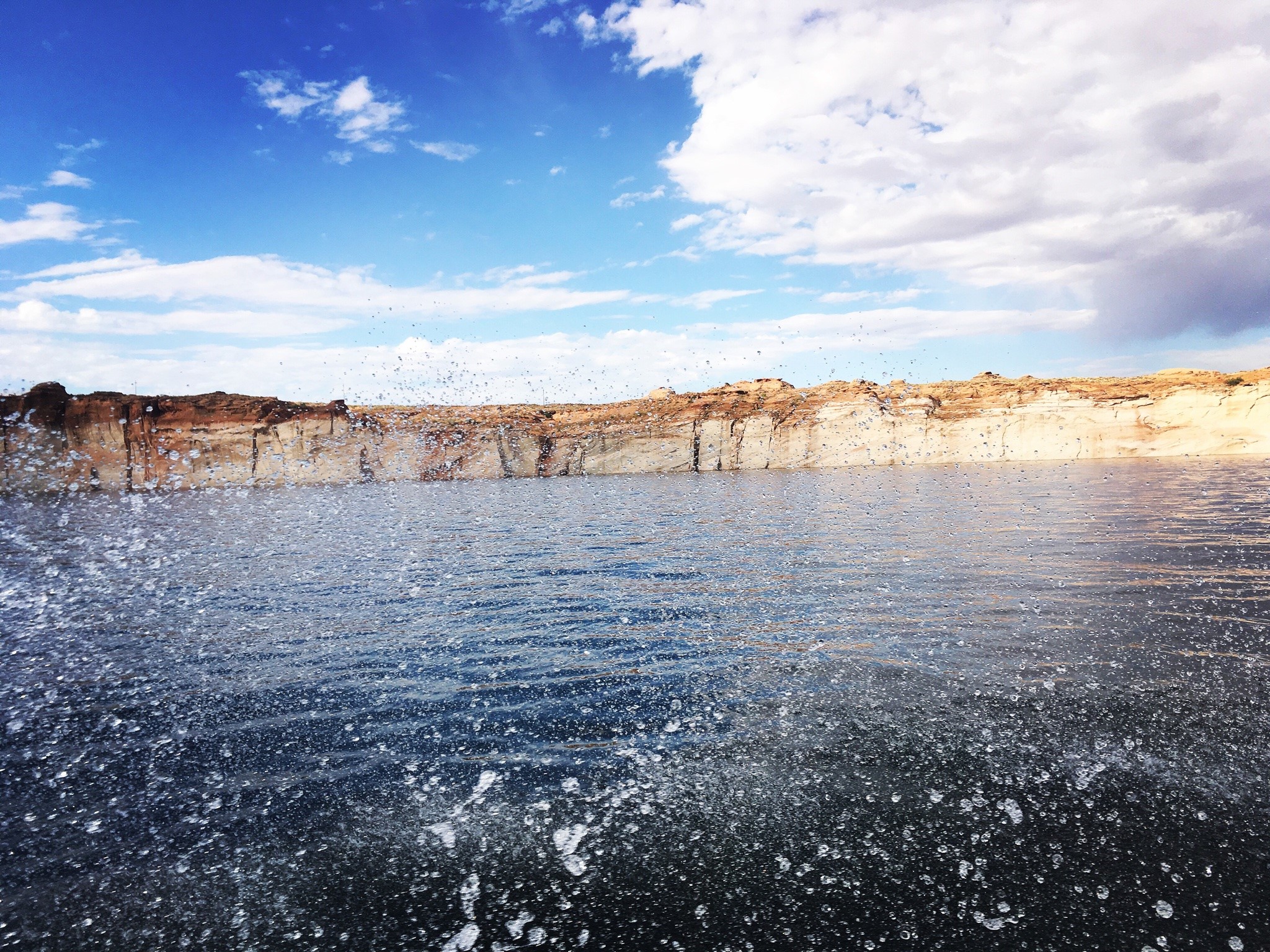
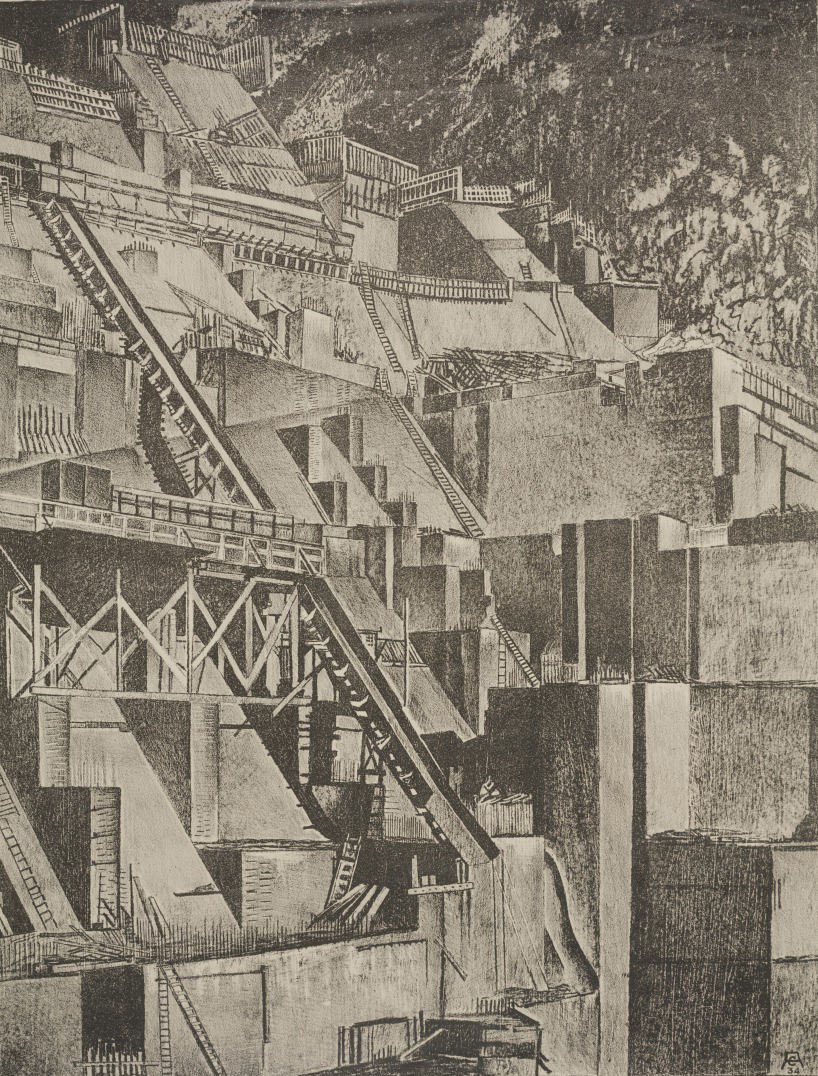
We drove past mesas, buttes, and Glen Canyon Dam. We kayaked in the clearest fresh water at Lake Powell and jumped off cliffs. We visited the (inaccurately named) Aztec Ruins left behind by an Ancestral Pueblo society. We saw the adobe houses and desert landscapes that inspired Georgia O’Keeffe. And then we made our way back home though west Texas.

Take a break from the Texas heat and take your own journey across the world and through time in the DMA’s permanent collection galleries this summer.

Jessica Fuentes
Manager of Gallery Interpretation and the Center for Creative Connections

All Access Guide to the Museum: Autism

For any visitor, going to a museum has the potential to be an overwhelming experience. Large crowds, new sensory experiences, an unknown environment, and expectations of best behavior can act as barriers to enjoying a day at the museum. This can be especially true for visitors with special needs. But is that a reason to avoid museums altogether? No way!

In this series, we’ll explore tips and tricks for creating a great Museum experience for visitors with special needs. First up in our All Access Guide to the Museum series is Autism!

Picture1

  • Reviewing a social story before your Museum visit may help your child understand what to expect. This can meet a need for structure and predictability, and help to reduce the stress or confusion your child may experience throughout their visit. Find a social story for your DMA visit here!
  • Make your visit child-sized and focus on just a few works of art that spark your child’s curiosity. Don’t feel like you need to see everything in one day. General admission to the Museum is free and you can return again and again!
  • Pass the reins to the kids and follow their interests! Let them choose where to go and what to see, then give their imaginations a workout. You might search for favorite colors or animals, act out a story you see in the artwork, or play a game of I Spy.
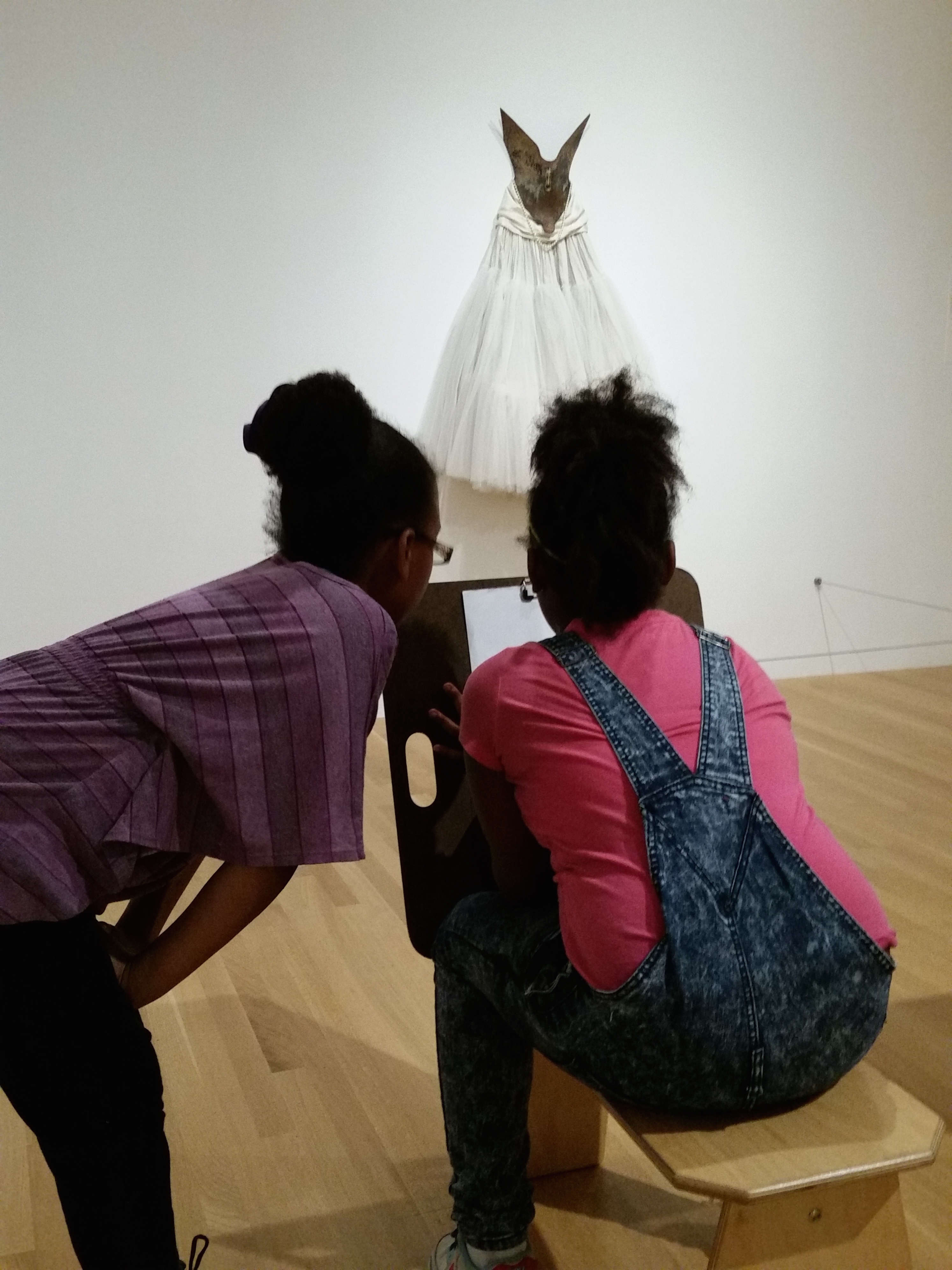
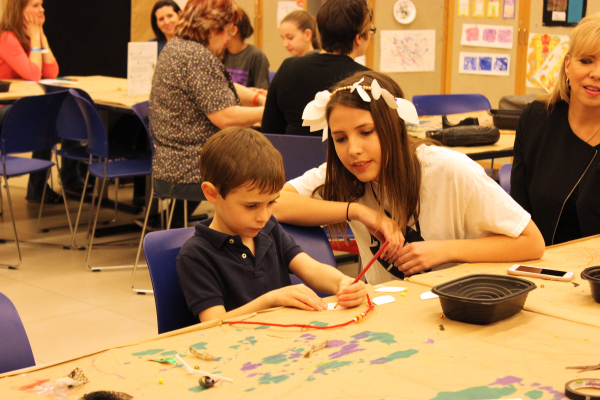
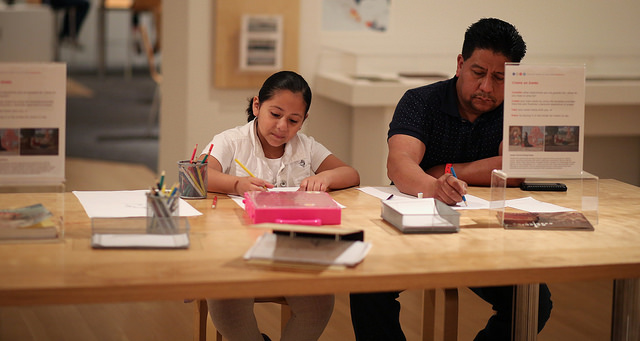
  • Children may prefer to sit and participate in quiet activities, such as drawing or playing a game. Find places within the galleries that allow for quiet time, such as one of the benches found around the Museum or open spaces to sit on the floor. Bring along a sketchbook and colored pencils to experience the art in an interactive way.
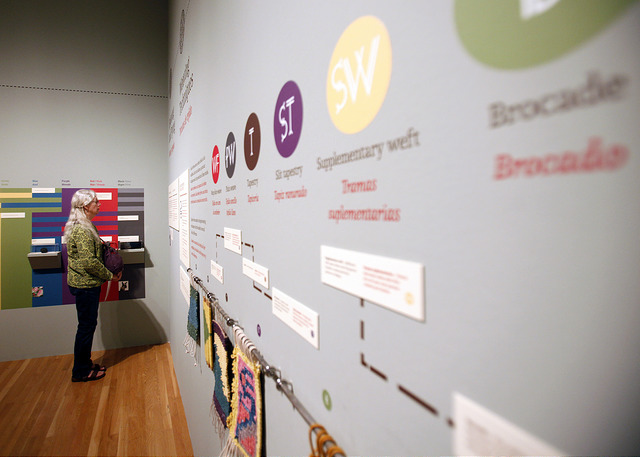
  • Take a break! Adding breaks to your Museum visit may help children spend more time touring the galleries and increase their overall enjoyment. Find a quiet place to take a break that is free of auditory, visual, and tactile stimulation. For example, the walls in the Ancient American galleries are a calm, muted grey tone complimented by low lighting. This creates a more soothing atmosphere for children who are sensitive to bright light or may become distracted with too much visual stimulation.

Picture2

  • Children are welcome to wear noise canceling headphones or listen to music during their time at the Museum. This may be helpful if they respond negatively to unexpected or loud noises, hold their hands over their ears to protect them from sounds, become distracted around a lot of sounds, or can’t work with background noise.
  • Allowing children to carry a small object or favorite toy during their visit may enable them to focus more fully.
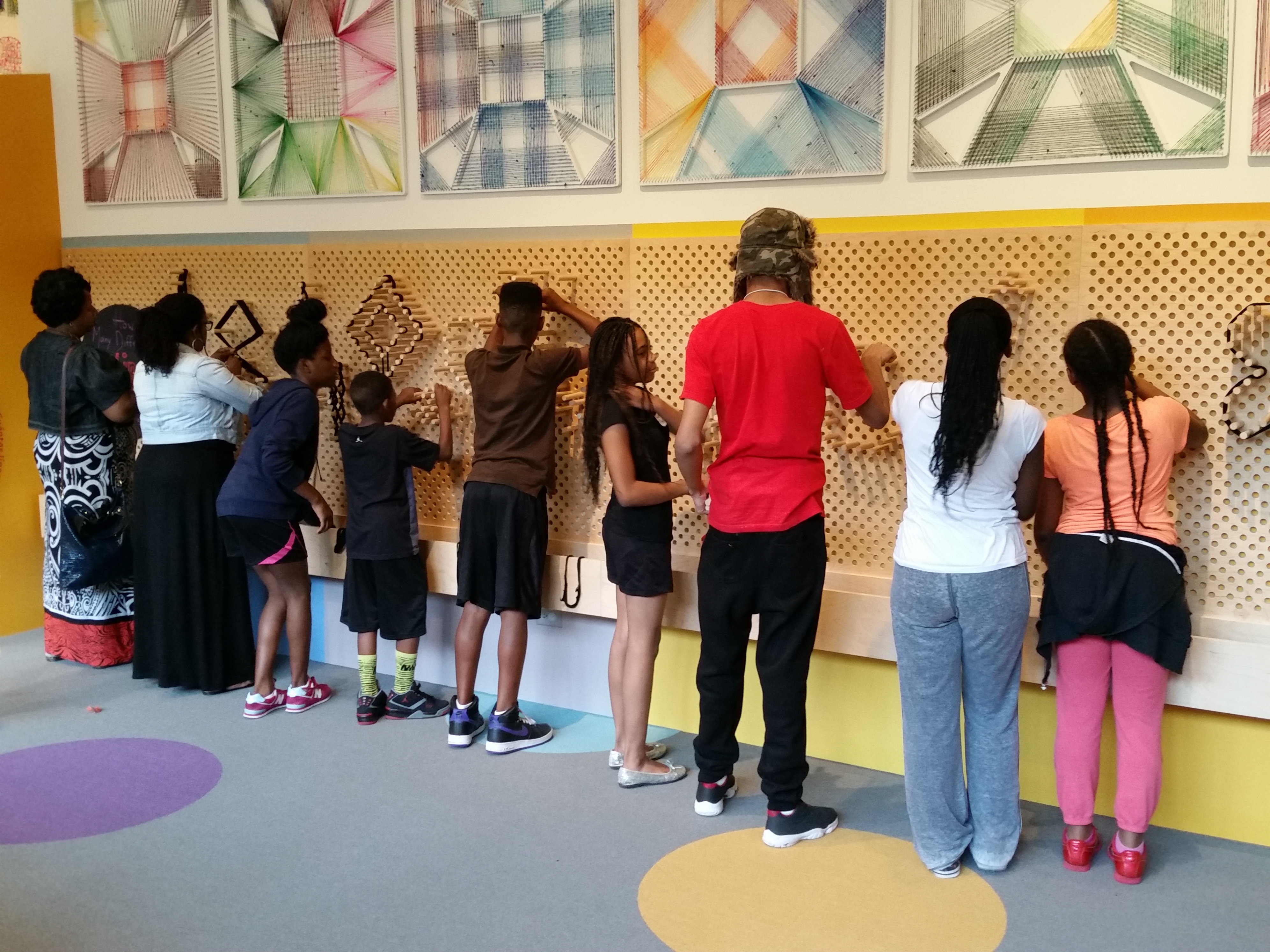
  • Children who have sensory seeking tendencies may display a need to touch certain surfaces or textures. Providing them with opportunities throughout their Museum visit to touch and interact with exhibits may be helpful in increasing their enjoyment. Although the majority of items in the Museum should not be touched, a few galleries do include interactive elements, such as the playable thumb piano in the African gallery. For more interactive experiences, head down to the Center for Creative Connections on the first floor where you can visit Arturo’s Nest and the Young Learners Gallery. Both are “please touch” spaces where kids can crawl, explore, and play.
  •  If you prefer to plan your visit during non-peak hours, you may want to come September through May (Tuesday-Friday, after 1:00 pm). If you are planning your visit during Summer, Spring Break, or holidays, you may want to visit Tuesday-Friday, 11:00 to 1:00 pm.

Picture3

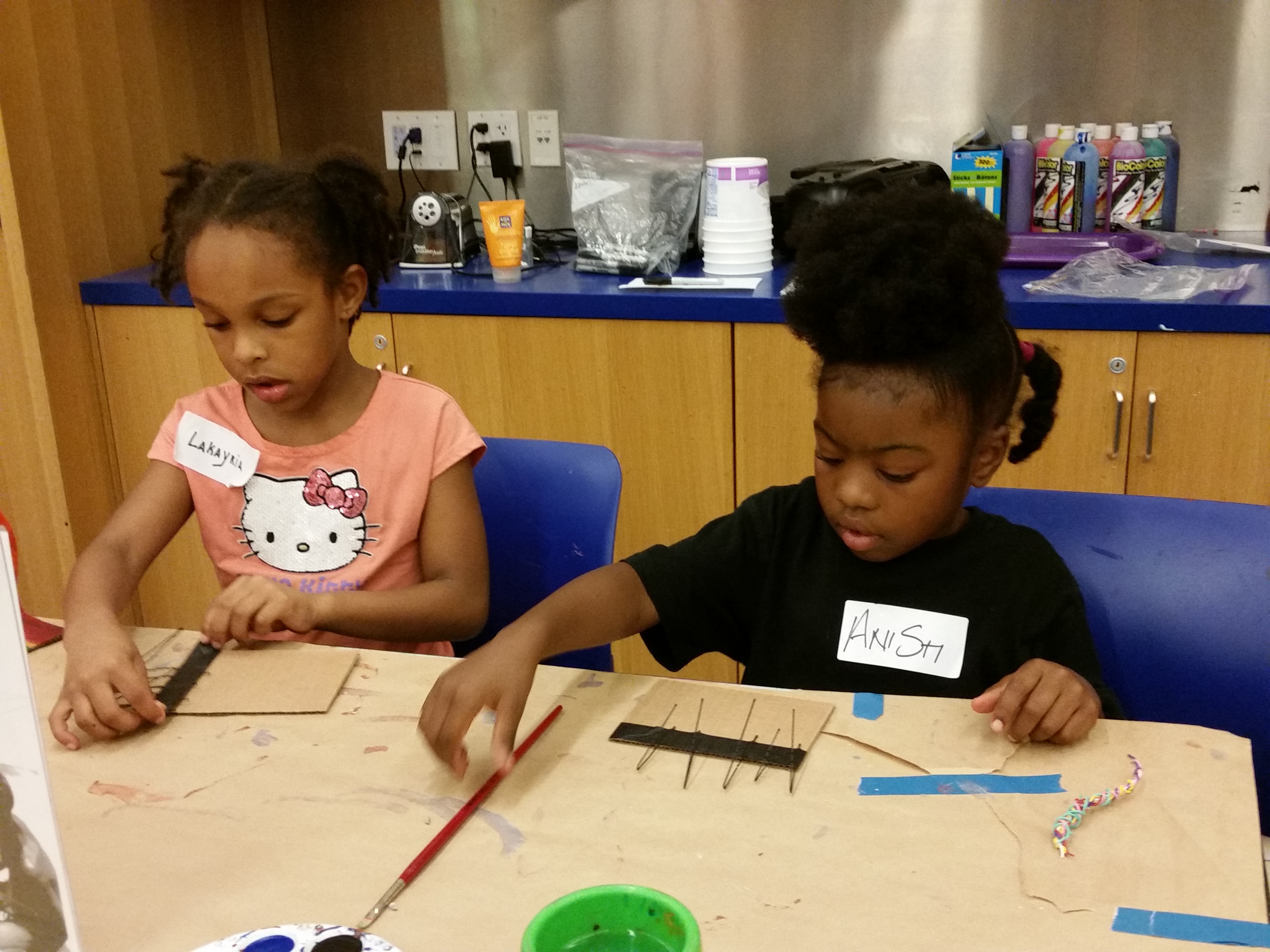
  • Visit the Museum during our next Autism Awareness Family Celebration, when we open two hours early for children with autism and their families to enjoy art together! Families can participate in art-making activities in the studio, enjoy an interactive performance by our music therapist, listen to an in-gallery story time, or relax in our quiet sensory room facilitated by occupational therapy students from Texas Woman’s University.

We hope to see you soon!

Emily Wiskera
McDermott Graduate Intern for Family and Access Teaching

A Golden Summertime

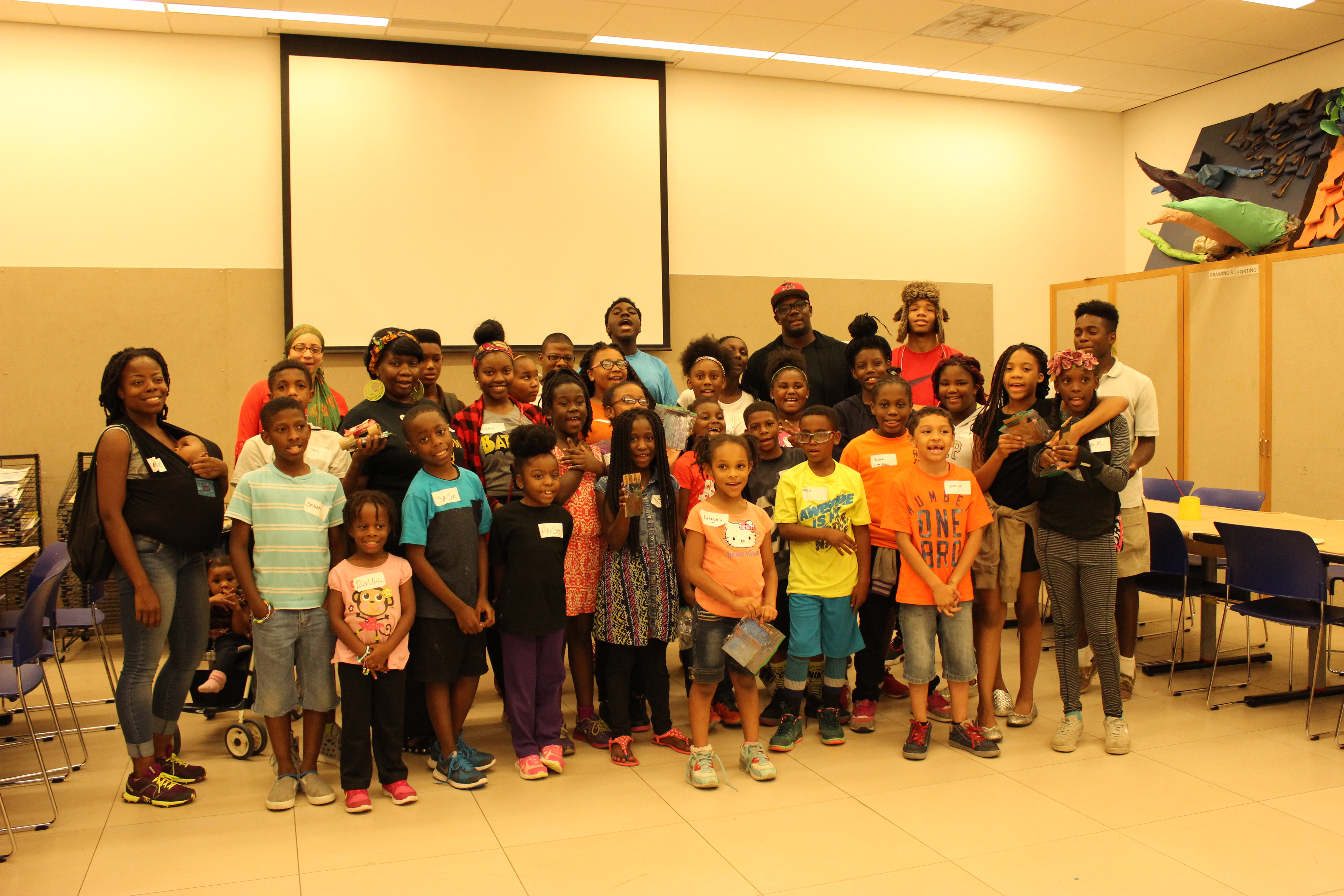
Last night, we wrapped up our annual summer partnership with the South Dallas Cultural Center’s six-week Summer Arts at the Center program, where students learn about African history through writing, photography, art-making, and performance. This summer, students learned about post-colonial West Africa, with a focus on Ghana.

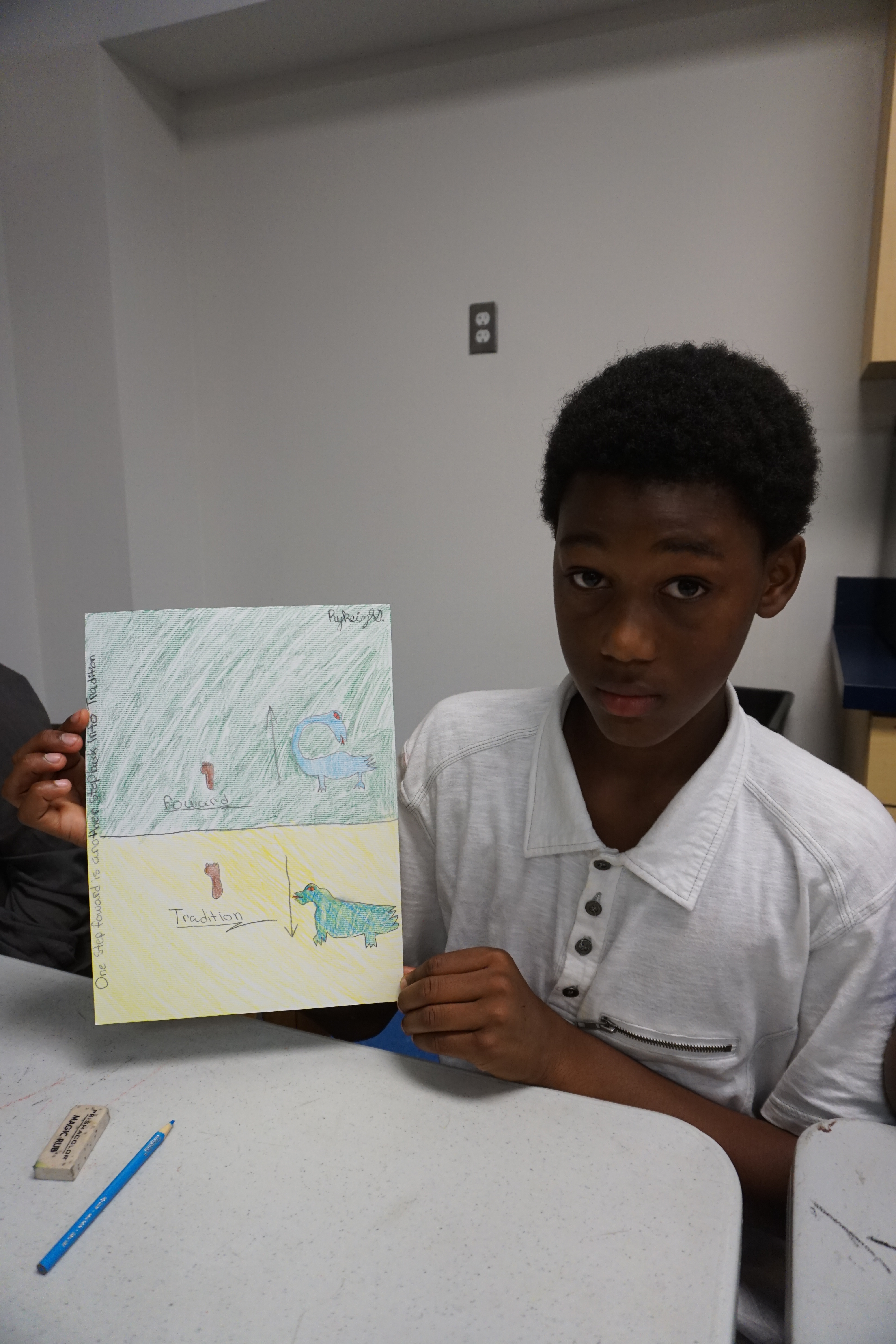
Some of our favorite works of art at the DMA come from Ghana – like the Sword ornament in the shape of a lion! After a field trip to the Museum to learn more about Asante gold, teens illustrated and gilded proverbs from their lives with gold leaf, then brought them into three dimensions with clay.

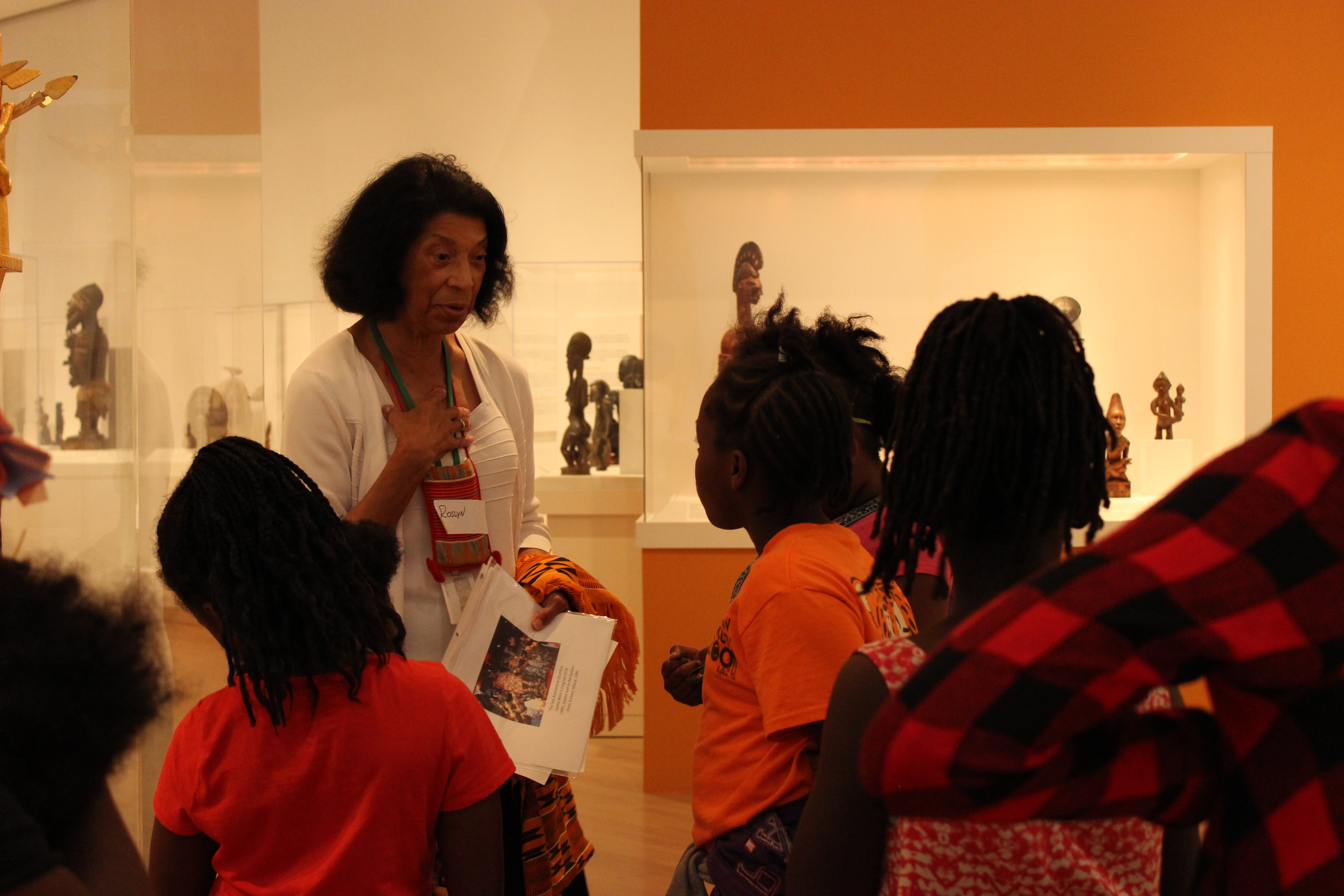
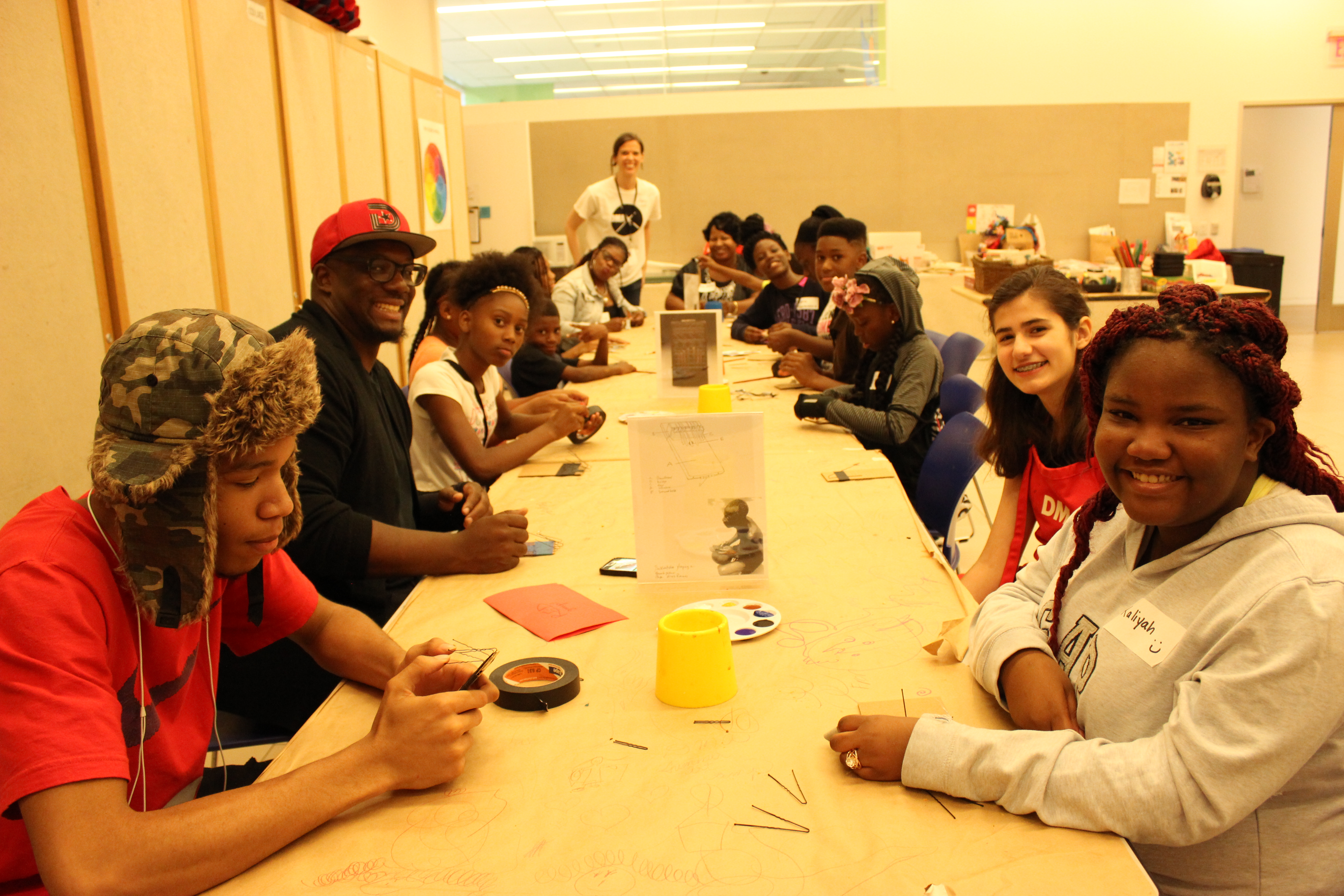
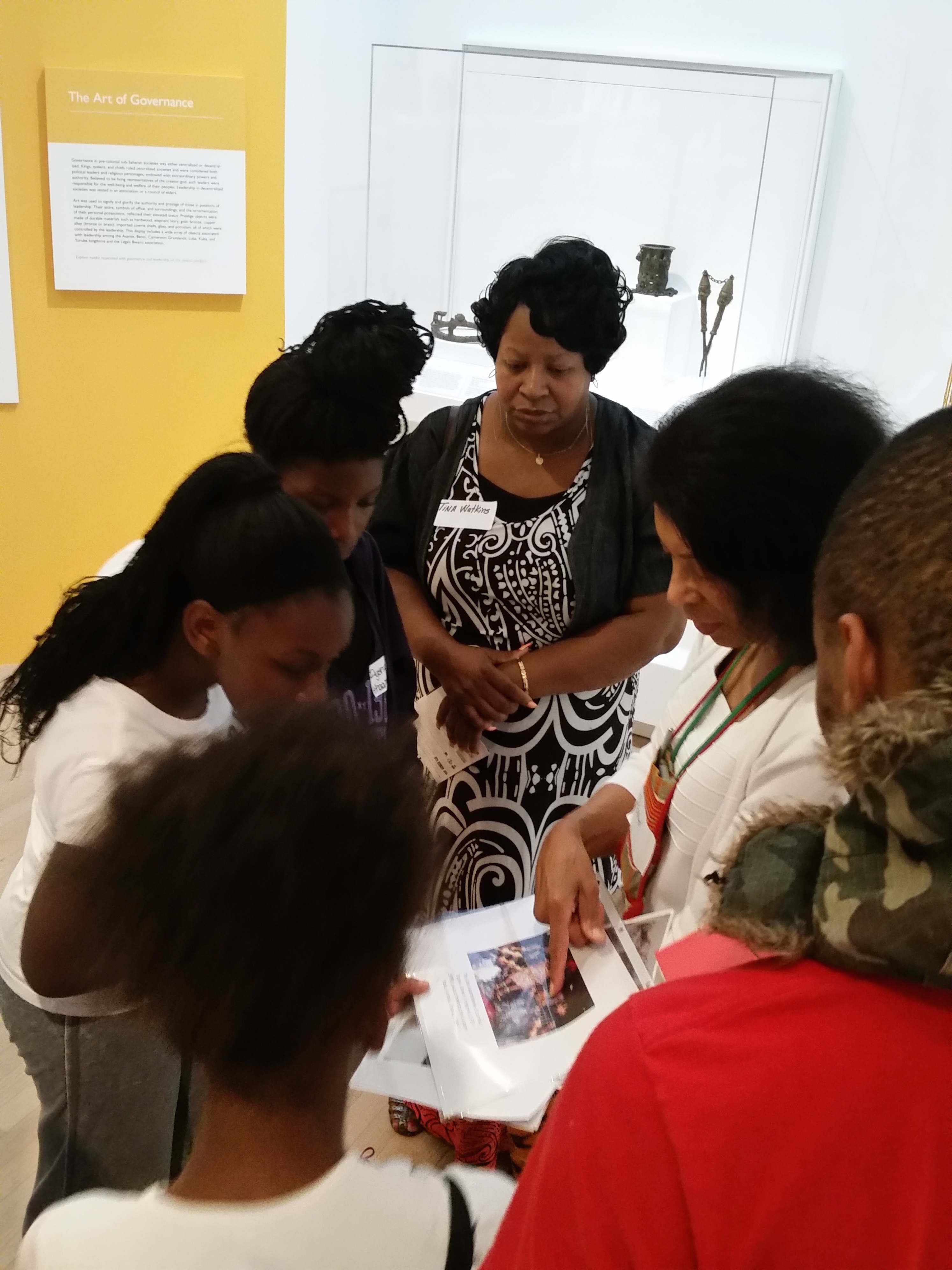
After their projects were finished, we invited families from the Center to visit us for a family night! Roslyn Walker, the DMA’s Senior Curator of the Arts of Africa, the Americas, and the Pacific, lead tours for families in the galleries. Students and their loved ones also made thumb pianos in the studio and explored the Center for Creative Connections during their visit.

Big thanks to the South Dallas Cultural Center for another summer of awesome art making and fun. We look forward to seeing you at the museum again soon!

Jessica Thompson
Manager of Teen and Gallery Programs

Dance, Dance, Baby!

Penn 3

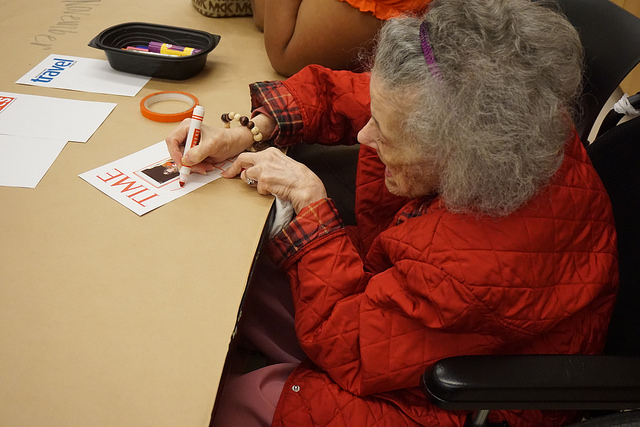
I first met dance instructor Misty Owens last summer when she partnered with some of my colleagues to present movement-based workshops for visitors with special needs here at the DMA. She brought pool noodles, scarves, inspiring music, and a mesmerizing grace into the galleries, and it was so fun to watch her work with our visitors.

This past spring, I saw her in action once again when she brought her Dance for Parkinson’s Disease class to the Museum for regular visits. Her ability to communicate ideas through movement and encourage even the least-coordinated person (me!) to attempt some dance moves in the galleries is inspiring. The culminating performance for Misty’s Dance for PD group just happened to fall on the same day as a Toddler Art class I taught. As the children trickled out of our classroom space after class, they literally stumbled upon the dance group’s dress rehearsal. The toddlers were mesmerized! They spontaneously sat down on the carpet and became an impromptu audience as the dancers practiced their steps. There were huge smiles (on both the toddlers’ and the performers’ faces), and it sparked an idea—what would it be like to have Misty work with our littlest visitors?

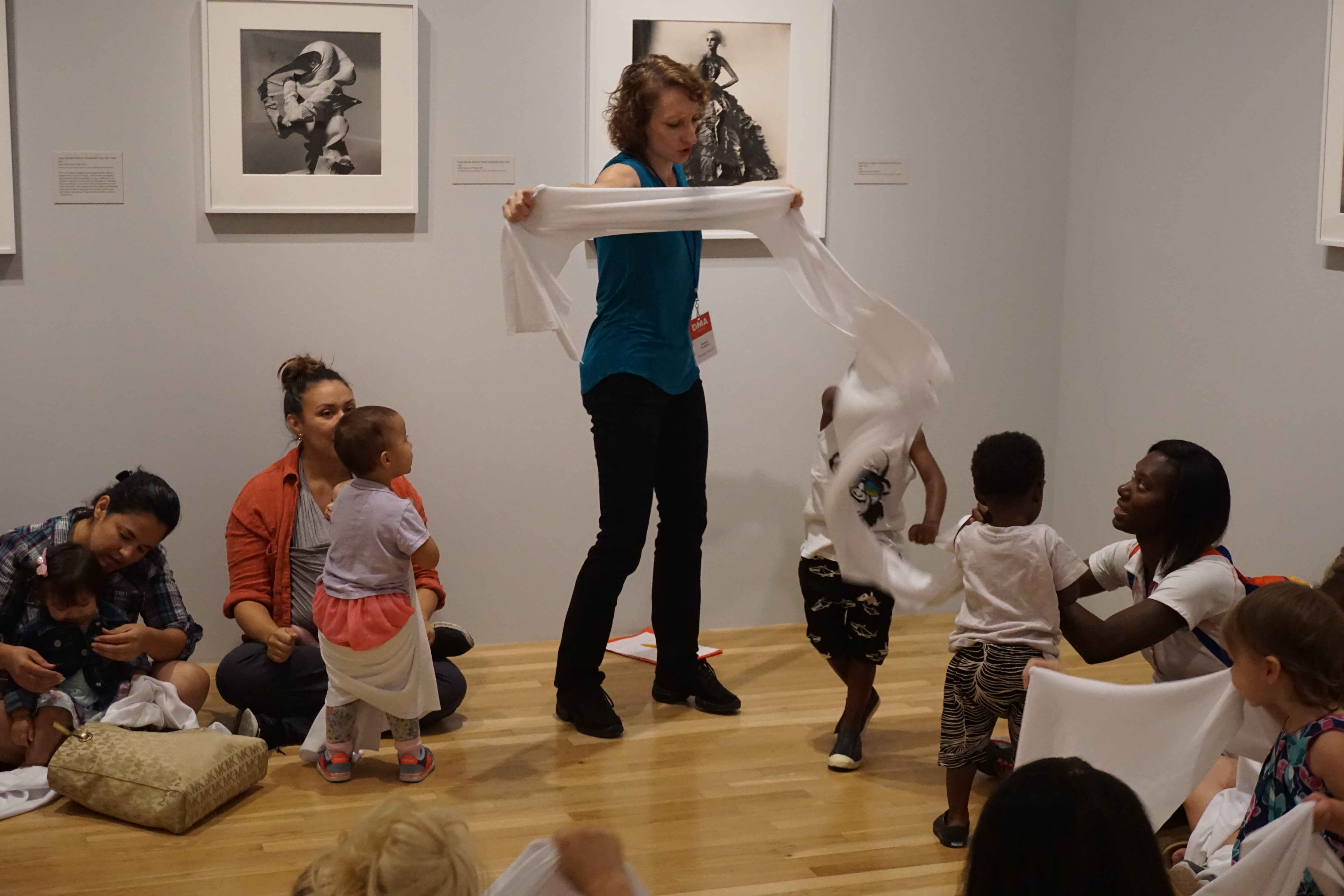
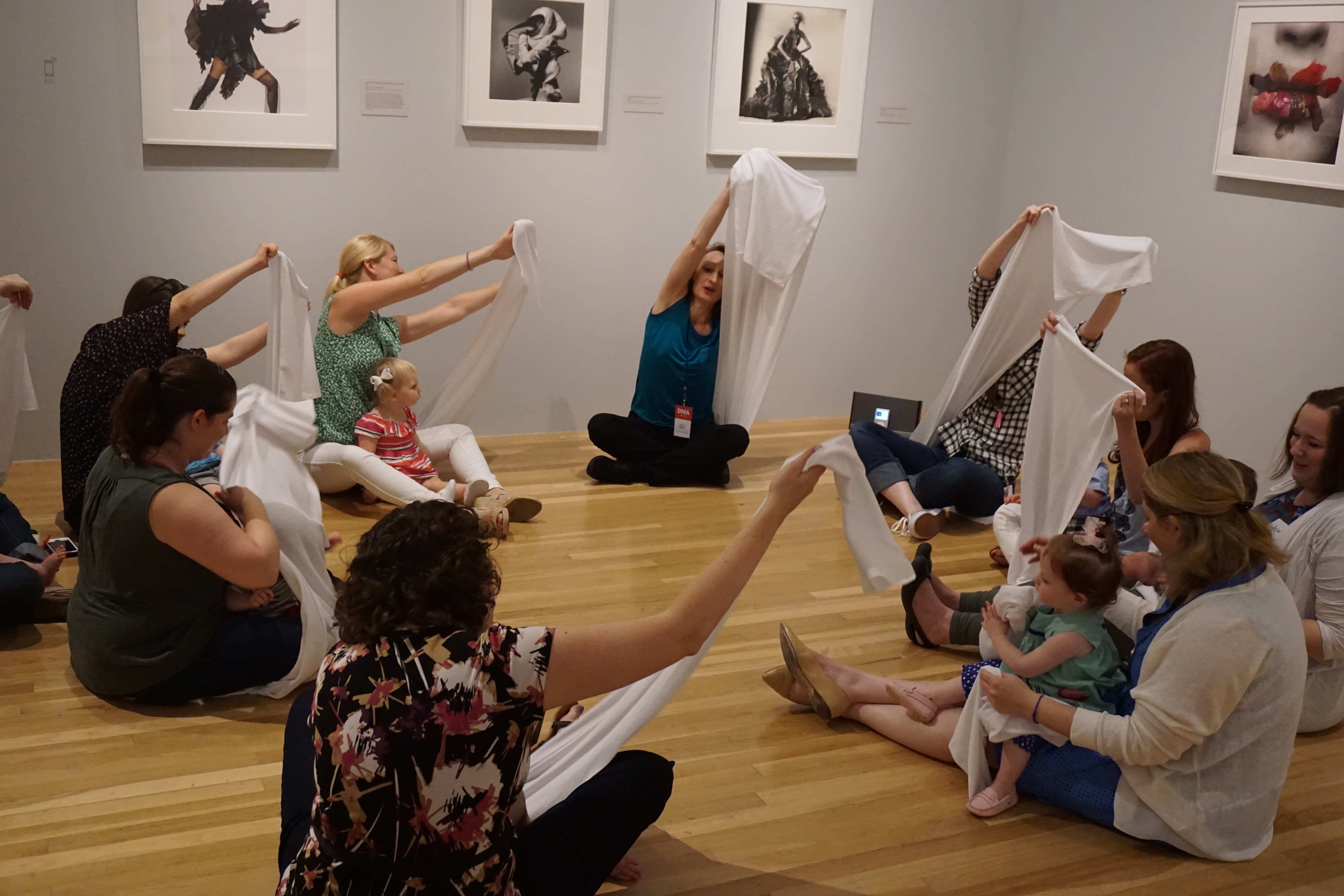
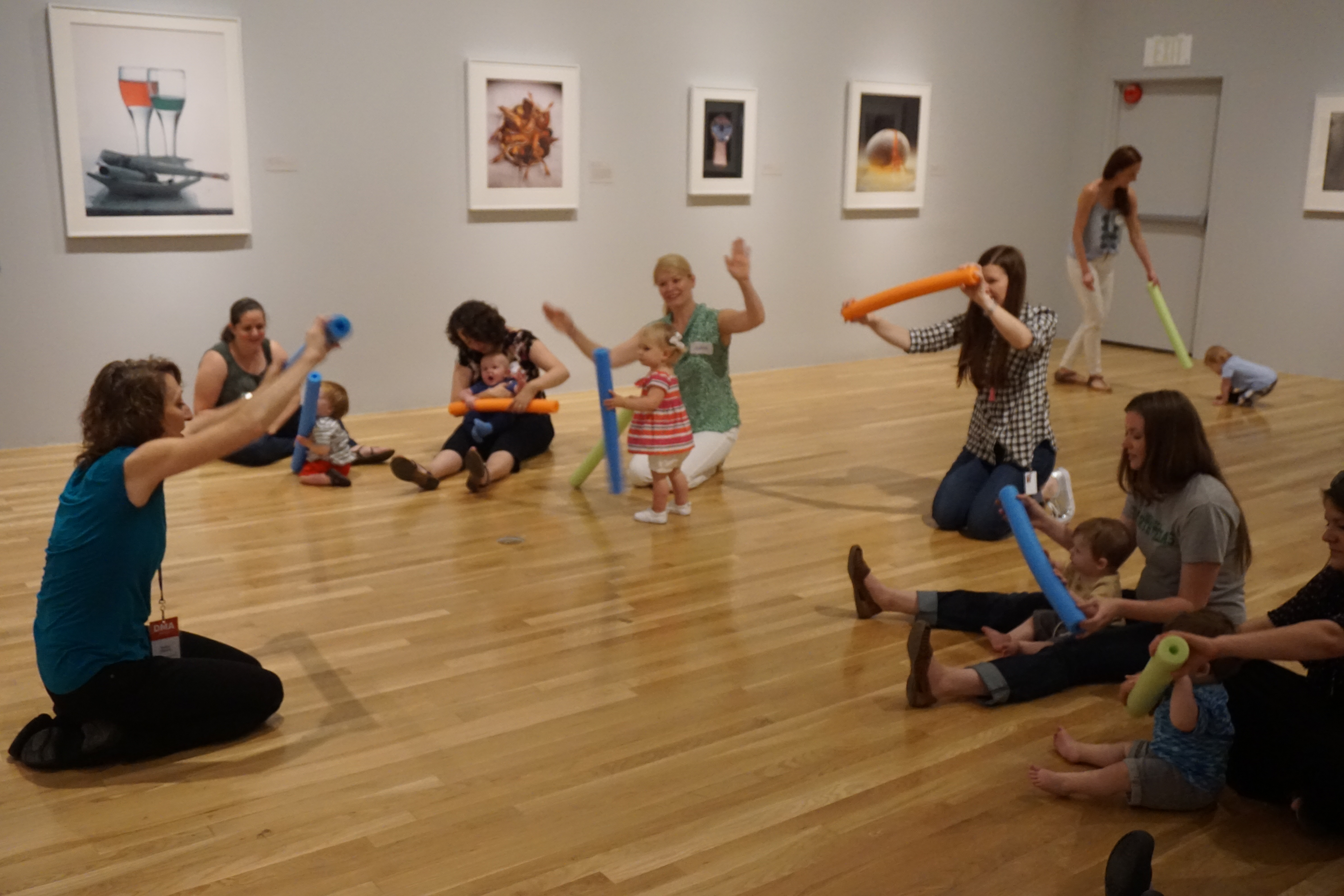
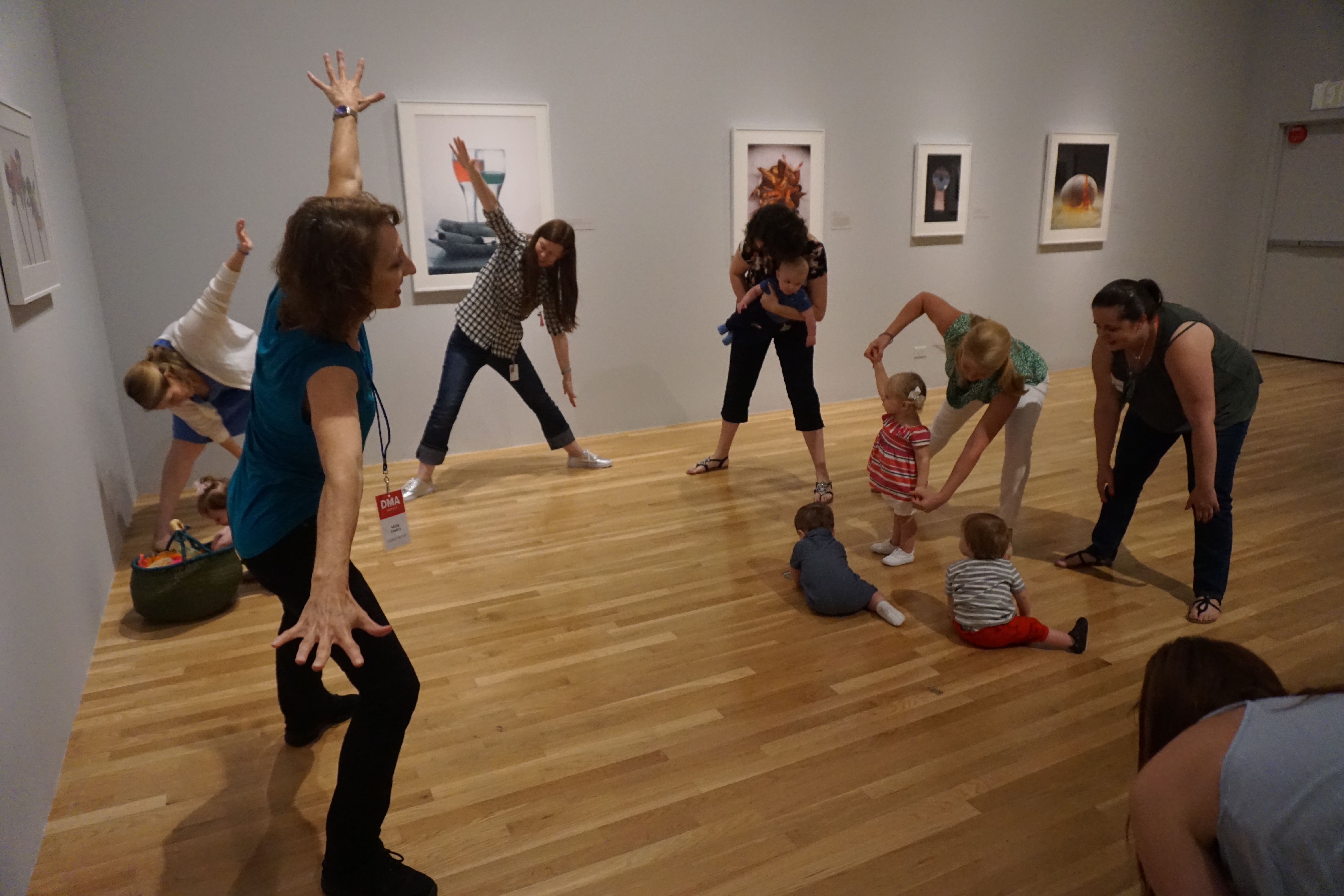
Lucky for me, Misty is willing to try just about everything, and earlier this month, she was at the DMA once more, this time as a special guest teacher for the Art Babies class. The Irving Penn: Beyond Beauty exhibition served as our inspiration, and Misty led caregivers and babies in a lively exploration of Penn’s photography through movement.

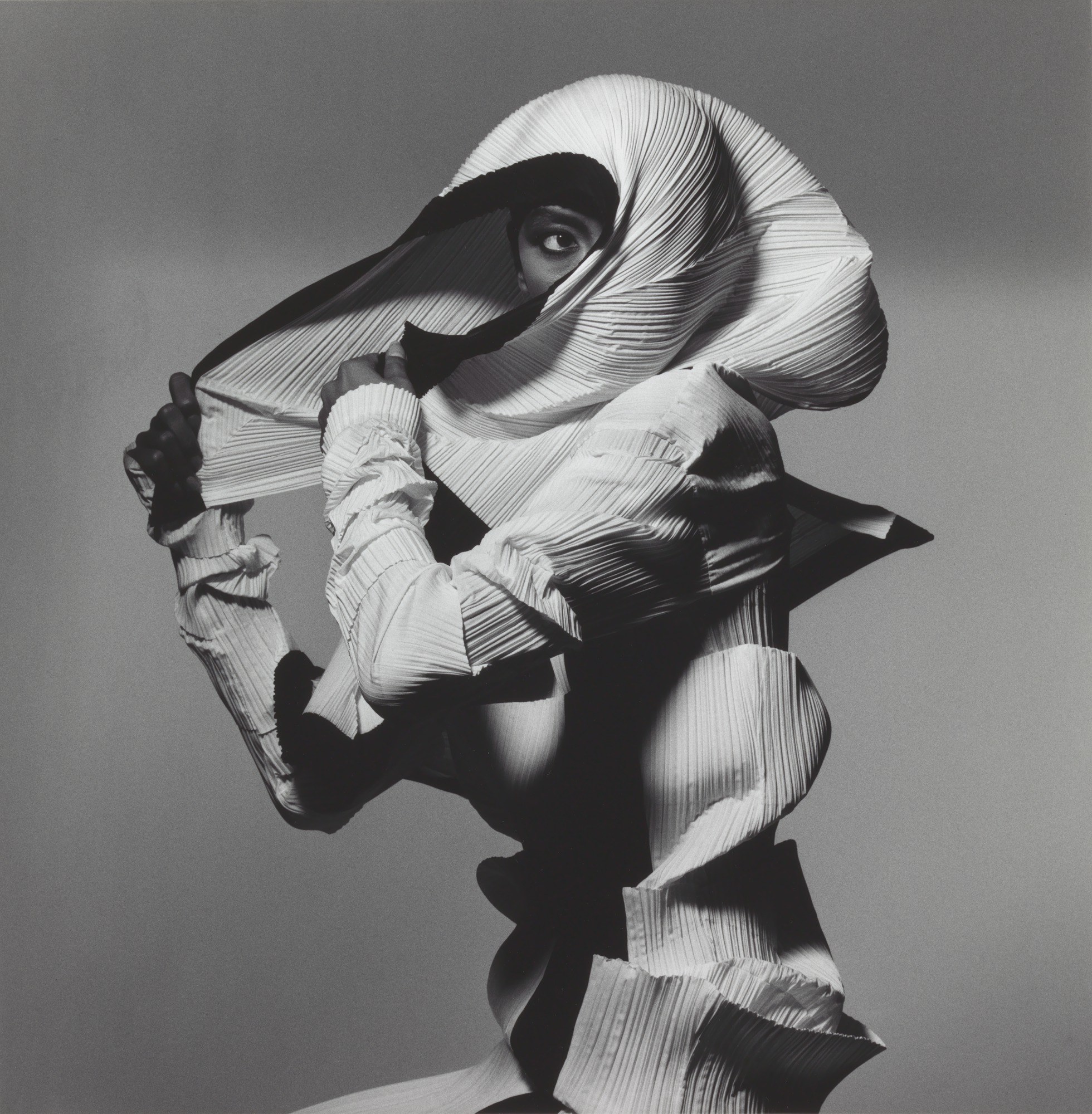
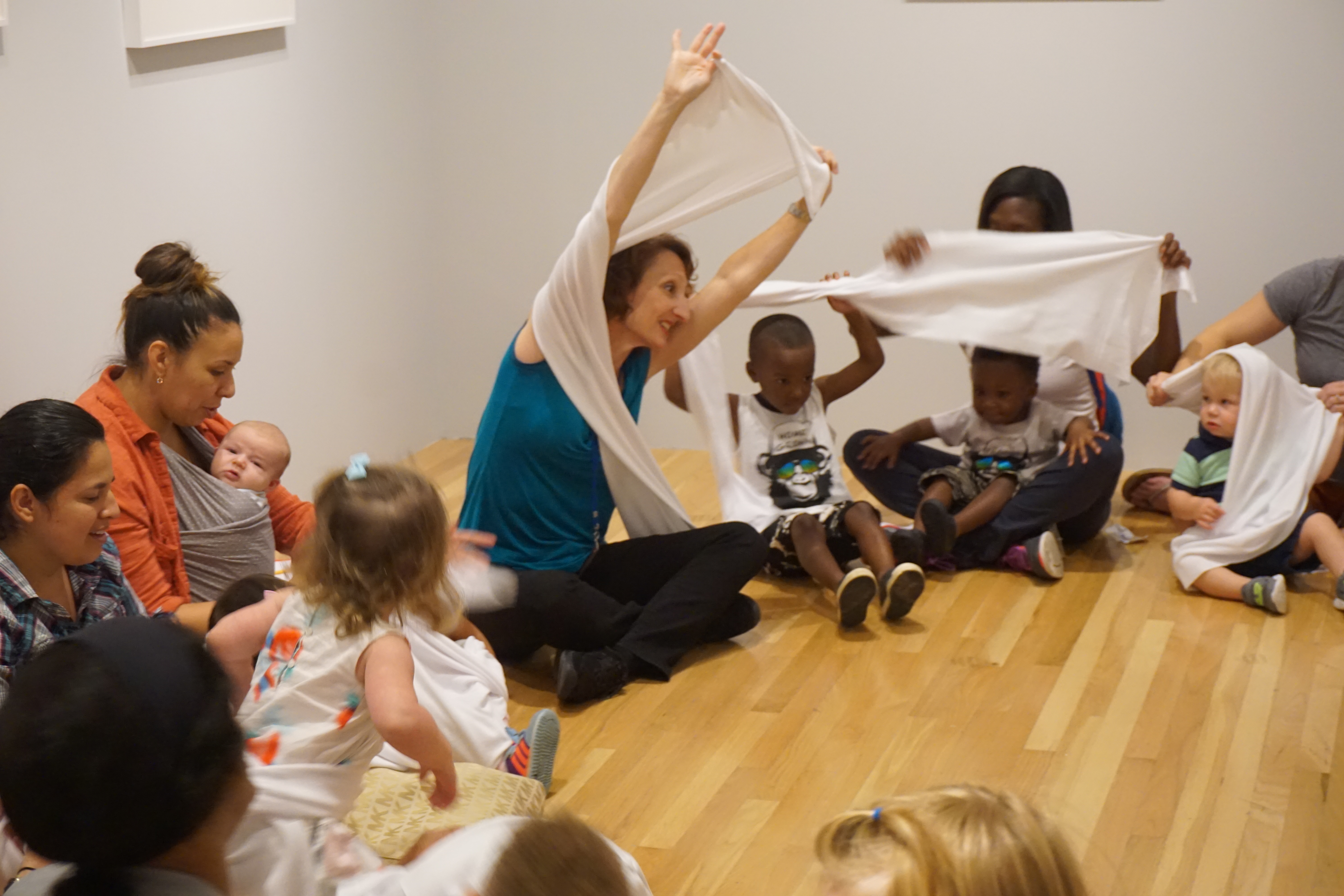
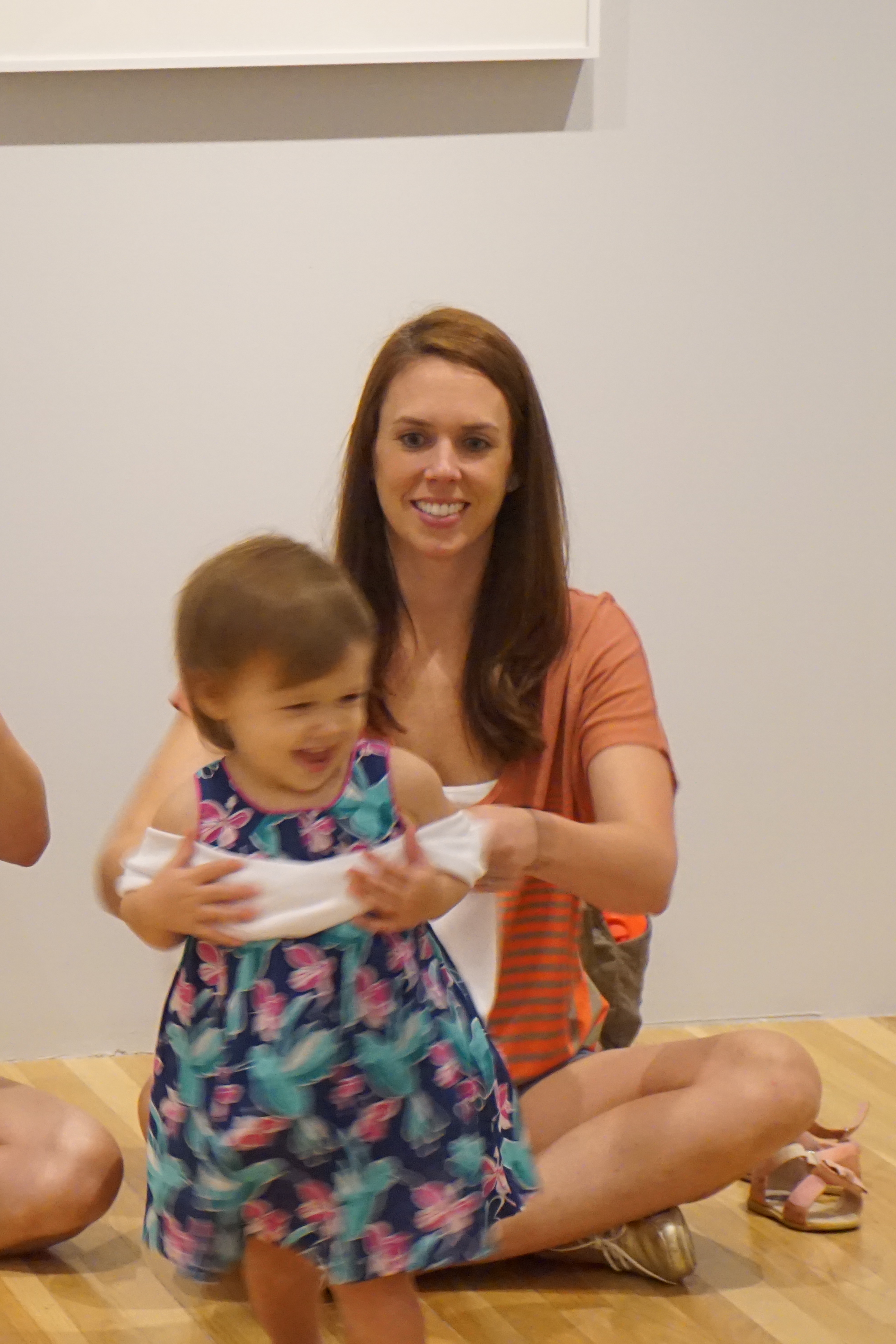
We began by looking at Issey Miyake Fashion: White and Black. Misty and I were both taken by the fabric and thought that the peek-a-boo playfulness to the image seemed to be begging for some baby dance moves! Using lengths of stretchy white fabric, we experimented with making shapes with our bodies, played peek-a-boo, and created living sculptures around the babies. One little guy could not stop giggling as his mother wrapped him and unwrapped him in the fabric, surprising him with silly faces.


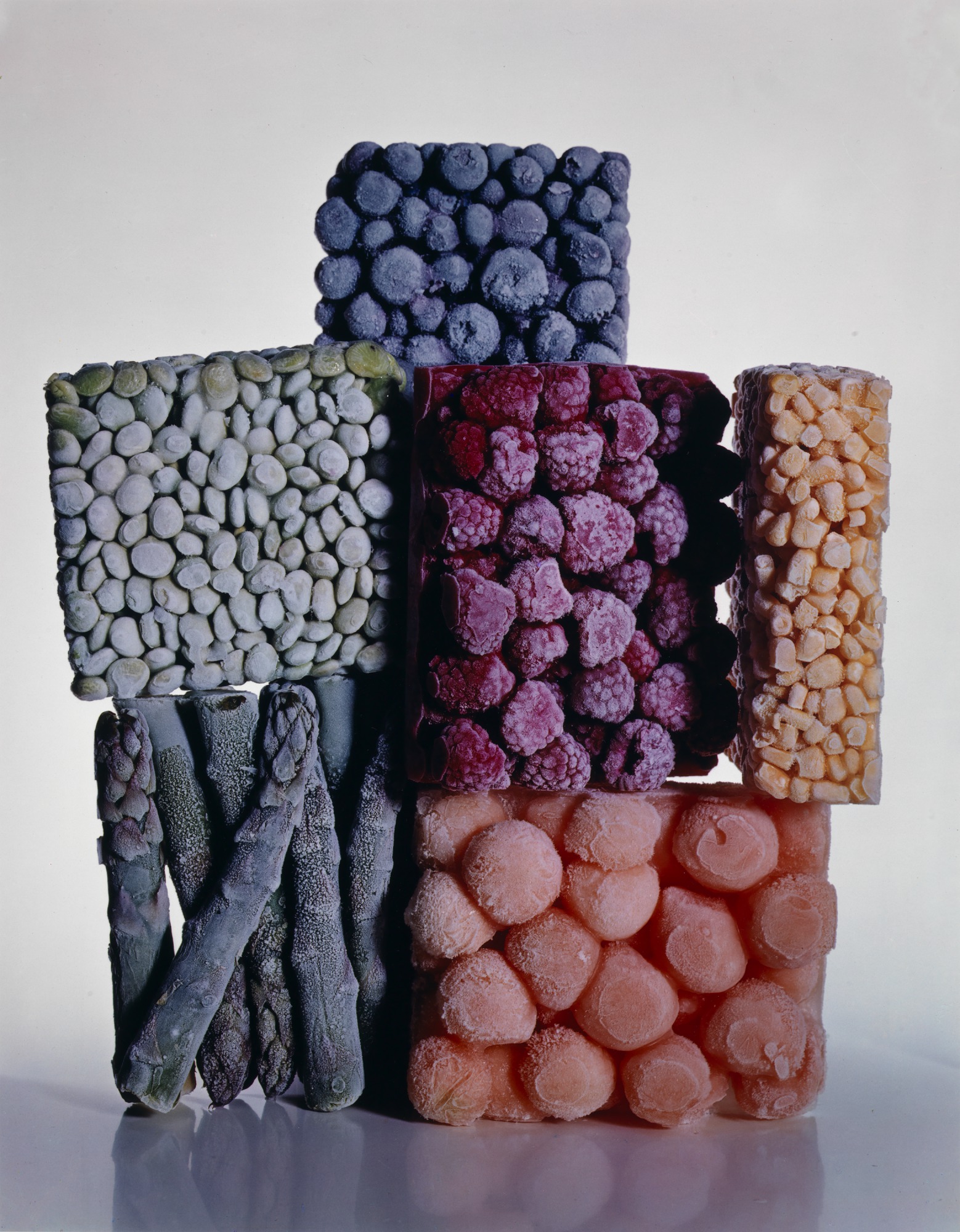
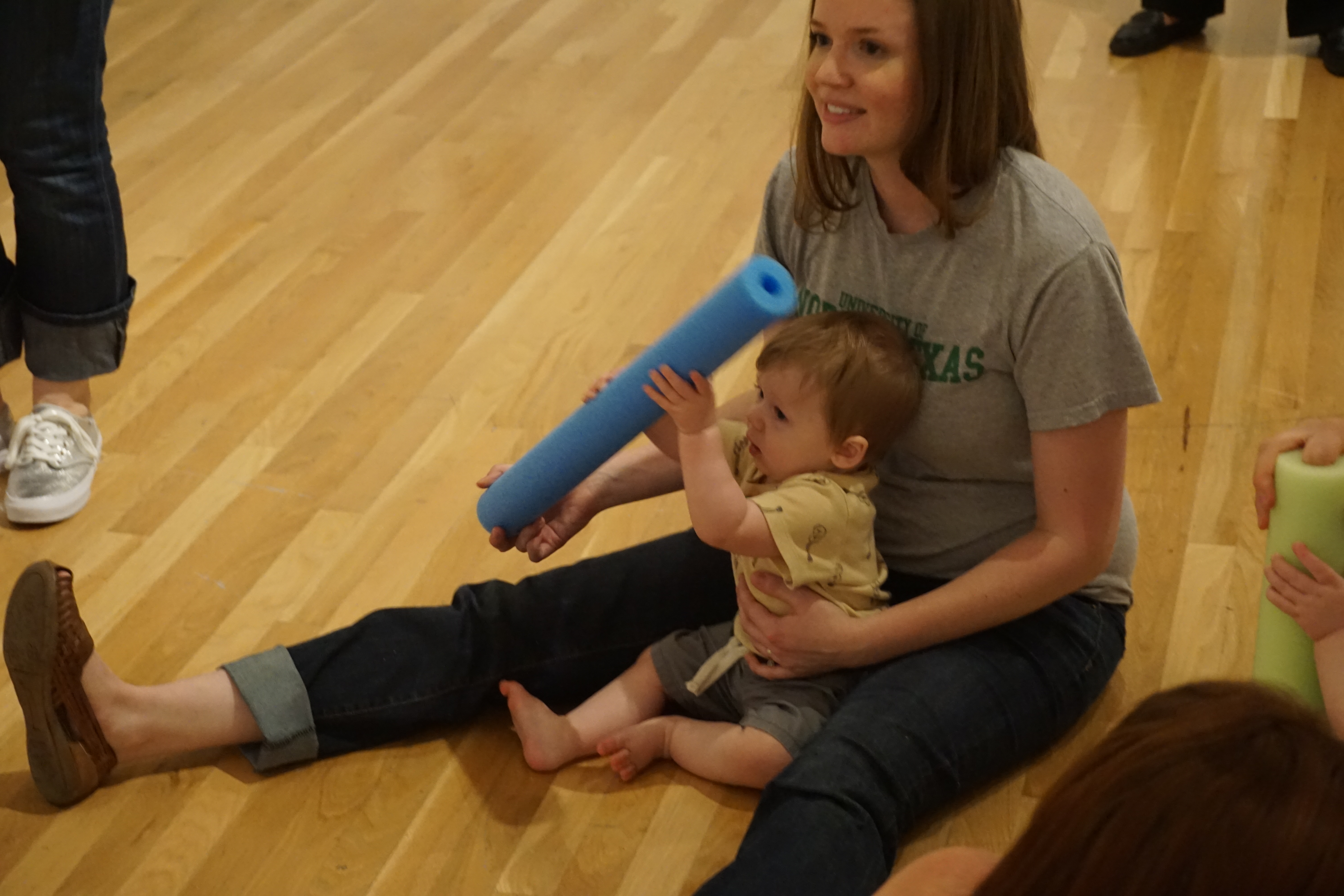
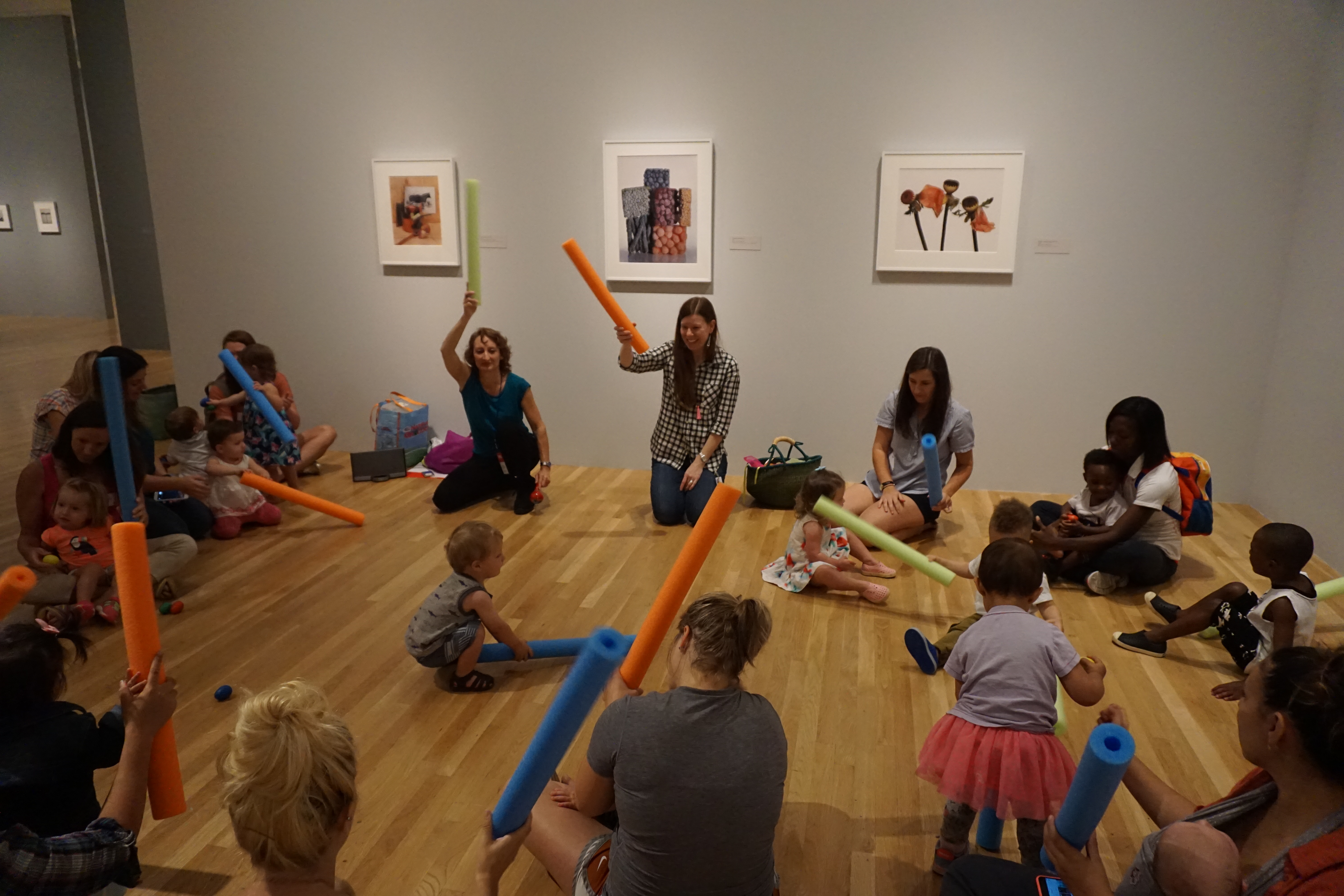
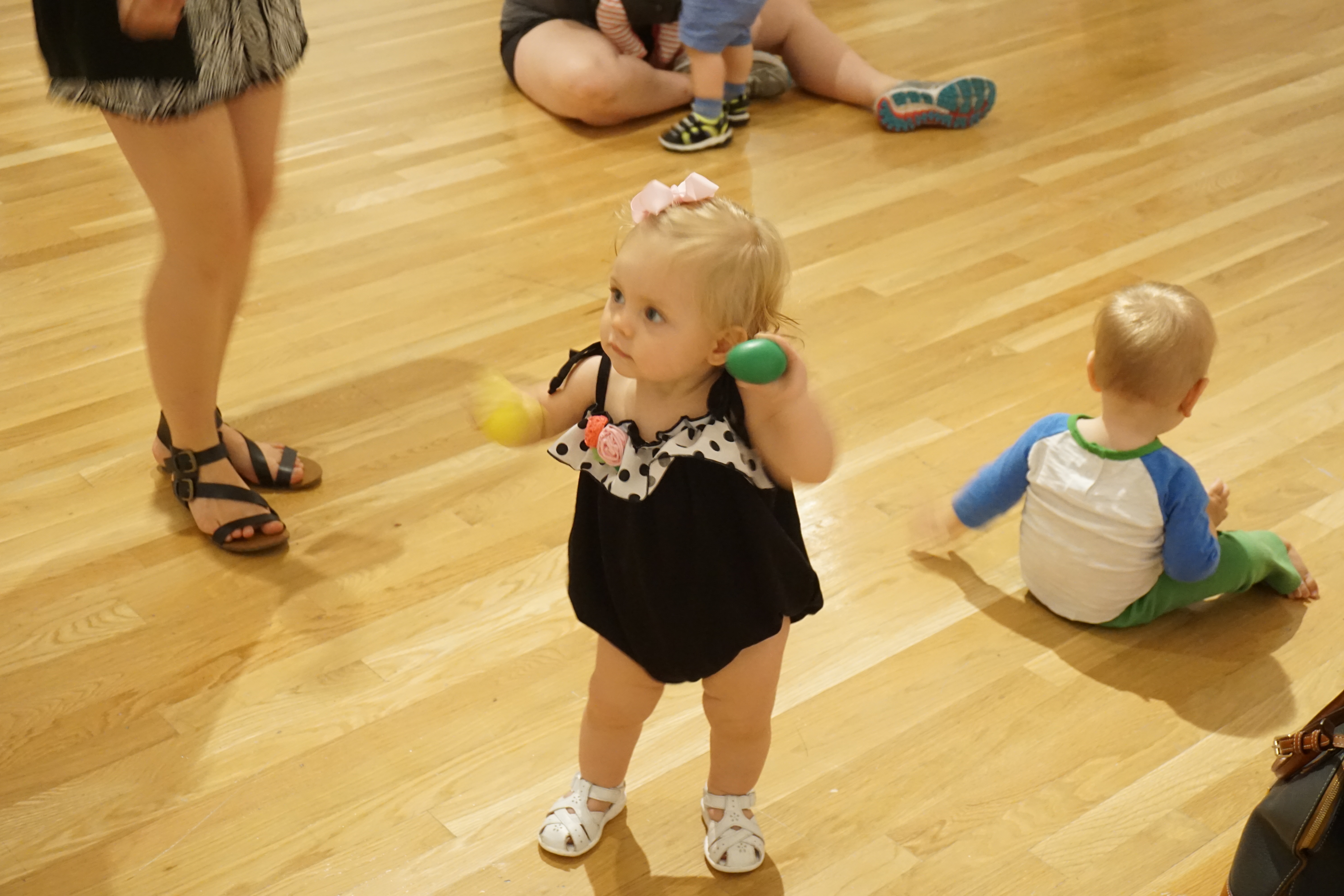
For our next stop, we took a closer look at Frozen Foods (one of my personal favorites from the show!) This time, Misty focused our attention on the different textures in the photo—we noticed the long, straight shoots of asparagus, the rounded pops of frozen berries, and the crackling frozen lentils. Using pool noodles, shakers, and maracas, the babies and parents created their own soundscape for the photo, and moved and danced in rhythm to bouncy melodies. It was a ruckus, but so much fun!

I loved watching the parents and children experience the art in an entirely new way. When the music came on, the babies couldn’t seem to help themselves, and their little legs and arms would start bopping in time to the music. Parents were all smiles and gave themselves permission to be silly as we jumped and reached and swooshed around the galleries. And for me personally as an educator, Misty helped me to approach these works of art with a new eye and gain an even greater appreciation for Penn’s artistry and talent. I noticed textures, shapes, movement, and stillness where I hadn’t really seen them before.

Lesson learned—a little dance is good for everyone, no matter how big or small!

Leah Hanson
Manager of Family and Early Learning Programs

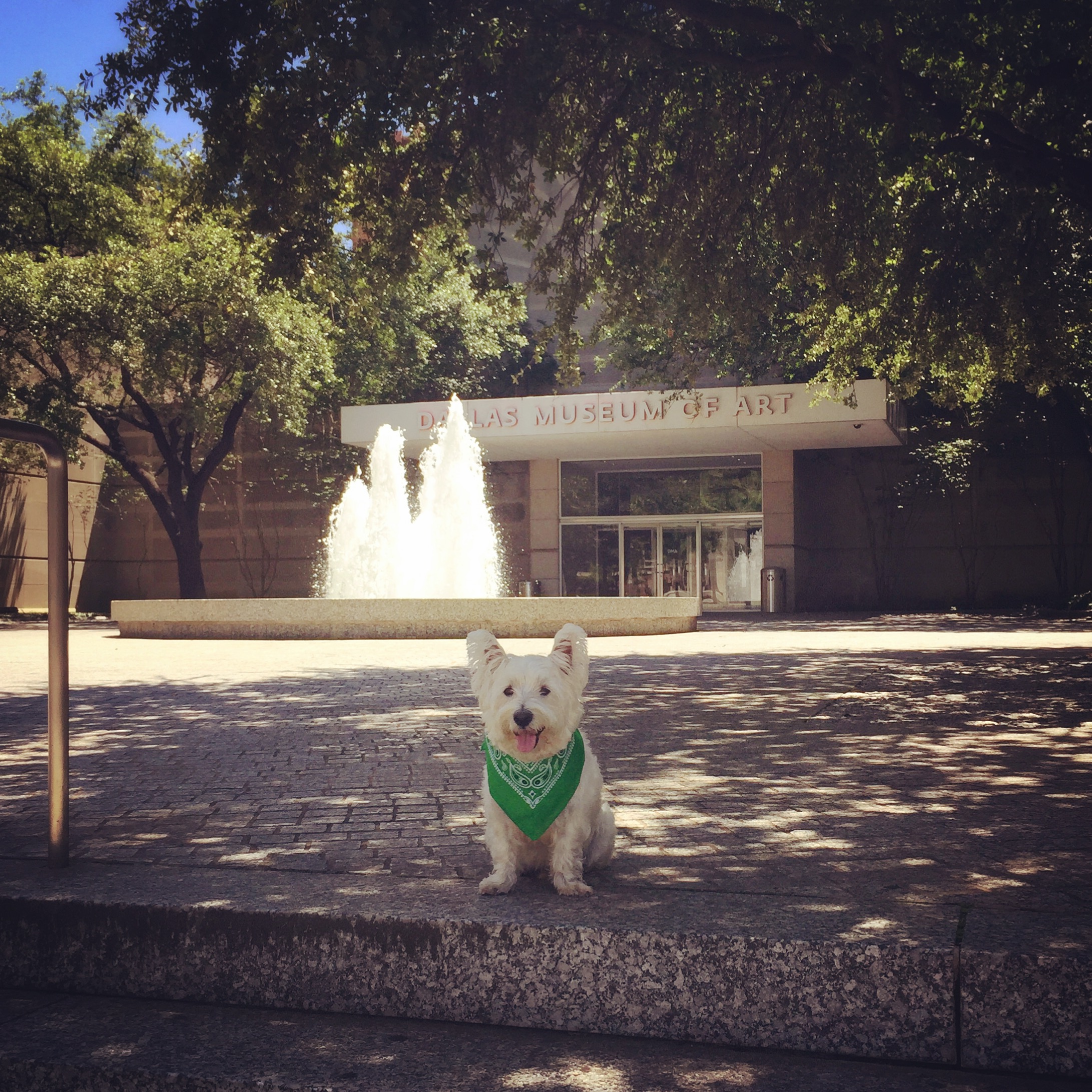
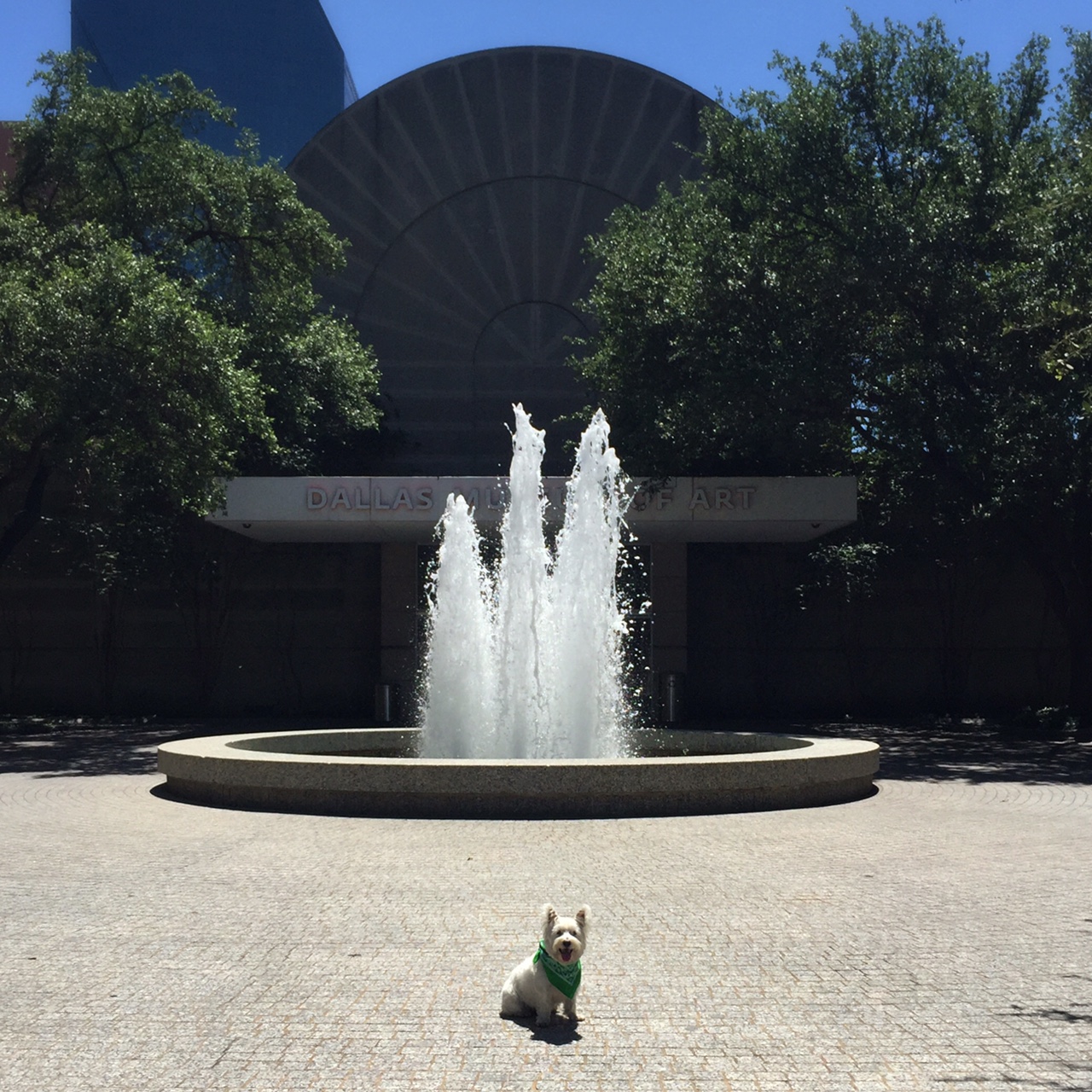
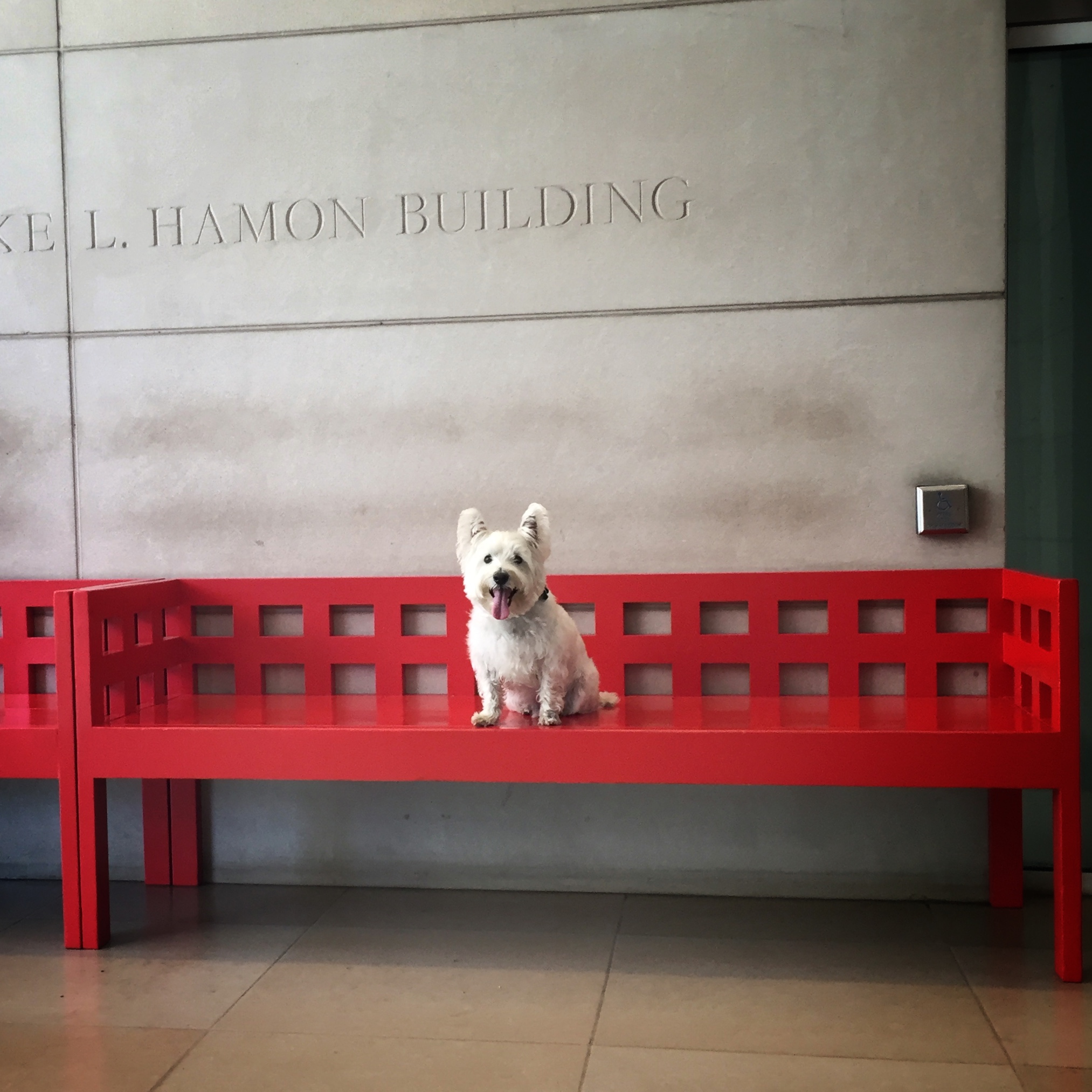
Friday Photos: DOGgone Good Times

Today’s post is from George Costanza Blake, a spunky Westie who belongs to DMA staffer, Amanda.

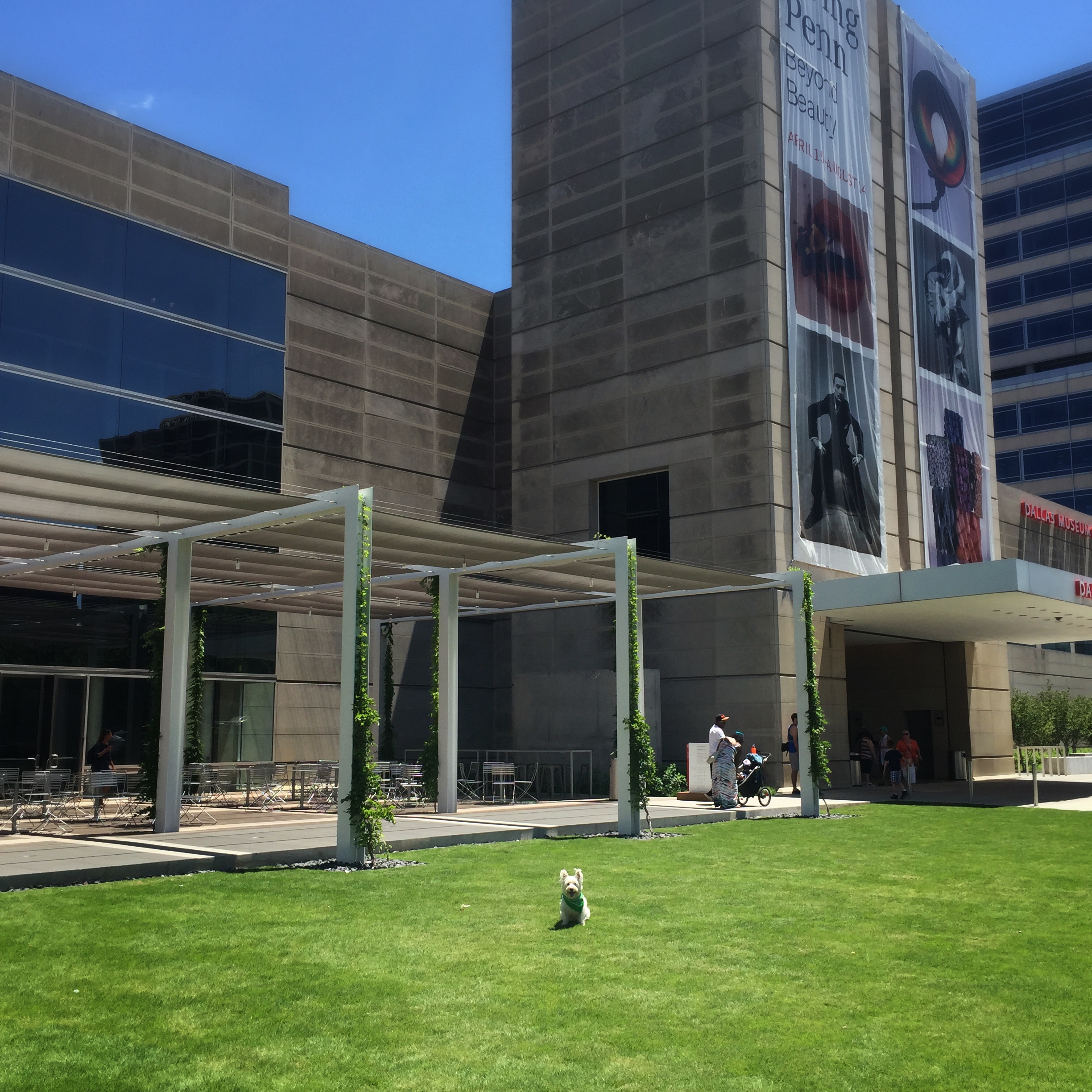
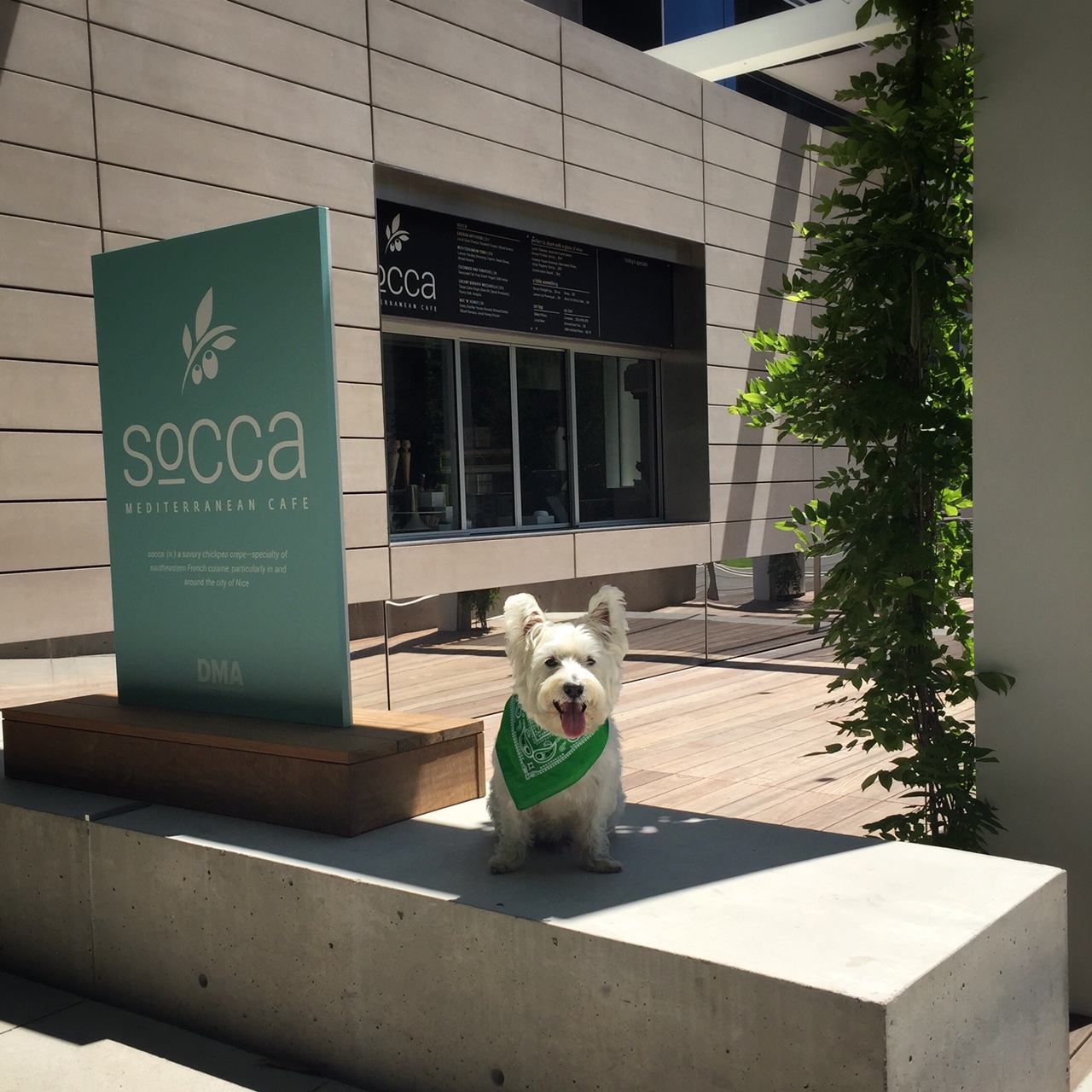
Howdy, y’all! I’m so excited to write my second blog post for this fantastic blog. Even though I still haven’t been invited to go inside the DMA to see where my human spends her days away from me, it’s still such a doggone fun place to visit and tromp around outside.

Especially now, since they have a fancy, new outdoor patio cafe that is…dog-friendly! I love going with my family to eat at dog-friendly spots. The outdoor cafe is called Socca and is named after the type of grub it serves – which is a chickpea crepe made PAWpular in southern France, where it is a specialty. Tres chic! The PAWsome thing about Socca, is that it is healthy; humans can add tuna, chicken, lettuce, and my ultimate fave – cheese. Great news for us mutts as we patiently await food dropping from tables. Well behaved dogs on leashes are welcome on the Socca patio – woohoo!

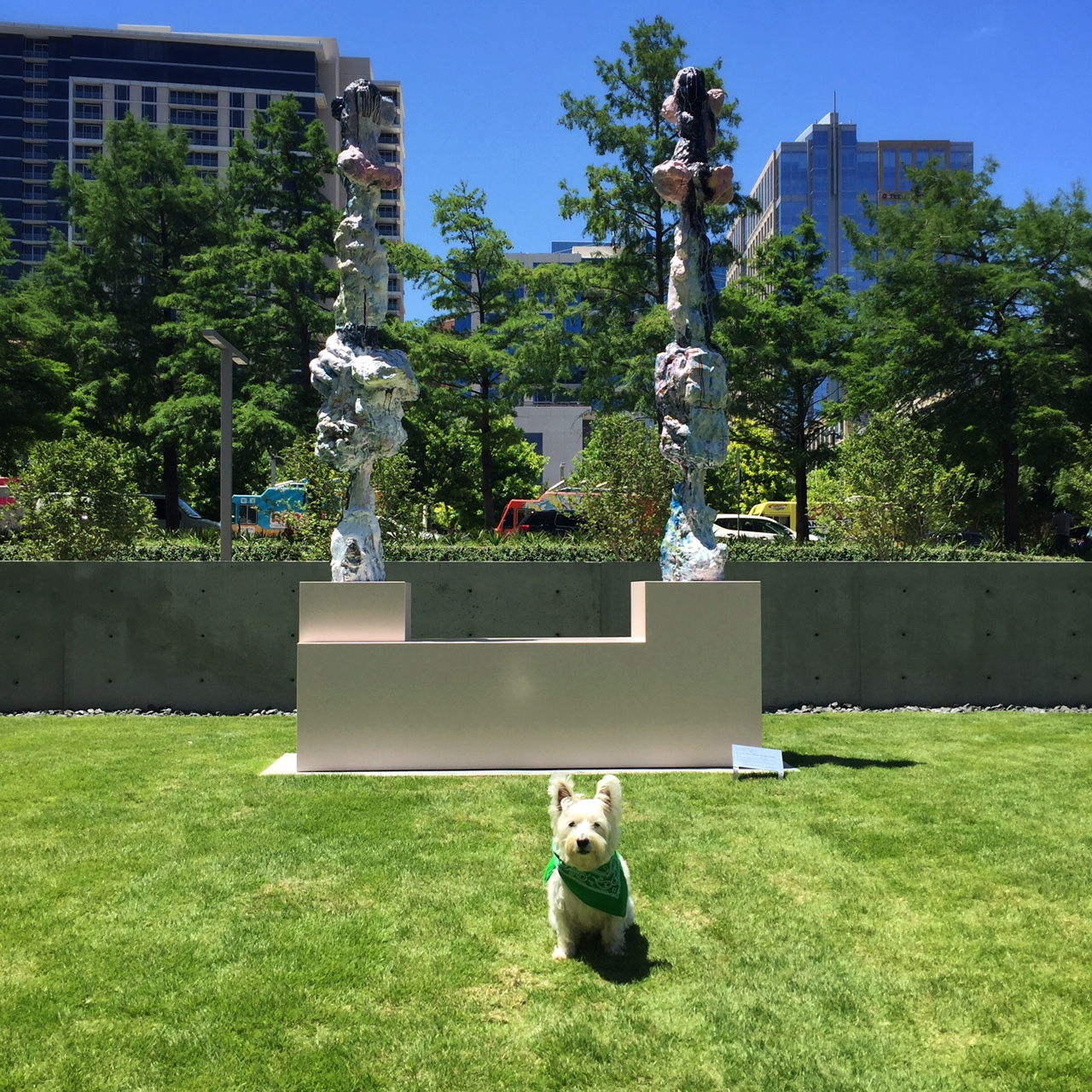
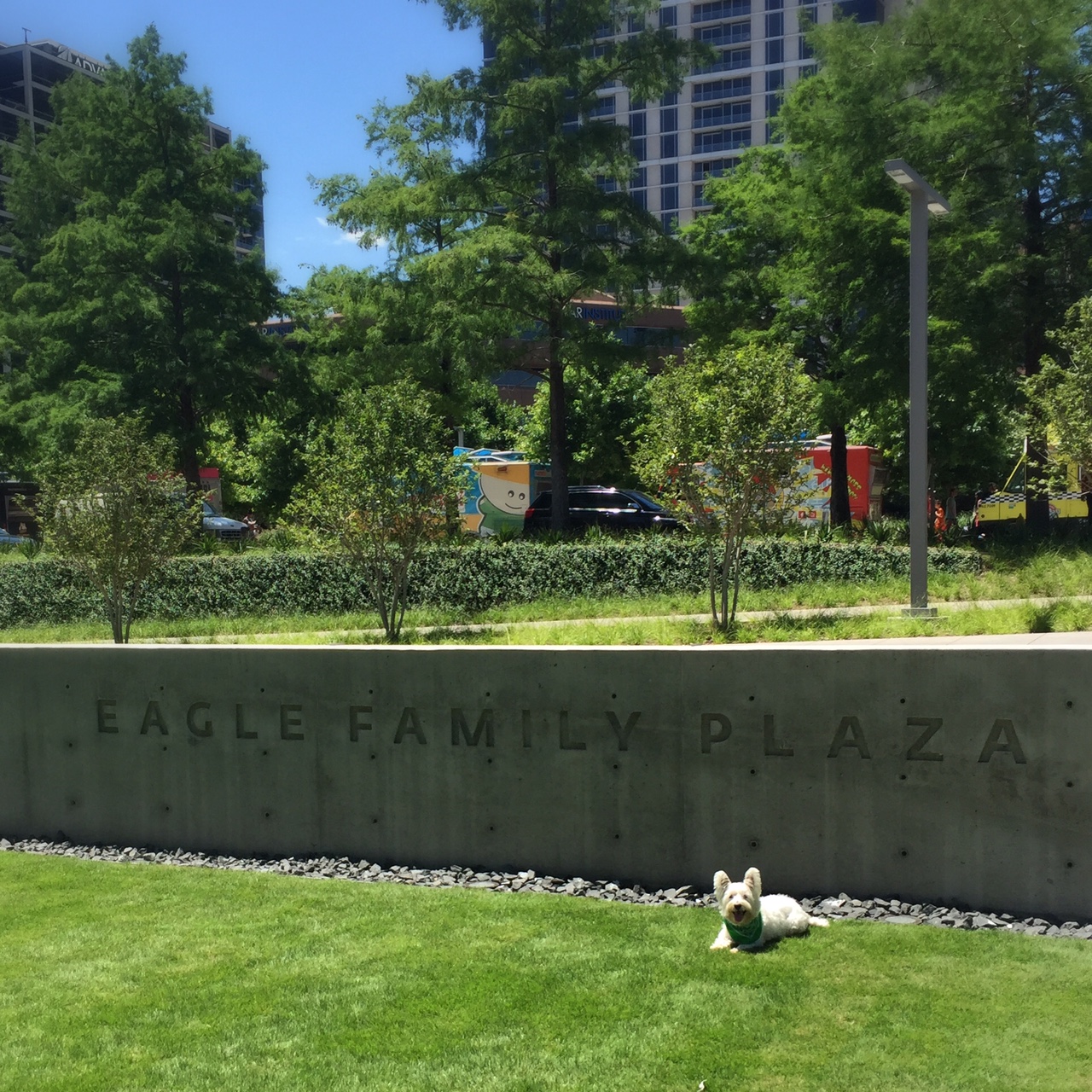
Encompassing Socca is the brand new Eagle Family Plaza, which is a relaxing spot full of lush grass on which to lounge and a fantastic commissioned sculpture called Pas de Deux (Plaza Monument) by British artist Rebecca Warren, which I thoroughly enjoyed gazing up at to admire.

If the new cafe isn’t exciting enough, guess what the Late Night theme is tonight? It’s all about us: four-legged furry family members! If you’ve been working like a dog all week, bring your muttly crew for a evening of fun. Although canine companions aren’t allowed inside the DMA, humans can celebrate the PAWsomeness with pup-focused films (one of my faves, Best in Show – you can’t beat the Terrier Song), to animal-themed tours, live music, and scavenger hunts, it’ll be a PAWsitively rip-roarin’ good time.

I hope to see you rompin’ around the grass-filled surroundings of the DMA soon!

Until next time,

sagarrd

George Costanza Blake
Canine Museum Consultant


Teen Ambassadors: Coolest Kids in Town

We know all too well that this summer’s going to be a scorcher, so the Museum is bringing back our free Summer Family Fun programs to offer families some seriously cool activities. Each day this summer will feature different experiences for families and visitors of all ages, from Story Times to Art-to-Go Family Tote Bags. We’re not alone in our efforts, though – we have a secret weapon to help families beat the heat. Introducing the next generation of museum educators…the DMA Teen Ambassadors!

Formerly the Teen Docent Program, Teen Ambassadors will lead Community Tours, Family Story Times, and visitor experiences at the Pop-up Art Spot and C3 Gallery this summer. These enthusiastic, art-loving teens attended a two day orientation where they learned how to engage with visitors (especially young ones!) to prepare for their volunteer shifts.

IMG_3450

The 2016 Class of Teen Ambassadors

This year’s class of Ambassadors is pretty impressive, so make sure to catch them in action!

Jennifer Sheppard
Teaching Specialist

Cross-Cultural Connections

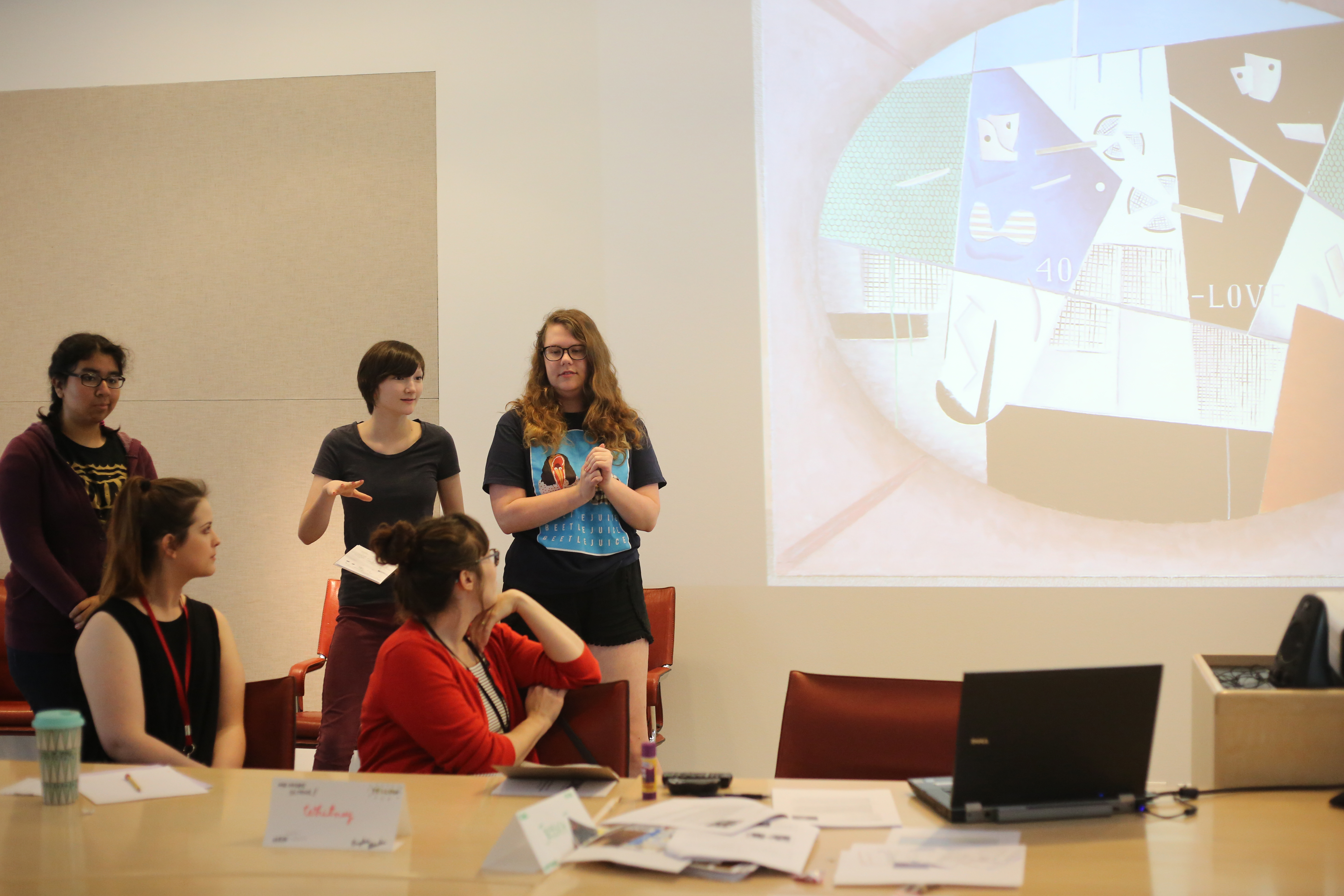
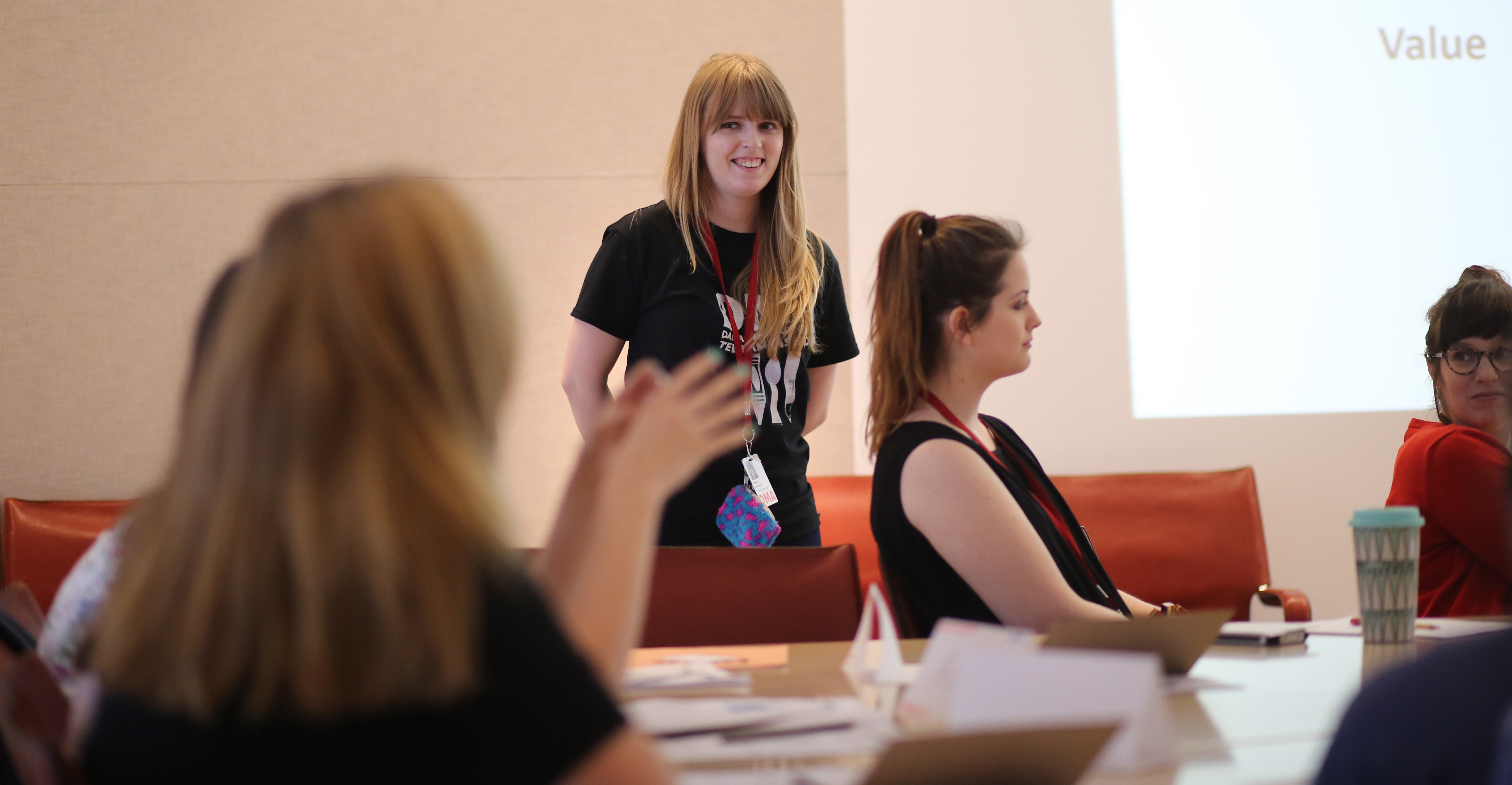
Hi, I’m Taylor Strander, a senior from McKinney Boyd High School and a DMA Teen Advisory Council member. As the school year draws to a close and graduation looms near, I thought it was a perfect time to reflect on my busy year at the DMA! I have spent a great part of my school year exploring the DMA collection and collaborating with staff on a project for my ISM class.

What is ISM? ISM stands for Interdisciplinary Study and Mentorship – a program specifically designed for high school students who have an idea of the career they want to explore beyond high school. The goal of the class is to develop interpersonal and networking skills in the hopes of obtaining a mentor that can offer their expertise in the creation of a final product. As someone interested in studying art history in college, I immediately sought to find a mentor who worked in a museum and was immersed in art every day. I distinctly remember growing quite fond of the DMA after my first visit with my elementary school class, and since then I have seized every opportunity to learn more about the Museum by participating in the Teen Docent Program and serving as a Community Engagement Volunteer.

IMG_2819

Due to my prior experience, I thought it would be most fitting to select a mentor from the place that catalyzed my passion for art. So I began my weekly commute to the DMA to meet and brainstorm with my mentors, Jessica Thompson and Whitney Sirois, on my final project for the class. Working with them has offered me a deeper understanding of the field of museum education and has strengthened my desire to pursue a career in a museum one day. My final project turned out to be something greater than I ever could have imagined and best of all, it is something that can be implemented in the Museum today.

So, what did I create? In order to gain a better grasp on the role of a museum educator, I designed my very own Bite-Sized Tour and Art-to-Go Family Tote Bag complete with four different activities.

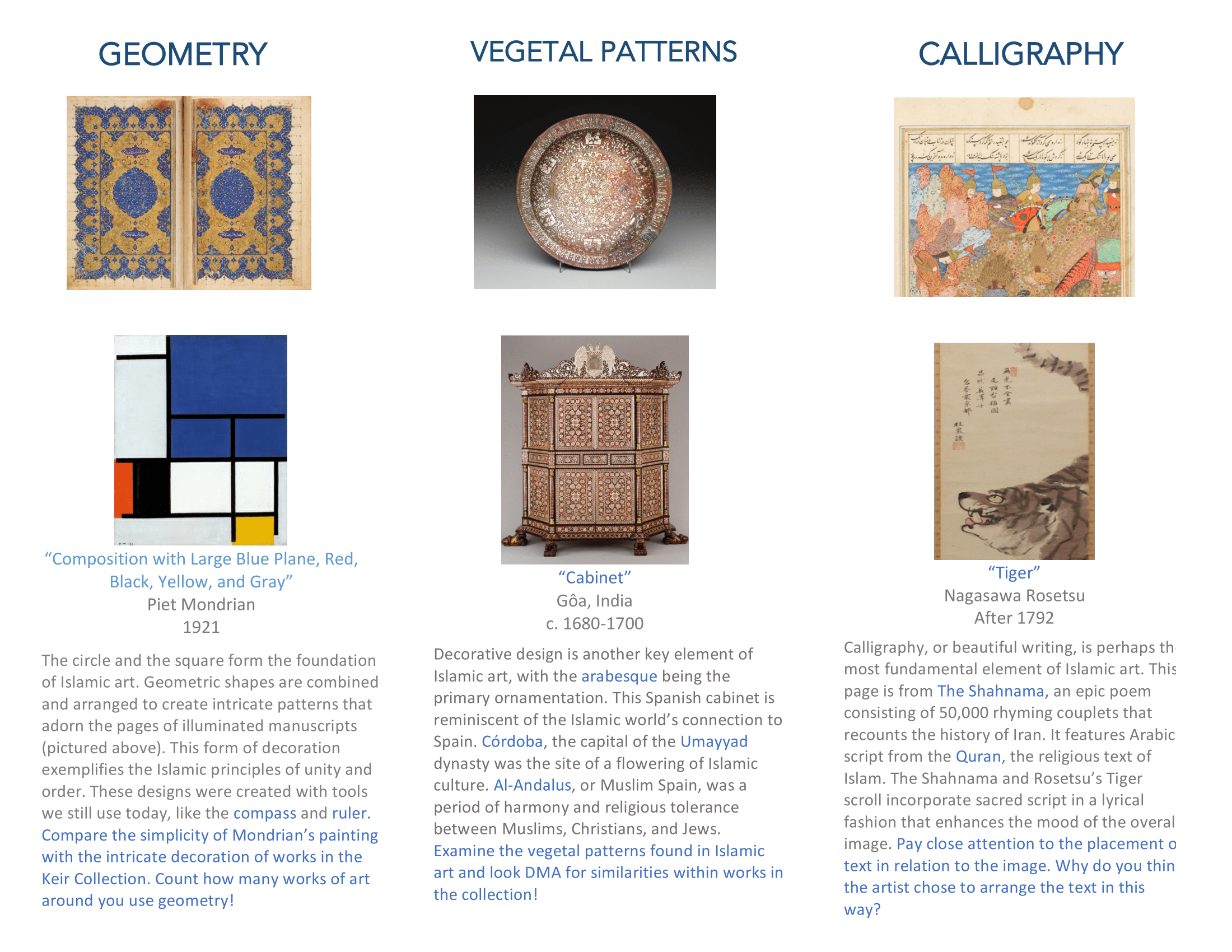
During my first meeting with Jessica and Whitney, I was inspired by the DMA’s exhibition Spirit and Matter: Masterpieces from the Keir Collection of Islamic Art, which features a variety of Islamic works from the internationally renowned Keir Collection. It was important to me to reference this collection for my project because Islamic art seems to be misunderstood and its influence on global cultures is often forgotten. After some heavy research, I used my newfound knowledge of Islamic art to create a Bite-Sized Tour entitled “Cross-Cultural Connections.” This guide highlights Islamic works and directly compares them to other objects in the DMA’s permanent collection in an effort to encourage visitors to notice similar qualities or influences across cultures.

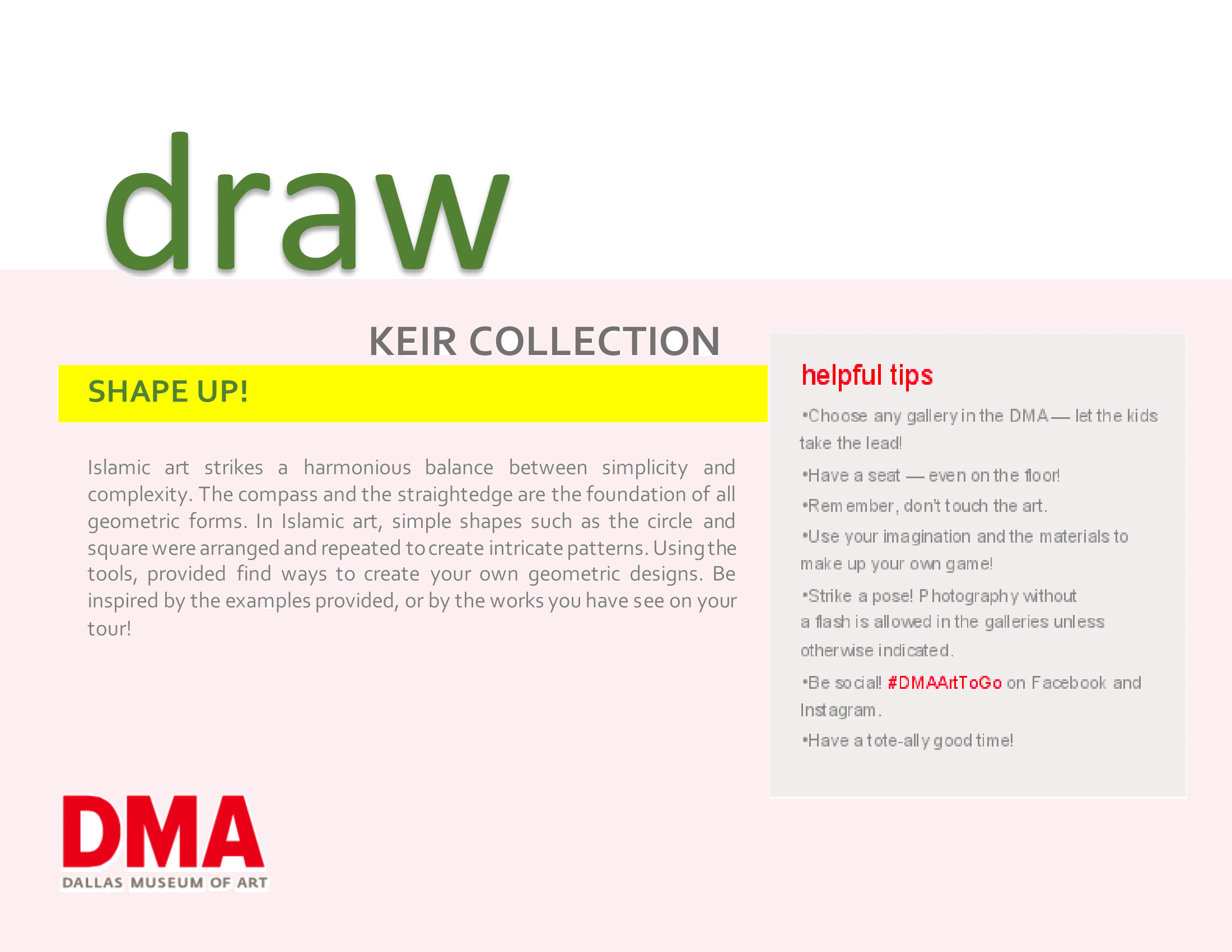
The second component of my final project is an Art-to-Go Family Tote Bag, which is meant to reinforce visitors’ understanding of Islamic art through different activities that highlight specific artistic elements. Family Tote Bags are great because they offer fun, on-the-go activities for a variety of different age groups and learning styles. For the tote bag, I came up with four separate activities – write, make, draw, and talk.

The writing activity asks visitors to reference Islamic calligraphy to create their own epic poem. The make activity allows visitors to make their own astrolabe, a navigational tool that revolutionized Islamic culture. The drawing activity invites people to design their own geometric patterns inspired by Islamic textiles and ceramics. Finally, the talk activity encourages visitors to discuss Islamic art influences within the Museum’s permanent collection. Islam’s holy month of Ramadan has just begun, so take a moment to explore the many connections you can make to this world religion and its artistic traditions on your next visit to the Museum.

A special thank you to my mentors, Jessica and Whitney, for giving a young person like me an invaluable experience that I will carry with me for the rest of my life. Your words of wisdom and constant support will not be soon forgotten. And finally, thank you to the DMA for transforming before my eyes into a place that I know all too well, a place that feels like home.

Taylor Strander
Teen Advisory Council Member

Friday Photos: 2015-2016 School Tours

It’s hard to believe K-12 visits for 2015-2016 school year wrapped up last Friday! We’ve had a busy year here at the DMA welcoming visitors of all ages, leading tours, and helping them make meaningful connections with works of art. Now it’s time to take a look back on all we’ve accomplished!

How many groups visited the Museum?

  • 1,227 Visits Scheduled
  • 711 Schools or Community Groups
  • 96 Independent School Districts from Texas, Oklahoma, Louisiana, and New Mexico

How many students received docent-guided tours?

  • 37,374 K-12 students
  • Approximately 2,698 hours discussing works of art with students!

How many students completed self-guided visits?

  • 12,275 K-12 students

What were the most popular tours?

  • A Looking Journey: 17,357 4th graders; 1,158 hours in the gallery
  • Arts of the Americas: 5,172 5th graders; 345 hours
  • Collection Highlights: 2,386 students; 160 hours
  • Recipes for Art: 545 K & 1st graders; 37 hours

How many visitors toured special exhibitions?

  • Inca: Conquests of the Andes: 888 students; 60 hours
  • International Pop: 1,312 students; 88 hours
  • Jackson Pollock: Blind Spots: 1,694 students; 113 hours
  • Irving Penn: Beyond Beauty: 370 students; 25 hours

What do our visitors say about their experience at the DMA?

“The students had a wonderful time, and they are already asking when we can visit again!” – Skyline High School, Dec. 6

“The docents were very knowledgeable (as has always been the case in the past three years that our school has been visiting). We thoroughly enjoyed it! Thank you again for providing this artistic experience in our Dallas community.”– Urban Park Elementary, Feb. 17

“Thank you so much for having such amazing people working with our kiddos! We LOVED the DMA! So grateful!”– Nathan Adams Elementary, March 10

“Our docent was so knowledgeable, enthusiastic, and great with my seniors. I love that I get to bring my kids to the DMA every year, and this year’s trip was made even better because of our docent. See you next year!”– John Horn High School, May 6

Thank you to all our volunteers, staff, and visitors for an amazing school year!

Lindsay O’Connor
Manager of Docent and Teacher Programs

Madeleine Fitzgerald
Audience Relations Coordinator

Mi Museo Es Tu Museo

Learning English as a second language while living in a Spanish-speaking home didn’t come without its challenges—it took me years before I realized “better late than ever” wasn’t a phrase, and I could write an entire dictionary of hybrid words my siblings and I used by mistake (e.g. “moona,” or moon + luna). In spite of the occasional linguistic faux pas, having the opportunity to communicate in both languages has been incredibly rewarding in my personal life and my experience as an educator.

While I didn’t grow up in Texas, my experience growing up bilingual is pretty common throughout the Dallas-Fort Worth area. More than a third of the population in Texas speaks a language other than English at home, and DFW contains the 6th largest Spanish-speaking population in the United States. Current research demonstrates that both English-learners and native English-speakers benefit from educational settings that foster bilingual literacy. With all of this in mind, how does the DMA factor the demographics of its audience and the scholarship on bilingual education to engage Spanish-speaking visitors?

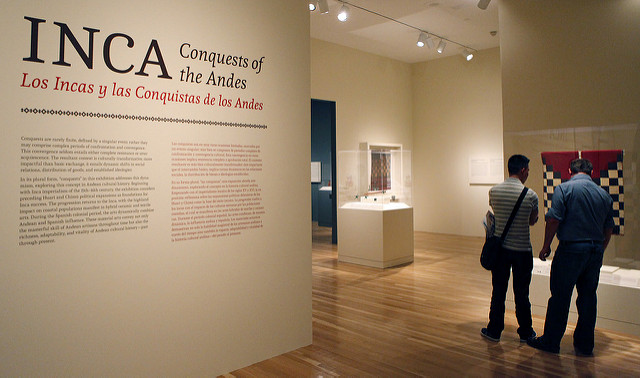
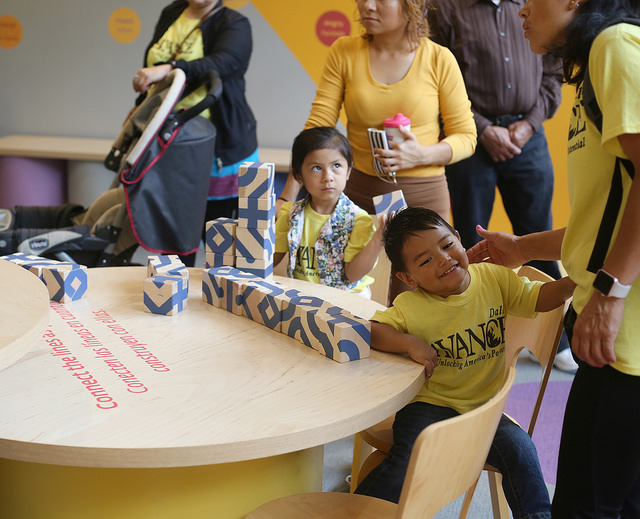
Since the Center for Creative Connections (C3) first began implementing bilingual signage on table prompts and wall text, the DMA has introduced a number of additional resources for visitors who want to engage with art by reading, writing, or listening in Spanish. Through a collaboration with Make Art with Purpose, C3 produced the Translating Culture and Translating Culture II gallery guides based on community voices. The 2015 exhibition Inca: Conquests of the Andes/Los Incas y las conquistas de los Andes featured English and Spanish text on its labels and wall didactics, as well as an interactive art scavenger hunt available in both languages. Visitors can also find extended labels in English and Spanish related to two works by Frida Kahlo currently on view in Level 4.
Here are some more bilingual resources we’ve introduced during the past year:

First Tuesday Spanish Family Tours

On the first Tuesday of the month from September through May, visitors ages 0-5 and their grown-ups are invited to join Museum staff for interactive tours throughout the galleries in both English and Spanish. This past year, I had the pleasure of leading families on Spanish tours inspired by nature, sculptures, robots, pop art, and more. Additionally, the signs and schedules for First Tuesday this past year were printed in both English and Spanish.

Create an exvoto / Crea un exvoto Activities

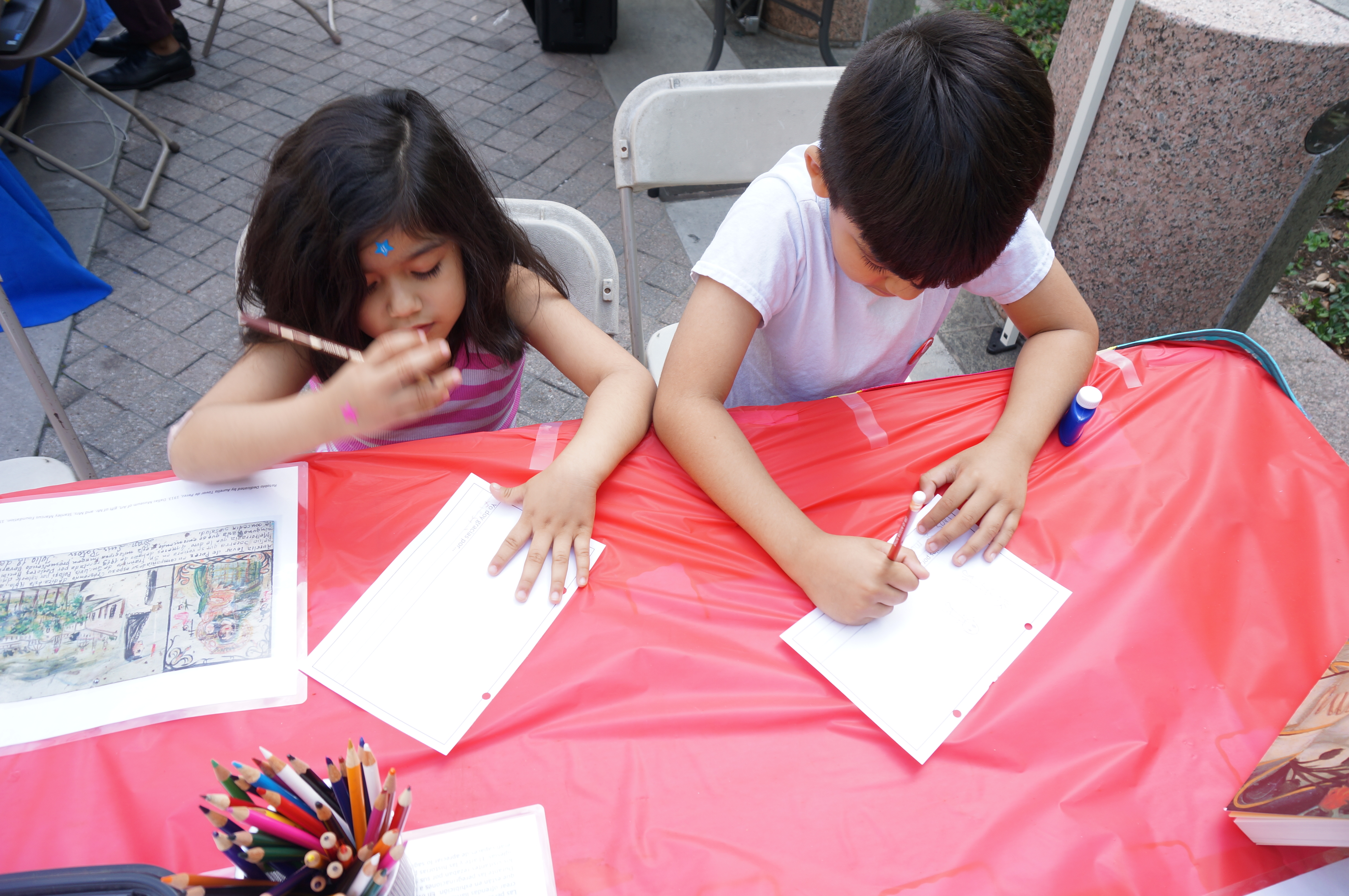
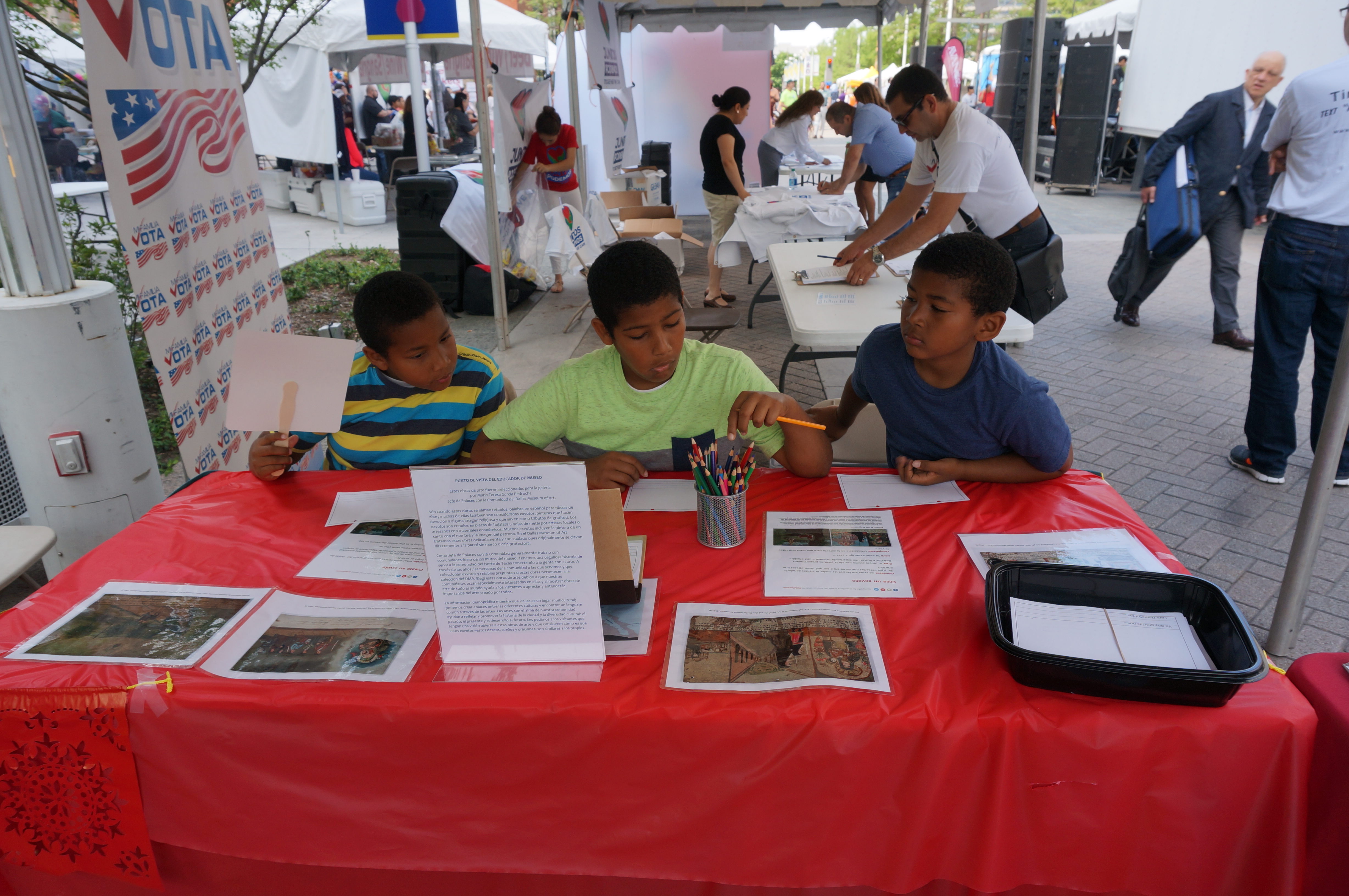
The inspiration behind this table activity in the Interactive Gallery came from the exvotos on view in C3, which contain Spanish text describing everyday miracles and expressions of gratitude. When Community Engagement staff designed an off-site version of this activity at the 2016 AVANCE Latino Street Fest, we included bilingual exvoto instructions and templates giving visitors the option to write in English or in Spanish.

Young Learners Gallery

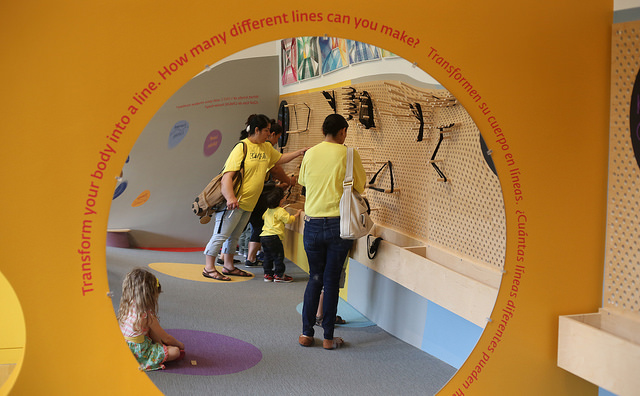
Part of the recent redesign for this interactive learning space includes bilingual wall text and activity prompts for children ages 5-8 and their families. Visitors can explore lines and line-making using English and Spanish text, and the various hands-on activities in the space were designed for a number of different learning styles.

Spanish Family Guides (COMING SOON!)

Visitors can pick up Arturo Family Gallery Guides for a fun way to explore the galleries at their own pace. Each one contains activities and questions (and maybe a few puns) for kids and their grown-ups to make meaningful connections with pieces throughout the DMA. Keep an eye out for Spanish language family guides coming soon!
Museums around the country are engaging linguistically diverse audiences in innovative ways, including video guidesco-taught bilingual gallery lessons, and workshops for adult immigrants. What other ways have you seen museums welcome visitors with diverse language backgrounds?

Paulina Lopez
McDermott Graduate Intern for Visitor Engagement


Friday Photos: Strike a Pose with Penn

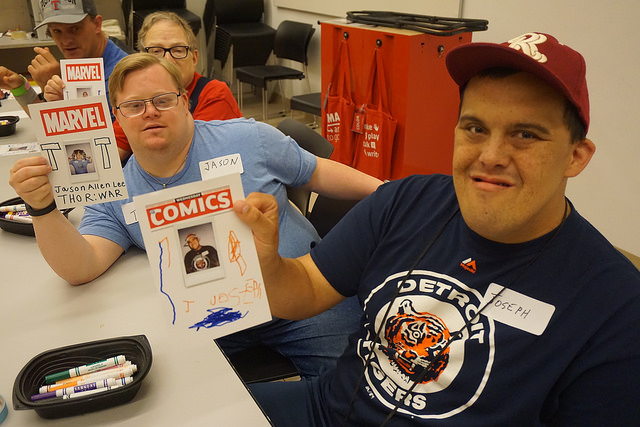
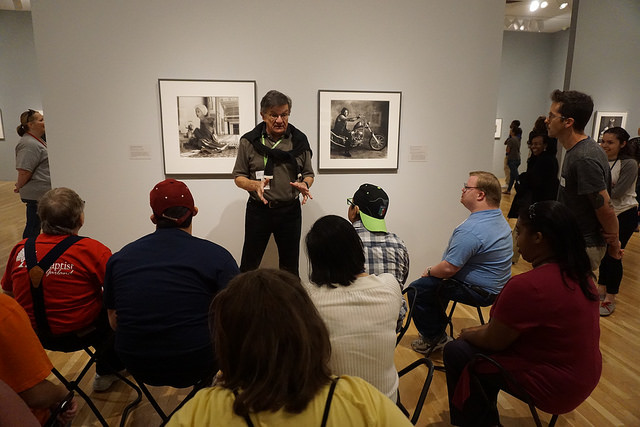
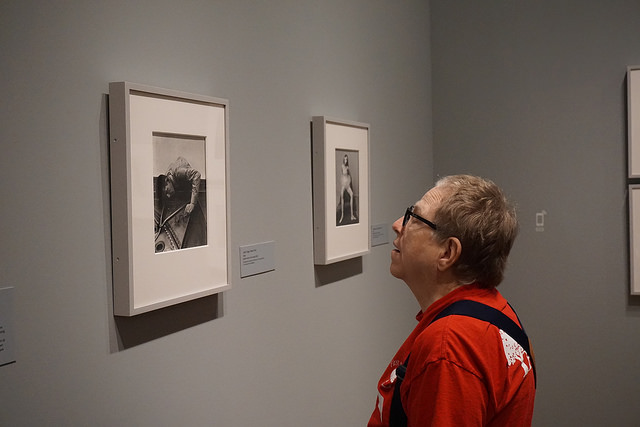
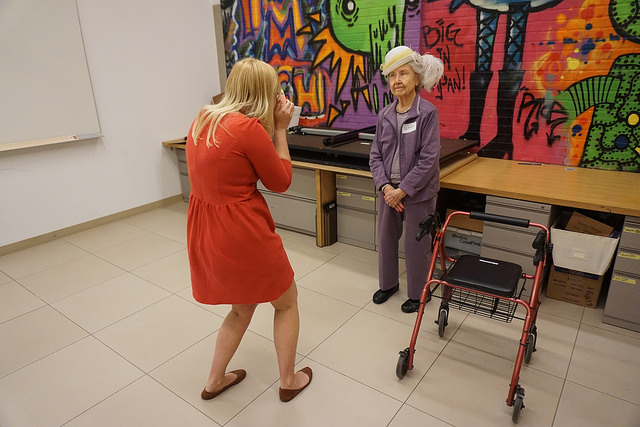
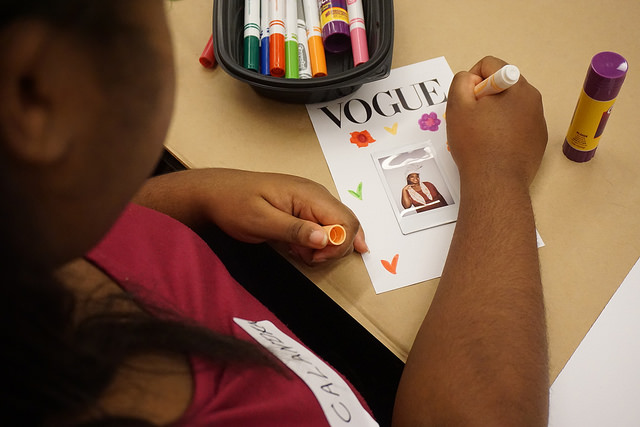
This month, we’ve been exploring the new exhibition Irving Penn: Beyond Beauty during our Access Programs. In the galleries, we took an up-close look at the extensive work of one of America’s most famous photographers. Back in the studio, we put ourselves in the place of Penn’s fashion models to create our own magazine covers. Take a look at what developed!

Emily Wiskera
McDermott Intern for Family and Access Teaching


Archives

Categories