Archive Page 93

Culinary Canvas: Mini Blueberry Tarts

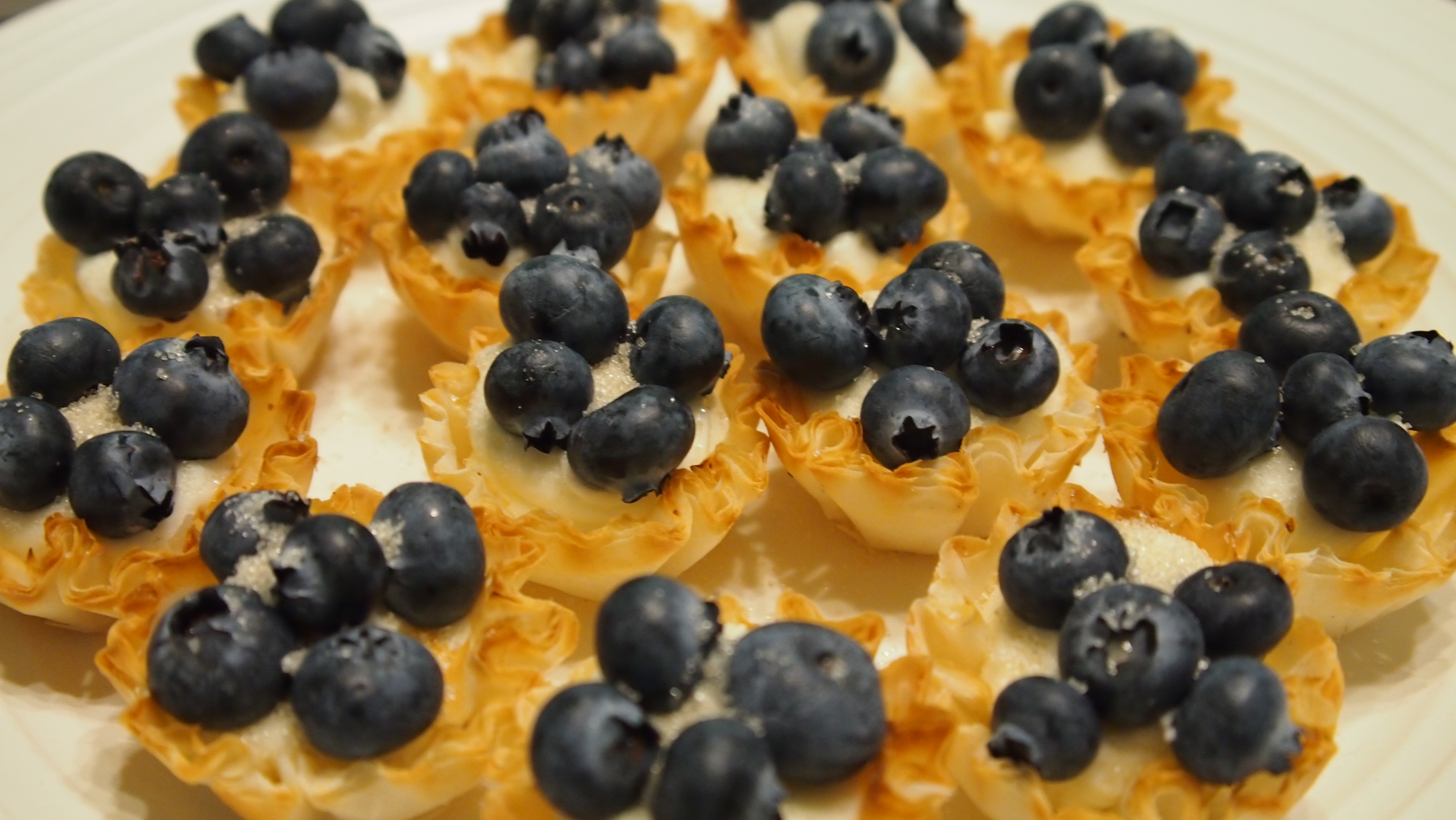
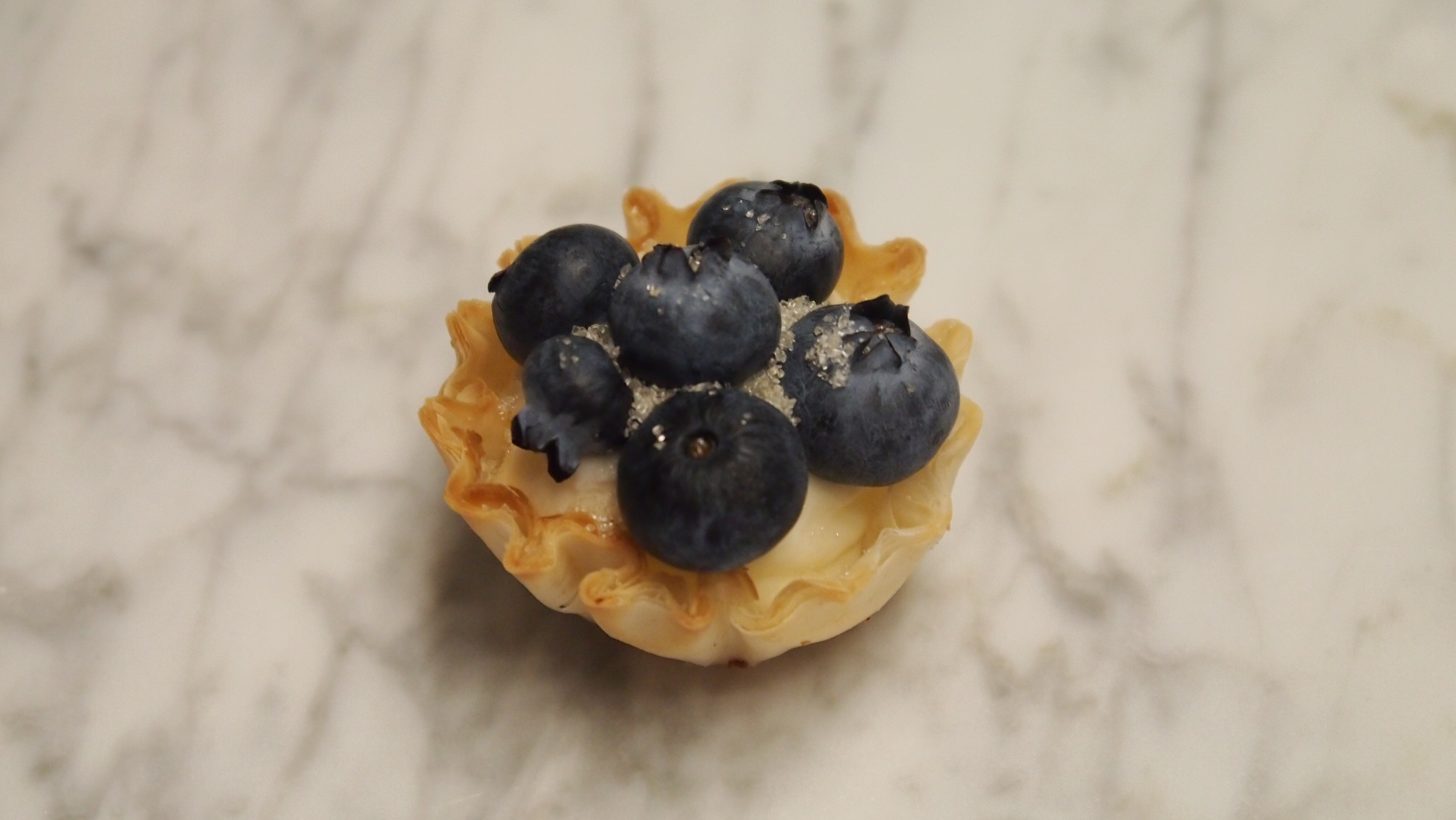
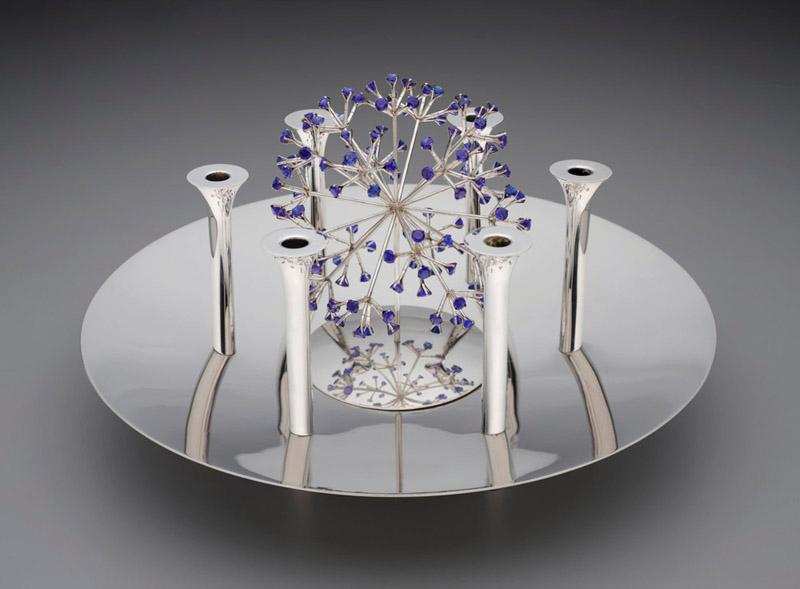
You can find this stunning silver centerpiece, created for the 1964 New York World’s Fair, on the fourth floor in our Formed/Unformed exhibition. Its delicate central shape is made up of 19 clusters that burst forth with 7 sapphires each. This month’s recipe is also studded with little blue gems, though these are of the berry variety. And while they don’t include such precious materials as our Celestial Centerpiece, these mini treats will certainly serve as the perfect centerpiece for your next party–delighting your guests with their bursting blueberry flavor!

Celestial Centerpiece, Robert J. King, 1964, Silver and spinel sapphires, Dallas Museum of Art, The Jewel Stern American Silver Collection, acquired through the Patsy Lacy Griffith Collection, gift of Patsy Lacy Griffith by exchange and gift of Jewel Stern in honor of Kevin W. Tucker

Celestial Centerpiece, 1964, Robert J. King, designer, Dallas Museum of Art, The Jewel Stern American Silver Collection, acquired through the Patsy Lacy Griffith Collection, gift of Patsy Lacy Griffith by exchange and gift of Jewel Stern in honor of Kevin W. Tucker

Mini Blueberry Tarts

Yields 30 tarts
Level: Very Easy

8 ounces cream cheese, room temperature
½ cup powdered sugar
1 teaspoon vanilla extract
30 frozen mini phyllo shells
1 pint fresh blueberries, rinsed and dried
Coarse sugar (optional, for sprinkling)

In the bowl of a stand mixer fitted with whisk attachment, beat cream cheese and sugar at medium speed. Add vanilla extract and continue whisking until fluffy. Using a rubber spatula, transfer filling mixture to ziploc bag. Press filling into one corner, leaving enough room to hold bag without overflowing contents.

Arrange phyllo shells onto work surface. Snip corner of bag and squeeze filling into each shell, leaving space at top. Cover filling with 4-5 blueberries and sprinkle tops with coarse sugar if desired.

Refrigerate tarts in air tight container and serve chilled. Consume within 2 days.


OLYMPUS DIGITAL CAMERA

OLYMPUS DIGITAL CAMERA

Original recipe.

Sarah Coffey
Assistant to the Chair of Learning Initiatives

Savor the Arts: A Kitchen Adventure

This Friday, cookbook author and professor of comparative literature Dr. Mary Ann Caws will be here to discuss her book The Modern Art Cookbook during our Savor the Arts Late Night event.

The-Modern-Art-Cookbook-by-Mary-Ann-Caws1

The Modern Art Cookbook is equal parts art historic document and recipe guide, illuminating the relationship between art and food. In preparation for this event, the DMA’s programming team decided to try some recipes from the book to see what they were like (and to test their kitchen skills).

Betsy Glickman, Manager of Adult Programming:
I have always been a fan of the “breakfast for dinner” concept, so I opted to tackle an egg-based dish from the book. Armed with a minimal set of ingredients—and an even more minimal set of cooking skills—I set aside an evening to bring Pablo Picasso’s Spanish Omelette to life in my kitchen. I originally thought the dish would resemble a traditional, half-plate-sized omelette, but as I laid out the ingredients (10 eggs, 4 potatoes, 2 onions, etc.), I realized this was going to be much larger.

Betsy_1

I began by peeling and slicing the potatoes and onions. I then tossed them into a large pan and sautéed them for about 15 minutes. While they were cooking, I beat the eggs in a large mixing bowl.

Once the potatoes and onions were beginning to brown, I drained them on some paper towels to help absorb the excess moisture. I then added them to the salad bowl along with a large helping of salt and pepper.

Next it was time to make the omelette. I pulled out the best nonstick pan I own, added some olive oil and medium heat, and poured in the contents to cook for several minutes.

Betsy_2

As the edges began to firm up, I realized the hardest part of the process was yet to come: I somehow had to flip this thing over. I snagged a plate for assistance, and, in a swift movement, transferred most of the contents to the plate and back into the pan. All in all, I’d give my flip an 8 out of 10.

Betsy_3

I cooked the omelette for another 2-3 minutes. The book instructed to leave the center a little runny, but, unfortunately, I overcooked it a bit. Even so, the end result was quite tasty. Viva el Spanish Omelette!

Betsy_4

Things I learned: It’s difficult to ruin an omelette, but there are endless ways to make it better. In the future, I may try adding tomatoes, peppers, and/or salsa to this recipe.

Stacey Lizotte, Head of Adult Programming and Multimedia Services:
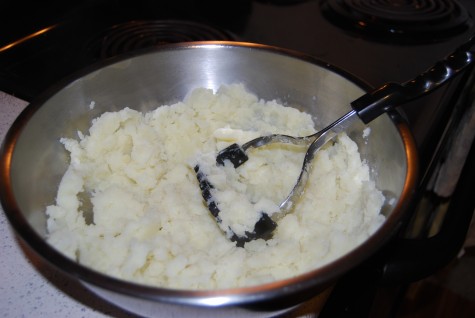
I decided to make Brecht’s Favorite Potato Bread because I have always been interested in mastering a bread recipe (yeast and rising dough have always been a bit of a mystery to me). This recipe called for one cube of yeast, which I should have researched before picking this recipe. I tried finding a conversion from cubed yeast to dry yeast and was not successful, so I went with one packet of dried yeast for the recipe. Because dry yeast needs to be activated with water, I reduced the amount of oil recommended.

Stacey's Ingredients

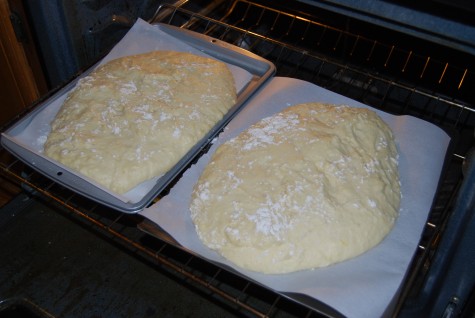
Even with that reduction, my dough was very wet. After adding an additional cup of flour it was still not the texture I thought it should be. But having little experience with bread, and thinking that the mashed potatoes probably added moisture, I thought maybe that was how it was supposed to be.

While the dough did rise, as you can see from the photos the dough did not hold its shape once formed into “loafs.”

Stacey's Recipe 4

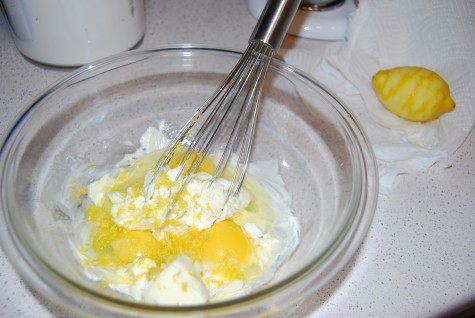
While the look of the bread left much to be desired, I found the flavor interesting, which I attribute to the lemon zest.

Things I learned: Yeast used to come in cubes. I will add lemon zest to any future bread dough recipes I try.

Liz Menz, Manager of Adult Programming:
The last time we all got together for a cooking blog, I went with soup, so this time I ventured into the realm of desserts. I decided to make Claude Monet’s Almond Cookies. The recipe is much like a shortbread recipe, so there were very few wet ingredients and (something I discovered halfway through) the dough required kneading.

photo 3

Combining the flour, confectioner’s sugar, ground almonds and lemon rind into a bowl with the eggs was the easy part. Realizing that the cubed butter was still needed, I figured out that my wooden spoon was not going to cut it, so kneading was the way to go!

photo 1

After some work (and one phone call to my mother), I realized I was doing this right, as the dough finally came together. It was on to rolling out the dough and cutting the cookies! I am a less-than-prepared baker and discovered that, in a pinch, a wine bottle doubles well as a rolling pin and wine glasses are the perfect size for cutting!

photo 4

After I sprinkled the cut cookies with sugar and sliced almonds, they went into the oven for about 20-25 minutes. They came out golden and yummy! The lemon rind really gave them a great flavor, and I decided that these cookies would be great with a cup of coffee and a book.

photo 2

Things I learned: Shortbread-type recipes are harder than they look, but worth it. Lemon rind is a great addition to cookies. Also, thanks Mom.

Don’t forget to join us on Friday as we savor the arts! And, for more fun food-inspired posts, peruse the Culinary Canvas section of our Canvas Blog.


Betsy Glickman is a manager of adult programming at the DMA.
Stacey Lizotte is head of adult programming and multimedia services at the DMA.
Liz Menz is a manager of adult programming at the DMA.
Calling all Happy Campers!

Are you dreaming of lazy days at the swimming pool, sunburned noses, family vacation, and popsicles? We are! Summer is officially 95 days away, but we won’t be spending it at the neighborhood pool. For those of us who coordinate Family Programs at the DMA, summer means one thing—Summer Art Camp! And this year’s line-up of camps has something for every creative kid. Whether you are a junior shutterbug, fashionista, sculptor, painter, designer, musician, actor, or inventor, there’s a summer camp for you.

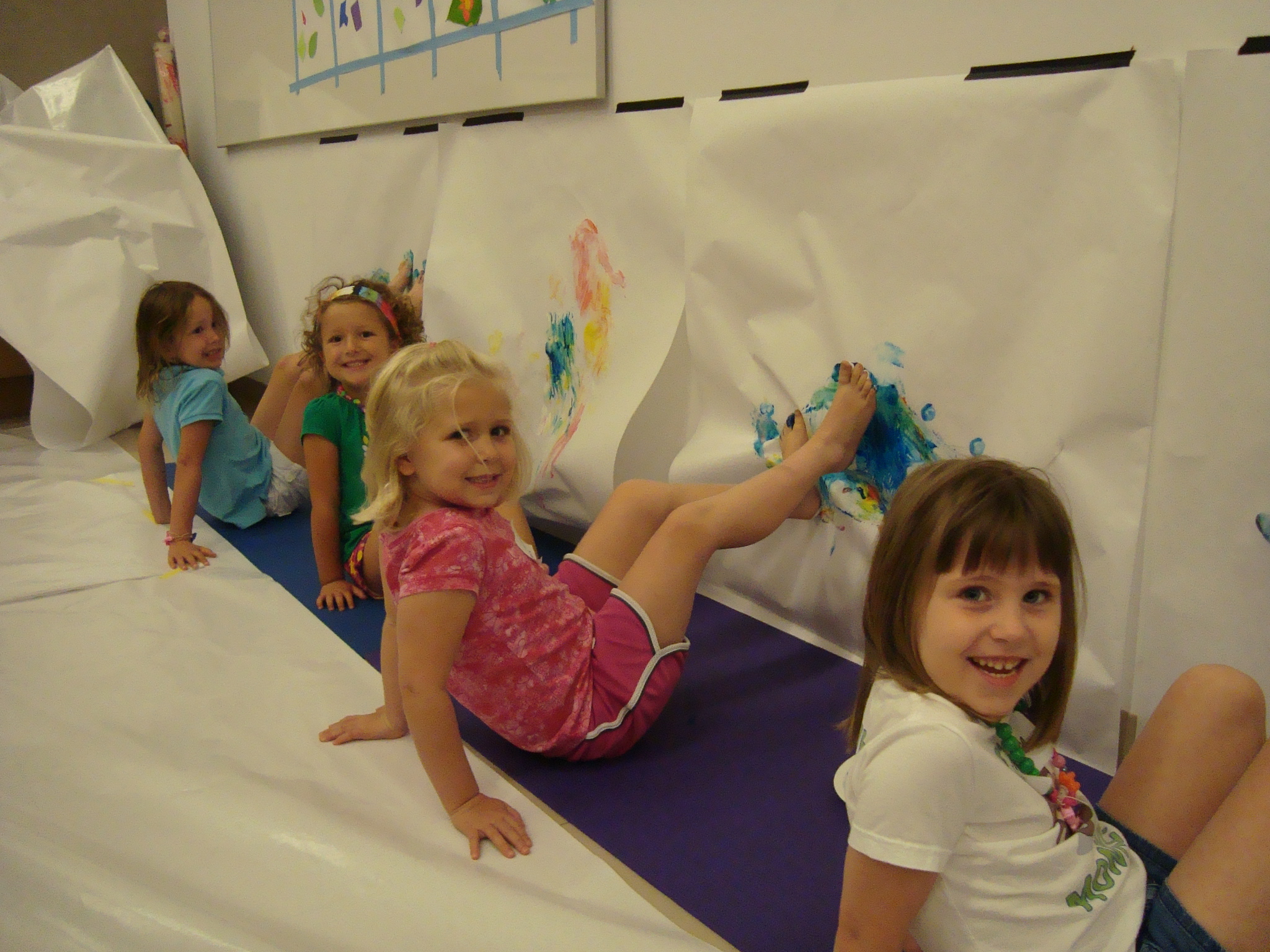
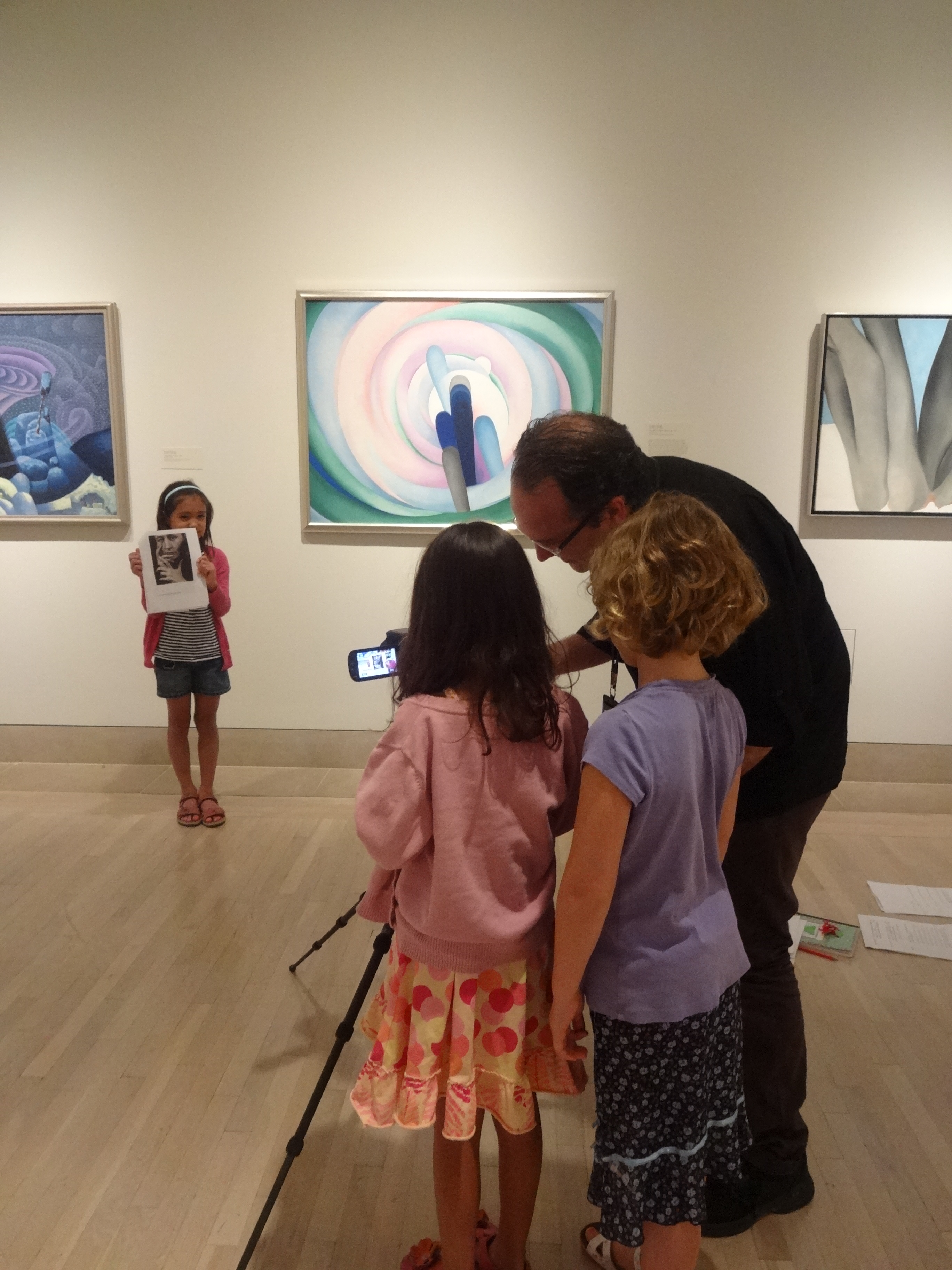
I have been teaching summer camps at the DMA for five years now, and I’m 95 percent serious when l tell my friends that I would gladly be a full-time summer camp teacher. I love spending an entire week with a group of kids, exploring the Museum’s galleries, getting messy in the studio, and having fun. Summer camp gives both teachers and campers permission to be a little goofy, experiment with materials in crazy ways, and give our creativity a good work-out. Camp is all about F-U-N (but we usually manage to learn something along the way too).

Some of my favorite summer camp memories so far include:

Here’s a sneak peek of just a few of the things you can do at Summer Art Camp this year:

This year’s camps will be held each week June 9-27 and July 7-August 15. Morning camps are 9:00 a.m.-noon and afternoon camps are 1:00-4:00 p.m. Tickets are on sale now!

For aspiring art and museum educators, Summer Art Camps also offer the opportunity for a summer internship at the DMA. Summer camp interns get hands-on experience as they assist summer camp teachers by facilitating gallery activities, art-making projects, games, and sensory explorations. With each camp, interns step into the role of art cheerleaders, skit-planning co-conspirators, the ultimate problem solvers, and mentors to the children. What better way to spend a summer? Applications are now being accepted. Find out how to apply here.
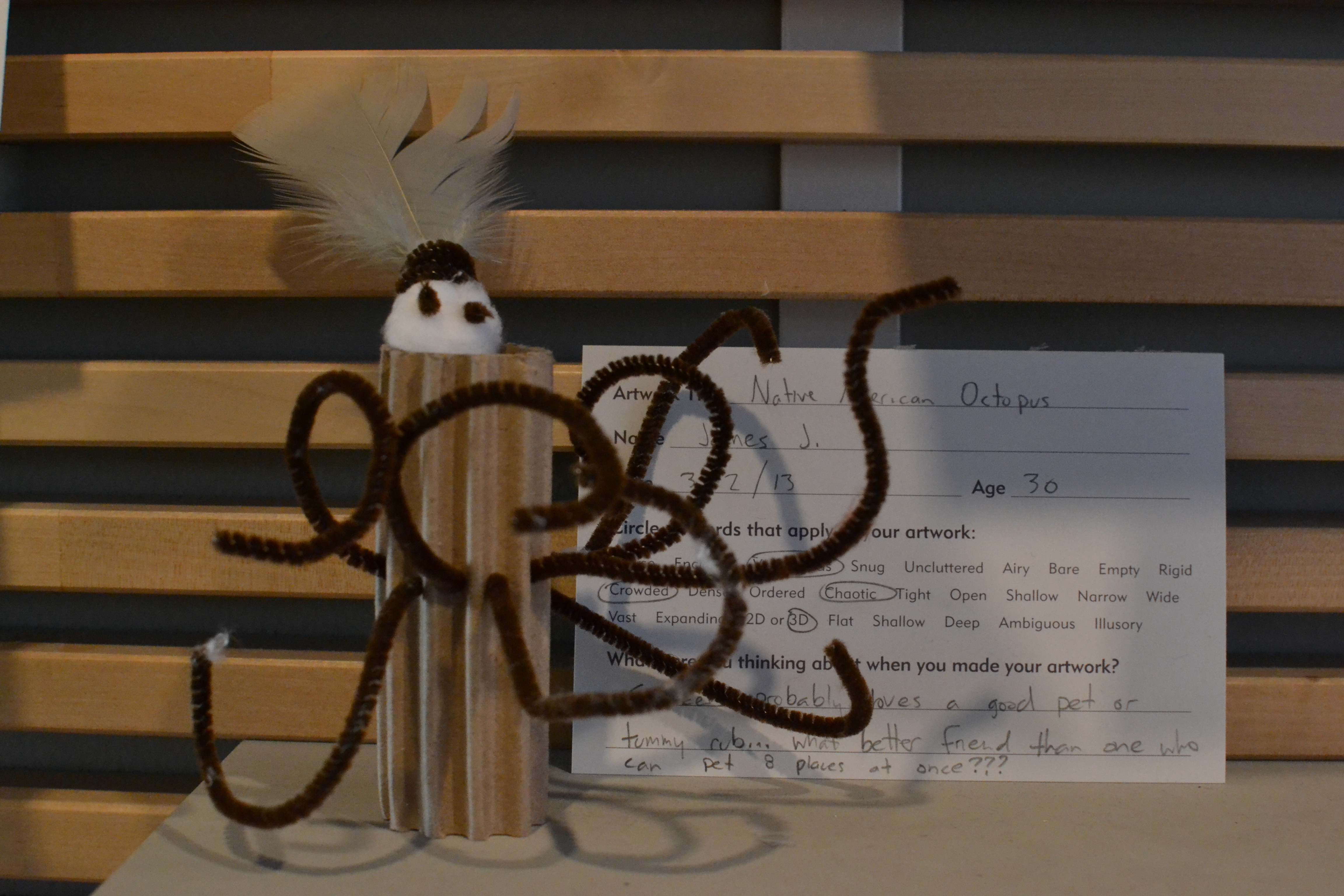
Spend some time with us this summer at the DMA, and you’re sure to be a happy camper!

Leah Hanson
Manager of Early Learning Programs

The Luck of the Irish

There will be no pinching in the Museum galleries this St. Patrick’s Day, as the DMA collection has the luck of the Irish and is covered in green. Visit these clover-colored works in the collection for free.

Reagan Duplisea is associate registrar-exhibitions and Kimberly Daniell is the manager of communications and public affairs at the DMA.
Friday Photos: Picture Yourself at the DMA

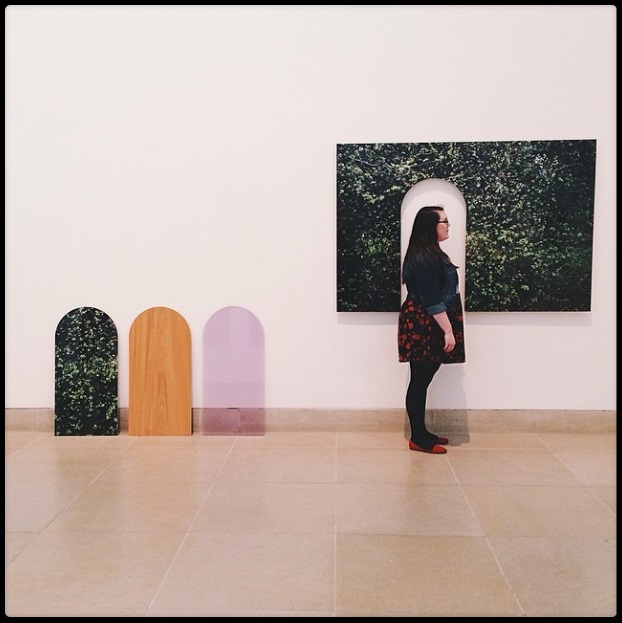
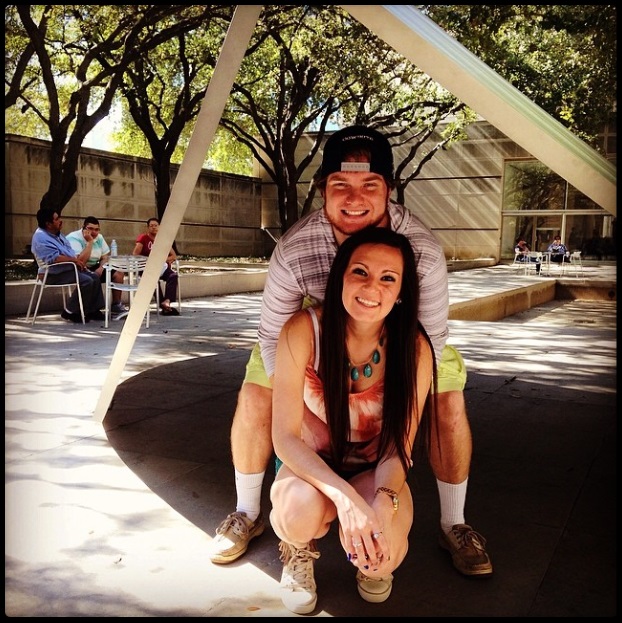
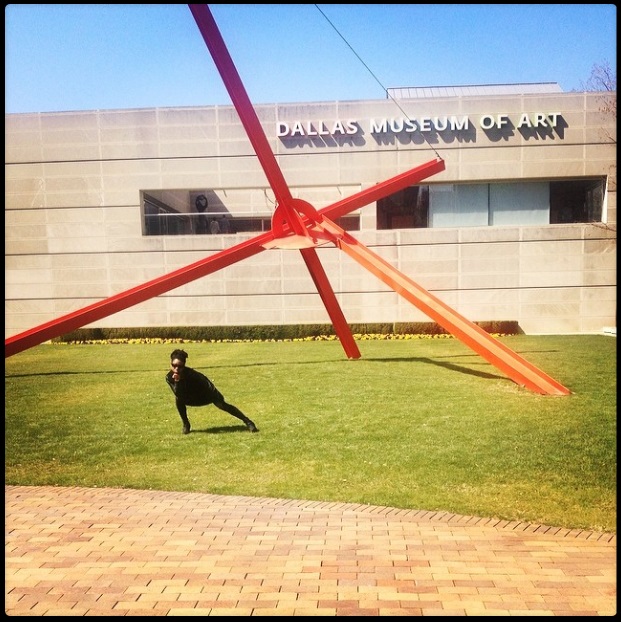
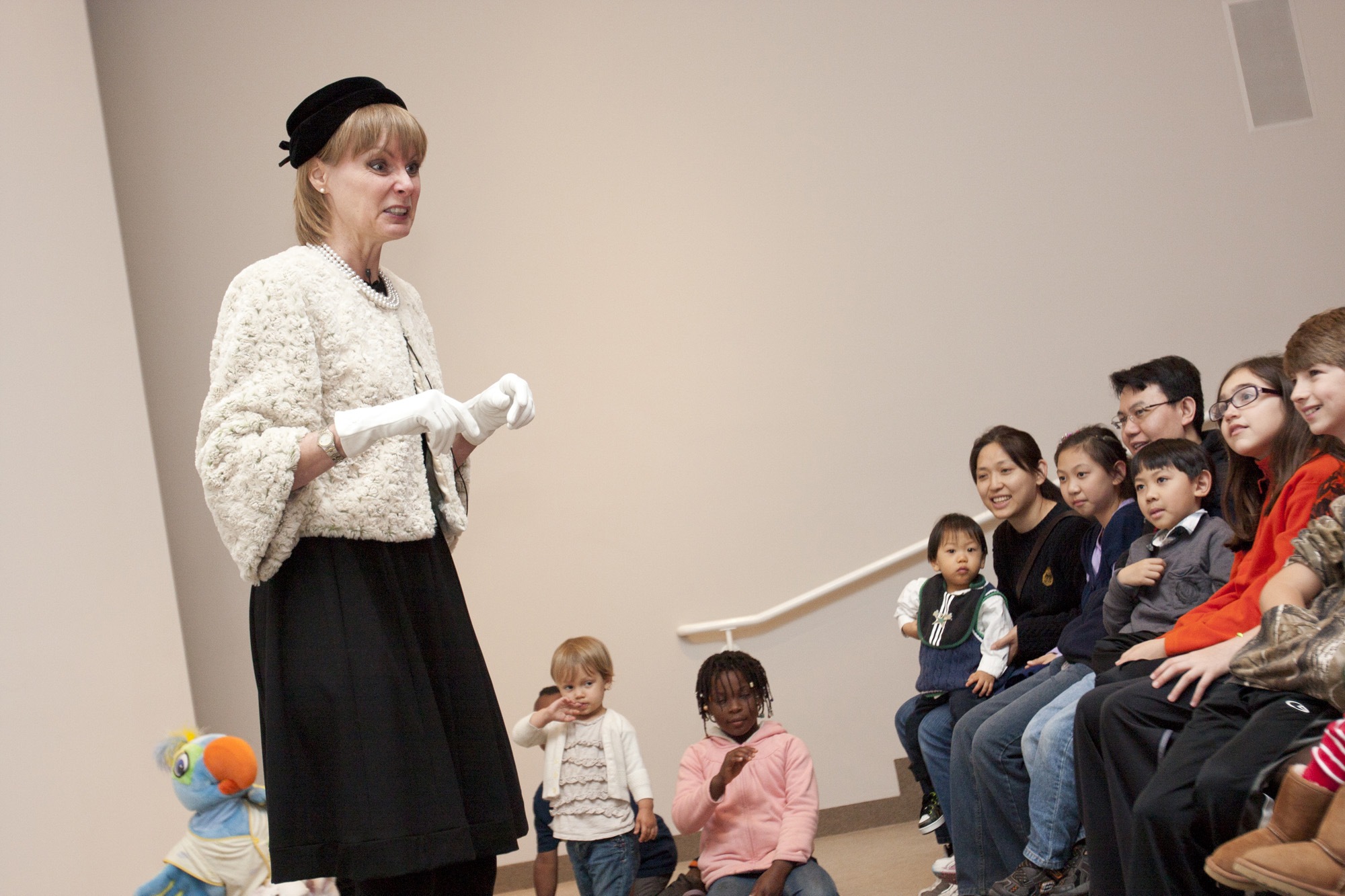
Spring Break week has been a blast, but the fun isn’t over yet!  The DMA will be open until 9:00pm tonight, Friday March 14, for the Dallas Arts District Spring Break Block Party. Come by to experience our fun activities and while you’re here snap a selfie with a work of art!

Jessica Fuentes
C3 Gallery Coordinator

Artist Astrology: Aquarius and Pisces

This month we are highlighting two astrological signs, Aquarius (January 21 – February 19) and Pisces (February 20 – March 20)! Both signs have produced brilliant artists but, as we will discover, the working methods and aspirations of these two zodiacs are quite different.

Aquarius

People born under the Aquarian zodiac are identified by their forward-thinking and progressive nature. They are self-directed leaders and prefer to define themselves by their originality and uniqueness. Aquarians are constantly adapting and consider change and evolution a crucial element in self-development. Because of this, Aquarians enjoy surprises–both good and bad–and thrive in exciting, stimulating environments. Banality is never an option for an Aquarius. They are extremely mentally active individuals and their mind is rarely at rest. Aquarians maintain this energy and curiosity throughout life, often described as remaining ‘young at heart’.

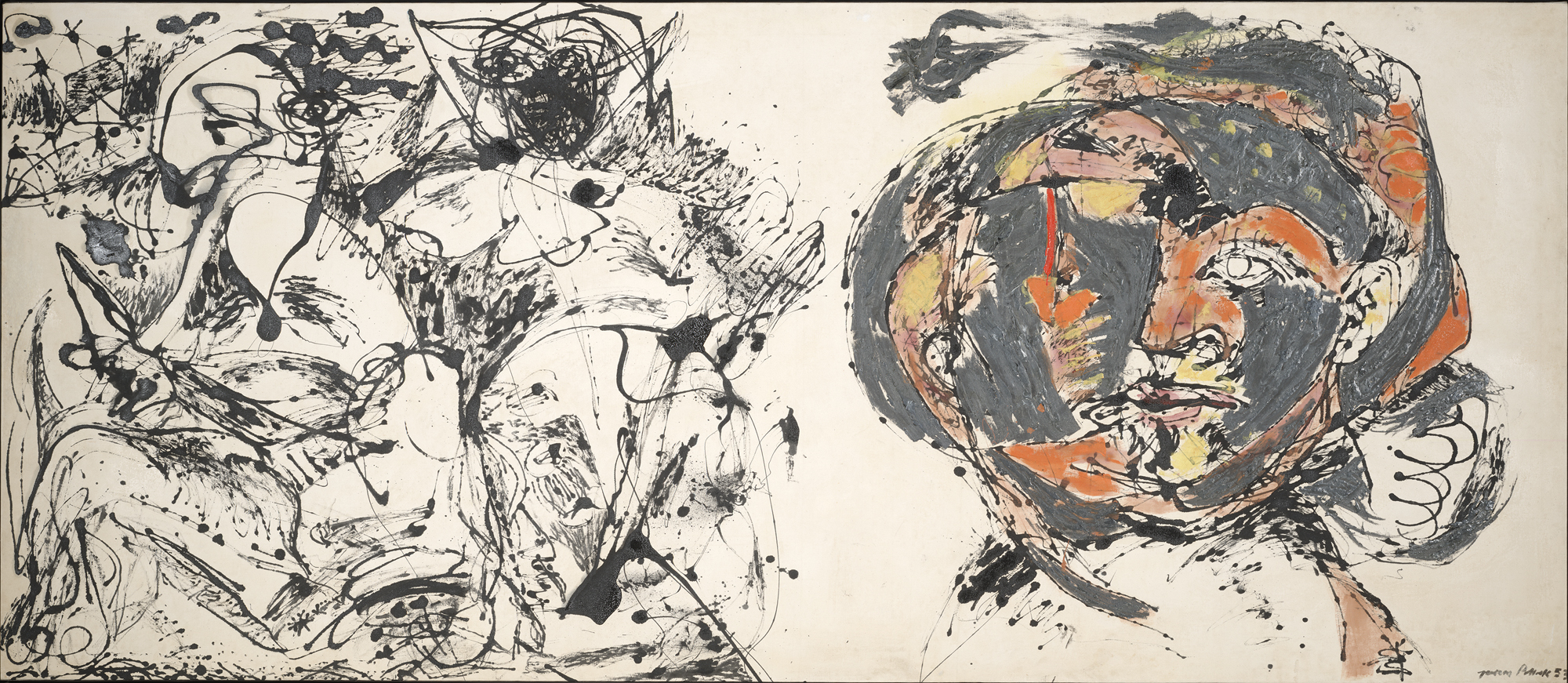
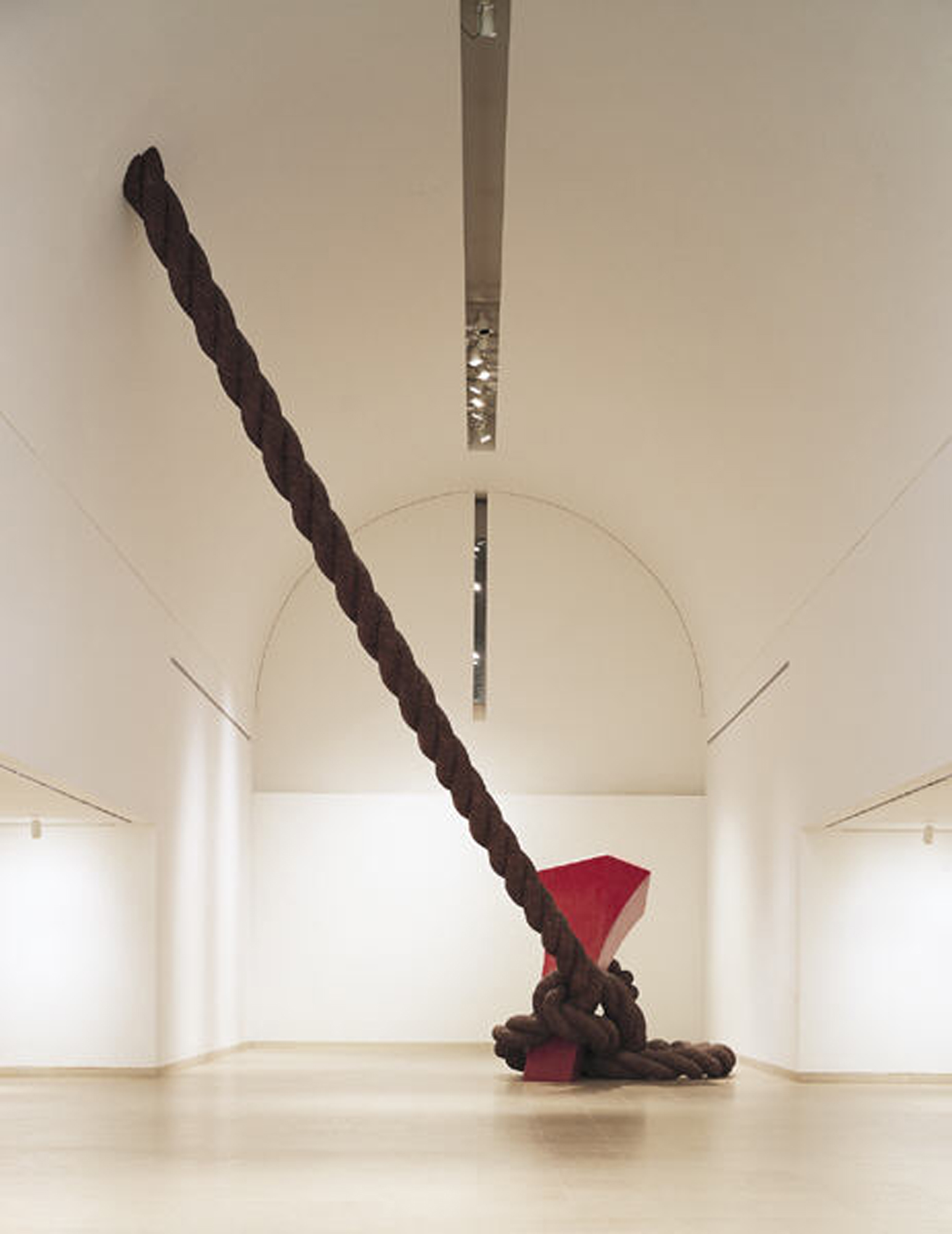
The DMA collection features multiple Aquarian artists, including Edouard Manet (January 23), Jackson Pollock (January 28), Claes Oldenburg (January 28), Thomas Cole (February 1), Fernand Leger (February 4), and Lewis Comfort Tiffany (February 18).

1985_R_33

Edouard Manet – January 23

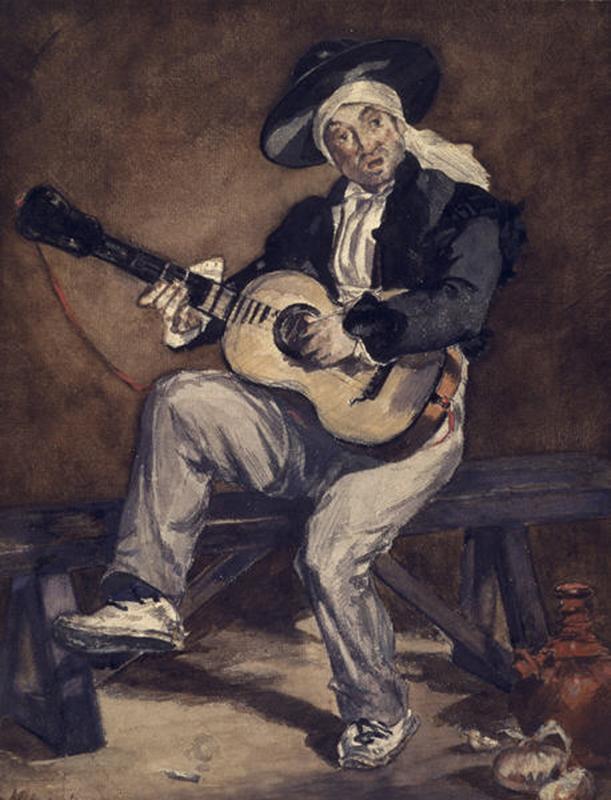
During his lifetime, Manet was frequently criticized and satirized for his work. Some of his most significant artwork, including Olympia and Dejeuner sur l’herbe, were rejected from the Salon and hung at the ‘Salon des Refuses’ instead. Even still, Manet continued to submit works to the Salon throughout his life. Despite academic misfortune, Manet’s work inspired a new generation of artists. Edgar Degas and other members of the Impressionist movement would adopt his use of the alla prima technique and treatment of form using a single stroke or flat area of color. His tendency to avoid intermediate values in favor of sharp contrasts of light and dark, as observed in The Spanish Singer (above), also had an influential affect on art historical tradition.

1967_8_post_conserv

Jackson Pollock – January 28

The painting above has been interpreted as a self-portrait partially obscured by a mask. A similar image appears in many of Pollock’s artworks, largely reflective of his self-retrospective style and the influence of Jungian analysis. Pollock believed that “Painting is a state of being…Painting is self-discovery. Every good artist paints what he is.” This interest in psychotherapy and Jungian analysis reveals the Aquarian tendency to continually seek change and evolution.

1984_52_A_B

Claes Oldenburg – January 28

Oldenburg’s Stake Hitch, an emblematic artwork in the DMA collection, was commissioned in 1981 to commemorate the opening of the DMA’s new downtown location. At 18 feet tall, the metal stake plunged through the ground of the gallery, appearing below in the museum’s receiving dock (only accessible to museum staff). Above ground, the stake was attached to the gallery’s 40-foot-ceilings with a massive rope. Stake Hitch, removed from display in 2001, is signature of Oldenburg’s artworks, as his work often features everyday objects enlarged to a monumental scale. Oldenburg’s fascination with material culture catapulted him to the forefront of the Pop Art Movement in the 1960s.

Pisces

Unlike Aquarians, Pisces individuals are not concerned with self-progression and evolution. In fact, the most definitive trait of a Pisces is their unconditionally loving and compassionate nature. Pisces often place the concerns and interests of others above their own, making them indecisive or sacrificial at times. Although they are very observant, their idealistic and emotional instincts can direct their perspective. Pisces are known as the most mature and intuitive sign. They are deeply connected to the world around them and typically choose professions where they can serve others.

1945_6

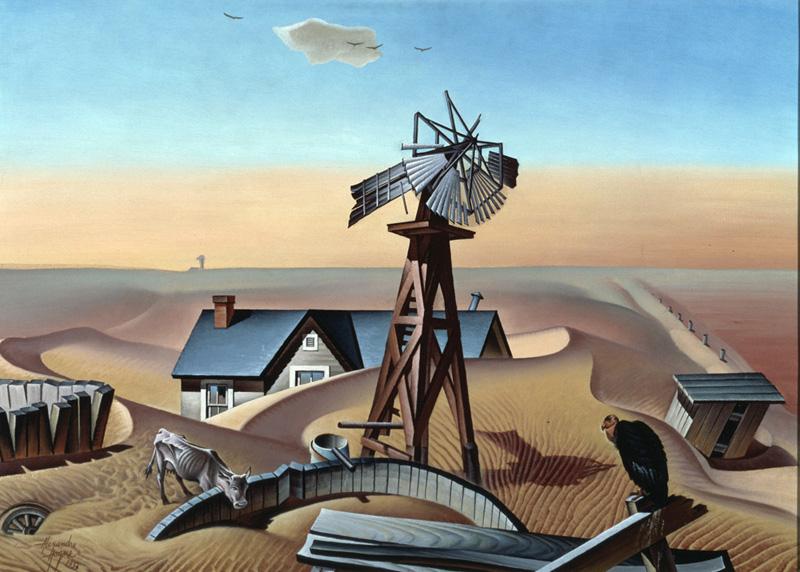
Alexandre Hogue – February 22

The works of Alexandre Hogue display the intuitive sensibilities of a Pisces. His Erosion series, currently on view at the DMA, provides a commentary on the state of North Texas during the Dust Bowl. Hogue felt very connected to the natural environment, having spent his childhood gardening with his mother. She taught him to take care of his natural surroundings and referred to the earth as “Mother Nature.” Given this background, Hogue was disgusted by the selfishness and ignorance of the migratory farmers in early 20th century, rightfully blaming them for producing the Dust Bowl. His Erosion series particularly highlights the devastating effects of land and water erosion, produced by fencing, over-plowing, over-grazing, monocropping, and expanding roadways. Alexandre Hogue: The Erosion Series will be on view through June 15, 2014.

Additional Pisces artists of note include Frank Gehry (February 28th) and Piet Mondrian (March 7th).

Thank you for reading the latest addition of Artist Astrology and don’t forget to check out next month’s section on our ambitious Aries artists!

Artworks shown:

  • Edouard Manet, The Spanish Singer, 1861, Dallas Museum of Art, The Wendy and Emery Reves Collection
  • Jackson Pollock, Portrait and a Dream, 1953, Dallas Museum of Art, gift of Mr. and Mrs. Algur H. Meadows and the Meadows Foundation, Incorporated
  • Claes Thure Oldenburg, Stake Hitch, 1984, Dallas Museum of Art, commissioned to honor John Dabney Murchison, Sr. for his arts and civic leadership, and presented by his Family
  • Alexandre Hogue, Drouth Stricken Area, 1934, Dallas Museum of Art, Dallas Art Association Purchase

Hayley Prihoda
McDermott Intern for Gallery and Community Teaching

Words with Friends (and owls, mohels, etc.)

For the exhibition Never Enough: Recent Acquisitions of Contemporary Art, New York-based artist Darren Bader visited Dallas to help us realize a unique work recently purchased by the DMA. Bader is known for his innovative and unconventional use of materials that push the boundaries of sculpture and activates environments with unexpected pairings and phenomenological experiences.

20140220_DarrenBader_AG_28

For example, in the 2012 exhibition Darren Bader: Images at MoMA PS1, the artist presented a room filled with a newly upholstered couch and several live housecats, all of which were available for adoption by museum visitors. Elsewhere the artist installed a selection of vegetables, each on its own wooden pedestal, that was made into salad for gallery visitors by a museum staffer twice a week. While these works all had a social dimension, for the artist these elements are understood to be sculpture of one form or another, albeit in the most expansive definition of the word.

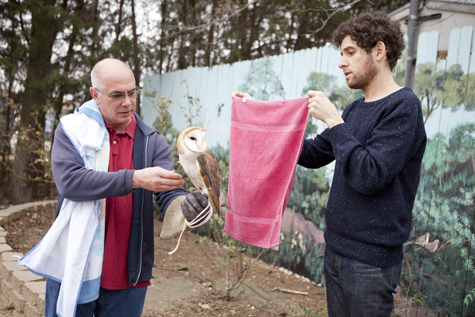
Bader’s work also frequently employs double-entendres and wordplay, as is readily apparent in the series of rhyming couplets that make up the recent acquisition at the DMA, and which is now on view: obi and/with SCOBY; oak with/and smoke; owl and/with towel; oar with/and store; oil with/and mohel; oat and/with note; orc with/and fork. Generally, when a museum purchases a work it has a set physical form, but in this case the work itself consists solely of the words listed in the title above and the conceptual potential for realizing these couplings. These absurd combinations can be realized in physical space (e.g., placing a rowing oar in the DMA store) or in the form of photographic or video documentation to be displayed in the galleries. Contractual agreements like this have a long history within the canon of conceptual art, including works by Marcel Duchamp, Yves Klein, Hans Haacke (with the aid of dealer Seth Siegelaub), and Andrea Fraser, among others.

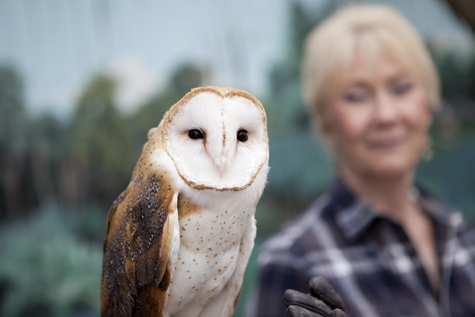
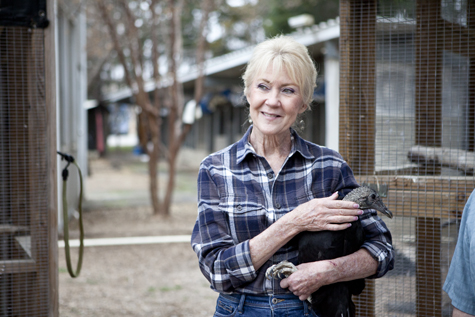
As the curator for this exhibition, I was tasked with coordinating and/or sourcing the various elements needed to realize this work, including an obi and SCOBY, owl and towel, and even a mohel (more on that in a later blog post). In order to find an owl, we got in touch with Kathy Rogers from Roger’s Wildlife Rescue down in Hutchins, Texas.

20140220_DarrenBader_AG_21

Kathy and her team run an amazing facility that rescues, rehabilitates and houses hundreds of birds of all varieties. For our project, Kathy had three types of owls available—Barred, Barn and Screech—and ultimately we decided to go with Forest, the Barn Owl. Forest was born in captivity, so he is very comfortable around humans and was more than happy to be filmed by the DMA’s crew.

20140220_DarrenBader_AG_7

20140220_DarrenBader_AG_13

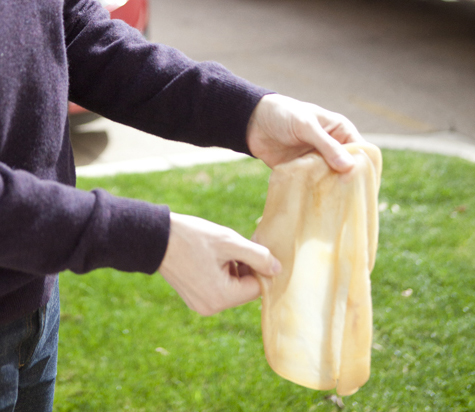
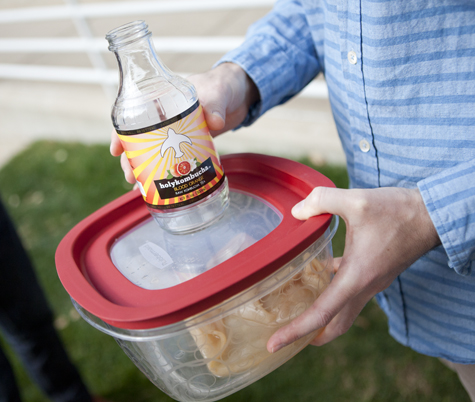
Next we had to find a SCOBY (Symbiotic Colony of Bacteria and Yeast) to go along with the obi (a traditional Japanese sash used with a kimono) we purchased from eBay. Lucky for us, the wonderful people at Holy Kombucha in Fort Worth were more than willing to provide us with a grade-A large SCOBY. While the SCOBY itself is naturally slimy and smelly, it is probiotic, and when used in kombucha it makes for a very tasty health drink; however, in order to exhibit the SCOBY our Objects Conservator dried it in an oven for several hours until it became a tissue-paper thin wafer.

20140220_DarrenBader_AG_26 20140220_DarrenBader_AG_30

For those that are curious, the SCOBY will be on view in the Stoffel Gallery, along with video clips representing other pairings from the Bader piece scattered throughout the galleries (included in free general admission!). We have also staged two small interventions outside the gallery spaces that you might encounter on your next trip to the DMA. So if you find an oar in the DMA store, or oats in the DMA donation box, don’t be alarmed . . . it’s only art.

[youtube http://www.youtube.com/watch?v=uL845ud2rM0]

Gabriel Ritter is The Nancy and Tim Hanley Assistant Curator of Contemporary Art at the DMA.
Oh, The Places You’ll Go for Spring Break!

Many schools here in the Dallas area are keeping their doors closed this week as families venture off to enjoy Spring Break. As a kid, Spring Break for me meant going on an assortment of fun vacations, whether to a nearby locale like Huntsville State Park for camping or to the ultimate destination: Disney World!

As you wander the galleries of the DMA, you’ll notice the wonderful assortment of artworks that we have from all over the globe, of places both near and far. Since Spring Break is on the brain, I asked the DMA Education Team what work of art represents their ultimate Spring Break vacation destination. Check out what we came up with and feel free to share your own!

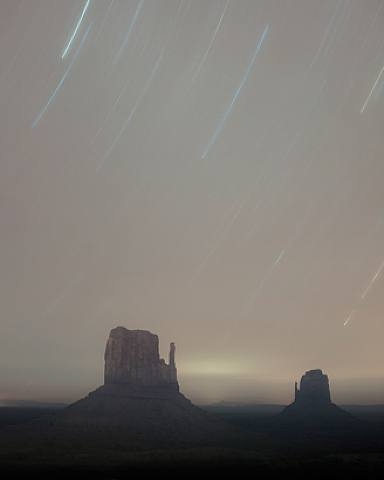
Jessica Fuentes picked Trevor Paglen’s DMSP F16 over Monument Valley, Navajo Nation (Military Meterological Satellite; 203-048A). Jessica hopes to spend a good amount of time camping and taking photographs during her spring break. “The light that crosses the sky reminds me of star-trail photography, something I haven’t quite mastered, but am working on.”

blogpost3

Trevor Paglen, DMSP F16 over Monument Valley, Navajo Nation (Military Meteorological Satellite; 203-048A), 2009, Dallas Museum of Art, Anonymous gift

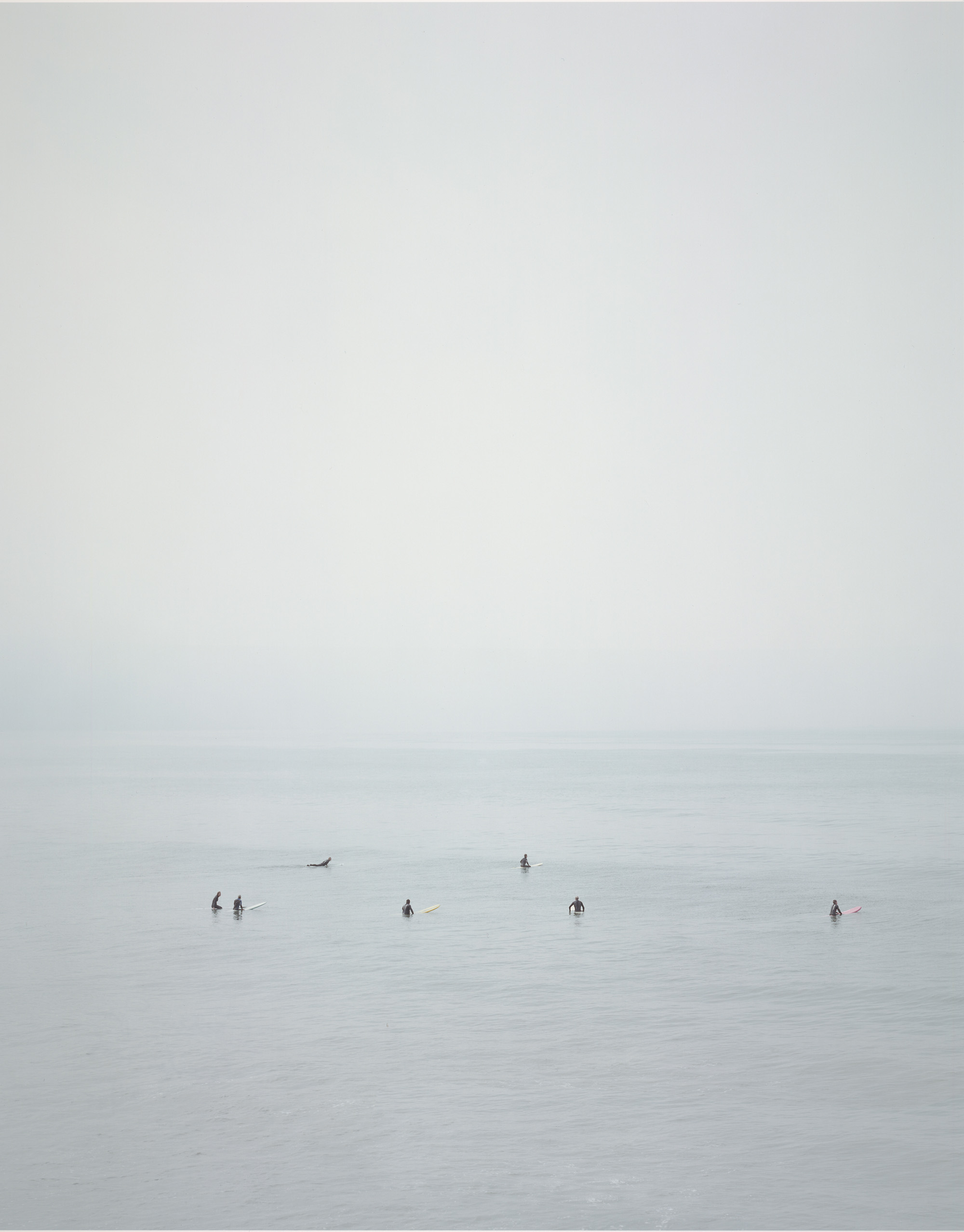
Melissa Gonzales picked Catherine Opie’s Untitled (Surfers) because when it comes to Spring Break, or really any vacation, she loves to go to the beach. “I love relaxing on the sand, listening to the waves, reading a great book, sipping a cold fruity drink, and taking a nap in the hot sun. I also like watching the surfers bob up and down in the water, and the smooth grace of those who catch a wave to shore.”

blogpost4

Catherine Opie, Untitled (Surfers), 2003, Dallas Museum of Art, Anonymous gift

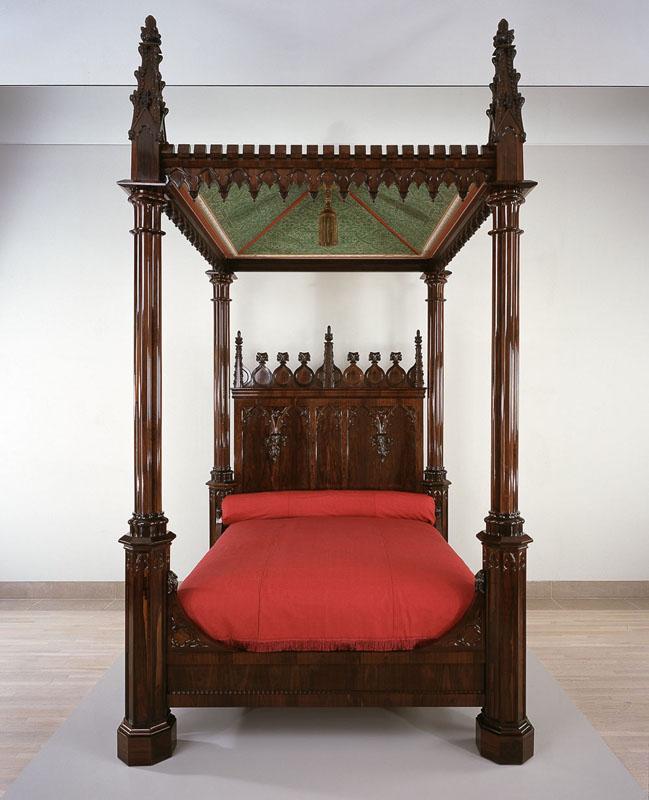
Amanda Batson’s ideal vacation destination was inspired by Crawford Riddell’s Bed, because she desires a long nap for her Spring Break.

blogpost2

Crawford Riddell, Bed, c. 1844, Dallas Museum of Art, gift of three anonymous donors, Friends of the Decorative Arts Fund, General Acquisitions Fund, Discretionary Decorative Arts Fund, and the Boshell Family Foundation

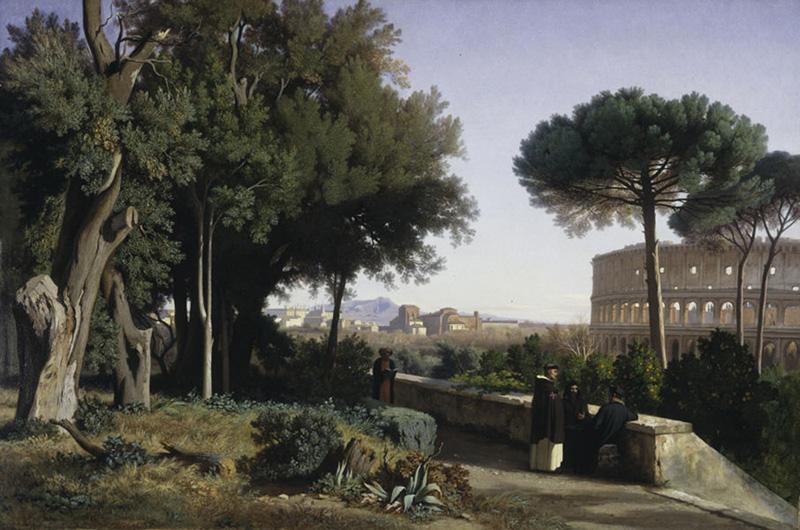
Michael Hartman, McDermott Intern for European Art, picked Jean-Achille Benouville’s Colosseum Viewed from the Palatine because he’s always wanted to visit Rome.

Jean–Achille Benouville, Colosseum Viewed from the Palatine, 1844, Dallas Museum of Art, gift of Mr. and Mrs. George A. Shutt, Dr. and Mrs. George N. Aldredge, Jr., the Societe Generale
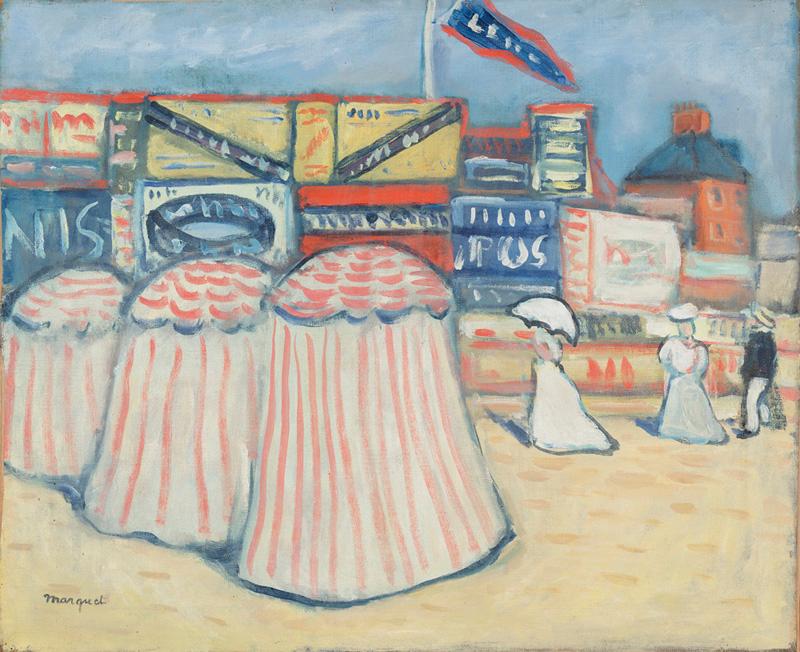
Hayley Prihoda chose Albert Marquet’s The Beach at Trouville. “This painting by Albert Marquet encapsulates everything I look for in a Spring Break vacation. I love the bright colors, clear blue sky, and red and white striped tents, a signature of the early 20th century. Plus, Trouville is only a couple hours outside of Paris, so I could take a day trip to the Louvre and the Musee d’Orsay!”

Albert Marquet, The Beach at Trouville, c. 1906, Dallas Museum of Art, gift of the Meadows Foundation, Incorporated

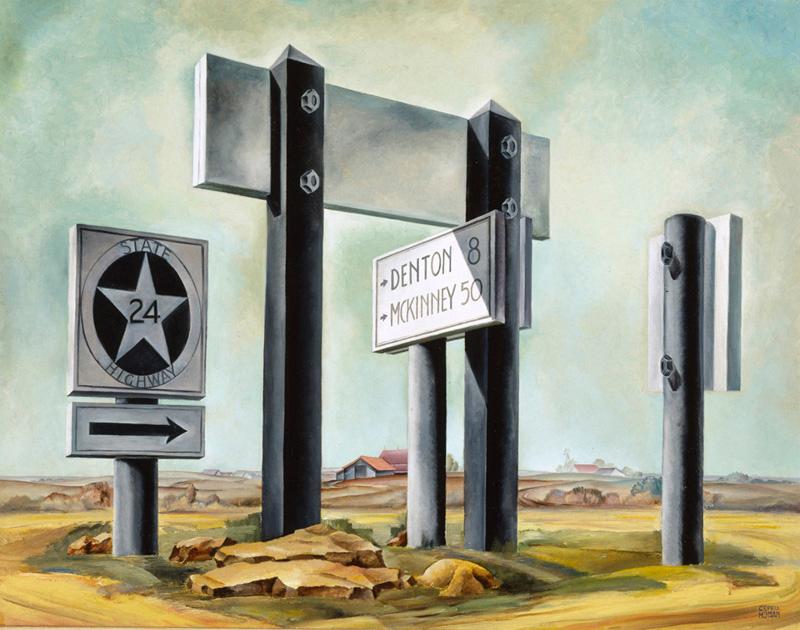
Inspired by the bold highway signs in Coreen Mary Spellman’s Road Signs, my ideal vacation destination for Spring Break would be a road trip along Route 66. It’s always been on my bucket list to travel along Route 66 from New Mexico to the California coast and visit unique roadside stops along the way.

blogpost1

J Coreen Mary Spellman, Road Signs, c. 1936, Dallas Museum of Art, gift of Helen, Mick and Thomas Spellman.

Make sure to visit the DMA as part of your own Spring Break vacation. We have a ton of activities going on this week at the Museum, whether you’re visiting our Pop-Up Art Spot, voting for your favorite work of art in our Art Madness Tournament, or having a ball during our Family Block Party this Friday, March 14. Check out our full schedule of events here!

Amy Elms
McDermott Education Intern for Visitor Engagement

What’s in a (middle) name?

In honor of Middle Name Pride Day, we took some time to explore artists in the DMA collection whose middle names were part of their identity and the stories behind them.

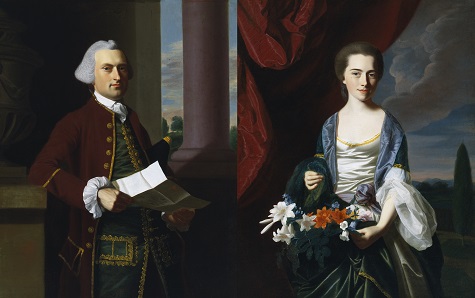
John Singleton Copley, Woodbury Langdon and Sarah Sherburne Langdon, 1767, oil on canvas, Dallas Museum of Art, The Eugene and Margaret McDermott Art Fund, Inc.

John Singleton Copley, Woodbury Langdon and Sarah Sherburne Langdon, 1767, oil on canvas, Dallas Museum of Art, The Eugene and Margaret McDermott Art Fund, Inc.

Following a long tradition that continues today, many artists’ middle names can be attributed to familial ties. John Singleton Copley’s middle name can be credited to his mother’s maiden name. She was from the County Clare, Ireland, but could trace her ancestors back to Lancashire, England. She was forced to take over her husband’s tobacco shop upon his death shortly after the family emigrated in the early 1700s.

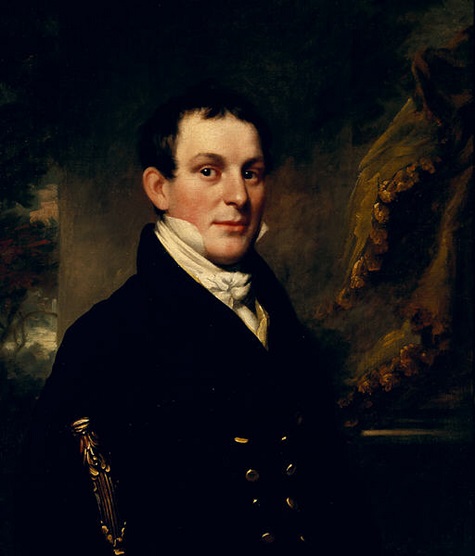
John Wesley Jarvis, Portrait of a Man, c. 1815-1820, oil on canvas, Dallas Museum of Art, bequest of Mrs. Sheridan Thompson

John Wesley Jarvis, Portrait of a Man, c. 1815-1820, oil on canvas, Dallas Museum of Art, bequest of Mrs. Sheridan Thompson

John Wesley Jarvis was named for his uncle John Wesley, founder of the Methodist church. Jarvis was born in his uncle’s homeland of England, but his mariner father moved the family to Philadelphia in the artist’s early years. He eventually became one of the most renowned portrait painters in New York in the early 1800s but strayed from his namesake’s roots with his propensity for flamboyant fashion and alcohol.

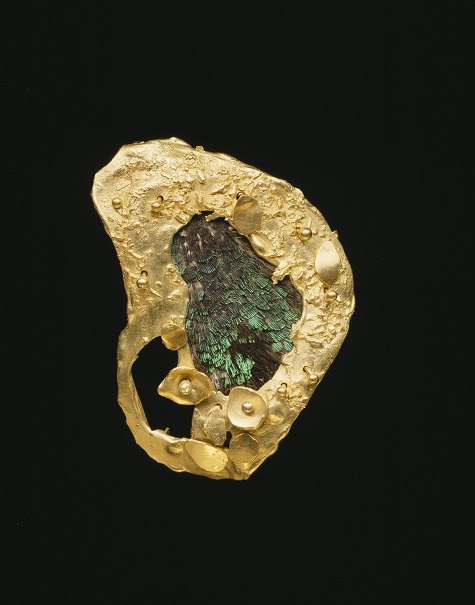
Velma Davis Dozier, Rain Forest (pin), 1969, cast gold, Dallas Museum of Art, gift of Otis and Velma Dozier

Velma Davis Dozier, Rain Forest (pin), 1969, cast gold, Dallas Museum of Art, gift of Otis and Velma Dozier

Also following a tradition that continues today, several female artists in the DMA collection assumed their maiden name as their middle name after their marriages. Velma Davis was a Texas native who studies painting at SMU and then specialized in jewelry making and design while obtaining her master’s degree from Columbia University. She returned to Texas to cofound the Dallas School of Creative Arts in the 1930s, where she met her husband, painting teacher Otis Dozier.

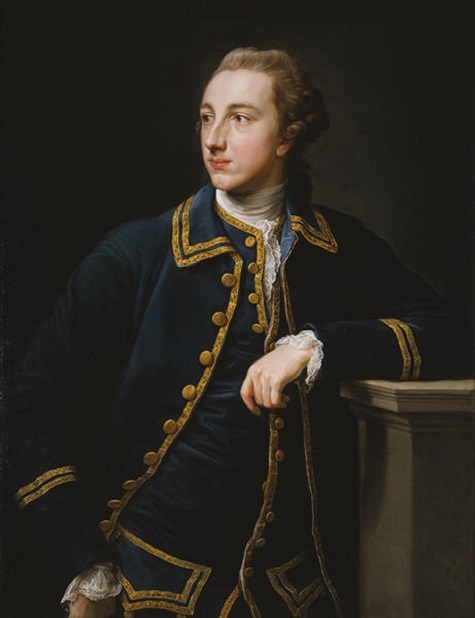
Pompeo Girolamo Batoni, Portrait of a Man in a Blue Suit, 1760s, oil on canvas, Dallas Museum of Art, gift of Leon A. Harris, Jr.

Pompeo Girolamo Batoni, Portrait of a Man in a Blue Suit, 1760s, oil on canvas, Dallas Museum of Art, gift of Leon A. Harris, Jr.

Children in Italian families have long been named for saints for whom the parents have a special affinity, as was likely the case with Pompeo Girolamo (“Jerome”) Batoni. The artist clearly also held St. Jerome in high regard, having depicted him at least in three separate works: St. Jerome in the Wilderness, The Last Communion of St. Jerome, and in one of his most famous later paintings, The Marriage of St. Catherine with Sts. Jerome and Lucy. (It is worth noting that Catherine was the name of his first wife; Lucy, the name of his second.)

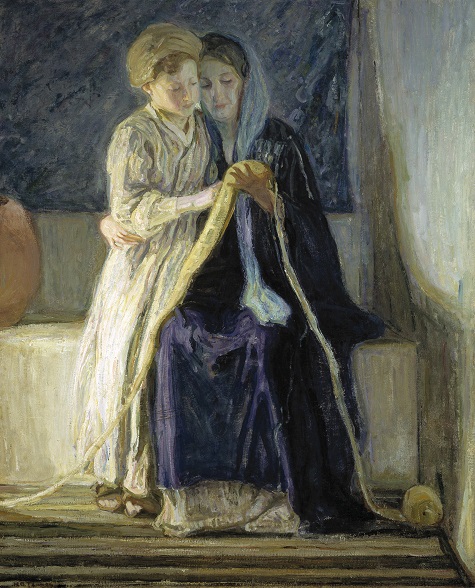
Henry Ossawa Tanner, Christ and His Mother Studying the Scriptures, c. 1909, oil on canvas, Dallas Museum of Art, Deaccession Funds

Henry Ossawa Tanner, Christ and His Mother Studying the Scriptures, c. 1909, oil on canvas, Dallas Museum of Art, Deaccession Funds

Henry Ossawa Tanner’s parents escaped a life of slavery via the Underground Railroad. Benjamin Tucker Tanner, who became an African Methodist Episcopal minister, and his wife Sarah, bestowed the middle name of “Ossawa” upon their son, after Osawatomie – the Kansas town where the infamous abolitionist John Brown launched his anti-slavery campaign.

Norman Bel Geddes and Walter Kidde Sales Co., "Soda King" syphon bottle, designed c. 1935, plastic and chrome, Dallas Museum of Art, gift of David T. Owsley

Norman Bel Geddes and Walter Kidde Sales Co., “Soda King” syphon bottle, designed c. 1935, plastic and chrome, Dallas Museum of Art, gift of David T. Owsley

American theatre and industrial designer Norman Melancton Geddes adopted the “Bel” middle name after marrying his wife, Helen Belle Schneider in 1916. The couple also passed on their incorporated name to their daughter, actress Barbara Bel Geddes.

Other artists who took pride in their middle name currently on view in the DMA galleries:
John White Alexander
Thomas Hart Benton
Abraham Hendricksz van Beyeren
Richard Parkes Bonington
Alfred Thompson Bricher
Edward Coley Burne-Jones
Frederic Edwin Church
Francis William Edmonds
Laurits Christian Eichner
Jean Alexandre Joseph Falguière
Francesco Salvator Fontebasso
Jesús Guerrero Galván
Charles Sumner Greene
Henry Mather Greene
Charles Webster Hawthorne
René Jules Lalique
John Hugh Le Sage
Pierre Nicolas Legrand
Guillaume Guillon Lethiere
Alfred Henry Maurer
Alfred Jacob Miller
John Nicholas Otar
Charles Willson Peale
Jean Baptiste Marie Pierre
Giulio Cesare Procaccini
William Tylee Ranney
John Gordon Rideout
Leon Polk Smith
Walter Dorwin Teague
Louis Comfort Tiffany
Jean François de Troy
Joseph Mallord William Turner
Karl Emmanuel Martin (Kem) Weber
Adolf Ulric Wertmüller

Reagan Lynette Duplisea is the associate registrar, exhibitions, at the DMA

Friday Photos: Instagram + Booker T.

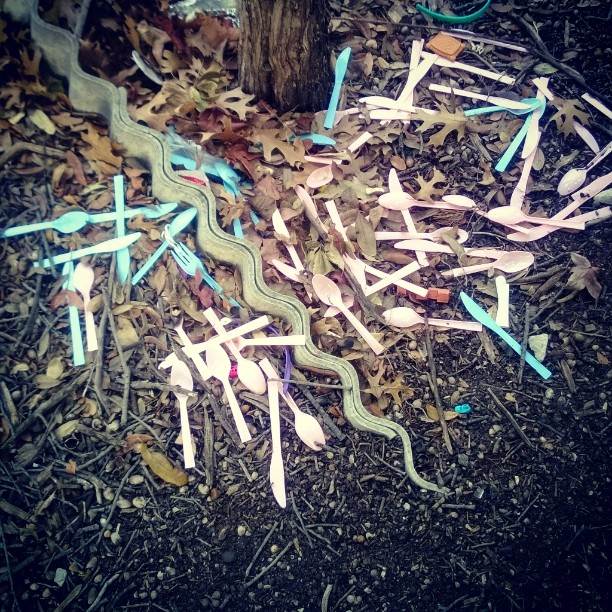
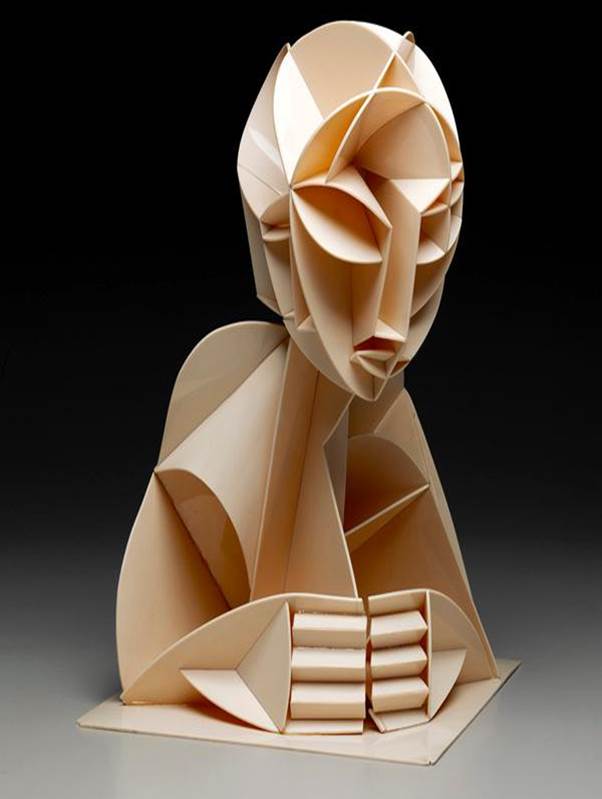
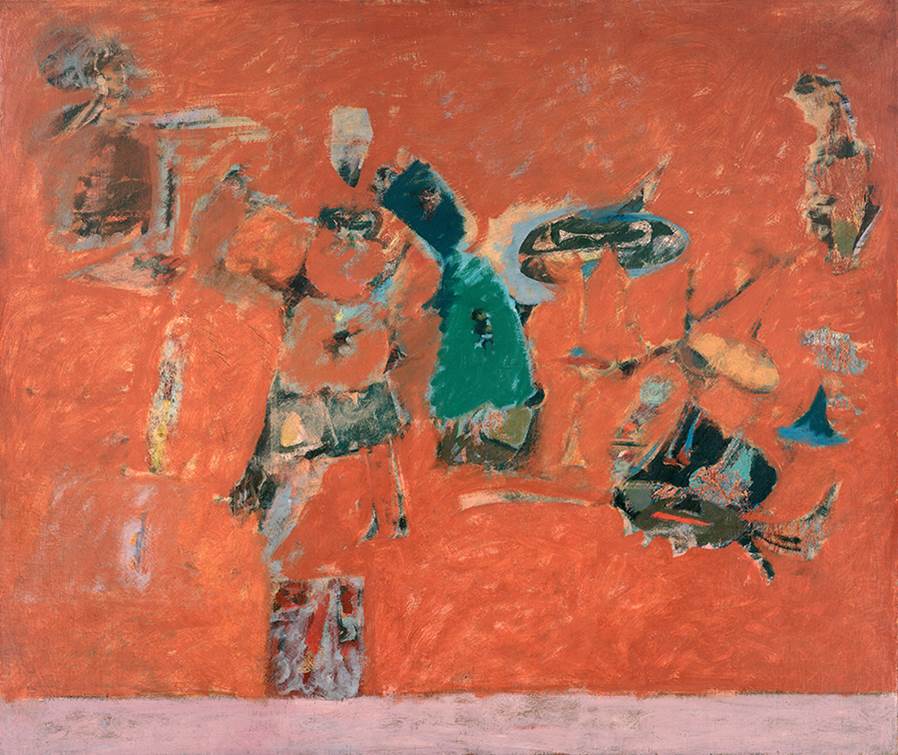
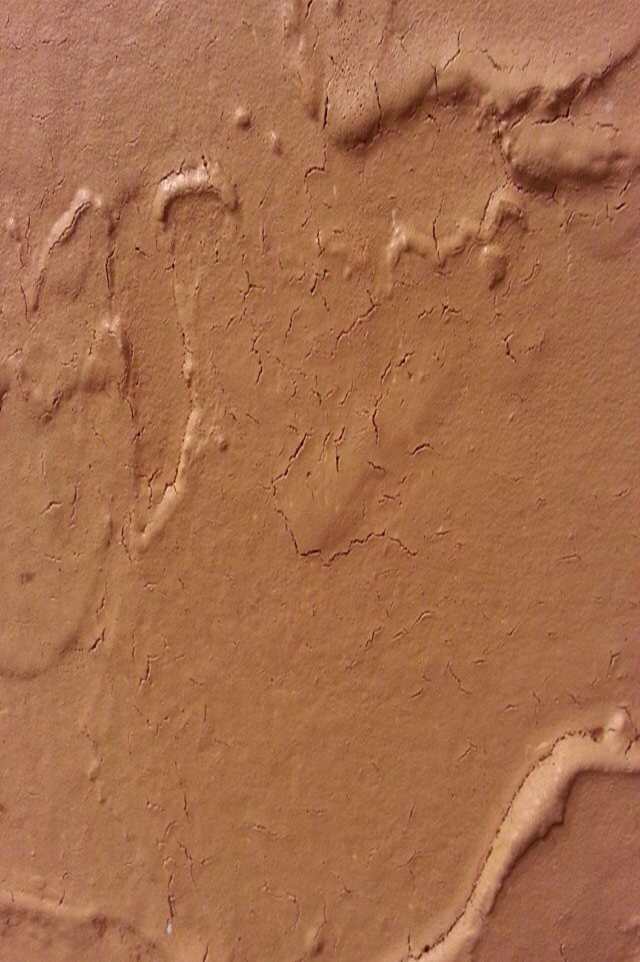
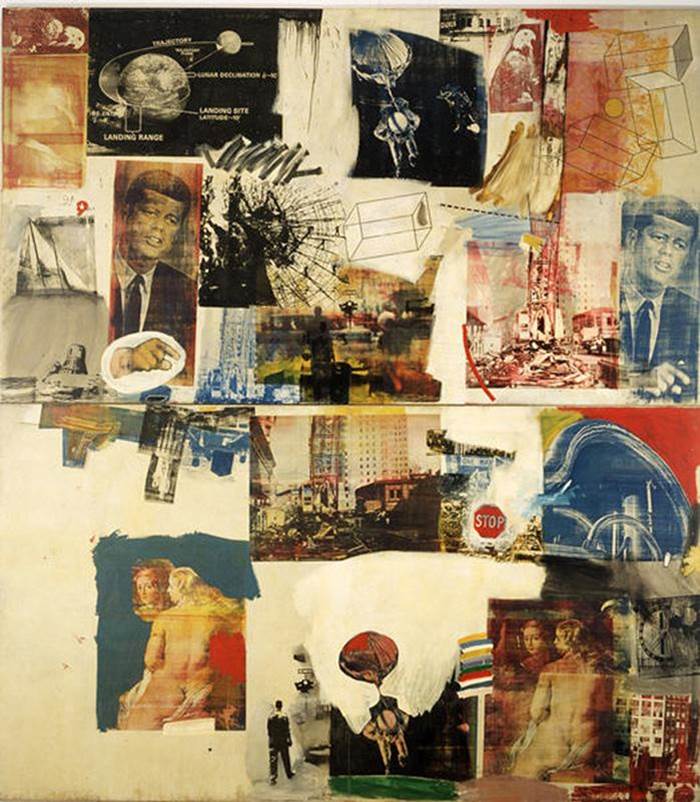
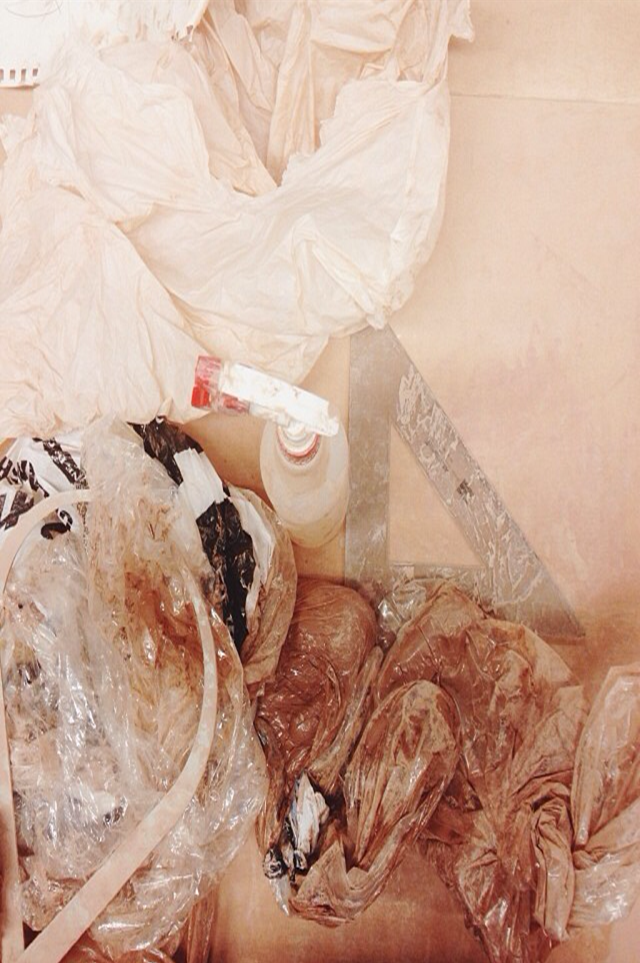
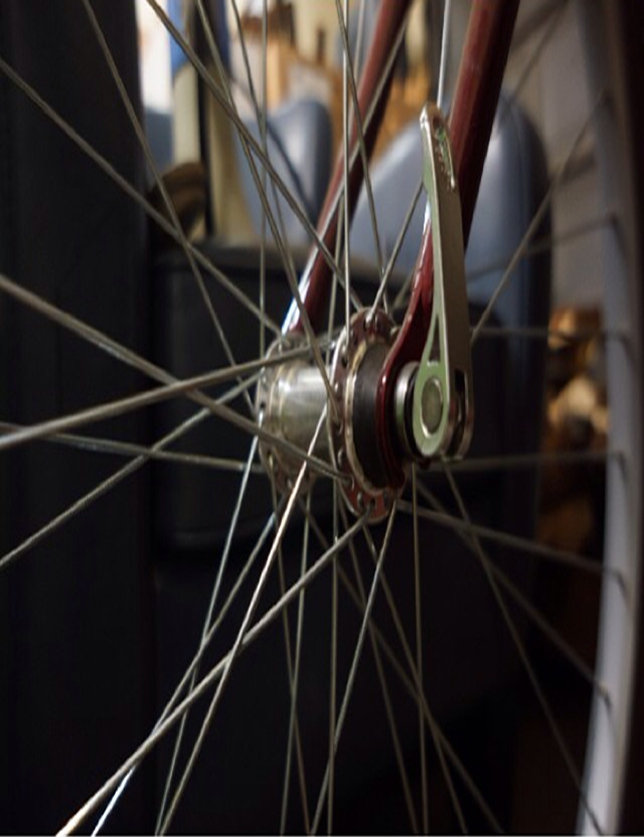
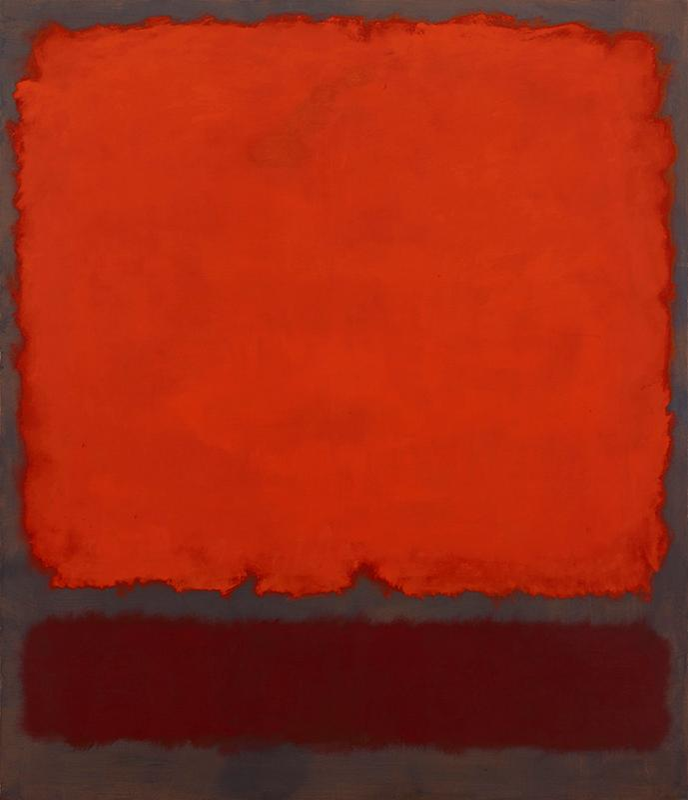
The DMA is now in the third year of its Learning Lab partnership with Booker T. Washington High School for the Performing and Visual Arts, a collaboration in which DMA Education staff work with Visual Arts teachers to lead experiences and projects at the DMA and at the school. The students recently completed a project that used Instagram as a means to explore artistic inspiration.  

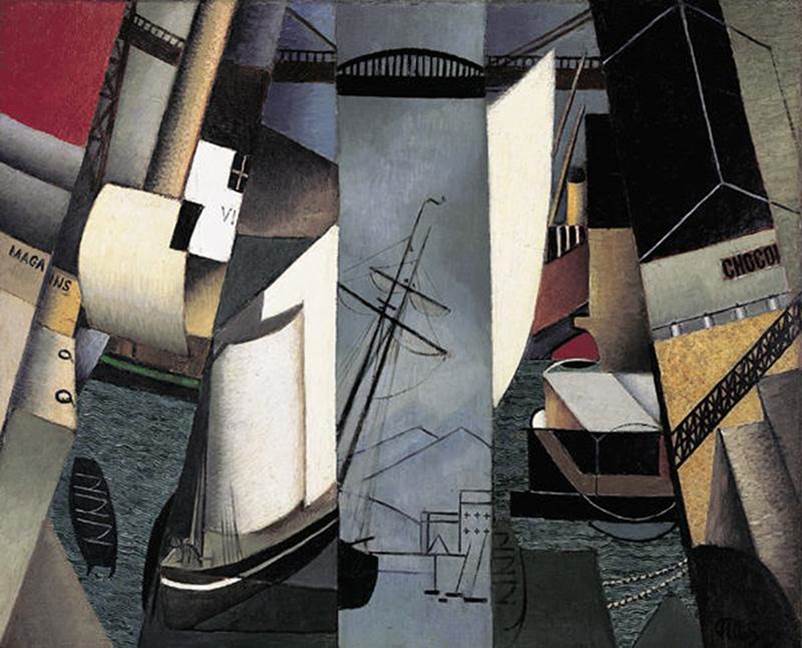
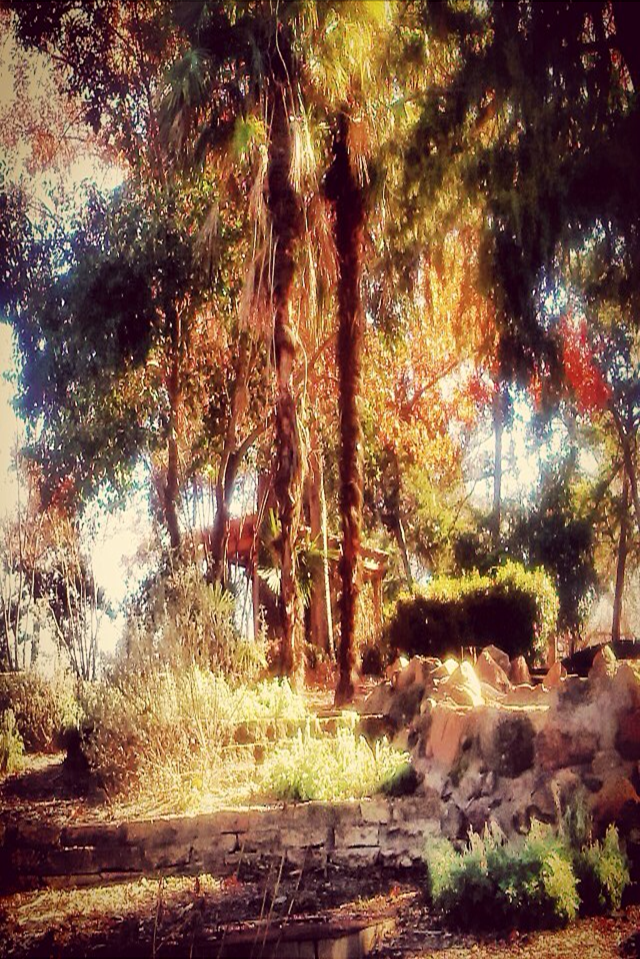
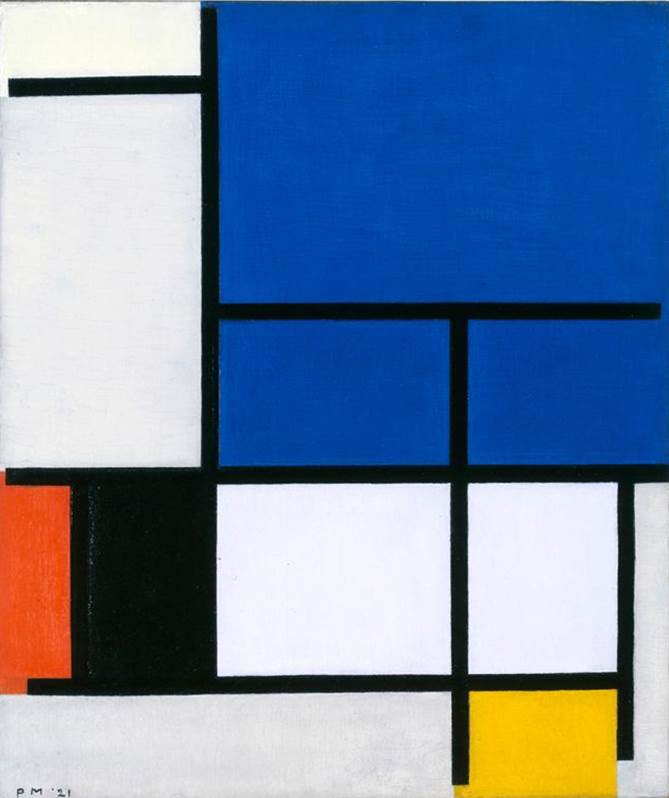
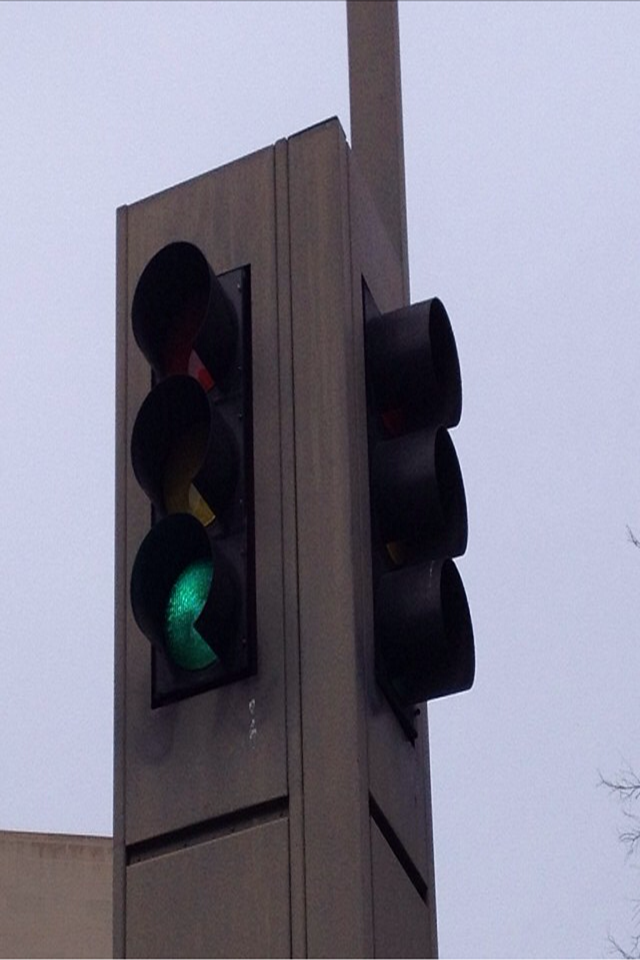
We asked the students to choose an artist in our Modern European or Contemporary art collection and re-imagine that artist’s specific point of view in a contemporary setting. The Booker T. students did a wonderful job documenting these artistic re-imaginings by collecting images of objects, scenes, people and materials that they felt would give their particular artist inspiration.

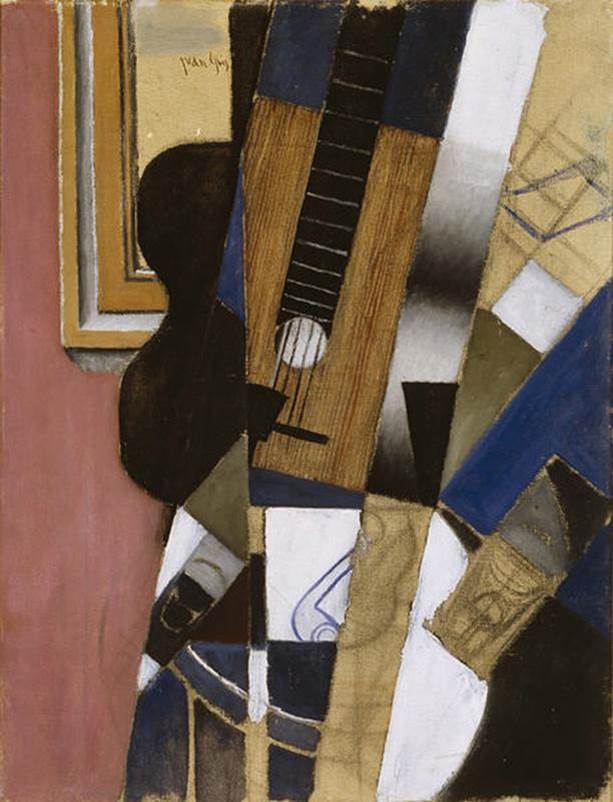
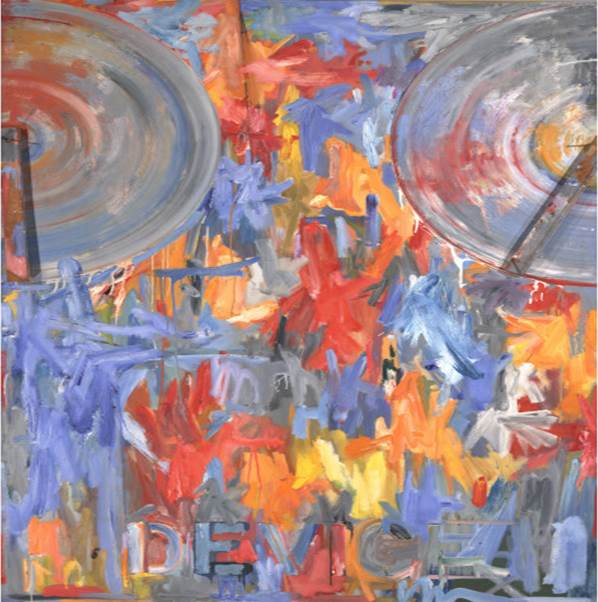
Do you see something around you that could have been inspiration for Mark Rothko or Jasper Johns? Join the conversation on Instagram! Simply tag your images using #POVartists name. Make sure to post them in our comments section if you feel so inspired!

Danielle Schulz
Teaching Specialist


Archives

Categories