Archive Page 7


Culinary Canvas: Peanut Butter Eggs

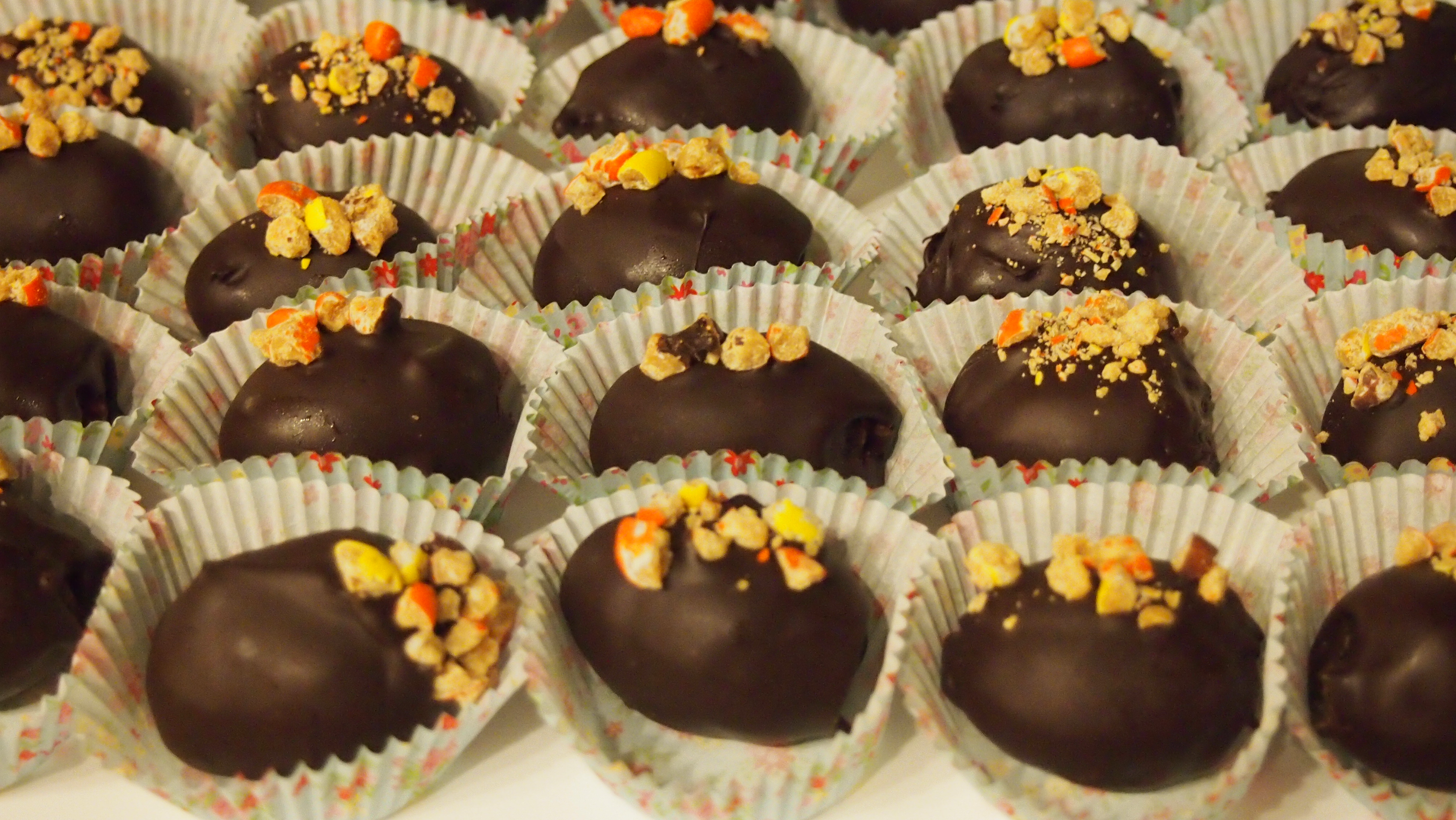
Continuing our Easter egg theme this week, I wanted to create a recipe that recalls the yummy Easter candy everyone enjoys at this time of year. For my inspiration, I looked to our striking Brancusi sculpture, Beginning of the World, which uses imagery associated with birth. This imagery is fitting for Easter and spring, a season of rebirth and new life. And of course, it is shaped like an egg! I am a huge fan of cake balls and this recipe not only yields a delicious result, it provides the opportunity to decorate more eggs with your family. Enjoy!
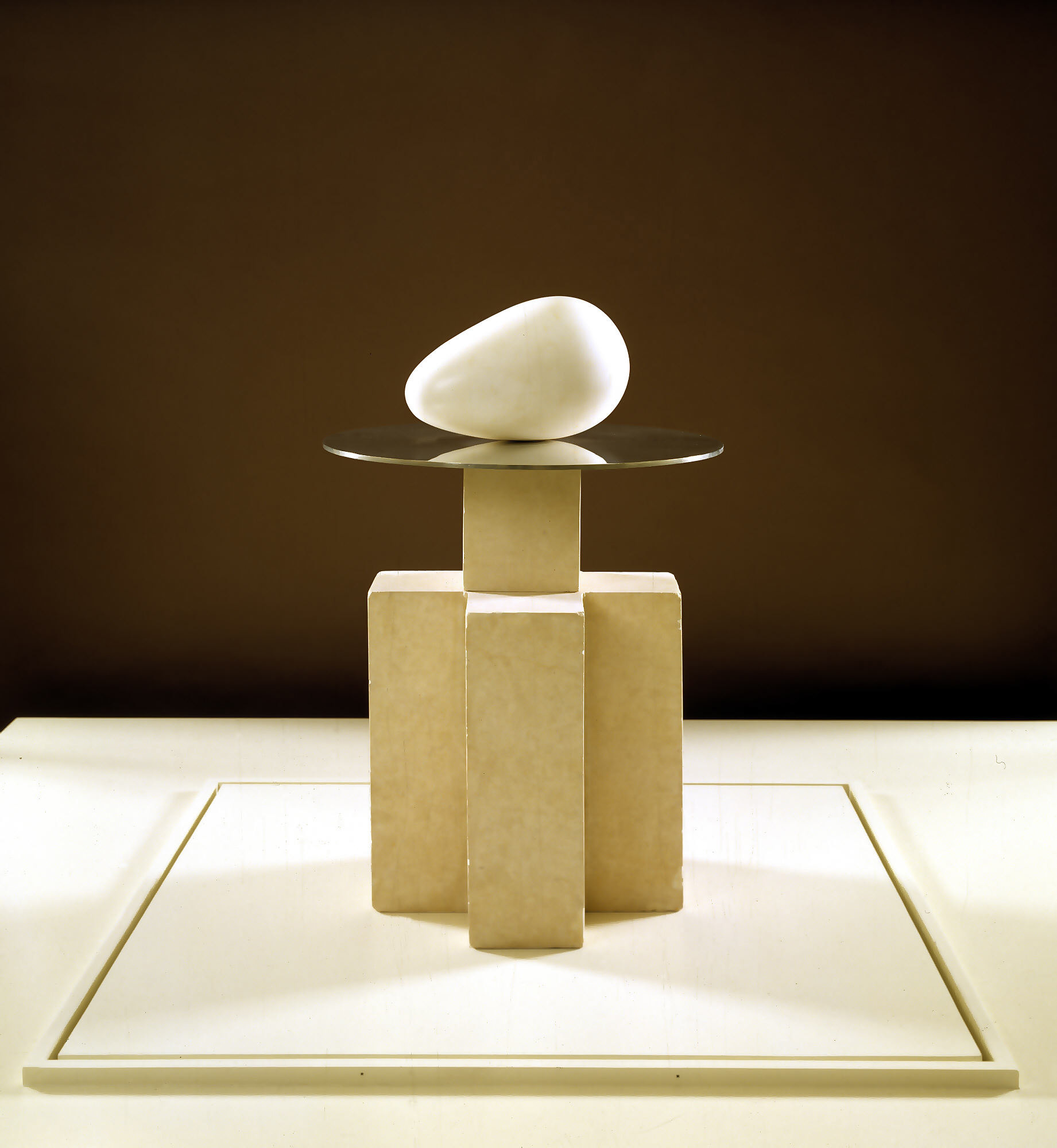
Constantin Brancusi, The Beginning of the World, c. 1920, Dallas Museum of Art, Foundation for the Arts Collection, gift of Mr. and Mrs. James H. Clark

Constantin Brancusi, Beginning of the World, c. 1920, Dallas Museum of Art, Foundation for the Arts Collection, gift of Mr. and Mrs. James H. Clark

Peanut Butter Eggs

Yields 50-100 cake balls, depending on size
Level: Intermediate

Cake Balls:

1 yellow cake
1 cup peanut butter frosting (recipe follows)
1 ¼ cups Reese’s Pieces candy
Coating (recipe follows)

Peanut Butter Frosting:

1 cup powdered sugar
2 tablespoons unsalted butter, room temperature
½ teaspoon pure vanilla extract
Pinch of salt
½ cup natural creamy peanut butter
4 tablespoons whole milk

Coating:

12-16 ounces good quality dark chocolate, coarsely chopped
½ tablespoon vegetable shortening

Prepare cake as directed, using a favorite recipe or box mix if desired. Allow cake to cool completely.

Peanut Butter Frosting: Place the powdered sugar, butter, vanilla and salt in the bowl of an electric mixer fitted with a paddle attachment. Mix on medium speed until mostly combined. Add peanut butter and continue mixing, scraping down the bowl with a rubber spatula as needed. Increase speed to high and add milk one tablespoon at a time. Continue beating an additional 3-5 minutes, until the mixture is light and smooth. Set aside.

Cake Balls: Break up cake into bowl of food processor and process into an even crumb. Transfer cake crumbs to medium mixing bowl.

Roughly chop Reese’s Pieces candy with food processor or by hand. Add approximately 1 cup of candy to mixing bowl, reserving remainder for use as decoration. Stir to distribute candy evenly through crumbs.

Beginning with ½ cup, add frosting to crumb mixture and stir with rubber spatula. Amount of frosting needed will vary depending on moisture of original cake. Final mixture should be evenly moist but not greasy and able to hold its shape.

To form cake balls, scoop off about a teaspoon of dough then roll between hands into egg shape. Place eggs onto wax paper lined dish and transfer to freezer. Allow to firm for at least 30 minutes.

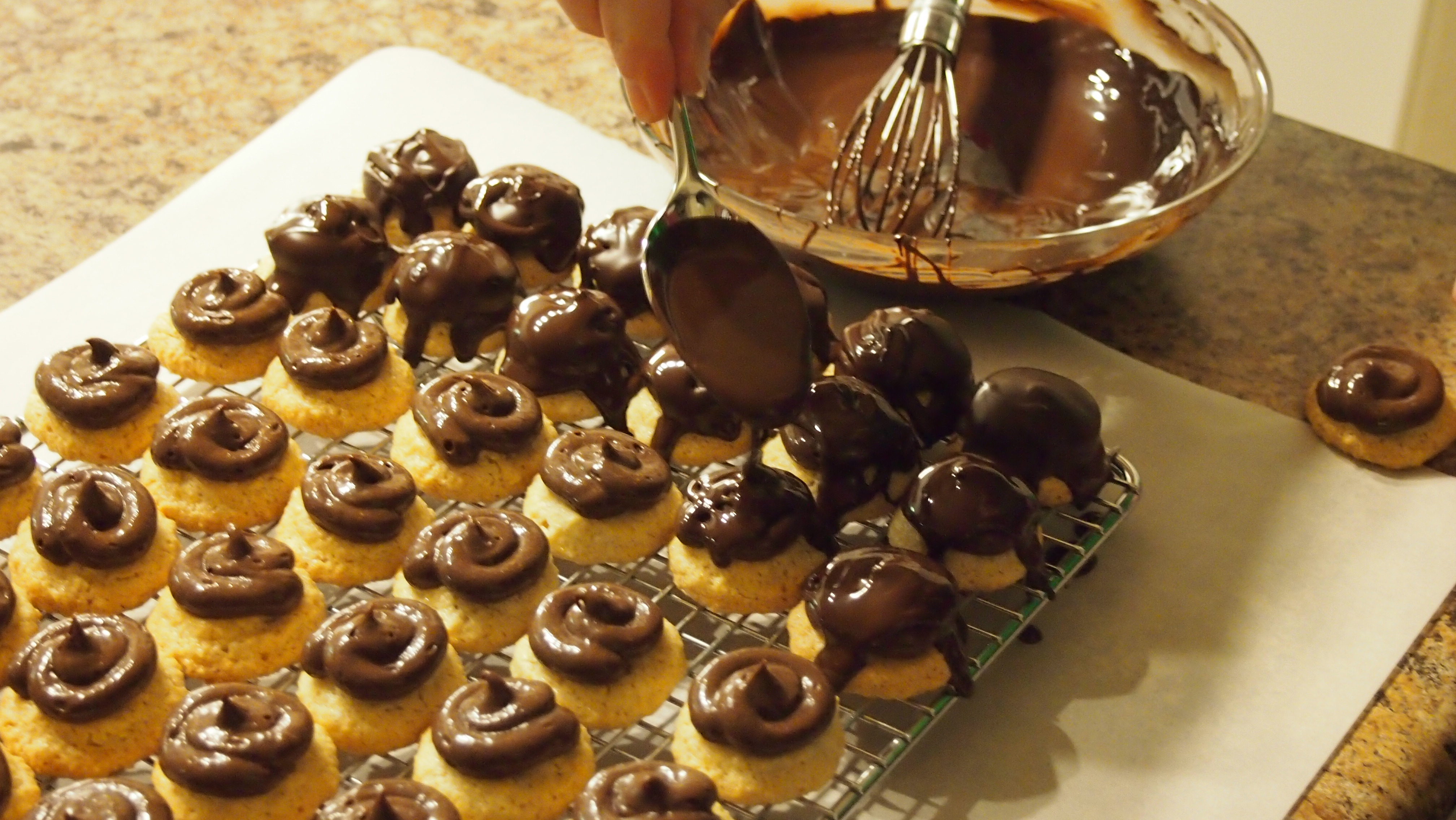
Coating: Whisk chocolate in a glass bowl set over a small pot of simmering water until mostly melted. Remove from heat and stir in shortening, whisking until smooth.

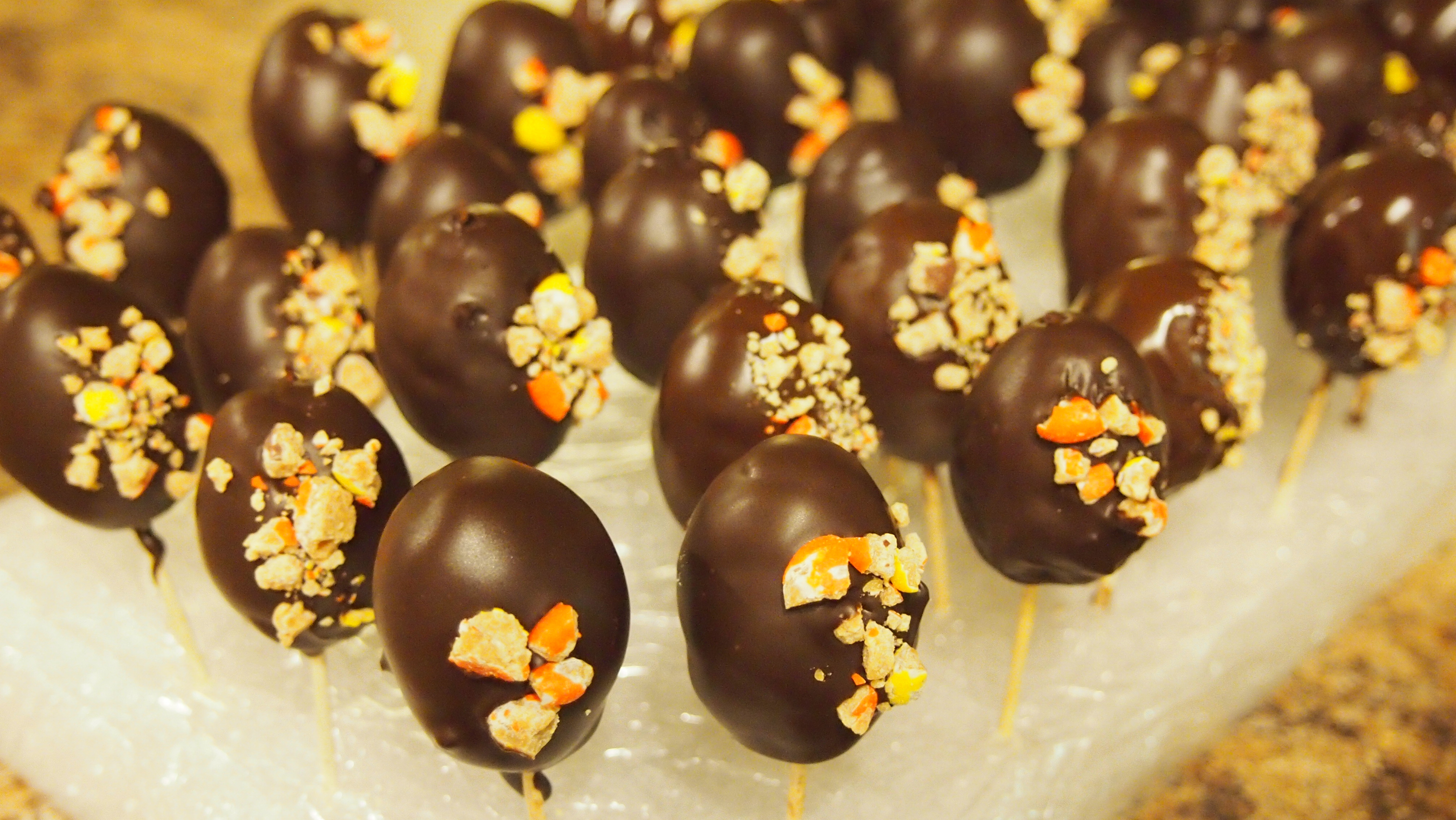
Remove half of eggs from freezer. Insert toothpick into egg and dip into coating until fully covered, allowing excess chocolate to drip off. A small espresso spoon is useful for distributing chocolate evenly over egg. Quickly sprinkle with reserved candy while still wet. Place toothpick into foam board and allow chocolate to set.

Remove remaining eggs from freezer and repeat process until complete. Once dry, remove toothpicks and refrigerate in air tight container.
 
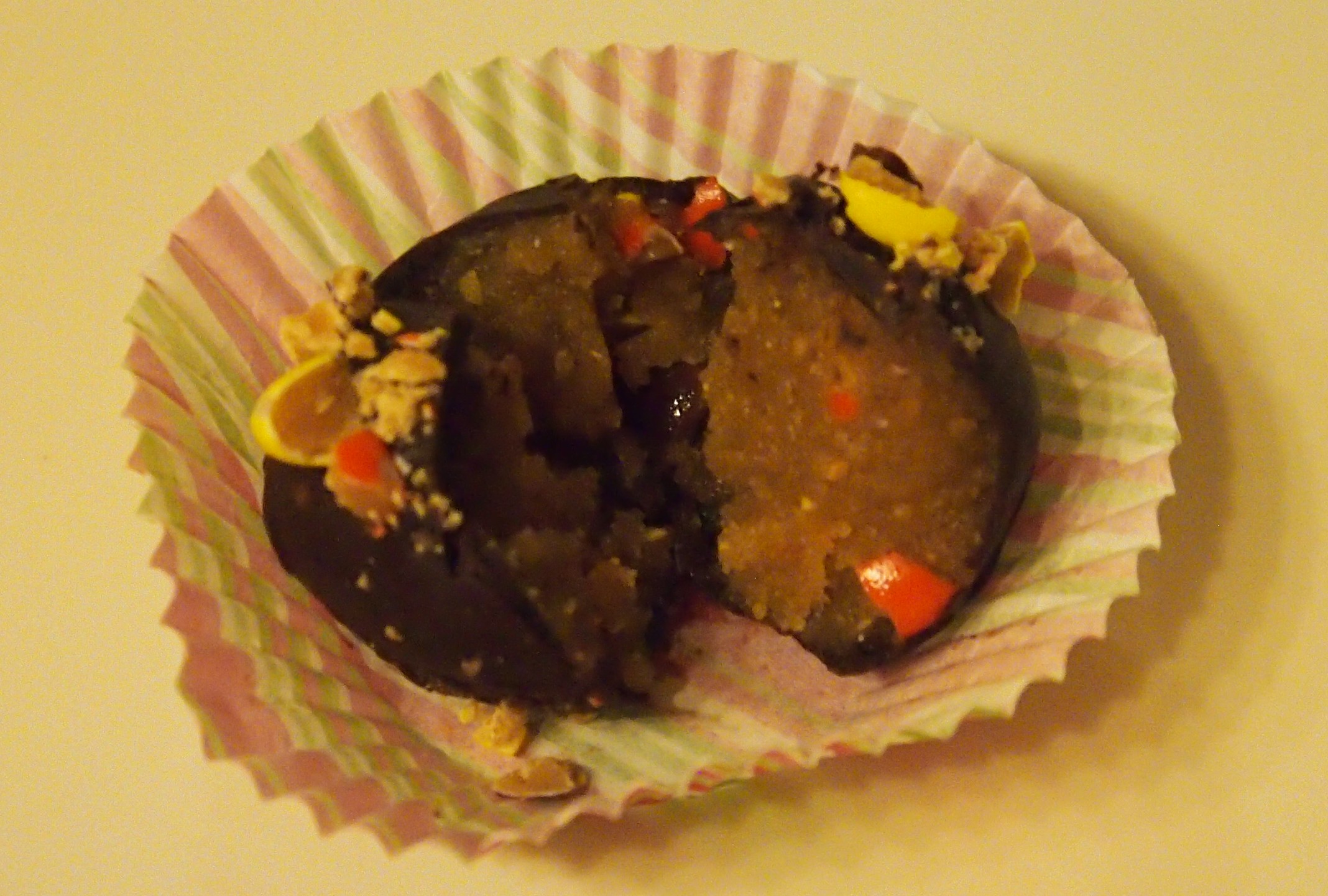
OLYMPUS DIGITAL CAMERA

OLYMPUS DIGITAL CAMERA

OLYMPUS DIGITAL CAMERA

Original recipe utilizing cake ball tips from 52 Kitchen Adventures and Miss Candiquik.

Sarah Coffey
Assistant to the Chair of Learning Initiatives
Flat Stanley Becomes a Friend

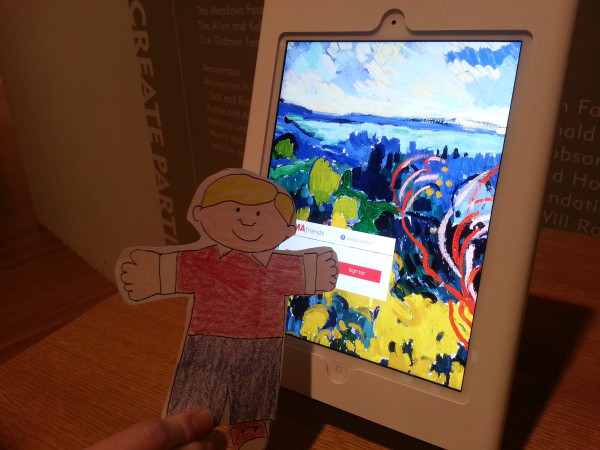
Flat Stanley has returned for another visit to the DMA, and boy was he excited to learn about our new Friends program. He decided to sign up to discover new ways he could have fun at the Museum.

20130307_182615

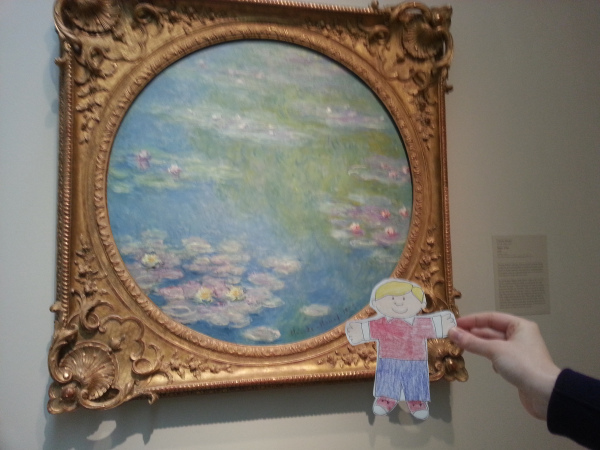
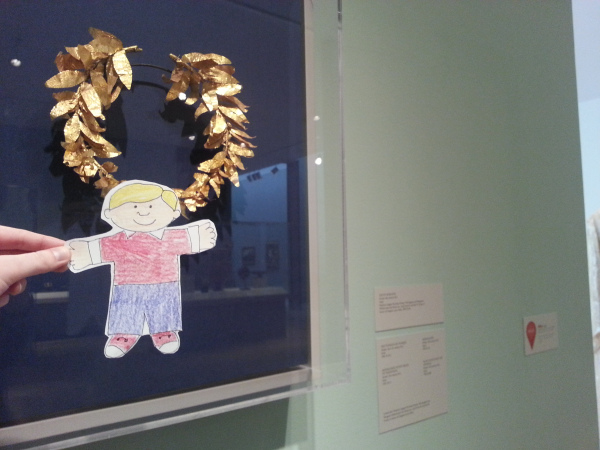
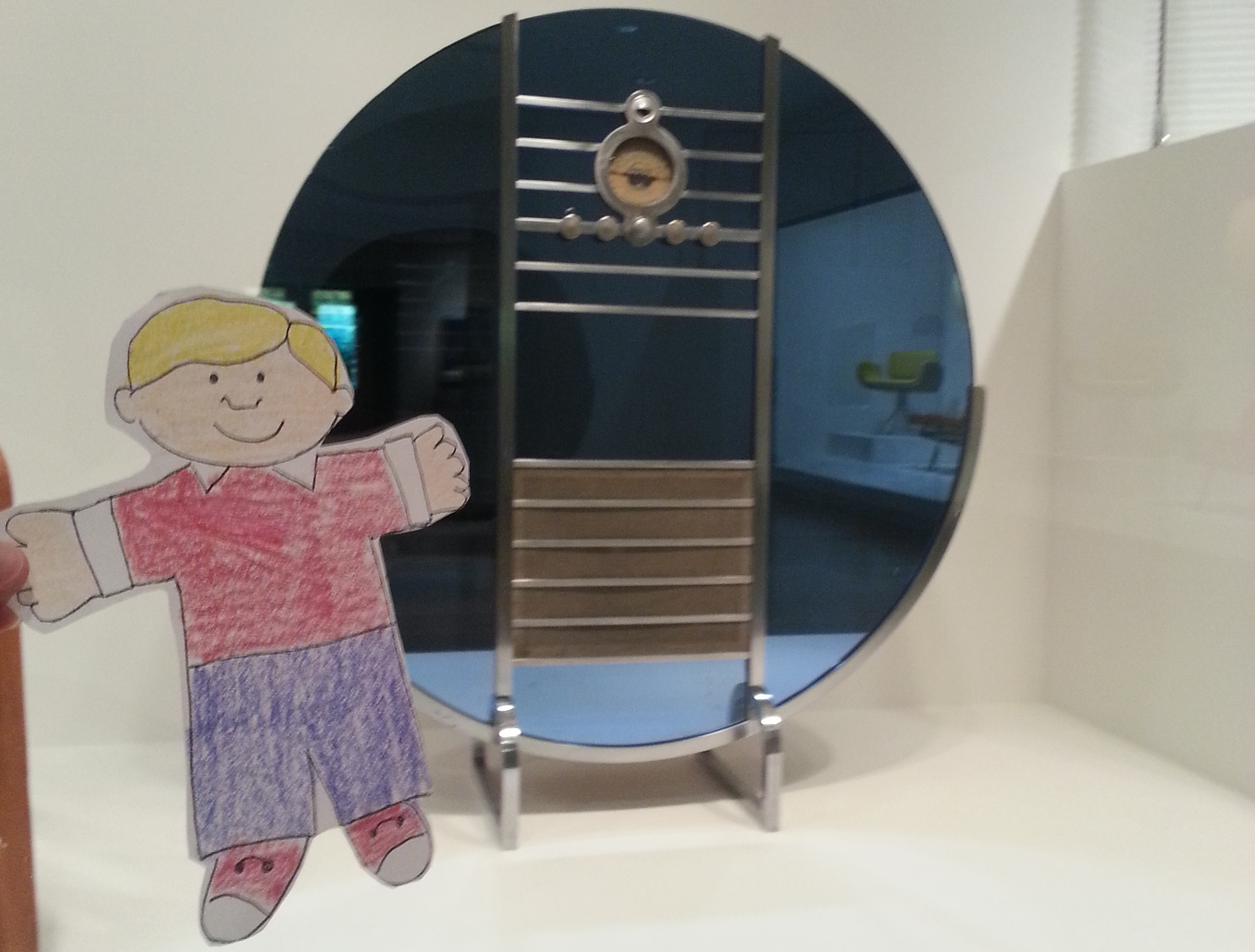
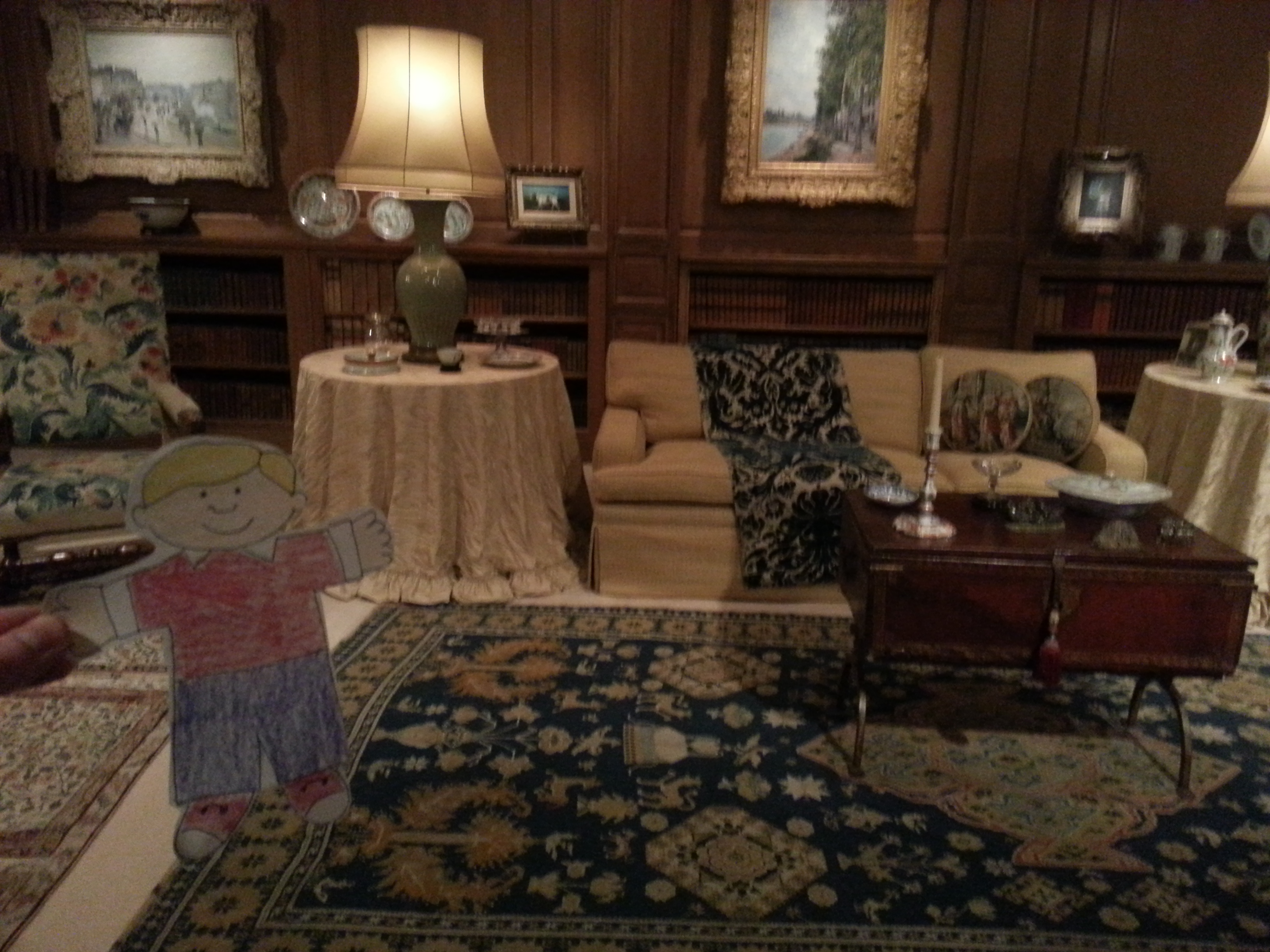
Flat loves European art, so he was really interested in completing the Grand Tour badge. After visiting the Monet and the ancient gold wreath on the second floor, he walked up to the third floor and found some super cool decorative arts. His final stop was the Reves Collection.

20130308_111842(0)

20130308_111645

Can you spot the gallery code label?

20130308_111206

20130308_111311

Visiting the Reves Collection Library

20130308_124350

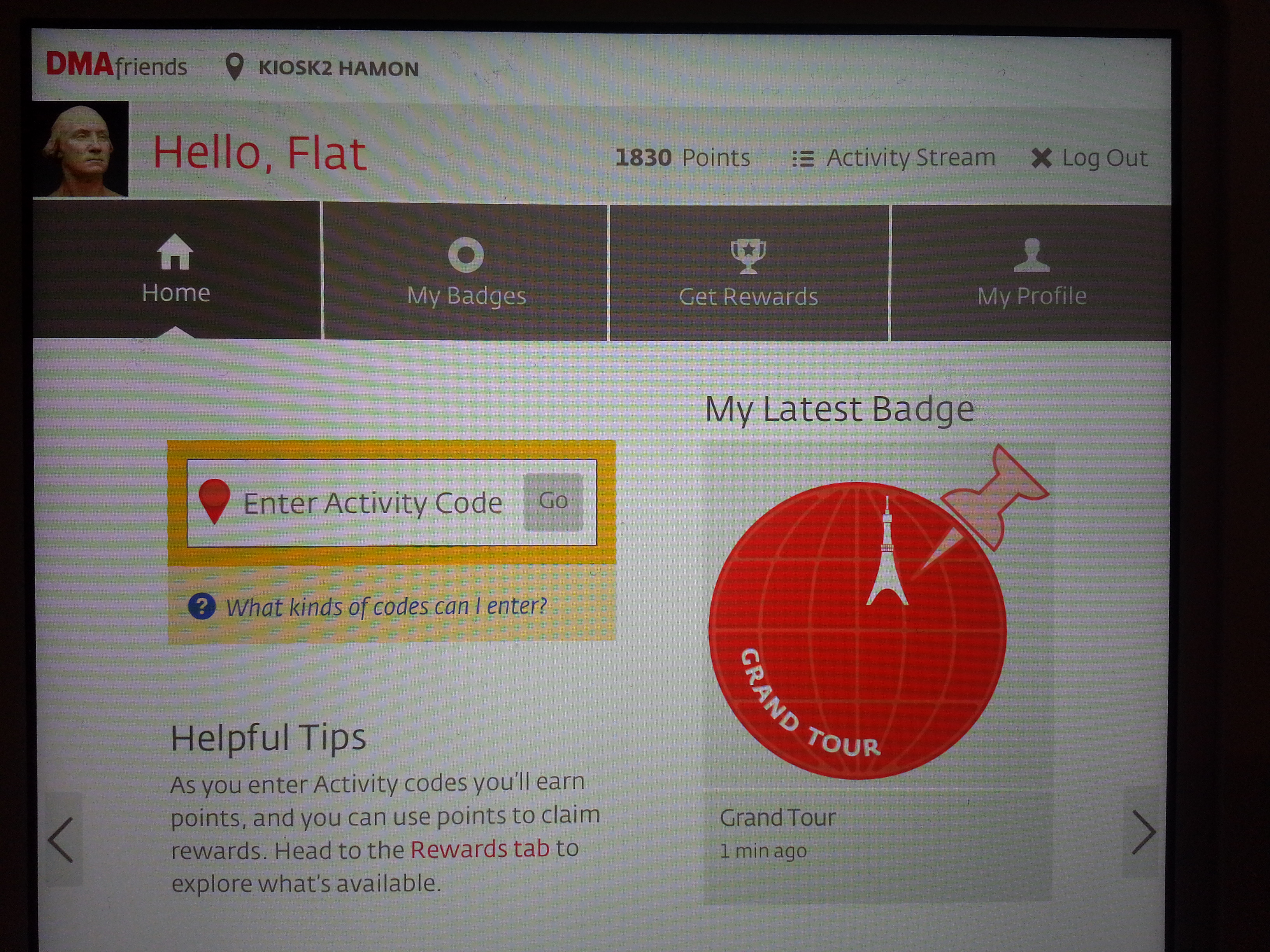
After touring all those wonderful galleries, he went back down to the Friends kiosk. Once he entered all the codes, he received the Grand Tour badge. Hooray!

Have fun like Flat Stanley and sign up to be a Friend during your next visit. And if you see Flat in the galleries, be sure not to accidentally step on him!

Artworks visited by Flat Stanley:

  • Claude Monet, Water Lilies, 1908, Dallas Museum of Art, gift of the Meadows Foundation
  • Olive Wreath, Greek, 4th century B.C., Dallas Museum of Art, Museum League Purchase Funds, The Eugene and Margaret McDermott Art Fund, Inc., and Cecil H. and Ida M. Green in honor of Virginia Lucas Nick
  • Walter Dorwin Teague, “Nocturne” radio (Model 1186), designed c. 1935, Dallas Museum of Art, The Patsy Lacy Griffith Collection, gift of Patsy Lacy Griffith by exchange

Sarah Coffey
Assistant to the Chair of Learning Initiatives
Culinary Canvas: Lemon Scones

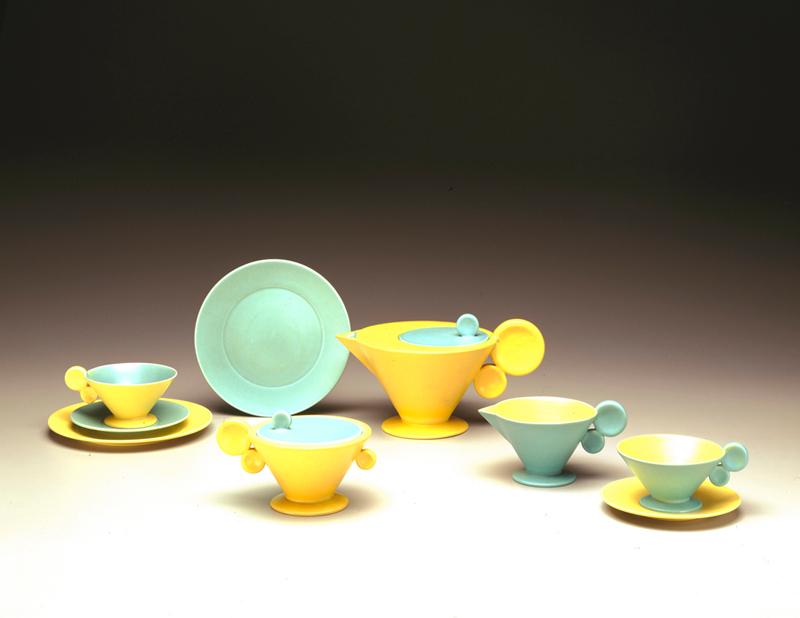
Afternoon tea is an activity I have come to thoroughly enjoy, especially after having experienced it at Harvey Nichols in London. While I do like a good cup of tea, really I’m just a sucker for the delightful assortment of goodies that accompany it–and scones are definitely my favorite! So this month I was inspired by our striking lemon yellow tea service to make a lemon scone. This tasty, not too sweet treat is the perfect companion to a nice spot of tea.

Margarete Heymann-Marks, Tea Service, designed c. 1930, designer, Dallas Museum of Art, 20th-Century Design Fund

Margarete Heymann-Marks, Tea Service, designed c. 1930, Dallas Museum of Art, 20th-Century Design Fund

Lemon Scones

Yields 8 scones
Level: Easy

Scones:

2 cups all-purpose flour
1 tablespoon baking powder
3 heaping tablespoons sugar
½ teaspoon salt
Zest of 1 small lemon
4 tablespoons (½ stick) cold unsalted butter, cut into cubes
1 egg, lightly beaten
¾ cup heavy cream

Glaze:

Juice of 1 small lemon
Heaping ½ cup powdered sugar

Preheat oven to 425° F. Line baking sheet with parchment paper.

Scones: In medium mixing bowl, whisk together flour, baking powder, sugar, salt, and lemon zest. Using a pastry blender or two forks, cut in cold butter until mixture resembles coarse meal.

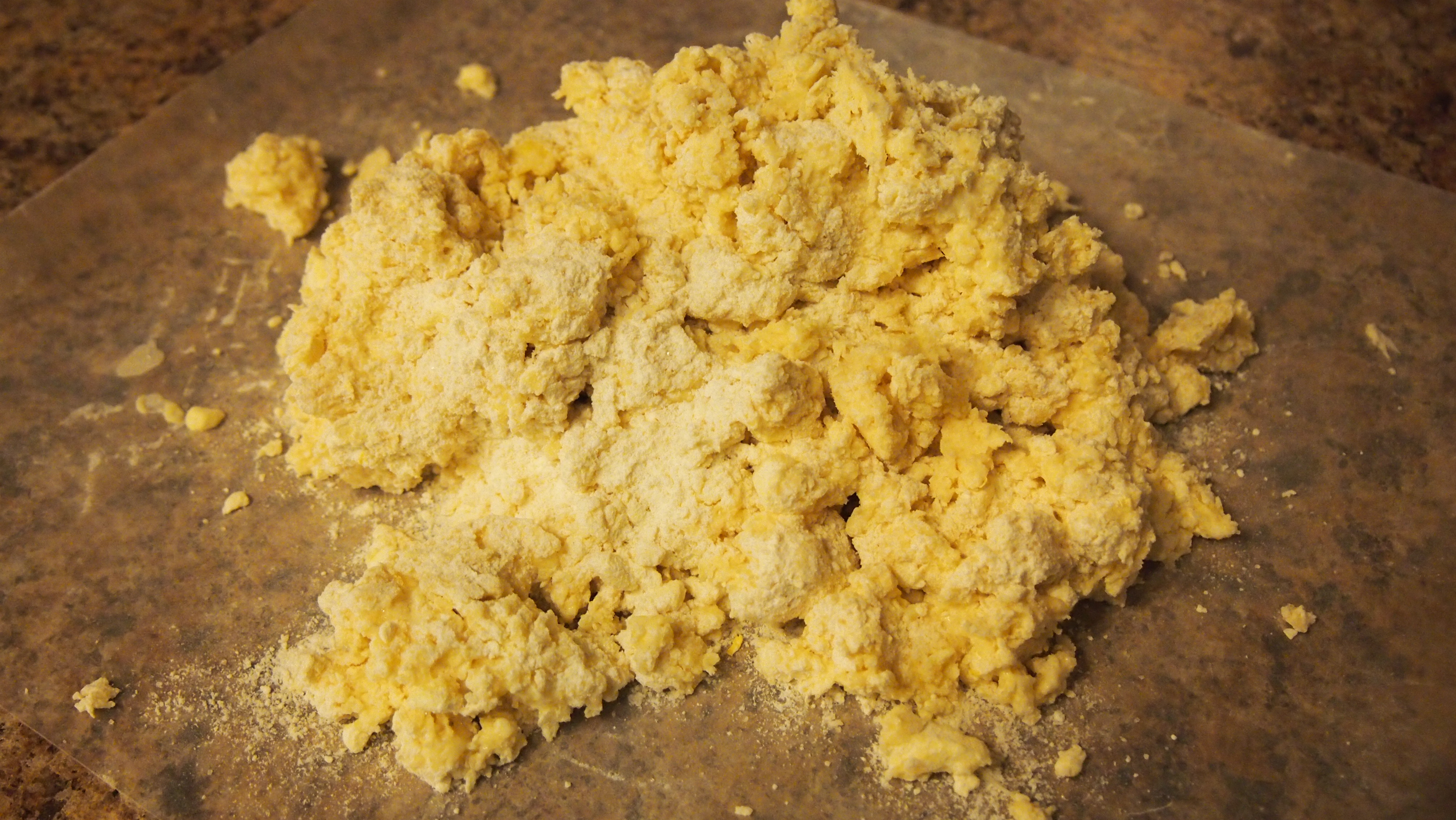
Combine beaten egg with cream and stir into dry ingredients with rubber spatula just until dough begins to form. Turn out mixture onto wax paper and knead lightly by hand until most flour is combined. Pat dough into a flat, slightly circular mass about 1 inch thick.

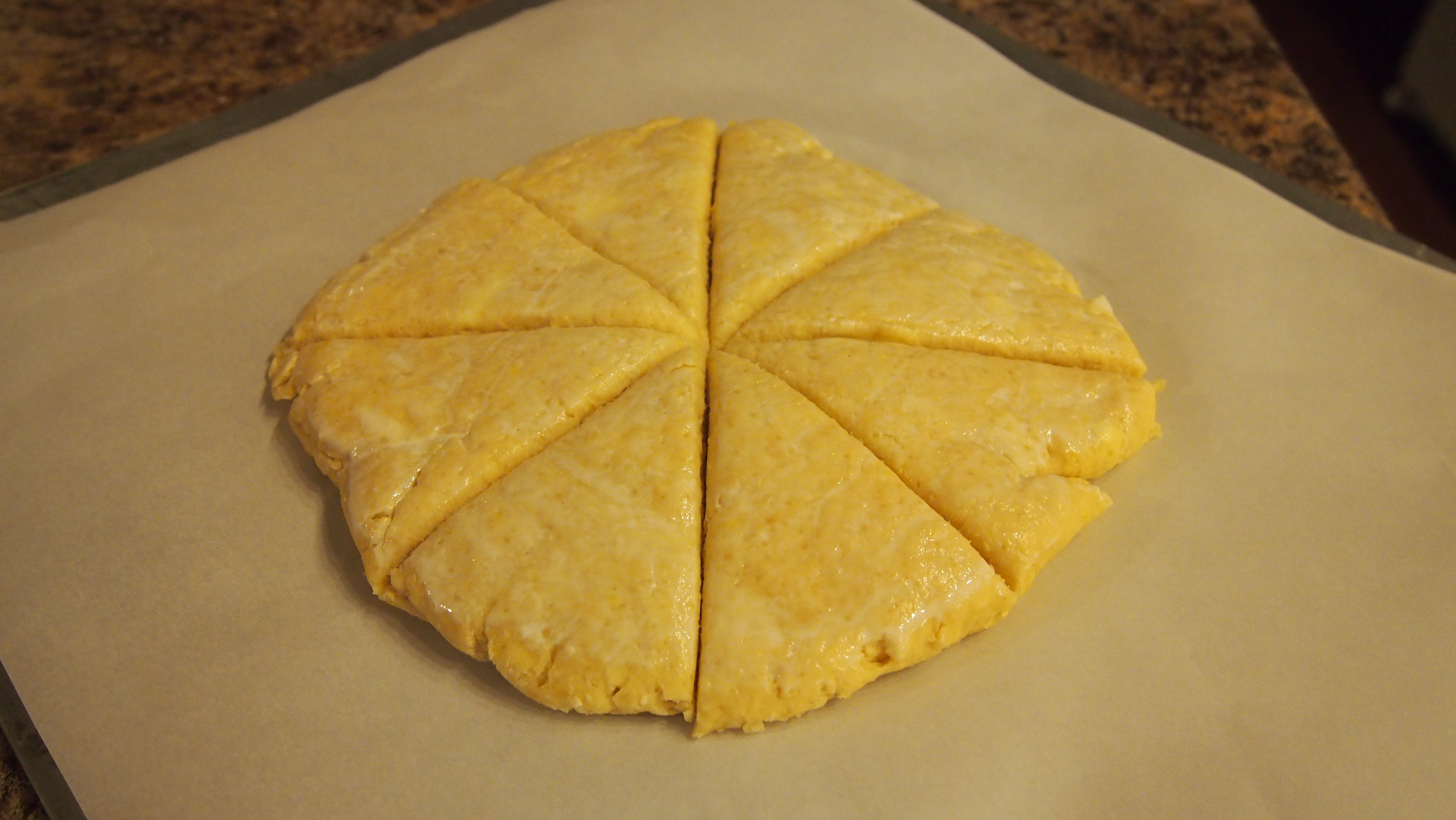
Place dough on baking sheet and cut into 8 wedges. Brush top with additional cream if desired and spread out wedges on sheet. Bake until tops of scones are light brown and centers are flaky, about 13-15 minutes. Allow to cool slightly on baking sheet then transfer to metal rack to cool completely.

Glaze: Whisk together lemon juice and sugar in small bowl until smooth. Additional sugar or juice can be added to achieve desired consistency.

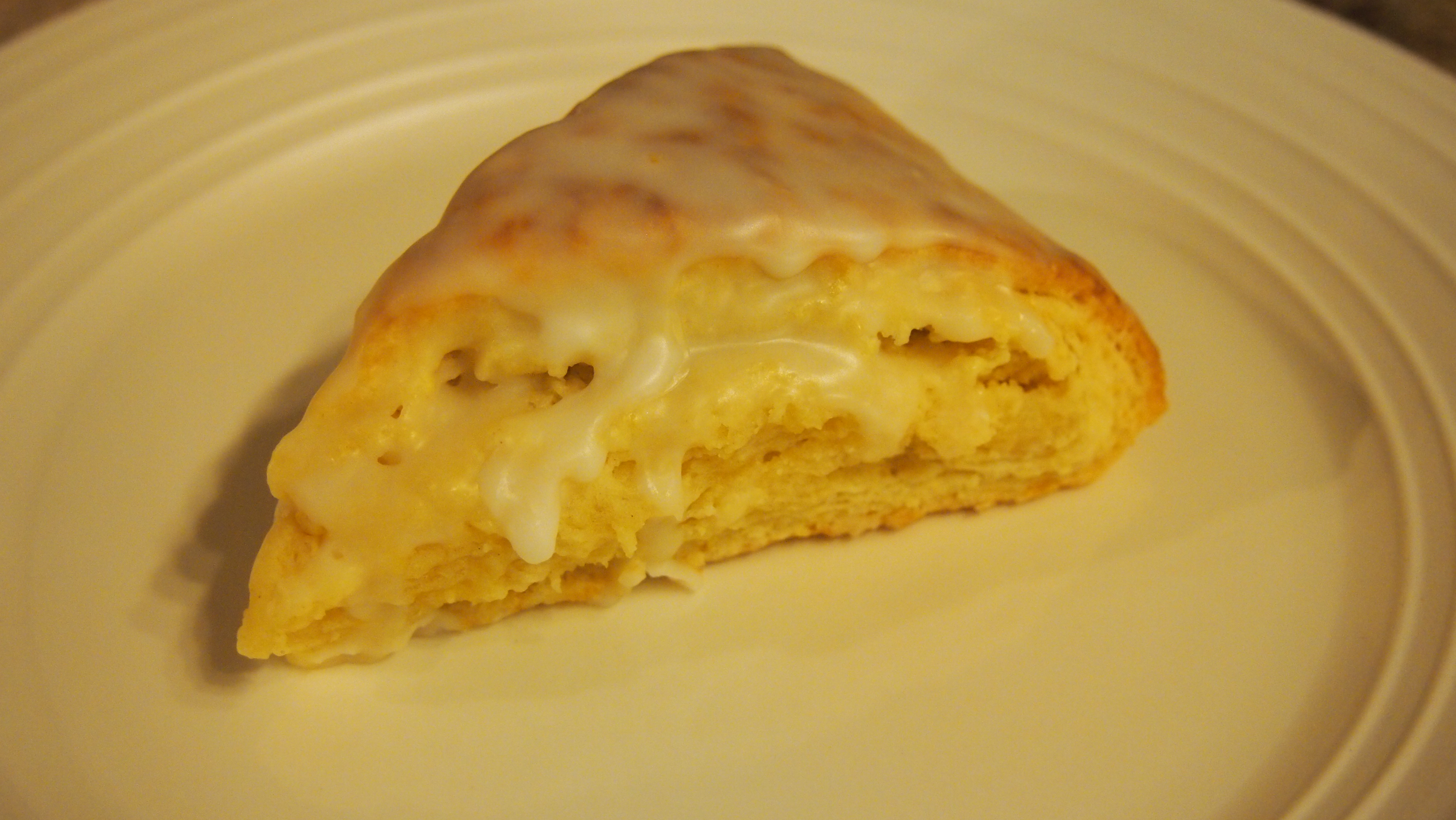
Pour glaze onto cooled scones until completely covered. Allow glaze to set and serve at room temperature.


OLYMPUS DIGITAL CAMERA

Dough prior to kneading

OLYMPUS DIGITAL CAMERA

Dough cut into wedges

OLYMPUS DIGITAL CAMERA

Recipe adapted from Baking Illustrated.

Sarah Coffey
Assistant to the Chair of Learning Initiatives
Culinary Canvas: Cake Batter Sprinkle Cookies

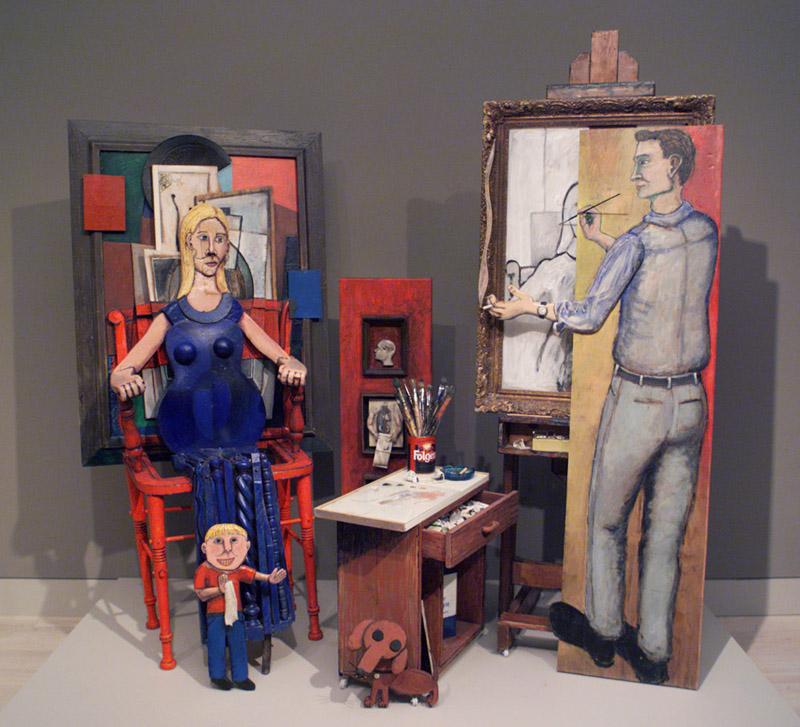
This month, I wanted to solve one of my cooking conundrums: What to do with leftover egg yolks? After only using the whites in a recipe or for breakfast, the poor yolks might end up wastefully tossed in the trash. In the spirit of reducing waste and making something out of materials on hand, the inspiration for this month’s recipe is Family Portrait 1963, currently on view in C3. Martin Delabano created this unique sculpture of his family out of recycled and reused objects, like a coffee can and a guitar. These tasty cookies will undoubtedly bring your family together, all while making use of something you might have thrown away.

2001_358_A_F

Martin Delabano, Family Portrait 1963, 2001, Dallas Museum of Art, gift of Mr. and Mrs. Bryant M. Hanley, Jr., Lorine and David H. Gibson, and Sonny Burt and Bob Butler

Cake Batter Sprinkle Cookies

Yields about 50 cookies
Level: Very Easy

½ cup (1 stick) unsalted butter, room temperature
1 cup sugar
1 teaspoon almond extract
3 egg yolks
1 ½ cups all-purpose flour
½ teaspoon baking powder
½ teaspoon salt
½ cup colorful sprinkles, preferably jimmies

Preheat oven to 350° F. Line rimmed baking sheet with parchment paper.

In the bowl of a stand mixer fitted with paddle attachment, cream butter and sugar, beating at medium speed until light. Add almond extract and egg yolks and continue mixing until fully combined.

Sift together flour, baking powder, and salt onto wax paper. Slowly add flour mixture to mixer, mixing on low speed and scraping down sides of bowl until just incorporated. Remove bowl from mixer and stir in sprinkles by hand with rubber spatula.

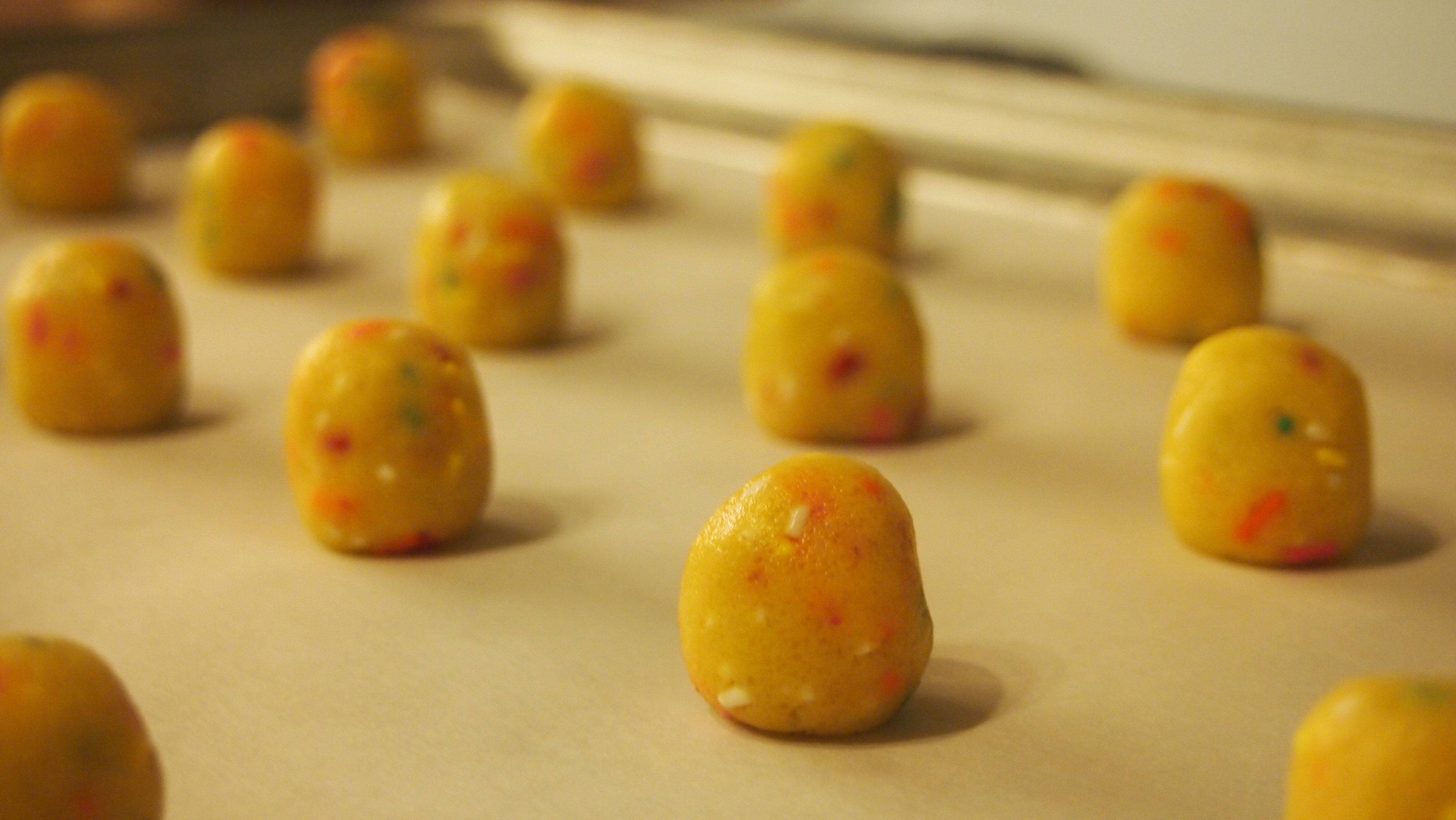
To form cookies, scoop off about a teaspoon of dough then roll between hands to shape a ball slightly taller than it is wide. Bake until just crinkled on top, about 11-12 minutes, watching closely to ensure cookies do not brown.

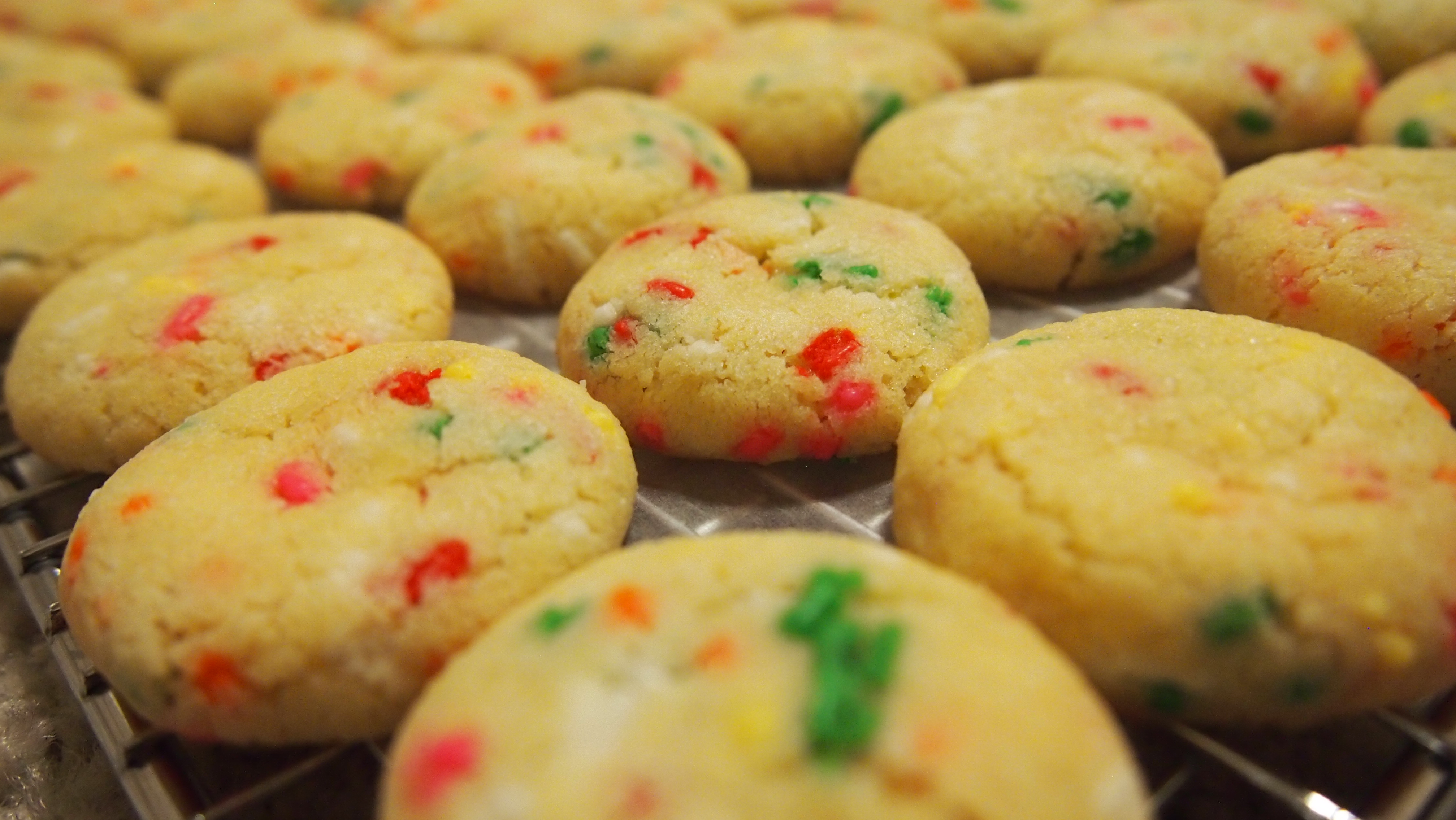
When removed from oven, cookies will look very soft and should remain so at room temperature. Allow to cool slightly on baking sheet then transfer to metal rack to cool completely.


OLYMPUS DIGITAL CAMERA

Recipe adapted from Sally’s Baking Addiction.

Sarah Coffey
Assistant to the Chair of Learning Initiatives
Friday Photos: Merci Beaucoup!

Over the last few months, we grew quite fond of Posters of Paris: Toulouse-Lautrec and his Contemporaries here at the DMA and were sad to see it go last Sunday. Our Poster Studio in particular was always such a lively space, full of creative visitors designing their own posters inspired by the exhibition. We wouldn’t have been able to offer this engaging activity without the help of our amazing volunteers, both new and experienced. Their contributions made the Poster Studio a reality and we are so grateful for their support!

As a final adieu, I wanted to share some fun and amazing facts about our Poster Studio:

  • Number of Posters Created: 7500
  • Number of Dry Erase Markers Used: 646
  • Number of Hours Volunteered: 773

And the title of Most Valuable Volunteer goes to Chuck D’Arcy, who volunteered a whopping 74 hours of his time. Thanks to Chuck and all of our other volunteers–we couldn’t do it without you!

For a full size view of the Poster Studio, click through the above images. C’est magnifique!

Sarah Coffey
Assistant to the Chair of Learning Initiatives
Culinary Canvas: Almond Crescents

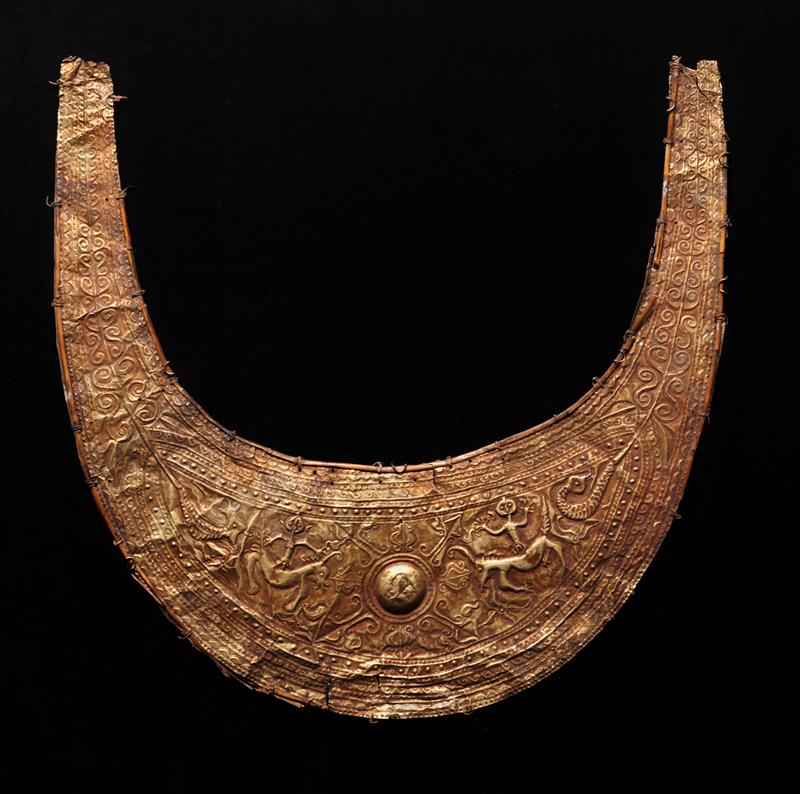
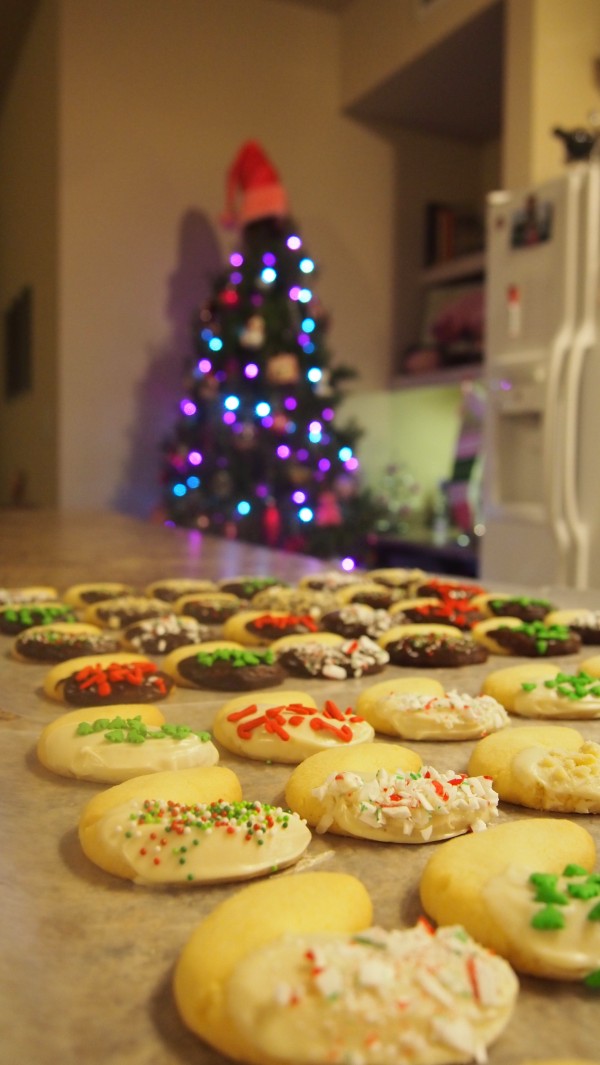
The inspiration for this month’s recipe is a crescent-shaped tobelo, a sacred object from Indonesia used to connect with ancestral spirits. In my family, baking serves as a connector between generations, and at no time is this more true than the holiday season. In that spirit, be sure to bake this crescent-shaped cookie with your family and let everyone explore their artistic side with the decorations!

2008_65

Crescent-shaped ornament (tobelo), 19th Century, Dallas Museum of Art, gift of The Nasher Foundation in honor of Patsy R. and Raymond D. Nasher

Almond Crescents

Yields about 60 cookies
Level: Easy

Cookies:

1 cup blanched slivered almonds, lightly toasted
2 ¼ cups all-purpose flour
1 cup (2 sticks) unsalted butter, room temperature
¾ cup sugar
1 ½ teaspoons vanilla extract

Topping:

2 ounces good quality dark chocolate, coarsely chopped
2 ounces good quality white chocolate, coarsely chopped
Decorations: crushed candy cane, chopped toasted almonds, coarse sugar, sprinkles

Preheat oven to 350° F. Line rimmed baking sheet with parchment paper.

Cookies: Place almonds in food processor and process into a fine crumb. In a medium bowl, stir together processed almonds with flour. In the bowl of a stand mixer fitted with paddle attachment, cream butter, sugar, and vanilla, beating at medium speed until light and fluffy, about 2-3 minutes. Add flour mixture to mixer in three batches, mixing on low speed until just combined.

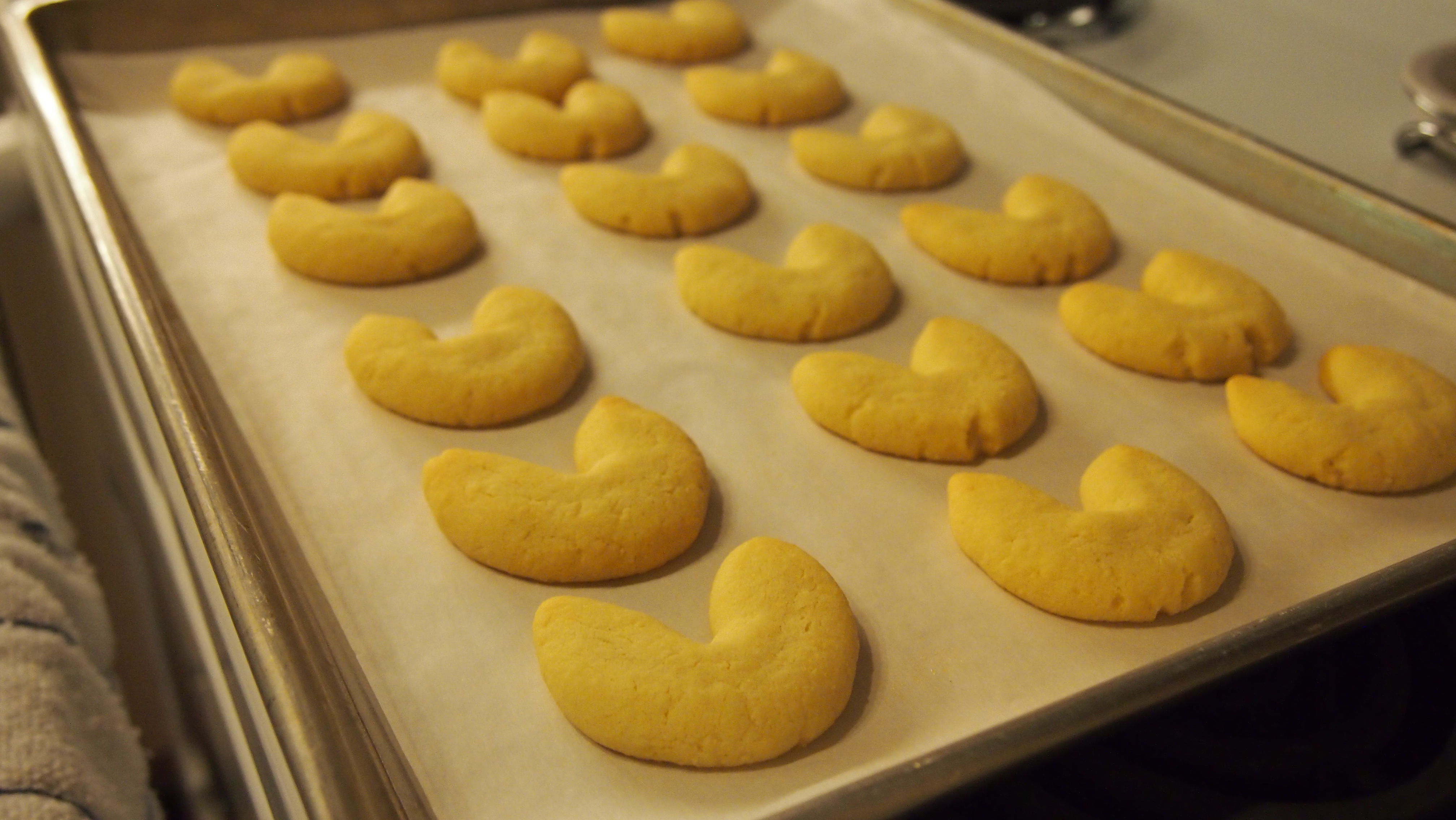
To form cookies, scoop off about a tablespoon of dough then roll between hands to shape into a log about 3 inches long. Place on baking sheet, then pull ends down and pinch to form a crescent shape, leaving about 1 inch between each cookie. When sheet is full, gently press down each cookie to flatten slightly. Bake until golden on bottom, about 13-15 minutes. Allow to cool slightly on baking sheet then transfer to metal rack to cool completely.

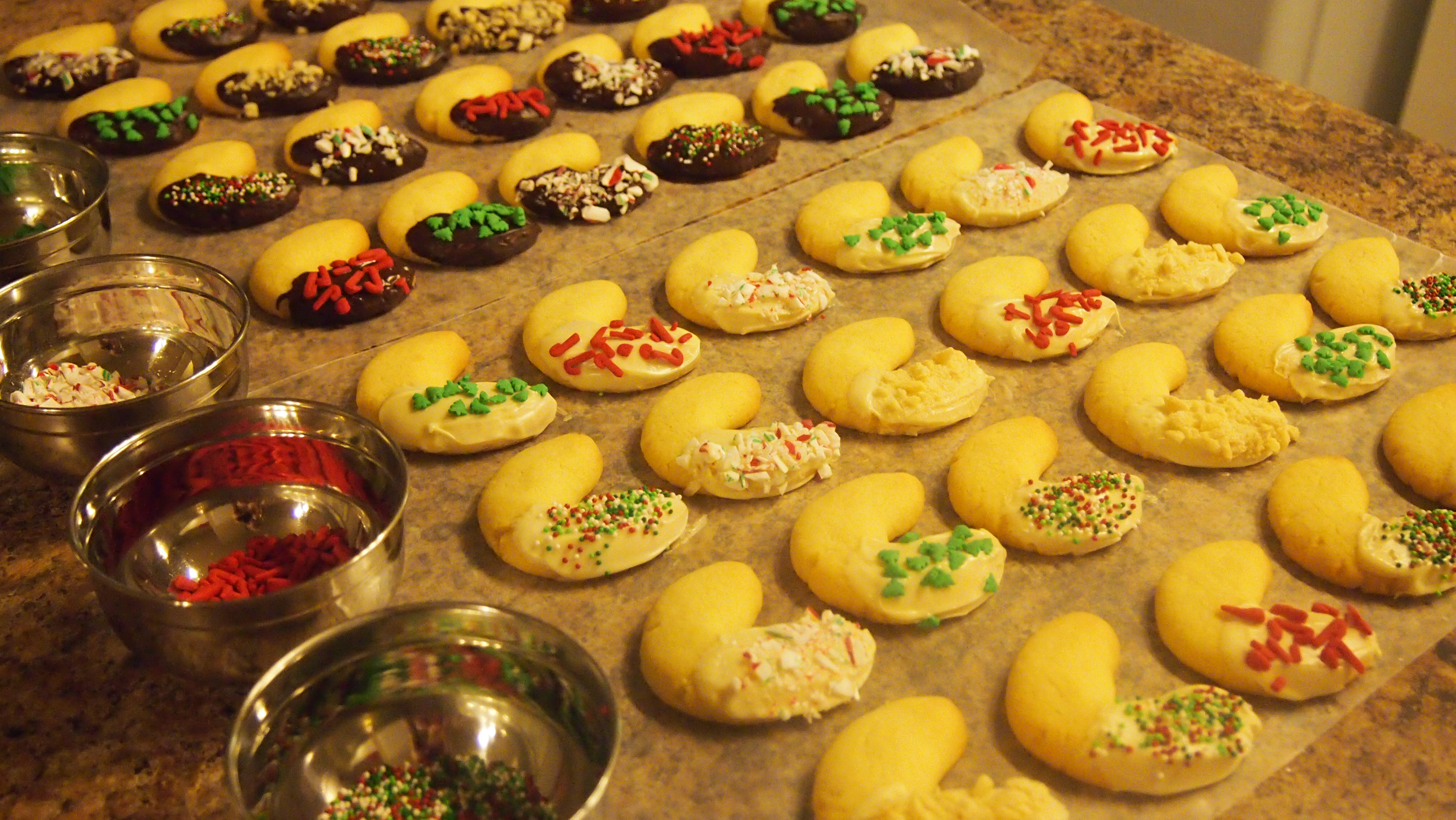
Topping: Whisk dark chocolate in a glass bowl set over a small pot of simmering water until mostly melted, then remove from heat and whisk until smooth. Once cookies have cooled, dip one end of each into chocolate then sprinkle with desired decoration. Place on wax paper to dry. Repeat process with white chocolate.

 
OLYMPUS DIGITAL CAMERA

OLYMPUS DIGITAL CAMERA

OLYMPUS DIGITAL CAMERA

Recipe adapted from Very Merry Cookie Party.

Sarah Coffey
Assistant to the Chair of Learning Initiatives
Tis the Season

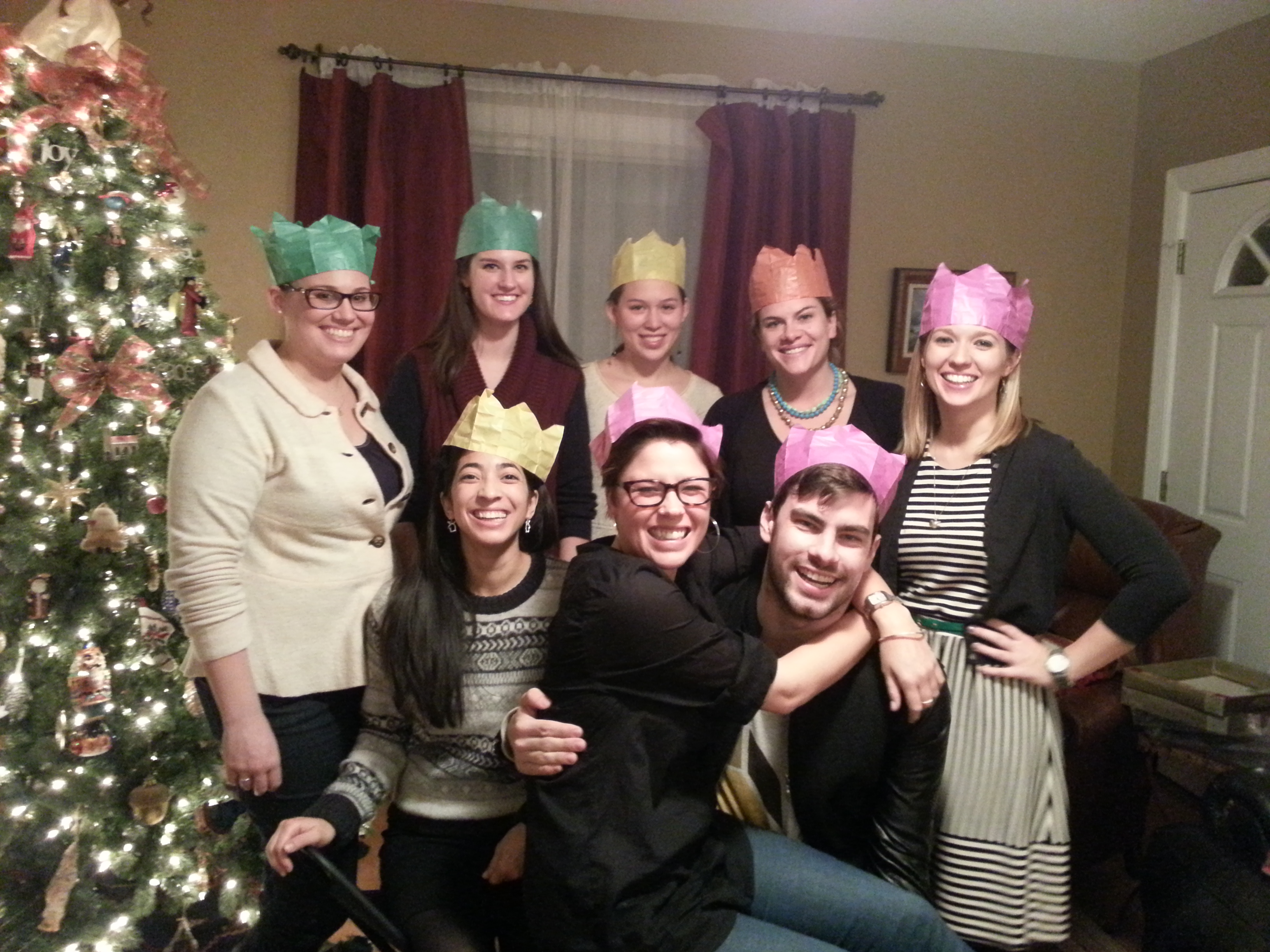
Last night we raised a glass in honor of our hardworking interns at our annual McDermott Intern Holiday Party. The festivities included holiday crackers, complete with some fancy headwear which they donned in front of the tree.

20121213_193135

We hope the holidays will find you just as merry and bright!

Sarah Coffey
Assistant to the Chair of Learning Initiatives
Culinary Canvas: Pumpkin Streusel Muffins

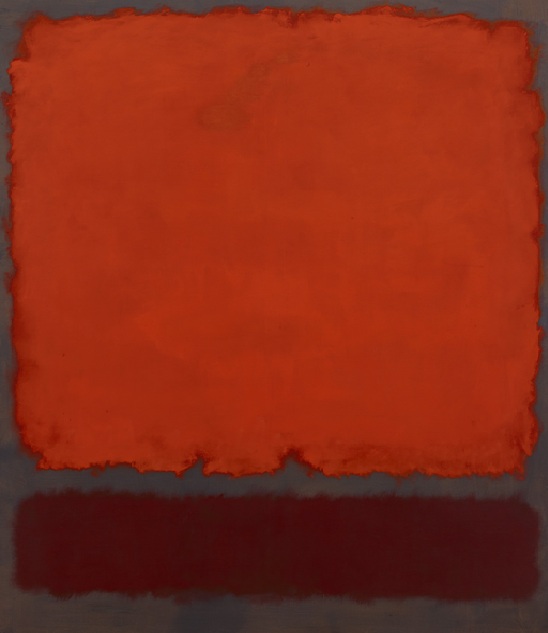
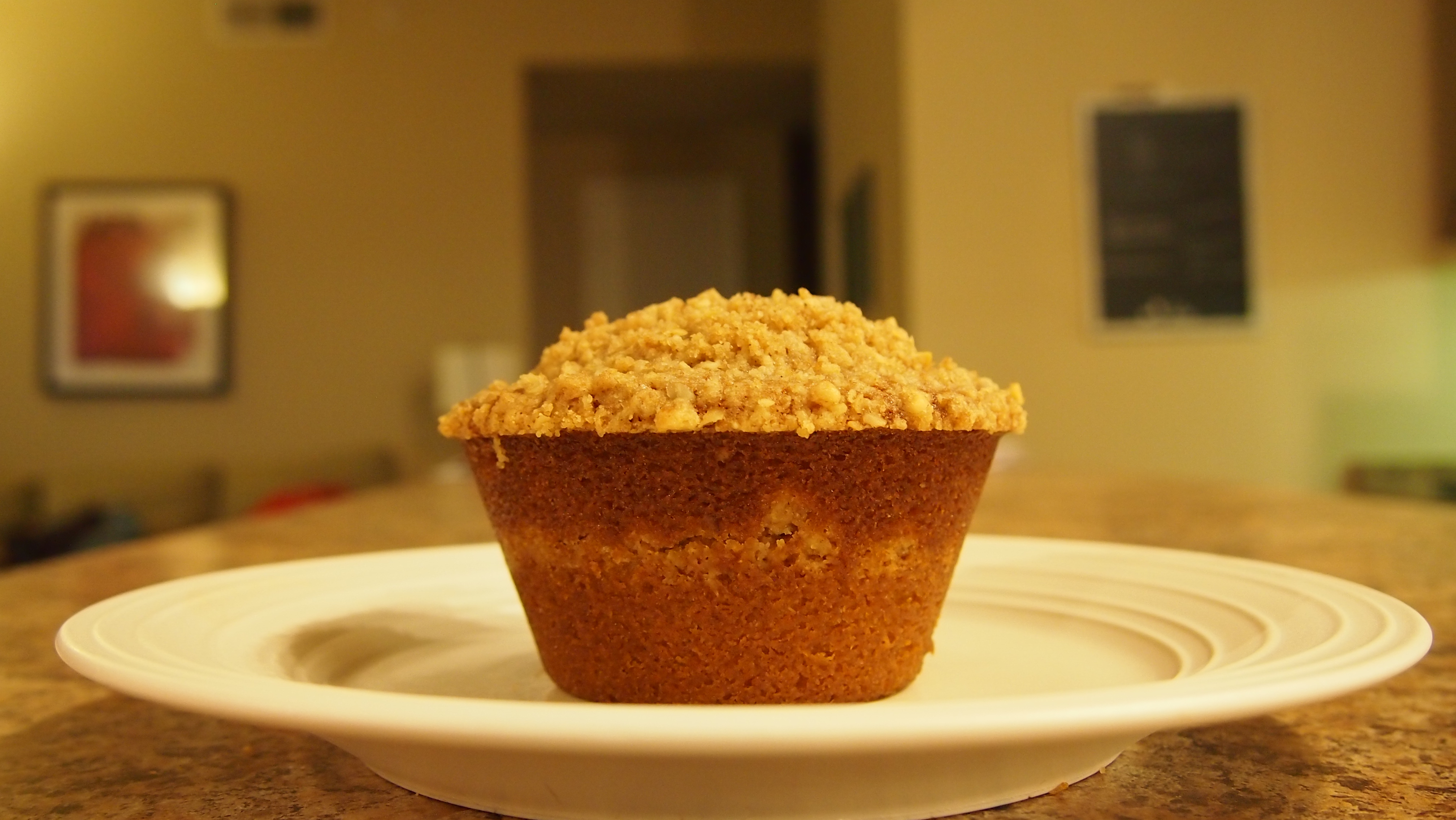
This month’s recipe is inspired by one of my favorite artworks in the collection, Orange, Red and Red. Like Rothko’s work, these muffins are composed of layers that add to a more complex flavor. And with Thanksgiving only yesterday, they’re the perfect way to utilize that leftover pumpkin for a Black Friday breakfast. Enjoy!

Mark Rothko, Orange, Red and Red, 1962, Dallas Museum of Art, gift of Mr. and Mrs. Algur H. Meadows and the Meadows Foundation, Incorporated

Pumpkin Streusel Muffins

Yields 12 regular or 6 large muffins
Level: Easy

Streusel:

¼ cup flour
¼ cup walnuts or pecans, finely chopped
¼ cup packed brown sugar
¼ teaspoon cinnamon
Pinch of salt
3 tablespoons cold unsalted butter

Muffins:

½ cup (1 stick) unsalted butter, melted
1 cup sugar
1 cup pumpkin puree
3 ounces nonfat vanilla yogurt
2 eggs, beaten
1 ½ teaspoons vanilla extract
½ teaspoon fresh ginger, finely grated
1 ½ cups all-purpose flour
1 teaspoon cinnamon
1 teaspoon baking soda
1 teaspoon salt
½ teaspoon baking powder
½ teaspoon nutmeg

Preheat oven to 350° F. Line muffin pan with paper liners or lightly spray muffin pan with nonstick cooking spray.

Streusel: Stir together flour, nuts, brown sugar, cinnamon and salt in small bowl. Using a pastry blender or two forks, cut in cold butter until mixture forms into small crumbs. Set aside.

Muffins: In medium bowl, whisk together melted butter, sugar, pumpkin, yogurt, eggs, vanilla and ginger until combined. In another bowl, stir together flour, cinnamon, baking soda, salt, baking powder and nutmeg. Add flour mixture to pumpkin mixture in two batches, stirring with a rubber spatula until just combined.

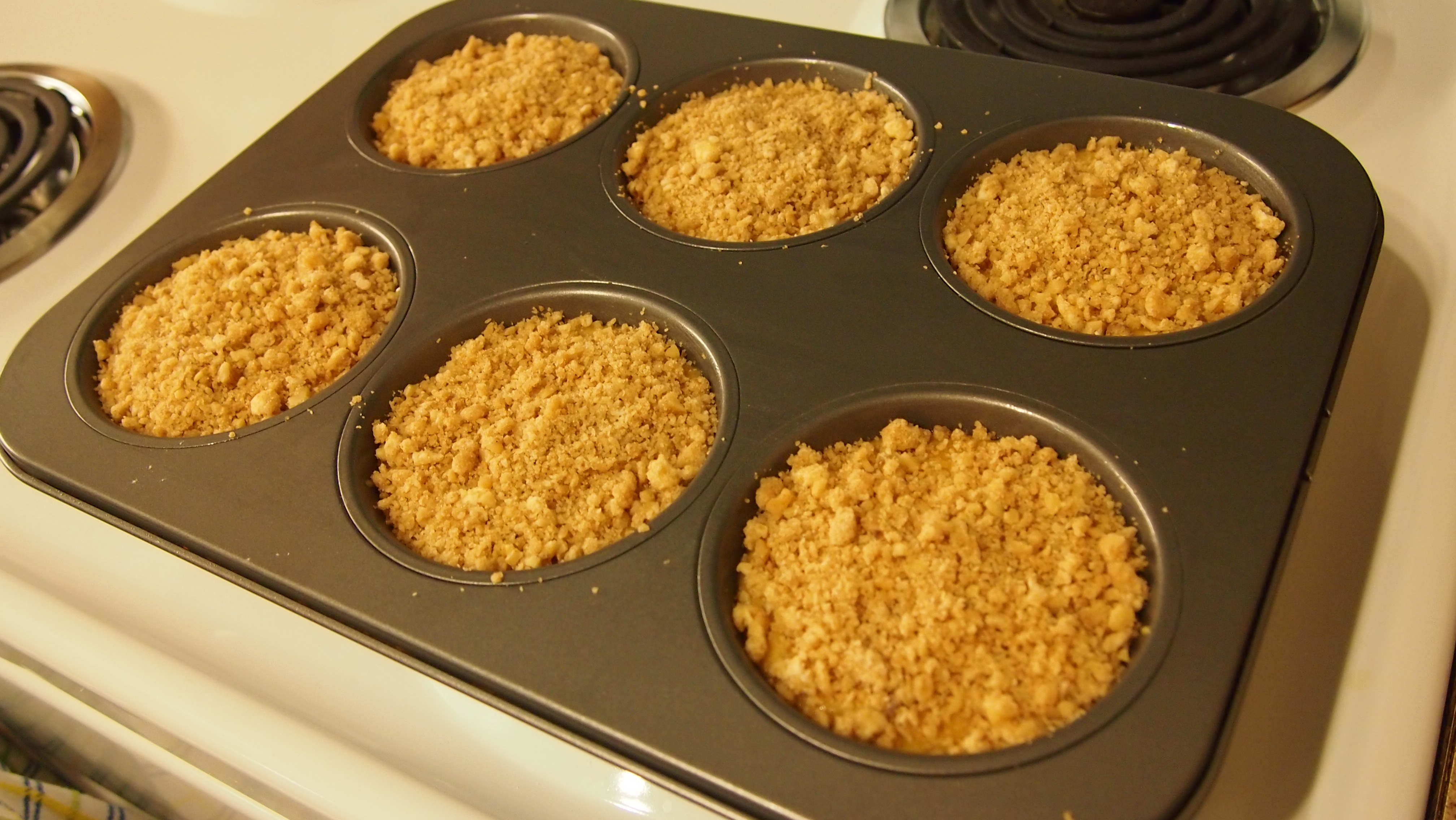
Divide batter evenly between muffin cups, filling each cup slightly less than ½ full. Spoon an even layer of streusel into each cup. Cover streusel with remaining batter until each cup is ¾ full. Spoon remaining streusel on top of batter, evenly covering each muffin.

Bake 18-22 minutes, or until a toothpick inserted in the center comes out clean.


Recipe adapted from CHEFS Pumpkin Walnut Bread with Streusel.

Sarah Coffey
Assistant to the Chair of Learning Initiatives
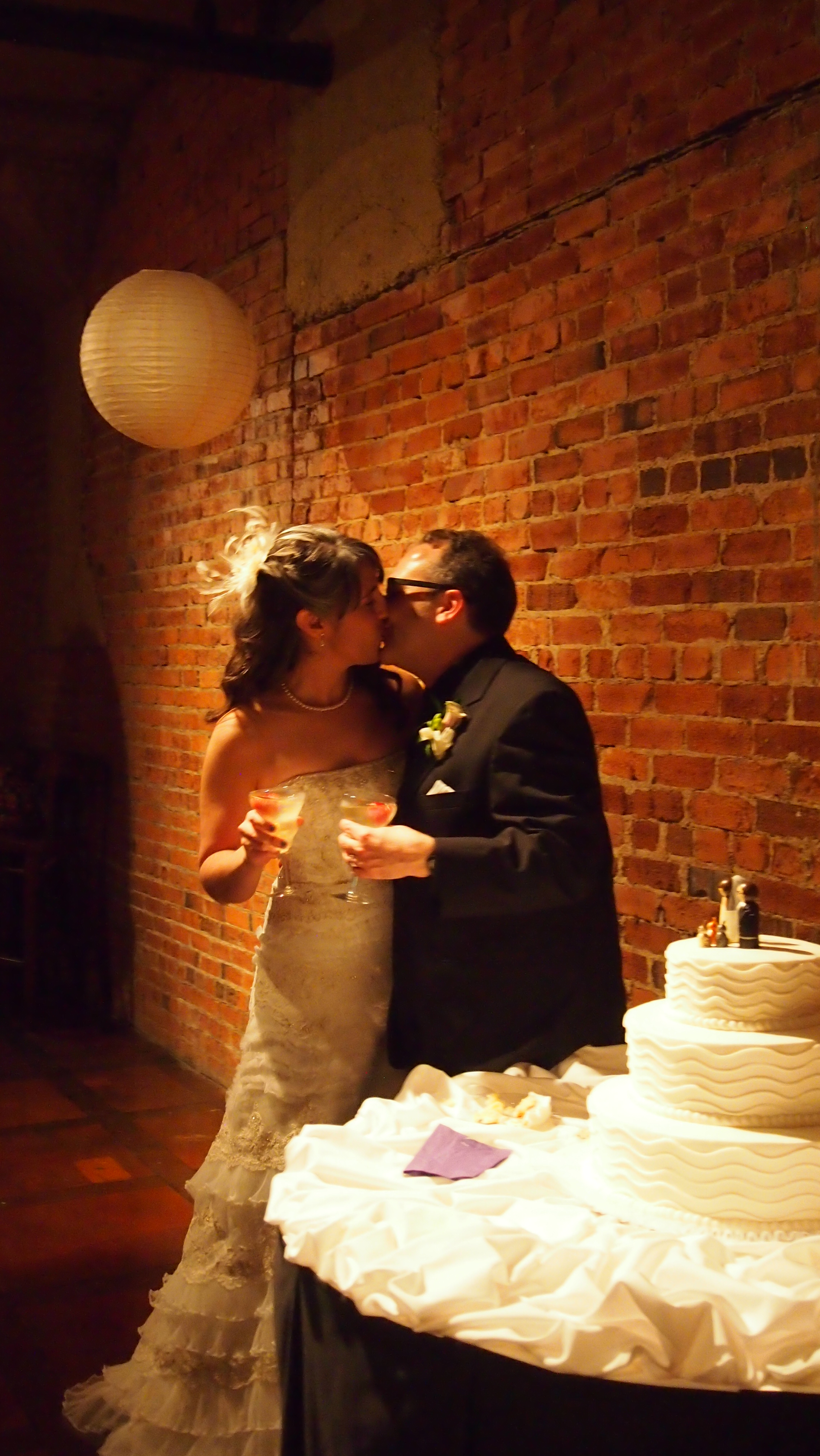
A DMA I Do

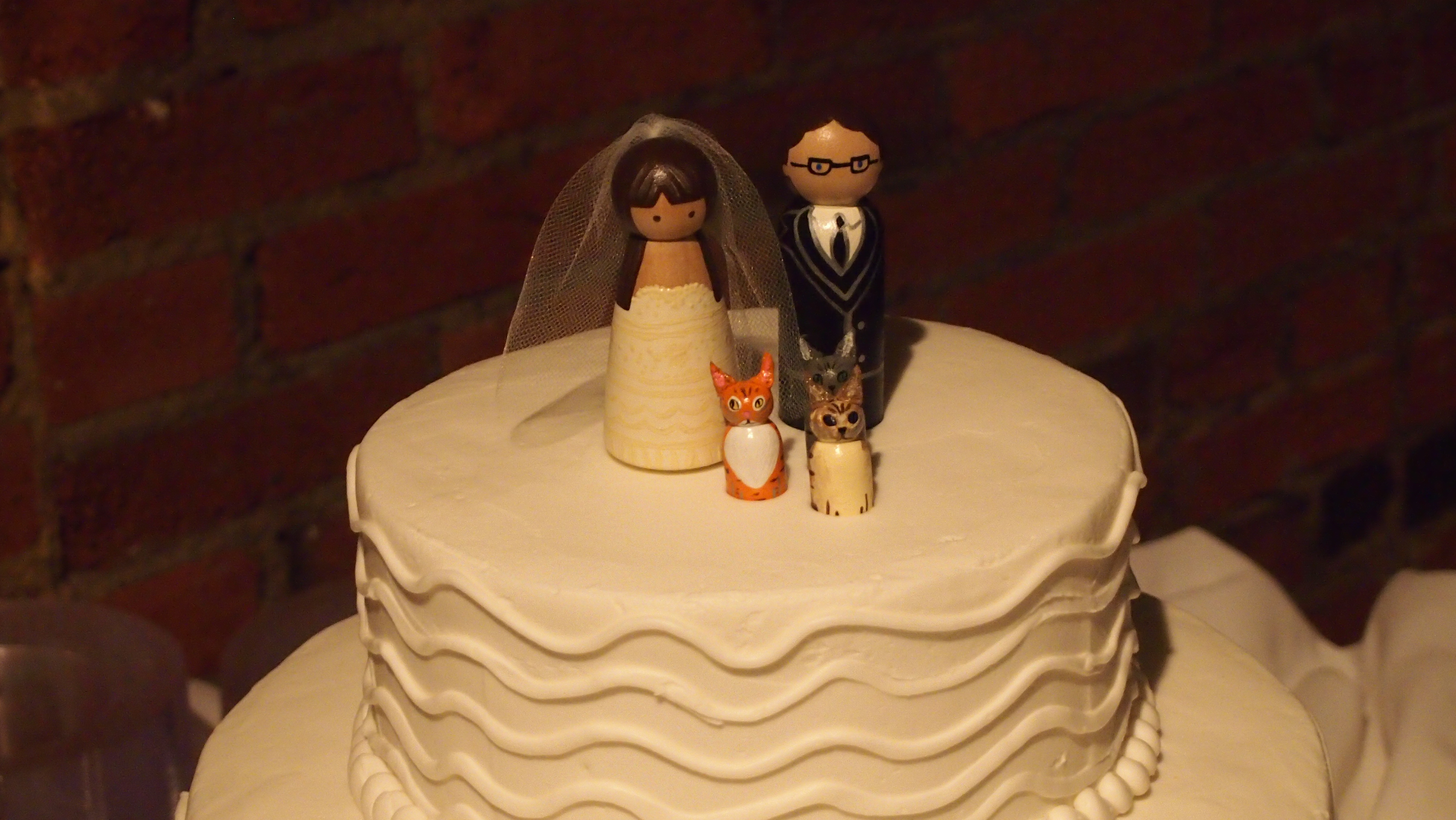
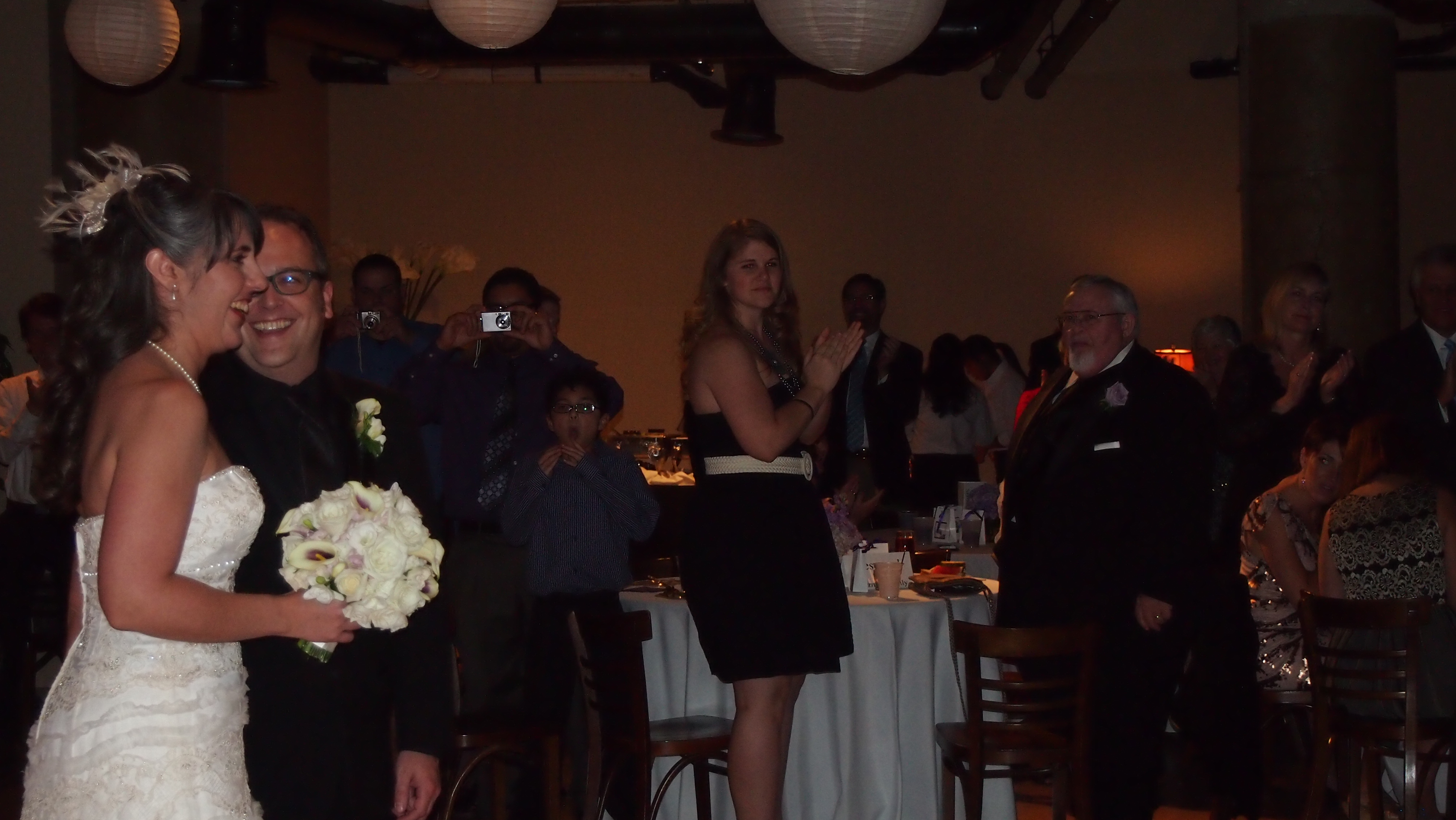
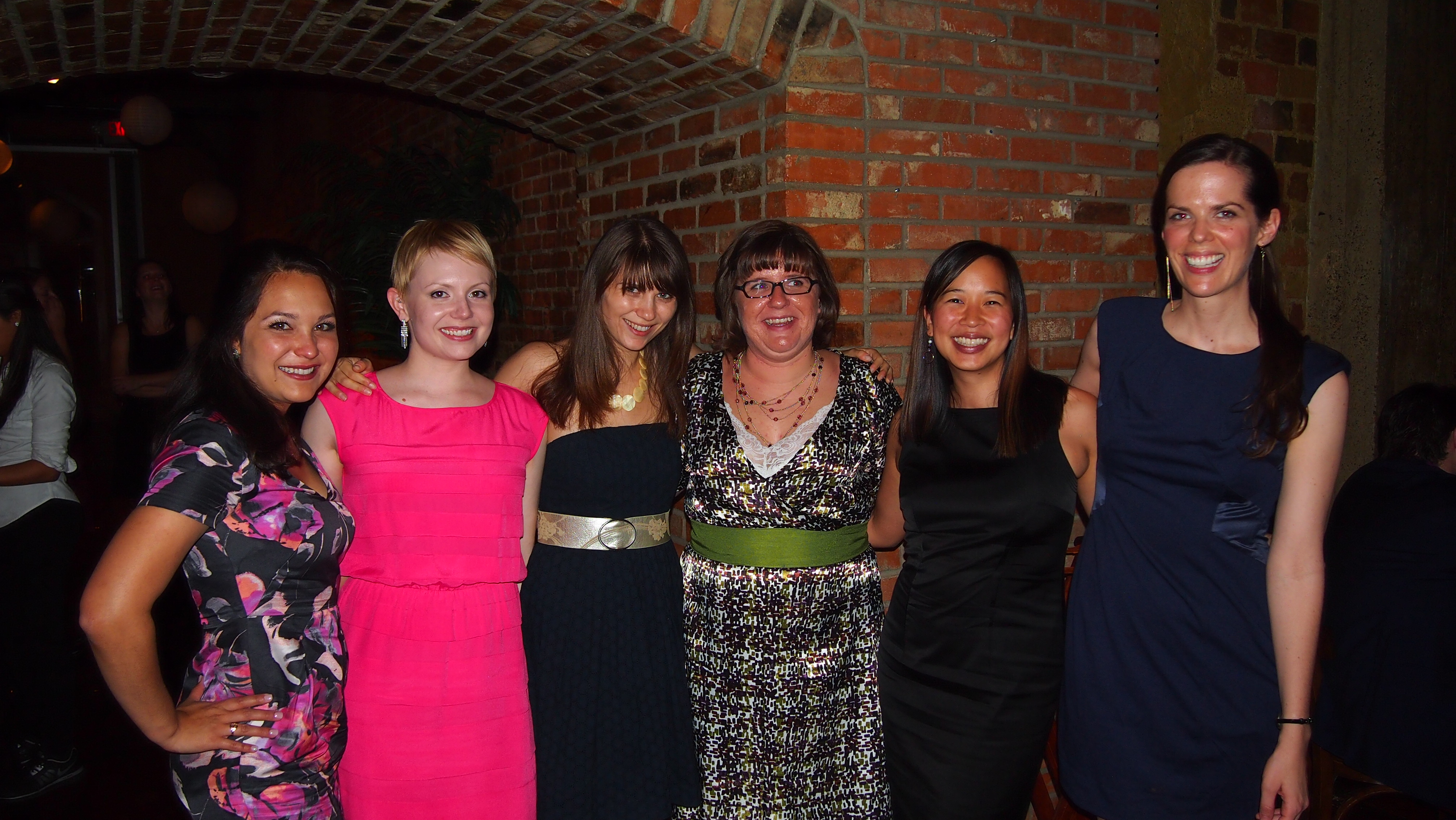
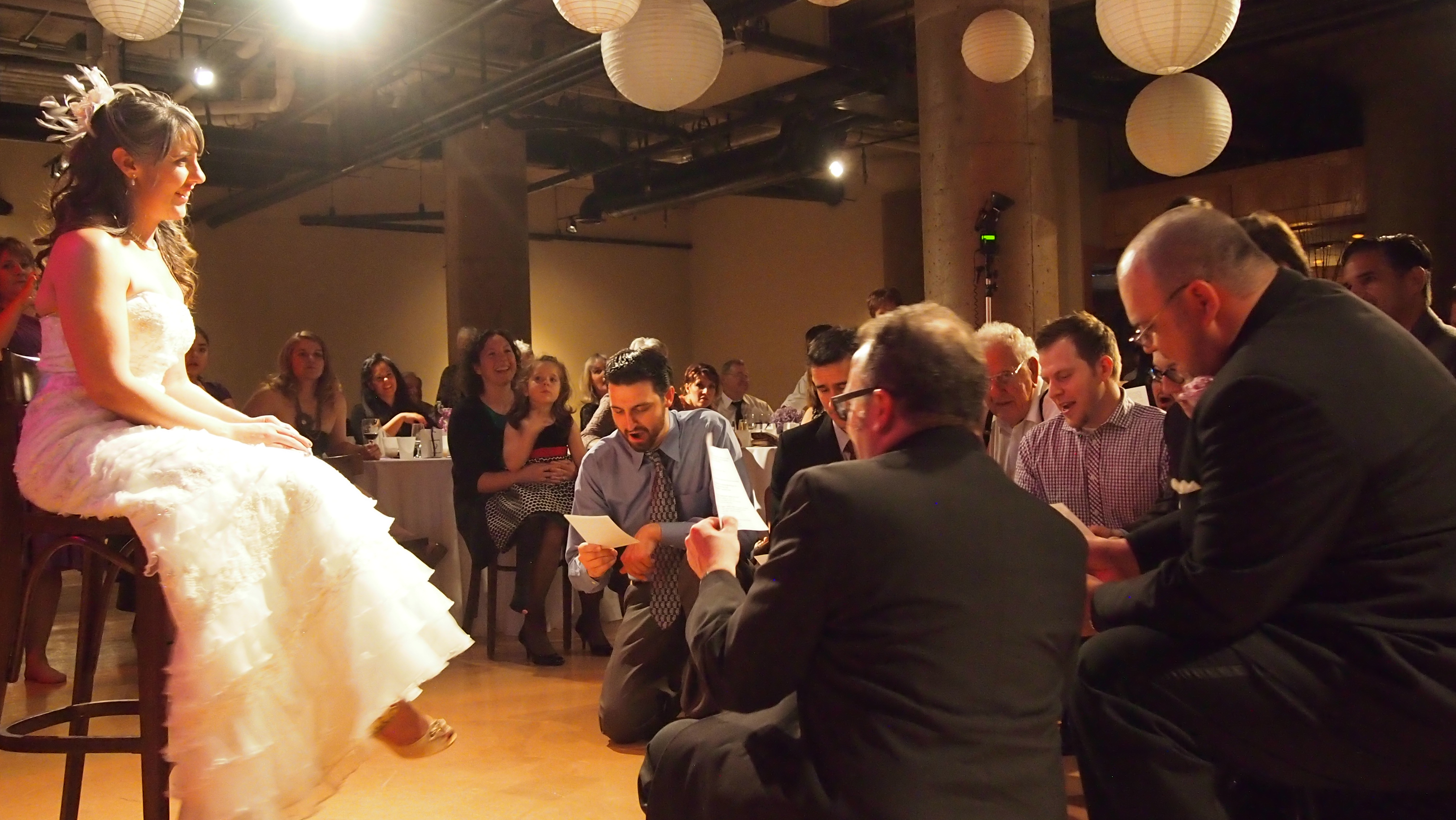
Last Saturday, November 10, our very own Nicole Stutzman tied the knot with one of our fellow DMA staffers, Ted Forbes. It was a beautiful ceremony and celebration that fit the happy couple to a T. Congrats Nicole and Ted! Here’s to a wonderful life together filled with happiness, love, and art!

Andrea, Sarah, Hannah, Shannon, Melissa, and Amy

Nicole being serenaded to You’ve Lost that Lovin’ Feelin’

Sarah Coffey
Assistant to the Chair of Learning Initiatives
Culinary Canvas: Sarah Bernhardt Cookies

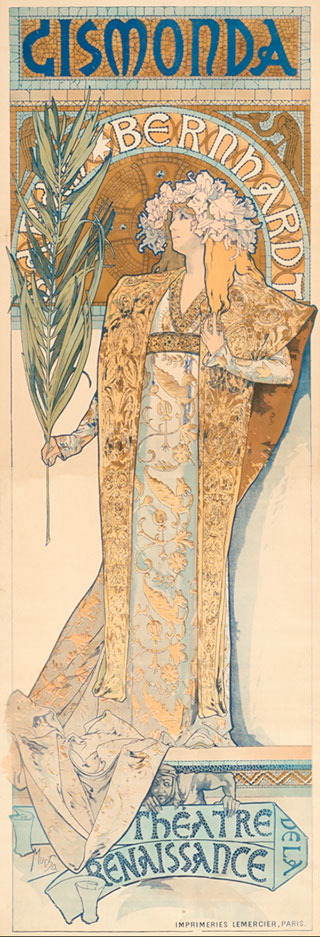
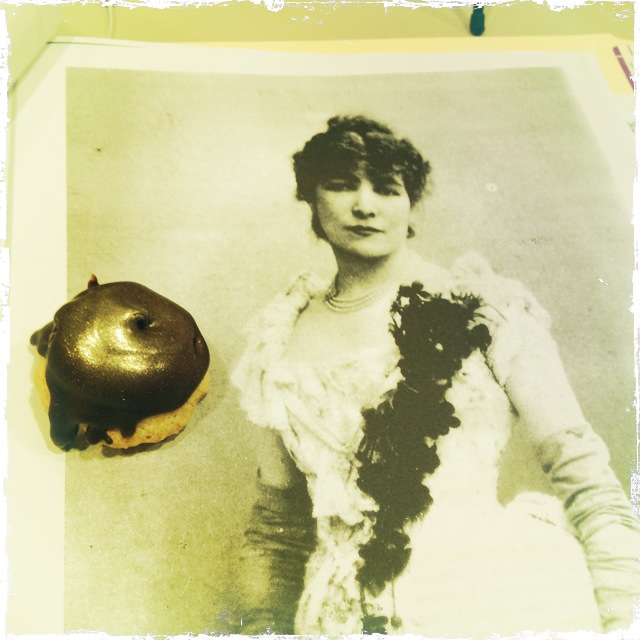
For this month’s recipe, we’re taking a trip through Paris with our new exhibition, Posters of Paris: Toulouse-Lautrec and His Contemporaries. Alphonse Mucha created this poster for Sarah Bernhardt, one of the most renowned actresses of the 19th century. She was so loved, in fact, that a Scandinavian baker named a cookie for her. Though somewhat complex, these multilayered confections are sure to dazzle, much like their namesake and her posters.

Alphonse Mucha, Gismonda, 1894-1895, Los Angeles County Museum of Art, Kurt J. Wagner, M.D., and C. Kathleen Wagner Collection, M.87.294.1

Sarah Bernhardt Cookies

Yields about 60 cookies
Level: Advanced

Filling:

6 ounces good quality dark chocolate, coarsely chopped
Scant ½ cup sugar
Scant ½ cup water
3 large egg yolks, room temperature
¼ cup heavy cream, room temperature
½ teaspoon vanilla extract

Cookies:

3 cups blanched slivered almonds
1 ½ cups sugar
3 large egg whites, room temperature
1 ½ teaspoons almond extract
Splash of water

Coating:

12 ounces good quality dark chocolate, coarsely chopped
2 tablespoons vegetable shortening

Filling: Whisk chocolate in a glass bowl set over a small pot of simmering water until smooth and melted. Remove chocolate from heat and set aside to cool. Combine sugar and water in small saucepan and simmer until syrup becomes clear, about 5 minutes, then set aside. In the bowl of a stand mixer set over a small pot of simmering water, whisk egg yolks until warm, about 2 minutes.

Transfer bowl to stand mixer fitted with whisk attachment. Add cream and beat mixture on medium until combined. Reduce speed and slowly pour in hot syrup. Return speed to medium and continue beating until cool and fluffy, about 3 minutes. Add melted chocolate, scraping down sides of bowl as needed until fully incorporated. Refrigerate filling until firm, about 1 hour (or up to 1 week).

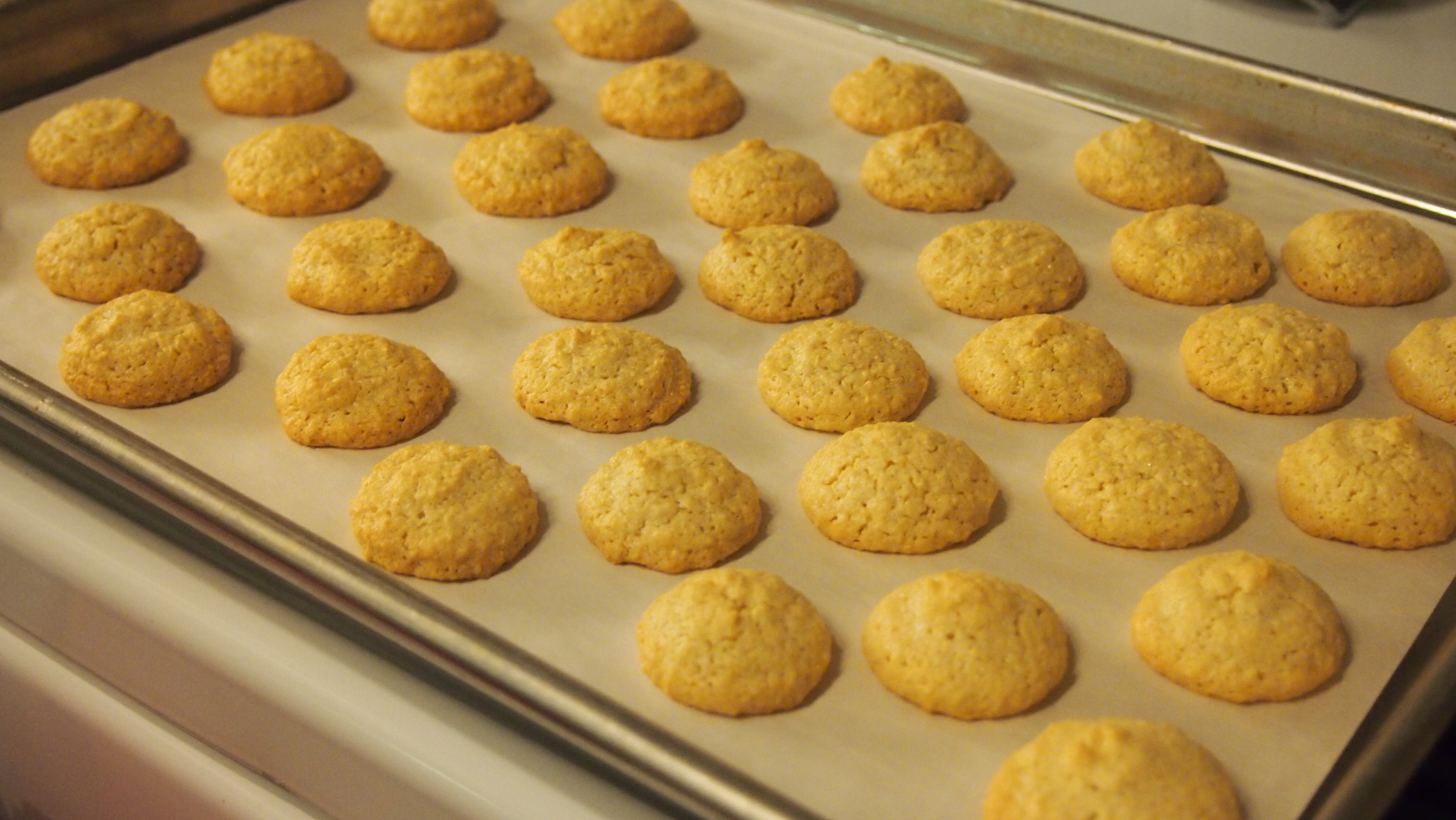
Cookies: Preheat oven to 325° F. Line rimmed baking sheet with parchment paper. Place almonds in food processor and process for 1 minute. Add sugar and process into a fine crumb, about 3 minutes. Add egg whites and almond extract and process until mixture wads around blade. Scrape bowl with spatula and add splash of water. Process a few more seconds until paste is firm yet smooth enough to pipe.

Transfer paste to pastry bag fitted with coupler only (no tip). Pipe small rounds onto prepared baking sheet, applying pressure to bag for about 4 seconds per cookie and leaving 1 inch between each. Bake until golden around the edges, about 20 minutes, rotating sheet halfway through. Allow to cool slightly on baking sheet then transfer to metal rack to cool completely.

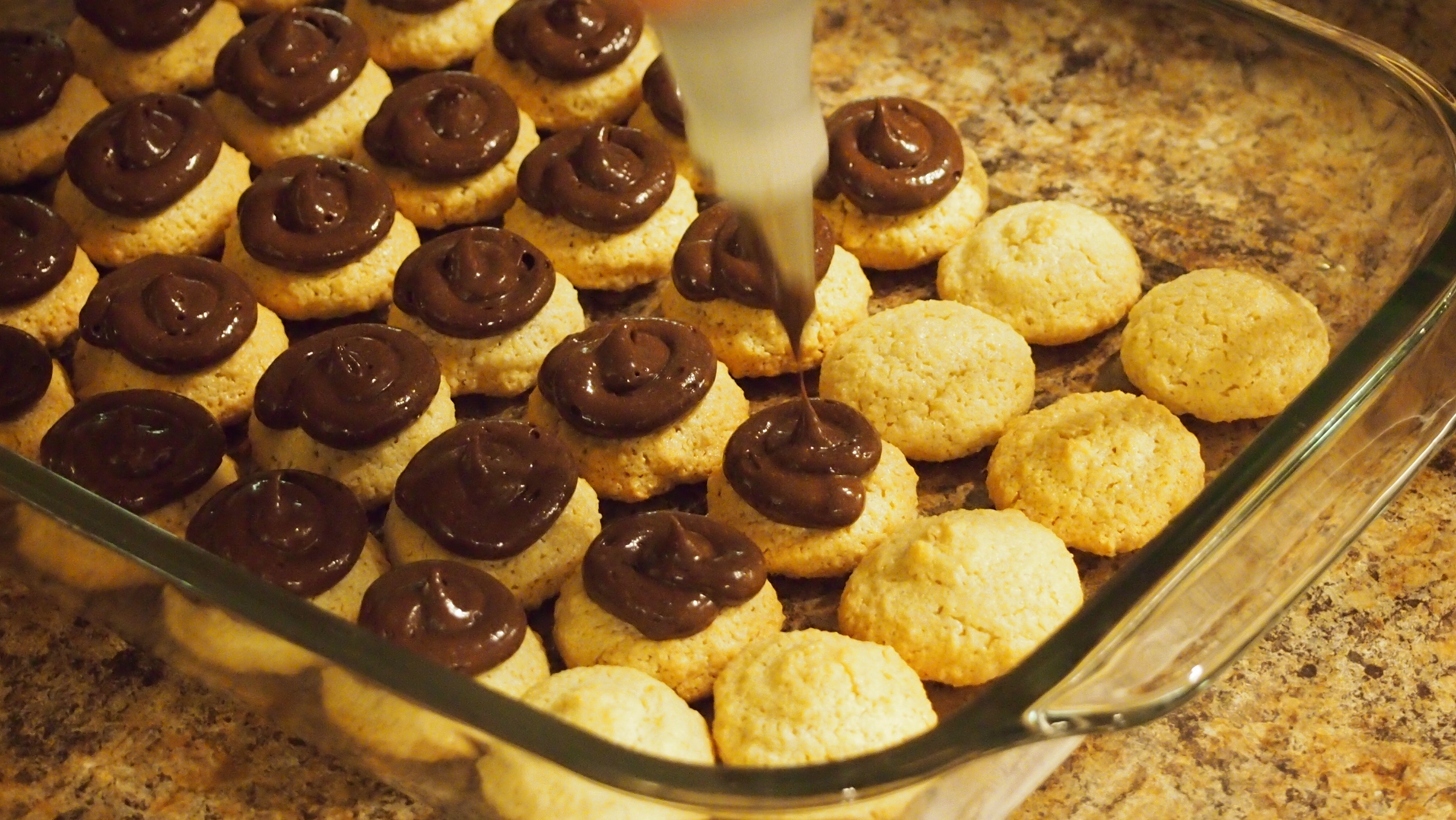
Once cookies are completely cool, transfer filling to pastry bag fitted with coupler only or with #11 tip. Pipe a peaked mound of filling on top of each cookie. Transfer cookies to freezer until filling is very firm, about 1 hour.

Coating: Whisk chocolate in a glass bowl set over a small pot of simmering water until smooth and melted. Remove from heat and stir in shortening. Cool until barely warm.

Remove cookies from freezer and place on cooling rack. Working quickly so filling doesn’t melt, spoon melted chocolate over cookies until filling is completely covered. Refrigerate finished cookies and serve chilled.


Sarah with a finished Sarah, dusted in gold like her beautiful posters.

Almond macaroon recipe adapted from Baking Illustrated and used with Sarah Bernhardt cookie recipe, adapted from Martha Stewart’s Cookies.

Sarah Coffey
Assistant to the Chair of Learning Initiatives

Archives

Categories