Archive Page 8


Culinary Canvas: Blood Orange Vanilla Cupcakes

The many wonderful artworks at the DMA can certainly be a rich source of inspiration for all types of artists. One art form I enjoy is cooking, so I thought it would be fun to take a culinary tour through the collection and see what works could inspire me in the kitchen.

For my first recipe, I’m starting in the Reves Collection with a Cézanne and something sweet—who can resist a cupcake? Try it out and let me know what you think!

Paul Cézanne, Still Life with Carafe, Milk Can, Bowl, and Orange, 1879-1880, Dallas Museum of Art, The Wendy and Emery Reves Collection

Blood Orange Vanilla Cupcakes with Vanilla Buttercream

Yields about 30 cupcakes
Level: Easy

Cupcakes:

1 cup (2 sticks) unsalted butter, room temperature
2 cups sugar
1 vanilla bean
2 tablespoons finely grated blood orange zest, from about 2 blood oranges
4 large eggs, room temperature
¾ cup heavy cream
¾ cup nonfat milk
½ cup freshly squeezed blood orange juice
1 ½ tablespoons pure vanilla extract
1 tablespoon orange liqueur, such as Cointreau (optional)
3 ½ cups all-purpose flour
1 teaspoon baking powder
½ teaspoon baking soda
½ teaspoon salt

Preheat oven to 350° F. Line standard muffin pan with paper liners.

Split vanilla bean lengthwise and scrape out seeds with the edge of a knife. Cream butter, sugar, vanilla seeds and orange zest in the bowl of a stand mixer with paddle attachment, beating at medium speed until light and fluffy, about 2-3 minutes. Add eggs one at a time, mixing until combined and scraping down sides of bowl after each addition.

In measuring cup, whisk together cream, milk, orange juice, vanilla extract and orange liqueur. In medium bowl, sift together flour, baking powder, baking soda and salt. Beginning and ending with dry ingredients, add flour mixture to mixer in 3 batches, alternating with 2 batches of cream mixture.  After each addition, mix on low speed until just combined.

Divide batter evenly between liners, filling each cup about ¾ full. Bake 18-20 minutes, or until a toothpick inserted in the center comes out clean.

Frosting:

1 cup (2 sticks) unsalted butter, room temperature
3 cups powdered sugar, sifted
1 tbsp pure vanilla extract
Pinch of salt
Splash of heavy cream

Beat butter in the bowl of a stand mixer with whisk attachment on medium-high speed for 5 minutes, until pale and shiny. Add powdered sugar, vanilla, and salt, mixing on low until combined. Add cream. Increase speed to medium-high and continue whipping mixture for 5 minutes until light and creamy. Additional sugar or cream can be added to achieve desired consistency.
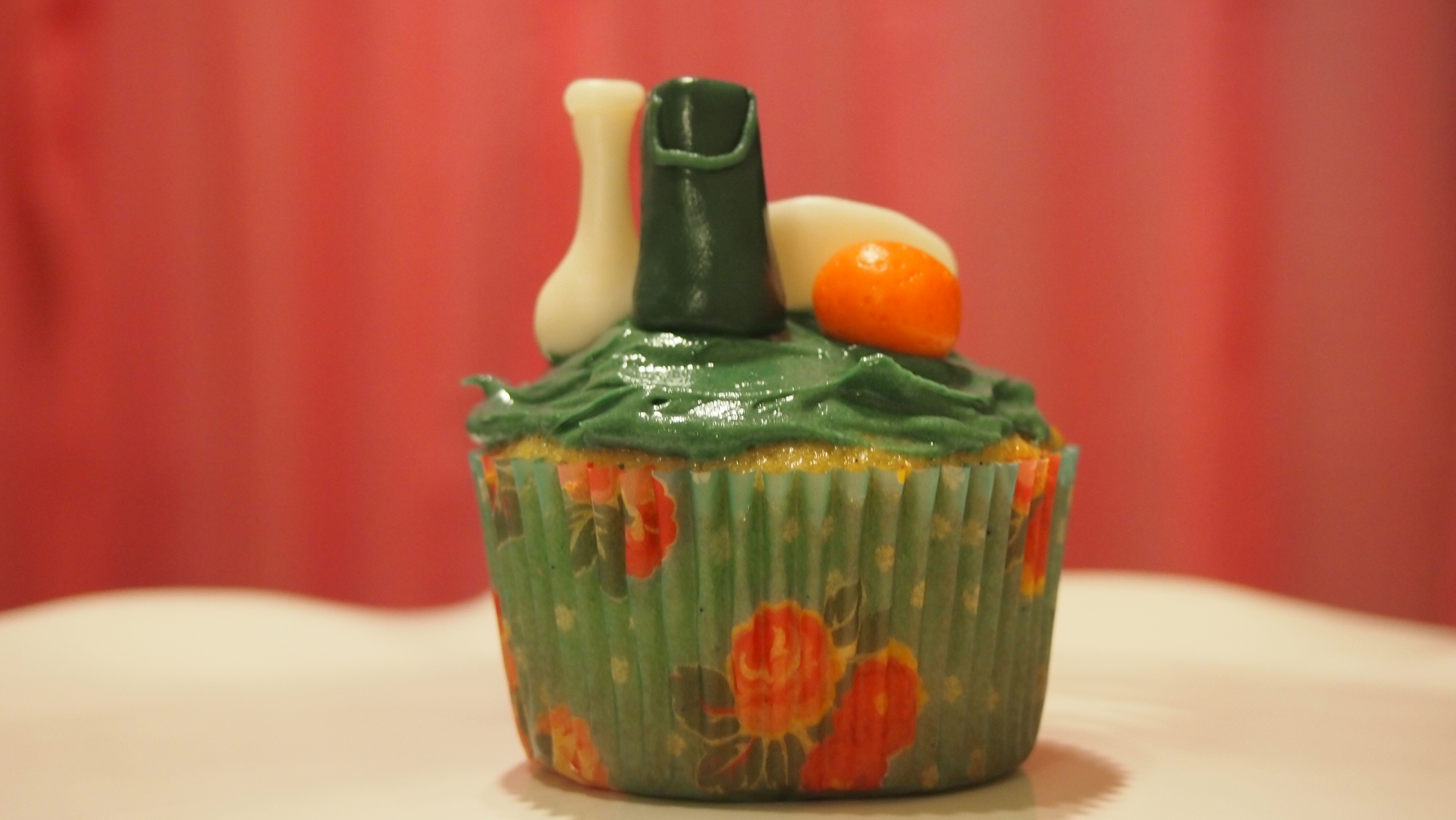
The tasty result: my interpretation of the painting in fondant and frosting

Cupcake recipe adapted from Annie’s Eats and frosting recipe adapted from Savory Sweet Life.

Sarah Coffey
Assistant to the Chair of Learning Initiatives
Fresh New Faces

Our Museum offices are abuzz with a group of new McDermott Interns, who began working with our Curatorial and Education Divisions last week. Two new faces who will be blogging with us over the next nine months are Alex Vargo, McDermott Education Intern for Gallery Teaching, and Pilar Wong, McDermott Education Intern for Community Teaching. In addition to the blog, they will also contribute their talent to our docent and tour programs, teacher programs, and Go van Go outreach.

Welcome to the DMA ladies! Why don’t you share with us a bit of your background.

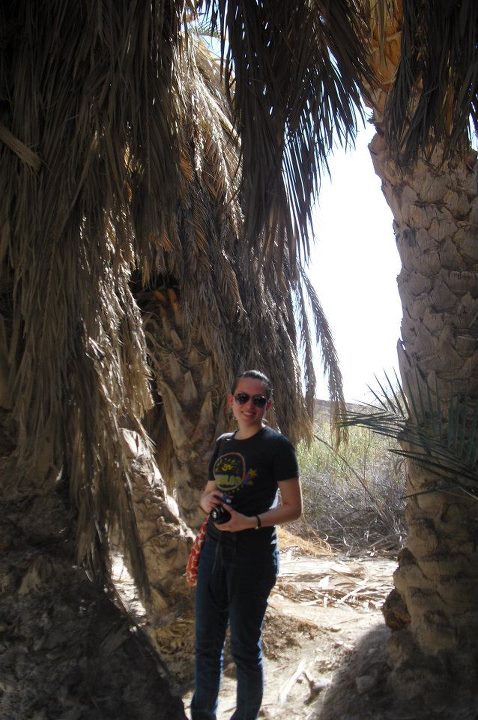
Alex exploring Big Bend National Park

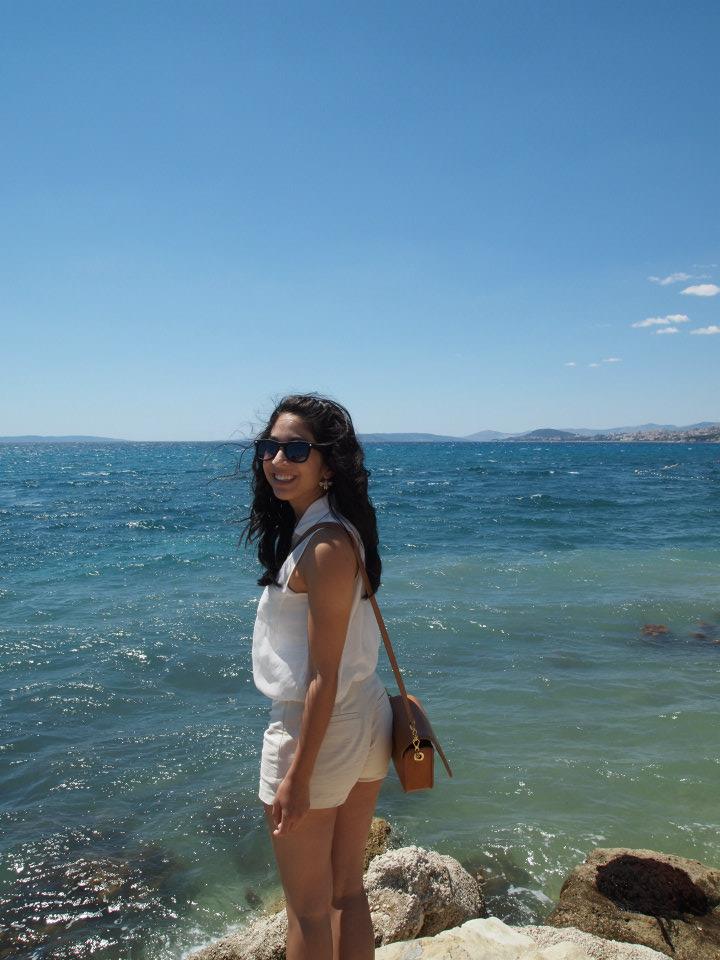
Pilar on the Mediterranean coast in Split, Croatia

Alex: I graduated in 2011 from Oberlin College in Ohio, where I studied Art History. I’m originally from a suburb of Philadelphia, where, in high school, I rowed out of boathouse row by the art museum and, yes, ran the famous Rocky steps. After college, I returned to Philly, where I worked in the Family Programs Departments of the Philadelphia Museum of Art and the Barnes Foundation. Before this internship, I had never been to Dallas, but I’m not totally new to Texas. I had been living in Marfa since February working at the Chinati Foundation. This is my first time living in a Texas city and I’m excited to explore more of the state!

Pilar: I was raised throughout the beautiful southwest in New Mexico, Arizona, and Colorado—Texas is the farthest east I’ve ever lived! I received my BA from Stanford University in Comparative Studies of Race and Ethnicity with a minor in Education. During my time at Stanford, I worked at the Cantor Arts Center which hosts the 2nd largest collection of Rodin sculptures in the world! After moving to Dallas, I volunteered at the Dallas Holocaust Museum and worked at the Dallas Heritage Village.

Now that you’ve been introduced to our collection, which artwork would be your BFF and why?

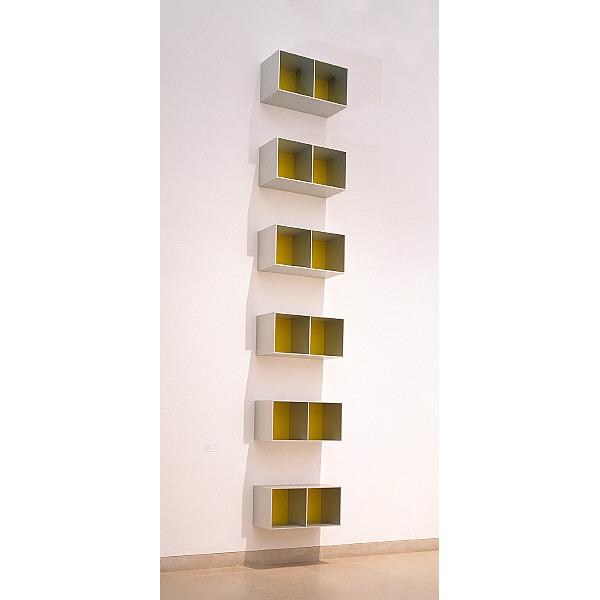
Alex: Donald Judd’s Untitled (1988). Coming from Marfa, where Judd lived and worked when he wasn’t in New York, I feel like we are old friends.

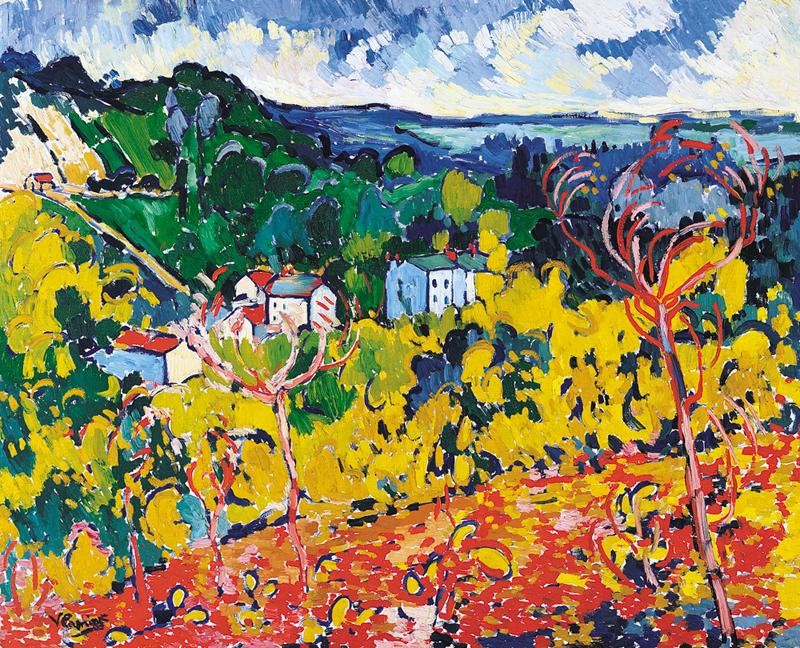
Pilar: I absolutely love Maurice de Vlaminck’s Bougival.  The vivid colors make me smile every time I see it, but the depth of the painting ensures that I would never get tired of seeing it day after day and imagining myself in the landscape.

If you could spend the night in one of our galleries, which one would you choose?

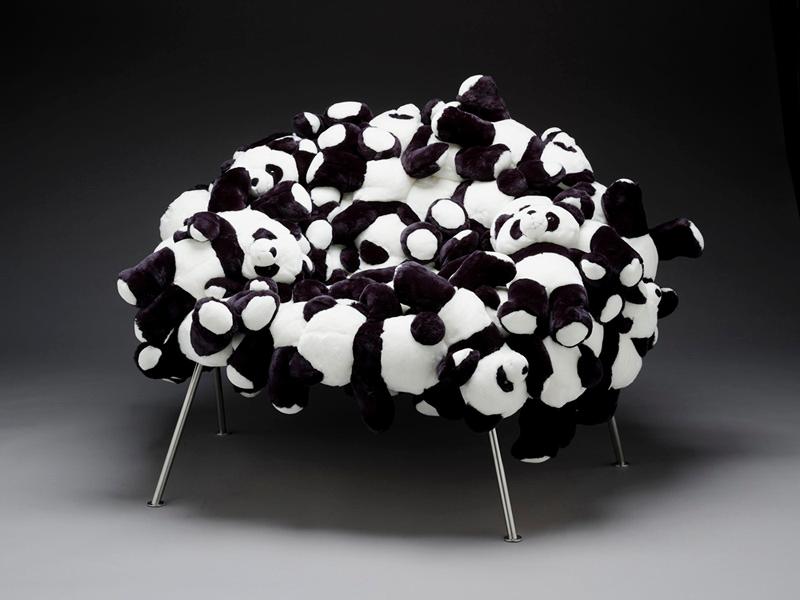
Alex: If I could spend the night in a gallery and I could touch the works of art, I would love to be on level 4 in the Form/Unformed: Design from 1960 to the Present show. The Fernando and Humberto Campana Banquete Chair with Pandas calls to me!

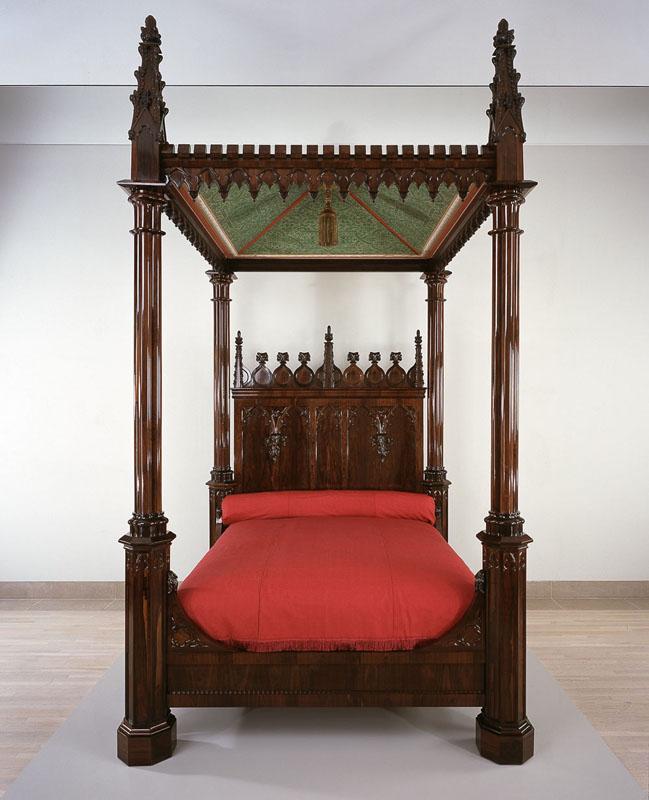
Pilar: I would definitely want to spend the night on level 4 with American Decorative Arts so I could test out the fantastic four-poster bed from the 1840’s!

What’s the strangest thing you’ve ever eaten?

Alex: Tripe. I love pho!

Pilar: I attended the State Fair of Texas last year and tried several deep fried treats including bubblegum, lemonade, beer, cheese curds, and pickles. I’m looking forward to this year’s offerings!

You might see these lovely ladies around the next time you visit the Museum or one of our programs, so be sure to give them a warm Texas welcome!

Artworks shown:

  • Donald Judd, Untitled, 1988, Dallas Museum of Art, Museum League Purchase Fund, General Acquisitions Fund, H. Harold Wineburgh Fund and gift of an anonymous donor
  • Maurice de Vlaminck, Bougival, c. 1905, Dallas Museum of Art, The Wendy and Emery Reves Collection
  • Fernando Campana and Humberto Campana, Banquete chair with pandas, designed 2006, Dallas Museum of Art, DMA/amfAR Benefit
  • Crawford Riddell, Bed, c. 1844, Dallas Museum of Art, gift of three anonymous donors, Friends of the Decorative Arts Fund, General Acquisitions Fund, Discretionary Decorative Arts Fund, and the Boshell Family Foundation

Sarah Coffey
Assistant to the Chair of Learning Initiatives
Friday Photos: Artistic Gymnastics

After two weeks of exciting competition, the London 2012 Summer Olympics will end this weekend with the Closing Ceremony on Sunday. Gymnastics was one of my favorite sports this year and Team USA’s Fierce Five certainly did not disappoint, bringing home five medals, three of them gold.

Five fierce artworks from our contemporary collection—interestingly enough, all Untitled—remind me of this graceful sport.

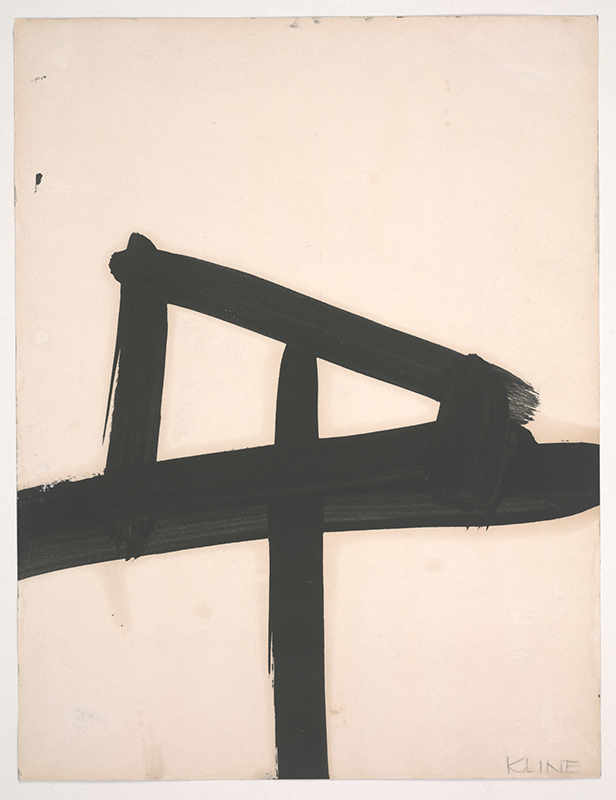
The vault:

Untitled, Franz Kline, 1959, Dallas Museum of Art, Foundation for the Arts Collection, gift of George T. and Natalie H. (Schatzie) Lee

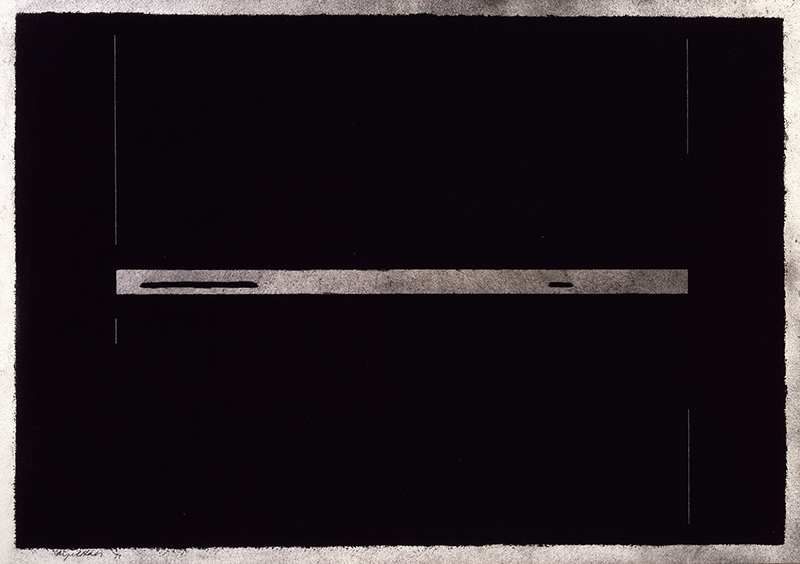
The balance beam:

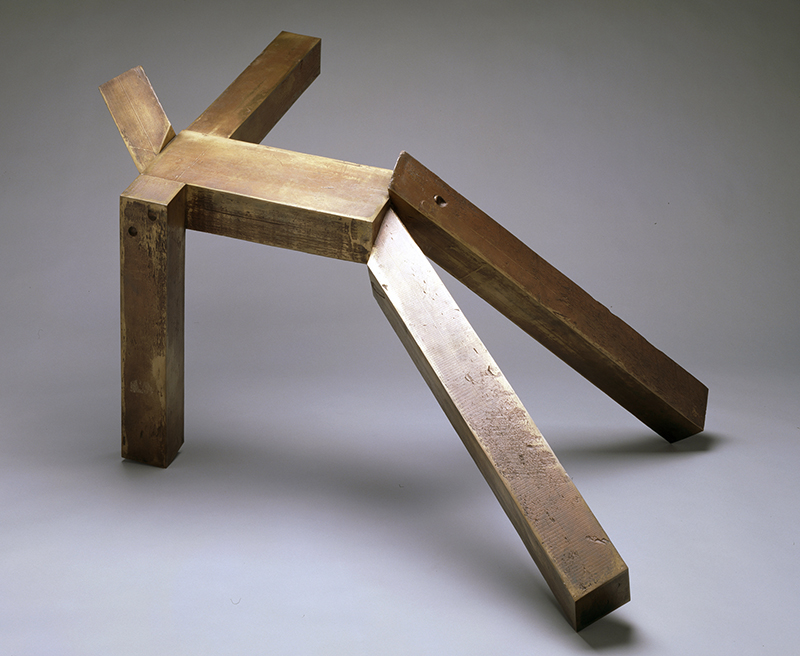
Untitled, Nigel Hall, 1973, Dallas Museum of Art, Bryan Williams Fund

The uneven bars:

Untitled, Carlo Guaita, 1988, Dallas Museum of Art, gift of Mr. and Mrs. I. C. Deal

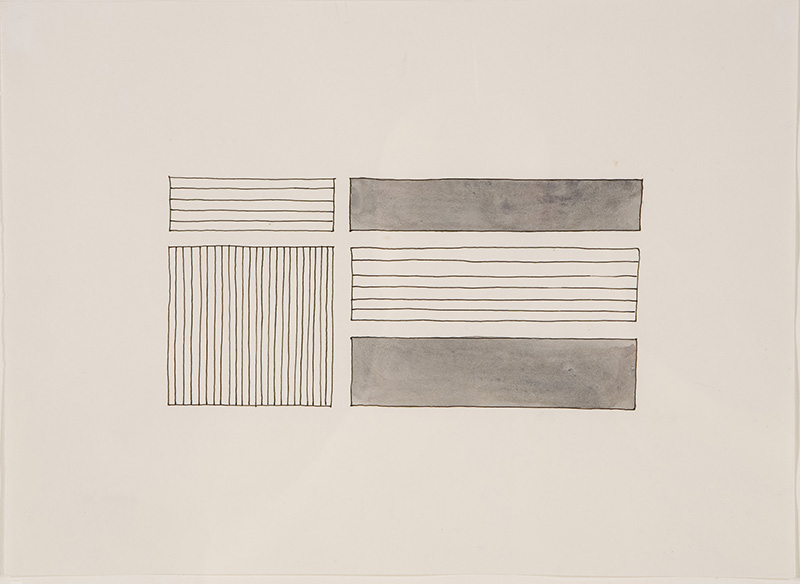
The floor exercise:

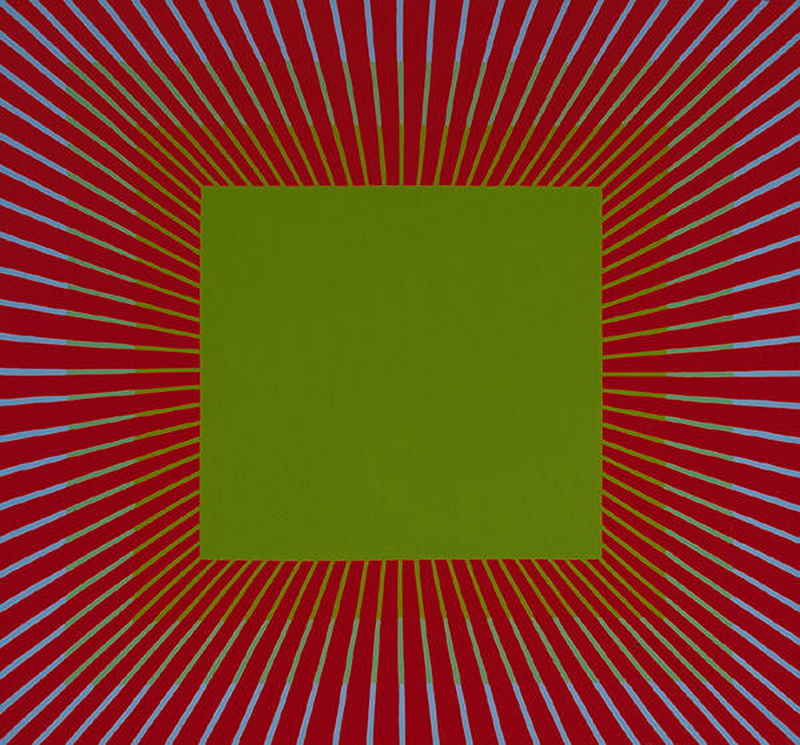
Untitled, Richard Anuszkiewicz, n.d, Dallas Museum of Art, Foundation for the Arts Collection, gift of Mr. and Mrs. Duncan E. Boeckman

A gymnast in the midst of her routine:

Untitled, Joel Shapiro, 1981-1984, Dallas Museum of Art, gift of Exxon Corporation

What artworks remind you of the Olympics?

If you’re not ready for the Olympic spirit to end just yet, you’ll want to get tickets for Arts & Letters Live on October 9. Chris Cleave will discuss his new novel Gold, which centers on two athletes at their last Olympic Games, London 2012.

Sarah Coffey
Assistant to the Chair of Learning Initiatives
Friday Photos: Plumed Serpent

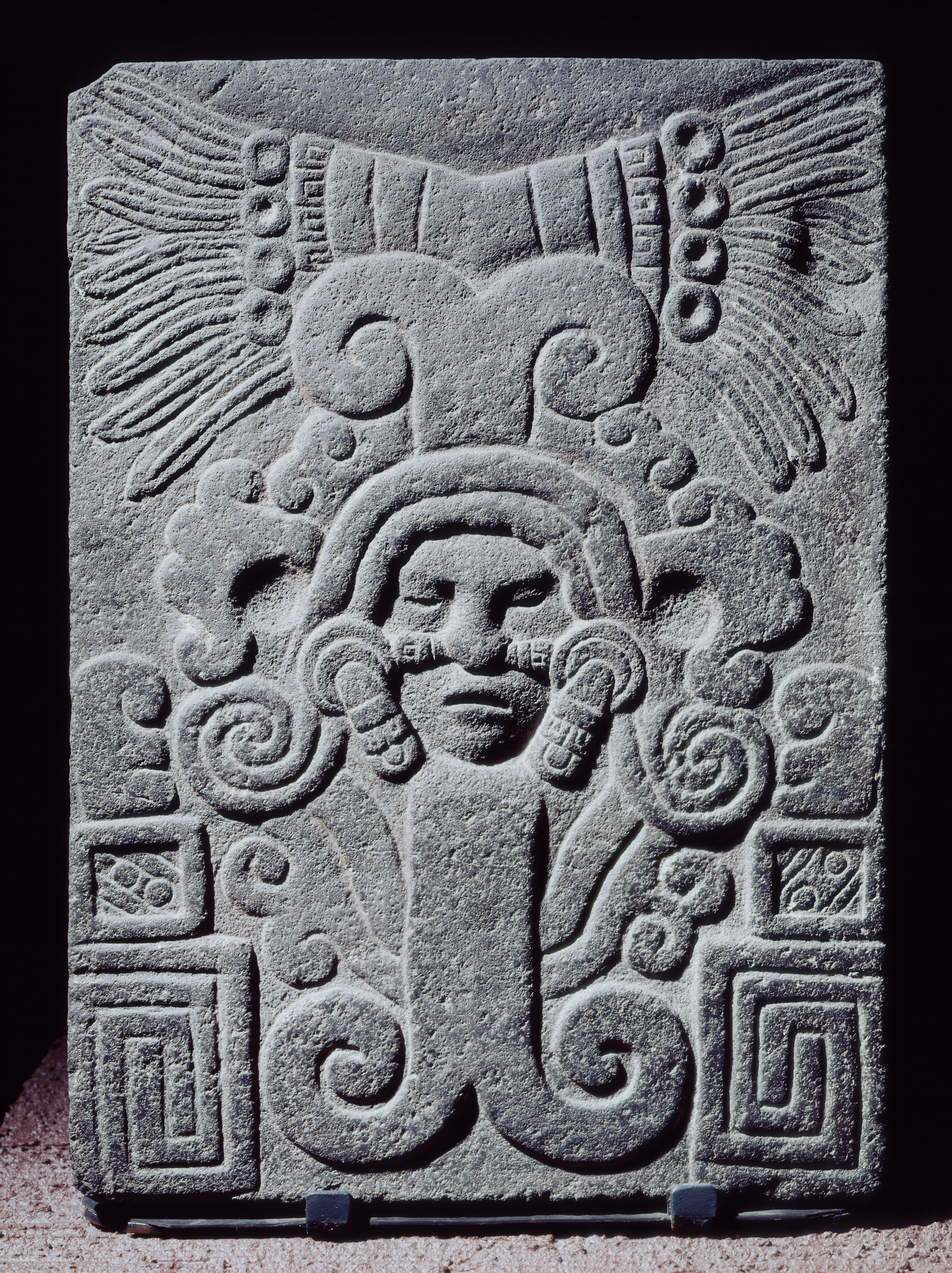
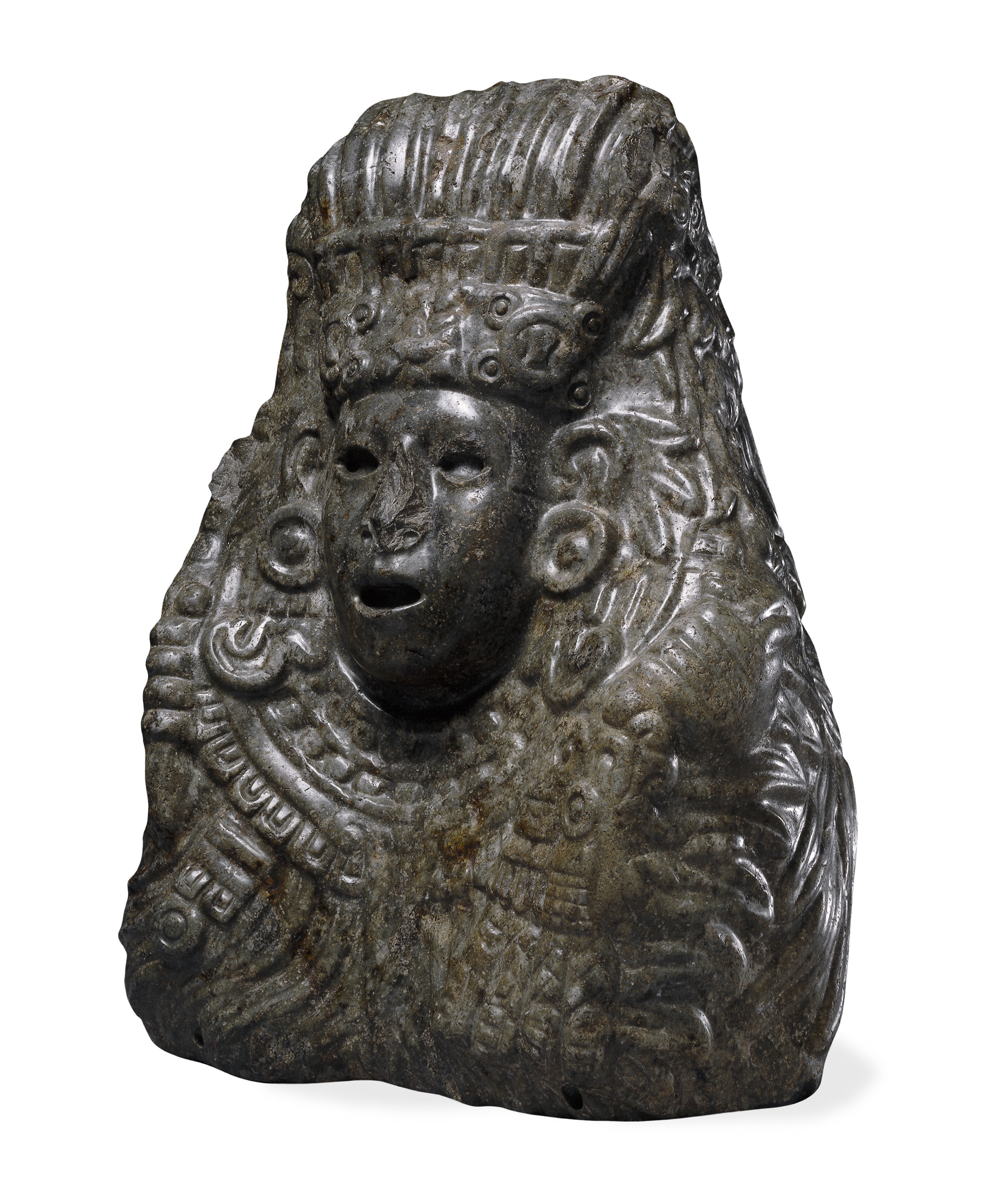
One of the most important ancient Mesoamerican gods was Quetzalcoatl, a celestial deity who took the form of a feathered snake and ruled over the wind. One myth recounts that he created the earth’s current race of people by bleeding onto the bones of the previous generation.

Relief Depicting Face of Quetzalcoatl, Mexico, Aztec, AD 1400–1521, Museo Nacional de Antropología, Mexico City (10-81787)

Bust of Quetzalcoatl, Mexico, Aztec, AD 1300–1521, Trustees of the British Museum, London, Ethno. 1825.12-10.11

Turquoise-mosaic Disk with plumed serpent design, Mexico, Yucatán, Chichen Itza, Maya, AD 900–1200, Museo Nacional de Antropología, Mexico City (10-9649)

Find out more about Quetzalcoatl in The Legacy of the Plumed Serpent in Ancient Mexico, which opens this weekend with a FREE sneak preview on Saturday, during WFAA Family First Day.

Sarah Coffey
Assistant to the Chair of Learning Initiatives
An Artistic Aegean Anniversary

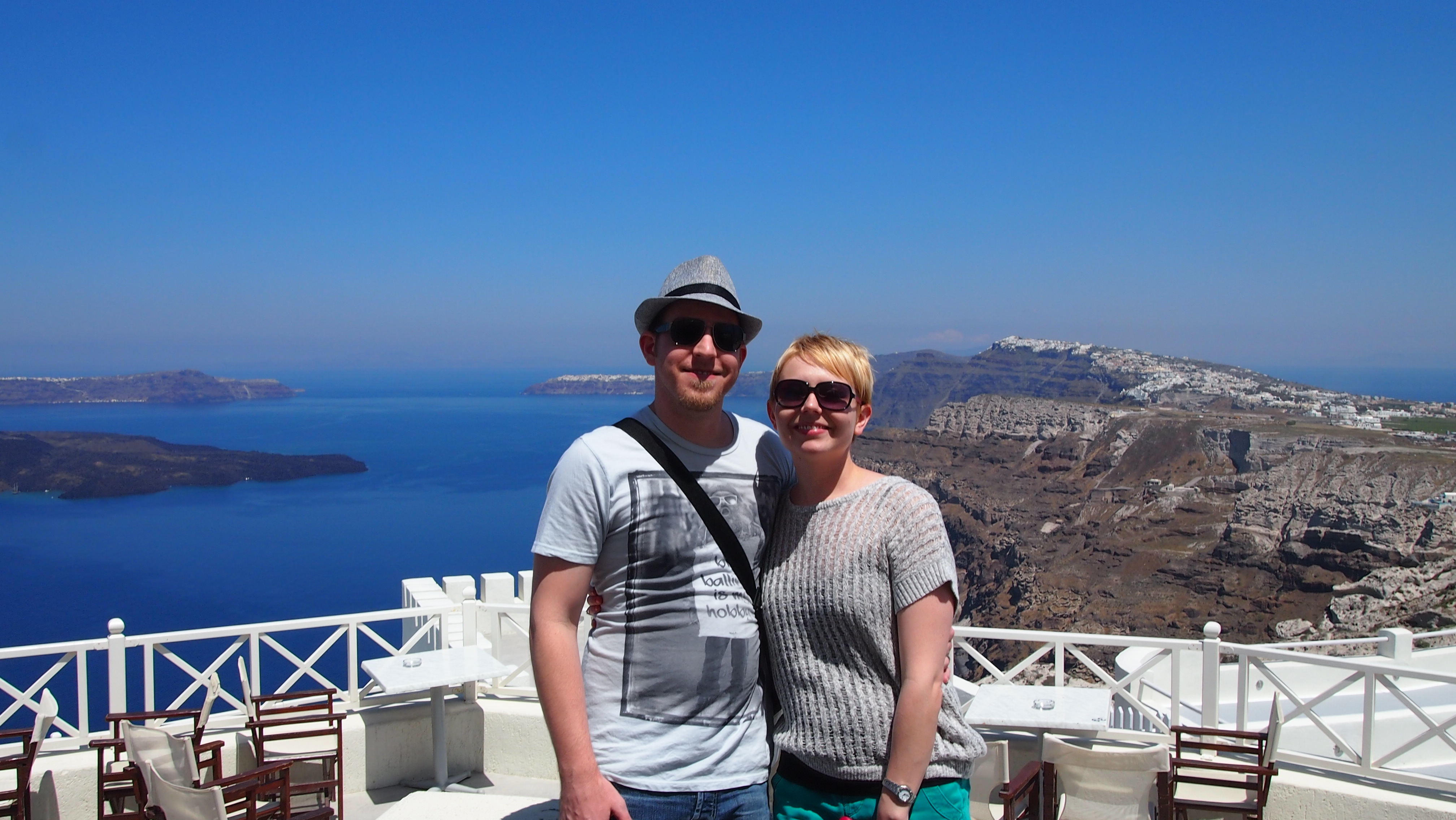
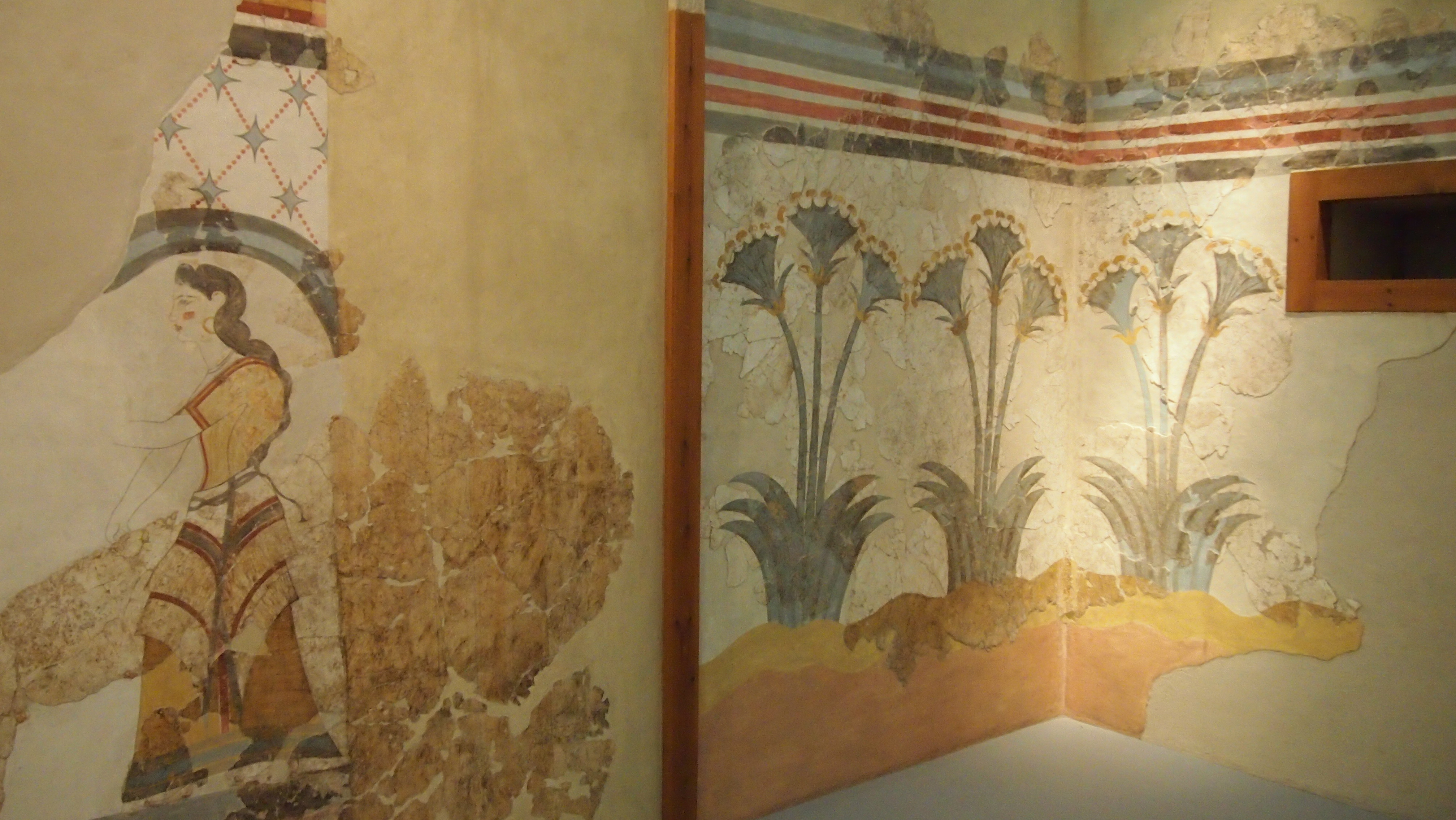
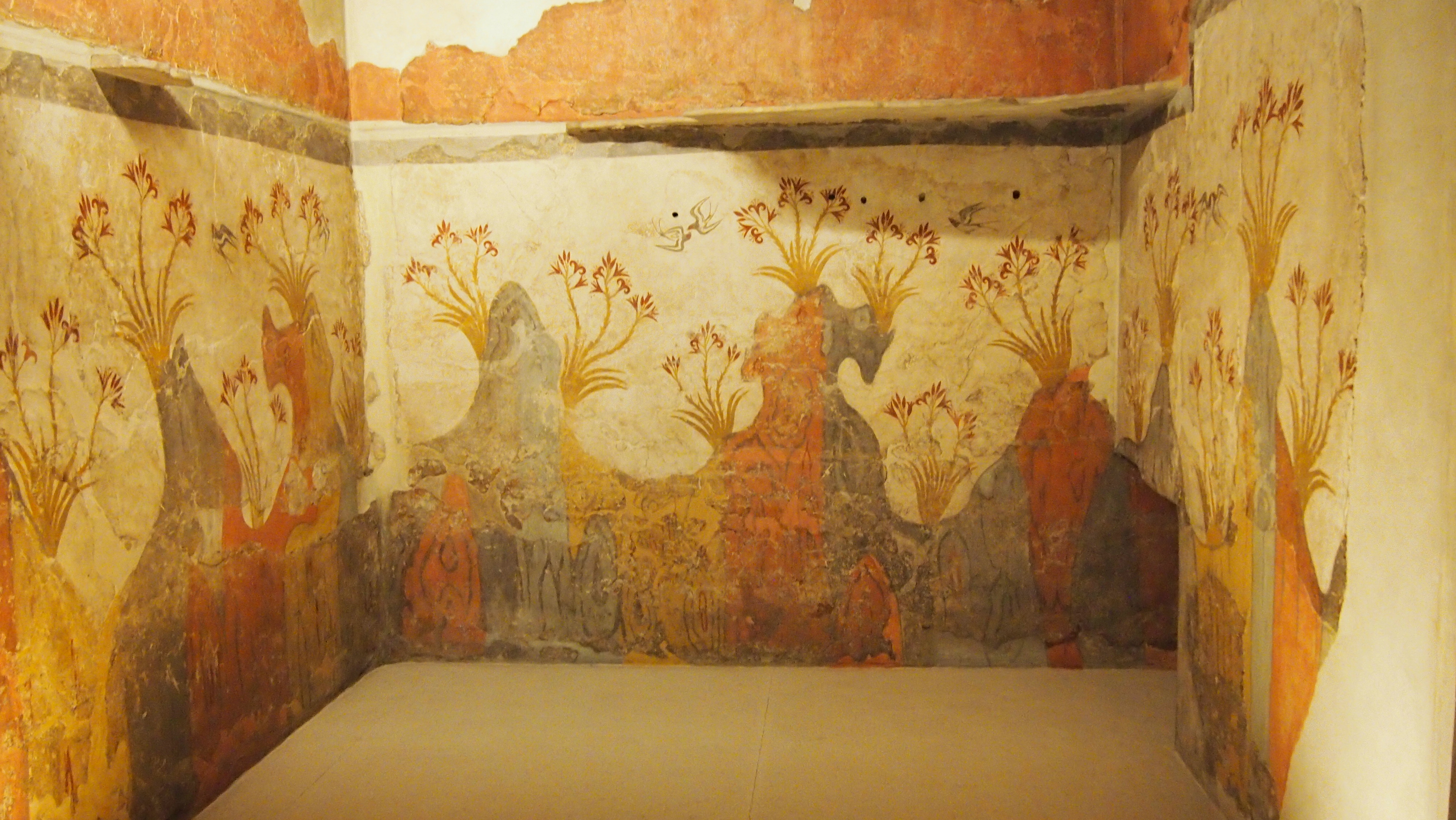
A few weeks ago, my husband and I celebrated our first anniversary on an amazing cruise through the Aegean Sea. I majored in Ancient History at the University of Texas, so you can imagine my excitement at getting to experience numerous ancient sites in person. In particular, I have always been fascinated with prehistoric Aegean cultures, so the stops on both Crete and Thera (Santorini) were definitely a highlight.

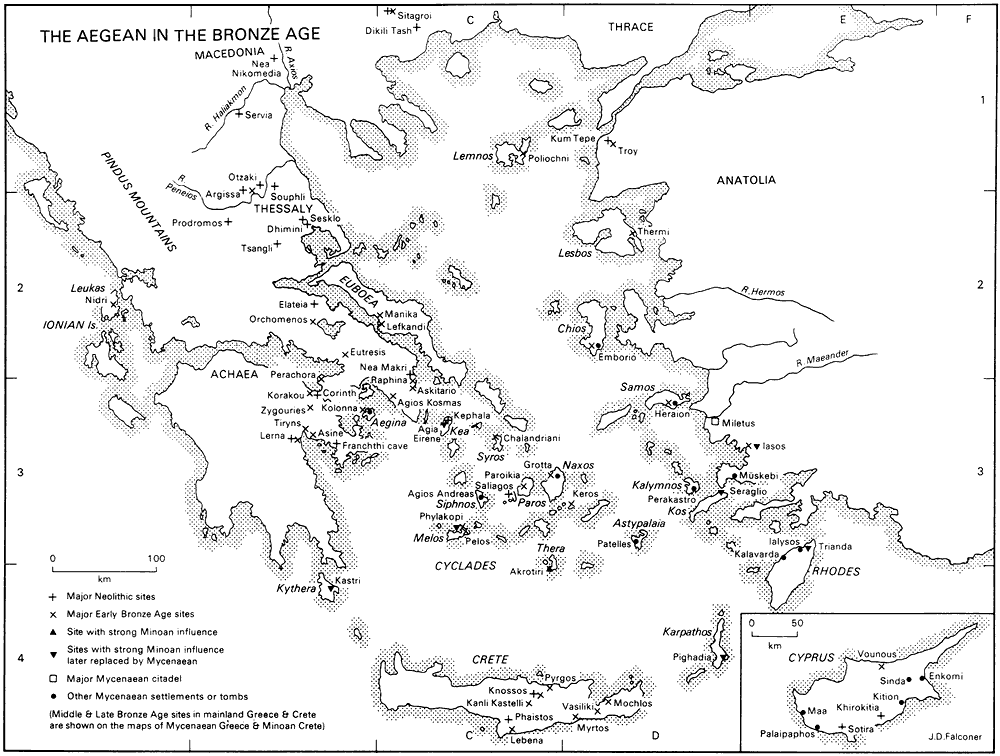
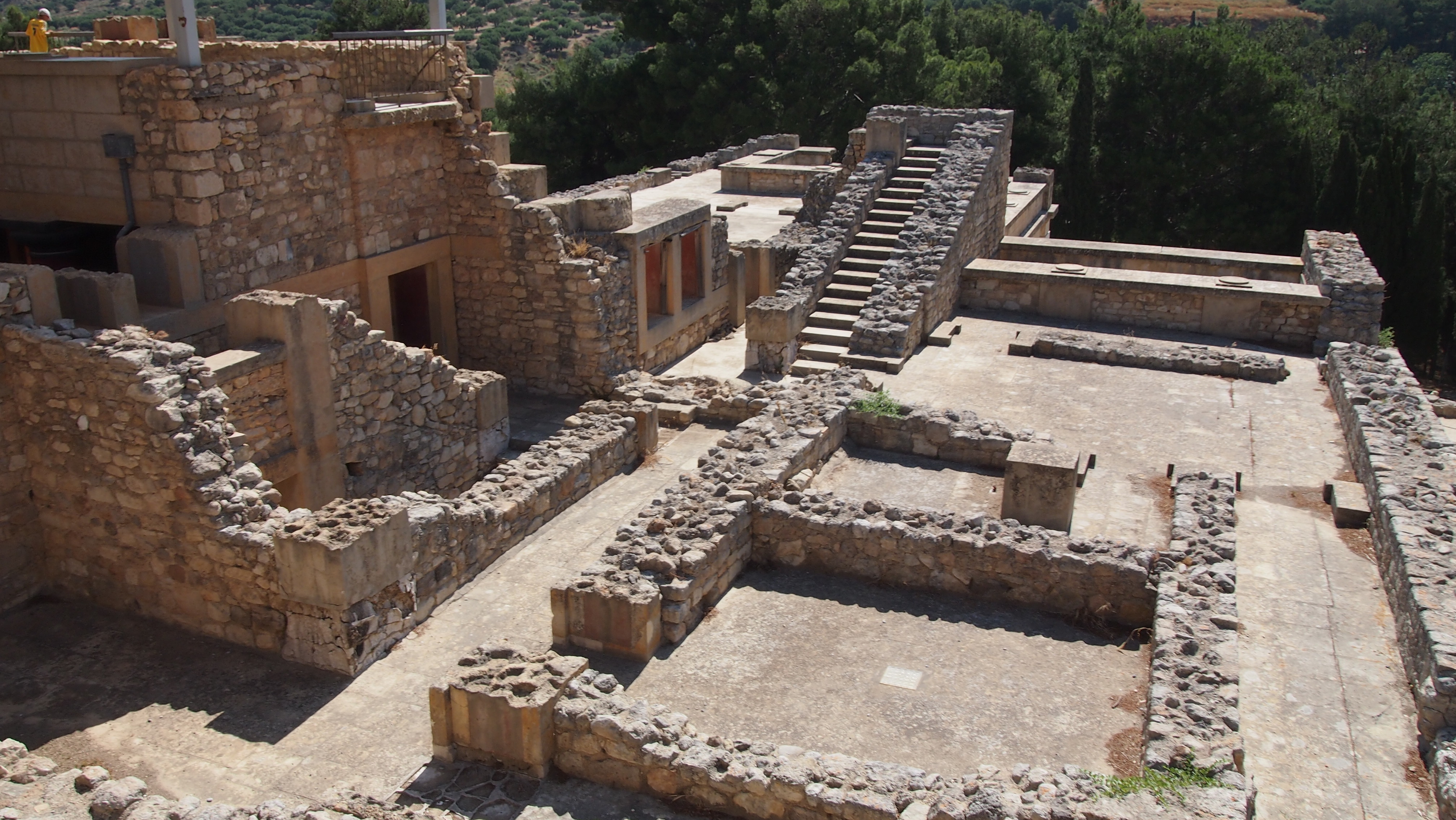
One of the most interesting cultures is the Minoan civilization, which thrived during the Bronze Age from 2100-1500 B.C. on the island of Crete. Named for the mythical King Minos, the Minoans developed a centralized political system ruling from urbanized palace centers, the largest of which was located at Knossos on the north central coast of Crete. As prosperous sea-farers, the Minoans established extensive contact and trade with the contemporary cultures of Egypt and the Near East. Ancient writers even asserted that King Minos ruled over a maritime empire which included many Aegean islands. Although the extent of the Minoan political sphere is unclear, the Minoans were certainly in contact and influencing the culture of nearby islands like Thera, as attested by the surviving art.

Looking into the caldera on Thera, with the active volcano at left

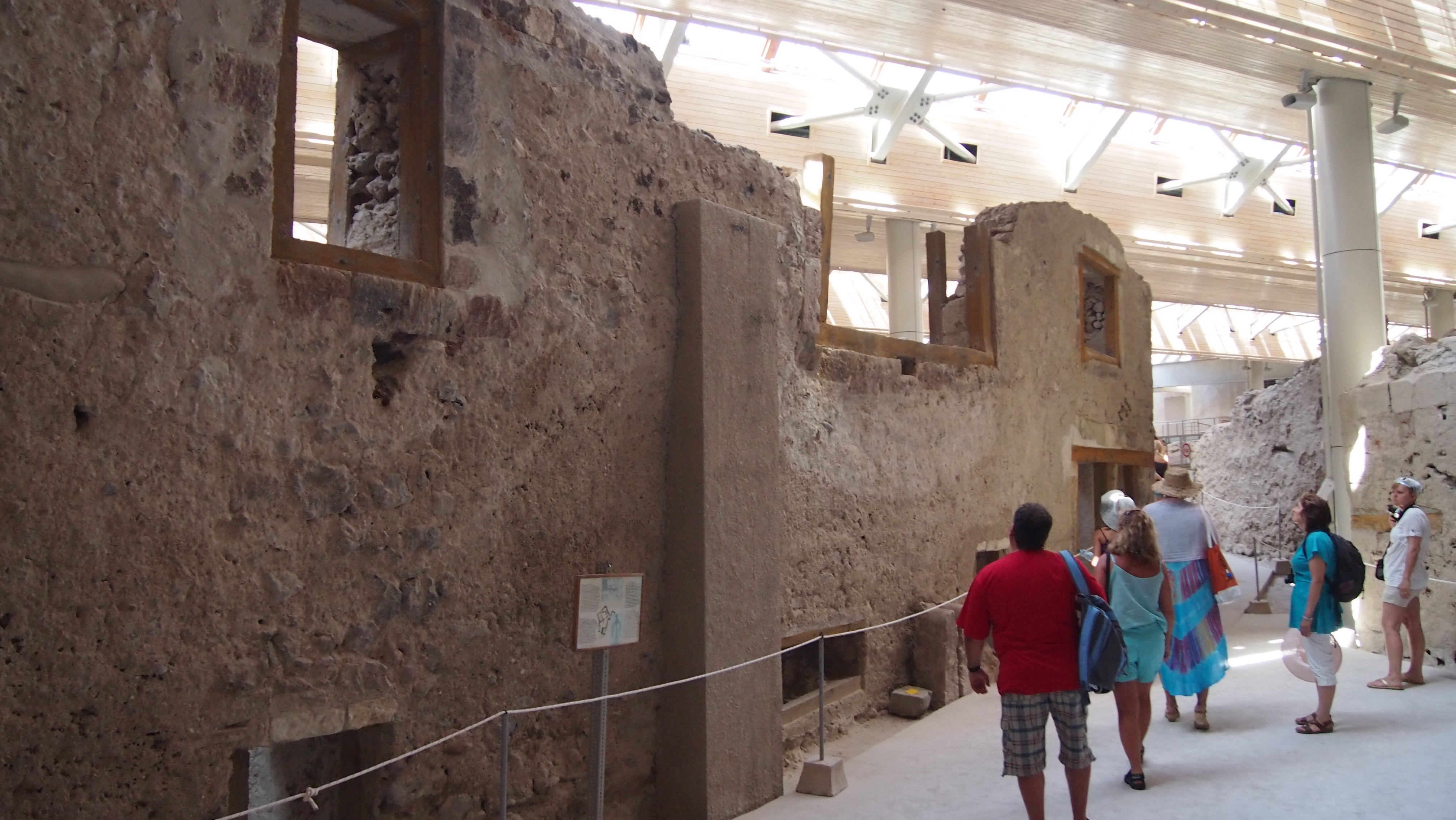
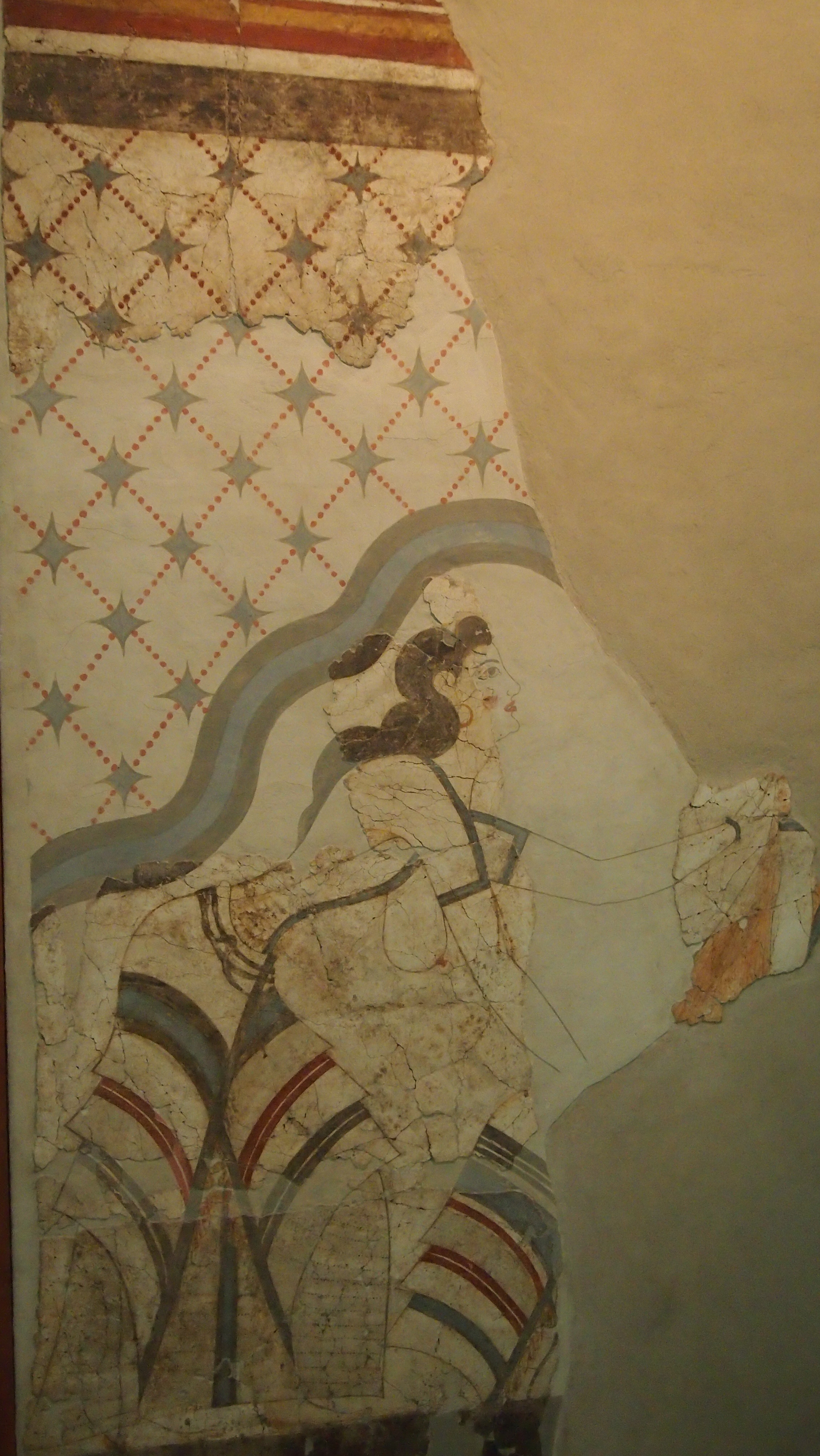
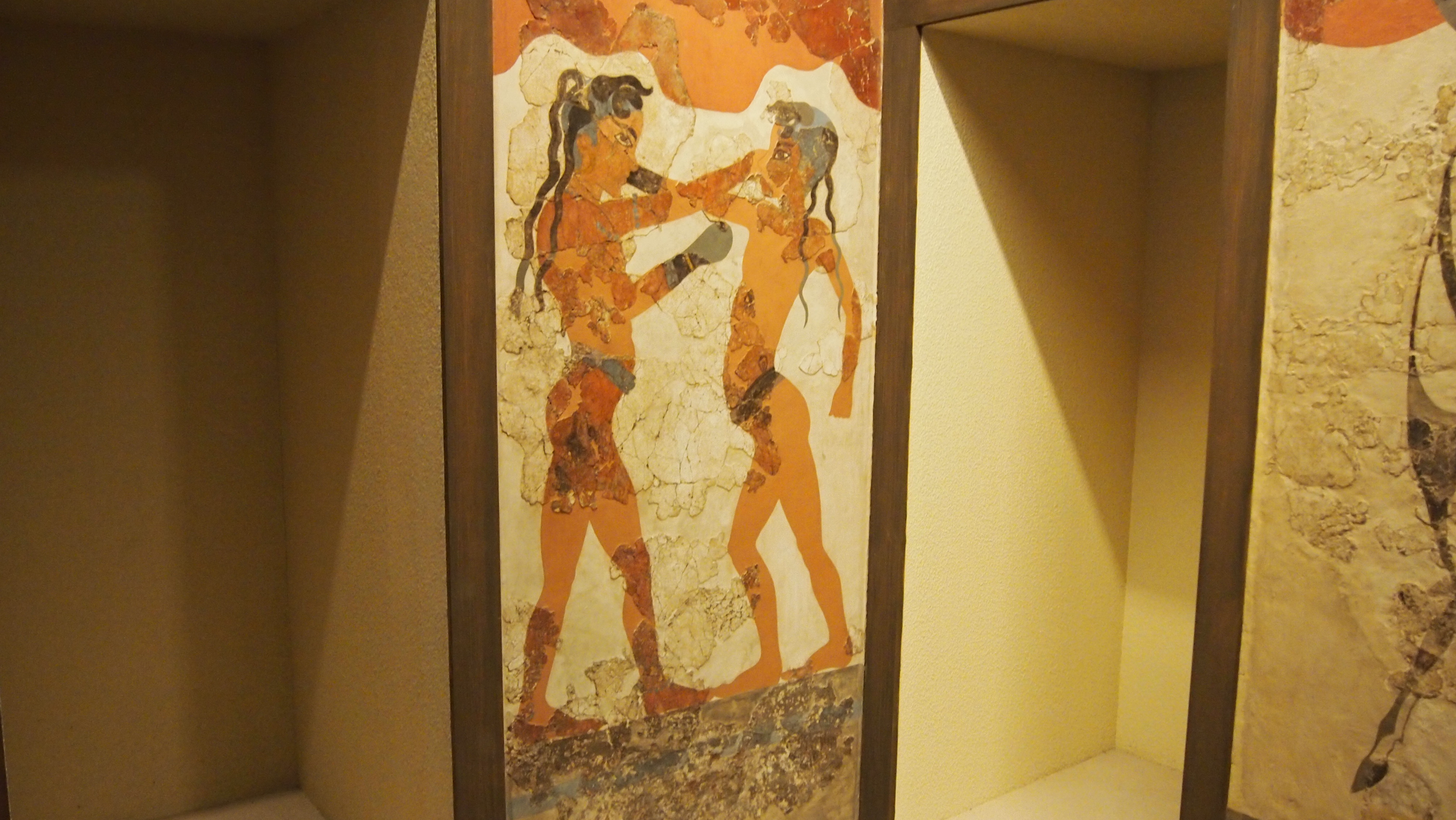
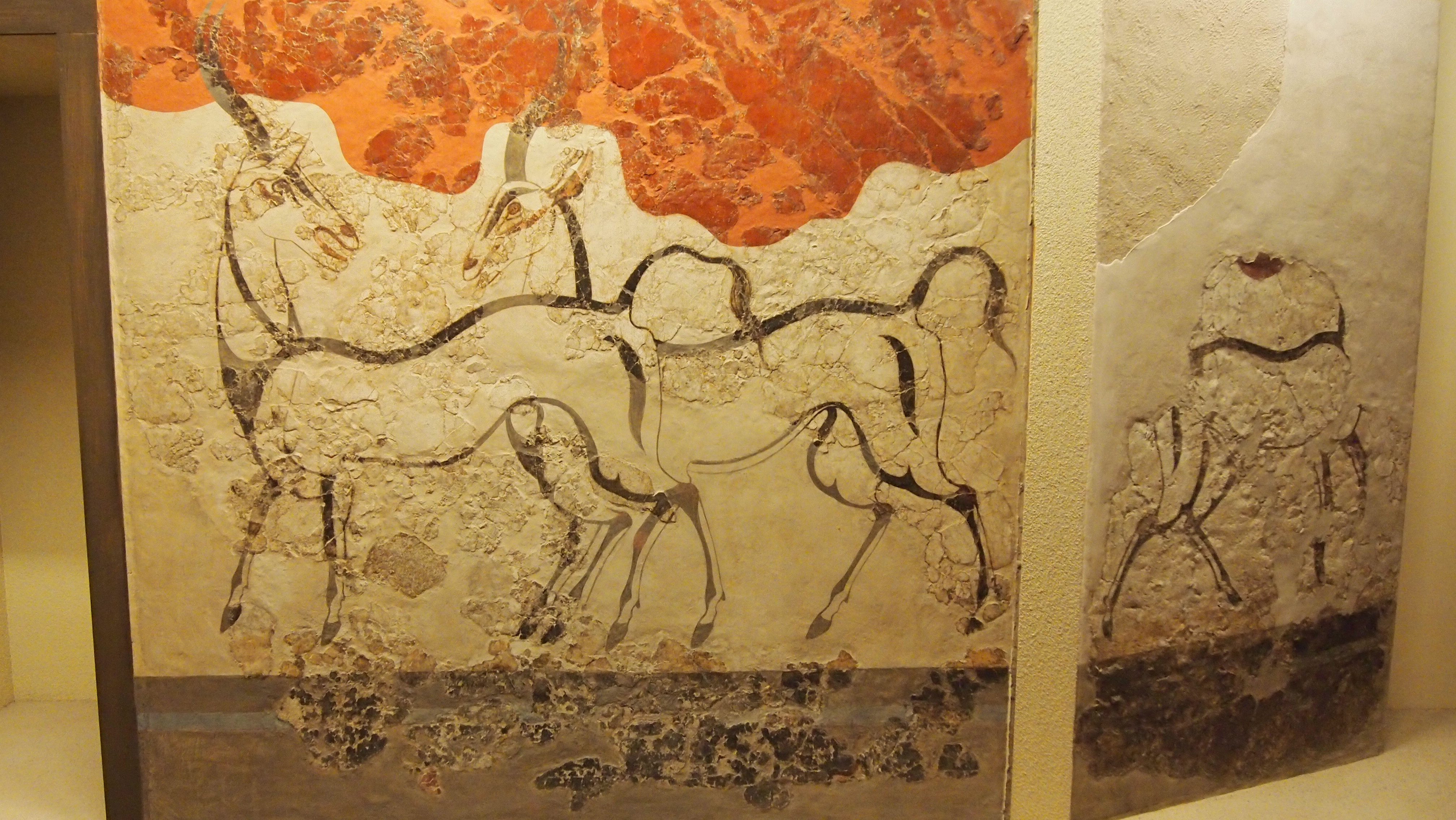
Thera is a unique island whose history has been shaped by the active volcano at its center. During the period of Late Minoan 1A (c. 1625 B.C. or c. 1550 B.C.—dating is disputed by different scholars), the volcano erupted with such extreme force that it spread ash across the entire eastern Mediterranean and likely created a global cooling event. This eruption not only formed the distinctive caldera and picturesque cliffs seen on the island today, it also covered an entire ancient site in ash and pumice, perfectly preserving it like a prehistoric Greek Pompeii. Because of this eruption, the archaeological site of Akrotiri has yielded frescoes that are much more complete than those found elsewhere in the Aegean.

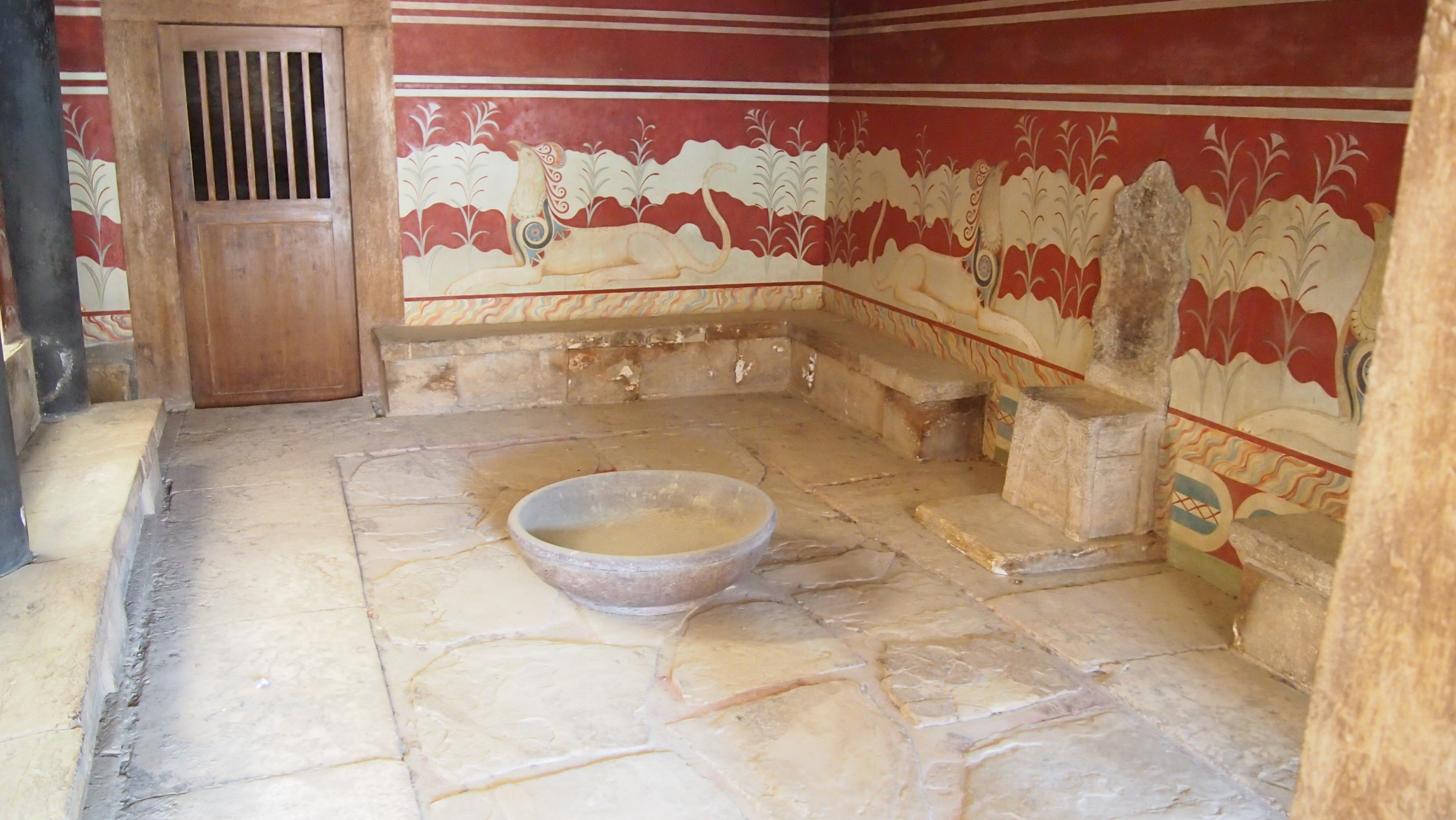
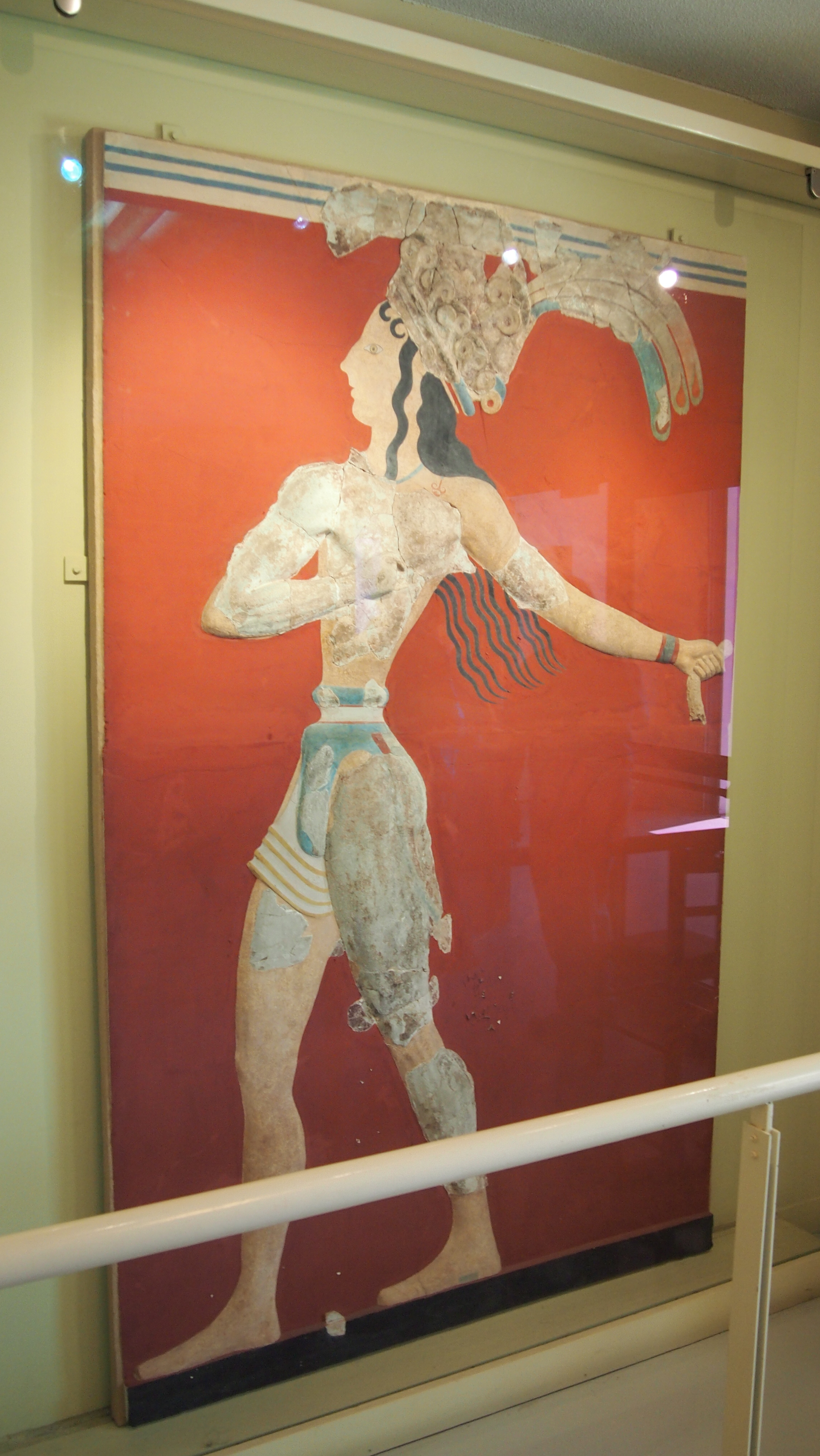
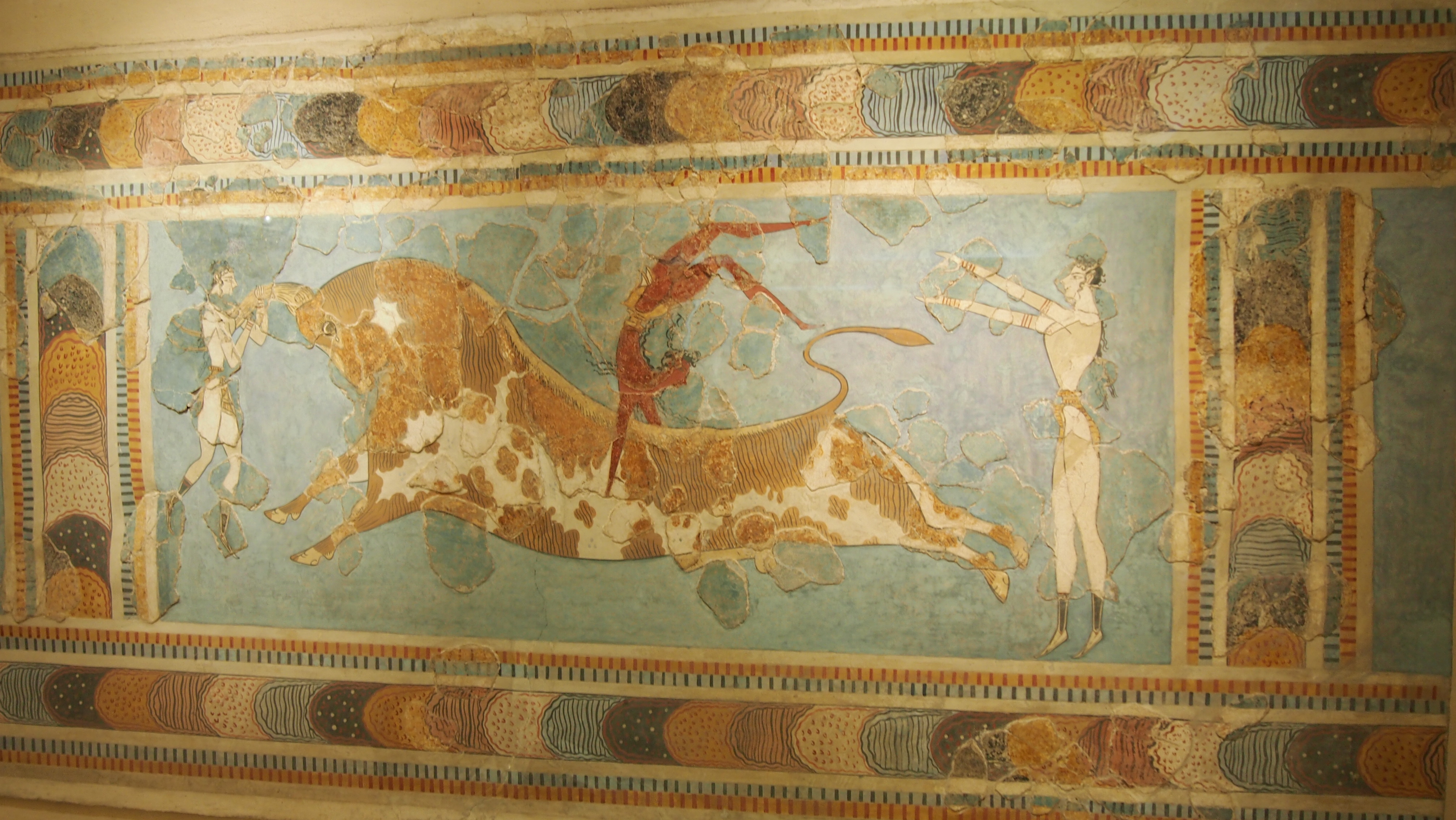
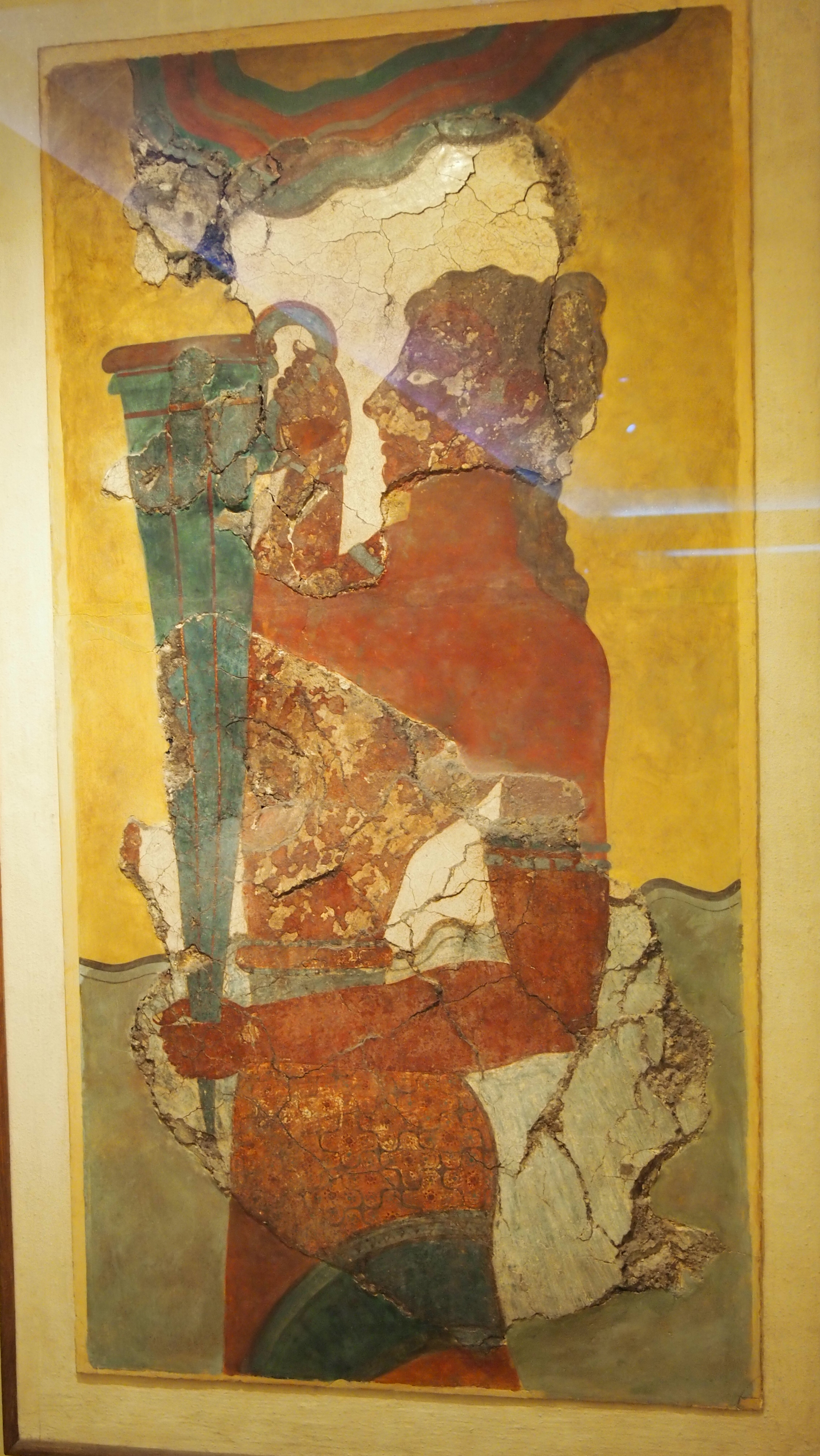
To execute their frescoes, Minoan artists used mineral pigments in white, red, brown, yellow, black, and blue. The wall surfaces were divided into three zones: the upper zone, above windows and doors, contained miniature friezes or decorative patterns; the middle zone included the large main subject; and the lower zone served as the base, sometimes using patterns to imitate stonework. The basic composition was painted in buon fresco technique, on the wet lime plaster surface. Additional colors and details were added after the plaster dried (fresco secco), using an organic fixative like egg white. The scenes include themes from nature (landscapes with plants and animals), daily life (fishing, sea-faring), and ritual (offerings to a goddess). The Theran fresco style is similar to the style found in Knossos and other palace centers on Crete, but utilizes a livelier, though less refined, hand.

A visit to Thera is certainly not complete without a trip to the Museum of Prehistoric Thera, where you can see examples of these beautiful frescoes, along with other objects found at Akrotiri. But visiting the extensive ancient sites of both Knossos and Akrotiri really allows for a more complete understanding of the Minoan culture that flourished thousands of years ago. That such beautiful art could be created so long ago—simply amazing!

Click on the thumbnails below for larger images.

Further Reading:

  • Chapin, A. (2010). Frescoes. In E. H. Cline (Ed.), The Oxford handbook of the Bronze Age Aegean (ca. 3000-1000 BC) (pp. 223-236). New York: Oxford University Press.
  • Doumas, C. (1992). The wall-paintings of Thera. Athens: Thera Foundation.
  • Rutter, J. (n.d.).  Lesson 17: Akrotiri on Thera, the Santorini Volcano and the Middle and Late Cycladic Periods in the Central Aegean Islands. Retrieved from Dartmouth.edu.
  • Shelmerdine, C. W. (2008). The Cambridge companion to the Aegean Bronze Age. Cambridge: Cambridge University Press.

Sarah Coffey
Assistant to the Chair of Learning Initiatives
Saying Goodbye the Only Way I Know How

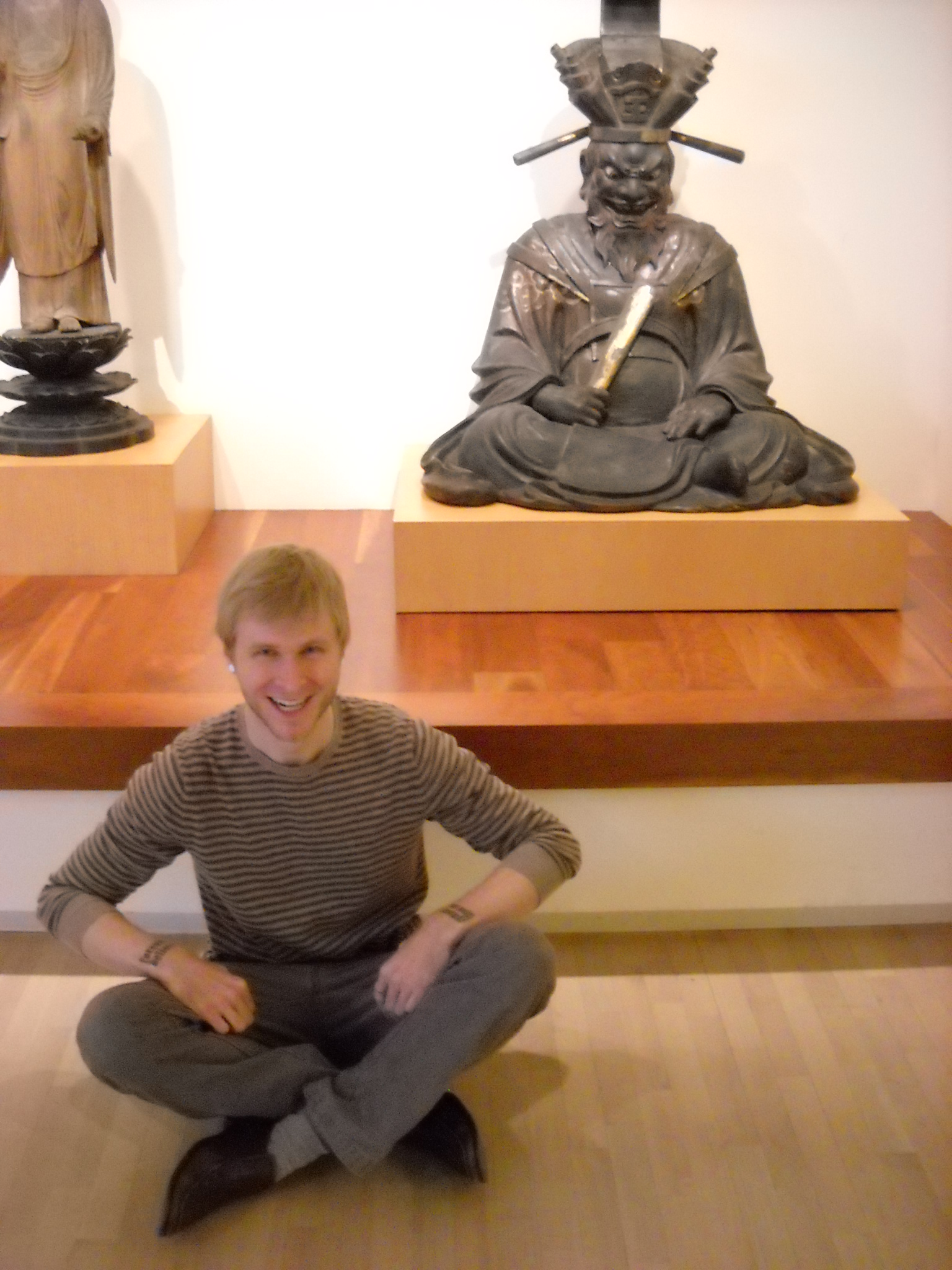
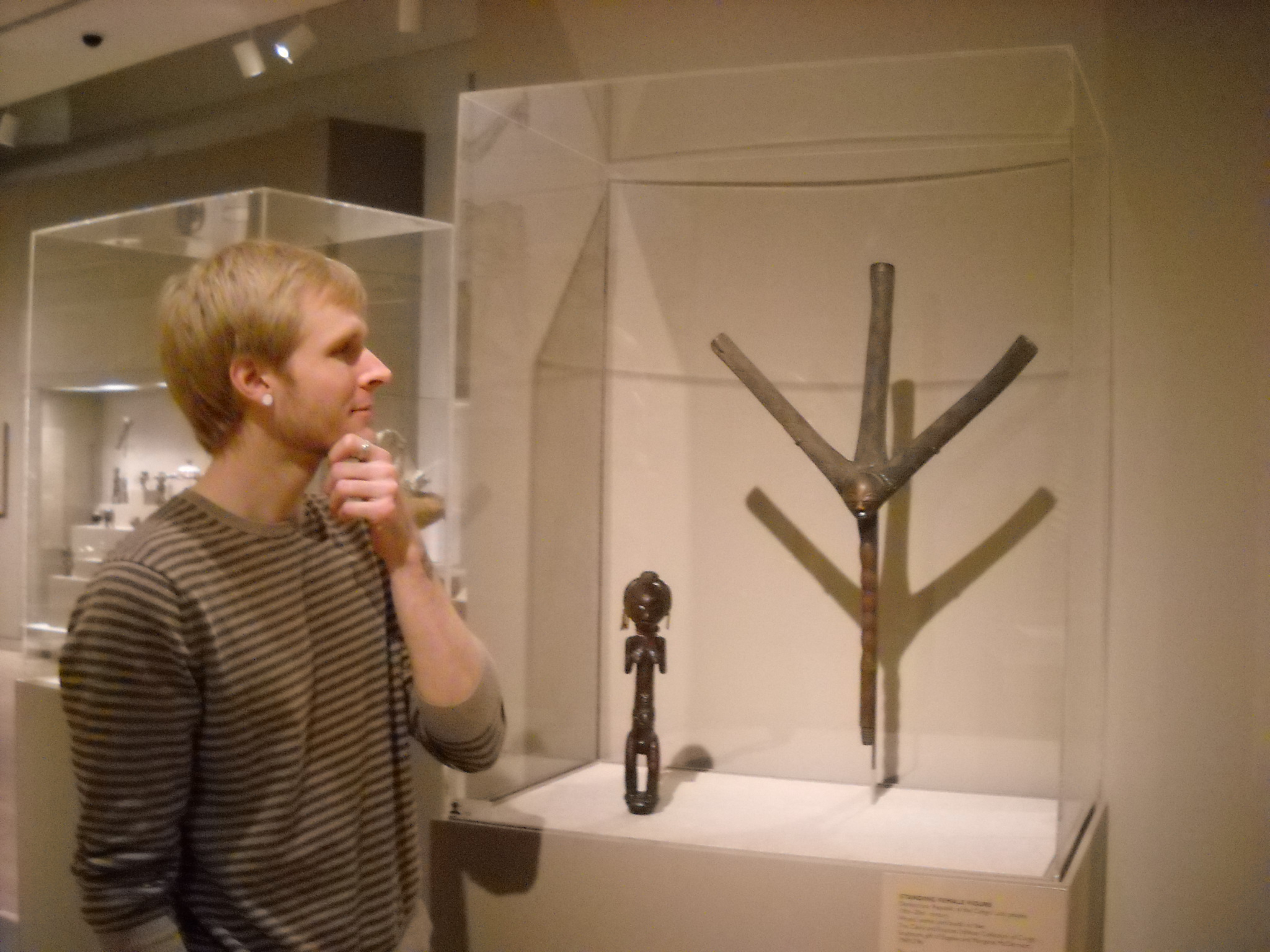
My time as a McDermott Intern at the Dallas Museum of Art is drawing to a close. Along with my seven fellow interns who began at the DMA in September, I will be walking the galleries with the McDermott title for the last time next Friday afternoon. I have had amazing experiences while working at the Museum and getting to know the collection, and even though I will only be moving up the road to UTD as I finish my Master’s degree this summer, I felt a ceremonial goodbye way in order, the best way I knew how. Here are a few of my favorite works of art at the museum and my loving tribute to them!

Emma-O, the Japanese Buddhist Judge of the Dead

Untitled (Perfect Lovers) by Félix González-Torres

Luba Arrow Holder with Head and Three Prongs

Rembrandt Peale's Porthole Portrait of George Washington

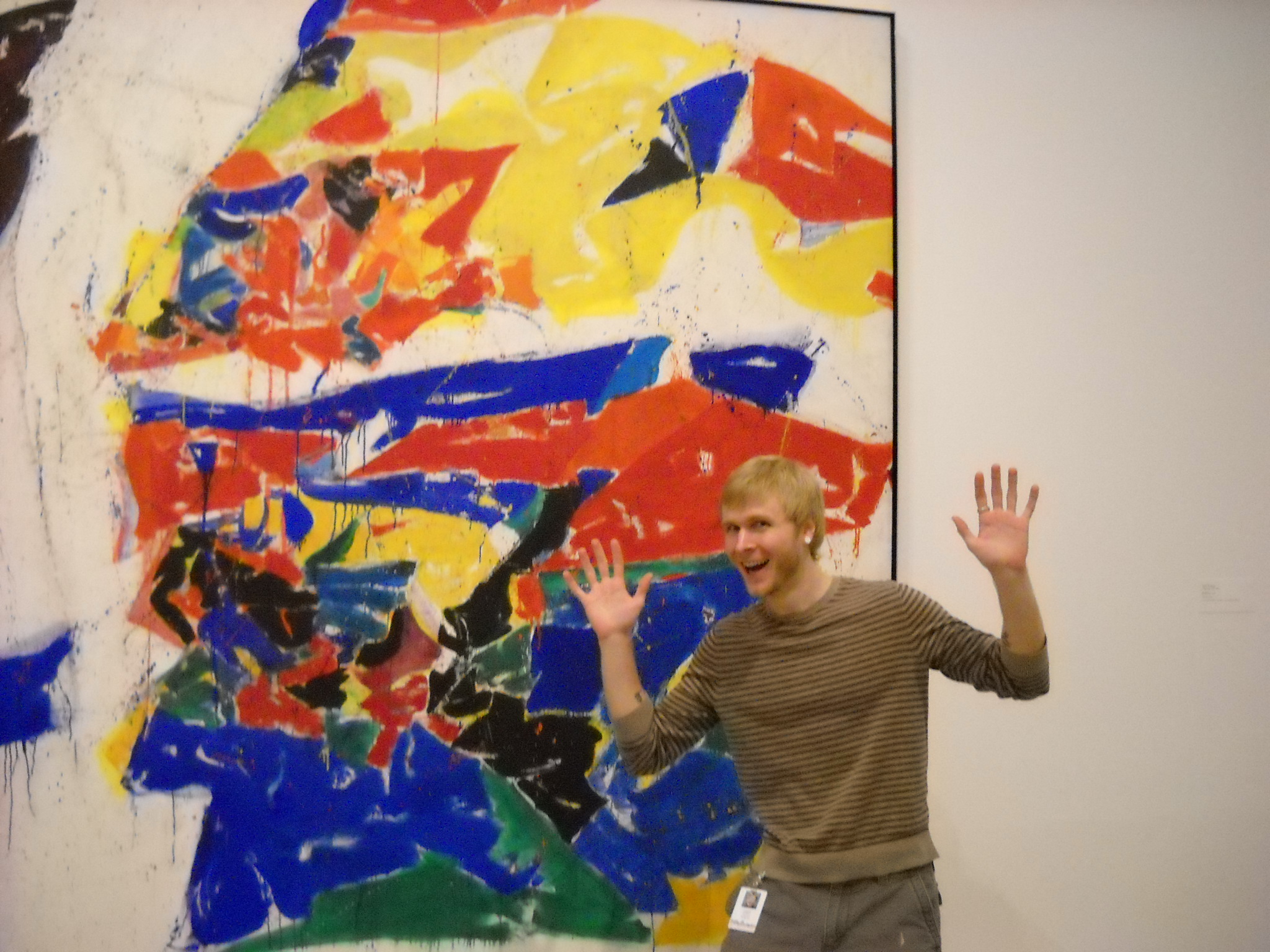
Emblem by Sam Francis

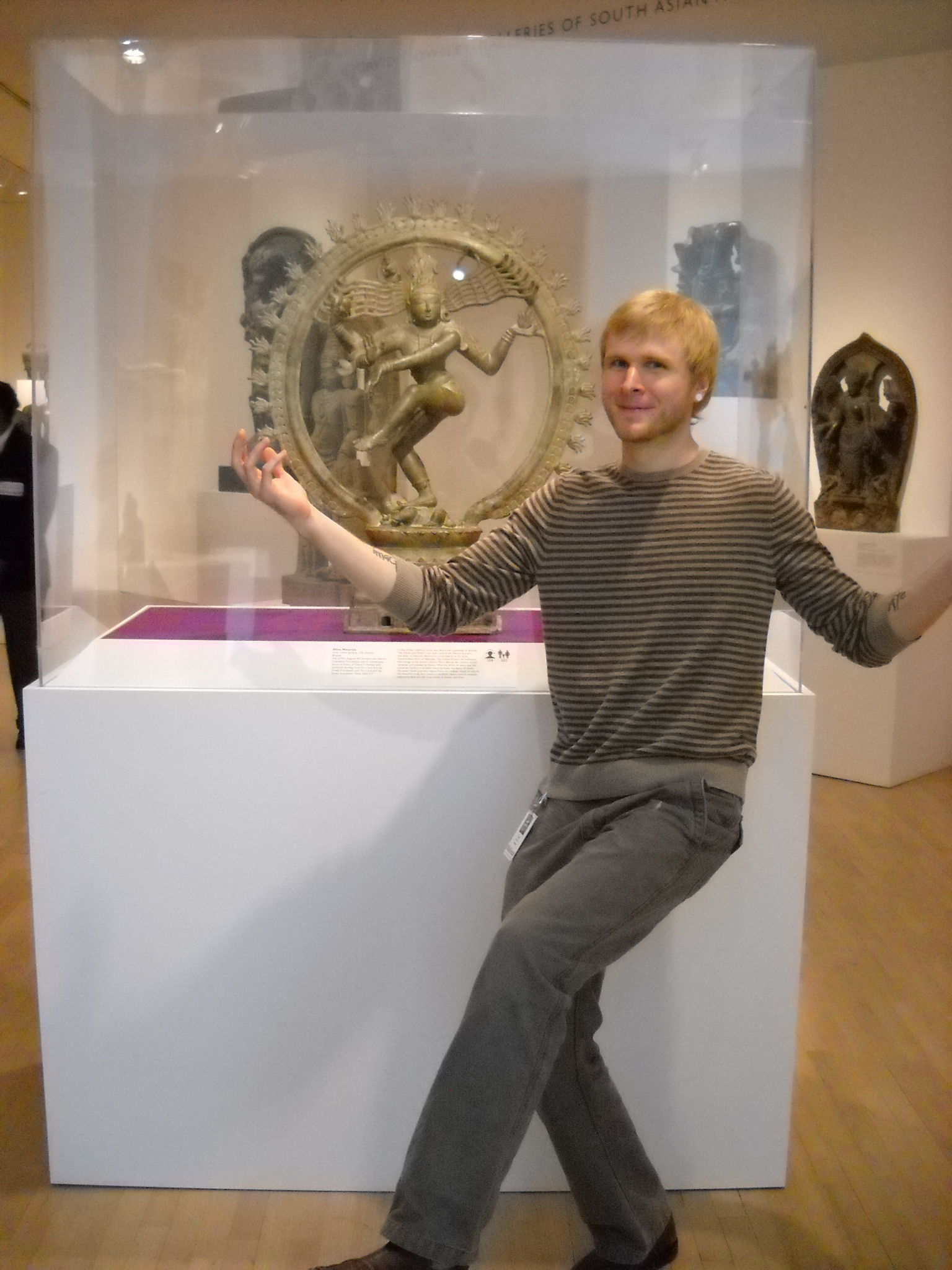
Hindu God Shiva Nataraja, Lord of the Dance

UT Dallas Students Make Creative Connections

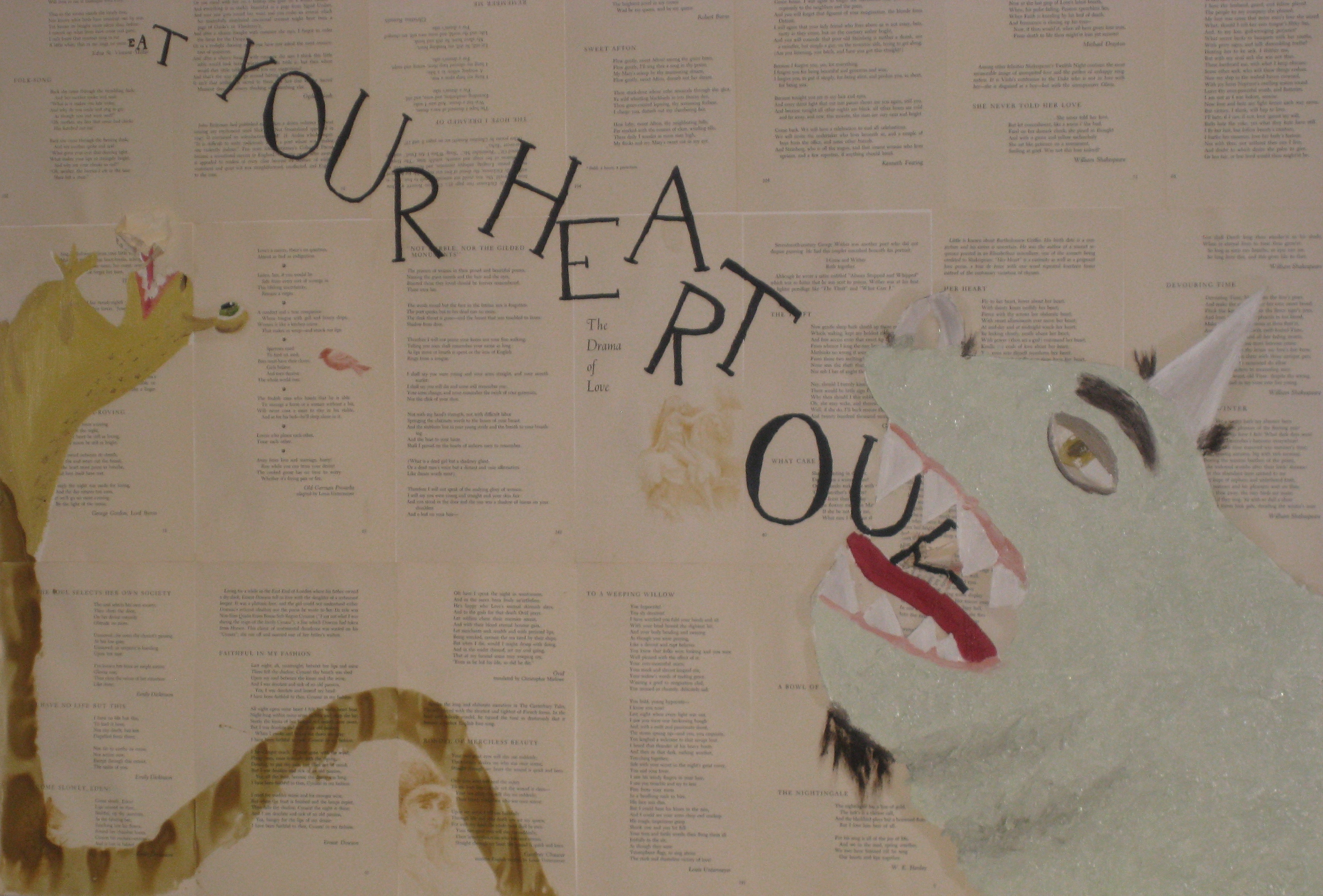
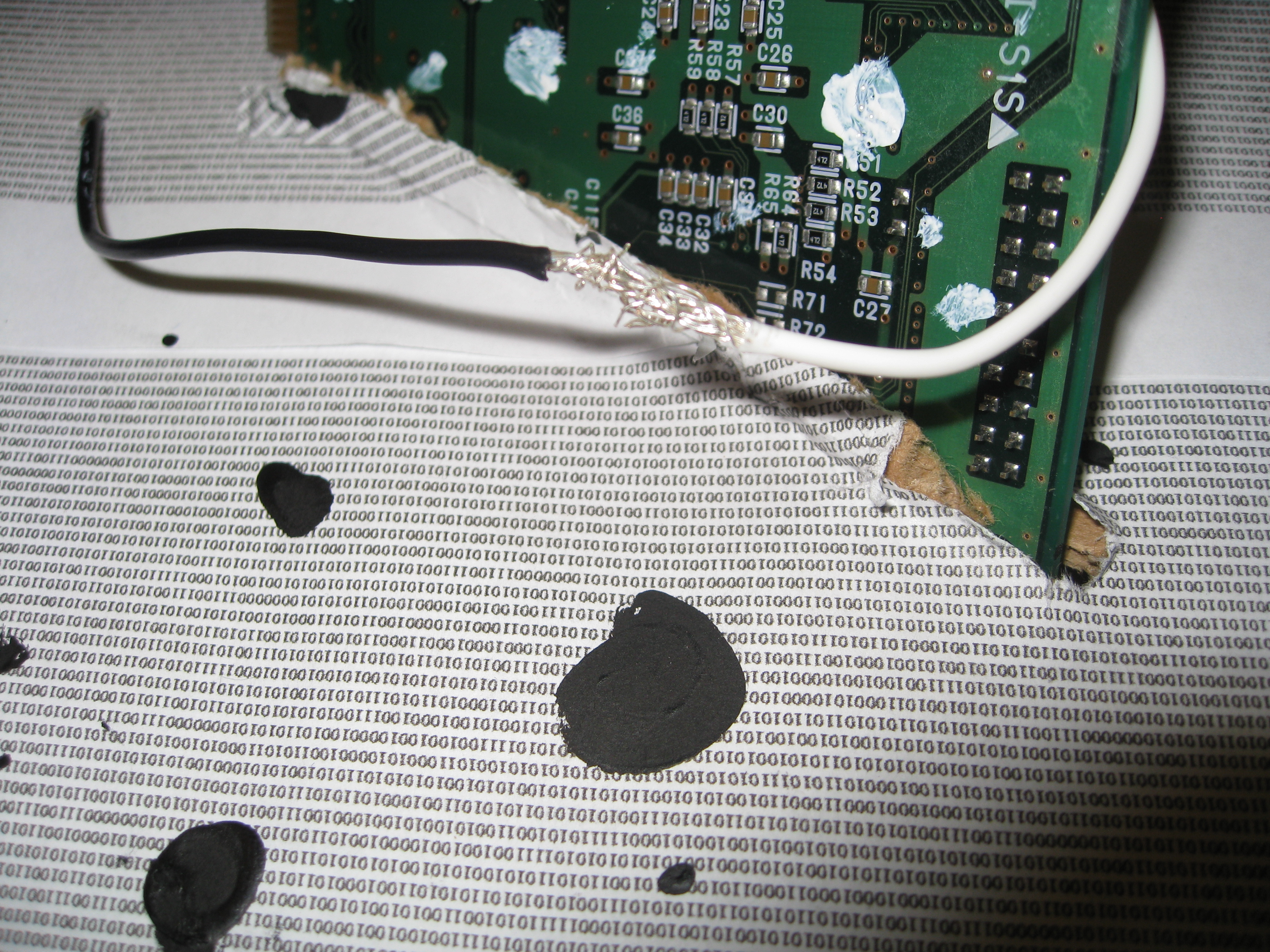
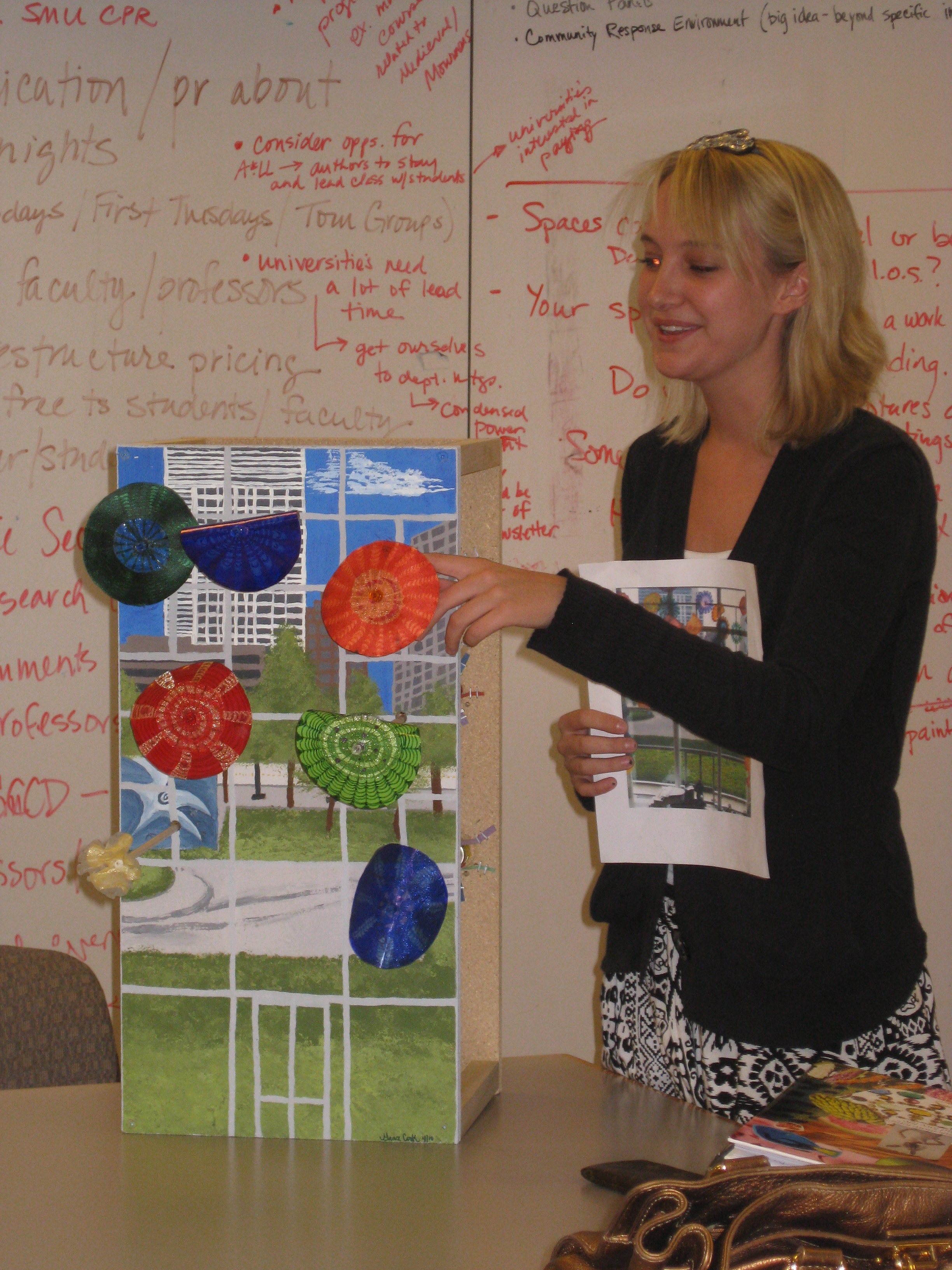
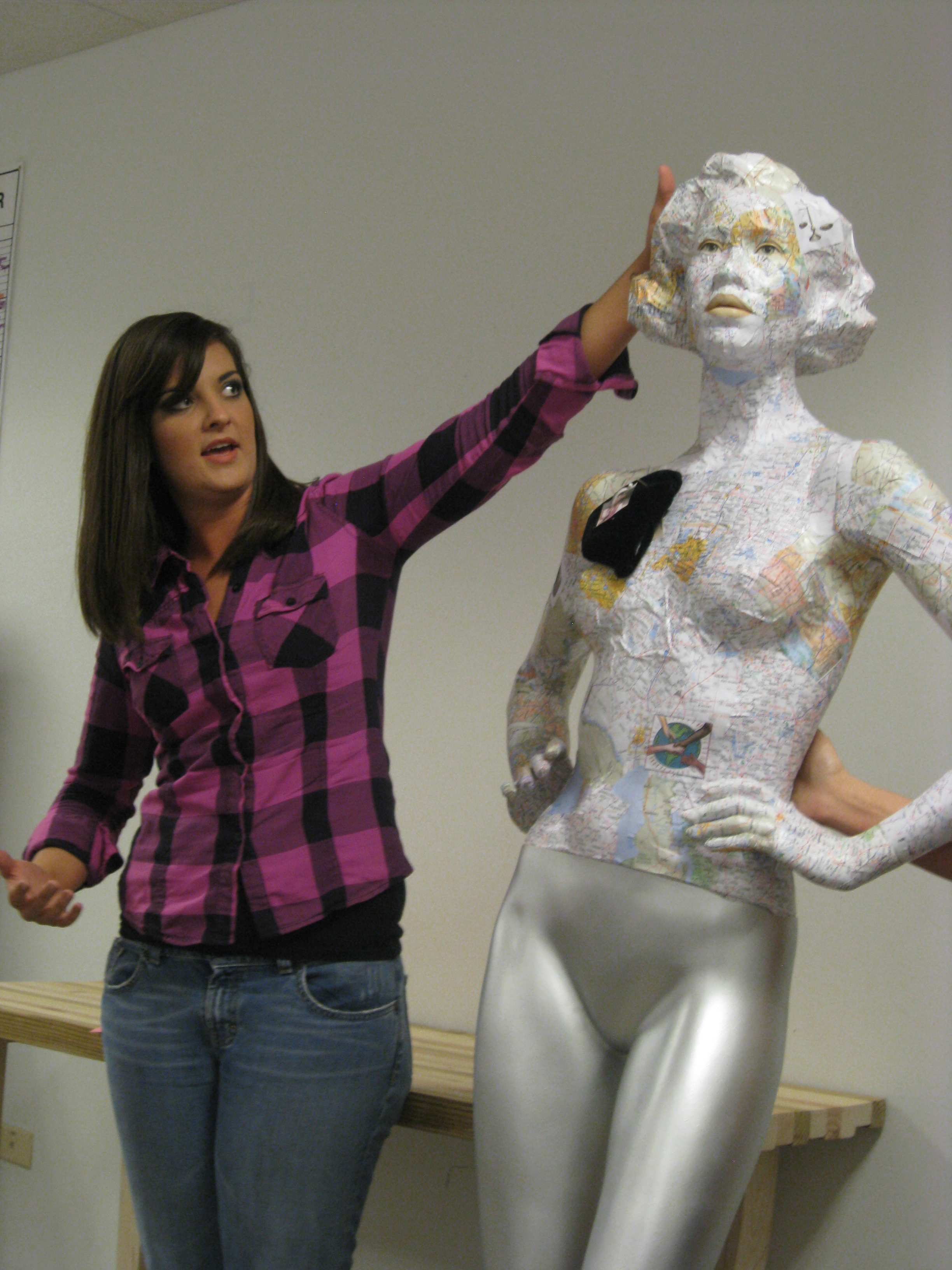
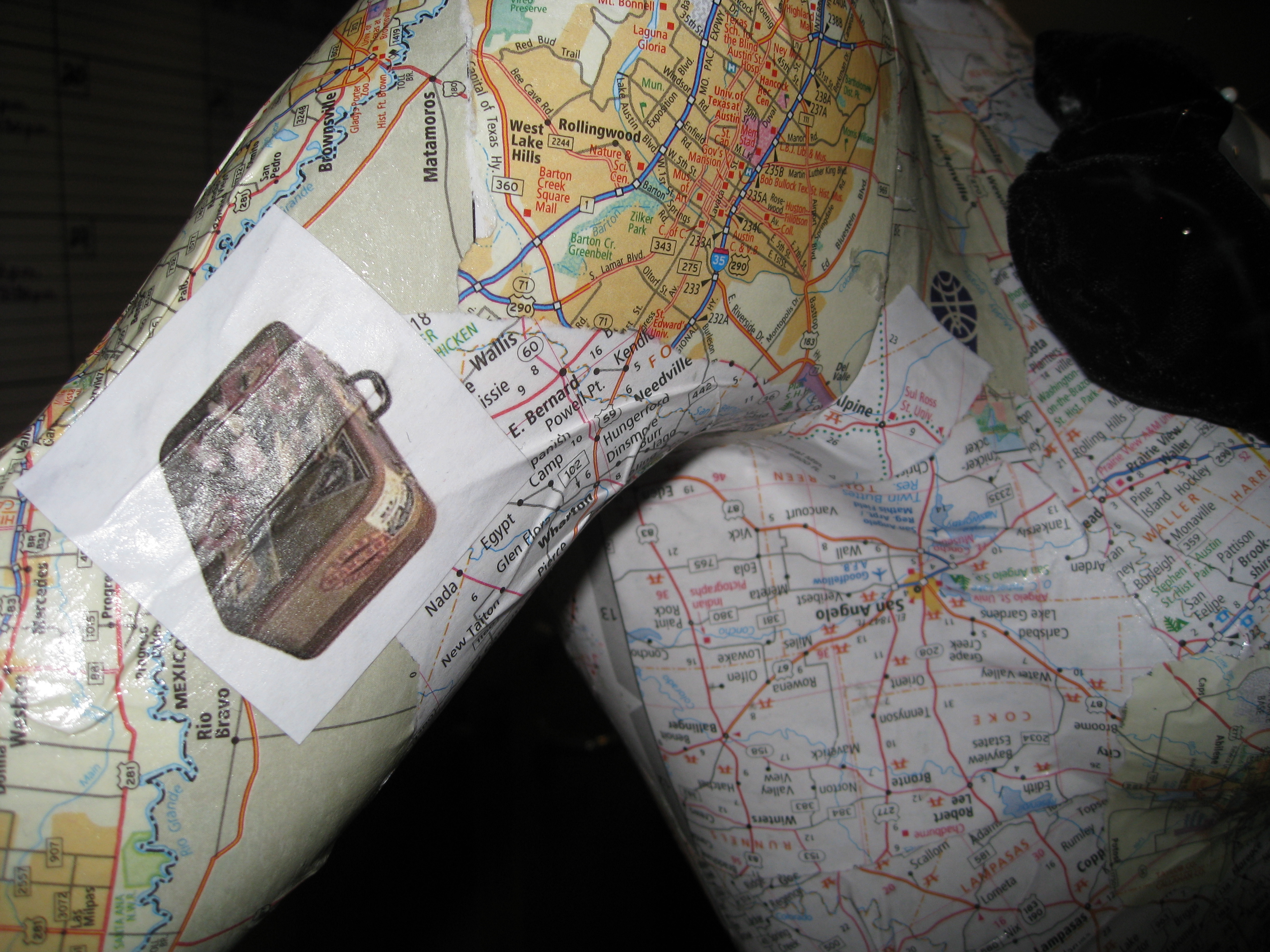
Every year the Dallas Museum of Art collaborates with The University of Texas at Dallas to offer an honors course.  At the end of the semester, students create projects that draw connections between the discussions they have had and the artworks they have experienced. This year’s class focused on the process of creativity and drew to a close on Thursday evening. Here are a few photos of some of the amazing projects students produced: 

Combining Trenton Hancock's interest in storytelling with Tim Rollins' use of literature

Another take on Tim Rollins and the K.O.S.

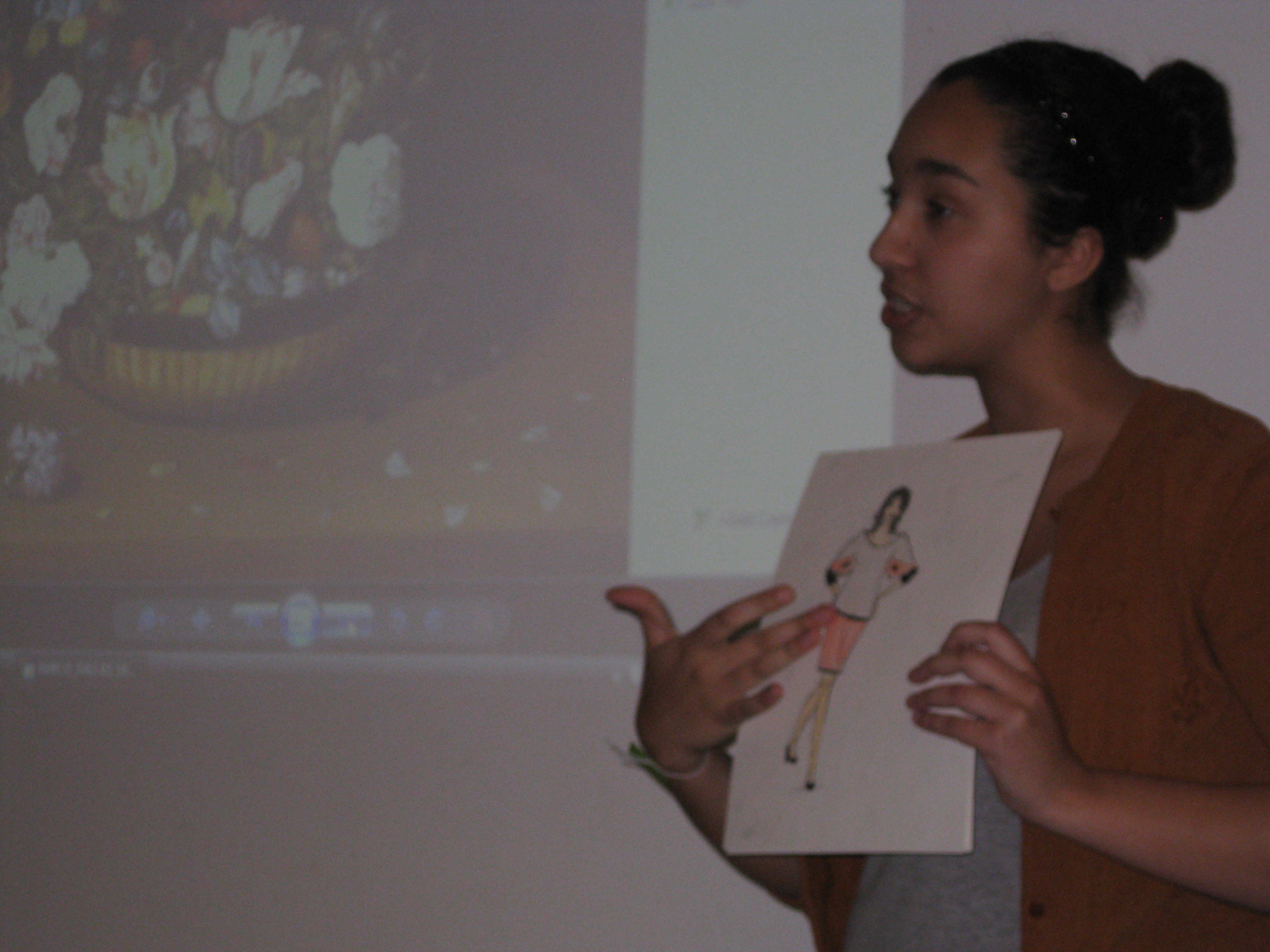
This student was inspired to translate colorful flowers into fashion design

This student gave new life to Chihuly's work as each disc spins out from the painting

This work combined elements drawn from Vernon Fisher and Dorothea Tanning


A close-up including collaged images

Logan Acton
McDermott Intern for Teaching Programs

From Student to Staff

I began my relationship with the Dallas Museum of Art when I was an AP art student at Frisco High School and visited the Museum with my class.  Although I spent at least three hours a day in art classes during my senior year, the Museum felt like it was a world apart from my own, much further than the half hour drive from my school. After graduating from Frisco High, I earned a scholarship to the University of Texas at Dallas where I was accepted into Collegium V, the honors program there. In addition to the courses available on campus, each spring UT Dallas and the Dallas Museum of Art collaborate to offer an innovative honors seminar that takes place at the Museum.

Me in 1717 during the honors seminar exploring the senses

I signed up for the partnership class in the spring of my freshman year,  a course devoted to the Maya, and I fell in love with the Museum. I took the class again the following year, studying modernism, then once more the next spring, studying the process of creativity. Although I had graduated with my Bachelor´s degree in Art & Performance by the time my fourth year arrived, I was able to participate as a graduate student auditing the course, this time about the senses in art and literature. As my scholarship program drew to a close, I learned that the Museum offers eight McDermott internships: four in the Curatorial Department and four in Education. I knew I loved art, I knew I loved sharing the things I was passionate about with others, so I applied to work at the Museum doing just that. Not long after, I found myself walking through the Museum’s doors as the McDermott Teaching Programs Intern.

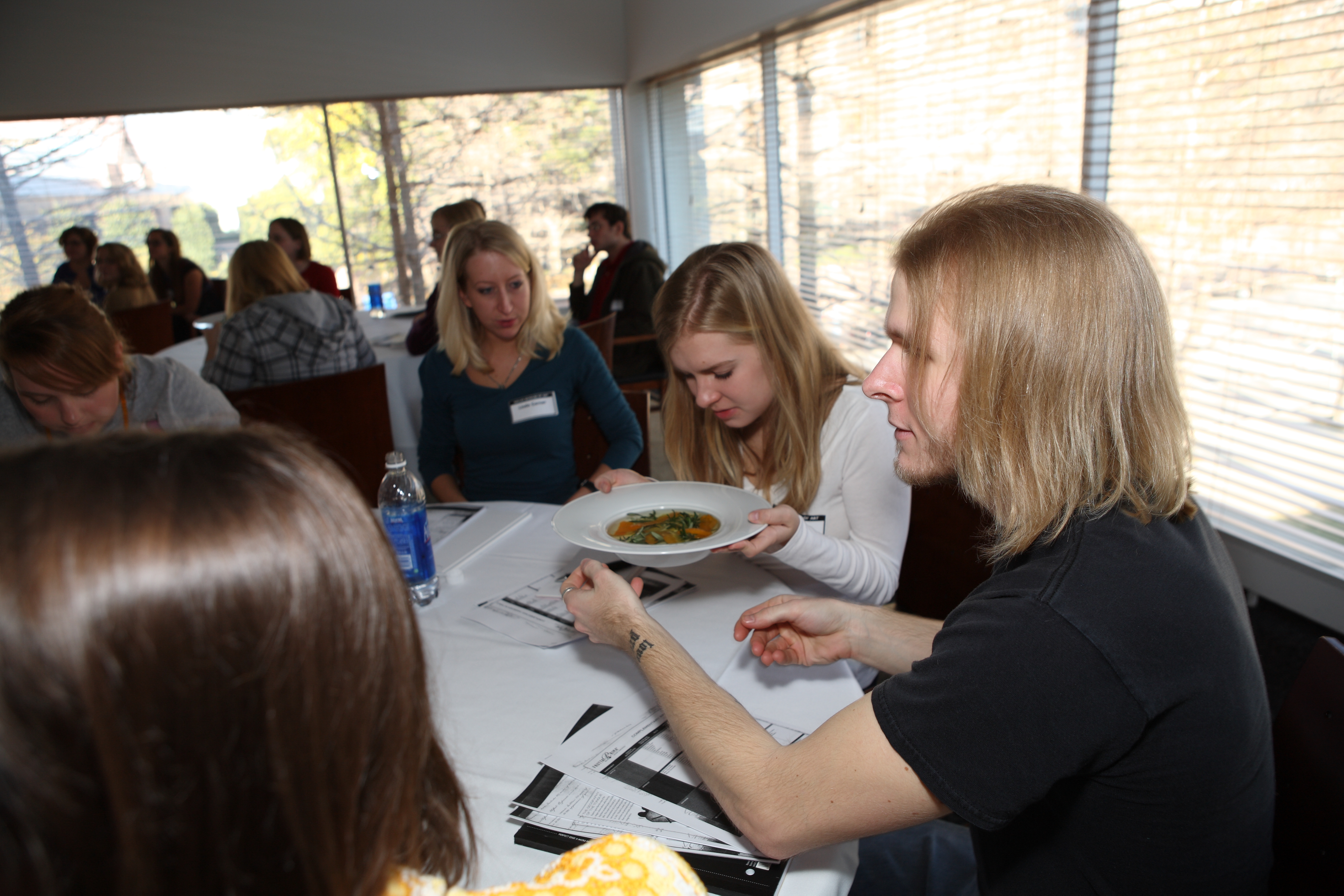
Me leading discussion during a teacher workshop about contemporary art

Not only have I been afforded the great opportunity to participate in teacher workshops and docent training as well as leading tour groups of all ages, but I have found myself on the other side of the table in the spring honors seminar. My experiences as a high school, undergraduate, and graduate student have shaped the way I see the Museum and the educational opportunities it provides, especially the way we interact with visitors. As someone who has witnessed it firsthand, I know that transformative experiences with art in the Museum are possible. My goal as a museum educator is not to impart a specific set of facts to a group of students, but rather to spark each student’s sense of wonder and provide them a starting point for whatever journey their imagination takes.

Contemporary Art Teacher Workshop

Last weekend teachers attended the second half of a two-part teacher workshop about contemporary art offered by the Dallas Museum of Art and The Rachofsky House. During the first session, held at the DMA on January 9th, teachers interacted with works of art in the special exhibitions All the World’s a Stage and Performance/Art, as well as in the newest installation in the Hoffman galleries.

Teacher Workshop in the Hoffman Galleries

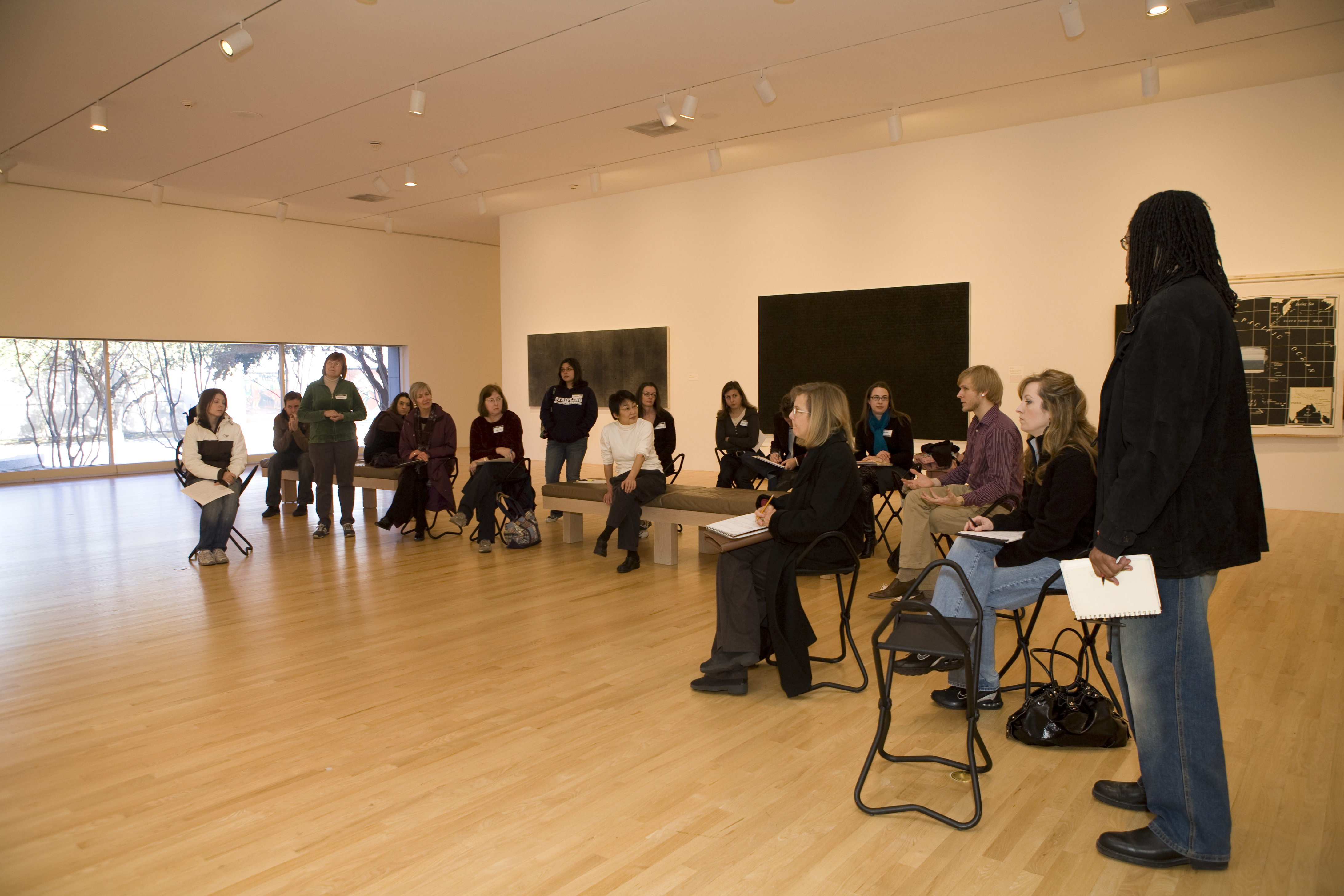
During our three and a half hours together that day, Molly Kysar and I led interactive experiences, discussion and writing while looking at a variety of works of art. This past Saturday, January 23rd, we met at The Rachofsky House where Thomas Feulmer introduced teachers to the current installation, Presence.

Thomas began our morning together by offering teachers the opportunity to experience works by artists they had seen during our first session at the Museum, including Glenn Ligon, David Altmejd, Thomas Struth, and Gregory Crewdson. In each case the work on view at the DMA and that at The Rachofsky House were quite different in scale and their subject matter was approached through different means. The Altmejd sculpture on view at the Museum, for instance, is titled “The Eye” and fills one of the quadrant galleries in Performance/Art with its energetically rising mirrored staircases, obelisks, and punctured surfaces in a spectacular reference to the creation of the atom bomb. At The Rachofsky House, on the other hand, Altmejd’s “The Quail,” though still constructed with mirrors and towering above the viewer, includes a number of quail eggs encased in glass and is more evocative of Stonehenge than it is of explosions.

The Eye, 2008, David Altmejd

Wood and mirrors
Overall: 129 1/2 x 216 1/2 x 144 1/2 in. (3 m 28.931 cm x 5 m 49.911 cm x 3 m 67.031 cm)

The Rachofsky Collection and the Dallas Museum of Art through The Rachofsky Collection Fund and the DMA/amfAR Benefit Auction Fund

© David Altmejd, courtesy the artist and Andrea Rosen Gallery

The workshop provided a great chance to explore a few works by Gregory Crewdson, who will be speaking at the DMA this Wednesday, February 3rd, as part of a lecture series hosted by The University of Texas at Dallas’ new Center for Values in Medicine, Science and Technology. We will host a teacher workshop that evening, including two hours discussing Crewdson’s work and contemporary photography before attending the public lecture.

The DMA and The Rachofsky House will again join, along with the Nasher Sculpture Center, the Fort Worth Modern, and the Kimbell Art Museum, for this year’s Museum Forum for Teachers, taking place July 19-23. Applications are now being accepted.

Logan Acton
McDermott Graduate Teaching Programs Intern

Teaching Programs goes to Houston

Last Saturday the Teaching Programs Department travelled to Houston to visit the Menil Collection, the Rothko Chapel, and The Museum of Fine Arts, Houston. Although we were unable to spend any time in the Rothko Chapel since a concert was in progress, we were fortunate enough to see the Dan Flavin Installation at Richmond Hall as well as the Cy Twombly Gallery (my personal favorite). Here are some snapshots from our trip.

Logan Acton
McDermott Intern in Teaching Programs

A view of the Menil Collection

Shannon and me outside the Menil

Cy Twombly Gallery

Molly and me outside the Twombly Gallery

A beautiful shot outside the Dan Flavin Installation

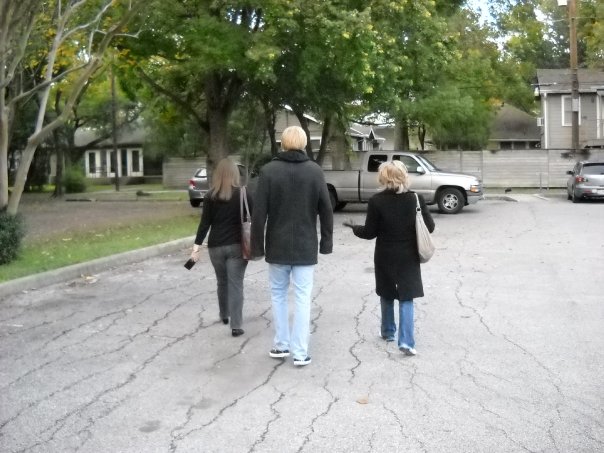
Molly, me and Amy walking to our next stop


Archives
Categories