Archive Page 17


What’s That Smell?

Art Babies 1

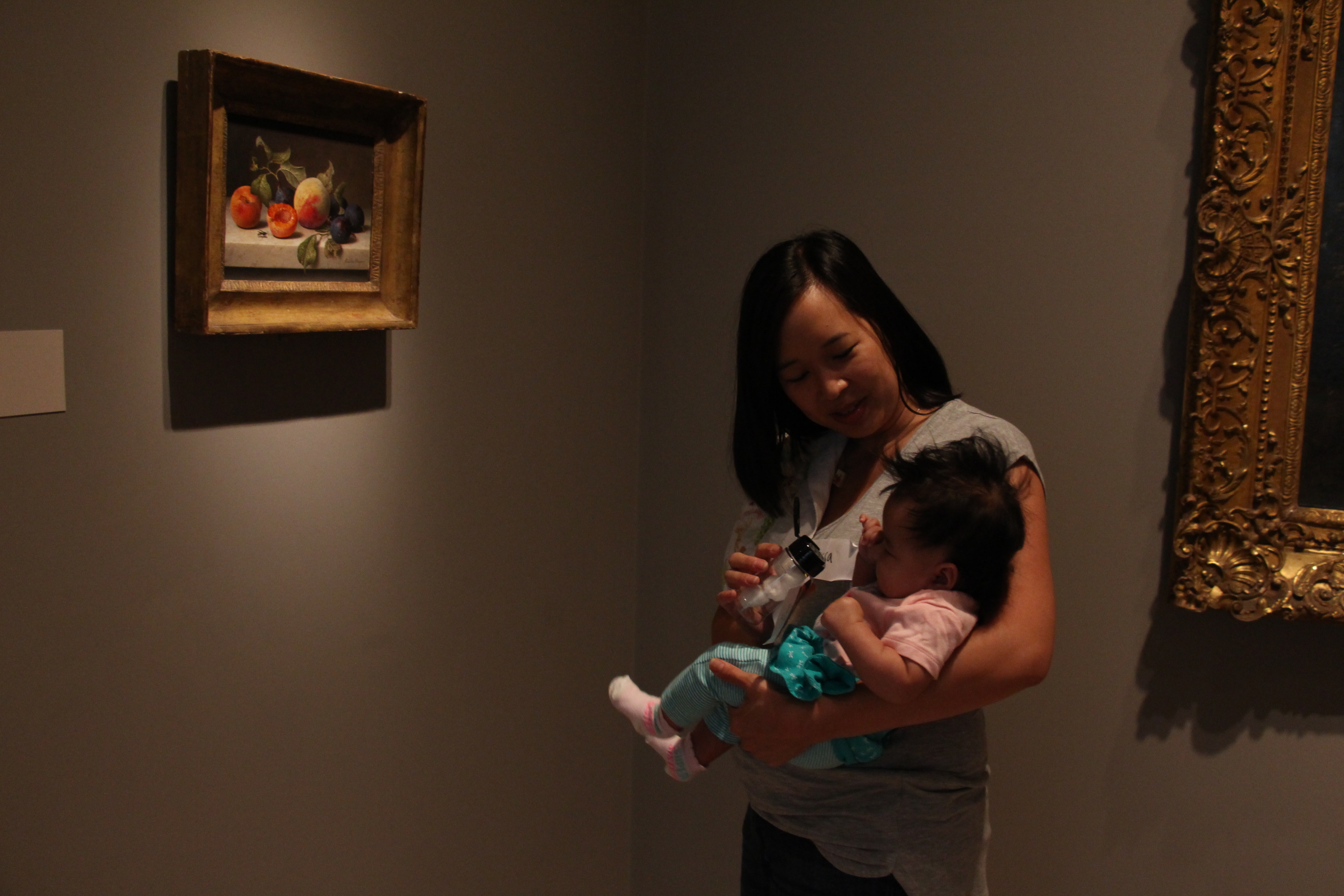
In our family classes here at the Museum, we try to make sense of the art in more ways than one! Whether it’s through tactile objects that mimic textures we see in a painting, or listening to music that inspired certain works of art, we do our best to find creative ways to engage more than just our sense of sight when exploring the galleries. For this month’s Art Babies class, we kicked it up a notch and focused on our sense of smell.

Since babies already naturally rely on the five senses—sight, smell, taste, touch, and hearing—to learn about the world around them, they were the perfect audience for this sort of experiment. For me, though, it was a fun challenge to imagine smell as a pathway for exploring art. How could I bring smells into the galleries that were both baby-safe and art-safe? And how could I be playful and engaging in my approach? My solution—puppets and spice jars!
Art Babies 2

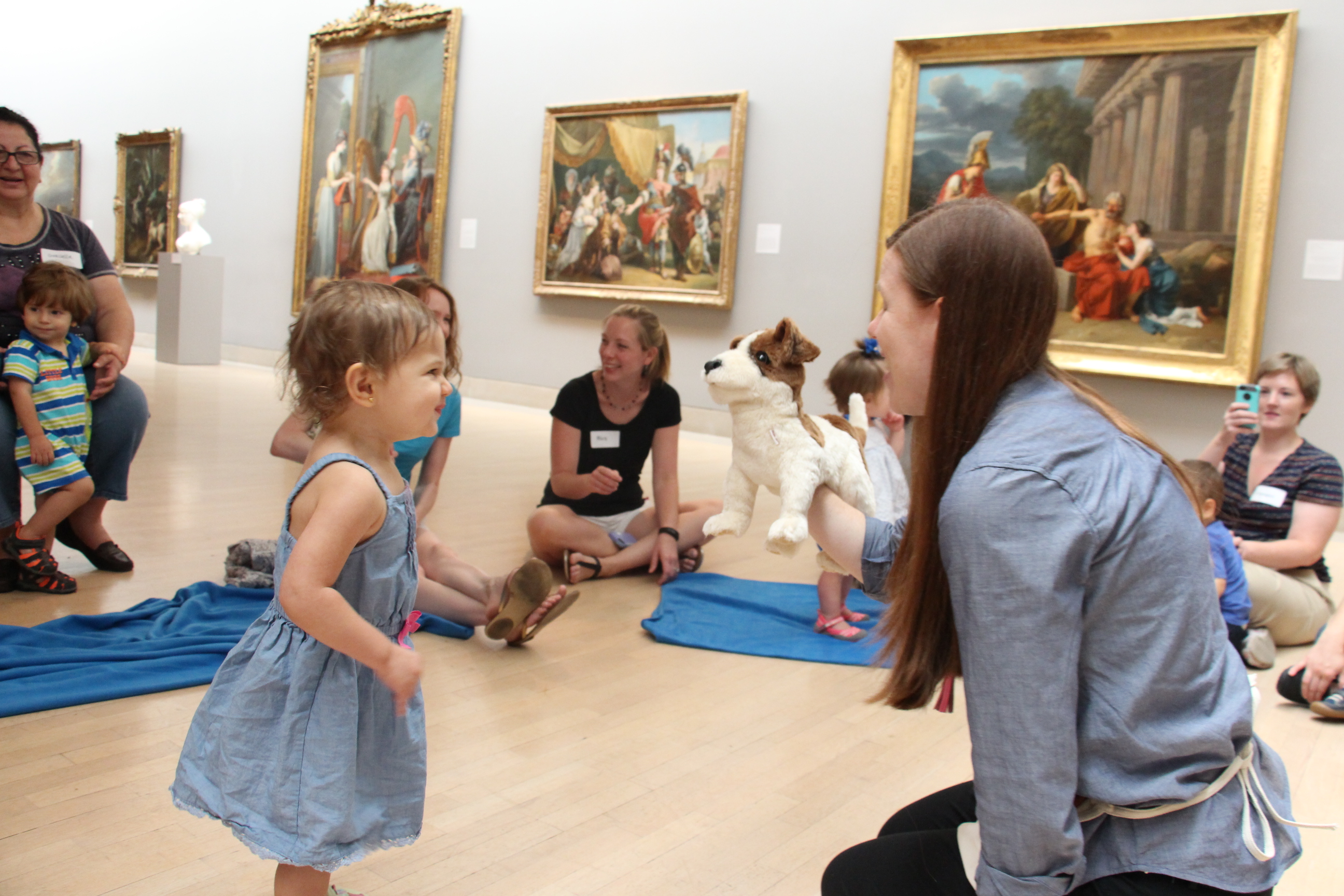
We began with a story featuring Jack the dog, inspired by Claude-Joseph Vernet’s painting A Mountain Landscape with an Approaching Storm. Jack smells something new in the air and sniffs from one furry friend to the next trying to discover what the smell could be. I used a loveable puppet to bring the story to life, and Jack quickly became fast friends with our little visitors. Several wanted to hug and kiss him, but they also imitated the puppet’s sniffing, and as the story progressed, more and more babies would scrunch up their noses and make sniffing noises along with Jack. (The little one pictured above was one of my most expressive sniffers!) When Jack finally discovers that his mystery smell is the scent of rain, the children and their caregivers made their own discovery too—finding a little dog in Vernet’s painting and noticing the ominous clouds in the top corner of the landscape.

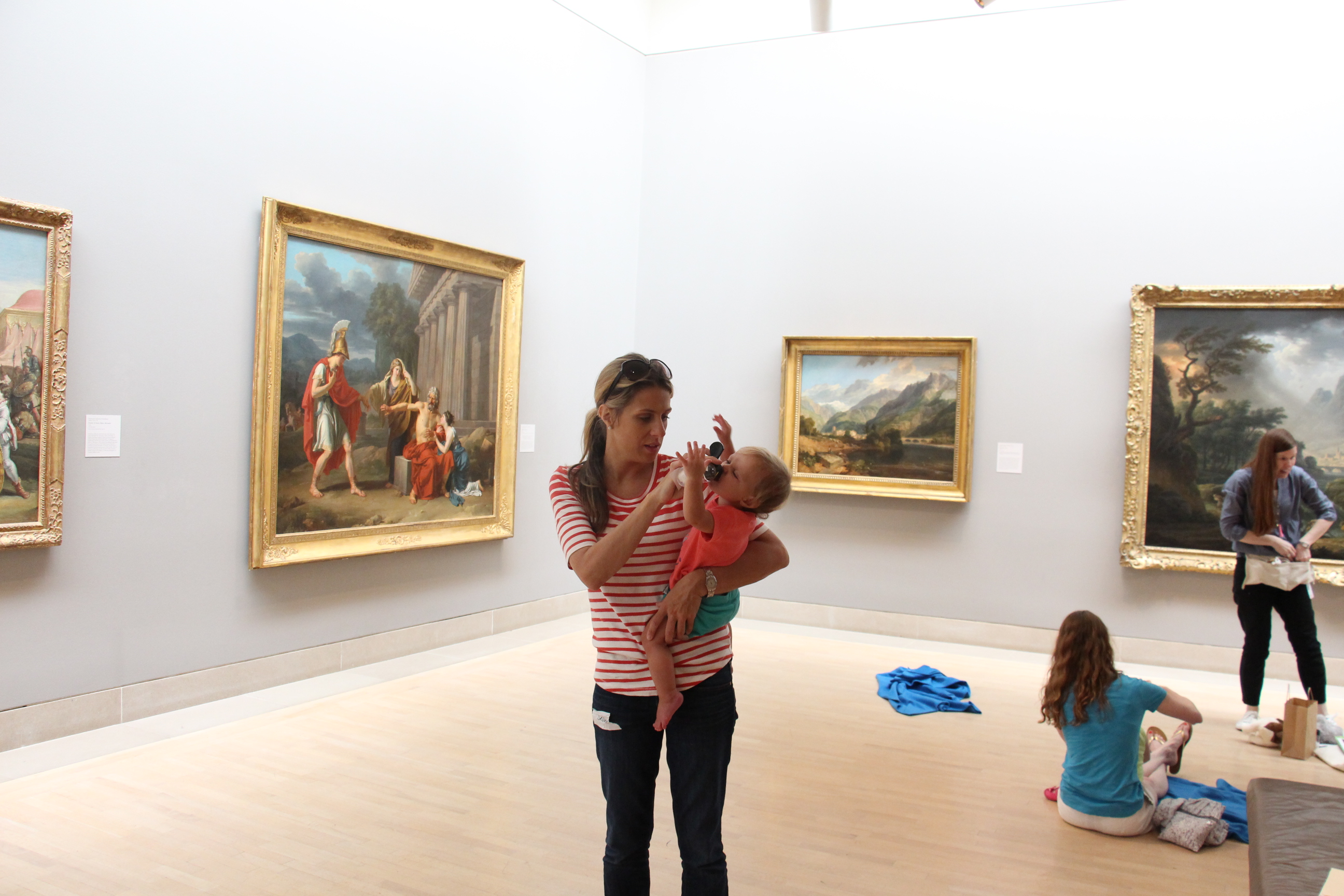
Now that we had planted the idea of using smell to better understand what we see, families set off on a smelling adventure through the galleries, using repurposed spice jars filled with a variety of scents—from apple blossom and rain to fresh hay and mountain air!
Art Babies 3

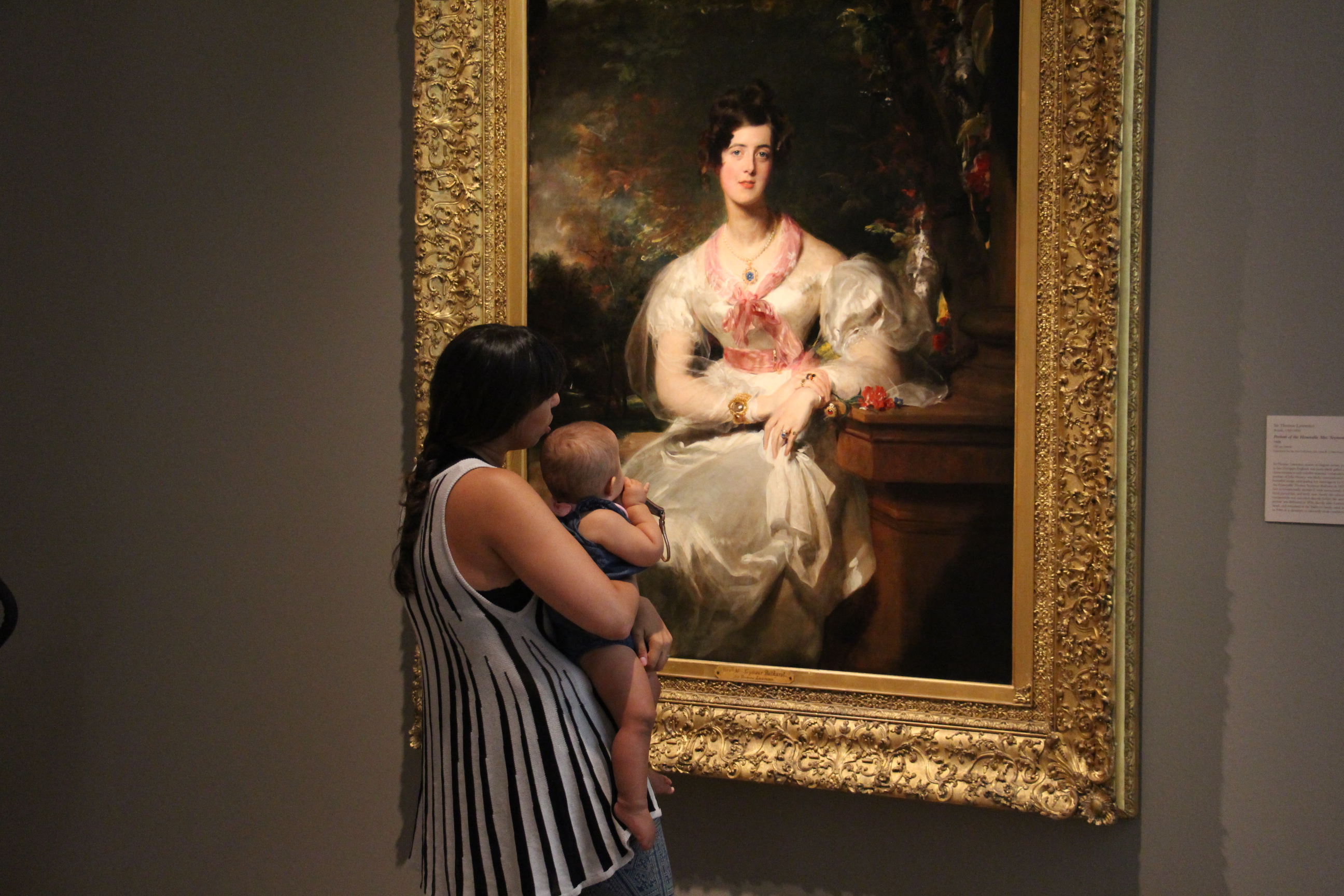
Babies sniffed, shook the bottles like rattles, and stuck them in their mouths. Adults searched for paintings with objects that matched the smells. Together grown-ups and children found new ways to experience art.
Art Babies 4

Before the shrieks of delight and giggles could dissolve into tears or frustration at not being able to touch, we left the galleries and made our way to our sensory play stations. Here, any and everything can be picked up, mouthed, dropped, smelled, rolled, bounced, and more. And for a special smell-inspired play area, we offered the babies fresh flowers, oranges, lemons, and limes to smell and investigate.

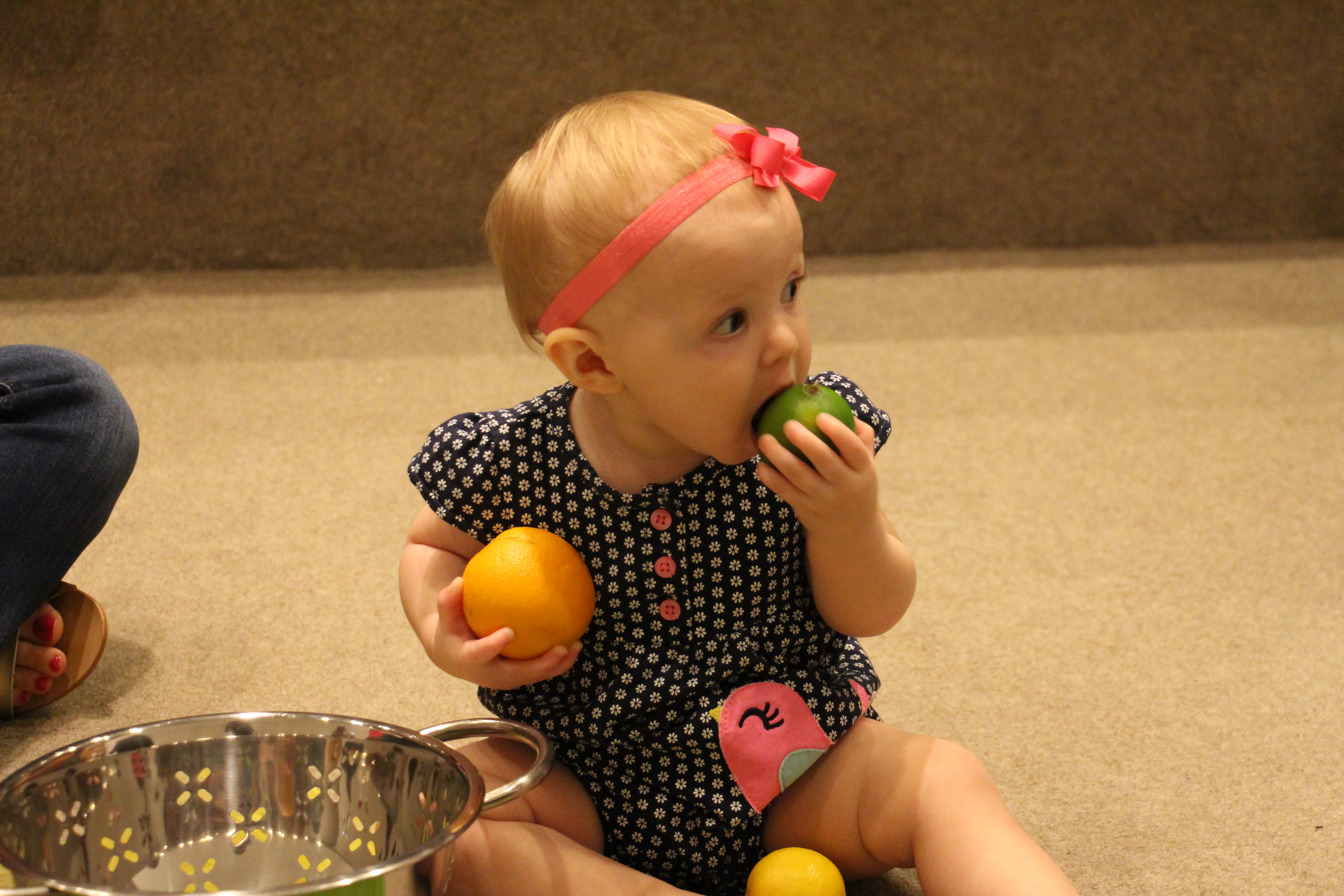
I do believe that these little ones have quite a nose for art!

You can create your own smell-based sensory play at home with recycled spice jars, cotton balls, and scents. I found inspiration from this blog post. Be sure to avoid scents that might create a burning sensation (like wasabi, chili powder, mustard or pepper). My go-to source for unusual scents is the Demeter Fragrance Company. Smells like art to me!

Leah Hanson
Manager of Early Learning Programs
 

Summer Interns: Preparing for the Future

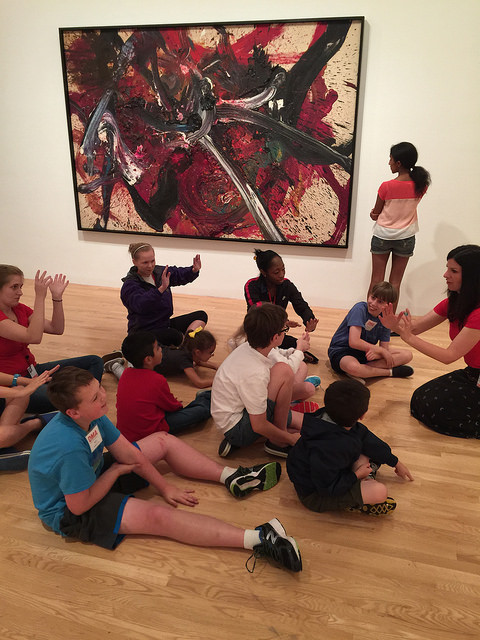
Hello all! My name is Christina Miller and I am a first year graduate student at Texas Woman’s University, earning my Masters of Art in Teaching. Interning at the DMA this summer has really taught me so much about children and art. Rather than the camp teachers and interns teaching the children about art, throughout this experience, the children have been teaching me. The camp that was by far the toughest but most rewarding was the Hands-On Art for Children with Autism. This was my first experience working with children with special needs. I am pretty sure that I was just as nervous as the children were on their first day of camp, but I knew it was important for me to learn to work with children with a variety of abilities, since teaching will be in my near future.


The children all had different personalities and were on different levels of the autism spectrum. It was amazing to see how some had such an incredible memory! From remembering artists and their artworks, to songs, to even art history movements. One thing they all had in common was hard work and participation. Although each of them may have differing needs, they are all talented. I was so happy that I had the opportunity to work with this camp. I can proudly say that this internship has prepared me for my future as an art teacher and taught me how to truly bond and work with students with a variety of abilities.

Christina Miller
Summer Art Camp Intern

Summer Interns: Making Art and Loving It

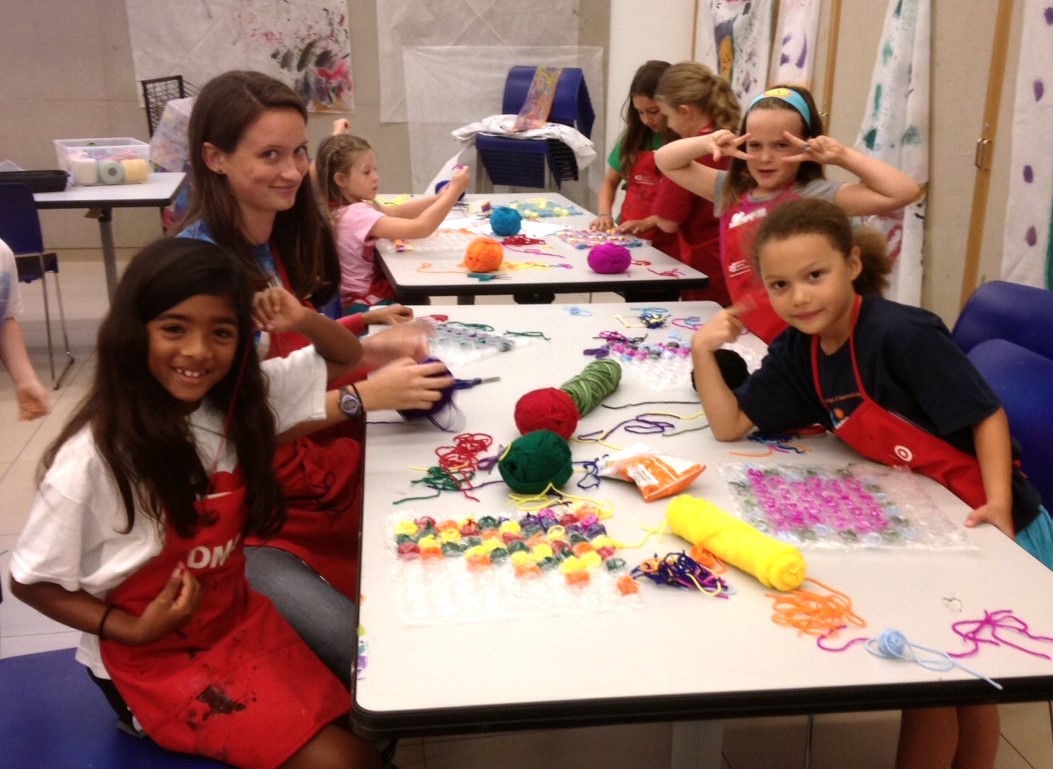
Creating with the Fabric Frenzy summer campers.

Creating with the Fabric Frenzy summer campers.

I tried to set few expectations for my first day of summer art camp at the DMA. Now, as the clock strikes one each Friday, I still can’t predict what will happen the next week in camp for another batch of aspiring, artistic youngsters. One thing I can feel certain of as the end of a week draws near, is that I’ve had a blast with a bunch of unique, imaginative kids and a few bottles of tempera paint.

I’ve been lucky enough to be a part of the DMA’s program that allows kids to incorporate art into their lives in fun, engaging ways with the help of some awesome and caring teachers, volunteers, and interns. These kids arrive at camp with minds teeming with creativity and energy that is infectious and inspiring for a college student trying to figure out what to do with her life and love for art. Again and again, campers teach me how to have a bit of fun in the process of art-making, while surprising me with the friendships that come along with it. So, while creating art is something special in itself, sharing it with others is a whole other experience that I’m grateful these kids and I have had this summer.

After I say a bittersweet goodbye once again today, I’ll hope that they continue to play with art and express their most imaginative ideas to the world after they leave our finger-painted doors.

Katy Freeman
Summer Art Camp Intern

Bastille Day at the DMA

Today is France’s national holiday, what we Americans like to refer to as Bastille Day. The date marks the storming of the Bastille in 1789, an event which ignited the French Revolution. Much like our July 4th, the holiday is a day to celebrate national pride in France with food, music, and fireworks. Here in Dallas, you can join in the celebration and commemorate our city’s own French connection at Bastille on Bishop.

But before you head to Oak Cliff this evening, stop by the DMA–we’ve got a few revolutionary works of our own on view in our European galleries on Level 2.


Jean Antoine Theodore Giroust, The Harp Lesson, 1791,Dallas Museum of Art, Foundation for the Arts Collection, Mrs. John B. O'Hara Fund

Jean Antoine Theodore Giroust, The Harp Lesson, 1791, Dallas Museum of Art, Foundation for the Arts Collection, Mrs. John B. O’Hara Fund

This grand new acquisition is a portrait of Louise Marie Adelaïde Eugénie d’Orléans, daughter of Louis Philippe Joseph d’Orléans. Although the Duke of Orléans was one of the wealthiest French aristocrats and cousin to King Louis XVI, he desired a more democratic government and supported the ideals of the French Revolution. Unfortunately, however, the Duke was not able to escape the Terror, the most violent period of the French Revolution, and met his fate at the guillotine in 1793.

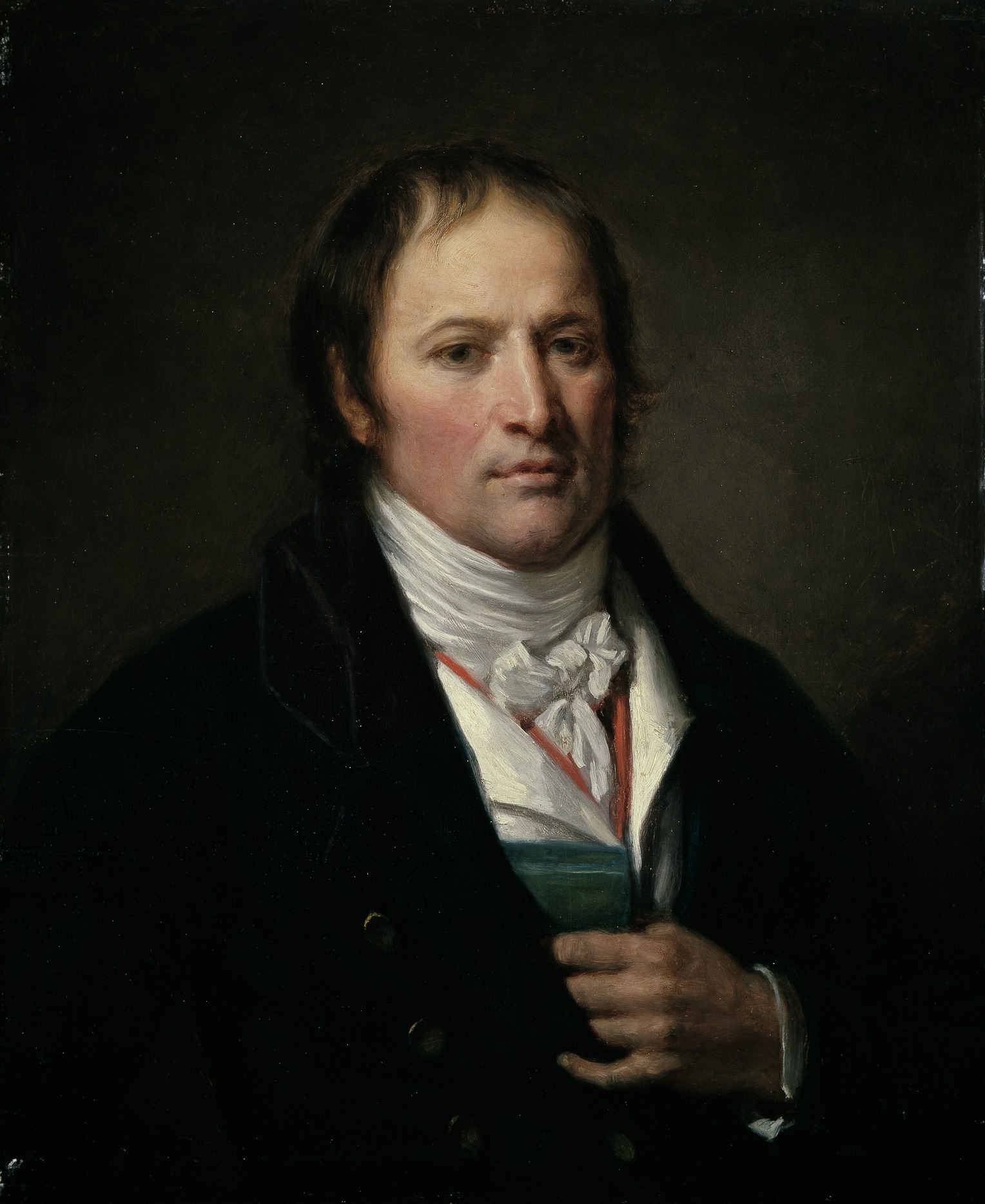
Jean-baptiste Greuze, Portrait of Jean-Nicolas Billaud-Varenne, early 1790s, Dallas Museum of Art, anonymous gift

Jean-baptiste Greuze, Portrait of Jean-Nicolas Billaud-Varenne, early 1790s, Dallas Museum of Art, anonymous gift

Jean-Nicolas Billaud-Varenne rose to power during the French Revolution, becoming a member of the governing body that oversaw the new republic. He was an active participant in the Terror, the violent time when thousands who were considered enemies of the new state–including the Duke of Orléans–were executed by guillotine.

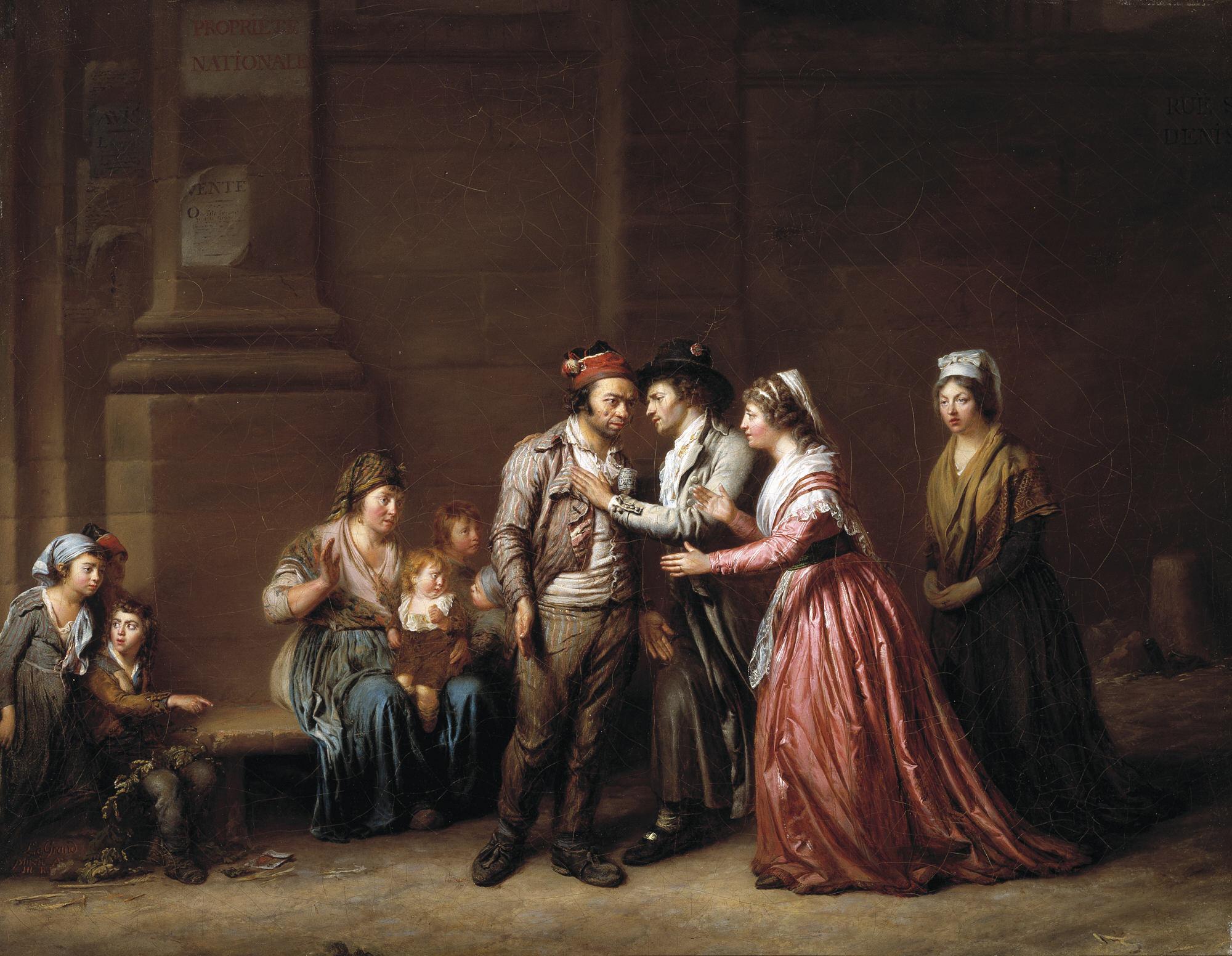
Pierre Nicolas Legrand,  A Good Deed is Never Forgotten, 1794-1795, Dallas Museum of Art, Foundation for the Arts Collection, Mrs. John B. O'Hara Fund

Pierre Nicolas Legrand, A Good Deed is Never Forgotten, 1794-1795, Dallas Museum of Art, Foundation for the Arts Collection, Mrs. John B. O’Hara Fund

This painting shows Monsieur George, an aristocrat imprisoned during the Terror and subsequently released, gratefully greeting his former prison guard. Monsieur George has returned to the prison with his wife and servant to thank the guard, who had generously provided financial support to the family during his imprisonment. Liberté, égalité, fraternité, indeed!

Joyeux Le Quatorze Juillet!

Sarah Coffey
Education Coordinator

The Signs They Are A-Changin’: Bilingual Museum Signage

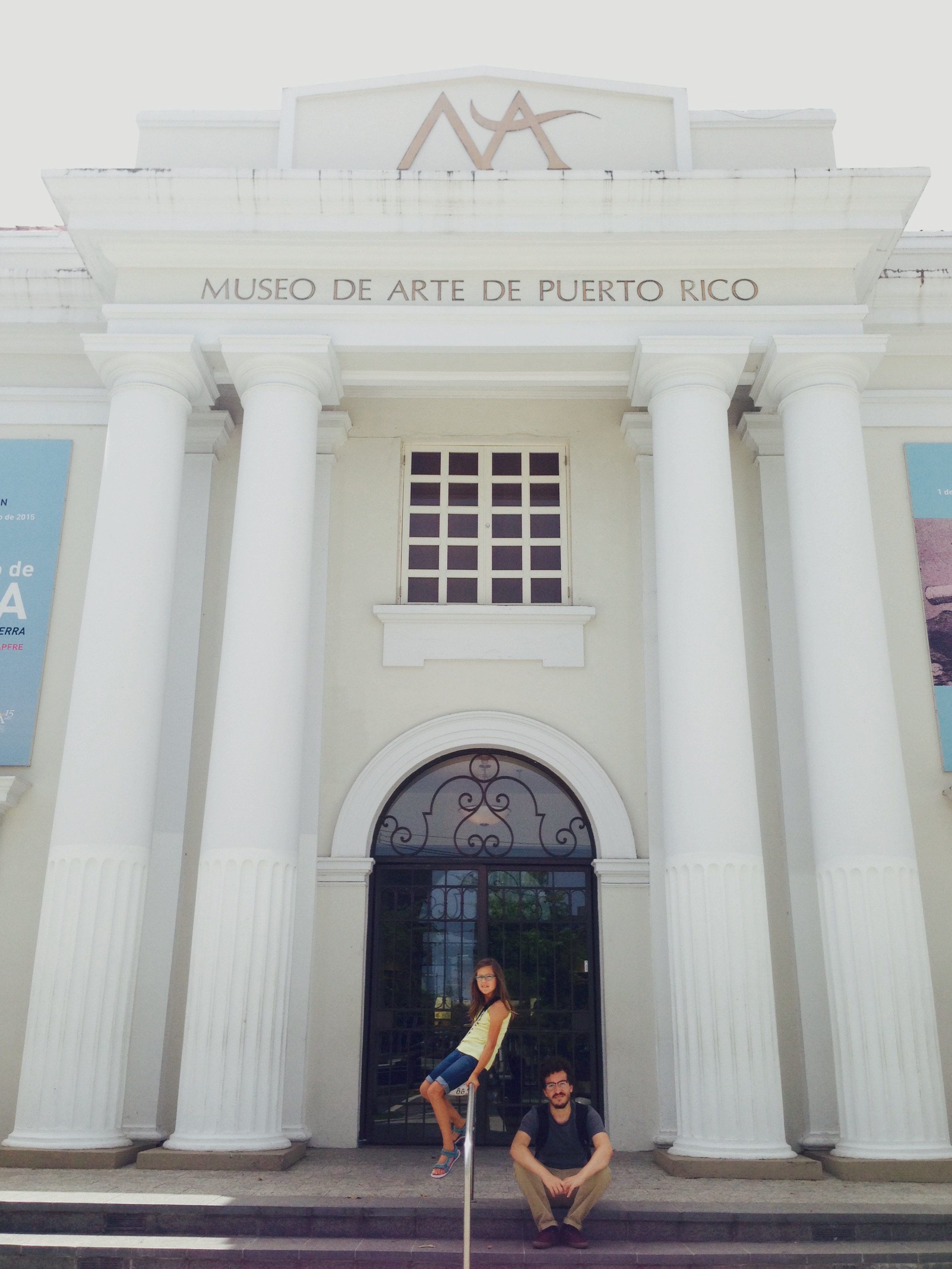
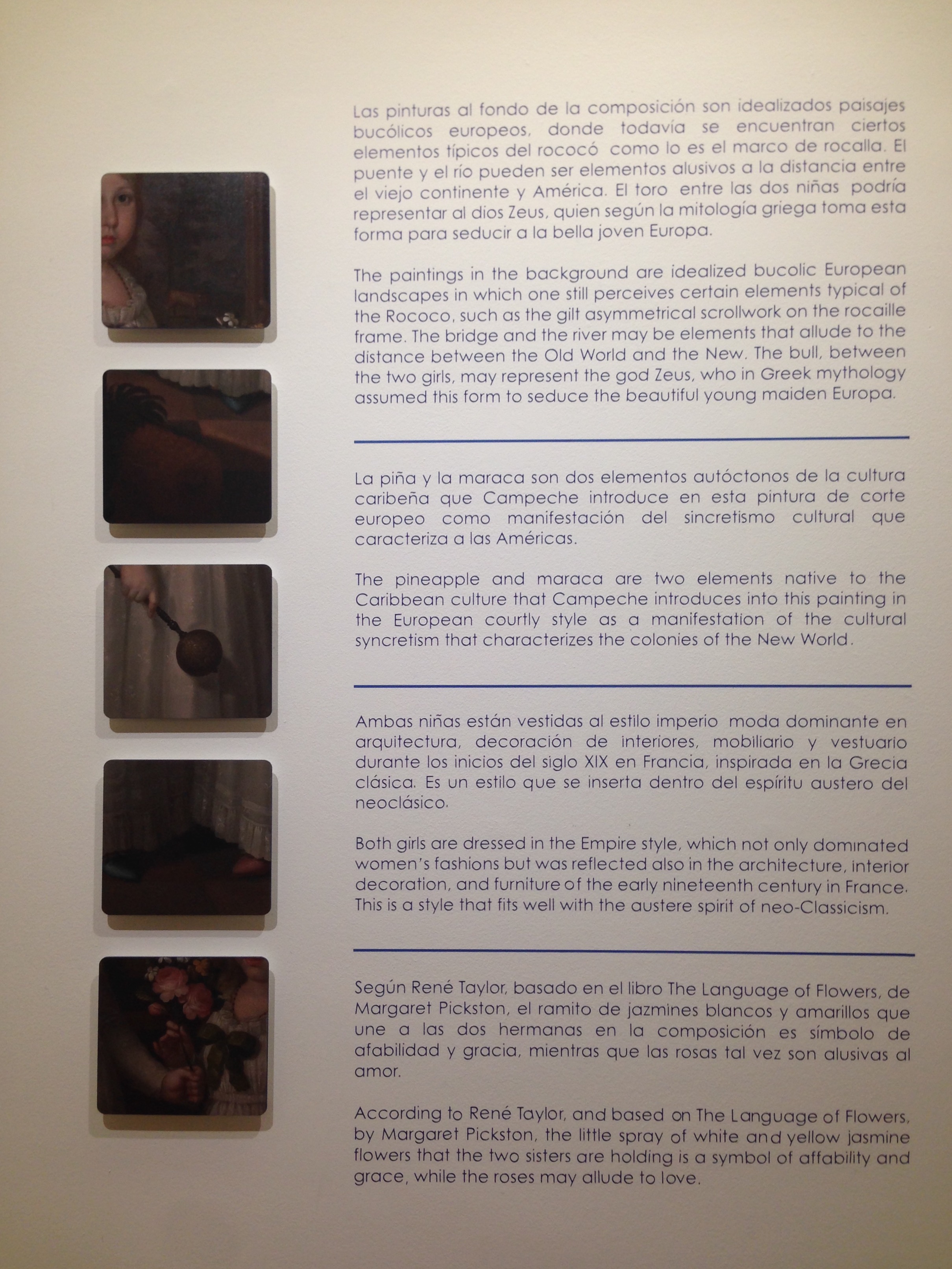
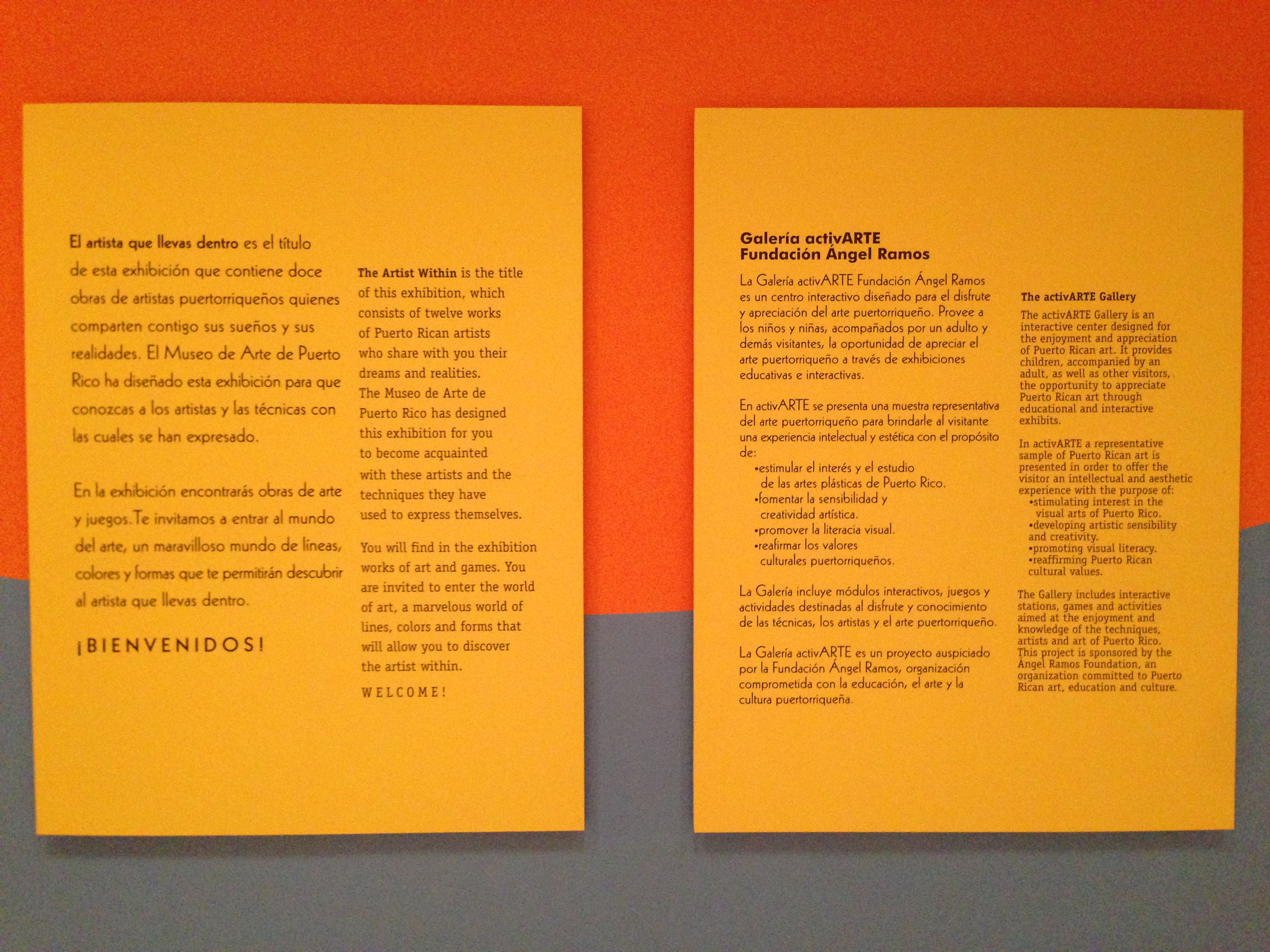
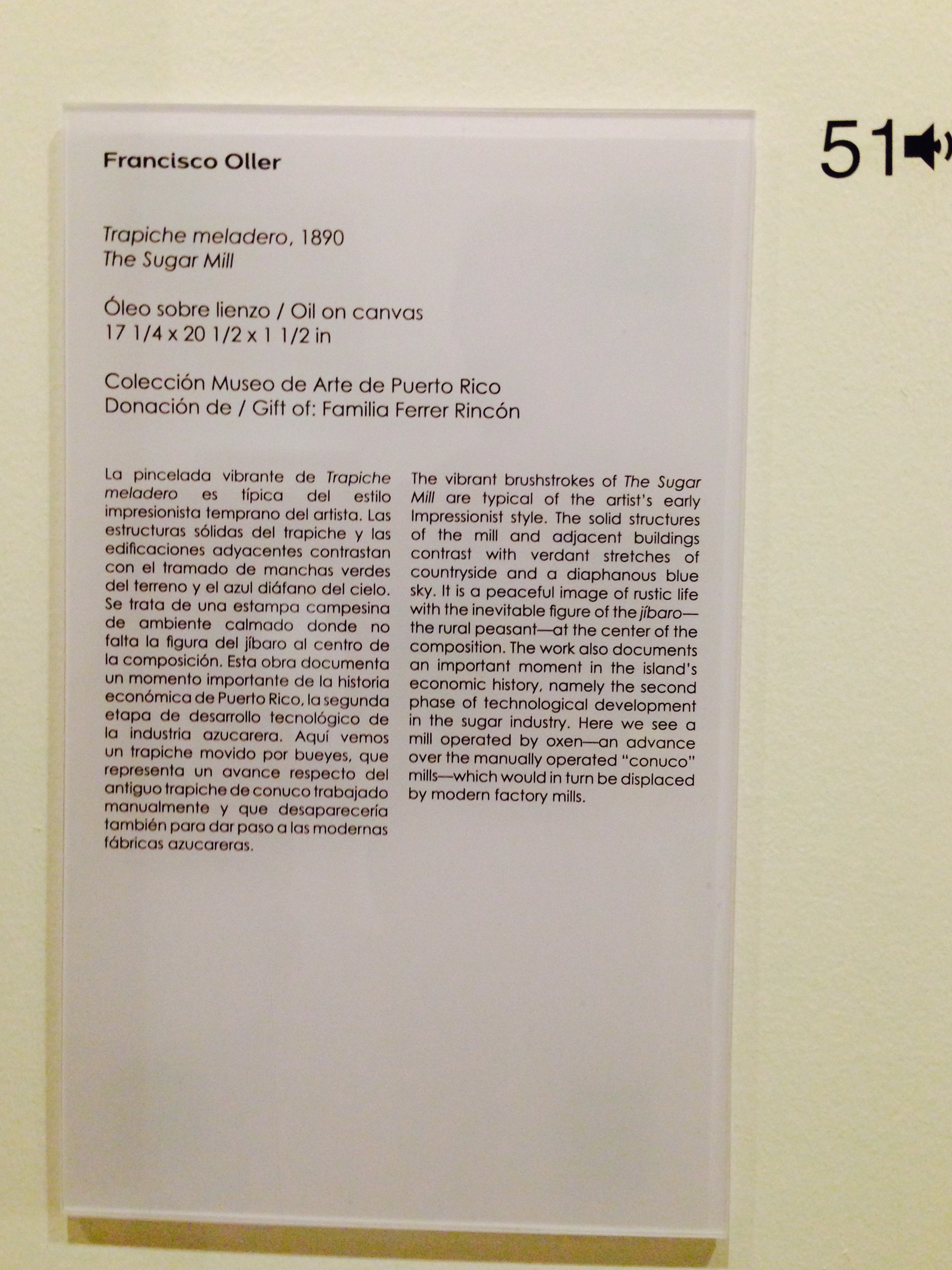
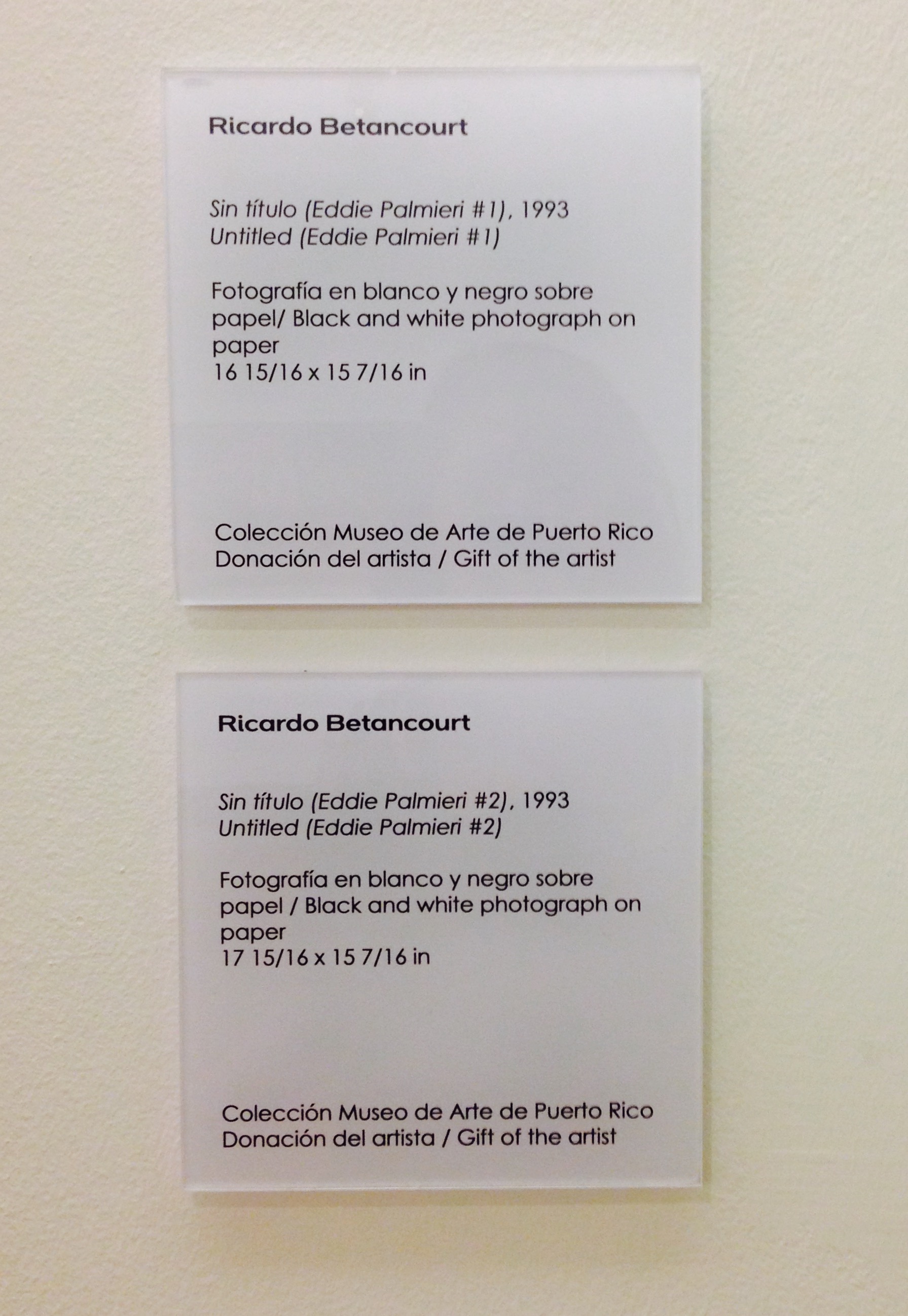
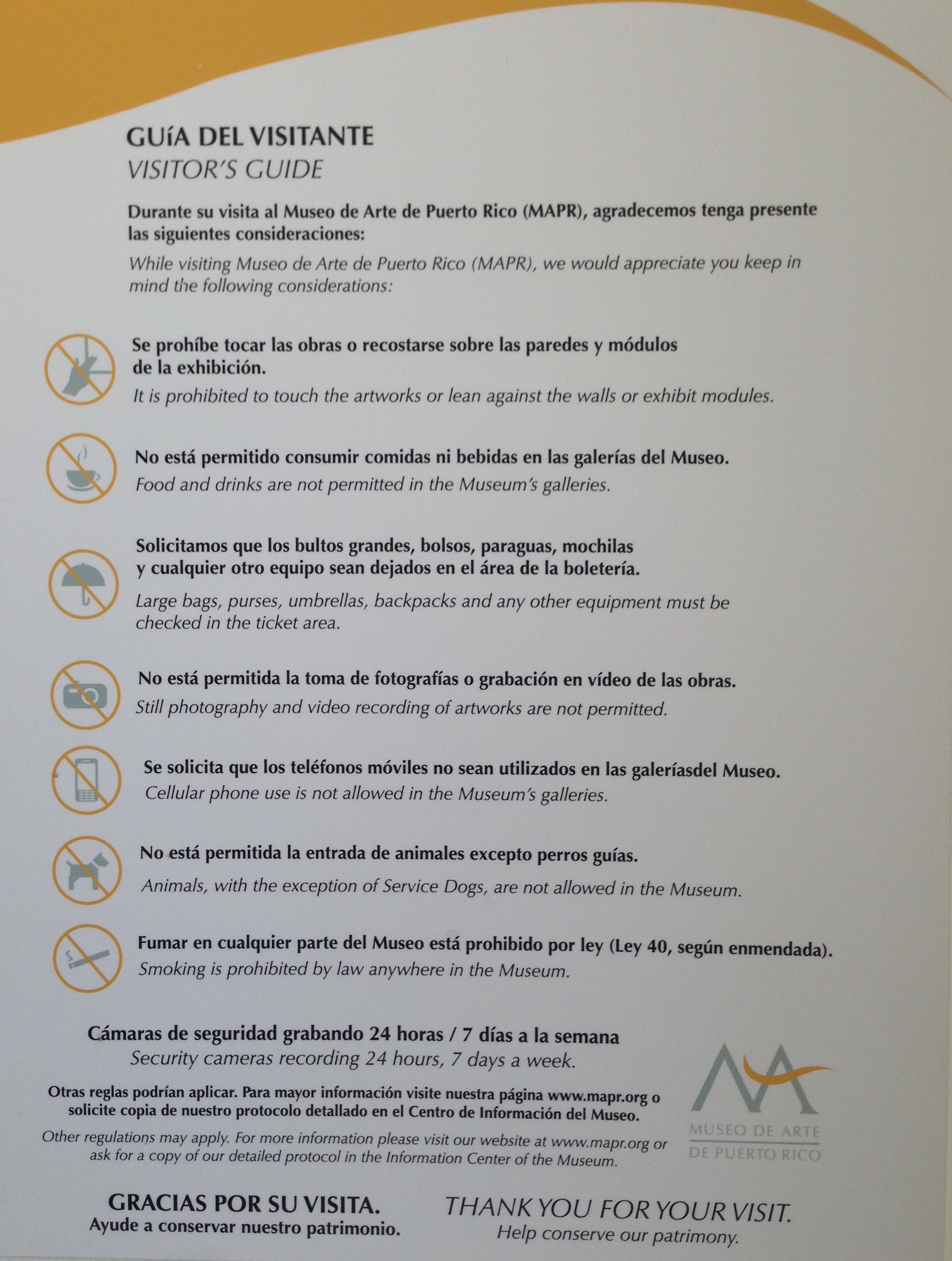
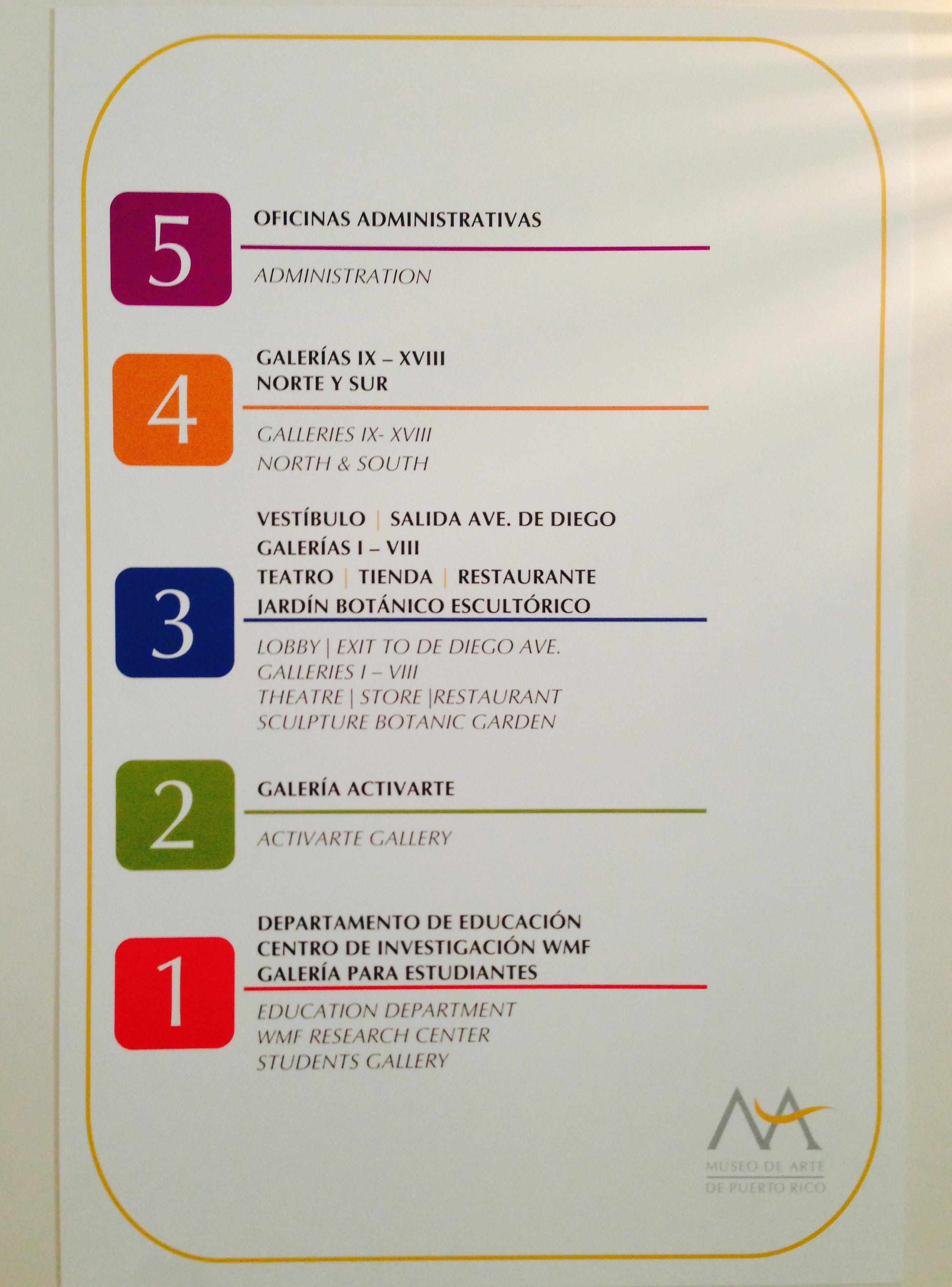
FullSizeRenderLast week, while vacationing in San Juan with my family, we stopped by the Museo de Arte de Puerto Rico. When I travel to a new city, I always like to visit the museums to see their collections and learn about their educational initiatives. Puerto Rico is a US Territory, but it’s quite a different place than any of the fifty states. Though my family is bilingual, I’m a non-Spanish speaker, so I was pleased to learn that Puerto Rico is bilingual. Many residents speak both Spanish and English and, to my delight, all of the museum signage was bilingual! As a museum educator who has been involved in making signage more accessible, it was amazing to walk in and find that everything from the museum map to the artwork labels were in both Spanish and English. (Click on the images below to enlarge.)
 

Last year Steve Yalowitz wrote a guest post on Nina Simon’s blog about the significance of bilingual signage. As co-author of the Bilingual Exhibit Research Initiative, which strove to better understand bilingual labels from the visitor perspective, Yalowitz offered these three points as significant findings:

  1. Code-switching – We found lots of evidence of effortless switching back-and-forth between English and Spanish….The power of bilingual text is that it’s bilingual – it provides access in two languages, and code switching lets you understand and express yourself from two different perspectives, with two sets of vocabulary.

  2. Facilitation – We researched intergenerational groups, so it’s not surprising that many of the adults saw their role as facilitator as essential to their own and the group’s success in the exhibition….With Spanish labels available, adults were able to facilitate, guiding the conversations and interactions, showing their children, grandchildren, nieces and nephews where to focus and how to interact. Adults who were previously dependent on their children could now take the lead as confident facilitators.

  3. Emotional reaction – This study found that the presence of bilingual interpretation had a profound emotional effect on the groups. Groups said they enjoyed the visit more, felt more valued by the institution, and many said having bilingual interpretation changed how they felt about the institution.

When I read Yalowitz’s article last year, it opened my eyes to the experiences of non-English speakers in museums with English only text. But the experience was made even more tangible as an English speaker visiting the Museo de Arte de Puerto Rico. Had the text only been in Spanish, I would have had to ask my daughter or significant other to translate for me. This would not have been impossible, but rather inconvenient. If I stopped to look closely at a work of art that they were not interested in, I would have to call them back and interrupt their experience to get assistance understanding the label. Having bilingual text allowed me to take on the role of facilitator, reading the label and prompting my daughter with questions, and allowed my family to switch between Spanish and English comfortably. Furthermore, going beyond bilingual label text and providing bilingual directional signage was significant as well: we were each able to easily and equally participate in the entire museum experience.

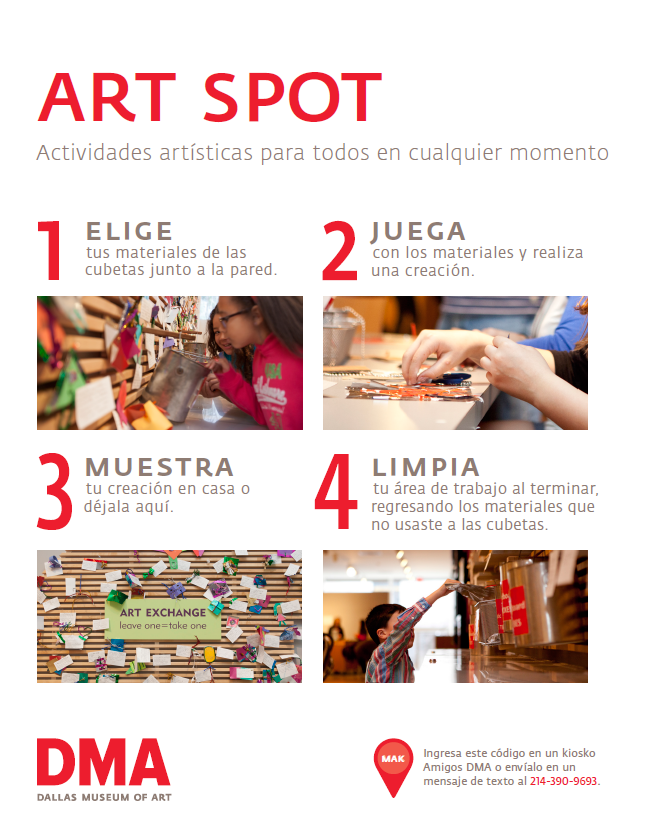
Over the last few years, the Center for Creative Connections (C3) has begun to incorporate bilingual text and voices in a variety of ways. This initiative began soon after the DMA moved to free general admission. With this change in our admission policy, our overall number of visitors and the diversity of those visitors increased. The need for accessible signage for Spanish speakers was apparent, so in late 2012 we started to test out the use of bilingual prompts at the C3 Art Spot.

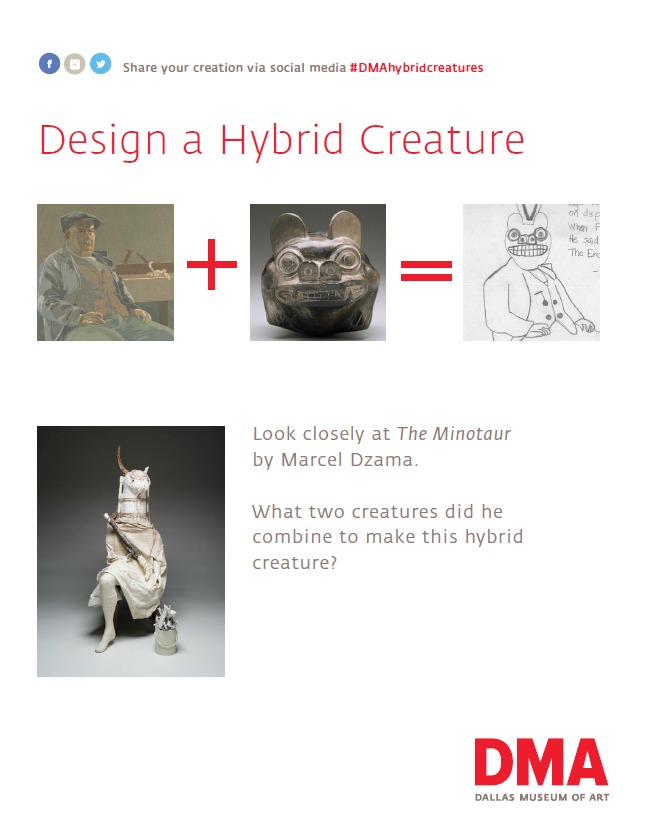
This was the perfect place to start because it is one of the busiest spaces in the Center for Creative Connections. It was also easy to begin using bilingual text in these kinds of prompts because these signs typically change more often and are easier to alter than more permanent wall signage. In 2014, we began to use bilingual activity prompts in the main C3 Gallery as well. This is a prompt for an activity where visitors use a light box and reproductions of works of art from the Museum’s collection to create hybrid creatures.

These small steps have been leading up to a bigger change. This year when we installed our Community at LARGE project, both English and Spanish text was included not only in the table prompt, but also on the wall text.

IMG_7413

As we continue to install new works of art in the Center for Creative Connections, our hope is to integrate bilingual text throughout the space.

Jessica Fuentes
C3 Gallery Manager

Friday Photos: George’s Dog Days of Summer

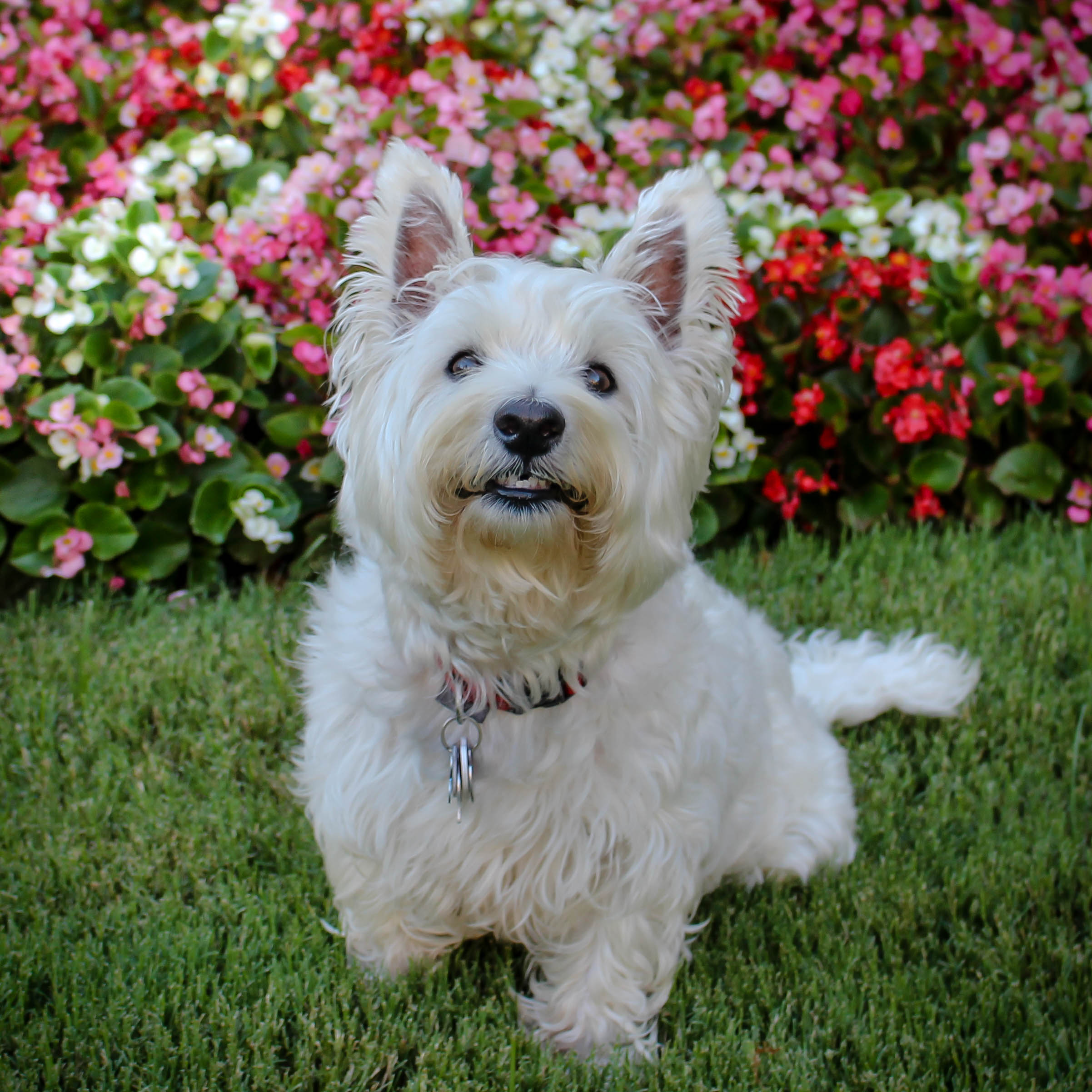
Today’s post is from George Costanza Blake, a spunky Westie who belongs to DMA staffer, Amanda.

g pic 2 (1 of 1)

Sun’s out, tongues’ out, ya’ll!

My human leaves me at home each day to spend time in a place where I am not allowed, but that doesn’t stop her from getting my PPOV (puppy-point-of-view) on her work. She has incorporated me into many aspects of her job, from dressing me up as George Washington (George PAWshington, as I like to call him) and as dapper gent Woodbury Langdon, to organizing a day for dogs in the Dallas Arts District – complete with doga (dog yoga). She is totally obsessed with me.

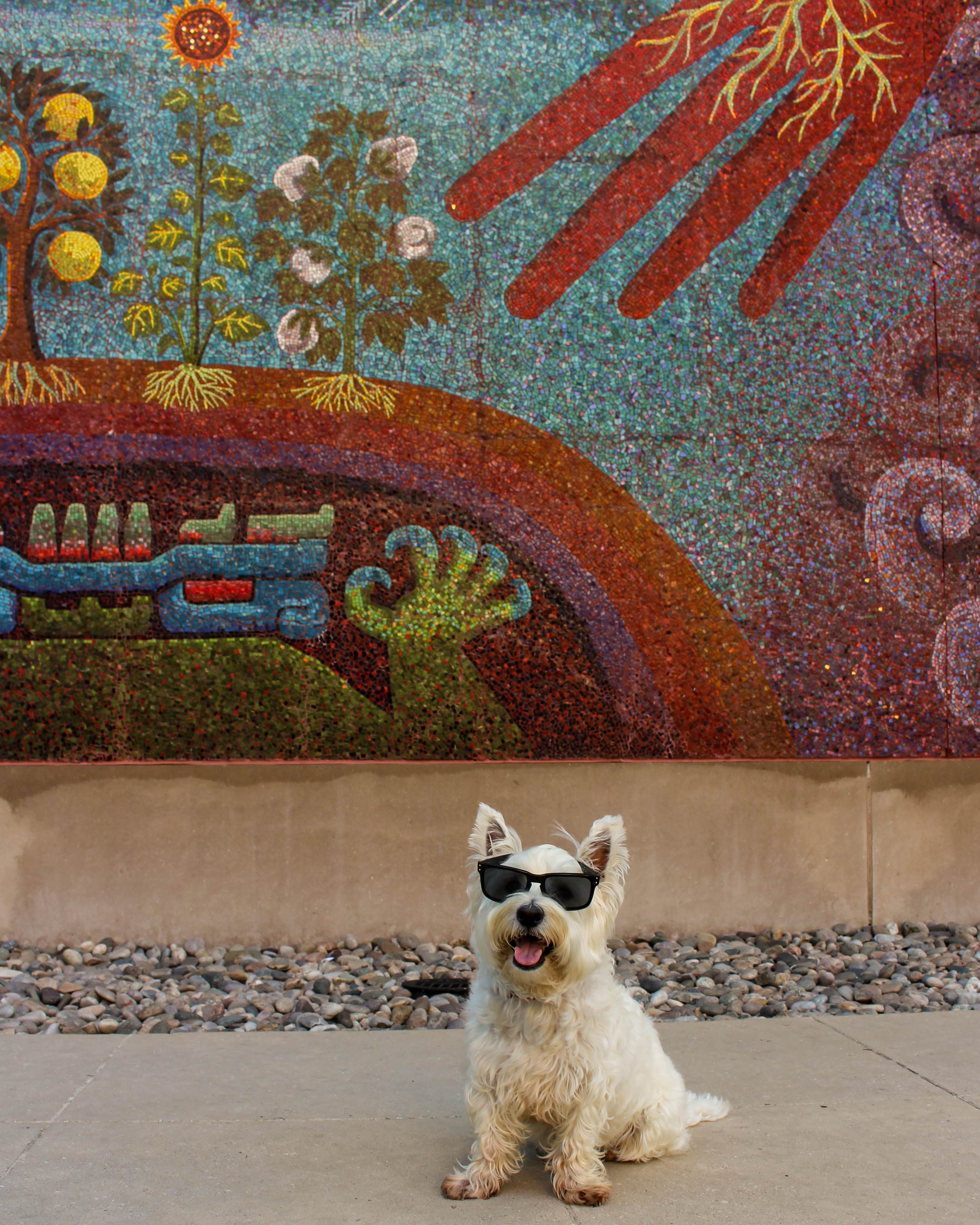
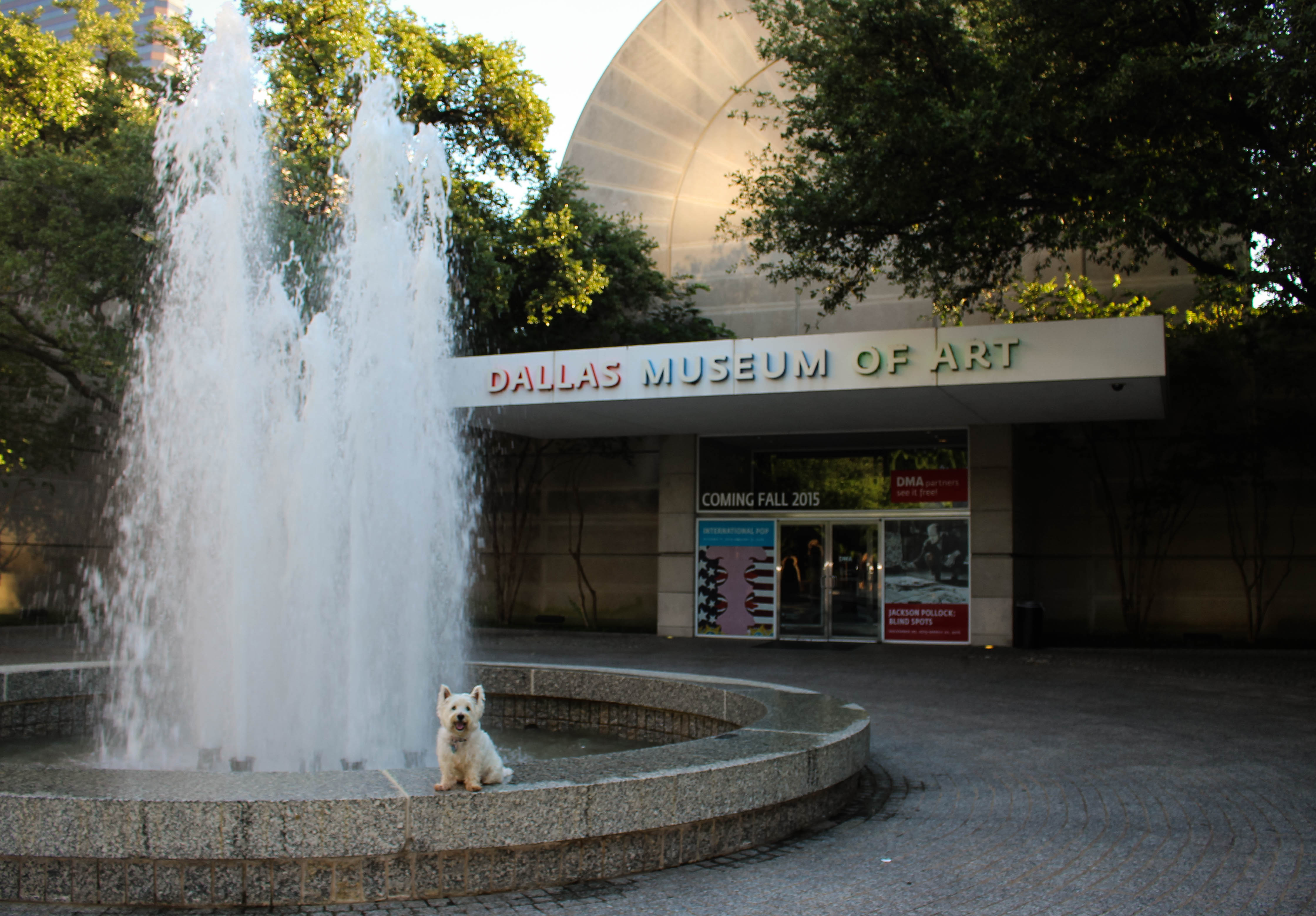
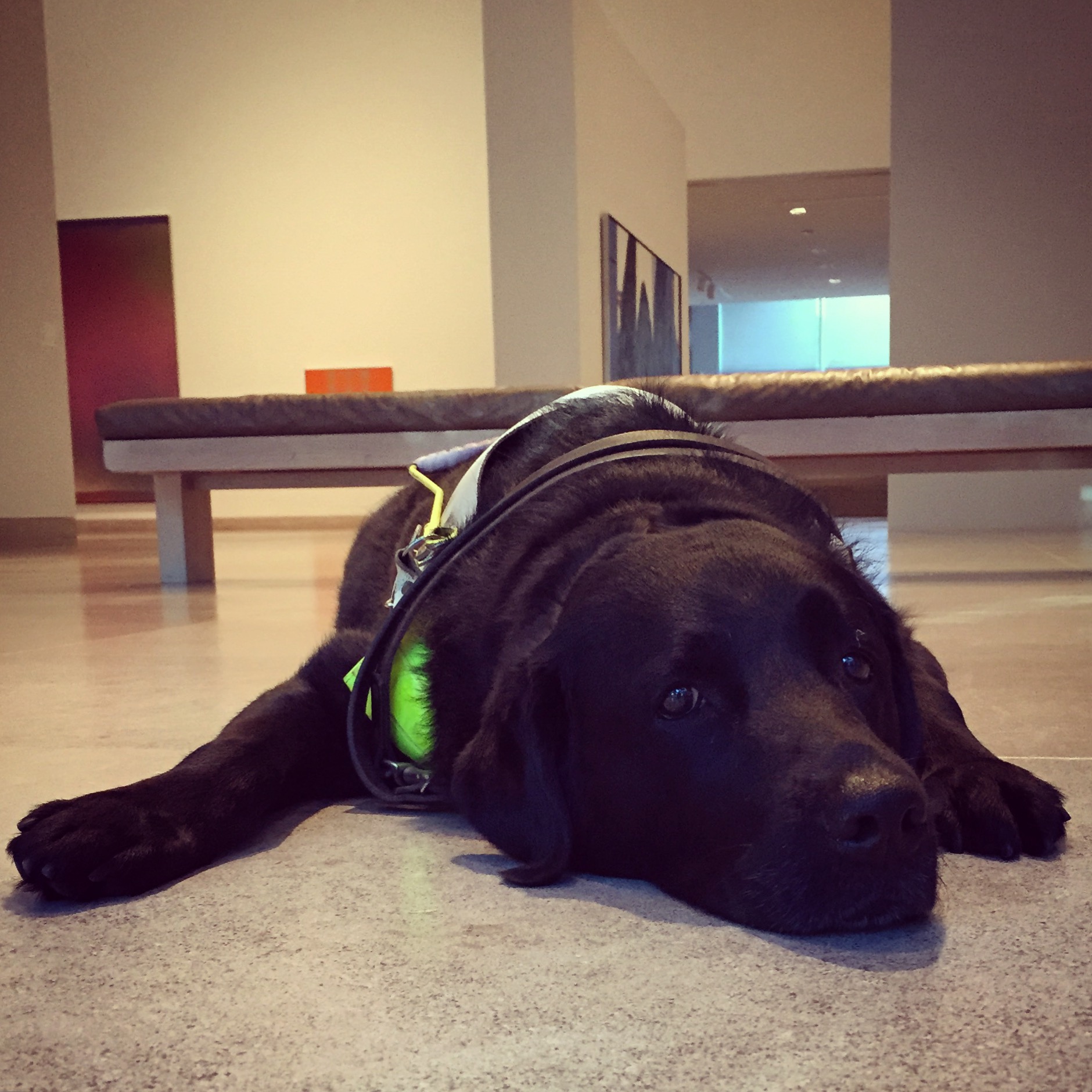
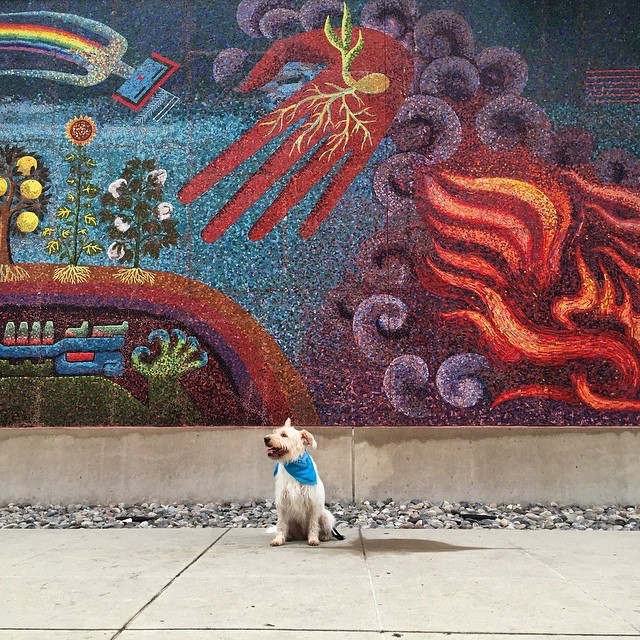
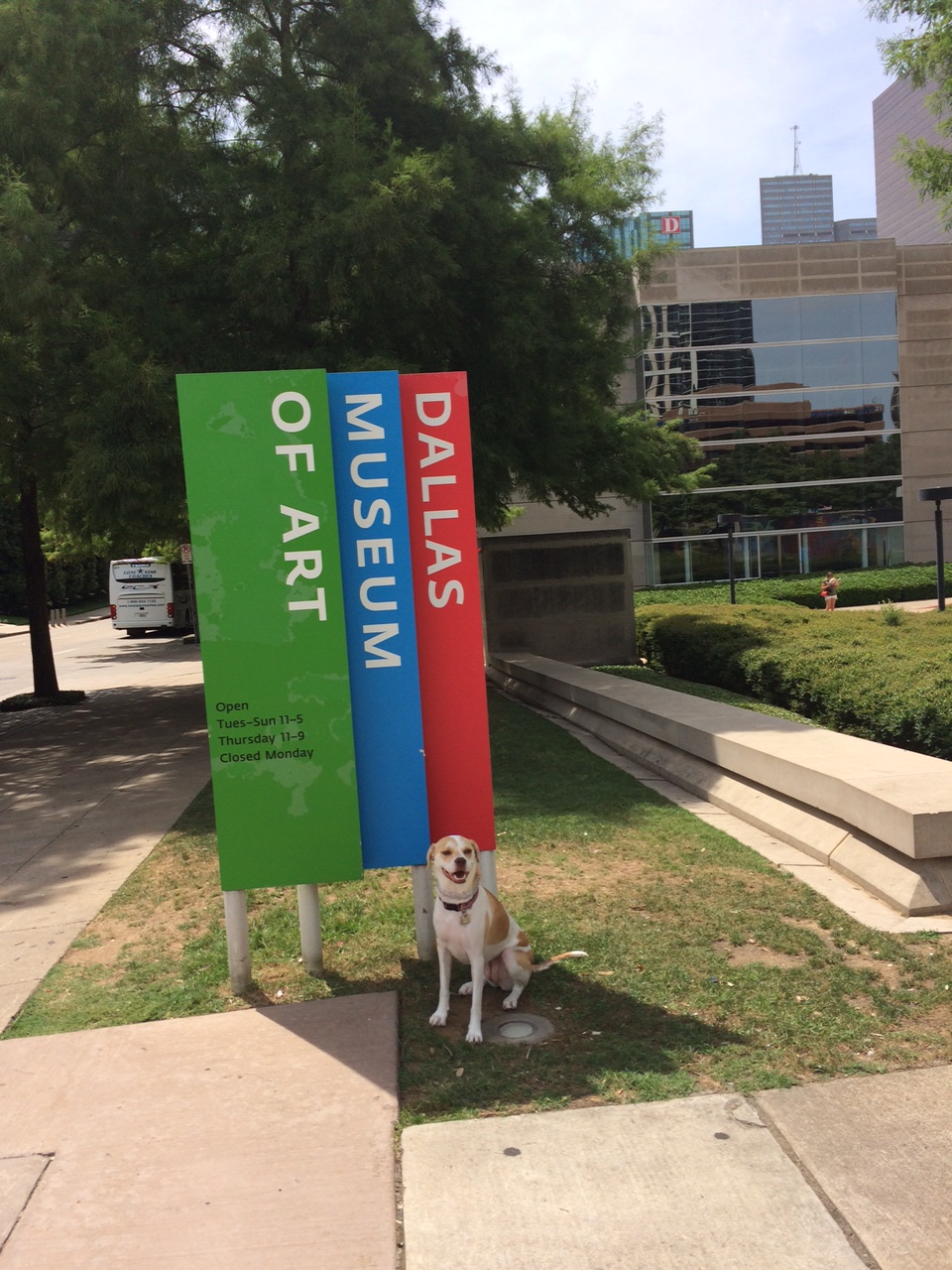
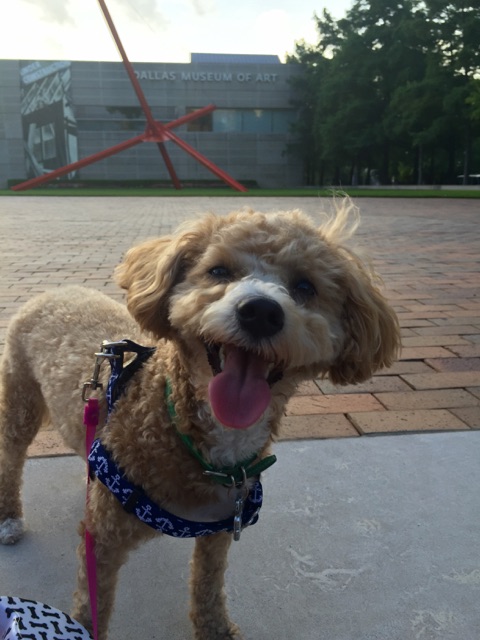
Unless you’re a service dog, we canines aren’t allowed inside the DMA…what do they think we’re going to do, chew on the art?! My friend Echo (guide dog extraordinaire to artist John Bramblitt) has been to the DMA many times and has told me that the works of art are doggone drool-worthy. Check out this PAWsome video of Echo – she is quite the gal. IMG_4441While there are many reasons for humans to paws and enjoy artwork depicting four-legged fur-balls in the DMA galleries (check out this post for my top dog picks), how are creative canines supposed to experience it? Simple, young pups – admire it outside! The DMA has several works outside for us art dogs to appreciate. Check out some of my fur-friends and me hamming it up at the DMA. Who let the dogs out, indeed!
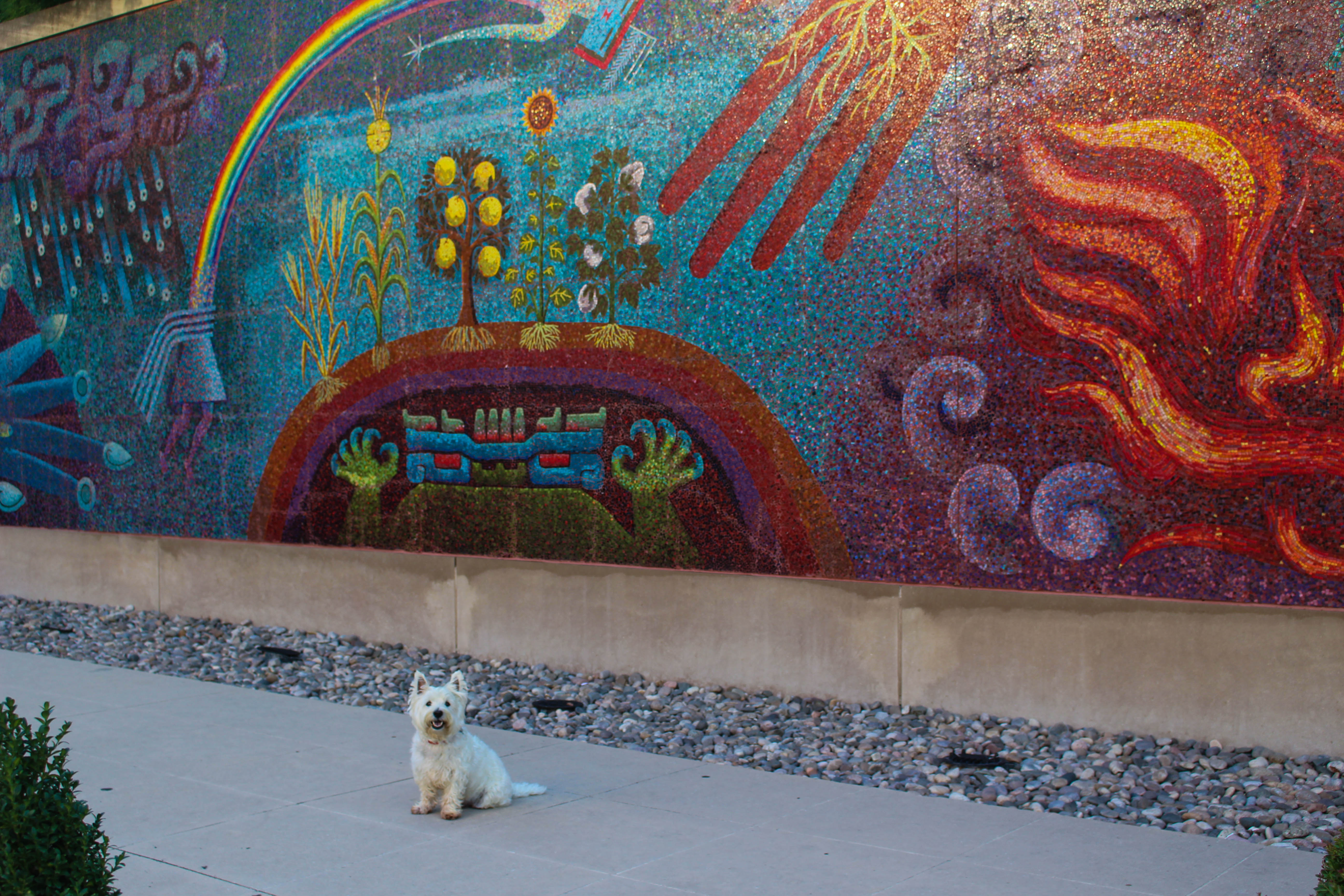
Darcy found a colorful mural at the DMA to add to her growing collection of mutt mural portraits, Luna color-coordinated her cute bandana with DMA artwork, Chaussettes found the perfect backdrop to show off her styled new summer cut, and sweet Jane stopped for the PAWparazzi on her daily jaunt around the Museum.

These hounds are always up for an arty party. Explore the pawsibilities of spending your next dog day afternoon sniffing out some artwork – sit, stay, and then snap a photo or two!

Until next time,

George Costanza Blake
Canine Museum Consultant

Smile!

Inti Raymi – Festival of the Sun

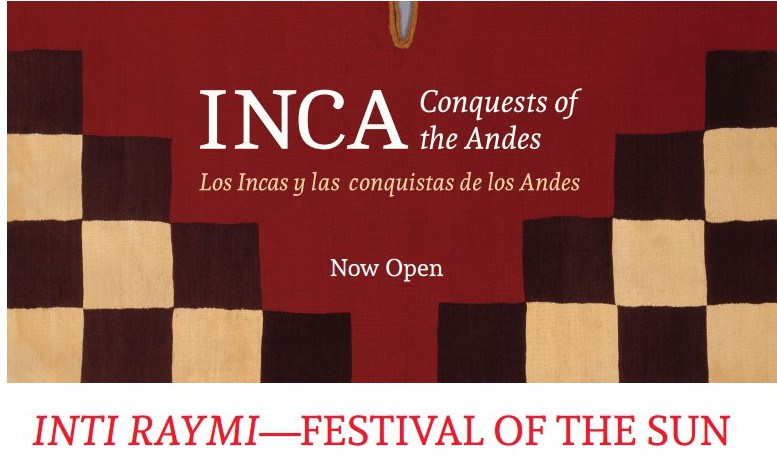
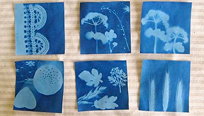
June 24 marks one of the most notable festivals of the Inca Empire, Inti Raymi or Sun Celebration. In Quechua, the native language of the Inca, Inti means sun and Raymi means celebration, and this annual observance celebrates the Sun god, the most honored deity in the Inca religion. The largest Inti Raymi festival takes place in Cusco, Peru, but luckily you don’t have to hop on a plane to take part in the celebration–look no further than the DMAinca2From June 24th-28th, we will be hosting sun-inspired activities and programs throughout the Museum. We invite you to participate in docent-led tours of our newest exhibition, Inca:Conquests of the Andes, investigate Inca weaving techniques through an artist-led gallery talk, or even harness the power of the sun to create your own nature print! You can craft your own sun celebration by checking out our full list of activities, here.
Happy Inti Raymi!

Danielle Schulz
Teaching Specialist

Art to Go Family Totes at Home: DIY Story Dice

Whether you’re seeking sunburn-free, sweat-free fun this summer or new experiences to share with your family, the DMA has what you’re looking for! As usual, the Art Spot in the Center for Creative Connections is open every day for art-making and exploration, and our Family Guides are always available at the front entrance for exploring the galleries. Weekdays and Saturdays through June and July will also offer different (air-conditioned!) activities as part of the DMA’s Summer Family Fun. These activities include the Pop-Up Art Spot, story time and family tours, and our wonderful Art to Go Family Totes.

A family using the Color Art to Go Family Tote and story dice in Between Action and the Unknown: Shiraga/Motonaga.

A family using the Color Art to Go Family Tote and story dice in Between Action and the Unknown: Shiraga/Motonaga.

An important thing to note is that the Art to Go Family Totes are only available this summer on Tuesdays between 11:00 a.m. and 1:00 p.m.! In June, we’ll have them out for use in Between Action and the Unknown: The Art of Kazuo Shiraga and Sadamasa Motonaga, and in July you can find them up on Level 4 in Formed/Unformed: Design from 1960 to the Present.

If you can’t wait to make it to the Museum to try out our Totes, or have already enjoyed them and wished you could have the Art to Go experience at home, here’s a quick and easy DIY to help you recreate one of the activities from our Color Tote.

DIY Story Dice

Art to Go Family Tote - Color, Writing Activity

Color Art to Go Family Tote – Writing Activity: Once Upon a Time

The Art to Go Family Totes include activities to MAKE, PLAY, TALK, and WRITE. This “Once Upon a Time” writing activity is one of our favorites and includes two ‘story dice’ to inspire a story written with a piece of artwork as its setting. Our dice are pretty simple–images of possible main characters and colors are pasted on the sides of two cube-shaped cardboard boxes (small ones that fold down for easy storing).

Color Art to Go Family Tote - Writing Activity Story Dice

Color Art to Go Family Tote – Writing Activity Story Dice

To make your own story dice at home, you could use boxes like we have here (big or small – play with proportions!). Other options include small wooden craft blocks or making your own paper cubes. If you’re feeling ambitious, you could even put together this twelve-sided paper dodecahedron to use instead of the traditional six-sided dice shape!

Once you have the base for your die, all that’s left is to decide which theme you’re going to assign to it, pick out images or words to convey different ideas for each side, and attach your images. The possibilities are absolutely endless. To get you started, here are a few ideas for combinations of themes:

  • Attach images of family members on one die and parts of an adventure on others: settings for the adventure, modes of transportation, treasures to hunt, etc.
  • Fill one die with superhero images and another with giant monsters to face off in an epic battle!
  • Make murder mystery themed dice (for older storytellers) with possible murder weapons, locations of the murder, and prime suspects.
  • Have entirely artwork-based dice: cover one with your favorite portraits, one with landscapes, and one with still lifes or ancient artifacts–or anything else you might think of.

With a little imagination and teamwork, any kind of story dice you create can lead to a GREAT story and a serious brain workout! You can even re-purpose your story dice. Maybe on a day when you’re feeling more like an illustrator and less like an author, just give your dice a roll and voilà! Your story ideas work just as well for creating a new piece of artwork. Have a go at it and let us know in the comments how your efforts turn out. And don’t forget to stop by the Museum to check out the rest of our Art to Go Family Tote activities and other Summer Family Fun experiences!

Jennifer Sheppard
McDermott Intern for Family and Access Teaching

Friday Photos: #DMAfaves

This summer, we have a new self-guided tour available at our visitor services desks and online: #DMAfaves. It includes twelve of our favorite artworks from across the globe and throughout human history, so the tour will take you all over the Museum! Read each artwork’s label to learn more about it, then earn DMA Friends points and a special badge by checking in at each work along the way.

In addition to these, we wanted to share a few more of our own favorites from the collection:

And now we want to know your faves! Be sure to stop by, check out the #DMAfaves guide, then share a photo of you with your own fave DMA artwork on Facebook, Instagram, or Twitter with #DMAfaves–and don’t forget to tag us!

See you soon!

Artworks Shown:

  • John White Alexander, Miss Dorothy Quincy Roosevelt (later Mrs. Langdon Geer), 1901-1902, Dallas Museum of Art, gift of the Pauline Allen Gill Foundation in memory of Pauline Gill Sullivan
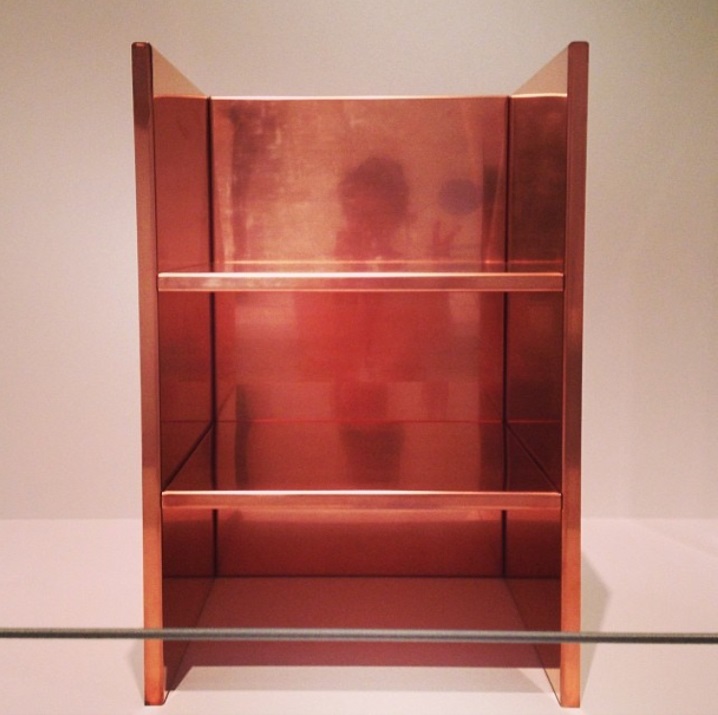
  • Donald Judd, Chair, executed 1998, designed 1984, Dallas Museum of Art, gift of Robert Dean Brownlee
  • Gerald Murphey, Watch, 1925, Dallas Museum of Art, Foundation for the Arts Collection, gift of the artist, © Estate of Honoria Murphy Donnelly
  • John Singer Sargent, Dorothy, 1900, Dallas Museum of Art, gift of the Leland Fikes Foundation, Inc.
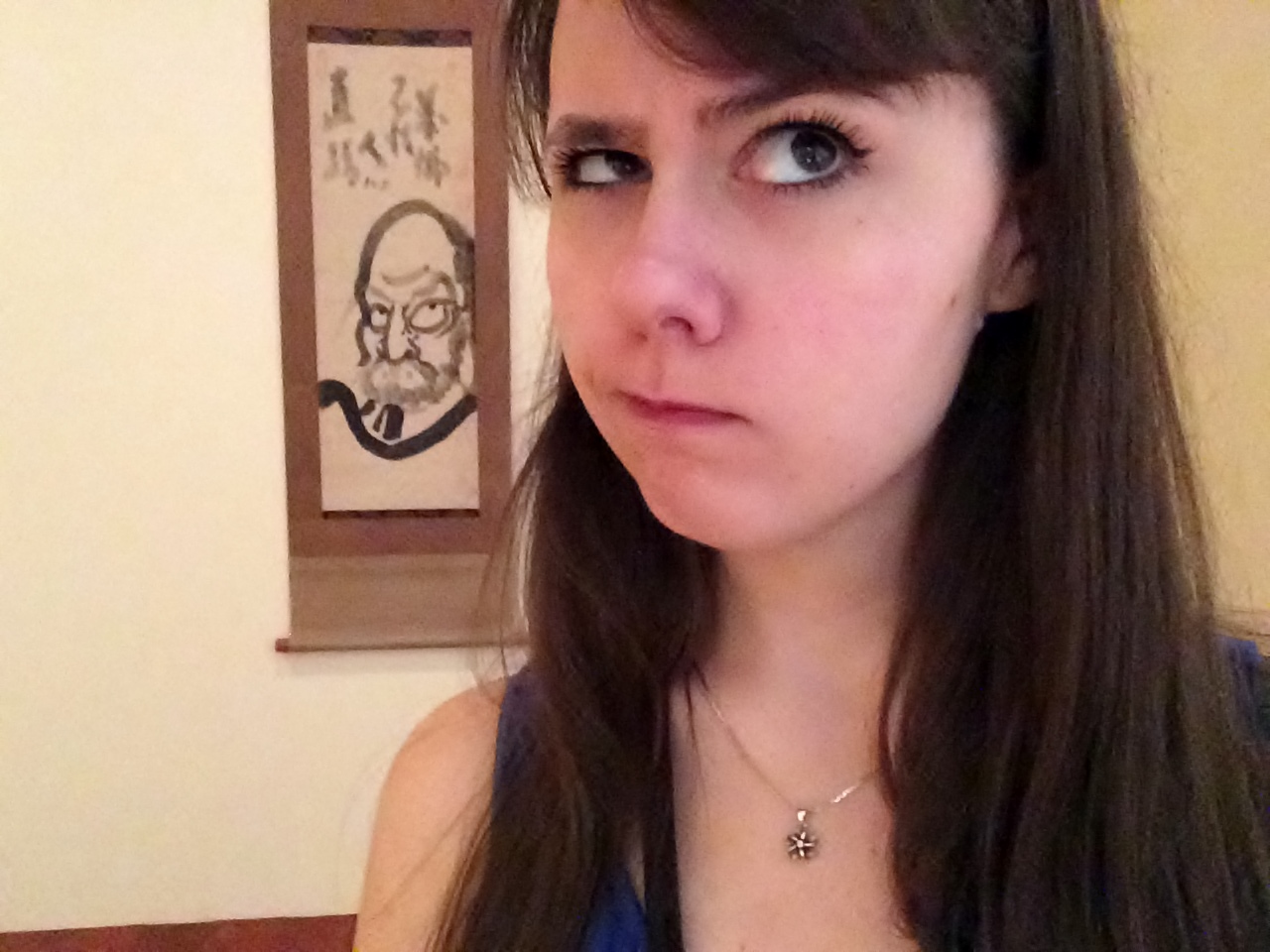
  • Hakuin Ekaku, Daruma, n.d., Dallas Museum of Art, General Acquisitions Fund
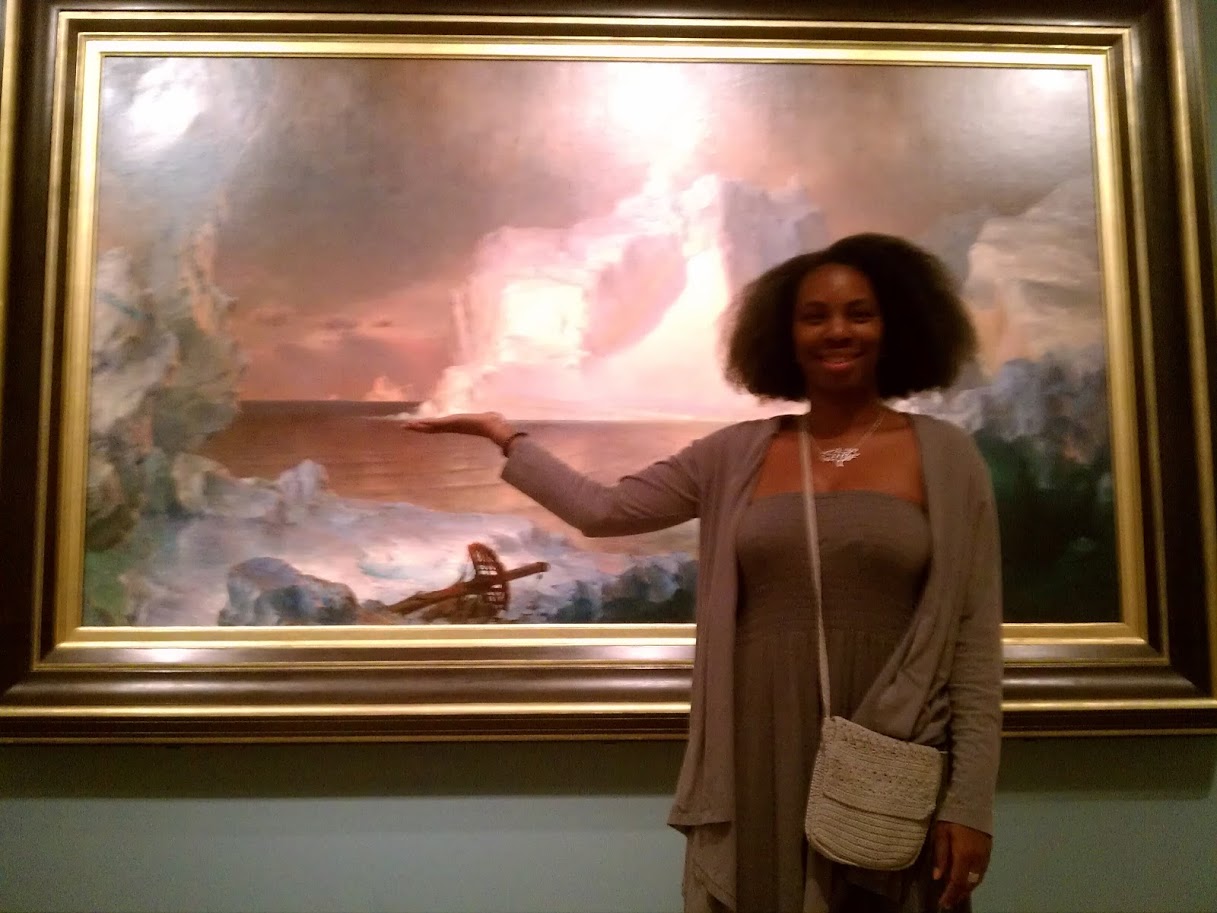
  • Frederic Edwin Church, The Icebergs, 1861, Dallas Museum of Art, gift of Norma and Lamar Hunt

Sarah Coffey
Education Coordinator

Friday Photos: Art Babies

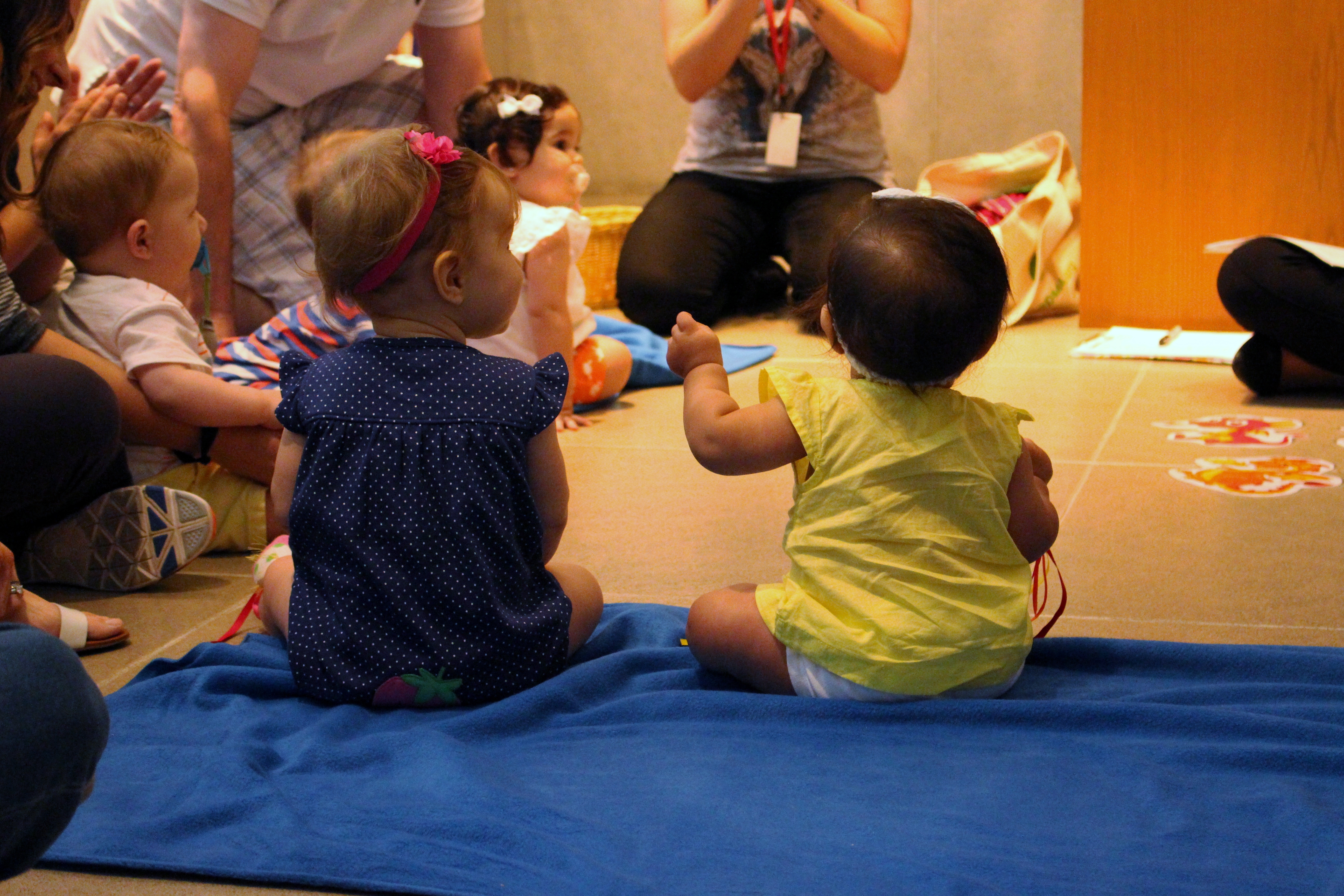
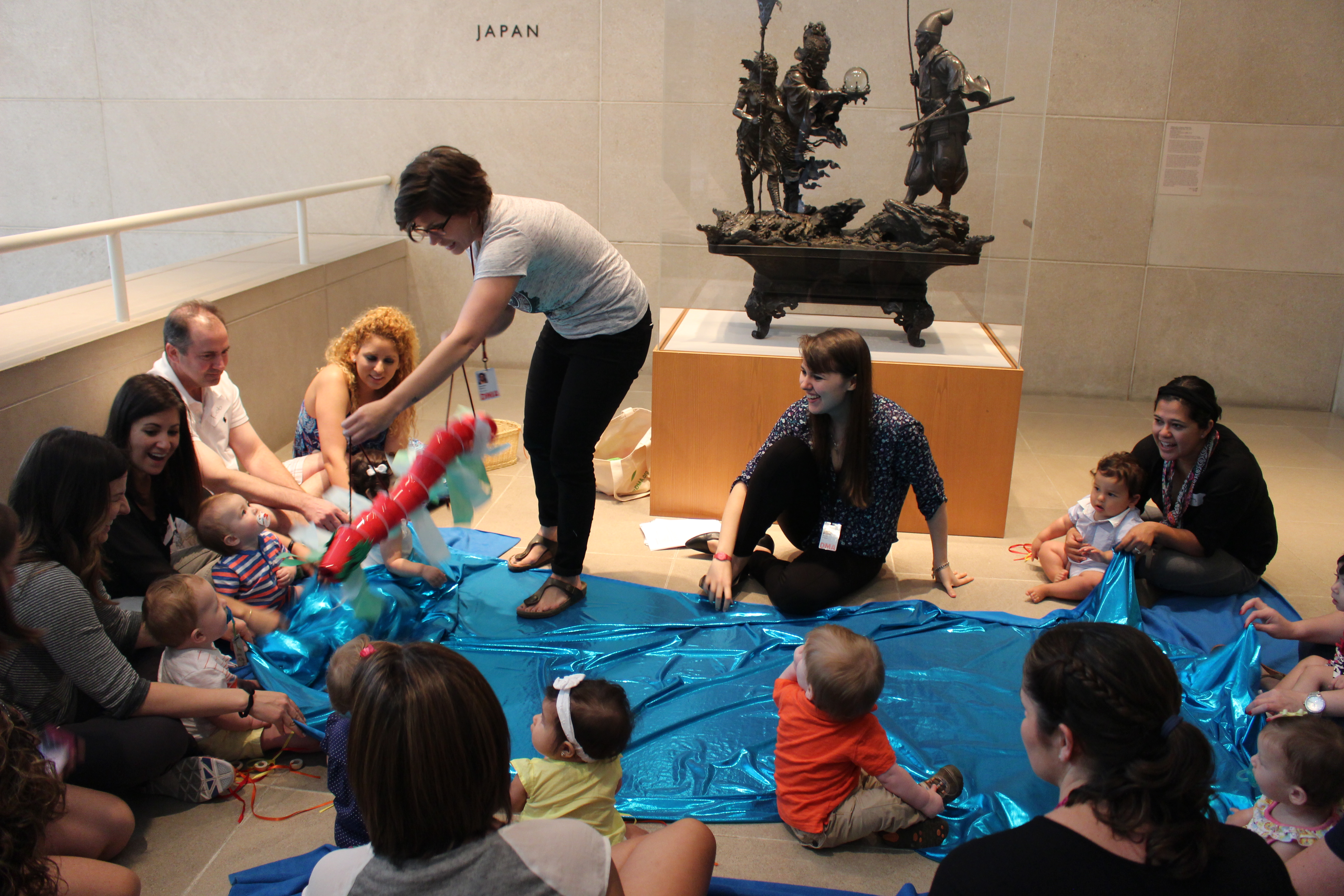
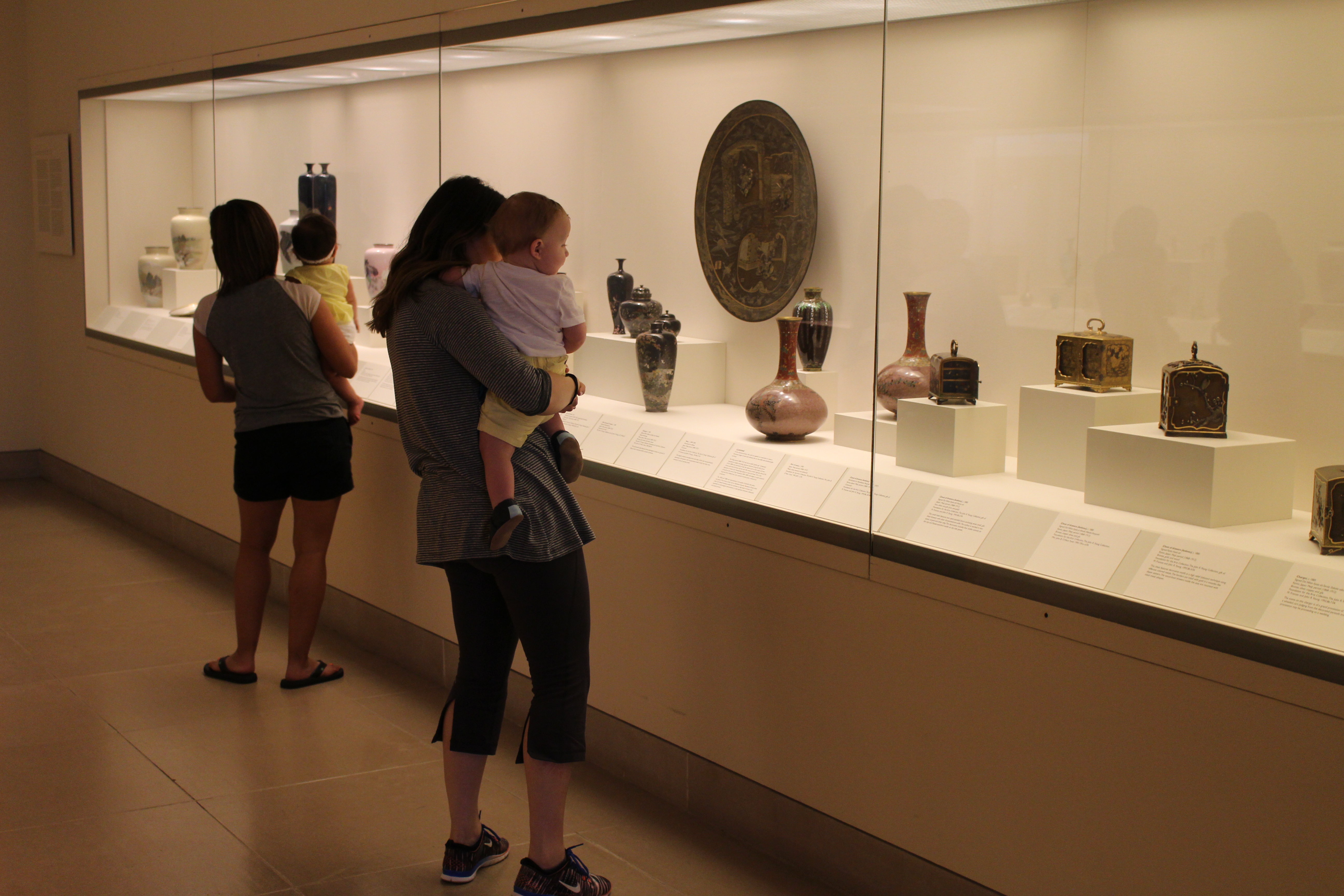
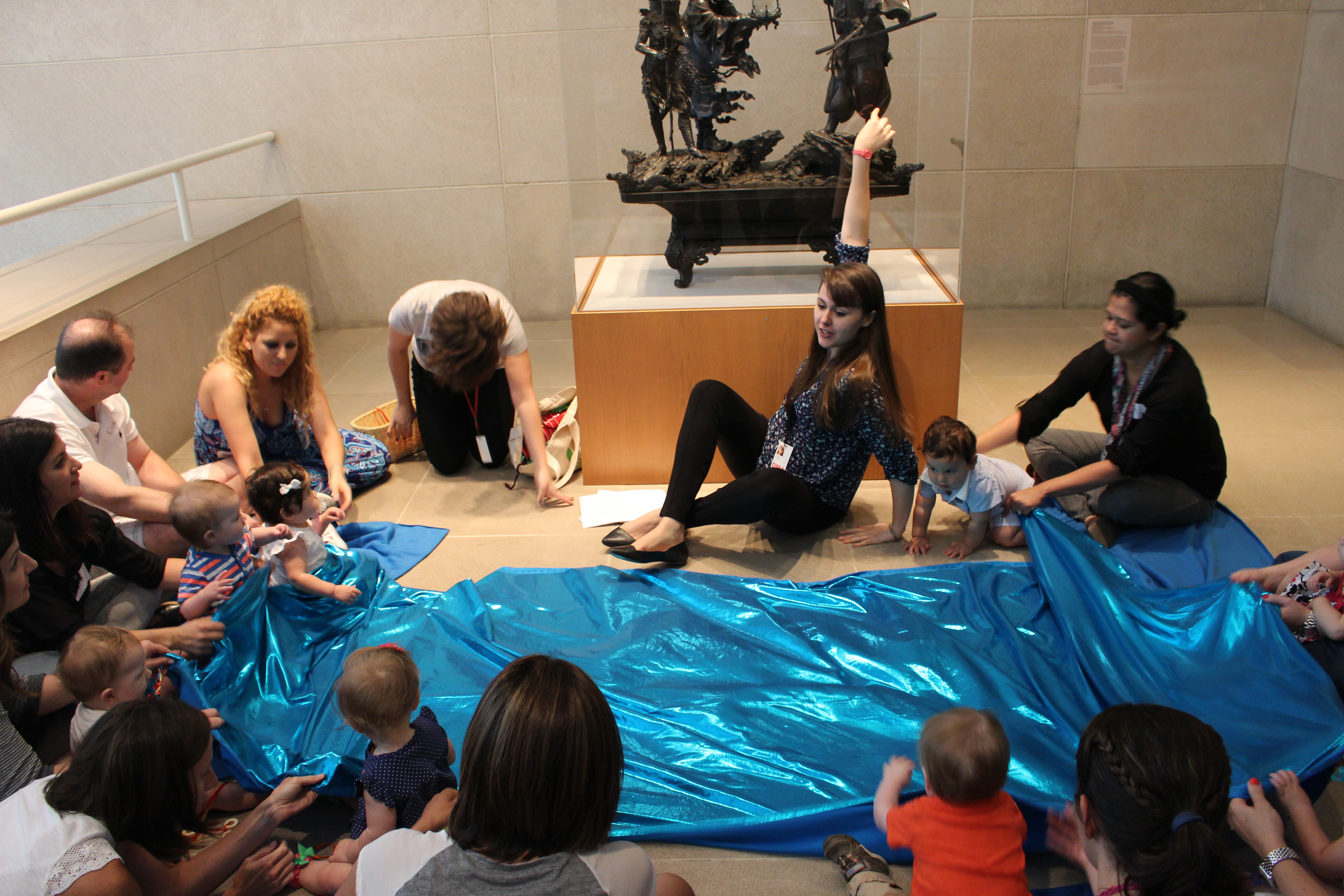
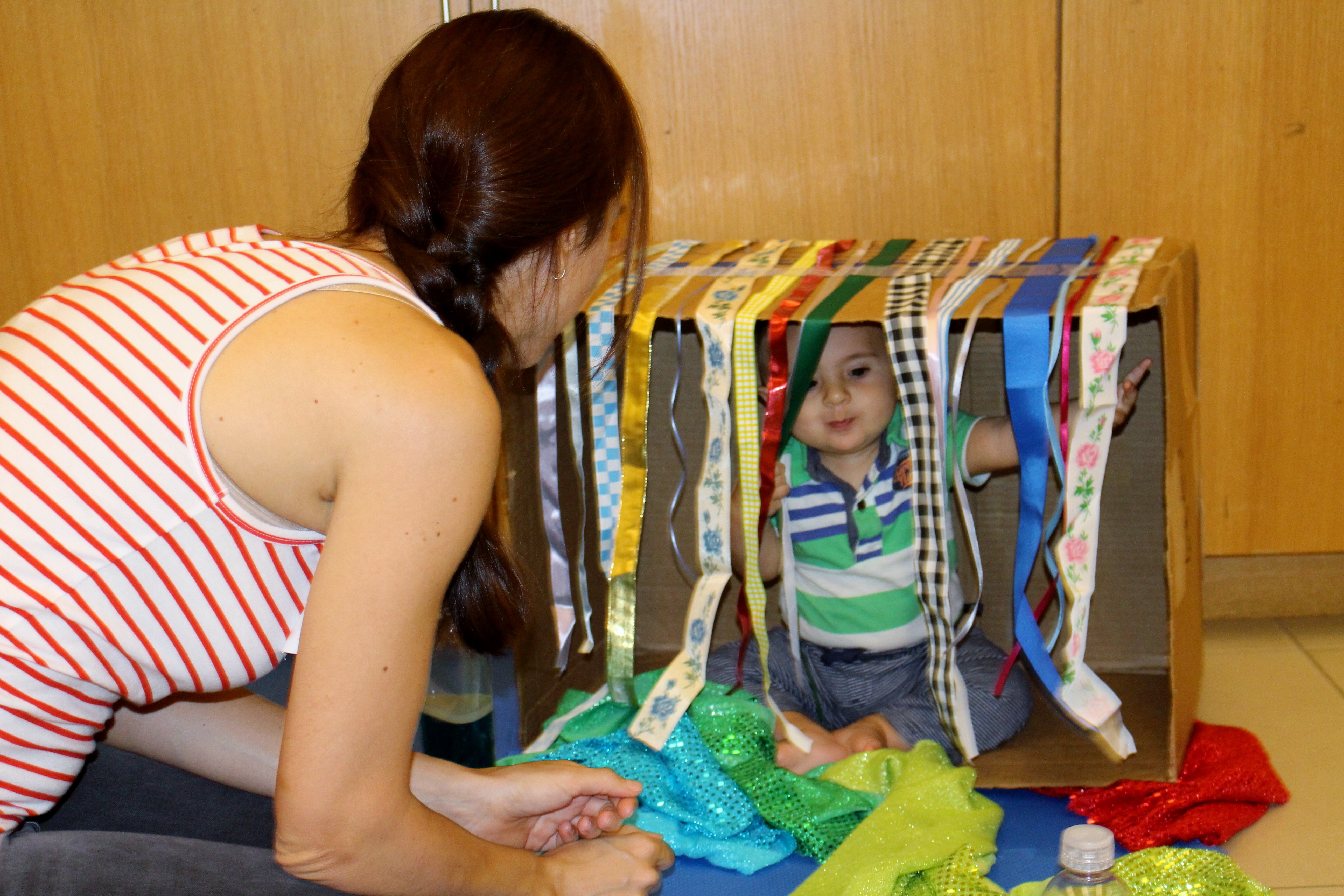
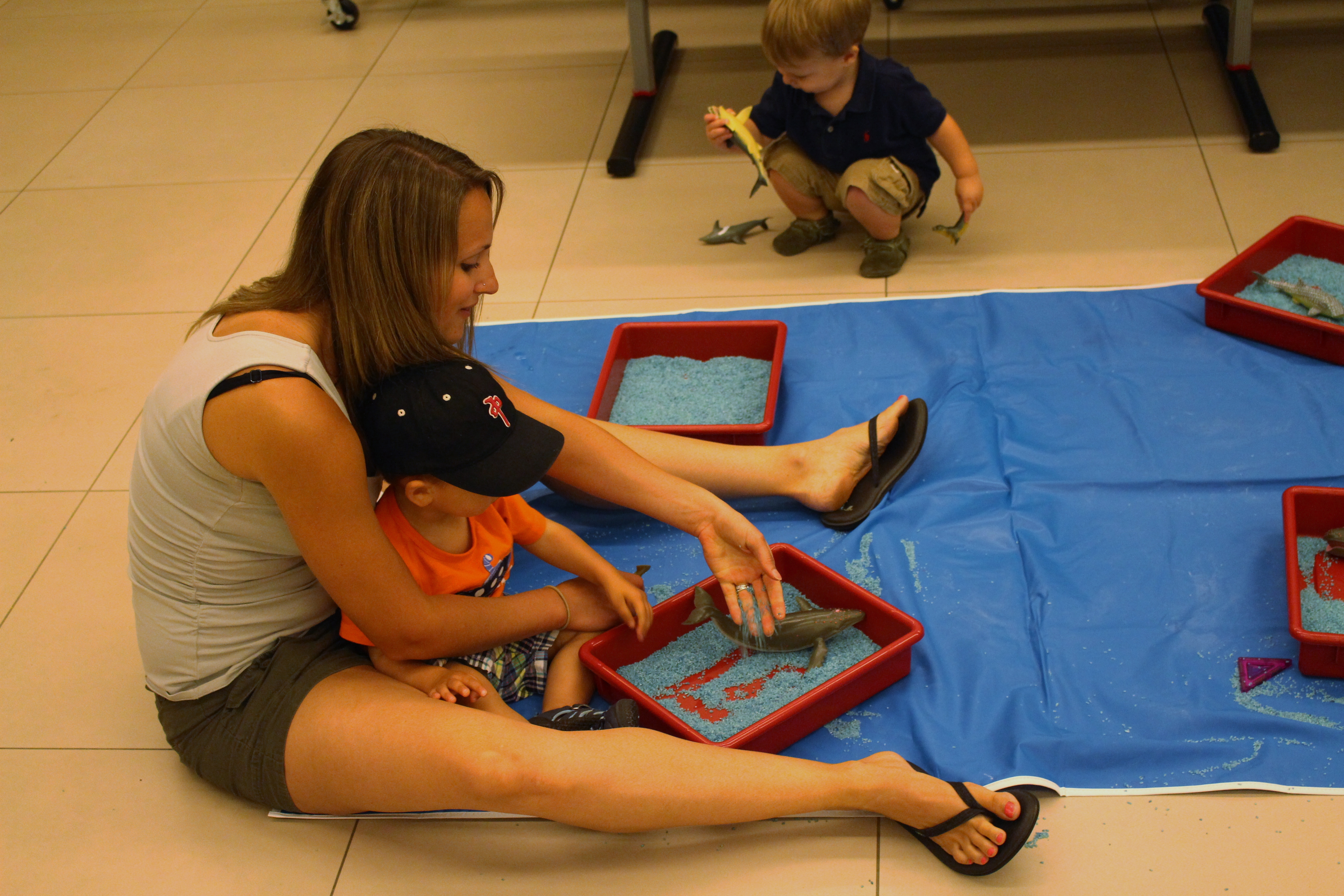
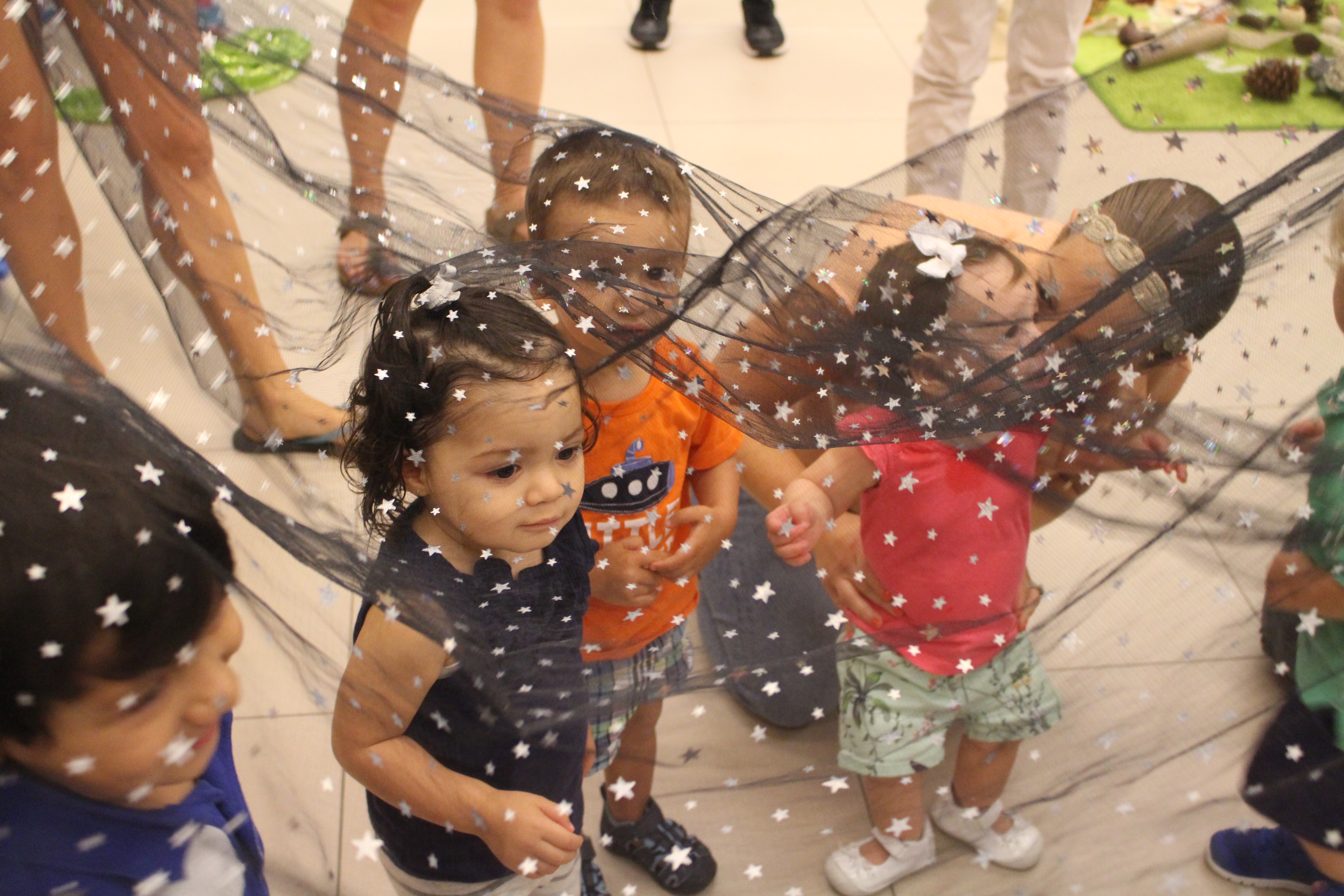
This Monday, with a little help from some shiny blue fabric and a DIY dragon puppet, our monthly Art Babies class dove deep into the galleries for a little fun under the sea with Takenouchi no Sukune Meets the Dragon King of the Sea. Babies and grown-ups alike enjoyed exploring our Japanese collection before heading down to our studio for all kinds of sensory play. When it was time to say goodbye, we wrapped up with singing Twinkle, Twinkle Little Star under our magical starry fabric.

We love seeing our littlest visitors feel right at home in the Museum, and we’ve even bumped up our number of classes each month to squeeze in a few more friends! Tickets for July through September (we’ll be focusing on our senses) are now on sale. To register, visit our Art Babies page.

We can’t wait to see our friends again next month for more family fun!

Jennifer Sheppard
McDermott Intern for Family and Access Teaching


Archives

Categories