Archive Page 65

Chasing Waterfalls

This month, the Dallas Museum of Art debuts a new acquisition in the American galleries that highlights the work of Henrietta Shore (1880–1963), an artist who made a significant contribution in the development of American modernism. While she and her work were held in high regard, by the 1940s both had fallen into obscurity. Fortunately, the artist is now undergoing rediscovery, as well as a long-overdue reassessment of her impact on American art of the 20th century.

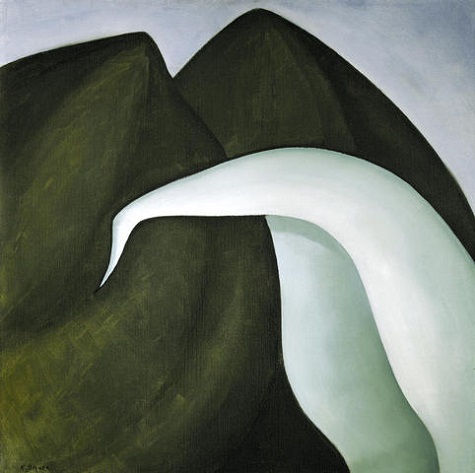
Henrietta Mary Shore, Waterfall, c. 1922, oil on canvas, Dallas Museum of Art, Foundation for the Arts Collection, Boeckman Mayer Family Fund 2015.24.FA

Henrietta Mary Shore, Waterfall, c. 1922, oil on canvas, Dallas Museum of Art, Foundation for the Arts Collection, Boeckman Mayer Family Fund, 2015.24.FA

Waterfall is a remarkable product from one of the most innovative periods of Shore’s long career, when she visually interpreted the natural world into its most essential and abbreviated forms. These “semi-abstractions,” as she called them, were an attempt to convey in a symbolic way the underlying spiritual forces she sensed in nature rather than a literal transcription of the visual phenomena she observed. In Waterfall, pure line and the juxtaposition of positive and negative shapes laid down with the sheer application of pigment are the means the artist employed to render visible the dynamic power of the eternal. Color is the emotional key she wielded to unlock the visual impact of the whole.

Although she was born in Toronto, the key portion of Shore’s artistic training was acquired in the United States, most significantly under Robert Henri in New York. After several years in California, she returned to New York City in 1920 and, forsaking narrative subject matter and the loaded-brush paint application she had learned from Henri, developed the stripped-down modernist approach demonstrated in Waterfall. The inspiration for this bold composition came, most likely, from her explorations of Maine and Canada during the summer of either 1921 or 1922. When her semi-abstractions debuted in a New York gallery in January of 1923, they were widely discussed by critics, who immediately and positively compared them with works by Georgia O’Keeffe then on view at another gallery across town.

On Wednesday, August 19, learn more about the newest addition to the DMA’s American Art Galleries during our lunchtime gallery talk.

Sue Canterbury is The Pauline Gill Sullivan Associate Curator of American Art at the DMA.

Leadership, Laughter, and Legacy

Today is Nicole Stutzman Forbes’ last day at the DMA.  Nicole began her career in 1999 as an education McDermott Intern, and in 2012, became the Chair of Learning Initiatives and Dallas Museum of Art League Director of Education.  This blog post barely begins to illustrate her hard work, passion, and humor (but I’ll give it a shot anyway).
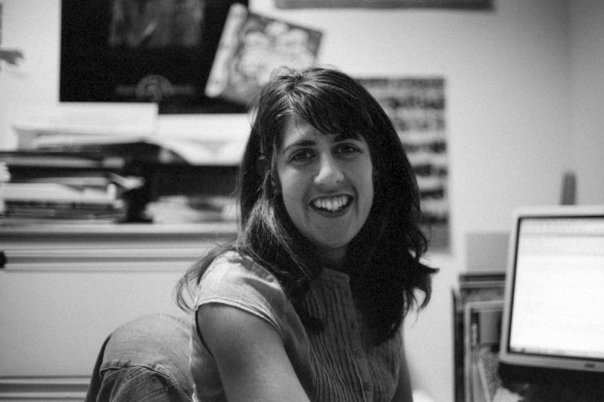
Nicole

Nicole is smart.  During her time at the DMA, Nicole worked closely with the DMA’s collections – conducting docent trainings, leading workshops for teachers, designing educational and experiential resources for exhibitions, and leading tours for visitors of all ages (among other things).  I would argue that she knows the collection better than most people on our staff.  She is also very skilled at anticipating and attending to the little details while understanding the big concept, whether she is writing a grant proposal or developing a new project.
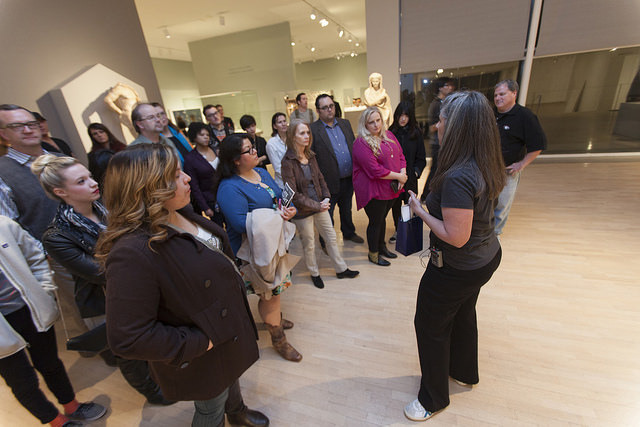
Late Night

Leading a Late Night tour titled Tips and Toes, inspired by nail polish!

Nicole is fun.  She knows when to be serious and when to laugh.  A regular fixture at Late Nights, she could be spied animatedly chatting with visitors or chaperoning a teen dance party in the Sculpture Garden.  She knows that good work does not necessarily mean serious work.  Case in point: one of our annual education retreats was held at Bowlounge, a vintage bowling alley.  What else is there to say?
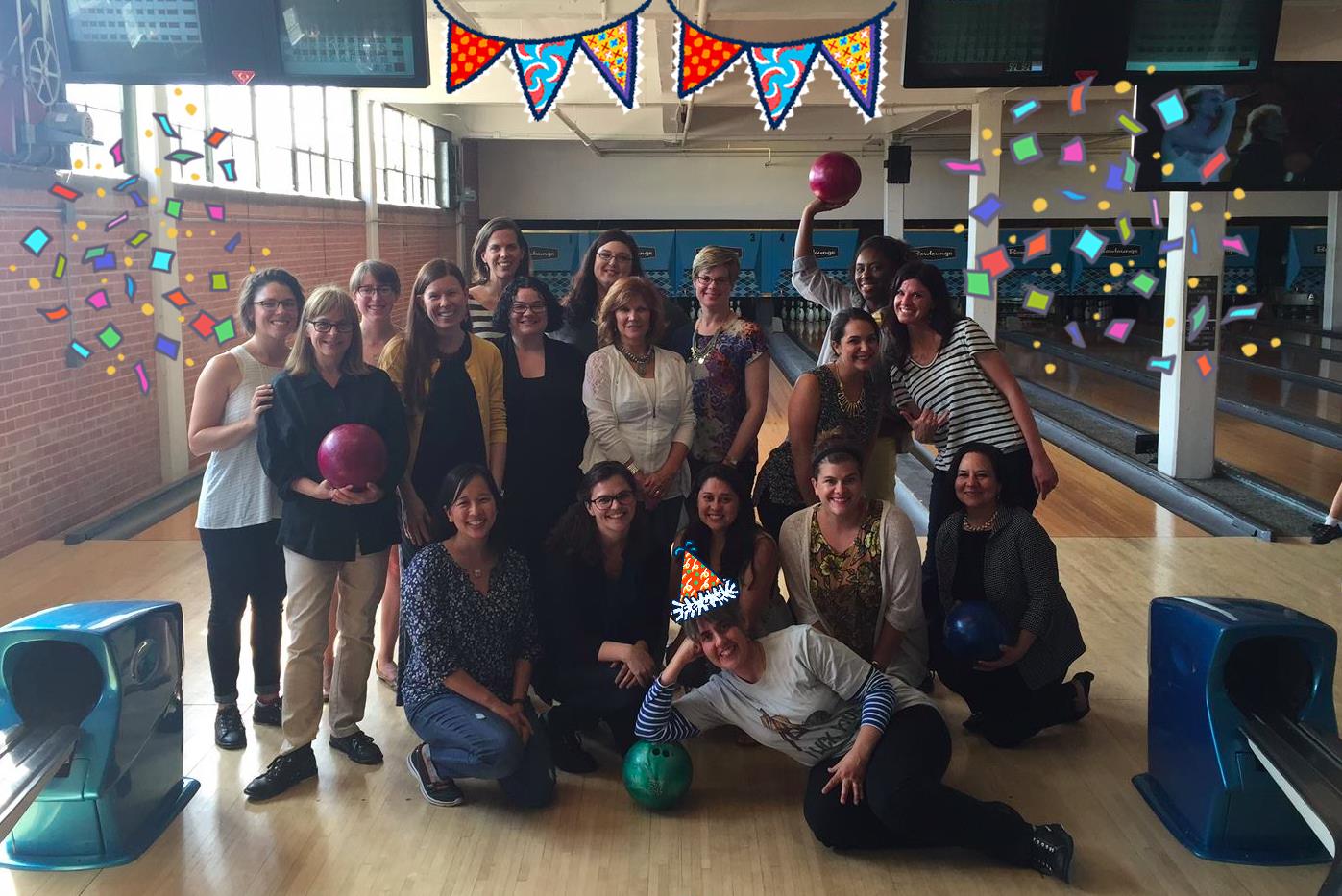
Bowlounge

Education staff revisited Bowlounge for a farewell celebration

Nicole isn’t afraid to try new things.  She welcomes opportunities to experiment with different ways of teaching with art and working with partners.  Nicole was the first to co-teach the Booker T. Washington Learning Lab at the DMA, during which visual arts students split their learning between their school and the Museum, which essentially becomes a second classroom.  She embraced technology; first through the digitization and then expansion of our resources for teachers, and later through technology-based programs in the Center for Creative Connections Tech Lab.  Rather than shy away from change, experimentation, and the unknown, Nicole eagerly explores new territory and encourages others to do so as well.

Nicole plays well with others.  Perhaps her greatest legacy is the dozens of partnerships she has initiated and developed with schools, educators, community organizations, artists, museums, and arts and cultural organizations.  Nicole strives to develop true partnerships, in which all stakeholders participate and benefit equally, building meaningful relationships that strengthen over time.  I could write an entire blog post on these partnerships alone; suffice it to say that if you named a school, museum, or community organization in the Dallas area, she has likely worked with them in one way or another.
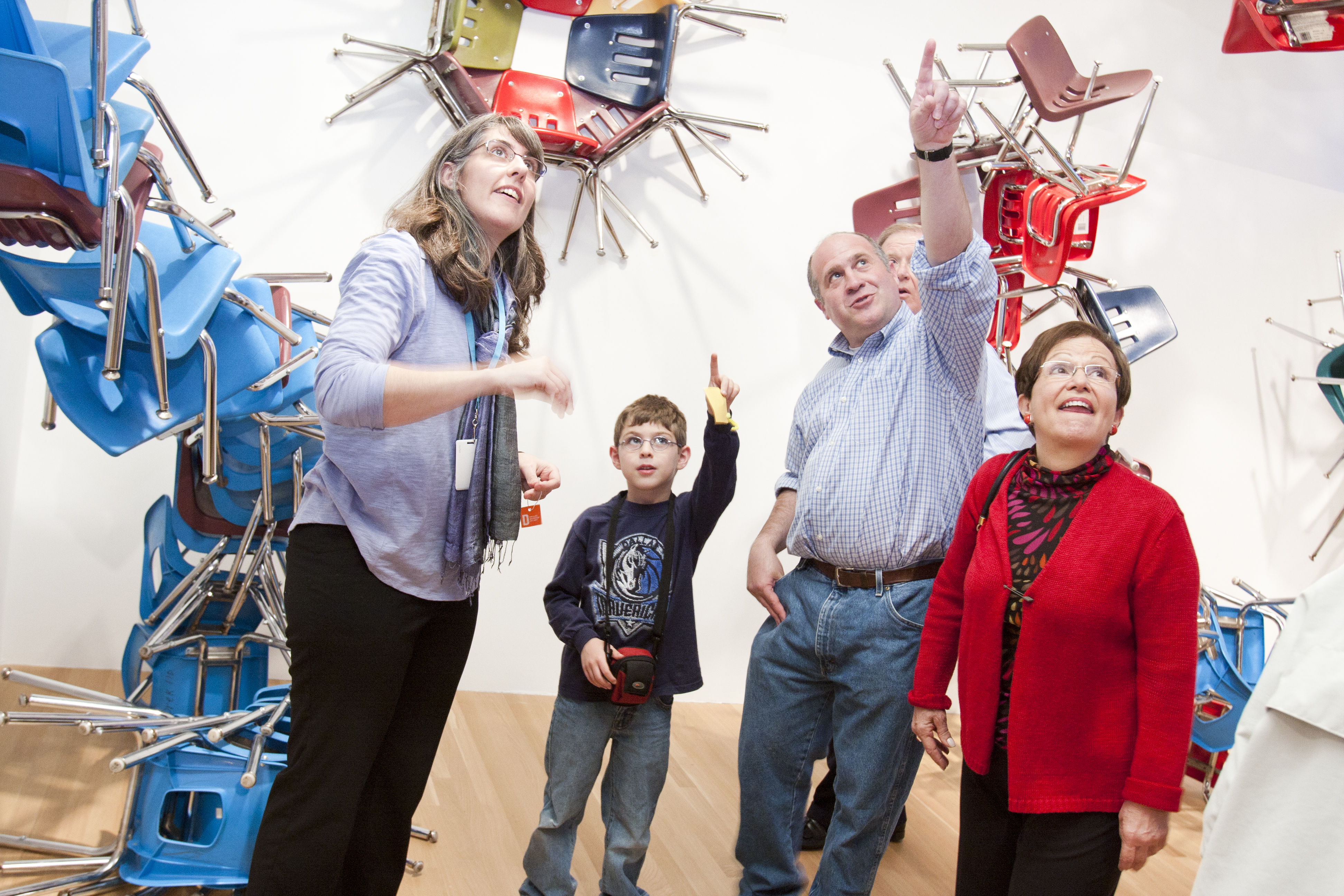
Skyline Project

At the opening of Sculpting Space: 299 Chairs, a collaborative installation created with Skyline High School and three DISD elementary schools

Nicole is a leader.  For me, she is also a friend and mentor who championed my ideas and pushed me to think bigger. Nicole leads by her words and by her actions.  She leads with integrity.  She leads with energy and enthusiasm.  She is highly respected among her peers, both locally and nationally.

But, don’t just take my word for it.  When asked to share her thoughts about Nicole, Bonnie Pitman, former Eugene McDermott Director at the Dallas Museum of Art, quickly responded:

Nicole has always been a trailblazer, an innovator and a great educator dedicated to communicating art in new ways.  In 2002-03, she led the DMA into a new domain – educational technology.   Created in partnership with the UT Dallas’s Arts and Technology programDIG! The Maya Project was one of the first ever museum interactive video games. There was little that was easy about it— as the process for this type of creative online learning through games had never been done before.

Nicole also actively sought to bring together the works of students and educators and artists in new ways for the public to enjoy and embrace. Poets, dancers, musicians, visual, and other artists have all actively  interpreted the collections and the romps, stomps, and interactive displays have been enjoyed by all.

This past year Nicole and I co-taught a course for medical students at UT Southwestern Medical School that focused on observing, analyzing, and engaging with works of art in order to assist the future doctors with their medical diagnostic skills.  The reviews of the class were amazing in large measure because of Nicole’s passion for teaching.
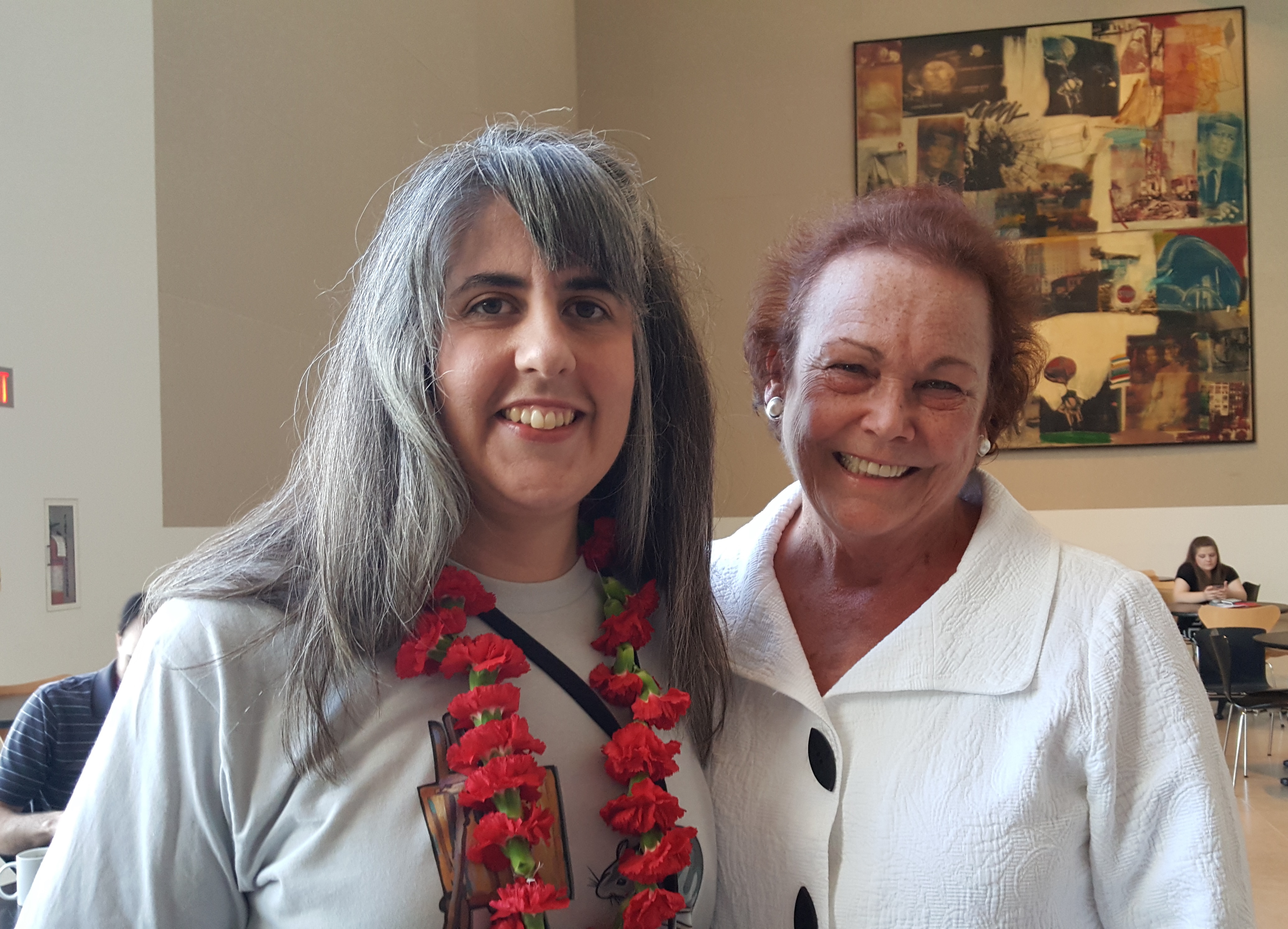
Nicole and Bonnie

Nicole and Bonnie

Maria Teresa Garcia-Pedroche, Head of Community Engagement, adds:

I had the privilege of collaborating with Nicole on several exhibitions and programs. She organized col-LAB-oration (December 2003 – January 2004), an exhibition that took the form of an “idea lab” where visitors felt as if they have walked into the artist’s thought process.  She invited students from Travis Academy to collaborate with Jesús Moroles on ideas with regards to sculpture. Nicole understands that true partnerships allow for everyone to come to the table and have an equal voice. These collaborative experiences take time to create and one size does not fit all.  It is a privilege to work with a colleague who respects communities at large.

This blog post could be much, much longer.  But I think you’re starting to get the point (or you’ve already gotten it, if you’ve been fortunate enough to work with Nicole): She is awesome.  We’re so excited for her and her new adventure as the first Director of Extracurricular Programs at Trinity Valley School in Fort Worth.  But man, are we going to miss her.

Melissa Gonzales
C3 Gallery Manager
30-Minute Dash: Reagan Duplisea

In our second installment of 30-Minute Dash” DMA Registrar Reagan Duplisea shares her solution to the tough task of only 30 minutes in the DMA.

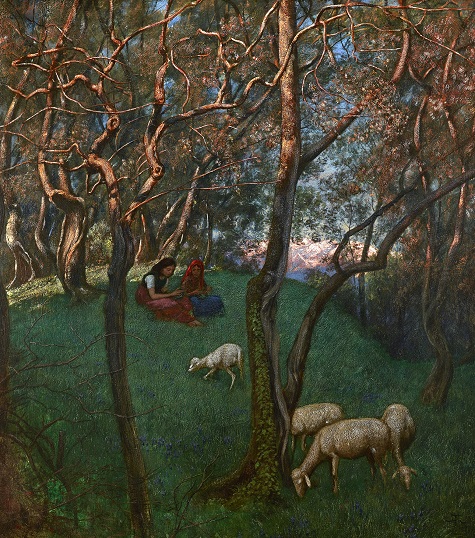
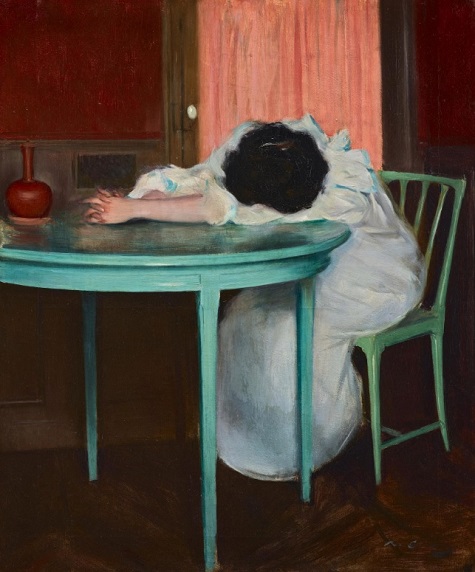
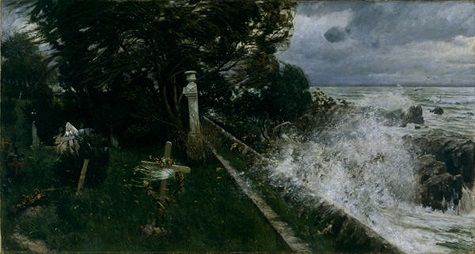
A DMA highlights tour for me would begin by taking the elevator to the second floor galleries and turn left to be met with a wall of compelling and dramatic emotion and color, which begins with the despair of Ramon Casas’ Tired, the treacherous sea-swept cemetery of Adolf Hiremy-Hirschl, and ends on the idyllic pastoral note of Hans Thoma’s Olive Grove at Lake Garda.

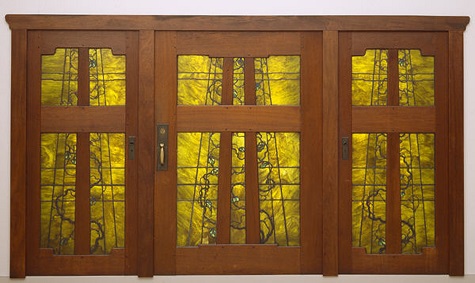
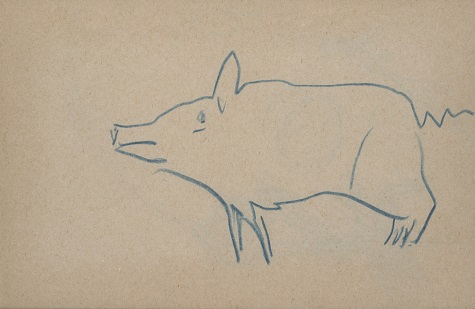
Take the small staircase up to the third floor and take a quick turn through the Northern Decorative Arts gallery. Bask in the glow of the Tiffany windows and Front doors from the Robert R. Blacker House and admire the sturdy yet stunning craftsmanship of the Stickley workshop. Then take a few more steps into the light-infused foyer of the Reves period rooms. Don’t miss the Winston Churchill room, especially his oversized brandy glass and self-portrait in the guise of a portly pig.

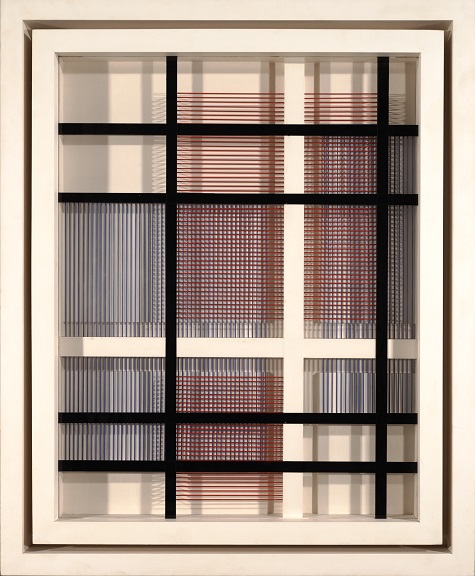
As you exit the decorative arts galleries, make a right to marvel at the delicate Japanese ceramics, pause for a contemplative moment in the calming ambiance of the gallery of Japanese screens and take a quick wander amidst the sly smiles of the Oceanic figures. Take the stairs to the fourth floor and veer left on a path that will lead you past the harmonious and fine lines of Charles Biederman’s Work no. 3, 1939, the Viktor Schreckengost Jazz Bowl and Charles Sheeler’s Suspended Power.

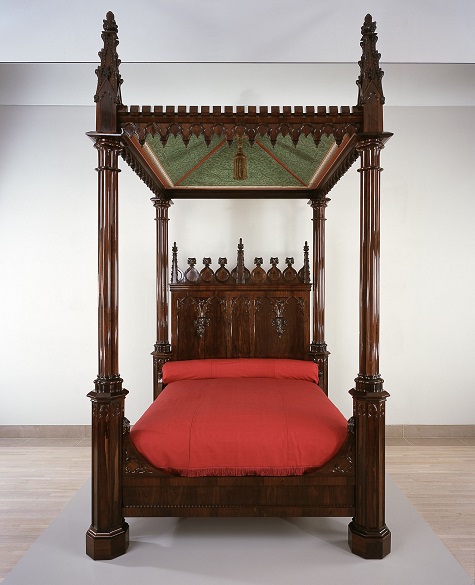
This reverse route through the American galleries will ensure that you pass by the majestic Gothic bed before you exit and make a quick beeline for the Ancient Arts of the Americas. The first gallery features objects of jade, in amazing shade variations, and the second will dazzle you with an array of gold. As you leave the final gallery, throw a glance over your right shoulder to catch a glimpse of the charming Yup’ik Mask with seal or sea otter spirit. The Mixtec Crouching frogs outside the galleries will stick their tongues at you, playfully suggesting that you didn’t allot nearly enough time for your visit and goad you into planning another, longer visit soon.

Reagan Duplisea is the Associate Registrar, Exhibitions at the DMA

The Art of Being an Intern

Finalizing designs with the SDCC teens.

Finalizing designs with the SDCC teens.

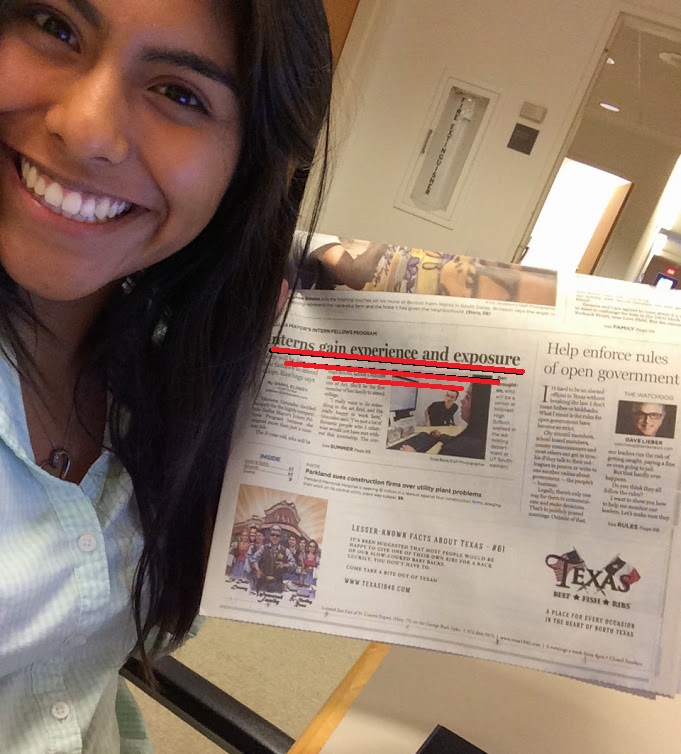
Hello everyone! My name is Mariana Gonzalez and for the past eight weeks, I have interned with the Museum’s Education Department as part of the Mayors Intern Fellows Program. The program is highly competitive because it offers 350 students (over 1,000 students applied!) the opportunity to gain real world experience at an eight-week long internship. I am about to begin my senior year at Richland Collegiate High School. It is a charter school in Dallas where I am set to earn my Associates Degree in Science and my high school diploma this coming spring. I aspire to be a well-recognized artist someday and plan to continue my studies with a Bachelors in Studio Art.

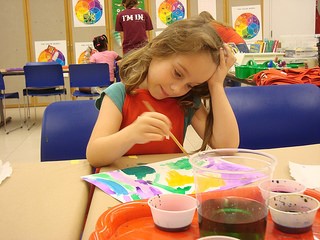
Much of my job here as an intern for the Education Department involved getting dirty with many diverse groups of kids. I worked in the C3 Studio on some days and other days I was on the move with the Go van Gogh program! We created works of art and hosted all kinds of camps for the kiddos from fashion camp to a cosplay camp. Every day was completely different. I also had the opportunity to help guide a teacher forum. I essentially taught teachers about teaching art. From doing craft projects to visiting a few exhibitions, these teachers were offered the finest of opportunities to learn all about how we do things here at the DMA.

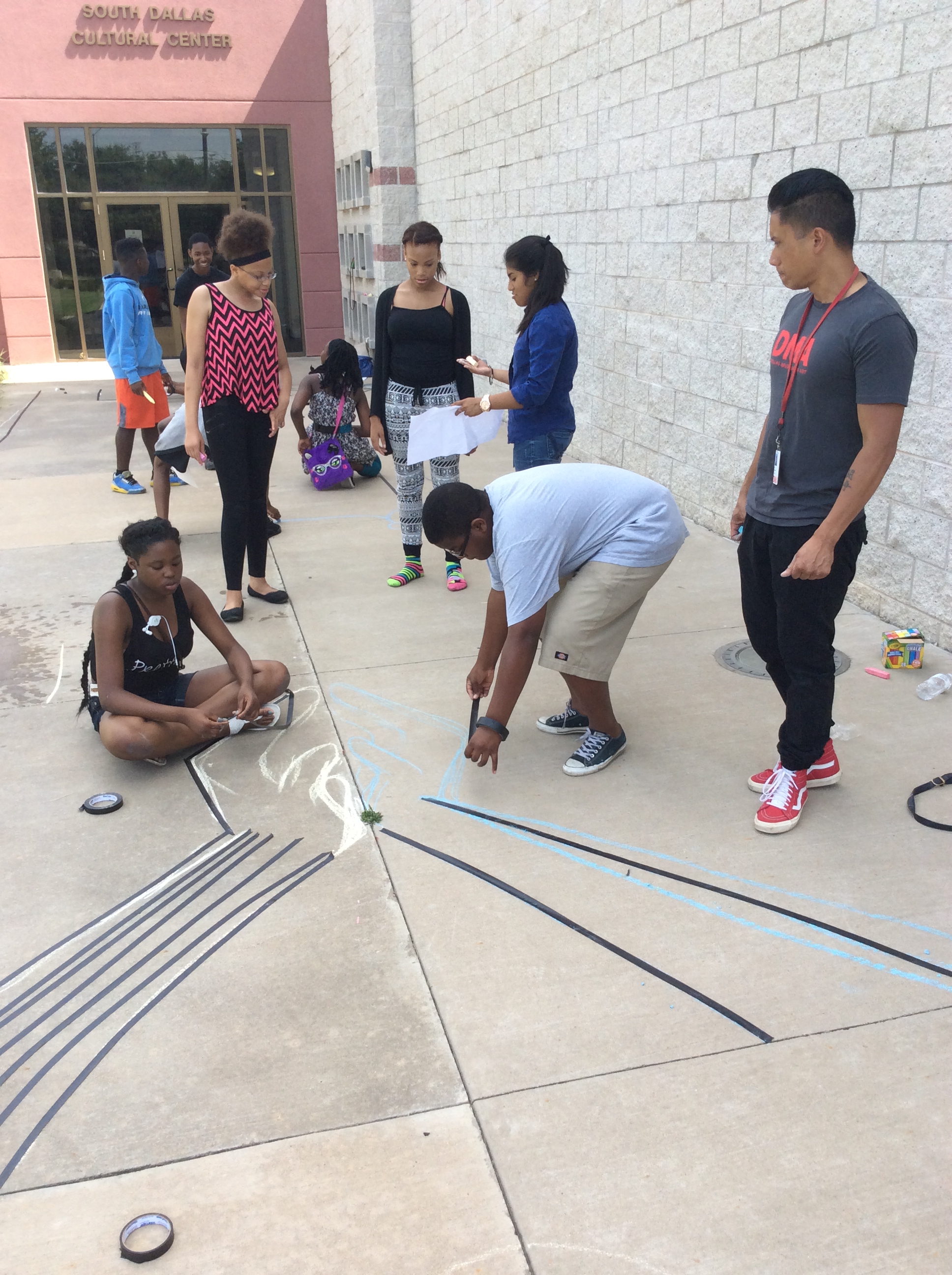
One of my favorite partnerships happened with the South Dallas Cultural Center. The Go van Gogh program and teens from the SDCC banded together to create temporary street art with duct tape. We began with marshmallow ice breakers, finding inspiration from artists like Banksy, and sketching out various designs. We outlined our ideas in chalk and finally worked the duct tape into the concrete to create street art. The entire experience was mind blowing –who would’ve thought we could make art on concrete out of non-expensive tape? These brilliant teens innovated my manner of thinking and that lesson will always stick with me.

When I was little, my mother taught me about many things, but no amount of preaching on her behalf could have taught me what I learned from the kids at the DMA. Working with such a vast amount of children allowed me to realize how much I enjoy their company. They are all young, vibrant, and honest. Something I looked forward to every single day of my internship. Overall, my internship transformed my summer into a memorable experience. I am forever in debt to my supervisor and all of the wonderful people who helped guide me on this fantastic journey of learning and teaching at the DMA. I even had the opportunity to be featured on The Dallas Morning News!

Mariana Gonzalez
Mayor’s Intern Fellow

Summer Interns: Creative Young Minds

When I got the email saying I would be one of the five Summer Art Camp Interns at the Dallas Museum of Art, I was so excited because I knew this would be the perfect opportunity to blend my passions for both art and working with children. I am a transfer student from Kenyon College, and I will be attending the University of Texas at Austin this fall where I plan to be a psychology major. My dream would be to someday become an art therapist.

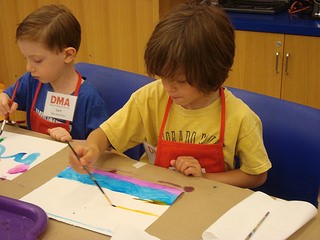
From the New World Kids Camp–a two week long camp that dedicates each day to an element of the sensory alphabet–I recognized that each child had a unique style and voice in their artwork. In only two short weeks I could pick out which artwork belonged to which child because of reappearances in themes such as warships or the color red. Working with these children as a summer intern has changed my opinion about art and its usefulness as a way to reveal interesting traits about each child. For example, certain kids used more curvy and open lines, whereas others were more exact and meticulous. These tendencies to create artwork with certain patterns revealed a lot about each child, and I enjoyed getting to learn about each camper through their art.

Not only was I startled by the overwhelming talent and interest in art created by all of the campers, but I also was excited to observe how creativity in young minds still holds strong, even with distractions today like video games and technology. I love what the DMA achieves in helping children by giving them a place and opportunity to express themselves in a way that is productive and meaningful.

Sara Stahl
Summer Art Camp Intern

What’s That Smell?

Art Babies 1

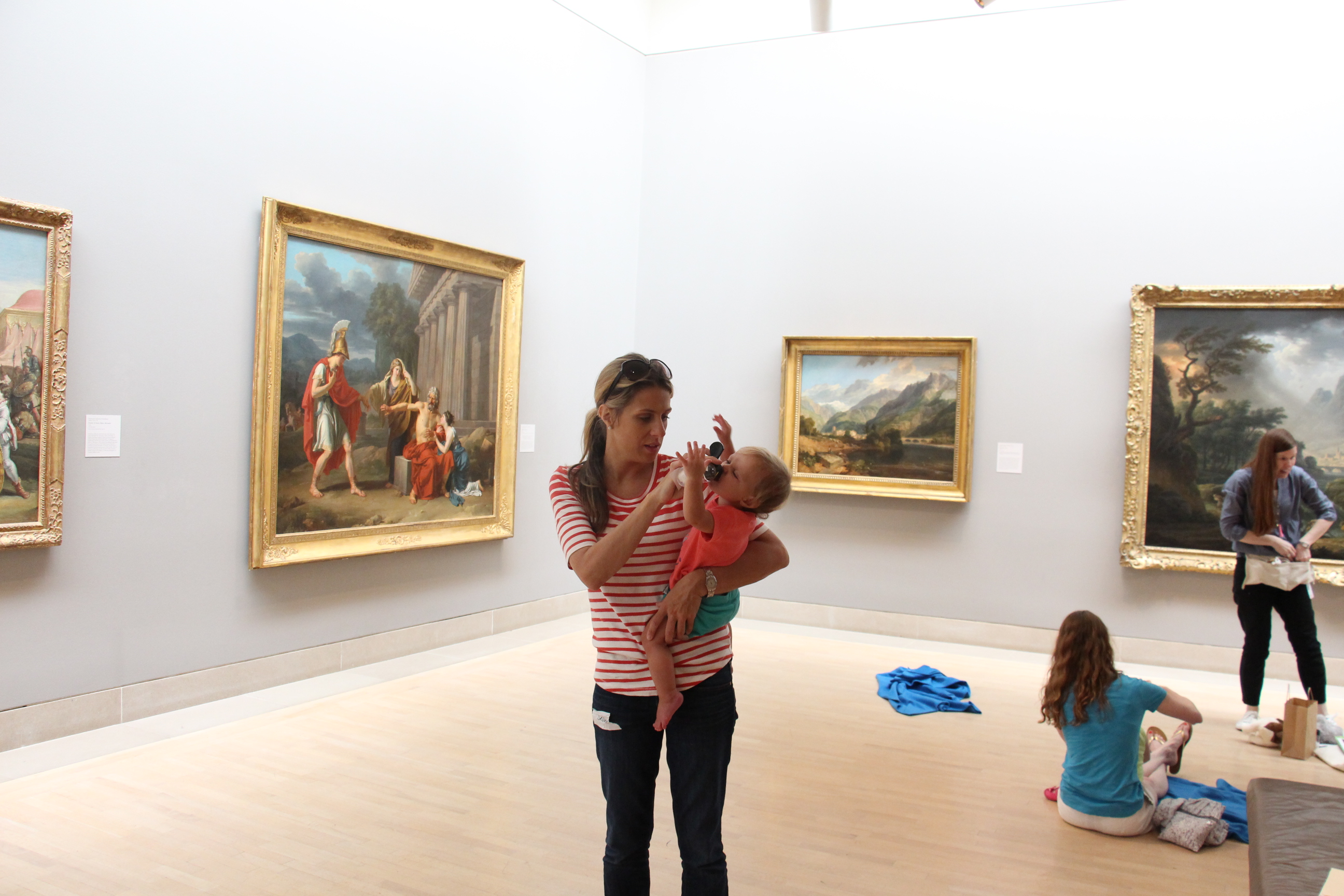
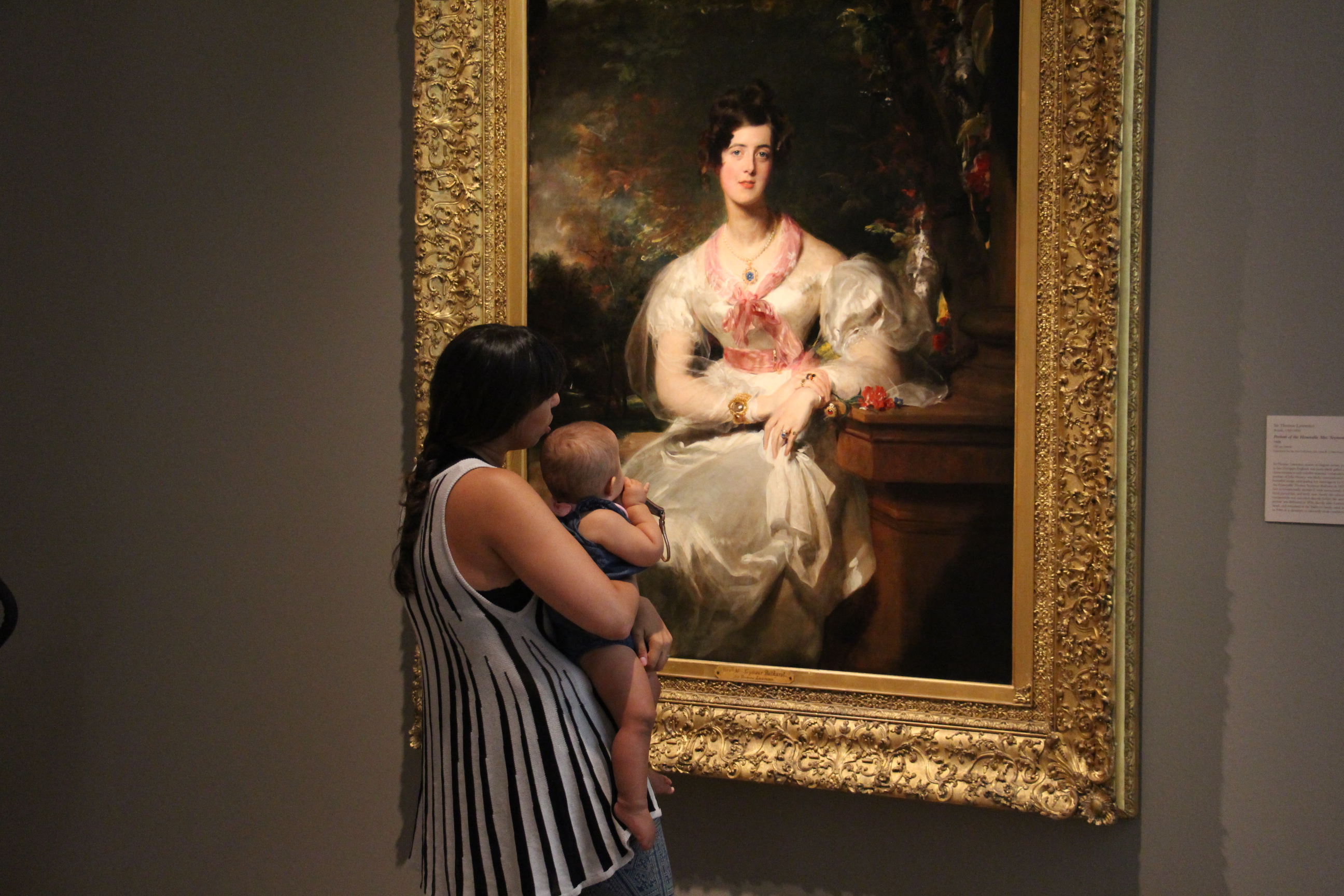
In our family classes here at the Museum, we try to make sense of the art in more ways than one! Whether it’s through tactile objects that mimic textures we see in a painting, or listening to music that inspired certain works of art, we do our best to find creative ways to engage more than just our sense of sight when exploring the galleries. For this month’s Art Babies class, we kicked it up a notch and focused on our sense of smell.

Since babies already naturally rely on the five senses—sight, smell, taste, touch, and hearing—to learn about the world around them, they were the perfect audience for this sort of experiment. For me, though, it was a fun challenge to imagine smell as a pathway for exploring art. How could I bring smells into the galleries that were both baby-safe and art-safe? And how could I be playful and engaging in my approach? My solution—puppets and spice jars!

Art Babies 2

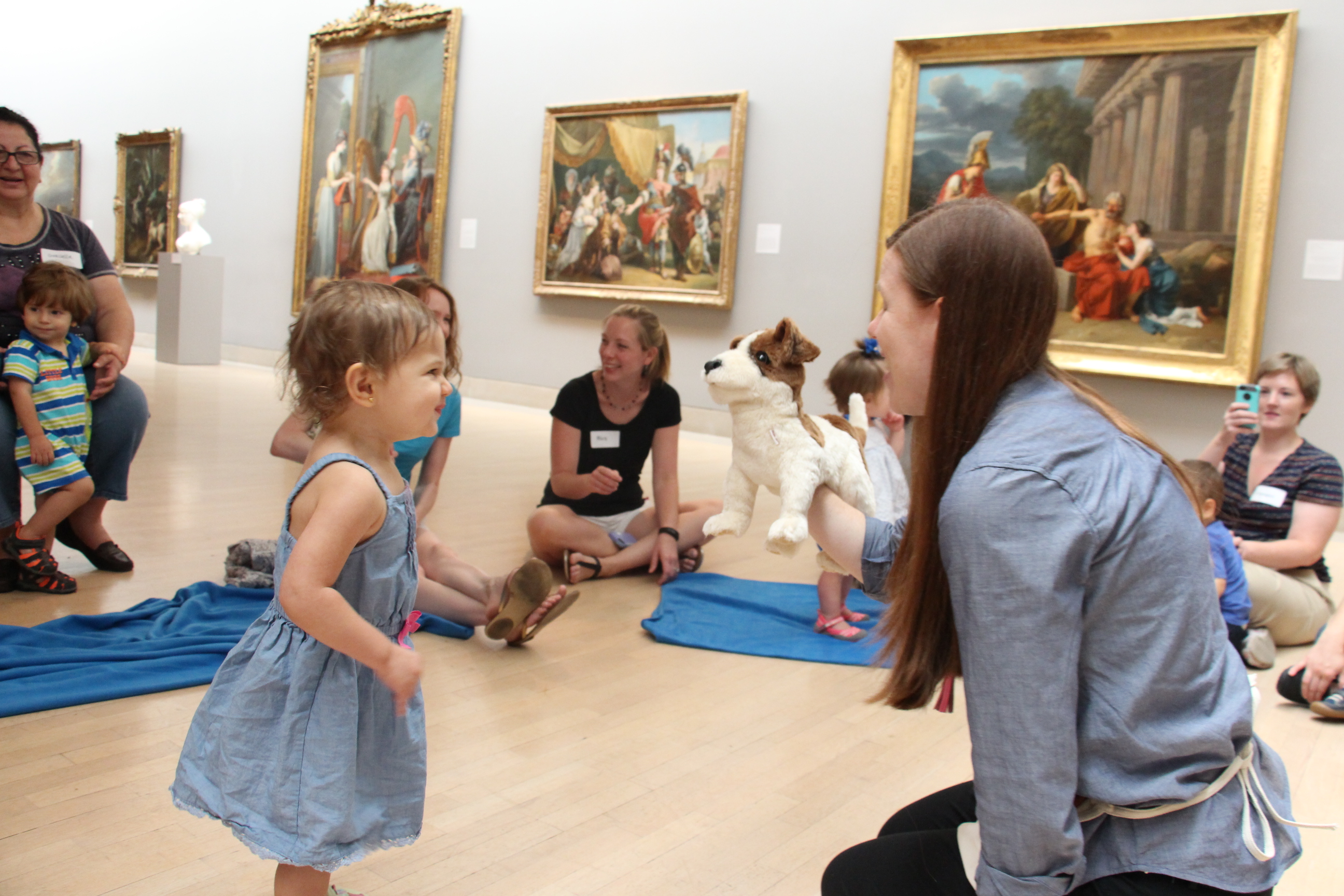
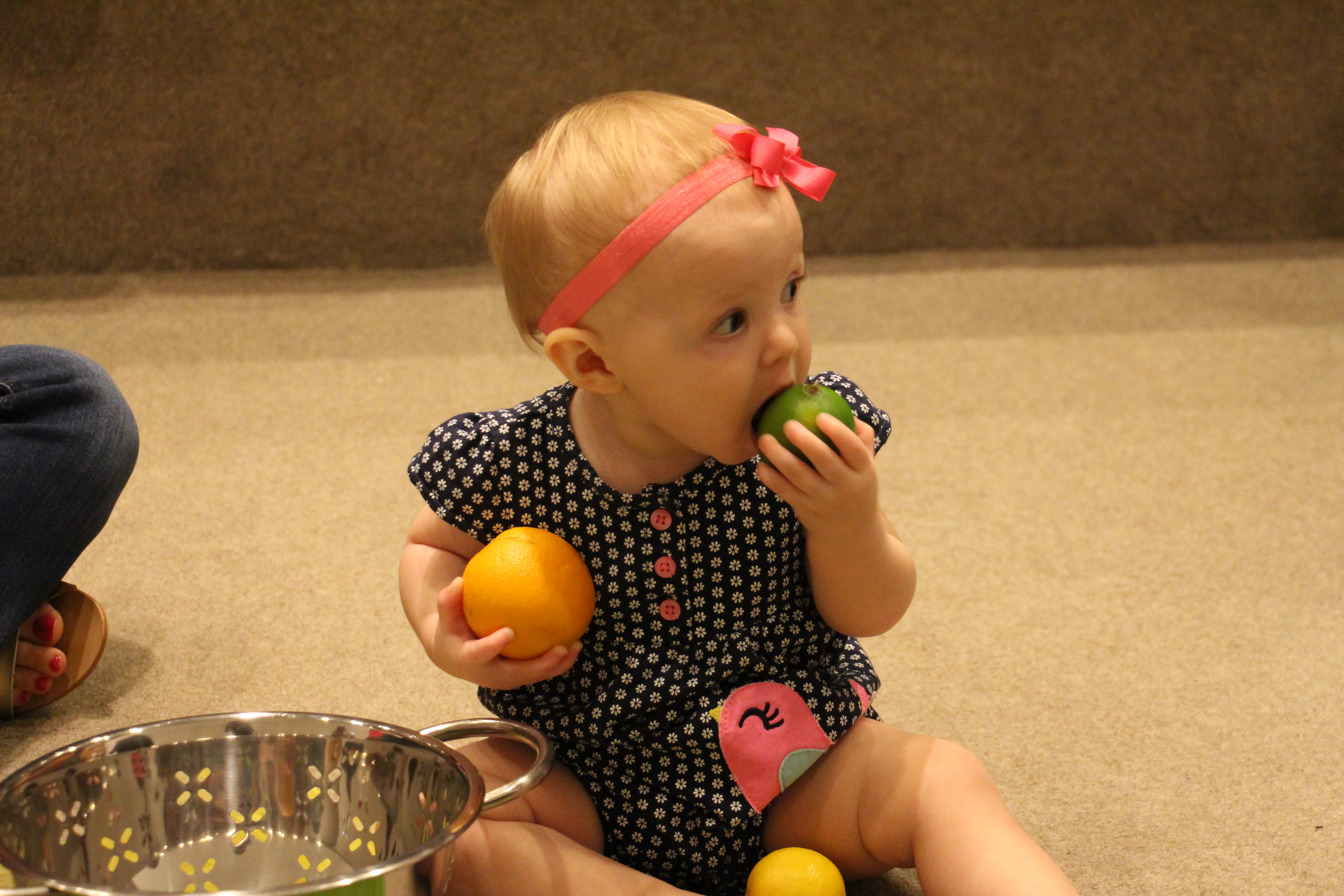
We began with a story featuring Jack the dog, inspired by Claude-Joseph Vernet’s painting A Mountain Landscape with an Approaching Storm. Jack smells something new in the air and sniffs from one furry friend to the next trying to discover what the smell could be. I used a loveable puppet to bring the story to life, and Jack quickly became fast friends with our little visitors. Several wanted to hug and kiss him, but they also imitated the puppet’s sniffing, and as the story progressed, more and more babies would scrunch up their noses and make sniffing noises along with Jack. (The little one pictured above was one of my most expressive sniffers!) When Jack finally discovers that his mystery smell is the scent of rain, the children and their caregivers made their own discovery too—finding a little dog in Vernet’s painting and noticing the ominous clouds in the top corner of the landscape.

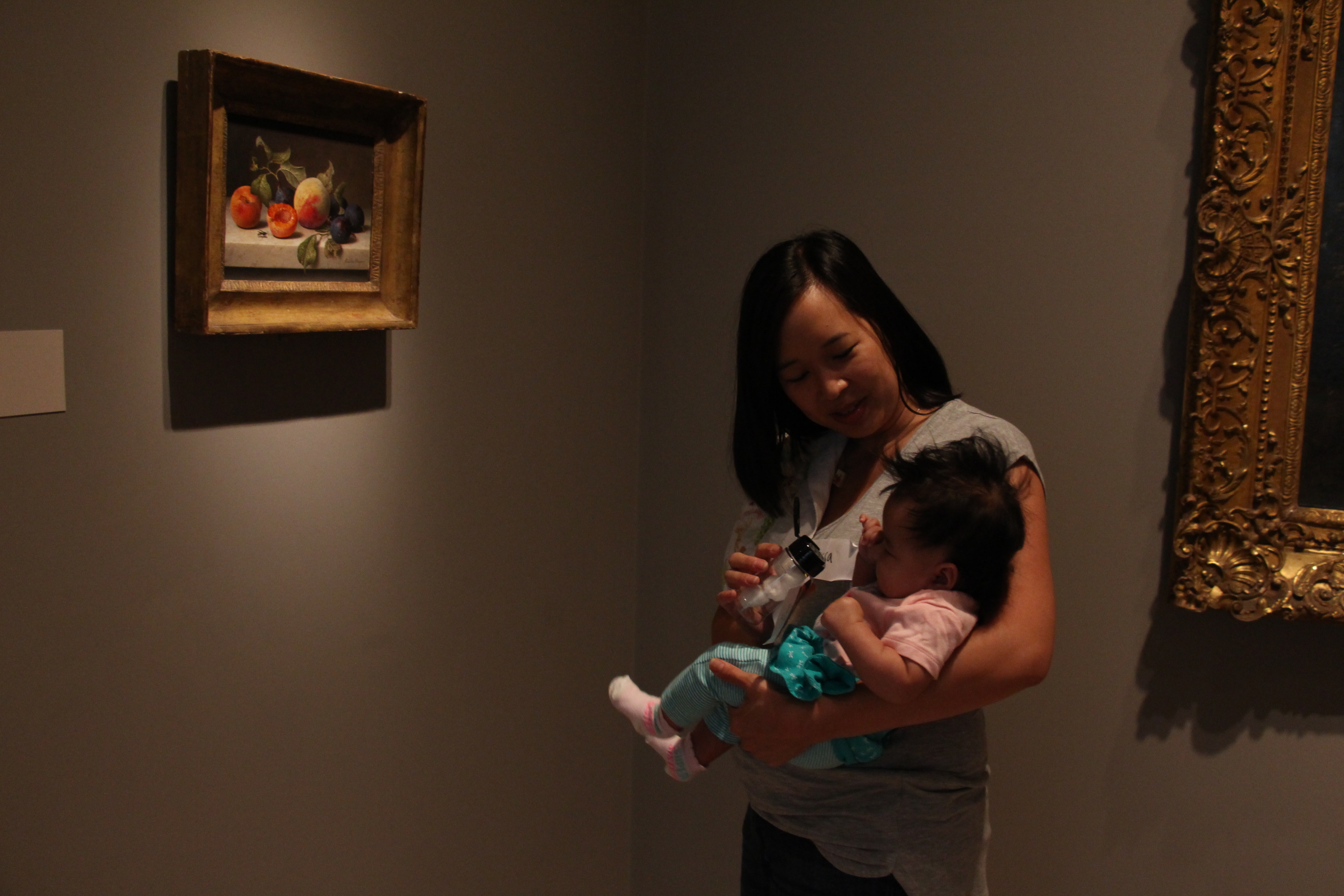
Now that we had planted the idea of using smell to better understand what we see, families set off on a smelling adventure through the galleries, using repurposed spice jars filled with a variety of scents—from apple blossom and rain to fresh hay and mountain air!

Art Babies 3

Babies sniffed, shook the bottles like rattles, and stuck them in their mouths. Adults searched for paintings with objects that matched the smells. Together grown-ups and children found new ways to experience art.

Art Babies 4

Before the shrieks of delight and giggles could dissolve into tears or frustration at not being able to touch, we left the galleries and made our way to our sensory play stations. Here, any and everything can be picked up, mouthed, dropped, smelled, rolled, bounced, and more. And for a special smell-inspired play area, we offered the babies fresh flowers, oranges, lemons, and limes to smell and investigate.

I do believe that these little ones have quite a nose for art!

You can create your own smell-based sensory play at home with recycled spice jars, cotton balls, and scents. I found inspiration from this blog post. Be sure to avoid scents that might create a burning sensation (like wasabi, chili powder, mustard or pepper). My go-to source for unusual scents is the Demeter Fragrance Company. Smells like art to me!

Leah Hanson
Manager of Early Learning Programs
 

Moore on the Move

Photos showing the North Entrance of the museum prior to the start of renovation efforts.

The North Entrance of the Museum prior to the start of renovation efforts.

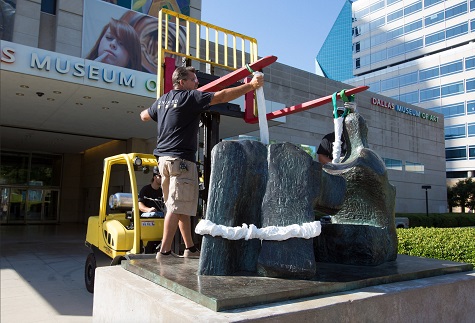
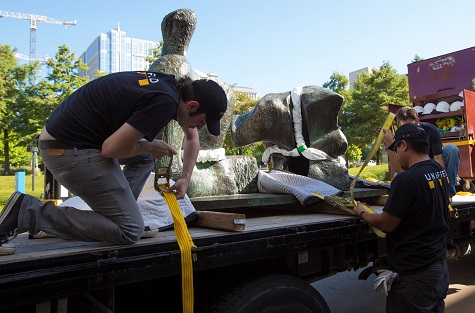
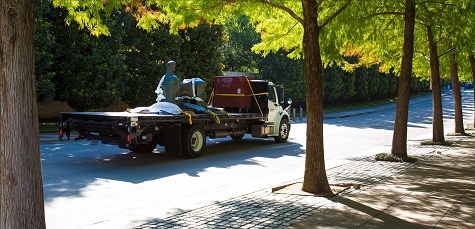
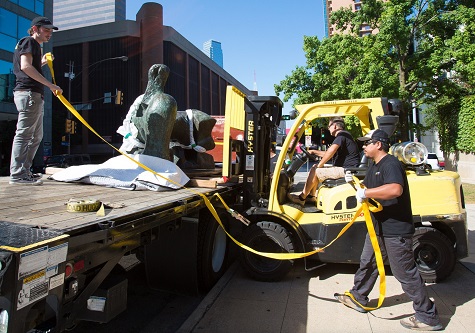
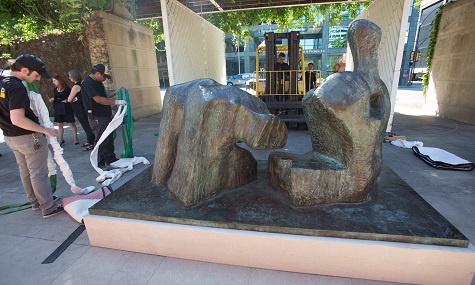
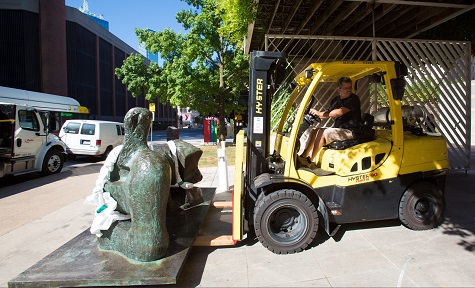
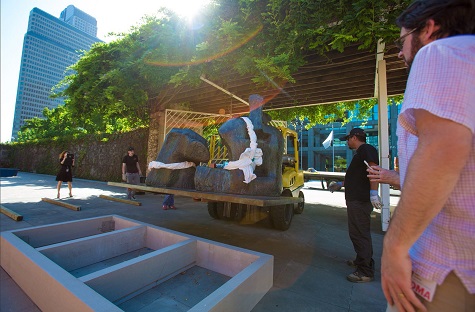
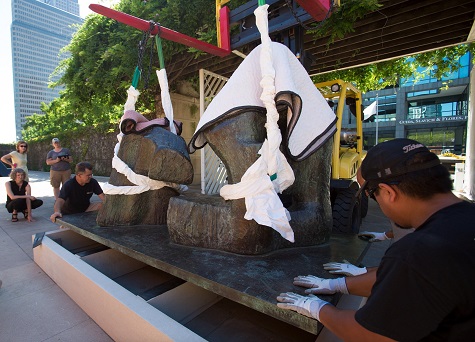
Henry Moore’s Two Piece Reclining Figure, No. 3 has greeted visitors at the Museum’s North Entrance for many years. Last week, Moore’s sculpture moved to a new home on the south side of the building, where it will welcome visitors into the Sculpture Garden. The move involved a lot of planning, and many precautions were in place to move the 2,200-pound bronze sculpture. Follow the sculpture’s journey below:

Summer Interns: Preparing for the Future

Hello all! My name is Christina Miller and I am a first year graduate student at Texas Woman’s University, earning my Masters of Art in Teaching. Interning at the DMA this summer has really taught me so much about children and art. Rather than the camp teachers and interns teaching the children about art, throughout this experience, the children have been teaching me. The camp that was by far the toughest but most rewarding was the Hands-On Art for Children with Autism. This was my first experience working with children with special needs. I am pretty sure that I was just as nervous as the children were on their first day of camp, but I knew it was important for me to learn to work with children with a variety of abilities, since teaching will be in my near future.


The children all had different personalities and were on different levels of the autism spectrum. It was amazing to see how some had such an incredible memory! From remembering artists and their artworks, to songs, to even art history movements. One thing they all had in common was hard work and participation. Although each of them may have differing needs, they are all talented. I was so happy that I had the opportunity to work with this camp. I can proudly say that this internship has prepared me for my future as an art teacher and taught me how to truly bond and work with students with a variety of abilities.

Christina Miller
Summer Art Camp Intern

African Art Sketching Party

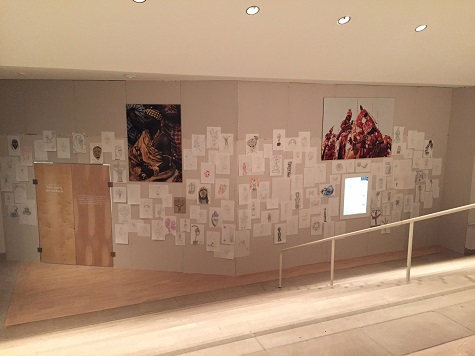
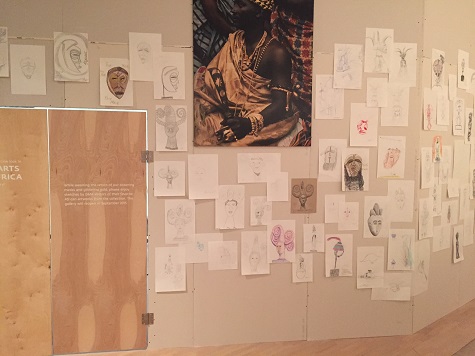
Full wall

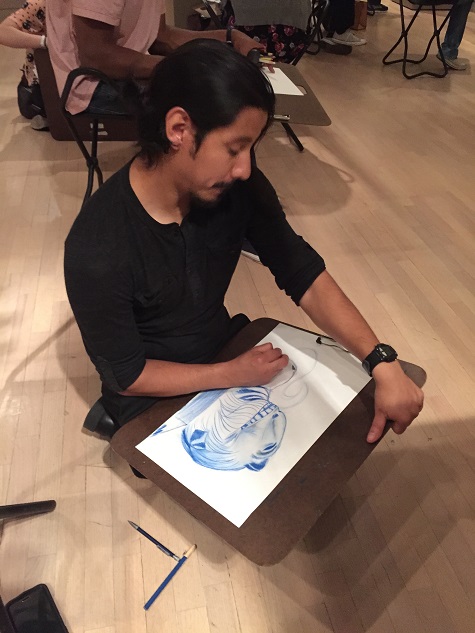
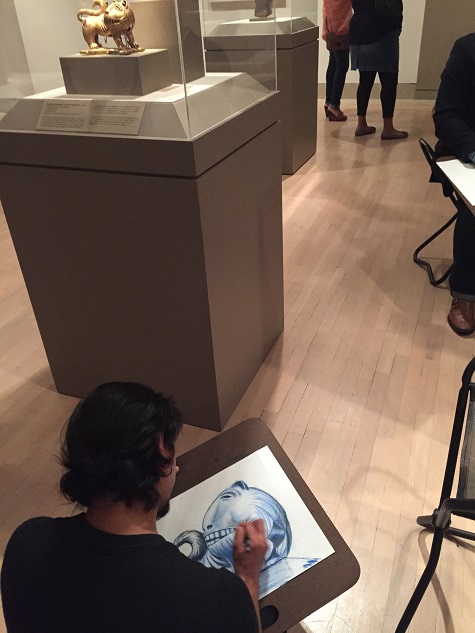
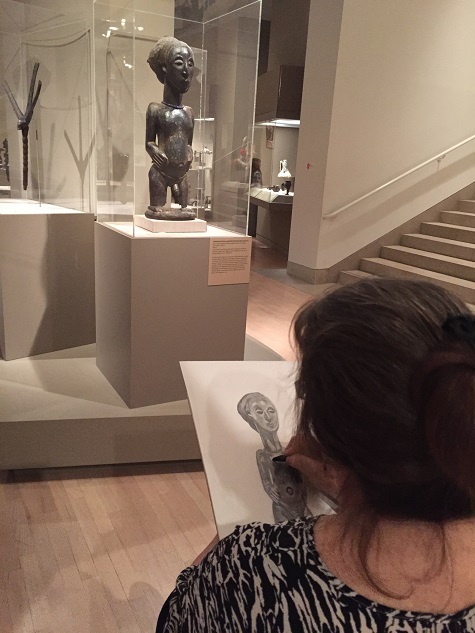
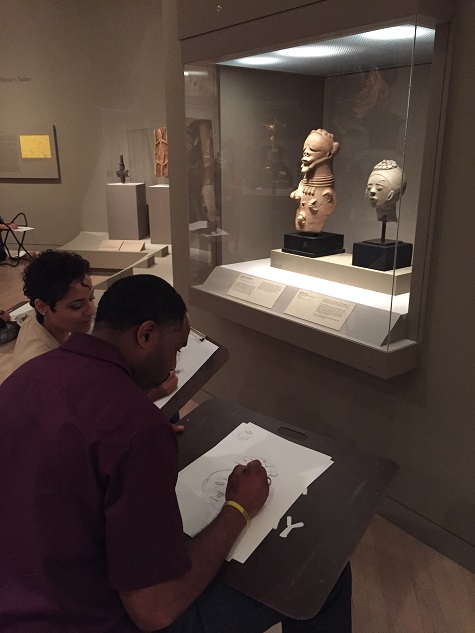
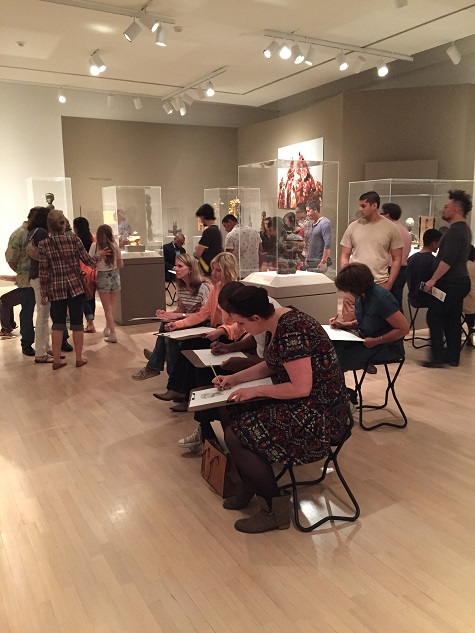
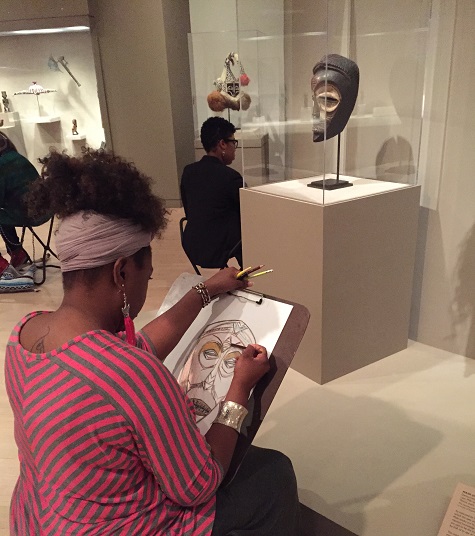
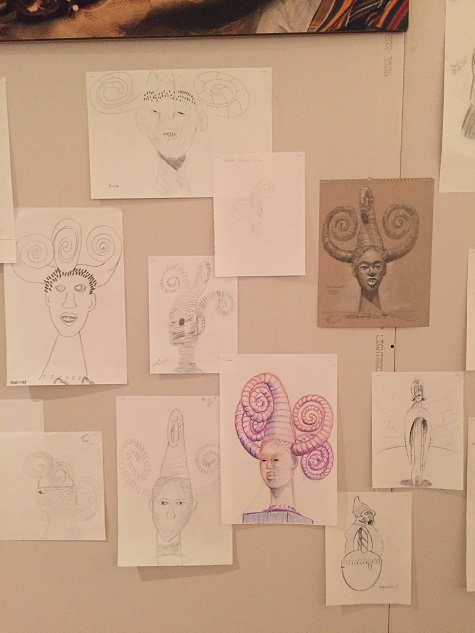
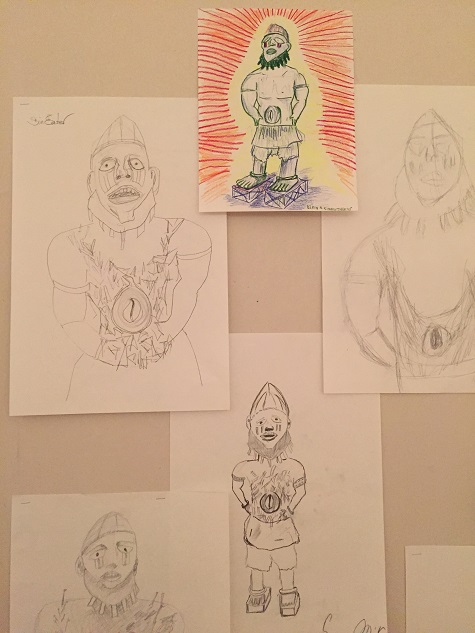
Just before the Arts of Africa gallery closed for reinstallation in May, the DMA invited the public to a Late Night African Art Sketching Party. Over 100 sketches of visitors’ favorite African artworks were gathered during the party. It was an opportunity to tap into the creativity and perspectives of DMA visitors. Sketching is a fun way to slow down, look closely, and discover something new about an artwork.

Visitors’ drawings are on view on a temporary wall on Level 3 in the Museum. Come for a visit before August 30 to see this installation of sketches and experience the DMA’s African art collection as seen through the eyes of another.

Nicole Stutzman Forbes is the Chair of Learning Initiatives and Dallas Museum of Art League Director of Education at the DMA.

Cool Down with Pop

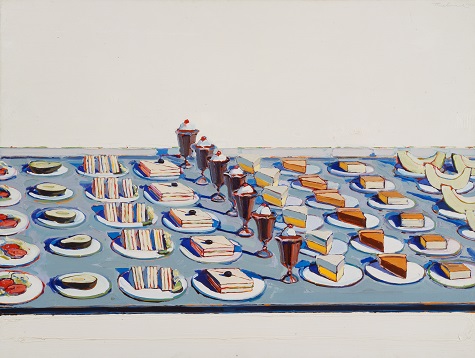
Not only is July National Ice Cream Month, but yesterday ice cream had an entire day dedicated to its wonderfulness. During the Dallas summers, we certainly love cool treats, which has us thinking of cooler weather and a colorful exhibition opening this fall at the DMA, International Pop. So, in honor of this month dedicated to the coolest dessert there is, we’re highlighting Wayne Thiebaud’s Salads, Sandwiches, and Desserts. You can see this work at the DMA beginning October 11, 2015.

Wayne Thiebaud, Salads, Sandwiches, and Desserts, 1962, oil on canvas, Sheldon Museum of Art, University of Nebraska–Lincoln, NAA–Thomas C. Woods Memorial © Wayne Thiebaud/Licensed by VAGA, New York, NY

Wayne Thiebaud, Salads, Sandwiches, and Desserts, 1962, oil on canvas, Sheldon Museum of Art, University of Nebraska–Lincoln, NAA–Thomas C. Woods Memorial, © Wayne Thiebaud/Licensed by VAGA, New York, NY

Kimberly Daniell is the Manager of Communications and Public Affairs at the DMA.

Archives

Categories