Archive Page 53

High School Film Day

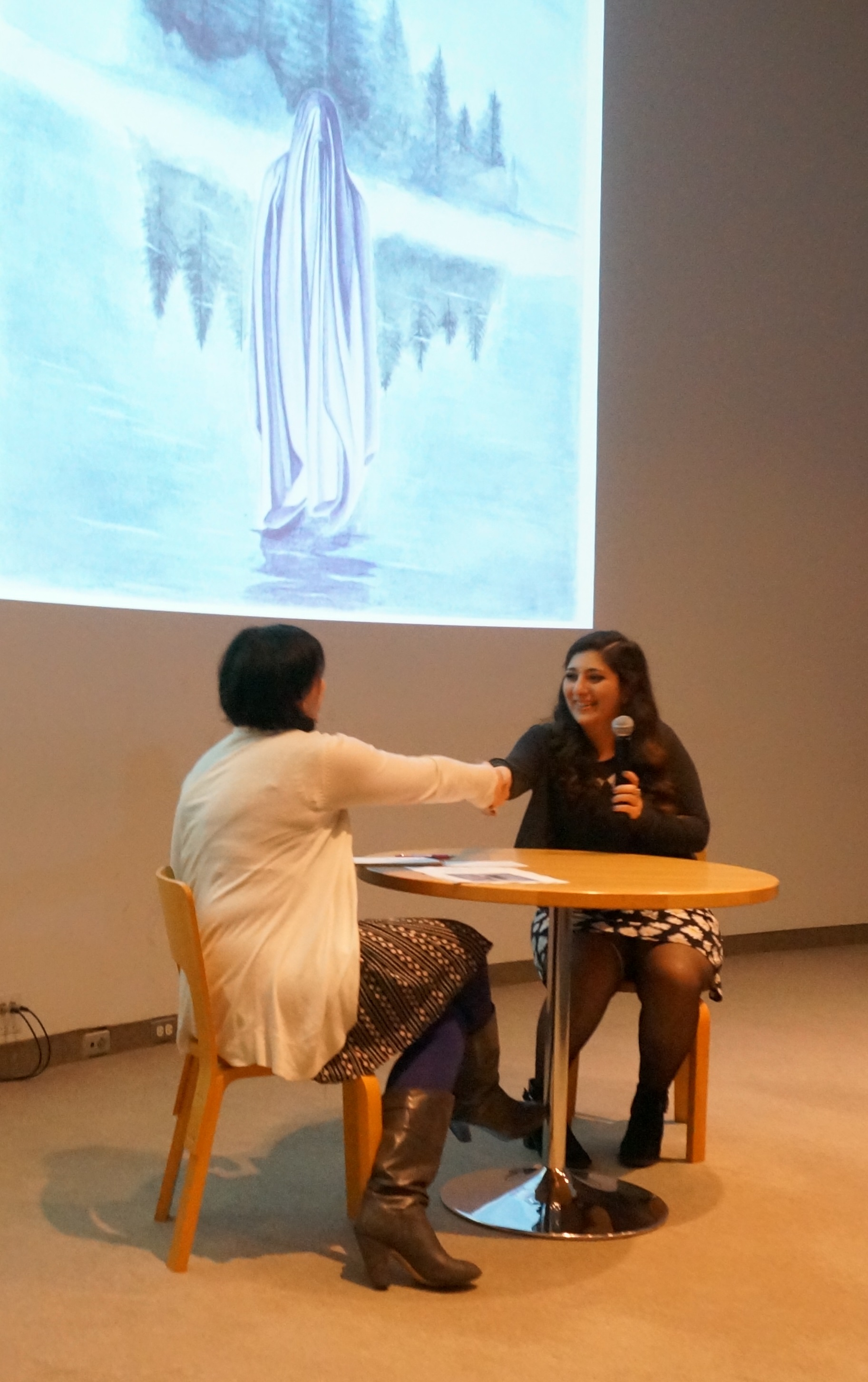
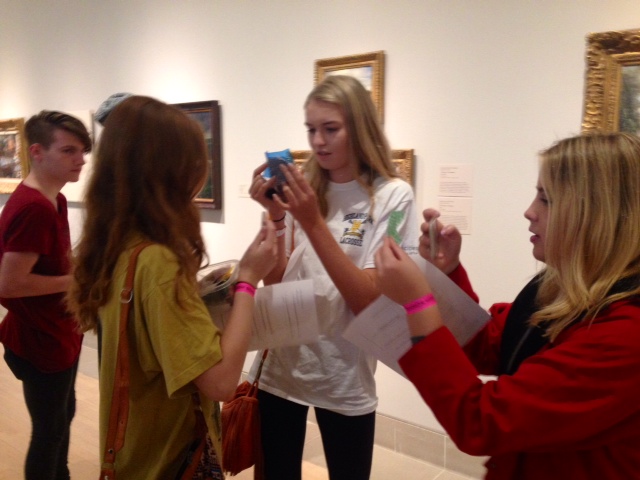
Lights, Camera, Action! On Friday at the DMA, we welcomed hundreds of North Texas students for DIFF 2016 High School Day. Organized by the Dallas International Film Festival, the annual event takes place in the Dallas Arts District and gives future filmmakers the opportunity to participate in discussions and workshops about creating and marketing independent films at the DMA, the Nasher Sculpture Center, the Crow Collection of Asian Art, and Kyde Warren Park.

Here at the Museum, students participated in an Animation 101 workshop with Reel FX Creative Studios and learned about “old school” FX for the digital age with MediaTech Institute’s Eric Jewell. You can check out Eric’s workshop on forced perspective from last year’s High School Film Day here!

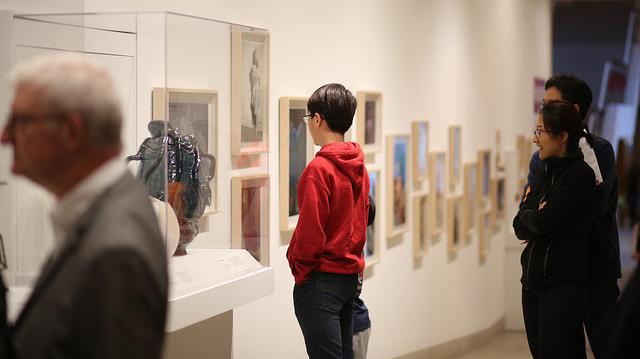
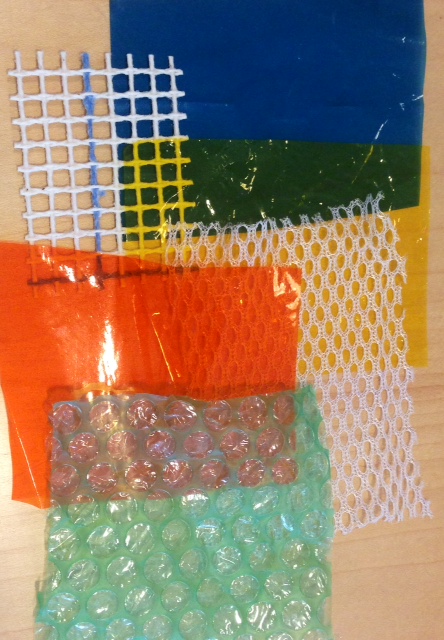
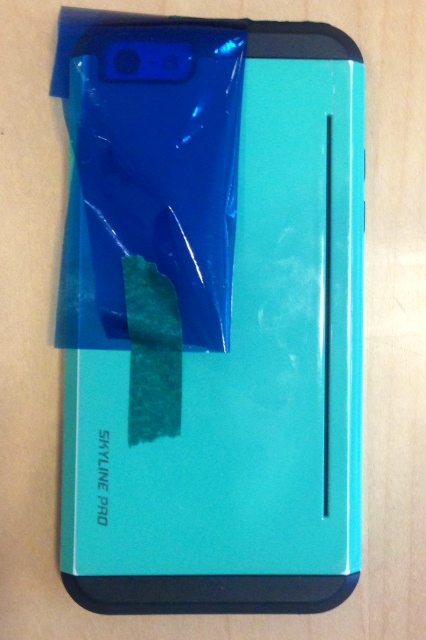
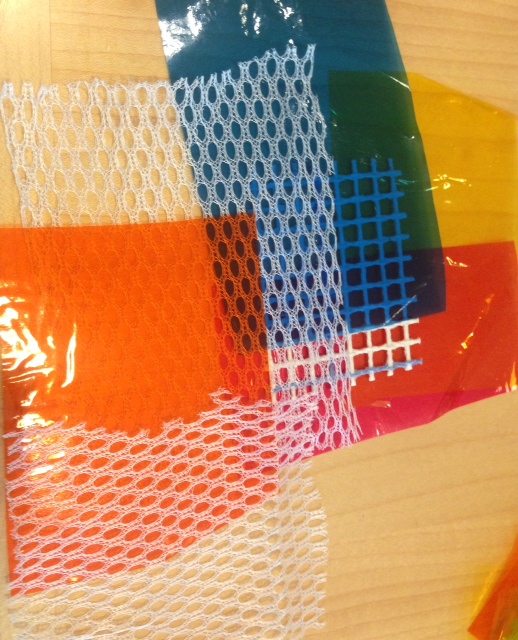
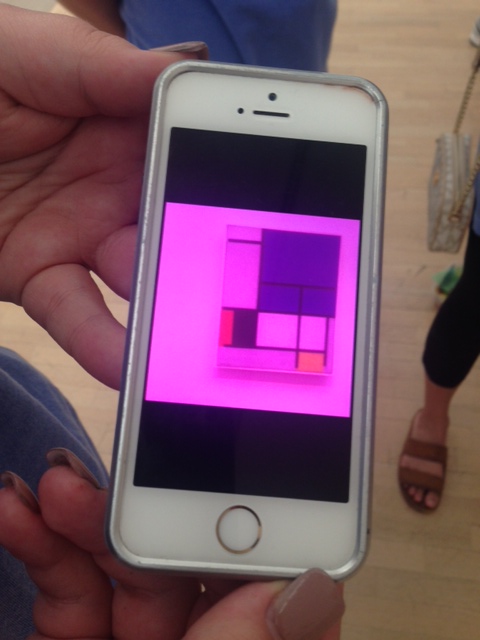
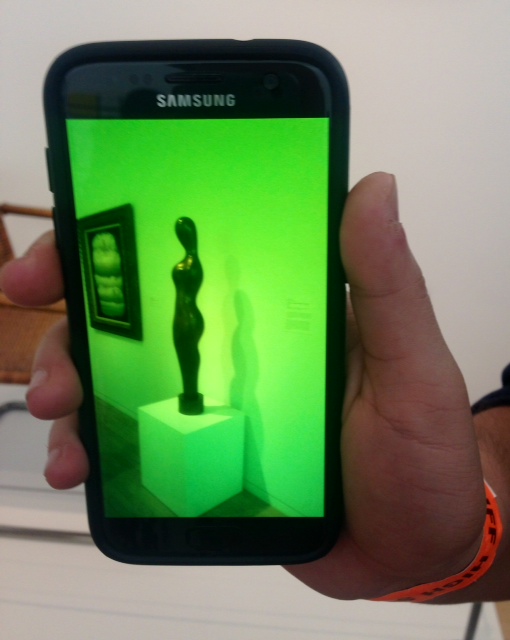
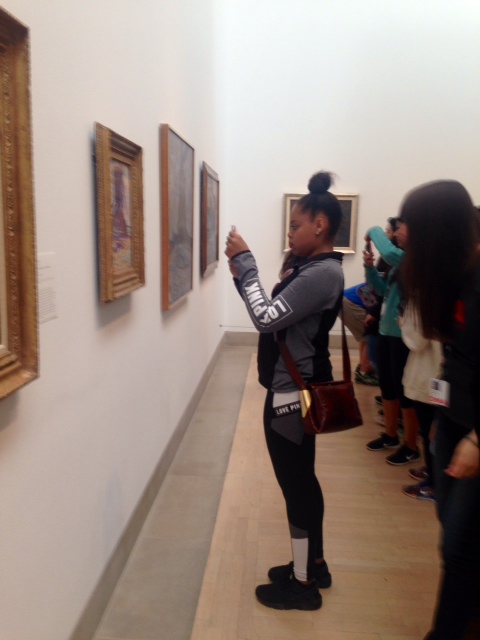
To top it off, the DMA Education team led sessions in the galleries exploring how artists relate to filmmakers, and experimented with DIY photo filters created with everyday objects to mimic different film genres.

Are you inspired to get behind the camera? Experiment with your own DIY photo filters and submit your creations to the Center for Creative Connections #DMAdigitalspot’s current visitor photo prompt, Beauty Redefined!

Lindsay O’Connor
Manager of Docent and Teacher Programs

Common Thread

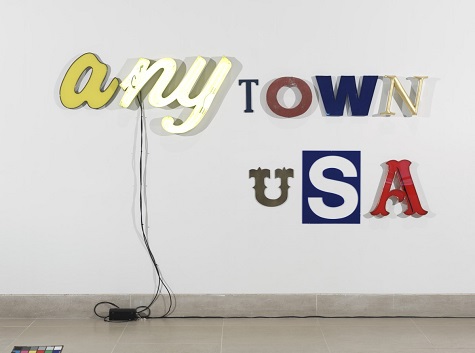
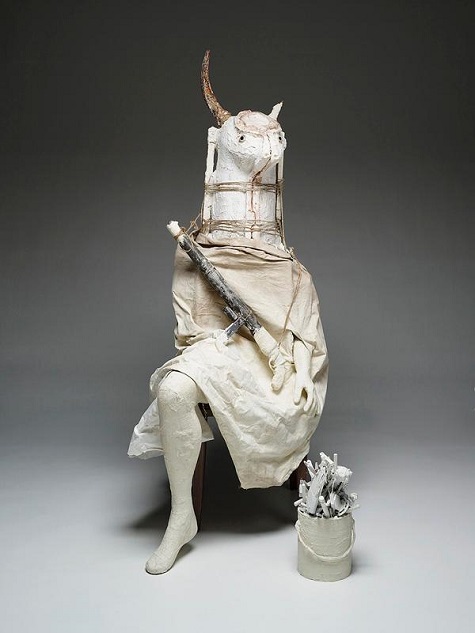
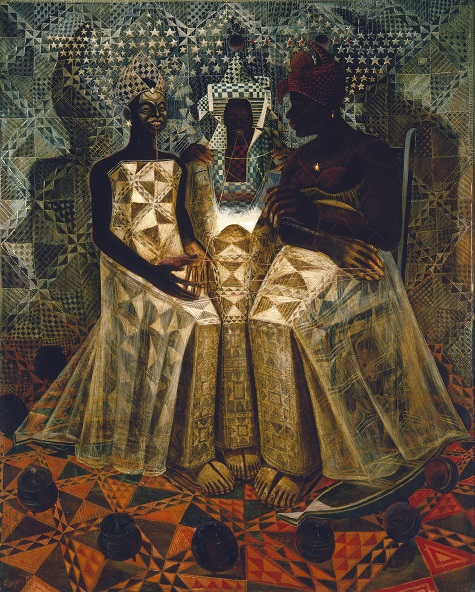
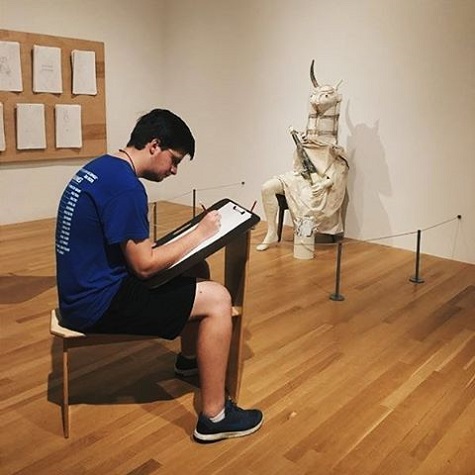
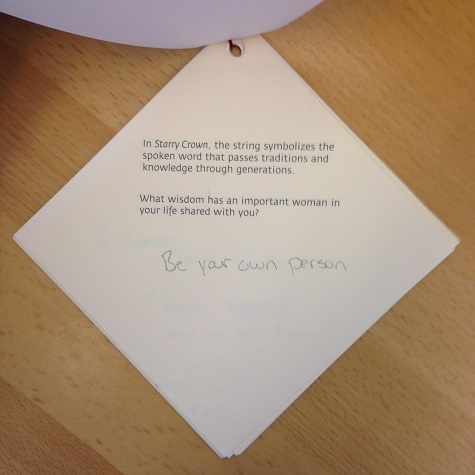
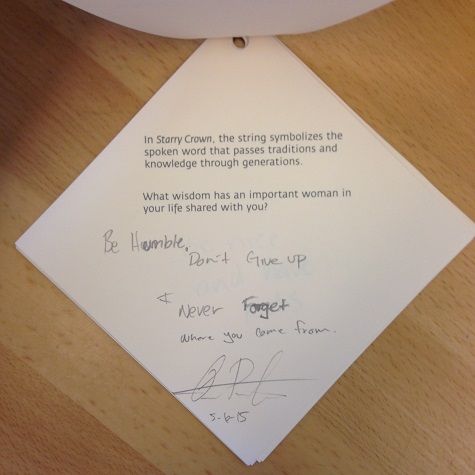
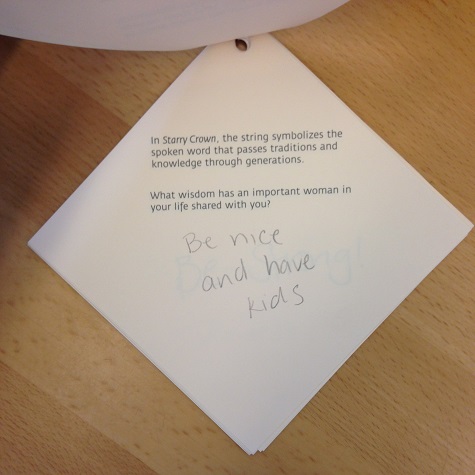
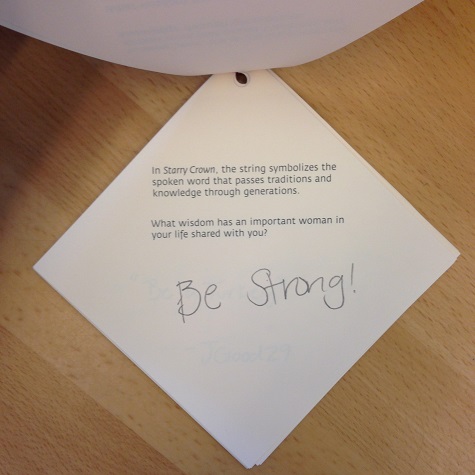
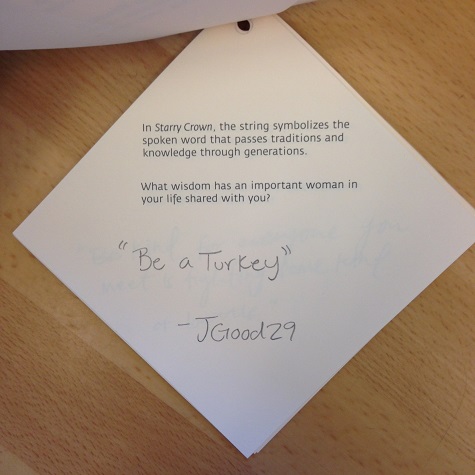
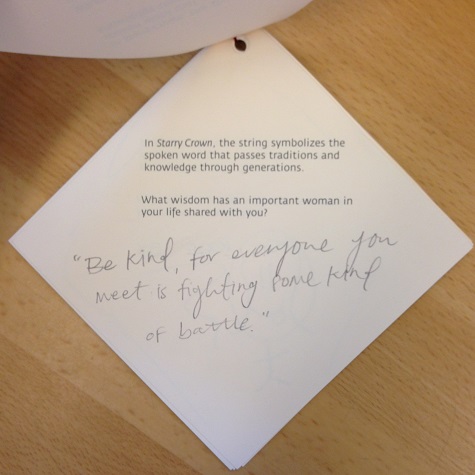
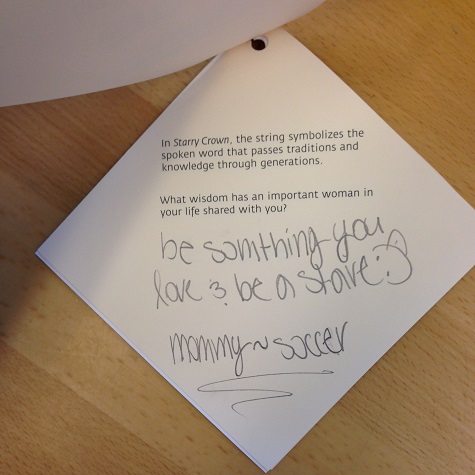
This month the Center for Creative Connections (C3) says goodbye to a few of our favorite works of art currently on view. Anytown USA by Jack Pierson, The Minotaur by Marcel Dzama, and Starry Crown by John Biggers are all set to come down the last week of April. It has been a joy to witness the frequent Instagrams taken of Anytown USA, to see the countless drawings made by visitors of all ages of The Minotaur, and to read the numerous visitor responses to Starry Crown.

samaran89 I saw this at an art gallery today in #Dallas. I feel like it should be the image of my travels around America!

samaran89 I saw this at an art gallery today in #Dallas. I feel like it should be the image of my travels around America!

marc.os.c

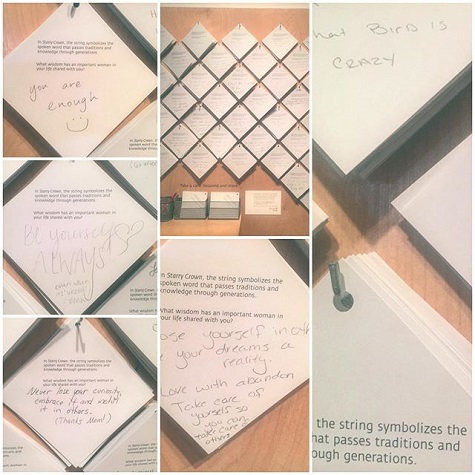
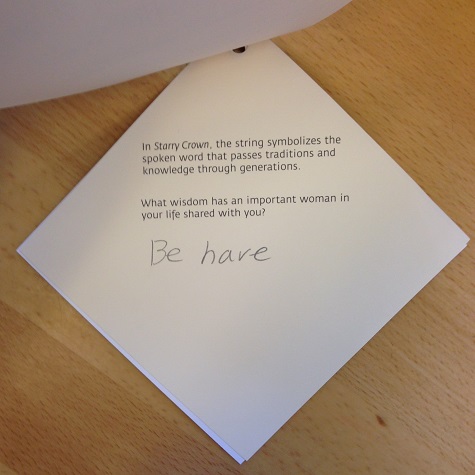
lisavanahn Loved this interactive piece of art at DMA, it asked you to write a piece of advice a wise woman had given you and pass it down. and right there front and center "you are enough" #bestadviceevergiven

lisavanahn Loved this interactive piece of art at DMA, it asked you to write a piece of advice a wise woman had given you and pass it down. and right there front and center “you are enough” #bestadviceevergiven

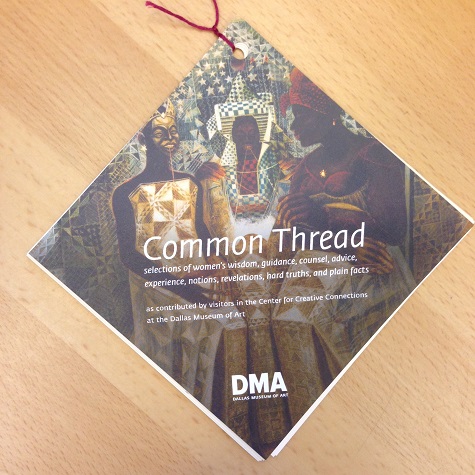
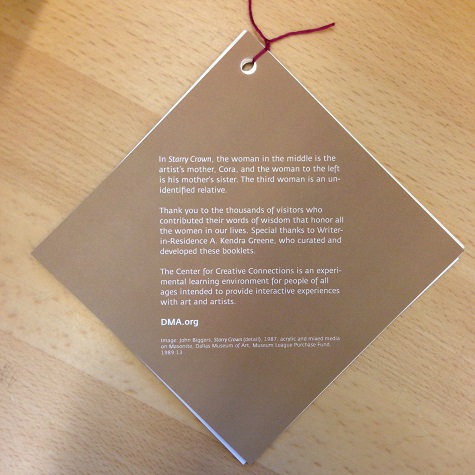
In honor of the thousands of visitors who have responded to our prompt related to Starry Crown, with the help of C3 Visiting Artist Kendra Greene, we have compiled booklets of visitor responses to give back to the community.  Stop by the Center for Creative Connections this month to pick up a keepsake, “Common Thread: Selections of women’s wisdom, guidance, counsel, advice, experience, notions, revelations, hard truths, and plain facts.”


Stop by C3 at the beginning of May to see these new additions to the space. How will they inspire you?

Jessica Fuentes is the Manager of Gallery Interpretation and the Center for Creative Connections at the DMA.

Make This: Camera Obscura

Johannes Vermeer, star of the eponymous Vermeer Suite: Music in 17th-Century Dutch Painting, is famous for his illusionism. Vermeer’s small, gem-like paintings are little windows into 17th century Dutch life. Instead of composing his images from naked-eye observation, however, some art historians believe that Vermeer used a device called a camera obscura.

A camera obscura, Latin for dark chamber, is the precursor to the modern camera, and has been known to artists, scientists, and philosophers since the time of Aristotle. At their most basic, they are made from light-tight boxes with a tiny hole on one side. Light enters the hole and casts an inverted image on a screen inside the box. Its earliest uses can be traced to astronomers, who used the camera obscura to safely view eclipses. However, it didn’t take long for artists to use it as a drawing tool. Camera obscuras can be built to reflect that image on a drawing surface, which artists can trace over to create compositions.

Although early camera obscuras were made from finely crafted wooden boxes, you can make one out of everyday materials. Here’s how to do it.

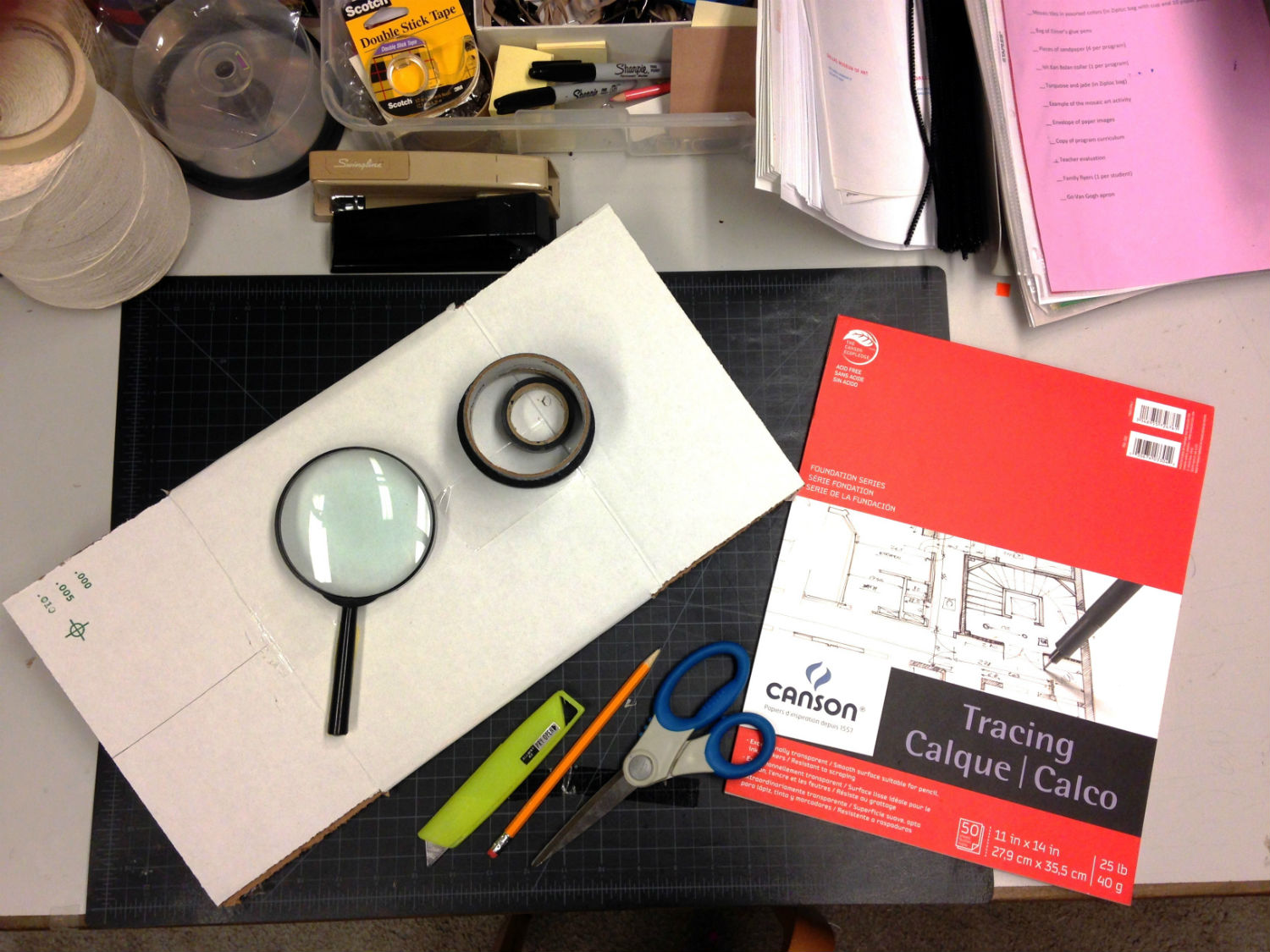
Supplies:

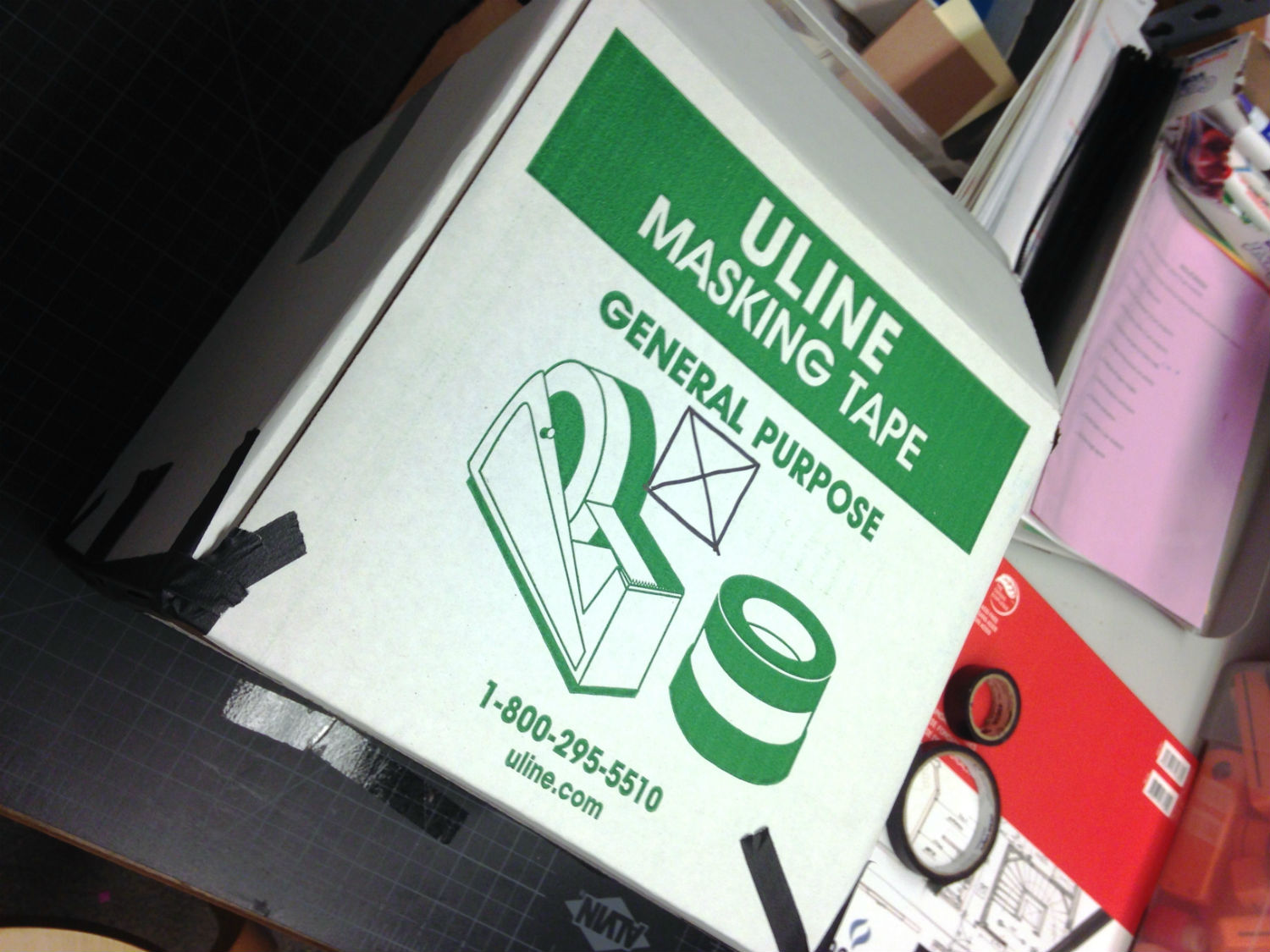
IMG_8716

  • Cardboard box
  • Black tape (duct tape is the best, but I used a little black masking tape too!)
  • Masking tape/painters tape
  • Magnifying glass
  • Tracing paper or vellum
  • Box cutter
  • Scissors
  • Pencil or sharpie

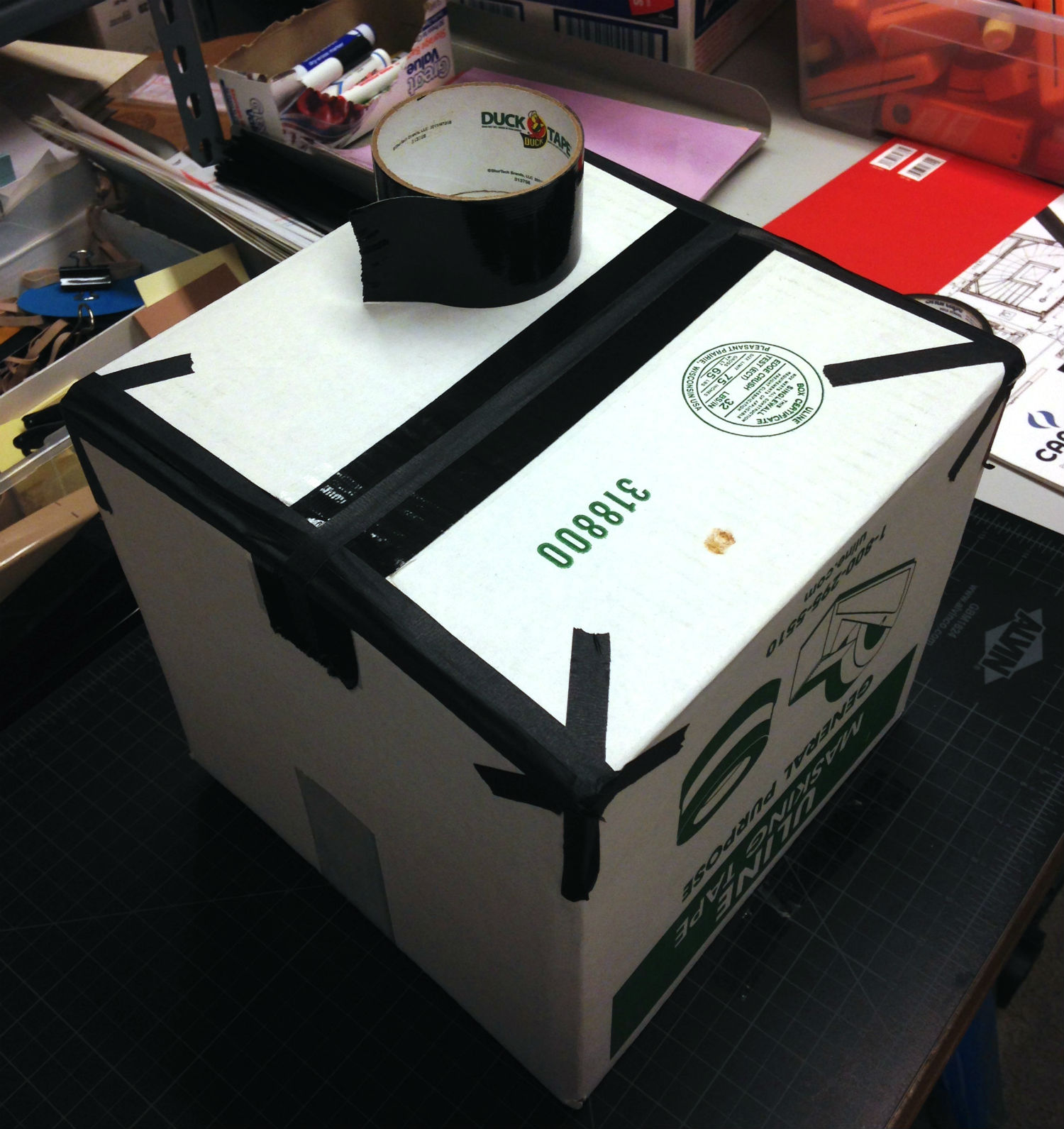
Step 1: Fold down the flaps on one side of your box and tape them down with black duct tape. This will be the bottom of your camera obscura. Remember that camera obscuras need to be light-tight, so make sure to tape down the sides and corners of your box too! I make sure that I have the bottom sealed tight by holding the box up to a light.

IMG_8717

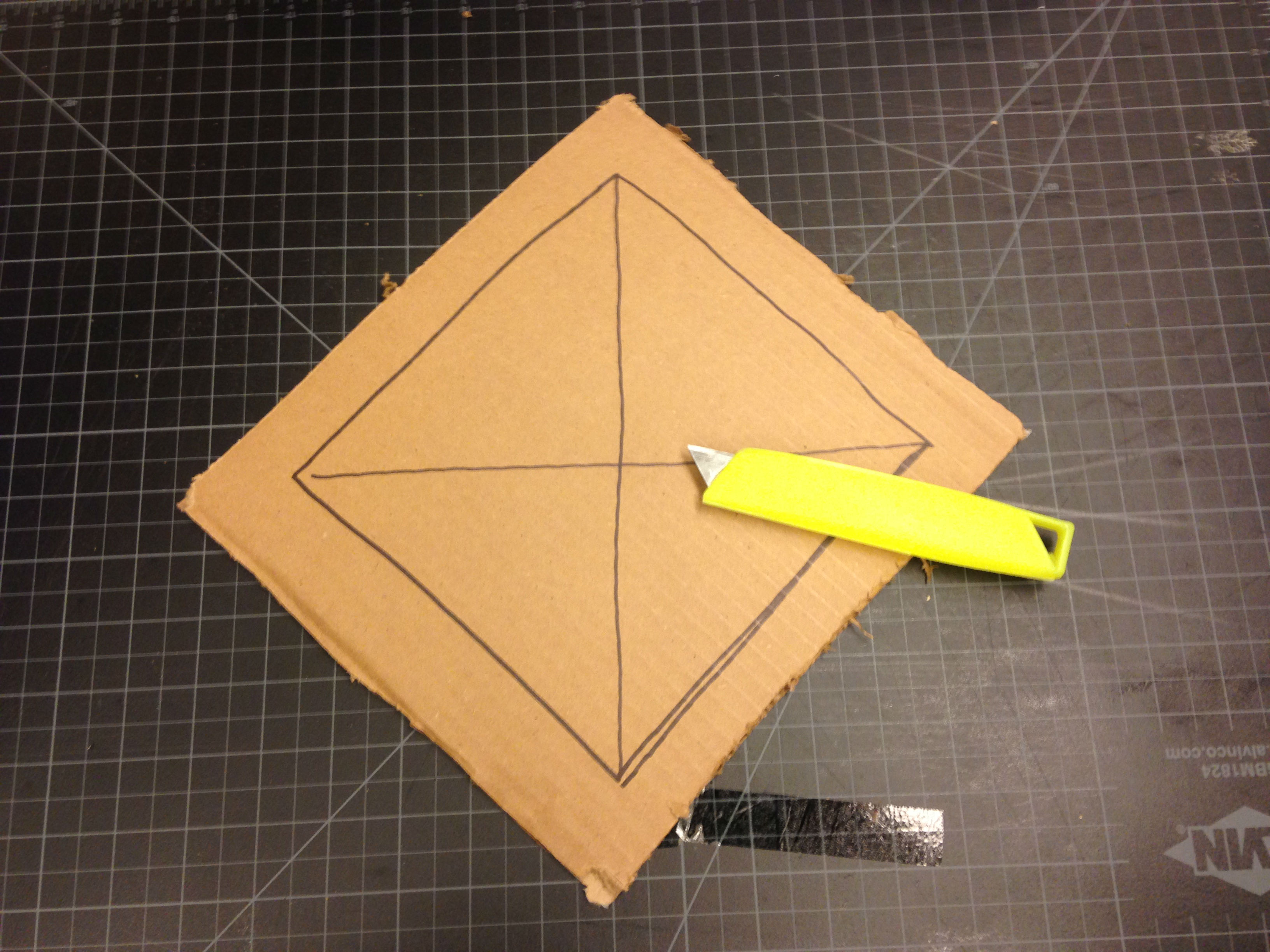
Step 2: Draw a small square in the middle of one of the sides of the box and cut it out with a box cutter. A 1-1 ½ inch square is a pretty good size to shoot for. Remember that the sides of the box with flaps, including the one you just taped down, should be the top and bottom of your camera obscura–don’t cut those!

IMG_8718

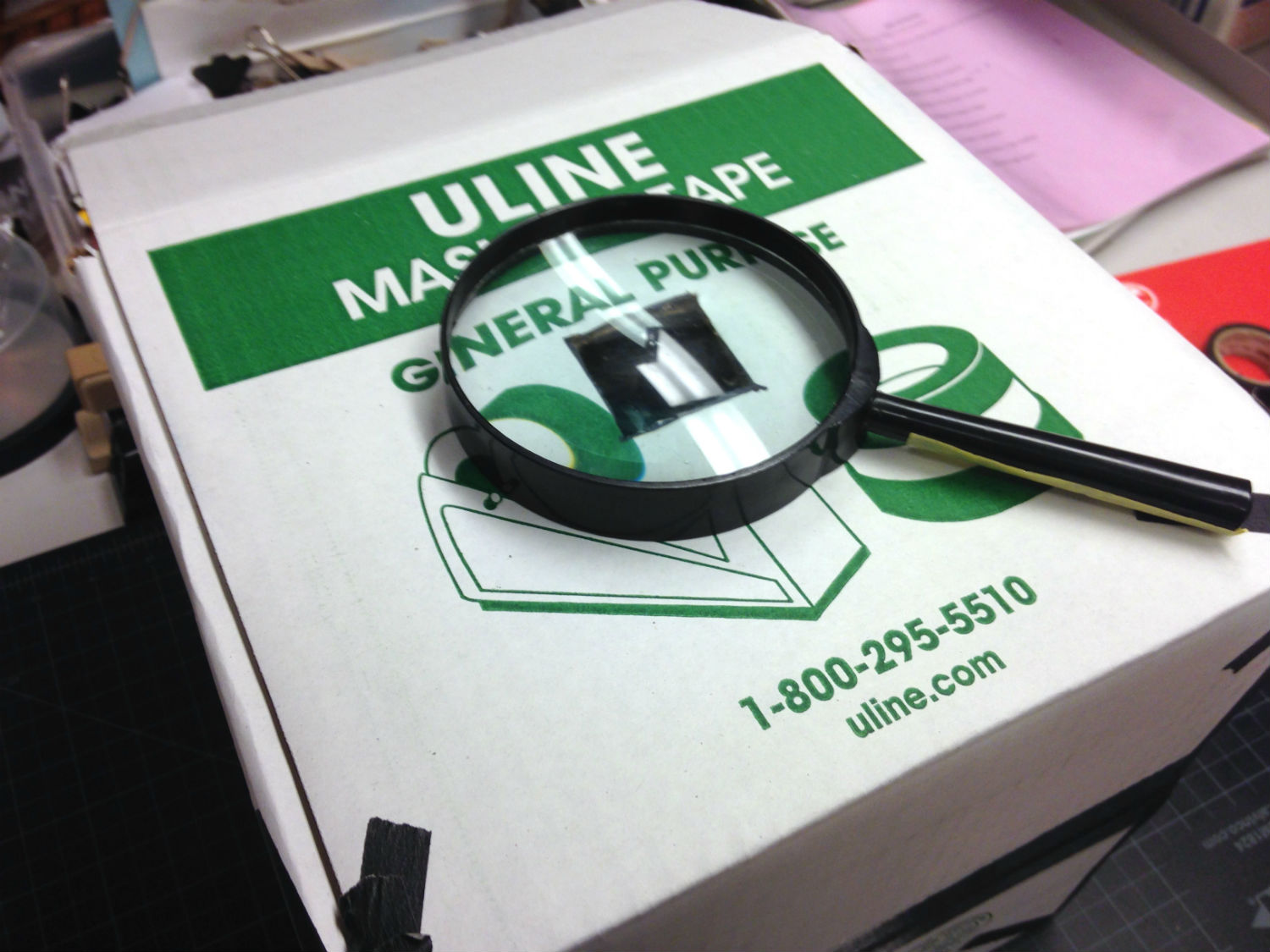
Step 3: Tape a magnifying glass over the small hole. This will be the lens for the camera obscura. My magnifying glass was pretty heavy, so I used a lot of tape to make it secure.

IMG_8721

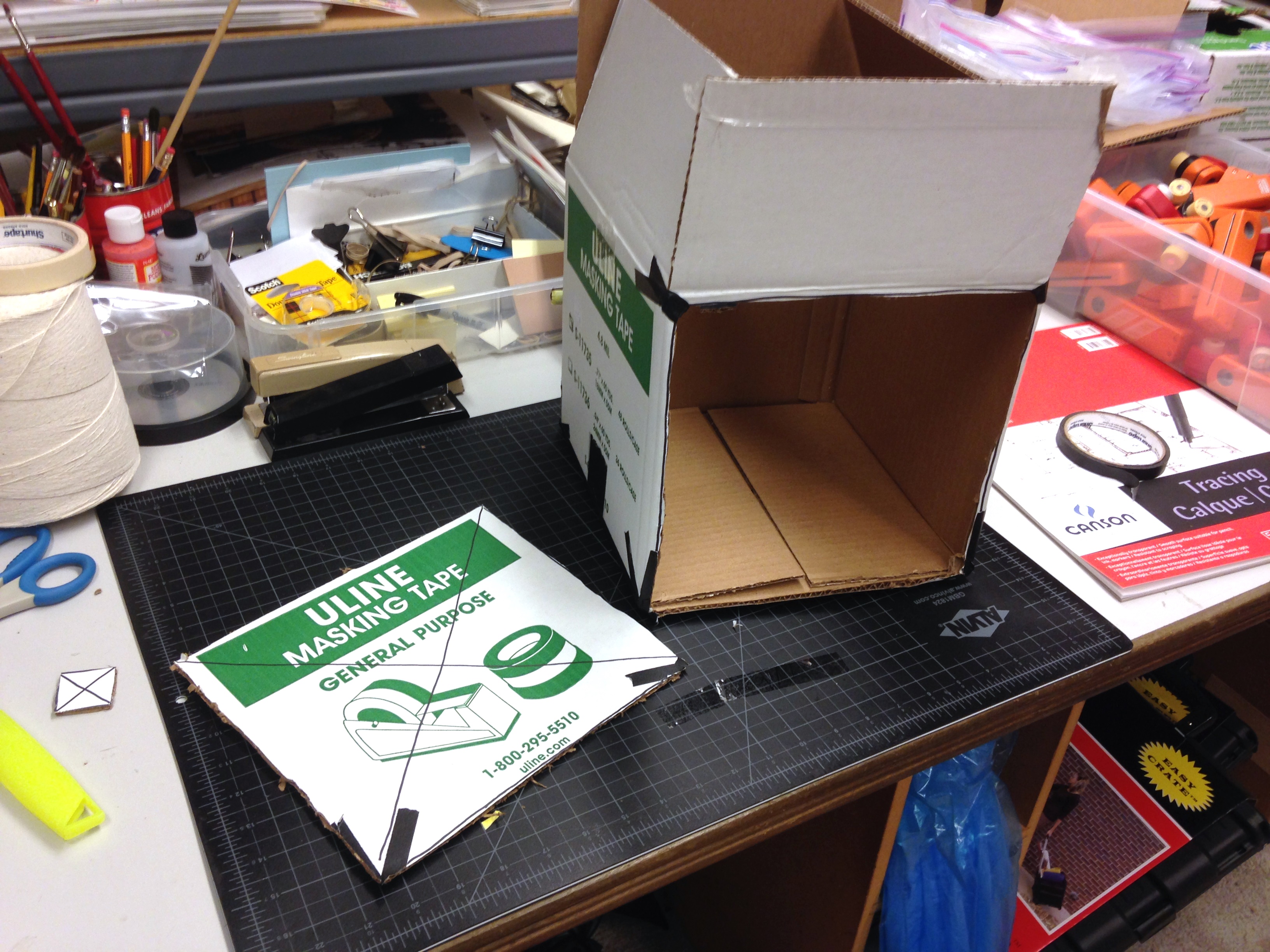
Step 4: On the opposite side of the box from the lens, cut a large hole out of the box. This hole should be nearly as large as the side of the box. If cutting out this side weakens the box or one of the top flaps falls off, don’t worry–just reinforce the box with some tape! It should look like this when you’re finished.

IMG_8724

Step 5: Leaving about a 1 inch margin around the sides, cut a smaller hole from the piece of cardboard that was just cut out. This will be used to create a frame for the screen on which the image will be reflected.

IMG_8727

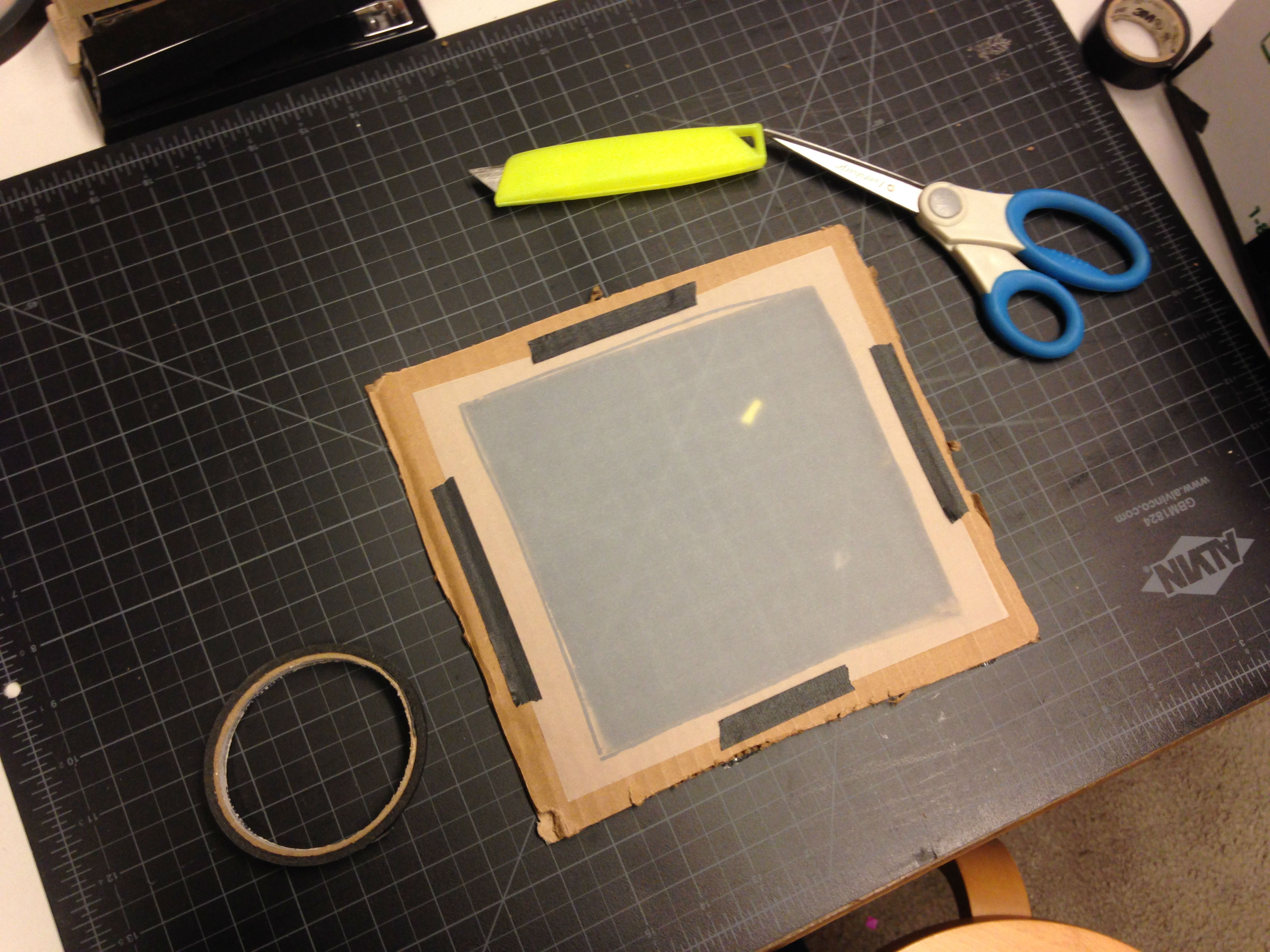
Step 6: Trim a piece of tracing paper and use four pieces of masking/painters tape to secure it to our frame. This is the screen for our camera obscura!

IMG_8729

Step 7: Now for the exciting part–time to test! Find a brightly lit window in front of which to set your device. I chose a window overlooking our Sculpture Garden in the Barrel Vault, which is one of my favorite places in the Museum.

IMG_8730

Step 8: Slide your screen through the top of your camera. An image should appear! Slide the screen closer or further away from the hole in the box to focus your image, or make it sharper. Once you’re satisfied with how the image looks, tape down the top flaps to keep the light out.

IMG_8733

And viola! You have your own camera obscura. You can use a pencil to trace what you see on the tracing paper. The best part about this variation on the camera obscura is it’s reusable. Simply tape a new piece of tracing paper on the frame when you want to make another drawing.

Whether Vermeer used a camera obscura to compose his beautiful images is still up for debate. Historians often cite the blurry highlights on metallic objects in Vermeer’s paintings as evidence that he used the tool. These kinds of highlights, called halations, are typical of lens-based devices. However, it’s important to remember that a camera obscura is just another tool in an artist’s toolbox. Tools don’t make art–artists do! There’s no denying the skill it took to represent the tiny details in Vermeer’s paintings, even if he did use a camera obscura.

Try making a camera obscura of your own and see how it fits into your artistic practice. Report back with your findings – we’d love to see what you create!

And don’t forget to stop by the Museum to check out Vermeer Suite before it closes this summer!

Jessica Thompson
Manager of Teen and Gallery Programs

Friday Photos: Clarion Alley


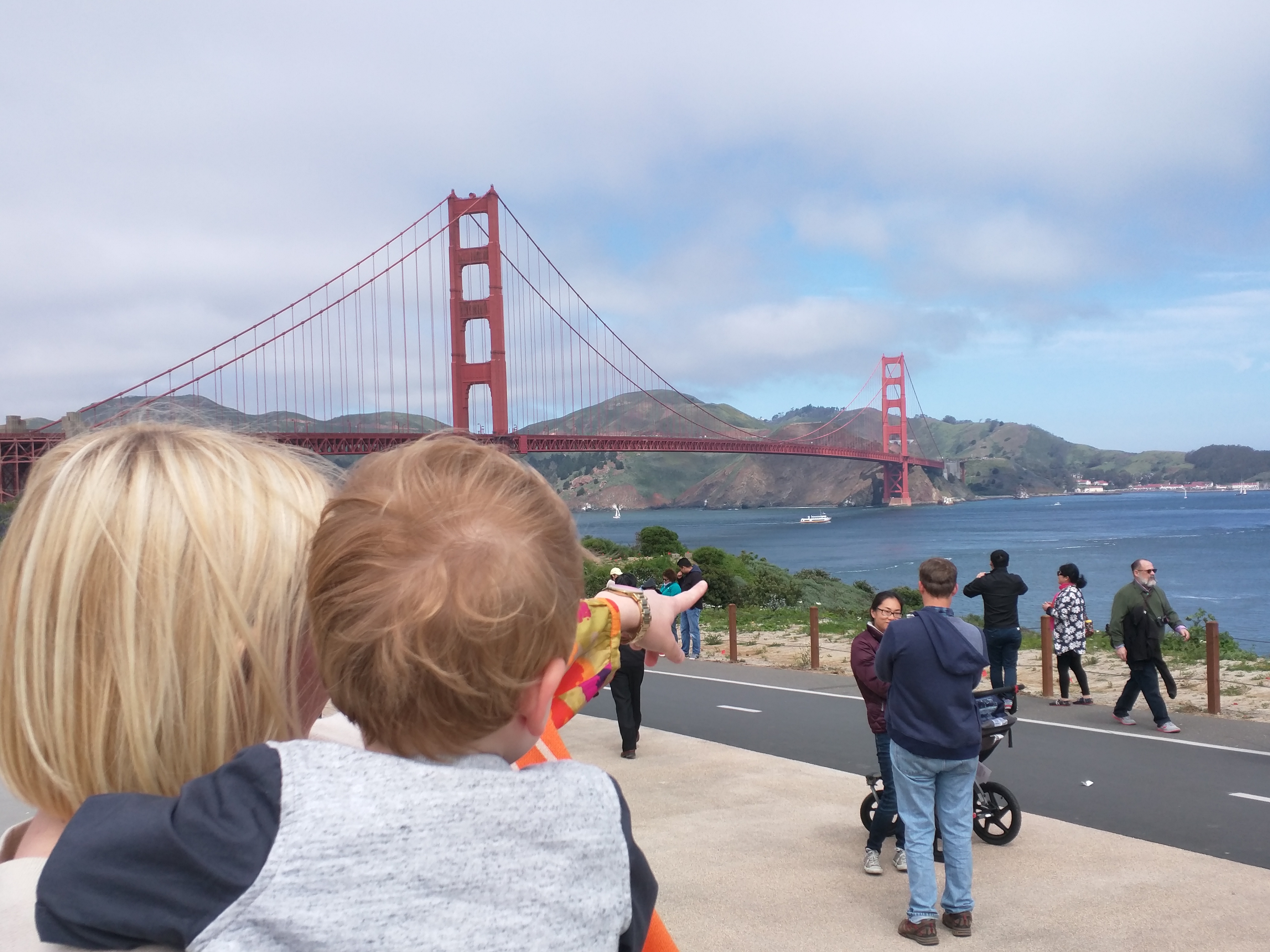
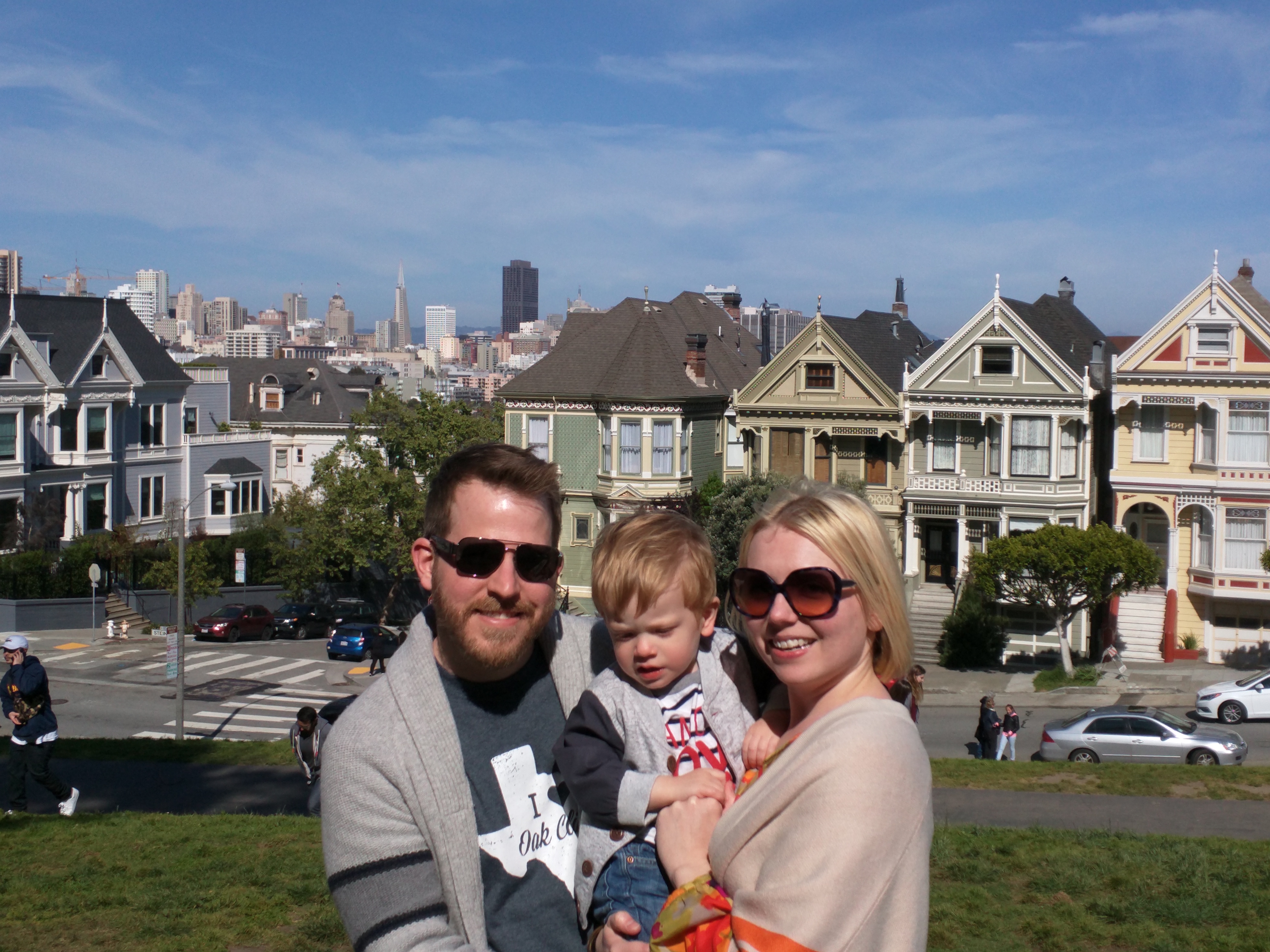
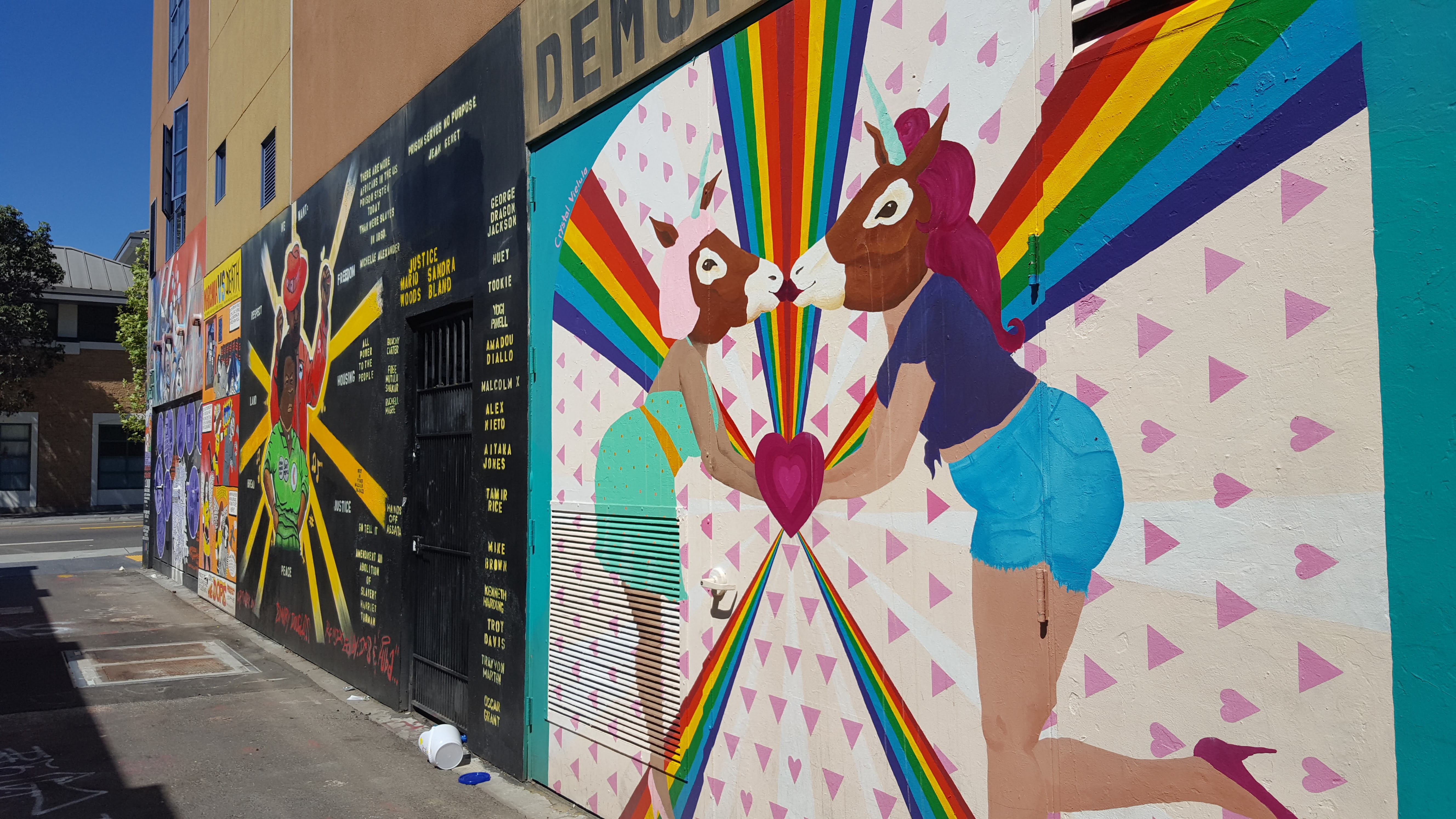
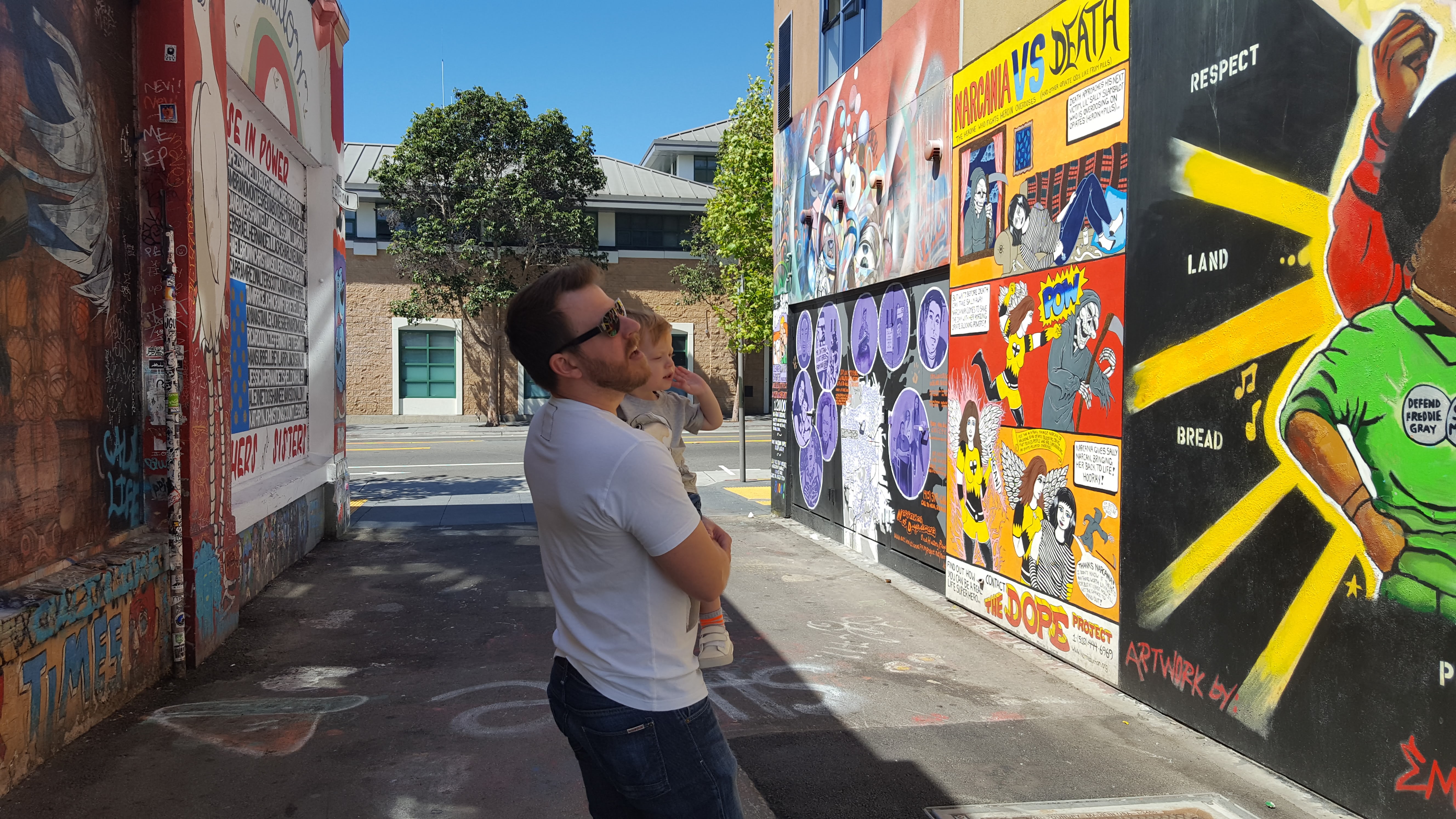
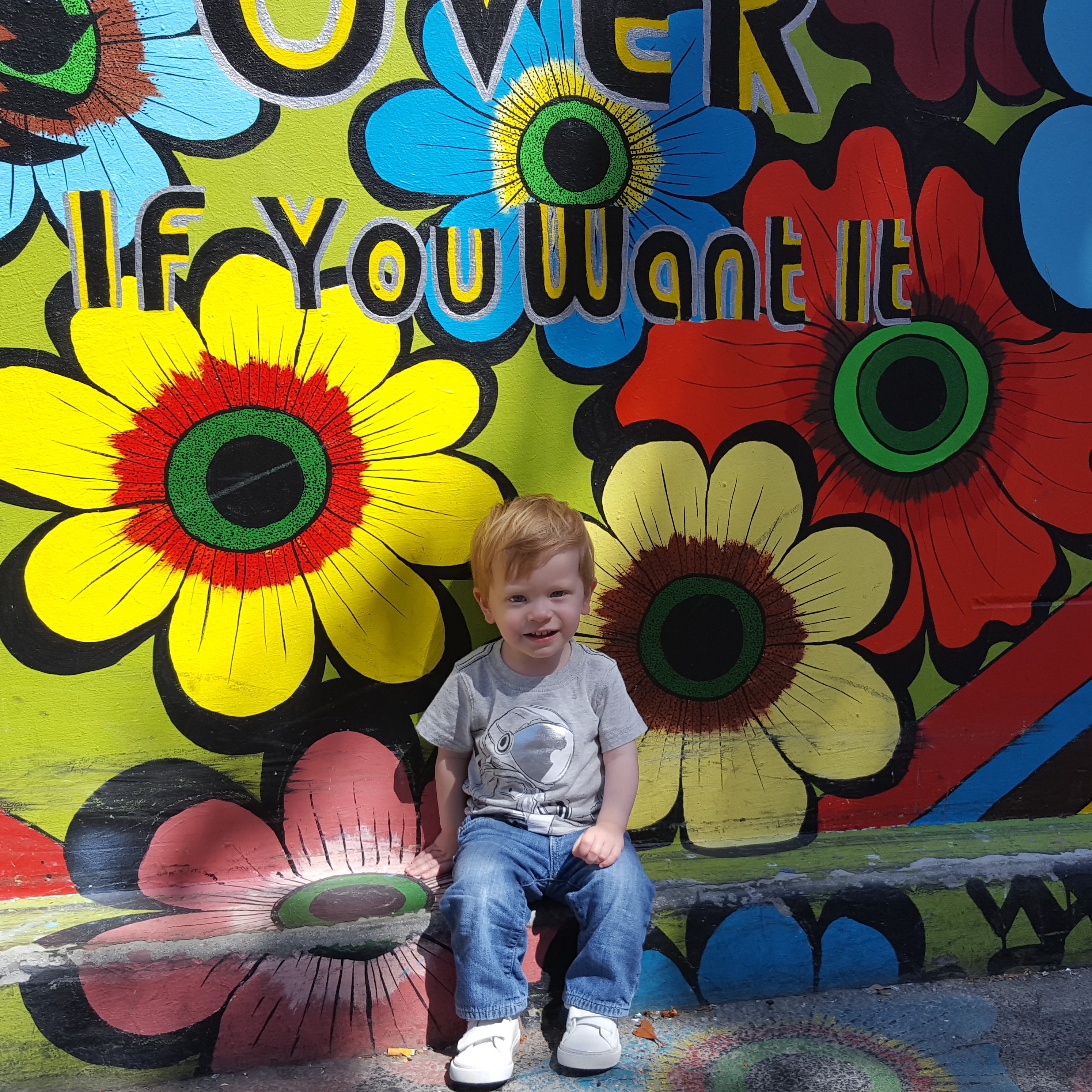
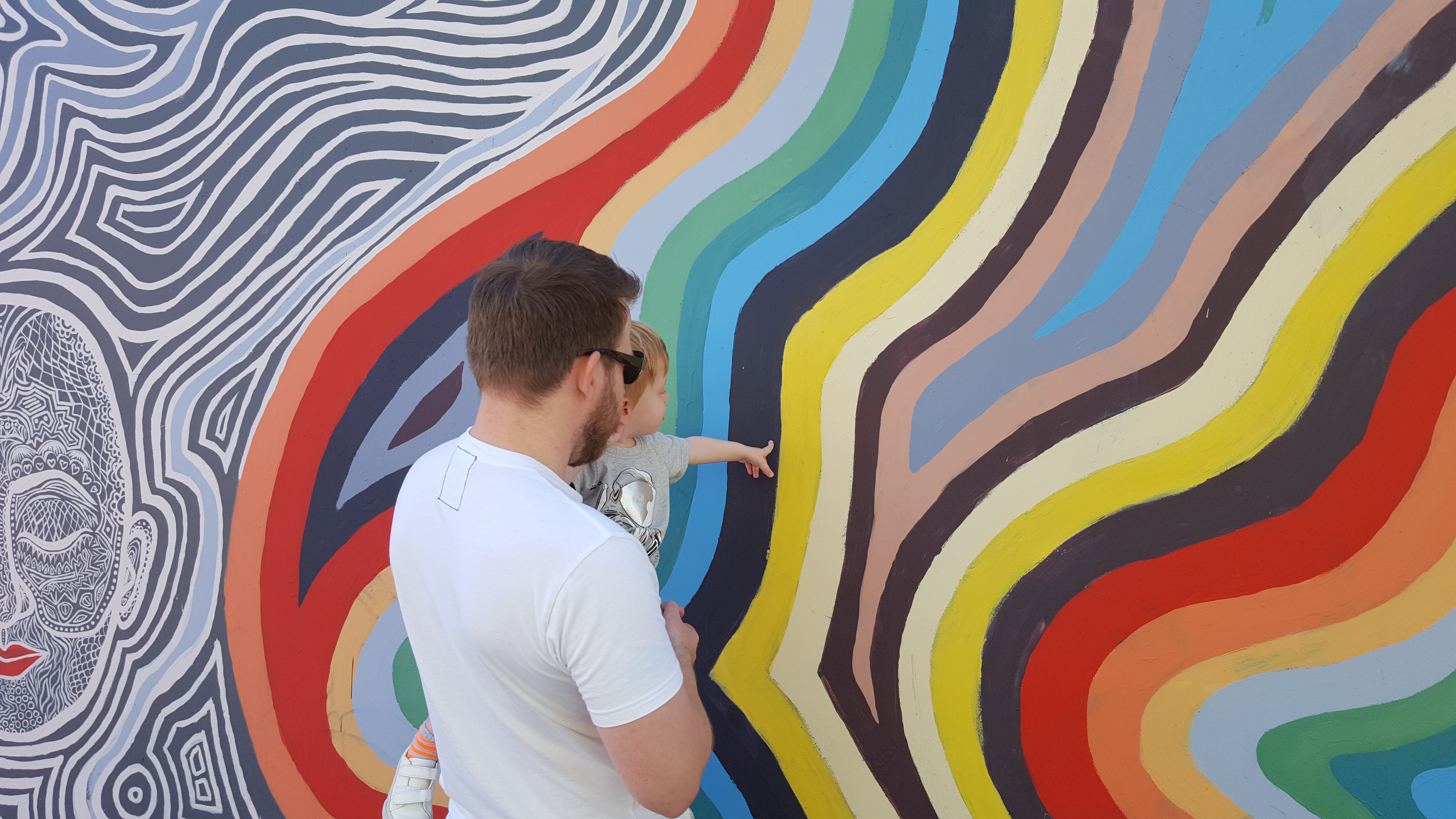
Earlier this week, I enjoyed a vacation with my family to San Francisco. After the requisite stops at the Golden Gate and the Painted Ladies, we headed for some shopping in the Mission District where we stumbled upon Clarion Alley. This tiny alleyway has been filled with an ever-changing array of street art since the early 90s. Check out some of the images we snapped on this colorful street.

20160406_115523

Sarah Coffey
Education Coordinator

The Golden Age: Dominic Smith

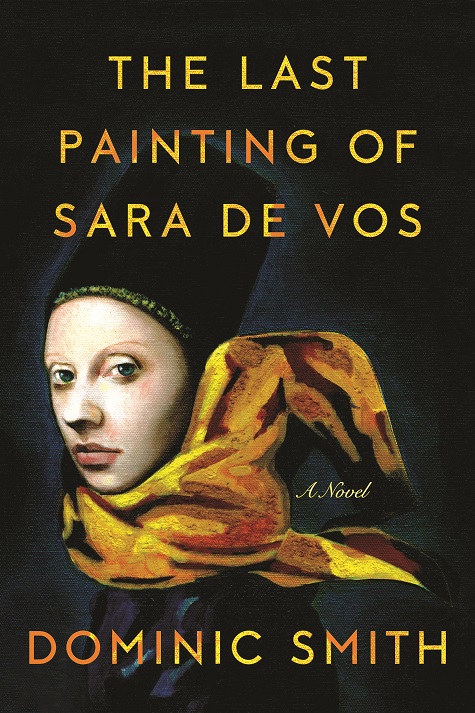
The DMA hosted author Dominic Smith as part of our Arts & Letters Live 25th anniversary season, and this event is also the launch party for his new novel, The Last Painting of Sara de Vos. We are excited to be the first place where book and art enthusiasts can grab a copy of the novel and spend time with the Texas-based author. The book has already received high acclaim, including from author Ben Fountain, who praised it as “quite simply, one of the best novels I have ever read, and as close to perfect as any book I’m likely to encounter in my reading life.” Uncrated was able to chat with Smith prior to his appearance and learn a bit more about his love of art and the focal point of his novel, Sara de Vos.

Photo: Stacy Sodolak

Photo: Stacy Sodolak

DMA: Have you always been drawn to art and in particular Dutch work?
DS: I’ve always loved museums and old paintings. I first experienced the Dutch Golden Age up close about 15 years ago, when I spent a year living in Amsterdam. During my time there, I was struck by the sheer variety and output of the Dutch baroque period. Bawdy genre scenes, delicate floral still lifes, serene landscapes, austere portraits—the subjects run the gamut. And by some estimates, there were about 50,000 Dutch painters plying their trade across the 17th century; if you walked into an Amsterdam butcher shop or bakery in 1630 you might have found floor-to-ceiling paintings. A painting could cost the same as a fish at the market, or it could cost the same as a house. This period endlessly fascinates me, especially the artistic fate of the 25 or so women who were admitted to a Guild of St. Luke, the main professional body for painters. We have surviving works for only a handful of those two dozen baroque women painters.

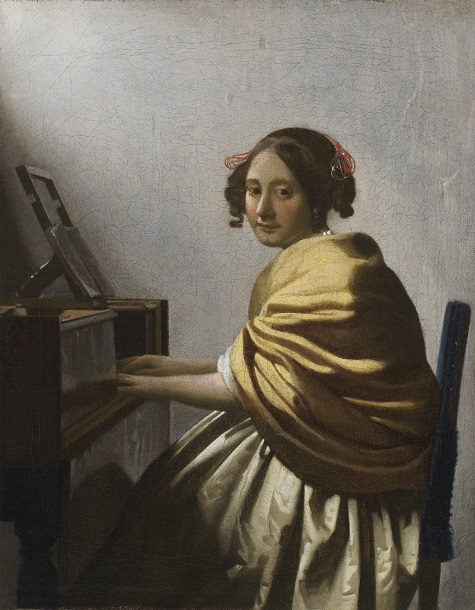
Johannes Vermeer, Young Woman Seated at a Virginal, c. 1670–1672, oil on canvas, The Leiden Collection, Inv# JVe-100 28.2015.1 © The Leiden Collection, New York

Johannes Vermeer, Young Woman Seated at a Virginal, c. 1670–72, oil on canvas, © The Leiden Collection, New York

DMA: Tell us a bit about your character, Sara de Vos. What do you feel Sara’s response would be to a few of the eight works from her contemporaries on view in the DMA’s exhibition Vermeer Suite: Music in 17th-Century Dutch Painting?
DS: I think Sara de Vos would be very pleased with these paintings. Like the real Judith Leyster, who sometimes painted genre scenes of merrymaking in taverns, Sara de Vos belongs to a moment of Dutch painting that celebrated music as part of everyday life. In the novel, Sara de Vos mostly paints landscapes and still lifes, but she would have greatly admired Vermeer’s Young Woman Seated at a Virginal. The light from the unseen window and the dramatic shadows on the virginal and in the woman’s clothing really capture this as a moment of suspended time. Her hands look as if they’re continuing to play the piece of music, even as she’s looking directly at us. I can’t help wondering what that music sounds like.

Last Painting_Layout 1-2.indd

DMA:  Why is it unique that de Vos would have painted landscapes, and how did this shape your story?
DS: There are no known landscapes by Dutch women painters of the Golden Age. So part of the conceit of The Last Painting of Sara de Vos involved working out the circumstances under which a woman might have created a landscape. The traditional explanation for the lack of landscapes by women is that it was a genre that required many hours spent out of doors and this was not the domain of women during the 17th century. I accept this explanation somewhat. But it’s worth remembering that there were women who defied convention during this time period. Maria Sibylla Merian left behind her estranged husband at the end of the 17th century and moved with her daughter to Surinam (a Dutch colony at the time) in South America for two years. She spent her days in the jungle sketching botanical specimens. If a Dutch Golden Age woman can do that, then surely she could spend a day sketching outside by herself, in preparation for a landscape that might be finished in her studio. Maybe a brother, husband, or older son could have accompanied her. My hunch is that the masters who presided over the Guilds of St. Luke decided that landscapes would be the exclusive realm of men. The novel tries to subvert this notion and bring a landscape by a baroque woman to life.

Kimberly Daniell is the Senior Manager of Communications, Public Affairs, and Social Media Strategy at the DMA.

Interviews with Young Masters

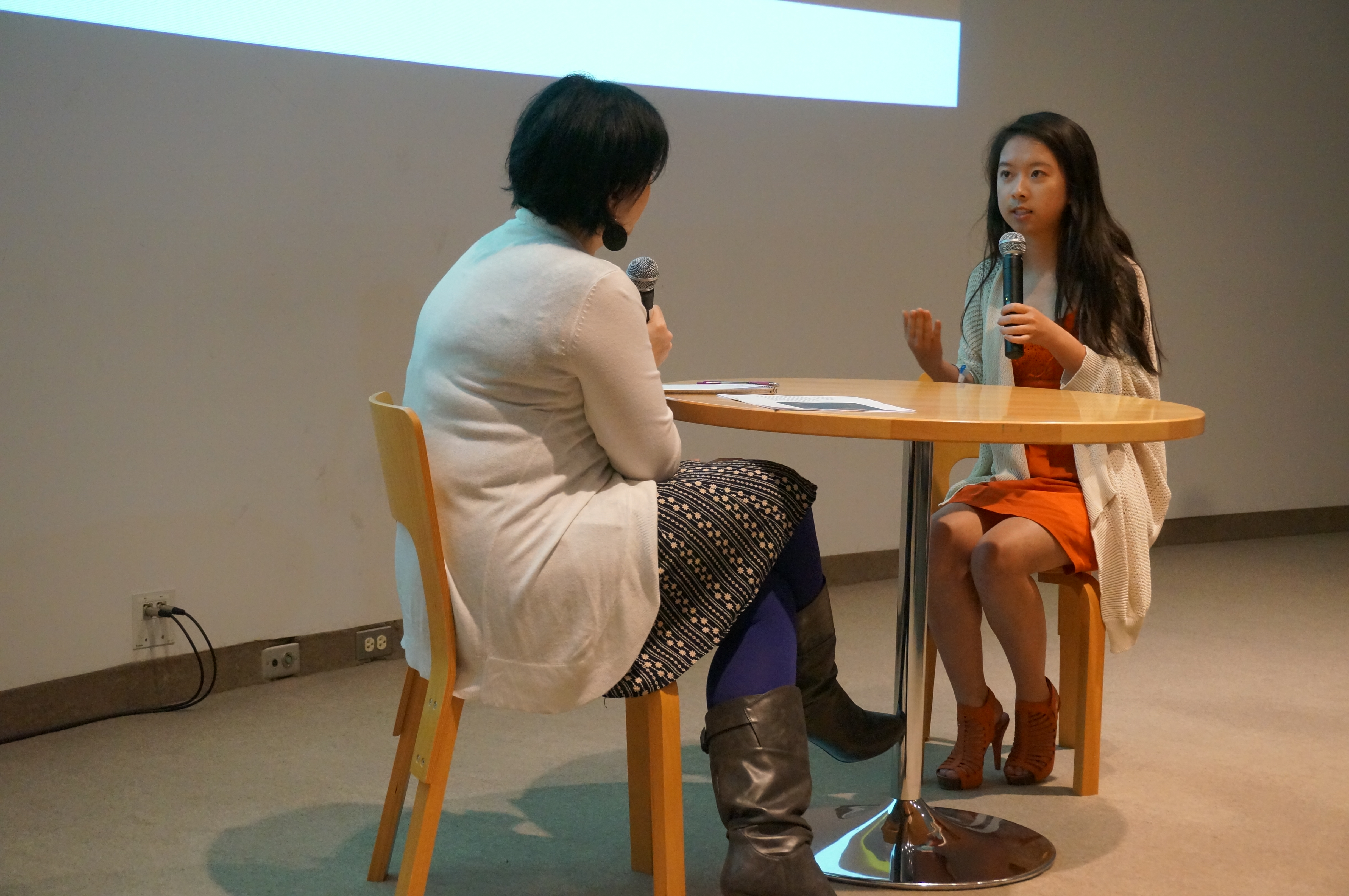
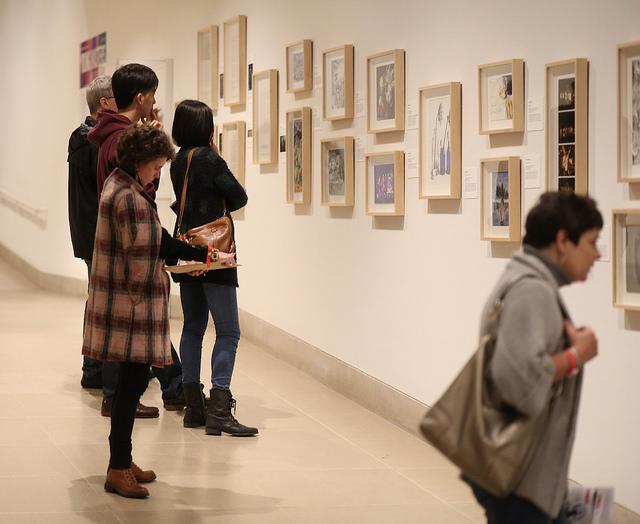
It isn’t every day that we’re able to peek into the minds behind the artworks on view at the DMA. Earlier this month, KERA announcer Shelley Kenneavy interviewed some of the teens whose work is currently on display in the concourse as part of the 2016 Young Masters exhibition. The students gave us a bit of insight into their sources of inspiration—ranging from the Star Wars musical score to insecurities about personal appearances—and shared their hopes as future artists, engineers, art historians, and musicians.

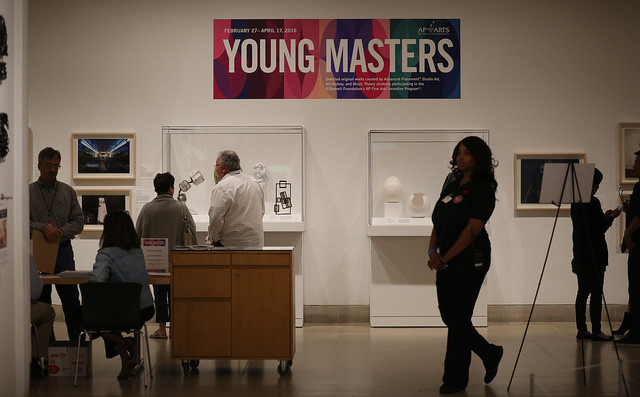
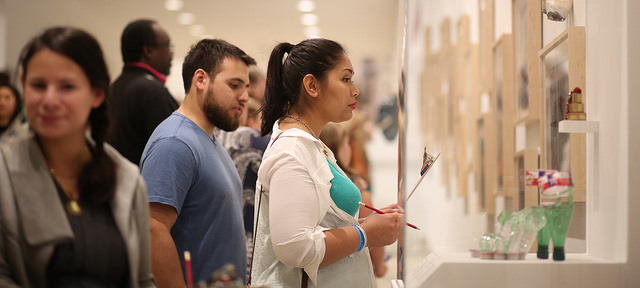
This year’s exhibition features sixty works selected from 858 submissions by AP Fine Arts students from ten local area high schools. Sponsored by the O’Donnell Foundation and on view through April 17, the exhibit includes forty-nine 2D and 3D works of art created by AP Studio Art students, five essays analyzing works of art in the DMA’s permanent collections by AP Art History students, and six original compositions by AP Music Theory students. The essays and compositions can be heard through the DMA’s mobile site here.

One of this year’s participating students is Allison Li, whose piece is titled Passing Tranquility. I first met Allison when she began volunteering at the Center for Creative Connections earlier this year, and was thrilled to see her digital photography installed as part of the Young Masters exhibition. To learn a bit more about the exhibition from the student’s perspective, I asked Allison a few questions about her influences, challenges, and takeaways as a 2016 Young Master.

AllisonLi

Allison Li, Passing Tranquility, Coppell High School

Who are some of the artists you admire? What draws you to their work?

I admire many artists, some include Monet, Nguan, Sachin Teng, and many more. Many of the artists I like, I found online through their various social media accounts. I’m mainly drawn to artist’s works because of the color they use in their pieces, especially Monet and Nguan; I really like the pastel and light colors they use for their pieces. Also, the subject matter of what artists portray in their pieces is a big factor.

How would you describe your creative process? What is most challenging about creating work? What is most rewarding? 

My creative process usually starts with a vague idea or concept in which I try to define it more in detail in my own head before I put anything on paper. Drawing ideas or sketches sometimes helps me better visualize what I want in a piece. After coming up with an idea, I will usually figure out what materials I need and how I want to create the artwork. I think the most challenging and most important part of creating art is coming up with the idea. It usually takes me a very long time to come up with ideas that I like and exactly how I want to execute the idea. I think the most rewarding part of this process is either having an idea you feel confident in or the final piece; both feel rewarding depending on the outcome.

What motivated you to submit your artwork for consideration in the Young Masters exhibition?

My art teacher at school informed us of this opportunity and gave us class time to create a piece to submit to the exhibition. My mom also really encouraged me to pursue my passion for art and thought it would be great and an honor if I was in the Young Masters exhibition.

Your work in the exhibition, Passing Tranquility, invites viewers to consider moments of peace in otherwise hectic environments. Where do you find tranquility in today’s fast-paced atmosphere?

I find the most peace when I am at home and don’t have homework to do. Those times are the most relaxing as I don’t have any lingering tasks that need to be done right away, and instead I get to enjoy my free time.
25894016601_265c837a95_z

How does participating in Young Masters change the way you approach other art exhibitions as a visitor?

After going to the DMA and seeing my artwork hung up on the Museum’s walls with other great pieces, I felt very humbled and amazed that my piece was up there. Now seeing other artworks in the Museum makes me have much more respect for all the artists that are in museums.


Do you see yourself continuing to make artwork like Passing Tranquility in the future?

I am actually making similar pieces to Passing Tranquility as it is part of my concentration that I am doing for my AP 2D Design class right now. This piece was actually the first piece in a series of twelve works that I am creating for my portfolio.

What advice do you have for other young artists?

I think that the best thing to do as a young artist is to keep practicing and try not to get too discouraged if things don’t always go as planned. I believe practicing will definitely pay off in the future and seeing the improvement you have made over the years will be very rewarding. I also think that seeing other artists and artwork besides your own is important; I look at many artworks online created by various artists that post their work on social media, such as Instagram or Twitter.

If you’re curious about what some of the other Young Masters have to say about their experience, don’t miss the second round of interviews with the teens at the upcoming Late Night on April 15. For a blast from the past, check out the video recordings of previous Young Masters interviews.

We can’t wait to see what Allison and the other Young Masters create next! Cast your ballot in the People’s Choice Award at the April Late Night to vote for your favorite studio art, art history, and music theory work in the Young Masters exhibition.

Paulina Lopez
McDermott Graduate Intern for Visitor Engagement
Artful DIY April Fool’s Day

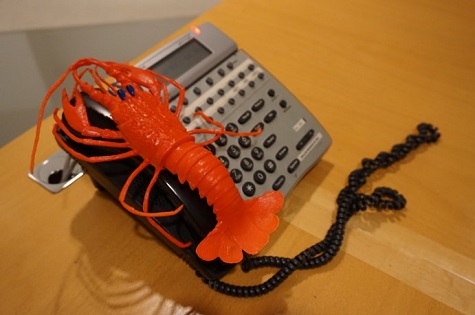
In honor of April Fool’s Day, here is a high-brow idea for pranking the art-lover in your life.

Salvador Dalí, Lobster Telephone (Téléphone – Homard), 1936, steel, plaster, rubber, resin, and paper, Tate Acquisition Purchased 1981 Reference T03257, © Salvador Dali, Gala-Salvador Dali Foundation/DACS, London 2016

Tape a toy crustacean to a co-worker’s office phone to imitate Salvador Dali’s Lobster Telephone. It’s guaranteed to be a surreally good joke!

lobster

Happy pranking!

Emily Wiskera is the McDermott Graduate Intern for Family and Access Teaching at the DMA.

Oh, Vincent!

Today we celebrate Vincent van Gogh, who was born March 30, 1853. The occasion of the 163rd anniversary of his birth provides an opportunity to highlight the two paintings in the DMA’s collection by this renowned artist.

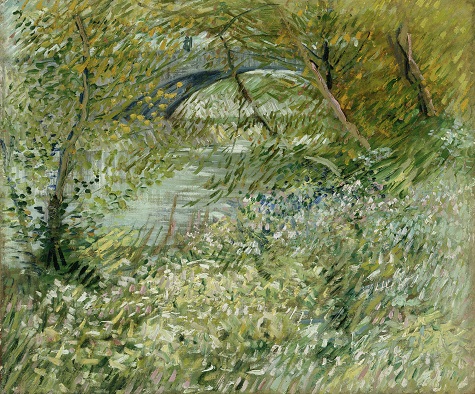
Vincent van Gogh, River Bank in Springtime, 1887, oil on canvas, Dallas Museum of Art, gift of Mr. and Mrs. Eugene McDermott in memory of Arthur Berger, 1961.99

Vincent van Gogh, River Bank in Springtime, 1887, oil on canvas, Dallas Museum of Art, gift of Mr. and Mrs. Eugene McDermott in memory of Arthur Berger, 1961.99

Painted in 1887, River Bank in Springtime evidences van Gogh’s belief that “a work of art is a slice of nature.” The painting bears all the characteristics of works he made early in his career when he was working in Paris under the influences of the Impressionist, Neo-Impressionist, and Pointillist artists’ avant-garde methods. He experimented with Pointillism briefly, but found it too rigorous for his sensibilities and soon turned to exploring other innovative ideas.

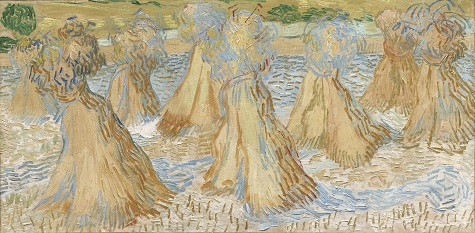
Vincent van Gogh, Sheaves of Wheat, July 1890, oil on canvas,, Dallas Museum of Art, The Wendy and Emery Reves Collection, 1985.R.80

Vincent van Gogh, Sheaves of Wheat, July 1890, oil on canvas, Dallas Museum of Art, The Wendy and Emery Reves Collection, 1985.R.80

Van Gogh painted Sheaves of Wheat shortly before his death, at a time when he was particularly plagued with physical and psychological problems. Each of the eight bundles of wheat bends and twists in its own unique manner, almost as if each stack is an individual portrait, yet they unite on the canvas with firm solidarity. This late masterpiece has an intensity and quality that remains unrivaled.

Over the course of his life, van Gogh wrote hundreds of letters to his brother Theo. In one of them, he wrote, “A good picture is equivalent to a good deed.” The Dallas Museum of Art is truly a fortunate beneficiary of Vincent van Gogh’s good deed and artistic genius.

Martha MacLeod is the Senior Curatorial Administrator to the Curatorial Department and Curatorial Assistant for European and American Art.
On the Bookshelves

IMG_8200

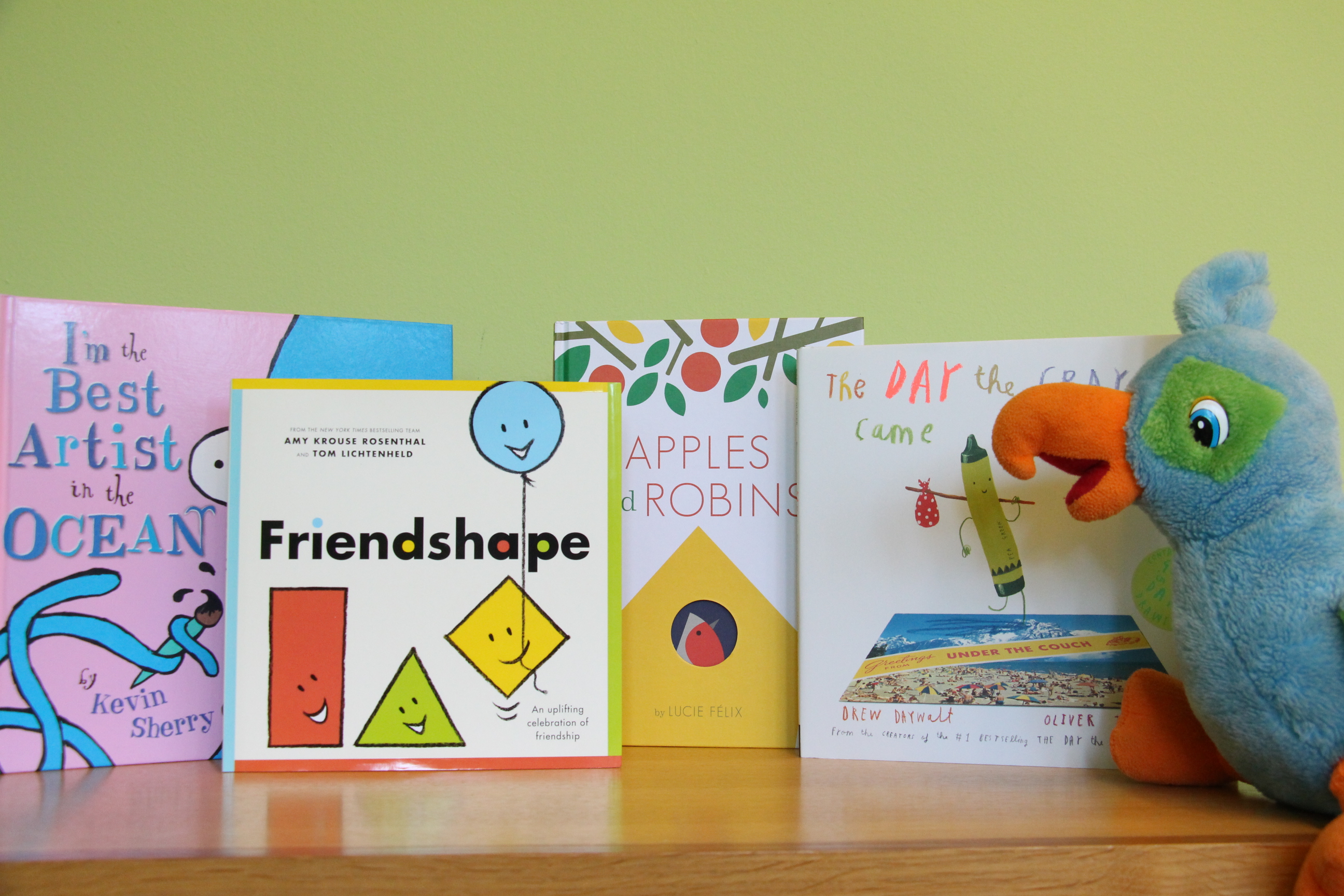
Flowers are blooming, buds are popping out on the trees, and I’ve rounded up a fresh crop of excellent picture book art pairings that will put a spring in your step! From a blissfully confident giant squid to those witty talking crayons, here are four must-reads to add to your bookshelves. Each has Arturo’s seal of approval!
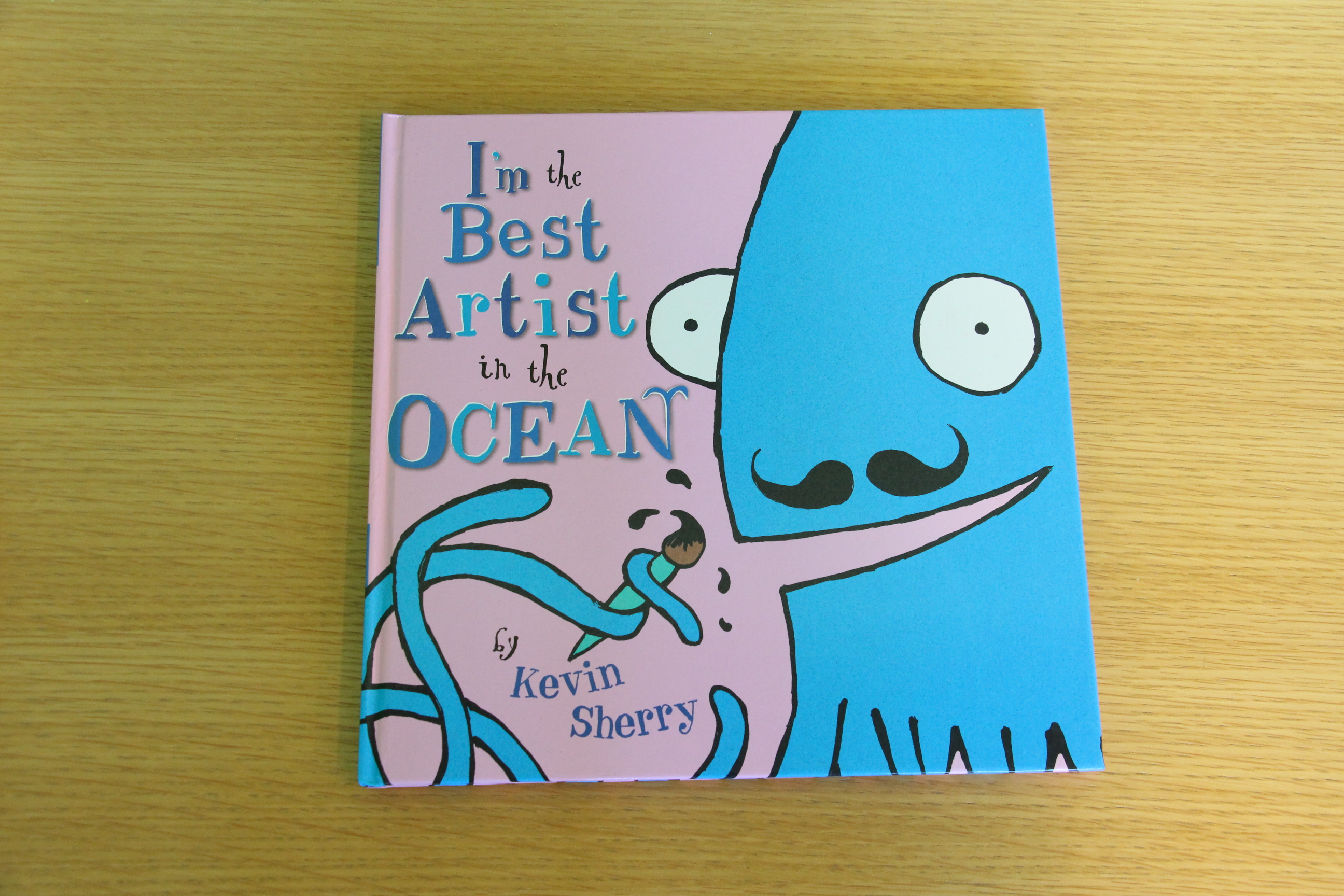
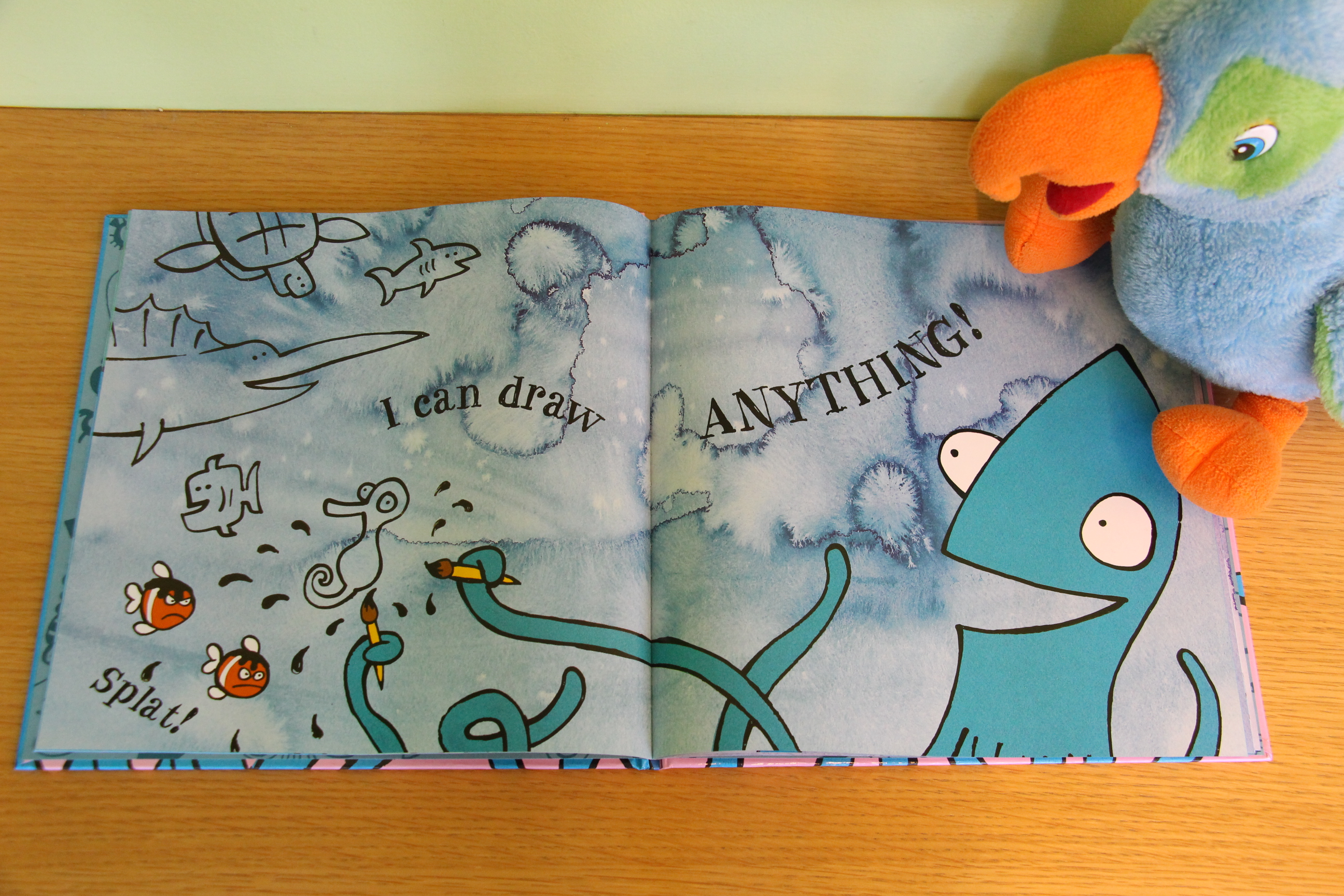
Giant Squid is pretty proud of everything he can draw. In fact, he thinks he is the BEST artist in the ocean. But a grumpy shark has a very different point of view. Squid’s clever solution to what could be a (shall we say uncomfortable?) situation will make young readers laugh, while caregivers may notice the illustrator’s sly nod to Picasso’s cubist style.

IMG_8202

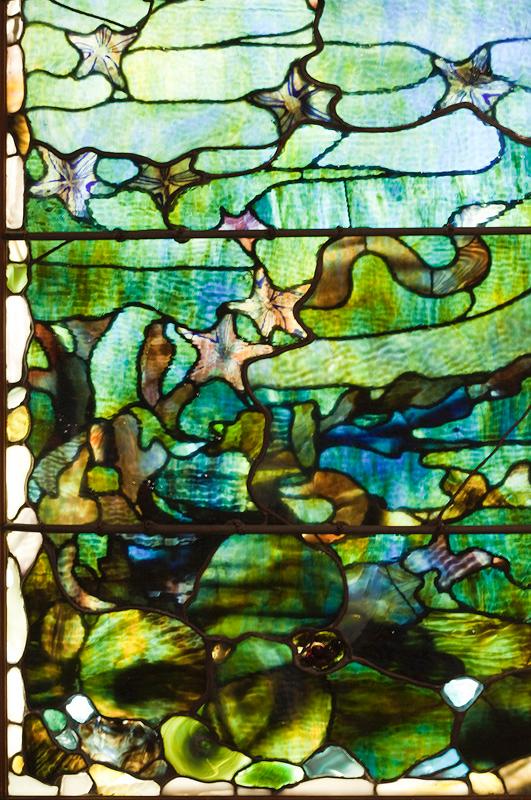
I’m the Best Artist in the Ocean by Kevin Sherry is a perfect pairing with our beautiful Tiffany windows. Search for starfish, sea anemones, jellyfish, and even eels, while imagining what Giant Squid would think of the jewel-like glass. At home, make Giant Squid proud with your own squid art!

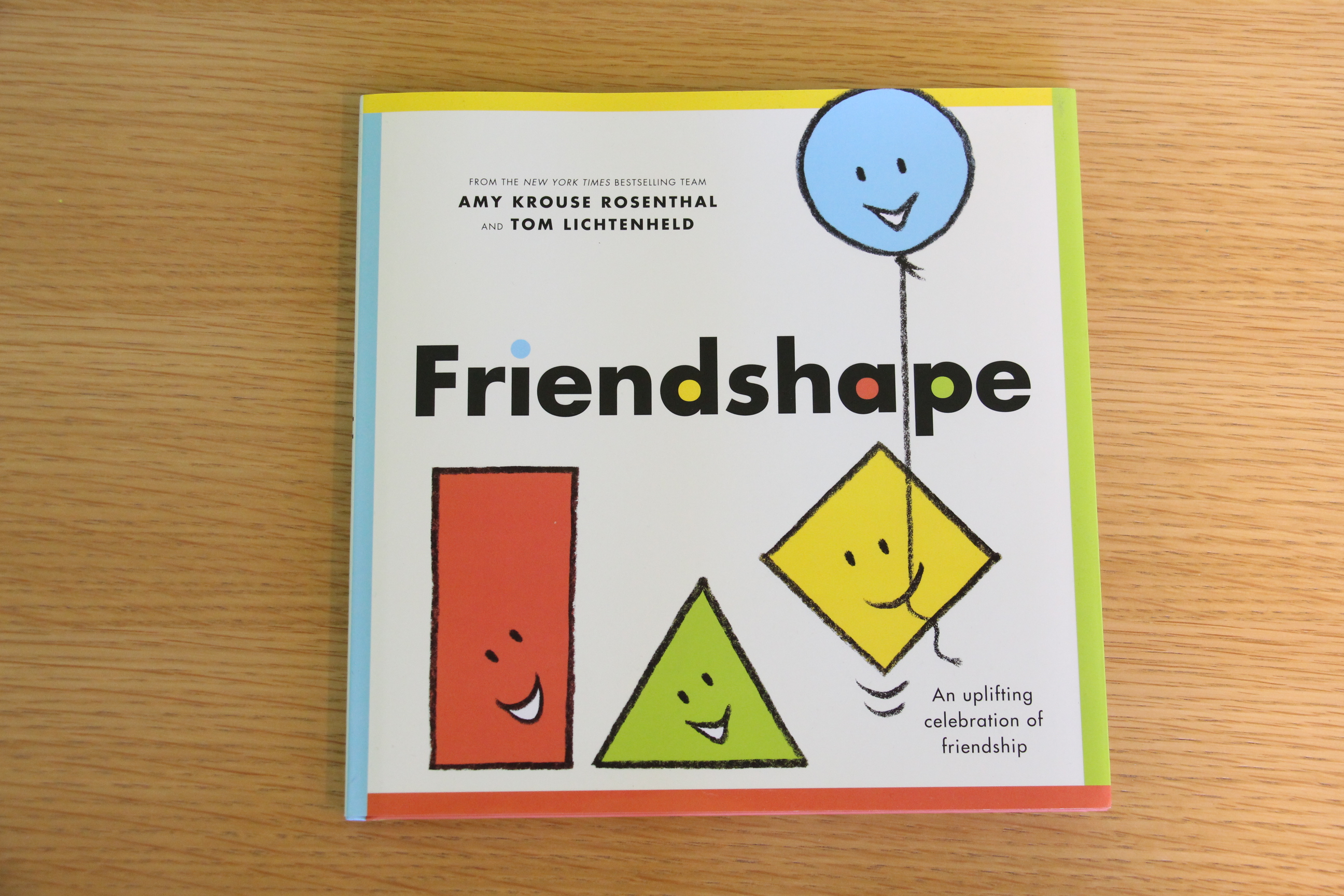
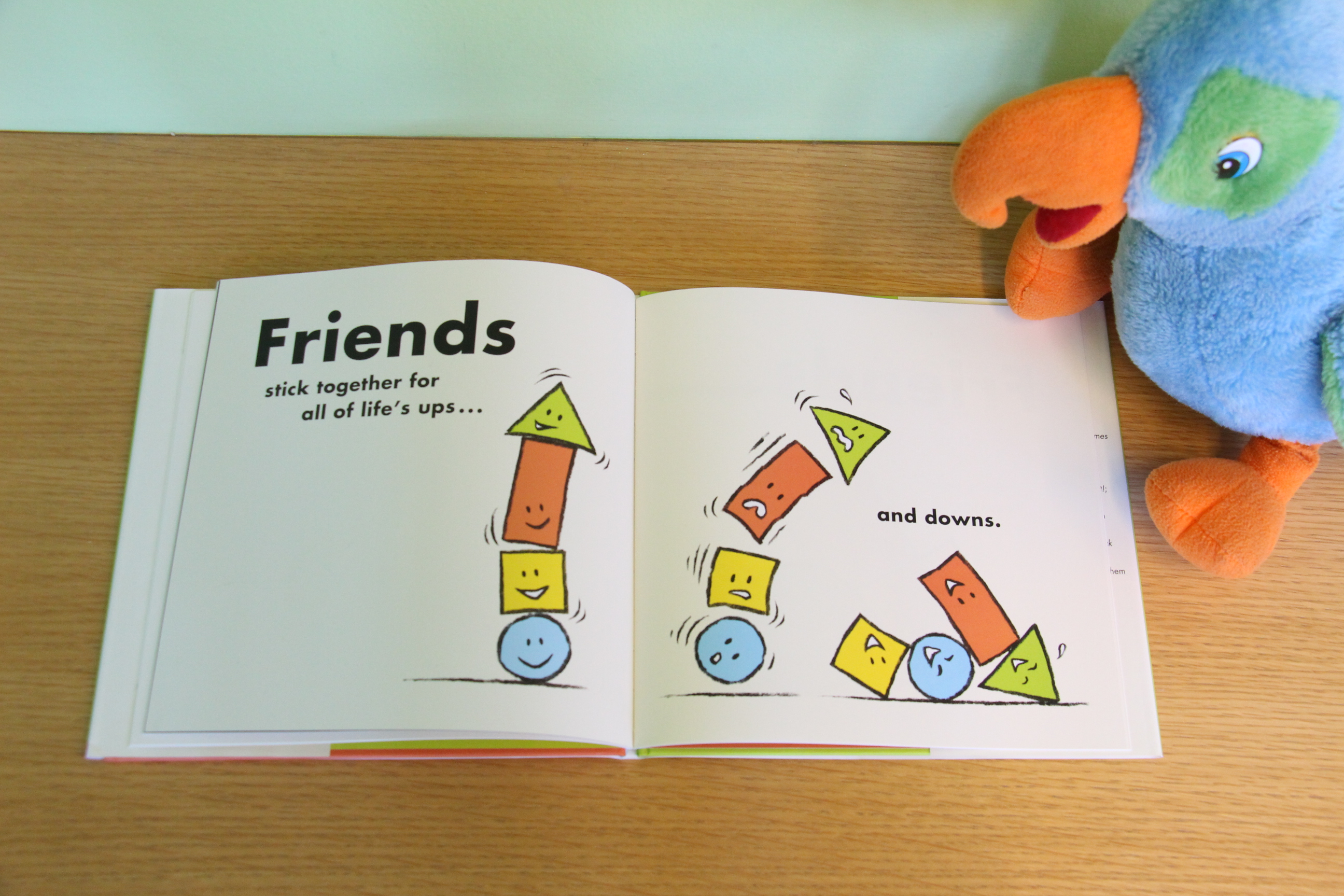
“Friends shape who we are,” and square, rectangle, circle and triangle are the best of pals. They play together, they support each other, and even when they squabble with each other, they know that their friendship is what matters most.

IMG_8203

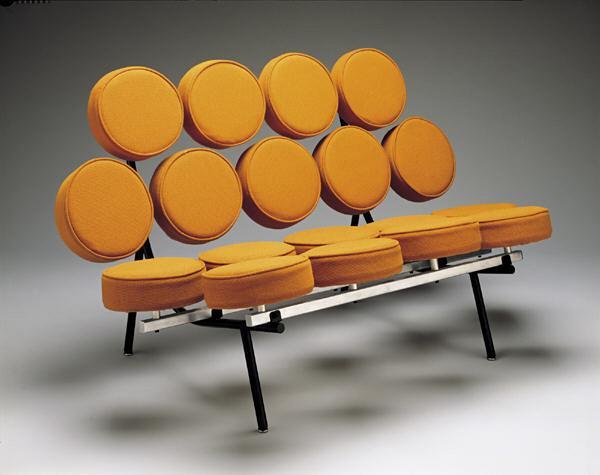
Friendshape by Amy Krouse Rosenthal and Tom Lichtenheld is one of those books that puts a smile on your face and warms your heart. The seemingly simple illustrations are bursting with personality and are a perfect way to show young artists how shapes can work together in different configurations to create all kinds of pictures. One particular page spread shows the friends as a rocket blasting off to the moon, and even without the text, children instinctively understand what the illustrator has done. Read this delightful book in the Decorative Arts gallery and take a closer look at the Marshmallow sofa to see how circles have been transformed into a stylish place to sit. At home, download this printable and make your own shapes into the loveable characters from the book.

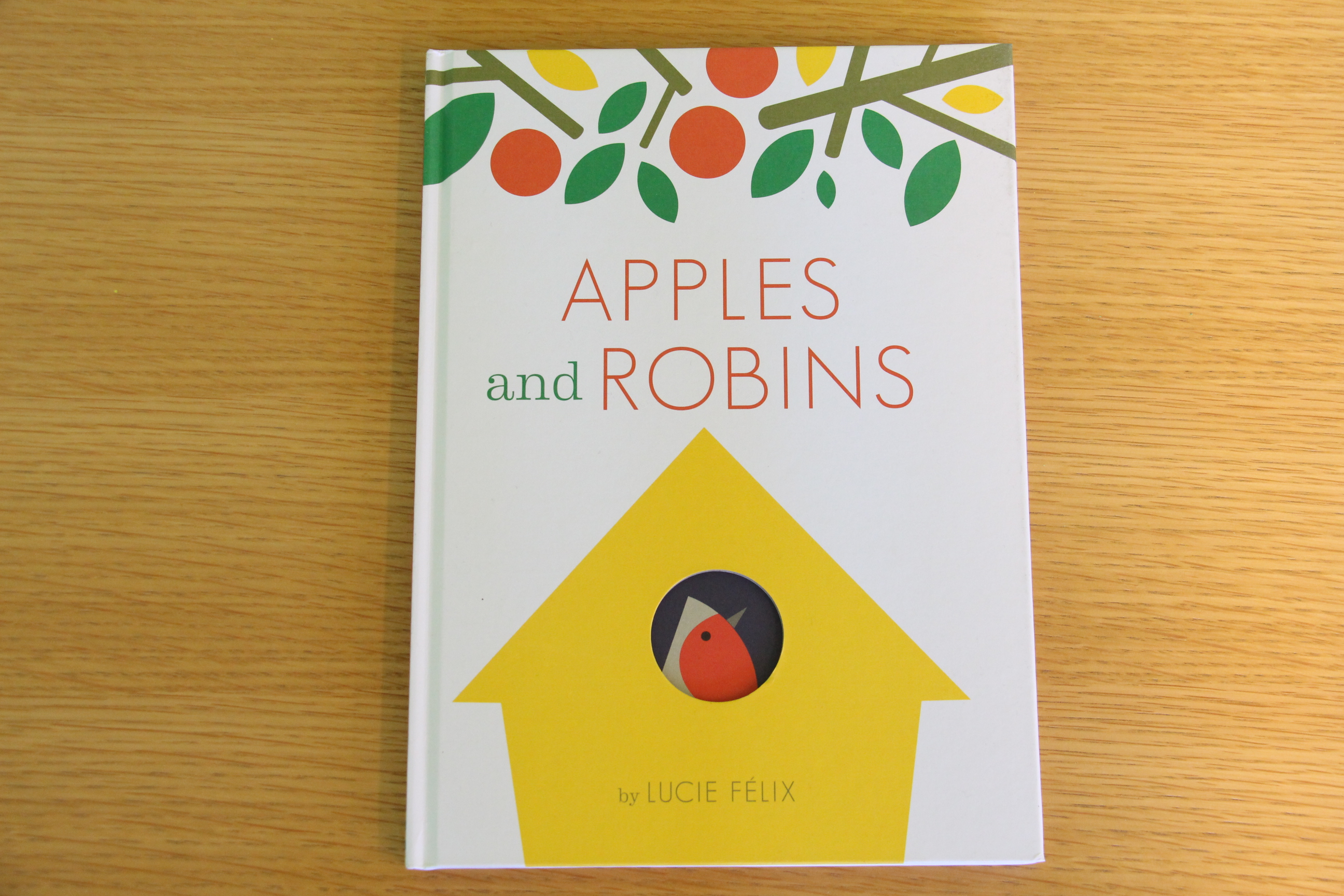
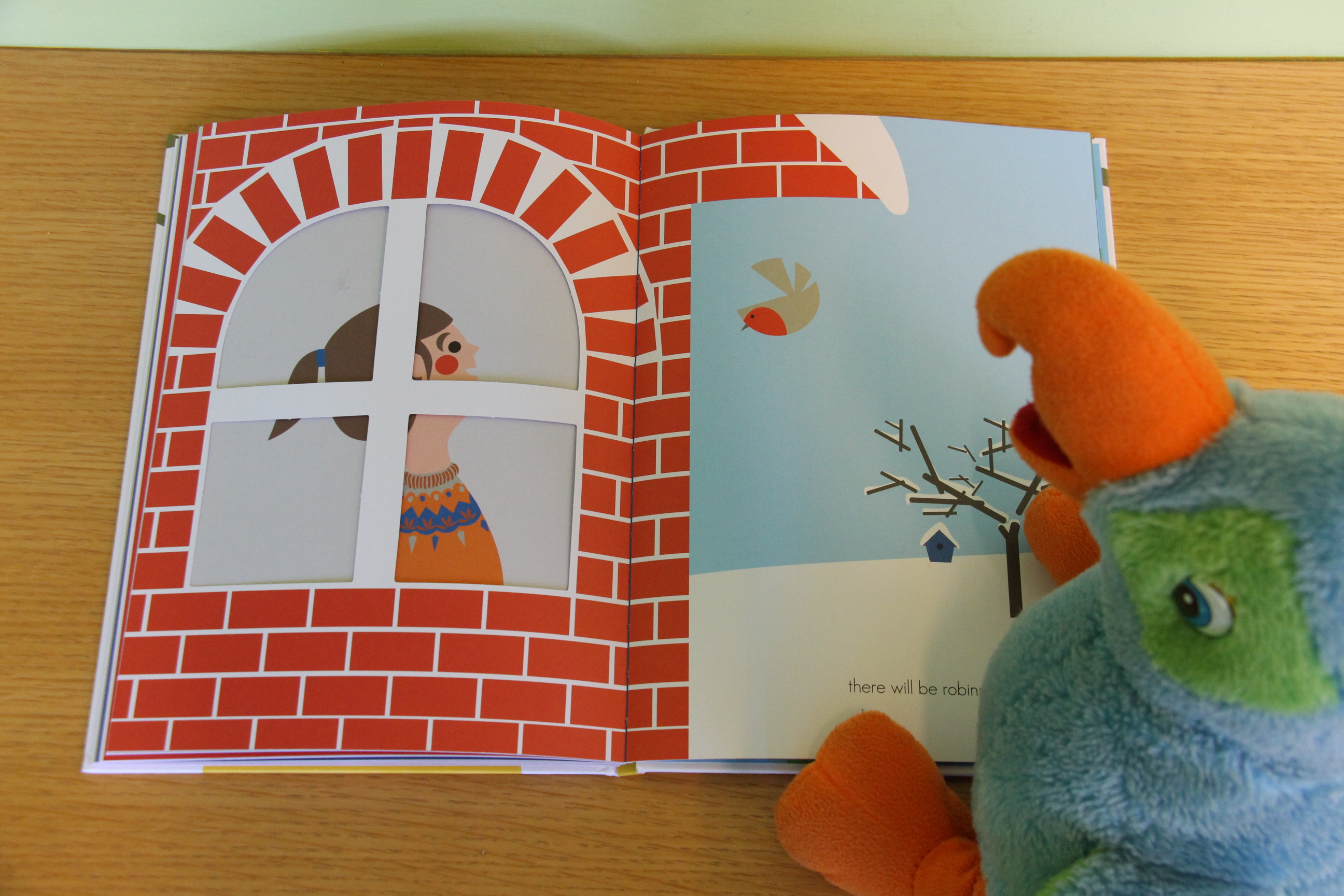
One of my favorite signs of spring is the birds chirping outside my window each morning. In Apples and Robins by Lucie Felix, we see not only birds outside the window, but apples hanging from the tree, worms munching through an apple, a birdhouse being built, and a basket for gathering apples.

IMG_8205

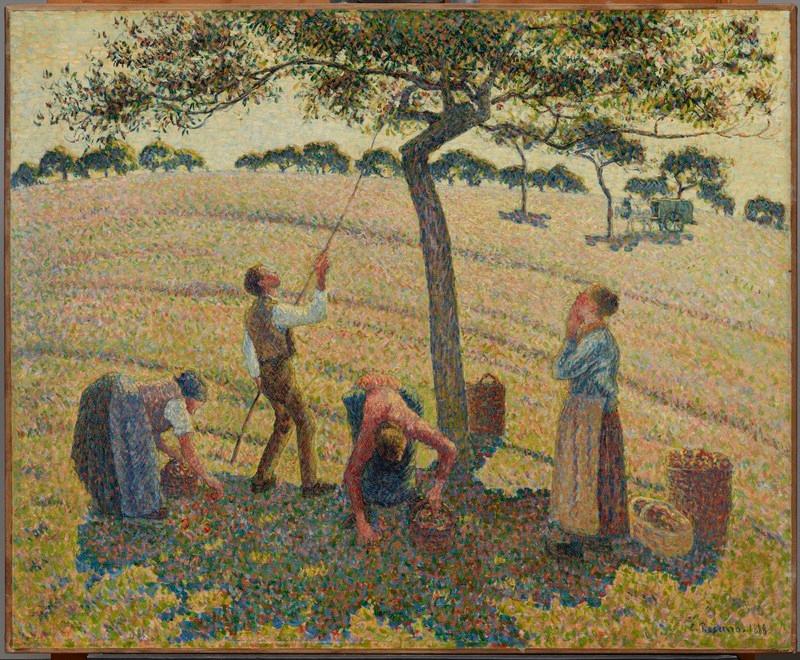
The genius of this book is clever cut-outs that transform into new pictures with the turn of a page. As with Friendshape, readers will discover how shapes become something more with a little bit of creativity. The bold, bright illustrations are inviting and the cut-outs will have children eagerly turning the pages to see what happens next. Why not bring this book along with you for a quick visit to Apple Harvest by Camille Pissarro? Then at home pull out the tried-and-true apple printing project to create your own apple art. This helpful post from the TinkerLab blog has great suggestions for setting up an apple printing station at home.

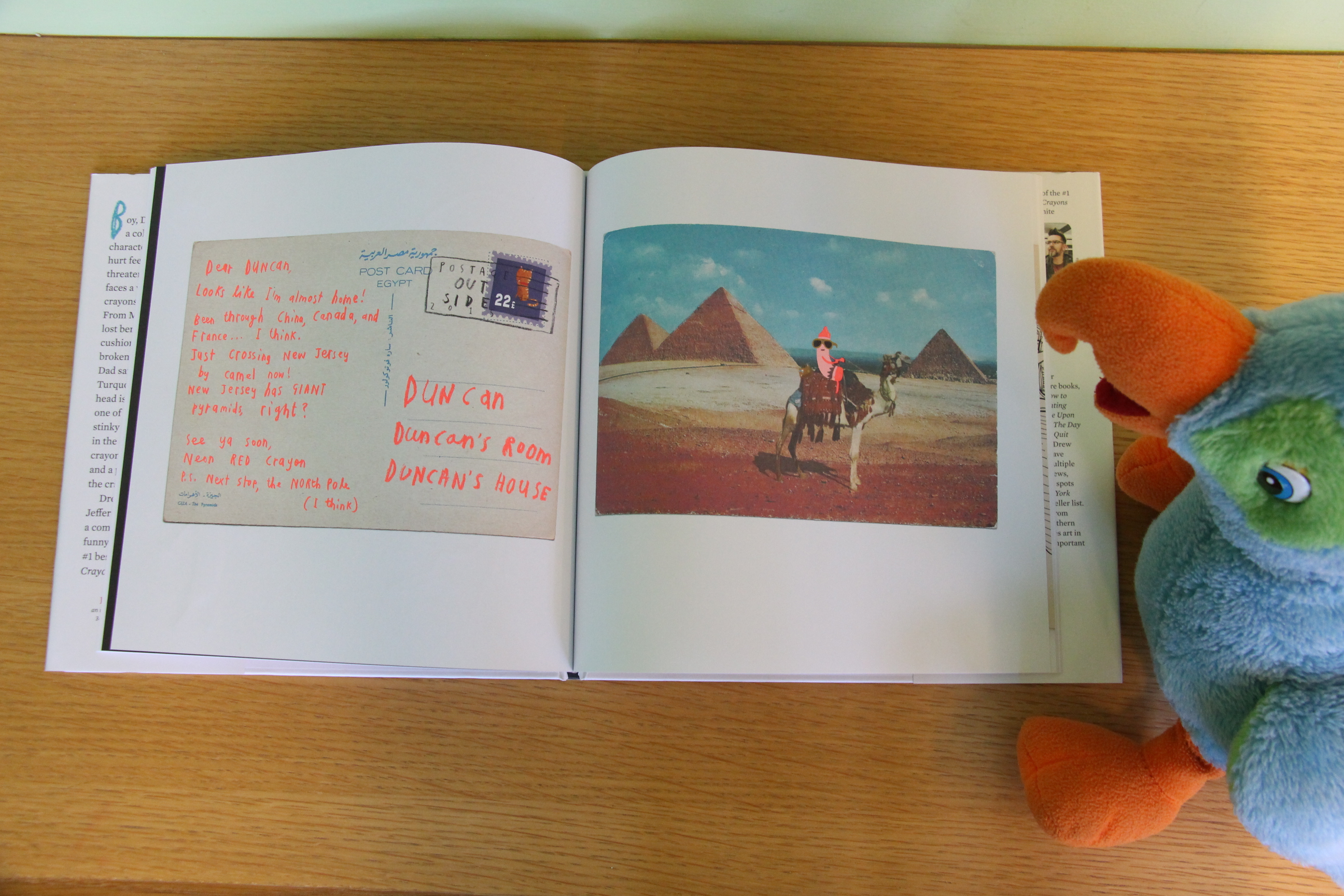
You might have thought that after Duncan’s crayons famously quit, that would be the last we’d hear of them. But they are up to their crazy antics again, and this time, all they want to do is come home! Tan crayon was eaten by the dog, Maroon crayon got lost in the couch, and Neon Red crayon was left behind at a hotel on summer vacation. In their postcards to Duncan, each crayon laments their troubles and either whines, wheedles, or begs for him to rescue them. Well, all except Neon Red who has set out on its own to find a way back in The Day the Crayons Came Home by Drew Daywalt.

IMG_8206

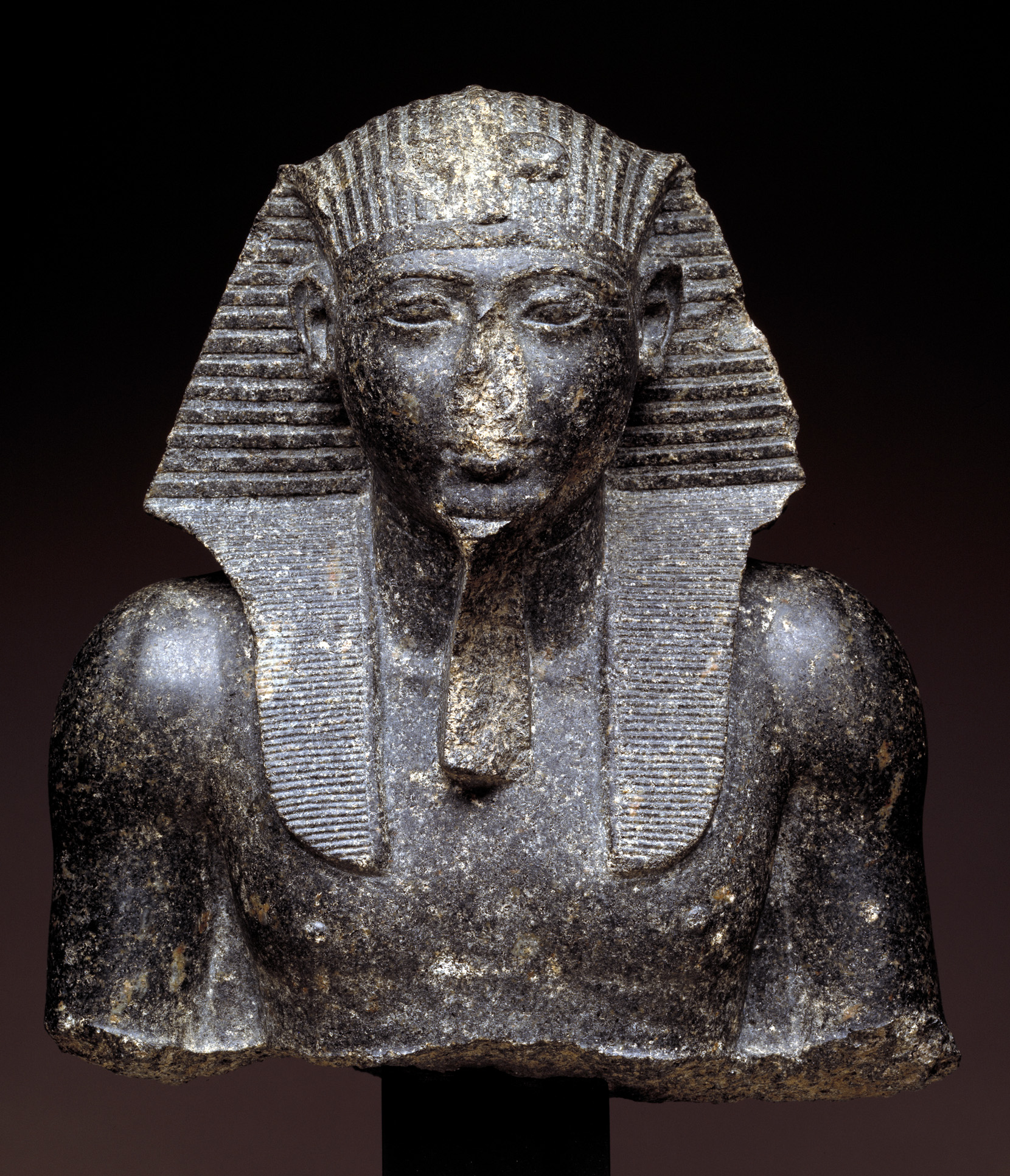
I’d like to think that the crayons would have a ball anywhere in the Museum, but it would be especially fun to visit places Neon Red sees on the journey home. New Jersey (according to Neon Red) has some great pyramids, but we all know that Ancient Egypt is the place to be for pyramids, mummies, and more. Visit our Ancient Egypt gallery and imagine Neon Red roaming through on a camel!

And for all the crayon-lovers out there, don’t miss the chance to hear Drew Daywalt talk about his colorful characters in person here at the DMA on May 22–get your tickets here!

Happy reading!

Leah Hanson
Manager of Early Learning Programs


Flopsy and Mopsy Move into the Museum

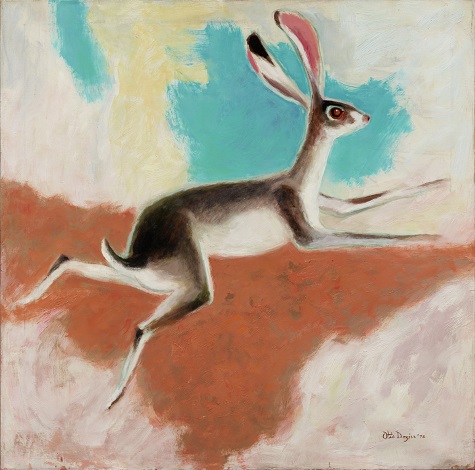
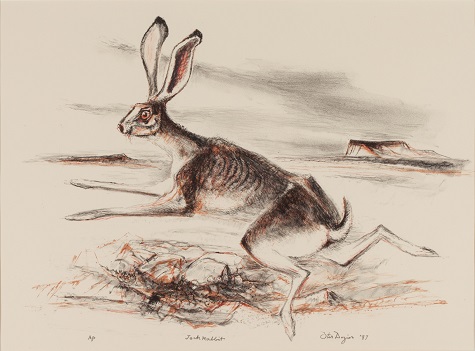
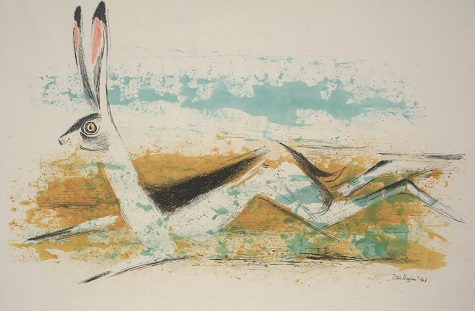
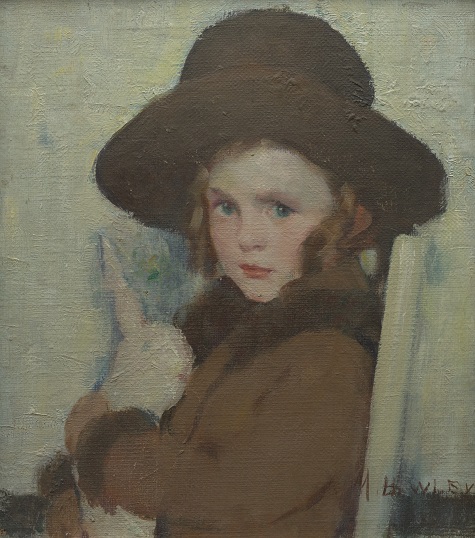
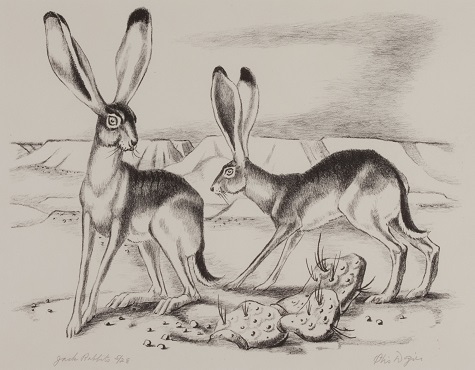
Did the weekend leave you feeling EGG-static?Did you have a HOP-ening time? Perhaps a little cottontail or two bounced by and left you some yummy treats hidden in eggs. One thing is certain, the DMA’s galleries are overflowing with bunny foo foos and rascally rabbits this spring! You’d best look quick—they are bound to be springing from one painting to the next, scooping up field mice and bopping them on the head.

Julie Henley is the Communications and Marketing Coordinator at the DMA.


Archives

Categories