Archive Page 103

What is Accessibility?

The DMA, as well as other museums and cultural institutions across the country, have been tackling this question in the hopes of creating environments that are safe, open, and comfortable for a wide variety of people. Primarily, accessibility is thought of as a physical construct: a museum is deemed accessible if it holds no physical barriers to entry. Ramps, elevators and similar architectural structures are essential components for accessibility, providing individuals with and without mobility issues easy entry into any type of building. Removing physical boundaries is a key first step towards addressing the accessibility question.
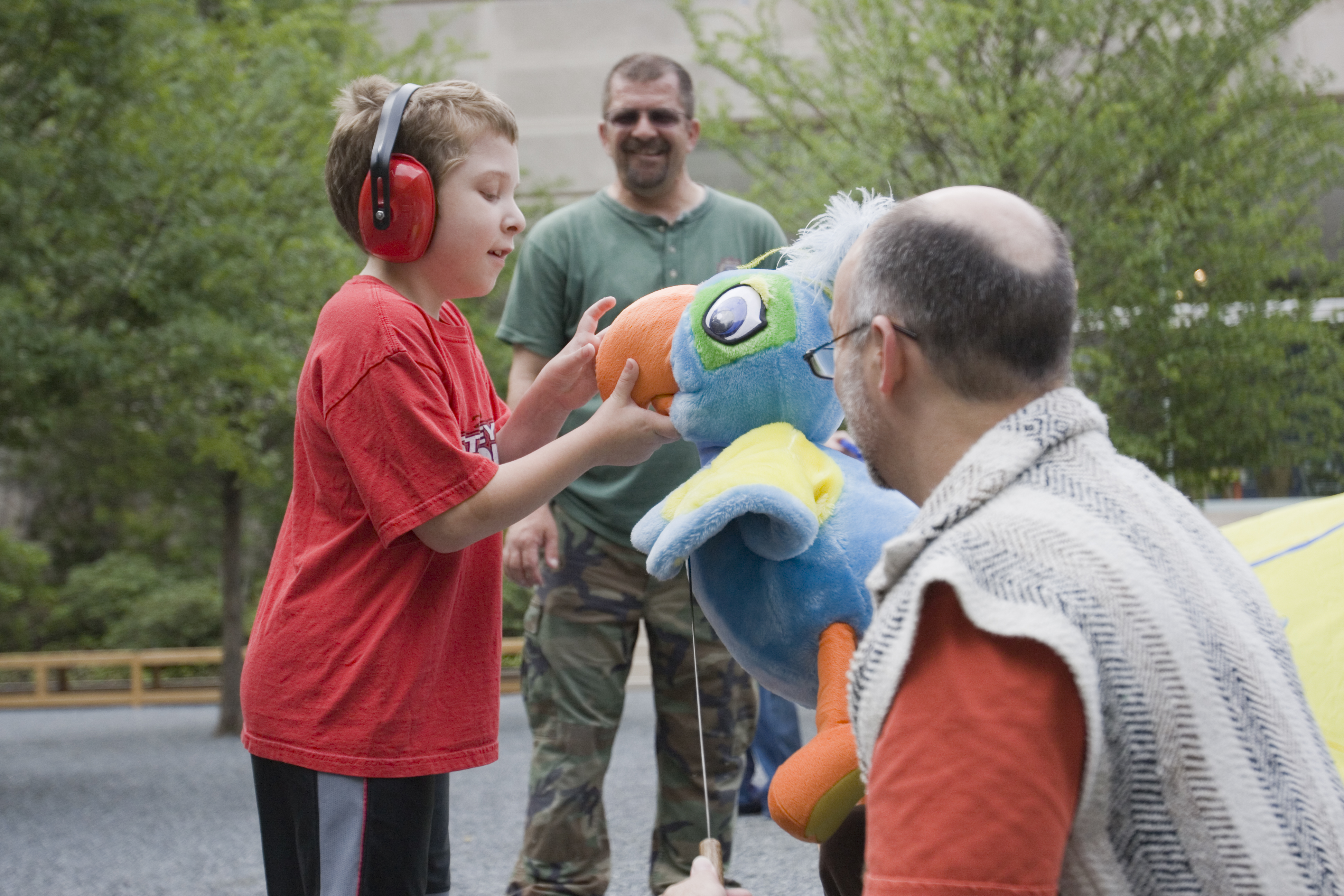
A family participating in an Autism Awareness Family Celebration at the DMA

A family participating in an Autism Awareness Family Celebration at the DMA

But then what? How does accessibility extend inside museum walls? Museums strive to ensure that their collections, programs, and services are accessible to all audiences, often by providing diverse educational programs that cater to visitors of varying abilities. When we think about teaching at the DMA, we think about inclusive experiences that are open to everyone, regardless of a person’s ability. While making learning experiences at the DMA open and accessible to all is important, we also believe that designing individualized experiences for a range of needs is important too. And we hope these special programs raise the awareness that art is for everyone, though some visitors may need to work in different ways to see and enjoy it.
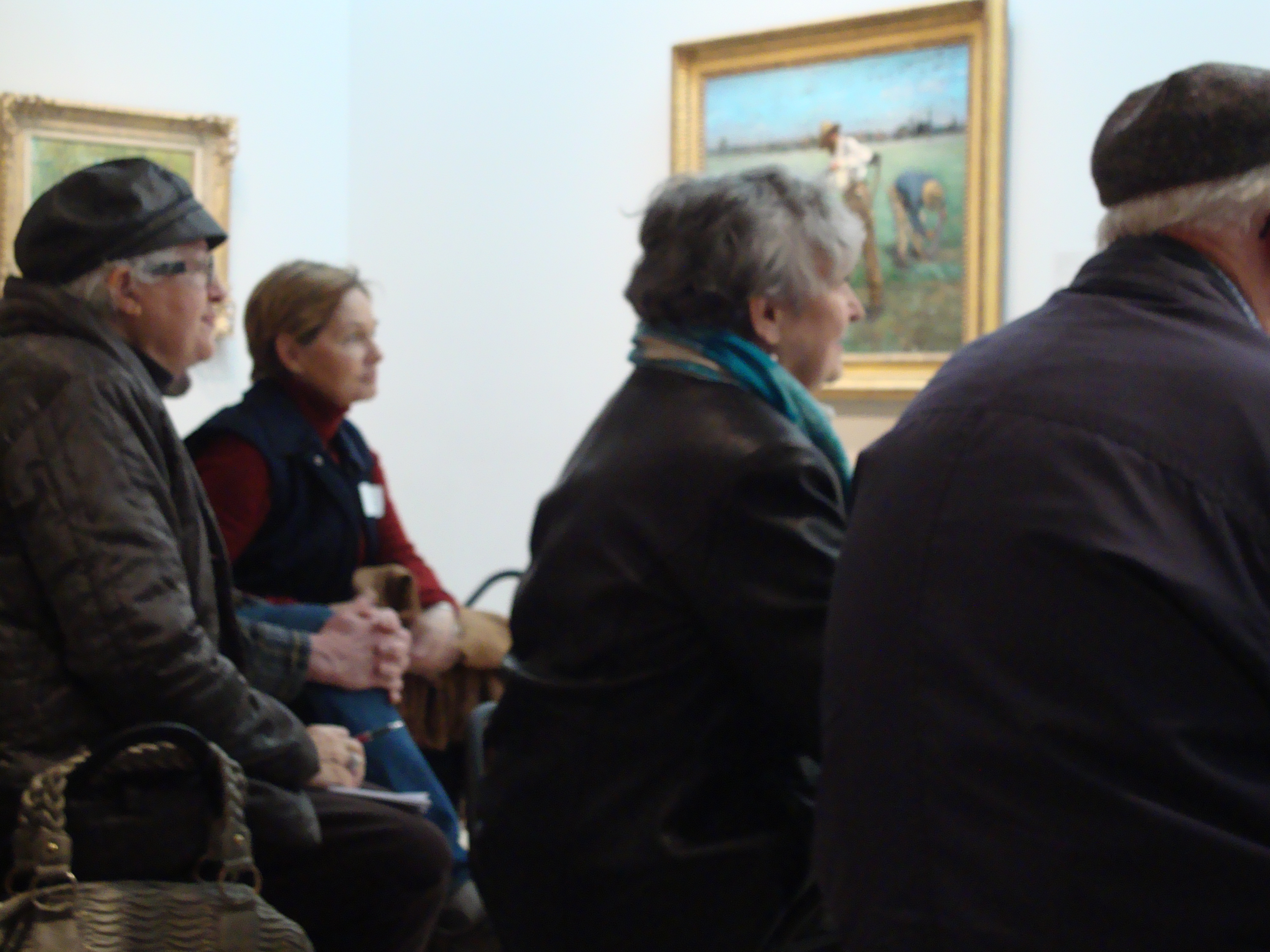
Meaningful Moments participants in the gallery

Meaningful Moments participants in the gallery

Our Access Programs provide these individualized experiences for visitors with special needs. Interactive gallery experiences and hands-on art making opportunities are available for adults with developmental disabilities as part of our partnership with The Arc of Dallas, as well as for adults with dementia and their care partners during our Meaningful Moments monthly program. For families and visitors with autism spectrum disorders, we organize a specialized summer art camp for children as well as Autism Awareness Family Celebrations throughout the year. These multi-sensory programs and events involve tactile opportunities and art-making activities that enable visitors of varying abilities to discover and appreciate artists and their works of art. During the month of October, we participate in Art Beyond Sight Awareness Month and focus on helping visitors enjoy art using senses beyond eyesight.
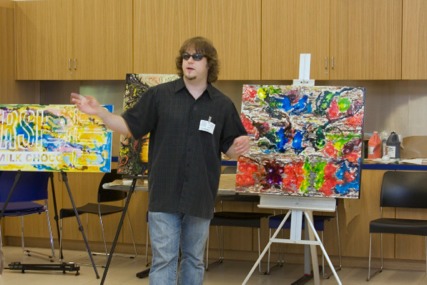
John Bramblitt talking about his works of art to summer campers

Artist John Bramblitt talking about his works of art to summer campers

The DMA is an Art Beyond Sight Partner and is proud to have participated in programming for Art Beyond Sight Awareness Month each October since 2007. Composed of leading institutions in 35 states and 25 countries, Art Beyond Sight Awareness Month is an outreach effort dedicated to promoting art education for people with vision impairment and building an inclusive society with improved access for all. This year, we were excited to expand our offerings to include programs for adults.
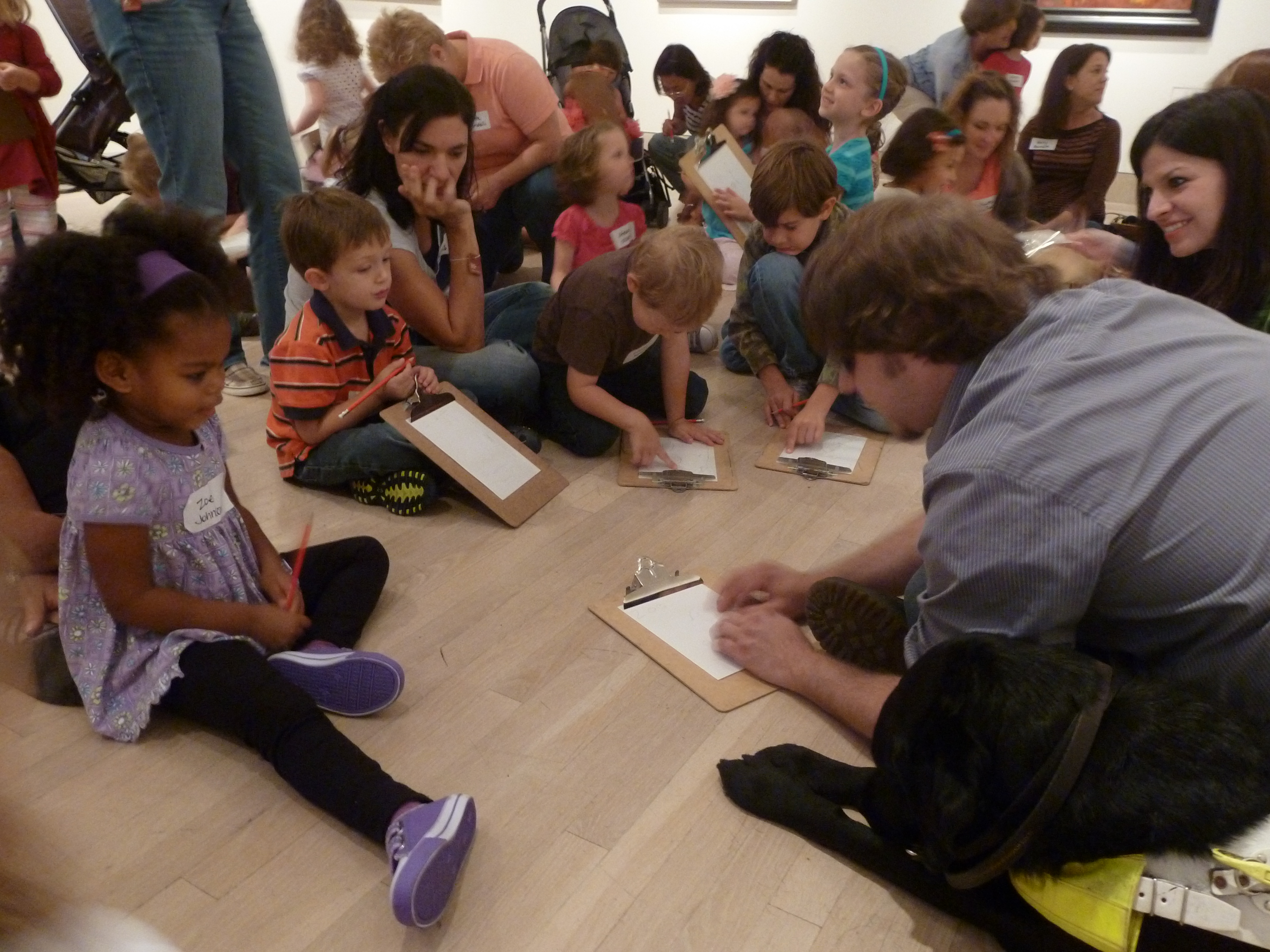
John leading a homeschool class for ABS month in the DMA's galleries

John leading a homeschool class in the galleries

Artist John Bramblitt joined several ABS programs this month to talk about his process as a blind painter. Our October First Tuesday was focused on the senses and the Museum’s youngest visitors had the chance to immerse themselves in a sensory experience in Arturo’s Nest, our space for children under the age of four. John led Studio Creations in early October to kick-off a month of ABS-themed weekend art-making. He also led this month’s Meaningful Moments for visitors with Alzheimer’s disease and he will close our month of experiences by teaching our homeschool class. In our Arturo’s Art and Me class for children aged 3-5, kids got to paint in the dark to experience sightless painting and our Arc participants had the chance to wear blindfolds to paint with their fingers!
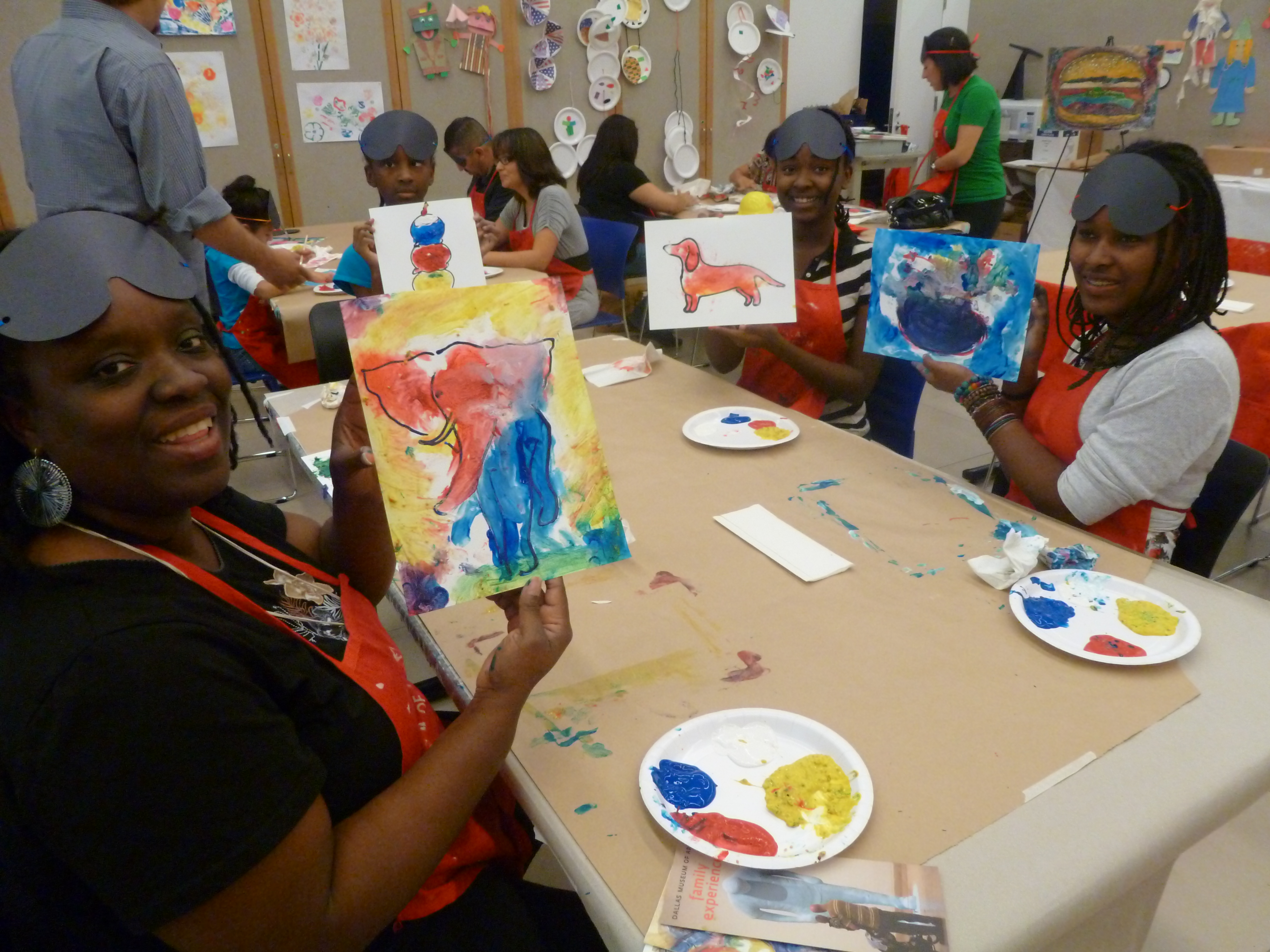
Visitors experience John Bramblitt's Sightless Painting activity

Visitors experience John’s Sightless Painting activity

In addition to these experiences, John led a public gallery talk for adults, during which he shared images of his artwork, talked about his process, and provided insights into his subject matter. And during Late Night last Friday, John teamed up with Stephen Lapthisophon in an artist’s lecture. Both artists have visual impairment, and both approach painting in a completely different way.

John’s process is very detailed and planned out, with various techniques that he employs for raised lines. John uses raised lines to sketch the base of his drawing first – some of the lines are raised for only a short period of time while others remain raised to allow John to feel the contours of his drawing for a longer amount of time. After he drafts his lines, John adds many, many layers of paint. For Stephen on the other hand, art-making is a social art and isn’t highly technical.

Both artists have varied creative inputs as well. Much of John’s artwork is representational and a reflection of an internalization of his sensory world, while Stephen’s artwork is more about the experience of his senses as he is creating (often with food and text) which could be a reflection of society and the associations of his materials. Each artist spoke a bit about his process and then each had the chance to sit down for a conversation together before taking questions from the audience. The artists had the chance to ask questions of one another and it was interesting to hear them contrast their processes and to get their takes on how other senses play a strong role in their own art. This program was an opportunity for visitors with visual impairment to meet and talk with John and Stephen. The lecture ended with a woman who has been blind for five years asking advice from the artists about her own art. Each artist gave her some ideas and encouragement before meeting with her after the lecture to continue the conversation.
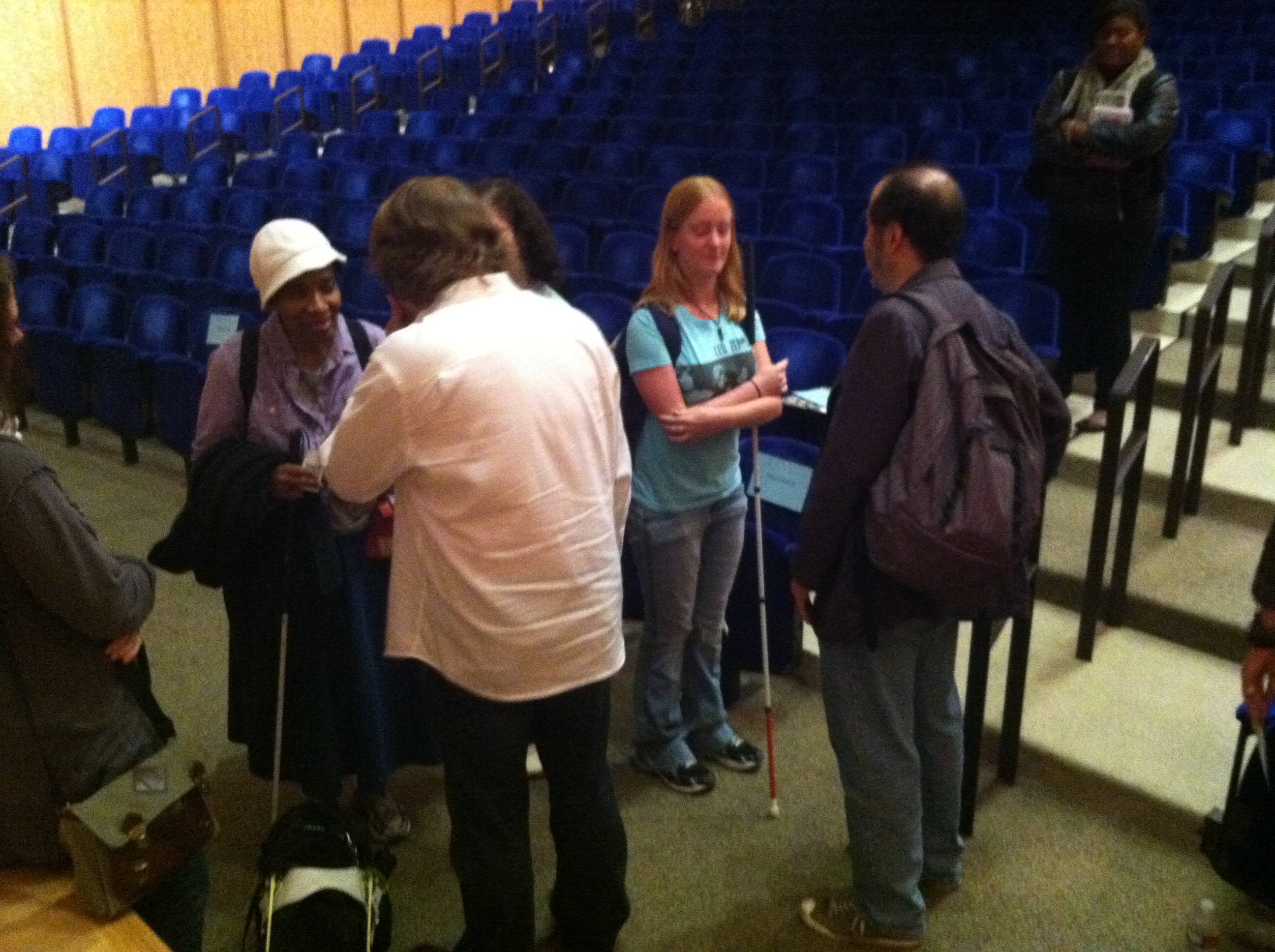
Visitors with vision impairment talking with John Bramblitt and Stephen Lapthisophon after their Late Night artist lecture

Visitors with vision impairment talking with John and Stephen after their Late Night artist lecture

The Access Programs offered by the DMA are essential components in creating welcoming, accessible environments, but there is still more to be done. What other types of resources can and should be made available to visitors?  Let us know what you think and be sure to check back in the future as we delve deeper into this matter.

Danielle Schulz
Teaching Specialist

Amanda Blake
Head of Family, Access, and School Experiences
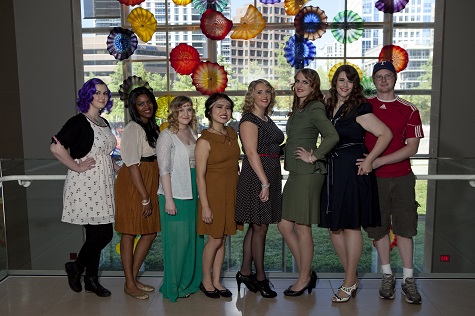
Permanent Waves and Lipstick Craves

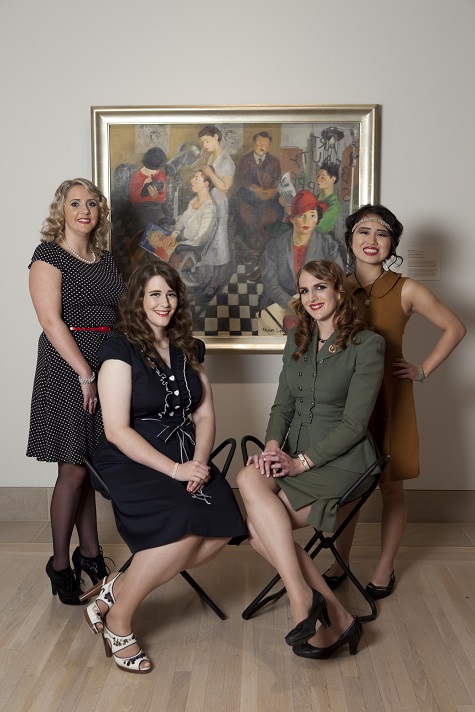
When my husband, Bryan, unexpectedly told me that he had redeemed the Art Beauty Shoppe reward from the DMA Friends program, I could hardly contain my “blow-your-wig” (check out other 1930s lingo) excitement. Bryan and I are in love with the DMA. We are both researchers at the University of Texas Southwestern Medical Center, and its close proximity to the Museum allows us to easily enjoy lunch breaks and late night events in one of our favorite places. I was particularly surprised that he had used his points because we were trying to redeem a voucher for the coveted Overnight at the DMA, which takes 100,000 points. (I was actually able to redeem it for us—see you there on November 1!).

Friends_Reward_Beauty_Shoppe_09_2013_036

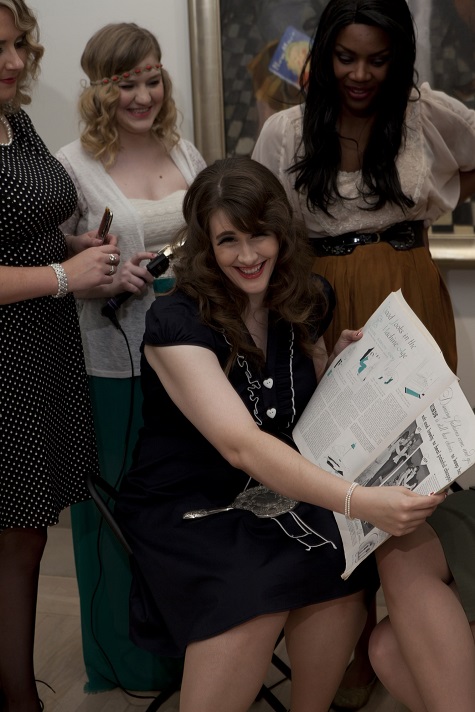
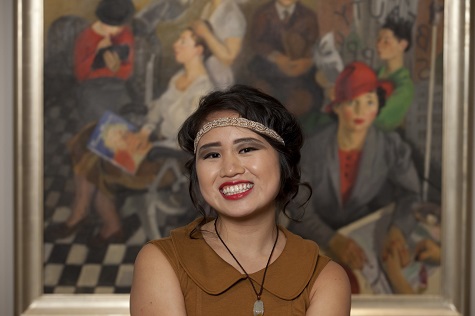
Lacey (second from right); her husband, Bryan; her friends; and Pouf stylists

With the Art Beauty Shoppe reward, three of my friends and I were able to have our hair and makeup done in 1930s style and then have photos taken in front of the DMA’s 1934 painting Art Beauty Shoppe by Isaac Soyer. Pouf Blow Dry Salon accommodated the four of us just as if we were the four customers in the painting.

I was elated to get to share my love of the DMA with some of my friends in such a “swell” way. So I gave my friends, Amanda, Stephanie, and Katrina, a “dil-ya-ble” and we hit the Internet and antique malls to find the perfect vintage-style dresses to wear for the occasion.

Friends_Reward_Beauty_Shoppe_09_2013_052

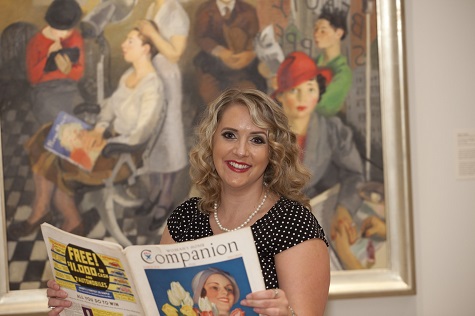
Bryan had the idea of adding props to make us look as if we were actually sitting in the salon, waiting for our appointment. He found a spring 1934 edition of Women’s Home Companion for us to peruse. I could “bump gums” for hours on that magazine alone, but I digress.

Lacey with her vintage copy of Women's Home Companion

Lacey with her vintage copy of Women’s Home Companion

Friends_Reward_Beauty_Shoppe_09_2013_144
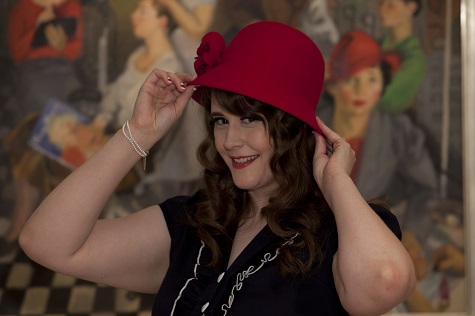
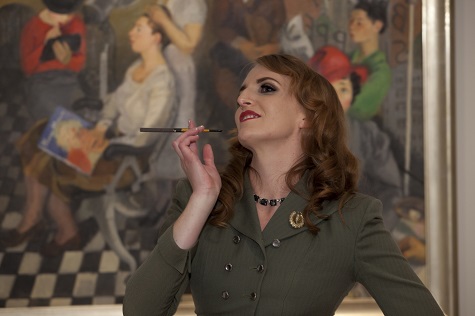
Amanda was able to find a 1930s cigarette holder, Stephanie brought tons of “snazzy” 1930s-era costume jewelry, and, with the addition of my red hat and mirror, we knew we were going to look like a group of “hot tomatoes.”

Lacey with her red hat

Lacey with her red hat

Amanda with her cigarette holder (don't worry, there were no cigarettes!)

Amanda with her cigarette holder (don’t worry, there were no cigarettes!)

The day of the photo shoot went off with a “bang”! We had quite the “hop.” The ladies from Pouf did an amazing job. They even saved the day when Katrina’s hair hadn’t quite dried enough—she ended up with quite a cool up-do. With our “keen” makeup and “nobby” hair, we posed our hearts out in front of the compelling painting. It was so much fun!

Katrina with her updo

Katrina with her up-do

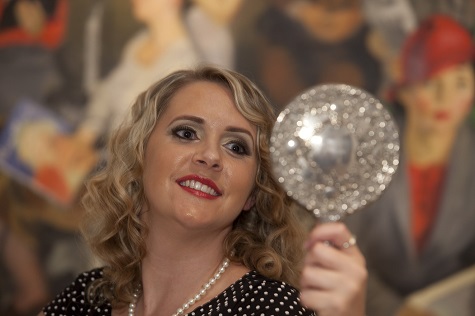
Stephanie with the vintage mirror

Stephanie with the vintage mirror

Then, to top it off, Sarah Coffey—DMA assistant to the chair of learning initiatives, and organizer of the event—wasn’t going to take back stage or “goldbrick” around. She gave us a history of the painting and style of the time period. What I found most interesting was that not only did Soyer have his friends pose for the painting, but the granddaughter of the woman with the red hat actually spoke to the Museum about the piece. She informed them that her grandmother had just been engaged to her grandfather prior to sitting for the painting, and you can actually see her engagement ring while her nails are being painted a bright red. It’s so fascinating that each piece in the DMA’s collection has its own unique and interesting human history. Thank you so much Dallas Museum of Art for bringing this piece to life for me during such a wonderful experience!

Lacey Smith is a DMA Friend and researcher at the University of Texas Southwestern Medical Center.

Friday Photos: Work Pals on the Job!

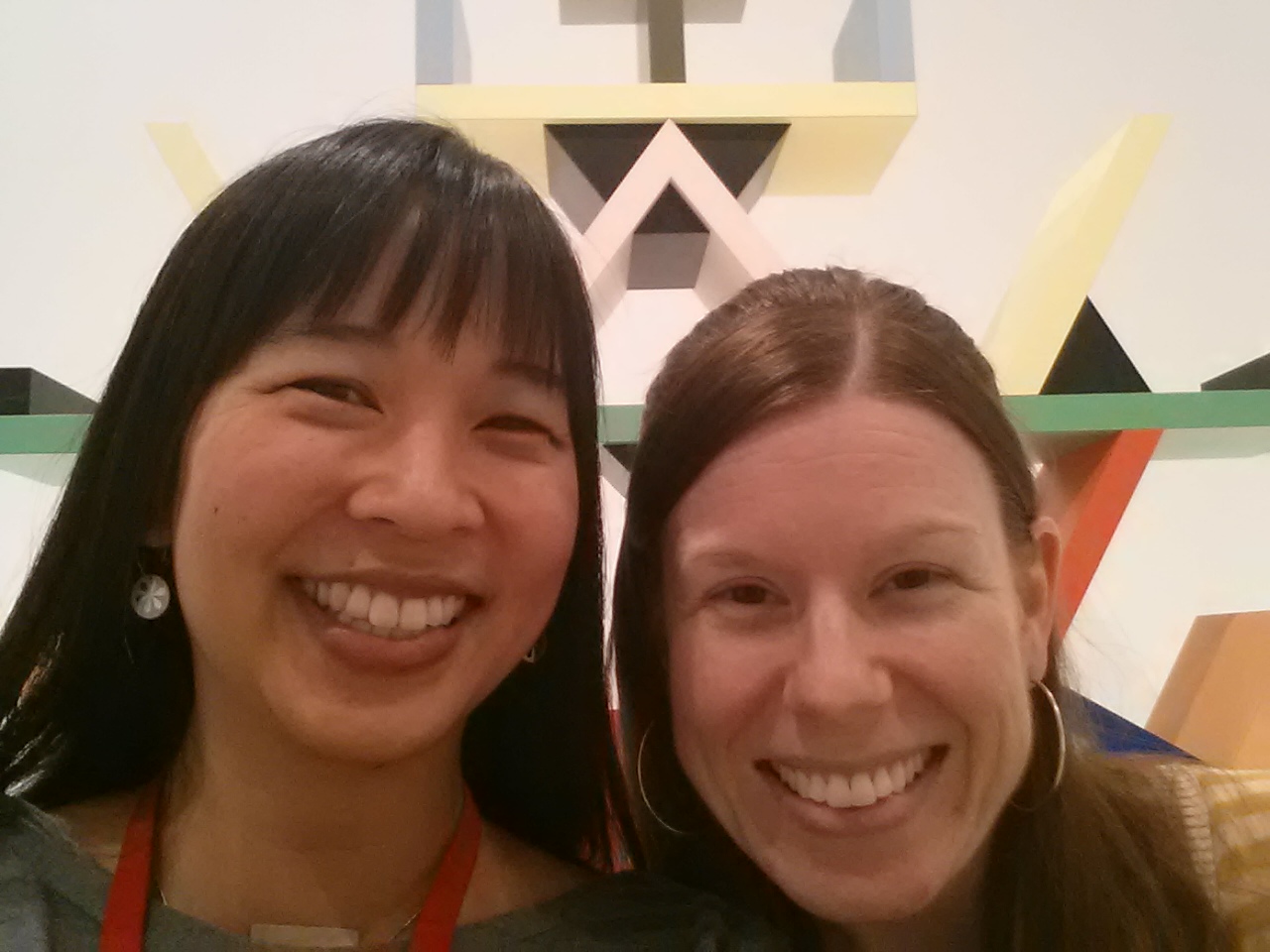
In an effort to build relationships, mutual understanding and internal support, the Education Division decided to institute work pals. Check out some of the new confidants and buddies that have been formed by just drawing names from a hat! Think about ways that you can boost morale, have fun, and establish these types of working relationships in your workplace.workpal

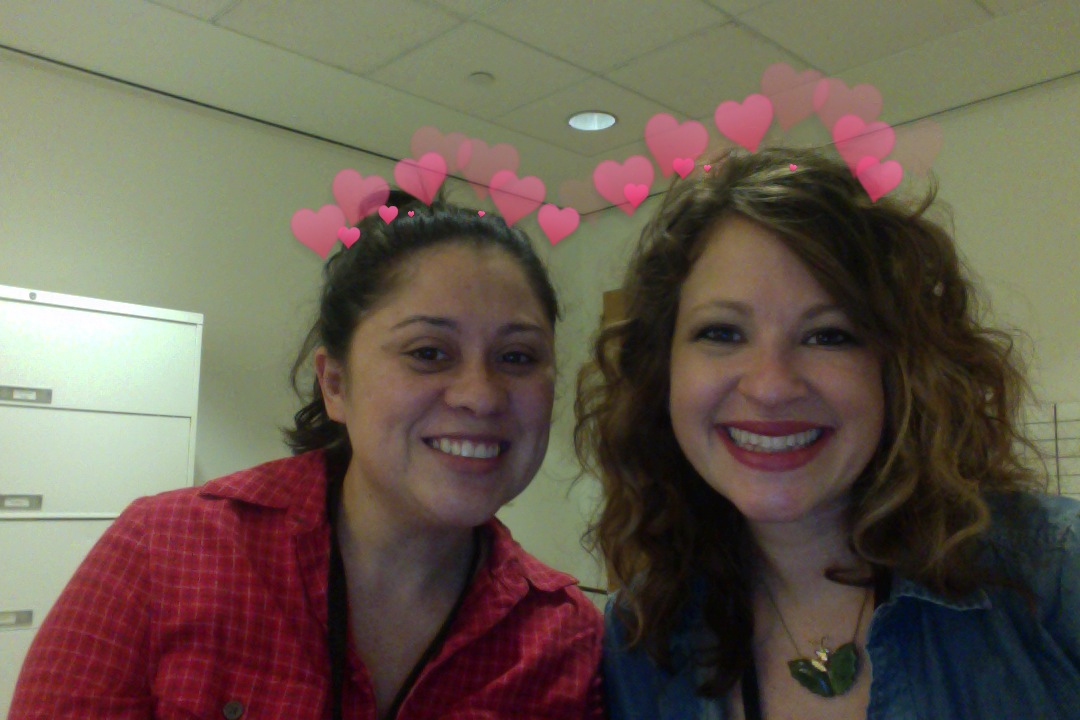
Work pals Rhiannon and Amanda love sending notes of encouragement and fun gifts throughout the week. Rhiannon is our Volunteer Coordinator and Amanda is the C3 Program Coordinator.

amandaandandi

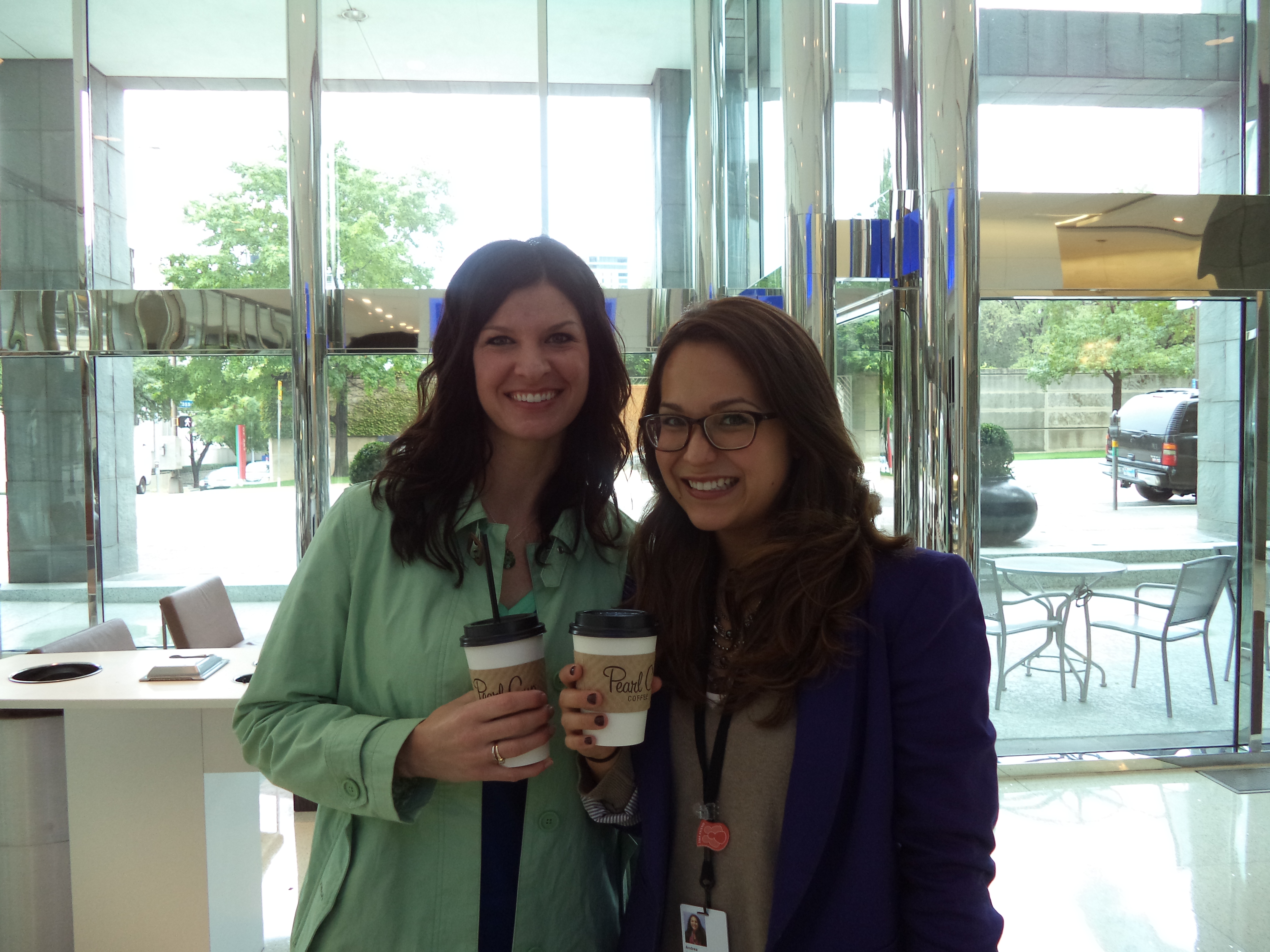
Amanda, Head of Family, Access, and School Experiences, and Andrea, Interpretation Specialist, bond by grabbing a cup of joe. They make the perfect work pals! Amanda said, “something I found out about Andrea is that she loves color, interior design, and I am super impressed by her crafting abilities. She is making all of the bouquets and centerpieces for her upcoming wedding! We of course both love dogs and talked about a future work pal dog date!”

leahmelissa

These two share a love for family and togetherness! Melissa, C3 Gallery Manager, and Leah, Manager of Early Learning Programs, really enjoy their time together exploring the collection!

Amy and Amelia

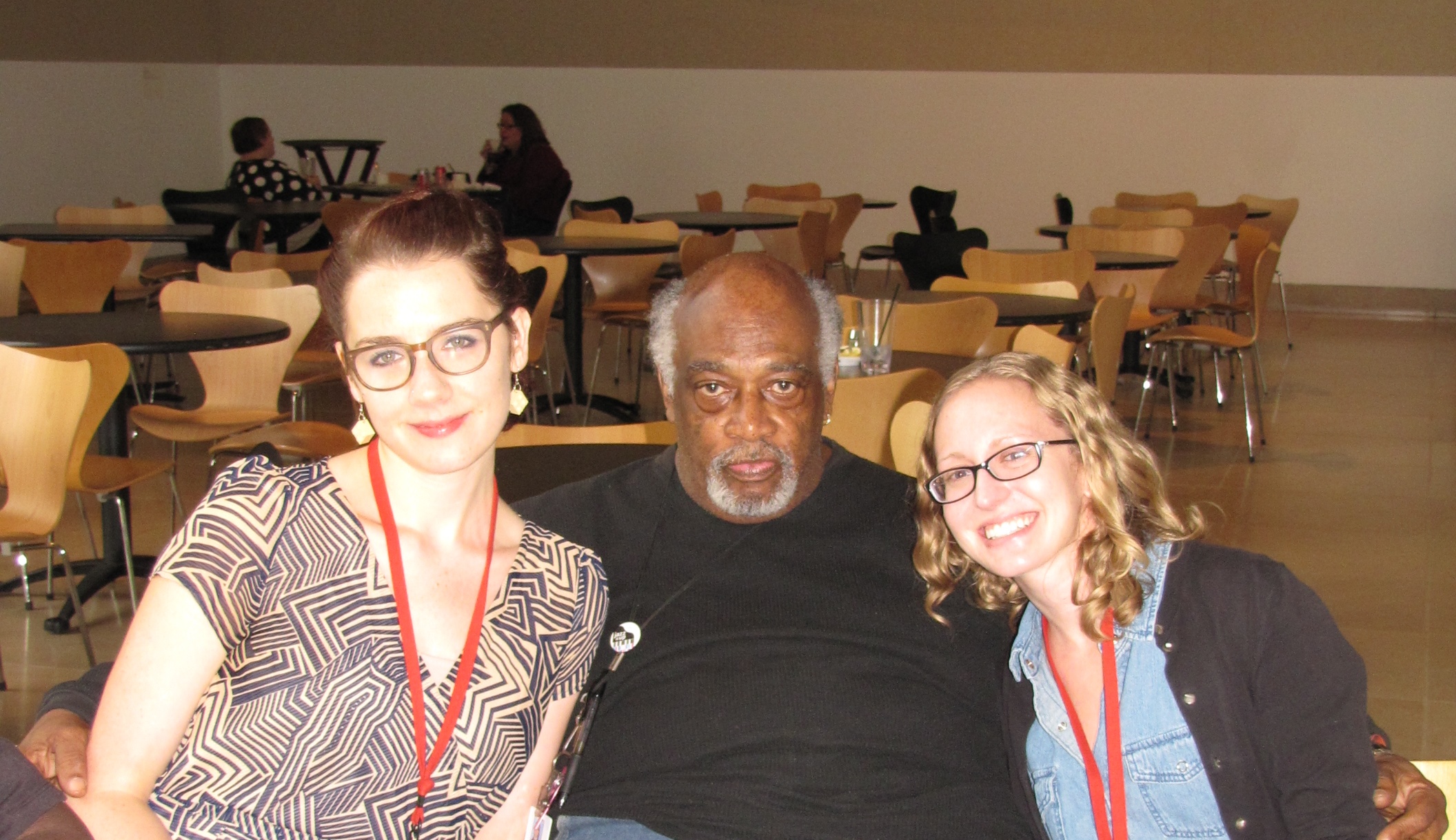
McDermott Interns Amy and Amelia have been spending a lot of quality time with Wendell, our Jazz in the Atrium Program Coordinator. Amy and Amelia are planning to shadow Wendell during Jazz in the Atrium and learn all about what he does in the Adult Programming department. These two admire Wendell and say that he is a very funny and humble man.

staceydani

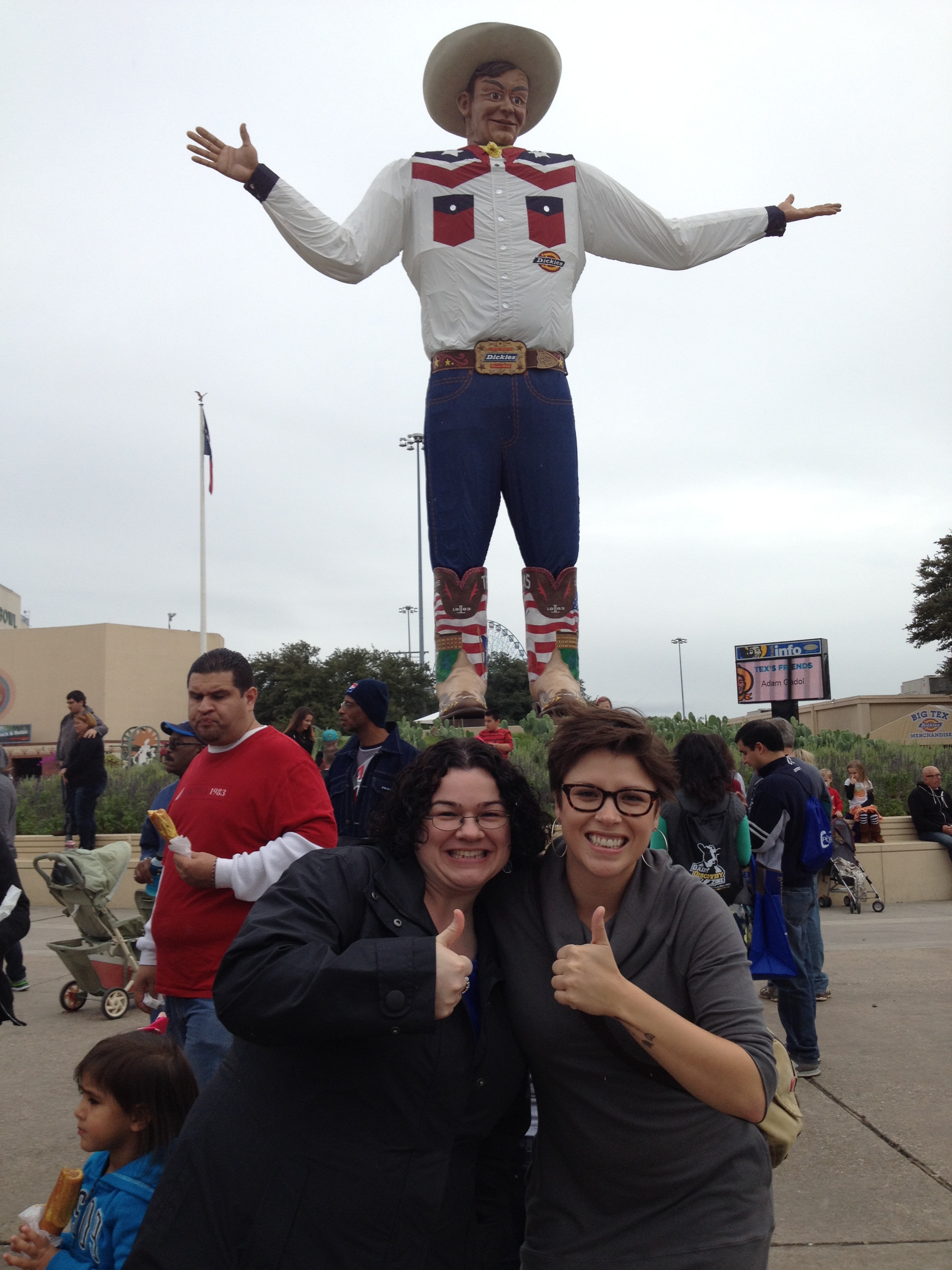
Our Head of Adult Programming and our Teaching Specialist decided to get to know each other better while they attended the State Fair of Texas during our annual Education Fair Day. Stacey and Danielle give a big thumbs up as they said howdy to our very own Big Tex!

Sarah and Hayley

And here’s Sarah, Assistant to the Chair of Learning Initiatives, and McDermott Intern Hayley, also enjoying the State Fair of Texas! They tried the 2013 Big Tex Choice Award Winner for Most Creative: Fried Thanksgiving Dinner. They also discovered that they are both Anglophiles who love the Royal Family. But while Sarah dreamed of marrying Prince William, Haley had her eyes on Prince Harry!

Here are a few suggestions to do with your work pal:

  • Meet for coffee/tea to learn more about your duties or role.
  • Brainstorm together on future projects–It’s a great opportunity to gain a fresh perspective.
  • Send each other encouraging emails or handwritten notes!
  • Shadow each other for a few hours to gain more knowledge of your respective positions.
  • Take some tips from my co-workers by getting to know one another and having a little fun on the job!

Amanda Batson
C3 Program Coordinator

Artist Astrology: Libra

Whether or not you believe in astrology, it’s fun to read about your zodiac and the characteristics that are associated with your sign! As I was thinking about this fascination of my own, I began to wonder what artists shared my sign and whether their artwork aligned with the traits of their zodiac. So I decided to research the birthdays of some of the prominent artists in the DMA Collection to explore the relationship between their zodiac and their art. Tune in every month to find out what artists share your zodiac!

This first month of Artist Astrology will focus on the balanced, intellectual Libras (September 24 – October 23). Libras are represented by the symbol of a scale. They are often defined by their intellect and, as a result, make great problem-solvers. Although Libras posses great mental capacity, they are also extremely social and very communicative. They have the ability to look at a problem from multiple perspectives, often acting as mediators in a disagreement. Libras lead harmonious, balanced lives and seek to create peace and harmony in their surroundings, including their relationships. They are also creative spirits and their imaginative nature is often represented in their style, interior decoration, and hobbies. Libra’s are said to bring a bit of art into everything they do and enjoy creating new and unusual things. Some of our favorite DMA Libra’s include:

1968_9

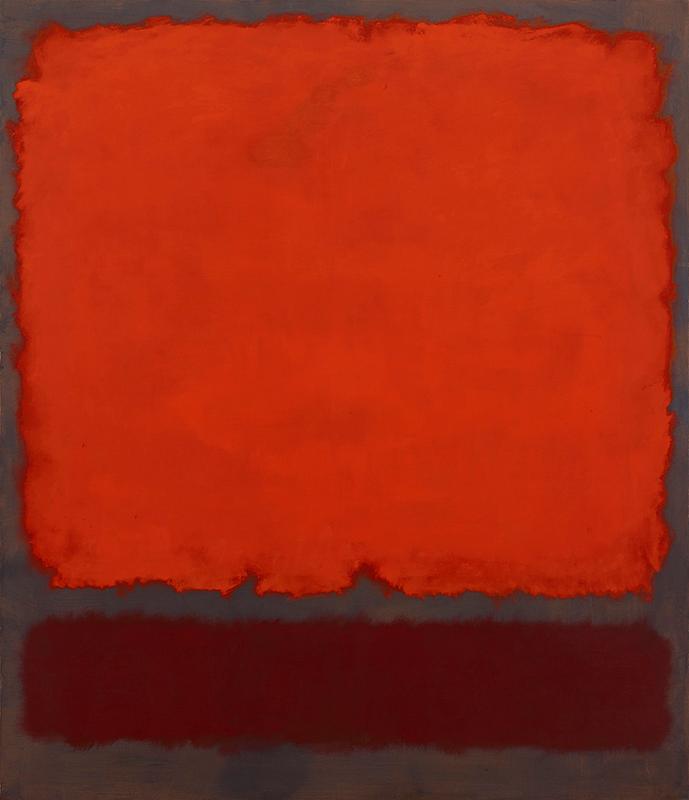
Mark Rothko – September 25

Communication is a central element in Mark Rothko’s work. In the late 1940s, Rothko removed figural representations from his work, believing that a universal representation of human drama was better conveyed through large masses of color which for him suggested concrete human emotions. An intellectual thinker, Rothko stated in an interview with Tiger’s Eye magazine in 1949, “The progression of a painter’s work…will be toward clarity; toward elimination of all obstacles between painter and the idea, and between the ideas and the observer.” Rothko’s attention to the reaction of the viewer demonstrates his Libra sensibility for clear thought and observant social prowess.

1975_86_FA

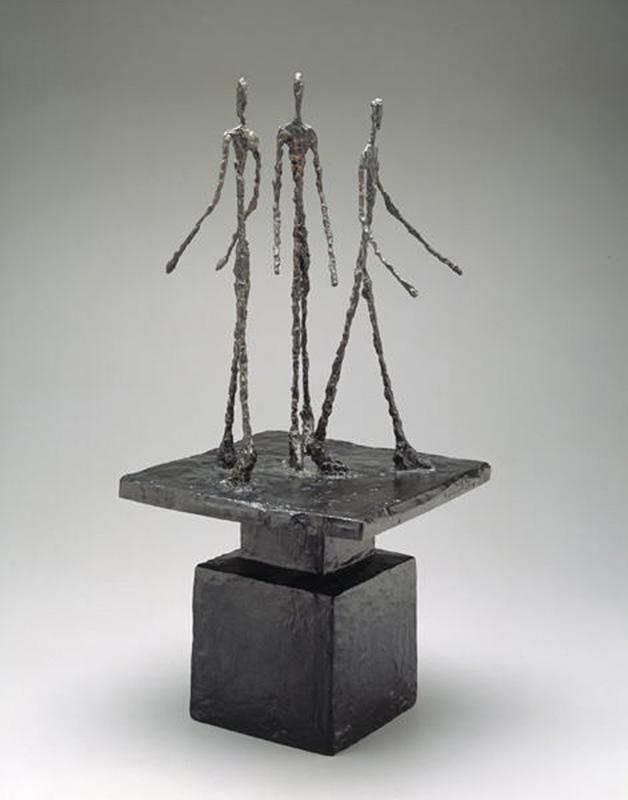
Alberto Giacometti – October 10

Throughout his career, Alberto Giacometti primarily worked in portraiture. His mature style, as seen in Three Men Walking from 1948-49, was especially popular and hailed as a symbol of the isolation and anonymity of the post-war period. Three Men Walking is demonstrative of Giacometti’s keen ability to observe humanity from an impartial and fully-encompassing perspective. Interestingly, this period also coincided with the renewal of his relationship with his brother and marriage to his long-term domestic partner, Annette Arm, in 1949. Socially active individuals, Libras are said to only achieve peace and satisfaction through loving and supportive relationships.

1951_41

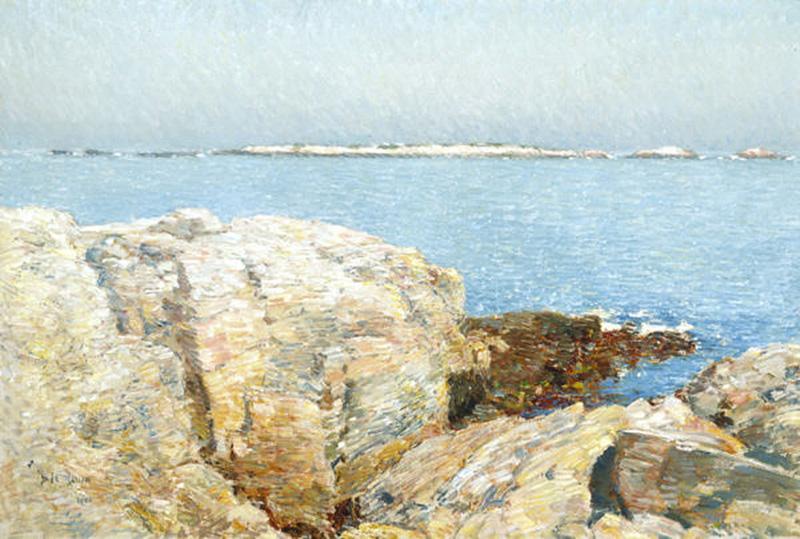
Childe Hassam – October 17

Childe Hassam is typically identified as an American Impressionist. His style features soft brush strokes and an attentive perception of the atmospheric qualities of light and air. In fact, Hassam encouraged this label and considered himself a painter of “light and air” rather than solidly an Impressionist. Paintings, such as Duck Island above, demonstrate his tendency to present his surroundings in a peaceful, harmonious composition. Interestingly, the Duck Island coast, one of the Isles of Shoals near Portsmouth, New Hampshire, was known among sea captains for its treacherous waves and dangerous reefs. Hassam avoids this dark reference in favor of a restful representation of this popular vacation spot.

1986'8'A-B

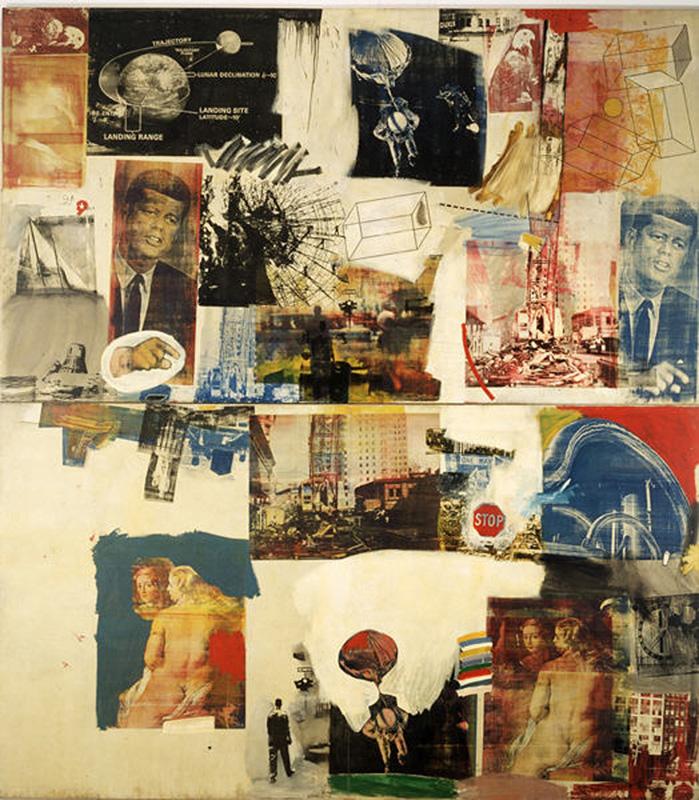
Robert Rauschenberg – October 22

Robert Rauschenberg collected the source material for his silkscreen prints from a variety of sources, including newspapers, Life magazines, personal photographs, and New York Times archives. His attraction to such various sources demonstrates his active engagement in current and past historical events. Having collected his varied materials, Rauschenberg successfully organized his images to present one cohesive, effective image. Produced for the 1964 New York World’s Fair, Skyway is emblematic of the optimism and expansionism of the early 1960s, featuring images of President John F Kennedy, the space race, urban construction, and the American bald eagle. The title is suggestive of the “New Frontier” of American expansion as space became labeled the ‘highway’ of the future.

A few other lovable Libras include Jean-Francois Millet (October 4), Frank Duveneck (October 9), Jean Antoine Watteau (October 10), and Maurice Prendergast (October 10). Tune in next month for some of our superb Scorpios!

Artworks shown:

  • Mark Rothko, Orange, Red and Red, 1962, Dallas Museum of Art, Gift of Mr. and Mrs. Algur H. Meadows and the Meadows Foundation, Incorporated
  • Alberto Giacometti, Three Men Walking, 1948-49, Dallas Museum of Art, Foundation for the Arts Collection, gift of Mr. and Mrs. Stanley Marcus
  • Childe Hassam, Duck Island, 1906, Dallas Museum of Art, Bequest of Joel T. Howard
  • Robert Rauschenberg, Skyway, 1964, Dallas Museum of Art, The Roberta Coke Camp Fund, The 500, Inc., Mr. and Mrs. Mark Shepherd, Jr. and General Acquisitions Fund

Hayley Prihoda
McDermott Intern for Gallery and Community Teaching

Public Art in Dallas

I have always been drawn to public works of art. Not only is public art accessible to all, but it also adds color, encourages discussion and reflection, and creates a unique voice for a city.

Being new to Dallas, I have enjoyed exploring the city and discovering its public art along the way. Not only do we have several examples here in the Dallas Arts District, there will also be a plethora of new works to view beginning this weekend! It would be impossible to include every example in a single blog post, but here are a few of my favorites so far:

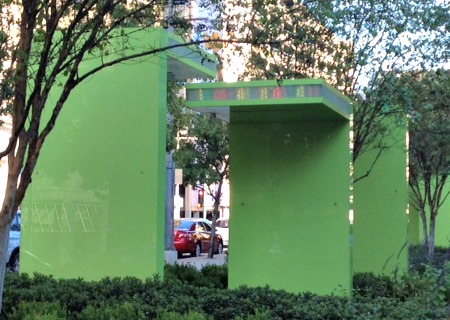
publicart2

Leni Schwendinger, SpectraScape, 2009

Created by Leni Schwendinger in 2009, SpectraScape is an interactive work of art located in Main Street Garden. Spectrascape is composed of bands of light that respond to human activity and movement. The artwork welcomes visitors into the park and encourages play and curiosity.

publicart3

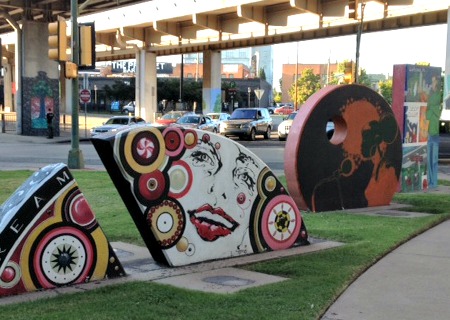
Deep Ellum Art Park

The Deep Ellum Art Park is filled with outdoor murals and sculptures that were created by dozens of local artists, including Frank Campagna, Tyson Summers, and Dan Colcer. The vibrant works of art add life to the gray, concrete pillars that make up Highway 75.

publicart4

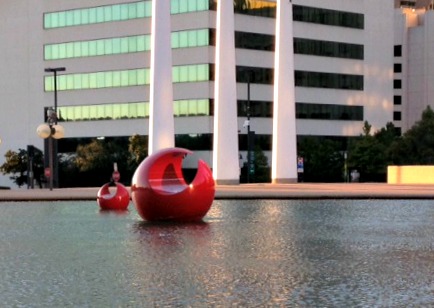
Marta Pan, Floating Sculpture, 1973, City of Dallas Office of Cultural Affairs Public Art Collection.

Found in the reflecting pool outside of City Hall, Floating Sculpture is composed of two bright red spheres that spin and glide along the surface of the water. Created by sculptor Marta Pan in 1973, Floating Sculpture was originally displayed in New York’s Central Park before finding its home here in Dallas.

publicart5

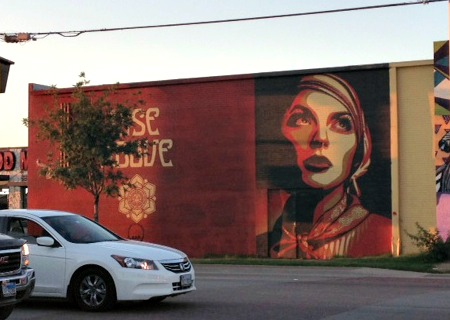
Shepard Fairey, 331 Singleton Blvd, 2012

In 2012, muralist Shepard Fairey was invited by the Dallas Contemporary to create several murals in the West Dallas area. I love the bold design of Fairey’s murals and admire his vision of creating works of art that convey messages of peace and harmony.

genesis

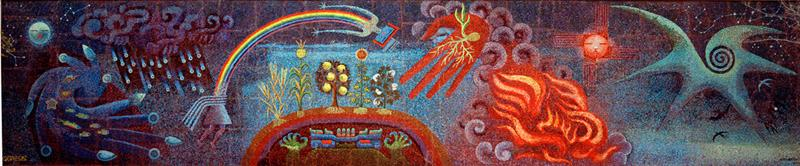
Miguel Covarrubias, Genesis, the Gift of Life, 1954, City of Dallas, Gift of Peter and Waldo Stewart and the Stewart Company, 1992

One of my favorite works of public art in Dallas is right here at the DMA! Every time I drive past the museum’s entrance, Genesis, the Gift of Life immediately catches my eye. The mosaic mural was created by artist Miguel Covarrubias and although it was originally commissioned for the city’s Stewart Building, it moved to its current location in 1990s.

Do you have a favorite work of public art here in Dallas? Go on your own art adventure and see what new works of public art you can find!

Amy Elms
McDermott Intern for Visitor Engagement

The Sculpture Garden – Thirty and Fabulous

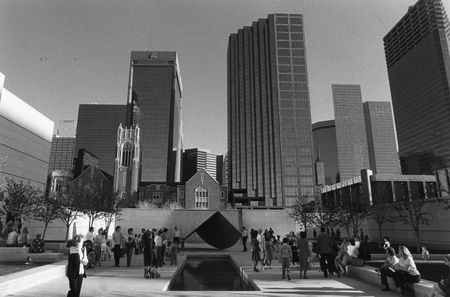
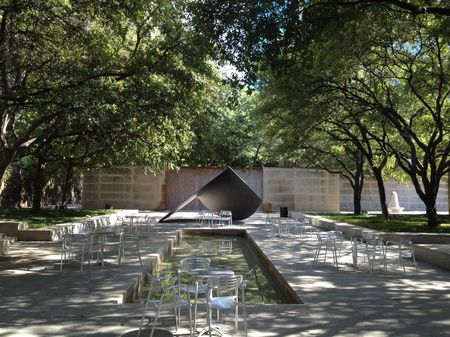
Last Thursday marked thirty years since the Sculpture Garden opened, so I thought it would be fitting to dig up a photo from thirty years ago and compare. I am amazed by how much the trees have grown, almost completely blocking out downtown and shading visitors from the Texas sun.

sculpture_garden_opening_1983_001

Sculpture Garden with its first visitors on opening day, October 10, 1983. The garden opened a few months before the Museum.

Sculpture Garden on October 10, 2013

Sculpture Garden on October 10, 2013

Hillary Bober is the digital archivist at the Dallas Museum of Art.

Friday Photos: Go van Goulash and Other Recipes for Great Outreach

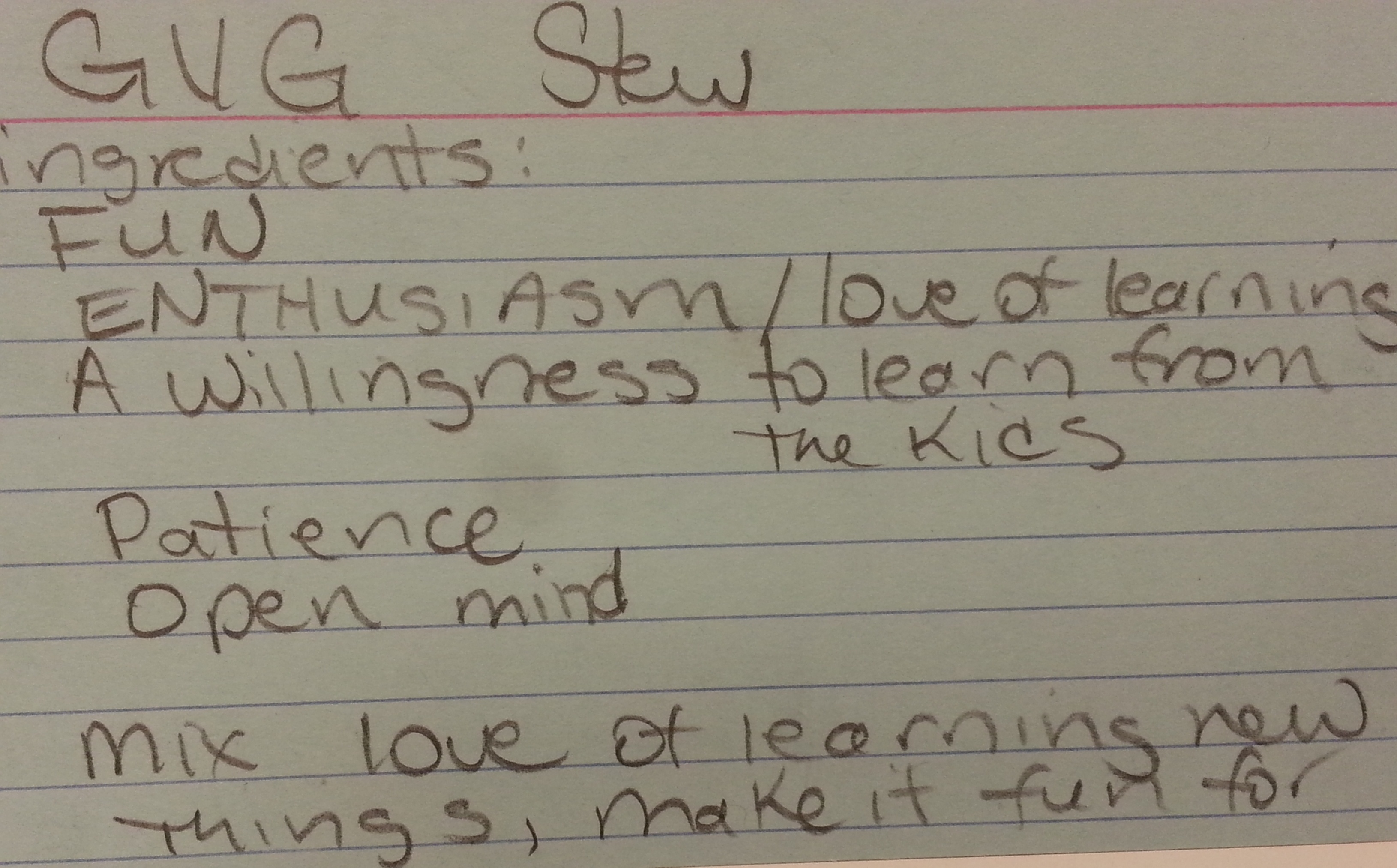
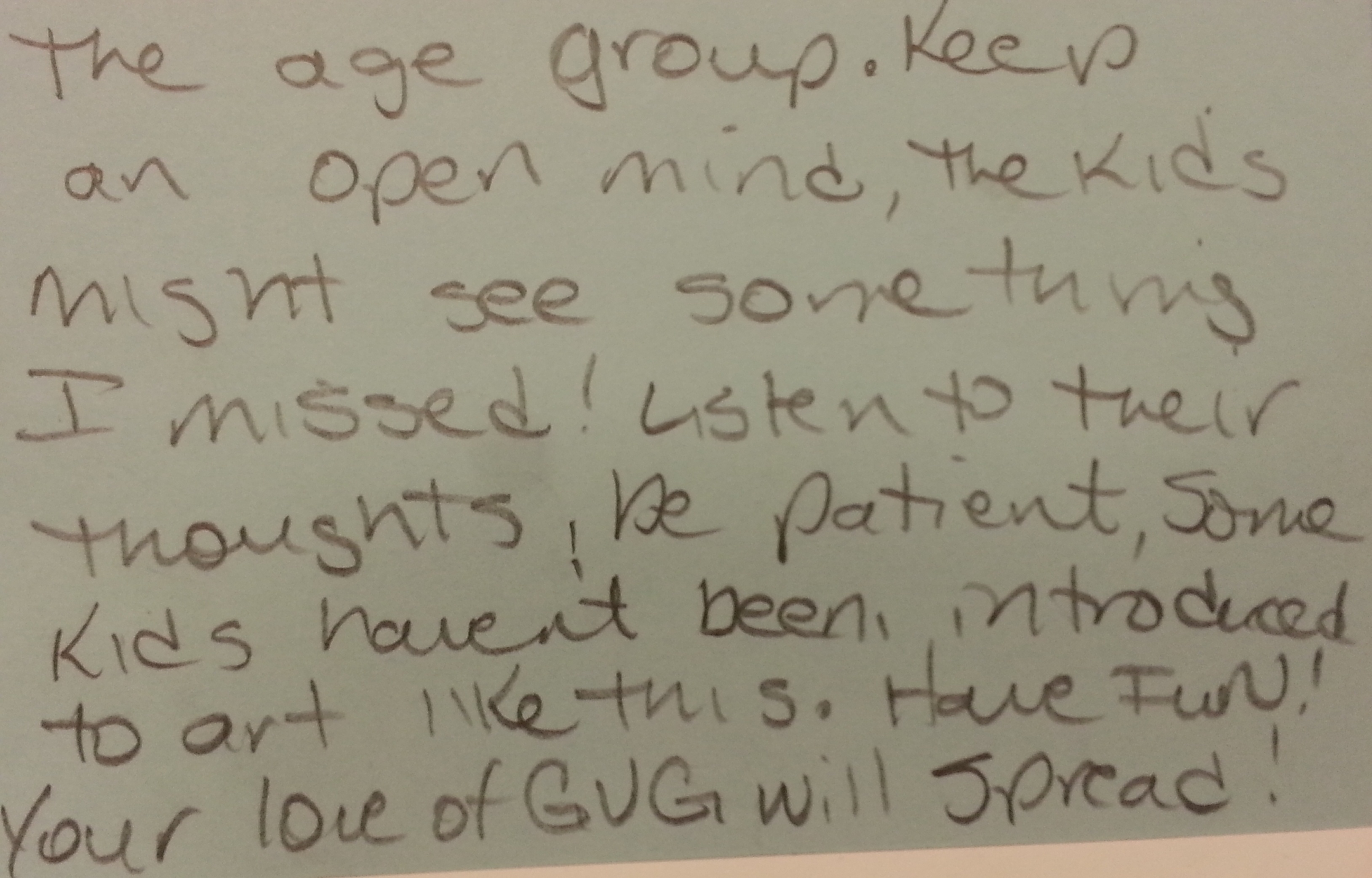
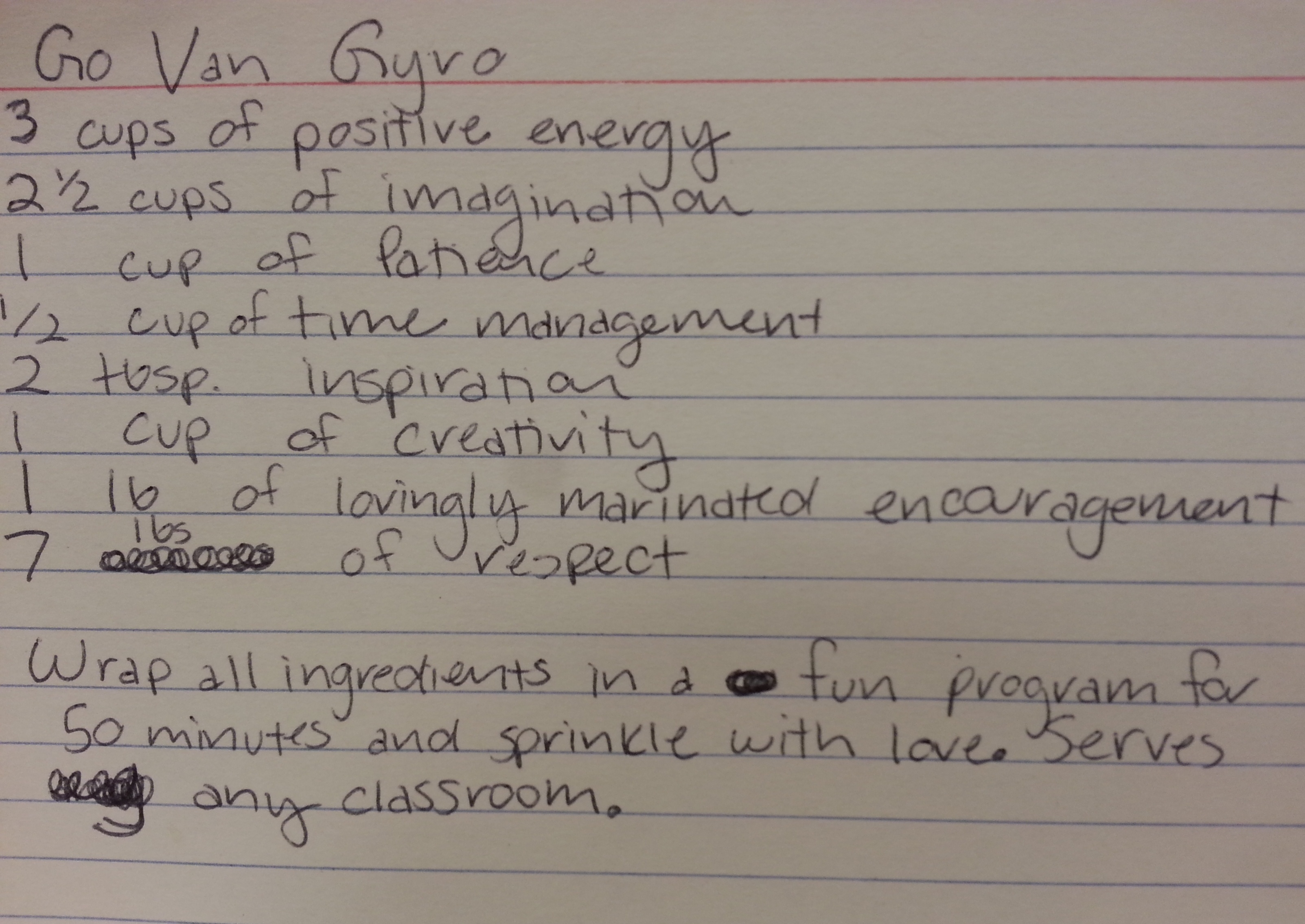
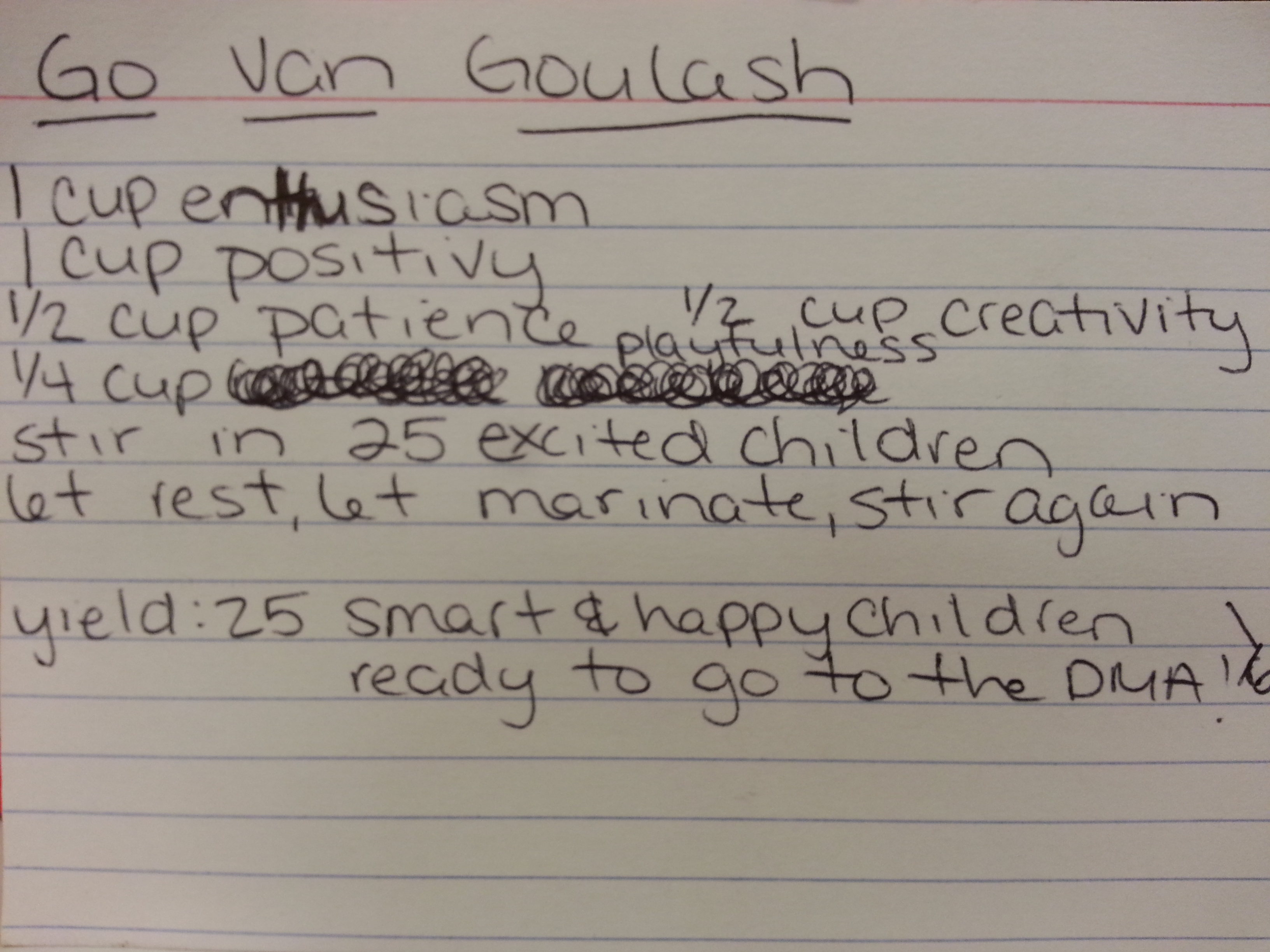
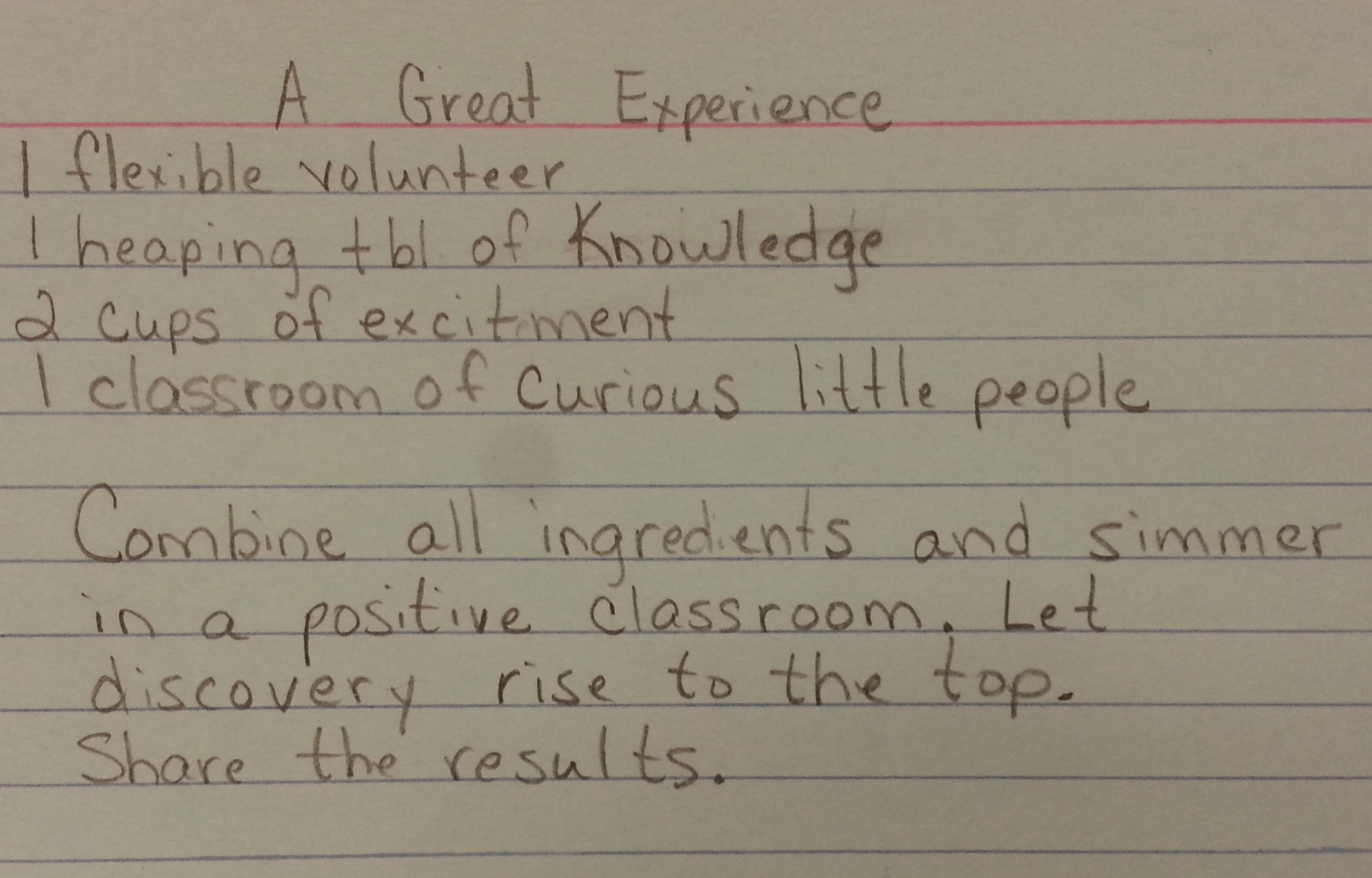
Just this morning, Go van Gogh staff wrapped up the last of our Welcome Back training sessions for volunteers—school outreach is officially in full swing!  To get everyone back in a Go van Gogh mindset, we asked our returning volunteers to reflect on classroom teaching experiences by writing a “recipe” for what they think makes a great Go van Gogh program.

We asked to volunteers to:

  • think about the ingredients they’d need for a program to go smoothly,
  • consider the techniques they’d use to combine these ingredients,
  • and articulate what they hoped their efforts would yield.

Fifteen minutes and several cleverly-titled recipes later, we had a great mix of creative, thoughtful, and inspiring methods for teaching to send us off into the classrooms this fall.  See the photos below for tips on how we create the perfect Go van Gyro/Goulash/Stew!

Amy Copeland
Manager of Go van Gogh and Community Teaching Programs

Sensing Sight

It’s Art Beyond Sight Awareness Month, and we have lots of great programs happening at the DMA throughout October that focus on visual awareness, including a number of opportunities to meet and work with artist John Bramblitt. John is a visual artist who lost his vision in 2001. Check out the month’s activities here, and meet John in the video below.

[youtube=http://www.youtube.com/watch?v=k1eRXGgsc3c&w=560&h=315]

Kimberly Daniell is the PR manager and Adam Gingrich is the marketing administrative assistant at the DMA

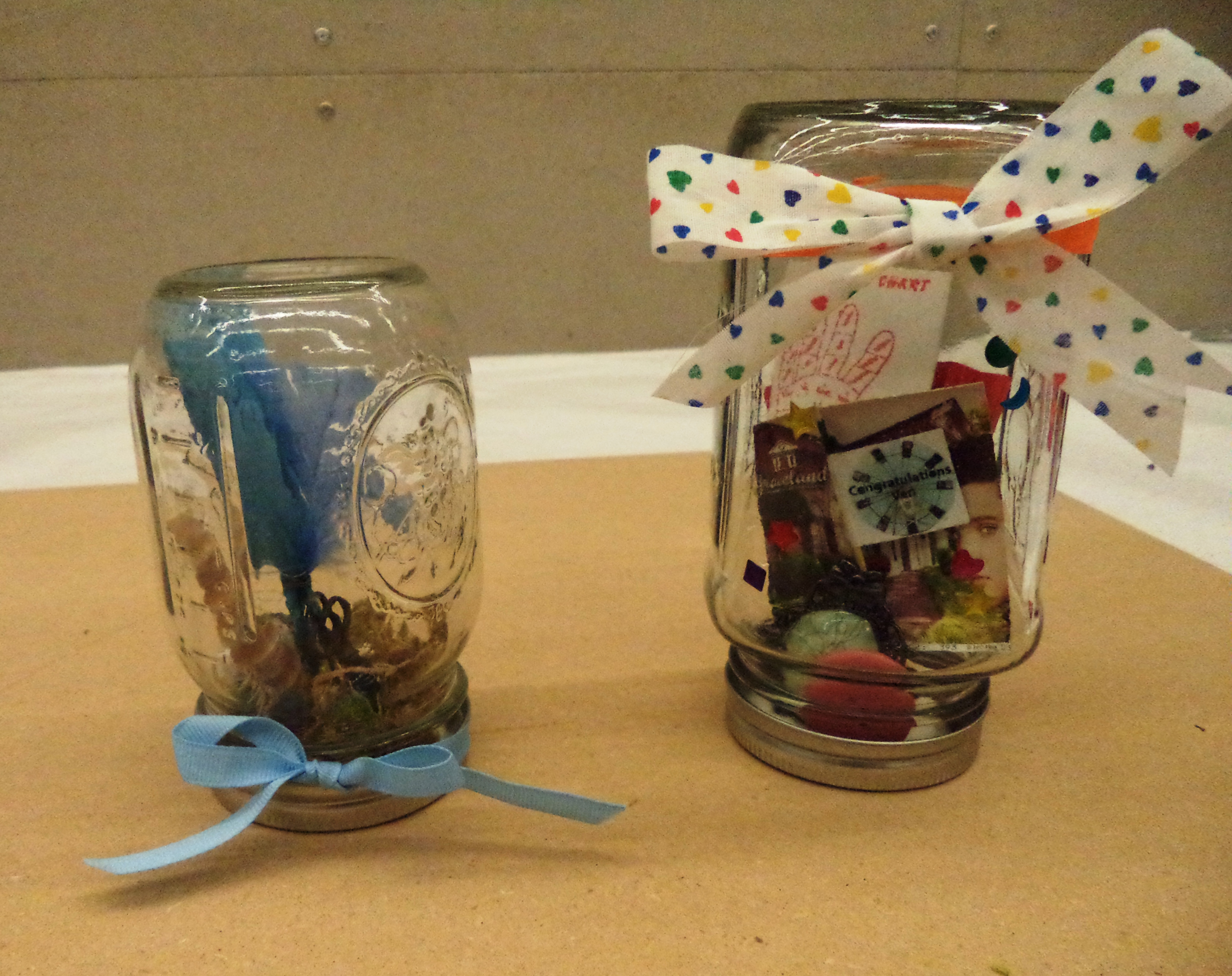
DIY Treasure Jars

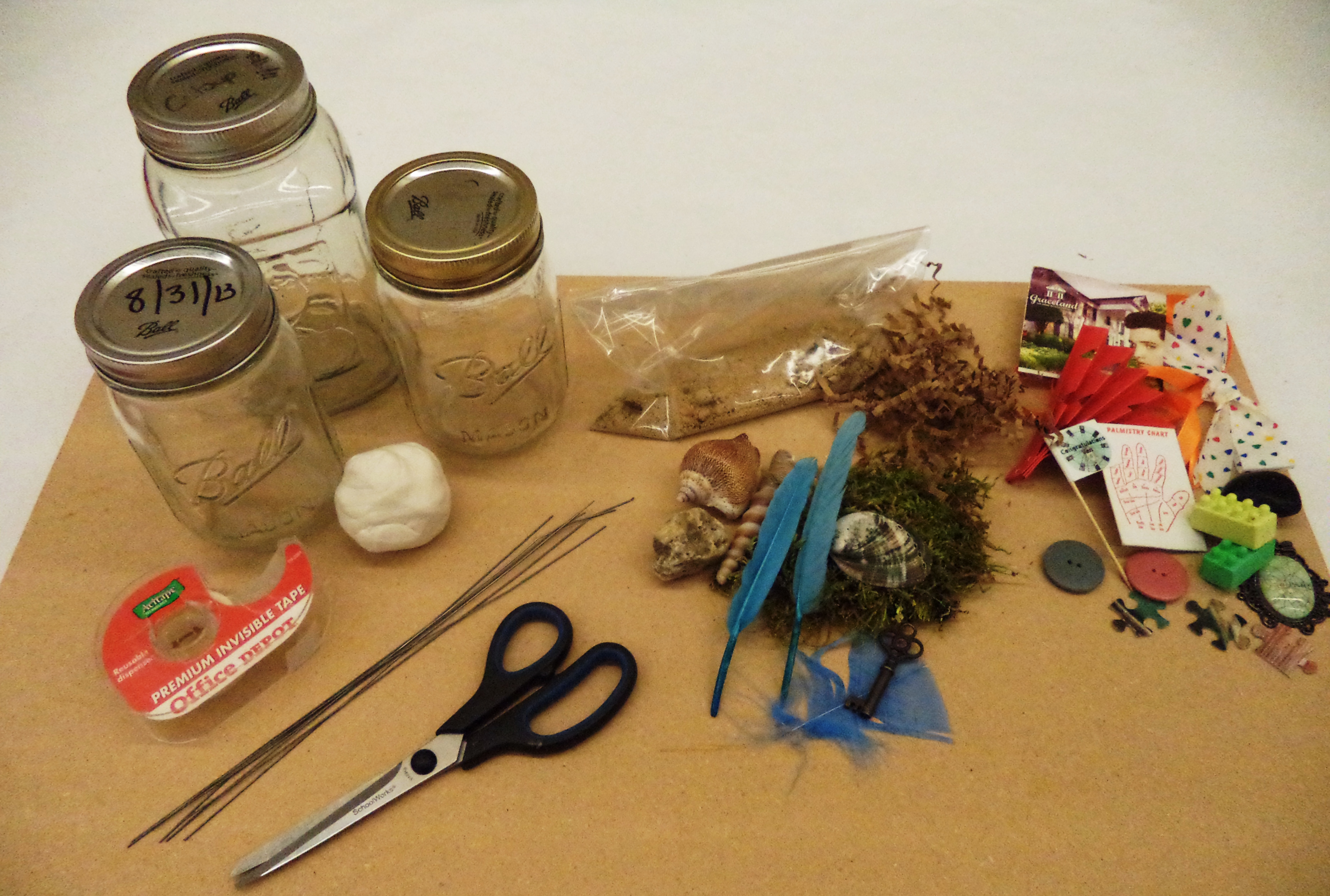
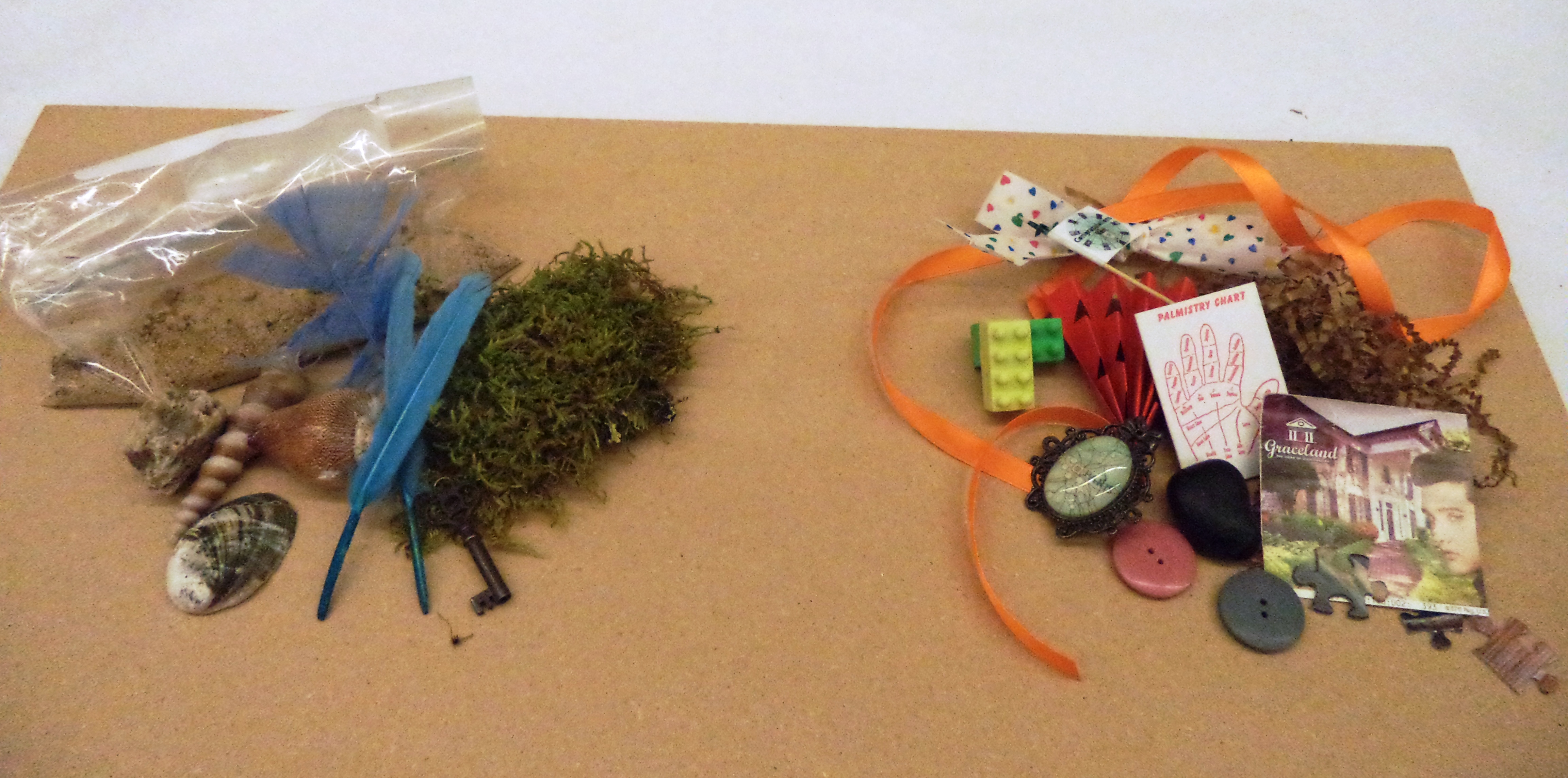
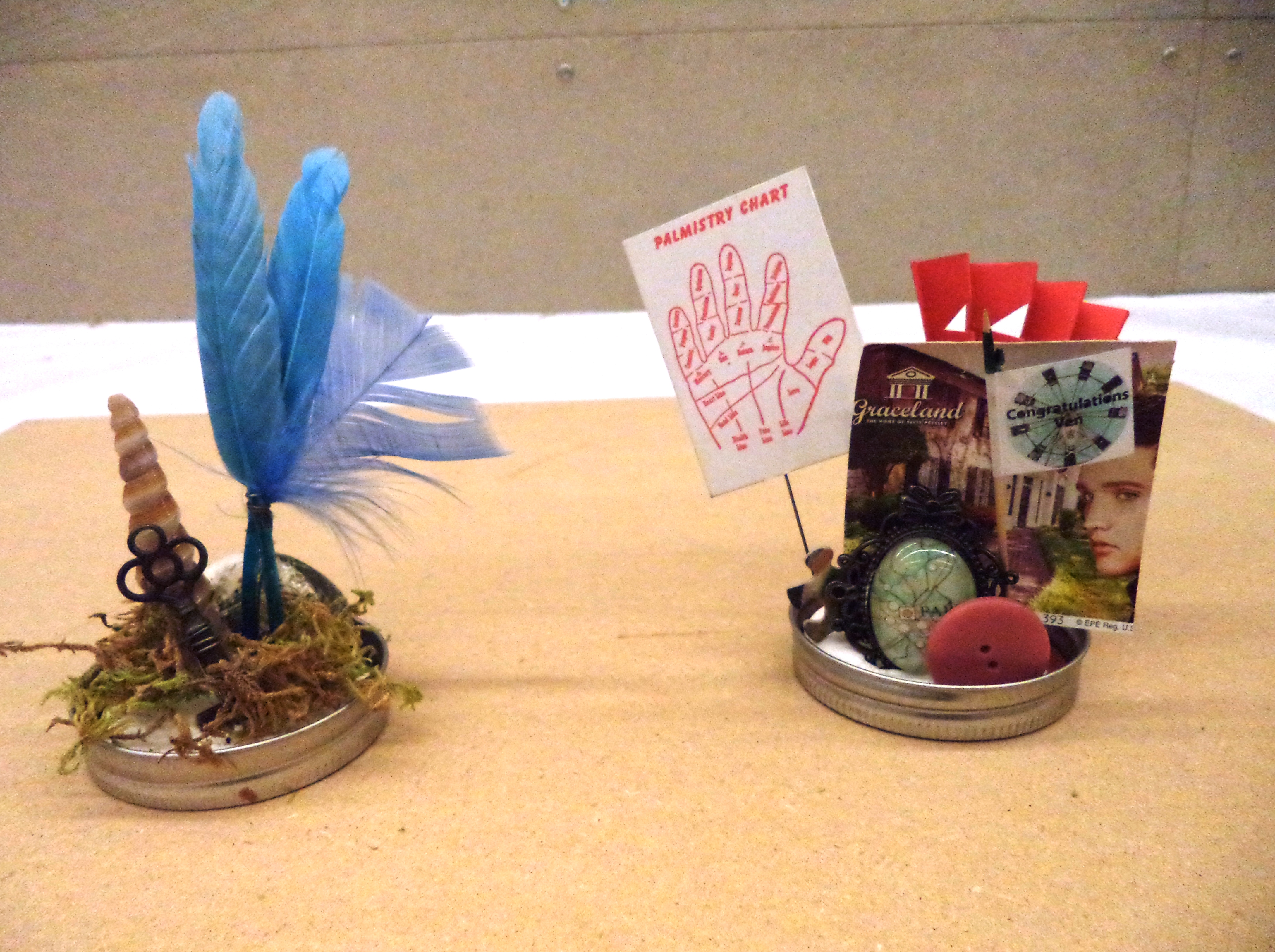
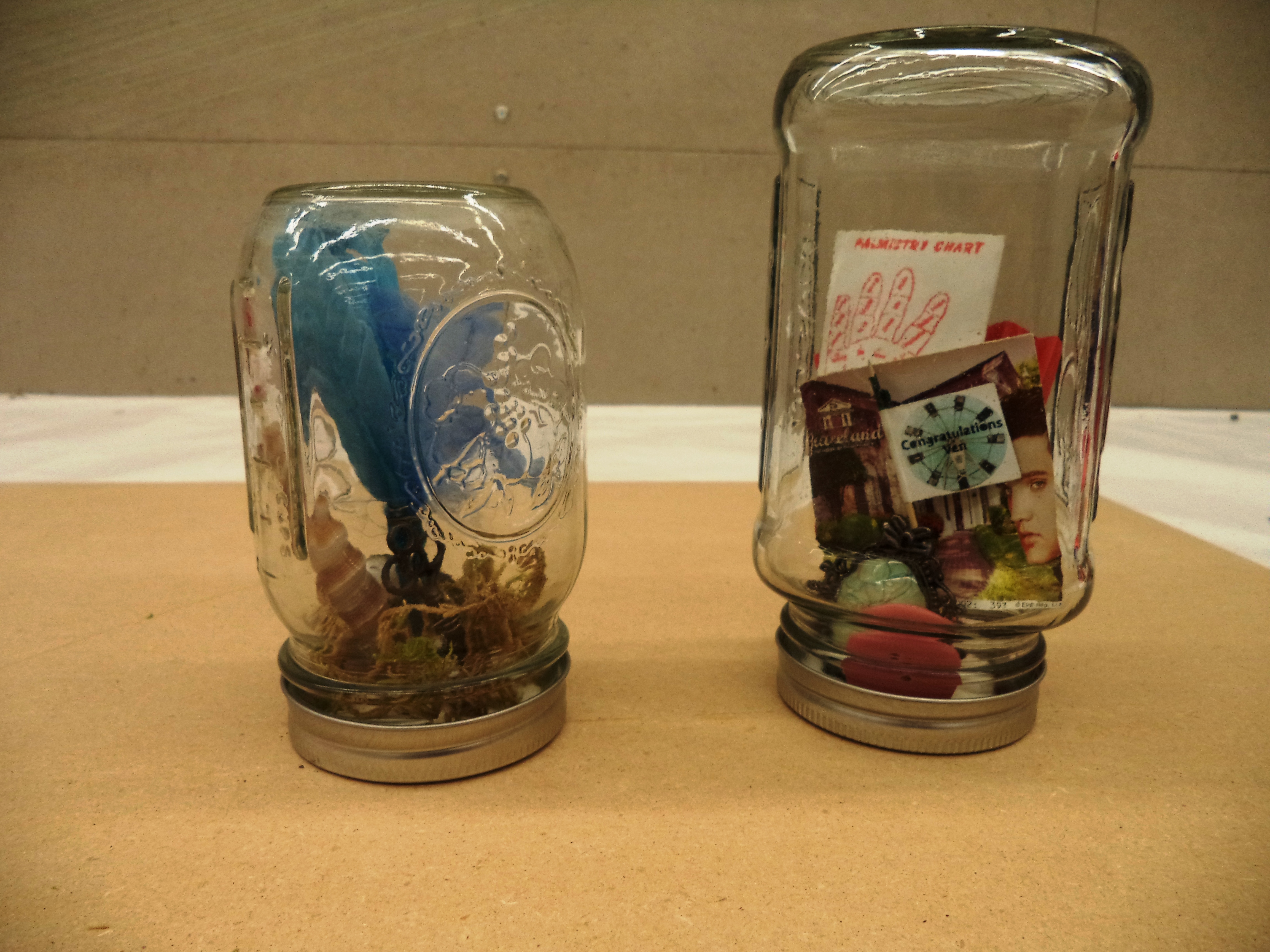
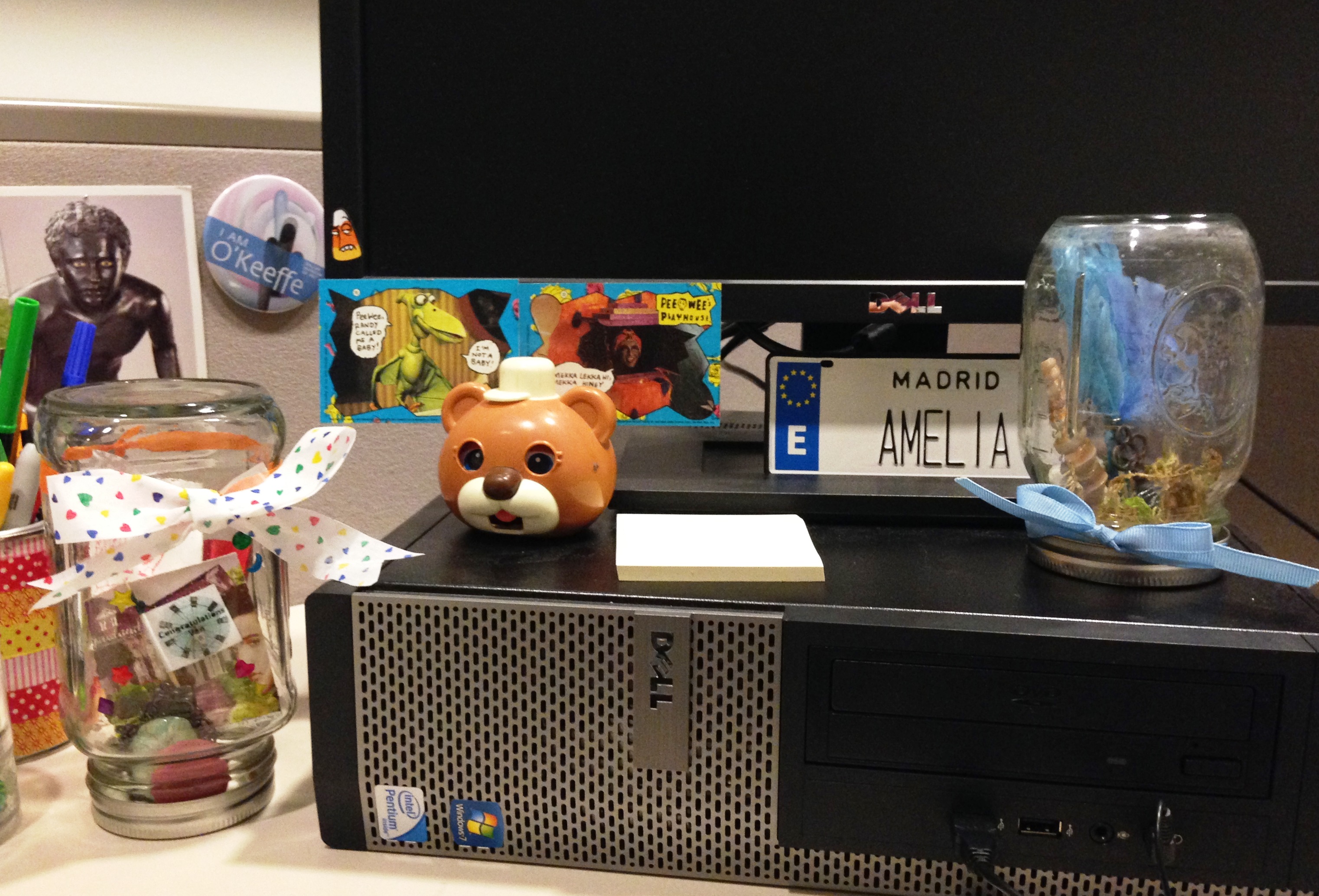
I love collecting treasures–sparkly buttons, keys, postcards, rocks, shells, ticket stubs…and the list goes on! However, at a certain point, I run out of room for these special mementos and they end up scattered about my living space. I discovered that treasure jars help to both organize and beautifully display my favorite objects. These adorable jars can be used to decorate your home or office and they make excellent gifts as well. It’s a fast, easy, and fun project, perfect for kids too!

What You Need:

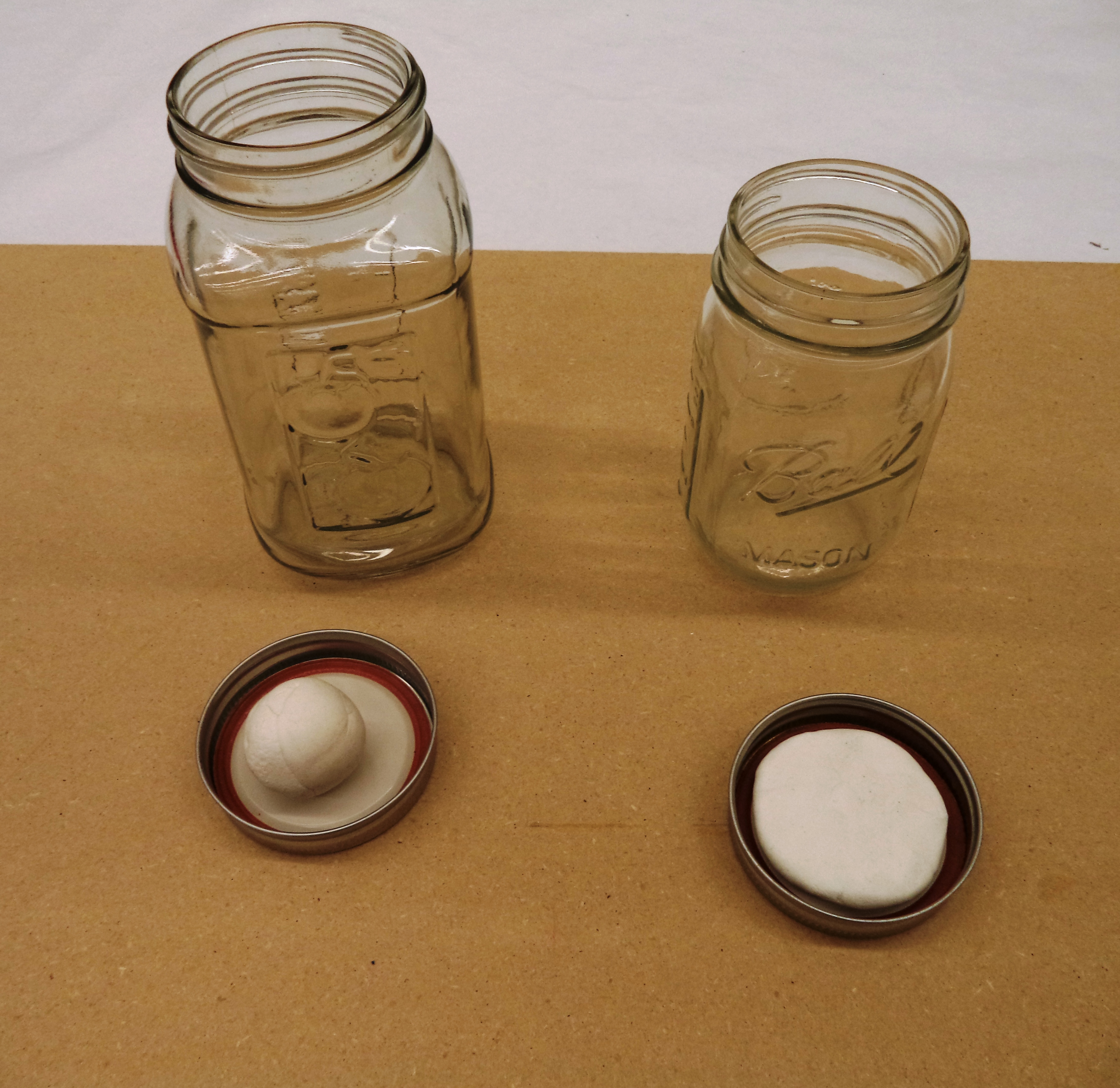
  • Mason jars (or any glass jars with lids)
  • Found objects able to fit inside the jar
  • Modeling clay
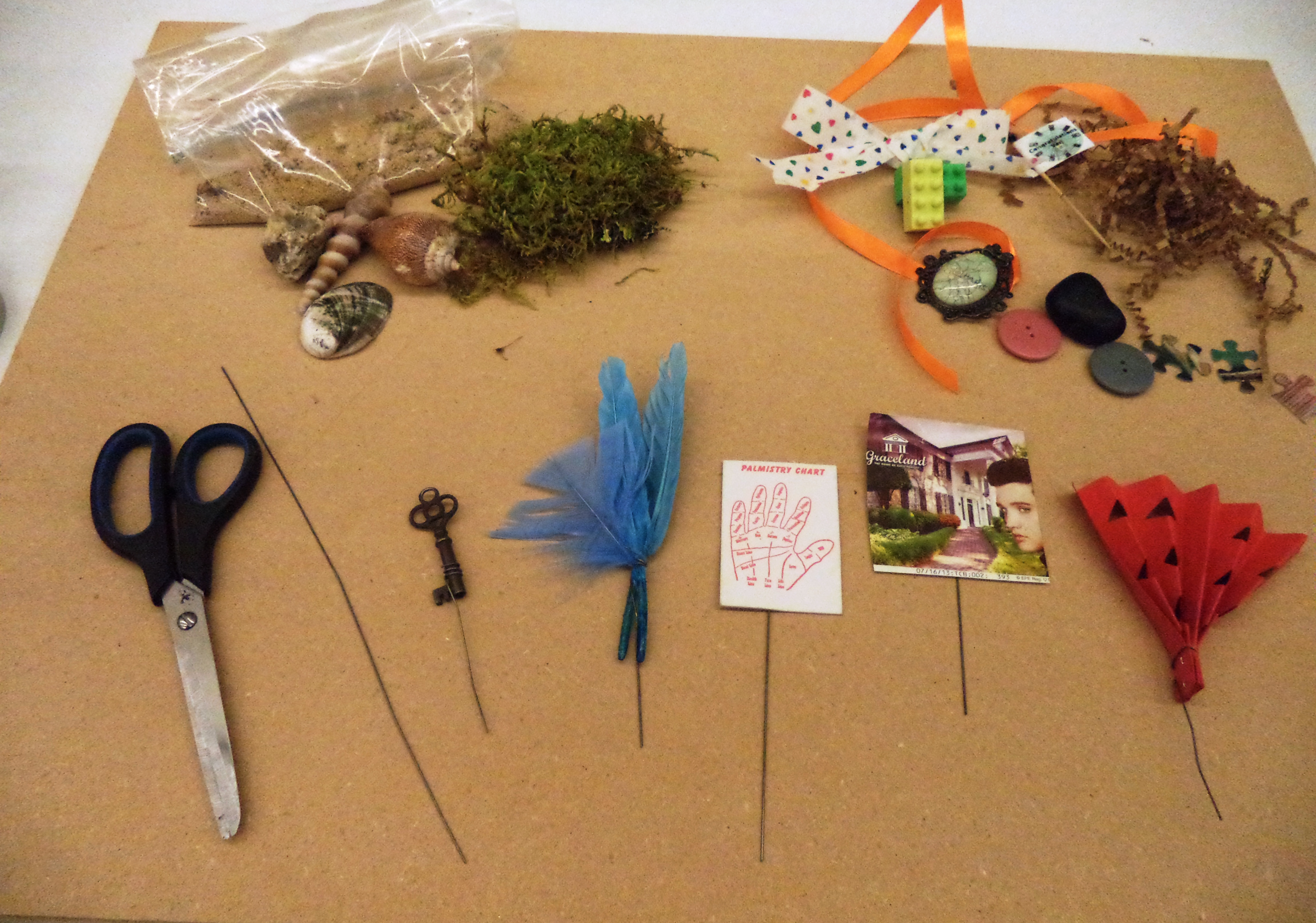
  • Floral wire
  • Scissors
  • Clear tape

???????????????????????????????

Step 1

Choose your special treasures and divide them up into small groups. You can divide them by theme, by color, by the time or place you received them–whatever you like.

???????????????????????????????

Step 2

Adhere paper and other delicate treasures to a piece of floral wire with clear tape. You can also wrap them if the object allows (children may need help with this).

???????????????????????????????

Step 3

Gather as many mason jars as you would like to use, making sure they are clean and dry. Remove the lid and press modeling clay firmly into the center, making sure to leave a little bit of space on the outer edge so that the lid is able to be screwed on.

???????????????????????????????

Step 4

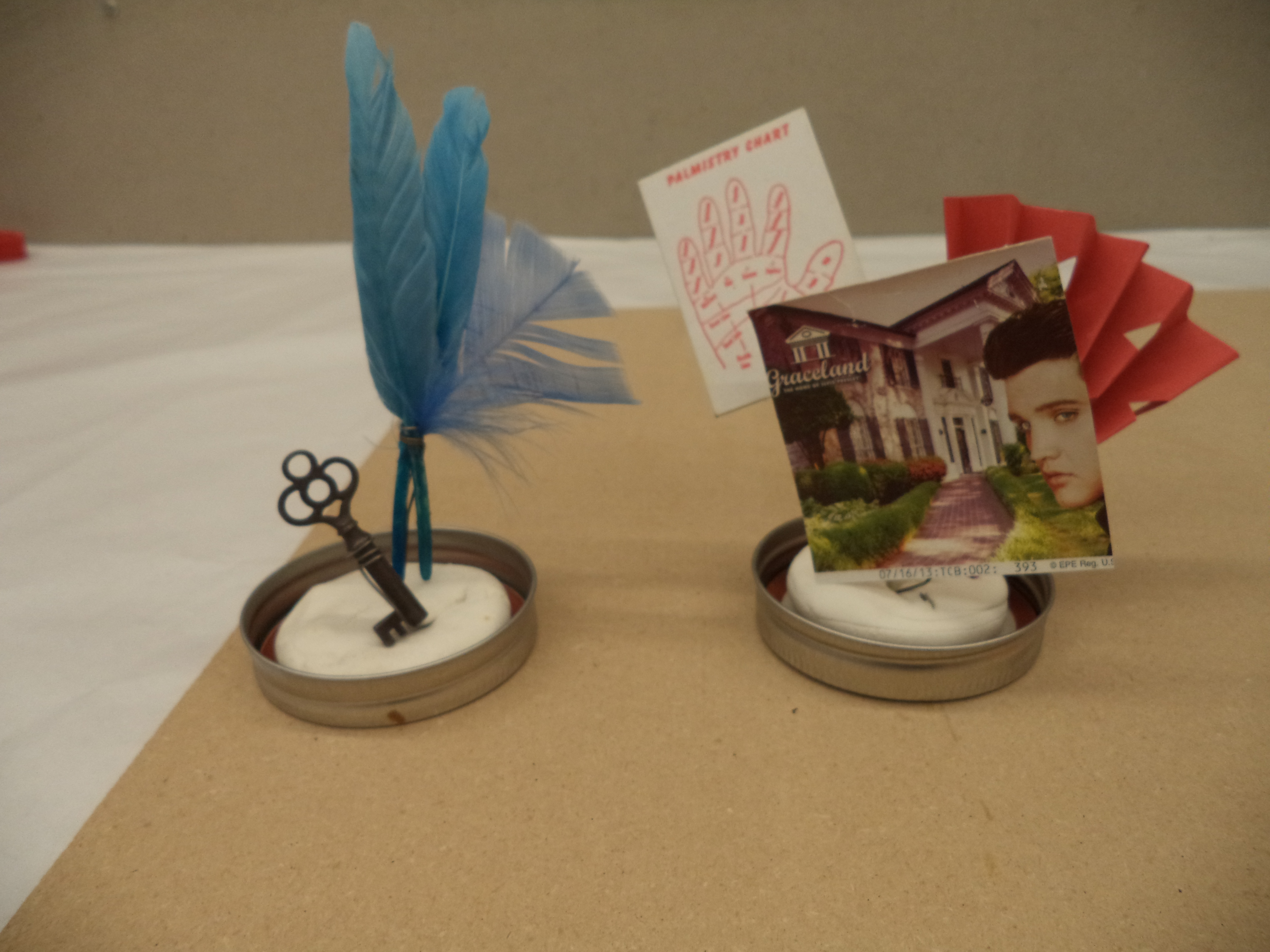
Press your items on floral wire into the clay.

172

Step 5

Press any other objects you would like to use into the clay, again making sure not to block the outer edge of the lid.

???????????????????????????????

Step 6

This part is a bit tricky! Turn your jar upside down and guide your items inside. Slowly screw on the lid.

???????????????????????????????

Step 7

Decorate the outside of the jar with stickers, ribbons, or other materials. Voila! You’ve just made your very own treasure jar!

???????????????????????????????

Use your treasure jars however you like! I used mine to decorate my desk at the DMA–they bring a pop of color and remind me of the magic behind each object.

620

Amelia Wood
McDermott Intern for Family and Access Teaching

Open Office: Center for Creative Connections

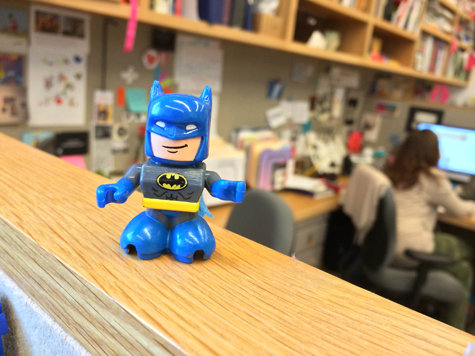
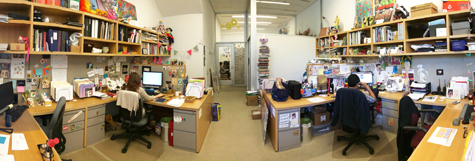
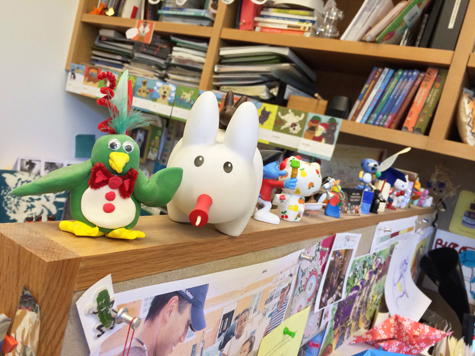
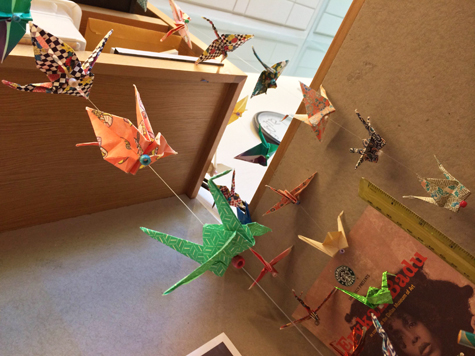
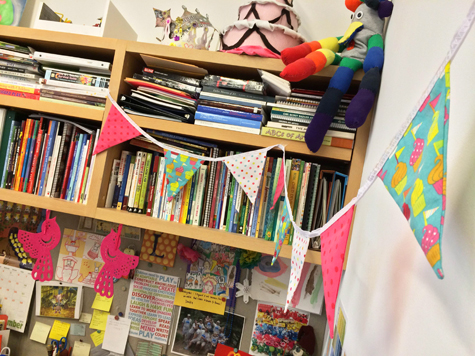
Most people don’t realize how fun having an office on the first floor of the museum can be! The ten of us (plus one intern) in the Center for Creative Connections (C3) office space are especially close, quite literally. We all sit within earshot of each other and are very close to the visitors in C3, which makes it a very lively workplace! Those who live here during the day (and often get locked in because they have stayed too late) are a fabulous group from the DMA’s C3 team; the wonderful ladies from the Family, Access, and School Experiences squad; and the Head of Community Engagement. You can visit Susan, Amanda, Amanda, Leah, Maria Teresa, JC, Danielle, Melissa, Jessica, Amy, and Tyler anytime you want! Just don’t forget which Amanda is which.
1

2

6

5

7

8

Amanda Batson is the C3 program coordinator at the DMA.


Archives
Categories