Archive Page 2


Friday Photo Post

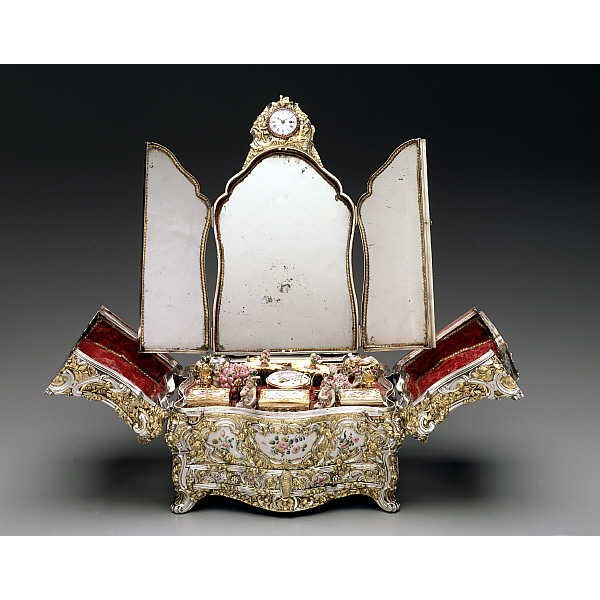
For this week’s Friday Photo Post, I focused on works of art in the collection made of silver and gold. I decided to do this after singing Silver and Gold from Rudolph the Red-Nosed Reindeer on the way to work. All objects can be found on the third floor of the Museum.

Amy Wolf
Coordinator of Gallery Teaching

[slideshow]

Interview with Queta Watson

As the editor at the Dallas Museum of Art, Queta Watson is a busy lady! She recently took time out of her schedule to answer questions related to her job at the Museum.

Amy Wolf
Coordinator of Gallery Teaching


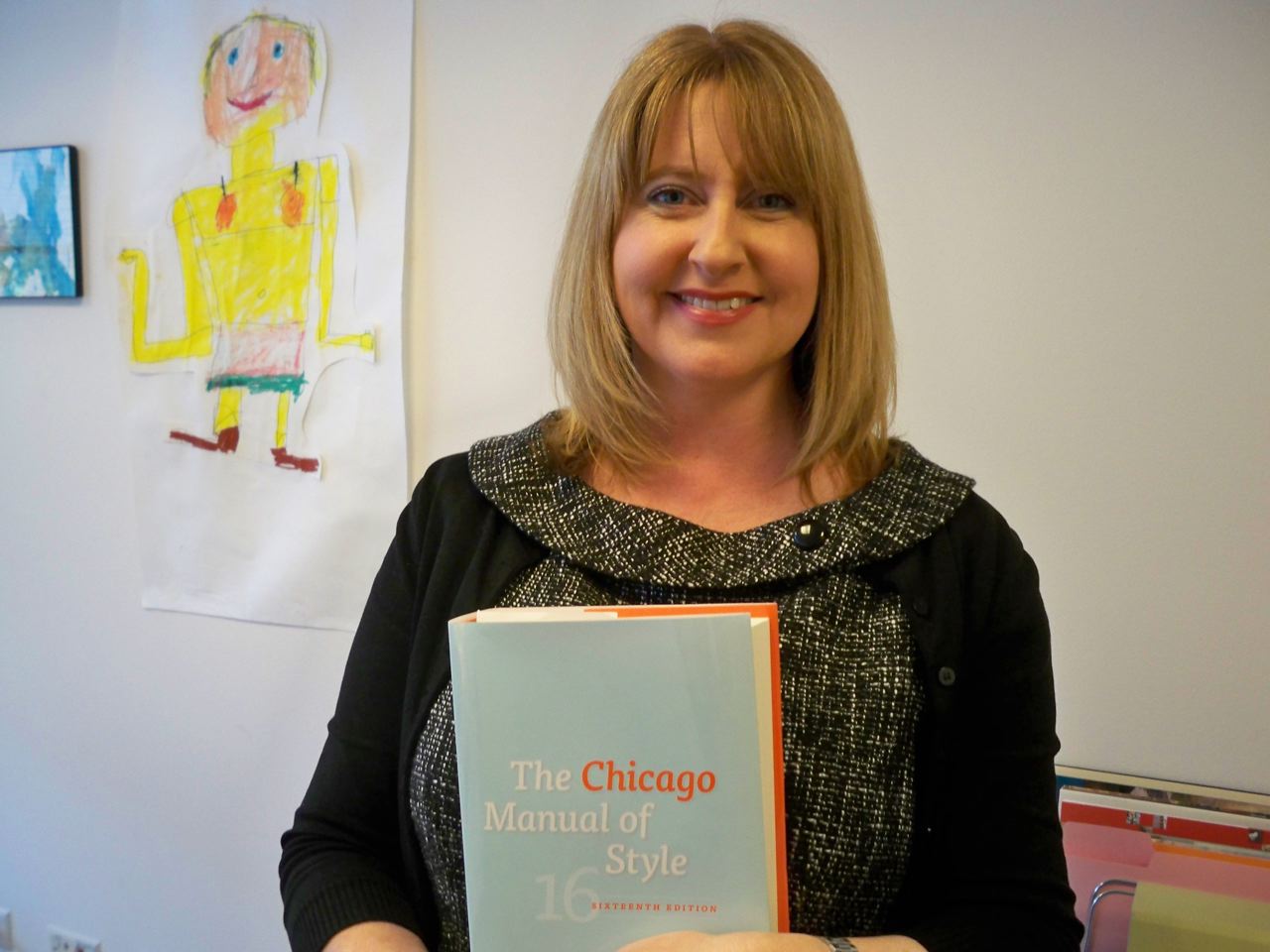
Queta Watson, Editor

Name and Title: Queta Moore Watson, Editor

Years Employed at the Dallas Museum of Art: It will be twenty years in March!

Describe your job here at the Museum: Most people are surprised to hear that a museum needs an editor, but museums produce an astonishing amount of written material! I edit exhibition labels and text panels, brochures, invitations, the members’ magazine, the annual report, flyers, ads, press releases, signage, the web site, blog posts, e-blasts, and, when time permits, books on the collection. Basically, if the public sees it, I see it first! The text comes to me from all different departments of the Museum (curatorial, development, membership, education, etc.) and I edit for content, consistency of tone and style, and, of course, good ol’ grammar and punctuation.

What is your favorite part of your job? I get to read all day long! And the subject matter is interesting and enjoyable. My first job out of college was editing Lasers & Optronics magazine, so now I can really appreciate working on material that isn’t boring.

What is a challenge you face in your job? The most challenging aspect is balancing quality and quantity. As an editor, my job is to produce an error-free product, but the heavy workload and tight deadlines make this difficult.

How did you decide you wanted to work in a museum? All those people who are dying to work in a museum will hate me for this, but it wasn’t a conscious decision. I moved here from Los Angeles, where I had been working as a book editor. I sent my résumé to any place in Dallas that might publish books. I am so thankful that the Dallas Museum of Art called!

If you weren’t working in a museum, what is something else you would be doing? I would go back to school to get a degree in library science or I would work in a bookstore. I’m the ultimate “word nerd”!

Go van Gogh Stays to Play

Last Friday, Go van Gogh staff  led a “play” workshop for our volunteers. This session led volunteers into the galleries to discuss and interact with works of art in a creative and fun way. Volunteers  posed as the objects, created a yarn painting similar to Jackson Pollock’s Cathedral, as well as experience several discussions led in Spanish. A former McDermott Intern, Leticia Salinas, who facilitated the discussions, demonstrated various hand gestures and other techniques that could be utilized when facilitating programs with students who speak languages other than English.

The fun did not stop there! Volunteers used materials from the space bar in the Center for Creative Connections to create art, then continued their play session in the Tech Lab. Go van Gogh is an outreach program that brings the Dallas Museum of Art to 1st through 6th grade students in schools throughout North Texas.   Allowing the volunteers to play was a unique approach of seeing the artworks in a new way and re-igniting the volunteers’ energy, enthusiam, and  passion for teaching. 

Karen A. Colbert
Teaching Programs Intern

[slideshow]

A Day in the Life of an Intern

I have been an intern at the Museum for almost two months and have had some exhilarating moments.  I have enjoyed walking through the galleries with the curators as they speak about the works of art. They are walking encyclopedias. I have also had the opportunity to be a part of some great training sessions. The docent trainings, which occur every Monday, have been wonderful. The docents, along with the education staff, learn about works of arts in the collection and exhibitions. Sometimes these trainings are led by the curators, and other times, by an education staff member. The docents and staff  also go into the galleries and work on activities to better familiarize ourselves with the artworks in order to create great teaching moments.

Another area of the Education Department I worked with is Go van Gogh. I have also attended a few of the volunteer trainings. Sometimes during training we go into the galleries and look at the works of art and other times we get to make artwork for the different programs we teach. Go van Gogh allows me to travel to different elementary schools in Dallas and discuss with children works of art from the Museum’s collection. How cool is that! I get an opportunity to spend one hour with students and have these amazing and in-depth conversations about artists and their artworks.  By the way, another great aspect of this program is driving the Go van Gogh van.

I have recently started giving tours at the Museum. I have given two so far and each time the students have left giving me great big hugs and saying how much they have enjoyed their visit. Leading the tours allows me to continue to work with children. I will also be giving several “A Looking Journey” Tours for 4th graders  throughout the remainder of my internship.

Other moments at the Museum consists of meetings. Meeting over here, meeting over there, meeting everywhere! I want to say there is not a week that goes by in which I haven’t attended a meeting. I enjoy the meetings because it allows me to bond with the Education staff and learn how to plan for future programs. One of my favorite meeting moments was a  meeting, in which the staff brainstormed fifty Ideas based on a pair of 3-D glasses. What an incredible experience.

So there you have it. There is always something exciting going on in “A Day in the Life of an Intern.”

Karen A. Colbert
Teaching Programs Intern

Interview with Visitors Services Staff

Ginan Kalenik, Visitor Services Manager

One of the first individuals a DMA visitor encounters is a member of the Visitor Services staff. This team works hard to ensure that all visitors have enjoyable experiences during their museum visit. Ginan Kalenik, Visitors Services Manager, recently answered questions related to her position at the Museum.

Name and Title: Ginan Kalenik, Visitor Services Manager

Years Employed at the Dallas Museum of Art: Six years employed; twenty years as a Visitor Services  volunteer prior to that.

Describe your job here at the Museum: Visitor Services sells tickets to our visitors and answers visitors’ questions.

What is your favorite part of your job? Helping an excited visitor plan their experience at the DMA.

What is a challenge you face in your job? Helping visitors understand that there are rules of conduct in the museum that are intended to preserve the art, not to prevent them or their children from having a good time.

How did you decide you wanted to work in a Museum? I’ve always loved museums, especially art museums.  I decided to volunteer to be a part of the new museum when it opened at its current location.  At an opportune time there was an opening to join the staff part-time, and that morphed into a full-time position.

If you weren’t working at the Museum, what is something else you would be doing?  I would be back on my former career path in a corporate environment as a Project Manager dealing with technology.

Amy Wolf
Coordinator of Gallery Teaching

European Gallery Reinstallation

The 17th and 18th century European galleries were reinstalled over the summer. Curators Olivier Meslay and Heather MacDonald created a fresh floor plan in order to permit more works of art to be on display. Artists currently represented in the galleries include Jacques-Louis David, George Romney, Joseph Vernet, J.M.W. Turner, Paolo de Matteis, and Jean-Baptiste Greuze.

In addition to these changes, the 19th and 20th century galleries will be closed between October 22 and November 12 for reinstallation. We hope you will visit these galleries to see their updated works of art after the 12th.

Amy Wolf
Coordinator of Gallery Teaching

French Art – Vive la France!

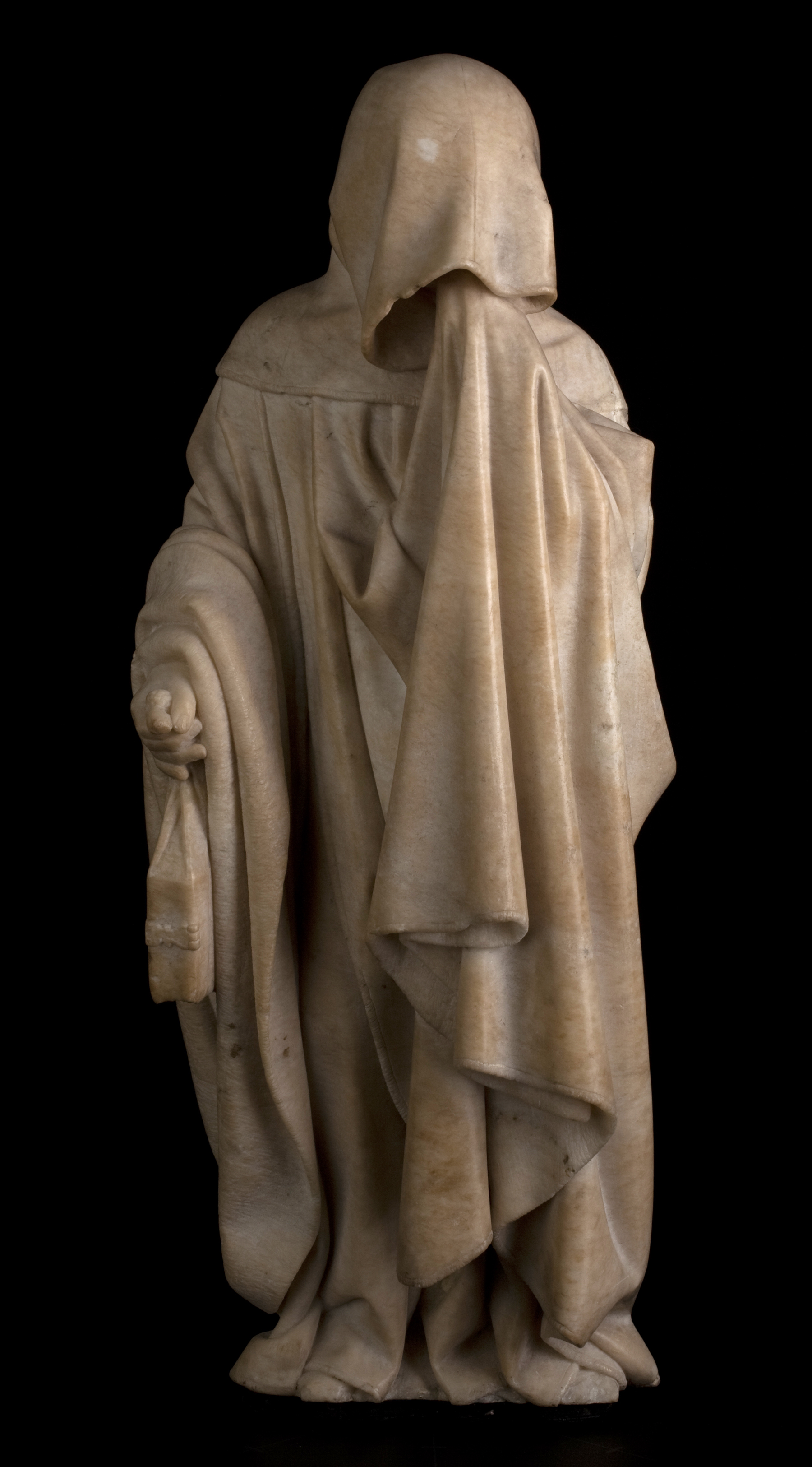
Mourning Figure

This fall has many exciting educational opportunities. French Art tours will be offered in conjunction with the upcoming exhibition The Mourners: Medieval Tomb Sculptures from the Court of Burgundy. These tours focus on the Mourners exhibition as well as French art in the Museum’s collections. Tours will also tie into the Wendy and Emery Reves Collection, which celebrates its 25th anniversary this year. French art tours begin October 12, 2010.

In addition to this, the Richard R. Brettell Series will highlight French art with a lecture on Thursday, October 28 titled Rodin, His Collectors, and the Gates of Hell. For more information on this program, please visit the Museum web site.

Finally, the European galleries have new and favorite works of art that grace the wall. This reinstallation showcases seventeenth- and eighteenth-century works of art. Don’t miss a chance to see the works of art and see the new galleries at the Museum!

Amy Wolf
Coordinator of Gallery Teaching

Interview with Curator Roslyn Walker

Dr. Roslyn A. Walker

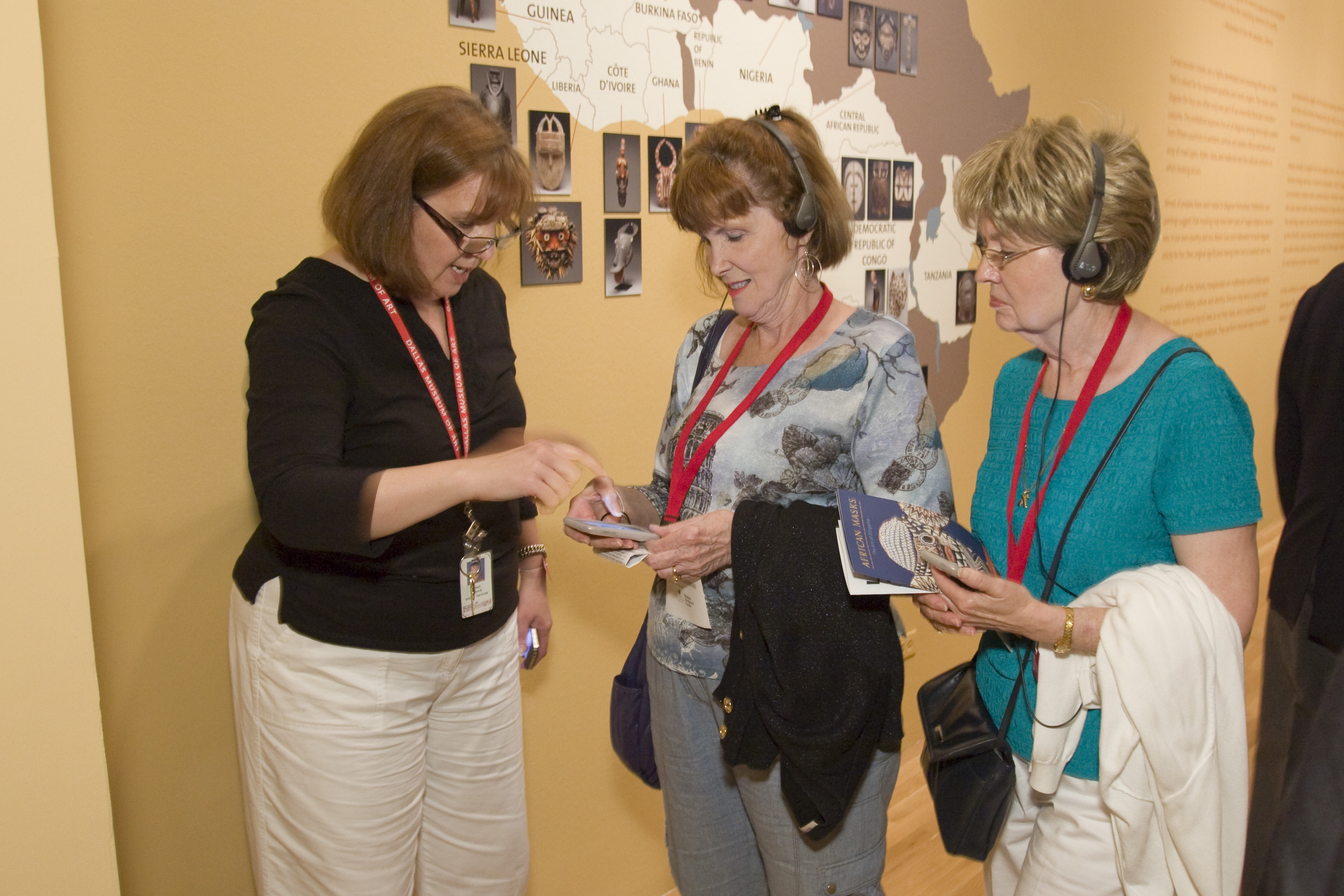
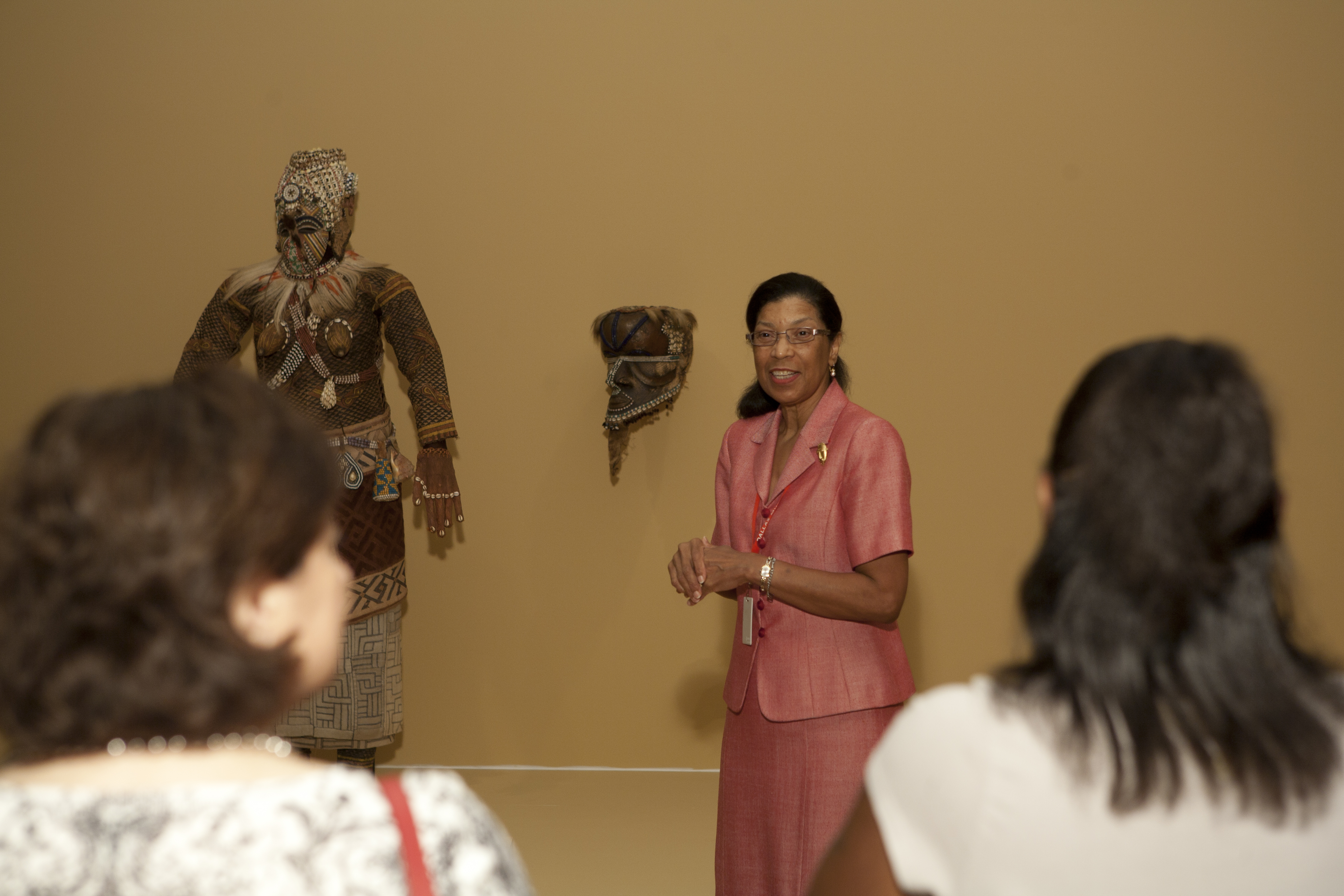
It has been a busy summer here at the Dallas Museum of Art. One of our amazing curators, Dr. Roslyn A. Walker, took time out of her schedule to answer questions related to her job at the Museum. Read below for more information about Dr. Walker and her exciting exhibition that just opened – African Masks: The Art of Disguise.

Amy Wolf
Coordinator of Gallery Teaching

Name and Title: Roslyn A. Walker, Ph.D., Sr. Curator, The  Arts of Africa, the Americas, and the Pacific/The Margaret McDermott Curator of African Art

Years Employed at the Dallas Museum of Art:  I’ve worked at the DMA for six years, since the end of 2003.

Describe your job here at the Museum:  A curator, by definition, is the specialist in a particular field of study whose job it is to do the research on the collection and provide information about it; select objects for acquisition, to “grow” the collection; interpret the collection through exhibitions; and over see the maintenance of the collection.  I execute all these tasks.

What is your favorite part of your job?  All of the above! I do love doing research and learning about the art form, i.e., when and who made it (name of the artist if possible or his “hand” or style through comparison with other works), why it was made, how it was used in the original cultural context, and its provenance.

What is a challenge you face in your job?  I wish there were more hours in the day. I could use a course in time management. Buying art is a challenge because the price of highest quality of certain types of objects is beyond our means. We are fortunate to have a great collection that is representative of the major sculpture-producing peoples of sub-Saharan Africa.

How did you decide you wanted to work in a museum?  I enjoyed going to museums on school fieldtrips and with my family. I loved viewing the works of art, but I was also curious about what went on behind the scenes.  I chose a college – Hampton Institute (now Hampton University) which had a museum and was fortunate to work in that museum from freshman year through graduation. As I understood museum work at the time, I would have the opportunity to be a scholar, teacher, artist, registrar, exhibit designer, preparator – everything. This was a one director, one student assistant kind of museum! 

If you weren’t working here at the Museum, what is something else you would be doing? I can’t imagine doing anything else. I think I would have been happy working at the Department of State, in one of the cultural offices.   

Tell us about the exhibition you’ve been working on this summer. I’ve just opened African Masks: The Art of Disguise on Sunday, August 22nd. This exhibition presents approximately 70 objects which demonstrate the variety of masks types, sizes, styles, materials, and contexts in which the objects appear. Masks are worn in other ways than on the face and masks are only part of a costume that conceals wearer, from head to toe. The exhibition reveals the function, meaning and aesthetics of African masks. The masks “come to life” in performances recorded on film and in contextual photographs. I hope you will come to see this exhibition and that you will take along a smARTphone so you can learn more about masks, view videos, interviews, masquerades and more.

Visit www.DallasMuseumofArt.org/Education to learn more about the programs and resources for students and teachers related to this exhibition.
Friday Photo Post

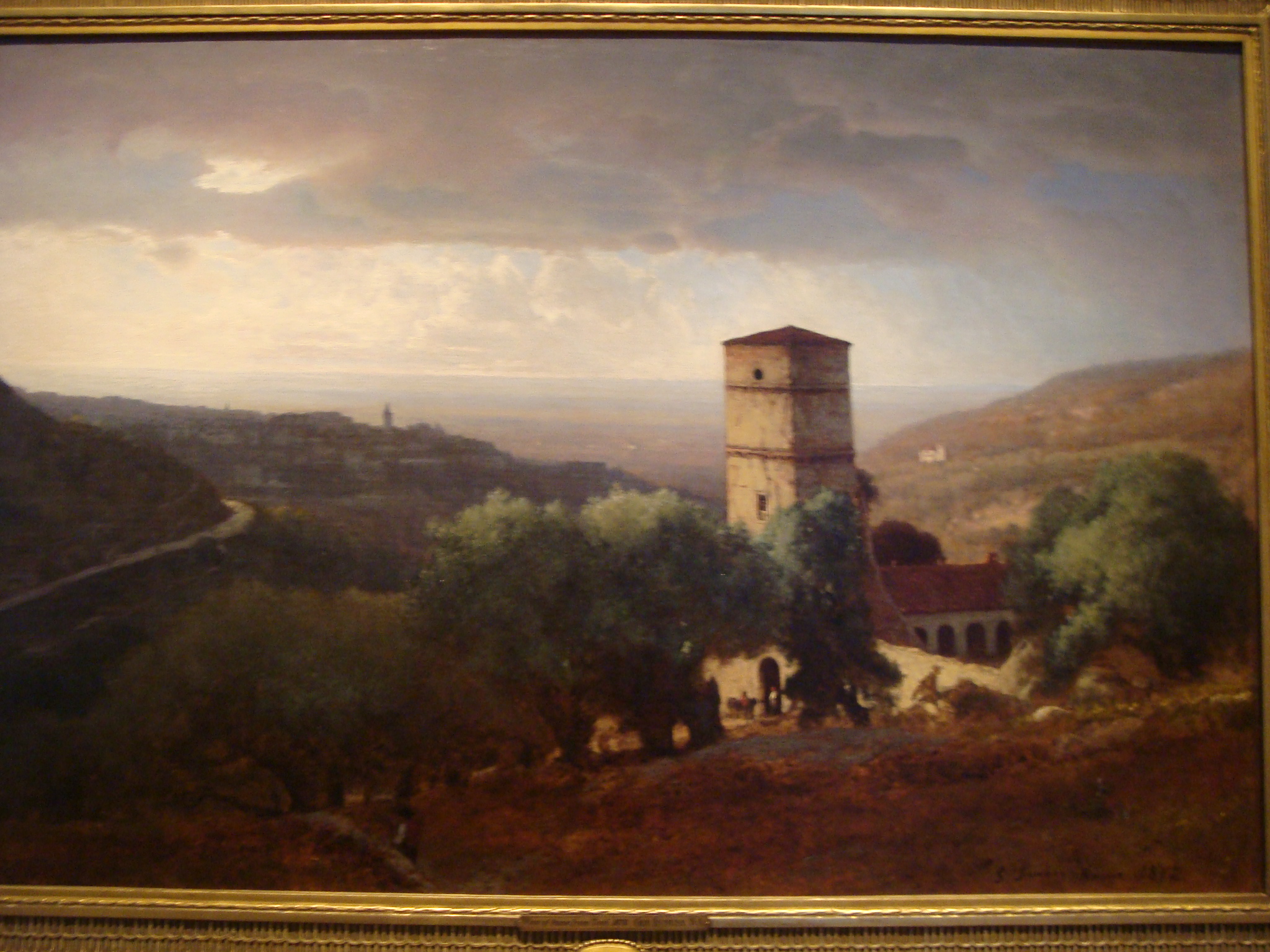
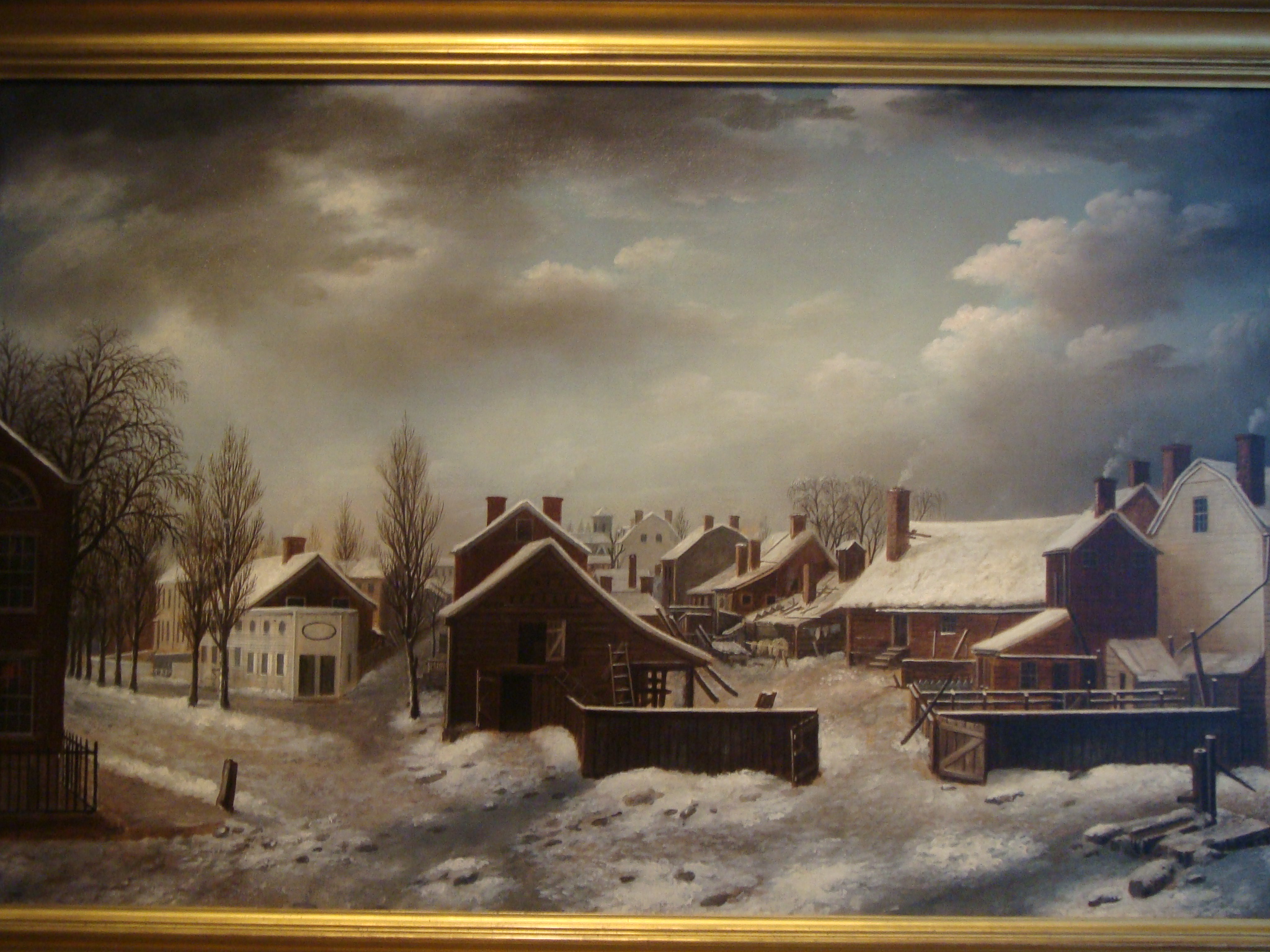
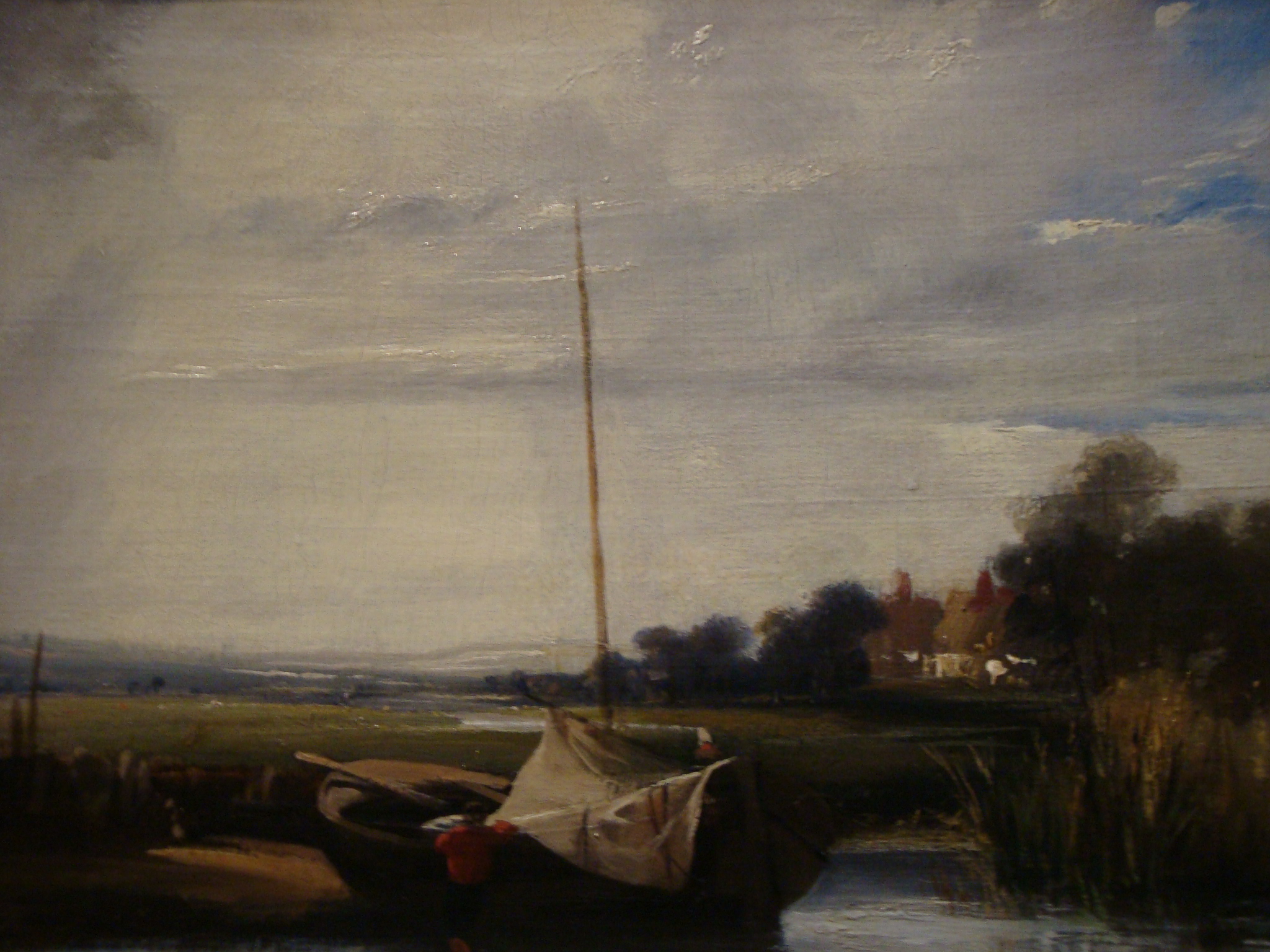
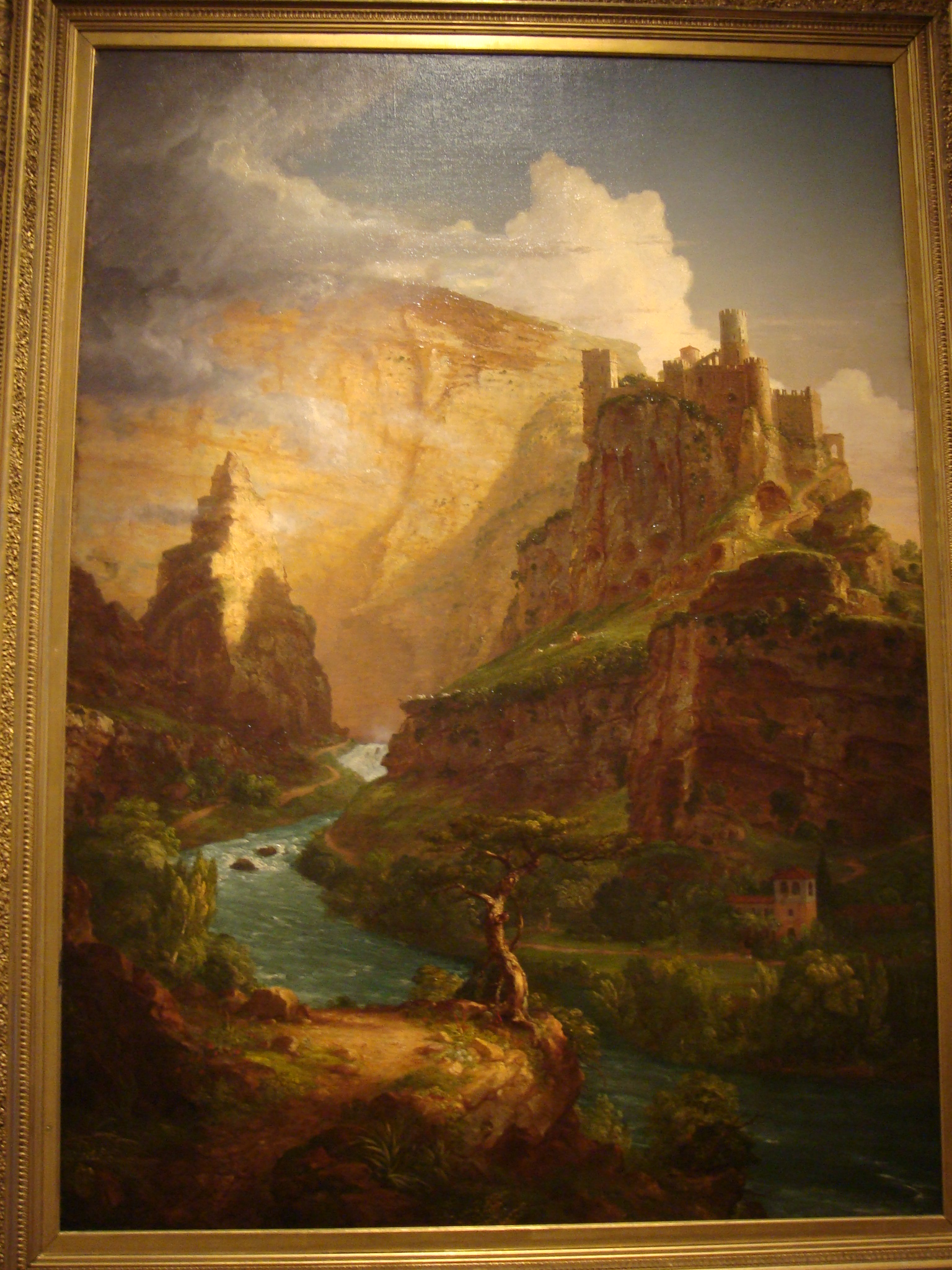
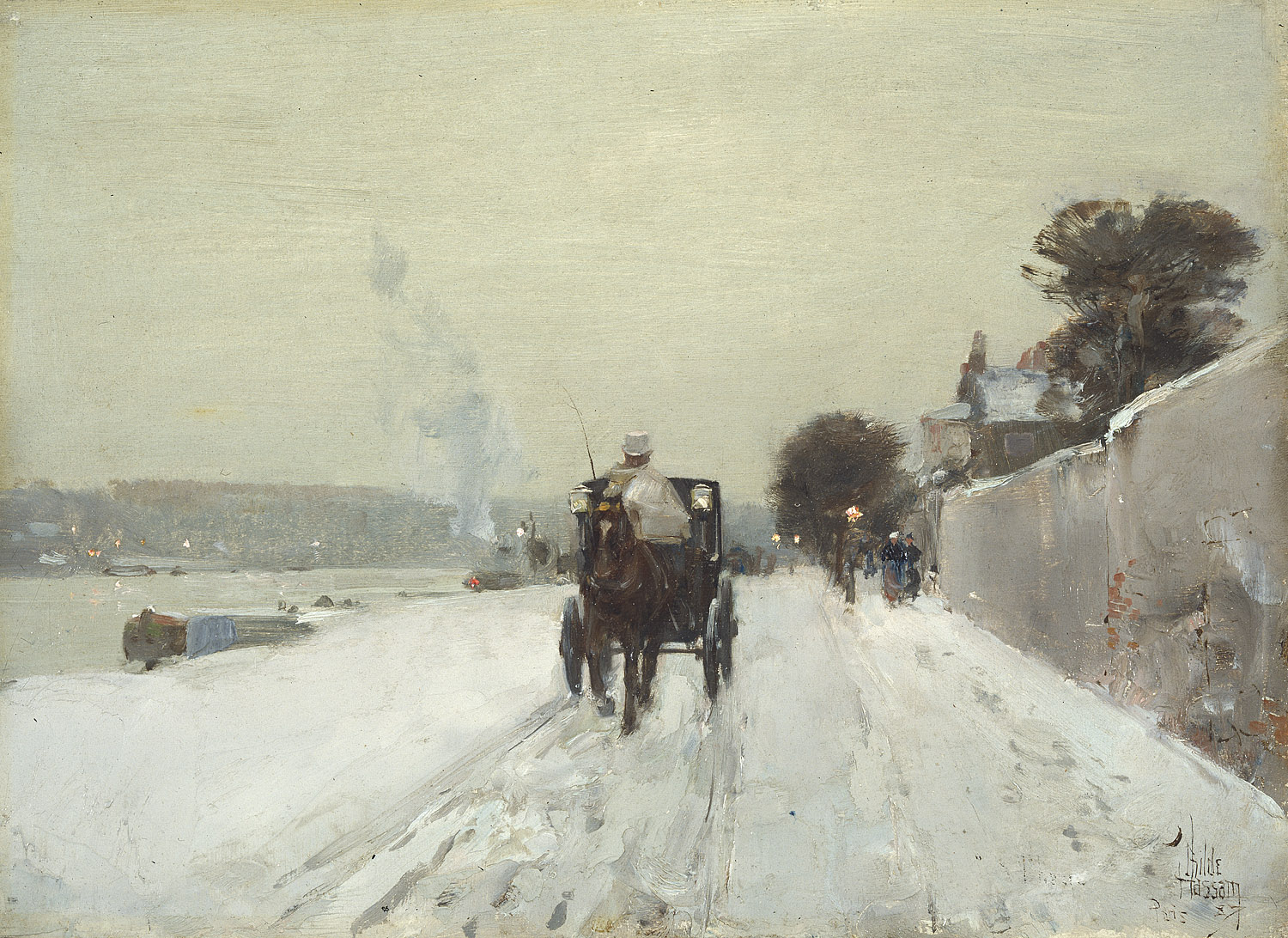
 The Dallas Museum of Art  is full of works of art from around the world. In today’s post, I am focusing on my favorite paintings from Europe and America. Buckle your seatbelt and enjoy your trip!

Amy Wolf
Coordinator of Gallery Teaching

Friday Photo Post – My favorite things

The Dallas Museum of Art’s collection has many wonderful works of art in it. Below are a few of my favorites that I like to see while I am in the galleries. I hope you enjoy them.

Amy Wolf
Coordinator of Gallery Teaching


Archives

Categories