Archive Page 53


Friday Photo Post: Wearin' o' the Green

As a reminder to wear your green this weekend, here are are few works of art from the DMA’s collection that use shades of shamrock. Enjoy!

(Click on the first image to get a closer look at all of the works of art.)

Jessica Kennedy
McDermott Intern for Gallery Teaching

Works shown:

  • Goblet, Carlo Moretti, Murano Glass Company, 1975, Dallas Museum of Art, gift of Carole Stupell, Ltd.
  • Wallpaper design, Peter Todd Mitchell, mid 20th century, Dallas Museum of Art, gift of Priscilla Cunningham
  • Candy jar, Gorham Manufacturing Company, Glass produced by Lindshammar Glasbruk, designed 1963, Dallas Museum of Art, The Jewel Stern American Silver Collection, Decorative Arts Fund
  • Clover with Eyes, Roberto Juarez, 1981, Dallas Museum of Art, gift of Mr. and Mrs. I. C. Deal
  • Things the wet nurse told me, Jackie Tileston, 2003, Dallas Museum of Art, DMA/amfAR Benefit Auction Fund
  • Landscape, Rita Leff, n.d., Dallas Museum of Art, gift of Mrs. Robert A. Beyers
  • Saturday Nite, Clementine Hunter, 1971, Dallas Museum of Art, gift of Dr. and Mrs. Robert F. Ryan
  • Magnolia Blossoms, John Breckinridge Martin, 1933, Dallas Museum of Art, gift of Maggie Joe and Alexandre Hogue
  • Variant/Adobe, Josef Albers, 1947, Dallas Museum of Art, Dallas Art Association Purchase
  • Ornament in the form of a feline face, Moche culture, c. A.D. 100-450, Dallas Museum of Art, The Nora and John Wise Collection, bequest of John Wise
  • Untitled, Richard Anuszkiewicz, n.d., Dallas Museum of Art, Foundation for the Arts Collection, gift of Mr. and Mrs. Duncan E. Boeckman
  • Summer Foliage, George Inness,1883, Dallas Museum of Art, bequest of Joel T. Howard
  • Plaque fragment with profile face, Maya culture, c. A. D. 600-900, Dallas Museum of Art, given in memory of Jerry L. Abramson by his estate
  • Fish House Door, John Frederick Peto, 1905, Dallas Museum of Art, Dallas Art Association Purchase
  • Untitled (Yellow Table on Green), Hans Hofmann, 1936, Dallas Museum of Art, fractional gift of The Rachofsky Collection in honor of Dr. Dorothy Kosinski, the Barbara Thomas Lemmon Curator of European Art
  • Green Ground Blue Disc, Adolph Gottlieb, 1966, Dallas Museum of Art, gift of Tucker Willis
  • “Cabbage” tureen and cover, Sceaux Factory, c. 1755, Museum of Art, gift of David T. Owsley via the Alvin and Lucy Owsley Foundation in memory of Lucy Ball Owsley
  • Detail of Window with Starfish (“Spring”),  Louis Comfort Tiffany, Tiffany Glass and Decorating Company, c. 1885-1895,Dallas Museum of Art, The Eugene and Margaret McDermott Art Fund, Inc.
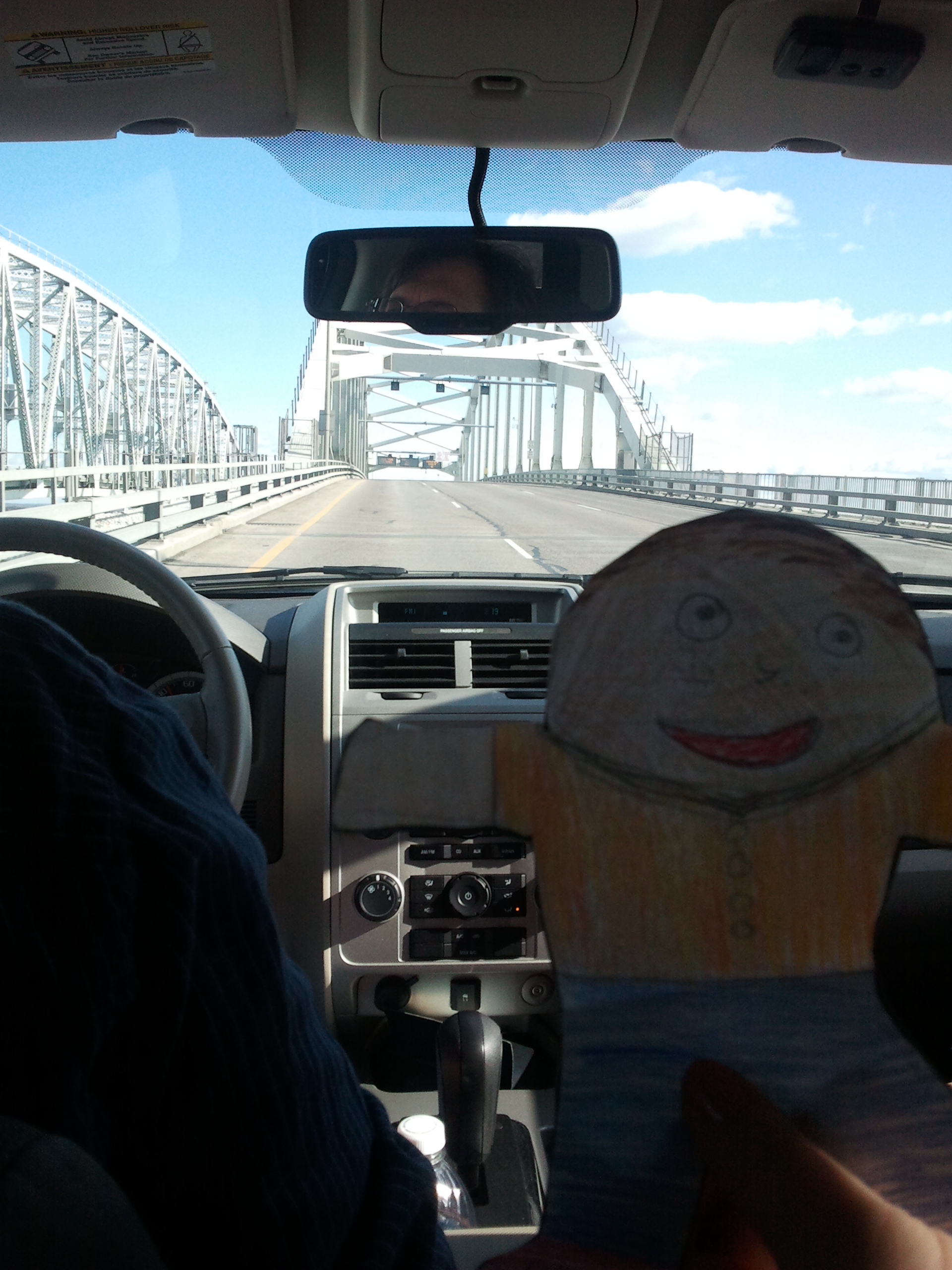
Flat Stanley: On the Road

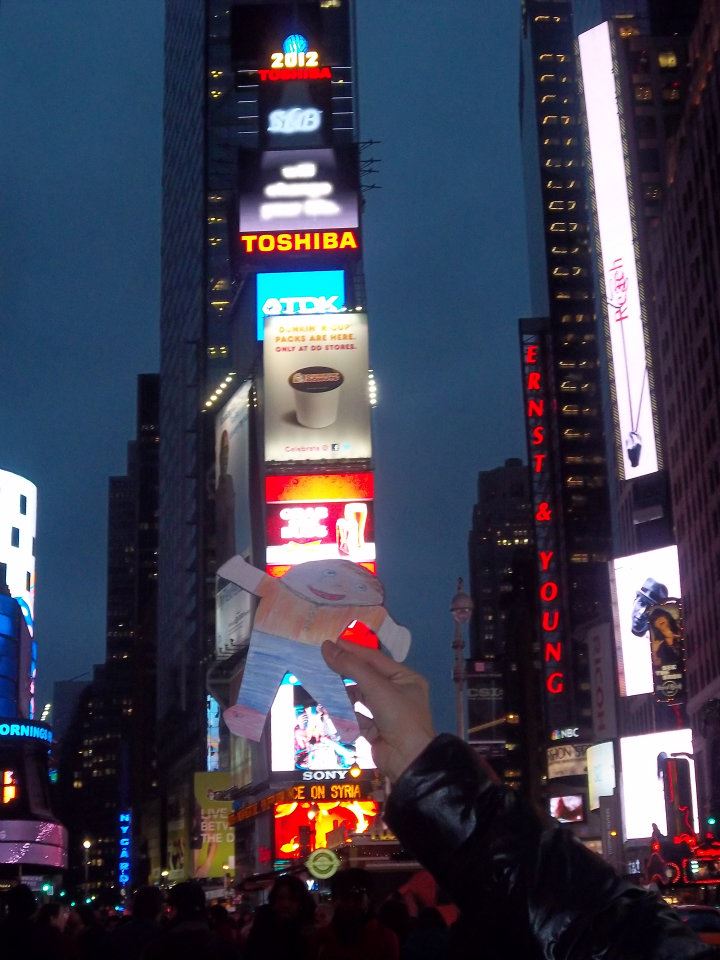
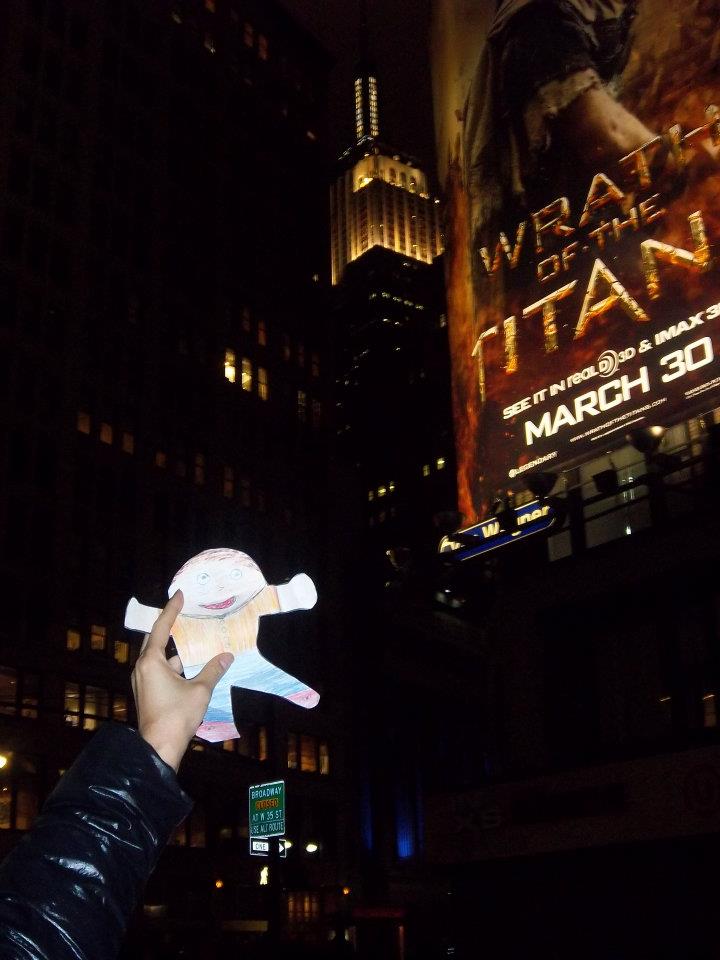
While Flat Stanley enjoyed his time exploring the DMA, he really had fun hitting the road with me.  I took Flat Stanley to a wedding in Ontario, Canada and to a conference in New York City.  He had fun seeing the sights and meeting my family and friends!

Crossing the Blue Water Bridge from Michigan into Canada

Crossing the Blue Water Bridge from Michigan into Canada

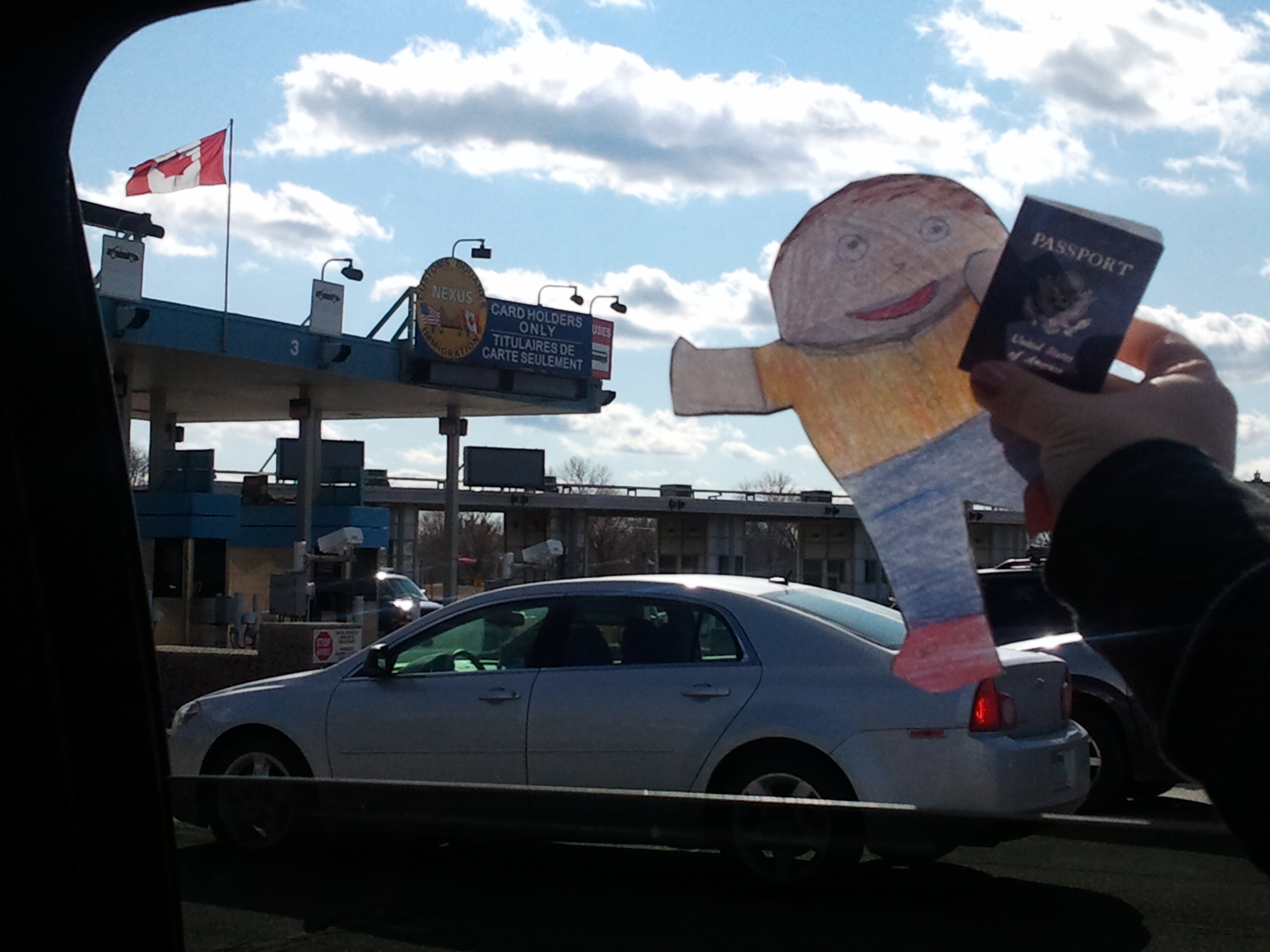
After crossing the bridge, Stanley waits with his passport to go through Customs

After crossing the bridge, Stanley waits with his passport to go through Customs

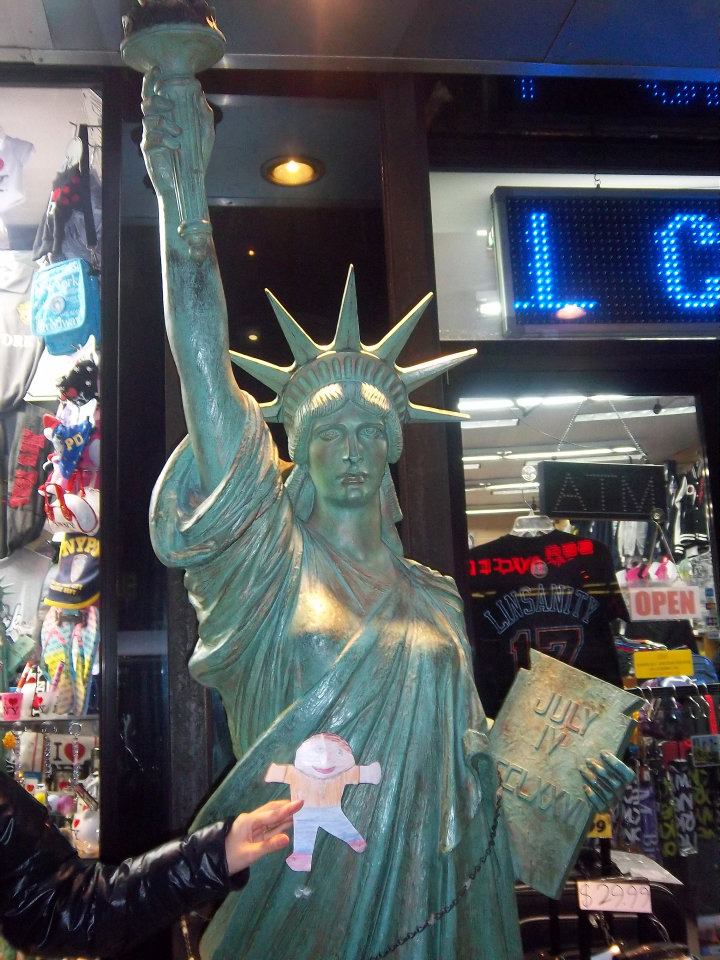
With a replica of the Statue of Liberty in New York

With a replica of the Statue of Liberty in New York

Flat Stanley in Times Square

Flat Stanley in Times Square

With the Empire State Building lit up in the distance

With the Empire State Building lit up in the distance

Shannon Karol
Manager of Docent Programs and Gallery Teaching

Friday Photos: Splish, Splash!

From ancient Greek sculptures of Aphrodite with a vessel of bathing water, to paintings of bathers by turn-of-the-century artists like Cézanne, swimmers and bathers remain popular subjects throughout western art history. Why have so many artists chosen this subject? Perhaps it is because cleansing oneself is universal, or because bathing can be related to purity.

Our new exhibition, Youth and Beauty: Art of the American Twenties features a number of bathers and swimmers. With physical culture in its heydey, 1920s artists often presented bathers and modern swimmers as models of the ideal physique.

Here are some works in our collection featuring bathers and swimmers. Click on any of the artworks to scroll through larger images. The next time you visit the Dallas Museum of Art, be on the lookout for other bathing beauties!

Why do you think artists include bathers in their artworks?

Andrea V. Severin
Coordinator of Teaching Programs

Artworks shown:

      • Edgar Degas, The Bathers, c.1890-1895, Dallas Museum of Art, The Wendy and Emery Reves Collection
      • Yasuo Kuniyoshi, Bather with Cigarette, 1924, Dallas Museum of Art, Dallas Art Association Purchase Fund, Deaccession Funds/City of Dallas (by exchange) in honor of Dr. Steven A. Nash
      • John Marin, Bathers, 1932, Dallas Museum of Art, gift of Mr. and Mrs. Algur H. Meadows and the Meadows Foundation Incorporated
      • Albert Meyeringh, Landscape with bathers, n.d., Dallas Museum of Art, gift of Mrs. Arthur Kramer, Sr.
      • Camille Pissarro, Bathers, 1895-1896, Dallas Museum of Art, The Wendy and Emery Reves Collection
      • Felix Edouard Vallotton, Three Bathers (Les Trois Baigneuses), 1895, Dallas Museum of Art, Beatrice and Patrick Haggerty Acquisition Fund, the Jolesch Acquisition Fund, The Roberta Coke Camp Fund, and contributions in memory of Richard D. Haynes

How it's Made: Japanese Lacquer

Next time you visit the Dallas Museum of Art, make sure you stop by our Japanese collection.  You can find the Japanese gallery on the third floor in the Arts of Africa, Asia, and Pacific Island galleries.  In the center of the gallery, you will find three exquisite examples of Japanese lacquer.  In fact, one of my favorite works in our collection is a Japanese lacquered Chest of drawers.

History of Japanese Lacquer

According to Monsieur Gonse, a French connoisseur and art critic, “Japanese lacquered objects are the most perfect works of art that have ever issued from the hands of man.”

The art of lacquer actually came to Japan from China around the 6th century A.D.  Originally connected with Buddhism, early lacquer adorned the walls of Buddhist temples.  As the medium became more popular, lacquer objects became more utilitarian and were primarily used as everyday objects.  Individuals who commissioned such decorative objects had to be patient with the time commitment involved, for it could take months to even years to complete a lacquered object.

What makes Japanese lacquer special?

In order to appreciate the true value of Japanese lacquer, it’s important to understand how lacquer objects are made.

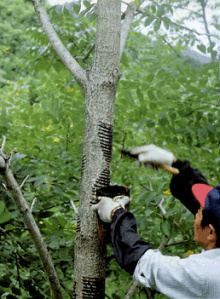
Lacquer comes from the sap of the lacquer tree, Rhus vernicifera,and is known as

Extracting lacquer from the Rhus vernicifera tree

urushi.  Most lacquer forms begin with a wooden foundation, a special wood called Hinoki, a species of Japanese cypress.  Before the layering of the lacquer begins, the lacquer artist wraps the wooden object in a silk or hempen cloth saturated with a mixture of lacquer and rice flour called nori urushi.  Then, a layer of powdered earthenware mixed with lacquer is applied over the cloth and sanded smooth.   This method is applied with finer grades of powder until an even layer is produced.

After the foundation layers are smoothed, the object is ready for the refined lacquer. The refined lacquer is blackened by iron and applied carefully in layers.  Because the lacquer takes a long time to dry and needs high humidity for hardening, the object is placed in a “wet box” for three to four days before the next coat is applied.  After the object is removed from the “wet box”, it is carefully smoothed and polished with magnolia charcoal.  This is repeated about thirty to eighty more times until the final coat is applied.  After the last coat has dried, the object is finger polished with deer’s horn ashes and oil.

Fun Fact: Because the humidity in Japan is so high, the three lacquered objects here at the DMA are placed in humidity controlled cases.

This precise artform requires a huge amount of skill and patience.  If one were to apply thirty coats of lacquer and wait four days in between each layer, it would take up to 120 days to complete the lacquer portion of the object.  This is not including any special techniques such as inlay or other carving methods.  Altogether, it could take half a year to complete a lacquer object!  How long do you think it took to create this Lacquered wood saddle?

Next time you’re at the Museum, come by and see some of the finest hand-made objects in our collection.  Once you see these beautifully-crafted objects in person, they are bound to become your favorites!

Over and out,

Loryn Leonard
Coordinator of Museum Visits

Resources:

  • Mody, N.H.N., “Japanese Lacquer,” Monumenta Nipponica, Vol. 3, No. 1 (Jan., 1940), pp. 291-294
  • Weintraub, Steven, Kanya Tsujimoto, and Sadae Y. Walters, “Urushi and Conservation: The Use of Japanese Lacquer in the Restoration of Japanese Art,” Ars Orientalis, Vol. 11 (1979), pp.39-62

Me & My World: Testing in the Galleries

As Hannah and I continue our revisions of the Me & My World docent tour guide and Go van Gogh program, I wanted to share a few works of art that I was able to test out on two groups of first-graders during thier Me & My World tour.

Below you will see three of the five works of art that I chose to look at with the students. I have included the clues, some of the questions that led the discussions, as well as other activities that I used.

Stop #1
Clues: We are looking for a painting that shows a little girl wearing a hat who is dressed in all white.

Dorothy, John Singer Sargent, 1900, Dallas Museum of Art, gift of the Leland Fikes Foundation, Inc.

.

This little girl’s name is Dorothy. Let’s look at what Dorothy is wearing. Can you describe her clothes?

Do you have fancy or nice clothes? Where do you wear them?

Do you like dressing up? Why or why not?

Look at Dorothy’s face. Does she look happy or sad?

Why do you think she looks sad?

Stop #2
Clues: We are looking for a painting of another little girl who has very short hair and is wearing a blue and white dress.

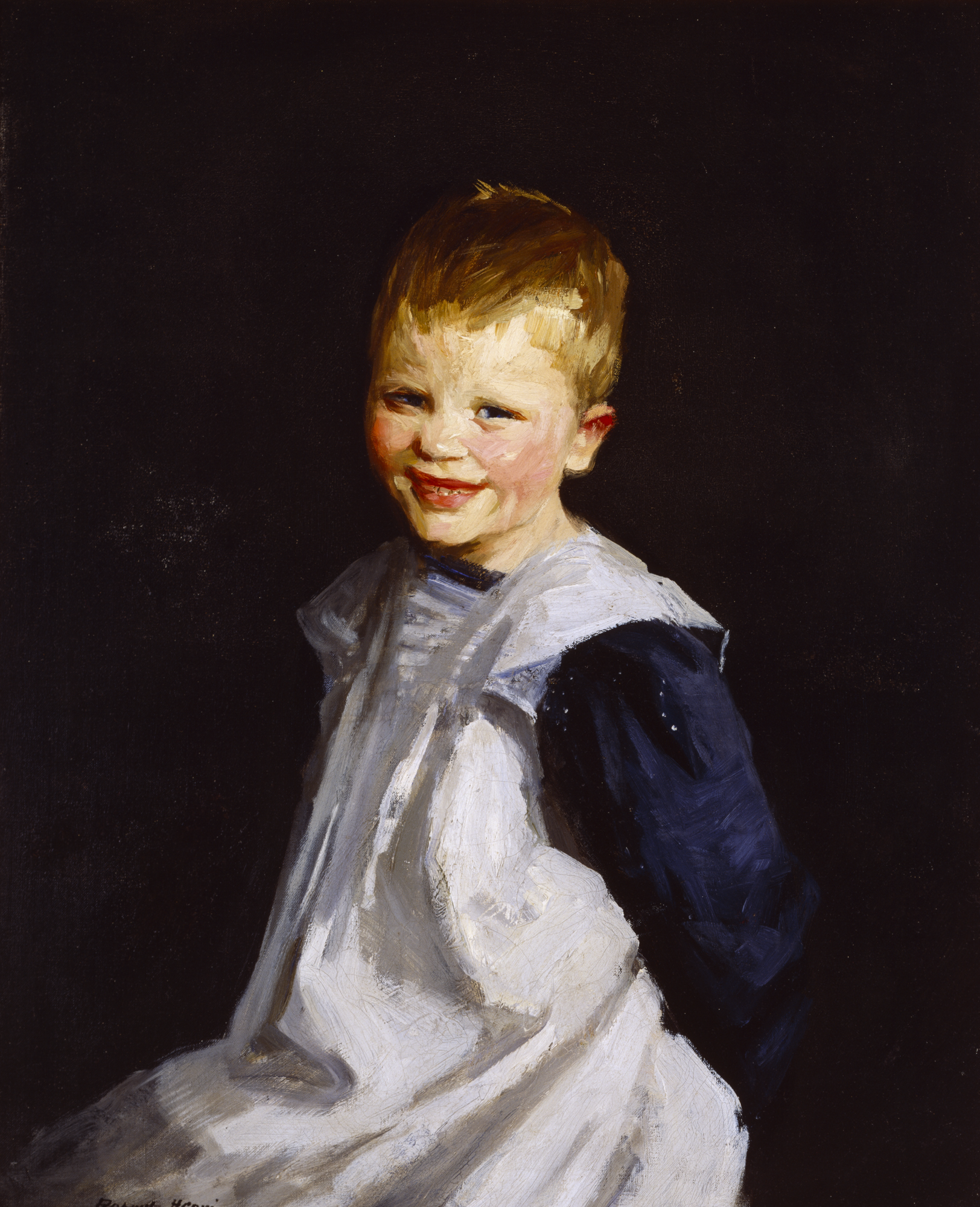
Dutch Girl Laughing, Robert Henri, 1907, Dallas Museum of Art, Dallas Art Association Purchase

.

We don’t know this little girl’s name. What should we call her?

Let’s describe her clothes.

Does she look like Dorothy? Why or why not?

Does she look happy or sad?

Why do you think she looks happy?

Compare/contrast both portraits: Let’s imagine that these girls could talk to us. What would they say? What would they say to each other? What would they say to these other people (the other portraits in the gallery)?
Favorite clothing: Can you tell me what is your favorite thing to wear? Can you describe it (color, print, etc.)? Where do you like to wear it?
Emotions: Let’s looks at some of the other people’s faces in this gallery. Do they look happy? Sad? Angry? Scared? Bored? Sleepy? Why do you think so?

Stop #3
Clues: We are looking for a whole room that is full of shelves holding lots of things that people use to eat dinner.

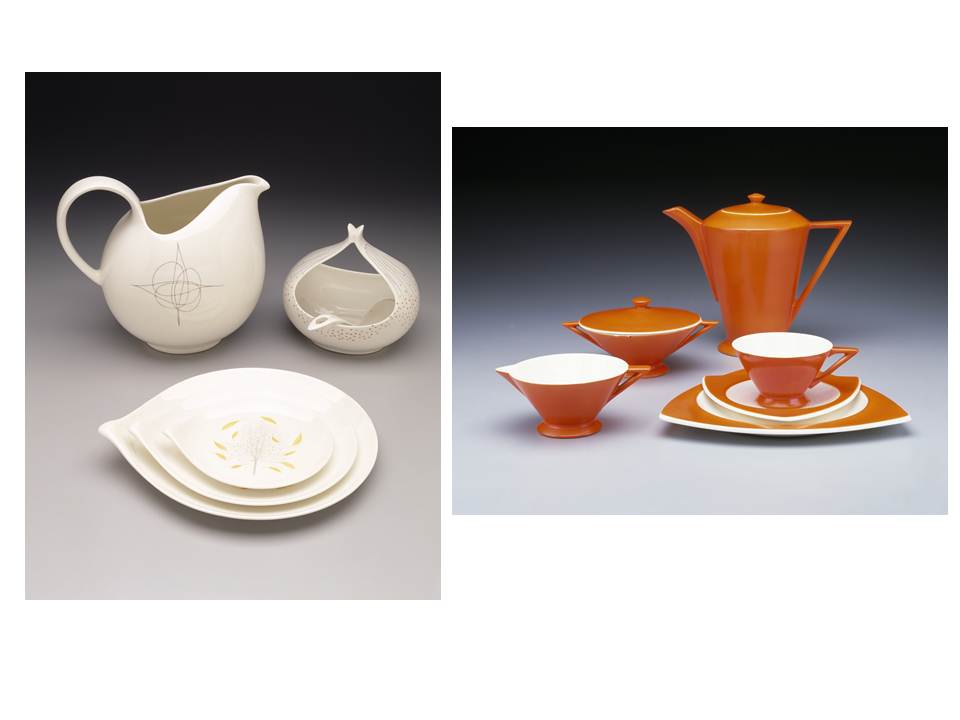
Examples of objects in the Decorative Arts Study gallery. Left: “Century” shape dinner plate with “Sunglow” pattern decoration, Eva Zeisel, Hall China Company,1956, Dallas Museum of Art, gift of David t. Owsley Right: “Tricorne” shape luncheon plate with “Mandarin” decoration, Donald Schreckengost, Salem China Company,1933, Dallas Museum of Art, gift of Kenn Darity and Ed Murchison.

.

Can you find something in this room that…

You can eat soup out of?

What about a piece of cake?

What about hot chocolate?

OR

I spy something that is… (red, blue, striped, polka dot, etc.)

I am going to read you a silly poem about someone who is eating dinner:

Mashed Potatoes on the Ceiling
by Kenn Nesbitt

Mashed potatoes on the ceiling.
Green beans on the floor.
Stewed tomatoes in the corner.
Squash upon the door.

Pickled peppers in my pocket.
Spinach up my sleeves.
Mushrooms in my underpants with
leeks and lettuce leaves.

Okra, onions, artichokes,
asparagus and beets;
buried neatly underneath the
cushions of our seats.

All the rest I’ve hidden in my socks
and down my shirt.
I’m done with all my vegetables.
I’m ready for dessert! 

Let’s pretend that we are making a huge dinner for everyone in the Museum to eat tonight. Let’s go around the circle and tell everyone what kind of food you would bring to share. Now, let’s choose a dish from these shelves to serve it in.

Stop #4
Clues: We are looking for an object that is small, brown and white, and looks like a face.

Mouth mask depicting the head of a bird, Leti Island, Indonesia, 19th century, Dallas Musuem of Art, The Eugene and Margaret McDermott Art Fund, Inc.
.

What kind of animal does this look like?

Can you find its beak? Its feathers?

If you could touch this, do you think it would be soft? Hard? Rough? Smooth?

What do you think this is made of?

The person who used this would put it in his mouth and pretend that he was a bird. Have you ever worn a costume?

Can I have a volunteer come up and show us how they would move if they were wearing this bird mask?

What are some other animals that you like to pretend to be? Can you show us how you’d move?

Overall, the students seemed very receptive to the works I chose to explore. Both groups were very talkative, and I was surprised at how comfortable and focused they were with the discussion topics that I brought up. They were very good at comparing and contrasting the two paintings of the young girls, and seemed to enjoy talking about them. The “Mashed Potatoes on the Ceiling” poem was a big hit, and so was the “dinner party” conversation. I soon realized that any time a first-grader is given the opportunity to share ANYTHING about themselves, they will. One of my favorite moments was watching those students move like an animal in front of the group. I am thankful that most first-graders aren’t shy!

Jessica Kennedy
McDermott Intern for Gallery Teaching

Friday Photos: Youth and Beauty

This Sunday is the opening of Youth and Beauty: Art of the American Twenties. With over sixty-five artists represented, this dynamic exhibition expresses life as an American in the period between World War I and the Great Depression. The “Roaring Twenties“, as they are known, may bring to mind iconic flappers and lively jazz music. From the outside this may seem like a period of frivolous fun, but taking a closer look reveals a complex time of transition. With the rapid urbanization of America, modern ideals and industry created a lot of change and disorientation, which can be felt throughout the exhibition. With so much to see and discover, don’t miss your chance to peer into the psyche of this topsy-turvy decade.

Below is a little sneak peek of some of the artworks in the exhibition.

[slideshow]

Don’t miss all the fun and engaging Youth and Beauty programs for you and your students!

Hannah Burney
McDermott Education Intern for Teaching Programs and Partnerships

Artworks shown:

Nickolas Muray, Gloria Swanson, circa 1925, gelatin silver print, George Eastman House, International Museum of Photography and Film, Rochester, New York, Gift of Mrs. Nickolas Muray

George Wesley Bellows, Two Women, 1924, oil on canvas, Portland Museum of Art, Maine, Lent by Karl Jaeger, Tamara Jaeger, and Karena Jaeger

John Steuart Curry, The Bathers, circa 1928, oil on canvas, The Nelson-Atkins Museum of Art, Kansas City, Missouri, Purchase: Acquired with a donation in memory of George K. Baum II by his family, G. Kenneth Baum, Jonathan Edward Baum, and Jessica Baum Pasmore, and through the bequest of Celestin H. Meugniot

Edward Hopper, Lighthouse Hill, 1927, oil on canvas, Dallas Museum of Art, Gift of Mr. and Mrs. Maurice Purnell

Bumpei Usui, 14th Street, 1924, oil on canvas, Virginia Museum of Fine Arts, Richmond, J. Harwood and Louise B. Cochrane Fund for American Art

Joseph Stella, American Landscape, 1929, oil on canvas, Collection Walker Art Center, Minneapolis, Gift of the T.B. Walker Foundation

Gerald Murphy, Razor, 1924, oil on canvas, Dallas Museum of Art, Foundation for the Arts Collection, gift of the artist

Lewis Wickes Hine, Power House Mechanic, 1920-1921, gelatin silver print, Brooklyn Museum, Gift of Walter and Naomi Rosenblum

Youth and Beauty: Art of the American Twenties is organized by the Brooklyn Museum. Major support for this exhibition and the accompanying catalogue was provided by the Henry Luce Foundation, the Martha A. and Robert S. Rubin Exhibition Fund, The Mr. and Mrs. Raymond J. Horowitz Foundation for the Arts, and the National Endowment for the Arts.

Sign Up Now: Museum Forum for Teachers

Each summer, the DMA hosts a week-long program called Museum Forum for Teachers: Modern and Contemporary Art.  Over the course of the week, teachers spend a full day at five different art museums: The Rachofsky House (a private contemporary art collection located in Dallas), the Nasher Sculpture Center, the Kimbell Art Museum, the Modern Art Museum of Fort Worth, and the Dallas Museum of Art.   This year, the Forum will be held from July 23-27.

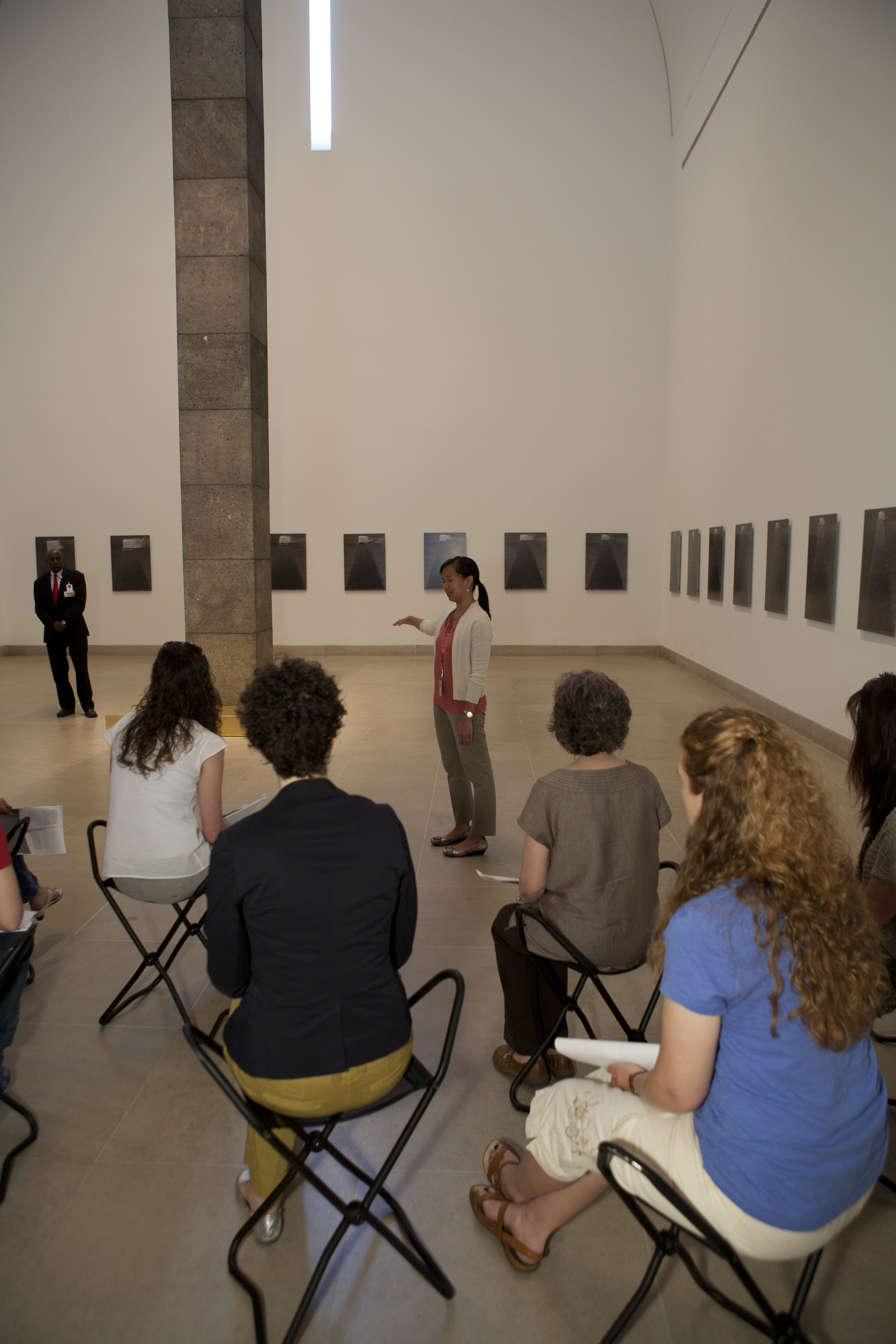
Melissa discusses the Silence and Time exhibition during Museum Forum 2011

As its title suggests, the focus of Museum Forum is modern and contemporary art.   The DMA day this summer will focus on the exhibition Flower of the Prairie: George Grosz’s Impressions of Dallas, 1952, as well as selected works from our contemporary collection.  This will be my fourth year to lead the Museum Forum, and for me the week is always an opportunity to feel refreshed and rejuvenated.  It’s rare that I have an opportunity to spend five consecutive days in the galleries, and I love the conversations and ideas that emerge over the course of the week.  I also feel like I walk away from the Forum learning just as much from the teachers as they do from me.

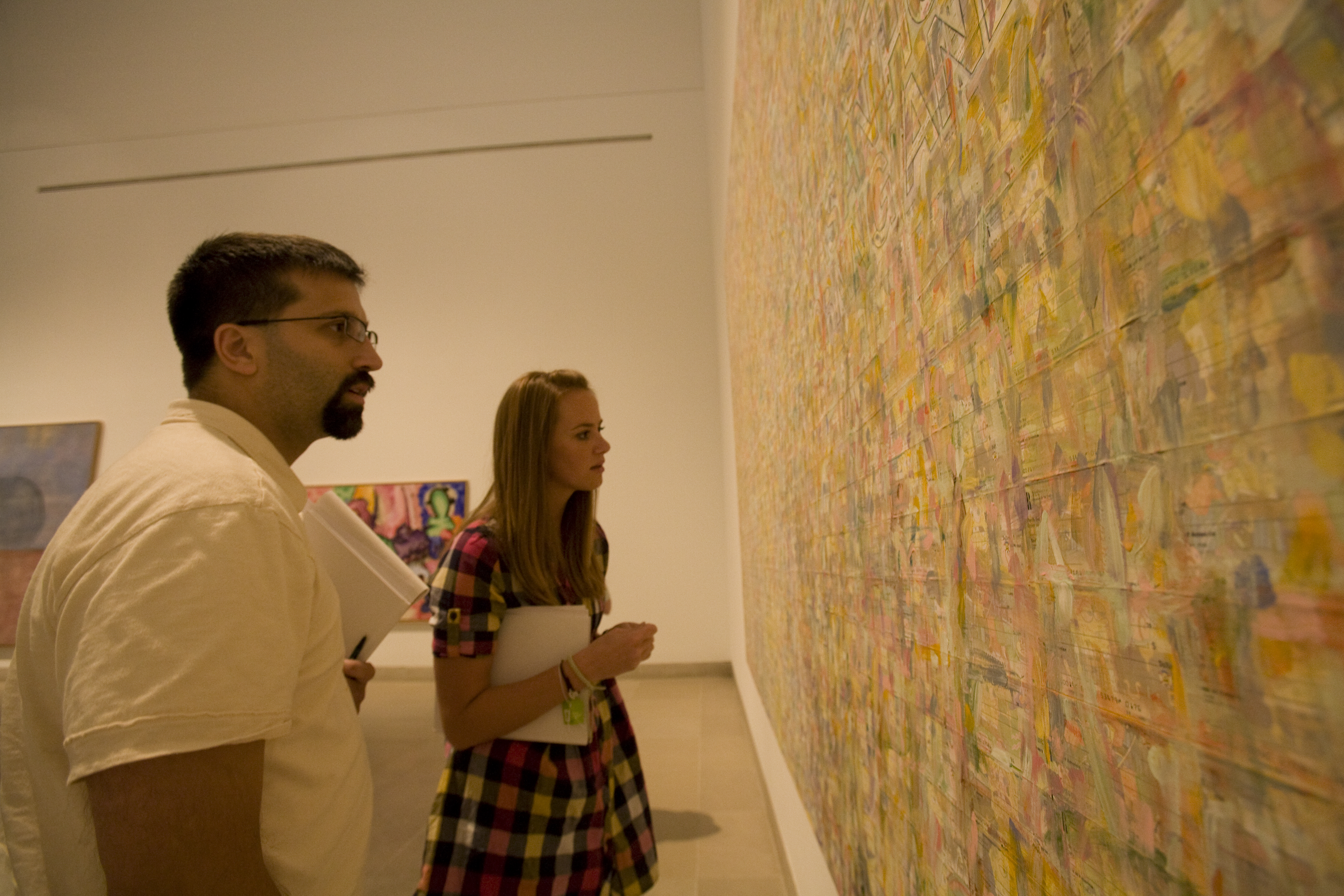
Teachers examine a painting during Museum Forum

If you want to feel reinvigorated by modern and contemporary art, I encourage you to apply for this year’s Museum Forum for Teachers.  The Forum is open to middle school and high school teachers of all disciplines, and enrollment is limited to twenty-five participants.  We are currently accepting applications, and a 10% discount will be given to all teachers who apply by our early application deadline of March 30.  The regular application deadline is May 25, and all teachers will be notified of their acceptance by June 8.  I hope you’ll consider joining us!

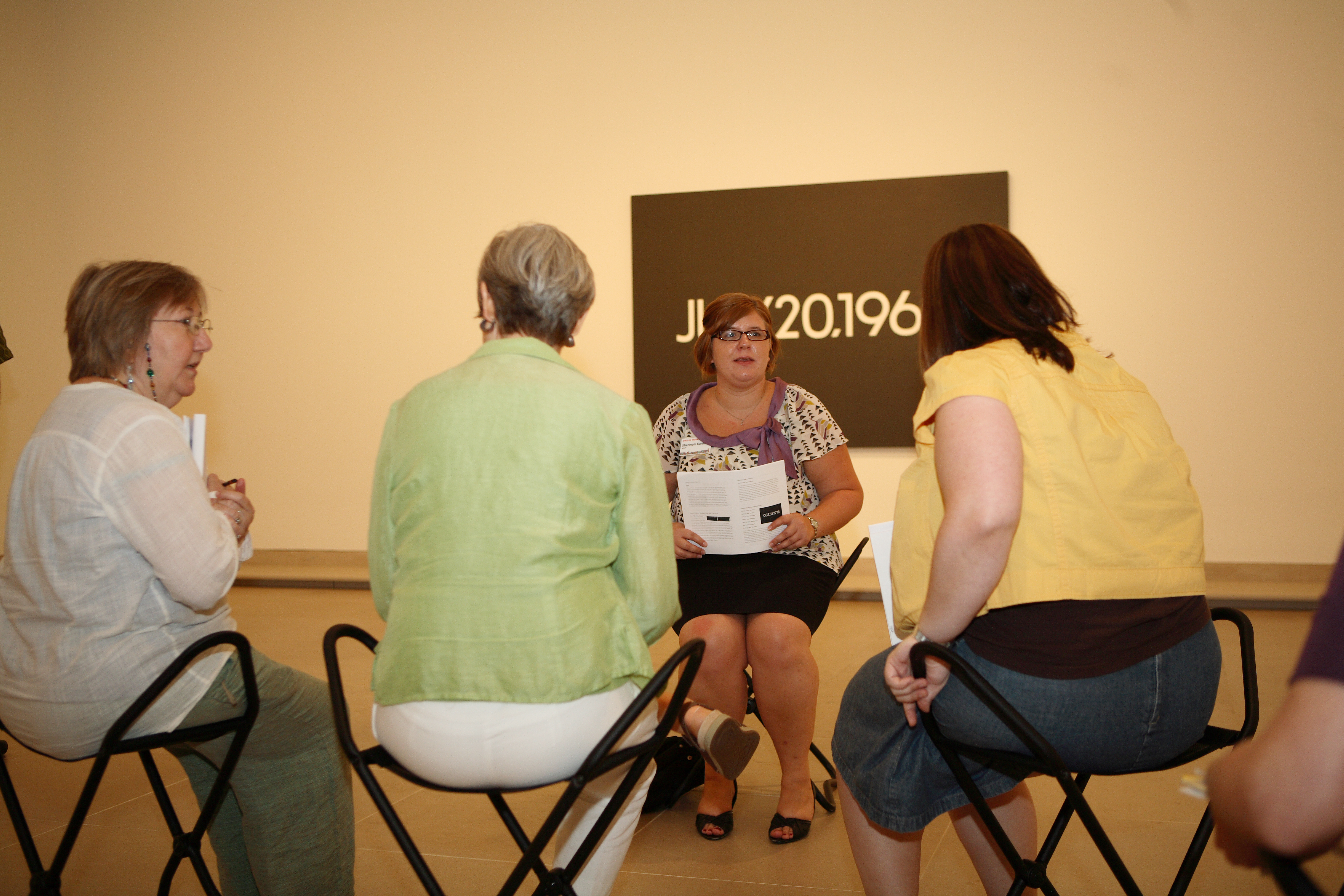
Talking about On Kawara during a past Museum Forum

Shannon Karol
Manager of Docent Programs and Gallery Teaching

Educator Resources: Video Visions

Ever since it killed the radio star, video has been thriving.  Let’s take a look at three valuable resources with great videos featuring art, art history, artists, and curators.  Educators in and out of the classroom just might want to add these to their “toolboxes,” if you haven’t already.

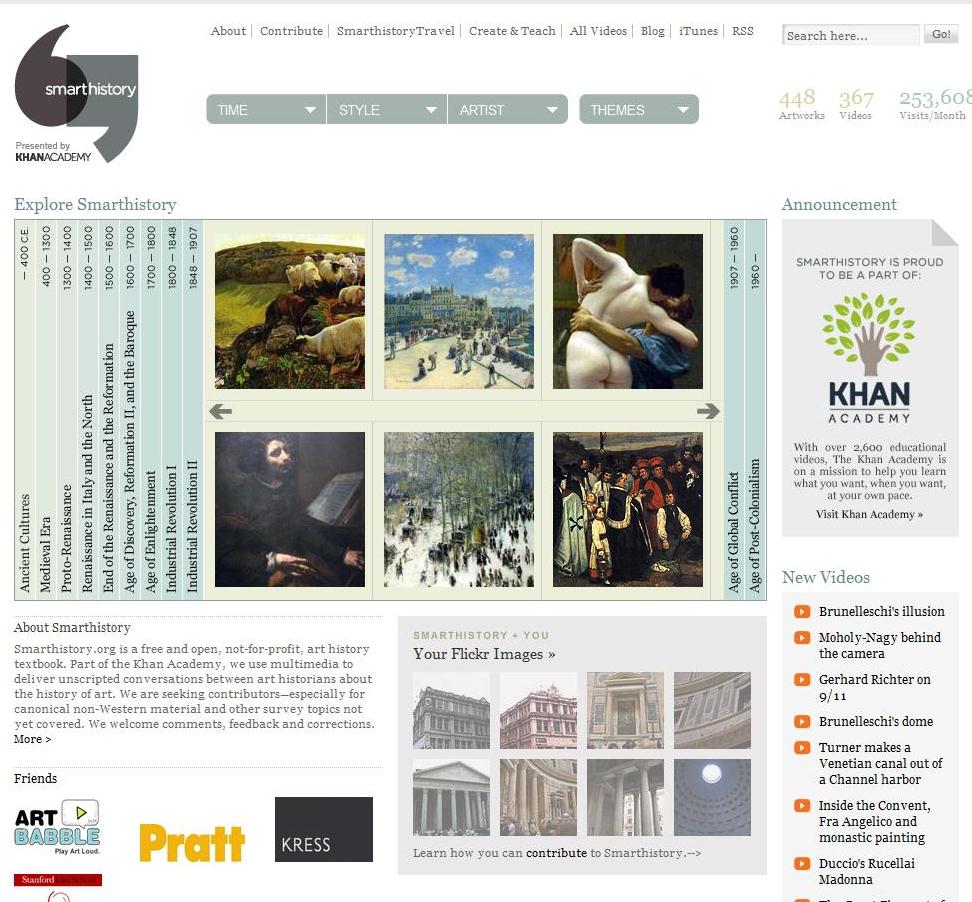
1. Smarthistory – Started as a blog in 2005, this oh-so-smart, multimedia resource makes art history come alive on the web.  No more expensive, heavy textbooks to tote around!  Smarthistory includes over 360 videos and continues to grow through a recent merger with Khan Academy, which allows founders Dr. Beth Harris and Dr. Steven Zucker to focus full-time on expanding content.  In addition to the videos, which are easily sorted via thirteen categories ranging from art historical periods to materials, the website includes images and information for over 440 artworks, as well as sample syllabi and strategies for teaching art history online.

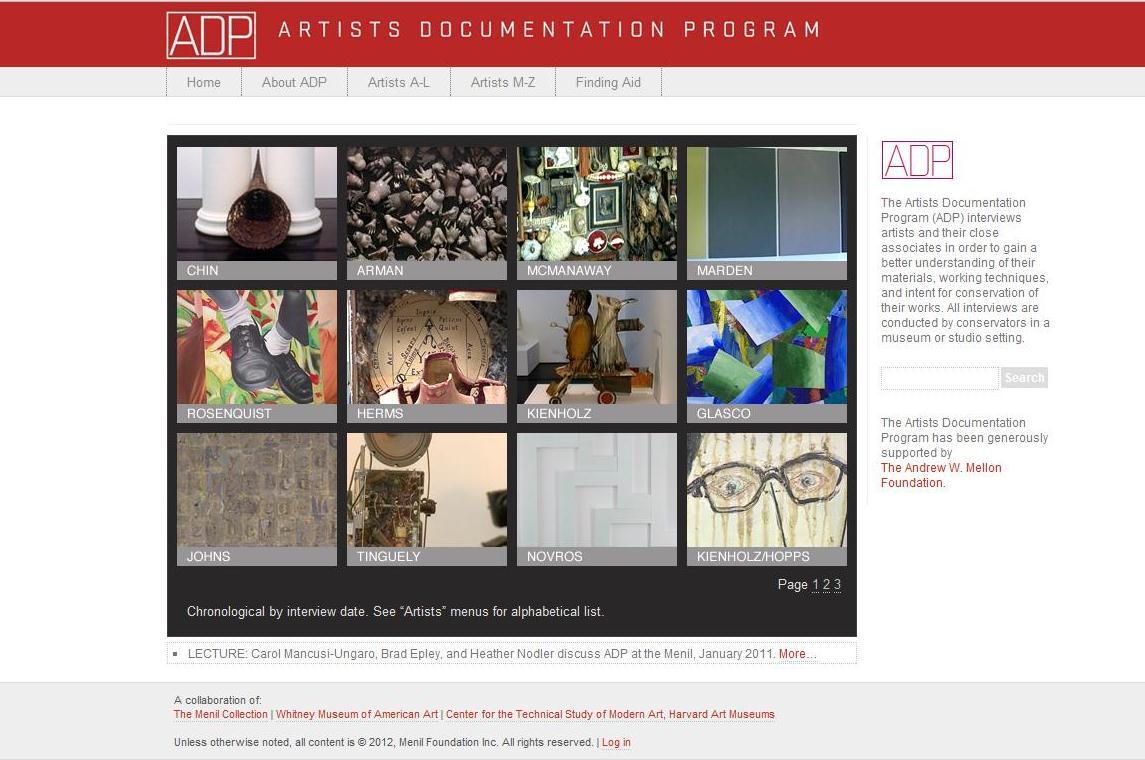
2. Artists Documentation Program – This is a new favorite of mine, discovered while surfing the Art 21 blog last year.  The Artists Documentation Program (ADP) features twenty-nine interviews with contemporary artists and their close associates discussing the materials and techniques of the artists’ works.  Jasper Johns, Mel Chin, Cy Twombly, Ann Hamilton, and Sarah Sze are just a few of the artists interviewed.  Conducted by conservators, the videos are intended primarily as research documents to aid in preservation and care of the art.  Some of the footage goes back to the early 1990s when the Andrew W. Mellon Foundation awarded a grant to the Menil Collection in Houston.  Following this initial grant, the project continued and expanded under the leadership of former Menil conservator Carol Mancusi-Ungaro.  The Whitney Museum of American Art and the Center for the Study of Modern Art at Harvard are key collaborators.   Note: while viewing of the videos is free, the ADP requires users to register before granting access to video interviews.  This acknowledges and supports appropriate use of the videos.

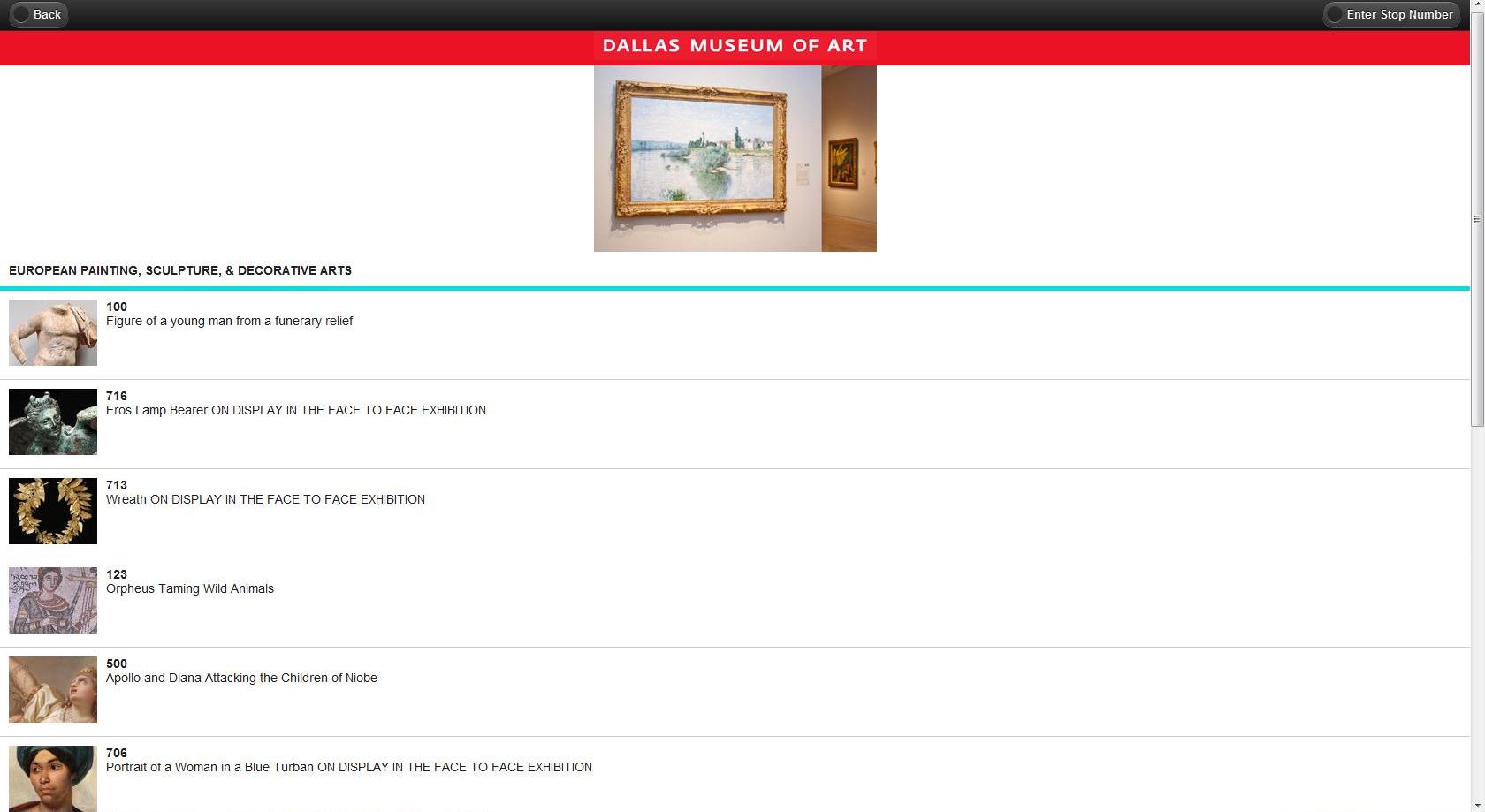
3. DMA.Mobi – Available via mobile devices and the web, this home-grown, Dallas Museum of Art resource showcases artworks in the Museum’s collection and current exhibitions.  Piloted in summer 2009, the smARTphone tours re-launched this month with a new design and fifty new artwork stops.  Videos featuring DMA curators discussing works in the collection are a key component.  Cultural information, contextual images, and audio clips provide additional information about the artworks.

DMA smARTphone tour screen

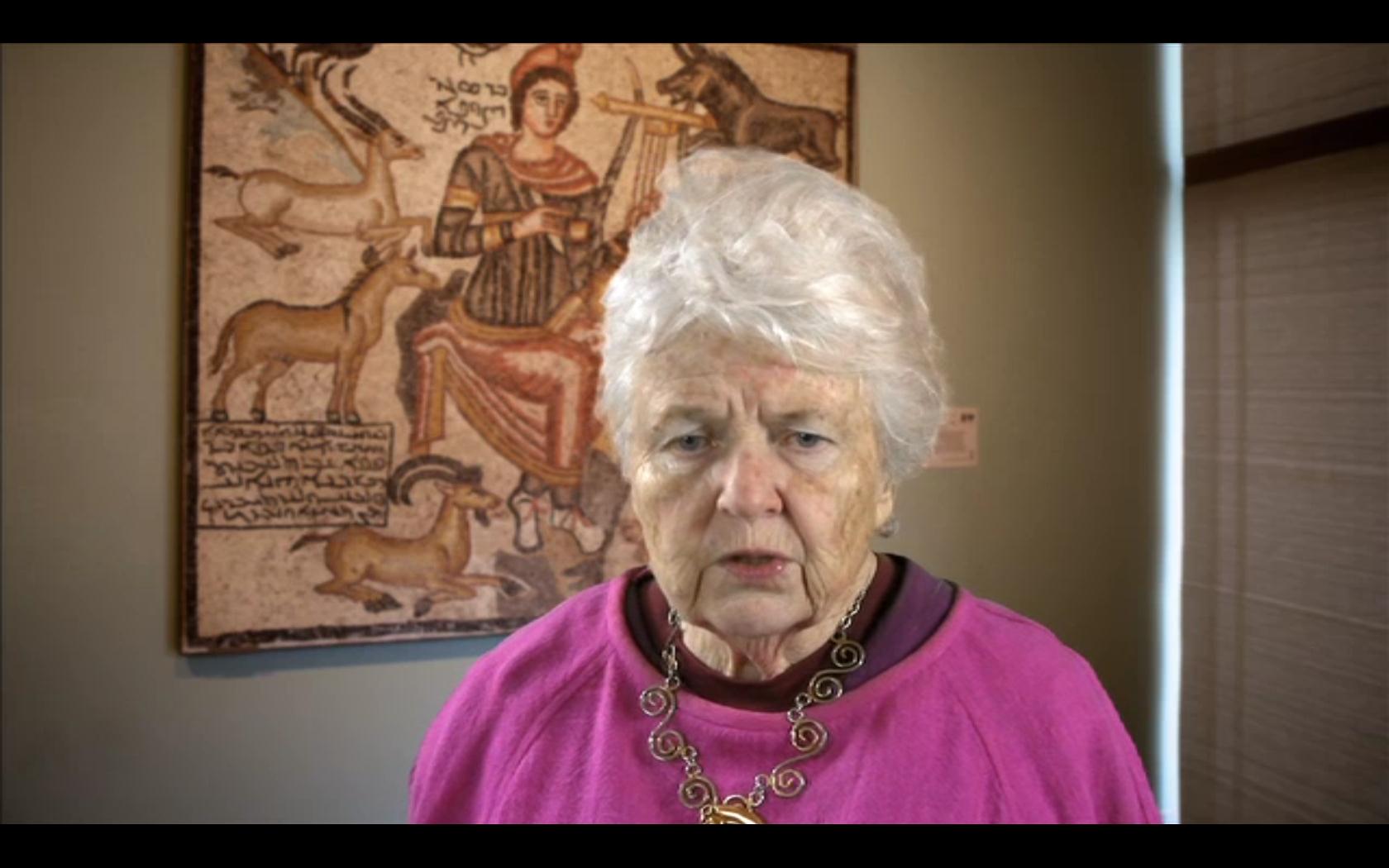
Anne Bromberg, the Cecil and Ida Green Curator of Ancient and Asian Art, discusses a Roman mosaic in the DMA's collection

Nicole Stutzman
Director of Teaching Programs and Partnerships

Friday Photos: The Best Thank You Notes Ever

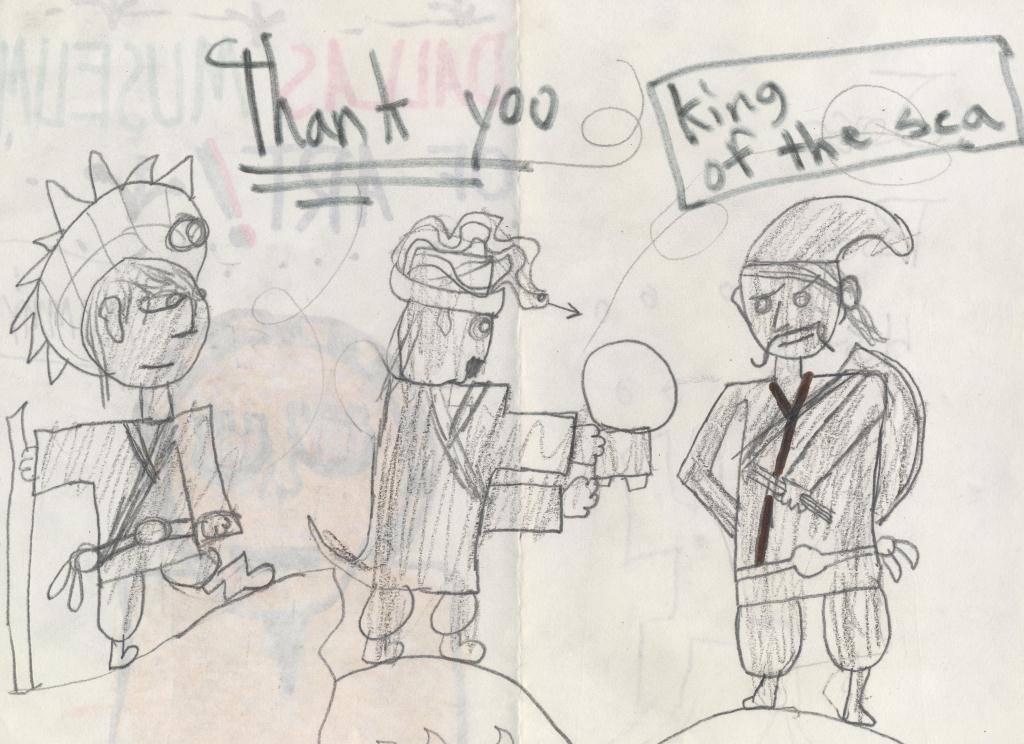
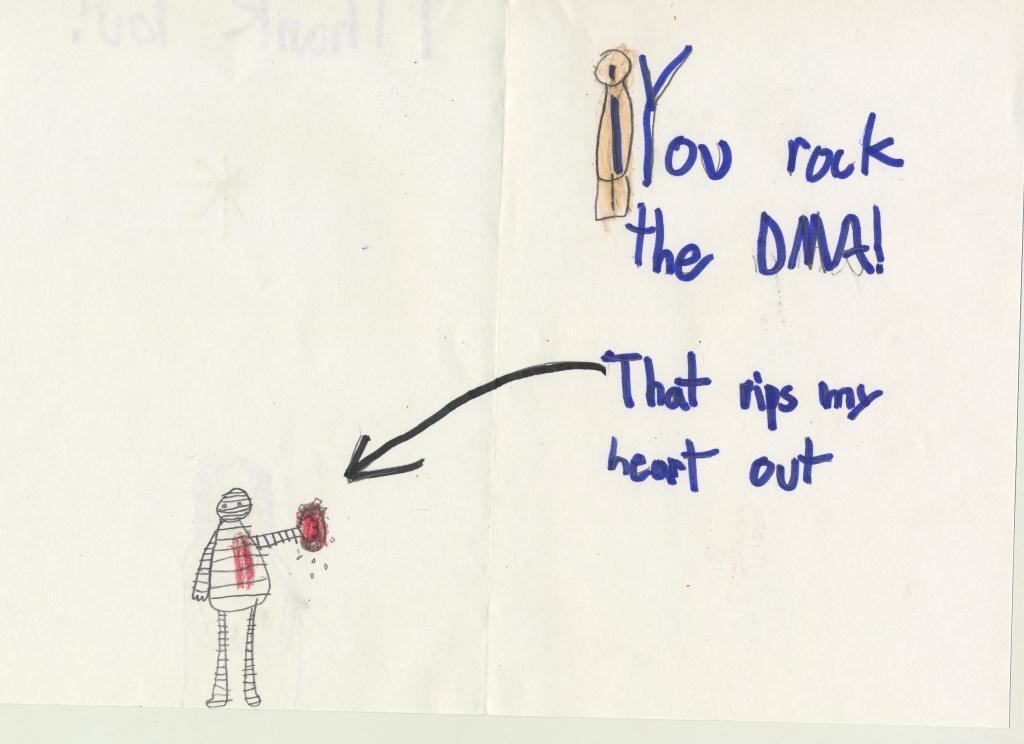
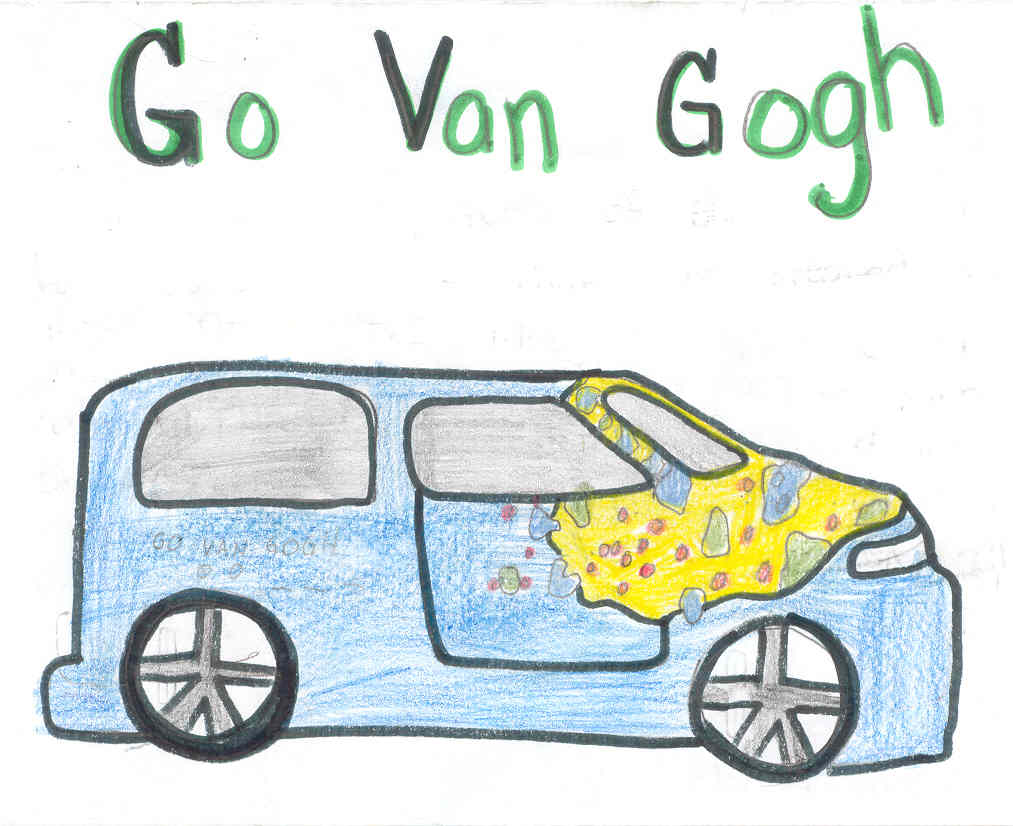
Every once in a while, we are fortunate to receive thank you letters from students after their docent-guided tours and Go van Gogh classroom visits.  Below are some of our favorites:

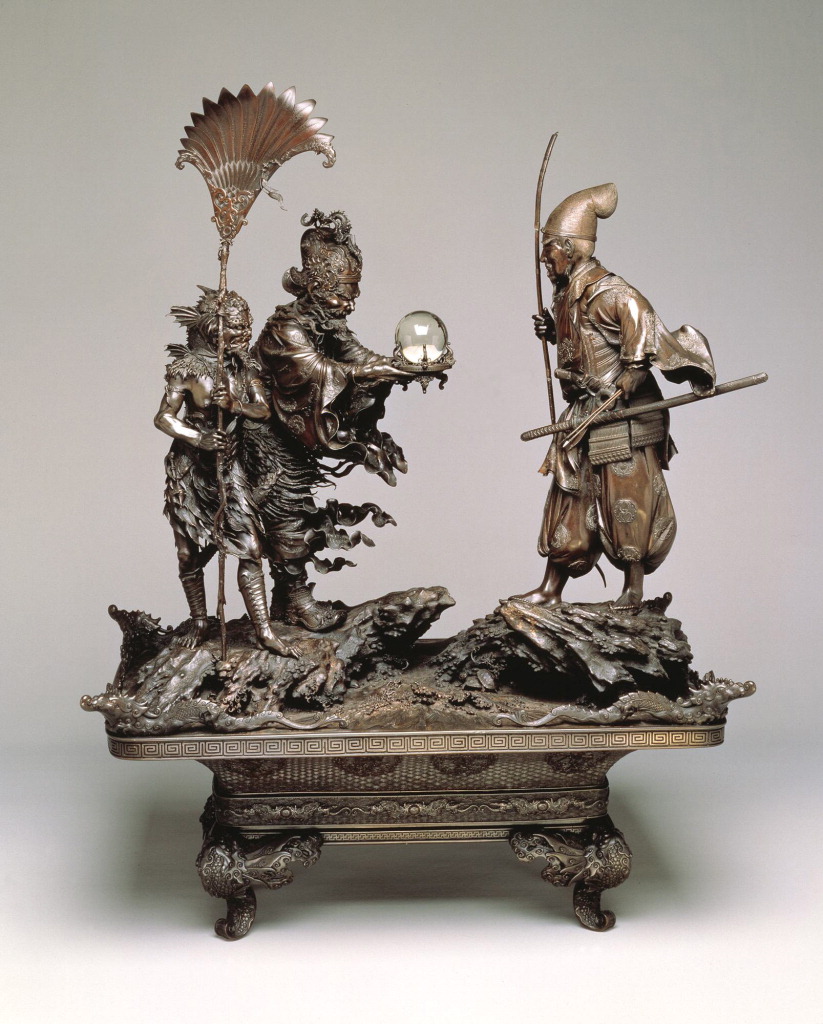
Inspired by a Japanese bronze sculpture, pictured below

Takenouchi no Sukune Meets the Dragon King of the Sea, 1875-1879, Japan, Dallas Museum of Art, Foundation for the Arts Collection, The John R. Young Collection, gift of M. Frances and John R. Young

Inspired by the Egyptian collection

Melissa Nelson
Manager of Teaching in the Community

Art-filled Memories

Have you ever stopped to think about that moment when you decided to make art an important part of your life? I bet for some people the spark was ignited by a single educator, or perhaps a single project that they created in their young lives. My fellow bloggers and I sat down and thought about what art related experiences we remember from our past. I wanted to post them here as nice reminder to all educators that the experiences you are creating are not only influential to your students now, but will likely become a memorable project that they will carry with them for the rest of their lives!

One of my most memorable projects was making a miniature haunted house in fouth grade art class. We partnered up and used whatever materials we could find (within the art room, of course). I remember that half the fun was creating a “script” in our minds of what would happen to the person once they set foot into our shoebox-sized house. Once we were finished making bloody walls and cobwebbed hallways, the storytelling element really kicked in. Describing the “horrors” to our fellow classmates was one of the best Halloween art activities that I can remember!

Here are some childhood memories from the Teaching Programs staff:

“The best art teacher I ever had was my high school ceramics teacher Mr. Block.  Mr. Block was a huge inspiration to me and one of the main reasons I studied art in college.  The most memorable project was when our class participated in the Dallas Empty Bowls Event.  Empty Bowls is a program designed to help end hunger by bringing local artists and restaurants together.  When you go to an event, you buy a hand-made bowl, and then you get all the food you want!  The best part is that all the proceeds go to the North Texas Food Bank.  Our entire class made bowls for this event, and I still have the bowl that I purchased over ten years ago.  This project showed me that creating art can be fun and expressive, but it can also be for a good cause.” – Loryn

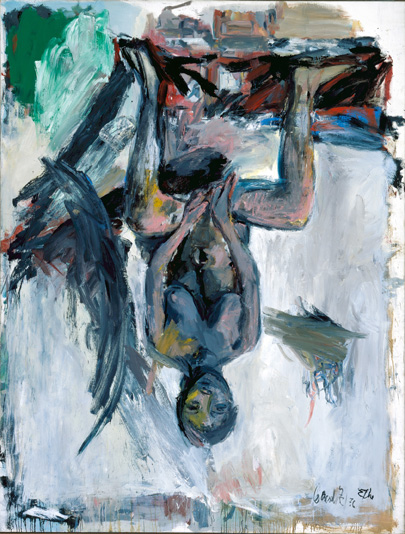
“The childhood art activity that stands out to me the most is an upside-down painting a la Georg Baselitz. I was probably in second or third grade and attending art camp at the Modern Art Museum of Fort Worth (in the Museum’s old building), and we had explored/discussed Baselitz’s Elke (1976).  I used to place all my stuffed animals on their heads because I thought they looked better that way, so I was thrilled when I my art camp assignment was to paint my dog upside down! I remember how proud I was of my finished product and of my new knowledge of the artist Baselitz.” – Andrea

Elke, Georg Bazelitz, 1976, Collection of the Modern Art Museum of Fort Worth, Museum purchase, The Friends of Art Endowment Fund

“My favorite kind of activities in school didn’t have too many directions. I always had the most fun when I got to use my imagination and make it up as I go. My most memorable project was in elementary school, when we were given clay tiles to decorate however we wanted. I decided to paint myself yelling to my mom what I thought at the time was a sassy yet sweet sentiment, “Wake up, I love you!” (imagine ‘wake up’ being said like hellooo or duh). I had some pretty sweet shoes back in the day, and on that particular day I just happened to be wearing my platform sneakers. The six-inch rubber heels were carved with flower designs that I decided to press along the edges of the tile, printing the pattern onto the clay. I remember feeling really proud of coming up with an unconventional idea for decorating my tile.” – Hannah

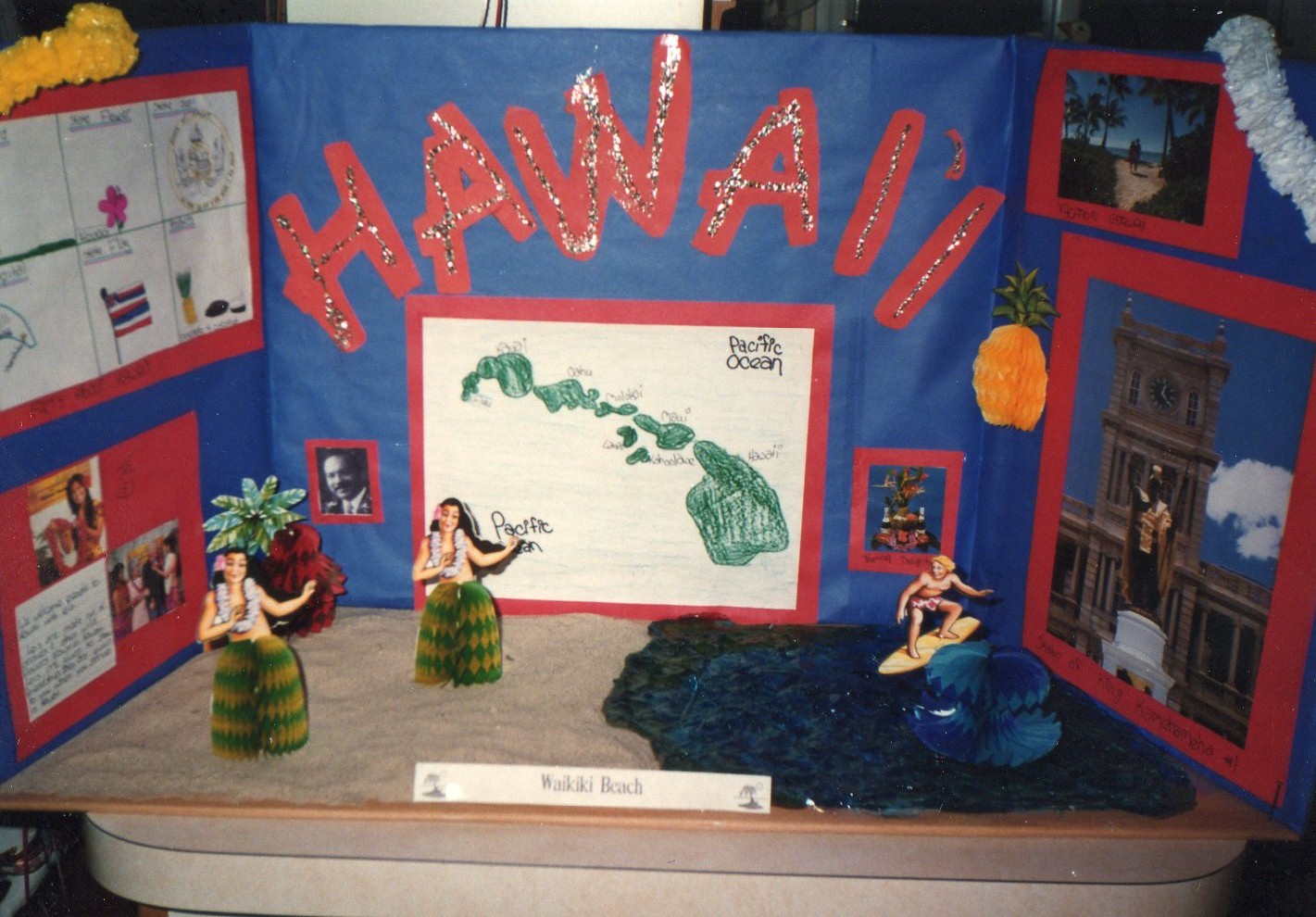
“In the fourth grade, I had to make a large display for one of the fifty states.  My state was Hawaii, and my greatest artistic achievement was making a diorama of Waikiki Beach using sand (from my backyard sandbox) and Dep hair gel.  The gel was electric blue (it was 1989), and it was the perfect color for the waves of Waikiki.” – Shannon

Shannon's creation (note the surfer catching a serious hair gel wave!)

“One of my favorite art projects was a papier mâché penguin I made in high school.  I loved the process of creating the form with wadded up newspaper, tape, and cardboard.  I also loved the messiness of applying the wet papier mâché strips to create the exterior of the sculpture.  As I finished with several coats of paints, I decided to give my penguin green eyes, disregarding the possibility (and fact) that penguins do not actually have green eyes.  I eventually gave the penguin sculpture to my older sister; it now lives in her garage.” – Melissa

A great BIG thank you to all of the hard-working educators out there for helping us construct our creative memories!

Jessica Kennedy
McDermott Intern for Gallery Teaching


Archives

Categories