Archive Page 52


Educator Resources: Teaching the Twenties

During my reading about and google-ing of the “Jazz Age” for the Dallas Museum of Art’s current exhibition, Youth and Beauty: Art of the American Twenties, I discovered some very thoughtful and useful resources for teachers that delve into this fascinating decade. Here are some of my favorites.

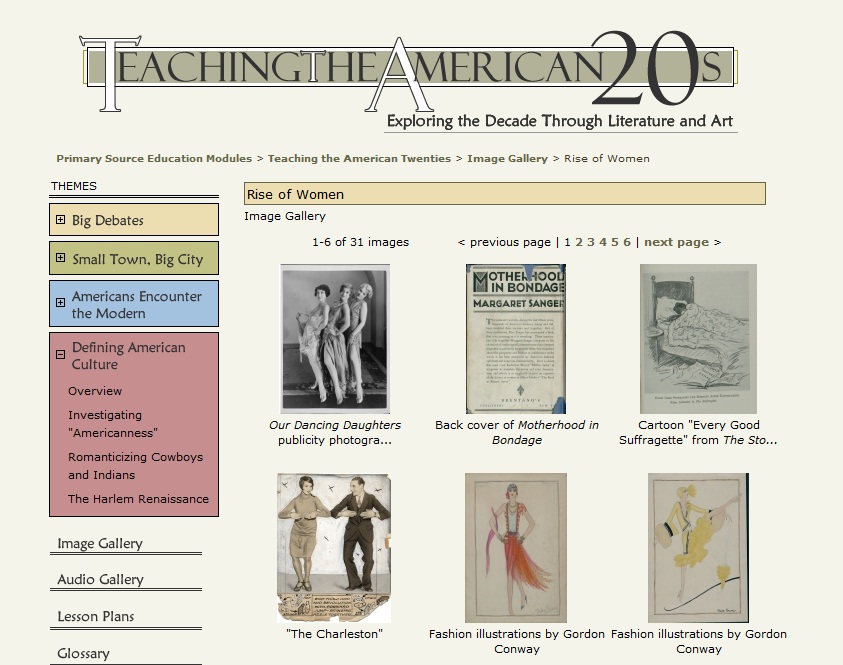
1. The University of Texas at Austin’s Harry Ransom Center: Teaching the American Twenties

This K-12 online resource explores connections between the art, literature, and culture of the 1920s (not unlike our recent teacher workshop). What I find most fantastic about this resource are the high-resolution images of primary source documents from the decade in the Ransom’s collection. Created in conjunction with The Harry Ransom Center’s exhibit The American Twenties in 2007, this resource includes contextual information organized in rich and unique themes, and an assortment of lesson plans that could be adapted to various classroom settings.
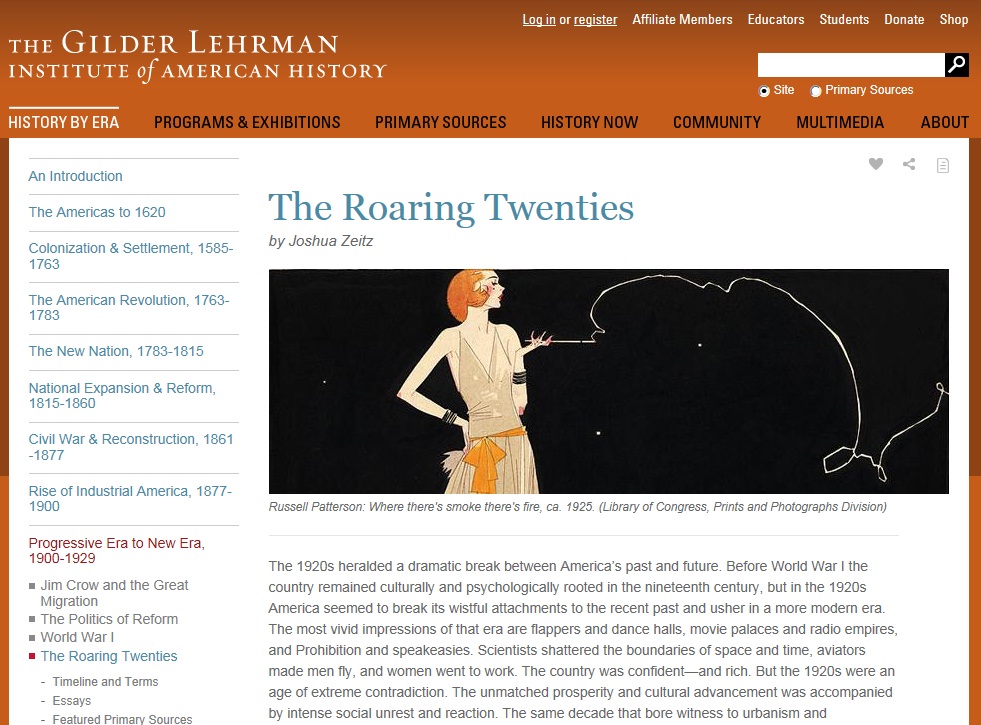
2.  History by Era: The Roaring Twenties (The Gilder Lehrman Institute of American History)

The Gilder Lehrman Institute of American History is a nonprofit organization that provides programs and resources for students, teachers, and lovers of history. History by Era, their newly renovated resource, takes an in-depth look at American history through timelines, explanations of people/places/events, essays by a variety of scholars, primary source documents and artworks, teaching ideas, and multimedia. This site provides rich contextual information not only for The Roaring Twenties, but for the entire span of American history.
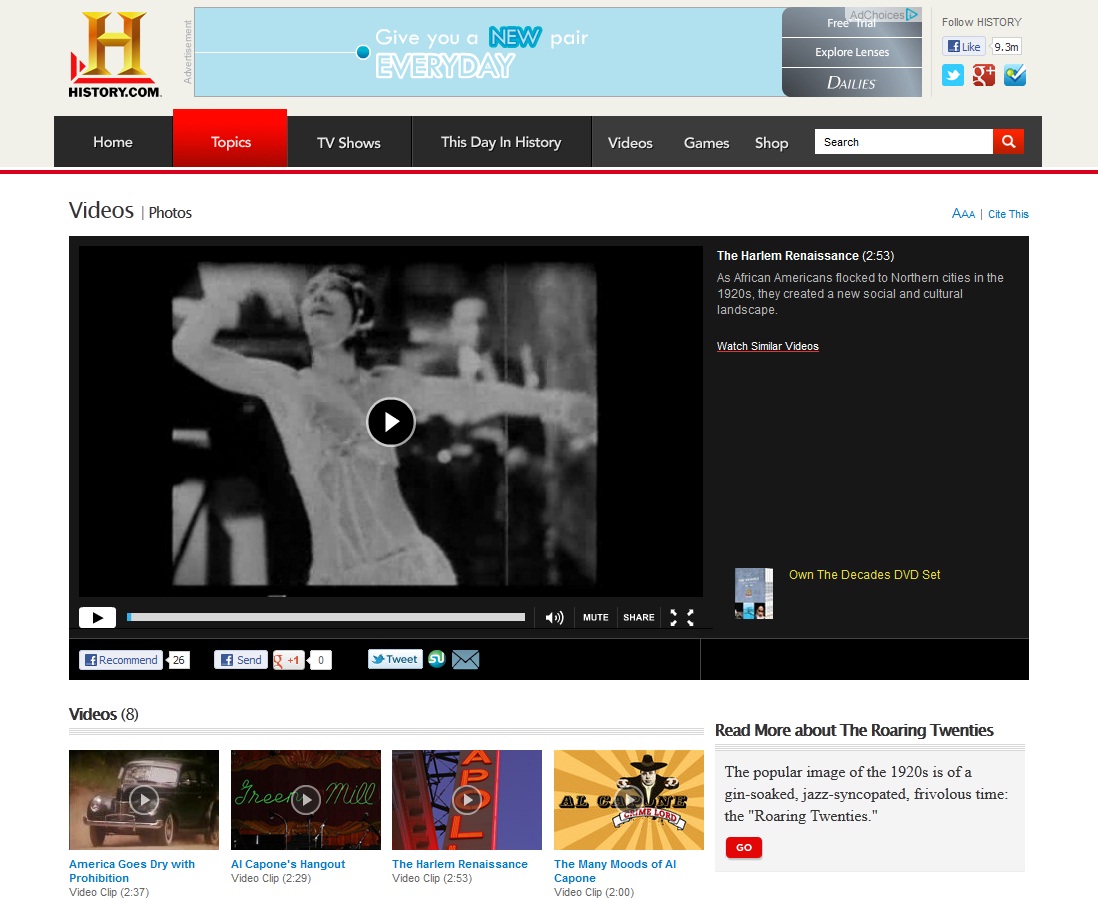
3. History.com: The Roaring Twenties

For some rich multimedia tools for teaching the twenties, check out this resource. It includes videos and photo galleries on topics such as Prohibition, Al Capone, the Harlem Renaissance, and women’s suffrage. The supplementary text is concise and easy-to-digest. This site is an efficient snapshot of the cultural scene of the American twenties.
If you haven’t already, visit Youth and Beauty: Art of the American Twenties at the DMA, which takes the cake as my favorite resource!

Andrea V. Severin
Coordinator of Teaching Programs
Friday Photos: Isms

Last month, our docents were trained on the various art historical “isms” of the 19th and early 20th centuries.  Listening to that lecture reminded me what a great collection we have for examining the breadth of art history.  I encourage you to visit the Museum with your students to help bring their textbook to life in the galleries.

Here are some of my favorite examples of various isms from our collection.

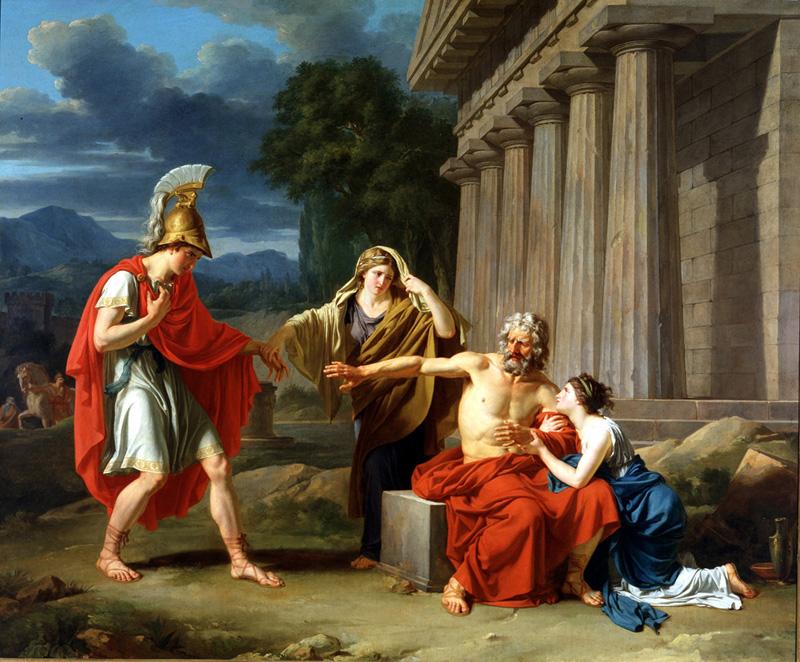
Neo-Classicism: Jean Antoine Theodore Giroust, Oedipus at Colonus, 1788

Dallas Museum of Art, Foundation for the Arts Collection, Mrs. John B. O'Hara Fund, 1992.22.FA

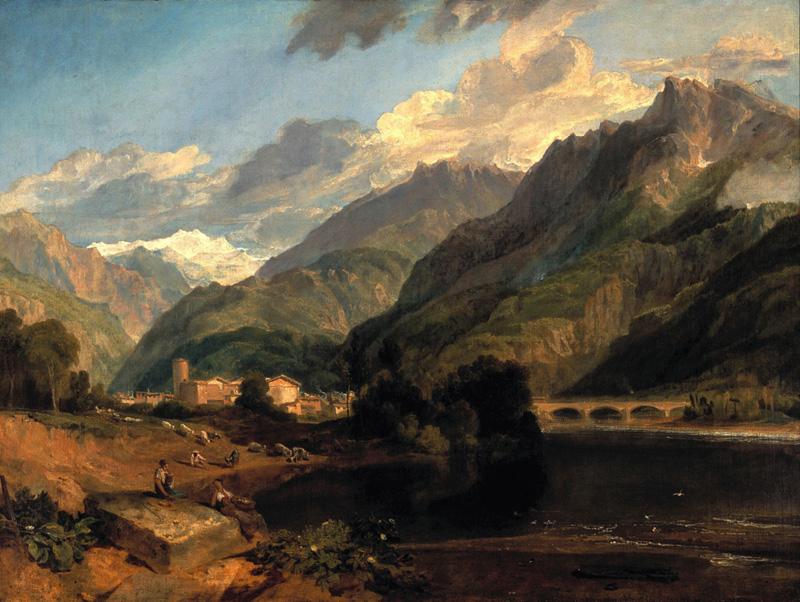
Romanticism: Joseph Mallord William Turner, Bonneville, Savoy, 1803

Dallas Museum of Art, Foundation for the Arts Collection, gift of Nancy Hamon in memory of Jake L. Hamon with additional donations from Mrs. Eugene D. McDermott, Mrs. James H. Clark, Mrs. Edward Marcus and the Leland Fikes Foundation, Inc., 1985.97.FA

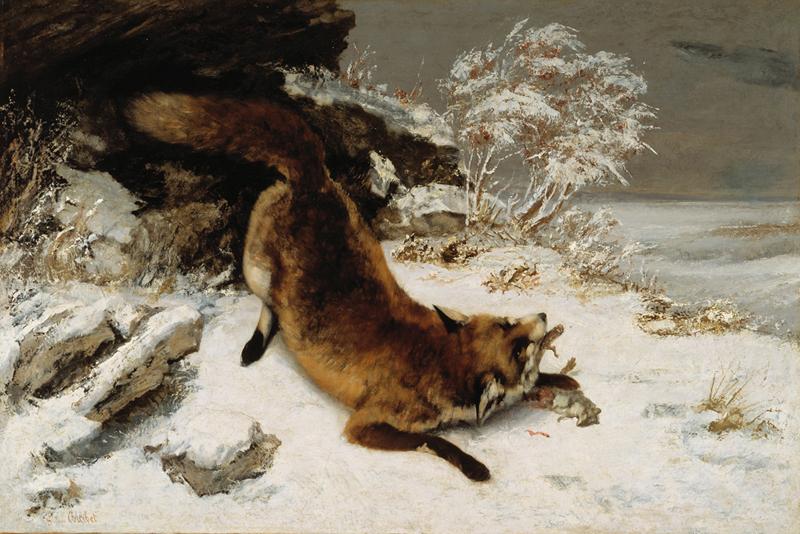
Realism: Gustave Courbet, Fox in the Snow, 1860

Dallas Museum of Art, Foundation for the Arts Collection, Mrs. John B. O'Hara Fund, 1979.7.FA

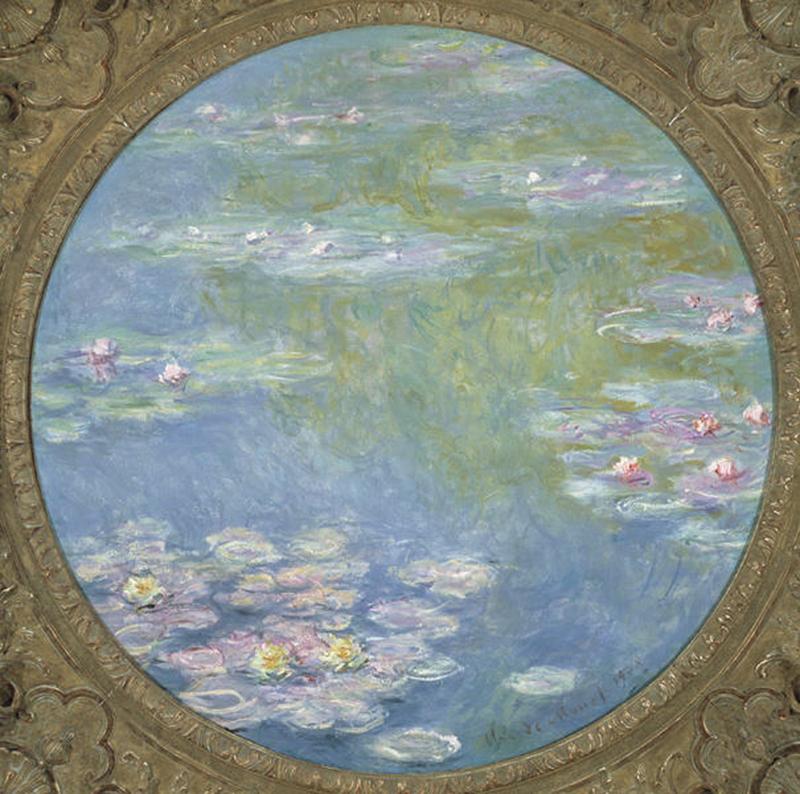
Impressionism: Claude Monet, Water Lilies, 1908

Dallas Museum of Art, gift of the Meadows Foundation Incorporated, 1981.128

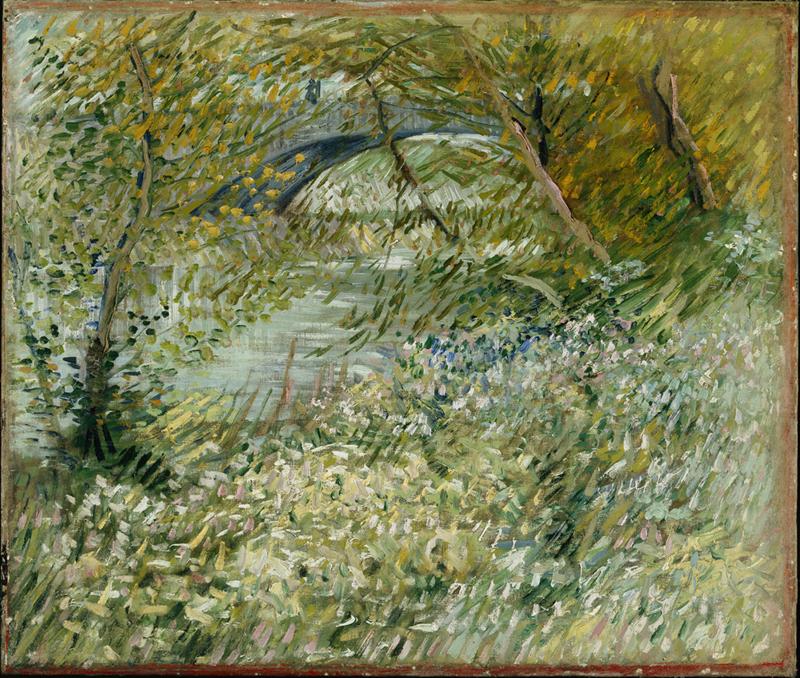
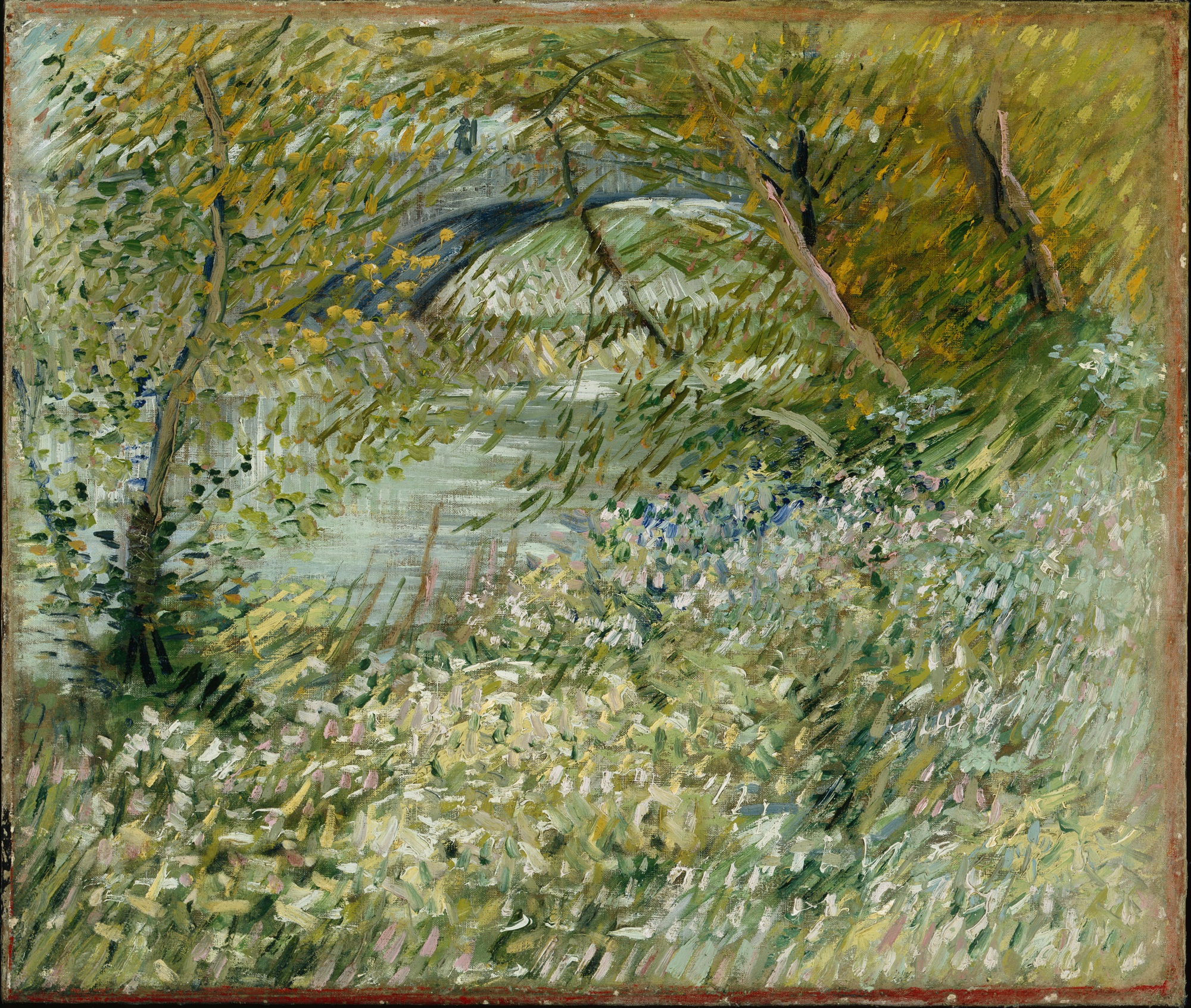
Post-Impressionism: Vincent van Gogh, River Bank in Springtime, 1887

Dallas Museum of Art, gift of Mr. and Mrs. Eugene McDermott in memory of Arthur Berger, 1961.99

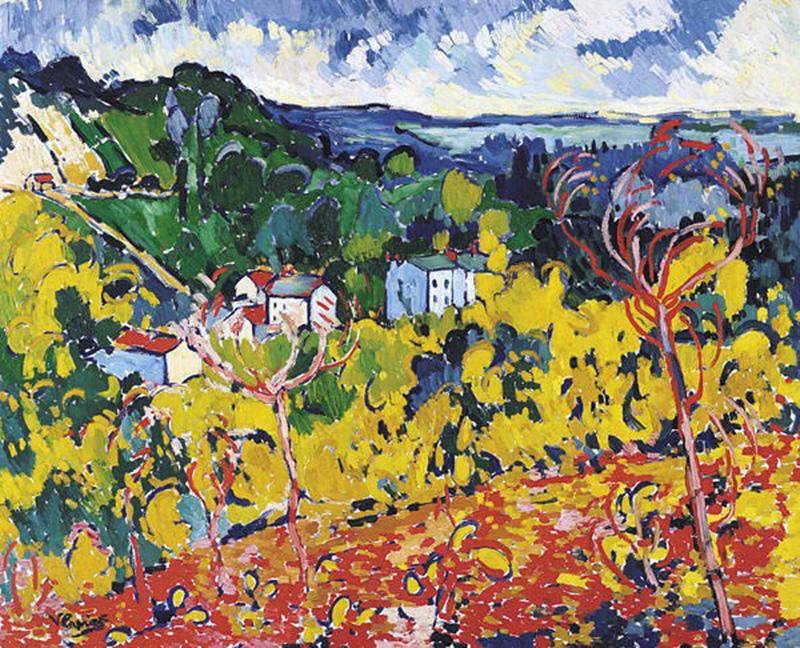
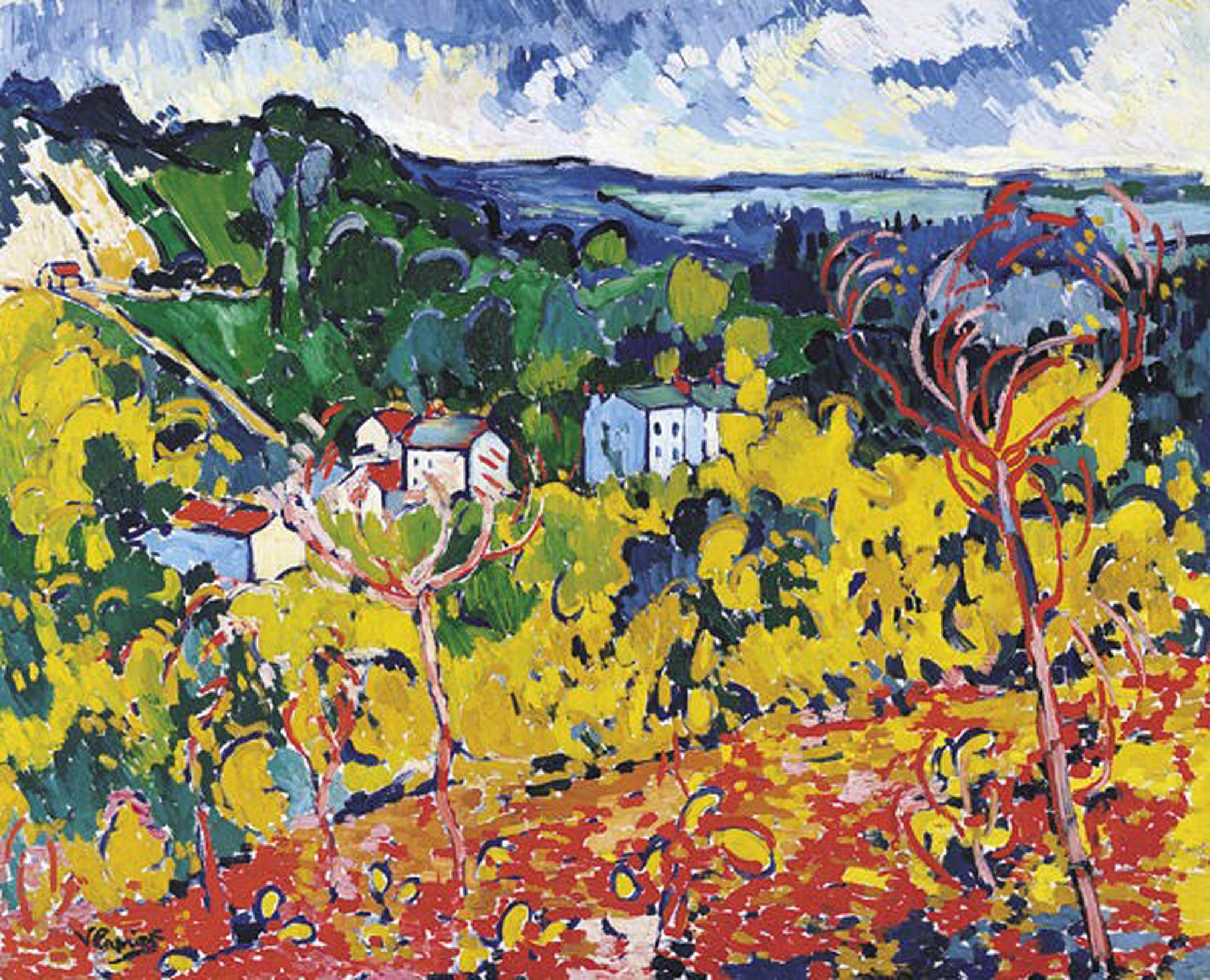
Fauvism: Maurice de Vlaminck, Bougival, c. 1905

Dallas Museum of Art, The Wendy and Emery Reves Collection, 1985.R.82

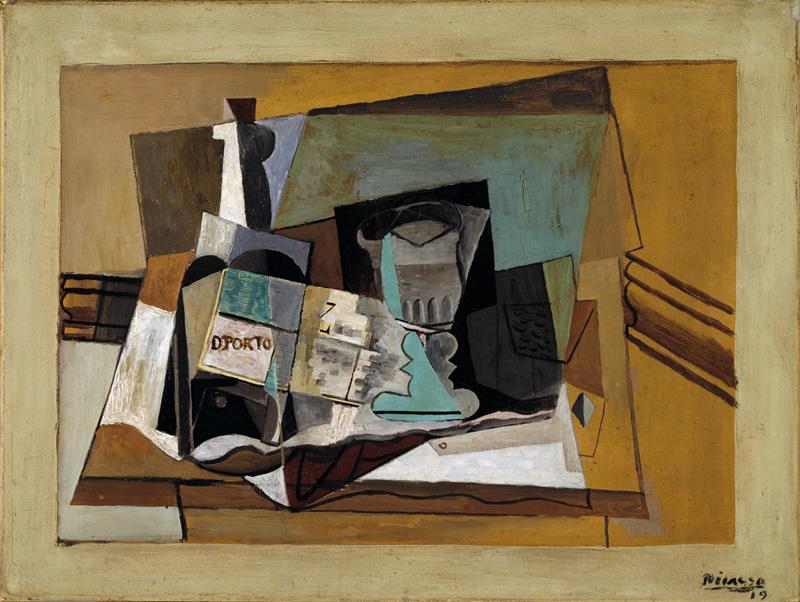
Cubism: Pablo Picasso, Bottle of Port and Glass, 1919

Dallas Museum of Art, Museum League Purchase Fund, The Cecil and Ida Green Foundation, Deedie and Rusty Rose, The Pollock Foundation, Mary Noel Lamont and Bill Lamont, Mr. and Mrs. Thomas O. Hicks, Howard E. Rachofsky, an anonymous donor, Mrs. Charlene Marsh in honor of Tom F. Marsh, Gayle and Paul Stoffel, Mr. and Mrs. George A. Shutt, Dr. Joanne Stroud Bilby, Mr. and Mrs. Barron U. Kidd, Natalie H. (Schatzie) and George T. Lee, Mr. and Mrs. Jeremy L. Halbreich, Dr. and Mrs. Bryan Williams, and Mr. and Mrs. William E. Rose, 1998.73

What other examples do you use to illustrate these art historical movements in your classroom?

Shannon Karol
Manager of Docent Programs and Gallery Teaching

Community Connection: Ekphrastic Poetry

In honor of National Poetry Month, April’s Community Connection is Kolby Kerr.  Kolby is an English teacher at New Tech High at Coppell who incorporates a DMA visit into his creative writing curriculum.

Tell us a little about yourself.

I teach AP English IV, regular English IV, and creative writing at New Tech High. It’s a unique school and school environment.  This is my fourth year teaching, and I teach all seniors.  I graduated from Wheaton College with a degree in English and got a Master of Fine Arts degree in Poetry from Seattle Pacific University.  I am interested in literature and creative writing and the intersection aesthetics and academics.

What drew you to New Tech High?

We are a public choice high school; students come here based on a lottery or a first-come, first-serve sign-up within Coppell ISD. We have a one-to-one technology pairing, so students have access to their own laptops and to the internet at all times.  Our curriculum is project-based; everything has to be invested in real-world, directly applicable projects.  Hopefully, that will increase students’ investment in their own intellectual curiosity.  They tell us what they need to know to complete their projects.  I have, more or less, autonomy to create my instruction around concepts and ways of life I’ve found helpful in engaging the world with the mind.

Tell us about your relationship with the DMA.

In my undergraduate degree program, a creative writing professor took us to The Art Institute.  He set us loose, told us to engage and interact with single work of art, and write an ekphrastic poem based on it.  I found the activity liberating and interesting; I don’t know much about art, but I really felt like I had an engagement with the artwork on a deeper level than I had experienced before.

When I knew I would teach creative writing, that was the first project I wanted to do.  I grew up going to the DMA with my grandmother, who was a big art-lover and always took us down there.  I came last year and this year with my students.  We started with an hour-long guided tour of highlights in the DMA collection, then I set them free.

How do you set up the assignment at the DMA?

It is fairly open-ended.  After the highlights tour, I suggest that students take an hour to narrow down four to five different works, take notes, snap a photo and journal.  Then, they spend a full hour with one piece, which forces their attention in one direction.  With constant distraction and consumer overload, writing forces you to produce something from yourself.  You can get at ekphrastic poetry from two angles – either read into the moment of the painting, which provides narrative or a character you see in painting, or take something from the painting and let it project into your own life and become a more lyrical expression.  Some poems are almost all image-driven, while some are story poems.  Either type of poem drives you back to the art and makes you want to see the art and compare the experience of the poem to the experience of the piece.

This partnership gives a sense of relevancy and authority to a field – creative writing – that sometimes feels too abstract.  Creative writing exists way off the beaten path and this assignment gives a kind of legitimacy to a culture that creative writing is not only hoping to sustain but helping to thrive and flourish into the 21st century.

How do you combine poetry and art in your assignments?

Melissa Nelson
Manager of Teaching in the Community

Staff Highlights from the 2012 NAEA Conference

Over 6,500 arts educators from museums, classrooms, and universities across the United States and around the world converged on New York City from March 1 – 4, 2012 for the annual National Art Education Association Conference.  Museum educators spent an extra day together on February 29 for a Pre-conference focused on exploring the implications of the digital age on our work in art museums.  The Museum Educator Pre-conference also includes time spent in art museums.  This year, the day took us to the Metropolitan Museum of Art, MoMA, the Guggenheim, and the Museum of Arts and Design.  Many of us stole time later in the conference week and scurried back to these museums as well as others.

The DMA was well represented at the NAEA conference with eight educators attending and presenting.  We are fortunate to send so many staff — conferences are a great place to recharge and be inspired. We do our best to “divide and conquer,” splitting up to participate in as many diverse discussions, demonstrations, and presentations as possible.  During the 2012 conference, there were over 1,000 presentations and workshops!  I asked my colleagues to share a few highlights from their NAEA conference experiences.   What follows is a compilation of voices, notes, ideas, and resources.  Add your voice in a comment, and help us to expand this record of ideas.

A few provocations from the Museum Educator Pre-Conference:

  • What is the role of physical space in digital learning?
  • Museums are intermediary spaces for informal and participatory learning, primed for blended and cross-generational learning experiences
  • Museums should actively support “do-it-together” learning
  • We need social instigators rather than authoritative professionals to lead communities in the co-creation of museum experiences
  • We need to turn online spaces into nodes, not end points — making sure they are part of a well-conceived network
  • Institutions don’t have “openness” in their DNA.  How can we (art museum educators) be a part of changing this?
  • Be careful how you use technology — don’t think of it as a means to keep the status quo in the galleries.  Use technology to enter into dialogue with visitors on site and online.
  • In his closing keynote, Peter Samis from SFMOMA emphasized the importance of listening, and he referenced Design Thinking (Empathize, Design, Ideate, Prototype, and Test). Refine the problem, not just the solution.

Notable ideas and highlight from the Conference:

  • The BMW Guggenheim Lab is very cool and low tech.  The emphasis is on people discussing urban life face-to-face.
  • Amy Kirschke from the Milwaukee Art Museum said something to provoke thinking about docents in a new way.  “Not only are docents a Museum’s best advocates, but they’re also our largest multi-visit program.”  Since they’re here every Monday, how can we structure their training to make it fresh and exciting from one year to the next?
  • The importance of listening was stressed in several sessions.  How can we all be better listeners in our work with museum visitors of all ages?  How can we help docents and volunteers become better listeners?
  • Professor Olga Hubard from Teacher’s College at Columbia University led a session, To Theme or Not To Theme, which left me questioning some of the themes we use to promote our K-12 docent-guided tours.  I have observed several 4th grade tours recently where a docent will say “Our tour is called A Looking Journey,” but never says what that means.  I wonder: what does A Looking Journey mean to me?  What does it mean to teachers?  And most importantly, what does it mean to the 4th graders taking an A Looking Journey tour?
  • John Maeda, President of Rhode Island School of Design, presented about STEAM initiatives at RISD, such as a $20M NSF project focused on climate change.  Throughout his talk, Maeda emphasized the significance of an arts education and the importance of designers and artists in society.  Artists and designers have what the world needs: “visioning, understanding, clarity, and agility.”  Maeda also referenced an article by Fareed Zakaria in his talk.
  • Educators from the National Gallery of Art shared their experience in creating family programs focused on curiosity. Using the Artful Thinking strategies from Harvard’s Project Zero, they designed Artful Conversations, a program that is all about wonder. Families share what questions a work of art sparks for them and these questions shape the ensuing discussion.
  • Art teacher Kristen Kowalski discussed the sensory needs of children with autism and shared research about minimizing the symptoms of the disorder by integrating iPads into the art curriculum. For children with autism, art apps on the iPad help them to deal with sensory overload and allow them to create artwork that they previously hadn’t been able to do. Check out Doodle KidsFaces I Make and BrainPOP apps.
  • Two educators from the Portland Museum of Art shared about new opportunities they created for families to explore the PMA. They designed a rubric and observed the interactions of sixty families in their galleries throughout one summer, and used the data from these observations to transform and create program offerings, including a cell phone tours for kids, family gallery labels, and a new family brochure.
  • Colleagues from the The Brooklyn Museum shared information about their Teaching Lab.  The Lab is a bi-monthly professional development gathering of education staff that serves to (1) define and extend their teaching practice, and (2) encourage “reflective and reflexive practice”.  Lab sessions focus on Object Observations (investigation of a museum object while experimenting with ways of seeing, visual analysis, critical thinking, and the nature of responding to a work of art), Roundtables (discussions about issues related to teaching), Workshops (exploring issues in-depth, occurring in galleries when possible), and Fieldtrips (to explore educational content and process).  The focus is on teaching, not programming.
  • The conference proved to be a huge success for early career professionals. The Student Chapter population ranges from undergraduate to doctoral students who attend conference sessions to aid them in their educational path. There were over 900 students in attendance this year! The conference is the culminating annual event where students come together to share their passion for arts education and grow in their experiences as a collective group.

In the April newsletter, NAEA President F. Robert Sabol shares a few of his reflections about the 2012 conference and looks ahead to next year.  The 2013 NAEA Annual Conference will be in Fort Worth, Texas!

Nicole Stutzman
Director of Teaching Programs and Partnerships

Friday Photos: Young Masters

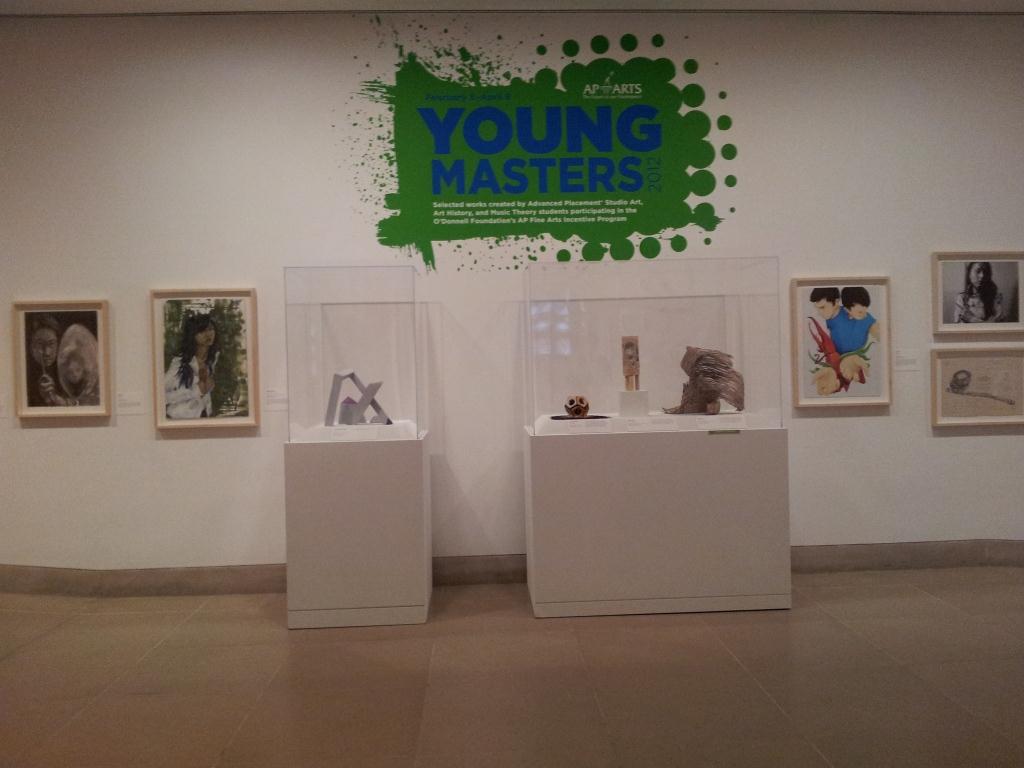
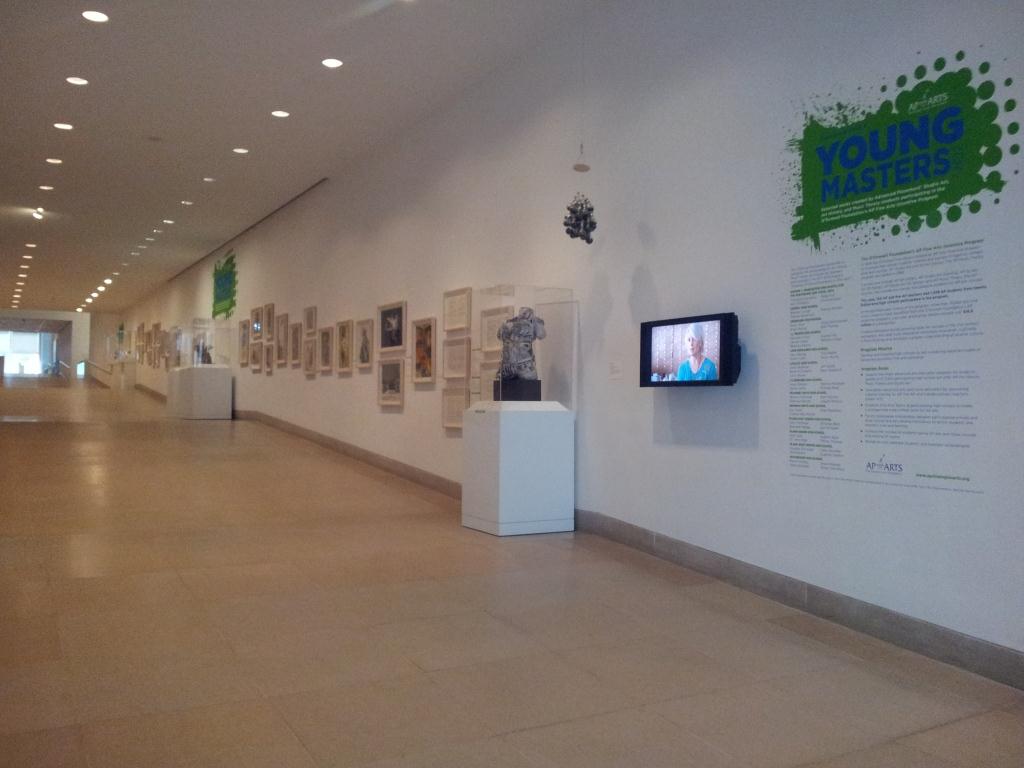
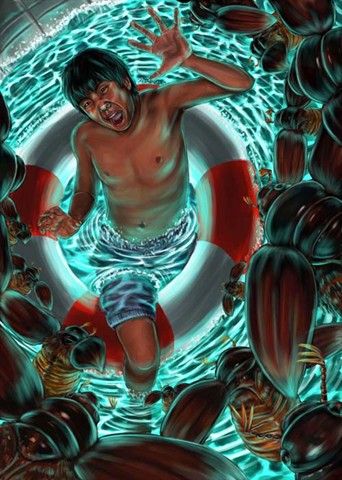
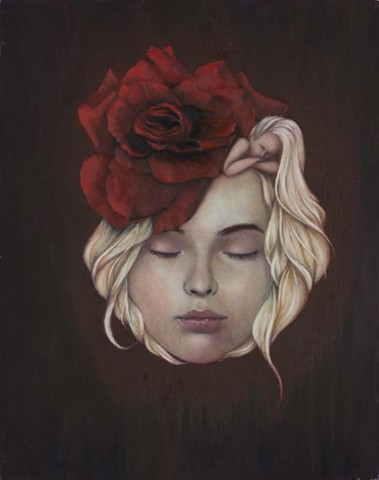
Every year, I am impressed and amazed by our annual Young Masters exhibition, organized in partnership with the O’Donnell Foundation Advanced Placement Arts Incentive Program.  Since 1994, the O’Donnell Foundation has encouraged interest and success in AP Studio Art and AP Art History, adding AP Music Theory in 1998.  One of the clearly defined program goals is the recognition and celebration of students’ and teachers’ achievements.  This year, fifty-three original works of art were selected for inclusion in Young Masters out of a total of 651 submissions.  You can also listen to AP Art History essays and original music compositions on the DMA Mobi web site.

First Place: Michelle Yi, June Infestation, digital, Coppell High School

Second Place: Silvia Zapata-Schleicher, The Dimensions of Cards, playing cards, Creekview High School

Third Place: Trang Tran, Escape, oil paint, Creekview High School

Judges from a variety of arts, cultural, and educational institutions such as the DMA, Meyerson Symphony Center, and SMU selected this year’s winners. View the exhibition through April 8, and share which piece is your favorite.

Melissa Nelson
Manager of Teaching in the Community

Teaching for Creativity: One Continuous Line of Creativity

One goal for the Teaching for Creativity series is to present the voice of other educators who can share insights and approaches to teaching that nurture creative behavior.  Meet Lorraine Gachelin, Artistic Director at the Dallas International School and participant during the DMA’s 2011 Summer Seminar.  Lorraine shares with us a drawing exercise that supports the development of risk-taking, freedom, and creative flow in her middle and high school students.

I have the pleasure of working with Middle and High School students.  They display a great deal of energy and enthusiasm when working on creative projects and studying art history.  Curious, analytical, and structured, they follow instructions and stay within their guidelines.  The challenge arises when I ask them to spend time sketching in their journals.  “What should I draw? How large or small?  Which tool must I use?”  “A free drawing”, I respond, “What is on your mind today?  What would you like to express?”

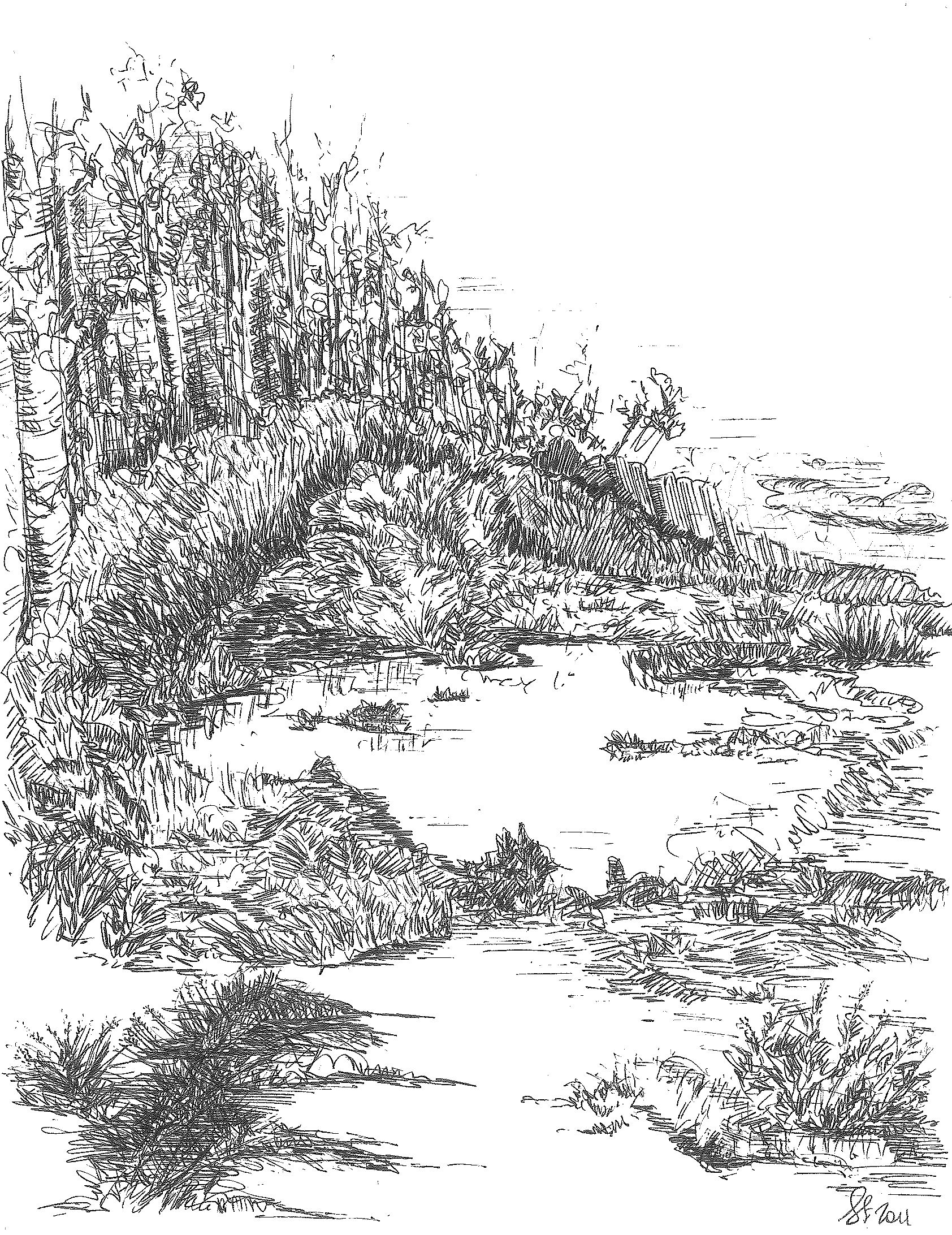
My biggest thrill as an artist and teacher is to offer my students the opportunity to be risk-takers in their art.  I want them to open up their minds, take a pen to paper, and doodle with a cause.  Go with the subconscious flow!  Let the pen move around with one continuous line until an image appears.  No planning, no analysis, no critical thinking.  Just pure creative freedom and finally, allow an image to spring forth.

One continuous line drawing by teacher

Sounds strange?  Not really, it just requires an open mind and a little practice.  A ballpoint pen is a great tool because it can’t be erased and the pressure can be varied.  The paper can be any size – try to use the maximum space available.  Constraints are minimal but important:  no reference photos and the pen may not leave the paper as this drawing will be created with one continuous line.  The first few minutes of drawing should be very free.  Consider it a warm-up.  I don’t even look at my paper during this time.  Once the pen touches the paper, allow the line to move around as if it is listening to music.  After a minute, my eyes are on my paper and I watch the line continue to flow and build.  Shapes may begin to appear where the lines cross with textures implied.  Patterns and values slowly emerge forming an image in a very organic and natural state.

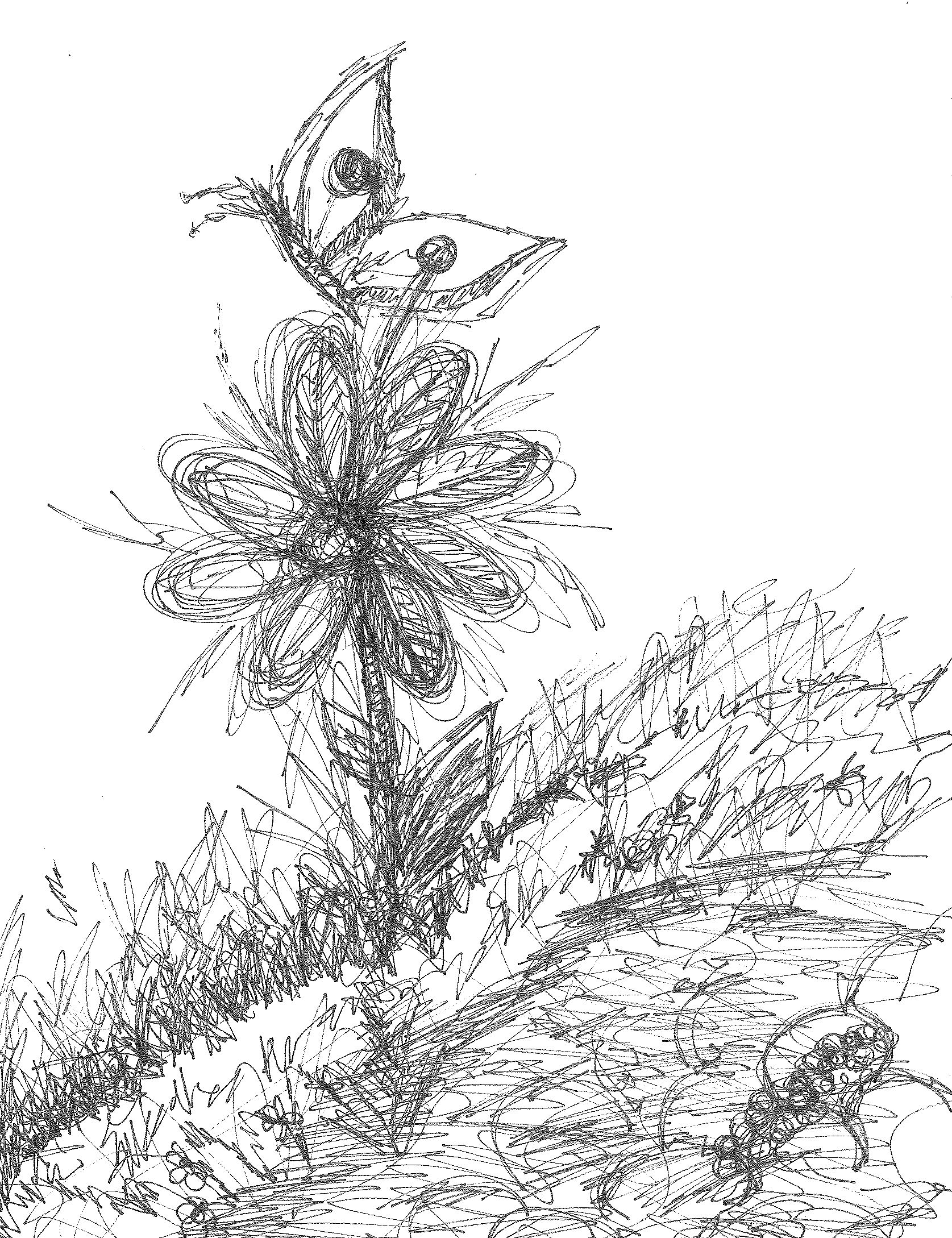
One continuous line drawing by student

A talented sixth-grade student was intrigued by this approach to drawing.  Without question, judgment or any preset expectations of what would result, he quietly sat at his desk and drew for 15 minutes.  A flower and butterfly appeared with much energy and grace, all too well symbolizing the metamorphosis that had just taken place in his artwork.  It’s all in the continuum of the flow.

Many thanks to Lorraine for contributing to this blog and for being such a wonderful collaborator in the pursuit of creativity!

What creative experiences are happening in your learning environment?  Share your ideas with us and spark the dialogue.

Nicole Stutzman
Director of Teaching Programs and Partnerships

2012 Summer Seminar for Teachers

2011 Summer Seminar Participants

Imagine yourself among a group of educators — spirited, inspiring, trusting, supportive, and innovative — all focused on creativity and the nurturing of students. Now imagine this group immersed in the creative environment and resources of the Dallas Museum of Art for one full week.  This is the Summer Seminar experience for teachers at the DMA, and we’ll be hosting the 2012 Seminar June 11-15.  We invite you to join us!

Teaching for Creativity reached beyond my expectations by exploring how to consider attitudes, ideas, and associations I may have discarded or not considered before this class.  – 2011 participant

Designed for teachers of all grade levels and subjects, Summer Seminar: Teaching for Creativity explores education and creativity through experiences in the DMA’s galleries and Center for Creative Connections. The course references creativity from a variety of perspectives, and participants engage in readings about creativity from various authors, including Robert Sternberg, Michele and Robert Root-Bernstein, and Mihaly Csikszentmihalyi. Through conversations and workshops centered on creative attitudes and thinking, the Seminar supports teaching skills and approaches that foster imagination, curiosity, an open mind, and a natural drive for creating in students. UT Dallas professor Magdalena Grohman and DMA staff lead workshops and gallery experiences.  Participants reflect on and further develop their own creativity, as well as focus on how to teach for creativity.

I will use the tools in order to push myself further with my projects, rather than staying in [a] comfort zone.  – 2011 participant

This definitely helped me tap into more creative thinking. The exercises and activities were very helpful.  – 2011 participant

2011 Summer Seminar gallery experience

Throughout the Seminar, the DMA galleries serve as a kind of laboratory space, in which we consider the creative process and relate creative thinking techniques to specific works of art. In-depth experiences with art cultivate our abilities to observe, envision, express, explore, engage, and understand  in the arts and other disciplines. Through these experiences, we may become more persistent, flexible thinkers, better problem explorers and problem solvers—overall, more creative beings.

Unlike most professional development, the focus is not on ‘making a better teacher’ but on providing good teachers with better tools to bring out the best in their students.      – 2011 participant

The one-week Summer Seminar experience serves as a catalyst for an extended relationship between participating educators and the DMA as we continue the dialogue about education and creativity throughout the academic year.  This blog is one venue for the continued dialogue — view posts from a series titled Teaching for Creativity to learn more and hear about the creative journeys of several educators in the classroom.  The blog post this Thursday will feature 2011 Summer Seminar participant, Lorraine Gachelin.

Registration for the 2012 Summer Seminar: Teaching for Creativity is currently open. For more information, please contact Andrea Severin at aseverin@DallasMuseumofArt.org.

Nicole Stutzman
Director of Teaching Programs and Partnerships

Friday Photos: I am Woman, Hear Me Roar!

March happens to be Women’s History Month and to celebrate this month-long feminine fiesta, I have posted images of some of the Museum’s leading ladies.

The artistic superwoman, Georgia O’Keeffe is represented in the DMA’s collection and  in our current exhibition Youth and Beauty: Art of the American Twenties, which features six of her paintings.

Grey Blue & Black-Pink Circle, Georgia O'Keeffe, 1929, Dallas Museum of Art, gift of The Georgia O'Keeffe Foundation

The legendary activist; the one, the only Lady Godiva:

Lady Godiva, Anne Whitney, c.1861-1864, Dallas Museum of Art, gift of Dr. Alessandra Comini, in memory of Eleanor Tufts

Anne Vallayer-Coster was one of four women who was trained at the Royal Academy of Arts in 1770.  You go girl…

Bouquet of Flowers in a Blue Porcelain Vase, Anne Vallayer-Coster, c.1776, Dallas Museum of Art, Foundation for the Arts Collection, Mrs. John B. O'Hara Fund and gift of Michael L. Rosenberg

The fearless femme-fatale, Durga:

Durga, Inda, 11th century, Dallas Museum of Art, gift of the Junior Associates

The cultural trend-setter, Mrs. Sarah Sherburne Langdon:

Sarah Sherburne Langdon, John Singleton Copley, c. 1767, Dallas Museum of Art, The Eugene and Margaret McDermott Art Fund, Inc

The eternal mother figure, the Virgin Mary:

Virgin of the Rosary, Melchor Perez Holguin, late 17th-18th centuries, Dallas Museum of Art, The Cleofas and Celia de la Garza Collection, gift of Mary de la Garza-Hanna and Virginia de la Garza and an anonymous donor

All of these heroic ladies can be found in the galleries at the Dallas Museum of Art.  Come explore the Museum this weekend and see if you can find any additional wonder-women.

Best,

Loryn Leonard
Coordinator of Museum Visits

Upcoming Teacher Workshop: The Twenties

What comes to mind when you think of America in the twenties?

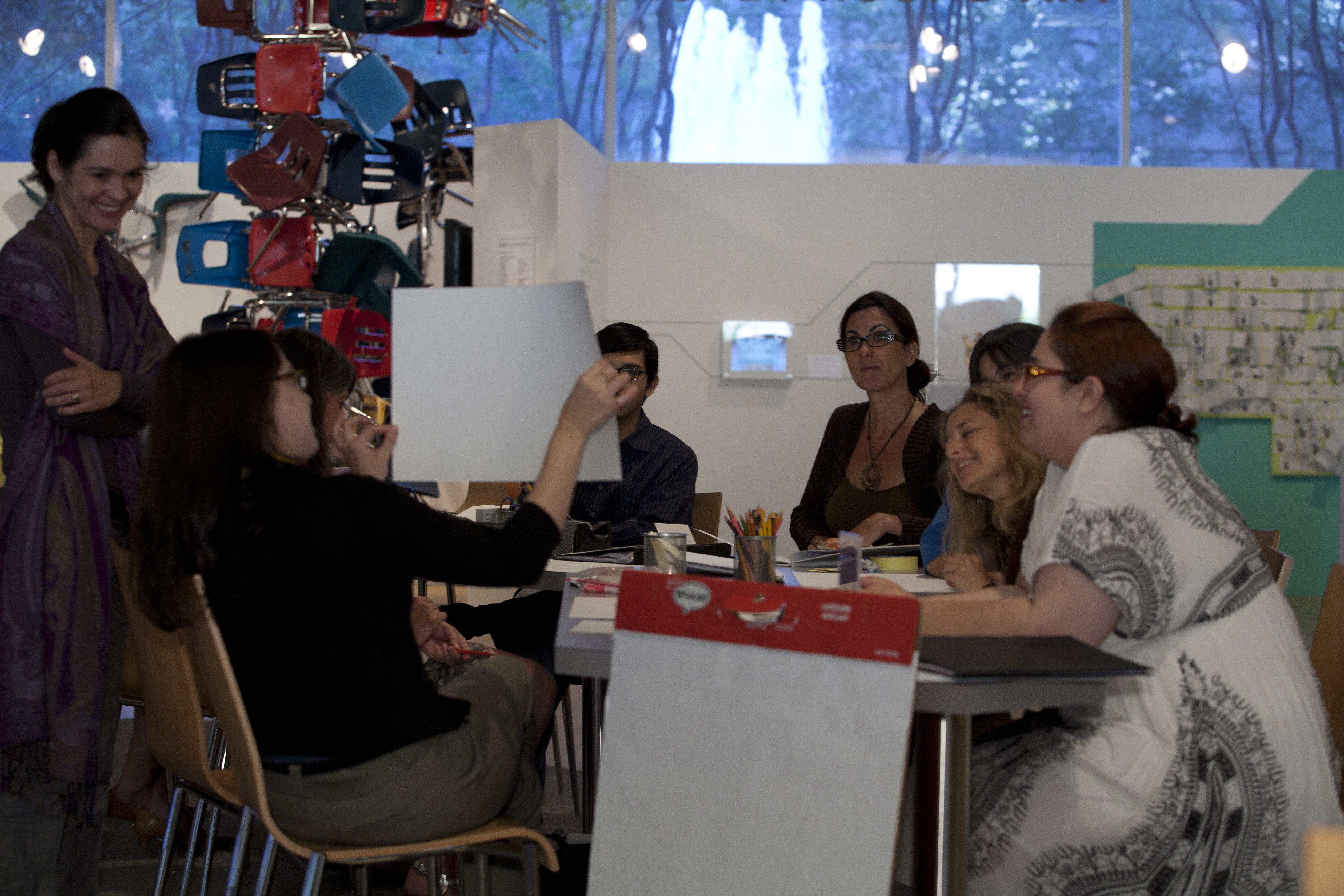
My first thoughts: jazz music, flappers, The Great Gatsby, the end of WWI, Prohibition, the Harlem Renaissance, Al Capone, and new rights for women. The country was quickly urbanizing and industrializing,  and technology was advancing. The twenties in the U.S. were “roaring” indeed – characterized  by dynamic change and modernization. Visual artists along with authors, poets, and playwrights responded to all this change through their works. The DMA’s upcoming full-day teacher workshop on March 31 will explore the conceptual and thematic threads that connect 1920s visual art, literature, and a rapidly morphing America.

For a little teaser of The Twenties workshop, read “The Red Wheelbarrow”  by William Carlos Williams. Then, view the following four artworks from Youth and Beauty: Art of the American TwentiesHow are ideas presented in the poem resonating with one or more of the artworks? Which artwork do you think best associates with the poem?

The Red Wheelbarrow
by William Carlos Williams

so much depends
upon

a red wheel
barrow

glazed with rain
water

beside the white
chickens.

We would love for you to leave a comment with your thoughts and associations!

Andrea Severin
Coordinator of Teaching Programs
Artworks shown:

  • Elsie Driggs, Queensborough Bridge, 1927, Montclair Art Museum, Montclair, New Jersey, Museum Purchase, Lang Acquisition Fund
  • Lewis Wickes Hine, Power House Mechanic, 1920-1921, Brooklyn Museum, Gift of Walter and Naomi Rosenblum
  • Gerald Murphy, Razor, 1924, Dallas Museum of Art, Foundation for the Arts Collection, gift of the artist
  • Joseph Stella, The Amazon, 1925-1926, The Baltimore Museum of Art: Purchase with exchange funds from the Edward Joseph Gallagher II Memorial Collection

First Day of Spring

It’s official, today is the first day of spring! Which means I get to do some of my very favorite things.
Like picnics and swimming
Brunch and tennis
Smelling the flowers
And wearing dresses
Playing outside and enjoying nature
Once again, it’s my favorite time of the year.

I guess there’s just something about the sunshine that makes me want to rhyme. In the spirit of the new season, I have paired a few beautiful springtime scenes from the DMA’s collection with poetry. I hope you enjoy!

River Bank in Springtime, Vincent van Gogh

Never Mind, March

Never mind, March, we know
When you blow
You’re not really mad
Or angry, or bad;
You’re only blowing the winter away
To get the world ready for April and May

~ Author Unknown
.

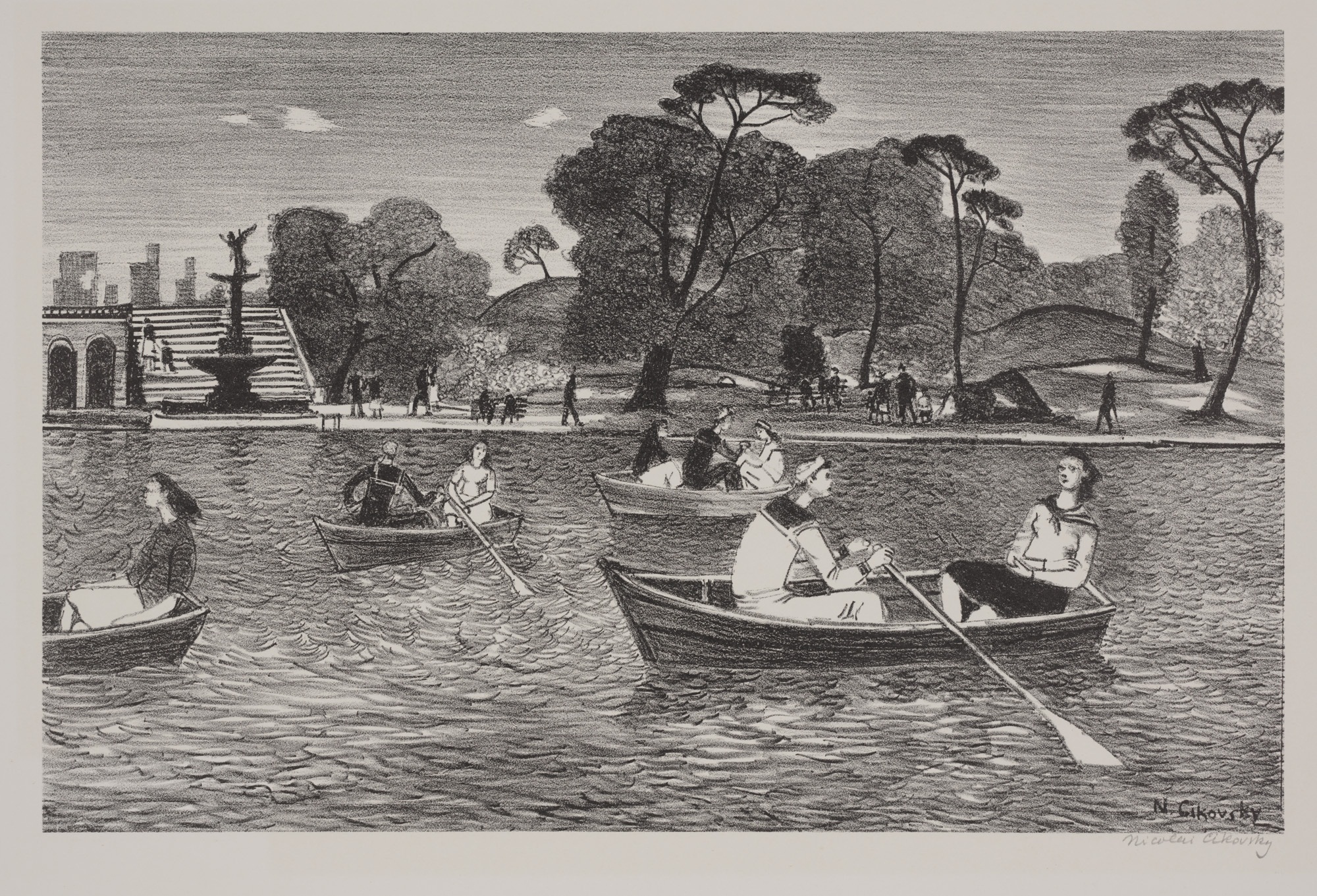
Early Spring in Central Park, Nicolai Cikovsky

I Meant To Do My Work Today

I meant to do my work today,
But a brown bird sang in the apple tree,
And a butterfly flitted across the field,
And all the leaves were calling me.

And the wind went sighing over the land,
Tossing the grasses to and fro,
And a rainbow held out its shining hand–
So what could I do but laugh and go?

~ Richard Le Gallienne
.

Bougival, Maurice de Vlaminick

Sunflakes

If sunlight fell like snowflakes
gleaming yellow and so bright
we could build a sunman
we could have a sunball fight.
We could watch the sunflakes
drifting in the sky
We could go sleighing
in the middle of July
through sundrifts and sunbanks
we could ride a sunmobile
and we could touch sunflakes-
I wonder how they’d feel.

~Frank Asch
.

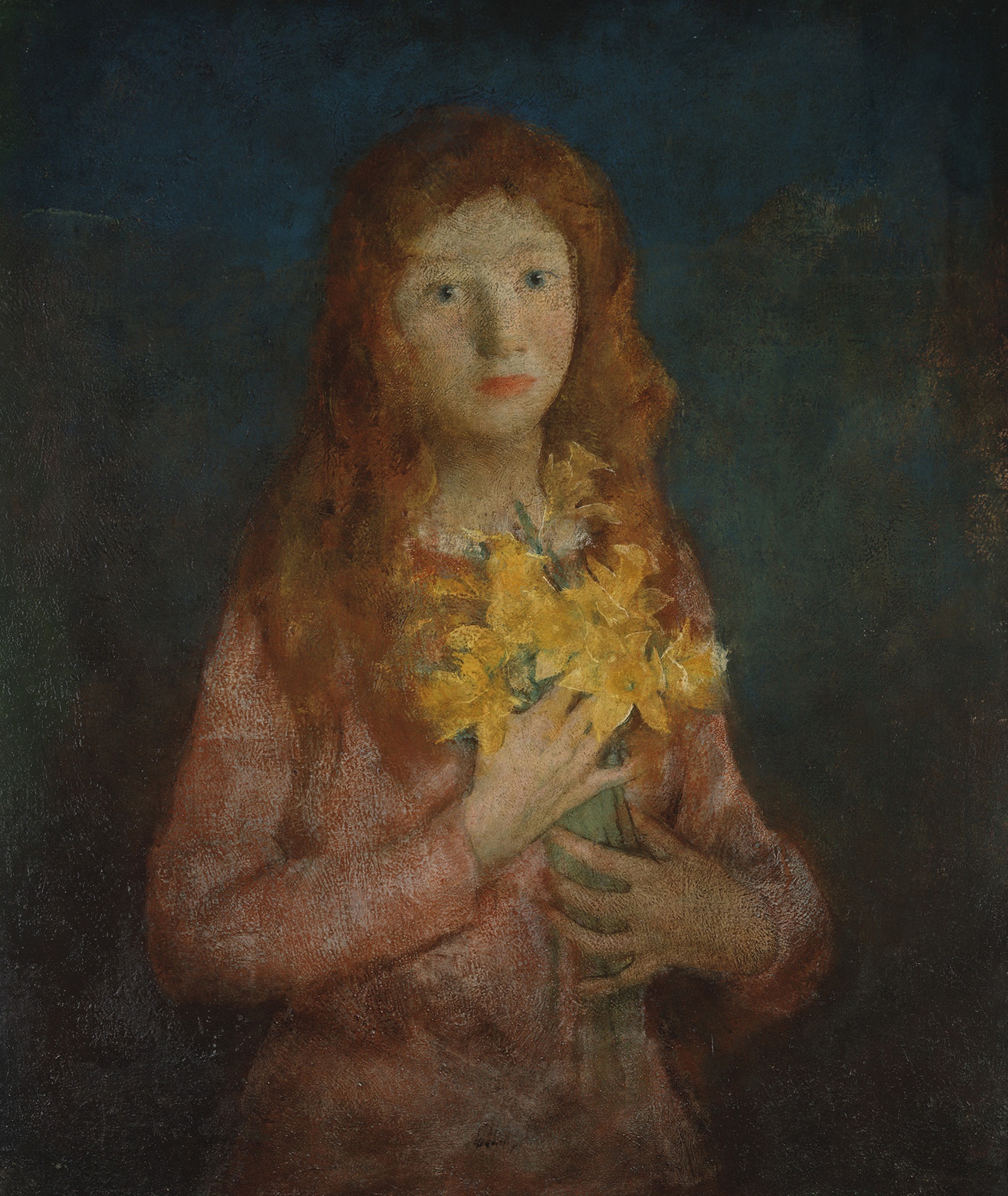
A Host of Golden Daffodils, Charles Webster Hawthorne

Daffy Down Dilly

Daffy Down Dilly
Has come to town
In a yellow petticoat
And a green gown.

~ Mother Goose nursery rhyme
.

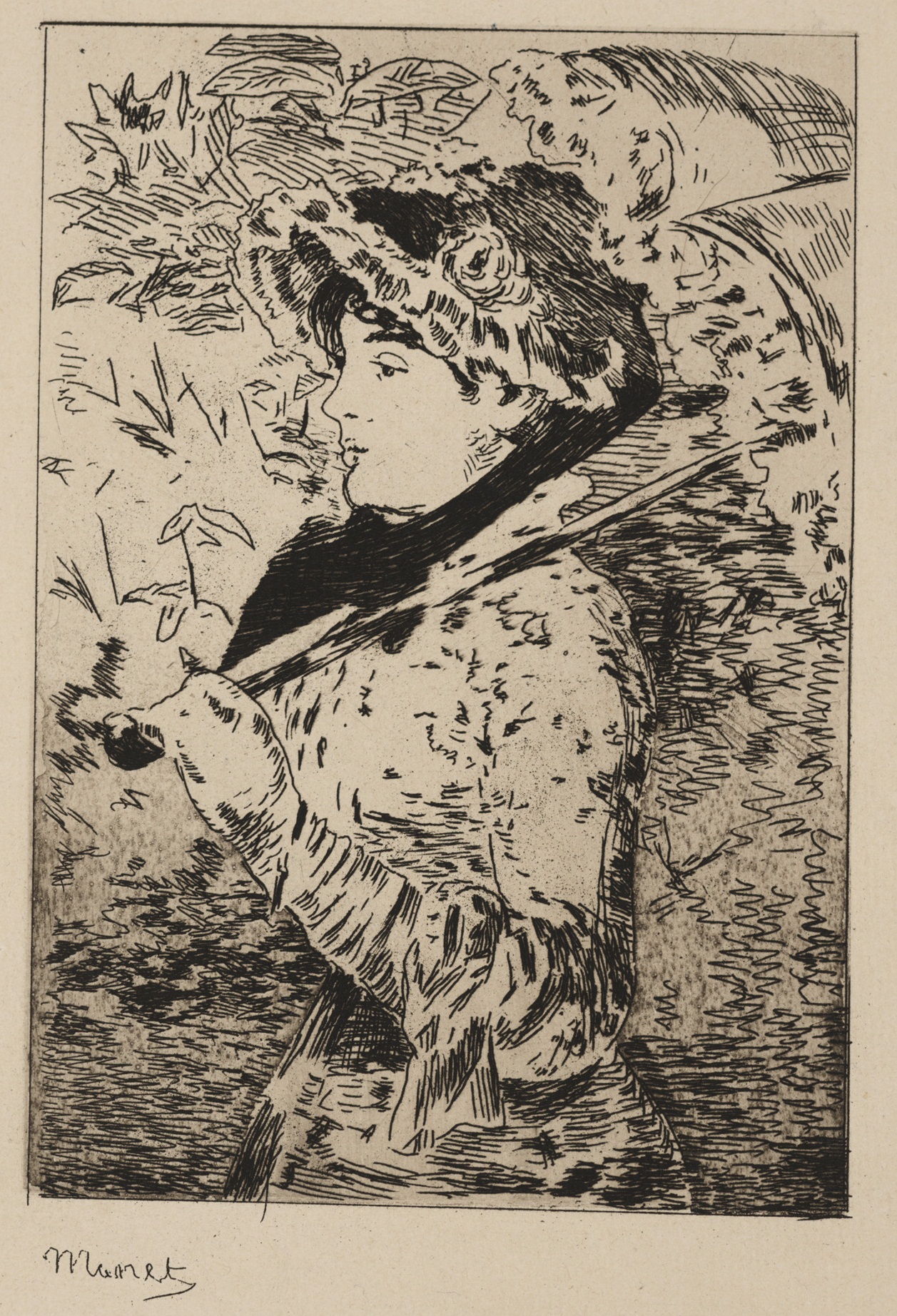
Jeanne: Spring, Edouard Manet

March

Dear March, come in!
How glad I am!
I looked for you before.
Put down your hat-
You must have walked-
How out of breath you are!
Dear March, how are you?
And the rest?
Did you leave Nature well?
Oh, March, come right upstairs with me,
I have so much to tell.

~ Emily Dickinson

What do you love about spring?

Hannah Burney
McDermott Education Intern for Teaching Programs and Partnerships

Artworks shown:

River Bank in Springtime, Vincent van Gogh, 1887, oil on canvas, Dallas Museum of Art, gift of Mr. and Mrs. Eugene McDermott in memory of Arthur Berger

Early Spring in Central Park, Nicolai Cikovsky, date unknown, lithograph, Dallas Museum of Art, Foundation for the Arts Collection, gift of Mrs. Alfred L. Bromberg

Bougival, Maurice de Vlaminick, 1905, oil on canvas, Dallas Museum of Art, The Wendy and Emery Reves Collection

A Host of Golden Daffodils, Charles Webster Hawthorne, before 1927, oil on canvas affixed to composition board, Dallas Museum of Art, gift of Edna Smith Smrz in memory of Mrs. Ed C. Smith, Sr.

Jeanne: Spring, Edouard Manet, 1882, etching and aquatint, Dallas Museum of Art, Junior League Print Fund


Archives

Categories