Archive Page 21


Friday Photos: McDermott Internship

By now I’m sure you know all about our McDermott Internship Program and the wonderful interns we’ve been working with this year. So I am excited to announce that applications are now open for the 2015-2016 McDermott Internship! This year we’ve instituted a fully digital application process, which can be accessed here, but be sure to check out our flyer with full descriptions before you get started.

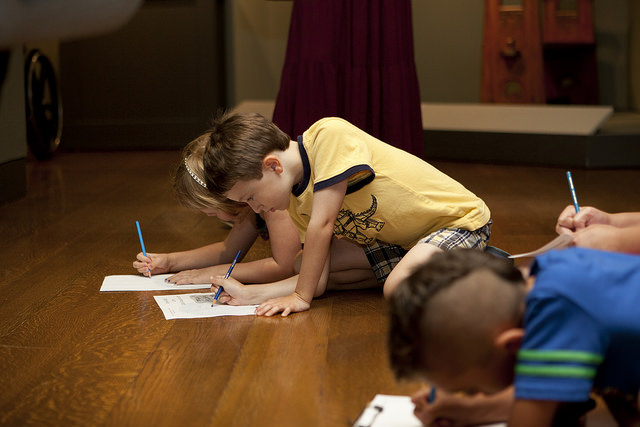
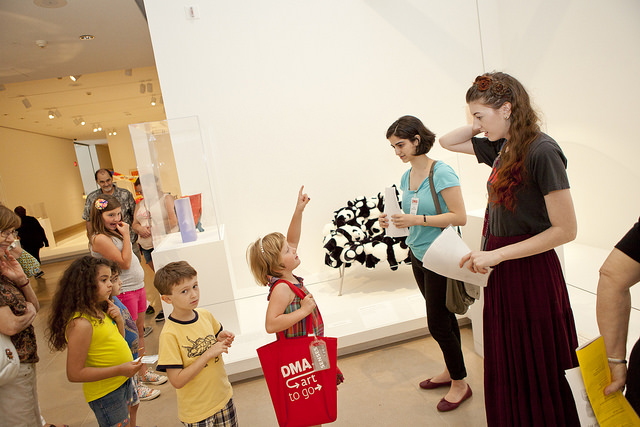
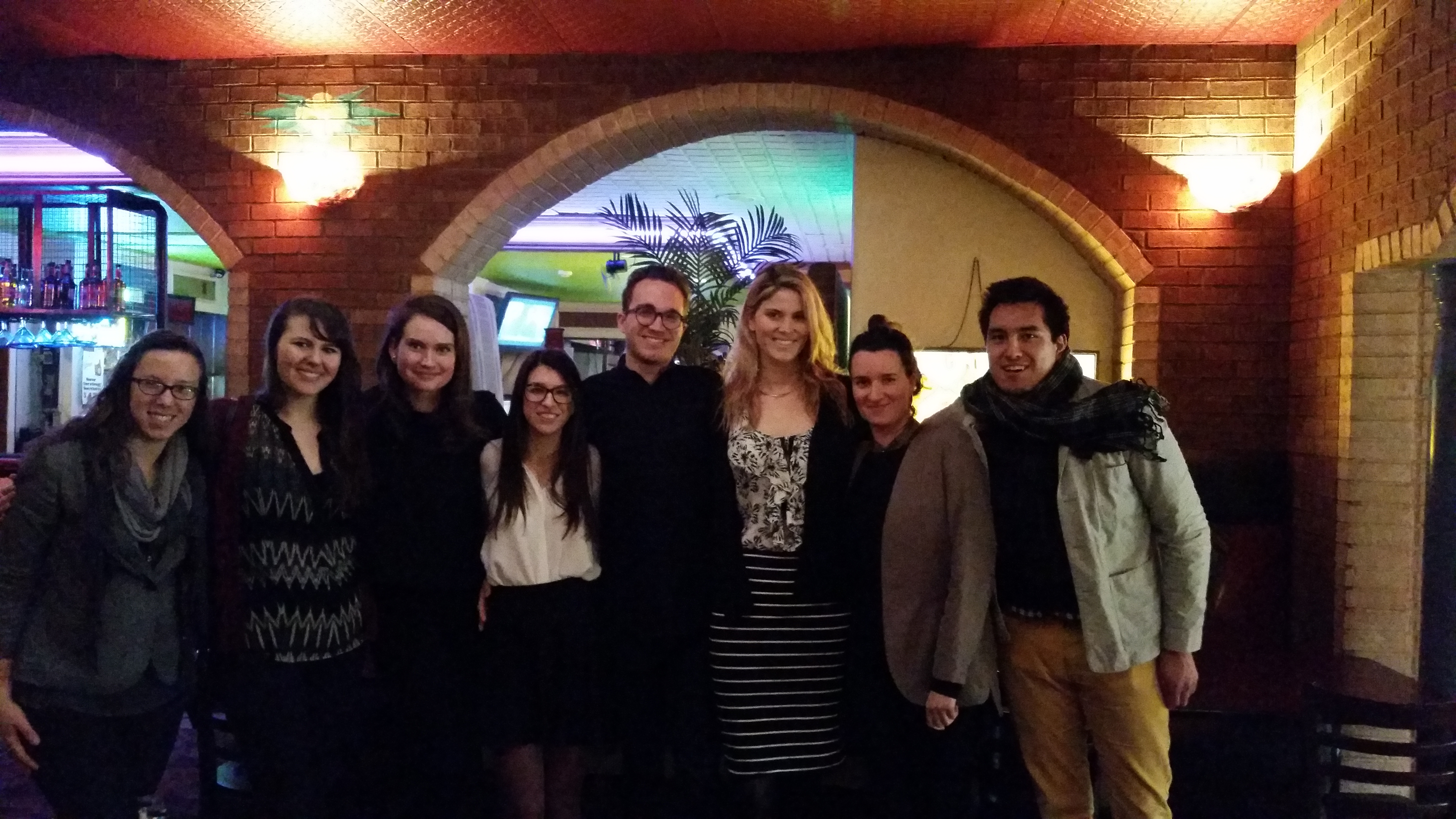
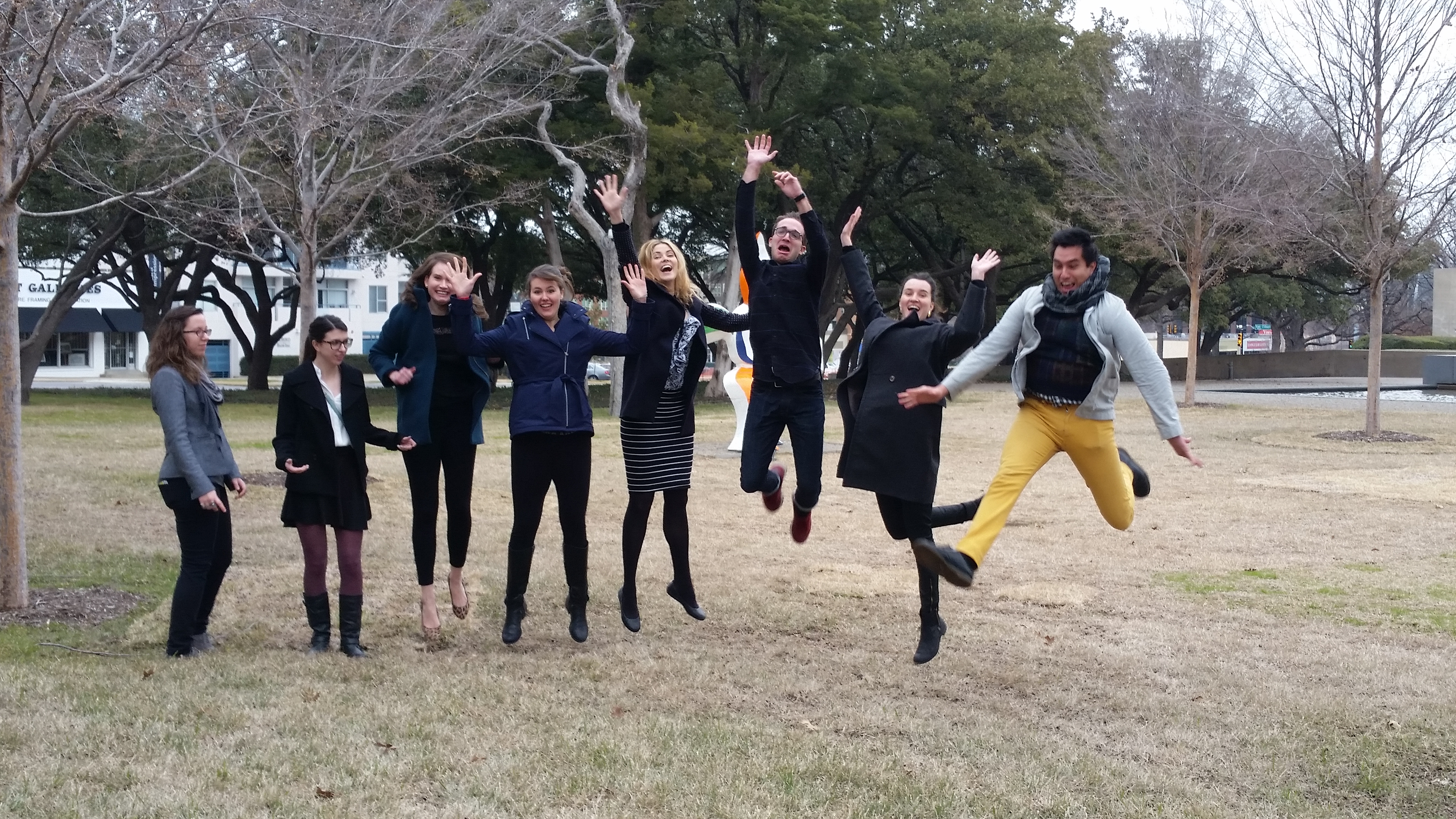
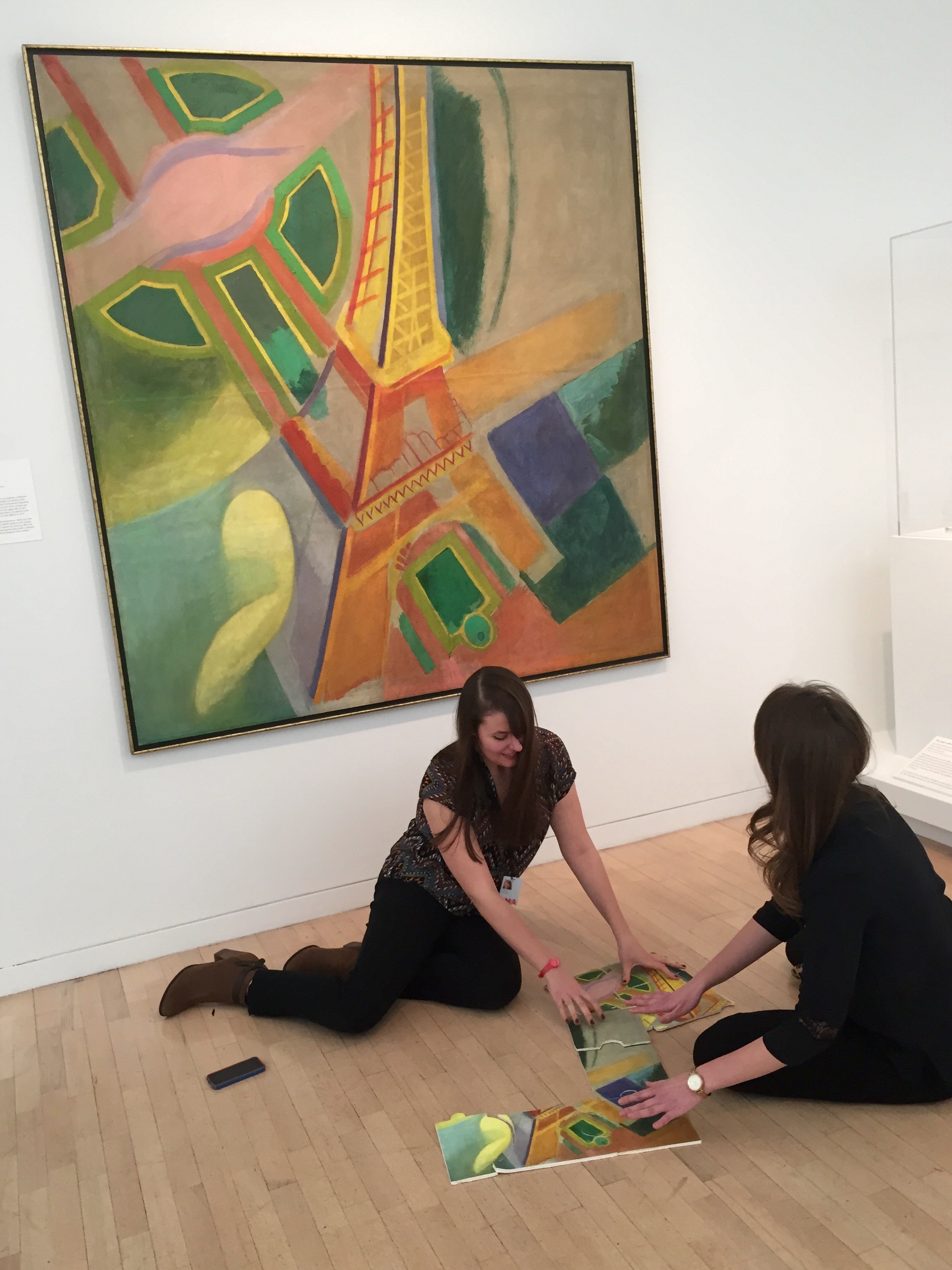
But of course, we’re not ready to say goodbye to our current interns just yet! Here are some of the fun activities they’ve been up to. Submit your application and this could be you in the fall!

Sarah Coffey
Education Coordinator

Texas Flora

With Bouquets: French Still-Life Painting from Chardin to Matisse closing this weekend, you only have a few days left to enjoy the blossoming canvases in the exhibition. The tradition of recreating bundles of blooms in art as still-life is longstanding. Many of the floral arrangements you’ll see are bright, plush tableaus with numerous species represented. They demonstrate the prowess of French master artists who nestled cultural symbols throughout the canvas.

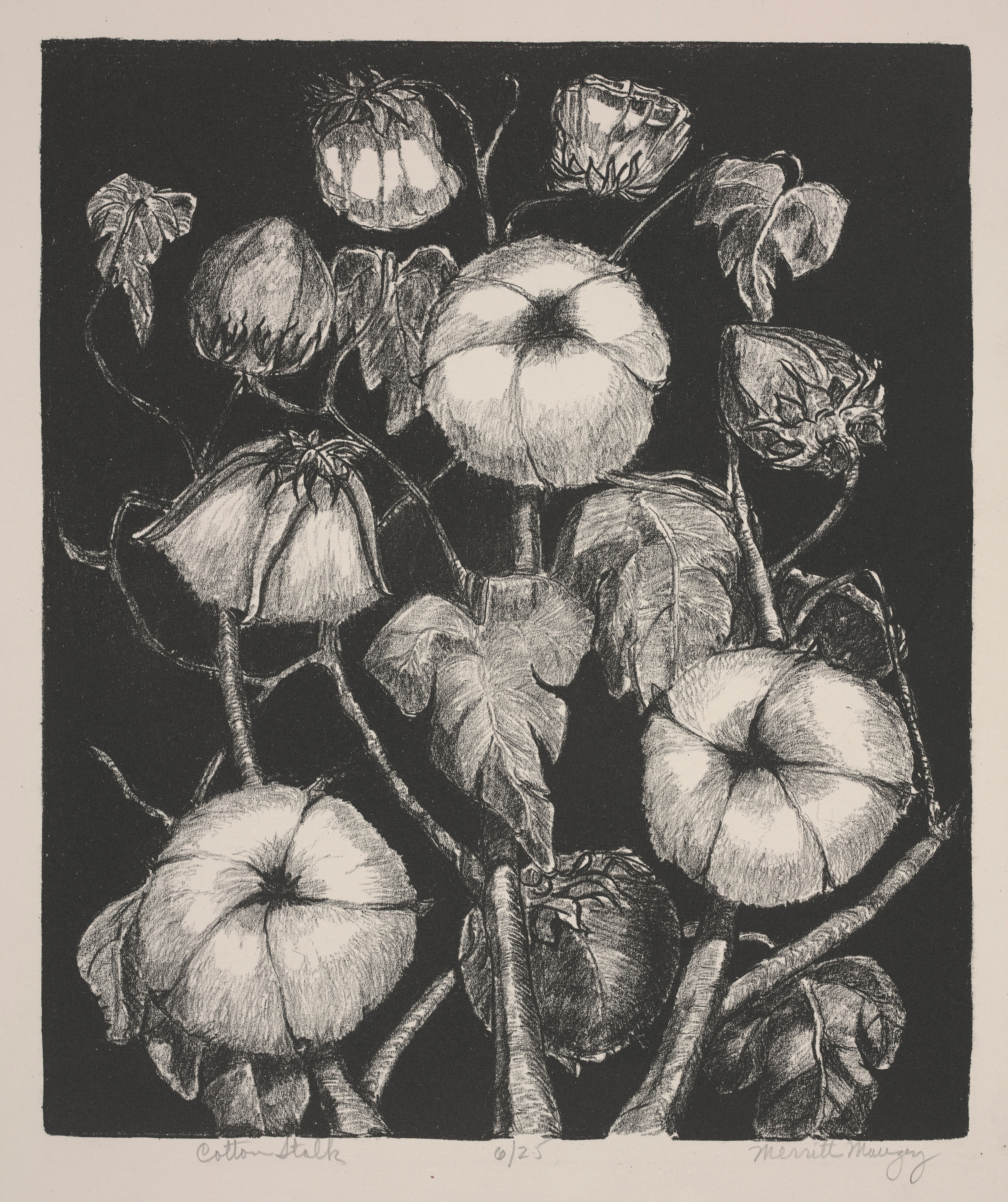
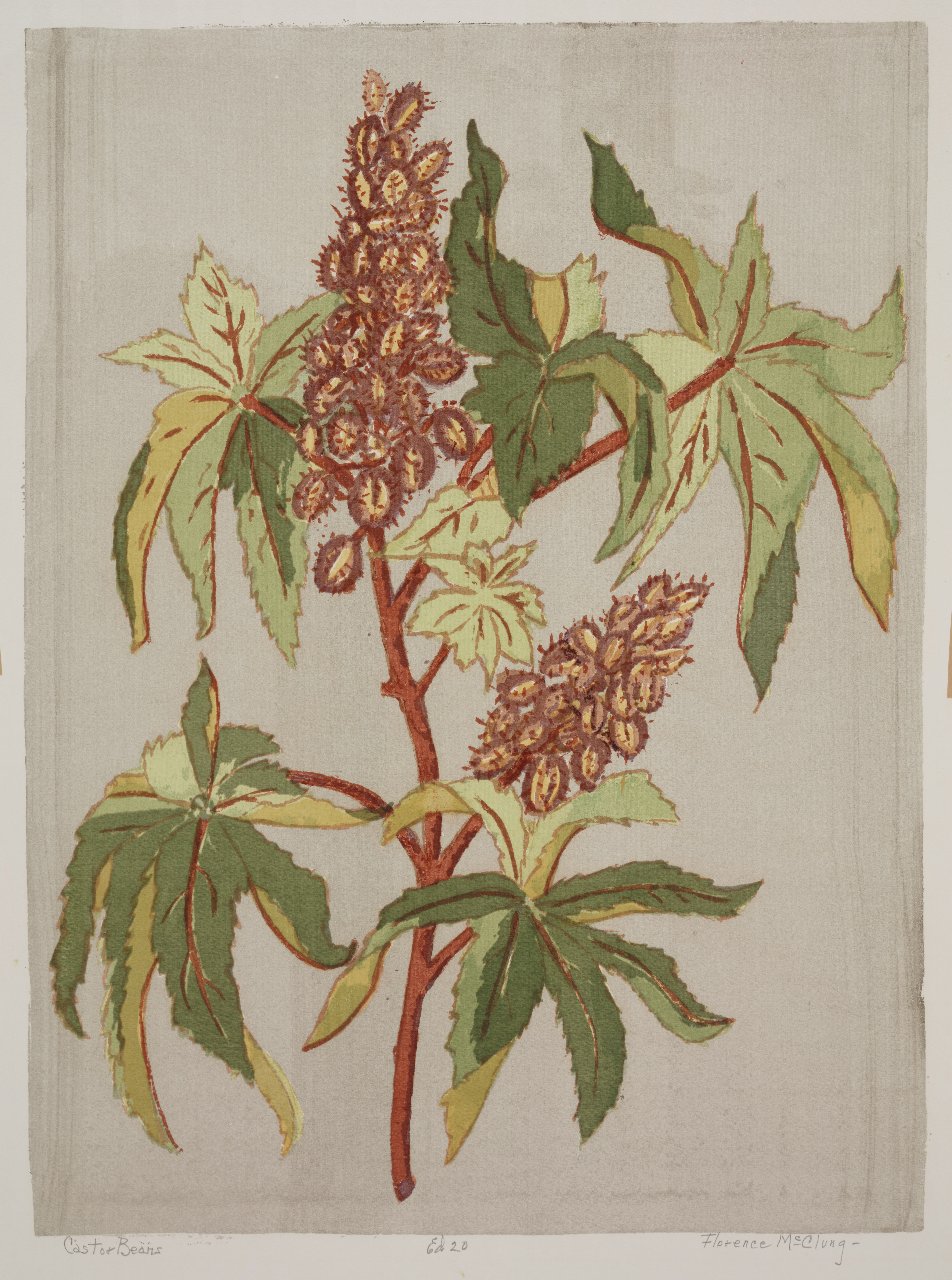
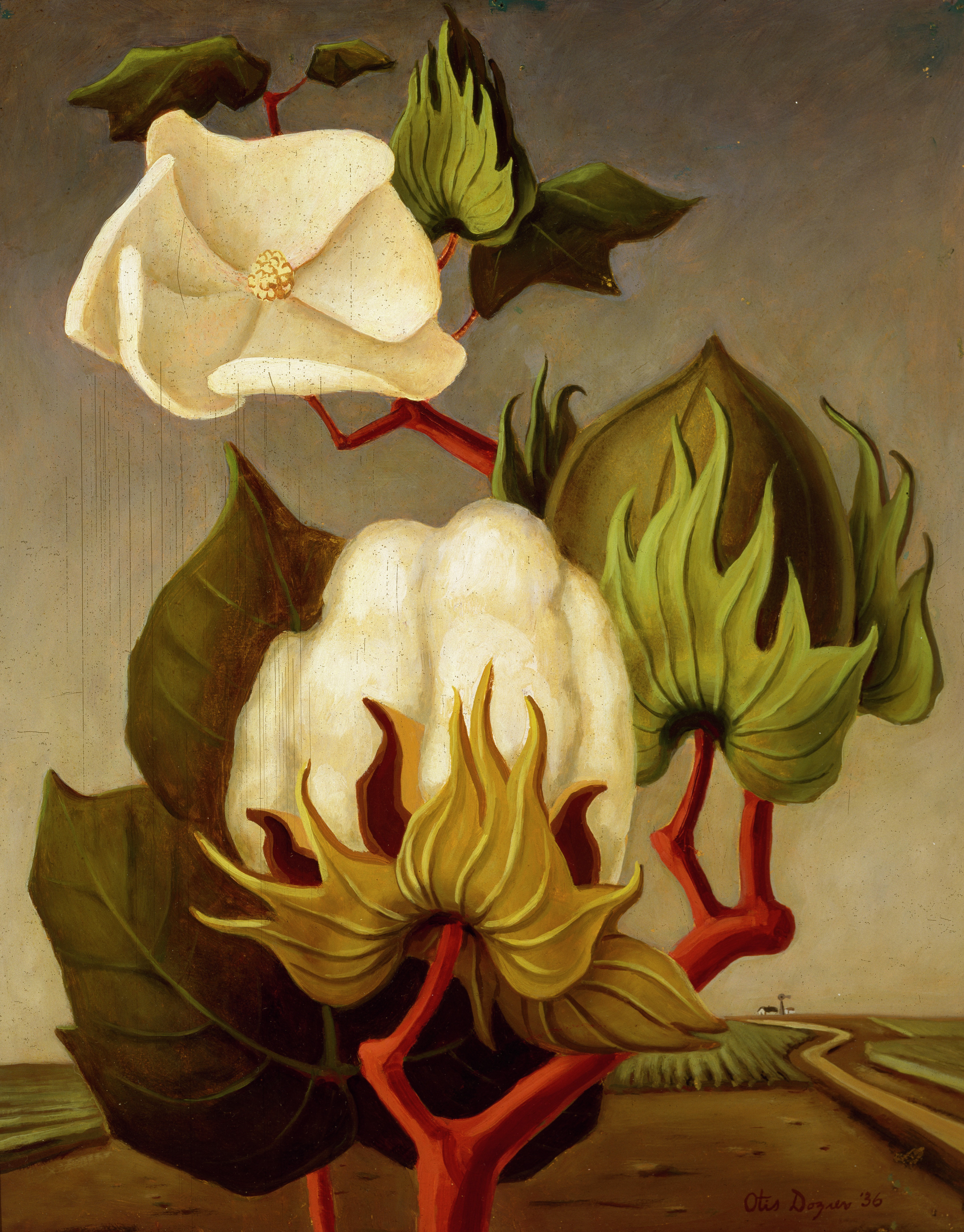
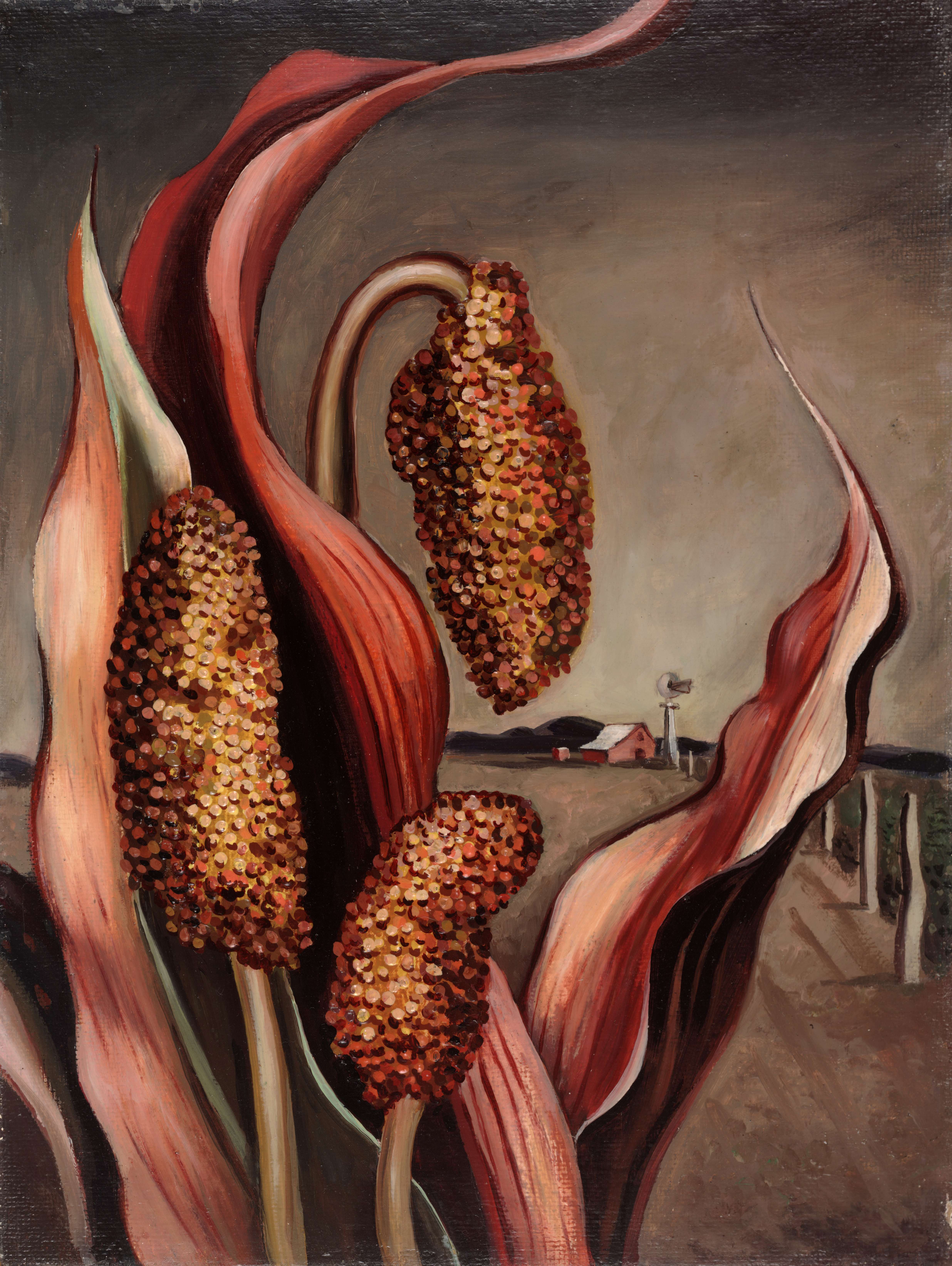
In contrast, neither silk ribbon nor glittering vase contain the artworks celebrating iconic Texas flora from the Museum’s permanent collection. They are rendered on paper or hardboard in print or with brush. Realistically portrayed in muted tones, a single species is the subject of each work. These plants thrive in the unique climate of our rugged state and have been cultivated by humans for centuries for medicine, sustenance and beauty.

Merritt Mauzey’s print Cotton Stalk and Florence McClung’s print Castor Beans resemble naturalist studies from early botanical books. The plants are highly detailed and placed against a void background to isolate their physical attributes. You can also see similarities to Art Nouveau motifs in Mauzey’s print. The cotton stalks are frontal and flattened with sinuous stems. Cotton has been a leading cash crop in Texas for generations. Every part of the plant can be put to use, especially the tuft of fibers which is removed and spun into thread. Castor-beans, on the other hand, have highly toxic seeds containing ricin and are hazardous to most livestock.

Otis Dozier, on the other hand, places Texas staple crops in a portrait style composition with their respective farm settings as the backdrop. In Cotton Boll, Dozier depicts the sequence of growth as we are reminded that flora has a brief but bountiful life cycle. Some art scholars believe Maize and Windmill resembles millet as the size and shape of the plant look somewhat like Red Millet or Sorghum. Maize has been cultivated and prepared as food in numerous ways since ancient times in North America. The shape or color of the seeds can be an indicator of their diverse genes.

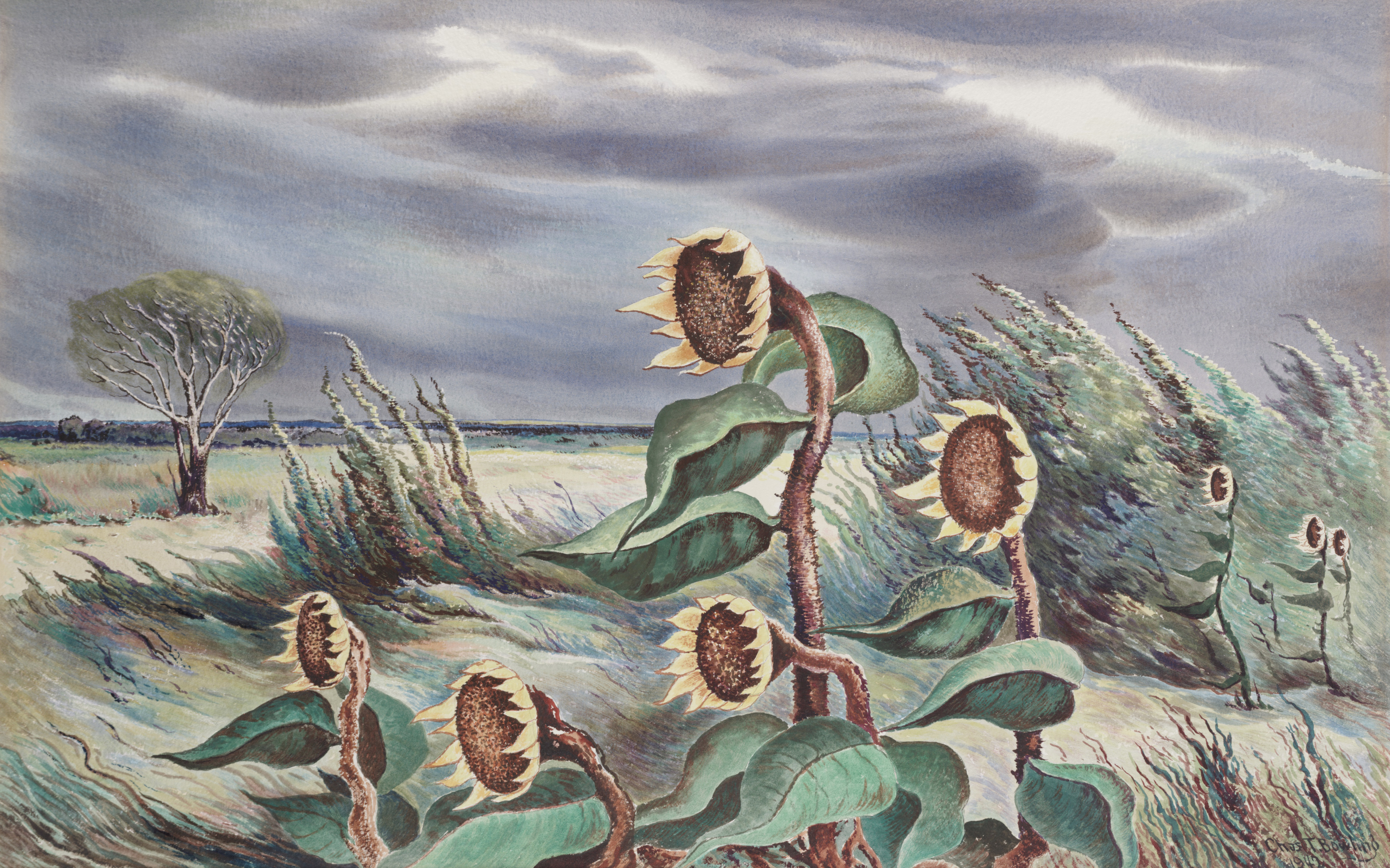
Charles T. Bowling, Meadow Wind, 1942, Dallas Museum of Art, Ted Dealey Purchase Prize, Fourteenth Annual Dallas Allied Arts Exhibition, 1943.

Charles T. Bowling, Meadow Wind, 1942, Dallas Museum of Art, Ted Dealey Purchase Prize, Fourteenth Annual Dallas Allied Arts Exhibition, 1943.

Sunflowers have long been used by indigenous North Americans for many reasons, like treating snake bites or making oils. In some parts of Texas they can grow up to eight feet tall, with flower heads one foot in diameter! Charles T. Bowling captures the strength of the sunflower in its natural setting in his watercolor Meadow Wind.

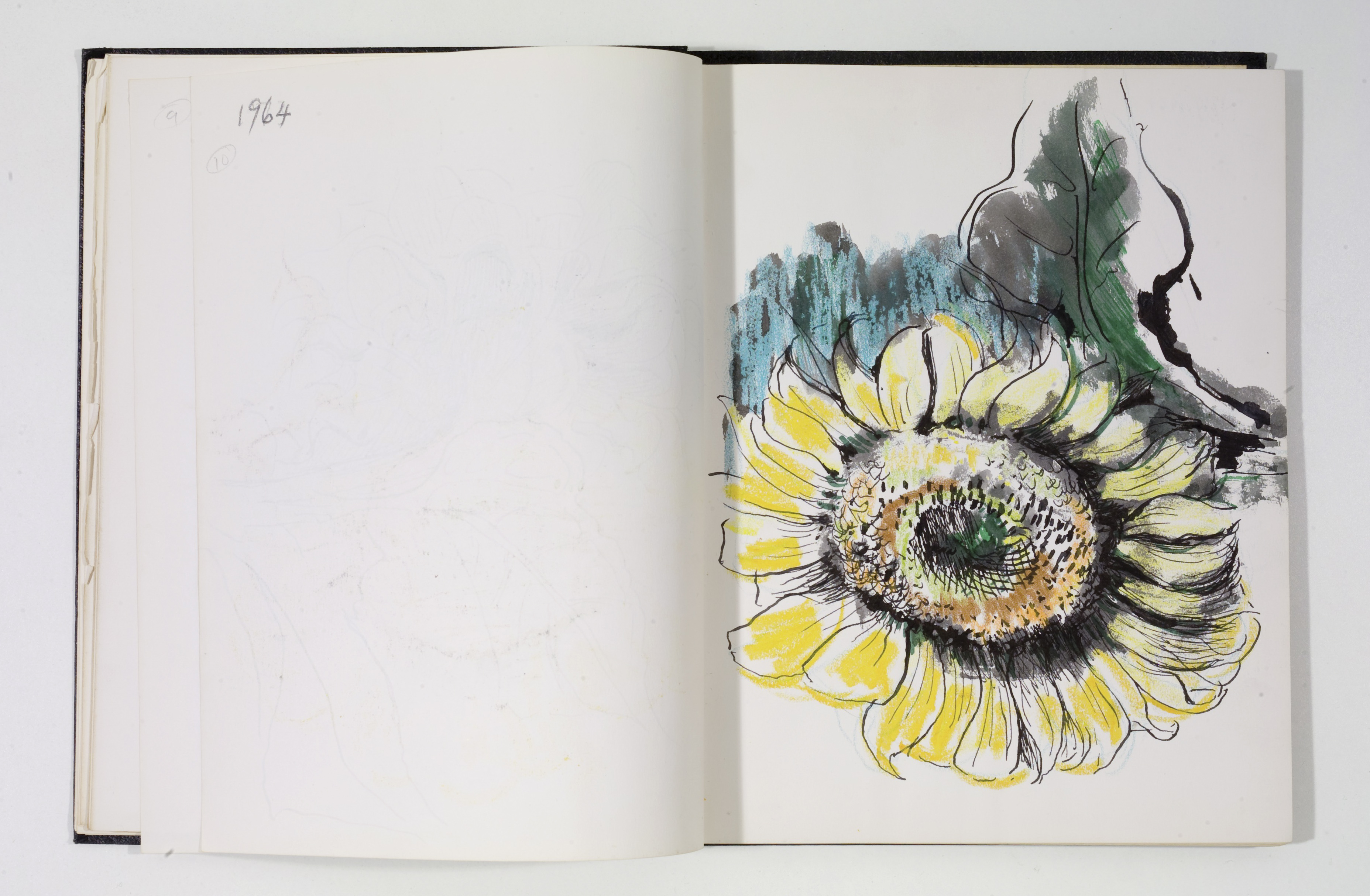
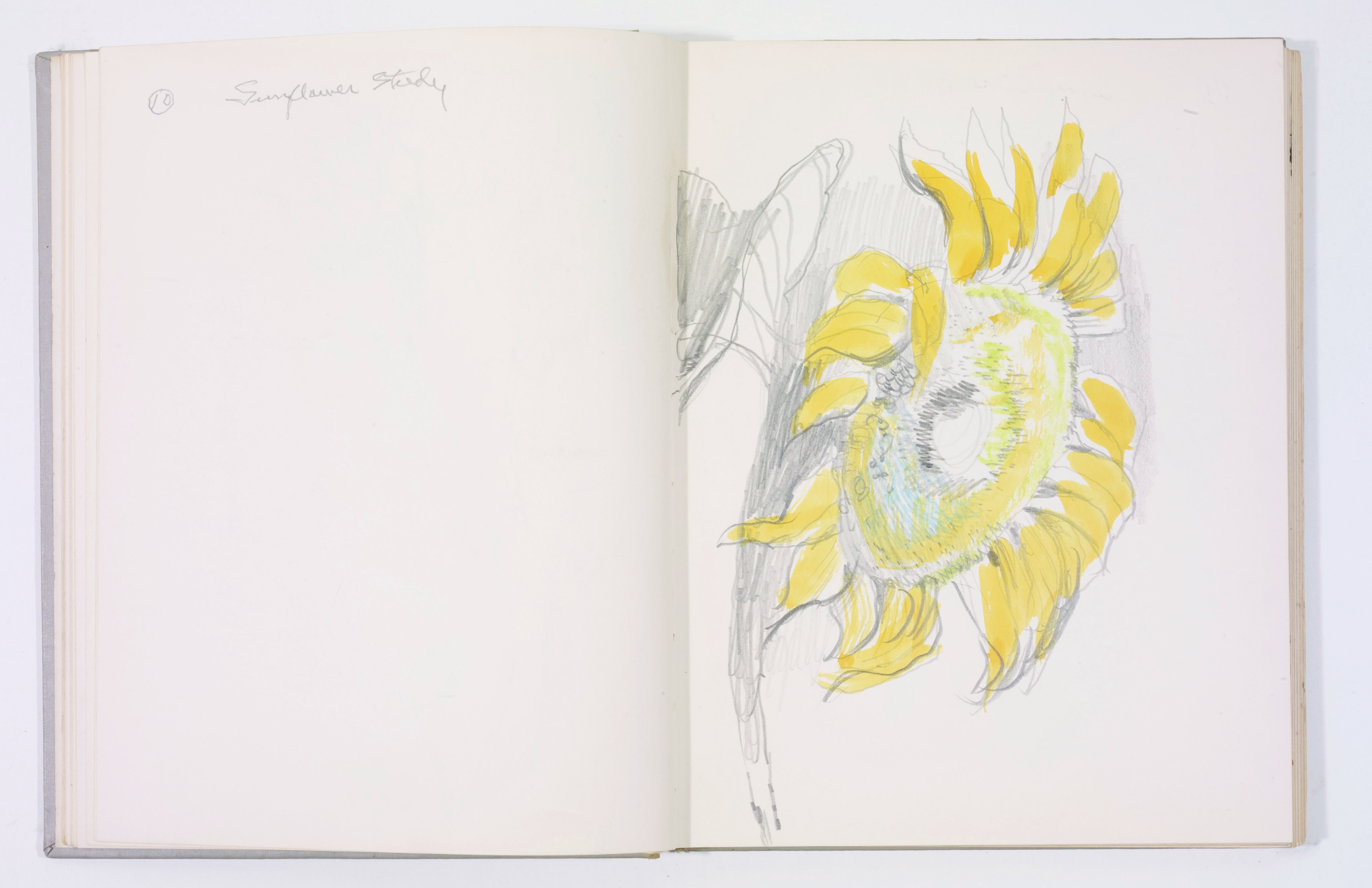
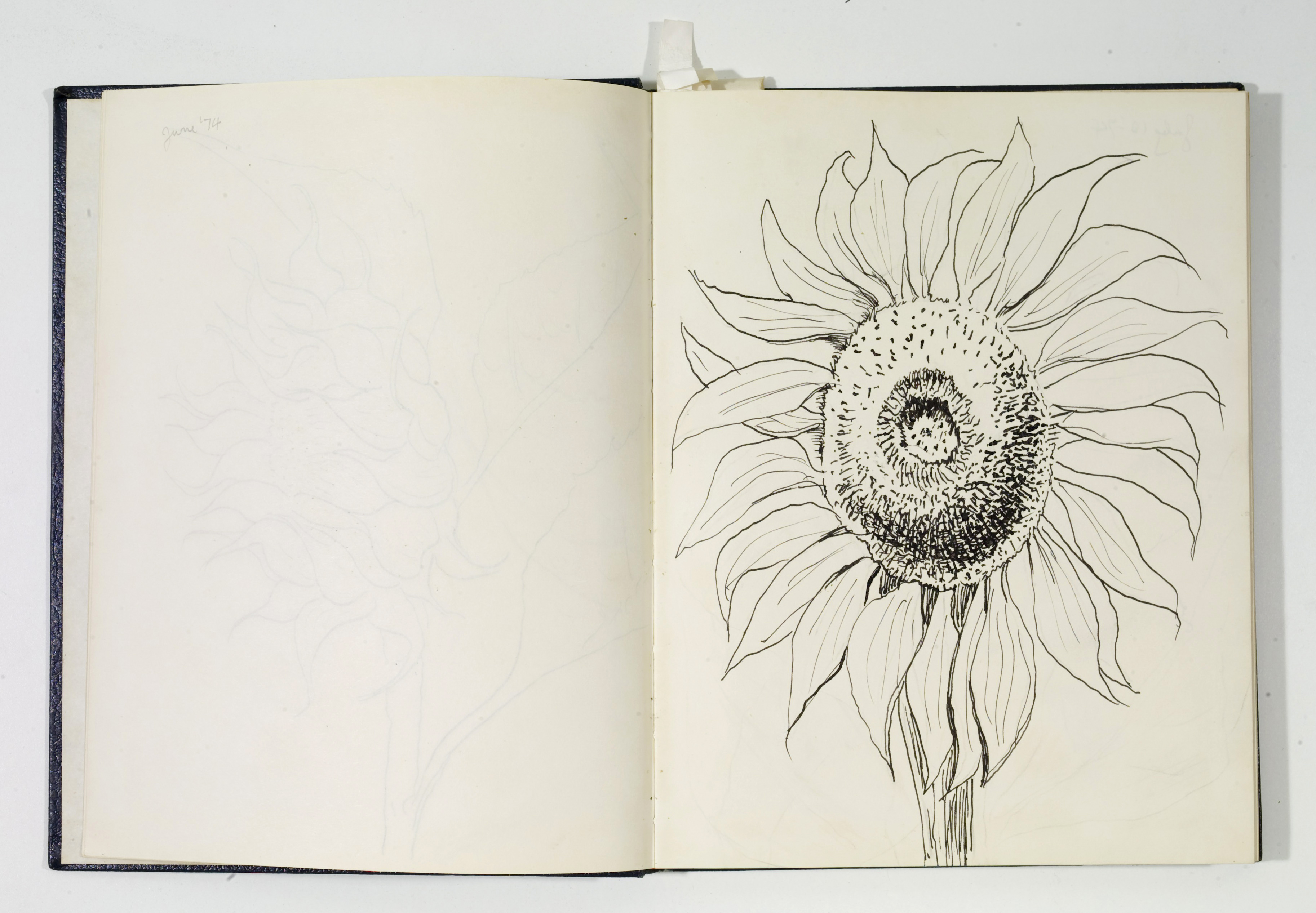
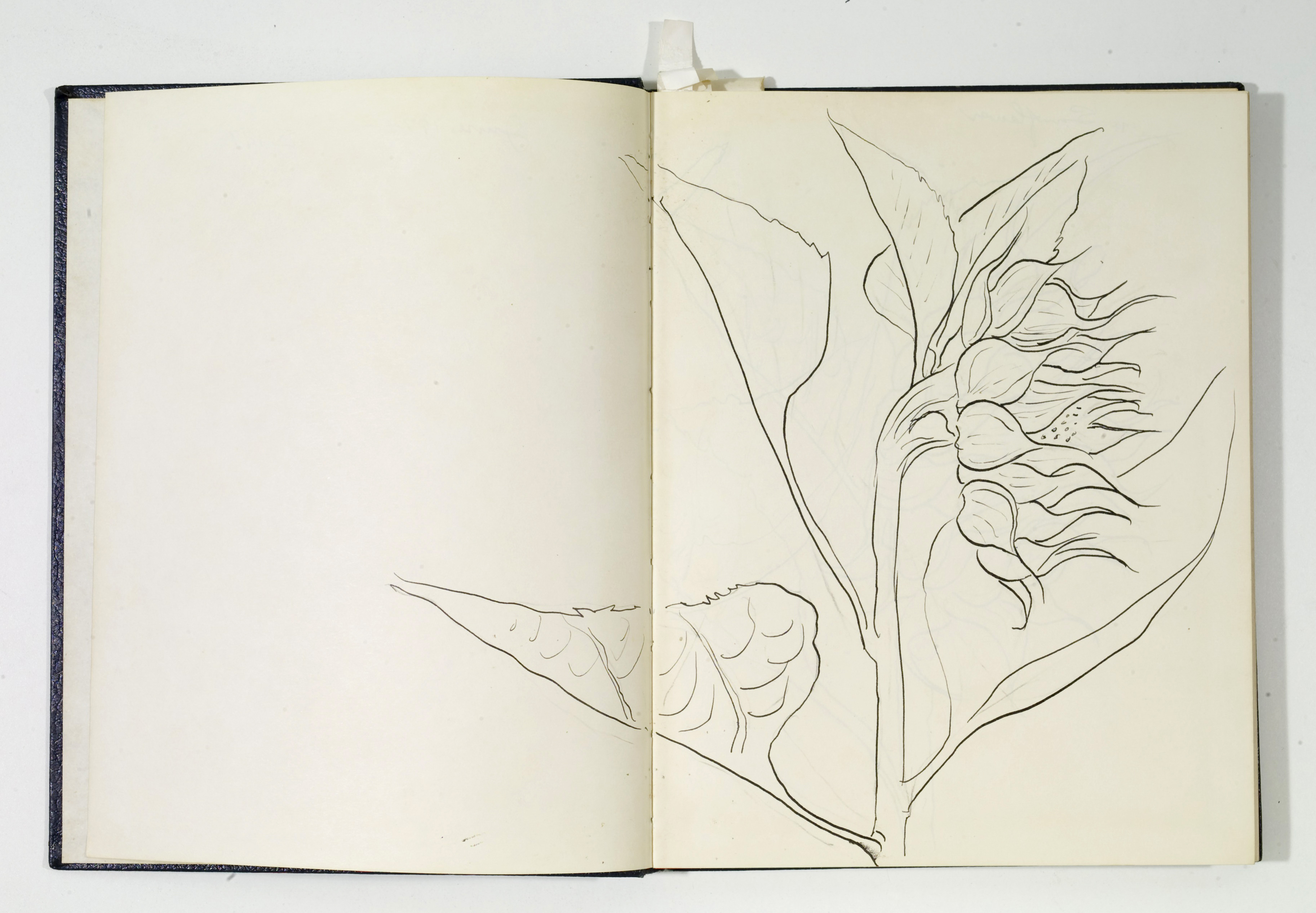
Throughout the pages of many sketchbooks by Otis Dozier are studies of sunflower heads. It is interesting to see an artist working through his observations of nature. He uses the blank pages to examine the texture and form of the sunflower at various angles.

Imagine all the unique decorative arrangements that could be made with the regional flora of Texas. And there are many other examples of Texas flora in the collection to explore. Try searching for ‘jimson weed,’ ‘coxcomb,’ or ‘cactus’ in the DMA’s online collection database. And when you stop by for your last peek at Bouquets, see what other blooms you can find in our galleries!

Rae Pleasant
Research Associate for Early Texas Art

Friday Photos: Blast from the Past!

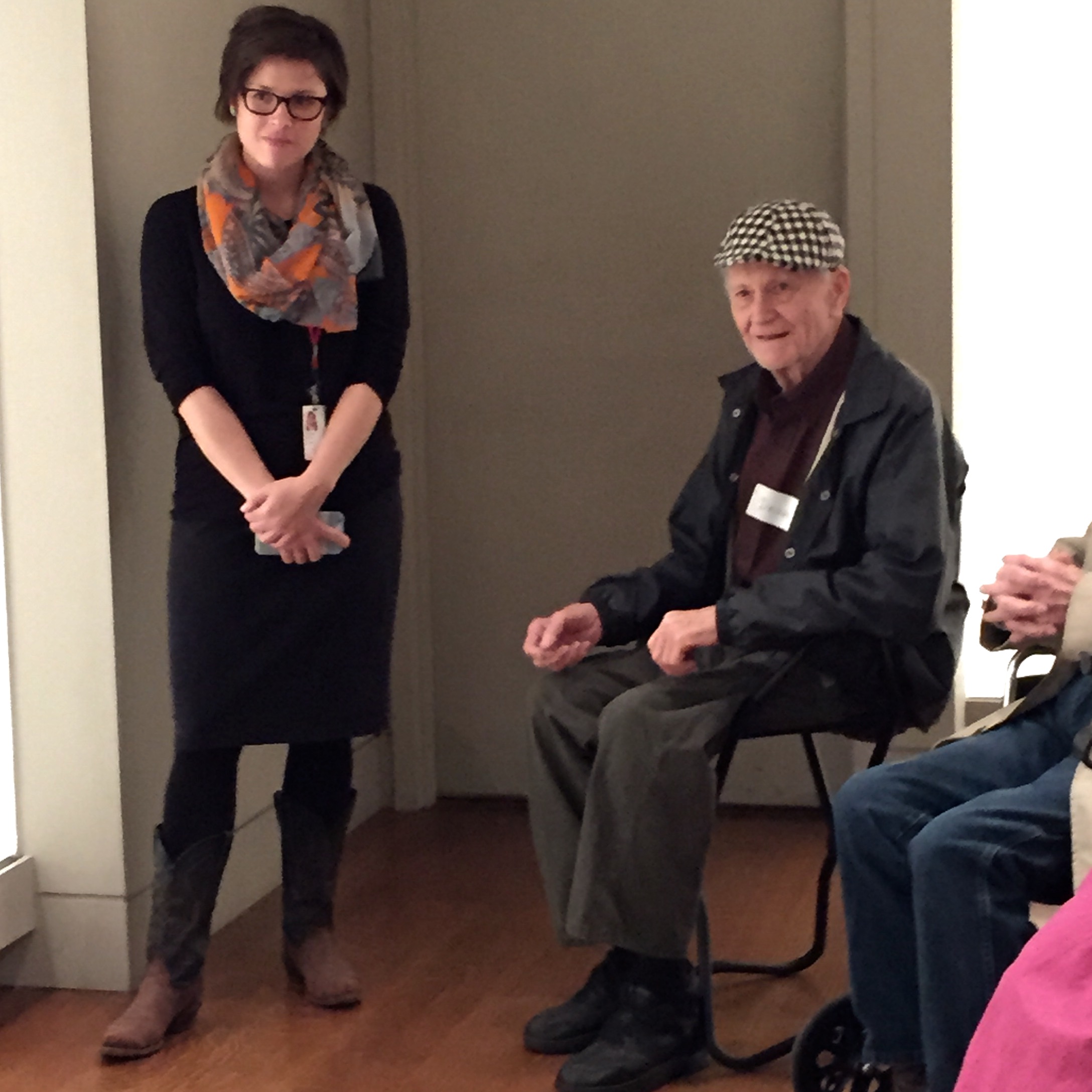
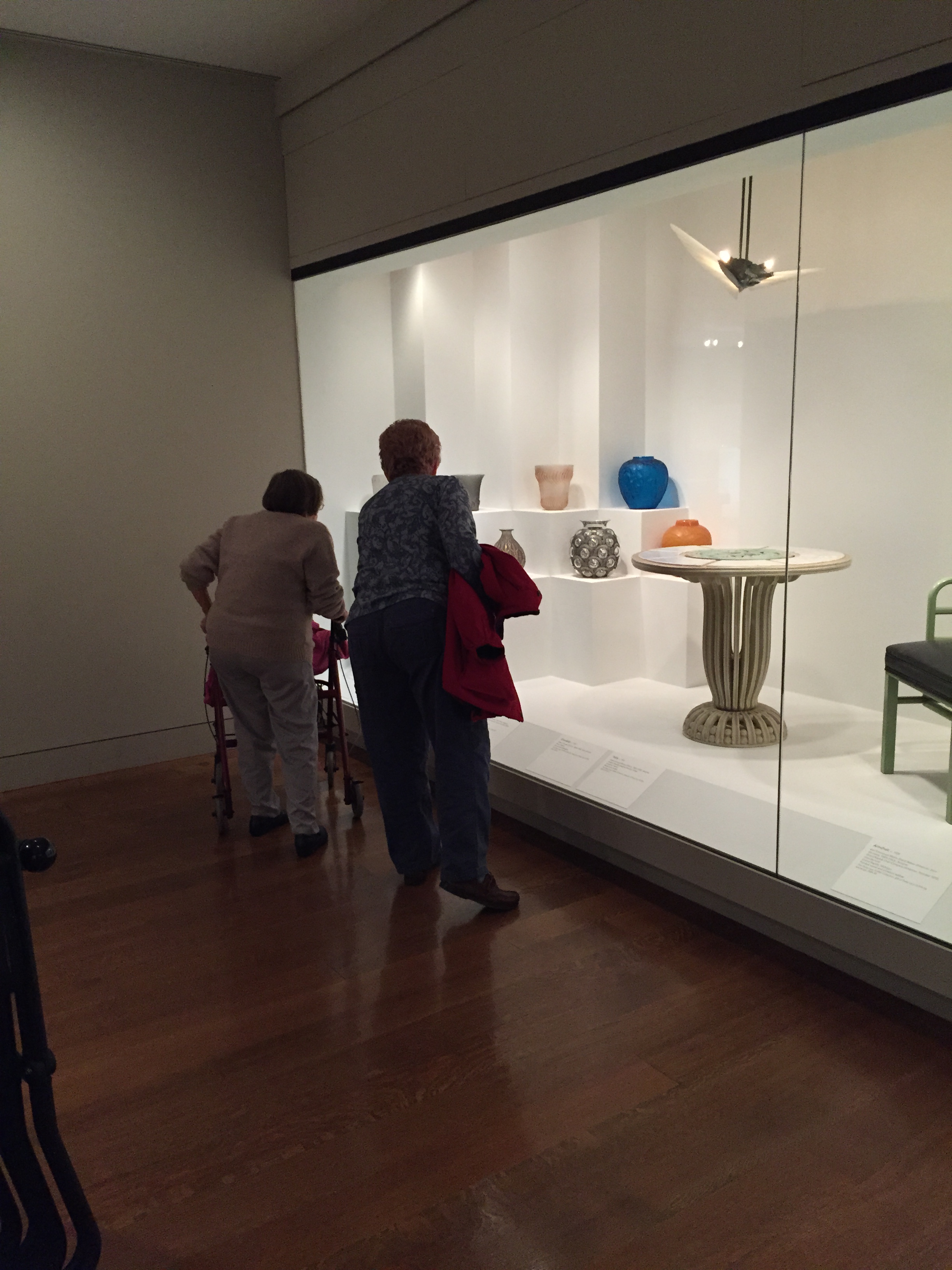
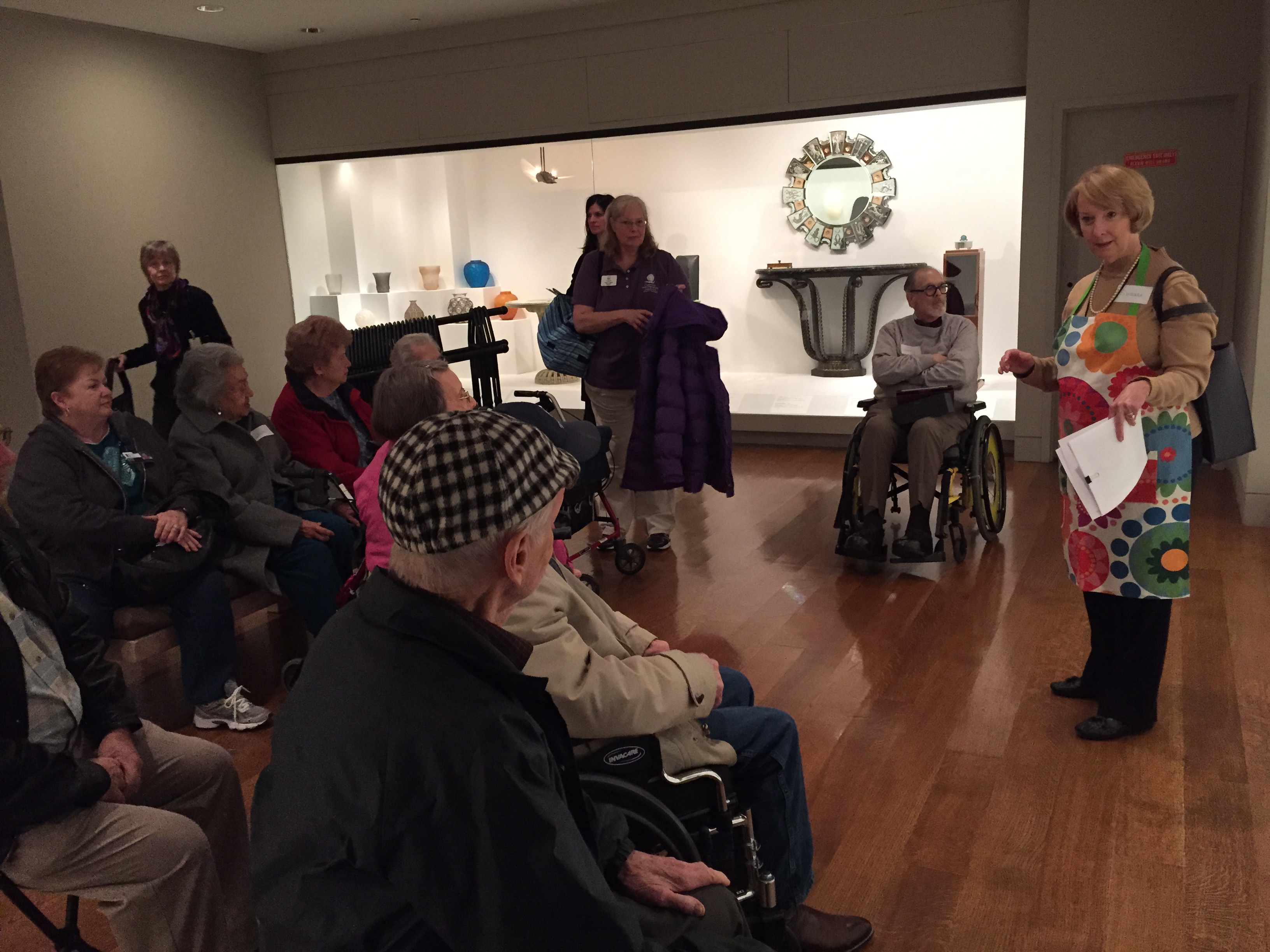
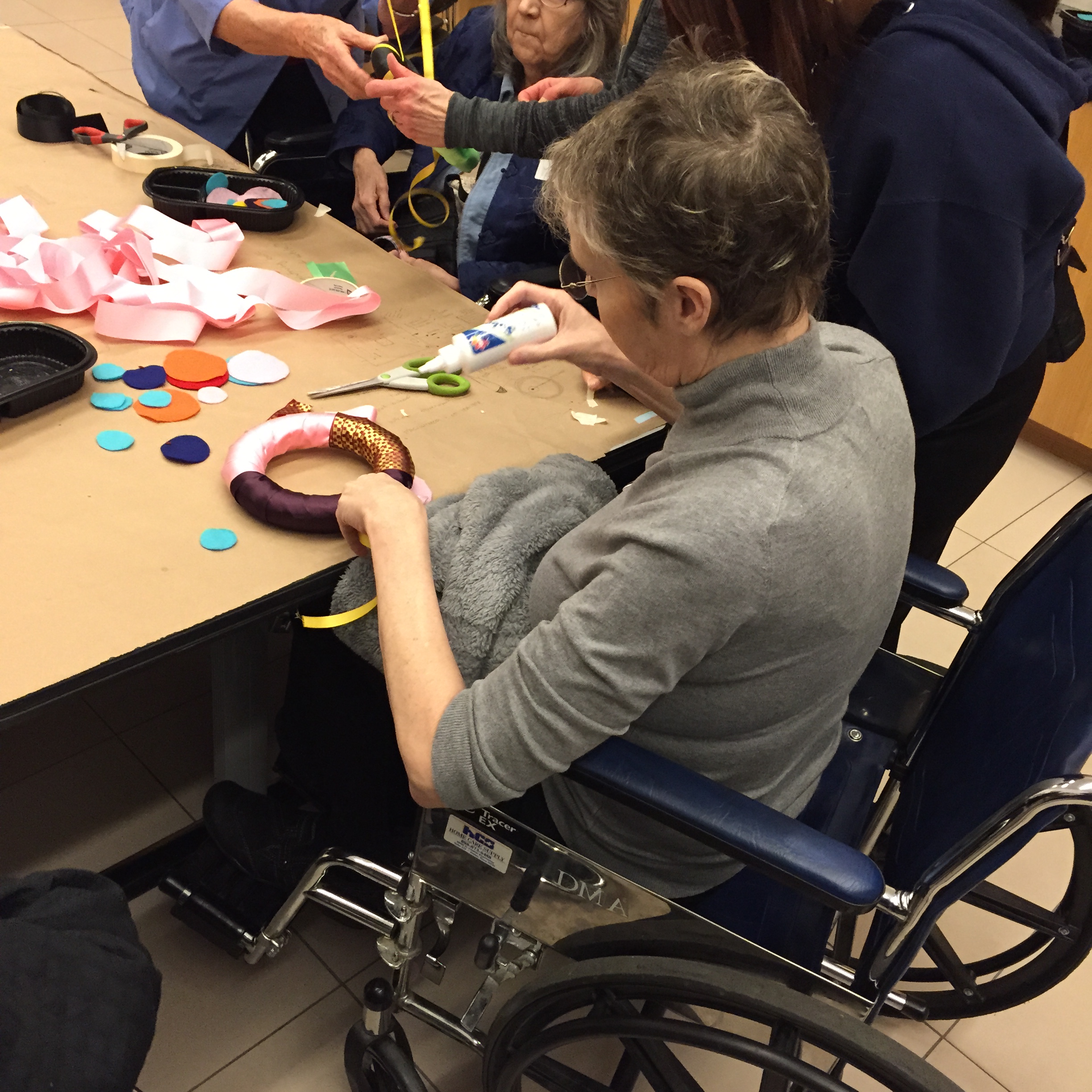
We have had a fun month full of memories this January. During our Meaningful Moments program for memory care groups, we have focused on objects in the DMA’s Decorative Arts gallery. From the Silver Streak iron (model no. 1038) to the Nocturne radio (Model 1186), objects in this gallery have sparked memories from several participants. Close looking, conversations, laughing, and even some toe-tapping while singing along to Bing Crosby filled the Decorative Arts gallery. Following our time looking at art, participants created their own decorative work of art – a colorful wreath to take back and hang on their doors.


Vacuum cleaner (model 30), Lurelle Guild, 1937

Vacuum cleaner (model 30), Lurelle Guild, Electrolux Corporation, 1937, Dallas Museum of Art, gift of John T. Howell and Thomas J. Howell in memory of their father John P. Howell

One object in particular, the Electrolux vacuum cleaner, inspired the most sharing. We got a kick out of one participant who shared a story about her mother’s Electrolux vacuum cleaner. We were lucky to snag a quick video.

[youtube=http://youtu.be/39BMOriSLmI]

Participant: “Father traveled a lot for business. He brought mother home an Electrolux, and he had her name printed on it.”
Danielle: “Was your mother very happy when she received that as a present, to see her name on the vacuum cleaner?”
Participant: “Well, her comment was, ‘You brought me something to work with!’”

What a fun story! And just the kind of memories we hope are shared during Meaningful Moments.

For more information, or to register a memory care facility group, call 214-922-1251 or e-mail access@DMA.org.

Amanda Blake
Head of Family, Access, and School Experiences

Picture *Book* Perfect

IMG_5575

In just a few more days, the Caldecott Medal will be awarded “to the artist of the most distinguished American picture book for children.” (American Library Association website). For those of us who love children’s literature, this announcement is like the Oscars! Unfortunately, unlike the Oscars, the nominees aren’t narrowed down in advance, so it’s anyone’s guess as to which books are the strongest contenders.

During my undergrad studies, I worked in the children’s section of the university library, and one particular year my supervisor was on the Caldecott committee. I remember every week felt like Christmas as boxes and boxes of books arrived for her to review. Among other things, the committee members consider the artist’s technique, the way the story is visually interpreted, and the excellence of the work in light of the audience—children! Considering there are thousands of books published for children each year, I can’t even begin to imagine reading all the books, much less the pressure of choosing just ONE.

If I had to cast my vote for favorite picture book of 2014 though, these are my top contenders:

IMG_5576

Telephone by Mac Barnett, illustrated by Jen Corace
It’s time for Peter the pigeon to come home for dinner, but as the message gets passed down the line of birds sitting on the telephone wires, it turns into something else entirely different. I love the use of line in Corace’s pictures. The telephone wires stretch across the pages in unending straight lines, providing a visual contrast to the tangled, garbled message being passed along. Each bird has so much character and is painted so that readers can see how the bird’s own interests and activities play into the confusion. For instance, when the message gets to the blue jay with his electric guitar, it’s not too surprising that he interprets it as “Rock stars are admired.” Luckily a wise old owl saves the day, and this visual game of telephone has a happy ending.

IMG_5582

Sam and Dave Dig a Hole by Mac Barnett, illustrated by Jon Klassen
I’ll admit right up front that in my eyes, Jon Klassen can do no wrong. He already has stacks of awards, but why not win another?! Sam and Dave decide to dig a hole, and they aren’t going to stop until they find something spectacular. Unfortunately, every time they get close to something wonderful, they change direction and miss the treasure with no idea how close they were. Readers are in on the irony, and even their dog seems to sense their near misses. Something spectacular finally does happen, but even Sam and Dave don’t realize just how spectacular it is. I really love this one because Klassen gives children insider information through his illustrations, and the story wouldn’t be nearly as fun if readers didn’t get to be in on the joke. And man, does he know how to convey humor, exasperation and surprise with just the eyes of his characters!

IMG_5578

The Adventures of Beekle the Unimaginary Friend by Dan Santat
This is a story of being brave, following your dreams, and trusting yourself to do hard things. Beekle lives on the island where imaginary friends are created, and he waits and waits for his child to imagine him. But when his turn never comes, Beekle takes matters into his own hands and sets off on a journey to the real world to find his friend. The contrast between the imaginary island and the real world is stark—one is colorful, whimsical, and bright. The other is drab, dreary, and lonely. But when Beekle and his friend finally find each other, the world explodes in kaleidoscope color. I love the message that a little imagination can transform your world, and that it just takes finding your person or your passion or your favorite artwork at the DMA to pull you out of a bout of the un-imaginary blues!

IMG_5579

Hooray for Hat by Brian Won
Elephant woke up grumpy, and seems pretty determined to stay that way. Until . . . a present arrives on his doorstep! Inside the box is a marvelous hat, and Elephant can’t wait to show Zebra. But Zebra is feeling grumpy too. Until . . . Elephant shares a hat and cheers Zebra right up. The power of sharing and caring is passed along as the friends visit Turtle, Owl, Lion, and Giraffe and realize that although they shout “hooray for hat!,” it’s their friends that really make the difference. My favorite illustrations show the animals marching along, hats perched on their heads, and good cheer jumping off the page. Won manages to perfectly capture the transformation of terrible tantrum to sunshine-y good mood, and the pictures will resonate with young children and parents alike. I can’t wait to use this one with my toddler crowd!

IMG_5580

Gaston by Kelly Dipucchio, illustrated by Christian Robinson
Gaston doesn’t quite look like his perfectly polished poodle sisters. And when he tries to yip (not yap) and walk with grace (not race), he doesn’t quite pull it off. When the Poodle family runs into the Bulldog family at the park one day, it seems quite obvious that there’s been a mistake. Is Gaston in the wrong family? Mrs. Poodle and Mrs. Bulldog have their puppies switch places. Now the families look right, but they don’t feel right. Where does Gaston belong? This is a perfectly charming story about being true to yourself. Robinson’s paintings are drawn with a childlike exuberance—the picture plane is flat with washes of color and the stylized puppies seem to jump off the page. And the message that you need to look deeper to really understand someone is just as true for looking at art.

IMG_5581

The Iridescence of Birds: A Book About Henri Matisse by Patricia MacLachlan, illustrated by Hadley Hooper
Matisse is one of my favorite artists, and Hooper’s interpretation of both the story and Matisse’s style is phenomenal. The story imagines Matisse as a child and how his early life influenced the artist he became—from the rugs his mother hung in the house to the birds he saw out his window. Hooper hand cut the basic shapes for the pictures out of foam, inked them and made prints, which were then scanned into Photoshop. The lines, colors and patterns scream “Matisse” and the texture created by the printmaking gives the illustrations an added warmth and depth. This would be a great book to tuck in your bag and bring to the Museum for a visit with our Matisse!

I used lists from Calling Caldecott and Huffington Post to help me narrow down which books were my favorites of the year. A few not pictured here (because they weren’t available at my library) that I would add are Marla Frazee’s The Farmer and The Clown and The Right Word: Roget and His Thesaurus by Jen Bryant, illustrated by Melissa Sweet. I heard Marla speak in November and when she “read” the book to us (The Farmer and The Clown is a wordless book), I choked up and got all teary. The story is so tender and the illustrations are gorgeous. Sweet’s collages for The Right Word mix imagery from Roget’s first edition of his thesaurus, vintage papers, and watercolors to create intricate layered pictures that you’ll want to pour over.

Have I picked a winner? We won’t know until Monday, February 2, at 8 am when the ALA makes its announcement. So stay tuned!

Leah Hanson
Manager of Early Learning Programs

So What? One Question Evaluations at the DMA

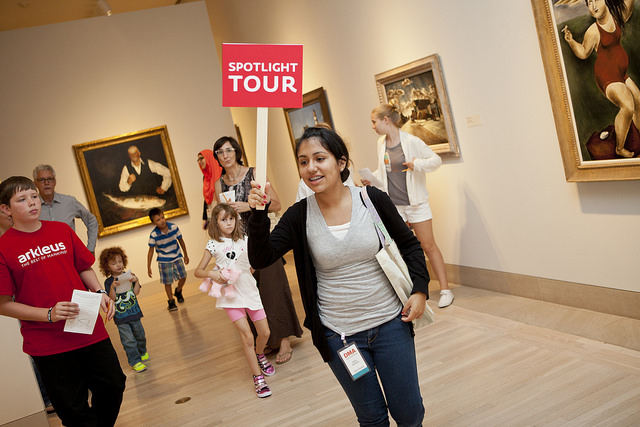
tour

Almost all museums have programs for the public, in one form or another. These programs may fall under the fields of education, visitor engagement or interpretation, and may take the forms of drop-in workshops, ticketed lectures, in-gallery interactives or scheduled tours. Even within a single museum, these programs are diverse in their scope, varied in the spaces they take place, and wide-ranging in their scale. Furthermore, they differ in their intended outcomes, but more on that later.

Importance has been placed on growing different types programs for the public, as these can garner more attention from the community, increase overall attendance, and develop audiences. Oftentimes, this growth is approached by expanding programmatic offerings: increasing lecture topics, presenting more classes and workshops, or providing additional interactives in galleries. In these instances, growth is measured by quantity: “Well yes we serve our community, look how many programs we offer!” But I question whether this type of growth is positive for museums. Is expansion without reflection a good idea? I am inevitably reminded of the adage, “Less is more,” and wonder how this concept can be manifested in museum education programs.

The process of reflection and evaluation is an often overlooked step in program creation. Activities are designed, implemented, and either repeated (perhaps next week, or next month) or they are archived (if they’re lucky) for posterity. But rarely does someone stop and ask, “So what?” This question, seemingly harsh and unforgiving to some, or unimportant to others, is an invaluable asset to evaluation in my mind. It is a question that harks back to my time as a graduate student at The University of Texas at Austin in the Art Education department. My thesis advisor and Assistant Chair to the department Dr. Paul E. Bolin situated this question as an integral part of all academic research. Students would approach him with research proposals and he would answer, “Well yes, that does sound like an interesting study of this-and-that at the so-and-so institution, but so what?” This simple question produced its fair share of frustration, but also some very fruitful discussion about the field of art education. It caused us to reflect on how our intended research would impact or advance the discipline. It wasn’t enough for the topic to simply garner interest, it had to have purpose and intention; it needed to be able to stand on its own and answer, “This is why I exist.” Now, I am not proposing that every public program initiated by a museum or art institution should be held to the bar of furthering the field of art education (this would be rather difficult), but I do feel that every program should be accountable in providing a significant answer to this critical question.

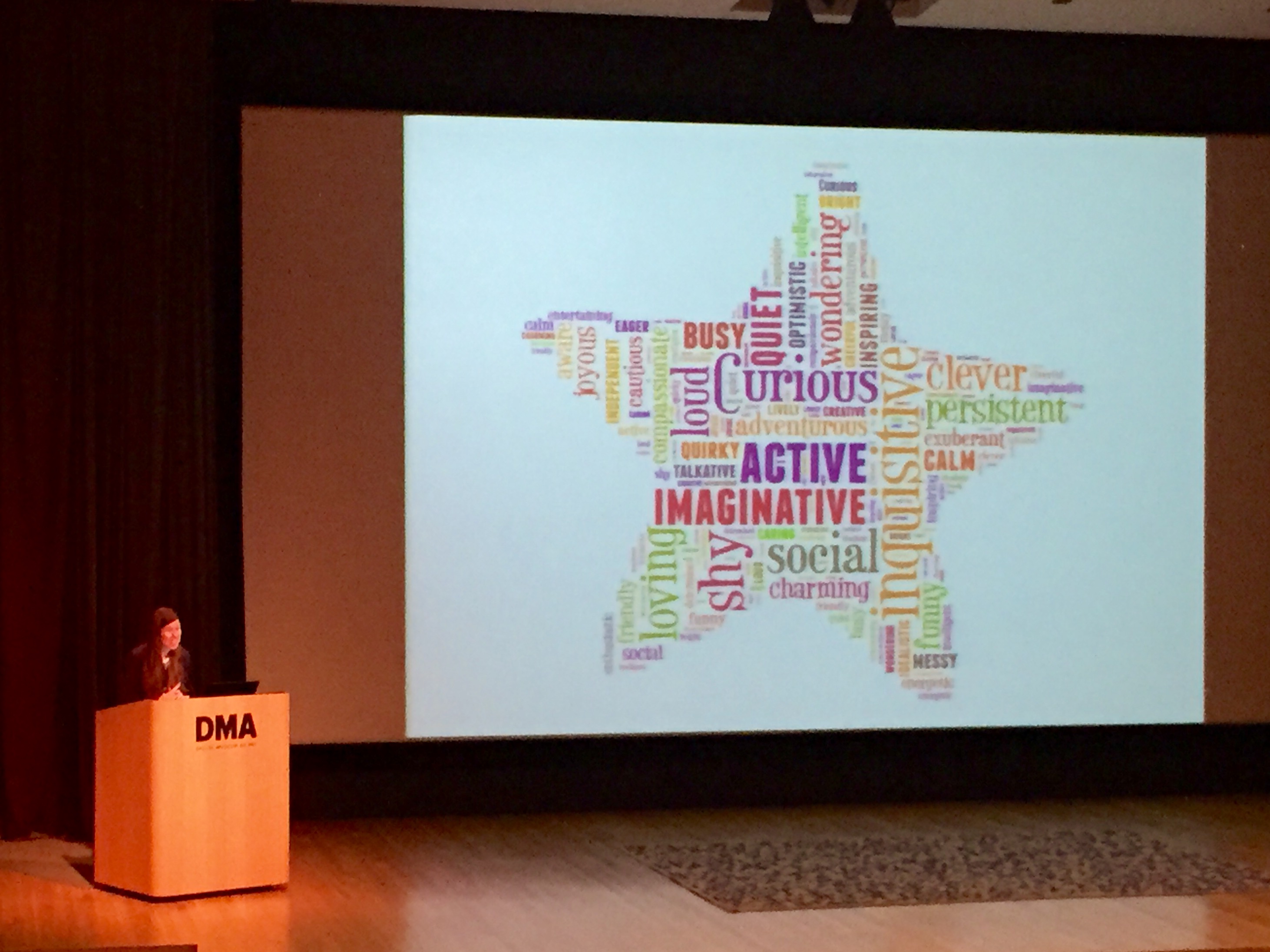
As a department, the DMA’s Education team has spent many hours creating a mission statement that encapsulates our departmental practice, inevitably answering the So What question for ourselves. And during this process we have hit upon some key concepts that fuel our programs, the chief one being engagement. As educators, we aim to broaden and deepen engagement, and recognize that the DMA can influence the depth of one’s engagement, not by pitching more programs at our community, but by facilitating meaningful experiences in our current educational endeavors. But how can we know that these experiences are meaningful, unless we ask?

Our Education team is undertaking the evaluation process by implementing a series of one question studies that aim to pinpoint specific queries we as educators have about our public programs. The restricted format of this evaluation exercise is key, because evaluation can be a daunting task if approached too broadly. The one question design ensures that we concentrate on a single point—one program or interactive, one outcome, one bit of information that is important for us to determine. Just as the questions vary, so too do the methods of collecting data from visitors, ranging from written surveys, a post-it note response wall, and even a voting system using colorful pony beads. Below are preliminary looks into two different one question case studies we’ve begun.

CASE STUDY #1: YOUNG LEARNERS GALLERY (contributed by Jessica Fuentes)
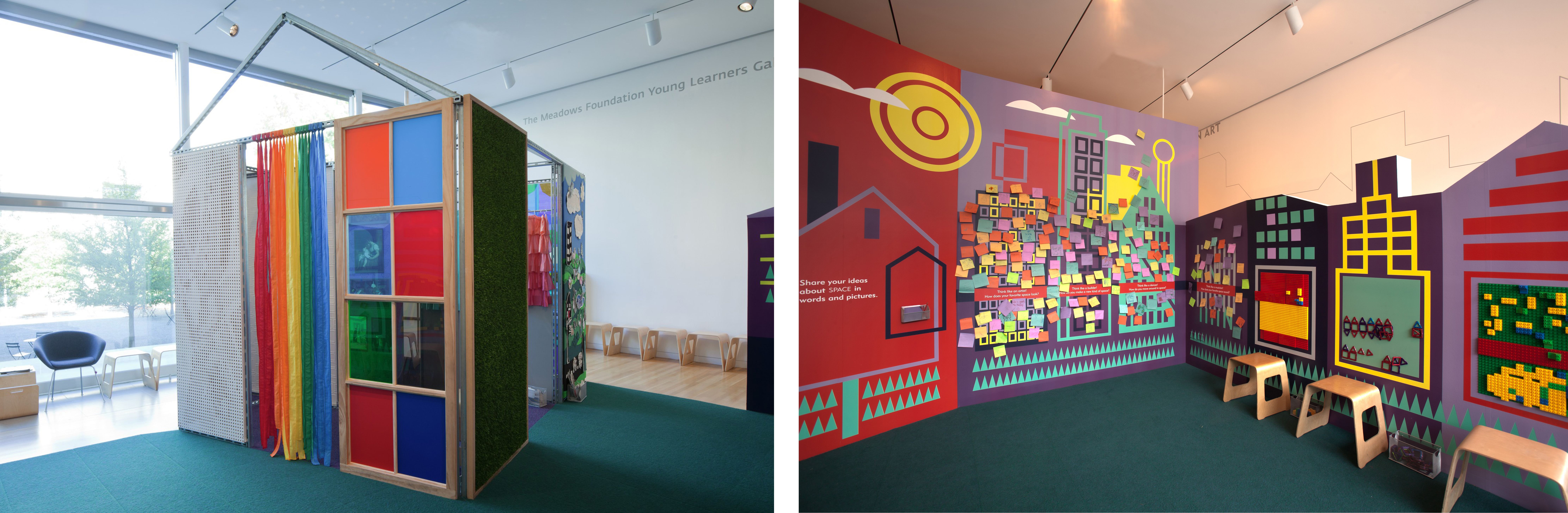
Young Learners Gallery

The Young Learners Gallery, within the Center for Creative Connections (C3), is a space designed for children ages 5-8 and their caregivers. Over the past three years while much of C3 has changed—with the introduction of new artworks, art-making materials and gallery interactives—the Young Learners Gallery has gone untouched, because making changes to that space requires a complete redesign. Before undertaking such a task, the C3 staff want to learn more about families’ anticipated and actual experiences at the Museum.

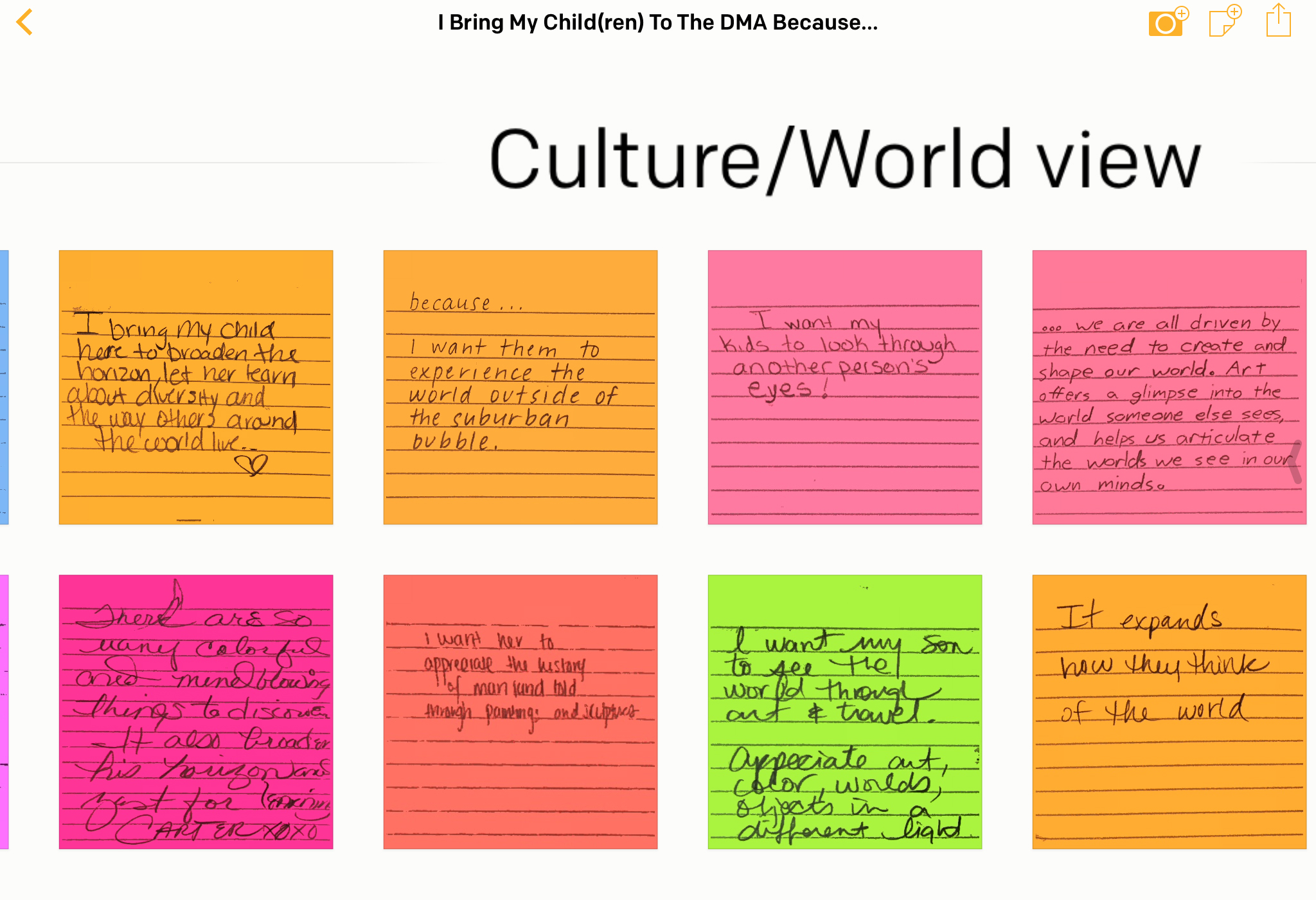
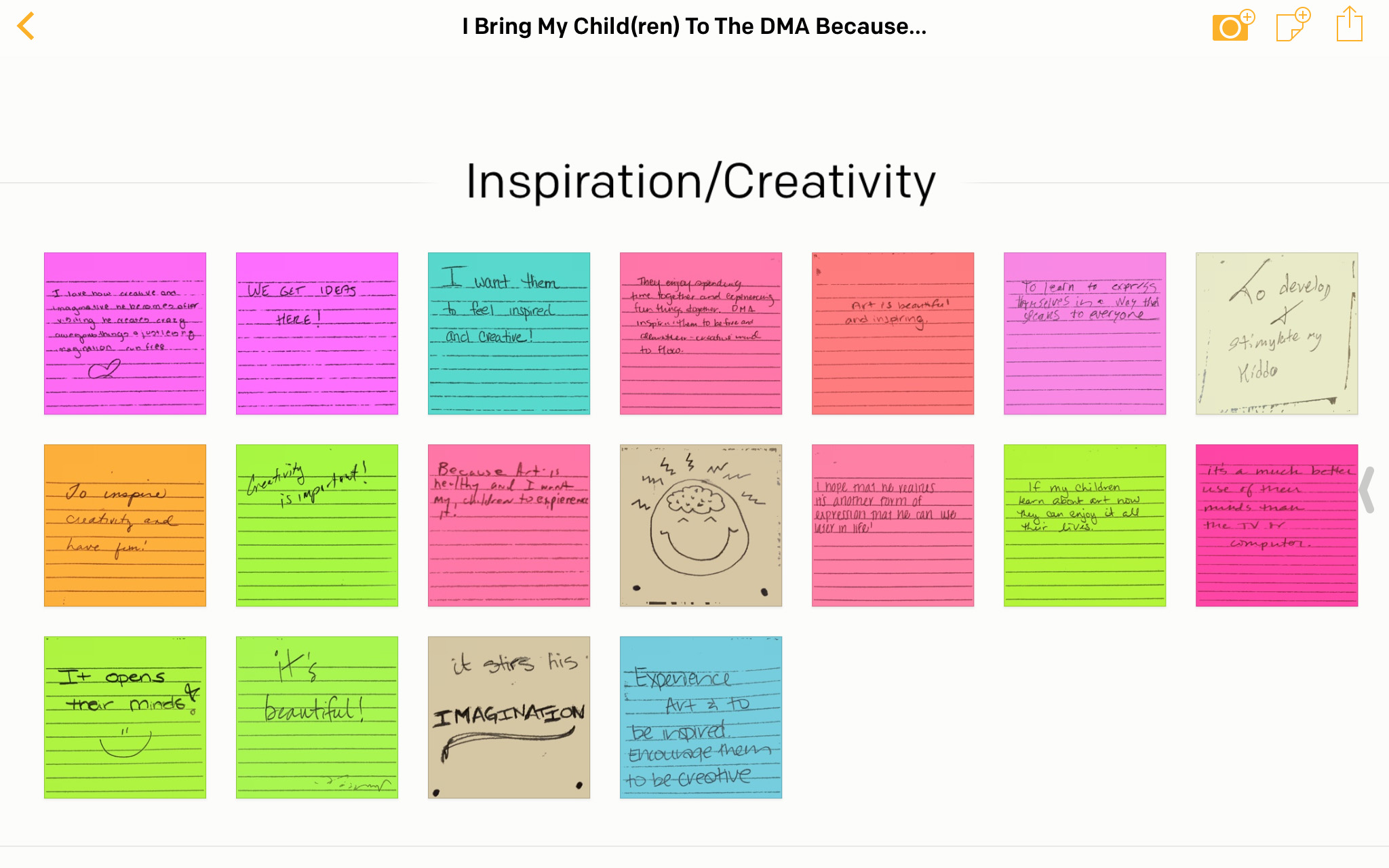
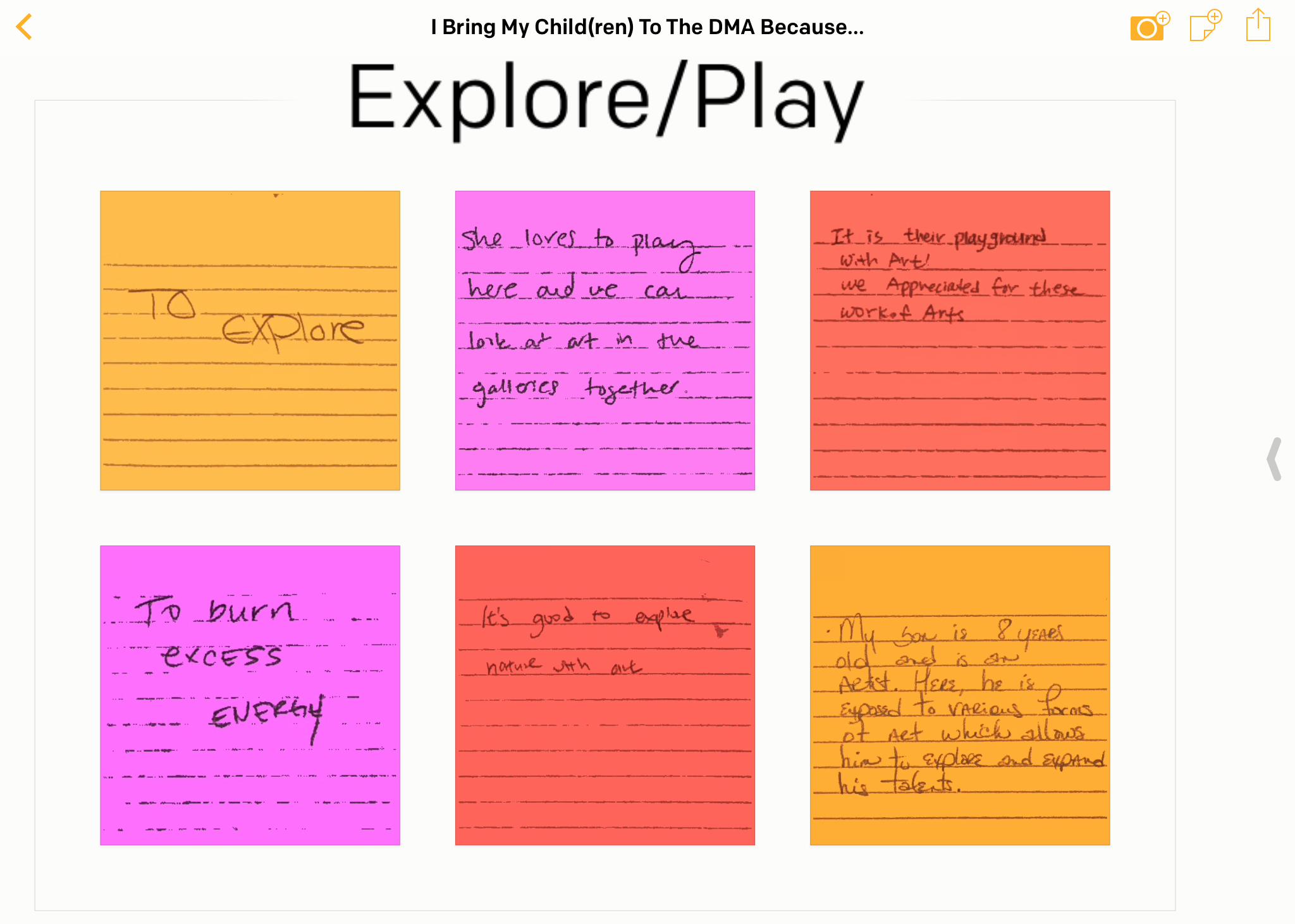
We started with the prompt, “I bring my child(ren) to the Dallas Museum of Art Prompt signbecause…” posted on a wall in the Young Learners Gallery near a small table equipped with post-it notes and pencils. Unlike a survey, this method allows for open-ended responses that can later be categorized and analyzed while retaining the individual visitor’s voice. This analog system has been brought into the 21st Century through the development of the Post-It Plus App. With this app, instead of sifting through responses and later transcribing them in digital form, we can simply photograph the post-it notes and organize the digitized notes on a virtual board. The board can then be exported in a variety of formats including PowerPoint, Excel, and PDF.
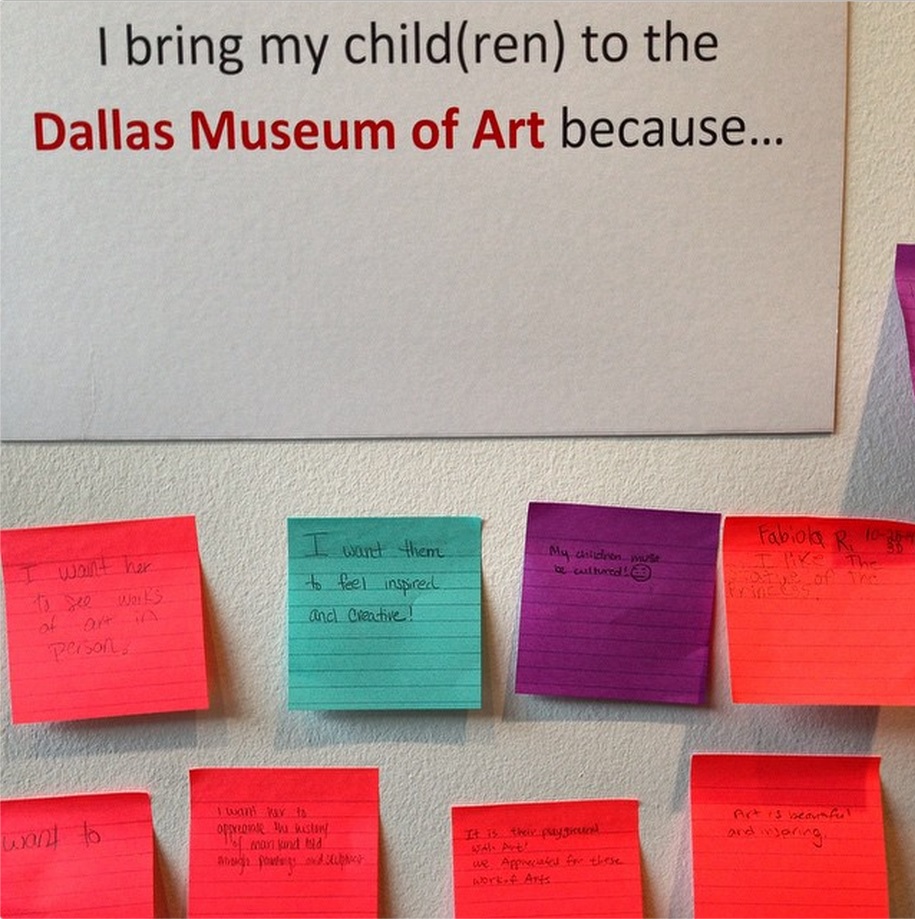
We posted our question for a month and received 107 responses. The responses ranged from children’s drawings to eloquent statements expressing a desire to expose children to a broader world view. Because the purpose of this question was to gauge the caregiver’s motivations, we set aside the 26 children’s responses and the 4 irrelevant responses; however, we plan to use future questions to gather children’s input as well. The top three categories for why caregivers bring their child(ren) to the DMA is to get inspiration or foster creativity, to provide exposure to different cultures or broaden their world view, and because it’s fun.

As we plan the new Young Learners Gallery, we are keeping these findings in mind. For example, we have decided to include works of art in the space which currently is an activity area. The works of art selected will have a strong emphasis on culture and creativity. We also plan to create hands-on activities that address the developmental milestones of children aged 5-8 and provide opportunities for children and their caregivers to play, draw, and talk together about the works of art in front of them.

Now that we understand why caregivers bring their children to the DMA, we are in the process of posing more questions to learn what families actually do in the Young Learners Gallery. Understanding both expectations and experiences will help us develop a space that will meet a wider spectrum of caregivers’ and children’s needs.
totes45CASE STUDY #2: ART TO GO FAMILY TOTE BAGS

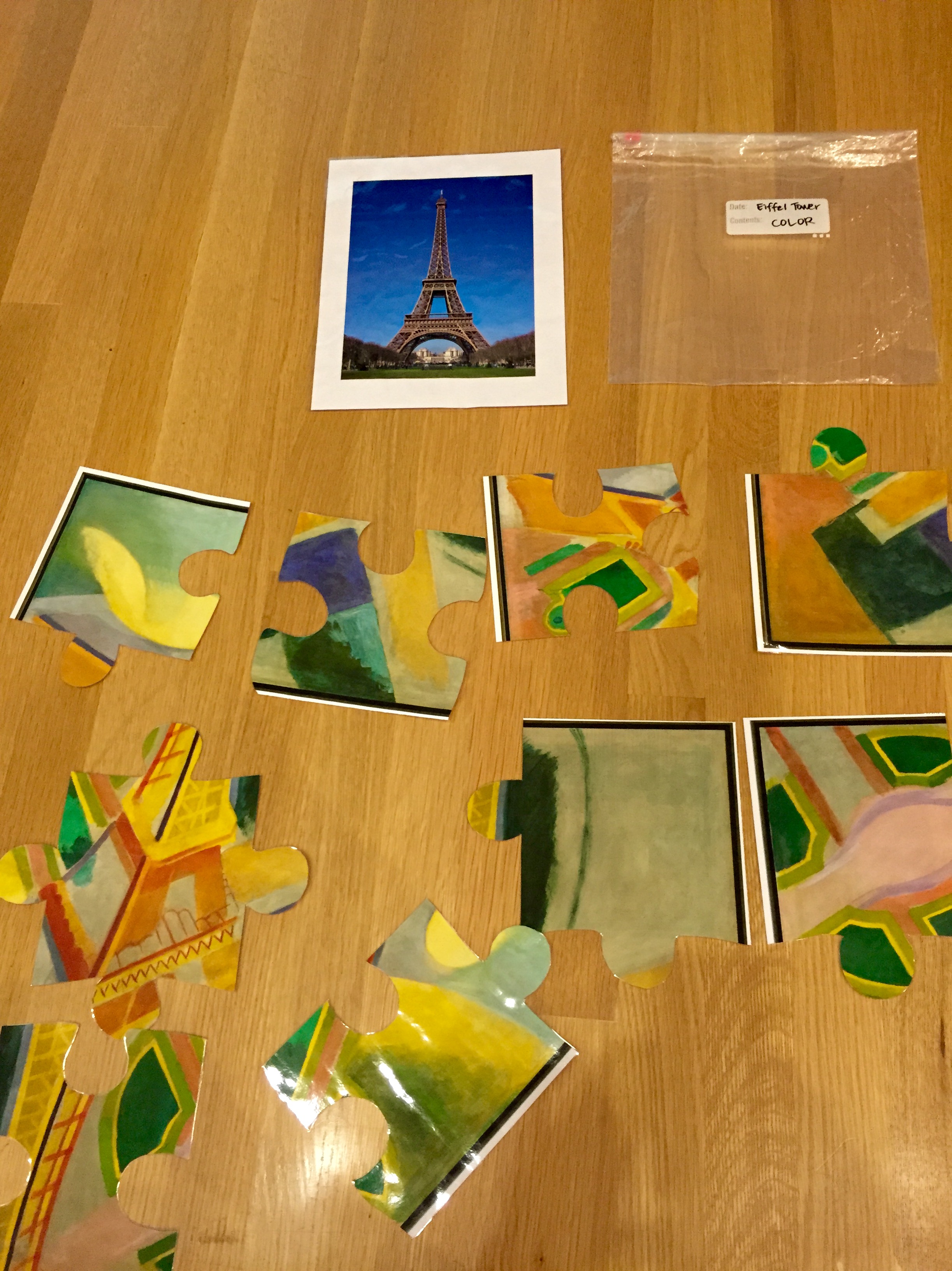
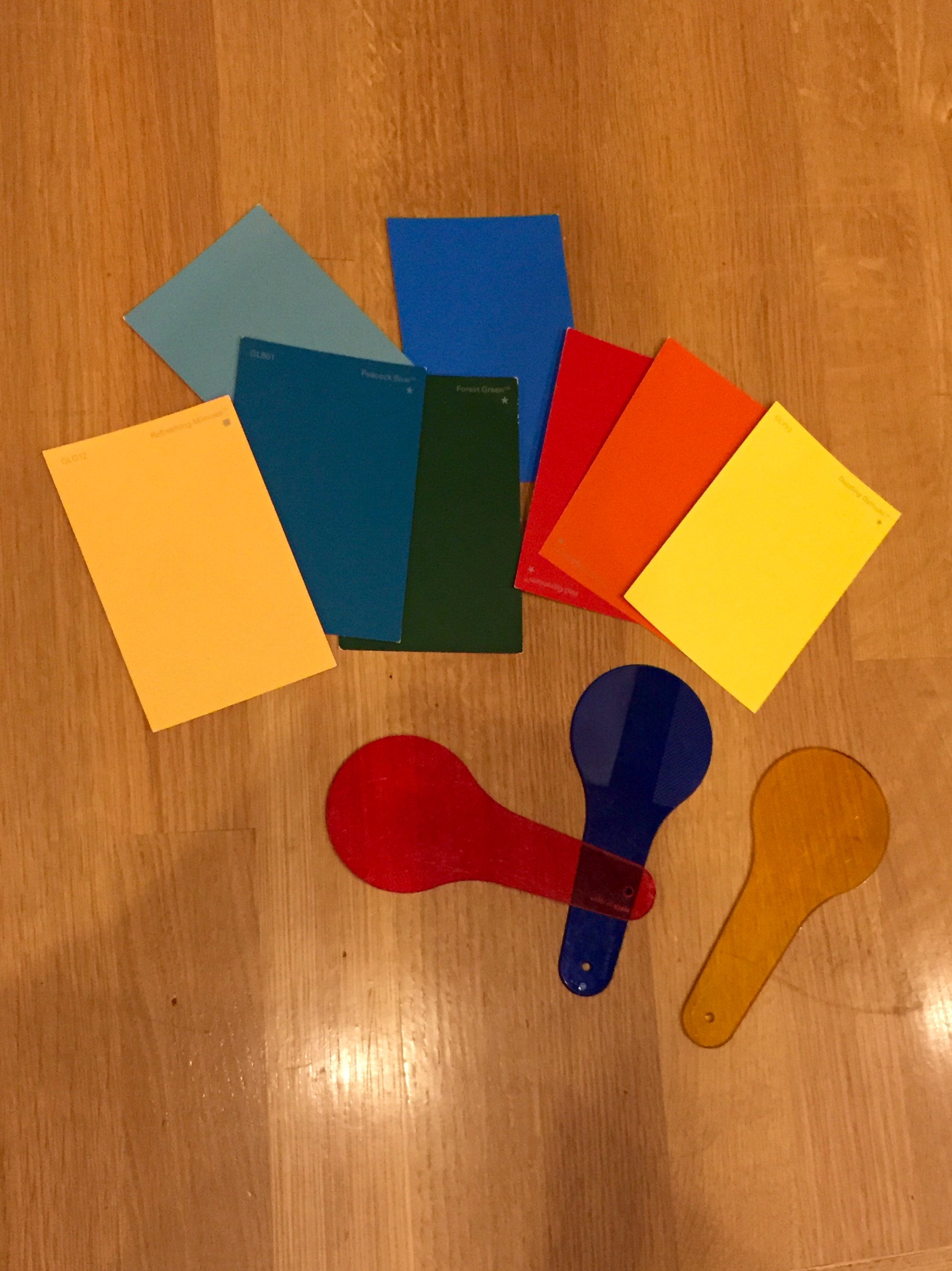
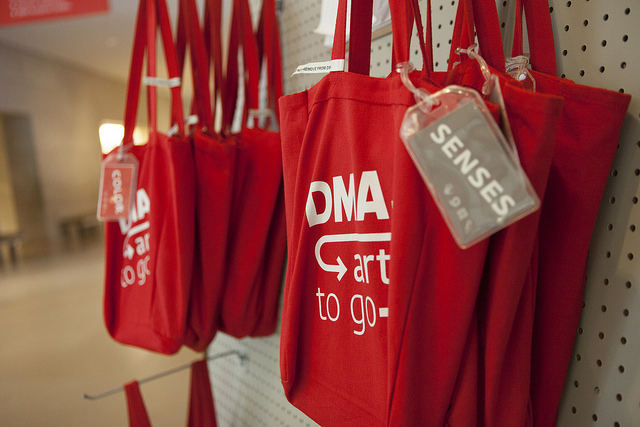
The DMA first offered activity-filled tote bags to families around this time last year, premiering during our January 2013 Late Night event. Each tote bag contains a variety of activities that encourage families to write, talk, play, or make while exploring the galleries together, the idea being to have fun with the art as a family. Since their public introduction last year, our Art To Go Family tote bags have grown to include many different themes: Senses, to help explore art through the five senses; Color, to explore art while thinking about colors; Family Fun, with activities designed by a family who frequently visits the Museum; and Arturo’s Library totes, designed for children under five years of age, which focus on a single work of art with an accompanying book and hands-on activity. These tote bags are available for check-out at our Family Fun Cart, located at the main entrance to the Museum, and are free to use by families anytime the Museum is open.

Initially, the Family & Access programs staff sought feedback on tote bags through individual paper surveys, presented to families once they returned tote bags to the Family Fun Cart. We found that very few of these surveys were returned, or even taken in the first place. During busy times at the Museum, those who coordinated checking bags in and out to visitors rarely had time to focus on handing out this extra survey to families, who for their part, were usually rushing to leave the Museum, and therefore rarely could spend extra time answering a two-page questionnaire. In this case, the one question evaluation was ideal not only because of its simplicity and accessibility, but also because of its straightforwardness. Unlike the above-mentioned project with the Young Learners Gallery, for the tote bags we were not looking for open-ended answers, at least not yet. While it is absolutely valuable to know whether or not visitors feel that the tote bags encourage a playful attitude towards looking at art, or if they are able to increase visitor confidence in looking at art with children, this is information that is best obtained in a second stage of evaluation, when we look at the specific effects of each activity and deem whether things should be modified or not. At this still early stage in the life of the tote bags, our team is really interested in the simple question of whether families are indeed using the tote bags during their visit, and where in the Museum they are being used. (This is our So What question.)

We designed our one question evaluation as a multiple choice prompt, which was added to the tote bag check-out sheet. We asked, “On Which Floor Did You Use the Tote Bag?” and invited visitors to check the box next to each area in which they used the bags—Level 1, Level 2, Level 3, Level 4—or, if they didn’t in fact use the activities in the bag, to check Did Not Use. Our hope was that including our one question evaluation on the check-out sheet, something that families were already using and thus familiar with, would increase the amount of feedback we received.

The updated check-out sheet has been in rotation for two months, and we have collected data for November and December 2014. On average, 52% of people who checked-out tote bags during that time responded to our evaluation, and of that total only 6% did not use the tote bag activities at all. While in the Museum, the respondents said they preferred to use the tote bags most on Level 1 (28%) and least on Level 4 (16%). Now, is this choice based on physical access (Level 1 is the same level on which the tote bags are offered, while Level 4 is farthest away) or related to the works of art available on each level (Level 1 is Contemporary art, Level 4 is American)? Now that we are beginning to better understand how much the tote bags are being utilized by visitors, and where in the Museum galleries they are being taken, we can start to pose these types of ancillary questions, that tap into deeper inquiries about visitor engagement.
Tour

The insight provided by these two studies hopefully demonstrates the importance of evaluation to both growing and expanding program development. These are just preliminary looks into initial studies, and we hope to have more one question studies, as well as data, on the horizon. In order to increase the effectiveness of our programs and spaces, museum educators need the input of our audience to better understand their level and scope of engagement. Reflection and evaluation, in the style of these one question studies or other formats, can facilitate this exchange of ideas in a positive and productive manner, providing a strong foundation for educators to answer the So What question for themselves, their institution, as well as their community.

Danielle Schulz
Teaching Specialist
Friday Photos: The Mother Load Responses

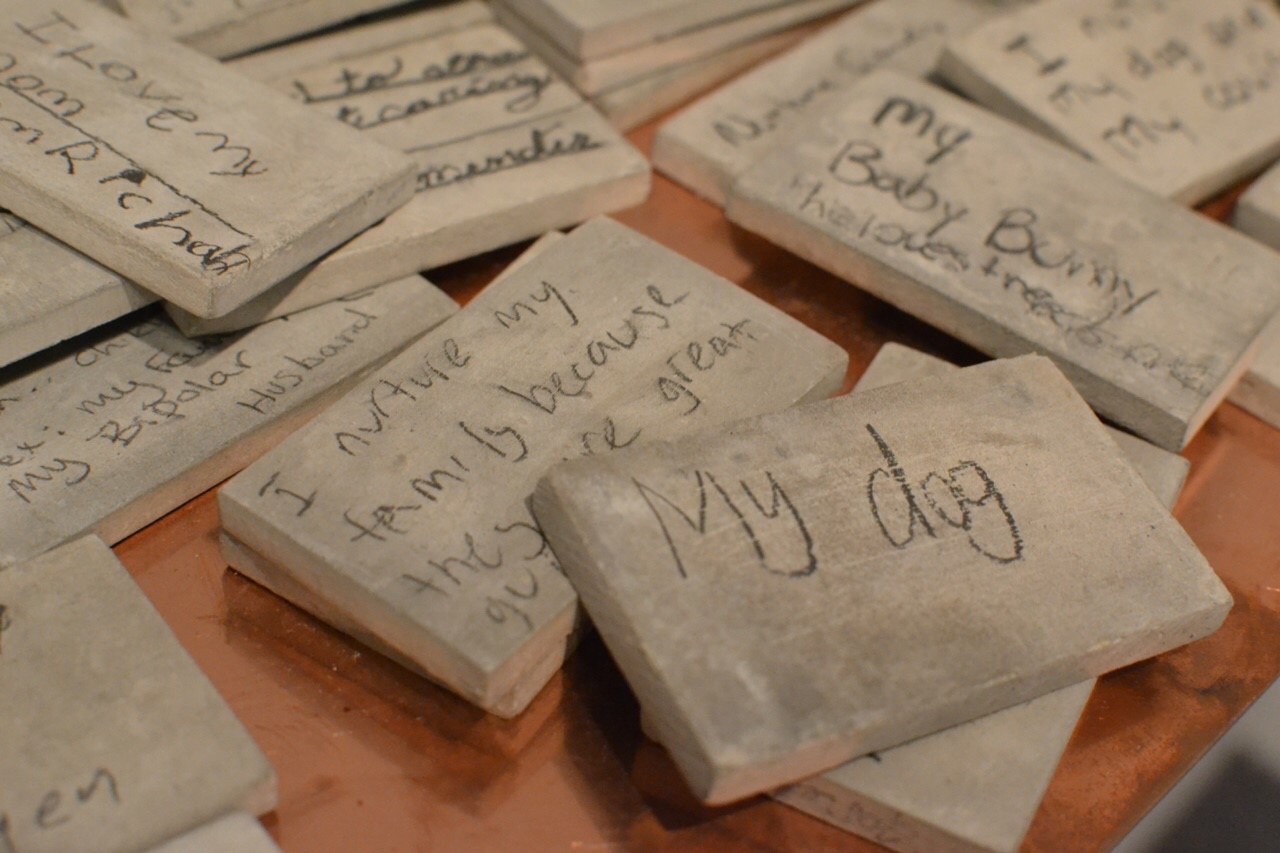
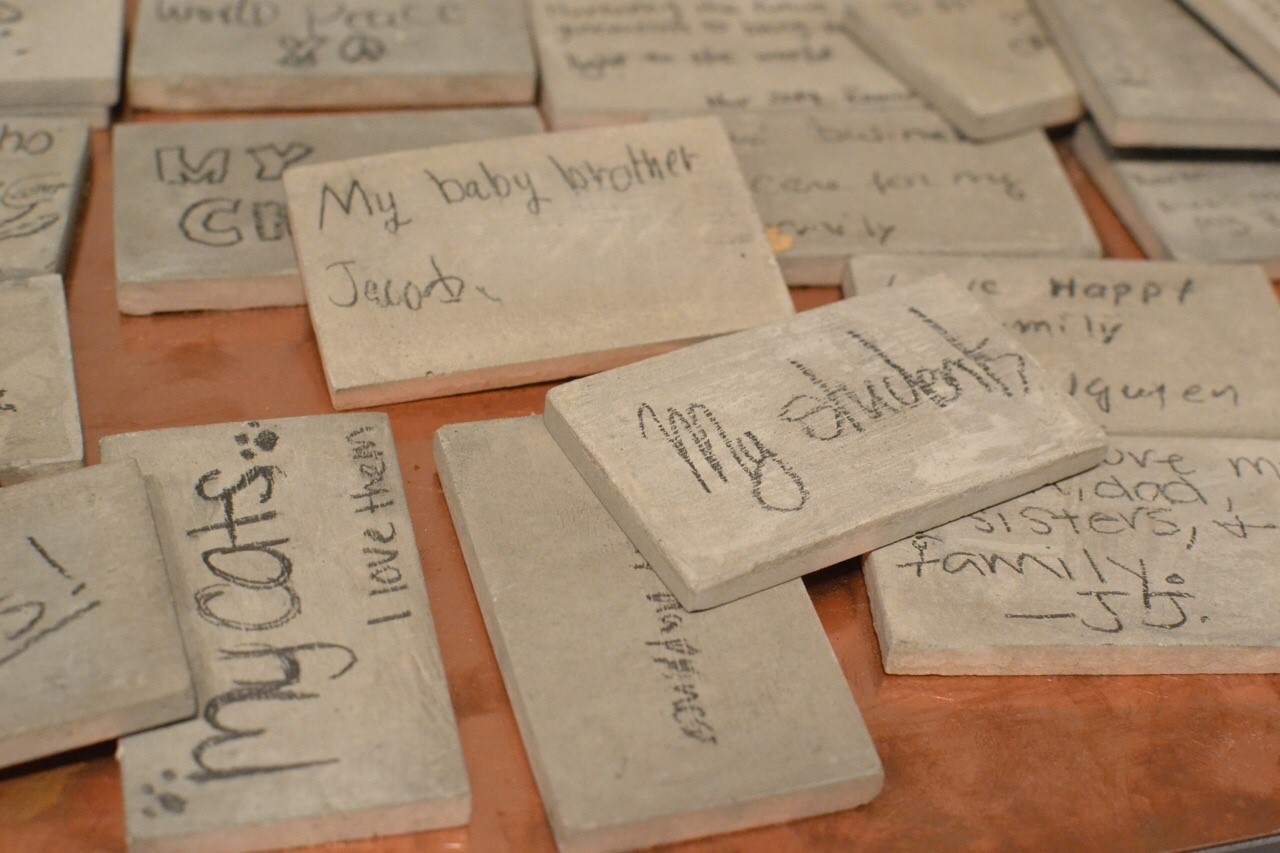
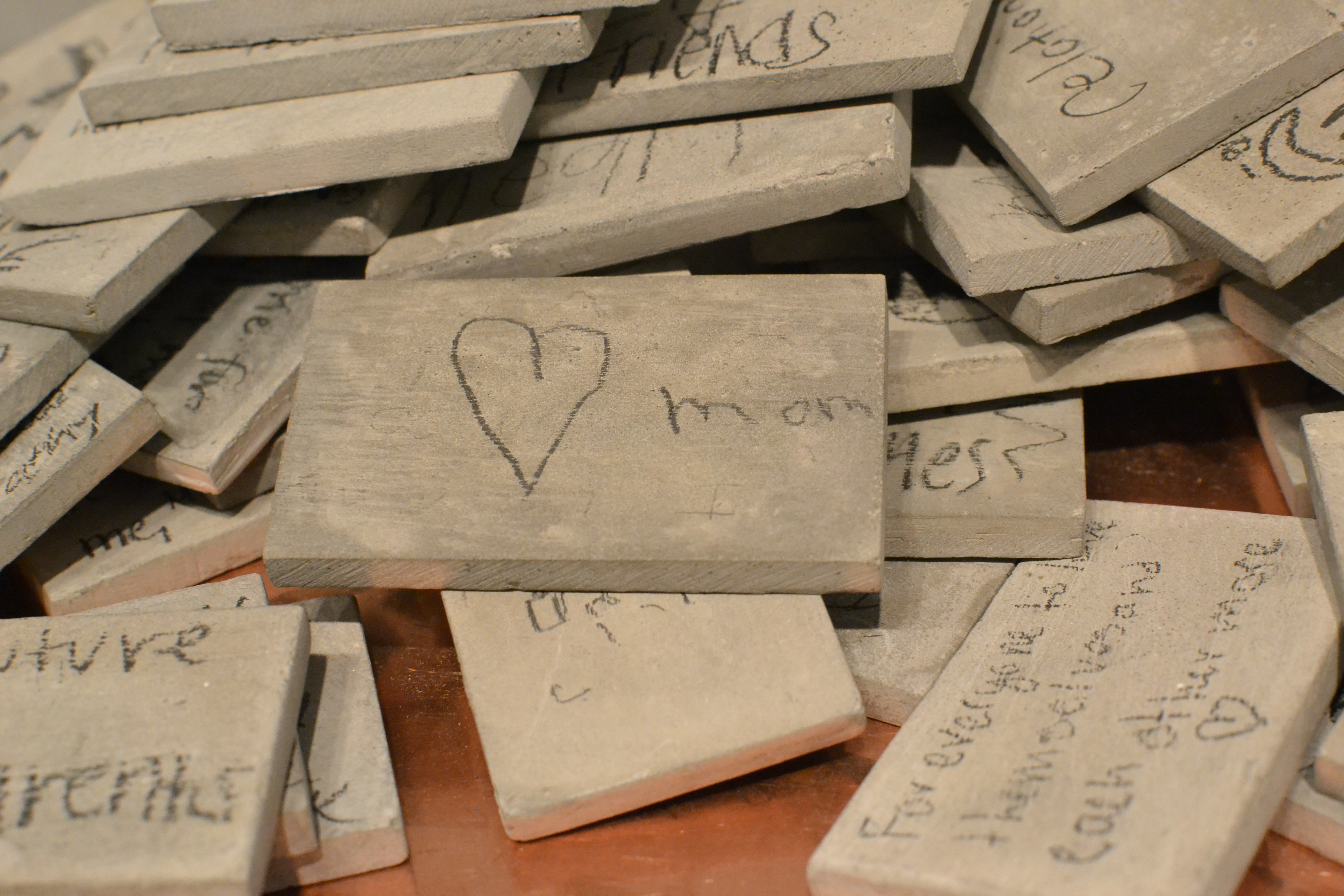
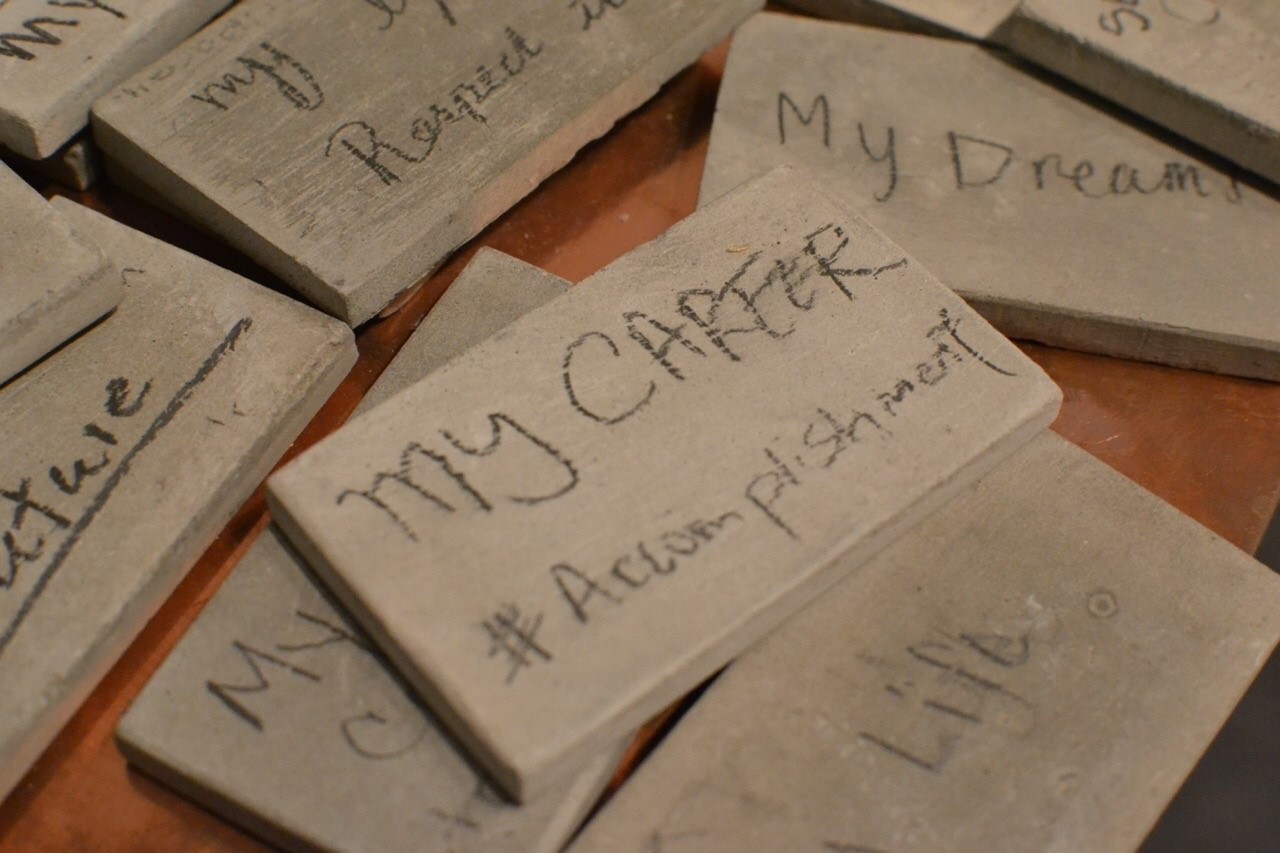
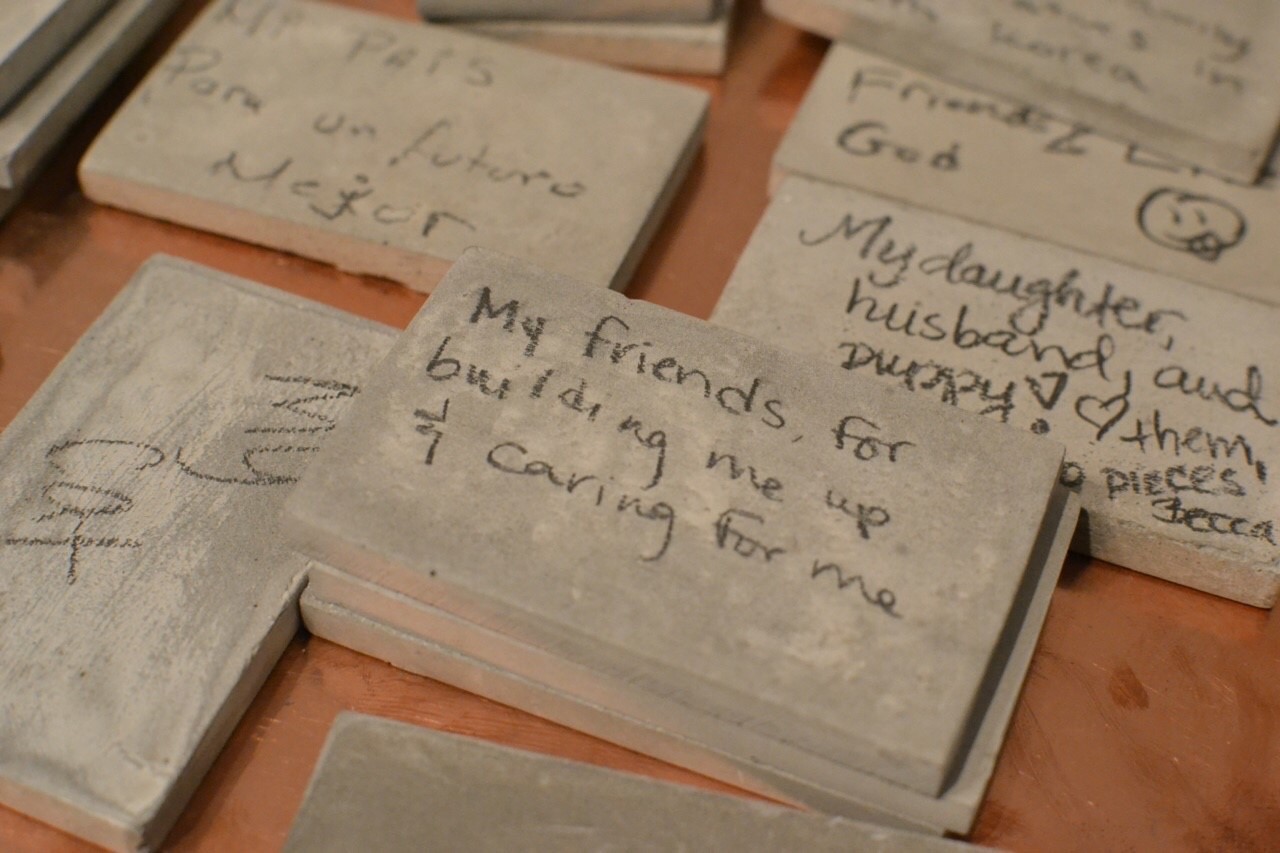
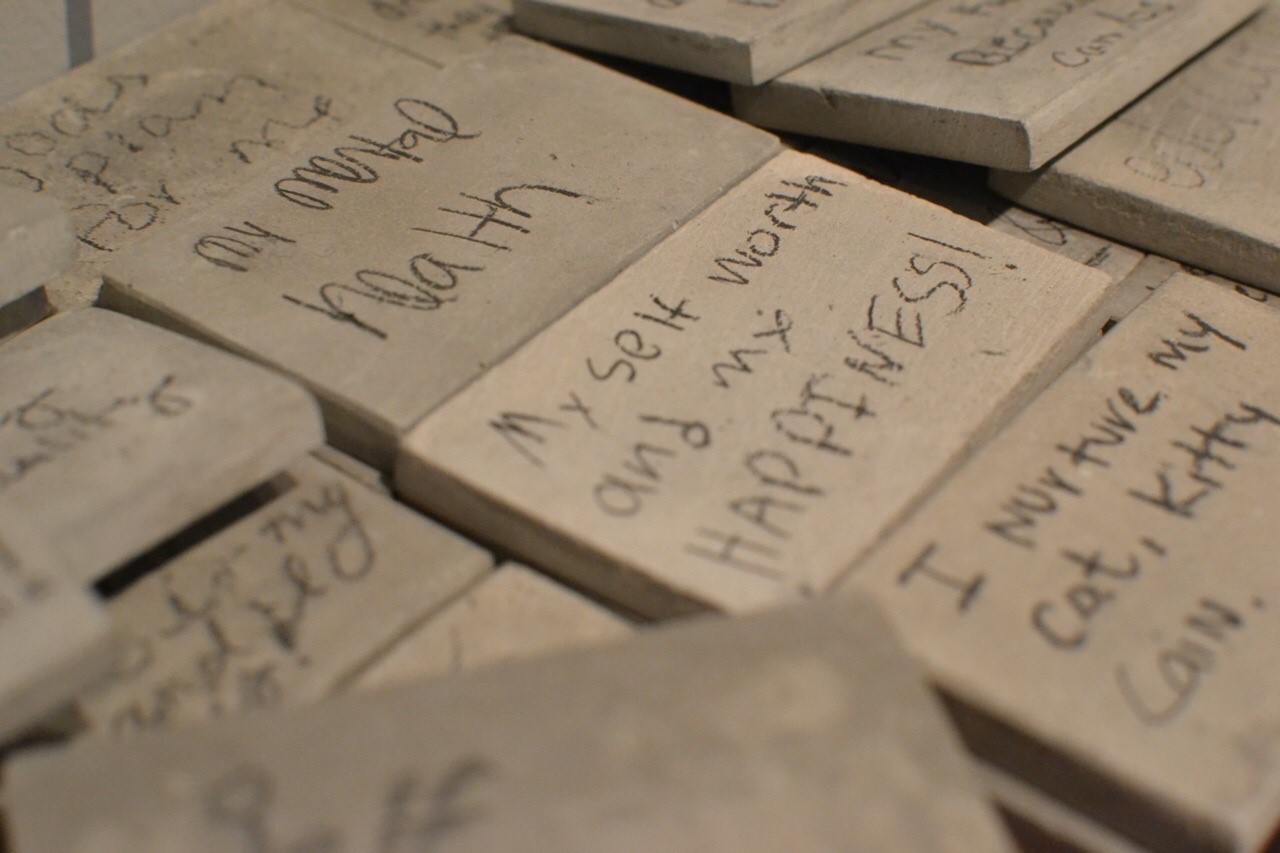
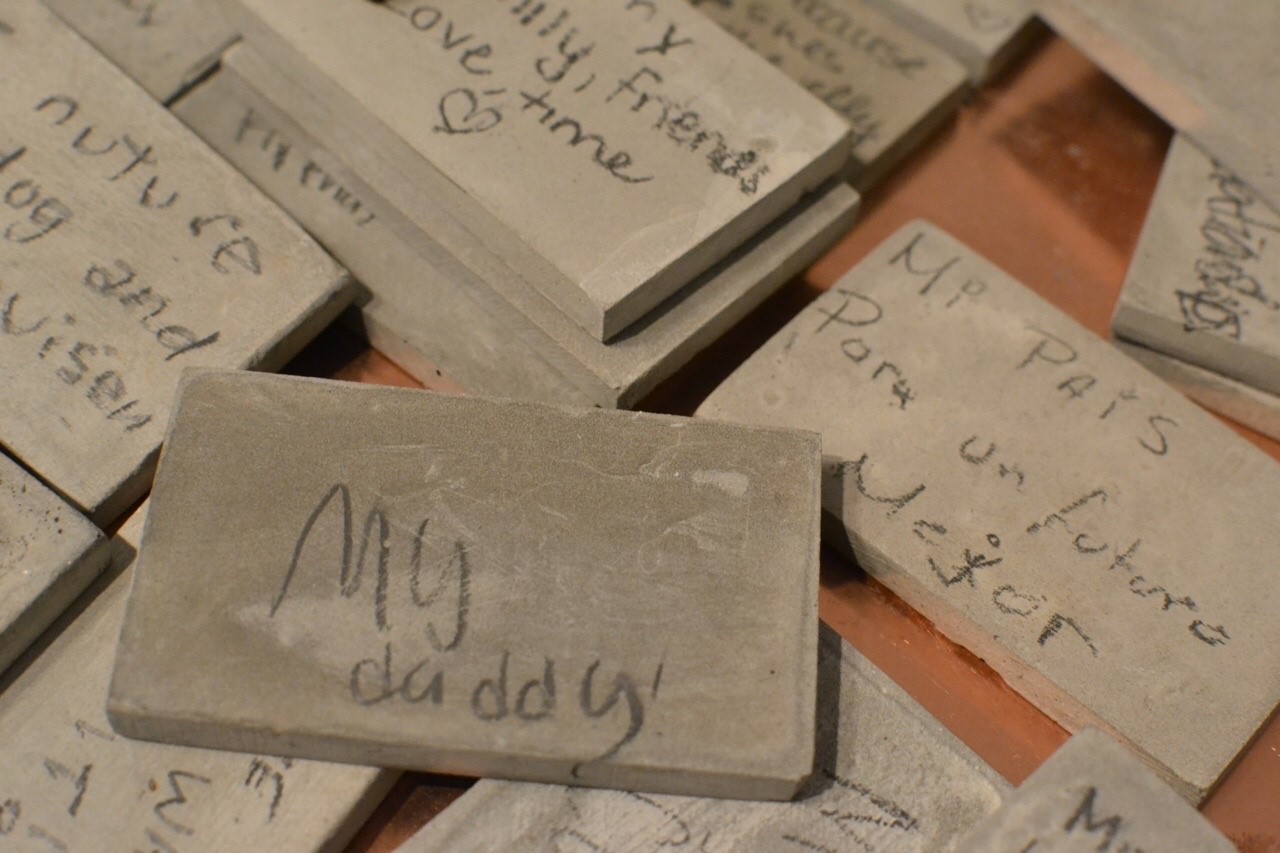
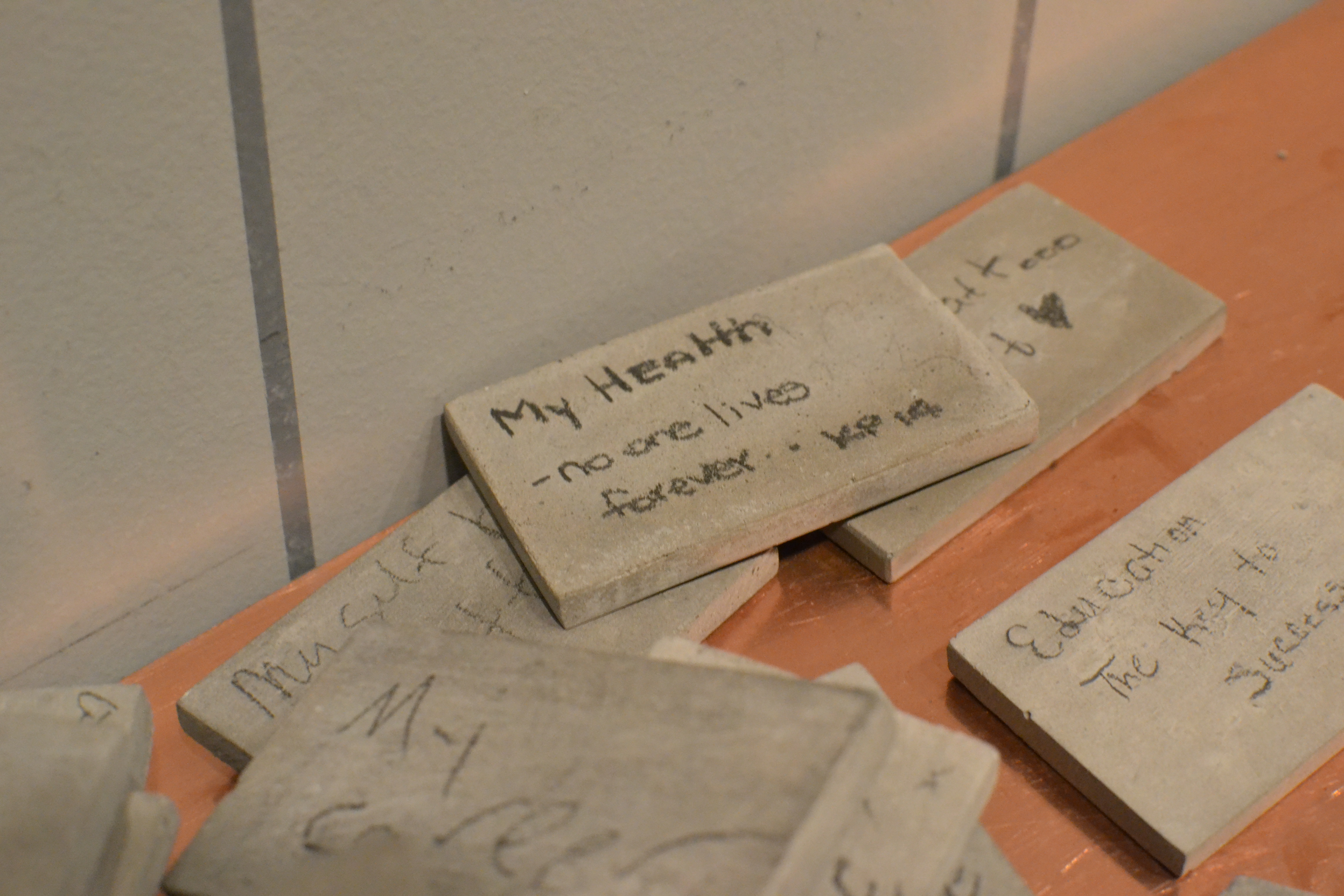
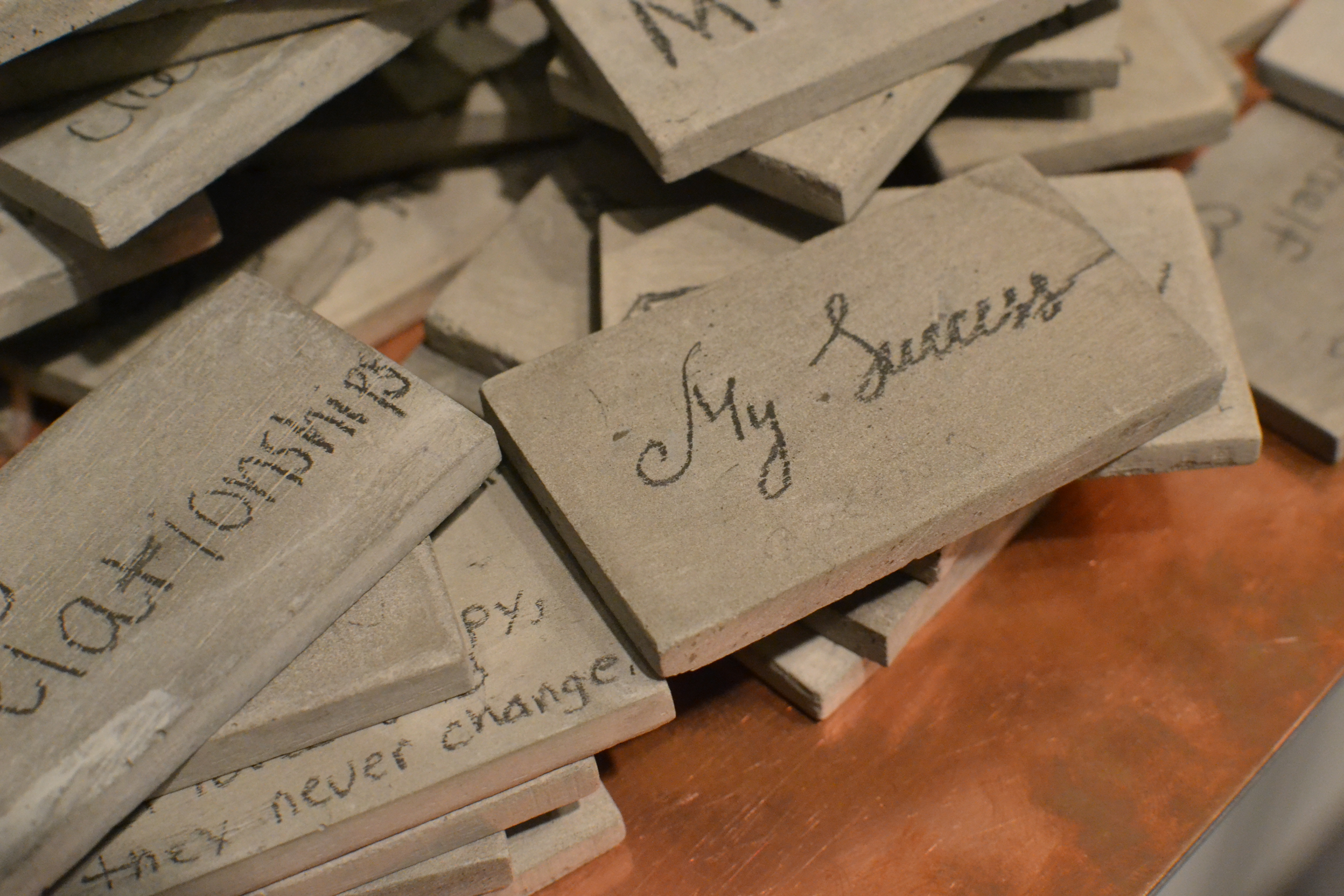
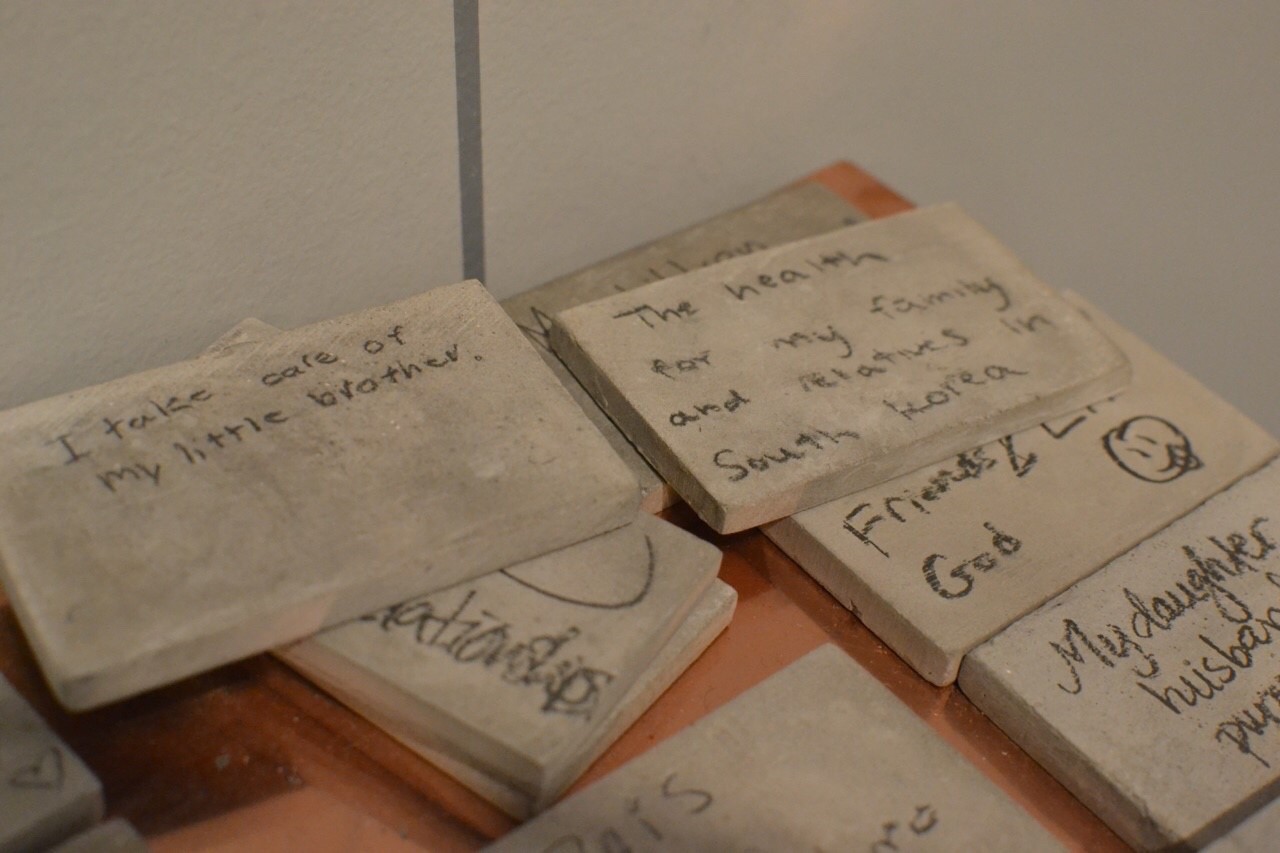
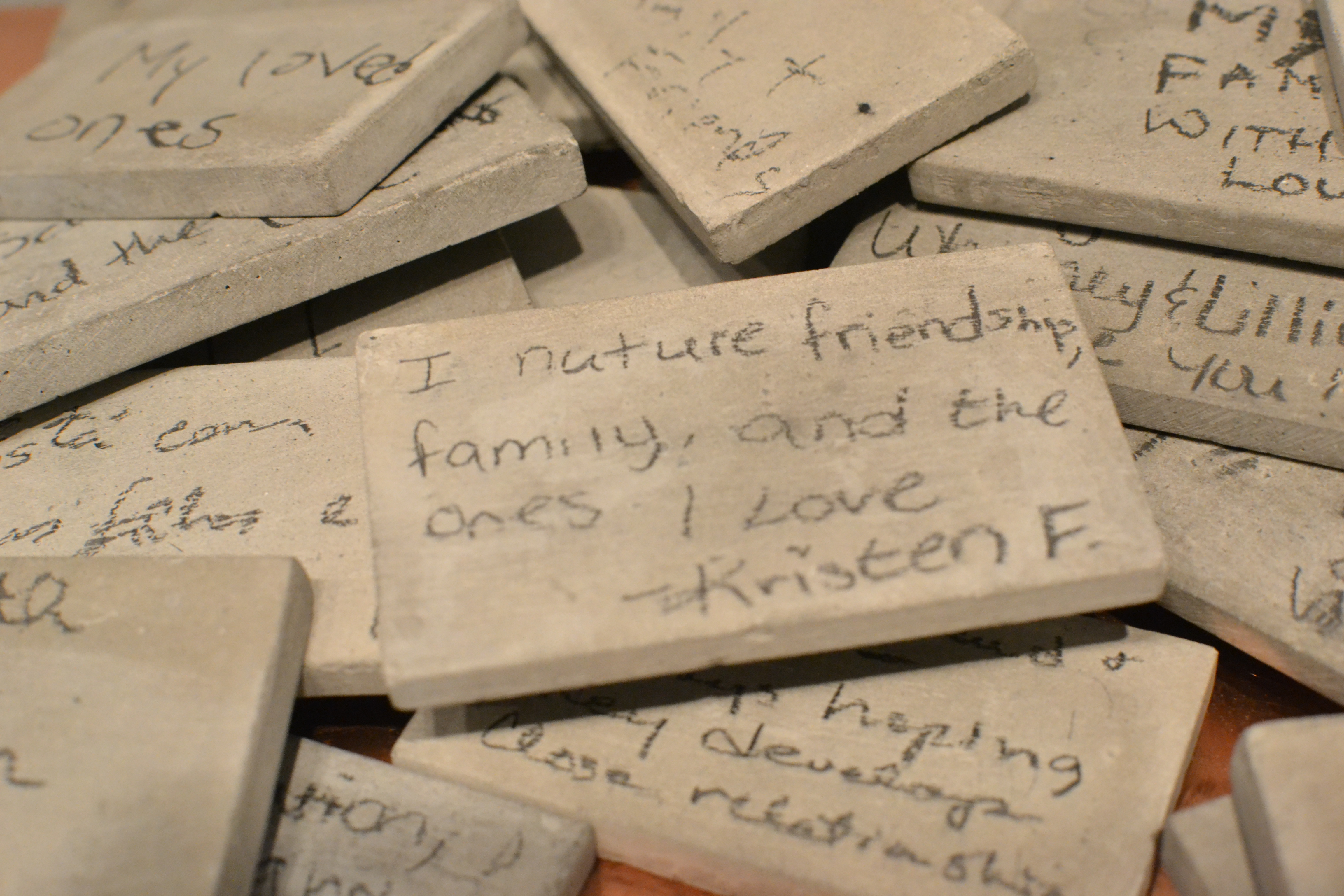
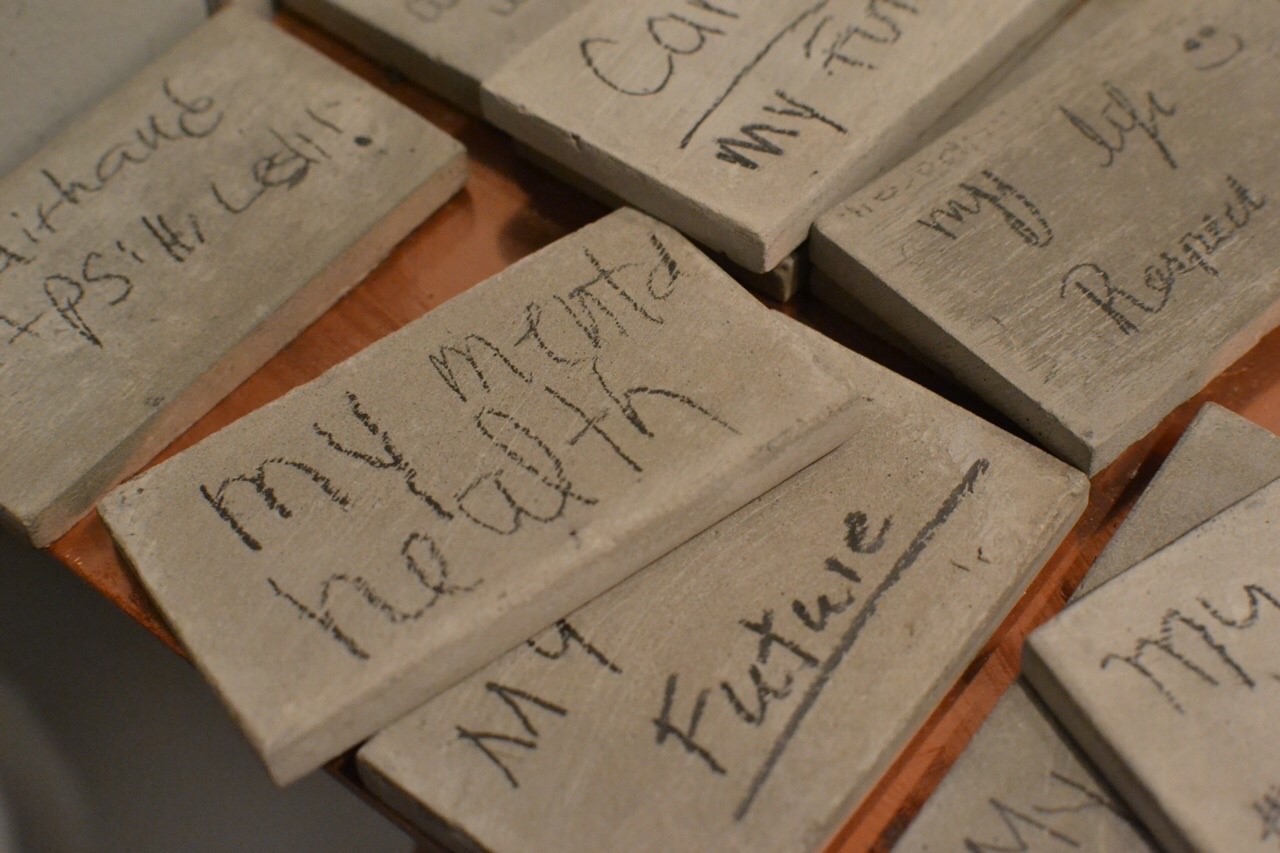
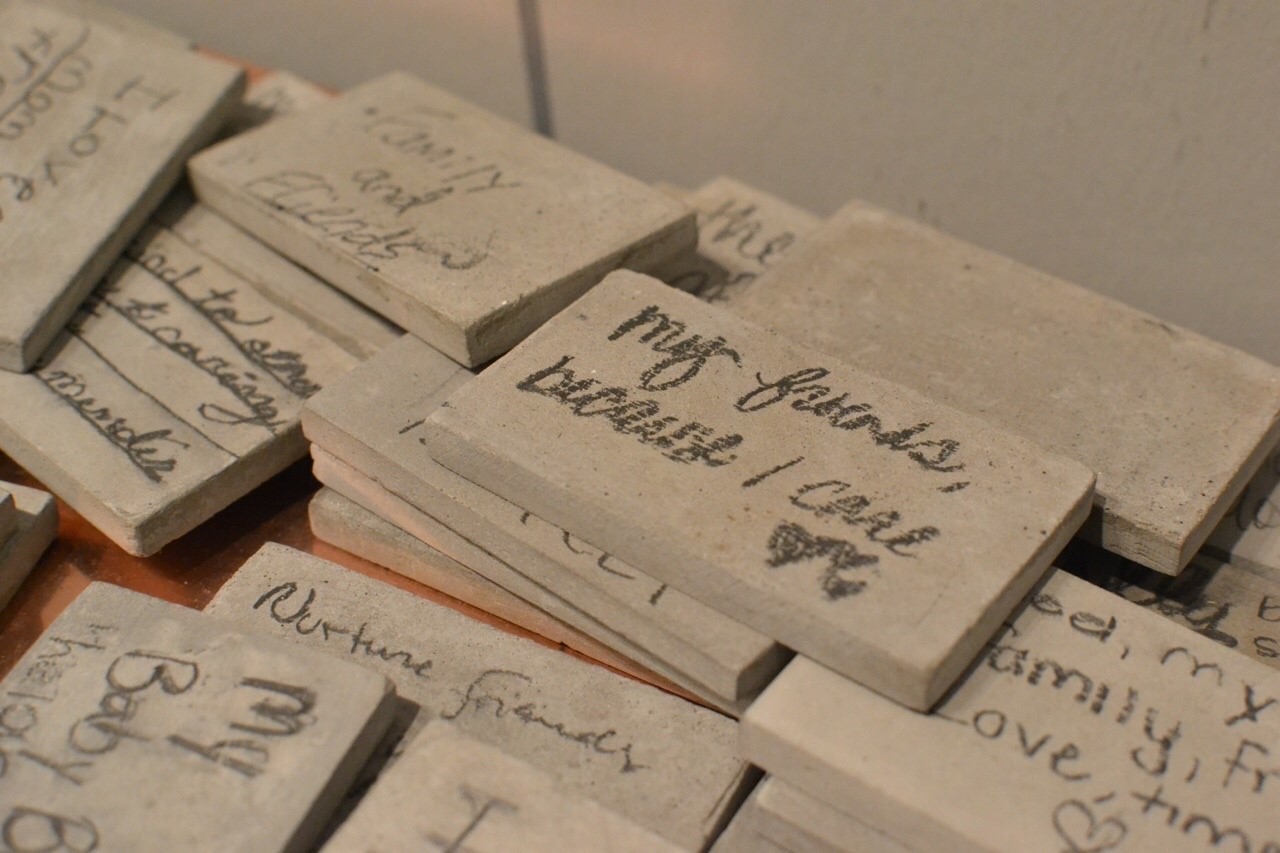
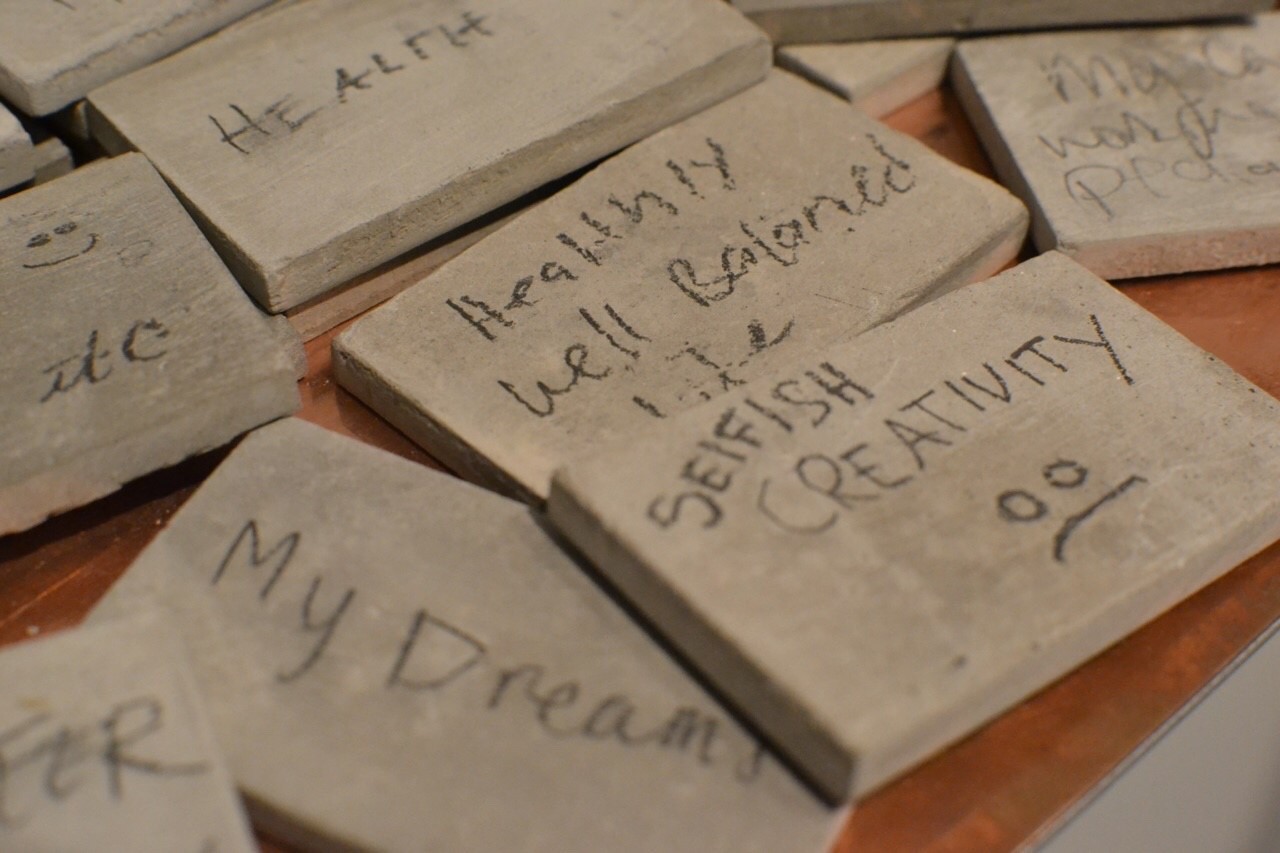
In September, we did a Friday Photos post of The Mother Load Project installation in the Center for Creative Connections. Now that this interactive installation has been on view for a few months, we’d like to share some of the wonderful visitor responses. The Mother Load Project asks visitors to respond to the question:

In your life right now, what do you nurture, and why?

Visitors write their responses on small gray tiles and place their tile on one end of a balance marked for self or for others. I love coming in and seeing which way the balance is leaning on any given day and watching it change course over a matter of hours.

The Mother Load Project Installation_balance

Here are just a handful of the thousands of responses we have received so far.

View more visitor responses on The Mother Load website and stop by the Center for Creative Connections to contribute your thoughts to this project.

Jessica Fuentes
C3 Gallery Coordinator

Recipe for Art: The DMA’s Delicious New Tour

With a new year beginning, we are delighted to announce a new school tour at the DMA! Starting this month, schools can book “Recipe for Art,” a tour developed for Kindergarten and First Grade visitors by our Manager of Early Learning Programs, Leah Hanson, and our Manager of Docent and Teacher Programs, Josh Rose.

One of the main goals of “Recipe for Art” is to help children make connections between art and their own personal experience. This is done by connecting a familiar idea (that of using a recipe to make a delicious treat) to the way that an artist makes a work of art. Instead of ingredients like flour and sugar, the ingredients for art are the elements of design: shape, line, color and texture.
On the tour, groups will visit four or five different works of art in the collection, in order to talk about the basic elements of design. Groups first explore what the terms mean before then looking closely at the work of art in front of them. This leads to discussion, after which the children engage in a variety of kinetic and multi-sensory activities. These activities were specially designed to address various learning styles and to focus on the attention span and needs of this particular age group.
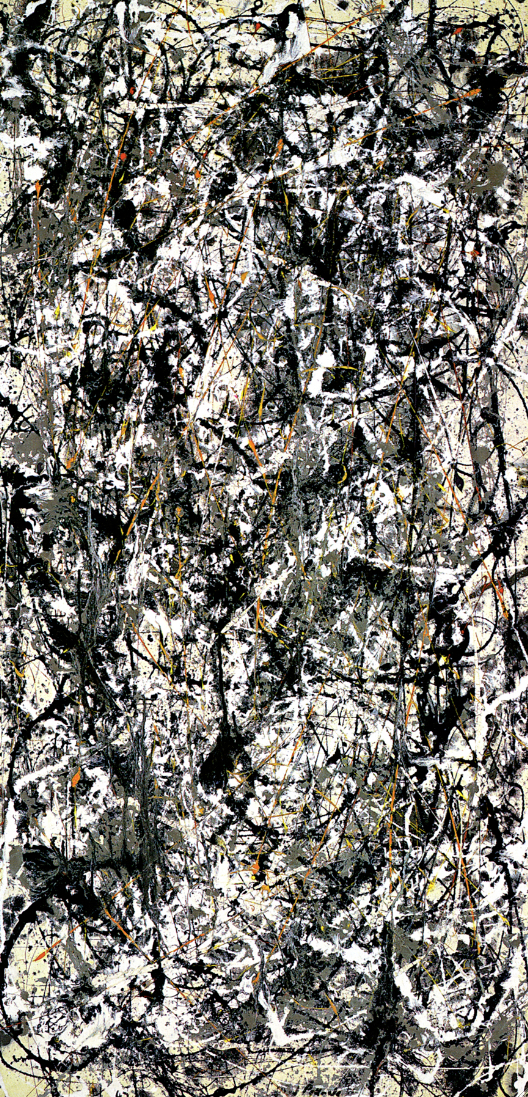
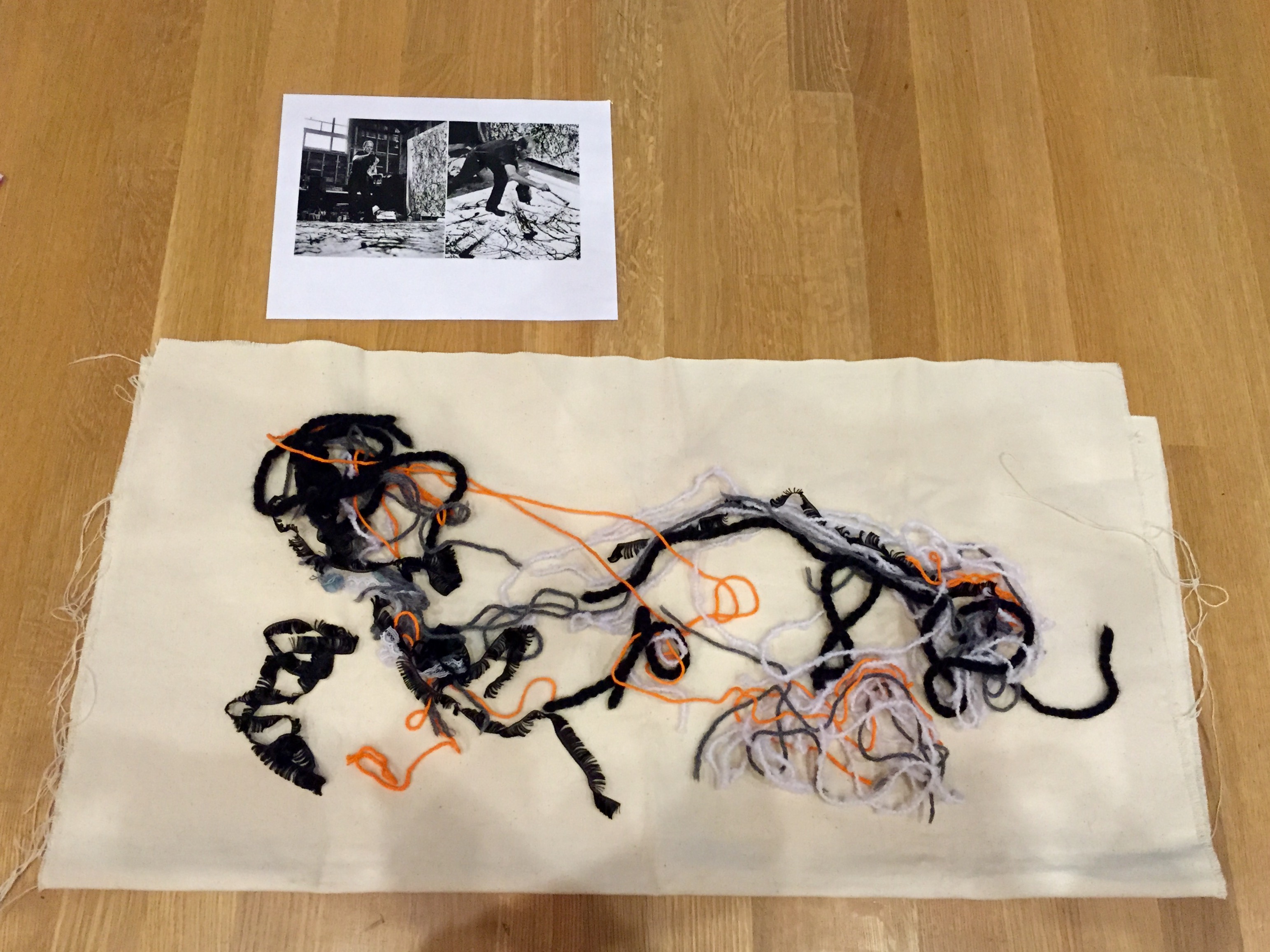
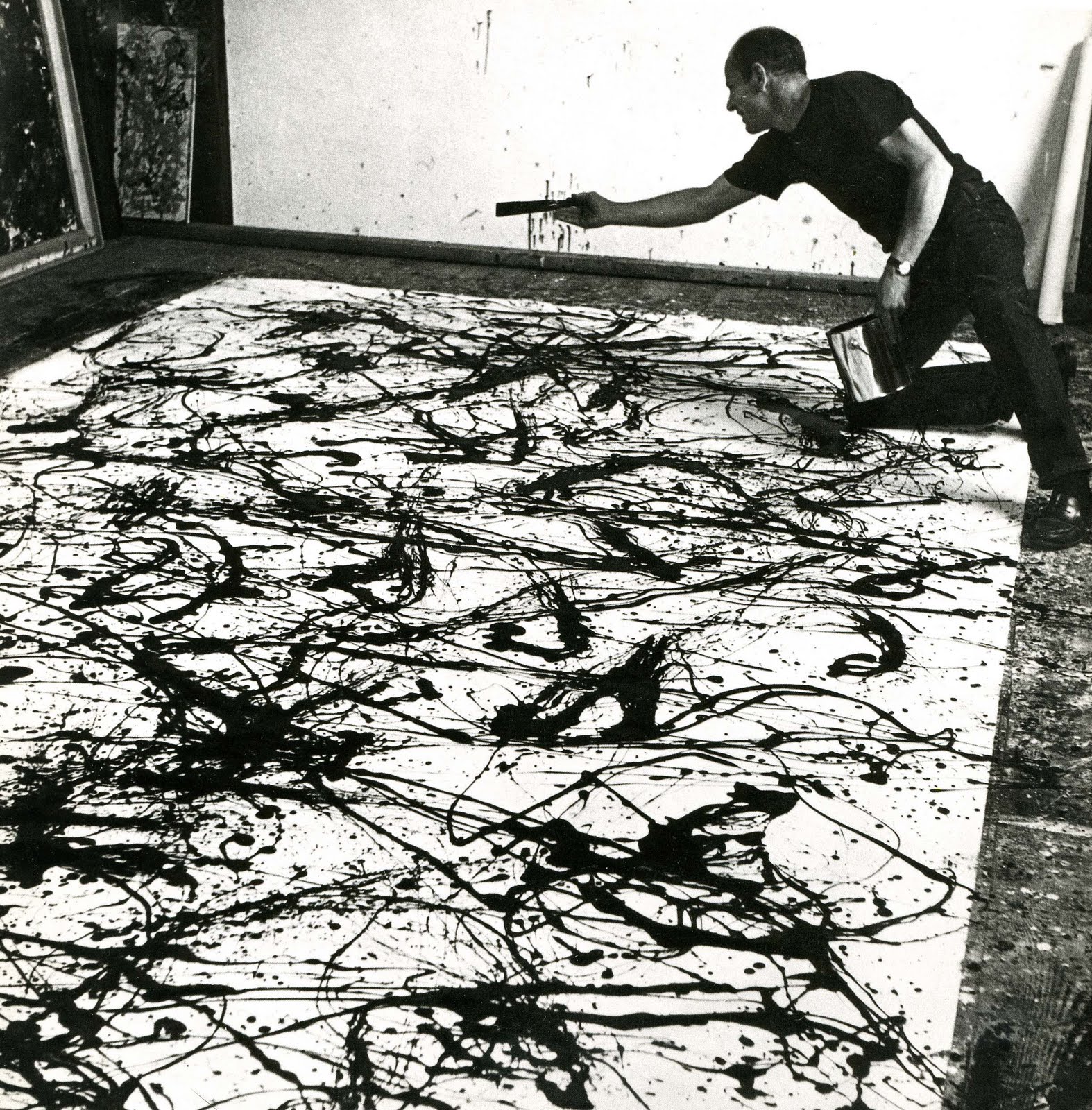
One important characteristic of these young visitors is their need to move! The tour was specifically designed to give children opportunities for purposeful movement–movement that helps them connect what they see to the motion that they are asked to make. One example of this is an activity based on Jackson Pollock’s Cathedral. The children are each given “paint” (a piece of string) and they throw it onto a “canvas” (a piece of felt), in order to simulate the movement of Pollock’s action painting. This allows the children to burn off some of their energy, while also connecting them with the art!

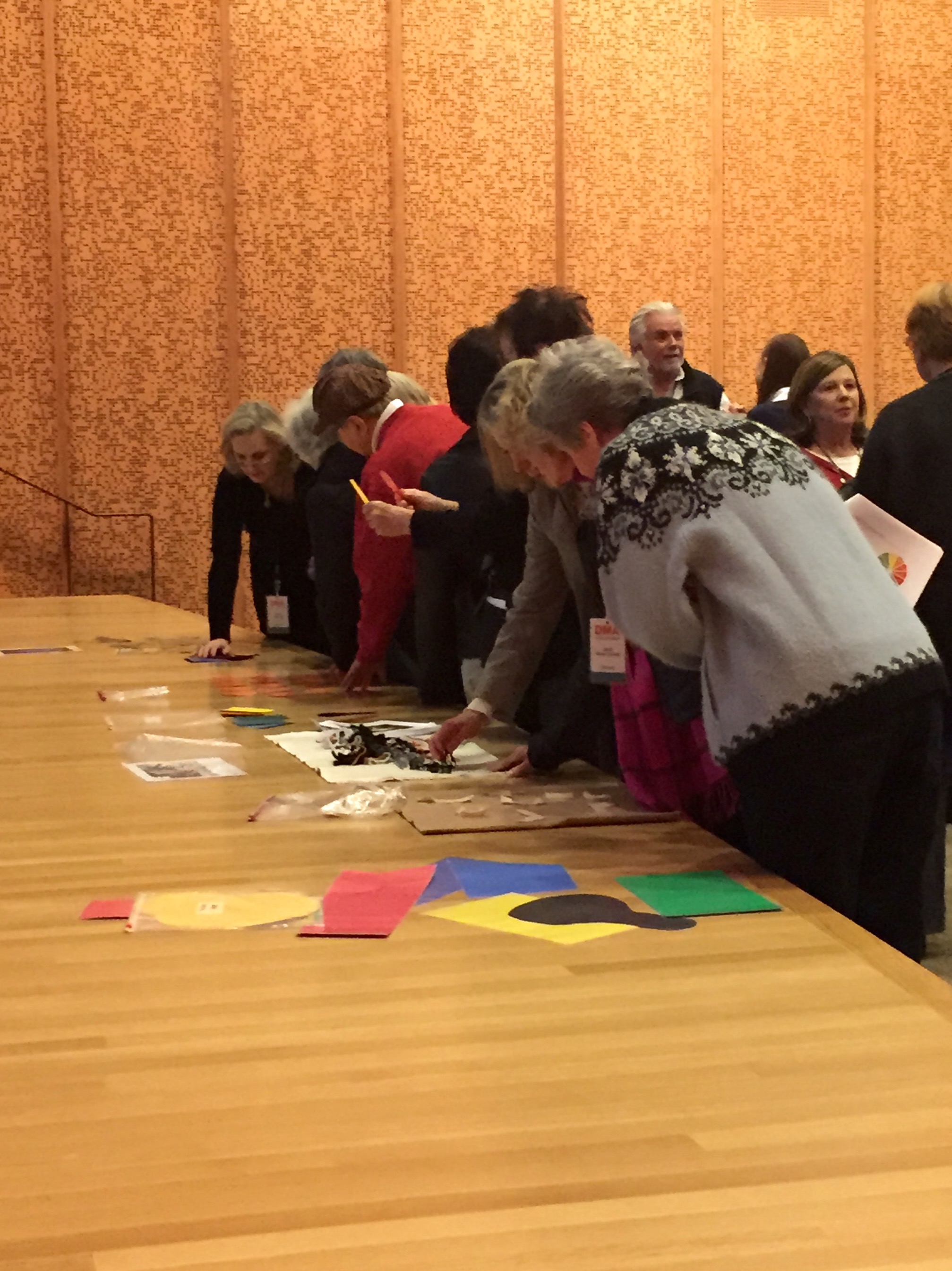
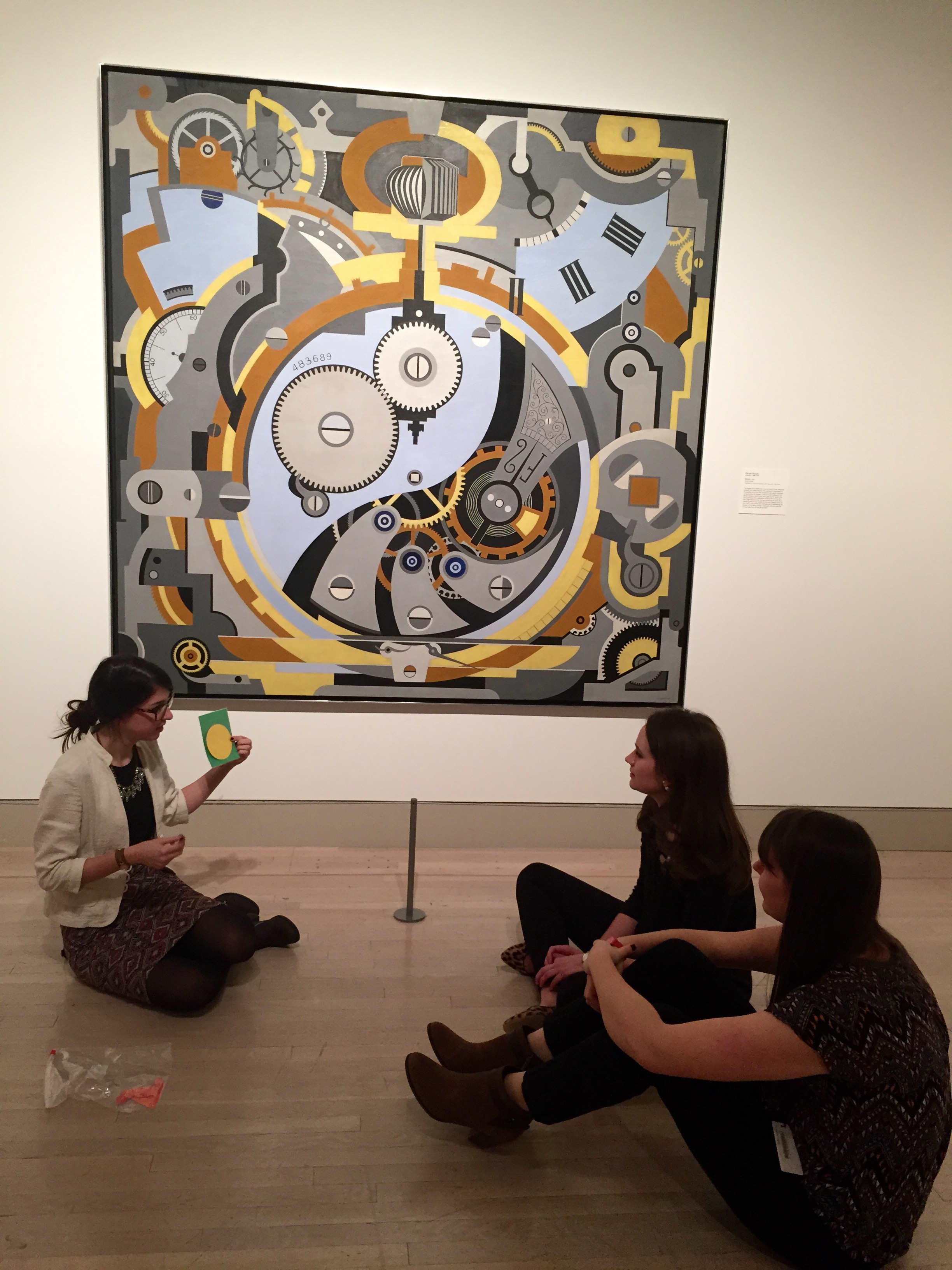
The “Recipe for Art” tour was developed by members of the DMA staff, but it will be implemented by our wonderful docents, who lead most of our school tours. Yesterday, the docents gathered for a training dedicated to this new tour. Leah gave them an overview of the tour and its origins, before sharing tips and strategies on how to deal with this particular age group. After that, the docents were given an opportunity to look over the supplies for the wide variety of activities that they may use on the tour. I even took some of my fellow McDermott Interns into the galleries to try out some of the activities!

For most visitors of this age group, it will be their first visit to a museum. With this new and unique tour, we’re hoping to make their first experience not only a positive one, but one that they will remember. By teaching these curious and imaginative children the basic elements of design, they will then be equipped with all of the ingredients to make their own art!

We’ve already begun to schedule the “Recipe for Art” through the month of January. If you’re interested in booking a tour for your school or classroom, complete our tour request form online and our Audience Relations Coordinator Madeleine Fitzgerald will get you scheduled!

Liz Bola
McDermott Graduate Intern for Gallery and Community Teaching

Toasting the New Year

Wishing everyone a safe and happy new year!

Sarah Coffey
Education Coordinator

DMA Night Before Christmas

"Regimental Oak" shape dinner plate with "Christmas Tree" pattern, Designer: Harold Holdway, 1938, Dallas Museum of Art, gift of Stephen Harrison in honor of George Roland

“Regimental Oak” shape dinner plate with “Christmas Tree” pattern, Designer: Harold Holdway, 1938, Dallas Museum of Art, gift of Stephen Harrison in honor of George Roland

Twas the night before Christmas and all through the DMA
Not a painting was stirring–not the Matisse, nor Monet;
The Copley portraits were hung by the chimney with care,
In hopes that St. Nicholas soon would be there.

The staff were busy working away at their desks
On visions of Late Night and art class they obsessed.
When out on the Concourse there arose such a clatter,
I sprang from my desk to see what was the matter.

Away to the entrance I flew like a flash,
Past paintings and drawings and statues I dashed.
When, what to my wondering eyes should appear,
But a miniature sleigh, and eight tiny reindeer.

With a little old driver, so lively and quick,
I knew in a moment it must be St. Nick.
He was dressed all in fur, from his head to his foot,
And his clothes were all tarnished with ashes and soot.

Diego Rivera, Peasant Woman, 1946, Dallas Museum of Art, Bequest of Mr. and Mrs. Benjamin Lewis

Diego Rivera, Peasant Woman, 1946, Dallas Museum of Art, Bequest of Mr. and Mrs. Benjamin Lewis

A bundle of gifts he had flung on his back,
And he looked like a peddler just opening his pack.

He spoke not a word, but went straight to his duties.
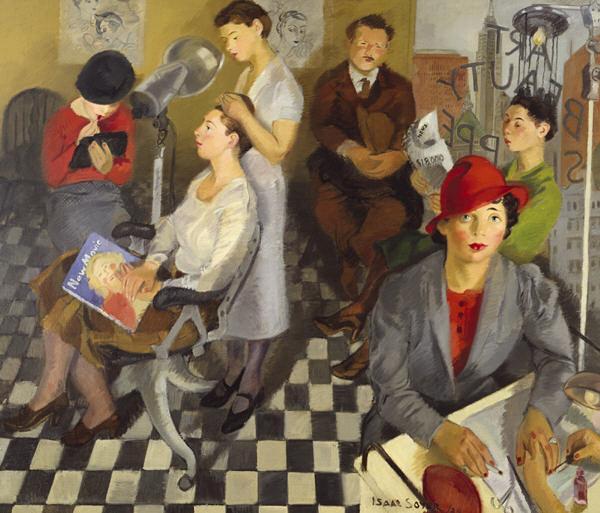
Fancy new hats for the Soyer shoppe beauties,
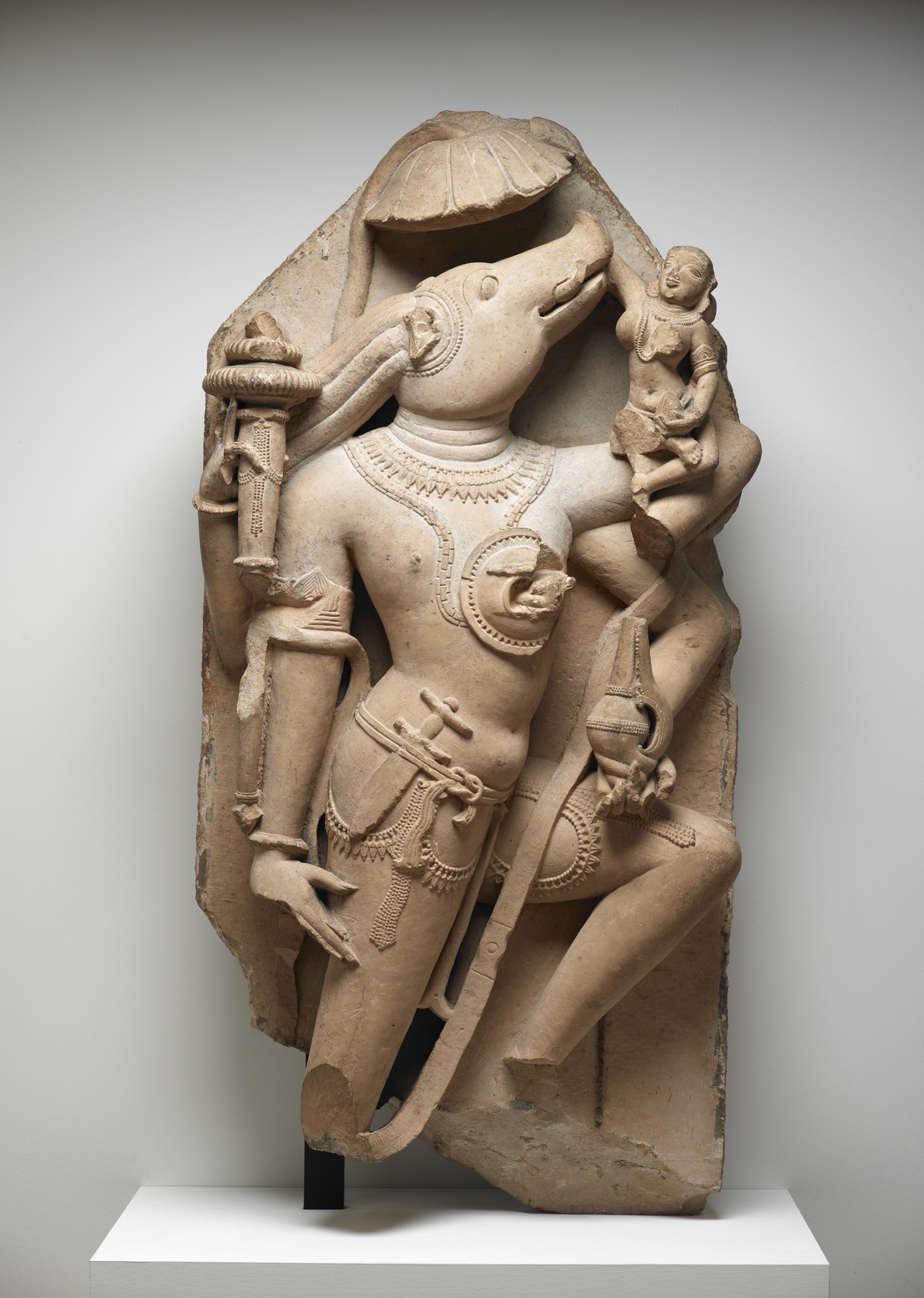
A new shell for Vishnu, a rug for the Reves,
And for Ivy in Flower, three sparkling new leaves.

A scythe and some seeds for the Vincent van Gogh,
A nice plate of dinner for Fox in the Snow.
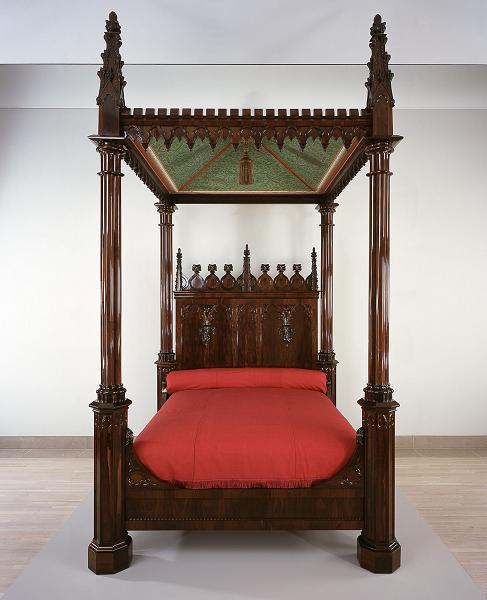
Two cozy pillows for the old Gothic bed,
For mantle with condors some lovely new thread.

From the top floor to the bottom, he silently worked,
And filled all the stockings; then turned with a jerk.
“No touching the art!” he wisely exclaimed,
“Just use your eyes to explore frame by frame.”*

He checked off each artwork on his large museum chart,
Gave a sigh and a nod, “It’s time to depart.”

Berenice Abbot, Untitled (Reindeer), print 1983, Dallas Museum of Art, Foundation for the Arts Collection, gift of Morton and Marlene Meyerson

Berenice Abbot, Untitled (Reindeer), print 1983, Dallas Museum of Art, Foundation for the Arts Collection, gift of Morton and Marlene Meyerson

He sprang to his sleigh, to his team gave a whistle,
And away they all flew like the down of a thistle.
But I heard him exclaim, ere he drove out of sight.
“Happy Christmas to all, and to all a good-night.”

*That Santa–even when he is hard at work, he remembers the Museum rules!

Wishing you and your loved ones a very merry holiday!

Leah Hanson
Manager of Early Learning Programs

Christmas Cookies from the Collection

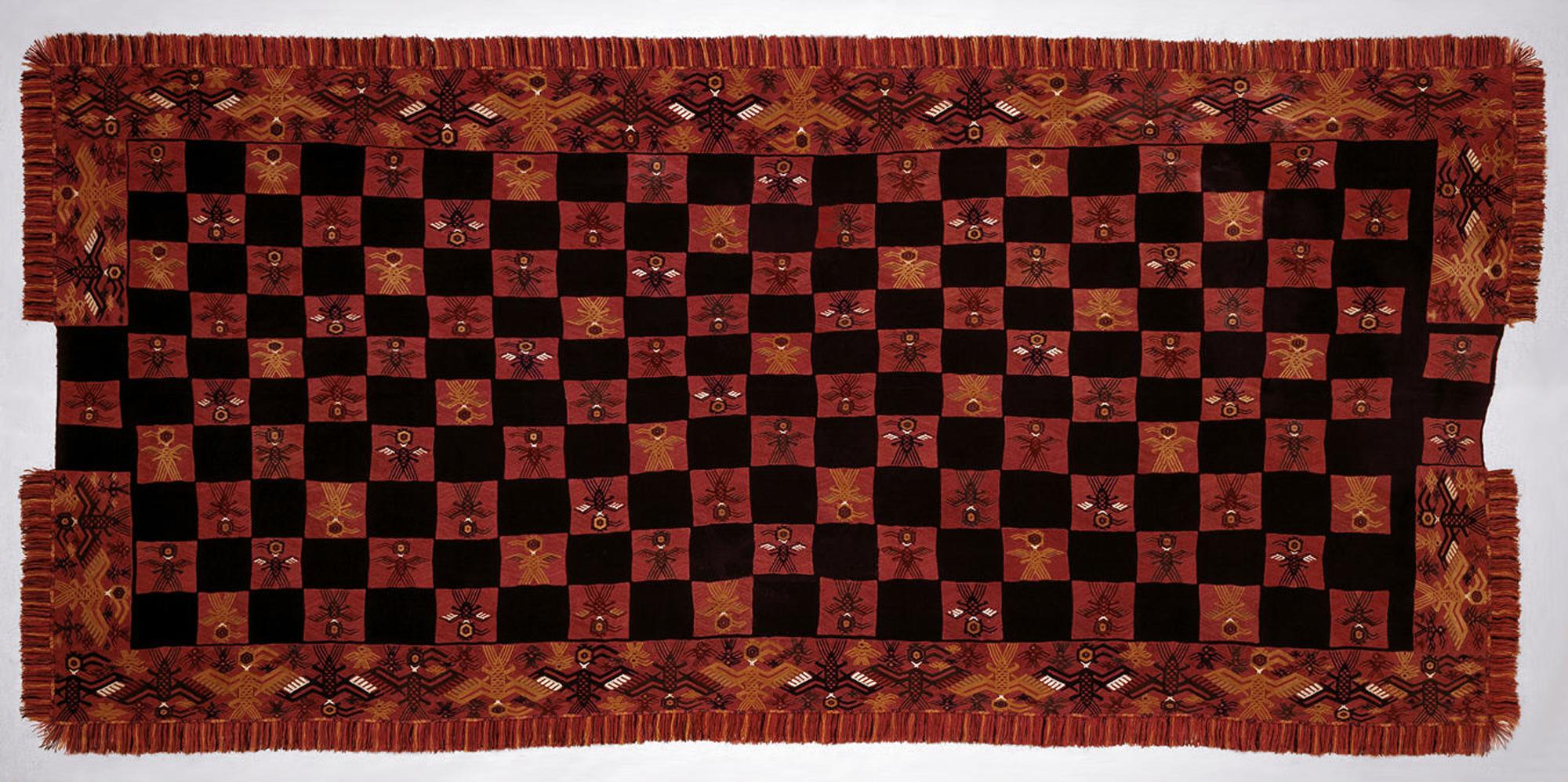
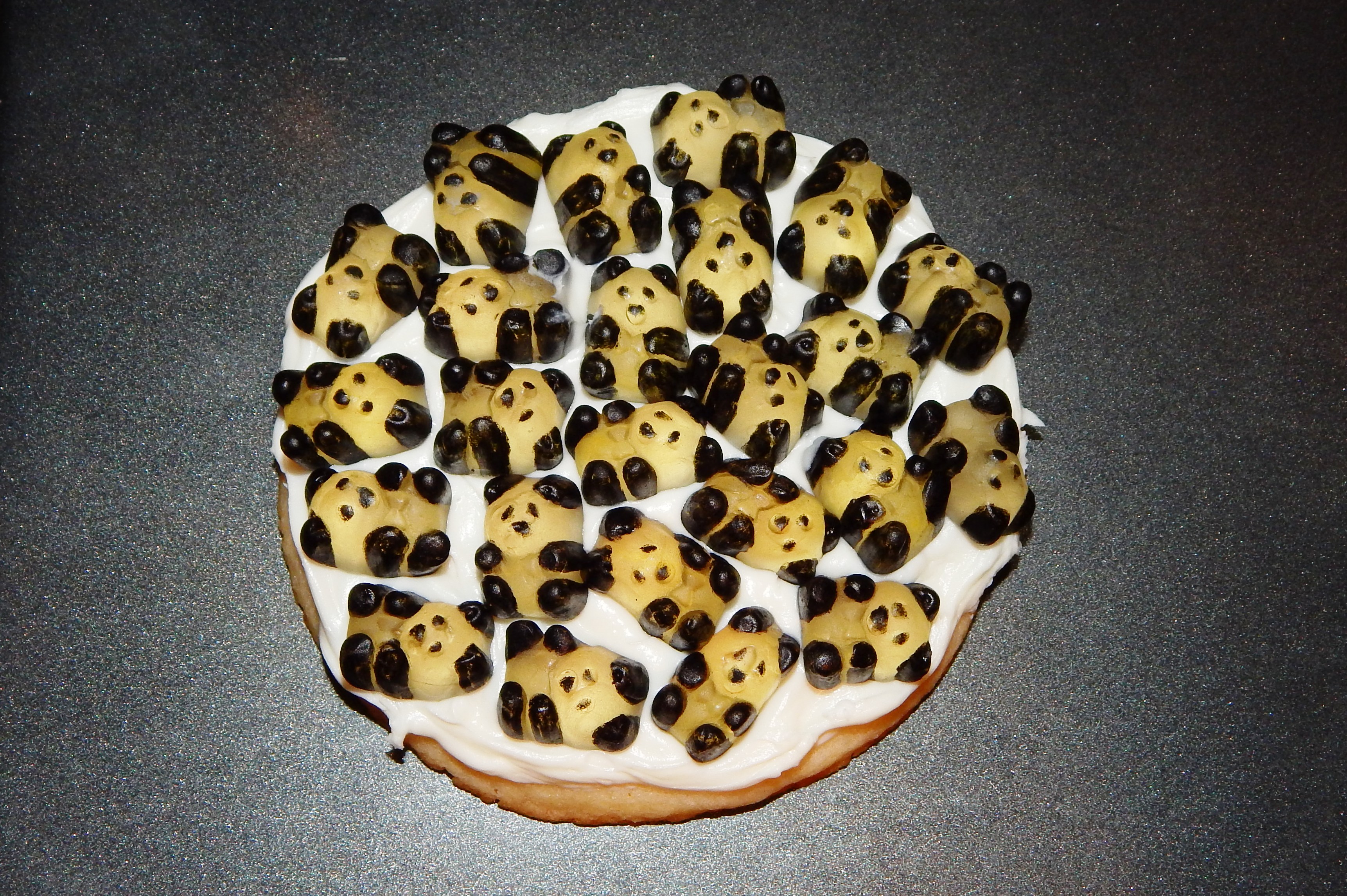
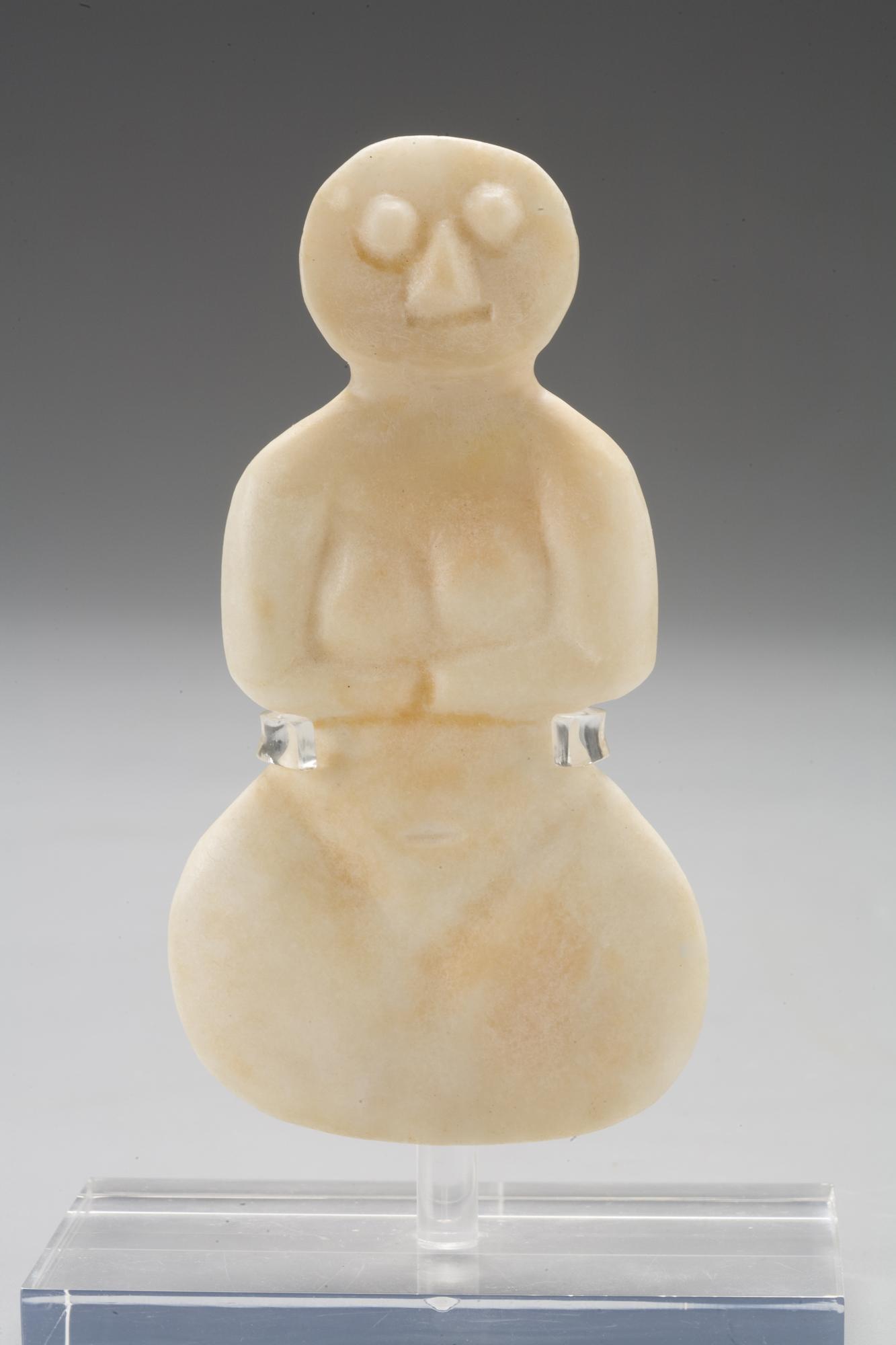
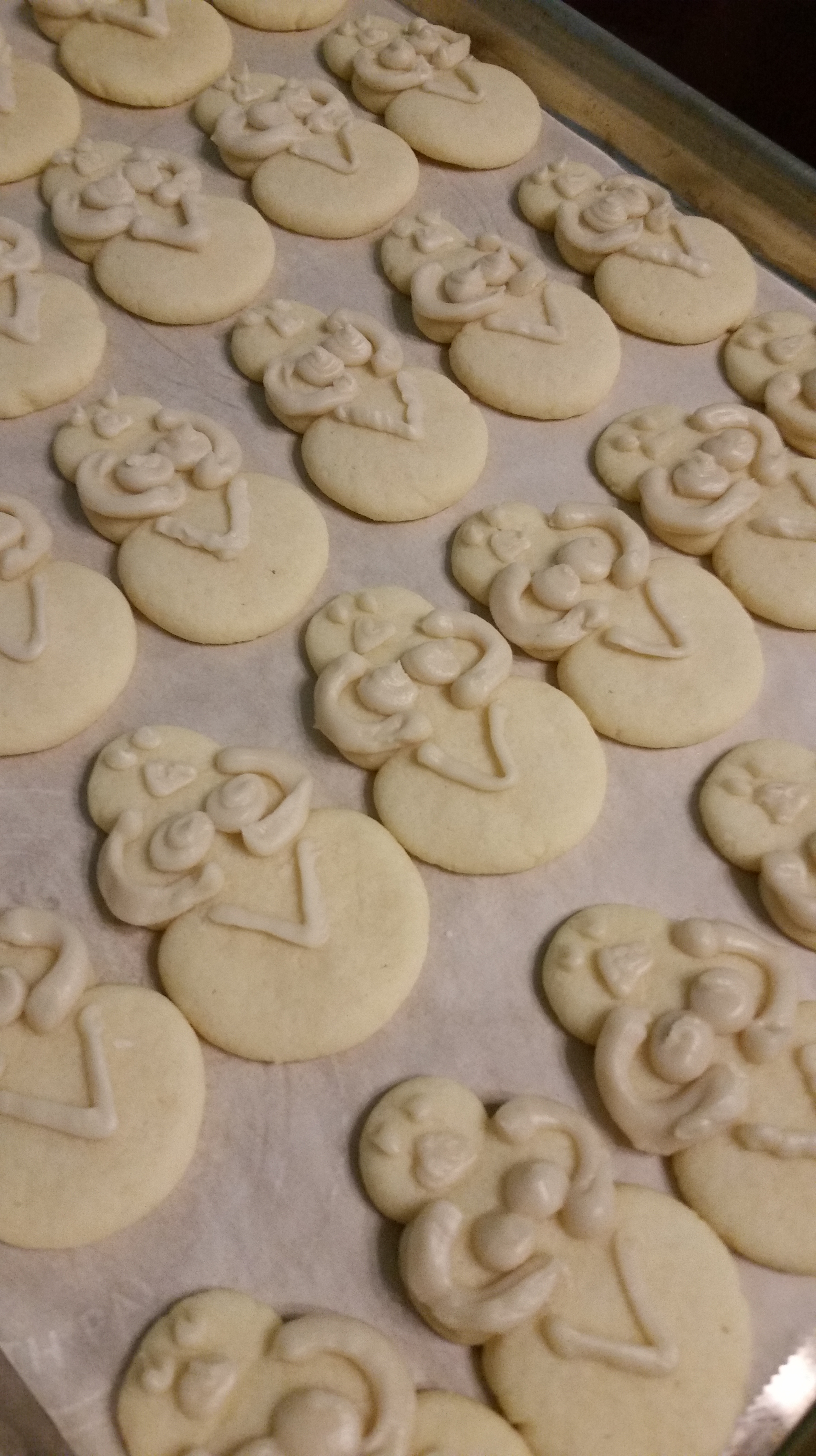
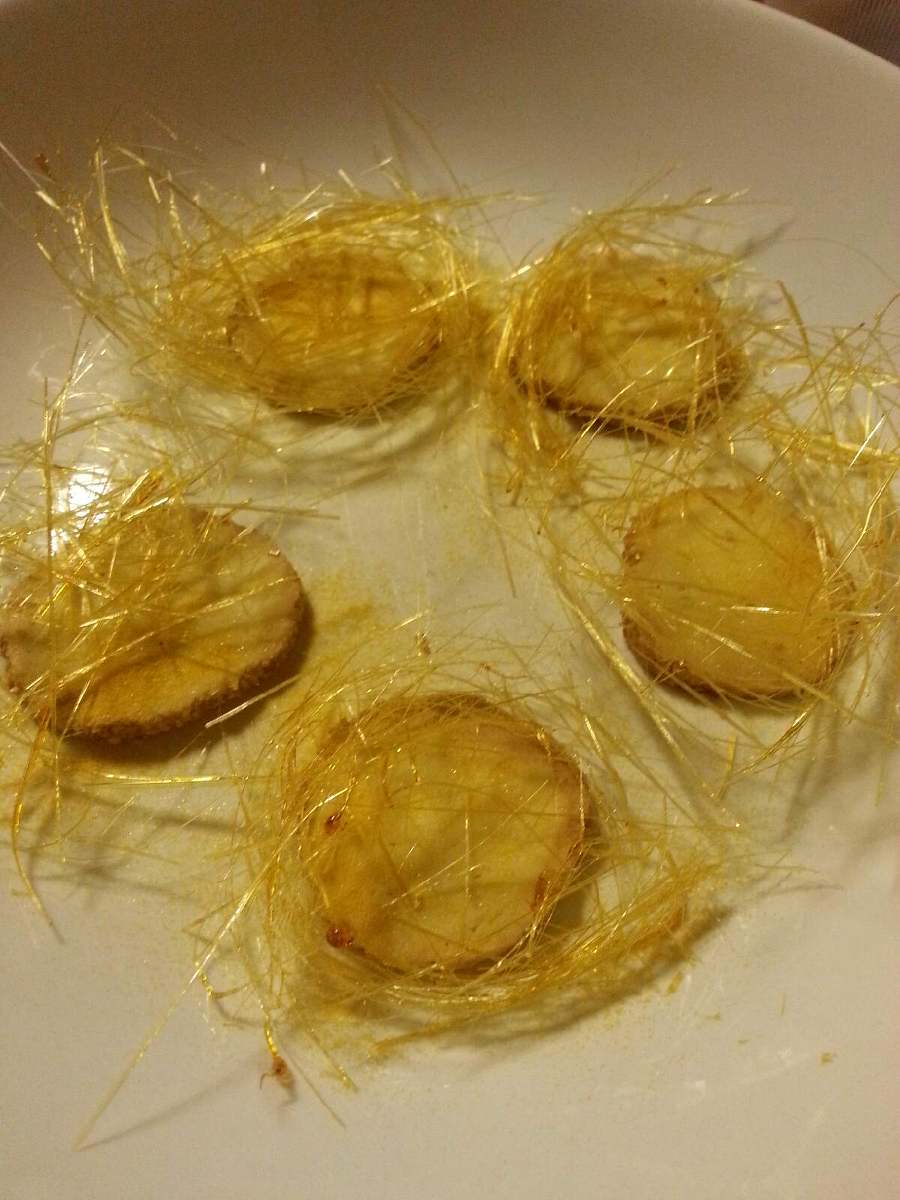
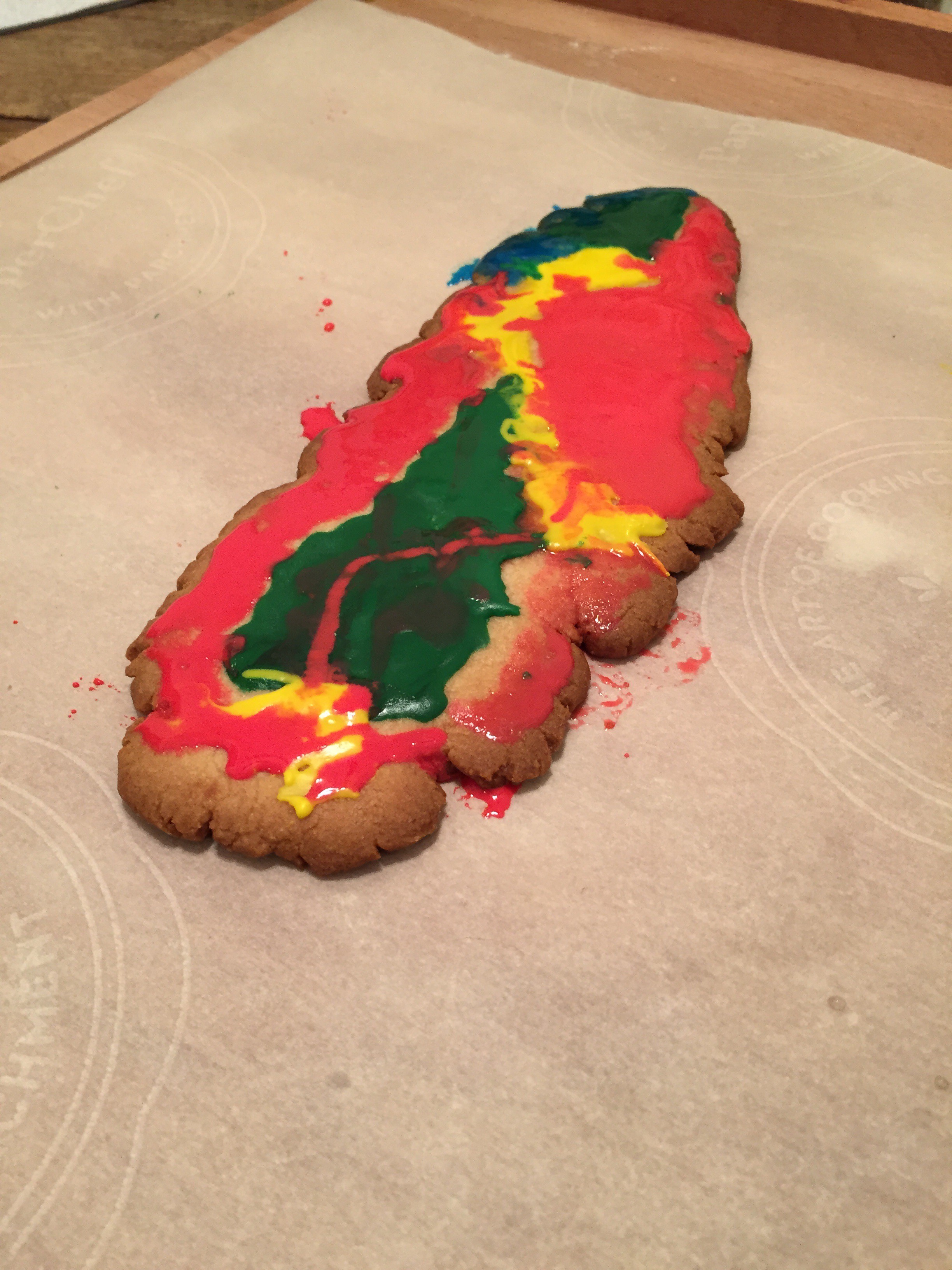
Baking cookies is part of my annual holiday tradition, but instead of sharing a recipe this month, I thought it would be fun to do some decorating inspired by our wonderful collection. Some of my colleagues in Education pitched in for this cookie swap of sorts. Check out our edible masterworks and have a very merry holiday season!

Sarah Coffey
Education Coordinator


Archives

Categories