Archive for 2013


Friday Photos: Terrific Teen Docents

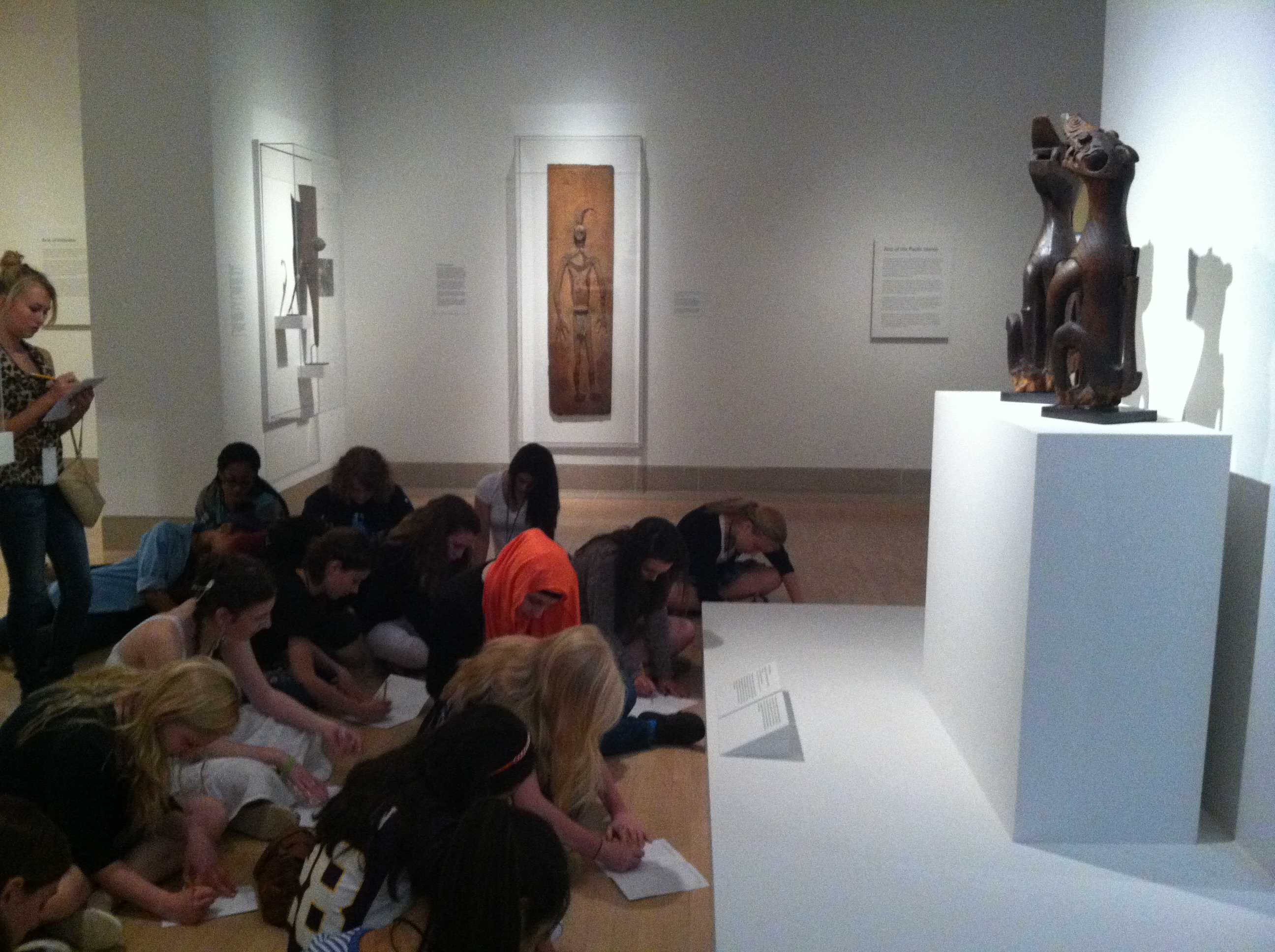
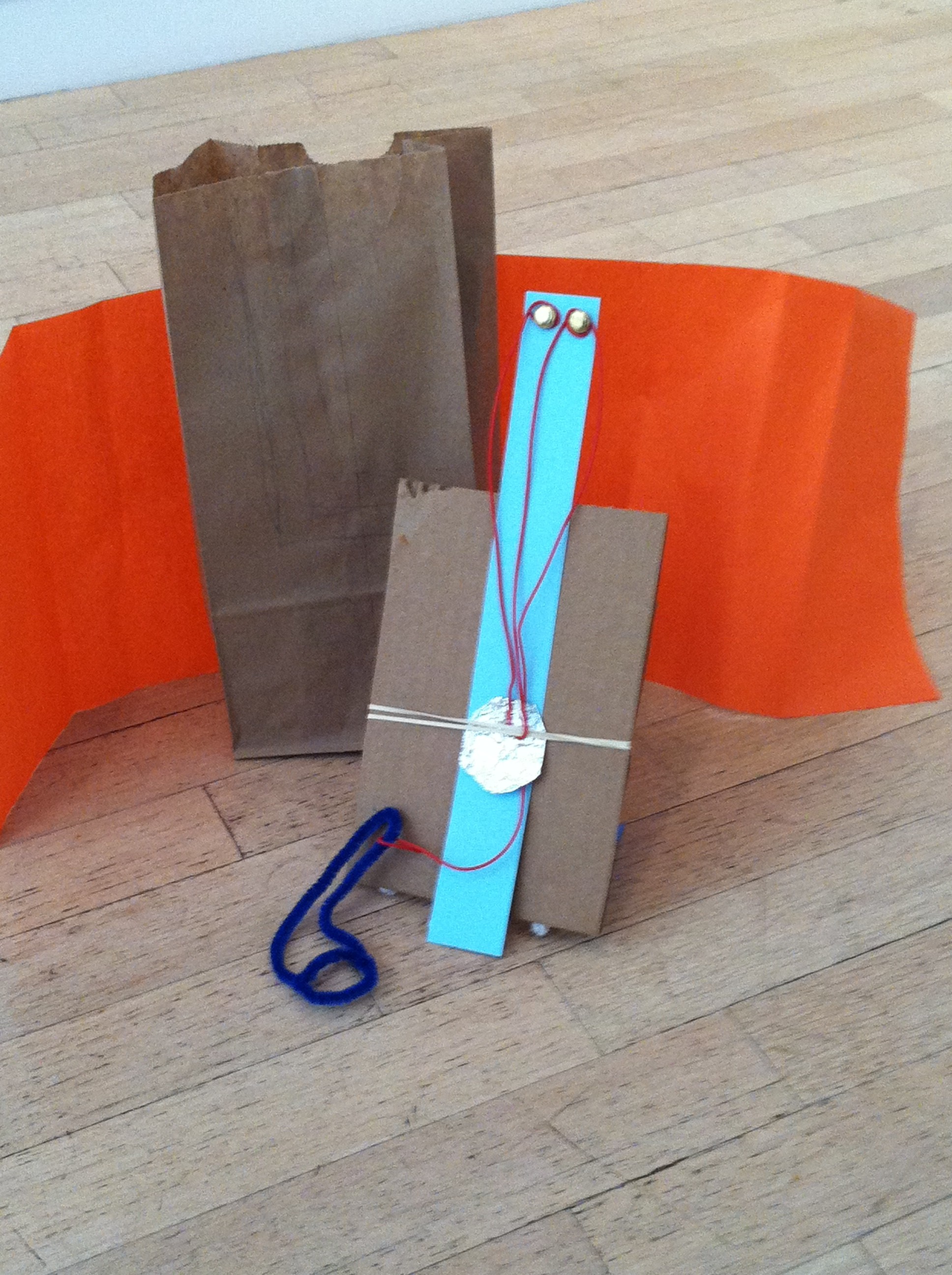
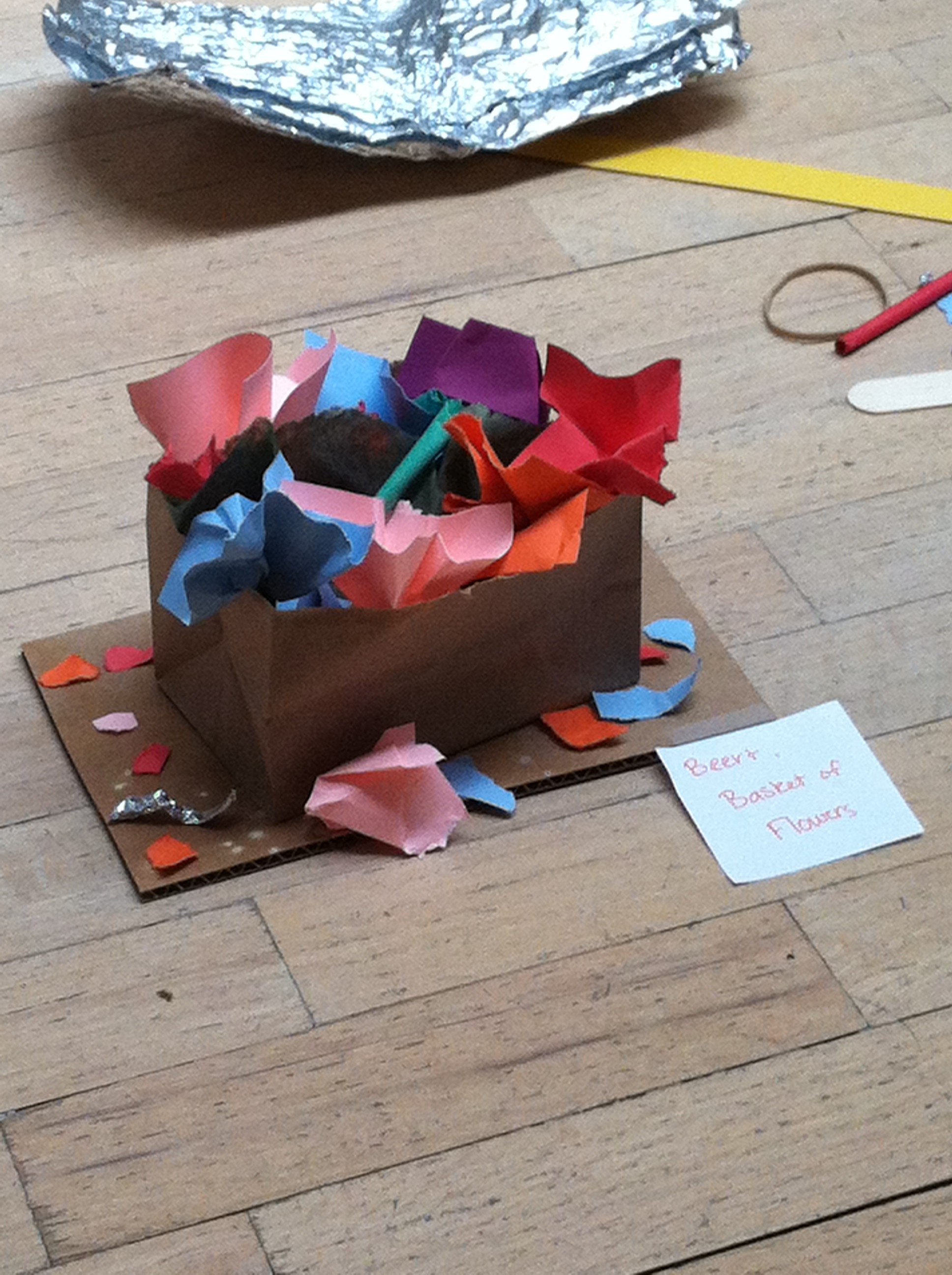
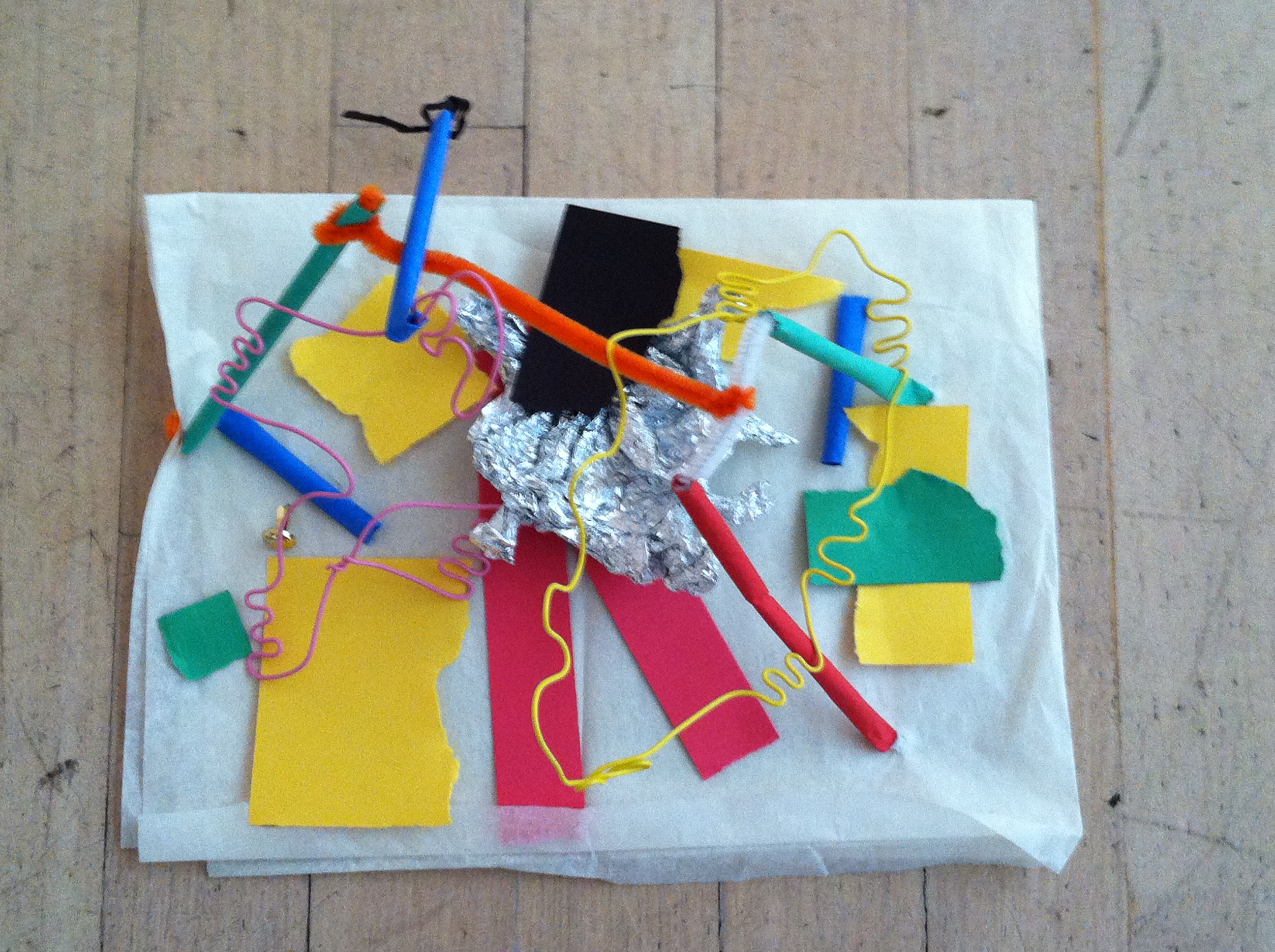
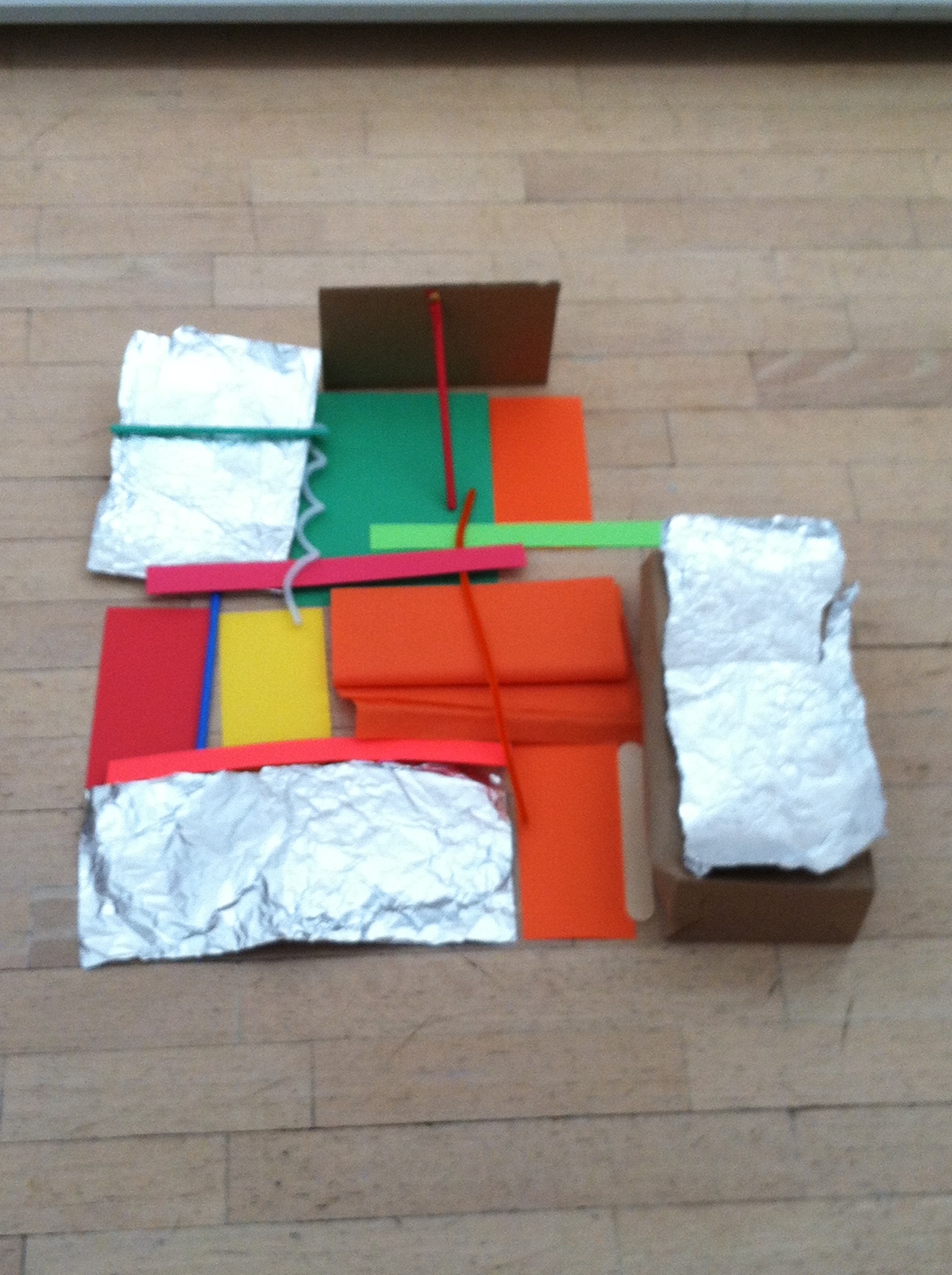
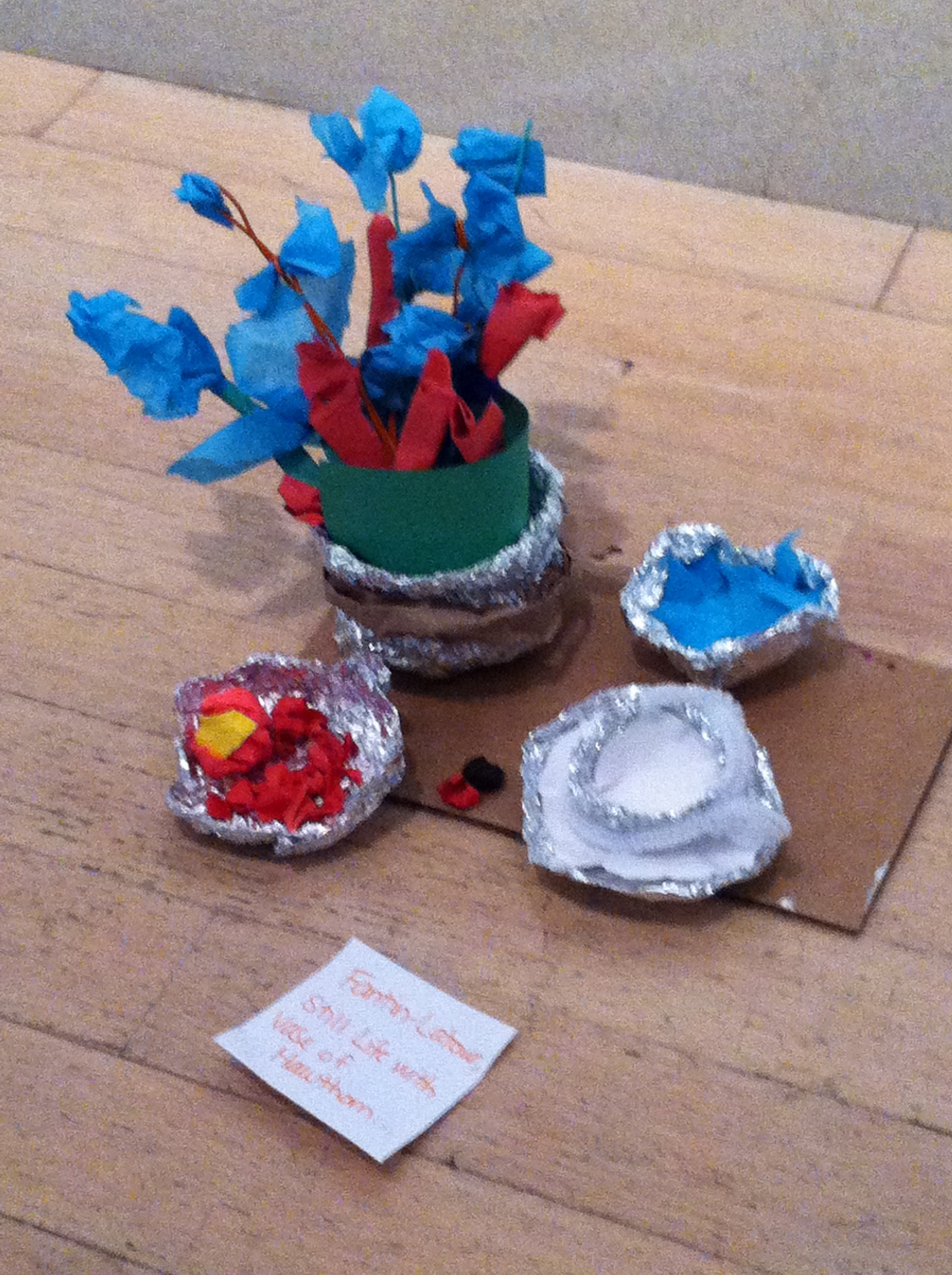
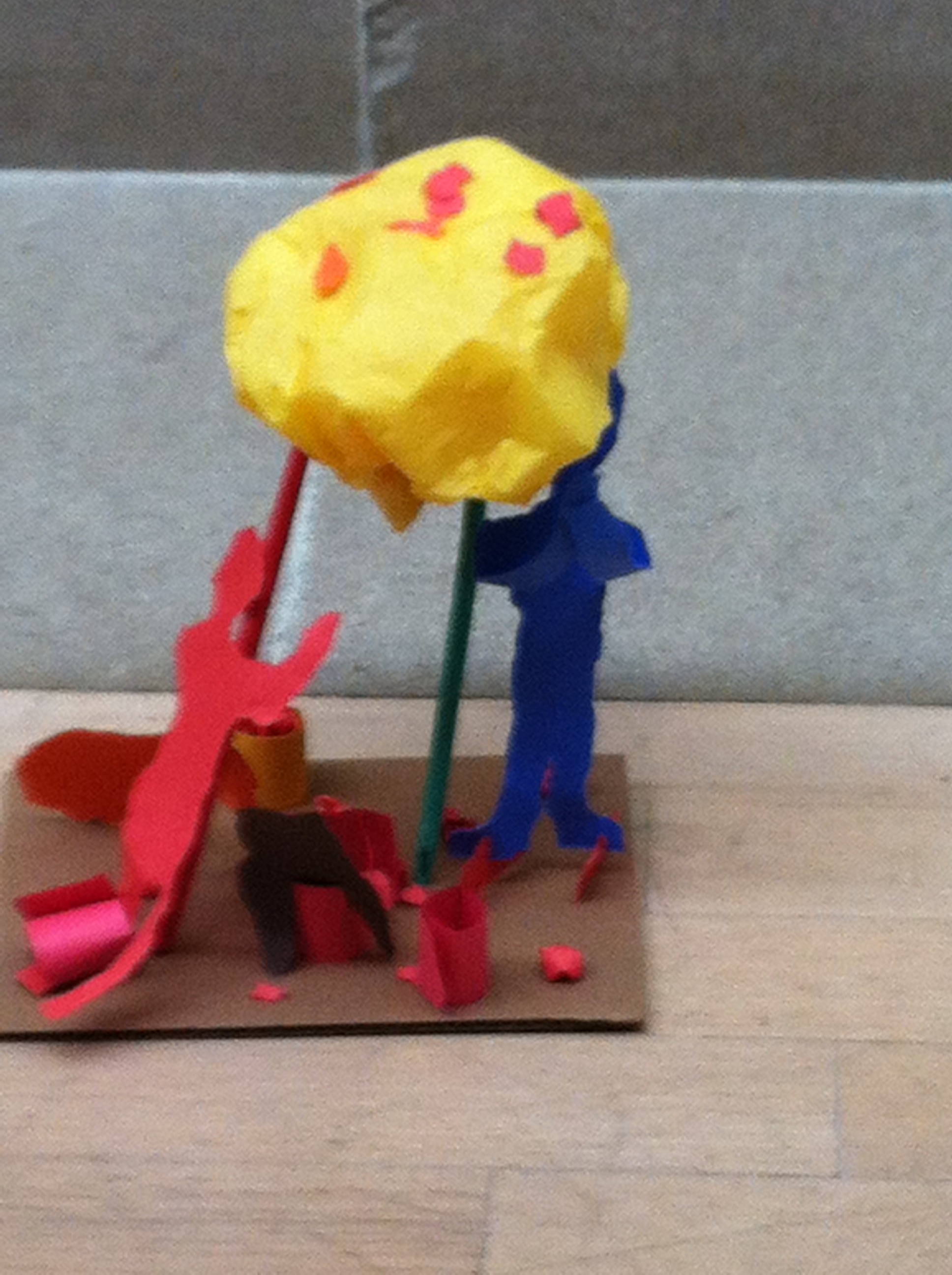
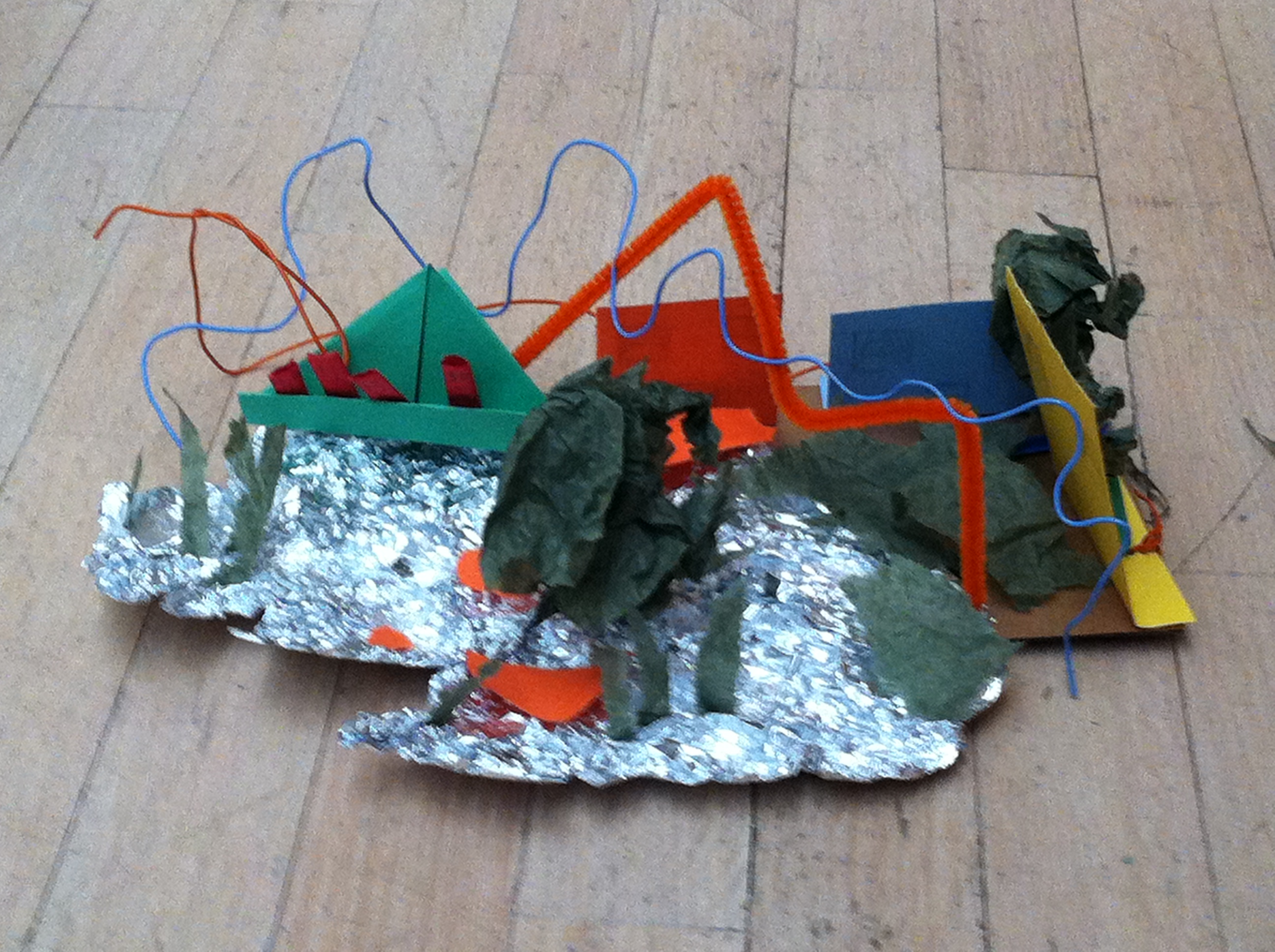
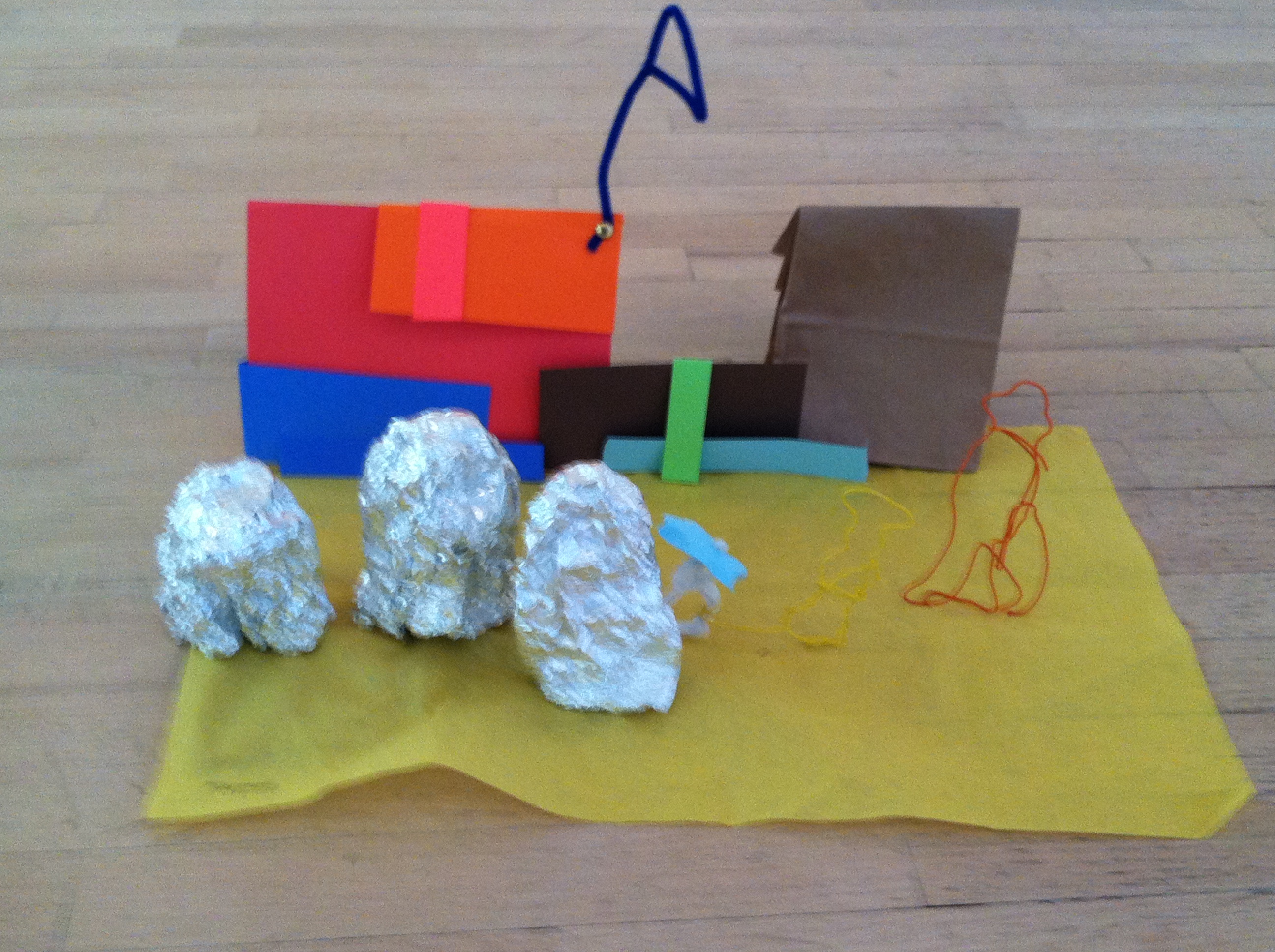
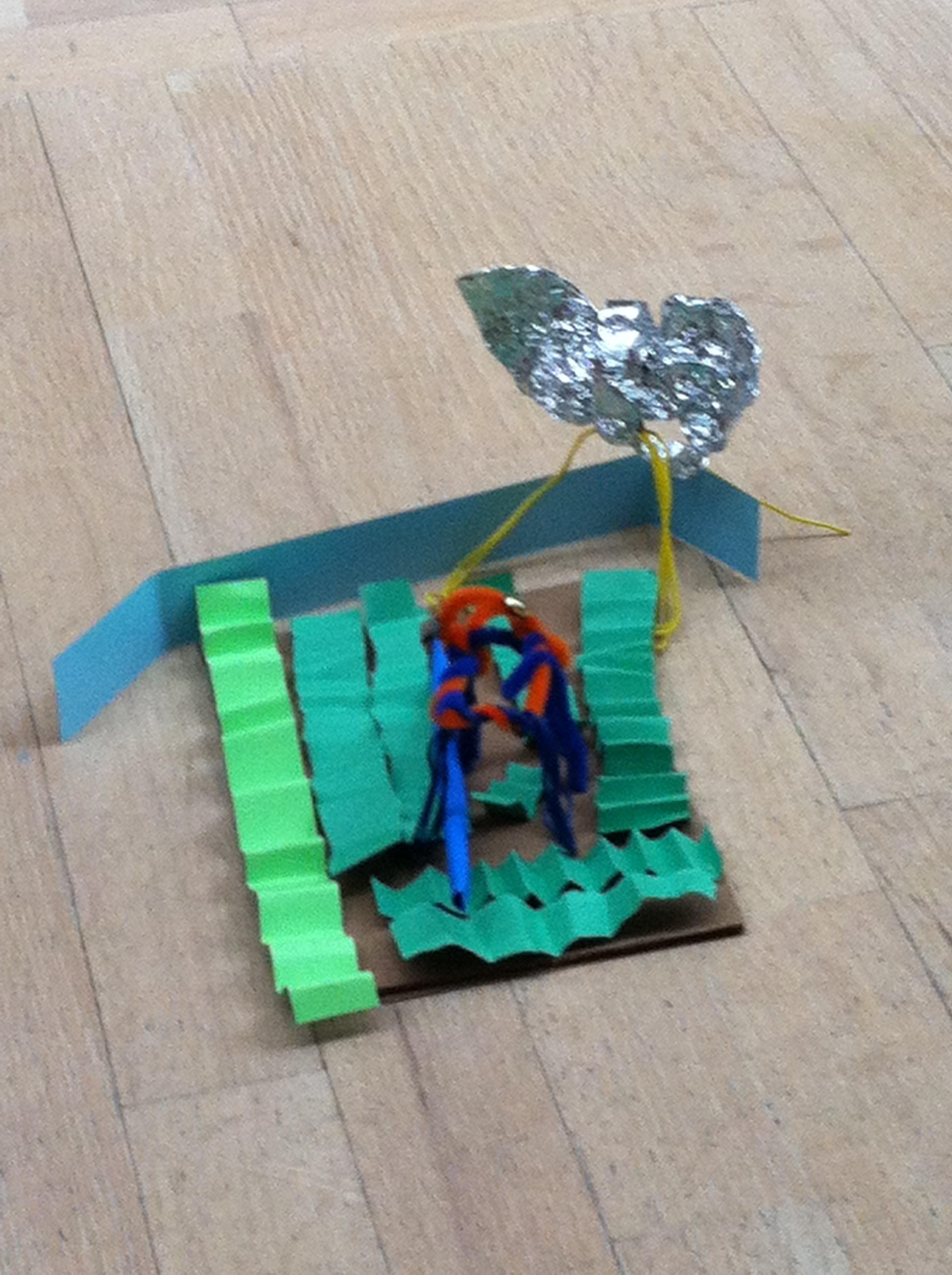
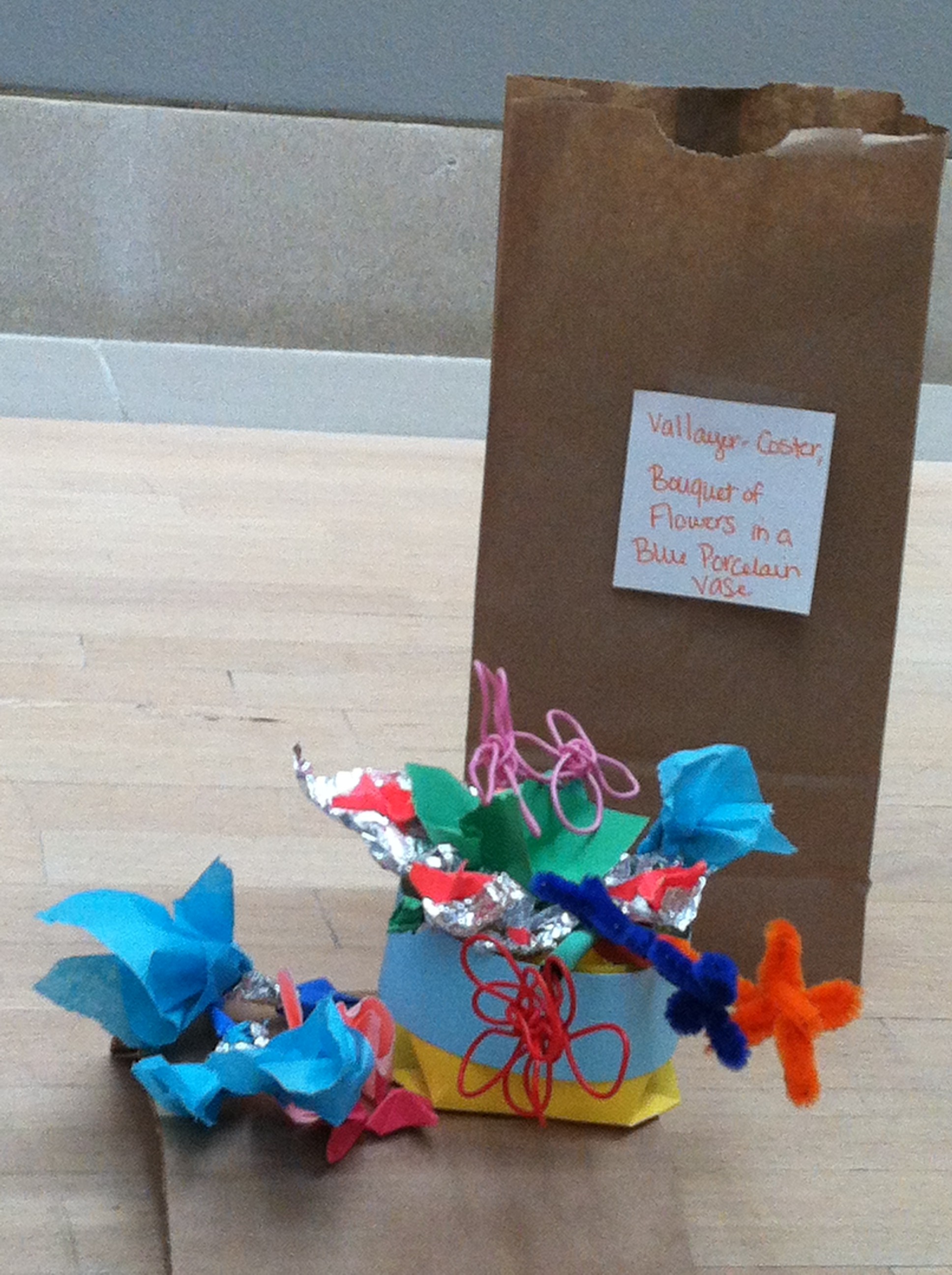
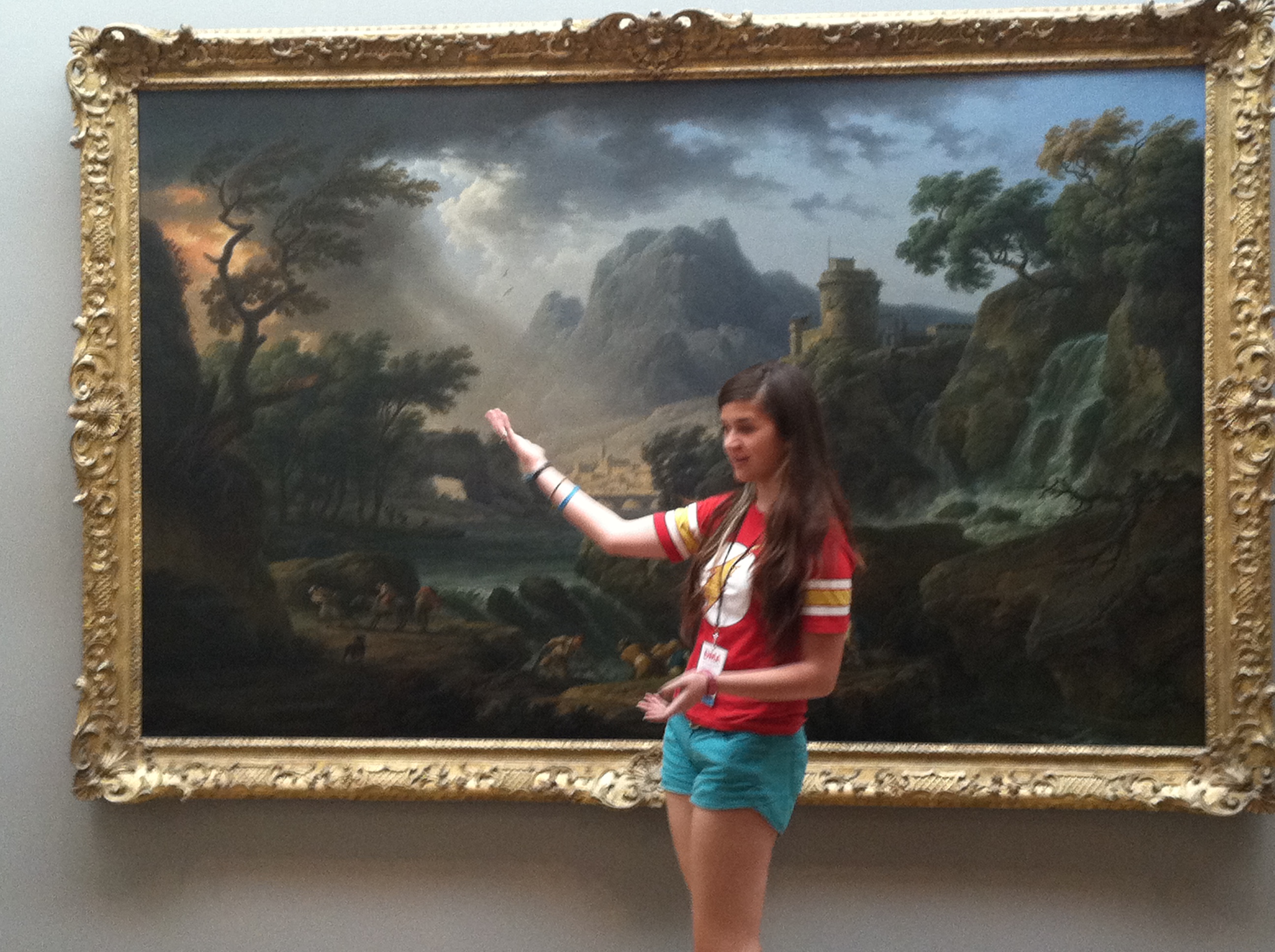
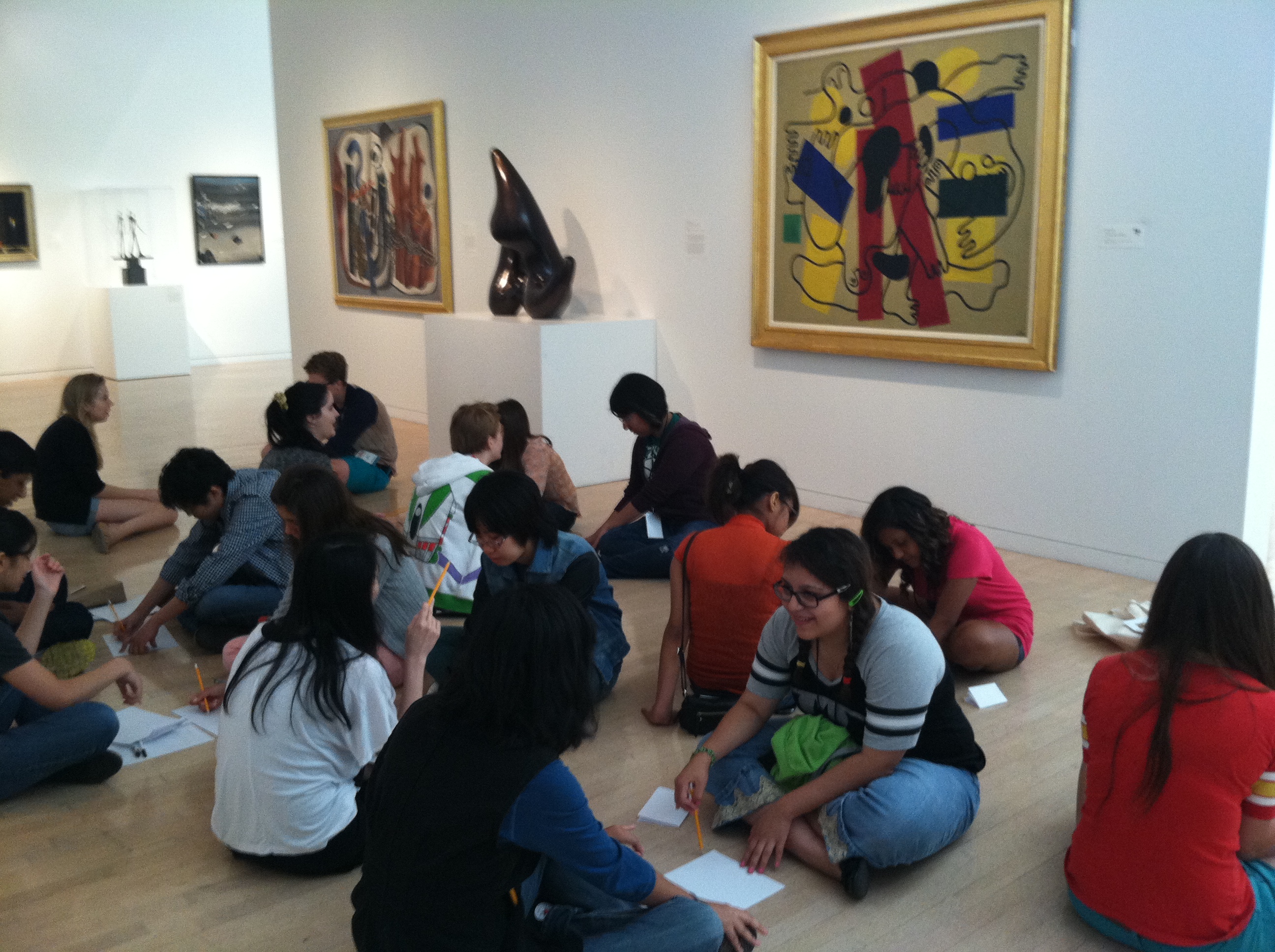
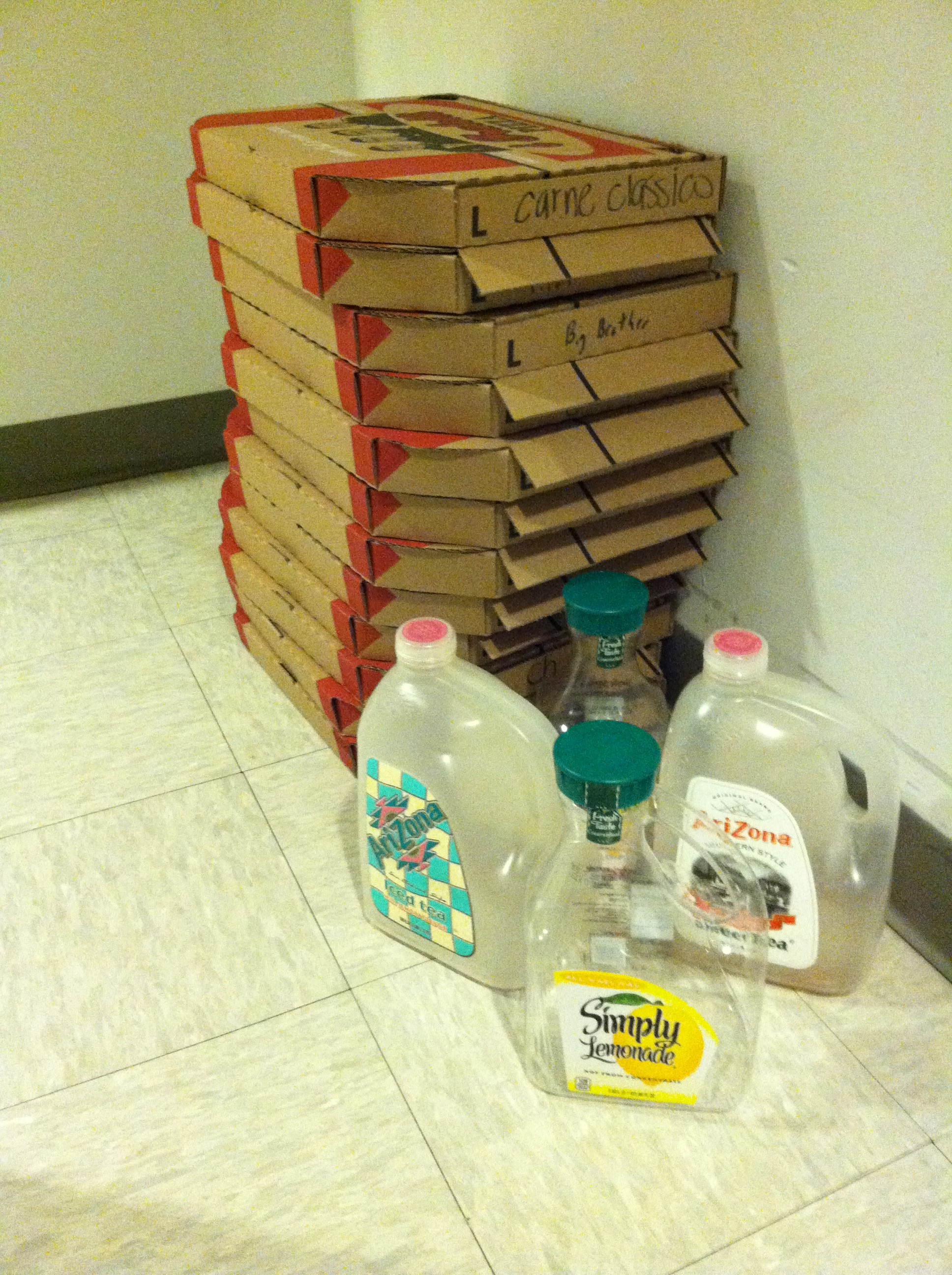
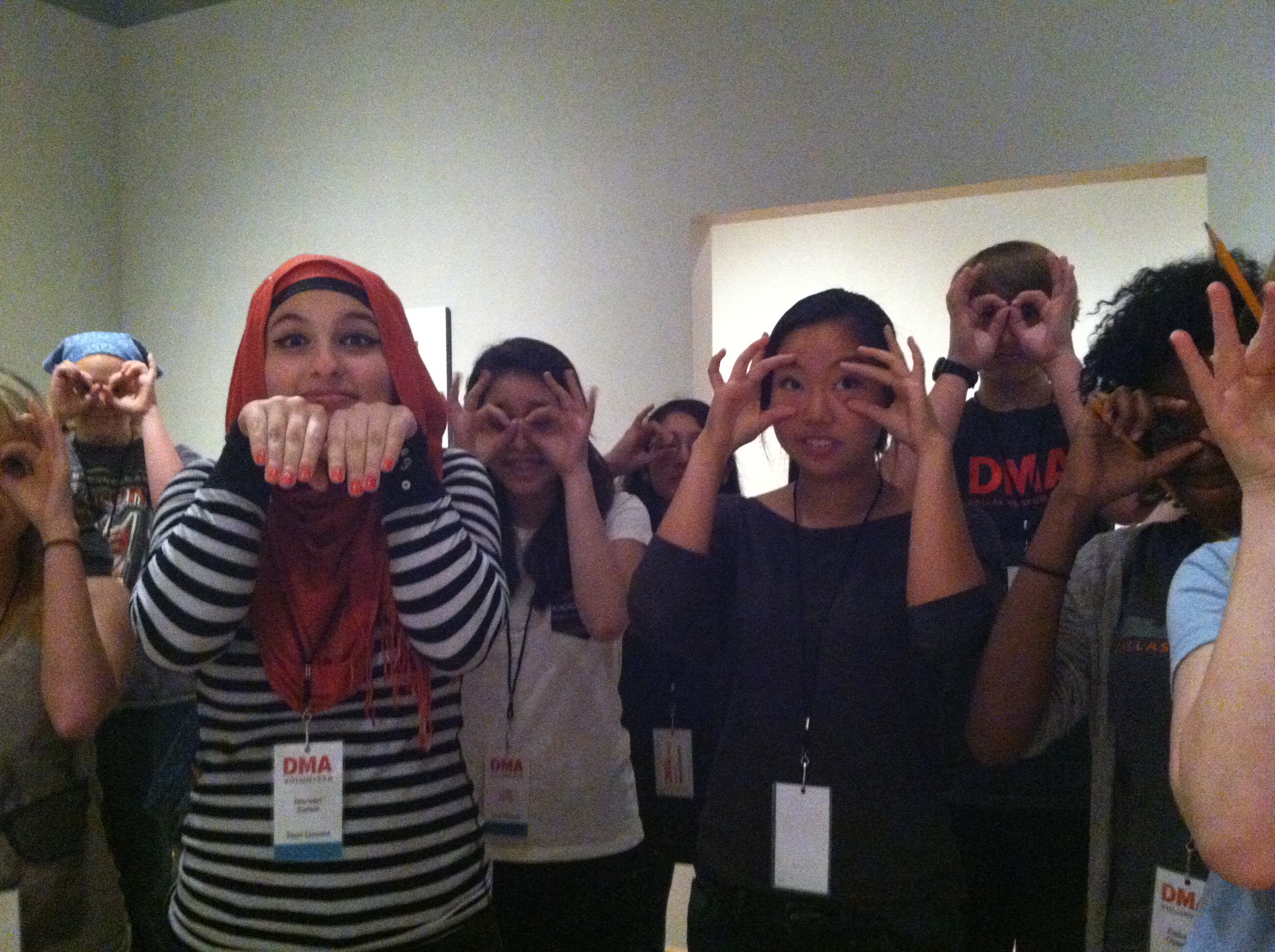
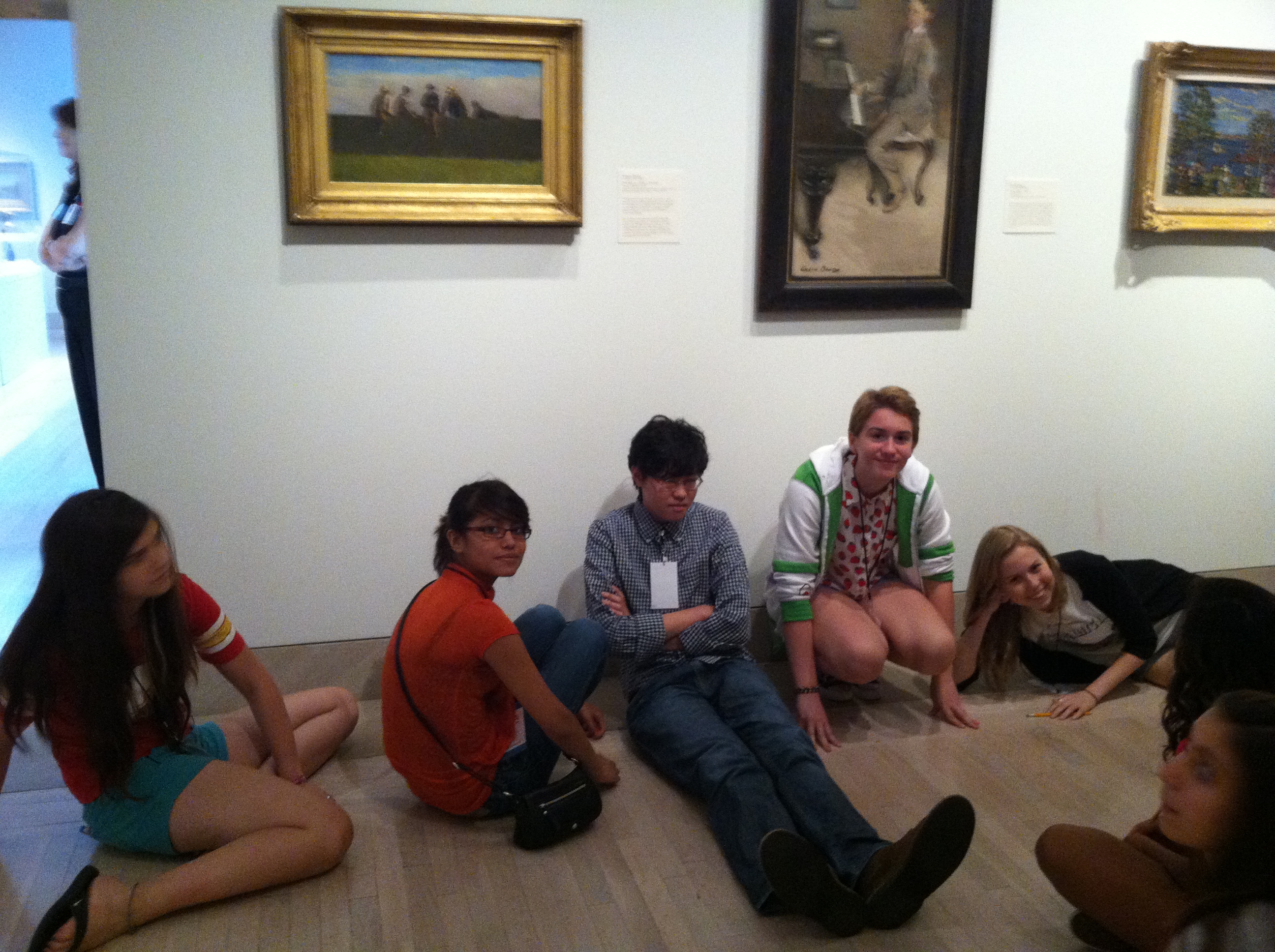
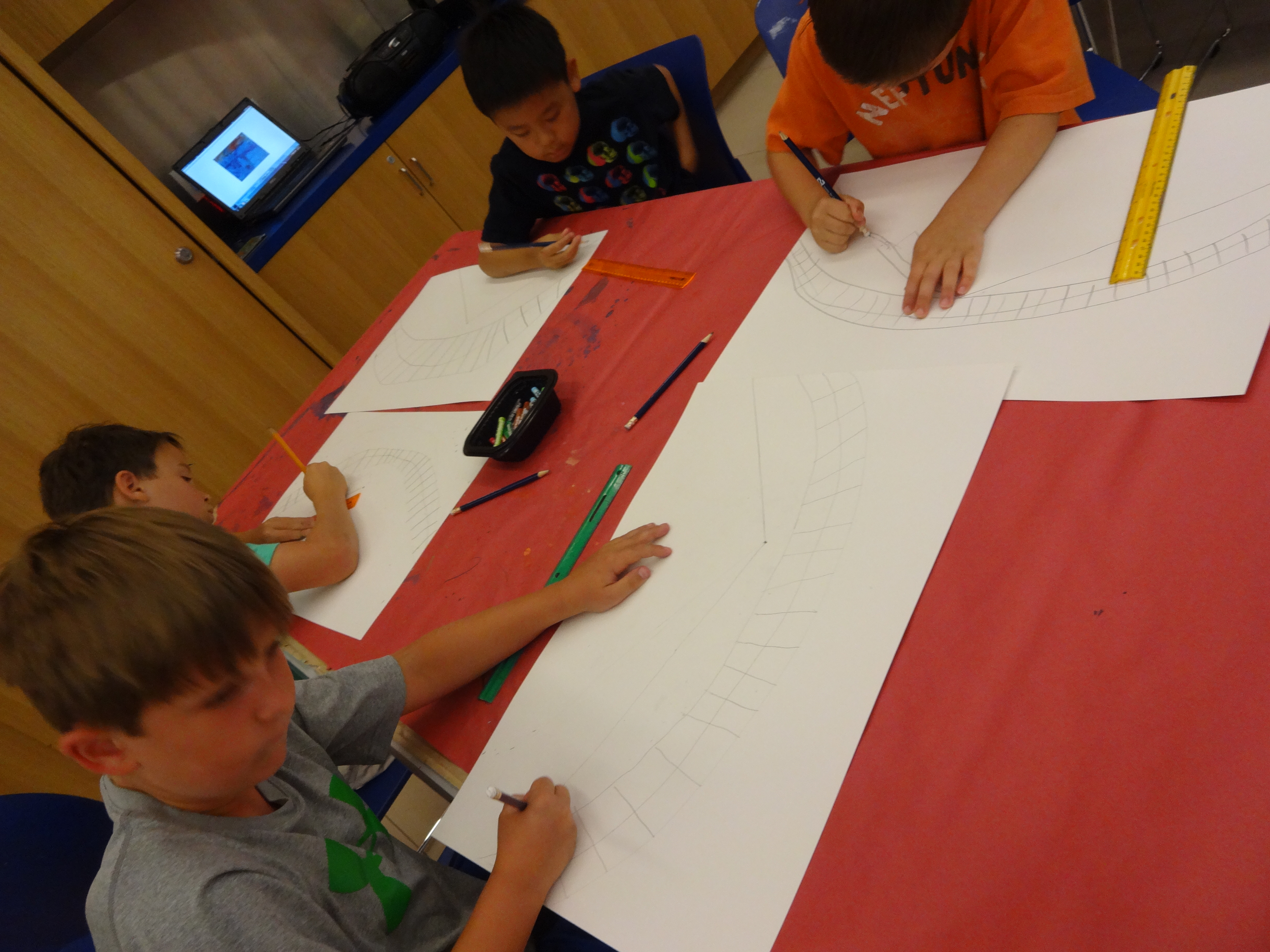
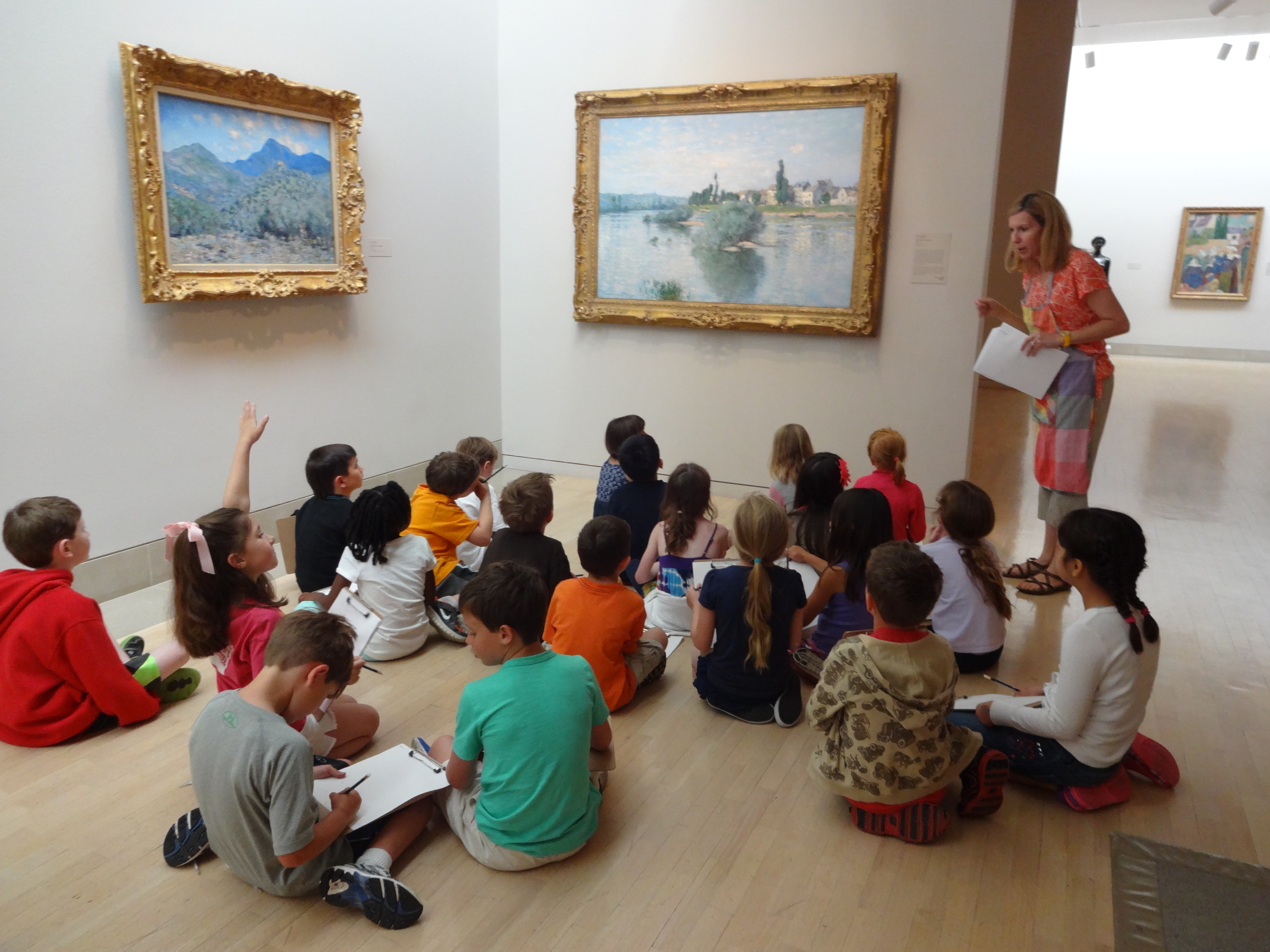
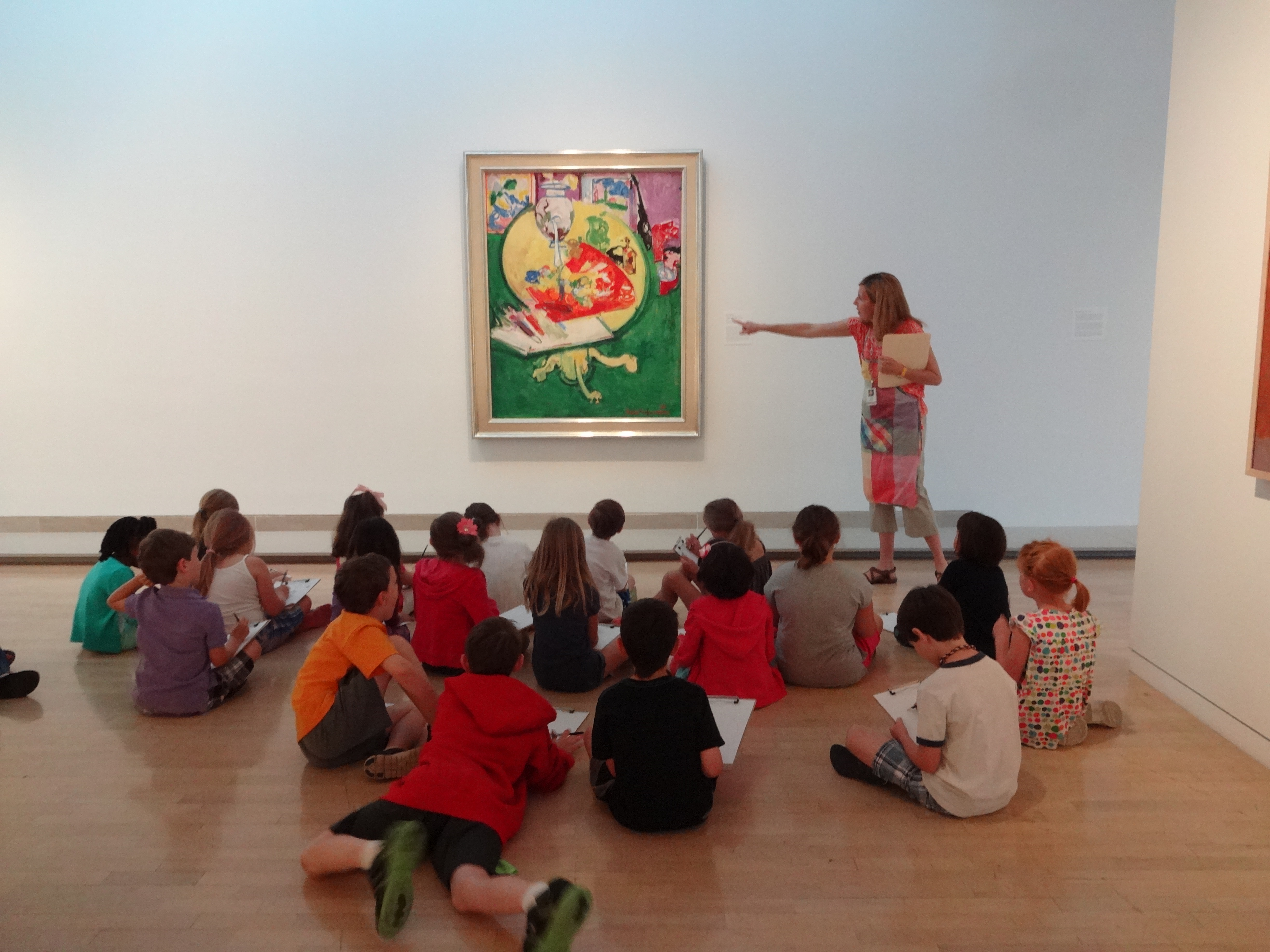
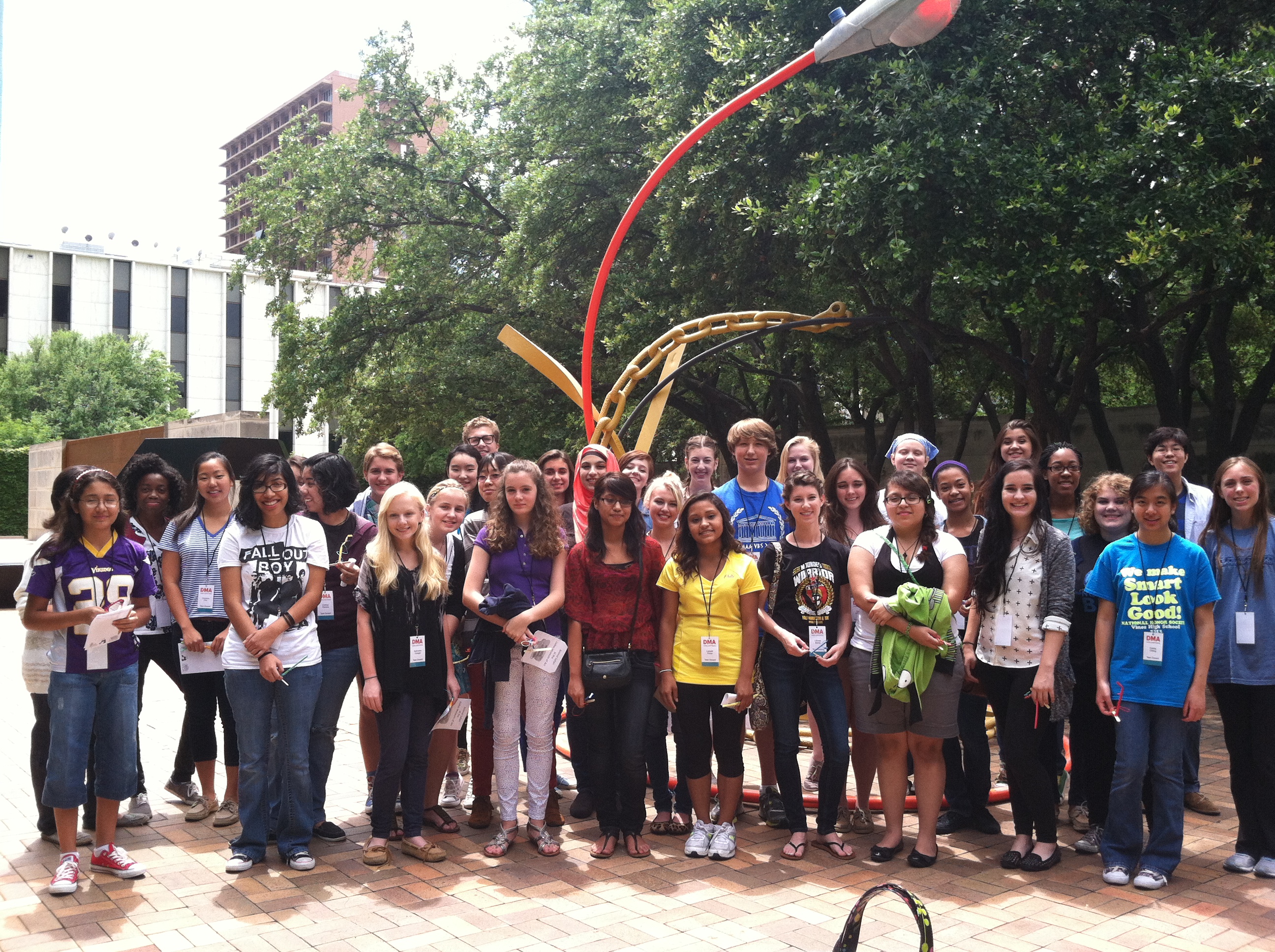
Our Teen Docents were back in action this week as they spent two days at the Museum for training. We led mock tours, ate lots of pizza, and created 3D sculptures inspired by 2D artworks. Here are some photos from our time together.

This summer, we have 52 Teen Docents from high schools around the Metroplex. They are creative, funny, and caring students who love art and the DMA. I feel so lucky to get to work with this inspiring group of students every year!

Shannon Karol
Manager of Docent and Teacher Programs

Culinary Canvas: Ancient Cakes (Pemma)

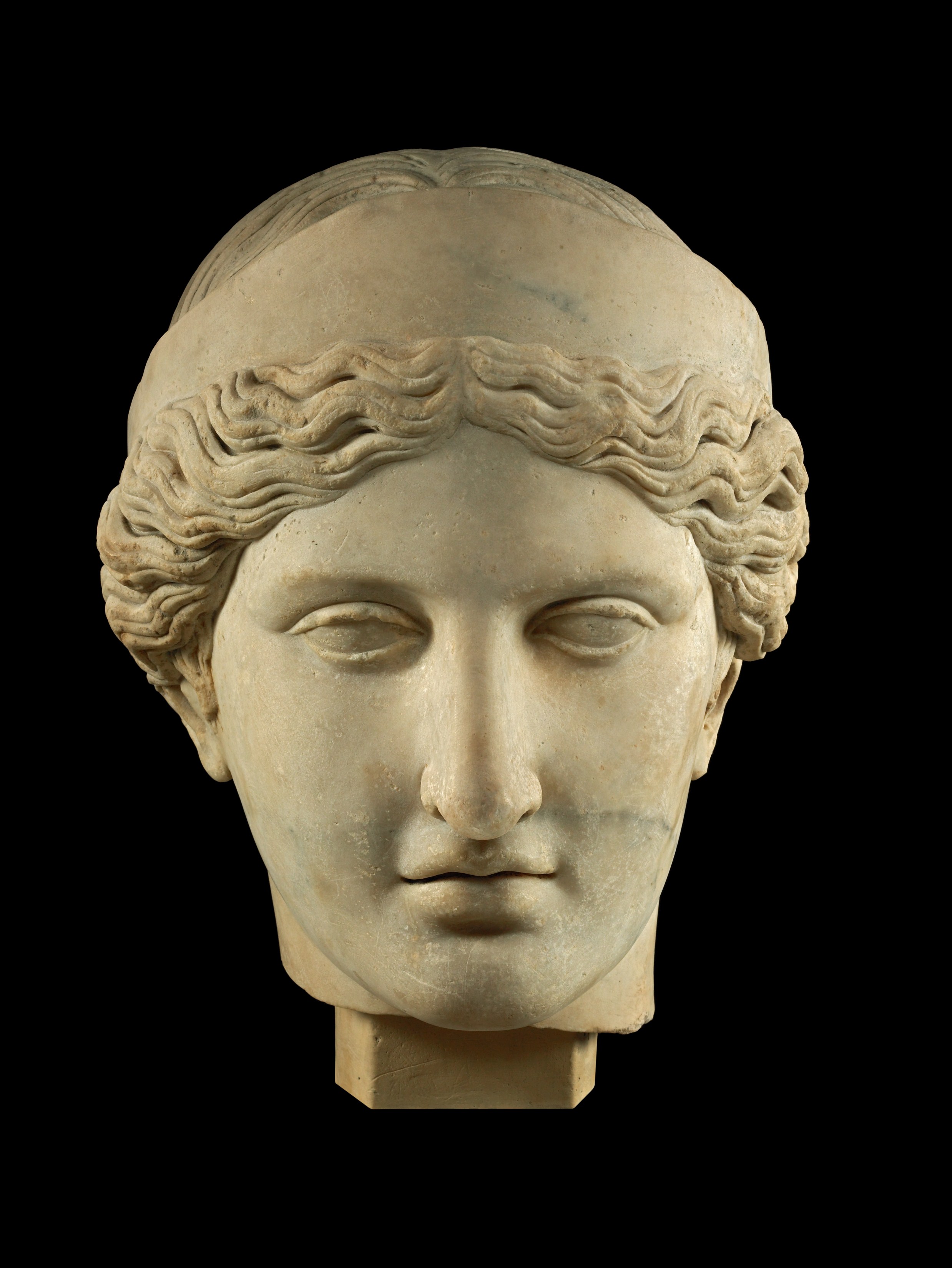
In honor of our current exhibition The Body Beautiful in Ancient Greece, I thought it would be fun to explore ancient baking this month. The general word for cake is pemma in Ancient Greek or libum in Latin. Several texts survive which mention different types of ancient cakes, but the actual recipes themselves are much more elusive. Roman writer and statesman M. Porcius Cato recorded one such recipe for libum in his De Agri Cultura, a sort of practical manual for farmers. Using Cato as a starting point, I created this simple recipe with ingredients and materials available in the ancient world. Similar honey-cheesecakes would have been given as offerings to the gods or perhaps enjoyed during a wedding feast. Hera, the Greek goddess of women and marriage, may have even enjoyed one herself.

British_Museum_AN00393231

Head of marble figure of Hera
Roman period, AD 30–180, from Agrigento, Sicily
GR 1873,0820.740 (Sculpture 504)
© The Trustees of the British Museum (2013). All rights reserved.

Pemma

Yields 10 small cakes
Level: Easy

8 ounces goat cheese
¼ cup honey, plus more for drizzling
1 egg
¾ cup spelt flour or all-purpose flour
½ cup sliced almonds, toasted

Preheat oven to 400° F.

Allow goat cheese to soften slightly on counter. Crush toasted almonds with mortar and pestle.

In medium bowl, beat together goat cheese and honey with a whisk or wooden spoon. Add egg and continue beating until smooth. Sprinkle in flour and mix until just incorporated. Mix in crushed almonds.

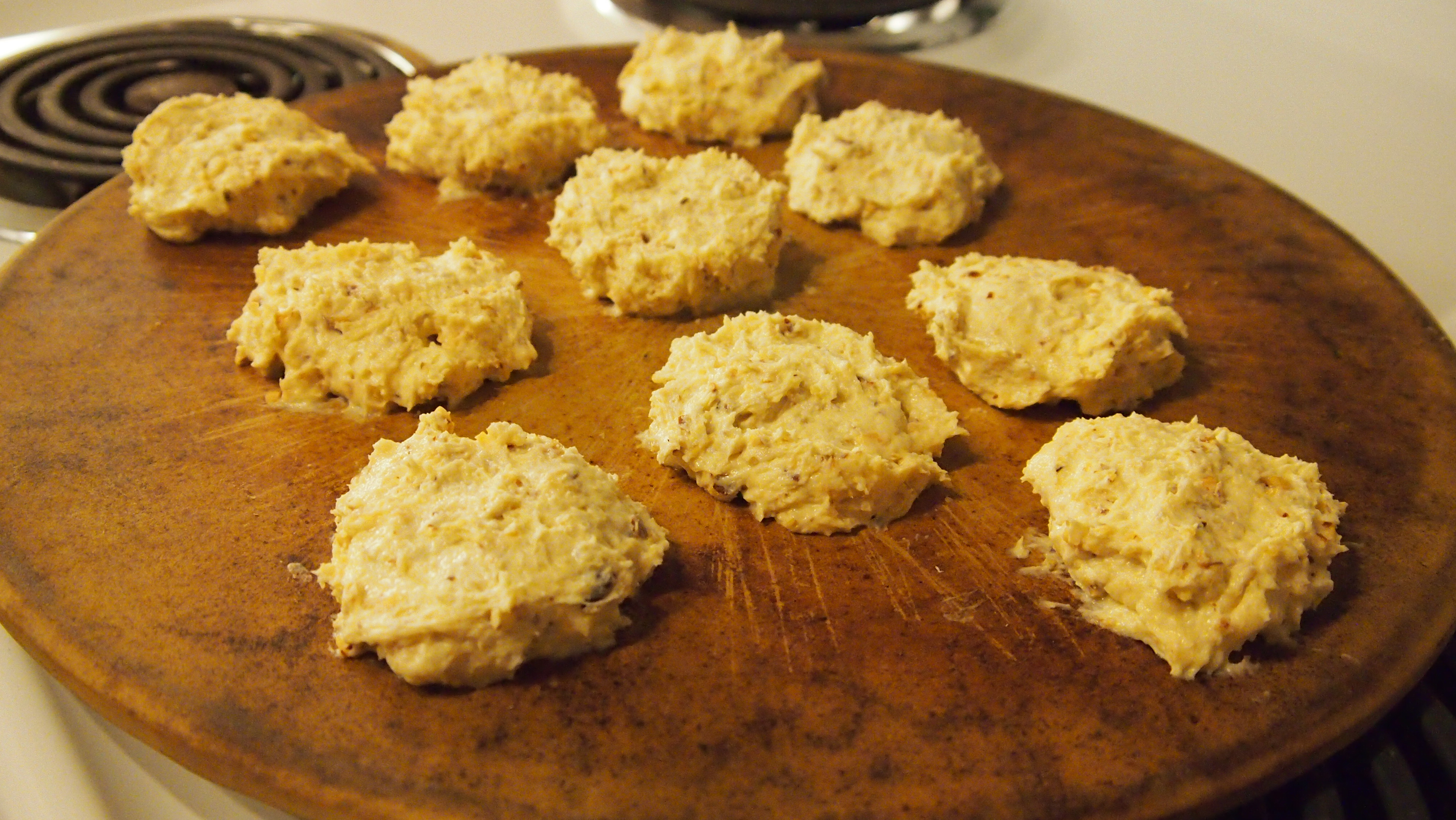
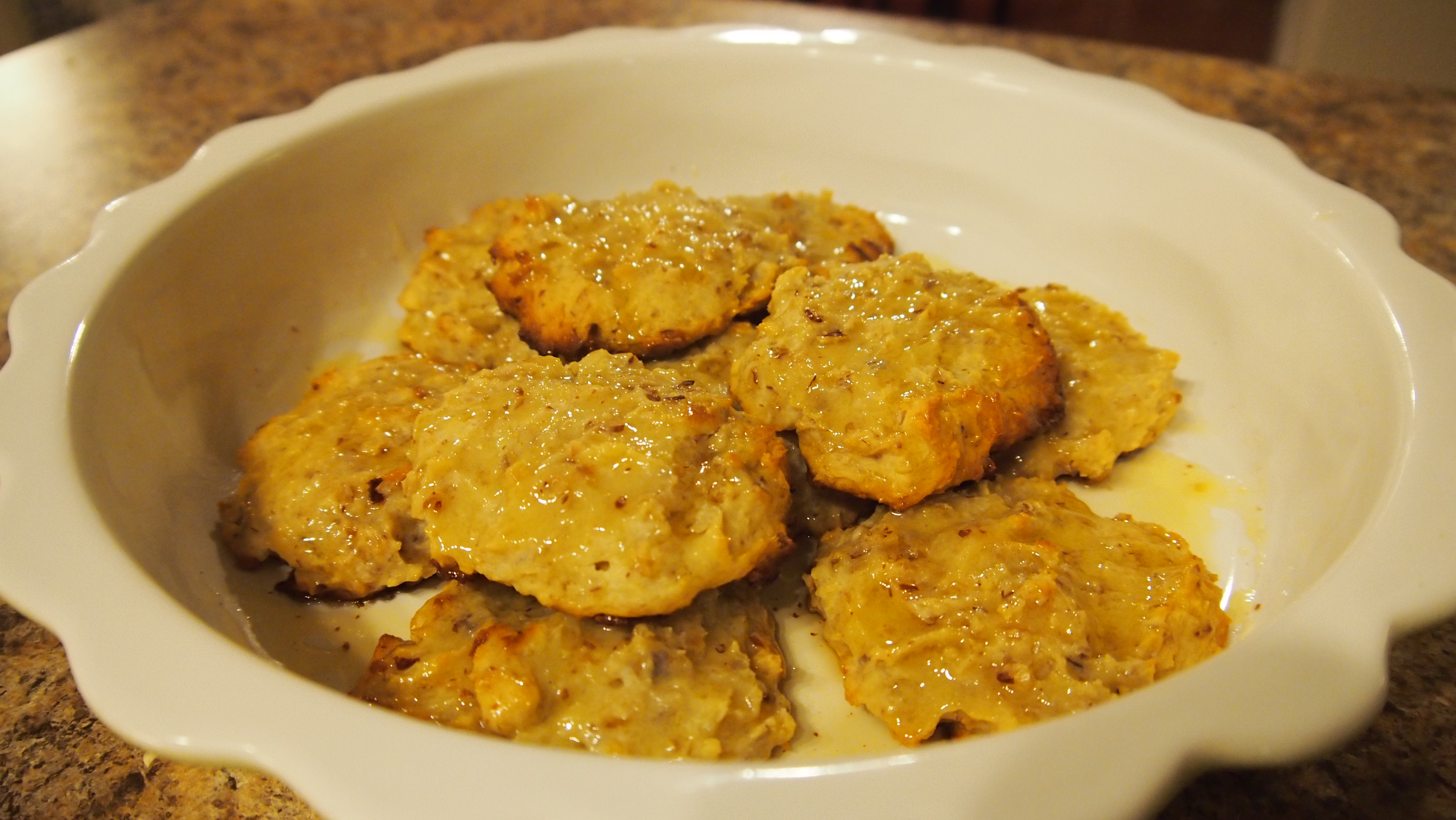
Drop batter by large spoonfuls onto baking stone. Cover stone with aluminum foil and bake 26-30 minutes, until cakes begin to turn light brown. Allow to cool just slightly on stone, then transfer cakes to separate dish. Drizzle warm cakes with additional honey until each is saturated.


OLYMPUS DIGITAL CAMERA

Batter on baking stone

OLYMPUS DIGITAL CAMERA

Cakes drizzled with honey

Recipe inspired by Cato’s ancient recipe for libum.

P.S. – If you love the ancient world as much as I do, you won’t want to miss An Illustrated Course: The Body Beautiful in Ancient Greece, a two-night course taught by our own Director Maxwell L. Anderson. DMA Friends can redeem a reward to attend the course for free, and then earn even more points for attending. I’ll see you there!

Sarah Coffey
Assistant to the Chair of Learning Initiatives

DMA’s Cinderella Inspires New Show

In honor of Thomas Sully’s birthday on June 19, we sat down with William Keyse Rudolph, the DMA’s former Associate Curator of American Art. Now the Milwaukee Art Museum’s Dudley J. Godfrey, Jr. Curator of American Art and Decorative Arts, William is currently organizing a retrospective exhibition of the artist. Sully (1783–1872) was born into a theatrical family in England but made a career in America, capturing in paint many of the leading actors and actresses of the time. The exhibition will feature many of these portraits as well as his “fancy pictures”–paintings made for mass appeal, with literary, artistic, and/or imaginary subjects. While at the DMA, William acquired Cinderella at the Kitchen Fire for the collection; the painting will be featured in the traveling exhibition and accompanying catalogue.
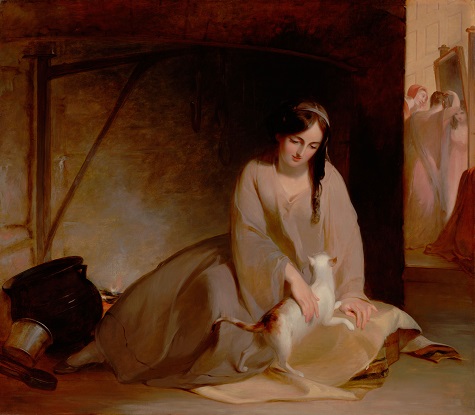
Thomas Sully, Cinderella at the Kitchen Fire, 1843, oil on canvas, Dallas Museum of Art, gift of the Pauline Allen Gill Foundation

Thomas Sully, Cinderella at the Kitchen Fire, 1843, oil on canvas, Dallas Museum of Art, gift of the Pauline Allen Gill Foundation

1. You were quoted in Art and Antiques magazine as saying that the DMA’s Cinderella at the Kitchen Fire took your breath away the first time you saw it. Why is this? Why do you consider this work Sully’s “finest fancy picture”?

For one thing, the picture is bigger than you expect. It’s nearly four feet by five feet. It was hanging on the wall of an art dealer’s office, surrounded by books, clutter, papers–and it just jumped out at me, even with all that distraction. It’s a beautifully painted, delicate picture, full of all sorts of grays and pinks that never reproduce well, but that are knock-out in person. And to be honest, it has this great big wonderful orange and white cat frolicking with Cinderella almost right at front and center. At that time, I had an orange and white cat, so the die was cast. I had to love it! And to be fair, former DMA director Jack Lane’s first words upon seeing an image of the painting were “Look at that cat!” He’s a cat person, too. We were also very fortunate that Mrs. Pauline Gill Sullivan, who had been a great benefactor of the DMA, saw the painting when we brought it to the Museum on approval and very graciously agreed to fund its acquisition. Besides having her own fine collection of European and American art, Mrs. Sullivan had a wonderful track record of making acquisitions available to the Museum, such as the commanding 18th-century portrait by Ralph Earl and a really dreamy late 19th-century Frank Duveneck painting of a woman in a red hat, so I was grateful that she responded so well to a big fairytale scene, which was out of her comfort zone in terms of the artist, size, and subject matter.

2. Did you have an interest in Sully and his paintings prior to this acquisition?

Yes. I had lived, worked, and gone to graduate school in Philadelphia for ten years before coming to the DMA, so I was well aware of Sully. He is so closely linked with the city of Philadelphia, where he worked for about sixty years, that it is almost impossible to spend time in Philly and not run into his work in virtually every cultural institution, from museums to libraries and hospitals.

3. How does it make you feel knowing that a key acquisition you made while working at the DMA will now be featured in Milwaukee’s exhibition and catalogue? Was it difficult to leave Cinderella behind?

I am, of course, thrilled! Cinderella at the Kitchen Fire actually gave birth to the show. After I acquired the work, my colleague Carol Eaton Soltis (a curator at the Philadelphia Museum of Art) and I began to talk about why this work was so interesting, which led to us proposing a show at the DMA that examined Sully’s total career: portraits as well as fancy pictures like this one. That show, which we began working on in 2005, was originally scheduled for 2009-2010 but ultimately didn’t happen due to timing and other issues. So we are really happy that years later the idea for the show was able to travel with me to Milwaukee and can now finally be seen here and then at the San Antonio Museum of Art. And yes, it was very difficult to leave Cinderella behind. You never, ever forget your first acquisition, and she was mine. I have missed her every day since I left the DMA, and I’m ridiculously excited to have her back with me for a brief time. If you ask gallery attendants at the DMA who remember me, they will tell you I used to go talk to her in the galleries. So my team here has been warned about that! I will probably burst into tears when she comes out of her crate and I see her again.

4. Since Sully also specialized in portraiture, is there any evidence that the figure of Cinderella was based on a real person?

Carol Soltis and I are convinced that the model for Sully was his daughter Rosalie, who posed for many of his works, several of which will also be in the show. She was a very talented painter herself, who died young.

5. Cinderella was painted when Sully was 60 years old. In your opinion, did it bring him the success and attention he hoped for in his later years? Did it help him attract new clients?

Yes and no. Sully hoped to sell the painting much faster than he did. He exhibited it several times in the Northeast and it was made into an engraving, but it took a few years to actually sell to a collector. One of the fascinating stories of this exhibition is how the fancy pictures like Cinderella functioned for Sully as a way to try to counteract the effects of economic crises on the portraiture market. Works like Cinderella were attempts to keep himself in front of the public, which he hoped would both result in sales of the subject pictures and remind clients that he could still turn it on when he wanted to.

6. A later version of Cinderella was (at least at one time) in the collection of Thomas Sully, Jr., of Naples, Florida. Is he a descendant of the painter? Did you ever track down this painting and will it be part of the exhibition and/or catalogue?

He is a descendant. I’ve seen an old reproduction of this picture, and I actually suspect it was the work of one of Sully’s grown children, whom he trained as artists. For that reason, I’ve never really worried about tracing it, as the DMA has the best one. What I’d be curious to see someday is another version of Cinderella done later that apparently shows her with the fairy godmother, but that one is completely obscure and only listed in Sully’s register. If anyone knows where it is, I would love to see it!

7. Do you know yet which works in the exhibition will be installed near the DMA’s Cinderella?

I don’t know exactly where the painting will go in the gallery, but it will be part of a section devoted to Sully’s fancy pictures. So she will live near an amazing picture of Little Nell Asleep in the Curiosity Shop from the Free Library of Philadelphia, which is based on Charles Dickens; and a gigantic, dramatic painting based on a scene from the early American novel The Pilot by James Fenimore Cooper that we’re borrowing from the Birmingham Museum of Art in Alabama. All three of them will be stunning together, and all were painted around the same time.

Thomas Sully: Painted Performance will be on view at the Milwaukee Art Museum October 11, 2013-January 5, 2014, and then at the San Antonio Museum of Art February 7-May 11, 2014. I hope some of the DMA’s visitors who love this painting will come see the show in one of these places to help celebrate this important painter and this really beautiful picture that the DMA family has been so quick to adopt as a favorite. And thank you to Sue Canterbury, Maxwell L.  Anderson, and all the DMA family for making her available for loan.

Reagan Duplisea is the Associate Registrar, Exhibitions at the DMA.
Make This: Collagraphs

IMG_0657

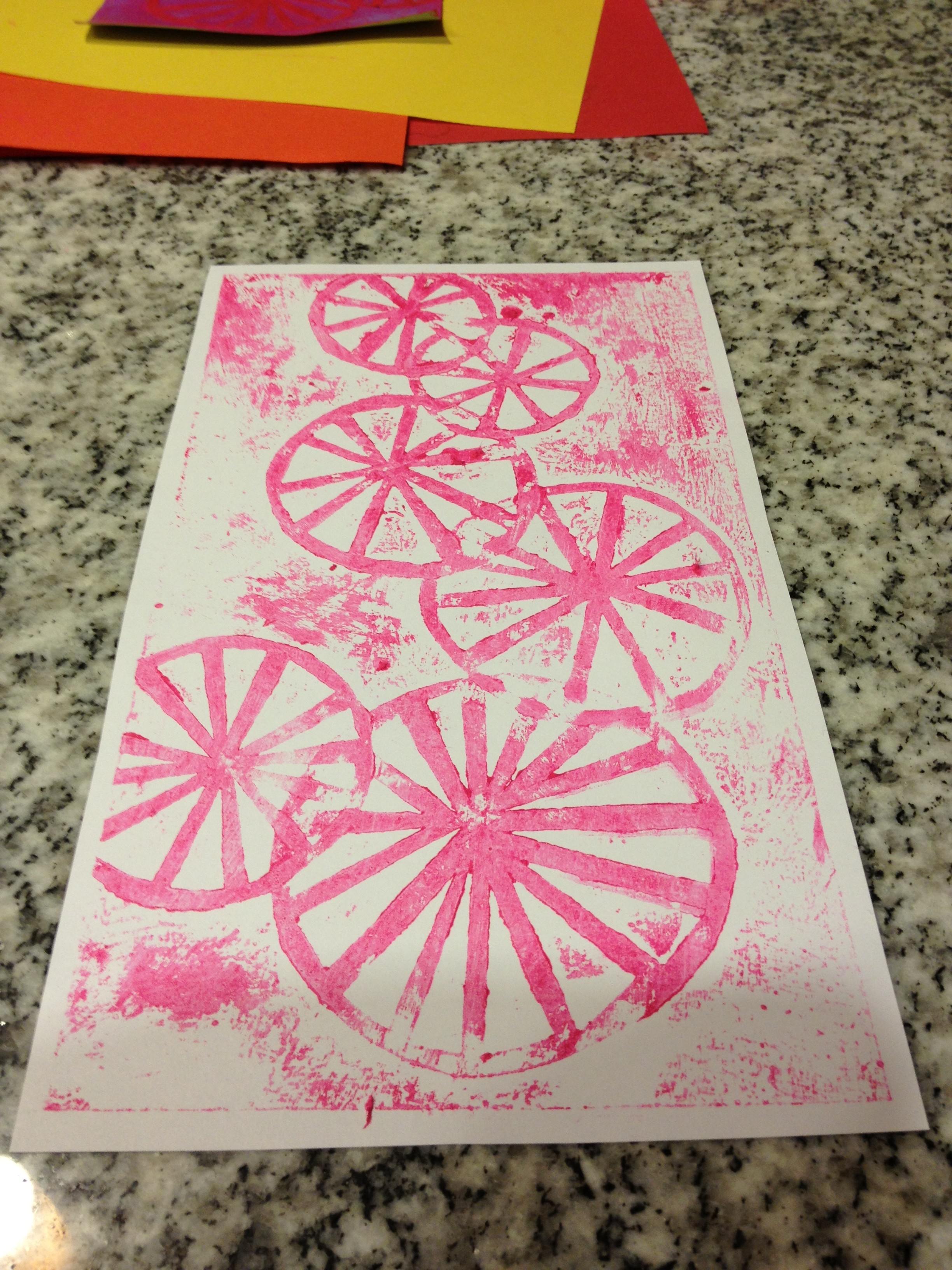
For our Urban Armor workshop this month, we focused on different printmaking techniques. We made some awesome block prints using linoleum blocks that we carved and ran through the printing press. We also played around with collagraphy, a fun and easy technique that you can do at home without a press or any other expensive materials.

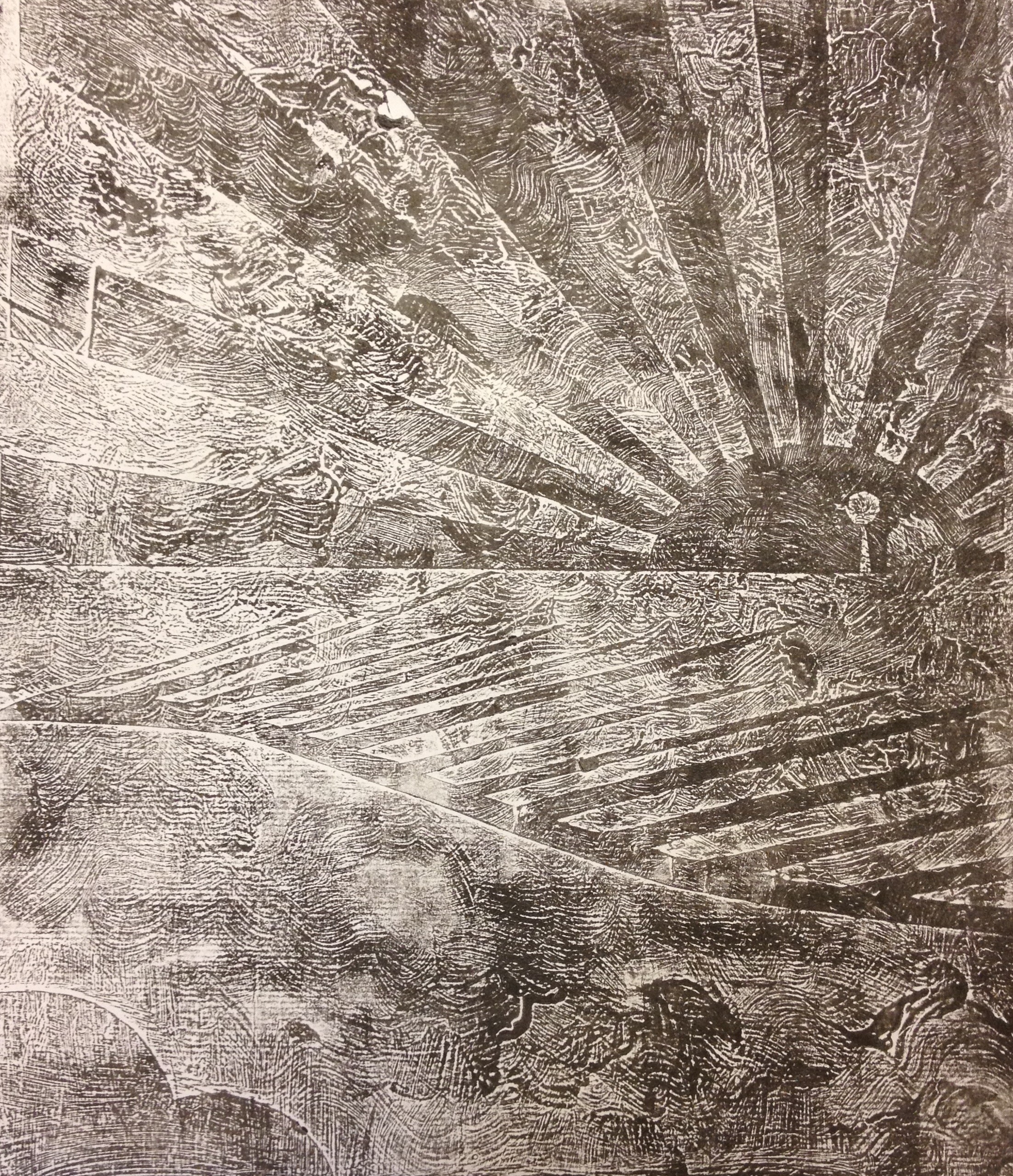
In collagraphy, you collage an image to create a “plate.” You will then transfer the image from the plate by coating it with ink and pressing it against a new surface. The effect you get is different from a block print–it won’t be as clear, but you’ll get a neat, atmospheric-type of image. Keep in mind that, since you’re creating the plate out of paper, it won’t be as durable as linoleum or other materials, which will limit the number of times you can use it. Remember too that your print will be a mirror image, so if you plan to include text, make sure that it reads backwards on your plate.

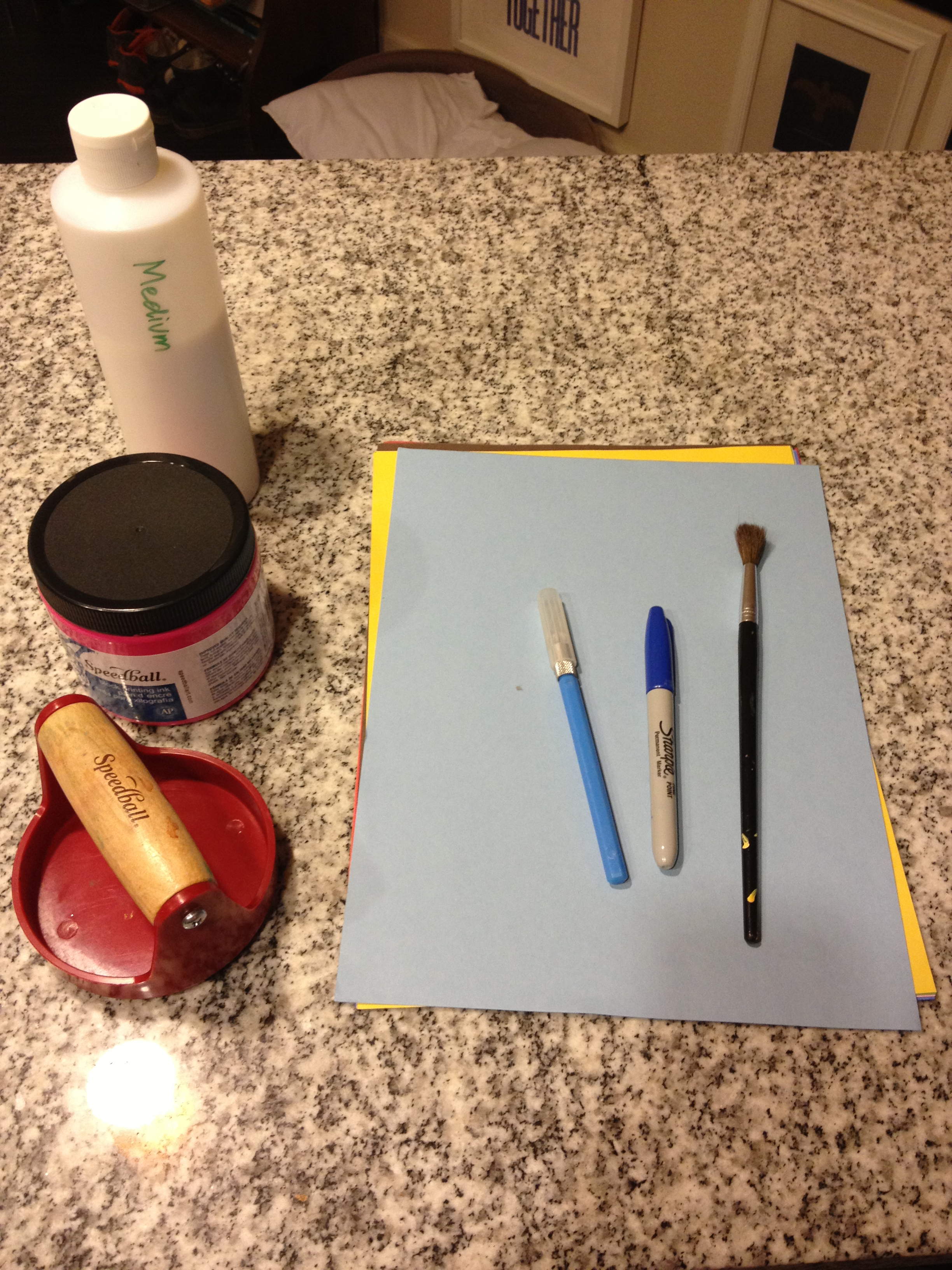
What you need:

  • Collage materials (scrap paper, magazines, fabric scraps, etc., but nothing too thick)
  • A pair of scissors or x-acto knife
  • Glue
  • A pencil
  • Heavy paper (heavy drawing paper, watercolor paper, cardstock)
  • Smooth paper for printing (copy paper works in a pinch)
  • Gloss medium
  • Brush
  • Printing ink (I use water-based ink, available at craft stores)
  • Brayer (optional)
  • Paper plate for spreading ink
  • Baren or large spoon for burnishing
  • Scrap cloth or paper towels

IMG_0650

Step 1: Make your plate

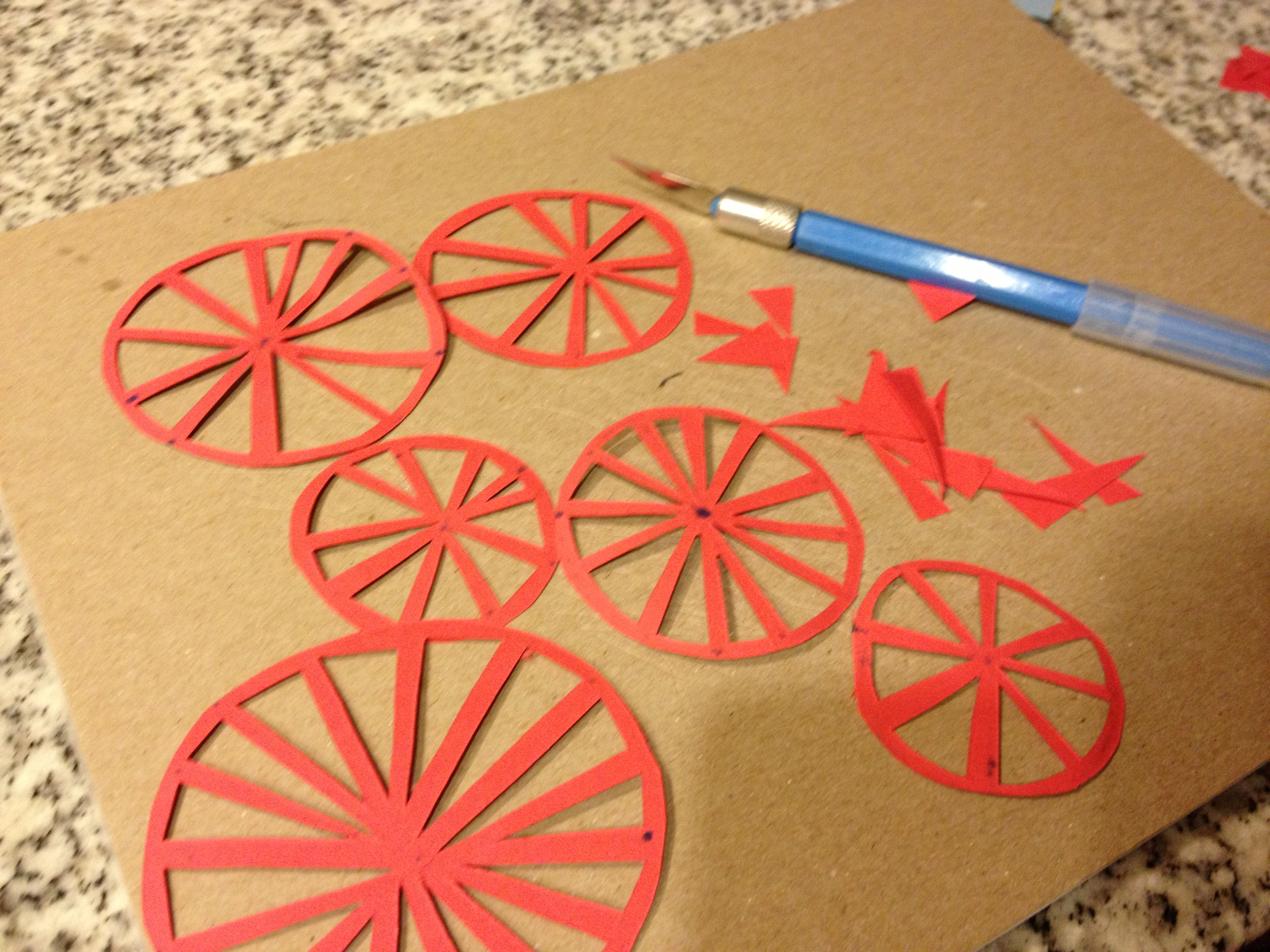
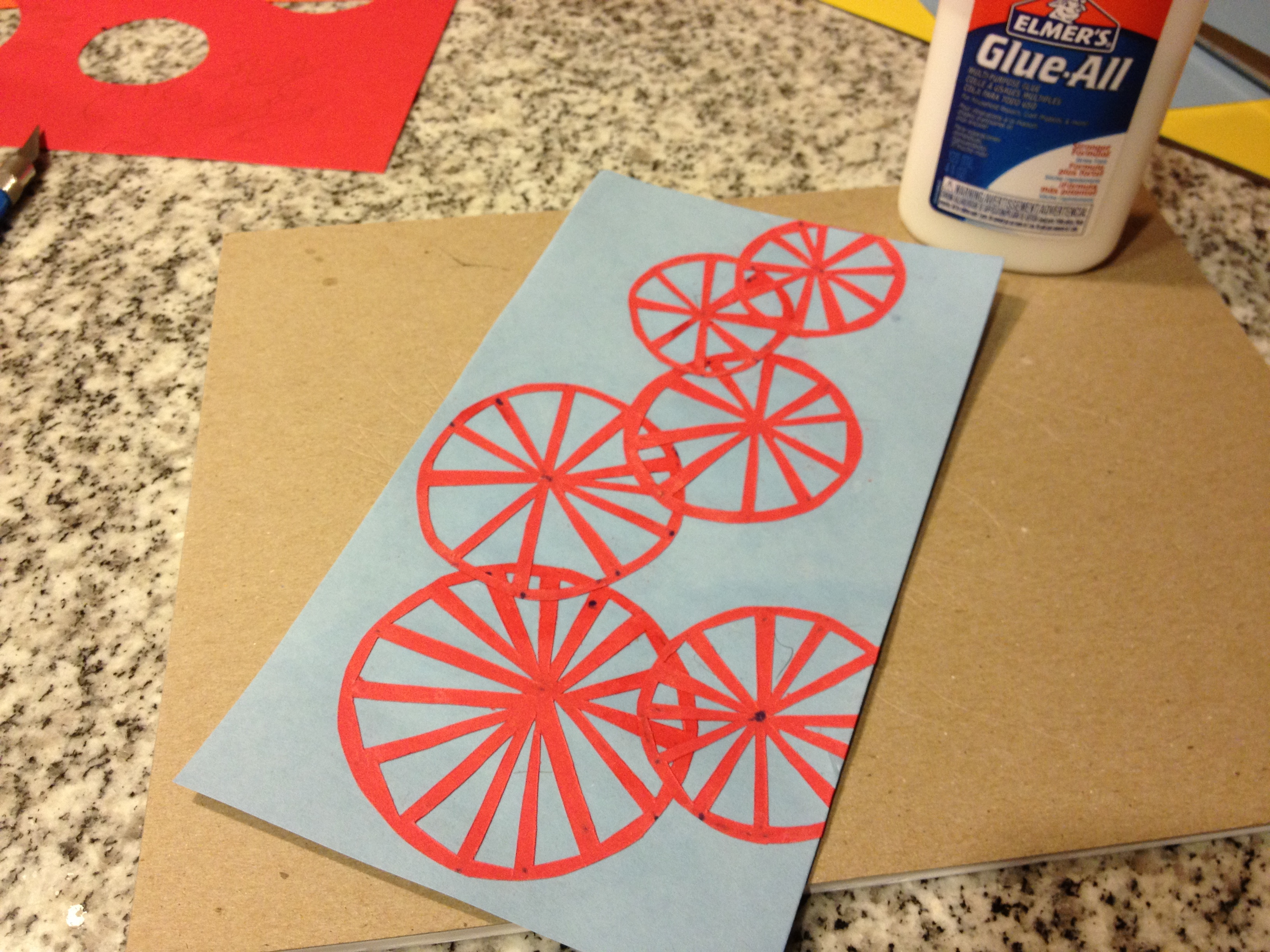
Create a collage on top of your piece of heavy paper–this is the image that will be printed. Experiment with layering things on top of each other; this will give your print different effects. Let the glue dry completely before moving on to the next step.

IMG_0651

Cutting out designs

Collaging the plate

Collaging the plate

Step 2: Seal your plate 

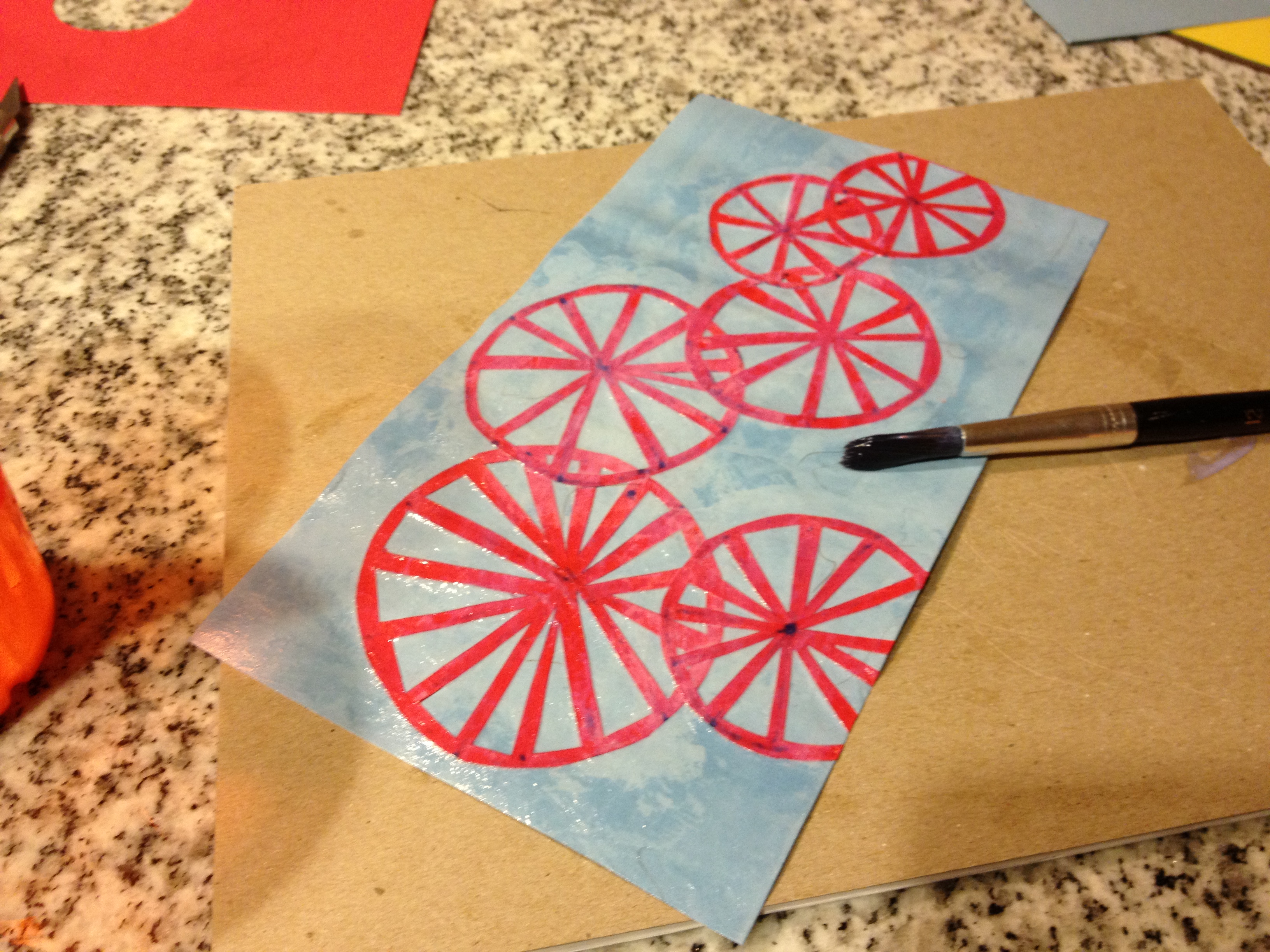
Cover the entire plate with a thin layer of gloss medium. This creates a durable, smooth surface that will give you a good ink transfer and allow you to use the plate multiple times.

IMG_0653

Sealing the plate with gloss medium

Step 3: Ink your plate

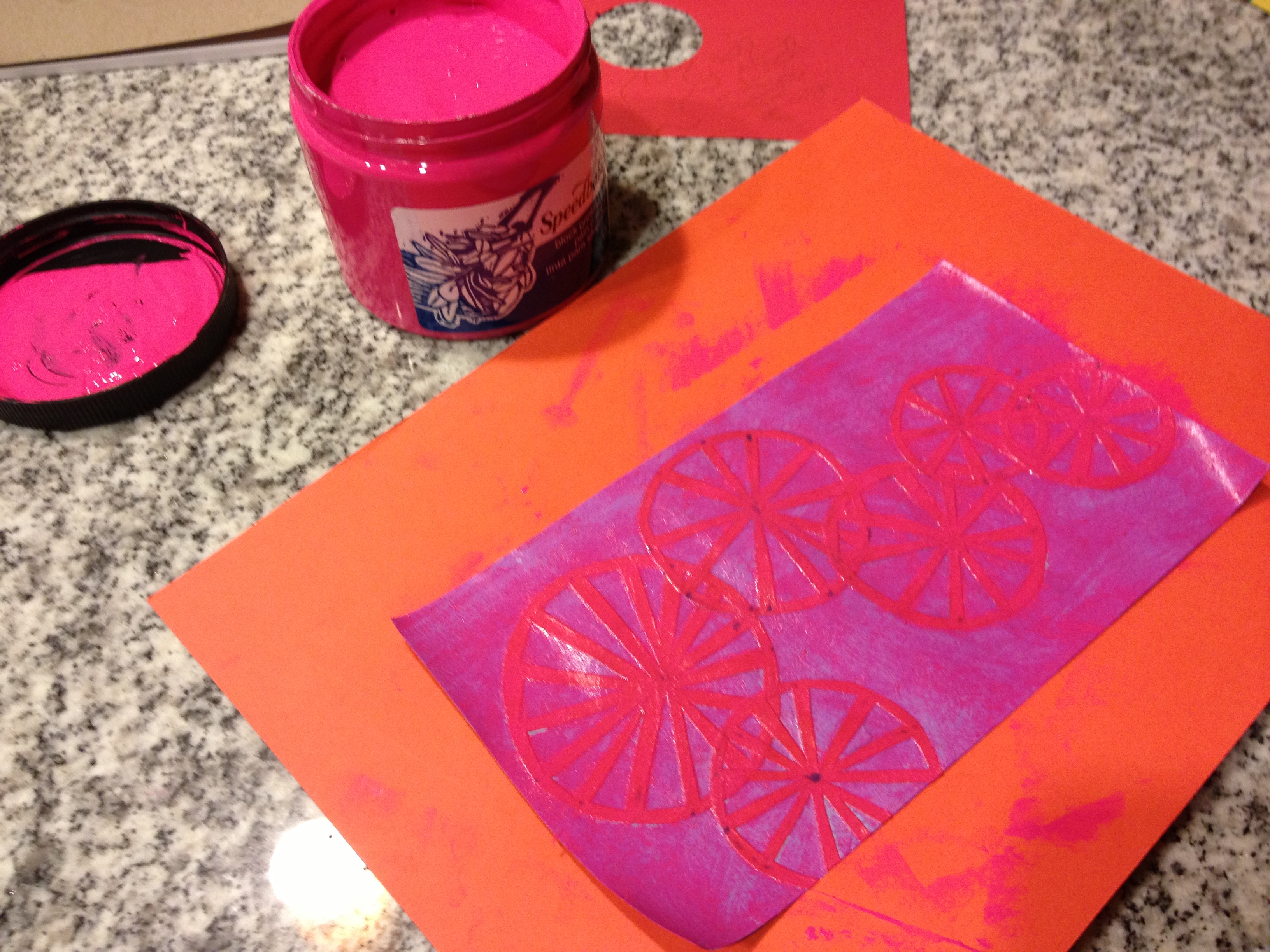
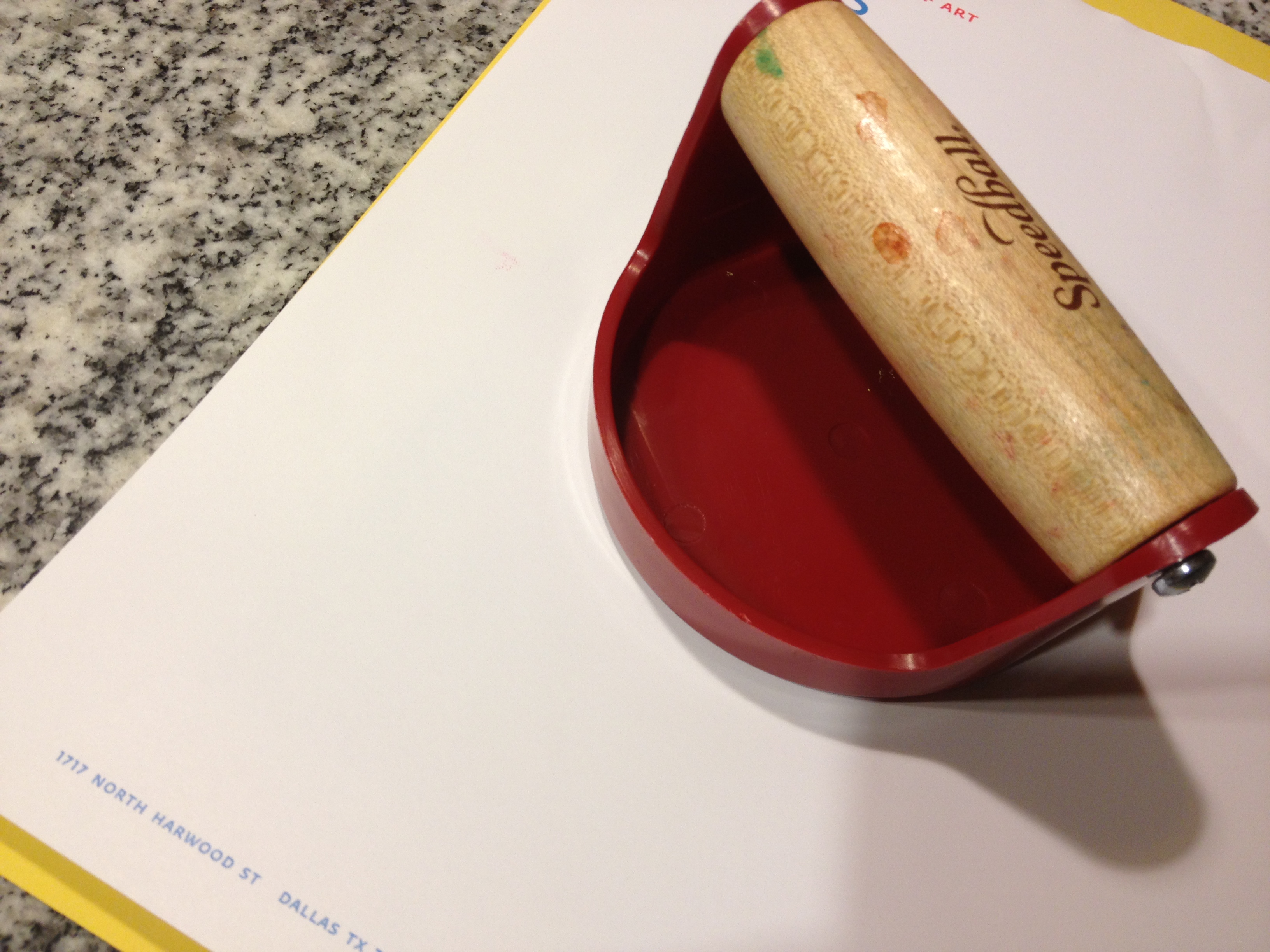
When your plate is dry, coat the surface with ink. You can do this with a brayer: put a dime-sized amount of ink on your paper plate and then roll it out with the brayer. Now roll the inked brayer across the surface of your image. If you don’t have a brayer, no worries! I dipped a paper towel into my ink and then wiped it onto my plate–it worked just as well. Whichever method you choose, be sure to wipe off excess ink in areas you don’t want printed using your scrap cloth or paper towels.

IMG_0654

Inking the plate

Step 4: Print your plate 

Flip your plate face-down onto your piece of smooth printing paper. Using your baren or spoon, burnish the back of the plate. Then, carefully peel it away from the printing paper. Voila! If you want to print in a different color, wipe your plate off with a damp paper towel.

IMG_0655

Burnishing

Final print: note that it is a mirror image of the plate

Final print: note that it is a mirror image of the plate

Remember that printmaking is an experimental process. Prints created from the same plate can look vastly different depending on how much ink you use, the pressure you apply when burnishing, etc. Part of the fun for me is not knowing exactly how each print will turn out! So I encourage you to make as many prints as you can, experiment, and have fun!

JC Bigornia
C3 Program Coordinator

Off the Walls: Erminia and the Shepherds

The DMA’s galleries house art from around the world, and each work has a story. Olivier Meslay, the Associate Director of Curatorial Affairs and Barbara Thomas Lemmon Curator of European Art at the Dallas Museum of Art, shares insight about the recent acquisition Erminia and the Shepherds, by Guillaume Guillon Lethière. After you learn about the artist and the history of the painting, visit the work on Level 2 for free!

[youtube http://www.youtube.com/watch?v=1vYPk1dKg2c]

Friday Photos: Summer Art Camp Kick-Off

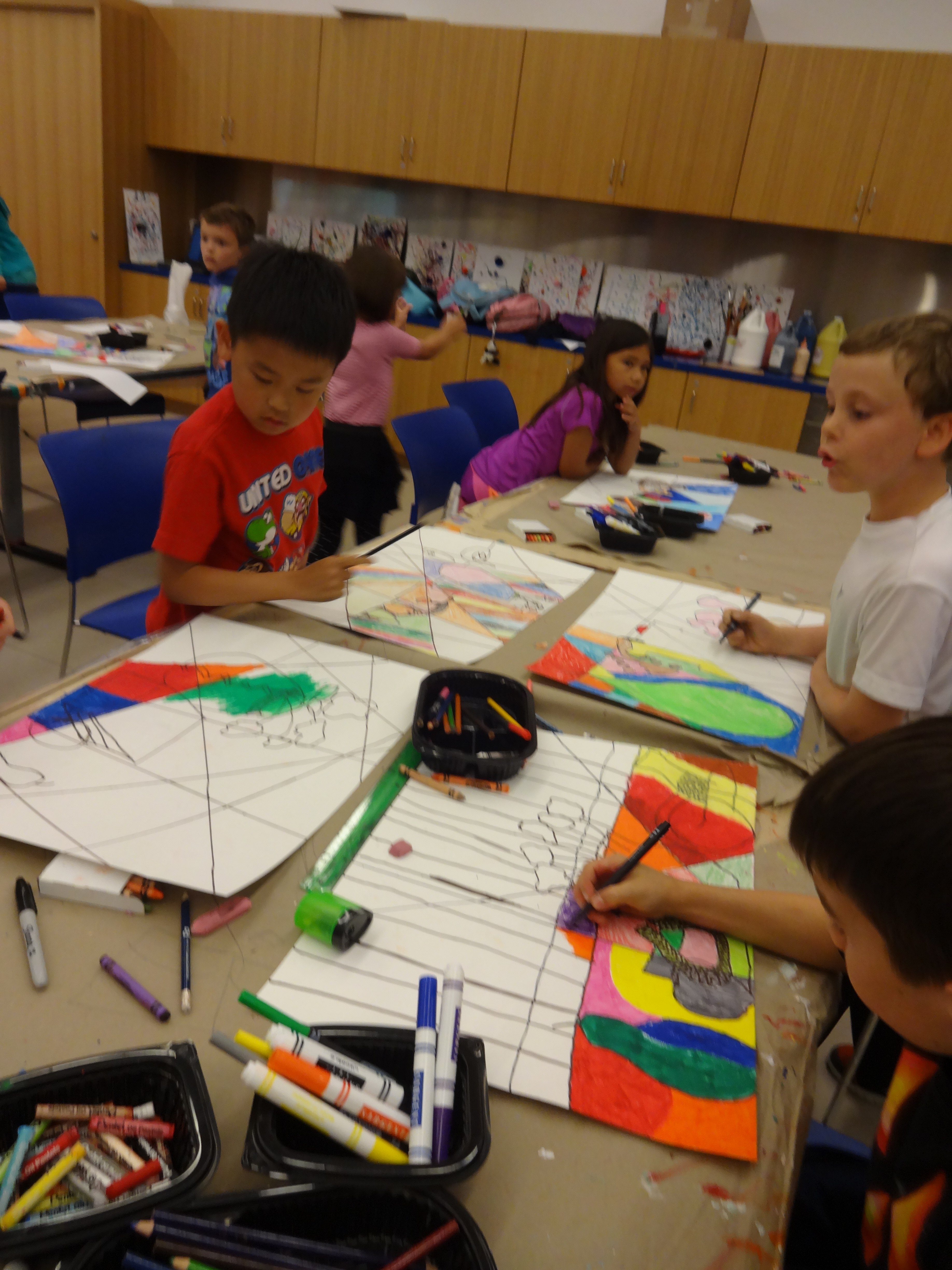
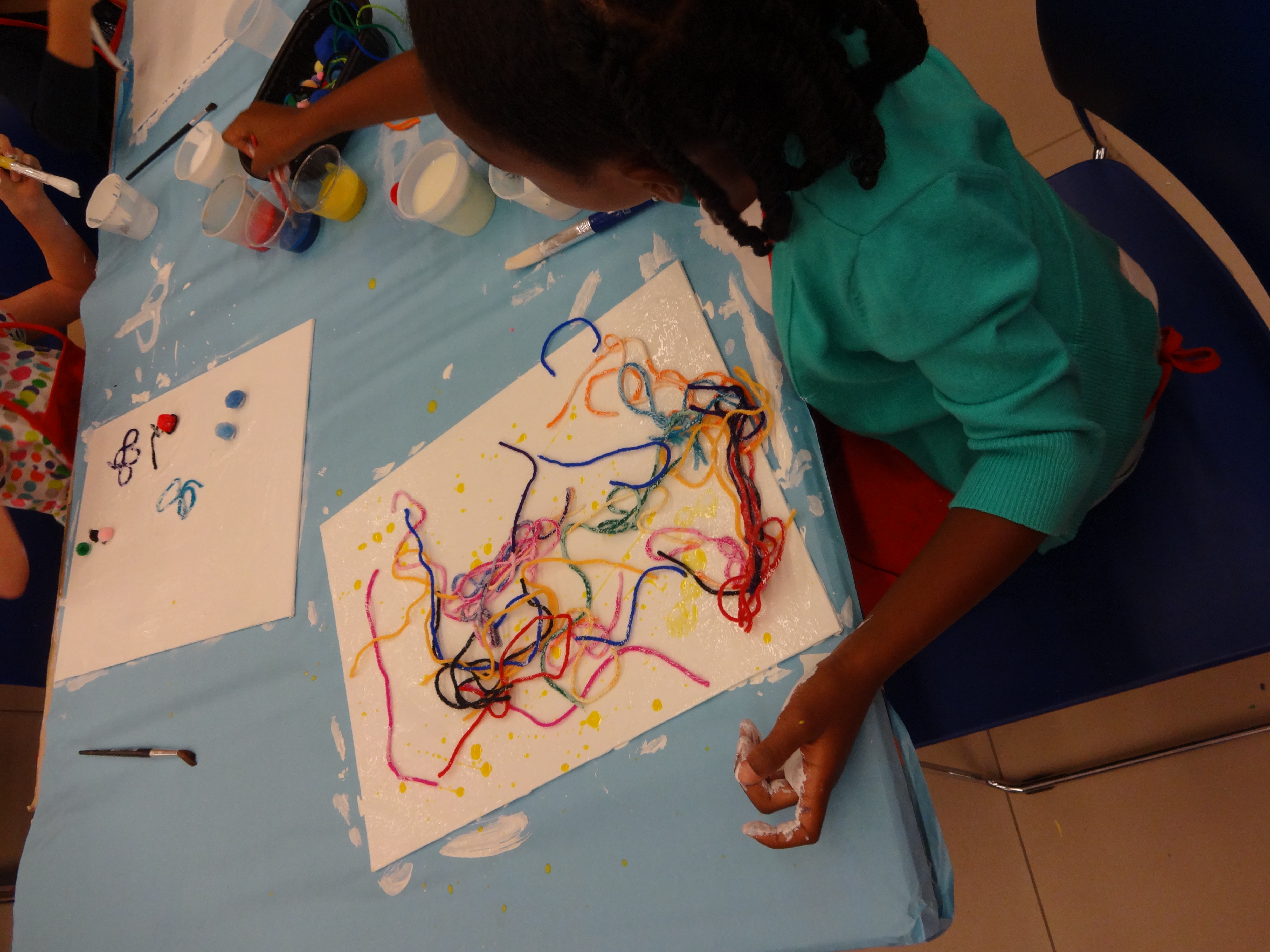
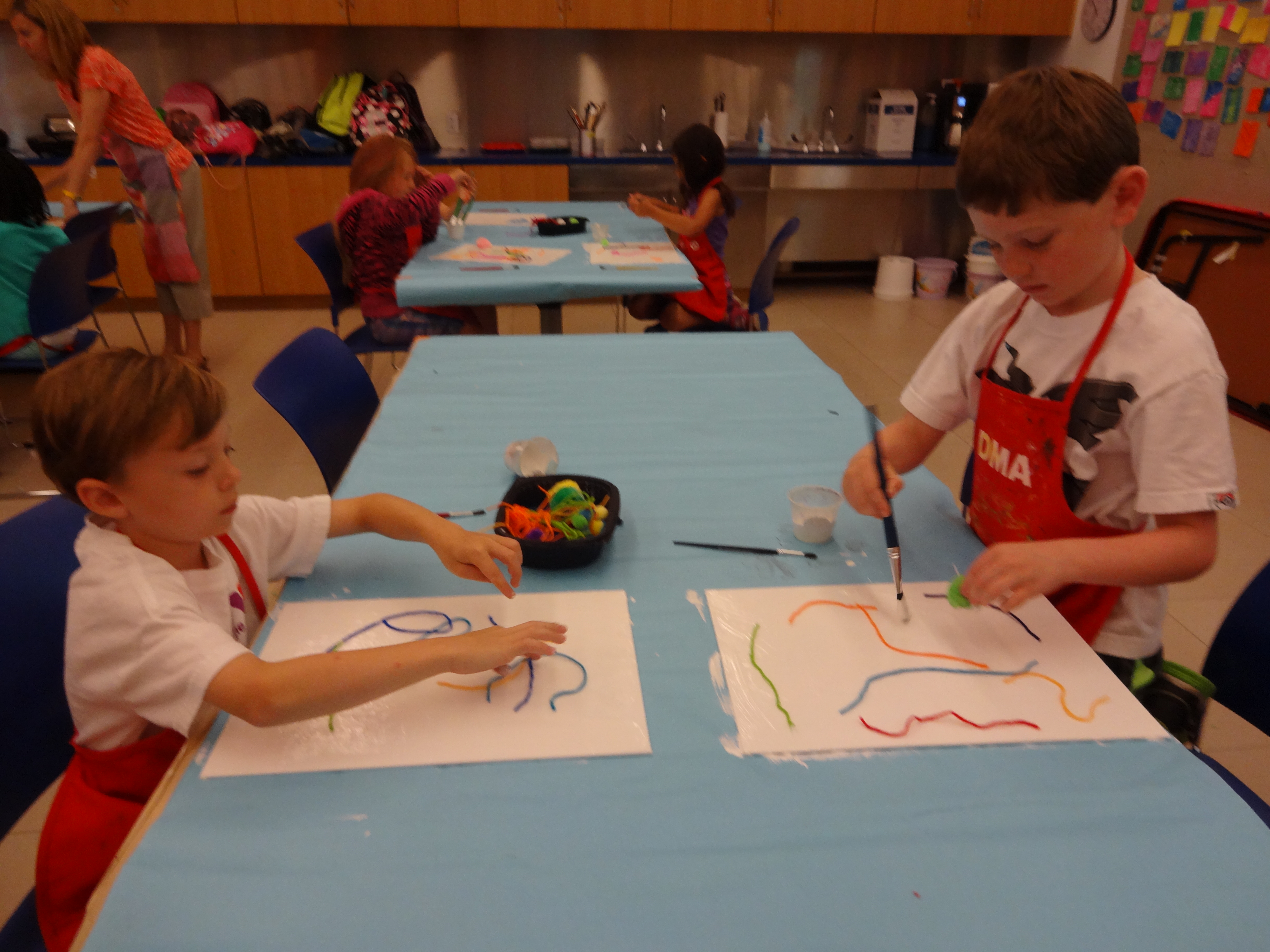
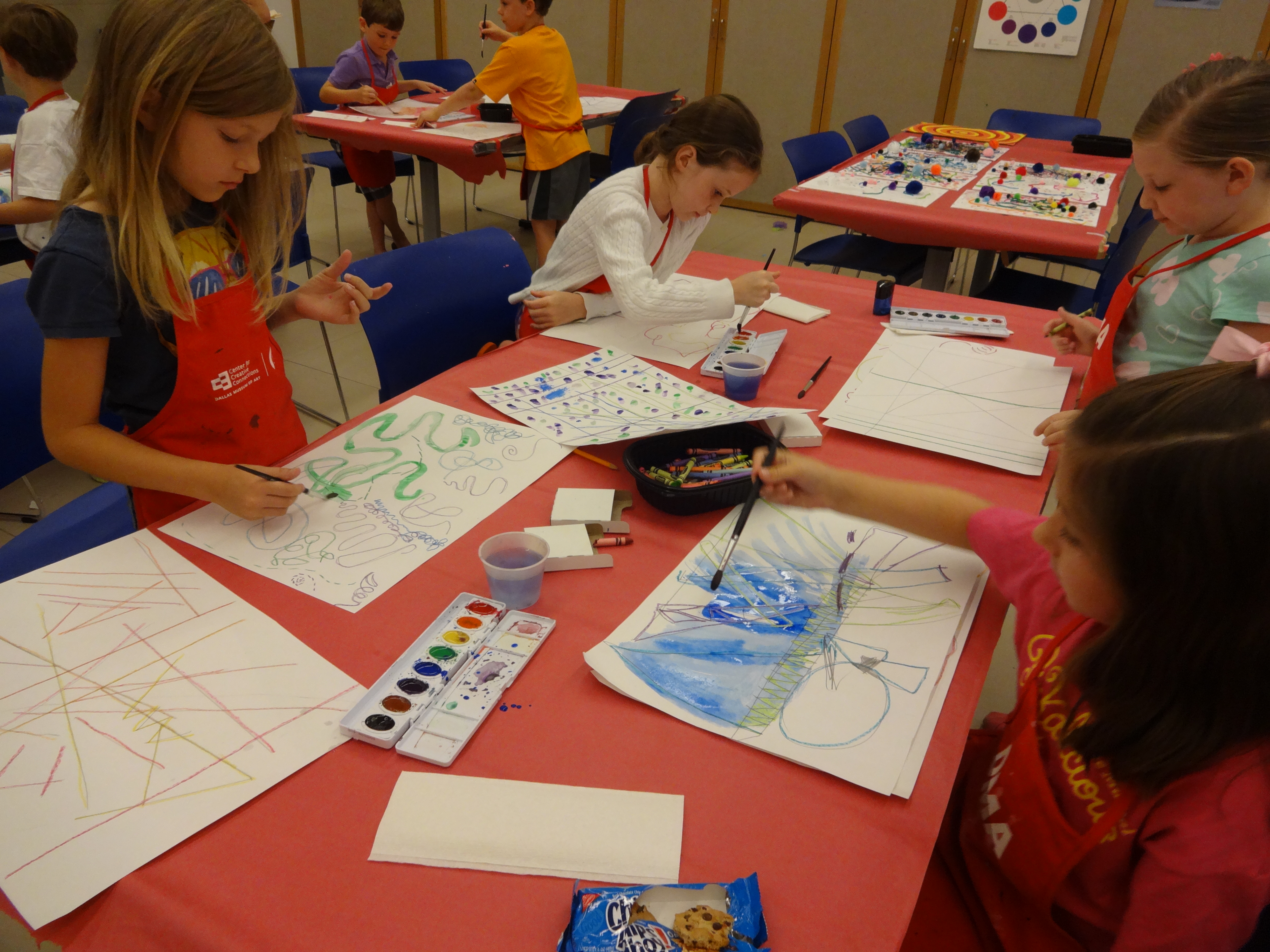
Summer fun continues at the DMA with our Summer Art Camps for kids. All camps offer unique experiences for campers by visiting Museum galleries, participating in activities, and creating art! This week, some of our campers learned about artist Jackson Pollock and then created their own action paintings in the studio. Other campers created Cubist still lifes. And our Art to Go campers used their “telescopes” to find nature in different artworks.

If your child is interested  in art and would like to join us for a week of fun, we still have a few spaces available in the following camps. Visit our Summer Art Camp page to find out more and register online.

June 17-21, 1:00-4:00 pm
MasterPeace (ages 9-12)
Lights, Camera, Action (ages 9-12)

July 22-26, 1:00-4:00 pm
Around the World: Music and Art with the Dallas Symphony Orchestra (ages 9-12)

August 5-9 and August 12-16, 9:00 am-12:00 pm (2 week camp)
New World Kids (ages 5-6)

Holly York
McDermott Intern for Family Experiences

C3 Artistic Encounter Field Trip!

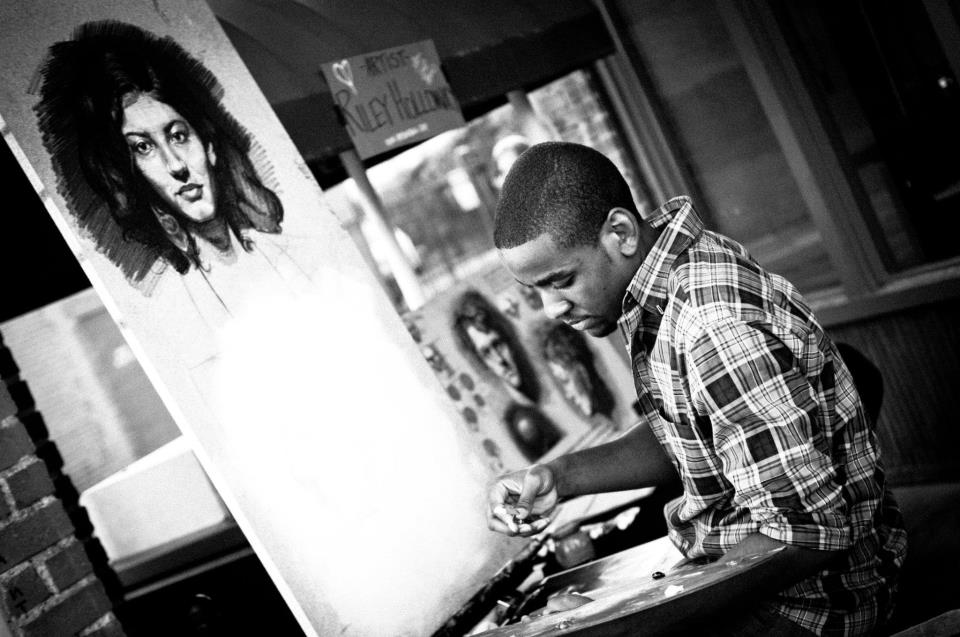
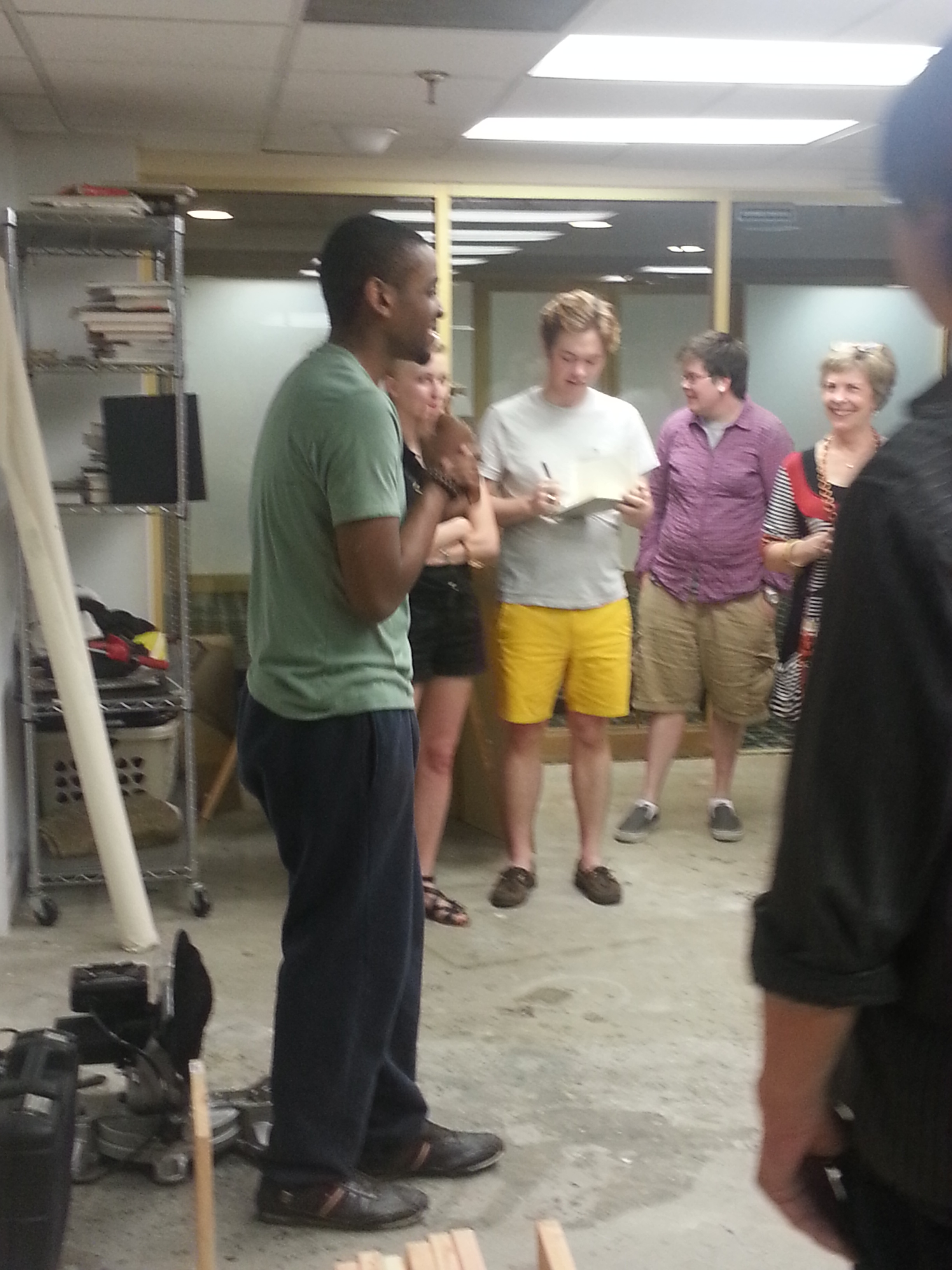
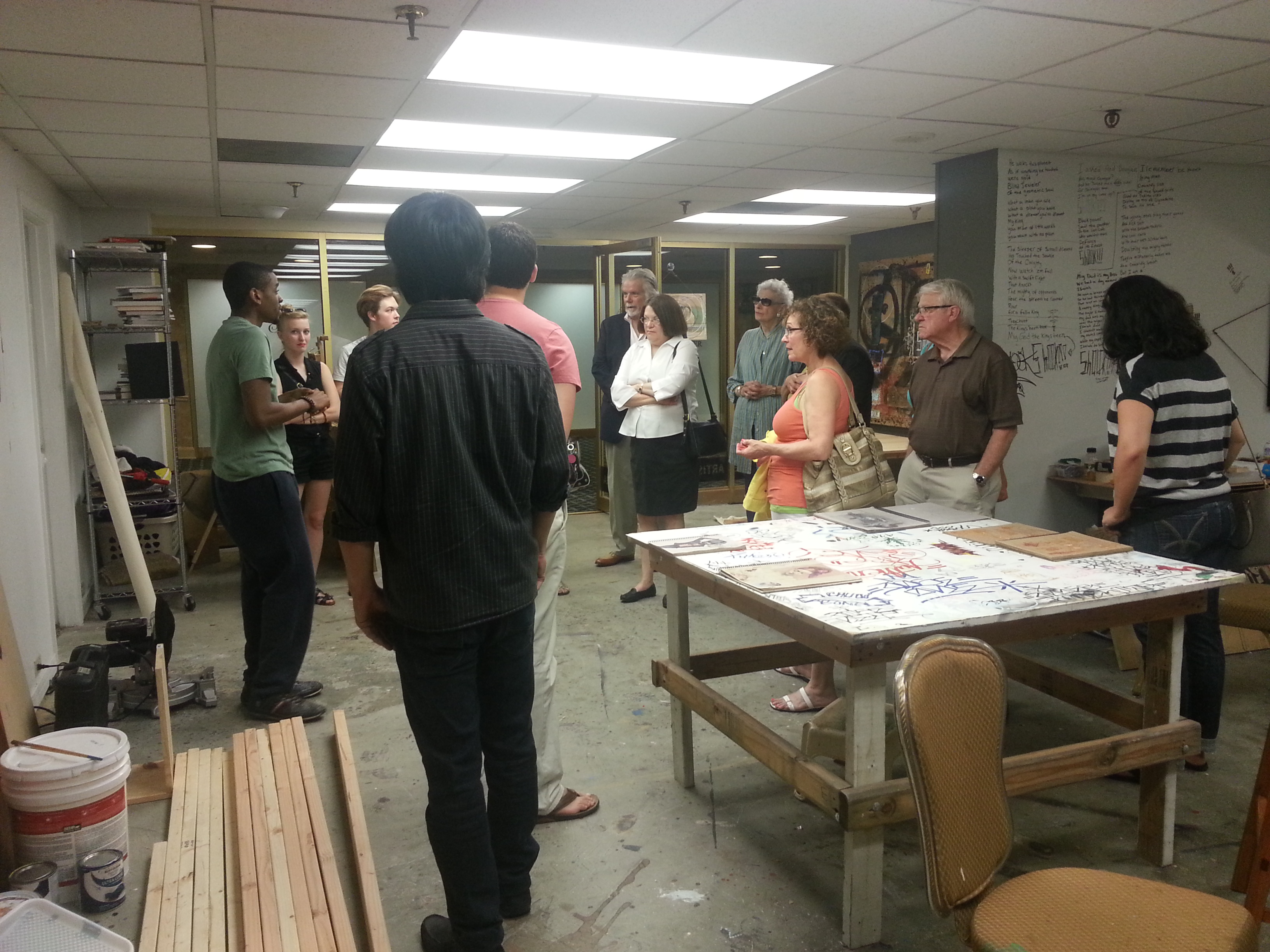
This past Sunday, we took a field trip to The Fairmont Dallas to visit artist Riley Holloway in his studio. The Artist-in-Residence program initiated by The Gallery at The Fairmont hosts artists from all over the nation for three months. During their residency, the artist works in an on-site studio on level zero of the hotel on a body of work that will then be shown in the gallery upstairs. Guests of the hotel and anyone walking through downtown are invited to stop by and visit the studio. The program was established in 2010 with the goal to support the arts community and has hosted twelve artists to date.

Riley

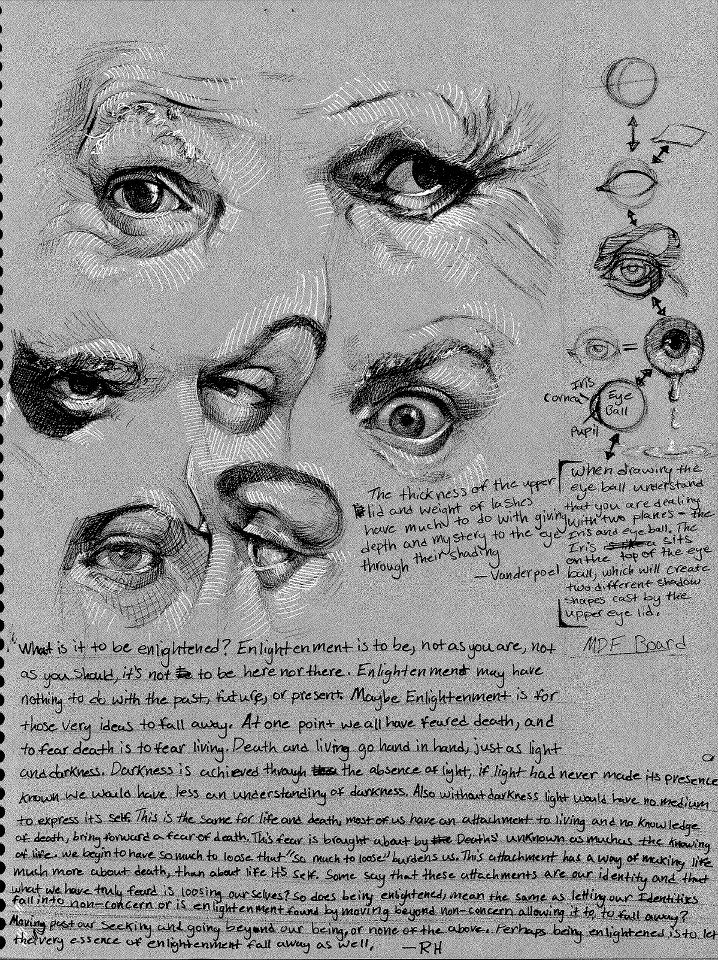
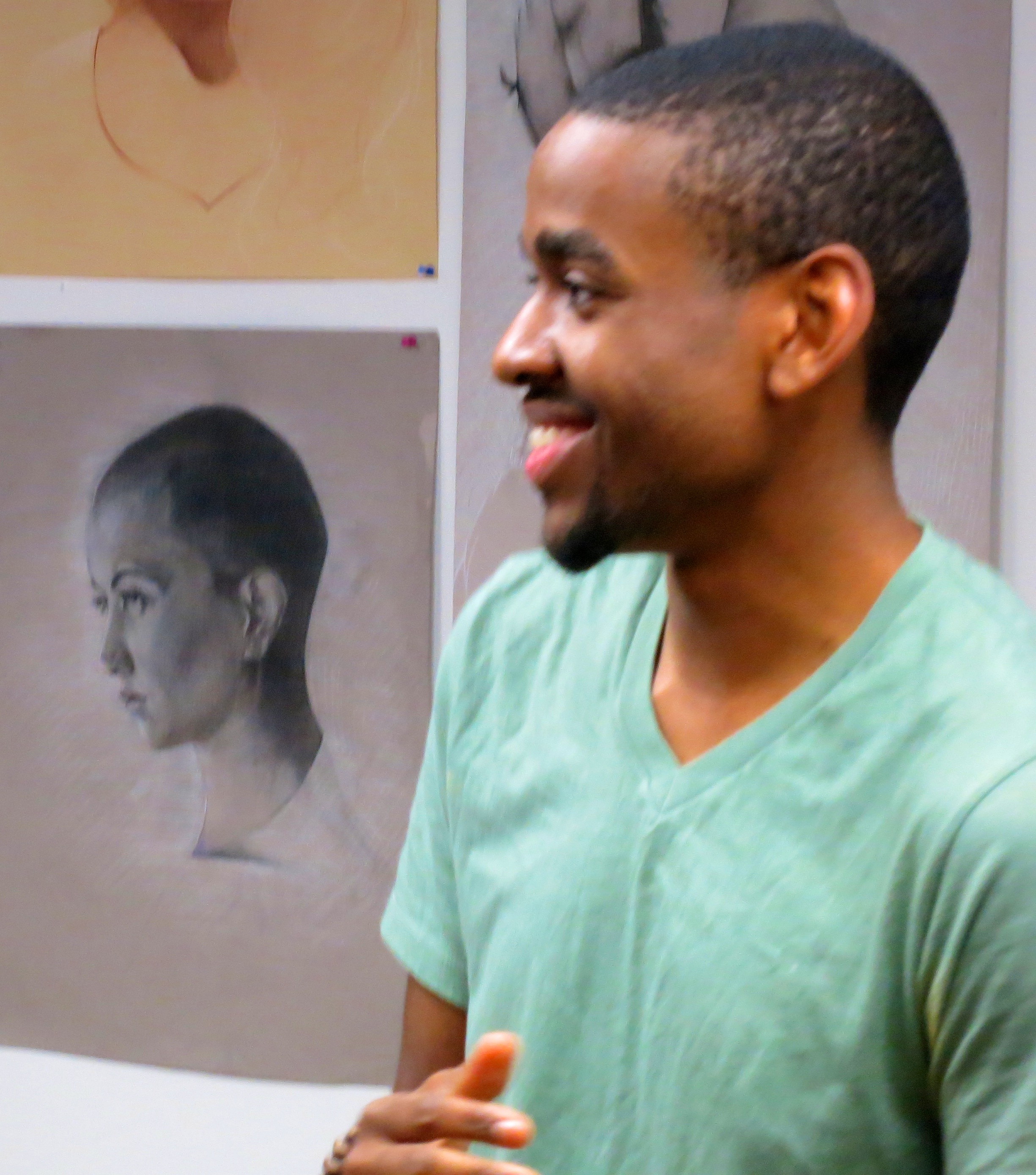
The current artist-in-residence is L.A. born and Texas raised artist Riley Holloway. Holloway developed a passion and hunger for the arts from his artist mother, who gave him magazines and tracing paper at a young age to teach him proportions. His parents believed in his dreams of becoming an artist and encouraged him to study portraiture at the Florence Academy of Art in Florence, Italy in 2011. His passion and dedication to his craft is evident in his work. Often, he can be seen exploring the collection at the DMA to inform his work.

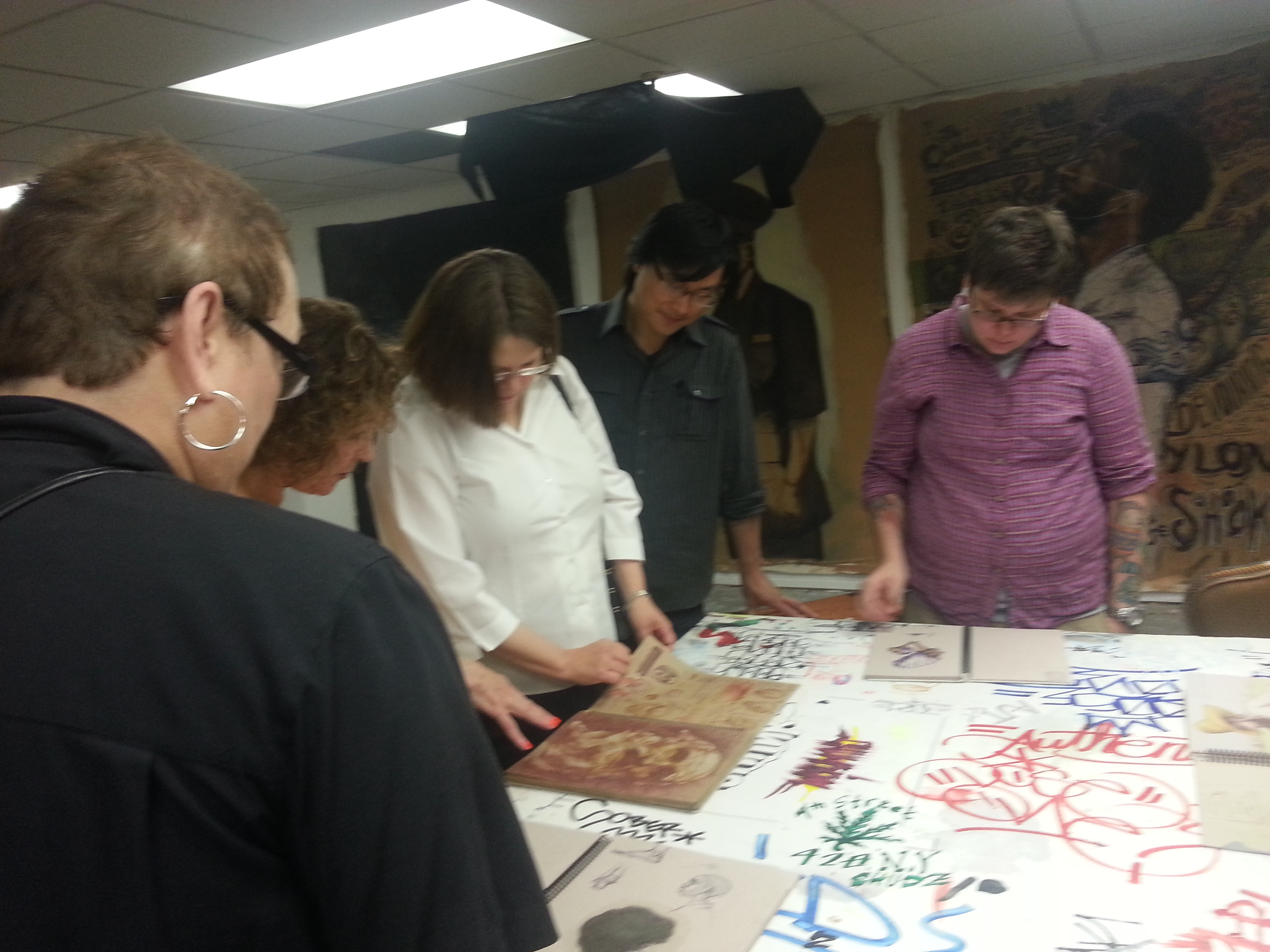
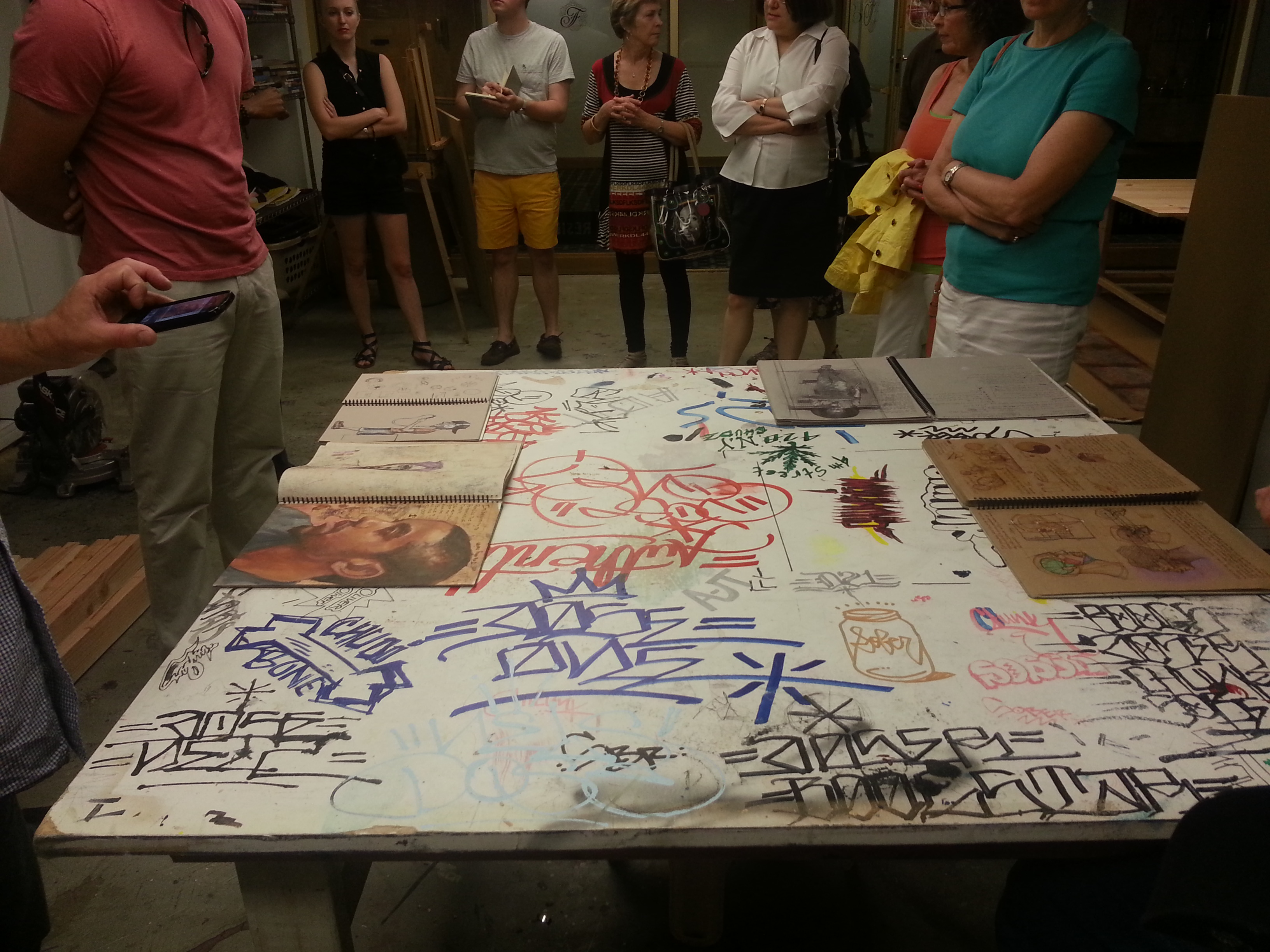
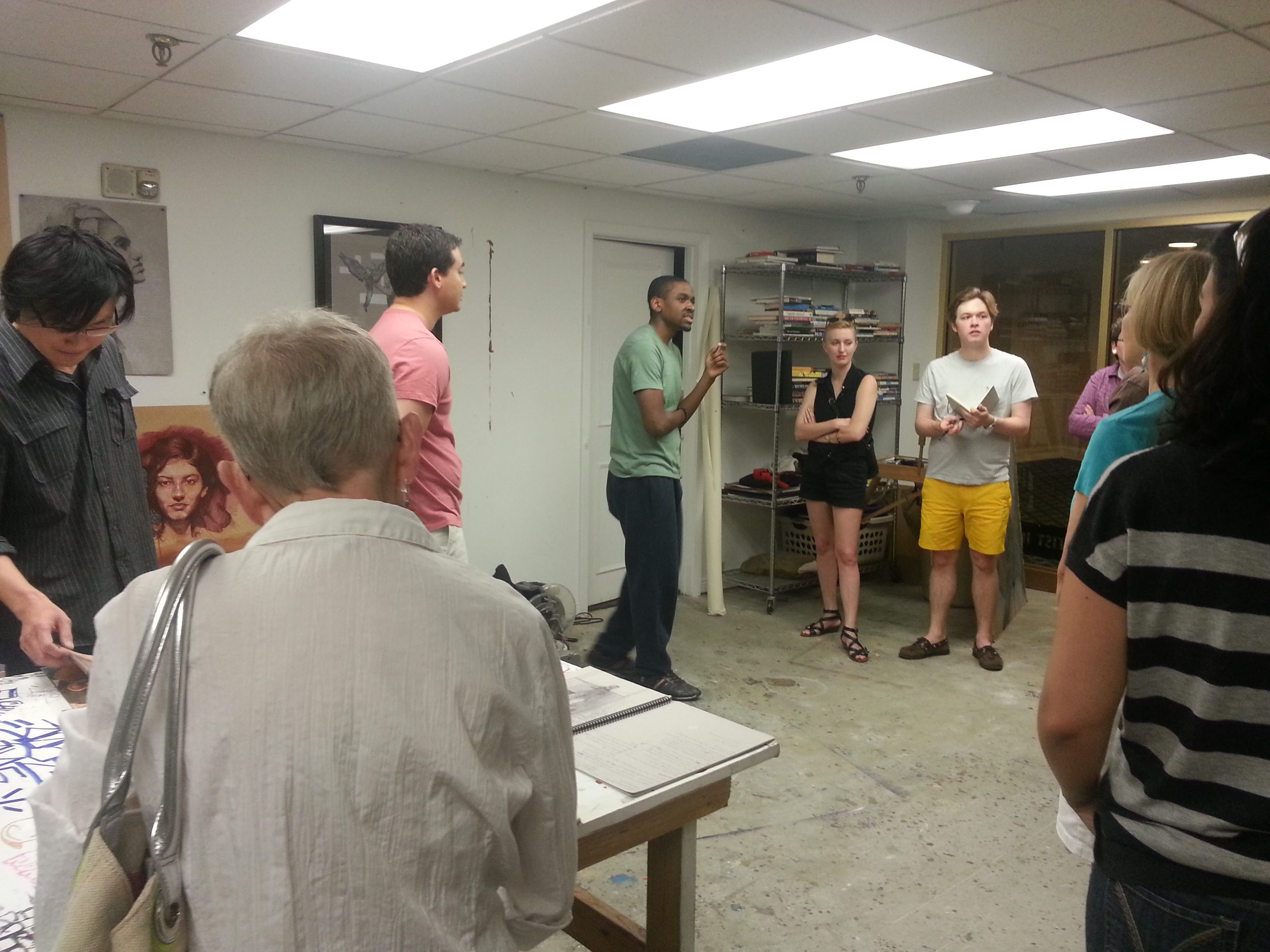
I brought a group of twenty adults from the Center for Creative Connections adult audience to Holloway’s studio to meet him, ask questions, and look at his artwork, his studies, and his incredible sketch books. They were amazed at his talent, his humility, and his ability to explain his artistic philosophy and influences. We were also very captivated by his poetry, which is written all over the studio walls and even in his latest work. Holloway will have his first-ever solo show at The Gallery at the Fairmont on June 28. To hear more about Holloway, check out this video or visit him in the studio before he leaves on the 28th.

We are excited to announce that Riley Holloway will be leading a C3 Artistic Encounter life drawing workshop on July 21st from 1:30-3:30 p.m. here at the DMA as part of our DallasSITES: Available Space programming. Click here to register for the class.

And I hope to see you at our next C3 Artistic Encounter on June 27 for lively conversation and an interesting hands-on project with guest artist Brittany Ransom.

Amanda Batson
C3 Program Coordinator

Swelling Seas

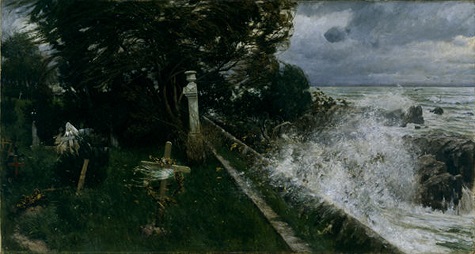
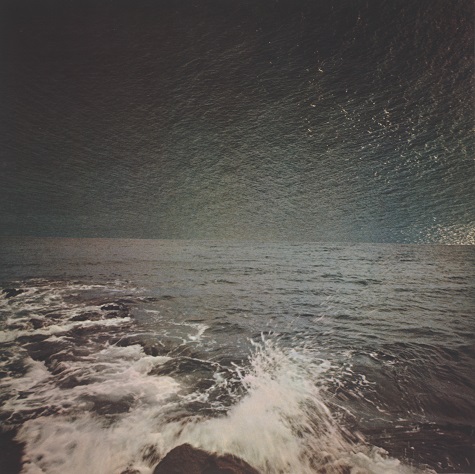
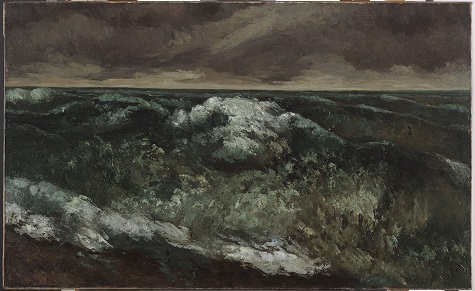
Not for the faint of heart, Neil Gaiman’s forthcoming novel, The Ocean at the End of the Lane, is wondrous, imaginative, and, at times, deeply scary. We found some frightening and powerful images of the sea in our collection that we thought were appropriate for Gaiman’s upcoming DMA Arts & Letters Live event on June 24, 2013, at the Majestic Theatre. Gaiman has announced that this will be his final U.S. tour, and as of today there are fewer than 100 tickets left to his talk and book signing! Visit the DMA’s website for more information and to buy tickets.

Adolf Hiremy-Hirschl, Seaside Cemetery (Seefriedhof), 1897, oil on canvas, Dallas Museum of Art, gift of J.E.R. Chilton

Adolf Hiremy-Hirschl, Seaside Cemetery, 1897, oil on canvas, Dallas Museum of Art, gift of J.E.R. Chilton

Gerhard Richter, Kunstverein, Richard Bacht, Margreff, Sea (Meer), 1972, yellow, red, blue, and black offset print on white lightweight cardboard, cellophaned and fixed on white lightweight cardboard, Dallas Museum of Art, Dallas Museum of Art League Fund, Roberta Coke Camp Fund, General Acquisitions Fund, DMA/amfAR Benefit Auction Fund, and the Contemporary Art Fund: Gift of Mr. and Mrs. Vernon E. Faulconer, Mr. and Mrs. Bryant M. Hanley, Jr., Marguerite and Robert K. Hoffman, Howard E. Rachofsky, Deedie and Rusty Rose, Gayle and Paul Stoffel, and two anonymous donors

Gerhard Richter, Kunstverein, Richard Bacht, Margreff, Sea, 1972, yellow, red, blue, and black offset print on white lightweight cardboard, cellophaned and fixed on white lightweight cardboard, Dallas Museum of Art, Dallas Museum of Art League Fund, Roberta Coke Camp Fund, General Acquisitions Fund, DMA/amfAR Benefit Auction Fund, and the Contemporary Art Fund: Gift of Mr. and Mrs. Vernon E. Faulconer, Mr. and Mrs. Bryant M. Hanley, Jr., Marguerite and Robert K. Hoffman, Howard E. Rachofsky, Deedie and Rusty Rose, Gayle and Paul Stoffel, and two anonymous donors

Gustave Courbet, The Wave, c. 1869-1870, oil on canvas, Dallas Museum of Art, gift of H.J. Rudick in memory of Arthur L. Kramer

Gustave Courbet, The Wave, c. 1869-70, oil on canvas, Dallas Museum of Art, gift of H.J. Rudick in memory of Arthur L. Kramer

Hayley Dyer is the Audience Relations Coordinator for Programming and Education at the DMA.
Arturo’s Adventures in Peru

Where in the world can you see a llama wandering around ancient ruins, take a boat across the largest lake in South America, and eat cuy (guinea pig) for dinner? Peru!

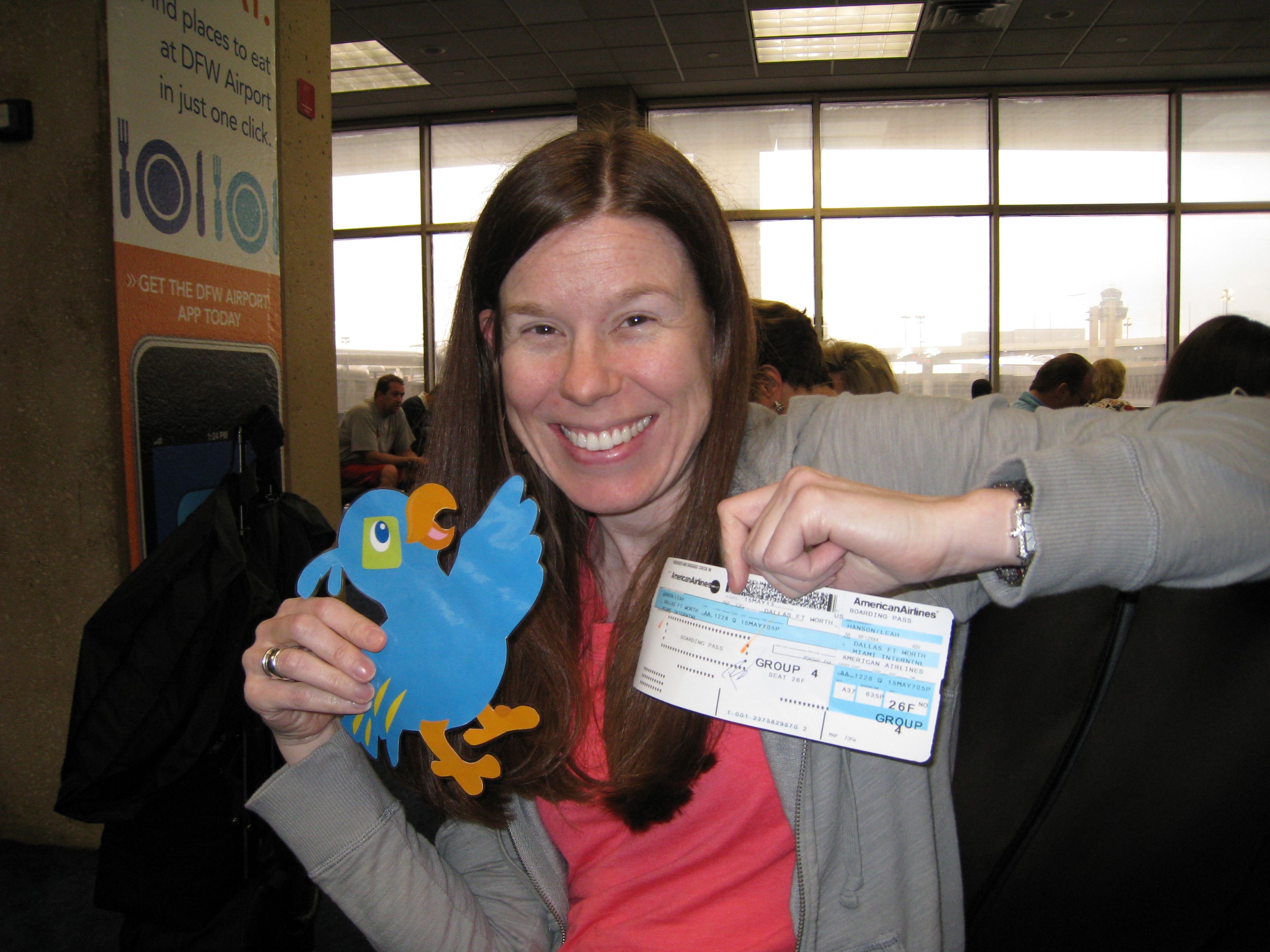
Waiting at DFW airport, ready to start the adventure!

Waiting at DFW airport, ready to start the adventure!

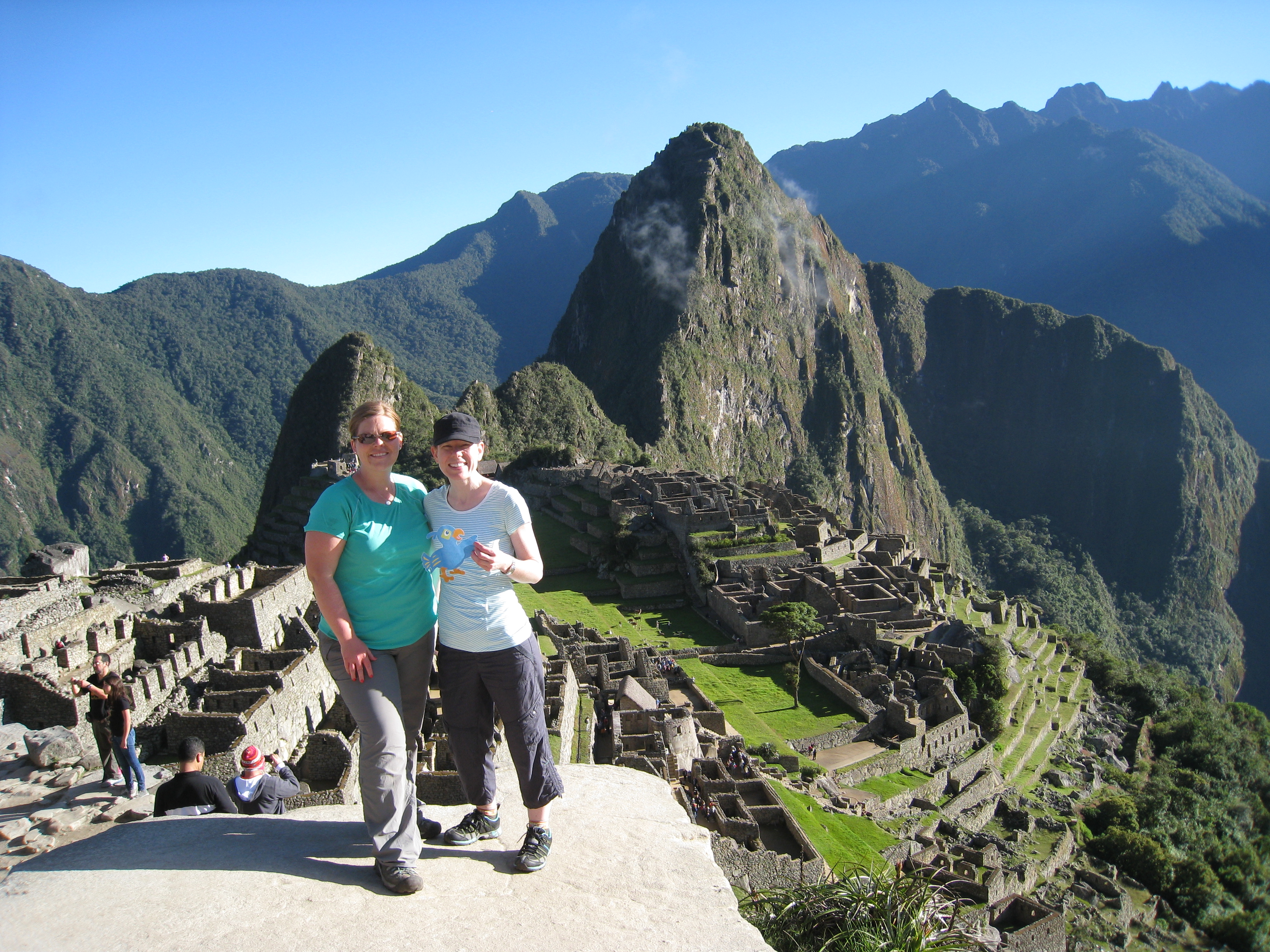
I recently took a trip to Peru to hike the Inca Trail to Machu Picchu. It was my first visit to South America, and since the Museum’s family mascot Arturo is from Peru, I thought it might be nice to take him along with me so that he could visit his homeland. He wasn’t very good at giving me directions, but we still had a good time.
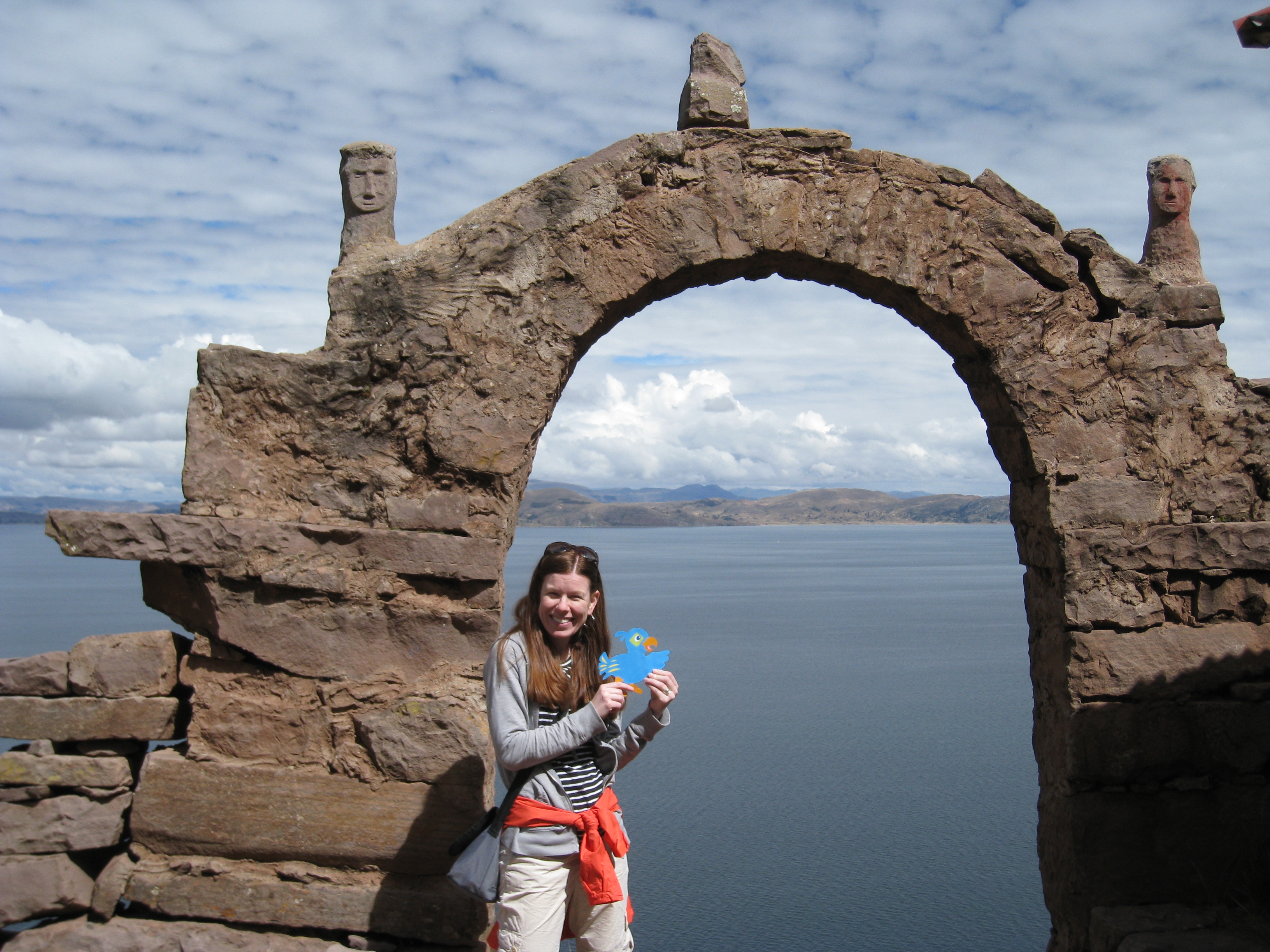
View of Lake Titicaca with the mountains of Bolivia in the background

View of Lake Titicaca with the mountains of Bolivia in the background

Our first stop was Lake Titicaca—the largest lake in South America and the highest navigable lake in the world. Arturo didn’t have any troubles at all, but when I first arrived, Peru literally took my breath away. Lake Titicaca is 12,507 feet above sea level, while Dallas is only 430 feet above sea level—that’s a big difference! Hiking around the island of Taquile, we could see all the way to the mountains of Bolivia.

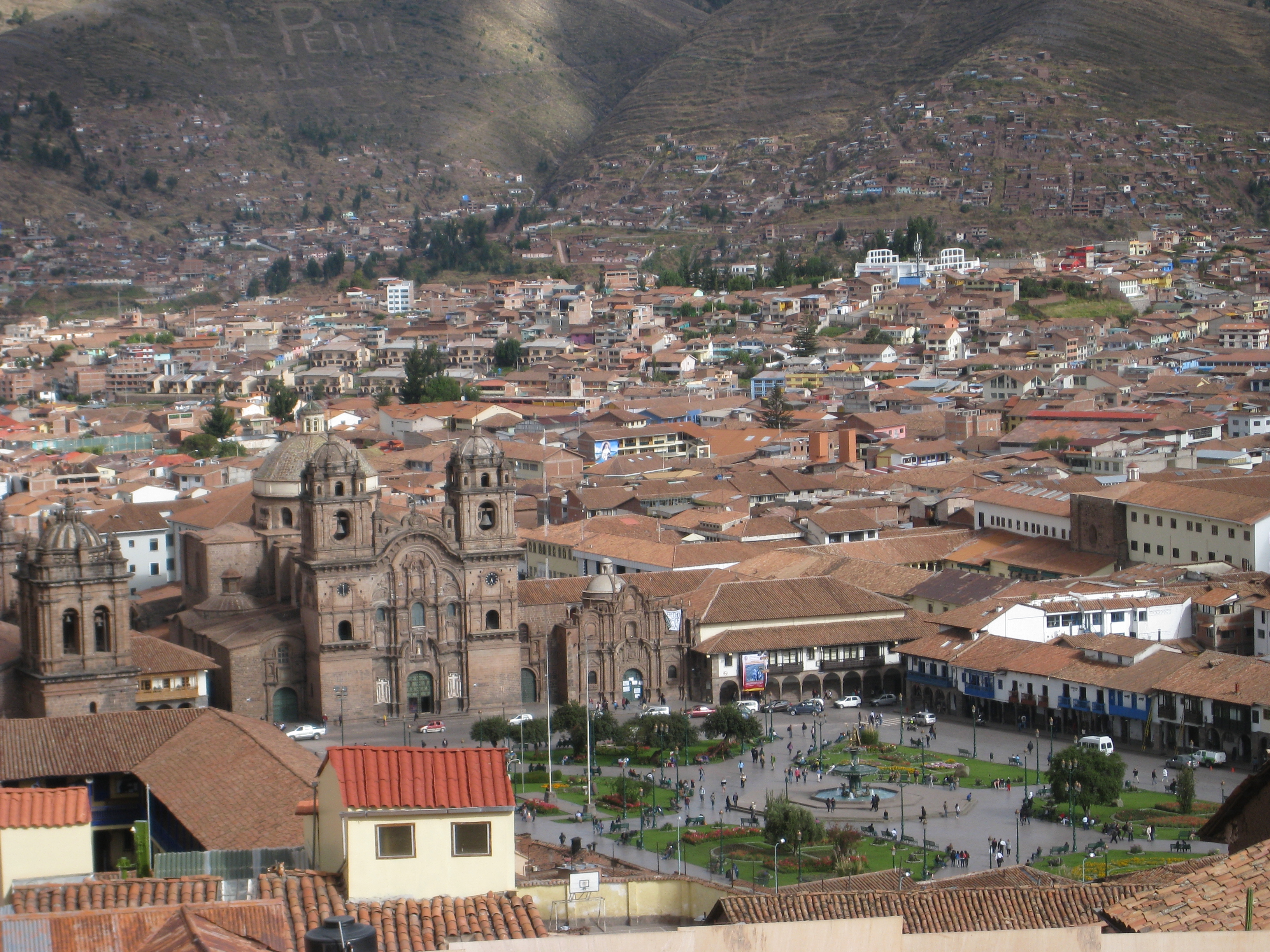
Cusco

Cusco

Next stop: Cusco and the Sacred Valley. The Inca people built Cusco as the capital of their empire and created the city in the shape of a puma. Today Cusco is a mix of Inca ruins wedged between Spanish Colonial churches, cobblestoned streets, trendy restaurants, and llamas, llamas everywhere! My favorite part of Cusco was the food. We went to the market and discovered a fruit call lucuma. It tastes like butterscotch and caramel!

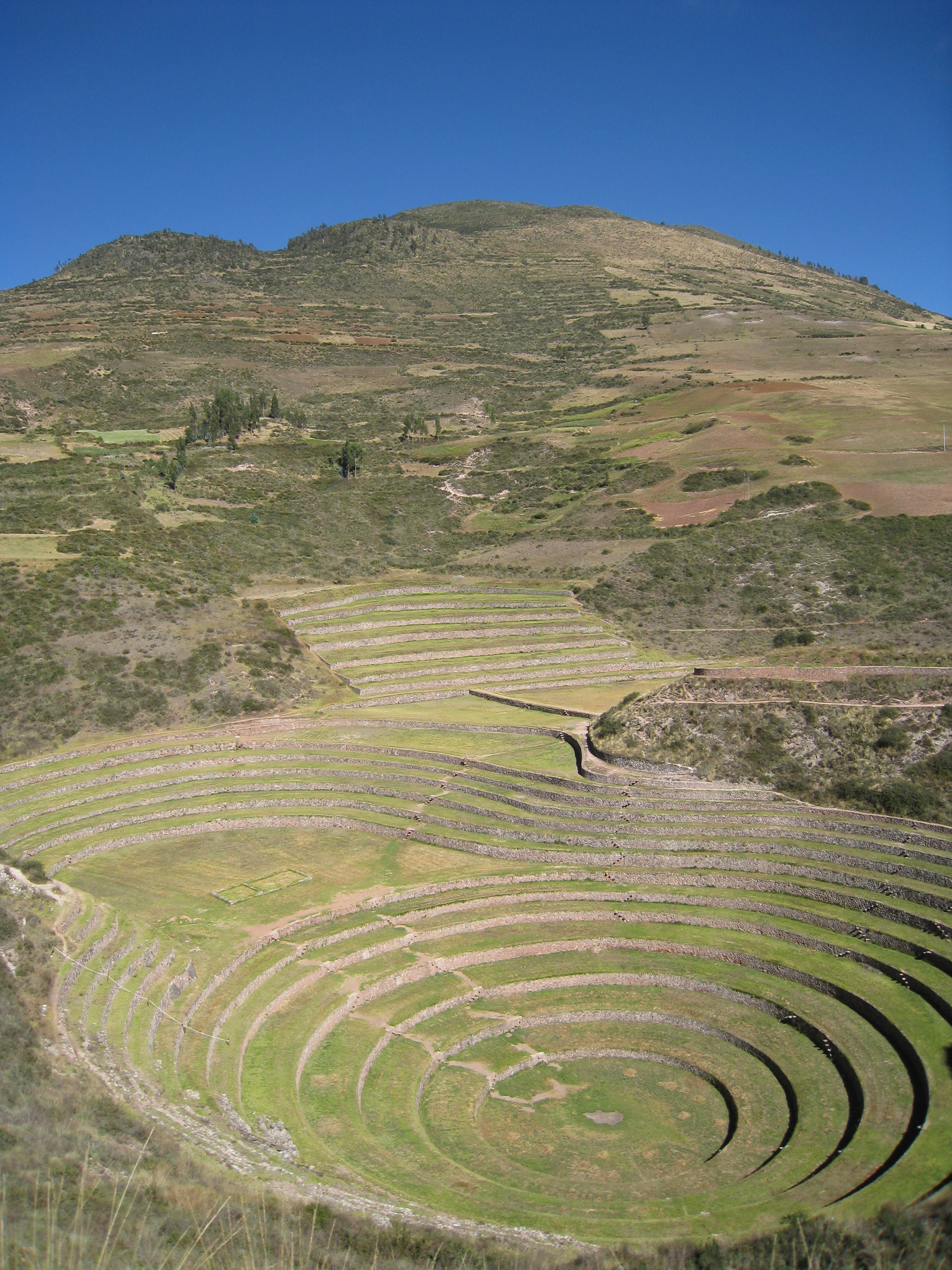
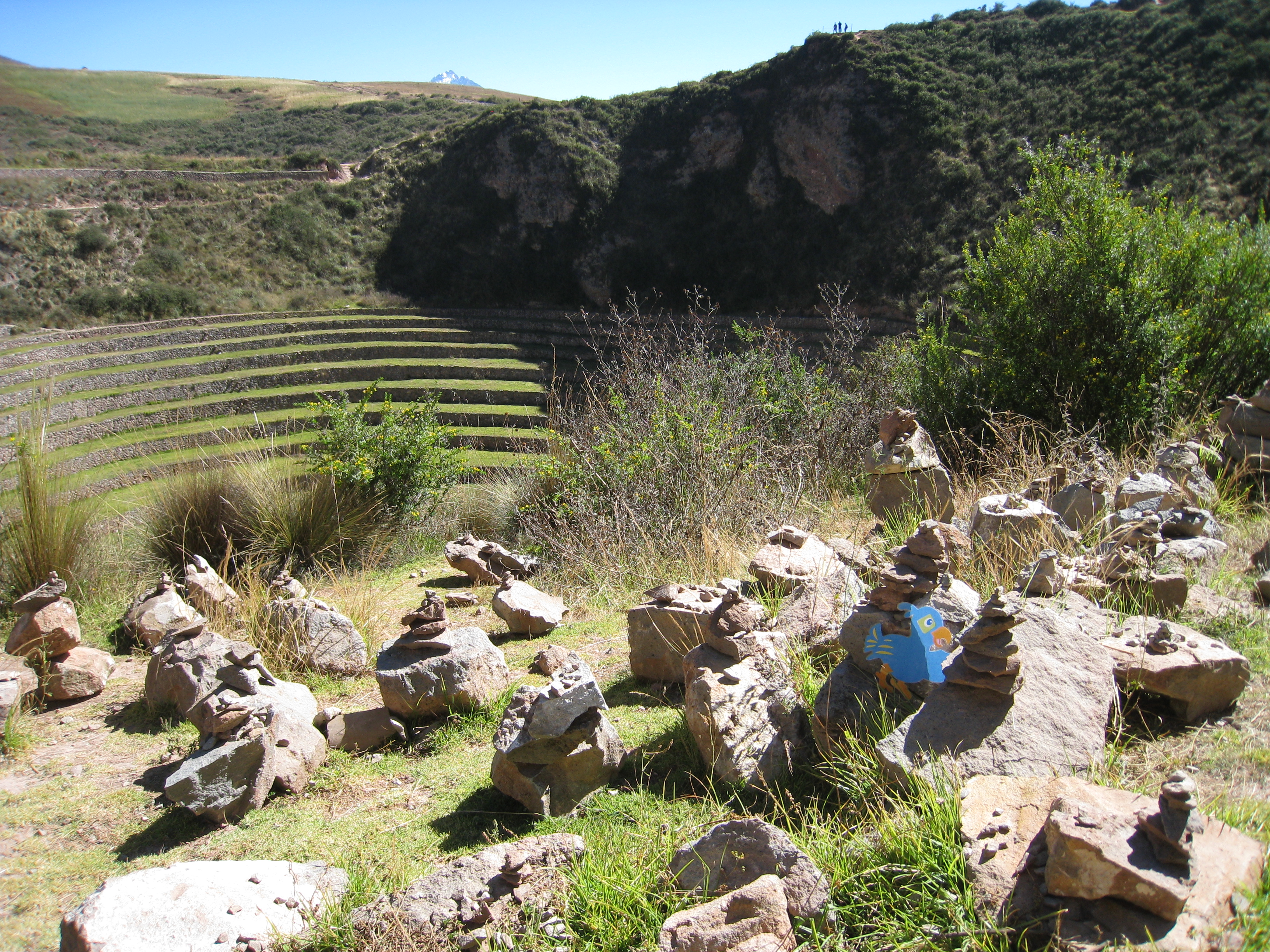
There are many archeological sites around Cusco, and one of Arturo’s favorites was Moray. There we discovered these huge circles dug into the ground. We aren’t sure what these were made for, but scholars guess that they might have been used for experimenting with growing different crops. Can you find Arturo?

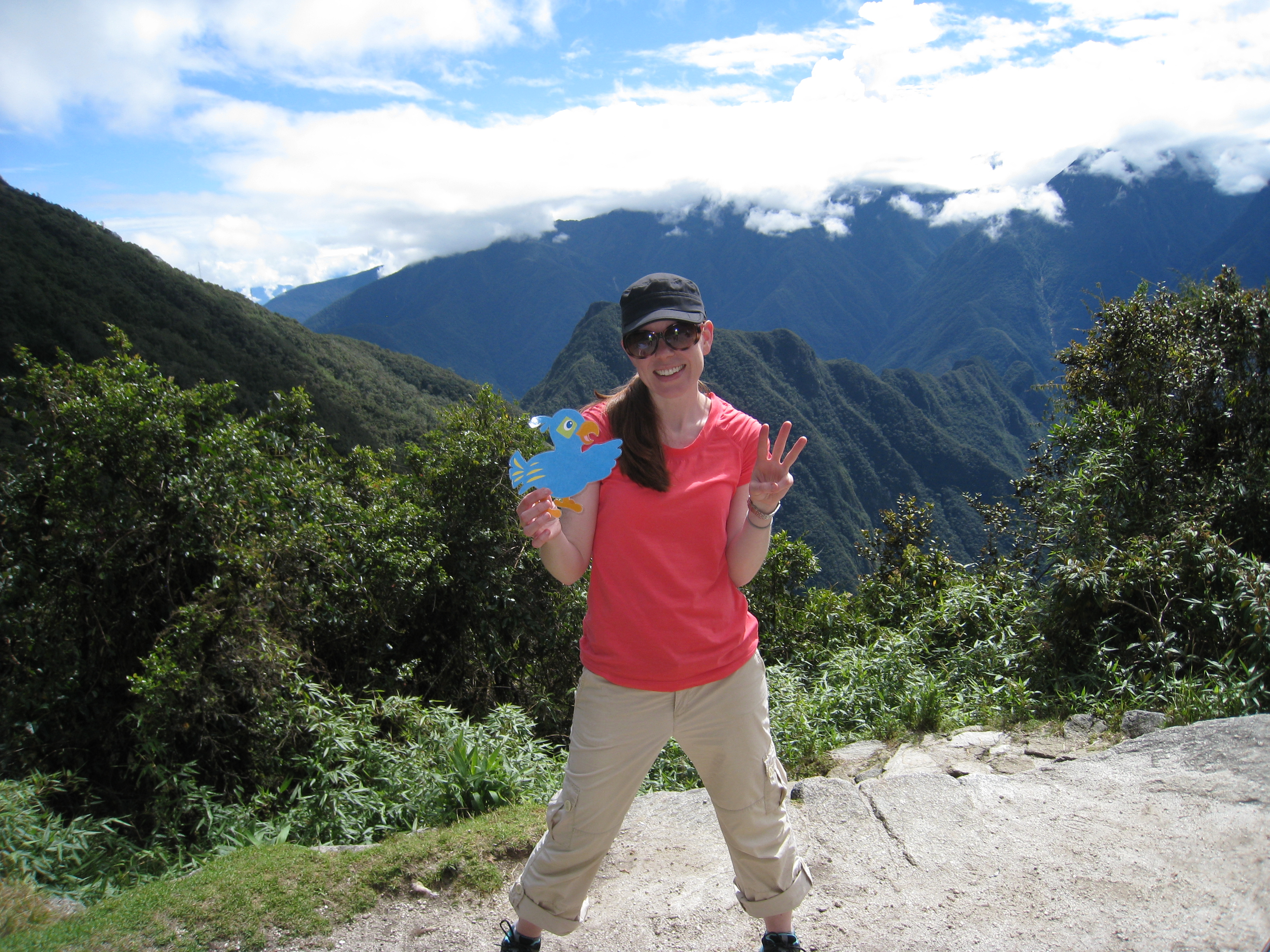
On Day 3 of the Inca Trail

On Day 3 of the Inca Trail

Finally, it was time to hike the Inca Trail—which was definitely the highlight of the trip. We hiked a total of 38 kilometers (about 23 miles) over the course of four days to reach the ancient city of Machu Picchu. On day two, we went over the highest point of the trek—a mountain pass called Dead Woman’s pass at an elevation of 13,829 feet. Arturo got a free ride in my backpack, so it was no trouble for him, but I was definitely sore after going up and down more than 5,000 Inca steps. On day three, we had incredible views of the mountains and started hiking through the cloud forest.

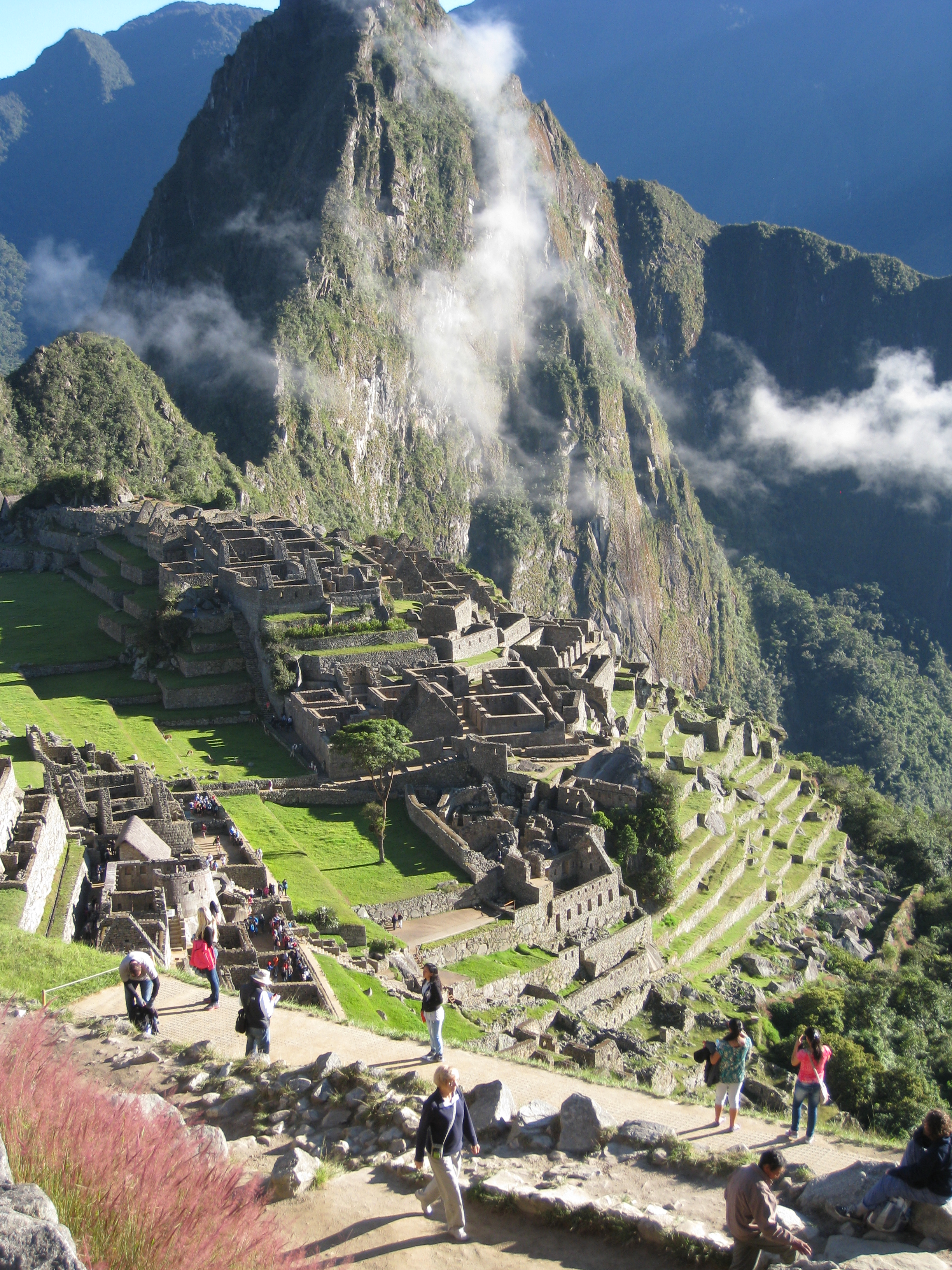
First view of Machu Picchu

First view of Machu Picchu

We finally reached Machu Picchu on the last day just as the sun came over the mountains, and it was breathtaking. These ruins were discovered by the outside world in 1911 when Hiram Bingham, a professor from Yale University, was guided to the site by local farmers. Most scholars believe that Machu Picchu was built as an estate for the Incan emperor, but our trail guide thinks that perhaps it served as a university of sorts.

IMG_2705

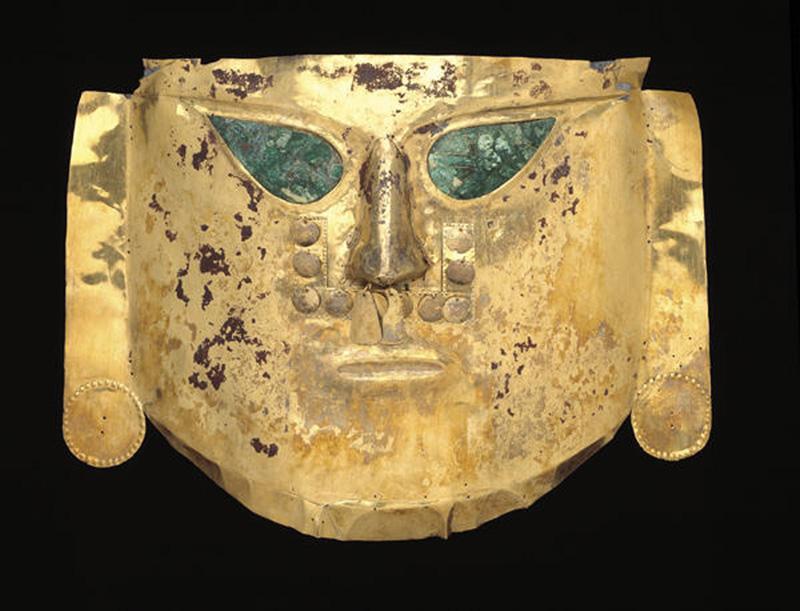
Regardless of its ancient use, we were very excited to get there and were in awe of what the Inca people built. I think everyone should jump at the chance to visit Peru, but if a visit there is not in your near future, come to the DMA and take a look at our collection of Ancient American art–You’ll just have to imagine the mountains and llamas!

Sican culture, Ceremonial mask, A.D. 900-1100, Dallas Museum of Art, The Eugene and Margaret McDermott Art Fund, Inc.

Sican culture, Ceremonial mask, A.D. 900-1100, Dallas Museum of Art, The Eugene and Margaret McDermott Art Fund, Inc.

Leah Hanson
Manager of Early Learning Programs

Open Office: Decorative Arts and Design

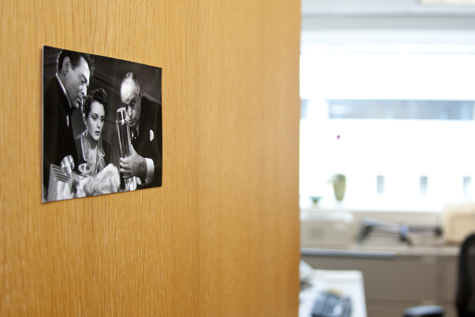
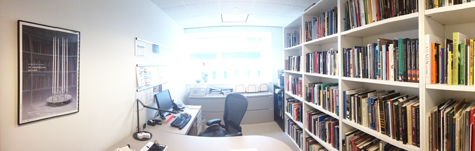
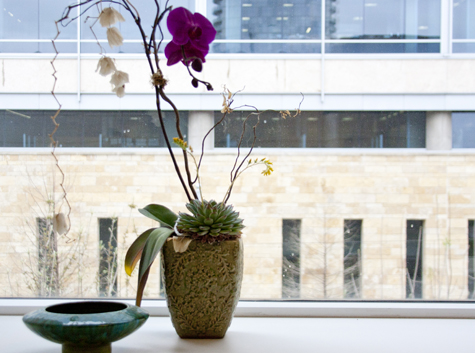
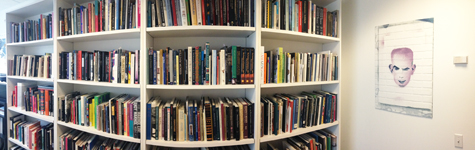
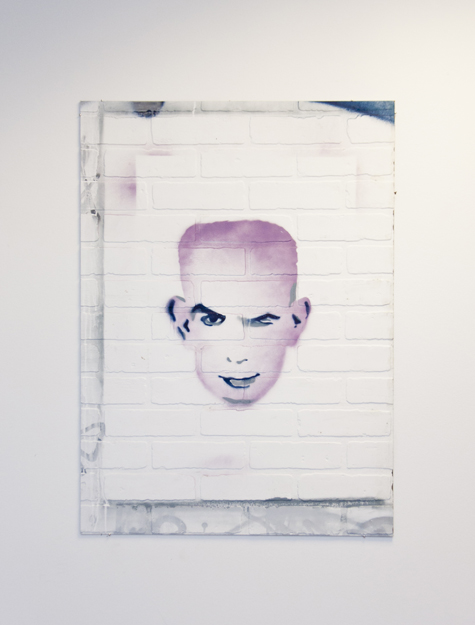
Kevin W. Tucker is the Museum’s Margot B. Perot Curator of Decorative Arts and Design. He joined the Museum in the summer of 2003 and has curated acclaimed exhibitions such as Gustav Stickley and the American Arts & Crafts Movement and The Fashion World of Jean Paul Gaultier: From the Sidewalk to the Catwalk. Take a peek inside Kevin’s DMA office:

13

IMG_3216

15

IMG_3217

14


Archives

Categories