Below are photographs taken during the three-week installation of Silence and Time, which is on view through August 28.
[slideshow]
Official behind-the-scenes blog of the Dallas Museum of Art
Below are photographs taken during the three-week installation of Silence and Time, which is on view through August 28.
[slideshow]
After nine years of teaching with and writing about works of art at the Dallas Museum of Art, this is my last blog post as Manager of Programs and Resources for Teachers. I am beginning the next chapter of my life and am moving eastward to continue my career within the museum field. While at the DMA, I have grown and matured as an individual and as an educator, developing a stronger sense of self and a more refined teaching philosophy. I have been able to follow my true passion of making interdisciplinary and thematic connections between works of art and cultures using the Museum’s encyclopedic collection and through special exhibitions.
As for my friends and colleagues at the Museum, I have been very fortunate to work with individuals who are extraordinarily passionate about teaching with works of art and care deeply about the Museum and its collection. This is inspiring on many levels and allows for a creative environment to work in.
And finally, a heartfelt “thank you” to all of the educators I have worked with during teacher workshops, in-services, and partnership programs. I appreciate the work you do as you support the in-depth learning that is possible with works of art from all places and all times.
As a parting thought, Henry David Thoreau wrote, “Go confidently in the direction of your dreams! Live the life you’ve imagined. As you simplify your life, the laws of the universe will be simpler.” I encourage you all to live the life you imagined.
[slideshow]
Until next time….
Jenny Marvel
Manager of Programs and Resources for Teachers
P.S. I can’t help lovin’ that emaciated cow of mine!
Images:
Frederic Edwin Church, The Icebergs, 1861, Oil on canvas, Dallas Museum of Art, gift of Norma and Lamar Hunt, 1979.28
Alexandre Hogue, Drouth Stricken Area, 1934, Oil on canvas, Dallas Museum of Art, Dallas Art Association Purchase, 1945.6
Richard Long, Tennessee Stone Ring, 1984, Stone, Dallas Museum of Art, General Acquisitions Fund with a matching grant from The 500, Inc., 1985.120
In May, Olivier Meslay, Interim Director of the Museum—and a former chief curator of the Louvre—led a group of eighteen DMA Donor Circle members to Paris for an “insider’s tour” of the city.
As you all may know, it’s hard to have a bad time in Paris, especially in the gorgeous spring. Here are just a few of the highlights. The trip began with a visit to the Château of Fontainebleau, where the group had a special tour with chief curator Vincent Droguet that included a stop at the stairs where Napoleon gave his farewell address before being exiled to Elba.
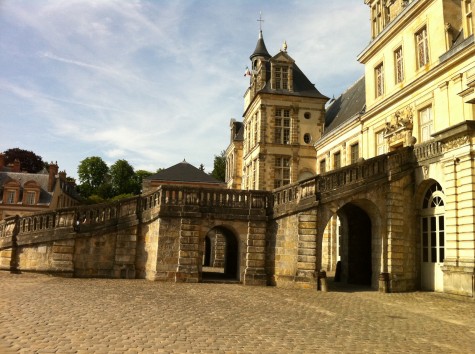
We were also able to visit one of Marie Antoinette’s private cabinet rooms, which is not open to the general public. Climbing several narrow, winding sets of stairs, Vincent led us into a small private room where the queen used to retreat from the demands of royal life with just one or two companions.

When we visited Vaux le Vicomte, another château in the countryside, it was lit by candles for a beautiful and dramatic evening, which included fireworks in the garden.

The studio of Rosa Bonheur, which is a private museum still managed by her family, was a special stop. I love her work, and the DMA will soon acquire a Bonheur painting, which made this visit even more special.
Her unfinished final painting hangs on an easel in her studio.

And her stuffed parrot still resides in her bedroom (a little worse for wear).
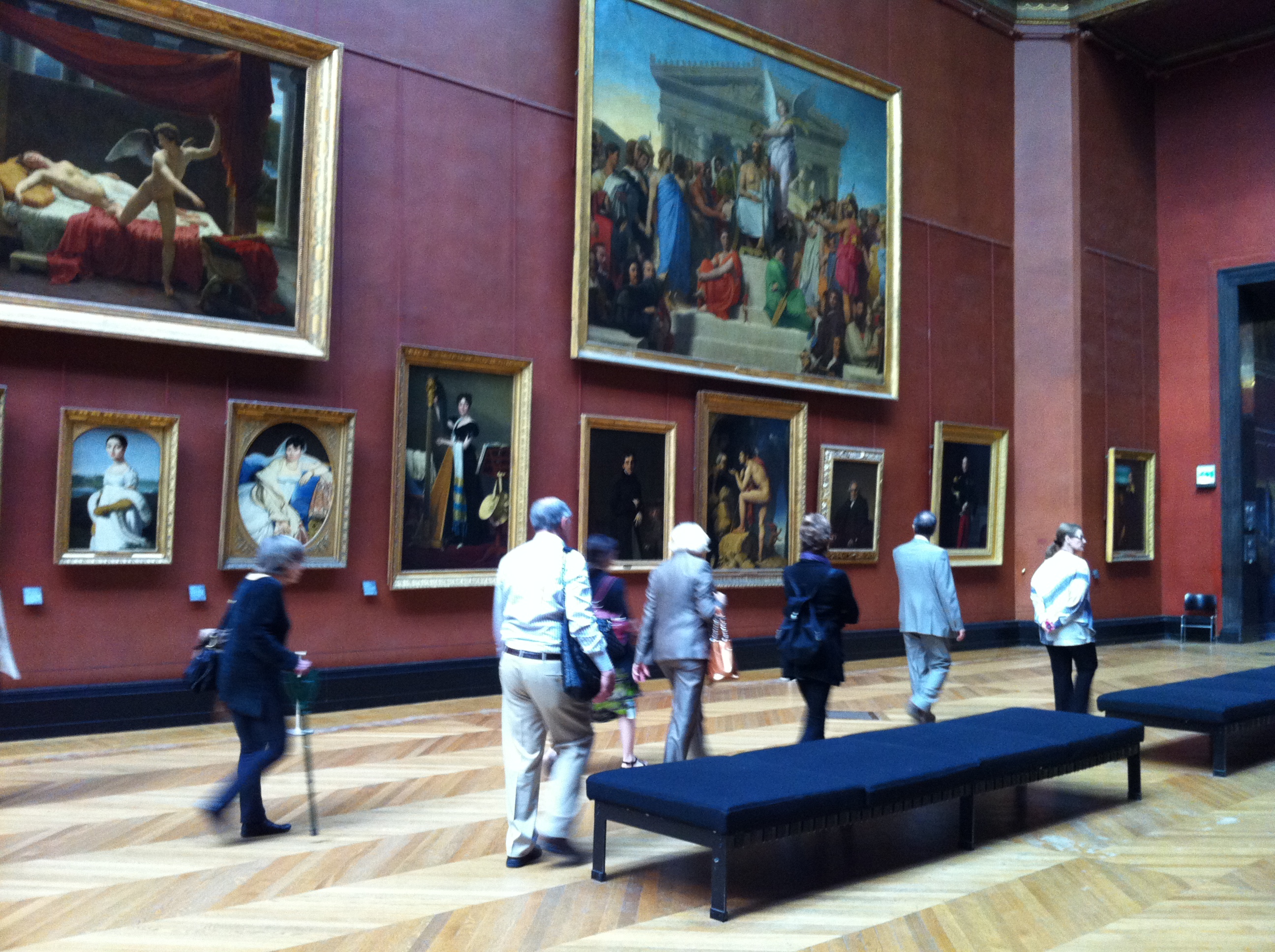
The high point of the trip has to be our visit to the Louvre. We arrived very early in the morning, before it got crowded, and Olivier took us through the Grand Gallery to view some of the masterpieces of 18th- and 19th-century painting.
During his sixteen-year tenure at the Louvre, Olivier held a number of senior positions before coming to the DMA in 2009 in the joint position of Senior Curator of European and American Art and The Barbara Thomas Lemmon Curator of European Art. Being with him at his “old stomping grounds” was a once-in-a-lifetime experience!

Another very special visit was to the atelier of Nicolas Marischael, a silversmith working in the center of Paris. Following in the footsteps of three generations of his family, Nicolas creates beautiful works of art, jewelry, and cutlery using old-world techniques and tools. Visiting his tiny atelier was amazing!
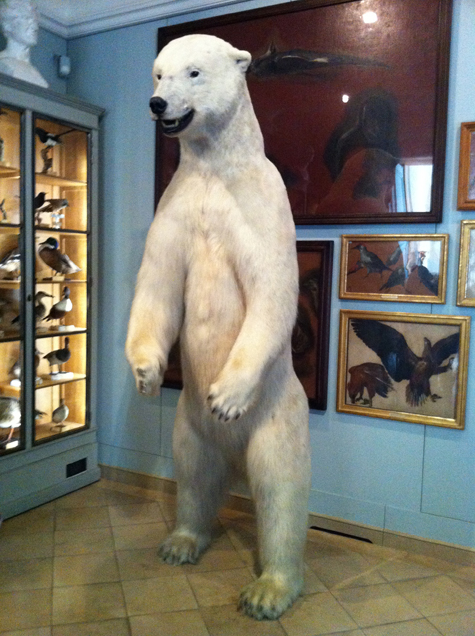
One of the last places we visited was the Musée de la chasse et de la nature (Museum of Hunting and Nature), where the director, Claude d’Anthenaise, has creatively displayed works of art that focus on hunting, nature, and animals.
Kim Bryan is the Director of Donor Circle Membership at the Dallas Museum of Art
We’ll host our 1st Annual BooksmART festival on Saturday June 11th from 11am to 5pm. General admission to the Museum will be FREE with a fun-packed day of events and activities celebrating literacy and the arts for the young and young-at-heart. Our stellar lineup of authors, illustrators and performers include Rick Riordan, Laurie Halse Anderson, Norton Juster, Jerry Pinkney, David Wiesner and many more!
One of the authors that I am especially excited to hear is Cynthia Leitich Smith, a New York Times bestselling and award-winning author whose fictionfor young readers is noted for its diversity, humor, lyricism, imaginativeness, compelling action, and mid-to-southwestern settings. And I got the chance recently to ask her a few questions.
Q: Why did you decide on a career writing for children and young adults?
As a child and teen, I was an avid reader and writer. I read all of the Newbery winners and everything by Judy Blume. I transitioned to spooky stories during adolescence. Along the way, I also read graphic-format books (which we used to call “comics”). In sixth grade, I had a column, “Dear Gabby” in Mr. Rideout’s classroom newsletter, offering advice to the troubled and lovelorn.
I went on to become editor of my junior high and high school newspapers. From there, I earned a journalism degree and law degree, working summers for small-town and major metro newspapers (including the Dallas Morning News) and in law offices.
As a first-generation college graduate, I was mindful of pursuing writing jobs with relative security to them. But in my late 20s, after the Oklahoma City Bombing, I was reminded that life can be short, unpredictable, and precious–that we should follow our dreams and do our best to uplift others. I could imagine no pursuit closer to my heart than books for young readers, and from that point on, I’ve dedicated myself to that end.
Q: You are a member of the Muscogee (Creek) Nation. How has your Native American heritage and identity influenced your writing?
The quintessential advice we give to new voices is: write what you know. For me, that meant realistic stories of lower middle class, mixed blood Native American families from the mid-to-southwest. It meant stories of daily life and intergenerational relationships and military service and loss and healing.
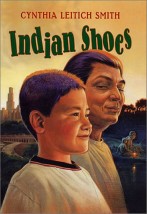
My first book, Jingle Dancer is about a young girl who assembles her jingle dance regalia with the aid of women of every generation of her intertribal community and then dances to honor them at a powwow. My debut novel for tweens, Rain is Not My Indian Name, is about a girl who, after the unexpected death of her best friend, slowly reconnects to the important people in her life through the lens of a camera. Indian Shoes is a collection of humorous, touching short stories for middle grade readers. They’re about young Ray and his Grandpa Halfmoon.
I’ve continued writing about Native characters and themes in my short stories. In 2012, I look forward to the publication of a companion short story to one by noted Abenaki author Joseph Bruchac, which will appear in Girl Meets Boy. Our tales are a fun pairing, about two Native teens–one who’s a tall, formidable basketball-star girl and one who’s a short, scrawny boy into martial arts. It’s a love story–naturally.



Q: You shifted your emphasis to fantasy for your book TANTALIZE, the first in a series. What made you want to tackle the fantasy/gothic fiction genre?
I occasionally joke that I’m in the thrall of the master, by which I mean Abraham Stoker. I was fascinated by Dracula, especially with regard to the timelessness of its themes for teen (and grown-up) readers today. The classic touches on gender and power, orientation, the “dark other” (which back in the day meant Eastern European), plague, invasion, and more. All of those topics are still very much with us today, and looking at the vampire mythology itself….
Q: What has been one of your most meaningful interactions with one of your readers?
A handful of teenage girls have written to tell me that they have left their abusive boyfriends because of Quincie, the hero of the Tantalize series. A girl has written to say that she felt differently–better about herself–after having been assaulted by someone she’d trusted.
Other kids have written to say that Rain is Not My Indian Name helped them to cope with the loss of a loved one, and an aunt told me that her niece wouldn’t speak of a friend’s death until she could do so by using the novel as a reference point.
Most recently, I’m reminded of a boy–about age 14–who came up to me on my recent book tour. I was in New York City, and he approached me with a well-loved and quite tattered copy of Tantalize. He said it was the first book he’d ever finished. “The first book?” I asked, and he nodded solemnly. “The first book ever,” he emphasized. “All the way through.”
Q: What are you most excited about for the BooksmART festival? Can an art museum add something to the traditional book festival?
I’m excited to connect with folks who have a global love of the arts–visual, literary, and beyond. They’re people of imagination and possibilities–kindred souls and the very kind of heroes that I love to write about. Austin may be my home now, but Dallas will always be dear to me. See y’all soon.
Cynthia Leitich Smith will be presenting on her young adult fiction, including her latest novel, Blessed, in Horchow Auditorium.
She will also present on her books for younger readers that explore Native themes and characters in the DMA’s exhibition Art of the American Indians: The Thaw Collection.
Katie Hutton is Interim Head of Arts & Letters Live at the Dallas Museum of Art
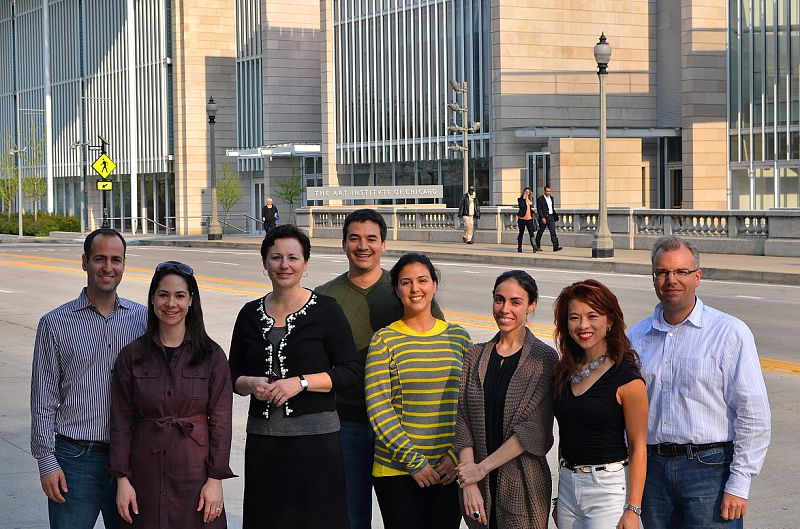
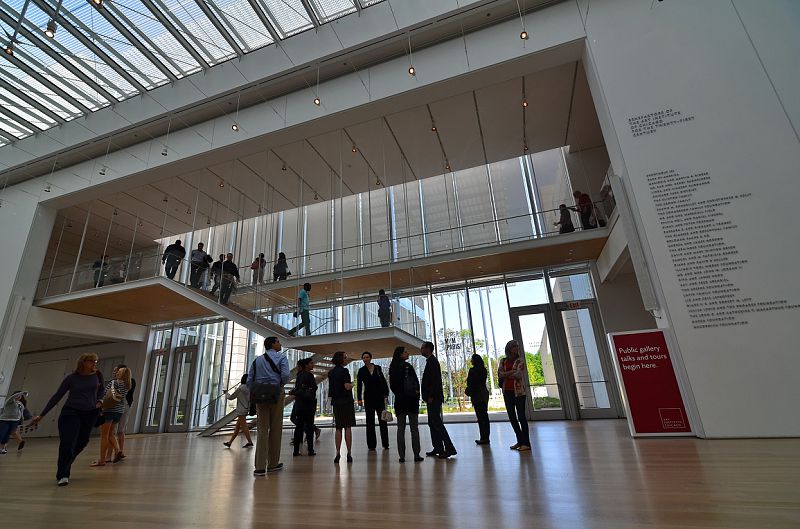
Some of the Junior Associate members of the Dallas Museum of Art recently went on a trip to Chicago with Heather MacDonald, The Lillian and James H. Clark Assistant Curator of Painting and Sculpture at the DMA. Below are a few snapshots from their trip, including their visit to the Art Institute of Chicago. For more information on the Junior Associate level of membership click here.


The installation of James Lee Byars’s Figure of Death was caught on camera last week in preparation for the exhibition, Silence and Time, which opens this Sunday, May 29, in the Barrel Vault and Quadrant Galleries.
[youtube=http://www.youtube.com/watch?v=Fpu3fx3ZkZg]
James Lee Byars, The Figure of Death, 1986, basalt (ten pieces), Private Collection, Dallas, TX, © James Lee Byars
Video by Ted Forbes, Multimedia Producer at the Dallas Museum of Art
Sara Woodbury, McDermott Curatorial Intern for American and European Art, recently organized an installation of prints for the Works on Paper gallery on the Museum’s second floor. Cross Cultural Dialogues in European and American Landscapes features landscapes from the 19th and 20th centuries that demonstrate artistic influences occurring between Europe and America. The show also highlights different printmaking techniques. We’d like to explore a few of these methods here, and also share a behind-the-scenes look at how works on paper are stored and cared for at the Museum. All of the prints you’ll see here are included in the installation, so be sure to check them out in person next time you visit the DMA.
Artists use a variety of printing techniques, but we’ll highlight just three methods here: woodcuts, etching, and lithography.

Lyonel Feininger, Mansion on the Beach (Villa am Strand), 1921, woodcut
Woodcuts are recognized by their linear quality, reflecting the laborious process required to make them. An artist draws onto a block of wood, and then all of the wood surrounding the drawing is carved away, turning the design into a three-dimensional relief. These raised lines are coated with ink, and the block is pressed to a piece of paper, printing the image. The oldest known printing method, the woodcut developed in Europe around 1400. It became less popular as easier printing techniques emerged, but many 20th-century artists embraced the medium’s bold, linear character.

Charles Emile Jacque, A Corner of the Forest of Fontainbleau, n.d. (mid to late 19th-century), etching
Another interesting technique is etching, which is similar to drawing. To make an etching, an artist draws with a tool called an etching needle onto a metal plate that has been coated in wax. Next, the plate is submerged in an acid bath, which corrodes, or “bites” into the exposed metal lines, leaving the wax-covered areas unaffected. The plate is then rinsed, covered with ink, and wiped down. The ink remains in the grooves of the etched lines, and the plate is ready for printing. Etching first appeared in the 16th century and became especially popular during the 17th century. It also experienced a resurgence in popularity during the late 19th century, a period that has become known as the Etching Revival.

John Rogers Cox, Wheat Shocks, 1951, Lithograph
Lithography was invented in 1798 by Alois Senefelder and was initially used for commercial images. By the late 19th century, however, artists had begun exploring lithography’s creative possibilities. Lithography accommodates a wide range of styles, making it an ideal medium for the stylistic variety that characterizes 20th-century art.
Did you know that works on paper–including prints, drawings, photographs, and other types of work–are stored and cared for differently than paintings and sculptures? Works on paper are sensitive to various conditions and must be handled with special care and attention. We asked Anne Lenhart, Assistant Registrar, to share insight into how the Museum stores and handles its large collection of works on paper.
What DMA department is responsible for handling prints?
Anne: The care and handling of prints is a shared responsibility between the curators, registrars, conservators, and preparators. The curators are responsible for choosing the works on paper for installations and exhibitions. Once the works on paper are chosen, the registrars, conservators, and preparators are responsible for making sure the prints are in good condition and ready for installation.
Where are the prints stored in the Museum? How are they stored?
Anne: All of our objects are stored in secured art storage spaces. These areas, which have limited staff access and are monitored twenty-four hours a day, have a consistent temperature of 70° Fahrenheit (+/- 2°) and 50% (+/- 5%) relative humidity. Because paper is susceptible to even small changes in humidity (think about what happens to a sheet of paper when it contacts a drop of water), we try to be especially vigilant in terms of how we store our paper collection.
These numbers are considered guidelines for very stable pieces, such as those created with carbon-based ink applied to a good quality rag paper. Objects that are less stable—where the pigment and the materials are of lower or unknown quality or in the case of color photographs (especially Polaroids)—are exhibited for shorter periods of time.

A display table in the Print and Textiles Study Room, where the Museum’s works on paper are kept.

Many of the Museum’s unframed prints are stored in Solander boxes, such as this one.
How long can prints stay mounted in the galleries?
Anne: The general rule for exposure of works on paper is one to three months, and we try to keep the maximum period of time any work on paper is on view to less than six months. After a work comes down, we usually do not reinstall it for eighteen months so that it can “rest.”
Cross Cultural Dialogues in European and American Landscapes is on view now, and we hope to see you soon at the Museum.
Sara Woodbury is the McDermott Curatorial Intern for American and European Art, and Karen A. Colbert is the McDermott Education Intern for Teaching Programs.
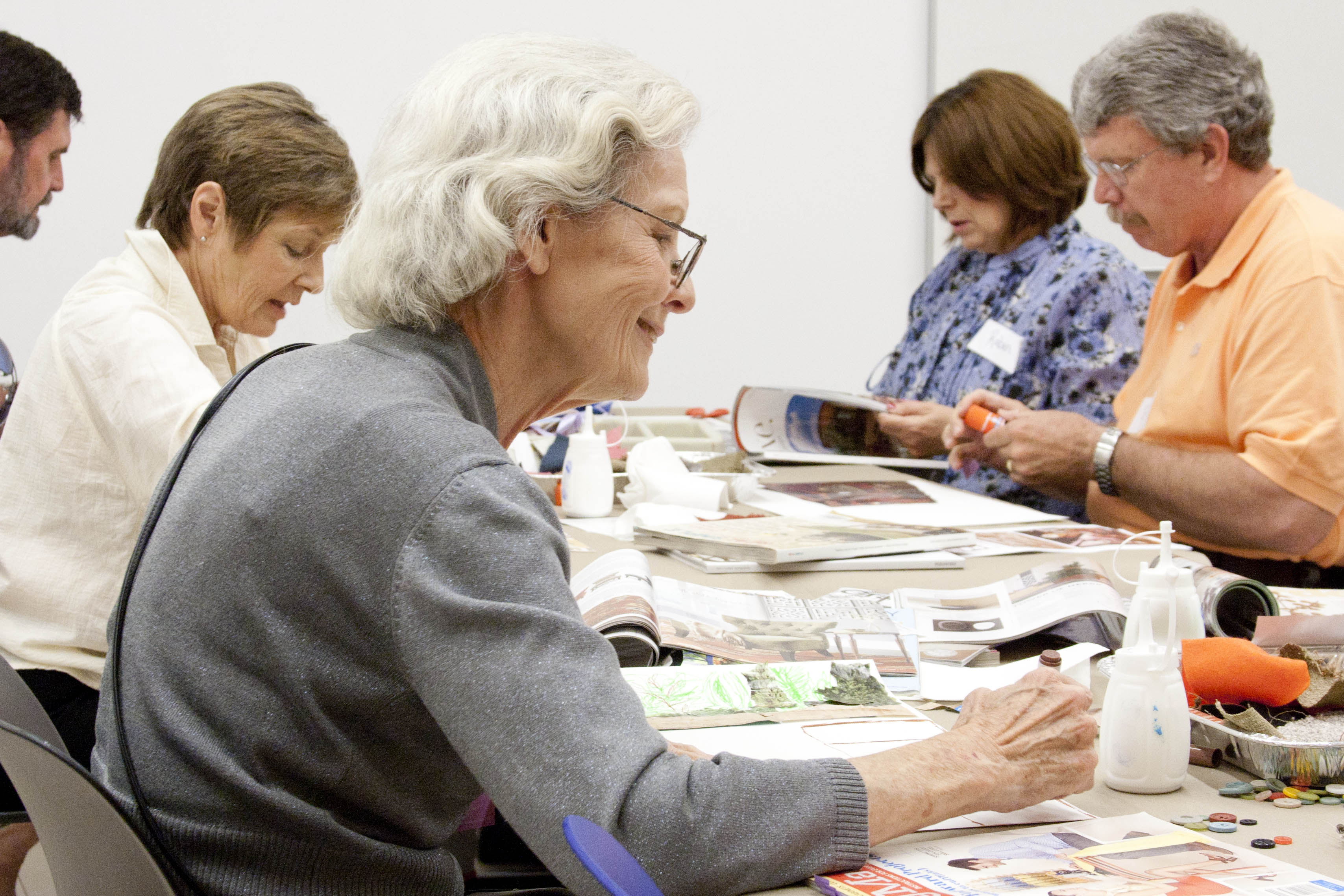
Meaningful Moments is our monthly Access Program for individuals with early stage dementia and their family members or caregivers. Here are some images from last month’s program. For information on the May 17th Meaningful Moment and other Access Programs at the DMA visit our Access Programs page on the DMA’s web site.


For those educators who cannot get enough of the DMA this summer, we have many professional development opportunities for you! With a possibility of earning over sixty CPE credit hours, these sessions are open to K-12 educators across all disciplines and schools. We hope to see you at one or more of the sessions listed below.
 Summer Seminar 2011: Teaching for Creativity
June 14 – 17, 2011, 9:00 a.m. – 4:00 p.m. daily
24 CPE Hours; limit fifteen
Registration is due May, 30, 2011
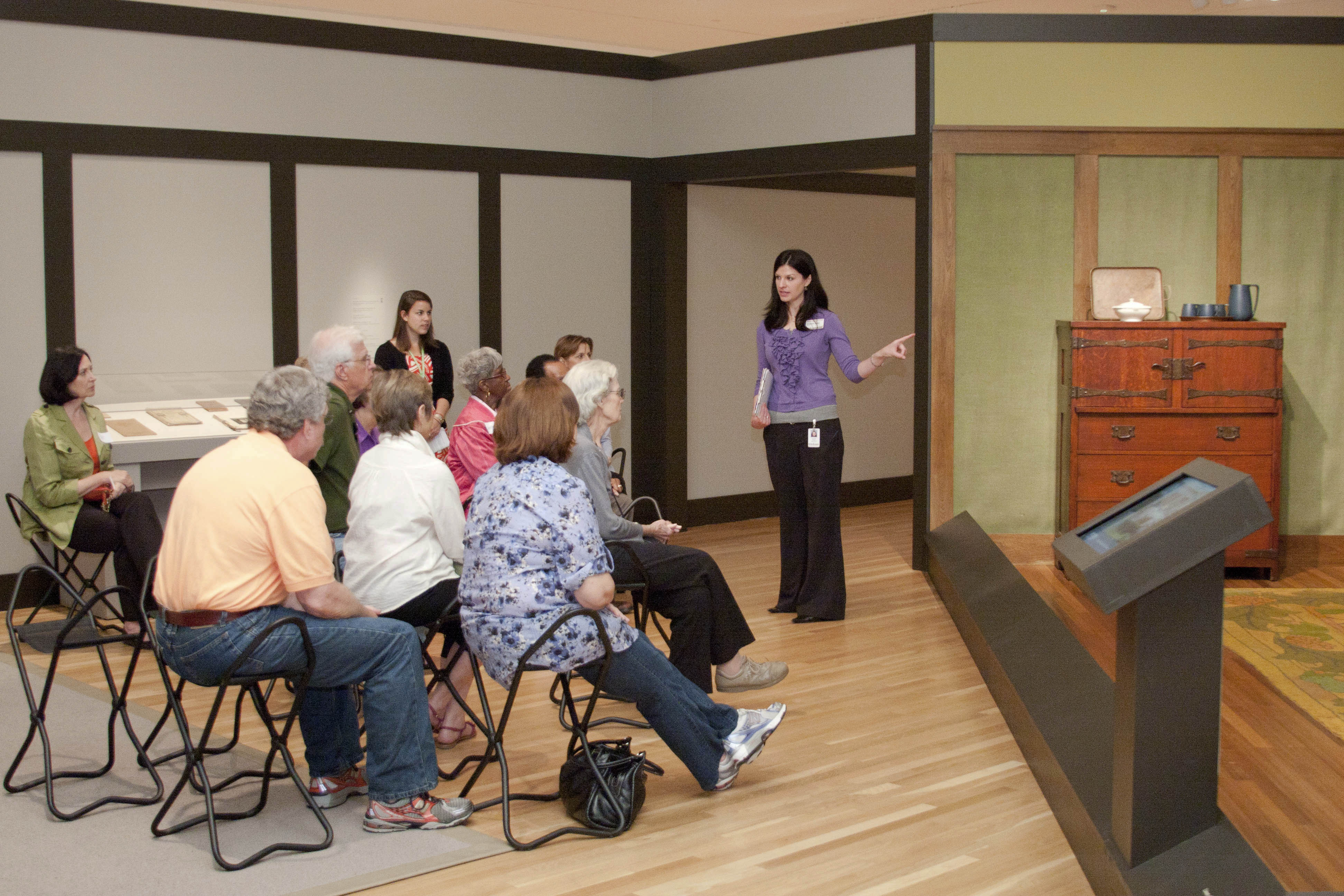
Designed for teachers of all grade levels and subjects, Summer Seminar is an immersive experience in the Dallas Museum of Art’s galleries and Center for Creative Connections. Conversations, experiences with works of art in the Dallas Museum of Art’s galleries, and creative thinking techniques will be used to create an enriching experience for teachers and models for use in the classroom.
 North American Wildlife at the Dallas Zoo and in the “Art of the American Indians: The Thaw Collection” at the Dallas Museum of Art
Friday, July 15, 2011, 9:00 a.m.–4:30 p.m.
6 CPE hours; limit thirty
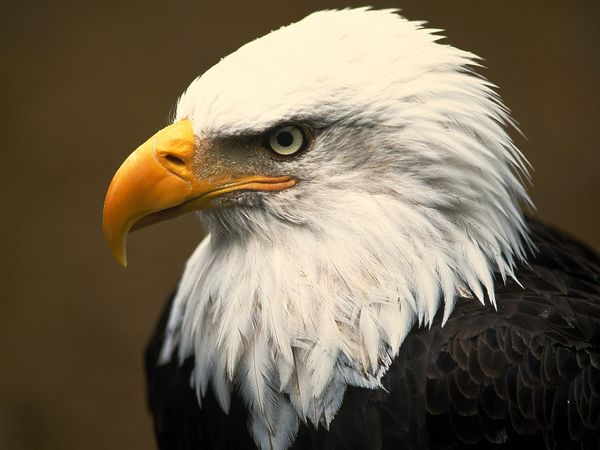
Teachers will explore the relationships between American Indian cultures and native North American wildlife. Participants will closely observe animals at the Dallas Zoo and will study works of art in the Dallas Museum of Art’s exhibition Art of the American Indians: The Thaw Collection.
 Museum Forum for Teachers: Modern & Contemporary Art
July 25- July 29, 2011, 10:00 a.m.-4:00 p.m. daily
30 CPE Hours; limited to twenty-five middle and high school teachers; application is due May, 23, 2011
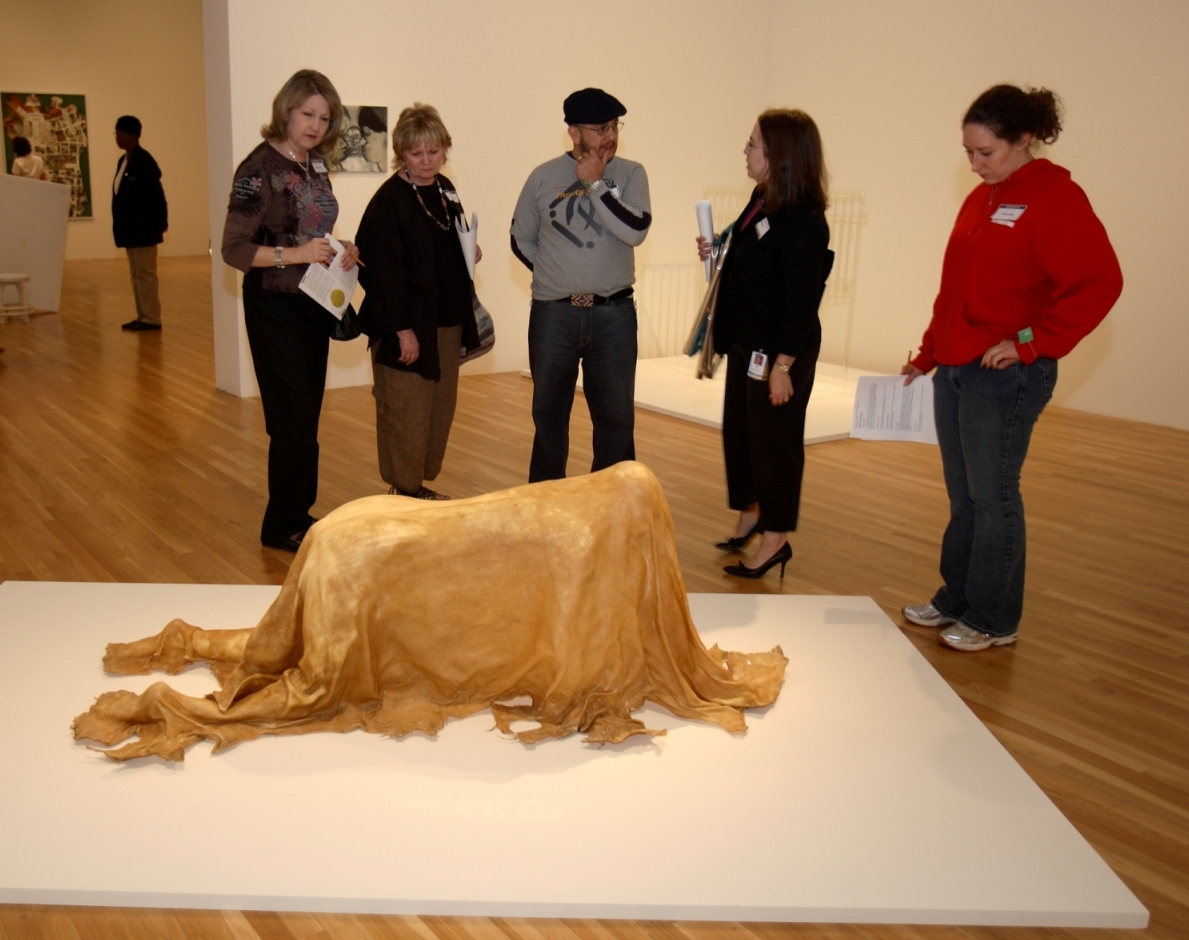
Teachers will deepen their understanding of contemporary art and architecture through gallery experiences and discussions. Participants will spend each day at one of five area institutions: Modern Art Museum of Fort Worth, Kimbell Art Museum, Dallas Museum of Art, Nasher Sculpture Center, and The Rachofsky House.
 Art of the American Indians: The Thaw Collection
August 9, 2011, 9:00 a.m.–12:30 p.m.
3.5 CPE hours; limit twenty-five
Explore the belief systems of American Indian cultures through artworks in the Art of the American Indians: The Thaw Collection exhibition.
Please note that the Dallas Museum of Art is accredited by the Texas State Board for Educator Certification, and participating educators will earn Continuing Professional Education (CPE) hours during Teacher Workshops, Summer Seminar, and Museum Forum.
Until next time….
Jenny Marvel
Manager of Programs and Resources for Teachers
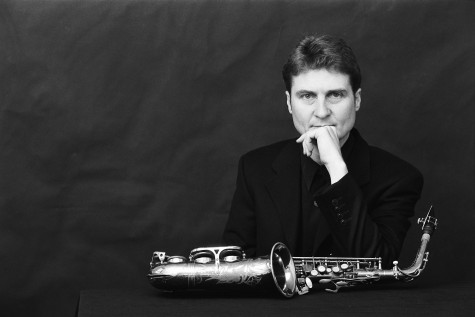
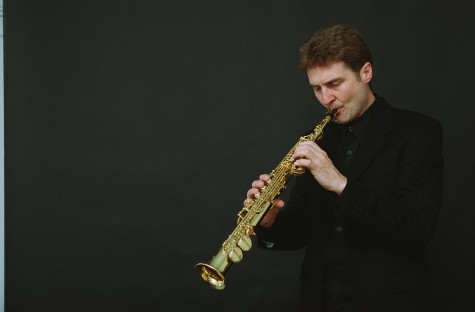
The 28th season of Jazz Under the Stars will kick off tomorrow and we are all very excited about this year’s lineup. A full schedule and brief details on each of the groups can be found on our concerts page. I recently had the chance to chat with Tim Ries, saxophone player and featured artist for the June 9 Jazz Under the Stars concert. I was excited to get to ask him a few questions about his background as an artist, his time with the Rolling Stones, and The Rolling Stones Project. Watch a video of Tim performing his arrangement of Satisfaction from The Rolling Stones Project.
Q: What made you first get into jazz, and music in general?
My dad played the trumpet and had a band, although it was not his full-time job. I grew up in Detroit, so he also took me to all the concerts that toured through the area. I got to see all the famous big bands when they were on tour, like Woody Herman Band, Maynard Ferguson, Count Basie, and the Ellington Band. Then of course my dad also had all the jazz greats playing at home too, like Louis Armstrong.
My sisters were all into the Beatles and Rolling Stones so I heard that a lot growing up too, which is great since now I play with the Stones.
Q: So, what was your “career path” as an artist?
When all the Motown bands left the Detroit area for California in the early to mid 70s, many of the “sidemen” stayed in the area. I had the chance to play with these guys from a very young age. That was really great. Then I went to the University of North Texas for my undergrad and got my masters from the University of Michigan. And I am actually working on my DMA at the Manhattan School of Music right now. From 1983 to 86 I was in the Maynard Ferguson band, so I guess that would be considered my first “touring gig.”
After that, I moved to New York, where I have lived since. I play a lot in the city and travel all around to play with many people and many different types of music. I have had the chance to work with lots of great musicians, including Donald Bird, Joe Henderson, Michael Brecker, Stevie Wonder, and Michael Jackson.
Q: When did you start working with the Rolling Stones and how did you get this gig?
I started touring with the Rolling Stones in 1999. I had worked with their trombone player, Mike Davis, before and the saxophone spot opened up so he called me. They needed someone who could play saxophone as well as keyboard and organ and I could do it. So it really was a matter of who you know, being in the right place at the right time, and being a versatile and well-rounded musician.
Q: What is your favorite concert, or road experience?
Well, two things come to mind…
Many years ago I was booked on a recording session with Elvin Jones, who is my favorite jazz drummer of all time. I was very excited to be part of this session. Then on the same evening of the Jones session, I was booked to play a Stevie Wonder concert. Stevie is my favorite singer. Talk about an exciting day!
The second one was a Stones gig in Rio, on the Copa Cabana Beach, where we played for 1.5 to 2 million people. The concert promoter could not give an exact count because of the huge size of the crowd! They had to build a bridge over the road to the stage–over all the people–simply so the band could get to the stage to play the show. The “awesome factor” of that many people is almost indescribable.
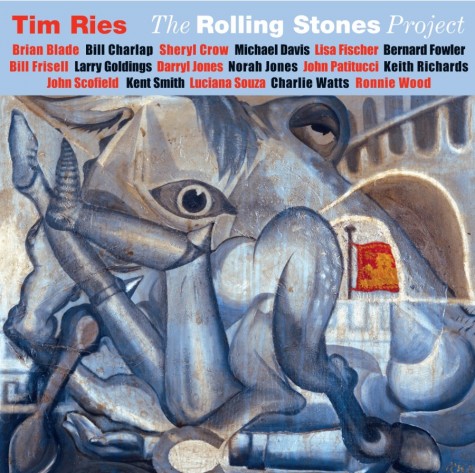
Q: What inspired “The Rolling Stones Project” and the follow-up album, “Stone World”?
I had been wanting to do a “jazz album” of current popular music for awhile. I wanted to do something totally new and not just new arrangements of the same old standards from the 30s, 40s, and 50s. Having been with the Stones for several years by then, I thought, “why not do this project with their tunes as ‘modern day’ standards?” Charlie Watts got into the project first and was going to be the guest drummer on a couple of tracks. Then Keith Richards got in on a few tracks, and by the time the first album was finished, we had over twenty-five guest artists on it. The second album ended up with seventy-five guests, including all the original Stones members again, as well as an overall all-star lineup.
Q: What new projects are on the horizon for you?
I will have two new CDs coming out this year. The first one that will be released was actually recorded in between the time of The Rolling Stones Project and Stone World. The second is a live CD recorded more recently in a New York club called Smalls. It features John Patitucci, Chris Potter, Billy Drummond, and Kalman Olah.
I also have many recordings and video footage of additional Stones songs done in big band arrangements that I would like to release sometime in the near future as well.
Mostly, in my own projects, I don’t want to be classified as only a jazz artist. I want to do projects where I have a chance to make great music with all the great musicians that I have had the honor to work and play with over the years.
Don’t miss your chance to see Tim Ries and The Rolling Stones Project featuring Bernard Fowler on Thursday, June 9!
Denise Helbing is Manager of Partner Programs at the Dallas Museum of Art.