Archive Page 91

In the Stacks

This week is National Library Week, which makes it the perfect time to meet the Mayer Library’s new librarians, Jenny Stone and Kellye Hallmark.

ASF_04_12_2014_AG_285

Jenny Stone, Librarian

Describe your job in fifty words or less. 
I’m the Librarian in the DMA’s art research library, a.k.a. The Mayer Library. I manage the day-to-day activities of the library, handle our interlibrary loan service, and help answer questions from staff and the public.

What might an average day entail?
On any given day, I might have reference e-mails to answer,  hunt down materials for research projects, purchase books, give a library orientation to a new staff member, or problem solve with Cathy Zisk, our cataloger, on how to handle an odd-shaped book.

How would you describe the best part of your job and its biggest challenges? 
The best parts of the job are the books!—and the cool things I learn about the collection and the Museum from various projects and questions we get. The biggest challenge: describing to visitors how to get from the Library to the European galleries.

Growing up, what type of career did you envision yourself in? Did you think you’d work in an art museum? 
I come from a family of librarians, so it was pretty much inevitable. And I can’t think of a better place to come to work every day than an art museum.

What is your favorite work in the DMA’s collection?
If I could stare at anything in the collection all day, it would either be Tatsuo Miyajima’s Counter Ground or Edouard Manet’s Vase of White Lilacs and Roses. Ask me tomorrow and I’ll have a different answer!

Is there a past exhibition that stands out in your mind as a favorite, or is there a particular upcoming show you’re looking forward to seeing?
The Fashion World of Jean Paul Gaultier was probably the most exciting and fun exhibition. The Mourners really opened my eyes to something new and unusual and beautiful, and Nur: Light in Art and Science from the Islamic World is very similar in that way.

Kellye Hallmark, Assistant Librarian

Describe your job in fifty words or less.
You can generally find me at the reference desk, where I assist both staff and visitors with locating materials, research, and a variety of questions associated with the Museum and our collection. Recently a PhD student from the University of Montana wanted to know what ancient sculptures we have that are made of serpentine or greenstone, and an ancestor of John Pratt had just discovered her lineage and called the library to see if his portrait by Ralph Earl was on view and to learn more about the work. I also manage our serial collection, as well as maintain and create artist files.

What might an average day entail?
Each day holds a new project or a new reference question, so it varies, but it is always something fun and interesting. Generally I am checking in new serials, scanning the papers for museum- or art-related news, and working on a special project, like researching Islamic art books for purchase.

How would you describe the best part of your job and its biggest challenges?
The best part of my job is being able to look at all of the new books and serials that arrive almost daily. I’m constantly learning about new artists, new shows, etc., and that is really fun. The biggest challenge is making myself put down all of those new books and serials—there just isn’t enough time to read it all!

Growing up, what type of career did you envision yourself in? Did you think you’d work in an art museum?
I always knew I would work in an art museum. I got my BA in Art History fully expecting to pursue a career as a curator, but my focus and passions changed and they led me to art librarianship, and I couldn’t be happier.

What is your favorite work in the DMA’s collection?
I’ve always loved San Cristoforo, San Michele, and Murano from the Fondamenta Nuove, Venice by Canaletto. I love his perspective and how so much of the painting is the sky. I love the Sculpture Garden as well; it’s such a great place to spend your lunch break and to see little kids play.

Is there a past exhibition that stands out in your mind as a favorite, or is there a particular upcoming show you’re looking forward to seeing?
Being fairly new, I have to say that the Edward Hopper exhibition that just closed was definitely a stand out—it was fantastic. I was also blown away by the Nur exhibition, and I can’t wait to see the Michael Borremans exhibition next year.

The Mayer Library is located on Level M2, and is open to the public Tuesday through Friday 11:00 a.m.-4:30 p.m. and Saturday noon-4:30 p.m.

Hillary Bober is the digital archivist at the Dallas Museum of Art.

America the Beautiful

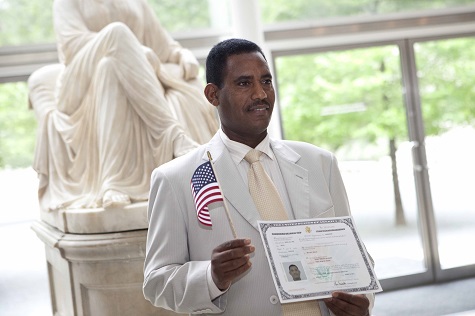
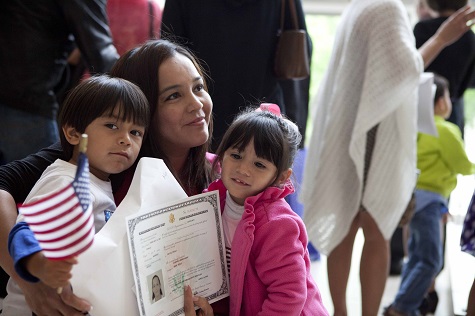
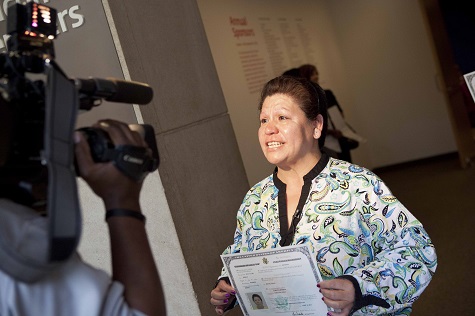
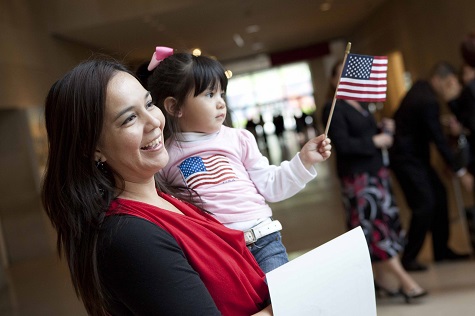
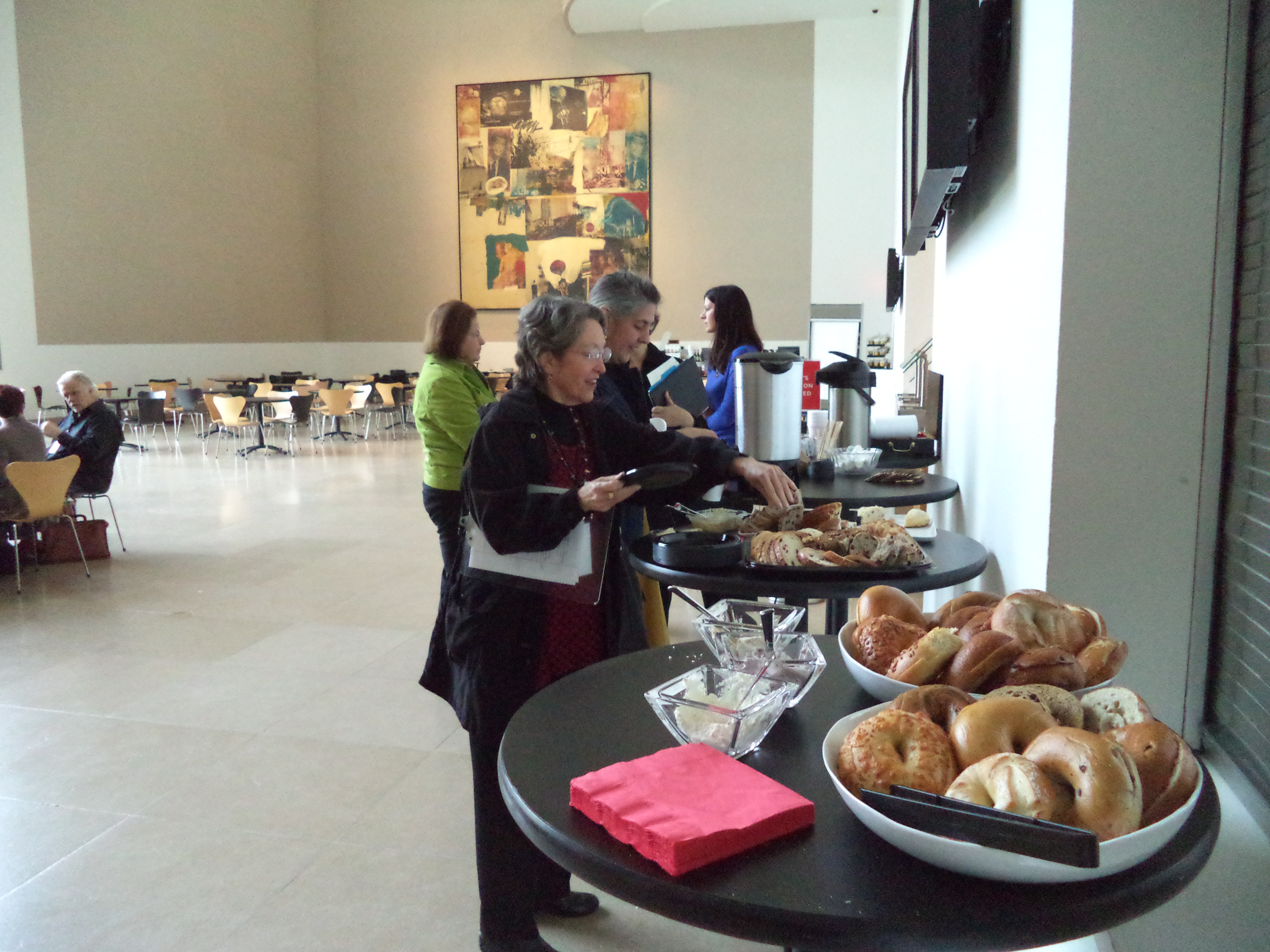
Yesterday, the DMA had the honor of hosting 49 individuals from 18 countries during the second annual naturalization ceremony in the Museum’s Horchow Auditorium, where they took their oath of allegiance and became the newest citizens of the United States. Akron Watson, a member of the Fortress of Solitude cast from the show’s recent debut and run at the Dallas Theater Center, capped off the event with an inspiring rendition of America the Beautiful. Following the ceremonies, candidates and their families enjoyed refreshments in the Atrium, posed for photos, had a chance to become our newest DMA Friends, and toured the Museum’s American art collection.

Never Say Goodbye…

Today I bid a fond farewell to the DMA. Saying goodbye has never been easy for me, and each time I do, I find J.M. Barrie’s quote from Peter Pan echoing in my head: “Never say goodbye because goodbye means going away and going away means forgetting.” However, although my time as a McDermott Intern has flown by,  I feel lucky to be taking so many unforgettable memories into my next adventure.

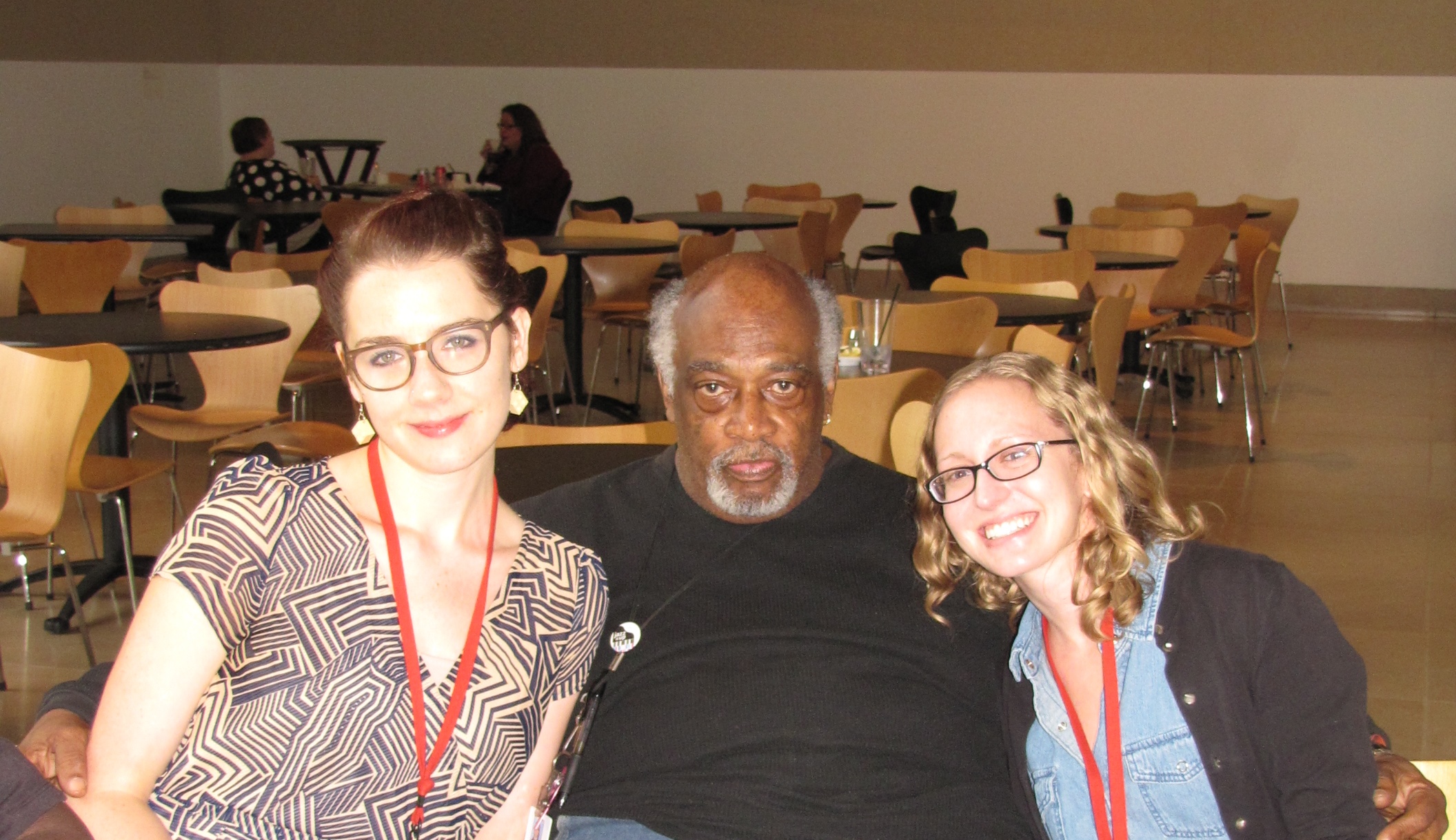
At the top of my list, I will fondly remember sharing my love of art with children and adults as part of the DMA’s many Family and Access programs.  I will also treasure the time I spent collaborating and teaching with the talented members of this team, which we affectionately refer to as FAST. Thank you, ladies, for your guidance and inspiration!

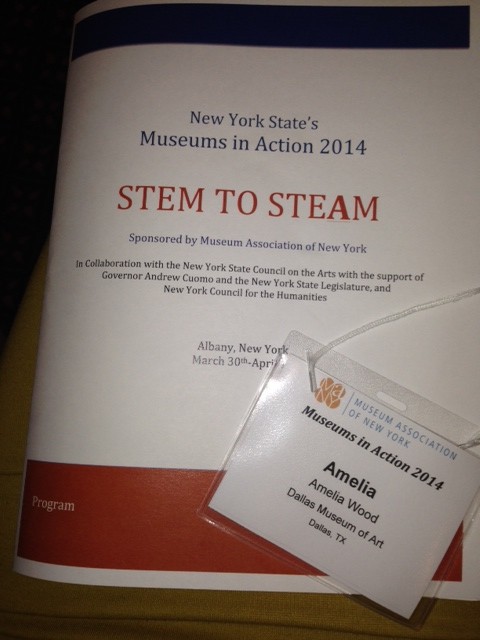
I will cherish my memories of trips to our neighboring DFW museums, cultural institutions, and Mrs. McDermott’s beautiful ranch, as well as the opportunity to participate in the NY Museums in Action STEM to STEAM conference this spring.

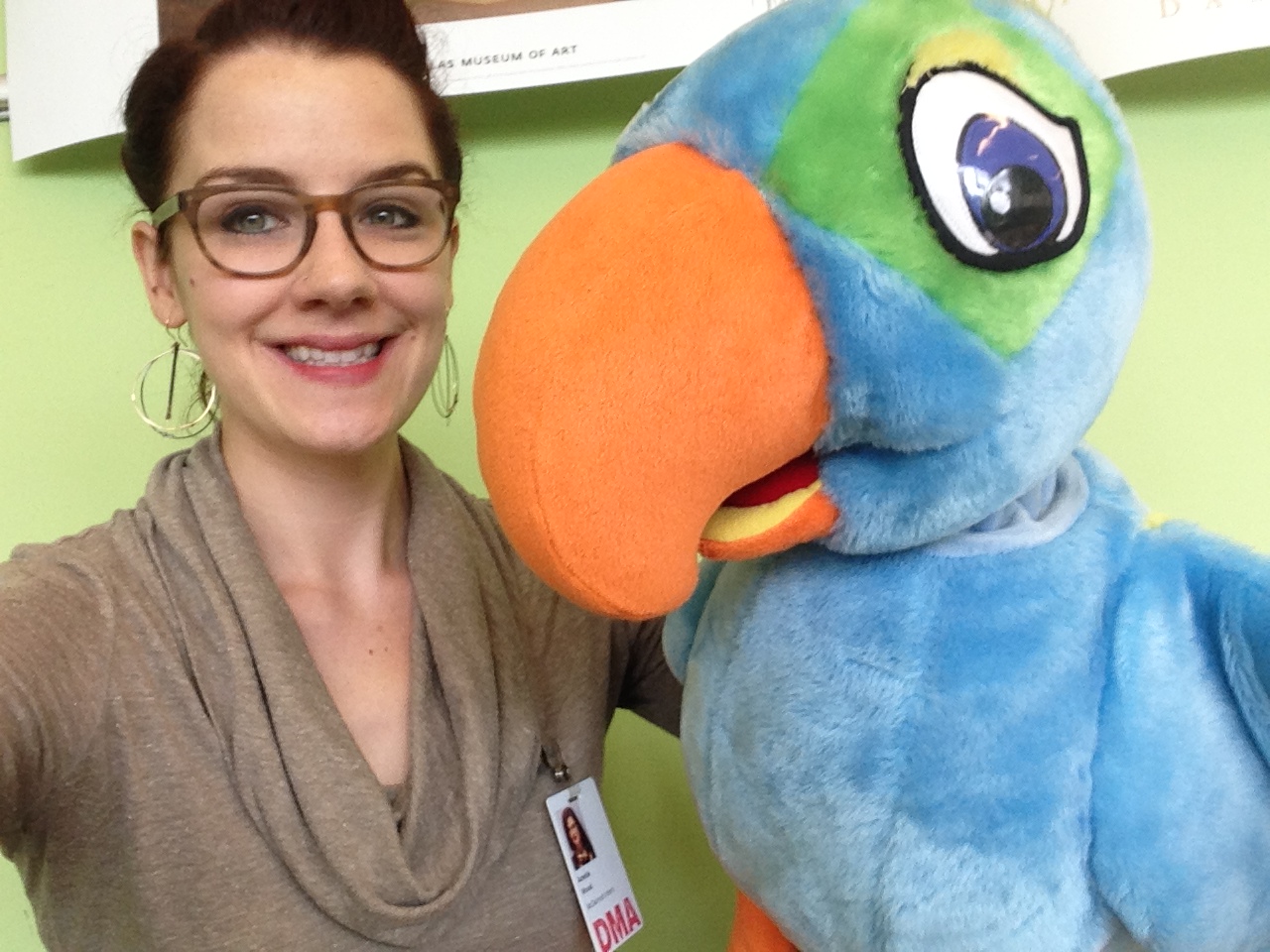
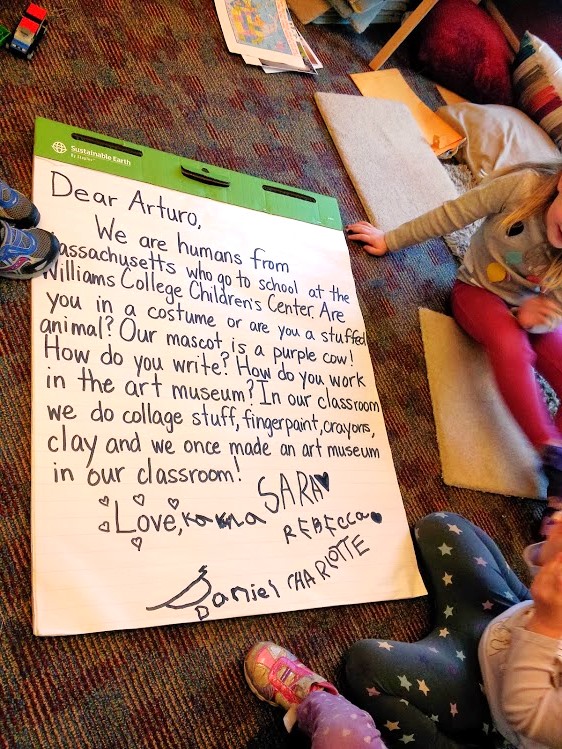
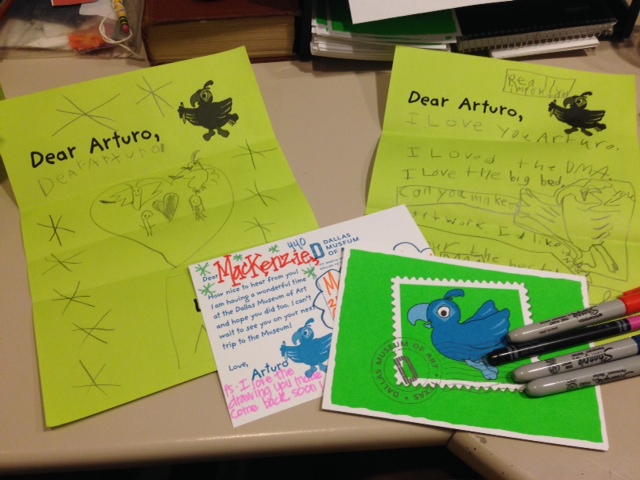
I will miss answering the letters children write to Arturo, including my past students in Western MA, who participated in my Arturo’s Magical Mail exchange.

Last but not least, I will miss seeing my fellow interns each day. Together, we have grown as educators and professionals, and I am thankful to have shared this experience with you.

And so, I head off into my next chapter. Although I am going away, I won’t say goodbye, because something tells me I’ll be back. In the meantime, I look forward to hearing about the wonderful things the DMA continues to share with the world. Onwards and upwards!

Amelia Wood
McDermott Intern for Family Access and Teaching

Icebergs Right Ahead!

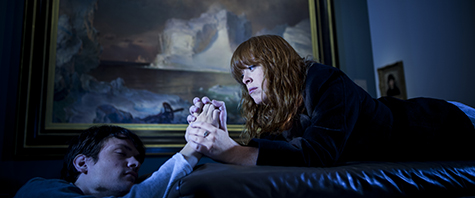
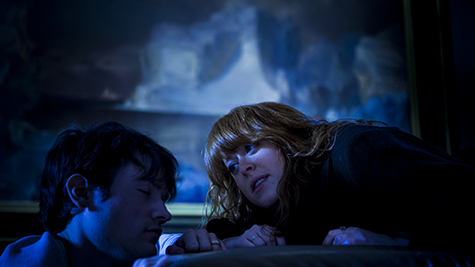
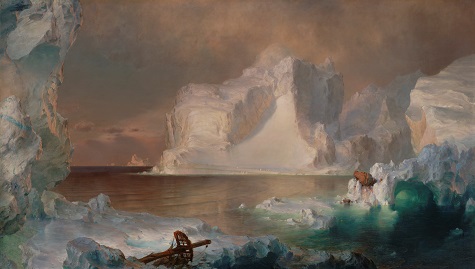
Tomorrow is Titanic Remembrance Day, an annual observance of the lives lost when the unsinkable ship sank on April 15, 1912. Frederic Edwin Church’s The Icebergs, in the DMA’s collection and on view on Level 4, provided an opportunity for Museum staff to reenact a film still that captured the ship’s story.
Iceburgstitanicblog_04_08_2014_004

Iceburgstitanicblog_04_08_2014_002


Kimberly Daniell is the manager of communications and public affairs, Madeleine Fitzgerald is the audience relations coordinator for programming, and Adam Gingrich is the digital media specialist at the DMA.

Friday Photos: Thanks to our Volunteers!

It’s National Volunteer Appreciation Week!

We want to thank all of our volunteers for their time and commitment to the DMA! We truly could not serve the many thousands of children, families, and adult visitors without the help of our wonderful volunteers.

To find out how you can volunteer with the DMA, please visit our Volunteer page.

Rhiannon Martin
Volunteer Coordinator

DIY Photo Transfer

Spring is (finally) here, which means that many of us in the education department are gearing up for Summer Art Camps! The best part of teaching a summer camp is getting to experiment and explore with materials to devise fun and engaging art projects. Jessica Fuentes and I are teaching a summer photography camp for 6-8 year olds, called Developing an Eye for Art. In this camp we are going above and beyond the simple point and shoot aspect of photography, and urging our students to explore this artistic medium through many different avenues. A favorite exploratory activity of mine is photo transfer, because it is a fairly straightforward project that invites loads of experimentation.
5

What you need:

  • Photograph to transfer (higher contrast photos are best)
  • Light colored piece of wood (5×7″ is what I used)
  • Matte gel medium (found in the acrylic paints section of art & craft stores)
  • Scissors
  • Paint brush (can be foam or bristle)
  • Mod Podge (I used matte finish)
  • Access to a laser printer or copy machine

Step 1

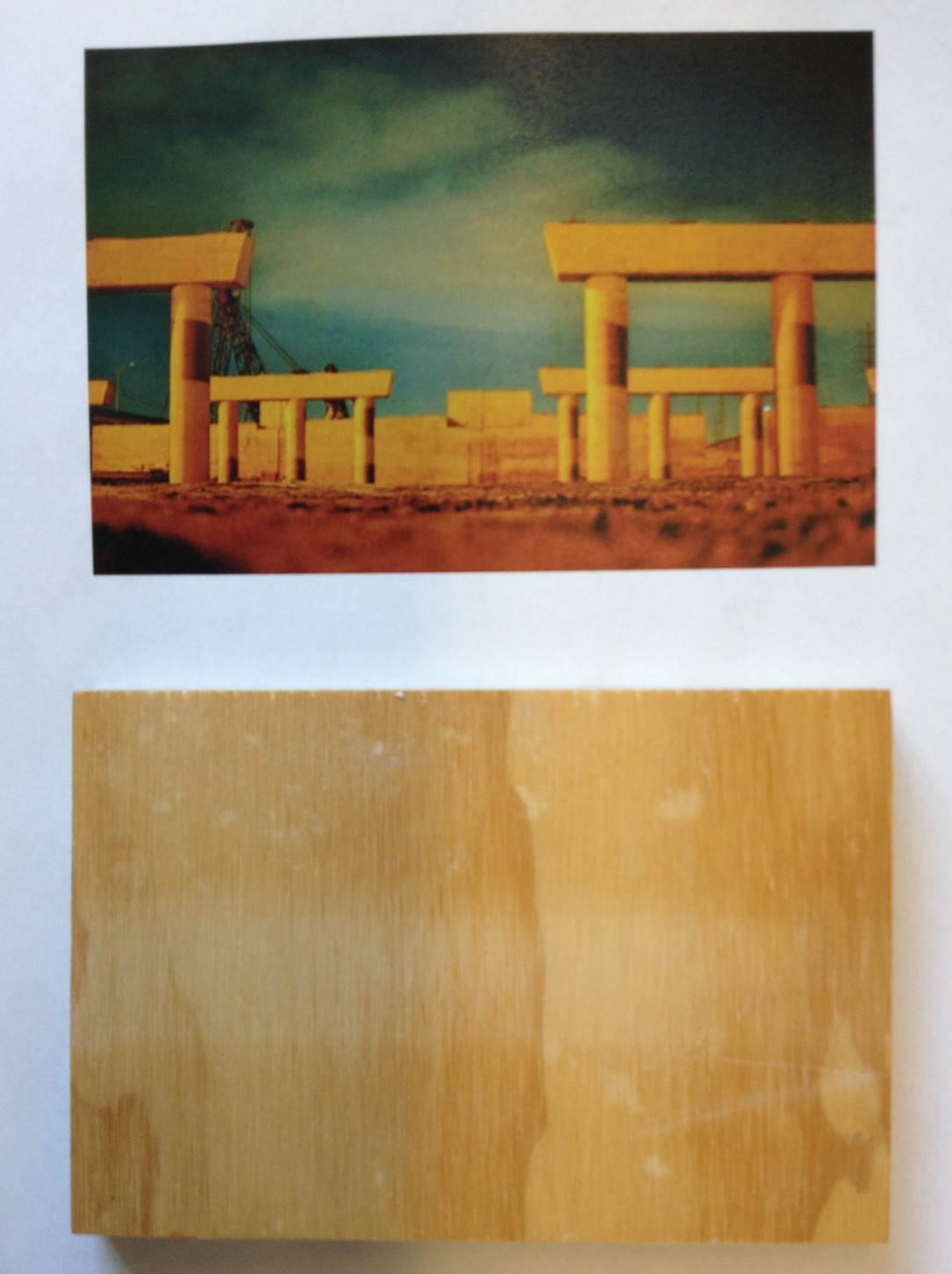
Print your chosen photograph from a laser printer, or make a copy of the image on a photocopier. Do not use an ink jet printer, as it will smudge the image. Make sure the printed or copied image is the same size (or smaller) than your piece of wood.photo (5)

Step 2

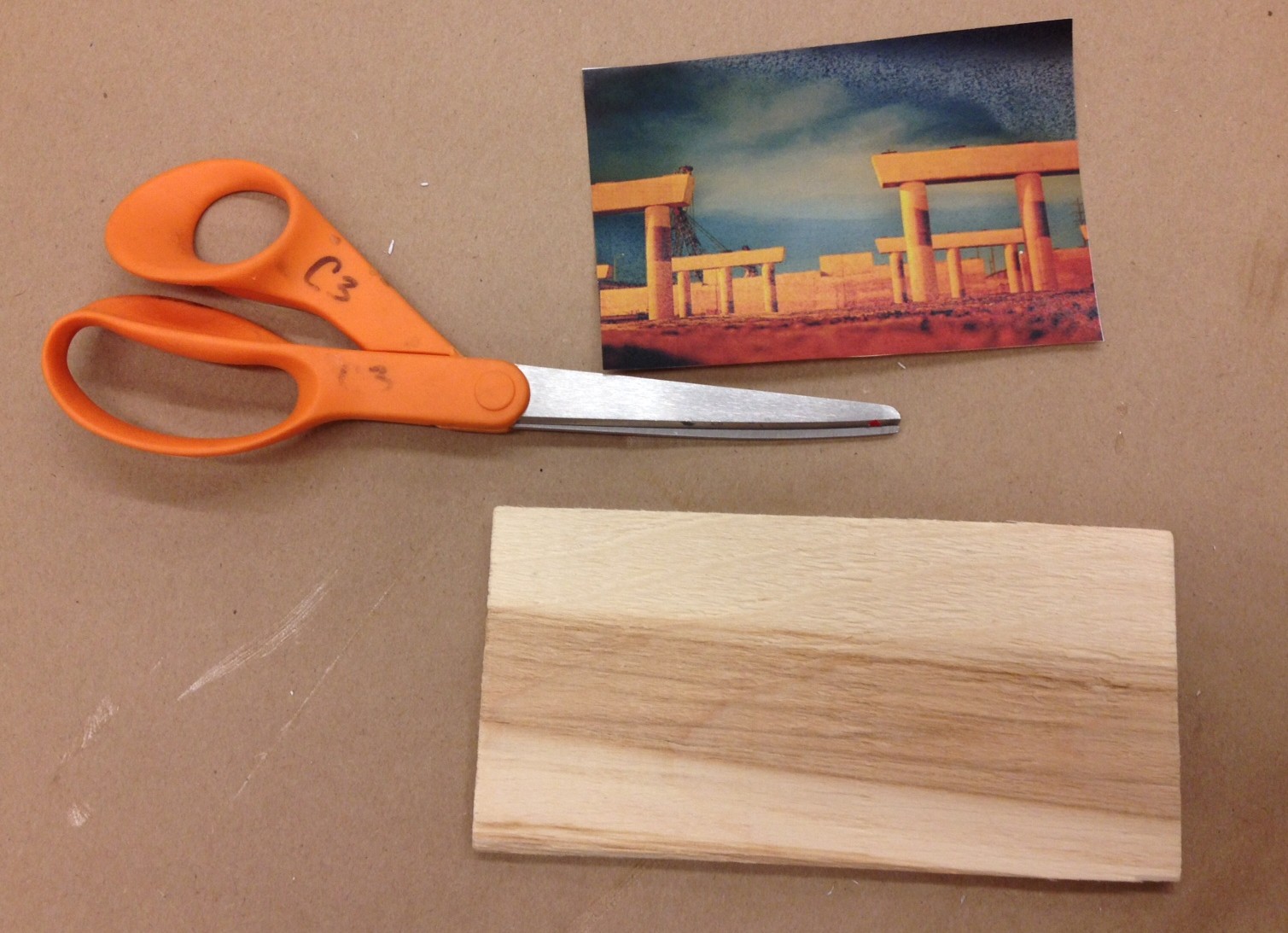
Cut out the laser print-out of your image, making sure you do not leave a border around the image.

scissors

Step 3

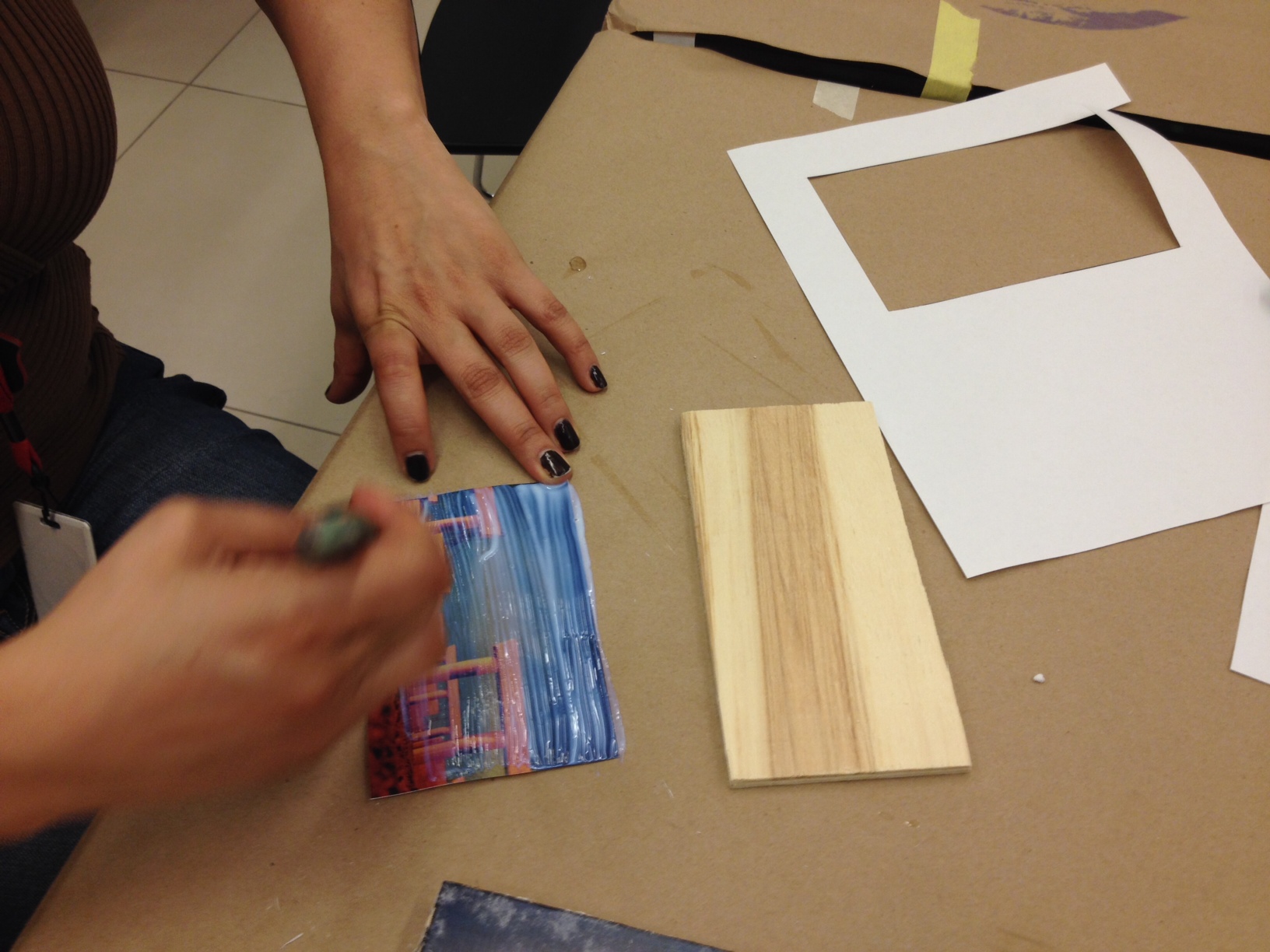
Use a foam or bristle brush to place a thin layer of matte gel medium directly onto your image, which will make the image opaque white.

Brush gel medium directly onto image.

Step 4

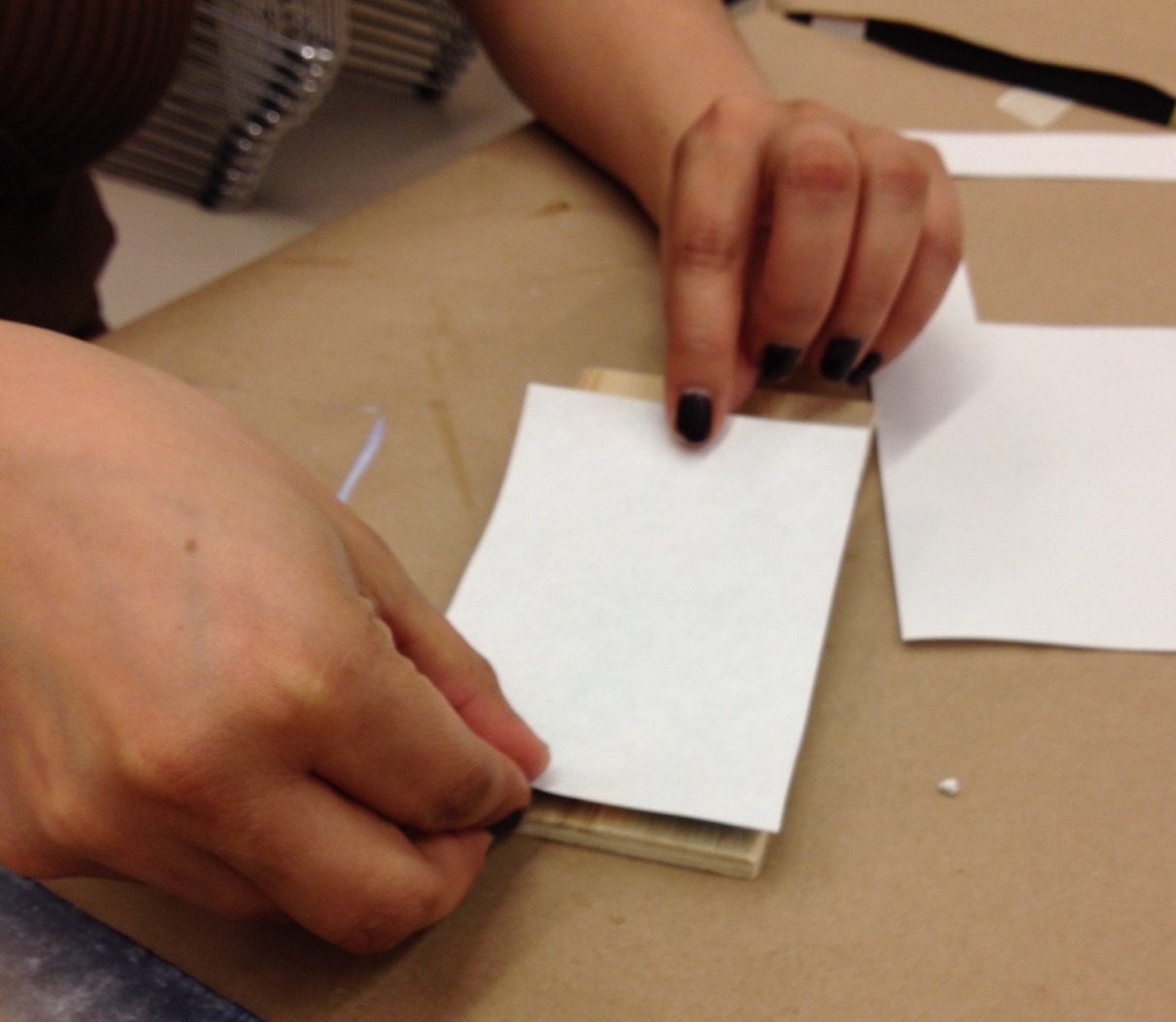
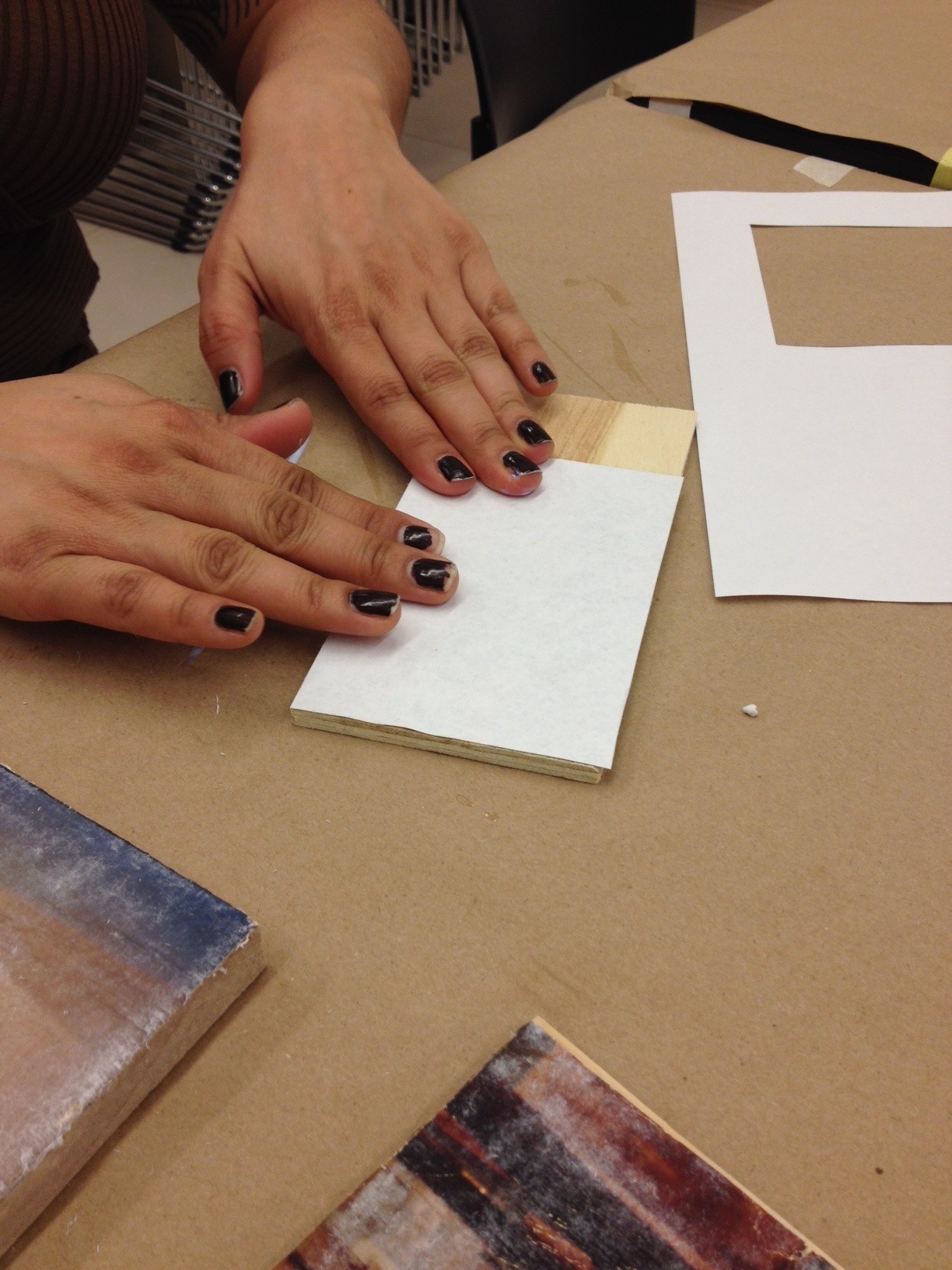
Before the gel medium dries, place your image face down on your piece of wood. Be careful with placement as you will not be able to move the photograph once it dries.

Once your image is in place, smooth out and flatten any air bubbles underneath your photo. You can use your fingers or anything with a stiff edge (like a ruler) to smooth out any bumpy places. Make sure not to push too hard and rip your image.sandwich

Step 5

Let your photo transfer sit and dry for at least 8 hours.

Step 6

After your photo transfer has dried, get a wet rag and lay it on top of the image, making sure to get the paper nice and soaked. Next, use your fingers or a rag to carefully rub off the fuzzy white paper fibers, revealing your lovely photo underneath.

It is best to let the transfer dry in-between paper rubbings, to make sure that all the bits of paper are removed. This make take time and multiple drying and re-wetting sessions. Be patient 🙂

smush

Step 7

Once your photo transfer is dry and to your liking, brush a layer (or two) of Mod Podge on top of the image to seal the work.

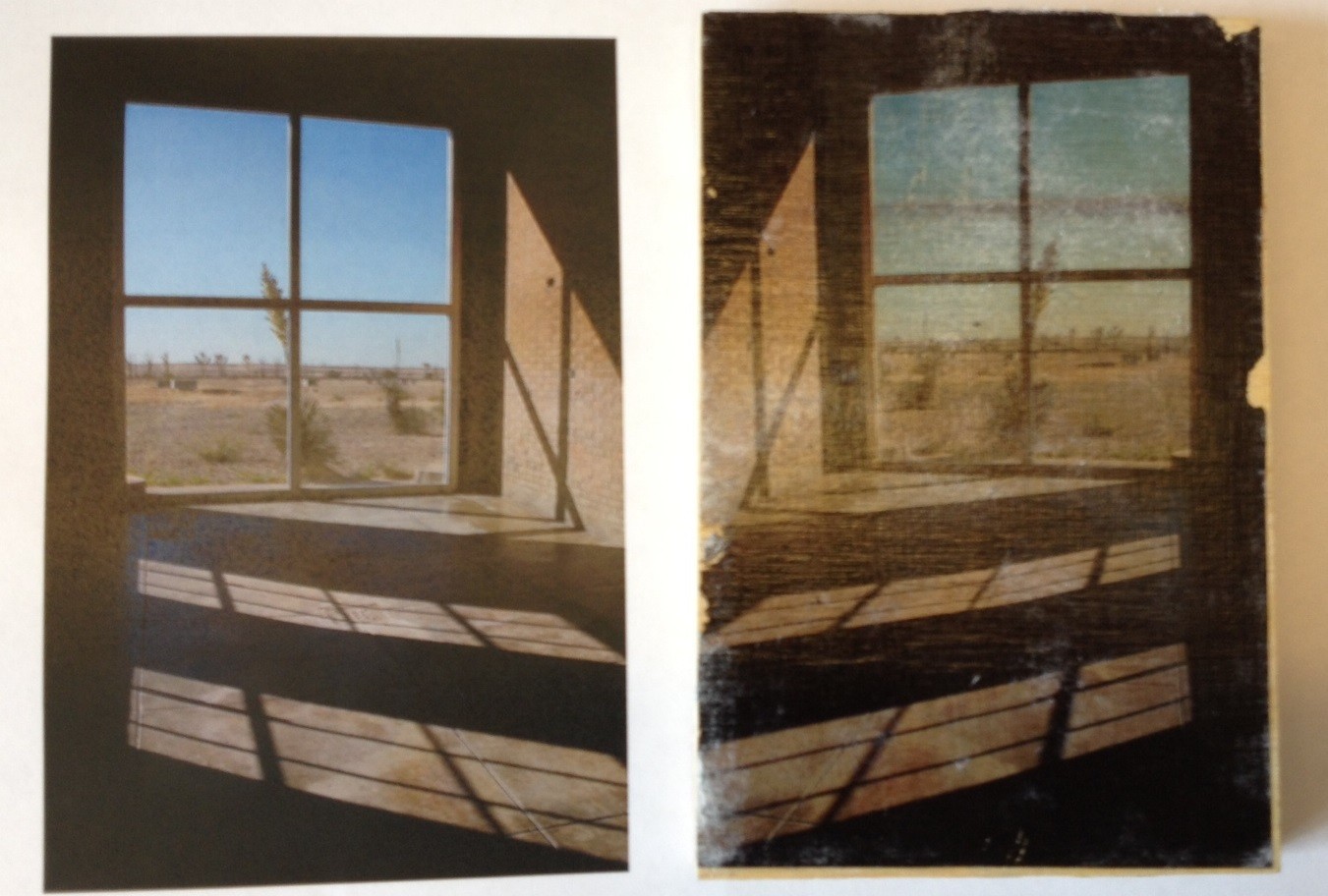
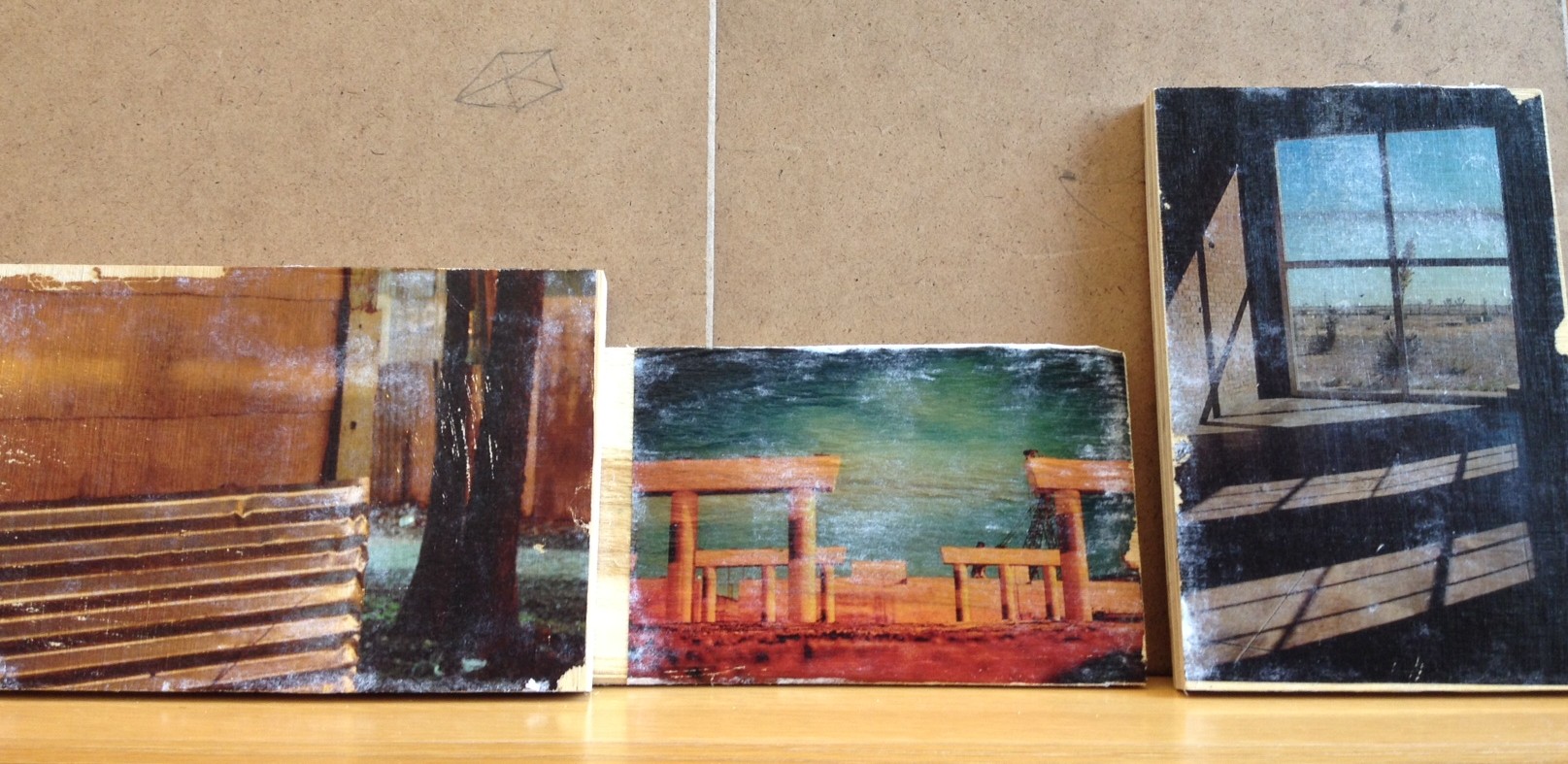
That’s it! Your photo transfer is done and ready to be shown off! This simple project can be modified to give a more or less distressed look to the finished work, experiment and see what you can do!

Finished transfers.

Finished transfers.

Danielle Schulz
Teaching Specialist

Art + Science = Whole Brain Fun

Remember when it was all the rage to call each other left- or right-brain dominant? While these references are still popularly used today, skepticism is growing among scientists as they learn more about the brain.

Strengths in logical, analytical, and verbal thinking have been associated with the left side of the brain, and creative and intuitive thinking have been associated with the right side. Scientific and mathematical types may be labeled “left-brainers,” while artists are considered “right-brainers.”

The reality is that there’s a bit more crisscross throughout the cranial wires. Both sides of our brains may actually tackle the same problem or idea, but each may approach a solution differently. Bottom line: Te brain aims to work efficiently and this means that most of the time the whole brain is working together. How is the health of your whole brain?

Join us for a day that engages and challenges the whole brain! On Saturday, April 12, the worlds of art and science deliberately cross over and mash up at the DMA’s first Art + Science Festival, held in partnership with the Perot Museum of Nature and Science. Here are a few highlights to stimulate your neurons:

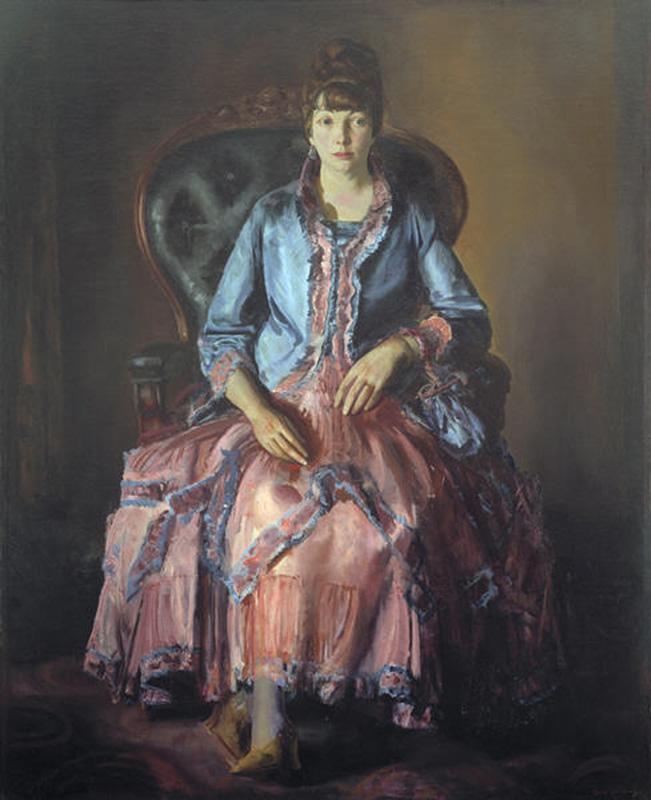
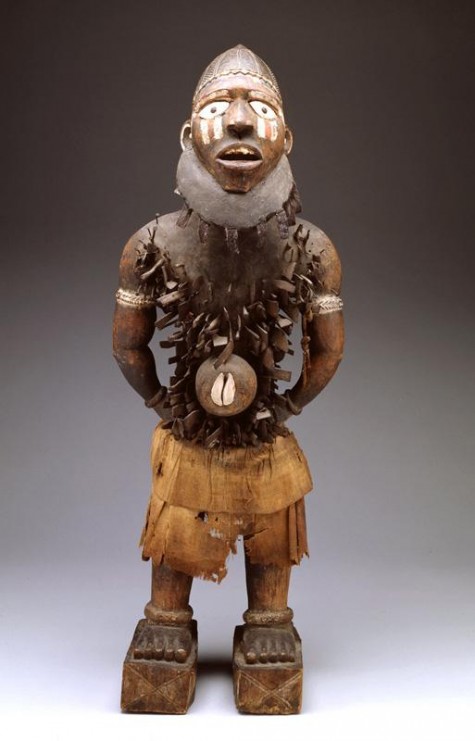
  • Stretch your mind during various 20-minute gallery talks with experts. Why might a curator use a CAT scan to learn more about an African sculpture? What can a facial recognition scientist reveal about a portrait?

Emma_1956_58

Nkisi_1996'184'FA

  • Inspect art materials and the natural world up-close using DIY digital microscopes with the DMA/Perot Teen Advisory Council.
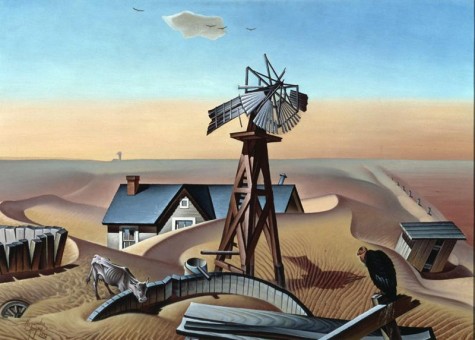
  • Sit in the Perot’s Portable Universe (only the coolest movable planetarium in town) for one of two featured presentations, The Sky at Night and The Search for Water. After the Portable Universe, marvel at the connections your brain makes as you gaze upon masterworks in two DMA exhibitions. Encounter the realm of the stars in Nur: Light in Art and Science from the Islamic World, which includes a collection of astrolabes (early astronomical computers), a celestial globe, and an astrological album. Alexandre Hogue: The Erosion Series takes an in-depth look at Hogue’s powerful images confronting the tragedies and environmental issues of the Dust Bowl era.

Drouth_Stricken_1945_6

  • Practice your mind-hand-eye coordination by making some art. Explore lines, shapes, and patterns through the creation of a string art installation with artist Amy Adelman.
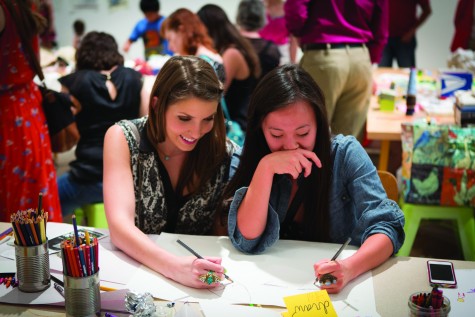
Late_Night_Available_Space_TF_07_19_2013_31

All of these experiences and more await you for FREE at the DMA’s Art + Science Festival on Saturday, April 12. Come for a visit and challenge your whole brain! All ages are invited.

Nicole Stutzman Forbes is Chair of Learning Initiatives and Dallas Museum of Art League Director of Education at the DMA.

Images:
George W. Bellows, Emma in a Purple Dress, 1920-1923, oil on canvas, Dallas Museum of Art, Dallas Art Association Purchase; Standing power figure (nkisi nkondi), late 19th-early 20th century, wood, iron, raffia, ceramic, pigment, kaolin, red camwood, resin, dirt, leaves, animal skin, and cowrie shell, Dallas Museum of Art, Foundation for the Arts Collection, gift of the McDermott Foundation; Alexandre Hogue, Drouth-Stricken Area, 1934, oil on canvas, Dallas Museum of Art, Dallas Art Association Purchase, (c) Olivia Hogue Marino & Amalia Hogue

Artist Astrology: Aries

This month we are celebrating our assertive Aries artists (March 21 – April 20)! The first sign of the zodiac, Aries individuals are born leaders. They are characterized by fearlessness, persistence, and energy. Aries crave adventure, reveling in challenging situations where they can test their passion and determination. This high-energy and enthusiasm often lends itself best to individual, rather than group work. Aries exude a confidence and self-assurance that can be difficult for others to understand. Their confidence encourages them to explore their ideas and they are happy to pave their own path. Aries set their own rules and do not let anything stand in the way of reaching their goals!

Three of our favorite Aries artists in the DMA Collection include Vincent van Gogh (March 30), Victor Vasarely (April 19), and Joán Miró (April 20).

1985_R_80

Vincent van Gogh – March 30

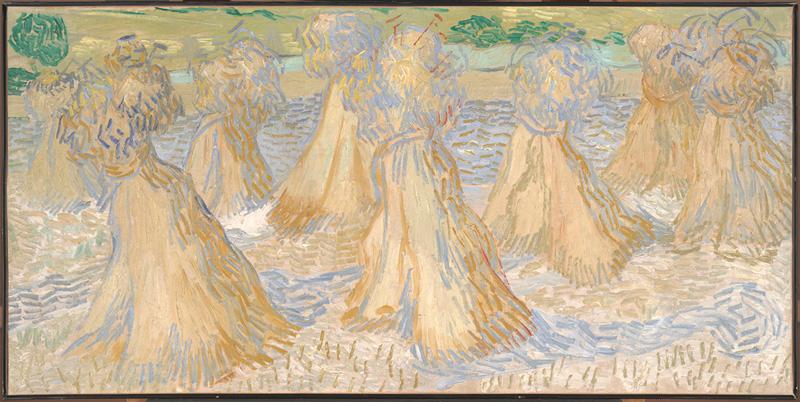
Now one of the most well-known artists in the world, Vincent van Gogh achieved very little recognition during his lifetime. In fact, in the ten years that he worked as a painter, he only sold one work (Irises). Van Gogh’s painting style was primarily influenced by two movements, the Pointillist techniques of Georges Seurat and the Japanese ukigo-e woodcut practice. He combined these distinct practices to create a style uniquely his own. His use of bold brush strokes and thickly applied paint is often referred to as Expressionistic. This suggestion also refers to van Gogh’s unique ability to empathize with his subject, as demonstrated in the joyous, almost comical way he depicted the wheat above. Unfortunately, van Gogh was known to set impossibly high standards for himself. He also battled mental illness and depression, a disease that ultimately took his life in 1890. Sheaves of Wheat (above) belongs to van Gogh’s last series of paintings, completed in Auvers-sur-Oise between June-July 1890. While he did not exude an Aries’ confidence and self-assurance, Van Gogh’s artistic originality and independence have made him one of the most significant artists of the 19th century.

1965_25

Victor Vasarely – April 19

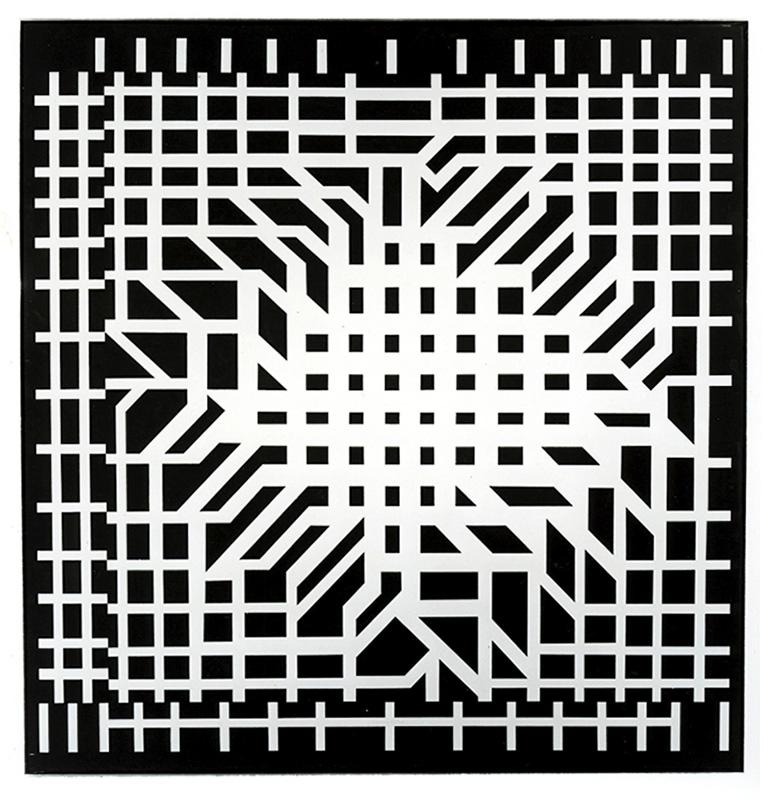
Victor Vasarely is considered one of the primary leaders of the Op art movement of the 1960s. He expanded upon the geometric language of the Bauhaus movement and artists such as Wassily Kandinsky and Paul Klee (both in the DMA’s collection) in order to produce a “dynamized” effect. He believed that this new language transformed relatively stable structures into more vibrant, optical configurations. Vaserely’s designs are a treat for the eye and a challenge for the mind.
1973_3

Joán Miró – April 20

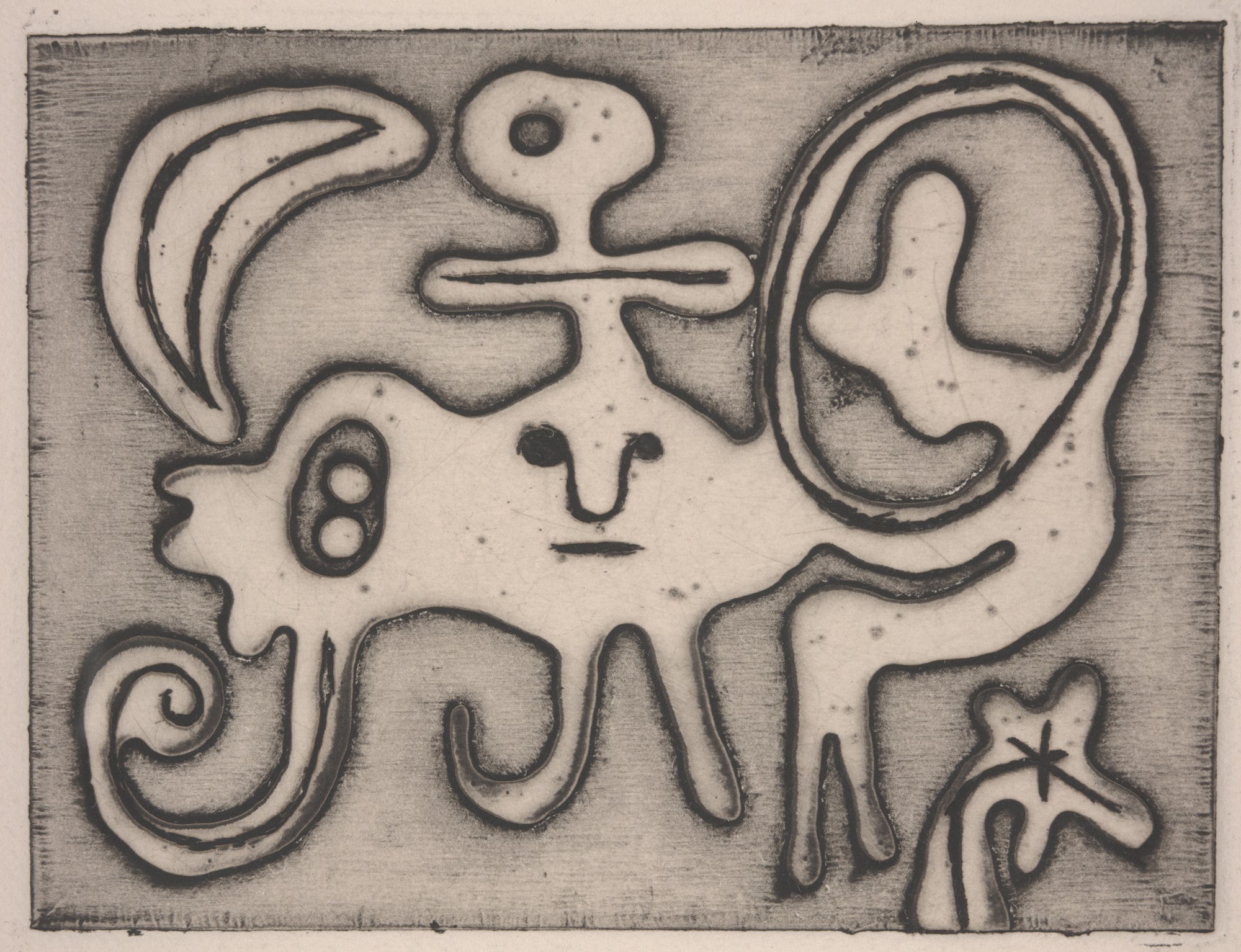
Joán Miró’s artistic style is characteristic of an Aries artist. Throughout his prolific career, Miró resisted joining any art movements, preferring to explore and develop a style that was uniquely his own. While frequently equated with the Dada and Surrealist movements of the 1920’s, he never officially joined either group. His style, however, shares some commonalities with these movements, namely his interest in automatic drawings and childlike sensibilities. Miró’s art remained largely consistent throughout his life as he continued to explore these themes and ideas. He is especially noted for his loose, free-flowing shapes, known as “biomorphic” forms. In the 1940s and 1950s, Miró continued to defy traditional artistic traditions by expanding his techniques to new mediums, including etching (as seen above).

And the list of Aries artists goes on! Including such masters as Jean-Honoré Fragonard (April 5), Raphael (April 6), and Leonardo da Vinci (April 15).

Come back next month to learn about our tenacious Taurus artists!

Artworks shown:

  • Vincent van Gogh, Sheaves of Wheat, July 1890, Dallas Museum of Art, The Wendy and Emery Reves Collection
  • Victor Vasarely, Meride, 1961-1963, Dallas Museum of Art, Dallas Art Association Purchase, Contemporary Arts Council Fund
  • Joán Miró, Woman and Bird in Front of the Moon (Femme et oiseau devant la lune), 1947, Dallas Museum of Art, gift of Frances Pratt

Hayley Prihoda
McDermott Intern for Gallery and Community Teaching

Art Everywhere US: A Very, Very Big Art Show

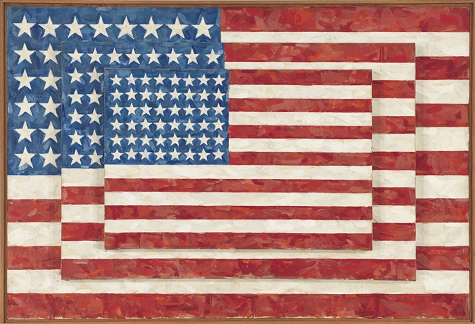
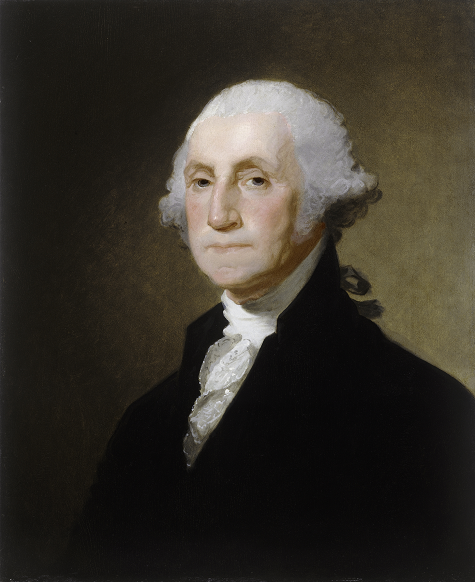
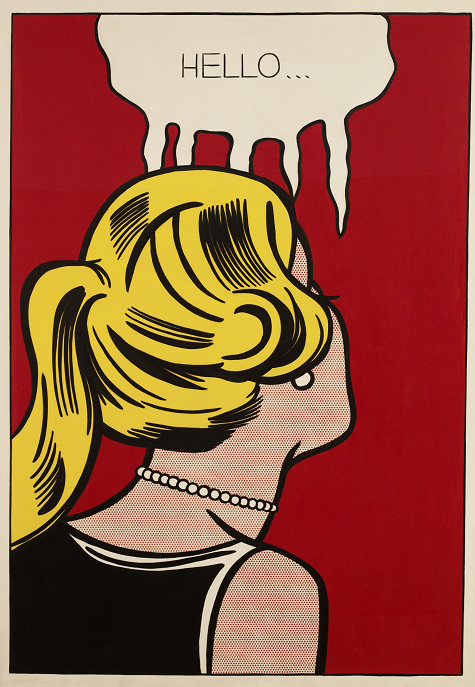
Be a guest curator for the largest art exhibition in America! Beginning today, you can vote for your favorite American artworks from art museums across the country, including the DMA. Art Everywhere US is a public celebration of great American art.

art everywhere jpeg

The process to create this celebration began this past New Year’s Eve, when I e-mailed the directors of four leading U.S. museums—the Art Institute of Chicago, the Los Angeles County Museum of Art, the National Gallery of Art, and the Whitney Museum of American Art—asking if they would jump in feet first with the DMA and the Outdoor Advertising Association of America to create a 100-work synopsis of American art history. I was thrilled when everyone agreed right away, and by January 2014 we were off to the races.

I asked each museum to submit 30 works, yielding 150, and I had the unenviable task of winnowing the list down to 20 each to reach 100. We were seeking a balanced result, representing every period of American art from across the nation, with attention to ethnic and gender diversity, and the inclusion of iconic works alongside whimsical ones. We stuck to two-dimensional works given their planned reproduction on out-of-home media.

It is now up to you to help decide which of these 100 works will be part of the first Art Everywhere US project.

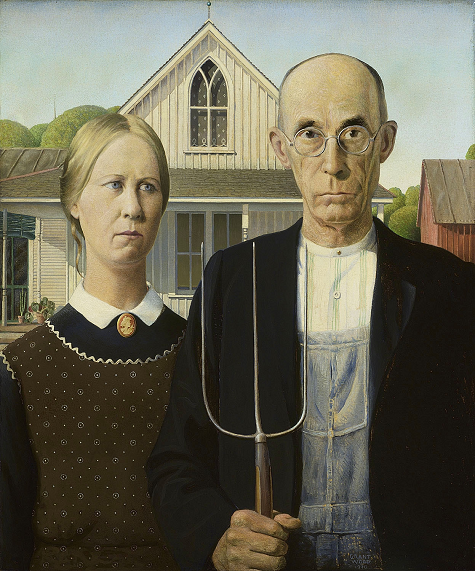
From now through May 7, you can vote for your favorite 10 works daily to help inform the final 50 works. The final works will be reproduced this August on as many as 50,000 outdoor displays from coast to coast. Make sure you get to see your favorite work of art on a billboard during your commute this summer, whether it’s the DMA’s The Icebergs, the Art Institute of Chicago’s American Gothic, the Los Angeles County Museum of Art’s Campbell’s Soup Can, the Whitney’s Little Big Painting, or the National Gallery’s George Washington. We aren’t trying to stack the deck in the DMA’s favor, but instead are enjoying the playful spirit of this massive endeavor. Vote early and vote often! And please share your votes with #ArtEverywhereUS and connect online.

(Images in slide show: Jasper Johns, Three Flags, 1958. Encaustic on canvas. 30 5/8 x 45 1/2 x 4 5/8 in. Whitney Museum of American Art, New York, Art © Jasper Johns, Licensed by VAGA, New York, N.Y.; Gilbert Stuart, George Washington, c. 1821. Oil on wood. 26 3/8 x 21 5/8 in. National Gallery of Art, Washington, Gift of ThomasJefferson Coolidge IV in memory of his great-grandfather, Thomas Jefferson Coolidge, his grandfather, Thomas Jefferson Coolidge II,and his father, Thomas Jefferson Coolidge III.; Frederic Edwin Church, The Icebergs, 1861. Oil on canvas. 64 1/2 x 112 1/2 in. (1 m 63.83 cm x 2 m 85.751 cm). Dallas Museum ofArt, gift of Norma and Lamar Hunt.; Roy Lichtenstein, Cold Shoulder, 1963. Oil and magna on canvas. 68 1/2 x 48 in. Los Angeles County Museum of Art, Gift of RobertH. Halff through the Modern and Contemporary Art Council (M.2005.38.5). Photo courtesy of the Roy Lichtenstein Foundation, by Kevin Ryan.; Grant Wood, American Gothic, 1930. Oil on Beaver Board. 30 3/4 x 25 3/4 in. (78 x 65.3 cm). The Art Institute of Chicago, Friends of American Art Collection.)

Maxwell L. Anderson is the Eugene McDermott Director of the DMA.

Friday Photos: If the Shoe Fits

This past week, some of our Education staff attended the 2014 National Art Education Association Convention. I’ve had the great fortune to attend this convention annually since 2004. I personally look forward to it every year for a number of reasons: hearing about the great work of museum colleagues around the country, spending time with DMA colleagues outside of our work environment, making friends and connections at other museums, and exploring the host city and all it has to offer.

This year’s conference was in beautiful San Diego. Even though it was a work trip, it still felt like a mini vacation. How could it not, with this view outside of my hotel room?

20140327_150315[1]

I attended many interesting sessions and took a lot of notes. I always make a point of reviewing my notes soon after I return from a conference, knowing that there are great ideas I can apply to my own professional practice.

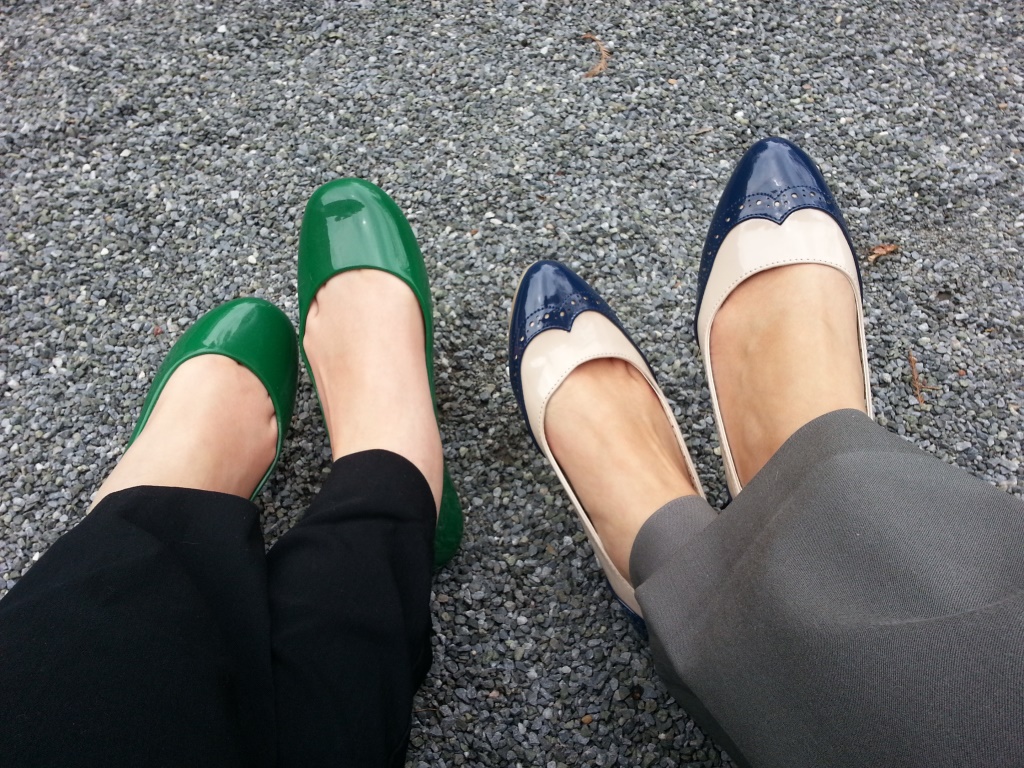
While speaking with my officemate Amanda Batson after we returned, we discovered that we both bought shoes during our trip.

Amanda and Me 1

This inspired me to hunt for fabulous footwear throughout the DMA. Look for these sweet kicks during your next visit!

Art Beauty Shoppe detail

Find these stylish ladies on the fourth floor

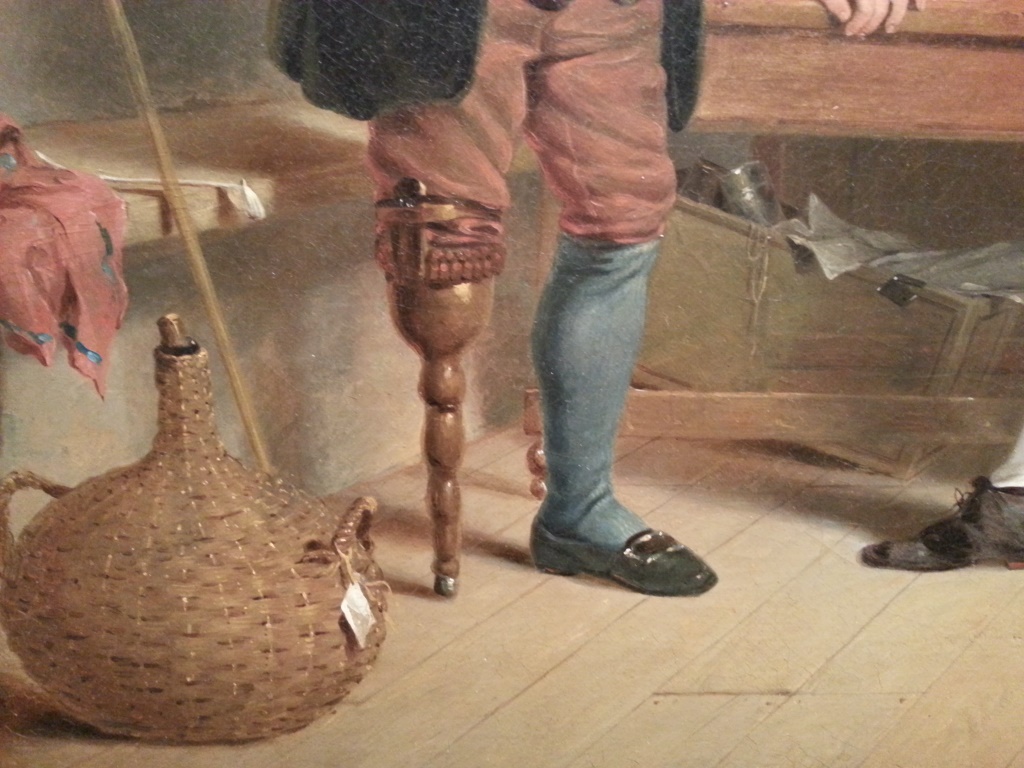
Commodore Trunnion detail

Not a shoe, but still pretty cool: Jack Hatchway is a one-legged veteran of the sea, shown here in a painting inspired by The Adventures of Peregrine Pickle by Tobias Smollett

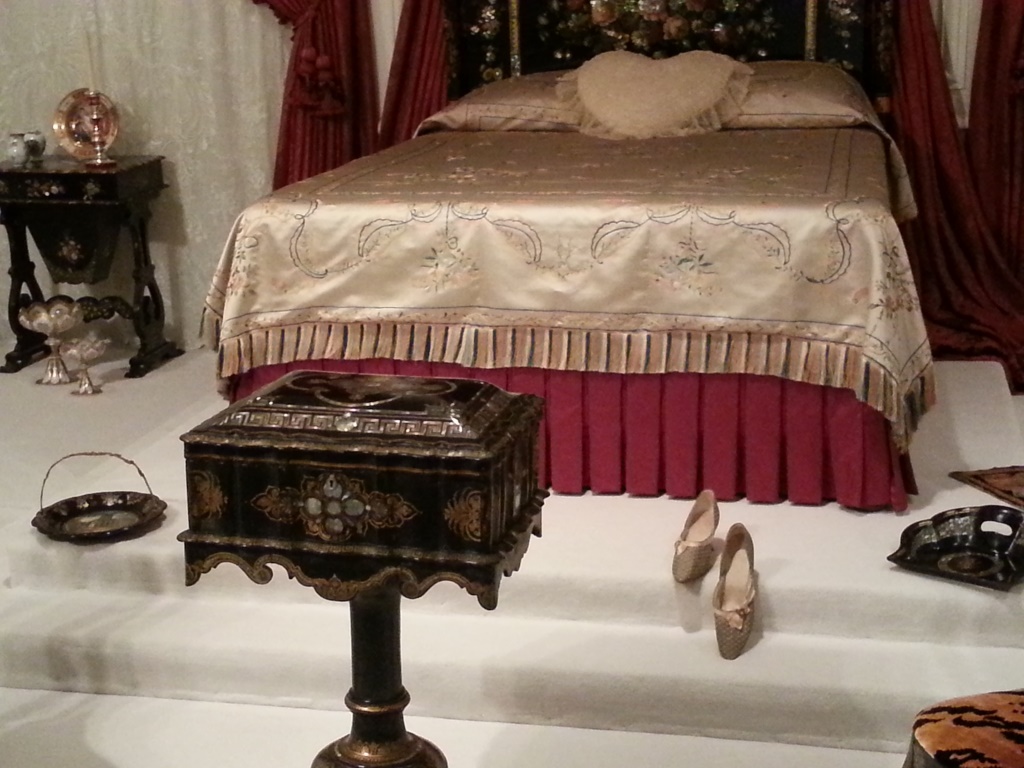
Reves detail

Look for these delicate shoes in the Belle Chambre of the Wendy and Emery Reves Collection

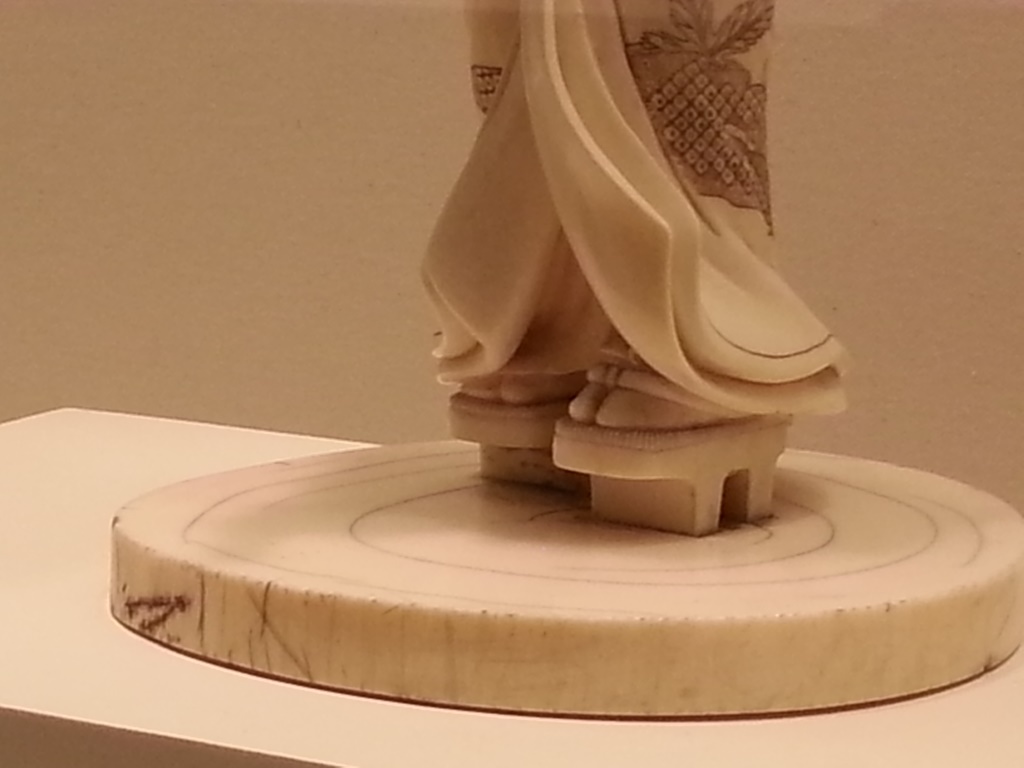
Japanese figure detail

I love these Japanese sandals, called geta, though I can’t imagine walking in them

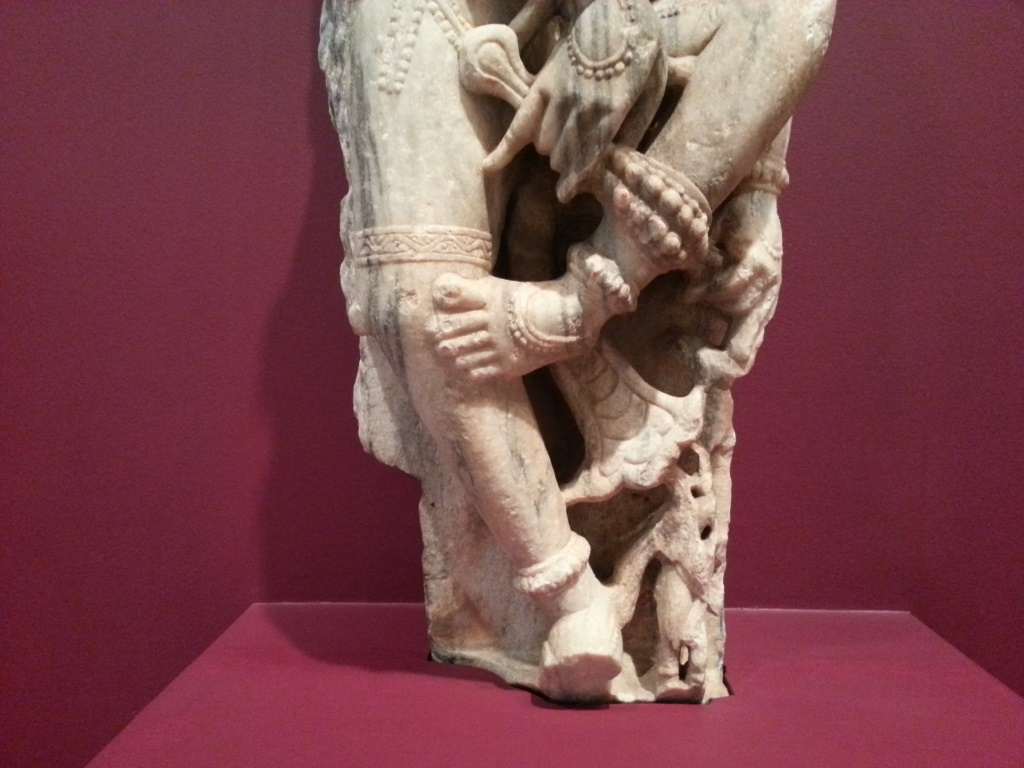
Indian dancer detail

This Indian dancer performs barefooted, but with many anklets that make their own music as she dances

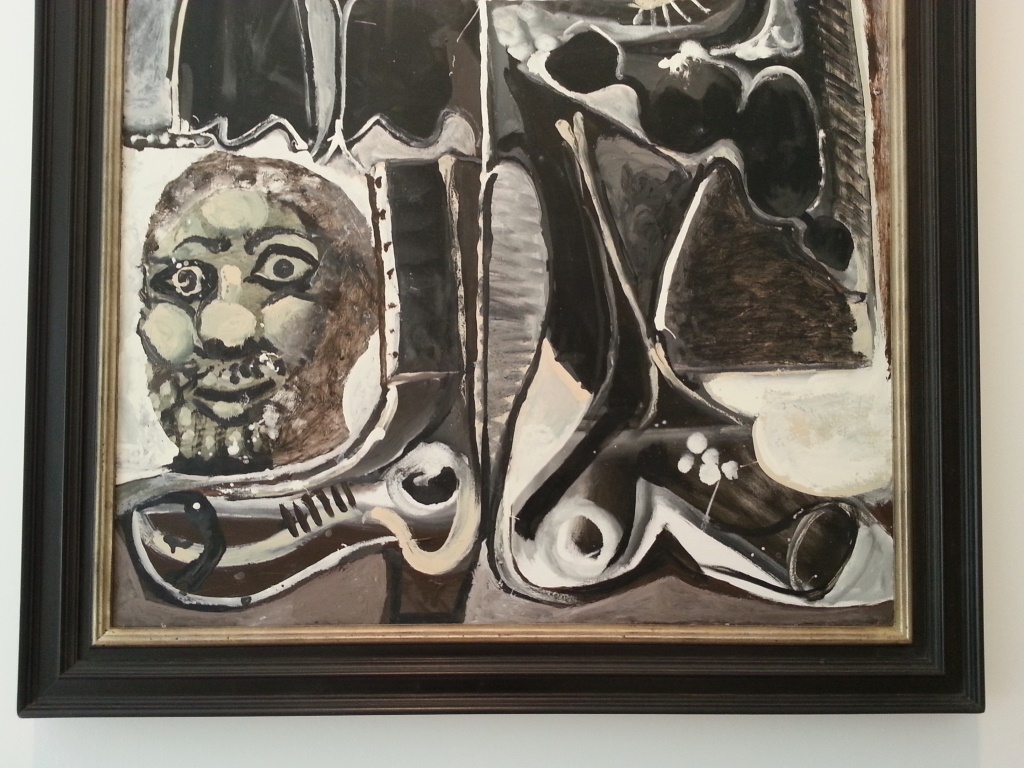
Picasso detail

The bust in the lower left of this painting is thought to be a kind of visual signature for this revolutionary Spanish artist

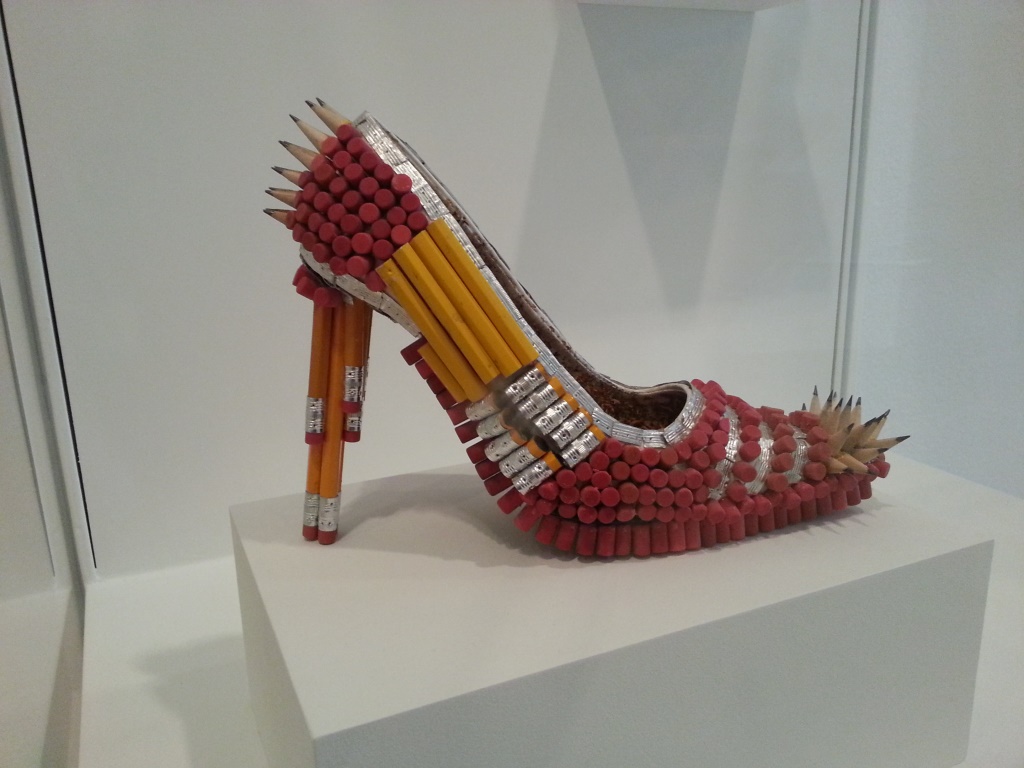
YM detail

A young artist reimagines the high heel, made entirely of pencils and found objects

Happy shoe hunting!

Artworks shown:

  • Isaac Soyer, Art Beauty Shoppe, 1934, Dallas Museum of Art, gift of the Public Works of Art Project
  • Francis William Edmonds, Commodore Trunnion and Jack Hatchway, c. 1839, Dallas Museum of Art, gift of Maxus Energy and Nina B. Super by exchange, the Roberta Coke Camp Fund and the General Acquisitions Fund
  • Belle Chambre, Dallas Museum of Art, Wendy and Emery Reves Collection
  • Figurine, Japan, late 19th century, Dallas Museum of Art, Foundation for the Arts Collection, The John R. Young Collection, Mrs. John B. O’Hara Fund
  • Dancing Figure, India, Probably 12th–13th century, Dallas Museum of Art, gift of the Alvin and Lucy Owsley Foundation
  • Pablo Picasso, The Guitarist, 1965, Dallas Museum of Art, The Art Museum League Fund
  • April Armstrong, Lead Foot, 2013, Plano East Senior High School, featured in Young Masters 2014

Melissa Gonzales
Center for Creative Connections Gallery Manager


Archives

Categories