Archive Page 50

Teen Ambassadors: Coolest Kids in Town

We know all too well that this summer’s going to be a scorcher, so the Museum is bringing back our free Summer Family Fun programs to offer families some seriously cool activities. Each day this summer will feature different experiences for families and visitors of all ages, from Story Times to Art-to-Go Family Tote Bags. We’re not alone in our efforts, though – we have a secret weapon to help families beat the heat. Introducing the next generation of museum educators…the DMA Teen Ambassadors!

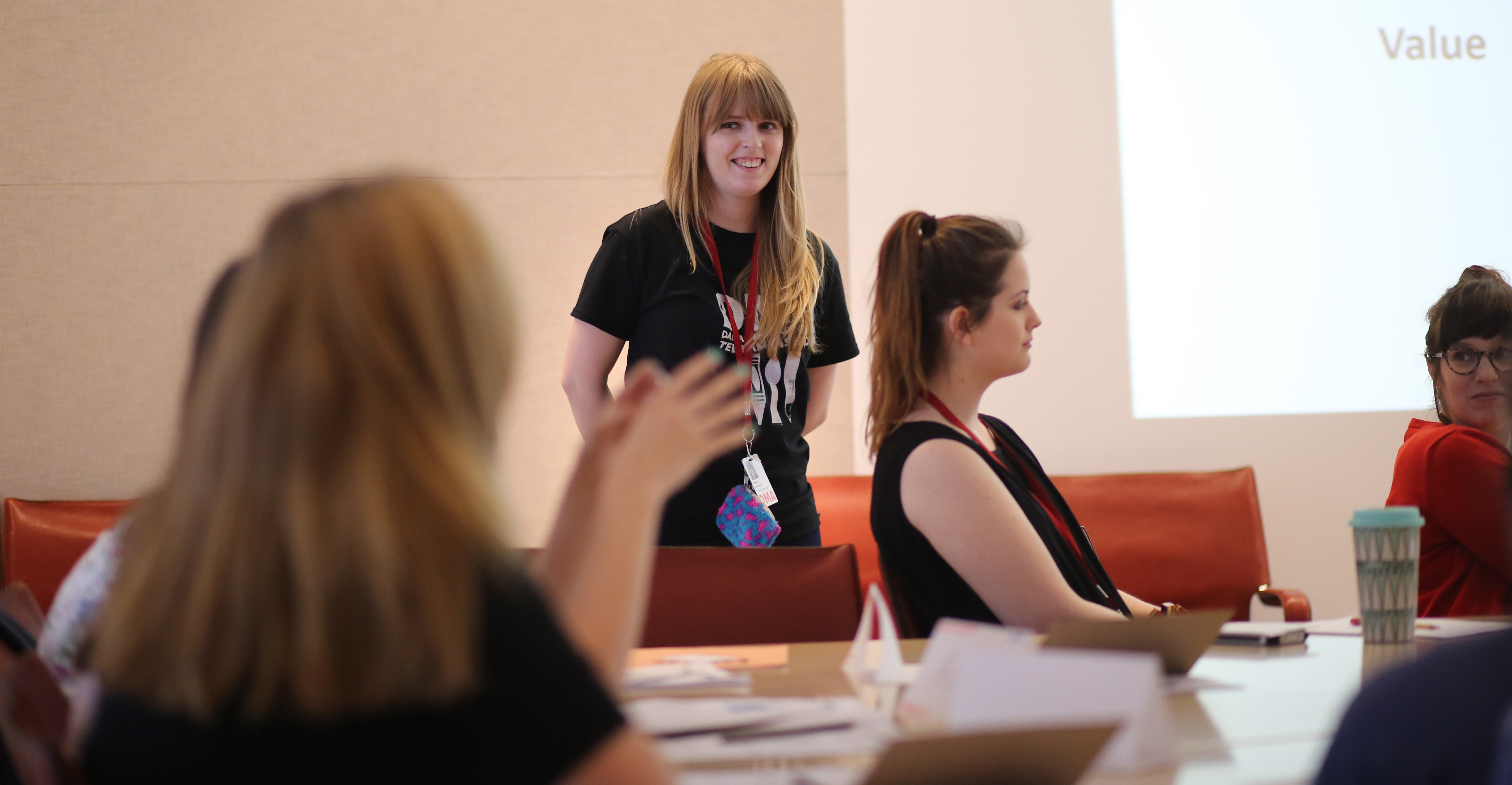
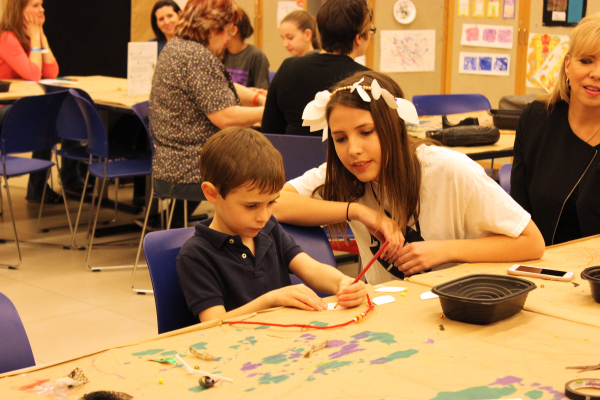
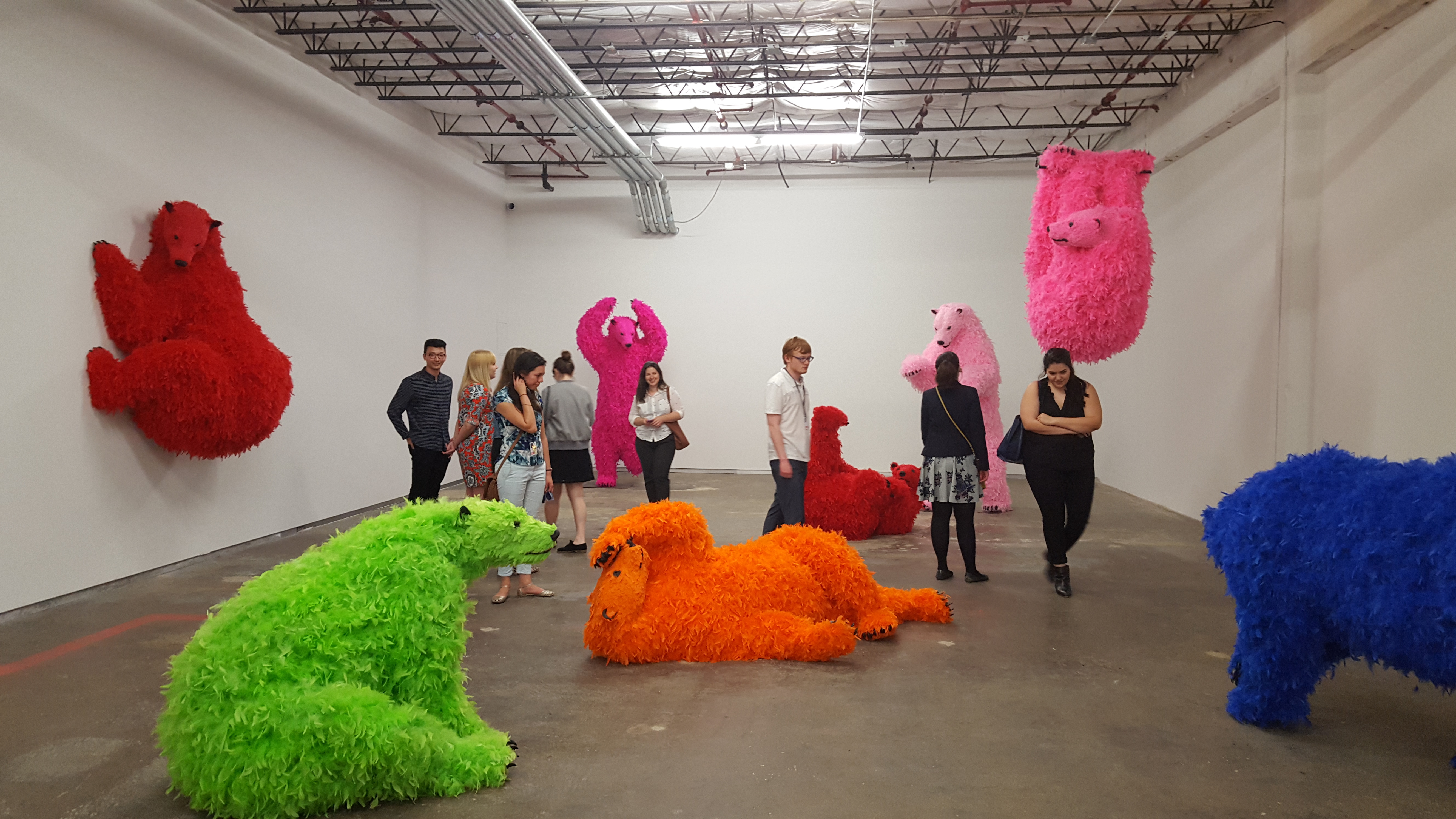
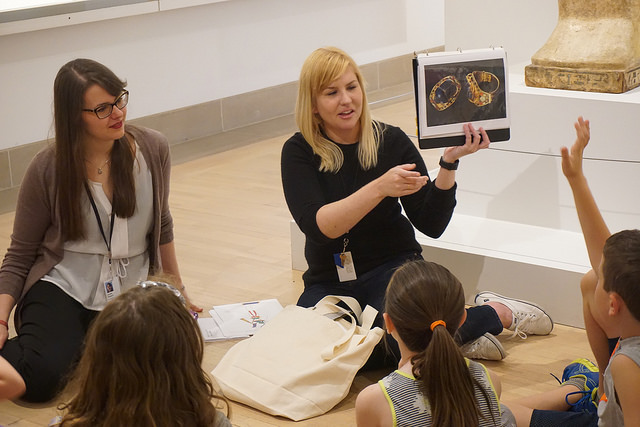
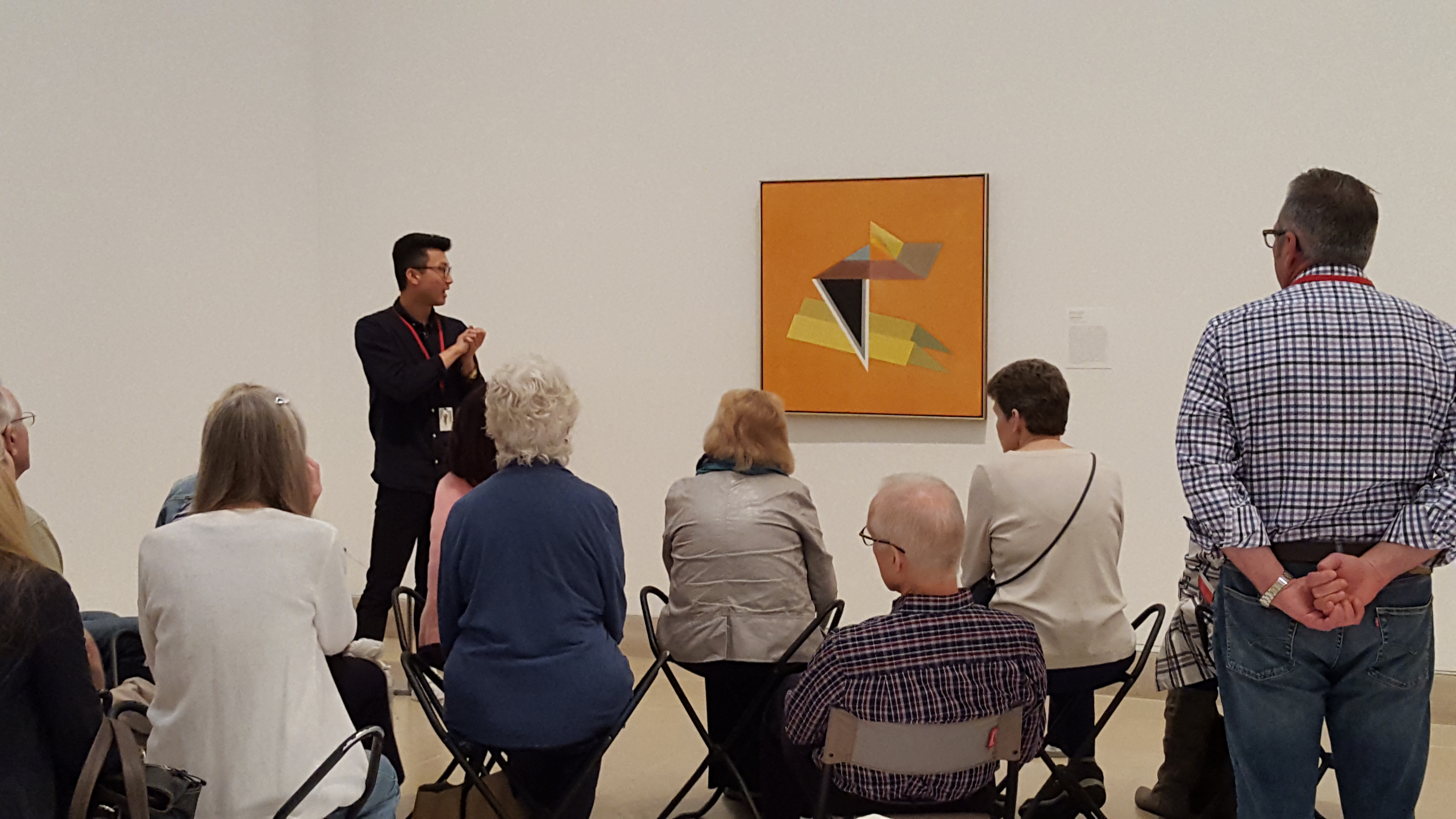
Formerly the Teen Docent Program, Teen Ambassadors will lead Community Tours, Family Story Times, and visitor experiences at the Pop-up Art Spot and C3 Gallery this summer. These enthusiastic, art-loving teens attended a two day orientation where they learned how to engage with visitors (especially young ones!) to prepare for their volunteer shifts.

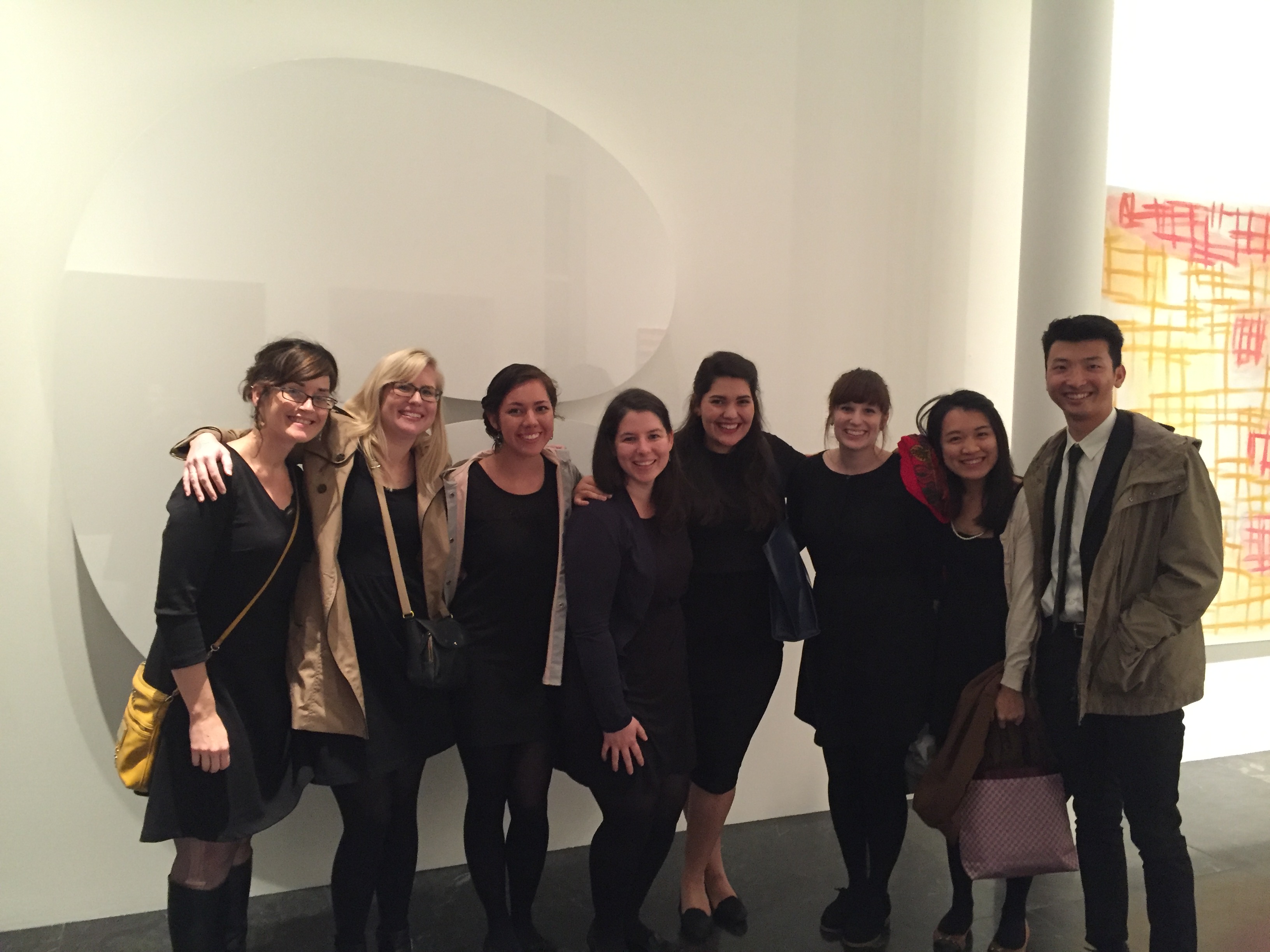
IMG_3450

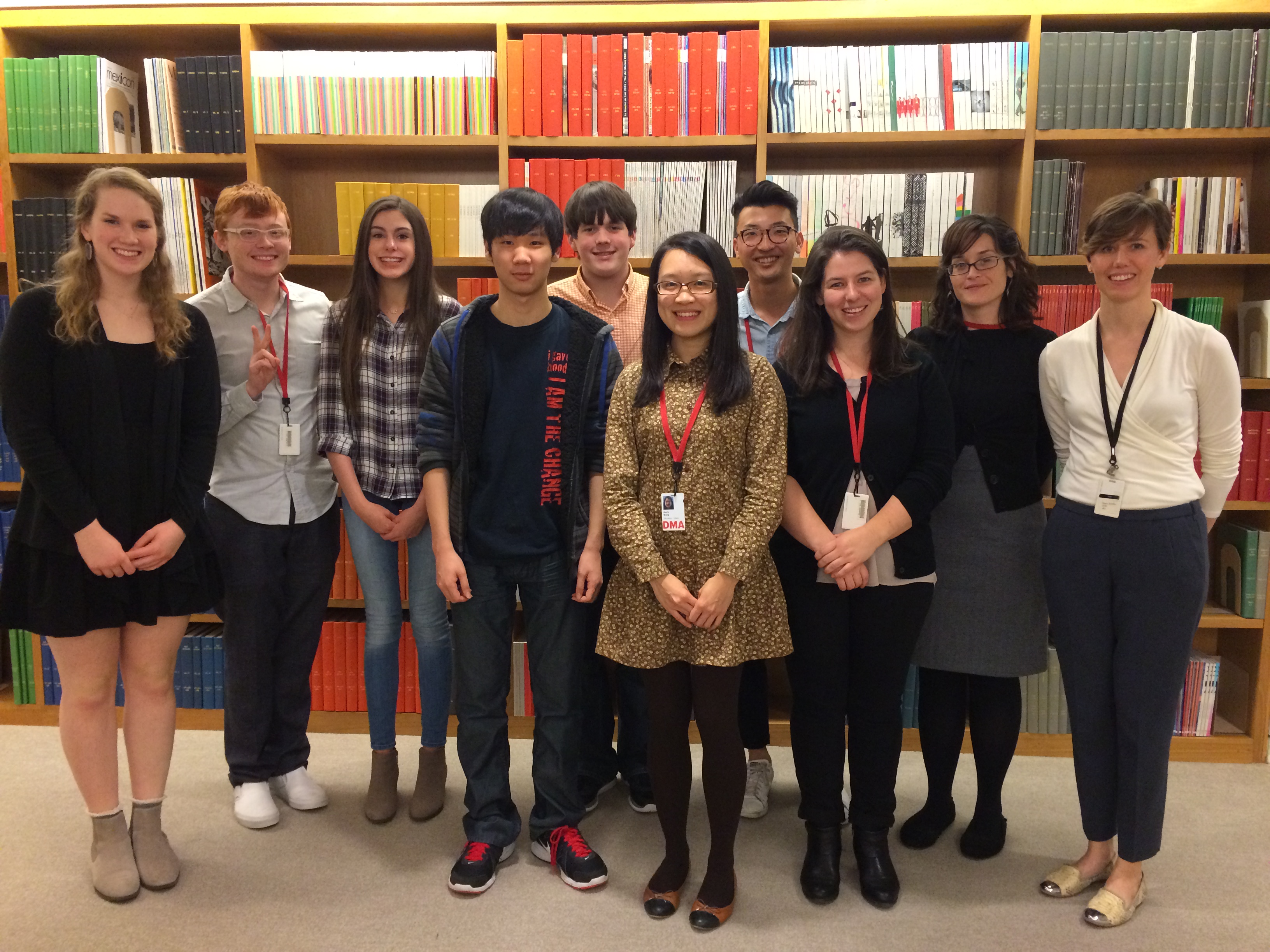
The 2016 Class of Teen Ambassadors

This year’s class of Ambassadors is pretty impressive, so make sure to catch them in action!

Jennifer Sheppard
Teaching Specialist

Frida in Fresco

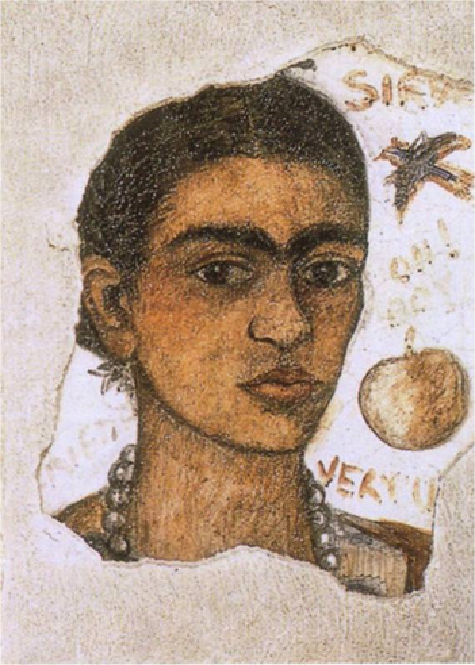
In March the Level 4 galleries overlooking the Atrium warmly welcomed a familiar face: Frida Kahlo. The DMA is lucky to have on loan two self-portraits of the famed Mexican artist, but there is something that makes one of these portraits unique in the artist’s oeuvre and a rare treasure on view at the Museum. Self-Portrait Very Ugly, as Kahlo lovingly titled her work, is a fresco—one of just two prepared by the artist during her career, and the only fresco on view at the DMA.

Traditionally, fresco painting is done on wall surfaces; however, the 20th-century movement of Mexican muralism revolutionized the medium to allow for smaller, portable murals made up of plaster panels just like Kahlo’s. The fresco painter uses water-based pigments on a freshly plastered wall, painting only what can be completed in a work day, or giornata. The binding of the pigment with the surface of the wall results in a monumental, durable image. While Kahlo’s husband, Diego Rivera, used the fresco technique in his practice as a muralist, Kahlo was unaccustomed to the speed and spontaneity required to complete a fresco. A slow, meditative process in oil painting better suited the artist, whose work is deeply introspective. The multilingual insults surrounding her face give us a hint of her displeasure with both her image and the technique, which she abandoned immediately.

The damaged fresco panel from 1933 presents a rare opportunity for visitors to see an underrepresented medium at the DMA, and an incredibly rare work by the well-known Mexican artist. See the loaned fresco work, and an accompanying Kahlo self-portrait, Itzicuintli Dog with Me, 1938, at the DMA for a limited time.

Frida_1

Frida Kahlo, Self-Portrait Very Ugly, 1933, fresco on plasterboard, private collection

Frida_2

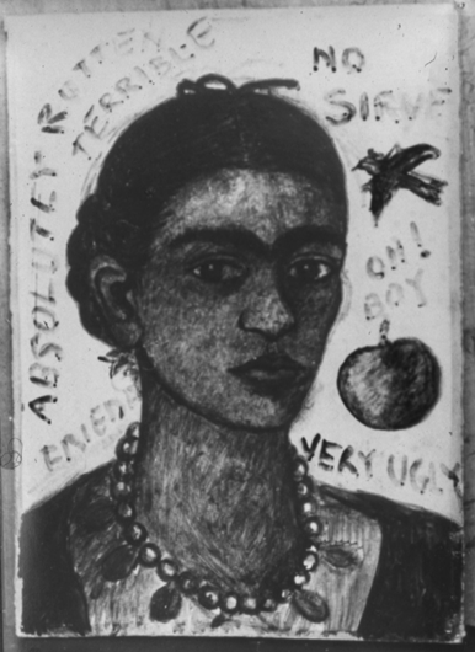
Photograph of the fresco taken shortly after its completion in 1933 and before its damage.

Frida_3

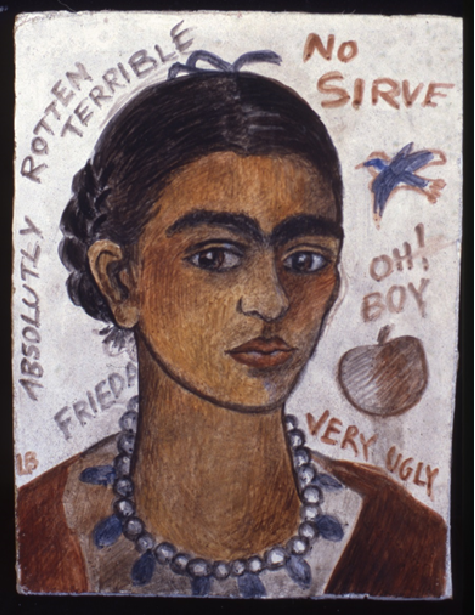
Color copy of the fresco painted by a friend of Kahlo and assistant to Diego Rivera, Lucienne Bloch. Notice her initials “LB” in the lower left-hand corner, above Kahlo’s shoulder. This color copy and the black-and-white photograph give us an idea of what the completed fresco looked like.


Erin Piñon is the Early Texas Art Research Associate for the DMA 

DMA BFFs

What makes a best friend? There are some common traits associated with a BFF: someone who knows you better than anyone else, someone who accepts you, someone who is honest and forgiving, someone who listens and offers advice, and someone who is trustworthy. We all have best friends, so it isn’t surprising that artists do too. But it is special when two artists share that closeness because their friendship influences each other’s work. In honor of National Best Friends Day, we are highlighting some of the artistic friendships represented in the DMA’s collection.
Facto

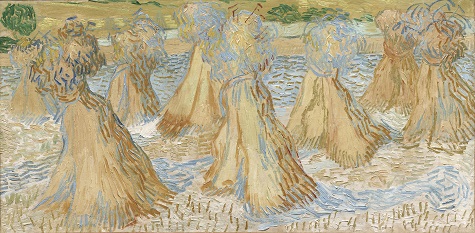
Vincent van Gogh, Sheaves of Wheat, July 1890, oil on canvas, Dallas Museum of Art, The Wendy and Emery Reves Collection 1985.R.80
1963.34

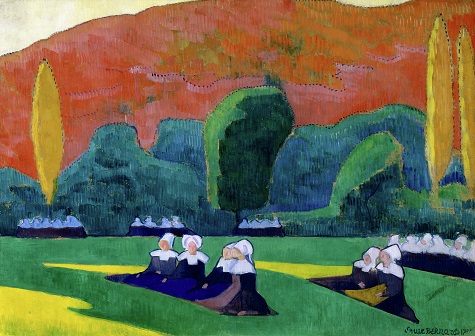
Emile Bernard, Breton Women Attending a Pardon, 1892, oil on cardboard, Dallas Museum of Art, The Art Museum League Fund 1963.34

Vincent van Gogh and Emile Bernard met in the mid-1880s, when Bernard was 18 years old and van Gogh 15 years his senior. Both artists were greatly influenced by Japanese art—Bernard by the simplicity and flat forms and van Gogh by the spatial effects, strong color, everyday objects, and detailed depictions of nature. The friends corresponded through mail, often sending each other drawings and discussing their artistic ideas. In 1889, following van Gogh’s highly critical response to Bernard’s Christ in the garden of olives, their correspondence ceased; however, after van Gogh’s death Bernard wrote the first published biography on Vincent van Gogh.
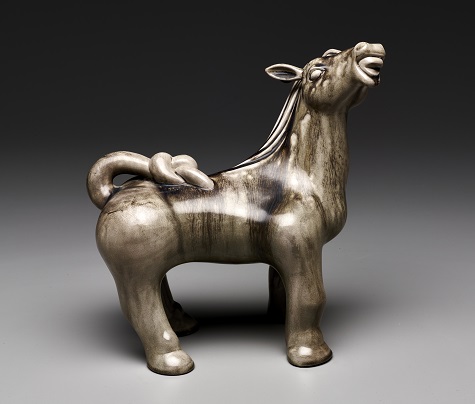
Front

Octavio Medellín, Smoky Celadon, n.d., glazed stoneware, Dallas Museum of Art, Dallas Art Association Purchase, 1949.36
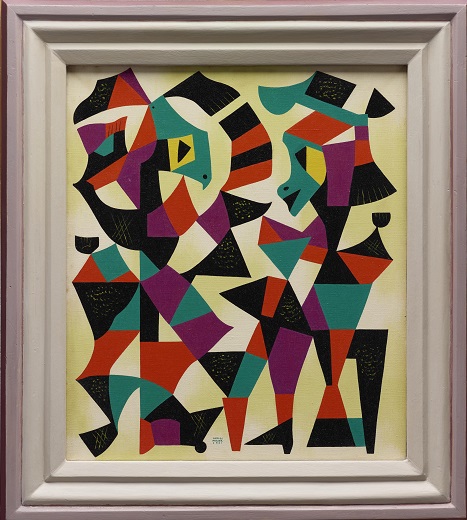
1951_108_v02_o4

Carlos Mérida, Dancers of Tlaxcala, 1951, oil on canvas, Dallas Museum of Art, Dallas Art Association Purchase, 1951.108

Octavio Medellín met Guatemalan painter Carlos Mérida in Mexico in the late 1920s. The friends traveled together and taught at North Texas State (now University of North Texas) from 1941 to 1942. Though Mérida eventually returned to Mexico, the two remained close friends and influenced each other’s work until Mérida died in 1985.
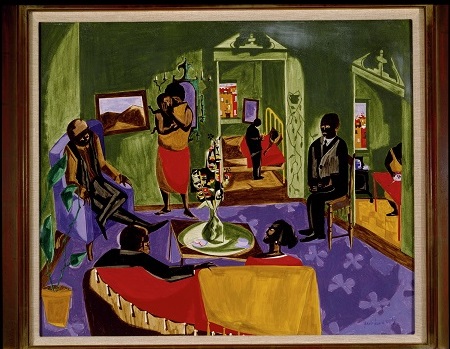
1984.174

Jacob Lawrence, The Visitors, 1959, tempera on gessoed panel, Dallas Museum of Art, General Acquisitions Fund, 1984.174
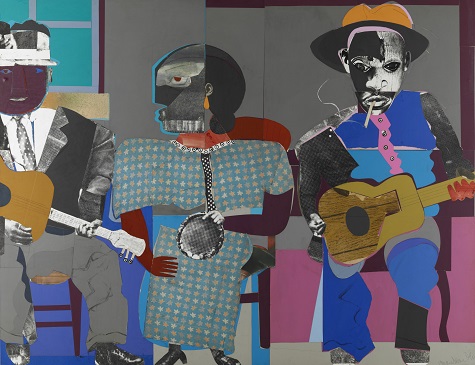
after conservation

Romare Bearden, Soul Three, 1968, paper and fabric collage on board, Dallas Museum of Art, General Acquisitions Fund and Roberta Coke Camp Fund, 2004.11

Romare Bearden and Jacob Lawrence grew up in Harlem following the Harlem Renaissance and were profoundly influenced by the music, literature, and culture of their neighborhood. As young men, both participated in various community-based art classes and workshops in the area and were inspired by writer and philosopher Alain Locke. The two corresponded throughout the years, and some of their letters are available through the Archives of American Art.

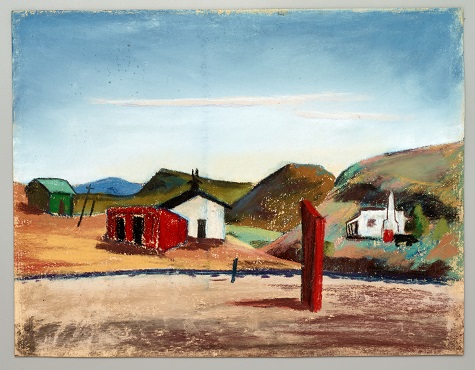
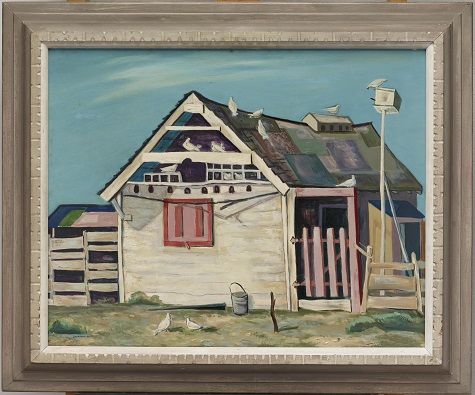
Barney Delabano studied under Otis Dozier when he attended Southern Methodist University and then the Dallas Museum of Fine Arts School in the late 1940s. Over time, Dozier and his wife, Velma, came to be Delabano’s close friends. The Doziers would even come to be mentors for Barney Delabano’s son, artist Martin Delabano.

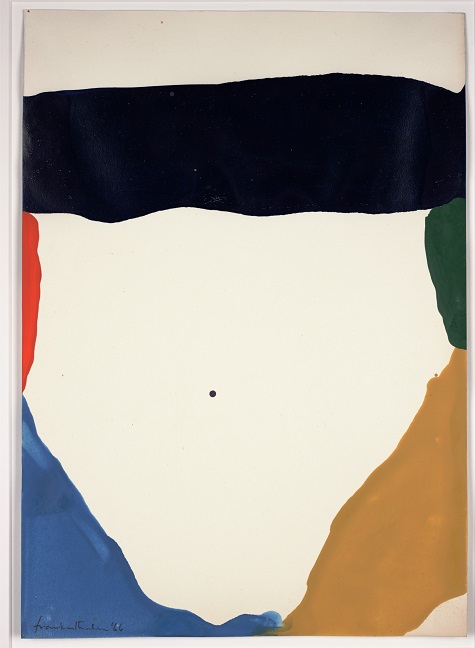
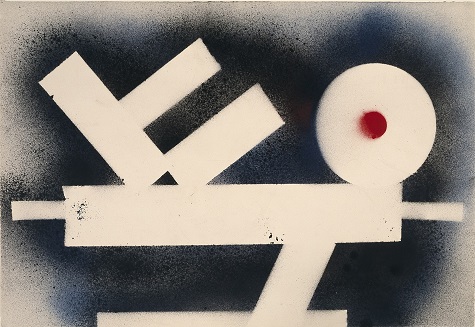
Helen Frankenthaler and David Smith were first introduced by art critic Clement Greenberg in 1950. Throughout their 15-year friendship, they not only visited each other’s studios and corresponded through mail but even vacationed together with their families. They remained close friends until Smith’s death in 1965.

Jessica Fuentes is the Manager of Gallery Interpretation and the Center for Creative Connections at the DMA.
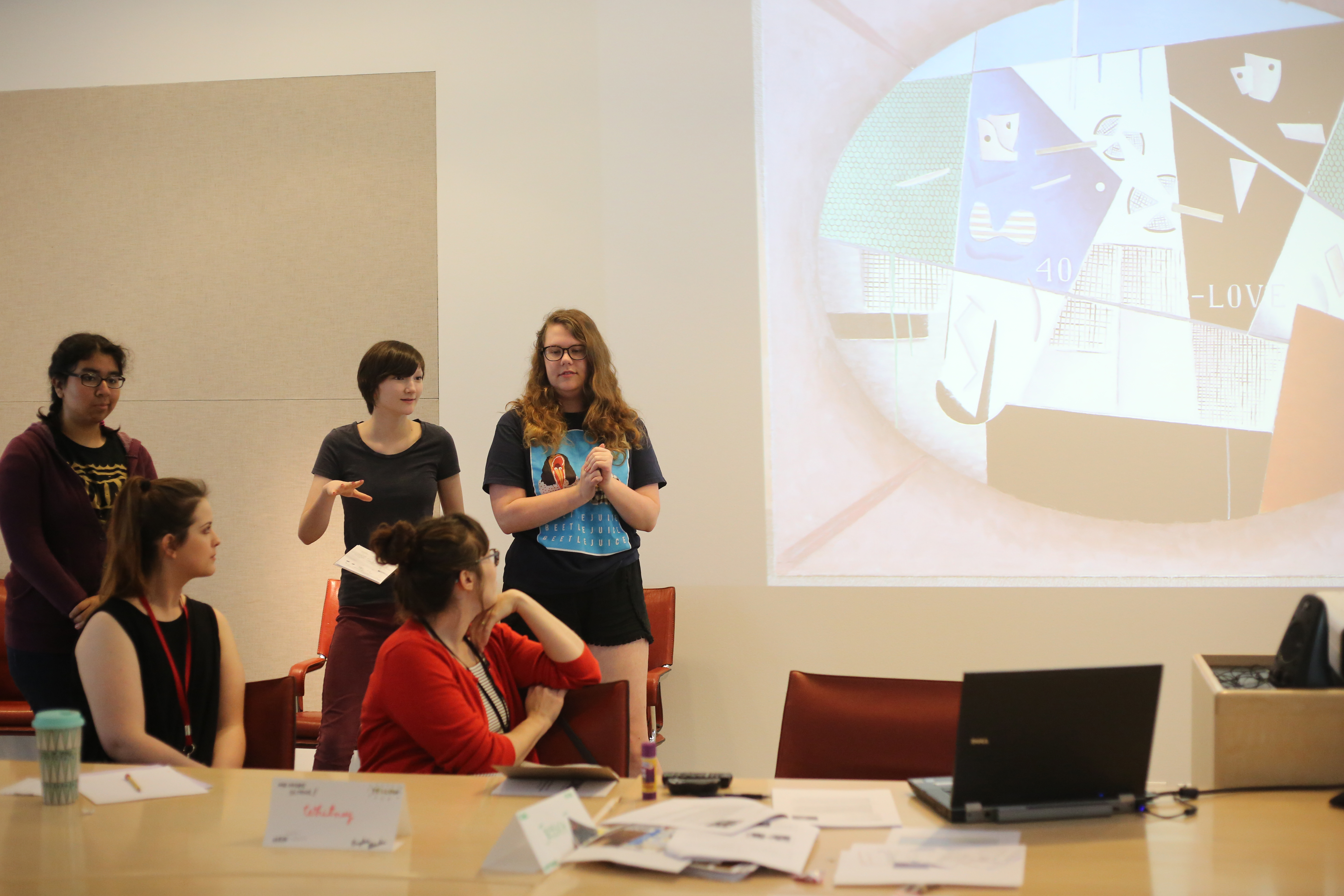
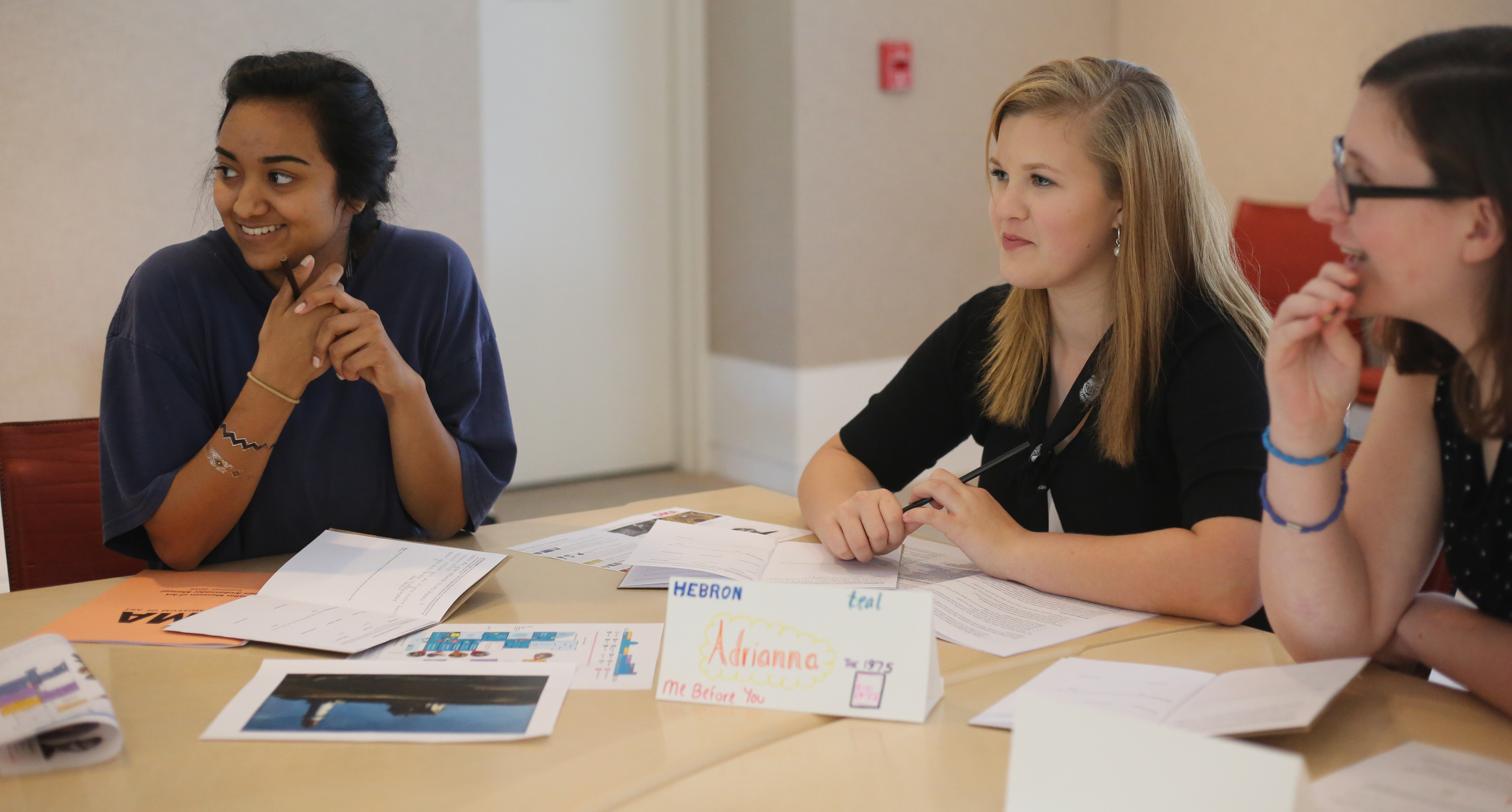
 

Cross-Cultural Connections

Hi, I’m Taylor Strander, a senior from McKinney Boyd High School and a DMA Teen Advisory Council member. As the school year draws to a close and graduation looms near, I thought it was a perfect time to reflect on my busy year at the DMA! I have spent a great part of my school year exploring the DMA collection and collaborating with staff on a project for my ISM class.

What is ISM? ISM stands for Interdisciplinary Study and Mentorship – a program specifically designed for high school students who have an idea of the career they want to explore beyond high school. The goal of the class is to develop interpersonal and networking skills in the hopes of obtaining a mentor that can offer their expertise in the creation of a final product. As someone interested in studying art history in college, I immediately sought to find a mentor who worked in a museum and was immersed in art every day. I distinctly remember growing quite fond of the DMA after my first visit with my elementary school class, and since then I have seized every opportunity to learn more about the Museum by participating in the Teen Docent Program and serving as a Community Engagement Volunteer.

IMG_2819

Due to my prior experience, I thought it would be most fitting to select a mentor from the place that catalyzed my passion for art. So I began my weekly commute to the DMA to meet and brainstorm with my mentors, Jessica Thompson and Whitney Sirois, on my final project for the class. Working with them has offered me a deeper understanding of the field of museum education and has strengthened my desire to pursue a career in a museum one day. My final project turned out to be something greater than I ever could have imagined and best of all, it is something that can be implemented in the Museum today.

So, what did I create? In order to gain a better grasp on the role of a museum educator, I designed my very own Bite-Sized Tour and Art-to-Go Family Tote Bag complete with four different activities.

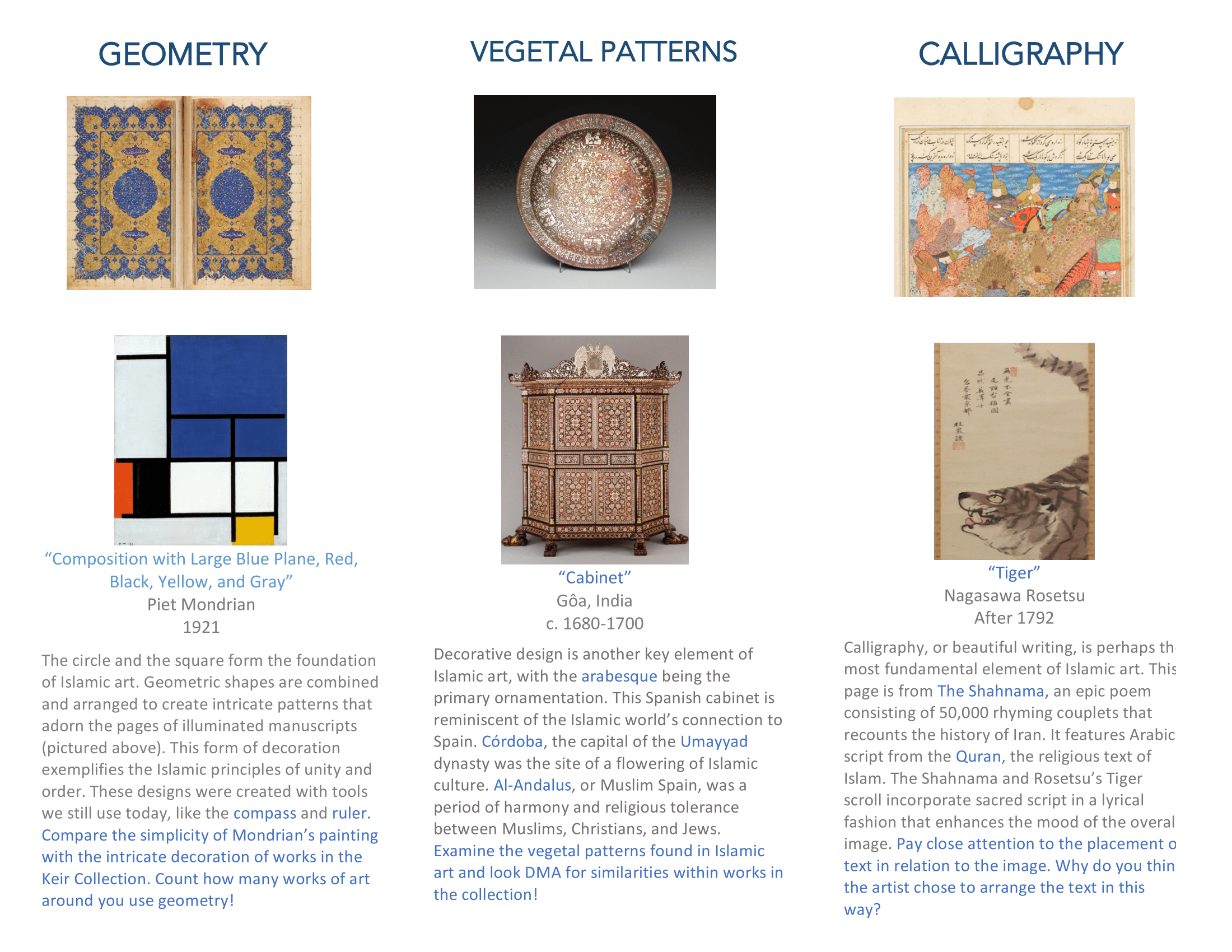
During my first meeting with Jessica and Whitney, I was inspired by the DMA’s exhibition Spirit and Matter: Masterpieces from the Keir Collection of Islamic Art, which features a variety of Islamic works from the internationally renowned Keir Collection. It was important to me to reference this collection for my project because Islamic art seems to be misunderstood and its influence on global cultures is often forgotten. After some heavy research, I used my newfound knowledge of Islamic art to create a Bite-Sized Tour entitled “Cross-Cultural Connections.” This guide highlights Islamic works and directly compares them to other objects in the DMA’s permanent collection in an effort to encourage visitors to notice similar qualities or influences across cultures.

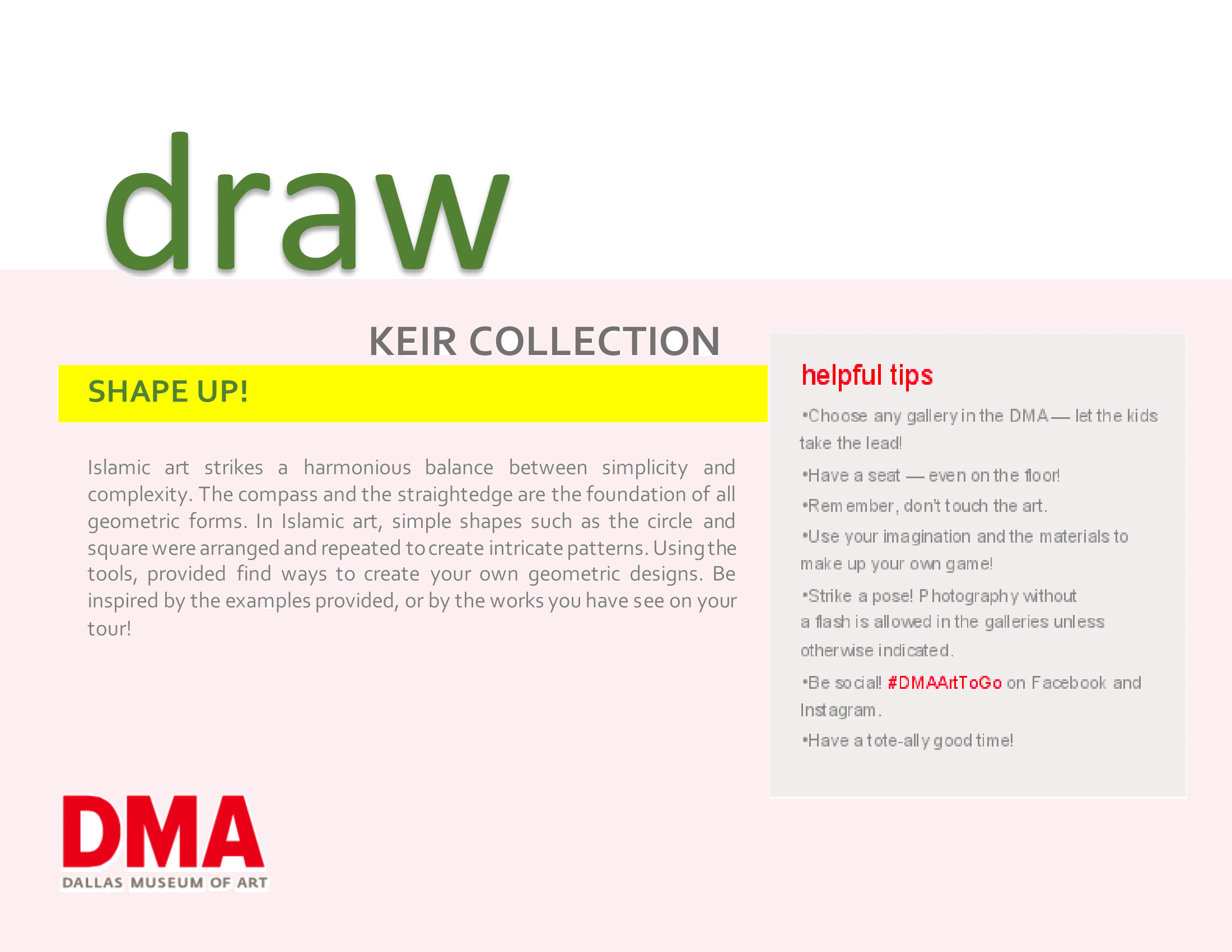
The second component of my final project is an Art-to-Go Family Tote Bag, which is meant to reinforce visitors’ understanding of Islamic art through different activities that highlight specific artistic elements. Family Tote Bags are great because they offer fun, on-the-go activities for a variety of different age groups and learning styles. For the tote bag, I came up with four separate activities – write, make, draw, and talk.

The writing activity asks visitors to reference Islamic calligraphy to create their own epic poem. The make activity allows visitors to make their own astrolabe, a navigational tool that revolutionized Islamic culture. The drawing activity invites people to design their own geometric patterns inspired by Islamic textiles and ceramics. Finally, the talk activity encourages visitors to discuss Islamic art influences within the Museum’s permanent collection. Islam’s holy month of Ramadan has just begun, so take a moment to explore the many connections you can make to this world religion and its artistic traditions on your next visit to the Museum.

A special thank you to my mentors, Jessica and Whitney, for giving a young person like me an invaluable experience that I will carry with me for the rest of my life. Your words of wisdom and constant support will not be soon forgotten. And finally, thank you to the DMA for transforming before my eyes into a place that I know all too well, a place that feels like home.

Taylor Strander
Teen Advisory Council Member

Making Space

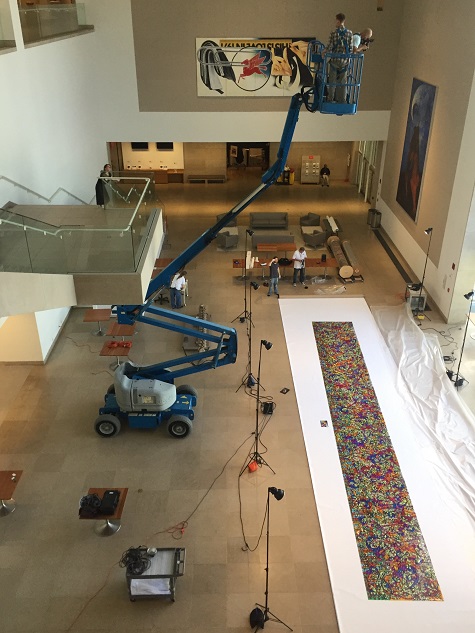
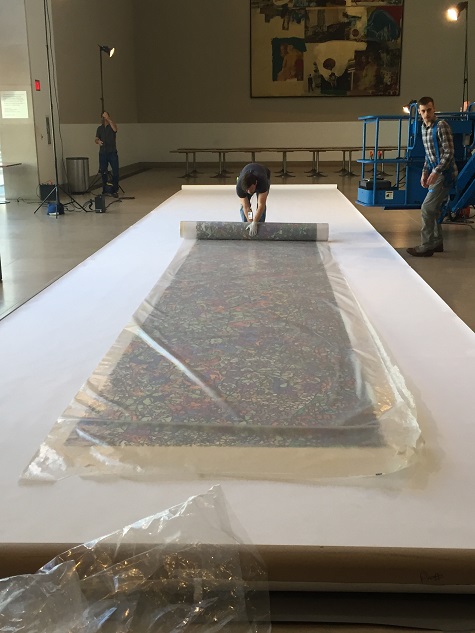
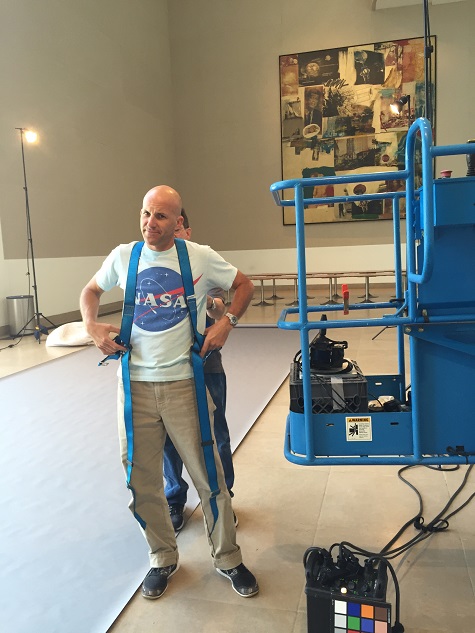
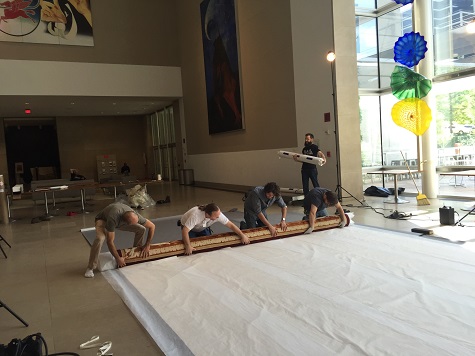
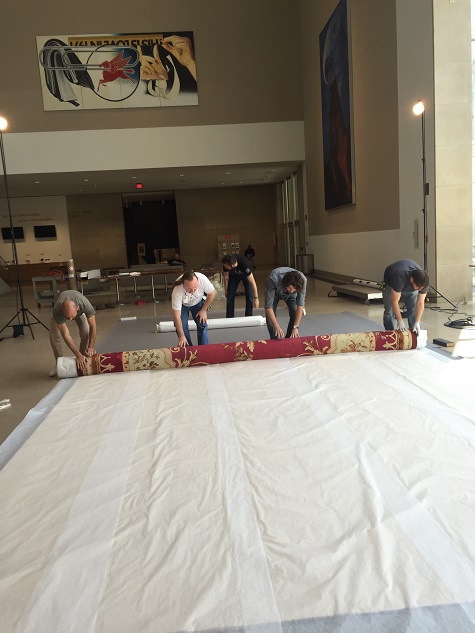
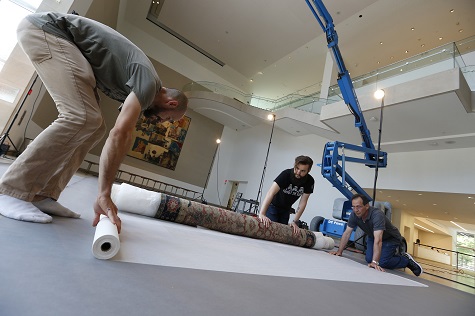
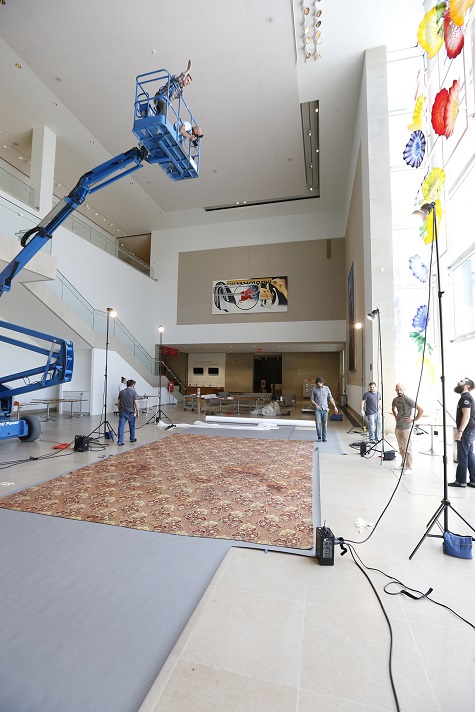
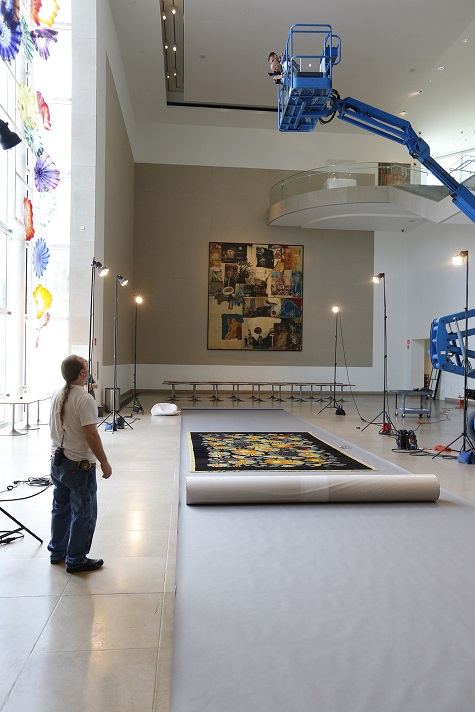
Today the DMA’s Digitization Team is working in the Museum’s Atrium. As the project has progressed over the past two years, the team has worked in various galleries and spaces, both in front and behind the scenes. Today’s objects to be photographed are all too large to be accommodated in the Museum’s traditional photo studio, and include the longest work on paper the DMA owns—A Gathering of Penniemama Sky Forces out in the Suburbs by Jim Roche, which is 462 inches long! In order to capture a work of this size, the Museum photographer, Chad Redmon, will be climbing into a boom lift and photographing the piece from an aerial point of view.

Katie Cooper is the Assistant Registrar for the Digitization of the Collection at the DMA.

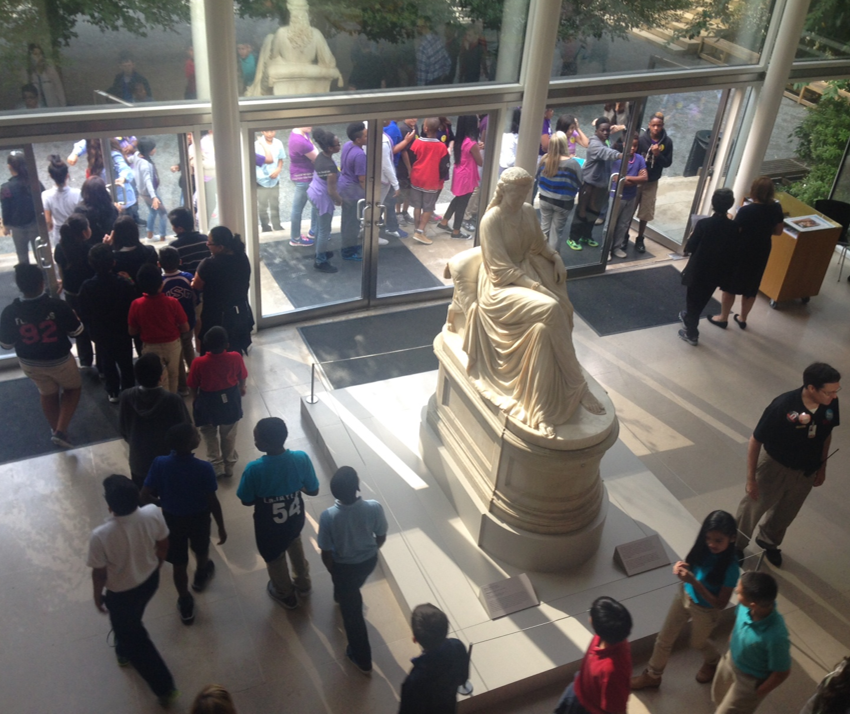
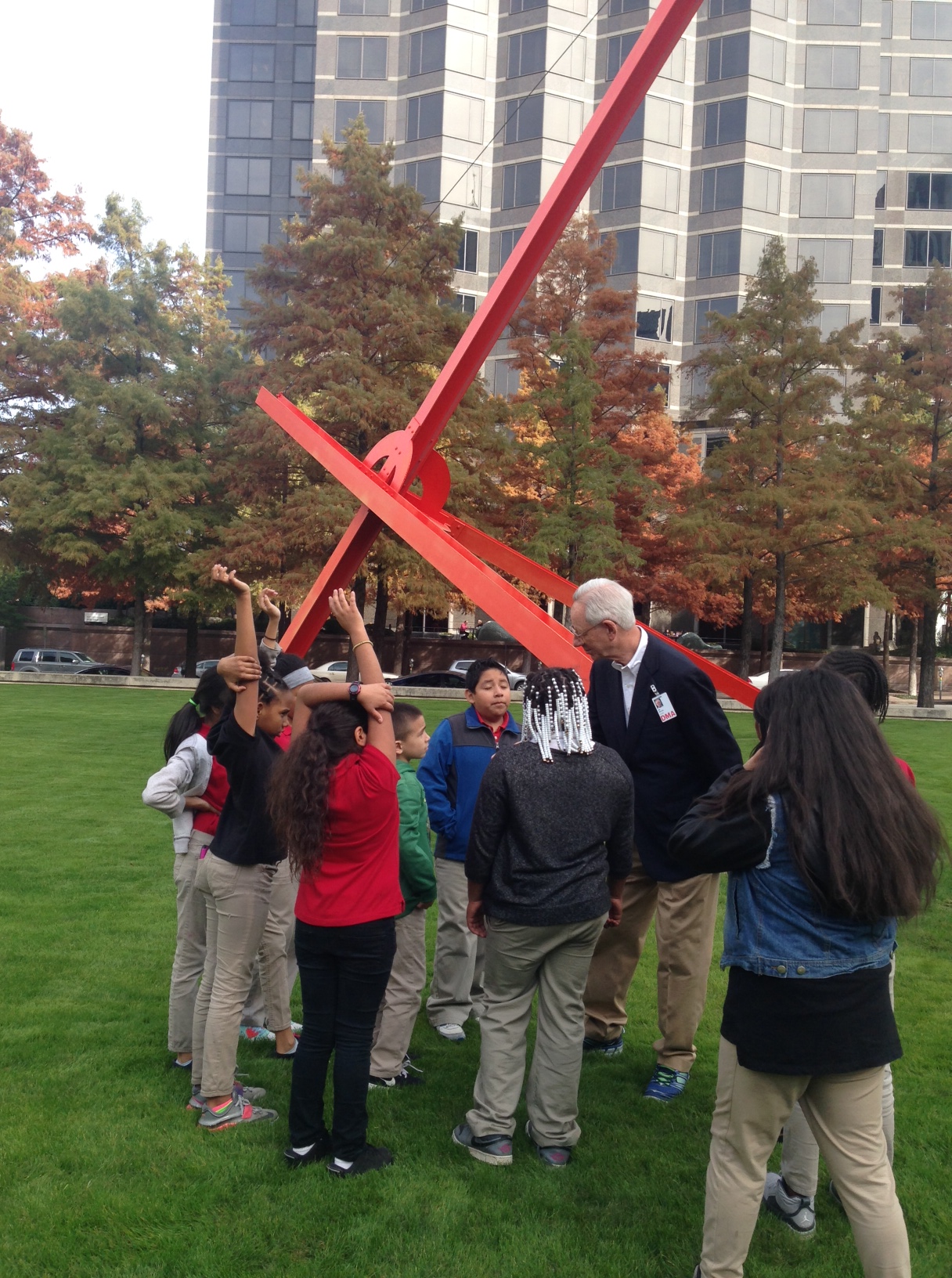
Friday Photos: 2015-2016 School Tours

It’s hard to believe K-12 visits for 2015-2016 school year wrapped up last Friday! We’ve had a busy year here at the DMA welcoming visitors of all ages, leading tours, and helping them make meaningful connections with works of art. Now it’s time to take a look back on all we’ve accomplished!

How many groups visited the Museum?

  • 1,227 Visits Scheduled
  • 711 Schools or Community Groups
  • 96 Independent School Districts from Texas, Oklahoma, Louisiana, and New Mexico

How many students received docent-guided tours?

  • 37,374 K-12 students
  • Approximately 2,698 hours discussing works of art with students!

How many students completed self-guided visits?

  • 12,275 K-12 students

What were the most popular tours?

  • A Looking Journey: 17,357 4th graders; 1,158 hours in the gallery
  • Arts of the Americas: 5,172 5th graders; 345 hours
  • Collection Highlights: 2,386 students; 160 hours
  • Recipes for Art: 545 K & 1st graders; 37 hours

How many visitors toured special exhibitions?

  • Inca: Conquests of the Andes: 888 students; 60 hours
  • International Pop: 1,312 students; 88 hours
  • Jackson Pollock: Blind Spots: 1,694 students; 113 hours
  • Irving Penn: Beyond Beauty: 370 students; 25 hours

What do our visitors say about their experience at the DMA?

“The students had a wonderful time, and they are already asking when we can visit again!” – Skyline High School, Dec. 6

“The docents were very knowledgeable (as has always been the case in the past three years that our school has been visiting). We thoroughly enjoyed it! Thank you again for providing this artistic experience in our Dallas community.”– Urban Park Elementary, Feb. 17

“Thank you so much for having such amazing people working with our kiddos! We LOVED the DMA! So grateful!”– Nathan Adams Elementary, March 10

“Our docent was so knowledgeable, enthusiastic, and great with my seniors. I love that I get to bring my kids to the DMA every year, and this year’s trip was made even better because of our docent. See you next year!”– John Horn High School, May 6

Thank you to all our volunteers, staff, and visitors for an amazing school year!

Lindsay O’Connor
Manager of Docent and Teacher Programs

Madeleine Fitzgerald
Audience Relations Coordinator

Interpreting Batiks

We are looking forward to Waxed: Batiks from Java, which will highlight the DMA’s fabulous collection of Javanese batik textiles later this fall. These works will continue the thread (pun absolutely intended!) of displaying textiles on Level 3; previously, Add to, Take Away: Artistry and Innovation in African Textiles explored textiles across Africa.

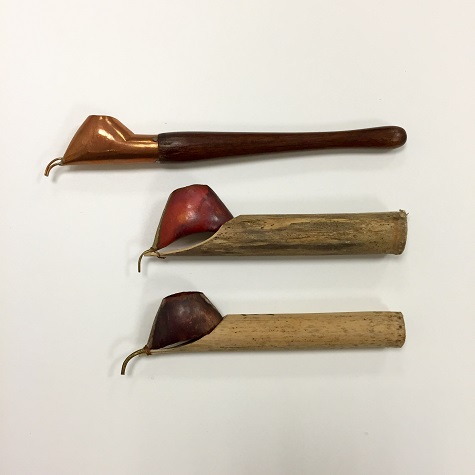
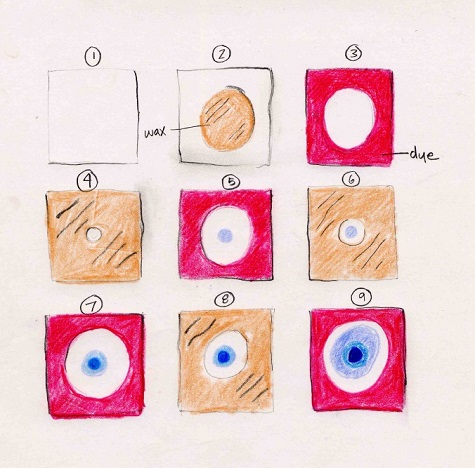
Batik is a technique of textile decoration that involves applying wax to a fabric by hand with a canting (wax pen) or a stamp. The fabric is then dyed, but the wax resists dying and creates pattern and decoration in the negative. Although the earliest and most simple batiks involved applying only dots of wax, the process has evolved to yield incredibly detailed and complex designs.

Batik tools, like these wax pens, will also be on display in Waxed.  

Batik tools, like these wax pens, will also be on display in Waxed.

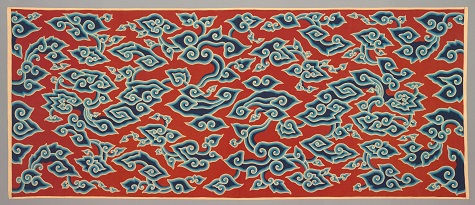
Making a batik requires serious creativity, skill, and time. It took several months to complete a design like this cloud motif. If you look closely, you will notice that each cloud form includes six concentric outlines that shift in tone from a deep blue (the innermost line) to white (the outermost line). In order to achieve the variations in color, the cloth had to be dyed and waxed six separate times.

Wraparound skirt, (kain panjang) [pointed-ends cloud motif (megamenlang), Indonesia: Java, c. 1910, Cotton, commercial dye (?), Textile Purchase Fund, 1991.58

Wraparound skirt (kain panjang) [pointed-ends cloud motif (megamenlang)], Indonesia, Java, c. 1910, cotton and commercial dye (?), Dallas Museum of Art, Textile Purchase Fund, 1991.58

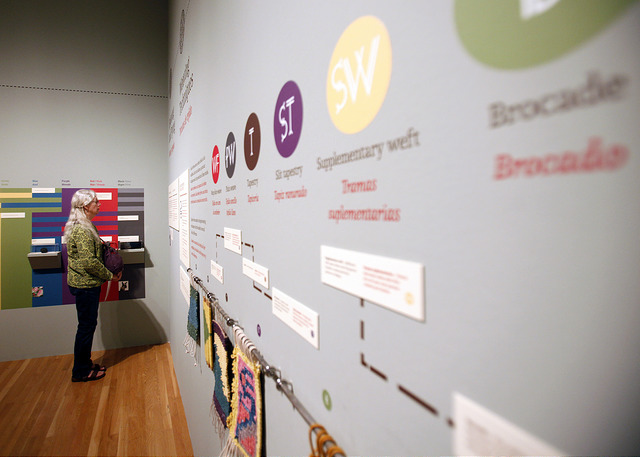
The job of “interpreting” textiles—or presenting them to the public in a way that facilitates understanding, piques interest, invokes appreciation, or inspires curiosity (among other things)—is a unique one. Because textiles are everywhere in our day-to-day lives, from mattresses, to clothes, to carpet and upholstery, it becomes necessary to very clearly convey what makes certain textiles so special. For our Inca exhibition last year, we collaborated with University of North Texas professor Lesli Robertson and the students in her class “Topics in Fiber: Community, Culture, and Art.” They created samples of textiles that reflected the very specific weaving techniques of textiles in the exhibition. We discussed the project in this blog post. These samples were such a success in the exhibition that we wanted to collaborate with our UNT colleagues once again for Waxed.

This time, we will work not only with Lesli and two of her recently graduated students but also with Amie Adelman, UNT professor of fibers, and one of her fall classes. The students will collaborate with DMA staff to design and develop an educational display that presents the steps required to produce complex batik designs. Together, we will further explore batik production in 19th- and 20th-century Java, including specific techniques, tools, colorants, and even wax “recipes.” The students will also have opportunities to visit the Museum’s textile storage and view some of the batiks up close, before they are installed in the galleries. By the fall, the students will produce eight to ten batik samples, each illustrating a different step in the process. By breaking down each individual step, our goal is for visitors to gain a deeper understanding of the extensive time, creativity, and planning involved in producing batik. Visitors will be able to learn from looking at these samples, and also from feeling them and touching the wax applied to the fabric.

Sketch of preliminary ideas for educational display

Sketch of preliminary ideas for educational display

We look forward to working with our friends and colleagues at UNT this summer, and we cannot wait to see what they come up with! Stay tuned for more behind-the-scenes pics of this exciting collaboration!

Andrea Severin Goins is the Head of Interpretation at the DMA.

Mi Museo Es Tu Museo

Learning English as a second language while living in a Spanish-speaking home didn’t come without its challenges—it took me years before I realized “better late than ever” wasn’t a phrase, and I could write an entire dictionary of hybrid words my siblings and I used by mistake (e.g. “moona,” or moon + luna). In spite of the occasional linguistic faux pas, having the opportunity to communicate in both languages has been incredibly rewarding in my personal life and my experience as an educator.

While I didn’t grow up in Texas, my experience growing up bilingual is pretty common throughout the Dallas-Fort Worth area. More than a third of the population in Texas speaks a language other than English at home, and DFW contains the 6th largest Spanish-speaking population in the United States. Current research demonstrates that both English-learners and native English-speakers benefit from educational settings that foster bilingual literacy. With all of this in mind, how does the DMA factor the demographics of its audience and the scholarship on bilingual education to engage Spanish-speaking visitors?

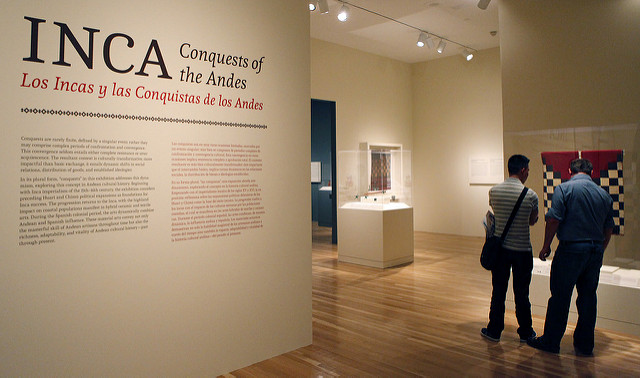
Since the Center for Creative Connections (C3) first began implementing bilingual signage on table prompts and wall text, the DMA has introduced a number of additional resources for visitors who want to engage with art by reading, writing, or listening in Spanish. Through a collaboration with Make Art with Purpose, C3 produced the Translating Culture and Translating Culture II gallery guides based on community voices. The 2015 exhibition Inca: Conquests of the Andes/Los Incas y las conquistas de los Andes featured English and Spanish text on its labels and wall didactics, as well as an interactive art scavenger hunt available in both languages. Visitors can also find extended labels in English and Spanish related to two works by Frida Kahlo currently on view in Level 4.

Here are some more bilingual resources we’ve introduced during the past year:

First Tuesday Spanish Family Tours

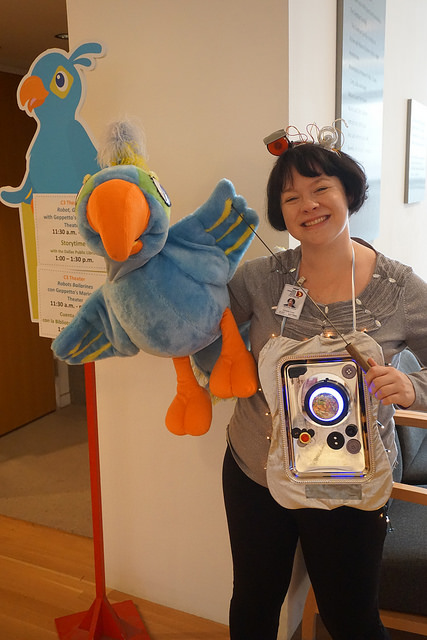
On the first Tuesday of the month from September through May, visitors ages 0-5 and their grown-ups are invited to join Museum staff for interactive tours throughout the galleries in both English and Spanish. This past year, I had the pleasure of leading families on Spanish tours inspired by nature, sculptures, robots, pop art, and more. Additionally, the signs and schedules for First Tuesday this past year were printed in both English and Spanish.

Create an exvoto / Crea un exvoto Activities

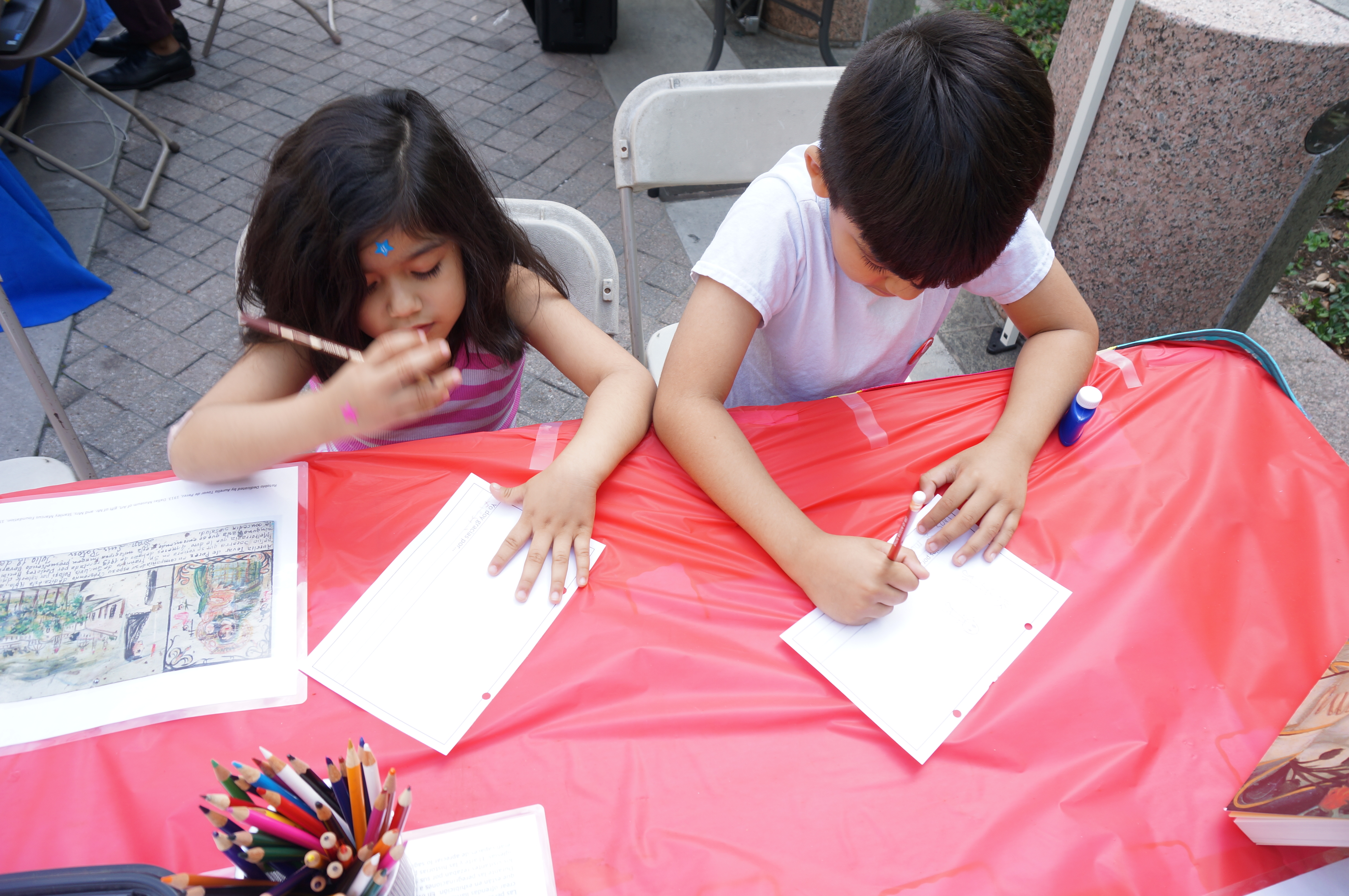
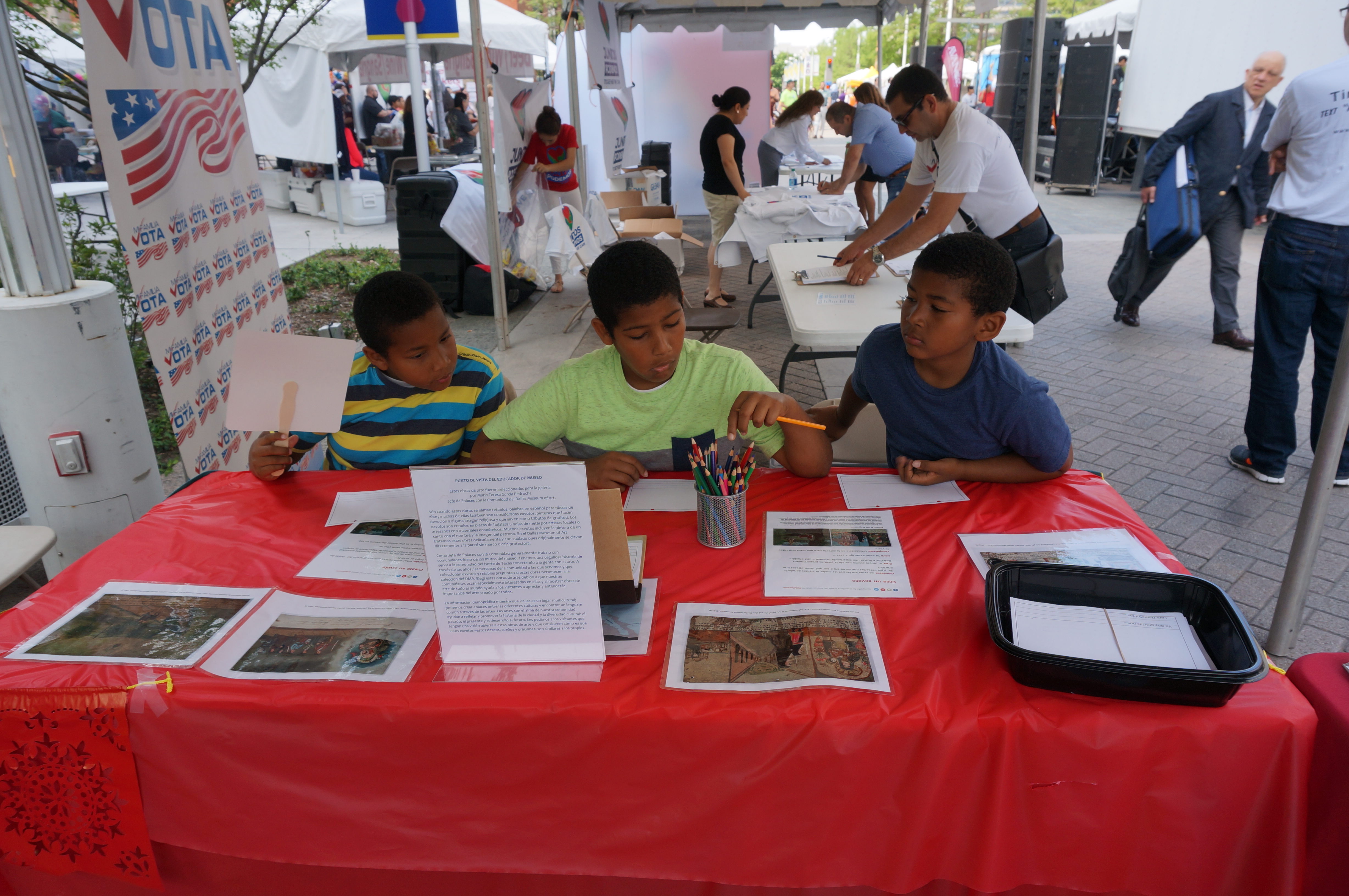
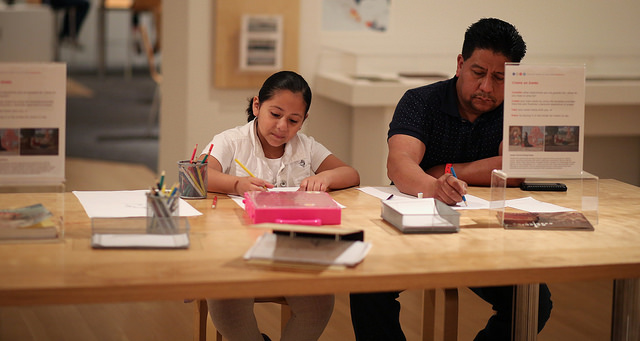
The inspiration behind this table activity in the Interactive Gallery came from the exvotos on view in C3, which contain Spanish text describing everyday miracles and expressions of gratitude. When Community Engagement staff designed an off-site version of this activity at the 2016 AVANCE Latino Street Fest, we included bilingual exvoto instructions and templates giving visitors the option to write in English or in Spanish.

Young Learners Gallery

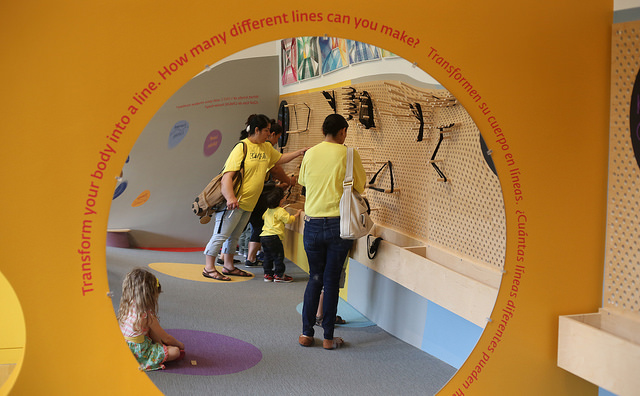
Part of the recent redesign for this interactive learning space includes bilingual wall text and activity prompts for children ages 5-8 and their families. Visitors can explore lines and line-making using English and Spanish text, and the various hands-on activities in the space were designed for a number of different learning styles.

Spanish Family Guides (COMING SOON!)

Visitors can pick up Arturo Family Gallery Guides for a fun way to explore the galleries at their own pace. Each one contains activities and questions (and maybe a few puns) for kids and their grown-ups to make meaningful connections with pieces throughout the DMA. Keep an eye out for Spanish language family guides coming soon!

Museums around the country are engaging linguistically diverse audiences in innovative ways, including video guidesco-taught bilingual gallery lessons, and workshops for adult immigrants. What other ways have you seen museums welcome visitors with diverse language backgrounds?

Paulina Lopez
McDermott Graduate Intern for Visitor Engagement


Death Comes to the DMA

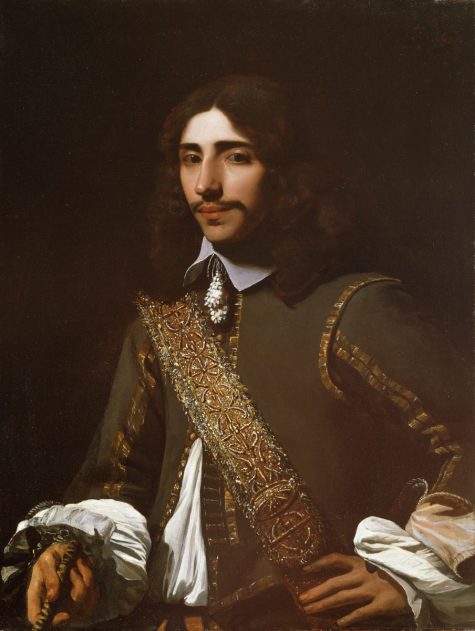
Portrait of a Gentleman, possibly a Member of the Deutz Family, Michael Sweerts, 1648–1649, Dallas Museum of Art, The Karl and Esther Hoblitzelle Collection, gift of the Hoblitzelle Foundation, 1987.25

Michael Sweerts, Portrait of a Gentleman, Possibly a Member of the Deutz Family, 1648–49, oil on canvas, Dallas Museum of Art, The Karl and Esther Hoblitzelle Collection, gift of the Hoblitzelle Foundation, 1987.25

This Friday we will host our fifth Museum Murder Mystery Game—and the scuttlebutt going around the Museum is that Portrait of a Gentleman will be the unlucky victim.

It is unfortunate that this keeps happening at the DMA, but we are once again relying on our visitors to help bring a murderer to justice! For this one night only, the seven works of art suspected of the murder will be brought to life to answer questions about their relationship to the victim, possible motives, and their alibi for the time in question.

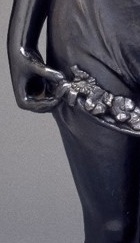
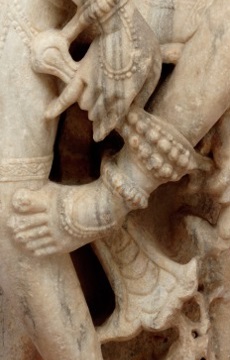
Without revealing who the suspects are, as they are innocent until proven guilty, these photos will give you a clue to their identities.


If  you solve who the murderer is, the weapon he or she used, and the room where the murder took place, you will be entered to win one of five great prize packs.

Stacey Lizotte is Head of Adult Programming and Multimedia Services at the DMA.
Friday Photos: Smell Ya Later!

2015 McDermott Interns_American Gallery

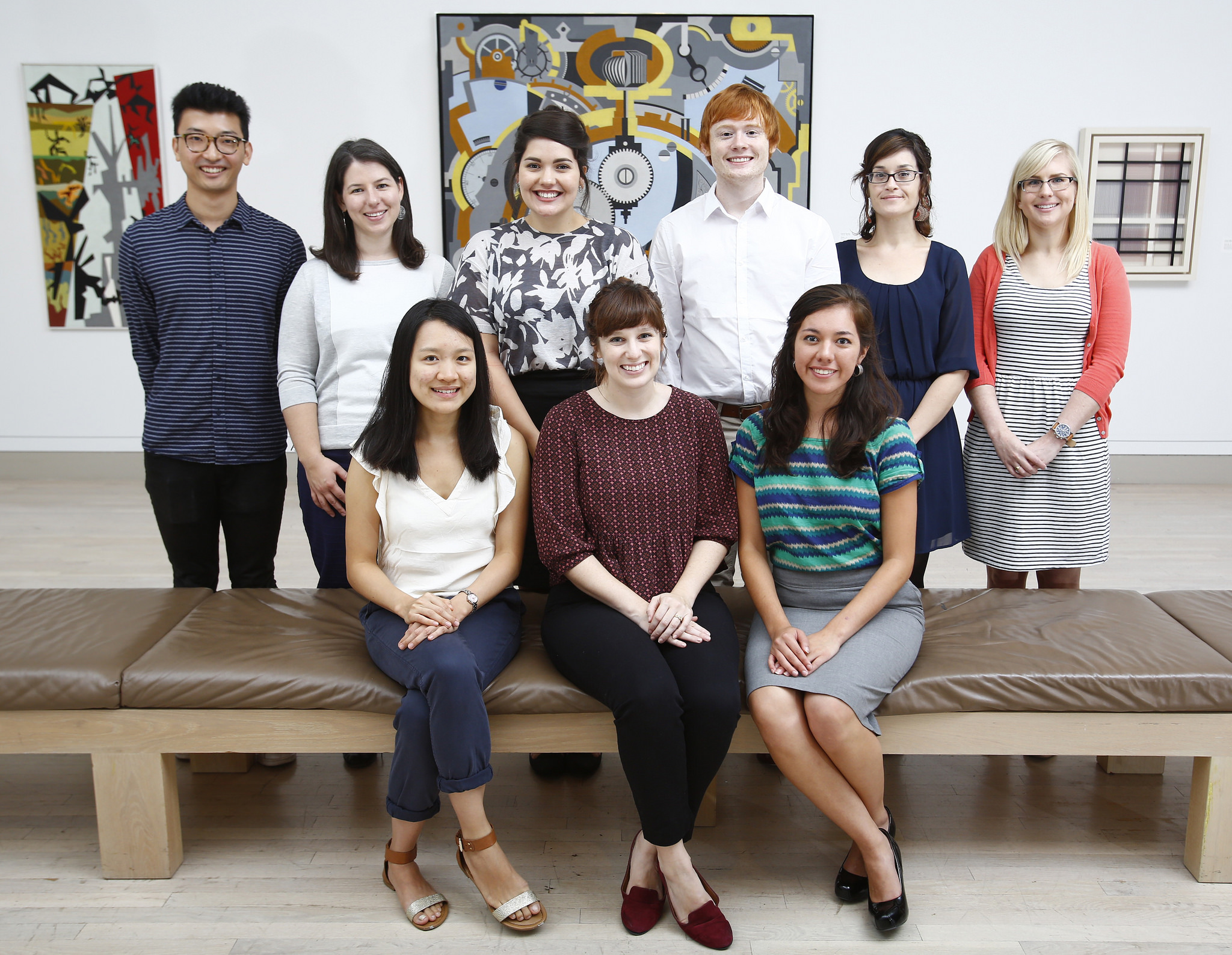
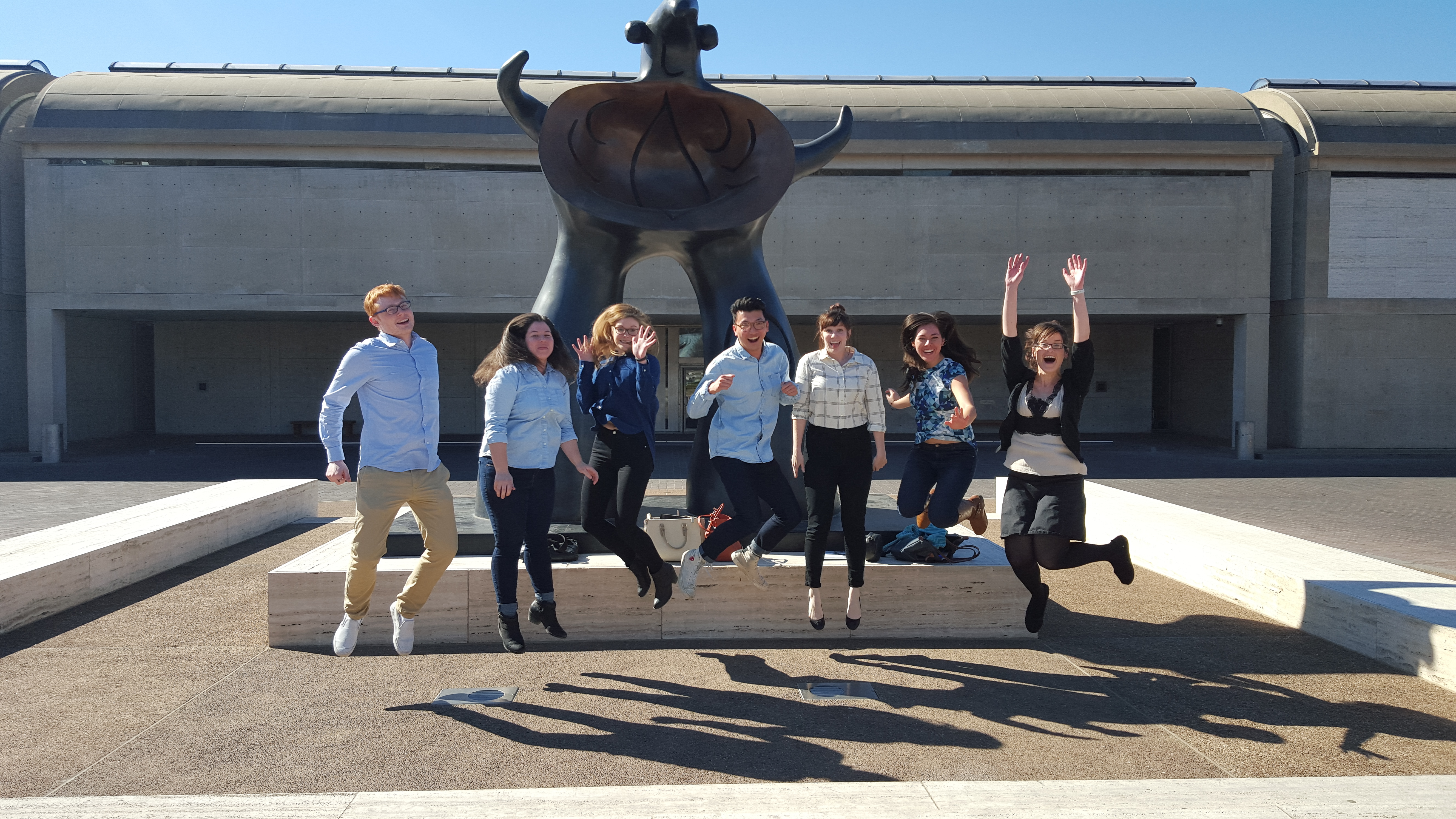
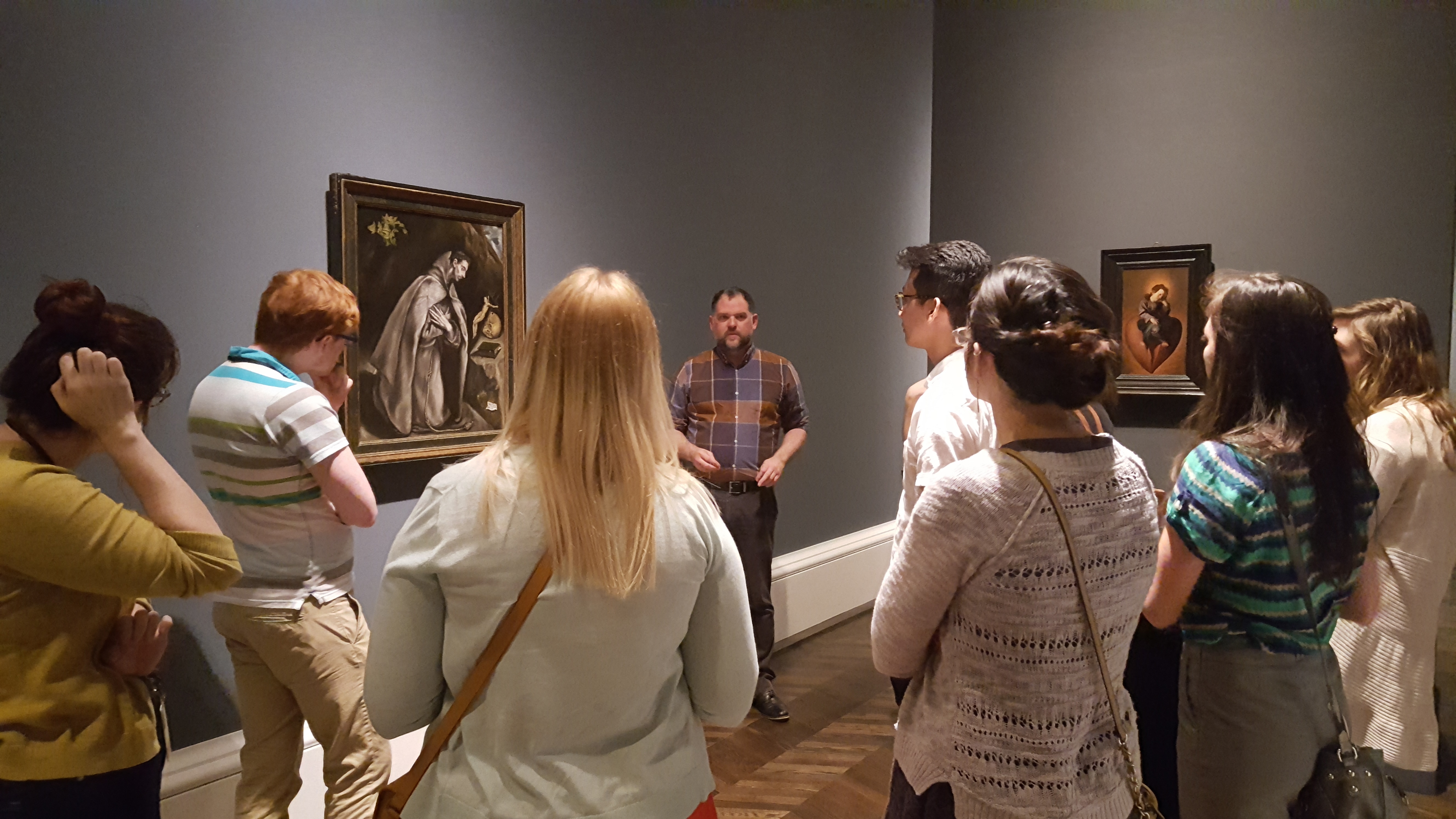
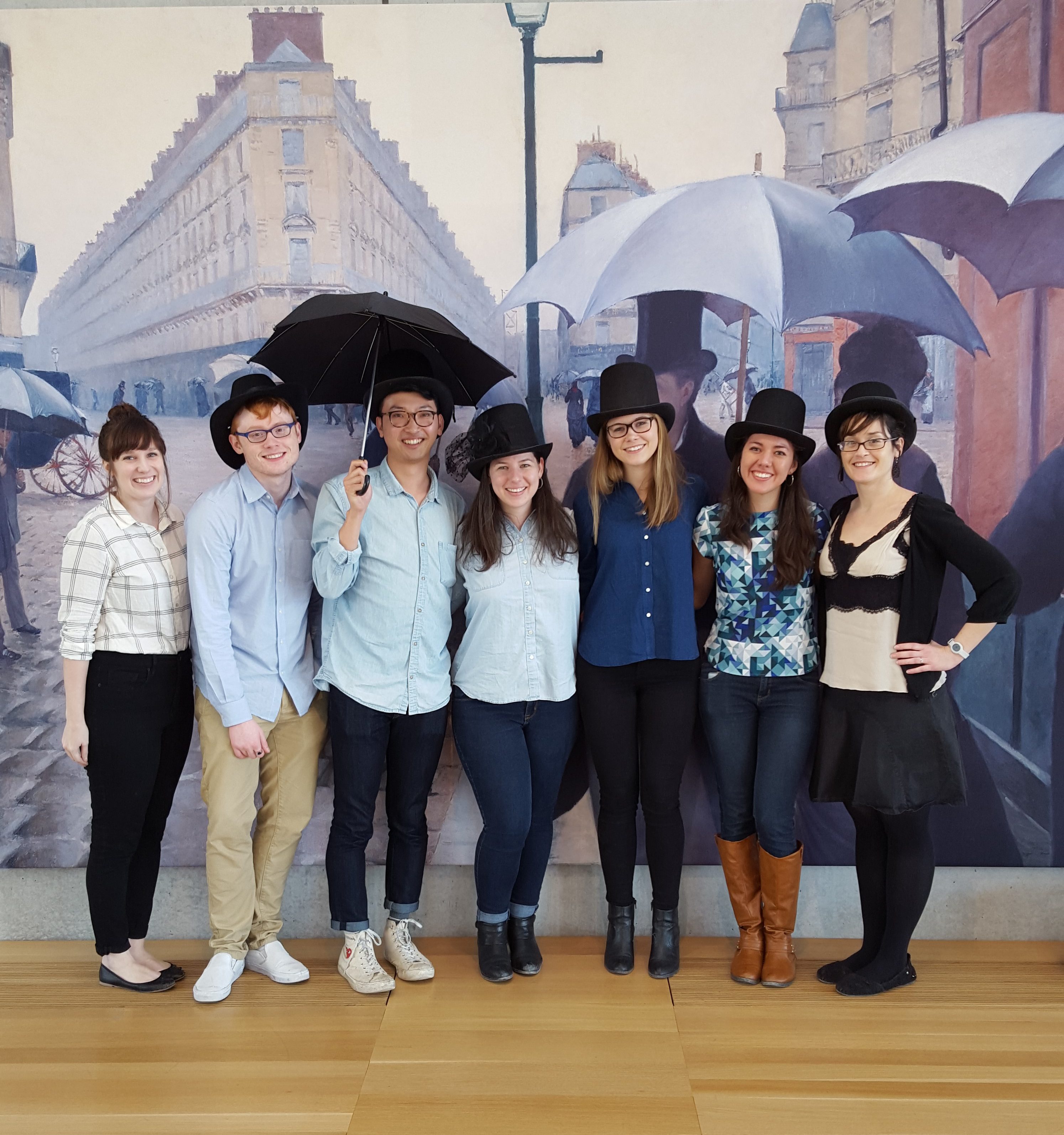
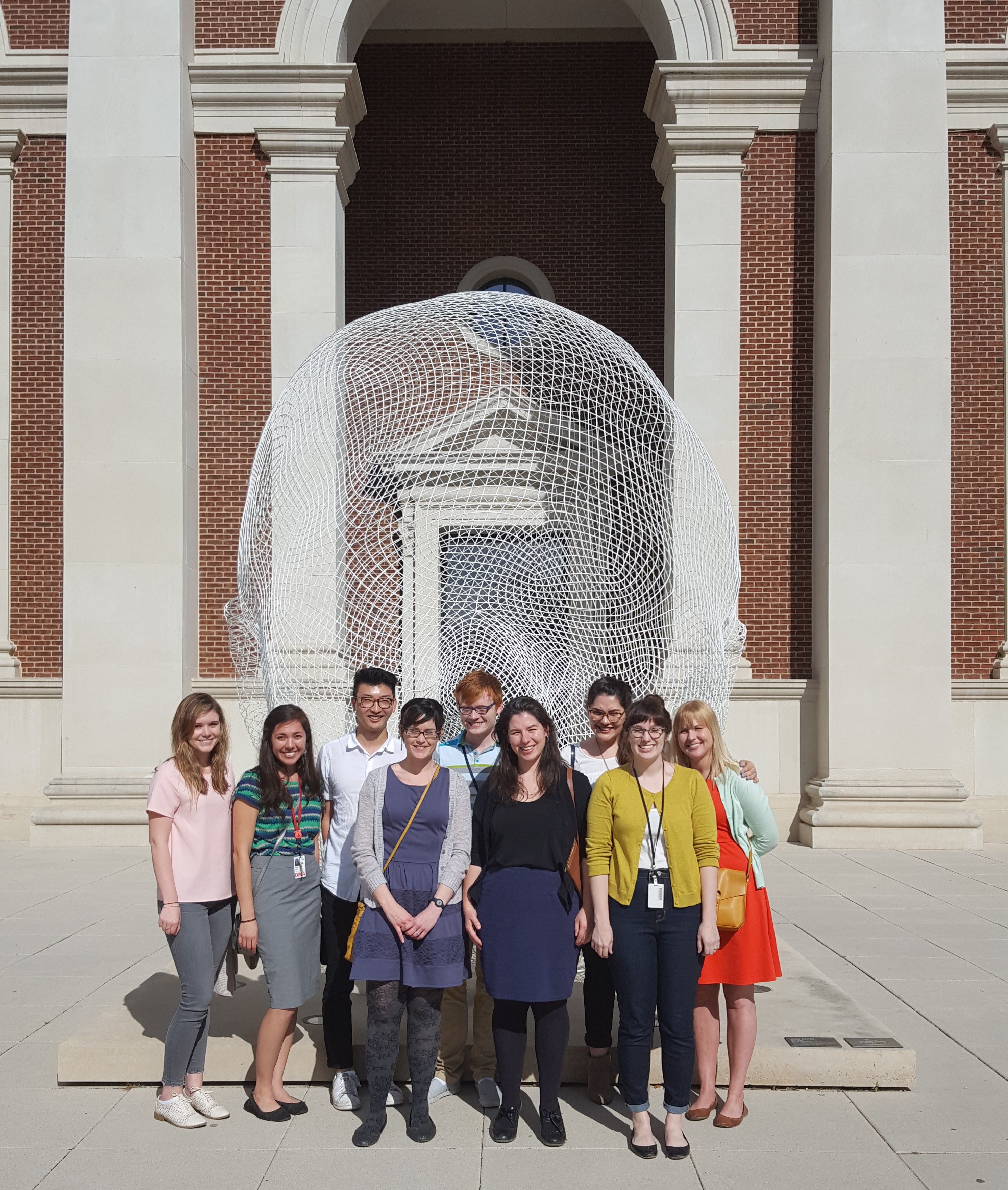
It’s already that time of year when we must wish our current class of McDermott Interns farewell! We’ll certainly miss their smiling faces in the office next week, but we’ve made some lasting friendships and had some fun along the way.

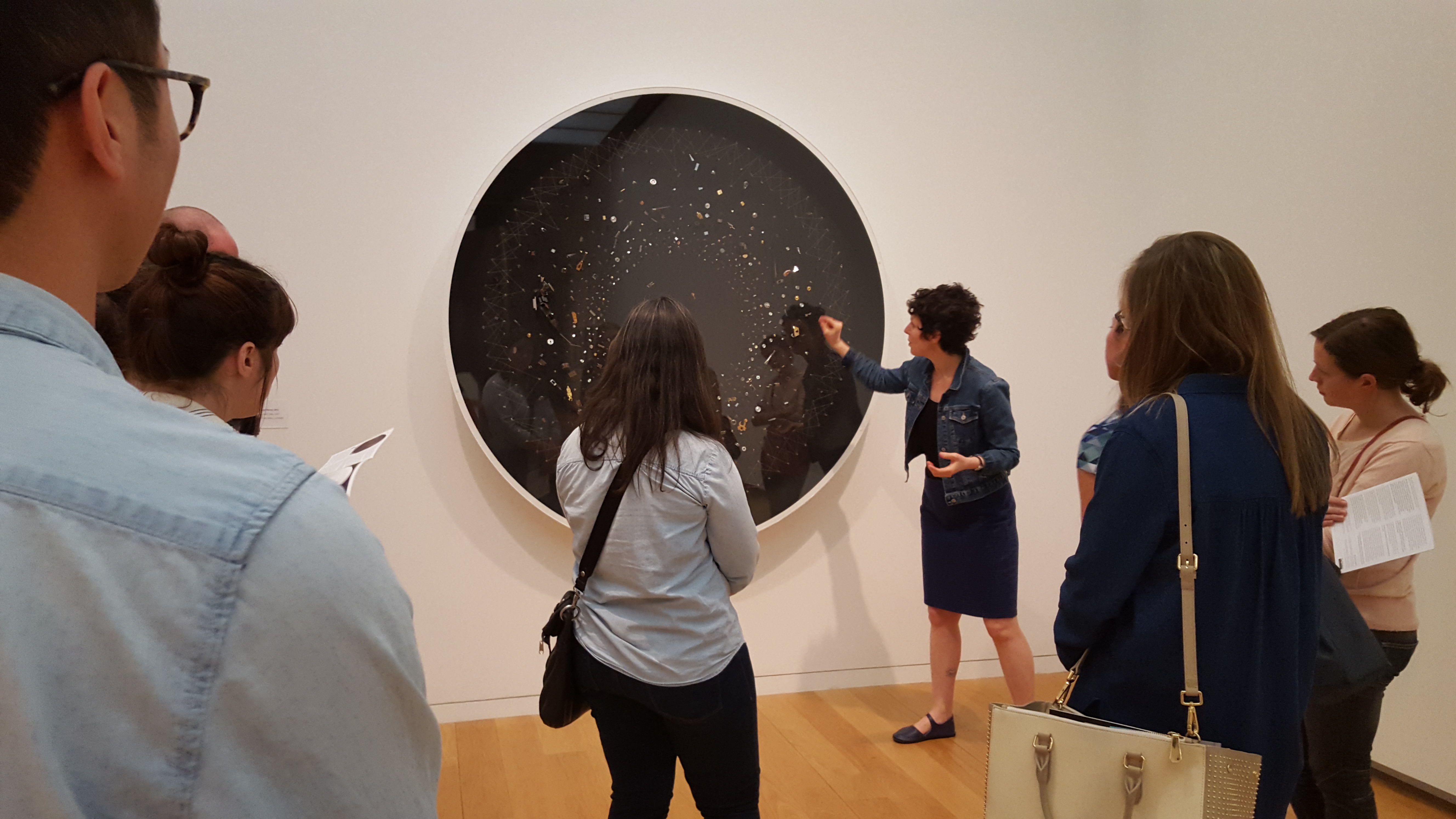
Check out what they’ve done this year, and wish them well in their next adventure!

21288172662_07e3020ed3_z

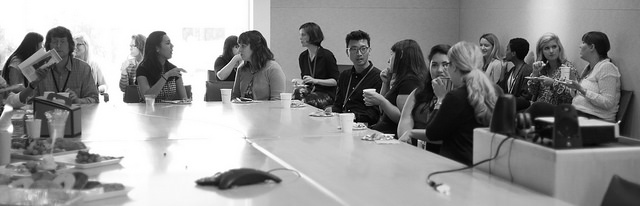
Meeting staff their first week at the Museum

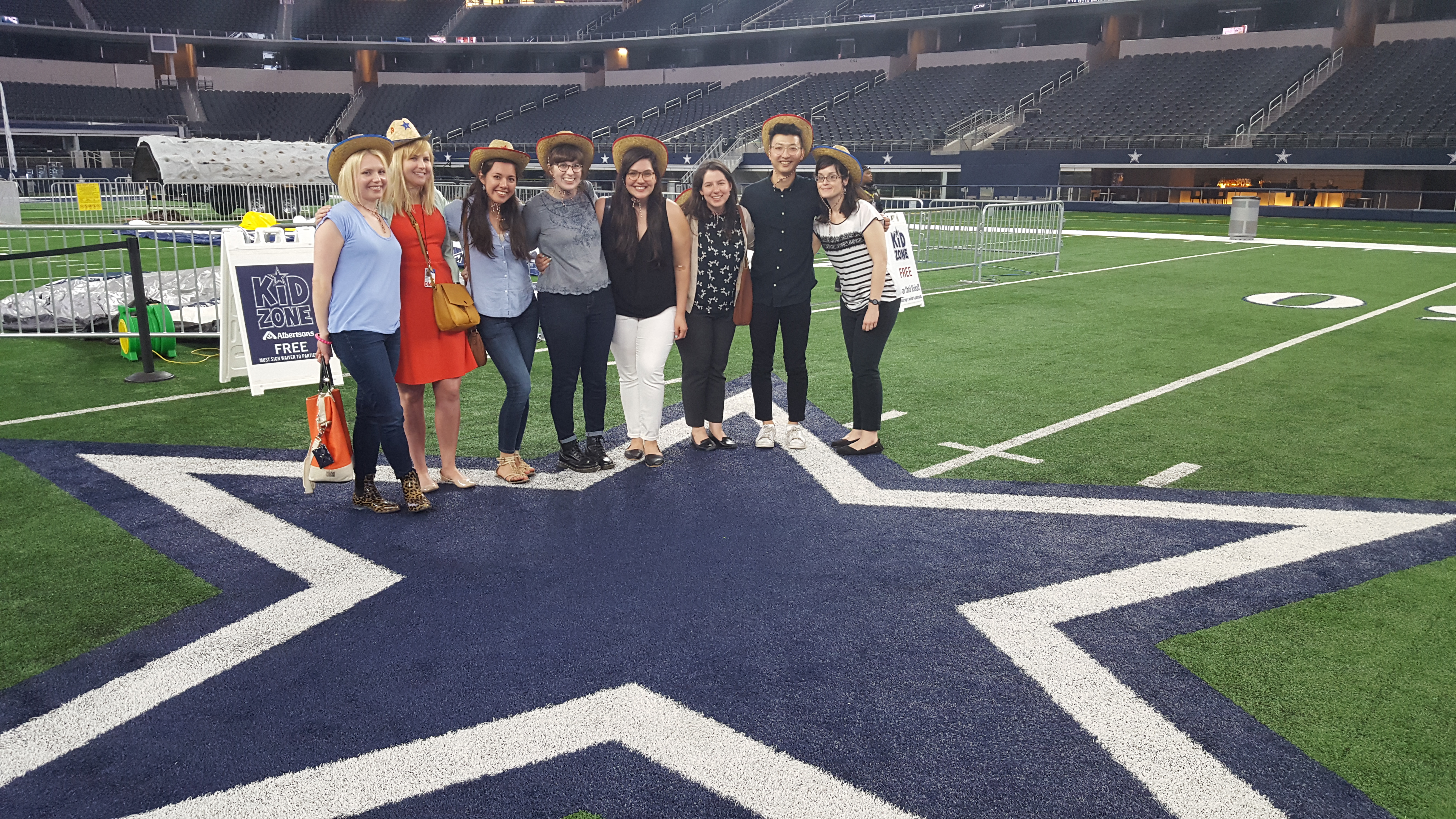
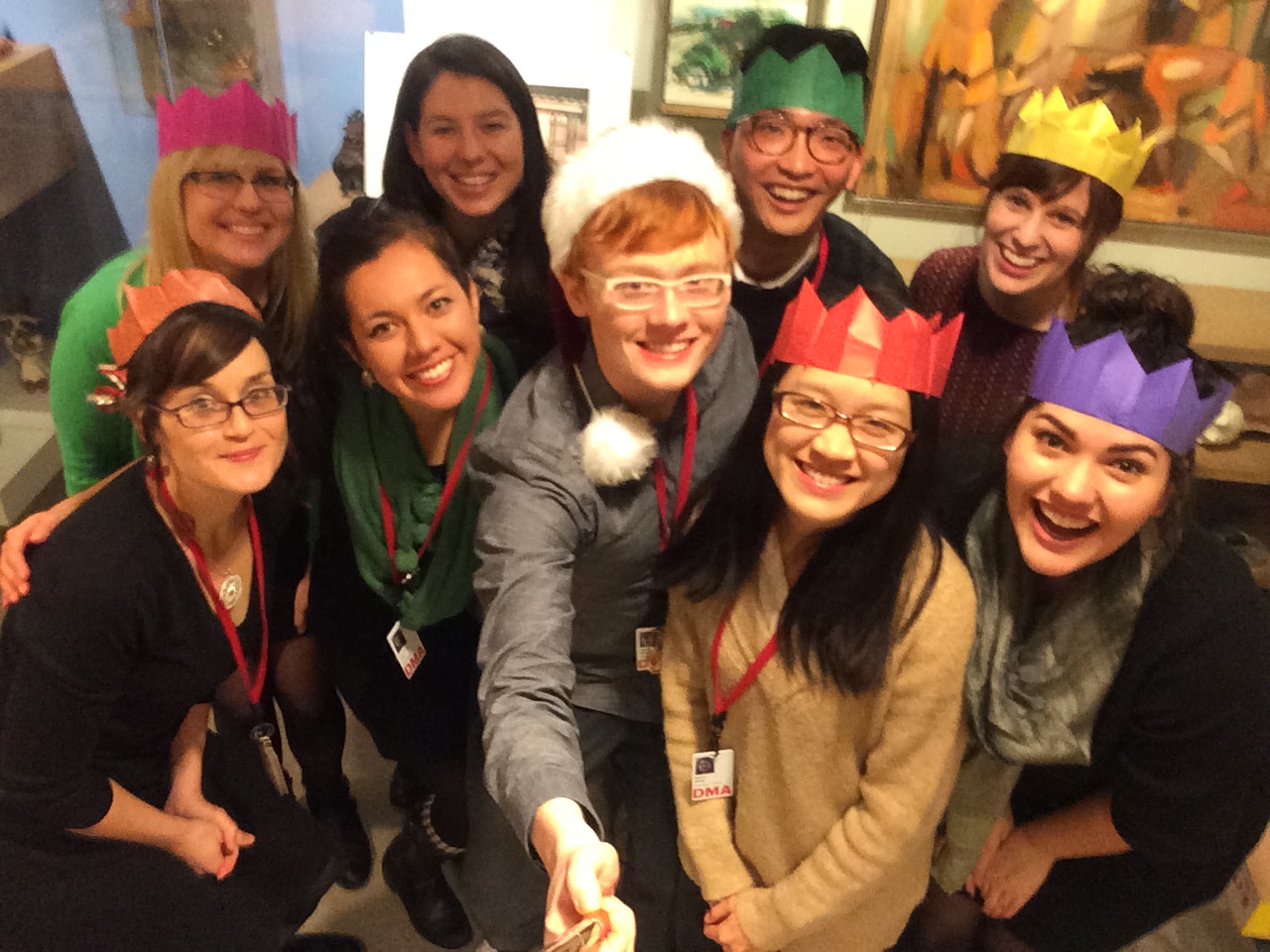
Having some holiday selfie fun!

Sarah Coffey
Education Coordinator


Archives

Categories