Archive Page 187

The Lens of Impressionism: Programs for Teachers

We are eagerly anticipating the Sunday opening of our big spring exhibition, The Lens of Impressionism: Photography and Painting Along the Normandy Coast, 1850-1874.  We are pleased to offer three programs for teachers in conjunction with this exhibition:

Evening for Educators
Tuesday, February 23, 2010; 4:00-7:00 p.m 
$16 full price; $12 DMA members 

Travel to the Normandy coast through photographs and paintings on an evening when the exhibition is open exclusively for educators.

Teacher Workshop — The Lens of Impressionism
Saturday, February 27, 2010; 9:00 a.m.-12:30 p.m.
3.5 CPE hours; limit 25
$25 full price; $20 DMA members

Explore the dialogue between painters including Gustave Courbet, Édouard Manet, and Claude Monet and early photographers such as Gustave Le Gray, Henri Le Secq, and Louis-Alphonse Davanne.

Teacher Workshop — Exploring Photography: The Lens of Impressionism
7 CPE hours; limit 20
$50 full price; $40 DMA members

This workshop stretches over two meetings; please plan to attend both dates.
Saturday, April 24, 2010; 9:00 a.m.-12:30 p.m.
Saturday, May 1, 2010; 9:00 a.m.-12:30 p.m.

Examine early photographs in this special exhibition with Dr. Terry Barrett, and explore the creative process in a demonstration of ambrotype photography with photographer and educator Frank Lopez.

Visit the Web site for complete details.  To register, send an email to teacherprograms@DallasMuseumofArt.org with your name, school name, email address, phone number, and the name of the program you would like to attend.

Molly Kysar
Head of Teaching Programs
Vocal Colors: A Brilliant Night at the DMA

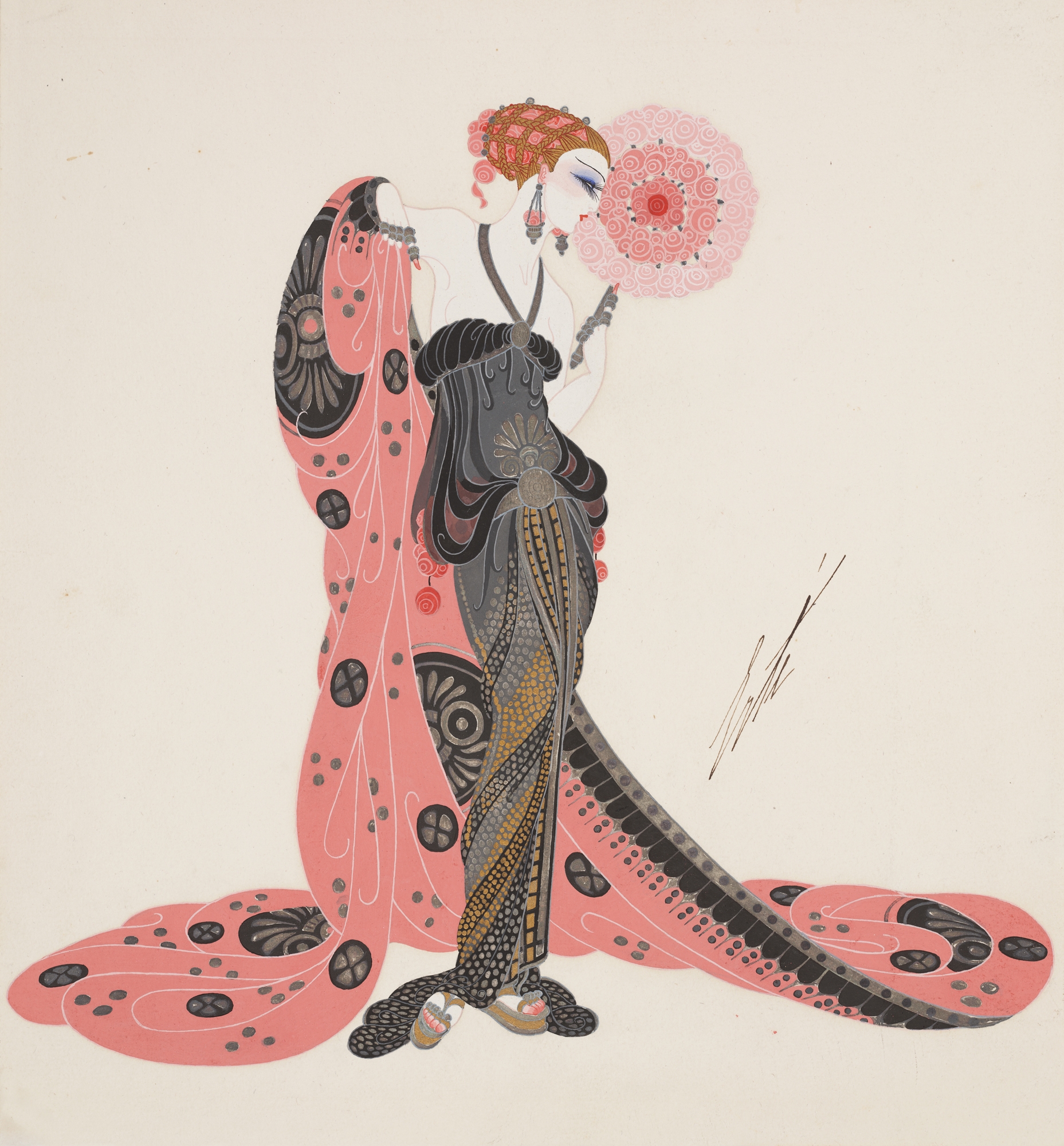
On February 9th artistic director Ryan Taylor and the ensemble cast of Vocal Colors put on a great show at the Dallas Museum of Art.  This unique event put the arts on stage as singers, actors, dancers, and musicians from all over the country offered performances responding to artworks in the museum’s collection.  Researched months in advance, each artist’s contribution animated their chosen artwork, providing a fresh, sonic viewpoint.  The music was both moving and playful, reverent and funny—ear and eye-awakening.  Abraham Walkowitz’s Isadora Duncan Dancing was an artistic lynchpin for the night, but the works of art chosen for response ranged from ancient Chinese art, with Figure of a Court Lady and “Mo Li Hua” (a traditional Chinese folksong) to modern radio, with Nocturne Radio and “Moon Over Miami.”  The high point of the night, however, was a moving and brilliant selection from a secretive Vatican mass titled “Miserere Mei,” accompanying the DMA’s ambient and terrifying new acquisition of David Altmejd’s The Eye (to hear “Miserere Mei,” click here).  A playful moment was provided by soprano Ava Pine, and her choice of William Bolcom’s “Amor” to accompany Erte’s Aphrodite.  Erte’s work shows a real femme fatale, beautiful and lethal, parasol in hand.   Aphrodite came to life on the DMA stage, and she (or was it Ms. Pine?) had everyone shouting “Amor, Amor, Amor, Amor!”  Keep an eye out for other great offerings from Arts and Letters Live, including the upcoming performance of Texas Bound: Texas Short Series I, at the Dee and Charles Wyly Theater (to purchase tickets, call 214.922.1818).  The show will also feature visual responses from students at Booker T. Washington, not to be missed!

Justin Greenlee

McDermott Intern, Learning Partnerships Department

Aphrodite, by Erte

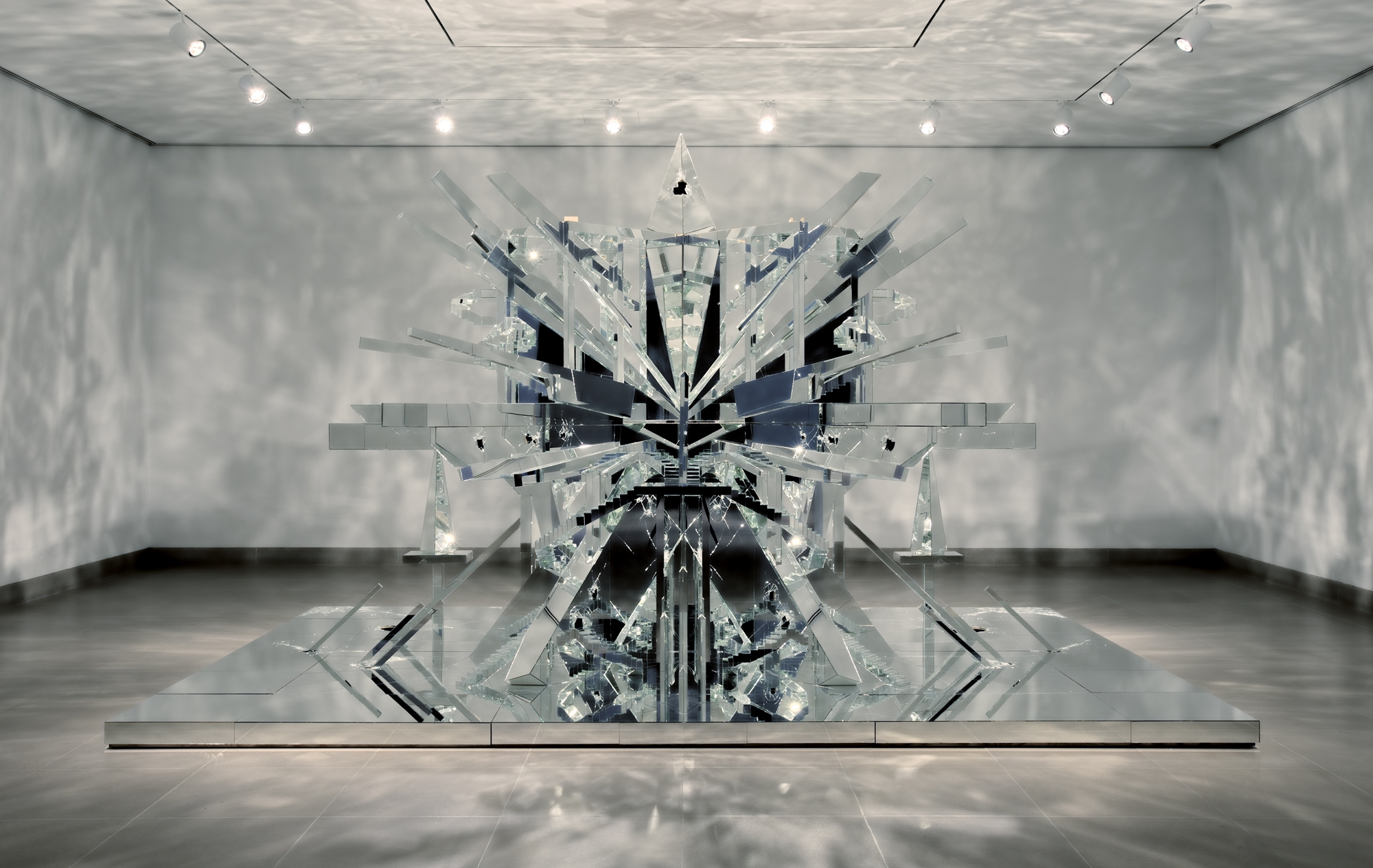
The Eye, by David Altmejd

Finding Inspiration

When I am in need of inspiration, I often wander through the Museum galleries and look at works of art.   Admittedly, I am most drawn to artworks and spaces that focus on nature, have brilliant colors, or encourage moments of self reflection.   Below are a few of my favorite galleries.  

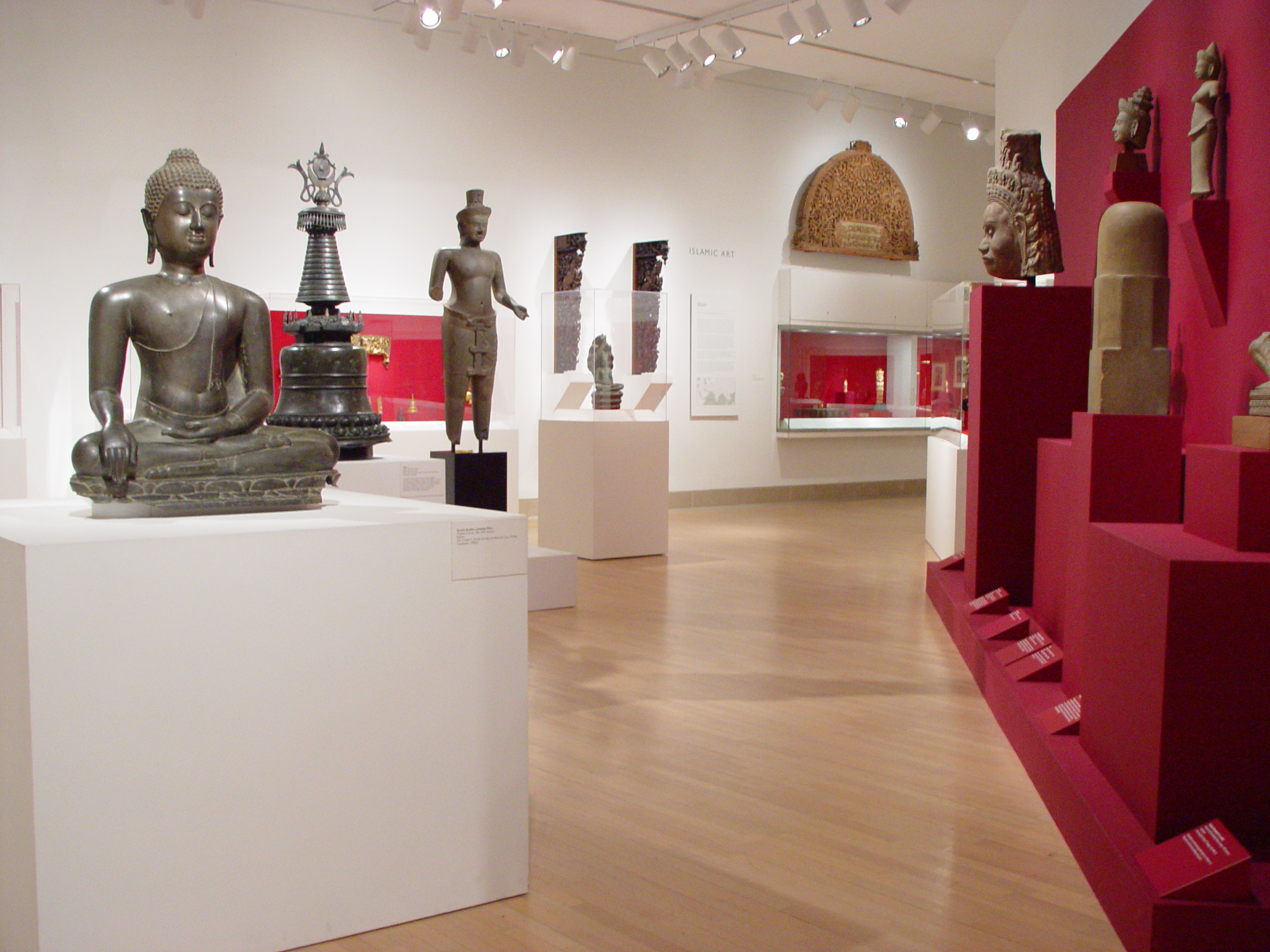
Southeast Asian Art Gallery

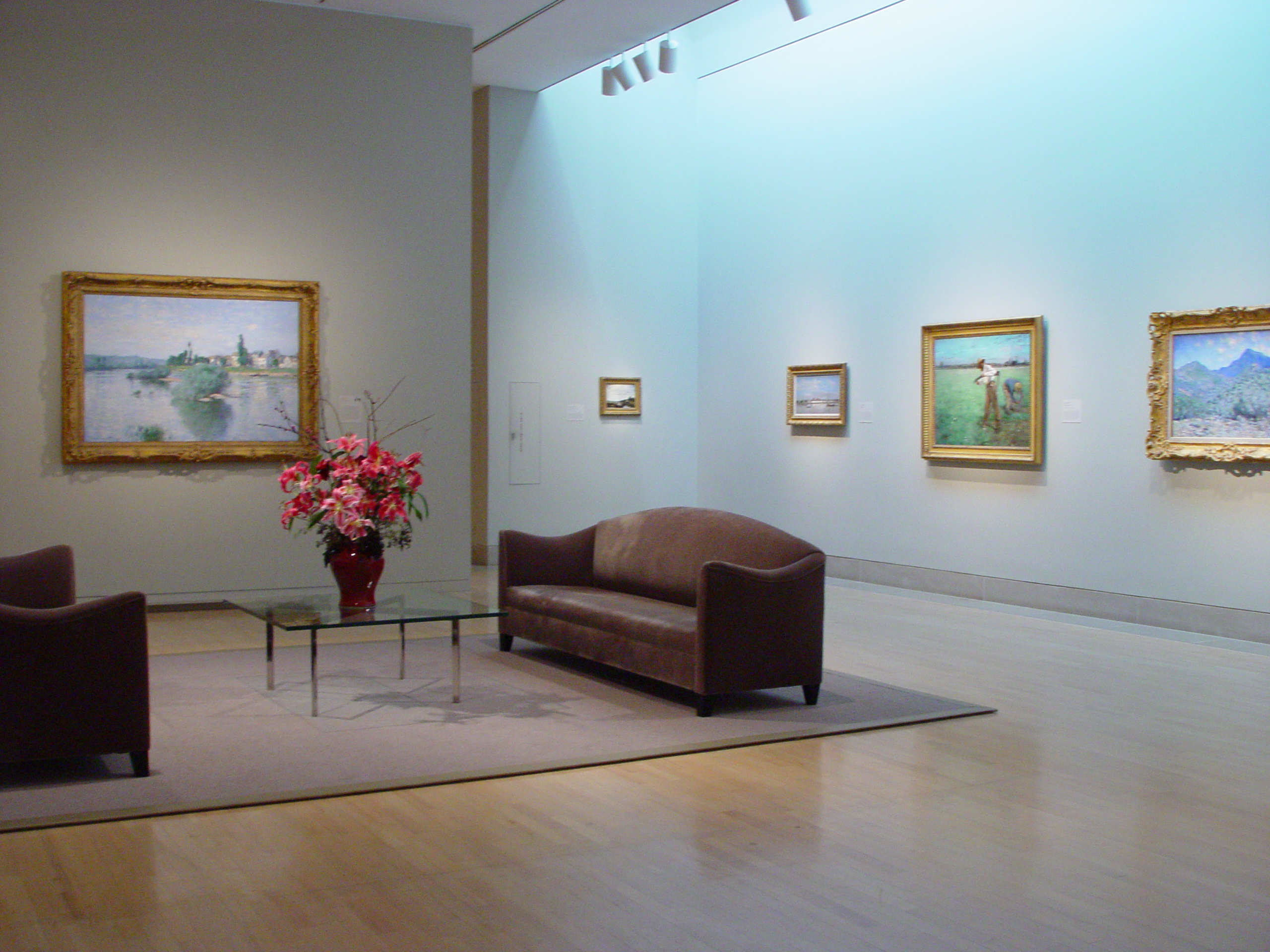
19th Century European Art Gallery

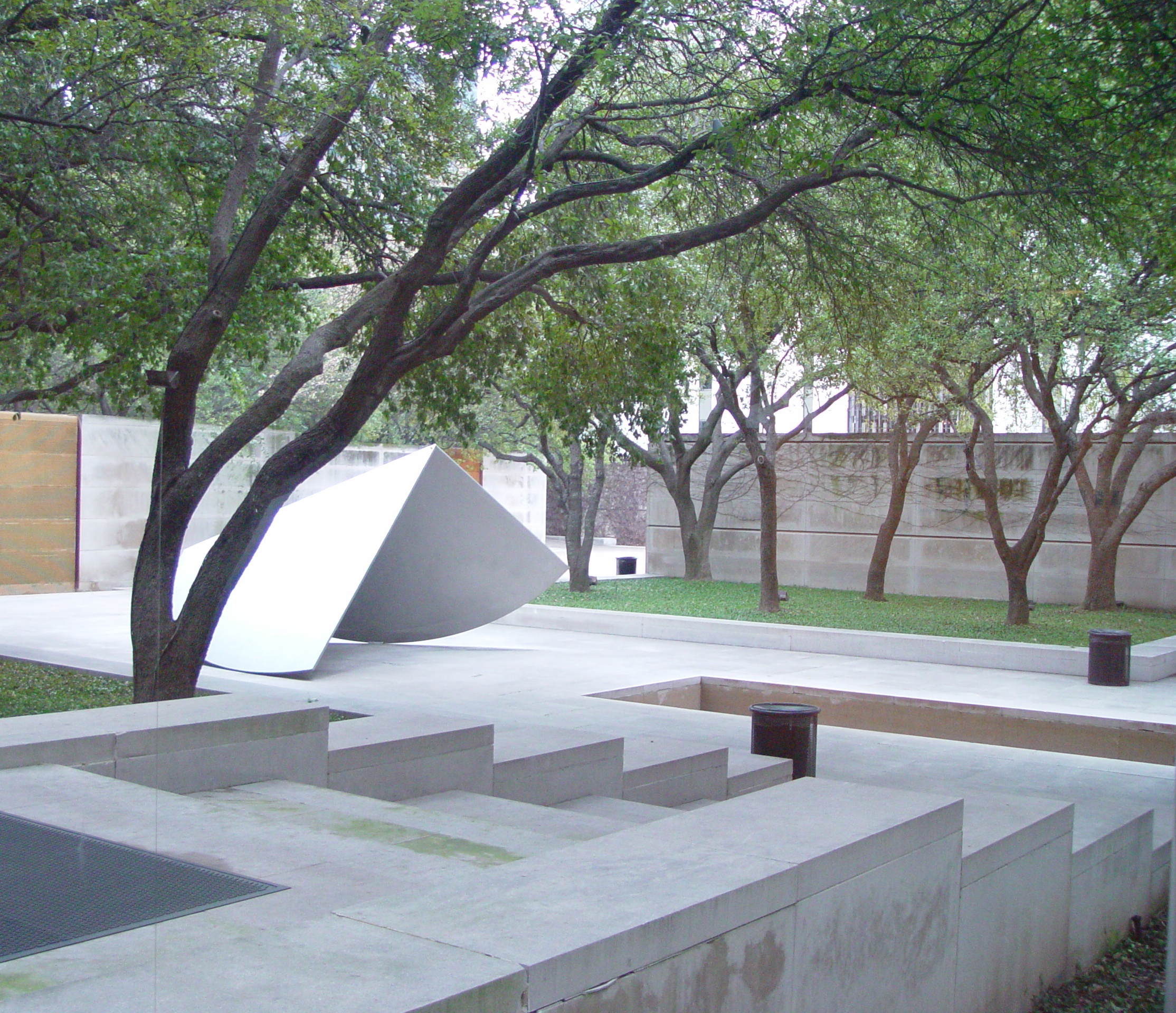
Sculpture Garden

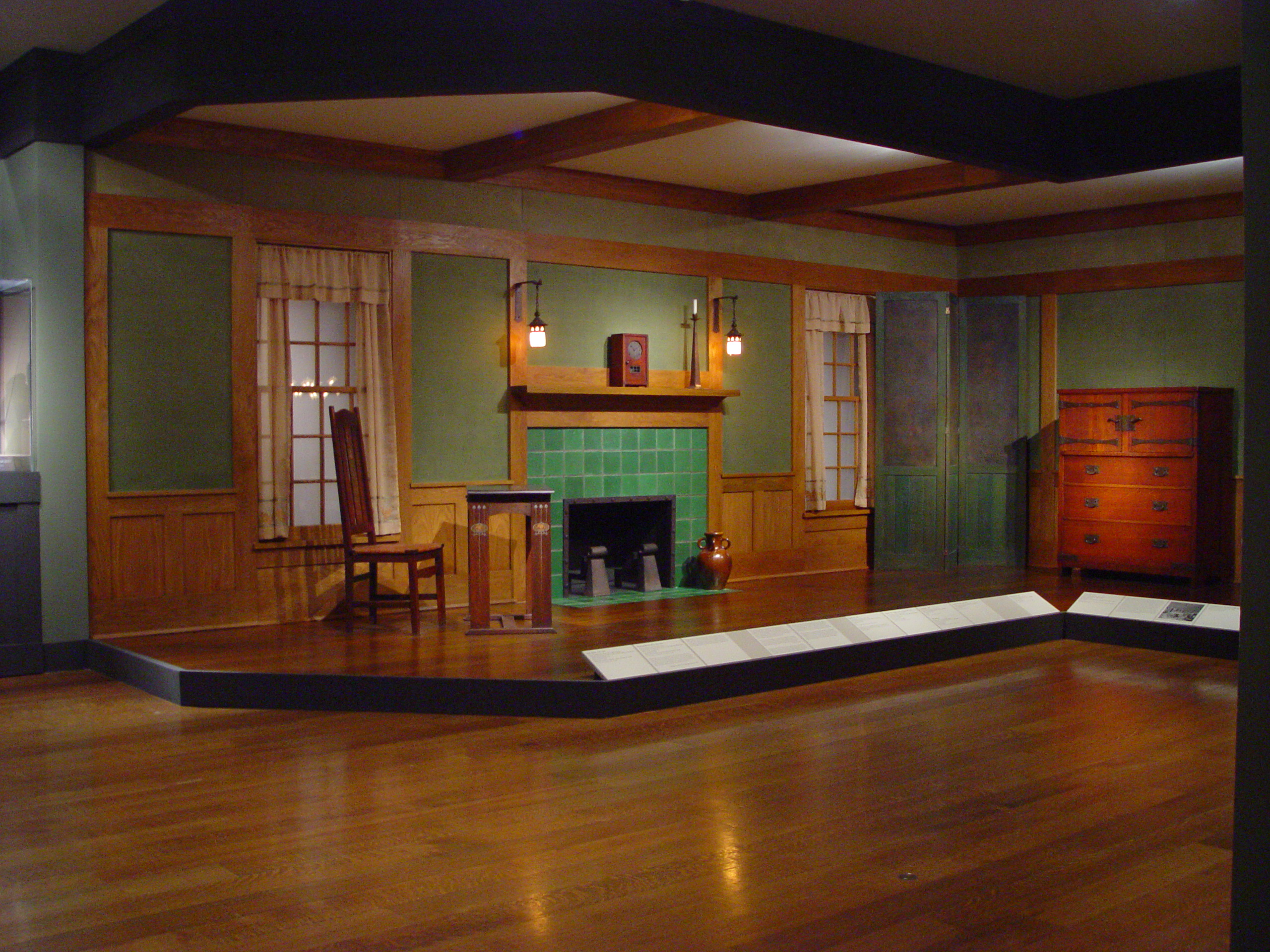
Decorative Arts Gallery


Continue reading ‘Finding Inspiration’

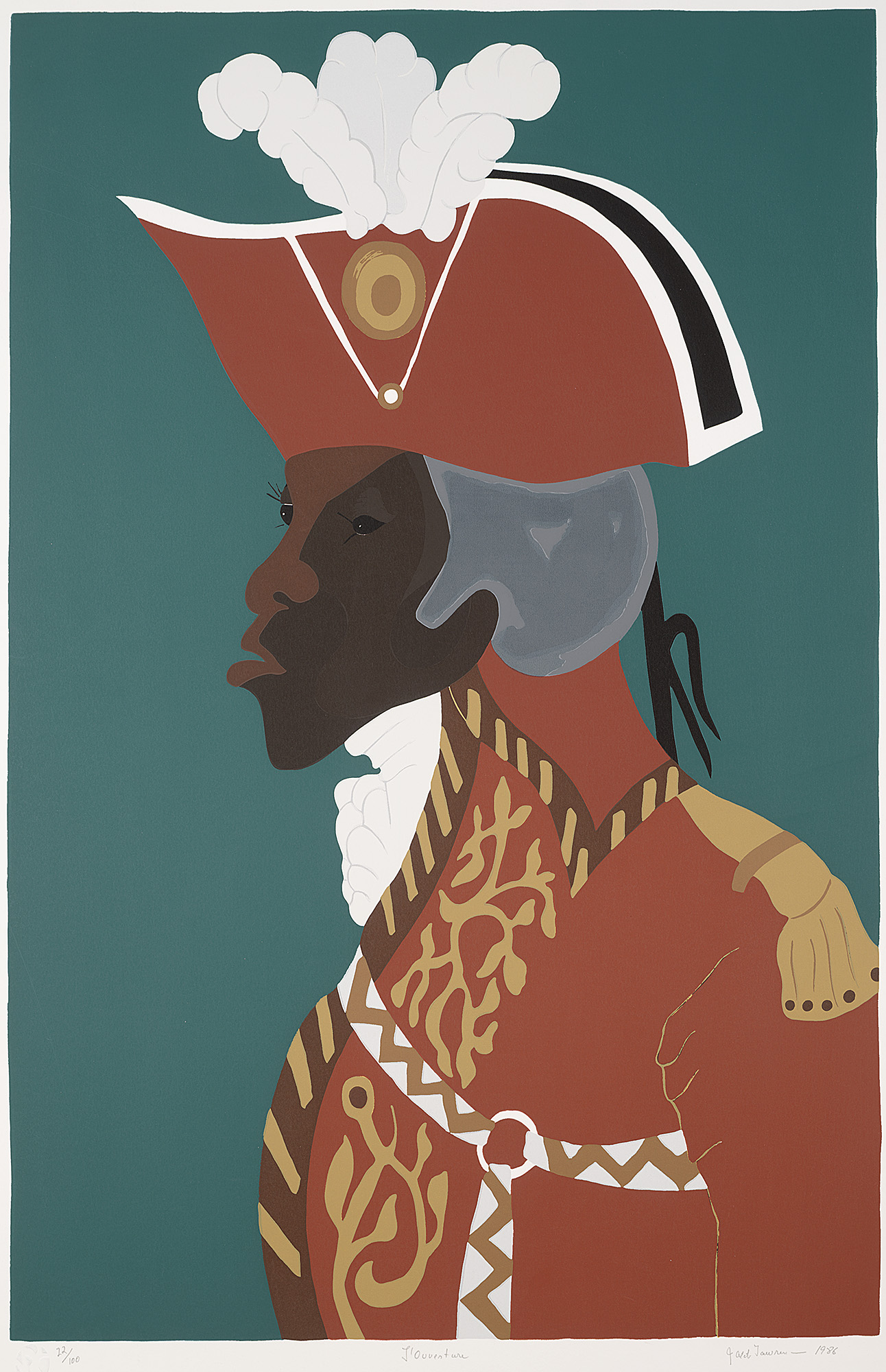
Jacob Lawrence, Toussaint L'Ouverture, and Connections to the DMA Collection

Last Saturday, Logan Acton and I led a teacher workshop focused on making connections between the exhibition Jacob Lawrence: The Life of Toussaint L’Ouverture and other works of art in the DMA’s collection.  We began by looking closely at the fifteen prints in the exhibition–each teacher focused her attention on one screenprint.  It was fascinating to hear the teachers’ observations about the prints.  I tend to emphasize context and the “big picture,” and the teachers focused my attention on aspects like line, shape, and color.  As one of the teachers put it–“We see history through all of the images.  We see the art elements when we look at just one print.” 

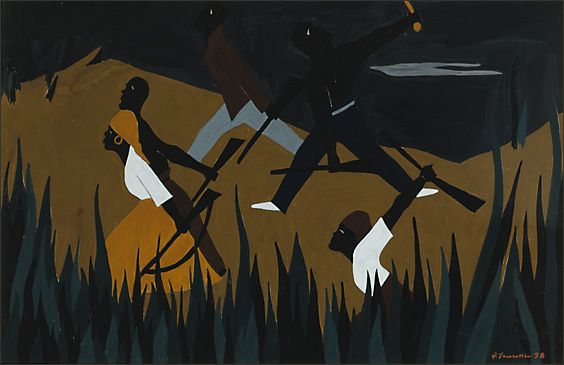
The prints in this exhibition were created between 1986 and 1997 and are based on a series of 41 paintings made in 1938.  We compared and contrasted images of the original paintings with two of the prints in the exhibition.  Lawrence made significant changes in these prints, such as including a wound on the chest of a man that is not present in the 1938 painting.  We discussed why Lawrence may have made these changes and how they might alter our interpretation of the prints.

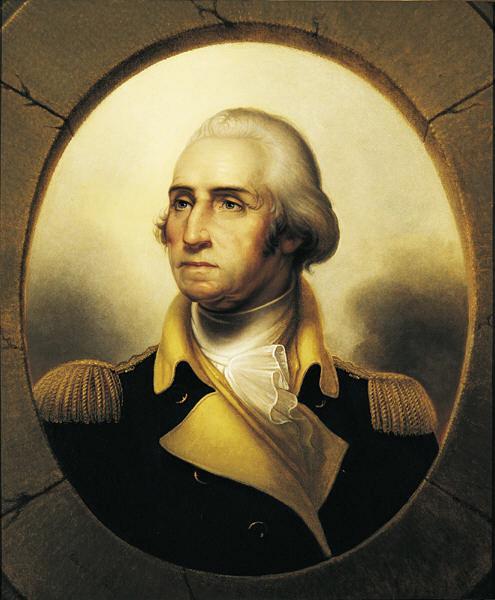
We couldn’t discuss General Toussaint L’Ouverture without also looking at Rembrandt Peale’s portrait of George Washington.  Both men are shown in uniform, and both led revolutions that were happening around the same time, resulting in their respective countries gaining independence.

We also spent time making connections between Jacob Lawrence and artists like Renee Stout, and Romare Bearden.    Bearden and Lawrence were contemporaries, and both were very interested in showing scenes from African American life and history in their artworks.   Renee Stout is a contemporary artist who is inspired by African works of art, such as nkisi, and creates her own power figures. 

 If you would like to learn more about Jacob Lawrence and Toussaint L’Ouverture, I hope you’ll attend the Arts and Letters Live program on March 4th at 7:30 p.m., featuring Samella Lewis and Madison Smartt Bell.  I will lead a program for teachers in the exhibition beginning at 6:30 p.m. that evening.  We’ll explore the exhibition together before joining the program in the Horchow Auditorium.  I hope to see you on March 4th! 

Shannon Karol
Tour Coordinator

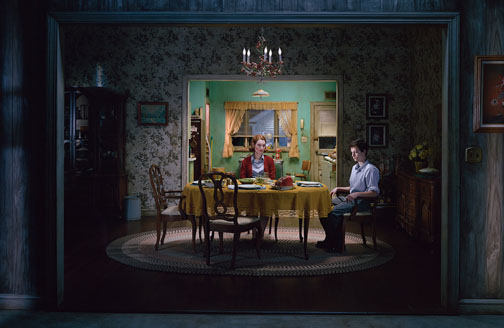
Gregory Crewdson at the DMA

Photographer Gregory Crewdson was at the Dallas Museum of Art this week to give a lecture as part of the “Creativity in the Age of Technology” lecture series offered through the Center for Values in Medicine, Science, and Technology at The University of Texas at Dallas.

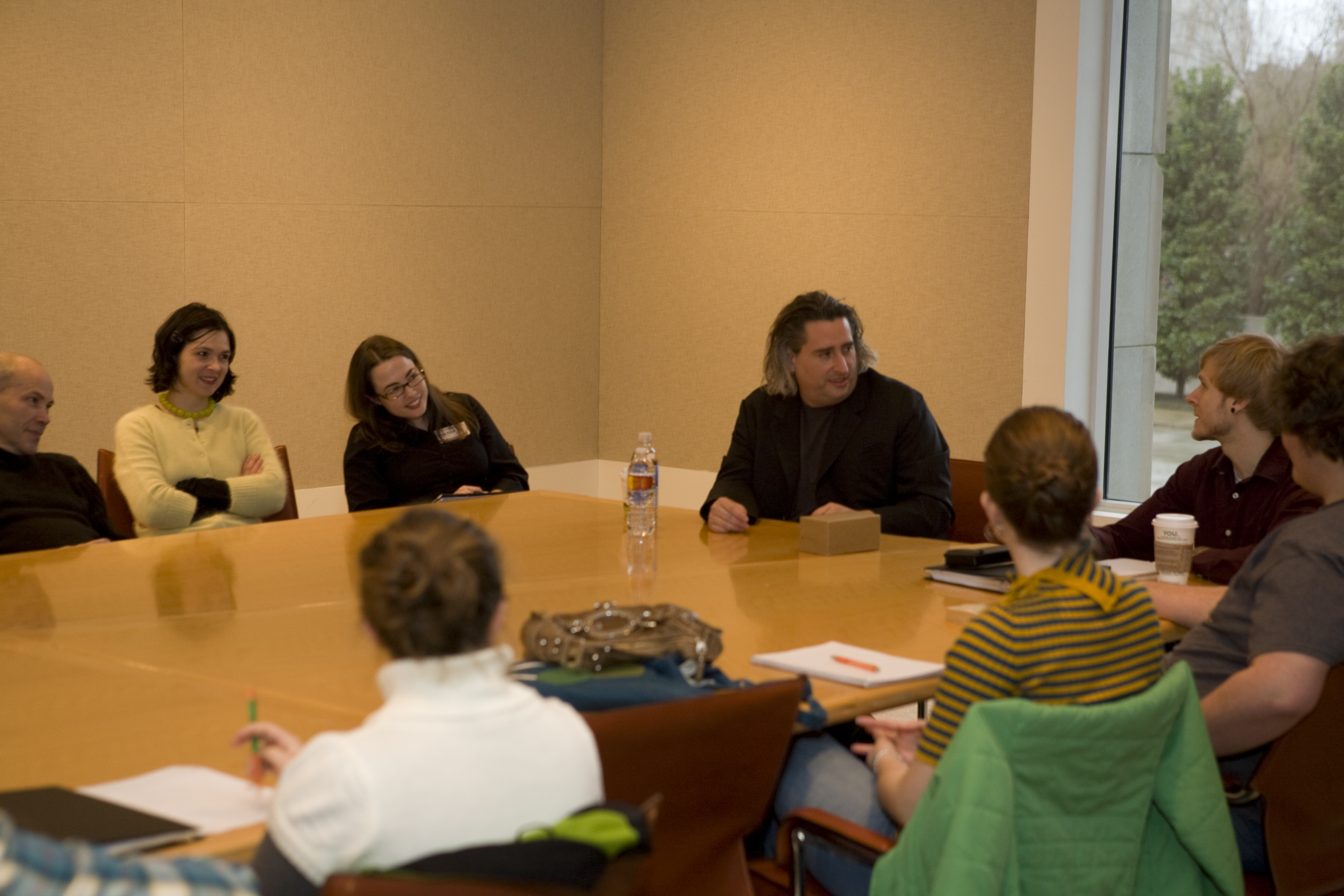
In addition to the public lecture, Crewdson also met with students who are enrolled in our UT Dallas/Dallas Museum of Art partnership course this spring.  It was a great opportunity for the students to see the three works of art by Crewdson on view in the galleries and to participate in a conversation with the artist.

This free lecture series on creativity continues with three more talks this spring at The University of Texas at Dallas: Mihalyi Csikszentmihaly on February 17, Robert Sternberg on March 11, and Raffaello D’Andrea on April 8.

Gregory Crewdson, Untitled (Sunday Roast)

Gregory Crewdson with UT Dallas students

Horchow Auditorium fills before the lecture begins.

Molly Kysar
Head of Teaching Programs
Here Come the Withers Wildcats!

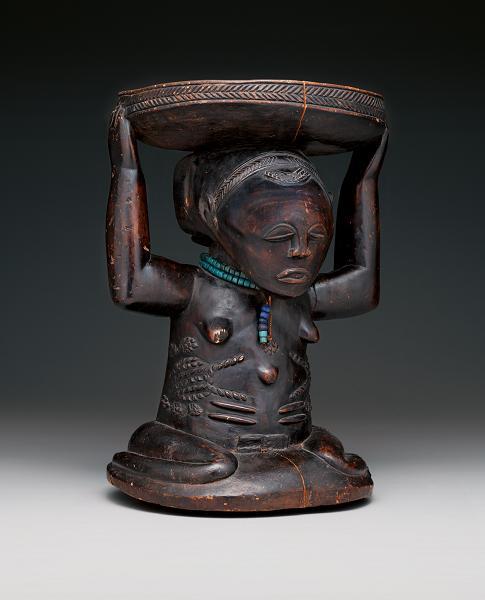
If you were to wander through the African galleries today or tomorrow, you might encounter a studious group of 5th graders and their teachers from Harry C. Withers elementary.  Clustered around works of art, the students will be sketching and talking about what they see, think, and feel in response to the art.  When looking at the Stool supported by kneeling female figure from the Luba peoples of the Democratic Republic of the Congo, the discussion may range in topic from the geometry and patterns they see to ideas about beauty and the significant role of women in the Luba culture to the king who sat on this stool.

Math teacher Debbie Hurley will likely be leading this discussion.  With a team of teachers, Debbie and the Withers 5th grade students have visited the DMA every year for the last 15 years!   I’ve seen her teach with the Stool many times in the galleries and learned much from her passionate approach to teaching and her ability to help students make connections between the art and their lives.   In 1995, Debbie was among a group of Dallas ISD teachers and DMA education staff who collaborated to create a teacher-led curriculum called “African Traditions” for the Museum’s Art of Looking school partnership program.  The Art of Looking partnership program is 17 years old this year.  A program for 4th – 6th grade students and teachers, the Art of Looking champions interdisciplinary approaches to works of art, guides students through deep looking experiences with art that help build creative and critical thinking skills, and fosters a connection between Dallas ISD schools and their hometown Museum.

The Art of Looking partnership program, more so the “African Traditions” experience, is so embedded in the Withers school culture that it defines what it means to be a 5th grader at Withers, and what it means to be a parent of a 5th grader (who come often as chaperones on Museum visits).

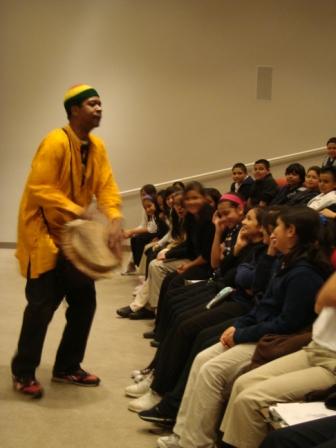
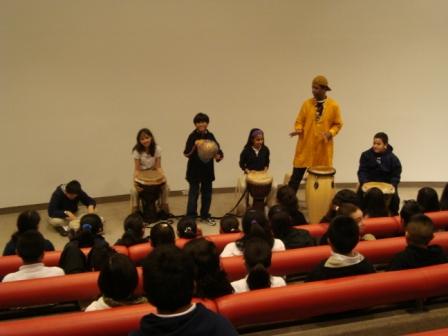
This week the Withers Wildcats make their 15th annual visit to the Museum and it will be an extra special one.  Following their Friday session in the galleries looking at art, students will join African drummer Leo Hassan for a hands-on experience with African drums.   I’ll be sure to post pictures late Friday – so come back for a look!

Nicole Stutzman
Director of Learning Partnerships with Schools and the Community

Art for Two

It’s a perfect day for thinking in twos; we’re getting close to that couple-y time of year, and it’s also the 2nd day of February (2/2)!

The DMA collection is full of couples in works of art—some of them are real-life pairs, some are fictional twosomes.  Below are just a few of the many couples here at the Museum.  All of them (or works by them) are currently on view.

Wendy & Emery Reves: A Couple Art-lovers
She was a fashion model. He was a Hungarian journalist and writer.  Together Wendy and Emery Reves befriended celebrities (Winston Churchill and Greta Garbo) and amassed a breath-taking collection of decorative and fine art by artists like Degas, Monet, and van Gogh.  The Reves gave their entire 1,400 piece collection to the Museum in 1985, where it is housed in a beautiful replica of their French villa on the 3rd floor of the Museum.

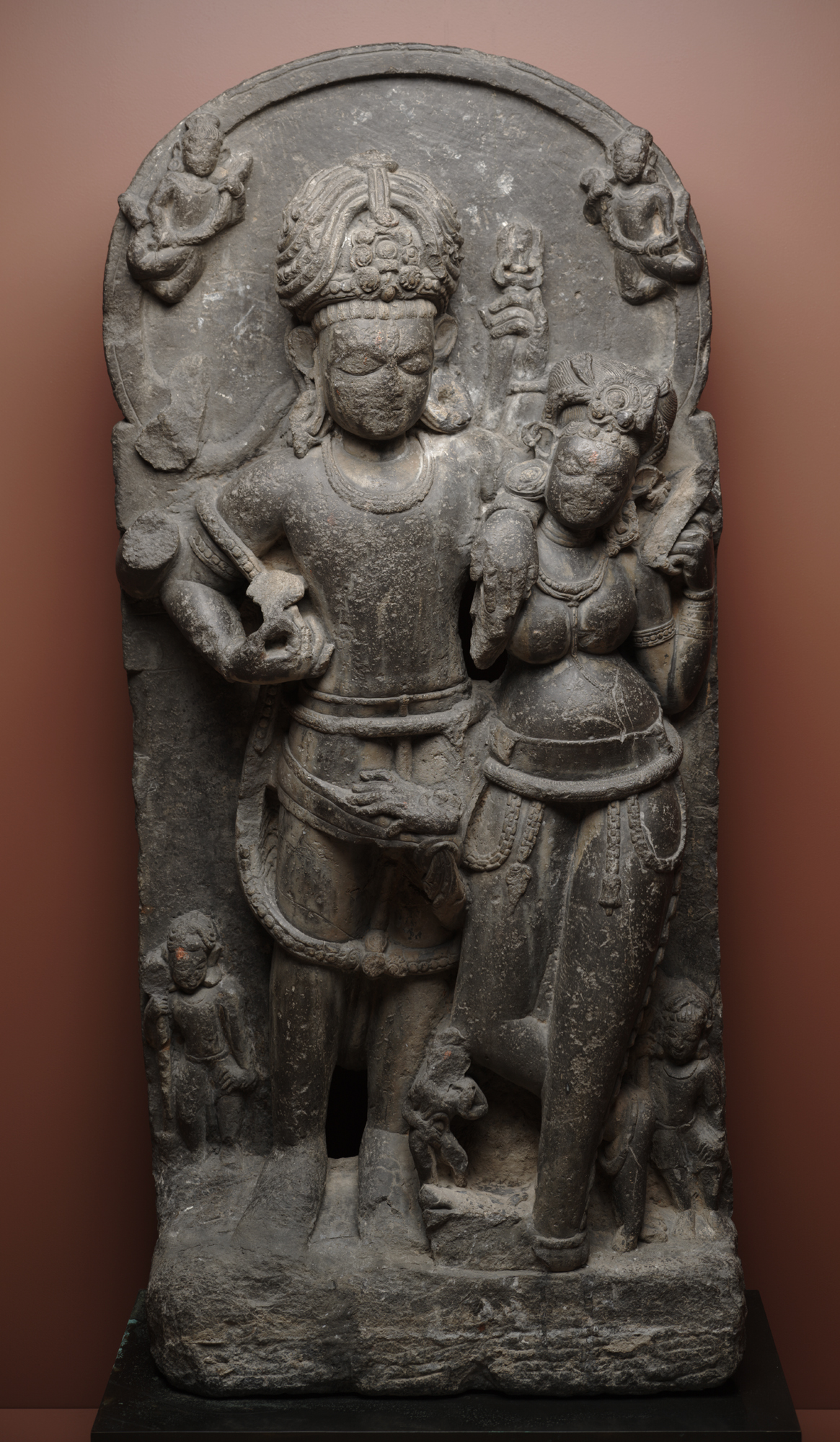
Shiva & Parvati: A Divine Couple
Hindu god Shiva, and his wife, the goddess Parvati, are shown in this 7th-8th century atwork as a loving couple.  Shiva is the Lord of Life, Death and Rebirth, and in this sculpture he appears as Maheshvara, or great god. Parvati appears as Uma, or the shining one.

India, Stele of Uma-Maheshvara, 7th-8th century

Frances Bagley & Tom Orr: A Couple of Local Artists
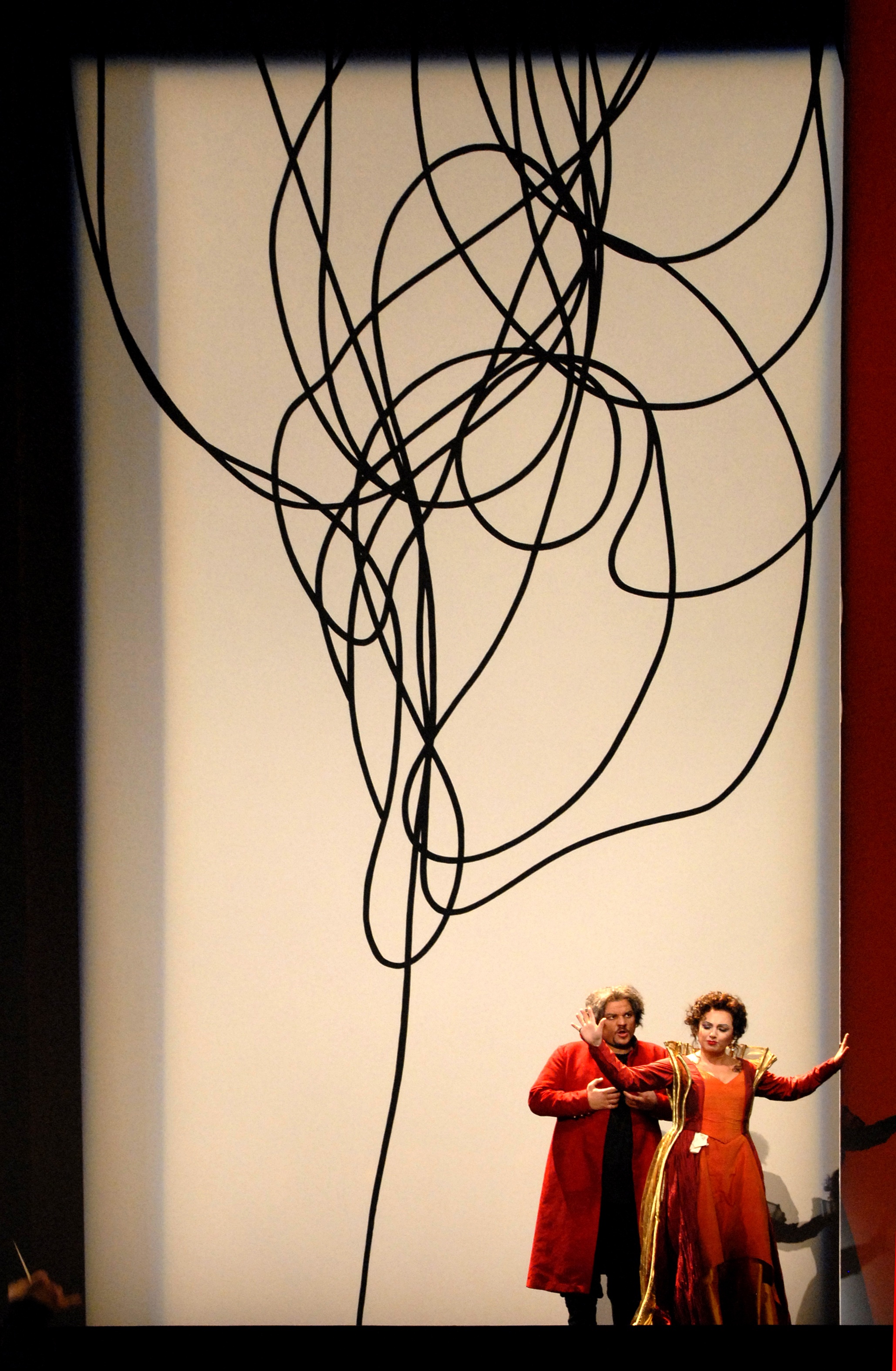
Dallas artists and real-life couple Frances Bagley and Tom Orr collaborated to create the stage set for the 2006 Dallas Opera’s production of Giuseppe Verdi’s, Nabucco.  They translated several components of the production’s set to create an installation that is on view in the exhibition Performance/Art, through March 21st.  Nabucco tells the Biblical story of the Jews’ exile from their homeland by Nabucco, the Babylonian king.  The image below shows Bagley and Orr’s interpretation of the Hanging Garden, the final scene of the opera.


Scene from the Tales of Ise: An Ill-fated Couple
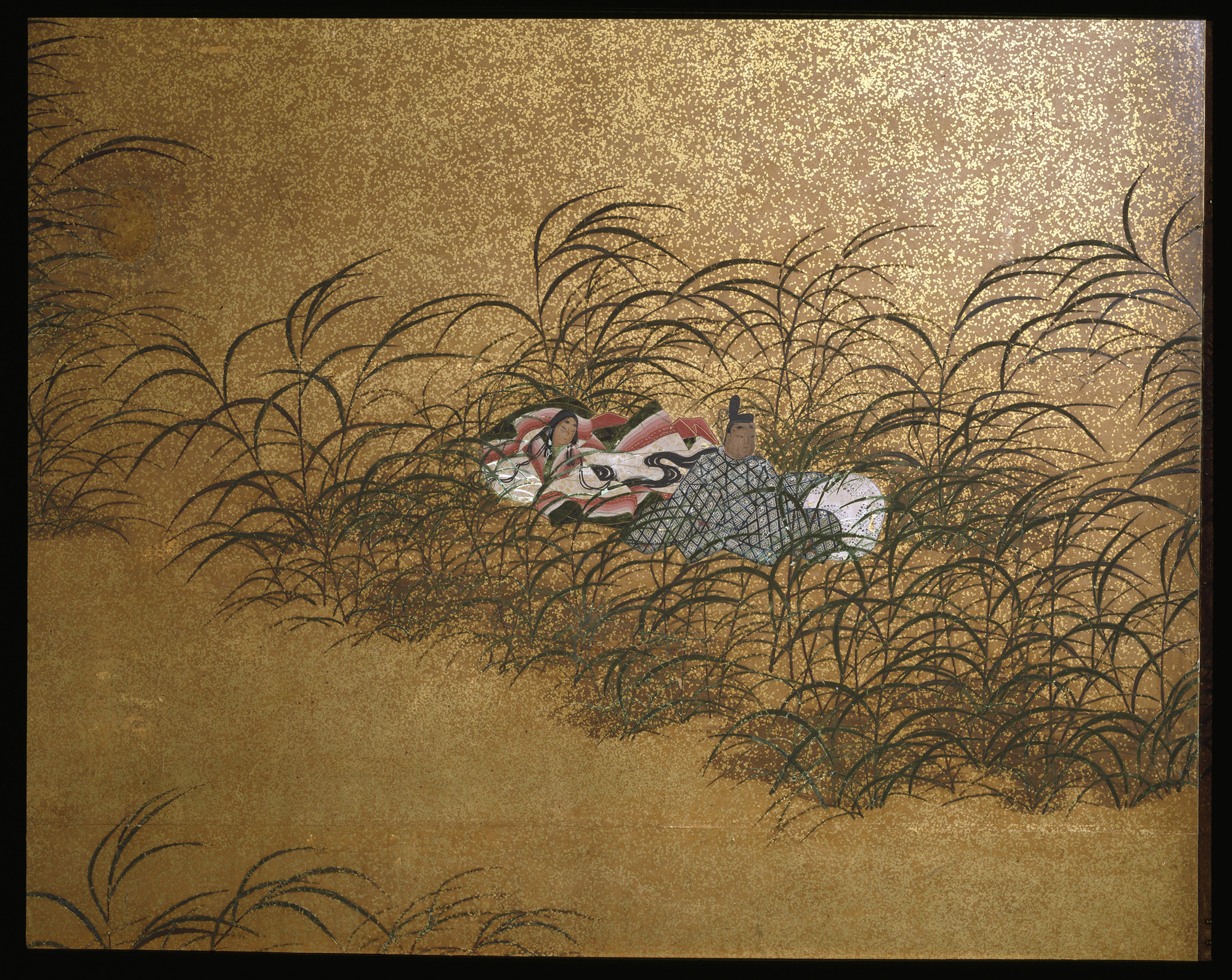
The couple in these 16th century screens is based on characters from a Japanese collection of fables called “Tales of Ise.”  This scene shows the pair attempting to elope by escaping through a field of grass, as they are pursued by servants of a provincial governor.  The empty, lonely scene foreshadows the tragic fate of the young couple, who will soon be discovered in hiding after the servants set fire to the field.
Tosa Mitsuyoshi, Scene from the ales of Ise, Momoyama Period

Couplet
This last one isn’t an artwork in our collection, but it just might be my favorite on the list.  It’s a student-made video about two chairs visiting the Museum, and it reminds me of the fun of looking at art with someone else.  Hats off to the Booker T. Washington High School Film Club students who created it during a Saturday afternoon here this past October.

[youtube=http://www.youtube.com/watch?v=uIvIjRXPcTU]

Our next Late Night on Friday, February 19th is a perfect time to visit the Museum with a special someone; there will be French themed performances, and a focus on Impressionism and romance.

Happy February!
Amy Copeland
Coordinator of Learning Partnerships with Schools and the Community

Woven Records Sneak Peek!

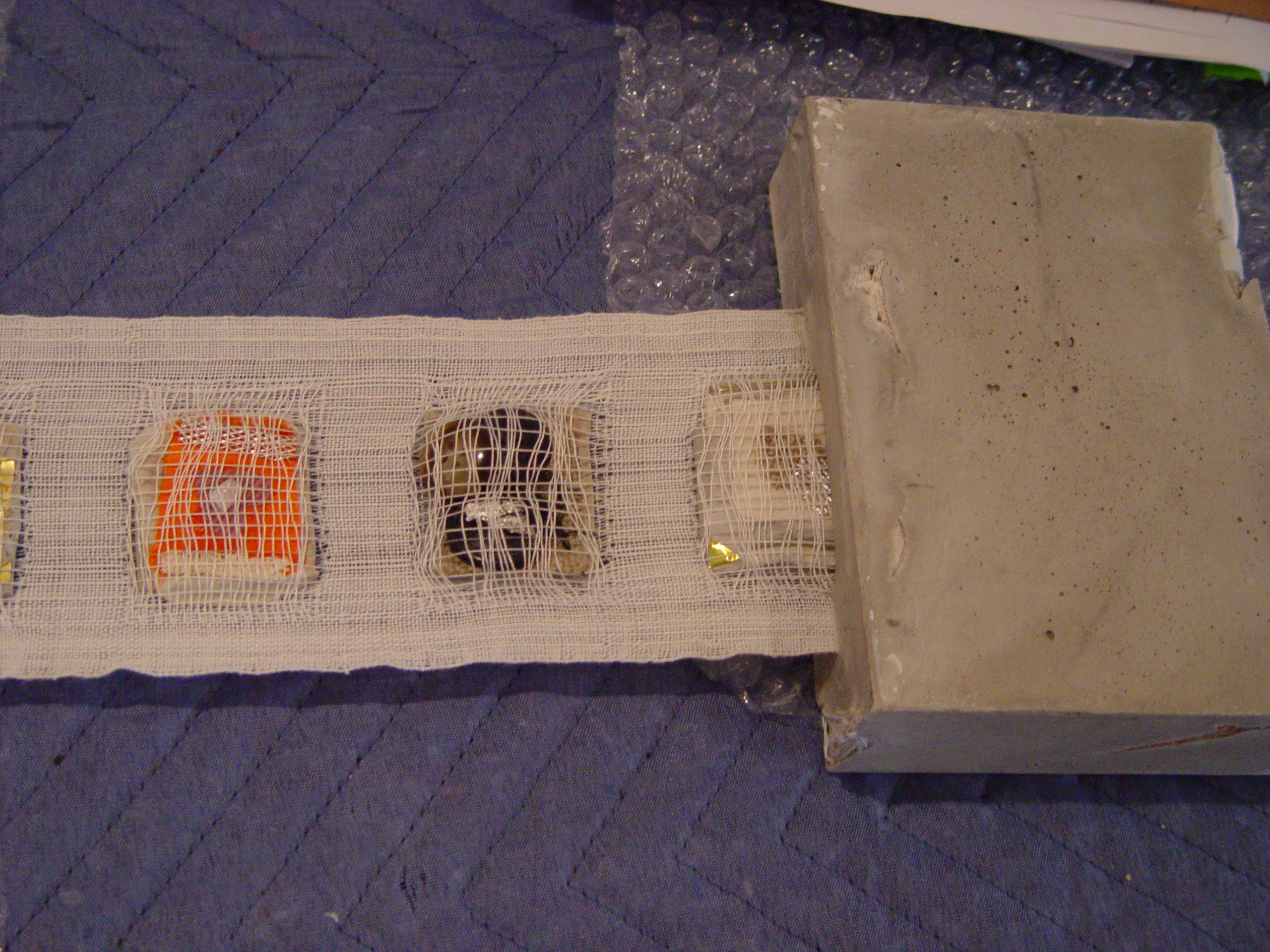
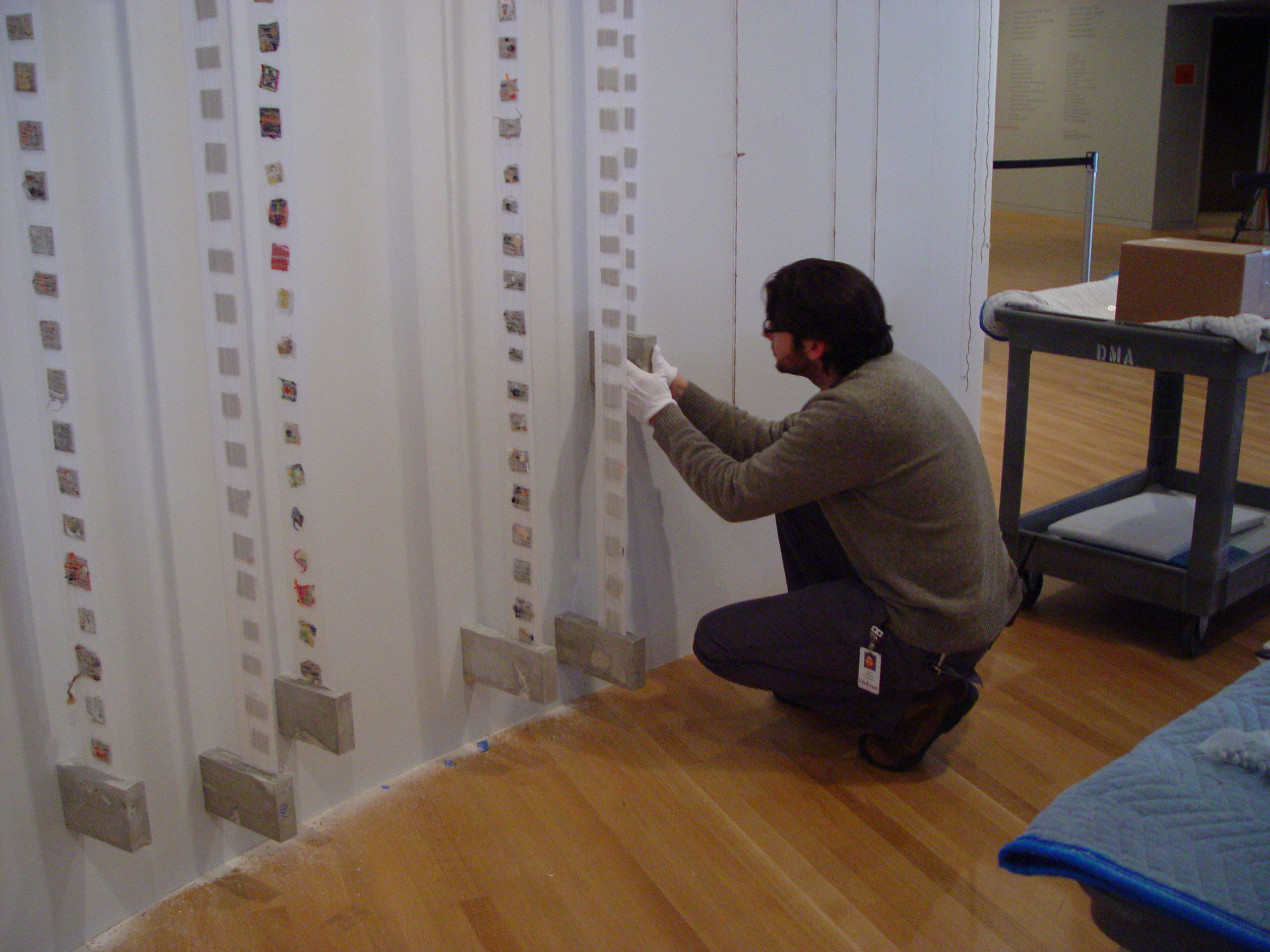
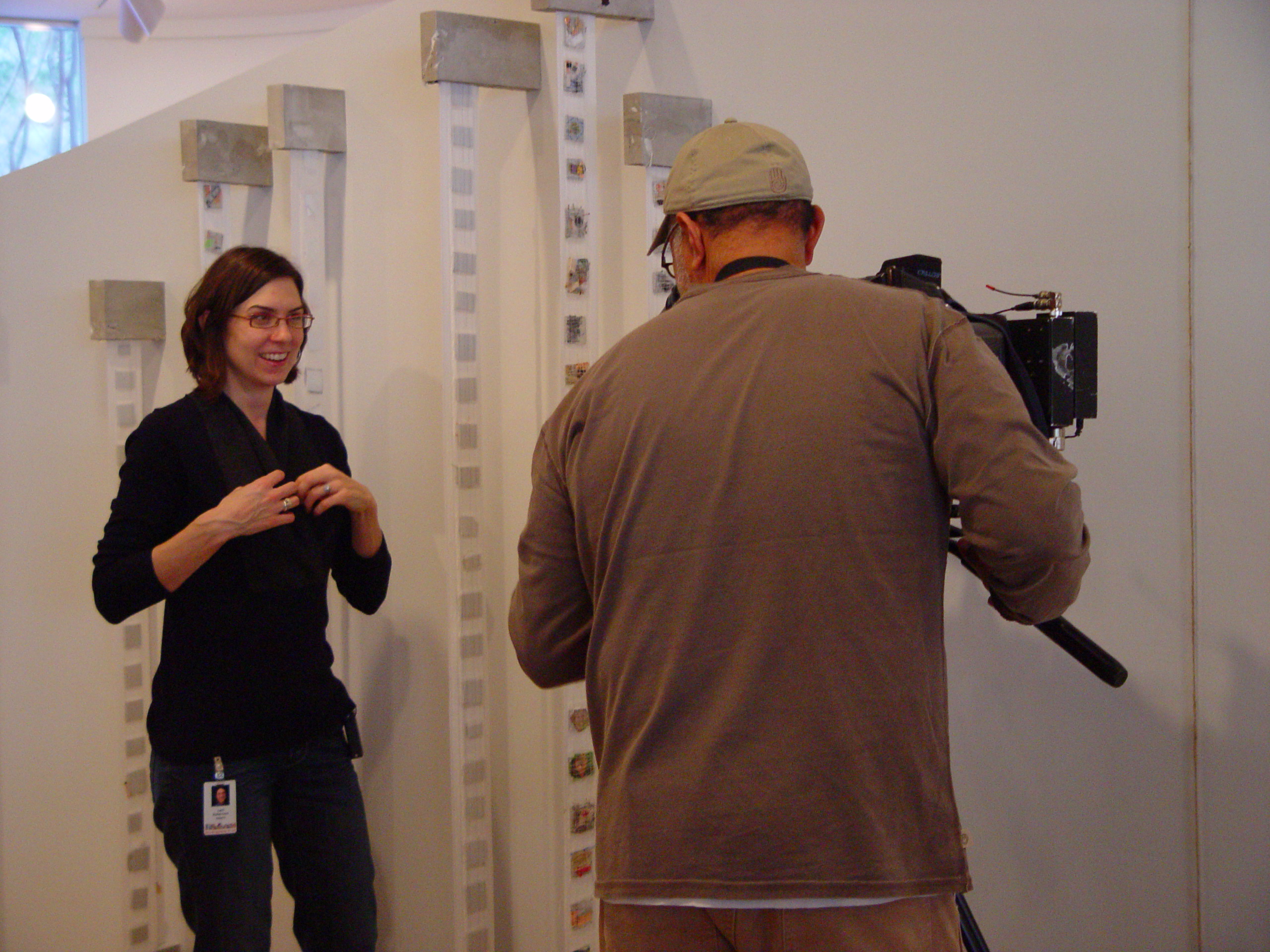
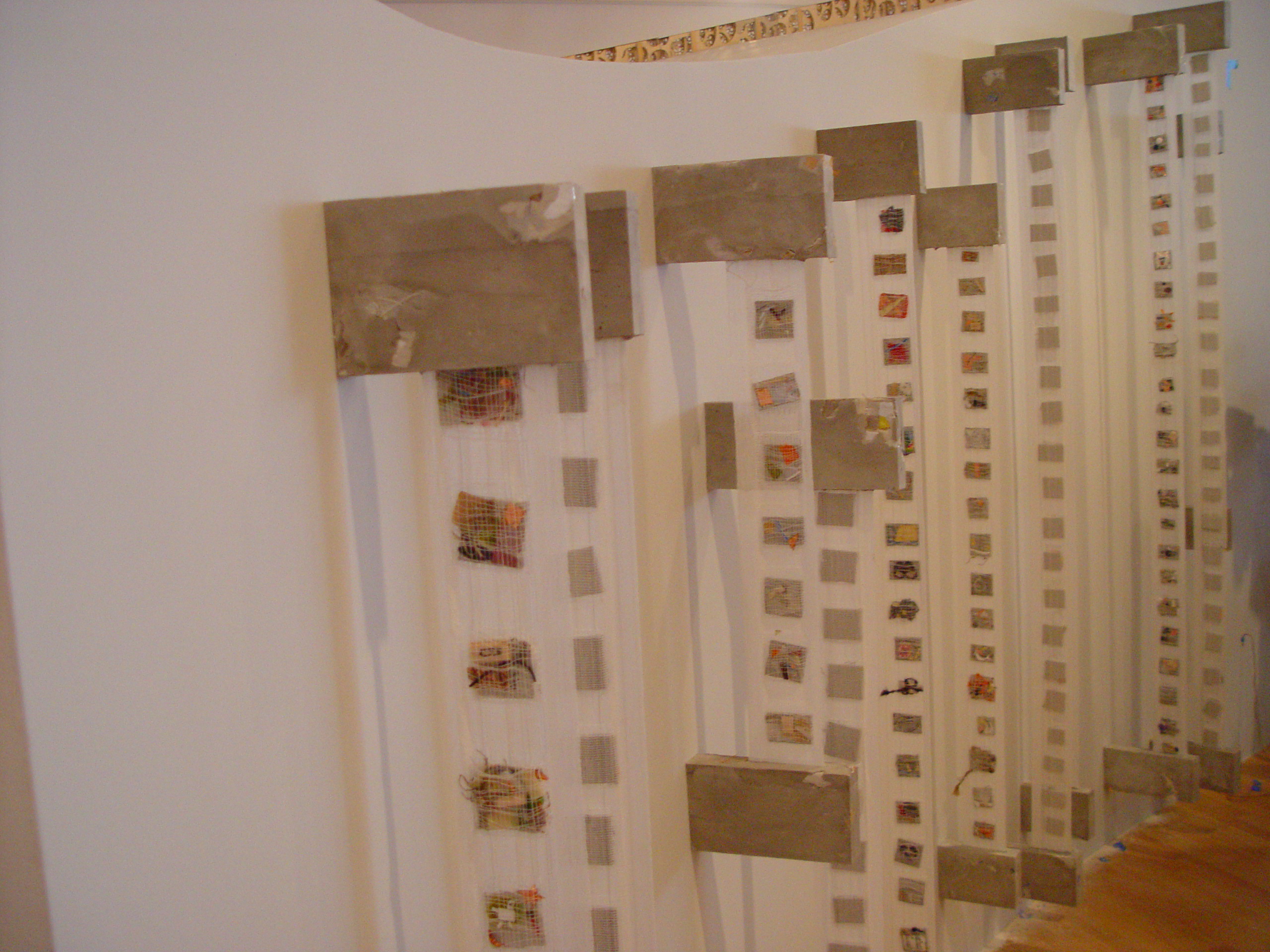
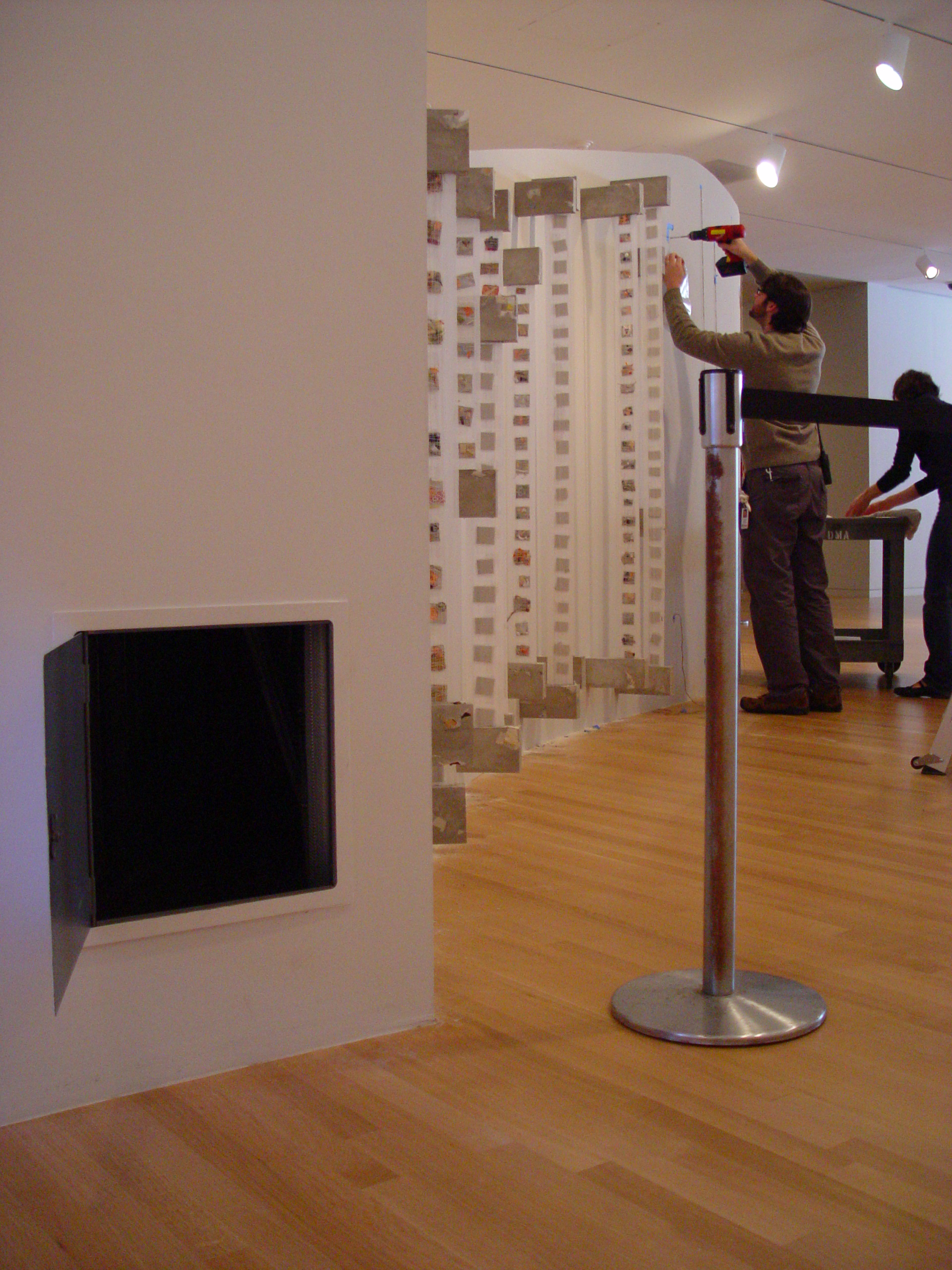
Lesli Robertson returned to the DMA this week to aid in the installation of Woven Recordsthe Museum’s first community partner response art project designed and executed by a single artist.  Last fall, Lesli guided sixteen community groups in the creation of small concrete collages.  She then wove over 500 concrete collages into strips that form a larger textile-based art installation that will be on view in the Center for Creative Connections February 7-May 23, 2010.

Each section is laid out on a table before it is mounted to the exhibition wall.

John Lendvay, a DMA preparator, aligns each section as it is mounted.

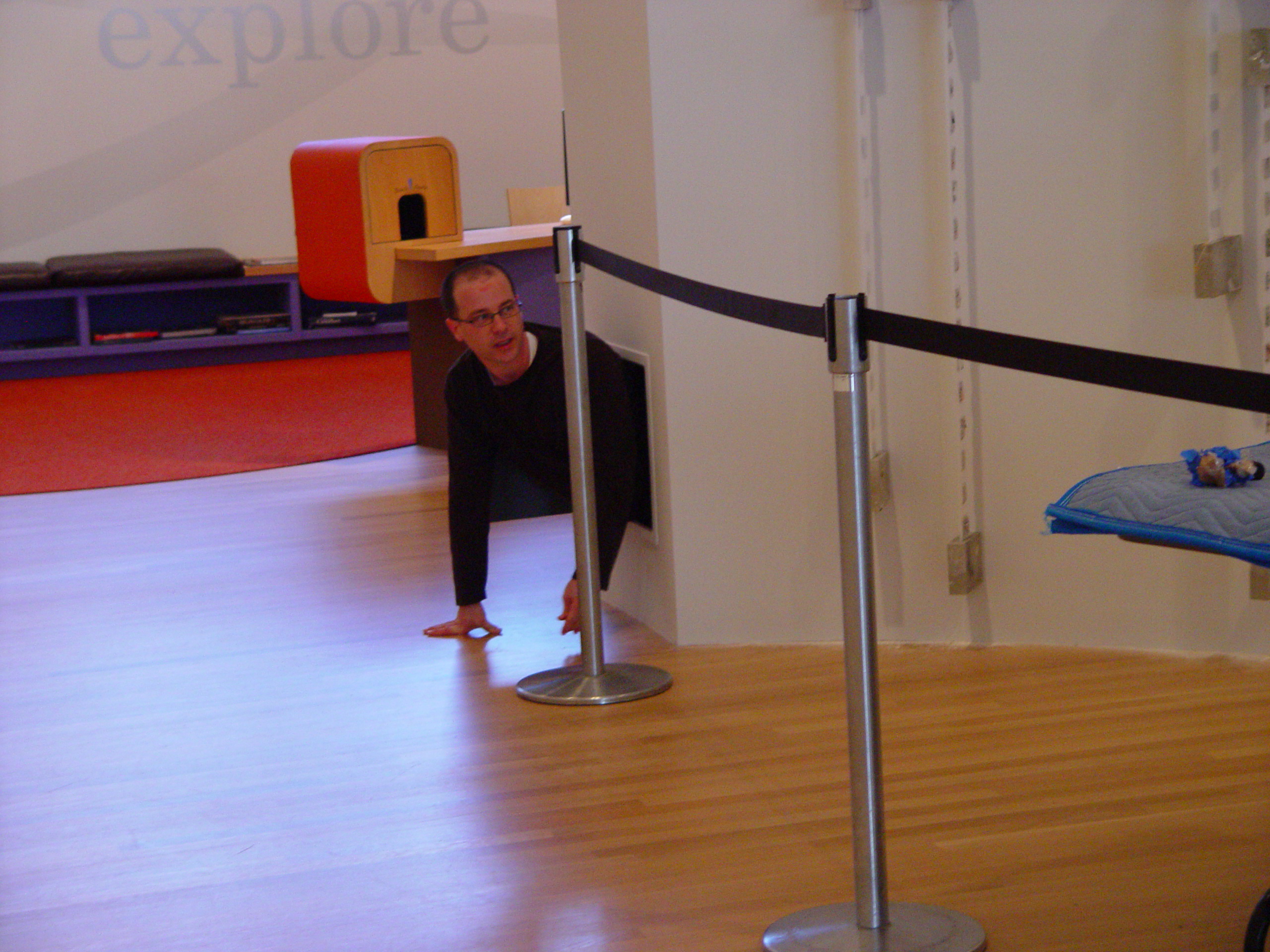
A covered opening allows interior access to the wall, which is hollow.

Lance Lander, another DMA preparator, has the lucky job of securing the mounts inside the wall.

Lesli is interviewed for footage that will be available to CW 33, Fox 4, and NBC 5.

Close-up view of installation.
Melissa Nelson
Manager of Learning Partnerships with the Community


Contemporary Art Teacher Workshop

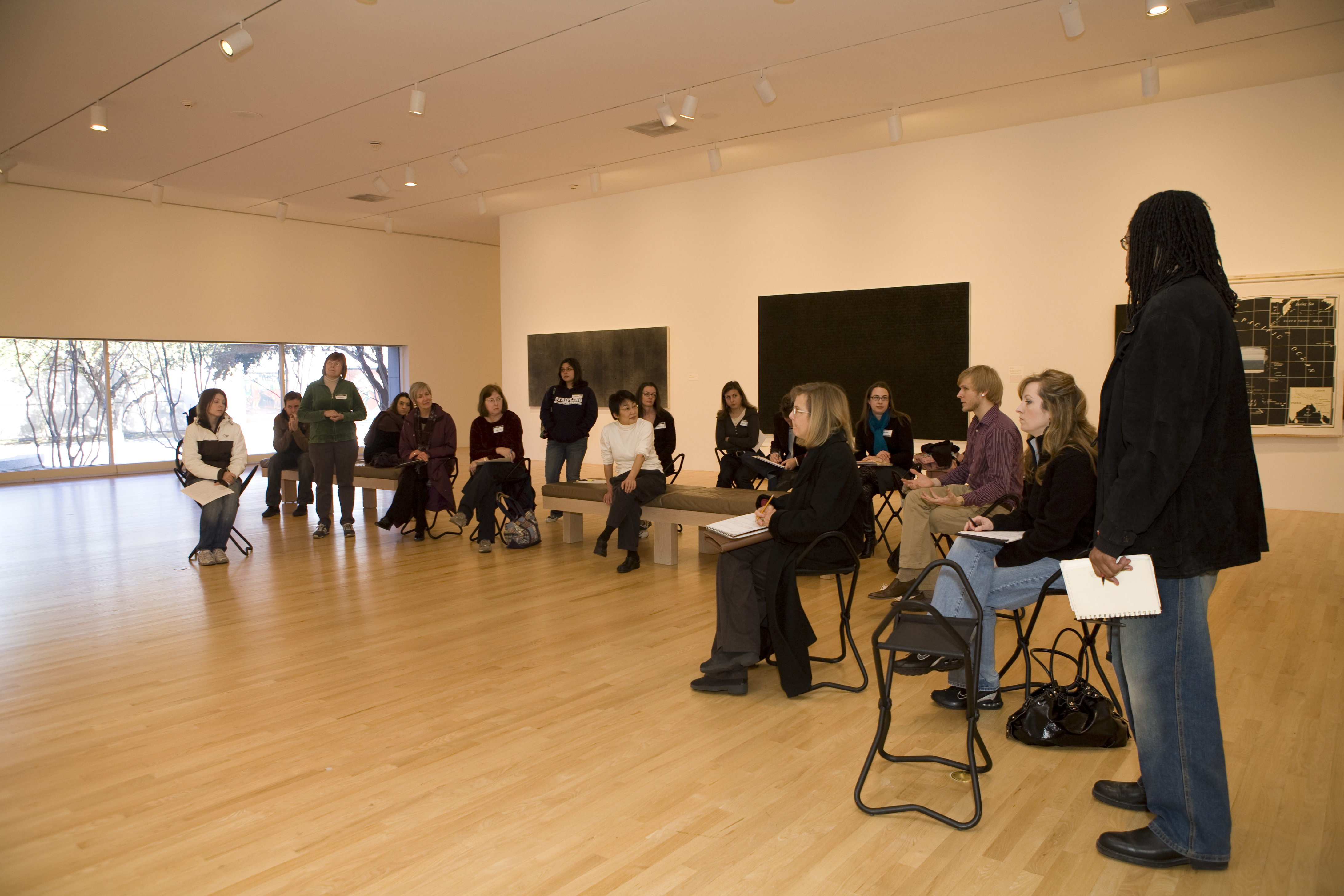
Last weekend teachers attended the second half of a two-part teacher workshop about contemporary art offered by the Dallas Museum of Art and The Rachofsky House. During the first session, held at the DMA on January 9th, teachers interacted with works of art in the special exhibitions All the World’s a Stage and Performance/Art, as well as in the newest installation in the Hoffman galleries.

Teacher Workshop in the Hoffman Galleries

During our three and a half hours together that day, Molly Kysar and I led interactive experiences, discussion and writing while looking at a variety of works of art. This past Saturday, January 23rd, we met at The Rachofsky House where Thomas Feulmer introduced teachers to the current installation, Presence.

Thomas began our morning together by offering teachers the opportunity to experience works by artists they had seen during our first session at the Museum, including Glenn Ligon, David Altmejd, Thomas Struth, and Gregory Crewdson. In each case the work on view at the DMA and that at The Rachofsky House were quite different in scale and their subject matter was approached through different means. The Altmejd sculpture on view at the Museum, for instance, is titled “The Eye” and fills one of the quadrant galleries in Performance/Art with its energetically rising mirrored staircases, obelisks, and punctured surfaces in a spectacular reference to the creation of the atom bomb. At The Rachofsky House, on the other hand, Altmejd’s “The Quail,” though still constructed with mirrors and towering above the viewer, includes a number of quail eggs encased in glass and is more evocative of Stonehenge than it is of explosions.

The Eye, 2008, David Altmejd

Wood and mirrors
Overall: 129 1/2 x 216 1/2 x 144 1/2 in. (3 m 28.931 cm x 5 m 49.911 cm x 3 m 67.031 cm)

The Rachofsky Collection and the Dallas Museum of Art through The Rachofsky Collection Fund and the DMA/amfAR Benefit Auction Fund

© David Altmejd, courtesy the artist and Andrea Rosen Gallery

The workshop provided a great chance to explore a few works by Gregory Crewdson, who will be speaking at the DMA this Wednesday, February 3rd, as part of a lecture series hosted by The University of Texas at Dallas’ new Center for Values in Medicine, Science and Technology. We will host a teacher workshop that evening, including two hours discussing Crewdson’s work and contemporary photography before attending the public lecture.

The DMA and The Rachofsky House will again join, along with the Nasher Sculpture Center, the Fort Worth Modern, and the Kimbell Art Museum, for this year’s Museum Forum for Teachers, taking place July 19-23. Applications are now being accepted.

Logan Acton
McDermott Graduate Teaching Programs Intern
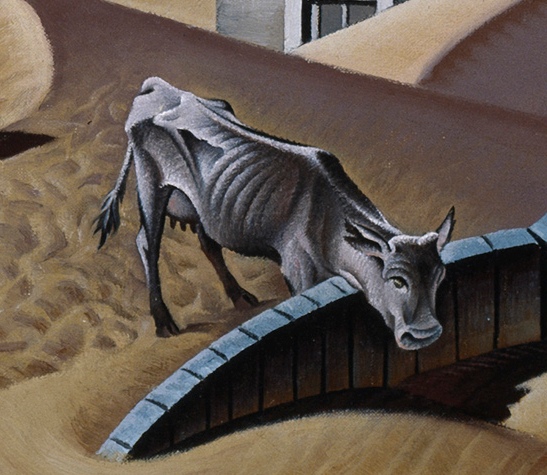
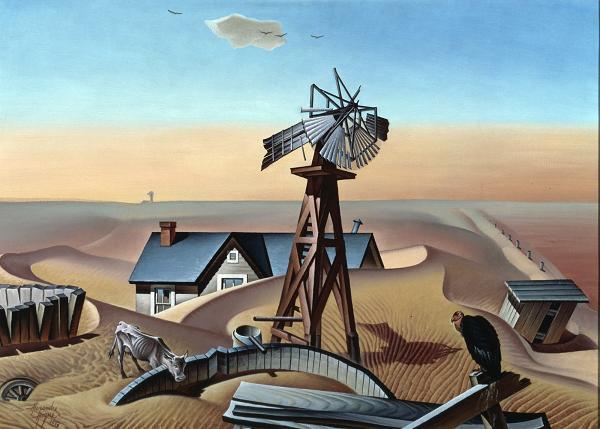
I Can't Help Lovin' That Emaciated Cow of Mine

This cow stole my heart back in 2002 and I have been in love ever since.   Although not many people would say that an image of an animal in desperate need of food, water, and attention is something to be excited about, my adoration is based upon what this cow represents.  The sickly bovine is a small detail in a painting that is a response to the economic challenges that plagued the United States during the 1930s.   The artist, Alexandre Hogue, is one of many artists, authors, playwrights, and musicians that approached the social, political, and economic subject matter of the Depression era head on.   

Alexandre Hogue (American, 1899 – 1994), Drouth Stricken Area, 1934, Oil on canvas

Alexandre Hogue’s Drouth Stricken Area purposefully exaggerates the conditions of the dry Texas landscape in order to gain the viewer’s attention and to elicit a strong emotion.  He believed that the over-cultivation of fields and the thoughtlessness of man were the causes of the region’s demise.  The erosive state of the Dust Bowl is the focus of Drouth Stricken Area, one of six paintings in Hogue’s Erosion Series.

I was raised on a ranch in the Dust Bowl and I was there when the dust storm hit….I saw lush grazing land turned into sand dunes. Thistles blew in and fences would be covered in just a few hours. Railroads had plows fighting it just like they fought snow….To me, as an artist, it was beautiful in a terrifying way. I painted it for that terrifying beauty.         Alexandre Hogue

Drouth Stricken Area captures a prophetic scene of unusable farmland and the effects of the Dust Bowl that were later captured in photographs by Dorothea Lange, Arthur Rothstein, and other photographers working with the Farm Security Administration between 1935 – 1942.  

 As I stated at the beginning of this blog, I love Alexandre Hogue’s emaciated cow and the terrifying beauty of the landscape.   I am now in the mood to listen to Woody Guthrie’s Dustbowl Ballads

Drouth Stricken Area is currently up on the 4th floor in the American Galleries.   Let me know what you think about this work of art and say hello to my cow for me!

Until next time….

Jenny Marvel
Manager of Learning Partnerships with Schools


Archives

Categories