Archive Page 186

Community Connection: Using Art to Get at Life

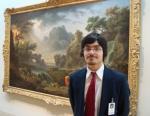
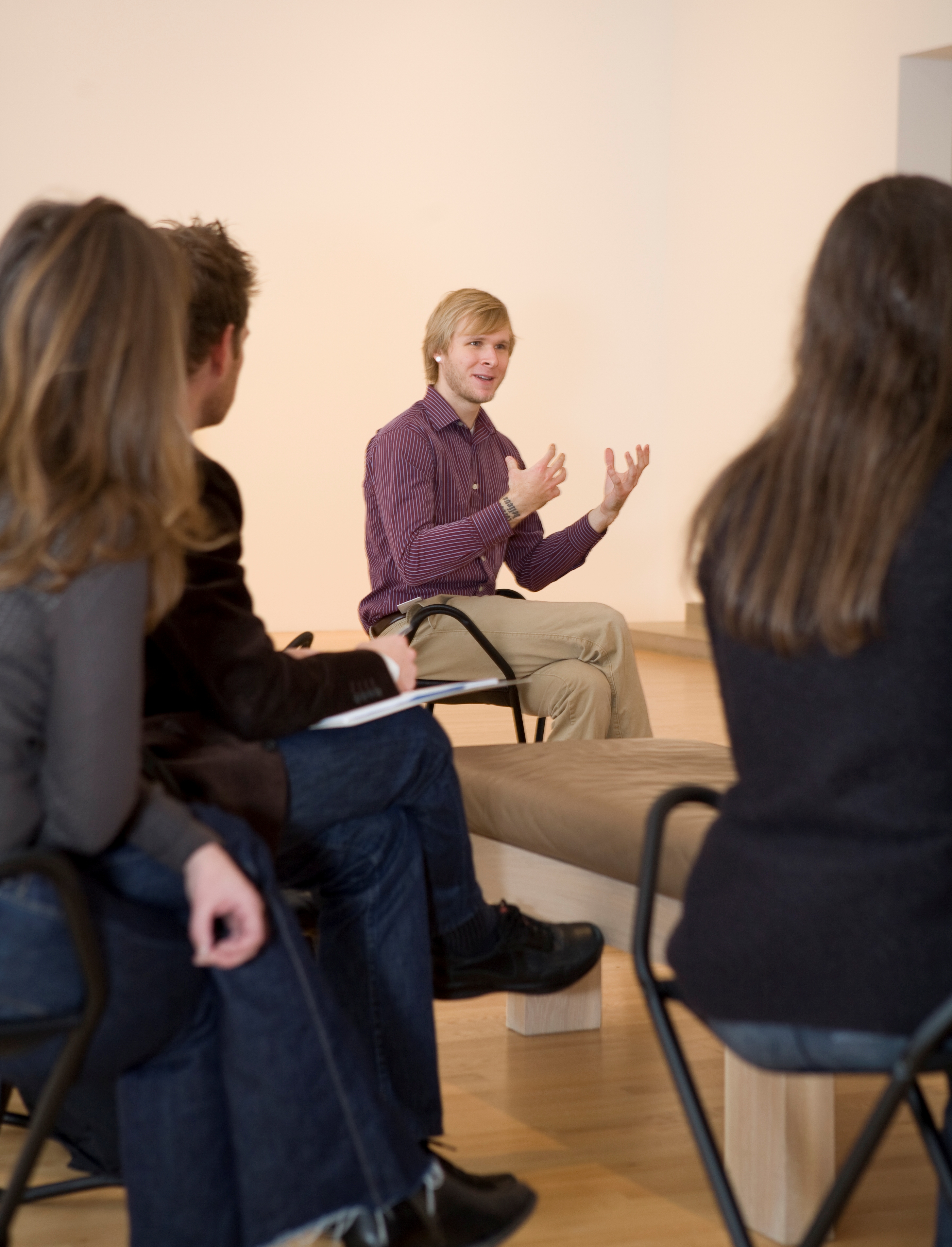
As museum professionals, we attend conferences regularly to share the exciting work we are doing at the DMA and to learn from our national and international colleages.  I attended the annual National Art Education Assocation Convention for the first time in 2004, and I had the pleasure of participating in a session led by Dr. Terry Barrett.  Since then, I scan each year’s schedule to make sure I don’t miss an opportunity to learn from Dr. Barrett.  Last year, I was delighted to hear that he had joined the Art Education faculty at the University of North Texas.  I recently had a chance to talk with Dr. Barrett before UNT adjourned for Spring Break. 

Dr. Terry Barrett

What sparked your interest in art education?

I’ve been in the field a long time and I got into it by default.  When I graduated from college, I was eligible for the Vietnam War draft.  I was opposed to the war, and one way to avoid the draft was to teach.  I began teaching in an inner-city, all-black high school in St. Louis; I was there the year Martin Luther King, Jr. was shot.  I fell in love with the kids and decided I liked teaching.  I’ve been teaching ever since.

How would you describe your theory to a person with no experience in art education?

My mission is to help people appreciate art and to appreciate life through art, because I think art gives us different ways of thinking about the world.

Did you ever have a great idea that didn’t work?  What did you learn from that experience?

No, I don’t think I ever had a great idea that didn’t work.  Thinking of “great ideas” is intimidating in itself.  Other people come to me with great ideas – I have said yes to many offers throughout my career, and that’s led me to different directions that have been very interesting.

For example, one big change in my career occurred when a former student asked if I would be an art critic in education for the Ohio Arts Council and I said, “Yeah, why not?”  Being an art critic in the schools enlivened me;  my research, my teaching and my community service came together like a circle – a productive circle.

I was a cancer patient about 5 years ago.   I went through chemotherapy and private counseling and during that time I figured out I wasn’t afraid to die, but I was afraid of becoming old and inactive.  My counselor told me I have to get over that fear and suggested I go to an assisted living community and work with the elderly.  I said “Why not?”.  I also started doing contemporary art interpretation with people with cancer, and we started seeing how those images related to our lives. They really enjoyed the process and produced some beautiful writings.  That’s when I started thinking about life issues more than art issues and using art to get at life.

I had enough years at Ohio State to retire, but there was an opening at University of North Texas and I thought “Why not?”.  I wasn’t ready to retire; I wanted to stay active and keep working, writing, and teaching.

I love your artist statement about choices you’ve made related to making art, your creative process, and the materials you choose.  Can you tell me more about how you came to these decisions – was it a learning experience of trial and error, or did you approach artmaking this way from the beginning?

When I was young, I made art instinctively and intuitively. As I got older and was writing more, I didn’t have time to make art and do it well, so I stopped.  I realized I missed it, and that’s when I began painting.  Sandy Skoglund told me I needed something to fit my lifestyle.  As an example, she told me about a friend who frequently traveled on an airplane and made small collages because they didn’t require a lot of space or materials.  The small paintings I make really satisfy me.  They’re fun to make and I don’t exhibit them; I just do them for my own enjoyment.

It seems like much of your life and work has been in the Midwest, specifically Ohio.  What is your impression/experience of living and working in north Texas?

I miss the trees, but I like the sunshine a lot. The people here are friendlier than they are in the Midwest. There’s a degree of politeness that I like; the Midwest has a reputation for being a friendly place, but people here smile and make eye contact and open doors more than I’m used to.  I love wide open skies, and I love living in horse country.  I wish some rich ranch owner would give me a little plot of land to live on a horse farm, where I would build a small green house with a small ecological footprint.

Dr. Barrett will lead part of an upcoming Teacher Workshop titled  Exploring Photography: The Lens of Impressionism, along with photographer and educator Frank LopezVisit the website to learn more and register.

Melissa Nelson
Manager of Learning Partnerships with the Community
From Student to Staff

I began my relationship with the Dallas Museum of Art when I was an AP art student at Frisco High School and visited the Museum with my class.  Although I spent at least three hours a day in art classes during my senior year, the Museum felt like it was a world apart from my own, much further than the half hour drive from my school. After graduating from Frisco High, I earned a scholarship to the University of Texas at Dallas where I was accepted into Collegium V, the honors program there. In addition to the courses available on campus, each spring UT Dallas and the Dallas Museum of Art collaborate to offer an innovative honors seminar that takes place at the Museum.

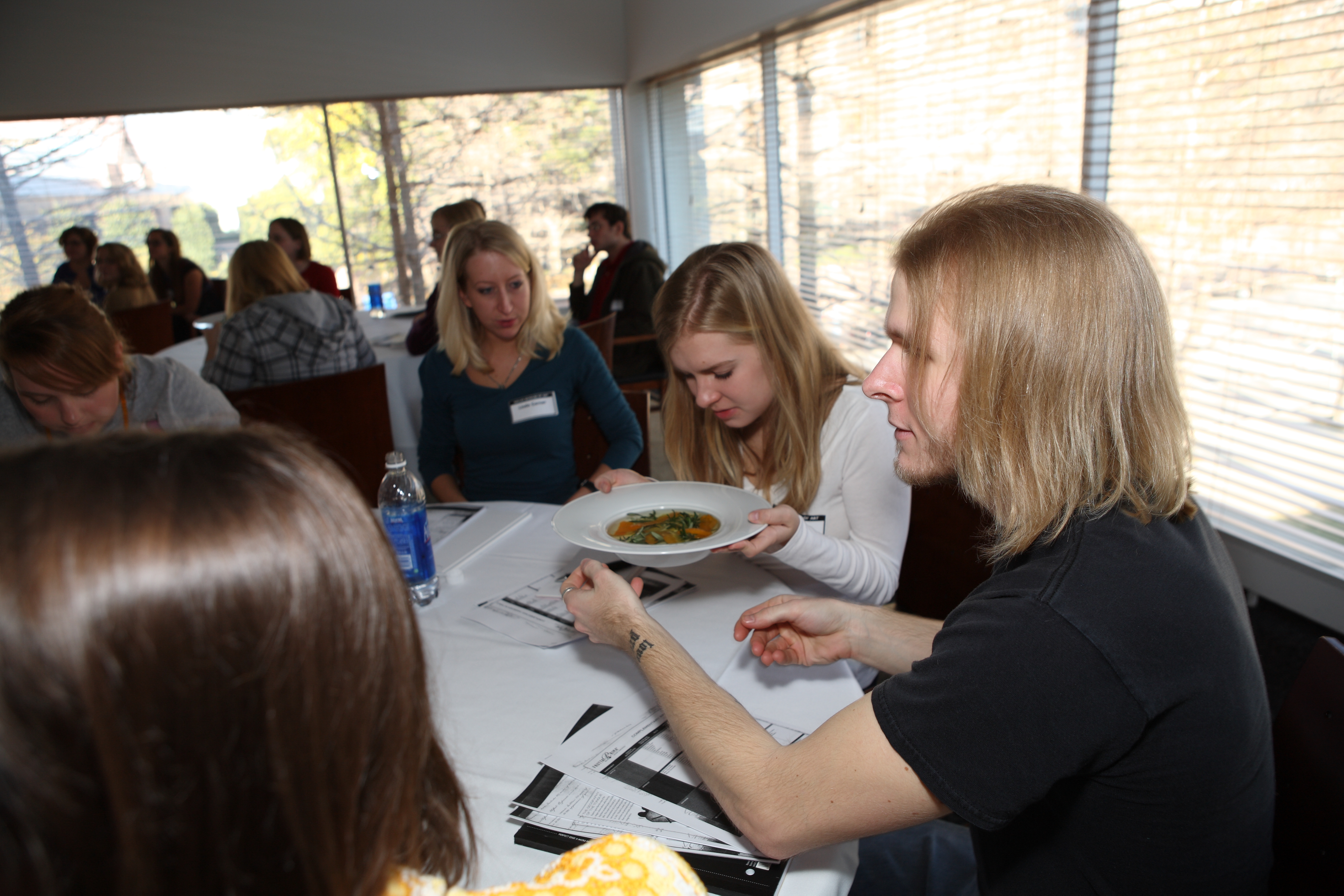
Me in 1717 during the honors seminar exploring the senses

I signed up for the partnership class in the spring of my freshman year,  a course devoted to the Maya, and I fell in love with the Museum. I took the class again the following year, studying modernism, then once more the next spring, studying the process of creativity. Although I had graduated with my Bachelor´s degree in Art & Performance by the time my fourth year arrived, I was able to participate as a graduate student auditing the course, this time about the senses in art and literature. As my scholarship program drew to a close, I learned that the Museum offers eight McDermott internships: four in the Curatorial Department and four in Education. I knew I loved art, I knew I loved sharing the things I was passionate about with others, so I applied to work at the Museum doing just that. Not long after, I found myself walking through the Museum’s doors as the McDermott Teaching Programs Intern.

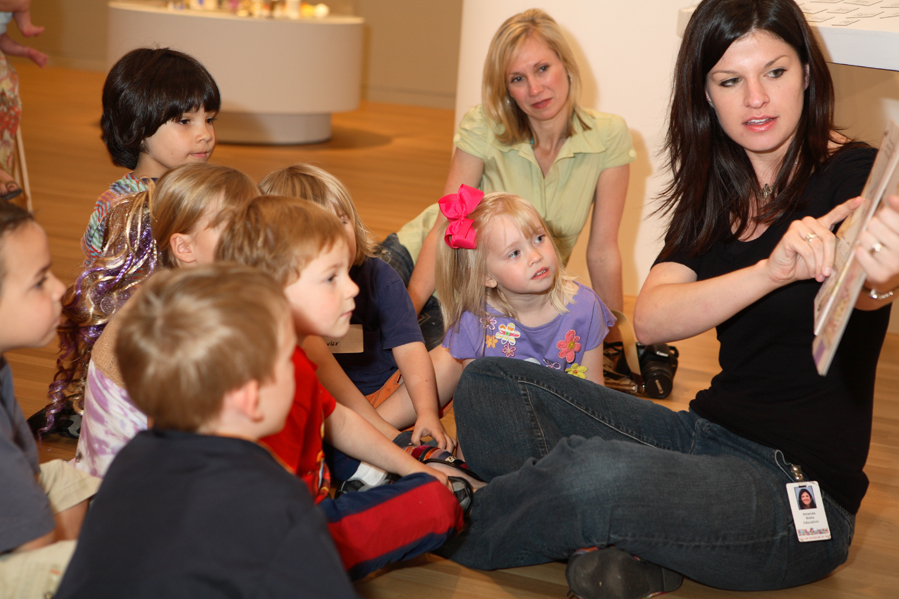
Me leading discussion during a teacher workshop about contemporary art

Not only have I been afforded the great opportunity to participate in teacher workshops and docent training as well as leading tour groups of all ages, but I have found myself on the other side of the table in the spring honors seminar. My experiences as a high school, undergraduate, and graduate student have shaped the way I see the Museum and the educational opportunities it provides, especially the way we interact with visitors. As someone who has witnessed it firsthand, I know that transformative experiences with art in the Museum are possible. My goal as a museum educator is not to impart a specific set of facts to a group of students, but rather to spark each student’s sense of wonder and provide them a starting point for whatever journey their imagination takes.

Looking Sharp in Those Navy Blazers!

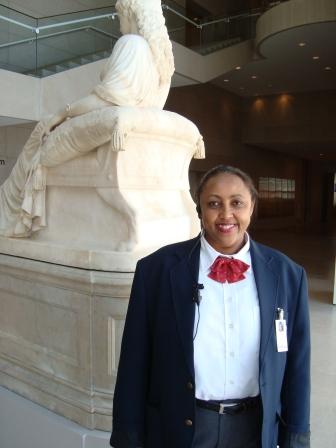
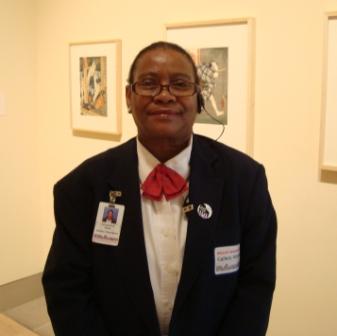
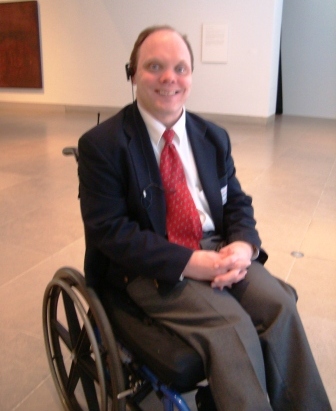
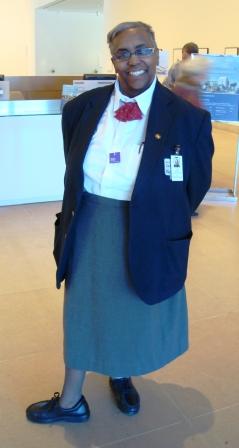
Gallery attendants are some of my favorite people!  They work hard and long, and are always excited to see me and any visitors that I might be bringing through the galleries.  Let’s honor them and the work they do!  I wish I could post pictures of them all.  Here are just a few to get to know.


Clockwise from upper left:  Muli has worked at the DMA for 14 years!  She likes to cook when she has some free time.  Always smiling, Jacque, has graced the galleries for 9+ years and puts together 1000-piece jigsaw puzzles.  Mr. Ronald counts this year as his lucky thirteenth at the DMA and plays a mean Scrabble game.  Eugene has worked at the DMA for 7 months.  He’s a guitar player in a band and paints too!  Ornery Ethel, or “Dean” as everybody calls her, has been a part of the DMA family for 2 years.  She loves church and shopping.

Nicole Stutzman
Director of Teaching Programs and Partnerships

Spring Break at the Museum

We’re gearing up for a week of extraordinary programming at the Museum, so come spend a day (or the whole week!) with us.  Below are just a few of the many great experiences you can have at the Museum next week.

  • Take a new smARTphone tour
    Bring your own web-enabled device (such as an iPhone or Blackberry) to the Museum to access new and interactive content related to The Lens of Impressionism and The Wendy and Emery Reves Collection.  If you do not have your own device, a limited number of iPod Touches can be checked out free of charge at the Visitor Services Desks.
  • Spend an evening in Wonderland
    Learn to be a hatter in the Art Studio and watch three film adaptations of Alice in Wonderland at the Museum’s Alice in Wonderland-themed Late Night on March 19th.. 
  • Feed your appetite for knowledge
    Gallery Talks happen every Wednesday at 12:00 p.m. They are free 45-minute discussions led by various Museum speakers. Logan Acton, McDermott Education Intern for Teaching Programs, will be leading the discussion next Wednesday, March 17th, entitled Enlightening Connections: Science and Contemporary Art.
  • Go on a scavenger hunt
    Explore the Museum’s collections and search for hats using a gallery scavenger hunt.
  • Discover local Young Masters
    View selected artwork created by Advanced Placement Studio Art students participating in the O’Donnell Foundation’s AP Arts Incentive Program™.  On view in the Concourse through April 18th.
  • Enjoy a light spring meal
    Head to the Museum’s Atrium Cafe and celebrate spring with tasty seasonal dishes like Quiche and Salad, Chicken Broccoli Crepe Provencal, and Turkey and Brie Crossiant.
  • Help your kids walk into and away with some art
    Use green screen technology to create your own vacation-themed postcards that will be available on the Museum’s Flickr website.  Tuesday, March 16–Friday, March 19th, 1:30-4:00 p.m in the Center for Creative Connections. 
  • Stop and enjoy the flowers
    The springtime wisteria blooms in the Museum’s Sculpture Garden near the Ross Avenue entrance are breathtakingly beautiful. After admiring their splendor, go find Water Lilies by Claude Monet in the European Painting and Sculpture galleries on Level Two.

Have a great break!

Amy Copeland
Coordinator of Learning Partnerships with Schools and the Community

BooksmART: John Grandits @ the DMA

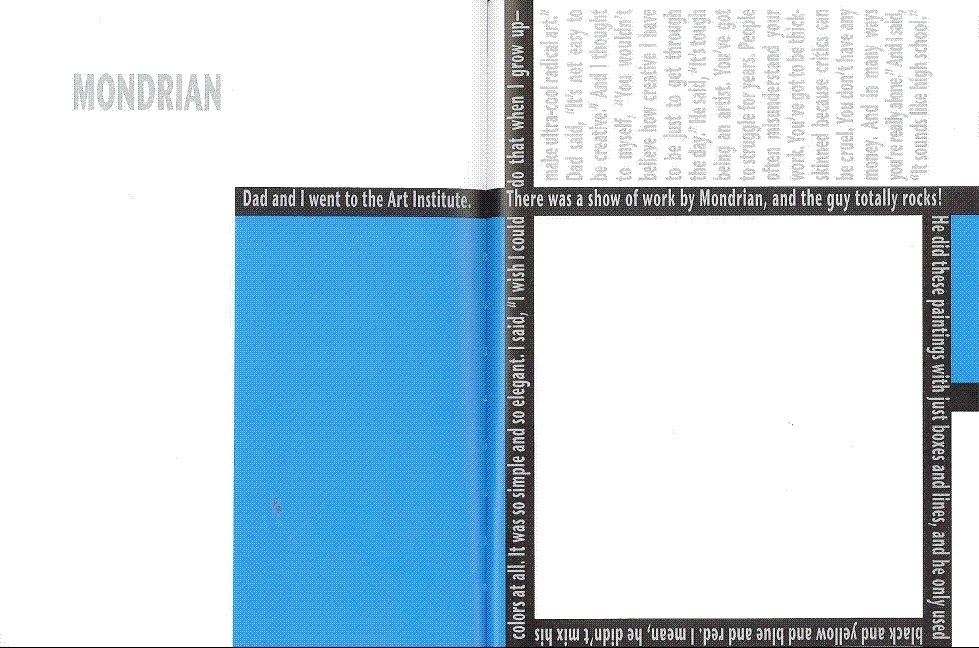
John Grandits is a very funny man, and he’s coming to the DMA!  If you’ve found that sonnets, ballads, and Roman epics are too heavy for you, Mr. Grandits is here to make poetry downright concrete.  If that sounds intimidating, it’s not—poetry can be a lot of fun.  Grandits is a concrete poet, and he’s the author of two immensely enjoyable (and highly acclaimed) books for kids: Technically, It’s Not My Fault and Blue Lipstick.  If you’re tired of Times New Roman and typing left to right, this is your kind of poetry.  Grandits’ poems move in squiggly lines, travel up and down, and create pictures on the page.  He uses fonts, shapes, textures, colors, and sometimes even motion. 
 
If you would like to get a sense of his work, visit his Web site.  It’s full of quirky photos, playful type, and a great poem about a beleaguered snake.  If you’d like to do a little research, check out his books at the Dallas Public Library.  John Grandits will be at the Museum March 18-20, a fantastic opportunity to learn about his work.  Visit the Web site to learn about all the events Arts & Letters Live has planned for John Grandits’ visit to the DMA.
Justin Greenlee
McDermott Intern, Learning Partnerships Department

New Resources for the Lens of Impressionism Exhibition

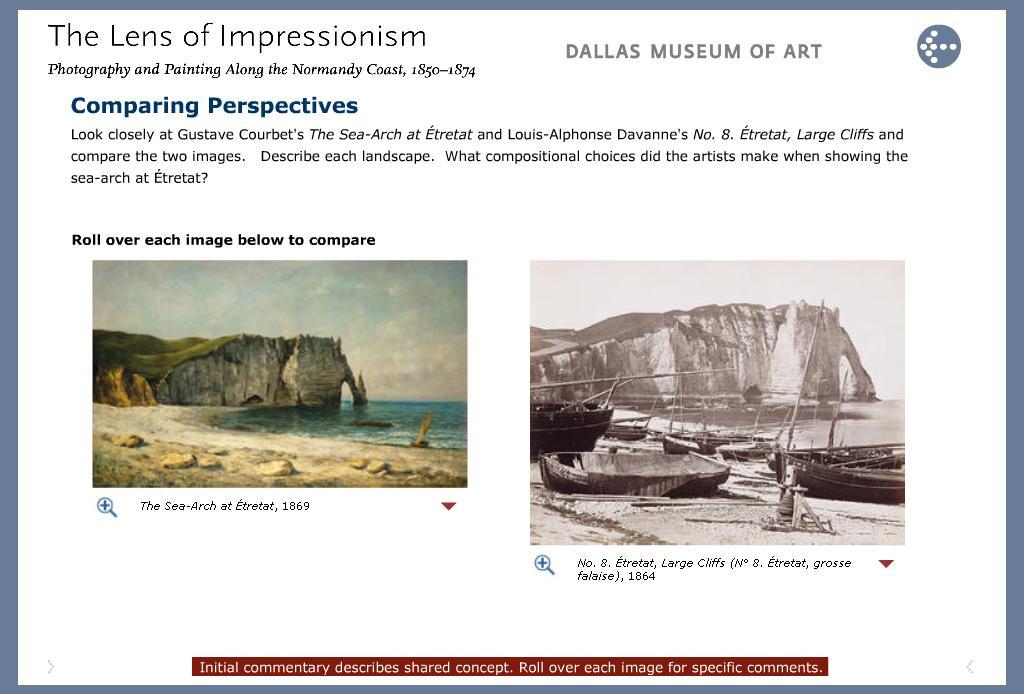
Travel to the French coastline through the new Lens of Impressionism: Photography and Painting Along the Normandy Coast, 1850–1874 teaching materials .   These resources include artwork information, images, and much more!     Bon voyage!

 
Until next time….

Jenny Marvel
Manager of Learning Partnerships with Schools

Davy Crockett – King of the Wild Frontier

 March 6, 2010 will mark the 174th anniversary of the epic battle of the Alamo. The Alamo was constructed in 1724 as a Spanish mission. It served as a home for missionaries and their Indian residents. Today, the mission is best known for the thirteen-day siege that occured during the fight for Texas independance, culminating in the final battle on March 6, 1836.

Davy Crockett

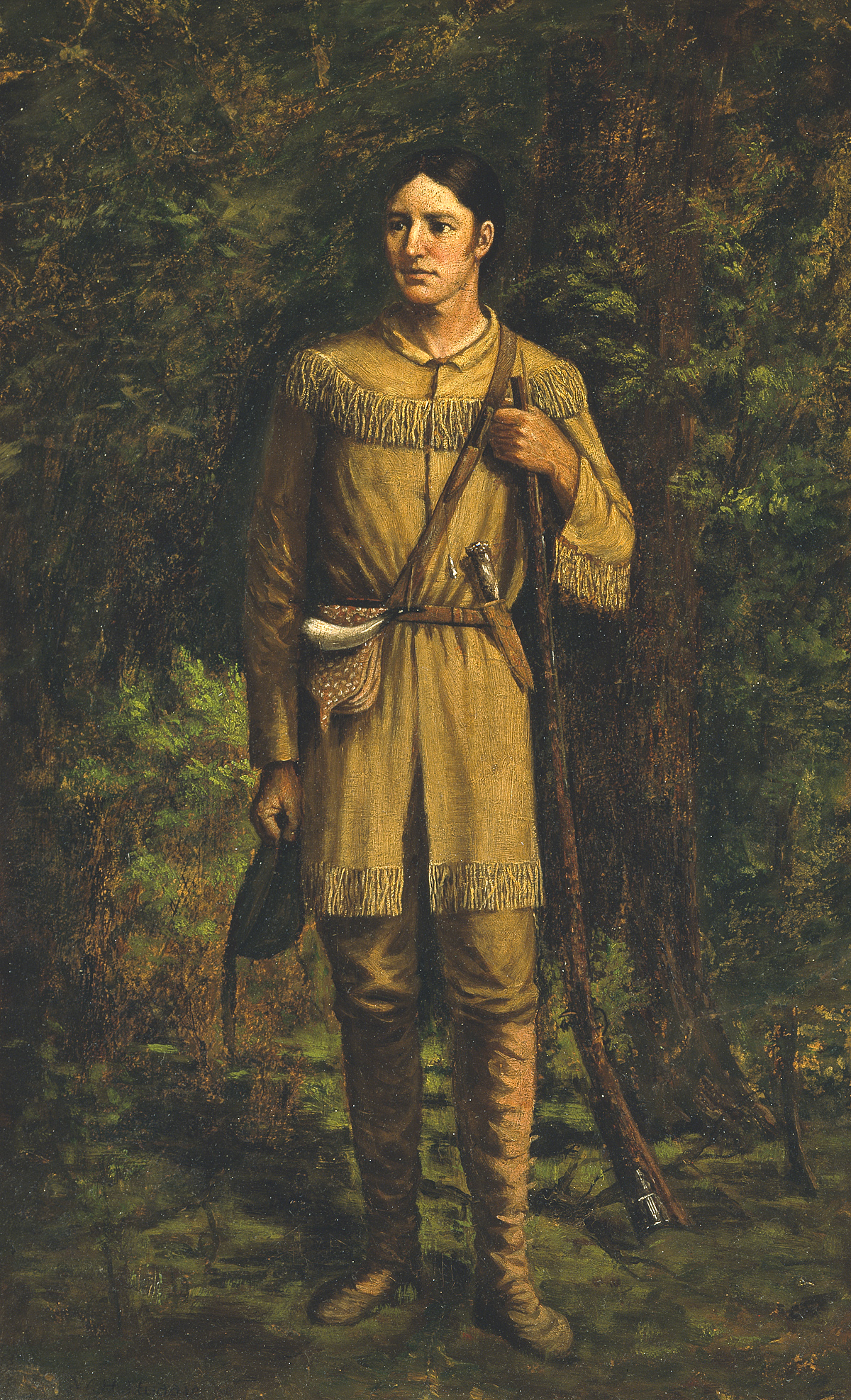
Davy Crockett, 1889, William Henry Huddle, Dallas Museum of Art, 1987.47

To pay homage to this event in Texas history, I wanted to look closely at the Museum’s sketch of Davy Crockett, one of the most famous defenders at the Alamo. The 1889 oil sketch by William Henry Huddle shows Crockett dressed in what appears to be deer skin hunting clothes. In his right hand he holds his trademark coonskin cap; his left hand grips his gun, Old Betsy. The woods, which were quickly painted, can be seen behind Crockett. Huddle’s sketch paved the way for a larger oil painting currently found in the Texas Capitol.

What I find most interesting about this work of art is the glimpse of Crockett doing something he most loved – hunting. Taken out of the context of the Alamo, which mythologized and immortalized him, he stoically stands as the “King of the Wild Frontier.” I believe if Crockett had lived to see this sketch, he would have been very pleased.

Amy Wolf
Teaching Programs Coordinator

Interview with Amanda Blake, Manager of Family Experiences and Access Programs

Amanda Blake in the Galleries

Amanda Blake in the Galleries

I recently interviewed Amanda Blake, Manager of Family Experiences and Access Programs, about her position here at the Museum. Amanda has  given insight into Family Programs occurring this spring. I hope you enjoy reading about her job and upcoming events for families.  To keep connected with programs for families at the DMA, visit We Art Family! The DMA Family Blog.

Name and Title: Amanda Blake, Manager of Family Experiences and Access Programs

 Years Employed at the Dallas Museum of Art: 3

 Describe your job here at the Museum:

I create programming to help families learn about art together, explore their own creativity, and have fun together. Some of these programs include weekend activities like Studio Creations, Collection Connections, and Sketching in the Galleries for Kids. We have Family Celebrations, which are fun days for families at the Museum and are often focused on special exhibitions. Another exciting program that I get to be a part of is Late Night programming for families.  I manage the summer art camps, spring break programming, and the newly added monthly class for homeschool families. Recently, I have begun to create programs for visitors with special needs.

What is your favorite part of your job?

One of my favorite parts of my job is getting to be in the galleries with children talking about works of art. I also love to see all of the creative things that kids create during summer art camp. I led a monthly program with a group of adults from the Arc of Dallas; they are definitely one of my favorite groups to work with – the group is so joyful and always full of great ideas and inspiring thoughts. The people I work with also make my job enjoyable; we have so much fun together.

Tell me about a memorable experience you had with someone participating in a Family Programs event.

October is the Art Beyond Sight Awareness month and Art Education for the Blind encourages institutions all over the world to participate by highlighting visual awareness. Last October, I invited John Bramblitt, a blind painter from Denton, to lead workshops for both blind and sighted visitors. John brought his paintings to share with the public and then taught a workshop challenging sighted people to paint blindfolded. John and his wife prepared four different paint colors by mixing them with different textures mixed in and brought paper with their own designs that they had created with puffy paint. Visitors could feel the puff-paint line designs and then feel the paint to determine the colors that they wanted to use. Families with children who had vision impairment attend the event and talked about how it was the first time that they could “see” to paint. While working with John, I discovered what an amazing person he is and am planning to work with him more this summer! 

 What are some highlights for Family Programs this spring?

We have several Family Celebrations this spring and are busy preparing for our full summer of programming.

Some highlights include:


Young Masters: Advanced Placement Student Art Competition
February 27 – April 18, 2010, Concourse
This annual juried exhibition is funded by the O’Donnell Foundation. The exhibition showcases the talent of local high school students in the Advanced Placement art classes.

Autism Awareness Day Family Celebration
April 3, 2010, 9:00 – 11:00 a.m.
April is National Autism Awareness Month, and the Dallas Museum of Art is having  a special free Family Celebration designed just for children on the Autism Spectrum and their families. Visit the Museum’s Center for Creative Connections and participate in special programming before the Museum opens to the public.
Pre-registration is required, space is limited. For more information or to register for the event, please email your name, phone number, and the number of people in your family who will attend to: ablake@DallasMuseumofArt.org or call 214.922.1251.

 Amy Wolf
Teaching Programs Coordinator

Community Connection: Art in Motion

Last week, I had the chance to speak with Nancy Schaeffer, Education Director at the Dallas Children’s Theater.  She generously set aside time for our interview; as you will see, this is one busy lady.

Tell us about your work at the Dallas Children’s Theater.

Nancy Schaeffer, Education Director at the Dallas Children's Theater

My primary responsibility is overseeing our academy.  We serve children ages 3 ½ to 18 with acting classes and our teen conservatory. During the school year, as many as 300 children come to single programs during a week, and close to 1,000 children attend programs per week during the summer.  We also have mini-sessions where students have multiple experiences over four weeks.  It is my job to hire teachers, oversee curriculum and performances, and talk to parents.  I also oversee a residency program in schools during the school day.   In the summer we have musical theater, video classes, improv classes for teens, and storytelling for the little ones. All of our programs end with a production of some sort.

I also read scripts and sit on a committee that puts together the season for the year.  I sit on various committees for outreach, and we work closely with the nearby Vickery Meadow neighborhood.

How did you come to be Education Director at the Dallas Children’s Theater?

I have been with the Theater since its first day.  My husband was the first official full-time employee.  I started as an actress in the first production: Babes in Toyland.  I’m now in my 26th season with the DCT.    There was no education staff in the beginning; I eventually moved into this position over time and created my job.

What is your most memorable moment from your time with the DCT?

Moving into this building seven years ago, on Valentine’s Day.  When we moved in, it was really hard, but it was really exciting. It was hard because the building was not completed when we moved in.  We received a certificate of occupancy at 4:30 in the afternoon and had a show at 7:30 that night.  We also had a site visit that weekend from the National Endowment for the Arts.  And we were doing a show at El Centro that weekend.  We had no heat in most of the building, and all of our stuff from the old building was packed onto a truck that was not unloaded for two weeks.  The whole process was really something to be a part of.

Which production are you most looking forward to, and why?

I direct main stage shows – usually three a year – which is not a part of my responsibilities as Education Director.  It’s a lot of work and a lot of extra time, but I love whatever project I get involved in.  I’m currently directing How I Became a Pirate.  It has huge scenery components, and those are always exciting for the audience but are very challenging for the director.  We do nine shows a week with professional actors, and so far everything has worked out.

One of the shows I’m directing next season is titled Don’t You Love Me?  It is for teens and is about dating violence.  We’ve done this production once before, and we don’t back off when we do a play like this for teens.  We lead discussions afterwards, and I saw the impact this show had on the audience.  I realized how prevalent this problem is and how important it is to do this work. It does take a chunk out of you, but I did enjoy it.

In the past, you’ve led trainings for our docents based on your expertise in movement and performance.  How do you connect your work with looking at works of art?

Theater as an art form uses more than one type of art, with scenery, dance, music, sound, and the visual. The visual is critical in a play. While I’m looking deeply at works of art in the museum, I absorb these wonderful images and feelings and emotions which can’t help but inform my work.  Working with docents, who are so smart and engaged and want to expand, made me want to find ways to connect more visually in my art and my way of working with children. I love doing it, and I feel like I’ve gotten so much out of the trainings.

We are so busy; taking a minute to stop and look, then think and connect and realize what kind of emotions you’re feeling is good for your soul. I have also made such a nice connection over the years with Gail Davitt, the Director of Education at the Dallas Museum of Art, through certain projects and meetings that we both attend.  I’m so glad the Museum is in our community for children to visit and explore and know it’s for them.

Melissa Nelson
Manager of Learning Partnerships with the Community
Green Screen Fun

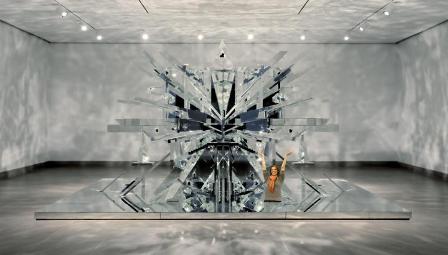
The DMA Tech Lab is not only a great place to learn about works of art in our collection, but it’s also a fun space in which to explore new technology.  Last week, Nicole, Jenny, Melissa, Amy C., Logan, and took photos in front of the new Tech Lab green screen.   I then used Adobe Premiere Elements to place us into some of my favorite works of art in the DMA collection.  Here we are in Isaac Soyer’s Art Beauty Shoppe, with Tom Friedman’s Untitled (big/small figure), jumping on the Gothic Bed, and popping out of David Altmejd’s The Eye.  Click on the photos below for a larger view.

If you would like to experiment with the green screen, visit us during Spring Break week–March 16–21.  Our friends in the Family Experiences department will be offering a variety of programs for families, including tours, storytelling, and green screen technology workshops.  Visit their website for more information.
Shannon Karol
Tour Coordinator

Archives

Categories