Archive Page 185

À la plage

James McNeill Whistler, Sea and Rain, 1865, University of Michigan Museum of Art, Bequest of Margaret Watson Parker, 1955/1.89

One of the things I love most is hearing visitors’ responses to works of art.  And it’s really fun when those responses take a creative shape, and you get to hear an original poem or an elaborate this-is-what-I-think-would-happen story that helps you see the artwork in a new way.

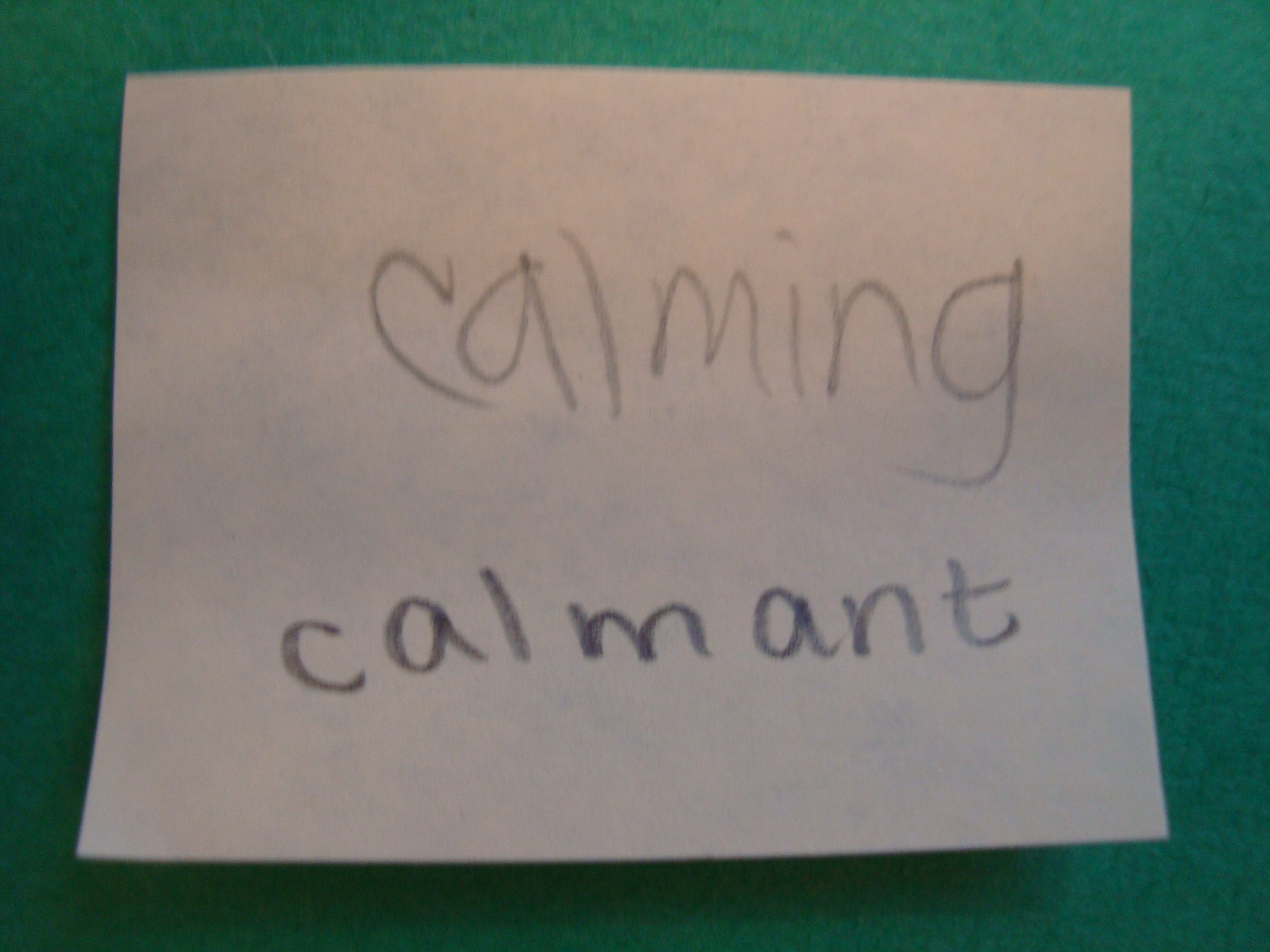
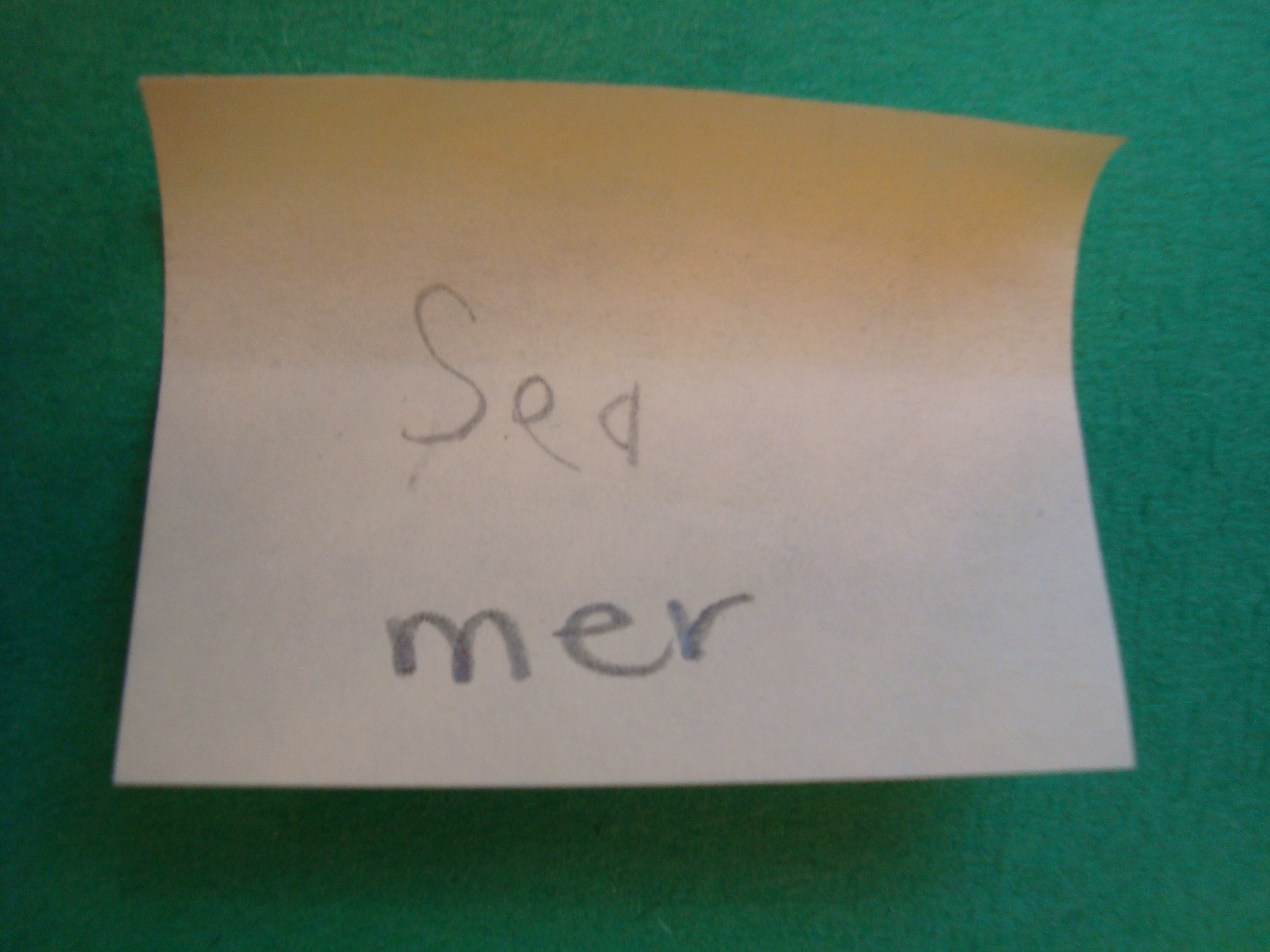
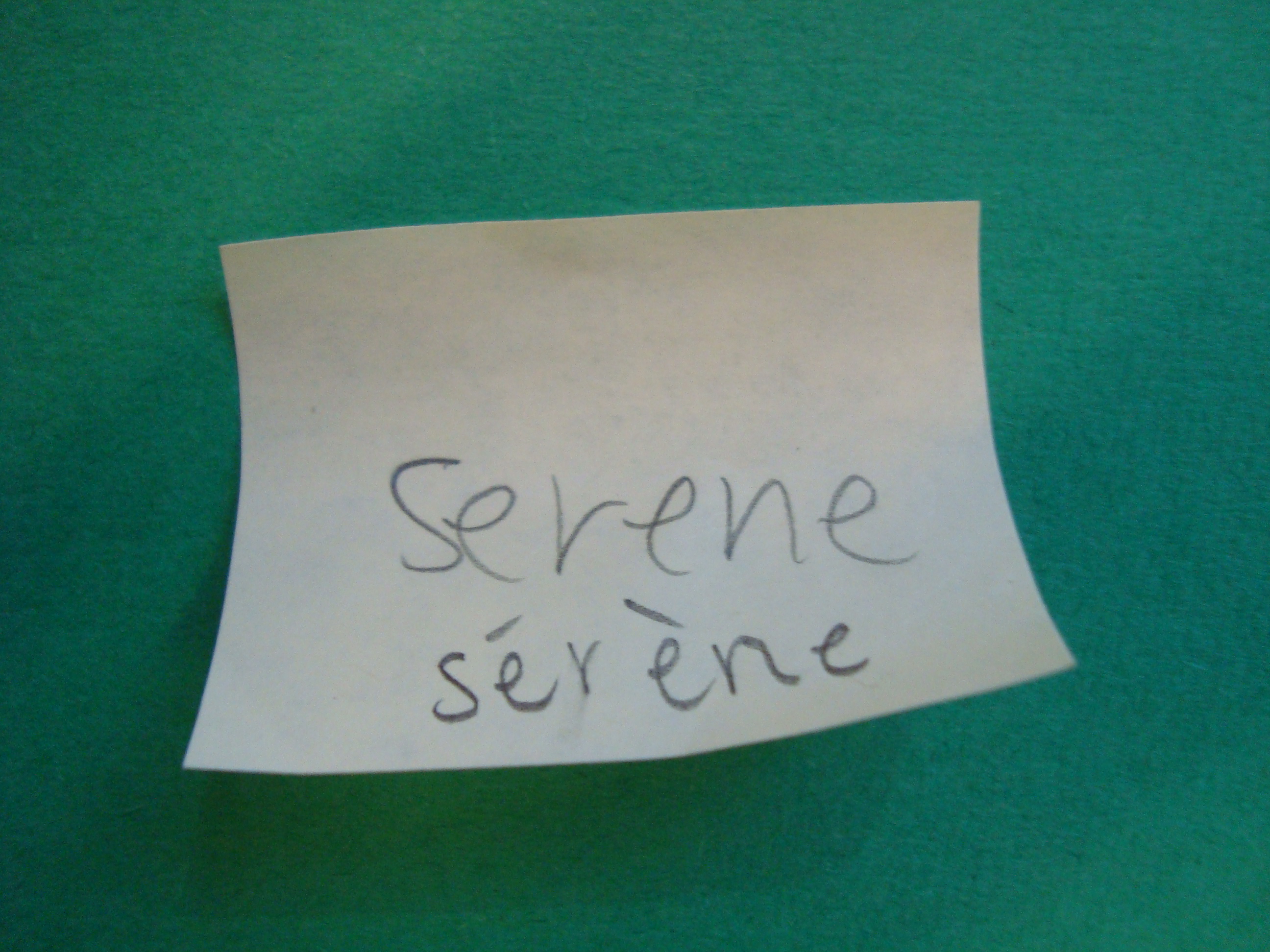
Last Thursday, I had the pleasure of giving a tour to a group of students from Bowie High School’s French Club, and they came up with great creative responses to a work in our newly-opened Lens of Impressionism exhibition.  Below are two poems based on James McNeill Whistler’s Sea and Rain.  To make these poems, students wrote descriptive words on small Post-Its (shown below), and arranged them to create phrases.  They also humored me by translating the words into French!

Calmant sérène mer
Il pleut à la plage
Admirant fantastique a la coast

Calming serene sea
Lonely raining beach
Admiring amazing shore

Il fait du vent voir ciel
Calmant pur le plage
Tranquil calme une personne

Windy looking sky
Calming pure beach
Peaceful calm person


Thanks, Bowie students, for a great tour and thoughtful poetic responses.

Amy Copeland
Coordinator of Go van Gogh Outreach

Exploring Photography and Creativity

Our next teacher workshop is our final workshop of the school year:     

Exploring Photography: The Lens of Impressionism
7 CPE hours; limit 20
$50 full price; $40 DMA members   


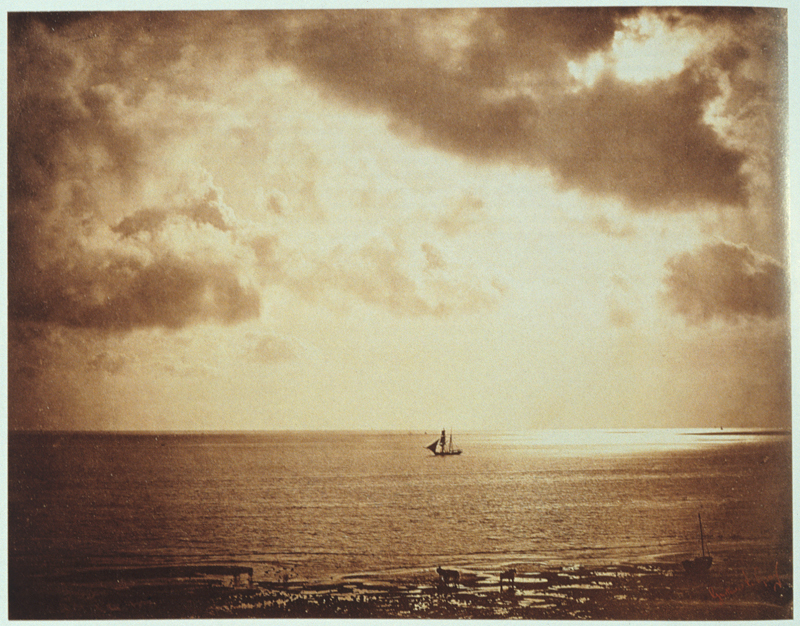
Gustave Le Gray, Brig Upon the Water, ca. 1856. Albumen print, Founders Society Purchase, Henry E. and Consuelo S. Wenger Foundation Fund (F78.41) Photo © 2004, Detroit Institute of Arts

This workshop stretches over two meetings; please plan to attend both dates.

Saturday, April 24, 2010; 9:00 a.m.-12:30 p.m.
Saturday, May 1, 2010; 9:00 a.m.-12:30 p.m.   

Two special guests will join us for this workshop:   

Dr. Terry Barrett, Professor of Art Education at the University of North Texas, will lead a gallery conversation based on photographs in the Lens of Impressionism exhibition on April 24.  Learn more about Dr. Barrett by visiting his Web site or by reading his recent interview on this blog.   

Frank Lopez, photographer and visual art teacher at Greenhill School, will lead a demonstration of ambrotype photography on May 1.  Visit Mr. Lopez’s Web site to learn more about him and his work.   

We’re also taking reservations for our annual summer course offered in conjunction with The University of Texas at Dallas:   

Summer Seminar 2010: The Creative Process   

 June 15-18, 2010; 9:00 a.m. to 4:00 p.m. daily   

$100 registration fee   

Join UT Dallas faculty and DMA staff to explore the theory and practice of creativity in this graduate-level seminar.  Discussion sessions and interactive workshop experiences will take place at the Dallas Museum of Art in classrooms, galleries, and the Center for Creative Connections.     

Both programs are open to K-12 teachers of all subjects.  Register now before spaces are gone.   

Molly Kysar
Head of Teaching Programs

Arts and Letters Live: Texas Bound II

Over the years the DMA has actively collaborated with students from Booker T. Washington High School for the Performing and Visual Arts.  We’re neighbors, and we benefit from having each other around.  It’s a self-sustaining engine: students share their talents with us, we instigate and inspire new creative effort in them, and they share their creative output with us all over again.                                                                                        

The Dallas Museum of Art, Booker T. Washington, and The Dee and Charles Wyly Theater for the Performing Arts recently collaborated on Arts & Letters Live’s Texas Bound: Texas Stories I.  Texas actors gathered to read short stories by Texas authors Larry L. King, Jennifer Mathieu, Mark Wisniewski, and Matt Clark.  G.W. Bailey’s reading of Matt Clark’s The Crowned Heads of Pecos was a particular treat: Sad to say, but the bridge is gone now… If you haven’t read it, get a copy.  It’s wonderful.  As the actors read, photographs of works by students from BTW’s Portfolio Class were projected behind them. 

There won’t be any student artworks this time (the BTW students are busy preparing for the DMA’s Art Ball), but Arts & Letters Live has put together a fantastic line-up for Texas Bound: Texas Stories II.  The event takes place on Monday, April 19th at 7:30 p.m. in the Horchow Auditorium and features stories by Sarah Bird, Will Dunlap, Tim O’Brien and Cristina Henríquez read by Julie White, John Benjamin Hickey, and James Crawford (tickets).  Don’t miss it!

Justin Greenlee  

McDermott Intern with Teaching Programs and Partnerships

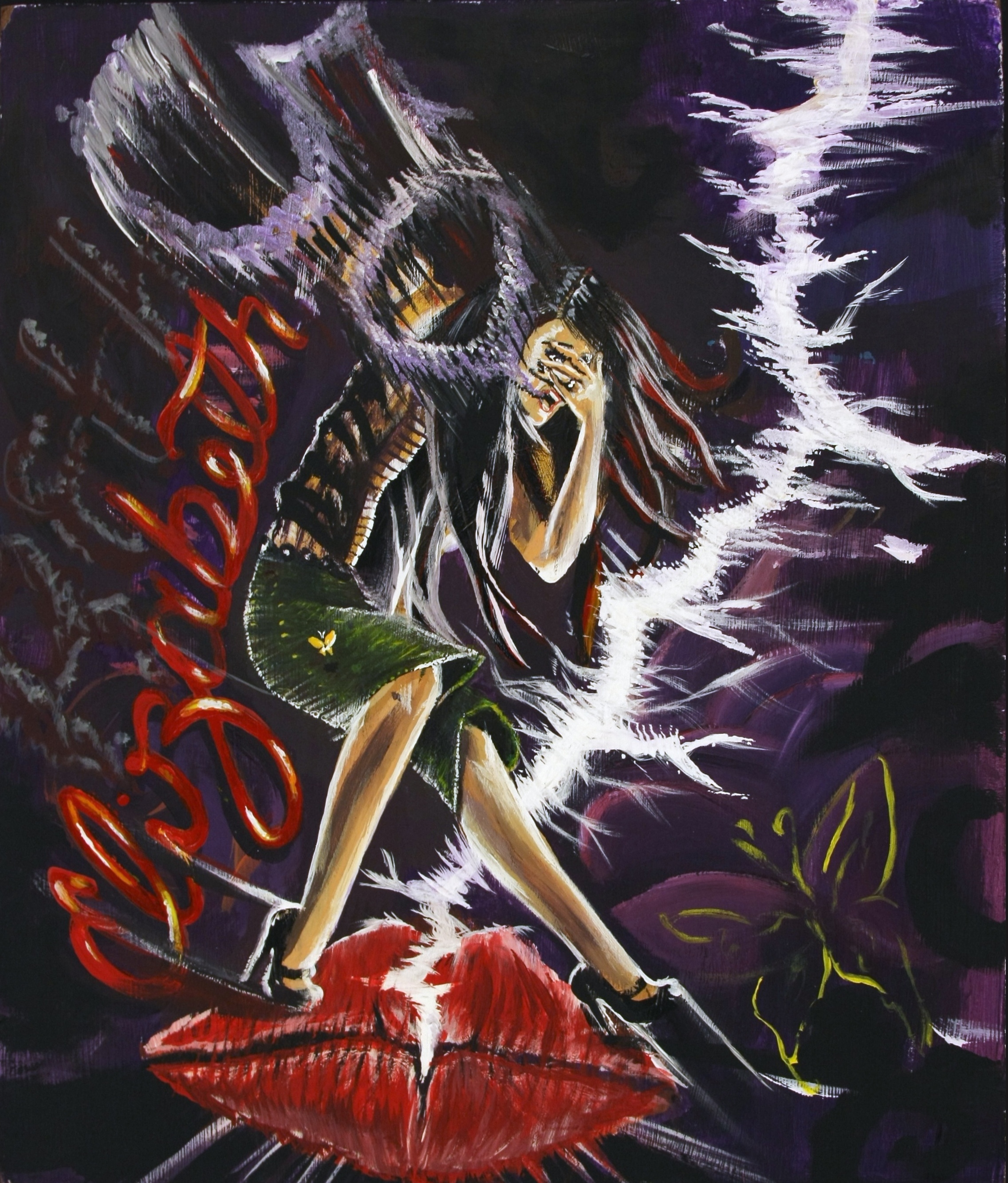
Lightning Kiss by Angelica Valdez

The Stricken Affair by Billie Beth Ricca

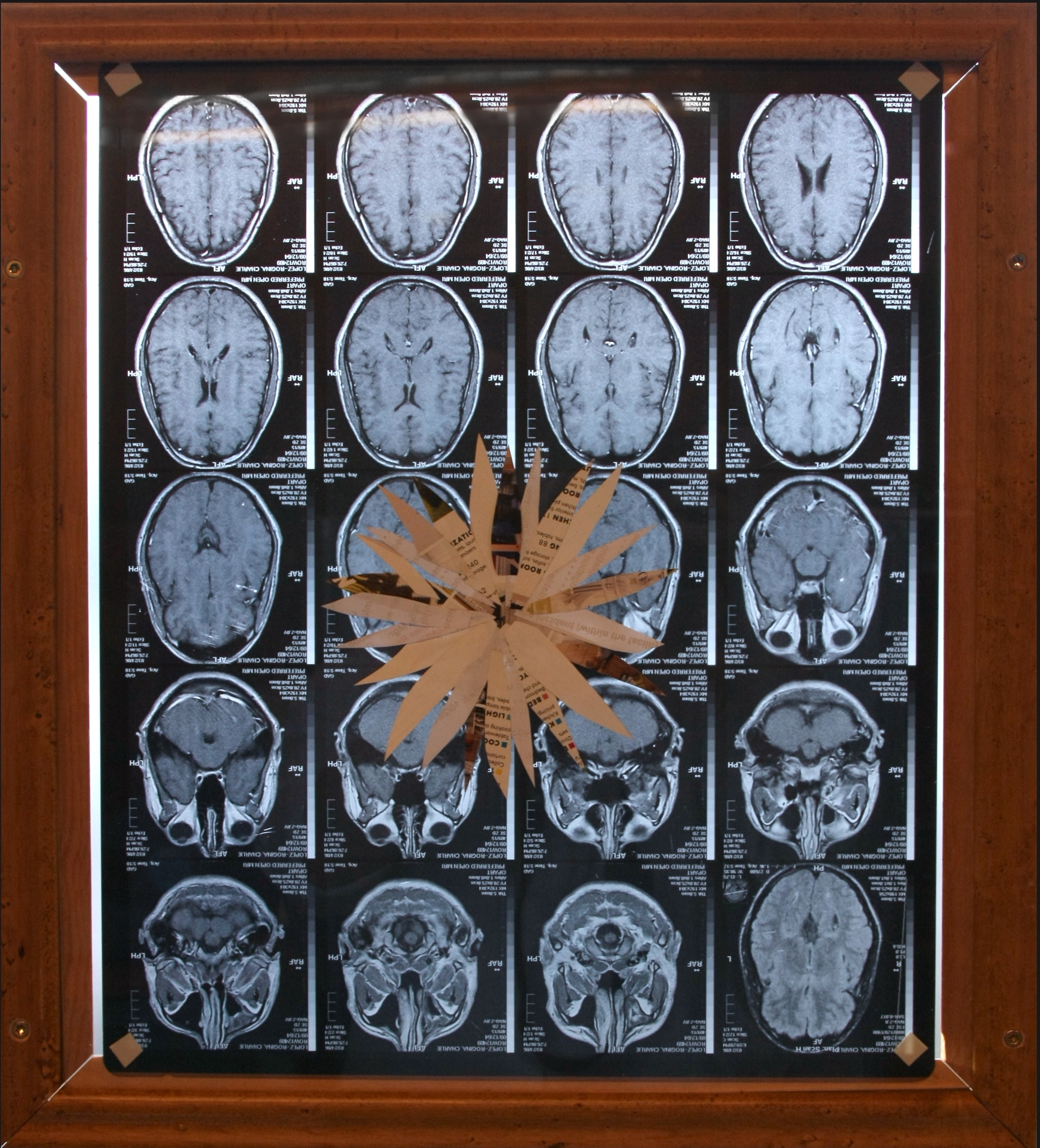
Neurological Fears by Danni Rogina-Lopez


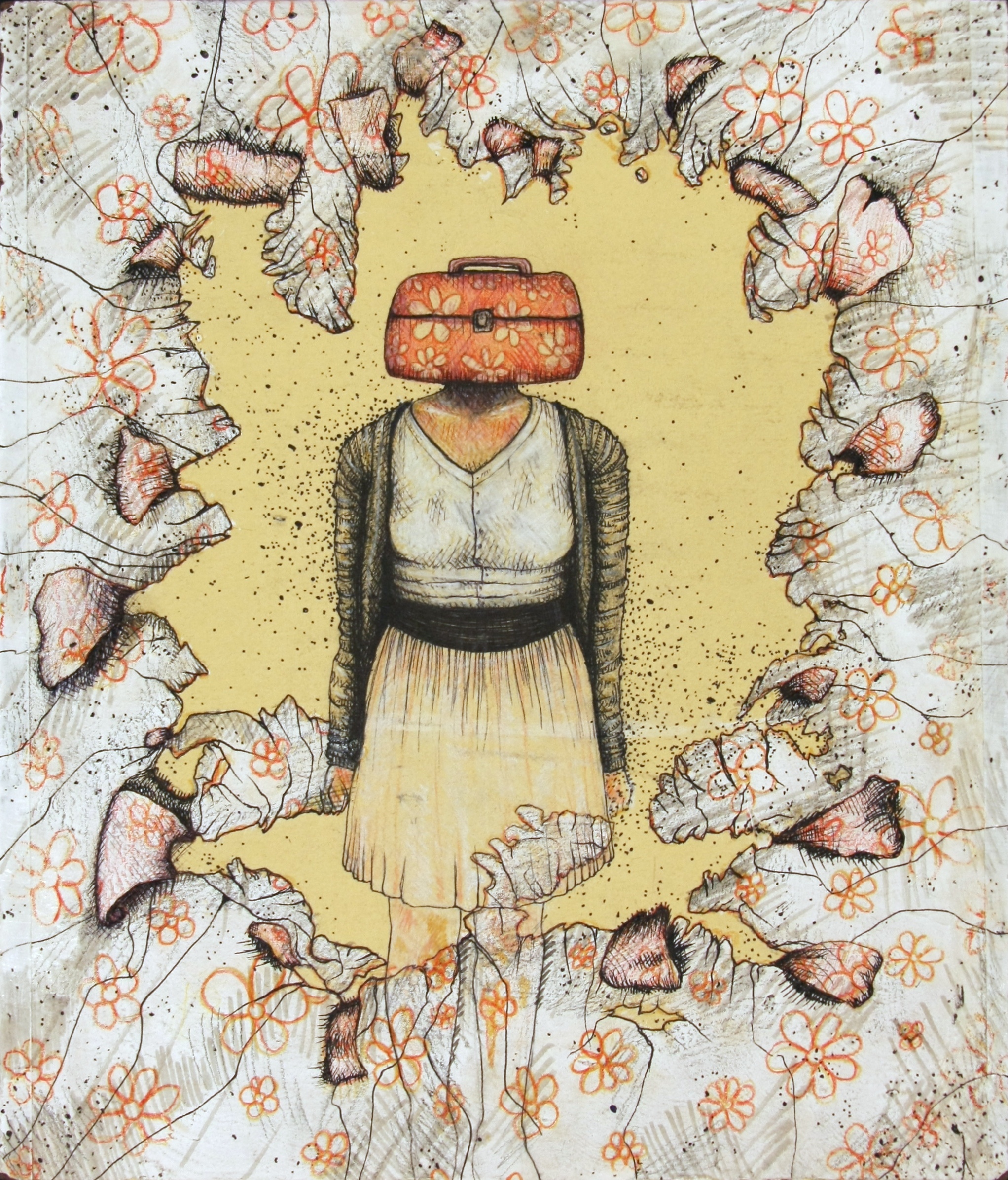
A Part of You by Deanna Smith

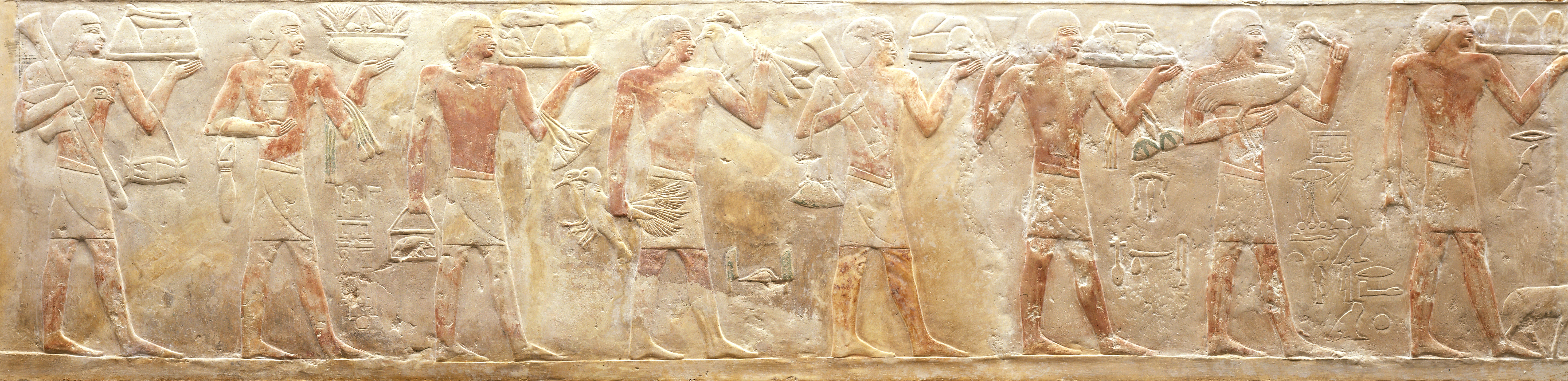
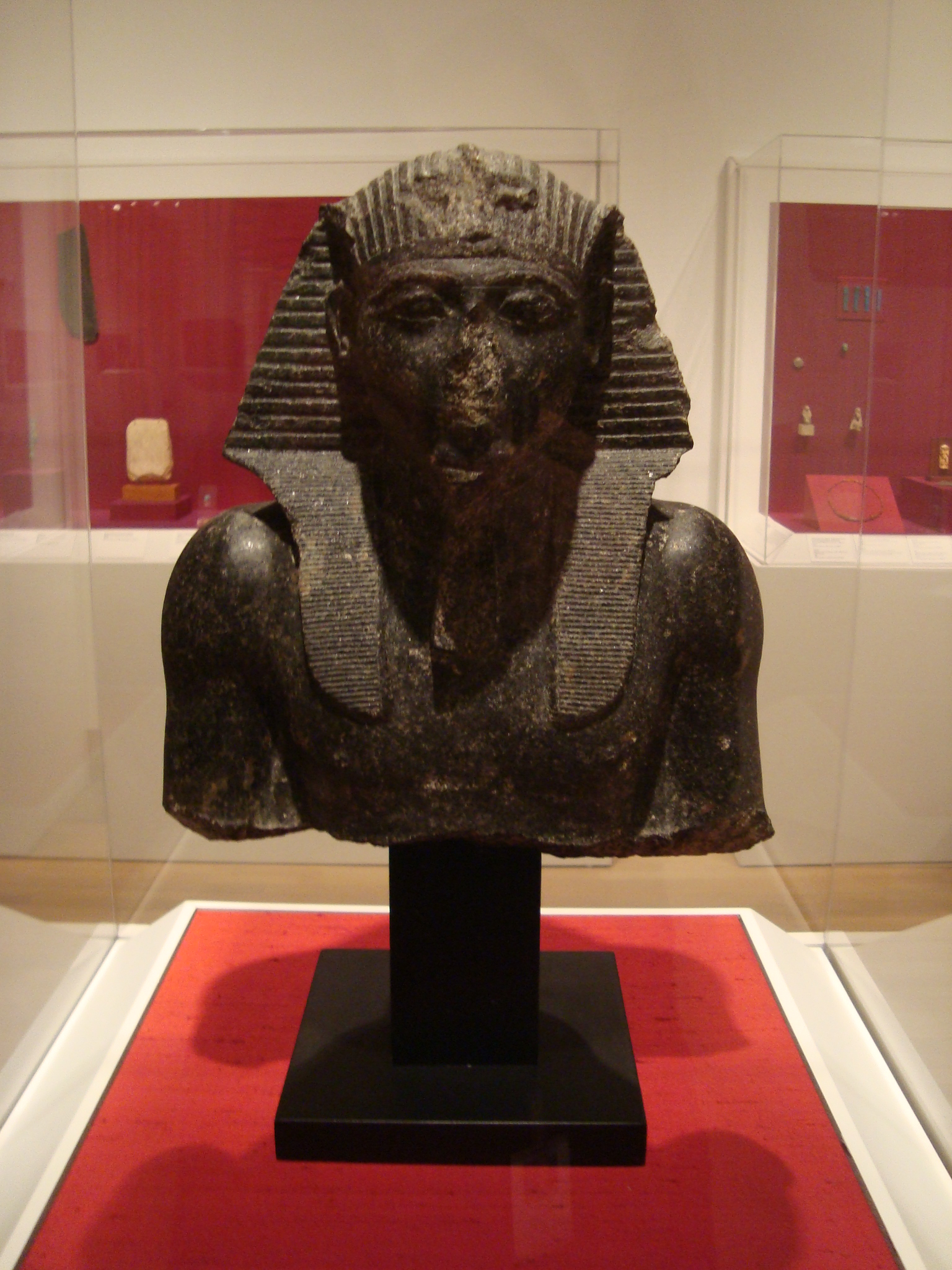
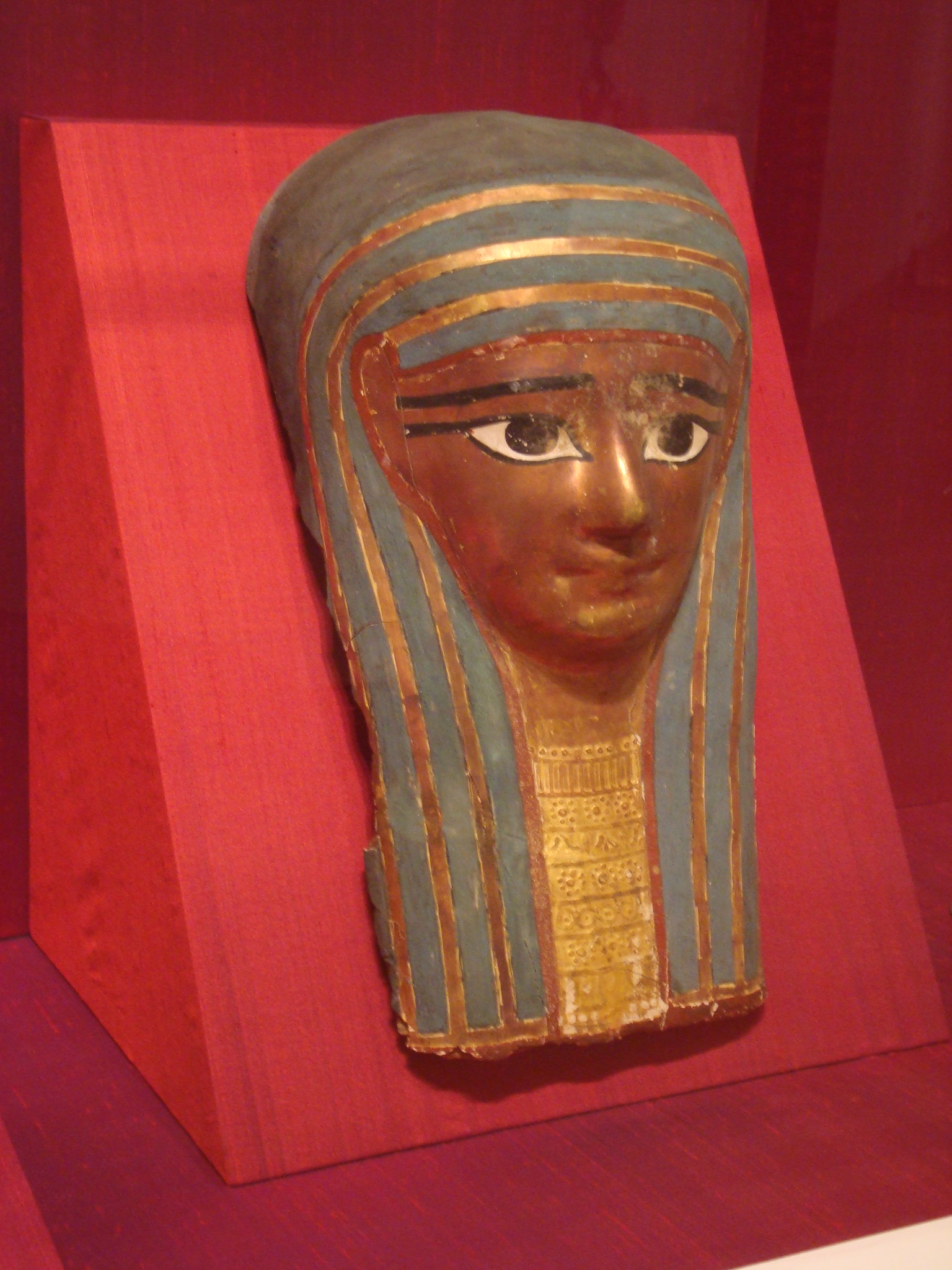
Walk Like an Egyptian

Happy Friday!  I was listening to my iPod this morning and the song “Walk Like an Egyptian” by the Bangles came on.  I decided this song would be my anthem for the day.  I couldn’t get the following lyric out of my head.
      

“All the old paintings on the tombs, they do the sand dance, don’t you know.  If they move too quick (Oh Way Oh), they’re falling down like a domino.”     

Here are a few artworks that caught my eye today.    

                  
Relief of a procession of offering bearers from the
tomb of Ny-Ank-Nesut, 2575-2134 BC, Painted Limestone
 
                                                             
Head and upper torso of                                                         Mummy Mask, Egyptian:
Seti I, 1302 – 1200 BC                                                         Probably 1st – 2nd century,
Granite                                                                                        Cartonnage, pigment, and
                                                                                             gold leaf, Dallas Museum of Art,
                                                                                          Gift of Elsa von Seggern, 1996.63
   
Next time you are in the Egyptian gallery, strike a pose and “Walk Like an Egyptian.”  (Oh Way Oh)    

        
Until next time….   

Jenny Marvel
Manager of Learning Partnerships with Schools  

Get to Know a DMA Docent

If you have scheduled a docent-guided visit to the DMA, you already know how wonderful our docents are.  We have a corps of over one hundred volunteer docents who lead tours for K-12 and higher education students, as well as our adult visitors.  I recently talked with Lisa Jacquemetton to learn more about her experience as a DMA docent.
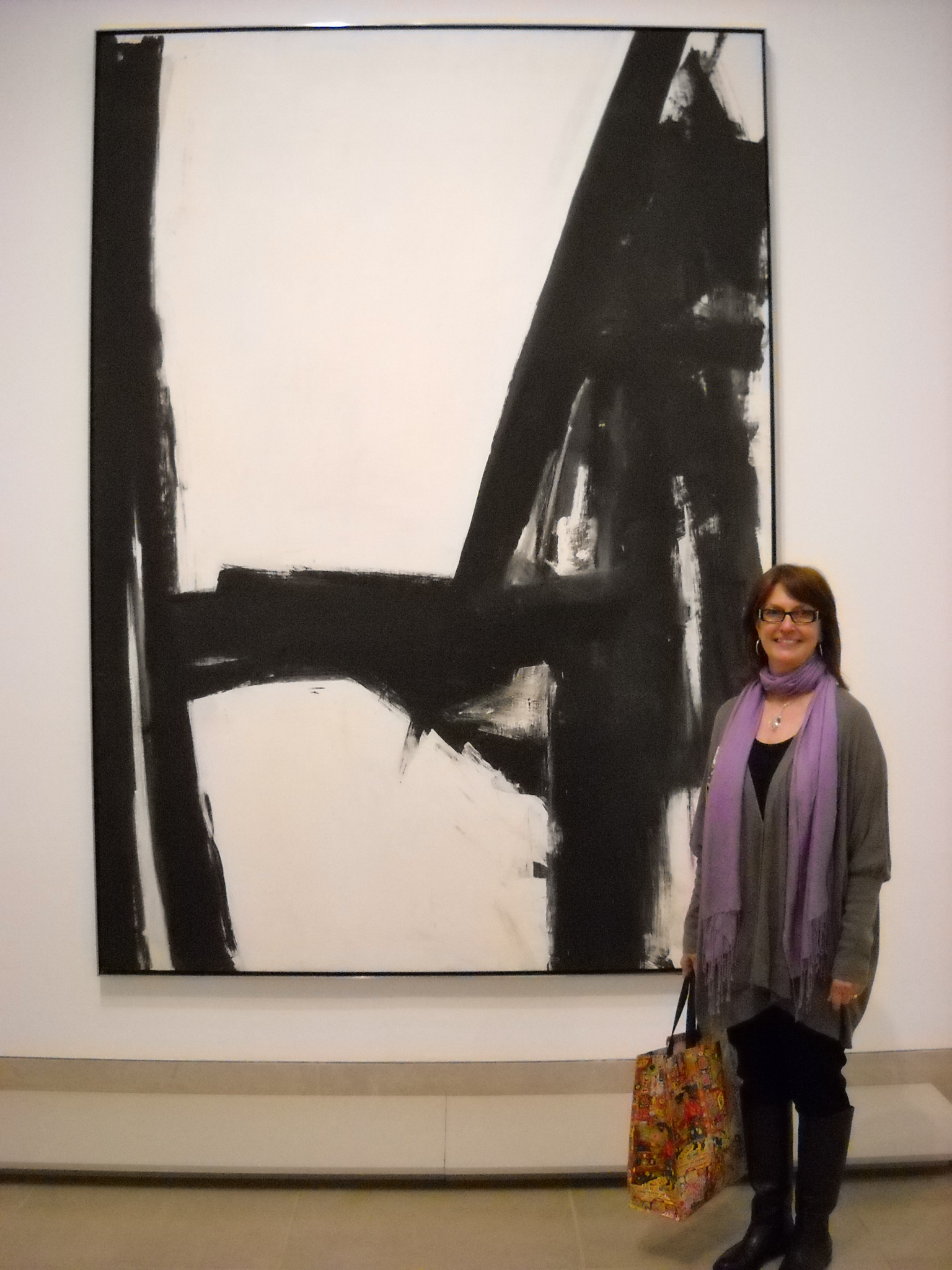


Docent Lisa Jacquemetton with Franz Kline's Slate Cross

How long have you been a DMA docent?
I am in the middle of my third year.

Why did you become a docent?
I had just finished my Masters in Liberal Arts at SMU and I loved that but I didn’t really want to take my formal education any further.  One of my friends was a docent, and she suggested that I contact Molly .  I became a docent primarily for the art history education, or so I thought.

Tell me about your experience in the docent program.
I’ve just loved it.  I have made all kinds of new friends with similar interests—fellow docents, educators, and even getting to know the curators has been fun.  I have learned much more than art history.  I’ve learned how to teach, I’ve learned a lot about comparative religion, science, world history– so much more than art history.  I’ve learned that I really love being around kids.  Who knew?

So what makes you love being around kids?
I think it’s seeing their reaction.  When you have a kid really get into a work of art, you see their faces light up, or at the end of the tour when they saw “aw, are we done” and you know that they want to keep going—it’s a high.

What is your favorite work of art in the DMA collection?
That’s like asking me what my favorite color is.  I’m partial to contemporary art and Abstract Expressionism.  My favorite, but it was just taken down, was The Eye by David Altmejd.  I also love Franz Kline’s Slate Cross—so dramatic, so powerful, and for me, so emotional.  I tend to react to art on an emotional level first, and that’s one of those pieces that makes me swoon.

Share your best tour experience.
The best tour experience I had was an Arts of the Americas tour last year.  First we headed to the elevators to go up to the 4th floor, and the reaction of these kids—they were so into it.  We went through the Ancient American galleries, looking at the Inca tunic first.  Then we looked at Xipe Totec, and I gave them the gory details, which they loved.  And then we ended at the Olafur Eliasson exhibition which was a huge hit. We ended up in the Room for One Color, and I gave them pieces of paper inside so they could decide what color it was.  One boy in my group was in a wheelchair and did not have fully formed foot, so he took off his sock and held his piece of paper between his toes.  (He wasn’t able to use his hands.)  When we came out, he was so into the whole experience.  And here’s the best part—the kids asked me for my autograph and I wrote it on their little pieces of colored paper.  I felt like a rock star.  It was the first and only time I’ve been asked for my autograph.  I practically flew home off my own energy that day.  When the kids react like that, that’s the best.

Shannon Karol
Tour Coordinator
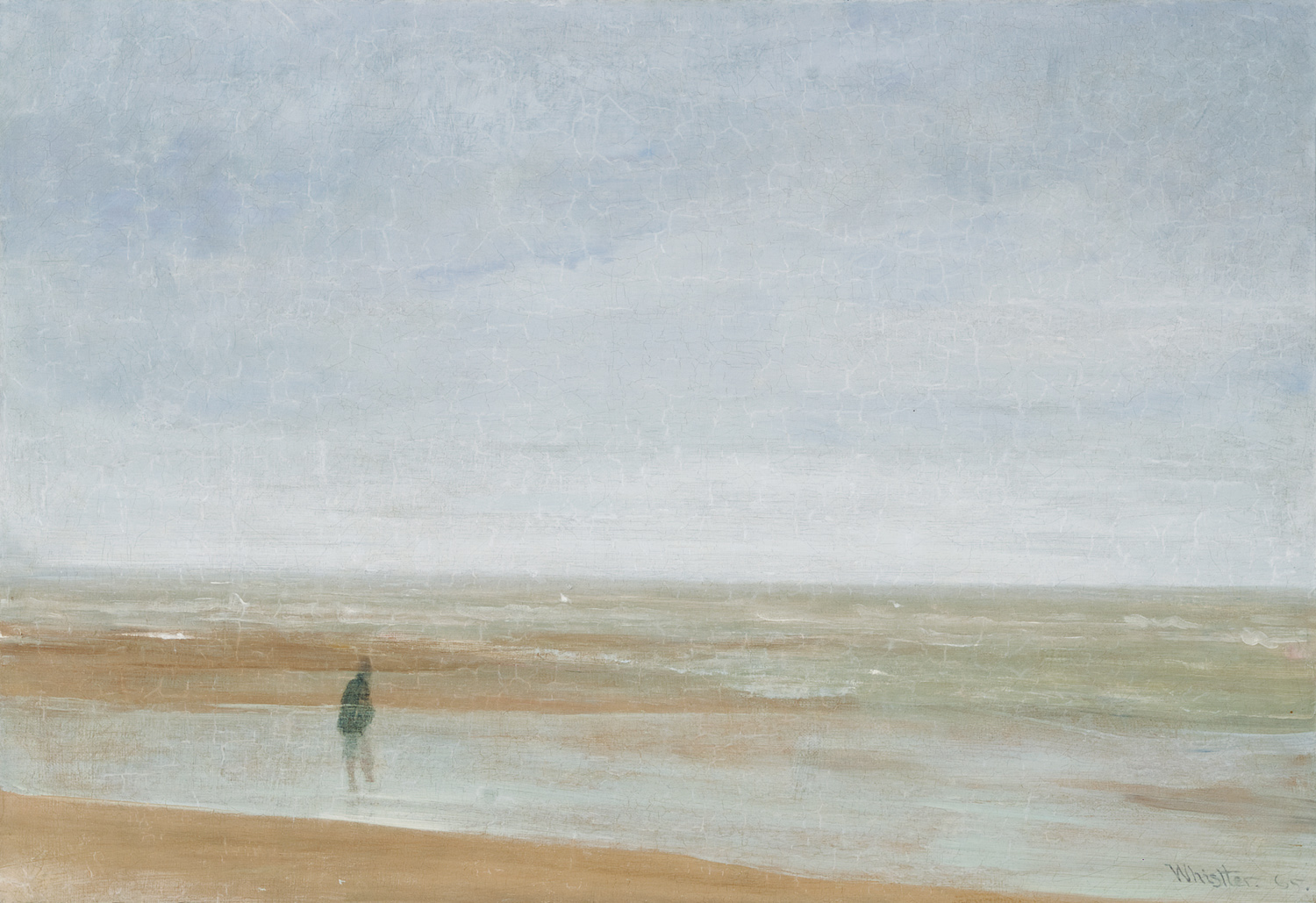
Pablo Picasso said…

Every child is an artist.  The problem is how to remain an artist once we grow up.

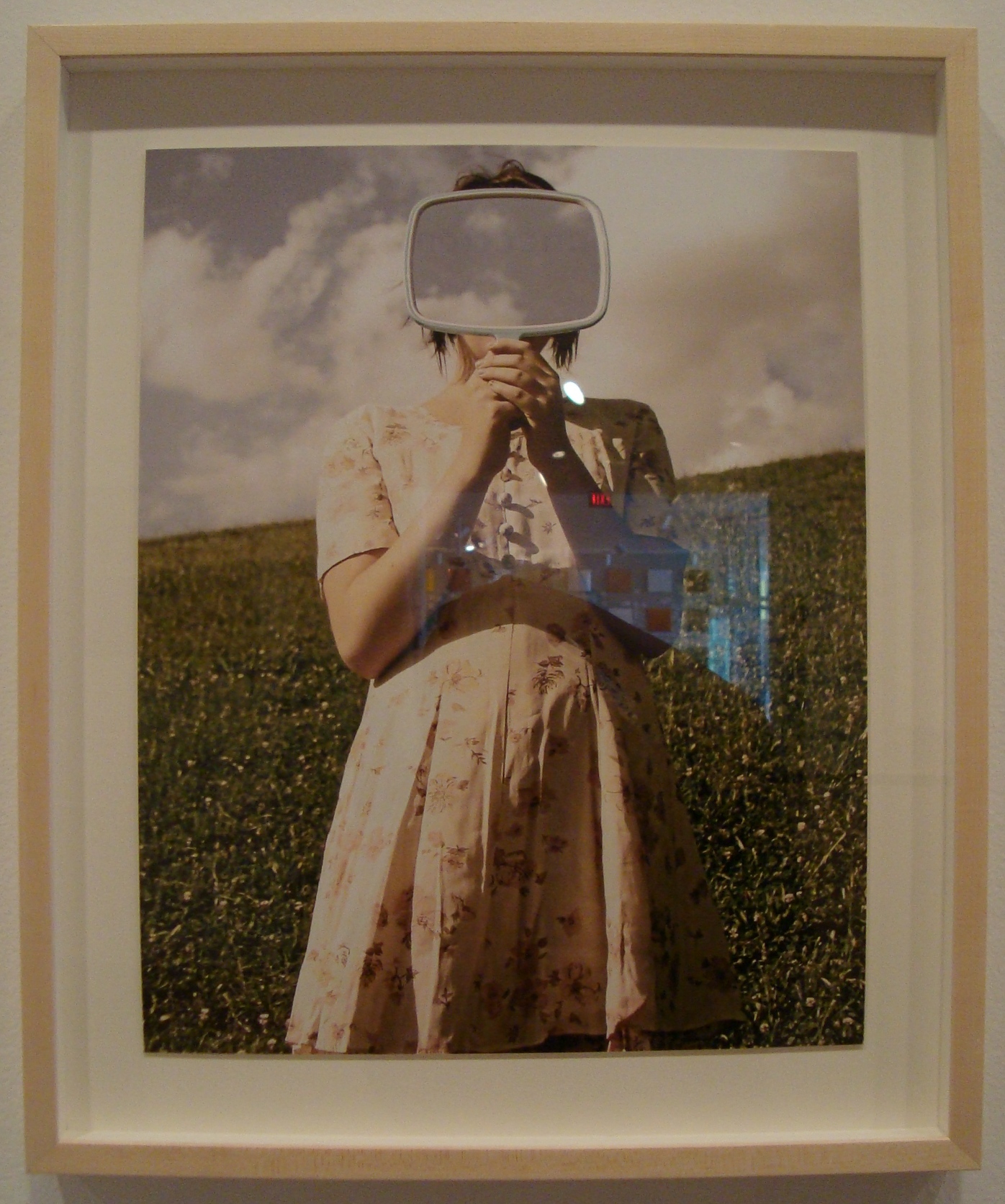
Best in Show - Looking Glass Self by Katy Wood

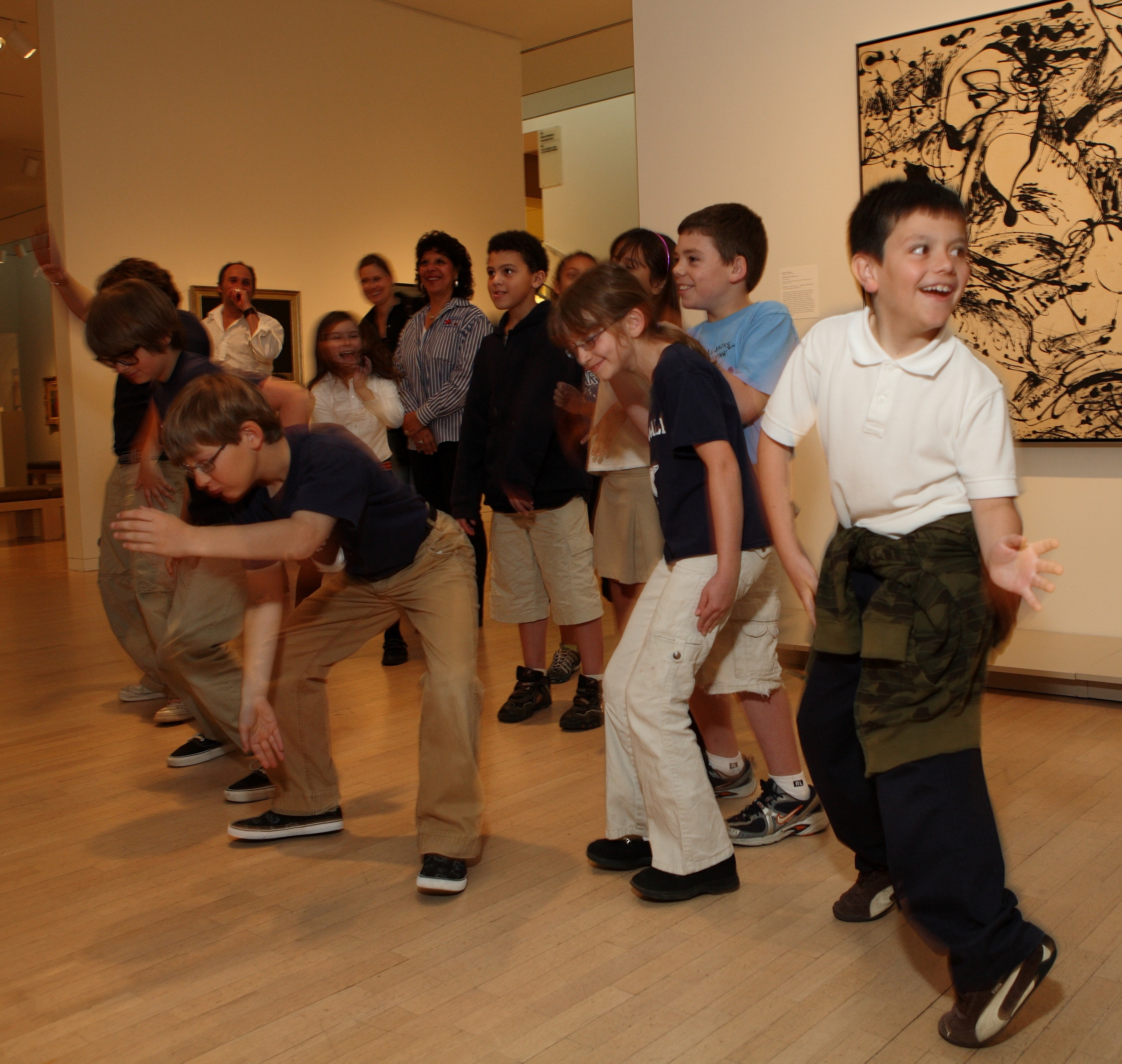
The halls and galleries of the DMA fill up this spring with two installations of creative work by young artists in the community.  Earlier this month, the Young Masters exhibition opened in the Dallas Museum of Art’s Concourse.  The exhibition features a selection of artworks created by Advanced Placement Art students from Dallas area high schools who participate in the O’Donnell Foundation AP Studio Arts Incentive Program.  The Incentive Program focuses on making Texas the strongest state in AP arts education and preparing students for life in the 21st century as critical thinkers with global perspectives.    A total 280 works were submitted for the juried exhibition, which included two rounds of judging.  The DMA’s own Jeffrey Grove, Senior Hoffman Family Curator of Contemporary Art, selected the final winners.  Katy Wood from Booker T. Washington High School took away top honors with her self-portrait Looking Glass Self, a color digital photograph. In her statement Katy says. “Psychology greatly influences my artwork.  In this piece, I explored a psychological theory called ‘looking-glass self’, in which one’s self can be reflected by the society and environment’s perceptions.”  Images by additional award winners are featured on the AP Arts Web site.

In April, the work of young artists from fourteen elementary, middle, and high schools in the Dallas area will be on display in conjunction with the exhibition Coastlines. These artists are part of the Young Artist’s Program, an education-based initiative presented with the Museum’s annual fundraising event the Art Ball.  Each year the Art Ball provides essential funding for the DMA’s exhibitions programs and gives students throughout Dallas an opportunity to make art in response to a unique theme derived from a DMA exhibition.  Inspired by images of coastal landscapes and the sea, many of the schools participating in the Young Artist’s Program this year are creating large-scale collaborative works that will fill gallery spaces on the first floor.  Works in all media will be on view to the public from April 15 to April 24, 2010, and the exhibition will be accompanied by a video documentation of students working.

Nicole Stutzman
Director of Teaching Programs and Partnerships

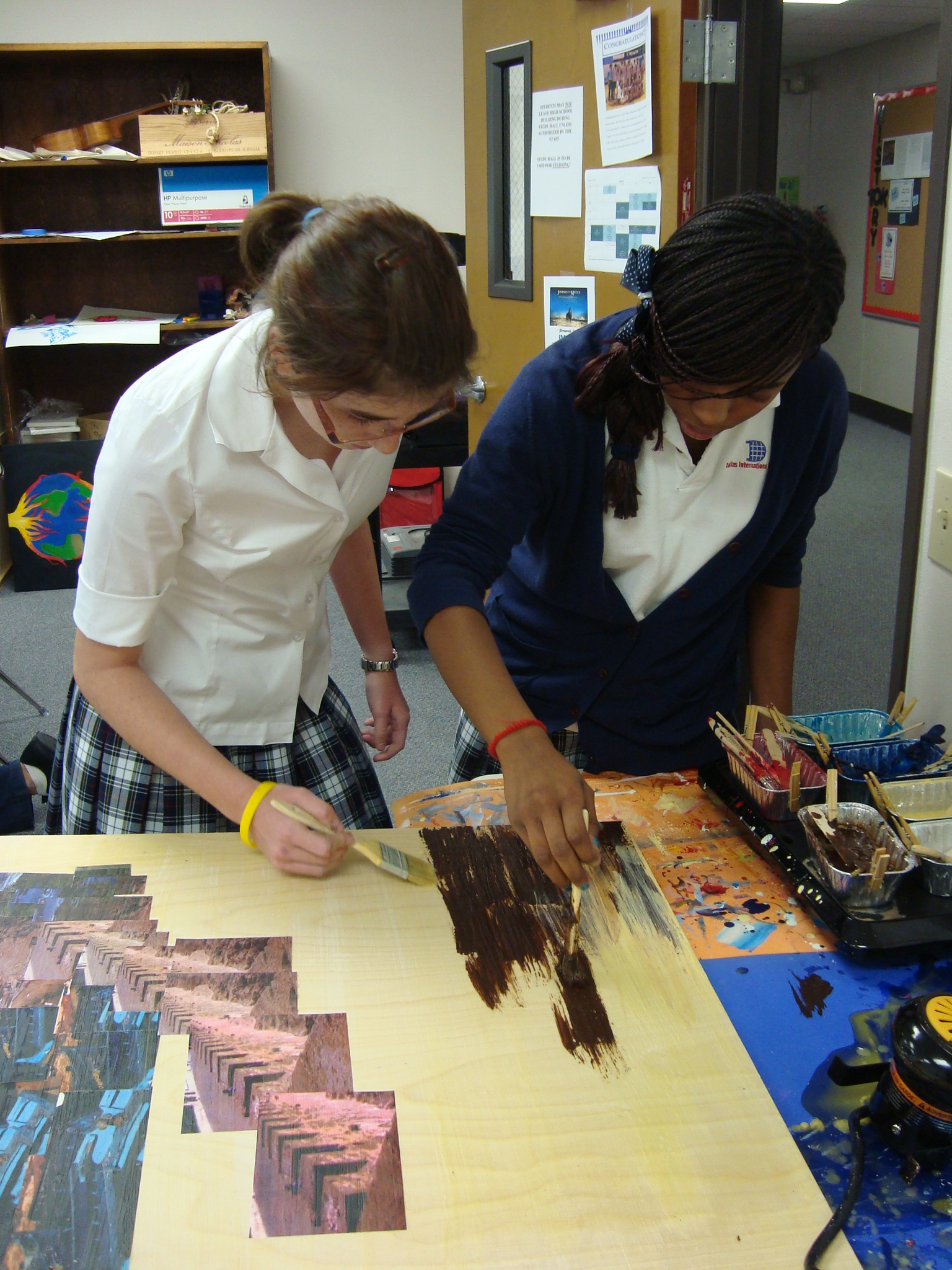
Students at the Dallas International School apply encaustic to their mixed media artwork about the Moroccan coast.

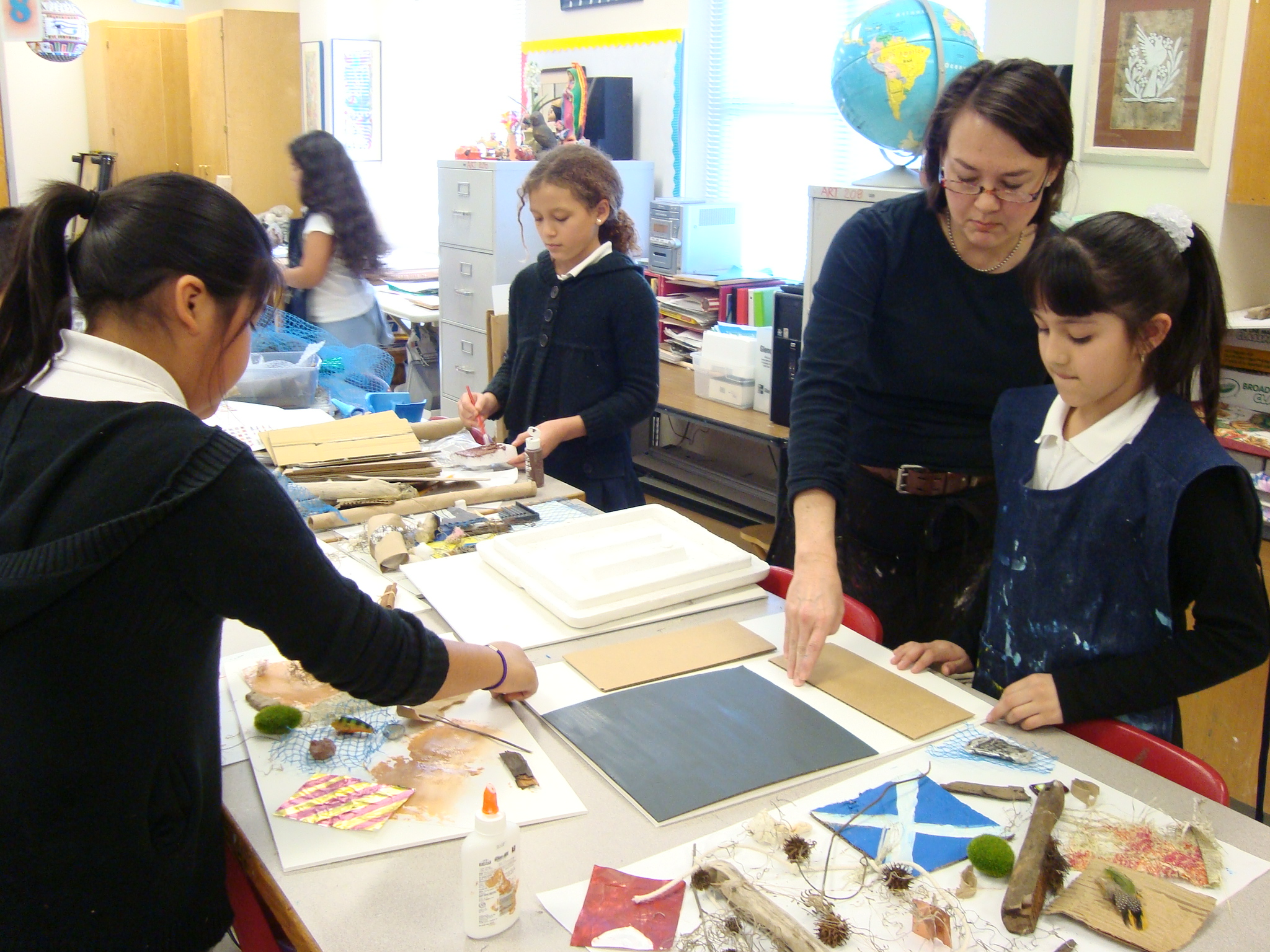
Eduardo Mata Elementary artists create mixed media nautical collages.

Found It!

Back in November, I shared some photos from a project inspired by Dorothea Tanning’s Pincushion to Serve as Fetish.  This project is part of a new afterschool program we are developing in partnership with Thriving Minds at Dallas ISD schools.  At the time, I was testing the program with 4th-5th graders at Conner Elementary School.  I am currently working with Shawna Bateman at Twain Elementary School and Daniel Hall at Long Middle School, who are leading the program with their students.  In the process, I have learned a great deal from their experiences, insights, and feedback regarding the program.
Below are images of projects inspired by Mark Handforth’s Dallas Snake.  Through these projects, students learn about artists who use found objects as materials for their art.  Found objects are natural or man-made objects found (or sometimes bought) by an artist that are treated as a work of art just the way they are, used for inspiration, and/or used as materials for works of art.
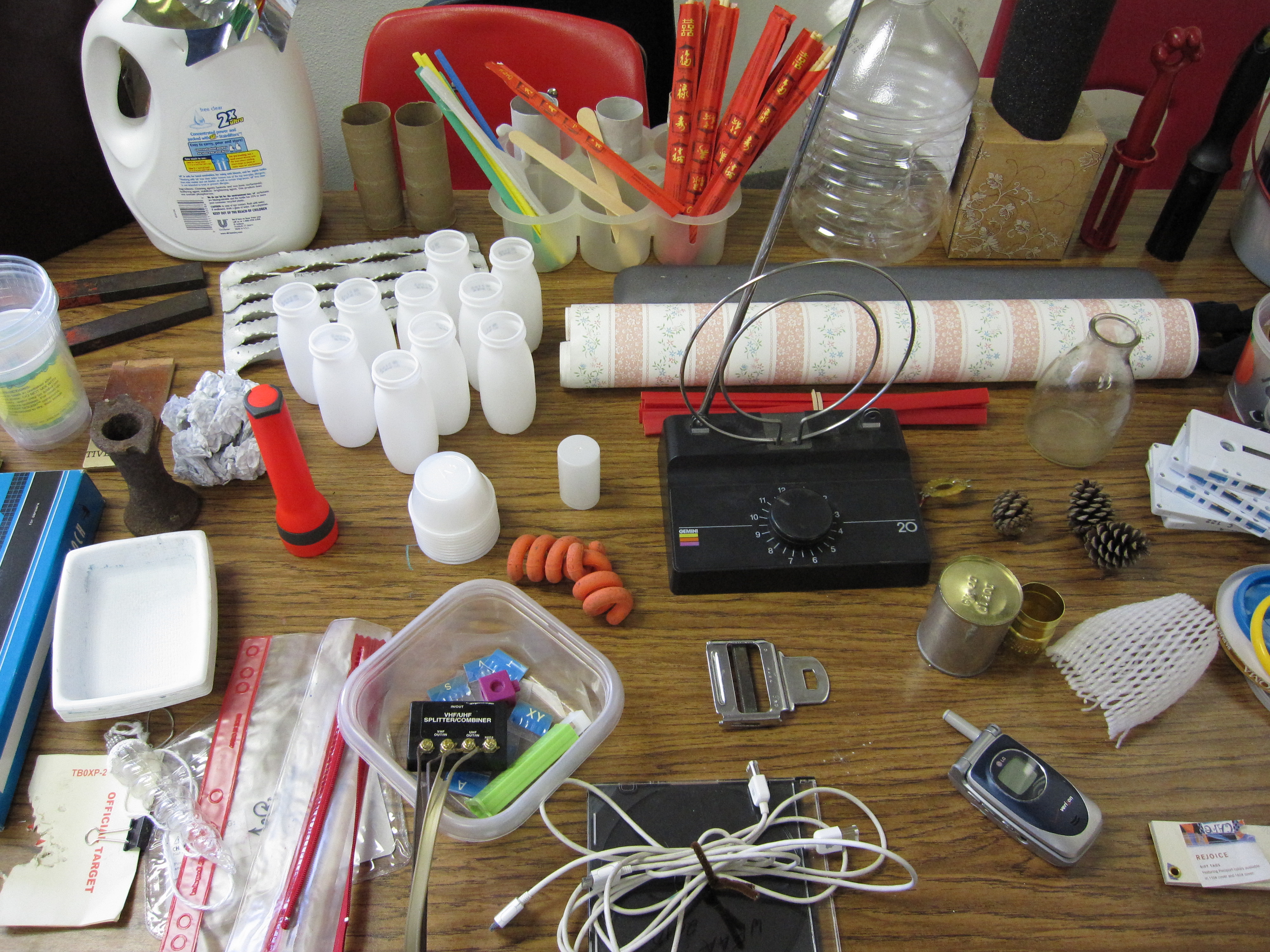
First, the students chose several items from the collection of found objects provided by the instructor.

An array of found objects to choose from

 
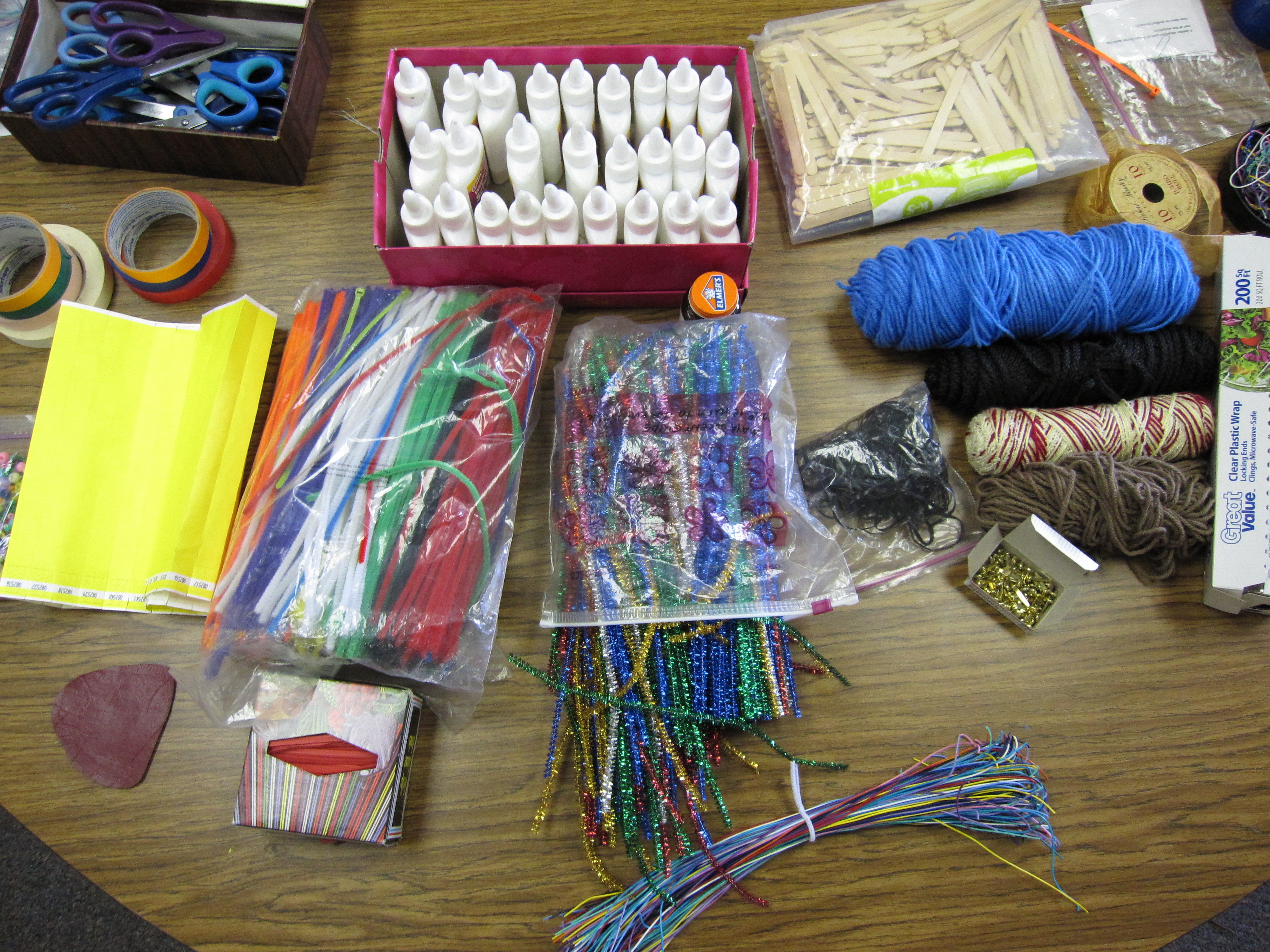
Next, students selected materials that helped them connect their objects.
 

Materials for connecting found objects

 
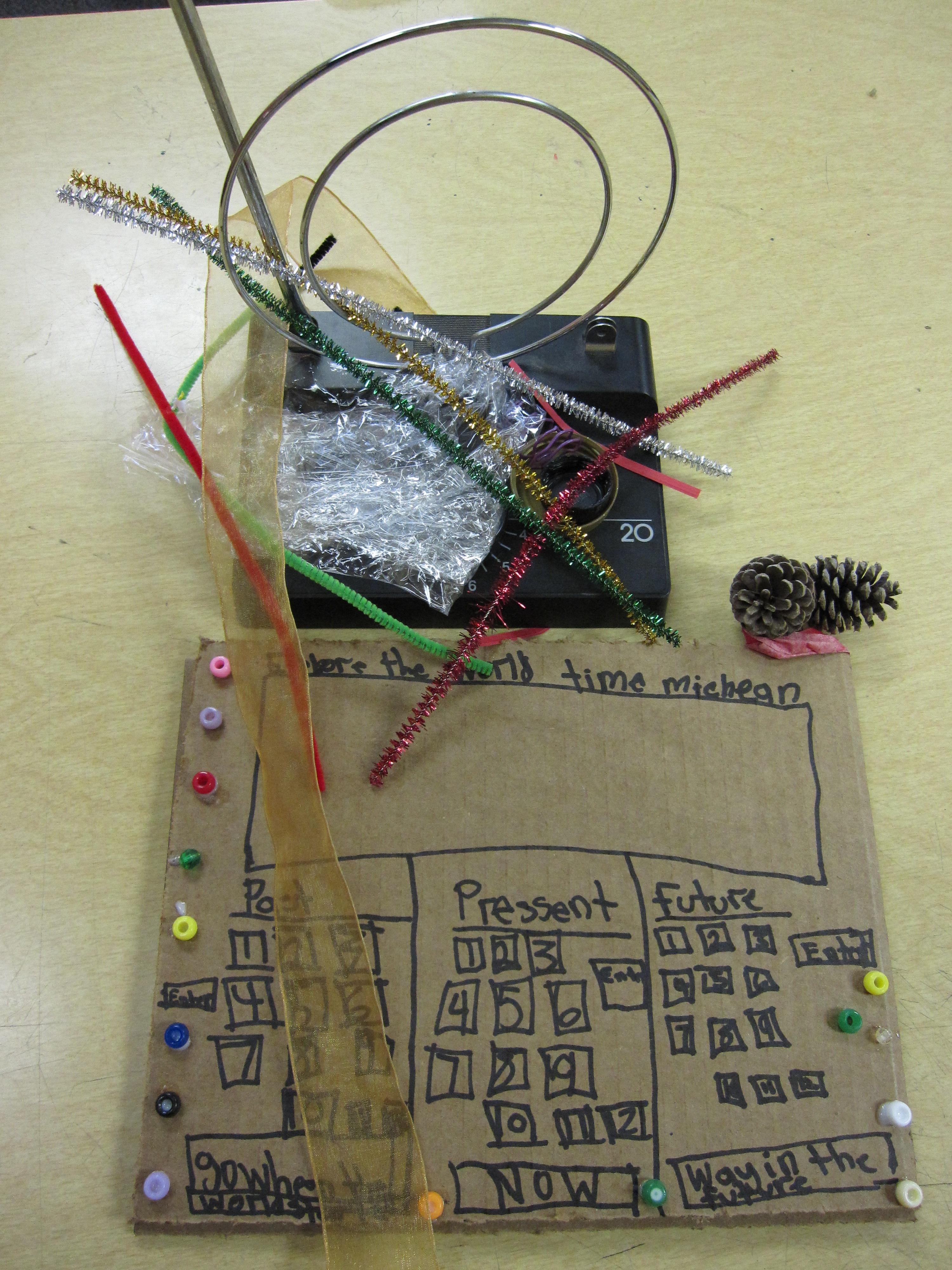
One student created a time machine with cardboard, plastic beads, an old tv antenna, and other assorted items.
 

Time Machine

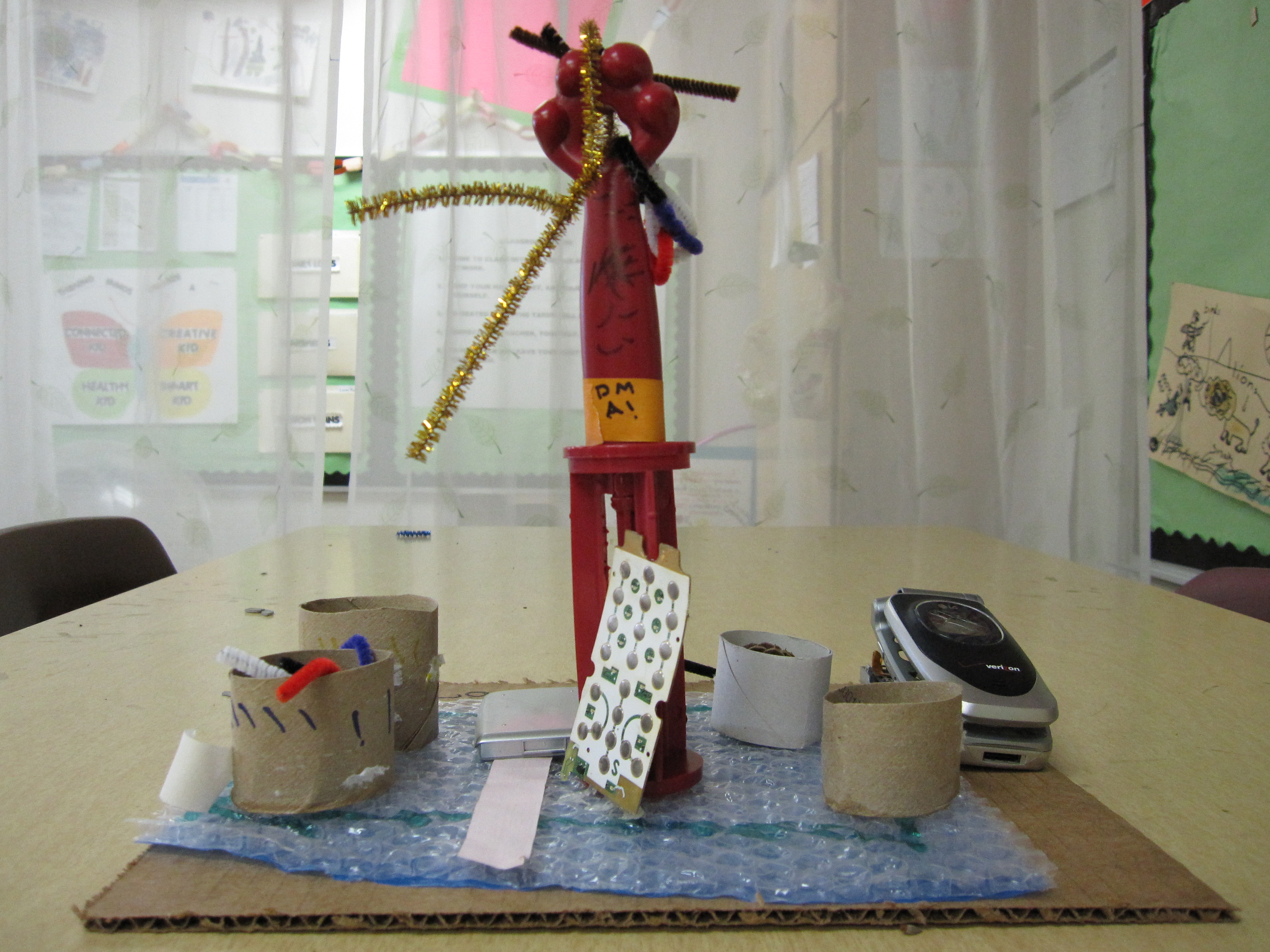
 Another student created a sculpture park with a lint roller handle, cell phone, bubble wrap, and paper towel roll.

The Sculpture Park

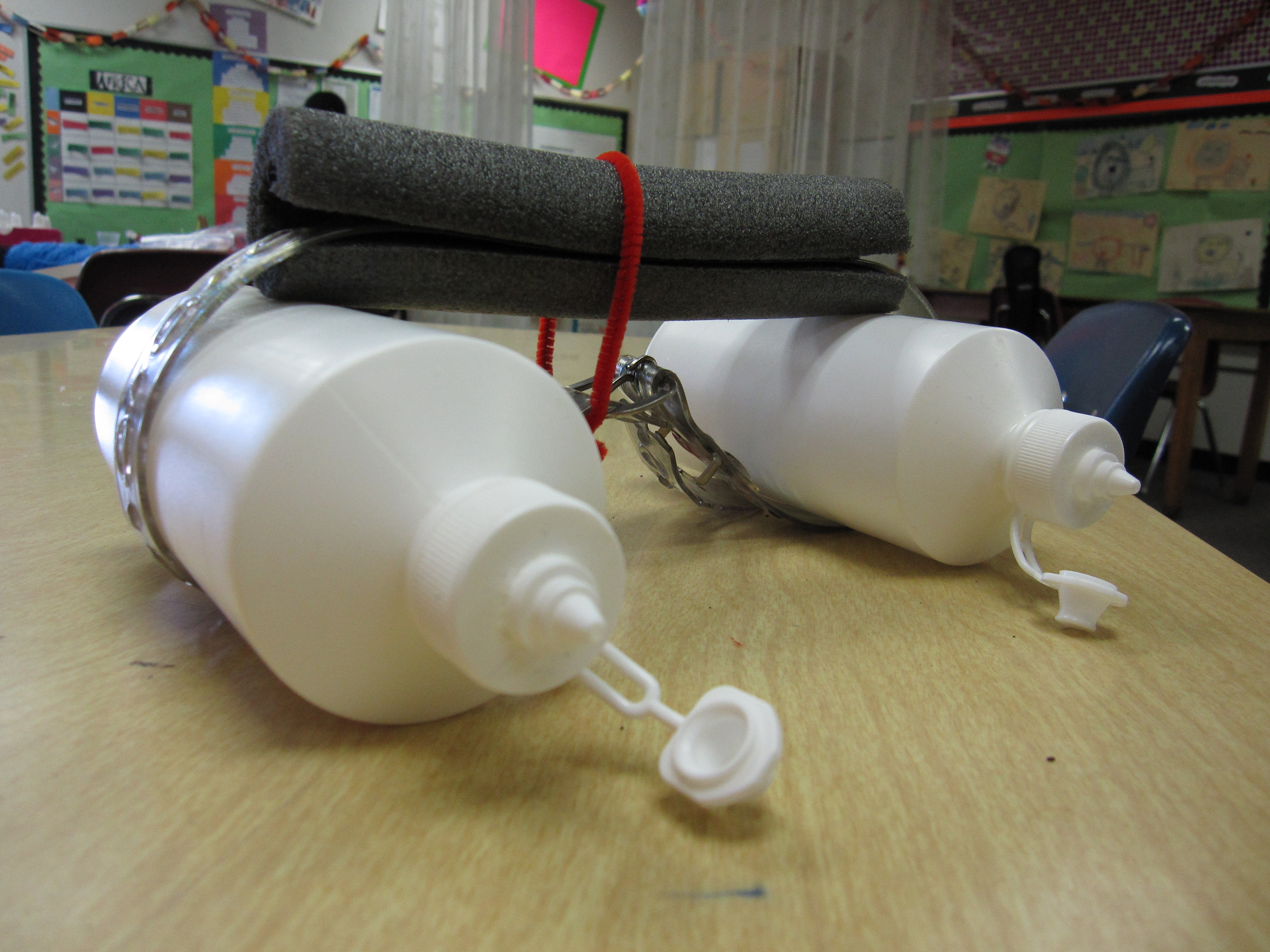
Saline solution bottles, foam tubing, a belt, and a pipe cleaner were combined to make binoculars.

Binoculars

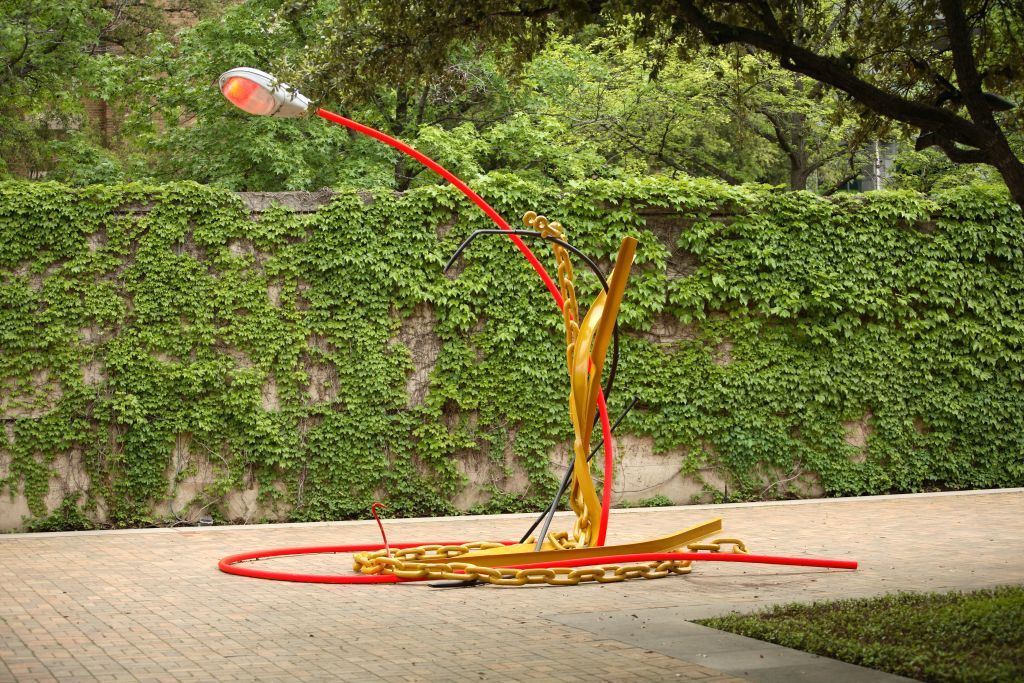
 Students will see Mark Handforth’s Dallas Snake firsthand when they visit the DMA at the end of their program.

Dallas Snake by Mark Handforth

Schedule Soon for the Spring

It’s hard to believe that there are only a few months of school left.  The spring is always a very busy time for us, and this year is no exception.  This is a good opportunity to let you know what types of programs for students and teachers are still available for the 2009-2010 school year.

Go van Gogh
All Go van Gogh programs have been booked for the spring. 

Museum Visits
There are a limited number of times still available for docent-guided Museum visits.  Many of these slots are during the month of April, so this is the best time to bring your students to visit The Lens of Impressionism.  We have a very limited number of docent-guided openings in the month of May, and most of them are during the 1:00 p.m. time slot. 

If you are unable to schedule a docent-guided visit to the Museum, schedule a self-guided visit.  We have a self-guided tour resource available online that you can use to guide your students through the DMA.

To request a docent-guided or self-guided visit for your students, you will need to submit an Online Visit Request Form as soon as possible.  Remaining spaces will be filled on a first-come, first-served basis.

Programs for Teachers
We will have two additional Thursday evening programs for teachers.  Visit our Web site to learn more.

We also have one more Teacher Workshop scheduled for this year.  Exploring Photography: The Lens of Impressionism is a two-part workshop offered on April 24th and May 1st.  Teachers will spend time in The Lens of Impressionism with Dr. Terry Barrett.  Photographer and educator Frank Lopez will also demonstrate the ambrotype process.  Reserve your spot now before remaining spaces fill.

We hope to see you and your students at the DMA this spring!

Shannon Karol
Tour Coordinator

The Tip of the Iceberg

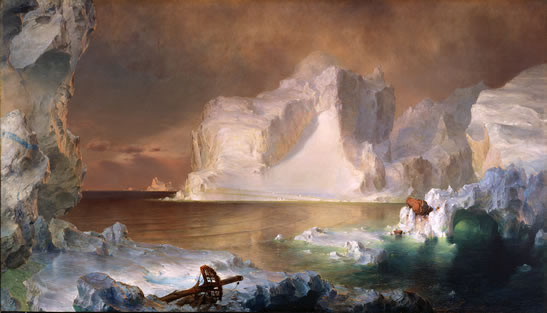
One of the most popular works of art in the Dallas Museum of Art’s collection is Frederic Edwin Church’s The IcebergsAlthough there are many reasons to treasure this painting, I love the connections with science and history. 

Frederic Edwin Church (American, 1826 - 1900), The Icebergs, 1861, Oil on canvas, Dallas Museum of Art, Gift of Norma and Lamar Hunt, 1979.28

With an interest in the 1845 Franklin Expedition to find the Northwest Passage, Frederic Church and his friend Reverend Louis Noble set sail during the summer of 1859 on a month-long journey to Newfoundland and Labrador.  Church’s romantic notion of exploring new frontiers and recording the untamed natural world resulted in multiple sketches of icebergs.   Reverend Noble documented their experiences and published the book After Icebergs with a Painter: A Summer Voyage to Labrador and Around Newfoundland in 1861.

 Two things are evident to the observer: an iceberg is as solid as ivory or marble, and cold apparently as any substance on the earth.  This compact and perfectly frozen body, in the warm seas of summer, finds its entire outside exposed to the July sun.  The expanding power of heat becomes at length an explosive force, and throws off, with all the violence and suddenness of gunpowder, portions of the surface.  If you hear thunders, come to the iceberg then.        – Reverend Louis Noble, 1861

I can understand and appreciate their fascination with icebergs.   Here are  a few facts about these fresh water formations in the North Atlantic:

  • Approximately 40,000 medium-to-large sized icebergs annually calve, or break, off glaciers in Greenland; 400-800 icebergs make it as far south as Newfoundland and Labrador, Canada.
  • The age of the ice may be more than 10,000 years old. 
  • The average size is between three and 250 feet above sea level with an approximate weight of 100,000 to 200,000 tons (the weight of 20,000 school buses). 
  • About 7/8 of the iceberg’s mass is below the water.
  • The bluish streaks in the ice are from the refreezing of melted water without air bubbles.
  • Icebergs often tip over and roll as the ice unevenly melts.
  • Depending on the size, icebergs can “ground” or contact the seabed and get stuck.   

When you come to the Museum, I encourage you to wander up to the 4th floor to see this work of art.  Consider the awe and wonder of these natural formations that were observed on the North Atlantic waters.   You might want to bring a jacket or sweater in case you need to keep warm on your adventure!

Until next time….

Jenny Marvel
Manager of Learning Partnerships with Schools

For more information about The Icebergs and its history, read The Voyage of the Icebergs:  Frederic Church’s Arctic Masterpiece written by past DMA curator, Eleanor Jones Harvey.

Spring is Almost Here

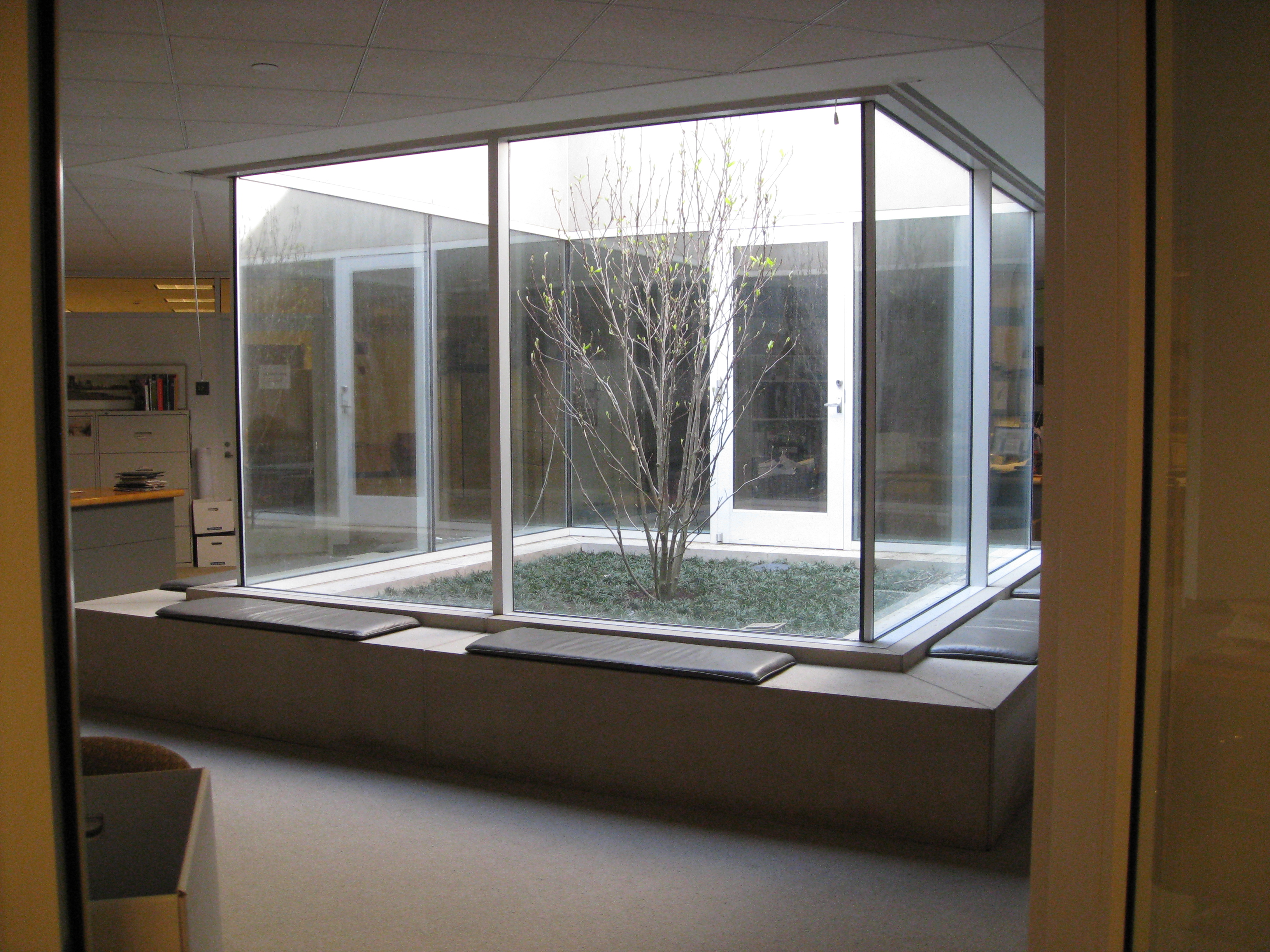
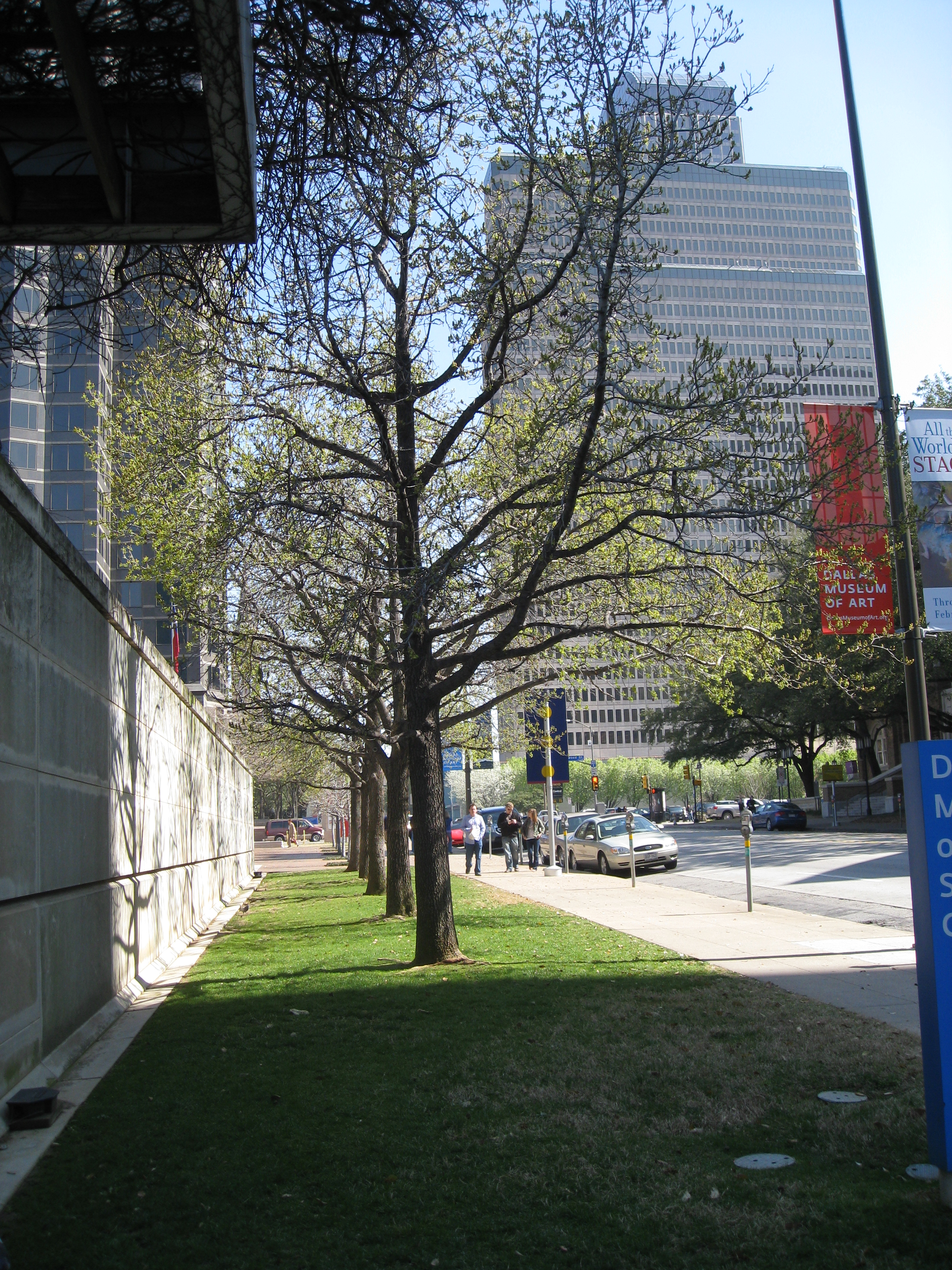
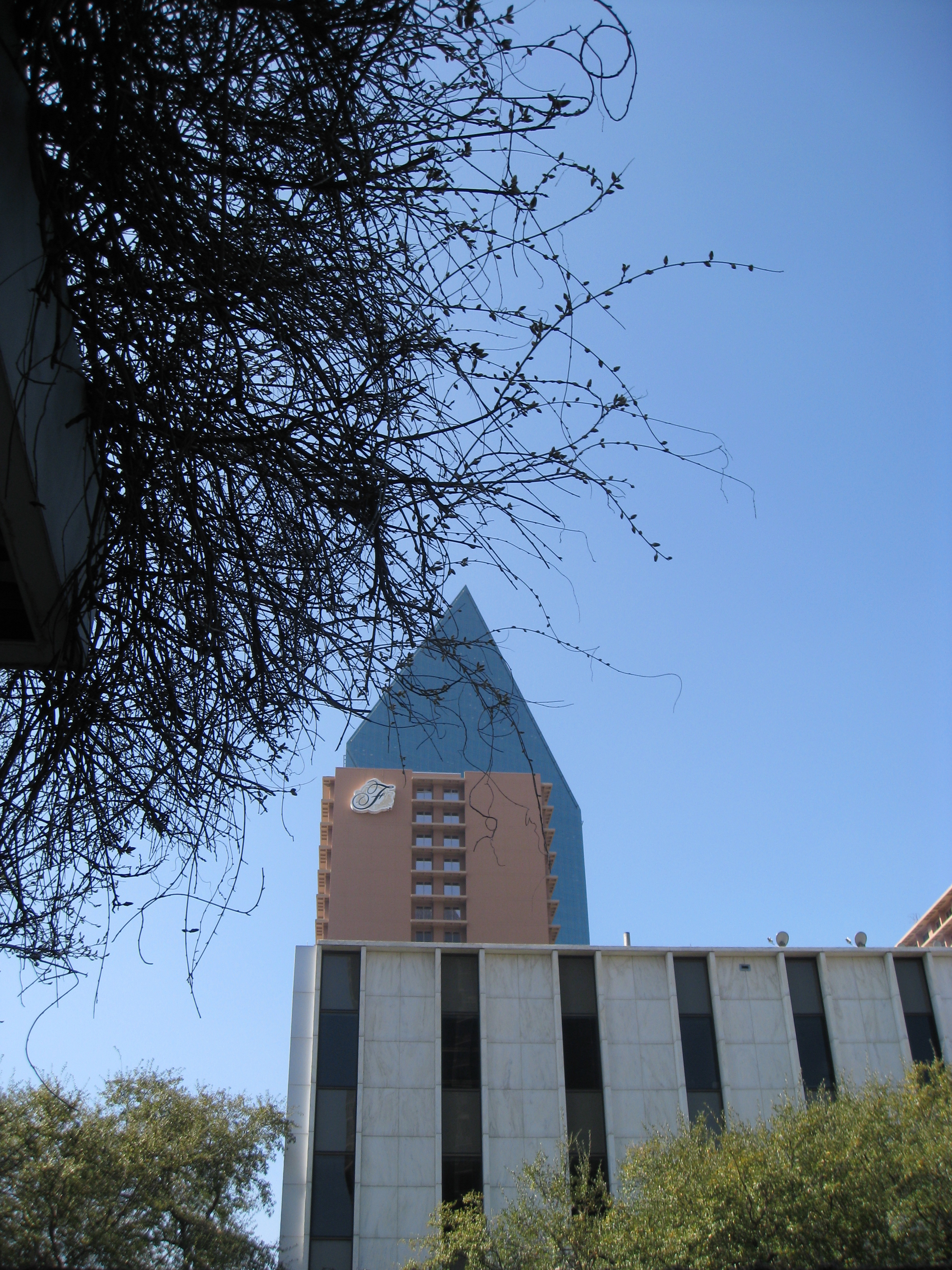
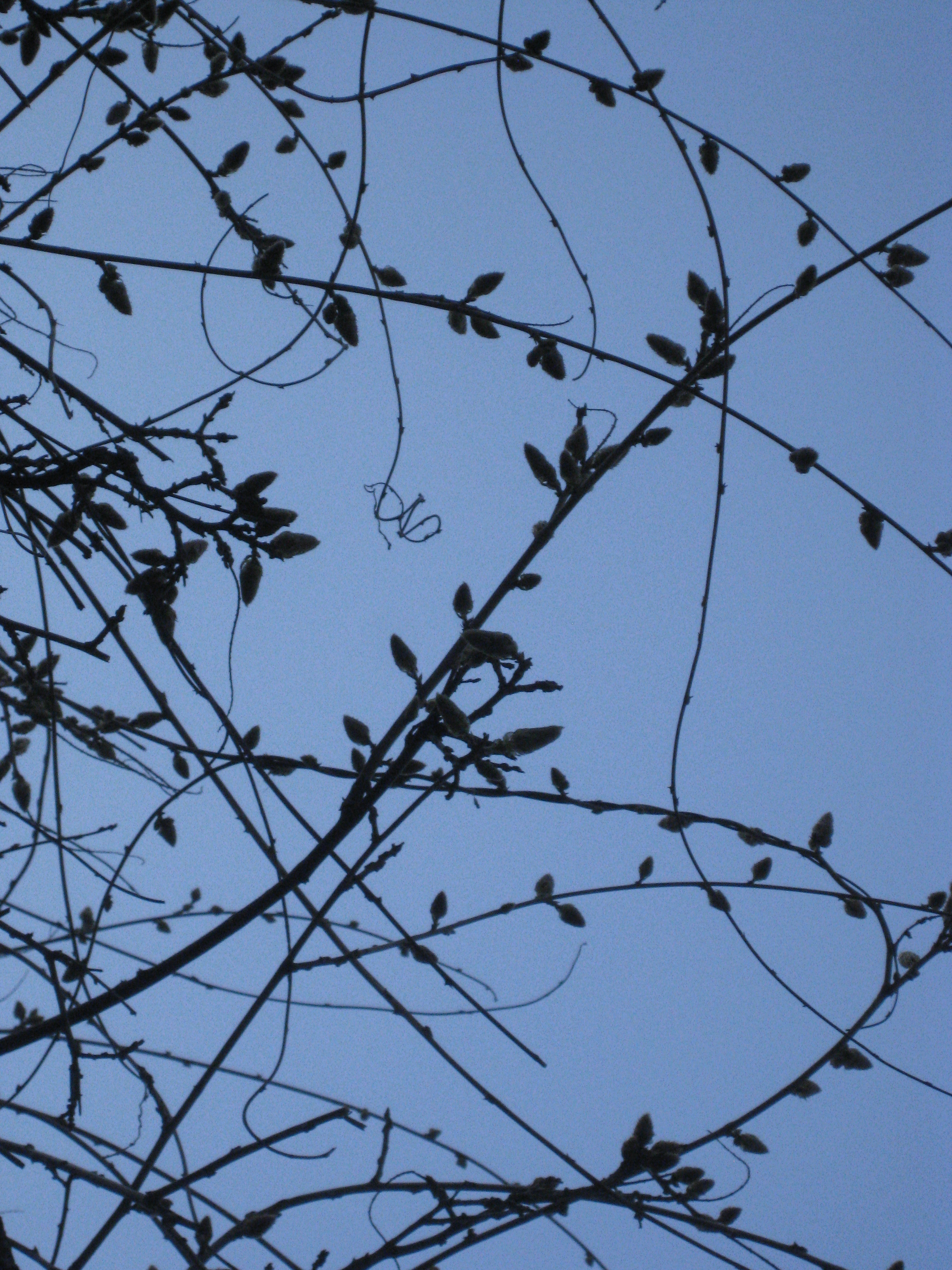
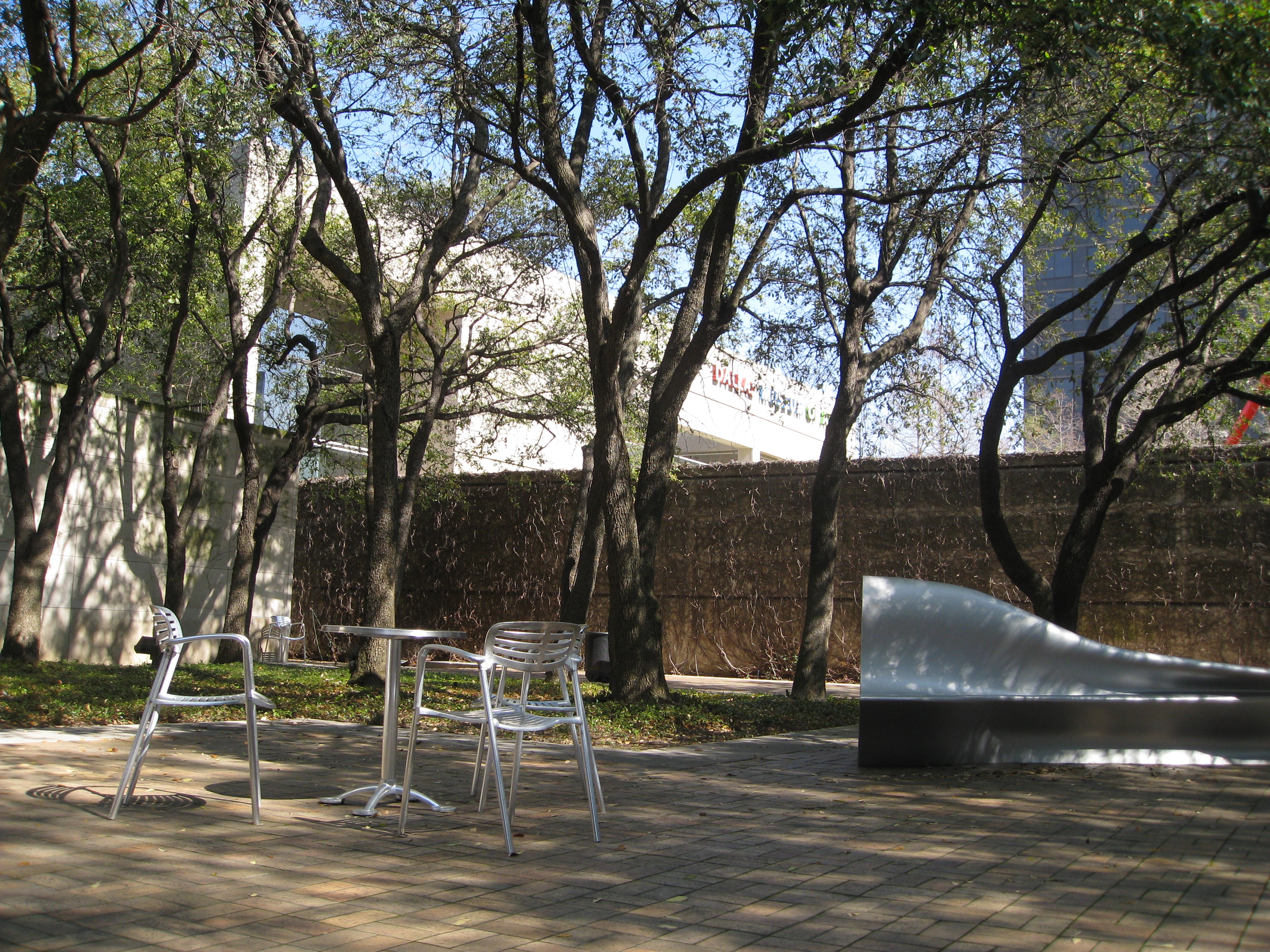
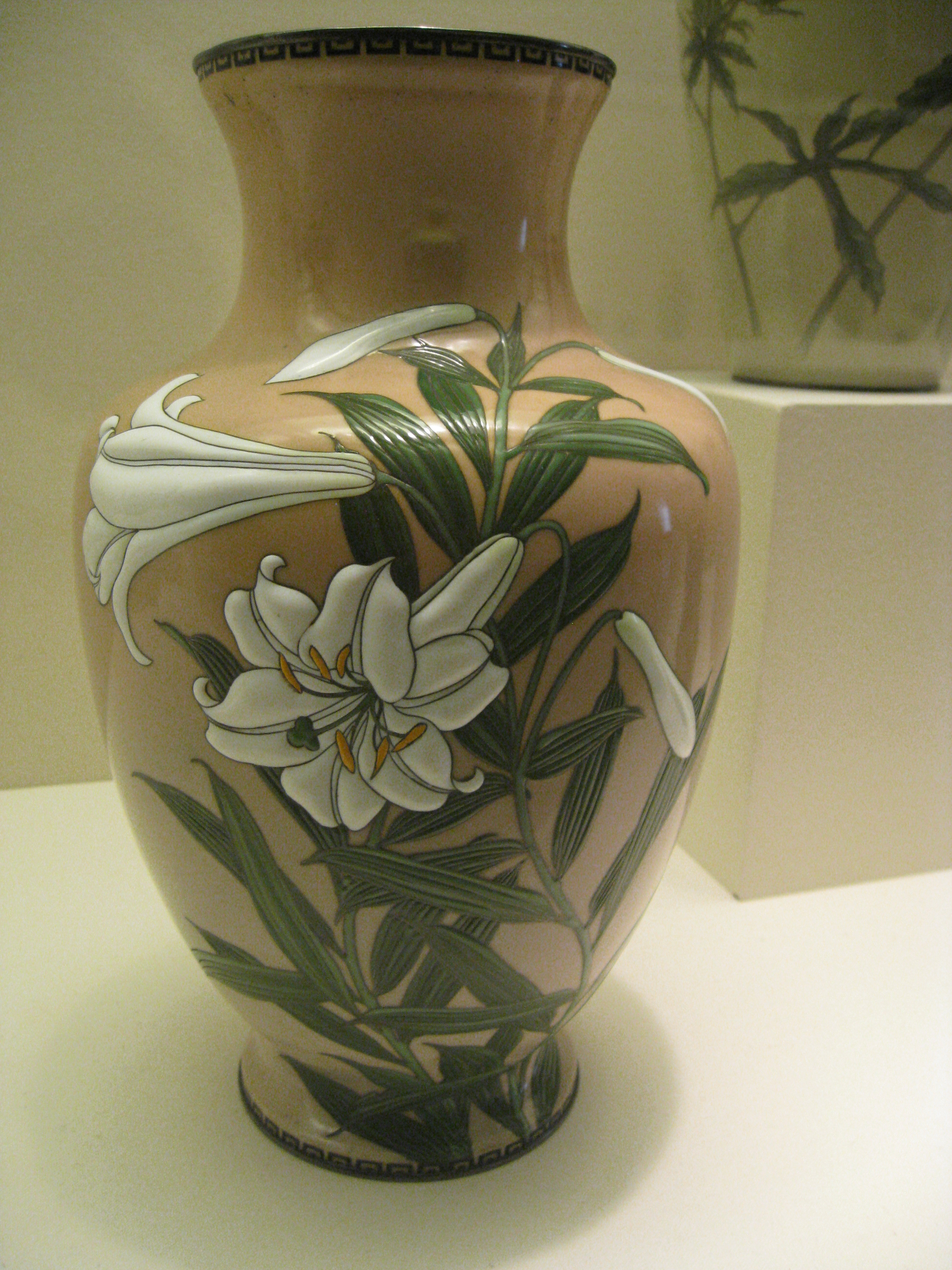
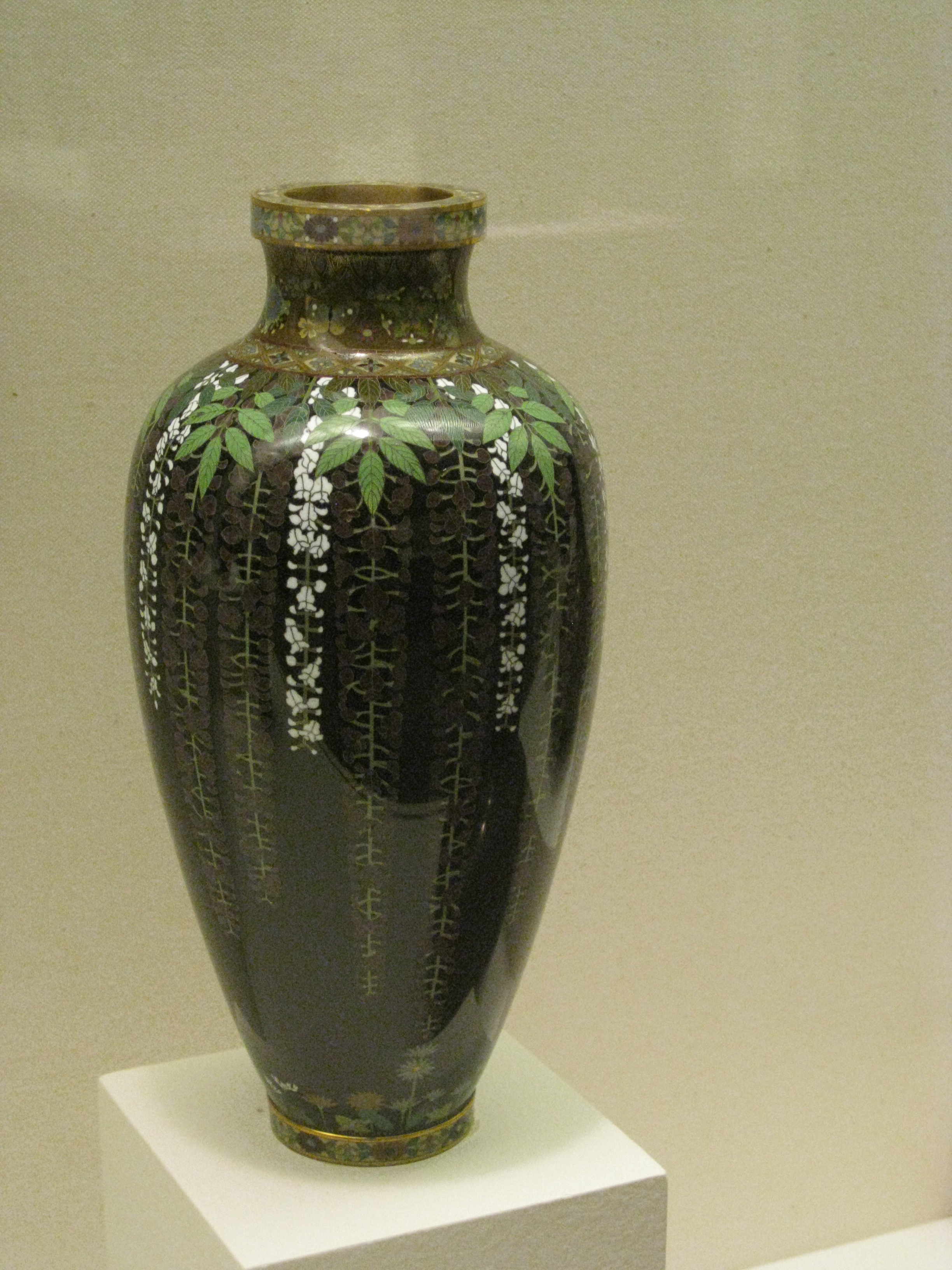
It’s almost spring, and the flora is just about to bloom here at the Museum.  I’ve captured some of the blossoming trees along with some perpetual blossoms on vases in our Japanese Meiji period gallery.  Enjoy!

Molly Kysar
Head of Teaching Programs


Archives

Categories