Archive Page 164

Sculpting Space: 299 Chairs by Skyline High School

[slideshow]

The Center for Creative Connections (C3) welcomes the unique perspective of community partners through a series of C3 Community Partner Response Installations (CPRI). Installed in a central gallery for approximately six months, each CPRI is a response to the current exhibition in the Center and offers visitors an opportunity to consider the themes of the exhibition in new ways. CPRI are the products of close, collaborative, and interactive working relationships between community partners and DMA staff.

Sculpting Space: 299 Chairs is the sixth CPRI to be installed. Students and faculty from the Architecture Cluster at Skyline High School in the Dallas Independent School District created this installation of classroom chair assemblages that stretch, hang, fly, and twist throughout a central gallery in C3. For these students, the process of creating Sculpting Space involved the application of classroom ideas and concepts to a real-world scenario and fostered many new connections with the DMA and Dallas-based cunningham architects.

“In order for us to flourish and bloom as students, we must first open ourselves to new ideas.”—Alberto Huerta

“Working with more people, you will hear interesting ideas that you never would have thought of alone.”—Erica Jackson

Several months ago, the students began the project by sketching chairs. Skyline teachers Tom Cox and Peter Goldstein then led students in a variety of exercises including the study of negative and positive space in DMA artworks as well as investigating spatial concepts such as fluent, voluminous, implosion, organic, and rotating through the making of 2D drawings and 3D models. Several workshops with architects Gary Cunningham and Rizi Faruqui and DMA staff focused on how to connect the chairs, what connectors would hold the chair assemblages together, and how to consider the visitors’ experiences in a space sculpted by chairs. Along the way, three DISD elementary schools swapped out their old kindergarten chairs for new ones, thus providing the high school students with chairs full of character and marked with history.

Google Sketch-Up was used to build scale models of the gallery space, providing a blueprint for the final installation of the assemblages. Videos created by Element X Creative accompany the installation, documenting behind-the-scenes aspects of the project and featuring several Skyline students sharing their experiences.

“The one true connection we have made was with the chairs and when we were little kids. They bring back memories of childhood.”—Luis Garcia

“The new connections we make will be with the people that view our work. We will not be there to explain what we made, so we have to try to convey that in shape and form.”—Sandra Benitez

Sculpting Space: 299 Chairs will be on view in the Center for Creative Connections through October.

Nicole Stutzman is Director of Teaching Programs and Partnerships.
TGIF Artwork Post

All I can say is “Thank goodness it’s Friday!”  I found a few works of art that reflect how I spend my weekends.  

[slideshow]

Until next time….

Jenny Marvel
Manager of Programs and Resources for Teachers

Works of art:
Edgar Degas, Aria after the Ballet, 1879, Pastel gouache, and monotype mounted on cardboard, Dallas Museum of Art, The Wendy and Emery Reves Collection, 1985.R.26

Eastman Johnson, Five Boys on a Wall, 1875-1880, Oil on composition board, Dallas Museum of Art, Foundation for the Arts Collection, gift of Roland S. Bond, Mrs. Alfred L. Bromberg, and Margaret J. and George V. Charlton, 1978.8.FA

Geoff Winningham, Untitled, 1985, Color photograph, Dallas Museum of Art, gift of Jackson, Walker, Winstead, Cantwell & Miller, 1986.22.11

Richard Long, Tennessee Stone Ring, 1984, Stone, Dallas Museum of Art, General Acquisitions Fund with a matching grant from The 500, Inc., 1985.120

Coreen Mary Spellman, Untitled (girl reading in bed), 1945, Etching, Dallas Museum of Art, gift of Helen, Mick and Thomas Spellman, 1994.160

Geoff Winningham, Untitled, 1985, Color photograph, Dallas Museum of Art, gift of Jackson, Walker, Winstead, Cantwell & Miller, 1986.22.4  

Roger Kuntz, Paris Café, n.d., Silkscreen, Dallas Museum of Art, Mrs. Killborn Karcher and Mr. and Mrs. John A. Prather Prize, 1st Annual Dallas National Print Exhibition, 1953, 1954.17

Pietro Paolini, Bacchic Concert, 1625-1630, Oil on canvas, Dallas Museum of Art, The Karl and Esther Hoblitzelle Collection, gift of the Hoblitzelle Foundation, 1987.17

Printmaking 101

Printmaking has been around since the fifteenth century.  There are many types of printmaking processes, such as woodcuts, etchings, engravings, lithographs, and monotypes. The earliest print technique, the woodcut, was used to illustrate books. To make a woodcut, the artist carved a design from a piece of wood and inked the block. Ink would only stay on the areas of the block that were not carved. Eventually, artists looked for new ways to create images, which resulted in etchings and engravings.  

Etchings and engravings were favored by artists. To make either type of print, an image is drawn onto a metal plate with a v-shaped tool called a burin.  The plate is coated in an acid-resistant surface and ink is beaten into the incised lines with a tool called a dabber. Then, the plate is submerged in an acid bath, which opens up the lines and exposes the metal surface. The acid creates the depth of line by reacting with the areas of exposed metal. Afterwards, the plate go through a printing press. In the engraving process ink rests in the engraved lines and the plate is run through a press. Both prints allowed for greater flexibility with images and a variety of lines and tones in the final product. 

Advances in the print world saw the emergence of  lithographs and monotypes during the nineteenth century. Lithographs are a direct medium; the image is drawn on a flat stone with a greasy oil or crayon and run through a printing press. Monotypes have ink drawn onto a glass or copper plate and transferred to paper. Monotypes produce one image; printing another image results in deteriorated quality.

To help you better understand prints, I included some images of the printmaking process. I hope you enjoy seeing how they are created! If you would like to explore works on paper in the DMA’s galleries, prints by the following artists can be found in the collection: Edgar Degas, Henri de Toulouse-Lautrec, Berthe Morisot, Camille Pissarro, and Pierre Bonnard.

[slideshow]

Amy Wolf
Coordinator of Gallery Teaching

All That Jazz: Meet Our Resident Jazz Legend

As a special treat for our Dallas Museum of Art jazz (and other music) lovers—and in celebration of Jazz Appreciation Month—we will showcase the music of the great composer, pianist, and bandleader Duke Ellington in the Atrium (part of Thursday Night Live!) during April.

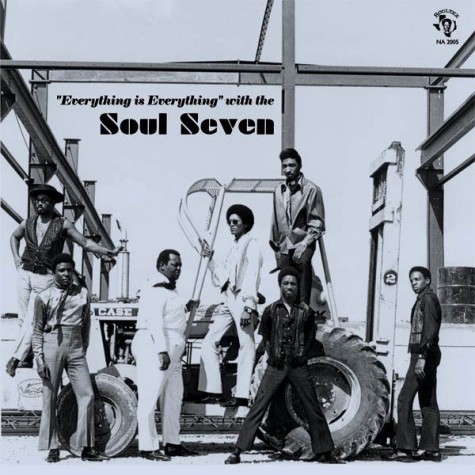
We thought that this would be a great time to spotlight Wendell Sneed, our Coordinator of Jazz in the Atrium. Wendell is a long-time employee of the DMA (18 years!), but more than that he is our own local celebrity and Dallas jazz legend! Wendell was a member of the popular 1970s Dallas funk group Soul Seven and was featured in the 2008 KERA documentary South Dallas Pop—When Funk Was King (visit this link to listen to a clip of Wendell — on drums — and Soul Seven performing with Eddie Purrell).

Soul Seven Album Cover (Wendell is the one on the far left)

I sat down to chat with Wendell about what influenced him to become a jazz musician and to get a bit more information about the great line-up for April.

Wendell Sneed, Jazz in the Atrium Coordinator

What got you interested in jazz to begin with? When did you start playing?
My high school band director, Mr. Allison Tucker, was a jazz drummer. He got me interested in music and was my first mentor. I originally wanted to be an athlete in school but hated all the running! By the late 50s I was totally hooked on the drums and jazz and was playing with several bands around town. By the time I was 17, I was touring all around the Southwest and beyond.

What was your favorite gig while you were out on the road touring?
Besides my time with Soul Seven, my favorite gig was when I was the Music Director for a group called “The Honey Combs” in the late 70s. We had a couple of singles that went “gold.” One of them was the tune “Want Ads.”

What is your favorite Duke Ellington tune?
My favorite Ellington tune is a little obscure. It’s called “Come Sunday.” It actually is one of his sacred music compositions. Of course, I like many of the more well known Ellington tunes also.

What is your favorite work of art in the DMA’s collections?
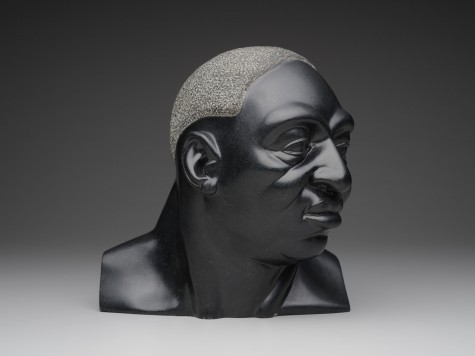
Leadbelly, by Michael G. Owen, Jr., in the American sculpture collection is my favorite. I think about Mr. Owen creating this work and wonder what it was like to talk to Leadbelly himself as he worked on it. Leadbelly’s music became a very important influence on many musicians from many different genres—from blues, to folk and even rock. I wonder sometimes why Mr. Owen chose to portray Leadbelly in this light—solitary and without his guitar in sight.

Michael G. Owen Jr.'s Leadbelly (1943)

Tell us a bit more about the acts you have booked for the April Ellington Showcase.
We will kick off the month on April 7 with the UNT Repertory Ensemble, which is a group dedicated to playing and preserving the art of “classic jazz.” Next, on the 14th, we have pianist Dave Zoller and his group Daybreak Express. They specialize in doing exclusively Ellington material. On the 21st, we will feature the top student jazz band from Carroll Senior High School. They were the finalists for the Essentially Ellington Competition, founded and judged by Wynton Marsalis at Lincoln Center in New York City.

I am most excited about the performance planned for April 28. We will feature Shelley Carrol, who was a member of the Ellington Orchestra for many years after graduating from the University of North Texas. He will be joined by a very special guest, Duke Ellington’s grandson, Paul Ellington. Paul will share stories of Duke and his compositions that Shelley and his quartet will perform.

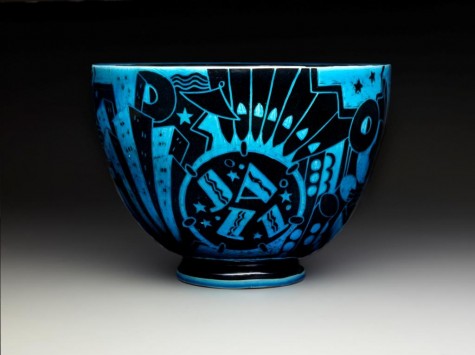
Viktor Schreckengost and the Cowan Pottery Studio's Jazz Bowl (c. 1930 -1931)

In addition to the acts Wendell mentioned, on April 14 and 21 we will offer tours of jazz-related artworks in the DMA’s collections, including the Jazz Bowl (pictured above), led by curators and other staff.

Denise Helbing is Manager of Partner Programs at the Dallas Museum of Art.

Educator Resources: Funding for Field Trips

One of the best ways to connect your students with art and the cultures they’ve been learning about in the classroom is to bring them to the Museum.  Each year Museum staff and docents tour hundreds of students from the Dallas-Ft. Worth area, and school tours are one of the most enjoyable aspects of our days.  The Museum is entirely FREE for students, teachers, and their chaperones on school tours, and the only cost to you is your bus.  We realize that even the cost of a bus can limit you and your students’ ability to visit the Museum.  So, we’d like to share several opportunities to subsidize the cost of your transportation to and from the Museum.

1. Target Field Trip Grants

Target launched its grant program in 2007 and has awarded almost $10 million in grants, allowing students and teachers from all fifty states to extend the classroom to the world of museums, historical sites, and cultural organizations.  Each Target store awards three grants up to $700 to K-12 schools nationwide.  Applications for the 2011-2012 school year open August 1st!

2. DART Transit Education

DART’s Community/Education Outreach Program provides support for public and private schools, grades 1-12 in thirteen DFW-area cities.  The program offers a twenty-minute on-site presentation about public transportation, safety, and rules of conduct.  Then, classes can be transported FREE to a number of different Dallas sites, including the Arts District and Fair Park.  For more information and to schedule a program, see the DART site.

The Museum offers both docent-guided and self-guided  tours, which can be scheduled online.  Museum visits for the 2011-2012 school year can be reserved beginning in August, and request forms will be available online.  The calendar does fill quickly, so please schedule programs as early as possible.  We look forward to seeing you and your students at the Museum!

Ashley Bruckbauer
McDermott Intern for Teaching Programs and Resources

Seldom Scene: Our Jazz Bowl

This stunning new acquisition, The Jazz Bowl by Viktor Schreckengost, was inspired by an evening’s revelry during one of the artist’s visits to New York City in the early 1930s. Currently on view in the DMA’s 4th floor galleries, it celebrates April as Jazz Appreciation Month.

Viktor Schreckengost, "Jazz bowl" or "New Yorker", c. 1930-1931, glazed earthenware, Dallas Museum of Art, The Patsy Lacy Griffith Collection, gift of Patsy Lacy Griffith by exchange

C3’s Interactive Space Takes Center Stage

[slideshow]

Our Center for Creative Connections (C3) is an interactive space and innovative learning environment at the heart of the Museum’s galleries where museum-goers can explore their own creativity and discover new ways of experiencing and connecting with art from the Museum’s collections. C3 especially encourages active learning for people of all ages and learning styles through exhibitions and programs. You may have left (literally) your mark on C3 by measuring your height against Jacques Lipchitz’s 6 and ½ foot tall bronze sculpture of The Bather or by submitting your photos of varied spaces to our monitor wall. The theme for it changes every 6 months so you can continue to contribute to it throughout the run of our current exhibition Encountering Space.

C3 is easy to find: centrally located on the Museum’s first level it includes an exhibition gallery and several distinct learning areas, including an Art Studio, an interactive learning space for children under the age of four called Arturo’s Nest, a Young Learners Gallery for children 5–8 and their families, a theater, and a digital studio called the Tech Lab. There are always activities happening in one or more area of C3 for all of the Museum’s visitors, and hands-on experiences at the Museum aren’t just for kids.

Museum visitors can literally grow-up with C3 by participating in exploratory programs as early as 2 years old in Arturo’s Nest during Toddler Art through an Artist Encounter for grown-ups to celebrate creativity and the artistic process.

Here is what some of you, our visitors, have said about your experiences in C3:

“A visit to the Center for Creative Connections is like visiting Alice in Wonderland because magic happens here.” – Kelaine, 50

“[C3 is] a fun place with a lot of imagination, where the imagination flies.” – Victor, 17

“[C3 is] a place where art actually comes alive, where it’s more than just something pretty to look at but never touch.” – Caitlin, 18

“A visit to the Center for Creative Connections is like going back to preschool because you are looking at things through new eyes.” – Rob, 38

“I don’t want to leave. Can I live here?” – C3 visitor, 4

All the Single Ladies

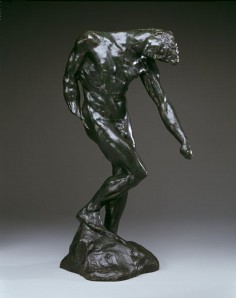
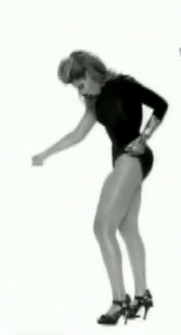
Did you know that the Dallas Museum of Art’s sculpture The Shade by Auguste Rodin served as inspiration for Beyonce’s famous “Single Ladies (Put a Ring On It)” dance?


April Fools!

Friday Photos: April Fool's Day!

We decided to have a little fun on April Fool’s Day, so a few of us took a field trip over to the Nasher Sculpture Center’s new  exhibition, Sightings: Martin Creed.  Getting lost in the balloons was fun and scary at the same time.  Can you find the Museum educators?

[slideshow]

Melissa Nelson
Manager of Teaching in the Community

Growing Pains

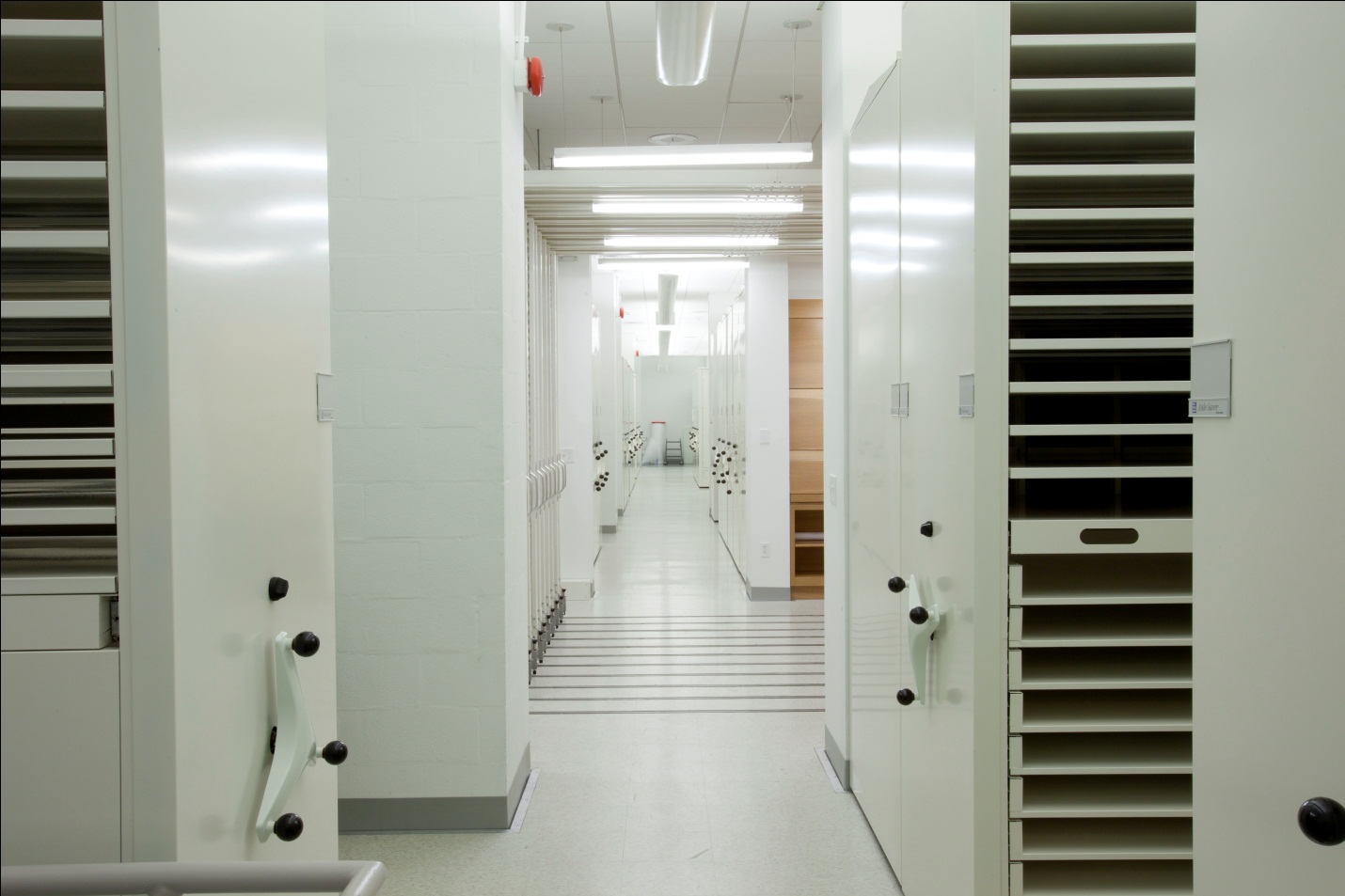
Since our art storage area is not available to the general public, we thought we’d give you a behind-the-sceneslook at our new and improved space.

In 2008, the Museum was awarded an important grant from the National Endowment for the Humanities. Through the grant, the DMA has increased the square footage of several art storage spaces, expanded storage capacity, and modernized the spaces with new lighting, HVAC, and furniture fixtures. Each storage space was renovated to the highest preservation and green-building standards in coordination with the architecture firm Solomon & Bauer of Watertown, Ma., the City of Dallas, and contractors.

The building of the new Works on Paper (WOP) facilities was the final building stage of this multi-year project.  Three new rooms were constructed within the museum’s existing storage space to specifically hold the museum’s roughly 6,000 works. With the construction complete and the new cabinets installed, we have started the process of moving art from our old storage to the new.

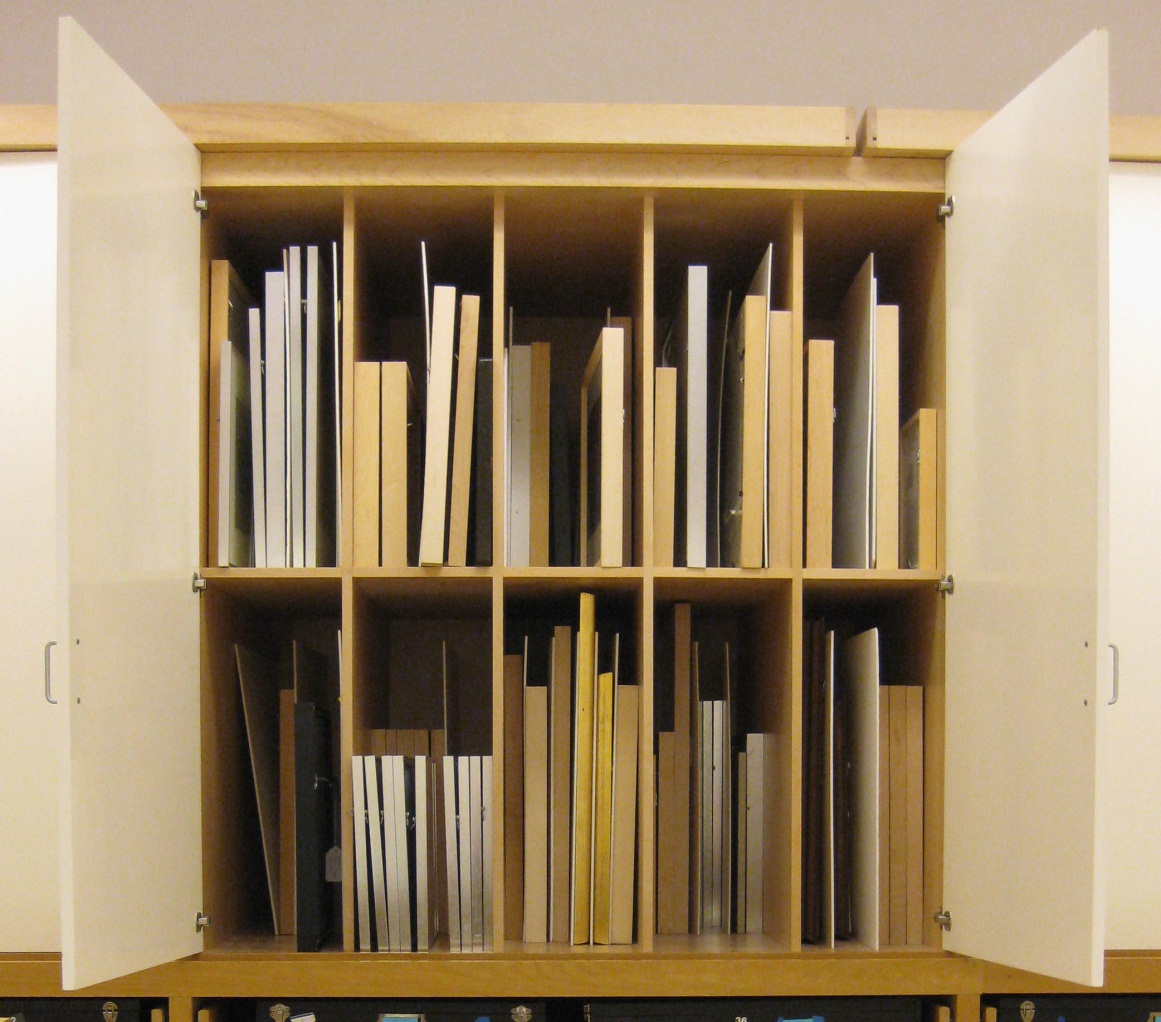
Space was one of the biggest concerns in our previous WOP storage. This was especially true for our storage of framed works, where our cabinets were full the point of overflow. We often needed to remove five or six pieces in order to access the one object we needed. Since the goal is to move the work as little as possible, the “overflow” constituted a threat to the care of our objects.

Speaking in strictly numbers, we previously had 18 cabinets with a total of 126 bins, each bin being 10 inches wide and 42 inches deep. As you can see in the picture below, the height of each bin was set. While this created an aesthetically pleasing consistency, it left significant gaps and wasted precious space.

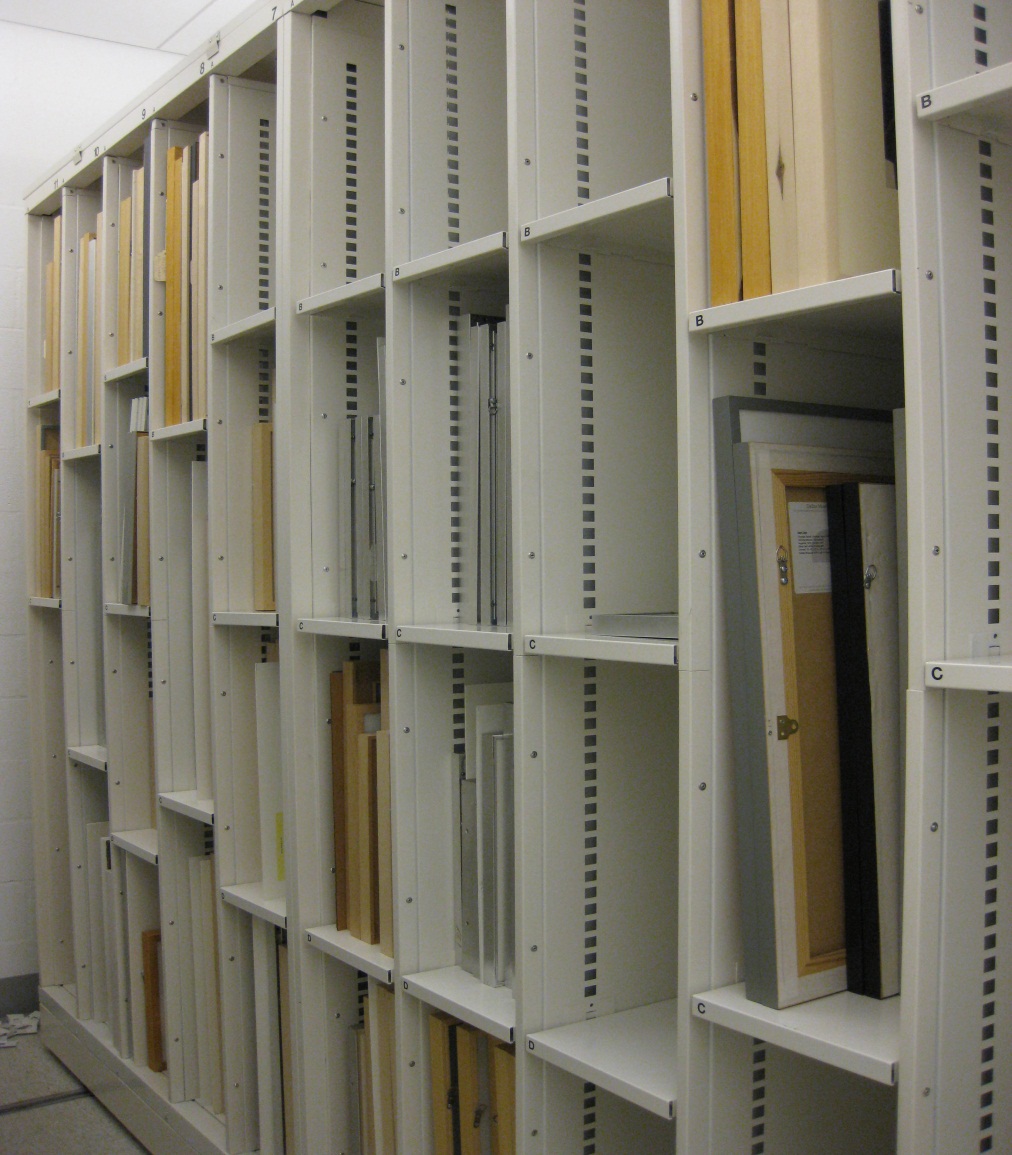
In our new space, conversely, we have 142 bins, each 11 inch wide by 42 inches deep. Not only do we have a greater number of overall bins, our new cabinets are completely modular.  Depending upon the need of the collection, we can add or subtract shelves.  The photo below shows the new cabinets in process of being loaded with objects.  Already you can see the increased functionality of this style unit.

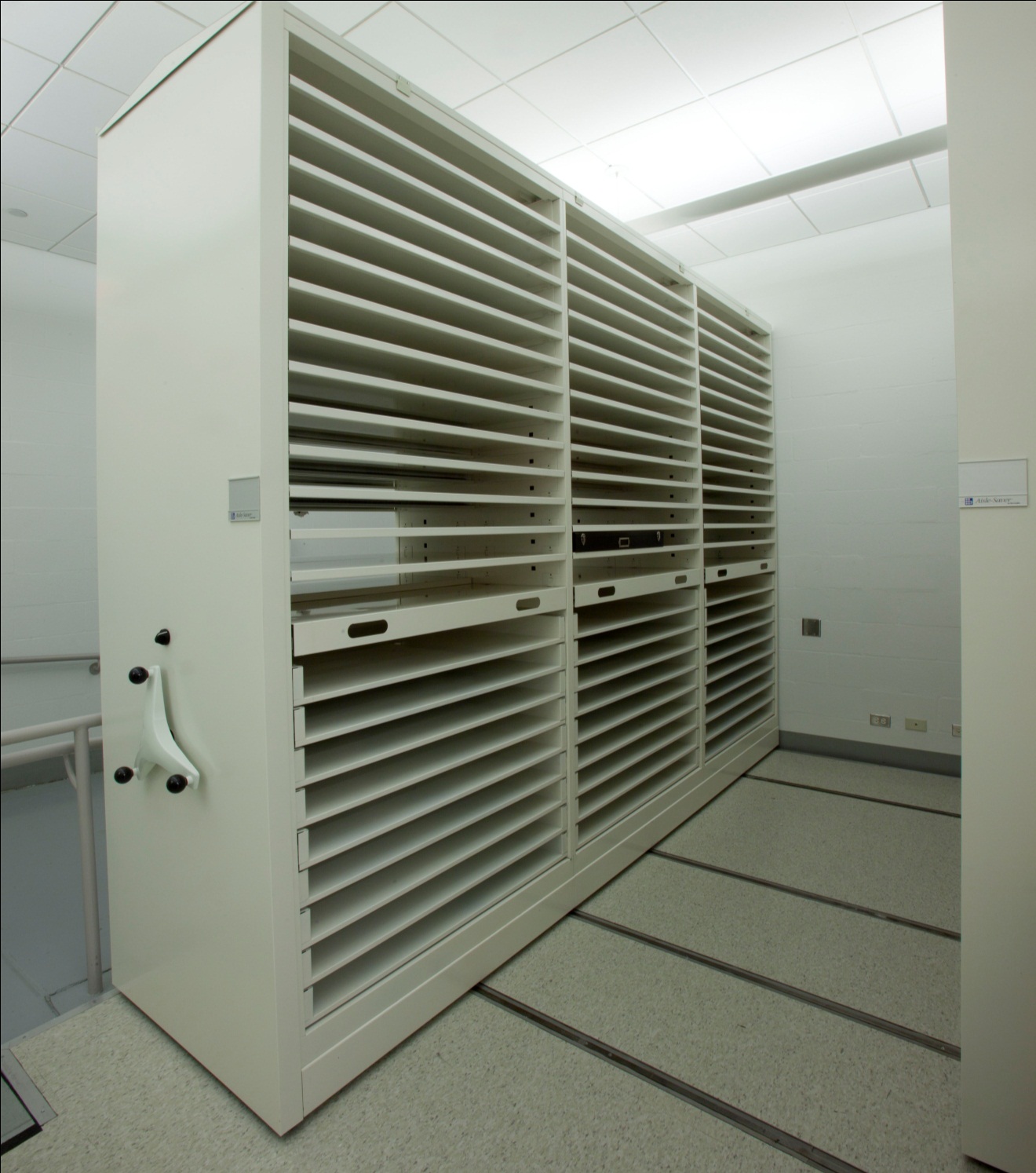
The new framed work storage units are attached to rolling racks, which allows us to maximize our space by removing the need for aisles. While the use of rolling racks has been relatively common in library stacks for years, it is only now becoming the standard in collections care. With the addition of the rolling racks in the area, we have now updated all of our storage spaces to these compacting racks.  The photo below shows the new flat storage units on a rolling rack.

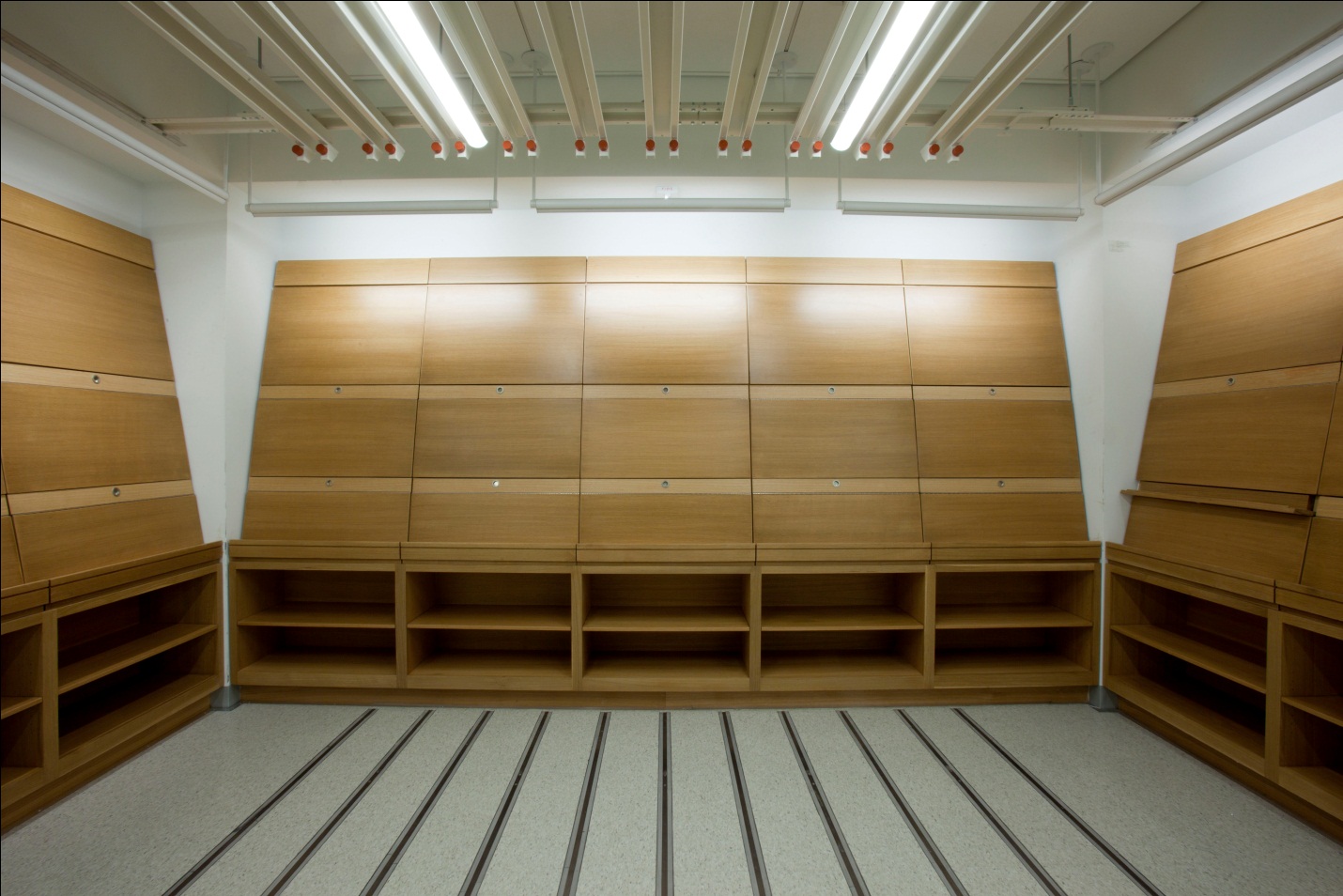
Always a problem in our old space, we specifically designed an area of the new storage space to view works on paper. Shelves built in to the slanted wooden backing fold out to support objects without having to bother with hanging.  The shelves are large enough to support almost any framed work in the collection, but are also designed in such a way where many smaller pieces could also be shown all at once.  The flexibility of the unit is vital to curators as they arrange and rearrange objects in preparation for gallery installations.  The overall size of the viewing space is an extra plus as we can now accommodate more students or scholars visiting on research trips.

The changes in how we store our works on paper will greatly improve the overall level of care we are able to maintain.  Thanks to the NEH and the Hoblitzelle Foundation, these improvements, along with the updates to our library and archives, the collections file storage space, and small objects—shown in last fall’s  Small Objects Collection is Movin’ on Up!—have made a profound impact on the way the collections staff cares for our museum’s collection.

Anne Lenhart is an Assistant Registrar at the Dallas Museum of Art


Archives

Categories