Archive Page 134

Red, White, and Blue

Some visitors to the DMA may have taken our self-guided tour Seeing Red, and loyal readers of our blog may remember a post we did back in December about works in our collection that are white. So while we have not focused on the color blue yet, we thought this would be a good day to share with you a few works in our collection that feature red, white, and blue.

Striped chevron bead, Drawn glass, Dallas Museum of Art, gift of The Dozier Foundation

Childe Hassam, Flags, Fifth Avenue, 1918, Watercolor, Dallas Museum of Art, Munger Fund, in memory of Mrs. George Aldredge

Anne Vallayer-Coster, Bouquet of Flowers in a Blue Porcelain Vase, 1776, Oil on canvas, Dallas Museum of Art, Foundation for the Arts Collection, Mrs. John B. O’Hara Fund and gift of Michael L. Rosenberg

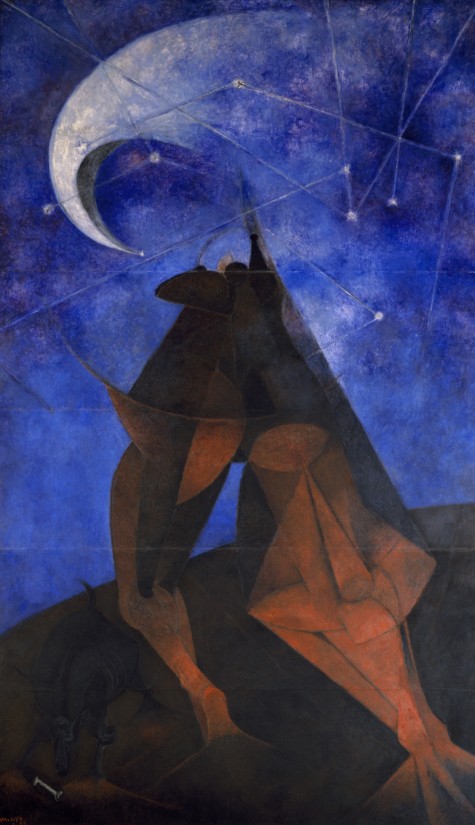
Rufino Tamayo, El Hombre (Man), 1953, Vinyl with pigment on panel, Dallas Museum of Art, Dallas Art Association commission, Neiman-Marcus Company Exposition Funds [credit line published in 1997 DMA Guide to the Collections: Dallas Museum of Art, commissioned by the Dallas Art Association through Neiman-Marcus Exposition Funds]

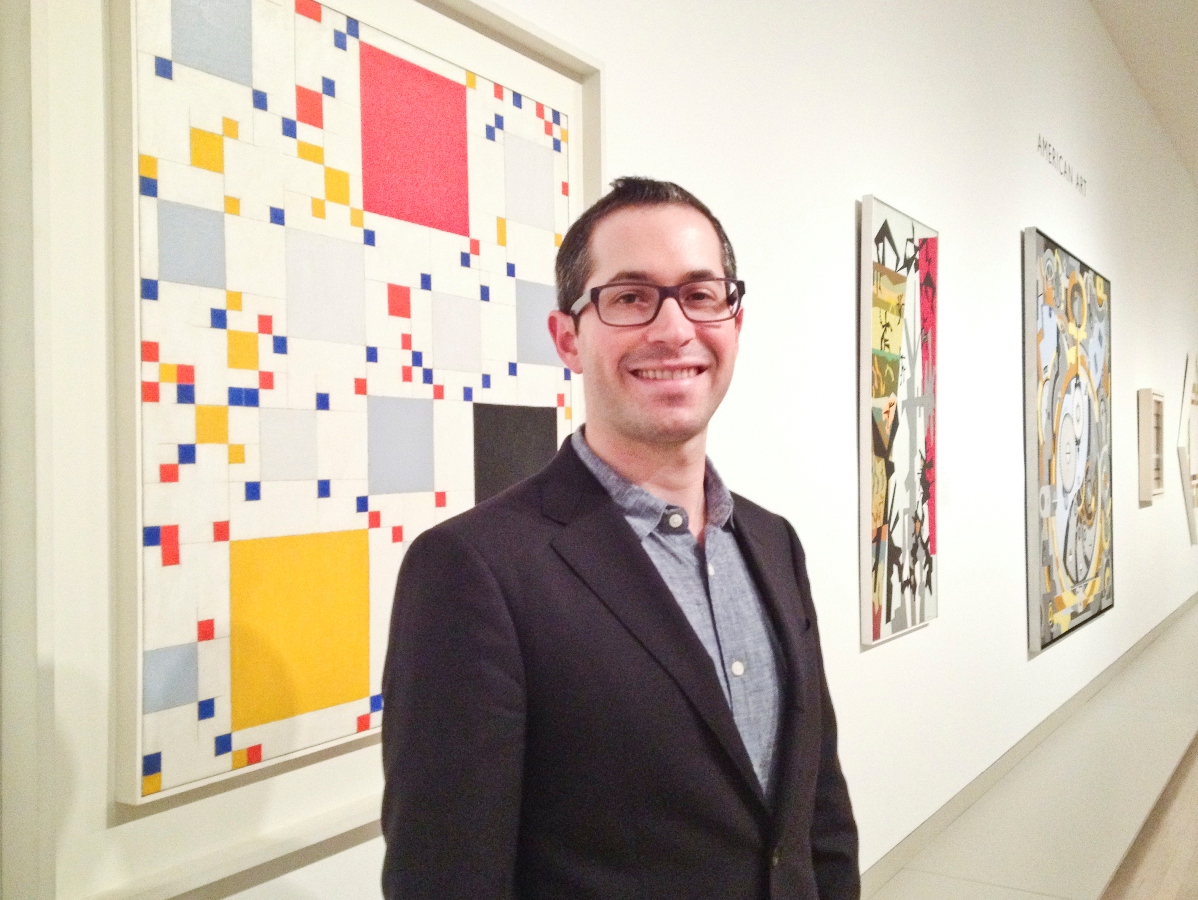
Piet Mondrian, Composition with Large Blue Plane, Red, Black, Yellow, and Gray, 1921, Oil on canvas, Dallas Museum of Art, Foundation for the Arts Collection, gift of Mrs. James H. Clark

Yves Tanguy, Apparitions, 1927, Oil on canvas, Dallas Museum of Art, The Eugene and Margaret McDermott Art Fund, Inc., in honor of Nancy O’Boyle

Jean Antoine Theodore Giroust, Oedipus at Colonus, 1788, Oil on canvas, Dallas Museum of Art, Foundation for the Arts Collection, Mrs. John B. O’Hara Fund

James Brooks, Quand, 1969, oil on canvas, Dallas Museum of Art, gift of the Meadows Foundation Incorporated

Wassily Kandinsky, Boating (from Sounds), 1907-1911, 1913, Volume with thirty-eight prose poems and twelve color and forty-four black-and-white woodcuts, Dallas Museum of Art, Centennial gift of Natalie H. (Schatzie) and George T. Lee

Stacey Lizotte is the Head of Adult Programming and Multimedia Services.

Vacay at the DMA

Well folks, we have officially broken one hundred degrees, which means that the Dallas summer is really here. You may get a chance to escape the weather with a trip to cooler climates. But I am here to tell you that it is possible to beat the heat and enjoy a fun-filled day of play right here in Dallas! At the Dallas Museum of Art you can travel all over the world, eat any type of food your heart desires, and participate in creative activities without ever leaving downtown.

Here are some great ways to enjoy a DMA get-away:

Self-Guided Tours

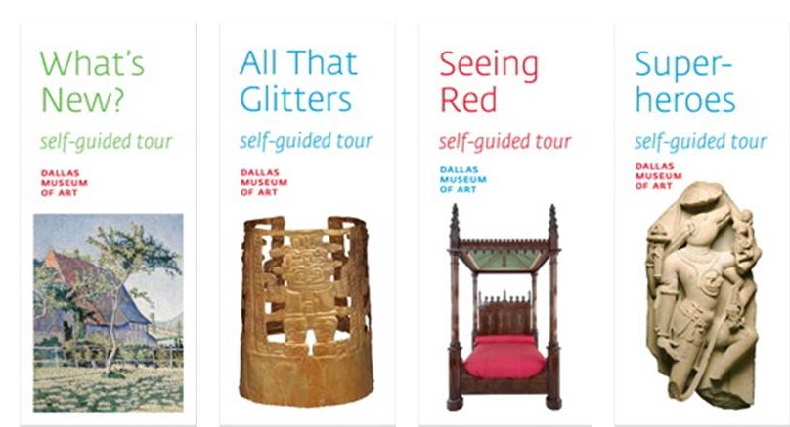
With over 25,000 works of art at the DMA, chances are that you won’t be able to see everything in one day. But don’t worry, any of our bite-sized tours will show you how to have a quality experience at the DMA instead of a quantity one. You can choose from four different themes to match your interests, either by downloading and printing them at home or by asking the Visitors Service Desk for a copy.

smARTphone Tours

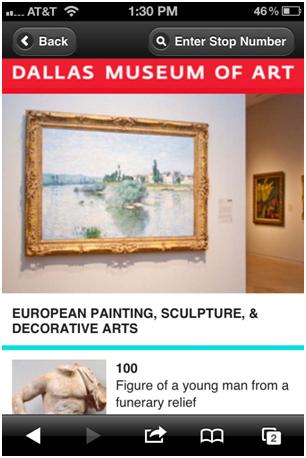
For a more customized experience, use your smartphone to access interactive content specific to each gallery.

Lunch

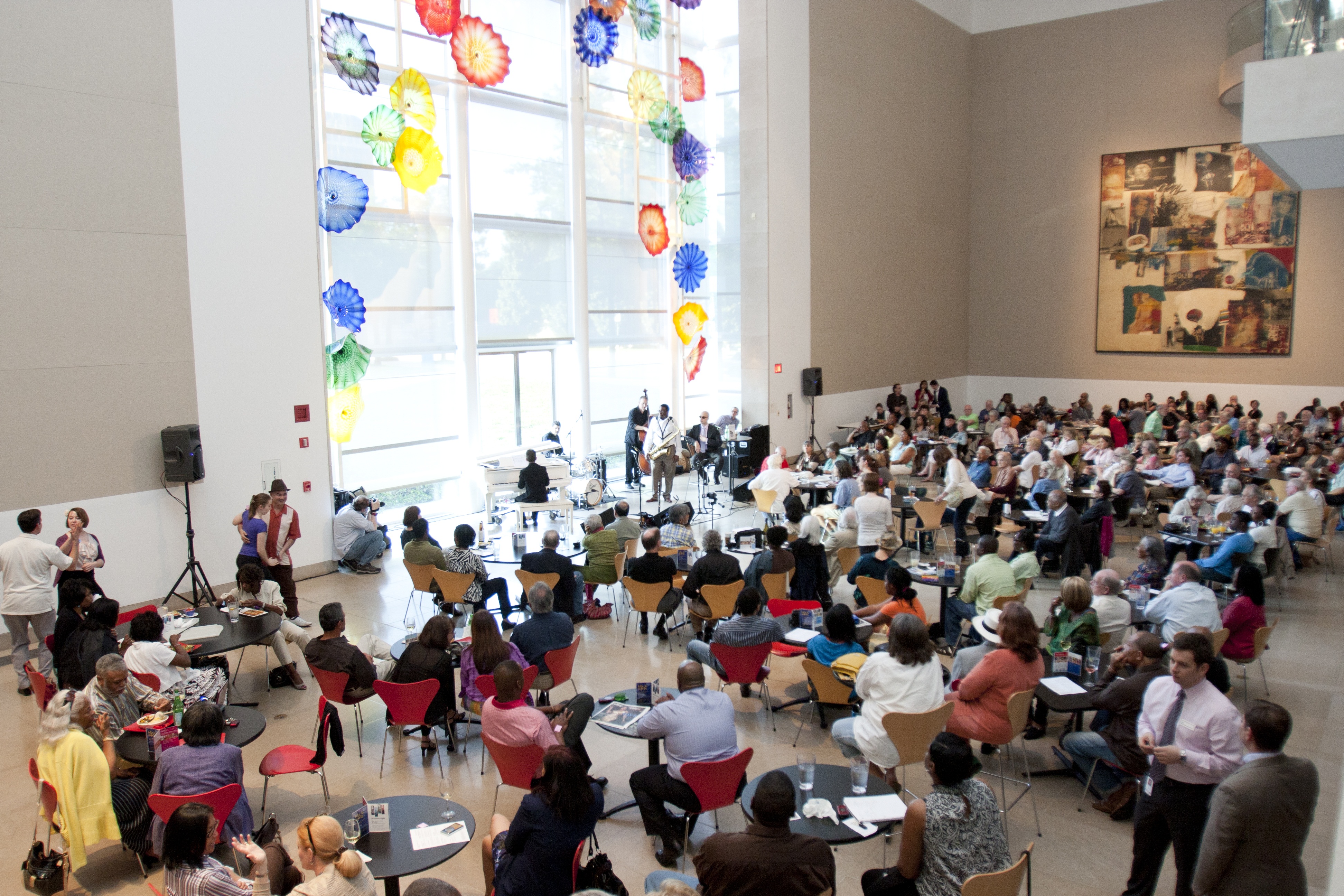
  • With a variety of lunchtime favorites, the bright and open Atrium Cafe is a great place to have a meal.
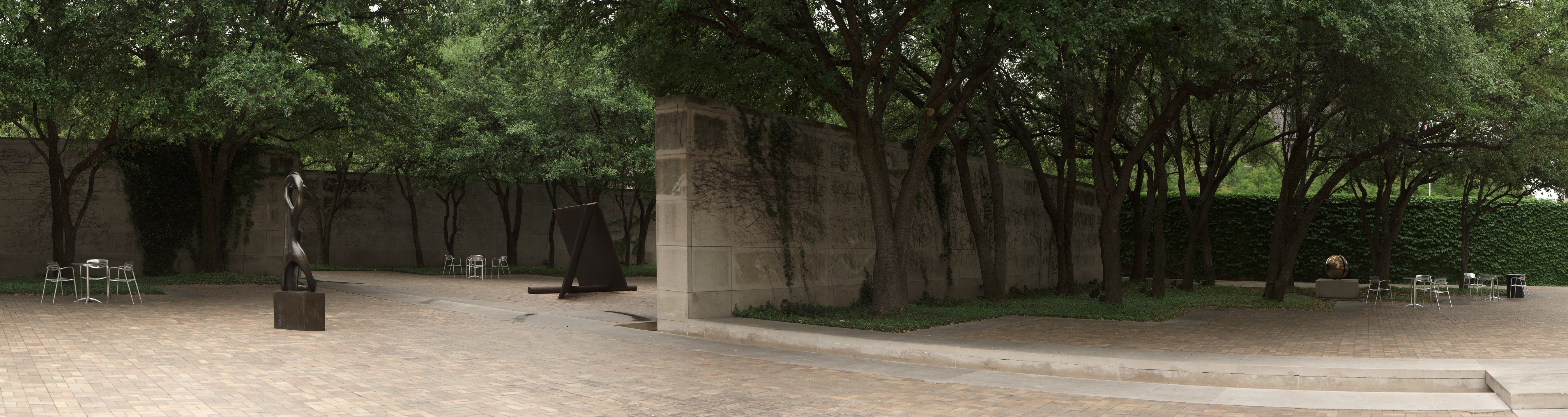
  • The Sculpture Garden is a perfect spot to relax, soak up some sun, and enjoy your lunch while surrounded by art.
  • Or try any one of the tasty and affordable food trucks just a couple of blocks away; they have something for everyone!

After Hours

  • If you are a late-nighter, you are in luck, because every Thursday Night the Museum stays open until 9:00 pm. You can enjoy a cocktail while listening to jazz music in the Atrium Cafe, or create an original work of art in the Center for Creative Connections.
  • Every third Friday of the month the Museum stays open until midnight, offering a variety of fun and free programs inspired by the Late Night theme of the month.

Need more ideas for engaging with the collection? Check out our list of 100 Experiences.

I’ll see you at the Museum,

Hannah Burney
Go van Gogh Programs Assistant

Let Your smARTphone Be Your Guide

For many of us, our smartphones are an integral part of how we interact with and even interpret the world around us. At the DMA, we’ve been using smARTphone tours as a tool to do precisely that–allow visitors to become actively engaged with works of art throughout the Museum.

In 2009, when smartphones were first becoming popular, the DMA decided to experiment with creating tours for visitors on them. The Museum offers free Wi-Fi throughout the building, so we went with a web-based application that would work on any web-enabled smartphone. We gathered videos and audio clips, images, and text related to thirteen works of art in the collection and made them accessible to visitors via smartphones. There is so much fascinating information that can’t be displayed on labels and wall texts, and that first tour demonstrated the exciting possibilities offered by the interactive and multimedia features. Since then, we’ve created smARTphone tours for special exhibitions and added many stops to our collection tour.

Currently on the DMA’s smARTphone tour, you can listen to audio and video introductions for more than seventy-five works of art, learn about the artists and cultures that created them, check out community response projects like poems and sound designs, and look through archival and contextual photographs. Personally, some of my favorite choices include watching Dr. Heather MacDonald discuss why Claude Monet’s painting The Seine at Lavacourt was a failure, listening to sound designs created by UTD students in response to our Indonesian jaraik, and perusing the photographs of Coco Chanel at the Villa La Pausa.

While our initial efforts were well received, in 2011 the Museum embarked on a new phase of development of the smARTphone tours program. We revamped the design and organization, created a feature that allows multiple staff members to publish content, and added over fifty-five new stops to the tour.

From the interface design to the production of content, the DMA’s smARTphone tours are created entirely in-house and bring together staff from many of the Museum’s departments including IT, Education, Curatorial, and Marketing. While IT and Marketing worked on the new look of the tour, staff from the Education and Curatorial departments decided which works of art should be included and developed content.  The new tour stops include over one hundred video and audio clips of curators speaking about works of art and artist biographies, and reflect the collaborative efforts of the various departments.

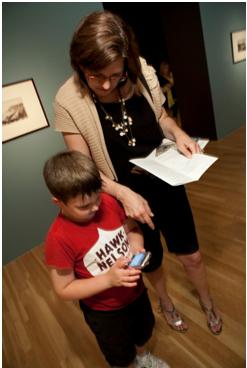
It was thrilling to see all of our hard work come to fruition when the new stops were released in February 2012 at the opening of the exhibition Face to Face: International Art at the DMA. The real highlight, though, is to see visitors using it. While conducting an evaluation of the smARTphone tour, I spoke with a mom and her twin 9-year-old boys, who said they had looked at every video in Face to Face and wanted to look at more when they got home!

Feedback from our visitors is especially important, and periodic evaluation has played an integral role in the development of the tours. From user experience to content, we’ve assessed visitor experiences with the smARTphone tours four times over the past several years. Each time we learn something new.

If you’re at the DMA or at home, be sure to check out the smARTphone tour at dma.mobi.

Laura Bruck is a museum consultant and also adjunct assistant professor of art history at the University of Dallas.

Texas-sized Free Day!

Howdy, Texas!  Around these parts, we’re all pretty familiar with a fella named Big Tex, an icon of the State Fair of Texas in Dallas’ Fair Park area.  If Big Tex could take a stroll across town, you know he’d be sure to mosey up for some fun at the DMA‘s First Tuesday on July 3.  He could add some flair to his bandana in the art studio, join a roundup for stories and songs about Texas, search for Texas artwork treasures throughout the Museum, and more!  From 11:00 am to 4:00 pm, the DMA will be bustling with activities for families and kid folks.  We invite you to bring your pardners for the celebration on Tuesday, July 3, and kick off the national holiday a little early with some Texas pride.  General Museum admission is FREE!

[slideshow]

Texas artwork treasures featured in the slideshow include:
George Grosz, Cowboy in Town, 1952, Dallas Museum of Art, gift of A. Harris and Company in memory of Leon A. Harris, Sr.

George Grosz, Dallas Night, 1952, Dallas Museum of Art, Foundation for the Arts Collection, anonymous gift in memory of Leon A. Harris

George Grosz, Cattle, c. 1952-53, Dallas Museum of Art, gift of A. Harris and Company in memory of Leon A. Harris, Sr.

George Grosz, Cotton Harvest, Dallas (Cotton Pickers), c. 1952-53, Dallas Museum of Art, gift of A. Harris and Company in memory of Leon A. Harris, Sr.

Nicole Stutzman
Chair of Learning Initiatives and Dallas Museum of Art League Director of Education

We’ve Looked at Clouds

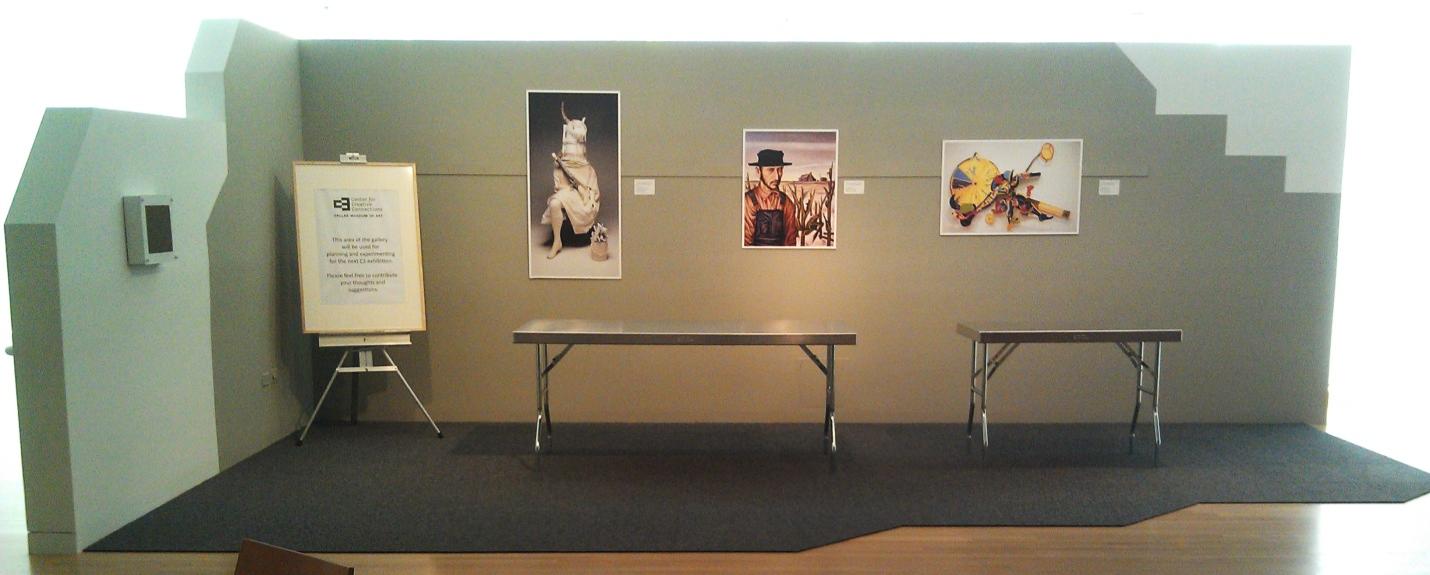
If you’ve come into the Center for Creative Connections (C3) within the past month you may have noticed a few changes in our space. Aside from new artworks in our Encountering Space exhibition, we have transformed one area into a Prototyping Station. What does that mean exactly? Well, in this space we use reproductions of works of art to engage our visitors in conversations. These conversations allow us to better understand visitors’ perspectives and inform our thinking in the development of exhibitions. For the past month, we have focused on three works of art from our collection.

We often have so much background information about a work of art that it is difficult to decide how much of it visitors need to know. There is a delicate balance between providing information and allowing visitors to learn through their own observations. While we did these tests, we only provided a minimal amount of information besides the image.

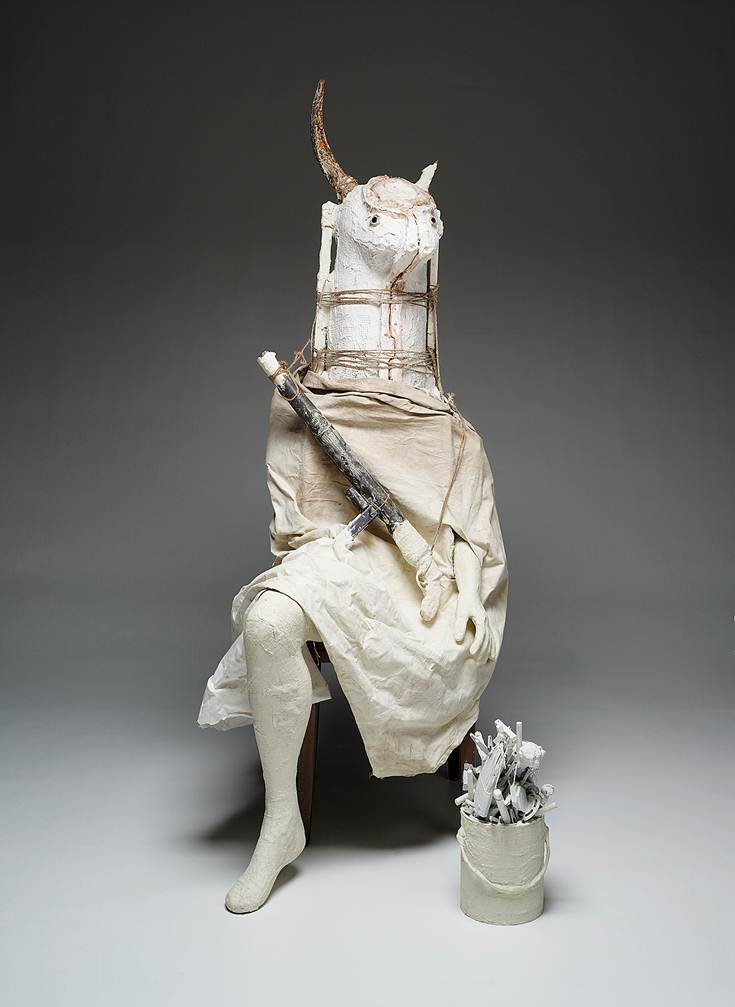
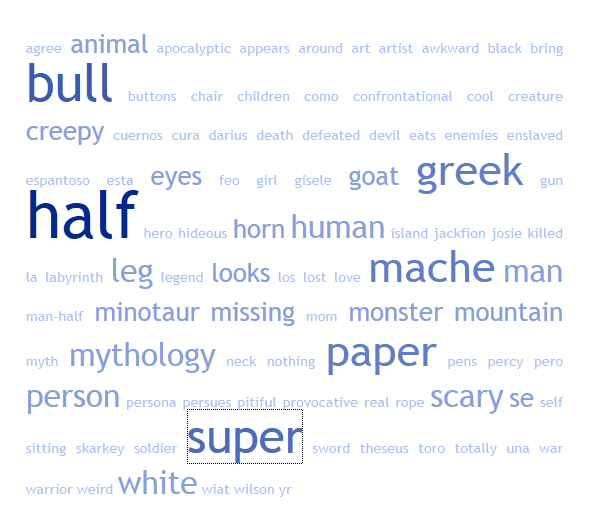
Our dialogues have included both face-to-face conversations and written responses to questions we’ve posed. We have documented these responses and decided to make word clouds to show you what we have received so far. Word clouds, or tag clouds, are a way of visualizing data. You enter text into a computer program, and it generates a visual representation of which words are repeated most often. The words that are used most often appear larger. Take a look at the following word clouds we generated based on visitors’ responses to the following:

“The title of this work of art is The Minotaur. Tell us what you know about the Minotaur.”

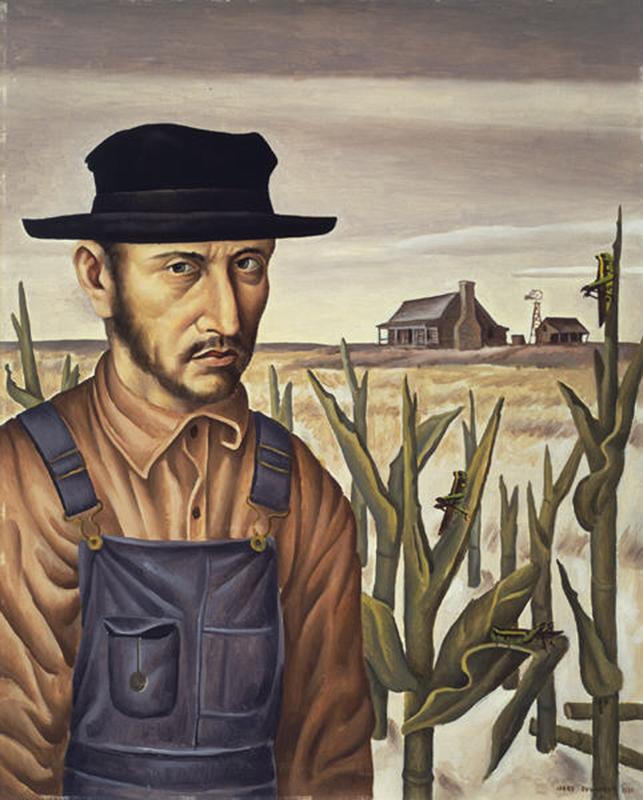
“We are looking for descriptive words for this work of art. List what comes to mind when you look at this picture.”

Marcel Dzama, “The Minotaur,” 2008, plaster, gauze, rope, fabric, chair, bucket, and paintbrushes, Dallas Museum of Art, DMA/amfAR Benefit Auction Fund, 2008.43.2.a-e, (c) Marcel Dzama

Jerry Bywaters, “Share Cropper,” 1937, oil on Masonite, Dallas Museum of Art, Allied Arts Civic Prize, Eighth Annual Dallas Allied Arts Exhibition, 1937.1

Visitors noticed many things, ranging from objects to emotions.Why is this process important? We want to gather input from visitors. Putting this testing area in the middle of the gallery allows visitors to see the process we use to develop interpretive components for a work of art. It also gives Museum-goers a chance to contribute information and a perspective that may be different from the staff’s, which is an important component of the C3 mission.

The next time you are at the Museum, stop by the C3 and share your responses in our new prototyping area.

Jessica Nelson is the C3 Gallery Coordinator at the Dallas Museum of Art.

An Introduction by Way of Road Trip

As the newest member of the DMA’s curatorial team, I thought I would take the opportunity to introduce myself to the online community. I am from Los Angeles and have been actively engaged with contemporary art in one way or another for the past ten years. While in Los Angeles, I worked as the director of Blum & Poe gallery and then as a Curatorial Assistant at the Museum of Contemporary Art, Los Angeles. Most recently, I’ve been working on my Ph.D. in art history at UCLA, and for the past year I was a Japan Foundation Doctoral Fellow, researching at the Museum of Modern Art, Tokyo. As the new Nancy and Tim Hanley Assistant Curator of Contemporary Art, I will be in charge of the ongoing Concentrations series, which organizes exhibitions of work by emerging and under-represented artists.

Gabriel Ritter, The Nancy and Tim Hanley Assistant Curator of Contemporary Art at the DMA

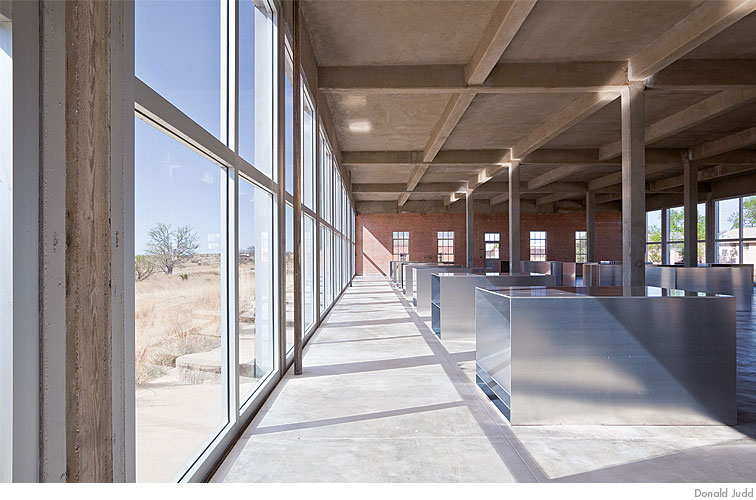
Being new to Texas, I thought a cross-country drive would be a great way to familiarize myself with my new surroundings. On our way from Los Angeles to Dallas, my wife and I decided to make a pilgrimage to the city of Marfa in West Texas, which the minimalist artist Donald Judd called home. As many of you know, the city houses both the Judd Foundation, which oversees the artist’s private estate, as well as the Chinati Foundation, which Judd founded as a contemporary art museum that presents large-scale, permanent public art installations by Judd and by artists Judd selected, including Carl Andrea, John Chamberlin, Dan Flavin, Roni Horn, Ilya Kabakov, and John Wesley, among others. For me, a highlight of our visit was the rare glimpse into Judd’s private life. Seeing his neatly organized studio spaces used for contemplation and his winter bedroom adorned with his collection of Native American jewelry and pottery was a treat. In addition, walking through Donald Judd’s untitled works in mill aluminum (1982-1986) was a transformative experience. Installed in two former artillery sheds, which Judd adapted specifically to house this installation, the work consists of one hundred unique sculptural iterations that utilize the same outer dimension of 41 x 51 x 72 inches. Natural light floods the two sprawling exhibition halls and reflects off the metallic volumes in a way that continues to change as you walk through the space.

Image credit: www.chinati.org

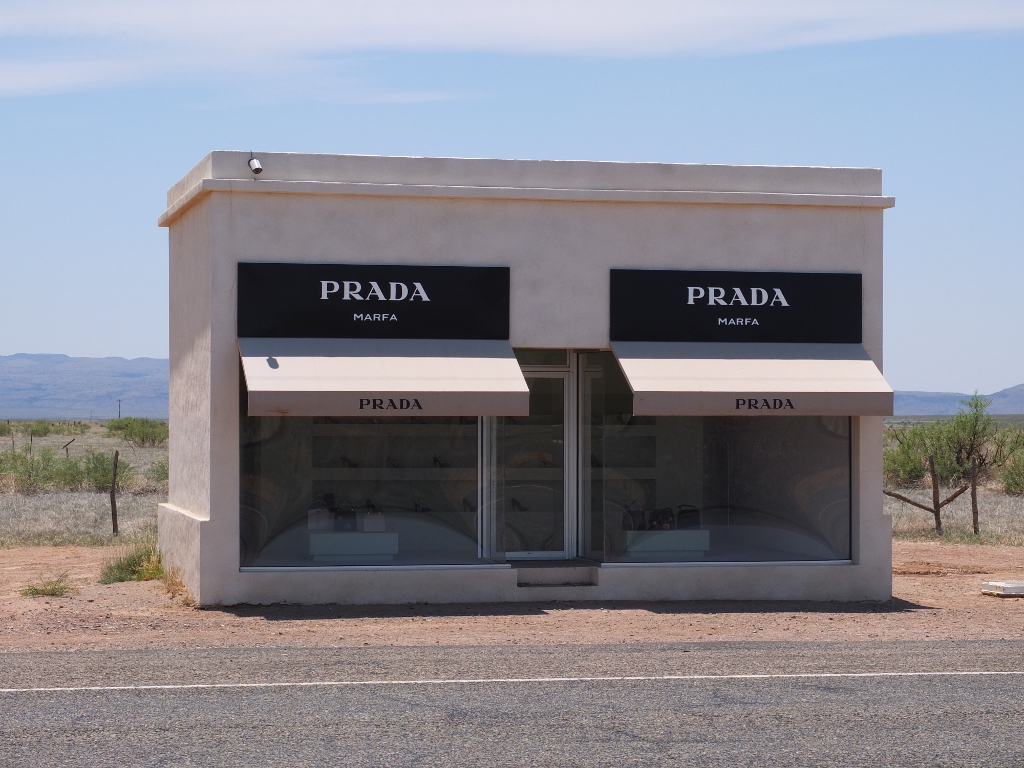
The road to Marfa (and ultimately Dallas) took us through Phoenix, El Paso, Midland, and Abilene. On the way, we stopped by Elmgreen and Dragset’s roadside installation titled Prada Marfa (2005), which feels as if it dropped out of the sky. Literally in the middle of nowhere, with miles and miles of open road to either side, the installation mimics the Italian fashion brand’s posh boutiques but is in fact a nonfunctional storefront. At first we almost missed it and drove right past it, but then I quickly turned around so we could grab a shot of this mirage-like space on the highway. If you ever find yourself on I-90, stop by and check it out.

Prada Marfa (2005)

All-in-all it was a fun road trip and a great way to see the Texas countryside. We also enjoyed some great Tex Mex cuisine and even caught a concert at the local bar in Marfa. Now that I am settled in at the DMA, this will hopefully be the first of many blog posts focusing on contemporary art. I look forward to your comments, and I hope to meet you during your next visit to the Museum.

Gabriel Ritter is The Nancy and Tim Hanley Assistant Curator of Contemporary Art at the Dallas Museum of Art.

Friday Photos: Summer Seminar 2012

Last Friday marked the end of Summer Seminar 2012: Teaching for Creativity, a week-long, immersive workshop for teachers of all grades and subjects to explore ways to foster creative thinking skills in their students. As a relatively fresh DMA employee, this Summer Seminar was my first. I was joined by eight educators from near and far (from Texas to Nebraska to Monterrey, Mexico!). Participants spent the week with the Museum’s resident creativity expert, Dr. Magdalena Grohman, engaging in group and independent creativity exercises, exploring creativity through art in the galleries, discussing current scholarship on creativity, and developing lesson plans to be tested in their classrooms next school year.

Thank you to this year’s participants for your insight, enthusiasm, and open-minds. Check out some of the photos from our idea-filled week.

[slideshow]

Andrea V. Severin
Coordinator of Teaching Programs

Summer Art Hopping

With today being the first official day of summer, vacations are on the minds of the DMA staff. As employees of an art museum, we tend to include museums in our travel plans. Below are a few of our favorite museum visits and some we have on our “art bucket lists.”

Stacey Lizotte, Head of Adult Programming and Multimedia Services
One of my most memorable museum visits was to The Accademia Gallery in Florence, Italy. I had always wanted to see Michelangelo’s David and walking towards it, down a hallway that was lined with more of Michelangelo’s uncompleted sculptures, was an amazing and powerful experience.

The museum(s) I am most looking forward to visit are the Tate museums in England (Tate Britain, Tate Modern, Tate Liverpool, and Tate St. Ives). If I had to pick just one site to visit to just look at art it would be the Tate Modern, and if I had to pick one to visit for a program it would be Late at Tate Britain when that museum stays open until 10 p.m. the first Friday of every month and offers a variety of programs.
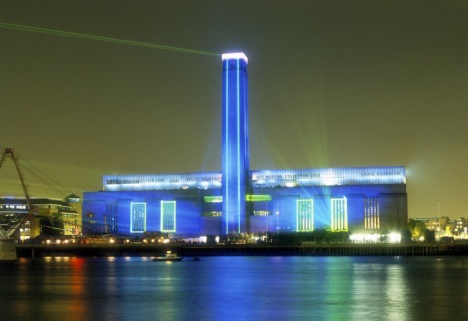
Tate Modern at night

Hillary Bober, Digital Archivist
My favorite museum is the Corning Museum of Glass in Corning, New York, for the simple reason that I really love glass. Glass is such a unique medium; you can create incredibly beautiful and delicate pieces or amazingly durable industrial stuff, and the museum covers it all. There are also glass making demonstrations, Make Your Own Glass projects – I made a blown glass bottle and a flameworked bead when I went – and extensive courses for beginner to professional. Of course, there is also a great gift shop – I do love a gift shop – and you can’t beat the Finger Lakes setting in upstate New York.

Along this same vein, a museum that I would really like to go to is the Bergstrom-Mahler Museum in Neenah, Wisconsin which holds a world-renowned collection of glass paperweights and other works in glass. Since my family lives in Wisconsin, a visit is definitely going at the top of my to-do list for my next trip home.

Wendi Kavanaugh, Member Outreach Manager
One of my favorite museums to visit outside of Dallas is the Philadelphia Museum of Art.  The PMA is one of the largest Museums in the US with over 200 galleries. It’s easy to get lost in the PMA and end up in a room full of medieval armor – which I have done on one than one occasion.
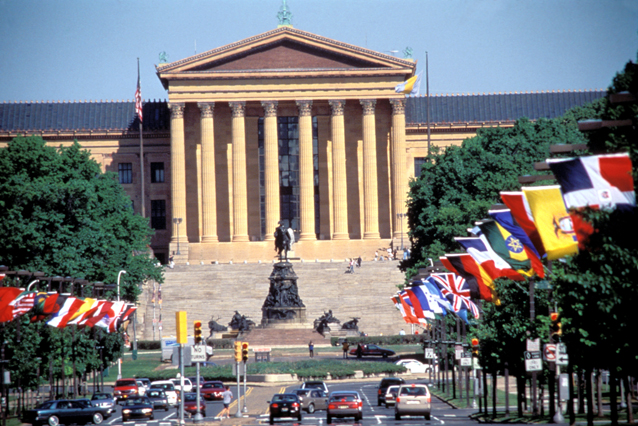
Philadelphia Museum of Art

I would most like to visit the Musée National du Moyen Âge (National Museum of the Middle Ages) in Paris, France. A professor recently shared that this is his favorite museum in Paris, as someone that spent most of their life in the city – he’s one to trust.  After spending an hour (or so) on their website, it’s easy to see why you should visit.
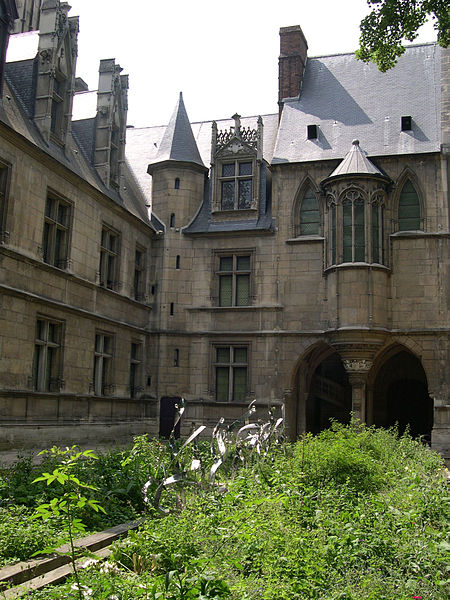
National Museum of the Middle Ages by Giraud Patrick (Photo credit: Wikipedia)

Hayley Dyer, Audience Relations Coordinator
I had a great experience at the SFMOMA. The summer before my senior year of college I lived in San Francisco working for a jewelry designer.  As it was my first time in the city, I spent most of my free time exploring my temporary home.  One weekend I stopped by the SFMOMA and saw exhibitions of photography from Robert Frank and Richard Avedon; what a treat!  After I soaked up all the art inside the Museum, I headed up to the rooftop garden where I got an espresso from the coffee bar and read a book.  I think I treasure this experience because I was visiting the Museum alone.  I was able to have a personal connection with the artwork, the environment, and the city, and it wasn’t something that I had to share with anyone.
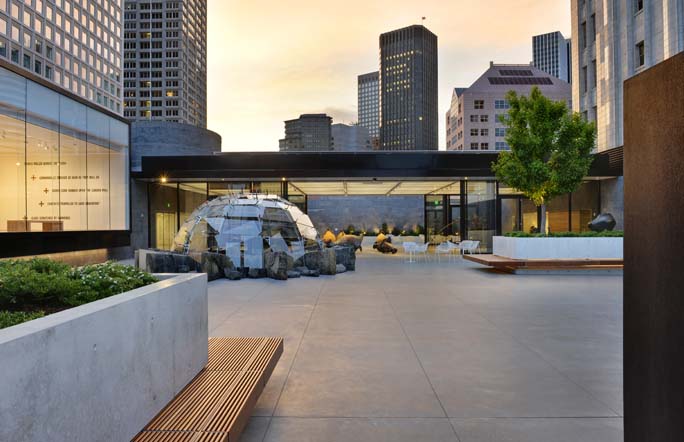
SFMOMA

The Museum I would like to visit is the Magritte Museum. Located in Brussels, Belgium, the Magritte Museum is the home of Belgium’s Royal Museums of Fine Arts’ collection of works by René Magritte.  Widely known as the painter of The Son of Man, aka The Guy in the Bowler Hat with an Apple on His Face, René Magritte is my favorite surrealist painter.  His colorful paintings feature his wonderful sense of humor.  Check out the Museum on YouTube.
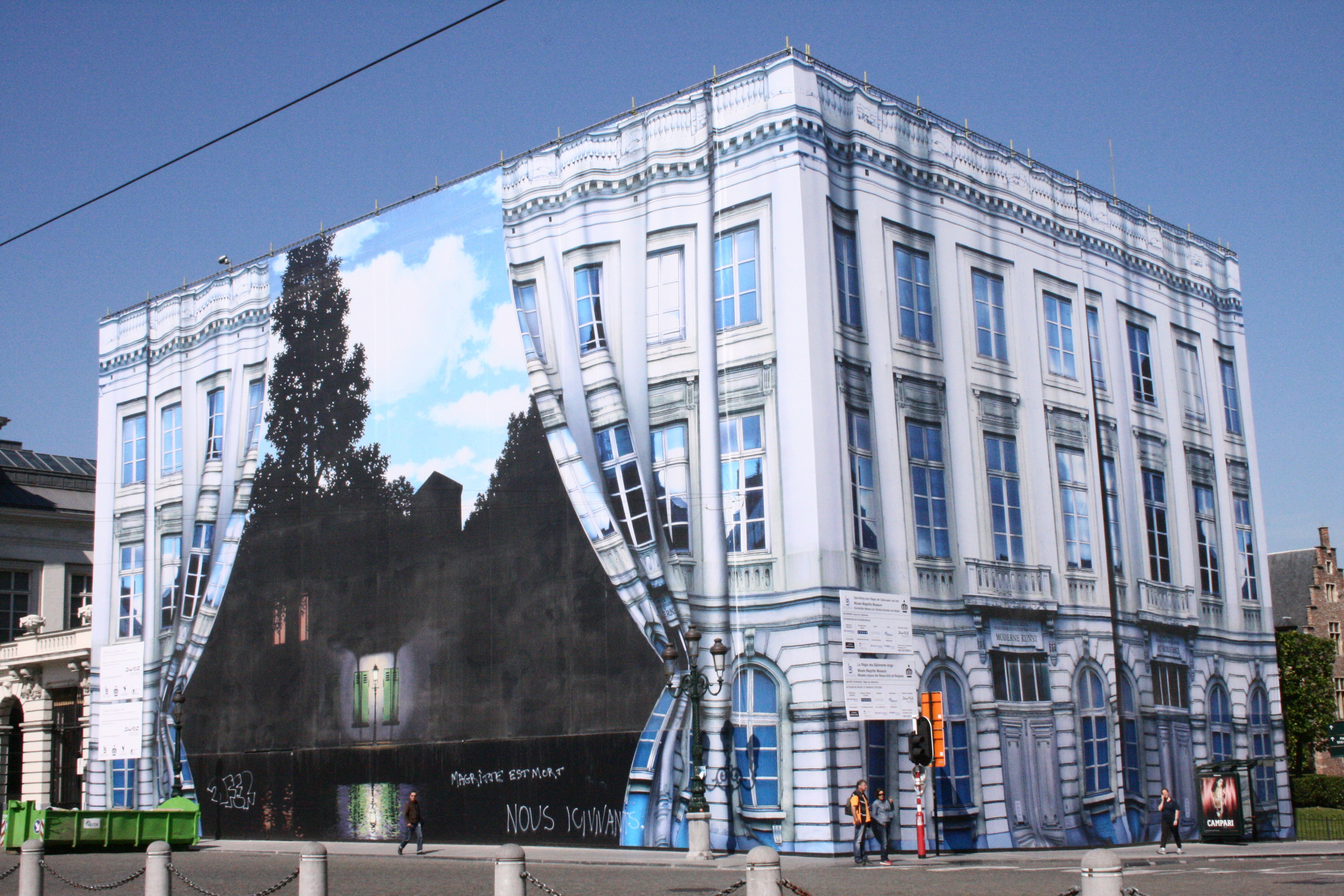
Magritte Museum

Brent Mitchell, Registrar, Loans & Exhibitions
My favorite museum is the Museo Nacional Del Prado in Madrid. I had the pleasure of visiting on my first trip abroad, and I make sure to stop by every time I find myself in the city. My initial aim was to see the triptych The Garden of Earthly Delights by Hieronymus Bosch, but with so many stellar works throughout the museum, every gallery holds special promise for visitors. I remember turning around after viewing a Botticelli painting and finding myself in front of the rather remarkable painting Dead Christ held up by an Angel by Antonella de Messina. It has become one of my favorite depictions of Christ.
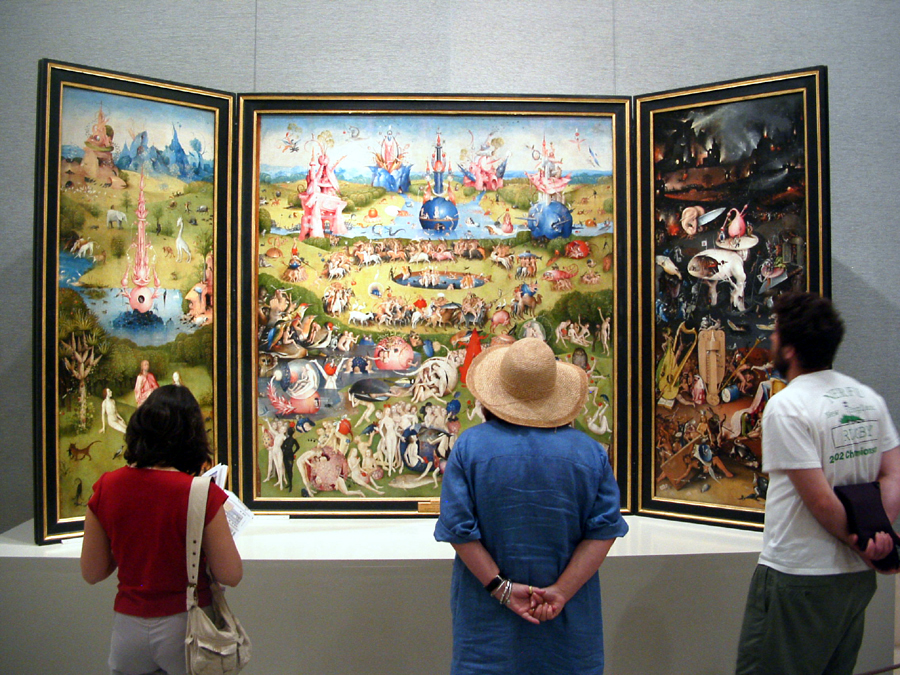
Bosch in the Prado

If I’m ever fortunate enough to find myself in Italy, I will head to the Uffizi Gallery in Florence. It would be great to see Botticelli’s The Birth of Venus and Titian’s Venus of Urbino.
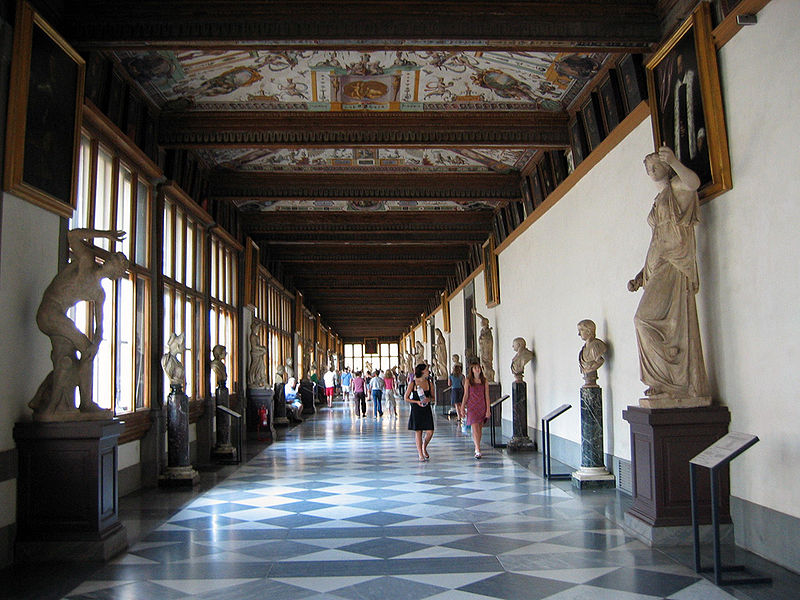
Uffizi (Photo credit: Wikipedia)

Martha MacLeod, Curatorial Administrative Assistant/European and American Art Department
Visiting the Pennsylvania Academy of Fine Arts was on my “must visit” list for a very long time.  The old building is a fabulous piece of architecture and houses works by many of my favorite American artists.  Three years ago, I received a research grant to go there.  When I took a break from my work to wander through the building, I came upon a large studio filled with many plaster casts.  Suddenly it struck me that I may well have been standing in the same space where Thomas Eakins once taught life-drawing classes over 140 years ago.

Another place on my “must visit” list is not a museum per se, but I want to go to the Boston Public Library to see John Singer Sargent’s mural cycle The Triumph of Religion.  I have wanted to see it firsthand ever since I wrote a paper about it when I was in graduate school.  Until I make a trek there, the poster on my office wall of Frieze of the Prophets, which is part of the mural cycle, will have to suffice.
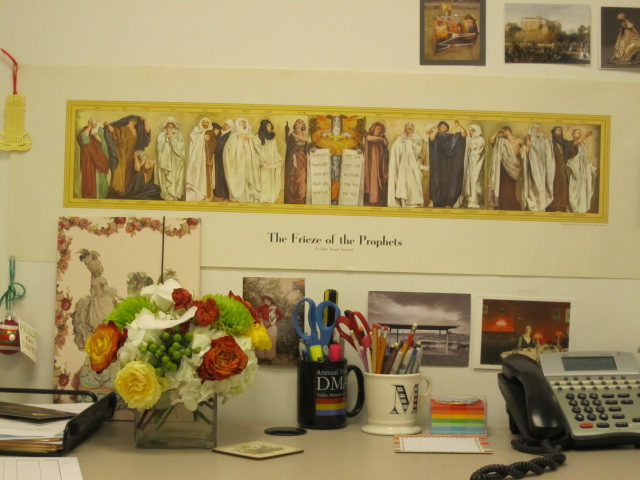
Martha’s private Boston Public Library

Kimberly Daniell, PR Specialist
My favorite Museum in the entire world is Musée de l’Orangerie, I have to visit every time I am in Paris. The museum is located in the beautiful Jardin des Tuileries near the Louvre and Seine, how could you go wrong? I fell in love with Monet in elementary school and experiencing a room filled with his large Nymphéas paintings is amazing. I think it may be one of the most peaceful galleries I have ever been to.
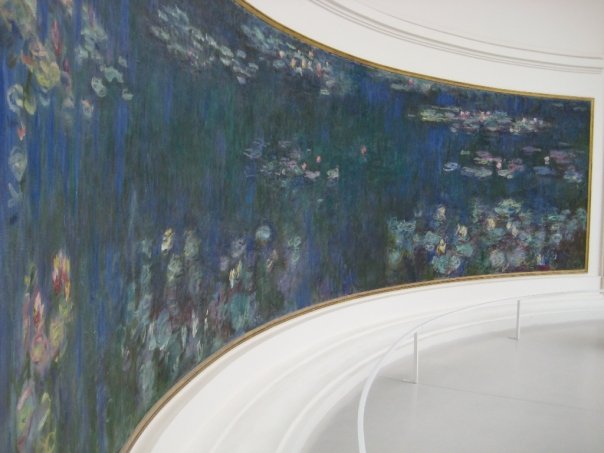
Monet in the Musée de l’Orangerie

The Museum I desperately want to visit is Museo Nacional Del Prado. Other than being located in Madrid, I have to see Diego Rodríguez de Silva y Velázquez’s Las Meninas (The Family of Felipe IV). Luckily the Prado already has a three hour tour, with Las Meninas as a stop, ready for me!
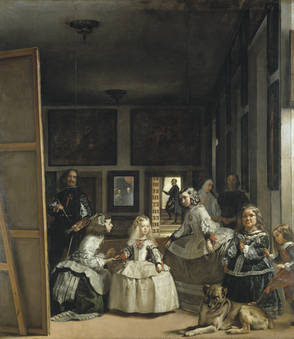
Las Meninas (Photo Credit: Museo Nacional Del Prado)

An Artistic Aegean Anniversary

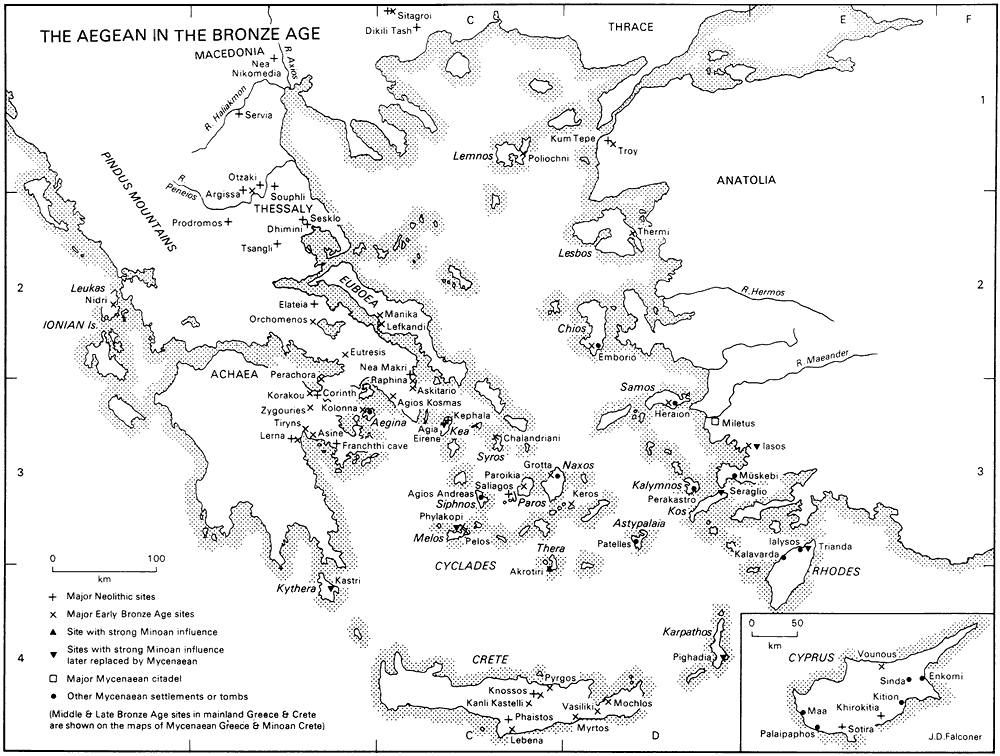
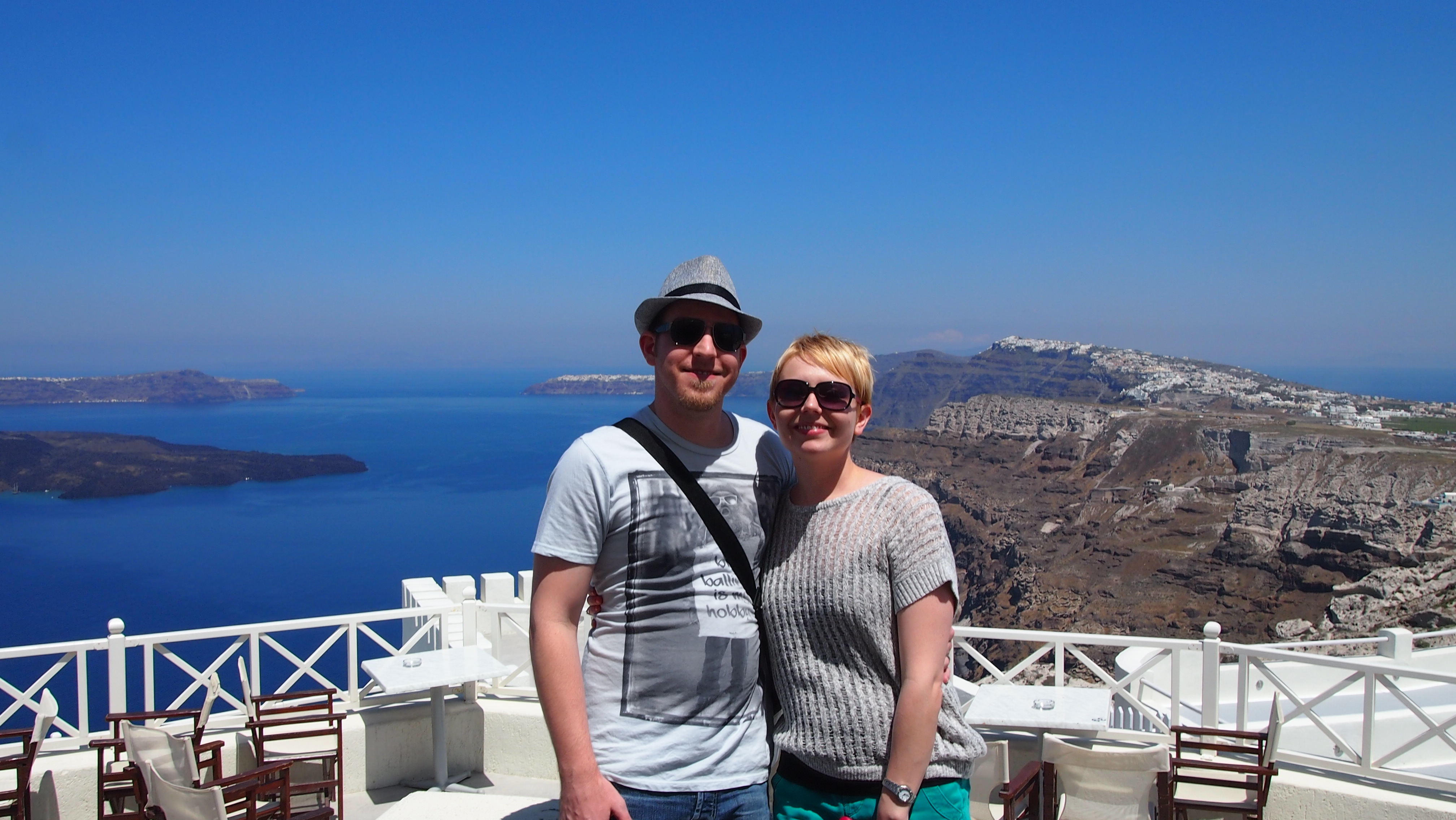
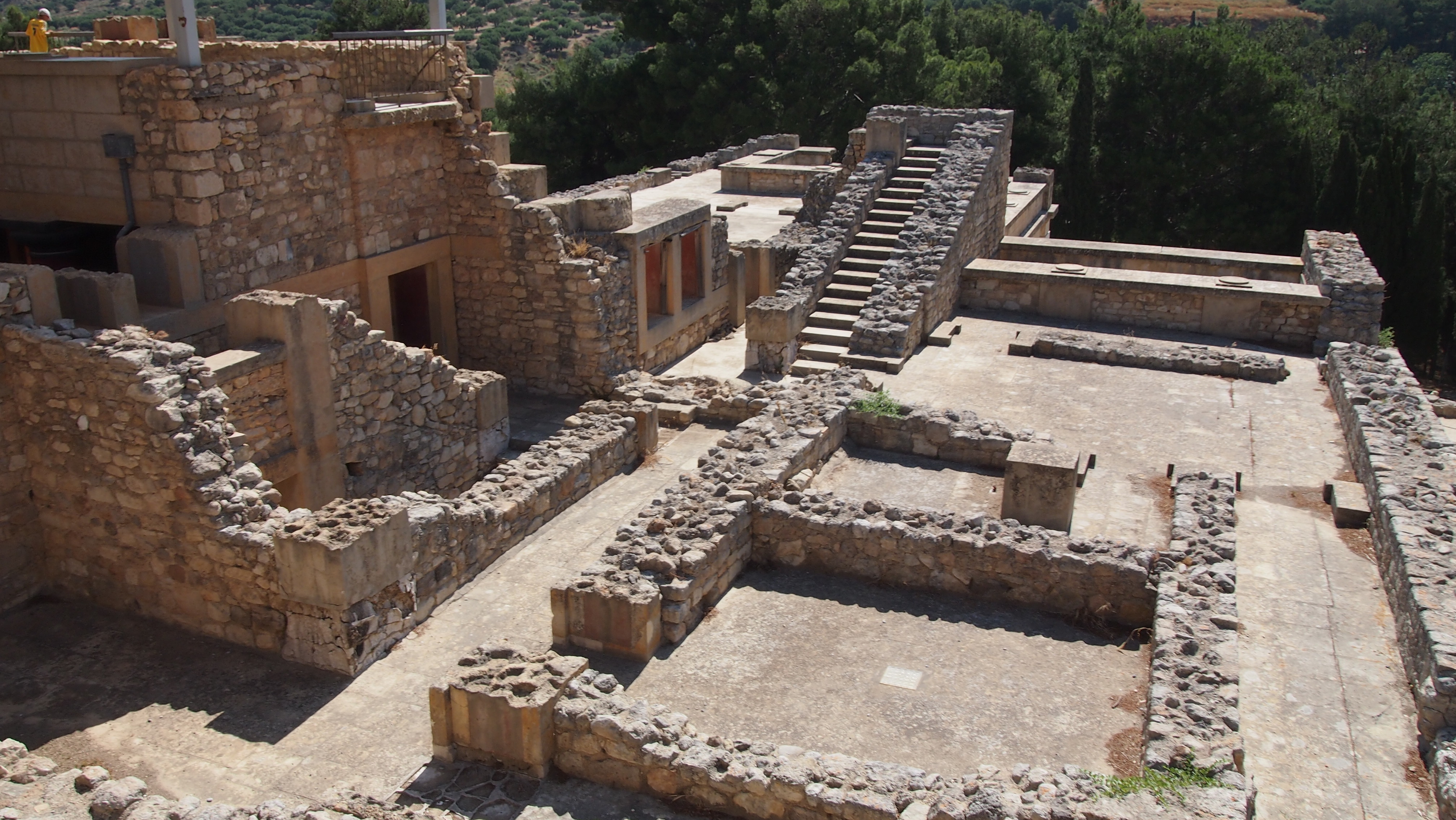
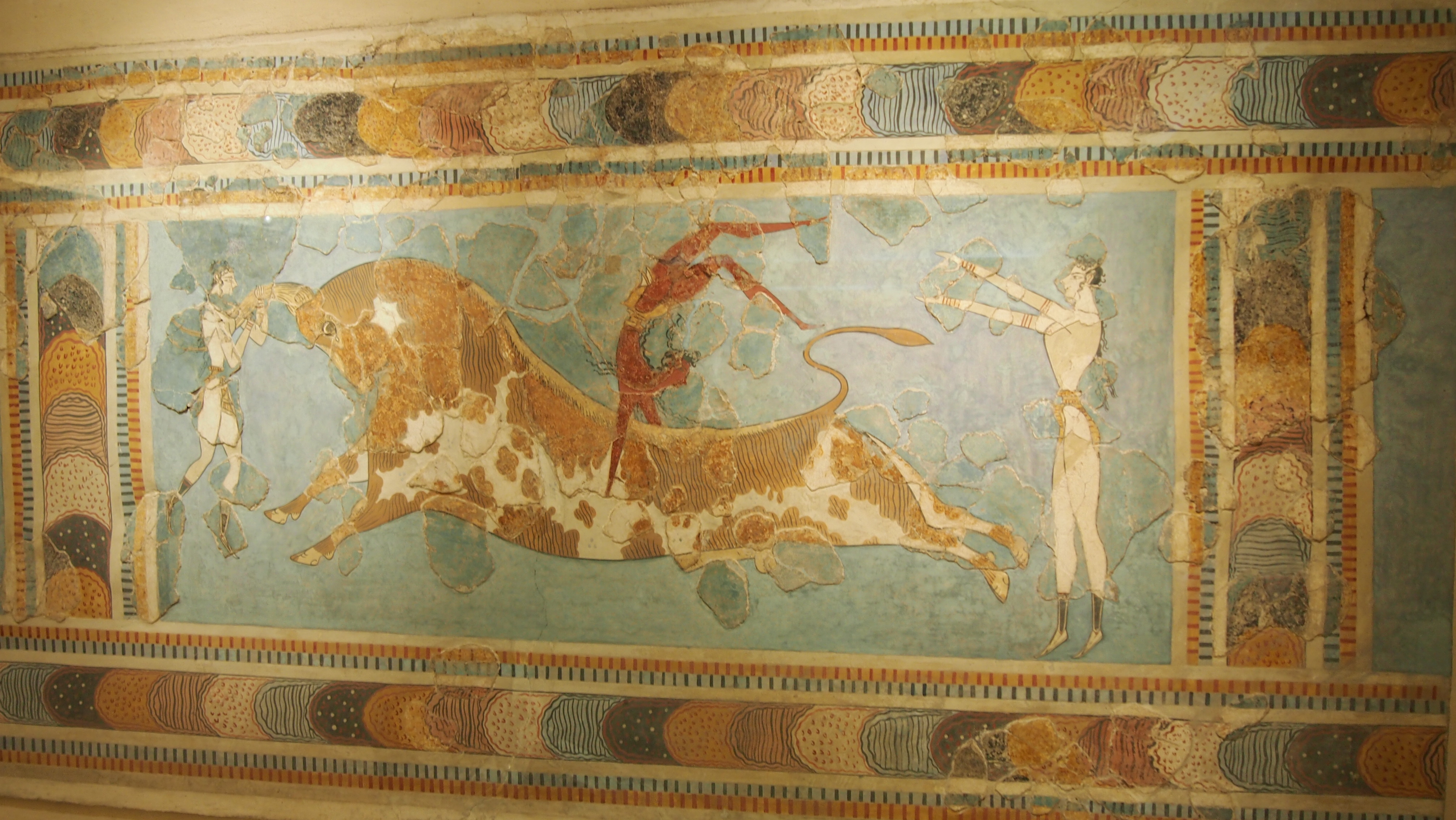
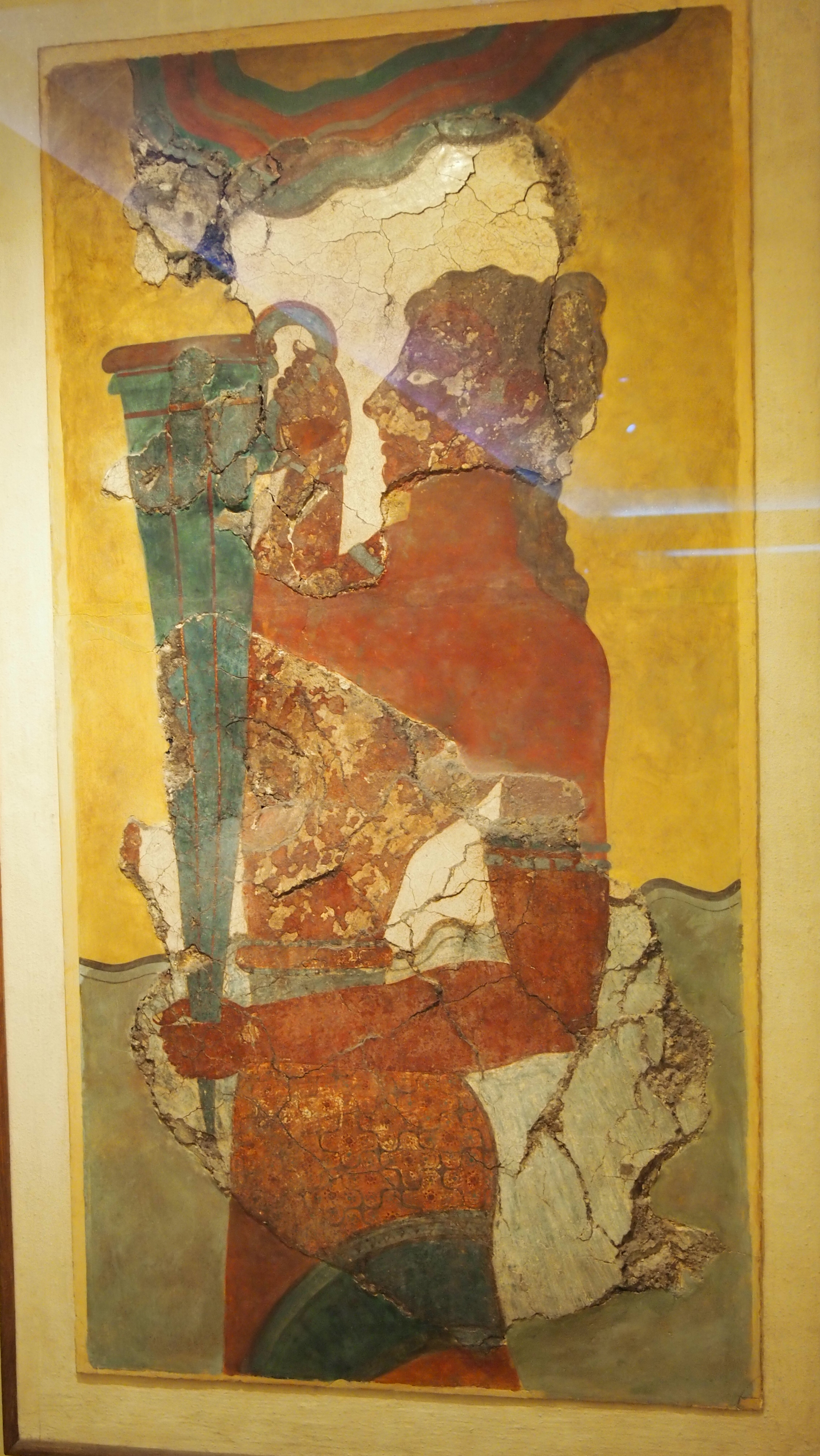
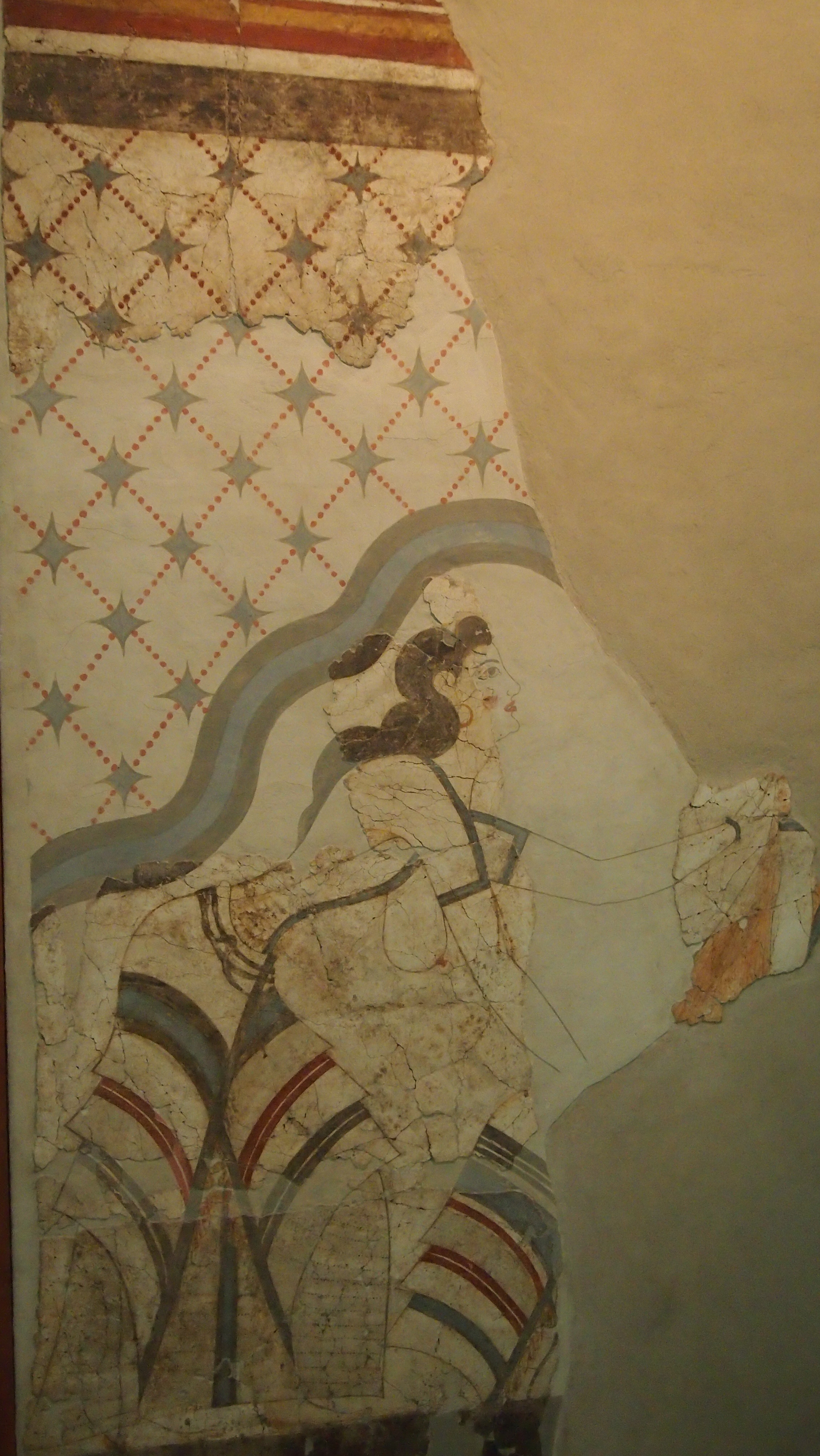
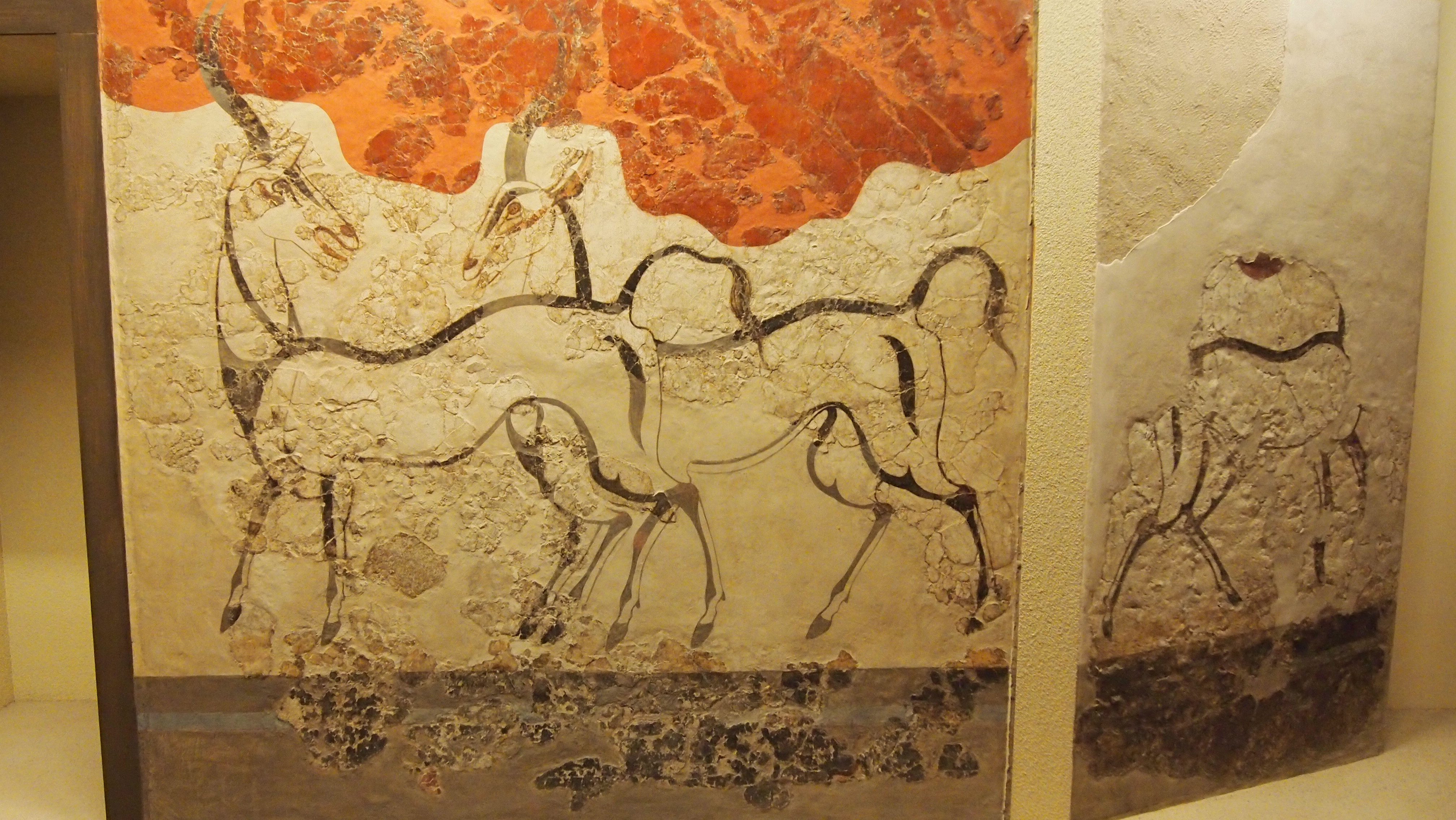
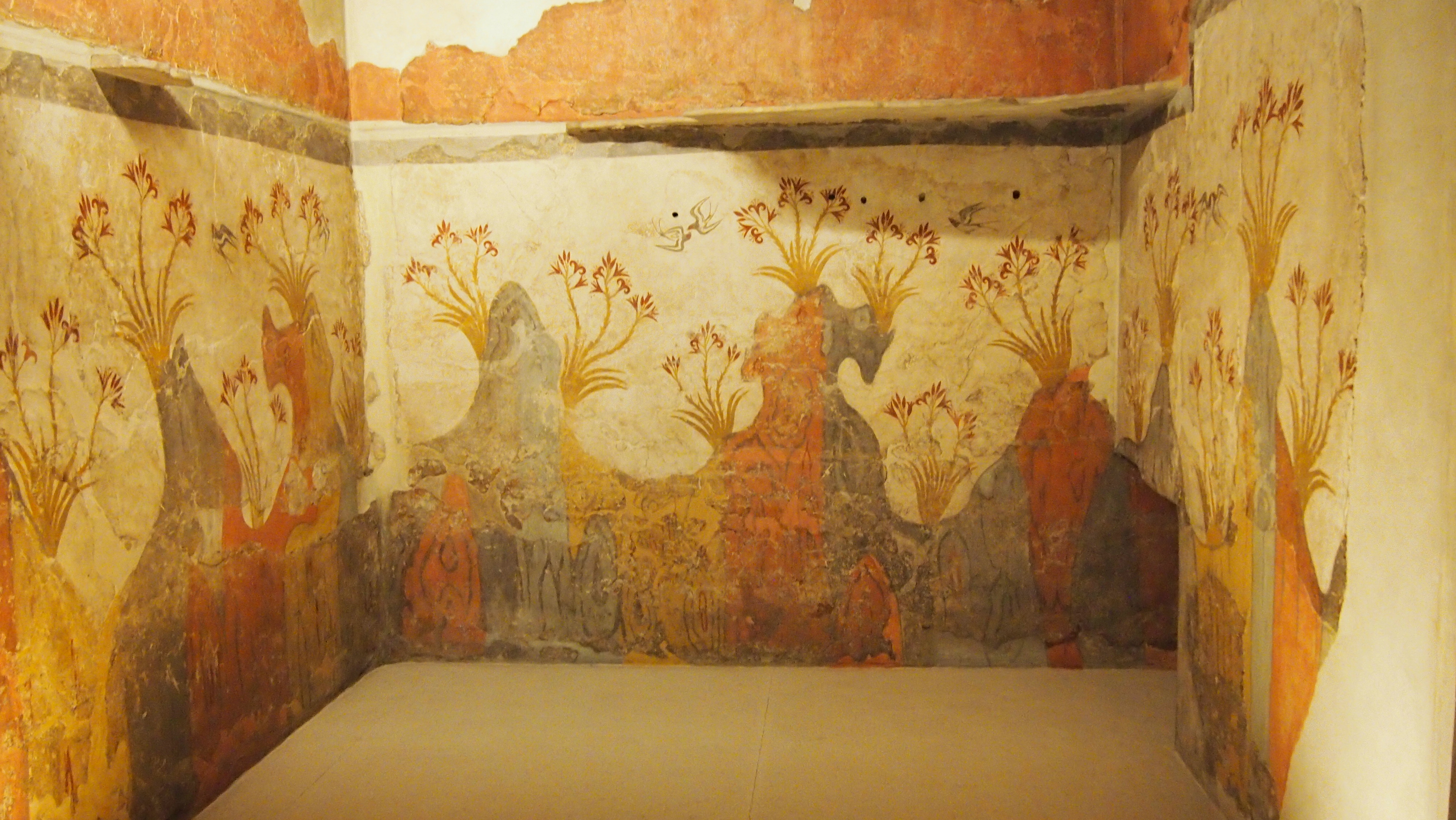
A few weeks ago, my husband and I celebrated our first anniversary on an amazing cruise through the Aegean Sea. I majored in Ancient History at the University of Texas, so you can imagine my excitement at getting to experience numerous ancient sites in person. In particular, I have always been fascinated with prehistoric Aegean cultures, so the stops on both Crete and Thera (Santorini) were definitely a highlight.
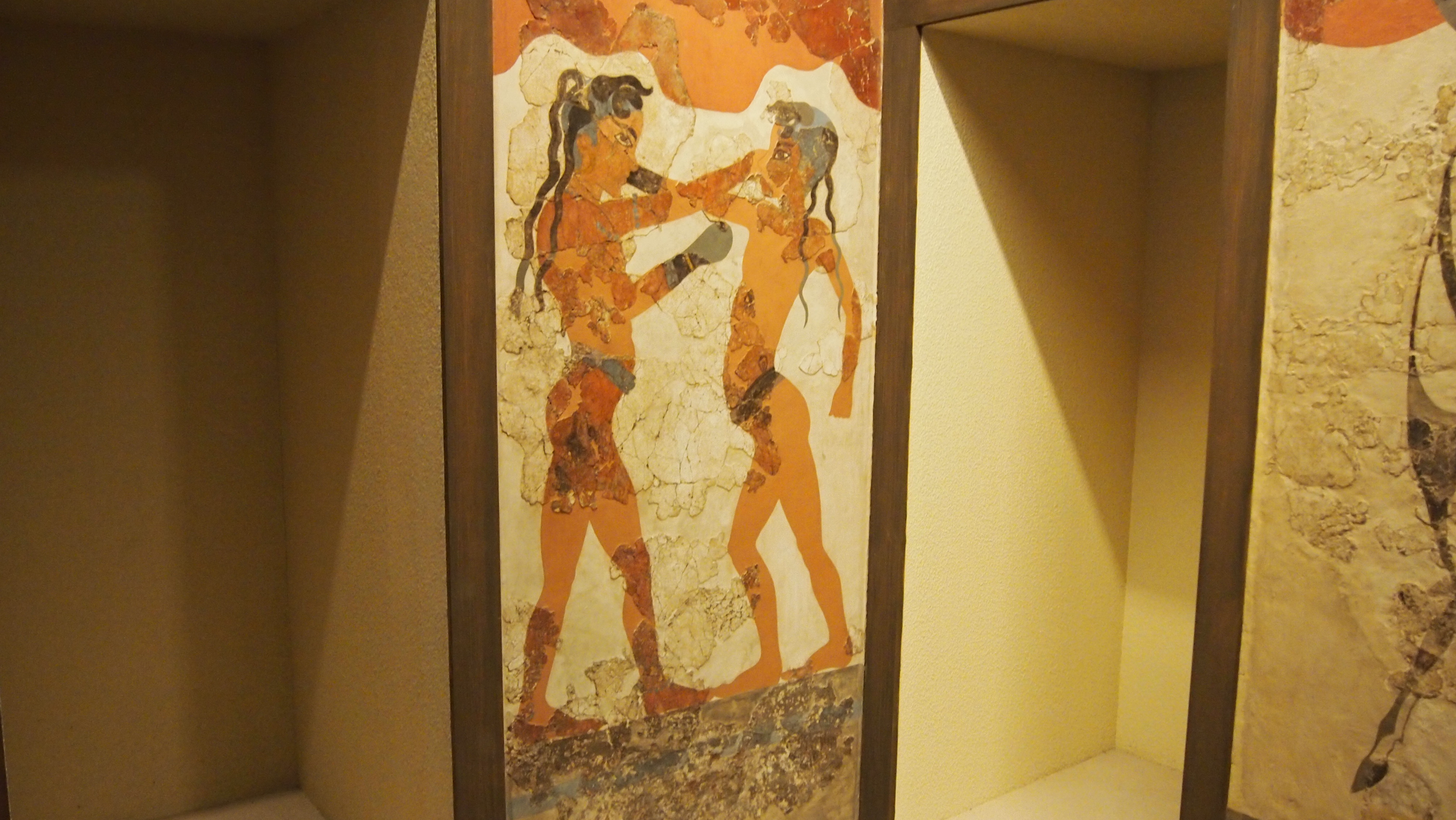
One of the most interesting cultures is the Minoan civilization, which thrived during the Bronze Age from 2100-1500 B.C. on the island of Crete. Named for the mythical King Minos, the Minoans developed a centralized political system ruling from urbanized palace centers, the largest of which was located at Knossos on the north central coast of Crete. As prosperous sea-farers, the Minoans established extensive contact and trade with the contemporary cultures of Egypt and the Near East. Ancient writers even asserted that King Minos ruled over a maritime empire which included many Aegean islands. Although the extent of the Minoan political sphere is unclear, the Minoans were certainly in contact and influencing the culture of nearby islands like Thera, as attested by the surviving art.

Looking into the caldera on Thera, with the active volcano at left

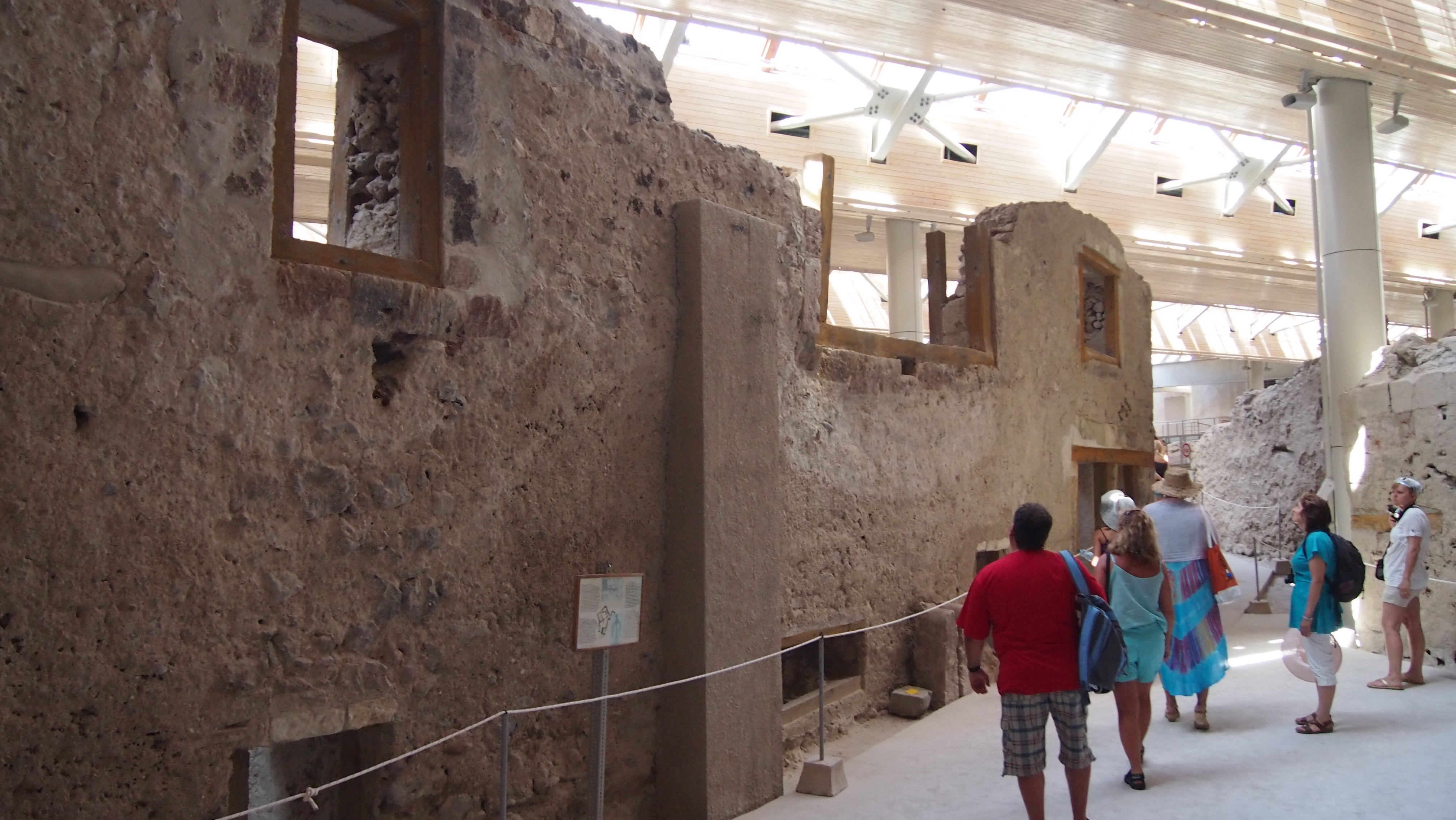
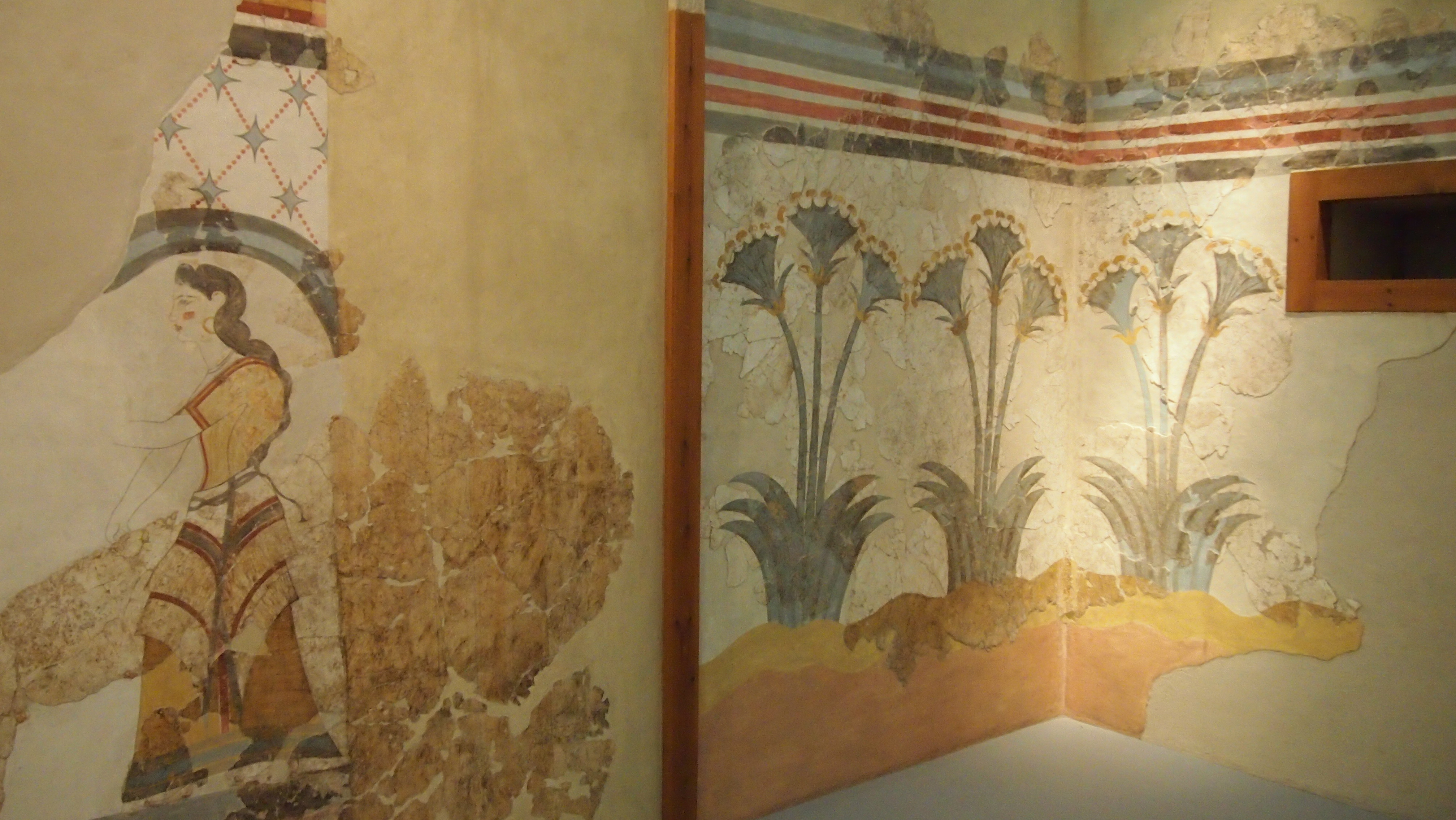
Thera is a unique island whose history has been shaped by the active volcano at its center. During the period of Late Minoan 1A (c. 1625 B.C. or c. 1550 B.C.—dating is disputed by different scholars), the volcano erupted with such extreme force that it spread ash across the entire eastern Mediterranean and likely created a global cooling event. This eruption not only formed the distinctive caldera and picturesque cliffs seen on the island today, it also covered an entire ancient site in ash and pumice, perfectly preserving it like a prehistoric Greek Pompeii. Because of this eruption, the archaeological site of Akrotiri has yielded frescoes that are much more complete than those found elsewhere in the Aegean.

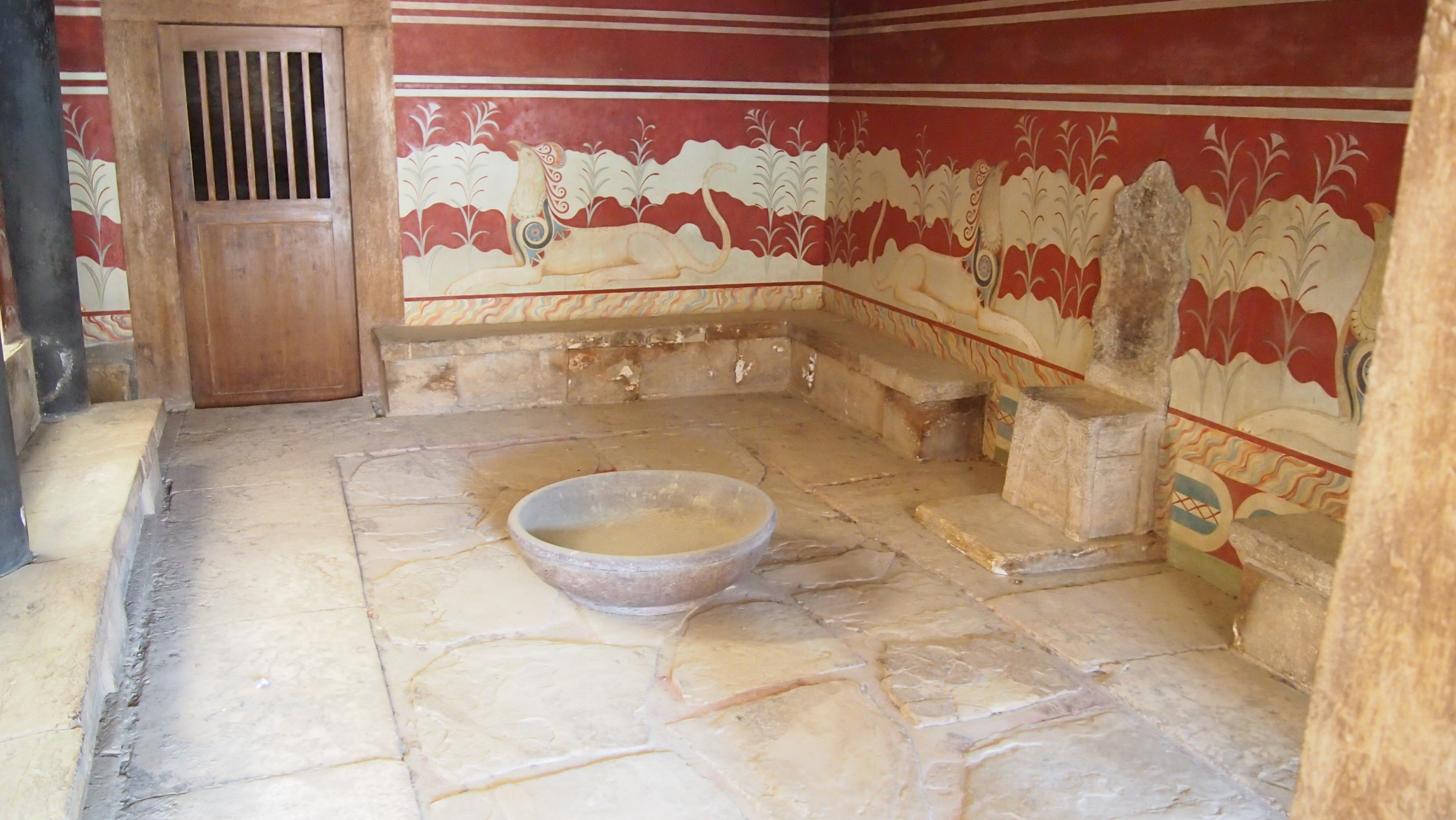
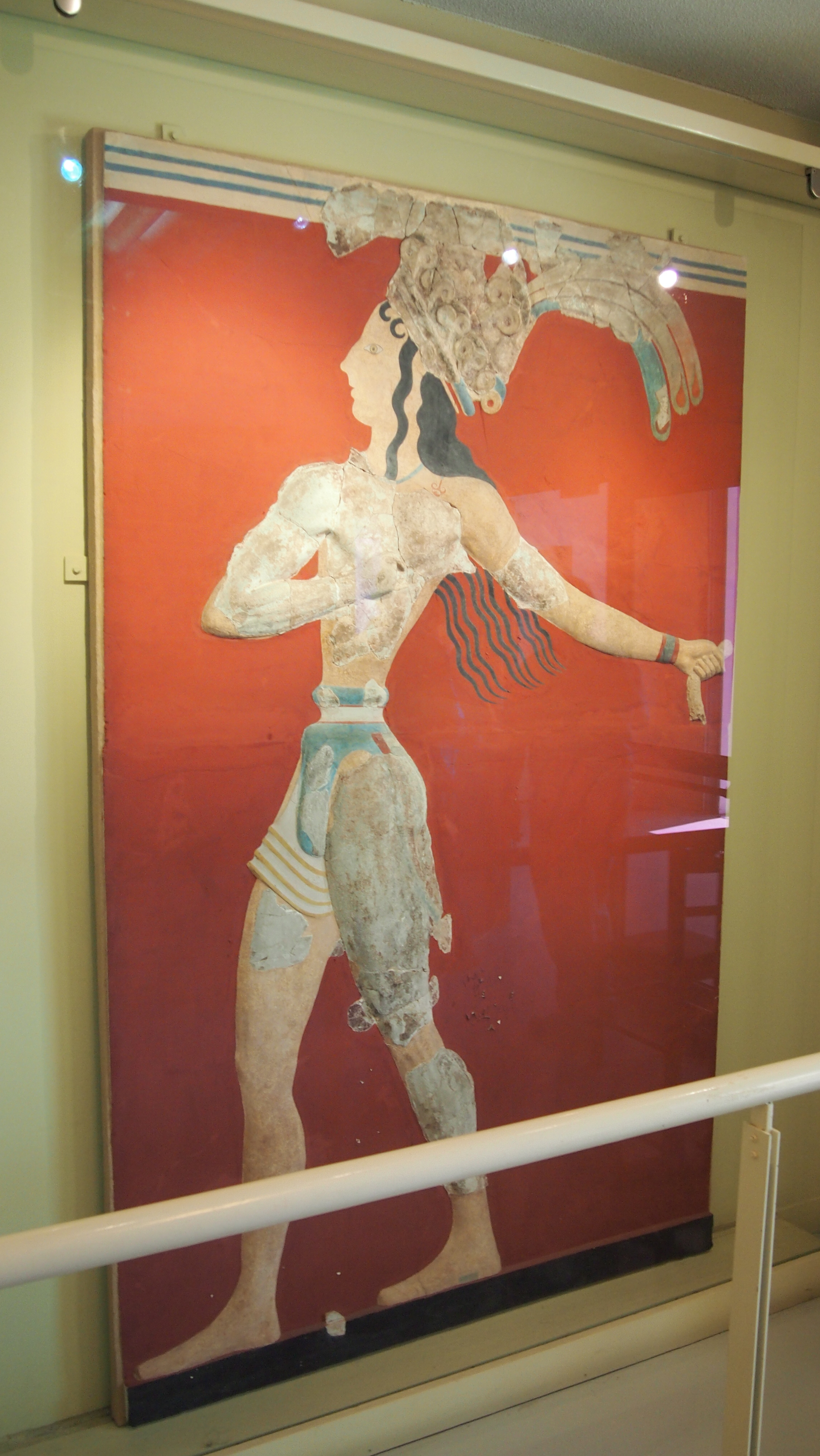
To execute their frescoes, Minoan artists used mineral pigments in white, red, brown, yellow, black, and blue. The wall surfaces were divided into three zones: the upper zone, above windows and doors, contained miniature friezes or decorative patterns; the middle zone included the large main subject; and the lower zone served as the base, sometimes using patterns to imitate stonework. The basic composition was painted in buon fresco technique, on the wet lime plaster surface. Additional colors and details were added after the plaster dried (fresco secco), using an organic fixative like egg white. The scenes include themes from nature (landscapes with plants and animals), daily life (fishing, sea-faring), and ritual (offerings to a goddess). The Theran fresco style is similar to the style found in Knossos and other palace centers on Crete, but utilizes a livelier, though less refined, hand.

A visit to Thera is certainly not complete without a trip to the Museum of Prehistoric Thera, where you can see examples of these beautiful frescoes, along with other objects found at Akrotiri. But visiting the extensive ancient sites of both Knossos and Akrotiri really allows for a more complete understanding of the Minoan culture that flourished thousands of years ago. That such beautiful art could be created so long ago—simply amazing!

Click on the thumbnails below for larger images.

Further Reading:

  • Chapin, A. (2010). Frescoes. In E. H. Cline (Ed.), The Oxford handbook of the Bronze Age Aegean (ca. 3000-1000 BC) (pp. 223-236). New York: Oxford University Press.
  • Doumas, C. (1992). The wall-paintings of Thera. Athens: Thera Foundation.
  • Rutter, J. (n.d.).  Lesson 17: Akrotiri on Thera, the Santorini Volcano and the Middle and Late Cycladic Periods in the Central Aegean Islands. Retrieved from Dartmouth.edu.
  • Shelmerdine, C. W. (2008). The Cambridge companion to the Aegean Bronze Age. Cambridge: Cambridge University Press.

Sarah Coffey
Assistant to the Chair of Learning Initiatives

Off the Wall: An Underground City

In our Center for Creative Connections we ask visitors to reflect on their responses to the spaces they encounter in art, as well as those they encounter in their everyday life.

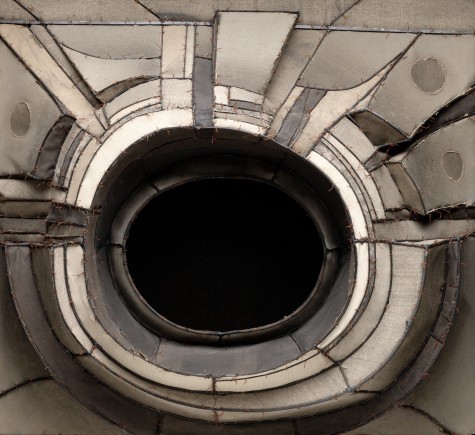
For one work of art specifically, Lee Bontecou’s Untitled, we ask visitors to respond to one of three prompts:

  • To me, sharing space with this work of art feels like…
  • The words or pictures that come to mind when I look at this work of art are…
  • If this work of art was part of something larger, describe what it would be.

    Untitled (35), Lee Bontecou, 1961, Dallas Museum of Art, Foundation for the Arts Collection, gift of an anonymous foundation

We have gotten a lot of great responses from visitors and want to share a few with you. Once a month we will have an “Off the Wall” post featuring three responses left by visitors.

Next time you are in the Center for Creative Connections add your contribution to the wall and maybe you will see it on Uncrated!


Archives

Categories