Archive Page 132

Meet the DMA’s Teen Docents

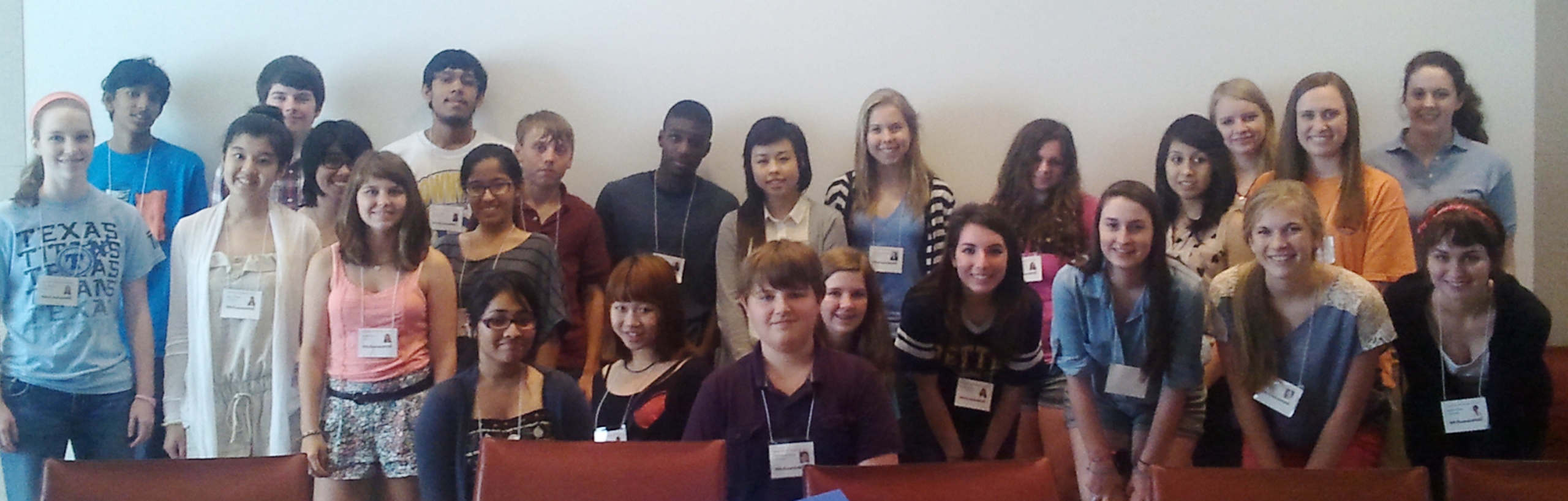
The 2012-2013 DMA Teen Docents.

If you have spent any time at the DMA this summer, you may have noticed teenagers in gray DMA T-shirts leading groups through the galleries. These aren’t just any teenagers, though—they are our dedicated DMA Teen Docents. The Teen Docent program has been going strong since 2001, and this summer we have our largest group ever. Thirty-one high school students are spending their summer vacation at the Museum, and we are thrilled to have them with us.

Our Teen Docents come from across the Metroplex, attending school at TAG Townview Magnet, Episcopal School of Dallas, Ursuline Academy, Greenhill School, Fulton School, Plano West, Plano Senior High, Cedar Hill Collegiate High, Jasper High, Vines High, Lovejoy High, Mesquite High, and Lake Highlands High. We even have one volunteer who lives in Bryant, Texas, but is spending the summer in Dallas so she can be a Teen Docent. Talk about dedication!
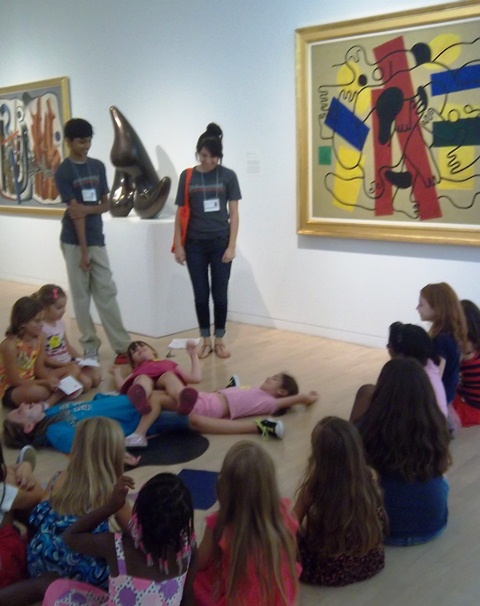
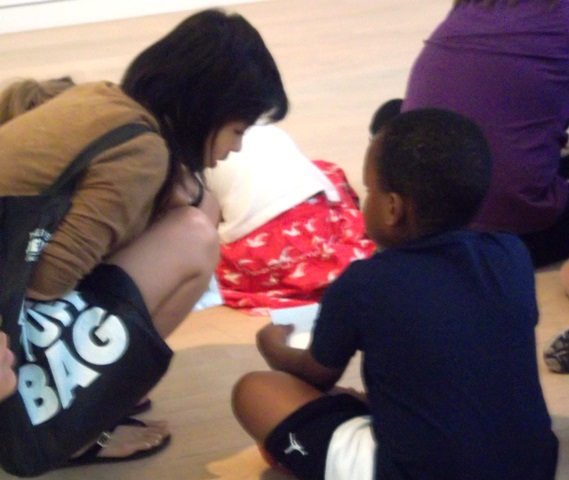
Teen Docents Sahil and Jennifer look on as students re-create Fernand Leger’s “The Divers.”

The requirements to be a Teen Docent are simple: you have to be in high school, you must be available to volunteer for a total of twelve hours over the summer, and you have to love talking about art with kids. Our Teen Docent application asks what our applicants hope to gain from their experience volunteering at the Museum. Their answers always astound me because their passion and excitement shine through. Here are just a few of their responses:

  • “I have always loved the DMA since the very first time I went in third grade, and I am SUPER excited to be a Teen Docent!”—Grace
  • “I want to be a Teen Docent so I can be the catalyst for learning in the Museum. I can rise to the challenge of engaging diverse audiences in creative ways. I can be the bridge between visitors and the Museum.”—Sahil
  • “I have grown up surrounding myself with art, with my first art class at age five. Ever since, I have gained a passion for art and to share this with other people would be great!”—Vickie
  • “I love having the opportunity to be at the DMA and get kids interested not just in art but simply looking at things in a different way and thinking about the world around them.”—Becky
  • “I really have a great time volunteering at the DMA. It’s one of my favorite places in Dallas and I love learning about the art and sharing that knowledge with future art enthusiasts!”—Sarah

Not only are the Teen Docents passionate, but they’re also really creative. Just look at what they made during a Creativity Challenge in June.
Teen Docent Jasmine helps a visitor write a postcard.

As the summer comes to a close, I want to publicly thank our Teen Docents for their hours of service to the DMA this year. Between leading tours, volunteering at Late Nights, and assisting in a myriad of roles on First Tuesdays, these teenagers go above and beyond when it comes to volunteering at the DMA.

Shannon Karol is Manager of Docent Programs and Gallery Teaching.
Destination: Anytown USA

Our annual Museum Forum for Teachers has come and gone, and this year was another rousing success.  Twenty-two teachers participated in the week-long program, and spent a full day at each of the following Museums: The Rachofsky House, the Nasher Sculpture Center, the Modern Art Museum of Fort Worth, the Kimbell Art Museum, and of course the DMA.

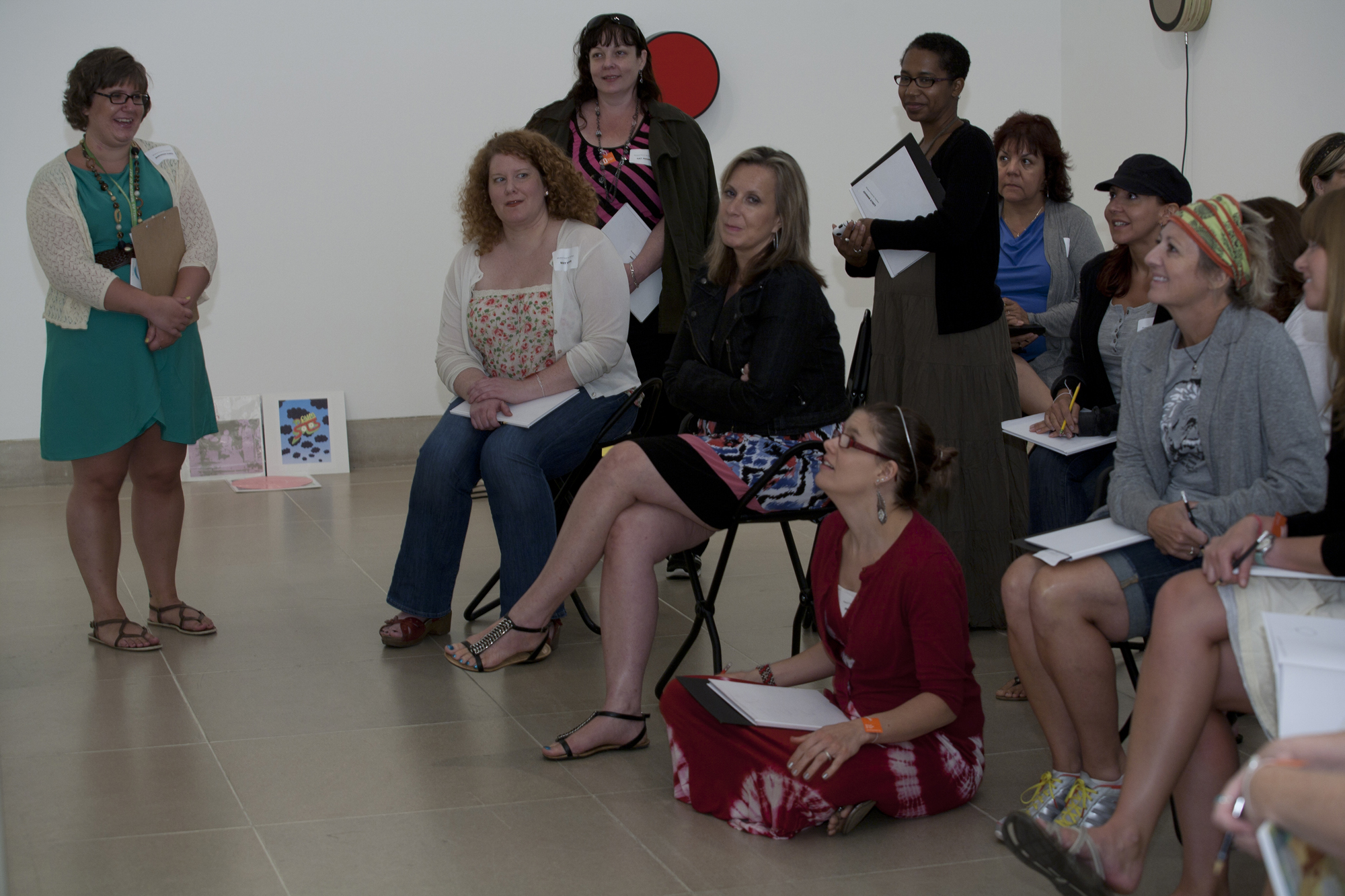
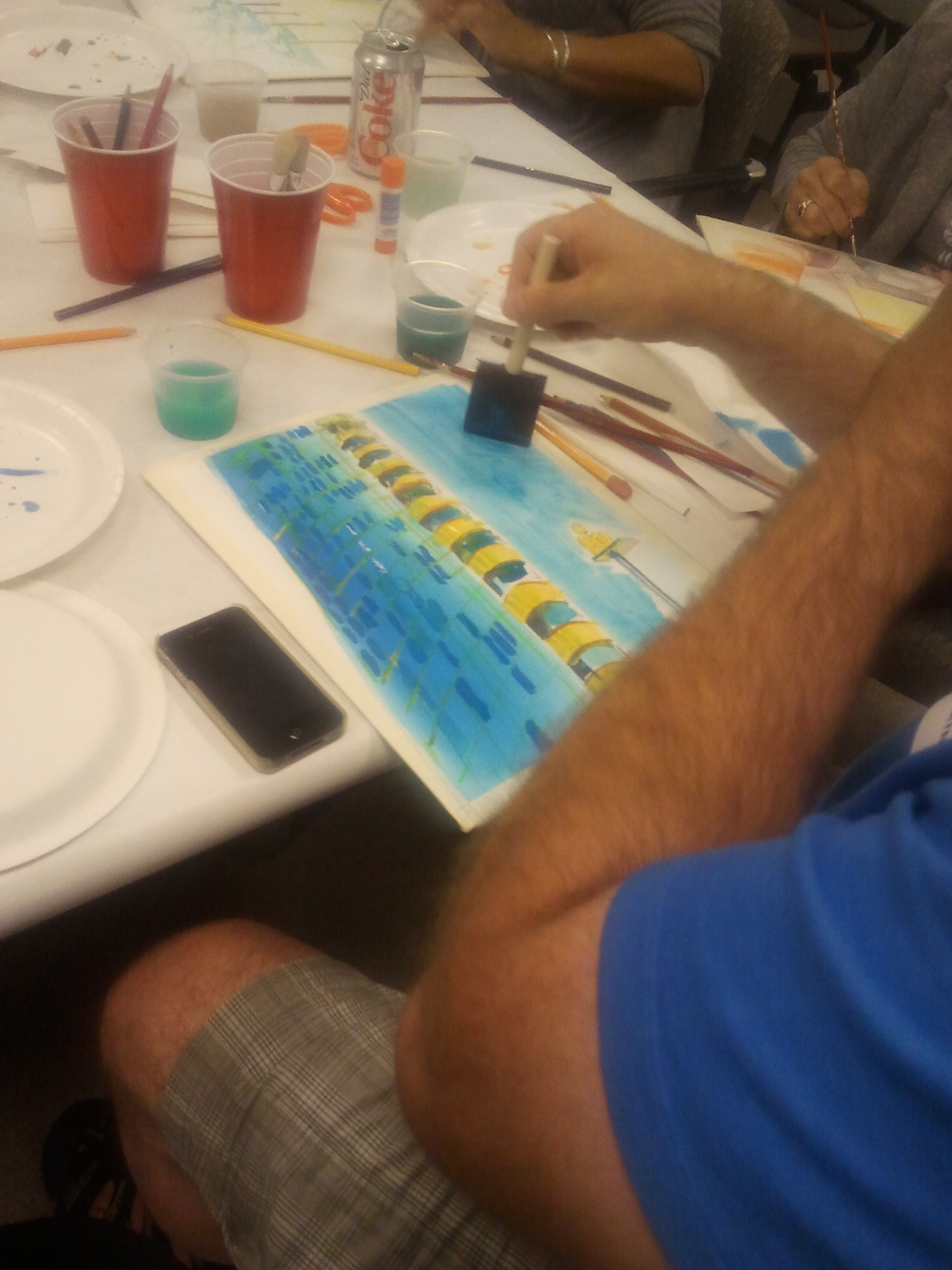
During their time at the DMA, the teachers went on a walking tour of the Arts District before spending time in Flower of the Prairie: George Grosz in Dallas.  Both of these experiences led to their afternoon art project: creating a watercolor painting of their impression of Dallas.

One teacher’s watercolor showed the Nasher Sculpture Center and Museum Tower.

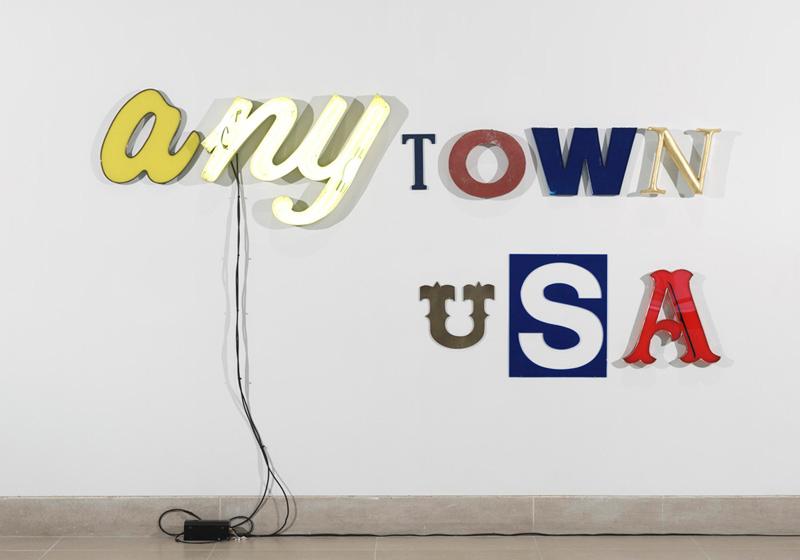
Teachers were also able to spend time in a brand new installation, Variations on Theme: Contemporary Art 1950s–Present.  While we were in the exhibition, we focused on the themes of the figure, vanitas, and place.  The idea of place was one of our key themes for the day, and we spent quite a bit of time looking at Jack Pierson’s Anytown USA.

Talking with teachers during the 2012 Museum Forum for Teachers

I always love when Anytown USA is on view.  There’s something nostalgic about it, and I always wonder just where “Anytown” might be.  The general consensus among the teachers was that Anytown was a small town that probably looked a lot like Mayberry.  As we looked at the artwork, the teachers were given the following prompt:

The letters that make up this sculpture come from a variety of places. Imagine that each of the letters came from signage on buildings in Anytown USA.  Select one letter and write a description of the business you think used that letter in its signage.  Remember, your response must be inspired by the look and feel of the font/letter you select.

Jack Pierson, Anytown USA, 2000, Dallas Museum of Art, gift of the Junior Associates, 2004.10.A-I, © Jack Pierson

Based on the teacher’s responses, it sounds like Anytown USA would be a wonderful place to live!  Here are some of their ideas:

NY: A coffee shop where everyone goes to hang out.  Every town has to have a coffee shop.  Or,  a deli run by a transplant from New York.  All of the sandwiches are named after local celebrities.
T: An antique or curio store, and all of the employees are eclectic, just like the goods they sell.
O: A donut shop where grandparents spend weekend mornings with their grandkids.  A city is defined by its donut shops.  Or, it’s an old gas station that is practical, functional, but a little bit dirty.  They don’t care about the aesthetics of their business, they just want to get the job done.
W: This W looks very commercial and slick, like it came from a Walden Books.  Or, it could be from a Woolworth’s Five and Dime.
N: A feminine upscale hotel, or maybe a newspaper printing office.  Or, maybe it’s for a fine art framing shop that has a Thomas Kinkade painting hanging in the window.

U: This belongs to a Western store called “Boot Country.”
S: This S looks universal and simple–it belongs to a store called Supermart that sells everything.
A: This could be part of the sign of a ball park.  Or, it’s the sign for a bar called BAR that’s full of smoke and beer, but is a place to escape.

Surprisingly, none of the teachers selected to write about the first yellow A.  What type of business do you think that A might represent?  I would love to hear your ideas!

Shannon Karol
Manager of Docent Programs and Gallery Teaching

Friday Photos: South Dallas Cultural Center Family Night

Tuesday’s blog post highlighted our partnership with artists associated with the South Dallas Cultural Center.  However, this was not our first time to work with the Center.  For the past eight years, we have worked with students from the Center during the five-week Summer Arts at the Center program in a variety of ways.  Students view works of art in the DMA’s collections or special exhibitions that relate to the rotating program theme as a part of projects like online presentations created by teens and watercolor drawings with first-third graders.

A newer aspect of this annual partnership is the South Dallas Cultural Center Family Night at the DMA.  This is the second year that Thriving Minds generously provided buses to transport families from the Center to the DMA for an evening of exploring the galleries and artmaking.

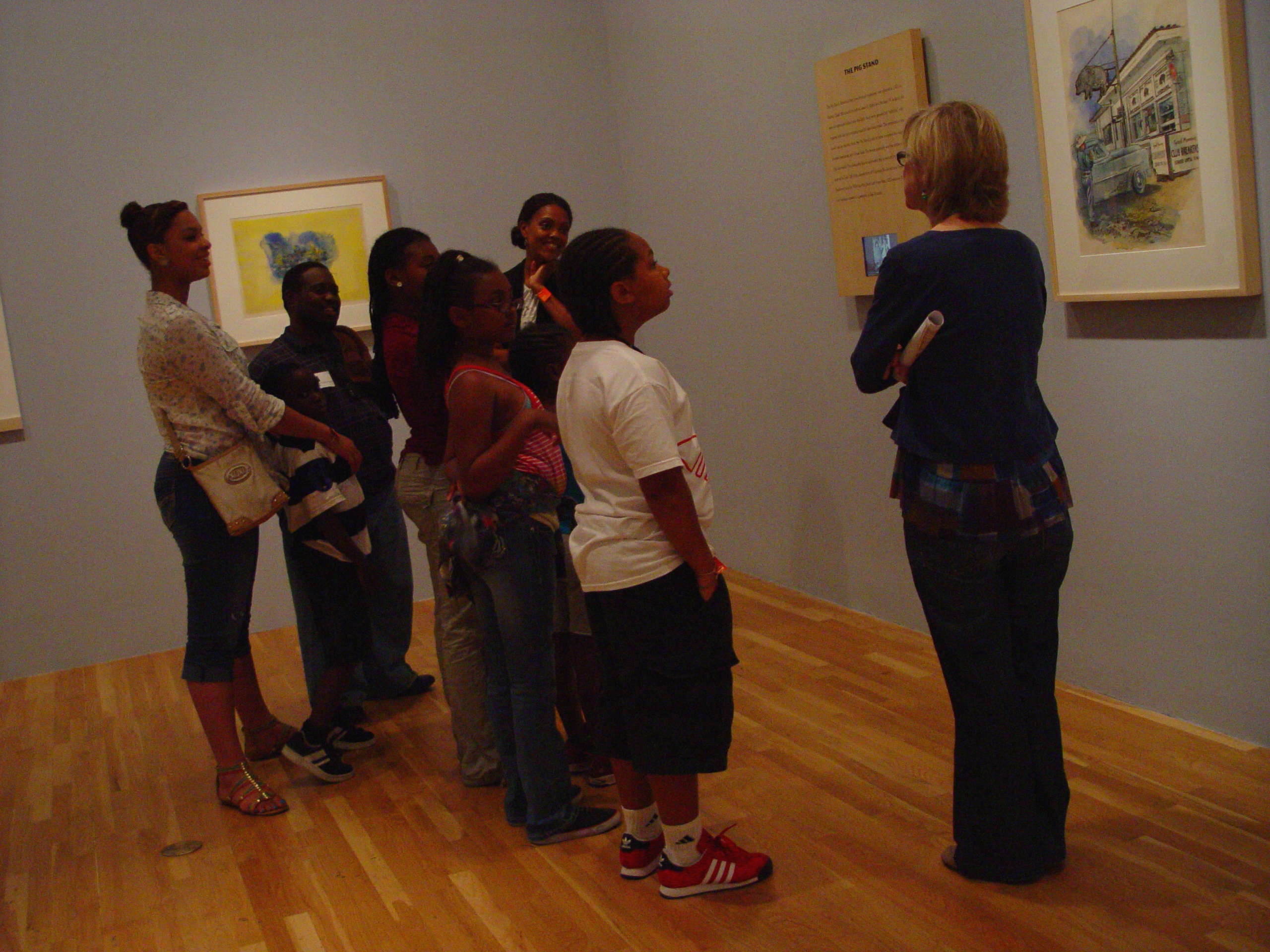
Docents lead families in a tour of the Flower of the Prairie: George Grosz in Dallas exhibition.

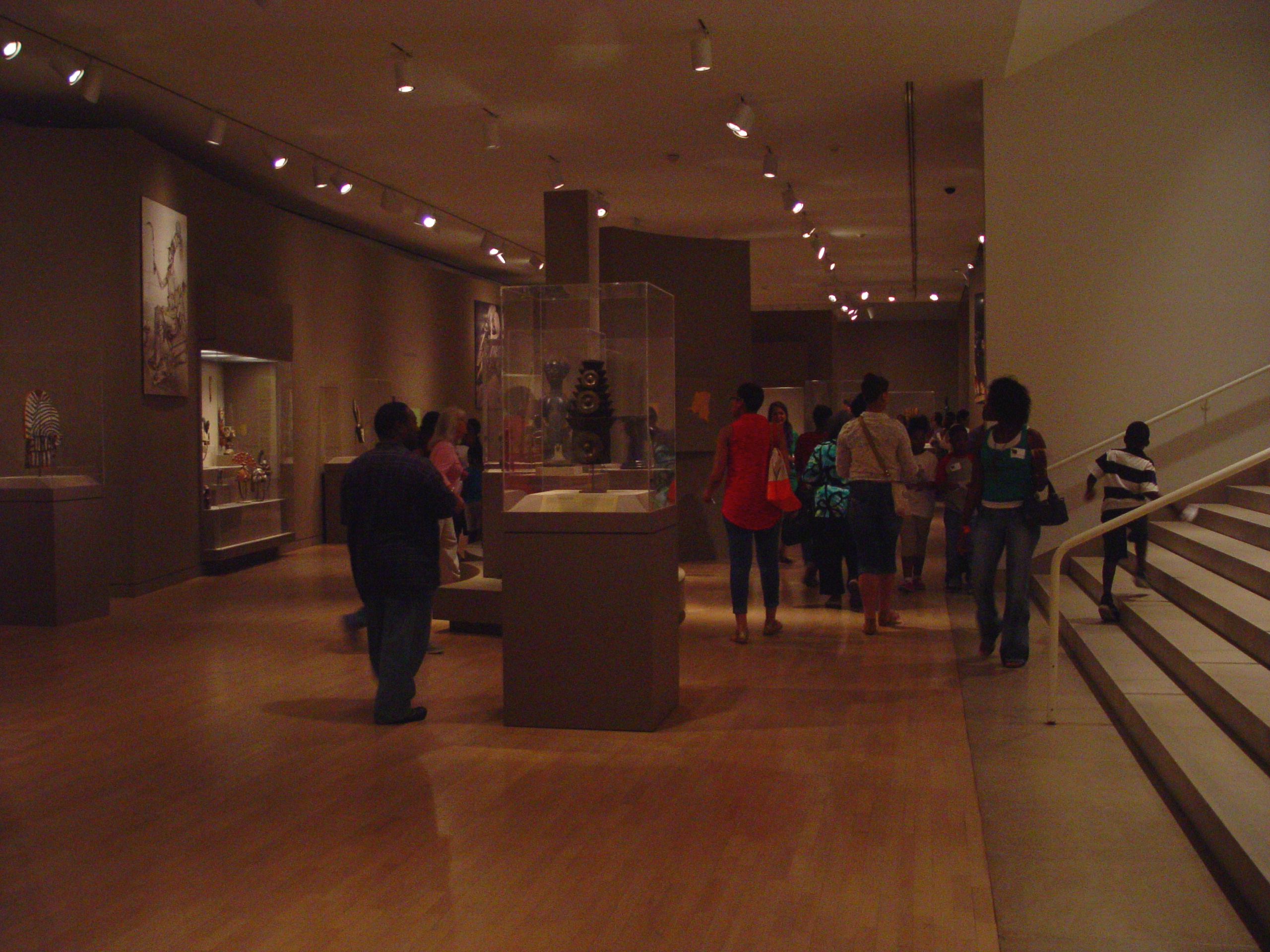
Families work together to find patterns in a scavenger hunt of the African galleries.

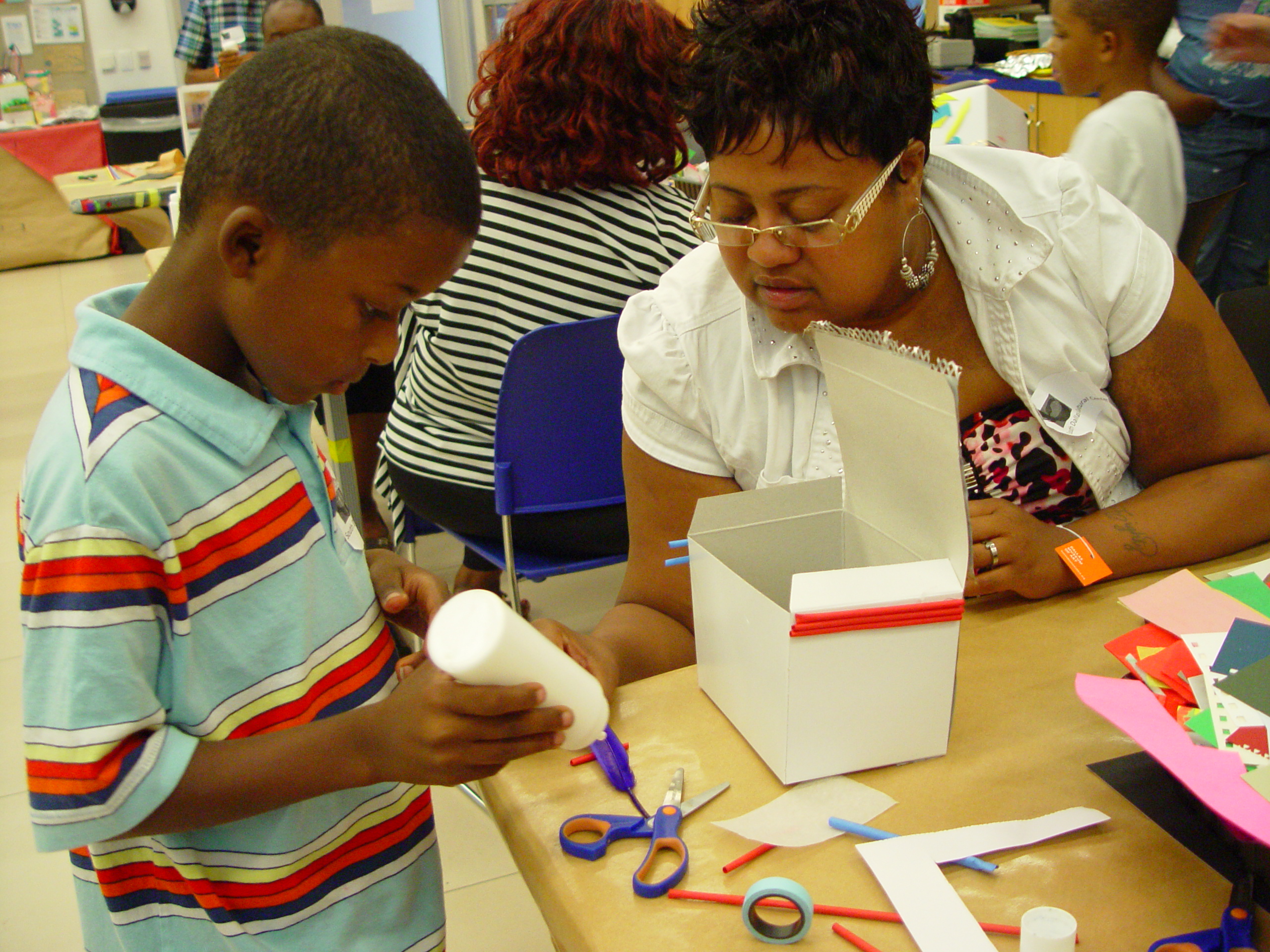
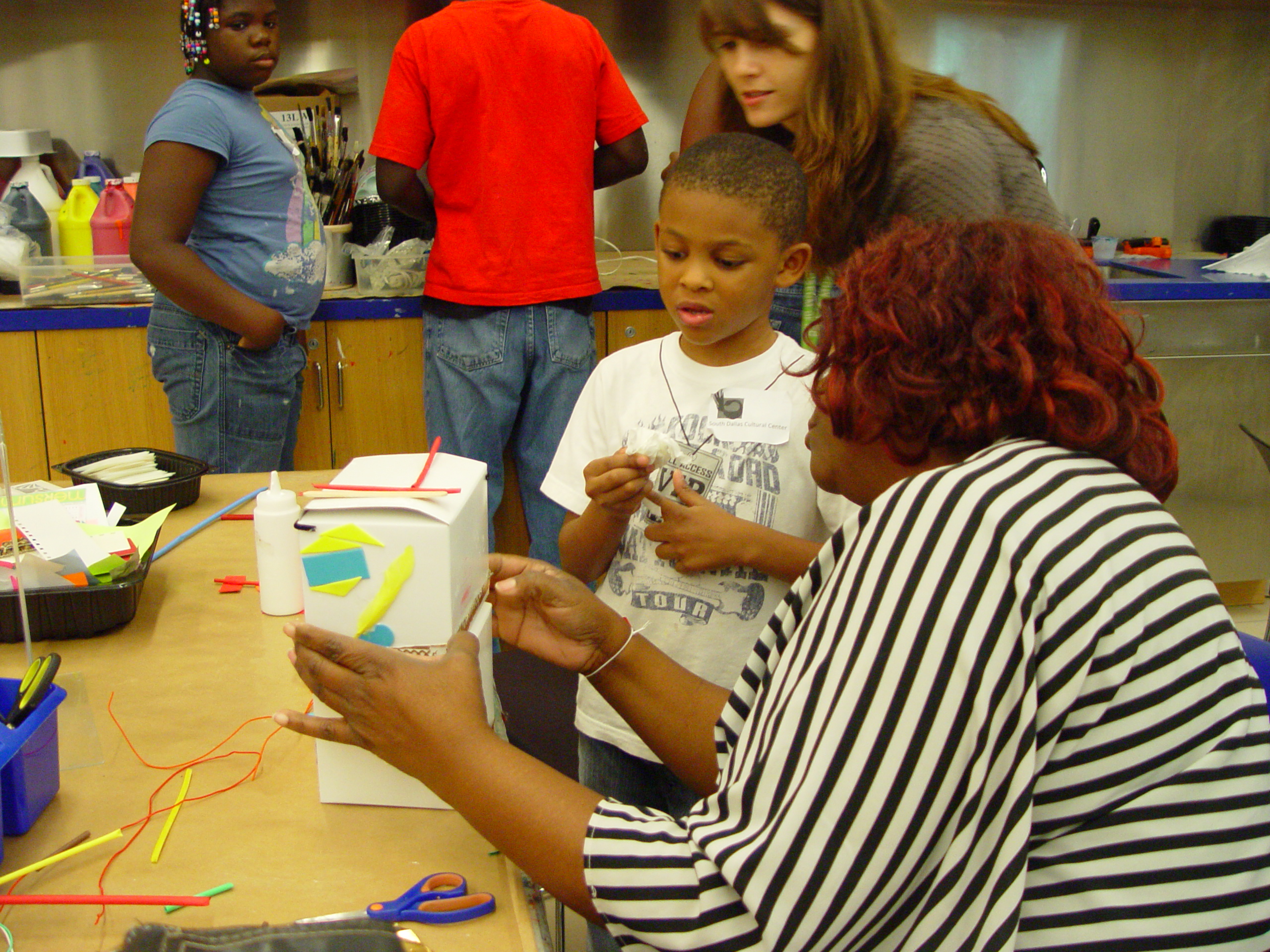
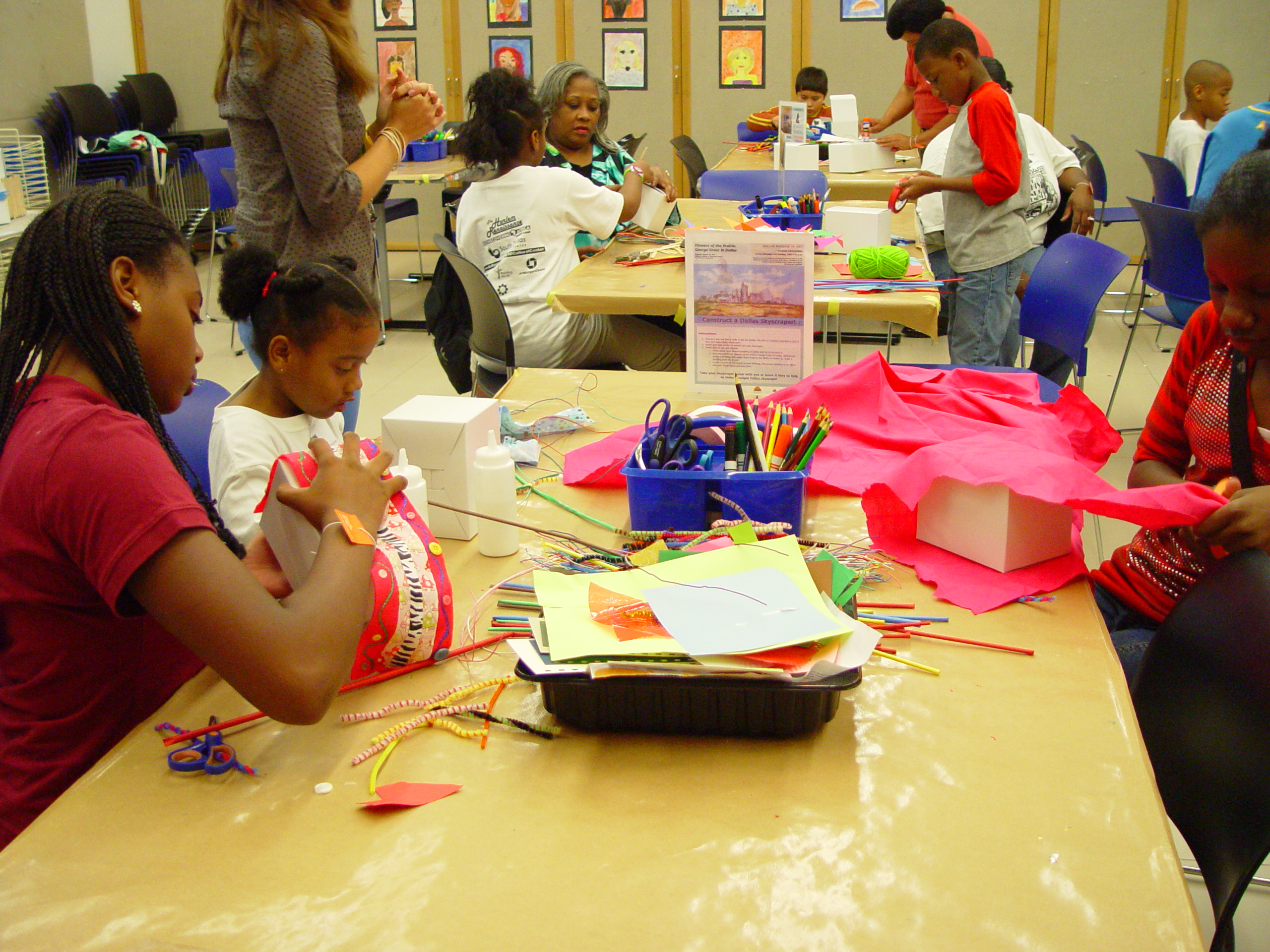
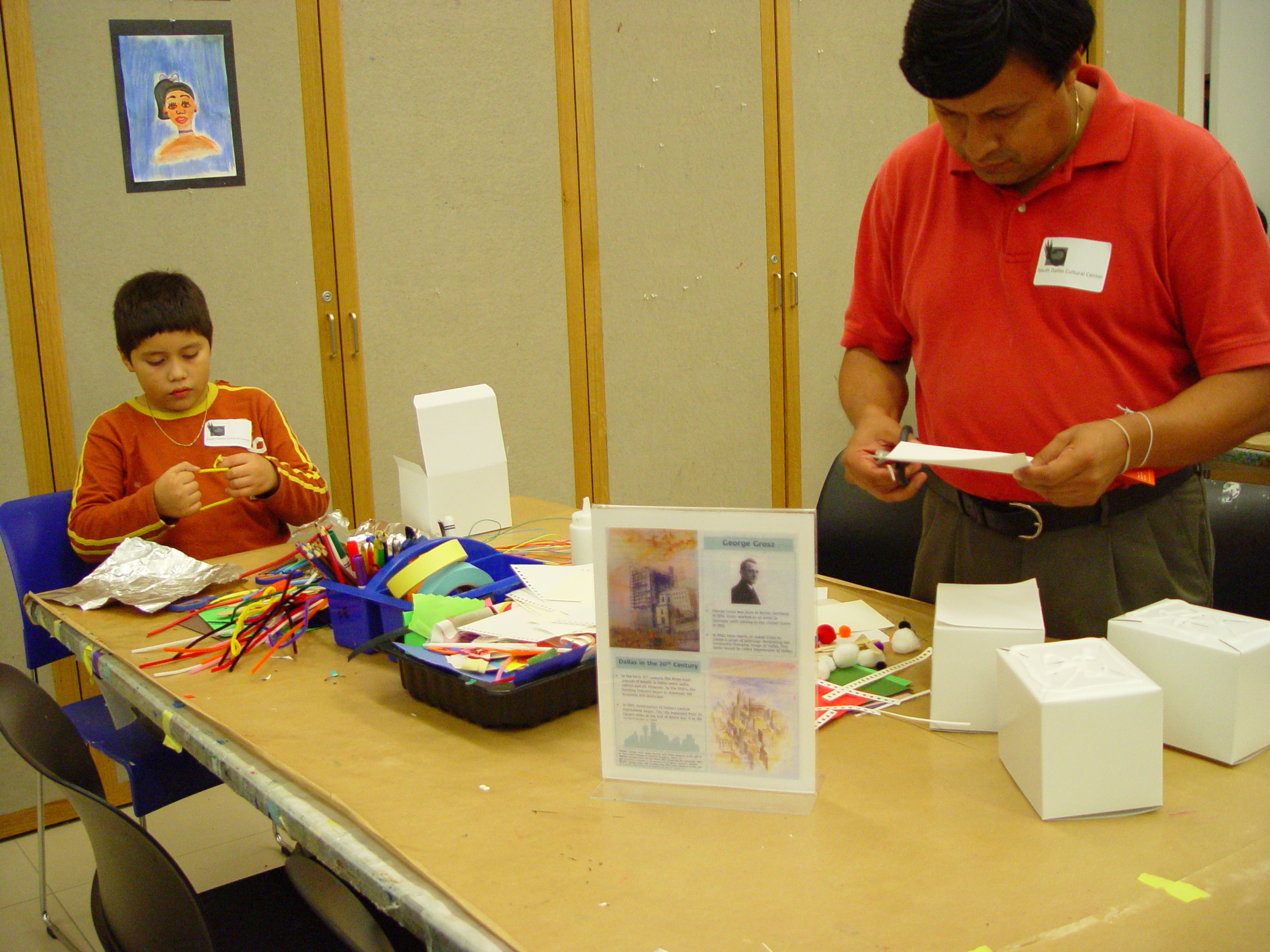
Families create buildings inspired by paintings in the George Grosz exhibition using cardboard boxes and other fun materials.

The Family Night was a great opportunity for students to see the actual works of art that they discussed with DMA staff using color printouts at the Center, and they were excited to share with their parents and siblings what they had learned about these artworks.  We are especially grateful to include families in our annual summer partnership with the Center in these special evenings, and thank the Center and Thriving Minds for making them possible!

Melissa Nelson
Manager of Teaching in the Community

Plumed Preview

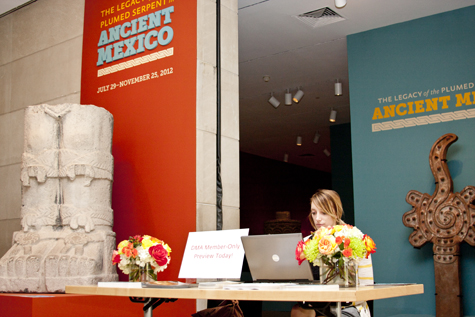
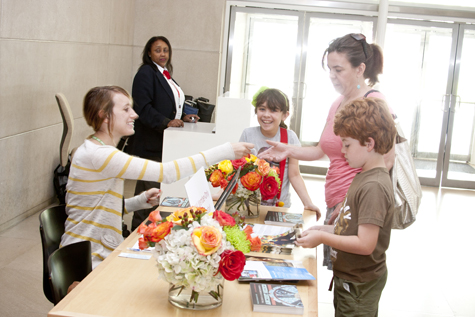
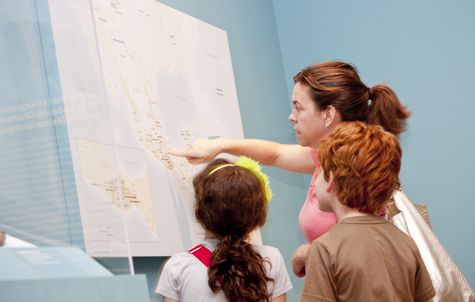
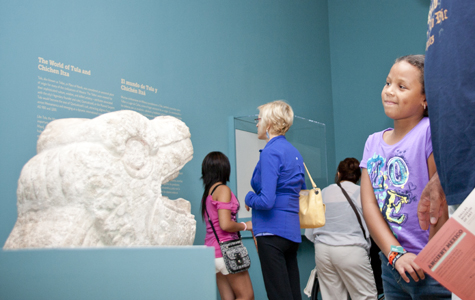
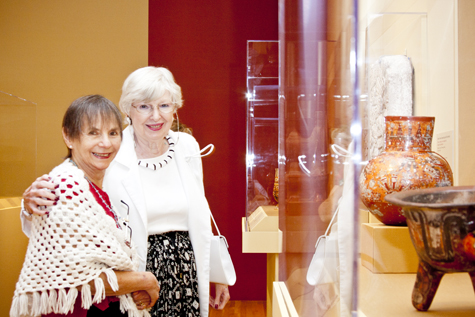
DMA members are able to preview exhibitions before the official openings and this past week our members were able to get a sneak peek at the new exhibition The Legacy of the Plumed Serpent in Ancient Mexico. Below are a few photos from the preview days, be sure to visit the exhibition now through November 25.

Photography by Adam Gingrich, the Marketing Administrative Assistant at the Dallas Museum of Art

Tour and Outreach Scheduling Begins Today

Teachers, grab your calendars: tour and Go van Gogh outreach scheduling for the 2012-2013 school year begins today.

As always, all outreach programs and tours booked in advance are free of charge.  Go van Gogh outreach is offered to grades 1-6 in the Dallas area.  Programs include conversations about artworks and an art-making activity, and are designed to dovetail with school curricula, per grade level.  Visit our web site to learn more about the Go van Gogh programs offered this year.

Self-guided or docent-led tours of the Museum’s collection and special exhibitions are available to K-12 students and higher education audiences.  Of special note this fall is our Legacy of the Plumed Serpent in Ancient Mexico docent-guided tour, which will feature outstanding works of Mesoamerican art.  Visit our web site for a full list of tours offered this year.

To submit on online request form, visit the tour and Go van Gogh sections of our web site.

We look forward to seeing you and your students this Fall!

Amy Copeland
Coordinator of Go van Gogh Outreach

Community Connection: Free Association

The current Community Partner Response Installation in the Center for Creative Connections invites visitors to contemplate space in relation to the African American experience.  Titled Free Association and designed by artists associated with the South Dallas Cultural Center, the installation provides a variety of experiences that include sound, poetry, media, and movement while exploring the notion of limitations of space.

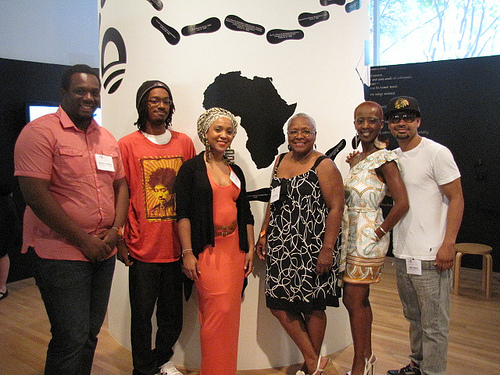
South Dallas Cultural Artists. From left: Harold Steward, Patrick Washington, Ava Wilson, Vicki Meek, Michelle Gibson, Malik Dillard.

Collaborators on this project and their areas of expertise include Malik Dillard, media; Michelle Gibson, dance; Vicki Meek, visual; Harold Steward, theater; Patrick Washington, media; and Ava Wilson, poetry.  Read their perspectives on the installation below, along with their free association responses to the words community, creativity, and art.  

Vicki – What was your vision for this project?  Free Association was created around the concept of limited space and how such limitations can either contain you or spur you to stretch beyond them. The general idea was to explore the history of African Americans within the context of this concept, paying close attention to how African Americans have used creativity to transcend societal constrictions. The more specific idea was to explore the performing, visual, literary & media arts as means of expressing the transcendence of limitations.

Inspired by the installation title Free Association, what is the FIRST word or phrase that comes to mind when you read the following terms?

Community = Essential
Creativity = Boundless
Art = Life 

Harold – How did you integrate theater with the other components of the installation?
More than theater, I was working with some of the components of performance studies. In particular, I wanted to look at the ways in which people naturally operate in “open space” and how that differs when space is confined. One of the many attributes of people of African descent is that we have historically found ways to work within the confines forced upon us when we are taken outside of the continent of Africa, and held on to some cultural traditions while creating new ones in very limited physical and sociological spaces.  The guiding question I had was, “What cultural practices and survival techniques did descendants of Africa keep or create once they arrived on the American shore, and where do they intersect?” The workshop that I offered in conjunction with the installation used Theater of the Oppressed games to cause the participants to be conscience of things that they feel, hear, and see, and the effect these things have on the individual or groups of people when they go unrecognized.

Community = Web- to destroy the community you destroy the web, to build a community you build the web
Creativity = Kuumba –The Kwanzaa principles that demands that we leave our community better than we found it
Art = Knowing what beauty to keep and what issues to call out

Ava – How did you connect poetry to the ideas of free association and space?
The written word is very powerful.  Through the use of several literary devices – metaphor, allusion, symbolism, etc. –  tethered specifically by imagery, I wanted to allow the reader to visualize what enslavement may have been like.  I wanted to create a “free association”, if you will, for the reader.  As for space, I wanted the taut nature of the language and the use of references to shape and dimension to show the vastness of the universe and in the African world in contrast to the narrowness that was the dungeons, slave ships, and realities that the African faced in the west.

Community = Family
Creativity = Spirituality
Art = Life

Patrick – How did you use media to enhance the installation?
We used digital photography, streaming video feed, and an electronic music production program to enhance our installation.

Community =  UNITY
Creativity = ART
Art = LIFE

Malik – How did the use of media enhance the installation? I feel that the media side of the installation creates interaction and gives a great visual for dance instruction.

Community = People coming together
Creativity = Music/Art
Art = Dance/Spoken Word/ Music

Explore Free Association and your own creative responses in the Center for Creative Connections through October 12.

Melissa Nelson
Manager of Teaching in the Community

Going for Gold

If you’re anything like me, you will be spending the next few weeks glued to your television watching the 2012 Summer Olympics. The Olympic Games has this incredible ability to put our regular day-to-day life on hold in a way that no other event can. It is a time-honored event that has survived depressions, recessions, international conflicts, and wars and for two weeks every two years the many people in our world come together to celebrate their countries’ athletic abilities and successes while displaying enthusiastic patriotism that tends to dissipate in the weeks following the Closing Ceremonies.

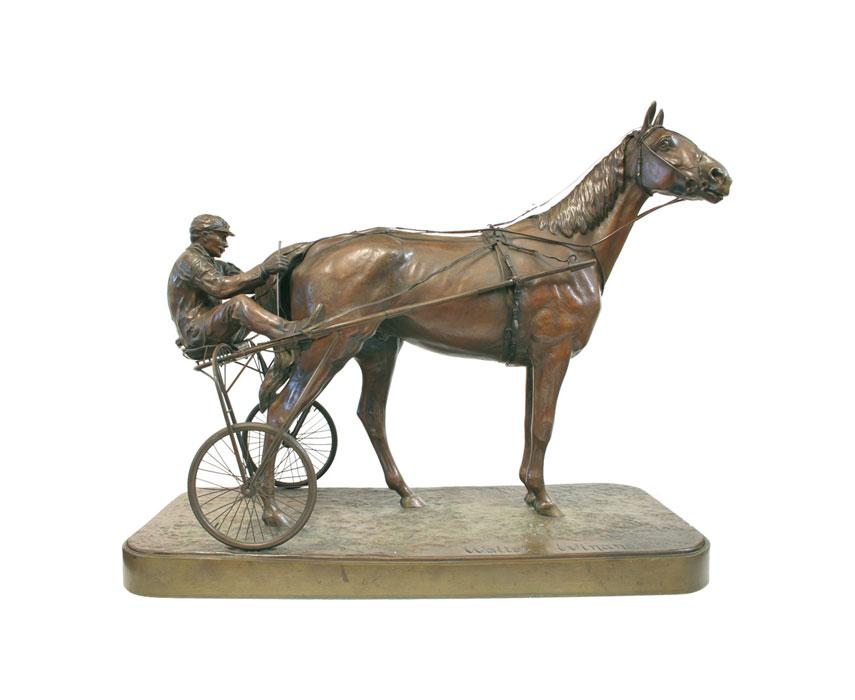
The Olympic Games is more than an international sporting event, however, since its inception, it has celebrated the arts as well. In the early years of the modern Games there was a regular art competition component. According to the founder, French Baron, Pierre de Coubertin, the ideal Olympians were men who were “educated in both mind and body” and he desired to combine both art and sport in the Olympic Games. From 1912 to 1952, medals were awarded for works of art inspired by sport in the categories of architecture, literature, music, painting, and sculpture. Only two competitors in those forty years achieved Olympic medals in both sport and art competitions, including American, Walter W. Winans for his sculpture, An American Trotter.

Walter Winans, “An American Trotter,” 1912, bronze, Collection: Idrottsmuseet i Malmö, Sweden.

The 1948 Summer Olympics in London marked the final year for the Olympic art competitions. The juried competitions ended because the participating artists were considered to be professionals, while Olympic athletes were required to be amateurs.

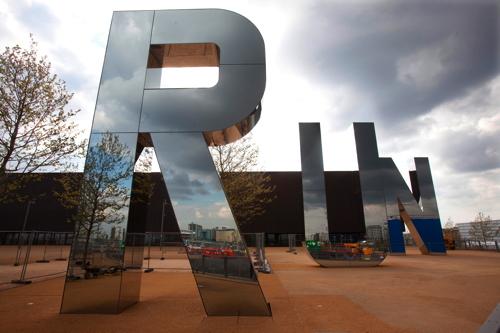
Although the medal events were abandoned, the Olympic Games still have an artistic component today through the Cultural Olympiad. This summer’s Games include extensive cultural offerings across the British Isles with the London 2012 Festival. Spectators at the games will also find themselves surrounded by art of all kinds; the Olympic Park has integrated a diverse range of commissioned art pieces into the British architecture and engineering of the Park.

Monica Bonvicini, “Run,” 2012, glass and stainless steel, London.

During the day, the letters of Monica Bonvicini’s Run act as mirrors, reflecting visitors and their surroundings. At night, they become transparent and glow thanks to internal LED lights. To view all of the commissioned pieces, visit Art in the Park’s page.

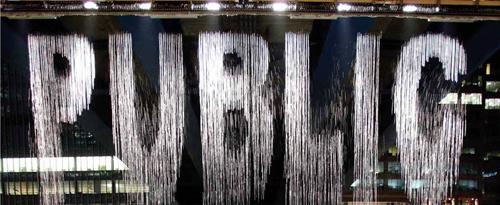
My favorite of the pieces is Julius Popp’s “bit.fall” waterfall installation.  Placed under a bridge over the Waterworks River, the waterfall uses a sophisticated pump system that recycles water from the river into the water sculpture.

Julius Popp, “bit.fall,” 2012, temporary installation in the Olympic Park.

Using software developed by Popp, the waterfall creates a continuous cascade of words that are widely used in live news feeds. One of the neat things about this technology is that the words are constantly changing.  No day is like the last.  The end result is a beautiful and spectacular visual experience. To get a better grasp on this work I consulted a short documentary on Popp. See it here on YouTube. 

After the Closing Ceremony on August 12, keep the Olympic spirit strong by reading Chris Cleave’s new novel, Gold. The bestselling author of Little Bee, Cleave’s new book focuses on two athletes and how they traverse the shifting sands of ambition, loyalty, and love on the eve of their last Olympics. On Tuesday, October 9, Chris Cleave will be appearing at the Dallas Museum of Art in a special Arts & Letters Live event. For more information and to purchase tickets, please visit our website.

Hayley Dyer is the Audience Relations Coordinator for Programming at the Dallas Museum of Art.

Friday Photos: Plumed Serpent

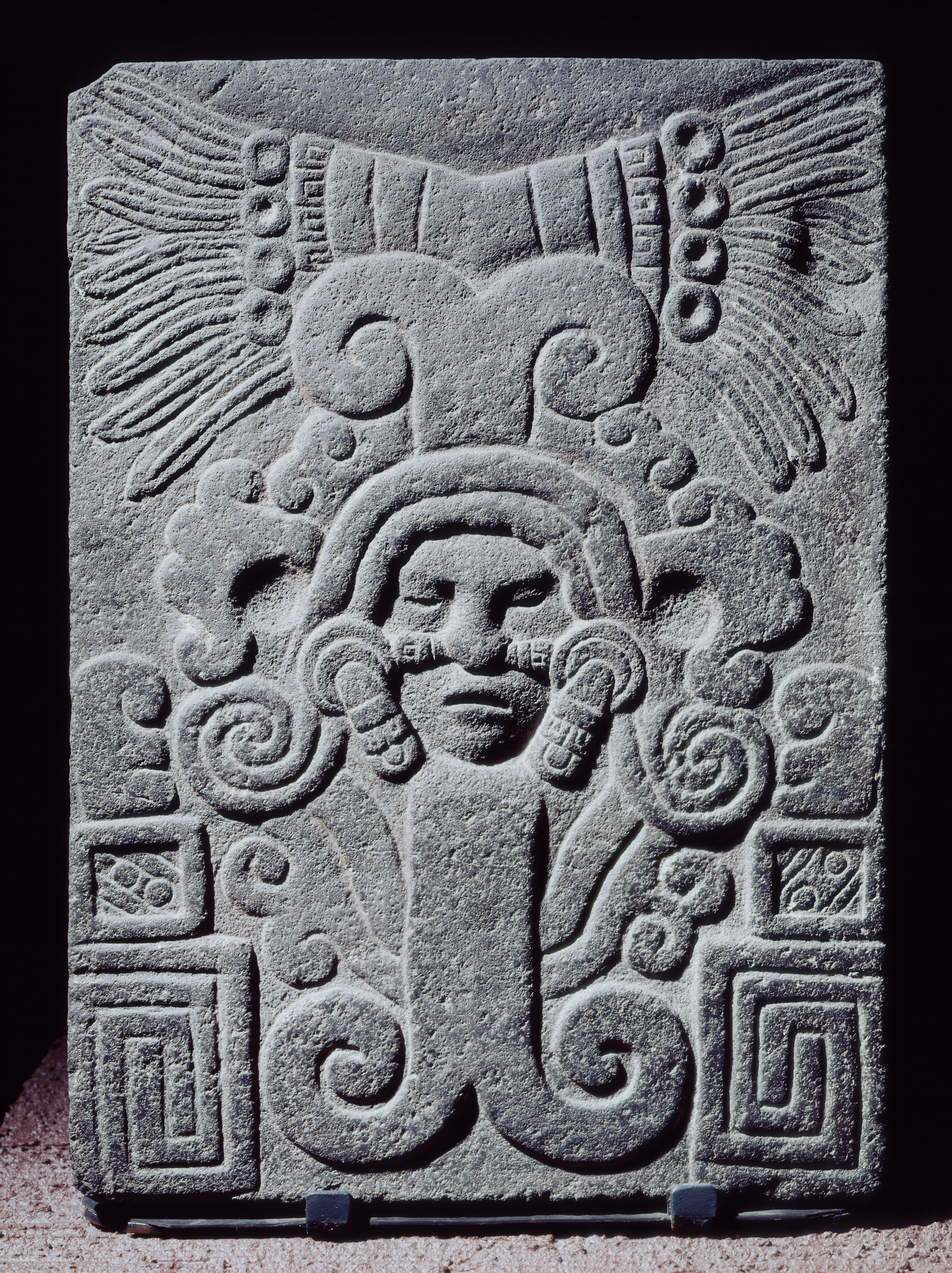
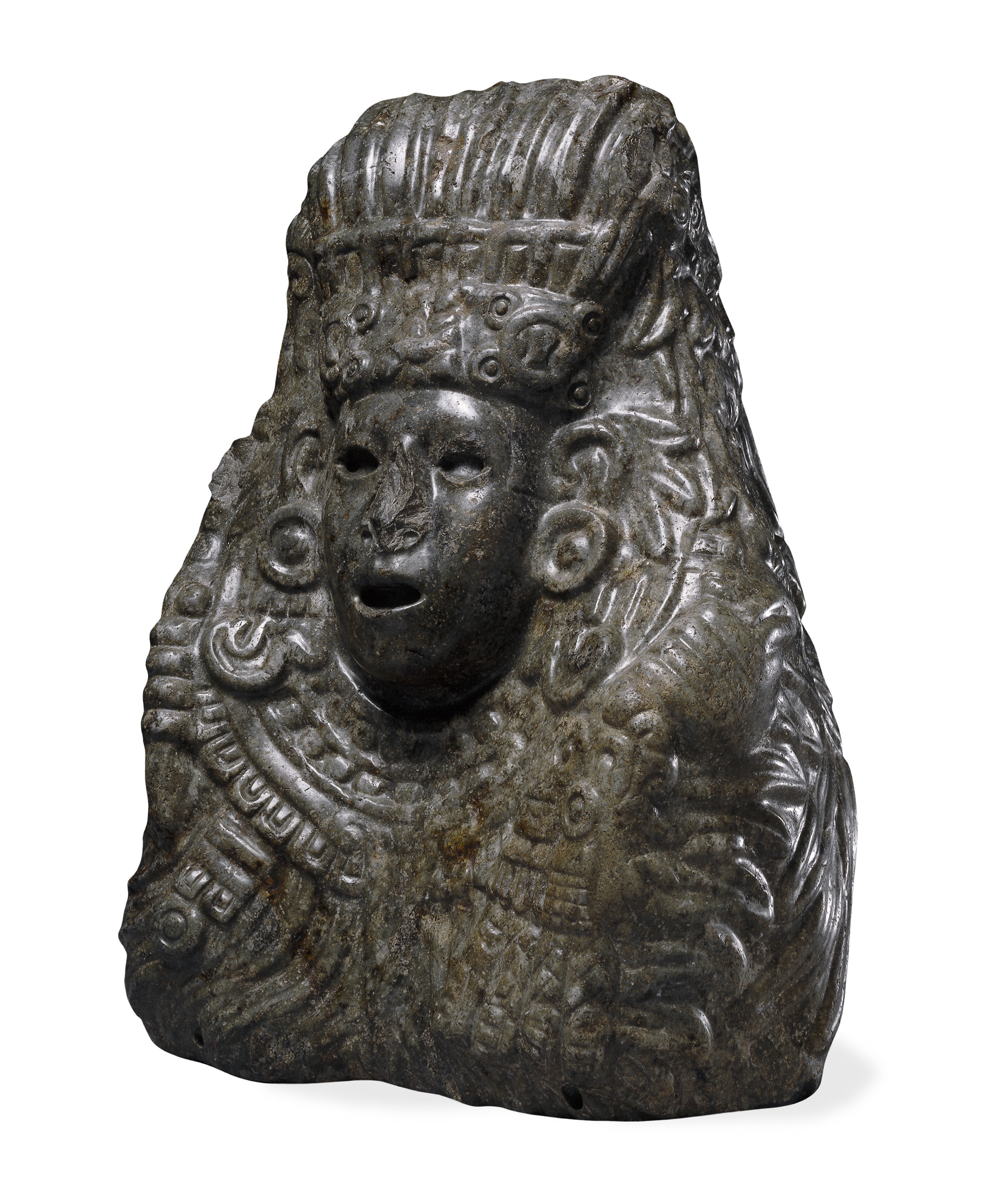
One of the most important ancient Mesoamerican gods was Quetzalcoatl, a celestial deity who took the form of a feathered snake and ruled over the wind. One myth recounts that he created the earth’s current race of people by bleeding onto the bones of the previous generation.

Relief Depicting Face of Quetzalcoatl, Mexico, Aztec, AD 1400–1521, Museo Nacional de Antropología, Mexico City (10-81787)

Bust of Quetzalcoatl, Mexico, Aztec, AD 1300–1521, Trustees of the British Museum, London, Ethno. 1825.12-10.11

Turquoise-mosaic Disk with plumed serpent design, Mexico, Yucatán, Chichen Itza, Maya, AD 900–1200, Museo Nacional de Antropología, Mexico City (10-9649)

Find out more about Quetzalcoatl in The Legacy of the Plumed Serpent in Ancient Mexico, which opens this weekend with a FREE sneak preview on Saturday, during WFAA Family First Day.

Sarah Coffey
Assistant to the Chair of Learning Initiatives

Seldom Scene: Scaled Down

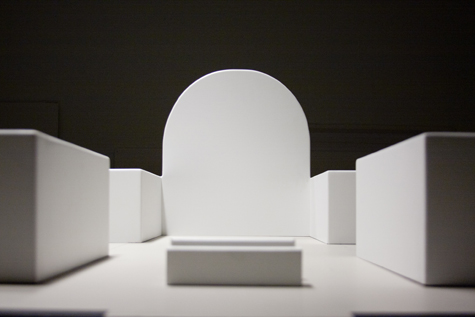
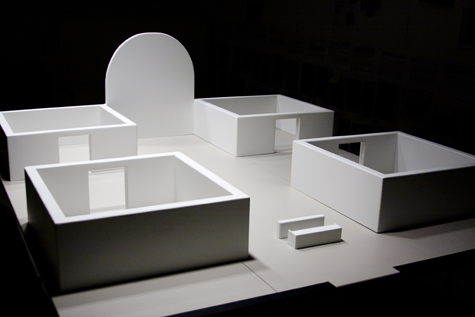
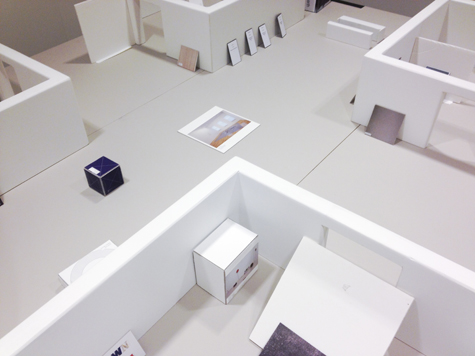
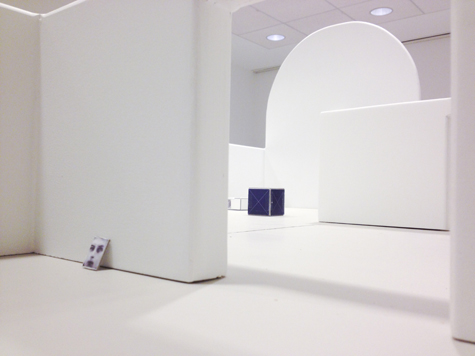
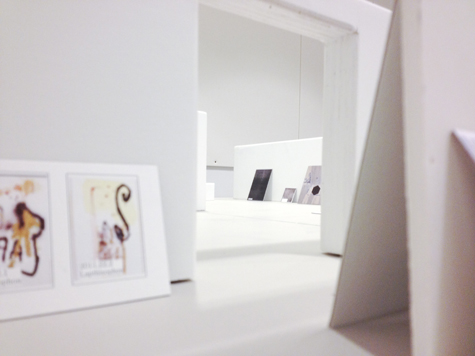
The new DMA exhibition Variations on Theme: Contemporary Art 1950s–Present explores themes and ideas that drive an artists’ creative process. With this concept in mind, the Contemporary Art Department thought it would be the perfect opportunity to share one way that curators tap into their own creative processes when developing a new exhibition – by using a scale model. Curators use scale models much like they would a doll house, to rationalize the gallery space in accordance with the placement of the art objects. Variations on Theme is installed in the gallery spaces known as the Barrel Vault and Quadrant Galleries, which are roughly 11,500 square feet. DMA carpenter Dennis Bishop constructed a wooden model of these galleries with a scale of 1:24 (one half-inch equals one foot). The objects in Variations on Theme are of various sizes and mediums and are complicated to install, so in order to visualize how certain works might look next to one another DMA exhibitions intern Jasmine Shevell created maquettes of each work that are proportional to the scale model of the exhibition space. Once each object is set into place, the design model is shared with our talented exhibitions team, registrar, and preparators, who bring the curator’s model to life!
Variations on Theme is on view at the Dallas Museum of Art until January 27, 2013.

Meg Smith is a Curatorial Administrative Assistant at the Dallas Museum of Art. Photography is by Adam Gingrich, the Marketing Administrative Assistant at the Dallas Museum of Art.

Texas Late Night

Howdy, y’all! This past Friday, the DMA showed folks a rootin’ tootin’ good time at our Late Night celebration of the Flower of the Prairie: George Grosz in Dallas exhibition. With a theme as big as Texas, you can bet that there was lots to do here at the Museum. With live folk bands playing in the Atrium Cafe and in the galleries, visitors could hear old-time, toe-tapping, traditional Texas music almost anywhere they went. Adult crowds could be seen gathering for tours of the exhibition and  surrounding the watercolor demonstrations led by artist Scott Winterrowd. Lectures, talks, and films throughout the night also kept the adults scurrying from one program to the next. Families had a rip-roaring time in the Center for Creative Connections studio constructing their own Dallas building to contribute to a three-dimensional city skyline. Also in C3, kids created Texas-inspired bandanas and participated in Yoga for Kids. To get a peek at all the festivities, check out the slide show below.
.

[slideshow]

.
One of my favorite moments from the night was bumping into a family I had taught during a Go van Gogh Summer Library Program. When I stumbled upon them, they were in C3 doing yoga and discussing what kind of building they would create in the studio. They excitedly told me all about going into the Flower of the Prairie: George Grosz in Dallas exhibition to see all of the works of art we had talked about during the Impressions of Dallas library program. “They know everything!” the kid’s impressed dad exclaimed. It is always a joy to see familiar faces in the Museum. To learn a little more about the Go van Gogh Library Program, check out Amy’s blog post from last week. Every participant receives a free family pass, which you could use at the next Late Night on August 17.

What was your favorite moment from the Late Night?

Hannah Burney
Go van Gogh Programs Assistant


Archives

Categories