Archive for the 'People' Category


BooksmART: John Grandits @ the DMA

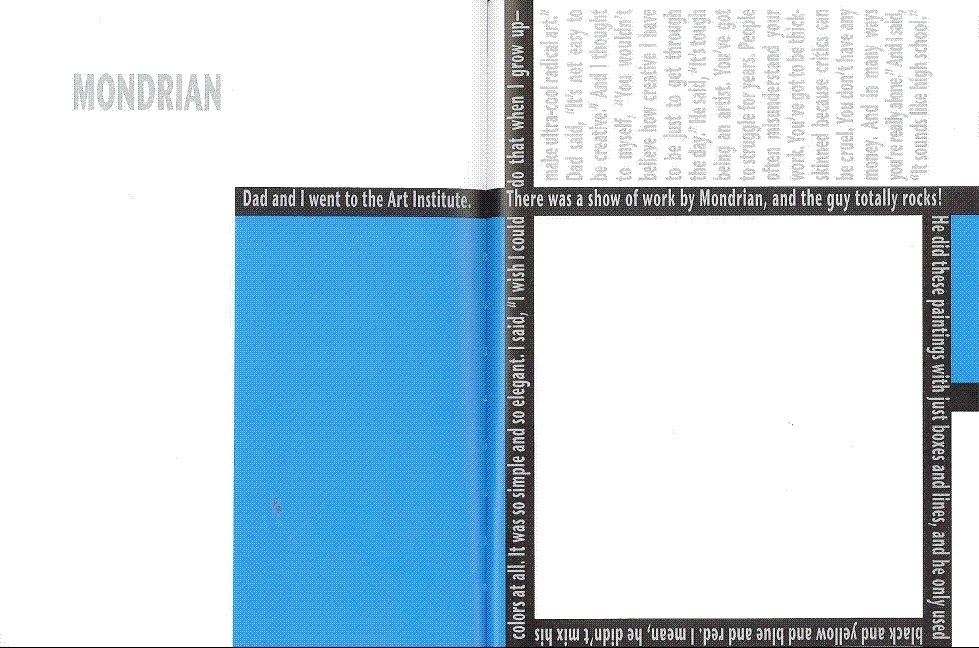
John Grandits is a very funny man, and he’s coming to the DMA!  If you’ve found that sonnets, ballads, and Roman epics are too heavy for you, Mr. Grandits is here to make poetry downright concrete.  If that sounds intimidating, it’s not—poetry can be a lot of fun.  Grandits is a concrete poet, and he’s the author of two immensely enjoyable (and highly acclaimed) books for kids: Technically, It’s Not My Fault and Blue Lipstick.  If you’re tired of Times New Roman and typing left to right, this is your kind of poetry.  Grandits’ poems move in squiggly lines, travel up and down, and create pictures on the page.  He uses fonts, shapes, textures, colors, and sometimes even motion. 
 
If you would like to get a sense of his work, visit his Web site.  It’s full of quirky photos, playful type, and a great poem about a beleaguered snake.  If you’d like to do a little research, check out his books at the Dallas Public Library.  John Grandits will be at the Museum March 18-20, a fantastic opportunity to learn about his work.  Visit the Web site to learn about all the events Arts & Letters Live has planned for John Grandits’ visit to the DMA.
Justin Greenlee
McDermott Intern, Learning Partnerships Department

Davy Crockett – King of the Wild Frontier

 March 6, 2010 will mark the 174th anniversary of the epic battle of the Alamo. The Alamo was constructed in 1724 as a Spanish mission. It served as a home for missionaries and their Indian residents. Today, the mission is best known for the thirteen-day siege that occured during the fight for Texas independance, culminating in the final battle on March 6, 1836.

Davy Crockett

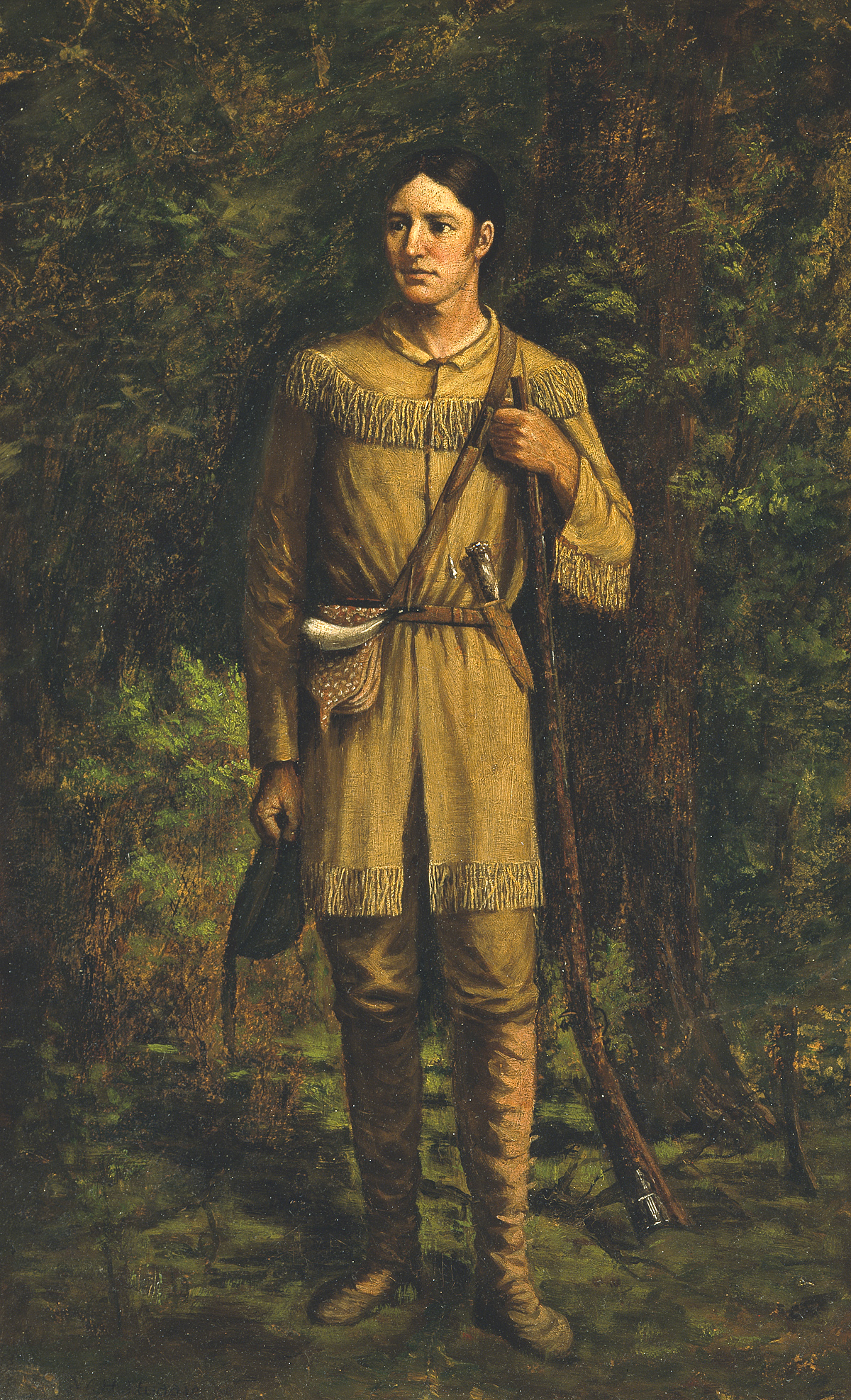
Davy Crockett, 1889, William Henry Huddle, Dallas Museum of Art, 1987.47

To pay homage to this event in Texas history, I wanted to look closely at the Museum’s sketch of Davy Crockett, one of the most famous defenders at the Alamo. The 1889 oil sketch by William Henry Huddle shows Crockett dressed in what appears to be deer skin hunting clothes. In his right hand he holds his trademark coonskin cap; his left hand grips his gun, Old Betsy. The woods, which were quickly painted, can be seen behind Crockett. Huddle’s sketch paved the way for a larger oil painting currently found in the Texas Capitol.

What I find most interesting about this work of art is the glimpse of Crockett doing something he most loved – hunting. Taken out of the context of the Alamo, which mythologized and immortalized him, he stoically stands as the “King of the Wild Frontier.” I believe if Crockett had lived to see this sketch, he would have been very pleased.

Amy Wolf
Teaching Programs Coordinator

Community Connection: Art in Motion

Last week, I had the chance to speak with Nancy Schaeffer, Education Director at the Dallas Children’s Theater.  She generously set aside time for our interview; as you will see, this is one busy lady.

Tell us about your work at the Dallas Children’s Theater.
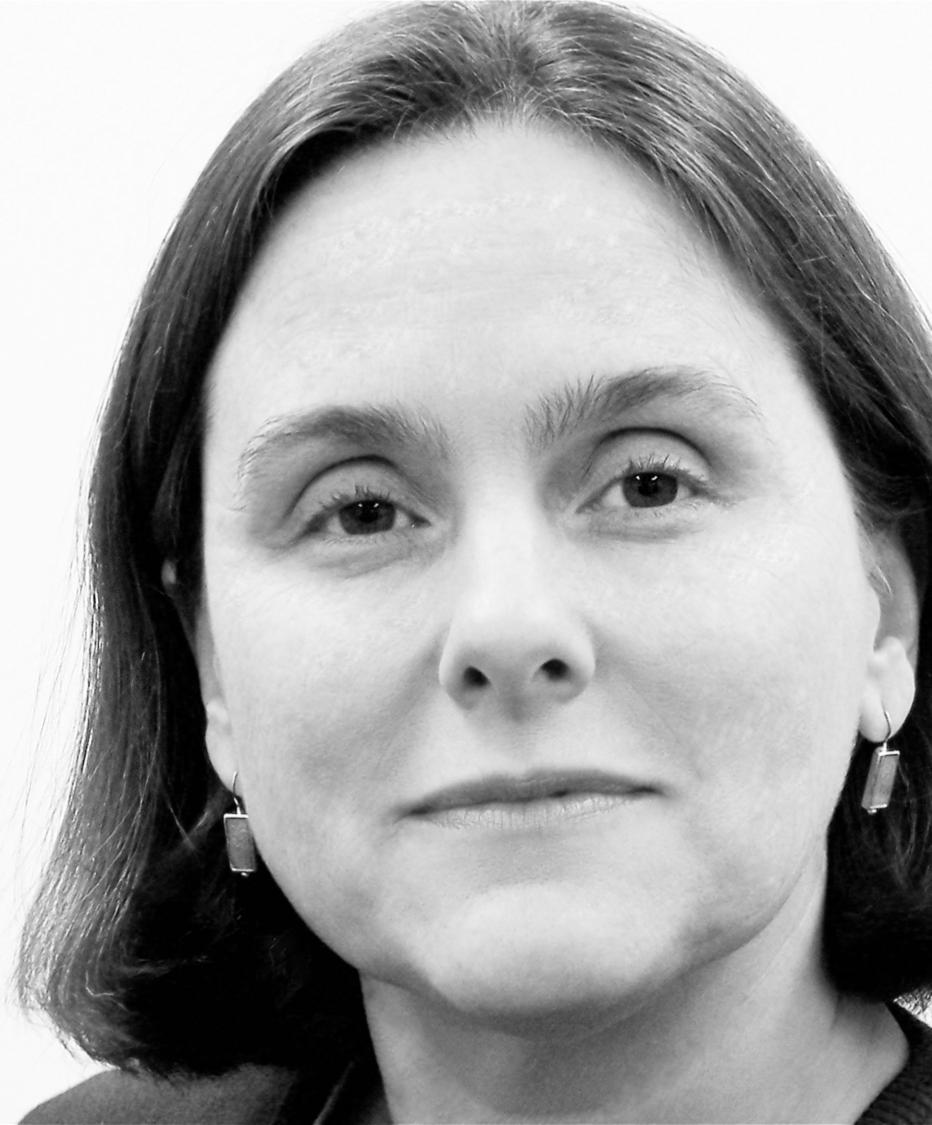
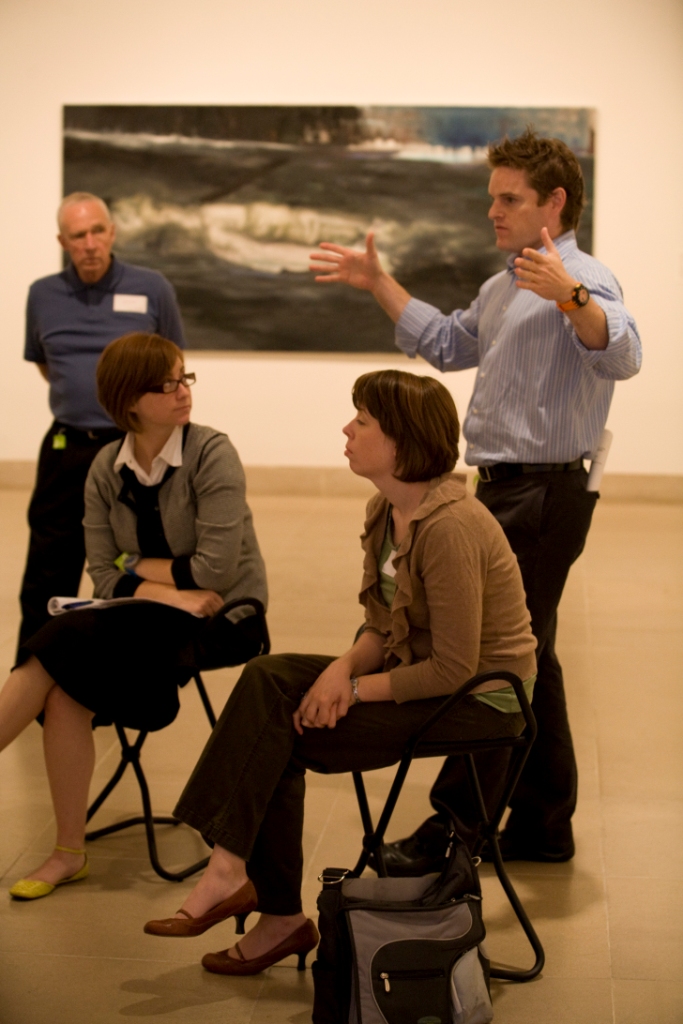
Nancy Schaeffer, Education Director at the Dallas Children's Theater

My primary responsibility is overseeing our academy.  We serve children ages 3 ½ to 18 with acting classes and our teen conservatory. During the school year, as many as 300 children come to single programs during a week, and close to 1,000 children attend programs per week during the summer.  We also have mini-sessions where students have multiple experiences over four weeks.  It is my job to hire teachers, oversee curriculum and performances, and talk to parents.  I also oversee a residency program in schools during the school day.   In the summer we have musical theater, video classes, improv classes for teens, and storytelling for the little ones. All of our programs end with a production of some sort.

I also read scripts and sit on a committee that puts together the season for the year.  I sit on various committees for outreach, and we work closely with the nearby Vickery Meadow neighborhood.

How did you come to be Education Director at the Dallas Children’s Theater?

I have been with the Theater since its first day.  My husband was the first official full-time employee.  I started as an actress in the first production: Babes in Toyland.  I’m now in my 26th season with the DCT.    There was no education staff in the beginning; I eventually moved into this position over time and created my job.

What is your most memorable moment from your time with the DCT?

Moving into this building seven years ago, on Valentine’s Day.  When we moved in, it was really hard, but it was really exciting. It was hard because the building was not completed when we moved in.  We received a certificate of occupancy at 4:30 in the afternoon and had a show at 7:30 that night.  We also had a site visit that weekend from the National Endowment for the Arts.  And we were doing a show at El Centro that weekend.  We had no heat in most of the building, and all of our stuff from the old building was packed onto a truck that was not unloaded for two weeks.  The whole process was really something to be a part of.

Which production are you most looking forward to, and why?

I direct main stage shows – usually three a year – which is not a part of my responsibilities as Education Director.  It’s a lot of work and a lot of extra time, but I love whatever project I get involved in.  I’m currently directing How I Became a Pirate.  It has huge scenery components, and those are always exciting for the audience but are very challenging for the director.  We do nine shows a week with professional actors, and so far everything has worked out.

One of the shows I’m directing next season is titled Don’t You Love Me?  It is for teens and is about dating violence.  We’ve done this production once before, and we don’t back off when we do a play like this for teens.  We lead discussions afterwards, and I saw the impact this show had on the audience.  I realized how prevalent this problem is and how important it is to do this work. It does take a chunk out of you, but I did enjoy it.

In the past, you’ve led trainings for our docents based on your expertise in movement and performance.  How do you connect your work with looking at works of art?

Theater as an art form uses more than one type of art, with scenery, dance, music, sound, and the visual. The visual is critical in a play. While I’m looking deeply at works of art in the museum, I absorb these wonderful images and feelings and emotions which can’t help but inform my work.  Working with docents, who are so smart and engaged and want to expand, made me want to find ways to connect more visually in my art and my way of working with children. I love doing it, and I feel like I’ve gotten so much out of the trainings.

We are so busy; taking a minute to stop and look, then think and connect and realize what kind of emotions you’re feeling is good for your soul. I have also made such a nice connection over the years with Gail Davitt, the Director of Education at the Dallas Museum of Art, through certain projects and meetings that we both attend.  I’m so glad the Museum is in our community for children to visit and explore and know it’s for them.

Melissa Nelson
Manager of Learning Partnerships with the Community
Woven Records Sneak Peek!

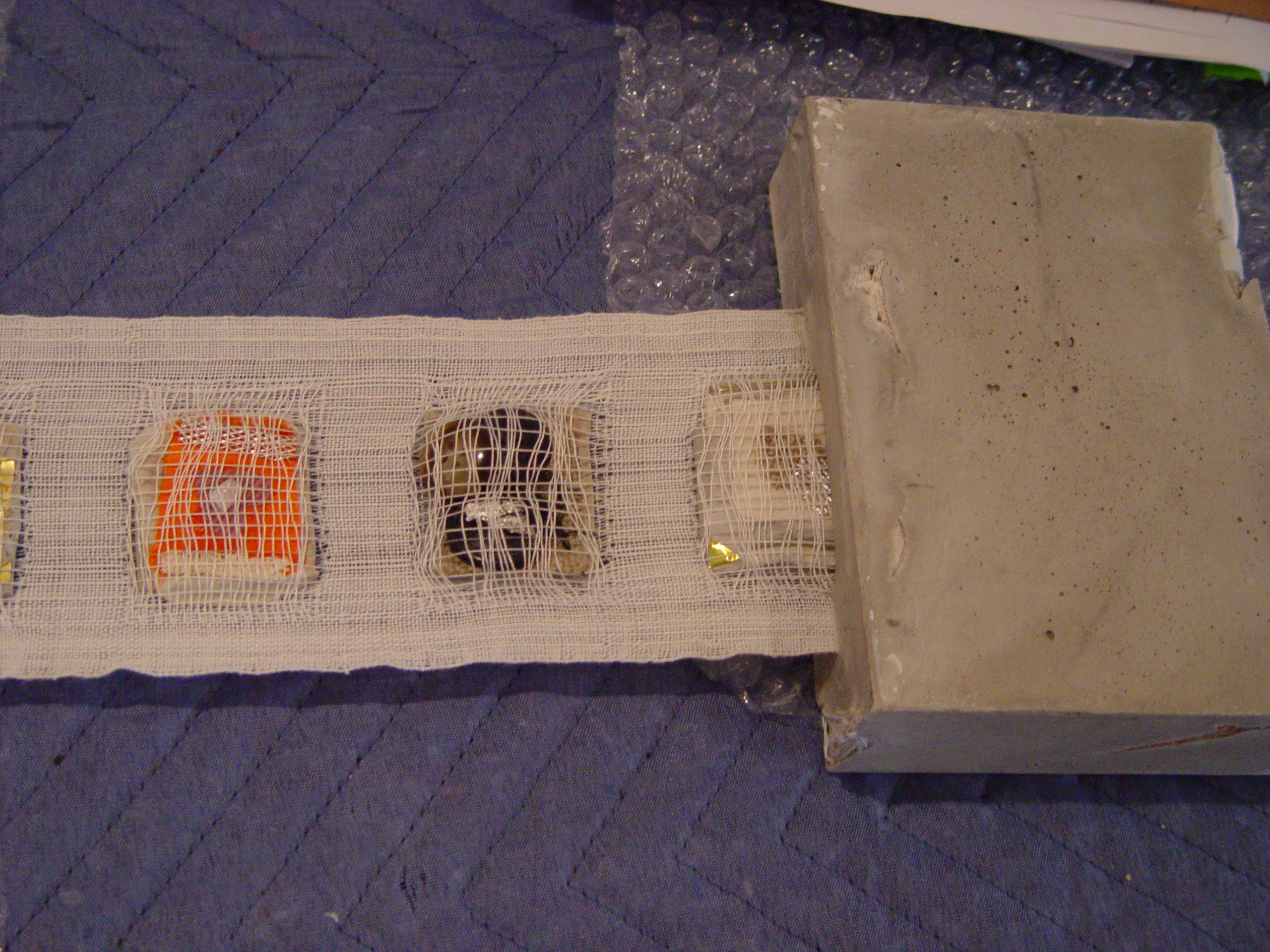
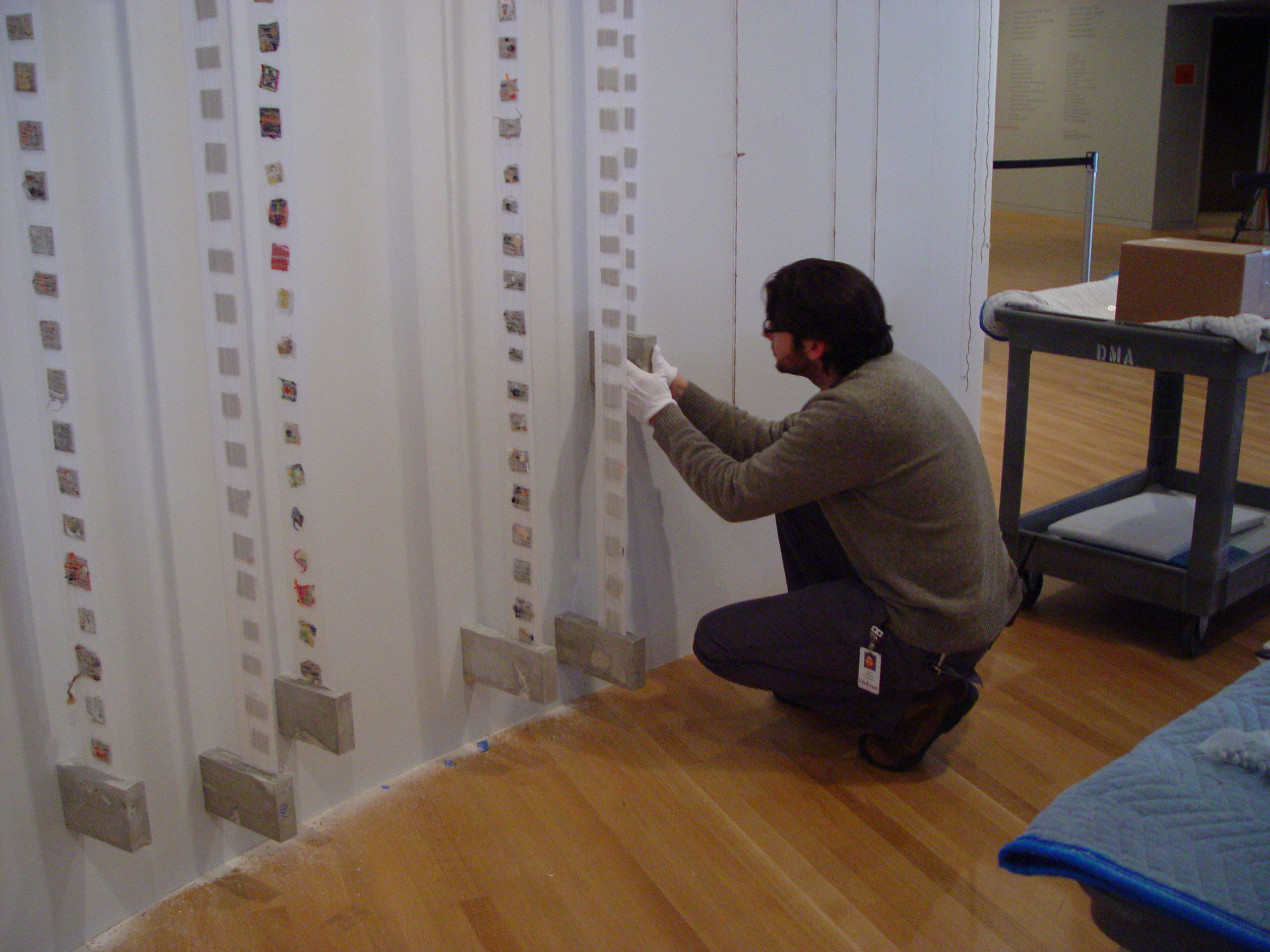
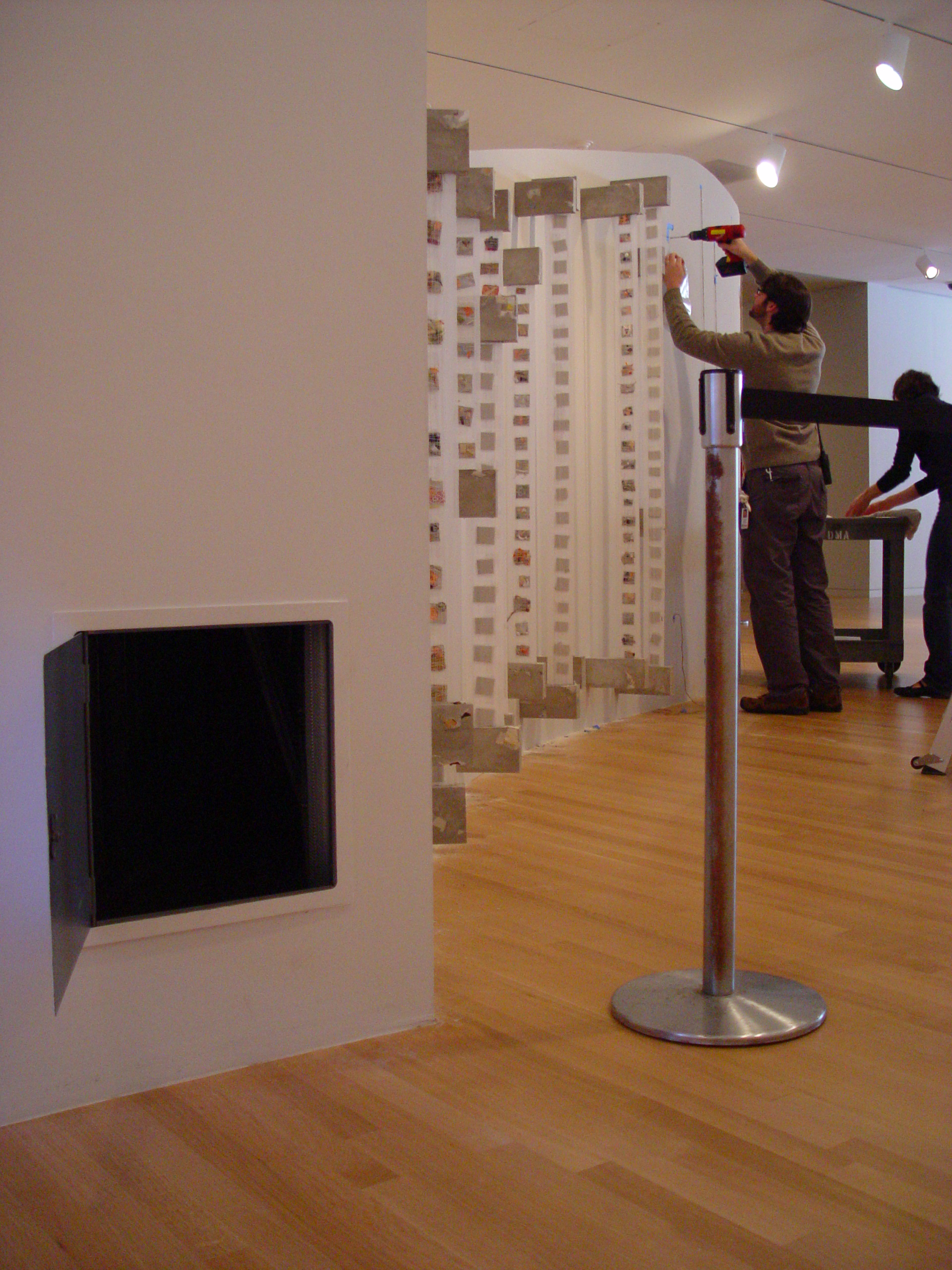
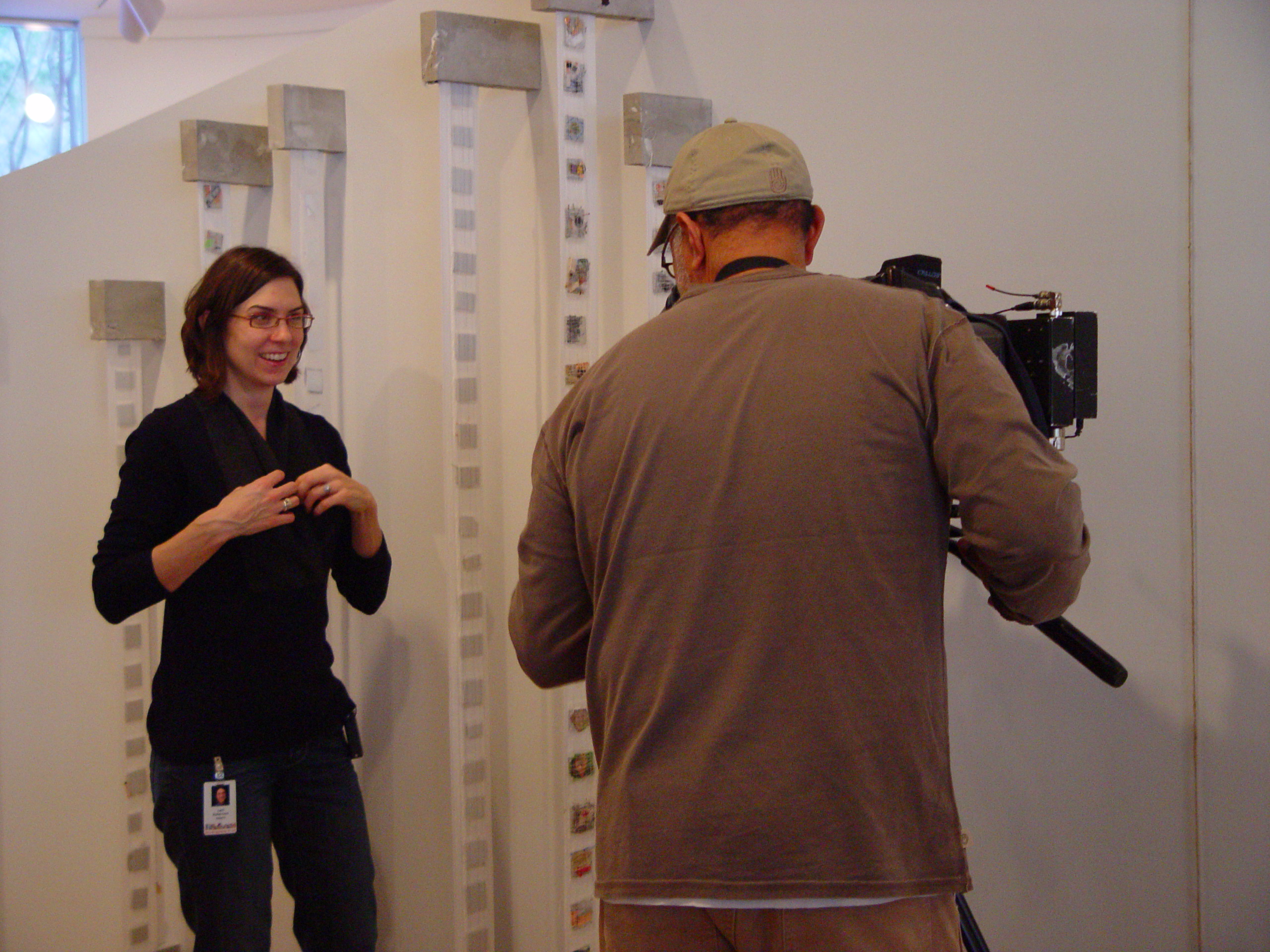
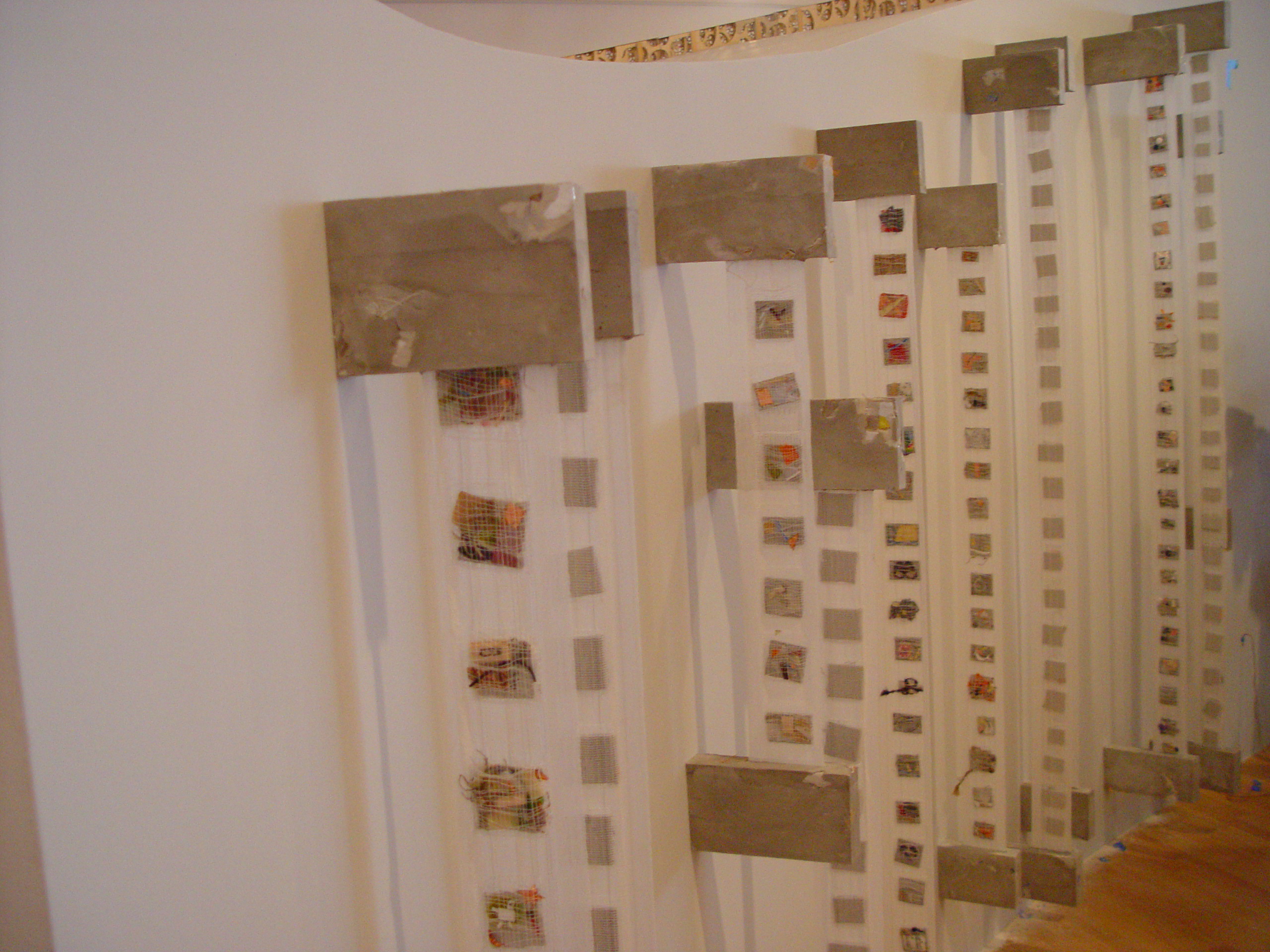
Lesli Robertson returned to the DMA this week to aid in the installation of Woven Recordsthe Museum’s first community partner response art project designed and executed by a single artist.  Last fall, Lesli guided sixteen community groups in the creation of small concrete collages.  She then wove over 500 concrete collages into strips that form a larger textile-based art installation that will be on view in the Center for Creative Connections February 7-May 23, 2010.

Each section is laid out on a table before it is mounted to the exhibition wall.

John Lendvay, a DMA preparator, aligns each section as it is mounted.

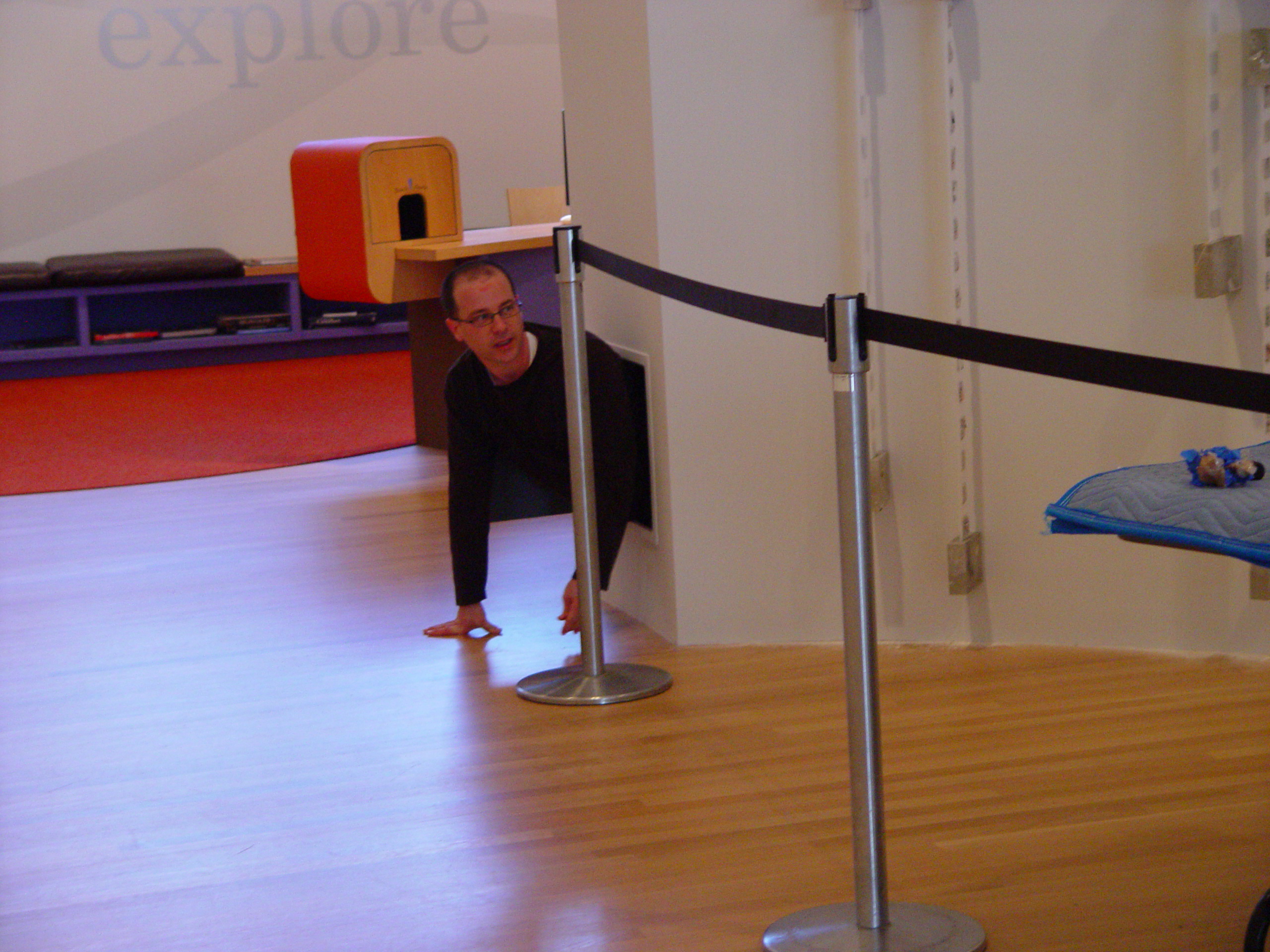
A covered opening allows interior access to the wall, which is hollow.

Lance Lander, another DMA preparator, has the lucky job of securing the mounts inside the wall.

Lesli is interviewed for footage that will be available to CW 33, Fox 4, and NBC 5.

Close-up view of installation.
Melissa Nelson
Manager of Learning Partnerships with the Community
 

Community Connection: How to Live Life Creatively in Every Way

 If you have attended a Late Night, Family Celebration, or First Tuesday in the past two years, it is likely you have experienced the magical storytelling of Ann Marie Newman.  Audiences of all ages are captivated by the enchanting worlds Ann Marie creates with her animated voices and expressions, colorful costumes, and playful props.  Likewise, DMA staff enjoy the creative ideas that Ann Marie brings as a collaborator to both new and established programs.  It was my pleasure to sit down and talk with Ann Marie, whose personal definition of “Creative Bliss” is when she is merging her traditional and classical art skills into unique works of art. 


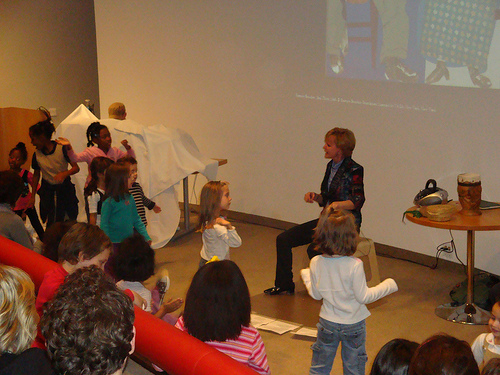
Ann Marie often includes the audience in her storytelling.

 Please describe your creative process.

I start my day by waking up and allowing myself to have ten minutes to let my imagination flow.  I often think about a storytelling idea or creative project that I’m working on.  I also take a bath and try to soak in the water for twenty minutes.  I do some major brainstorming in the water and allow myself to daydream.  Afterward, I might sketch or take notes to capture my ideas.  I nurture my creativity, like some people might do yoga or run on the treadmill to start their day.  My creative process is extremely intuitive.  I don’t have an end in sight; I start in the middle and work outward. 

To what other aspects of your life do you apply a creative thinking approach?

Creativity is a part of how I present myself every day:  I’m always changing my
     hairstyle.
I’ve applied creativity to every job I’ve ever had.  I used to be a hairdresser, and
     I viewed my work as sculpture.
I never take the same route, whether driving somewhere or shopping in a
     grocery store.
I explore.
I take things that already exist, like stories or artworks, and add my own voice.
I go on walks and notice colors of houses and what people do with their yard.  I
     might come home with sticks or other things I’ve picked up and include them
     in an artwork.
I go to the mall and look at window designs and come home with ideas.
I carry a notebook in my purse at all times and write down ideas as they come to
     me.  

Ann Marie and a young summer camper make a 3-D version of Jackson Pollock's Cathedral.


What most inspires you? 

All creative people inspire me; I am a reader of biographies.  The last biography I read was about Andrew Wyeth, and his story had a huge impact on me.   When I was a teenager, I read everything I could about Andy Warhol.  He showed me how to live life creatively in every way: his life was like art, like a crazy novel.  Laurie Anderson also inspires me.  I’ve been watching YouTube videos of her and reading everything I can about her.   

Tell us your idea of a perfect day.  

To wake up and have my dreaming time, and then to move from one medium to another and keep moving around.  For instance, I might start with creative writing, then move on to a recycled wool project, then on to a recycled bottle-cap project, and then come back and re-read my writing.  I like to work on multiple projects, so my ideal environment is a warehouse (I’ve taken over three rooms in our house).   

Have you made any resolutions for 2010?  

Yes, to develop as a performance artist, not just a storyteller.  Performance art is first and foremost experimental, and performance artists are true pioneers.  They are risk-takers.  They mix the visual with sound with storytelling with conceptual ideas and movement.  It is so open-ended, and I like the freedom of it.  

Become immersed in Ann Marie’s imaginary worlds at upcoming Late Nights and Family Celebrations.  On January 30, Anne Marie will co-teach a family workshop in the Tech Lab.  She will also be featured in programs during March as the Center for Creative Connections visiting artist.  In addition, Ann Marie will teach several summer art camps in 2010.  

Arts and Letters Live Spring Season

Carolyn Bess, Director of Arts and Letters Live, has kindly taken time to respond to questions related to her job and the upcoming spring season of Arts and Letters Live. To find out about Carolyn and her role here at  the Museum, read below!

Amy
Teaching Programs Coordinator

  1. Name and Title: Carolyn Bess, Director, Arts & Letters Live
  2. Years Employed at the Dallas Museum of Art: 13
  3. Describe your job at the art museum: I oversee Arts & Letters Live, the literary and performing arts series at the Museum, which is now entering its 19th season. We bring in high profile authors, actors, and musicians for special events. On many occasions, we connect themes in authors’ books with the Museum’s exhibitions and collections or create

    Carolyn Bess, Director, Arts and Letters Live

    unique performances combining art forms such as song, art, and poetry.

  4. What is your favorite part of your job? Creating the artistic vision for Arts & Letters Live and the opportunity to meet and talk with the authors and performers in person.
  5. What is a challenge that you face in your job? Like all non-profits in today’s economic times, cutting the budget and still breaking even financially is the largest challenge we face and one that requires constant monitoring. But I’m proud to say that we’ve done that successfully in these uncertain times and still maintained the high quality programs our audience has come to expect.
  6. Tell me about a memorable experience you had with someone who was participating in an Arts and Letters Live event. Last year I drove Elizabeth Gilbert to the Apple store at Willowbend after her event because she was getting error messages on her new laptop indicating that she might have lost the results of a productive day of writing. But the Apple guru saved it, and it’s now part of her newest book, Committed: A Skeptic Makes Peace with Marriage (released January 5). I thoroughly enjoyed our conversations on the drive there and back, learning more about her life, new business venture, and travel tips for the future. I feel I connected with her personally.
  7. What are some of the highlights for Arts and Letters Live this spring? I’m so excited about many of the authors featured this January through June.

Some of the highlights include:

January 21      David Wroblewski (author of The Story of Edgar Sawtelle)

January 29      Pulitzer Prize-winning poet Mary Oliver

February 9      Vocal Colors: A Vibrant Collage of Arts on Stage (a multidisciplinary song-based performance inspired by exhibitions All the World’s A Stage and Performance/Art)

February 22    The first of five Texas Bound programs featuring Texas actors reading short fiction by Texas authors (this year at the Wyly Theatre!)

March 23         Pulitzer Prize-winning non-fiction author Tracy Kidder (Strength in What Remains)

March 28         Author-illustrator Jan Brett (author of The Mitten and many other books)

April 16            Elizabeth Kostova, author of The Historian and The Swan Thieves (connections to Lens of Impressionism exhibition)

April 18            Jeff Kinney, author of the bestselling Diary of a Wimpy Kid series

May 7              Laura Bush discussing her forthcoming memoir

May 13            Isabel Allende on her newest book Island Beneath the Sea (connections to the Coastlines exhibition)

May 25            Yann Martel, author of Life of Pi, will discuss his highly anticipated second novel, Beatrice & Virgil

June 12           Ira Glass, host of the ever-popular radio and television series,This American Life

Did you know that DISD teachers can book tickets free of charge to Arts & Letters Live’s BooksmART events (featuring award-winning authors for the young and young-at-heart) through Dallas ArtsPartners? Go to dallasartspartners.org or call 214-520-0023 for details. BooksmART flyer. Please help us spread the word about these programs!

For more details on Arts & Letters Live’s 2010 season, visit www.DallasMuseumofArt.org/all. I look forward to seeing many of you at our events!

Carolyn

Thursday Evening Program for Teachers: DIY@DMA

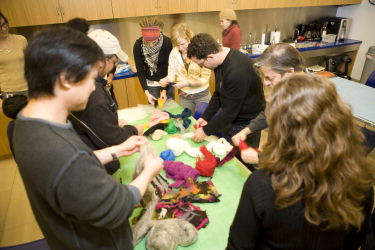
Our Thursday Evening Program for Teachers this month was DIY@DMA, a program offered through the DMA’s Center for Creative Connections.  We joined artist Lizzy Wetzel to learn about felting wool, a process she uses in her own artwork.

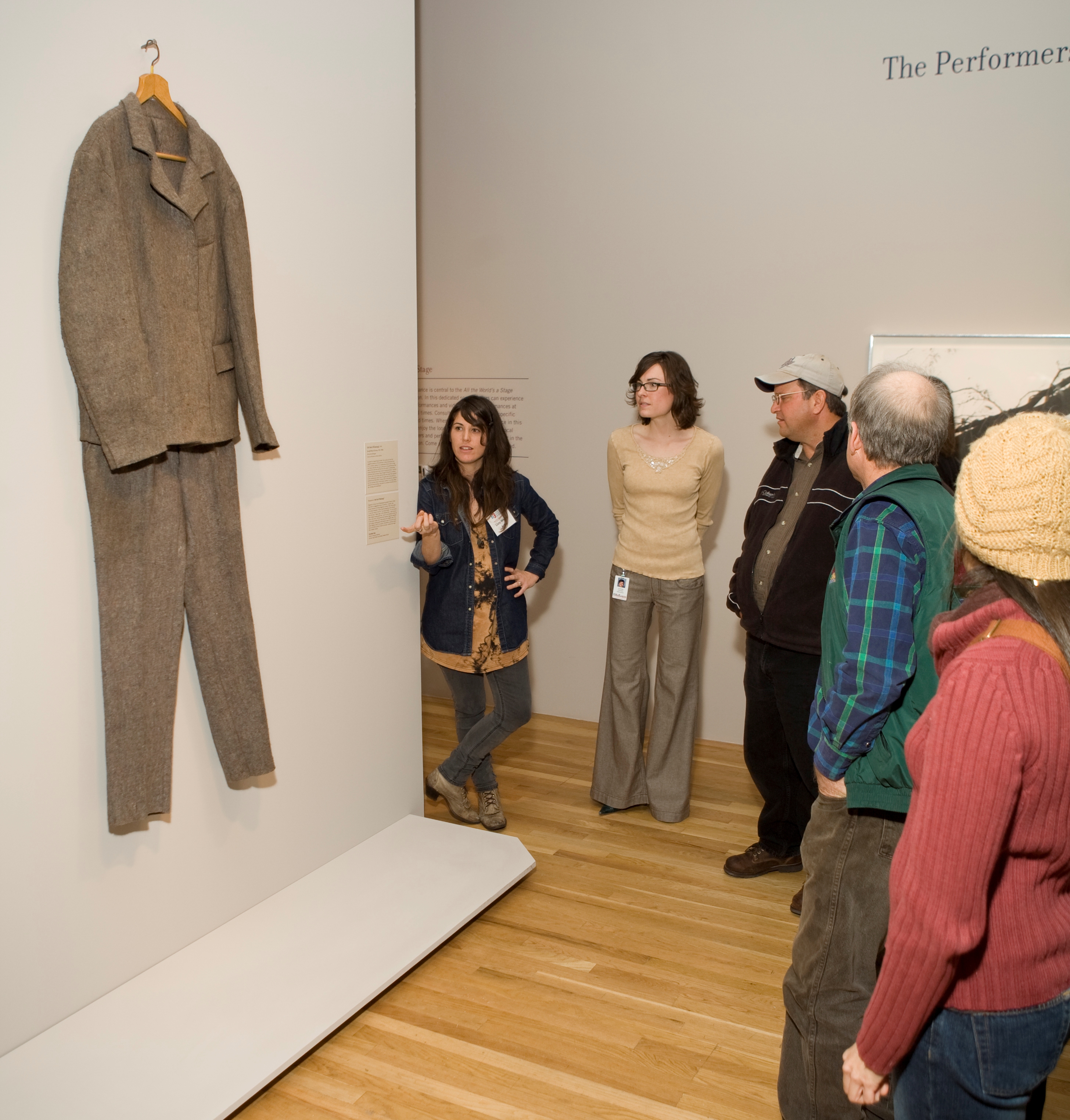
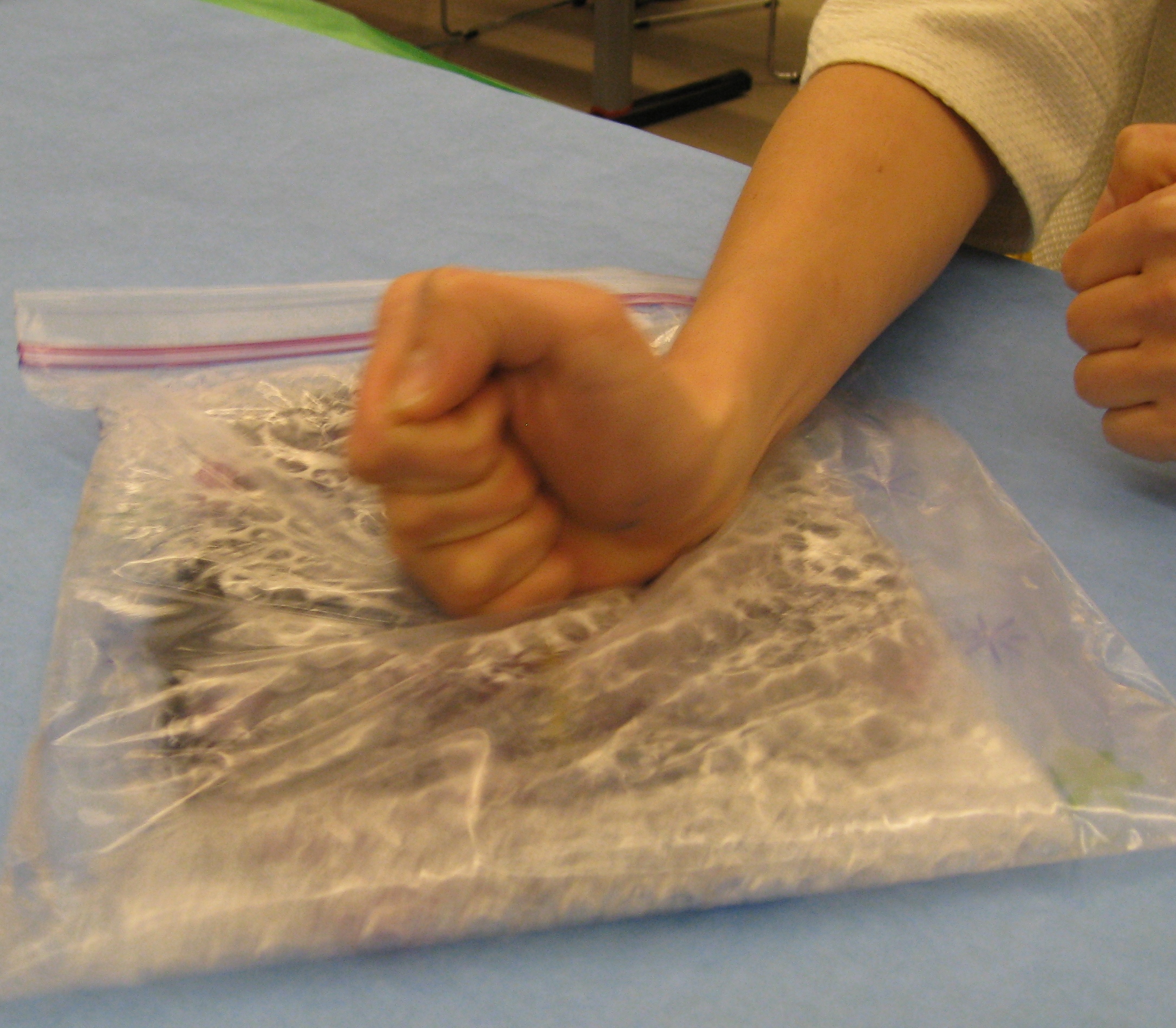
After hearing Lizzy talk about her art-making, we went to the All the World’s a Stage exhibition to see Joseph Beuys’ Felt Suit (Filzanzug), which is made of felt.  We returned to the Studio and tried our hand at turning merino wool roving into felt.

Our Thursday Evening Program for Teachers features a different program each month and is included in general admission.  I hope that you will join us on January 14 at 6:30 p.m. for the Tech Lab: Open Lab program, led by artist Kevin Todora, during which we will experiment with making collages using digital photography and Adobe Photoshop software.

Molly Kysar
Head of Teaching Programs

Community Connection: Contemporary Art and a Beluga Whale

Thomas Feulmer is the Director of Educational Programming at The Rachofsky House and is a regular collaborator with the DMA.  We always look forward to his fresh ideas and perceptive insights related to works of art and artists.

Describe your work at The Rachofsky House.  What is your favorite part of your job?

As Director of Educational Programming, I do anything involving schools or the public having any interaction with the Rachofsky House.  My favorite part of my job is being around the works of art and being around original objects.  I also like the creative element of having to improvise in front of groups and having to think on your feet.

Thomas talks about a work of art at the 2009 Museum Forum for Teachers.

 Tell us about your relationship with the DMA.

I work collaboratively with Molly Kysar on Programs for Teachers based on Contemporary Art. I’ve also worked with Nicole Stutzman on the Travis Academy Program.  The UT Southwestern Medical School class “The Art of Observation”, led by DMA docents Margaret Anne Cullum and Joanna Pistenmaa, visit The Rachofsky House once during the semester.  I also participate in the development of some programs and exhibitions, in part by talking about artists and artworks that are in both the Rachofsky Collection and the DMA collections or are on loan to the DMA. 

 If you could take home any work of art from the Rachofsky Collection, what would you choose?

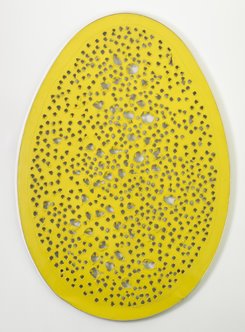
Lucio Fontana, Concetto Spaziale, La Fine di Dio, 1964

One of the first things that comes to mind is the Lucio Fontana piece Concetto Spaziale, La Fine di Dio.  It’s one of the works that every time I stand in front of it, I think it’s incredible.  When I’m looking at that piece, I feel like I’m looking at a real, sincere thing that is about exploring and is about a rich and deep thinking on the artists’s part. 

 How would you describe your personal work as an artist?

Most of my work looks at relationships: relationships between people, and more recently, relationships between people and animals.  It is also about how intimacy is managed and expressed and how desire and attraction are managed and expressed.  One of the big themes in my recent show is about my relationship with a beluga whale.  I like the notion that most people have a desire to have a pure relationship with an animal and we project a lot of our purist ideas about love and desire onto animals because they seem so unguarded, I guess. I love that we project all those purist things onto animals, but, to have an experience with a beluga whale it had to happen at Sea World, which is a big place.  The whale is trained and follows commands, and ultimately the experience is all controlled – which, in a way, is how all interactions are.  See Thomas’s recent work at New Work by Rebecca Carter and Thomas Feulmer, open December 5-20, 2009 at 500X.

Does your job have an impact on your own work as an artist?

Yes, because I can come into contact with so much art and I feel like I get such a great sampling of contemporary ideas and contemporary culture.  It’s like constant research for how to create meaning or visual culture in the contemporary world.

Meet Thomas during our two-part January Teacher Workshop on Contemporary Art, which takes place at the Dallas Museum of Art and The Rachofsky House.

Melissa Nelson
Manager of Learning Partnerships with the Community
Teaching Programs goes to Houston

Last Saturday the Teaching Programs Department travelled to Houston to visit the Menil Collection, the Rothko Chapel, and The Museum of Fine Arts, Houston. Although we were unable to spend any time in the Rothko Chapel since a concert was in progress, we were fortunate enough to see the Dan Flavin Installation at Richmond Hall as well as the Cy Twombly Gallery (my personal favorite). Here are some snapshots from our trip.

Logan Acton
McDermott Intern in Teaching Programs

A view of the Menil Collection

Shannon and me outside the Menil

Cy Twombly Gallery

Molly and me outside the Twombly Gallery

A beautiful shot outside the Dan Flavin Installation

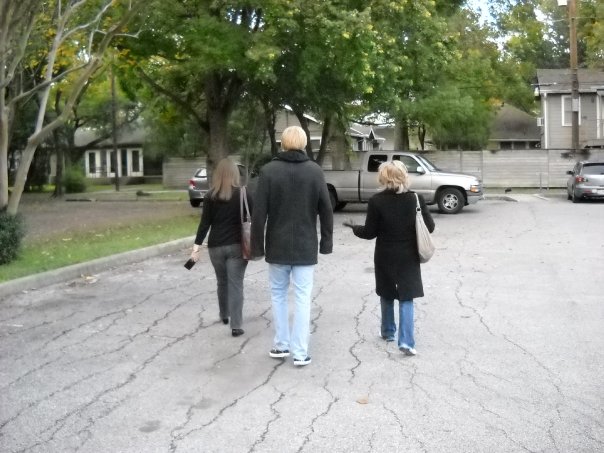
Molly, me and Amy walking to our next stop

It's a Whole New Media World

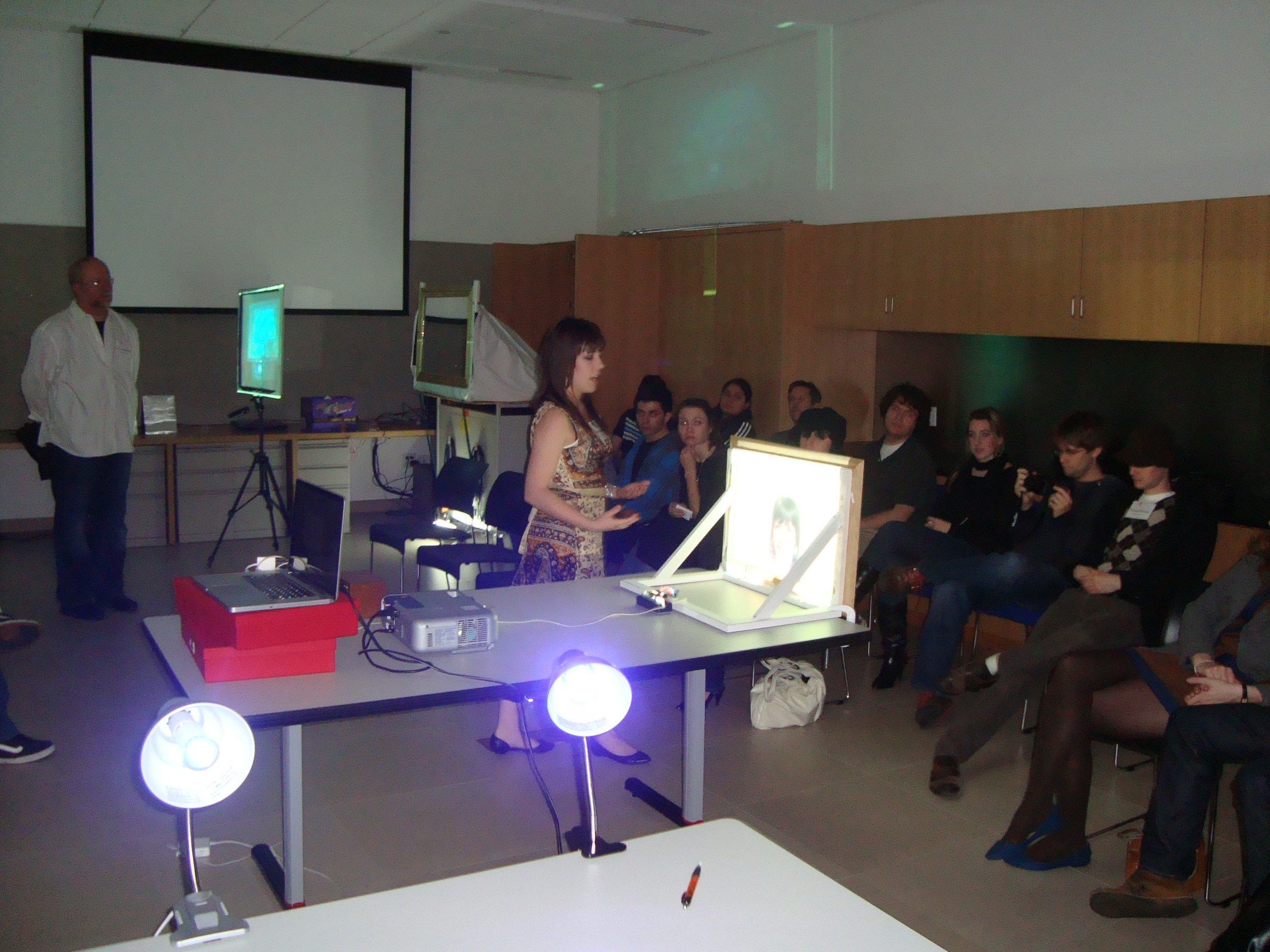
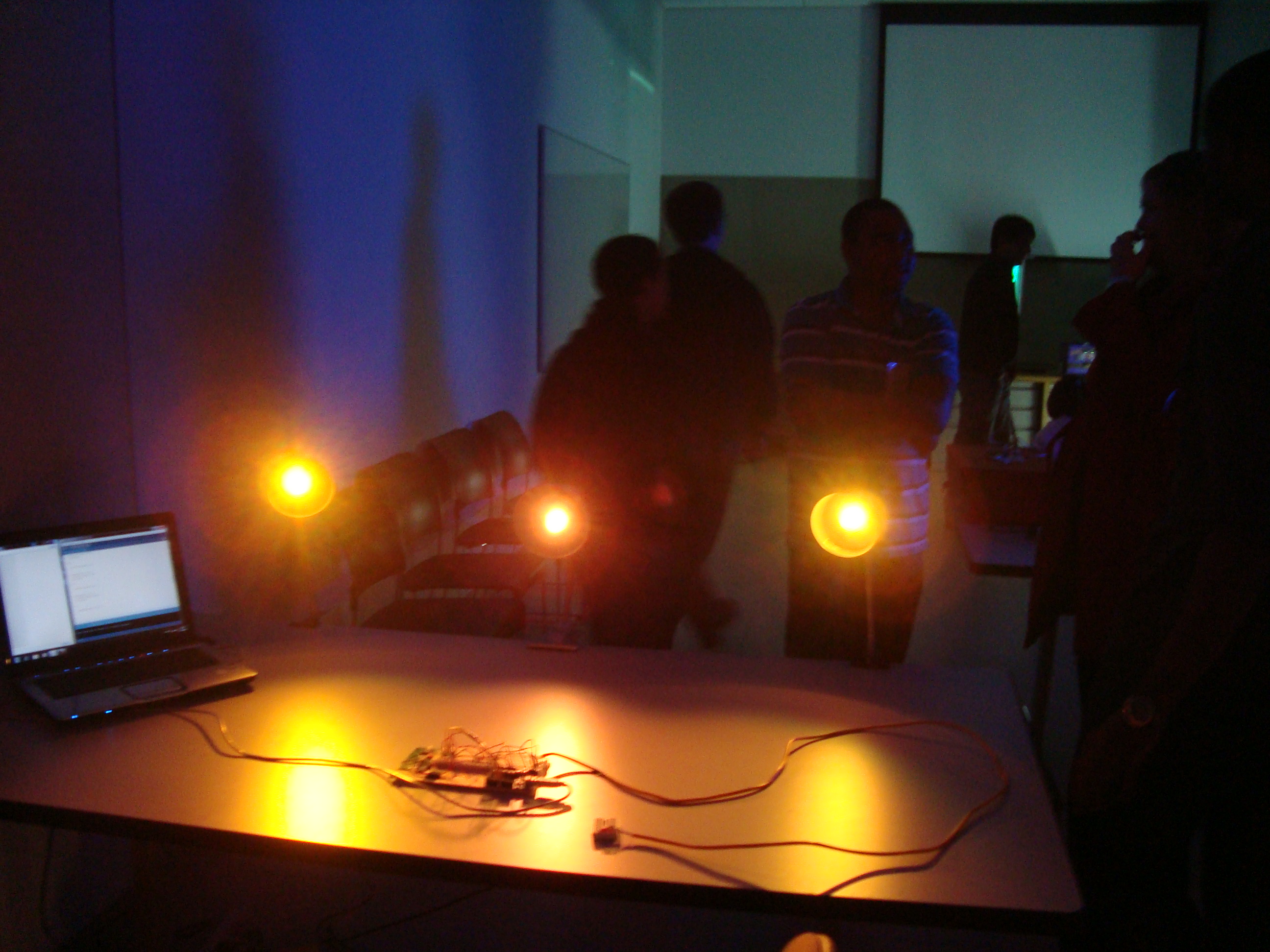
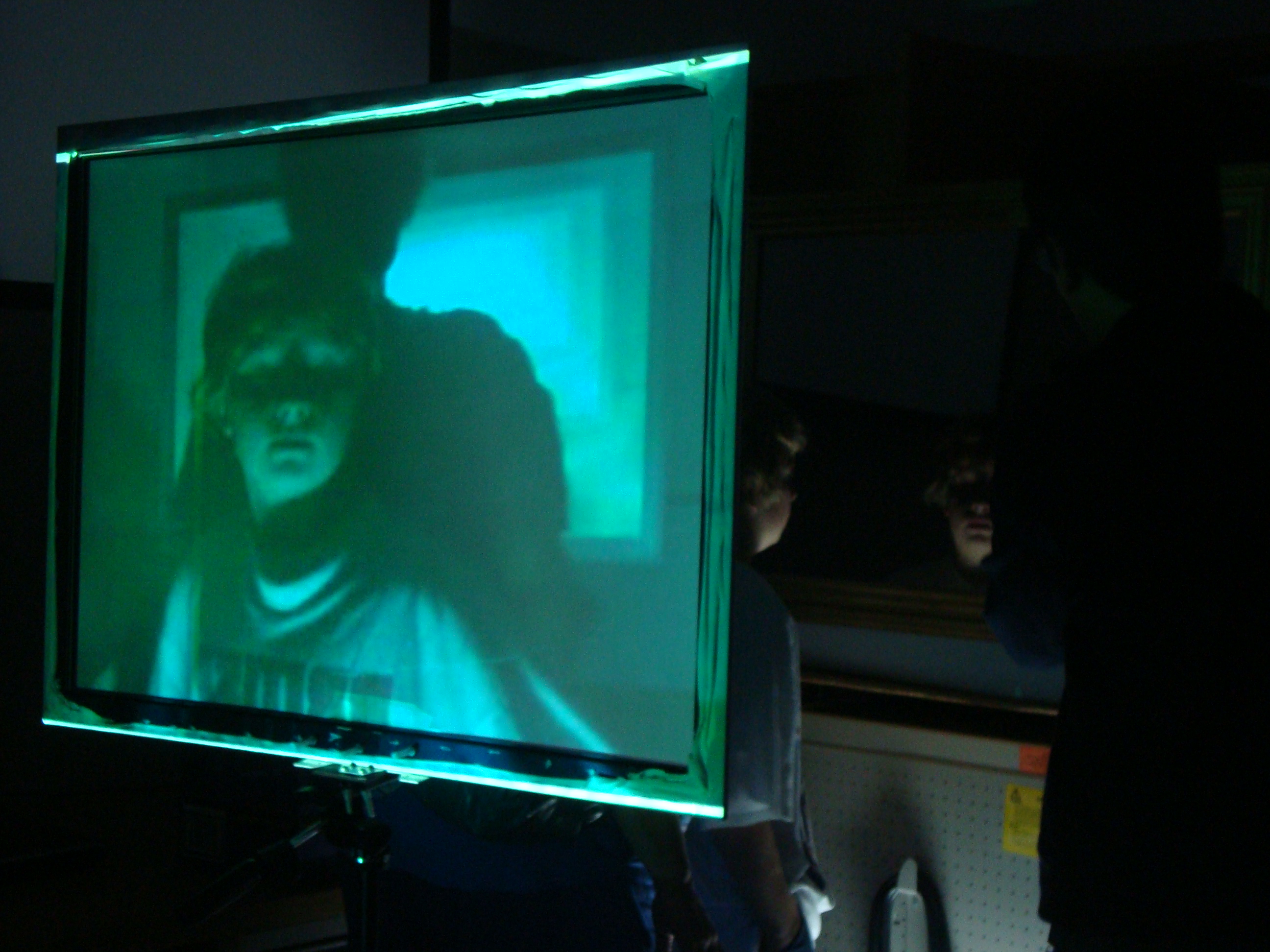
It is Saturday now.   I’m one day late with the weekly Friday Photos post.  But check out these cool photos from the Late Night last night.  New media art was presented in the Tech Lab by students from the University of North Texas School of Visual Art.  New Media mixes the materials and concepts of technology and art, emphasizing the experience of the viewer who plays an active role in the artwork.  Thanks to Lindsay Hooker for help capturing these images!

Nicole Stutzman
Director of Learning Partnerships with Schools and the Community

Late Night visitors enjoyed Christina Day's interactive self-portrait. Animated images of the artist projected on a lycra screen change when visitors touch the screen.

In the Mood is a work by Eric Flye. Heat sensors, LED lights, and a computer program calculate your temperature and your mood.

Arash Sabha played with ideas about time and infinity in his work, Revisited, which uses mirrors, motion sensors, and a video camera.


Archives

Categories