Archive for the 'Exhibitions' Category


DMA Athletes in Training

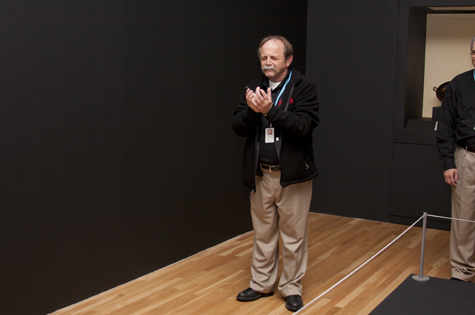
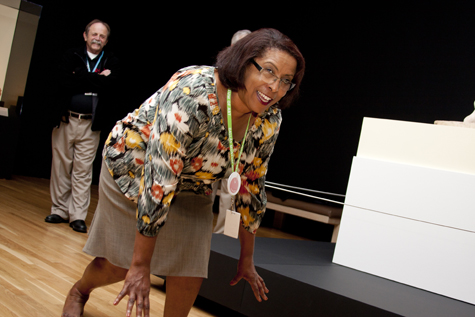
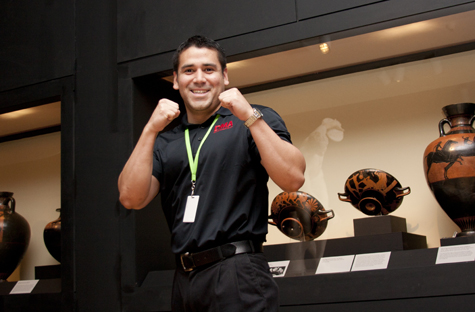
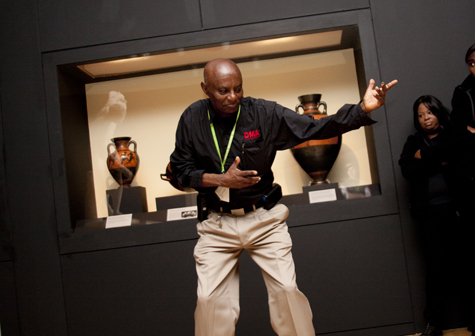
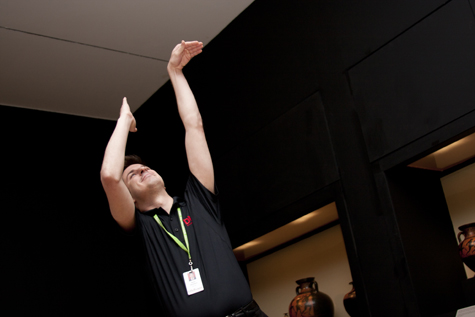
One of my favorite parts of my job is that I get to spend one morning every month talking with our fantastic Gallery Attendants about works in the collection. So far, we have discussed European art, shared Personal Responses to works in the collection, written Facebook profiles for photos in the Cindy Sherman exhibition, and compared three vastly different works in our American collection. Last week, we spent time in The Body Beautiful in Ancient Greece: Masterworks from the British Museum.

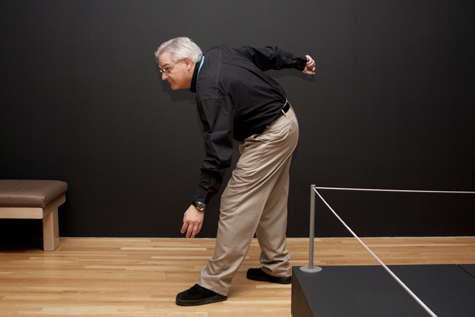
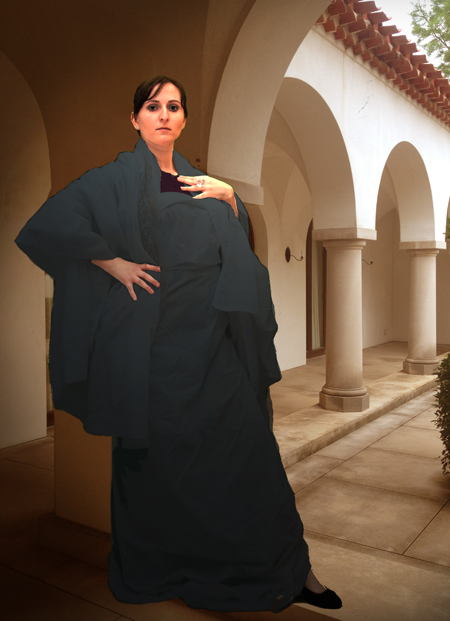
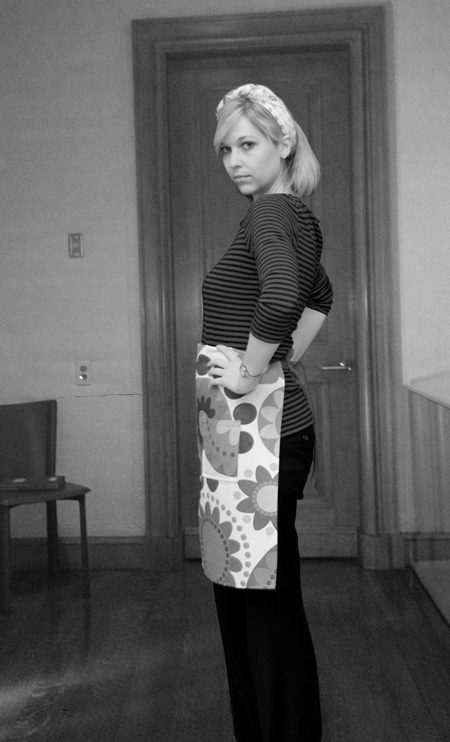
After looking at the discus thrower, the Gallery Attendants were asked to divide into teams of two. Each team had to select a sport and strike a pose that epitomizes an athlete participating in that sport. The rest of us had to guess which sporting event they were re-creating. Their poses were creative, clever, and funny, and we couldn’t resist sharing them with you!

Shannon Karol is the Manager of Docent and Teacher Programs at the DMA.

DallasSITES from a Dallas Transplant

How do you navigate your way in a new city’s art community? That became my challenge when I moved from Philadelphia to Dallas in September 2012 to become the new McDermott Curatorial Intern for Contemporary Art. Of course, I did my research: numerous Google searches helped me make a page-long list of contemporary art venues I wanted to visit during my internship. But assisting on the DMA’s newest exhibition, DallasSITES: Charting Contemporary Art, 1963 to Present, was what really taught me about Dallas’s artistic legacy.

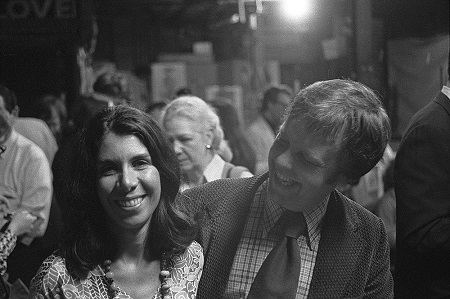
Two members the Dallas art scenes who have been influential for decades: Janet Kutner and Paul Rogers Harris c.1960s, Courtesy of Paul Rogers Harris, Dallas, TX

Two members of the Dallas art scene who have been influential for decades: Janet Kutner and Paul Rogers Harris, c.1960s, Courtesy of Paul Rogers Harris, Dallas, TX

I’ve spent the past nine months combing through archives, researching galleries, and learning about the evolution of the Dallas art scene. The exhibition, consisting mainly of ephemera from the past fifty years, will illustrate how dynamic the art community of North Texas has been. As a recent transplant, this project became my personal crash course. This history lesson served me well.

Map of Dallas, Courtesy of Swoon the Studio, Dallas, TX

Map of Dallas, Courtesy of Swoon the Studio, Dallas, TX

Dallas itself is a large city, and over the years the art scene has concentrated in different neighborhoods. Artists were extremely active in Fair Park and Uptown during the 1960s and 70s. With the establishment of the Arts District in the 80s, many art-related activities migrated to downtown. Deep Ellum became a serious locus for the arts in the 80s as well. Today, many galleries and institutions have relocated to the Design District. Interestingly, artist activity continued in all of these neighborhoods even when the larger cultural trends shifted. Meanwhile, universities produce interesting programs and bring important artists to visit and work in North Texas. The ephemera on view in DallasSITES reflect these events.

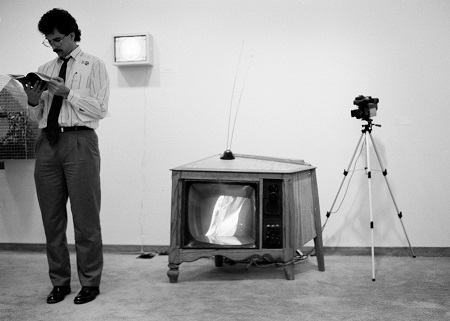
A visitor at the 1989 Dallas VideoFest, Courtesy of the DMA Archives

A visitor at the 1989 Dallas VideoFest, Courtesy of the DMA Archives

Some fun facts learned from this project:
Q: What is the oldest continuously running gallery in Dallas? A: Valley House Gallery & Sculpture Garden, established in 1955. Q: What is the oldest and largest video festival in the United States? A: Dallas’s own VideoFest! First held in 1986 at the Dallas Museum of Art, it provides a platform for experimental video art and Texas artists.

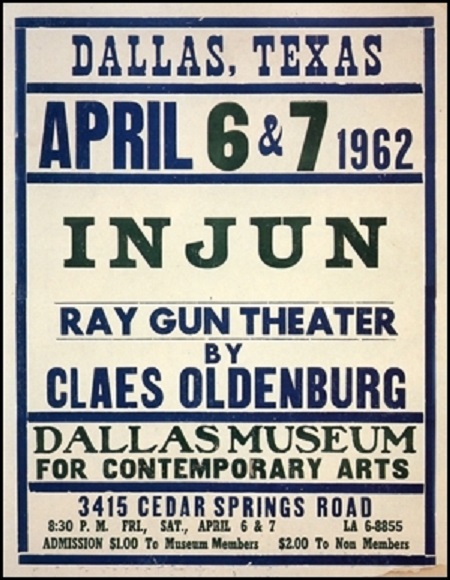
Claes Oldenburg, Poster for Injun Happening at the Dallas Museum for Contemporary Arts, April 6-7, 1962

Claes Oldenburg, poster for Injun happening at the Dallas Museum for Contemporary Arts, April 6-7, 1962

Claes Oldenburg is an iconic artist of the pop art movement, but did you know that in 1962 he staged one of his famous “happenings” in Dallas? Injun became a two-day collaboration with local artists at the Dallas Museum for Contemporary Arts (which merged with the Dallas Museum of Fine Arts in 1963 to form the Dallas Museum of Art). That was a fun discovery! Oldenburg’s relationship with Dallas has continued for several decades. Further, I discovered that one of my favorite artists, Oliver Herring, participated in a 1997 group show called Termite Terrace at Angstrom Gallery in Dallas’s Fair Park neighborhood. When DallasSITES opens, visitors will truly see how active this community has been. One of the best parts of contemporary art is the opportunity to meet artists and other art lovers at openings and talks. Each month, there are dozens of exhibition openings, artist talks, and panels that keep Dallas exciting. There are established museums, commercial galleries, and temporary spaces ranging from empty storefronts to an artist’s living room. Artists from across the United States and even internationally are showing in nearby spaces, while the roster of local talent continues to grow.

Dallas’ art scene in action: A packed house at CentralTrak for its NEXT TOPIC series panel, “Creating an Art Community/Scene” on May 2, 2013, Courtesy of Sally Glass and CentralTrak, Dallas, TX

Dallas’s art scene in action: A packed house at CentralTrak for its NEXT TOPIC series panel “Creating an Art Community/Scene” on May 2, 2013, Courtesy of Sally Glass and CentralTrak, Dallas, TX

When you see all the ephemera in DallasSITES presented in one room, the cultural wealth of this city becomes readily apparent. On May 26, you, too, can experience a crash course of your own for free!

Alexander Unkovic is the McDermott Curatorial Intern for Contemporary Art at the DMA.

Seldom Scene: Re-Installing 50 Years Later an Art Exhibition for President and Mrs. John F. Kennedy

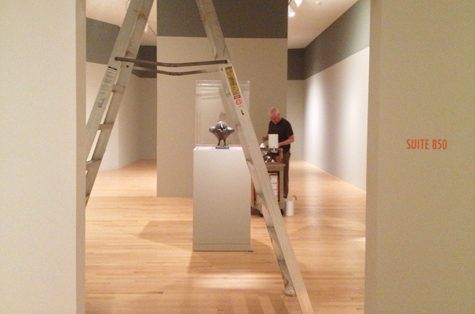
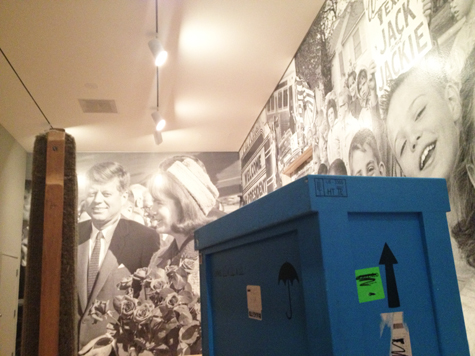
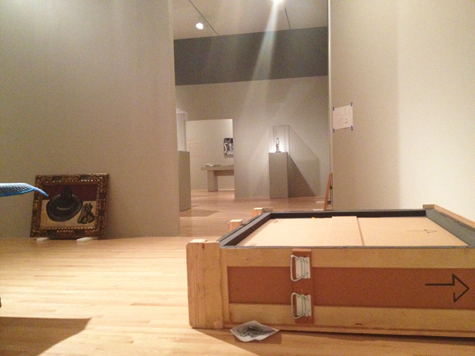
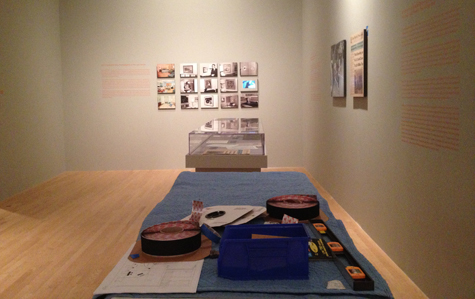
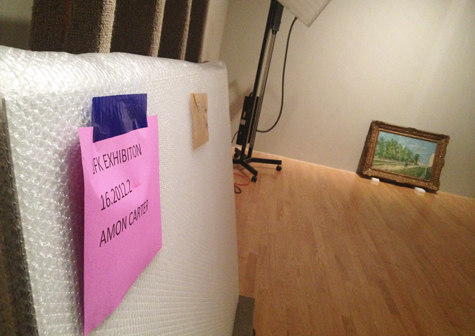
This weekend, the DMA-organized exhibition Hotel Texas: An Art Exhibition for the President and Mrs. John F. Kennedy opens. It brings together works of art that were on view in President Kennedy’s Fort Worth hotel suite in 1963. This is the first time the works have been reunited in fifty years. We’ve been installing in the galleries this past week, prior to the Sunday opening of this free exhibition.

1

4

2

3

5

Cindy Sherman Doppelgängers

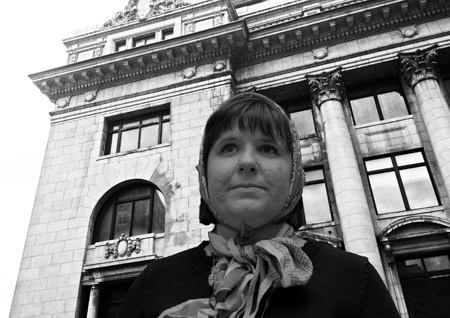
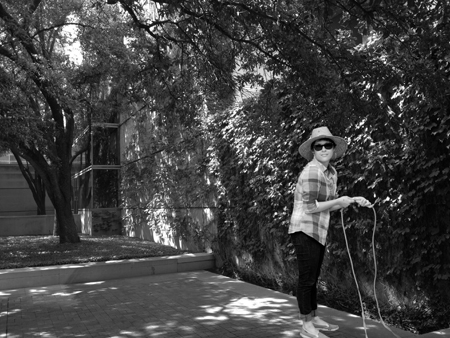
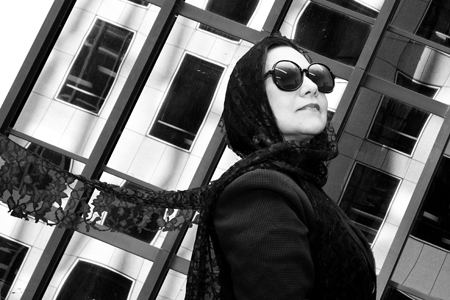
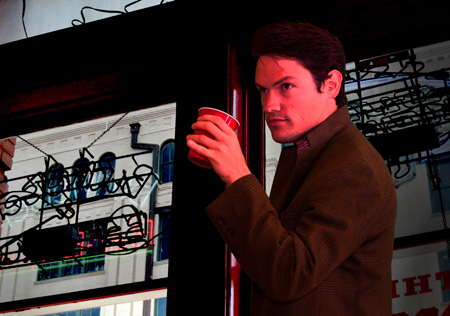
DMA staff members found their inner Cindy Sherman earlier this month when we re-created our popular April Late Night Art Byte: Cindy Sherman Photo Booth. Create your own Cindy Sherman doppelgänger before the exhibition closes on June 9 to receive the limited edition DMA Friends Super Fan: Cindy Sherman Badge! Find out how to earn this badge and bonus points here.

Adam Gingrich is the Marketing Administrative Assistant and Kimberly Daniell is the Public Relations Manager at the DMA.

Twinkle Toes

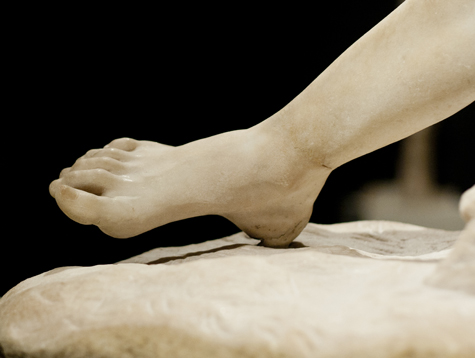
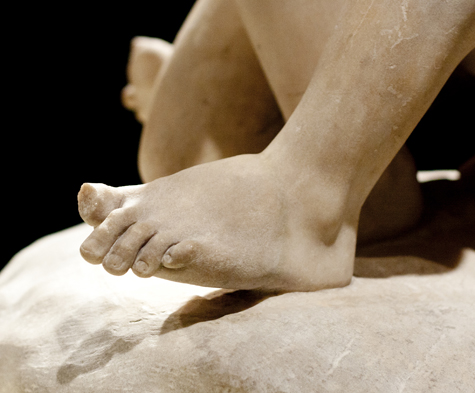
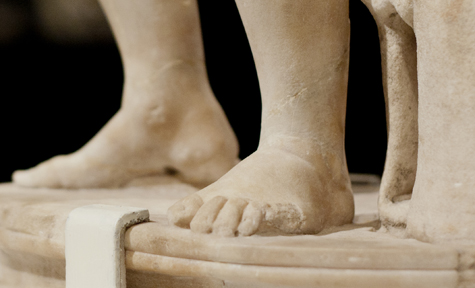
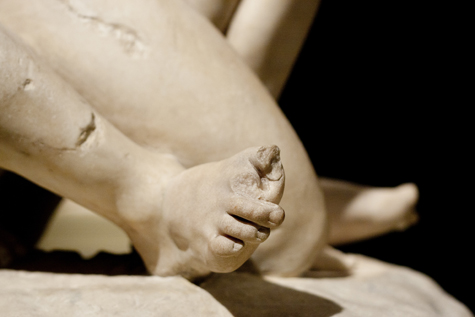
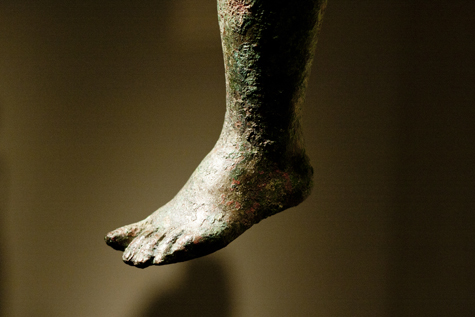
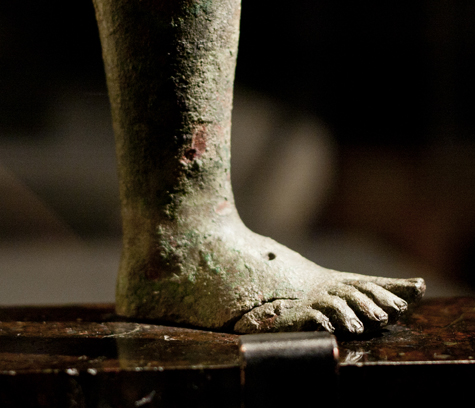
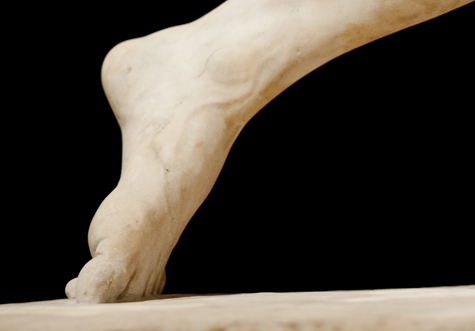
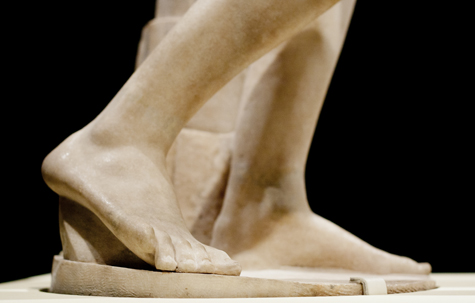
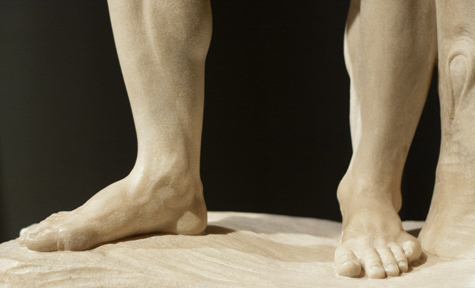
Celebrate Wednesday’s “No Sock Day” and bare your ankles when you visit our new exhibition, The Body Beautiful in Ancient Greece: Masterworks from the British Museum.

Human Heroes & The Body Beautiful

I have worked on many big, exciting exhibitions at the DMA since I came here in 1975, ranging from Pompeii AD 79 to Chola Bronzes from South India, Splendors of China’s Forbidden City, and Tutankhamun: The Golden Age of the Pharaohs, but The Body Beautiful in Ancient Greece: Masterworks from the British Museum is one of the most extraordinary. On my many visits to London, I am always amazed at the treasures in the British Museum, and now Dallas has a chance to see some of their best art at the DMA.

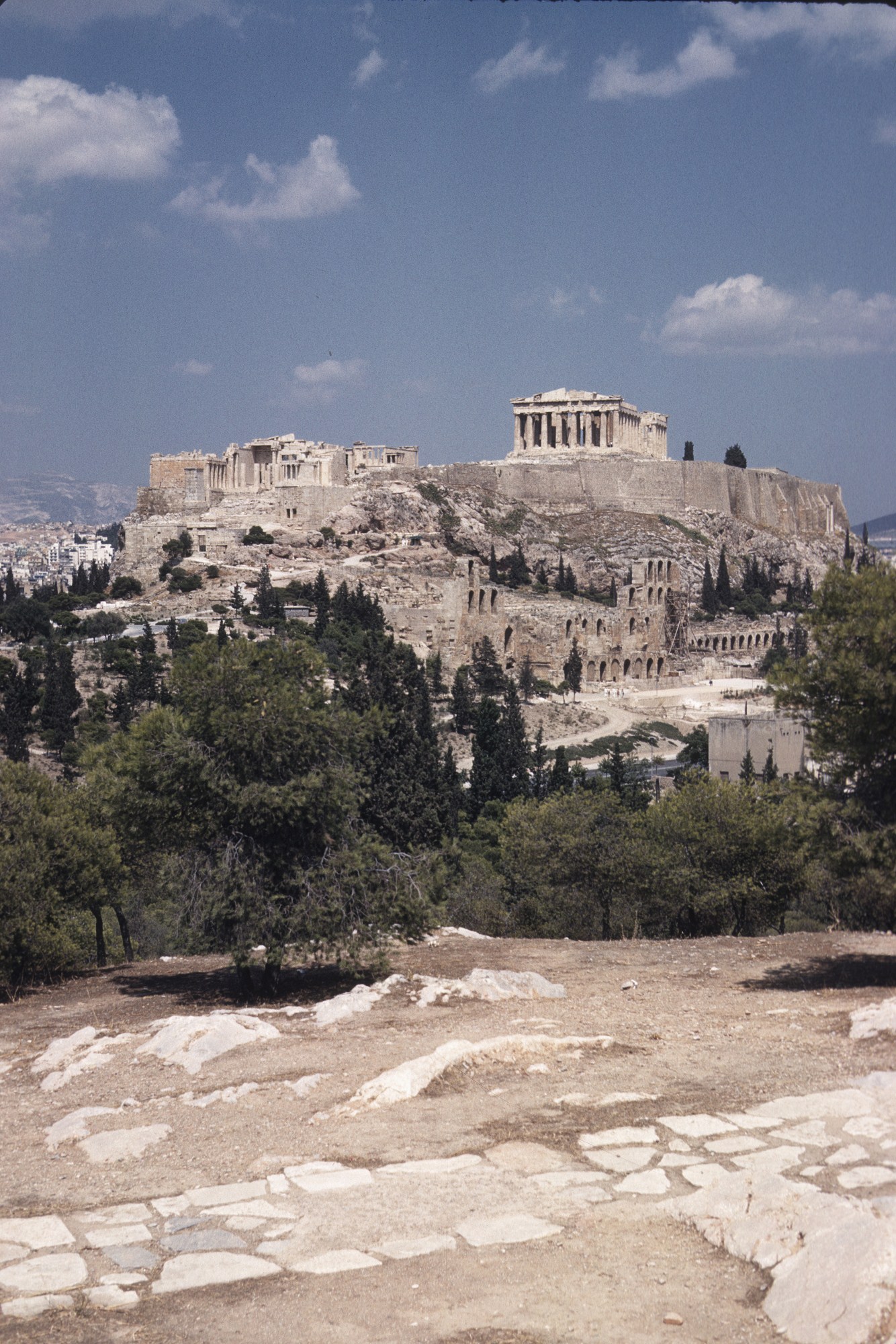
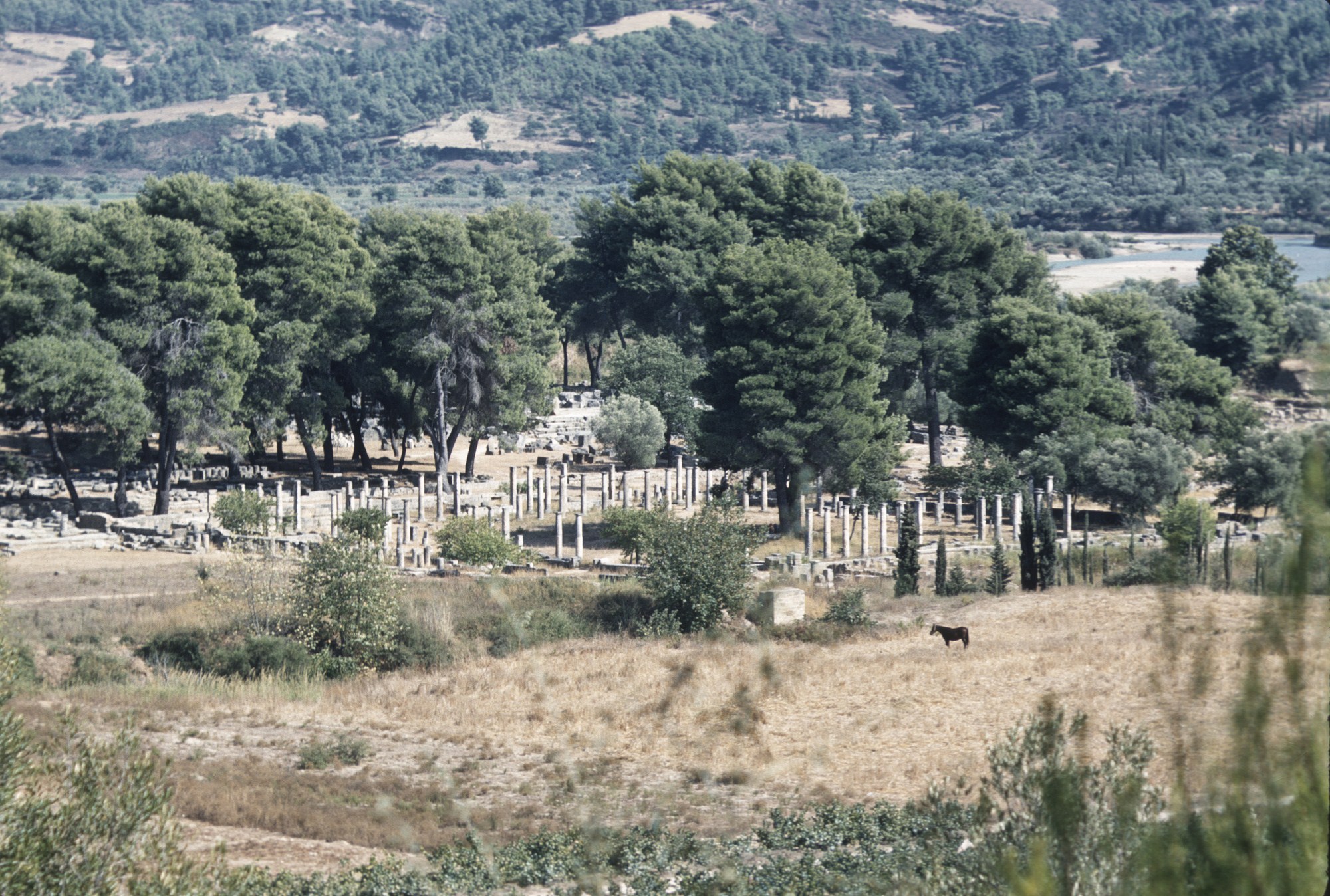
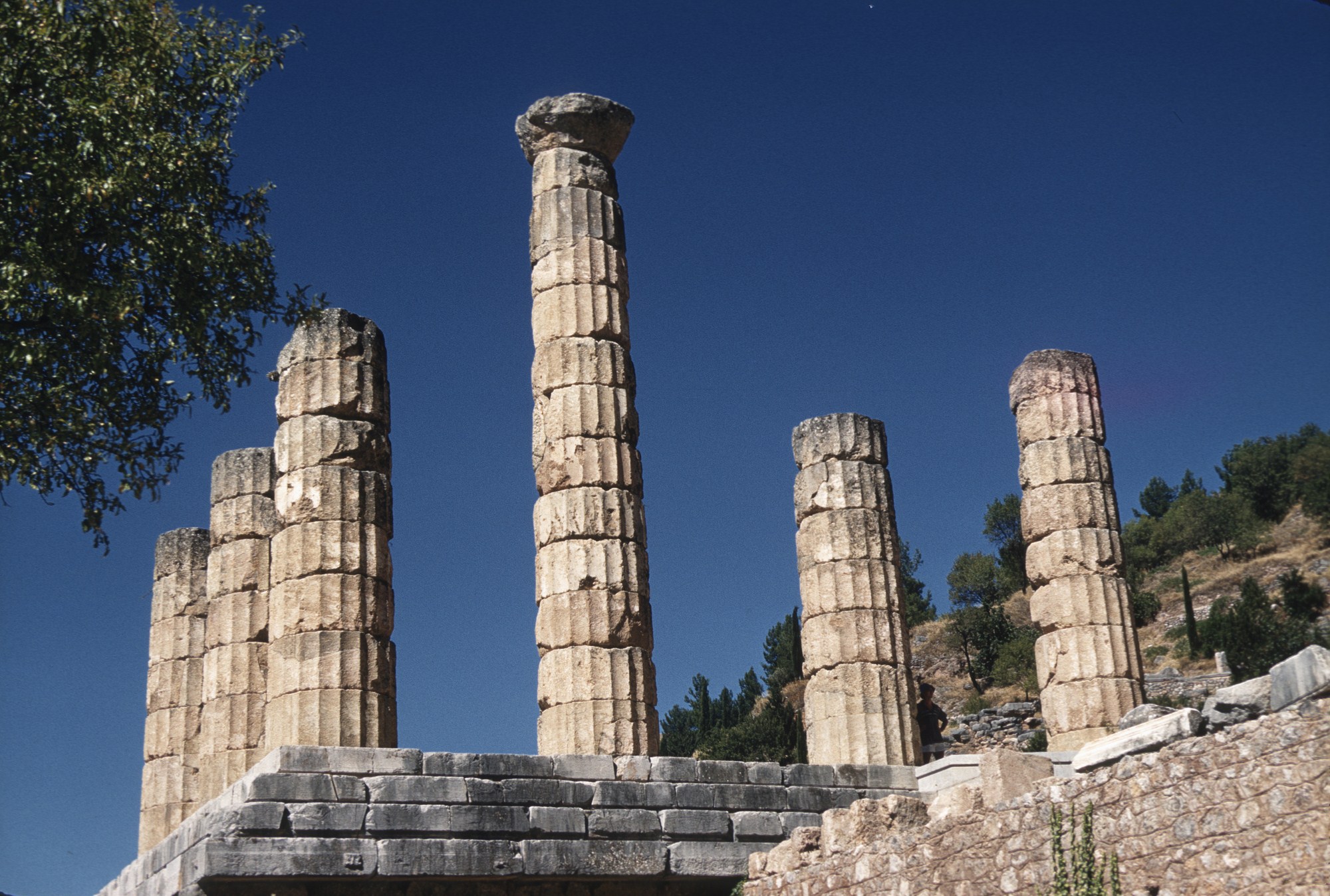
I still remember my first trip to Greece in 1960. My husband, Alan, and I roamed, sometimes as the sole visitors, over the acropolis in Athens, the AcroCorinth Mountain looming over the ancient city of Corinth, the temple of Apollo at Delphi, with its precipitous view straight down a mountainside to the sea, and the ruins of Olympia, where the Olympic Games began. No one was at Olympia then, except a boy herding black goats and someone playing a flute. Otherwise, the wind blew over the grasses and fallen stones. It was like visiting Pan, the god of nature, on his own turf. I fell in love with great sculptures like the youthful Charioteer at Delphi and the majestic Poseidon in Athens, feeling for the first time the stunning impact of ideal human beauty envisioned in art. Some of Alan’s photos from our trips to Greece will be part of an educational video on the sites of the Panhellenic games.
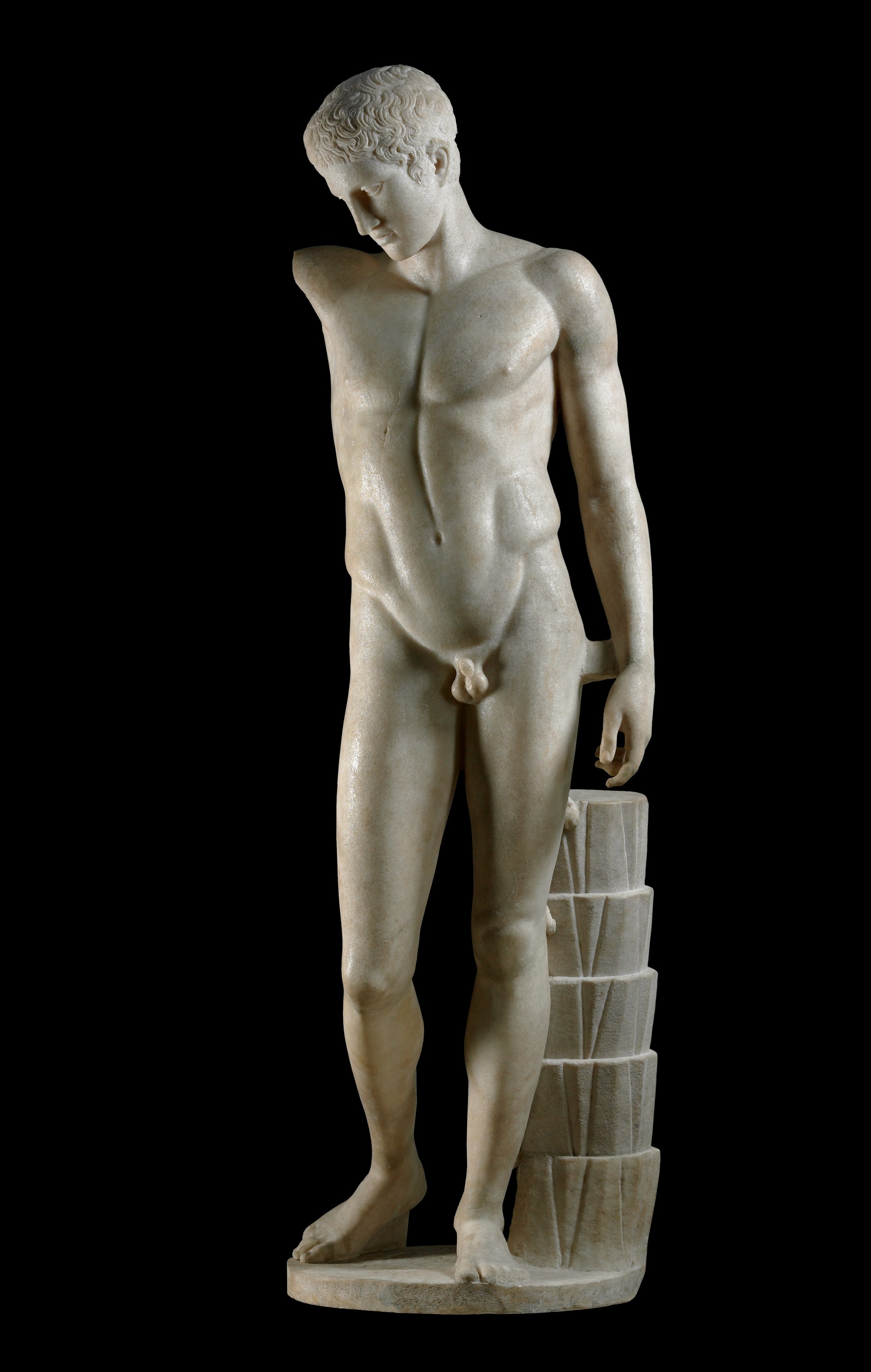
Marble statue of a victorious athlete, Roman period, first century AD, after a lost Greek original of about 430 BC, GR 1857,0807.1 (Sculpture 1754) © The Trustees of the British Museum (2013). All rights reserved.

Marble statue of a victorious athlete, Roman period, 1st century AD, after a lost Greek original of about 430 BC, © The Trustees of the British Museum (2013). All rights reserved.

The Body Beautiful in Ancient Greece: Masterworks from the British Museum displays this Greek vision of ideal human figures, particularly male nude figures. Such sculptures were admired by the Greeks because they believed that a young man who was a victor in one of the great athletic games, and who performed naked, had reached the height of glory that a man could achieve. Such victories were akin to dying heroically in battle. The same vision is best expressed in literature in Homer’s Iliad, where Achilles leads the Greeks to victory over Troy, but dies before the war is over. This ideal of human triumph is expressed in several works in the exhibition, particularly the discus thrower by Myron and the young athlete by Polykleitos. Although both of these works are shown in later Roman versions, they embody the Greek ideal of a radiant youthful victor. In a way the figures look ideal and “classical,” and in another way they are very seductive. They remind me of Keats’ description of Greek figures in Ode to a Grecian Urn: “Forever warm and still to be enjoyed; forever panting and forever young.”
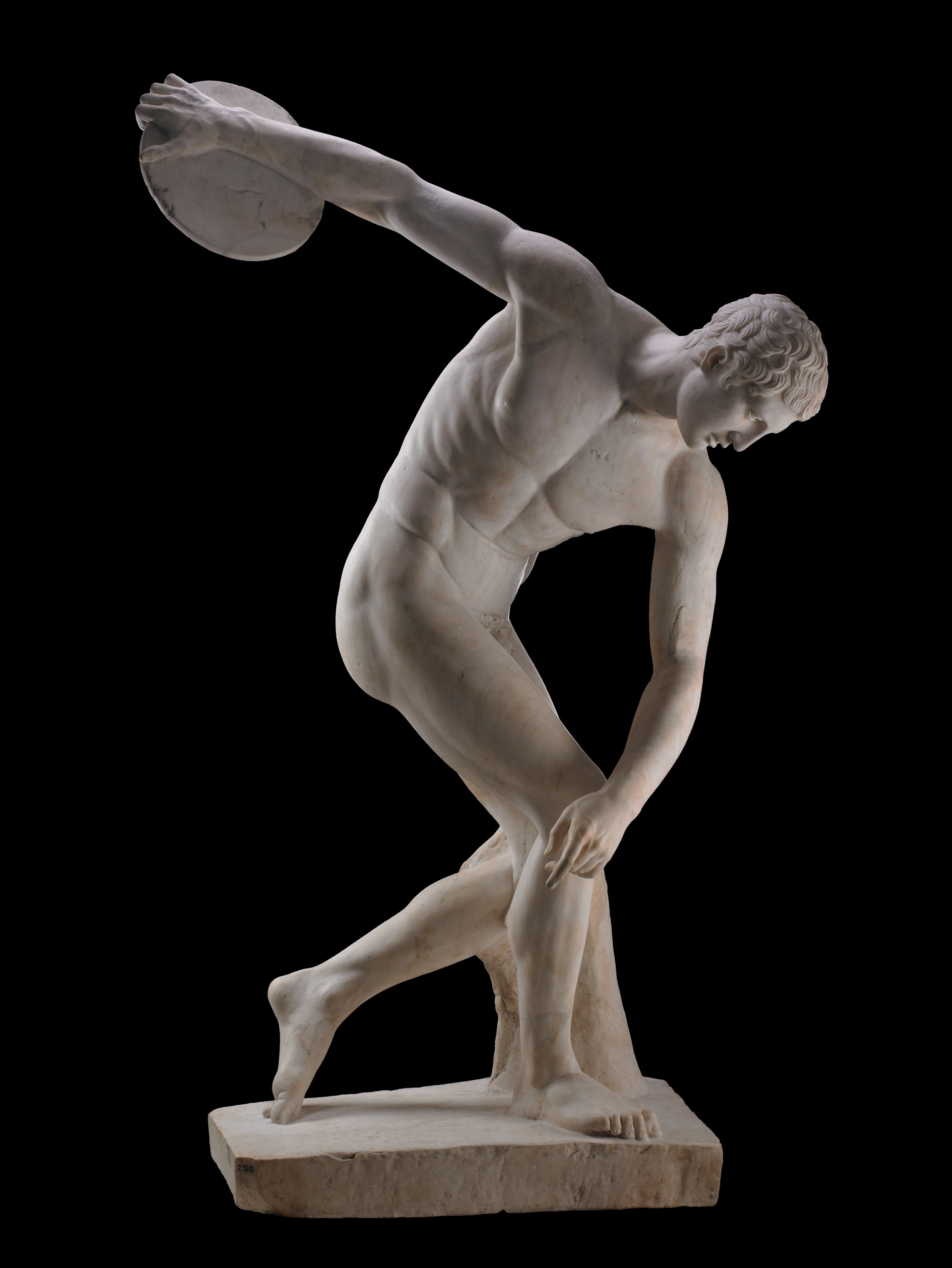
Marble statue of discus thrower (diskobolos), Roman period, second century AD, after a lost Greek original of about 450–440 BC, from the villa of the emperor Hadrian at Tivoli, Italy, GR 1805,0703.43 (Sculpture 250) AN 396999, © The Trustees of the British Museum (2013). All rights reserved.

Marble statue of discus thrower (diskobolos), Roman period, 2nd century AD, after a lost Greek original of about 450–440 BC, © The Trustees of the British Museum (2013). All rights reserved.

Works like the discus thrower and several other pieces in the show come from the great villa of the Emperor Hadrian at Tivoli, built in the 2nd century AD. They are testaments to the influence and vitality of Greek art during the Roman Empire. Hadrian was a very cultivated man who collected Greek art and commissioned many artworks in the Greek tradition. He was also personally a lover of young men. His character and life are well described in Marguerite Yourcenar’s novel Hadrian’s Memoirs. Hadrian’s villa is another delightful place that Alan and I visit often: it is a gorgeous temple of art and landscaping.
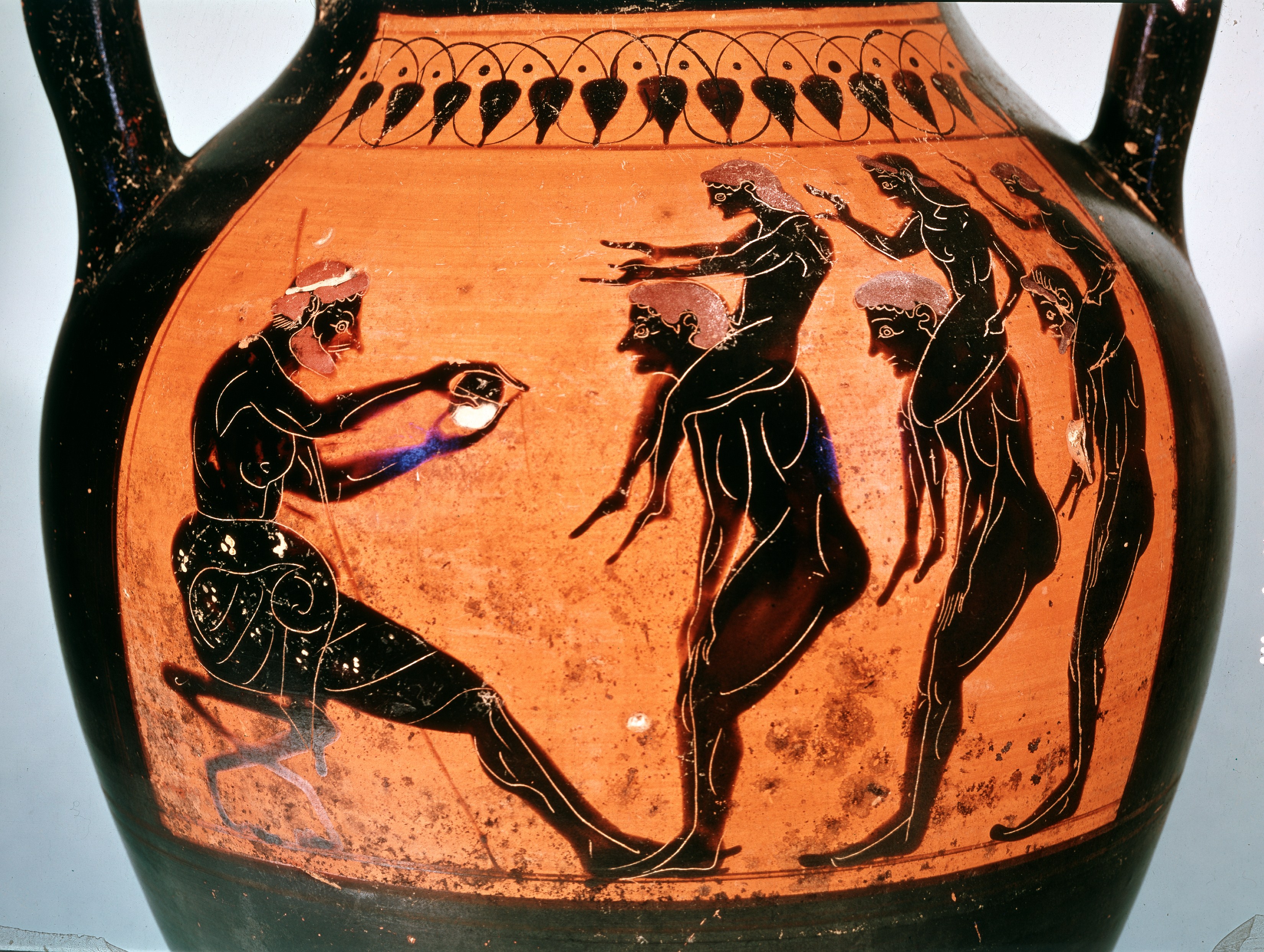
Black-figured amphora, Greek, made in Athens, about 540-520 BC, attributed to the Swing Painter, probably from Etruria, Italy, GR 1837,0609.65 (Vase B182) © The Trustees of the British Museum (2013). All rights reserved.

Black-figured amphora, Greek, made in Athens, about 540-520 BC, attributed to the Swing Painter, probably from Etruria, Italy, © The Trustees of the British Museum (2013). All rights reserved.

Besides the marble and bronze sculptures, the exhibition includes numerous painted vases, which bring to life the kinds of sports performed at Greek athletic competitions, stories, and myths of gods and heroes, and many scenes of ordinary life, including erotic encounters. Alan and I have collected ceramics all our lives, including some Greek examples. Greek vase painting has a narrative appeal; many images suggest the dramatic scenes found in the Greek theater, as well as actual scenes of masked actors. The love of real life and people is as important in Greek culture as idealizing art. I always think that it’s important to remember that the Greeks were keen observers. The kind of study of living bodies that you see in Greek sculptures is similar to the understanding that led to advances in science and medicine.
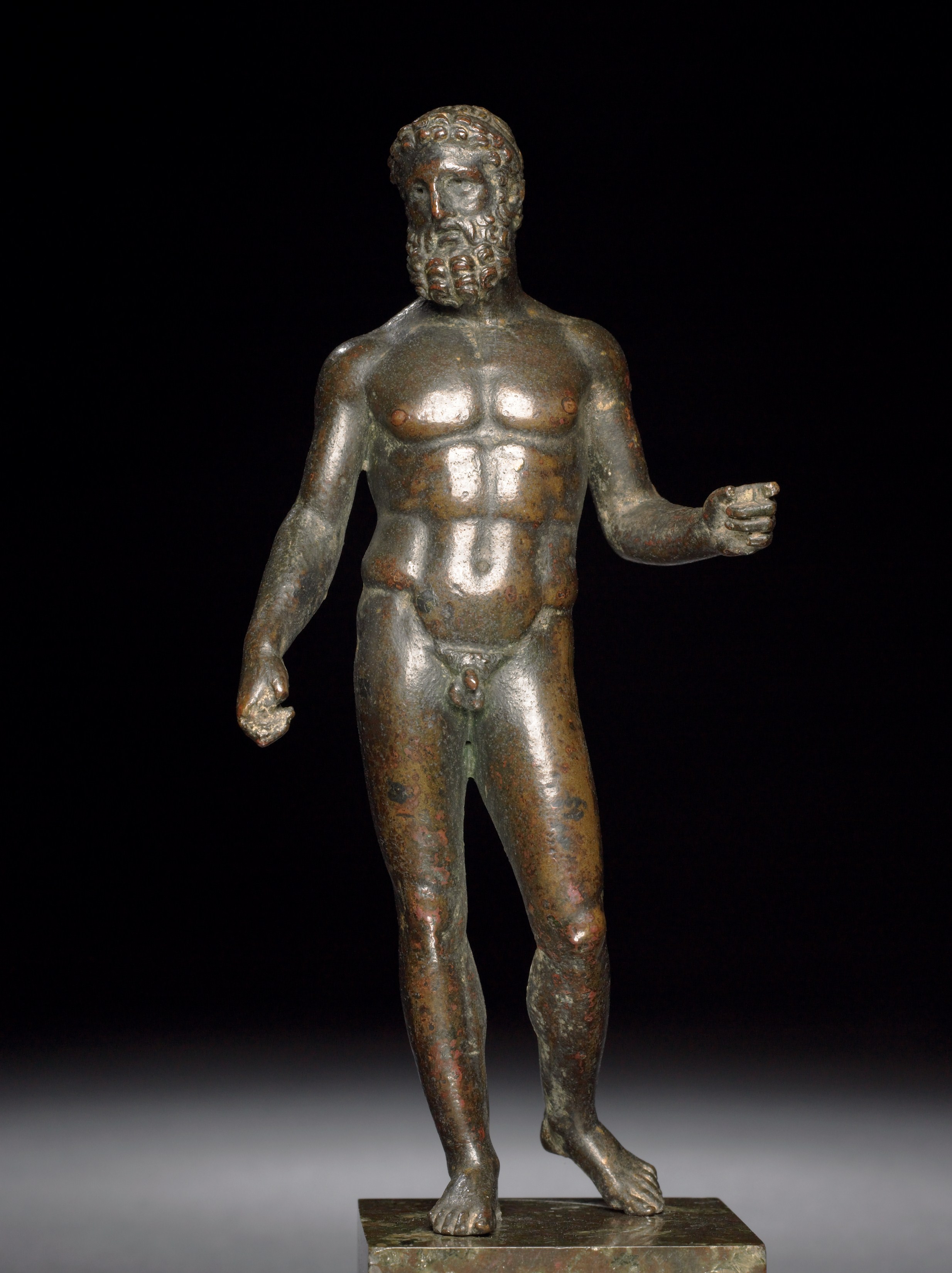
Bronze statue of Zeus, Roman period, first century AD, after Greek original of about 440 BC, said to be from Greece, GR 1824,0446.16 (Bronze 910 AN381063001) © The Trustees of the British Museum (2013). All rights reserved.

Bronze statue of Zeus, Roman period, 1st century AD, after a Greek original of about 440 BC, said to be from Greece, © The Trustees of the British Museum (2013). All rights reserved.

One of the most significant figures in The Body Beautiful in Ancient Greece is Herakles, a human hero, but also the child of Zeus, king of the gods. Herakles accomplished superhuman labors triumphantly (such as killing the Nemean lion, whose skin he is shown wearing), but he also suffered greatly. Driven mad by the jealous goddess Hera, he killed his first wife and children. At the end of his life, he was poisoned in ignorance by his second wife. In great pain, he burned himself alive on a funeral pyre. Yet Zeus and the other gods accepted him after death on Mt. Olympus, the only human to achieve immortality. His splendid, but painful, life exemplifies the Greek belief that “those whom the gods love die young.” Better to go at the height of youthful strength and beauty.

Dr. Anne R. Bromberg, the DMA’s Cecil and Ida Green Curator of Ancient and Asian Art.
Everything’s Turning Up Chagall

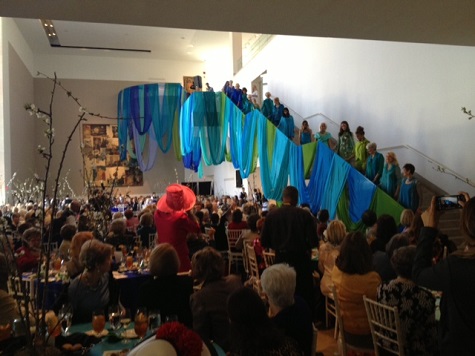
Art in Bloom guests were immersed in a world of art, color, and flowers today at this year’s floral symposium and luncheon. Bella Meyer, a New York-based floral designer and the artist Marc Chagall’s beloved granddaughter, entertained the audience with stories about life in the Chagall family, the symbolism in her grandfather’s art, and interpretations in flowers of several of his paintings. Over lunch, complete with edible flowers, a colorful fashion presentation by Allie-Coosh provided inspiration for what was to follow . . . a tour of the DMA’s exhibition Chagall: Beyond Color. Did you know that we are the only U.S. venue for this internationally touring exhibition?

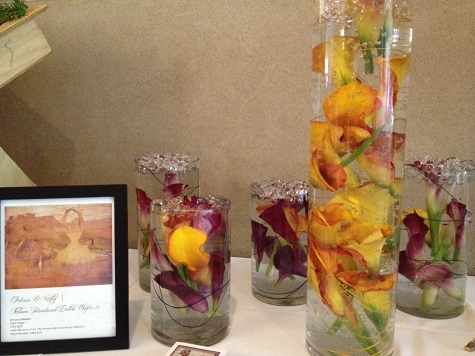
Floral arrangement inspired Edgar Degas’ Group of Dancers in the DMA’s collection

Floral arrangement inspired Edgar Degas’ Group of Dancers in the DMA’s collection

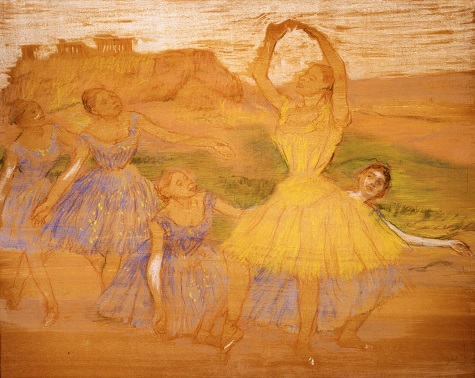
Edgar Degas, Group of Dancers, c. 1895-1897, pastel and gouache on panel, Dallas Museum of Art, The Wendy and Emery Reves Collection

Edgar Degas, Group of Dancers, c. 1895-1897, pastel and gouache on panel, Dallas Museum of Art, The Wendy and Emery Reves Collection

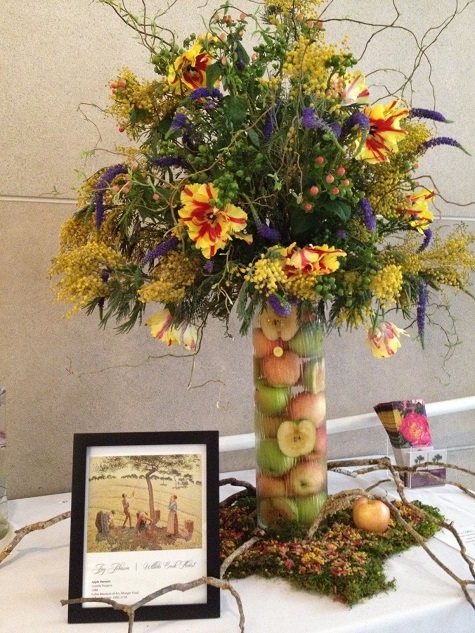
Floral arrangement  inspired by Camille Pissarro’s Apple Harvest in the DMA’s collection

Floral arrangement inspired by Camille Pissarro’s Apple Harvest in the DMA’s collection

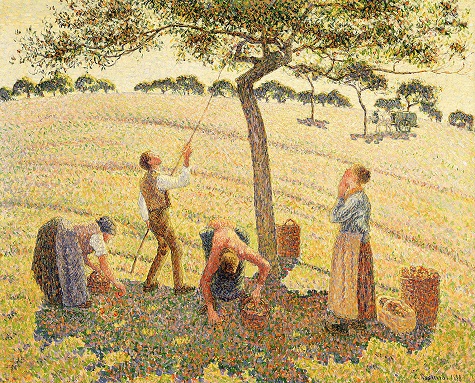
Camille Pissarro, Apple Harvest (Cueillette des pommes), 1888, oil on canvas, Dallas Museum of Art, Munger Fund

Camille Pissarro, Apple Harvest (Cueillette des pommes), 1888, oil on canvas, Dallas Museum of Art, Munger Fund

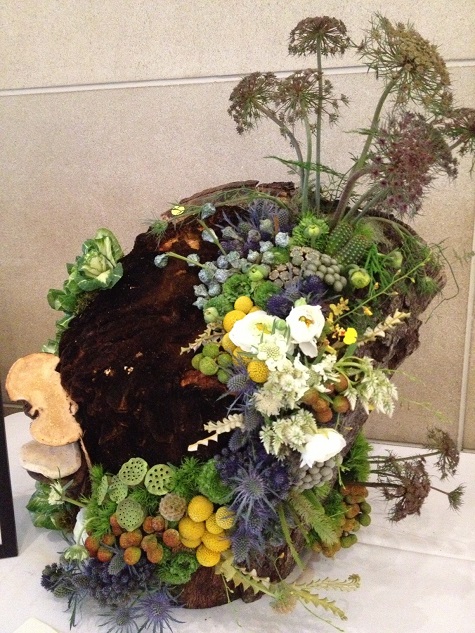
Floral arrangement inspired by Victor Higgins’ A Mountain Ceremony in the DMA’s collection

Floral arrangement inspired by Victor Higgins’ A Mountain Ceremony in the DMA’s collection

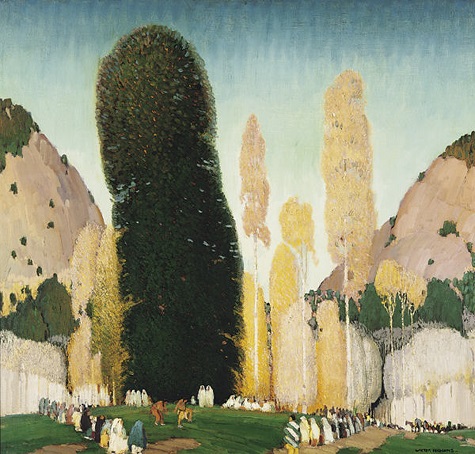
Victor Higgins, A Mountain Ceremony, c. 1930, oil on canvas, Dallas Museum of Art, anonymous gift

Victor Higgins, A Mountain Ceremony, c. 1930, oil on canvas, Dallas Museum of Art, anonymous gift

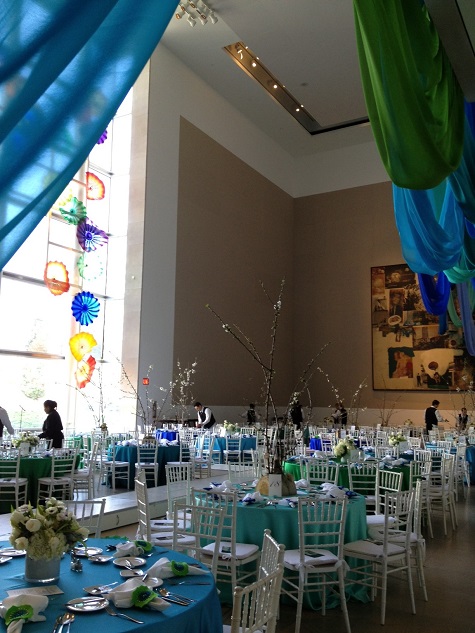
Preparing for Art in Bloom in the DMA’s Atrium

Preparing for Art in Bloom in the DMA’s Atrium

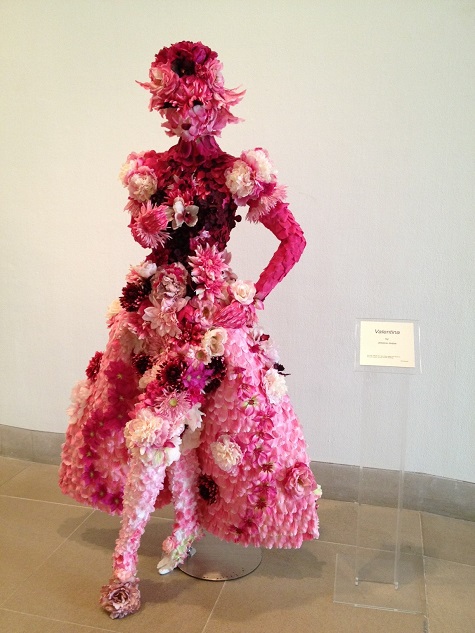
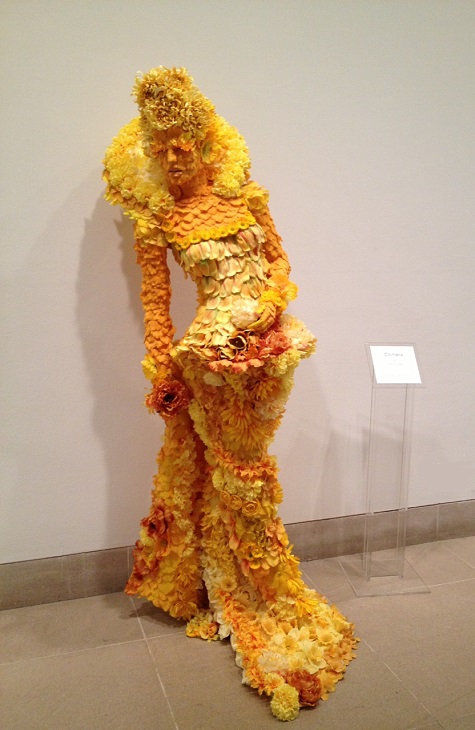
“Valentina” by Jessica Jesse

“Valentina” by Jessica Jesse

“Chimera” by Jessica Jesse

“Chimera” by Jessica Jesse

Dallas League Members and models during Art in Bloom 2013

Dallas League Members and models during Art in Bloom 2013

Debbie Stack is Director of Special Events and Volunteer Relations at the DMA.

Installing Chagall

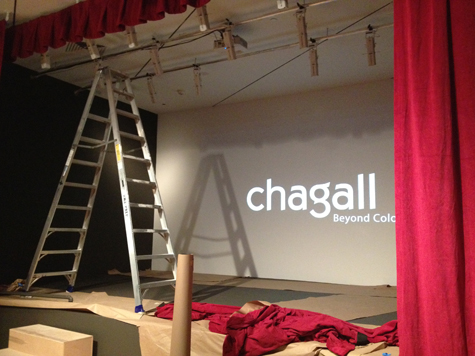
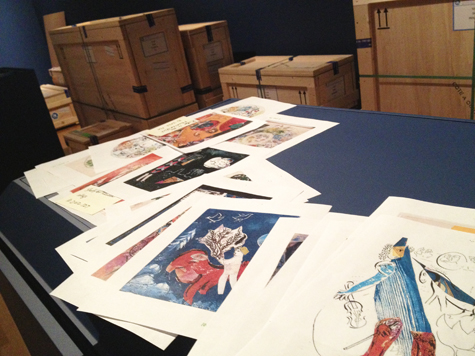
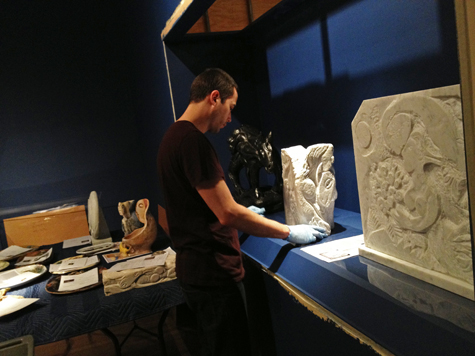
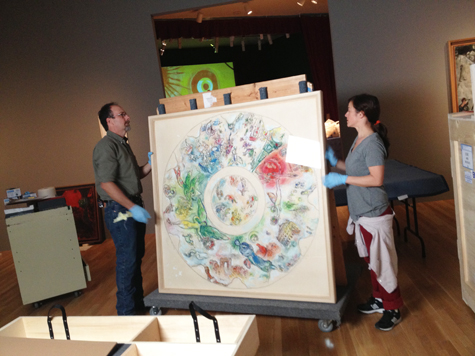
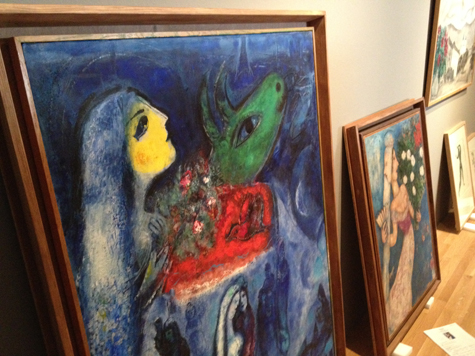
We have less than a week until the opening of Chagall: Beyond Color here at the Dallas Museum of Art. The DMA is the only U.S. venue for this exhibition, which features Marc Chagall’s sculptures, ceramics, collages, paintings, and costumes. To tide you over until the opening on Sunday, February 17, below are a few installation shots from the past week.
IMG_2898

IMG_2915

IMG_2941

IMG_2957

IMG_2971

IMG_2960

Loren Mozley: Structural Integrity

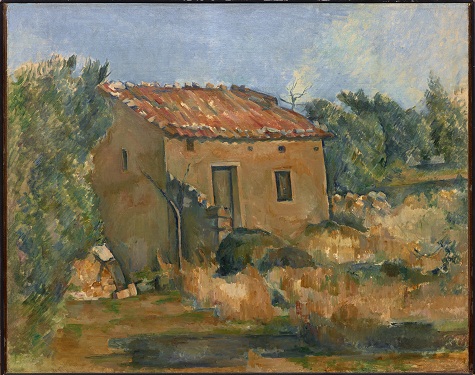
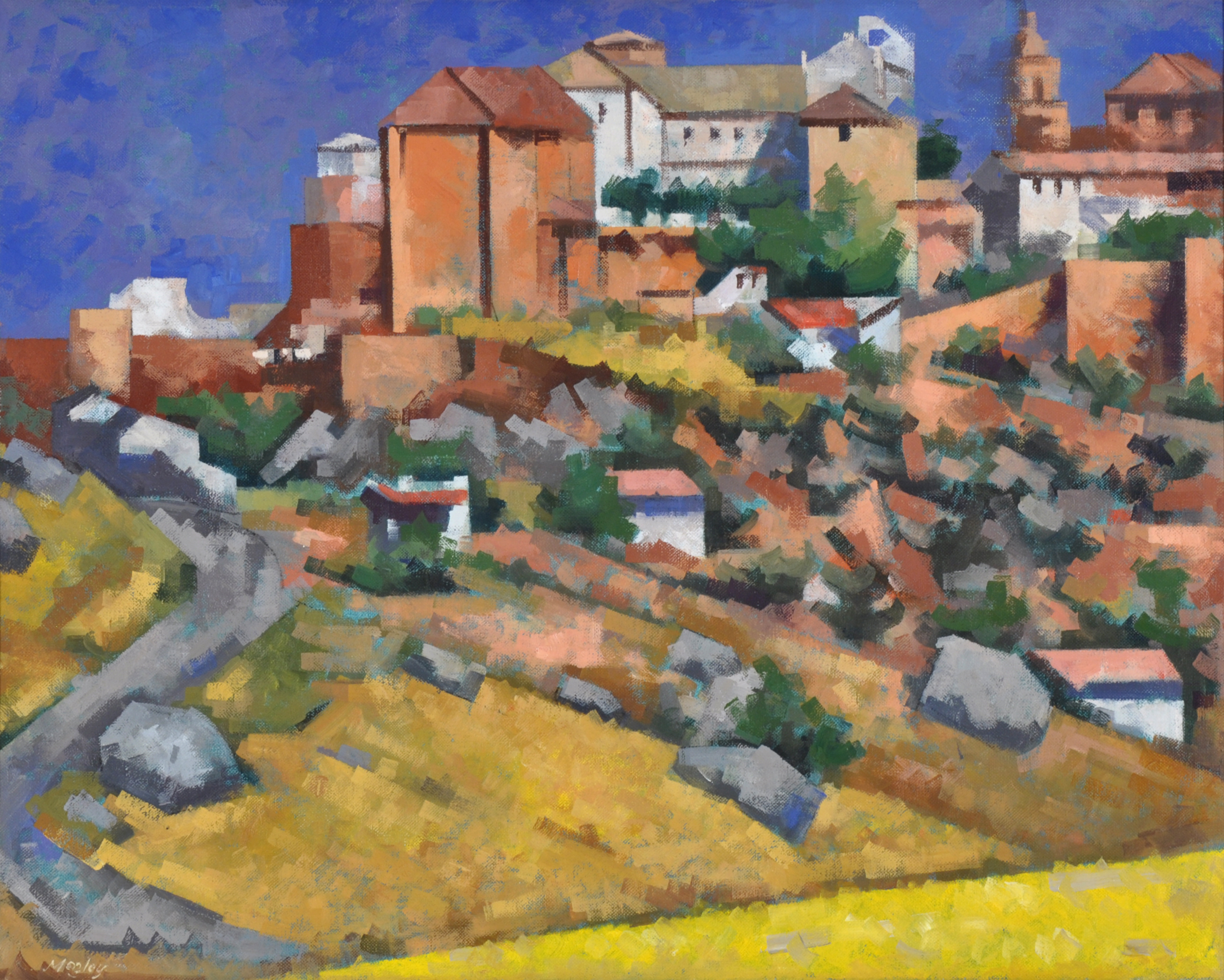
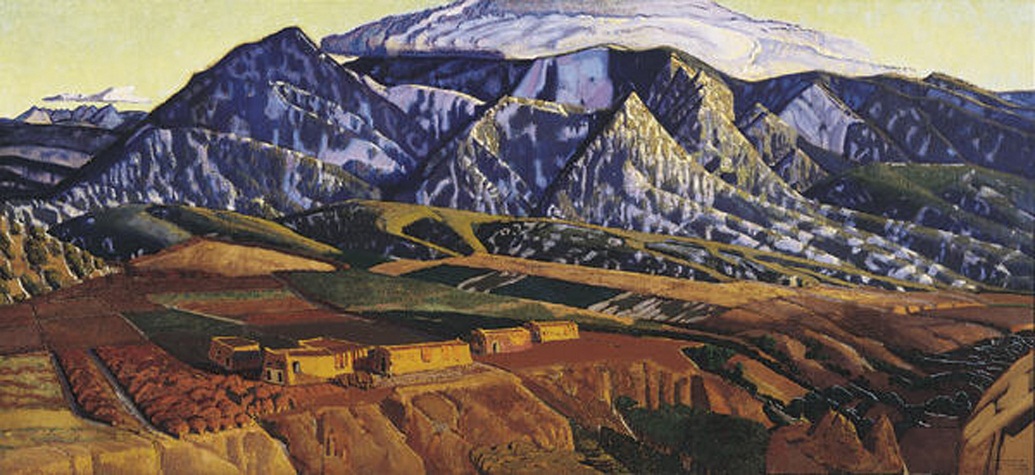
On February 17, the DMA will present for the first time the works of Loren Mozley (1905-1989), a Texas-based artist known for his integration of two dominant influences: Cézanne and the Taos Art Colony. Raised in New Mexico, the young Mozley worked in Taos for a few years before continuing his studies in Paris. His landscapes and still lifes represent the integration of cubist philosophies with the modernist practices of the American Southwest.

Paul Cezanne, Abandoned House near Aix-en-Provence, 1885-1887, oil on canvas, Dallas Museum of Art, The Wendy and Emery Reves Collection

Paul Cézanne, Abandoned House near Aix-en-Provence, 1885-87, oil on canvas, Dallas Museum of Art, The Wendy and Emery Reves Collection

Loren Mozley, View of Ronda, c. 1969, oil on panel, Private Collection

Loren Mozley, View of Ronda, c. 1969, oil on panel, Private Collection

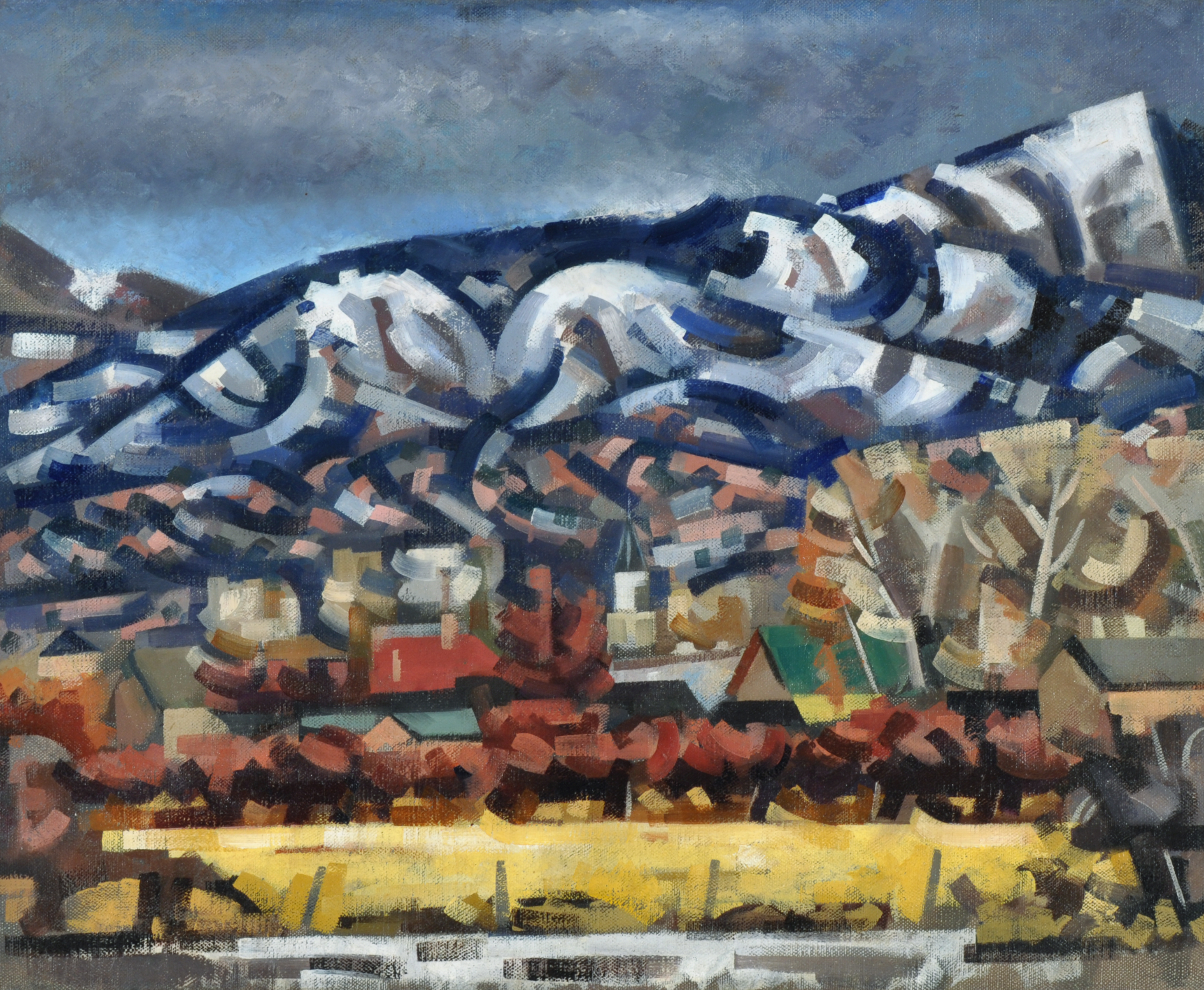
Loren Mozley: Structural Integrity brings together eighteen works spanning the period of 1937-1976. The exhibition offers a fine representation of the artist’s concerns with geometric forms, decorative patterns, and gradations of color to emphasize contrast, depth, and weight.

Loren Mozley, Snowy Range, 1948, oil on canvas, Collection of Judge and Mrs. B. Michael Chitty

Loren Mozley, Snowy Range, 1948, oil on canvas, Collection of Judge and Mrs. B. Michael Chitty

Ernest Blumenschein, Mountains Near Taos, 1926-1934, oil on canvas, Dallas Museum of Art, gift of Helen Blumenschein

Ernest Blumenschein, Mountains Near Taos, 1926-34, oil on canvas, Dallas Museum of Art, gift of Helen Blumenschein


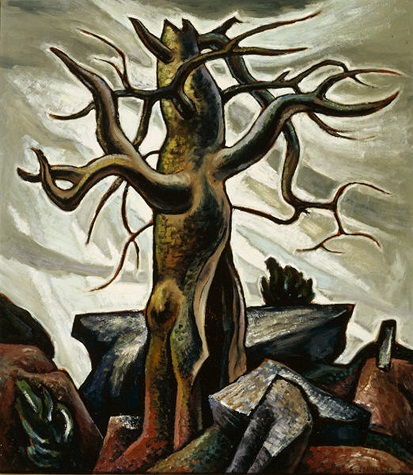
Works by many of the artists who influenced Loren Mozley are on display at the DMA. Look for works by Paul Cézanne, Arthur Dove, Georgia O’Keeffe, and Everett Spruce throughout the American and European galleries on Levels 2 and 3. What other works at the DMA relate to Loren Mozley? Post your comments here.

Everett Spruce, Tree and Rocks, 1932, oil on Masonite, Dallas Museum of Art, gift of Maggie Joe and Alexandre Hogue

Everett Spruce, Tree and Rocks, 1932, oil on Masonite, Dallas Museum of Art, gift of Maggie Joe and Alexandre Hogue

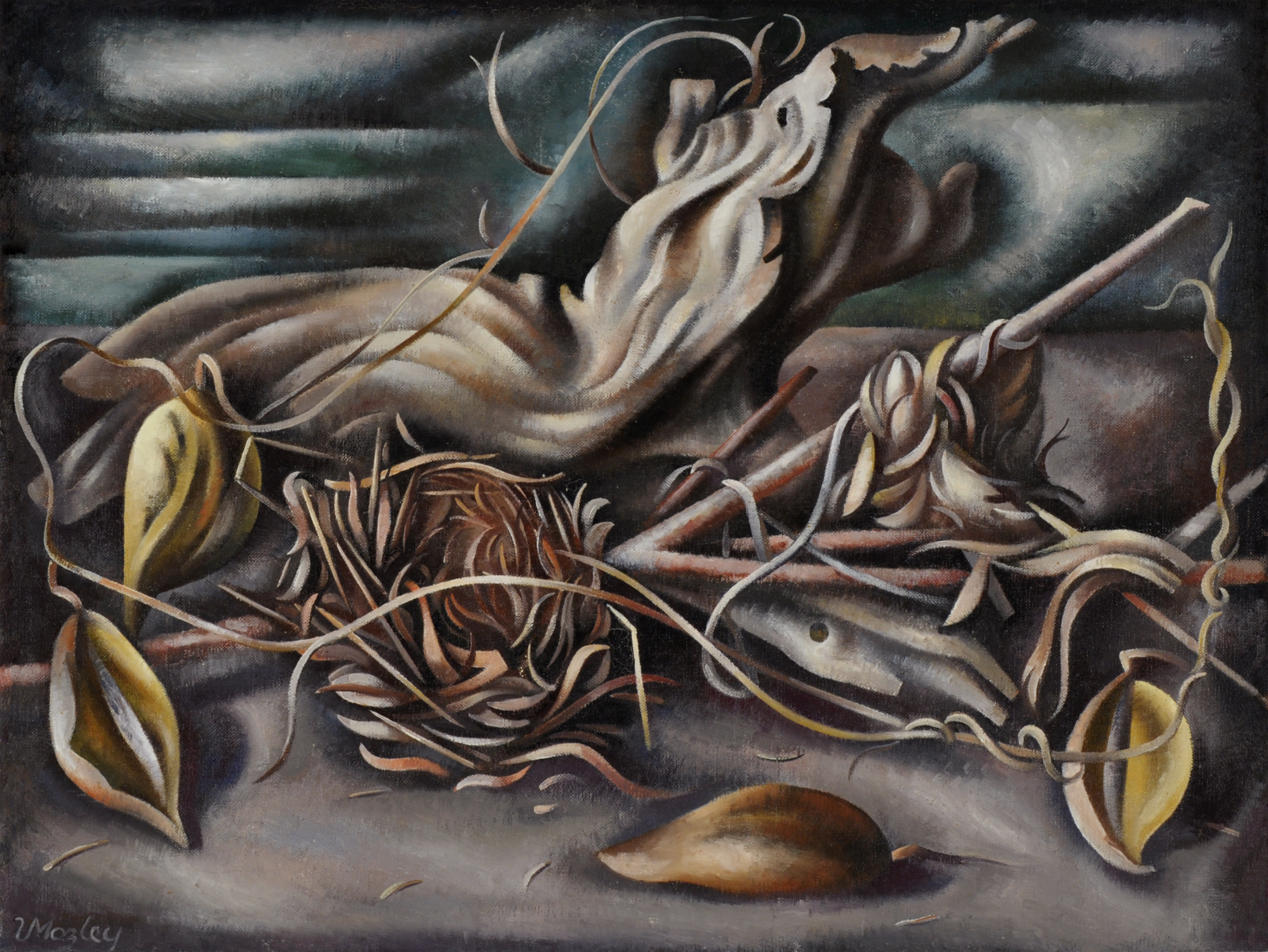
Loren Mozley, Driftwood, Birdsnests, and Milkweed Pods, 1943–44, oil on canvas, Private Collection, Dallas

Loren Mozley, Driftwood, Birdsnests, and Milkweed Pods, 1943–44, oil on canvas, Private Collection, Dallas

Elizabeth Donnelly is the Exhibitions Assistant at the Dallas Museum of Art.

Five, Six, Seven, Eight

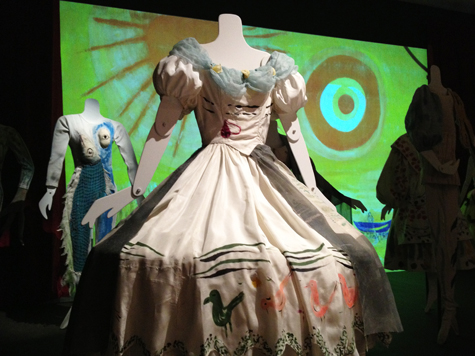
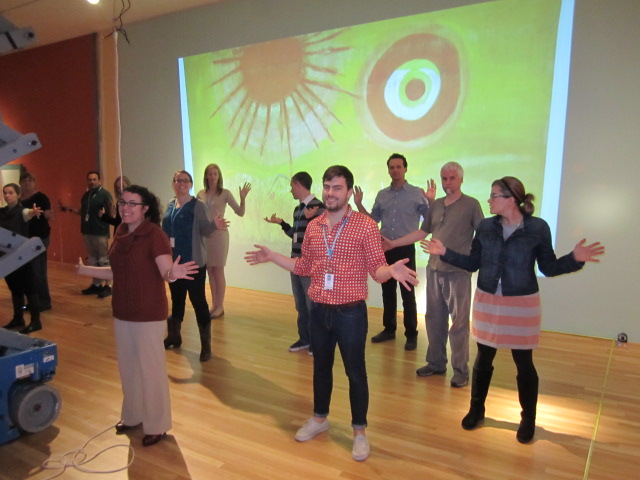
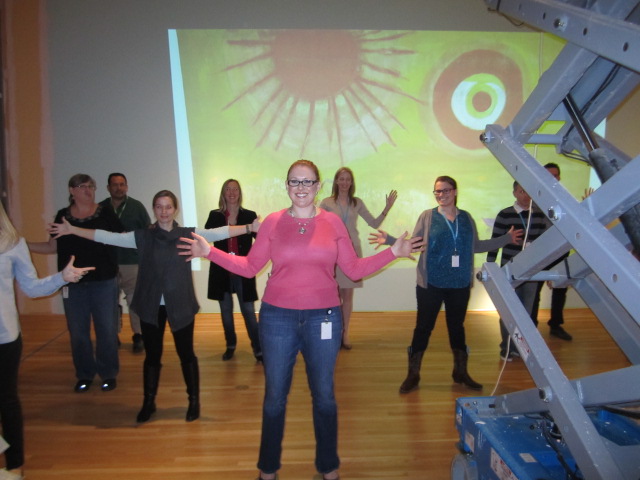
Chagall: Beyond Color opens on Sunday, February 17, and the highlight of the exhibition is sure to be the costumes designed by Chagall in 1942 for the production of the ballet Aleko. The ballet’s première took place in September 1942 in Mexico City, followed by the Ballet Theatre of New York production, and the costumes have not been seen in the U.S. since. Recently, DMA staff whipped out their jazz hands and did their best mannequin impersonations to assist in the installation of the Aleko costumes.
IMG_1541 IMG_1540


Archives

Categories