Archive for the 'Education' Category


Studio Art, Art History, and Music Theory! Oh My!–2013 Young Masters

The 2013 Young Masters exhibition opened at the end of December and will be on view through February 17 in the DMA’s Concourse. The exhibition features work created by Advanced Placement Studio Art, Art History, and Music Theory students from area high schools. Stop by the DMA’s Concourse and visit Young Masters for free. You can access works by the Music Theory and Art History students on your smartphone.

This year’s exhibition features the work of students from Booker T. Washington High School for the Performing and Visual Arts, Coppell High School, Creekview High School, J. J. Pearce High School, Lake Highlands High School, Lovejoy High School, McKinney Boyd High School, Newman Smith High School, Plano East Senior High School, Plano Senior High School, Plano West Senior High School, and Richardson High School.

IMG_2690_b

IMG_2698_b

IMG_2687_b

IMG_2696_b

IMG_2700_b

Dining with Our Docents

Today docents at the Dallas Museum of Art celebrated the holidays at a Docent Luncheon. We appreciate all of their hard work and dedication throughout the year. Visit the DMA Dashboard to see how many hours the docents have volunteered. If you are interested in learning more about the DMA Docent Program, e-mail skarol@DMA.org.

IMG_2665

IMG_2670

IMG_2672

IMG_2674

Feasting: From Ancient Mexico to Our Kitchens

On Thursday, November 15, cookbook author Diana Kennedy, often called the Julia Child of Mexico, will be here to discuss her cookbook Oaxaca al Gusto: An Infinite Gastronomy, as well as the feasting traditions of ancient Mexico.
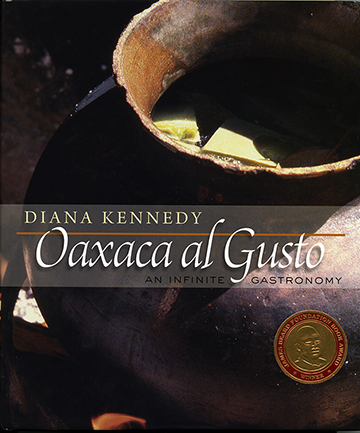
Oaxaca al Gusto: An Infinite Gastronomy is equal parts historic document and kitchen guide, focusing on the traditional cuisine of the Oaxaca region of Mexico. In preparation for this event, the DMA’s programming team decided to try some recipes from the book to see what they were like (and to test their kitchen skills).

Stacey Lizotte, Head of Adult Programming and Multimedia Services:

I decided to make Clavaria Mushrooms in Mole (Mole de hongos de curenito de venado) because I have always wanted to learn how to make a mole sauce. This recipe called for a few ingredients that I could not find in the four different grocery stores that I went to. I replaced the main ingredient, clavaria mushrooms, with a mix of regular button mushrooms and oyster mushrooms. I also could not find dried costeños chiles and instead went with dried gaujillo chiles.
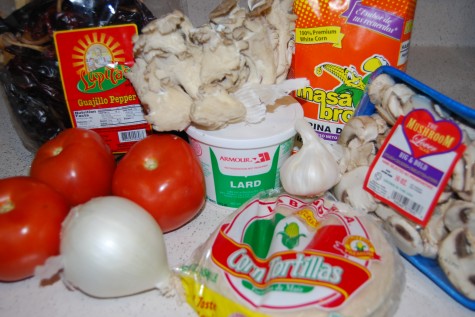
Ingredients for Clavaria Mushrooms in Mole (Mole de hongos de curenito de venado)

First you make a paste of the mushrooms and then add them to a pureed tomato, chile, garlic, onion, and spice mixture before frying in a skillet with lard over high heat. You then mix with masa to thicken the sauce. Traditionally, this dish is just served with corn tortillas.
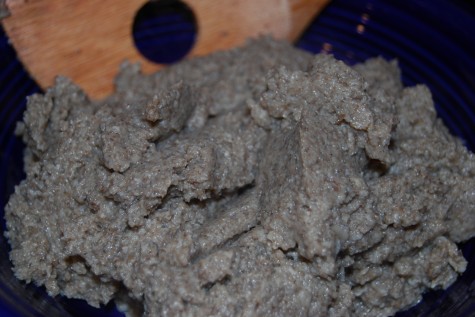
Mushroom paste

I found the mole to be on the mild side and would serve it with a meat next time, either chicken or beef, in addition to the tortillas.

Things I learned: You can toast the chiles on an electric stove top burner if you don’t have a comal as recommended in the book. And, you will need a very large skillet for the last step, as this recipe makes a lot of mole.
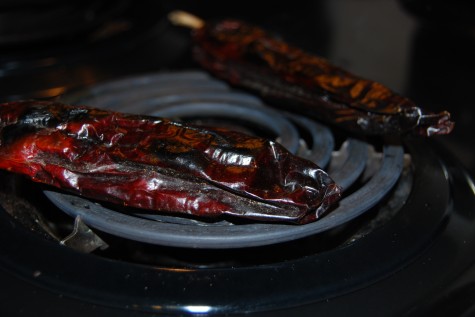
Roasting chiles on electric stove
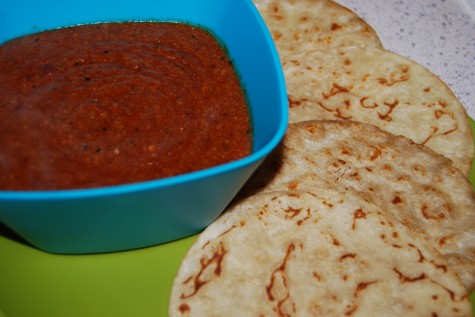
Clavaria Mushrooms in Mole (Mole de hongos de curenito de venado)

Liz Menz, Manager of Adult Programming:

I am without question the least experienced cook of our team, so I chose to make a simpler recipe, Red Chickpea Soup (Molito de garbanzo rojo). After a pep talk from a few of my more kitchen-savvy friends and a deep breath, I gathered my ingredients and went to work. I did make one small change to the recipe and replaced the lard with Crisco to make it vegetarian friendly.
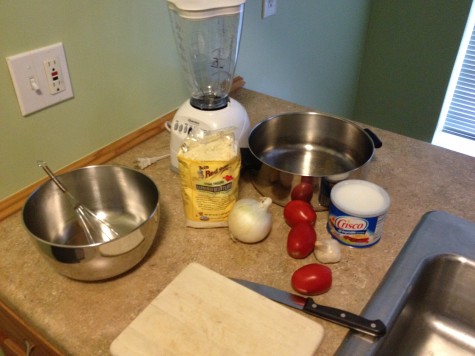
Ingredients for Red Chickpea Soup (Molito de garbanzo rojo)

After whisking the chickpea powder/flour into water to get a smooth consistency, I turned to my blender to puree the onion, garlic, and tomatoes.
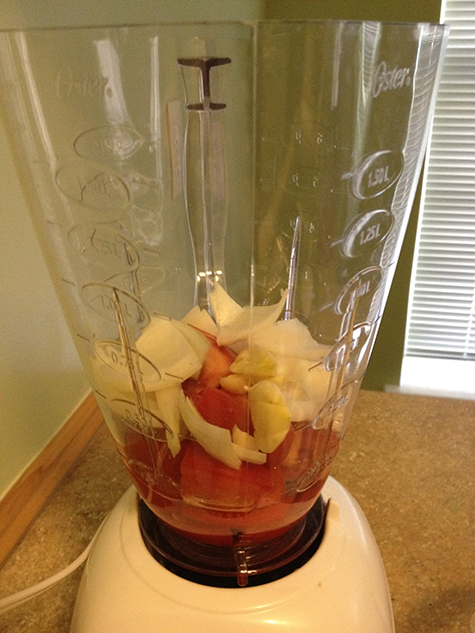
Tomato, onion, and garlic in blender to puree

I added the chickpea mixture to boiling salted water and let it reduce for quite a while to get a thicker consistency for the soup. Meanwhile, the Crisco was melting in a larger skillet to fry and reduce the onion, garlic, and tomato puree. After the puree had reduced some, I added it to the pot with the chickpea base and whisked regularly as it reduced more. After letting it simmer for a while on low, the soup thickened up quite a bit.
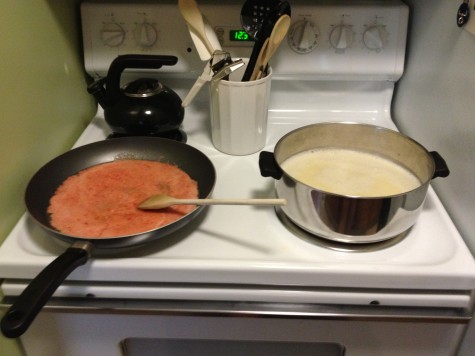
Chickpea mixture and tomato puree reducing on stove

The soup was very tasty and, as I mwentioned to a co-worker afterwards, would also make a great base for veggies or meat for a heartier meal.

Things I learned: The puree mixture fries and reduces much quicker than I expected, whereas the soup reduced very slowly. Also, my Google app on my phone was just as important as my whisk–in fact, for this inexperienced cook, it was essential!
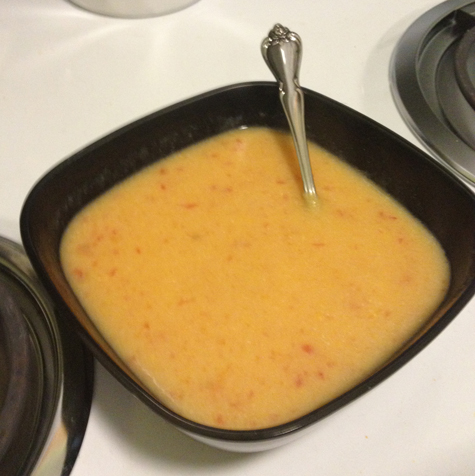
Red Chickpea Soup (Molito de garbanzo rojo)

Denise Helbing, Manager of Partner Programs:

I decided to finish off our departmental Oaxacan meal with dessert so I made Rice Pudding (Arroz con leche).

For this dish, you only need a few simple ingredients. The only “special” ingredient I didn’t already have was evaporated milk.
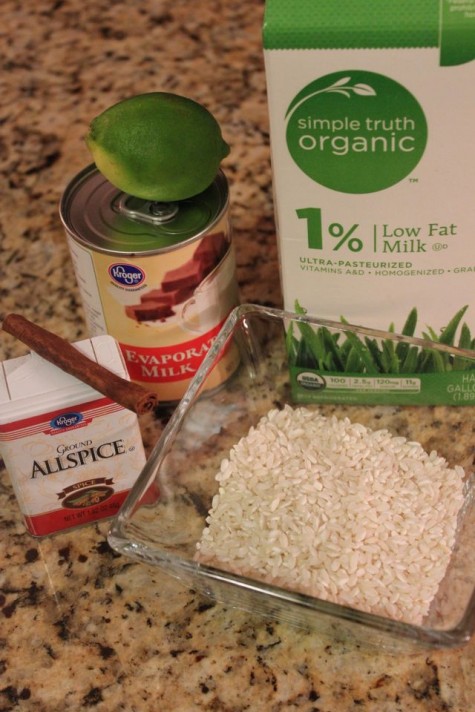
Ingredients for Rice Pudding (Arroz con leche)

You just cook the rice in a bit of water with the spices first, then add the two milks and lime and cook slowly for about thirty0 minutes, stirring regularly.
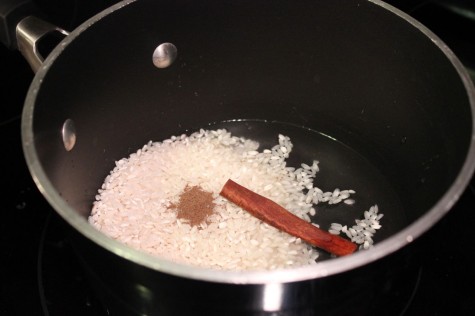
Cooking all the ingredients

The unique aspect of this pudding, compared to other rice puddings I have made or eaten, was the addition of the lime rind during the cooking process. It combined nicely with the cinnamon and allspice and gave the pudding a distinct flavor.
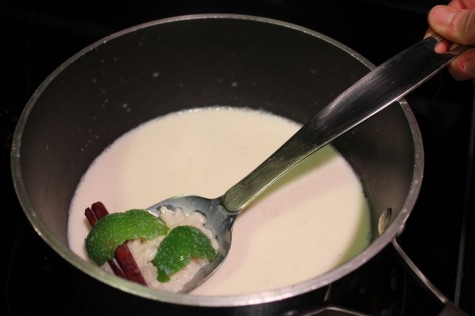
Removing lime rind from milk

This recipe did not call for any sugar or sweetener (like honey or agave), and to me, rice pudding, in a dessert form, needs to be a little bit sweet, so I must make a confession; I added some simple syrup to my pudding at the end of cooking.

I served it as suggested with a bit of lime zest and cream (half and half) on top. My husband said it reminded him of decadent, rich Fruit Loops. And he likes Fruit Loops, so that was a compliment!
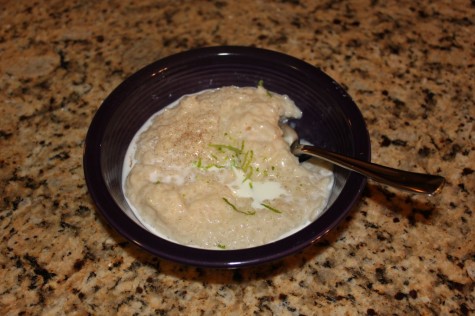
Rice Pudding (Arroz con leche)

Feasting in Ancient Mexio is part of our programming for the special exhibition The Legacy of the Plumed Serpent in Ancient Mexico. The exhibition will be on view through Sunday, November 25.

Music and Masterpieces

We are very excited about the upcoming launch of a new program, Music and Masterpieces, produced in partnership with the Dallas Opera, on Saturday, November 10.

We have worked closely with our Arts District neighbor the Dallas Opera on many programs and projects in the past. These have included the commission of the song cycle A Question of Light by writing duo Gene Scheer and Jake Heggie, which was inspired by works of art in the DMA’s collection in honor of our shared benefactor and art advocate Margaret McDermott; hosting several special opera season preview performances; and most recently hosting a recital by Laura Claycomb.

The success and positive response to  A Question of Light started us thinking: How can we connect the art of performance and music with the art in the galleries in a more meaningful way, and more often? After a fun brainstorming session between the DMA programming staff and the Opera’s Marketing and Education department, the idea for Music and Masterpieces was born. The DMA and the Dallas Opera will work together to choose a theme based on an area of the DMA’s collection or special exhibitions that will serve as inspiration for a performance and tour to be held on the same day. Through this pairing, visitors will gain a deeper understanding and appreciation of both of these art forms and the influences they have on one another within a shared theme, era, or culture.

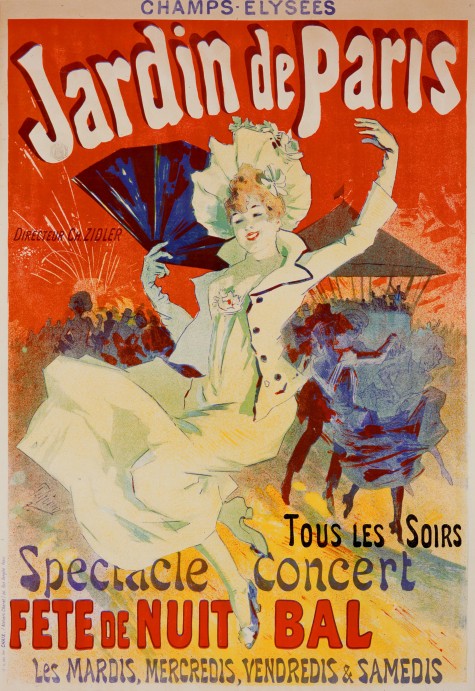
Jules Cheret, “Jardin de Paris”, 1890, color lithograph, Milwaukee Art Museum, Gift of Dr. and Mrs. Milton F. Gutglass, M1998.158, Photo by John R. Glembin, Milwaukee Art Museum

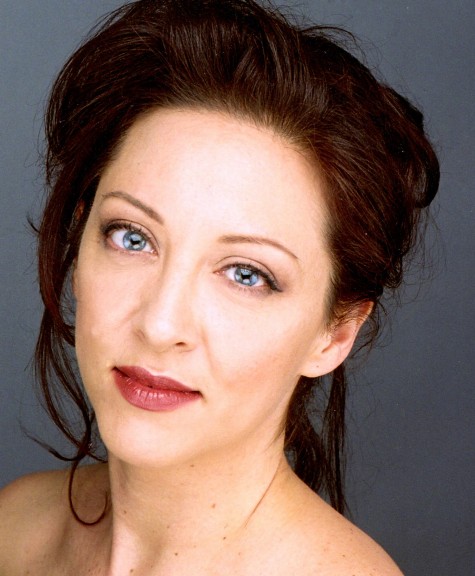
Next Saturday’s Music and Masterpieces program is inspired by the exhibition Posters of Paris: Toulouse-Lautrec and His Contemporaries. Nathalie Paulin*, a French-Canadian soprano, will perform music ranging from late 19th-century French opera to art songs and Parisian bistro chansons. A tour of the exhibition will follow the performance. The performance will start at 2:00 p.m, and the tour will begin at 3:00 p.m. Please arrive early as space on the tour is limited and on a first-come, first-served basis the day of the event. 

Nathalie Paulin

We have other Music and Masterpieces programs in the works as well. On January 27, 2013, we will feature Twyla Robinson*, soprano, with Charles Dillard* as accompanist. This program will be themed around the exhibition Difference? and will include music from the 20th century featuring strong feminine themes.

We hope to see you Saturday and at future Music and Masterpieces programs!

Denise Helbing is the Manager of Partner Programs at the Dallas Museum of Art.

*Artists subject to change

A Weekend of Celebration

This weekend we welcomed our newest neighbor to the Dallas Arts District, Klyde Warren Park, with two days of activities and free general admission to the DMA. On Sunday, October 28, we also celebrated ancient Mexico through our free Family Celebration, which took place during the closing celebrations of Art in October. We even held some of our programs at Klyde Warren Park. Below are a few pictures from the day’s events. Be sure to visit The Legacy of the Plumed Serpent in Ancient Mexico before the exhibition closes on November 25!

[slideshow]

How to Win an Election

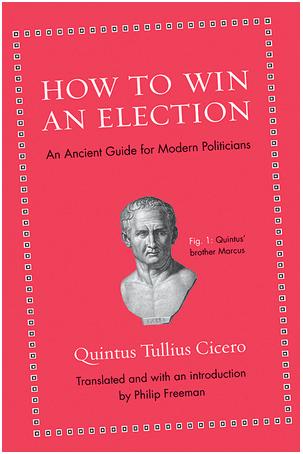
Election season is upon us! Join us at the Dallas Museum of Art on Thursday, October 25, at 7:30 p.m. for a lecture on the ancient Roman election of 64 B.C, when Marcus Cicero won the office of consul, the highest office in the land, with the help of his brother Quintus. Dr. Philip Freeman translated Quintus’ Latin text, How to Win an Election, written to guide Marcus to victory, and discovered the text to be as timely today as it was in ancient Rome. Uncrated caught up with him for a short Q&A and preview:

What piqued your interest in How to Win an Election?

I read the original in Latin back when I was a graduate student in Classics at Harvard. I was struck then by how timeless the advice in the letter was, so I’ve used it since then in my own undergraduate classes with positive responses from the students. A couple of years ago, I decided that it would be great if the general public could read this virtually unknown piece of ancient literature. I was thrilled when Princeton University Press agreed to publish and publicize it!

Does the advice really hold up for the modern-day election? Do you think your book should be required reading for those running for office?

It certainly holds up for today’s elections. Every time I read of a new scandal or technique from the presidential candidates, I think of Marcus Cicero and the election of 64 B.C. I do sometimes worry that modern candidates will apply the principles laid out in the letter, but I think most people running for office today know all the dirty tricks already!

Your work is rooted in the “dead” languages of the ancient world. What is the most difficult thing you have ever translated? And do you think anything is lost in translation?

Every translation is a compromise that loses something of the original. You can try to be painfully literal, but that misses the spirit of the original. You can try to just capture the broad meaning, but that won’t be accurate. I usually compromise and try to take a middle path. How to Win an Election is probably the hardest thing I’ve ever translated because I was struggling so hard to capture the flavor of the letter while staying true to the text.

We’re right around the corner from the next major presidential election. What are your thoughts on our current election process?

I’ve learned that nothing has really changed in 2,000 years. Politicians are still using the same techniques and making the same mistakes.

Any last minute advice you would give the candidates before November 6?

I think Cicero would say never take anything or anyone for granted. Even at the last minute, elections can change completely!

Dr. Philip Freeman is a Professor of Classics at Luther University in Decorah, Iowa. He has been interviewed by NPR’s All Things Considered and has talked on Roman politics across the country. He will lecture on Thursday, October 25, at 7:30 p.m. at the Dallas Museum of Art as part of the Boshell Family Lecture Series on Archaeology.

Liz Menz is Manager of Adult Programs at the Dallas Museum of Art.

Meet the 2012-2013 McDermott Interns

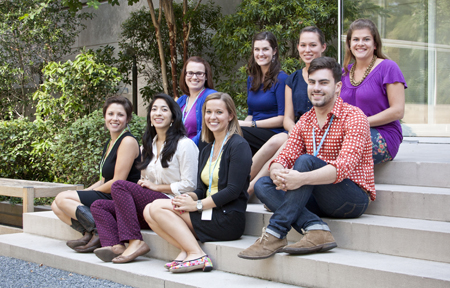
Each year we welcome a new group of McDermott interns working in the curatorial and education departments. The 2012-2013 group started at the beginning of the month and include Emily Brown, Emily Schiller, Alex Vargo, Andrea Lesovsky, Alec Unkovic, Hannah Fullgraf, Pilar Wong, and Danielle Schulz. You will hear from each of the interns on Uncrated throughout their nine months at the DMA. Learn more about the McDermott Internships on the DMA’s website; you can apply for your chance to be a 2013-2014 McDermott intern in January.

iMuseum: iCame, iSaw, iDid

Next week our September Late Night will be our “iMuseum 2.0” event, where visitors can use technology to explore the DMA and participate in new, interactive programs. You will be able to text a work of art with your questions, listen to the winner of our Be Our Main Stage Act contest, go on a Choose Your Own Adventure tour, have conversations with our curators in the galleries, go on our Twitter Treasure Hunts, and more!

Here are just a few of the new programs we will be offering on September 21:

Text a Work of Art
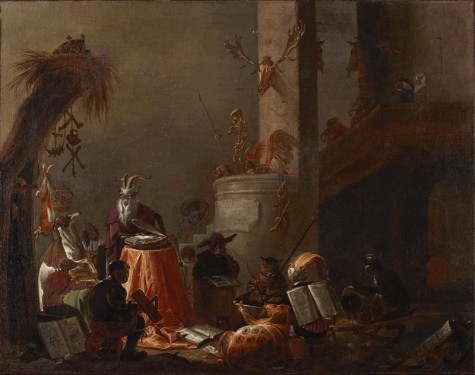
Do you sometimes wonder what a work of art is thinking or feeling? Well now you can find out when you text a work of art your question and get a response! There will be three works of art answering your questions throughout the night, including Cornelis Saftleven’s College of Animals, so start thinking of your questions.

Cornelis Saftleven, “College of Animals,” 1655, oil on canvas, Dallas Museum of Art, The Karl and Esther Hoblitzelle Collection, gift of the Hoblitzelle Foundation

Silent Soundtrack
Visitors will be able to check out a pair of headphones, provided by Austin Silent Disco, se -up with three different music channels. Each channel will have a soundtrack picked by DMA staff for a specific gallery. After you listen to our choices, we invite you to share your own ideas about the music you would choose to accompany a gallery or work of art.

Personal Tours
Check out a docent for a personal thirty-minute tour of two to three works in the DMA’s collection. Choose from themes like Love & Lust, Big & Small, Land & Sea, Work & Play, Secrets & Stories, Gods & Heroes, or Good & Bad. Docents will be available on a first-come, first-served basis.

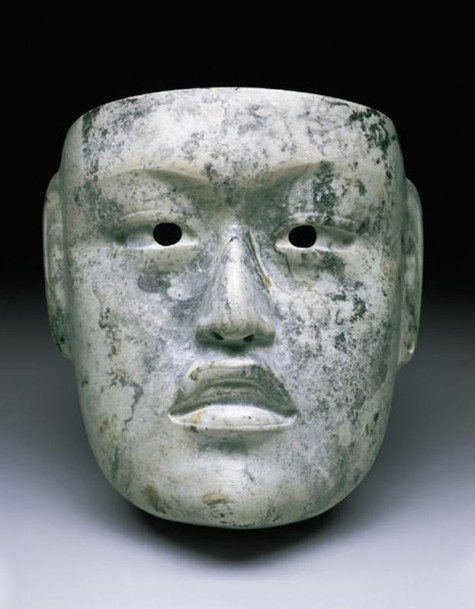
One of the works you will hear about on your personal tour.
Mask, Mexico, state of Veracruz, Rio Pesquero, Gulf Coast Olmec culture c. 900-500 B.C., jadeite, Dallas Museum of Art, gift of Mr. and Mrs. Eugene McDermott and The Eugene McDermott Foundation and Mr. and Mrs. Algur H. Meadows and the Meadows Foundation, Incorporated

Art Trivia
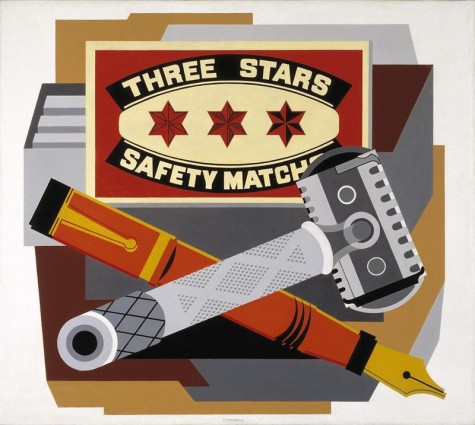
Do you know how many paintings by Gerald Murphy are in the DMA’s collection? If so, participate on your own or bring a group of friends and play as a team, in our Art Trivia contest. There will be several rounds and the winners of each round will win great prizes!

Gerald Murphy, “Razor,” 1924, oil on canvas, Dallas Museum of Art, Foundation for the Arts Collection, gift of the artist

Stacey Lizotte is Head of Adult Programming and Multimedia Services at the Dallas Museum of Art.

Marty Grosz Does the DMA

Flower of the Prairie: George Grosz in Dallas closed yesterday after three months on view. Earlier this month, George Grosz’s son musician Marty Grosz joined us for a special gallery talk with exhibition curator Dr. Heather MacDonald. Below are some images from his visit, and you can listen to the talk online. Even though the exhibition is closed, you can still take George Grosz home with you with our free e-catalogue.

Photography by Adam Gingrich, Marketing Administrative Assistant at the Dallas Museum of Art

Urban Armor: Meet. Relate. Investigate.

Urban Armor is the Dallas Museum of Art’s unique, ongoing program for tweens and teens that offers students a chance to meet, relate, and investigate the world around them. Classes are designed in a way that the concept of identity is the heartbeat of each workshop. Urban Armor classes serve teens, who represent an often underserved age group in museums and are at a critical age of self-discovery.

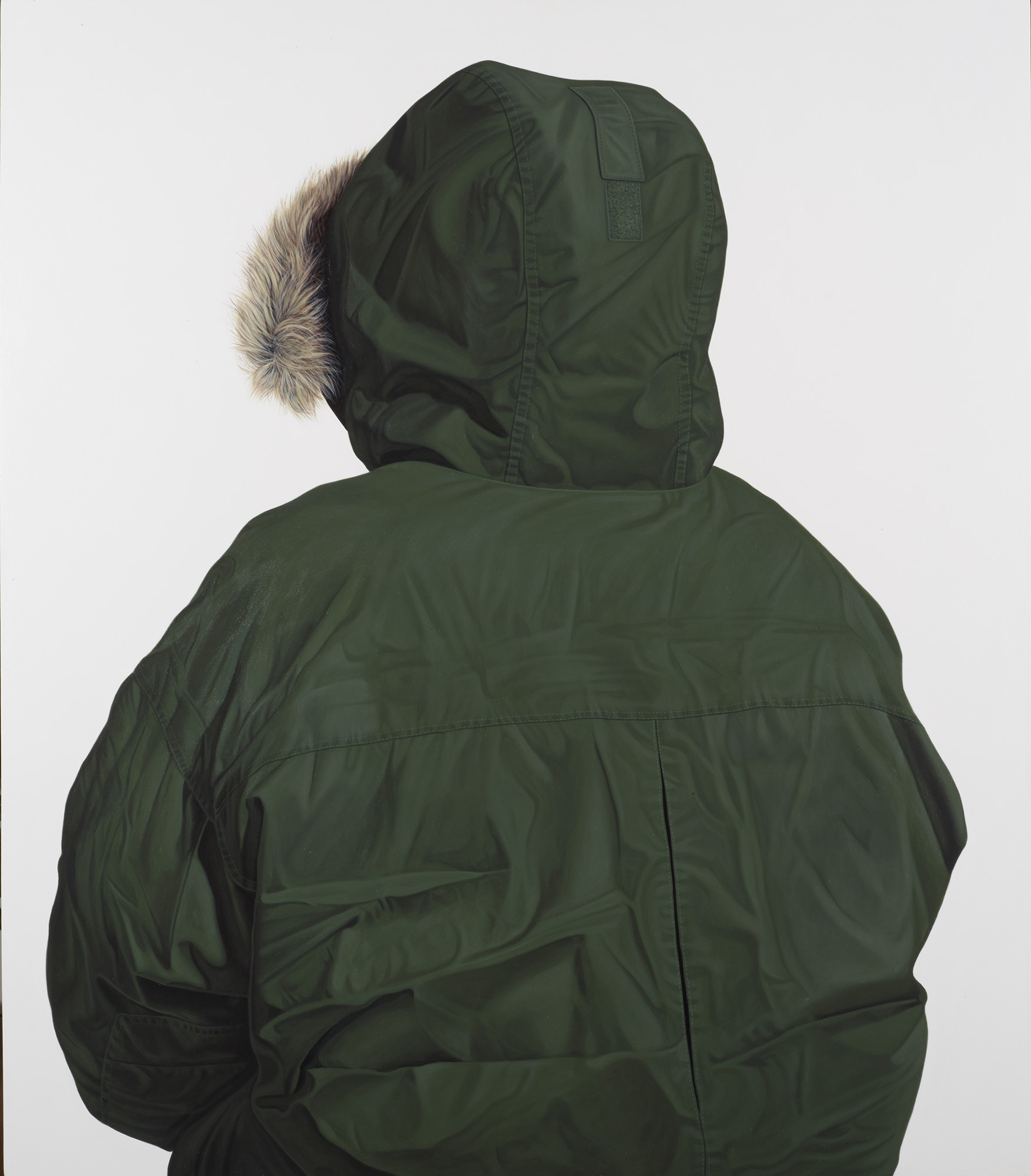
Untitled #21, Karel Funk, 2006, Acrylic on panel, Overall: 31 x 27 in. (78.74 x 68.58 cm), The Rachofsky Collection and the Dallas Museum of Art through the DMA/amfAR Benefit Auction Fund, 2010.28

Each workshop is built around the concept of identity. The name Urban Armor is inspired by the Karel Funk painting Untitled #21, currently on view in Variations on Theme: Contemporary Art 1950s-Present, and the notion that we clothe ourselves in physical layers of clothing to protect us in a literal sense against the elements but also as a metaphorical means of protection. It could be to guard ourselves against the scrutiny of others, attempting to fit in, or wanting acceptance. In a similar way, the different faces we present to others depending on the environment can be seen as figurative armor to serve the same purpose. Who are we underneath these layers? That question drives us to help support teens through the program and to facilitate transformative experiences with art that allow for personal expression. They also learn new techniques, meet artists and DMA staff, and develop social bonds through their interactions with each other.

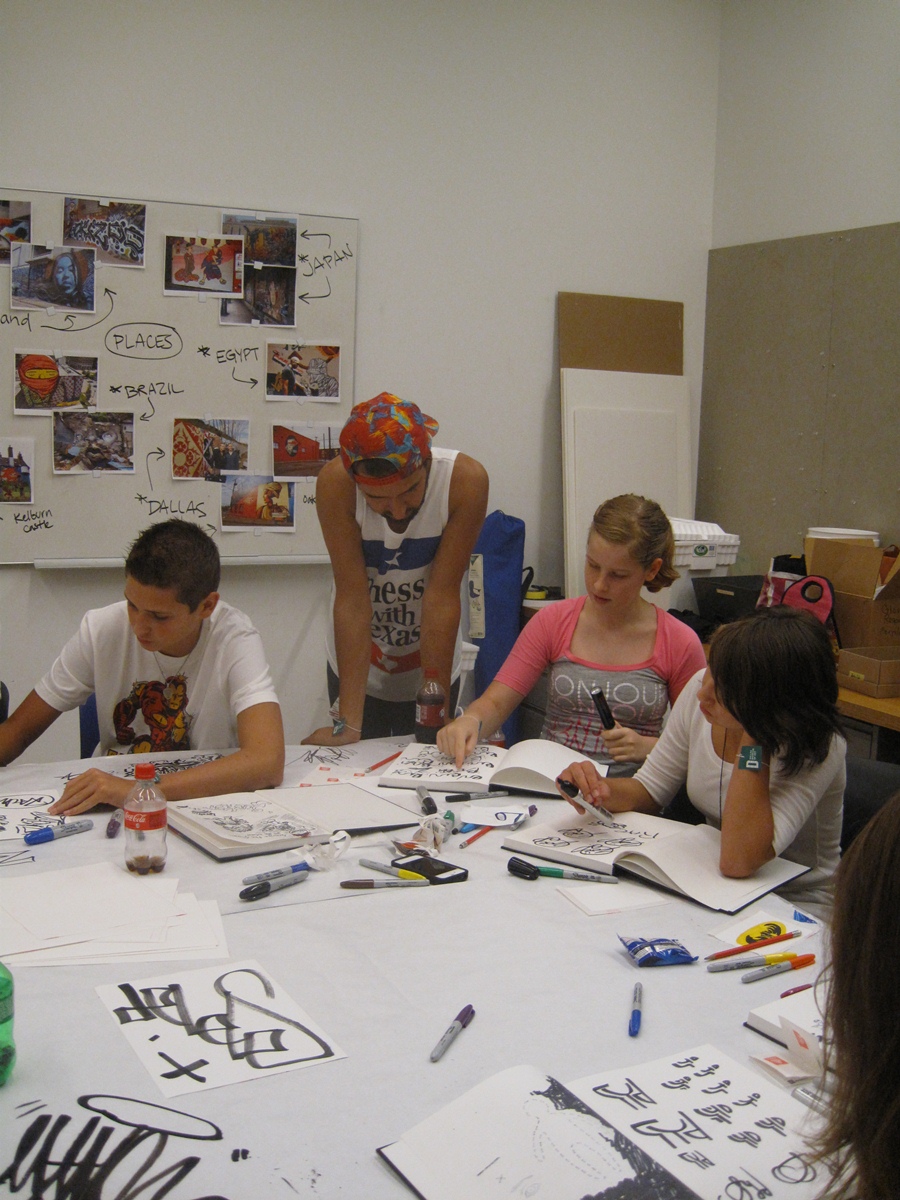
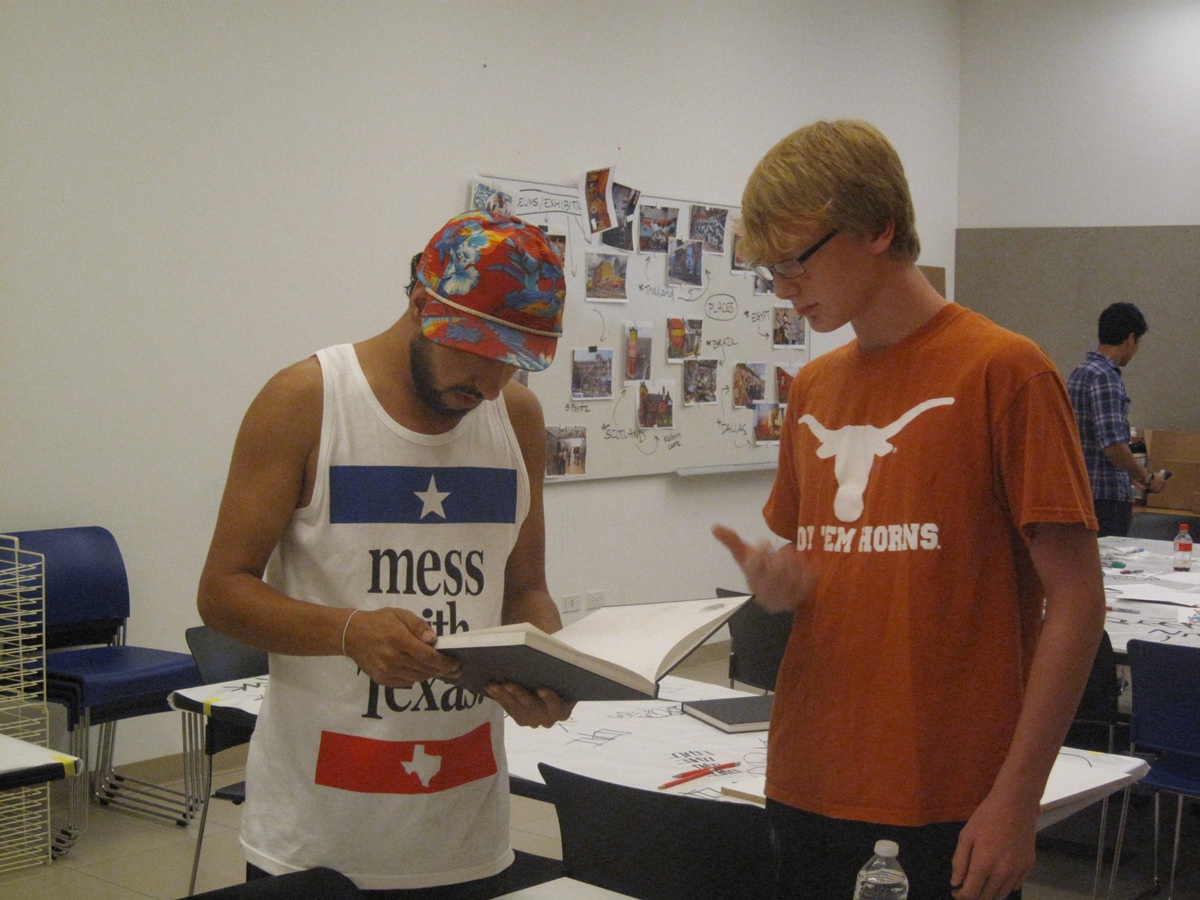
Teens participating in Urban Armor Street Art Camp with Isaac Davies

This year, Urban Armor launched its first exclusive teen summer camp in an effort to provide teens with a way to enhance their world and the space around them. Students encountered new forms of expression with the assistance of our Urban Armor teachers and guest artist Isaac Davies. They contributed to a large community “piece” on Ross Avenue Plaza, worked on their personal expression and self-statements in their sketchbooks and on their own painted panels, and explored how artists express themes of identity and space in artworks throughout the DMA’s collection.

Street Art Camp with Isaac Davies

Regardless of diverse opinions about street art, everyone can agree that it is a public way people are communicating or expressing themselves in our city. It is common now to see a tag, sticker, mural, or art bomb on any given street of Dallas. With heavy influences from artists like Keith Haring, Jean Michel Basquiat, Shepard Fairy, Banksy, and the many unnamed artists on every wall in town—it is important to recognize street art’s strong influence on our culture. For today’s generation, this is a prevalent force in their lives and a heavy part of their visual culture.

Watch participants from the summer camp Urban Armor: Street Art Camp and guest artist Isaac Davies as they demonstrate learned techniques from their camp experience tonight during Late Night at 7:00 p.m.

Amanda Batson is the Program Coordinator for the Center for Creative Connections and JC Bigornia is the Coordinator of Family Experiences.


Archives

Categories