Archive for the 'Behind-the-Scenes' Category


Window Gazing

Art collector and longtime DMA supporter Dorace Fichtenbaum left a generous bequest of 138 objects to the Museum. We installed a selection of these works of art, selected by curators Olivier Meslay and Gavin Delahunty, to celebrate the extraordinary personality of their collector, who died last summer.

As an exhibition designer, I was struck by Ms. Fichtenbaum’s singular vision in her collecting practice, one that was defined by personal preference and spread over multiple genres. Her worldliness comes across in the breadth of the collection, which ranged from Abstract Expressionist prints to carved African figures. This juxtaposed style, once installed all together in her home, reminded me of Alfred Barnes’ manner of collecting for what is now the Barnes Foundation in Philadelphia. Like Dr. Barnes, Dorace Fichtenbaum included in her collection new works by the  contemporary artists of her time, including Yayoi Kusama and Nam June Paik, among others. In my efforts to design a space to do justice to this special gift, I was inspired by the collector’s manner of dense display in her home.
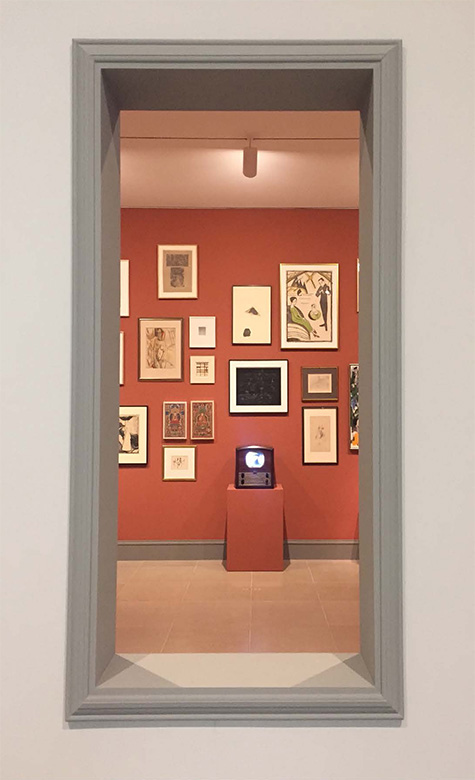
Image 1 copy

My idea for the space was to create intriguing sightlines that invite visitors inside, and also distinguish this gallery within the larger Barrel Vault area of the Museum, which is installed with other works from the permanent collection. To accomplish this, we created a gray foyer-like space to temper the disconnect between the interior installation and the large exterior white gallery. The central sightline when looking into the gallery is a window that provides a key vantage point into the collection installed on the far wall. A framed door on either side of the window asks visitors to engage in the space and treat it as a more intimate interior space, much like you would find in someone’s home.

That space uses color and architectural trim to distinguish it, and to suggest a domestic interior. A classic salon-style hanging of the artworks allows for aesthetic relationships to form easily between the works that are hung on one surface and use the full height of the wall. This type of “hang,” as we call the installation of artworks on a wall, is special in that it includes three-dimensional works mounted on the wall or displayed in museum casework.

To maintain a consistency with these design concepts, no museum labels have been installed in the space; however, there is much contextual information on the collection and on each individual piece in the “label” booklets we provide. The booklets use a diagram of the installation with numbered elements so that visitors can refer to individual objects.

Our skilled team of preparators installed the works based on this detailed diagram.
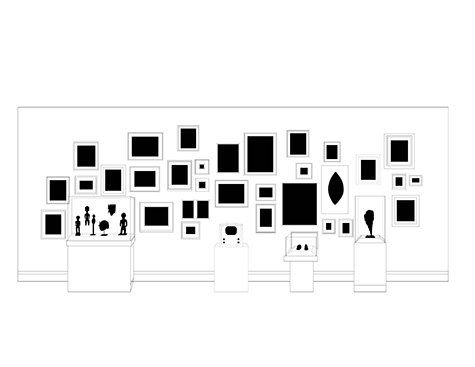
Image 2 copy

As Olivier Meslay wrote in his article for the DMA Member magazine, Artifacts, “The walls and shelves of Dorace’s home were full of remarkable works that will now grace ours. Dallas is fortunate to have had a collector like her: generous, modest, tasteful, and passionate.”

Skye Malish-Olson is the Exhibition Designer at the DMA.
Early Start: Young Learners Gallery

construction
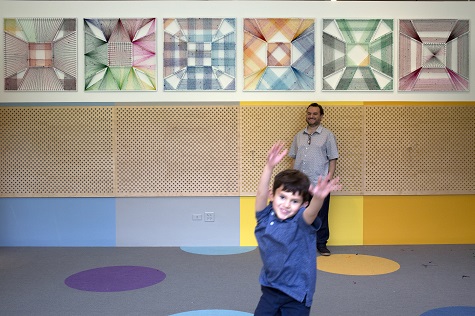
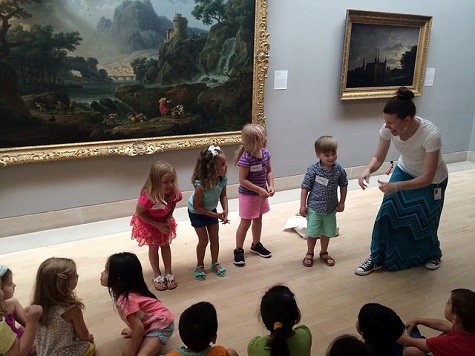
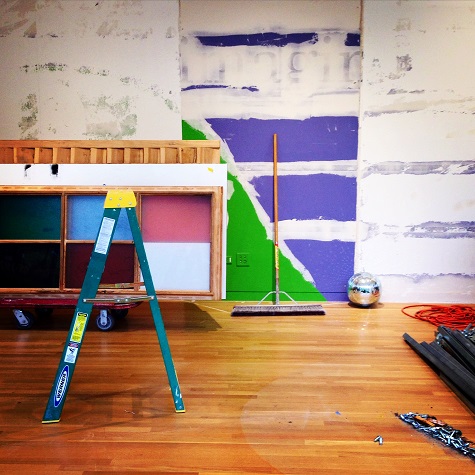
Last week the redesigned Young Learners Gallery re-opened after a month of construction, and we are so proud of the new space. Along with a complete overhaul of the color scheme, furniture, and design elements, the new space incorporates bilingual signage, an art installation, and a variety of activities focused on the theme of Line.


Adrian Windmills and Von

Windmills, by El Paso–based artist Adrian Esparza, serves as inspiration for children ages 5–8 and their grown-ups as they explore line through the activities.

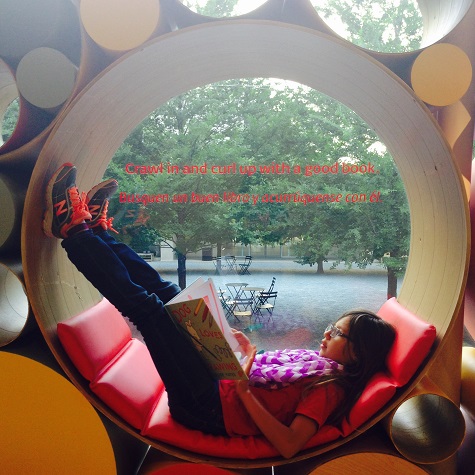
Julia in Reading Nook books2

These comfy cozy reading nooks are the perfect place to curl up with a good book about lines. Leah Hanson, resident children’s book guru and Manager of Family and Early Learning Programs, picked out a slew of amazing books for the reading area.

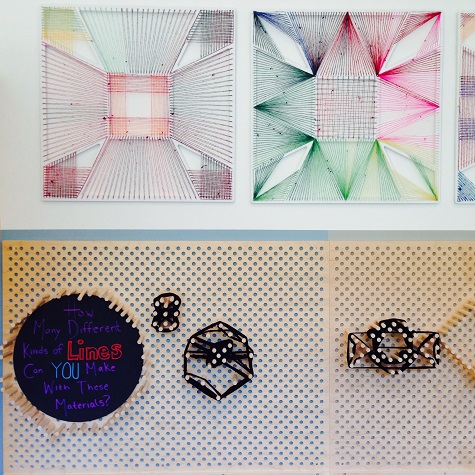
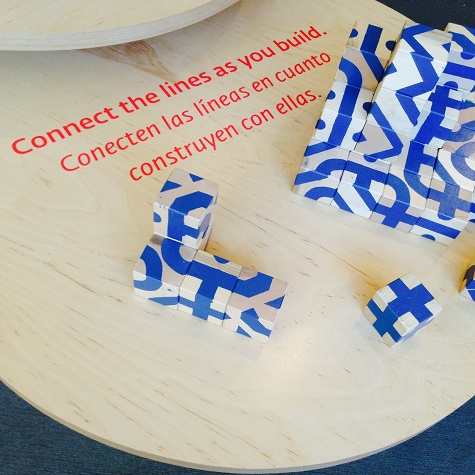
pegs blocks

Visitors to  the Young Learners Gallery can explore line through a variety of activities including building with lines, creating and transforming lines on our pegboard wall, transforming their body into a line in our distortion mirror, and exploring storylines using figures and works of art from the Museum’s permanent collection as inspiration.

YLG banner2016

Stop by the Young Learners Gallery on your next visit to the Dallas Museum of Art!

Jessica Fuentes is the Manager of Gallery Interpretation and the Center for Creative Connections at the DMA.

Black Tie Optional, Style Mandatory

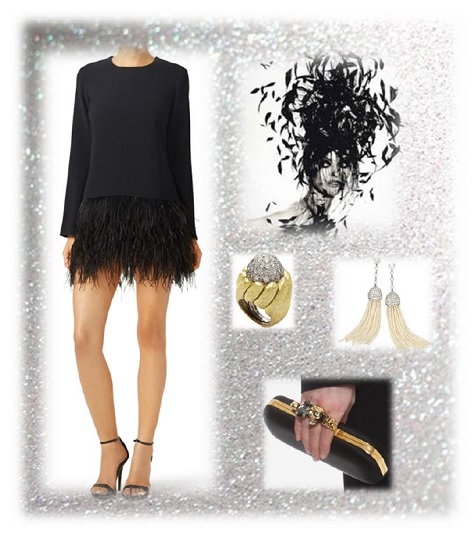
Folly at the Art Ball, our new annual fundraiser hosted by the DMA Junior Associates to benefit the Dallas Museum of Art, will launch this weekend as the After Party of the Museum’s annual gala. And we’re giving a special offer to our Uncrated readers to join in on the fun (see below). The attire “black tie optional” might sound intimidating, but it’s really about what makes you feel your best!

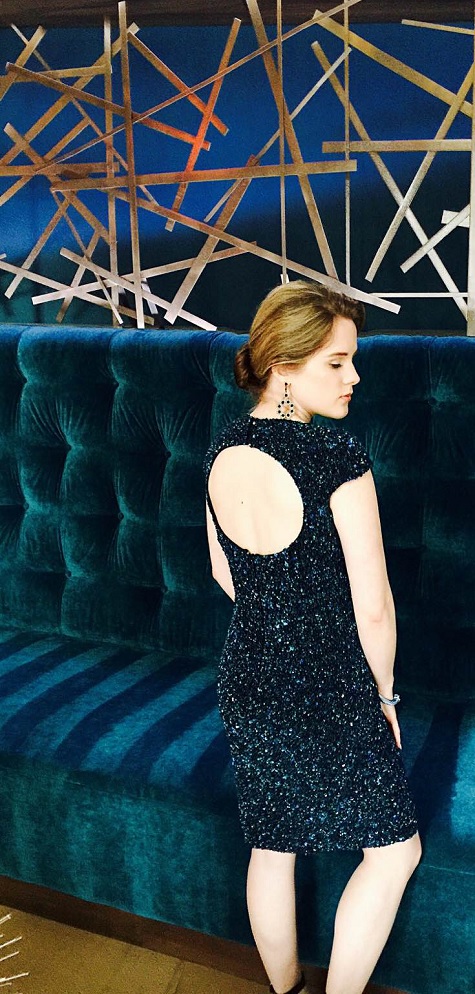
Inspired by fashion bloggers and chic instagrammers, we asked a few DMA Juniors to give us a sneak peek at their ensembles for the best night of the year:

Abigail Baber Rust, DMA Member since 2008
Jennifer Anthony, DMA Member since 2015
Jennifer Anthony, DMA Members since 2015
Julia Anthony, DMA Member since 2015
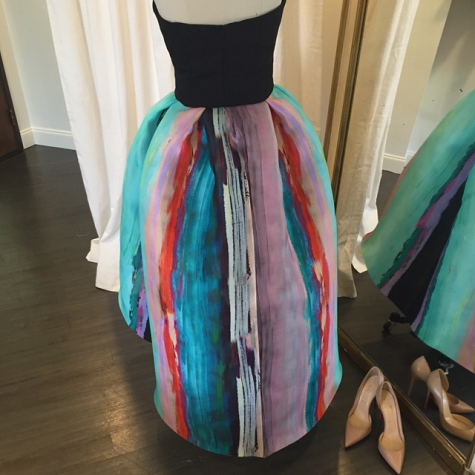
Vodi Cook, DMA Member since 2015 wearing Custom Couture designed by fellow DMA supporter MacKenzie Brittingham
Vodi Cook, DMA Member since 2015 wearing Custom Couture designed by fellow DMA supporter, MacKenzie Brittingham.

When trying to decide what to wear, remember to ask yourself, “Would I look great driving away in a Jaguar in this outfit?” The evening includes a chance to win a brand-new 2017 Jaguar F-Pace Prestige. No matter what, make sure you are ready to dance to the tunes of DJ Lucy Wrubel and the Georgia Bridgwater Orchestra!

Since you are loyal Uncrated readers, we’d love to treat you to 25% off entry tickets to Folly at the Art Ball. Use the discount code UNCRATEDSTYLE when you purchase yours before Saturday, April 23, at noon! Tickets will be sold at the door for an increased price of $250.

Rebekah Boyer is the Assistant Manager of DMA Member Groups at the DMA.

Sculpted by Women

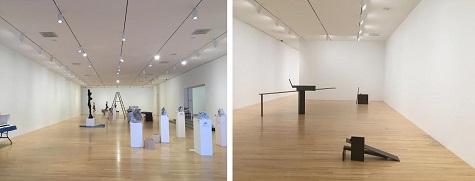
Over the past two weeks, the DMA’s Hoffman Galleries have been populated with sculptures that appear—for lack of a better word—unfinished. Amorphous mounds of pastel-washed, unfired clay occupy the sunlit central gallery. Wall-mounted vitrines house bits of Polystyrene and bark, which mingle with squiggles of neon and fragments of clay. In the back room, configurations of Cor-ten steel sheets lie in delicate balance, punctuated unexpectedly by soft, fluffy pompoms. To the naked eye, these works could be mistaken for preliminary models or sculptural prototypes rather than polished final products—and that is exactly what Rebecca Warren, the British artist responsible for these enigmatic sculptures, wants.

Rebecca Warren: The Main Feeling installation images, March 2016

Rebecca Warren: The Main Feeling installation, March 2016

On March 13, Rebecca Warren: The Main Feeling opened to the public at the DMA. The artist’s first comprehensive museum show in the US, the exhibition surveys over ten years of her sculpture practice, which intentionally confounds categorization and challenges existing histories of art. In other words, Warren takes all that we expect of sculpture, and flips it on its head.

Rebecca Warren: The Main Feeling continues the DMA’s commitment to supporting the work of innovative female sculptors, many of whom continue to be under-recognized within the history of art. Below are a few highlights of sculptures made by female artists from our contemporary art collection, all of which are currently on view.

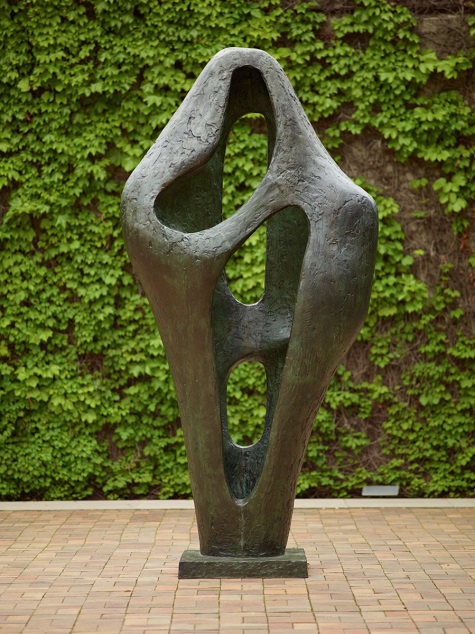
Barbara Hepworth, Figure for Landscape, 1960, Bronze, Dallas Museum of Art, gift of the Meadows Foundation, Inc., 1983.154 © Alan Bowness, Estate of Barbara Hepworth

Barbara Hepworth, Figure for Landscape, 1960, bronze, Dallas Museum of Art, gift of the Meadows Foundation, Inc., 1983.154, © Alan Bowness, Estate of Barbara Hepworth

In our Sculpture Garden, British artist Barbara Hepworth’s Figure for Landscape stands stoically along the west wall. An early pioneer of abstract sculpture, Hepworth modeled this biomorphic form and then cast it in bronze, leaving gaping openings in the work that distinguish positive and negative space within the body of the structure. While sculpture making had traditionally been conceived as the production of an object in space, Hepworth illuminated the possibility of sculpture making as a process of carving out space within an object.

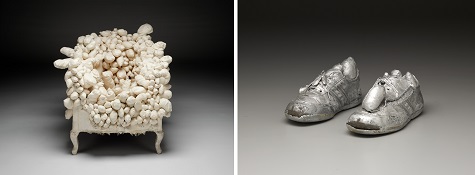
(left to right) Yayoi Kusama, Accumulation, 1962-1964, Sewn stuffed fabric with paint on wooden chair frame, The Rachofsky Collection and the Dallas Museum of Art through the DMA/amfAR Benefit Auction Fund, 2008.41 © Yayoi Kusama E-mail: contact@yayoi-kusama.jp; Yayoi Kusama, Untitled, 1976, Shoes, paint, and foam, Dallas Museum of Art, bequest of Dorace M. Fichtenbaum, 2015.48.22.A-B

(left to right) Yayoi Kusama, Accumulation, 1962-64, sewn stuffed fabric with paint on wooden chair frame, The Rachofsky Collection and the Dallas Museum of Art through the DMA/amfAR Benefit Auction Fund, 2008.41, © Yayoi Kusama; Yayoi Kusama, Untitled, 1976, shoes, paint, and foam, Dallas Museum of Art, bequest of Dorace M. Fichtenbaum, 2015.48.22.a-b

Two works by Japanese artist Yayoi Kusama are on view in the new installation Passages in Modern Art: 1946-1996. Kusama is known for her uncanny ability to imbue everyday objects such as chairs, shoes, and vegetables with the psychological intensity of dreams and fantasy. To make Accumulation, Kusama coated a wooden chair frame with phallus-like fabric forms and subsequently painted every component of the work in a neutral beige color. Untitled comes from the same series, and similarly features shoes that have been covered in phallic foam cutouts.

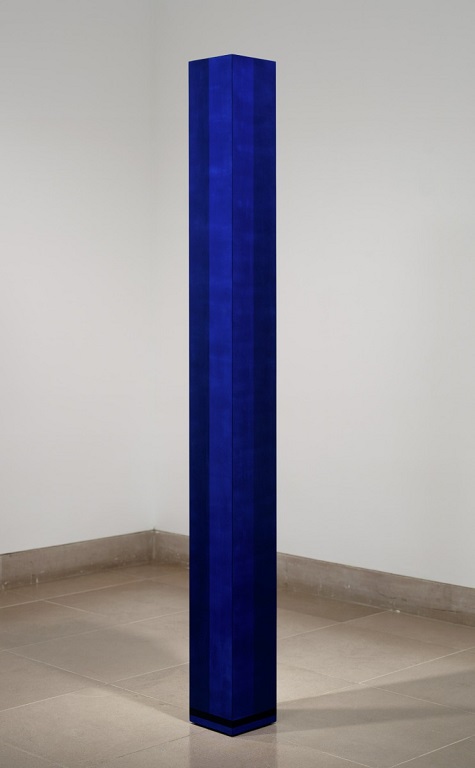
Anne Truitt, Come Unto These Yellow Sands II, 1979, Acrylic on wood, Dallas Museum of Art, gift of Shonny and Hal Joseph (St. Louis, Missouri) in honor of Cindy and Armond Schwartz, 2002.55 © Estate of Anne Truitt

Anne Truitt, Come Unto These Yellow Sands II, 1979, acrylic on wood, Dallas Museum of Art, gift of Shonny and Hal Joseph (St. Louis, Missouri) in honor of Cindy and Armond Schwartz, 2002.55, © Estate of Anne Truitt

A major figure in American art since the 1960s, Anne Truitt is best known for her streamlined vocabulary of basic forms and colors, which typically coalesced into tall, thin wooden sculptures meticulously coated in several smooth layers of paint, such as Come Unto These Yellow Sands II, currently on display in the Barrel Vault. A nearly eight-foot pillar of deep, vivid blue, Truitt’s sculpture projects a three-dimensional block of color into the space of the viewer, merging the optical experience of her work with sensuous immediacy.

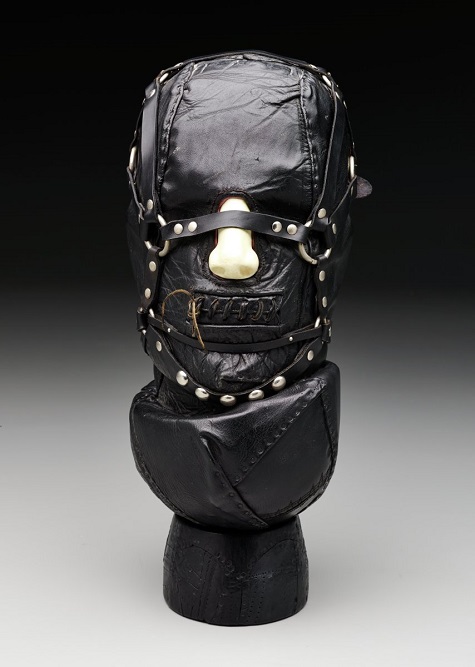
Nancy Grossman, Untitled (Head), 1968, Leather, wood, metal, Dallas Museum of Art, Dallas Art Association Purchase, 1969.8.A-B

Nancy Grossman, Untitled (Head), 1968, leather, wood, and metal, Dallas Museum of Art, Dallas Art Association Purchase, 1969.8.a-b

Installed adjacent to Truitt’s column of pure blue is Nancy Grossman’s Untitled (Head), a sculpted head carved from wood and overlaid with leather. Rendered blind and mute, this unsettling figure alludes to the role of the silent witness amid cruelty and disorder within contemporary society. In fact, Grossman began making these head sculptures in the 1960s partially in response to the violence and social upheaval caused by the Vietnam War.

Sculpture takes center stage this season at the DMA, so the next time you find yourself at the Museum, be sure to take a closer look at these works in Rebecca Warren: The Main Feeling and Passages in Modern Art: 1946-1996.

Nolan Jimbo is the McDermott Intern for Contemporary Art at the DMA.

Passages in Modern Art

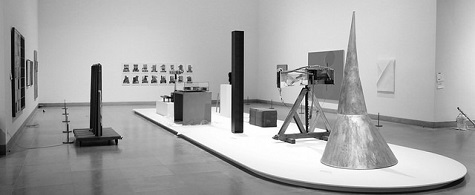
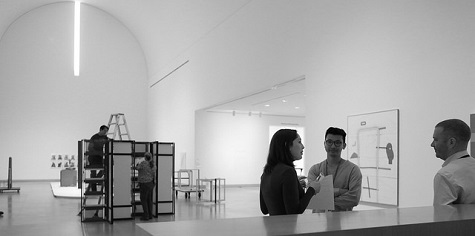
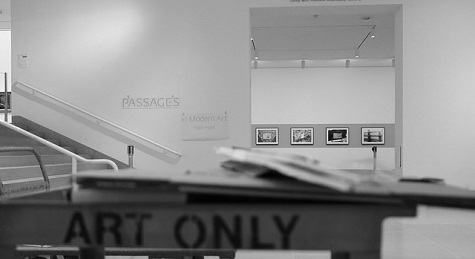
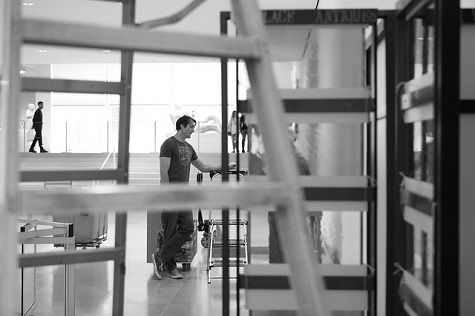
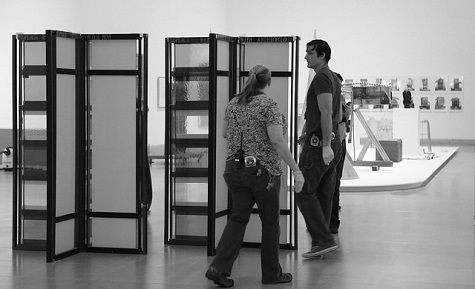
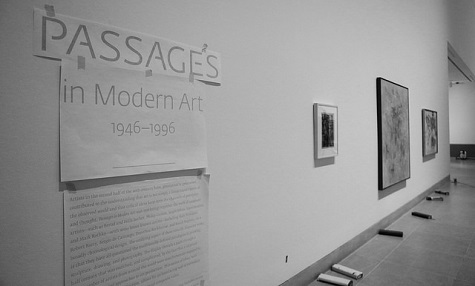
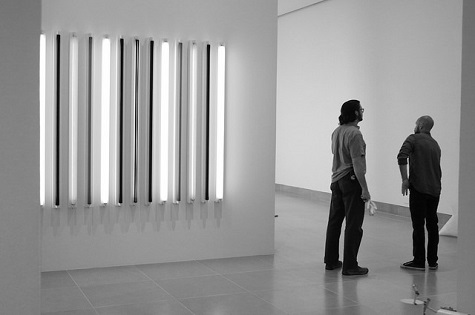
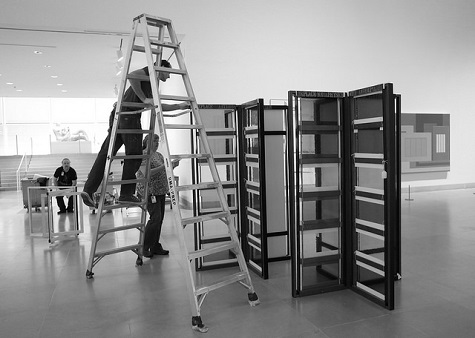
Last week a new installation of contemporary art, drawn mainly from the DMA’s collection, opened in the Museum’s Barrel Vault and Quadrant Galleries. The DMA has impressive holdings of contemporary art, and here is a snapshot of some of the amazing works. Explore portions of the installation process below and plan a trip to see the art in person.

Puppy Love

We love hearing from our visitors about their experiences at the DMA. We especially enjoy learning about ways art touches lives. We recently received an e-mail from Mark and his granddaughter Fiona. Their story brought a smile to so many of the DMA staff that we asked if we could share their visit on Uncrated:

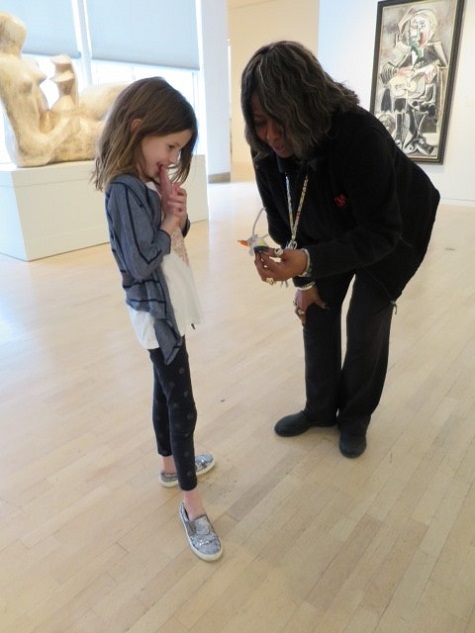
Earlier this month I took my seven-year-old granddaughter to the DMA. We visited the European galleries to look at paintings, more like glances as we raced by all the paintings. But we stopped at a large painting that depicts the myth of Zeus turning into a bull to woo his love. I asked Fi what she thought of this “crazy painting” when a woman paused near us. She shared the story the painting represented and then asked Fiona a question I should have asked at the beginning of our visit: “What kind of paintings do you like to see?”
joyce1

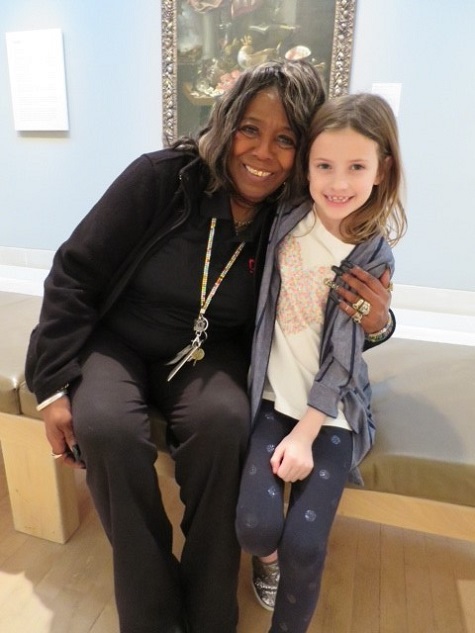
Without hesitation my granddaughter said animals. She told us that she had the perfect painting for us, one that Fiona would love. The painting was not where she expected it to be and a gallery attendant, named Joyce, told us the painting was “taking a rest” but that she knew of more work depicting animals. While we were touring these animal paintings, Fiona and Joyce swapped pet stories and advice, both agreeing that you need to tell your pets that you love them every day.
joyce3

After exploring the galleries we stopped at the hands-on area of the DMA (The Center for Creative Connections), where you can make your own work of art. Fiona drew and was able to make a rabbit sculpture with a piece of egg crate and pipe cleaners. She was very proud of her work and asked if she could keep it, and I told her yes. She then surprised me by saying she wanted to give it to the nice lady, Joyce.
joyce 2

A museum can be a cold, intimidating experience, but we found such warmth from our two encounters with DMA staff.
– Mark

We caught up with Joyce in the galleries to talk about her encounter with Mark and Fiona. She told us one of her favorite things about the job is being able to interact with our visitors, especially the youngest visitors like Fiona, and share her love of art. She was extremely moved by Fiona’s gift, which she has fondly named Fiona in her honor, and can’t wait to run into them on their next visit.

Kimberly Daniell is the Senior Manager of Communications, Public Affairs, and Social Media Strategy at the DMA.

The Soundtrack to Vermeer Suite

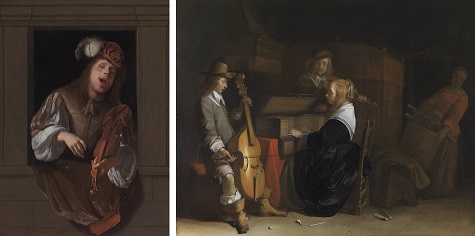
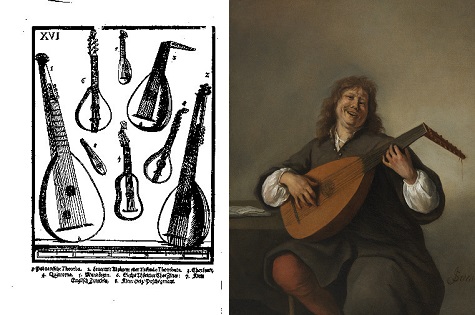
Viols, virginals, flutes, and lutes! The small, masterful paintings in Vermeer Suite: Music in 17th-Century Dutch Painting, each featuring an individual playing or holding an instrument, indicate the popularity and prevalence of music—both as artistic subject matter and as activity—in the Netherlands during the 17th century.

Interestingly, the associations with music at the time ran the gamut from divine gift to causing irreparable moral damage. On one side of the spectrum, music was spiritual medicine, played solely to glorify God. On the other side, music making was perceived as a worldly pleasure and at odds with Protestant values, diverting one’s attention away from spiritual salvation. Somewhere in the middle of the spectrum, music playing and listening functioned as a polite form of entertainment for the elite upper classes. It was played in the household in the same way we might gather around and play charades or watch a football game today. Playing music was also a means for solidifying social and professional relationships, and it was a socially acceptable way for unmarried people to interact—to essentially be on a date without a chaperone. Beyond the household, elites could find a quasi-public outlet for practice and performance in a collegium musicum—a small group of amateur musicians that convened in one of its members’ homes or a location approved by the city council. Members of the lower classes could visit muziekherbergen (music inns), which made instruments available for patrons. At a music inn, a capable player who refused to perform was required to purchase a round of drinks for the whole tavern as penalty!

Thurs 10_16 118

With the artists’ careful attention to detail and intricate treatment of surfaces, the realistic paintings in Vermeer Suite: Music in 17th-Century Dutch Painting transport us to a lively Dutch street corner or an intimate living room gathering. While we can almost hear the music that likely accompanied these scenes, visitors to the exhibition do not have to imagine it. In the exhibition’s adjacent gallery, visitors can actually listen to the paintings’ soundtracks. Songs by Jan Pieterszoon Sweelinck (1562-1621), one of the most prolific Dutch songwriters to achieve international renown, will be played continuously. A professional organist who served the Oude Kerk (Old Church) in Amsterdam for forty-four years, Sweelinck was one of the first major composers of keyboard music in Europe.

picture

Additionally, a sound bar in this interactive gallery offers visitors the opportunity to listen to the distinct sound of each of the instruments depicted in the paintings and learn about how they were played. Visit the DMA through August 21 to enjoy the visual and aural experience of Vermeer Suite: Music in 17th-Century Dutch Painting, which is included in the Museum’s daily free general admission.

Andrea Severin Goins is the Interpretation Manager at the DMA.
Images: Jacob Adriaensz Ochtervelt, A Singing Violinist, c. 1666–70, oil on panel, © The Leiden Collection, New York; Gerard ter Borch, A Musical Company, c. 1642–44, oil on panel, © The Leiden Collection, New York; Lutes, Michael Praetorius, Syntagma Musicum, 1619. Syntagma Musicum is a three-volume treatise written by the German musicologist Michael Praetorius between 1614 and 1620; Jan Steen, Self-Portrait with a Lute, n.d., oil on canvas, © The Leiden Collection, New York

A New Lady in Town

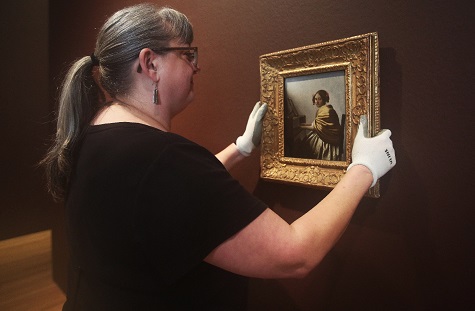
This past weekend, the DMA introduced a very special guest to visitors: Johannes Vermeer’s painting Young Woman Seated at a Virginal from The Leiden Collection in New York. Everyone was excited to see her arrive in Dallas, and we captured the moment she was placed in the DMA gallery.

This 17th-century Dutch painting is one of only 36 Vermeer paintings in existence and one of only a few in private collections. This small but powerful piece is the inspiration for Vermeer Suite: Music in 17th-Century Dutch Painting, a DMA-organized exhibition of 17th-century Dutch paintings on view through August 21, 2016, and included in our daily free general admission.

Screen Shot 2016-01-16 at 12.59.02 PM

Kimberly Daniell is the Senior Manager of Communications, Public Affairs, and Social Media Strategy at the DMA.

Uncrating 2015

At the DMA, 2015 was a great year full of art, fun, and visitors enjoying an array of exhibitions, programs, and events. Highlights include the fifth anniversary of two of our access programs (Autism Awareness Family Celebrations and Meaningful Moments), the presentation of four DMA-organized exhibitions (Between Action and the Unknown: The Art of Kazuo Shiraga and Sadamasa Motonaga, Michaël Borremans: As sweet as it gets, Spirit and Matter: Masterpieces from the Keir Collection of Islamic Art, and Jackson Pollock: Blind Spots), eleven Late Nights, an active year of paintings and object conservation, dozens of classes and art camps for kids, the hosting of our third naturalization ceremony, the topping out of the Museum’s new Eagle Family Plaza and north entrance, and more than 700,000 visitors in 2015. We can’t wait to see what 2016 brings!


Sketching a Collection

To celebrate the opening of the DMA’s newly renovated Arts of Africa Galleries, we put together something fun.

This video, featuring thirty sketches, highlights the creativity and talent of our visitors and showcases their unique perspectives and imagination.

These drawings were originally hung on a temporary wall on Level 3 in the Museum until late August. We’re lucky to have such talented visitors, and we are pleased to be able to show off some of their work on Uncrated.

[youtube https://www.youtube.com/watch?v=AINMw0tjrto&w=560&h=315]


Gregory Castillo is the Multimedia Producer at the DMA.

Archives

Categories