Archive Page 6


How to Throw a Block Party

Have you ever wanted to throw a block party but don’t know how to go about it? One of the interesting things about my job is that I now know a lot about what goes into making a good one.

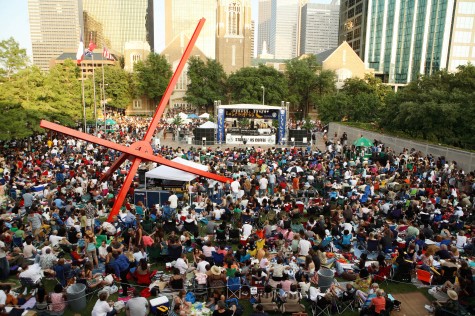
On June 17 we’ll host our third annual Summer Block Party in the Arts District, and I wanted to share a little of the “backstage” planning. The Summer Block Party has always involved the Arts District museums and Downtown Dallas Inc., and this year we are also working with the Dallas Symphony and the AT&T Performing Arts Center.

The first part of planning any big event is getting all the “players” together to discuss ideas and work out the details. Our first Arts District group meeting was the first week of April, and we have had two group meetings since then. Agenda items for these meetings included planning joint programs, discussing street closure logistics, and crafting a marketing plan.

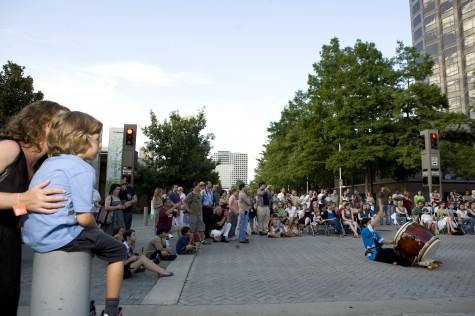
A street performance during a Summer Block Party

After these meetings, the “point person” from each institution goes back “home” to work out the specifics. Here at the DMA we had meetings with our Security, Operations, Membership, and Marketing teams to go over all the details for the DMA’s Late Night, especially the Summer Concert featuring The Polyphonic Spree. Between that first planning meeting in April and the event on June 17, I will have had fourteen internal meetings with various staff members just about this one event.

A past Late Night Summer Concert on Ross Avenue Plaza

Another aspect of throwing a block party is closing the streets between the museums. We do this so we can have programs outside and for the safety of all our visitors, who will be walking back and forth between the institutions. Closing the streets requires a permit from the City, which must be submitted forty-five days before the event. Once we get the okay from the City, we have to secure police officers, outdoor lighting, port-a-potties, and street barricades.

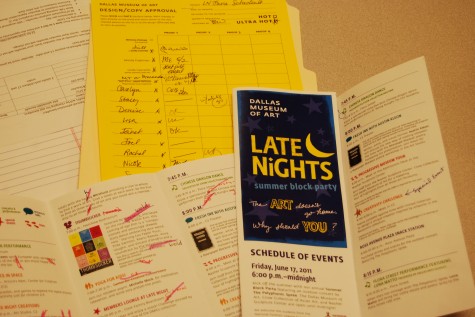
After our programs are confirmed, we then work with our graphic designers and editor to create a schedule of events, which we give to visitors when they arrive that night. We submit text three weeks in advance to give them time to edit and design the schedule, have staff review the schedule, and make any last minute changes before sending it to the printer. We then update our website with all the current information, and our PR department sends out a press release and begins posting on Facebook and Twitter.

Proof for the Late Night Schedule of Events

Lastly, to continue in the tradition of my previous blog post about Late Nights, I thought I would end this post with a new Late Nights by the Numbers list:

272 – number of emails I have sent and received about the Summer Block Party since April

52 – number of performers and artists featured during the June Late Night

7,000 – number of Late Night event schedules printed for this night

6 – number of food trucks that will serve food during the Summer Block Party

2 – number of clues the DMA will tweet for the Museum Art Challenge on Twitter

12 – number of port-a-potties on-site during the Summer Block Party

4 – number of rotating mirror balls that will be used during The Polyphonic Spree concert

Stacey Lizotte is Head of Adult Programming and Multimedia Services.

Bookends

We’ll host our 1st Annual BooksmART festival on Saturday June 11th from 11am to 5pm. General admission to the Museum will be FREE with a fun-packed day of events and activities celebrating literacy and the arts for the young and young-at-heart. Our  stellar lineup of authors, illustrators and performers include Rick Riordan, Laurie Halse Anderson, Norton Juster, Jerry Pinkney, David Wiesner and many more!

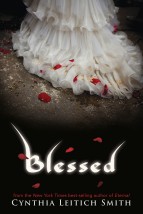
One of the authors that I am especially excited to hear  is Cynthia Leitich Smith, a New York Times bestselling and award-winning author whose fictionfor young readers  is noted for its diversity, humor, lyricism, imaginativeness, compelling action, and mid-to-southwestern settings. And I got the chance recently to ask her a few questions.
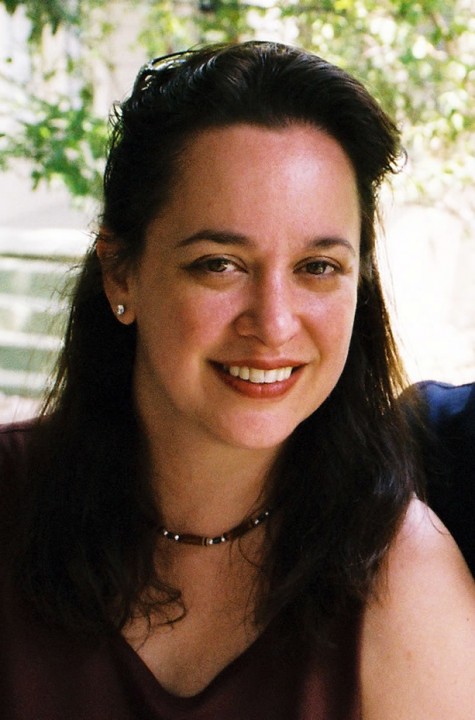
Q: Why did you decide on a career writing for children and young adults?

As a child and teen, I was an avid reader and writer. I read all of the Newbery winners and everything by Judy Blume. I transitioned to spooky stories during adolescence. Along the way, I also read graphic-format books (which we used to call “comics”).  In sixth grade, I had a column, “Dear Gabby” in Mr. Rideout’s classroom newsletter, offering advice to the troubled and lovelorn.

I went on to become editor of my junior high and high school newspapers. From there, I earned a journalism degree and law degree, working summers for small-town and major metro newspapers (including the Dallas Morning News) and in law offices.

As a first-generation college graduate, I was mindful of pursuing writing jobs with relative security to them. But in my late 20s, after the Oklahoma City Bombing, I was reminded that life can be short, unpredictable, and precious–that we should follow our dreams and do our best to uplift others. I could imagine no pursuit closer to my heart than books for young readers, and from that point on, I’ve dedicated myself to that end.

Q:  You are a member of the Muscogee (Creek) Nation.  How has your Native American heritage and identity influenced your writing?

The quintessential advice we give to new voices is: write what you know. For me, that meant realistic stories of lower middle class, mixed blood Native American families from the mid-to-southwest. It meant stories of daily life and intergenerational relationships and military service and loss and healing.

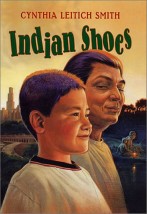
My first book, Jingle Dancer  is about a young girl who assembles her jingle dance regalia with the aid of women of every generation of her intertribal community and then dances to honor them at a powwow. My debut novel for tweens, Rain is Not My Indian Name, is about a girl who, after the unexpected death of her best friend, slowly reconnects to the important people in her life through the lens of a camera. Indian Shoes is a collection of humorous, touching short stories for middle grade readers. They’re about young Ray and his Grandpa Halfmoon.

I’ve continued writing about Native characters and themes in my short stories. In 2012, I look forward to the publication of a companion short story to one by noted Abenaki author Joseph Bruchac, which will appear in Girl Meets Boy. Our tales are a fun pairing, about two Native teens–one who’s a tall, formidable basketball-star girl and one who’s a short, scrawny boy into martial arts. It’s a love story–naturally.


 

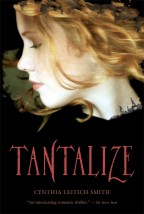
Q: You shifted your emphasis to fantasy for your book TANTALIZE, the first in a series.  What made you want to tackle the fantasy/gothic fiction genre?

I occasionally joke that I’m in the thrall of the master, by which I mean Abraham Stoker. I was fascinated by Dracula, especially with regard to the timelessness of its themes for teen (and grown-up) readers today. The classic touches on gender and power, orientation, the “dark other” (which back in the day meant Eastern European), plague, invasion, and more. All of those topics are still very much with us today, and looking at the vampire mythology itself….

Q: What has been one of your most meaningful interactions with one of your readers?
A handful of teenage girls have written to tell me that they have left their abusive boyfriends because of Quincie, the hero of the Tantalize series. A girl has written to say that she felt differently–better about herself–after having been assaulted by someone she’d trusted.

Other kids have written to say that Rain is Not My Indian Name helped them to cope with the loss of a loved one, and an aunt told me that her niece wouldn’t speak of a friend’s death until she could do so by using the novel as a reference point.

Most recently, I’m reminded of a boy–about age 14–who came up to me on my recent book tour. I was in New York City, and he approached me with a well-loved and quite tattered copy of Tantalize. He said it was the first book he’d ever finished. “The first book?” I asked, and he nodded solemnly. “The first book ever,” he emphasized. “All the way through.”

Q: What are you most excited about for the BooksmART festival?  Can an art museum add something to the traditional book festival?

I’m excited to connect with folks who have a global love of the arts–visual, literary, and beyond. They’re people of imagination and possibilities–kindred souls and the very kind of heroes that I love to write about.  Austin may be my home now, but Dallas will always be dear to me. See y’all soon.

Cynthia Leitich Smith will be presenting on her young adult fiction, including her latest novel, Blessed, in Horchow Auditorium. 

She will also present on her books for younger readers that explore Native themes and characters in the DMA’s exhibition Art of the American Indians: The Thaw Collection

Katie Hutton is Interim Head of Arts & Letters Live at the Dallas Museum of Art
Like a Rolling Stone

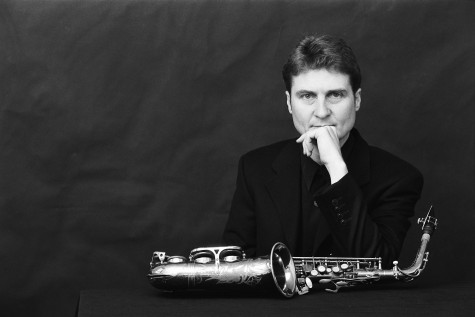
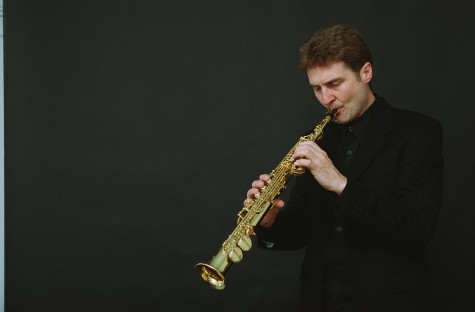
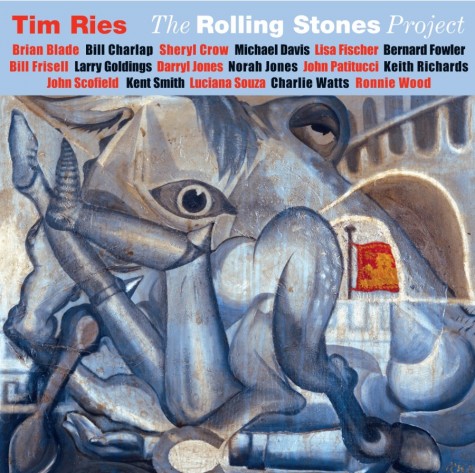
The 28th season of Jazz Under the Stars will kick off tomorrow and we are all very excited about this year’s lineup. A full schedule and brief details on each of the groups can be found on our concerts page. I recently had the chance to chat with Tim Ries, saxophone player and featured artist for the June 9 Jazz Under the Stars concert. I was excited to get to ask him a few questions about his background as an artist, his time with the Rolling Stones, and The Rolling Stones Project. Watch a video of Tim performing his arrangement of Satisfaction from The Rolling Stones Project.

Q: What made you first get into jazz, and music in general?

My dad played the trumpet and had a band, although it was not his full-time job. I grew up in Detroit, so he also took me to all the concerts that toured through the area. I got to see all the famous big bands when they were on tour, like Woody Herman Band, Maynard Ferguson, Count Basie, and the Ellington Band. Then of course my dad also had all the jazz greats playing at home too, like Louis Armstrong.

My sisters were all into the Beatles and Rolling Stones so I heard that a lot growing up too, which is great since now I play with the Stones.

Q: So, what was your “career path” as an artist?

When all the Motown bands left the Detroit area for California in the early to mid 70s, many of the “sidemen” stayed in the area. I had the chance to play with these guys from a very young age. That was really great. Then I went to the University of North Texas for my undergrad and got my masters from the University of Michigan. And I am actually working on my DMA at the Manhattan School of Music right now. From 1983 to 86 I was in the Maynard Ferguson band, so I guess that would be considered my first “touring gig.”

After that, I moved to New York, where I have lived since. I play a lot in the city and travel all around to play with many people and many different types of music. I have had the chance to work with lots of great musicians, including Donald Bird, Joe Henderson, Michael Brecker, Stevie Wonder, and Michael Jackson.

Q: When did you start working with the Rolling Stones and how did you get this gig?

I started touring with the Rolling Stones in 1999. I had worked with their trombone player, Mike Davis, before and the saxophone spot opened up so he called me. They needed someone who could play saxophone as well as keyboard and organ and I could do it. So it really was a matter of who you know, being in the right place at the right time, and being a versatile and well-rounded musician.

Q: What is your favorite concert, or road experience?

Well, two things come to mind…

Many years ago I was booked on a recording session with Elvin Jones, who is my favorite jazz drummer of all time. I was very excited to be part of this session. Then on the same evening of the Jones session, I was booked to play a Stevie Wonder concert. Stevie is my favorite singer. Talk about an exciting day!

The second one was a Stones gig in Rio, on the Copa Cabana Beach, where we played for 1.5 to 2 million people. The concert promoter could not give an exact count because of the huge size of the crowd! They had to build a bridge over the road to the stage–over all the people–simply so the band could get to the stage to play the show. The “awesome factor” of that many people is almost indescribable.

Q: What inspired “The Rolling Stones Project” and the follow-up album, “Stone World”?

I had been wanting to do a “jazz album” of current popular music for awhile. I wanted to do something totally new and not just new arrangements of the same old standards from the 30s, 40s, and 50s. Having been with the Stones for several years by then, I thought, “why not do this project with their tunes as ‘modern day’ standards?” Charlie Watts got into the project first and was going to be the guest drummer on a couple of tracks. Then Keith Richards got in on a few tracks, and by the time the first album was finished, we had over twenty-five guest artists on it. The second album ended up with seventy-five guests, including all the original Stones members again, as well as an overall all-star lineup.

Q: What new projects are on the horizon for you?

I will have two new CDs coming out this year. The first one that will be released was actually recorded in between the time of The Rolling Stones Project and Stone World. The second is a live CD recorded more recently in a New York club called Smalls. It features John Patitucci, Chris Potter, Billy Drummond, and Kalman Olah.

I also have many recordings and video footage of additional Stones songs done in big band arrangements that I would like to release sometime in the near future as well.

Mostly, in my own projects, I don’t want to be classified as only a jazz artist. I want to do projects where I have a chance to make great music with all the great musicians that I have had the honor to work and play with over the years.

Don’t miss your chance to see Tim Ries and The Rolling Stones Project featuring Bernard Fowler on Thursday, June 9!

Denise Helbing is Manager of Partner Programs at the Dallas Museum of Art.

Our #1 DMA Moms

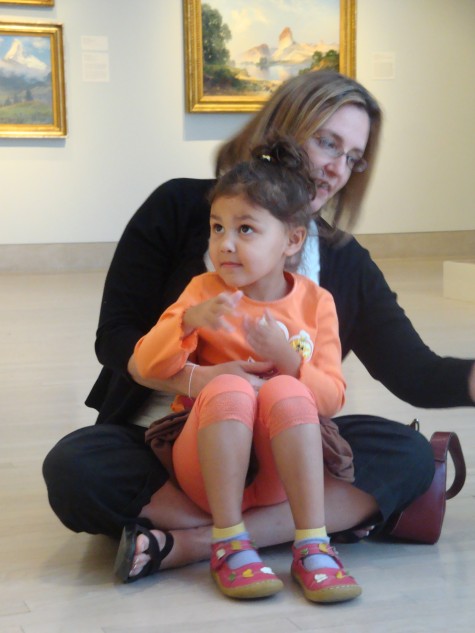
#1 Mom mugs, construction paper cards, misshapen clay bowls, homemade jewelry—many moms probably have an entire stash of Mother’s Day gifts they have received over the years from their children. When I’m working with preschool children in the studio, one comment I hear over and over again is “this is for my mom!” For kids, there’s just something about creating artwork they’re proud of and wanting to give it to mom. In honor of Mother’s Day, I thought I’d check in with some of our kid experts to find out what they think about celebrating mom.

Kris and kids 2008

Kris and kids 2011

Jeb, Gareth, and Ruthie have been coming to the museum for parent-child classes since Ruthie was a baby strapped to her mom’s back. When asked where their mom Kris’ favorite spot in the museum was, Jeb said “probably the studio.” Ruthie loves her mom because “she reads some books to me some time” and Gareth’s favorite thing to do with mom is “tea time.” Kris’ favorite work of art recently on display at the museum is Janine Antoni’s Lick and Lather. We’ve watched Kris’ kids grow up at the Dallas Museum of Art, and it’s a delight to see how well this family knows the museum and the collection.

Miller and Andrea 2009

Miller and Andrea 2011

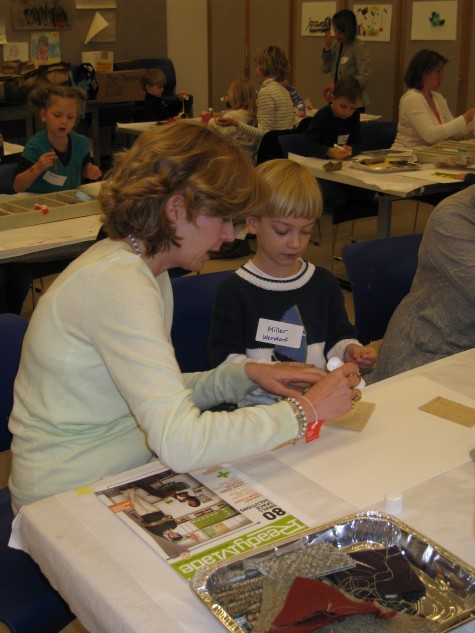
Five year old Miller says that his mom likes coming to the museum to see “the art stuff.” (When we checked in with Andrea, she clarified that her favorite spot is the Reves collection.) Miller informed us that “the things she likes to do—she likes to play Chutes & Ladders. She’s really good at a lot of sports.” When Miller started attending our Arturo’s Art & Me class as a three year old, he was shy and quiet and only wanted to sit with his mom. Now he’s one of the first to answer a question or share an observation and quick to volunteer when we need helpers!

Arwen and Kayte 2009

Arwen and Kayte 2011

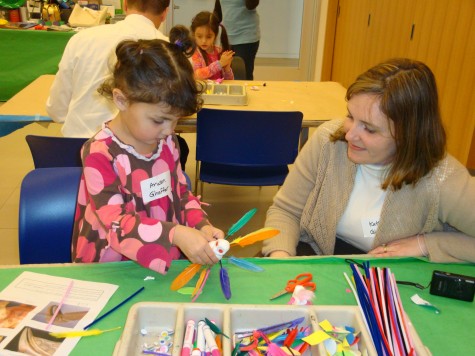
Arwen and mom Kayte have also been attending our art classes for several years. After one class about birds, Arwen went home and created an entire clay aviary display for her bedroom. She thinks mom’s favorite work of art is “the furniture,” but Kayte claims it is Robert Raushenberg’s Skyway. On a recent trip to Paris, Arwen was so museum-savvy, she didn’t have any trouble visiting the art museums and making herself right at home with her sketchbook.

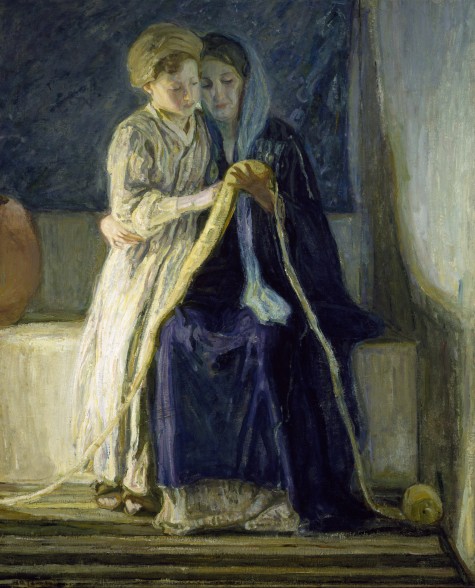
These are just a few of the fabulous moms who regularly visit the Museum and have become a part of our museum family. Treat your mom to a day at the museum this Mother’s Day! You can enjoy a Mother’s Day brunch in the Atrium, create art to wear in the Studio, and spot a few of the famous moms hanging out in the galleries (like Henry Ossawa Tanner’s painting pictured below).

Henry Ossawa Tanner, "Christ and His Mother Studying the Scriptures", c. 1909, oil on canvas, Dallas Museum of Art, Deaccession Funds

Leah Hanson is Manager of Early Learning

Autism Awareness at the DMA: A Father’s Perspective

[slideshow]

Four times a year we host an Autism Awareness Family Celebration at the Museum for children with autism and their families. Families have fun together at this special event in the Museum’s Center for Creative Connections for two hours before the Museum opens to the public.

In April, we recognized Autism Awareness month with an April 2 Autism Awareness Family Celebration in collaboration with the Dallas Symphony Orchestra. The morning event focused on music as Jaap van Zweden, Music Director of the Dallas Symphony Orchestra, and his wife, Aaltje van Zweden-van Buuren joined us. A Dallas Symphony Orchestra string quintet performed, and Jaap van Zweden talked about movement as he waved a colorful streamer in the air along with children. Aaltje van Zweden-van Buuren shared a compelling story about her family’s experience using music therapy with her son, an individual with autism.

I had the joy of talking with an enthusiastic and involved father at our recent event; Denny Singh is clearly his son’s number one fan.

Denny and Sohan

What three words would you use to describe your family?
After my son’s diagnosis:  strongER, as in “what doesn’t kill you makes you . . . “; closER, as in redefining the word “love” and spending more time together; and MORE appreciative of what many take for granted, like our son playing with a friend.

What types of activities does your family enjoy together?
Shopping while letting my son take photos of stores (his current obsession), visiting museums and the aquarium and zoo, going to water parks, and hanging out with his beloved cousins.

What is unique about your son?
His quirky, outgoing personality (e.g., asking people about their rings and jewelry), his grasp of technology and working a smartphone better than his parents, his empathy and ability to care, and his effort to overcome challenges and inspire us to be better people while guiding us on this unexpected journey.

What do you like most about the Autism Awareness Family Celebrations? 
To borrow from a Visa commercial:
Admission to the Autism Awareness Family Celebrations: Free
Additional expenses like supplies for crafts and fun activities: Free
Creating a safe environment where families and their children are welcomed, supported, and valued: PRICELESS

Have the events changed your perception about visiting an art museum with your family?
The events have empowered our family to be more involved in the community and not be afraid of activities or environments because of autism. And just as important as the event are the tickets given to families for a follow-up visit to the DMA any other day like any other family.

The most recent Autism Awareness Family Celebration was focused on music. What is the role of music in your family? 
Music plays an important role in our family, especially for our son. He loves music and all instruments, which he knows by heart (confusing a clarinet with a bass clarinet is a no-no!). While riding in the car, he asks to listen to a specific CD over and over again. Other parents tell me this isn’t just an autism thing, although his memorizing eighteen songs by number is! For those with autism, music has been shown to teach language and improve overall functioning.

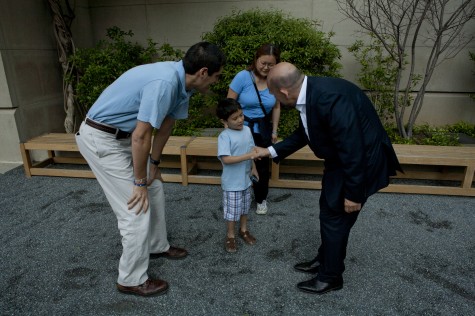
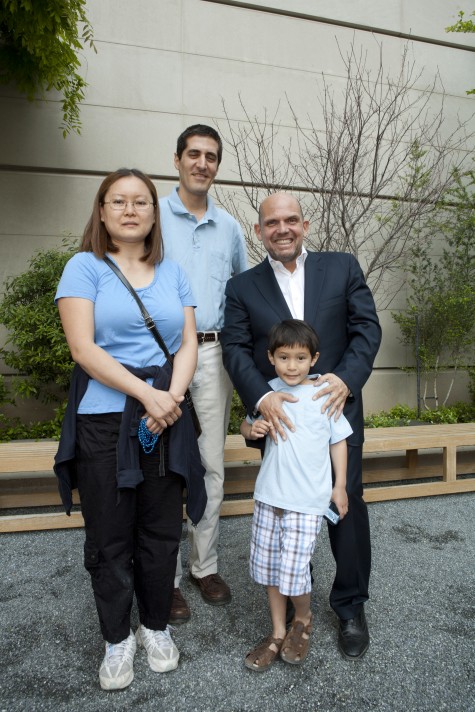
Sohan and his family meet Jaap van Zweden

Do you have any advice about visiting museums for other parents who have a child with autism?
JUST GO!!! Regardless of your child’s “level of functioning,” he or she deserves the opportunity to experience the beauty and culture of the arts. As communities become more inclusive and welcoming, it is our duty as parents to take our children out into them. Take it slow at first to make a visit a positive experience for all. Most of all, remember, “a journey of a thousand miles begins with a single step.”

I eagerly look forward to seeing you at the next Autism Awareness Family Celebration at the DMA!

Denny, Su Chen, and Sohan with Jaap van Zweden

Amanda Blake is Manager of Family Experiences and Access Programs.

Sculpting Space: 299 Chairs by Skyline High School

[slideshow]

The Center for Creative Connections (C3) welcomes the unique perspective of community partners through a series of C3 Community Partner Response Installations (CPRI). Installed in a central gallery for approximately six months, each CPRI is a response to the current exhibition in the Center and offers visitors an opportunity to consider the themes of the exhibition in new ways. CPRI are the products of close, collaborative, and interactive working relationships between community partners and DMA staff.

Sculpting Space: 299 Chairs is the sixth CPRI to be installed. Students and faculty from the Architecture Cluster at Skyline High School in the Dallas Independent School District created this installation of classroom chair assemblages that stretch, hang, fly, and twist throughout a central gallery in C3. For these students, the process of creating Sculpting Space involved the application of classroom ideas and concepts to a real-world scenario and fostered many new connections with the DMA and Dallas-based cunningham architects.

“In order for us to flourish and bloom as students, we must first open ourselves to new ideas.”—Alberto Huerta

“Working with more people, you will hear interesting ideas that you never would have thought of alone.”—Erica Jackson

Several months ago, the students began the project by sketching chairs. Skyline teachers Tom Cox and Peter Goldstein then led students in a variety of exercises including the study of negative and positive space in DMA artworks as well as investigating spatial concepts such as fluent, voluminous, implosion, organic, and rotating through the making of 2D drawings and 3D models. Several workshops with architects Gary Cunningham and Rizi Faruqui and DMA staff focused on how to connect the chairs, what connectors would hold the chair assemblages together, and how to consider the visitors’ experiences in a space sculpted by chairs. Along the way, three DISD elementary schools swapped out their old kindergarten chairs for new ones, thus providing the high school students with chairs full of character and marked with history.

Google Sketch-Up was used to build scale models of the gallery space, providing a blueprint for the final installation of the assemblages. Videos created by Element X Creative accompany the installation, documenting behind-the-scenes aspects of the project and featuring several Skyline students sharing their experiences.

“The one true connection we have made was with the chairs and when we were little kids. They bring back memories of childhood.”—Luis Garcia

“The new connections we make will be with the people that view our work. We will not be there to explain what we made, so we have to try to convey that in shape and form.”—Sandra Benitez

Sculpting Space: 299 Chairs will be on view in the Center for Creative Connections through October.

Nicole Stutzman is Director of Teaching Programs and Partnerships.

All That Jazz: Meet Our Resident Jazz Legend

As a special treat for our Dallas Museum of Art jazz (and other music) lovers—and in celebration of Jazz Appreciation Month—we will showcase the music of the great composer, pianist, and bandleader Duke Ellington in the Atrium (part of Thursday Night Live!) during April.

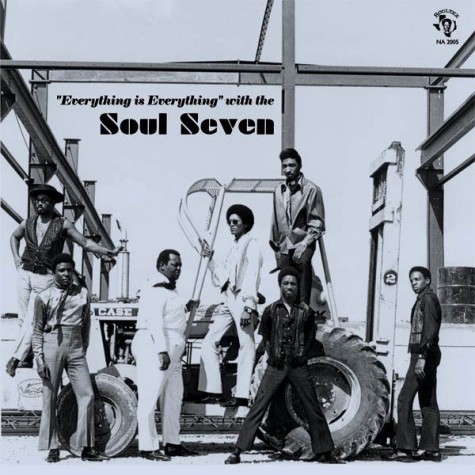
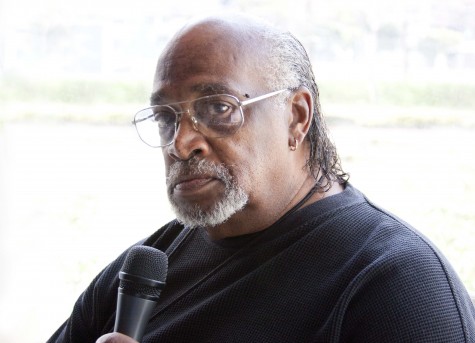
We thought that this would be a great time to spotlight Wendell Sneed, our Coordinator of Jazz in the Atrium. Wendell is a long-time employee of the DMA (18 years!), but more than that he is our own local celebrity and Dallas jazz legend! Wendell was a member of the popular 1970s Dallas funk group Soul Seven and was featured in the 2008 KERA documentary South Dallas Pop—When Funk Was King (visit this link to listen to a clip of Wendell — on drums — and Soul Seven performing with Eddie Purrell).

Soul Seven Album Cover (Wendell is the one on the far left)

I sat down to chat with Wendell about what influenced him to become a jazz musician and to get a bit more information about the great line-up for April.

Wendell Sneed, Jazz in the Atrium Coordinator

What got you interested in jazz to begin with? When did you start playing?
My high school band director, Mr. Allison Tucker, was a jazz drummer. He got me interested in music and was my first mentor. I originally wanted to be an athlete in school but hated all the running! By the late 50s I was totally hooked on the drums and jazz and was playing with several bands around town. By the time I was 17, I was touring all around the Southwest and beyond.

What was your favorite gig while you were out on the road touring?
Besides my time with Soul Seven, my favorite gig was when I was the Music Director for a group called “The Honey Combs” in the late 70s. We had a couple of singles that went “gold.” One of them was the tune “Want Ads.”

What is your favorite Duke Ellington tune?
My favorite Ellington tune is a little obscure. It’s called “Come Sunday.” It actually is one of his sacred music compositions. Of course, I like many of the more well known Ellington tunes also.

What is your favorite work of art in the DMA’s collections?
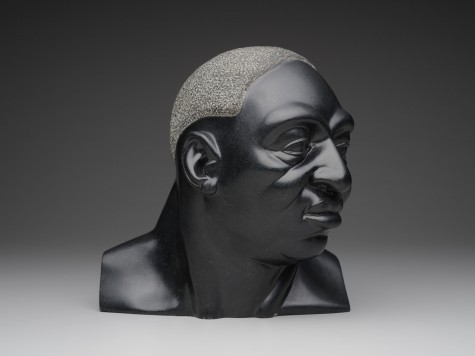
Leadbelly, by Michael G. Owen, Jr., in the American sculpture collection is my favorite. I think about Mr. Owen creating this work and wonder what it was like to talk to Leadbelly himself as he worked on it. Leadbelly’s music became a very important influence on many musicians from many different genres—from blues, to folk and even rock. I wonder sometimes why Mr. Owen chose to portray Leadbelly in this light—solitary and without his guitar in sight.

Michael G. Owen Jr.'s Leadbelly (1943)

Tell us a bit more about the acts you have booked for the April Ellington Showcase.
We will kick off the month on April 7 with the UNT Repertory Ensemble, which is a group dedicated to playing and preserving the art of “classic jazz.” Next, on the 14th, we have pianist Dave Zoller and his group Daybreak Express. They specialize in doing exclusively Ellington material. On the 21st, we will feature the top student jazz band from Carroll Senior High School. They were the finalists for the Essentially Ellington Competition, founded and judged by Wynton Marsalis at Lincoln Center in New York City.

I am most excited about the performance planned for April 28. We will feature Shelley Carrol, who was a member of the Ellington Orchestra for many years after graduating from the University of North Texas. He will be joined by a very special guest, Duke Ellington’s grandson, Paul Ellington. Paul will share stories of Duke and his compositions that Shelley and his quartet will perform.

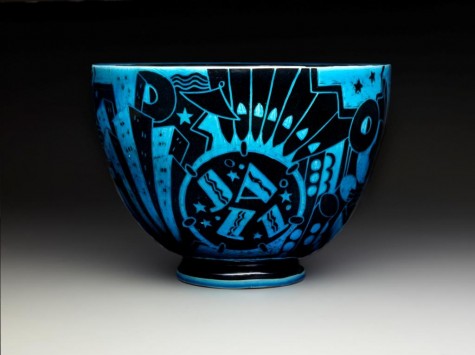
Viktor Schreckengost and the Cowan Pottery Studio's Jazz Bowl (c. 1930 -1931)

In addition to the acts Wendell mentioned, on April 14 and 21 we will offer tours of jazz-related artworks in the DMA’s collections, including the Jazz Bowl (pictured above), led by curators and other staff.

Denise Helbing is Manager of Partner Programs at the Dallas Museum of Art.

Mastering the Competition

We were thrilled to celebrate with the O’Donnell Foundation the opening of the thirteenth annual Young Masters: Advanced Placement Student Art Competition exhibition in our Concourse Gallery. Recently, some of the artists discussed their works at our Family First Day with WFAA’s Shelly Slater. In this video, Kathy Tran of Richardson High School talks about her approach to a self-portrait for her digital photograph Getting Out of Bed Is a Choice:

[youtube=http://www.youtube.com/watch?v=Zi4jcBWGscw]

Over 480 submissions were considered, including 366 works by Studio Art students, 100 essays by Art History students, and 15 compositions by Music Theory students. The “Final 48” represent 13 schools.

This year, you can also experience Young Masters in a whole new way at DMA.mobi. Use your own smartphone or borrow an iPod Touch from the Museum to hear music compositions and art history readings by students featured in Young Masters.

And last but not least, check the We Art Family blog after April 8 to see which work earned the “People’s Choice Award.”

Maria Teresa G. Pedroche is Head of Family Experiences & Community Engagement at the Dallas Museum of Art.

Seldom Scene: Getting into Character

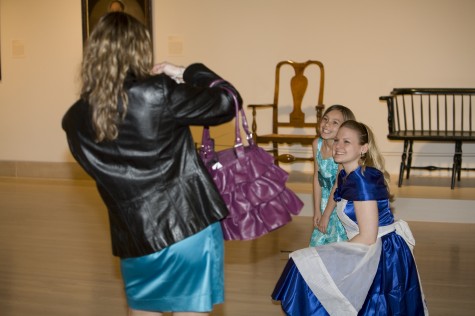
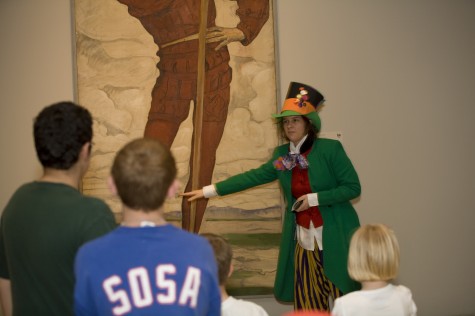
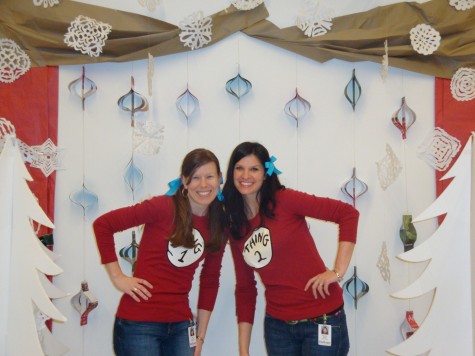
Our Late Night this Friday will celebrate the works of Dr. Suess. When we have such great characters to inspire us the staff at the Museum gets into character. Last March during our Alice in Wonderland themed Late Night appearances were made by Alice and the Mad Hatter. This Friday you may see Thing 1 and Thing 2 and be on the lookout for the Cat in the Hat!

Denise as Alice in Wonderland

Stacie as the Mad Hatter

Leah and Amanda as Thing 1 and Thing 2

Stacey Lizotte is the Head of Adult Programming and Mulitmedia Services at the Dallas Museum of Art
Stay Up Late – Late Nights Turn 8!

Back in 2003, when the Museum was turning 100 years old, a team of staff members came up with the idea to keep the Museum open for 100 hours straight to celebrate the occasion. No closing of the doors, no sleep for staff, all hours access for our visitors.

Our 100 Hour Celebration saw over 45,000 visitors in the Museum, and they came at all hours. We were excited to see people in the galleries at 4:30 a.m. looking at works of art, or dancing in our Atrium to DJs at 1:00 a.m. This showed us that people would come to the Museum if we kept our doors open after “normal” operating hours. Throughout the rest of the year, we experimented with after-hour events called Impressionist Evenings, where we worked out the types of programs offered, the best day of the week to hold the event, and how late we should stay open.

After a year of experimenting, Late Nights were born in January 2004. Now, on the third Friday of every month (except December), the Museum is open until midnight, and visitors can explore our galleries, participate in family experiences, go on tours, enjoy concerts, meet artists, and so much more.

This Friday, January 21, will kick off the 8th year of Late Nights. To celebrate, I have put together Late Nights by the Numbers:

77 – Number of Late Nights since 2004
323,989 – Total attendance for all Late Nights
35,557 – Number of visitors at our best-attended Late Night, in June 2007, featuring a concert by Erykah Badu
2 – Number of Arturo puppets we have (one is dressed in PJs and bunny slippers for Late Nights)
203 – Number of tours given during Late Nights
4 – Number of Best of Dallas awards Late Nights have received from the Dallas Observer
298 – Number of cases of water we have supplied for performers
95 – Number of films we have screened during Late Nights
19 – Number of different DJs who have spun at a Late Night, some more than once
8 – Number of times our visitors have done the Chicken Dance during a Late Night, which is every time Brave Combo performs

Stacey Lizotte is Head of Adult Programming and Multimedia Services.


Archives

Categories