Archive Page 55


Teaching for Creativity: Boundaries, Rearranging, Persistence, and Creativity

One goal for the Teaching for Creativity series is to present the voice of other educators who can share insights and approaches to teaching that nurture creative behavior.  Let me introduce you to Susan Stein, art teacher at Temple Emanu-El Preschool in Dallas, Texas and participant during the DMA’s 2011 Summer Seminar.  Susan shares with us a sculpture exercise that supports the development of persistence and innovation in her young students.

There are five different shaped pieces of wood in front of each child.

“Can we trade pieces?” No.

“Can I have more pieces?” No.

“Can I just use some of the pieces?” No, you need to use all five pieces.

What’s with all the “no’s”? Isn’t creativity about making your own rules, about not staying in the lines, about “yes”? As it turns out, some measure of boundaries actually promotes creativity through problem solving. When every option is available, we have too many choices, and this often causes us to go off our path. When there are some rules, as is mirrored in life, we feel we have someplace to begin, a structure to hang onto, and can more readily achieve our goals. Without rules you get chaos, with too many rules you get dictatorship. Guidance with flexibility is the key.

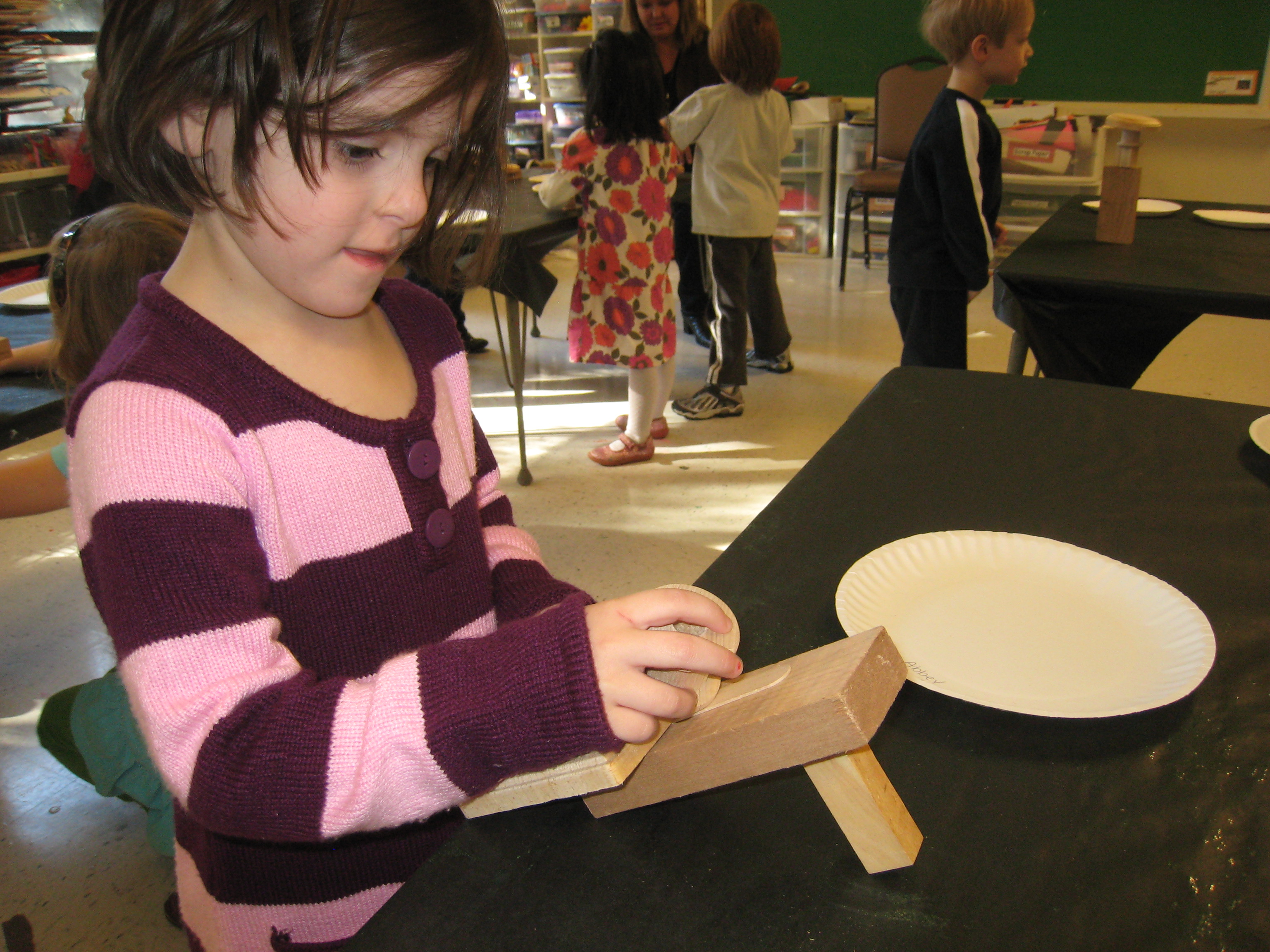
One of Susan's students works on a sculpture

The children arrange their pieces into sculptures without gluing anything together. A few children do their first sculpture in five seconds and announce that they are done. I nonchalantly knock their sculpture down and tell them to arrange a new sculpture in a different way. I don’t want them to get attached to their first idea. I look for each child to rearrange at least ten times. The more times they create arrangements, the more chances they take, and the more creative they get. They will eventually try placing big pieces on top of little ones, tilting pieces, and placing pieces to span a gap between two others. It is fascinating to observe!

Rearranging the same elements also lets you see the problem from different perspectives and in the process create new solutions. An example of this happens when you rearrange your Scrabble tiles and a word “magically” comes to you.

This process of rearranging again and again creates persistence. All innovative people cultivate persistence. You have to be willing to experiment with many ideas in order to find the ones that work best. Thomas Edison tried over three thousand filaments for his light bulb before he found even one that worked well.

After about fifteen minutes I announce that when they have an arrangement they are happy with, they can glue the pieces together. They are anxious to do so!
Many thanks to Susan for contributing to this blog and the dialogue about creativity.  You can contact Susan at Susan@Art-Experiences.com for more information about this exercise and workshops that she conducts.

Read about another preschool classroom in the August 2011 Teaching for Creativity post by Shadan Price.  What is happening in your learning environment?  Share your ideas and experiences with us.

Nicole Stutzman
Director of Teaching Programs and Partnerships
Docent Spotlight: They're Cousins…

It has been a while since we have featured an interview with one of our docents on the Educator Blog.  Today, I’m turning the spotlight on not one, but three of our fabulous docents.  Why three docents?  Because they’re cousins (I have the Patty Duke Show theme song running through my head as I write this) who have turned the DMA docent program into a family affair.

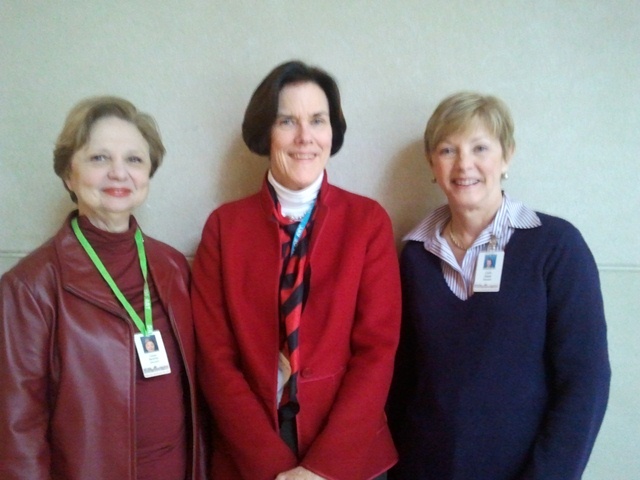
Meet Genie Bentley, Linda Rayes, and Harriet Stoneham.  Genie and Linda have been docents for many years, but Harriet is a member of our New Docent class this year.  Below, they share their thoughts and memories of being a DMA docent.

Genie Bentley, Harriet Stoneham, and Linda Rayes--DMA Docents and Cousins

How long have you been a DMA docent?
Genie: I have been a docent since Fall 1988 (We trained for two years at that point).
Linda: I have been leading school tours for seventeen years.
Harriet: I am a docent-in-training.

Why did you become a docent?
Genie: My sons were leaving the nest and I wanted to do something that was really hard–I found it!
Linda: A friend and former docent suggested that I might enjoy the program.
Harriet: I have wanted to become a docent for a very long time and finally gave myself permission to apply.

Tell me about your experience in the docent program.
Genie: It is my favorite activity with my favorite people–the best part of my life.
Linda: Most of my tours have been some of the most fun and rewarding hours of my life.  Interacting with young students often challenges me to come up with analogies from pop culture to help them relate to unfamiliar objects.  I love hearing about the children’s lives, their families, and even their pets!  Young viewers are always more uninhibited, and therefore, more fun to interact with.
Harriet: I have thoroughly enjoyed every training session thus far.  The lectures are wonderful and getting to meet so many people that share my interest in art has been very satisfying.

What is your favorite work of art in the DMA collection?
Genie: My favorite work of art is the one that I am talking about on a tour.  I could not limit myself to one piece–I have learned to LOVE so many cultures and styles.
Linda: It’s a toss up between the Lokapalas and the Vlaminck in the Reves collection.
Harriet: I love learning about all the art that I have been exposed to thus far.

Share your best tour experience.
Genie: The best tours are ones that kids exclaim “Is it already over? I thought this would be boring, but it was fun.”
Linda: That would be the next tour!
Harriet: I have loved observing both Genie’s and Linda’s tours.  I am so impressed with the number of docents who have been involved with the program for many, many years. [Author’s note: Harriet has not yet given a tour, but has observed many A Looking Journey tours as part of her training.]

Docents Genie Bentley (in white) and Linda Rayes (holding a doll) even went to school together when they were younger

Genie, Linda, and Harriet have all said that being a part of the docent program is one of their favorite activities, and reading their responses affirms their passion for art and their commitment to the DMA and our docent program.*  I feel very fortunate that I know these three docents, and hopefully you have had the pleasure of spending time with them in the galleries.

Shannon Karol
Manager of Docent Programs and Gallery Teaching

*If you have a passion for art and would like to learn more about volunteering at the DMA, visit our Web site.

Friday Photos: Like a Virgin

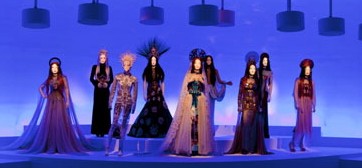
Tonight is the DMA’s monthly Late Night, and the Museum is going to be full of fashion and fun until midnight.  It is our annual “Birthday Party” Late Night, but it’s also a celebration of the The Fashion World of Jean Paul Gaultier: From the Sidewalk to the Catwalk.  What better way to celebrate Gaultier than by spotlighting the divas who inspire him?  Late Night will feature a performance by Chris America, a Madonna tribute artist, as well as a Lady Gaga and Madonna costume contest.  Be sure to look for next Friday’s Photo Post for Hannah’s photos of the costume contest!

Today’s photo post features paintings of the Virgin Mary (another Madonna) that can be found in our Colonial American galleries.  If you want to see these works of art in person, join Dr. Paul Niell from the University of North Texas on his tour “Madonnas of the Collection” at 7:30 p.m.  A complete schedule of Late Night events can be found online.

[slideshow]

Shannon Karol
Manager of Docent Programs and Gallery Teaching

Artworks shown:

  • Melchor Pérez Holguín, Virgin of the Rosary, late 17th-early 18th century, Dallas Museum of Art, The Cleofas and Celia de la Garza Collection, gift of Mary de la Garza-Hanna and Virginia de la Garza and an anonymous donor
  • Unknown artist, The Virgin of the Immaculate Conception, late 18th or early 19th century, Dallas Museum of Art, The Cleofas and Celia de la Garza Collection, gift of Mary de la Garza-Hanna and Virginia de la Garza and an anonymous donor
  • Unknown artist, The Virgin of the Immaculate Conception, late 18th century, Dallas Museum of Art, The Cleofas and Celia de la Garza Collection, gift of Mary de la Garza-Hanna and Virginia de la Garza and an anonymous donor
  • Unknown artist, The Virgin of Sorrows (La Dolorosa), c. 1650-1750, Dallas Museum of Art, gift of Mrs. Beatrice M. Haggerty

2012 Spring Teacher Workshops

We are officially in the middle of January, and that means that it is time to announce our Spring Teacher Workshops for 2012!

The Fashion World Of Jean Paul Gaultier: From the Sidewalk to the Catwalk at the Dallas Museum of Art

If you have ever wondered how exhibitions are created, then you absolutely must attend our first workshop on February 11th, Designing Exhibitions. Learn about the creativity, challenges, and design of exhibitions at the Dallas Museum of Art with the DMA’s exhibition designer, Jessica Harden. Explore The Fashion World of Jean Paul Gaultier from the Designer’s perspective, participate in art-inspired, design-based thinking projects, and be prepared to look at museum exhibitions in a brand new light.

As you may know, we love the idea of combining art and poetry, so we are excited to promote The Art of Language: Mark Manders and Elliott Hundley as an Adult Workshop that is open to teachers as well as the general public. This evening workshop will take place at the Dallas Museum of Art and the Nasher Sculpture Center on March 8th. Come and explore connections between language and visual art in this workshop, as we examine the work of contemporary artists Mark Manders and Elliott Hundley. Led by Farid Matuk, poet, and Dr. Cynthia King, an English professor at UNT, as well as staff from the DMA and the Nasher, participants will discover each artist’s unique relationship to language and then respond to the exhibitions through writing.

Still Life with Books, Table and Fake Newspaper, Mark Manders, 2010, Collection David Teiger

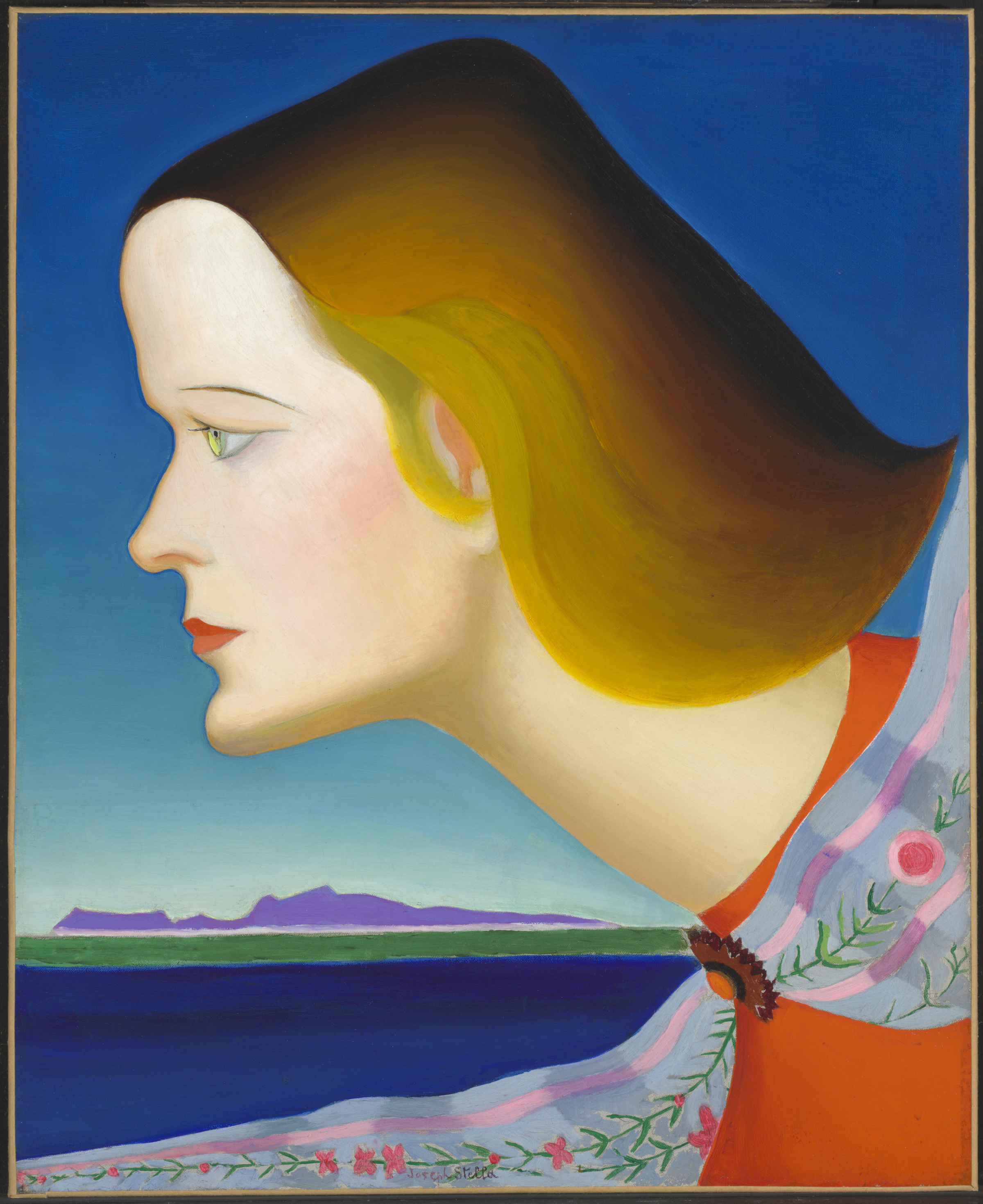
The Amazon, Joseph Stella, 1925-1926 The Baltimore Museum of Art: Purchase with exchange funds from the Edward Joseph Gallagher III Memorial Collection

.
.
.
.
.
.
.
.
.

.

.

.

.

.

.

.

Later this spring, on March 31st, The Twenties: American Art, Literature, and History will coincide with the exhibition Youth and Beauty: Art of the American Twenties. Participants will view the varied works in this exhibition and study key American artworks in the DMA’s collection as they explore ideas about art, literature and popular culture in 1920s American life.

We hope to see you at the DMA in 2012!

Jessica Kennedy
McDermott Intern for Gallery Teaching

Educator Resources: The JASON Project

In this Educator Resource series, I would like to introduce The JASON Project.  My first experience with JASON was three years ago, when I was the education intern for the Ulrich Museum of Art in Wichita, Kansas.  We had a week-long marathon of Argonauts come through the Museum (the name derives from the ancient Greek myth Jason and the Argonauts).  Ever since then, I have been focused on adding science components to my docent-guided tours.
What is The JASON Project?
The JASON Project is a science initiative founded by Dr. Robert Ballard, a renowned oceanographer, and is led by a team of scientists to provide students with hands-on, science-based experiences.  The standards-based curricula are divided into five different units, and are designed for grades 4th-10th.  Since the beginning of the project, over twelve million students and teachers have used JASON’s printable curriculum, including myself.  The best part about The JASON Project is that it’s completely free for educators.
How does The Jason Project apply to art teachers and the Museum?
The relationship between art and science dates back to antiquity and has provided our society with many great disciplines including architecture, engineering, communication design, and the visual arts.  Today, discovering art with a scientific lens can be easy, with the right tools, of course.  One of the best tools to connect art with science is The Jason Project.

One of my favorite units of The JASON Project is Operation: Tectonic Fury.  This geology-based unit provides an in-depth look into what makes Earth’s landscape unique: minerals and rocks.  The rock cycle can apply to many of the works of art in our Museum.

The properties of sedimentary rocks

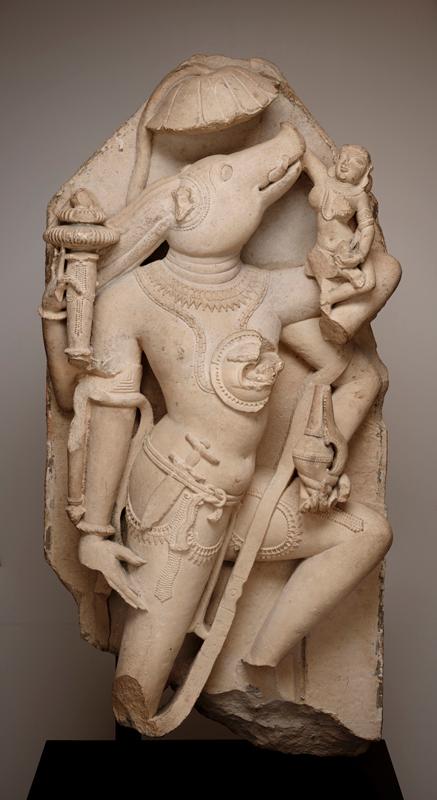
For example, let’s look at Vishnu as Varaha.  This object is not only incredible for the heroic story that it illustrates, but also for the natural properties it possesses.  Vishnu as Varaha is made from sandstone, a sedimentary rock, which is formed when sand becomes compacted and lithified, a process where loose sediment becomes solid.

Vishnu as Varaha, India, 10th Century, gift of David T. Owsley via the Alvin and Lucy Owsley Foundation and the Alconda-Owsley Foundation, E.E. Fogelson and Greer Garson Fogelson Fund, General Acquisitions Fund, Wendover Fund, and gift of Alta Brenner in memory of her daughter Andrea Bernice Brenner-McMullen

Another unit that I reference while teaching in the galleries is Operation: Monster Storms.  This unit discusses the dynamic weather patterns and how those patterns can effect society.  Two divisions of this unit that are applicable to some objects in the Museum are wind and rain.  The water cycle is a great diagram that describes the evaporation and precipation process.

The water cycle

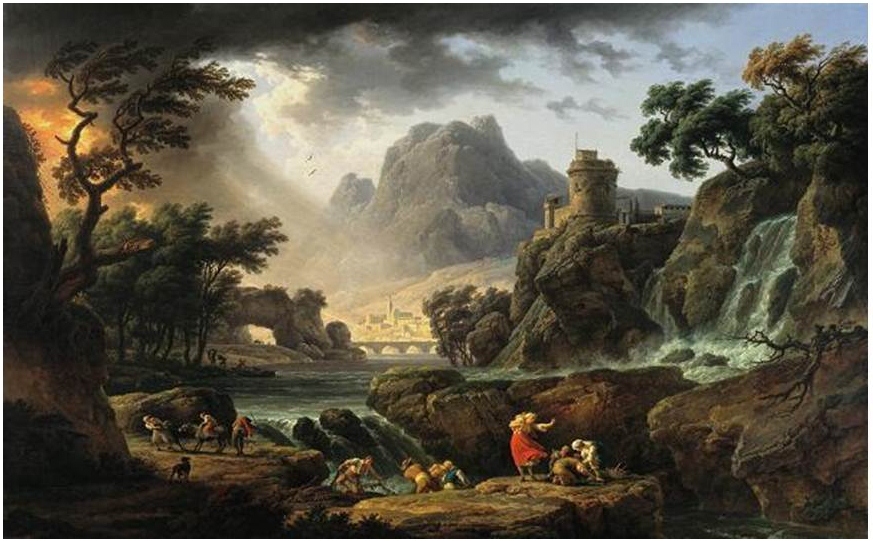
The discussion of rain can be applied to many different works of our in our collection, but my favorite one to use is A Mountain Landscape with an Approaching Storm.  This composition gracefully depicts a treachous storm approaching from the distance, spouting out rain and forceful wind.

A Mountain Landscape with an Approaching Storm, Joseph-Claude Vernet, 1775, Dallas Museum of Art, Foundation for the Arts Collection, Mrs. John B. O'Hara Fund

The JASON Project can be an invaluable resource when connecting science with art.  The organization provides us with teachable material, and a curriculum that we can continue to connect science with our own passion for the arts.  I hope these small examples provide inspiration for future collaborations with science and art!
Sincerely,
Coordinator of Museum Visits

Friday Photos: Tatum Elementary and Mark Bradford

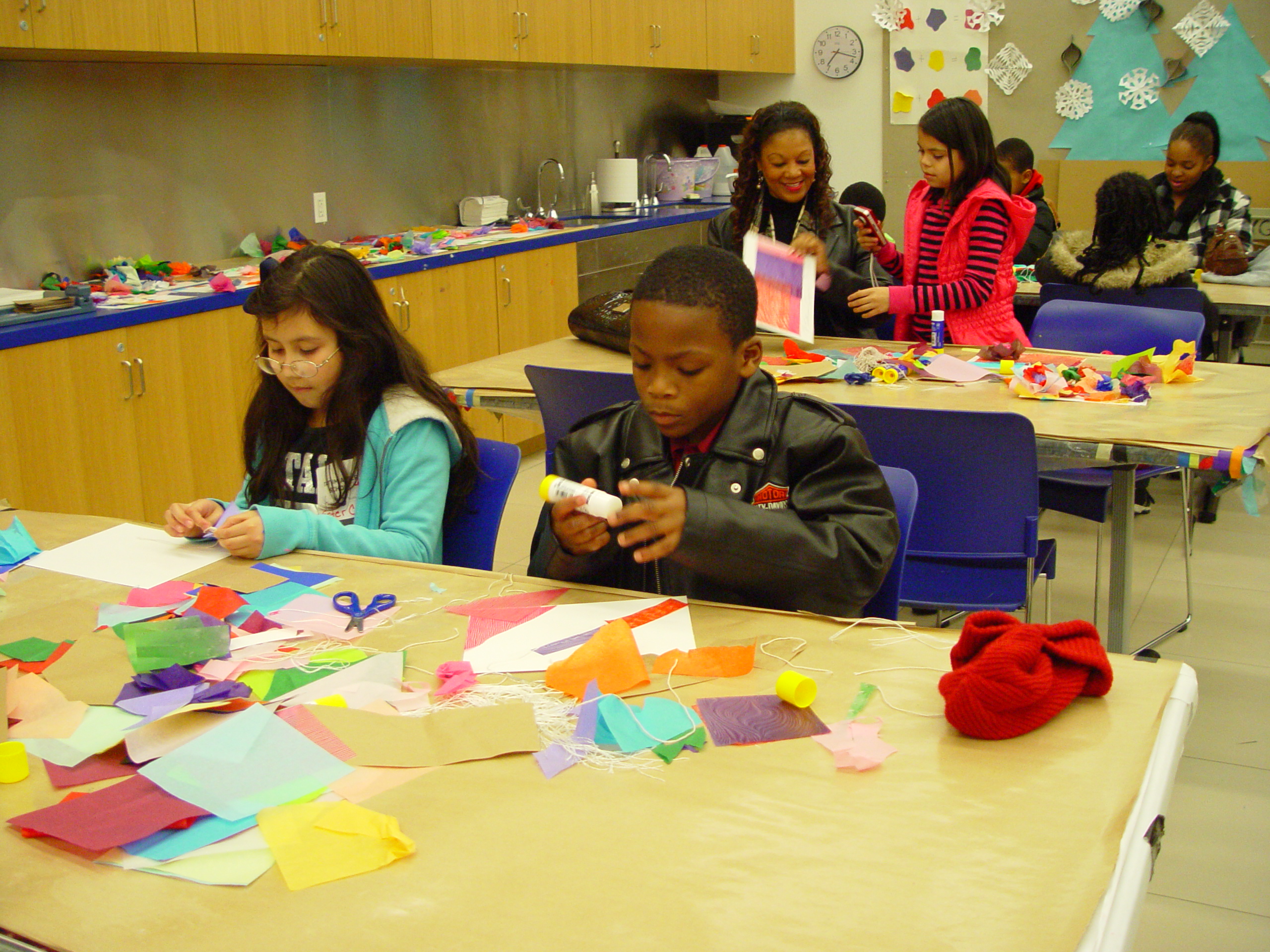
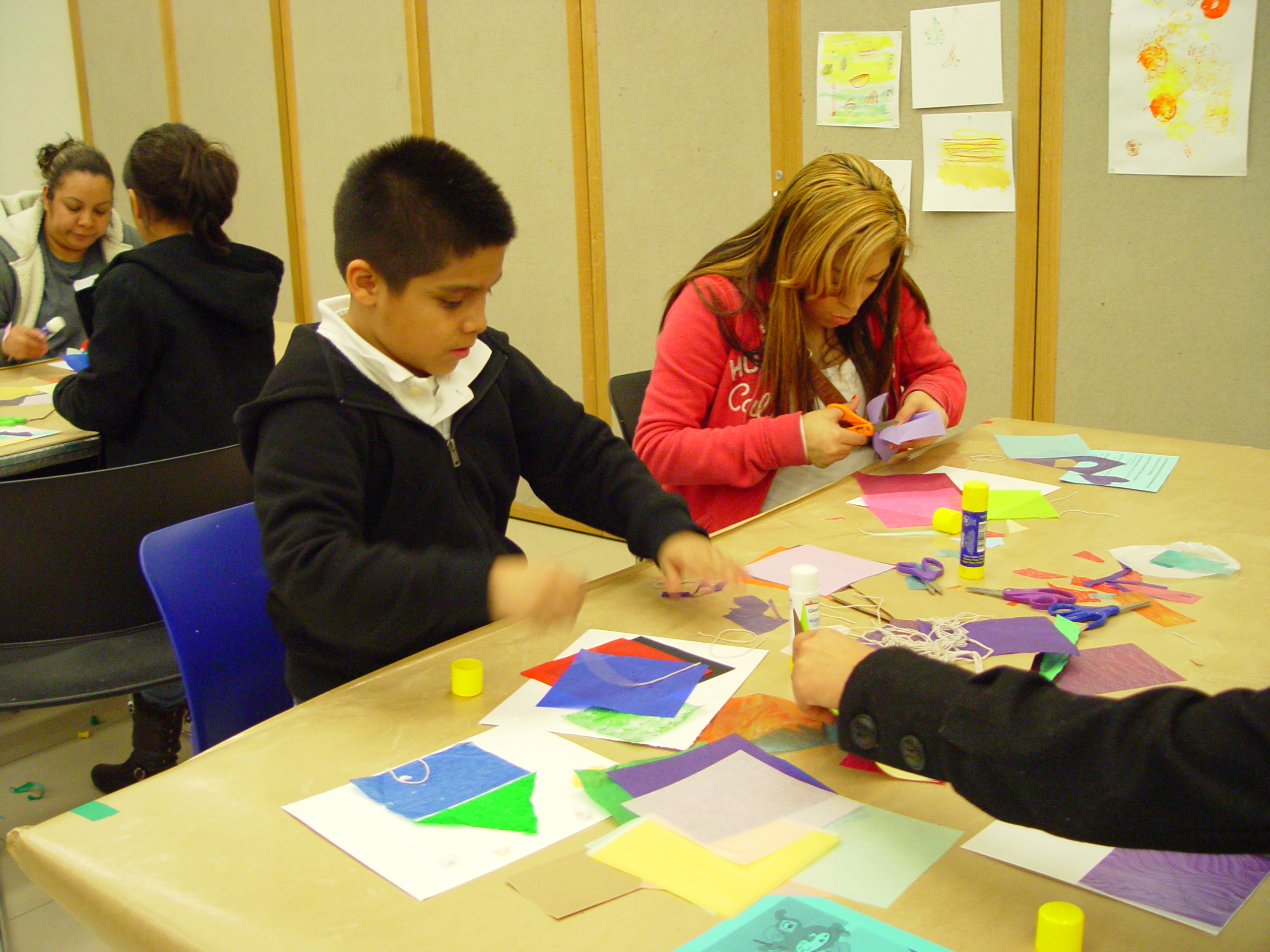
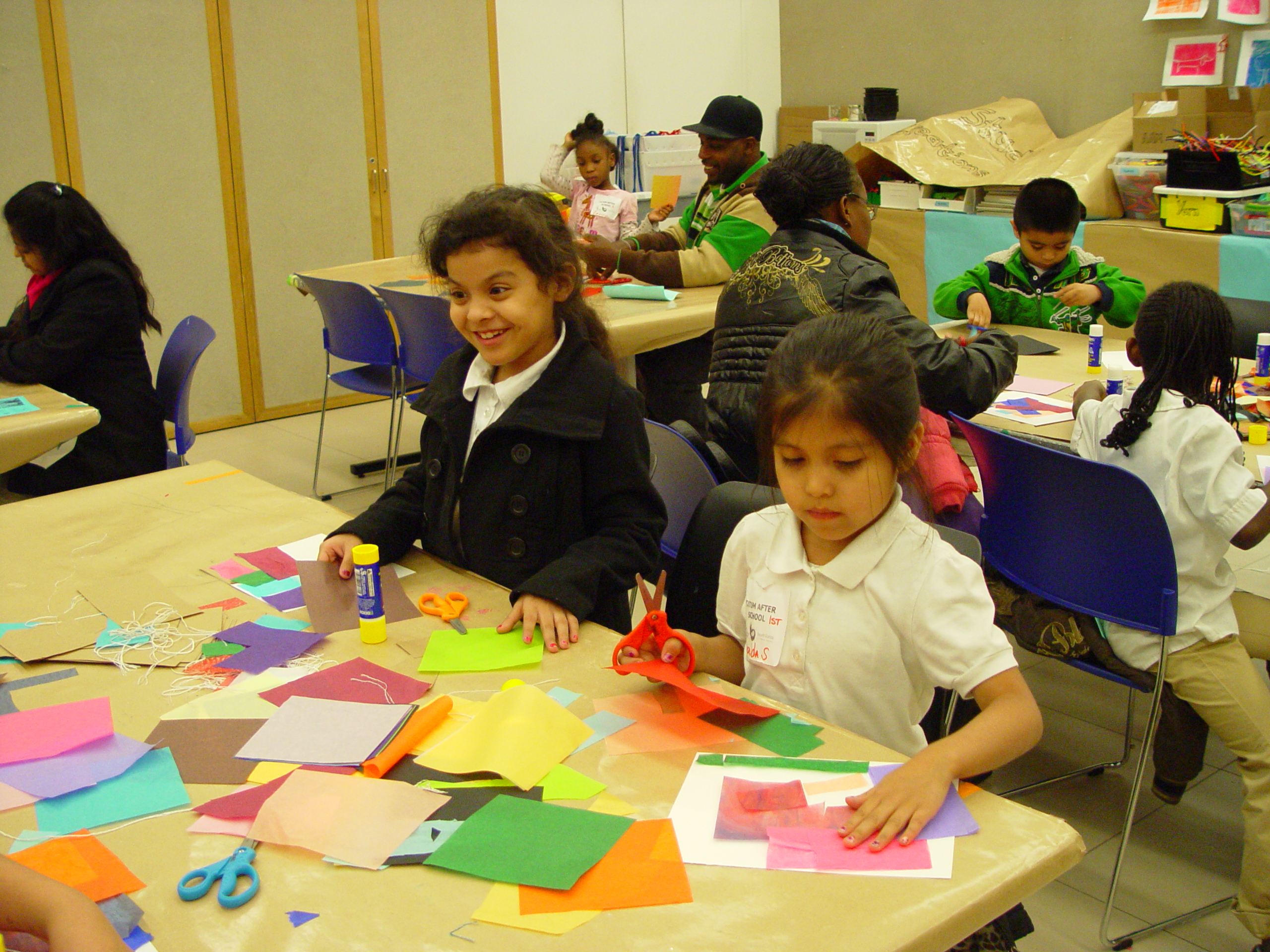
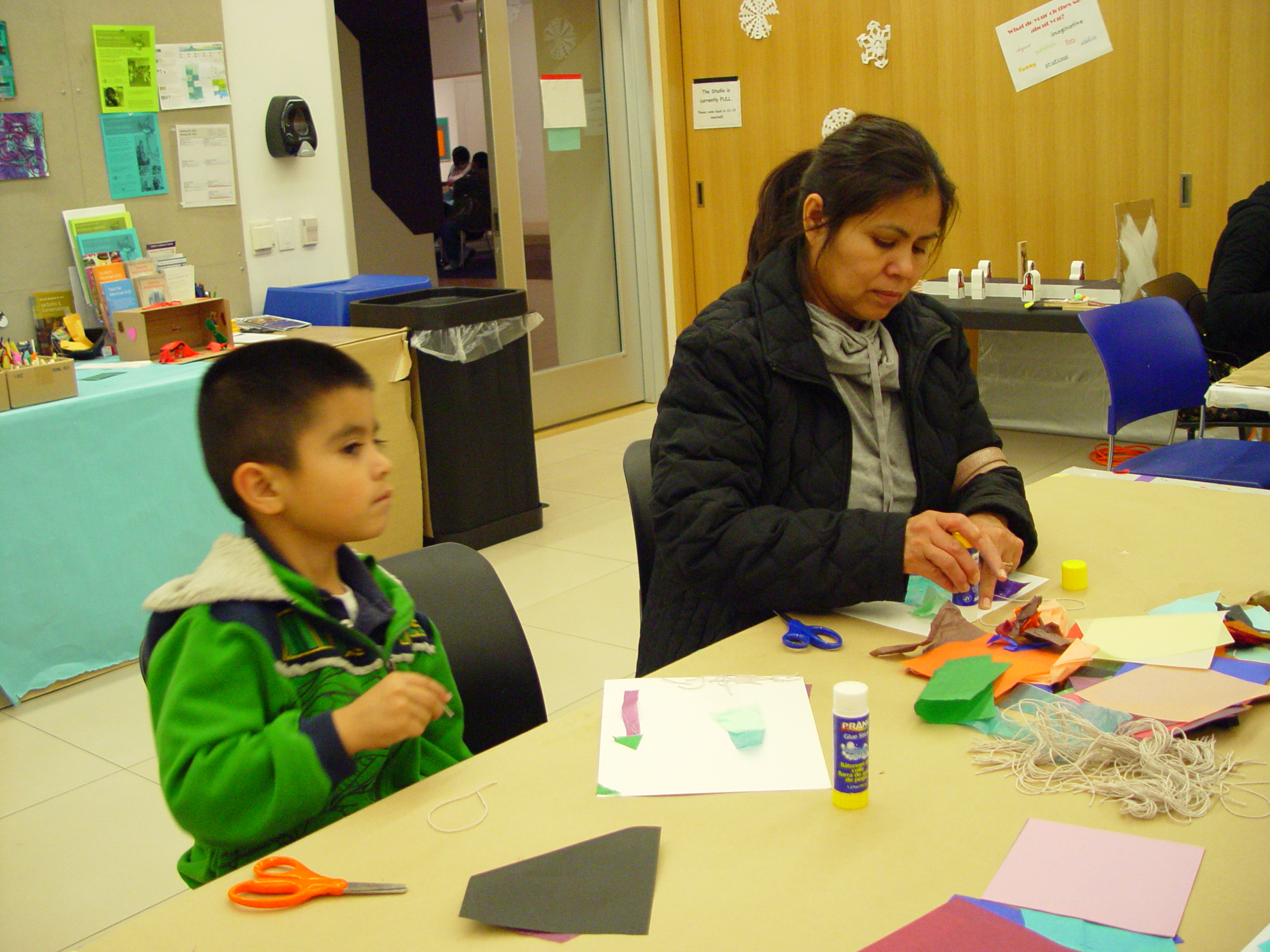
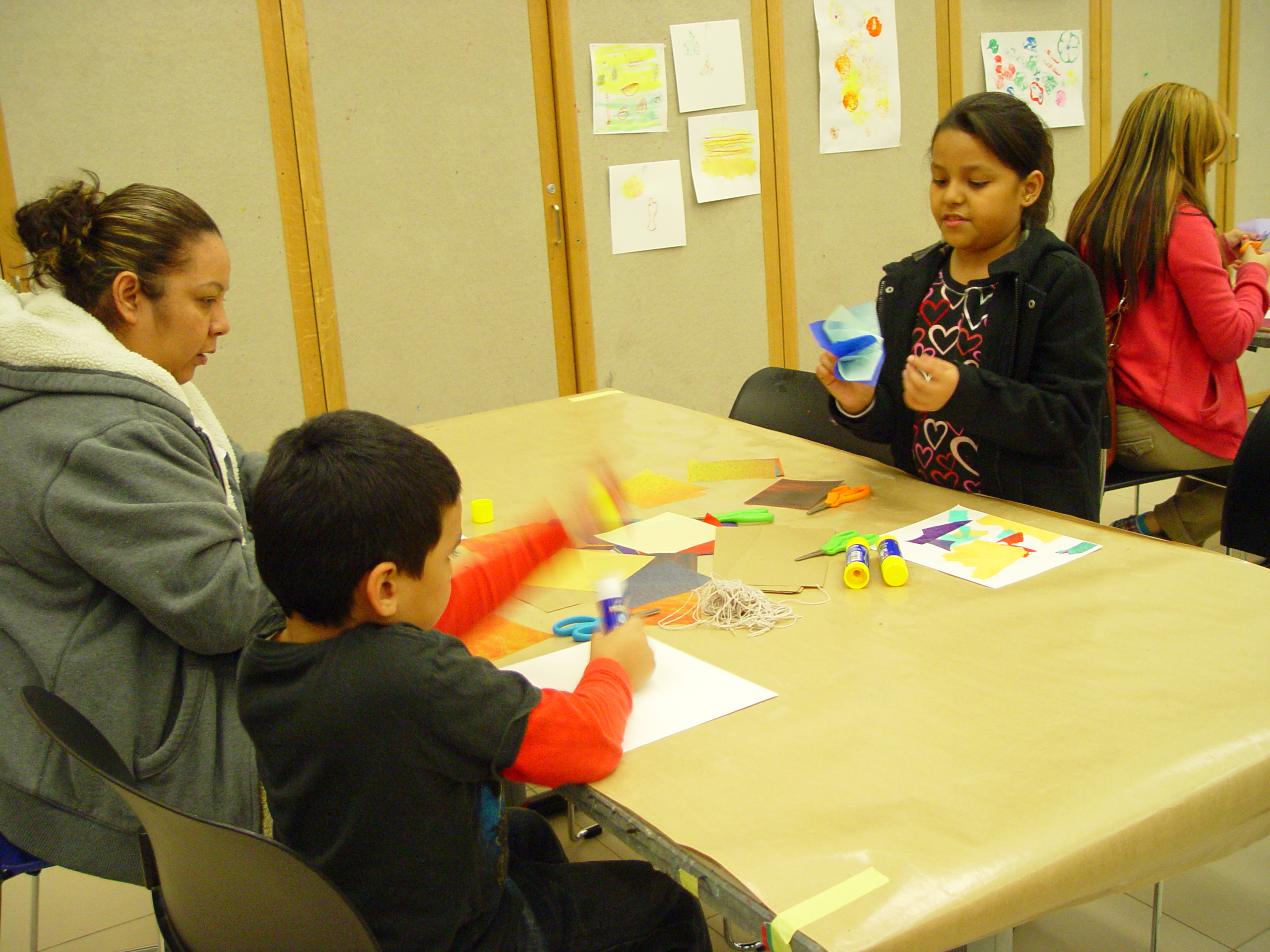
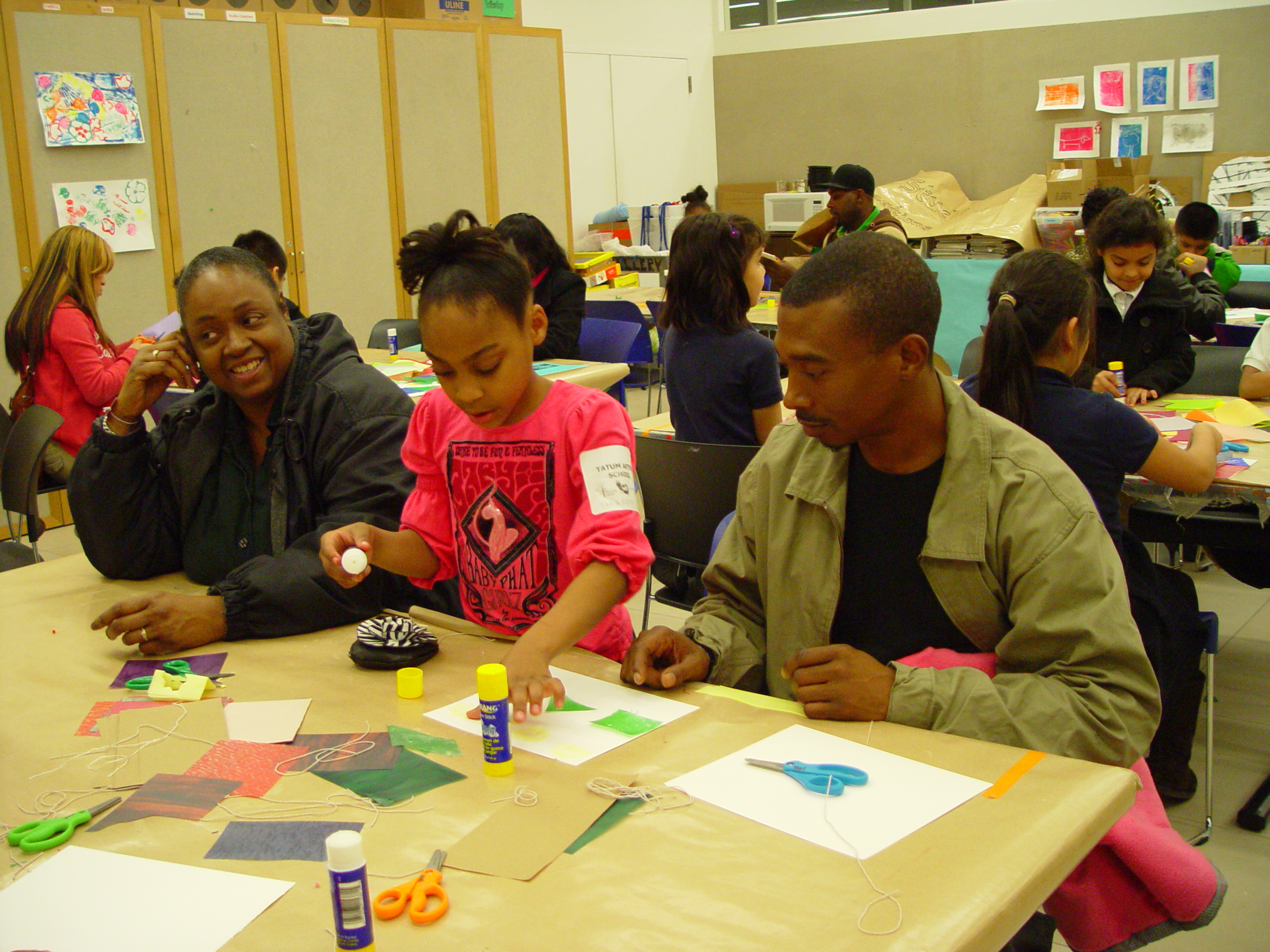
This past Wednesday, I visited fourth- and fifth-grade students in Tatum Elementary’s Afterschool Program.  We spent time thinking about our neighborhoods and making collages using assorted papers, twine, and glue.  We finished by looking at works of art by Mark Bradford and talking about the large-scale paintings that he created using similar materials, which often relate to his neighborhood in Los Angeles.

But, the program did not end there.  Last night, Tatum Elementary Afterschool students of all ages came to the Museum with their parents to see the Mark Bradford exhibition.  They also spent time adding to the collages they began the previous day, or making new collages.  Children and parents created their own work, or in many instances, collaborated on collages.  Check out their great work below:

Melissa Nelson
Manager of Teaching in the Community

Coming Soon: Mark Manders

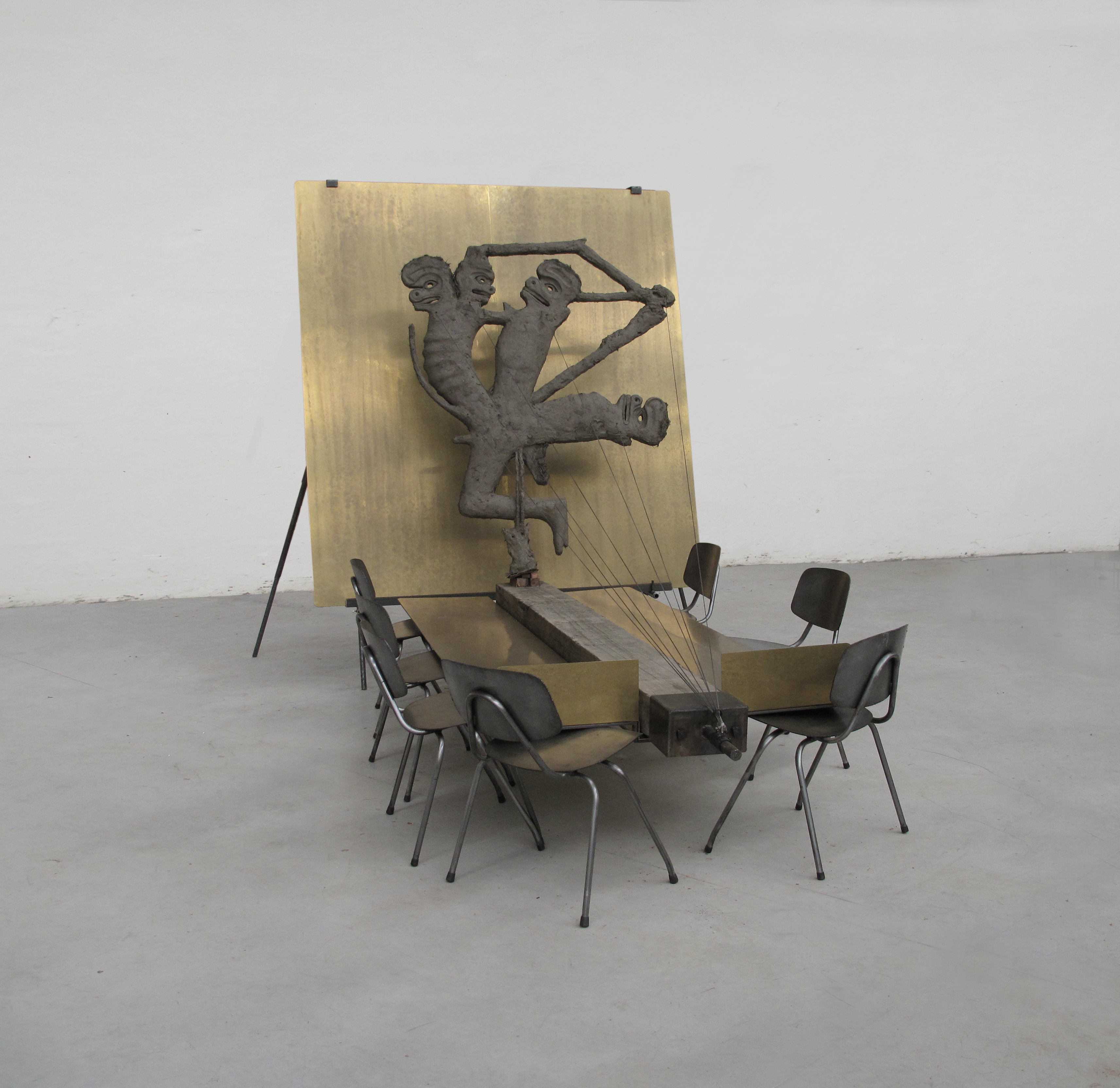
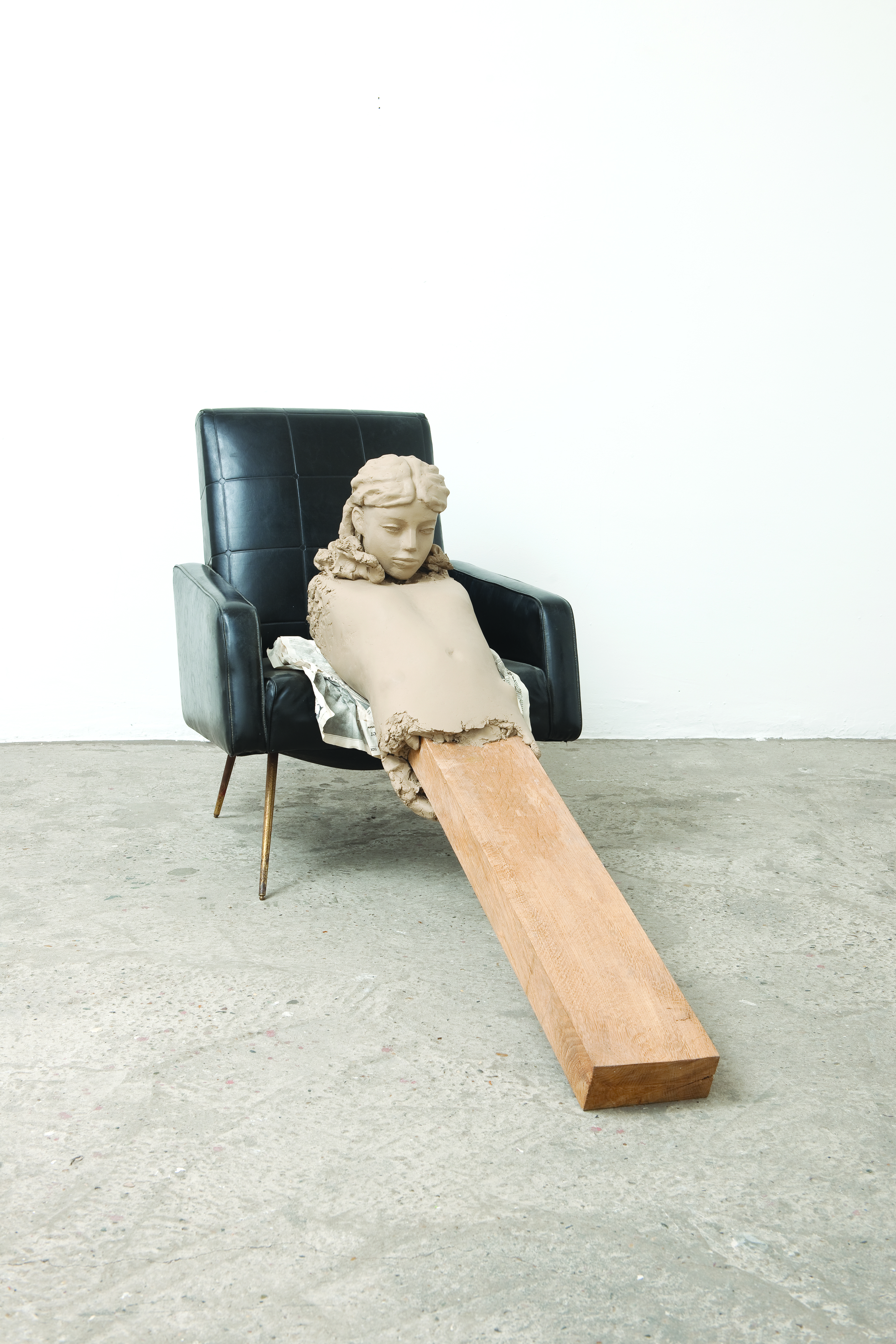
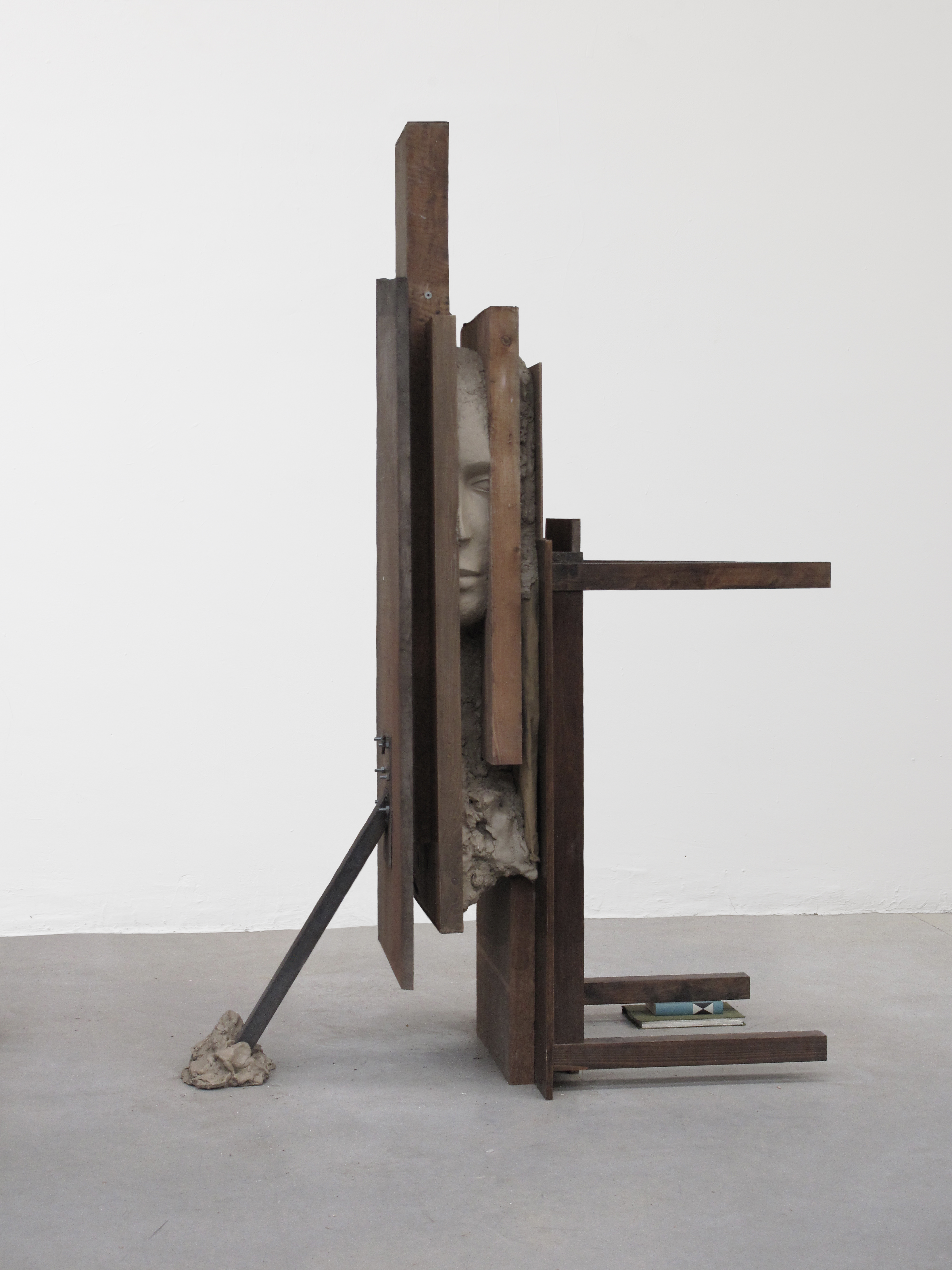
A new exhibition opens at the DMA this Sunday, and it’s one I’m looking forward to seeing in person.  Mark Manders: Parallel Occurrences/Documented Assignments presents eighteen sculptures by the Dutch artist.    Manders is a poet-turned-artist, and his sculptures combine everyday objects (such as teabags and pencils) with items that he creates himself.  At first glance, you might assume that his sculptures are made with found objects.  In actuality, the busts, tables, and newspapers are objects that Manders constructs.  You can see a behind-the-scenes look at the installation of the exhibition on the DMA’s Uncrated blog.

Mark Manders, Anthropological Trophy, 2010. Courtesy of the artist; Tanya Bonakdar Gallery, New York; and Zeno X Gallery, Antwerp

Although the subject matter of the exhibition includes physical sculptures, there are also elements of archaeology, architecture, and literature that can be explored in Manders’s works.  One way that we are exploring these different themes is through a Thursday evening program called In Residence.  Every Thursday evening through the run of the exhibition (January 15-April 15, 2012), DMA staff members will be available in the exhibition to converse with visitors about Manders’s thought-provoking work and process.  On three of these Thursdays, a Perspectives series will be offered.  Perspectives will pair a DMA staff member in conversation with scholars from various fields to explore the different perspectives they can shed on the art of Mark Manders.  The Perspectives line-up includes:

  • February 9: Gregory Warden, archaeologist
  • March 22: Farid Matuk, poet
  • April 12: Mark Gunderson, architect

Mark Manders, Ramble-room Chair, 2010. Courtesy of the artist and Zeno X Gallery, Antwerp

Teachers are encouraged to participate in the In Residence and Perspectives conversations to learn more about Mark Manders.  Remember: teachers receive free admission to the Museum on Thursday evenings when they show their school ID.  I also encourage you to visit Mark Manders’s Web site to explore his works of art and to read about them in his own words.

Mark Manders, Still Life with Books, Table and Fake Newspaper, 2010. Courtesy of the artist; Tanya Bonakdar Gallery, New York, and Zeno X Gallery, Antwerp

I also want to make you aware of the fact that Mark Manders: Parallel Occurrences/Documented Assignments will be the only contemporary art on view at the Museum this spring.  Any teachers who request a “Contemporary Art” tour from January through April will be scheduled for a tour of this exhibition.  Please keep this in mind when scheduling your visits to the Museum.  I hope you and your students enjoy exploring and discussing the sculptures of Mark Manders!

Shannon Karol
Manager of Docent Programs and Gallery Teaching

Intern Project: Introduction to Me & My World

Me & My World is an hour-long education program for first graders. We offer it as a docent-guided tour as well as a Go van Gogh classroom experience. Both programs introduce students to artwork in our collection with:

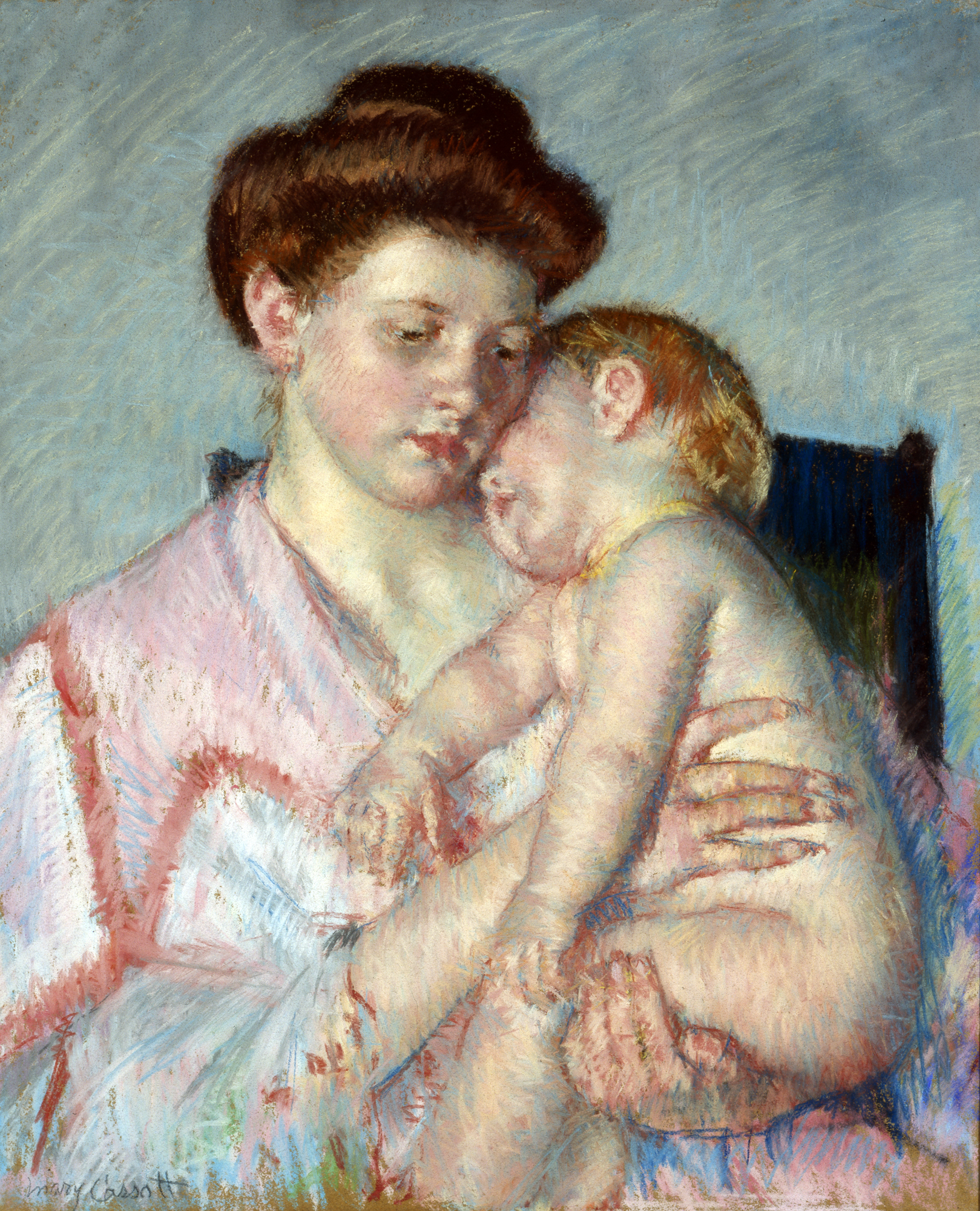
Both programs give the first-graders an opportunity to create artwork to take home with them at the end of the museum visit or school day. The overall goal is to assist the students in looking carefully at various works of art and making personal connections to them.  Because the settings are different (Museum galleries vs. school classroom) the experiences with works of art vary. Here is an example for Mary Cassatt’s Sleepy Baby from Go van Gogh:

Sleepy Baby, Mary Cassatt c. 1910, pastel on paper, Dallas Museum of Art, Munger Fund

Clues: a piece of a pink blanket, a pacifier, and the arm gesture of rocking a baby

After a conversation about the mother and baby (“Have you ever held a baby? Do you have a baby brother or sister at home? Have you ever sat on someone’s lap? How did it feel?”) a brief poem is read aloud to the class:

Human Pillow
By Sondra Falck

A sleepy head lay yawning,
Quietly on my chest,
His little legs were tired,
Needing a bit of rest.

Little boy, face filled with dreams,
Of all he planned to do,
Games to play and trees to climb,
Before this day was through.

 Busy dreamer, sound asleep,
Had to find the softest lap,
To be his human pillow,
So he could take a nap.

As a class, we discuss connections between the poem and the work of art. Then, we create a poem of our own, by asking the students to finish the sentence “Babies are ___”. When completed, it will look something like this: 

Babies are _soft_.
Babies are ­­­_sweet_.
Babies are _loud_.
Babies are _smelly_.
Babies are _squishy_.
Babies are _sleepy_.

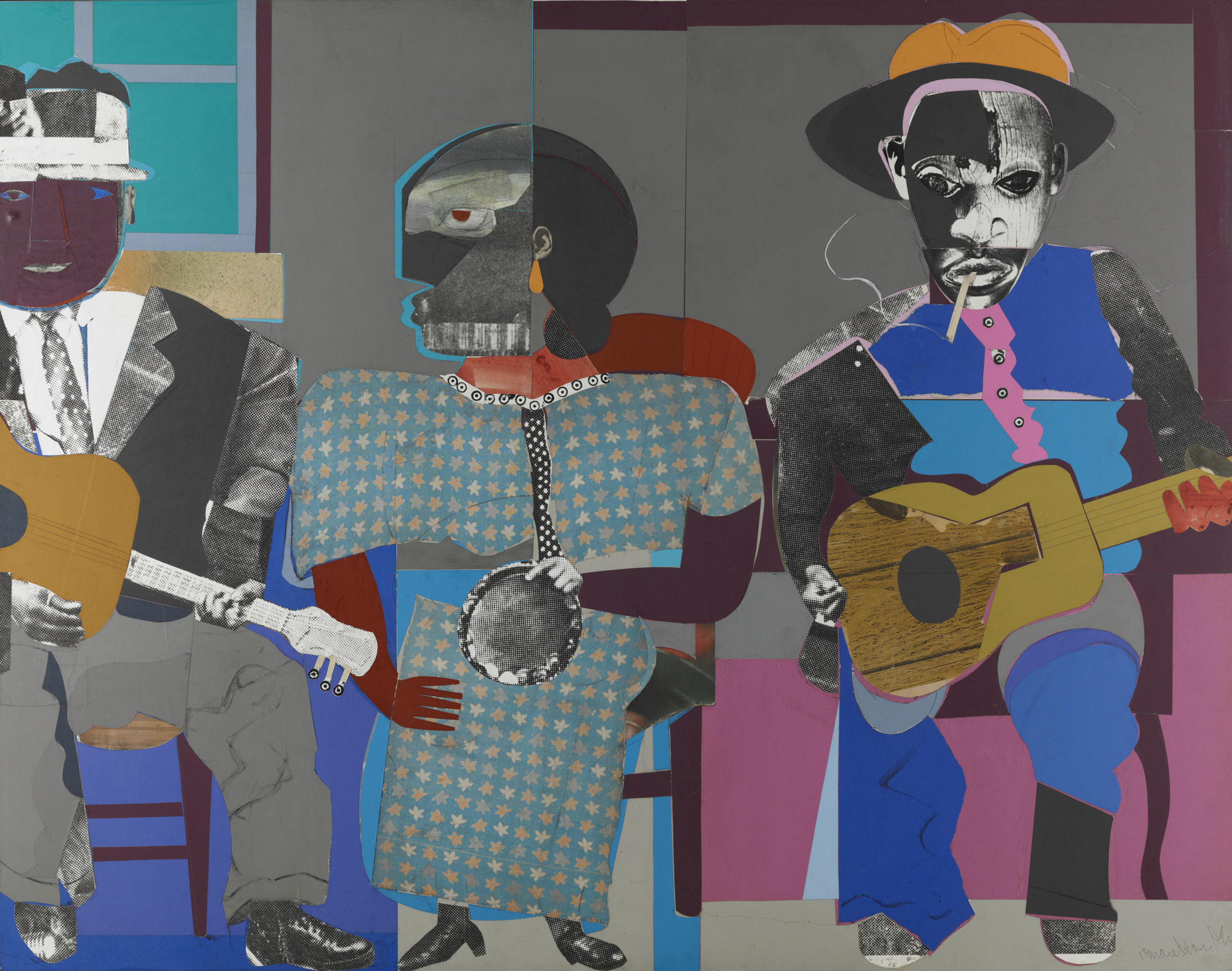
Here is an example of Romare Beardon’s Soul Three from the Docent Tour:

Soul Three, Romare Bearden, 1968, paper and fabric collage on board, Dallas Museum of Art, General Acquisitions Fund and Roberta Coke Camp Fund

Soul Three, Romare Bearden, 1968, paper and fabric collage on board, Dallas Museum of Art, General Acquisitions Fund and Roberta Coke Camp Fund


Clues: Detail of cloth from the collage, a foot tapping, and a tambourine

There are two themes that can be brought up during this conversation: one highlights what the students see in the painting (patterns, shapes, colors, figures) and the other explores the relationship of the people and the activity that they are participating in.

After this conversation, the students are encouraged to create a story about these three friends by considering the following prompts:

  • Give each of the gentlemen and the lady a name.
  • How did they meet each other?
  • What kind of music do they like to play?
  • Where are they playing their music?
  • Who is listening to them play? Are there other people around?
  • What happens when they stop playing their music?

The activity encourages the students to pose like one of the figures in the work of art and then choose one part of their body to move when the docent claps out a rhythm. Since we love working with children of all ages, we have decided to revise both of the Me &  My World programs as our McDermott Intern Project. We are still in the brainstorming stage, and we would love your help!

What are some of your favorite works of art from the DMA collection to use with young visitors? Has our collection inspired any fun activites that you use with your students? Tell us in the comments!

Jessica Kennedy & Hannah Burney
McDermott Interns for Teaching Programs and Partnerships
Friday Photos: Little Treasures

Did you know that we have 24,000 works of art in our collection?  And, did you know that only about 25% is displayed at one time?  That’s still a lot of art to look at.  My point is, who knows how many objects we skip over when we visit the Museum?

It’s hard not to miss the big stuff–who could walk by the Head of the rain god Tlaloc and not see its dominating face staring back at you? 

Head of the rain god Tlaloc, Mixtec culture, 1300-1500 A.D., gift of Mr. and Mrs. Stanley Marcus in memory of Mary Freiberg

Well, that’s what I mean.  It’s really easy to get caught up with objects the size of Texas, figuratively that is.  Next time you’re at the Museum, I challenge you to look at the small stuff.  Think of it as an art and seek.  You’ll be surprised with all the little treasures we have nestled in cases, scattered all about the Museum.    

Here are a few of my favorites:

[slideshow]

Images used:

  • Whistle with head, 19th-20th century, Holo culture, Africa, The Clark and Frances Stillman Collection of the Congo, gift of Eugene and Margaret McDermott
  • The Singer, Thomas Wilmer Dewing, c.1924, American, bequest of Joel T. Howard
  • Amulets of the Sons of Horus, 332 B.C.-395 A.D., Egypt, gift of Susette Khayat
  • Pair of frontal panels from ear ornaments, 900-1100 A.D., Peru, gift of Mr. and Mrs. Eugene McDermott
  • Two Piece Reclining Figure: Maquette No.1, Henry Moore, c.1960, England,Foundation for the Arts Collection, bequest of Margaret Ann Bolinger
  • A River in Normandy, Richard Parkes Bonington, 1824-1825, England, gift of Mr. and Mrs. Ward H. Reighley
  • Standing female figure, 14th-15th century, Indonesia, the Roberta Coke Camp Fund
  • 1933 Chicago World’s Fair Medal Commemorating the 25th Anniversary of General Motors, c. 1933, American, gift of David T. Owsley via the Alvin and Lucy Owsley Foundation
  • Model of Bodhgaya temple, 10th century, India, gift of David T. Owsley via The Alvin and Lucy Owsley Foundation
  • Standing woman, first half of 6th century B.C., Greece, Foundation for the Arts Collection, gift of Mr. and Mrs. James H. Clark

Happy hunting,

Loryn Leonard
Coordinator of Museum Visits

Winter Break: Winter Fashion

How do you keep your hands warm when it’s cold?  For a girl who lives in Texas, I have many different methods: suede mittens, fleece gloves, and three variations of knit fingerless gloves/mittens/armwarmers.

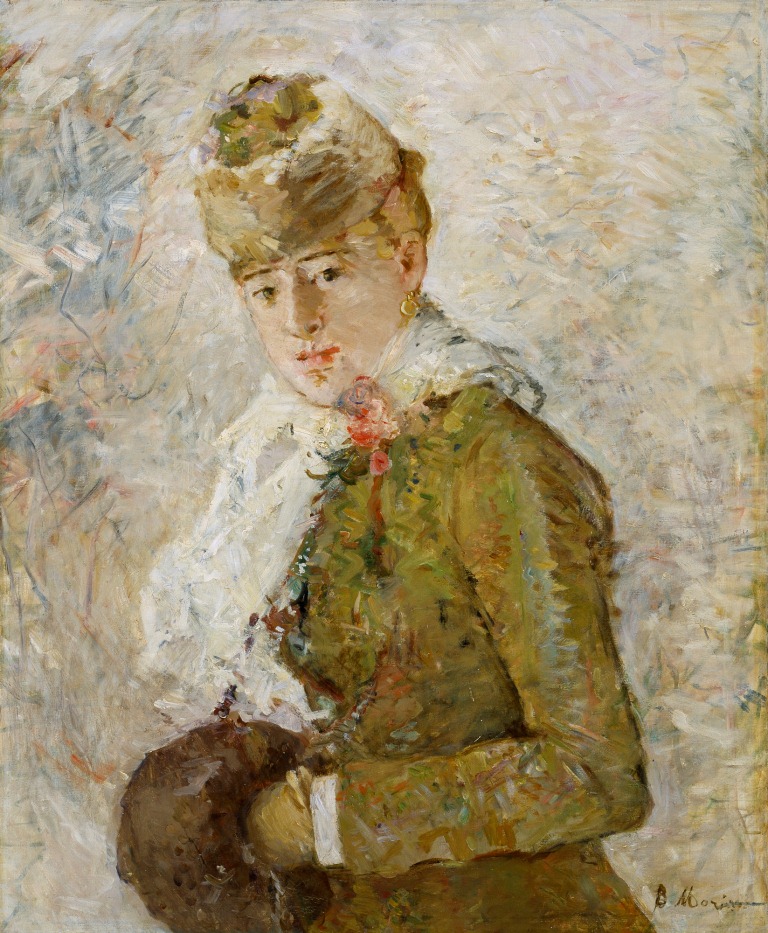
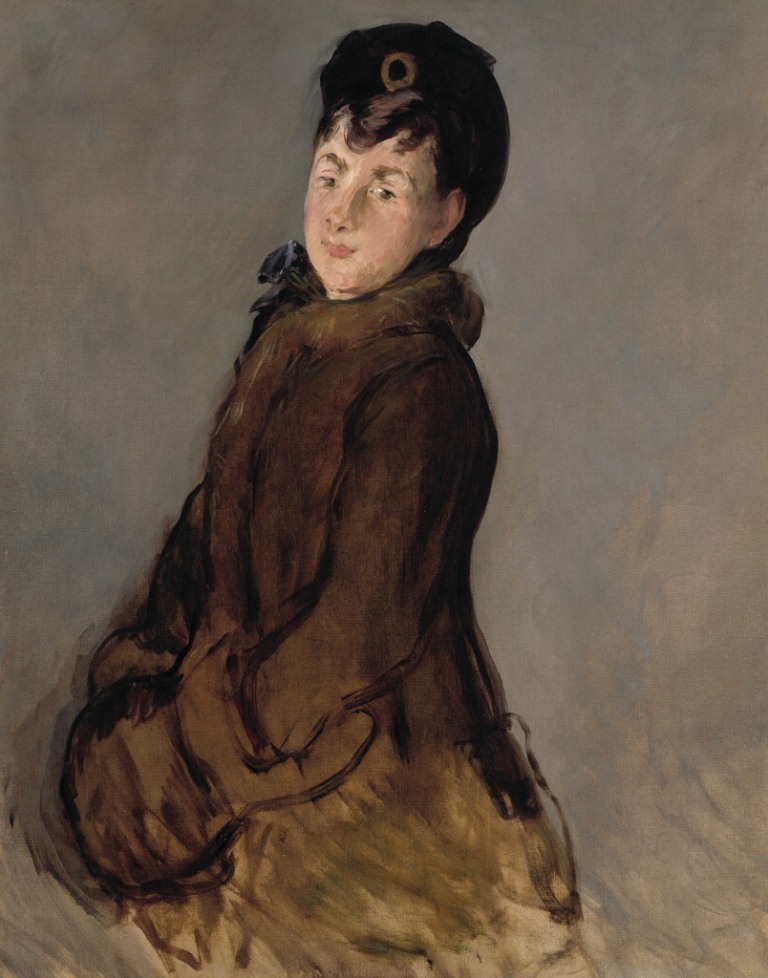
I wouldn’t mind wearing something more fashionable, like these neighboring ladies in the European galleries.

Winter (Woman with a Muff), Berthe Morisot, 1880, Dallas Museum of Art, gift of the Meadows Foundation Incorporated

Portrait of Isabelle Lemonnier, Édouard Manet, c. 1879, Dallas Museum of Art, gift of Mr. and Mrs. Algur H. Meadows and the Meadows Foundation Incorporated

Melissa Nelson
Manager of Teaching in the Community


Archives

Categories