Archive Page 56


Winter Break: Playful Poses

Do you ever wonder what the DMA staff does during winter break?

[slideshow]

Have a happy New Year!

Jessica Kennedy
McDermott Intern for Gallery Teaching

Artworks pictured above:

Eleanor Nightengale, John Smibert, 1727, Dallas Museum of Art, General Acquisitions Fund and gift of Eleanor and C. Thomas May, Jr.

Portrait of Dr. Otto Ruhle (Retrato del Dr. Otto Ruhle), Diego Rivera, 1940, Dallas Museum of Art, gift of Elizabeth B. Blake

Head of the rain god Tlaloc, Mixtec culture, Late Postclassic period, c. A.D. 1300-1500,Teotitlan del Camino, state of Oaxaca, Mexico, North America, Dallas Museum of Art, gift of Mr. and Mrs. Stanley Marcus in memory of Mary Freiberg

Mask: The Bad Spirit of the Mountain, Yupik Eskimo, late 19th century, St. Michael, Yukon River area, Alaska, United States, Dallas Museum of Art, gift of Elizabeth H. Penn

Crouching frog (one of pair), Mixtec, Late Postclassic period, c. A.D. 1300-1500), Teotitlan del Camino (?), state of Oaxaca, Mexico, Dallas Museum of Art, Dallas Art Association Purchase

Lokapala (Heavenly Guardian), early 8th century, China, Dallas Museum of Art, The Eugene and Margaret McDermott Art Fund, Inc., in honor of Ellen and Harry S. Parker III

Takenouchi no Sukune Meets the Dragon King of the Sea, Meiji period (1868-1912), 1875-1879, Japan, Dallas Museum of Art, Foundation for the Arts Collection, The John R. Young Collection, gift of M. Frances and John R. Young

The Halberdier, Ferdinand Hodler, 1895, Dallas Museum of Art, Foundation for the Arts Collection, Mrs. John B. O’Hara Fund and gift of Nona and Richard Barrett

Altar depicting the first female ancestor (luli), 19th century, possibly Luang or Sermata, western Southeast Moluccas, Indonesia, Asia, Dallas Museum of Art, The Eugene and Margaret McDermott Art Fund, Inc.

Shiva Nataraja, Chola dynasty, 11th century, India, Dallas Museum of Art, gift of Mrs. Eugene McDermott, the Hamon Charitable Foundation, and an anonymous donor in honor of David T. Owsley, with additional funding from The Cecil and Ida Green Foundation and the Cecil and Ida Green Acquisition Fund

Jina, 12th century, western Rajasthan, India, Dallas Museum of Art, gift of the Junior Associates

The Shade, or Adam from “The Gates of Hell”, Auguste Rodin, 1880, Dallas Museum of Art, gift of Mr. and Mrs. Eugene McDermott

Bacchante with Grapes, Emile-Antoine Bourdelle, 1907, Dallas Museum of Art, General Acquisitions Fund

Star in a Dream (Astre en Reve), Jean Arp, 1958, Dallas Museum of Art, Foundation for the Arts Collection, gift of Mr. and Mrs. James H. Clark

Santa Gertrudis (Saint Gertrude), Miguel Cabrera, 1763, Gift of Laura and Daniel Boeckman in honor of Dr. William Rudolph

Art Beauty Shoppe, Isaac Soyer, 1934, Dallas Museum of Art, gift of the Public Works of Art Project

Standing Female Figure, Central Veracruz Culture, A.D. 450-600, Dallas Museum of Art, gift of Mr. and Mrs. Eugene McDermott, the McDermott Foundation, and Mr. and Mrs. Algur H. Meadows and the Meadows Foundation, Incorporated
Winter Break: Taste of the Holidays

One of my very favorite holiday traditions is all the delicious treats. Between stuffing, turkey, candy canes, and cookies, what’s not to love about the holidays? To inspire this season’s holiday feasting, you’ll find the tastiest food of our collection below.

[slideshow]

Happy holidays!

Hannah Burney
McDermott Intern for Teaching Programs and Partnerships

Images used:

Still Life with Landscape, Abraham Hendricksz van Beyeren, 1650s, oil on canvas, Dallas Museum of Art, The Karl and Esther Hoblitzelle Collection, gift of the Hoblitzelle Foundation

Brioche with Pears, Edouard Manet, 1876, oil on canvas, Dallas Museum of Art, lent by the Wendy and Emery Reves Foundation

Still Life: Bouquet and Compotier (Nature morte: bouquet et compotier), Henri Matisse, 1924, oil on canvas, Dallas Museum of Art, The Eugene and Margaret McDermott Art Fund, Inc., in honor of Dr. Bryan Williams

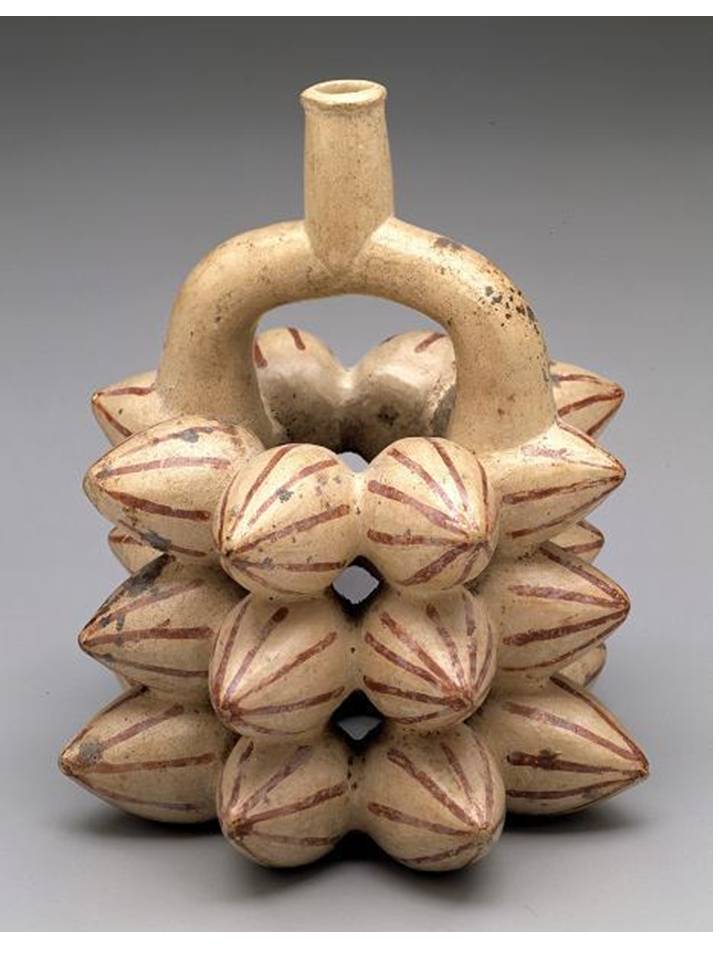
Stirrup-spout vessel depicting a clustered pepino fruit, Moche culture, c. A.D. 1-300, ceramic, Dallas Museum of Art, The Nora and John Wise Collection, gift of Mr. and Mrs. Jake L. Hamon, the Eugene McDermott Family, Mr. and Mrs. Algur H. Meadows and the Meadows Foundation, and Mr. and Mrs. John

Still Life with Spanish Peppers, Camille Pissarro, 1899, oil on canvas, Lent by the Pauline Allen Gill Foundation

Flowers and Grapes, Henri Fantin-Latour, 1875, oil on canvas, Dallas Museum of Art, gift of the Meadows Foundation Incorporated

Still Life with Apples, Pear, and Pomegranates, Gustave Courbet, 1871 or 1872, oil on canvas, Dallas Museum of Art, The Wendy and Emery Reves Collection

Still Life with Vase of Hawthorn, Bowl of Cherries, Japanese Bowl, and Cup and Saucer, Henry Fantin-Latour, 1872, oil on canvas, Dallas Museum of Art, Foundation for the Arts Collection, Mrs. John B. O’Hara Fund and gift of Mrs. Bruno Graf by exchange

Munich Still Life, William Michael Harnett, 1882, oil on canvas, Dallas Museum of Art, Dallas Art Association Purchase

Nature or Abundance, Leon Frederic, 1897, oil on canvas, Dallas Museum of Art, Foundation for the Arts Collection, Mrs. John B. O’Hara Fund

Let it Snow, Let it Snow, Let it Snow

Wishing for a wintery holiday season filled with snowflakes and snowmen?  Even though a snow-white holiday may be wishful thinking here in Dallas, you can still get in the holiday spirit at the Museum.  Bring the whole family to enjoy the many winterscapes we have displayed in the galleries, and create your own holiday-inspired work in the Center for Creative Connections!

[slideshow]

Wishing you all a very happy holiday,

Loryn Leonard
Coordinator of Museum Visits

Images used:

  • Frederic Edwin Church, The Icebergs, c. 1861, gift of Norma and Lamar Hunt
  • Ice Bowl and Spoon, Gorham Manufacturing Company, c.1871, The Eugene and Margaret McDermott Art Fund, Inc
  • Gustave Courbet, Fox in the Snow, c. 1860, Foundation for the Arts Collection, Mrs. John B. O’Hara Fund
  • Georgia O’Keefe, Bare Tree Trunks in Snow, c. 1946, Dallas Art Association Purchase
  • Childe Hassam, Along the Seine, Winter, c. 1887, bequest of Joel T. Howard

Teaching for Creativity: A Few Good Books

I am often inspired by a good read and I am an equal opportunity reader.  I love both fiction and non-fiction books and find that both can ignite my creative capacities.  Through fiction, I escape the day-to-day to walk in a character’s shoes and visit places unfamiliar, perhaps discovering an interesting metaphor that results in a richer understanding of the world around me.   Encountering new perspectives from an expert in another field and reading about real-world stories and events are a few things I appreciate about non-fiction reading.   These too can lead to richer understandings.  Here’s a list of books on my radar presently (some in the mail as I write) for which I have high expectations of stirring my creative spirit.  After you take a look at this list, then share with us what’s on your bookshelf or nightstand that is provoking you to think in new ways and see the world with fresh eyes?

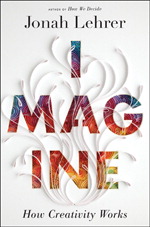
Imagine: How Creativity Works by Jonah Lehrer

Imagine: How Creativity Works by Jonah Lehrer – This one comes out in March, 2012 and is the third book written by author Jonah Lehrer.  Lehrer has a background in neuroscience and a strong interest in the relationships between art and science.  In Imagine, he discusses new science about creativity and proposes that all of us can achieve increased creativity through effectively using a distinct set of thought processes.  Lucky for me (and others), Lehrer will be in Dallas on March 23, 2012 presenting at the DMA’s Arts and Letters Live programming.

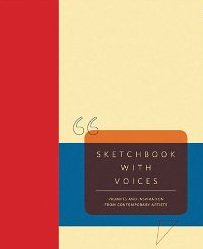
Sketchbook with Voices by Eric Fischl and Jerry Saltz

Sketchbook with Voices by Eric Fischl and Jerry Saltz – This collection of prompts from contemporary artists was compiled in 1986 by Fischl, an artist, and Saltz, an art critic.  The book was reprinted this year and I discovered it recently as I ambled through a museum gift shop.  Full of empty, ready-to-be-filled pages, this sketchbook includes inspirations from artists such as Richard Serra, Susan Rothenberg, and John Baldessari.

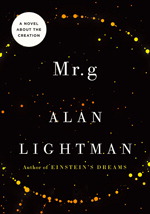
Mr. g by Alan Lightman

Mr. g by Alan Lightman – This is the forthcoming book from one of our department’s favorite authors!  Remember the recent post about Einstein’s Dreams?  We cannot wait for Lightman’s new book to come out in January, 2012.  Lightman, like Lehrer, is a scientist intrigued by the blurred and crossing boundaries of art and science. However, Lightman explores these ideas through novels and in Mr. g, the story of creation is told, as narrated by God.  Alan Lightman is also coming to Dallas next year!  On May 20, 2012 Lightman will be the featured author for Arts & Letters Live.

The Toaster Project by Thomas Thwaites

The Toaster Project by Thomas Thwaites – This is a recent addition to my “books to read” list.  I heard about it the other day on the radio and love the curious story behind the book.  In pursuit of wanting to know more about where things come from, Thomas Thwaites decided to build a toaster from scratch….

Nicole Stutzman
Director of Teaching Programs and Partnerships

Community Connection: Accumulation Project

What’s 2,490 feet long, made of paper, and on view at the DMA?  Hint: visit the current Community Partner Response Installation titled Accumulation Project, by Annette Lawrence, Professor of Drawing and Painting at UNT.  Over eleven months, visitors of all ages contributed to Accumulation Project during workshops led by Annette during her time as a C3 Visiting Artist.  She also invited staff from various DMA departments to help with the installation in the days leading up to its unveiling.

Do you typically invite people to help you install your work?

In different contexts, I have students or volunteers or preparators or whoever works at the gallery, museum, etc. help with installation.  I work more often with staff than with the public. For the DMA, part of the project was with the public, during workshops for people of all ages.  Often, the adults were more interested in the idea of creating a long line of paper than the children were.  Some kids got into it, depending on their personality.  At the time of installation, we were in a time crunch and invited DMA staff to help, and I was really happy with the response.  It was a pleasure working with everyone, and it seemed like it gave folks a break from their regular work. There was a great energy about pitching in.  Once everyone was there, the installation was finished quickly.

The help of other people can cut the installation time in half.  At the MFA Houston Glassell School of Art, l had one guy working with me consistently, and people coming in and out through the day to install Theory.  That took us six days.  Usually when someone starts working with me, they start to own the piece: they’re committed and want to see it finished.  In this case, my helper wasn’t an artist; he was the maintenance guy, and he had time to help.

Theory, Annette Lawrence, 2003, installation at the Glassell School of Art, Houston, TX

What do you enjoy about teaching college students?

Mainly, I enjoy the process of discovering things with them.  It depends on the level of class.  In beginning classes, students are introduced to materials and are figuring out how to use them.  After that, students pursue things that interest them, and I point them towards resources.  I often find I am learning with them as they explore different processes.  Lately, there has mostly been more interest in paint than anything else, but at times it veers off in other directions like installation work or sound.  Photography has also been incorporated into work as well as lots of mixed media while students are finding their own way.

You spoke at the DMA earlier this year about your work at Cowboys Stadium.  What was your initial reaction to the request for a commissioned work of art at the Stadium?

Lisa Brown of Dunn and Brown Contemporary loaded the conversation with artists who had already said yes – Mel Bochner, Laurence Weiner, Matthew Ritchie and Olafur Eliasson – she was kind of setting me up.  I said “Oh well, OK I guess I’ll do it.”  I studied Mel Bochner and Lawrence Weiner as an undergraduate student, and I was pretty excited about being in a collection that they were in.  Meeting them in real life – in the context of a celebration for the Cowboys Stadium Art Program – I could not have imagined that.

It was an odd request; a contemporary art collection at a professional sports stadium had not been done before.  I wasn’t opposed.  I was excited and interested in seeing the work happen, but it is a little bit ironic considering my interest in sports (or lack thereof) that the one permanent installation of my work is in a football stadium.

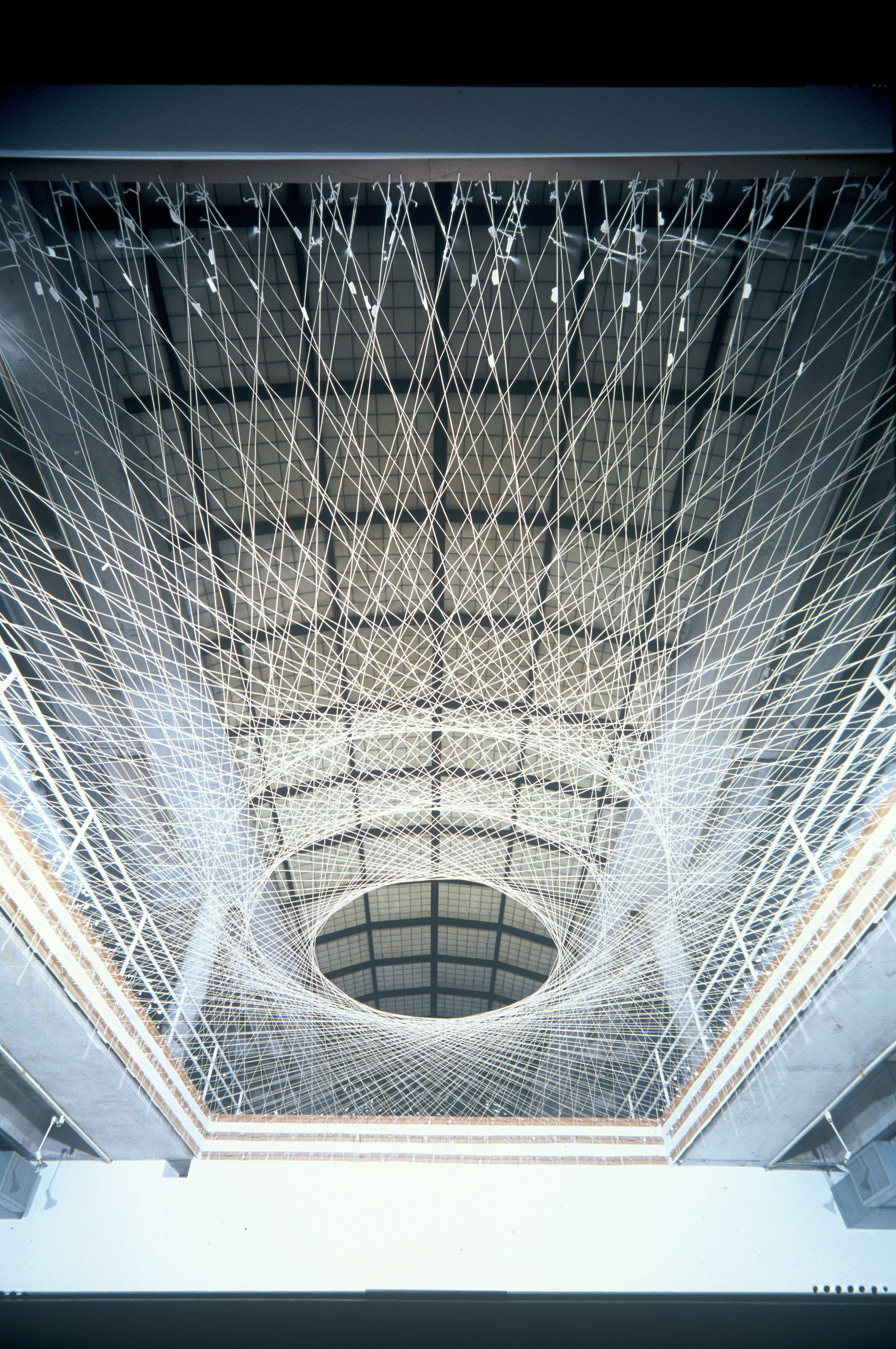
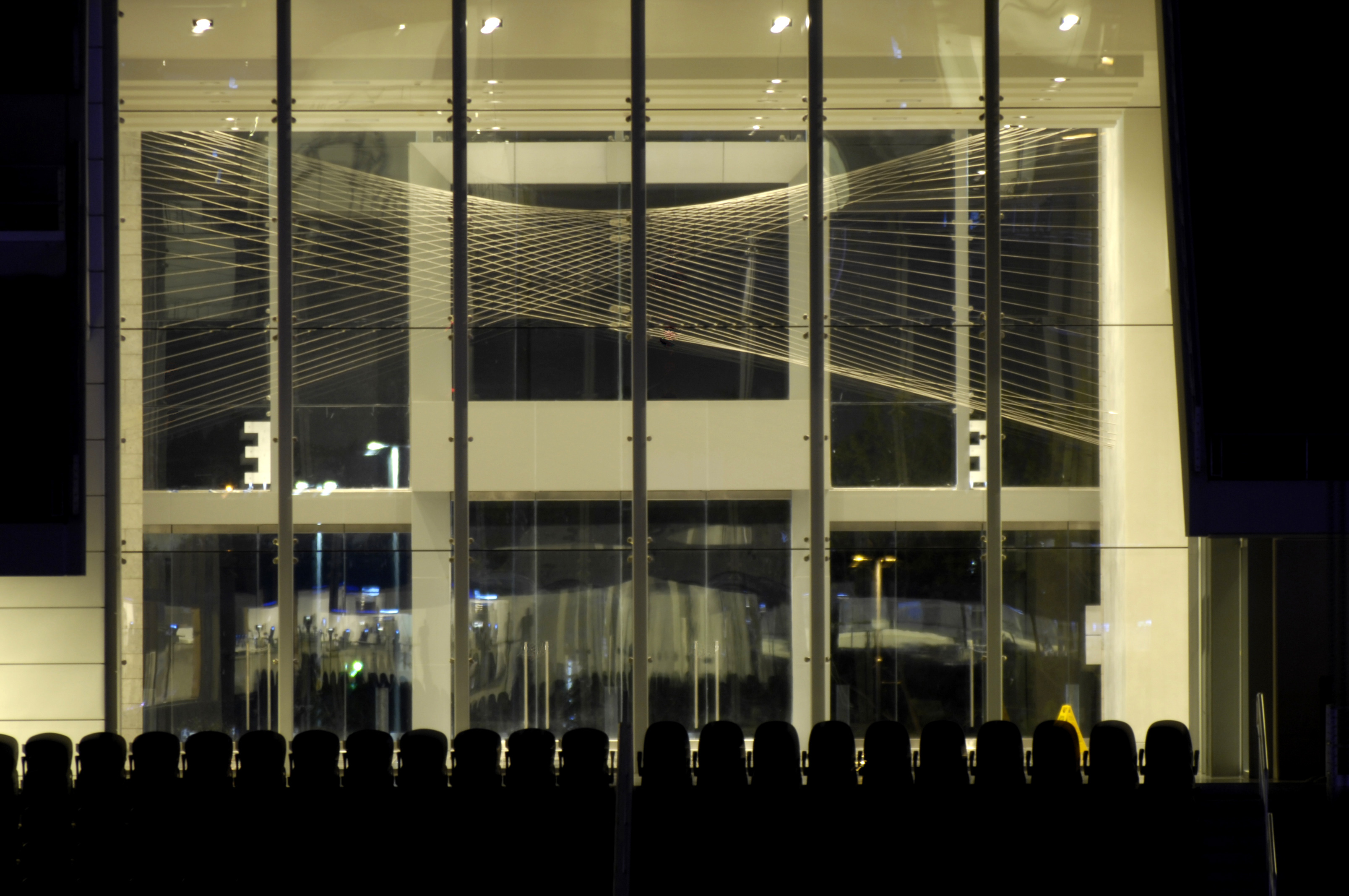
I designed the piece based on the space I was given, one of the main entryways.  In the interest of relating the piece to football, I looked up a glossary of football terms on Google.  As soon as I saw the words “Coin Toss”, I knew it was the right title.  It just fit, beyond the shape of the piece – a circle moving in space – but it also goes with the start of game, and the artwork’s placement in the entryway.  The Jones’s response to the title was so positive, and it was part of the enthusiasm for the work.

Coin Toss, Annette Lawrence, 2009, Cowboys Stadium, Arlington TX

Apart from creating things, what do you do?

Look at other people’s creations, mostly.  Looking at art, films, theater, dance, music, and all the arts take up most of my time.  Visiting friends and family is high priority, where we often talk about art.  If it’s with friends, we generally have art conversations.  With family, it can be anything.

What is your favorite holiday tradition?

Just visiting and being with good friends and family. I’m not interested in Christmas hype, but I like how things slow down a little bit and everyone is observing that this is time to spend with people you care about.  I alternate between doing Christmas or not doing Christmas.  This is a not year – we’re just not really doing it.  We’ll probably send out greetings to friends and families around New Year’s – after Christmas.  Last year, we sent a fun video, so we’re thinking about what we will do this year.  Whatever we send will be homemade.

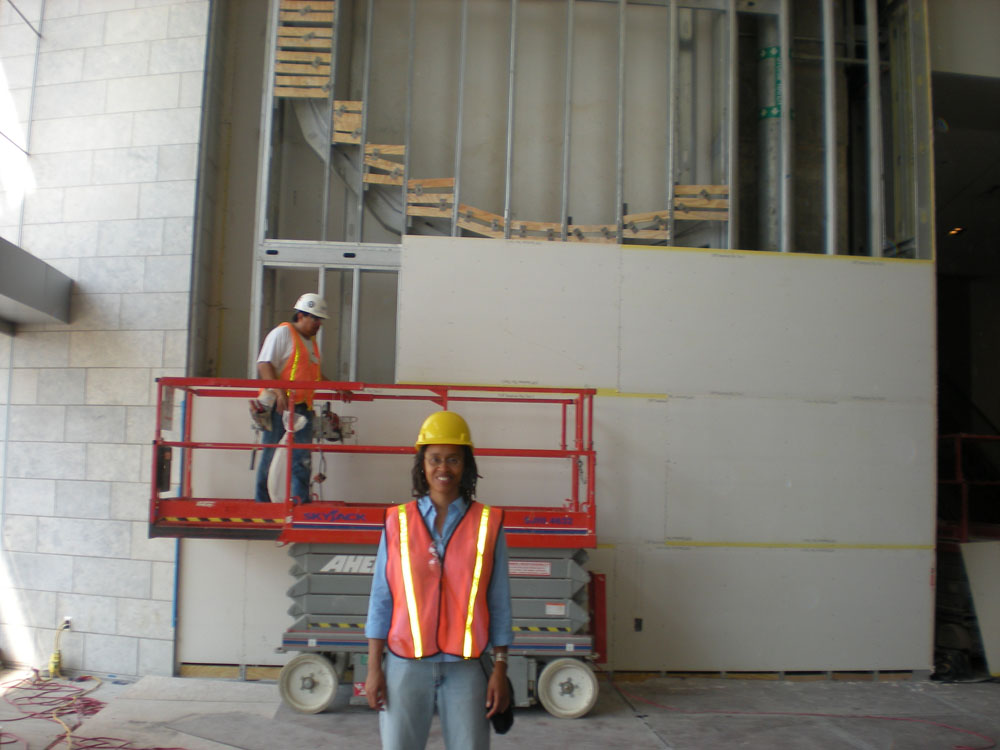
Installing at Cowboys Stadium

Accumulation Project is on view in the Center for Creative Connections through May 2012.

Melissa Nelson
Manager of Teaching in the Community

Friday Photos: Art & Fashion Teacher Workshop

Last Saturday, eleven teachers joined us for the Art & Fashion teacher workshop.  Teachers spent two hours in The Fashion World of Jean Paul Gaultier: From the Sidewalk to the Catwalk, and it was great to have the exhibition all to ourselves (the Museum wasn’t open to the public yet)!  We also spent time discussing fashion in our Colonial American galleries, as well as the exhibition African Headwear: Beyond Fashion.  I would have to say that the highlight of the day for me was a visit to the costume shop at the Wyly Theater.  Christie Vela, who not only works at the Dallas Theater Center but is also an actress and freelance costume designer, shared the secrets of how a costume goes from an idea to a garment on stage.  Below are photos from our day-long look at art & fashion.

[slideshow]

Shannon Karol
Manager of Docent Programs and Gallery Teaching

Gift Giving in the Galleries

Now that we have entered the month of December, we are officially in the midst of the holiday season.  No matter your traditions, chances are that in one way or another, the spirit of gift giving is included in your holiday ritual. With that in mind, I want to take a look at a few works of art within the DMA’s collection that are related to the idea of gift giving.
space
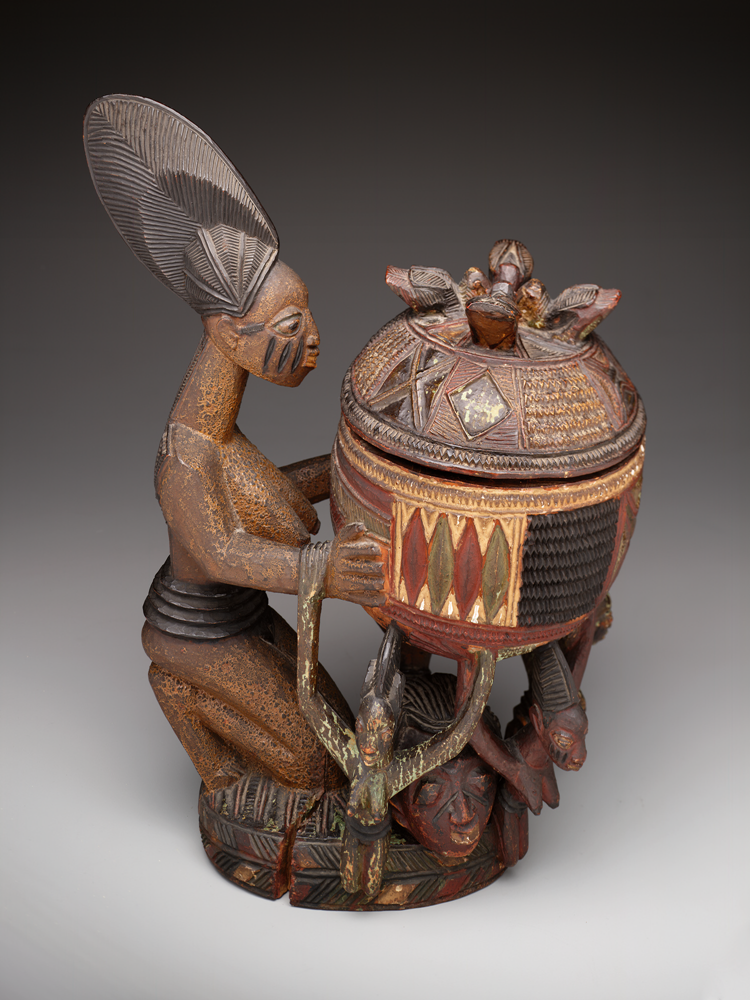
One of my favorite examples is the Kneeling female figure with bowl (olumeye). The Yoruba people traditionally offer kola nuts to guests as a form of hospitality as well as to deities during religious worship. Often the nuts are presented in gourds, but in very prestigious homes or palaces they would be contained in finely carved bowls such as this one. The word “olumeye” is in reference to the kneeling female and it means “she who brings honor.” I would be particularly honored to partake in the kola nuts because of their high caffeine content – I have a lot of holiday baking to get through!

Kneeling female figure with bowl (olumeye), Olowe of Ise, Yoruba peoples, c. 1910 to c. 1918, Effon-Alaiye, Ekiti region,Nigeria Dallas Museum of Art, The Eugene and Margaret McDermott Art Fund, Inc.

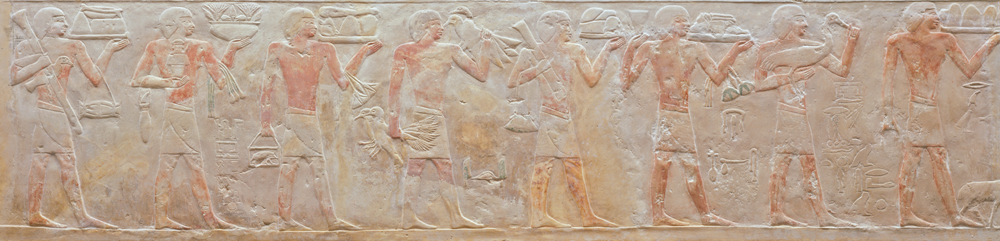
Another great instance of gift bearing is the Relief of a procession of offering bearers from the tomb of Ny-Ank-Nesut. This limestone relief was a part of Ny-Ank-Nesut’s tomb and it depicts a group of servants bringing various items for their master to have in the Afterlife. Ancient Egyptians believed that once they died, they would have the opportunity to pass into an Underworld, which was something like a perfect version of the life that they had lived on earth. So, of course, one would need to have all of the necessities buried with them. These men are offering items for a wonderful feast such as bread, cakes, geese, birds, papyrus sheaves, bowls of lotus flowers, a hedgehog in a cage (not sure if this was given as food or a companion), and vessels for drink offerings. Sounds like the makings of a great party to me.

Relief of a procession of offering bearers from the tomb of Ny-Ank-Nesut,Old Kingdom, 2575-2134 BC, Saqqara, Egypt, Dallas Museum of Art, Munger Fund

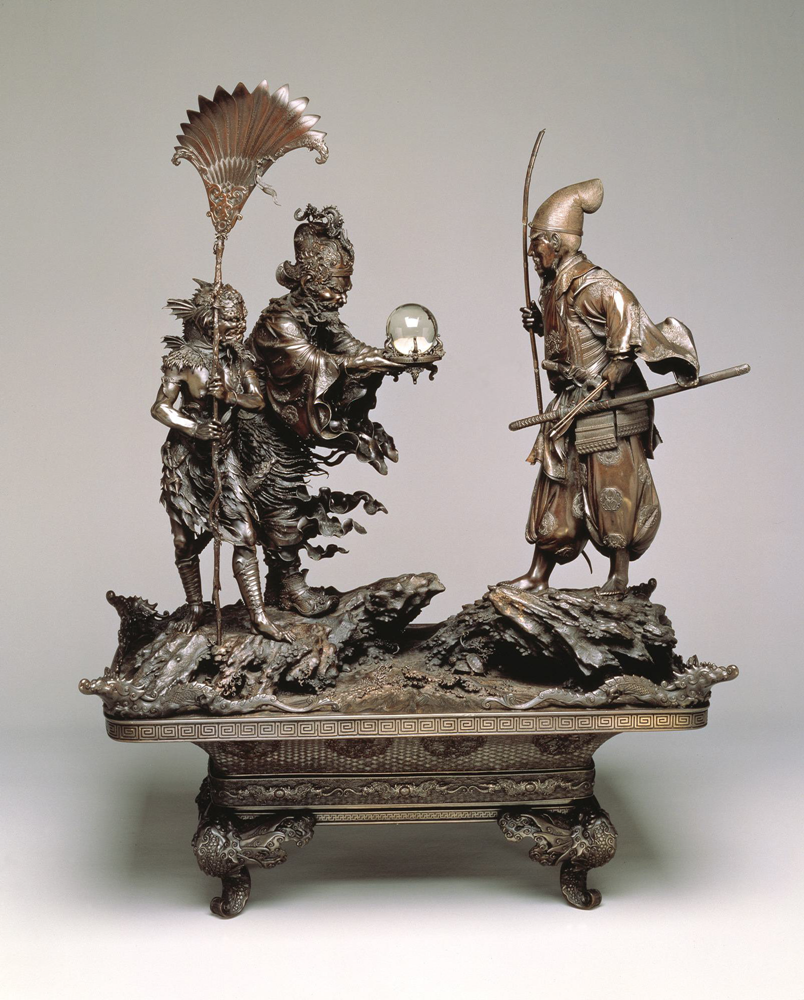
An illustration of a thank-you gift can be found in Takenouchi no Sukune Meets the Dragon King of the Sea. This sculpture depicts the warrior Takenouchi, a popular hero in Japanese folklore, who dreamed that he was called to destroy a terrible sea monster that was ravaging the waters and everything that lived in it. Once Takenouchi defeated the monster, the Dragon King of the Sea Ryujin, emerged from the deep and presented a precious jewel in recognition of the valiant mission. This particular gift was not only beautiful, but it also promised Takenouchi control of the seas.

Takenouchi no Sukune Meets the Dragon King of the Sea, Meiji period (1868-1912), 1875-1879, Japan, Dallas Museum of Art, Foundation for the Arts Collection, The John R. Young Collection, gift of M. Frances and John R. Young

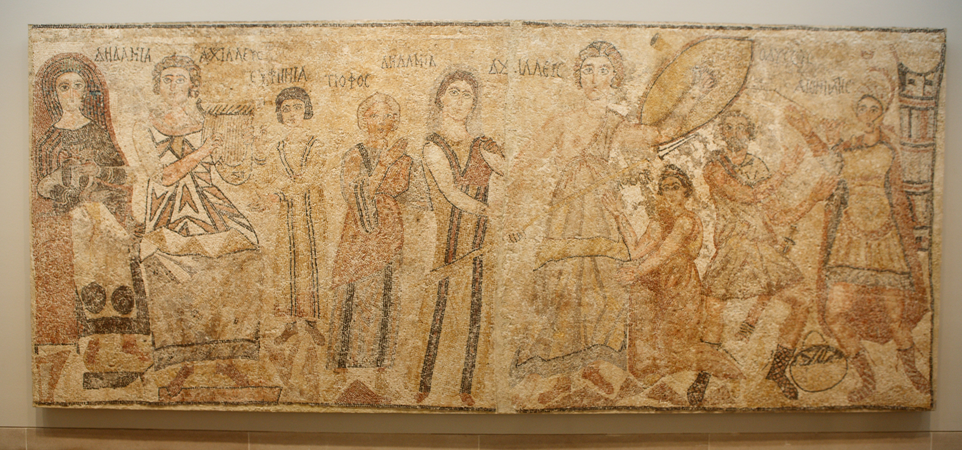
While gift giving is supposed to be selfless, we sometimes come bearing gifts knowing full well that we are going to get something in return. That is the case in this mosaic of Achilles at the Court of King Lycomedes. The legend says that young Achilles was sent by his mother to live at the court of Lycomedes. He was disguised as a girl in order to avoid being  killed as a Greek soldier and leaving the prophesy of his death unfulfilled. Unfortunately, Odysseus, the powerful Greek leader, had other plans. He concealed himself as a peddler and brought a bag of trinkets as gifts for the girls of the court. He had hidden weapons in the bottom of the bag so that when Achilles grabbed them, he revealed himself as a man. He was swept away to fight in the war and ultimately killed. A dangerous gift, indeed.

Achilles at the Court of King Lycomedes, Late Roman; Byzantine, 4th to 5th century A.D., Anonymous lender

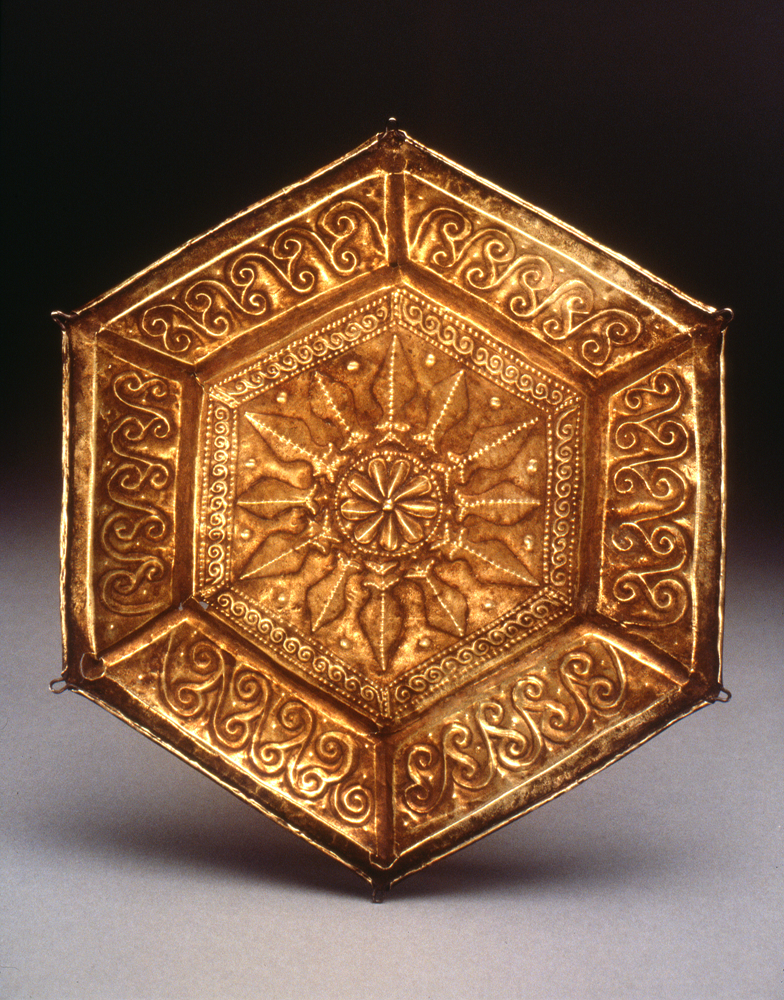
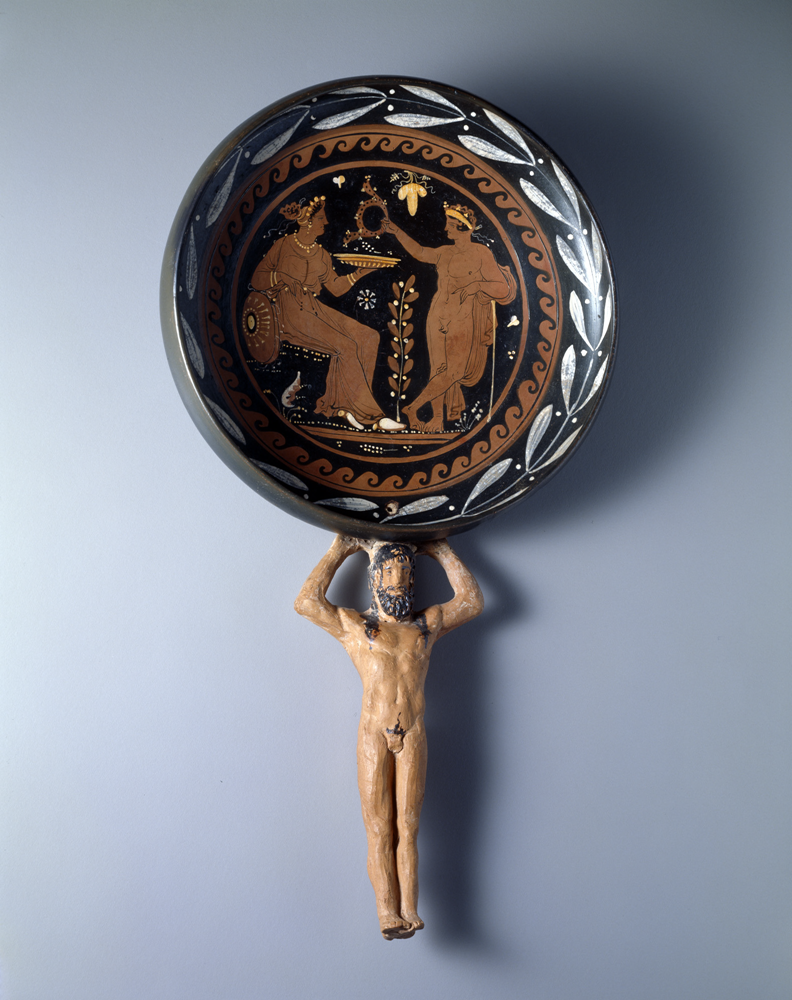
Sometimes the items that hold the gifts are just as beautiful as the gifts themselves. Two examples of this are the Hexagonal dish for offerings from Indonesia and the ancient Greek Red-figure patera with Atlas handle. Both of these objects were made to hold offerings. The patera was specifically made to hold liquid offerings to the deceased, and has an image of a woman holding a similar object in her hand. These lovely works of art remind us that presentation is everything.

Hexagonal dish for offerings, 19th Century, Southeast Moluccas, Indonesia, Dallas Museum of Art, gift of The Nasher Foundation in honor of Patsy R. and Raymond D. Nasher

Red-figure patera with Atlas handle, Attributed to the Painter of Louvre, Greek or South Italian; Apulian, last third of4th century B.C., Dallas Museum of Art, gift of the Junior Associates

Remember that it is always better to give than to receive. Enjoy the gift-giving season!

Jessica Kennedy

McDermott Intern for Gallery Teaching

The Dancing Pants

I recently became really inspired by one of my favorite Go van Gogh programs in which we discuss an abstract painting that we have paired with a Shel Silverstein poem. I really loved the new associations and meanings this juxtaposition brought to light. I decided to find more connections between Silverstein and the collection. Below you will find the original pairing that inspired me, followed by my own couplings.

1.

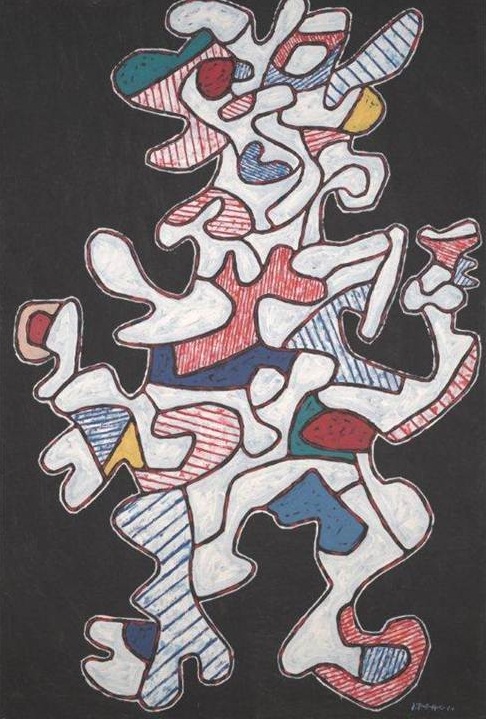
The Dancing Pants

And now for the Dancing Pants,
Doing their fabulous dance.
From the seat to the pleat
They will bounce to the beat,
With no legs inside them
And no feet beneath.
They’ll whirl, and twirl, and jiggle and prance,
So just start the music
And give them a chance –
Let’s have a big hand for the wonderful, marvelous,
Super sensational, utterly fabulous,
Talented Dancing Pants!

The Reveler

2.

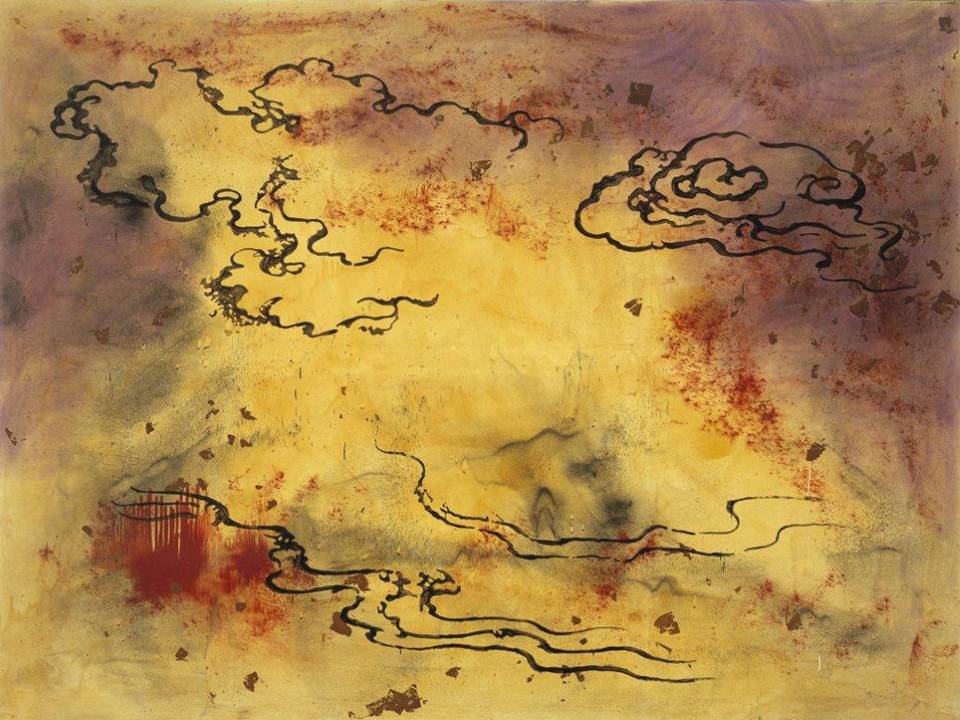
Where the Sidewalk Ends

There is a place where the sidewalk ends,
And before the street begins,
And there the grass grows soft and white,
And there the sun burns crimson bright,
And there the moon-bird rests from his flight
To cool in the peppermint wind.

Clouds (Wolken) 

3.

Hug O’War

I will not play at tug o’ war
I’d rather play at hug o’ war,
Where everyone hugs
Instead of tugs
Where everyone giggles
And rolls on the rug,
Where everyone kisses
And everyone grins
And everyone cuddles
And everyone wins.

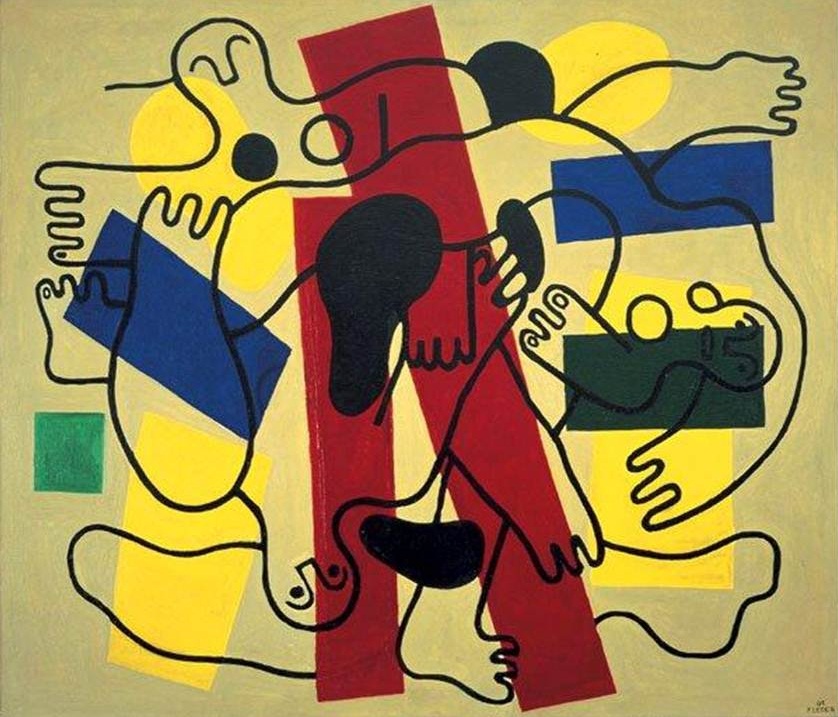
The Divers

4.

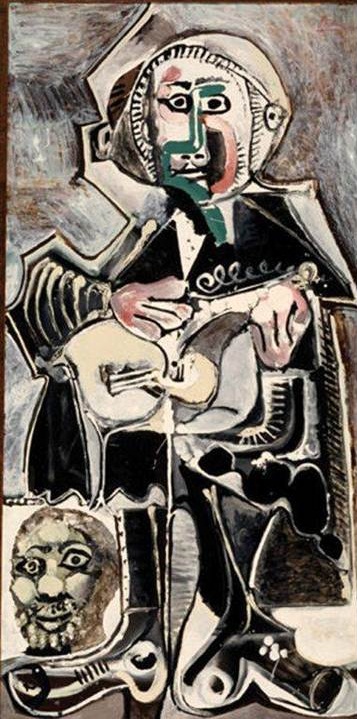
My Guitar

Oh, wouldn’t it be a most wondrous thing
To have a guitar that could play and could sing
By itself – what an absolute joy it would be
To have a guitar…that didn’t need me.

The Guitarist

6.

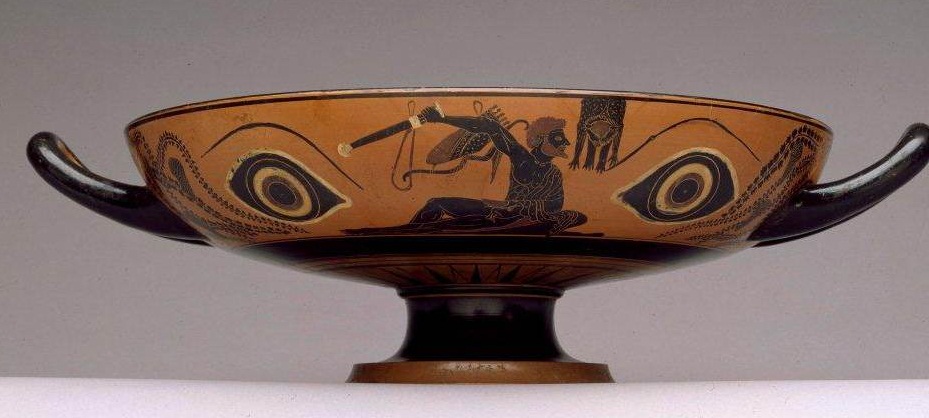
The Deadly Eye

It’s the deadly eye
Of Poogley-Pie.
Look away, look away,
As you walk by,
‘Cause whoever looks right at it
Surely will die
It’s a good thing you didn’t
You did? …
Good-bye.

Black-figure kylix

Space
And last but certainly not least, a very special quote from Shel Silverstein…

Draw a crazy picture,
Write a nutty poem,
Sing a mumble-gumble song,
Whistle through your comb.
Do a loony-goony dance
‘Cross the kitchen floor,
Put something silly in the world
That ain’t been there before.

Legal Pad Sheet

Space
These are some of the artworks I associate with Shel Silverstein’s poems. What comes to mind when you read them? Are there other artworks that they could be paired with?

Want to explore more literary connections to art? Check out Arts and Letters Live. See what this year has in store for music, film, and performance at the DMA when the 2012 season is announced on December 8th. Programs fun for all ages!

SPACE

Hope you enjoy,

Hannah Burney

McDermott Intern for Teaching Programs and Partnerships

space

Images used:

The Reveler, Jean Dubuffet, 1964, oil on canvas, Dallas Museum of Art, gift of Mr. and Mrs. James H. Clark

Clouds (Wolken), Sigmar Polke, 1989, mixed media on canvas, Dallas Museum of Art, DMA/amfAR Benefit Auction Fund and the Contemporary Art Fund:  Gift of Mr. and Mrs. Vernon E. Faulconer, Mr. and Mrs. Bryant M. Hanley, Jr., Marguerite and Robert K. Hoffman, Cindy and Howard Rachofsky, Deedie and Rusty Rose, Gayle and Paul Stoffel, and two anonymous donors

The Divers, Fernand Leger, 1942, oil on canvas, Dallas Museum of Art, Foundation for the Arts Collection, gift of the James H. and Lillian Clark Foundation

The Guitarist, Pablo Picasso, 1965, oil on canvas, Dallas Museum of Art, The Art Museum League Fund

Legal Pad Sheet, Alex Hay, 1967, spray lacquer and stencil on linen, Dallas Museum of Art, Ruth and Clarence Roy Fund and DMA/amfAR Benefit Auction Fund

Black-figure kylix, Greek; Attic, last quarter 6th century B.C., ceramic, Dallas Museum of Art, gift of Mr. and Mrs. Cecil H. Green

Friday Photos: Holidays in the District

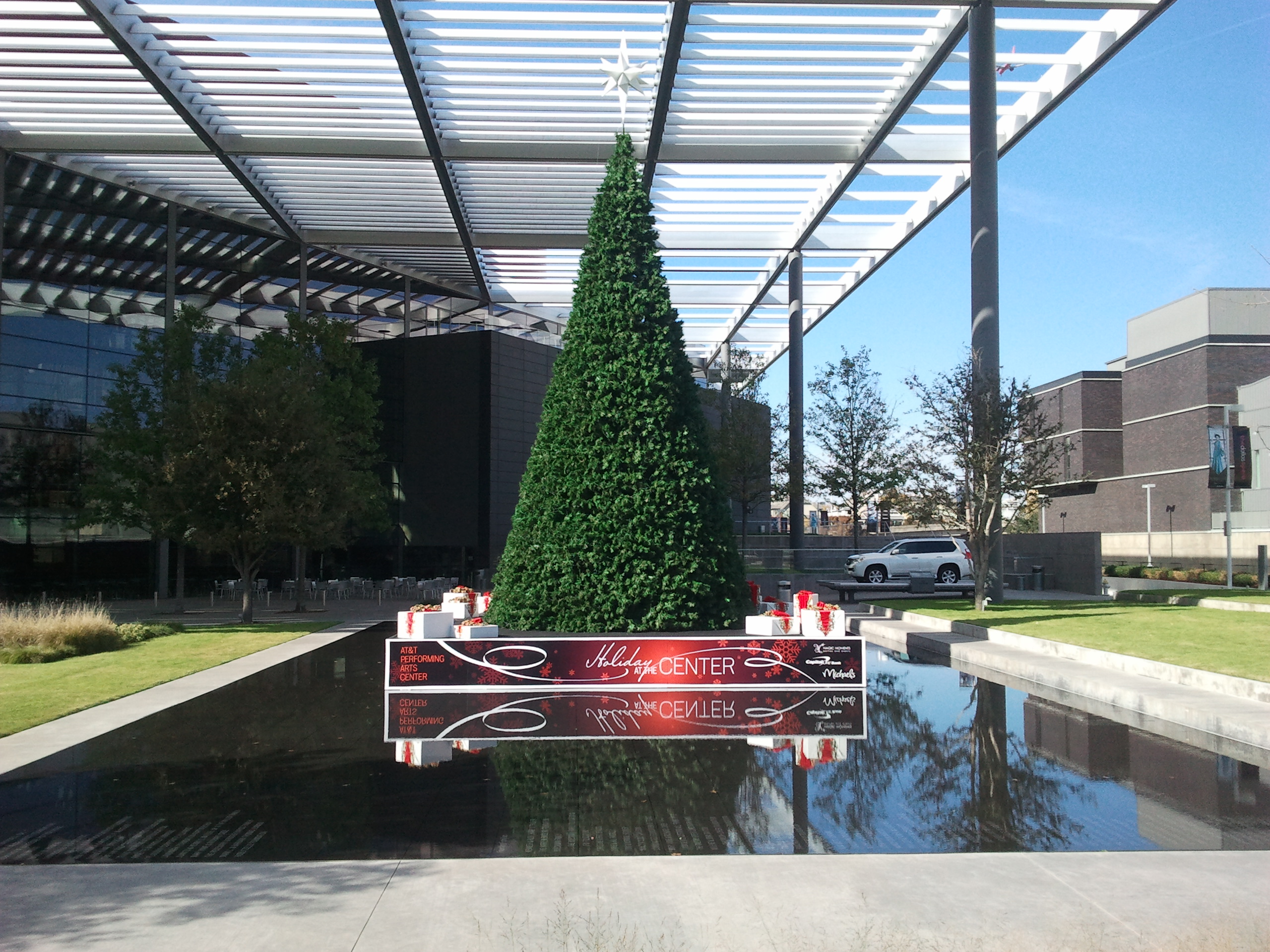
There’s something about little sparkling lights that can transform a tree into something magical.  Come down to the Dallas Arts District tonight to see the lighting of this beautiful tree during Holidays in the District.  Activities start at 5:30 p.m. and include horse and carriage rides, art activities, pictures with Santa, live music and dance performances, and the unveiling of an original work of art created specially for the evening.  Food trucks will provide delicious treats, with the grand tree lighting ceremony at 7:03 p.m.  Make sure you visit the DMA booth and create a holiday print!

Cheers,

Melissa Nelson
Manager of Teaching in the Community

The Best Gift Ever

Thanksgiving is the perfect kick-off to the Holiday Season.  It gives us time to visit with our loved ones, which in turn, reminds us that we need to start thinking about what gifts we plan to get them.  Here we are in the beginning of December, and the joy of finding the perfect gift has begun.  Wouldn’t it be fun to give your special someone a gift from the Museum?

Let us pretend that money is no object, and we can purchase any artwork in the Museum’s collection.  Now, the artwork you plan to buy should be intended as a gift. Which artwork would you choose, and who would you give it to?  Let’s make this an open-ended poll where you can post your gift idea in the comment section below.  I’ll go first:

I would give this Moche stirrup-spout vessel to my husband, Joe.  Last year, we had the privilege of visiting Peru, and we became enamored with Andean cultures.

Stirrup-spout vessel depicting a clustered pepino fruit, Moche culture, c. A.D. 1-3000, The Nora and John Wise Collection, gift of Mr. and Mrs. Jake L. Hamon, the Eugene McDermott Family, Mr. and Mrs. Algur H. Meadows and the Meadows Foundation, and Mr. and Mrs. John D. Murchison

Happy Shopping!
 
Coordinator of Museum Visits

Archives

Categories