Archive Page 38


The Kennedys in Texas

When I visited Dallas for the first time, my number one must-see destination was The Sixth Floor Museum. I have been fascinated by the Kennedy family since I was nine years old, and I felt compelled to make a pilgrimage to Dealey Plaza and the former Texas School Book Depository. What I didn’t realize is that many Texans, including a large number of the DMA’s docents, have never been to The Sixth Floor Museum. That changed last week, when a group of docents and I ventured down to the West End to explore The Sixth Floor Museum as a group.
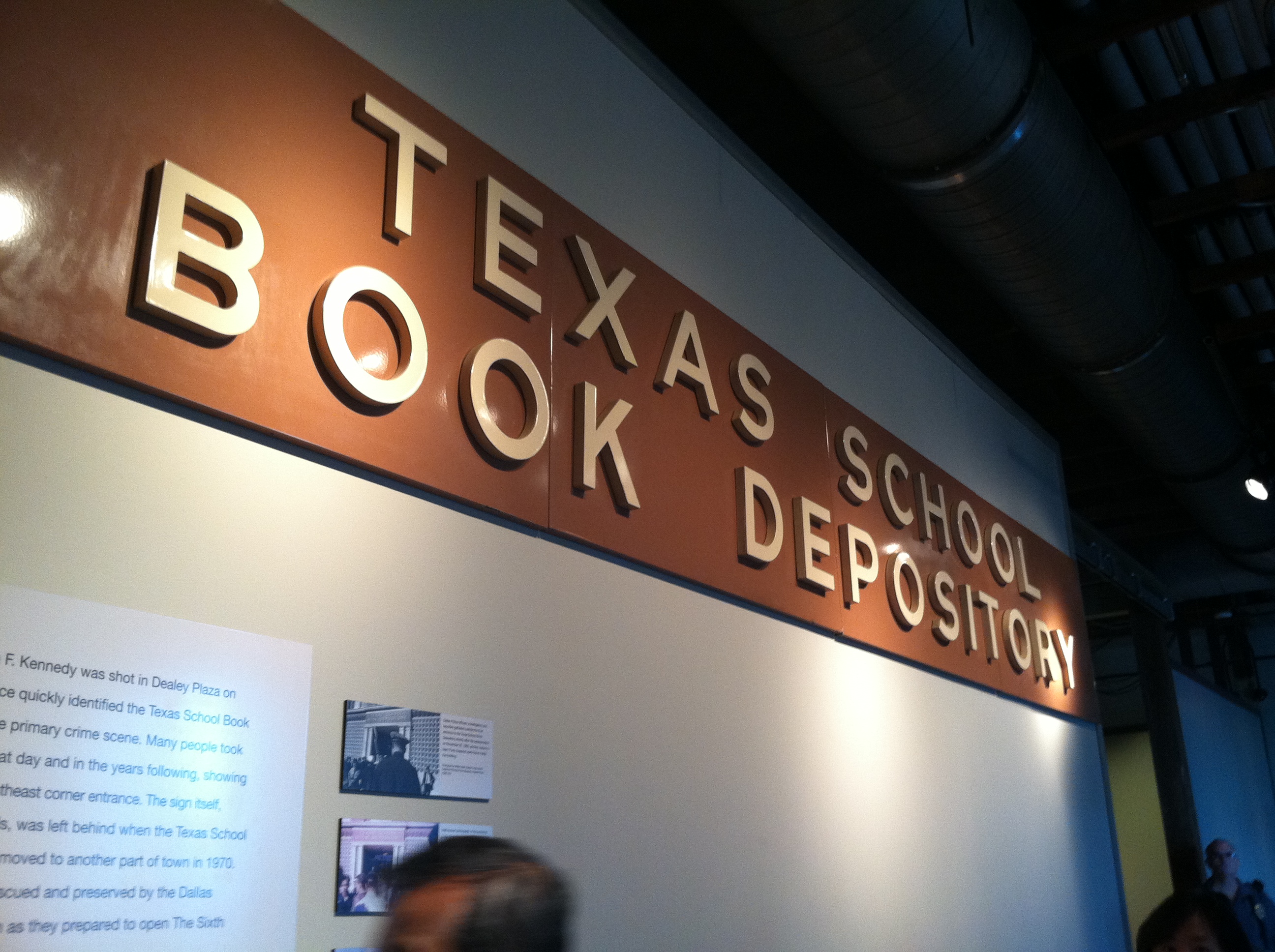
The original sign from the Texas School Book Depository on display at The Sixth Floor Museum

The original sign from the Texas School Book Depository on display at The Sixth Floor Museum

The timing for our field trip couldn’t have been better. Just last week, Hotel Texas: An Art Exhibition for the President and Mrs. John F. Kennedy opened at the DMA. This exhibition brings together thirteen of the sixteen artworks that were placed in Suite 850 at the Hotel Texas in Fort Worth. The President and Mrs. Kennedy slept in Suite 850 on November 21, 1963–the night before his fateful trip to Dallas. The original installation was created over the course of five days by a small group of art collectors in Fort Worth. Works by Picasso, van Gogh, Marsden Hartley, and Thomas Eakins decorated the suite’s living room and two bedrooms. The DMA is marking the anniversary of President Kennedy’s assassination by bringing these works back together for the first time in 50 years.
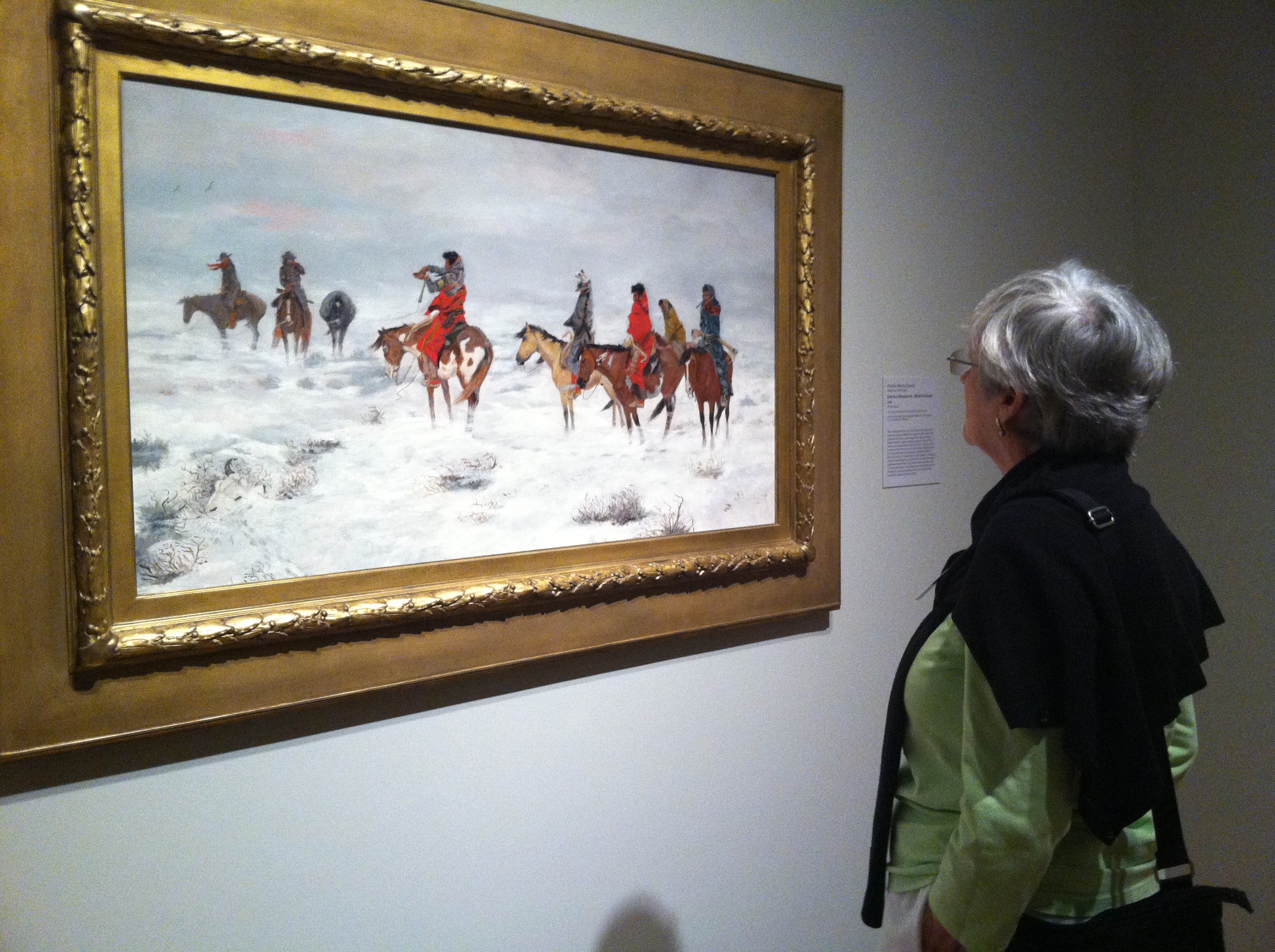
Docent Judy Butts examines Charles Marion Russell's Lost in a Snowstorm

Docent Judy Butts examines Charles Marion Russell’s Lost in a Snowstorm

The docents and I explored Hotel Texas together before traveling down to The Sixth Floor Museum. Once we were there, we were greeted by the museum’s chief curator, Gary Mack. Gary spoke with us about his time at The Sixth Floor Museum, including his role in curating the museum’s main exhibition: John F. Kennedy and the Memory of a Nation. After speaking with Gary, we were free to explore the museum at our own pace. This was my fifth visit to The Sixth Floor Museum, and every visit is powerful and moving. This visit was even more special, though, as I listened to the docents share their memories of where they were on November 22, 1963.
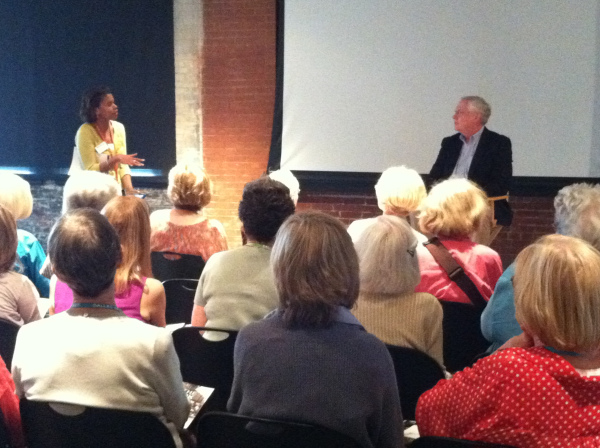
Sharron Conrad and Gary Mack speak with the DMA's docents at The Sixth Floor Museum

Sharron Conrad and Gary Mack speak with the DMA’s docents at The Sixth Floor Museum

For those of you who participate in DMA Friends, we have launched a new JFK Badge in conjunction with the Hotel Texas exhibition. To receive this badge, you only need to visit The Sixth Floor Museum and the Hotel Texas exhibit at the DMA.  Show your ticket stub from The Sixth Floor Museum to our Visitor Services Staff to receive the code. We hope to encourage our Friends and visitors to take this unique opportunity to gain a better understanding of history through these exhibitions.

The DMA and The Sixth Floor Museum have also teamed up to offer a special experience just for teachers during a full-day Teacher Workshop on Thursday, June 27th. The Kennedys in Texas: The Art and History of November 22, 1963 will begin at the DMA in the Hotel Texas exhibition. After breaking for lunch, we’ll spend the afternoon at The Sixth Floor Museum. Registration is now available online–just select “Teacher Programs” to sign up.  We hope to see you there!

Shannon Karol
Manager of Docent and Teacher Programs
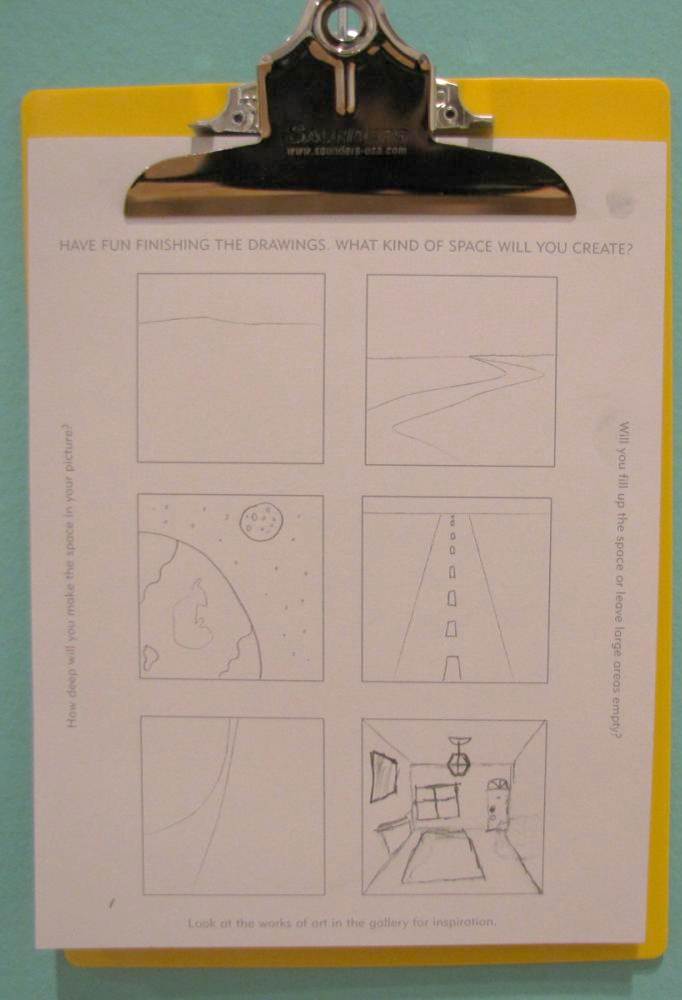
Friday Photos: Creativity Squared

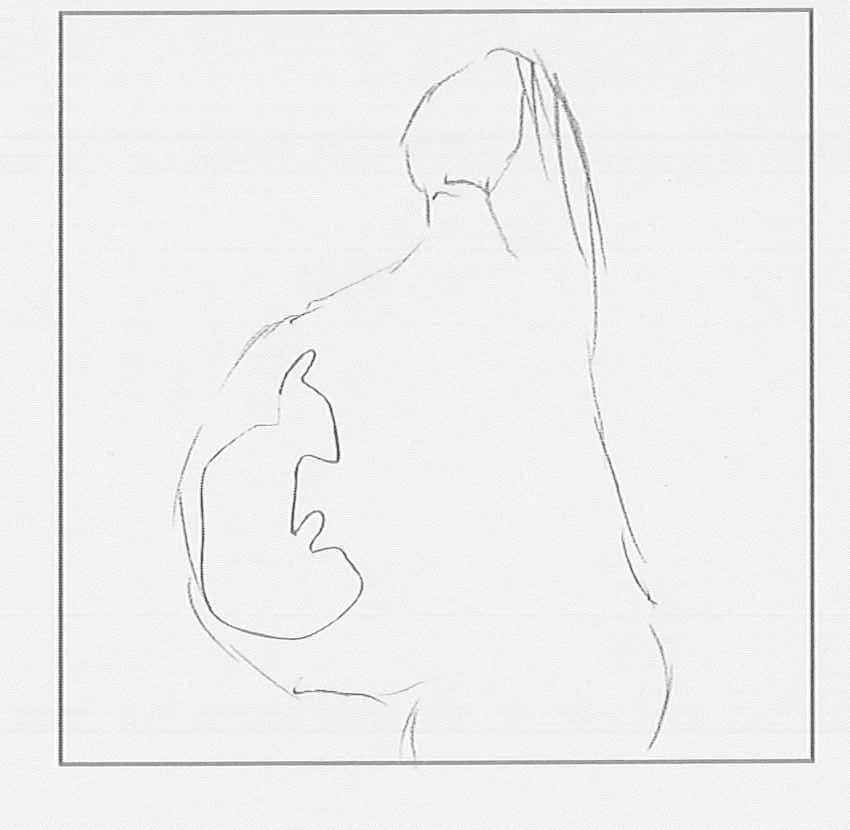
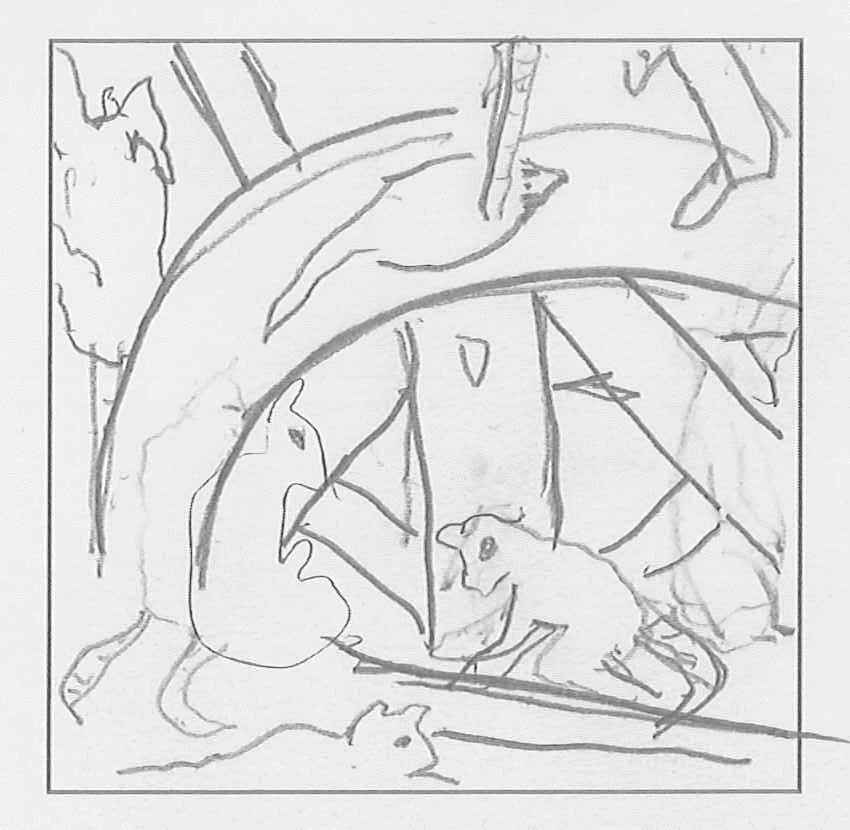
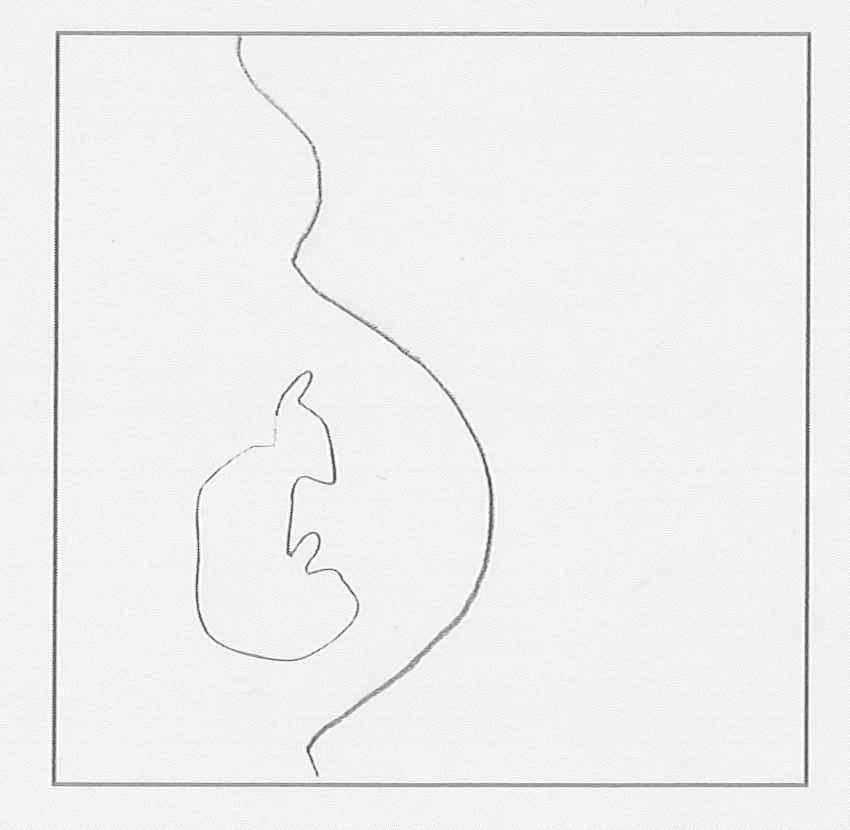
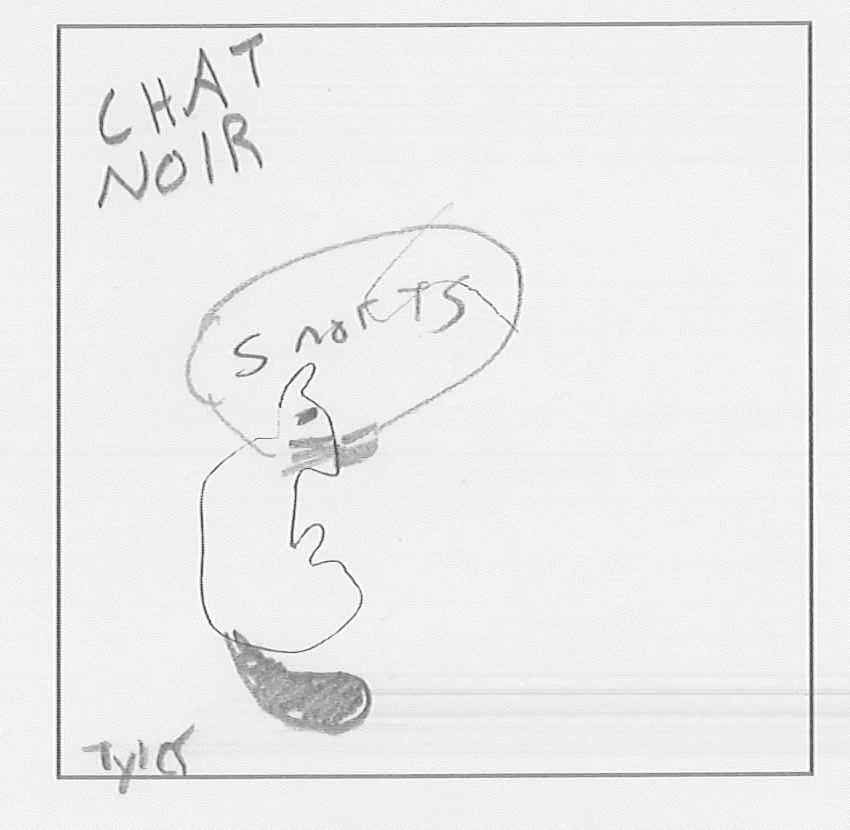
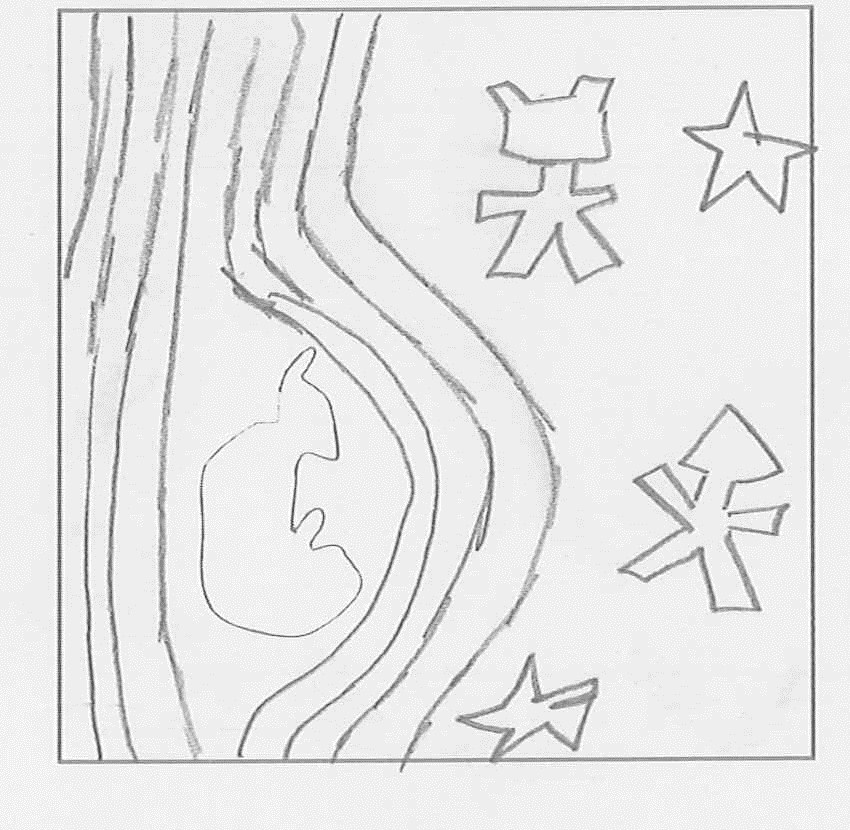
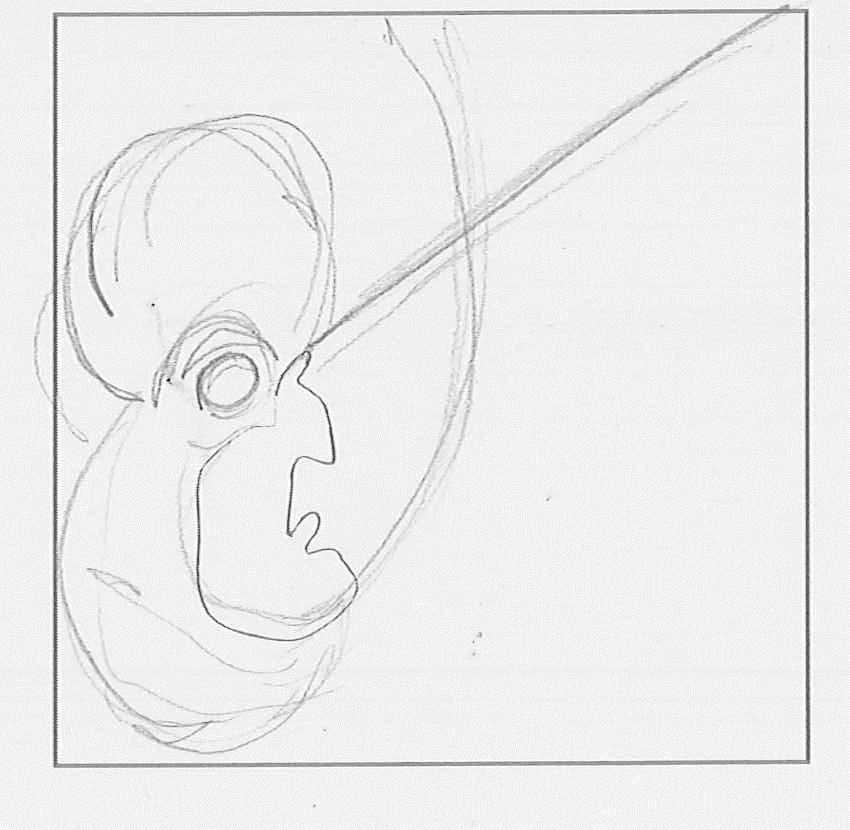
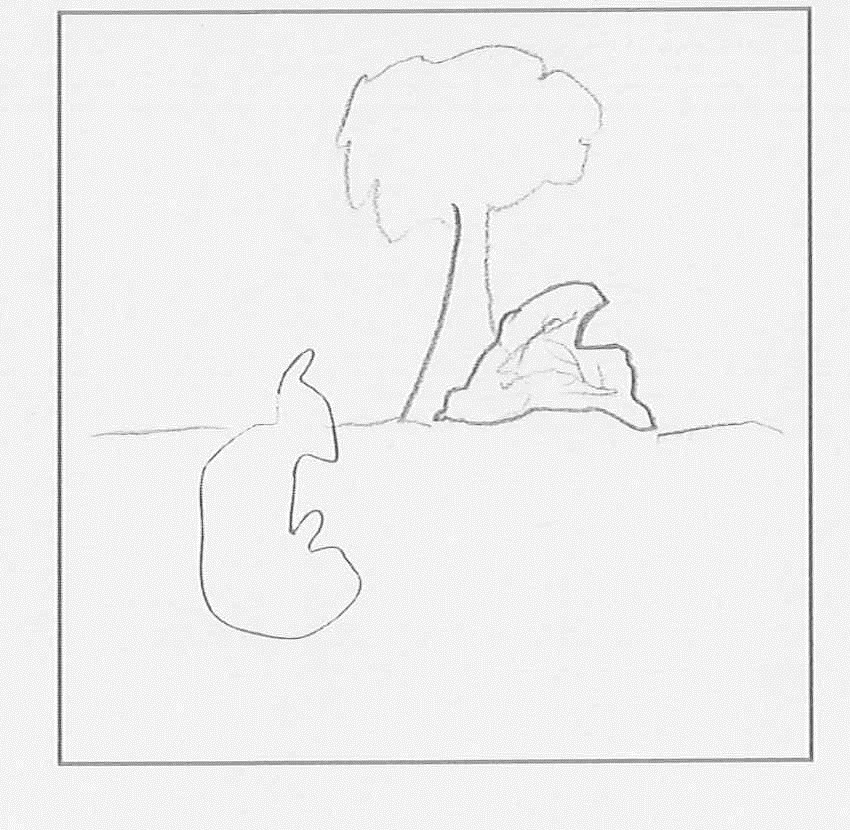
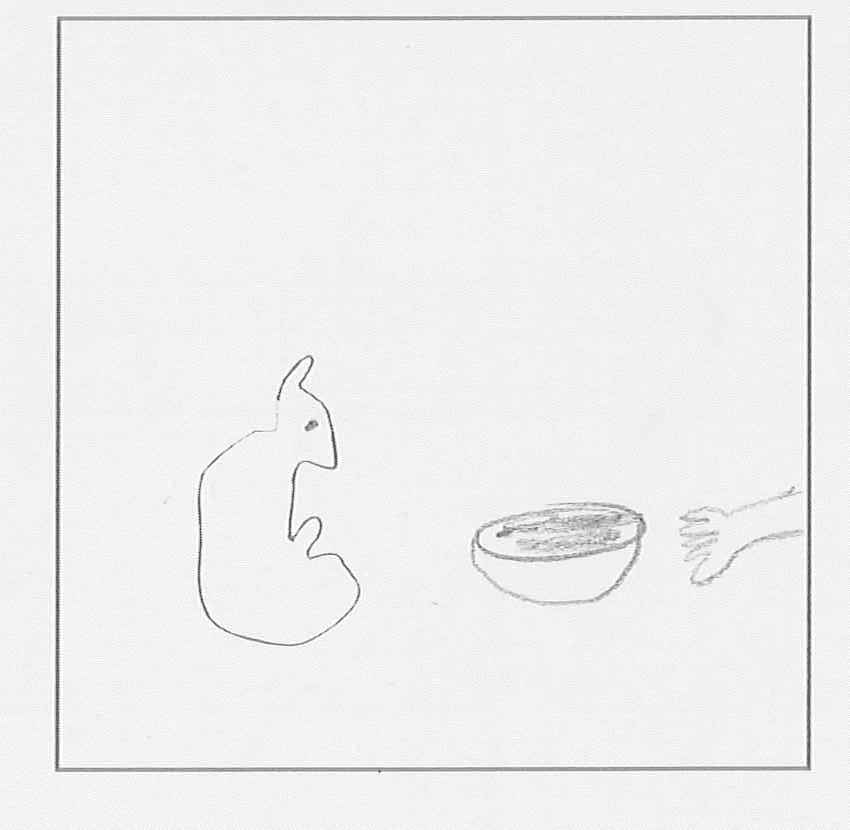
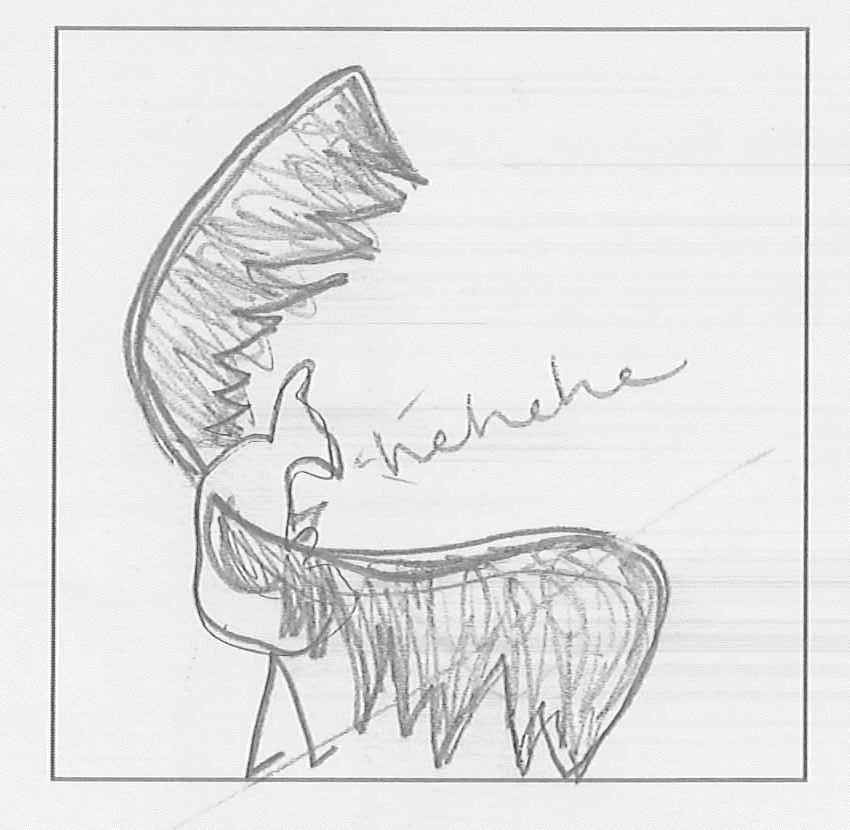
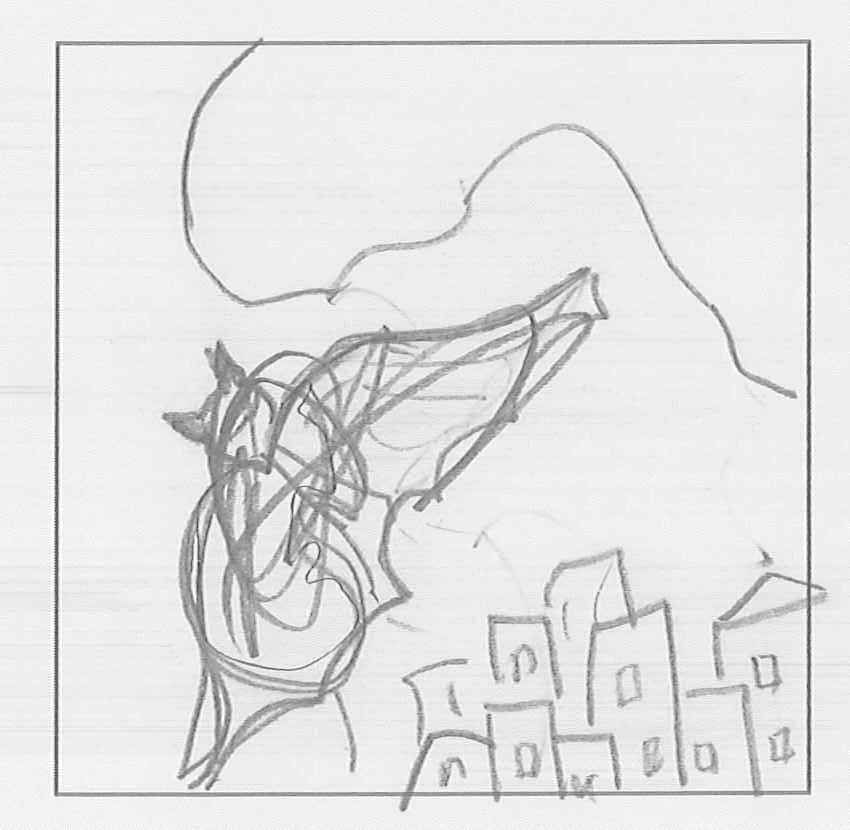
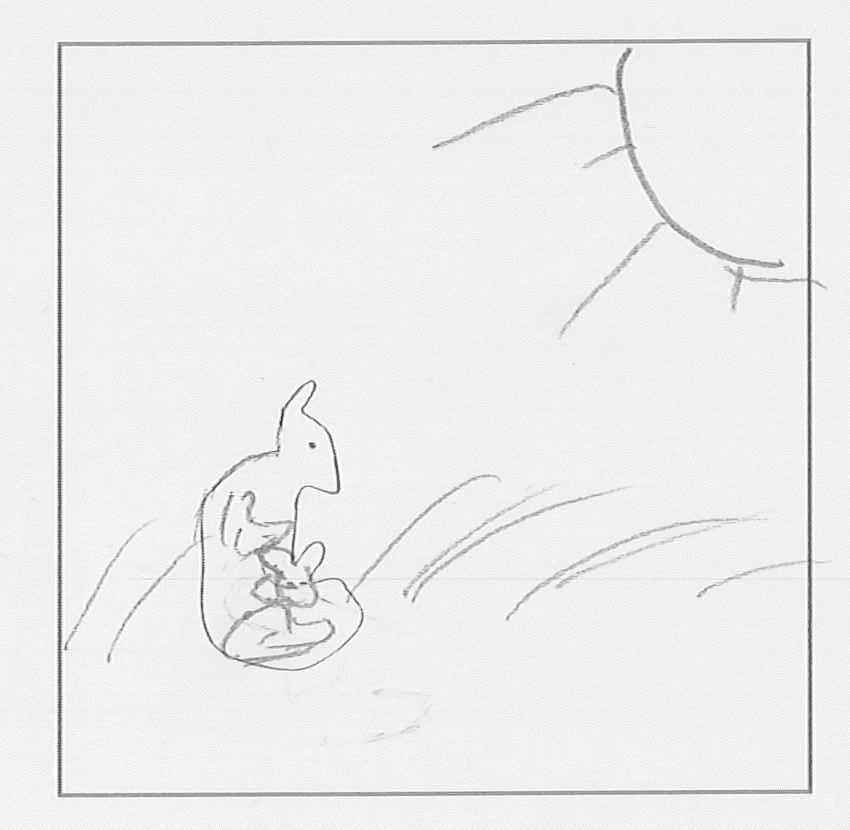
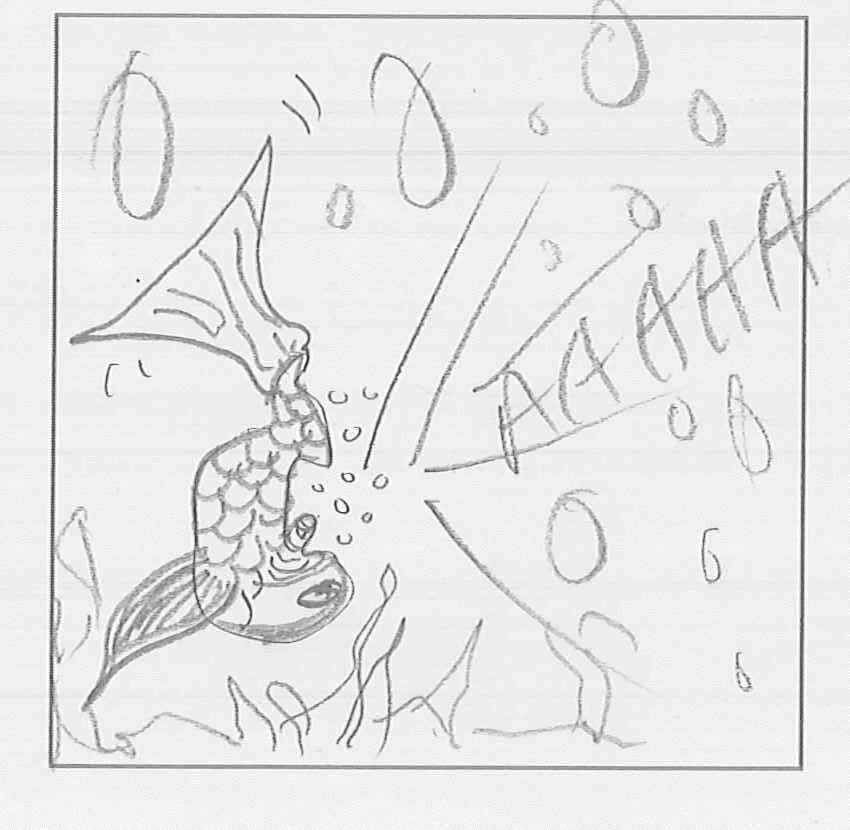
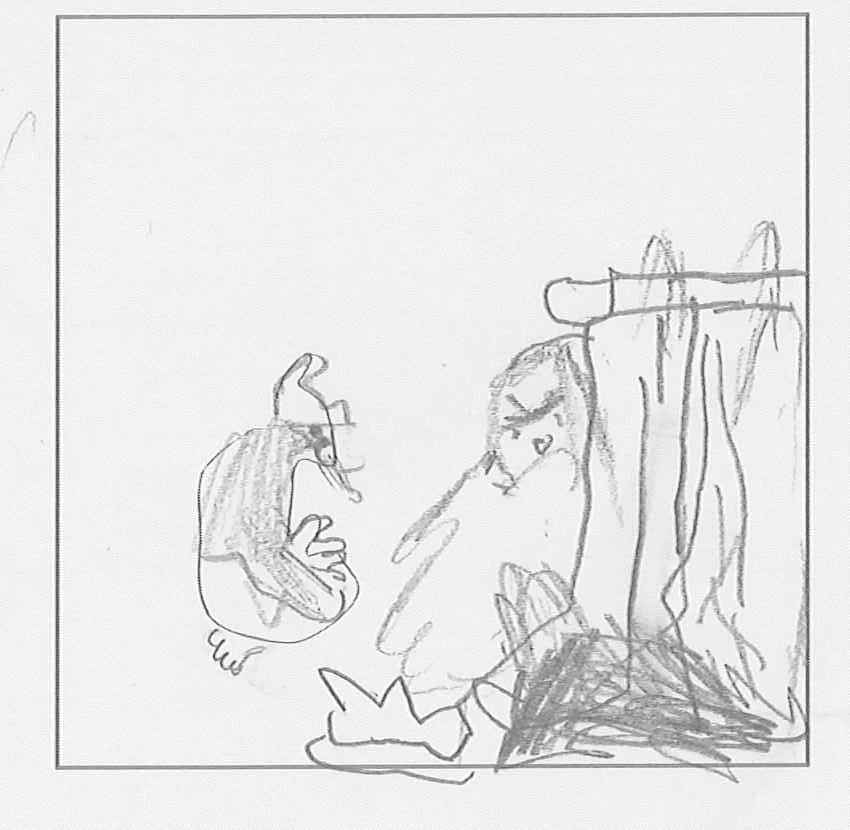
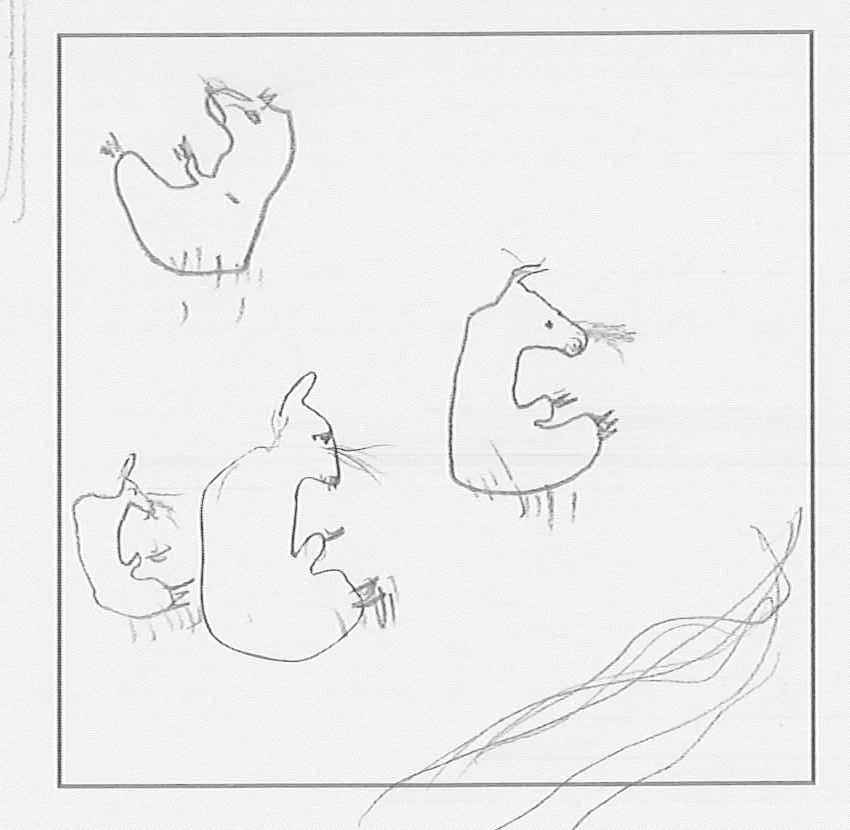
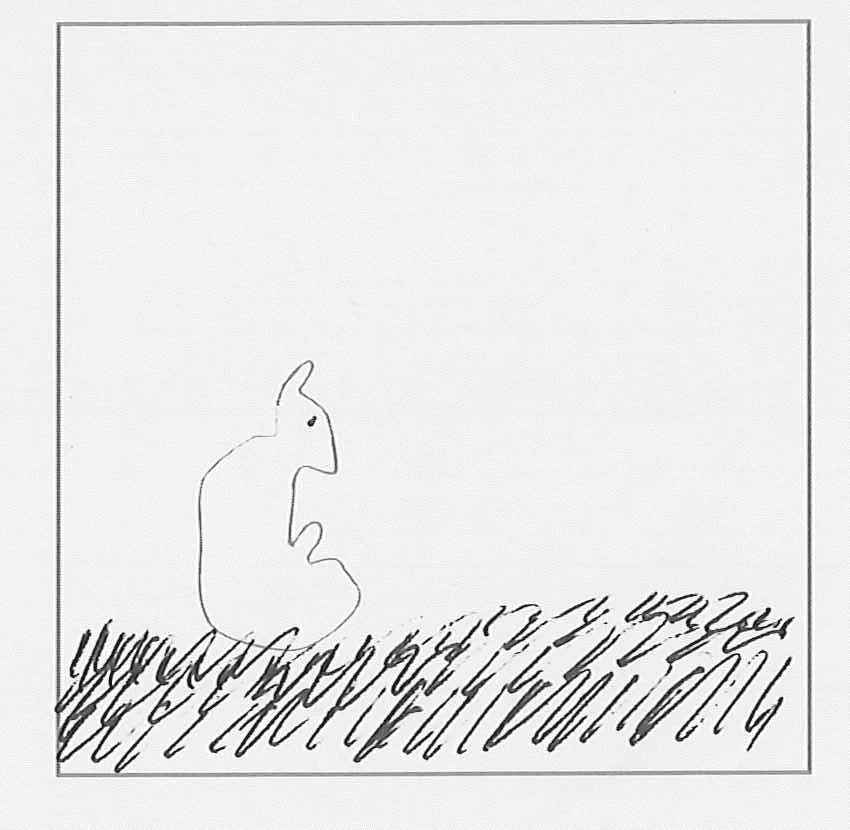
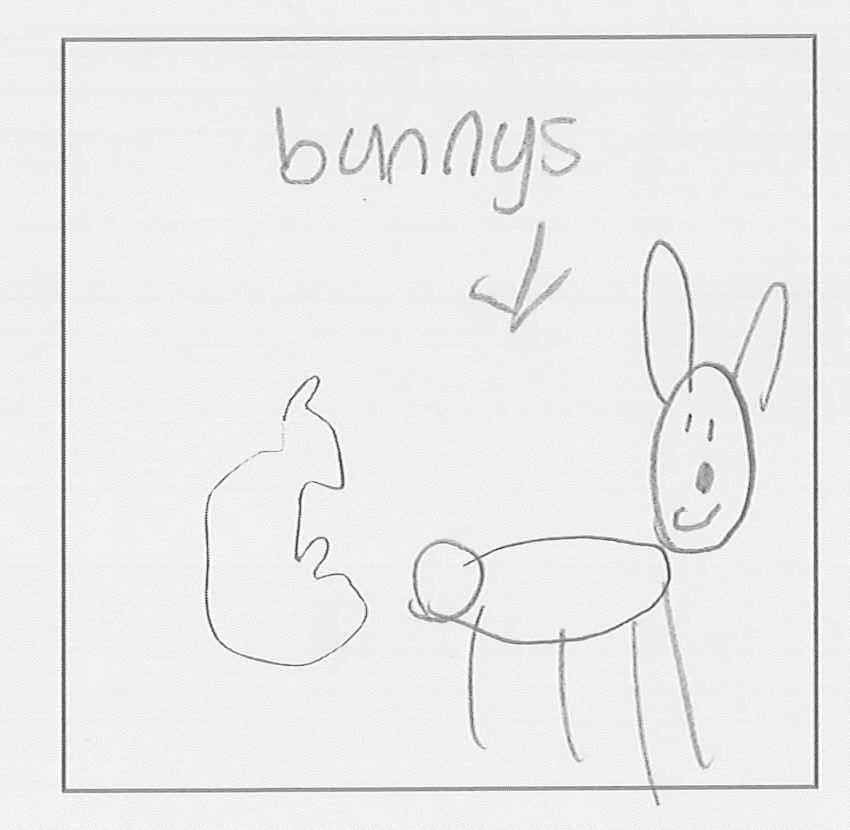
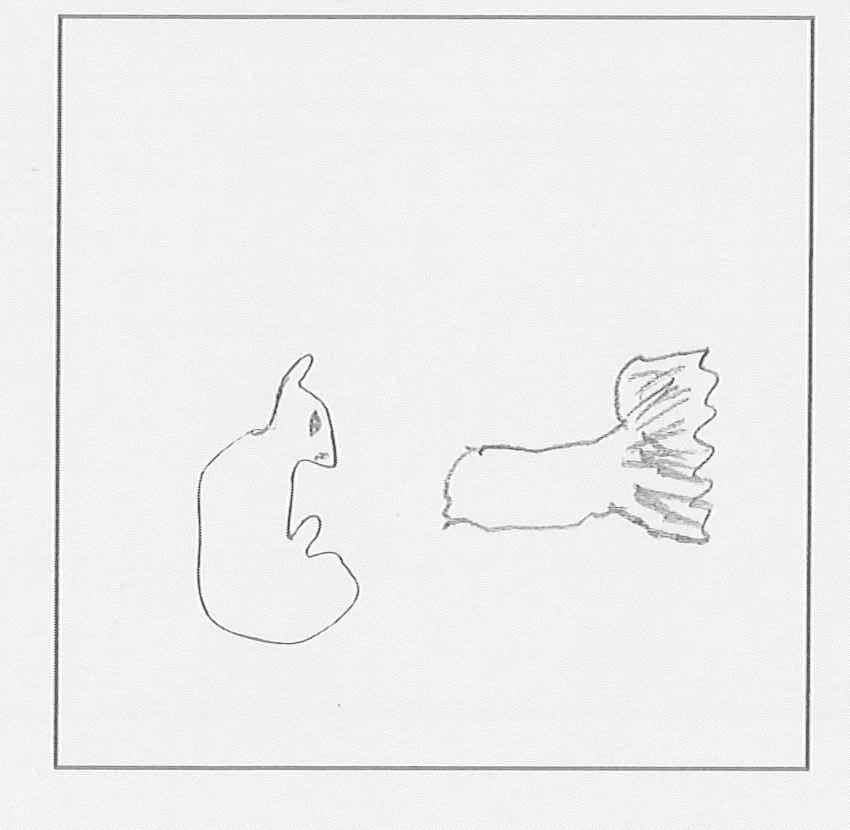
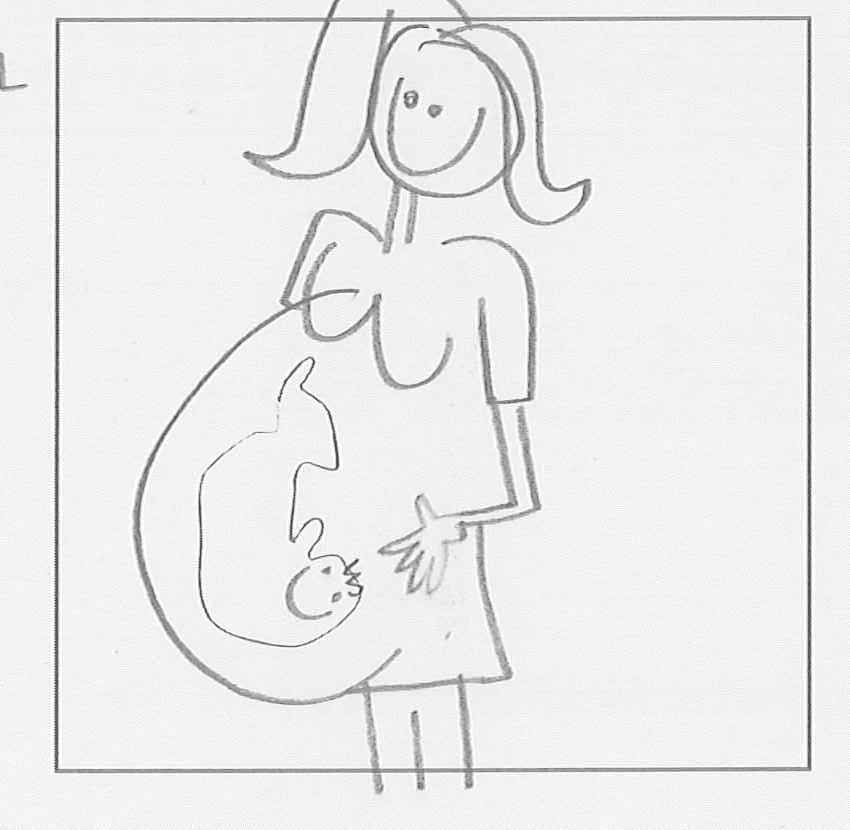
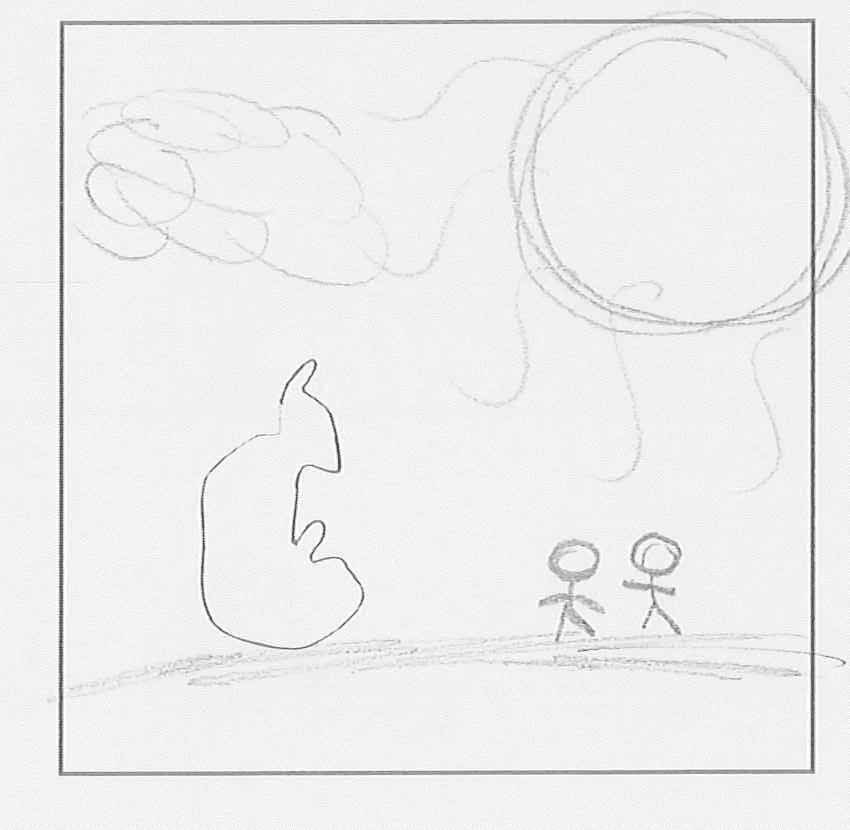
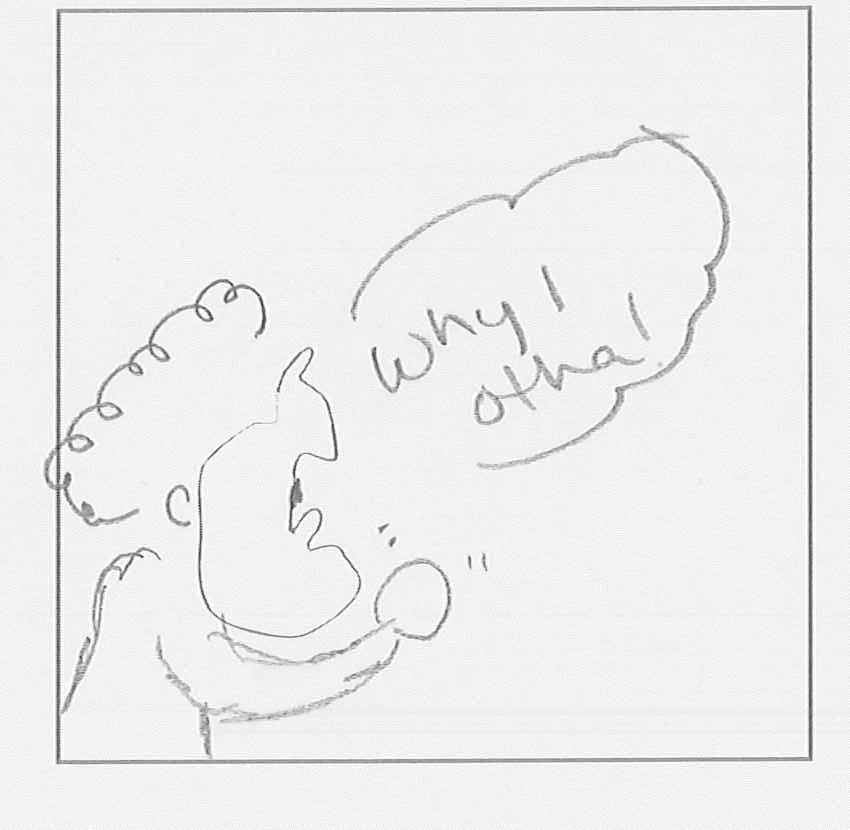
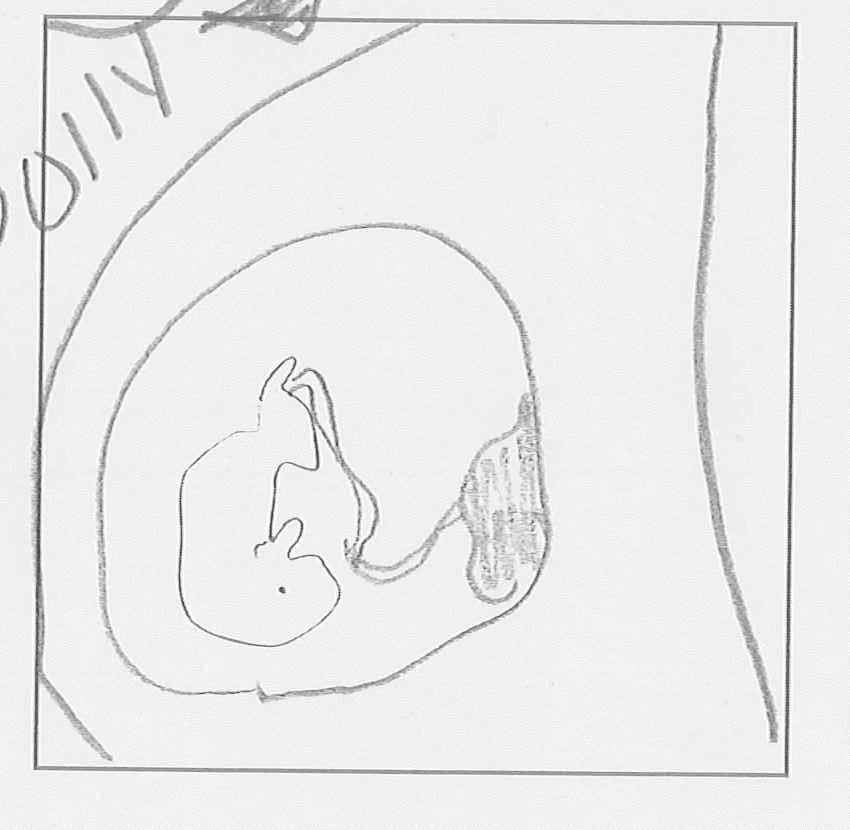
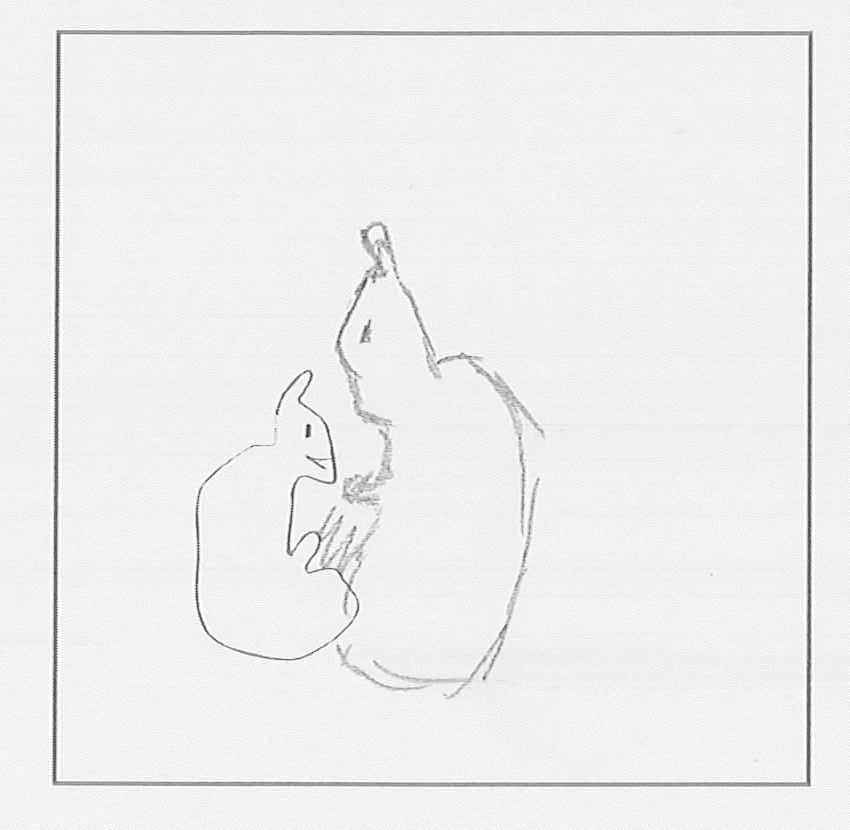
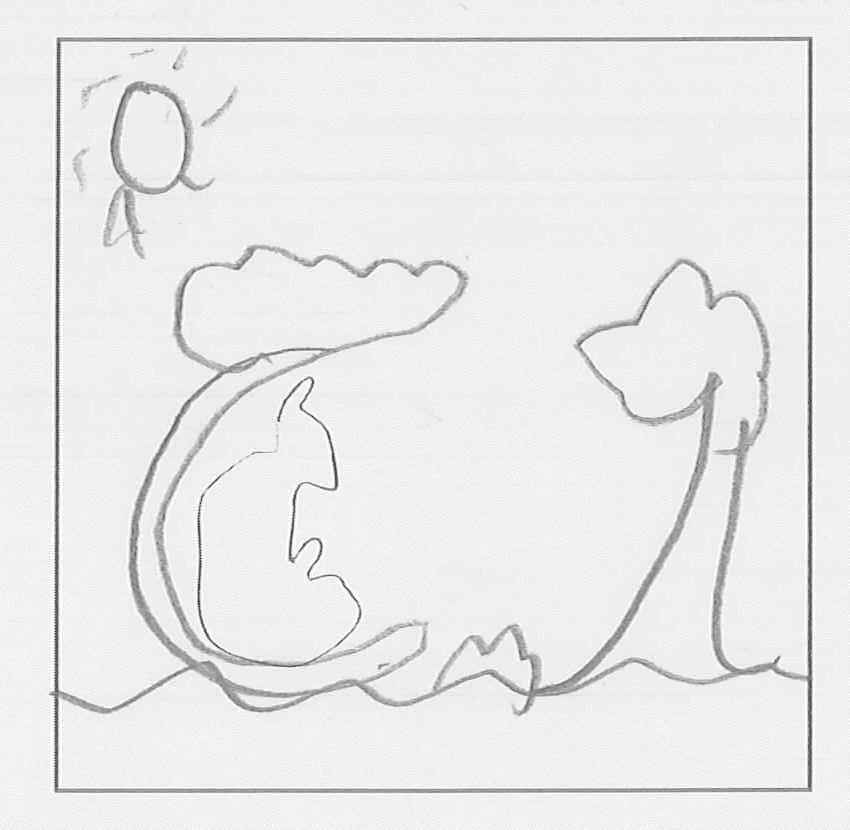
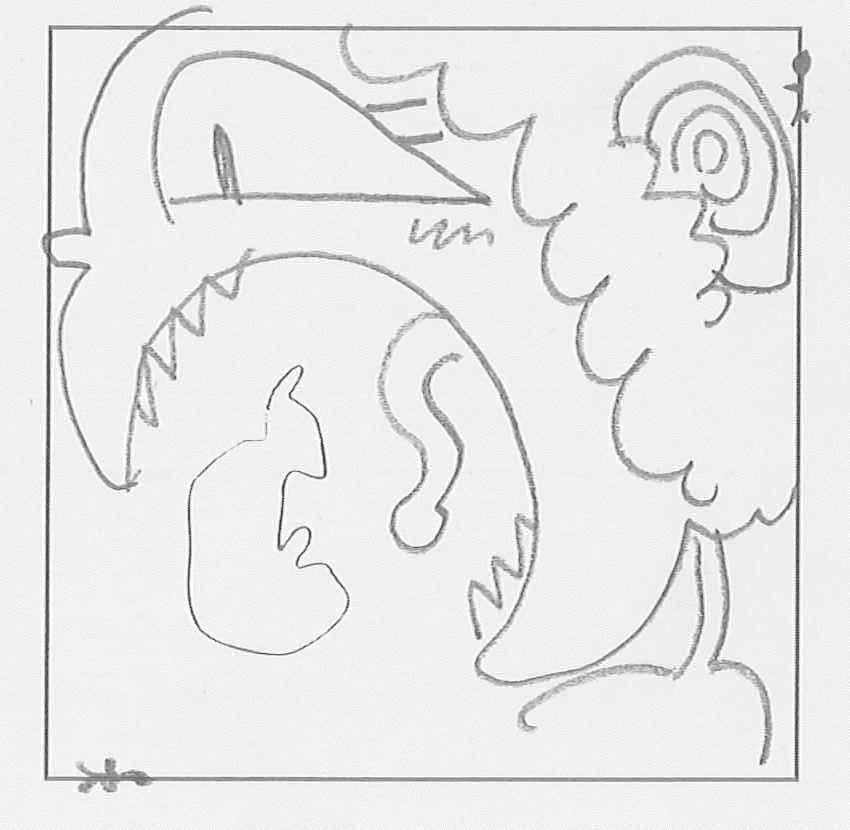
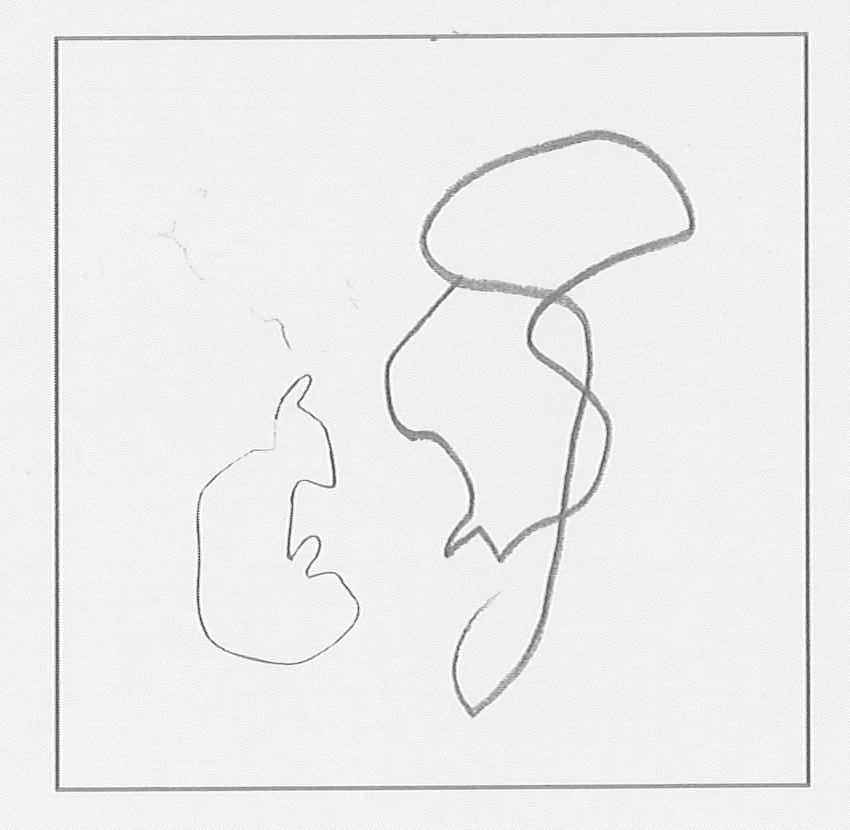
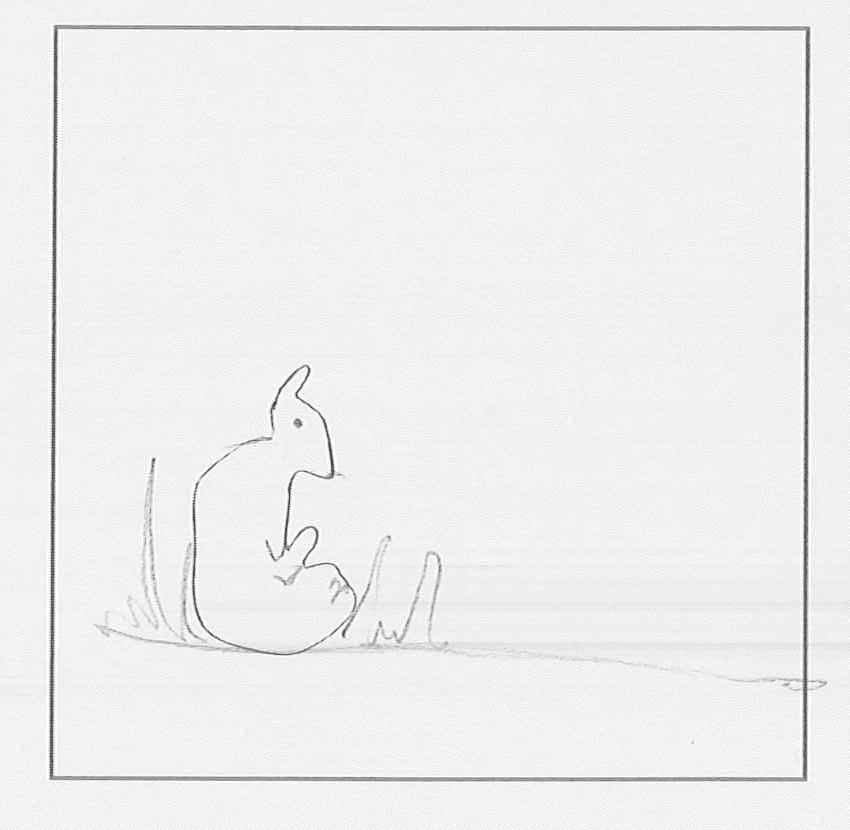
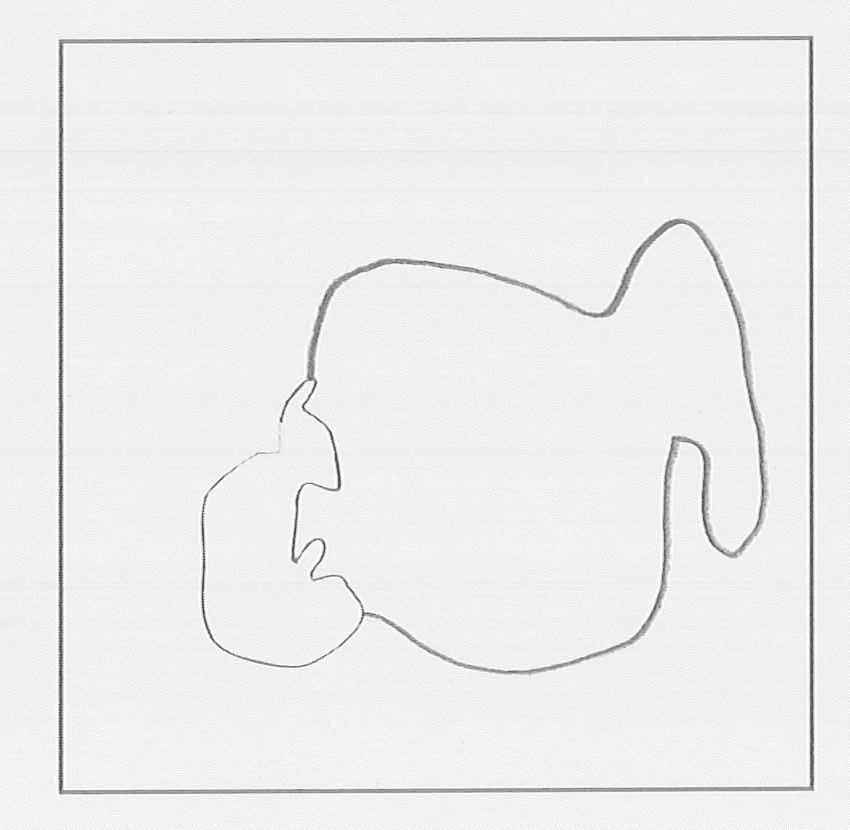
Ever wonder what happens to the responses left behind in the Center for Creative Connections (C3)? As a member of the C3 team, I’m one of the people who reviews these visitor contributions. One of my favorite activities is the doodle pad on our yellow clipboards. On these doodle pads, there are six drawing squares that each offer a light line drawing as a starting point for visitors to begin their own creation. I love to see how our creative visitors each bring a unique perspective to this activity. For today’s post, I pulled some of my favorite responses to the square based on the Tale of the Bamboo Cutter. Watch the slideshow below for a quick peak into the creative minds of C3 visitors. Stop by next time you’re at the DMA and contribute your own creativity!

Jessica Fuentes
C3 Gallery Coordinator

Hotel Texas: Oral Histories

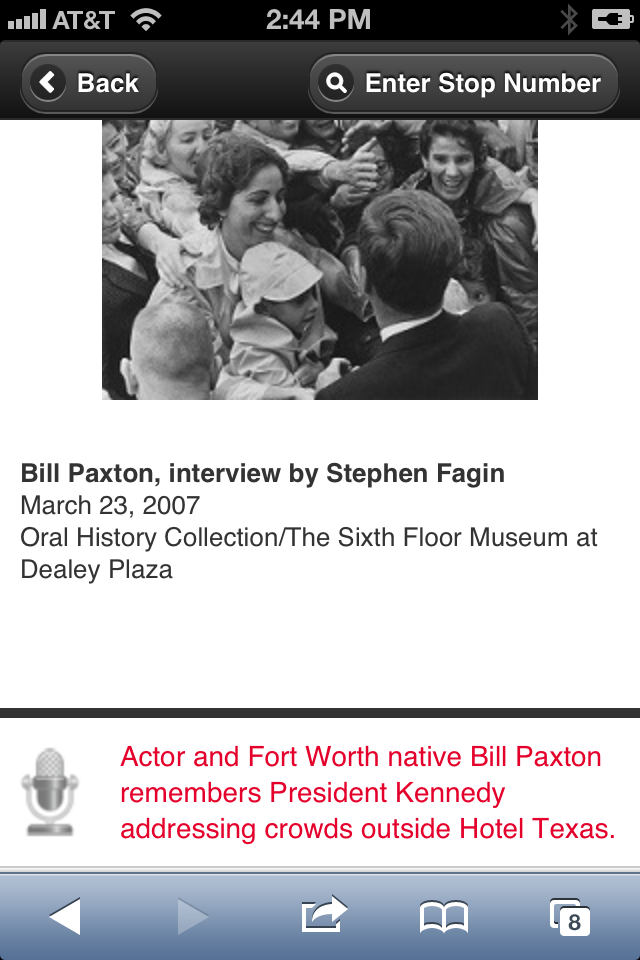
John F. Kennedy’s legacy is continuously remembered and honored nation-wide, especially this year, which marks the 50th anniversary of his tragic death. If you were alive in 1963, you may have personal memories of President Kennedy’s fateful trip to Texas, or perhaps memories of that time have been recounted to you by family or friends. As you stroll through the newly opened Hotel Texas: An Art Exhibition for the President and Mrs. John F.  Kennedy, consider using your smartphone or other web-enabled device to listen to eleven individuals recount vivid memories of JFK’s time in Fort Worth and Dallas.

To access these audio clips, visit www.dma.mobi and scroll to the section titled Hotel Texas: Oral Histories under Special Exhibitions.

photo of jfk stop

The tragic ending of that trip often overshadows the excitement and optimism that characterized the Metroplex as the area planned for this presidential visit, a rare occurrence at the time. Hear Kaye Buck McDermottJim Wright, or Ronnie Martin recall the preparations made for JFK’s visit to Fort Worth. Or listen to Michael Okon and Jarrold Cabluck remember the crowds waiting to catch a glimpse of the president and First Lady. Certainly, many memories of this trip were sad ones. In a powerful and moving interview, Diane Cody remembers turning twelve on November 22, 1963.

These audio clips are part of an ongoing audio-visual Oral History Project at The Sixth Floor Museum at Dealey Plaza (TSFM). Through informal personal interviews, TSFM staff explore the history and culture of Dallas during the 1960s and preserve personal recollections about the life and death of President John F. Kennedy. Learn more about the project and listen to more personal recollections on The Sixth Floor Museum’s Oral History Project page.

smartphone logo


Look for this smartphone logo next to a three digit code on labels in the galleries to access more audio and video material about works of art in our collection at www.dma.mobi.

Andrea V. Severin
Interpretation Specialist

Over and Out

Today is the last day at the Dallas Museum of Art for the 2012-2013 McDermott Interns. Pilar and I have had a great time working together for the Family, Access, and School Experiences team and writing for Canvas. We will miss the DMA and wanted to reflect on our time here.

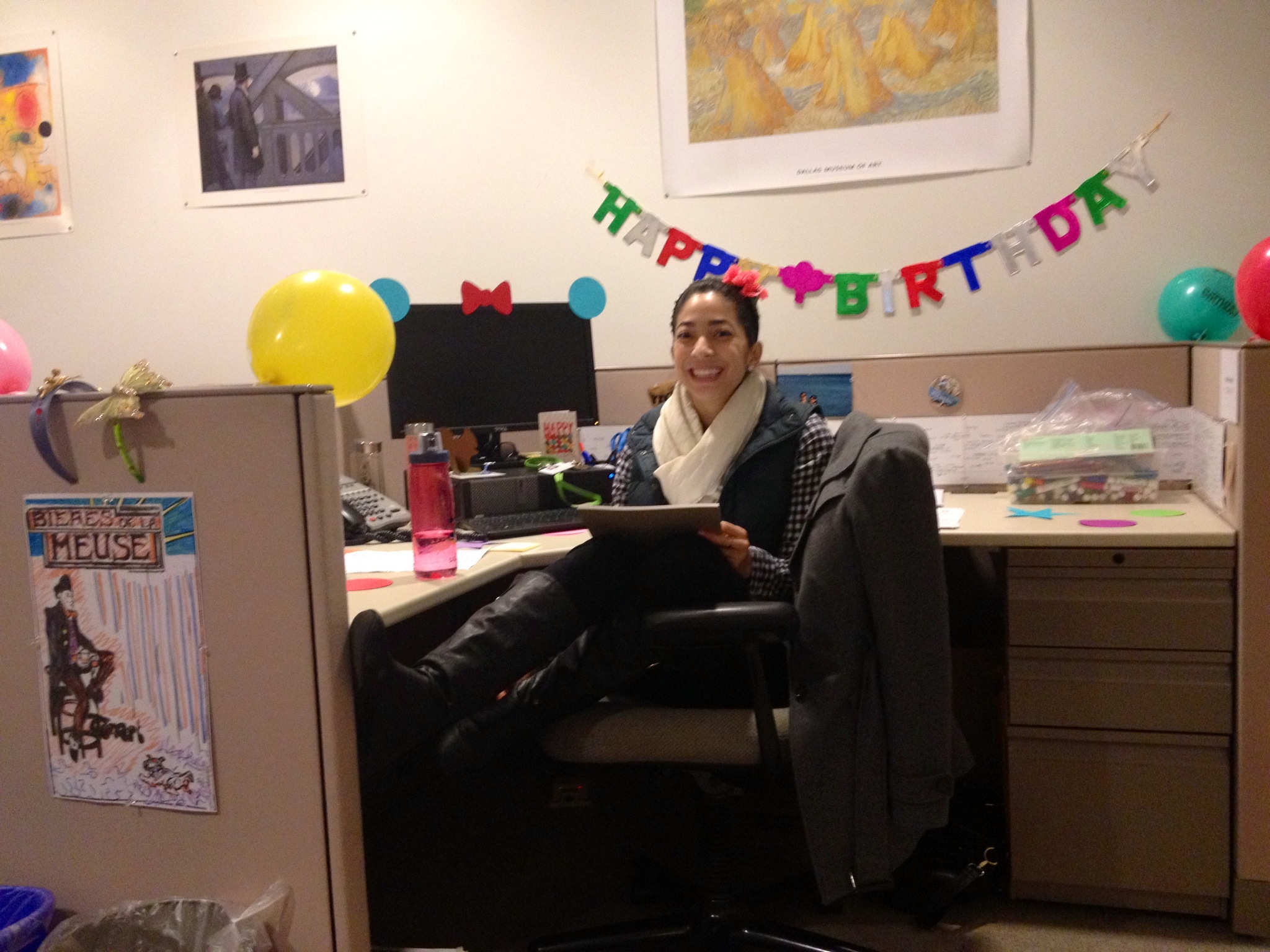
Pilar celebrates her birthday at the DMA!

Pilar celebrates her birthday at the DMA!

3 things I learned at the DMA:

  1. I have learned that elementary school girls are obsessed with One Direction! In spending lots of time teaching our Go van Gogh outreach programs, I’ve gained quite an insight as to what’s cool these days (hint, it’s not me).
  2. While I am a McDermott education intern, there are also four McDermott curatorial interns with whom we share office space. I have learned so much about the curatorial side of the museum field through daily interactions with these awesome future curators!
  3. I have had the amazing opportunity to learn how to teach in a formal classroom setting through Go van Gogh. This experience has allowed me to understand the differences in practice between formal and informal instruction styles.

Favorite part of the internship:

I was able to develop a new Go van Gogh curriculum that is based on American History as told by DMA artworks. I not only learned a ton about the editing and review process that takes place at a large institution, but I also had a great refresher course on American history!

Post-internship plans:

I will be doing lots of travelling this summer: Colorado, New Mexico, Amsterdam, the south of France, and Spain! After which, I’ll end up in Vancouver where I will be starting in the Master of Museum Education program at the University of British Columbia.

Pilar Wong
McDermott Intern for Community Teaching

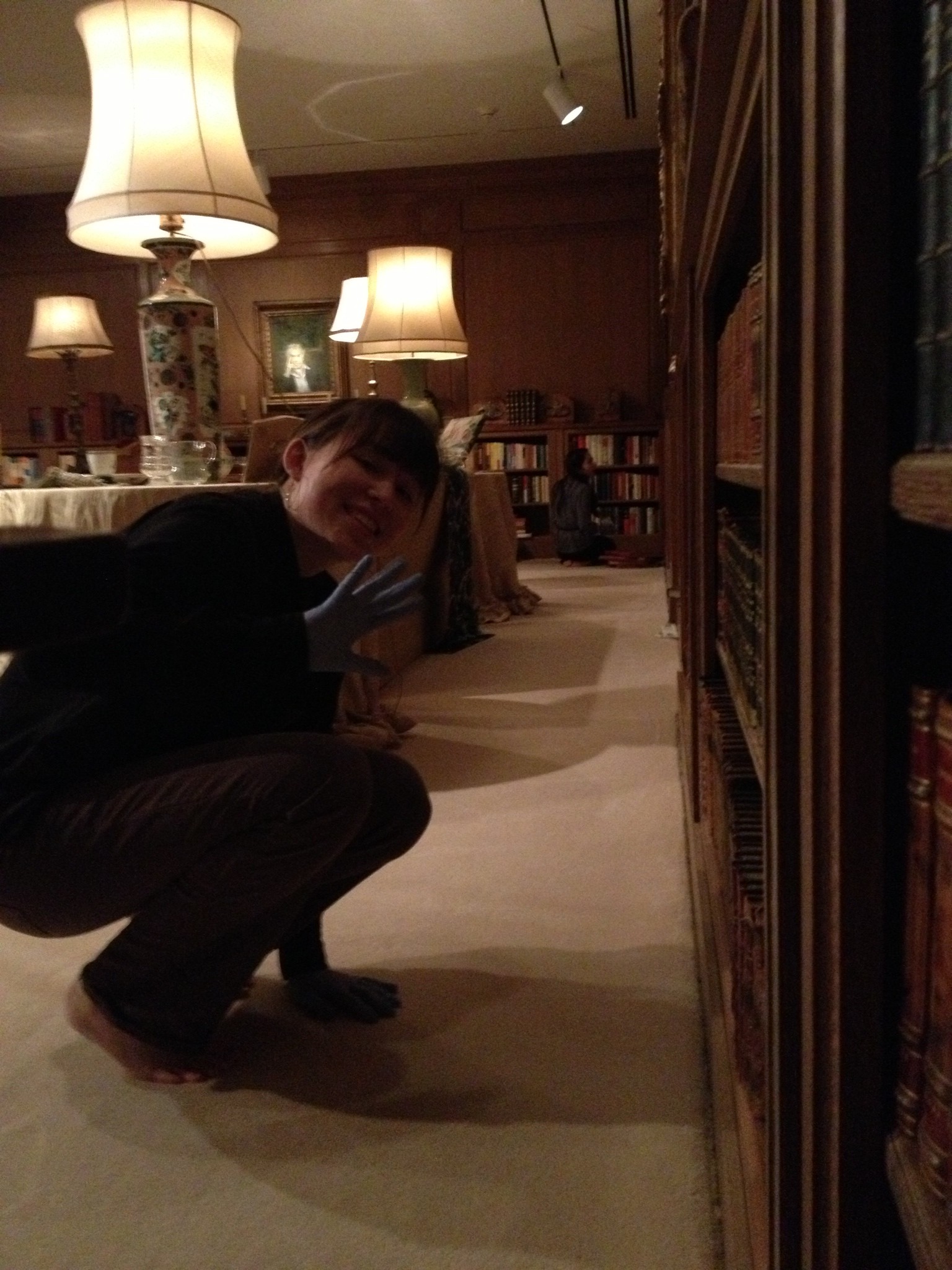
Alex bids farewell from Emery Reves' study

Alex bids farewell from Emery Reves’ study

3 things I learned at the DMA:

  1. I’ve really enjoyed working with our docent corps of about 100 volunteers. They are an enthusiastic, intelligent, generous bunch. I’ve learned a great deal from the DMA docents, and I will miss working with them.
  2. As the Gallery Teaching Intern, I toured mainly with elementary school students. That age group consistently offered refreshing interpretations of works of art, and their enthusiasm and frankness is something to which more adults, myself included, should aspire.
  3. I’ve definitely learned the importance of flexibility and openness. Some of the best experiences I’ve had have resulted from spontaneous changes – whether filling in last-minute for a docent or allowing visitors to choose what they want to see and discuss.

Favorite part of the internship:

I loved writing docent guides. These guides help introduce the docents to special exhibitions and the DMA’s permanent collection. They offer art historical and contextual information, as well as ways to interpret these shows for a variety of audiences. It combines my interest in research and art history with my passion for education.

Post-internship plans:

I’ll be sticking around Dallas for June and July. Then I will embark on my version of The Great American Roadtrip as I head back to the east coast. In the fall I will begin the Arts in Education master’s program at the Harvard Graduate School of Education.

Alex Vargo
McDermott Intern for Gallery Teaching

Thank you to everyone who has helped make this experience so fulfilling. Have a great summer!

Sincerely,
2012-2013 McDermott Interns

Meaningful Moments with Mozley

The Dallas Museum of Art offers a wide variety of educational programs, classes and workshops for the diverse set of guests who visit the Museum each day, and I feel lucky to be a part of a great number of these. One of my favorite classes to work with has been the Meaningful Moments group, which is a part of the DMA’s Access Programs for visitors with special needs. Meaningful Moments is a monthly program designed specifically for individuals with early stage dementia and their family members or caregivers. Every month, education staff design an interactive class with conversation time in the galleries, as well as a studio component. Each monthly session focuses on a particular creative theme, ranging from special exhibitions, to artworks from a particular artistic genre or geographic location, to visiting artists. April’s theme centered on the Loren Mozley: Structural Integrity exhibition, on view at the DMA until June 30.

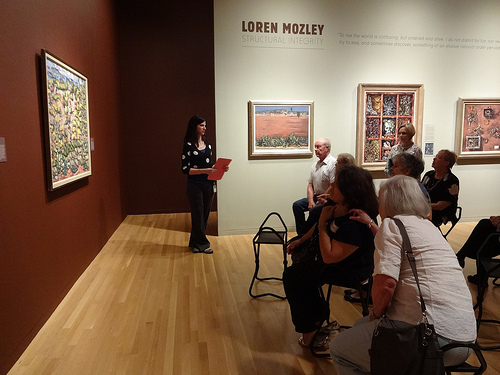
Meaningful Moments group in Loren Mozley.

Meaningful Moments group in Loren Mozley: Structural Integrity

Loren Mozley, though an artist in his own right, played a key role in shaping generations of young Texas artists who received instruction from him during his thirty-seven year tenure in the art department at The University of Texas at Austin. This was a wonderful exhibit to share with the Meaningful Moments group because it centers on a Texas-based artist who was heavily influence by nature–themes which are central to the lives of many participants.

As part of the program, we encourage conversation and the mutual sharing of stories, as this type of socialization and exchange can not only build a stronger relationship to the works of art, but also fortify the bond between the individuals with Alzheimer’s and their spouse or caregiver. With more than 500,000 people over the age of 65 nationwide affected by Early Onset Alzheimer’s, and with no known cure, the DMA and other art institutions are offering creative ways of potentially slowing down the progression of the disease in the early stages. It is hoped that facilitated conversations about art, which encourage focused looking, responding and remembering, will offer joyous moments and strengthen cognitive skills.

In the Loren Mozley program, participants shared stories with one another regarding their vacations to central Texas or New Mexico, drawing connections between their perceptions of the landscape and those that Mozley presented in his artwork.  Additionally, they were eager to learn more about and discuss Mozley’s friendship with Georgia O’Keeffe and his admiration for Paul Cezanne.

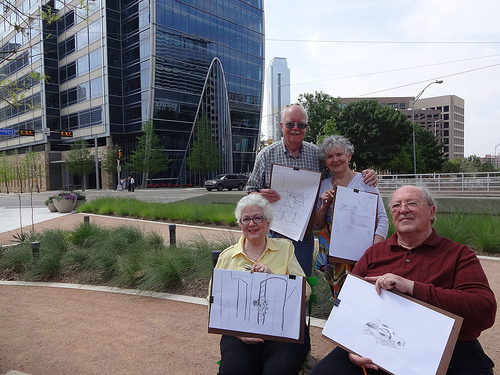
Our fruitful gallery discussion was followed by an open-ended studio activity that related back to Loren Mozley’s artistic process. We took advantage of the gorgeous April day and walked over the to Klyde Warren Park to engage in some still life and landscape drawing. Armed with sketch pad and charcoal, couples sat throughout the park and created their own works of art, which they shared with one another.

The Meaningful Moments program has garnered attention as the first program of its kind in Dallas, taking shape a little over five years ago. For this reason, there is a wonderful sense of community and friendship among members, many of whom have attended since the program’s inception. This program is so much more than a monthly outing to an art museum for adults with early stage dementia and their care partners. It’s special, for both staff and visitors, because it is an opportunity for a group of friends to share their collective life experiences and love of art with one another.

Two couples in the Meaningful Moments group

Two couples in the Meaningful Moments group

To become involved in the Meaningful Moments program, or to learn more about the DMA’s Access programming in general, please call 214-922-1251 or e-mail us at our Access programs address.

Danielle Schulz
Teaching Specialist

Once Upon a Time…

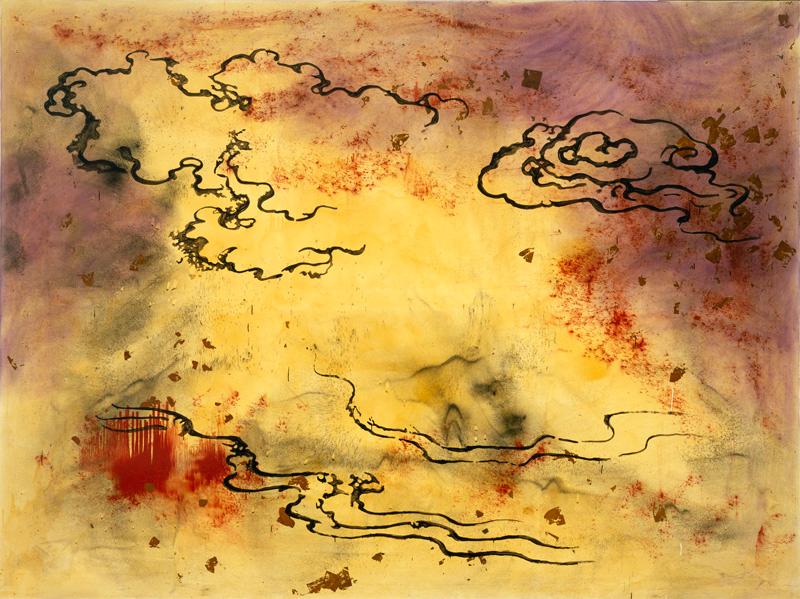
Works of art are often seen as telling their own unique stories.  However, artists can also use stories as inspiration when creating artworks. For example, the story “How Wang-Fo was Saved” inspired the German artist Sigmar Polke to create his painting Clouds (Wolken). Check out a version of this story below:

Sigmar Polke, Clouds (Wolken), 1989, Dallas Museum of Art, DMA/amfAR Benefit Auction Fund and the Contemporary Art Fund: Gift of Mr. and Mrs. Vernon E. Faulconer, Mr. and Mrs. Bryant M. Hanley, Jr., Marguerite and Robert K. Hoffman, Cindy and Howard Rachofsky, Deedie and Rusty Rose, Gayle and Paul Stoffel, and two anonymous donors

Once upon a time in a Chinese kingdom there lived an angry Emperor. When the Emperor was young, he was not allowed to leave the palace and explore the outside world. The young Emperor’s palace was decorated with the paintings of a very famous artist named Wang-Fo. Since the Emperor had never been outside, he thought that the world looked just like Wang-Fo’s beautiful paintings.

Finally, the time came when the Emperor was allowed to leave the palace. At first he was so excited, but his excitement quickly turned to disappointment. The real world was not nearly as beautiful to him as were Wang-Fo’s paintings. The Emperor believed he had been tricked and blamed Wang-Fo for his disappointment. He decided to punish Wang-Fo by tricking him as well.

The Emperor requested that Wang-Fo complete a painting he had left unfinished in the palace. Upon his arrival, Wang-Fo realized that it was trap. He immediately set to finishing his work, adding the sea at the bottom of a mountain. As he painted the water, the palace began to fill with actual water. Next, he painted a rowboat, and Wang-Fo could hear the oars splashing in the water. Wang-Fo quickly climbed into the boat!

The level of the water dropped and soon everyone in the palace came to see Wang-Fo’s finished masterpiece. In the painting they could see Wang-Fo in the rowboat slowly floating away from danger. Farther and farther down the river he rowed, until Wang-Fo disappeared and was never to be seen again. The End.

Concluding thoughts:

  • If you were to create an artwork inspired by “How Wong-Fo was Saved,” what would you choose to capture?
  • Do you think that Sigmar Polke’s Clouds (Wolken) effectively captured the story?  Was he focusing in on a particular moment or theme?
  • Are there childhood or family stories that you would want to commemorate through a work of art?

For more art-based stories, click on the links below:

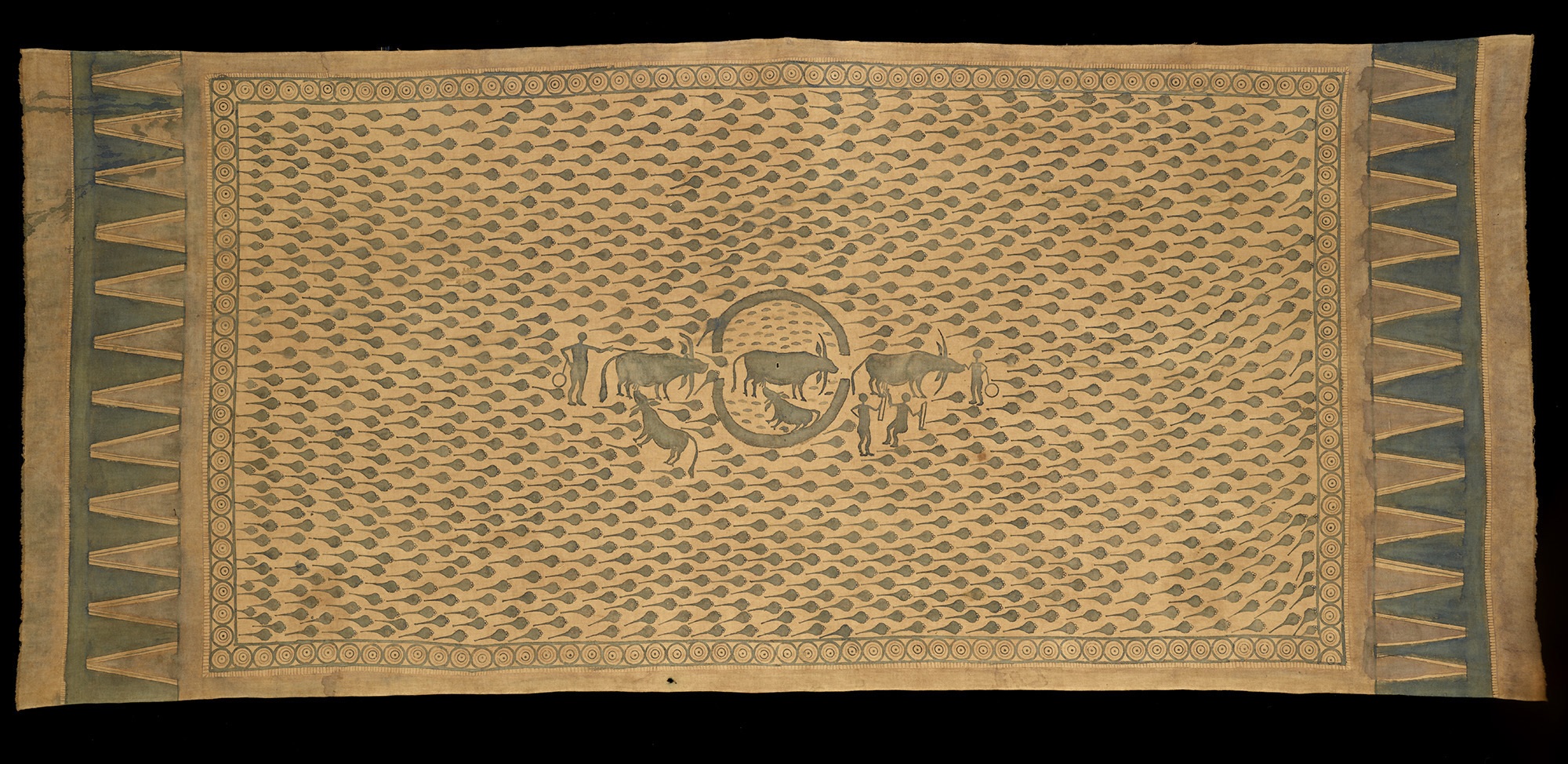
Sacred textile (mawa') depicting tadpoles and water buffalo, early 20th century, Dallas Museum of Art, the Steven G. Alpert Collection of Indonesian Textiles, gift of The Eugene McDermott Foundation

Tadpoles and Water Buffalo

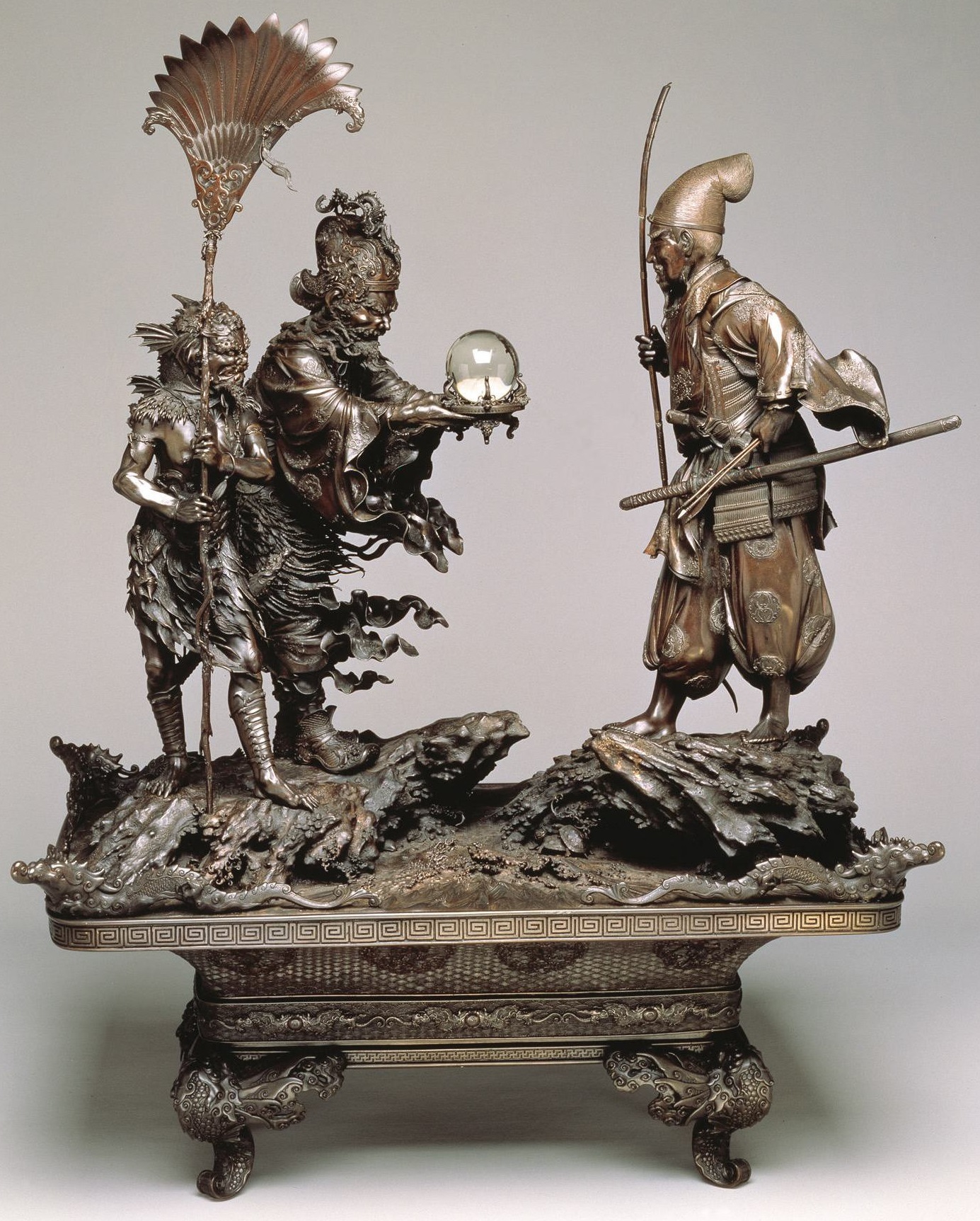
Takenouchi no Sukune and the Dragon King of the Sea

How the Moon got its Rhythm

The End!

Pilar Wong
McDermott Intern for Community Teaching

Collection Connections: The Body Beautiful

A beautiful thing is never perfect. – Egyptian proverb

The opening of The Body Beautiful in Ancient Greece: Masterworks from the British Museum has prompted an interesting dialogue on what qualifies as “beautiful.” Greek ideals have long influenced societal standards of beauty for both men and women, but many of the pieces in our permanent collection offer varied perspectives on this matter. Below are several such works of art that will hopefully challenge and diversify our concept of female beauty in particular.

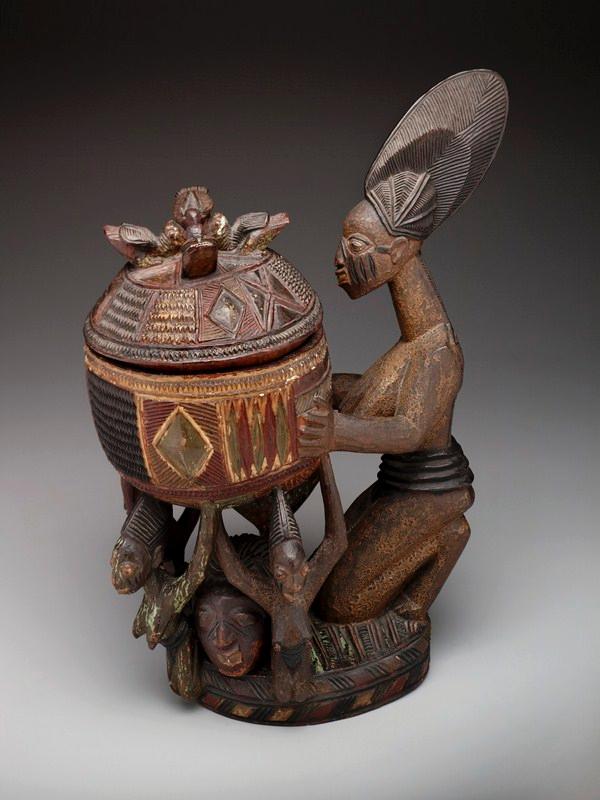
Olowe of Ise, Kneeling female figure with bowl (olumeye), c. 1910 to c. 1938, Nigera, Effon-Alaiye, Yoruba peoples, Dallas Museum of Art, The Eugene and Margaret McDermott Art Fund, Inc.

Olowe of Ise, Kneeling female figure with bowl (olumeye), c. 1910 to c. 1938, Nigera, Effon-Alaiye, Yoruba peoples, Dallas Museum of Art, The Eugene and Margaret McDermott Art Fund, Inc.

These types of containers, known as olumeye, are used in rituals of domestic hospitality for particularly distinguished guests. The word olumeye means “she who brings honor” and refers to the carved kneeling female figure presenting the bowl, which would have traditionally held kola nuts. Her long neck, oval-shaped face, and scarred back reveal Yoruba ideals of feminine beauty.

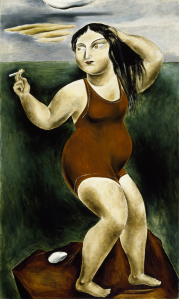
Yasuo Kuniyoshi, Bather with Cigarette, 1924, Dallas Museum of Art, Dallas Art Association Purchase Fund, Deaccession Funds/City of Dallas (by exchange) in honor of Dr. Steven A. Nash.

Yasuo Kuniyoshi, Bather with Cigarette, 1924, Dallas Museum of Art, Dallas Art Association Purchase Fund, Deaccession Funds/City of Dallas (by exchange) in honor of Dr. Steven A. Nash.

Though Yasuo Kuniyoshi’s bather does not portray the Italian Renaissance standards of beauty, her pose and the presence of the miniscule clamshell do recall Sandro Botticelli’s iconic Birth of Venus. This woman, however, flaunts her figure unapologetically, revealing a certain confidence and comfort with herself.

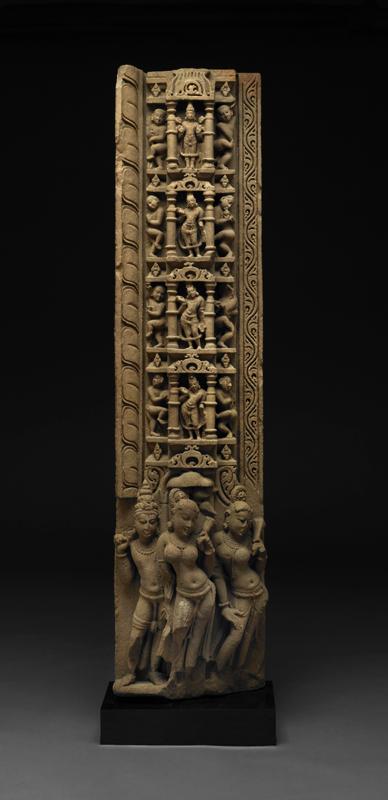
India, Doorjamb, 10th - 11th century, Dallas Museum of Art, Wendover Fund, gift of David T. Owsley via the Alvin and Lucy Owsley Foundation and General Acquisitions Fund.

India, Doorjamb, 10th – 11th century, Dallas Museum of Art, Wendover Fund, gift of David T. Owsley via the Alvin and Lucy Owsley Foundation and General Acquisitions Fund.

This carved doorjamb would have adorned one side of the entrance to a Hindu temple. The graceful, sensuous women at the bottom represent the Yamuna and Ganga Rivers and offer prosperity to the incoming worshipers.

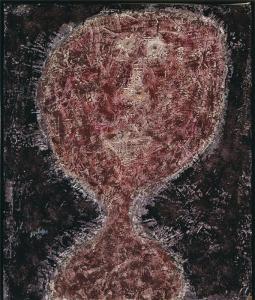
Julie la Serieuse - Dubuffet

Jean Dubuffet, Julie la Serieuse, 1950, Dallas Museum of Art, gift of Mr. and Mrs. James H. Clark.

Jean Dubuffet states: “The female body, of all the objects in the world, is the one that has long been associated (for Westerners) with a very specious notion of beauty (inherited from the Greeks and cultivated by the magazine covers); now it pleases me to protest against this aesthetic, which I find miserable and most depressing. Surely, I am for beauty but not that one.”

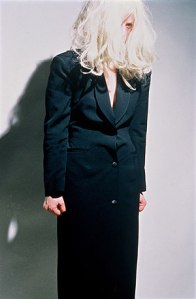
Untitled 122 - Cindy Sherman

Cindy Sherman, Untitled #122, 1983.

Photographer Cindy Sherman, whose retrospective is currently on view at the DMA through June 9, 2013, received several fashion commissions throughout her career. These photographs subvert expectations by featuring a wide range of eccentric characters rather than traditional fashion models. She states: “The world is so drawn toward beauty that I became interested in things that are normally considered grotesque or ugly, seeing them as more fascinating and beautiful. It seems boring to me to pursue the typical idea of beauty, because that is the easiest or the most obvious way to see the world. It’s more challenging to look at the other side.”

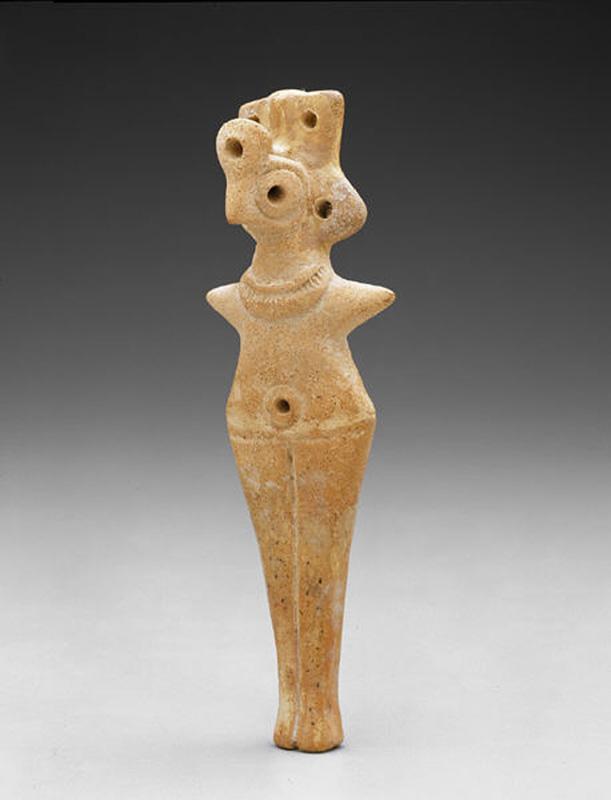
Fertility Goddess - Syria

Syria, Fertility Goddess, late 2nd millennium BC, Dallas Museum of Art, Foundation for the Arts Collection, gift of Mr. and Mrs. James H. Clark.

This kind of ceramic female figuring was quite common in Syria during the Bronze Age. The statuettes consist of standing frontal female figures that are nude, though usually wearing ornaments and headdresses. These common figurines were possibly votive offerings or amulets to a mother-goddess, and their form may have been influenced by cult statues in a temple.

The Body Beautiful in Ancient Greece will be on view through October 6, 2013. And be sure to check out the new self-guided tour available in the exhibition, Beauty Beheld, to further explore the complex concept of beauty within the DMA’s permanent collection.

Alex Vargo
McDermott Education Intern for Gallery Teaching

Friday Photos: We heART Moms

We love moms at the DMA, and there is a special place in our hearts for those moms who take the time to bring their children to the Museum. In honor of Mother’s Day, here is a peek at some of the many “museum moms” we want to celebrate on this special day.

Leah Hanson
Manager of Early Learning Programs

Wanted: A Few Good Volunteers

If you would like to become more deeply involved with the DMA, consider these exciting volunteer opportunities.  We are currently recruiting applicants to fill three different volunteer positions!

Starting in Summer 2013: C3 Volunteer Program
Pairs well with: An interest in interacting with people of all ages, leading fun activities in the galleries, and spending time with works of art

The Center for Creative Connections (C3) is an experimental, dynamic learning environment that provides interactive encounters with works of art and artists. C3 volunteers act as hosts and welcome visitors, answer their questions, and personalize their Museum experience by providing information on the Museum’s collections, programs and activities. In addition, volunteers manage the C3 space by organizing and maintaining the C3 area, enforcing good Museum behavior, observing visitor flow, and prepping program and activity supplies. Volunteers also lead activities in the galleries and assist with special events such as Late Nights.

Volunteers attend mandatory trainings at the Museum beginning in June. The first training is on June 15 from 10:00 a.m.-12:00 p.m. Three-hour volunteer shifts are available Tuesday-Sunday from 11:00 a.m.-5:00 p.m., Thursdays 6:00 p.m.-9:00 p.m., and select Fridays 6:00 p.m.-12:00 p.m.

We are especially in need of volunteers who are available Tuesday-Friday from 11:00 a.m.-5:00 p.m., but folks who are available on evenings and weekends are equally welcome to apply. To request an application, email Rhiannon Martin. The application deadline is Friday, May 31.

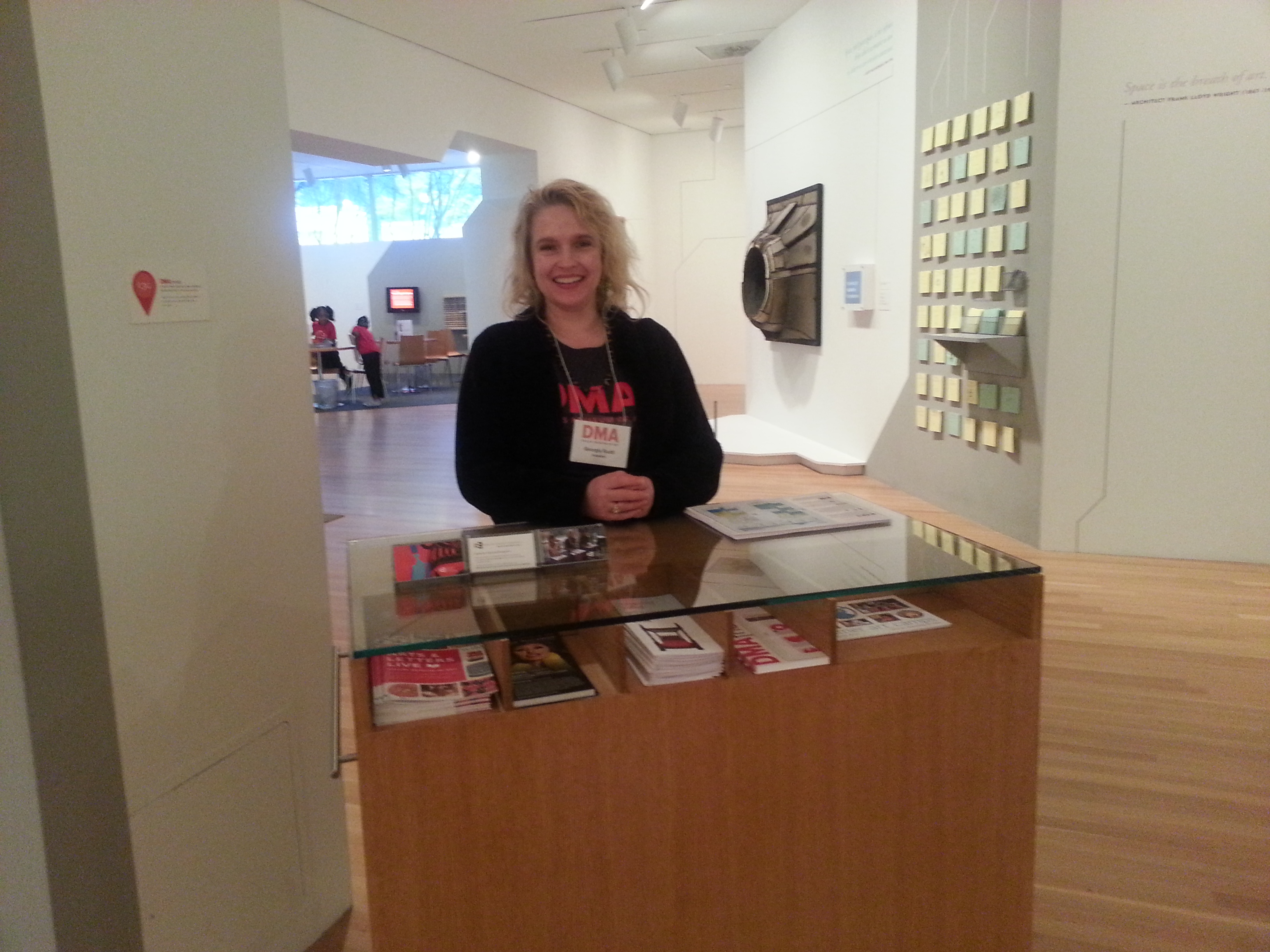
Georgia, a C3 Volunteer, greets visitors as they enter the Center for Creative Connections.

Georgia, a C3 Volunteer, greets visitors as they enter the Center for Creative Connections.

Starting in Fall 2013: Docent Program
Pairs well with: A passion for teaching and learning, leading conversations and gallery experiences, and spending time with works of art

The desire to communicate the power of art to others is the main requirement to become a docent, and we are currently recruiting new docents for the 2013-2014 training year. New docents complete a yearlong training program consisting of lectures, gallery talks, and workshops led by Museum staff and outside experts. These training sessions, held each Monday from September through May, prepare new docents for tours by introducing them to the DMA’s collection and immersing them in our teaching philosophy. After completing training, docents conduct weekly tours for groups of visitors ranging from elementary school students to adult visitors.

If you (or someone you know) would like to learn more about the DMA docent program or to request an application for the 2013-2014 training year, email Shannon Karol. The application deadline is Friday, May 24.

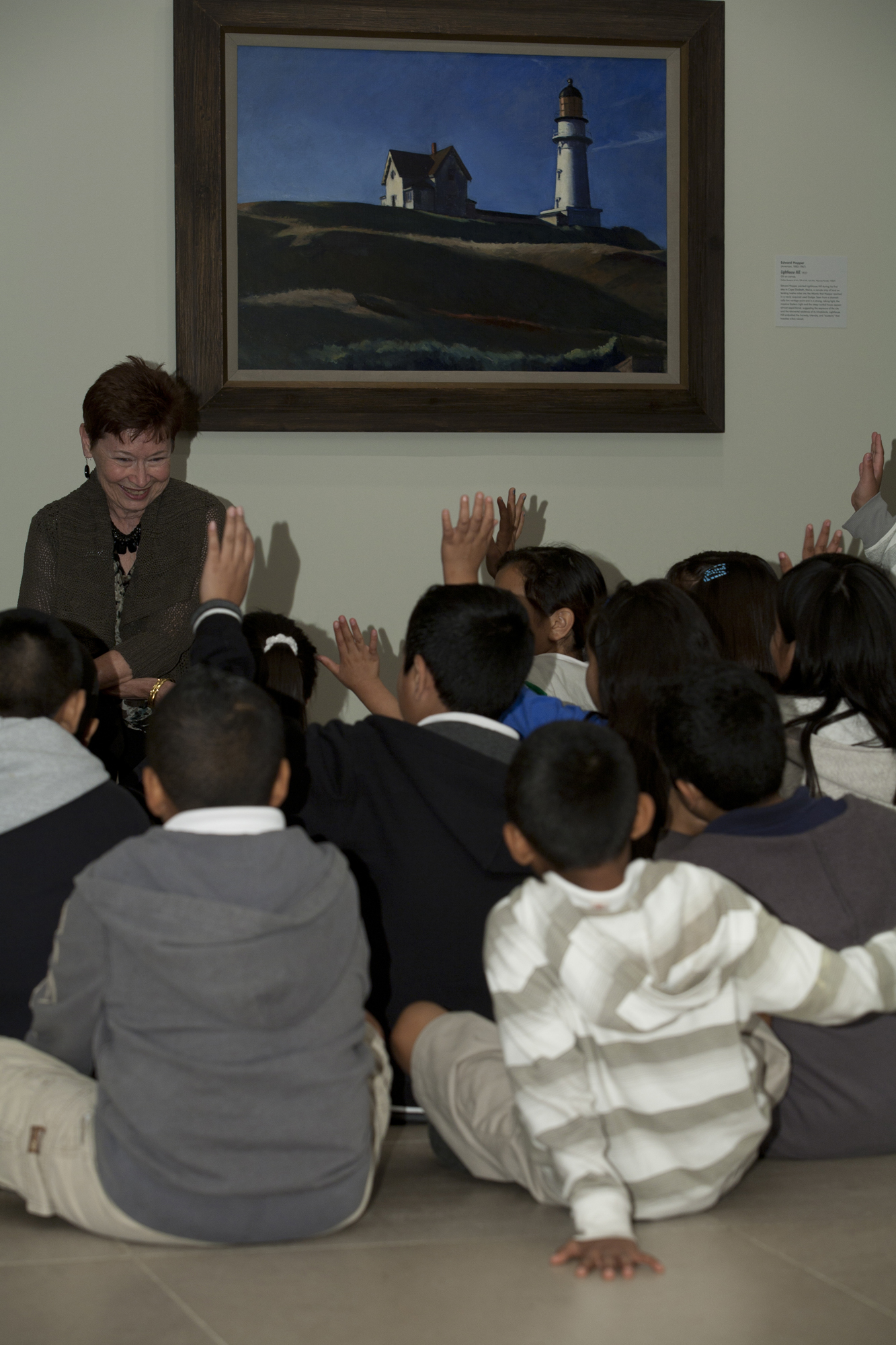
Marilyn, a DMA Docent, talks with students about Edward Hopper's Lighthouse Hill.

Marilyn, a DMA Docent, talks with students about Edward Hopper’s Lighthouse Hill.

Starting in Fall 2013: Go van Gogh Program
Pairs well with: Enthusiasm for teaching 1st-6th grade students, leading conversations and art-making activities at Dallas-area schools, and spending time with works of art

Check back in July for information about volunteering with the Go van Gogh® program during the 2013-2014 school year.

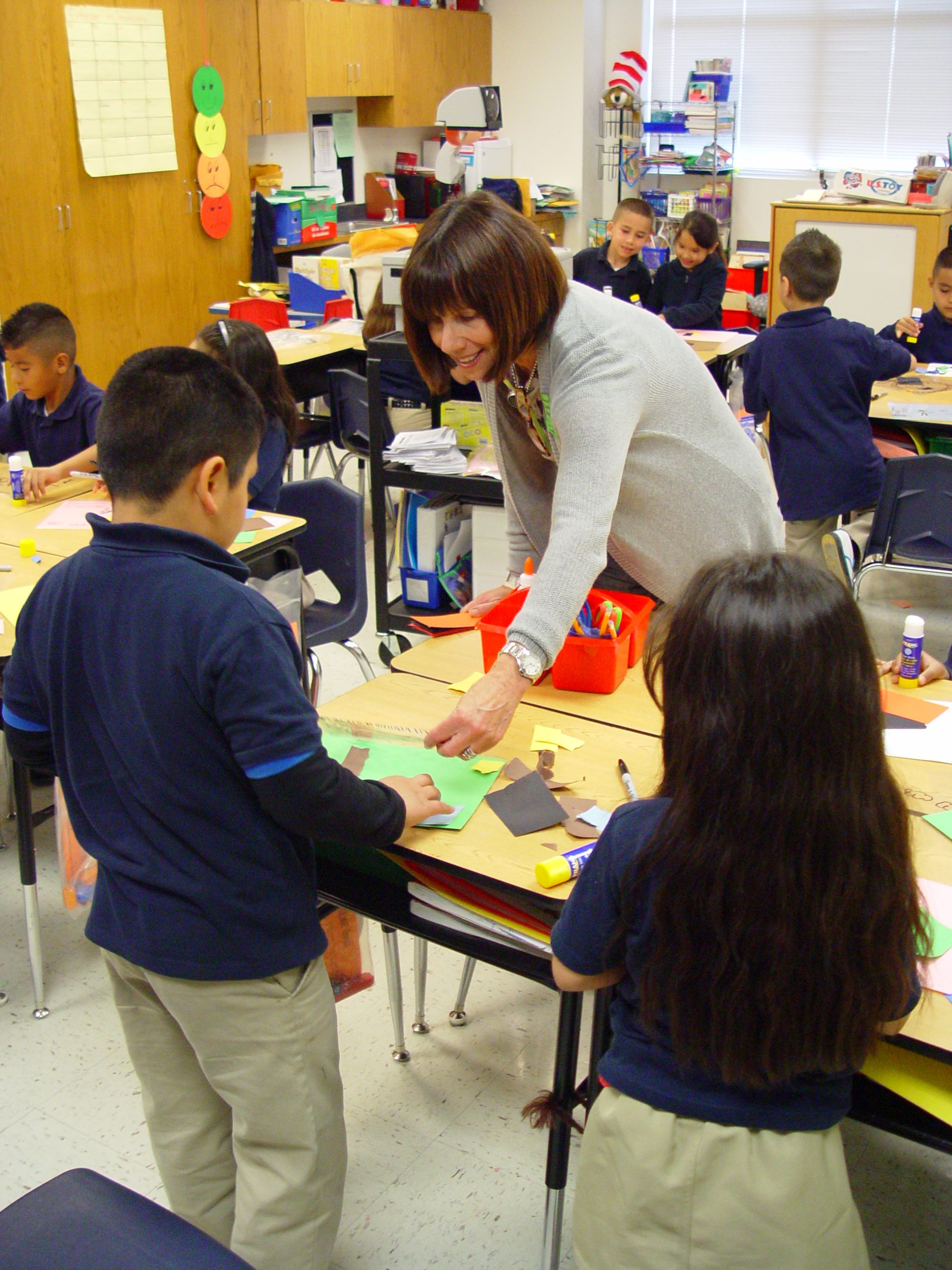
Karen, a Go van Gogh volunteer, helps students with an art project

Karen, a Go van Gogh volunteer, works with first grade students on an art activity

We hope you’ll consider volunteering with us!

Shannon Karol
Manager of Docent and Teacher Programs

The Art of Storytelling

If you stop by the DMA on a First Tuesday or Late Night, chances are you have encountered our resident storyteller Ann Marie Newman. She was a born storyteller, creating alternate worlds and narrating stories as a child. She has been a professional storyteller for nineteen years and has been at the DMA for six.

Anne Marie dispels the myth that storytellers only read stories to children; rather, she says they “carry on oral traditions of what it is to be human.” She believes storytelling unites people from all cultures. She performs stories as if they are a memory, allowing her to connect with the audience as they journey through the story together. She not only engages her audience through participation but also by incorporating the senses into her performance, which helps audience members imagine they are experiencing the same sensations as the characters.
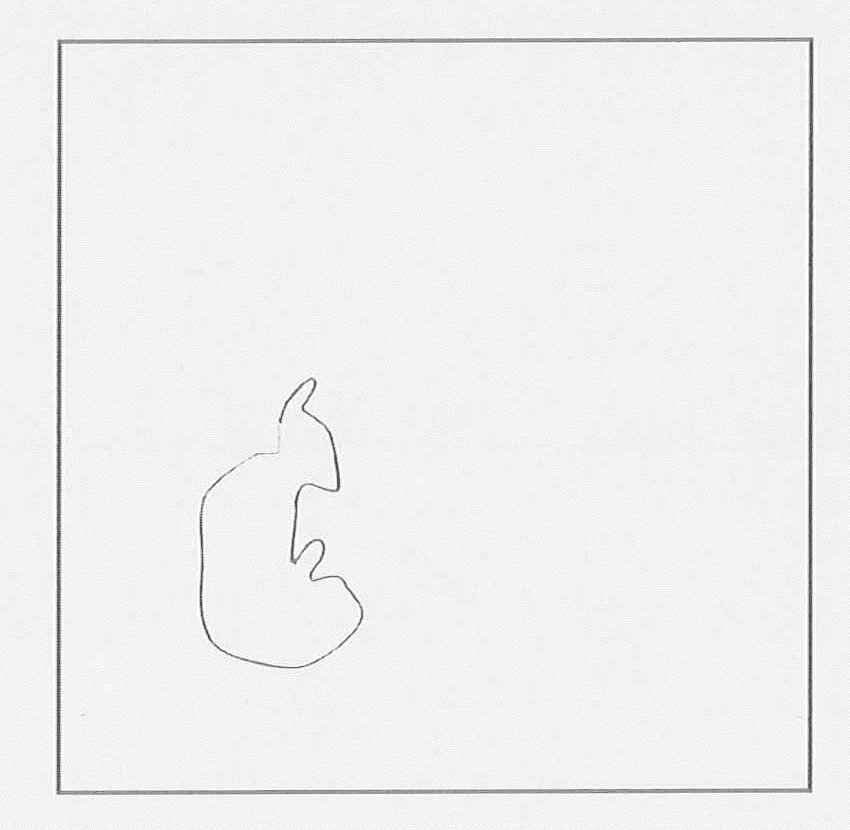
Artworks from the DMA’s permanent collection and special exhibitions inspire the stories Anne Marie performs at the the Museum. For her, there is a very natural connection between stories and art. When preparing for a performance, she prefers to view the art first with little contextual information. This allows for her own interpretation and creative response to the art. She describes her mind working like a spider’s web, connecting stories and folktales to the art she views.

She says creativity is her greatest gift, because it allows her to visualize and verbalize her stories. She suggests that people “don’t give up being a kid–experience life in magical ways.”

Join Ann Marie Newman and her cast of characters inspired by our special exhibition The Body Beautiful in Ancient Greece: Masterworks from the British Museum during our Late Night on May 17th at 7:30 p.m.

Holly York
McDermott Intern for Family Experiences


Archives

Categories