Archive Page 56

The unofficial guide to the couples you will see this Valentine’s Day (as told through art)

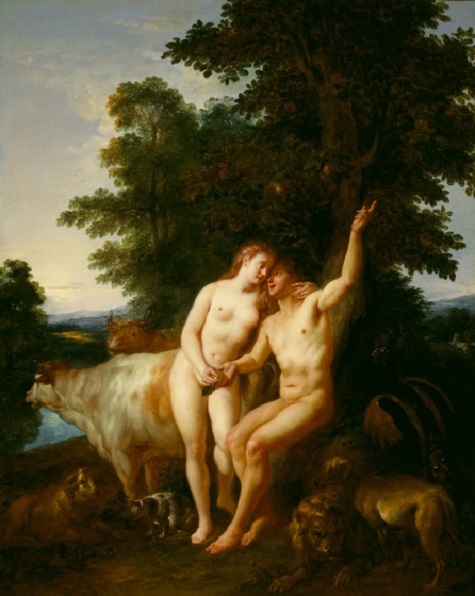
The OG
1990_145_FA_w

Move over Beyoncé and Jay-Z. Step back Kim and Kanye. The Adam and Eve couples of Valentine’s Day have been at this game for a while. If you happen to ask them for relationship advice, watch out—their knowledge on the subject seems to go back to the beginning of time itself. This couple has been through a lot together—from temptation to family drama—but they learned to love each other no matter what befell them. Their higher connections will probably get them excellent reservations at the most desired restaurants as well.

The Swoon Worthy
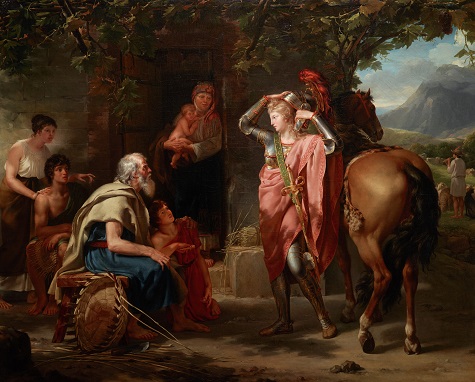
2013_1_FA_o5

Here come the new kids on the block, spending their first Valentine’s Day together. In their eyes they are the sun and the moon, and they will do absolutely anything for each other. At this point in their relationship, chivalry and romance is rampant, and Sunday will be a test of their affection. Much like the Muslim Princess Erminia disguised herself as a knight to find her precious Christian Knight Tancred during the Crusades, their love knows no bounds. These are the couples you will see around town undertaking grandiose gestures like renting hot air balloons, or casually forsaking their families, homeland, and religion for the love of another.

The #Relationship Goals
1991'107, 11/14/02, 1:46 PM, 8C, 5816x8782 (148+81), 112%, Repro 1.8, 1/30 s, R67.2, G32.6, B36.6

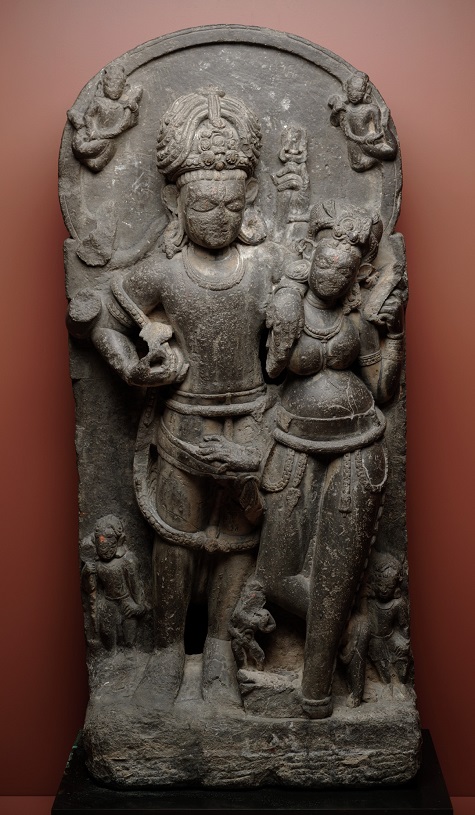
Dinner at 5, home by 7, and in bed by 9. This couple’s unconditional love is something to aspire to. Much like the god Shiva and his wife, the goddess Parvati, shown here entwined in a passionate embrace, this couple might partake in too much PDA, but it’s acceptable due to how perfect they are for each other. This couple does not need to go to elaborate lengths this Valentine’s Day, because every day is a chance for them to do an act of kindness for the other.

The Tinder Date Gone Awry
1987_17_w

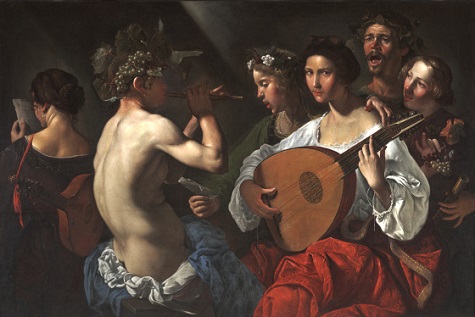
The fear of being alone and celebrating Single Awareness Day led these individuals to take to dating apps to find their special someone. Much like the uncomfortable scene depicted here, you will find these forced couples in painfully awkward attempts at conversation. Some will try to woo their Valentine with their musical prowess, while others will rely on their good looks, lack of clothing, and charm. One or both members of the party may look to you in desperation, but remember it was they who chose to swipe right.

Images: Jean François de Troy, Adam and Eve, 1718, oil on canvas, Dallas Museum of Art, Foundation for the Arts Collection, Mrs. John B. O’Hara Fund, 1990.145.FA; Guillaume Guillon Lethière, Erminia and the Shepherds, 1795, oil on canvas, Dallas Museum of Art, Foundation for the Arts Collection, Mrs. John B. O’Hara Fund, 2013.1.FA; Uma-Maheshvara, India, Rajasthan (?), c. 8th century A.D., grayish green stone, Dallas Museum of Art, gift of David T. Owsley via the Alvin and Lucy Owsley Foundation in honor of Colonel and Mrs. Alvin M. Owsley, 1991.107; Pietro Paolini, Bacchic Concert, c. 1625-30, oil on canvas, Dallas Museum of Art, The Karl and Esther Hoblitzelle Collection, gift of the Hoblitzelle Foundation, 1987.17

Julie Henley is the Communications and Marketing Coordinator at the DMA
How Do We Love the DMA? Let Me Count the Ways

Here at the DMA, we owe a lot to our wonderful volunteers. They give of their time and talent to help lead student visits, access programs, and adult group visits. Oftentimes, they’re the public face of the Museum, welcoming our visitors and helping them make meaningful connections with the works of art. The DMA simply would not be as special as it is without them!

In honor of Valentine’s Day, I asked our amazing team of docents which works of art from the DMA’s collection they especially love to share with our visitors.

Watch

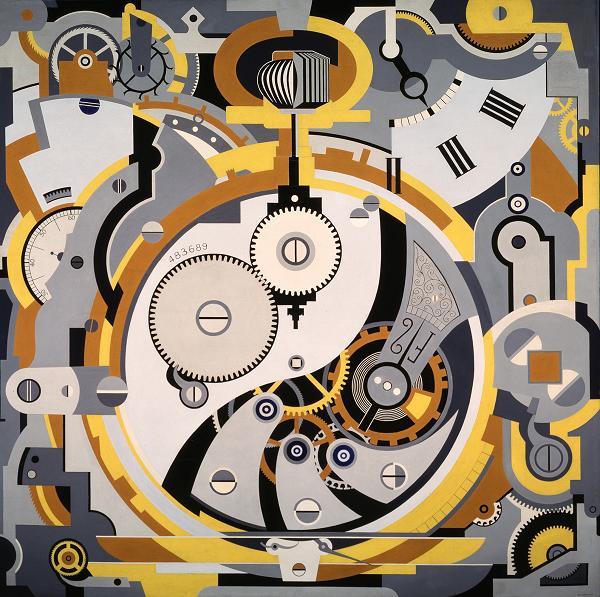
Gerald Murphy, Watch, 1925, Oil on Canvas, Dallas Museum of Art, Foundation for the Arts Collection, gift of the artist

One of my favorite paintings is Watch by Gerald Murphy. That was a magic time in Paris when painters, writers, and musicians worked together and inspired each other. The Murphys were a fascinating couple and his hard edge, hyper realistic paintings of everyday objects influenced later artists. He painted briefly, and out of about a dozen works, we own two, given to us by Murphy himself. There are letters from him about the gift in our archives. -Diane Roberts


El hombre

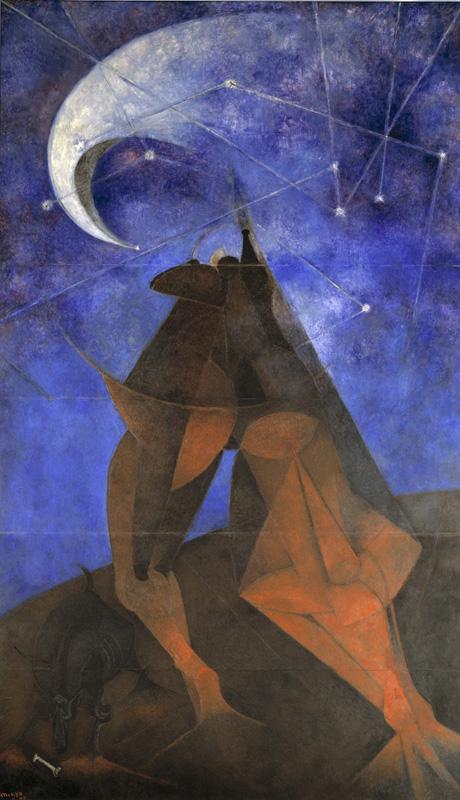
Rufino Tamayo, El Hombre (Man), 1953, Vinyl with Pigment on Panel, Dallas Museum of Art, Dallas Art Association commission, Neiman-Marcus Company Exposition Funds [credit line published in 1997 DMA Guide to the Collections: Dallas Museum of Art, commissioned by the Dallas Art Association through Neiman-Marcus Exposition Funds

I have a long standing love affair with Rufino Tamayo’s El Hombre. I use it 4-5 times a month, maybe more often than that. I wrote a paper in graduate school on its acquisition by and significance to the DMA. I use it interactively on my tours to teach three ways of looking at art: eyes, mind, and heart. – Kelly Breazeale


daruma

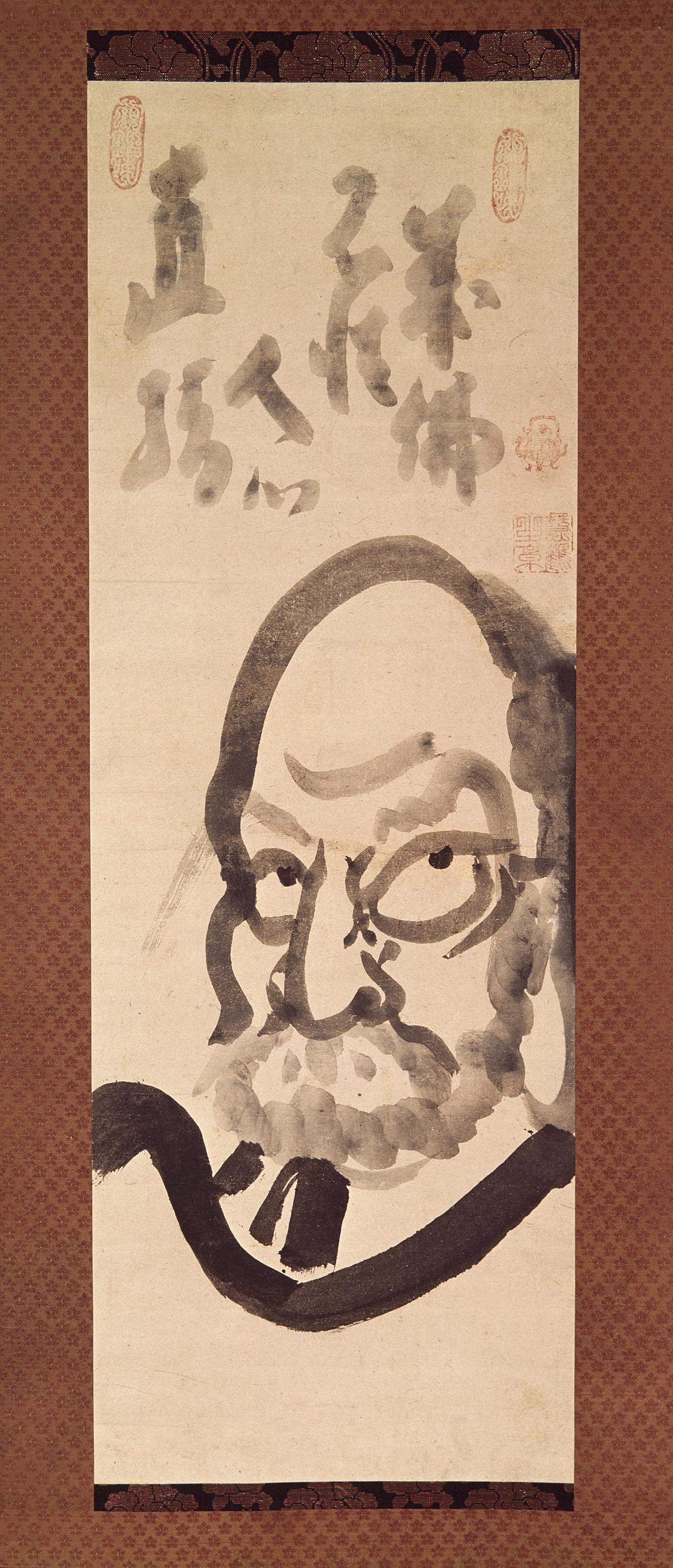
Daruma, Hakuin Ekaku, n.d., Ink on Paper, Dallas Museum of Art, General Acquisitions Fund


My new favorite work of art is the Daruma scroll by the Zen priest Hakuin Ekaku, because I love the simplicity and the meaning behind this form of art. The idea that it expresses the “true or formless self” appeals to me and some of my personal beliefs. Before I came to the Museum, I didn’t like or respect the work of Jackson Pollock, but after our session about him and his work, I gained a small glimpse of what he and his work are about. Then after hearing the lecture from Devon last week about the Zen Buddhist art, it began to make sense to me. I think that the Daruma scroll with its cartoon like appearance would appeal to children. I also think it would be fun for them to try their hand at drawing a picture in the style of the scroll. – Penny Hardy

Be sure to check out some of our docent’s favorite works, and many more, at the Dallas Museum of Art. Happy Valentine’s Day!

Lindsay O’Connor
Manager of Docent and Teacher Programs

Pollock for the People!

Art Babies Pollock.jpg

For the last few months here at the DMA, we’ve been proclaiming “Pollock for all!” From toddlers to teens, and grade schoolers to grannies, the exuberant and lyrical works of “Action Jackson” have inspired thoughtful discussions, messy art, and even a dance performance! As a museum educator, one of the things I love most about Pollock’s work is his approach to putting paint on a canvas by splattering, flinging, dripping, and dropping (a process we often refer to as action art). When you have a bunch of squirmy three year-olds, Pollock makes all kind of sense! But Jackson Pollock: Blind Spots goes beyond Pollock’s all-over paintings and explores a body of work known as the black pourings, in which Pollock’s trademark action is tightly controlled, sweeping and swooping over the canvas to create figures that almost seem to be hiding amidst black lines, puddles, and splatters.

The exhibition has inspired all kinds of Pollock-ing in the studio, proving that no matter how old or young you are, Pollock is for all ages! Read on for some Pollock-inspired ideas you can try at home.

Art Babies Pollock 2

Babies

Our Art Babies class wiggled and giggled our way through the Pollock exhibition, then enjoyed sensory play inspired by the artist’s work. Pollock’s all-over paintings often remind me of a tangle of lines, with one line twisting and turning over another, so I created a sensory bin of “Pollock lines” for the little ones to explore. One little guy couldn’t get enough of throwing fistfuls of “noodles” into the air as high as he could. Recreate this at home with a large bin of either plastic cording or cooked spaghetti noodles (follow this helpful DIY recipe). But remember, since babies tend to put everything in their mouths, this activity does require grown-up supervision!

Arturo's Preschool Pollock

Toddlers and Preschoolers

If you are feeling brave, suit up your children in their messiest clothes, cover the floor with a drop cloth (or paint outside), and let them go to town, dribbling and splattering paint onto paper. If that idea has convinced you that Pollock is not for you, here are some less messy alternatives.

Marble painting is a fun way to get a feel for the energy and action Pollock might have used, while containing the mess. Place a piece of paper and a marble in a large box or box top, squeeze puddles of paint onto the paper, then have your child tip and shake the box back and forth to roll the marble through the paint. In no time at all, you’ll have a Pollock-ing, rollicking masterpiece.

Or if you want to avoid paint all together, substitute markers, yarn, and contact paper for the messy stuff. Have your child throw, dribble or drop pieces of yarn onto a piece of paper to create some Pollock-like lines. Cover the entire piece of paper with clear contact paper to seal the yarn in place. Then use colored markers (permanent works best on the contact paper) to create puddles of color. Pollock’s Convergence served as our inspiration for this project, and the children loved the layered effect.

Homeschool Pollock

Elementary & Middle School

The Pollock exhibition at the DMA features an entire gallery of paintings Pollock created on paper rather than canvas. We tried a similar approach using Japanese paper, droppers, and liquid watercolor. Layer two or three sheets of paper together, then gently move the dropper around the paper, squeezing watercolor as you go. Watch as different colors swirl and puddle together, then separate the individual pieces of paper to discover what images have soaked through.
Teens

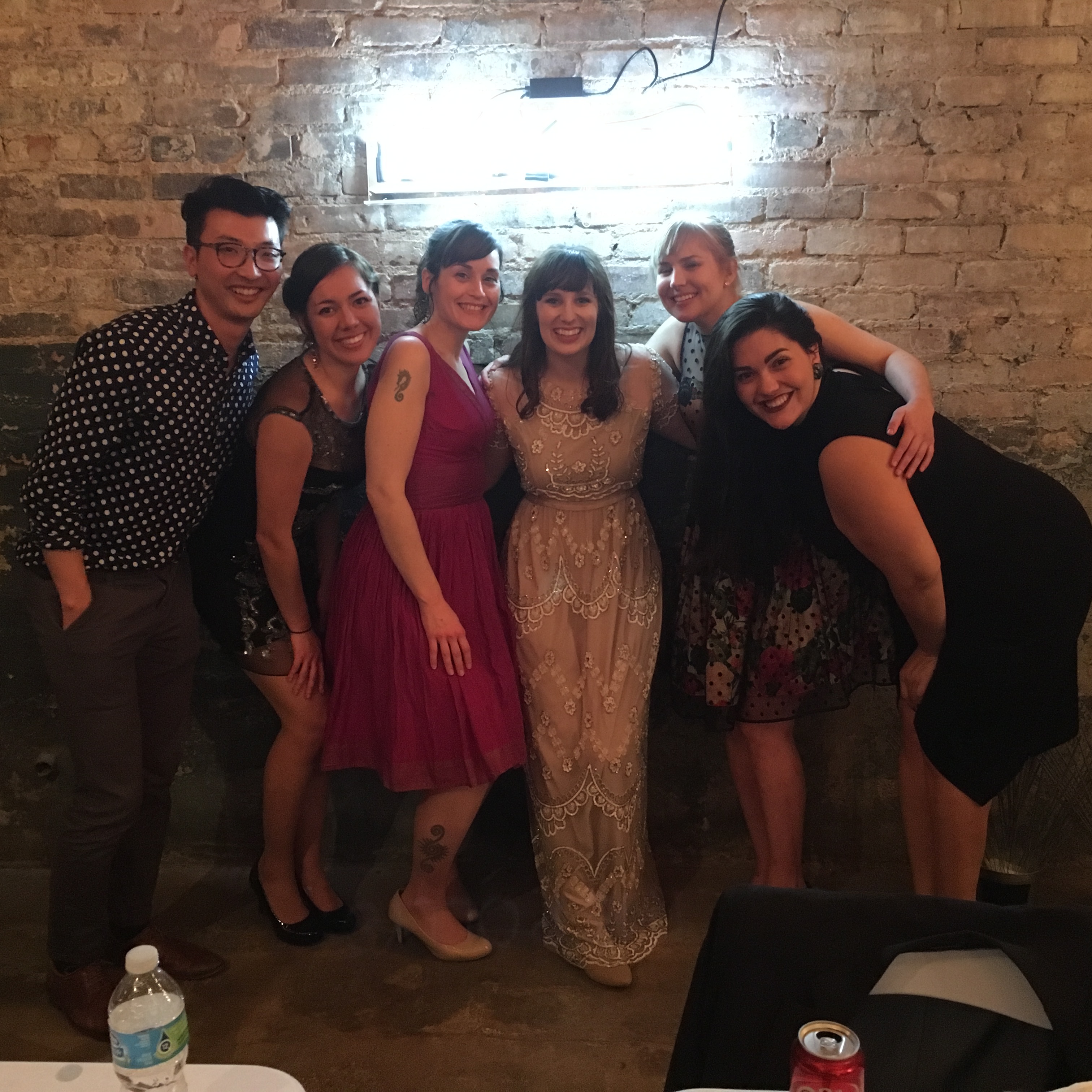
At a recent Late Night event, we used scribble bots to create a modern take on Pollock’s work. All you need is a plastic cup, a toy motor, a battery, and a brush to make your own painting robot! The motor sends the robot skittering across the paper, and the paintbrush “captures” the movement in visual form. Download step-by-step instructions here: Scribble Bot Instructions.

Dance for PD Pollock

Any Age

This final project is as mess-free as you can get! And it provides the most amazing results. Since November, we’ve been privileged to be a part of the Dance for Parkinson’s Disease program. We’ve hosted a wonderful group of individuals who have regularly visited the Museum galleries, and, under the direction of Misty Owens, choreographed a dance performance inspired by Jackson Pollock. As part of the choreography process, the group created light graffiti using laser pointers, flash lights, and a DSLR camera. It’s like painting in the air! This tutorial gives some great tips on creating your own light graffiti. To see Pollock in dance form, join us for the Dance for PD performance in the Center for Creative Connections on Friday, February 19 at 2:00 p.m.

So are you convinced? Ready to join our “Pollock for the People” crusade? We’d love to see what Pollock inspires you to do. Share your Pollock creations on social media with #DallasSpotsPollock and tag us @DallasMuseumArt.

Leah Hanson
Manager of Early Learning Programs


Monkeying Around

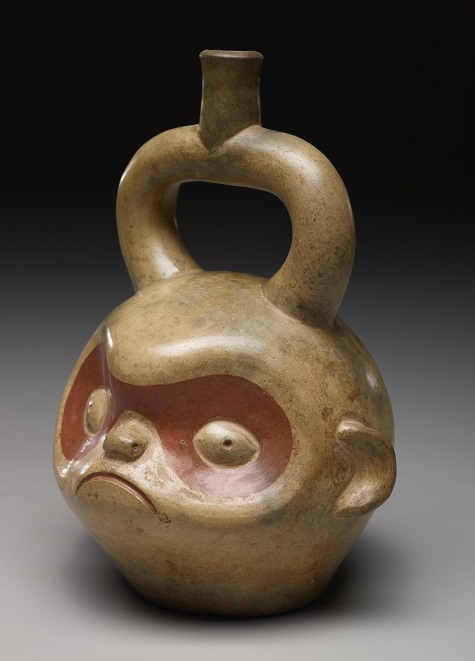
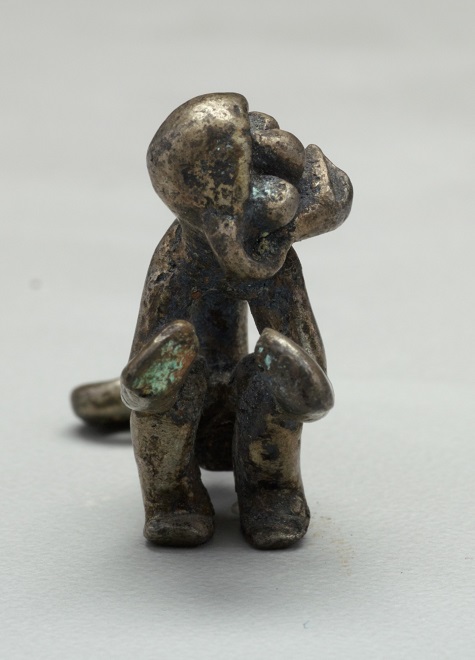
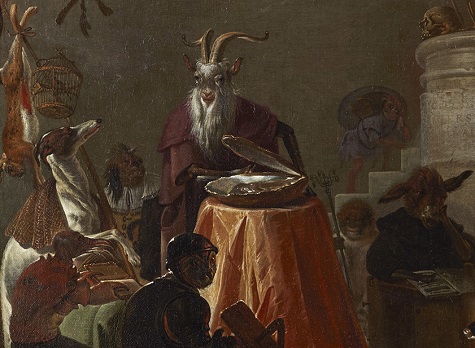
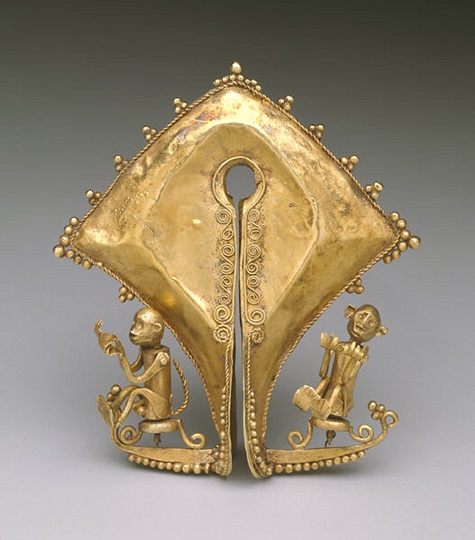
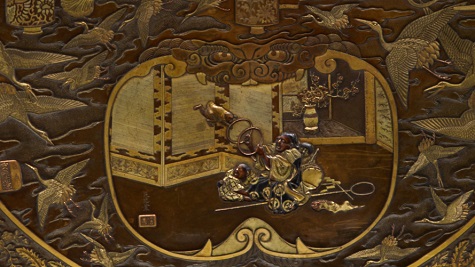
We’re celebrating the Year of the Monkey by highlighting a few works featuring the animal of the hour. Some of the monkeys are out in the open, but for others it takes a little more detective work to spot them in the paint. Happy Chinese New Year!


Kimberly Daniell is Senior Manager of Communications, Public Affairs, and Social Media Strategy at the DMA.

Puppy Love

We love hearing from our visitors about their experiences at the DMA. We especially enjoy learning about ways art touches lives. We recently received an e-mail from Mark and his granddaughter Fiona. Their story brought a smile to so many of the DMA staff that we asked if we could share their visit on Uncrated:

Earlier this month I took my seven-year-old granddaughter to the DMA. We visited the European galleries to look at paintings, more like glances as we raced by all the paintings. But we stopped at a large painting that depicts the myth of Zeus turning into a bull to woo his love. I asked Fi what she thought of this “crazy painting” when a woman paused near us. She shared the story the painting represented and then asked Fiona a question I should have asked at the beginning of our visit: “What kind of paintings do you like to see?”
joyce1

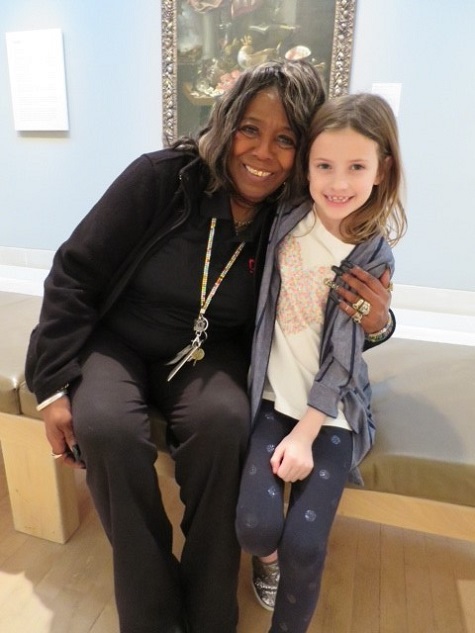
Without hesitation my granddaughter said animals. She told us that she had the perfect painting for us, one that Fiona would love. The painting was not where she expected it to be and a gallery attendant, named Joyce, told us the painting was “taking a rest” but that she knew of more work depicting animals. While we were touring these animal paintings, Fiona and Joyce swapped pet stories and advice, both agreeing that you need to tell your pets that you love them every day.
joyce3

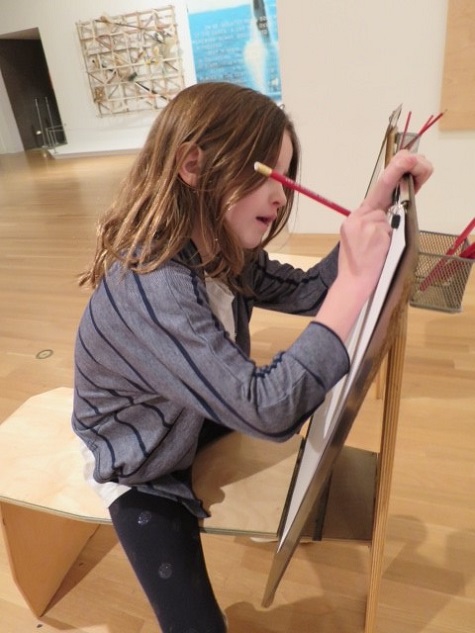
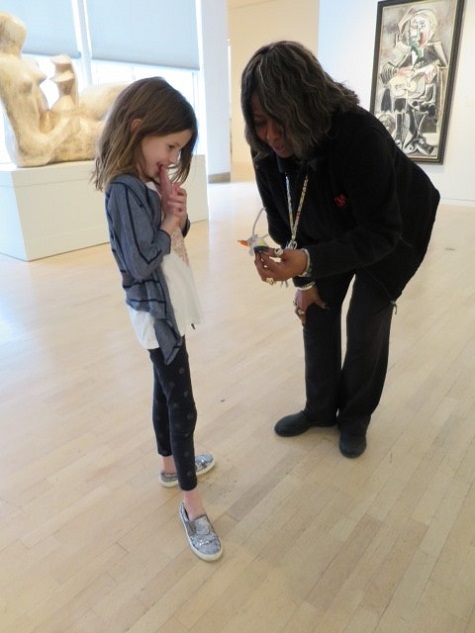
After exploring the galleries we stopped at the hands-on area of the DMA (The Center for Creative Connections), where you can make your own work of art. Fiona drew and was able to make a rabbit sculpture with a piece of egg crate and pipe cleaners. She was very proud of her work and asked if she could keep it, and I told her yes. She then surprised me by saying she wanted to give it to the nice lady, Joyce.
joyce 2

A museum can be a cold, intimidating experience, but we found such warmth from our two encounters with DMA staff.
– Mark

We caught up with Joyce in the galleries to talk about her encounter with Mark and Fiona. She told us one of her favorite things about the job is being able to interact with our visitors, especially the youngest visitors like Fiona, and share her love of art. She was extremely moved by Fiona’s gift, which she has fondly named Fiona in her honor, and can’t wait to run into them on their next visit.

Kimberly Daniell is the Senior Manager of Communications, Public Affairs, and Social Media Strategy at the DMA.

Friday Photos: Intern-errific

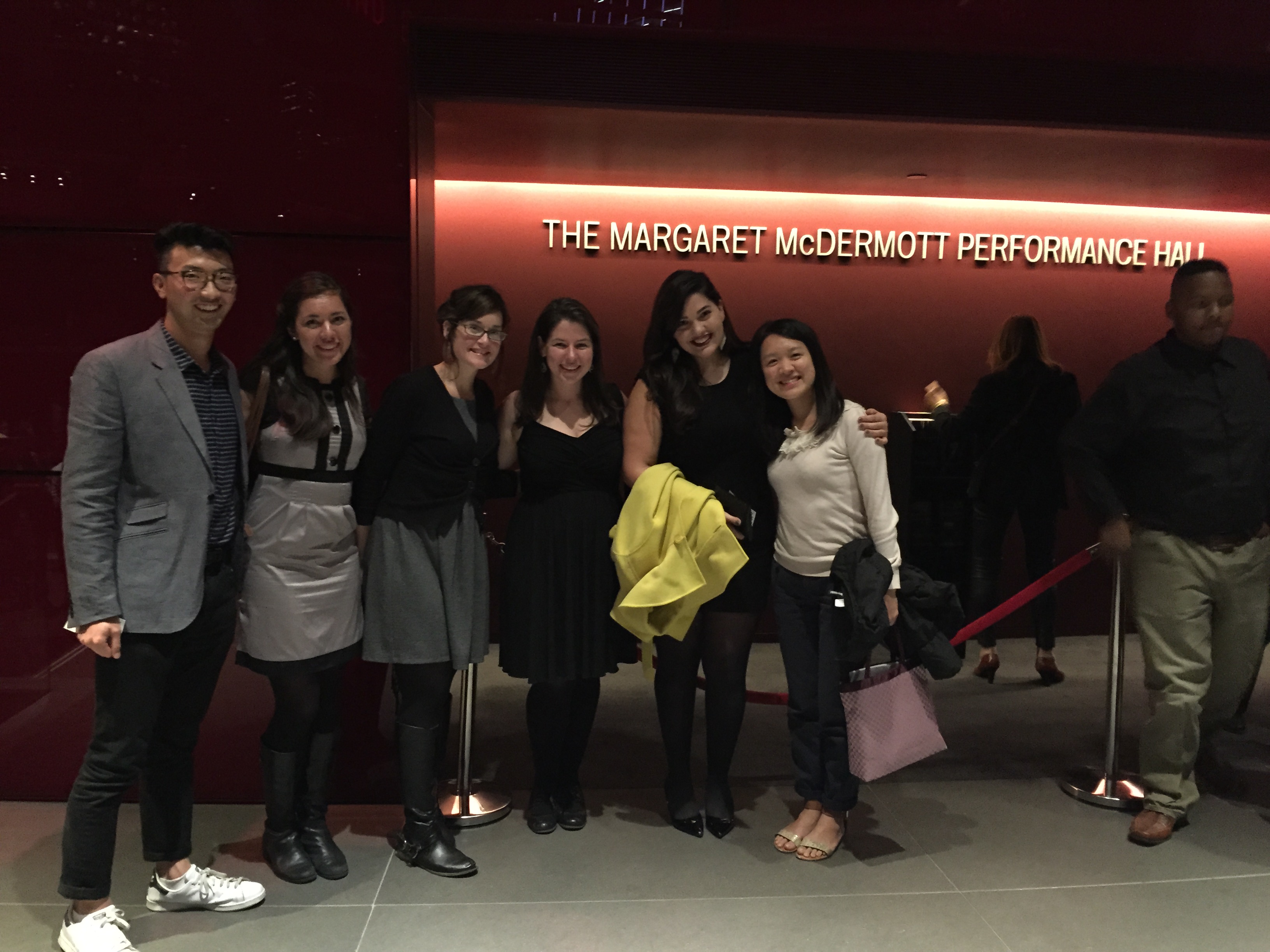
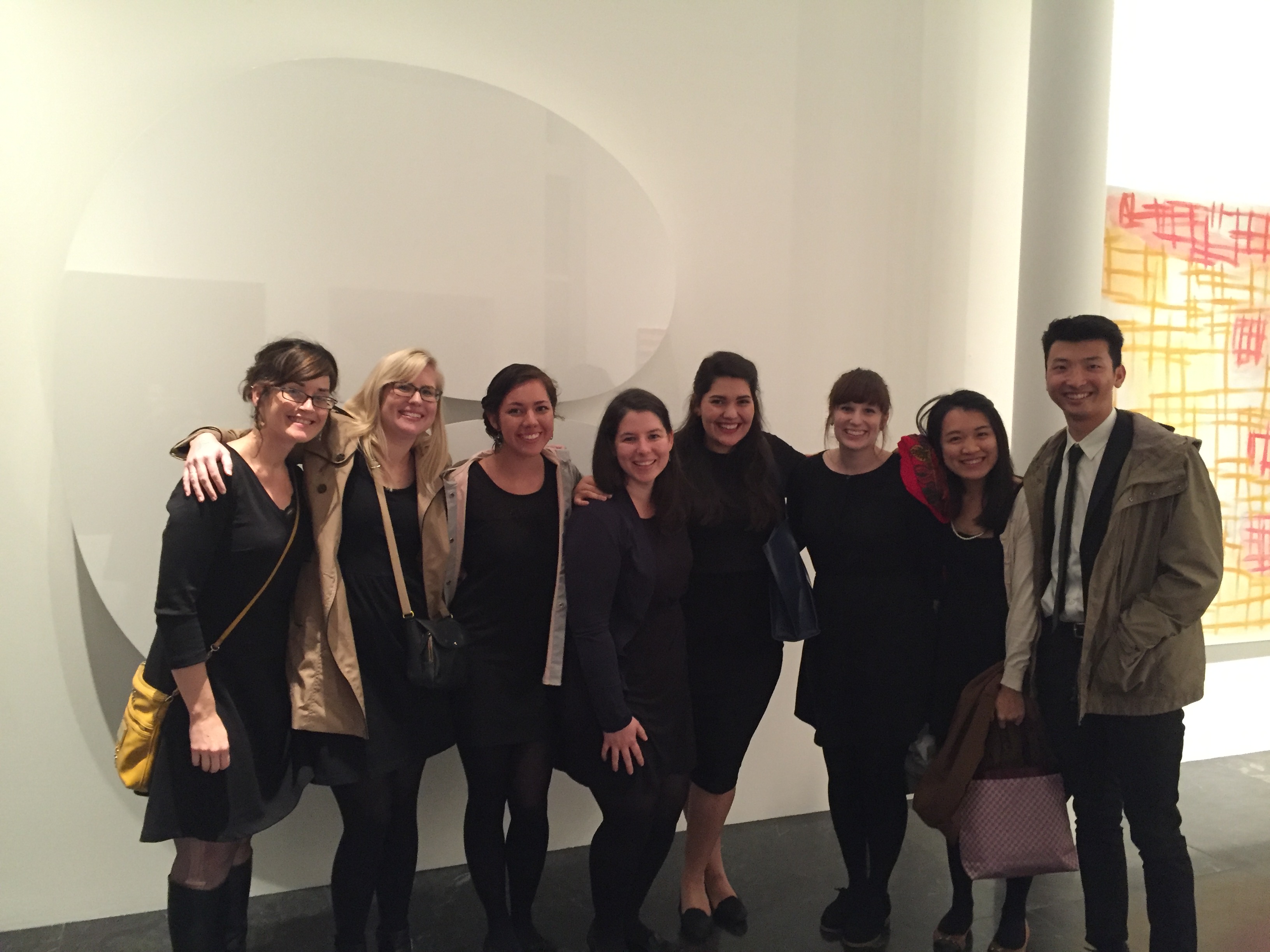
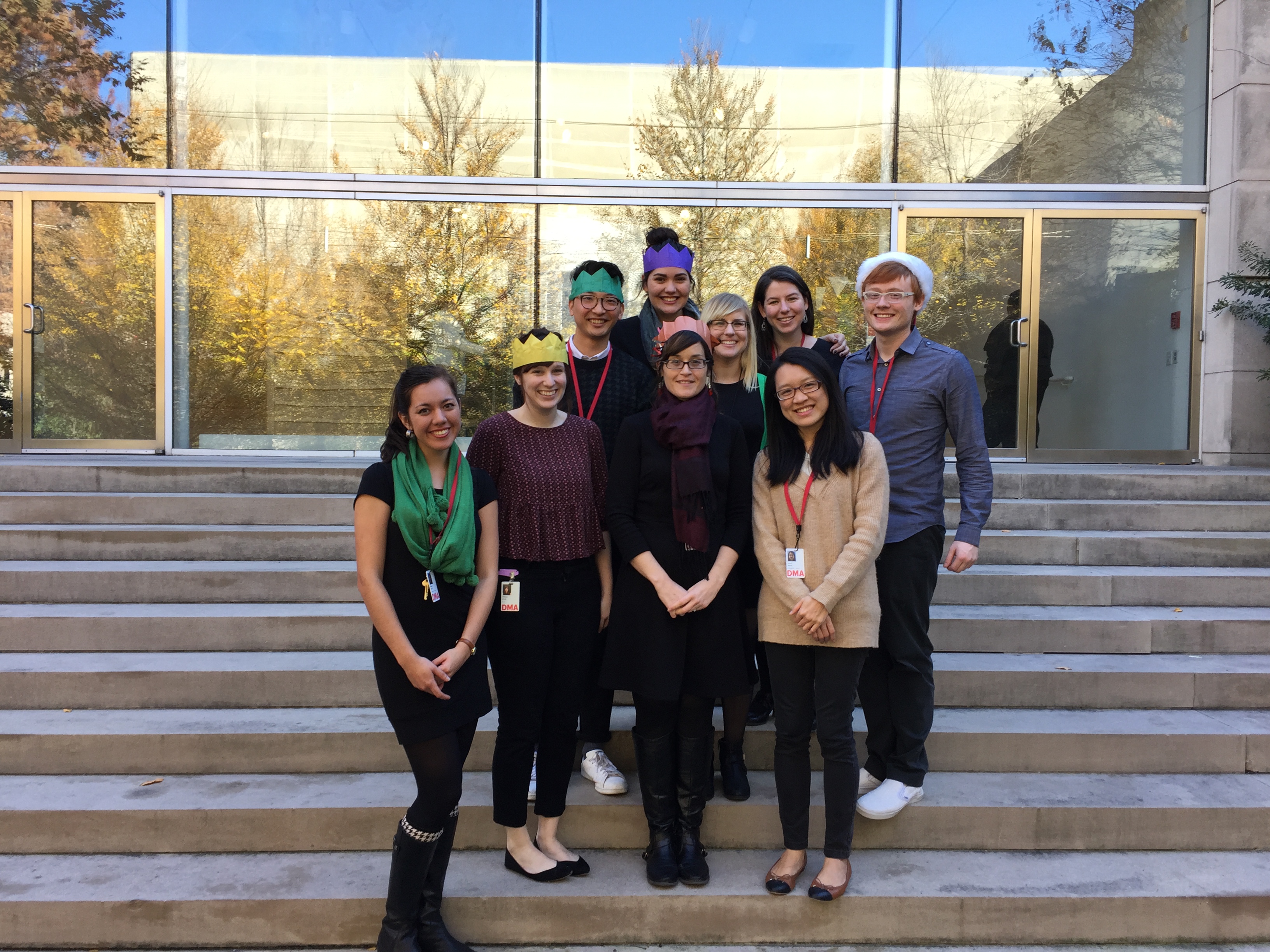
This year’s McDermott Interns have already made quite the impact on us here at the DMA: from leading myriad programs for every type of visitor, to contributing to varied exhibitions, to researching our global collection–the list goes on and on. We simply couldn’t accomplish it all without their enthusiasm, skill, and gumption!

With four more months and much still left to accomplish, we certainly aren’t ready to say goodbye to our current bunch just yet. But as 2016 is already well underway, it’s time once again to open up our online application for this fall’s 2016-2017 McDermott Internship!

Be sure to peruse this year’s flyer for complete details and descriptions before plunging in to the application. Then check out all the fun our interns have had thus far and imagine yourself in their shoes this fall!

Sarah Coffey
Education Coordinator

The Soundtrack to Vermeer Suite

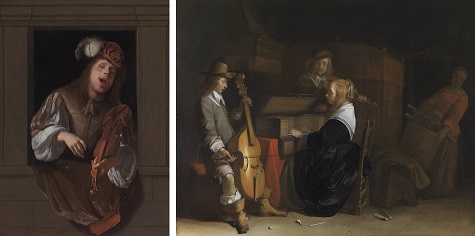
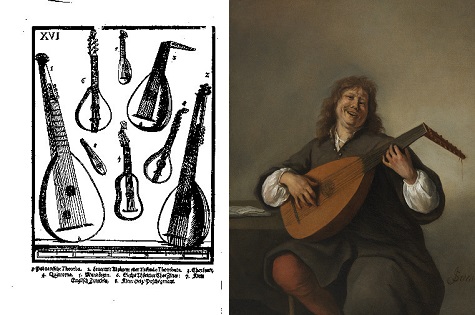
Viols, virginals, flutes, and lutes! The small, masterful paintings in Vermeer Suite: Music in 17th-Century Dutch Painting, each featuring an individual playing or holding an instrument, indicate the popularity and prevalence of music—both as artistic subject matter and as activity—in the Netherlands during the 17th century.

Interestingly, the associations with music at the time ran the gamut from divine gift to causing irreparable moral damage. On one side of the spectrum, music was spiritual medicine, played solely to glorify God. On the other side, music making was perceived as a worldly pleasure and at odds with Protestant values, diverting one’s attention away from spiritual salvation. Somewhere in the middle of the spectrum, music playing and listening functioned as a polite form of entertainment for the elite upper classes. It was played in the household in the same way we might gather around and play charades or watch a football game today. Playing music was also a means for solidifying social and professional relationships, and it was a socially acceptable way for unmarried people to interact—to essentially be on a date without a chaperone. Beyond the household, elites could find a quasi-public outlet for practice and performance in a collegium musicum—a small group of amateur musicians that convened in one of its members’ homes or a location approved by the city council. Members of the lower classes could visit muziekherbergen (music inns), which made instruments available for patrons. At a music inn, a capable player who refused to perform was required to purchase a round of drinks for the whole tavern as penalty!

Thurs 10_16 118

With the artists’ careful attention to detail and intricate treatment of surfaces, the realistic paintings in Vermeer Suite: Music in 17th-Century Dutch Painting transport us to a lively Dutch street corner or an intimate living room gathering. While we can almost hear the music that likely accompanied these scenes, visitors to the exhibition do not have to imagine it. In the exhibition’s adjacent gallery, visitors can actually listen to the paintings’ soundtracks. Songs by Jan Pieterszoon Sweelinck (1562-1621), one of the most prolific Dutch songwriters to achieve international renown, will be played continuously. A professional organist who served the Oude Kerk (Old Church) in Amsterdam for forty-four years, Sweelinck was one of the first major composers of keyboard music in Europe.

picture

Additionally, a sound bar in this interactive gallery offers visitors the opportunity to listen to the distinct sound of each of the instruments depicted in the paintings and learn about how they were played. Visit the DMA through August 21 to enjoy the visual and aural experience of Vermeer Suite: Music in 17th-Century Dutch Painting, which is included in the Museum’s daily free general admission.
Andrea Severin Goins is the Interpretation Manager at the DMA.

Images: Jacob Adriaensz Ochtervelt, A Singing Violinist, c. 1666–70, oil on panel, © The Leiden Collection, New York; Gerard ter Borch, A Musical Company, c. 1642–44, oil on panel, © The Leiden Collection, New York; Lutes, Michael Praetorius, Syntagma Musicum, 1619. Syntagma Musicum is a three-volume treatise written by the German musicologist Michael Praetorius between 1614 and 1620; Jan Steen, Self-Portrait with a Lute, n.d., oil on canvas, © The Leiden Collection, New York

From Behind the Shadow

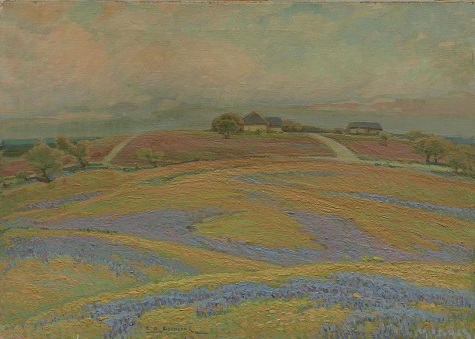
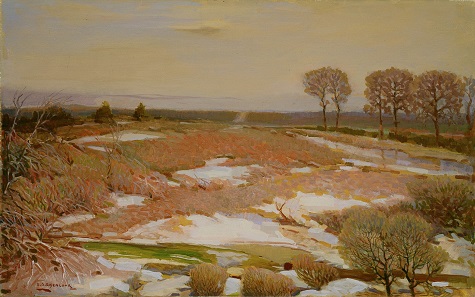
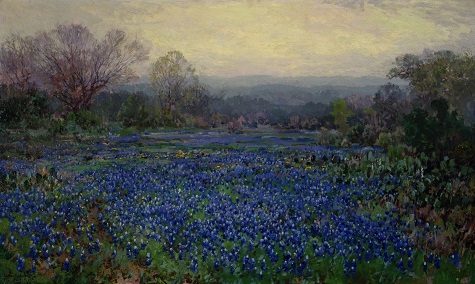
You know the old saying “January showers bring February flowers,” or at least that’s what the phrase should be this year according to Punxsutawney Phil. The famous groundhog did not see his shadow this morning, which means we should be in for an early spring. If the warm weather we’ve been experiencing in Dallas is any indication of Phil’s accuracy, we’ll see spring scenes like the ones below in no time.

Kimberly Daniell is the Senior Manager of Communications, Public Affairs, and Social Media Strategy at the DMA.

Groundhog Day Shadow Play

Celebrity groundhogPunxsutawney Phil, may not have seen his shadow today, but that didn’t stop me from being inspired by shadows here at the DMA!

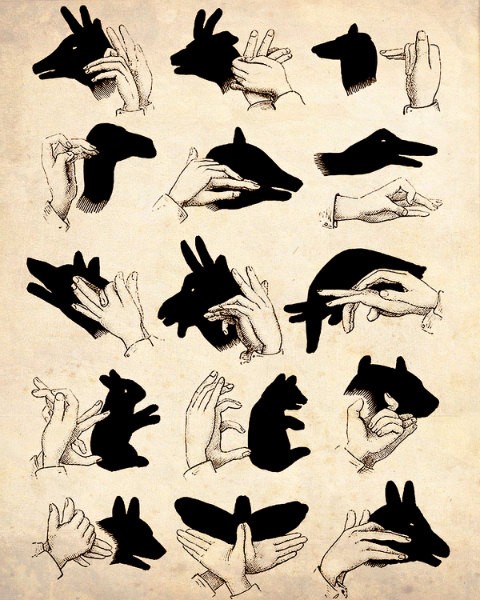
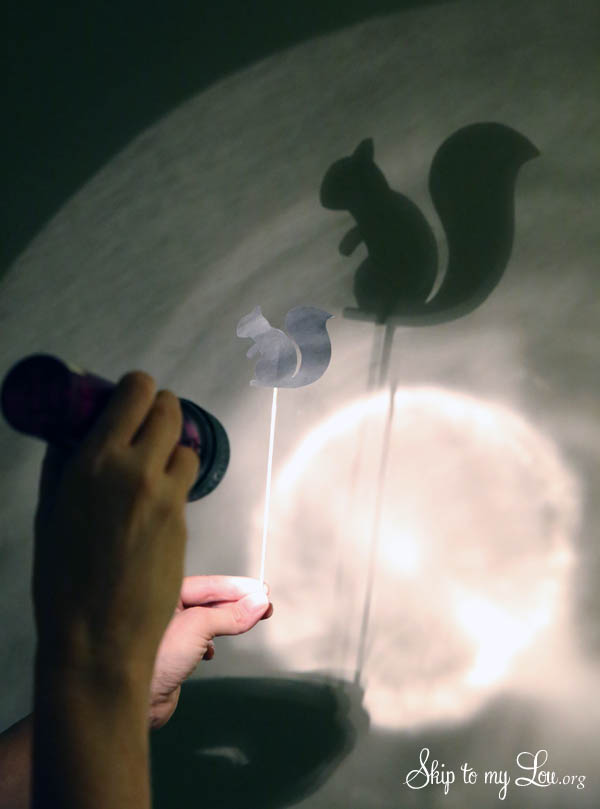
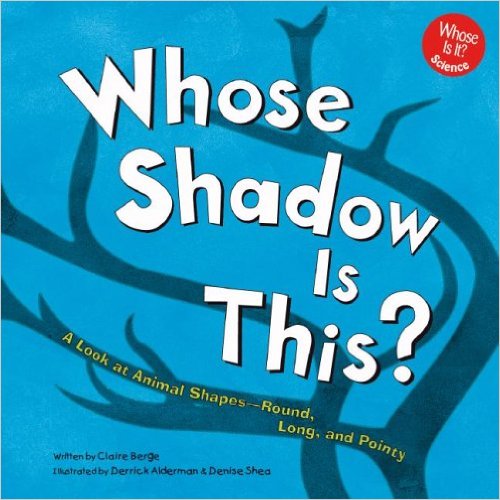
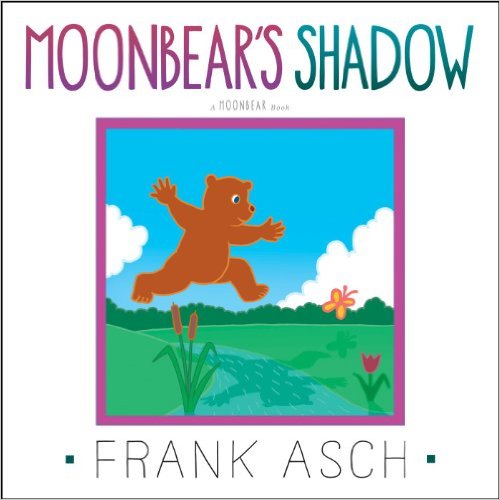
Here are a few of my favorite shadowy works of art from our collection, followed by a selection of activities and books, so that you can explore shadows at home or in the classroom!

Shadow Art Activities:

Books for Exploring Shadows and Groundhogs:

See you soon, early spring!

Emily Wiskera
McDermott Graduate Intern for Family and Access Teaching

Friday Photos: National Puzzle Day

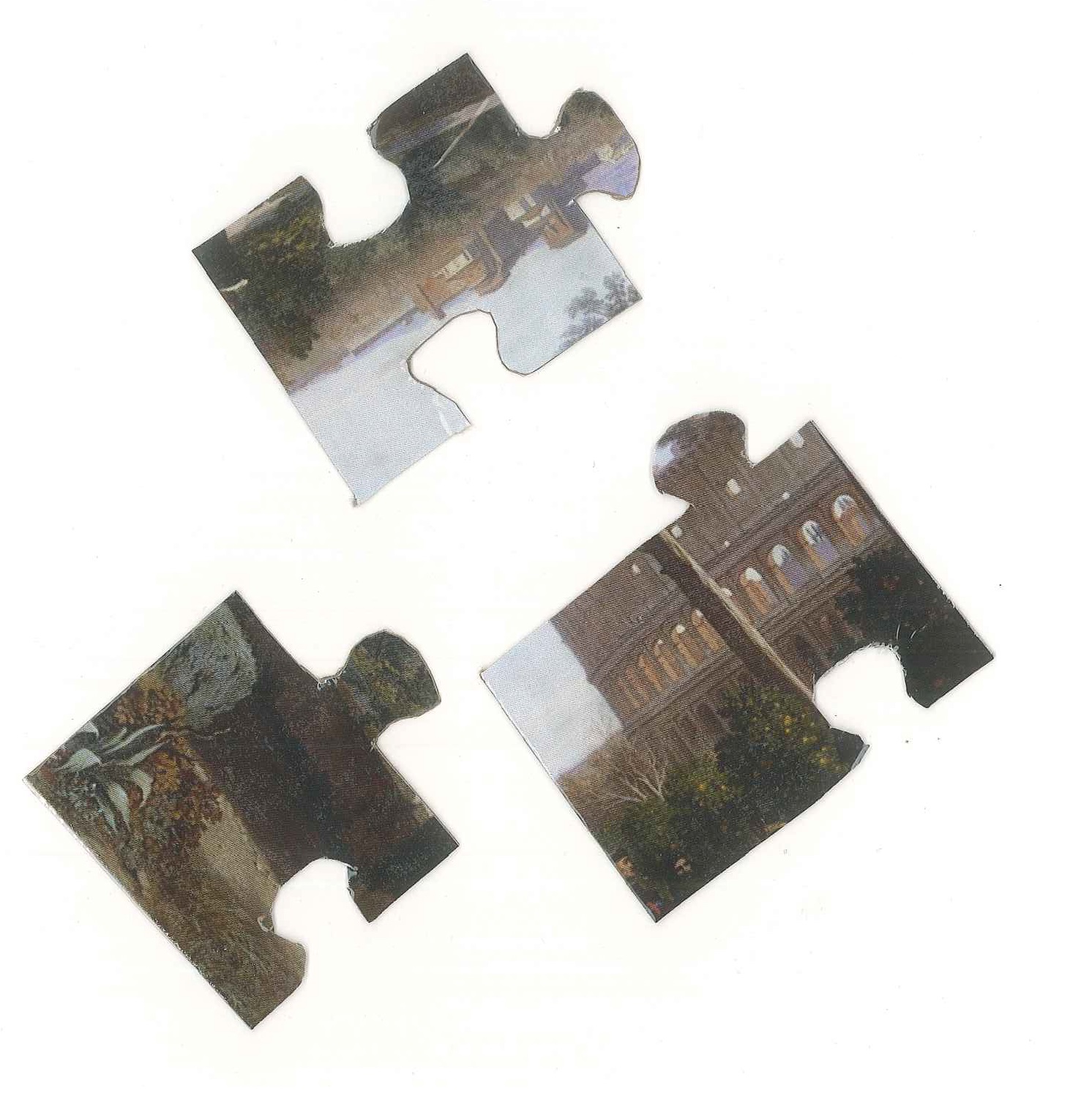
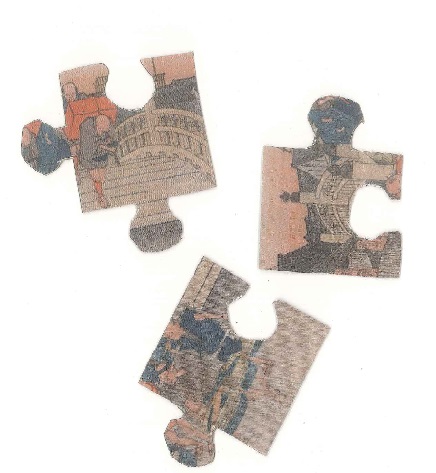
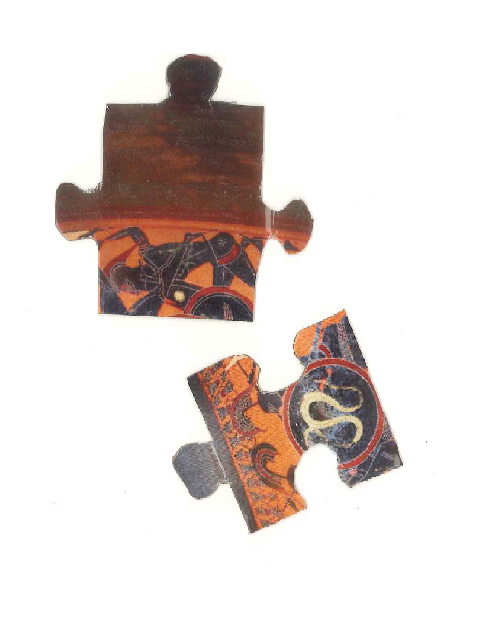
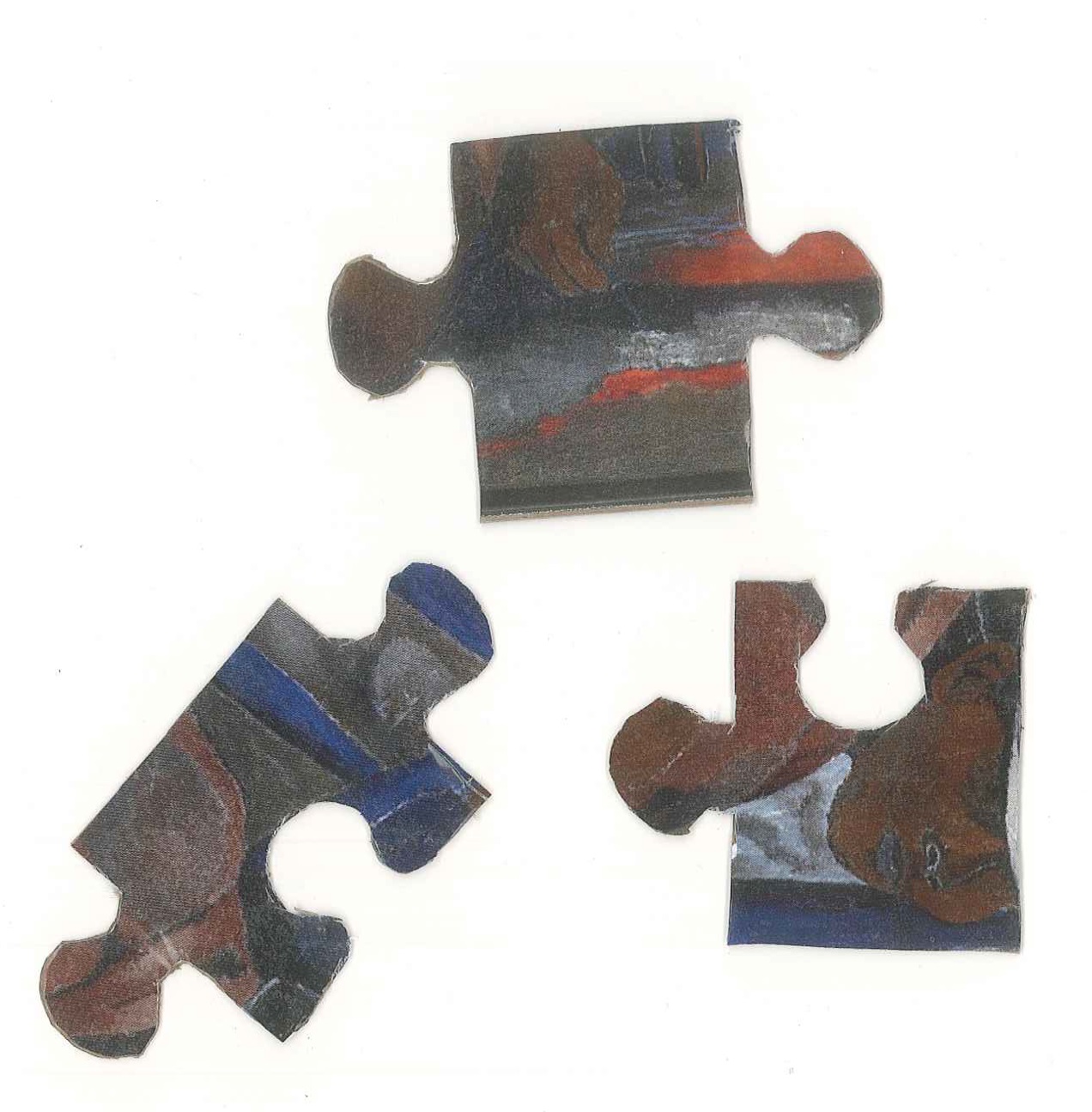
How well do you know the DMA collection? Celebrate National Puzzle Day by putting your memory to the test and guessing which works of art these puzzle pieces come from. Read the rhyming clues if you want some extra help, then check your answer by clicking the link under each set of puzzle pieces. No cheating!

Find this painting and much more
hanging on the 2nd floor.


It’s not a painting – here’s a hint:
These are pieces from a print.


Filled with colors bright and bold,
This work’s thousands of years old.


Sometimes you just need to sit,
Maybe rest your legs a bit.


If you’re looking for more hands-on puzzle action at the DMA, stop by the Pop-Up Art Spot on the 4th floor in March to recreate a life-size version of Ocean Park No. 29 by Richard Diebenkorn. Happy puzzling!

Paulina Lopez
McDermott Graduate Intern for Visitor Engagement


Archives

Categories