Archive Page 177

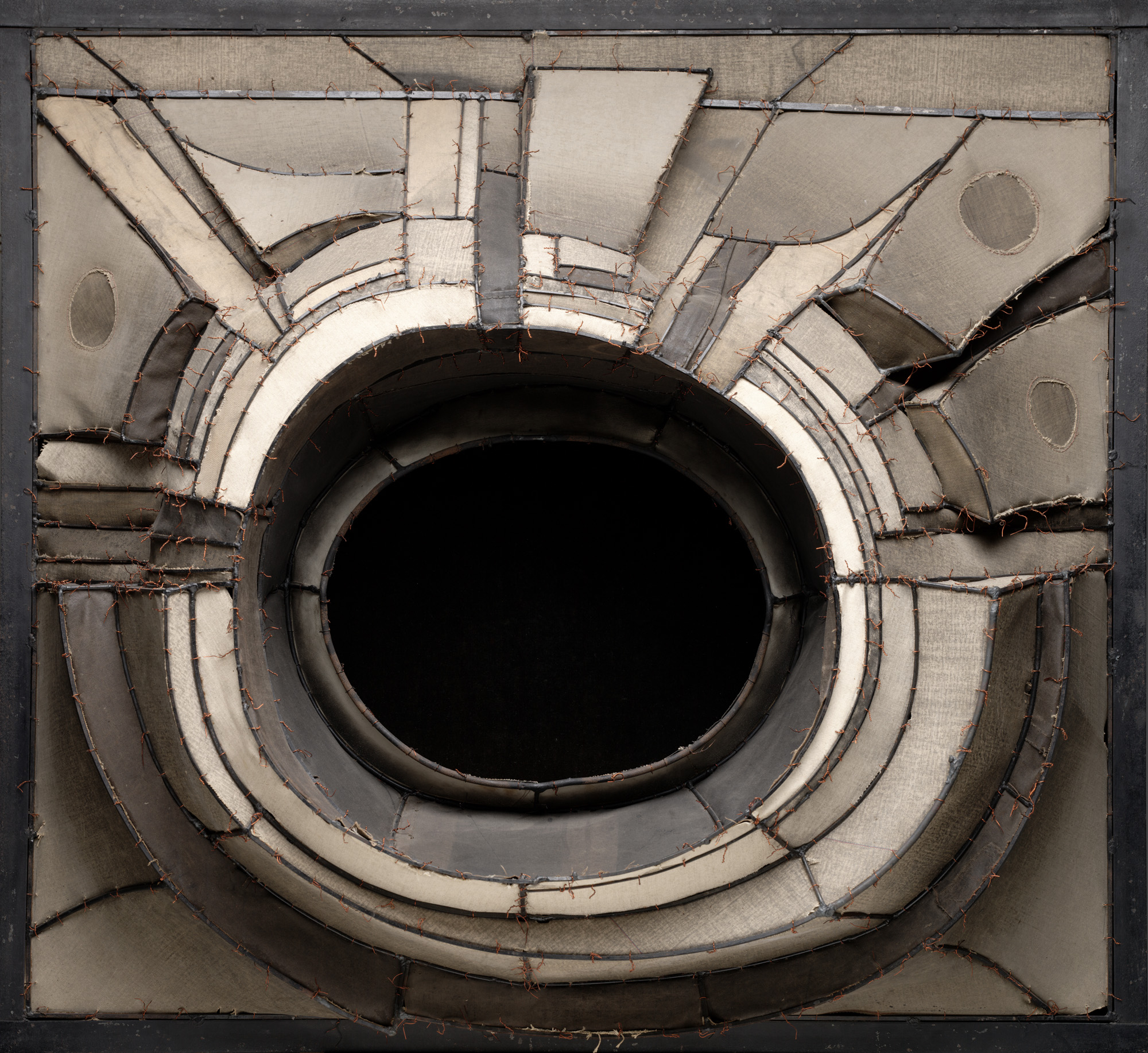
The hole goes all the way down to space…

Lee Bontecou, Untitled (35), 1961, welded metal and canvas, Dallas Museum of Art, gift of the Meadows Foundation, Incorporated, 1963.92.FA.

We spend a lot of time here in the Education Department thinking about works of art in our collection and how we can engage visitors with them in provocative, meaningful ways.  The fun part comes when we go out into the galleries to talk to visitors about what they see and what artworks mean to them. 

This past Tuesday afternoon, I spent some time in the Center for Creative Connections talking to a few visitors and one staffer about Lee Bontecou’s Untitled (35), an artwork in the new Encountering Space installation.  Next to Untitled (35), we have a metaphor response wall where visitors can leave their thoughts about the artwork, in response to a few prompts.  I asked visitors a variation of one of the prompts:  What words or pictures come to mind when you look at the work of art?  Below are their responses (look for visitors in the slideshow!). 

It looks like a well, an endless well.  It goes down deep in the ground, so deep you can’t see it.  Not even a flashlight would help.  If you keep imagining, the hole goes all the way down to space, you can see stars.
    
-Corinthia, 9 years-old

It looks like something’s in it.
     
-Kody, 4 years-old

It’s mysterious, and very intriguing.
     
-Brittany, Kody’s mom

Upon walking up, it looks like a carpet design coming out at you.  Like it used to be flat, but it’s coming out at you.  I thought it looked like a volcano, too.
     
-Victoria

From far away it looks like a stadium, but then I got closer, and it looks like a building.  It reminds me of the movie Inception–how the buildings come apart.
      -Ivan

It looks like it should be in the Nightmare Before Christmas.
     -Jennifer
[slideshow]

Readers, what words or pictures come to mind when you see this artwork?

Amy Copeland
Coordinator of Go van Gogh Outreach
All the Duke's Mourners

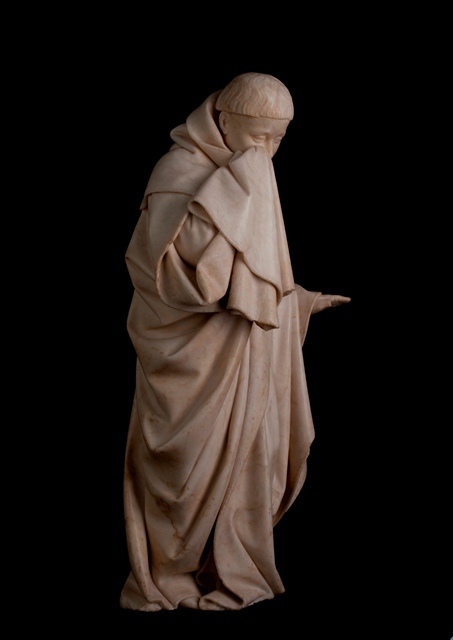
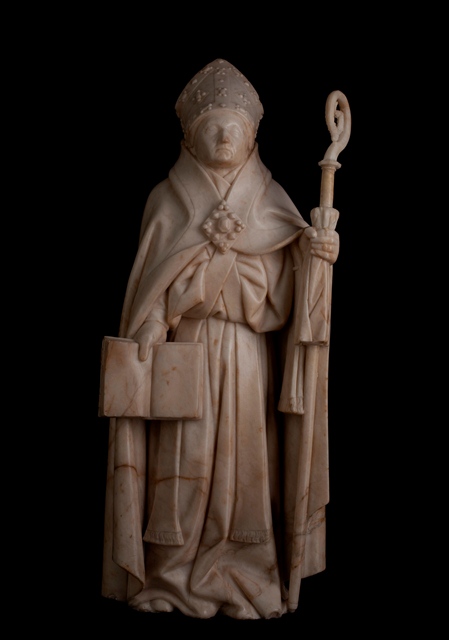
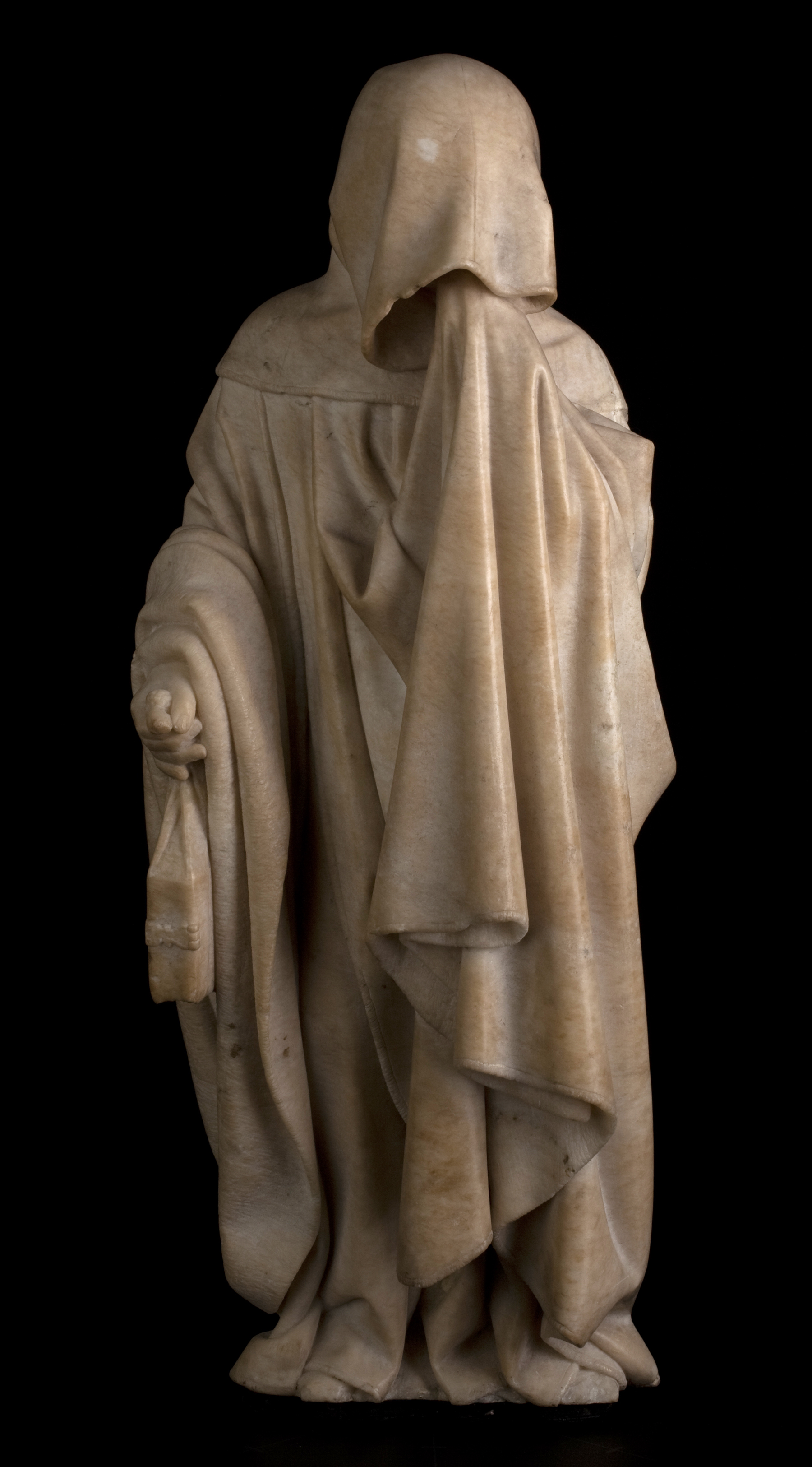
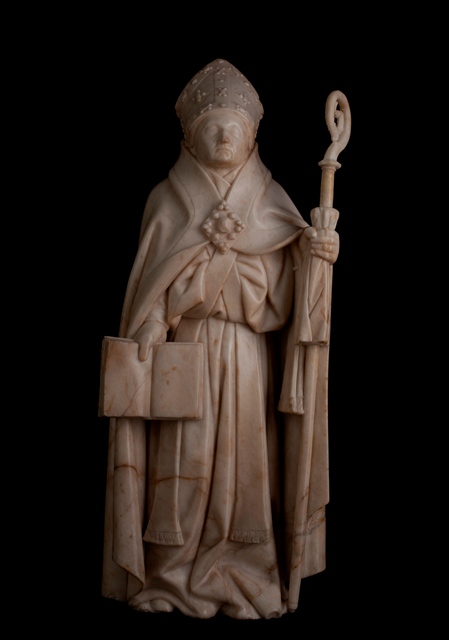
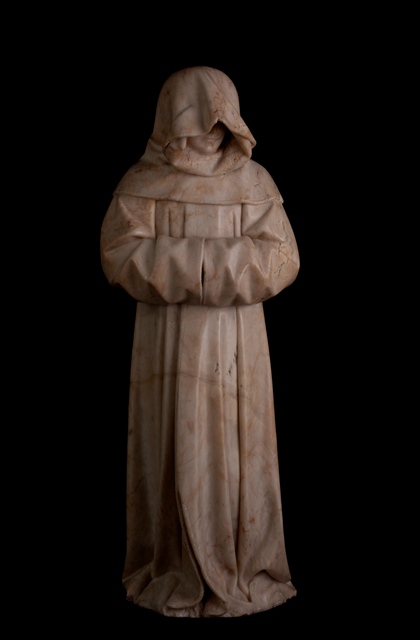
The exhibition The Mourners: Tomb Sculptures from the Court of Burgundy opened at the Dallas Museum of Art this past Saturday, October 2.  Forty small, exquisitely carved alabaster figures fill a deep blue gallery where we have the opportunity to look closely, examining every detail in their hands, faces, and drapery.  The figures represent a traditional funeral procession in the Middle Ages.  Included among the procession are choir boys, a Bishop, deacons, Carthusian monks, and lay people.  In this case, the figures mourn for John the Fearless, the second Duke of Burgundy, and are part of John’s elaborate tomb.

During the early 15th century, John was a powerful figure in the Burgundy Court, which was established in Dijon, France by John’s father, Philip the Bold.  He profited from his father’s strategic political moves, expanded territory, and wealth.  Both Philip and John worked with many artists and commissioned works to decorate their homes as well as the Charterhouse of Champmol, a monastery that Philip initiated in 1383.  The Dukes were both entombed in the Charterhouse originally.  Eventually the tombs were moved to a main hall in the duke’s former palace, which had become part of the Musee des Beaux-Arts in Dijon.

The Mourners will be on view at the Dallas Museum of Art through January 2, 2011 and a great number of programs and resources accompany the exhibition.  Teaching resources created by the Minneapolis Institute of the Arts, the next venue for the exhibition, present more information about the history of the Dukes of Burgundy and the creation of their tombs.  Grab your 3-D glasses and view the mourners in the round with 21st century technology, or see an interactive presentation about John the Fearless’ tomb.  In early November, Dr. Sherry Lindquist will give a lecture on the sculptural innovation of these medieval sculptures.  Students and teachers are invited to celebrate the art of France throughout the Dallas Museum of Art this fall and winter.  View The Mourners, the Wendy and Emery Reves Collection, and works of art in the second floor European galleries during your Museum visit and participate in the French Art Teacher Workshop on November 13.

Nicole Stutzman
Director of Teaching Programs and Partnerships

Encountering Space in the New C3

Amy Copeland is the Coordinator of the Museum’s Go van Gogh outreach program to local elementary schools and a frequent blogger on the DMA Educator Blog. She has graciously agreed to share some of her experiences with the new exhibition in our Center for Creative Connections, aka C3. Last Saturday, more than 3,000 visitors helped us celebrate the opening of Encountering Space in the completely reconfigured C3 on National Museum Day. Stop by during Art in October, a monthlong celebration of the Dallas Arts District, for a chance to experience Encountering Space for yourself.

And now, here’s Amy . . .

One of my favorite things to do is poke around the Museum when exhibitions are being installed. I like seeing the bare walls pre-installation, and then watching as they get painted, and the vitrines begin to appear in the galleries, and objects are brought into the space, bringing it to life. I usually only catch glimpses of this process, but I’ve had a fun last few weeks walking through the Center for Creative Connections every day during the construction of the new Encountering Space exhibition. (My office is at the back of the space–lucky me!)

Below are pictures from the installation and a few from the opening day celebration last Saturday. They show just a fraction of this incredibly dynamic space, so I hope you’ll come explore it for yourself.

[slideshow]

Amy Copeland is the Coordinator of the Dallas Museum Art’s Go van Gogh outreach program

Community Connection: Nasher Sculpture Center

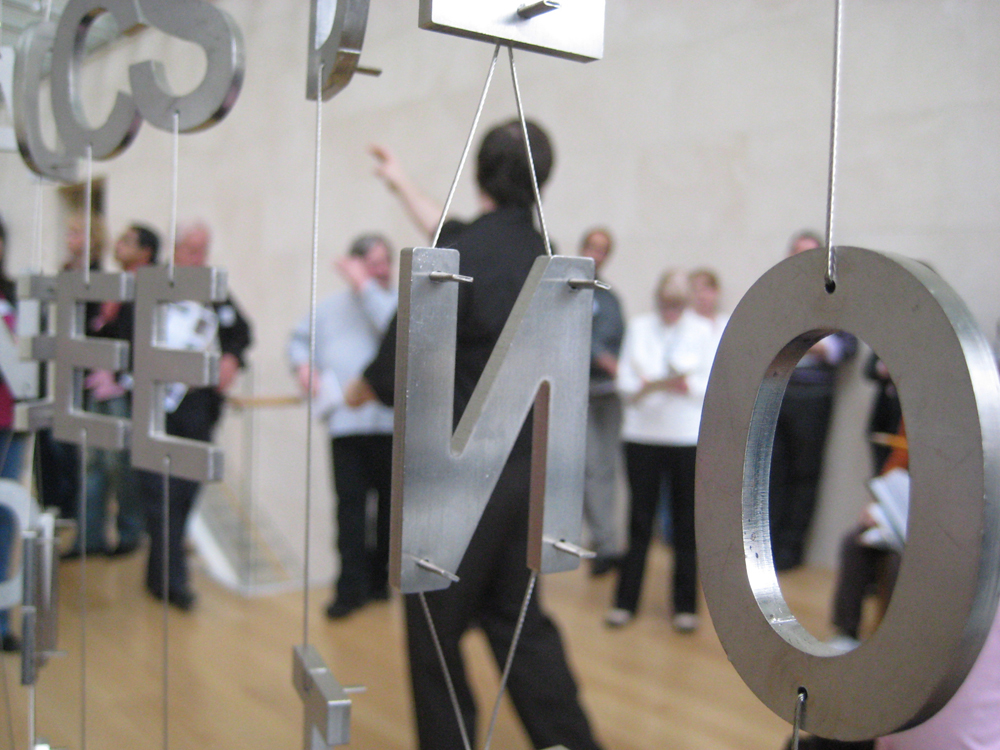
This past weekend marked the kick-off of Art in October, a celebration of the Dallas Arts District that features a variety of performances, exhibitions, programs, and events throughout the month.  In honor of this celebration, I walked across the street to the Nasher Sculpture Center for a coffee break with Stephen Ross.  Stephen began working in Admissions at the Nasher months after it opened in 2003.  Since then, he has held the title of Education Coordinator, Assistant Curator of Education, and for the last two years, Curator of Education.  See if you can find Stephen in this picture (hint: you can often identify a museum educator by his/her all-black outfit).

Stephen Ross seen through Jaume Plensa’s Twenty-nine Palms, 2007

What sparked your interest in museum education?
I think you have two choices coming out of graduate school – stay in school and become a curator (even though you don’t know what that is) or get a job at a museum.  I like museum education because I get to work with the public.

What has been the most enjoyable, challenging, or surprising aspect of your work with the Nasher?

I really like our Education Department.  It is limited because of our small staff, which is a total of three people.  I work with two really good people, and together we reach a wide spectrum from young children to adults.  We do a lot – we reach different audiences with different types of learning – so we all get to do a variety of things.

If you could take home any work of art from the Nasher, what would you choose?

I would take home Alberto Giacometti’s Two Figurines (Deux figurines sur socles) because they’re wonderful and tiny.  I love their size and portability – each figurine is less than two inches tall.  Giacometti would carry them around in matchboxes and put up small “exhibitions” on café tables.  They are the smallest pieces in the Nasher collection.

Tell us about your relationship with the DMA.

I work with the Museum Forum for Teachers, a five-day summer program for teachers that occurs at the Nasher, the DMA, The Rachofsky House, the Kimbell Art Museum and the Modern Art Museum of Fort Worth.  We also collaborate on the docent program, which is a big help.  A small museum like ours could never have its own docent program, and we are thankful that DMA docents also lead tours at the Nasher. 

I love the sense of collaboration, in general.  I feel I can pick up the phone and call anyone in the DMA Education department to talk about program ideas, ask questions, etc.

Describe your idea of a perfect day.

Reading Beckett.  Listening to the Rudy Van Gelder sound.

Check out the Nasher and other Arts District venues during Art in October.

Melissa Nelson
Manager of Teaching in the Community

Friday Photo Post: Walk a Mile in Someone Else's Shoes

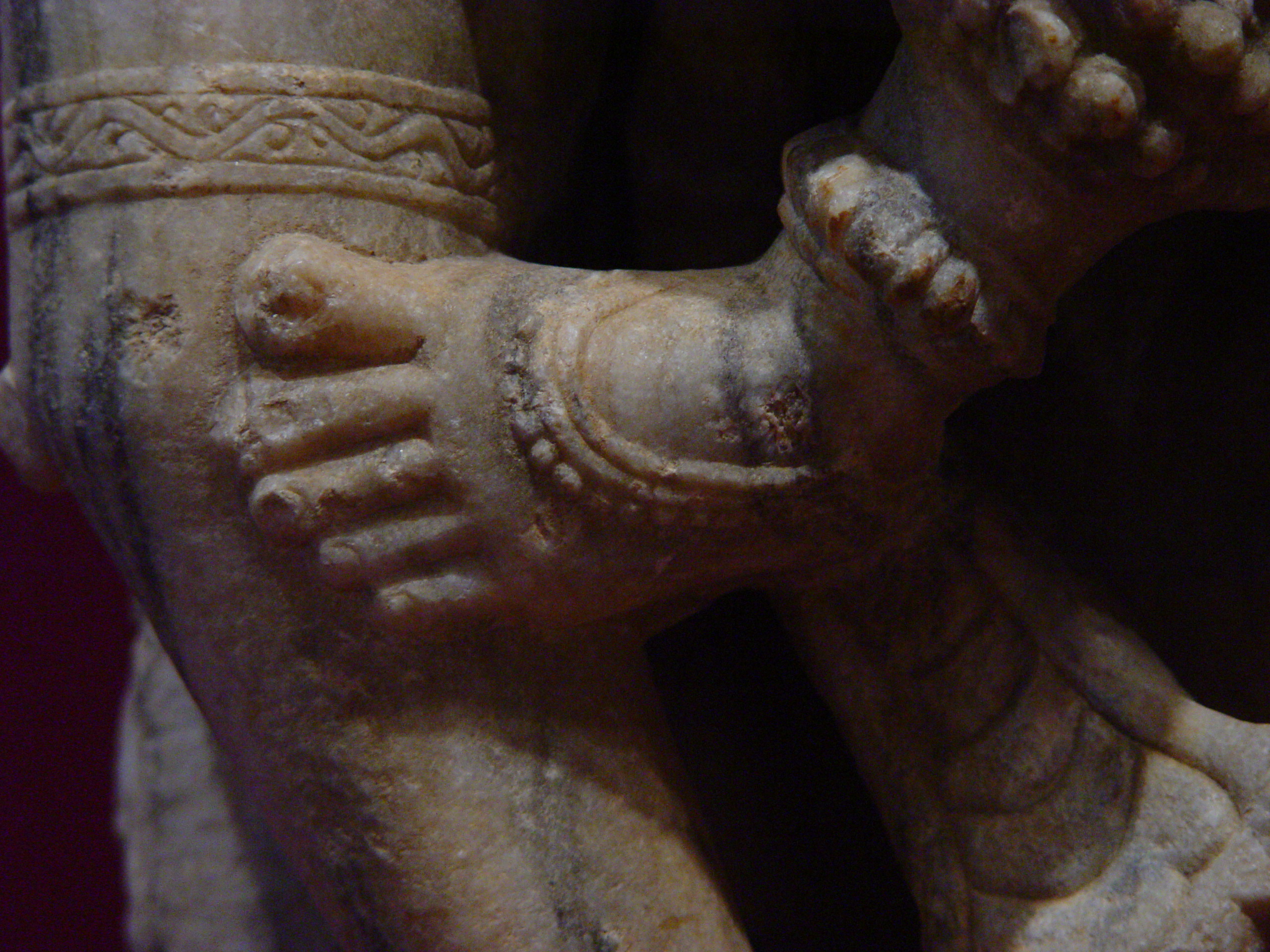
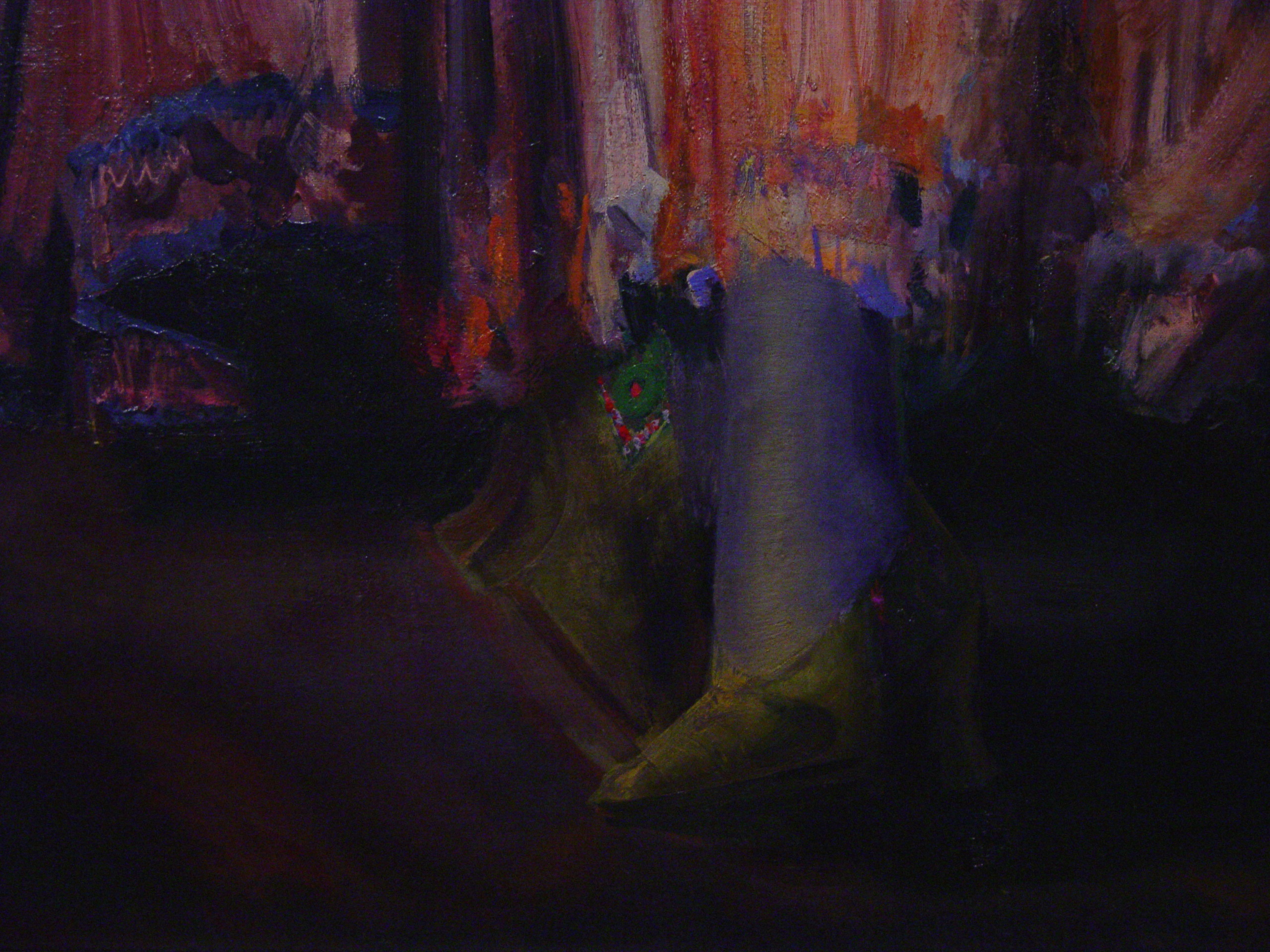
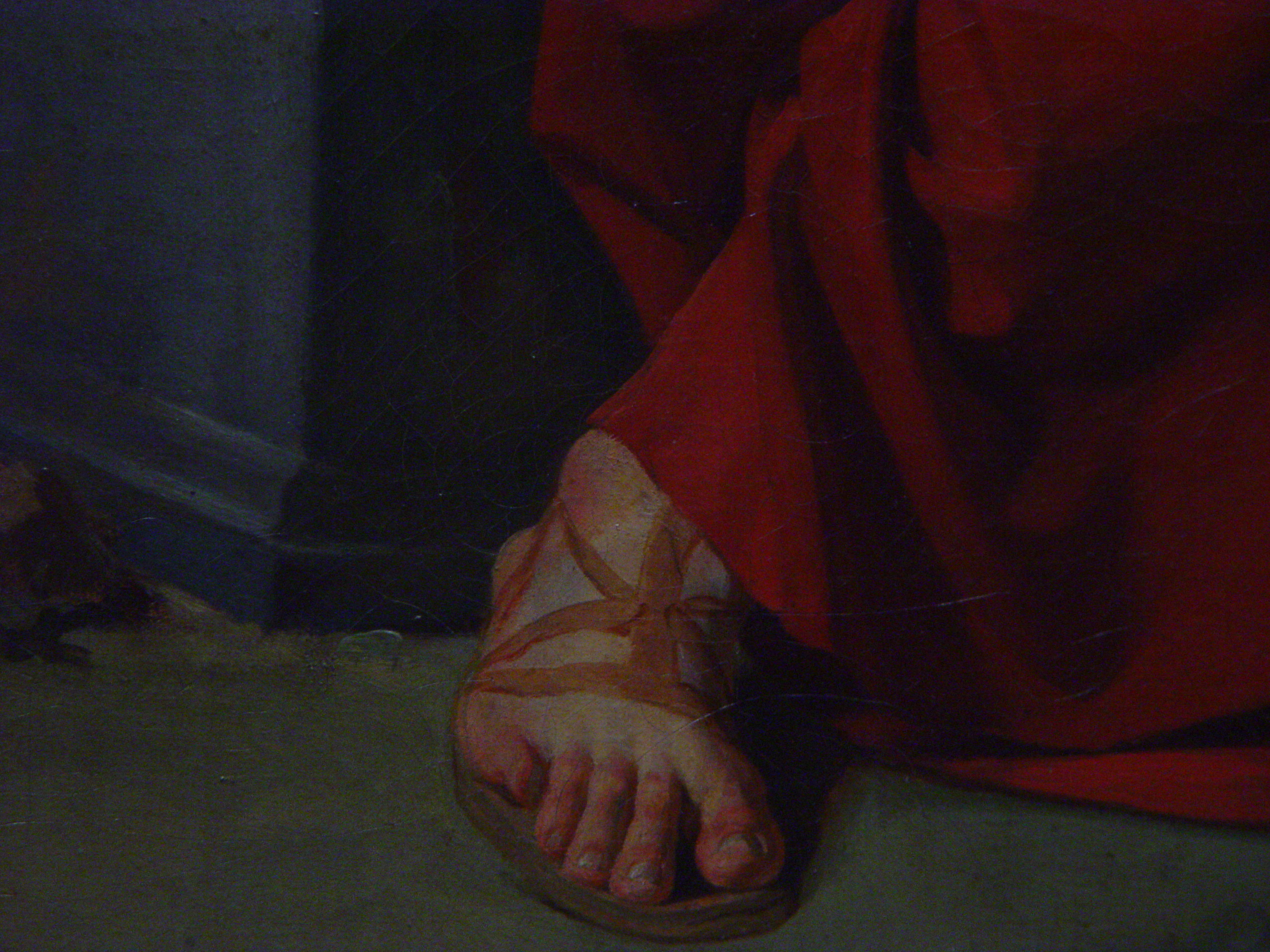
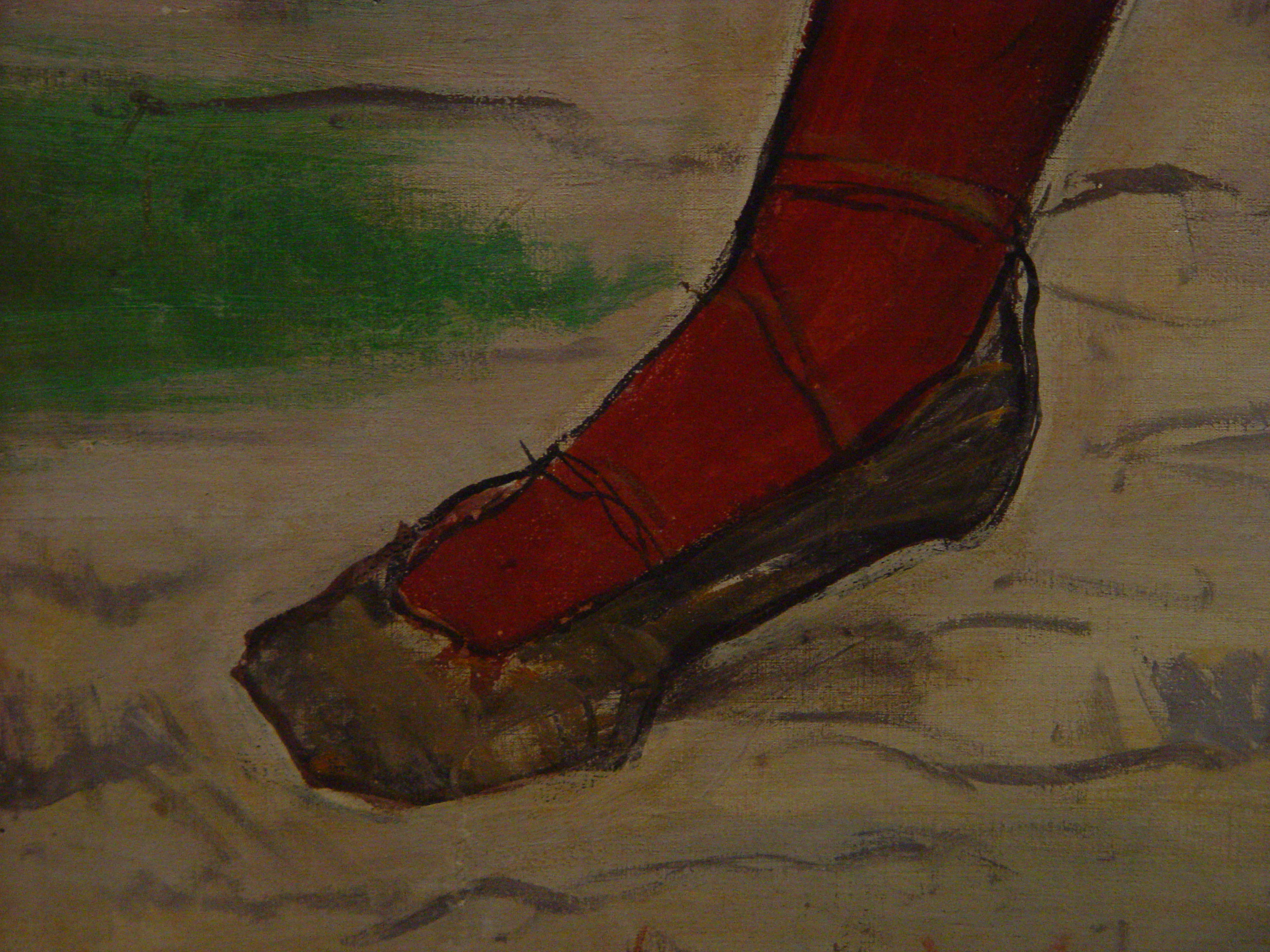
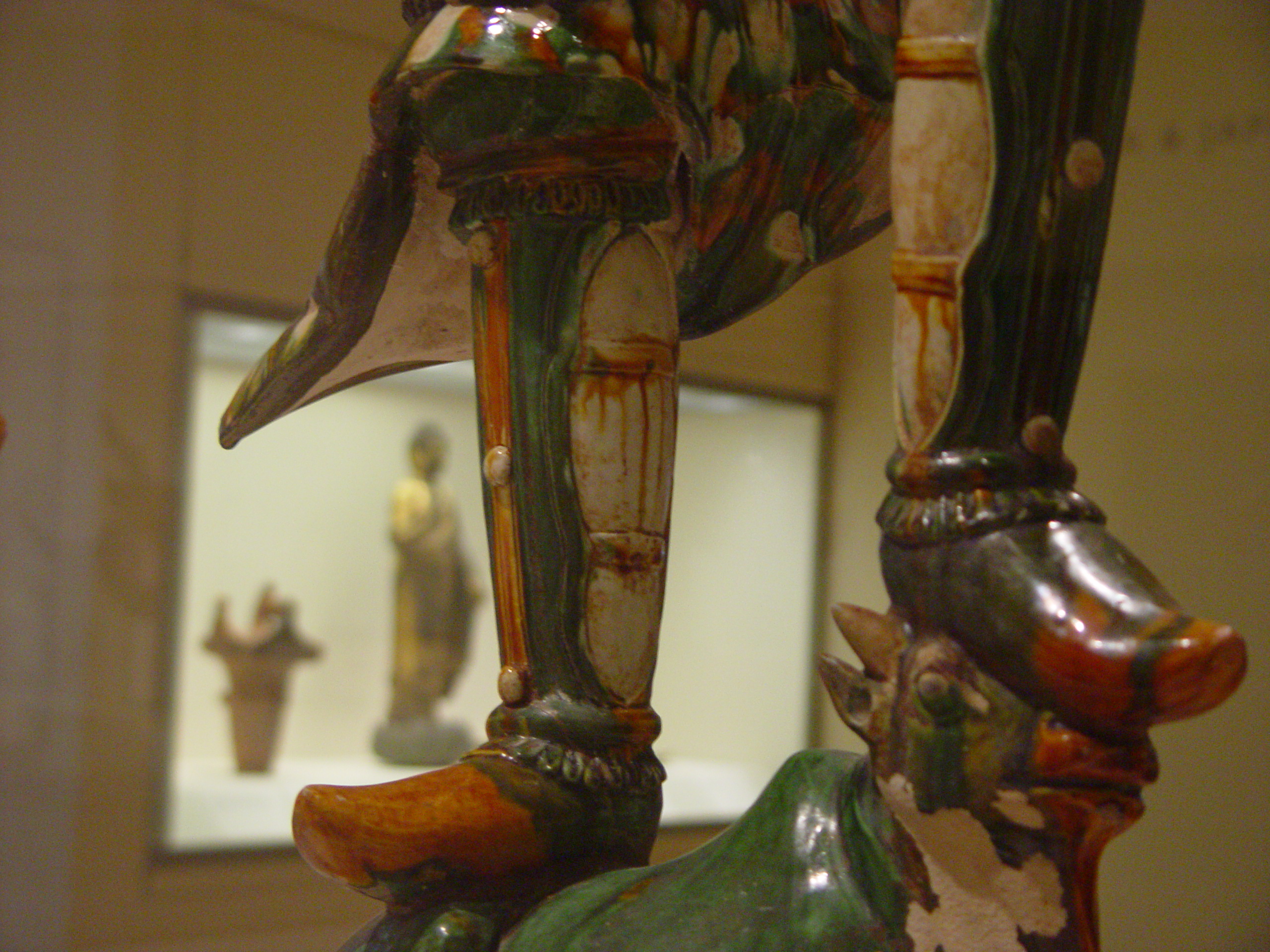
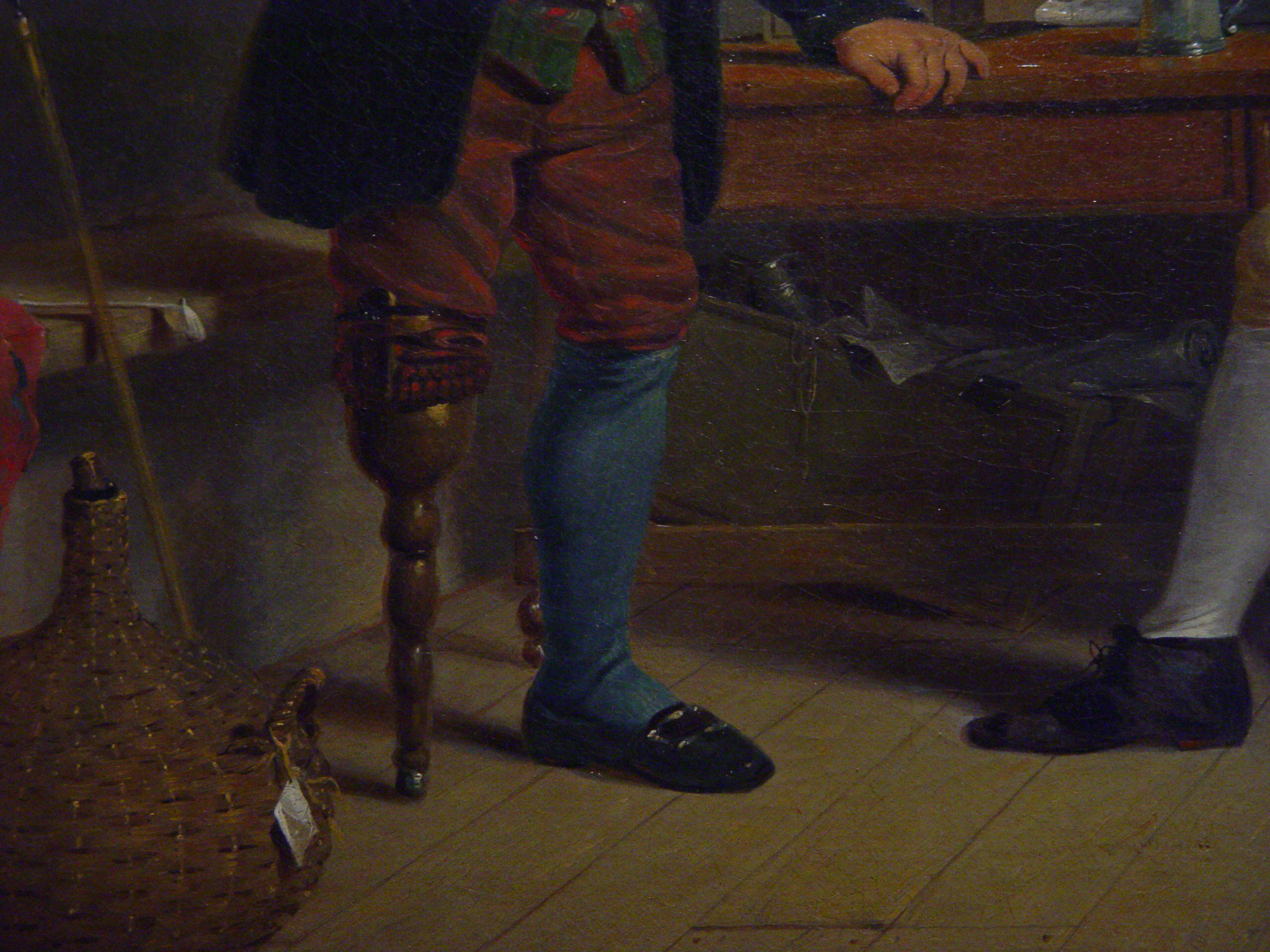
This morning, I was thinking about the physical action of walking – putting one foot in front of the other and repeating the process until you arrive at your destination.   As I walked around in the galleries, I couldn’t help but think about “walking a mile in someone else’s shoes.”  Here are some shoes/footwear that I found interesting.   Can you figure out the works of art by looking at the feet below?


Until next time….


Jenny Marvel
Manager of Programs and Resources for Teachers

Community Connection: We Heart Volunteers

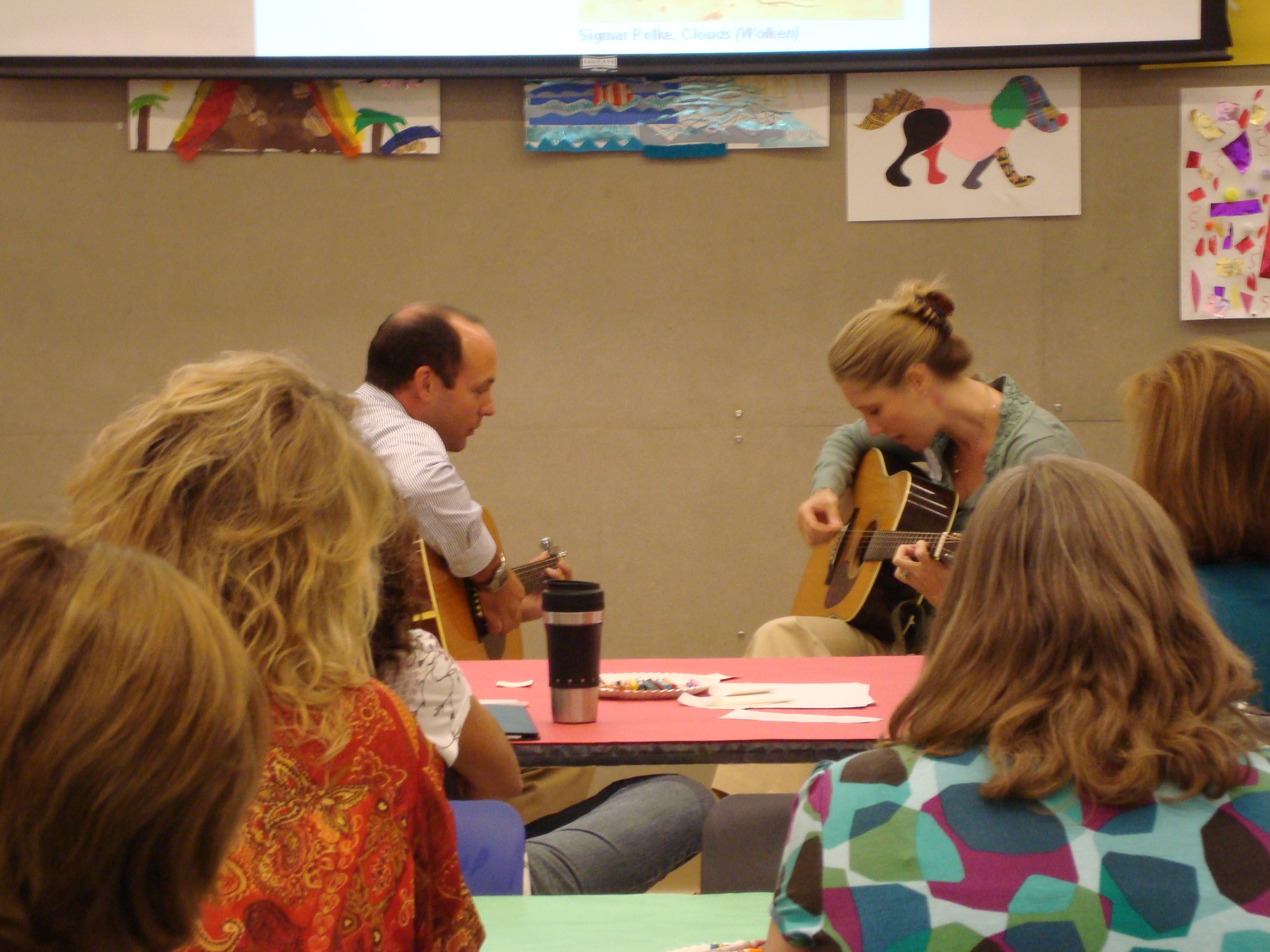
Meet Deborah Harvey, who is starting her fourth year as a Go van Gogh volunteer.  We can always count on Deborah for her positive and fun attitude and for her willingness to try new things.  For example,  Deborah bravely volunteered for an unknown task during a volunteer training focused on the different ways that people learn.  Little did she know that our guest speaker was a musician, and as part of his demonstration, he taught Deborah to play a song on the guitar in a mere thirty minutes.  You can see a picture of Deborah performing below.

Deborah plays a newly-learned song at volunteer training.

Tell us a little about yourself. 

I’m a former teacher.  Most of my teaching experience is with younger elementary students.  I’m also married and have a sixteen year-old son and a twelve year-old daughter.

What motivated you to join the Go van Gogh volunteer program?

I wanted to stay in the realm of teaching once I retired.  I like the opportunity to have a whole classroom experience as opposed to one-on-one interactions with students. The subject matter among all the Go van Gogh programs is varied, which keeps things interesting for me.

Share a memorable experience from your time as a volunteer.

Just today, I visited a fourth grade classroom at J. Erik Jonsson Community School with a program about Texas art.  The children shared a lot about their vacation experiences and things that felt like Texas to them.  I really enjoyed the wide variety of responses.  One student talked about going to the beach, and another student’s family owns a ranch with longhorn cattle.

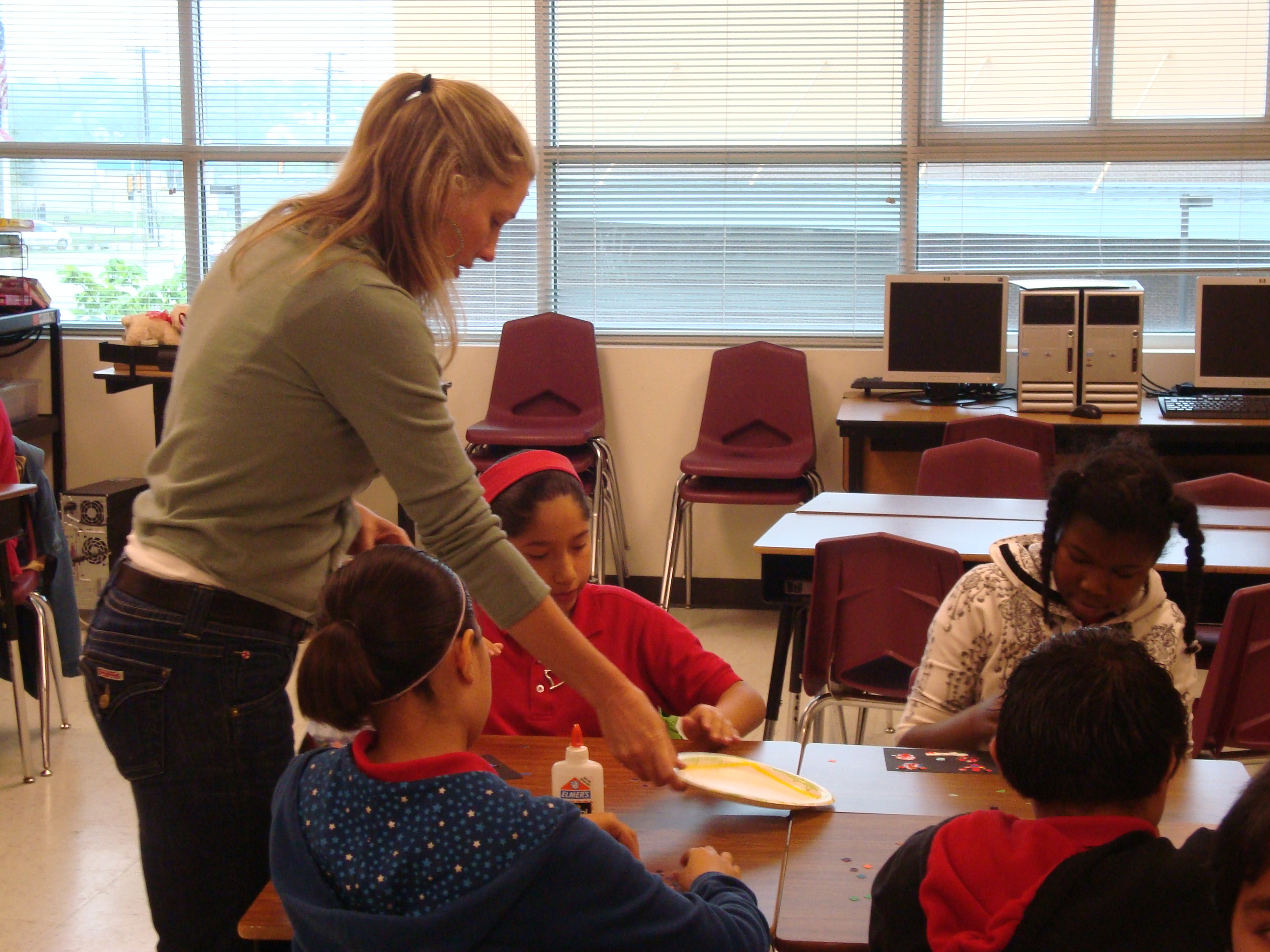
Deborah visits a fifth grade classroom at Felix Botello Elementary.

Has anything surprised you about teaching with works of art, visiting classrooms, or student responses to the programs?

At times, I’m surprised that the older children are still very engaged.  Sometimes it can be hard to find a common ground or things that interest them.  The programs are so age-appropriate that the kids get really engaged.

Outside of volunteering with Go van Gogh, how do you spend your time?

I volunteer as a board member at both of my kids’ schools, and I volunteer with Meals on Wheels.  I also like to travel; I’m going to San Francisco tomorrow for my husband’s birthday, and our family is taking a trip to Vail for Christmas.

Thanks to volunteers like Deborah, 430 classrooms throughout Dallas – approximately 8,800 students – experienced Go van Gogh programs during the 2009-2010 school year.  Request a program now for the 2010-2011 school year!

Melissa Nelson
Manager of Teaching in the Community

Finger Painting

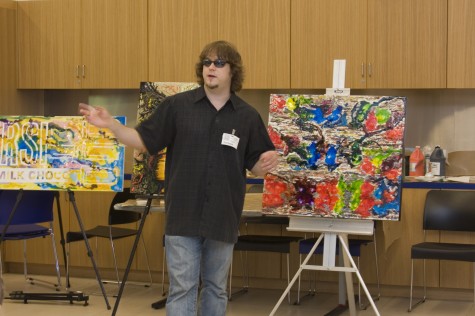
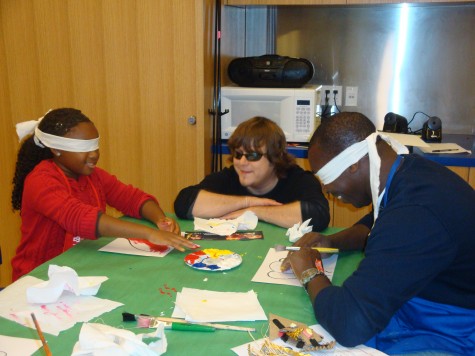
Imagine visiting the Dallas Museum of Art to see your favorite painting by Claude Monet or Jackson Pollock. Now imagine how you might experience those works without your vision. How would you “see” them? That’s exactly what I did at a workshop with artist John Bramblitt, and this is what visitors to the Museum’s Center for Creative Connections will have a chance to experience in October when John rejoins us as the Artist of the Month.

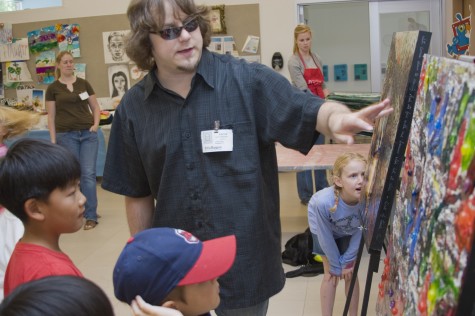
John as our guest artist during a summer camp this year.

October is Art Beyond Sight Awareness Month, organized by Art Education for the Blind to make art and culture a part of life for adults and children affected by sight loss. At the DMA, we’re planning some cool programs for kids and adults with vision impairment, but we’ll also repeat a family workshop that I took with John that shows how we can make art using our other senses.

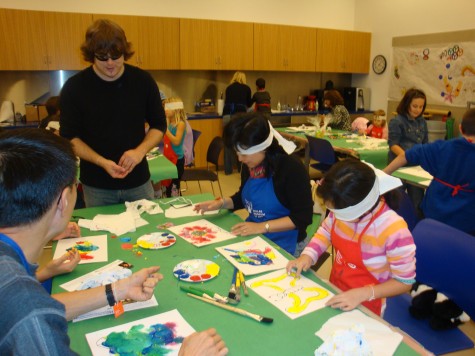
John leading a family workshop last October.

Always passionate about art, John didn’t begin to paint until he lost his sight almost ten years ago while in his late 20s. His work is intensely personal, taken from real people and events in his life. And his art-making workshops are unique, spanning the gap between beginning and professional artists, and including adaptive techniques for people with disabilities.

DMA campers learning more about John's method for sightless painting.

He’s developed a method of sightless painting that centers on the textures of paint in order to distinguish the color of it. When I worked with him, we mixed flour into the red paint, birdseed into the yellow, and sand into the white, and added nothing to the blue. We put on a blindfold and were asked to imagine what we would be painting, to “see” it first in our mind’s eye. Then, touching the colors and using our fingers, we painted.

The texture of the paint lets the families know what color they are using.

This workshop, and many more exciting hands-on activities with John, will be held at the Museum during October. For more information, visit http://www.dm-art.org/Family/AccessPrograms/index.htm . To learn more about John Bramblitt, visit www.bramblitt.net.

Amanda Blake is Manager of Family Experiences and Access Programs at the Dallas Museum of Art

French Art – Vive la France!

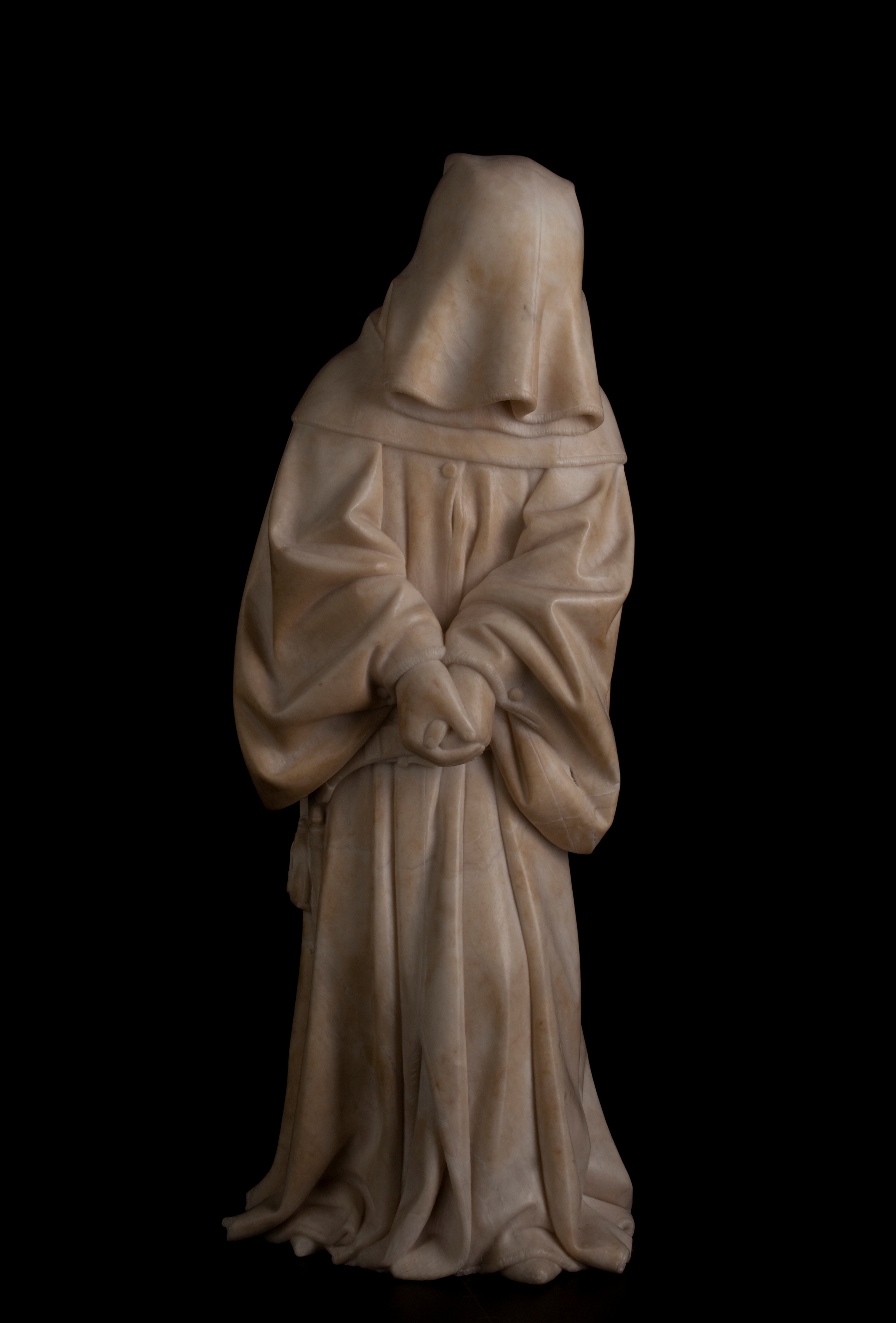
Mourning Figure

This fall has many exciting educational opportunities. French Art tours will be offered in conjunction with the upcoming exhibition The Mourners: Medieval Tomb Sculptures from the Court of Burgundy. These tours focus on the Mourners exhibition as well as French art in the Museum’s collections. Tours will also tie into the Wendy and Emery Reves Collection, which celebrates its 25th anniversary this year. French art tours begin October 12, 2010.

In addition to this, the Richard R. Brettell Series will highlight French art with a lecture on Thursday, October 28 titled Rodin, His Collectors, and the Gates of Hell. For more information on this program, please visit the Museum web site.

Finally, the European galleries have new and favorite works of art that grace the wall. This reinstallation showcases seventeenth- and eighteenth-century works of art. Don’t miss a chance to see the works of art and see the new galleries at the Museum!

Amy Wolf
Coordinator of Gallery Teaching

Sculpture and the State Fair

Today is the day we’ve been waiting for–it’s opening day for Dallas’s annual State Fair of Texas! Every year millions of people visit Fair Park, the home of the State Fair, for culinary adventures, rides, expositions, and other events. But what many visitors don’t know is that the fairgrounds also boast a number of sculptures and adorned structures created by 20th-century Texas artists who are represented in the DMA’s collections.

Several of the artists featured in our current show Texas Sculpture were commissioned to create sculpture for the fairgrounds in the early 20th century. In 1936 the Dallas Museum of Fine Arts in Fair Park (a predecessor of the DMA) prepared a landmark exhibition of works by nationally and internationally recognized sculptors for the Texas centennial celebration. That exhibition, as well as the one currently on view at the DMA, included works by Michael G. Owen, Allie V. Tennant, Dorothy Austin, and Evaline Sellors, among others.

If you’re a fan of the State Fair, many of you have seen this:

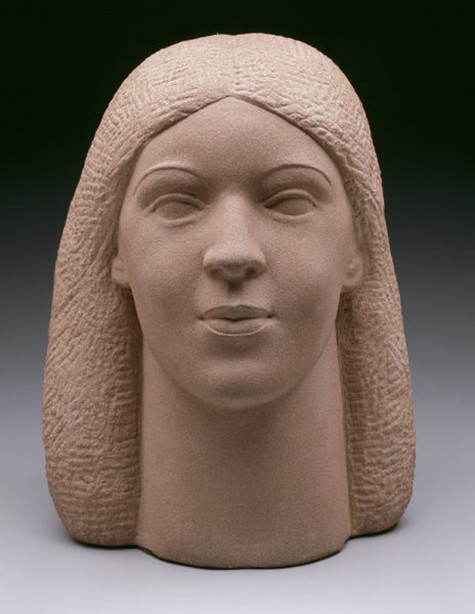
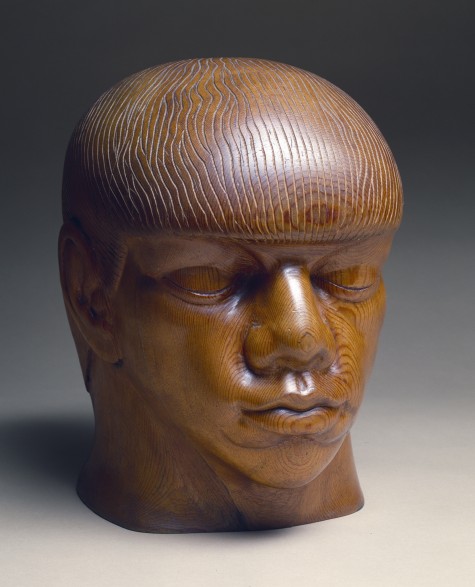
It’s by Allie V. Tennant (1898-1971), who was commissioned by the Centennial Committee to create the gold-leaf on bronze Tejas Warrior (1936) at the Hall of State in Fair Park. On view in our Texas Sculpture exhibition are two other works by Tennant, Woman’s Head and Negro Head. In 1940 she created the reliefs Cattle, Oil, and Wheat for the Aquarium at Fair Park under the Federal Works Agency.

Allie V. Tennant, "Woman's Head," n.d., red sandstone, Dallas Museum of Art, gift of Dr. and Mrs. Robert W. Webb

Dorothy Austin, "Noggin," c. 1933, white pine, Dallas Museum of Art, gift of an anonymous friend

Dorothy Austin, "Noggin," c. 1933, white pine, Dallas Museum of Art, gift of an anonymous friend

Who says fried Frito pie and art don’t go together?

Encountering Space

One of my favorite things to do is poke around the Museum when exhibitions are being installed.  I like seeing the bare walls pre-installation, and then watching as they get painted, the vitrines begin to appear in the galleries, and objects are brought into the space, bringing it to life.  Usually I only catch glimpses of this process, but I’ve had a fun last few weeks walking through the Center for Creative Connections every day during the construction of the new Encountering Space exhibition.  (My office is at the back of the space–lucky me!). 

Below are pictures from the installation.  They show just a fraction of this incredibly dynamic space, so I hope you’ll come explore it for yourself. 

Opening Day for Encountering Space is tomorrow.  It will be a perfect day to stop by the Museum; performances, art activities, and artist workshops are scheduled throughout the day, and best of all, the Museum will be free.

Amy Copeland
Coordinator of Go van Gogh Outreach 
[slideshow]


Archives

Categories