Archive Page 173

Insourced: Works by Dallas Museum of Art Staff

Every two years, DMA staff are invited to showcase their artistic talents.  Below are some things that make Insourced: Works by Dallas Museum of Art Staff a unique exhibition:
  • It features sixty-eight works of art submitted by forty-three DMA employees.
  • Submissions came from a variety of departments, which include Accounting, Collections Management, Curatorial, Development and Membership, Education, Exhibitions, Information Technology, Libraries and Imaging Services, Marketing,  and Security and Operations.
  • Artwork labels include a photograph of the artist, his/her position title at the DMA, and the number of years he/she has worked here.
  • The exhibition lets us see a new and, at times, previously unknown side of our colleagues.

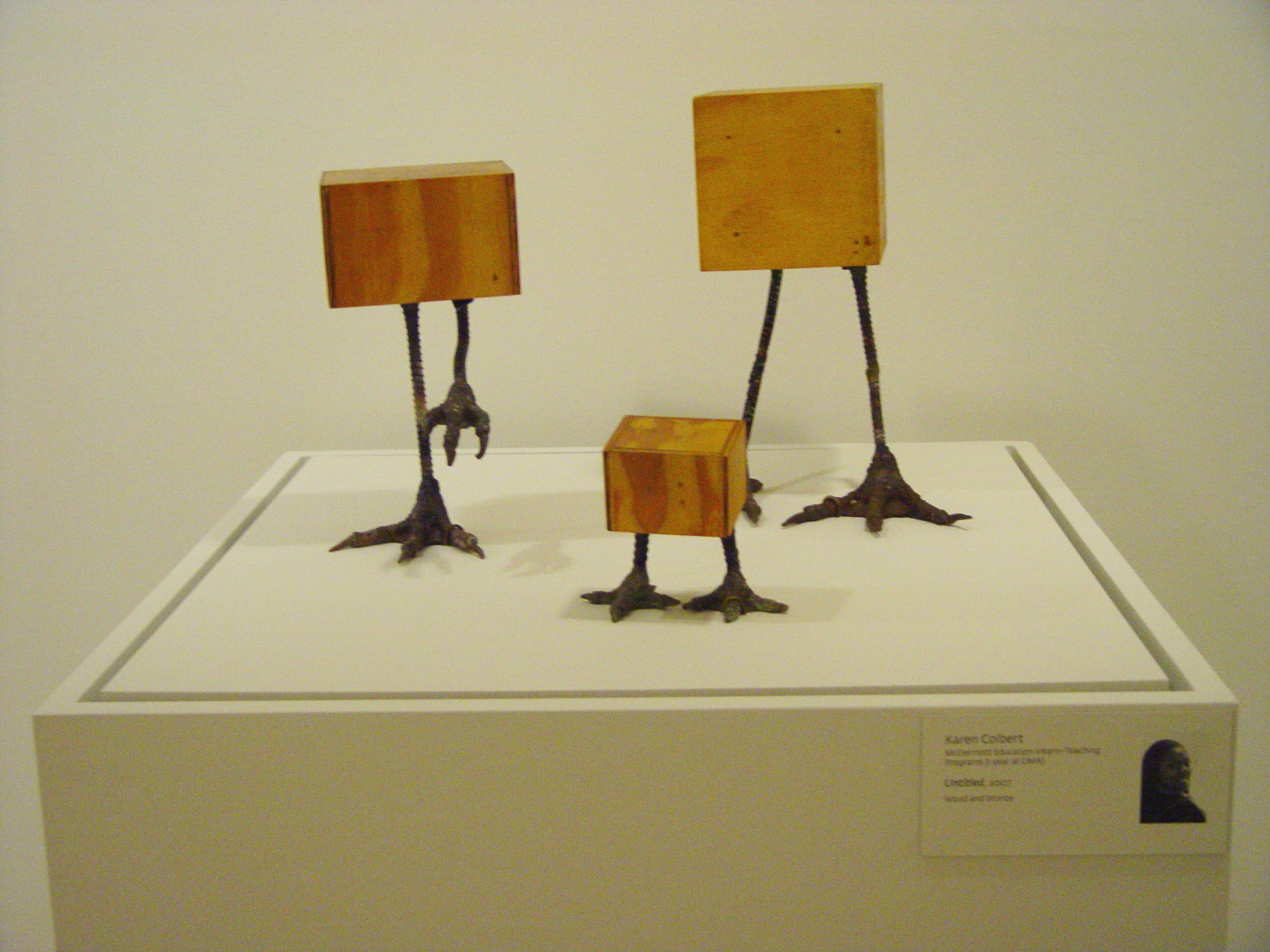
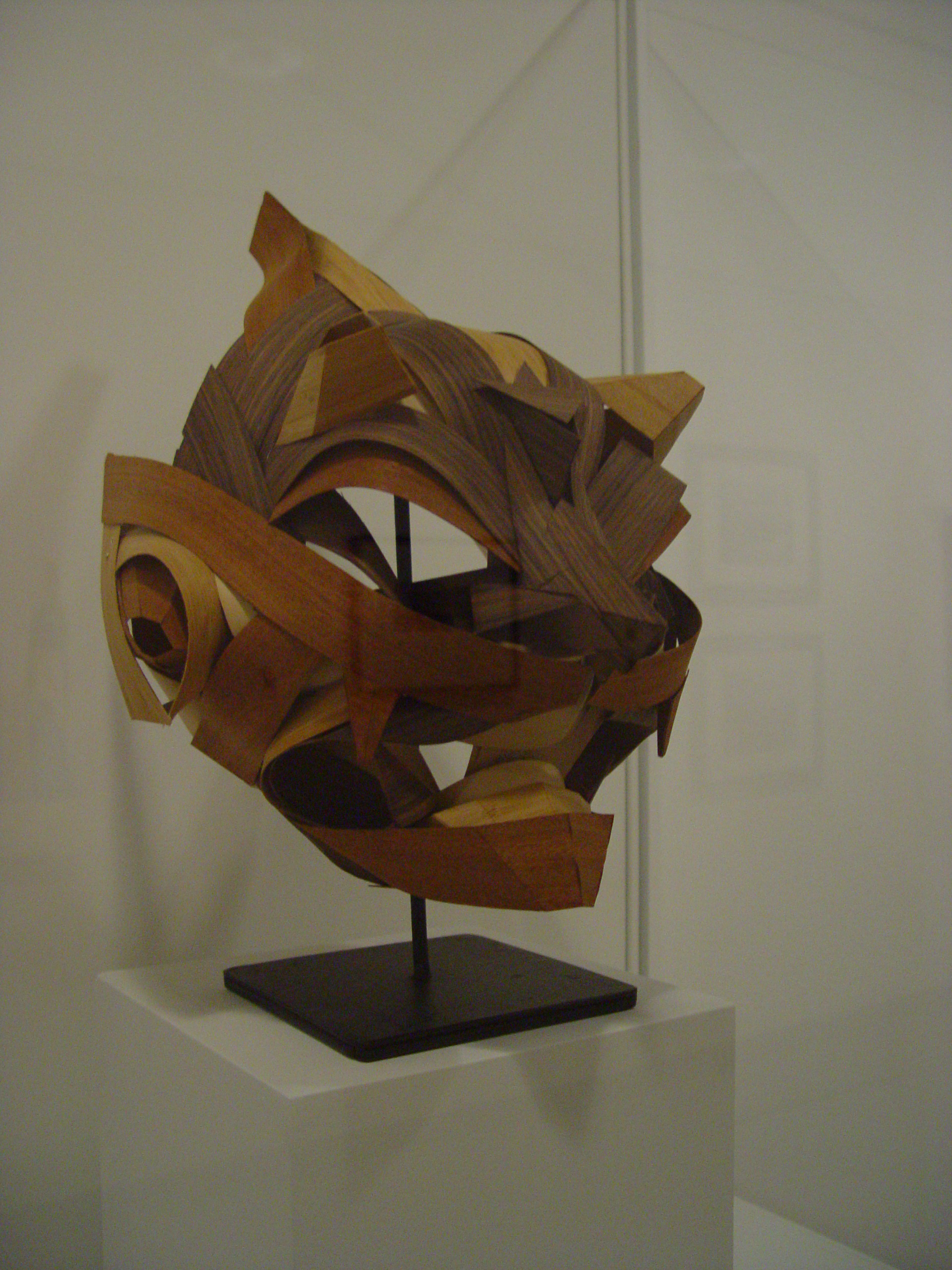
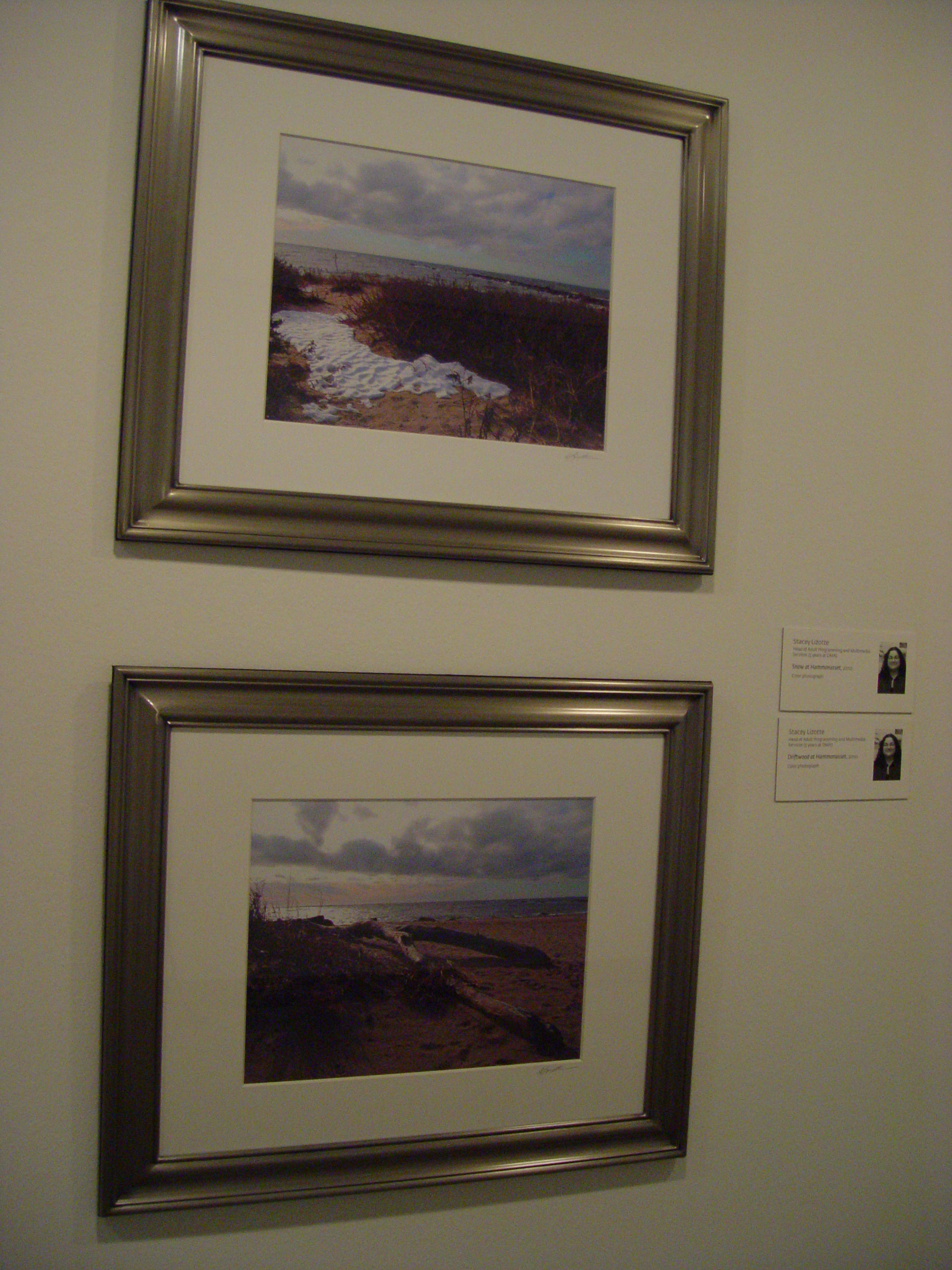
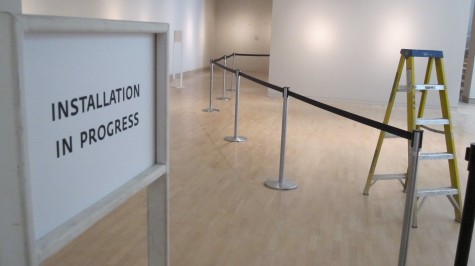
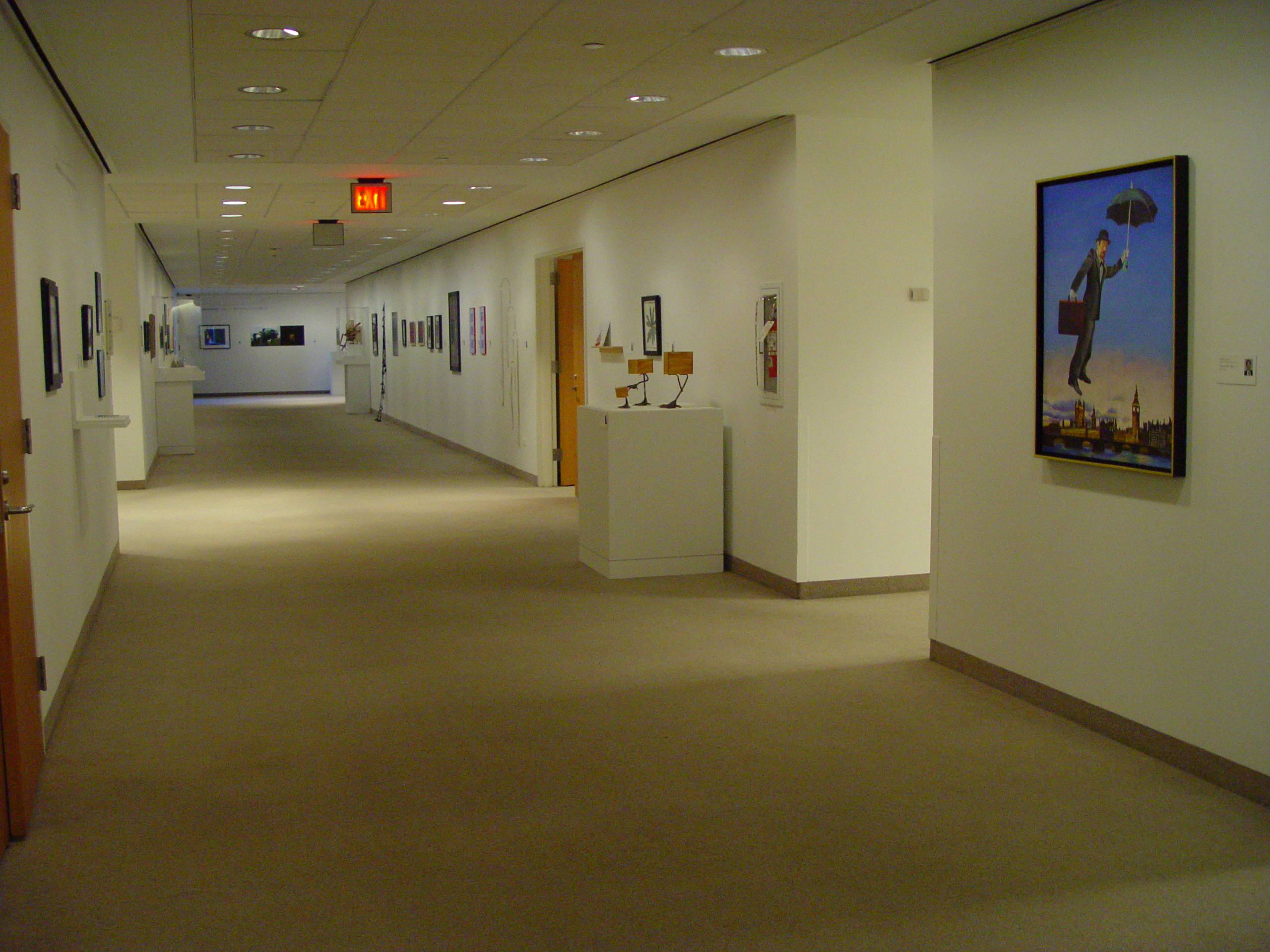
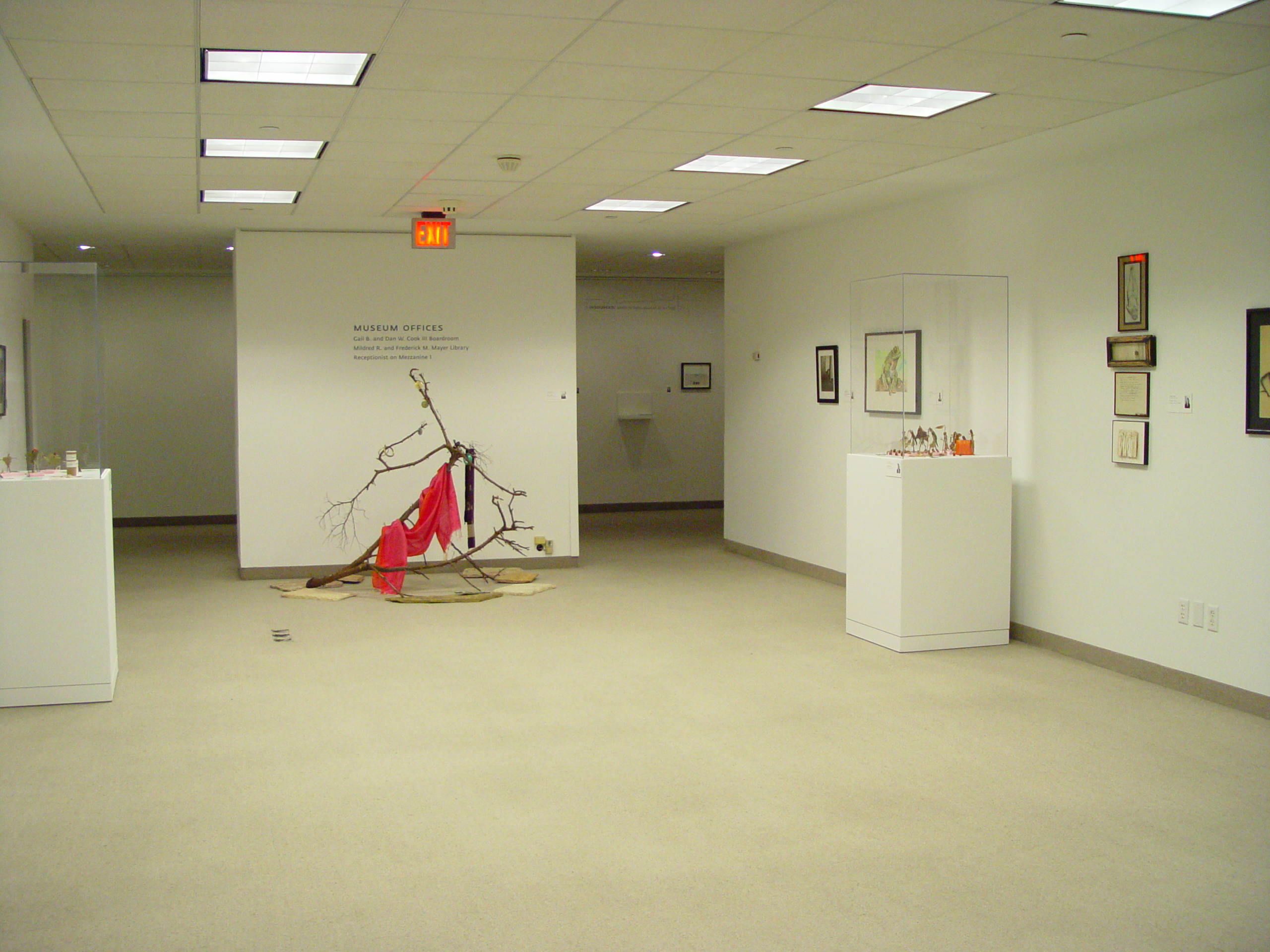
Below are images of the overall exhibition and a few artworks by DMA educators.  View Insourced: Works by Dallas Museum of Art staff on Mezzanine 2 next to the Mildred R. and Frederick M. Mayer Library through March 13, 2011.

Melissa Nelson
Manager of Teaching in the Community

One of two submissions by Teaching Programs McDermott Intern, Karen Colbert.

Untitled/Bring Back My Saturday Morning by J.C. Bigornia, Coordinator of Family Experiences

Snow at Hammonasset and Drfitwood at Hammonasset by Stacey Lizotte, Head of Adult Programming and Multimedia Services

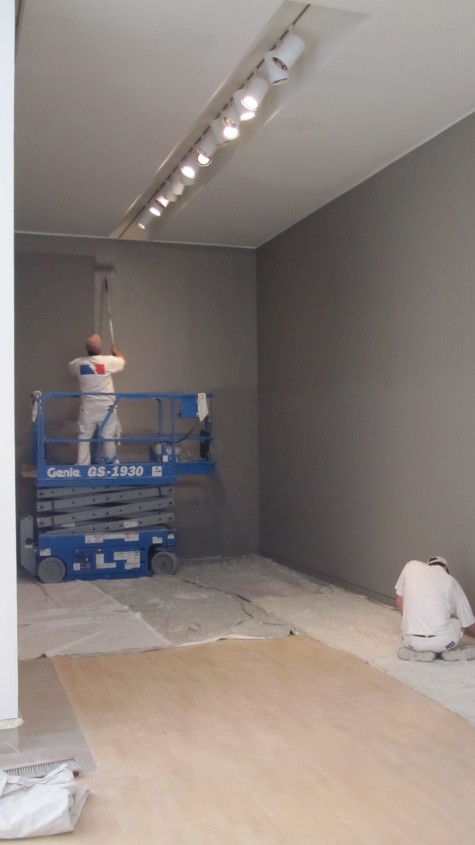
Re-imagining and Re-installing


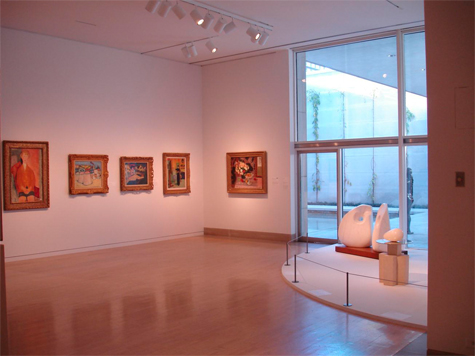
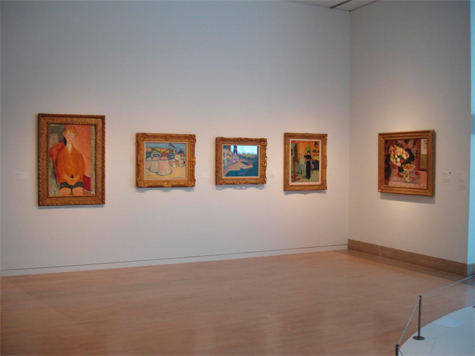
The DMA exhibitions department spends much of its time planning, organizing, and fine-tuning any given exhibition. And ironically, the installation process marks the beginning of the end of our efforts. On the Museum’s second floor, our department is now working to complete the massive reinstallation of the  European galleries, which host some of the most well known and celebrated works of art in the DMA’s collections. Alongside curators Olivier Meslay and Heather MacDonald,  the exhibition designer, preparators, registrars, and carpenters have come together to re-introduce this selection of masterpieces to DMA visitors.


During “install,” the exhibitions department ensures that the careful removal of objects, new construction (such as platforms, walls, and pedestals), and re-installation of the artwork all run according to plan. Close attention to the condition of the galleries and the creation of hospitable environments for the works — and visitors — come into play.


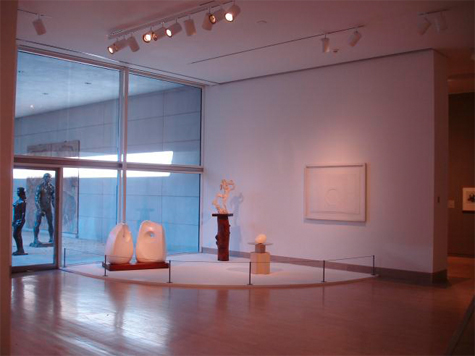
For example, the sculptural grouping found off the Level 2 courtyard requires proper window tinting before the works can reach their “final destination.” Anyone will agree that this precaution was worth the wait when caught between Brancusi or Hepworth’s monochromatic contours and Matisse or Kandisnsky’s vibrant polychrome canvases. When filtered properly, the same light that can damage art now works in tandem with it, persuading us to step back and experience the “dance” between these gleaming three-dimensional whites and the vivid impressionist brushwork.


We hope you’ll come see for yourself on your next visit to the DMA.
Aja Martin is the Exhibitions Administrative Assistant at the Dallas Museum of Art.


Connecting with the DMA in January 2011

With the fall semester winding down in the next few weeks, I would like to suggest a few ways you can connect with the Dallas Museum of Art in the new year.

Thursday, January 13, 2011
7:30 p.m., Horchow Auditorium
State of the Arts: Celebrating Big New Field: Artists in the Cowboys Stadium Art Program


Tuesday, January 18, 2011
7:30 p.m., Horchow Auditorium
Arts & Letters Live:  Kim Edwards
 

Friday, January 21, 2011
Late Night at the Dallas Museum of Art
Show your Educator ID to receive FREE Museum admission
   

Thursday, January 27, 2011
7:30 p.m., Horchow Auditorium
The Seventh Annual Michael L. Rosenberg Lecture: 
“Beguiling Deception”: Allegorical Portraiture in Early 18th-Century France 
 

Friday, January 28, 2011
7:30 p.m., Horchow Auditorium
Arts & Letters Live:    Annie Proulx


Saturday, January 29, 2011
9:00 a.m.–4:00 p.m. 
Teacher Workshop:  Animals from Africa at the Dallas Zoo and the Dallas Museum of Art

There is always something to do and see at the DMA or within the Arts District!    We  look forward to seeing you soon, whether you are visiting with your students or visiting with friends and family.

Until next time….

Jenny Marvel
Manager of Programs and Resources for Teachers

The Art (and Archaeology) of Good Cheer

Known as the “Indiana Jones of Ancient Ales, Wines, and Extreme Beverages,” Dr. Patrick McGovern is a world-renowned expert on the origins of ancient fermented drinks and a leader in the emerging field of biomolecular archaeology. On Thursday evening, he will present the history of wine in a lecture entitled Uncorking the Past, part of the Museum’s Boshell Family Lecture Series on Archaeology. Dr. McGovern tells us more about his unique archaeological research.
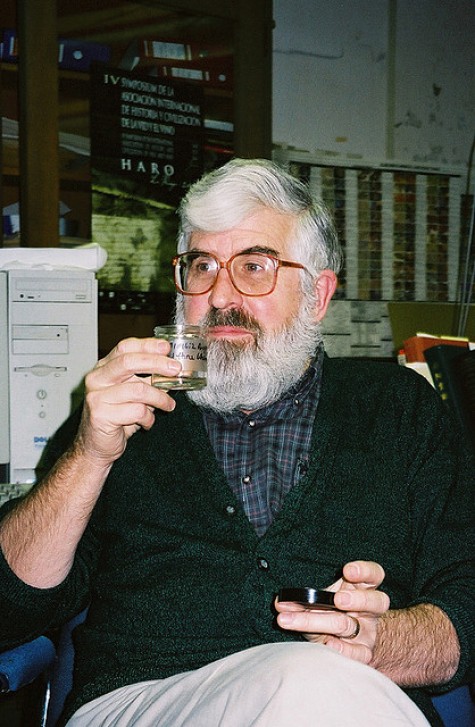
Dr. McGovern in his laboratory, examining a 3000-year-old millet wine, which was preserved inside a tightly lidded bronze vessel from a Chinese tomb. Photo: Penn Museum.

You oversee the Biomolecular Archaeology Laboratory for Cuisine, Fermented Beverages, and Health at the University of Pennsylvania’s Museum of Archaeology – a leader in this cutting-edge field. What type of research do you conduct at the lab?

The Biomolecular Archaeology Laboratory has been at the forefront of the revolution in uncovering the organic underpinnings of our species on this planet. We analyze ancient fermented beverages, foods, perfumes, dyes (such as Royal Purple), and other organics, which could only be imagined from ancient writings, using highly sensitive instruments in the laboratory (infrared spectrometry, gas and liquid chromatography, mass spectrometry, etc.). Molecular archaeology promises to open up whole new chapters relating to our human ancestry and genetic development, cuisine, medical practice, and other crafts over the past two million or more years.

Where do you find evidence of ancient food and drink, and what tools and technologies do you use to analyze that evidence?

Pottery, which is virtually indestructible and goes back to between 5000 and 13,000 B.C. in various parts of the world, absorbs ancient organics and is crucial to our research. By using organic solvents, we “tease out” the ancient organics, and then go to work with our battery of scientific instruments. Sometimes we work directly from residues, either deposited inside vessels of various materials or deposited elsewhere (e.g., on bones, textiles, etc.).
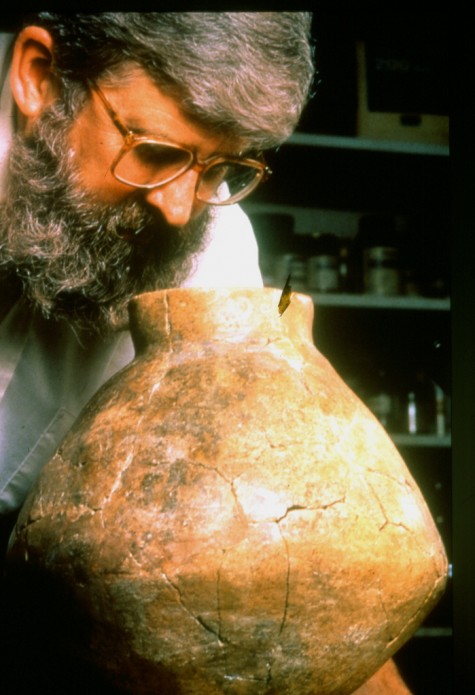
Dr. McGovern peers into a wine jar dating to 5400 - 5000 B.C. Photo: courtesy of the University of Pennsylvania Museum of Archaeology and Anthropology

In the course of your work, what has been your most surprising discovery?

There have been many, but the discovery of Royal Purple and the earliest resinated wine from Iran (circa 5400 B.C.) are two highlights.

Your academic background is varied, and you have degrees in both chemistry and archaeology. How did you become interested in the history of fermented beverages?

It was very serendipitous. As I moved from inorganic to organic chemical analysis of archaeological materials, we were successful in first detecting Royal Purple, a highly stable compound that had been preserved for over 3,000 years. This gave us the confidence to move on to wine, beer, and other materials. Grape wine was first, and came about when an associate, Virginia Badler, showed us shards of large jars from an early Iranian site (Godin Tepe) with residues inside that she believed to be wine deposits. She proved to be right, and the rest is history.

After the lecture on Thursday, we will have the opportunity to sample wines from Burgundy, as well as an artisan beer called Midas Touch. Please tell us about the beer, which was inspired by analysis you did on objects found in the tomb of the legendary King Midas.

It all started over fifty years ago with a tomb, the Midas Tumulus, in central Turkey at the ancient site of Gordion, which was excavated by the Penn Museum in 1957. Within that tomb, buried deep down in the center of a large mound, excavators found the body of a 60- to 65-year-old male, who had died normally. He lay on a thick pile of blue- and purple-dyed textiles, the colors of royalty in the ancient Near East. The excavators had found what would become one of the most spectacular archaeological discoveries of the 20th century – they had located what has since been identified as the tomb of Gordion’s most famous son, King Midas.
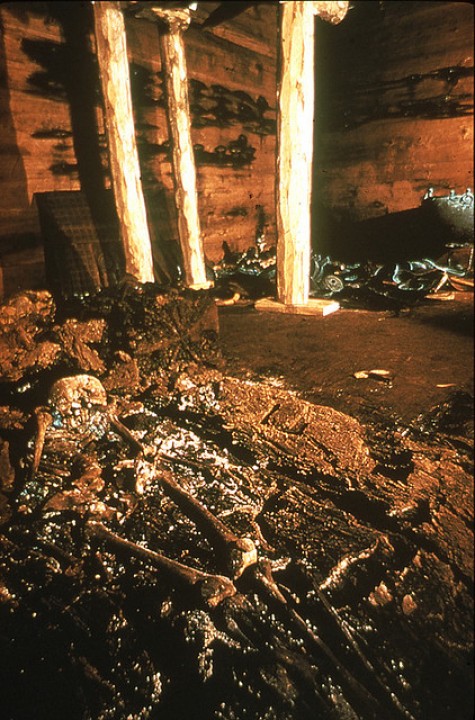
“King Midas” laid out in state on piles of purple- and blue-dyed textiles inside his coffin, from the northwest, with the large bronze drinking set in the background. Photo: courtesy of the Gordion Project, University of Pennsylvania Museum of Archaeology and Anthropology

Inside the tomb, surrounding the body, were 157 bronze vessels, including large vats, jugs, and drinking bowls that had been used in the final farewell dinner for the king outside the tomb. The body was then lowered into the tomb, along with the remains of the food and drink, to sustain him for eternity.

Surprising, none of the 157 drinking vessels were made of gold. Where then was the gold if this was the burial of Midas with the legendary golden touch? In fact, the bronze vessels, once the bronze corrosion was removed, gleamed just like the precious metal. The real gold, as far as I was concerned, was what these vessels contained – the remains of an ancient beverage, which was intensely yellow, just like gold. Chemical analyses of the residues – teasing out the ancient molecules – provided the answer: the beverage was a highly unusual mixture of grape wine, barley beer, and honey mead.
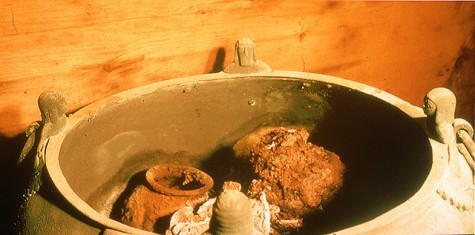
Jars filled with the spicy stew, served at the funerary feast of King Midas, can be seen inside one of the large vats. They were placed there after the fermented beverage, which they initially contained, had been served at the funerary banquet. These “left-overs” might have been intended for sustenance for the king in the afterlife. Photo: courtesy of the Gordion Project, University of Pennsylvania Museum of Archaeology and Anthropology

You may cringe at the thought of mixing together wine, bee,r and mead, as I did originally. That’s when I got the idea to do some experimental archaeology. In essence, this means trying to replicate the ancient method by taking the clues we have and trying out various scenarios in the present. In the process, you hope to learn more about how the ancient beverage was made. To speed things up, I also decided to have a competition among microbrewers to try to reverse-engineer and see if it was even possible to make something drinkable from such a weird concoction of ingredients. Soon, experimental brews started arriving on my doorstep for me to taste – not a bad job, if you can get it, but not all the entries were that tasty.

Sam Calagione of Dogfish Head Brewery ultimately triumphed. The beverage has since gone from one triumph to the next. Dogfish is the fastest growing microbrewery in the country, and “Midas Touch” has become its most awarded beverage.
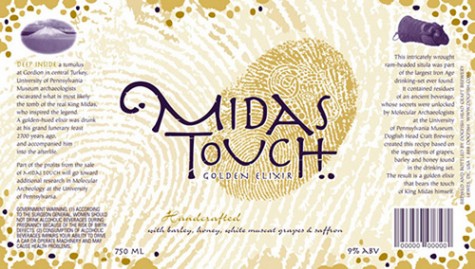
Original Dogfish Head Brewery label for Midas Touch beer. Photo: courtesy of Dogfish Head Brewery

Be sure to watch Dr. McGovern and the team from Dogfish Head Brewery on The Discovery Channel’s Brew Masters, which chronicles their travels around the world searching for exotic ingredients and discovering ancient techniques to produce their award-winning beers.

Patrick E. McGovern is Scientific Director of the Biomolecular Archaeology Laboratory for Cuisine, Fermented Beverages, and Health at the University of Pennsylvania Museum. His books include Ancient Wine: The Search for the Origins of Viniculture and Uncorking the Past: The Quest for Wine, Beer, and Other Alcoholic Beverages. His research on the origins of alcoholic beverages has been featured in Time, the New York Times, the New Yorker, Nature, and numerous other publications.
Big New Field Opens

The DMA’s newest exhibition, Big New Field: Artists in the Cowboys Stadium Art Program, opened this past Sunday.  In celebration of Super Bowl XLV, to be held in Dallas at the new Cowboys Stadium, this show highlights nineteen artists from the Cowboys Stadium Art Program.  The Program is the initiative of Gene and Jerry Jones (Dallas Cowboys owner) to incorporate contemporary art into the innovative and unique space of the recently constructed stadium.  They hope to create a dialogue between art and sport through the inclusion of large scale and, at times, monumental works by artists from Texas and around the world.  The Museum’s very own Charlie Wylie (The Lupe Murchison Curator of Contemporary Art), along with Chief Curator of the Modern Art Museum of Fort Worth Michael Auping and Texas-based collectors Gayle Stoffel and Howard Rachofsky, served on the advisory committee for the Program.  It is this joint passion for and advocacy of contemporary art that has brought works by many of the artists represented at the Stadium to the walls of the DMA. 

[slideshow]

Whether examining Annette Lawrence’s Free Paper, constructed of cut and torn strips of “junk mail”, or contemplating Wayne Gonzales’s Carousel Club, visitors are sure to be impacted by these phenomenal works.

Big New Field: Artists in the Cowboys Stadium Art Program runs through February 20, 2011.

Ashley Bruckbauer
McDermott Intern for Programs and Resources for Teachers

Do-It-Yourself Stickley

“When we come to make things ourselves . . . we should not only find more pleasure in making them but we shall take more pleasure in possessing them.” —Gustav Stickley, The Craftsman, March 1905

Early 20th-century designer and businessman Gustav Stickley believed in the do-it-yourself movement. His magazine, The Craftsman, provided readers with step-by-step instructions on making household objects such as side tables, clocks, embroidered pillows, and even birdhouses.

In just a few months, the Dallas Museum of Art will host the exhibition Gustav Stickley and the American Arts & Crafts Movement. We’re inviting people to produce objects inspired by Stickley’s designs, document their process, and share their experience with the DMA. These videos and photographs will be displayed in the exhibition’s education space. Our deadline is January 5. Learn more about the DIY Stickley project on the DMA website.

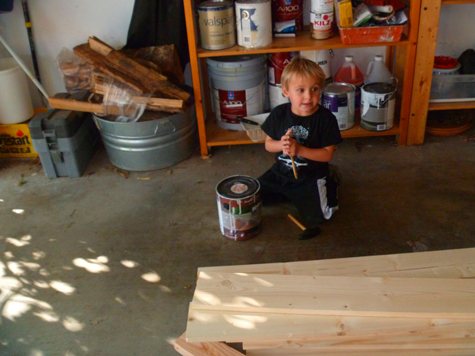
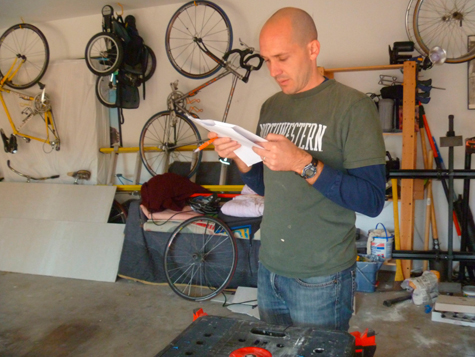
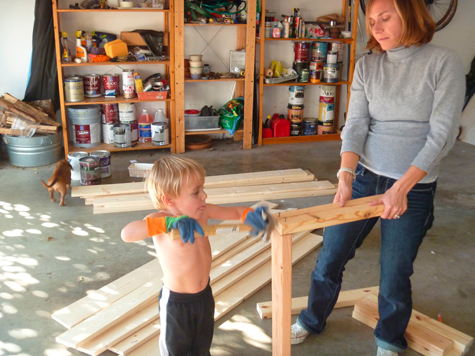
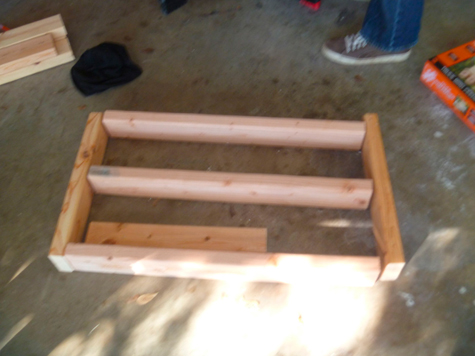
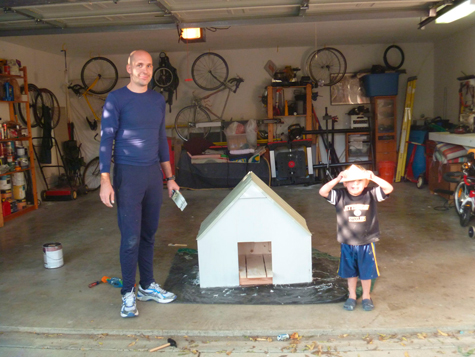
A few weeks ago, my husband, John, and I thought it would be fun to take up Stickley’s challenge and make one of his simpler designs with our kids, Aiden and Rowan.

After some debate, we decided to make the doghouse for our two dogs, Sampson and Beasley.

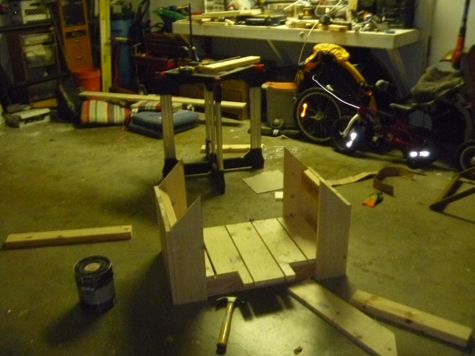
Building the structure moved along pretty quickly thanks to John and Aiden. By the end of day one, we had framed the structure and attached the walls and floors.


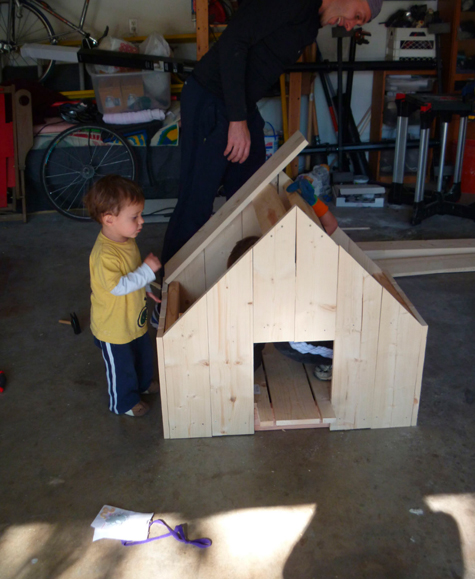
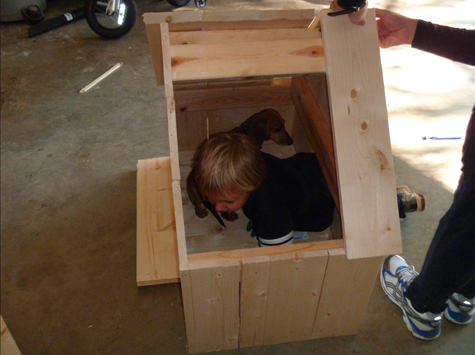
Day two included attaching the roof, painting, and trying to get the dogs to go inside the doghouse.

Apart from adjusting the measurements and the paint, we stayed close to Stickley’s original design. This was a fun weekend project for our family and a great way to make Stickley’s designs come to life in the 21st century.


Gustav Stickley and the American Arts & Crafts Movement will be on view at the Dallas Museum of Art from February 13 through May 8, 2011. To learn more about the do-it-yourself Stickley project and discover how you can participate, visit the DMA website.

Guest blogger Laura Bruck was formerly Manager of Gallery Interpretation at the Dallas Museum of Art and is currently an education consultant.

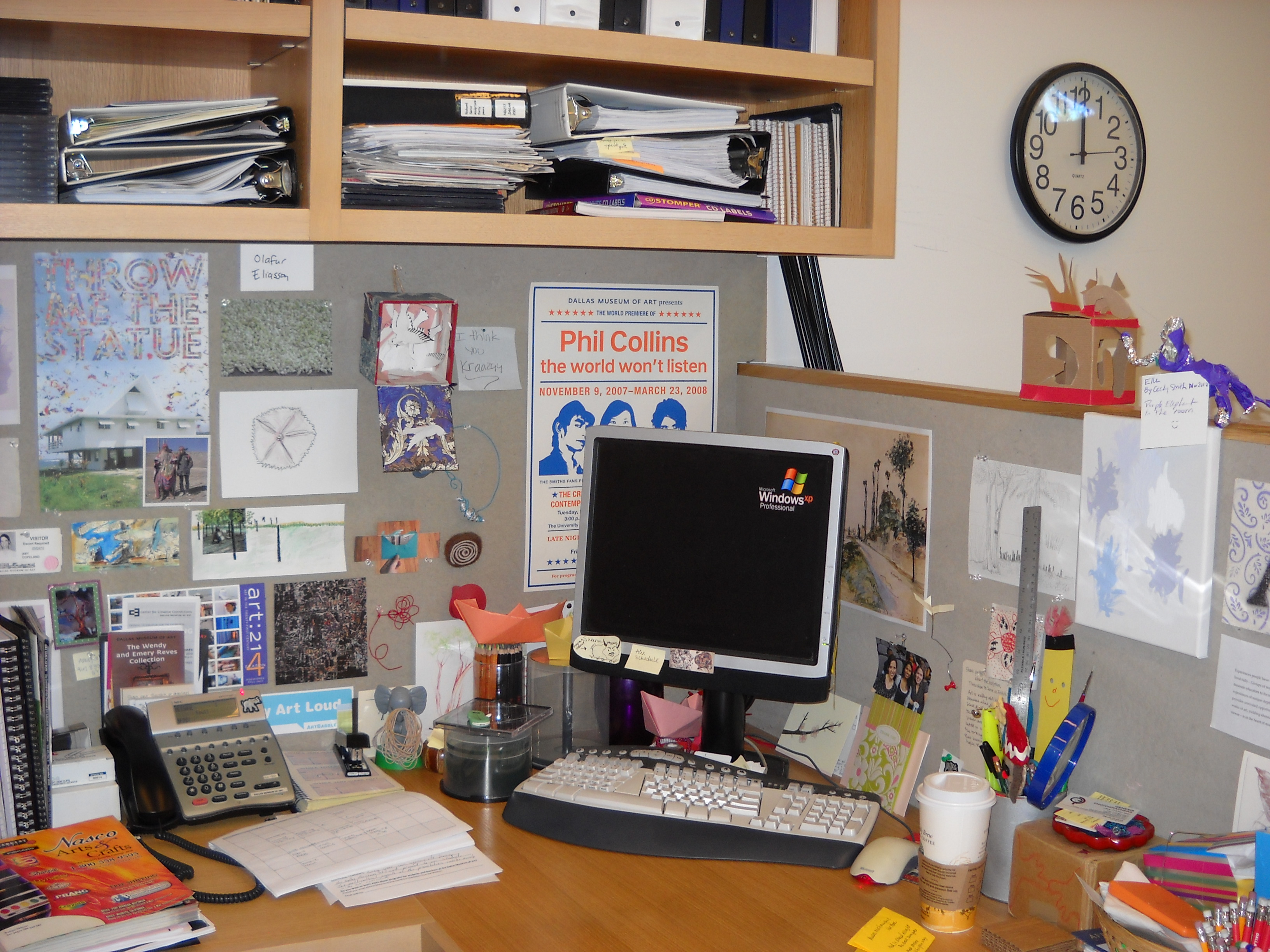
Friday Photos: Our Workspaces

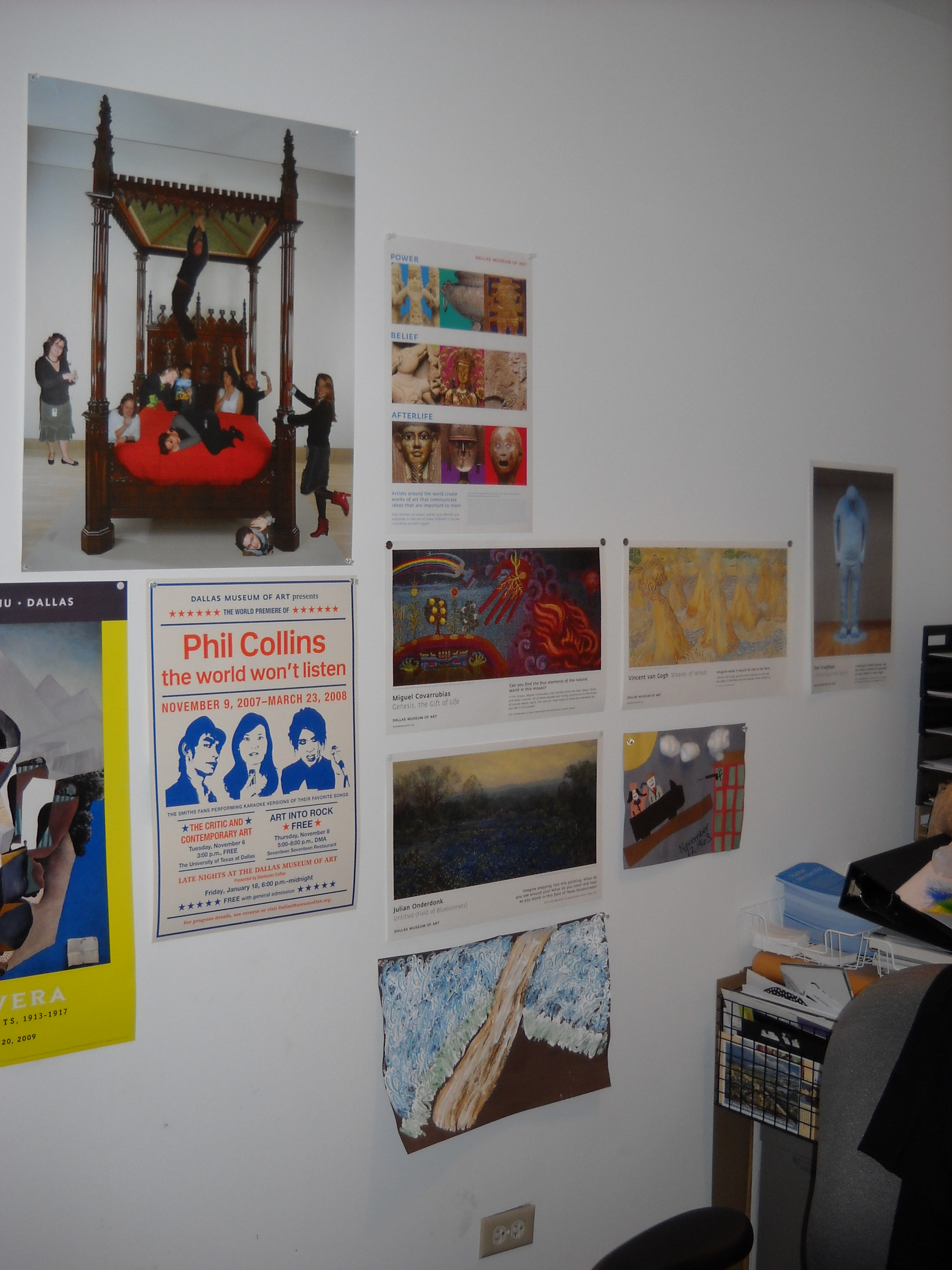
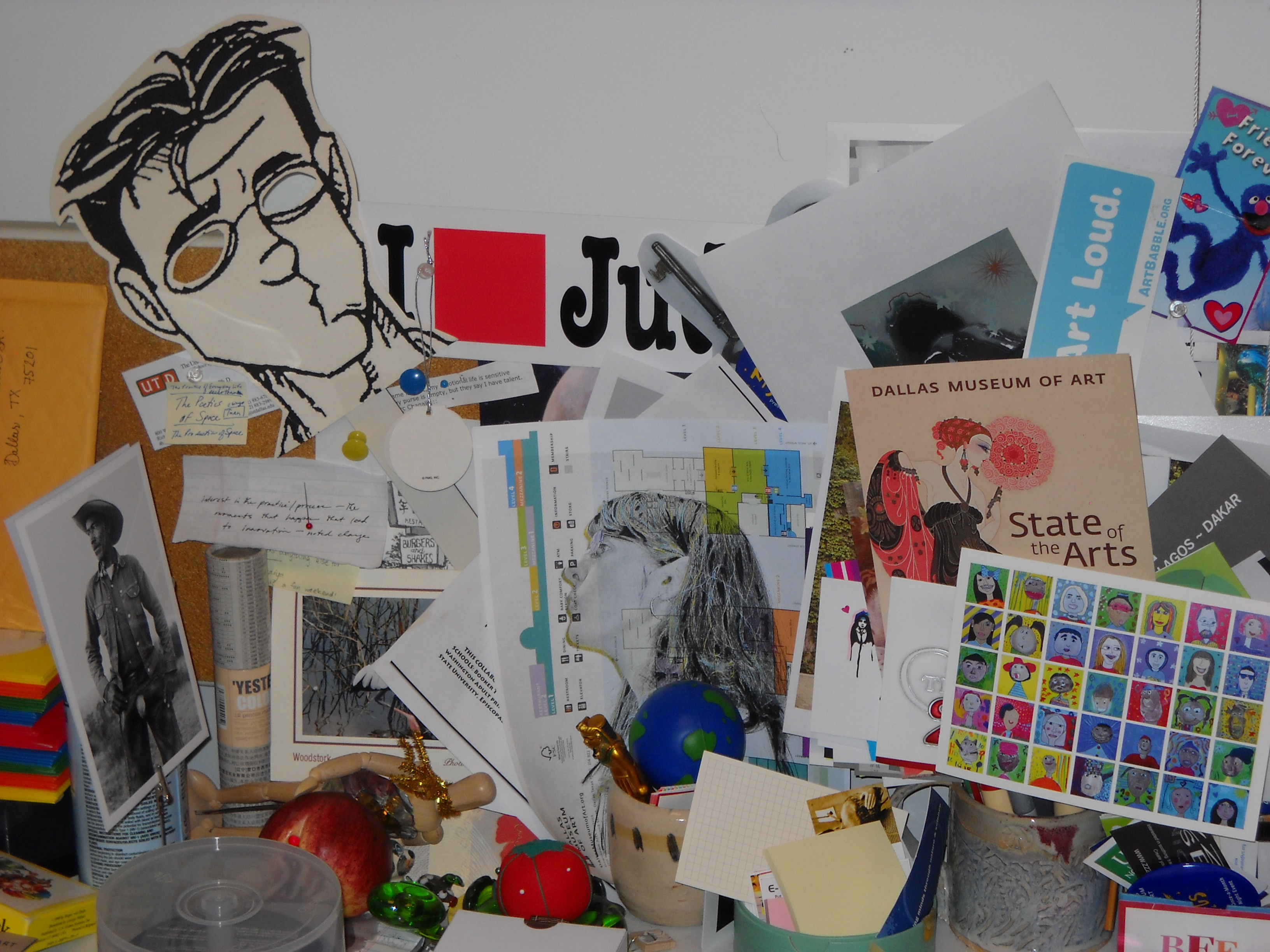
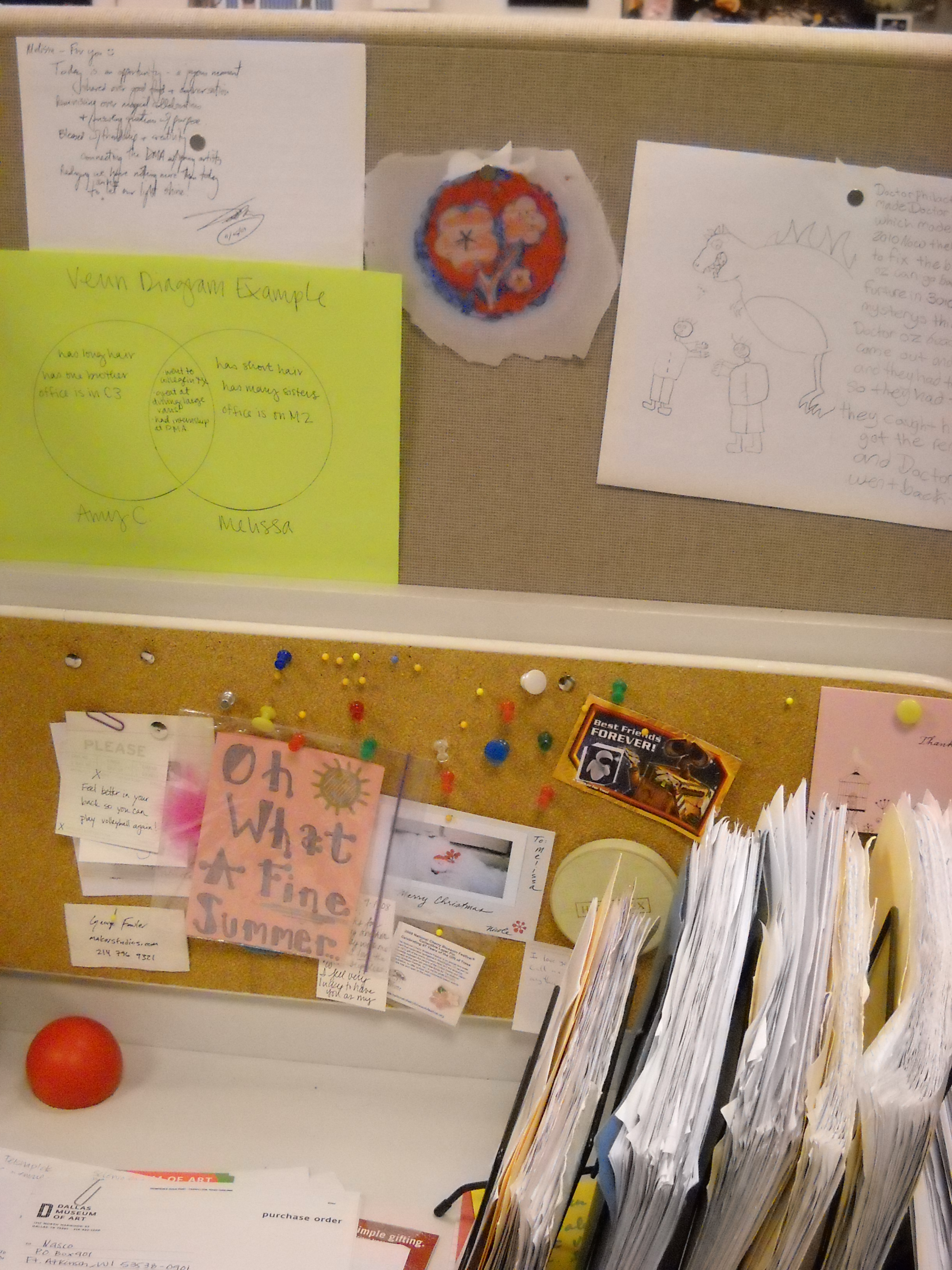
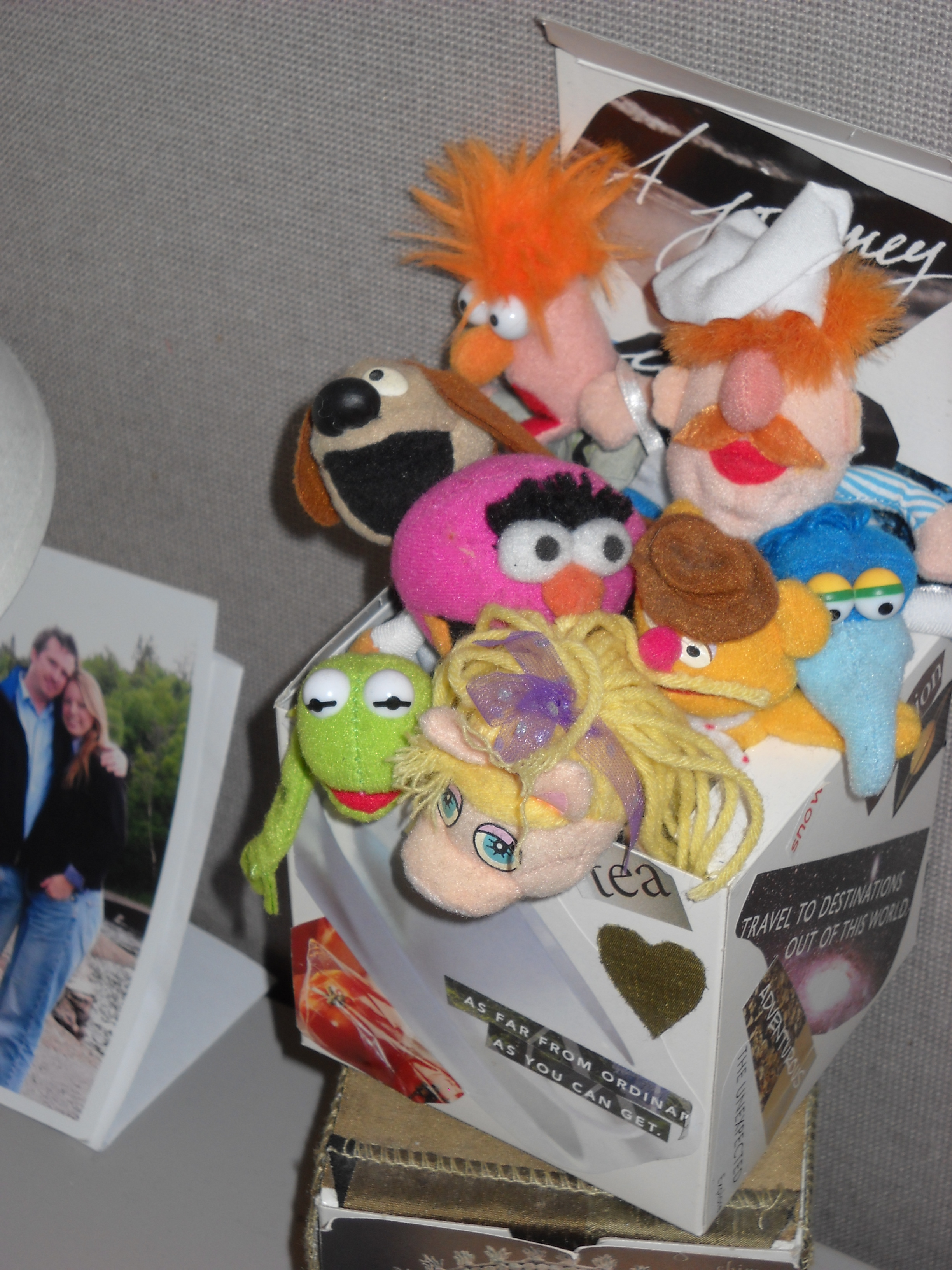
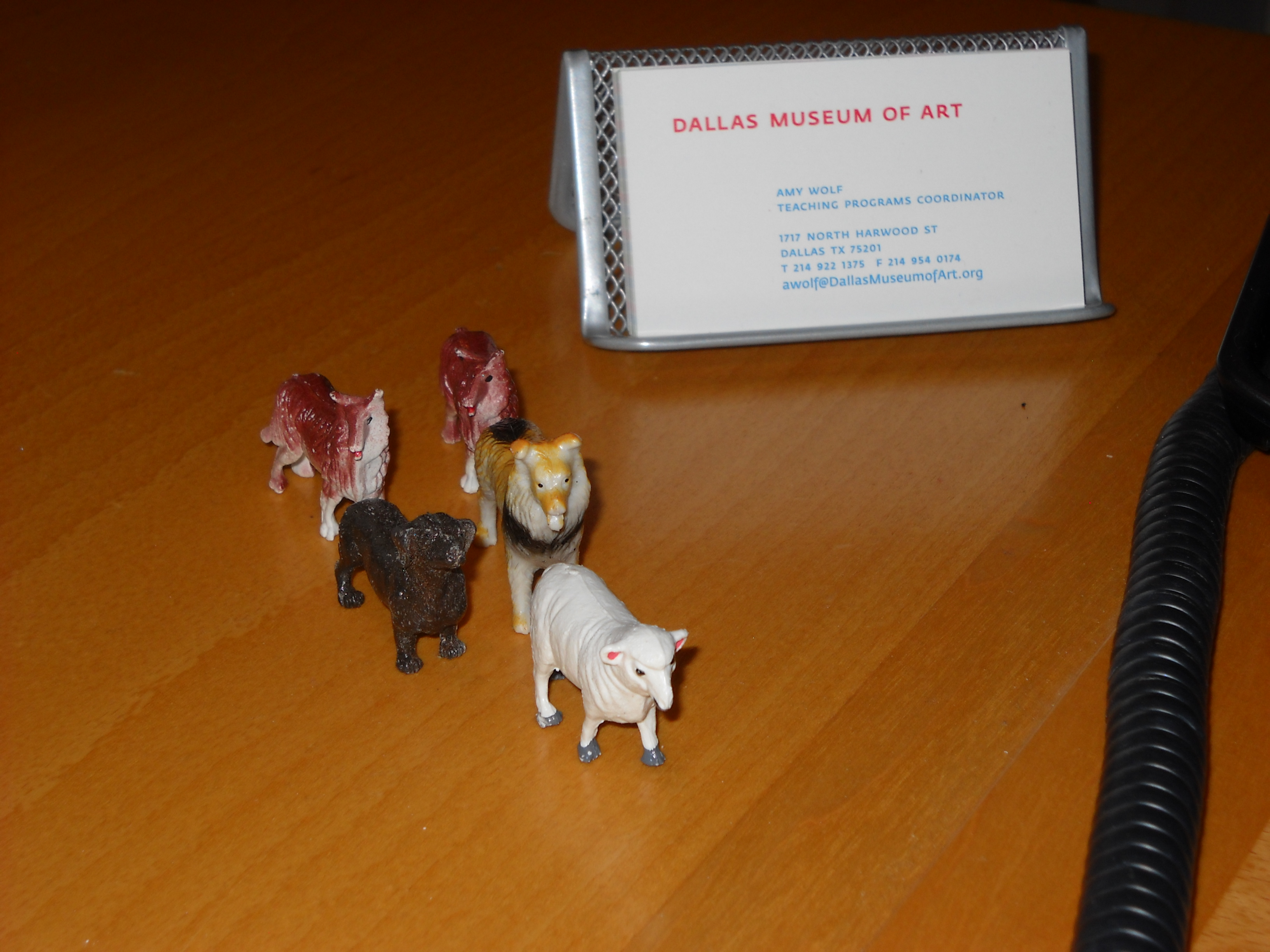
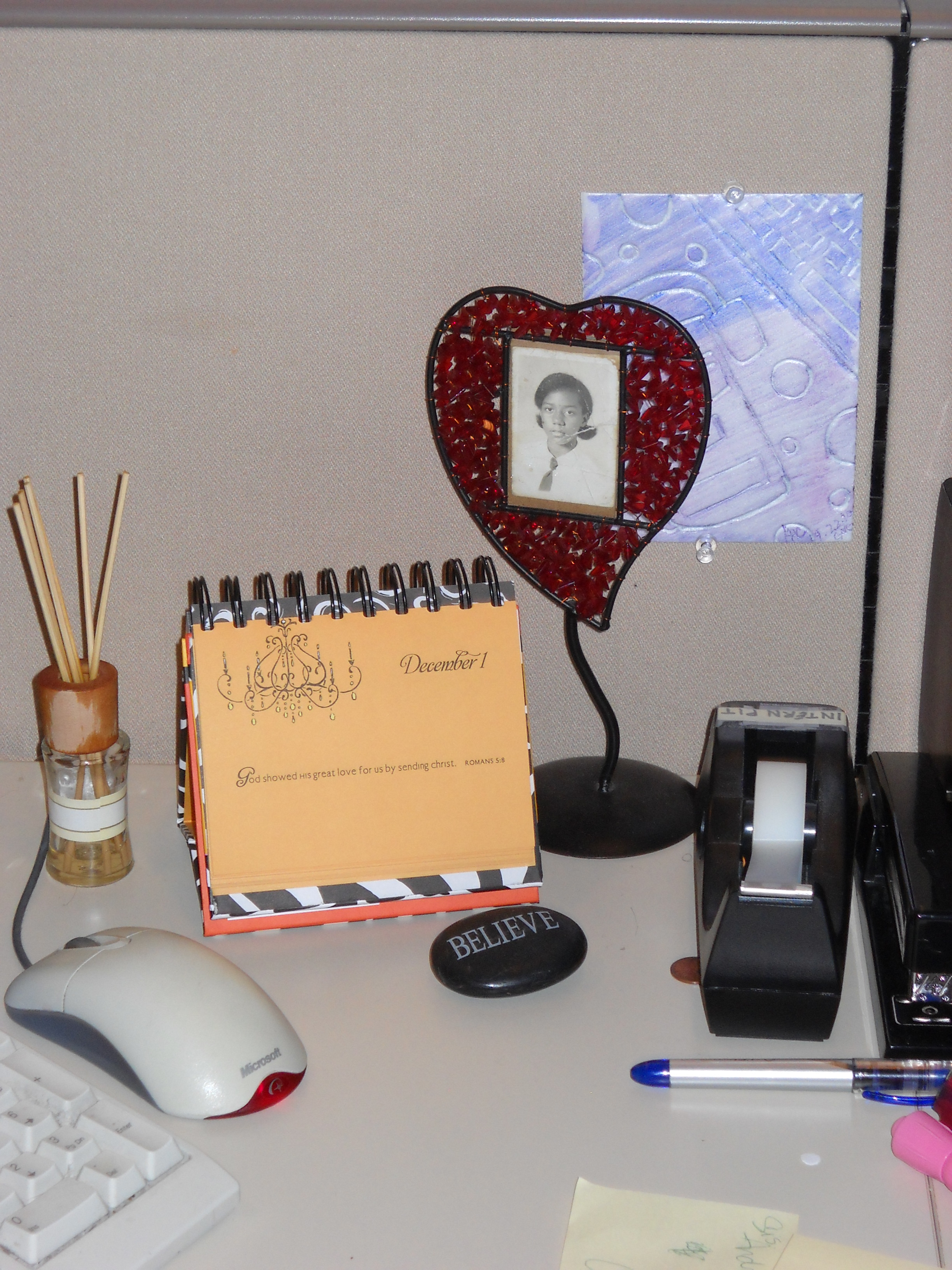
I thought it might be a nice change of pace this Friday to give you a sneak peek behind the scenes at our workspaces.  We all agreed that photos of our desks were not allowed–who wants to see photos of stacks of papers?!  But we all keep small collections of objects at our desks–either for inspiration or as mementos of tours and programs–and I visited each of my colleagues to snap photos of their collections.  I hope you enjoy your tour of our workspaces.

Shannon Karol
Coordinator of Museum Visits

The wall behind my desk is decorated with posters, art projects, and a PhotoShopped image of the 2005-2006 McDermott Intern class in the Gothic Bed.

Nicole’s desk contains a rotating gallery of inspiration.

Melissa’s desk boasts a poem written by Will Richey, a Venn Diagram comparing Melissa and Amy C., and her screen from our screenprinting retreat.

Amy C.’s desk is a gallery of artworks collected from various community festivals.

Jenny loves the Muppets and has a box of Muppets at her desk.


Amy W. recently found a box full of plastic animals and has set up a parade by her phone.

Karen has an “inspiration corner” with photos, artwork, and quotations.
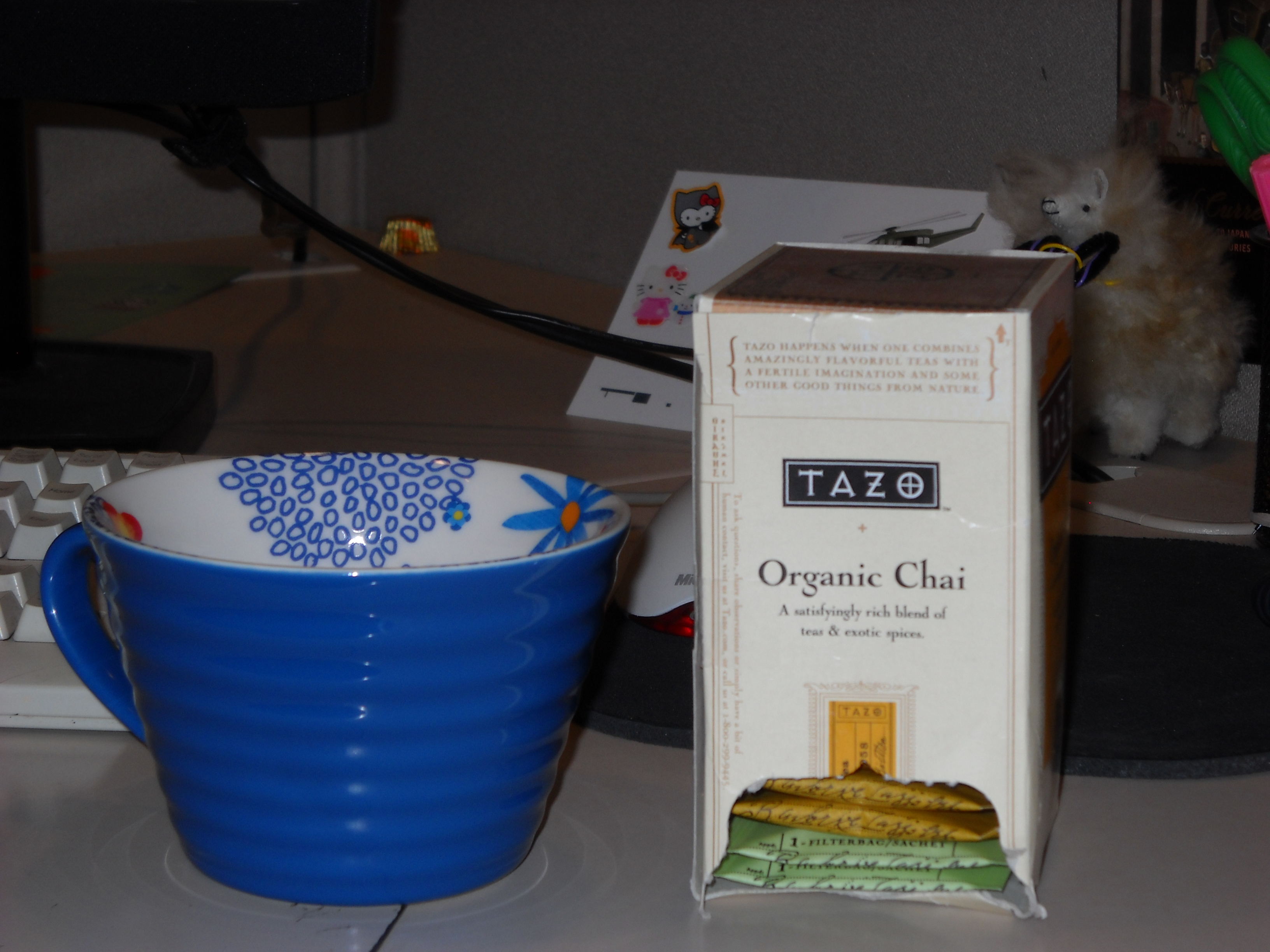
Ashley always keeps tea and a mug at her desk.

Interview with Queta Watson

As the editor at the Dallas Museum of Art, Queta Watson is a busy lady! She recently took time out of her schedule to answer questions related to her job at the Museum.

Amy Wolf
Coordinator of Gallery Teaching


Queta Watson, Editor

Name and Title: Queta Moore Watson, Editor

Years Employed at the Dallas Museum of Art: It will be twenty years in March!

Describe your job here at the Museum: Most people are surprised to hear that a museum needs an editor, but museums produce an astonishing amount of written material! I edit exhibition labels and text panels, brochures, invitations, the members’ magazine, the annual report, flyers, ads, press releases, signage, the web site, blog posts, e-blasts, and, when time permits, books on the collection. Basically, if the public sees it, I see it first! The text comes to me from all different departments of the Museum (curatorial, development, membership, education, etc.) and I edit for content, consistency of tone and style, and, of course, good ol’ grammar and punctuation.

What is your favorite part of your job? I get to read all day long! And the subject matter is interesting and enjoyable. My first job out of college was editing Lasers & Optronics magazine, so now I can really appreciate working on material that isn’t boring.

What is a challenge you face in your job? The most challenging aspect is balancing quality and quantity. As an editor, my job is to produce an error-free product, but the heavy workload and tight deadlines make this difficult.

How did you decide you wanted to work in a museum? All those people who are dying to work in a museum will hate me for this, but it wasn’t a conscious decision. I moved here from Los Angeles, where I had been working as a book editor. I sent my résumé to any place in Dallas that might publish books. I am so thankful that the Dallas Museum of Art called!

If you weren’t working in a museum, what is something else you would be doing? I would go back to school to get a degree in library science or I would work in a bookstore. I’m the ultimate “word nerd”!

Insourced: Works by Dallas Museum of Art Staff

The much-anticipated Dallas Museum of Art staff art exhibition is fast approaching. Opening this weekend, the exhibition occurs every two years and is an opportunity for DMA employees to present their work to coworkers and general public. This year’s exhibition, Insourced: Works by Dallas Museum of Art Staff, features sixty-eight works by forty-three artists ranging from our new interns to a preparator who has been with the DMA for over thirty years. Staff members whose “day jobs” range from curators to gallery attendants are included.

The exhibition is unique because anyone who wants to participate can; even the title was selected by a staff vote. Insourced also has an acting curator–conceived and organized collaboratively by Collections and Exhibitions department staffers, the exhibition placement was decided by Erin Murphy, Contemporary Art Curatorial Administrative Assistant and Uncrated contributor. We posted a few “sneak peek” photos here, but please come by and see the works by our talented staff.

The exhibition is on view from December 5, 2010 through March 13, 2011 on Mezzanine 2 next to the Mildred R. and Frederick M. Mayer Library.


Joni Wilson is the Exhibitions Assistant at the Dallas Museum of Art

"Rubbing Elbows" with Artists

[slideshow]

One of my most rewarding professional experiences occurred several years ago during the implementation of an NEA grant project.  Lynda Davis — dancer, professor, and choreographer — was a visiting artist at the Museum.   She flew in from Florida for two separate weeks during the year and led multiple workshops with high school students (dancers, musicians, visual artists, and actors) focused on improvisation and the creative process, with a nod to the interrelationships among the arts.  She liked to refer to this as the “arts rubbing up against each other.”

Each week Lynda visited was an inspiration for everyone who interacted with her.  Each week was also intense and, as the project manager, I wore many different hats: chauffeur, art historian, collaborator, gopher, and documentarian.  In the beginning, I knew nearly nothing about dance, nor had I thought much about the relationship between visual art and dance.  But by the end of the project (and perhaps even now), I hoped to be a dancer and choreographer in my next life.

This experience was my first real opportunity to figuratively “rub elbows” with a living artist.  My training and education was heavily focused on art history.  Most of the artists I studied were in books and in the past.  I welcomed the opportunity to make this experience with Lynda a significant part of my own creative development, observing closely and listening carefully, seeing the world through Lynda’s eyes for a brief time, catching a glimpse of where she drew inspiration, and looking for new connections between things in my world.  I carry this experience with me always, and it impacts my work.

Tell me about a time that you “rubbed elbows” with an artist?

If you’re looking for more opportunities to connect with artists, I invite you to visit the DMA.  Each year we work with hundreds of living artists of all art forms: dance, theater, visual arts, music, and literature, to present, perform, and celebrate the arts.  Consider the following opportunities and make a connection with an artist!

Experience Process
Programs with C3 visiting artists celebrate creativity and the artistic process. Join us for lively conversation and art-making projects during drop-in workshops.   Visiting artists during December and January include Teresa Rafidi, Annette Lawrence, and Brian Fridge.

Enjoy Youth
Annually, the Dallas Museum of Art celebrates the creativity of young artists in our community through the exhibitions Something Beautiful, Young Masters, and the Art Ball Young Artists Program.

Explore Many Art Forms
Artists of diverse disciplines join us for commissions and programming that celebrate the creative process and build bridges among various art forms.  2011 marks the 20th anniversary of Arts and Letters Live, our literary and performing arts series.  This season features over 60 artists and writers including Simon Schama, Annie Proulx, Carlos Fuentes, and more!

Embrace Contemporary Art
Exhibitions highlighting work by established and emerging national and international artists celebrate the art of our time.  At times these artists work with the Museum on the installation of their work, and they often participate in lectures or talks, which are open to the the public.  Big New Field: Artists in the Cowboy Stadium Art Program opens at the DMA in December and includes work by Trenton Doyle Hancock, Annette Lawrence, Olafur Eliasson, and Teresita Fernandez, as well as others.  Visit an exhibition of works by Mark Bradford in fall 2011!

Nicole Stutzman
Director of Teaching Programs and Partnerships


Archives

Categories