Archive for the 'Behind-the-Scenes' Category


Loren Mozley: Structural Integrity

On February 17, the DMA will present for the first time the works of Loren Mozley (1905-1989), a Texas-based artist known for his integration of two dominant influences: Cézanne and the Taos Art Colony. Raised in New Mexico, the young Mozley worked in Taos for a few years before continuing his studies in Paris. His landscapes and still lifes represent the integration of cubist philosophies with the modernist practices of the American Southwest.

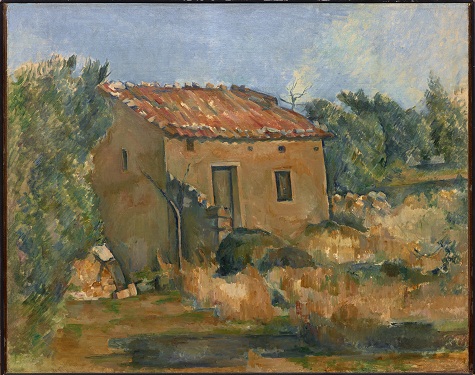
Paul Cezanne, Abandoned House near Aix-en-Provence, 1885-1887, oil on canvas, Dallas Museum of Art, The Wendy and Emery Reves Collection

Paul Cézanne, Abandoned House near Aix-en-Provence, 1885-87, oil on canvas, Dallas Museum of Art, The Wendy and Emery Reves Collection

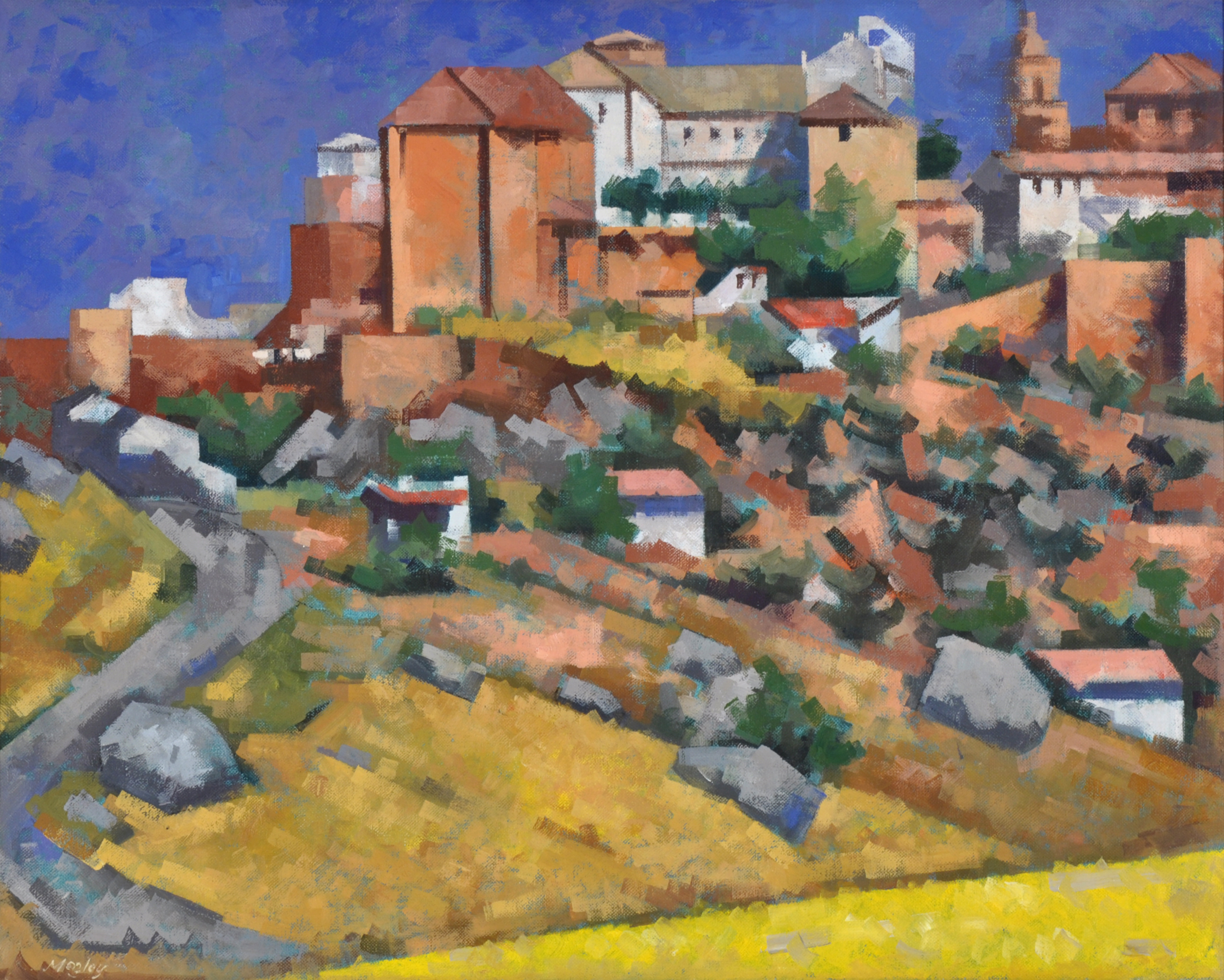
Loren Mozley, View of Ronda, c. 1969, oil on panel, Private Collection

Loren Mozley, View of Ronda, c. 1969, oil on panel, Private Collection

Loren Mozley: Structural Integrity brings together eighteen works spanning the period of 1937-1976. The exhibition offers a fine representation of the artist’s concerns with geometric forms, decorative patterns, and gradations of color to emphasize contrast, depth, and weight.

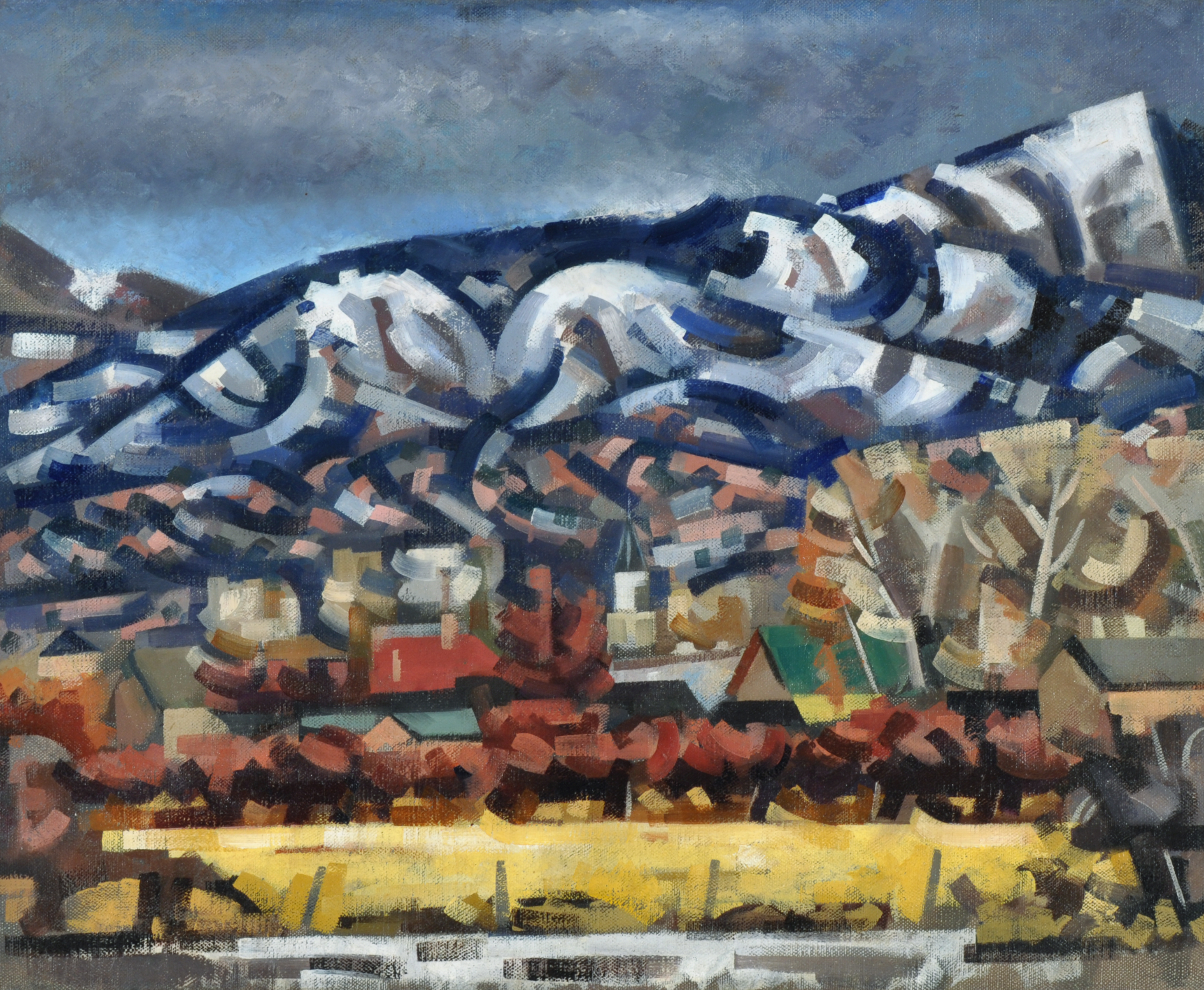
Loren Mozley, Snowy Range, 1948, oil on canvas, Collection of Judge and Mrs. B. Michael Chitty

Loren Mozley, Snowy Range, 1948, oil on canvas, Collection of Judge and Mrs. B. Michael Chitty

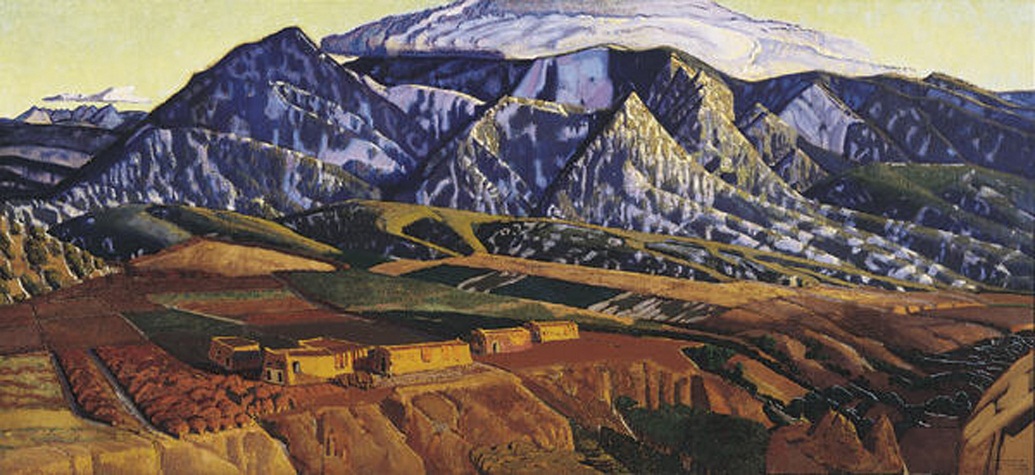
Ernest Blumenschein, Mountains Near Taos, 1926-1934, oil on canvas, Dallas Museum of Art, gift of Helen Blumenschein

Ernest Blumenschein, Mountains Near Taos, 1926-34, oil on canvas, Dallas Museum of Art, gift of Helen Blumenschein


Works by many of the artists who influenced Loren Mozley are on display at the DMA. Look for works by Paul Cézanne, Arthur Dove, Georgia O’Keeffe, and Everett Spruce throughout the American and European galleries on Levels 2 and 3. What other works at the DMA relate to Loren Mozley? Post your comments here.

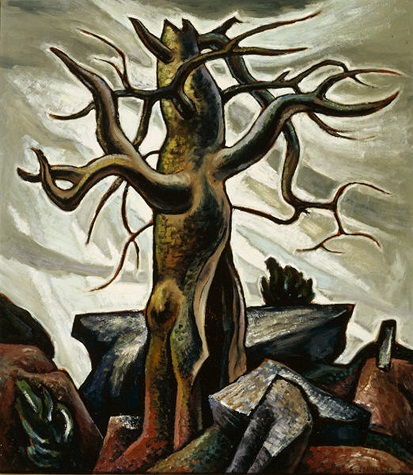
Everett Spruce, Tree and Rocks, 1932, oil on Masonite, Dallas Museum of Art, gift of Maggie Joe and Alexandre Hogue

Everett Spruce, Tree and Rocks, 1932, oil on Masonite, Dallas Museum of Art, gift of Maggie Joe and Alexandre Hogue

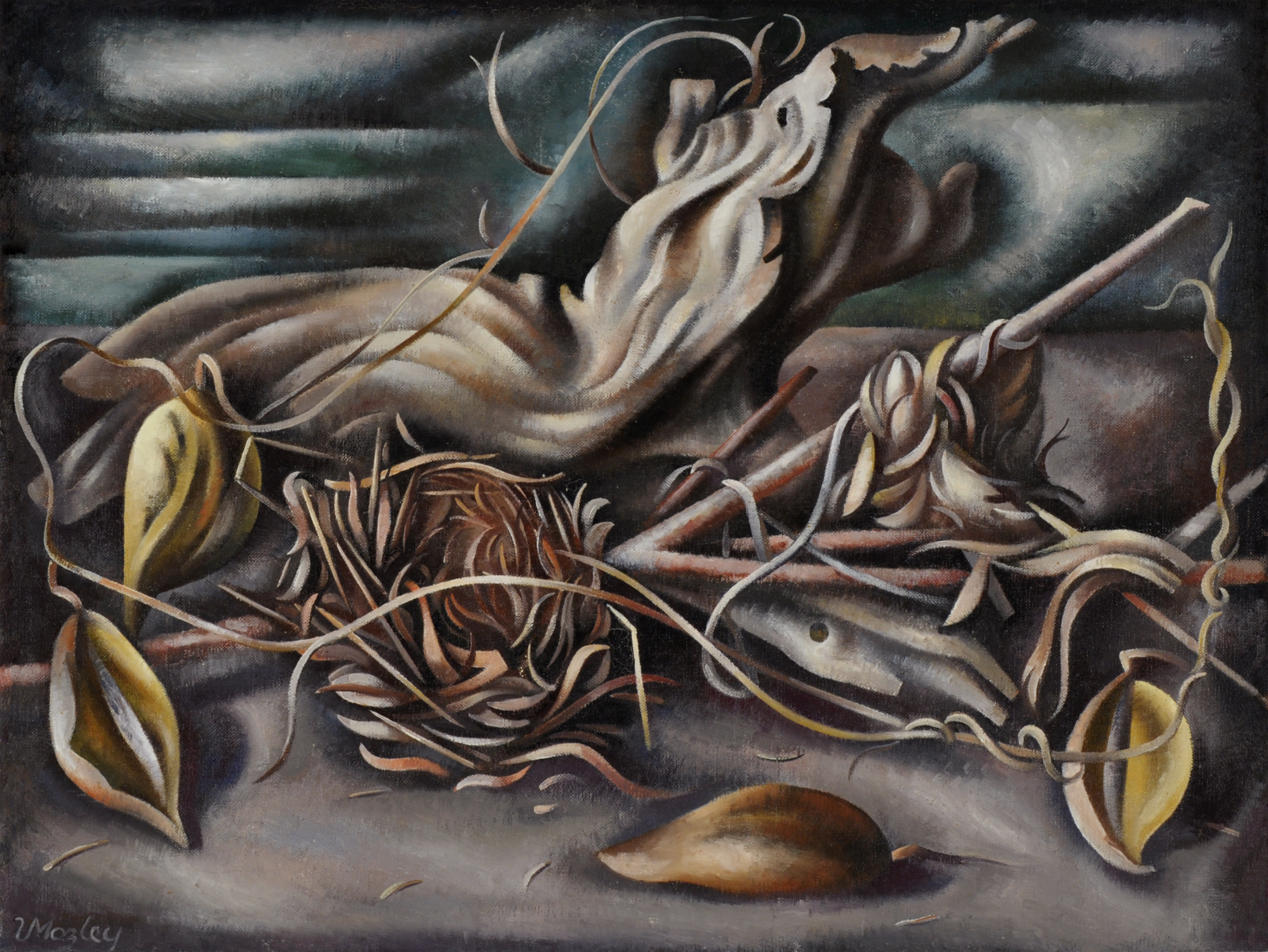
Loren Mozley, Driftwood, Birdsnests, and Milkweed Pods, 1943–44, oil on canvas, Private Collection, Dallas

Loren Mozley, Driftwood, Birdsnests, and Milkweed Pods, 1943–44, oil on canvas, Private Collection, Dallas

Elizabeth Donnelly is the Exhibitions Assistant at the Dallas Museum of Art.

Spotlight on Raphael Parry

Many Dallasites know Raphael Parry for his extensive work in shaping the Dallas theater scene over the last thirty years. He currently serves as Executive and Artistic Director of Shakespeare Dallas, where he has directed or performed in over twenty-five Shakespearean productions. He also serves as a founder and Chief Artistic Officer of Project X: Theatre, a producing company that focuses on new play development. Raphael has been recognized by the Dallas Theatre League and the Dallas Theater Critics Forum with the Standing Ovation Award for his continued contributions to Dallas Theater.

What you may not know is that Raphael has deep ties to the Dallas Museum of Art, serving as Director and host of Arts & Letters Live’s Texas Bound series for almost two decades. The series showcases Texas-connected actors reading short fiction and essays by Texas-connected authors to a live audience. We like to say that it is “story time for adults.”

Raphael will reprise his role as Director and host again during the 2013 season of Texas Bound on February 11 and on May 6, when he will also participate as an actor.

We caught up with Raphael for a short Q&A about his involvement with Texas Bound.

Raphael Parry, Director and Host of Texas Bound series at the DMA

Raphael Parry, Director and host of the Texas Bound series at the DMA

How long have you been involved with Texas Bound?
My first season I was an actor reading a very short story—less than three minutes long. The next year, I was invited to serve as Director and host—that was 1995. I will be starting my 18th season this year.

What do you enjoy most about working with the series?
Getting to read a huge number of stories, as we search to select just the right ones for the series. It has really brought me a profound appreciation for the art of the short story. And our audience is so generous and eager to hear the readings. It is always a pleasure to take part in Texas Bound in performance.

Texas Bound rehearsal, 2012

Texas Bound rehearsal, 2012

Can you talk a little bit about the process of selecting the stories and casting them?
It starts with a huge collection of stories that have been sifted through after an open call for stories. Our Producer, Katie Hutton, reads through all the submissions and selects the ones that are candidates for Texas Bound. At this point, we have approximately eighty to one hundred stories that we can consider for the Texas Bound series. We meet twice weekly starting in the late summer and I read the stories out loud to Katie and her team. What works on paper can often not transfer to a successful story being read out loud. After reading each story, we discuss three to four potential actors that would be the right match for the story. After reading all of the stories over many weeks, we have a small collection of stories that are strong candidates. Then the real puzzle work begins. We have to find a combination of stories that add up to the right length for the evening and have some balance. We often use a meal as the metaphor for the evening: appetizer, main course, and dessert. We are looking to create a balance and flow.

What is your most memorable Texas Bound experience?
The most memorable experiences are when everything comes together: the actors, the stories, and the audience. There have been many evenings where the flow is fantastic, and we are all moving through the performance with each story and reading building on another. It is like floating on a cloud when it all clicks, and then it’s over—like an ephemeral dream it all dissolves and we are left with a great memory.

What story or stories are you most excited about this season?

'The Dangerous Animals Club' by Dallas native Stephen Tobolowsky

“The Dangerous Animals Club” by Dallas native Stephen Tobolowsky

All of the stories intrigue me, as we work so hard to find just the right ones. I am looking forward to hearing Stephen Tobolowsky read his essay “F.A.Q” from his book The Dangerous Animals Club. He has such an interesting voice, and his essays are so personal yet universal. Also, John Benjamin Hickey is reading Patricia Highsmith’s “A Curious Suicide”; it is a murder mystery with a unique tone. Those two are standouts from a stellar field of stories.


Stephen Tobolowsky will read on February 11th. photo credit Jim Britt.

Stephen Tobolowsky will read on February 11. Photo by Jim Britt.

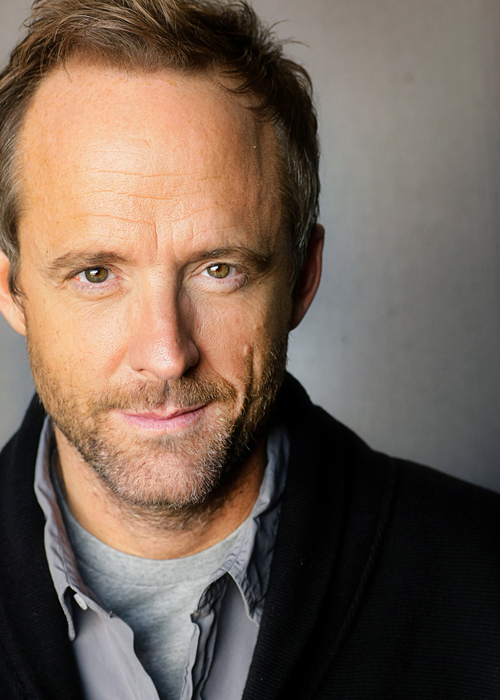
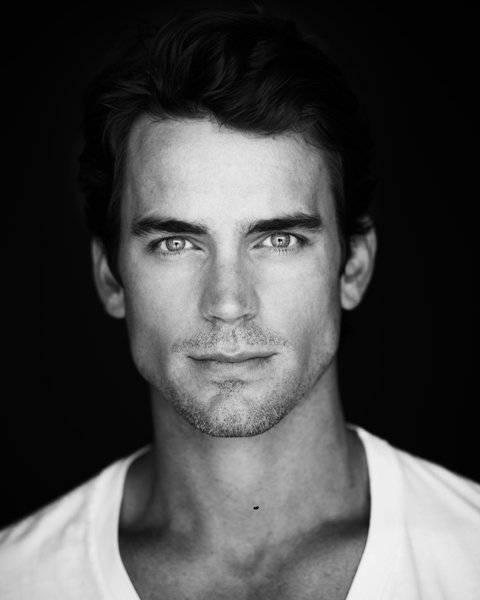
Several of the featured actors this season. Matt Bomer and Stephen Tobolowsky will read on February 11th.  John Benjamin Hickey will read on May 6th.

Matt Bomer will read on February 11.

Several of the featured actors this season. Matt Bomer and Stephen Tobolowsky will read on February 11th.  John Benjamin Hickey will read on May 6th.

John Benjamin Hickey will read on May 6.

Join us for the first Texas Bound of the season on Monday, February 11. For more information on this season of Texas Bound, visit our website. You can order tickets online or call 214-922-1818.

Katie Hutton is the Program Manager for Arts & Letters Live at the DMA and Producer of Texas Bound.

A HI-C Avenger in C3

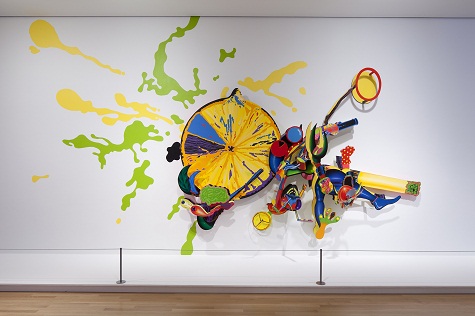
John Hernandez, HI-C Avenger, 1992, acrylic on wood, Dallas Museum of Art, Texas Artists Fund

John Hernandez, HI-C Avenger, 1992, acrylic on wood, Dallas Museum of Art, Texas Artists Fund

The Center for Creative Connections was honored to host two workshops this weekend with the artist John Hernandez. Hernandez, a well-known artist based in San Antonio, received his MFA from the University of North Texas under the tutelage of artist Vernon Fischer. His work is accessible to people of all ages, and a reminder of a pop-culture past. Our visitors were thrilled to have the opportunity to talk with Hernandez about his work and engage in a hands-on experience on Thursday evening during the C3 Artistic Encounters workshop.

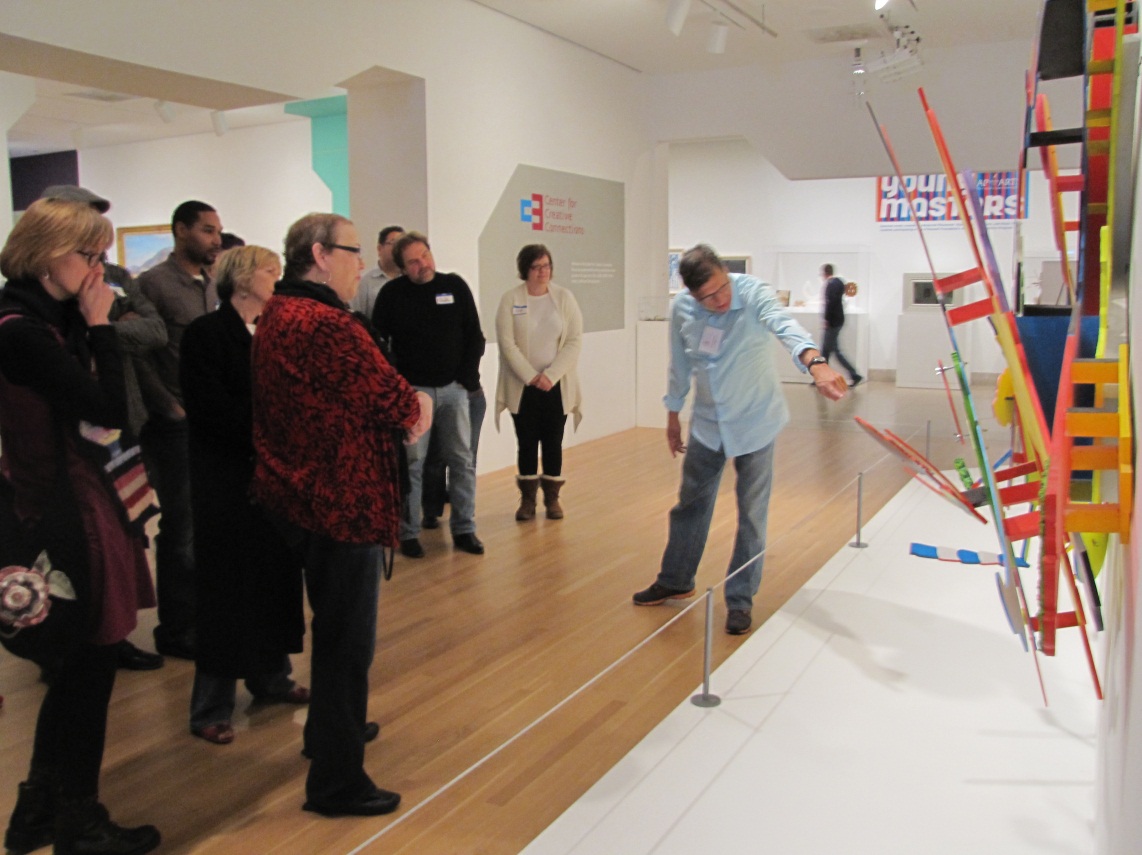
Hernandez answering questions about his work

Hernandez answering questions about his work

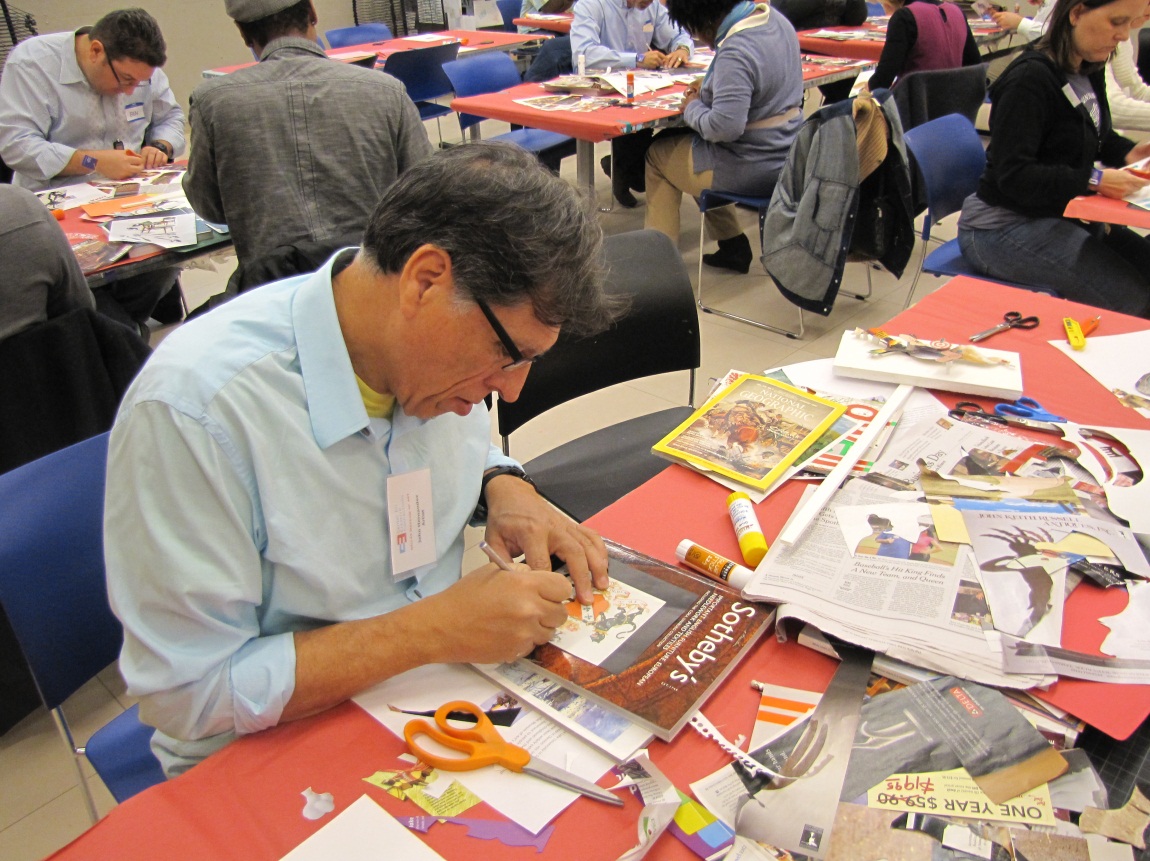
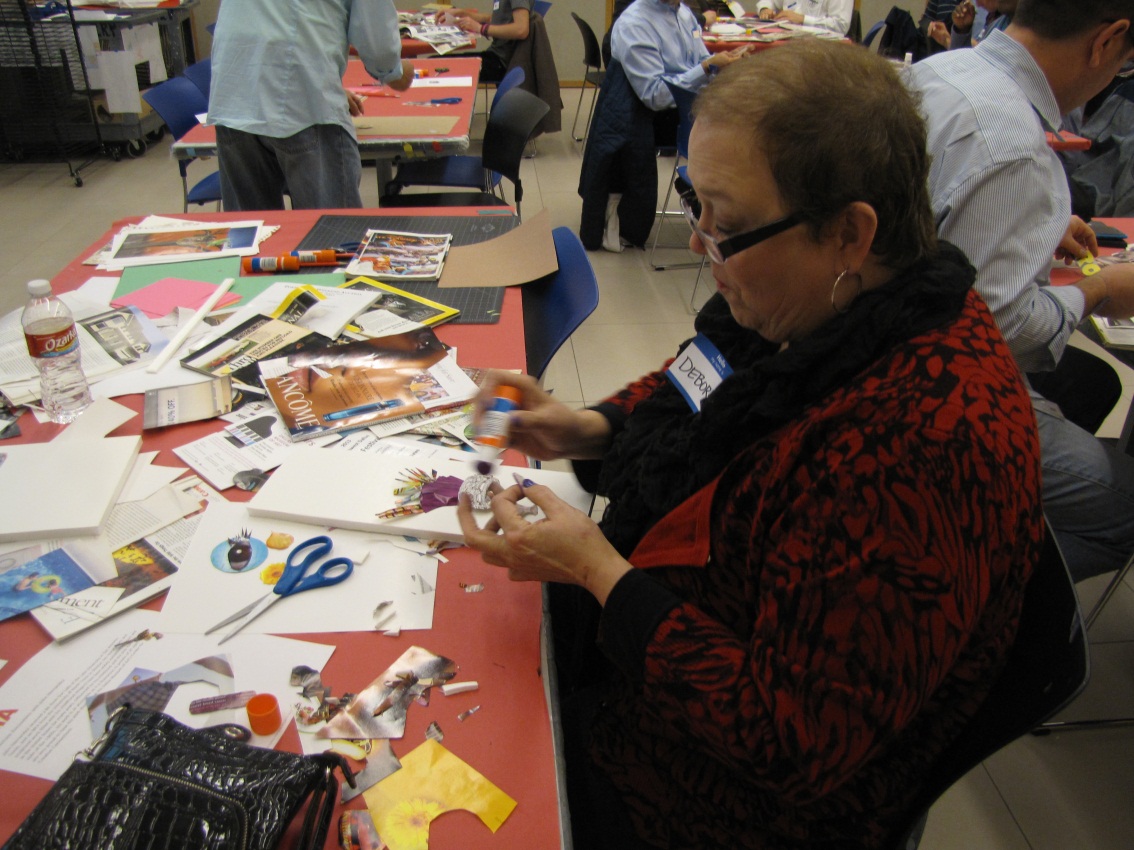
The workshop guided participants through a process Hernandez uses in his own work to design maquettes for his larger installations. Combing through magazines, participants pieced together images in a surreal way, affixed them to cardboard, and then transformed them to pop out of foam core.

John Hernandez demonstrating

John Hernandez giving a demonstration

Deborah creating her collage

Deborah creating her collage

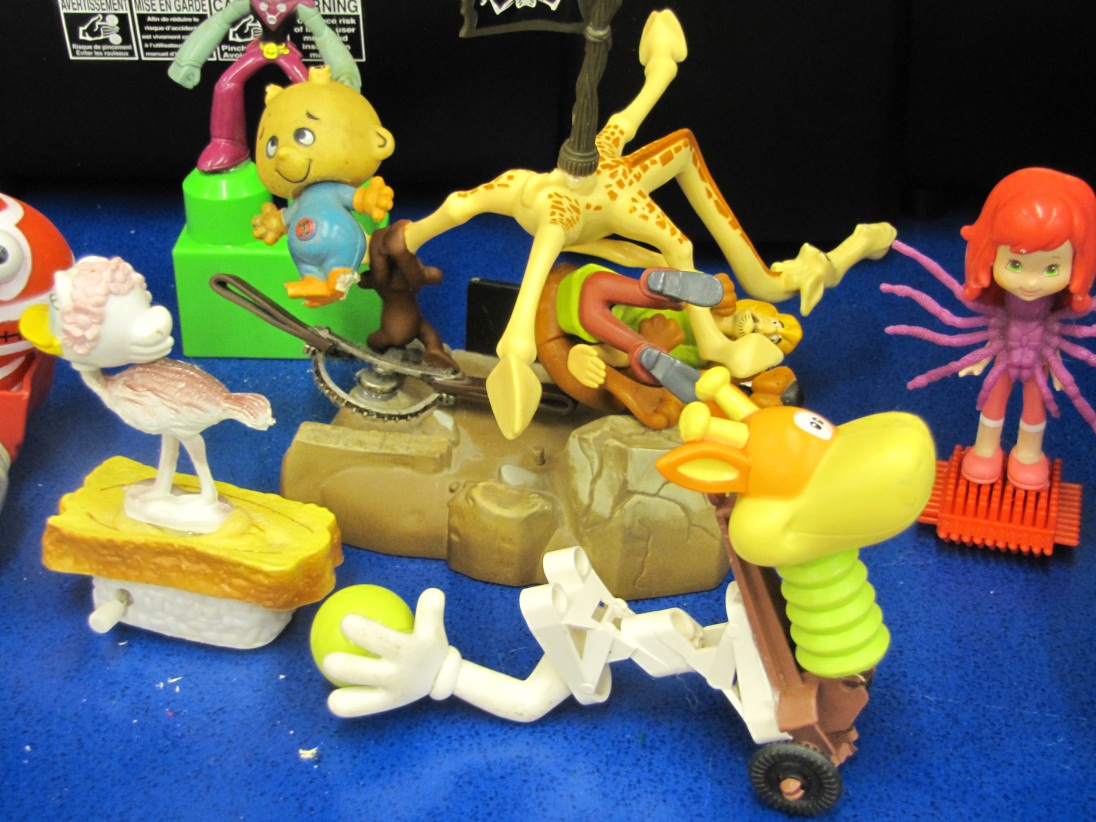
Hernandez joined us again in C3 during our Late Night on Friday evening for a toy sculpture workshop. Similar to the way in which Hernandez creates, visitors pieced together vintage toys to create new creatures of their own. Morphing one toy into another, cutting pieces of something that once was in order to create something new and different, gave visitors a closer look at the process of the guest artist.

Toy Creations

Toy creations

The next time you are in C3, stop by to admire Hi-C Avenger by John Hernandez and take a closer look! What will you see?

Amanda Batson is the C3 Program Coordinator at the Dallas Museum of Art.

The DIY Teleprompter

At the DMA, we have a studio set up for video production, and we’ve recently started using a teleprompter for many of our announcement-based videos. Using a teleprompter makes it easy for the video subject to read his or her lines and still look into the camera, giving the video a natural feel and flow.

The first time we needed a teleprompter, it was a last-minute request, and we didn’t have time to order one (not to mention they are extremely costly!). So a trip to Home Depot, a cardboard box, a pair of scissors, and an iPad app later and we had a working DIY teleprompter.

How a Teleprompter Works

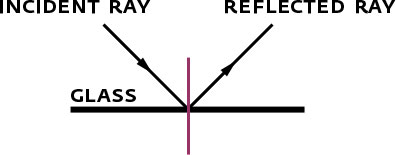
Angle of Incidence Equals Angle of Reflection

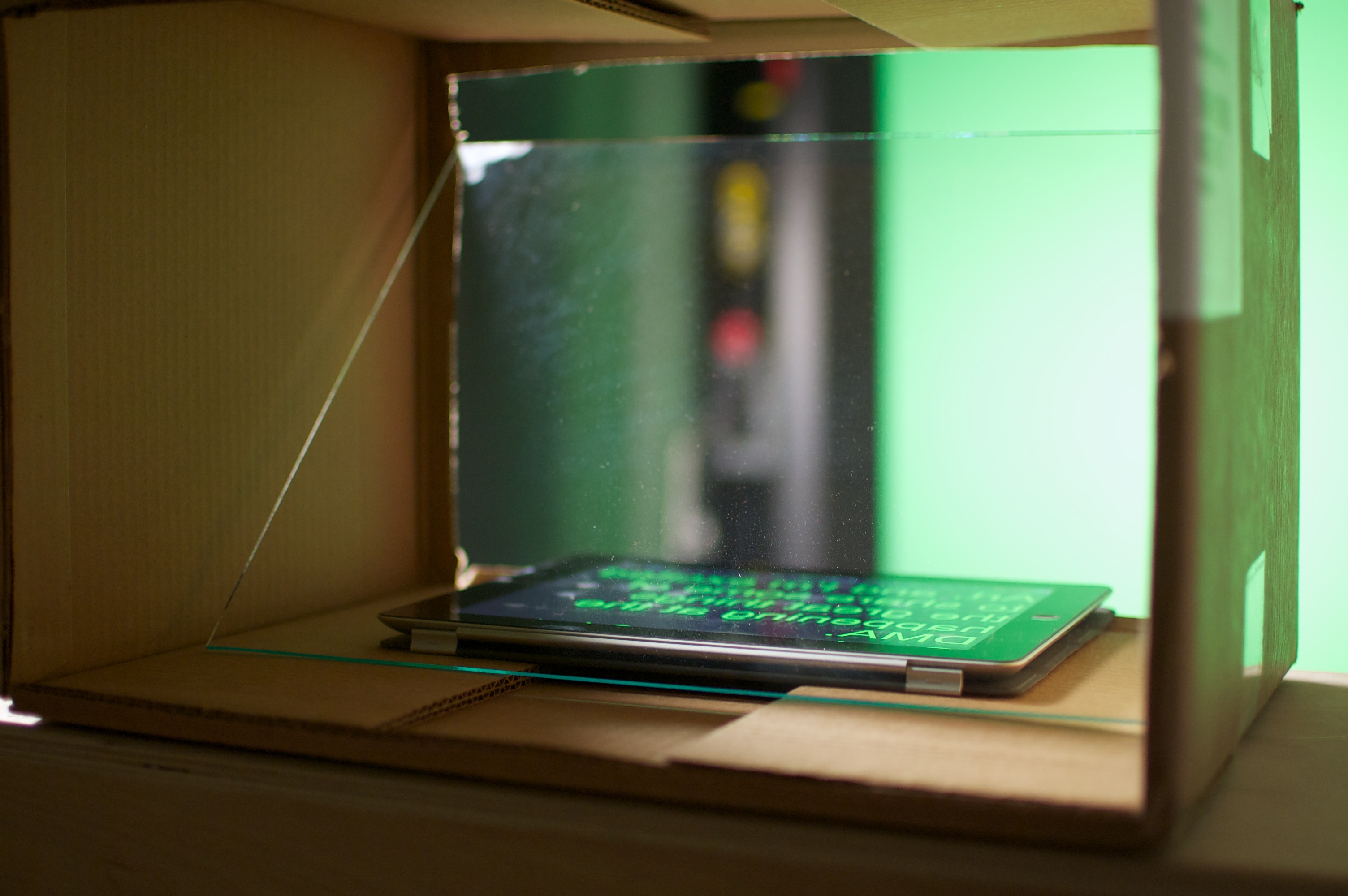
A teleprompter works by using a bit of optical illusion. A piece of glass is placed at a 45-degree angle in front of the camera lens. A computer screen (in our case, an iPad) is placed under the glass. The text is reflected off the glass and is readable by the actor while the camera does not pick up this reflection.

In terms of physics, this is based on the fact that the angle of incidence is equal to the angle of reflection. This means that if light strikes a surface (in our case the glass) it reflects off the opposite direction, but at the same angle as it was hit. So as long as the screen is on a flat surface, and the glass is at eye level to the actor, the actor will see the text but the camera will not, since its not on the same angle of incidence. This also relates to the Fresnel Effect (pronounced fray-nel), which is the observation that the amount of light visible is dependent on the viewing angle.

The material you use will also have an effect on the quality you get. Real glass works much better than Plexiglas. You also need to get the thinnest piece of glass possible. If the glass is too thick, the actor will see two reflections and the text will appear blurry. The actor will see reflections on the front of the glass and also the back. The glass I used here is 3/32 inch thick, which works great.

Setting Up the Teleprompter
DIY Teleprompter

First you have to get something to hold your glass at a 45-degree angle. I used a simple cardboard shipping box and cut both sides to just under the width of the glass. This will hold it in place and allow room for adjustment. A more permanent solution would be to build a wooden box with slots to hold your glass, but try the cardboard first so you’ll get a feel for how the glass needs to sit.

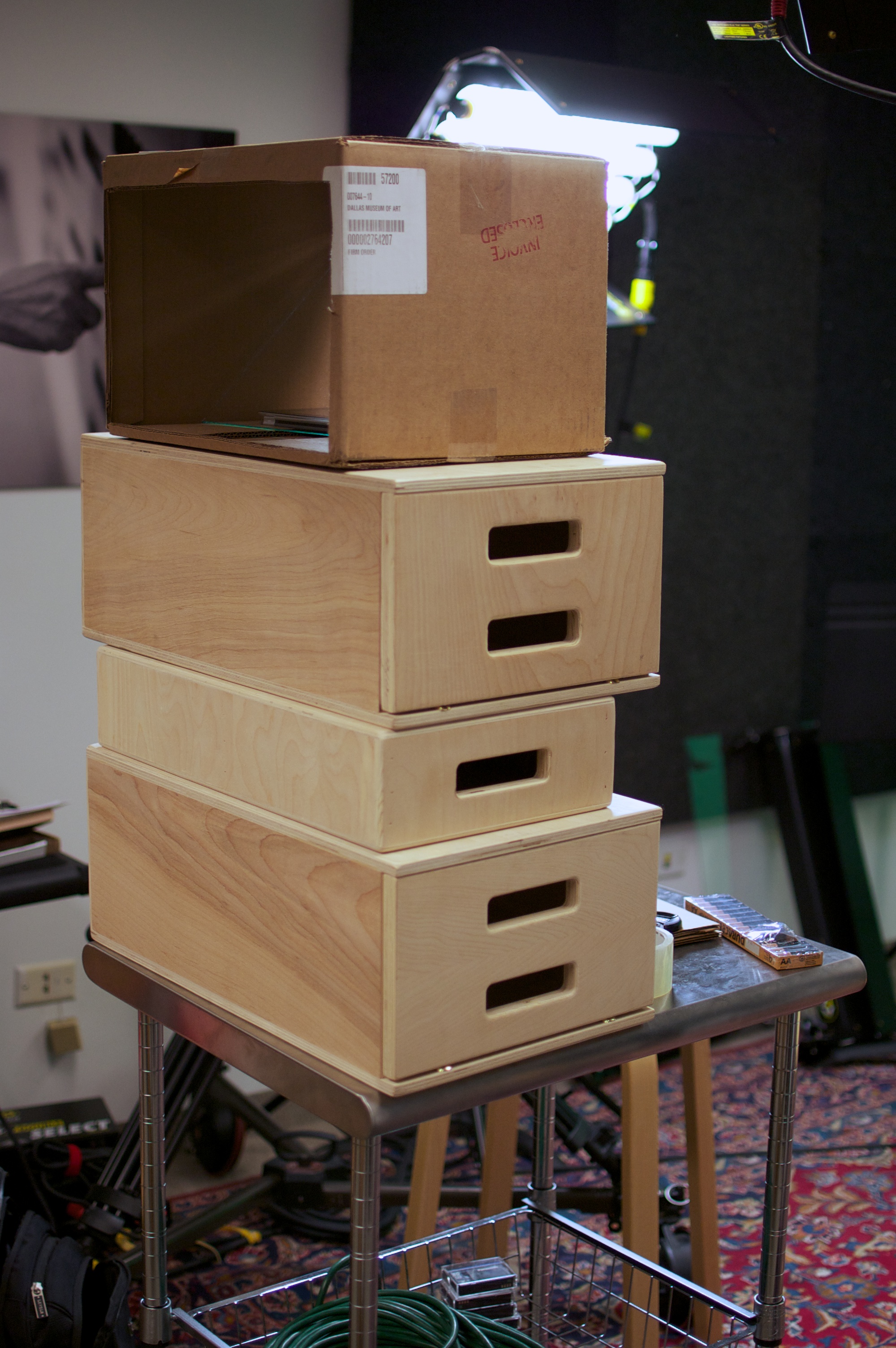
The next thing you’ll want to do is get the reflecting glass to the height of the actor. This isn’t that difficult, but do this first and it will save you a headache later. I have a rolling kitchen cart, and I’ve used some apple boxes to get the height up to eye level. You’ll need to experiment a little and have some extra “shims” on hand if there is a height difference with your actor.
DIY Teleprompter

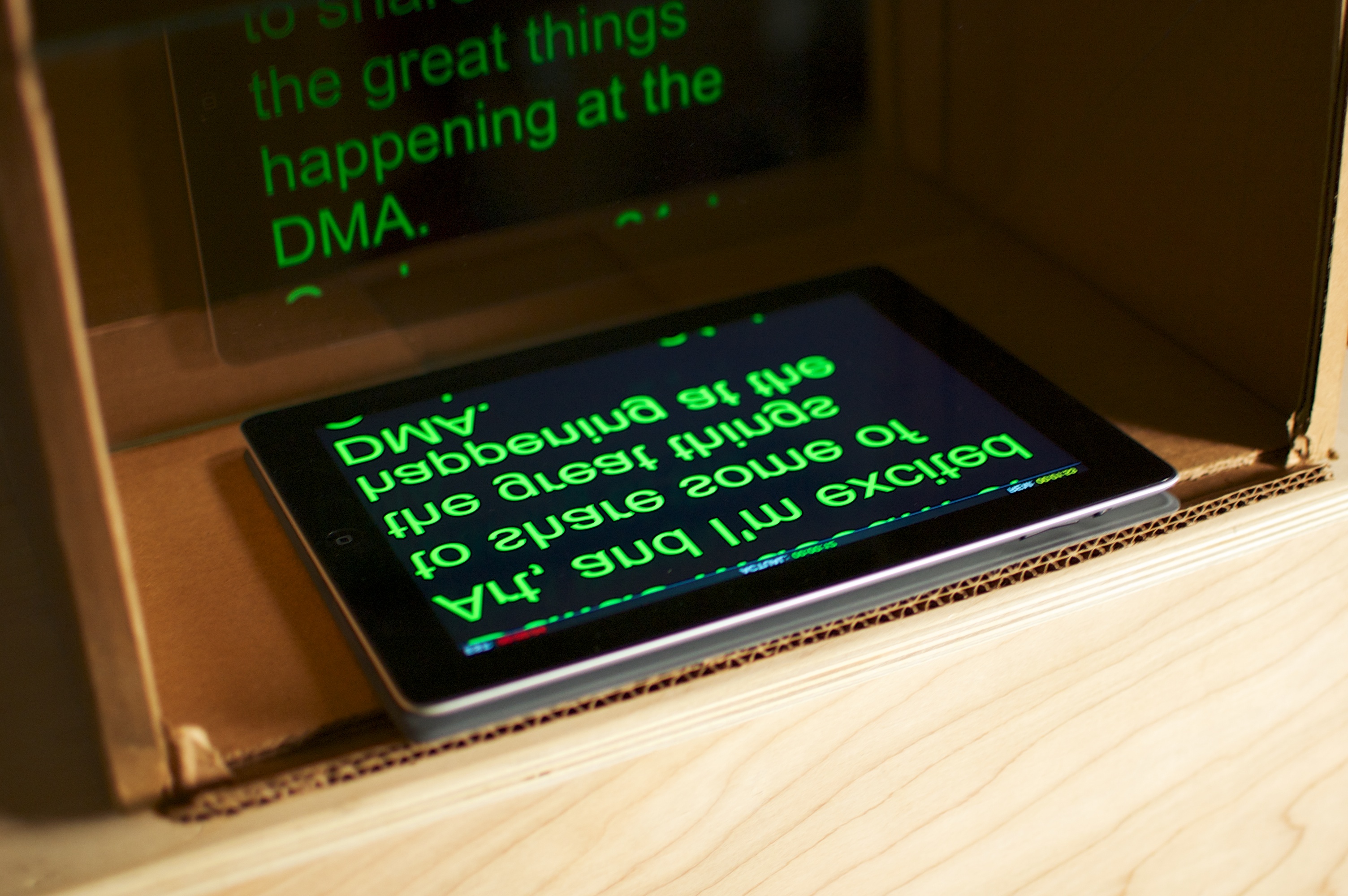
Go ahead and set up the iPad app, and place the iPad in the bottom of the box facing up—remember you’ll need to tell it to mirror the whole display since it’s being reflected. The app I’m using, Teleprompter+, lists this as a setting. When you start the script, it will mirror all of the text for you automatically.

Set the camera up on the other side of the glass. Once the subject is in focus and you start recording, you’ll want to use a piece of dark cloth to cover the back of the camera. I actually use my sport coat, which has a dark lining. This will block out any back-lighting, so the actor only sees the text. Before you start recording, make sure your subject knows where the lens is so he or she can make a mental mark of where to place his or her eyes. You are ready to record.

The iPad App—Teleprompter+

One thing that’s really nice about Teleprompter+ is that it allows you to set up your iPhone to control the text scrolling on the iPad on either a wireless or bluetooth connection. This allows the subject to scroll the text with the iPhone off-camera. In newscast setups, this is usually done with massive pieces of equipment and is controlled by a teleprompter operator. This setup using a separate operator often drives talent crazy because this person needs to be really good at the pacing and understanding where the eyes are. It’s an art to get this right. By using the iPhone app to control the iPad, we eliminate this need, and if your talent is good at this it works much more smoothly.

Final Touches

I’ve given you all of the technical explanation and instructions for putting a teleprompter together, but I would be remiss if I didn’t say that the lynchpin for success is the talent you have in front of the camera. Reading pre-written text and making it sound natural is an art unto itself. News anchors all use teleprompters and you can tell the difference those who are dynamic and interesting and those who sound like they are reading.

The other skill that is extremely important is knowing how to “read” off a teleprompter. Naturally when we read our eyes drift around to collect information to give to our brain. Unfortunately this motion is clearly visible when using a teleprompter. The talent must have a clear understanding of where the lens is and where his or her eyes should be. Moving the camera back further seems like a good way to make eye motion less obvious, but then it is harder for the talent to see and read.

The subject of most of our teleprompter usage has been our director, Max Anderson, who has had considerable television and teleprompter experience in the past. This makes the whole thing go very quickly, and we can get everything in one or two takes. If you’re dealing with someone who doesn’t have this experience, you’ll want to build in some rehearsal time.
DIY Teleprompter

So it doesn’t look as nice as the ones used on news sets or at press conferences, but those could run you close to $5,000. Here are the costs for our DIY Teleprompter:

11 x 14-inch piece of 3/32-inch-thick glass: $3.28
Cardboard box: Free
Apple boxes and cart: Free (already had them lying around)
Teleprompter+ app: $14.99

Total costs: $18.27 + tax

Ted Forbes is the Multimedia Producer at the Dallas Museum of Art.
Five, Six, Seven, Eight

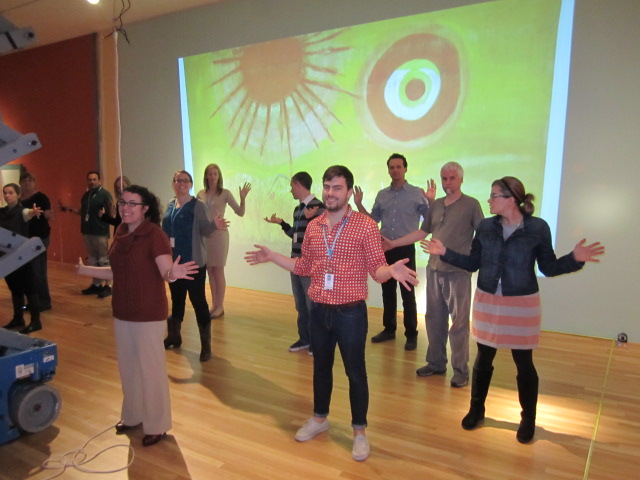
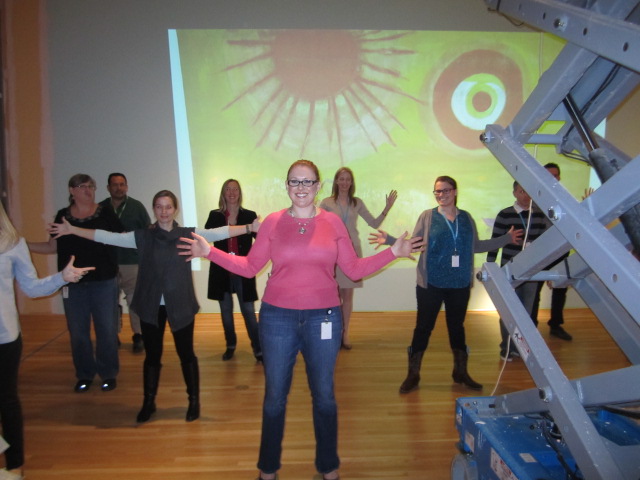
Chagall: Beyond Color opens on Sunday, February 17, and the highlight of the exhibition is sure to be the costumes designed by Chagall in 1942 for the production of the ballet Aleko. The ballet’s première took place in September 1942 in Mexico City, followed by the Ballet Theatre of New York production, and the costumes have not been seen in the U.S. since. Recently, DMA staff whipped out their jazz hands and did their best mannequin impersonations to assist in the installation of the Aleko costumes.

IMG_1541 IMG_1540

A New Inness in the Collection

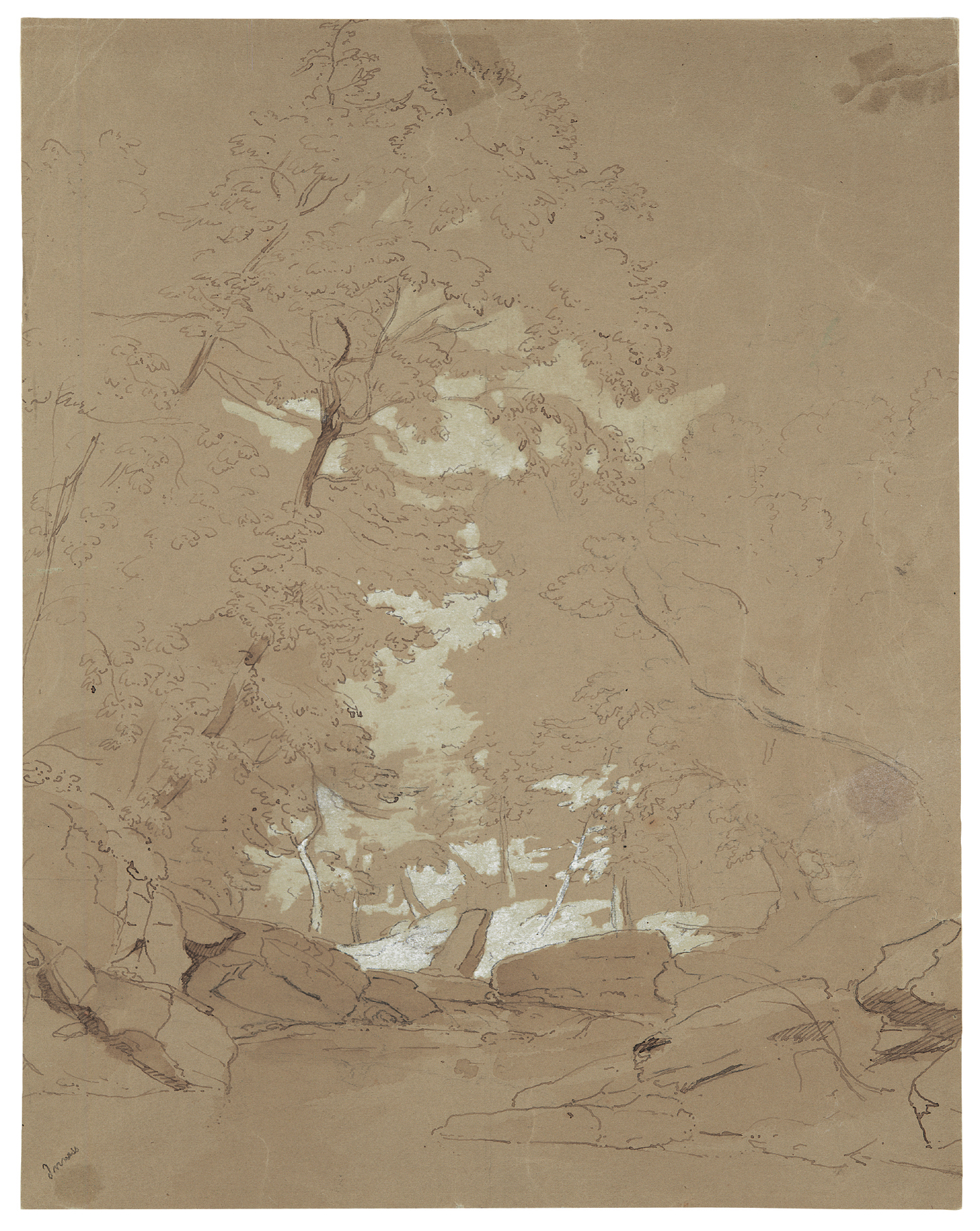
Earlier this fall, we announced the discovery of a George Inness painting in our collection. The work, Stream in the Mountains, entered the DMA’s collection over eighty years ago and was thought to be the work of Asher B. Durand, a prominent artist who was part of the Hudson River school of painters in the mid-19th century. At some point between its arrival at the DMA and the early 1970s, doubts to the authorship were raised and the painting was downgraded to possibly being by Durand. Sue Canterbury, The Pauline Gill Sullivan Associate Curator of American Art, joined the DMA in August of 2011, and during a visit to the Museum’s Art Storage was intrigued by the strong composition of the piece as well as the history surrounding its attribution. During her research, she noticed strong similarities to Inness’s early work and eventually came across a pen and ink drawing from the Princeton University Art Museum that contained compositional elements found in the DMA’s piece. The most eye-catching of these similarities is the pointing trapezoidal rock that appears in the center of both the drawing and painting. Read more about the attribution in the DMA’s Press Room, and view the painting in the Museum’s American art galleries on Level 4.

George Inness,Stream in the Mountains [formerly: In the Woods], c. 1850, oil on canvas, Dallas Museum of Art, bequest of Cecil A. Keating

George Inness, Stream in the Mountains [formerly: In the Woods], c. 1850, oil on canvas, Dallas Museum of Art, bequest of Cecil A. Keating

x1943-27

George Inness, Woodland Scene, 1845–1855, pen and brown-black ink, brush and brown wash heightened with white gouache over traces of graphite on brown wove paper, Princeton University Art Museum. Gift of Frank Jewett Mather Jr., x1943-27

Dining with Our Docents

Today docents at the Dallas Museum of Art celebrated the holidays at a Docent Luncheon. We appreciate all of their hard work and dedication throughout the year. Visit the DMA Dashboard to see how many hours the docents have volunteered. If you are interested in learning more about the DMA Docent Program, e-mail skarol@DMA.org.

IMG_2665

IMG_2670

IMG_2672

IMG_2674

It’s a Big Day for the DMA


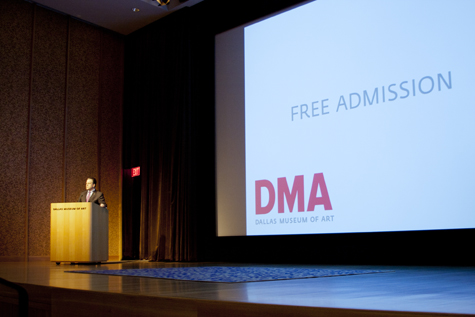
Yesterday we announced our move to free general admission in 2013 along with the launch of an innovative free membership model, the DMA Friends & Partners program. DMA Friends & Partners will not only strengthen our existing relationships with you but also forge new ones, expand audiences throughout greater Dallas, and build a robust global online community.

The DMA Friends program will provide free membership to anyone who wishes to join and will include opportunities for increased access to Museum programs and staff. The DMA Partners program will seek the support of individuals, corporations, and foundations desiring to be a part of the Museum’s efforts to deliver access to its extensive collection and diverse public programs. DMA Partners are also welcome to become DMA Friends and earn rewards through engagement.

DMA Friends earn rewards by engaging with the Museum both at the DMA and online. We will also create a new online engagement platform through which virtual badges are awarded to Friends who really plug-in and make the DMA a vibrant place to be. Badges will give you new ideas about ways to use the Museum that you’ve never thought of before. Earning badges will unlock special rewards and recognition like free tickets to special exhibitions or behind-the-scenes tours with DMA staff.

Our reasons for going free can be explained very simply: the DMA values the participation of the public more than we value the modest return realized from paid general admission. Art museums are different from other cultural destinations because we don’t rely as much on admissions to pay the bills. Our model is closer to that of a public library: we receive substantial philanthropic support from generous individuals, government agencies, foundations, and corporations, and we serve the public by seeking an educational outcome, not a commercial one.

The best part of our work is in seeing how artworks from across 5,000 years of visual creativity can change the way we think about the world, and how we feel about ourselves, as individuals and as a society. We look forward to welcoming you and to learning together.

Find out more about DMA Friends & Partners in the Press Room and watch yesterday’s press announcement below.

[youtube=http://www.youtube.com/watch?v=ARAC8CpYd9Y]

Robert Stein is the Deputy Director at the Dallas Museum of Art.

Coming Soon: The New C3

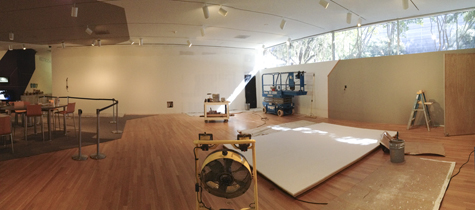
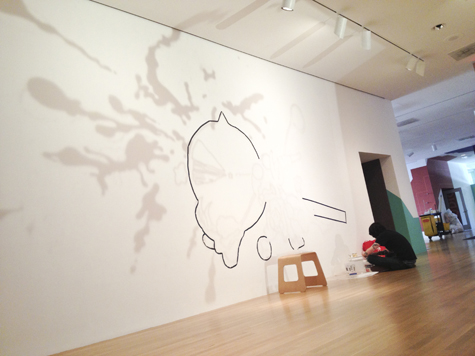
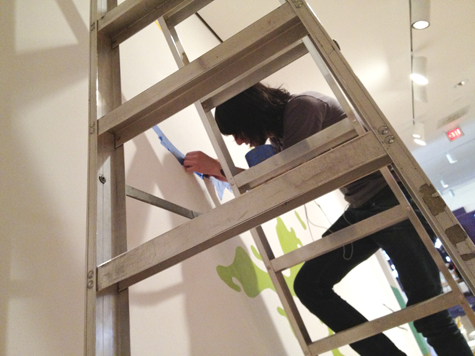
There are some changes taking place in the DMA’s Center for Creative Connections. We have expanded our “making” space in C3 to include a work of art to inspire creation, and we are enlarging the area to allow room for more visitors. We have recently added a new staff pick, and we are in the process of installing the Urban Armor Street Art Camp panels in the Tech Lab and Young Learners Gallery. We’re also changing out the monitor wall images with visitor photo contributions. DMA staff has been preparing the walls in C3 for the installation of a piece by John Hernandez called Hi-C Avenger. We are thrilled to announce that Hernandez will be teaching workshops in C3 this January!

Amanda Batson is the Program Coordinator for the Center for Creative Connections at the Dallas Museum of Art.
Fourteen Years of TWO x TWO

TWO x TWO for AIDS and Art is an annual contemporary art auction held in the Richard Meier-designed Rachofsky House in Dallas and benefiting two organizations—the Dallas Museum of Art and amfAR, The Foundation for AIDS Research. The event has raised over $34 million in the past thirteen years, enabling the Museum to acquire more than 125  works of art. October 20 marks the fourteenth annual gala and auction, which features Richard Phillips as amfAR’s 2012 Honored Artist. To learn more about the history of TWO x TWO for AIDS and Art, and this year’s events, including the First Look preview party tomorrow evening, visit the TWO x TWO website. Explore past TWO x TWO events below with guests such as Barry Manilow, Alan Cumming, Patti LaBelle, and more.

[slideshow]


Archives

Categories